

Poems
Politics and Power
Poems in this topic
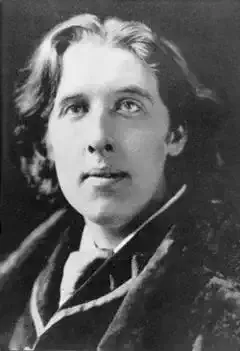
Oscar Wilde
To Milton
To Milton
MILTON! I think thy spirit hath passed away
From these white cliffs, and high-embattled towers;
This gorgeous fiery-coloured world of ours
Seems fallen into ashes dull and grey,
And the age changed unto a mimic play
Wherein we waste our else too-crowded hours:
For all our pomp and pageantry and powers
We are but fit to delve the common clay,
Seeing this little isle on which we stand,
This England, this sea-lion of the sea,
By ignorant demagogues is held in fee,
Who love her not: Dear God! is this the land
Which bare a triple empire in her hand
When Cromwell spake the word Democracy!
MILTON! I think thy spirit hath passed away
From these white cliffs, and high-embattled towers;
This gorgeous fiery-coloured world of ours
Seems fallen into ashes dull and grey,
And the age changed unto a mimic play
Wherein we waste our else too-crowded hours:
For all our pomp and pageantry and powers
We are but fit to delve the common clay,
Seeing this little isle on which we stand,
This England, this sea-lion of the sea,
By ignorant demagogues is held in fee,
Who love her not: Dear God! is this the land
Which bare a triple empire in her hand
When Cromwell spake the word Democracy!
209
Oscar Wilde
Sonnet To Liberty
Sonnet To Liberty
NOT that I love thy children, whose dull eyes
See nothing save their own unlovely woe,
Whose minds know nothing, nothing care to know,--
But that the roar of thy Democracies,
Thy reigns of Terror, thy great Anarchies,
Mirror my wildest passions like the sea,--
And give my rage a brother----! Liberty!
For this sake only do thy dissonant cries
Delight my discreet soul, else might all kings
By bloody knout or treacherous cannonades
Rob nations of their rights inviolate
And I remain unmoved--and yet, and yet,
These Christs that die upon the barricades,
God knows it I am with them, in some things.
NOT that I love thy children, whose dull eyes
See nothing save their own unlovely woe,
Whose minds know nothing, nothing care to know,--
But that the roar of thy Democracies,
Thy reigns of Terror, thy great Anarchies,
Mirror my wildest passions like the sea,--
And give my rage a brother----! Liberty!
For this sake only do thy dissonant cries
Delight my discreet soul, else might all kings
By bloody knout or treacherous cannonades
Rob nations of their rights inviolate
And I remain unmoved--and yet, and yet,
These Christs that die upon the barricades,
God knows it I am with them, in some things.
199
Oscar Wilde
Quantum Mutata
Quantum Mutata
THERE was a time in Europe long ago
When no man died for freedom anywhere,
But England's lion leaping from its lair
Laid hands on the oppressor! it was so
While England could a great Republic show.
Witness the men of Piedmont, chiefest care
Of Cromwell, when with impotent despair
The Pontiff in his painted portico
Trembled before our stern ambassadors.
How comes it then that from such high estate
We have thus fallen, save that Luxury
With barren merchandise piles up the gate
Where nobler thoughts and deeds should enter by:
Else might we still be Milton's heritors.
THERE was a time in Europe long ago
When no man died for freedom anywhere,
But England's lion leaping from its lair
Laid hands on the oppressor! it was so
While England could a great Republic show.
Witness the men of Piedmont, chiefest care
Of Cromwell, when with impotent despair
The Pontiff in his painted portico
Trembled before our stern ambassadors.
How comes it then that from such high estate
We have thus fallen, save that Luxury
With barren merchandise piles up the gate
Where nobler thoughts and deeds should enter by:
Else might we still be Milton's heritors.
221
Oscar Wilde
Louis Napoleon
Louis Napoleon
EAGLE of Austerlitz! where were thy wings
When far away upon a barbarous strand,
In fight unequal, by an obscure hand,
Fell the last scion of thy brood of Kings!
Poor boy! thou wilt not flaunt thy cloak of red,
Nor ride in state through Paris in the van
Of thy returning legions, but instead
Thy mother France, free and republican,
Shall on thy dead and crownless forehead place
The better laurels of a soldier's crown,
That not dishonoured should thy soul go down
To tell the mighty Sire of thy race
That France hath kissed the mouth of Liberty,
And found it sweeter than his honied bees,
And that the giant wave Democracy
Breaks on the shores where Kings lay crouched at ease.
EAGLE of Austerlitz! where were thy wings
When far away upon a barbarous strand,
In fight unequal, by an obscure hand,
Fell the last scion of thy brood of Kings!
Poor boy! thou wilt not flaunt thy cloak of red,
Nor ride in state through Paris in the van
Of thy returning legions, but instead
Thy mother France, free and republican,
Shall on thy dead and crownless forehead place
The better laurels of a soldier's crown,
That not dishonoured should thy soul go down
To tell the mighty Sire of thy race
That France hath kissed the mouth of Liberty,
And found it sweeter than his honied bees,
And that the giant wave Democracy
Breaks on the shores where Kings lay crouched at ease.
198

Ogden Nash
One From One Leaves Two
One From One Leaves Two
Higgledy piggledy, my black hen,
She lays eggs for gentlemen.
Gentlemen come every day
To count what my black hen doth lay.
If perchance she lays too many,
They fine my hen a pretty penny;
If perchance she fails to lay,
The gentlemen a bonus pay.
Mumbledy pumbledy, my red cow,
She’s cooperating now.
At first she didn’t understand
That milk production must be planned;
She didn’t understand at first
She either had to plan or burst,
But now the government reports
She’s giving pints instead of quarts.
Fiddle de dee, my next-door neighbors,
They are giggling at their labors.
First they plant the tiny seed,
Then they water, then they weed,
Then they hoe and prune and lop,
They they raise a record crop,
Then they laugh their sides asunder,
And plow the whole caboodle under.
Abracadabra, thus we learn
The more you create, the less you earn.
The less you earn, the more you’re given,
The less you lead, the more you’re driven,
The more destroyed, the more they feed,
The more you pay, the more they need,
The more you earn, the less you keep,
And now I lay me down to sleep.
I pray the Lord my soul to take
If the tax-collector hasn’t got it before I wake.
Higgledy piggledy, my black hen,
She lays eggs for gentlemen.
Gentlemen come every day
To count what my black hen doth lay.
If perchance she lays too many,
They fine my hen a pretty penny;
If perchance she fails to lay,
The gentlemen a bonus pay.
Mumbledy pumbledy, my red cow,
She’s cooperating now.
At first she didn’t understand
That milk production must be planned;
She didn’t understand at first
She either had to plan or burst,
But now the government reports
She’s giving pints instead of quarts.
Fiddle de dee, my next-door neighbors,
They are giggling at their labors.
First they plant the tiny seed,
Then they water, then they weed,
Then they hoe and prune and lop,
They they raise a record crop,
Then they laugh their sides asunder,
And plow the whole caboodle under.
Abracadabra, thus we learn
The more you create, the less you earn.
The less you earn, the more you’re given,
The less you lead, the more you’re driven,
The more destroyed, the more they feed,
The more you pay, the more they need,
The more you earn, the less you keep,
And now I lay me down to sleep.
I pray the Lord my soul to take
If the tax-collector hasn’t got it before I wake.
252

Nazim Hikmet
Last Will And Testament
Last Will And Testament
Comrades, if I don't live to see the day
-- I mean,if I die before freedom comes --
take me away
and bury me in a village cemetery in Anatolia.
The worker Osman whom Hassan Bey ordered shot
can lie on one side of me, and on the other side
the martyr Aysha, who gave birth in the rye
and died inside of forty days.
Tractors and songs can pass below the cemetery --
in the dawn light, new people, the smell of burnt gasoline,
fields held in common, water in canals,
no drought or fear of the police.
Of course, we won't hear those songs:
the dead lie stretched out underground
and rot like black branches,
deaf, dumb, and blind under the earth.
But, I sang those songs
before they were written,
I smelled the burnt gasoline
before the blueprints for the tractors were drawn.
As for my neighbors,
the worker Osman and the martyr Aysha,
they felt the great longing while alive,
maybe without even knowing it.
Comrades, if I die before that day, I mean
-- and it's looking more and more likely --
bury me in a village cemetery in Anatolia,
and if there's one handy,
a plane tree could stand at my head,
I wouldn't need a stone or anything.
Moscow, Barviha Hospital
Trans. by Randy Blasing and Mutlu Konuk ()
Comrades, if I don't live to see the day
-- I mean,if I die before freedom comes --
take me away
and bury me in a village cemetery in Anatolia.
The worker Osman whom Hassan Bey ordered shot
can lie on one side of me, and on the other side
the martyr Aysha, who gave birth in the rye
and died inside of forty days.
Tractors and songs can pass below the cemetery --
in the dawn light, new people, the smell of burnt gasoline,
fields held in common, water in canals,
no drought or fear of the police.
Of course, we won't hear those songs:
the dead lie stretched out underground
and rot like black branches,
deaf, dumb, and blind under the earth.
But, I sang those songs
before they were written,
I smelled the burnt gasoline
before the blueprints for the tractors were drawn.
As for my neighbors,
the worker Osman and the martyr Aysha,
they felt the great longing while alive,
maybe without even knowing it.
Comrades, if I die before that day, I mean
-- and it's looking more and more likely --
bury me in a village cemetery in Anatolia,
and if there's one handy,
a plane tree could stand at my head,
I wouldn't need a stone or anything.
Moscow, Barviha Hospital
Trans. by Randy Blasing and Mutlu Konuk ()
326
Nazim Hikmet
A Sad State Of Freedom
A Sad State Of Freedom
You waste the attention of your eyes,
the glittering labour of your hands,
and knead the dough enough for dozens of loaves
of which you'll taste not a morsel;
you are free to slave for others--
you are free to make the rich richer.
The moment you're born
they plant around you
mills that grind lies
lies to last you a lifetime.
You keep thinking in your great freedom
a finger on your temple
free to have a free conscience.
Your head bent as if half-cut from the nape,
your arms long, hanging,
your saunter about in your great freedom:
you're free
with the freedom of being unemployed.
You love your country
as the nearest, most precious thing to you.
But one day, for example,
they may endorse it over to America,
and you, too, with your great freedom--
you have the freedom to become an air-base.
You may proclaim that one must live
not as a tool, a number or a link
but as a human being--
then at once they handcuff your wrists.
You are free to be arrested, imprisoned
and even hanged.
There's neither an iron, wooden
nor a tulle curtain
in your life;
there's no need to choose freedom:
you are free.
But this kind of freedom
is a sad affair under the stars.
Translated by Taner Baybars
You waste the attention of your eyes,
the glittering labour of your hands,
and knead the dough enough for dozens of loaves
of which you'll taste not a morsel;
you are free to slave for others--
you are free to make the rich richer.
The moment you're born
they plant around you
mills that grind lies
lies to last you a lifetime.
You keep thinking in your great freedom
a finger on your temple
free to have a free conscience.
Your head bent as if half-cut from the nape,
your arms long, hanging,
your saunter about in your great freedom:
you're free
with the freedom of being unemployed.
You love your country
as the nearest, most precious thing to you.
But one day, for example,
they may endorse it over to America,
and you, too, with your great freedom--
you have the freedom to become an air-base.
You may proclaim that one must live
not as a tool, a number or a link
but as a human being--
then at once they handcuff your wrists.
You are free to be arrested, imprisoned
and even hanged.
There's neither an iron, wooden
nor a tulle curtain
in your life;
there's no need to choose freedom:
you are free.
But this kind of freedom
is a sad affair under the stars.
Translated by Taner Baybars
366
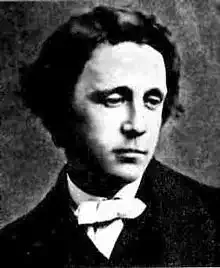
Lewis Carroll
Fame's Penny-Trumpet
Fame's Penny-Trumpet
Blow, blow your trumpets till they crack,
Ye little men of little souls!
And bid them huddle at your back Goldsucking
leeches, shoals on shoals!
Fill all the air with hungry wails "
Reward us, ere we think or write!
Without your Gold mere Knowledge fails
To sate the swinish appetite!"
And, where great Plato paced serene,
Or Newton paused with wistful eye,
Rush to the chace with hoofs unclean
And Babelclamour
of the sty
Be yours the pay: be theirs the praise:
We will not rob them of their due,
Nor vex the ghosts of other days
By naming them along with you.
They sought and found undying fame:
They toiled not for reward nor thanks:
Their cheeks are hot with honest shame
For you, the modern mountebanks!
Who preach of Justice plead
with tears
That Love and Mercy should abound While
marking with complacent ears
The moaning of some tortured hound:
Who prate of Wisdom nay,
forbear,
Lest Wisdom turn on you in wrath,
Trampling, with heel that will not spare,
The vermin that beset her path!
Go, throng each other's drawingrooms,
Ye idols of a petty clique:
Strut your brief hour in borrowed plumes,
And make your pennytrumpets
squeak.
Deck your dull talk with pilfered shreds
Of learning from a nobler time,
And oil each other's little heads
With mutual Flattery's golden slime:
And when the topmost height ye gain,
And stand in Glory's ether clear,
And grasp the prize of all your pain So
many hundred pounds a year
Then let Fame's banner be unfurled!
Sing Paeans for a victory won!
Ye tapers, that would light the world,
And cast a shadow on the Sun
Who still shall pour His rays sublime,
One crystal flood, from East to West,
When YE have burned your little time
And feebly flickered into rest!
Blow, blow your trumpets till they crack,
Ye little men of little souls!
And bid them huddle at your back Goldsucking
leeches, shoals on shoals!
Fill all the air with hungry wails "
Reward us, ere we think or write!
Without your Gold mere Knowledge fails
To sate the swinish appetite!"
And, where great Plato paced serene,
Or Newton paused with wistful eye,
Rush to the chace with hoofs unclean
And Babelclamour
of the sty
Be yours the pay: be theirs the praise:
We will not rob them of their due,
Nor vex the ghosts of other days
By naming them along with you.
They sought and found undying fame:
They toiled not for reward nor thanks:
Their cheeks are hot with honest shame
For you, the modern mountebanks!
Who preach of Justice plead
with tears
That Love and Mercy should abound While
marking with complacent ears
The moaning of some tortured hound:
Who prate of Wisdom nay,
forbear,
Lest Wisdom turn on you in wrath,
Trampling, with heel that will not spare,
The vermin that beset her path!
Go, throng each other's drawingrooms,
Ye idols of a petty clique:
Strut your brief hour in borrowed plumes,
And make your pennytrumpets
squeak.
Deck your dull talk with pilfered shreds
Of learning from a nobler time,
And oil each other's little heads
With mutual Flattery's golden slime:
And when the topmost height ye gain,
And stand in Glory's ether clear,
And grasp the prize of all your pain So
many hundred pounds a year
Then let Fame's banner be unfurled!
Sing Paeans for a victory won!
Ye tapers, that would light the world,
And cast a shadow on the Sun
Who still shall pour His rays sublime,
One crystal flood, from East to West,
When YE have burned your little time
And feebly flickered into rest!
211
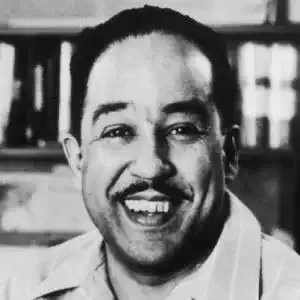
Langston Hughes
Gods
Gods
The ivory gods,
And the ebony gods,
And the gods of diamond and jade,
Sit silently on their temple shelves
While the people
Are afraid.
Yet the ivory gods,
And the ebony gods,
And the gods of diamond-jade,
Are only silly puppet gods
That the people themselves
Have made.
The ivory gods,
And the ebony gods,
And the gods of diamond and jade,
Sit silently on their temple shelves
While the people
Are afraid.
Yet the ivory gods,
And the ebony gods,
And the gods of diamond-jade,
Are only silly puppet gods
That the people themselves
Have made.
449

Kazi Nazrul Islam
O Destitutes!
O Destitutes!
With the curved smile on your tender lips, O crescent, is it a crooked suggestion?
Are you looking for companions to join you to loot every home in desperation?
As if at the command of Allah you are proclaiming from the sky,
O martyrs, why the rich do not pay zakat any more - ask, ask them why?
In surplus of these wealthy and rich, there is definitely a right
of all those hungry and deprived: this is Allah's message, so clear and trite.
Take away their surplus and their undeserving wealth; yes, take away!
You will be fulfilling a divine command, who stands in the way?
Why are you like living dead, imprisoned by powerlessness or decrepitude,
The plate of food rests close to you, yet why embracing death in hunger is your
attitude?
Have you no courage to extend your hand! Is your hand disabled or feeble?
I am, the bandit, here to collect the poor-due; get up and join me, don't quibble!
I have brought the message of Allah through the Eid's crescent that shines above,
We will break our fast with all those treasured surplus during this Ramadan - a month
we all love.
Everyone will eat and satisfy their hunger during this Eid celebration,
Don't despair and resign; rather loot your share of the blessings of God in rightful
jubilation.
[Original: Sharbohara (eid) by Kazi Nazrul Islam; Translation: Mohammad Omar
Farooq]
With the curved smile on your tender lips, O crescent, is it a crooked suggestion?
Are you looking for companions to join you to loot every home in desperation?
As if at the command of Allah you are proclaiming from the sky,
O martyrs, why the rich do not pay zakat any more - ask, ask them why?
In surplus of these wealthy and rich, there is definitely a right
of all those hungry and deprived: this is Allah's message, so clear and trite.
Take away their surplus and their undeserving wealth; yes, take away!
You will be fulfilling a divine command, who stands in the way?
Why are you like living dead, imprisoned by powerlessness or decrepitude,
The plate of food rests close to you, yet why embracing death in hunger is your
attitude?
Have you no courage to extend your hand! Is your hand disabled or feeble?
I am, the bandit, here to collect the poor-due; get up and join me, don't quibble!
I have brought the message of Allah through the Eid's crescent that shines above,
We will break our fast with all those treasured surplus during this Ramadan - a month
we all love.
Everyone will eat and satisfy their hunger during this Eid celebration,
Don't despair and resign; rather loot your share of the blessings of God in rightful
jubilation.
[Original: Sharbohara (eid) by Kazi Nazrul Islam; Translation: Mohammad Omar
Farooq]
488
Kazi Nazrul Islam
Kings and Subjects
Kings and Subjects
I am the bard of equality.
At the crossroads I sing,
Where pity and sympathy
Have made us all comrades and brother
It is a simple question,
We are all children of this earth,
But can you tell me
Why are some kings, rolling in luxury
And some subjects, starving in gutters?
But it is a queer philosophy,
If I state this simple truth
I am charged with sedition.
The subject can turn a traitor as simply as that.
But whom shall I ask
Why a king should not be condemned
As a traitor to the people
For his thousand crimes and follies
It is the people who create kings
And not the kings the people
Is that the reason
Why the king tortures the people?
Is that the way
They express their gratitude?
How can you smile, friend?
We are only coolies and servants
In our own home and land.
We have given up our manliness,
Our strength, and power.
And what have we got?
Rendered eunuchs we are guarding today
The lascivious harem of the tyrant king.
Whom shall I relate to
This sad and tragic tale?
In our Own land we are the ruled and the oppressed.
Those who make up the very country
Have no right in it
While the rulers enjoy,
The people remain starved and hungry.
Whom shall I complain to
Of this grievous injustice?
All around we hear the sycophants crying
'God save the king, Glory to him',
We the people are always judged.
Is there no Hall of Justice for the kings and the
monarchs?
The war-drums sound deafeningly
And the country's youth rush
To the battle-field to die with smiles on their lips.
But the tender and loving hearts, losing their dear
ones,
Weep bitter tears at home.
And the ravens fly over their roofs.
The royal road is ready..
The victorious chariot will soon pass by
Rejoice, O Citizens!
Have not your sons come back?
Did not your brothers return? Are your husbands dead?
Why weep for them? They sleep in the lap
Of the Goddess of victory.
A dark shadow of gloom and grief
Envelopes the country today,
God save the King, glory to him?
Rejoice, O Citizens,
For the king has come out of his fort today
After so many days.
The King's chariot is flying fast,
Trampling under the wheels
The returned heroes,
Trampling underneath
The brave crippled soldiers and the glorious dead.
O the one-armed and the one-legged
Soldiers of the King,
Keep off the roads and move away
If you want to save your lives today.
Well, friend,
That is exactly what happens,
The people fight and win the battles
And sing the King's praises,
The people provide their rulers
With food and apparel.
The people serve the king with devotion and humility
Only to be rewarded like this.
Isn't that a queer justice, friend?
We have to bow down and make obeisance
To the servants who are paid from our money.
Come, O you all, and have a look
At those glorious Public Servants of our land.
The wheels of Time revolve,
And yet here in our country
Over millions of men
Rule a hundred thieves.
It is no wishful thinking,
Nor is the day very far
When all the kings of the world
Will, in unison, sing
The People's Victory.
[Original: Raja-Proja; Translation: Kabir Chowdhury]
I am the bard of equality.
At the crossroads I sing,
Where pity and sympathy
Have made us all comrades and brother
It is a simple question,
We are all children of this earth,
But can you tell me
Why are some kings, rolling in luxury
And some subjects, starving in gutters?
But it is a queer philosophy,
If I state this simple truth
I am charged with sedition.
The subject can turn a traitor as simply as that.
But whom shall I ask
Why a king should not be condemned
As a traitor to the people
For his thousand crimes and follies
It is the people who create kings
And not the kings the people
Is that the reason
Why the king tortures the people?
Is that the way
They express their gratitude?
How can you smile, friend?
We are only coolies and servants
In our own home and land.
We have given up our manliness,
Our strength, and power.
And what have we got?
Rendered eunuchs we are guarding today
The lascivious harem of the tyrant king.
Whom shall I relate to
This sad and tragic tale?
In our Own land we are the ruled and the oppressed.
Those who make up the very country
Have no right in it
While the rulers enjoy,
The people remain starved and hungry.
Whom shall I complain to
Of this grievous injustice?
All around we hear the sycophants crying
'God save the king, Glory to him',
We the people are always judged.
Is there no Hall of Justice for the kings and the
monarchs?
The war-drums sound deafeningly
And the country's youth rush
To the battle-field to die with smiles on their lips.
But the tender and loving hearts, losing their dear
ones,
Weep bitter tears at home.
And the ravens fly over their roofs.
The royal road is ready..
The victorious chariot will soon pass by
Rejoice, O Citizens!
Have not your sons come back?
Did not your brothers return? Are your husbands dead?
Why weep for them? They sleep in the lap
Of the Goddess of victory.
A dark shadow of gloom and grief
Envelopes the country today,
God save the King, glory to him?
Rejoice, O Citizens,
For the king has come out of his fort today
After so many days.
The King's chariot is flying fast,
Trampling under the wheels
The returned heroes,
Trampling underneath
The brave crippled soldiers and the glorious dead.
O the one-armed and the one-legged
Soldiers of the King,
Keep off the roads and move away
If you want to save your lives today.
Well, friend,
That is exactly what happens,
The people fight and win the battles
And sing the King's praises,
The people provide their rulers
With food and apparel.
The people serve the king with devotion and humility
Only to be rewarded like this.
Isn't that a queer justice, friend?
We have to bow down and make obeisance
To the servants who are paid from our money.
Come, O you all, and have a look
At those glorious Public Servants of our land.
The wheels of Time revolve,
And yet here in our country
Over millions of men
Rule a hundred thieves.
It is no wishful thinking,
Nor is the day very far
When all the kings of the world
Will, in unison, sing
The People's Victory.
[Original: Raja-Proja; Translation: Kabir Chowdhury]
615
Kazi Nazrul Islam
Beware My Captain
Beware My Captain
You have to cross the darkness of the night
A desert vast and a hill of great height,
And an ocean, fathomless and dark.
Travellers, beware and look sharp.
The boat is trembling,
The water is swelling,
The sail is torn asunder,
And the boatman is losing his way,
Who will sit at the helm at this hour?
Who has the courage and the power?
The future calls your,
Come forward, all who are bold and true.
The night is dark, the storm is great,
You must look sharp, there is no time to hesitate.
You must make haste or it would be too late
To ferry the boat across the other side.
The night is dark, Be your own guard.
your, soldiers of the country,
Age old grievances have declared a fight,
The deprived heart is demanding its right.
You must take them along, the poor and the weak,
You must make them strong, no longer mild and meek
You must lead them to victory.
O Captain, my captain,
The helpless nation is going under water,
It does not know how to swim.
I shall watch tonight
Your determination, grim yet bright,
To free the country from slavery.
'Are they Hindus or Muslims? '
Who ask this question, I say.
Tell him, my Captain,
The children of the motherland are drowning today.
Doubts assail the mind of the travelers still,
There is thunder in the sky and danger over the hill.
Captain, will you lose the way
And leave us in the lurch?
You must not waver or sway,
You must carry on the march.
Those who sang the victory of life
With the nose of the gallows round their neck
Come and gather round quietly today.
What price do you pay for that, friends,
What sacrifice do you make?
It is a test, dear Captain,
Do you save the country or the cast at this hour?
The boat is trembling,
The water is swelling,
Beware, my Captain, beware.
[Translation: Kabir Chowdhury]
You have to cross the darkness of the night
A desert vast and a hill of great height,
And an ocean, fathomless and dark.
Travellers, beware and look sharp.
The boat is trembling,
The water is swelling,
The sail is torn asunder,
And the boatman is losing his way,
Who will sit at the helm at this hour?
Who has the courage and the power?
The future calls your,
Come forward, all who are bold and true.
The night is dark, the storm is great,
You must look sharp, there is no time to hesitate.
You must make haste or it would be too late
To ferry the boat across the other side.
The night is dark, Be your own guard.
your, soldiers of the country,
Age old grievances have declared a fight,
The deprived heart is demanding its right.
You must take them along, the poor and the weak,
You must make them strong, no longer mild and meek
You must lead them to victory.
O Captain, my captain,
The helpless nation is going under water,
It does not know how to swim.
I shall watch tonight
Your determination, grim yet bright,
To free the country from slavery.
'Are they Hindus or Muslims? '
Who ask this question, I say.
Tell him, my Captain,
The children of the motherland are drowning today.
Doubts assail the mind of the travelers still,
There is thunder in the sky and danger over the hill.
Captain, will you lose the way
And leave us in the lurch?
You must not waver or sway,
You must carry on the march.
Those who sang the victory of life
With the nose of the gallows round their neck
Come and gather round quietly today.
What price do you pay for that, friends,
What sacrifice do you make?
It is a test, dear Captain,
Do you save the country or the cast at this hour?
The boat is trembling,
The water is swelling,
Beware, my Captain, beware.
[Translation: Kabir Chowdhury]
2,887

Jonathan Swift
Toland’s Invitation To Dismal To Dine With The Calve’s Head Club
Toland’s Invitation To Dismal To Dine With The Calve’s Head Club
If, dearest Dismal, you for once can dine
Upon a single dish, and tavern wine,
Toland to you this invitation sends,
To eat the calfs head with your trusty friends.
Suspend awhile your vain ambitious hopes,
Leave hunting after bribes, forget your tropes.
To-morrow we our mystic feast prepare,
Where thou, our latest proselyte, shall share:
When we, by proper signs and symbols, tell,
How by brave hands the royal traitor fell;
The meat shall represent the tyrant's head,
The wine, his blood our predecessors shed;
Whilst an alluding hymn some artist sings,
We toast, Confusion to the race of kings!
At monarchy we nobly show our spight,
And talk, what fools call treason, all the night.
Who, by disgraces or ill fortune sunk,
Feels not his soul enliven'd when he's drunk?
Wine can clear up Godolphin's cloudy face,
And fill Jack Smith with hopes to keep his place:
By force of wine, ev'n Scarborough is brave,
Hal grows more pert, and Somers not so grave:
Wine can give Portland wit, and Cleaveland sense,
Montague learning, Bolton eloquence:
Cholmondeley, when drunk, can never lose his wand;
And Lincoln then imagines he has land.
My province is, to see that all be right,
Glasses and linen clean, and pewter bright;
From our mysterious club to keep out spies,
And Tories (dress'd like waiters) in disguise.
You shall be coupled as you best approve,
Seated at table next the man you love.
Sunderland, Orford, Boyle, and Richmond's grace
Will come; and Hampden shall have Walpole's place;
Wharton, unless prevented by a whore,
Will hardly fail; and there is room for more;
But I love elbow-room whene'er I drink;
And honest Harry is too apt to stink.
Let no pretence of bus'ness make you stay;
Yet take one word of counsel by the way.
If Guernsey calls, send word you're gone abroad;
He'll teaze you with King Charles, and Bishop Laud,
Or make you fast, and carry you to prayers;
But, if he will break in, and walk up stairs,
Steal by the back-door out, and leave him there;
Then order Squash to call a hackney chair.
If, dearest Dismal, you for once can dine
Upon a single dish, and tavern wine,
Toland to you this invitation sends,
To eat the calfs head with your trusty friends.
Suspend awhile your vain ambitious hopes,
Leave hunting after bribes, forget your tropes.
To-morrow we our mystic feast prepare,
Where thou, our latest proselyte, shall share:
When we, by proper signs and symbols, tell,
How by brave hands the royal traitor fell;
The meat shall represent the tyrant's head,
The wine, his blood our predecessors shed;
Whilst an alluding hymn some artist sings,
We toast, Confusion to the race of kings!
At monarchy we nobly show our spight,
And talk, what fools call treason, all the night.
Who, by disgraces or ill fortune sunk,
Feels not his soul enliven'd when he's drunk?
Wine can clear up Godolphin's cloudy face,
And fill Jack Smith with hopes to keep his place:
By force of wine, ev'n Scarborough is brave,
Hal grows more pert, and Somers not so grave:
Wine can give Portland wit, and Cleaveland sense,
Montague learning, Bolton eloquence:
Cholmondeley, when drunk, can never lose his wand;
And Lincoln then imagines he has land.
My province is, to see that all be right,
Glasses and linen clean, and pewter bright;
From our mysterious club to keep out spies,
And Tories (dress'd like waiters) in disguise.
You shall be coupled as you best approve,
Seated at table next the man you love.
Sunderland, Orford, Boyle, and Richmond's grace
Will come; and Hampden shall have Walpole's place;
Wharton, unless prevented by a whore,
Will hardly fail; and there is room for more;
But I love elbow-room whene'er I drink;
And honest Harry is too apt to stink.
Let no pretence of bus'ness make you stay;
Yet take one word of counsel by the way.
If Guernsey calls, send word you're gone abroad;
He'll teaze you with King Charles, and Bishop Laud,
Or make you fast, and carry you to prayers;
But, if he will break in, and walk up stairs,
Steal by the back-door out, and leave him there;
Then order Squash to call a hackney chair.
195
Jonathan Swift
The Revolution At Market-Hill
The Revolution At Market-Hill
From distant regions Fortune sends
An odd triumvirate of friends;
Where Phoebus pays a scanty stipend,
Where never yet a codling ripen'd:
Hither the frantic goddess draws
Three sufferers in a ruin'd cause:
By faction banish'd, here unite,
A Dean, a Spaniard, and a Knight;
Unite, but on conditions cruel;
The Dean and Spaniard find it too well,
Condemn'd to live in service hard;
On either side his honour's guard:
The Dean to guard his honour's back,
Must build a castle at Drumlack;
The Spaniard, sore against his will,
Must raise a fort at Market-Hill.
And thus the pair of humble gentry
At north and south are posted sentry;
While in his lordly castle fixt,
The knight triumphant reigns betwixt:
And, what the wretches most resent,
To be his slaves, must pay him rent;
Attend him daily as their chief,
Decant his wine, and carve his beef.
O Fortune! 'tis a scandal for thee
To smile on those who are least worthy:
Weigh but the merits of the three,
His slaves have ten times more than he.
Proud baronet of Nova Scotia!
The Dean and Spaniard must reproach ye:
Of their two fames the world enough rings:
Where are thy services and sufferings?
What if for nothing once you kiss'd,
Against the grain, a monarch's fist?
What if, among the courtly tribe,
You lost a place and saved a bribe?
And then in surly mood came here,
To fifteen hundred pounds a-year,
And fierce against the Whigs harangu'd?
You never ventured to be hang'd.
How dare you treat your betters thus?
Are you to be compared with us?
Come, Spaniard, let us from our farms
Call forth our cottagers to arms:
Our forces let us both unite,
Attack the foe at left and right;
From Market-Hill's exalted head,
Full northward let your troops be led;
While I from Drapier's-Mount descend,
And to the south my squadrons bend.
New-River Walk, with friendly shade,
Shall keep my host in ambuscade;
While you, from where the basin stands,
Shall scale the rampart with your bands.
Nor need we doubt the fort to win;
I hold intelligence within.
True, Lady Anne no danger fears,
Brave as the Upton fan she wears;
Then, lest upon our first attack
Her valiant arm should force us back,
And we of all our hopes deprived;
I have a stratagem contrived.
By these embroider'd high-heel shoes
She shall be caught as in a noose:
So well contriv'd her toes to pinch,
She'll not have power to stir an inch:
These gaudy shoes must Hannah place
Direct before her lady's face;
The shoes put on, our faithful portress
Admits us in, to storm the fortress,
While tortured madam bound remains,
Like Montezume, in golden chains;
Or like a cat with walnuts shod,
Stumbling at every step she trod.
Sly hunters thus, in Borneo's isle,
To catch a monkey by a wile,
The mimic animal amuse;
They place before him gloves and shoes;
Which, when the brute puts awkward on:
All his agility is gone;
In vain to frisk or climb he tries;
The huntsmen seize the grinning prize.
But let us on our first assault
Secure the larder and the vault;
The valiant Dennis, you must fix on,
And I'll engage with Peggy Dixon:
Then, if we once can seize the key
And chest that keeps my lady's tea,
They must surrender at discretion!
And, soon as we have gain'd possession,
We'll act as other conquerors do,
Divide the realm between us two;
Then, (let me see,) we'll make the knight
Our clerk, for he can read and write.
But must not think, I tell him that,
Like Lorimer to wear his hat;
Yet, when we dine without a friend,
We'll place him at the lower end.
Madam, whose skill does all in dress lie,
May serve to wait on Mrs. Leslie;
But, lest it might not be so proper
That her own maid should over-top her,
To mortify the creature more,
We'll take her heels five inches lower.
For Hannah, when we have no need of her,
'Twill be our interest to get rid of her;
And when we execute our plot,
'Tis best to hang her on the spot;
As all your politicians wise,
Dispatch the rogues by whom they rise.
From distant regions Fortune sends
An odd triumvirate of friends;
Where Phoebus pays a scanty stipend,
Where never yet a codling ripen'd:
Hither the frantic goddess draws
Three sufferers in a ruin'd cause:
By faction banish'd, here unite,
A Dean, a Spaniard, and a Knight;
Unite, but on conditions cruel;
The Dean and Spaniard find it too well,
Condemn'd to live in service hard;
On either side his honour's guard:
The Dean to guard his honour's back,
Must build a castle at Drumlack;
The Spaniard, sore against his will,
Must raise a fort at Market-Hill.
And thus the pair of humble gentry
At north and south are posted sentry;
While in his lordly castle fixt,
The knight triumphant reigns betwixt:
And, what the wretches most resent,
To be his slaves, must pay him rent;
Attend him daily as their chief,
Decant his wine, and carve his beef.
O Fortune! 'tis a scandal for thee
To smile on those who are least worthy:
Weigh but the merits of the three,
His slaves have ten times more than he.
Proud baronet of Nova Scotia!
The Dean and Spaniard must reproach ye:
Of their two fames the world enough rings:
Where are thy services and sufferings?
What if for nothing once you kiss'd,
Against the grain, a monarch's fist?
What if, among the courtly tribe,
You lost a place and saved a bribe?
And then in surly mood came here,
To fifteen hundred pounds a-year,
And fierce against the Whigs harangu'd?
You never ventured to be hang'd.
How dare you treat your betters thus?
Are you to be compared with us?
Come, Spaniard, let us from our farms
Call forth our cottagers to arms:
Our forces let us both unite,
Attack the foe at left and right;
From Market-Hill's exalted head,
Full northward let your troops be led;
While I from Drapier's-Mount descend,
And to the south my squadrons bend.
New-River Walk, with friendly shade,
Shall keep my host in ambuscade;
While you, from where the basin stands,
Shall scale the rampart with your bands.
Nor need we doubt the fort to win;
I hold intelligence within.
True, Lady Anne no danger fears,
Brave as the Upton fan she wears;
Then, lest upon our first attack
Her valiant arm should force us back,
And we of all our hopes deprived;
I have a stratagem contrived.
By these embroider'd high-heel shoes
She shall be caught as in a noose:
So well contriv'd her toes to pinch,
She'll not have power to stir an inch:
These gaudy shoes must Hannah place
Direct before her lady's face;
The shoes put on, our faithful portress
Admits us in, to storm the fortress,
While tortured madam bound remains,
Like Montezume, in golden chains;
Or like a cat with walnuts shod,
Stumbling at every step she trod.
Sly hunters thus, in Borneo's isle,
To catch a monkey by a wile,
The mimic animal amuse;
They place before him gloves and shoes;
Which, when the brute puts awkward on:
All his agility is gone;
In vain to frisk or climb he tries;
The huntsmen seize the grinning prize.
But let us on our first assault
Secure the larder and the vault;
The valiant Dennis, you must fix on,
And I'll engage with Peggy Dixon:
Then, if we once can seize the key
And chest that keeps my lady's tea,
They must surrender at discretion!
And, soon as we have gain'd possession,
We'll act as other conquerors do,
Divide the realm between us two;
Then, (let me see,) we'll make the knight
Our clerk, for he can read and write.
But must not think, I tell him that,
Like Lorimer to wear his hat;
Yet, when we dine without a friend,
We'll place him at the lower end.
Madam, whose skill does all in dress lie,
May serve to wait on Mrs. Leslie;
But, lest it might not be so proper
That her own maid should over-top her,
To mortify the creature more,
We'll take her heels five inches lower.
For Hannah, when we have no need of her,
'Twill be our interest to get rid of her;
And when we execute our plot,
'Tis best to hang her on the spot;
As all your politicians wise,
Dispatch the rogues by whom they rise.
205
Jonathan Swift
The Grand Question Debated: Whether Hamilton’s Bawn Should Be Turned
The Grand Question Debated: Whether Hamilton’s Bawn Should Be Turned
Into A Barrack Or Malt-House
Thus spoke to my lady the knight full of care,
'Let me have your advice in a weighty affair.
This Hamilton's bawn, while it sticks in my hand
I lose by the house what I get by the land;
But how to dispose of it to the best bidder,
For a barrack or malt-house, we now must consider.
'First, let me suppose I make it a malt-house,
Here I have computed the profit will fall t'us:
There's nine hundred pounds for labour and grain,
I increase it to twelve, so three hundred remain;
A handsome addition for wine and good cheer,
Three dishes a-day, and three hogsheads a-year;
With a dozen large vessels my vault shall be stored;
No little scrub joint shall come on my board;
And you and the Dean no more shall combine
To stint me at night to one bottle of wine;
Nor shall I, for his humour, permit you to purloin
A stone and a quarter of beef from my sir-loin.
If I make it a barrack, the crown is my tenant;
My dear, I have ponder'd again and again on't:
In poundage and drawbacks I lose half my rent,
Whatever they give me, I must be content,
Or join with the court in every debate;
And rather than that, I would lose my estate.'
Thus ended the knight; thus began his meek wife:
'It must, and it shall be a barrack, my life.
I'm grown a mere mopus; no company comes
But a rabble of tenants, and rusty dull rums.
With parsons what lady can keep herself clean?
I'm all over daub'd when I sit by the Dean.
But if you will give us a barrack, my dear,
The captain I'm sure will always come here;
I then shall not value his deanship a straw,
For the captain, I warrant, will keep him in awe;
Or, should he pretend to be brisk and alert,
Will tell him that chaplains should not be so pert;
That men of his coat should be minding their prayers,
And not among ladies to give themselves airs.'
Thus argued my lady, but argued in vain;
The knight his opinion resolved to maintain.
But Hannah, who listen'd to all that was past,
And could not endure so vulgar a taste,
As soon as her ladyship call'd to be dress'd,
Cried, 'Madam, why surely my master's possess'd,
Sir Arthur the maltster! how fine it will sound!
I'd rather the bawn were sunk under ground.
But, madam, I guess'd there would never come good,
When I saw him so often with Darby and Wood.
And now my dream's out; for I was a-dream'd
That I saw a huge rat—O dear, how I scream'd!
And after, methought, I had lost my new shoes;
And Molly, she said, I should hear some ill news.
'Dear Madam, had you but the spirit to tease,
You might have a barrack whenever you please:
And, madam, I always believed you so stout,
That for twenty denials you would not give out.
If I had a husband like him, I purtest,
Till he gave me my will, I would give him no rest;
And, rather than come in the same pair of sheets
With such a cross man, I would lie in the streets:
But, madam, I beg you, contrive and invent,
And worry him out, till he gives his consent.
Dear madam, whene'er of a barrack I think,
An I were to be hang'd, I can't sleep a wink:
For if a new crotchet comes into my brain,
I can't get it out, though I'd never so fain.
I fancy already a barrack contrived
At Hamilton's bawn, and the troop is arrived;
Of this to be sure, Sir Arthur has warning,
And waits on the captain betimes the next morning.
'Now see, when they meet, how their honours behave;
'Noble captain, your servant'—'Sir Arthur, your slave;
You honour me much'—'The honour is mine.'—
''Twas a sad rainy night'—'But the morning is fine.'—
'Pray, how does my lady?'—'My wife's at your service.'—
'I think I have seen her picture by Jervas.'—
'Good-morrow, good captain'—'I'll wait on you down'—
'You shan't stir a foot'—'You'll think me a clown.'—
'For all the world, captain, not half an inch farther'—
'You must be obey'd—Your servant, Sir Arthur!
My humble respects to my lady unknown.'—
'I hope you will use my house as your own.''
'Go bring me my smock, and leave off your prate,
Thou hast certainly gotten a cup in thy pate.'
'Pray, madam, be quiet: what was it I said?
You had like to have put it quite out of my head.
Next day to be sure, the captain will come,
At the head of his troop, with trumpet and drum.
Now, madam, observe how he marches in state:
The man with the kettle-drum enters the gate:
Dub, dub, adub, dub. The trumpeters follow.
Tantara, tantara; while all the boys holla.
See now comes the captain all daub'd with gold lace:
O la! the sweet gentleman! look in his face;
And see how he rides like a lord of the land,
With the fine flaming sword that he holds in his hand;
And his horse, the dear creter, it prances and rears;
With ribbons in knots at its tail and its ears:
At last comes the troop, by word of command,
Drawn up in our court; when the captain cries, STAND!
Your ladyship lifts up the sash to be seen,
For sure I had dizen'd you out like a queen.
The captain, to show he is proud of the favour,
Looks up to your window, and cocks up his beaver;
(His beaver is cock'd: pray, madam, mark that,
For a captain of horse never takes off his hat,
Because he has never a hand that is idle,
For the right holds the sword, and the left holds the bridle
Then flourishes thrice his sword in the air,
As a compliment due to a lady so fair;
(How I tremble to think of the blood it has spilt!)
Then he lowers down the point, and kisses the hilt.
Your ladyship smiles, and thus you begin:
'Pray, captain, be pleased to alight and walk in.'
The captain salutes you with congee profound,
And your ladyship curtseys half way to the ground.
'Kit, run to your master, and bid him come to us;
I'm sure he'll be proud of the honour you do us;
And, captain, you'll do us the favour to stay,
And take a short dinner here with us to-day:
You're heartily welcome; but as for good cheer,
You come in the very worst time of the year;
If I had expected so worthy a guest—'
'Lord, madam! your ladyship sure is in jest;
You banter me, madam; the kingdom must grant—'
'You officers, captain, are so complaisant!''—
'Hist, hussey, I think I hear somebody coming '—
'No madam: 'tis only Sir Arthur a-humming.
To shorten my tale, (for I hate a long story,)
The captain at dinner appears in his glory;
The dean and the doctor have humbled their pride,
For the captain's entreated to sit by your side;
And, because he's their betters, you carve for him first;
The parsons for envy are ready to burst.
The servants, amazed, are scarce ever able
To keep off their eyes, as they wait at the table;
And Molly and I have thrust in our nose,
To peep at the captain in all his fine clo'es.
Dear madam, be sure he's a fine spoken man,
Do but hear on the clergy how glib his tongue ran;
And, 'madam,' says he, 'if such dinners you give,
You'll ne'er want for parsons as long as you live.
I ne'er knew a parson without a good nose;
But the devil's as welcome, wherever he goes:
G—d d—n me! they bid us reform and repent,
But, z—s! by their looks, they never keep Lent:
Mister curate, for all your grave looks, I'm afraid
You cast a sheep's eye on her ladyship's maid:
I wish she would lend you her pretty white hand
In mending your cassock, and smoothing your band:
(For the Dean was so shabby, and look'd like a ninny,
That the captain supposed he was curate to Jinny.)
'Whenever you see a cassock and gown,
A hundred to one but it covers a clown.
Observe how a parson comes into a room;
G—d d—n me, he hobbles as bad as my groom;
A scholard, when just from his college broke loose,
Can hardly tell how to cry bo to a goose;
Your Noveds, and Bluturks, and Omurs, and stuff
By G—, they don't signify this pinch of snuff.
To give a young gentleman right education,
The army's the only good school in the nation:
My schoolmaster call'd me a dunce and a fool,
But at cuffs I was always the cock of the school;
I never could take to my book for the blood o' me,
And the puppy confess'd he expected no good o' me.
He caught me one morning coquetting his wife,
But he maul'd me, I ne'er was so maul'd in my life:
So I took to the road, and, what's very odd,
The first man I robb'd was a parson, by G—.
Now, madam, you'll think it a strange thing to say,
But the sight of a book makes me sick to this day.
'Never since I was born did I hear so much wit,
And, madam, I laugh'd till I thought I should split.
So then you look'd scornful, and snift at the Dean,
As who should say, 'Now, am I skinny and lean?'
But he durst not so much as once open his lips,
And the doctor was plaguily down in the hips.'
Thus merciless Hannah ran on in her talk,
Till she heard the Dean call, 'Will your ladyship walk?'
Her ladyship answers, 'I'm just coming down:'
Then, turning to Hannah, and forcing a frown,
Although it was plain in her heart she was glad,
Cried, 'Hussey, why sure the wench is gone mad!
How could these chimeras get into your brains!—
Come hither and take this old gown for your pains.
But the Dean, if this secret should come to his ears,
Will never have done with his gibes and his jeers:
For your life, not a word of the matter I charge ye:
Give me but a barrack, a fig for the clergy.'
We give the world to understand,
Our thriving Dean has purchased land;
A purchase which will bring him clear
Above his rent four pounds a-year;
Provided to improve the ground,
He will but add two hundred pound;
And from his endless hoarded store,
To build a house, five hundred more.
Sir Arthur, too, shall have his will,
And call the mansion Drapier's-Hill;
That, when a nation, long enslaved,
Forgets by whom it once was saved;
When none the Drapier's praise shall sing,
His signs aloft no longer swing,
His medals and his prints forgotten,
And all his handkerchiefs are rotten,
His famous letters made waste paper,
This hill may keep the name of Drapier;
In spite of envy, flourish still,
And Drapier's vie with Cooper's-Hill.
Into A Barrack Or Malt-House
Thus spoke to my lady the knight full of care,
'Let me have your advice in a weighty affair.
This Hamilton's bawn, while it sticks in my hand
I lose by the house what I get by the land;
But how to dispose of it to the best bidder,
For a barrack or malt-house, we now must consider.
'First, let me suppose I make it a malt-house,
Here I have computed the profit will fall t'us:
There's nine hundred pounds for labour and grain,
I increase it to twelve, so three hundred remain;
A handsome addition for wine and good cheer,
Three dishes a-day, and three hogsheads a-year;
With a dozen large vessels my vault shall be stored;
No little scrub joint shall come on my board;
And you and the Dean no more shall combine
To stint me at night to one bottle of wine;
Nor shall I, for his humour, permit you to purloin
A stone and a quarter of beef from my sir-loin.
If I make it a barrack, the crown is my tenant;
My dear, I have ponder'd again and again on't:
In poundage and drawbacks I lose half my rent,
Whatever they give me, I must be content,
Or join with the court in every debate;
And rather than that, I would lose my estate.'
Thus ended the knight; thus began his meek wife:
'It must, and it shall be a barrack, my life.
I'm grown a mere mopus; no company comes
But a rabble of tenants, and rusty dull rums.
With parsons what lady can keep herself clean?
I'm all over daub'd when I sit by the Dean.
But if you will give us a barrack, my dear,
The captain I'm sure will always come here;
I then shall not value his deanship a straw,
For the captain, I warrant, will keep him in awe;
Or, should he pretend to be brisk and alert,
Will tell him that chaplains should not be so pert;
That men of his coat should be minding their prayers,
And not among ladies to give themselves airs.'
Thus argued my lady, but argued in vain;
The knight his opinion resolved to maintain.
But Hannah, who listen'd to all that was past,
And could not endure so vulgar a taste,
As soon as her ladyship call'd to be dress'd,
Cried, 'Madam, why surely my master's possess'd,
Sir Arthur the maltster! how fine it will sound!
I'd rather the bawn were sunk under ground.
But, madam, I guess'd there would never come good,
When I saw him so often with Darby and Wood.
And now my dream's out; for I was a-dream'd
That I saw a huge rat—O dear, how I scream'd!
And after, methought, I had lost my new shoes;
And Molly, she said, I should hear some ill news.
'Dear Madam, had you but the spirit to tease,
You might have a barrack whenever you please:
And, madam, I always believed you so stout,
That for twenty denials you would not give out.
If I had a husband like him, I purtest,
Till he gave me my will, I would give him no rest;
And, rather than come in the same pair of sheets
With such a cross man, I would lie in the streets:
But, madam, I beg you, contrive and invent,
And worry him out, till he gives his consent.
Dear madam, whene'er of a barrack I think,
An I were to be hang'd, I can't sleep a wink:
For if a new crotchet comes into my brain,
I can't get it out, though I'd never so fain.
I fancy already a barrack contrived
At Hamilton's bawn, and the troop is arrived;
Of this to be sure, Sir Arthur has warning,
And waits on the captain betimes the next morning.
'Now see, when they meet, how their honours behave;
'Noble captain, your servant'—'Sir Arthur, your slave;
You honour me much'—'The honour is mine.'—
''Twas a sad rainy night'—'But the morning is fine.'—
'Pray, how does my lady?'—'My wife's at your service.'—
'I think I have seen her picture by Jervas.'—
'Good-morrow, good captain'—'I'll wait on you down'—
'You shan't stir a foot'—'You'll think me a clown.'—
'For all the world, captain, not half an inch farther'—
'You must be obey'd—Your servant, Sir Arthur!
My humble respects to my lady unknown.'—
'I hope you will use my house as your own.''
'Go bring me my smock, and leave off your prate,
Thou hast certainly gotten a cup in thy pate.'
'Pray, madam, be quiet: what was it I said?
You had like to have put it quite out of my head.
Next day to be sure, the captain will come,
At the head of his troop, with trumpet and drum.
Now, madam, observe how he marches in state:
The man with the kettle-drum enters the gate:
Dub, dub, adub, dub. The trumpeters follow.
Tantara, tantara; while all the boys holla.
See now comes the captain all daub'd with gold lace:
O la! the sweet gentleman! look in his face;
And see how he rides like a lord of the land,
With the fine flaming sword that he holds in his hand;
And his horse, the dear creter, it prances and rears;
With ribbons in knots at its tail and its ears:
At last comes the troop, by word of command,
Drawn up in our court; when the captain cries, STAND!
Your ladyship lifts up the sash to be seen,
For sure I had dizen'd you out like a queen.
The captain, to show he is proud of the favour,
Looks up to your window, and cocks up his beaver;
(His beaver is cock'd: pray, madam, mark that,
For a captain of horse never takes off his hat,
Because he has never a hand that is idle,
For the right holds the sword, and the left holds the bridle
Then flourishes thrice his sword in the air,
As a compliment due to a lady so fair;
(How I tremble to think of the blood it has spilt!)
Then he lowers down the point, and kisses the hilt.
Your ladyship smiles, and thus you begin:
'Pray, captain, be pleased to alight and walk in.'
The captain salutes you with congee profound,
And your ladyship curtseys half way to the ground.
'Kit, run to your master, and bid him come to us;
I'm sure he'll be proud of the honour you do us;
And, captain, you'll do us the favour to stay,
And take a short dinner here with us to-day:
You're heartily welcome; but as for good cheer,
You come in the very worst time of the year;
If I had expected so worthy a guest—'
'Lord, madam! your ladyship sure is in jest;
You banter me, madam; the kingdom must grant—'
'You officers, captain, are so complaisant!''—
'Hist, hussey, I think I hear somebody coming '—
'No madam: 'tis only Sir Arthur a-humming.
To shorten my tale, (for I hate a long story,)
The captain at dinner appears in his glory;
The dean and the doctor have humbled their pride,
For the captain's entreated to sit by your side;
And, because he's their betters, you carve for him first;
The parsons for envy are ready to burst.
The servants, amazed, are scarce ever able
To keep off their eyes, as they wait at the table;
And Molly and I have thrust in our nose,
To peep at the captain in all his fine clo'es.
Dear madam, be sure he's a fine spoken man,
Do but hear on the clergy how glib his tongue ran;
And, 'madam,' says he, 'if such dinners you give,
You'll ne'er want for parsons as long as you live.
I ne'er knew a parson without a good nose;
But the devil's as welcome, wherever he goes:
G—d d—n me! they bid us reform and repent,
But, z—s! by their looks, they never keep Lent:
Mister curate, for all your grave looks, I'm afraid
You cast a sheep's eye on her ladyship's maid:
I wish she would lend you her pretty white hand
In mending your cassock, and smoothing your band:
(For the Dean was so shabby, and look'd like a ninny,
That the captain supposed he was curate to Jinny.)
'Whenever you see a cassock and gown,
A hundred to one but it covers a clown.
Observe how a parson comes into a room;
G—d d—n me, he hobbles as bad as my groom;
A scholard, when just from his college broke loose,
Can hardly tell how to cry bo to a goose;
Your Noveds, and Bluturks, and Omurs, and stuff
By G—, they don't signify this pinch of snuff.
To give a young gentleman right education,
The army's the only good school in the nation:
My schoolmaster call'd me a dunce and a fool,
But at cuffs I was always the cock of the school;
I never could take to my book for the blood o' me,
And the puppy confess'd he expected no good o' me.
He caught me one morning coquetting his wife,
But he maul'd me, I ne'er was so maul'd in my life:
So I took to the road, and, what's very odd,
The first man I robb'd was a parson, by G—.
Now, madam, you'll think it a strange thing to say,
But the sight of a book makes me sick to this day.
'Never since I was born did I hear so much wit,
And, madam, I laugh'd till I thought I should split.
So then you look'd scornful, and snift at the Dean,
As who should say, 'Now, am I skinny and lean?'
But he durst not so much as once open his lips,
And the doctor was plaguily down in the hips.'
Thus merciless Hannah ran on in her talk,
Till she heard the Dean call, 'Will your ladyship walk?'
Her ladyship answers, 'I'm just coming down:'
Then, turning to Hannah, and forcing a frown,
Although it was plain in her heart she was glad,
Cried, 'Hussey, why sure the wench is gone mad!
How could these chimeras get into your brains!—
Come hither and take this old gown for your pains.
But the Dean, if this secret should come to his ears,
Will never have done with his gibes and his jeers:
For your life, not a word of the matter I charge ye:
Give me but a barrack, a fig for the clergy.'
We give the world to understand,
Our thriving Dean has purchased land;
A purchase which will bring him clear
Above his rent four pounds a-year;
Provided to improve the ground,
He will but add two hundred pound;
And from his endless hoarded store,
To build a house, five hundred more.
Sir Arthur, too, shall have his will,
And call the mansion Drapier's-Hill;
That, when a nation, long enslaved,
Forgets by whom it once was saved;
When none the Drapier's praise shall sing,
His signs aloft no longer swing,
His medals and his prints forgotten,
And all his handkerchiefs are rotten,
His famous letters made waste paper,
This hill may keep the name of Drapier;
In spite of envy, flourish still,
And Drapier's vie with Cooper's-Hill.
252
Jonathan Swift
The Famous Speech-Maker Of England Or Baron (Alias Barren) Lovel’s Charge
The Famous Speech-Maker Of England Or Baron (Alias Barren) Lovel’s Charge
At The Assizes At Exon, April 5, 1710
From London to Exon,
By special direction,
Came down the world's wonder,
Sir Salathiel Blunder,
With a quoif on his head
As heavy as lead;
And thus opened and said:
Gentlemen of the Grand Inquest,
Her majesty, mark it,
Appointed this circuit
For me and my brother,
Before any other;
To execute laws,
As you may suppose,
Upon such as offenders have been.
So then, not to scatter
More words on the matter,
We're beginning just now to begin.
But hold—first and foremost, I must enter a clause,
As touching and concerning our excellent laws;
Which here I aver,
Are better by far
Than them all put together abroad and beyond sea;
For I ne'er read the like, nor e'er shall, I fancy
The laws of our land
Don't abet, but withstand,
Inquisition and thrall,
And whatever may gall,
And fire withal;
And sword that devours
Wherever it scowers:
They preserve liberty and property, for which men pull and haul so,
And they are made for the support of good government also.
Her majesty, knowing
The best way of going
To work for the weal of the nation,
Builds on that rock,
Which all storms will mock,
Since Religion is made the foundation.
And, I tell you to boot, she
Resolves resolutely,
No promotion to give
To the best man alive,
In church or in state,
(I'm an instance of that,)
But only to such of a good reputation
For temper, morality, and moderation.
Fire! fire! a wild-fire,
Which greatly disturbs the queen's peace
Lies running about;
And if you don't put it out,
( That's positive) will increase:
And any may spy,
With half of an eye,
That it comes from our priests and Papistical fry.
Ye have one of these fellows,
With fiery bellows,
Come hither to blow and to puff here;
Who having been toss'd
From pillar to post,
At last vents his rascally stuff here:
Which to such as are honest must sound very oddly,
When they ought to preach nothing but what's very godly;
As here from this place we charge you to do,
As ye'll answer to man, besides ye know who.
Ye have a Diocesan,—
But I don't know the man;—
The man's a good liver,
They tell me, however,
And fiery never!
Now, ye under-pullers,
That wear such black colours,
How well would it look,
If his measures ye took,
Thus for head and for rump
Together to jump;
For there's none deserve places,
I speak't to their faces,
But men of such graces,
And I hope he will never prefer any asses;
Especially when I'm so confident on't,
For reasons of state, that her majesty won't
Know, I myself I
Was present and by,
At the great trial, where there was a great company,
Of a turbulent preacher, who, cursedly hot,
Turn'd the fifth of November, even the gun-powder plot,
Into impudent railing, and the devil knows what:
Exclaiming like fury—it was at Paul's, London—
How church was in danger, and like to be undone,
And so gave the lie to gracious Queen Anne;
And, which is far worse, to our parliament-men:
And then printed a book,
Into which men did look:
True, he made a good text;
But what follow'd next
Was nought but a dunghill of sordid abuses,
Instead of sound doctrine, with proofs to't, and uses.
It was high time of day
That such inflammation
should be extinguish'd without more delay:
But there was no engine could possibly do't,
Till the commons play'd theirs, and so quite put it out.
So the man was tried for't,
Before highest court:
Now it's plain to be seen,
It's his principles I mean,
Where they suffer'd this noisy and his lawyers to bellow:
Which over, the blade
A poor punishment had
For that racket he made.
By which ye may know
They thought as I do,
That he is but at best an inconsiderable fellow.
Upon this I find here,
And everywhere,
That the country rides rusty, and is all out of gear:
And for what?
May I not
In opinion vary,
And think the contrary,
But it must create
Unfriendly debate,
And disunion straight;
When no reason in nature
Can be given of the matter,
Any more than for shapes or for different stature?
If you love your dear selves, your religion or queen,
Ye ought in good manners to be peaceable men:
For nothing disgusts her
Like making a bluster:
And your making this riot,
Is what she could cry at,
Since all her concern's for our welfare and quiet.
I would ask any man
Of them all that maintain
Their passive obedience
With such mighty vehemence,
That damn'd doctrine, I trow!
What he means by it, ho',
To trump it up now?
Or to tell me in short,
What need there is for't?
Ye may say, I am hot;
I say I am not;
Only warm, as the subject on which I am got.
There are those alive yet,
If they do not forget,
May remember what mischiefs it did church and state:
Or at least must have heard
The deplorable calamities
It drew upon families,
About sixty years ago and upward.
And now, do ye see,
Whoever they be,
That make such an oration
In our Protestant nation,
As though church was all on a fire,—
With whatever cloak
They may cover their talk,
And wheedle the folk,
That the oaths they have took,
As our governors strictly require;—
I say they are men—(and I'm a judge, ye all know,)
That would our most excellent laws overthrow;
For the greater part of them to church never go;
Or, what's much the same, it by very great chance is,
If e'er they partake of her wise ordinances.
Their aim is, no doubt,
Were they made to speak out,
To pluck down the queen, that they make all this rout;
And to set up, moreover,
A bastardly brother;
Or at least to prevent the House of Hanover.
Ye gentlemen of the jury,
What means all this fury,
Of which I'm inform'd by good hands, I assure ye;
This insulting of persons by blows and rude speeches,
And breaking of windows, which, you know, maketh breaches?
Ye ought to resent it,
And in duty present it,
For the law is against it;
Not only the actors engaged in this job,
But those that encourage and set on the mob:
The mob, a paw word, and which I ne'er mention,
But must in this place, for the sake of distinction.
I hear that some bailiffs and some justices
Have strove what they could, all this rage to suppress;
And I hope many more
Will exert the like power,
Since none will, depend on't,
Get a jot of preferment.
But men of this kidney, as I told you before.—
I'll tell you a story: Once upon a time,
Some hot-headed fellows must needs take a whim,
And so were so weak
(Twas a mighty mistake)
To pull down and abuse
Bawdy-houses and stews;
Who, tried by the laws of the realm for high-treason,
Were hang'd, drawn, and quarter'd for that very reason.
When the time came about
For us all to set out,
We went to take leave of the queen;
Where were great men of worth,
Great heads and so forth,
The greatest that ever were seen:
And she gave us a large
And particular charge;—
Good part on't indeed
Is quite out of my head;—
But I remember she said,
We should recommend peace and good neighbourhood, wheresoever we came;
and so I do here;
For that every one, not only men and their wives,
Should do all that they can to lead peaceable lives;
And told us withal, that she fully expected
A special account how ye all stood affected;
When we've been at St. James's, you'll hear of the matter.
Again then I charge ye,
Ye men of the clergy,
That ye follow the track all
Of your own Bishop Blackall,
And preach, as ye should,
What's savoury and good;
And together all cling,
As it were, in a string;
Not falling out, quarrelling one with another,
Now we're treating with Monsieur,—that son of his mother.
Then proceeded on the common matters of the law; and concluded:
Once more, and no more, since few words are best,
I charge you all present, by way of request,
If ye honour, as I do,
Our dear royal widow,
Or have any compassion
For church or the nation;
And would live a long while
In continual smile,
And eat roast and boil,
And not be forgotten,
When ye are dead and rotten;
That ye would be quiet, and peaceably dwell,
And never fall out, but p—s all in a quill.
At The Assizes At Exon, April 5, 1710
From London to Exon,
By special direction,
Came down the world's wonder,
Sir Salathiel Blunder,
With a quoif on his head
As heavy as lead;
And thus opened and said:
Gentlemen of the Grand Inquest,
Her majesty, mark it,
Appointed this circuit
For me and my brother,
Before any other;
To execute laws,
As you may suppose,
Upon such as offenders have been.
So then, not to scatter
More words on the matter,
We're beginning just now to begin.
But hold—first and foremost, I must enter a clause,
As touching and concerning our excellent laws;
Which here I aver,
Are better by far
Than them all put together abroad and beyond sea;
For I ne'er read the like, nor e'er shall, I fancy
The laws of our land
Don't abet, but withstand,
Inquisition and thrall,
And whatever may gall,
And fire withal;
And sword that devours
Wherever it scowers:
They preserve liberty and property, for which men pull and haul so,
And they are made for the support of good government also.
Her majesty, knowing
The best way of going
To work for the weal of the nation,
Builds on that rock,
Which all storms will mock,
Since Religion is made the foundation.
And, I tell you to boot, she
Resolves resolutely,
No promotion to give
To the best man alive,
In church or in state,
(I'm an instance of that,)
But only to such of a good reputation
For temper, morality, and moderation.
Fire! fire! a wild-fire,
Which greatly disturbs the queen's peace
Lies running about;
And if you don't put it out,
( That's positive) will increase:
And any may spy,
With half of an eye,
That it comes from our priests and Papistical fry.
Ye have one of these fellows,
With fiery bellows,
Come hither to blow and to puff here;
Who having been toss'd
From pillar to post,
At last vents his rascally stuff here:
Which to such as are honest must sound very oddly,
When they ought to preach nothing but what's very godly;
As here from this place we charge you to do,
As ye'll answer to man, besides ye know who.
Ye have a Diocesan,—
But I don't know the man;—
The man's a good liver,
They tell me, however,
And fiery never!
Now, ye under-pullers,
That wear such black colours,
How well would it look,
If his measures ye took,
Thus for head and for rump
Together to jump;
For there's none deserve places,
I speak't to their faces,
But men of such graces,
And I hope he will never prefer any asses;
Especially when I'm so confident on't,
For reasons of state, that her majesty won't
Know, I myself I
Was present and by,
At the great trial, where there was a great company,
Of a turbulent preacher, who, cursedly hot,
Turn'd the fifth of November, even the gun-powder plot,
Into impudent railing, and the devil knows what:
Exclaiming like fury—it was at Paul's, London—
How church was in danger, and like to be undone,
And so gave the lie to gracious Queen Anne;
And, which is far worse, to our parliament-men:
And then printed a book,
Into which men did look:
True, he made a good text;
But what follow'd next
Was nought but a dunghill of sordid abuses,
Instead of sound doctrine, with proofs to't, and uses.
It was high time of day
That such inflammation
should be extinguish'd without more delay:
But there was no engine could possibly do't,
Till the commons play'd theirs, and so quite put it out.
So the man was tried for't,
Before highest court:
Now it's plain to be seen,
It's his principles I mean,
Where they suffer'd this noisy and his lawyers to bellow:
Which over, the blade
A poor punishment had
For that racket he made.
By which ye may know
They thought as I do,
That he is but at best an inconsiderable fellow.
Upon this I find here,
And everywhere,
That the country rides rusty, and is all out of gear:
And for what?
May I not
In opinion vary,
And think the contrary,
But it must create
Unfriendly debate,
And disunion straight;
When no reason in nature
Can be given of the matter,
Any more than for shapes or for different stature?
If you love your dear selves, your religion or queen,
Ye ought in good manners to be peaceable men:
For nothing disgusts her
Like making a bluster:
And your making this riot,
Is what she could cry at,
Since all her concern's for our welfare and quiet.
I would ask any man
Of them all that maintain
Their passive obedience
With such mighty vehemence,
That damn'd doctrine, I trow!
What he means by it, ho',
To trump it up now?
Or to tell me in short,
What need there is for't?
Ye may say, I am hot;
I say I am not;
Only warm, as the subject on which I am got.
There are those alive yet,
If they do not forget,
May remember what mischiefs it did church and state:
Or at least must have heard
The deplorable calamities
It drew upon families,
About sixty years ago and upward.
And now, do ye see,
Whoever they be,
That make such an oration
In our Protestant nation,
As though church was all on a fire,—
With whatever cloak
They may cover their talk,
And wheedle the folk,
That the oaths they have took,
As our governors strictly require;—
I say they are men—(and I'm a judge, ye all know,)
That would our most excellent laws overthrow;
For the greater part of them to church never go;
Or, what's much the same, it by very great chance is,
If e'er they partake of her wise ordinances.
Their aim is, no doubt,
Were they made to speak out,
To pluck down the queen, that they make all this rout;
And to set up, moreover,
A bastardly brother;
Or at least to prevent the House of Hanover.
Ye gentlemen of the jury,
What means all this fury,
Of which I'm inform'd by good hands, I assure ye;
This insulting of persons by blows and rude speeches,
And breaking of windows, which, you know, maketh breaches?
Ye ought to resent it,
And in duty present it,
For the law is against it;
Not only the actors engaged in this job,
But those that encourage and set on the mob:
The mob, a paw word, and which I ne'er mention,
But must in this place, for the sake of distinction.
I hear that some bailiffs and some justices
Have strove what they could, all this rage to suppress;
And I hope many more
Will exert the like power,
Since none will, depend on't,
Get a jot of preferment.
But men of this kidney, as I told you before.—
I'll tell you a story: Once upon a time,
Some hot-headed fellows must needs take a whim,
And so were so weak
(Twas a mighty mistake)
To pull down and abuse
Bawdy-houses and stews;
Who, tried by the laws of the realm for high-treason,
Were hang'd, drawn, and quarter'd for that very reason.
When the time came about
For us all to set out,
We went to take leave of the queen;
Where were great men of worth,
Great heads and so forth,
The greatest that ever were seen:
And she gave us a large
And particular charge;—
Good part on't indeed
Is quite out of my head;—
But I remember she said,
We should recommend peace and good neighbourhood, wheresoever we came;
and so I do here;
For that every one, not only men and their wives,
Should do all that they can to lead peaceable lives;
And told us withal, that she fully expected
A special account how ye all stood affected;
When we've been at St. James's, you'll hear of the matter.
Again then I charge ye,
Ye men of the clergy,
That ye follow the track all
Of your own Bishop Blackall,
And preach, as ye should,
What's savoury and good;
And together all cling,
As it were, in a string;
Not falling out, quarrelling one with another,
Now we're treating with Monsieur,—that son of his mother.
Then proceeded on the common matters of the law; and concluded:
Once more, and no more, since few words are best,
I charge you all present, by way of request,
If ye honour, as I do,
Our dear royal widow,
Or have any compassion
For church or the nation;
And would live a long while
In continual smile,
And eat roast and boil,
And not be forgotten,
When ye are dead and rotten;
That ye would be quiet, and peaceably dwell,
And never fall out, but p—s all in a quill.
211
Jonathan Swift
The Fable Of Midas
The Fable Of Midas
Midas, we are in story told,
Turn'd every thing he touch'd to gold:
He chipp'd his bread; the pieces round
Glitter'd like spangles on the ground:
A codling, ere it went his lip in,
Would straight become a golden pippin.
He call'd for drink; you saw him sup
Potable gold in golden cup:
His empty paunch that he might fill,
He suck'd his victuals thro' a quill.
Untouch'd it pass'd between his grinders,
Or't had been happy for gold-finders:
He cock'd his hat, you would have said
Mambrino's helm adorn'd his head;
Whene'er he chanced his hands to lay
On magazines of corn or hay,
Gold ready coin'd appear'd instead
Of paltry provender and bread;
Hence, we are by wise farmers told
Old hay is equal to old gold:
And hence a critic deep maintains
We learn'd to weigh our gold by grains.
This fool had got a lucky hit;
And people fancied he had wit,
Two gods their skill in music tried
And both chose Midas to decide:
He against Ph[oelig]bus' harp decreed,
And gave it for Pan's oaten reed:
The god of wit, to show his grudge,
Clapt asses' ears upon the judge,
A goodly pair, erect and wide,
Which he could neither gild nor hide.
And now the virtue of his hands
Was lost among Pactolus' sands,
Against whose torrent while he swims
The golden scurf peels off his limbs:
Fame spreads the news, and people travel
From far, to gather golden gravel;
Midas, exposed to all their jeers,
Had lost his art, and kept his ears.
This tale inclines the gentle reader
To think upon a certain leader;
To whom, from Midas down, descends
That virtue in the fingers' ends.
What else by perquisites are meant,
By pensions, bribes, and three per cent.?
By places and commissions sold,
And turning dung itself to gold?
By starving in the midst of store,
As t'other Midas did before?
None e'er did modern Midas chuse
Subject or patron of his muse,
But found him thus their merit scan,
That Phoebus must give place to Pan:
He values not the poet's praise,
Nor will exchange his plums for bays.
To Pan alone rich misers call;
And there's the jest, for Pan is ALL.
Here English wits will be to seek,
Howe'er, 'tis all one in the Greek.
Besides, it plainly now appears
Our Midas, too, has ass's ears:
Where every fool his mouth applies,
And whispers in a thousand lies;
Such gross delusions could not pass
Thro' any ears but of an ass.
But gold defiles with frequent touch,
There's nothing fouls the hand so much;
And scholars give it for the cause
Of British Midas' dirty paws;
Which, while the senate strove to scour,
They wash'd away the chemic power.
While he his utmost strength applied,
To swim against this popular tide,
The golden spoils flew off apace,
Here fell a pension, there a place:
The torrent merciless imbibes
Commissions, perquisites, and bribes,
By their own weight sunk to the bottom;
Much good may't do 'em that have caught 'em!
And Midas now neglected stands,
With ass's ears, and dirty hands.
Midas, we are in story told,
Turn'd every thing he touch'd to gold:
He chipp'd his bread; the pieces round
Glitter'd like spangles on the ground:
A codling, ere it went his lip in,
Would straight become a golden pippin.
He call'd for drink; you saw him sup
Potable gold in golden cup:
His empty paunch that he might fill,
He suck'd his victuals thro' a quill.
Untouch'd it pass'd between his grinders,
Or't had been happy for gold-finders:
He cock'd his hat, you would have said
Mambrino's helm adorn'd his head;
Whene'er he chanced his hands to lay
On magazines of corn or hay,
Gold ready coin'd appear'd instead
Of paltry provender and bread;
Hence, we are by wise farmers told
Old hay is equal to old gold:
And hence a critic deep maintains
We learn'd to weigh our gold by grains.
This fool had got a lucky hit;
And people fancied he had wit,
Two gods their skill in music tried
And both chose Midas to decide:
He against Ph[oelig]bus' harp decreed,
And gave it for Pan's oaten reed:
The god of wit, to show his grudge,
Clapt asses' ears upon the judge,
A goodly pair, erect and wide,
Which he could neither gild nor hide.
And now the virtue of his hands
Was lost among Pactolus' sands,
Against whose torrent while he swims
The golden scurf peels off his limbs:
Fame spreads the news, and people travel
From far, to gather golden gravel;
Midas, exposed to all their jeers,
Had lost his art, and kept his ears.
This tale inclines the gentle reader
To think upon a certain leader;
To whom, from Midas down, descends
That virtue in the fingers' ends.
What else by perquisites are meant,
By pensions, bribes, and three per cent.?
By places and commissions sold,
And turning dung itself to gold?
By starving in the midst of store,
As t'other Midas did before?
None e'er did modern Midas chuse
Subject or patron of his muse,
But found him thus their merit scan,
That Phoebus must give place to Pan:
He values not the poet's praise,
Nor will exchange his plums for bays.
To Pan alone rich misers call;
And there's the jest, for Pan is ALL.
Here English wits will be to seek,
Howe'er, 'tis all one in the Greek.
Besides, it plainly now appears
Our Midas, too, has ass's ears:
Where every fool his mouth applies,
And whispers in a thousand lies;
Such gross delusions could not pass
Thro' any ears but of an ass.
But gold defiles with frequent touch,
There's nothing fouls the hand so much;
And scholars give it for the cause
Of British Midas' dirty paws;
Which, while the senate strove to scour,
They wash'd away the chemic power.
While he his utmost strength applied,
To swim against this popular tide,
The golden spoils flew off apace,
Here fell a pension, there a place:
The torrent merciless imbibes
Commissions, perquisites, and bribes,
By their own weight sunk to the bottom;
Much good may't do 'em that have caught 'em!
And Midas now neglected stands,
With ass's ears, and dirty hands.
264
Jonathan Swift
The Dean’s Answer
The Dean’s Answer
The nymph who wrote this in an amorous fit,
I cannot but envy the pride of her wit,
Which thus she will venture profusely to throw
On so mean a design, and a subject so low.
For mean's her design, and her subject as mean,
The first but a rebus, the last but a dean.
A dean's but a parson: and what is a rebus?
A thing never known to the Muses or Phoebus.
The corruption of verse; for, when all is done,
It is but a paraphrase made on a pun.
But a genius like hers no subject can stifle,
It shows and discovers itself through a trifle.
By reading this trifle, I quickly began
To find her a great wit, but the dean a small man.
Rich ladies will furnish their garrets with stuff,
Which others for mantuas would think fine enough:
So the wit that is lavishly thrown away here,
Might furnish a second-rate poet a year.
Thus much for the verse, we proceed to the next,
Where the nymph has entirely forsaken her text:
Her fine panegyrics are quite out of season:
And what she describes to be merit, is treason:
The changes which faction has made in the state,
Have put the dean's politics quite out of date:
Now no one regards what he utters with freedom,
And, should he write pamphlets, no great man would read 'em;
And, should want or desert stand in need of his aid,
This racer would prove but a dull founder'd jade.
The nymph who wrote this in an amorous fit,
I cannot but envy the pride of her wit,
Which thus she will venture profusely to throw
On so mean a design, and a subject so low.
For mean's her design, and her subject as mean,
The first but a rebus, the last but a dean.
A dean's but a parson: and what is a rebus?
A thing never known to the Muses or Phoebus.
The corruption of verse; for, when all is done,
It is but a paraphrase made on a pun.
But a genius like hers no subject can stifle,
It shows and discovers itself through a trifle.
By reading this trifle, I quickly began
To find her a great wit, but the dean a small man.
Rich ladies will furnish their garrets with stuff,
Which others for mantuas would think fine enough:
So the wit that is lavishly thrown away here,
Might furnish a second-rate poet a year.
Thus much for the verse, we proceed to the next,
Where the nymph has entirely forsaken her text:
Her fine panegyrics are quite out of season:
And what she describes to be merit, is treason:
The changes which faction has made in the state,
Have put the dean's politics quite out of date:
Now no one regards what he utters with freedom,
And, should he write pamphlets, no great man would read 'em;
And, should want or desert stand in need of his aid,
This racer would prove but a dull founder'd jade.
250
Jonathan Swift
The Author Upon Himself
The Author Upon Himself
By an old ——pursued,
A crazy prelate, and a royal prude;
By dull divines, who look with envious eyes
On ev'ry genius that attempts to rise;
And pausing o'er a pipe, with doubtful nod,
Give hints, that poets ne'er believe in God.
So clowns on scholars as on wizards look,
And take a folio for a conj'ring book.
Swift had the sin of wit, no venial crime:
Nay, 'twas affirm'd, he sometimes dealt in rhyme;
Humour and mirth had place in all he writ;
He reconcil'd divinity and wit:
He moved and bow'd, and talk'd with too much grace;
Nor show'd the parson in his gait or face;
Despised luxurious wines and costly meat;
Yet still was at the tables of the great;
Frequented lords; saw those that saw the queen;
At Child's or Truby's, never once had been;
Where town and country vicars flock in tribes,
Secured by numbers from the laymen's gibes;
And deal in vices of the graver sort,
Tobacco, censure, coffee, pride, and port.
But, after sage monitions from his friends,
His talents to employ for nobler ends;
To better judgments willing to submit,
He turns to politics his dang'rous wit.
And now, the public Int'rest to support,
By Harley Swift invited, comes to court;
In favour grows with ministers of state;
Admitted private, when superiors wait:
And Harley, not ashamed his choice to own,
Takes him to Windsor in his coach alone.
At Windsor Swift no sooner can appear,
But St. John comes, and whispers in his ear:
The waiters stand in ranks: the yeomen cry,
Make room, as if a duke were passing by.
Now Finch alarms the lords: he hears for certain
This dang'rous priest is got behind the curtain.
Finch, famed for tedious elocution, proves
That Swift oils many a spring which Harley moves.
Walpole and Aislaby, to clear the doubt,
Inform the Commons, that the secret's out:
'A certain doctor is observed of late
To haunt a certain minister of state:
From whence with half an eye we may discover
The peace is made, and Perkin must come over.'
York is from Lambeth sent, to show the queen
A dang'rous treatise writ against the spleen;
Which, by the style, the matter, and the drift,
'Tis thought could be the work of none but Swift.
Poor York! the harmless tool of others' hate;
He sues for pardon, and repents too late.
Now angry Somerset her vengeance vows
On Swift's reproaches for her ******* spouse:
From her red locks her mouth with venom fills,
And thence into the royal ear instils.
The queen incensed, his services forgot,
Leaves him a victim to the vengeful Scot.
Now through the realm a proclamation spread,
To fix a price on his devoted head.
While innocent, he scorns ignoble flight;
His watchful friends preserve him by a sleight.
By Harley's favour once again he shines;
Is now caress'd by candidate divines,
Who change opinions with the changing scene:
Lord! how were they mistaken in the dean!
Now Delawar again familiar grows;
And in Swift's ear thrusts half his powder'd nose.
The Scottish nation, whom he durst offend,
Again apply that Swift would be their friend.
By faction tired, with grief he waits awhile,
His great contending friends to reconcile;
Performs what friendship, justice, truth require:
What could he more, but decently retire?
By an old ——pursued,
A crazy prelate, and a royal prude;
By dull divines, who look with envious eyes
On ev'ry genius that attempts to rise;
And pausing o'er a pipe, with doubtful nod,
Give hints, that poets ne'er believe in God.
So clowns on scholars as on wizards look,
And take a folio for a conj'ring book.
Swift had the sin of wit, no venial crime:
Nay, 'twas affirm'd, he sometimes dealt in rhyme;
Humour and mirth had place in all he writ;
He reconcil'd divinity and wit:
He moved and bow'd, and talk'd with too much grace;
Nor show'd the parson in his gait or face;
Despised luxurious wines and costly meat;
Yet still was at the tables of the great;
Frequented lords; saw those that saw the queen;
At Child's or Truby's, never once had been;
Where town and country vicars flock in tribes,
Secured by numbers from the laymen's gibes;
And deal in vices of the graver sort,
Tobacco, censure, coffee, pride, and port.
But, after sage monitions from his friends,
His talents to employ for nobler ends;
To better judgments willing to submit,
He turns to politics his dang'rous wit.
And now, the public Int'rest to support,
By Harley Swift invited, comes to court;
In favour grows with ministers of state;
Admitted private, when superiors wait:
And Harley, not ashamed his choice to own,
Takes him to Windsor in his coach alone.
At Windsor Swift no sooner can appear,
But St. John comes, and whispers in his ear:
The waiters stand in ranks: the yeomen cry,
Make room, as if a duke were passing by.
Now Finch alarms the lords: he hears for certain
This dang'rous priest is got behind the curtain.
Finch, famed for tedious elocution, proves
That Swift oils many a spring which Harley moves.
Walpole and Aislaby, to clear the doubt,
Inform the Commons, that the secret's out:
'A certain doctor is observed of late
To haunt a certain minister of state:
From whence with half an eye we may discover
The peace is made, and Perkin must come over.'
York is from Lambeth sent, to show the queen
A dang'rous treatise writ against the spleen;
Which, by the style, the matter, and the drift,
'Tis thought could be the work of none but Swift.
Poor York! the harmless tool of others' hate;
He sues for pardon, and repents too late.
Now angry Somerset her vengeance vows
On Swift's reproaches for her ******* spouse:
From her red locks her mouth with venom fills,
And thence into the royal ear instils.
The queen incensed, his services forgot,
Leaves him a victim to the vengeful Scot.
Now through the realm a proclamation spread,
To fix a price on his devoted head.
While innocent, he scorns ignoble flight;
His watchful friends preserve him by a sleight.
By Harley's favour once again he shines;
Is now caress'd by candidate divines,
Who change opinions with the changing scene:
Lord! how were they mistaken in the dean!
Now Delawar again familiar grows;
And in Swift's ear thrusts half his powder'd nose.
The Scottish nation, whom he durst offend,
Again apply that Swift would be their friend.
By faction tired, with grief he waits awhile,
His great contending friends to reconcile;
Performs what friendship, justice, truth require:
What could he more, but decently retire?
326
Jonathan Swift
Parody On The Recorder’s Speech To His Grace The Duke Of Ormond, 4th July,
Parody On The Recorder’s Speech To His Grace The Duke Of Ormond, 4th July,
1711
THE RECORDER'S SPEECH EXPLAINED BY THE TORIES
An ancient metropolis, famous of late
For opposing the Church, and for nosing the State,
For protecting sedition and rejecting order,
Made the following speech by their mouth, the Recorder:
First, to tell you the name of this place of renown,
Some still call it Dublin, but most Forster's town.
THE SPEECH
May it please your Grace,
We cannot omit this occasion to tell,
That we love the Queen's person and government well;
Then next, to your Grace we this compliment make,
That our worships regard you, but 'tis for her sake:
Though our mouth be a Whig, and our head a Dissenter,
Yet salute you we must, 'cause you represent her:
Nor can we forget, sir, that some of your line
Did with mildness and peace in this government shine.
But of all your exploits, we'll allow but one fact,
That your Grace has procured us a Popery Act.
By this you may see that the least of your actions
Does conduce still the most to our satisfactions.
And lastly, because in the year eighty-eight
You did early appear in defence of our right,
We give no other proof of your zeal to your Prince;
So we freely forget all your services since.
It's then only we hope, that whilst you rule o'er us,
You'll tread in the steps of King William the glorious,
Whom we're always adoring, tho' hand over head,
For we owe him allegiance, although he be dead;
Which shows that good zeal may be founded in spleen,
Since a dead Prince we worship, to lessen the Queen.
And as for her Majesty, we will defend her
Against our hobgoblin, the Popish Pretender.
Our valiant militia will stoutly stand by her,
Against the sly Jack, and the sturdy High-flier.
She is safe when thus guarded, if Providence bless her,
And Hanover's sure to be next her successor.
Thus ended the speech, but what heart would not pity
His Grace, almost choked with the breath of the City!
1711
THE RECORDER'S SPEECH EXPLAINED BY THE TORIES
An ancient metropolis, famous of late
For opposing the Church, and for nosing the State,
For protecting sedition and rejecting order,
Made the following speech by their mouth, the Recorder:
First, to tell you the name of this place of renown,
Some still call it Dublin, but most Forster's town.
THE SPEECH
May it please your Grace,
We cannot omit this occasion to tell,
That we love the Queen's person and government well;
Then next, to your Grace we this compliment make,
That our worships regard you, but 'tis for her sake:
Though our mouth be a Whig, and our head a Dissenter,
Yet salute you we must, 'cause you represent her:
Nor can we forget, sir, that some of your line
Did with mildness and peace in this government shine.
But of all your exploits, we'll allow but one fact,
That your Grace has procured us a Popery Act.
By this you may see that the least of your actions
Does conduce still the most to our satisfactions.
And lastly, because in the year eighty-eight
You did early appear in defence of our right,
We give no other proof of your zeal to your Prince;
So we freely forget all your services since.
It's then only we hope, that whilst you rule o'er us,
You'll tread in the steps of King William the glorious,
Whom we're always adoring, tho' hand over head,
For we owe him allegiance, although he be dead;
Which shows that good zeal may be founded in spleen,
Since a dead Prince we worship, to lessen the Queen.
And as for her Majesty, we will defend her
Against our hobgoblin, the Popish Pretender.
Our valiant militia will stoutly stand by her,
Against the sly Jack, and the sturdy High-flier.
She is safe when thus guarded, if Providence bless her,
And Hanover's sure to be next her successor.
Thus ended the speech, but what heart would not pity
His Grace, almost choked with the breath of the City!
189
Jonathan Swift
On Gold
On Gold
All-ruling tyrant of the earth,
To vilest slaves I owe my birth,
How is the greatest monarch blest,
When in my gaudy livery drest!
No haughty nymph has power to run
From me; or my embraces shun.
Stabb'd to the heart, condemn'd to flame,
My constancy is still the same.
The favourite messenger of Jove,
And Lemnian god, consulting strove
To make me glorious to the sight
Of mortals, and the gods' delight.
Soon would their altar's flame expire
If I refused to lend them fire.
By fate exalted high in place,
Lo, here I stand with double face:
Superior none on earth I find;
But see below me all mankind
Yet, as it oft attends the great,
I almost sink with my own weight.
At every motion undertook,
The vulgar all consult my look.
I sometimes give advice in writing,
But never of my own inditing.
I am a courtier in my way;
For those who raised me, I betray;
And some give out that I entice
To lust, to luxury, and dice.
Who punishments on me inflict,
Because they find their pockets pickt.
By riding post, I lose my health,
And only to get others wealth.
All-ruling tyrant of the earth,
To vilest slaves I owe my birth,
How is the greatest monarch blest,
When in my gaudy livery drest!
No haughty nymph has power to run
From me; or my embraces shun.
Stabb'd to the heart, condemn'd to flame,
My constancy is still the same.
The favourite messenger of Jove,
And Lemnian god, consulting strove
To make me glorious to the sight
Of mortals, and the gods' delight.
Soon would their altar's flame expire
If I refused to lend them fire.
By fate exalted high in place,
Lo, here I stand with double face:
Superior none on earth I find;
But see below me all mankind
Yet, as it oft attends the great,
I almost sink with my own weight.
At every motion undertook,
The vulgar all consult my look.
I sometimes give advice in writing,
But never of my own inditing.
I am a courtier in my way;
For those who raised me, I betray;
And some give out that I entice
To lust, to luxury, and dice.
Who punishments on me inflict,
Because they find their pockets pickt.
By riding post, I lose my health,
And only to get others wealth.
268
Jonathan Swift
Lines Written Extempore On Mr. Harley’s Being Stabbed, And Addressed To
Lines Written Extempore On Mr. Harley’s Being Stabbed, And Addressed To
His Physician, 1710-11
On Britain Europe's safety lies,
Britain is lost if Harley dies:
Harley depends upon your skill:
Think what you save, or what you kill.
His Physician, 1710-11
On Britain Europe's safety lies,
Britain is lost if Harley dies:
Harley depends upon your skill:
Think what you save, or what you kill.
167
Jonathan Swift
Ballad
Ballad
A WONDERFUL age
Is now on the stage:
I'll sing you a song, if I can,
How modern Whigs,
Dance forty-one jigs,
But God bless our gracious Queen Anne.
The kirk with applause
Is established by laws
As the orthodox church of the nation.
The bishops do own
It's as good as their own.
And this, Sir, is call'd moderation.
It's no riddle now
To let you see how
A church by oppression may speed;
Nor is't banter or jest,
That the kirk faith is best
On the other side of the Tweed.
For no soil can suit
With every fruit,
Even so, Sir, it is with religion;
The best church by far
Is what grows where you are,
Were it Mahomet's ass or his pigeon.
Another strange story
That vexes the Tory,
But sure there's no mystery in it,
That a pension and place
Give communicants grace,
Who design to turn tail the next minute.
For if it be not strange,
That religion should change,
As often as climates and fashions;
Then sure there's no harm,
That one should conform.
To serve their own private occasions.
Another new dance,
Which of late they advance,
Is to cry up the birth of Pretender,
And those that dare own
The queen heir to the crown,
Are traitors, not fit to defend her.
The subject's most loyal
That hates the blood royal,
And they for employments have merit,
Who swear queen and steeple
Were made by the people,
And neither have right to inherit.
The monarchy's fixt,
By making on't mixt,
And by non-resistance o'erthrown;
And preaching obedience
Destroys our allegiance,
And thus the Whigs prop up the throne.
That viceroy is best,
That would take off the test,
And made a sham speech to attempt it;
But being true blue,
When he found 'twould not do,
Swore, damn him, if ever he meant it.
'Tis no news that Tom Double
The nation should bubble,
Nor is't any wonder or riddle,
That a parliament rump
Should play hop, step, and jump,
And dance any jig to his fiddle.
But now, sir, they tell,
How Sacheverell,
By bringing old doctrines in fashion,
Hath, like a damn'd rogue,
Brought religion in vogue,
And so open'd the eyes of the nation.
Then let's pray without spleen,
May God bless the queen,
And her fellow-monarchs the people;
May they prosper and thrive,
Whilst I am alive,
And so may the church with the steeple.
A WONDERFUL age
Is now on the stage:
I'll sing you a song, if I can,
How modern Whigs,
Dance forty-one jigs,
But God bless our gracious Queen Anne.
The kirk with applause
Is established by laws
As the orthodox church of the nation.
The bishops do own
It's as good as their own.
And this, Sir, is call'd moderation.
It's no riddle now
To let you see how
A church by oppression may speed;
Nor is't banter or jest,
That the kirk faith is best
On the other side of the Tweed.
For no soil can suit
With every fruit,
Even so, Sir, it is with religion;
The best church by far
Is what grows where you are,
Were it Mahomet's ass or his pigeon.
Another strange story
That vexes the Tory,
But sure there's no mystery in it,
That a pension and place
Give communicants grace,
Who design to turn tail the next minute.
For if it be not strange,
That religion should change,
As often as climates and fashions;
Then sure there's no harm,
That one should conform.
To serve their own private occasions.
Another new dance,
Which of late they advance,
Is to cry up the birth of Pretender,
And those that dare own
The queen heir to the crown,
Are traitors, not fit to defend her.
The subject's most loyal
That hates the blood royal,
And they for employments have merit,
Who swear queen and steeple
Were made by the people,
And neither have right to inherit.
The monarchy's fixt,
By making on't mixt,
And by non-resistance o'erthrown;
And preaching obedience
Destroys our allegiance,
And thus the Whigs prop up the throne.
That viceroy is best,
That would take off the test,
And made a sham speech to attempt it;
But being true blue,
When he found 'twould not do,
Swore, damn him, if ever he meant it.
'Tis no news that Tom Double
The nation should bubble,
Nor is't any wonder or riddle,
That a parliament rump
Should play hop, step, and jump,
And dance any jig to his fiddle.
But now, sir, they tell,
How Sacheverell,
By bringing old doctrines in fashion,
Hath, like a damn'd rogue,
Brought religion in vogue,
And so open'd the eyes of the nation.
Then let's pray without spleen,
May God bless the queen,
And her fellow-monarchs the people;
May they prosper and thrive,
Whilst I am alive,
And so may the church with the steeple.
282
John Milton
To My Lord Fairfax
To My Lord Fairfax
Fairfax, whose Name in Arms through Europe rings,
And fills all Mouths with Envy or with Praise,
And all her Jealous Monarchs with Amaze.
And Rumours loud which daunt remotest Kings,
Thy firm unshaken Valour ever brings
Victory home, while new Rebellions raise
Their Hydra-heads, and the false North displays
Her broken League to Imp her Serpent Wings:
O yet! a Nobler task awaits thy Hand,
For what can War, but Acts of War still breed
Till injur'd Truth from Violence be freed;
And publick Faith be rescu'd from the Brand
Of publick Fraud; in vain doth Valour bleed,
While Avarice and Rapine shares the Land.
Fairfax, whose Name in Arms through Europe rings,
And fills all Mouths with Envy or with Praise,
And all her Jealous Monarchs with Amaze.
And Rumours loud which daunt remotest Kings,
Thy firm unshaken Valour ever brings
Victory home, while new Rebellions raise
Their Hydra-heads, and the false North displays
Her broken League to Imp her Serpent Wings:
O yet! a Nobler task awaits thy Hand,
For what can War, but Acts of War still breed
Till injur'd Truth from Violence be freed;
And publick Faith be rescu'd from the Brand
Of publick Fraud; in vain doth Valour bleed,
While Avarice and Rapine shares the Land.
388