

Poems in this theme
Past and Future
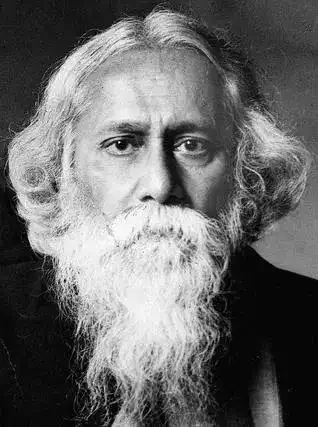
Rabindranath Tagore
Lover's Gifts LVIII: Things Throng and Laugh
Lover's Gifts LVIII: Things Throng and Laugh
Things throng and laugh loud in the sky; the sands and dust dance
and whirl like children. Man's mind is aroused by their shouts; his
thoughts long to be the playmates of things.
Our dreams, drifting in the stream of the vague, stretch their
arms to clutch the earth, -their efforts stiffen into bricks and
stones, and thus the city of man is built.
Voices come swarming from the past,-seeking answers from the
living moments. Beats of their wings fill the air with tremulous
shadows, and sleepless thoughts in our minds leave their nests to
take flight across the desert of dimness, in the passionate thirst
for forms. They are lampless pilgrims, seeking the shore of light,
to find themselves in things. They will be lured into poets's
rhymes, they will be housed in the towers of the town not yet
planned, they have their call to arms from the battle fields of the
future, they are bidden to join hands in the strife of peace yet
to come.
Things throng and laugh loud in the sky; the sands and dust dance
and whirl like children. Man's mind is aroused by their shouts; his
thoughts long to be the playmates of things.
Our dreams, drifting in the stream of the vague, stretch their
arms to clutch the earth, -their efforts stiffen into bricks and
stones, and thus the city of man is built.
Voices come swarming from the past,-seeking answers from the
living moments. Beats of their wings fill the air with tremulous
shadows, and sleepless thoughts in our minds leave their nests to
take flight across the desert of dimness, in the passionate thirst
for forms. They are lampless pilgrims, seeking the shore of light,
to find themselves in things. They will be lured into poets's
rhymes, they will be housed in the towers of the town not yet
planned, they have their call to arms from the battle fields of the
future, they are bidden to join hands in the strife of peace yet
to come.
468

Paul Laurence Dunbar
Old
Old
I have seen peoples come and go
Alike the Ocean'd ebb and flow;
I have seen kingdoms rise and fall
Like springtime shadows on a wall.
I have seen houses rendered great
That grew from life's debased estate,
And all, all, all is change I see,
So, dearest God, take me, take me.
I have seen peoples come and go
Alike the Ocean'd ebb and flow;
I have seen kingdoms rise and fall
Like springtime shadows on a wall.
I have seen houses rendered great
That grew from life's debased estate,
And all, all, all is change I see,
So, dearest God, take me, take me.
620
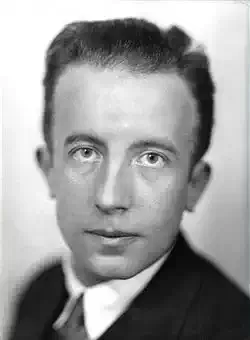
Paul Éluard
I Cannot be Known
I Cannot be Known
I cannot be known
Better than you know me
Your eyes in which we sleep
We together
Have made for my man's gleam
A better fate than for the common nights
Your eyes in which I travel
Have given to signs along the roads
A meaning alien to the earth
In your eyes who reveal to us
Our endless solitude
Are no longer what they thought themselves to be
You cannot be known
Better than I know you.
I cannot be known
Better than you know me
Your eyes in which we sleep
We together
Have made for my man's gleam
A better fate than for the common nights
Your eyes in which I travel
Have given to signs along the roads
A meaning alien to the earth
In your eyes who reveal to us
Our endless solitude
Are no longer what they thought themselves to be
You cannot be known
Better than I know you.
373
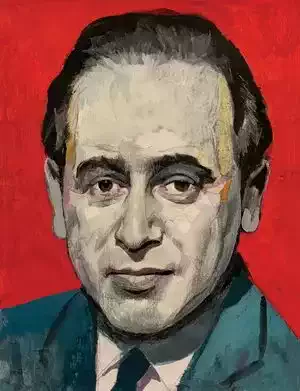
Paul Celan
There Was Earth
There Was Earth
There was Earth in them, and
they dug.
They dug and they dug, and so
their Day went by, and their Night. And they did not praise God,
who, so they heard, wanted all this,
who, so they heard, knew of all this.
They dug and they heard nothing more;
did not grow wise, invented no Song,
thought up for themselves no Language.
They dug.
There came a Silence, there came a Storm,
There came every Ocean.
I dig, you dig, and it digs, the Worm,
and the Singing, there, says: They dig.
O someone, o none, o no one, o you:
Where did it lead to, that nowhere-leading?
O you dig and I dig, and I dig towards you,
and on our finger awakens the Ring.
There was Earth in them, and
they dug.
They dug and they dug, and so
their Day went by, and their Night. And they did not praise God,
who, so they heard, wanted all this,
who, so they heard, knew of all this.
They dug and they heard nothing more;
did not grow wise, invented no Song,
thought up for themselves no Language.
They dug.
There came a Silence, there came a Storm,
There came every Ocean.
I dig, you dig, and it digs, the Worm,
and the Singing, there, says: They dig.
O someone, o none, o no one, o you:
Where did it lead to, that nowhere-leading?
O you dig and I dig, and I dig towards you,
and on our finger awakens the Ring.
485
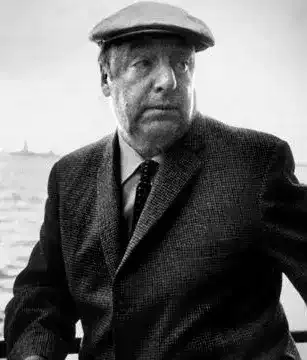
Pablo Neruda
The Night in Isla Negra
The Night in Isla Negra
Ancient night and the unruly salt
beat at the walls of my house.
The shadow is all one, the sky
throbs now along with the ocean,
and sky and shadow erupt
in the crash of their vast conflict.
All night long they struggle;
nobody knows the name
of the harsh light that keeps slowly opening
like a languid fruit.
So on the coast comes to light,
out of seething shadow, the harsh dawn,
gnawed at by the moving salt,
swept clean by the mass of night,
bloodstained in its sea-washed crater.
Ancient night and the unruly salt
beat at the walls of my house.
The shadow is all one, the sky
throbs now along with the ocean,
and sky and shadow erupt
in the crash of their vast conflict.
All night long they struggle;
nobody knows the name
of the harsh light that keeps slowly opening
like a languid fruit.
So on the coast comes to light,
out of seething shadow, the harsh dawn,
gnawed at by the moving salt,
swept clean by the mass of night,
bloodstained in its sea-washed crater.
602
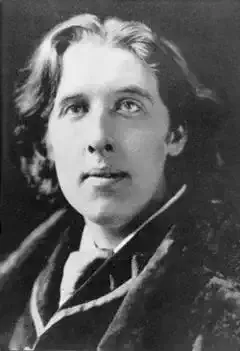
Oscar Wilde
The True Knowledge
The True Knowledge
Thou knowest all; I seek in vain
What lands to till or sow with seed -
The land is black with briar and weed,
Nor cares for falling tears or rain.
Thou knowest all; I sit and wait
With blinded eyes and hands that fail,
Till the last lifting of the veil
And the first opening of the gate.
Thou knowest all; I cannot see.
I trust I shall not live in vain,
I know that we shall meet again
In some divine eternity.
Thou knowest all; I seek in vain
What lands to till or sow with seed -
The land is black with briar and weed,
Nor cares for falling tears or rain.
Thou knowest all; I sit and wait
With blinded eyes and hands that fail,
Till the last lifting of the veil
And the first opening of the gate.
Thou knowest all; I cannot see.
I trust I shall not live in vain,
I know that we shall meet again
In some divine eternity.
222
Oscar Wilde
Sonnet On Hearing The Dies Ira Sung In The Sistine Chapel
Sonnet On Hearing The Dies Ira Sung In The Sistine Chapel
NAY, Lord, not thus! white lilies in the spring,
Sad olive-groves, or silver-breasted dove,
Teach me more clearly of Thy life and love
Than terrors of red flame and thundering.
The empurpled vines dear memories of Thee bring:
A bird at evening flying to its nest,
Tells me of One who had no place of rest:
I think it is of Thee the sparrows sing.
Come rather on some autumn afternoon,
When red and brown are burnished on the leaves,
And the fields echo to the gleaner's song,
Come when the splendid fulness of the moon
Looks down upon the rows of golden sheaves,
And reap Thy harvest: we have waited long.
NAY, Lord, not thus! white lilies in the spring,
Sad olive-groves, or silver-breasted dove,
Teach me more clearly of Thy life and love
Than terrors of red flame and thundering.
The empurpled vines dear memories of Thee bring:
A bird at evening flying to its nest,
Tells me of One who had no place of rest:
I think it is of Thee the sparrows sing.
Come rather on some autumn afternoon,
When red and brown are burnished on the leaves,
And the fields echo to the gleaner's song,
Come when the splendid fulness of the moon
Looks down upon the rows of golden sheaves,
And reap Thy harvest: we have waited long.
220
Oscar Wilde
Flower of Love
Flower of Love
Sweet, I blame you not, for mine the fault was, had I not been made of common
clay
I had climbed the higher heights unclimbed yet, seen the fuller air, the
larger day.
From the wildness of my wasted passion I had struck a better, clearer song,
Lit some lighter light of freer freedom, battled with some Hydra-headed wrong.
Had my lips been smitten into music by the kisses that but made them bleed,
You had walked with Bice and the angels on that verdant and enamelled meed.
I had trod the road which Dante treading saw the suns of seven circles shine,
Ay! perchance had seen the heavens opening, as they opened to the Florentine.
And the mighty nations would have crowned me, who am crownless now and without
name,
And some orient dawn had found me kneeling on the threshold of the House of
Fame.
I had sat within that marble circle where the oldest bard is as the young,
And the pipe is ever dropping honey, and the lyre's strings are ever strung.
Keats had lifted up his hymeneal curls from out the poppy-seeded wine,
With ambrosial mouth had kissed my forehead, clasped the hand of noble love in
mine.
And at springtide, when the apple-blossoms brush the burnished bosom of the
dove,
Two young lovers lying in an orchard would have read the story of our love;
Would have read the legend of my passion, known the bitter secret of my heart,
Kissed as we have kissed, but never parted as we two are fated now to part.
For the crimson flower of our life is eaten by the cankerworm of truth,
And no hand can gather up the fallen withered petals of the rose of youth.
Yet I am not sorry that I loved you -ah! what else had I a boy to do? -
For the hungry teeth of time devour, and the silent-footed years pursue.
Rudderless, we drift athwart a tempest, and when once the storm of youth is
past,
Without lyre, without lute or chorus, Death the silent pilot comes at last.
And within the grave there is no pleasure, for the blindworm battens on the
root,
And Desire shudders into ashes, and the tree of Passion bears no fruit.
Ah! what else had I to do but love you? God's own mother was less dear to me,
And less dear the Cytheraean rising like an argent lily from the sea.
I have made my choice, have lived my poems, and, though youth is gone in
wasted days,
I have found the lover's crown of myrtle better than the poet's crown of bays.
Sweet, I blame you not, for mine the fault was, had I not been made of common
clay
I had climbed the higher heights unclimbed yet, seen the fuller air, the
larger day.
From the wildness of my wasted passion I had struck a better, clearer song,
Lit some lighter light of freer freedom, battled with some Hydra-headed wrong.
Had my lips been smitten into music by the kisses that but made them bleed,
You had walked with Bice and the angels on that verdant and enamelled meed.
I had trod the road which Dante treading saw the suns of seven circles shine,
Ay! perchance had seen the heavens opening, as they opened to the Florentine.
And the mighty nations would have crowned me, who am crownless now and without
name,
And some orient dawn had found me kneeling on the threshold of the House of
Fame.
I had sat within that marble circle where the oldest bard is as the young,
And the pipe is ever dropping honey, and the lyre's strings are ever strung.
Keats had lifted up his hymeneal curls from out the poppy-seeded wine,
With ambrosial mouth had kissed my forehead, clasped the hand of noble love in
mine.
And at springtide, when the apple-blossoms brush the burnished bosom of the
dove,
Two young lovers lying in an orchard would have read the story of our love;
Would have read the legend of my passion, known the bitter secret of my heart,
Kissed as we have kissed, but never parted as we two are fated now to part.
For the crimson flower of our life is eaten by the cankerworm of truth,
And no hand can gather up the fallen withered petals of the rose of youth.
Yet I am not sorry that I loved you -ah! what else had I a boy to do? -
For the hungry teeth of time devour, and the silent-footed years pursue.
Rudderless, we drift athwart a tempest, and when once the storm of youth is
past,
Without lyre, without lute or chorus, Death the silent pilot comes at last.
And within the grave there is no pleasure, for the blindworm battens on the
root,
And Desire shudders into ashes, and the tree of Passion bears no fruit.
Ah! what else had I to do but love you? God's own mother was less dear to me,
And less dear the Cytheraean rising like an argent lily from the sea.
I have made my choice, have lived my poems, and, though youth is gone in
wasted days,
I have found the lover's crown of myrtle better than the poet's crown of bays.
230

Ogden Nash
Look What You Did, Christopher!
Look What You Did, Christopher!
In fourteen hundred and ninety-two,
Someone sailed the ocean blue.
Somebody borrowed the fare in Spain
For a business trip on the bounding main,
And to prove to the people, by actual test,
You could get to the East by sailing West.
Somebody said, Sail on! Sail on!
And studied China and China's lingo,
And cried from the bow, There's China now!
And promptly bumped into San Domingo.
Somebody murmured, Oh dear, oh dear!
I've discovered the Western Hemisphere.
And that, you may think, my friends, was that.
But it wasn't. Not by a fireman's hat.
Well enough wasn't left alone,
And Columbus was only a cornerstone.
There came the Spaniards,
There came the Greeks,
There came the Pilgrims in leather breeks.
There came the Dutch,
And the Poles and Swedes,
The Persians, too,
And perhaps the Medes,
The Letts, the Lapps, and the Lithuanians,
Regal Russians, and ripe Roumanians.
There came the French
And there came the Finns,
And the Japanese
With their formal grins.
The Tartars came,
And the Terrible Turks -
In a word, humanity shot the works.
And the country that should have been Cathay
Decided to be
The U.S.A.
And that, you may think, my friends, was that.
But it wasn't. Not by a fireman's hat.
Christopher C. was the cornerstone,
And well enough wasn't left alone.
For those who followed
When he was through,
They burned to discover something, too.
Somebody, bored with rural scenery,
Went to work and invented machinery,
While a couple of other mental giants
Got together
And thought up Science.
Platinum blondes
(They were once peroxide),
Peruvian bonds
And carbon monoxide,
Tax evaders
And Vitamin A,
Vice crusaders,
And tattletale gray -
These, with many another phobia,
We owe to that famous Twelfth of Octobia.
O misery, misery, mumble and moan!
Someone invented the telephone,
And interrupted a nation's slumbers,
Ringing wrong but similar numbers.
Someone devised the silver screen
And the intimate Hollywood magazine,
And life is a Hades
Of clicking cameras,
And foreign ladies
Behaving amorous.
Gags have erased
Amusing dialog,
As gas has replaced
The crackling firelog.
All that glitters is sold as gold,
And our daily diet grows odder and odder,
And breakfast foods are dusty and cold -
It's a wise child
That knows its fodder.
Someone invented the automobile,
And good Americans took the wheel
To view American rivers and rills
And justly famous forests and hills -
But someone equally enterprising
Had invented billboard advertising.
You linger at home
In dark despair,
And wistfully try the electric air.
You hope against hope for a quiz imperial,
And what do they give you?
A doctor serial.
Oh, Columbus was only a cornerstone,
And well enough wasn't left alone,
For the Inquisition was less tyrannical
Than the iron rules of an age mechanical,
Which, because of an error in ',
Are clamped like corsets on me and you,
While Children of Nature we'd be today
If San Domingo
Had been Cathay.
And that, you may think, my friends, is that.
But it isn't - not by a fireman's hat.
The American people,
With grins jocose,
Always survive the fatal dose.
And though our systems are slightly wobbly,
We'll fool the doctor this time, probly.
In fourteen hundred and ninety-two,
Someone sailed the ocean blue.
Somebody borrowed the fare in Spain
For a business trip on the bounding main,
And to prove to the people, by actual test,
You could get to the East by sailing West.
Somebody said, Sail on! Sail on!
And studied China and China's lingo,
And cried from the bow, There's China now!
And promptly bumped into San Domingo.
Somebody murmured, Oh dear, oh dear!
I've discovered the Western Hemisphere.
And that, you may think, my friends, was that.
But it wasn't. Not by a fireman's hat.
Well enough wasn't left alone,
And Columbus was only a cornerstone.
There came the Spaniards,
There came the Greeks,
There came the Pilgrims in leather breeks.
There came the Dutch,
And the Poles and Swedes,
The Persians, too,
And perhaps the Medes,
The Letts, the Lapps, and the Lithuanians,
Regal Russians, and ripe Roumanians.
There came the French
And there came the Finns,
And the Japanese
With their formal grins.
The Tartars came,
And the Terrible Turks -
In a word, humanity shot the works.
And the country that should have been Cathay
Decided to be
The U.S.A.
And that, you may think, my friends, was that.
But it wasn't. Not by a fireman's hat.
Christopher C. was the cornerstone,
And well enough wasn't left alone.
For those who followed
When he was through,
They burned to discover something, too.
Somebody, bored with rural scenery,
Went to work and invented machinery,
While a couple of other mental giants
Got together
And thought up Science.
Platinum blondes
(They were once peroxide),
Peruvian bonds
And carbon monoxide,
Tax evaders
And Vitamin A,
Vice crusaders,
And tattletale gray -
These, with many another phobia,
We owe to that famous Twelfth of Octobia.
O misery, misery, mumble and moan!
Someone invented the telephone,
And interrupted a nation's slumbers,
Ringing wrong but similar numbers.
Someone devised the silver screen
And the intimate Hollywood magazine,
And life is a Hades
Of clicking cameras,
And foreign ladies
Behaving amorous.
Gags have erased
Amusing dialog,
As gas has replaced
The crackling firelog.
All that glitters is sold as gold,
And our daily diet grows odder and odder,
And breakfast foods are dusty and cold -
It's a wise child
That knows its fodder.
Someone invented the automobile,
And good Americans took the wheel
To view American rivers and rills
And justly famous forests and hills -
But someone equally enterprising
Had invented billboard advertising.
You linger at home
In dark despair,
And wistfully try the electric air.
You hope against hope for a quiz imperial,
And what do they give you?
A doctor serial.
Oh, Columbus was only a cornerstone,
And well enough wasn't left alone,
For the Inquisition was less tyrannical
Than the iron rules of an age mechanical,
Which, because of an error in ',
Are clamped like corsets on me and you,
While Children of Nature we'd be today
If San Domingo
Had been Cathay.
And that, you may think, my friends, is that.
But it isn't - not by a fireman's hat.
The American people,
With grins jocose,
Always survive the fatal dose.
And though our systems are slightly wobbly,
We'll fool the doctor this time, probly.
290

Nazim Hikmet
Last Will And Testament
Last Will And Testament
Comrades, if I don't live to see the day
-- I mean,if I die before freedom comes --
take me away
and bury me in a village cemetery in Anatolia.
The worker Osman whom Hassan Bey ordered shot
can lie on one side of me, and on the other side
the martyr Aysha, who gave birth in the rye
and died inside of forty days.
Tractors and songs can pass below the cemetery --
in the dawn light, new people, the smell of burnt gasoline,
fields held in common, water in canals,
no drought or fear of the police.
Of course, we won't hear those songs:
the dead lie stretched out underground
and rot like black branches,
deaf, dumb, and blind under the earth.
But, I sang those songs
before they were written,
I smelled the burnt gasoline
before the blueprints for the tractors were drawn.
As for my neighbors,
the worker Osman and the martyr Aysha,
they felt the great longing while alive,
maybe without even knowing it.
Comrades, if I die before that day, I mean
-- and it's looking more and more likely --
bury me in a village cemetery in Anatolia,
and if there's one handy,
a plane tree could stand at my head,
I wouldn't need a stone or anything.
Moscow, Barviha Hospital
Trans. by Randy Blasing and Mutlu Konuk ()
Comrades, if I don't live to see the day
-- I mean,if I die before freedom comes --
take me away
and bury me in a village cemetery in Anatolia.
The worker Osman whom Hassan Bey ordered shot
can lie on one side of me, and on the other side
the martyr Aysha, who gave birth in the rye
and died inside of forty days.
Tractors and songs can pass below the cemetery --
in the dawn light, new people, the smell of burnt gasoline,
fields held in common, water in canals,
no drought or fear of the police.
Of course, we won't hear those songs:
the dead lie stretched out underground
and rot like black branches,
deaf, dumb, and blind under the earth.
But, I sang those songs
before they were written,
I smelled the burnt gasoline
before the blueprints for the tractors were drawn.
As for my neighbors,
the worker Osman and the martyr Aysha,
they felt the great longing while alive,
maybe without even knowing it.
Comrades, if I die before that day, I mean
-- and it's looking more and more likely --
bury me in a village cemetery in Anatolia,
and if there's one handy,
a plane tree could stand at my head,
I wouldn't need a stone or anything.
Moscow, Barviha Hospital
Trans. by Randy Blasing and Mutlu Konuk ()
327
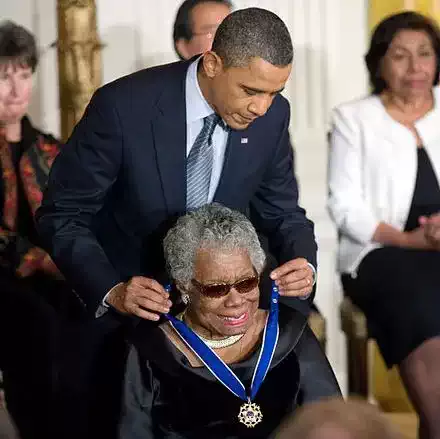
Maya Angelou
Passing Time
Passing Time
Your skin like dawn
Mine like musk
One paints the beginning
of a certain end.
The other, the end of a
sure beginning.
Your skin like dawn
Mine like musk
One paints the beginning
of a certain end.
The other, the end of a
sure beginning.
273
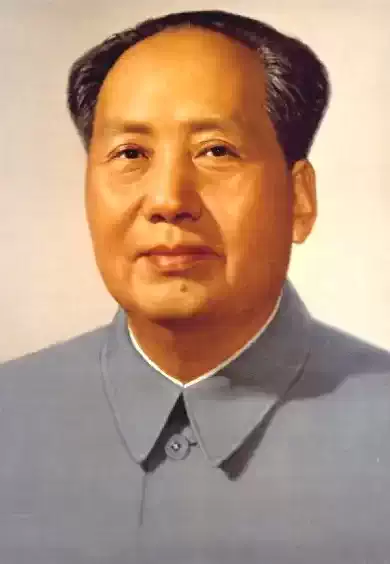
Mao Tsé-Tung
Peitaiho
Peitaiho
A rainstorm sweeps down on this northern land,
White breakers leap to the sky.
No fishing boats off Chinwangtao
Are seen on the boundless ocean.
Where are they gone?
Nearly two thousand years ago
Wielding his whip, the Emperor Wu of Wei
Rode eastward to Chiehshih; his poem survives.
Today the autumn wind still sighs,
But the world has changed!
A rainstorm sweeps down on this northern land,
White breakers leap to the sky.
No fishing boats off Chinwangtao
Are seen on the boundless ocean.
Where are they gone?
Nearly two thousand years ago
Wielding his whip, the Emperor Wu of Wei
Rode eastward to Chiehshih; his poem survives.
Today the autumn wind still sighs,
But the world has changed!
196
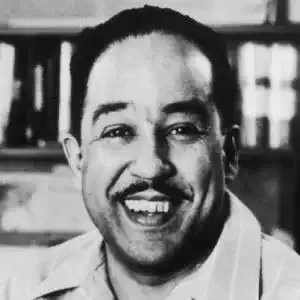
Langston Hughes
Enemy
Enemy
It would be nice
In any case,
To someday meet you
Face to face
Walking down
The road to hell...
As I come up
Feeling swell.
It would be nice
In any case,
To someday meet you
Face to face
Walking down
The road to hell...
As I come up
Feeling swell.
421
Jorge Luis Borges
Limits
Limits
Of all the streets that blur in to the sunset,
There must be one (which, I am not sure)
That I by now have walked for the last time
Without guessing it, the pawn of that Someone
Who fixes in advance omnipotent laws,
Sets up a secret and unwavering scale
for all the shadows, dreams, and forms
Woven into the texture of this life.
If there is a limit to all things and a measure
And a last time and nothing more and forgetfulness,
Who will tell us to whom in this house
We without knowing it have said farewell?
Through the dawning window night withdraws
And among the stacked books which throw
Irregular shadows on the dim table,
There must be one which I will never read.
There is in the South more than one worn gate,
With its cement urns and planted cactus,
Which is already forbidden to my entry,
Inaccessible, as in a lithograph.
There is a door you have closed forever
And some mirror is expecting you in vain;
To you the crossroads seem wide open,
Yet watching you, four-faced, is a Janus.
There is among all your memories one
Which has now been lost beyond recall.
You will not be seen going down to that fountain
Neither by white sun nor by yellow moon.
You will never recapture what the Persian
Said in his language woven with birds and roses,
When, in the sunset, before the light disperses,
You wish to give words to unforgettable things.
And the steadily flowing Rhone and the lake,
All that vast yesterday over which today I bend?
They will be as lost as Carthage,
Scourged by the Romans with fire and salt.
At dawn I seem to hear the turbulent
Murmur of crowds milling and fading away;
They are all I have been loved by, forgotten by;
Space, time, and Borges now are leaving me.
Of all the streets that blur in to the sunset,
There must be one (which, I am not sure)
That I by now have walked for the last time
Without guessing it, the pawn of that Someone
Who fixes in advance omnipotent laws,
Sets up a secret and unwavering scale
for all the shadows, dreams, and forms
Woven into the texture of this life.
If there is a limit to all things and a measure
And a last time and nothing more and forgetfulness,
Who will tell us to whom in this house
We without knowing it have said farewell?
Through the dawning window night withdraws
And among the stacked books which throw
Irregular shadows on the dim table,
There must be one which I will never read.
There is in the South more than one worn gate,
With its cement urns and planted cactus,
Which is already forbidden to my entry,
Inaccessible, as in a lithograph.
There is a door you have closed forever
And some mirror is expecting you in vain;
To you the crossroads seem wide open,
Yet watching you, four-faced, is a Janus.
There is among all your memories one
Which has now been lost beyond recall.
You will not be seen going down to that fountain
Neither by white sun nor by yellow moon.
You will never recapture what the Persian
Said in his language woven with birds and roses,
When, in the sunset, before the light disperses,
You wish to give words to unforgettable things.
And the steadily flowing Rhone and the lake,
All that vast yesterday over which today I bend?
They will be as lost as Carthage,
Scourged by the Romans with fire and salt.
At dawn I seem to hear the turbulent
Murmur of crowds milling and fading away;
They are all I have been loved by, forgotten by;
Space, time, and Borges now are leaving me.
724
Jorge Luis Borges
El Instante
El Instante
Dónde estarán los siglos, dónde el sueño
de espadas que los tártaros soñaron,
dónde los fuertes muros que allanaron,
dónde el Árbol de Adán y el otro Leño?
El presente está solo. La memoria
erige el tiempo. Sucesión y engaño
es la rutina del reloj. El año
no es menos vano que la vana historia.
Entre el alba y la noche hay un abismo
de agonías, de luces, de cuidados;
el rostro que se mira en los gastados
espejos de la noche no es el mismo.
El hoy fugaz es tenue y es eterno;
otro Cielo no esperes, ni otro Infierno.
Dónde estarán los siglos, dónde el sueño
de espadas que los tártaros soñaron,
dónde los fuertes muros que allanaron,
dónde el Árbol de Adán y el otro Leño?
El presente está solo. La memoria
erige el tiempo. Sucesión y engaño
es la rutina del reloj. El año
no es menos vano que la vana historia.
Entre el alba y la noche hay un abismo
de agonías, de luces, de cuidados;
el rostro que se mira en los gastados
espejos de la noche no es el mismo.
El hoy fugaz es tenue y es eterno;
otro Cielo no esperes, ni otro Infierno.
784
Jorge Luis Borges
History of the Night
History of the Night
Throughout the course of th generations
men constructed the night.
At first she was blindness;
thorns raking bare feet,
fear of wolves.
We shall never know who forged the word
for the interval of shadow
dividing the two twilights;
we shall never know in what age it came to mean
the starry hours.
Others created the myth.
They made her the mother of the unruffled Fates
that spin our destiny,
thev sacrificed black ewes to her, and the cock
who crows his own death.
The Chaldeans assigned to her twelve houses;
to Zeno, infinite words.
She took shape from Latin hexameters
and the terror of Pascal.
Luis de Leon saw in her the homeland
of his stricken soul.
Now we feel her to be inexhuastible
like an ancient wine
and no one can gaze on her without vertigo
and time has charged her with eternity.
And to think that she wouldn't exist
except for those fragile instruments, the eyes.
Throughout the course of th generations
men constructed the night.
At first she was blindness;
thorns raking bare feet,
fear of wolves.
We shall never know who forged the word
for the interval of shadow
dividing the two twilights;
we shall never know in what age it came to mean
the starry hours.
Others created the myth.
They made her the mother of the unruffled Fates
that spin our destiny,
thev sacrificed black ewes to her, and the cock
who crows his own death.
The Chaldeans assigned to her twelve houses;
to Zeno, infinite words.
She took shape from Latin hexameters
and the terror of Pascal.
Luis de Leon saw in her the homeland
of his stricken soul.
Now we feel her to be inexhuastible
like an ancient wine
and no one can gaze on her without vertigo
and time has charged her with eternity.
And to think that she wouldn't exist
except for those fragile instruments, the eyes.
760
Jorge Luis Borges
Adam Cast Forth
Adam Cast Forth
Was there a Garden or was the Garden a dream?
Amid the fleeting light, I have slowed myself and queried,
Almost for consolation, if the bygone period
Over which this Adam, wretched now, once reigned supreme,
Might not have been just a magical illusion
Of that God I dreamed. Already it's imprecise
In my memory, the clear Paradise,
But I know it exists, in flower and profusion,
Although not for me. My punishment for life
Is the stubborn earth with the incestuous strife
Of Cains and Abels and their brood; I await no pardon.
Yet, it's much to have loved, to have known true joy,
To have had -- if only for just one day --
The experience of touching the living Garden.
Translated by Genia Gurarie, ..
Copyright retained by Genia Gurarie.
email: egurarie@princeton.edu
http://www.princeton.edu/~egurarie/
For permission to reproduce, write personally to the translator.
Was there a Garden or was the Garden a dream?
Amid the fleeting light, I have slowed myself and queried,
Almost for consolation, if the bygone period
Over which this Adam, wretched now, once reigned supreme,
Might not have been just a magical illusion
Of that God I dreamed. Already it's imprecise
In my memory, the clear Paradise,
But I know it exists, in flower and profusion,
Although not for me. My punishment for life
Is the stubborn earth with the incestuous strife
Of Cains and Abels and their brood; I await no pardon.
Yet, it's much to have loved, to have known true joy,
To have had -- if only for just one day --
The experience of touching the living Garden.
Translated by Genia Gurarie, ..
Copyright retained by Genia Gurarie.
email: egurarie@princeton.edu
http://www.princeton.edu/~egurarie/
For permission to reproduce, write personally to the translator.
800
John Milton
The Fifth Ode Of Horace. Lib. I
The Fifth Ode Of Horace. Lib. I
Quis multa gracilis te puer in Rosa
Rendred almost word for word without Rhyme according to the
Latin Measure, as near as the Language permit.
WHAT slender Youth bedew'd with liquid odours
Courts thee on Roses in some pleasant Cave,
Pyrrha for whom bind'st thou
In wreaths thy golden Hair,
Plain in thy neatness; O how oft shall he
On Faith and changed Gods complain: and Seas
Rough with black winds and storms
Unwonted shall admire:
Who now enjoyes thee credulous, all Gold,
Who alwayes vacant, alwayes amiable
Hopes thee; of flattering gales
Unmindfull. Hapless they
To whom thou untry'd seem'st fair. Me in my vow'd
Picture the sacred wall declares t' have hung
My dank and dropping weeds
To the stern God of Sea.
[The Latin text follows.]
Quis multa gracilis te puer in Rosa
Rendred almost word for word without Rhyme according to the
Latin Measure, as near as the Language permit.
WHAT slender Youth bedew'd with liquid odours
Courts thee on Roses in some pleasant Cave,
Pyrrha for whom bind'st thou
In wreaths thy golden Hair,
Plain in thy neatness; O how oft shall he
On Faith and changed Gods complain: and Seas
Rough with black winds and storms
Unwonted shall admire:
Who now enjoyes thee credulous, all Gold,
Who alwayes vacant, alwayes amiable
Hopes thee; of flattering gales
Unmindfull. Hapless they
To whom thou untry'd seem'st fair. Me in my vow'd
Picture the sacred wall declares t' have hung
My dank and dropping weeds
To the stern God of Sea.
[The Latin text follows.]
427
John Milton
Sonnet XX: Lawrence, of virtuous father
Sonnet XX: Lawrence, of virtuous father
To Mr Lawrence
Lawrence, of virtuous father virtuous son,
Now that the fields are dank, and ways are mire,
Where shall we sometimes meet, and by the fire
Help waste a sullen day, what may be won
From the hard season gaining? Time will run
On smoother, till Favonius re-inspire
The frozen earth, and clothe in fresh attire
The lily and rose, that neither sowed nor spun.
What neat repast shall feast us, light and choice,
Of Attic taste, with wine, whence we may rise
To hear the lute well touched, or artful voice
Warble immortal notes and Tuscan air?
He who of those delights can judge, and spare
To interpose them oft, is not unwise.
To Mr Lawrence
Lawrence, of virtuous father virtuous son,
Now that the fields are dank, and ways are mire,
Where shall we sometimes meet, and by the fire
Help waste a sullen day, what may be won
From the hard season gaining? Time will run
On smoother, till Favonius re-inspire
The frozen earth, and clothe in fresh attire
The lily and rose, that neither sowed nor spun.
What neat repast shall feast us, light and choice,
Of Attic taste, with wine, whence we may rise
To hear the lute well touched, or artful voice
Warble immortal notes and Tuscan air?
He who of those delights can judge, and spare
To interpose them oft, is not unwise.
859
John Milton
An Epitaph On The Marchioness Of Winchester
An Epitaph On The Marchioness Of Winchester
This rich Marble doth enterr
The honour'd Wife of Winchester,
A Vicounts daughter, an Earls heir,
Besides what her vertues fair
Added to her noble birth,
More then she could own from Earth.
Summers three times eight save one
She had told, alas too soon,
After so short time of breath,
To house with darknes, and with death.
Yet had the number of her days
Bin as compleat as was her praise,
Nature and fate had had no strife
In giving limit to her life.
Her high birth, and her graces sweet,
Quickly found a lover meet;
The Virgin quire for her request
The God that sits at marriage feast;
He at their invoking came
But with a scarce-wel-lighted flame;
And in his Garland as he stood,
Ye might discern a Cipress bud.
Once had the early Matrons run
To greet her of a lovely son,
And now with second hope she goes,
And calls Lucina to her throws;
But whether by mischance or blame
Atropos for Lucina came;
And with remorsles cruelty,
Spoil'd at once both fruit and tree:
The haples Babe before his birth
Had burial, yet not laid in earth,
And the languisht Mothers Womb
Was not long a living Tomb.
So have I seen som tender slip
Sav'd with care from Winters nip,
The pride of her carnation train,
Pluck't up by som unheedy swain,
Who onely thought to crop the flowr
New shot up from vernall showr;
But the fair blossom hangs the head
Side-ways as on a dying bed,
And those Pearls of dew she wears,
Prove to be presaging tears
Which the sad morn had let fall
On her hast'ning funerall.
Gentle Lady may thy grave
Peace and quiet ever have;
After this thy travail sore
Sweet rest sease thee evermore,
That to give the world encrease,
Shortned hast thy own lives lease;
Here besides the sorrowing
That thy noble House doth bring,
Here be tears of perfect moan
Weept for thee in Helicon,
And som Flowers, and som Bays,
For thy Hears to strew the ways,
Sent thee from the banks of Came,
Devoted to thy vertuous name;
Whilst thou bright Saint high sit'st in glory,
Next her much like to thee in story,
That fair Syrian Shepherdess,
Who after yeers of barrennes,
The highly favour'd Joseph bore
To him that serv'd for her before,
And at her next birth much like thee,
Through pangs fled to felicity,
Far within the boosom bright
of blazing Majesty and Light,
There with thee, new welcom Saint,
Like fortunes may her soul acquaint,
With thee there clad in radiant sheen,
No Marchioness, but now a Queen.
This rich Marble doth enterr
The honour'd Wife of Winchester,
A Vicounts daughter, an Earls heir,
Besides what her vertues fair
Added to her noble birth,
More then she could own from Earth.
Summers three times eight save one
She had told, alas too soon,
After so short time of breath,
To house with darknes, and with death.
Yet had the number of her days
Bin as compleat as was her praise,
Nature and fate had had no strife
In giving limit to her life.
Her high birth, and her graces sweet,
Quickly found a lover meet;
The Virgin quire for her request
The God that sits at marriage feast;
He at their invoking came
But with a scarce-wel-lighted flame;
And in his Garland as he stood,
Ye might discern a Cipress bud.
Once had the early Matrons run
To greet her of a lovely son,
And now with second hope she goes,
And calls Lucina to her throws;
But whether by mischance or blame
Atropos for Lucina came;
And with remorsles cruelty,
Spoil'd at once both fruit and tree:
The haples Babe before his birth
Had burial, yet not laid in earth,
And the languisht Mothers Womb
Was not long a living Tomb.
So have I seen som tender slip
Sav'd with care from Winters nip,
The pride of her carnation train,
Pluck't up by som unheedy swain,
Who onely thought to crop the flowr
New shot up from vernall showr;
But the fair blossom hangs the head
Side-ways as on a dying bed,
And those Pearls of dew she wears,
Prove to be presaging tears
Which the sad morn had let fall
On her hast'ning funerall.
Gentle Lady may thy grave
Peace and quiet ever have;
After this thy travail sore
Sweet rest sease thee evermore,
That to give the world encrease,
Shortned hast thy own lives lease;
Here besides the sorrowing
That thy noble House doth bring,
Here be tears of perfect moan
Weept for thee in Helicon,
And som Flowers, and som Bays,
For thy Hears to strew the ways,
Sent thee from the banks of Came,
Devoted to thy vertuous name;
Whilst thou bright Saint high sit'st in glory,
Next her much like to thee in story,
That fair Syrian Shepherdess,
Who after yeers of barrennes,
The highly favour'd Joseph bore
To him that serv'd for her before,
And at her next birth much like thee,
Through pangs fled to felicity,
Far within the boosom bright
of blazing Majesty and Light,
There with thee, new welcom Saint,
Like fortunes may her soul acquaint,
With thee there clad in radiant sheen,
No Marchioness, but now a Queen.
525
John Keats
When I Have Fears
When I Have Fears
When I have fears that I may cease to be
Before my pen has glean'd my teeming brain,
Before high-piled books, in charactery,
Hold like rich garners the full ripen'd grain;
When I behold, upon the night's starr'd face,
Huge cloudy symbols of a high romance,
And think that I may never live to trace
Their shadows, with the magic hand of chance;
And when I feel, fair creature of an hour,
That I shall never look upon thee more,
Never have relish in the faery power
Of unreflecting love;--then on the shore
Of the wide world I stand alone, and think
Till love and fame to nothingness do sink.
When I have fears that I may cease to be
Before my pen has glean'd my teeming brain,
Before high-piled books, in charactery,
Hold like rich garners the full ripen'd grain;
When I behold, upon the night's starr'd face,
Huge cloudy symbols of a high romance,
And think that I may never live to trace
Their shadows, with the magic hand of chance;
And when I feel, fair creature of an hour,
That I shall never look upon thee more,
Never have relish in the faery power
Of unreflecting love;--then on the shore
Of the wide world I stand alone, and think
Till love and fame to nothingness do sink.
464
John Keats
Sonnet: When I Have Fears That I May Cease To Be
Sonnet: When I Have Fears That I May Cease To Be
When I have fears that I may cease to be
Before my pen has glean'd my teeming brain,
Before high piled books, in charactry,
Hold like rich garners the full-ripen'd grain;
When I behold, upon the night's starr'd face,
Huge cloudy symbols of a high romance,
And think that I may never live to trace
Their shadows, with the magic hand of chance;
And when I feel, fair creature of an hour,
That I shall never look upon thee more,
Never have relish in the faery power
Of unreflecting love; -- then on the shore
Of the wide world I stand alone, and think
Till Love and Fame to nothingness do sink.
When I have fears that I may cease to be
Before my pen has glean'd my teeming brain,
Before high piled books, in charactry,
Hold like rich garners the full-ripen'd grain;
When I behold, upon the night's starr'd face,
Huge cloudy symbols of a high romance,
And think that I may never live to trace
Their shadows, with the magic hand of chance;
And when I feel, fair creature of an hour,
That I shall never look upon thee more,
Never have relish in the faery power
Of unreflecting love; -- then on the shore
Of the wide world I stand alone, and think
Till Love and Fame to nothingness do sink.
402
John Keats
Ode On A Grecian Urn
Ode On A Grecian Urn
Thou still unravish'd bride of quietness,
Thou foster-child of silence and slow time,
Sylvan historian, who canst thus express
A flowery tale more sweetly than our rhyme:
What leaf-fring'd legend haunts about thy shape
Of deities or mortals, or of both,
In Tempe or the dales of Arcady?
What men or gods are these? What maidens loth?
What mad pursuit? What struggle to escape?
What pipes and timbrels? What wild ecstasy?
Heard melodies are sweet, but those unheard
Are sweeter; therefore, ye soft pipes, play on;
Not to the sensual ear, but, more endear'd,
Pipe to the spirit ditties of no tone:
Fair youth, beneath the trees, thou canst not leave
Thy song, nor ever can those trees be bare;
Bold Lover, never, never canst thou kiss,
Though winning near the goal yet, do not grieve;
She cannot fade, though thou hast not thy bliss,
For ever wilt thou love, and she be fair!
Ah, happy, happy boughs! that cannot shed
Your leaves, nor ever bid the Spring adieu;
And, happy melodist, unwearied,
For ever piping songs for ever new;
More happy love! more happy, happy love!
For ever warm and still to be enjoy'd,
For ever panting, and for ever young;
All breathing human passion far above,
That leaves a heart high-sorrowful and cloy'd,
A burning forehead, and a parching tongue.
Who are these coming to the sacrifice?
To what green altar, O mysterious priest,
Lead'st thou that heifer lowing at the skies,
And all her silken flanks with garlands drest?
What little town by river or sea shore,
Or mountain-built with peaceful citadel,
Is emptied of this folk, this pious morn?
And, little town, thy streets for evermore
Will silent be; and not a soul to tell
Why thou art desolate, can e'er return.
O Attic shape! Fair attitude! with brede
Of marble men and maidens overwrought,
With forest branches and the trodden weed;
Thou, silent form, dost tease us out of thought
As doth eternity: Cold Pastoral!
When old age shall this generation waste,
Thou shalt remain, in midst of other woe
Than ours, a friend to man, to whom thou say'st,
"Beauty is truth, truth beauty,--that is all
Ye know on earth, and all ye need to know."
Thou still unravish'd bride of quietness,
Thou foster-child of silence and slow time,
Sylvan historian, who canst thus express
A flowery tale more sweetly than our rhyme:
What leaf-fring'd legend haunts about thy shape
Of deities or mortals, or of both,
In Tempe or the dales of Arcady?
What men or gods are these? What maidens loth?
What mad pursuit? What struggle to escape?
What pipes and timbrels? What wild ecstasy?
Heard melodies are sweet, but those unheard
Are sweeter; therefore, ye soft pipes, play on;
Not to the sensual ear, but, more endear'd,
Pipe to the spirit ditties of no tone:
Fair youth, beneath the trees, thou canst not leave
Thy song, nor ever can those trees be bare;
Bold Lover, never, never canst thou kiss,
Though winning near the goal yet, do not grieve;
She cannot fade, though thou hast not thy bliss,
For ever wilt thou love, and she be fair!
Ah, happy, happy boughs! that cannot shed
Your leaves, nor ever bid the Spring adieu;
And, happy melodist, unwearied,
For ever piping songs for ever new;
More happy love! more happy, happy love!
For ever warm and still to be enjoy'd,
For ever panting, and for ever young;
All breathing human passion far above,
That leaves a heart high-sorrowful and cloy'd,
A burning forehead, and a parching tongue.
Who are these coming to the sacrifice?
To what green altar, O mysterious priest,
Lead'st thou that heifer lowing at the skies,
And all her silken flanks with garlands drest?
What little town by river or sea shore,
Or mountain-built with peaceful citadel,
Is emptied of this folk, this pious morn?
And, little town, thy streets for evermore
Will silent be; and not a soul to tell
Why thou art desolate, can e'er return.
O Attic shape! Fair attitude! with brede
Of marble men and maidens overwrought,
With forest branches and the trodden weed;
Thou, silent form, dost tease us out of thought
As doth eternity: Cold Pastoral!
When old age shall this generation waste,
Thou shalt remain, in midst of other woe
Than ours, a friend to man, to whom thou say'st,
"Beauty is truth, truth beauty,--that is all
Ye know on earth, and all ye need to know."
770
John Greenleaf Whittier
The Shadow And The Light
The Shadow And The Light
The fourteen centuries fall away
Between us and the Afric saint,
And at his side we urge, to-day,
The immemorial quest and old complaint.
No outward sign to us is given,-From
sea or earth comes no reply;
Hushed as the warm Numidian heaven
He vainly questioned bends our frozen sky.
No victory comes of all our strife,-From
all we grasp the meaning slips;
The Sphinx sits at the gate of life,
With the old question on her awful lips.
In paths unknown we hear the feet
Of fear before, and guilt behind;
We pluck the wayside fruit, and eat
Ashes and dust beneath its golden rind.
From age to age descends unchecked
The sad bequest of sire to son,
The body's taint, the mind's defect;
Through every web of life the dark threads run.
Oh, why and whither? God knows all;
I only know that He is good,
And that whatever may befall
Or here or there, must be the best that could.
Between the dreadful cherubim
A Father's face I still discern,
As Moses looked of old on Him,
And saw His glory into goodness turn!
For He is merciful as just;
And so, by faith correcting sight,
I bow before His will, and trust
Howe'er they seem He doeth all things right.
And dare to hope that Tie will make
The rugged smooth, the doubtful plain;
His mercy never quite forsake;
His healing visit every realm of pain;
That suffering is not His revenge
Upon His creatures weak and frail,
Sent on a pathway new and strange
With feet that wander and with eyes that fail;
That, o'er the crucible of pain,
Watches the tender eye of Love
The slow transmuting of the chain
Whose links are iron below to gold above!
Ah me! we doubt the shining skies,
Seen through our shadows of offence,
And drown with our poor childish cries
The cradle-hymn of kindly Providence.
And still we love the evil cause,
And of the just effect complain
We tread upon life's broken laws,
And murmur at our self-inflicted pain;
We turn us from the light, and find
Our spectral shapes before us thrown,
As they who leave the sun behind
Walk in the shadows of themselves alone.
And scarce by will or strength of ours
We set our faces to the day;
Weak, wavering, blind, the Eternal Powers
Alone can turn us from ourselves away.
Our weakness is the strength of sin,
But love must needs be stronger far,
Outreaching all and gathering in
The erring spirit and the wandering star.
A Voice grows with the growing years;
Earth, hushing down her bitter cry,
Looks upward from her graves, and hears,
'The Resurrection and the Life am I.'
O Love Divine!--whose constant beam
Shines on the eyes that will not see,
And waits to bless us, while we dream
Thou leavest us because we turn from thee!
All souls that struggle and aspire,
All hearts of prayer by thee are lit;
And, dim or clear, thy tongues of fire
On dusky tribes and twilight centuries sit.
Nor bounds, nor clime, nor creed thou know'st,
Wide as our need thy favors fall;
The white wings of the Holy Ghost
Stoop, seen or unseen, o'er the heads of all.
O Beauty, old yet ever new!
Eternal Voice, and Inward Word,
The Logos of the Greek and Jew,
The old sphere-music which the Samian heard!
Truth, which the sage and prophet saw,
Long sought without, but found within,
The Law of Love beyond all law,
The Life o'erflooding mortal death and sin!
Shine on us with the light which glowed
Upon the trance-bound shepherd's way.
Who saw the Darkness overflowed
And drowned by tides of everlasting Day.
Shine, light of God!--make broad thy scope
To all who sin and suffer; more
And better than we dare to hope
With Heaven's compassion make our longings poor!
The fourteen centuries fall away
Between us and the Afric saint,
And at his side we urge, to-day,
The immemorial quest and old complaint.
No outward sign to us is given,-From
sea or earth comes no reply;
Hushed as the warm Numidian heaven
He vainly questioned bends our frozen sky.
No victory comes of all our strife,-From
all we grasp the meaning slips;
The Sphinx sits at the gate of life,
With the old question on her awful lips.
In paths unknown we hear the feet
Of fear before, and guilt behind;
We pluck the wayside fruit, and eat
Ashes and dust beneath its golden rind.
From age to age descends unchecked
The sad bequest of sire to son,
The body's taint, the mind's defect;
Through every web of life the dark threads run.
Oh, why and whither? God knows all;
I only know that He is good,
And that whatever may befall
Or here or there, must be the best that could.
Between the dreadful cherubim
A Father's face I still discern,
As Moses looked of old on Him,
And saw His glory into goodness turn!
For He is merciful as just;
And so, by faith correcting sight,
I bow before His will, and trust
Howe'er they seem He doeth all things right.
And dare to hope that Tie will make
The rugged smooth, the doubtful plain;
His mercy never quite forsake;
His healing visit every realm of pain;
That suffering is not His revenge
Upon His creatures weak and frail,
Sent on a pathway new and strange
With feet that wander and with eyes that fail;
That, o'er the crucible of pain,
Watches the tender eye of Love
The slow transmuting of the chain
Whose links are iron below to gold above!
Ah me! we doubt the shining skies,
Seen through our shadows of offence,
And drown with our poor childish cries
The cradle-hymn of kindly Providence.
And still we love the evil cause,
And of the just effect complain
We tread upon life's broken laws,
And murmur at our self-inflicted pain;
We turn us from the light, and find
Our spectral shapes before us thrown,
As they who leave the sun behind
Walk in the shadows of themselves alone.
And scarce by will or strength of ours
We set our faces to the day;
Weak, wavering, blind, the Eternal Powers
Alone can turn us from ourselves away.
Our weakness is the strength of sin,
But love must needs be stronger far,
Outreaching all and gathering in
The erring spirit and the wandering star.
A Voice grows with the growing years;
Earth, hushing down her bitter cry,
Looks upward from her graves, and hears,
'The Resurrection and the Life am I.'
O Love Divine!--whose constant beam
Shines on the eyes that will not see,
And waits to bless us, while we dream
Thou leavest us because we turn from thee!
All souls that struggle and aspire,
All hearts of prayer by thee are lit;
And, dim or clear, thy tongues of fire
On dusky tribes and twilight centuries sit.
Nor bounds, nor clime, nor creed thou know'st,
Wide as our need thy favors fall;
The white wings of the Holy Ghost
Stoop, seen or unseen, o'er the heads of all.
O Beauty, old yet ever new!
Eternal Voice, and Inward Word,
The Logos of the Greek and Jew,
The old sphere-music which the Samian heard!
Truth, which the sage and prophet saw,
Long sought without, but found within,
The Law of Love beyond all law,
The Life o'erflooding mortal death and sin!
Shine on us with the light which glowed
Upon the trance-bound shepherd's way.
Who saw the Darkness overflowed
And drowned by tides of everlasting Day.
Shine, light of God!--make broad thy scope
To all who sin and suffer; more
And better than we dare to hope
With Heaven's compassion make our longings poor!
286