

Poems
Past and Future
Poems in this topic
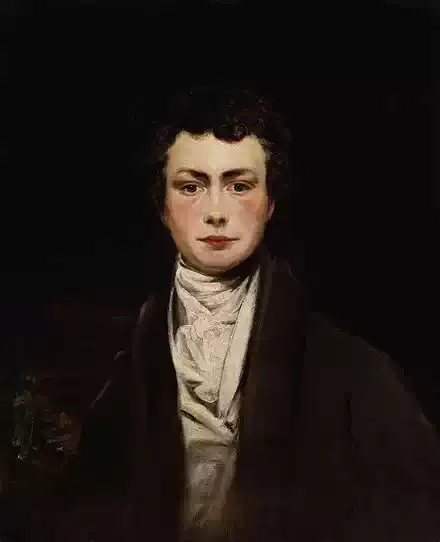
Thomas Moore
Whene'er I See Those Smiling Eyes
Whene'er I See Those Smiling Eyes
Whene'er I see those smiling eyes,
So full of hope, and joy, and light,
As if no cloud could ever rise,
To dim a heaven so purely bright --
I sigh to think how soon that brow
In grief may lose its every ray,
And that light heart, so joyous now,
Almost forget it once was gay.
For time will come with all its blights,
The ruin'd hope, the friend unkind,
And love, that leaves, where'er it lights,
A chill'd or burning heart behind:
While youth, that now like snow appears,
Ere sullied by the darkening rain,
When once 'tis touch'd by sorrow's tears,
Can never shine so bright again.
Whene'er I see those smiling eyes,
So full of hope, and joy, and light,
As if no cloud could ever rise,
To dim a heaven so purely bright --
I sigh to think how soon that brow
In grief may lose its every ray,
And that light heart, so joyous now,
Almost forget it once was gay.
For time will come with all its blights,
The ruin'd hope, the friend unkind,
And love, that leaves, where'er it lights,
A chill'd or burning heart behind:
While youth, that now like snow appears,
Ere sullied by the darkening rain,
When once 'tis touch'd by sorrow's tears,
Can never shine so bright again.
197
Thomas Moore
When First I Met Thee
When First I Met Thee
When first I met thee, warm and young,
There shone such truth about thee,
And on thy lip such promise hung,
I did not dare to doubt thee.
I saw thee change, yet still relied,
Still clung with hope the fonder,
And thought, though false to all beside,
From me thou couldst not wander.
But go, deceiver! go,
The heart, whose hopes could make it
Trust one so false, so low,
Deserves that thou shouldst break it.
When every tongue thy follies named,
I fled the unwelcome story,
Or found, in even the faults they blamed,
Some gleams of future glory.
I still was true, when nearer friends
Conspired to wrong, to slight thee;
The heart that now thy falsehood rends
Would then have bled to right thee.
But go, deceiver! go --
Some day, perhaps, thou'lt waken
From pleasure's dream, to know
The grief of hearts forsaken.
Even now, though youth its bloom has shed,
No lights of age adorn thee;
The few who loved thee once have fled,
And they who flatter scorn thee.
Thy midnight cup is pledged to slaves,
No genial ties enwreath it;
The smiling there, like light on graves,
Has rank cold hearts beneath it.
Go -- go -- though worlds were thine,
I would not now surrender
One taintless tear of mine
For all thy guilty splendour!
And days may come, thou false one! yet,
When even those ties shall sever!
When thou wilt call, with vain regret,
On her thou'st lost for ever;
On her who, in thy fortune's fall,
With smiles had still received thee,
And gladly died to prove thee all
Her fancy first believed thee.
Go -- go -- 'tis vain to curse,
'Tis weakness to upbraid thee;
Hate cannot wish thee worse
Than guilt and shame have made thee.
When first I met thee, warm and young,
There shone such truth about thee,
And on thy lip such promise hung,
I did not dare to doubt thee.
I saw thee change, yet still relied,
Still clung with hope the fonder,
And thought, though false to all beside,
From me thou couldst not wander.
But go, deceiver! go,
The heart, whose hopes could make it
Trust one so false, so low,
Deserves that thou shouldst break it.
When every tongue thy follies named,
I fled the unwelcome story,
Or found, in even the faults they blamed,
Some gleams of future glory.
I still was true, when nearer friends
Conspired to wrong, to slight thee;
The heart that now thy falsehood rends
Would then have bled to right thee.
But go, deceiver! go --
Some day, perhaps, thou'lt waken
From pleasure's dream, to know
The grief of hearts forsaken.
Even now, though youth its bloom has shed,
No lights of age adorn thee;
The few who loved thee once have fled,
And they who flatter scorn thee.
Thy midnight cup is pledged to slaves,
No genial ties enwreath it;
The smiling there, like light on graves,
Has rank cold hearts beneath it.
Go -- go -- though worlds were thine,
I would not now surrender
One taintless tear of mine
For all thy guilty splendour!
And days may come, thou false one! yet,
When even those ties shall sever!
When thou wilt call, with vain regret,
On her thou'st lost for ever;
On her who, in thy fortune's fall,
With smiles had still received thee,
And gladly died to prove thee all
Her fancy first believed thee.
Go -- go -- 'tis vain to curse,
'Tis weakness to upbraid thee;
Hate cannot wish thee worse
Than guilt and shame have made thee.
170
Thomas Moore
The Parallel
The Parallel
Yes, sad one of Sion, if closely resembling,
In shame and in sorrow, thy wither'd-up heart --
If drinking deep, deep, of the same "cup of trembling"
Could make us thy children, our parent thou art.
Like thee doth our nation lie conquer'd and broken,
And fall'n from her head is the once royal crown;
In her streets, in her halls, Desolation hath spoken,
And "while it is day yet, her sun hath gone down."
Like thine doth her exile, 'mid dreams of returning,
Die far from the home it were life to behold;
Like thine do her sons, in the day of their mourning
Remember the bright things that bless'd them of old.
Ah, well may we call her, like thee, "the Forsaken,"
Her boldest are vanquish'd, her proudest are slaves;
And the harps of her minstrels, when gayest they waken,
Have tones 'mid their mirth like the wind over graves!
Yet hadst thou thy vengeance -- yet came there the morrow,
That shines out, at last, on the longest dark night,
When the sceptre, that smote thee with slavery and sorrow,
Was shiver'd at once, like a reed, in thy sight.
When that cup, which for others the proud Golden City
Had brimm'd full of bitterness, drench'd her own lips;
And the world she had trampled on heard, without pity,
The howl in her halls, and the cry from her ships.
When the curse Heaven keeps for the haughty came over,
Her merchants rapacious, her rulers unjust,
And a ruin at last for the earthworm to cover,
The Lady of Kingdoms lay low in the dust.
Yes, sad one of Sion, if closely resembling,
In shame and in sorrow, thy wither'd-up heart --
If drinking deep, deep, of the same "cup of trembling"
Could make us thy children, our parent thou art.
Like thee doth our nation lie conquer'd and broken,
And fall'n from her head is the once royal crown;
In her streets, in her halls, Desolation hath spoken,
And "while it is day yet, her sun hath gone down."
Like thine doth her exile, 'mid dreams of returning,
Die far from the home it were life to behold;
Like thine do her sons, in the day of their mourning
Remember the bright things that bless'd them of old.
Ah, well may we call her, like thee, "the Forsaken,"
Her boldest are vanquish'd, her proudest are slaves;
And the harps of her minstrels, when gayest they waken,
Have tones 'mid their mirth like the wind over graves!
Yet hadst thou thy vengeance -- yet came there the morrow,
That shines out, at last, on the longest dark night,
When the sceptre, that smote thee with slavery and sorrow,
Was shiver'd at once, like a reed, in thy sight.
When that cup, which for others the proud Golden City
Had brimm'd full of bitterness, drench'd her own lips;
And the world she had trampled on heard, without pity,
The howl in her halls, and the cry from her ships.
When the curse Heaven keeps for the haughty came over,
Her merchants rapacious, her rulers unjust,
And a ruin at last for the earthworm to cover,
The Lady of Kingdoms lay low in the dust.
238
Thomas Moore
The Ghost of Miltiades
The Ghost of Miltiades
The Ghost of Miltiades came at night,
And he stood by the bed of the Benthamite,
And he said, in a voice, that thrill'd the frame,
"If ever the sound of Marathon's name
Hath fir'd they blood or flush'd thy brow,
Lover of Liberty, rise thee now!"
The Benthamite, yawning, left his bed --
Away to the Stock Exchange he sped,
And he found the Scrip of Greece so high,
That it fir'd his blood, it flush'd his eye,
And oh, 'twas a sight to see,
For never was Greek more Greek than he!
And still as the premium higher went,
His ecstas rose - so much per cent.,
(As we see in a glass, that tells the weather,
The heat and the silver rise together,)
And Liberty sung from the patriot's lip,
While a voice from pocket whisper'd "Scrip!"
The Ghost of Miltiades came again; --
He smil'd as the pale moon smiles through rain,
For his soul was glad at the patriot strain;
(And poor, dear ghost -- how little he knew
The jobs and the tricks of the Philhellene crew!)
"Blessings and thanks!" was all he said,
Then, melting away, like a night-dream, fled!
The Benthamite hears -- amaz'd that ghosts
Could be such fools -- and away he posts,
A patriot still? Ah no, ah no --
Goddess of Freedom, thy scrip is low,
And, warm and fond as they lovers are,
Thou triest their passion, when under par.
The Benthamite's ardour fast decays,
By turns he weeps, and swears, and prays,
And wishes the d--l had Crescent and Cross,
Ere he had been forc'd to sell at a loss.
They quote thim the Stock of various nations,
But, spite of his classical associations,
Lord how he loathes the Greek quotations!
"Who'll buy my Scrip! Who'll buy my Scrip?"
Is now the theme of the patriot's lip,
And he runs to tell how hard his lot is
To Messrs. Orlando and Luriottis,
And says, "Oh Greece, for Liberty's sake,
Do buy my Scrip and I vow to break
Those dark, unholy bonds of thine --
If you'll only consent to buy up mine!"
The Ghost of Miltiades came once more; --
His brow, like the night, was lowering o'er,
And he said, with a look that flash'd dismay,
"Of Liberty's foes the worst are they
Who turn to a trade her cause divine,
And gamble for gold on Freedom's shrine!"
Thus saying, the Ghost, as he took his flight,
Gave a Parthian kick to the Benthamite,
Which sent him, whimpering, off to Jerry --
And vanish'd away to the Stygian ferry!
The Ghost of Miltiades came at night,
And he stood by the bed of the Benthamite,
And he said, in a voice, that thrill'd the frame,
"If ever the sound of Marathon's name
Hath fir'd they blood or flush'd thy brow,
Lover of Liberty, rise thee now!"
The Benthamite, yawning, left his bed --
Away to the Stock Exchange he sped,
And he found the Scrip of Greece so high,
That it fir'd his blood, it flush'd his eye,
And oh, 'twas a sight to see,
For never was Greek more Greek than he!
And still as the premium higher went,
His ecstas rose - so much per cent.,
(As we see in a glass, that tells the weather,
The heat and the silver rise together,)
And Liberty sung from the patriot's lip,
While a voice from pocket whisper'd "Scrip!"
The Ghost of Miltiades came again; --
He smil'd as the pale moon smiles through rain,
For his soul was glad at the patriot strain;
(And poor, dear ghost -- how little he knew
The jobs and the tricks of the Philhellene crew!)
"Blessings and thanks!" was all he said,
Then, melting away, like a night-dream, fled!
The Benthamite hears -- amaz'd that ghosts
Could be such fools -- and away he posts,
A patriot still? Ah no, ah no --
Goddess of Freedom, thy scrip is low,
And, warm and fond as they lovers are,
Thou triest their passion, when under par.
The Benthamite's ardour fast decays,
By turns he weeps, and swears, and prays,
And wishes the d--l had Crescent and Cross,
Ere he had been forc'd to sell at a loss.
They quote thim the Stock of various nations,
But, spite of his classical associations,
Lord how he loathes the Greek quotations!
"Who'll buy my Scrip! Who'll buy my Scrip?"
Is now the theme of the patriot's lip,
And he runs to tell how hard his lot is
To Messrs. Orlando and Luriottis,
And says, "Oh Greece, for Liberty's sake,
Do buy my Scrip and I vow to break
Those dark, unholy bonds of thine --
If you'll only consent to buy up mine!"
The Ghost of Miltiades came once more; --
His brow, like the night, was lowering o'er,
And he said, with a look that flash'd dismay,
"Of Liberty's foes the worst are they
Who turn to a trade her cause divine,
And gamble for gold on Freedom's shrine!"
Thus saying, the Ghost, as he took his flight,
Gave a Parthian kick to the Benthamite,
Which sent him, whimpering, off to Jerry --
And vanish'd away to the Stygian ferry!
189
Thomas Moore
Take Back the Virgin Page
Take Back the Virgin Page
Written on Returning a Blank Book
Take back the virgin page,
White and unwritten still;
Some hand, more calm and sage,
The leaf must fill.
Thoughts come, as pure as light
Pure as even you require;
But, oh! each word I write
Love turns to fire.
Yet let me keep the book:
Oft shall my heart renew,
When on its leaves I look,
Dear thoughts of you.
Like you, 'tis fair and bright;
Like you, too bright and fair
To let wild passion write
One wrong wish there.
Haply, when from those eyes
Far, far away I roam,
Should calmer thoughts arise
Towards you and home;
Fancy may trace some line,
Worthy those eyes to meet,
Thoughts that not burn, but shine,
Pure, calm, and sweet.
And as, o'er ocean far,
Seamen their records keep,
Led by some hidden star
Through the cold deep;
So may the words I write
Tell through what storms I stray --
You still the unseen light,
Guiding my way.
Written on Returning a Blank Book
Take back the virgin page,
White and unwritten still;
Some hand, more calm and sage,
The leaf must fill.
Thoughts come, as pure as light
Pure as even you require;
But, oh! each word I write
Love turns to fire.
Yet let me keep the book:
Oft shall my heart renew,
When on its leaves I look,
Dear thoughts of you.
Like you, 'tis fair and bright;
Like you, too bright and fair
To let wild passion write
One wrong wish there.
Haply, when from those eyes
Far, far away I roam,
Should calmer thoughts arise
Towards you and home;
Fancy may trace some line,
Worthy those eyes to meet,
Thoughts that not burn, but shine,
Pure, calm, and sweet.
And as, o'er ocean far,
Seamen their records keep,
Led by some hidden star
Through the cold deep;
So may the words I write
Tell through what storms I stray --
You still the unseen light,
Guiding my way.
184
Thomas Moore
Oh, Banquet Not
Oh, Banquet Not
Oh, banquet not in those shining bowers,
Where Youth resorts, but come to me,
For mine's a garden of faded flowers,
More fit for sorrow, for age, and thee.
And there we shall have our feast of tears,
And many a cup in silence pour;
Our guests, the shades of former years,
Our toasts, to lips that bloom no more.
There, while the myrtle's withering boughs
Their lifeless leaves around us shed,
We'll brim the bowl to broken vows
To friends long lost, the changed, the dead.
Or, while some blighted laurel waves
Its branches o'er the dreary spot,
We'll drink to those neglected graves
Where valour sleeps, unnamed, forgot.
Oh, banquet not in those shining bowers,
Where Youth resorts, but come to me,
For mine's a garden of faded flowers,
More fit for sorrow, for age, and thee.
And there we shall have our feast of tears,
And many a cup in silence pour;
Our guests, the shades of former years,
Our toasts, to lips that bloom no more.
There, while the myrtle's withering boughs
Their lifeless leaves around us shed,
We'll brim the bowl to broken vows
To friends long lost, the changed, the dead.
Or, while some blighted laurel waves
Its branches o'er the dreary spot,
We'll drink to those neglected graves
Where valour sleeps, unnamed, forgot.
190
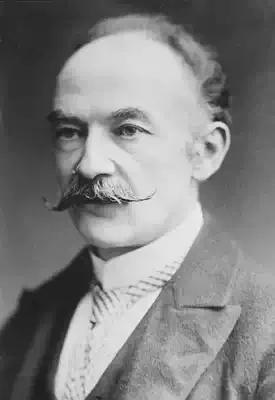
Thomas Hardy
The Sun on the Bookcase
The Sun on the Bookcase
Once more the cauldron of the sun
Smears the bookcase with winy red,
And here my page is, and there my bed,
And the apple-tree shadows travel along.
Soon their intangible track will be run,
And dusk grow strong
And they have fled.
Yes: now the boiling ball is gone,
And I have wasted another day....
But wasted--wasted, do I say?
Is it a waste to have imagined one
Beyond the hills there, who, anon,
My great deeds done,
Will be mine alway?
Once more the cauldron of the sun
Smears the bookcase with winy red,
And here my page is, and there my bed,
And the apple-tree shadows travel along.
Soon their intangible track will be run,
And dusk grow strong
And they have fled.
Yes: now the boiling ball is gone,
And I have wasted another day....
But wasted--wasted, do I say?
Is it a waste to have imagined one
Beyond the hills there, who, anon,
My great deeds done,
Will be mine alway?
156
Thomas Hardy
The Roman Road
The Roman Road
The Roman Road runs straight and bare
As the pale parting-line in hair
Across the heath. And thoughtful men
Contrast its days of Now and Then,
And delve, and measure, and compare;
Visioning on the vacant air
Helmeted legionnaires, who proudly rear
The Eagle, as they pace again
The Roman Road.
But no tall brass-helmeted legionnaire
Haunts it for me. Uprises there
A mother's form upon my ken,
Guiding my infant steps, as when
We walked that ancient thoroughfare,
The Roman Road.
The Roman Road runs straight and bare
As the pale parting-line in hair
Across the heath. And thoughtful men
Contrast its days of Now and Then,
And delve, and measure, and compare;
Visioning on the vacant air
Helmeted legionnaires, who proudly rear
The Eagle, as they pace again
The Roman Road.
But no tall brass-helmeted legionnaire
Haunts it for me. Uprises there
A mother's form upon my ken,
Guiding my infant steps, as when
We walked that ancient thoroughfare,
The Roman Road.
168
Thomas Hardy
The Ghost of the Past
The Ghost of the Past
We two kept house, the Past and I,
The Past and I;
I tended while it hovered nigh,
Leaving me never alone.
It was a spectral housekeeping
Where fell no jarring tone,
As strange, as still a housekeeping
As ever has been known.
As daily I went up the stair,
And down the stair,
I did not mind the Bygone there --
The Present once to me;
Its moving meek companionship
I wished might ever be,
There was in that companionship
Something of ecstasy.
It dwelt with me just as it was,
Just as it was
When first its prospects gave me pause
In wayward wanderings,
Before the years had torn old troths
As they tear all sweet things,
Before gaunt griefs had torn old troths
And dulled old rapturings.
And then its form began to fade,
Began to fade,
Its gentle echoes faintlier played
At eves upon my ear
Than when the autumn's look embrowned
The lonely chambers here,
The autumn's settling shades embrowned
Nooks that it haunted near.
And so with time my vision less,
Yea, less and less
Makes of that Past my housemistress,
It dwindles in my eye;
It looms a far-off skeleton
And not a comrade nigh,
A fitful far-off skeleton
Dimming as days draw by.
We two kept house, the Past and I,
The Past and I;
I tended while it hovered nigh,
Leaving me never alone.
It was a spectral housekeeping
Where fell no jarring tone,
As strange, as still a housekeeping
As ever has been known.
As daily I went up the stair,
And down the stair,
I did not mind the Bygone there --
The Present once to me;
Its moving meek companionship
I wished might ever be,
There was in that companionship
Something of ecstasy.
It dwelt with me just as it was,
Just as it was
When first its prospects gave me pause
In wayward wanderings,
Before the years had torn old troths
As they tear all sweet things,
Before gaunt griefs had torn old troths
And dulled old rapturings.
And then its form began to fade,
Began to fade,
Its gentle echoes faintlier played
At eves upon my ear
Than when the autumn's look embrowned
The lonely chambers here,
The autumn's settling shades embrowned
Nooks that it haunted near.
And so with time my vision less,
Yea, less and less
Makes of that Past my housemistress,
It dwindles in my eye;
It looms a far-off skeleton
And not a comrade nigh,
A fitful far-off skeleton
Dimming as days draw by.
185
Thomas Hardy
The Dead Drummer.
The Dead Drummer.
I
They throw in Drummer Hodge, to rest
Uncoffined--just as found:
His landmark is a kopje-crest
That breaks the veldt around;
And foreign constellations west
Each night above his mound.
II
Young Hodge the Drummer never knew -
Fresh from his Wessex home -
The meaning of the broad Karoo,
The Bush, the dusty loam,
And why uprose to nightly view
Strange stars amid the gloam.
III
Yet portion of that unknown plain
Will Hodge for ever be;
His homely Northern breast and brain
Grow up a Southern tree.
And strange-eyed constellations reign
His stars eternally.
I
They throw in Drummer Hodge, to rest
Uncoffined--just as found:
His landmark is a kopje-crest
That breaks the veldt around;
And foreign constellations west
Each night above his mound.
II
Young Hodge the Drummer never knew -
Fresh from his Wessex home -
The meaning of the broad Karoo,
The Bush, the dusty loam,
And why uprose to nightly view
Strange stars amid the gloam.
III
Yet portion of that unknown plain
Will Hodge for ever be;
His homely Northern breast and brain
Grow up a Southern tree.
And strange-eyed constellations reign
His stars eternally.
226
Thomas Hardy
The Darkling Thrush
The Darkling Thrush
The Darkling Thrush
I leant upon a coppice gate,
When Frost was spectre-gray,
And Winter's dregs made desolate
The weakening eye of day.
The tangled vine-stems scored the sky
Like strings of broken lyres,
And all mankind that haunted nigh
Had sought their household fires.
The land's sharp features seemed to me
The Century's corpse outleant,
Its crypt the cloudy canopy,
The wind its death-lament.
The ancient pulse of germ and birth
Was shrunken hard and dry,
And every spirit upon earth
Seemed fervorless as I.
At once a voice arose among
The bleak twigs overhead,
In a full-throated evensong
Of joy illimited.
An ancient thrush, frail, gaunt and small,
With blast-beruffled plume,
Had chosen thus to fling his soul
Upon the growing gloom.
So little cause for carolings
Of such ecstatic sound
Was written on terrestrial things
Afar or nigh around,
That I could think there trembled through
His happy good-night air
Some blessed Hope, whereof he knew,
And I was unaware.
The Darkling Thrush
I leant upon a coppice gate,
When Frost was spectre-gray,
And Winter's dregs made desolate
The weakening eye of day.
The tangled vine-stems scored the sky
Like strings of broken lyres,
And all mankind that haunted nigh
Had sought their household fires.
The land's sharp features seemed to me
The Century's corpse outleant,
Its crypt the cloudy canopy,
The wind its death-lament.
The ancient pulse of germ and birth
Was shrunken hard and dry,
And every spirit upon earth
Seemed fervorless as I.
At once a voice arose among
The bleak twigs overhead,
In a full-throated evensong
Of joy illimited.
An ancient thrush, frail, gaunt and small,
With blast-beruffled plume,
Had chosen thus to fling his soul
Upon the growing gloom.
So little cause for carolings
Of such ecstatic sound
Was written on terrestrial things
Afar or nigh around,
That I could think there trembled through
His happy good-night air
Some blessed Hope, whereof he knew,
And I was unaware.
220
Thomas Hardy
The Colonel's Soliloquy (Southampton Docks: October, )
The Colonel's Soliloquy (Southampton Docks: October, )
"The quay recedes. Hurrah! Ahead we go! . . .
It's true I've been accustomed now to home,
And joints get rusty, and one's limbs may grow
More fit to rest than roam.
"But I can stand as yet fair stress and strain;
There's not a little steel beneath the rust;
My years mount somewhat, but here's to't again!
And if I fall, I must.
"God knows that for myself I've scanty care;
Past scrimmages have proved as much to all;
In Eastern lands and South I've had my share
Both of the blade and ball.
"And where those villains ripped me in the flitch
With their old iron in my early time,
I'm apt at change of wind to feel a twitch,
Or at a change of clime.
"And what my mirror shows me in the morning
Has more of blotch and wrinkle than of bloom;
My eyes, too, heretofore all glasses scorning,
Have just a touch of rheum . . .
"Now sounds 'The Girl I've left behind me,'--Ah,
The years, the ardours, wakened by that tune!
Time was when, with the crowd's farewell 'Hurrah!'
'Twould lift me to the moon.
"But now it's late to leave behind me one
Who if, poor soul, her man goes underground,
Will not recover as she might have done
In days when hopes abound.
"She's waving from the wharfside, palely grieving,
As down we draw . . . Her tears make little show,
Yet now she suffers more than at my leaving
Some twenty years ago.
"I pray those left at home will care for her!
I shall come back; I have before; though when
The Girl you leave behind you is a grandmother,
Things may not be as then."
"The quay recedes. Hurrah! Ahead we go! . . .
It's true I've been accustomed now to home,
And joints get rusty, and one's limbs may grow
More fit to rest than roam.
"But I can stand as yet fair stress and strain;
There's not a little steel beneath the rust;
My years mount somewhat, but here's to't again!
And if I fall, I must.
"God knows that for myself I've scanty care;
Past scrimmages have proved as much to all;
In Eastern lands and South I've had my share
Both of the blade and ball.
"And where those villains ripped me in the flitch
With their old iron in my early time,
I'm apt at change of wind to feel a twitch,
Or at a change of clime.
"And what my mirror shows me in the morning
Has more of blotch and wrinkle than of bloom;
My eyes, too, heretofore all glasses scorning,
Have just a touch of rheum . . .
"Now sounds 'The Girl I've left behind me,'--Ah,
The years, the ardours, wakened by that tune!
Time was when, with the crowd's farewell 'Hurrah!'
'Twould lift me to the moon.
"But now it's late to leave behind me one
Who if, poor soul, her man goes underground,
Will not recover as she might have done
In days when hopes abound.
"She's waving from the wharfside, palely grieving,
As down we draw . . . Her tears make little show,
Yet now she suffers more than at my leaving
Some twenty years ago.
"I pray those left at home will care for her!
I shall come back; I have before; though when
The Girl you leave behind you is a grandmother,
Things may not be as then."
170
Thomas Hardy
The Comet at Valbury or Yell'ham
The Comet at Valbury or Yell'ham
I
It bends far over Yell'ham Plain,
And we, from Yell'ham Height,
Stand and regard its fiery train,
So soon to swim from sight.
II
It will return long years hence, when
As now its strange swift shine
Will fall on Yell'ham; but not then
On that sweet form of thine.
I
It bends far over Yell'ham Plain,
And we, from Yell'ham Height,
Stand and regard its fiery train,
So soon to swim from sight.
II
It will return long years hence, when
As now its strange swift shine
Will fall on Yell'ham; but not then
On that sweet form of thine.
199
Thomas Hardy
She, to Him, II
She, to Him, II
Perhaps, long hence, when I have passed away,
Some other’s feature, accent, thought like mine,
Will carry you back to what I used to say,
And bring some memory of your love’s decline.
Then you may pause awhile and think, “Poor jade!”
And yield a sigh to me—as gift benign,
Not as the tittle of a debt unpaid
To one who could to you her all resign—
And thus reflecting, you will never see
That your thin thought, in two small words conveyed,
Was no such fleeting phantom-thought to me,
But the Whole Life wherein my part was played;
And you amid its fitful masquerade
A Thought—as I in yours but seem to be.
Perhaps, long hence, when I have passed away,
Some other’s feature, accent, thought like mine,
Will carry you back to what I used to say,
And bring some memory of your love’s decline.
Then you may pause awhile and think, “Poor jade!”
And yield a sigh to me—as gift benign,
Not as the tittle of a debt unpaid
To one who could to you her all resign—
And thus reflecting, you will never see
That your thin thought, in two small words conveyed,
Was no such fleeting phantom-thought to me,
But the Whole Life wherein my part was played;
And you amid its fitful masquerade
A Thought—as I in yours but seem to be.
204
Thomas Hardy
Rome: Building a New Street in the Ancient Quarter.
Rome: Building a New Street in the Ancient Quarter.
These numbered cliffs and gnarls of masonry
Outskeleton Time's central city, Rome;
Whereof each arch, entablature, and dome
Lies bare in all its gaunt anatomy.
And cracking frieze and rotten metope
Express, as though they were an open tome
Top-lined with caustic monitory gnome;
"Dunces, Learn here to spell Humanity!"
And yet within these ruins' very shade
The singing workmen shape and set and join
Their frail new mansion's stuccoed cove and quoin
With no apparent sense that years abrade,
Though each rent wall their feeble works invade
Once shamed all such in power of pier and groin.
These numbered cliffs and gnarls of masonry
Outskeleton Time's central city, Rome;
Whereof each arch, entablature, and dome
Lies bare in all its gaunt anatomy.
And cracking frieze and rotten metope
Express, as though they were an open tome
Top-lined with caustic monitory gnome;
"Dunces, Learn here to spell Humanity!"
And yet within these ruins' very shade
The singing workmen shape and set and join
Their frail new mansion's stuccoed cove and quoin
With no apparent sense that years abrade,
Though each rent wall their feeble works invade
Once shamed all such in power of pier and groin.
200
Thomas Hardy
Rom: On the Palatine (April, )
Rom: On the Palatine (April, )
We walked where Victor Jove was shrined awhile,
And passed to Livia's rich red mural show,
Whence, thridding cave and Criptoportico,
We gained Caligula's dissolving pile.
And each ranked ruin tended to beguile
The outer sense, and shape itself as though
It wore its marble hues, its pristine glow
Of scenic frieze and pompous peristyle.
When lo, swift hands, on strings nigh over-head,
Began to melodize a waltz by Strauss:
It stirred me as I stood, in Caesar's house,
Raised the old routs Imperial lyres had led,
And blended pulsing life with lives long done,
Till Time seemed fiction, Past and Present one.
We walked where Victor Jove was shrined awhile,
And passed to Livia's rich red mural show,
Whence, thridding cave and Criptoportico,
We gained Caligula's dissolving pile.
And each ranked ruin tended to beguile
The outer sense, and shape itself as though
It wore its marble hues, its pristine glow
Of scenic frieze and pompous peristyle.
When lo, swift hands, on strings nigh over-head,
Began to melodize a waltz by Strauss:
It stirred me as I stood, in Caesar's house,
Raised the old routs Imperial lyres had led,
And blended pulsing life with lives long done,
Till Time seemed fiction, Past and Present one.
203
Thomas Hardy
On an Invitation to the United States
On an Invitation to the United States
I
My ardours for emprize nigh lost
Since Life has bared its bones to me,
I shrink to seek a modern coast
Whose riper times have yet to be;
Where the new regions claim them free
From that long drip of human tears
Which peoples old in tragedy
Have left upon the centuried years.
II
For, wonning in these ancient lands,
Enchased and lettered as a tomb,
And scored with prints of perished hands,
And chronicled with dates of doom,
Though my own Being bear no bloom
I trace the lives such scenes enshrine,
Give past exemplars present room,
And their experience count as mine.
I
My ardours for emprize nigh lost
Since Life has bared its bones to me,
I shrink to seek a modern coast
Whose riper times have yet to be;
Where the new regions claim them free
From that long drip of human tears
Which peoples old in tragedy
Have left upon the centuried years.
II
For, wonning in these ancient lands,
Enchased and lettered as a tomb,
And scored with prints of perished hands,
And chronicled with dates of doom,
Though my own Being bear no bloom
I trace the lives such scenes enshrine,
Give past exemplars present room,
And their experience count as mine.
209
Thomas Hardy
Middle-Age Enthusiasms
Middle-Age Enthusiasms
To M. H.
WE passed where flag and flower
Signalled a jocund throng;
We said: "Go to, the hour
Is apt!"--and joined the song;
And, kindling, laughed at life and care,
Although we knew no laugh lay there.
We walked where shy birds stood
Watching us, wonder-dumb;
Their friendship met our mood;
We cried: "We'll often come:
We'll come morn, noon, eve, everywhen!"
--We doubted we should come again.
We joyed to see strange sheens
Leap from quaint leaves in shade;
A secret light of greens
They'd for their pleasure made.
We said: "We'll set such sorts as these!"
--We knew with night the wish would cease.
"So sweet the place," we said,
"Its tacit tales so dear,
Our thoughts, when breath has sped,
Will meet and mingle here!"...
"Words!" mused we. "Passed the mortal door,
Our thoughts will reach this nook no more."
To M. H.
WE passed where flag and flower
Signalled a jocund throng;
We said: "Go to, the hour
Is apt!"--and joined the song;
And, kindling, laughed at life and care,
Although we knew no laugh lay there.
We walked where shy birds stood
Watching us, wonder-dumb;
Their friendship met our mood;
We cried: "We'll often come:
We'll come morn, noon, eve, everywhen!"
--We doubted we should come again.
We joyed to see strange sheens
Leap from quaint leaves in shade;
A secret light of greens
They'd for their pleasure made.
We said: "We'll set such sorts as these!"
--We knew with night the wish would cease.
"So sweet the place," we said,
"Its tacit tales so dear,
Our thoughts, when breath has sped,
Will meet and mingle here!"...
"Words!" mused we. "Passed the mortal door,
Our thoughts will reach this nook no more."
247
Thomas Hardy
In Vision I Roamed
In Vision I Roamed
IN vision I roamed the flashing Firmament,
So fierce in blazon that the Night waxed wan,
As though with an awed sense of such ostent;
And as I thought my spirit ranged on and on
In footless traverse through ghast heights of sky,
To the last chambers of the monstrous Dome,
Where stars the brightest here to darkness die:
Then, any spot on our own Earth seemed Home!
And the sick grief that you were far away
Grew pleasant thankfulness that you were near,
Who might have been, set on some outstep sphere,
Less than a Want to me, as day by day
I lived unware, uncaring all that lay
Locked in that Universe taciturn and drear.
IN vision I roamed the flashing Firmament,
So fierce in blazon that the Night waxed wan,
As though with an awed sense of such ostent;
And as I thought my spirit ranged on and on
In footless traverse through ghast heights of sky,
To the last chambers of the monstrous Dome,
Where stars the brightest here to darkness die:
Then, any spot on our own Earth seemed Home!
And the sick grief that you were far away
Grew pleasant thankfulness that you were near,
Who might have been, set on some outstep sphere,
Less than a Want to me, as day by day
I lived unware, uncaring all that lay
Locked in that Universe taciturn and drear.
258
Thomas Hardy
In Time Of The Breaking Of Nations
In Time Of "The Breaking Of Nations"
I
Only a man harrowing clods
In a slow silent walk
With an old horse that stumbles and nods
Half asleep as they stalk.
II
Only thin smoke without flame
From the heaps of couch-grass;
Yet this will go onwards the same
Though Dynasties pass.
III
Yonder a maid and her wight
Go whispering by:
War's annals will cloud into night
Ere their story die.
I
Only a man harrowing clods
In a slow silent walk
With an old horse that stumbles and nods
Half asleep as they stalk.
II
Only thin smoke without flame
From the heaps of couch-grass;
Yet this will go onwards the same
Though Dynasties pass.
III
Yonder a maid and her wight
Go whispering by:
War's annals will cloud into night
Ere their story die.
205
Thomas Hardy
In the Old Theatre, Fiesole (April, )
In the Old Theatre, Fiesole (April, )
I traced the Circus whose gray stones incline
Where Rome and dim Etruria interjoin,
Till came a child who showed an ancient coin
That bore the image of a Constantine.
She lightly passed; nor did she once opine
How, better than all books, she had raised for me
In swift perspective Europe's history
Through the vast years of Caesar's sceptred line.
For in my distant plot of English loam
'Twas but to delve, and straightway there to find
Coins of like impress. As with one half blind
Whom common simples cure, her act flashed home
In that mute moment to my opened mind
The power, the pride, the reach of perished Rome.
I traced the Circus whose gray stones incline
Where Rome and dim Etruria interjoin,
Till came a child who showed an ancient coin
That bore the image of a Constantine.
She lightly passed; nor did she once opine
How, better than all books, she had raised for me
In swift perspective Europe's history
Through the vast years of Caesar's sceptred line.
For in my distant plot of English loam
'Twas but to delve, and straightway there to find
Coins of like impress. As with one half blind
Whom common simples cure, her act flashed home
In that mute moment to my opened mind
The power, the pride, the reach of perished Rome.
169
Thomas Hardy
Embarcation (Southampton Docks: October, )
Embarcation (Southampton Docks: October, )
Here, where Vespasian's legions struck the sands,
And Cerdic with his Saxons entered in,
And Henry's army leapt afloat to win
Convincing triumphs over neighbour lands,
Vaster battalions press for further strands,
To argue in the self-same bloody mode
Which this late age of thought, and pact, and code,
Still fails to mend.--Now deckward tramp the bands,
Yellow as autumn leaves, alive as spring;
And as each host draws out upon the sea
Beyond which lies the tragical To-be,
None dubious of the cause, none murmuring,
Wives, sisters, parents, wave white hands and smile,
As if they knew not that they weep the while.
Here, where Vespasian's legions struck the sands,
And Cerdic with his Saxons entered in,
And Henry's army leapt afloat to win
Convincing triumphs over neighbour lands,
Vaster battalions press for further strands,
To argue in the self-same bloody mode
Which this late age of thought, and pact, and code,
Still fails to mend.--Now deckward tramp the bands,
Yellow as autumn leaves, alive as spring;
And as each host draws out upon the sea
Beyond which lies the tragical To-be,
None dubious of the cause, none murmuring,
Wives, sisters, parents, wave white hands and smile,
As if they knew not that they weep the while.
175
Thomas Hardy
At Lulworth Cove a Century Back
At Lulworth Cove a Century Back
Had I but lived a hundred years ago
I might have gone, as I have gone this year,
By Warmwell Cross on to a Cove I know,
And Time have placed his finger on me there:
"You see that man?" -- I might have looked, and said,
"O yes: I see him. One that boat has brought
Which dropped down Channel round Saint Alban's Head.
So commonplace a youth calls not my thought."
"You see that man?" -- "Why yes; I told you; yes:
Of an idling town-sort; thin; hair brown in hue;
And as the evening light scants less and less
He looks up at a star, as many do."
"You see that man?" -- "Nay, leave me!" then I plead,
"I have fifteen miles to vamp across the lea,
And it grows dark, and I am weary-kneed:
I have said the third time; yes, that man I see!"
"Good. That man goes to Rome -- to death, despair;
And no one notes him now but you and I:
A hundred years, and the world will follow him there,
And bend with reverence where his ashes lie."
Had I but lived a hundred years ago
I might have gone, as I have gone this year,
By Warmwell Cross on to a Cove I know,
And Time have placed his finger on me there:
"You see that man?" -- I might have looked, and said,
"O yes: I see him. One that boat has brought
Which dropped down Channel round Saint Alban's Head.
So commonplace a youth calls not my thought."
"You see that man?" -- "Why yes; I told you; yes:
Of an idling town-sort; thin; hair brown in hue;
And as the evening light scants less and less
He looks up at a star, as many do."
"You see that man?" -- "Nay, leave me!" then I plead,
"I have fifteen miles to vamp across the lea,
And it grows dark, and I am weary-kneed:
I have said the third time; yes, that man I see!"
"Good. That man goes to Rome -- to death, despair;
And no one notes him now but you and I:
A hundred years, and the world will follow him there,
And bend with reverence where his ashes lie."
242
Thomas Hardy
A Commonplace Day
A Commonplace Day
The day is turning ghost,
And scuttles from the kalendar in fits and furtively,
To join the anonymous host
Of those that throng oblivion; ceding his place, maybe,
To one of like degree.
I part the fire-gnawed logs,
Rake forth the embers, spoil the busy flames, and lay the ends
Upon the shining dogs;
Further and further from the nooks the twilight's stride extends,
And beamless black impends.
Nothing of tiniest worth
Have I wrought, pondered, planned; no one thing asking blame or
praise,
Since the pale corpse-like birth
Of this diurnal unit, bearing blanks in all its rays -
Dullest of dull-hued Days!
Wanly upon the panes
The rain slides as have slid since morn my colourless thoughts; and
yet
Here, while Day's presence wanes,
And over him the sepulchre-lid is slowly lowered and set,
He wakens my regret.
Regret--though nothing dear
That I wot of, was toward in the wide world at his prime,
Or bloomed elsewhere than here,
To die with his decease, and leave a memory sweet, sublime,
Or mark him out in Time . . .
--Yet, maybe, in some soul,
In some spot undiscerned on sea or land, some impulse rose,
Or some intent upstole
Of that enkindling ardency from whose maturer glows
The world's amendment flows;
But which, benumbed at birth
By momentary chance or wile, has missed its hope to be
Embodied on the earth;
And undervoicings of this loss to man's futurity
May wake regret in me.
The day is turning ghost,
And scuttles from the kalendar in fits and furtively,
To join the anonymous host
Of those that throng oblivion; ceding his place, maybe,
To one of like degree.
I part the fire-gnawed logs,
Rake forth the embers, spoil the busy flames, and lay the ends
Upon the shining dogs;
Further and further from the nooks the twilight's stride extends,
And beamless black impends.
Nothing of tiniest worth
Have I wrought, pondered, planned; no one thing asking blame or
praise,
Since the pale corpse-like birth
Of this diurnal unit, bearing blanks in all its rays -
Dullest of dull-hued Days!
Wanly upon the panes
The rain slides as have slid since morn my colourless thoughts; and
yet
Here, while Day's presence wanes,
And over him the sepulchre-lid is slowly lowered and set,
He wakens my regret.
Regret--though nothing dear
That I wot of, was toward in the wide world at his prime,
Or bloomed elsewhere than here,
To die with his decease, and leave a memory sweet, sublime,
Or mark him out in Time . . .
--Yet, maybe, in some soul,
In some spot undiscerned on sea or land, some impulse rose,
Or some intent upstole
Of that enkindling ardency from whose maturer glows
The world's amendment flows;
But which, benumbed at birth
By momentary chance or wile, has missed its hope to be
Embodied on the earth;
And undervoicings of this loss to man's futurity
May wake regret in me.
219