

Poems in this theme
Past and Future

Carl Sandburg
Statistics
Statistics
Napoleon shifted,
Restless in the old sarcophagus
And murmured to a watchguard:
"Who goes there?"
"Twenty-one million men,
Soldiers, armies, guns,
Twenty-one million
Afoot, horseback,
In the air,
Under the sea."
And Napoleon turned to his sleep:
"It is not my world answering;
It is some dreamer who knows not
The world I marched in
From Calais to Moscow."
And he slept on
In the old sarcophagus
While the aeroplanes
Droned their motors
Between Napoleon's mausoleum
And the cool night stars.
Napoleon shifted,
Restless in the old sarcophagus
And murmured to a watchguard:
"Who goes there?"
"Twenty-one million men,
Soldiers, armies, guns,
Twenty-one million
Afoot, horseback,
In the air,
Under the sea."
And Napoleon turned to his sleep:
"It is not my world answering;
It is some dreamer who knows not
The world I marched in
From Calais to Moscow."
And he slept on
In the old sarcophagus
While the aeroplanes
Droned their motors
Between Napoleon's mausoleum
And the cool night stars.
396
Carl Sandburg
Old Timers
Old Timers
I am an ancient reluctant conscript.
On the soup wagons of Xerxes I was a cleaner of pans.
On the march of Miltiades' phalanx I had a haft and head;
I had a bristling gleaming spear-handle.
Red-headed Cæsar picked me for a teamster.
He said, "Go to work, you Tuscan bastard,
Rome calls for a man who can drive horses."
The units of conquest led by Charles the Twelfth,
The whirling whimsical Napoleonic columns:
They saw me one of the horseshoers.
I trimmed the feet of a white horse Bonaparte swept the night stars with.
Lincoln said, "Get into the game; your nation takes you."
And I drove a wagon and team and I had my arm shot off
At Spottsylvania Court House.
I am an ancient reluctant conscript.
I am an ancient reluctant conscript.
On the soup wagons of Xerxes I was a cleaner of pans.
On the march of Miltiades' phalanx I had a haft and head;
I had a bristling gleaming spear-handle.
Red-headed Cæsar picked me for a teamster.
He said, "Go to work, you Tuscan bastard,
Rome calls for a man who can drive horses."
The units of conquest led by Charles the Twelfth,
The whirling whimsical Napoleonic columns:
They saw me one of the horseshoers.
I trimmed the feet of a white horse Bonaparte swept the night stars with.
Lincoln said, "Get into the game; your nation takes you."
And I drove a wagon and team and I had my arm shot off
At Spottsylvania Court House.
I am an ancient reluctant conscript.
408
Carl Sandburg
Chicago Poet
Chicago Poet
I saluted a nobody.
I saw him in a looking-glass.
He smiled--so did I.
He crumpled the skin on his forehead, frowning--so did I.
Everything I did he did.
I said, "Hello, I know you."
And I was a liar to say so.
Ah, this. looking-glass man!
Liar, fool, dreamer, play-actor,
Soldier, dusty drinker of dust--
Ah! he will go with me
Down the dark stairway
When nobody else is looking,
When everybody else is gone.
He locks his elbow in mine,
I lose all--but not him.
I saluted a nobody.
I saw him in a looking-glass.
He smiled--so did I.
He crumpled the skin on his forehead, frowning--so did I.
Everything I did he did.
I said, "Hello, I know you."
And I was a liar to say so.
Ah, this. looking-glass man!
Liar, fool, dreamer, play-actor,
Soldier, dusty drinker of dust--
Ah! he will go with me
Down the dark stairway
When nobody else is looking,
When everybody else is gone.
He locks his elbow in mine,
I lose all--but not him.
649
Carl Sandburg
And This Will Be All....
And This Will Be All....
And this will be all?
And the gates will never open again?
And the dust and the wind will play around the rusty door hinges and the songs of
October moan, Why-oh, why-oh?
And you will look to the mountains
And the mountains will look to you
And you will wish you were a mountain
And the mountain will wish nothing at all?
This will be all?
The gates will never-never open again?
The dust and the wind only
And the rusty door hinges and moaning October
And Why-oh, why-oh, in the moaning dry leaves,
This will be all?
Nothing in the air but songs
And no singers, no mouths to know the songs?
You tell us a woman with a heartache tells you it is so?
This will be all?
And this will be all?
And the gates will never open again?
And the dust and the wind will play around the rusty door hinges and the songs of
October moan, Why-oh, why-oh?
And you will look to the mountains
And the mountains will look to you
And you will wish you were a mountain
And the mountain will wish nothing at all?
This will be all?
The gates will never-never open again?
The dust and the wind only
And the rusty door hinges and moaning October
And Why-oh, why-oh, in the moaning dry leaves,
This will be all?
Nothing in the air but songs
And no singers, no mouths to know the songs?
You tell us a woman with a heartache tells you it is so?
This will be all?
382
Carl Sandburg
A Coin
A Coin
Your western heads here cast on money,
You are the two that fade away together,
Partners in the mist.
Lunging buffalo shoulder,
Lean Indian face,
We who come after where you are gone
Salute your forms on the new nickel.
You are
To us:
The past.
Runners
On the prairie:
Good-by.
Your western heads here cast on money,
You are the two that fade away together,
Partners in the mist.
Lunging buffalo shoulder,
Lean Indian face,
We who come after where you are gone
Salute your forms on the new nickel.
You are
To us:
The past.
Runners
On the prairie:
Good-by.
356
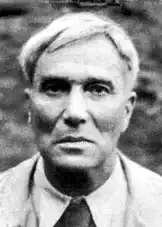
Boris Pasternak
My desk is not so wide that I might lean
My desk is not so wide that I might lean
My desk is not so wide that I might lean
Against the edge and reach out past the shell
Of board and glass, beyond the isthmus in
The endless miles of my scraped out farewell.
(It's night there now.) Beyond your sultry neck.
(They went to bed.) Behind your shoulders' realm.
(Switched off the light.) At dawn, I'd give them back.
The porch would touch them with a sleepy stem.
No, not with snowflakes! With your arms! Reach far!
Oh you, ten fingers of my pain, the light
Of crystal winter stars-and every star
A sign of northbound snowbound trains being late.
My desk is not so wide that I might lean
Against the edge and reach out past the shell
Of board and glass, beyond the isthmus in
The endless miles of my scraped out farewell.
(It's night there now.) Beyond your sultry neck.
(They went to bed.) Behind your shoulders' realm.
(Switched off the light.) At dawn, I'd give them back.
The porch would touch them with a sleepy stem.
No, not with snowflakes! With your arms! Reach far!
Oh you, ten fingers of my pain, the light
Of crystal winter stars-and every star
A sign of northbound snowbound trains being late.
478
Boris Pasternak
I hang limp on the Creator's pen
I hang limp on the Creator's pen
I hang limp on the Creator's pen
Like a large drop of lilac gloss-paint.
Underneath are dykes' secrets; the air
From the railways is sodden and sticky,
Of the fumes of coal and night fires reeking.
But the moment night kills sunset's glare,
It turns pink itself, tinged with far flares,
And the fence stands stiff, paradox-stricken.
It keeps muttering: stop it till dawn.
Let the dry whiting finally settle.
Hard as nails is the worm-eaten ground,
And the echo's as keen as a skittle.
Warm spring wind, spots of cheviot and mud,
Early naileries' hoots faraway,
On the grater of cobble-stones road,
As on radishes lavishly sprayed,
Tears stand out clearly at break of day.
Like an acrid drop of thick lead paint,
I hang on to the Creator's pen.
I hang limp on the Creator's pen
Like a large drop of lilac gloss-paint.
Underneath are dykes' secrets; the air
From the railways is sodden and sticky,
Of the fumes of coal and night fires reeking.
But the moment night kills sunset's glare,
It turns pink itself, tinged with far flares,
And the fence stands stiff, paradox-stricken.
It keeps muttering: stop it till dawn.
Let the dry whiting finally settle.
Hard as nails is the worm-eaten ground,
And the echo's as keen as a skittle.
Warm spring wind, spots of cheviot and mud,
Early naileries' hoots faraway,
On the grater of cobble-stones road,
As on radishes lavishly sprayed,
Tears stand out clearly at break of day.
Like an acrid drop of thick lead paint,
I hang on to the Creator's pen.
475
Boris Pasternak
Beloved, with the spent and sickly fumes...
Beloved, with the spent and sickly fumes...
Beloved, with the spent and sickly fumes
Of rumour's cinders all the air is filled,
But you are the engrossing lexicon
Of fame mysterious and unrevealed,
And fame it is the soil's strong pull.
Would that I more erect were sprung!
But even so I shall be called
The native son of my own native tongue.
The poets' age no longer sets their rhyme,
Now, in the sweep of country plots and roads,
Lermontov is rhymed with summertime,
And Pushkin rhymes with geese and snow.
And my wish is that when we die,
Our circle closed, and hence depart,
We shall be set in closer rhyme
Than binds the auricle and the heart.
And may our harmony unified
Some listener's muffled ear caress
With all that we do now imbibe,
And shall draw in through mouths of grass.
Beloved, with the spent and sickly fumes
Of rumour's cinders all the air is filled,
But you are the engrossing lexicon
Of fame mysterious and unrevealed,
And fame it is the soil's strong pull.
Would that I more erect were sprung!
But even so I shall be called
The native son of my own native tongue.
The poets' age no longer sets their rhyme,
Now, in the sweep of country plots and roads,
Lermontov is rhymed with summertime,
And Pushkin rhymes with geese and snow.
And my wish is that when we die,
Our circle closed, and hence depart,
We shall be set in closer rhyme
Than binds the auricle and the heart.
And may our harmony unified
Some listener's muffled ear caress
With all that we do now imbibe,
And shall draw in through mouths of grass.
497
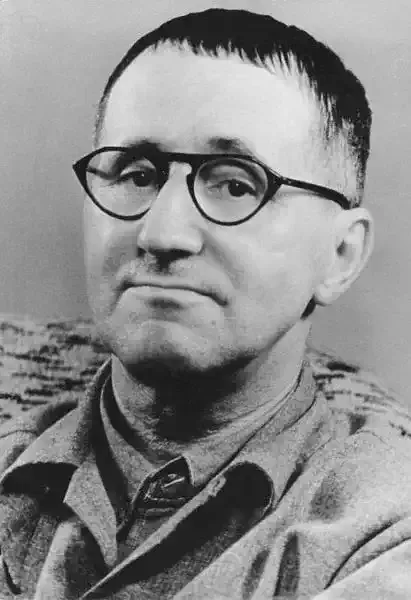
Bertolt Brecht
Ich habe dich nie je so geliebt...
Ich habe dich nie je so geliebt...
[Original]
Ich habe dich nie je so geliebt, ma soeur
Als wie ich fortging von dir in jenem Abendrot.
Der Wald schluckte mich, der blaue Wald, ma soeur
Über dem immer schon die bleichen Gestirne im Westen standen.
Ich lachte kein klein wenig, gar nicht, ma soeur
Der ich spielend dunklem Schicksal entgegenging -W&
auml;hrend schon die Gesichter hinter mir
Langsam im Abend des blauen Walds verblaßten.
Alles war schön an diesem einzigen Abend, ma soeur
Nachher nie wieder und nie zuvor --
Freilich: mir blieben nur mehr die großen Vögel
Die abends im dunklen Himmel Hunger haben.
[Translation]
I never loved you more, ma soeur
Than as I walked away from you that evening.
The forest swallowed me, the blue forest, ma soeur
The blue forest and above it pale stars in the west.
I did not laugh, not one little bit, ma soeur
As I playfully walked towards a dark fate --
While the faces behind me
Slowly paled in the evening of the blue forest.
Everything was grand that one night, ma soeur
Never thereafter and never before --
I admit it: I was left with nothing but the big birds
And their hungry cries in the dark evening sky.
[Original]
Ich habe dich nie je so geliebt, ma soeur
Als wie ich fortging von dir in jenem Abendrot.
Der Wald schluckte mich, der blaue Wald, ma soeur
Über dem immer schon die bleichen Gestirne im Westen standen.
Ich lachte kein klein wenig, gar nicht, ma soeur
Der ich spielend dunklem Schicksal entgegenging -W&
auml;hrend schon die Gesichter hinter mir
Langsam im Abend des blauen Walds verblaßten.
Alles war schön an diesem einzigen Abend, ma soeur
Nachher nie wieder und nie zuvor --
Freilich: mir blieben nur mehr die großen Vögel
Die abends im dunklen Himmel Hunger haben.
[Translation]
I never loved you more, ma soeur
Than as I walked away from you that evening.
The forest swallowed me, the blue forest, ma soeur
The blue forest and above it pale stars in the west.
I did not laugh, not one little bit, ma soeur
As I playfully walked towards a dark fate --
While the faces behind me
Slowly paled in the evening of the blue forest.
Everything was grand that one night, ma soeur
Never thereafter and never before --
I admit it: I was left with nothing but the big birds
And their hungry cries in the dark evening sky.
481
Bertolt Brecht
Future Generations (Translation of
Future Generations (Translation of
I confess this:
I have no hope.
The blind talk about an escape.
I see.
When the errors are consumed
The nothing will sit next to us
as our last companion.
Den Nachgeborenen
Ich gestehe es:
Ich habe keine Hoffnung.
Die Blinden reden von einem Ausweg.
Ich sehe.
Wenn die Irrtümer verbraucht sind
Sitzt als letzter Gesellschafter
Uns das Nichts gegenüber.
I confess this:
I have no hope.
The blind talk about an escape.
I see.
When the errors are consumed
The nothing will sit next to us
as our last companion.
Den Nachgeborenen
Ich gestehe es:
Ich habe keine Hoffnung.
Die Blinden reden von einem Ausweg.
Ich sehe.
Wenn die Irrtümer verbraucht sind
Sitzt als letzter Gesellschafter
Uns das Nichts gegenüber.
609
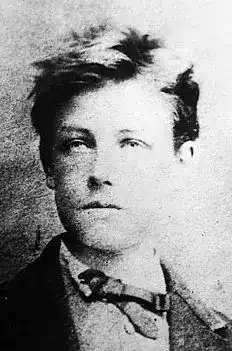
Arthur Rimbaud
Working People
Working People
O that warm February morning!
The untimely south came
to stir up our absurd paupers' memories,
our young distress.
Henrika had on a brown
and white checked cotton skirt
which must have been worn in the last century,
a bonnet with ribbons and a silk scarf.
It was much sadder than any mourning.
We were taking a stroll in the suburbs.
The weather was overcast
and that wind from the south
excited all the evil odors of the desolate
garden and the dried fields.
It did not seem to weary my wife as it did me.
In a puddle left by the rains of the preceding month,
on a fairly high path,
she called my attention to some very little fishes.
The city with its smoke and its factory noises
followed us far out along the roads.
O other world, habituation
blessed by sky and shade!
The south brought black miserable memories
of my childhood, my summer despairs,
the horrible quantity of strength
and of knowledge that fate has always kept from me.
No! we will not spend the summer
in this avaricious country
where we shall never be anything
but affianced orphans.
I want this hardened arm
to stop dragging _a cherished image._
O that warm February morning!
The untimely south came
to stir up our absurd paupers' memories,
our young distress.
Henrika had on a brown
and white checked cotton skirt
which must have been worn in the last century,
a bonnet with ribbons and a silk scarf.
It was much sadder than any mourning.
We were taking a stroll in the suburbs.
The weather was overcast
and that wind from the south
excited all the evil odors of the desolate
garden and the dried fields.
It did not seem to weary my wife as it did me.
In a puddle left by the rains of the preceding month,
on a fairly high path,
she called my attention to some very little fishes.
The city with its smoke and its factory noises
followed us far out along the roads.
O other world, habituation
blessed by sky and shade!
The south brought black miserable memories
of my childhood, my summer despairs,
the horrible quantity of strength
and of knowledge that fate has always kept from me.
No! we will not spend the summer
in this avaricious country
where we shall never be anything
but affianced orphans.
I want this hardened arm
to stop dragging _a cherished image._
522
Arthur Rimbaud
The Rooks
The Rooks
Lord, when the meadowland is cold,
and when in the downcast hamlets the long Angeluses are silent..
down on Nature barren of flowers let
them sweep from the wide skies, the dear delightful rooks.
Strange army with your stern cries,
the cold winds are assaulting your nests!
You - along yellowed rivers, over the roads with their old Calvarys,
over ditches, over holes - disperse! And rally!
In your thousands, over the fields of France
where the day before yesterday's dead are sleeping,
wheel in the wintertime, won't you,
so that each traveler may remember!
Be, then, the one who calls men to duty,
O funeral black bird of ours!
But, ye saints of the sky,
at the oak tree top, the masthead lost in the enchanted twilight,
leave alone the warblers of May, for the sake of those whom,
in the depths of the wood,
in the undergrowth from which there is no escaping,
defeat without a future has enslaved.
Lord, when the meadowland is cold,
and when in the downcast hamlets the long Angeluses are silent..
down on Nature barren of flowers let
them sweep from the wide skies, the dear delightful rooks.
Strange army with your stern cries,
the cold winds are assaulting your nests!
You - along yellowed rivers, over the roads with their old Calvarys,
over ditches, over holes - disperse! And rally!
In your thousands, over the fields of France
where the day before yesterday's dead are sleeping,
wheel in the wintertime, won't you,
so that each traveler may remember!
Be, then, the one who calls men to duty,
O funeral black bird of ours!
But, ye saints of the sky,
at the oak tree top, the masthead lost in the enchanted twilight,
leave alone the warblers of May, for the sake of those whom,
in the depths of the wood,
in the undergrowth from which there is no escaping,
defeat without a future has enslaved.
576
Arthur Rimbaud
Departure
Departure
Everything seen...
The vision gleams in every air.
Everything had...
The far sound of cities, in the evening,
In sunlight, and always.
Everything known...
O Tumult! O Visions! These are the stops of life.
Departure in affection, and shining sounds.
Everything seen...
The vision gleams in every air.
Everything had...
The far sound of cities, in the evening,
In sunlight, and always.
Everything known...
O Tumult! O Visions! These are the stops of life.
Departure in affection, and shining sounds.
741

Anonymous
Clerk Saunders
Clerk Saunders
Whan bells war rung, an mass was sung,
A wat a' man to bed were gone,
Clark Sanders came to Margret's window,
With mony a sad sigh and groan.
"Are ye sleeping, Margret," he says,
"Or are ye waking, presentlie?
Give me my faith and trouthe again,
A wat, trew-love, I gied to thee."
"Your faith and trouth ye's never get,
Nor our trew love shall never twain,
Till ye come with me in my bower,
And kiss me both cheek and chin."
"My mouth it is full cold, Margret,
It has the smell now of the ground;
And if I kiss thy comely mouth,
Thy life-days will not be long.
"Cocks are crowing a merry mid-larf,
I wat the wild fule boded day;
Gie me my faith and trouthe again,
And let me fare me on my way."
"Thy faith and trouth thou shall na get,
Nor our trew love shall never twin,
Till ye tell me what comes of women
Awat that dy's in strong traveling."
"Their beds are made in the heavens high,
Down at the foot of our good Lord's knee,
Well set about wi gilly-flowers,
A wat sweet company for to see.
"O cocks are crowing a merry middlarf,
A wat the wilde foule boded day;
The salms of Heaven will be sung,
And ere now I'le be misst away."
Up she has tain a bright long wand,
And she has straked her trouth thereon;
She has given it him out at the shot-window,
Wi many a sad sigh and heavy groan.
"I thank you, Margret, I thank you, Margret,
And I thank you hartilie;
Gine ever the dead come for the quick,
Be sure, Margret, I'll come again for thee."
It's hose an shoon an gound alane
She clame the wall and followed him,
Untill she came to a green forest,
On this she lost the sight of him.
"Is their any room at your head, Sanders?
Is their any room at your feet?
Or any room at your twa sides?
Whare fain, fain woud I sleep."
"Their is na room at my head, Margret,
Their is na room at my feet;
There is room at my twa sides,
For ladys for to sleep.
"Cold meal is my covering owre,
But an my winding sheet;
My bed it is full low, I say,
Down among the hongerey worms I sleep.
"Cold meal is my covering owre,
But an my winding sheet;
The dew it falls na sooner down
Then ay it is full weet."
Whan bells war rung, an mass was sung,
A wat a' man to bed were gone,
Clark Sanders came to Margret's window,
With mony a sad sigh and groan.
"Are ye sleeping, Margret," he says,
"Or are ye waking, presentlie?
Give me my faith and trouthe again,
A wat, trew-love, I gied to thee."
"Your faith and trouth ye's never get,
Nor our trew love shall never twain,
Till ye come with me in my bower,
And kiss me both cheek and chin."
"My mouth it is full cold, Margret,
It has the smell now of the ground;
And if I kiss thy comely mouth,
Thy life-days will not be long.
"Cocks are crowing a merry mid-larf,
I wat the wild fule boded day;
Gie me my faith and trouthe again,
And let me fare me on my way."
"Thy faith and trouth thou shall na get,
Nor our trew love shall never twin,
Till ye tell me what comes of women
Awat that dy's in strong traveling."
"Their beds are made in the heavens high,
Down at the foot of our good Lord's knee,
Well set about wi gilly-flowers,
A wat sweet company for to see.
"O cocks are crowing a merry middlarf,
A wat the wilde foule boded day;
The salms of Heaven will be sung,
And ere now I'le be misst away."
Up she has tain a bright long wand,
And she has straked her trouth thereon;
She has given it him out at the shot-window,
Wi many a sad sigh and heavy groan.
"I thank you, Margret, I thank you, Margret,
And I thank you hartilie;
Gine ever the dead come for the quick,
Be sure, Margret, I'll come again for thee."
It's hose an shoon an gound alane
She clame the wall and followed him,
Untill she came to a green forest,
On this she lost the sight of him.
"Is their any room at your head, Sanders?
Is their any room at your feet?
Or any room at your twa sides?
Whare fain, fain woud I sleep."
"Their is na room at my head, Margret,
Their is na room at my feet;
There is room at my twa sides,
For ladys for to sleep.
"Cold meal is my covering owre,
But an my winding sheet;
My bed it is full low, I say,
Down among the hongerey worms I sleep.
"Cold meal is my covering owre,
But an my winding sheet;
The dew it falls na sooner down
Then ay it is full weet."
242
Anonymous
Episode
Episode
'TWAS now, men say, in his sovran's need
that the earl made known his noble strain,
craft and keenness and courage enduring.
Heedless of harm, though his hand was burned,
hardy-hearted, he helped his kinsman.
A little lower the loathsome beast
he smote with sword; his steel drove in
bright and burnished; that blaze began
to lose and lessen. At last the king
wielded his wits again, war-knife drew,
a biting blade by his breastplate hanging,
and the Weders'-helm smote that worm asunder,
felled the foe, flung forth its life.
So had they killed it, kinsmen both,
athelings twain: thus an earl should be
in danger's day! -- Of deeds of valor
this conqueror's-hour of the king was last,
of his work in the world. The wound began,
which that dragon-of-earth had erst inflicted,
to swell and smart; and soon he found
in his breast was boiling, baleful and deep,
pain of poison. The prince walked on,
wise in his thought, to the wall of rock;
then sat, and stared at the structure of giants,
where arch of stone and steadfast column
upheld forever that hall in earth.
Yet here must the hand of the henchman peerless
lave with water his winsome lord,
the king and conqueror covered with blood,
with struggle spent, and unspan his helmet.
Beowulf spake in spite of his hurt,
his mortal wound; full well he knew
his portion now was past and gone
of earthly bliss, and all had fled
of his file of days, and death was near:
"I would fain bestow on son of mine
this gear of war, were given me now
that any heir should after me come
of my proper blood. This people I ruled
fifty winters. No folk-king was there,
none at all, of the neighboring clans
who war would wage me with 'warriors'-friends'
and threat me with horrors. At home I bided
what fate might come, and I cared for mine own;
feuds I sought not, nor falsely swore
ever on oath. For all these things,
though fatally wounded, fain am I!
From the Ruler-of-Man no wrath shall seize me,
when life from my frame must flee away,
for killing of kinsmen! Now quickly go
and gaze on that hoard 'neath the hoary rock,
Wiglaf loved, now the worm lies low,
sleeps, heart-sore, of his spoil bereaved.
And fare in haste. I would fain behold
the gorgeous heirlooms, golden store,
have joy in the jewels and gems, lay down
softlier for sight of this splendid hoard
my life and the lordship I long have held."
'TWAS now, men say, in his sovran's need
that the earl made known his noble strain,
craft and keenness and courage enduring.
Heedless of harm, though his hand was burned,
hardy-hearted, he helped his kinsman.
A little lower the loathsome beast
he smote with sword; his steel drove in
bright and burnished; that blaze began
to lose and lessen. At last the king
wielded his wits again, war-knife drew,
a biting blade by his breastplate hanging,
and the Weders'-helm smote that worm asunder,
felled the foe, flung forth its life.
So had they killed it, kinsmen both,
athelings twain: thus an earl should be
in danger's day! -- Of deeds of valor
this conqueror's-hour of the king was last,
of his work in the world. The wound began,
which that dragon-of-earth had erst inflicted,
to swell and smart; and soon he found
in his breast was boiling, baleful and deep,
pain of poison. The prince walked on,
wise in his thought, to the wall of rock;
then sat, and stared at the structure of giants,
where arch of stone and steadfast column
upheld forever that hall in earth.
Yet here must the hand of the henchman peerless
lave with water his winsome lord,
the king and conqueror covered with blood,
with struggle spent, and unspan his helmet.
Beowulf spake in spite of his hurt,
his mortal wound; full well he knew
his portion now was past and gone
of earthly bliss, and all had fled
of his file of days, and death was near:
"I would fain bestow on son of mine
this gear of war, were given me now
that any heir should after me come
of my proper blood. This people I ruled
fifty winters. No folk-king was there,
none at all, of the neighboring clans
who war would wage me with 'warriors'-friends'
and threat me with horrors. At home I bided
what fate might come, and I cared for mine own;
feuds I sought not, nor falsely swore
ever on oath. For all these things,
though fatally wounded, fain am I!
From the Ruler-of-Man no wrath shall seize me,
when life from my frame must flee away,
for killing of kinsmen! Now quickly go
and gaze on that hoard 'neath the hoary rock,
Wiglaf loved, now the worm lies low,
sleeps, heart-sore, of his spoil bereaved.
And fare in haste. I would fain behold
the gorgeous heirlooms, golden store,
have joy in the jewels and gems, lay down
softlier for sight of this splendid hoard
my life and the lordship I long have held."
248
Anonymous
Ubi sunt qui ante nos fuerunt?
Ubi sunt qui ante nos fuerunt?
Were beth they that biforen us weren,
Houndes ladden and havekes beren,
And hadden feld and wode?
The riche levedies in hoere bour,
That wereden gold in hoere tressour,
With hoere brightte rode;
Eten and drounken, and maden hem glad;
Hoere lif was al with gamen i-lad,
Men kneleden hem biforen;
They beren hem wel swithe heye;
And in a twincling of an eye
Hoere soules weren forloren.
Were is that lawhing and that song,
That trayling and that proude gong,
Tho havekes and tho houndes?
Al that joye is went away,
That wele is comen to weylaway,
To manye harde stoundes.
Hoere paradis they nomen here,
And nou they lyen in helle i-fere;
The fuir hit brennes hevere:
Long is ay, and long is o,
Long is wy, and long is wo;
Thennes ne cometh they nevere.
Were beth they that biforen us weren,
Houndes ladden and havekes beren,
And hadden feld and wode?
The riche levedies in hoere bour,
That wereden gold in hoere tressour,
With hoere brightte rode;
Eten and drounken, and maden hem glad;
Hoere lif was al with gamen i-lad,
Men kneleden hem biforen;
They beren hem wel swithe heye;
And in a twincling of an eye
Hoere soules weren forloren.
Were is that lawhing and that song,
That trayling and that proude gong,
Tho havekes and tho houndes?
Al that joye is went away,
That wele is comen to weylaway,
To manye harde stoundes.
Hoere paradis they nomen here,
And nou they lyen in helle i-fere;
The fuir hit brennes hevere:
Long is ay, and long is o,
Long is wy, and long is wo;
Thennes ne cometh they nevere.
230

Anne Brontë
Vanitas Vanitatum, Omnia Vanitas
Vanitas Vanitatum, Omnia Vanitas
In all we do, and hear, and see,
Is restless Toil and Vanity.
While yet the rolling earth abides,
Men come and go like Ocean tides;
And ere one generation dies,
Another in its place shall rise;
That, sinking soon into the grave,
Others succeed, like wave on wave;
And as they rise, they pass away.
The sun arises every day,
And, hastening onward to the West,
He nightly sinks, but not to rest:
Returning to the eastern skies,
Again to light us, he must rise.
And still the restless wind comes forth,
Now blowing keenly from the North;
Now from the South, the East, the West,
For ever changing, ne'er at rest.
The fountains, gushing from the hills,
Supply the everrunning
rills;
The thirsty rivers drink their store,
And bear it rolling to the shore,
But still the ocean craves for more.
'Tis endless labour everywhere!
Sound cannot satisfy the ear,
Light cannot fill the craving eye,
Nor riches half our wants supply;
Pleasure but doubles future pain,
And joy brings sorrow in her train;
Laughter is mad, and reckless mirth What
does she in this weary earth?
Should Wealth, or Fame, our Life employ,
Death comes, our labour to destroy;
To snatch the untasted cup away,
For which we toiled so many a day.
What, then, remains for wretched man?
To use life's comforts while he can,
Enjoy the blessings Heaven bestows,
Assist his friends, forgive his foes;
Trust God, and keep his statutes still,
Upright and firm, through good and ill;
Thankful for all that God has given,
Fixing his firmest hopes on heaven;
Knowing that earthly joys decay,
But hoping through the darkest day.
Acton
In all we do, and hear, and see,
Is restless Toil and Vanity.
While yet the rolling earth abides,
Men come and go like Ocean tides;
And ere one generation dies,
Another in its place shall rise;
That, sinking soon into the grave,
Others succeed, like wave on wave;
And as they rise, they pass away.
The sun arises every day,
And, hastening onward to the West,
He nightly sinks, but not to rest:
Returning to the eastern skies,
Again to light us, he must rise.
And still the restless wind comes forth,
Now blowing keenly from the North;
Now from the South, the East, the West,
For ever changing, ne'er at rest.
The fountains, gushing from the hills,
Supply the everrunning
rills;
The thirsty rivers drink their store,
And bear it rolling to the shore,
But still the ocean craves for more.
'Tis endless labour everywhere!
Sound cannot satisfy the ear,
Light cannot fill the craving eye,
Nor riches half our wants supply;
Pleasure but doubles future pain,
And joy brings sorrow in her train;
Laughter is mad, and reckless mirth What
does she in this weary earth?
Should Wealth, or Fame, our Life employ,
Death comes, our labour to destroy;
To snatch the untasted cup away,
For which we toiled so many a day.
What, then, remains for wretched man?
To use life's comforts while he can,
Enjoy the blessings Heaven bestows,
Assist his friends, forgive his foes;
Trust God, and keep his statutes still,
Upright and firm, through good and ill;
Thankful for all that God has given,
Fixing his firmest hopes on heaven;
Knowing that earthly joys decay,
But hoping through the darkest day.
Acton
87
Anne Brontë
Self Communion
Self Communion
'The mist is resting on the hill;
The smoke is hanging in the air;
The very clouds are standing still:
A breathless calm broods everywhere.
Thou pilgrim through this vale of tears,
Thou, too, a little moment cease
Thy anxious toil and fluttering fears,
And rest thee, for a while, in peace.'
'I would, but Time keeps working still
And moving on for good or ill:
He will not rest or stay.
In pain or ease, in smiles or tears,
He still keeps adding to my years
And stealing life away.
His footsteps in the ceaseless sound
Of yonder clock I seem to hear,
That through this stillness so profound
Distinctly strikes the vacant ear.
For ever striding on and on,
He pauses not by night or day;
And all my life will soon be gone
As these past years have slipped away.
He took my childhood long ago,
And then my early youth; and lo,
He steals away my prime!
I cannot see how fast it goes,
But well my inward spirit knows
The wasting power of time.'
'Time steals thy moments, drinks thy breath,
Changes and wastes thy mortal frame;
But though he gives the clay to death,
He cannot touch the inward flame.
Nay, though he steals thy years away,
Their memory is left thee still,
And every month and every day
Leaves some effect of good or ill.
The wise will find in Memory's store
A help for that which lies before
To guide their course aright;
Then, hush thy plaints and calm thy fears;
Look back on these departed years,
And, say, what meets thy sight?'
'I see, far back, a helpless child,
Feeble and full of causeless fears,
Simple and easily beguiled
To credit all it hears.
More timid than the wild wooddove,
Yet trusting to another's care,
And finding in protecting love
Its only refuge from despair, Its
only balm for every woe,
The only bliss its soul can know;
Still hiding in its breast.
A tender heart too prone to weep,
A love so earnest, strong, and deep
It could not be expressed.
Poor helpless thing! what can it do
Life's stormy cares and toils among; How
tread this weary desert through
That awes the brave and tires the strong?
Where shall it centre so much trust
Where truth maintains so little sway,
Where seeming fruit is bitter dust,
And kisses oft to death betray?
How oft must sin and falsehood grieve
A heart so ready to believe,
And willing to admire!
With strength so feeble, fears so strong,
Amid this selfish bustling throng,
How will it faint and tire!
That tender love so warm and deep,
How can it flourish here below?
What bitter floods of tears must steep
The stony soil where it would grow!
O earth! a rocky breast is thine A
hard soil and a cruel clime,
Where tender plants must droop and pine,
Or alter with transforming time.
That soul, that clings to sympathy,
As ivy clasps the forest tree,
How can it stand alone?
That heart so prone to overflow
E'en at the thought of others' woe,
How will it bear its own?
How, if a sparrow's death can wring
Such bitter tearfloods
from the eye,
Will it behold the suffering
Of struggling, lost humanity?
The torturing pain, the pining grief,
The sindegraded
misery,
The anguish that defies relief?'
'Look back again What
dost thou see?'
'I see one kneeling on the sod,
With infant hands upraised to Heaven,
A young heart feeling after God,
Oft baffled, never backward driven.
Mistaken oft, and oft astray,
It strives to find the narrow way,
But gropes and toils alone:
That inner life of strife and tears,
Of kindling hopes and lowering fears
To none but God is known.
'Tis better thus; for man would scorn
Those childish prayers, those artless cries,
That darkling spirit tossed and torn,
But God will not despise!
We may regret such waste of tears
Such darkly toiling misery,
Such 'wildering doubts and harrowing fears,
Where joy and thankfulness should be;
But wait, and Heaven will send relief.
Let patience have her perfect work:
Lo, strength and wisdom spring from grief,
And joys behind afflictions lurk!
It asked for light, and it is heard;
God grants that struggling soul repose
And, guided by His holy word,
It wiser than its teachers grows.
It gains the upward path at length,
And passes on from strength to strength,
Leaning on Heaven the while:
Night's shades departing one by one,
It sees at last the rising sun,
And feels his cheering smile.
In all its darkness and distress
For light it sought, to God it cried;
And through the pathless wilderness,
He was its comfort and its guide.'
'So was it, and so will it be:
Thy God will guide and strengthen thee;
His goodness cannot fail.
The sun that on thy morning rose
Will light thee to the evening's close,
Whatever storms assail.'
'God alters not; but Time on me
A wide and wondrous change has wrought:
And in these parted years I see
Cause for grave care and saddening thought.
I see that time, and toil, and truth,
An inward hardness can impart, Can
freeze the generous blood of youth,
And steel full fast the tender heart.'
'Bless God for that divine decree! That
hardness comes with misery,
And suffering deadens pain;
That at the frequent sight of woe
E'en Pity's tears forget to flow,
If reason still remain!
Reason, with conscience by her side,
But gathers strength from toil and truth;
And she will prove a surer guide
Than those sweet instincts of our youth.
Thou that hast known such anguish sore
In weeping where thou couldst not bless,
Canst thou that softness so deplore That
suffering, shrinking tenderness?
Thou that hast felt what cankering care
A loving heart is doomed to bear,
Say, how canst thou regret
That fires unfed must fall away,
Long droughts can dry the softest clay,
And cold will cold beget?'
'Nay, but 'tis hard to feel that chill
Come creeping o'er the shuddering heart.
Love may be full of pain, but still,
'Tis sad to see it so depart, To
watch that fire whose genial glow
Was formed to comfort and to cheer,
For want of fuel, fading so,
Sinking to embers dull and drear, To
see the soft soil turned to stone
For lack of kindly showers, To
see those yearnings of the breast,
Pining to bless and to be blessed,
Drop withered, frozen one by one,
Till, centred in itself alone,
It wastes its blighted powers.
Oh, I have known a wondrous joy
In early friendship's pure delight, A
genial bliss that could not cloy My
sun by day, my moon by night.
Absence, indeed, was sore distress,
And thought of death was anguish keen,
And there was cruel bitterness
When jarring discords rose between;
And sometimes it was grief to know
My fondness was but half returned.
But this was nothing to the woe
With which another truth was learned: That
I must check, or nurse apart,
Full many an impulse of the heart
And many a darling thought:
What my soul worshipped, sought, and prized,
Were slighted, questioned, or despised;
This pained me more than aught.
And as my love the warmer glowed
The deeper would that anguish sink,
That this dark stream between us flowed,
Though both stood bending o'er its brink;
Until, as last, I learned to bear
A colder heart within my breast;
To share such thoughts as I could share,
And calmly keep the rest.
I saw that they were sundered now,
The trees that at the root were one:
They yet might mingle leaf and bough,
But still the stems must stand alone.
O love is sweet of every kind!
'Tis sweet the helpless to befriend,
To watch the young unfolding mind,
To guide, to shelter, and defend:
To lavish tender toil and care,
And ask for nothing back again,
But that our smiles a blessing bear
And all our toil be not in vain.
And sweeter far than words can tell
Their love whose ardent bosoms swell
With thoughts they need not hide;
Where fortune frowns not on their joy,
And Prudence seeks not to destroy,
Nor Reason to deride.
Whose love may freely gush and flow,
Unchecked, unchilled by doubt or fear,
For in their inmost hearts they know
It is not vainly nourished there.
They know that in a kindred breast
Their long desires have found a home,
Where heart and soul may kindly rest,
Weary and lorn no more to roam.
Their dreams of bliss were not in vain,
As they love they are loved again,
And they can bless as they are blessed.
O vainly might I seek to show
The joys from happy love that flow!
The warmest words are all too cold
The secret transports to unfold
Of simplest word or softest sigh,
Or from the glancing of an eye
To say what rapture beams;
One look that bids our fears depart,
And well assures the trusting heart.
It beats not in the world alone Such
speechless rapture I have known,
But only in my dreams.
My life has been a morning sky
Where Hope her rainbow glories cast
O'er kindling vapours far and nigh:
And, if the colours faded fast,
Ere one bright hue had died away
Another o'er its ashes gleamed;
And if the lower clouds were grey,
The mists above more brightly beamed.
But not for long; at
length behold,
Those tints less warm, less radiant grew;
Till but one streak of paly gold
Glimmered through clouds of saddening hue.
And I am calmly waiting, now,
To see that also pass away,
And leave, above the dark hill's brow,
A rayless arch of sombre grey.'
'So must it fare with all thy race
Who seek in earthly things their joy:
So fading hopes lost hopes shall chase
Till Disappointment all destroy.
But they that fix their hopes on high
Shall, in the bluerefulgent
sky,
The sun's transcendent light,
Behold a purer, deeper glow
Than these uncertain gleams can show,
However fair or bright.
O weak of heart! why thus deplore
That Truth will Fancy's dreams destroy?
Did I not tell thee, years before,
Life was for labour, not for joy?
Cease, selfish spirit, to repine;
O'er thine own ills no longer grieve;
Lo, there are sufferings worse than thine,
Which thou mayst labour to relieve.
If Time indeed too swiftly flies,
Gird on thine armour, haste, arise,
For thou hast much to do; To
lighten woe, to trample sin,
And foes without and foes within
To combat and subdue.
Earth hath too much of sin and pain:
The bitter cup the
binding chain
Dost thou indeed lament?
Let not thy weary spirit sink;
But strive not
by one drop or link
The evil to augment.
Strive rather thou, by peace and joy,
The bitter poison to destroy,
The cruel chain to break.
O strive! and if thy strength be small,
Strive yet the more, and spend it all
For Love and Wisdom's sake!'
'O I have striven both hard and long
But many are my foes and strong.
My gains are light my
progress slow;
For hard's the way I have to go,
And my worst enemies, I know,
Are these within my breast;
And it is hard to toil for aye, Through
sultry noon and twilight grey
To toil and never rest.'
'There is a rest beyond the grave,
A lasting rest from pain and sin,
Where dwell the faithful and the brave;
But they must strive who seek to win.'
"Show me that rest I
ask no more.
Oh, drive these misty doubts away;
And let me see that sunny shore,
However far away!
However wide this rolling sea,
However wild my passage be,
Howe'er my bark be tempest tossed,
May it but reach that haven fair,
May I but land and wander there,
With those that I have loved and lost:
With such a glorious hope in view,
I'll gladly toil and suffer too.
Rest without toil I would not ask;
I would not shun the hardest task:
Toil is my glory Grief
my gain,
If God's approval they obtain.
Could I but hear my Saviour say, "
I know thy patience and thy love;
How thou hast held the narrow way,
For my sake laboured night and day,
And watched, and striven with them that strove;
And still hast borne, and didst not faint," Oh,
this would be reward indeed!'
'Press forward, then, without complaint;
Labour and love and
such shall be thy meed.'
'The mist is resting on the hill;
The smoke is hanging in the air;
The very clouds are standing still:
A breathless calm broods everywhere.
Thou pilgrim through this vale of tears,
Thou, too, a little moment cease
Thy anxious toil and fluttering fears,
And rest thee, for a while, in peace.'
'I would, but Time keeps working still
And moving on for good or ill:
He will not rest or stay.
In pain or ease, in smiles or tears,
He still keeps adding to my years
And stealing life away.
His footsteps in the ceaseless sound
Of yonder clock I seem to hear,
That through this stillness so profound
Distinctly strikes the vacant ear.
For ever striding on and on,
He pauses not by night or day;
And all my life will soon be gone
As these past years have slipped away.
He took my childhood long ago,
And then my early youth; and lo,
He steals away my prime!
I cannot see how fast it goes,
But well my inward spirit knows
The wasting power of time.'
'Time steals thy moments, drinks thy breath,
Changes and wastes thy mortal frame;
But though he gives the clay to death,
He cannot touch the inward flame.
Nay, though he steals thy years away,
Their memory is left thee still,
And every month and every day
Leaves some effect of good or ill.
The wise will find in Memory's store
A help for that which lies before
To guide their course aright;
Then, hush thy plaints and calm thy fears;
Look back on these departed years,
And, say, what meets thy sight?'
'I see, far back, a helpless child,
Feeble and full of causeless fears,
Simple and easily beguiled
To credit all it hears.
More timid than the wild wooddove,
Yet trusting to another's care,
And finding in protecting love
Its only refuge from despair, Its
only balm for every woe,
The only bliss its soul can know;
Still hiding in its breast.
A tender heart too prone to weep,
A love so earnest, strong, and deep
It could not be expressed.
Poor helpless thing! what can it do
Life's stormy cares and toils among; How
tread this weary desert through
That awes the brave and tires the strong?
Where shall it centre so much trust
Where truth maintains so little sway,
Where seeming fruit is bitter dust,
And kisses oft to death betray?
How oft must sin and falsehood grieve
A heart so ready to believe,
And willing to admire!
With strength so feeble, fears so strong,
Amid this selfish bustling throng,
How will it faint and tire!
That tender love so warm and deep,
How can it flourish here below?
What bitter floods of tears must steep
The stony soil where it would grow!
O earth! a rocky breast is thine A
hard soil and a cruel clime,
Where tender plants must droop and pine,
Or alter with transforming time.
That soul, that clings to sympathy,
As ivy clasps the forest tree,
How can it stand alone?
That heart so prone to overflow
E'en at the thought of others' woe,
How will it bear its own?
How, if a sparrow's death can wring
Such bitter tearfloods
from the eye,
Will it behold the suffering
Of struggling, lost humanity?
The torturing pain, the pining grief,
The sindegraded
misery,
The anguish that defies relief?'
'Look back again What
dost thou see?'
'I see one kneeling on the sod,
With infant hands upraised to Heaven,
A young heart feeling after God,
Oft baffled, never backward driven.
Mistaken oft, and oft astray,
It strives to find the narrow way,
But gropes and toils alone:
That inner life of strife and tears,
Of kindling hopes and lowering fears
To none but God is known.
'Tis better thus; for man would scorn
Those childish prayers, those artless cries,
That darkling spirit tossed and torn,
But God will not despise!
We may regret such waste of tears
Such darkly toiling misery,
Such 'wildering doubts and harrowing fears,
Where joy and thankfulness should be;
But wait, and Heaven will send relief.
Let patience have her perfect work:
Lo, strength and wisdom spring from grief,
And joys behind afflictions lurk!
It asked for light, and it is heard;
God grants that struggling soul repose
And, guided by His holy word,
It wiser than its teachers grows.
It gains the upward path at length,
And passes on from strength to strength,
Leaning on Heaven the while:
Night's shades departing one by one,
It sees at last the rising sun,
And feels his cheering smile.
In all its darkness and distress
For light it sought, to God it cried;
And through the pathless wilderness,
He was its comfort and its guide.'
'So was it, and so will it be:
Thy God will guide and strengthen thee;
His goodness cannot fail.
The sun that on thy morning rose
Will light thee to the evening's close,
Whatever storms assail.'
'God alters not; but Time on me
A wide and wondrous change has wrought:
And in these parted years I see
Cause for grave care and saddening thought.
I see that time, and toil, and truth,
An inward hardness can impart, Can
freeze the generous blood of youth,
And steel full fast the tender heart.'
'Bless God for that divine decree! That
hardness comes with misery,
And suffering deadens pain;
That at the frequent sight of woe
E'en Pity's tears forget to flow,
If reason still remain!
Reason, with conscience by her side,
But gathers strength from toil and truth;
And she will prove a surer guide
Than those sweet instincts of our youth.
Thou that hast known such anguish sore
In weeping where thou couldst not bless,
Canst thou that softness so deplore That
suffering, shrinking tenderness?
Thou that hast felt what cankering care
A loving heart is doomed to bear,
Say, how canst thou regret
That fires unfed must fall away,
Long droughts can dry the softest clay,
And cold will cold beget?'
'Nay, but 'tis hard to feel that chill
Come creeping o'er the shuddering heart.
Love may be full of pain, but still,
'Tis sad to see it so depart, To
watch that fire whose genial glow
Was formed to comfort and to cheer,
For want of fuel, fading so,
Sinking to embers dull and drear, To
see the soft soil turned to stone
For lack of kindly showers, To
see those yearnings of the breast,
Pining to bless and to be blessed,
Drop withered, frozen one by one,
Till, centred in itself alone,
It wastes its blighted powers.
Oh, I have known a wondrous joy
In early friendship's pure delight, A
genial bliss that could not cloy My
sun by day, my moon by night.
Absence, indeed, was sore distress,
And thought of death was anguish keen,
And there was cruel bitterness
When jarring discords rose between;
And sometimes it was grief to know
My fondness was but half returned.
But this was nothing to the woe
With which another truth was learned: That
I must check, or nurse apart,
Full many an impulse of the heart
And many a darling thought:
What my soul worshipped, sought, and prized,
Were slighted, questioned, or despised;
This pained me more than aught.
And as my love the warmer glowed
The deeper would that anguish sink,
That this dark stream between us flowed,
Though both stood bending o'er its brink;
Until, as last, I learned to bear
A colder heart within my breast;
To share such thoughts as I could share,
And calmly keep the rest.
I saw that they were sundered now,
The trees that at the root were one:
They yet might mingle leaf and bough,
But still the stems must stand alone.
O love is sweet of every kind!
'Tis sweet the helpless to befriend,
To watch the young unfolding mind,
To guide, to shelter, and defend:
To lavish tender toil and care,
And ask for nothing back again,
But that our smiles a blessing bear
And all our toil be not in vain.
And sweeter far than words can tell
Their love whose ardent bosoms swell
With thoughts they need not hide;
Where fortune frowns not on their joy,
And Prudence seeks not to destroy,
Nor Reason to deride.
Whose love may freely gush and flow,
Unchecked, unchilled by doubt or fear,
For in their inmost hearts they know
It is not vainly nourished there.
They know that in a kindred breast
Their long desires have found a home,
Where heart and soul may kindly rest,
Weary and lorn no more to roam.
Their dreams of bliss were not in vain,
As they love they are loved again,
And they can bless as they are blessed.
O vainly might I seek to show
The joys from happy love that flow!
The warmest words are all too cold
The secret transports to unfold
Of simplest word or softest sigh,
Or from the glancing of an eye
To say what rapture beams;
One look that bids our fears depart,
And well assures the trusting heart.
It beats not in the world alone Such
speechless rapture I have known,
But only in my dreams.
My life has been a morning sky
Where Hope her rainbow glories cast
O'er kindling vapours far and nigh:
And, if the colours faded fast,
Ere one bright hue had died away
Another o'er its ashes gleamed;
And if the lower clouds were grey,
The mists above more brightly beamed.
But not for long; at
length behold,
Those tints less warm, less radiant grew;
Till but one streak of paly gold
Glimmered through clouds of saddening hue.
And I am calmly waiting, now,
To see that also pass away,
And leave, above the dark hill's brow,
A rayless arch of sombre grey.'
'So must it fare with all thy race
Who seek in earthly things their joy:
So fading hopes lost hopes shall chase
Till Disappointment all destroy.
But they that fix their hopes on high
Shall, in the bluerefulgent
sky,
The sun's transcendent light,
Behold a purer, deeper glow
Than these uncertain gleams can show,
However fair or bright.
O weak of heart! why thus deplore
That Truth will Fancy's dreams destroy?
Did I not tell thee, years before,
Life was for labour, not for joy?
Cease, selfish spirit, to repine;
O'er thine own ills no longer grieve;
Lo, there are sufferings worse than thine,
Which thou mayst labour to relieve.
If Time indeed too swiftly flies,
Gird on thine armour, haste, arise,
For thou hast much to do; To
lighten woe, to trample sin,
And foes without and foes within
To combat and subdue.
Earth hath too much of sin and pain:
The bitter cup the
binding chain
Dost thou indeed lament?
Let not thy weary spirit sink;
But strive not
by one drop or link
The evil to augment.
Strive rather thou, by peace and joy,
The bitter poison to destroy,
The cruel chain to break.
O strive! and if thy strength be small,
Strive yet the more, and spend it all
For Love and Wisdom's sake!'
'O I have striven both hard and long
But many are my foes and strong.
My gains are light my
progress slow;
For hard's the way I have to go,
And my worst enemies, I know,
Are these within my breast;
And it is hard to toil for aye, Through
sultry noon and twilight grey
To toil and never rest.'
'There is a rest beyond the grave,
A lasting rest from pain and sin,
Where dwell the faithful and the brave;
But they must strive who seek to win.'
"Show me that rest I
ask no more.
Oh, drive these misty doubts away;
And let me see that sunny shore,
However far away!
However wide this rolling sea,
However wild my passage be,
Howe'er my bark be tempest tossed,
May it but reach that haven fair,
May I but land and wander there,
With those that I have loved and lost:
With such a glorious hope in view,
I'll gladly toil and suffer too.
Rest without toil I would not ask;
I would not shun the hardest task:
Toil is my glory Grief
my gain,
If God's approval they obtain.
Could I but hear my Saviour say, "
I know thy patience and thy love;
How thou hast held the narrow way,
For my sake laboured night and day,
And watched, and striven with them that strove;
And still hast borne, and didst not faint," Oh,
this would be reward indeed!'
'Press forward, then, without complaint;
Labour and love and
such shall be thy meed.'
85
Anne Brontë
A Prisoner in a Dungeon Deep
A Prisoner in a Dungeon Deep
A prisoner in a dungeon deep
Sat musing silently;
His head was rested on his hand,
His elbow on his knee.
Turned he his thoughts to future times
Or are they backward cast?
For freedom is he pining now
Or mourning for the past?
No, he has lived so long enthralled
Alone in dungeon gloom
That he has lost regret and hope,
Has ceased to mourn his doom.
He pines not for the light of day
Nor sighs for freedom now;
Such weary thoughts have ceased at length
To rack his burning brow.
Lost in a maze of wandering thoughts
He sits unmoving there;
That posture and that look proclaim
The stupor of despair.
Yet not for ever did that mood
Of sullen calm prevail;
There was a something in his eye
That told another tale.
It did not speak of reason gone,
It was not madness quite;
It was a fitful flickering fire,
A strange uncertain light.
And sooth to say, these latter years
Strange fancies now and then
Had filled his cell with scenes of life
And forms of living men.
A mind that cannot cease to think
Why needs he cherish there?
Torpor may bring relief to pain
And madness to despair.
Such wildering scenes, such flitting shapes
As feverish dreams display:
What if those fancies still increase
And reason quite decay?
But hark, what sounds have struck his ear;
Voices of men they seem;
And two have entered now his cell;
Can this too be a dream?
'Orlando, hear our joyful news:
Revenge and liberty!
Your foes are dead, and we are come
At last to set you free.'
So spoke the elder of the two,
And in the captive's eyes
He looked for gleaming ecstasy
But only found surprise.
'My foes are dead! It must be then
That all mankind are gone.
For they were all my deadly foes
And friends I had not one.'
A prisoner in a dungeon deep
Sat musing silently;
His head was rested on his hand,
His elbow on his knee.
Turned he his thoughts to future times
Or are they backward cast?
For freedom is he pining now
Or mourning for the past?
No, he has lived so long enthralled
Alone in dungeon gloom
That he has lost regret and hope,
Has ceased to mourn his doom.
He pines not for the light of day
Nor sighs for freedom now;
Such weary thoughts have ceased at length
To rack his burning brow.
Lost in a maze of wandering thoughts
He sits unmoving there;
That posture and that look proclaim
The stupor of despair.
Yet not for ever did that mood
Of sullen calm prevail;
There was a something in his eye
That told another tale.
It did not speak of reason gone,
It was not madness quite;
It was a fitful flickering fire,
A strange uncertain light.
And sooth to say, these latter years
Strange fancies now and then
Had filled his cell with scenes of life
And forms of living men.
A mind that cannot cease to think
Why needs he cherish there?
Torpor may bring relief to pain
And madness to despair.
Such wildering scenes, such flitting shapes
As feverish dreams display:
What if those fancies still increase
And reason quite decay?
But hark, what sounds have struck his ear;
Voices of men they seem;
And two have entered now his cell;
Can this too be a dream?
'Orlando, hear our joyful news:
Revenge and liberty!
Your foes are dead, and we are come
At last to set you free.'
So spoke the elder of the two,
And in the captive's eyes
He looked for gleaming ecstasy
But only found surprise.
'My foes are dead! It must be then
That all mankind are gone.
For they were all my deadly foes
And friends I had not one.'
74
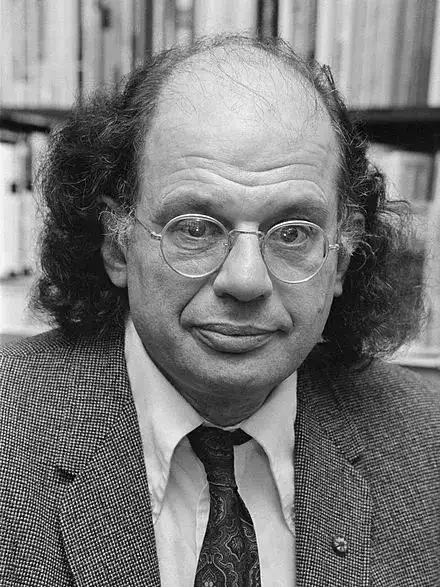
Allen Ginsberg
Cezanne's Ports
Cezanne's Ports
In the foreground we see time and life
swept in a race
toward the left hand side of the picture
where shore meets shore.
But that meeting place
isn't represented;
it doesn't occur on the canvas.
For the other side of the bay
is Heaven and Eternity,
with a bleak white haze over its mountains.
And the immense water of L'Estaque is a go-between
for minute rowboats.
In the foreground we see time and life
swept in a race
toward the left hand side of the picture
where shore meets shore.
But that meeting place
isn't represented;
it doesn't occur on the canvas.
For the other side of the bay
is Heaven and Eternity,
with a bleak white haze over its mountains.
And the immense water of L'Estaque is a go-between
for minute rowboats.
532
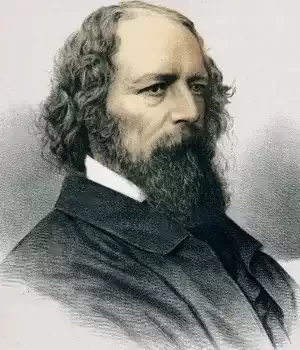
Alfred Lord Tennyson
Tithonus
Tithonus
The woods decay, the woods decay and fall,
The vapours weep their burthen to the ground,
Man comes and tills the field and lies beneath,
And after many a summer dies the swan.
Me only cruel immortality
Consumes; I wither slowly in thine arms,
Here at the quiet limit of the world,
A white-hair'd shadow roaming like a dream
The ever-silent spaces of the East,
Far-folded mists, and gleaming halls of morn.
Alas! for this gray shadow, once a man-So
glorious in his beauty and thy choice,
Who madest him thy chosen, that he seem'd
To his great heart none other than a God!
I ask'd thee, "Give me immortality."
Then didst thou grant mine asking with a smile,
Like wealthy men who care not how they give.
But thy strong Hours indignant work'd their wills,
And beat me down and marr'd and wasted me,
And tho' they could not end me, left me maim'd
To dwell in presence of immortal youth,
Immortal age beside immortal youth,
And all I was in ashes. Can thy love
Thy beauty, make amends, tho' even now,
Close over us, the silver star, thy guide,
Shines in those tremulous eyes that fill with tears
To hear me? Let me go: take back thy gift:
Why should a man desire in any way
To vary from the kindly race of men,
Or pass beyond the goal of ordinance
Where all should pause, as is most meet for all?
A soft air fans the cloud apart; there comes
A glimpse of that dark world where I was born.
Once more the old mysterious glimmer steals
From any pure brows, and from thy shoulders pure,
And bosom beating with a heart renew'd.
Thy cheek begins to redden thro' the gloom,
Thy sweet eyes brighten slowly close to mine,
Ere yet they blind the stars, and the wild team
Which love thee, yearning for thy yoke, arise,
And shake the darkness from their loosen'd manes,
And beat the twilight into flakes of fire.
Lo! ever thus thou growest beautiful
In silence, then before thine answer given
Departest, and thy tears are on my cheek.
Why wilt thou ever scare me with thy tears,
And make me tremble lest a saying learnt,
In days far-off, on that dark earth, be true?
"The Gods themselves cannot recall their gifts."
Ay me! ay me! with what another heart
In days far-off, and with what other eyes
I used to watch if I be he that watch'd
The lucid outline forming round thee; saw
The dim curls kindle into sunny rings;
Changed with thy mystic change, and felt my blood
Glow with the glow that slowly crimson'd all
Thy presence and thy portals, while I lay,
Mouth, forehead, eyelids, growing dewy-warm
With kisses balmier than half-opening buds
Of April, and could hear the lips that kiss'd
Whispering I knew not what of wild and sweet,
Like that strange song I heard Apollo sing,
While Ilion like a mist rose into towers.
Yet hold me not for ever in thine East;
How can my nature longer mix with thine?
Coldly thy rosy shadows bathe me, cold
Are all thy lights, and cold my wrinkled feet
Upon thy glimmering thresholds, when the steam
Floats up from those dim fields about the homes
Of happy men that have the power to die,
And grassy barrows of the happier dead.
Release me, and restore me to the ground;
Thou seest all things, thou wilt see my grave:
Thou wilt renew thy beauty morn by morn;
I earth in earth forget these empty courts,
And thee returning on thy silver wheels.
The woods decay, the woods decay and fall,
The vapours weep their burthen to the ground,
Man comes and tills the field and lies beneath,
And after many a summer dies the swan.
Me only cruel immortality
Consumes; I wither slowly in thine arms,
Here at the quiet limit of the world,
A white-hair'd shadow roaming like a dream
The ever-silent spaces of the East,
Far-folded mists, and gleaming halls of morn.
Alas! for this gray shadow, once a man-So
glorious in his beauty and thy choice,
Who madest him thy chosen, that he seem'd
To his great heart none other than a God!
I ask'd thee, "Give me immortality."
Then didst thou grant mine asking with a smile,
Like wealthy men who care not how they give.
But thy strong Hours indignant work'd their wills,
And beat me down and marr'd and wasted me,
And tho' they could not end me, left me maim'd
To dwell in presence of immortal youth,
Immortal age beside immortal youth,
And all I was in ashes. Can thy love
Thy beauty, make amends, tho' even now,
Close over us, the silver star, thy guide,
Shines in those tremulous eyes that fill with tears
To hear me? Let me go: take back thy gift:
Why should a man desire in any way
To vary from the kindly race of men,
Or pass beyond the goal of ordinance
Where all should pause, as is most meet for all?
A soft air fans the cloud apart; there comes
A glimpse of that dark world where I was born.
Once more the old mysterious glimmer steals
From any pure brows, and from thy shoulders pure,
And bosom beating with a heart renew'd.
Thy cheek begins to redden thro' the gloom,
Thy sweet eyes brighten slowly close to mine,
Ere yet they blind the stars, and the wild team
Which love thee, yearning for thy yoke, arise,
And shake the darkness from their loosen'd manes,
And beat the twilight into flakes of fire.
Lo! ever thus thou growest beautiful
In silence, then before thine answer given
Departest, and thy tears are on my cheek.
Why wilt thou ever scare me with thy tears,
And make me tremble lest a saying learnt,
In days far-off, on that dark earth, be true?
"The Gods themselves cannot recall their gifts."
Ay me! ay me! with what another heart
In days far-off, and with what other eyes
I used to watch if I be he that watch'd
The lucid outline forming round thee; saw
The dim curls kindle into sunny rings;
Changed with thy mystic change, and felt my blood
Glow with the glow that slowly crimson'd all
Thy presence and thy portals, while I lay,
Mouth, forehead, eyelids, growing dewy-warm
With kisses balmier than half-opening buds
Of April, and could hear the lips that kiss'd
Whispering I knew not what of wild and sweet,
Like that strange song I heard Apollo sing,
While Ilion like a mist rose into towers.
Yet hold me not for ever in thine East;
How can my nature longer mix with thine?
Coldly thy rosy shadows bathe me, cold
Are all thy lights, and cold my wrinkled feet
Upon thy glimmering thresholds, when the steam
Floats up from those dim fields about the homes
Of happy men that have the power to die,
And grassy barrows of the happier dead.
Release me, and restore me to the ground;
Thou seest all things, thou wilt see my grave:
Thou wilt renew thy beauty morn by morn;
I earth in earth forget these empty courts,
And thee returning on thy silver wheels.
652
Alfred Lord Tennyson
The Lotos-eaters
The Lotos-eaters
"Courage!" he said, and pointed toward the land,
"This mounting wave will roll us shoreward soon."
In the afternoon they came unto a land
In which it seemed always afternoon.
All round the coast the languid air did swoon,
Breathing like one that hath a weary dream.
Full-faced above the valley stood the moon;
And like a downward smoke, the slender stream
Along the cliff to fall and pause and fall did seem.
A land of streams! some, like a downward smoke,
Slow-dropping veils of thinnest lawn, did go;
And some thro' wavering lights and shadows broke,
Rolling a slumbrous sheet of foam below.
They saw the gleaming river seaward flow
From the inner land: far off, three mountain-tops,
Three silent pinnacles of aged snow,
Stood sunset-flush'd: and, dew'd with showery drops,
Up-clomb the shadowy pine above the woven copse.
The charmed sunset linger'd low adown
In the red West: thro' mountain clefts the dale
Was seen far inland, and the yellow down
Border'd with palm, and many a winding vale
And meadow, set with slender galingale;
A land where all things always seem'd the same!
And round about the keel with faces pale,
Dark faces pale against that rosy flame,
The mild-eyed melancholy Lotos-eaters came.
Branches they bore of that enchanted stem,
Laden with flower and fruit, whereof they gave
To each, but whoso did receive of them,
And taste, to him the gushing of the wave
Far far away did seem to mourn and rave
On alien shores; and if his fellow spake,
His voice was thin, as voices from the grave;
And deep-asleep he seem'd, yet all awake,
And music in his ears his beating heart did make.
They sat them down upon the yellow sand,
Between the sun and moon upon the shore;
And sweet it was to dream of Fatherland,
Of child, and wife, and slave; but evermore
Most weary seem'd the sea, weary the oar,
Weary the wandering fields of barren foam.
Then some one said, "We will return no more";
And all at once they sang, "Our island home
Is far beyond the wave; we will no longer roam."CHORIC SONGI
There is sweet music here that softer falls
Than petals from blown roses on the grass,
Or night-dews on still waters between walls
Of shadowy granite, in a gleaming pass;
Music that gentlier on the spirit lies,
Than tir'd eyelids upon tir'd eyes;
Music that brings sweet sleep down from the blissful skies.
Here are cool mosses deep,
And thro' the moss the ivies creep,
And in the stream the long-leaved flowers weep,
And from the craggy ledge the poppy hangs in sleep."II
Why are we weigh'd upon with heaviness,
And utterly consumed with sharp distress,
While all things else have rest from weariness?
All things have rest: why should we toil alone,
We only toil, who are the first of things,
And make perpetual moan,
Still from one sorrow to another thrown:
Nor ever fold our wings,
And cease from wanderings,
Nor steep our brows in slumber's holy balm;
Nor harken what the inner spirit sings,
"There is no joy but calm!"
Why should we only toil, the roof and crown of things?III
Lo! in the middle of the wood,
The folded leaf is woo'd from out the bud
With winds upon the branch, and there
Grows green and broad, and takes no care,
Sun-steep'd at noon, and in the moon
Nightly dew-fed; and turning yellow
Falls, and floats adown the air.
Lo! sweeten'd with the summer light,
The full-juiced apple, waxing over-mellow,
Drops in a silent autumn night.
All its allotted length of days
The flower ripens in its place,
Ripens and fades, and falls, and hath no toil,
Fast-rooted in the fruitful soil.IV
Hateful is the dark-blue sky,
Vaulted o'er the dark-blue sea.
Death is the end of life; ah, why
Should life all labour be?
Let us alone. Time driveth onward fast,
And in a little while our lips are dumb.
Let us alone. What is it that will last?
All things are taken from us, and become
Portions and parcels of the dreadful past.
Let us alone. What pleasure can we have
To war with evil? Is there any peace
In ever climbing up the climbing wave?
All things have rest, and ripen toward the grave
In silence; ripen, fall and cease:
Give us long rest or death, dark death, or dreamful ease.V
How sweet it were, hearing the downward stream,
With half-shut eyes ever to seem
Falling asleep in a half-dream!
To dream and dream, like yonder amber light,
Which will not leave the myrrh-bush on the height;
To hear each other's whisper'd speech;
Eating the Lotos day by day,
To watch the crisping ripples on the beach,
And tender curving lines of creamy spray;
To lend our hearts and spirits wholly
To the influence of mild-minded melancholy;
To muse and brood and live again in memory,
With those old faces of our infancy
Heap'd over with a mound of grass,
Two handfuls of white dust, shut in an urn of brass!VI
Dear is the memory of our wedded lives,
And dear the last embraces of our wives
And their warm tears: but all hath suffer'd change:
For surely now our household hearths are cold,
Our sons inherit us: our looks are strange:
And we should come like ghosts to trouble joy.
Or else the island princes over-bold
Have eat our substance, and the minstrel sings
Before them of the ten years' war in Troy,
And our great deeds, as half-forgotten things.
Is there confusion in the little isle?
Let what is broken so remain.
The Gods are hard to reconcile:
'Tis hard to settle order once again.
There is confusion worse than death,
Trouble on trouble, pain on pain,
Long labour unto aged breath,
Sore task to hearts worn out by many wars
And eyes grown dim with gazing on the pilot-stars.VII
But, propt on beds of amaranth and moly,
How sweet (while warm airs lull us, blowing lowly)
With half-dropt eyelid still,
Beneath a heaven dark and holy,
To watch the long bright river drawing slowly
His waters from the purple hill-To
hear the dewy echoes calling
From cave to cave thro' the thick-twined vine-To
watch the emerald-colour'd water falling
Thro' many a wov'n acanthus-wreath divine!
Only to hear and see the far-off sparkling brine,
Only to hear were sweet, stretch'd out beneath the pine.VIII
The Lotos blooms below the barren peak:
The Lotos blows by every winding creek:
All day the wind breathes low with mellower tone:
Thro' every hollow cave and alley lone
Round and round the spicy downs the yellow Lotos-dust is blown.
We have had enough of action, and of motion we,
Roll'd to starboard, roll'd to larboard, when the surge was seething free,
Where the wallowing monster spouted his foam-fountains in the sea.
Let us swear an oath, and keep it with an equal mind,
In the hollow Lotos-land to live and lie reclined
On the hills like Gods together, careless of mankind.
For they lie beside their nectar, and the bolts are hurl'd
Far below them in the valleys, and the clouds are lightly curl'd
Round their golden houses, girdled with the gleaming world:
Where they smile in secret, looking over wasted lands,
Blight and famine, plague and earthquake, roaring deeps and fiery sands,
Clanging fights, and flaming towns, and sinking ships, and praying hands.
But they smile, they find a music centred in a doleful song
Steaming up, a lamentation and an ancient tale of wrong,
Like a tale of little meaning tho' the words are strong;
Chanted from an ill-used race of men that cleave the soil,
Sow the seed, and reap the harvest with enduring toil,
Storing yearly little dues of wheat, and wine and oil;
Till they perish and they suffer--some, 'tis whisper'd--down in hell
Suffer endless anguish, others in Elysian valleys dwell,
Resting weary limbs at last on beds of asphodel.
Surely, surely, slumber is more sweet than toil, the shore
Than labour in the deep mid-ocean, wind and wave and oar;
O, rest ye, brother mariners, we will not wander more.Credits and CopyrightTogether
with the editors, the Department ofEnglish (University of Toronto), and the University
of Toronto Press,the following individuals share copyright for the work that wentinto
this edition:Screen Design (Electronic Edition): Sian Meikle (University ofToronto
Library)Scanning: Sharine Leung (Centre for Computing in the Humanities)
"Courage!" he said, and pointed toward the land,
"This mounting wave will roll us shoreward soon."
In the afternoon they came unto a land
In which it seemed always afternoon.
All round the coast the languid air did swoon,
Breathing like one that hath a weary dream.
Full-faced above the valley stood the moon;
And like a downward smoke, the slender stream
Along the cliff to fall and pause and fall did seem.
A land of streams! some, like a downward smoke,
Slow-dropping veils of thinnest lawn, did go;
And some thro' wavering lights and shadows broke,
Rolling a slumbrous sheet of foam below.
They saw the gleaming river seaward flow
From the inner land: far off, three mountain-tops,
Three silent pinnacles of aged snow,
Stood sunset-flush'd: and, dew'd with showery drops,
Up-clomb the shadowy pine above the woven copse.
The charmed sunset linger'd low adown
In the red West: thro' mountain clefts the dale
Was seen far inland, and the yellow down
Border'd with palm, and many a winding vale
And meadow, set with slender galingale;
A land where all things always seem'd the same!
And round about the keel with faces pale,
Dark faces pale against that rosy flame,
The mild-eyed melancholy Lotos-eaters came.
Branches they bore of that enchanted stem,
Laden with flower and fruit, whereof they gave
To each, but whoso did receive of them,
And taste, to him the gushing of the wave
Far far away did seem to mourn and rave
On alien shores; and if his fellow spake,
His voice was thin, as voices from the grave;
And deep-asleep he seem'd, yet all awake,
And music in his ears his beating heart did make.
They sat them down upon the yellow sand,
Between the sun and moon upon the shore;
And sweet it was to dream of Fatherland,
Of child, and wife, and slave; but evermore
Most weary seem'd the sea, weary the oar,
Weary the wandering fields of barren foam.
Then some one said, "We will return no more";
And all at once they sang, "Our island home
Is far beyond the wave; we will no longer roam."CHORIC SONGI
There is sweet music here that softer falls
Than petals from blown roses on the grass,
Or night-dews on still waters between walls
Of shadowy granite, in a gleaming pass;
Music that gentlier on the spirit lies,
Than tir'd eyelids upon tir'd eyes;
Music that brings sweet sleep down from the blissful skies.
Here are cool mosses deep,
And thro' the moss the ivies creep,
And in the stream the long-leaved flowers weep,
And from the craggy ledge the poppy hangs in sleep."II
Why are we weigh'd upon with heaviness,
And utterly consumed with sharp distress,
While all things else have rest from weariness?
All things have rest: why should we toil alone,
We only toil, who are the first of things,
And make perpetual moan,
Still from one sorrow to another thrown:
Nor ever fold our wings,
And cease from wanderings,
Nor steep our brows in slumber's holy balm;
Nor harken what the inner spirit sings,
"There is no joy but calm!"
Why should we only toil, the roof and crown of things?III
Lo! in the middle of the wood,
The folded leaf is woo'd from out the bud
With winds upon the branch, and there
Grows green and broad, and takes no care,
Sun-steep'd at noon, and in the moon
Nightly dew-fed; and turning yellow
Falls, and floats adown the air.
Lo! sweeten'd with the summer light,
The full-juiced apple, waxing over-mellow,
Drops in a silent autumn night.
All its allotted length of days
The flower ripens in its place,
Ripens and fades, and falls, and hath no toil,
Fast-rooted in the fruitful soil.IV
Hateful is the dark-blue sky,
Vaulted o'er the dark-blue sea.
Death is the end of life; ah, why
Should life all labour be?
Let us alone. Time driveth onward fast,
And in a little while our lips are dumb.
Let us alone. What is it that will last?
All things are taken from us, and become
Portions and parcels of the dreadful past.
Let us alone. What pleasure can we have
To war with evil? Is there any peace
In ever climbing up the climbing wave?
All things have rest, and ripen toward the grave
In silence; ripen, fall and cease:
Give us long rest or death, dark death, or dreamful ease.V
How sweet it were, hearing the downward stream,
With half-shut eyes ever to seem
Falling asleep in a half-dream!
To dream and dream, like yonder amber light,
Which will not leave the myrrh-bush on the height;
To hear each other's whisper'd speech;
Eating the Lotos day by day,
To watch the crisping ripples on the beach,
And tender curving lines of creamy spray;
To lend our hearts and spirits wholly
To the influence of mild-minded melancholy;
To muse and brood and live again in memory,
With those old faces of our infancy
Heap'd over with a mound of grass,
Two handfuls of white dust, shut in an urn of brass!VI
Dear is the memory of our wedded lives,
And dear the last embraces of our wives
And their warm tears: but all hath suffer'd change:
For surely now our household hearths are cold,
Our sons inherit us: our looks are strange:
And we should come like ghosts to trouble joy.
Or else the island princes over-bold
Have eat our substance, and the minstrel sings
Before them of the ten years' war in Troy,
And our great deeds, as half-forgotten things.
Is there confusion in the little isle?
Let what is broken so remain.
The Gods are hard to reconcile:
'Tis hard to settle order once again.
There is confusion worse than death,
Trouble on trouble, pain on pain,
Long labour unto aged breath,
Sore task to hearts worn out by many wars
And eyes grown dim with gazing on the pilot-stars.VII
But, propt on beds of amaranth and moly,
How sweet (while warm airs lull us, blowing lowly)
With half-dropt eyelid still,
Beneath a heaven dark and holy,
To watch the long bright river drawing slowly
His waters from the purple hill-To
hear the dewy echoes calling
From cave to cave thro' the thick-twined vine-To
watch the emerald-colour'd water falling
Thro' many a wov'n acanthus-wreath divine!
Only to hear and see the far-off sparkling brine,
Only to hear were sweet, stretch'd out beneath the pine.VIII
The Lotos blooms below the barren peak:
The Lotos blows by every winding creek:
All day the wind breathes low with mellower tone:
Thro' every hollow cave and alley lone
Round and round the spicy downs the yellow Lotos-dust is blown.
We have had enough of action, and of motion we,
Roll'd to starboard, roll'd to larboard, when the surge was seething free,
Where the wallowing monster spouted his foam-fountains in the sea.
Let us swear an oath, and keep it with an equal mind,
In the hollow Lotos-land to live and lie reclined
On the hills like Gods together, careless of mankind.
For they lie beside their nectar, and the bolts are hurl'd
Far below them in the valleys, and the clouds are lightly curl'd
Round their golden houses, girdled with the gleaming world:
Where they smile in secret, looking over wasted lands,
Blight and famine, plague and earthquake, roaring deeps and fiery sands,
Clanging fights, and flaming towns, and sinking ships, and praying hands.
But they smile, they find a music centred in a doleful song
Steaming up, a lamentation and an ancient tale of wrong,
Like a tale of little meaning tho' the words are strong;
Chanted from an ill-used race of men that cleave the soil,
Sow the seed, and reap the harvest with enduring toil,
Storing yearly little dues of wheat, and wine and oil;
Till they perish and they suffer--some, 'tis whisper'd--down in hell
Suffer endless anguish, others in Elysian valleys dwell,
Resting weary limbs at last on beds of asphodel.
Surely, surely, slumber is more sweet than toil, the shore
Than labour in the deep mid-ocean, wind and wave and oar;
O, rest ye, brother mariners, we will not wander more.Credits and CopyrightTogether
with the editors, the Department ofEnglish (University of Toronto), and the University
of Toronto Press,the following individuals share copyright for the work that wentinto
this edition:Screen Design (Electronic Edition): Sian Meikle (University ofToronto
Library)Scanning: Sharine Leung (Centre for Computing in the Humanities)
690
Alfred Lord Tennyson
OEnone
OEnone
. There lies a vale in Ida, lovelier
Than all the valleys of Ionian hills.
The swimming vapour slopes athwart the glen,
Puts forth an arm, and creeps from pine to pine,
And loiters, slowly drawn. On either hand
The lawns and meadow-ledges midway down
Hang rich in flowers, and far below them roars
The long brook falling thro' the clov'n ravine
In cataract after cataract to the sea.
Behind the valley topmost Gargarus
Stands up and takes the morning: but in front
The gorges, opening wide apart, reveal
Troas and Ilion's column'd citadel,
The crown of Troas. Hither came at noon
Mournful OEnone, wandering forlorn
Of Paris, once her playmate on the hills.
Her cheek had lost the rose, and round her neck
Floated her hair or seem'd to float in rest.
She, leaning on a fragment twined with vine,
Sang to the stillness, till the mountain-shade
Sloped downward to her seat from the upper cliff.
'O mother Ida, many-fountain'd Ida,
Dear mother Ida, harken ere I die.
For now the noonday quiet holds the hill:
The grasshopper is silent in the grass:
The lizard, with his shadow on the stone,
Rests like a shadow, and the winds are dead.
The purple flower droops: the golden bee
Is lily-cradled: I alone awake.
My eyes are full of tears, my heart of love,
My heart is breaking, and my eyes are dim,
And I am all aweary of my life.
'O mother Ida, many-fountain'd Ida,
Dear mother Ida, harken ere I die.
Hear me, O Earth, hear me, O Hills, O Caves
That house the cold crown'd snake! O mountain brooks,
I am the daughter of a River-God,
Hear me, for I will speak, and build up all
My sorrow with my song, as yonder walls
Rose slowly to a music slowly breathed,
A cloud that gather'd shape: for it may be
That, while I speak of it, a little while
My heart may wander from its deeper woe.
'O mother Ida, many-fountain'd Ida,
Dear mother Ida, harken ere I die.
I waited underneath the dawning hills,
Aloft the mountain lawn was dewy-dark,
And dewy-dark aloft the mountain pine:
Beautiful Paris, evil-hearted Paris,
Leading a jet-black goat white-horn'd, white-hooved,
Came up from reedy Simois all alone.
'O mother Ida, harken ere I die.
Far-off the torrent call'd me from the cleft:
Far up the solitary morning smote
The streaks of virgin snow. With down-dropt eyes
I sat alone: white-breasted like a star
Fronting the dawn he moved; a leopard skin
Droop'd from his shoulder, but his sunny hair
Cluster'd about his temples like a God's:
And his cheek brighten'd as the foam-bow brightens
When the wind blows the foam, and all my heart
Went forth to embrace him coming ere he came.
'Dear mother Ida, harken ere I die.
He smiled, and opening out his milk-white palm
Disclosed a fruit of pure Hesperian gold,
That smelt ambrosially, and while I look'd
And listen'd, the full-flowing river of speech
Came down upon my heart. `My own OEnone,
Beautiful-brow'd OEnone, my own soul,
Behold this fruit, whose gleaming rind ingrav'n
'For the most fair,' would seem to award it thine,
As lovelier than whatever Oread haunt
The knolls of Ida, loveliest in all grace
Of movement, and the charm of married brows.'
'Dear mother Ida, harken ere I die.
He prest the blossom of his lips to mine,
And added 'This was cast upon the board,
When all the full-faced presence of the Gods
Ranged in the halls of Peleus; whereupon
Rose feud, with question unto whom 'twere due:
But light-foot Iris brought it yester-eve,
Delivering that to me, by common voice
Elected umpire, Herè comes to-day,
Pallas and Aphroditè, claiming each
This meed of fairest. Thou, within the cave
Behind yon whispering tuft of oldest pine,
Mayst well behold them unbeheld, unheard
Hear all, and see thy Paris judge of Gods.'
'Dear mother Ida, harken ere I die.
It was the deep midnoon: one silvery cloud
Had lost his way between the piney sides
Of this long glen. Then to the bower they came,
Naked they came to that smooth-swarded bower,
And at their feet the crocus brake like fire,
Violet, amaracus, and asphodel,
Lotos and lilies: and a wind arose,
And overhead the wandering ivy and vine,
This way and that, in many a wild festoon
Ran riot, garlanding the gnarled boughs
With bunch and berry and flower thro' and thro'.
'O mother Ida, harken ere I die.
On the tree-tops a crested peacock lit,
And o'er him flow'd a golden cloud, and lean'd
Upon him, slowly dropping fragrant dew.
Then first I heard the voice of her, to whom
Coming thro' Heaven, like a light that grows
Larger and clearer, with one mind the Gods
Rise up for reverence. She to Paris made
Proffer of royal power, ample rule
Unquestion'd, overflowing revenue
Wherewith to embellish state, 'from many a vale
And river-sunder'd champaign clothed with corn,
Or labour'd mine undrainable of ore.
Honour,' she said, 'and homage, tax and toll,
From many an inland town and haven large,
Mast-throng'd beneath her shadowing citadel
In glassy bays among her tallest towers.'
'O mother Ida, harken ere I die.
Still she spake on and still she spake of power,
'Which in all action is the end of all;
Power fitted to the season; wisdom-bred
And throned of wisdom-from all neighbour crowns
Alliance and allegiance, till thy hand
Fail from the sceptre-staff. Such boon from me,
From me, Heaven's Queen, Paris, to thee king-born,
A shepherd all thy life but yet king-born,
Should come most welcome, seeing men, in power
Only, are likest Gods, who have attain'd
Rest in a happy place and quiet seats
Above the thunder, with undying bliss
In knowledge of their own supremacy.'
'Dear mother Ida, harken ere I die.
She ceased, and Paris held the costly fruit
Out at arm's-length, so much the thought of power
Flatter'd his spirit; but Pallas where she stood
Somewhat apart, her clear and bared limbs
O'erthwarted with the brazen-headed spear
Upon her pearly shoulder leaning cold,
The while, above, her full and earnest eye
Over her snow-cold breast and angry cheek
Kept watch, waiting decision, made reply.
'`Self-reverence, self-knowledge, self-control,
These three alone lead life to sovereign power.
Yet not for power (power of herself
Would come uncall'd for) but to live by law,
Acting the law we live by without fear;
And, because right is right, to follow right
Were wisdom in the scorn of consequence.'
'Dear mother Ida, harken ere I die.
Again she said: 'I woo thee not with gifts.
Sequel of guerdon could not alter me
To fairer. Judge thou me by what I am,
So shalt thou find me fairest. Yet, indeed,
If gazing on divinity disrobed
Thy mortal eyes are frail to judge of fair,
Unbias'd by self-profit, oh! rest thee sure
That I shall love thee well and cleave to thee,
So that my vigour, wedded to thy blood,
Shall strike within thy pulses, like a God's,
To push thee forward thro' a life of shocks,
Dangers, and deeds, until endurance grow
Sinew'd with action, and the full-grown will,
Circled thro' all experiences, pure law,
Commeasure perfect freedom.' Here she ceas'd
And Paris ponder'd, and I cried, 'O Paris,
Give it to Pallas!' but he heard me not,
Or hearing would not hear me, woe is me!
'O mother Ida, many-fountain'd Ida,
Dear mother Ida, harken ere I die.
Italian Aphroditè beautiful,
Fresh as the foam, new-bathed in Paphian wells,
With rosy slender fingers backward drew
From her warm brows and bosom her deep hair
Ambrosial, golden round her lucid throat
And shoulder: from the violets her light foot
Shone rosy-white, and o'er her rounded form
Between the shadows of the vine-bunches
Floated the glowing sunlights, as she moved.
'Dear mother Ida, harken ere I die.
She with a subtle smile in her mild eyes,
The herald of her triumph, drawing nigh
Half-whisper'd in his ear, 'I promise thee
The fairest and most loving wife in Greece.'
She spoke and laugh'd: I shut my sight for fear:
But when I look'd, Paris had raised his arm,
And I beheld great Herè's angry eyes,
As she withdrew into the golden cloud,
And I was left alone within the bower;
And from that time to this I am alone,
And I shall be alone until I die.
'Yet, mother Ida, harken ere I die.
Fairest-why fairest wife? am I not fair?
My love hath told me so a thousand times.
Methinks I must be fair, for yesterday,
When I past by, a wild and wanton pard,
Eyed like the evening star, with playful tail
Crouch'd fawning in the weed. Most loving is she?
Ah me, my mountain shepherd, that my arms
Were wound about thee, and my hot lips prest
Close, close to thine in that quick-falling dew
Of fruitful kisses, thick as Autumn rains
Flash in the pools of whirling Simois!
'O mother, hear me yet before I die.
They came, they cut away my tallest pines,
My tall dark pines, that plumed the craggy ledge
High over the blue gorge, and all between
The snowy peak and snow-white cataract
Foster'd the callow eaglet-from beneath
Whose thick mysterious boughs in the dark morn
The panther's roar came muffled, while I sat
Low in the valley. Never, never more
Shall lone OEnone see the morning mist
Sweep thro' them; never see them overlaid
With narrow moon-lit slips of silver cloud,
Between the loud stream and the trembling stars.
'O mother, hear me yet before I die.
I wish that somewhere in the ruin'd folds,
Among the fragments tumbled from the glens,
Or the dry thickets, I could meet with her
The Abominable, that uninvited came
Into the fair Pele{:i}an banquet-hall,
And cast the golden fruit upon the board,
And bred this change; that I might speak my mind,
And tell her to her face how much I hate
Her presence, hated both of Gods and men.
'O mother, hear me yet before I die.
Hath he not sworn his love a thousand times,
In this green valley, under this green hill,
Ev'n on this hand, and sitting on this stone?
Seal'd it with kisses? water'd it with tears?
O happy tears, and how unlike to these!
O happy Heaven, how canst thou see my face?
O happy earth, how canst thou bear my weight?
O death, death, death, thou ever-floating cloud,
There are enough unhappy on this earth,
Pass by the happy souls, that love to live:
I pray thee, pass before my light of life,
And shadow all my soul, that I may die.
Thou weighest heavy on the heart within,
Weigh heavy on my eyelids: let me die.
'O mother, hear me yet before I die.
I will not die alone, for fiery thoughts
Do shape themselves within me, more and more,
Whereof I catch the issue, as I hear
Dead sounds at night come from the inmost hills,
Like footsteps upon wool. I dimly see
My far-off doubtful purpose, as a mother
Conjectures of the features of her child
Ere it is born: her child!-a shudder comes
Across me: never child be born of me,
Unblest, to vex me with his father's eyes!
'O mother, hear me yet before I die.
Hear me, O earth. I will not die alone,
Lest their shrill happy laughter come to me
Walking the cold and starless road of death
Uncomforted, leaving my ancient love
With the Greek woman. I will rise and go
Down into Troy, and ere the stars come forth
Talk with the wild Cassandra, for she says
A fire dances before her, and a sound
Rings ever in her ears of armed men.
What this may be I know not, but I know
That, wheresoe'er I am by night and day,
All earth and air seem only burning fire.'
. There lies a vale in Ida, lovelier
Than all the valleys of Ionian hills.
The swimming vapour slopes athwart the glen,
Puts forth an arm, and creeps from pine to pine,
And loiters, slowly drawn. On either hand
The lawns and meadow-ledges midway down
Hang rich in flowers, and far below them roars
The long brook falling thro' the clov'n ravine
In cataract after cataract to the sea.
Behind the valley topmost Gargarus
Stands up and takes the morning: but in front
The gorges, opening wide apart, reveal
Troas and Ilion's column'd citadel,
The crown of Troas. Hither came at noon
Mournful OEnone, wandering forlorn
Of Paris, once her playmate on the hills.
Her cheek had lost the rose, and round her neck
Floated her hair or seem'd to float in rest.
She, leaning on a fragment twined with vine,
Sang to the stillness, till the mountain-shade
Sloped downward to her seat from the upper cliff.
'O mother Ida, many-fountain'd Ida,
Dear mother Ida, harken ere I die.
For now the noonday quiet holds the hill:
The grasshopper is silent in the grass:
The lizard, with his shadow on the stone,
Rests like a shadow, and the winds are dead.
The purple flower droops: the golden bee
Is lily-cradled: I alone awake.
My eyes are full of tears, my heart of love,
My heart is breaking, and my eyes are dim,
And I am all aweary of my life.
'O mother Ida, many-fountain'd Ida,
Dear mother Ida, harken ere I die.
Hear me, O Earth, hear me, O Hills, O Caves
That house the cold crown'd snake! O mountain brooks,
I am the daughter of a River-God,
Hear me, for I will speak, and build up all
My sorrow with my song, as yonder walls
Rose slowly to a music slowly breathed,
A cloud that gather'd shape: for it may be
That, while I speak of it, a little while
My heart may wander from its deeper woe.
'O mother Ida, many-fountain'd Ida,
Dear mother Ida, harken ere I die.
I waited underneath the dawning hills,
Aloft the mountain lawn was dewy-dark,
And dewy-dark aloft the mountain pine:
Beautiful Paris, evil-hearted Paris,
Leading a jet-black goat white-horn'd, white-hooved,
Came up from reedy Simois all alone.
'O mother Ida, harken ere I die.
Far-off the torrent call'd me from the cleft:
Far up the solitary morning smote
The streaks of virgin snow. With down-dropt eyes
I sat alone: white-breasted like a star
Fronting the dawn he moved; a leopard skin
Droop'd from his shoulder, but his sunny hair
Cluster'd about his temples like a God's:
And his cheek brighten'd as the foam-bow brightens
When the wind blows the foam, and all my heart
Went forth to embrace him coming ere he came.
'Dear mother Ida, harken ere I die.
He smiled, and opening out his milk-white palm
Disclosed a fruit of pure Hesperian gold,
That smelt ambrosially, and while I look'd
And listen'd, the full-flowing river of speech
Came down upon my heart. `My own OEnone,
Beautiful-brow'd OEnone, my own soul,
Behold this fruit, whose gleaming rind ingrav'n
'For the most fair,' would seem to award it thine,
As lovelier than whatever Oread haunt
The knolls of Ida, loveliest in all grace
Of movement, and the charm of married brows.'
'Dear mother Ida, harken ere I die.
He prest the blossom of his lips to mine,
And added 'This was cast upon the board,
When all the full-faced presence of the Gods
Ranged in the halls of Peleus; whereupon
Rose feud, with question unto whom 'twere due:
But light-foot Iris brought it yester-eve,
Delivering that to me, by common voice
Elected umpire, Herè comes to-day,
Pallas and Aphroditè, claiming each
This meed of fairest. Thou, within the cave
Behind yon whispering tuft of oldest pine,
Mayst well behold them unbeheld, unheard
Hear all, and see thy Paris judge of Gods.'
'Dear mother Ida, harken ere I die.
It was the deep midnoon: one silvery cloud
Had lost his way between the piney sides
Of this long glen. Then to the bower they came,
Naked they came to that smooth-swarded bower,
And at their feet the crocus brake like fire,
Violet, amaracus, and asphodel,
Lotos and lilies: and a wind arose,
And overhead the wandering ivy and vine,
This way and that, in many a wild festoon
Ran riot, garlanding the gnarled boughs
With bunch and berry and flower thro' and thro'.
'O mother Ida, harken ere I die.
On the tree-tops a crested peacock lit,
And o'er him flow'd a golden cloud, and lean'd
Upon him, slowly dropping fragrant dew.
Then first I heard the voice of her, to whom
Coming thro' Heaven, like a light that grows
Larger and clearer, with one mind the Gods
Rise up for reverence. She to Paris made
Proffer of royal power, ample rule
Unquestion'd, overflowing revenue
Wherewith to embellish state, 'from many a vale
And river-sunder'd champaign clothed with corn,
Or labour'd mine undrainable of ore.
Honour,' she said, 'and homage, tax and toll,
From many an inland town and haven large,
Mast-throng'd beneath her shadowing citadel
In glassy bays among her tallest towers.'
'O mother Ida, harken ere I die.
Still she spake on and still she spake of power,
'Which in all action is the end of all;
Power fitted to the season; wisdom-bred
And throned of wisdom-from all neighbour crowns
Alliance and allegiance, till thy hand
Fail from the sceptre-staff. Such boon from me,
From me, Heaven's Queen, Paris, to thee king-born,
A shepherd all thy life but yet king-born,
Should come most welcome, seeing men, in power
Only, are likest Gods, who have attain'd
Rest in a happy place and quiet seats
Above the thunder, with undying bliss
In knowledge of their own supremacy.'
'Dear mother Ida, harken ere I die.
She ceased, and Paris held the costly fruit
Out at arm's-length, so much the thought of power
Flatter'd his spirit; but Pallas where she stood
Somewhat apart, her clear and bared limbs
O'erthwarted with the brazen-headed spear
Upon her pearly shoulder leaning cold,
The while, above, her full and earnest eye
Over her snow-cold breast and angry cheek
Kept watch, waiting decision, made reply.
'`Self-reverence, self-knowledge, self-control,
These three alone lead life to sovereign power.
Yet not for power (power of herself
Would come uncall'd for) but to live by law,
Acting the law we live by without fear;
And, because right is right, to follow right
Were wisdom in the scorn of consequence.'
'Dear mother Ida, harken ere I die.
Again she said: 'I woo thee not with gifts.
Sequel of guerdon could not alter me
To fairer. Judge thou me by what I am,
So shalt thou find me fairest. Yet, indeed,
If gazing on divinity disrobed
Thy mortal eyes are frail to judge of fair,
Unbias'd by self-profit, oh! rest thee sure
That I shall love thee well and cleave to thee,
So that my vigour, wedded to thy blood,
Shall strike within thy pulses, like a God's,
To push thee forward thro' a life of shocks,
Dangers, and deeds, until endurance grow
Sinew'd with action, and the full-grown will,
Circled thro' all experiences, pure law,
Commeasure perfect freedom.' Here she ceas'd
And Paris ponder'd, and I cried, 'O Paris,
Give it to Pallas!' but he heard me not,
Or hearing would not hear me, woe is me!
'O mother Ida, many-fountain'd Ida,
Dear mother Ida, harken ere I die.
Italian Aphroditè beautiful,
Fresh as the foam, new-bathed in Paphian wells,
With rosy slender fingers backward drew
From her warm brows and bosom her deep hair
Ambrosial, golden round her lucid throat
And shoulder: from the violets her light foot
Shone rosy-white, and o'er her rounded form
Between the shadows of the vine-bunches
Floated the glowing sunlights, as she moved.
'Dear mother Ida, harken ere I die.
She with a subtle smile in her mild eyes,
The herald of her triumph, drawing nigh
Half-whisper'd in his ear, 'I promise thee
The fairest and most loving wife in Greece.'
She spoke and laugh'd: I shut my sight for fear:
But when I look'd, Paris had raised his arm,
And I beheld great Herè's angry eyes,
As she withdrew into the golden cloud,
And I was left alone within the bower;
And from that time to this I am alone,
And I shall be alone until I die.
'Yet, mother Ida, harken ere I die.
Fairest-why fairest wife? am I not fair?
My love hath told me so a thousand times.
Methinks I must be fair, for yesterday,
When I past by, a wild and wanton pard,
Eyed like the evening star, with playful tail
Crouch'd fawning in the weed. Most loving is she?
Ah me, my mountain shepherd, that my arms
Were wound about thee, and my hot lips prest
Close, close to thine in that quick-falling dew
Of fruitful kisses, thick as Autumn rains
Flash in the pools of whirling Simois!
'O mother, hear me yet before I die.
They came, they cut away my tallest pines,
My tall dark pines, that plumed the craggy ledge
High over the blue gorge, and all between
The snowy peak and snow-white cataract
Foster'd the callow eaglet-from beneath
Whose thick mysterious boughs in the dark morn
The panther's roar came muffled, while I sat
Low in the valley. Never, never more
Shall lone OEnone see the morning mist
Sweep thro' them; never see them overlaid
With narrow moon-lit slips of silver cloud,
Between the loud stream and the trembling stars.
'O mother, hear me yet before I die.
I wish that somewhere in the ruin'd folds,
Among the fragments tumbled from the glens,
Or the dry thickets, I could meet with her
The Abominable, that uninvited came
Into the fair Pele{:i}an banquet-hall,
And cast the golden fruit upon the board,
And bred this change; that I might speak my mind,
And tell her to her face how much I hate
Her presence, hated both of Gods and men.
'O mother, hear me yet before I die.
Hath he not sworn his love a thousand times,
In this green valley, under this green hill,
Ev'n on this hand, and sitting on this stone?
Seal'd it with kisses? water'd it with tears?
O happy tears, and how unlike to these!
O happy Heaven, how canst thou see my face?
O happy earth, how canst thou bear my weight?
O death, death, death, thou ever-floating cloud,
There are enough unhappy on this earth,
Pass by the happy souls, that love to live:
I pray thee, pass before my light of life,
And shadow all my soul, that I may die.
Thou weighest heavy on the heart within,
Weigh heavy on my eyelids: let me die.
'O mother, hear me yet before I die.
I will not die alone, for fiery thoughts
Do shape themselves within me, more and more,
Whereof I catch the issue, as I hear
Dead sounds at night come from the inmost hills,
Like footsteps upon wool. I dimly see
My far-off doubtful purpose, as a mother
Conjectures of the features of her child
Ere it is born: her child!-a shudder comes
Across me: never child be born of me,
Unblest, to vex me with his father's eyes!
'O mother, hear me yet before I die.
Hear me, O earth. I will not die alone,
Lest their shrill happy laughter come to me
Walking the cold and starless road of death
Uncomforted, leaving my ancient love
With the Greek woman. I will rise and go
Down into Troy, and ere the stars come forth
Talk with the wild Cassandra, for she says
A fire dances before her, and a sound
Rings ever in her ears of armed men.
What this may be I know not, but I know
That, wheresoe'er I am by night and day,
All earth and air seem only burning fire.'
477
Alfred Lord Tennyson
Move Eastward, Happy Earth
Move Eastward, Happy Earth
Move eastward, happy earth, and leave
Yon orange sunset waning slow:
From fringes of the faded eve,
O, happy planet, eastward go:
Till over thy dark shoulder glow
Thy silver sister world, and rise
To glass herself in dewey eyes
That watch me from the glen below.
Ah, bear me with thee, lightly borne,
Dip forward under starry light,
And move me to my marriage-morn,
And round again to happy night.
Move eastward, happy earth, and leave
Yon orange sunset waning slow:
From fringes of the faded eve,
O, happy planet, eastward go:
Till over thy dark shoulder glow
Thy silver sister world, and rise
To glass herself in dewey eyes
That watch me from the glen below.
Ah, bear me with thee, lightly borne,
Dip forward under starry light,
And move me to my marriage-morn,
And round again to happy night.
451