

Poems in this theme
Past and Future

Dylan Thomas
I Fellowed Sleep
I Fellowed Sleep
I fellowed sleep who kissed me in the brain,
Let fall the tear of time; the sleeper's eye,
Shifting to light, turned on me like a moon.
So, planning-heeled, I flew along my man
And dropped on dreaming and the upward sky.
I fled the earth and, naked, climbed the weather,
Reaching a second ground far from the stars;
And there we wept I and a ghostly other,
My mothers-eyed, upon the tops of trees;
I fled that ground as lightly as a feather.
'My fathers' globe knocks on its nave and sings.'
'This that we tread was, too, your father's land.'
'But this we tread bears the angelic gangs
Sweet are their fathered faces in their wings.'
'These are but dreaming men. Breathe, and they fade.'
Faded my elbow ghost, the mothers-eyed,
As, blowing on the angels, I was lost
On that cloud coast to each grave-grabbing shade;
I blew the dreaming fellows to their bed
Where still they sleep unknowing of their ghost.
Then all the matter of the living air
Raised up a voice, and, climbing on the words,
I spelt my vision with a hand and hair,
How light the sleeping on this soily star,
How deep the waking in the worlded clouds.
There grows the hours' ladder to the sun,
Each rung a love or losing to the last,
The inches monkeyed by the blood of man.
And old, mad man still climbing in his ghost,
My fathers' ghost is climbing in the rain.
I fellowed sleep who kissed me in the brain,
Let fall the tear of time; the sleeper's eye,
Shifting to light, turned on me like a moon.
So, planning-heeled, I flew along my man
And dropped on dreaming and the upward sky.
I fled the earth and, naked, climbed the weather,
Reaching a second ground far from the stars;
And there we wept I and a ghostly other,
My mothers-eyed, upon the tops of trees;
I fled that ground as lightly as a feather.
'My fathers' globe knocks on its nave and sings.'
'This that we tread was, too, your father's land.'
'But this we tread bears the angelic gangs
Sweet are their fathered faces in their wings.'
'These are but dreaming men. Breathe, and they fade.'
Faded my elbow ghost, the mothers-eyed,
As, blowing on the angels, I was lost
On that cloud coast to each grave-grabbing shade;
I blew the dreaming fellows to their bed
Where still they sleep unknowing of their ghost.
Then all the matter of the living air
Raised up a voice, and, climbing on the words,
I spelt my vision with a hand and hair,
How light the sleeping on this soily star,
How deep the waking in the worlded clouds.
There grows the hours' ladder to the sun,
Each rung a love or losing to the last,
The inches monkeyed by the blood of man.
And old, mad man still climbing in his ghost,
My fathers' ghost is climbing in the rain.
281
Dylan Thomas
From Love's First Fever to Her Plague
From Love's First Fever to Her Plague
From love's first fever to her plague, from the soft second
And to the hollow minute of the womb,
From the unfolding to the scissored caul,
The time for breast and the green apron age
When no mouth stirred about the hanging famine,
All world was one, one windy nothing,
My world was christened in a stream of milk.
And earth and sky were as one airy hill.
The sun and mood shed one white light.
From the first print of the unshodden foot, the lifting
Hand, the breaking of the hair,
From the first scent of the heart, the warning ghost,
And to the first dumb wonder at the flesh,
The sun was red, the moon was grey,
The earth and sky were as two mountains meeting.
The body prospered, teeth in the marrowed gums,
The growing bones, the rumour of the manseed
Within the hallowed gland, blood blessed the heart,
And the four winds, that had long blown as one,
Shone in my ears the light of sound,
Called in my eyes the sound of light.
And yellow was the multiplying sand,
Each golden grain spat life into its fellow,
Green was the singing house.
The plum my mother picked matured slowly,
The boy she dropped from darkness at her side
Into the sided lap of light grew strong,
Was muscled, matted, wise to the crying thigh,
And to the voice that, like a voice of hunger,
Itched in the noise of wind and sun.
And from the first declension of the flesh
I learnt man's tongue, to twist the shapes of thoughts
Into the stony idiom of the brain,
To shade and knit anew the patch of words
Left by the dead who, in their moonless acre,
Need no word's warmth.
The root of tongues ends in a spentout cancer,
That but a name, where maggots have their X.
I learnt the verbs of will, and had my secret;
The code of night tapped on my tongue;
What had been one was many sounding minded.
One wound, one mind, spewed out the matter,
One breast gave suck the fever's issue;
From the divorcing sky I learnt the double,
The two-framed globe that spun into a score;
A million minds gave suck to such a bud
As forks my eye;
Youth did condense; the tears of spring
Dissolved in summer and the hundred seasons;
One sun, one manna, warmed and fed.
From love's first fever to her plague, from the soft second
And to the hollow minute of the womb,
From the unfolding to the scissored caul,
The time for breast and the green apron age
When no mouth stirred about the hanging famine,
All world was one, one windy nothing,
My world was christened in a stream of milk.
And earth and sky were as one airy hill.
The sun and mood shed one white light.
From the first print of the unshodden foot, the lifting
Hand, the breaking of the hair,
From the first scent of the heart, the warning ghost,
And to the first dumb wonder at the flesh,
The sun was red, the moon was grey,
The earth and sky were as two mountains meeting.
The body prospered, teeth in the marrowed gums,
The growing bones, the rumour of the manseed
Within the hallowed gland, blood blessed the heart,
And the four winds, that had long blown as one,
Shone in my ears the light of sound,
Called in my eyes the sound of light.
And yellow was the multiplying sand,
Each golden grain spat life into its fellow,
Green was the singing house.
The plum my mother picked matured slowly,
The boy she dropped from darkness at her side
Into the sided lap of light grew strong,
Was muscled, matted, wise to the crying thigh,
And to the voice that, like a voice of hunger,
Itched in the noise of wind and sun.
And from the first declension of the flesh
I learnt man's tongue, to twist the shapes of thoughts
Into the stony idiom of the brain,
To shade and knit anew the patch of words
Left by the dead who, in their moonless acre,
Need no word's warmth.
The root of tongues ends in a spentout cancer,
That but a name, where maggots have their X.
I learnt the verbs of will, and had my secret;
The code of night tapped on my tongue;
What had been one was many sounding minded.
One wound, one mind, spewed out the matter,
One breast gave suck the fever's issue;
From the divorcing sky I learnt the double,
The two-framed globe that spun into a score;
A million minds gave suck to such a bud
As forks my eye;
Youth did condense; the tears of spring
Dissolved in summer and the hundred seasons;
One sun, one manna, warmed and fed.
246
Dylan Thomas
A Process in the Weather of the Heart
A Process in the Weather of the Heart
A process in the weather of the heart
Turns damp to dry; the golden shot
Storms in the freezing tomb.
A weather in the quarter of the veins
Turns night to day; blood in their suns
Lights up the living worm.
A process in the eye forwarns
The bones of blindness; and the womb
Drives in a death as life leaks out.
A darkness in the weather of the eye
Is half its light; the fathomed sea
Breaks on unangled land.
The seed that makes a forest of the loin
Forks half its fruit; and half drops down,
Slow in a sleeping wind.
A weather in the flesh and bone
Is damp and dry; the quick and dead
Move like two ghosts before the eye.
A process in the weather of the world
Turns ghost to ghost; each mothered child
Sits in their double shade.
A process blows the moon into the sun,
Pulls down the shabby curtains of the skin;
And the heart gives up its dead.
A process in the weather of the heart
Turns damp to dry; the golden shot
Storms in the freezing tomb.
A weather in the quarter of the veins
Turns night to day; blood in their suns
Lights up the living worm.
A process in the eye forwarns
The bones of blindness; and the womb
Drives in a death as life leaks out.
A darkness in the weather of the eye
Is half its light; the fathomed sea
Breaks on unangled land.
The seed that makes a forest of the loin
Forks half its fruit; and half drops down,
Slow in a sleeping wind.
A weather in the flesh and bone
Is damp and dry; the quick and dead
Move like two ghosts before the eye.
A process in the weather of the world
Turns ghost to ghost; each mothered child
Sits in their double shade.
A process blows the moon into the sun,
Pulls down the shabby curtains of the skin;
And the heart gives up its dead.
220
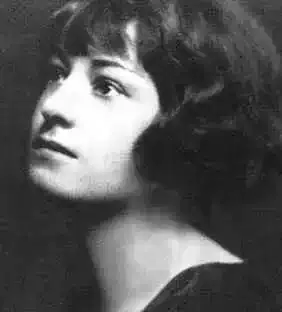
Dorothy Parker
The Veteran
The Veteran
When I was young and bold and strong,
Oh, right was right, and wrong was wrong!
My plume on high, my flag unfurled,
I rode away to right the world.
"Come out, you dogs, and fight!" said I,
And wept there was but once to die.
But I am old; and good and bad
Are woven in a crazy plaid.
I sit and say, "The world is so;
And he is wise who lets it go.
A battle lost, a battle won-
The difference is small, my son."
Inertia rides and riddles me;
The which is called Philosophy.
When I was young and bold and strong,
Oh, right was right, and wrong was wrong!
My plume on high, my flag unfurled,
I rode away to right the world.
"Come out, you dogs, and fight!" said I,
And wept there was but once to die.
But I am old; and good and bad
Are woven in a crazy plaid.
I sit and say, "The world is so;
And he is wise who lets it go.
A battle lost, a battle won-
The difference is small, my son."
Inertia rides and riddles me;
The which is called Philosophy.
457
Dorothy Parker
Finis
Finis
Now it's over, and now it's done;
Why does everything look the same?
Just as bright, the unheeding sun, -Can't
it see that the parting came?
People hurry and work and swear,
Laugh and grumble and die and wed,
Ponder what they will eat and wear, -Don't
they know that our love is dead?
Just as busy, the crowded street;
Cars and wagons go rolling on,
Children chuckle, and lovers meet, -Don't
they know that our love is gone?
No one pauses to pay a tear;
None walks slow, for the love that's through, --
I might mention, my recent dear,
I've reverted to normal, too.
Now it's over, and now it's done;
Why does everything look the same?
Just as bright, the unheeding sun, -Can't
it see that the parting came?
People hurry and work and swear,
Laugh and grumble and die and wed,
Ponder what they will eat and wear, -Don't
they know that our love is dead?
Just as busy, the crowded street;
Cars and wagons go rolling on,
Children chuckle, and lovers meet, -Don't
they know that our love is gone?
No one pauses to pay a tear;
None walks slow, for the love that's through, --
I might mention, my recent dear,
I've reverted to normal, too.
401
Dorothy Parker
Ballade of Unfortunate Mammals
Ballade of Unfortunate Mammals
Love is sharper than stones or sticks;
Lone as the sea, and deeper blue;
Loud in the night as a clock that ticks;
Longer-lived than the Wandering Jew.
Show me a love was done and through,
Tell me a kiss escaped its debt!
Son, to your death you'll pay your due-
Women and elephants never forget.
Ever a man, alas, would mix,
Ever a man, heigh-ho, must woo;
So he's left in the world-old fix,
Thus is furthered the sale of rue.
Son, your chances are thin and fewWon't
you ponder, before you're set?
Shoot if you must, but hold in view
Women and elephants never forget.
Down from Caesar past Joynson-Hicks
Echoes the warning, ever new:
Though they're trained to amusing tricks,
Gentler, they, than the pigeon's coo,
Careful, son, of the curs'ed two-
Either one is a dangerous pet;
Natural history proves it true-
Women and elephants never forget.
L'ENVOI
Prince, a precept I'd leave for you,
Coined in Eden, existing yet:
Skirt the parlor, and shun the zoo-
Women and elephants never forget.
Love is sharper than stones or sticks;
Lone as the sea, and deeper blue;
Loud in the night as a clock that ticks;
Longer-lived than the Wandering Jew.
Show me a love was done and through,
Tell me a kiss escaped its debt!
Son, to your death you'll pay your due-
Women and elephants never forget.
Ever a man, alas, would mix,
Ever a man, heigh-ho, must woo;
So he's left in the world-old fix,
Thus is furthered the sale of rue.
Son, your chances are thin and fewWon't
you ponder, before you're set?
Shoot if you must, but hold in view
Women and elephants never forget.
Down from Caesar past Joynson-Hicks
Echoes the warning, ever new:
Though they're trained to amusing tricks,
Gentler, they, than the pigeon's coo,
Careful, son, of the curs'ed two-
Either one is a dangerous pet;
Natural history proves it true-
Women and elephants never forget.
L'ENVOI
Prince, a precept I'd leave for you,
Coined in Eden, existing yet:
Skirt the parlor, and shun the zoo-
Women and elephants never forget.
422
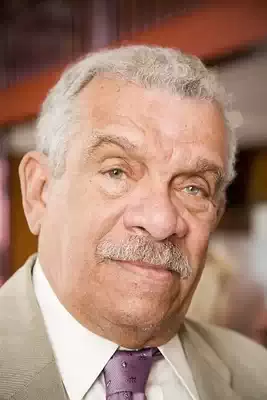
Derek Walcott
Egypt, Tobago
Egypt, Tobago
There is a shattered palm
on this fierce shore,
its plumes the rusting helmet
of a dead warrior.
Numb Antony, in the torpor
stretching her inert
sex near him like a sleeping cat,
knows his heart is the real desert.
Over the dunes
of her heaving,
to his heart's drumming
fades the mirage of the legions,
across love-tousled sheets,
the triremes fading.
Ar the carved door of her temple
a fly wrings its message.
He brushes a damp hair
away from an ear
as perfect as a sleeping child's.
He stares, inert, the fallen column.
He lies like a copper palm
tree at three in the afternoon
by a hot sea
and a river, in Egypt, Tobago
Her salt marsh dries in the heat
where he foundered
without armor.
He exchanged an empire for her beads of sweat,
the uproar of arenas,
the changing surf
of senators, for
this silent ceiling over silent sand
this grizzled bear, whose fur,
moulting, is silvered for
this quick fox with her
sweet stench. By sleep dismembered,
his head
is in Egypt, his feet
in Rome, his groin a desert
trench with its dead soldier.
He drifts a finger
through her stiff hair
crisp as a mare's fountaining tail.
Shadows creep up the palace tile.
He is too tired to move;
a groan would waken
trumpets, one more gesture
war. His glare,
a shield
reflecting fires,
a brass brow that cannot frown
at carnage, sweats the sun's force.
It is not the turmoil
of autumnal lust,
its treacheries, that drove
him, fired and grimed with dust,
this far, not even love,
but a great rage without
clamor, that grew great
because its depth is quiet;
it hears the river
of her young brown blood,
it feels the whole sky quiver
with her blue eyelid.
She sleeps with the soft engine of a child,
that sleep which scythes
the stalks of lances, fells the
harvest of legions
with nothing for its knives,
that makes Caesars,
sputtering at flies,
slapping their foreheads
with the laurel's imprint,
drunkards, comedians.
All-humbling sleep, whose peace
is sweet as death,
whose silence has
all the sea's weight and volubility,
who swings this globe by a hair's trembling breath.
Shattered and wild and
palm-crowned Antony,
rusting in Egypt,
ready to lose the world,
to Actium and sand,
everything else
is vanity, but this tenderness
for a woman not his mistress
but his sleeping child.
The sky is cloudless. The afternoon is mild.
There is a shattered palm
on this fierce shore,
its plumes the rusting helmet
of a dead warrior.
Numb Antony, in the torpor
stretching her inert
sex near him like a sleeping cat,
knows his heart is the real desert.
Over the dunes
of her heaving,
to his heart's drumming
fades the mirage of the legions,
across love-tousled sheets,
the triremes fading.
Ar the carved door of her temple
a fly wrings its message.
He brushes a damp hair
away from an ear
as perfect as a sleeping child's.
He stares, inert, the fallen column.
He lies like a copper palm
tree at three in the afternoon
by a hot sea
and a river, in Egypt, Tobago
Her salt marsh dries in the heat
where he foundered
without armor.
He exchanged an empire for her beads of sweat,
the uproar of arenas,
the changing surf
of senators, for
this silent ceiling over silent sand
this grizzled bear, whose fur,
moulting, is silvered for
this quick fox with her
sweet stench. By sleep dismembered,
his head
is in Egypt, his feet
in Rome, his groin a desert
trench with its dead soldier.
He drifts a finger
through her stiff hair
crisp as a mare's fountaining tail.
Shadows creep up the palace tile.
He is too tired to move;
a groan would waken
trumpets, one more gesture
war. His glare,
a shield
reflecting fires,
a brass brow that cannot frown
at carnage, sweats the sun's force.
It is not the turmoil
of autumnal lust,
its treacheries, that drove
him, fired and grimed with dust,
this far, not even love,
but a great rage without
clamor, that grew great
because its depth is quiet;
it hears the river
of her young brown blood,
it feels the whole sky quiver
with her blue eyelid.
She sleeps with the soft engine of a child,
that sleep which scythes
the stalks of lances, fells the
harvest of legions
with nothing for its knives,
that makes Caesars,
sputtering at flies,
slapping their foreheads
with the laurel's imprint,
drunkards, comedians.
All-humbling sleep, whose peace
is sweet as death,
whose silence has
all the sea's weight and volubility,
who swings this globe by a hair's trembling breath.
Shattered and wild and
palm-crowned Antony,
rusting in Egypt,
ready to lose the world,
to Actium and sand,
everything else
is vanity, but this tenderness
for a woman not his mistress
but his sleeping child.
The sky is cloudless. The afternoon is mild.
1,188

D.H. Lawrence
The Ship of Death
The Ship of Death
I
Now it is autumn and the falling fruit
and the long journey towards oblivion.
The apples falling like great drops of dew
to bruise themselves an exit from themselves.
And it is time to go, to bid farewell
to one's own self, and find an exit
from the fallen self.
II
Have you built your ship of death, O have you?
O build your ship of death, for you will need it.
The grim frost is at hand, when the apples will fall
thick, almost thundrous, on the hardened earth.
And death is on the air like a smell of ashes!
Ah! can't you smell it?
And in the bruised body, the frightened soul
finds itself shrinking, wincing from the cold
that blows upon it through the orifices.
III
And can a man his own quietus make
with a bare bodkin?
With daggers, bodkins, bullets, man can make
a bruise or break of exit for his life;
but is that a quietus, O tell me, is it quietus?
Surely not so! for how could murder, even self-murder
ever a quietus make?
IV
O let us talk of quiet that we know,
that we can know, the deep and lovely quiet
of a strong heart at peace!
How can we this, our own quietus, make?
V
Build then the ship of death, for you must take
the longest journey, to oblivion.
And die the death, the long and painful death
that lies between the old self and the new.
Already our bodies are fallen, bruised, badly bruised,
already our souls are oozing through the exit
of the cruel bruise.
Already the dark and endless ocean of the end
is washing in through the breaches of our wounds,
Already the flood is upon us.
Oh build your ship of death, your little ark
and furnish it with food, with little cakes, and wine
for the dark flight down oblivion.
VI
Piecemeal the body dies, and the timid soul
has her footing washed away, as the dark flood rises.
We are dying, we are dying, we are all of us dying
and nothing will stay the death-flood rising within us
and soon it will rise on the world, on the outside world.
We are dying, we are dying, piecemeal our bodies are dying
and our strength leaves us,
and our soul cowers naked in the dark rain over the flood,
cowering in the last branches of the tree of our life.
VII
We are dying, we are dying, so all we can do
is now to be willing to die, and to build the ship
of death to carry the soul on the longest journey.
A little ship, with oars and food
and little dishes, and all accoutrements
fitting and ready for the departing soul.
Now launch the small ship, now as the body dies
and life departs, launch out, the fragile soul
in the fragile ship of courage, the ark of faith
with its store of food and little cooking pans
and change of clothes,
upon the flood's black waste
upon the waters of the end
upon the sea of death, where still we sail
darkly, for we cannot steer, and have no port.
There is no port, there is nowhere to go
only the deepening blackness darkening still
blacker upon the soundless, ungurgling flood
darkness at one with darkness, up and down
and sideways utterly dark, so there is no direction any more
and the little ship is there; yet she is gone.
She is not seen, for there is nothing to see her by.
She is gone! gone! and yet
somewhere she is there.
Nowhere!
VIII
And everything is gone, the body is gone
completely under, gone, entirely gone.
The upper darkness is heavy as the lower,
between them the little ship
is gone
It is the end, it is oblivion.
IX
And yet out of eternity a thread
separates itself on the blackness,
a horizontal thread
that fumes a little with pallor upon the dark.
Is it illusion? or does the pallor fume
A little higher?
Ah wait, wait, for there's the dawn
the cruel dawn of coming back to life
out of oblivion
Wait, wait, the little ship
drifting, beneath the deathly ashy grey
of a flood-dawn.
Wait, wait! even so, a flush of yellow
and strangely, O chilled wan soul, a flush of rose.
A flush of rose, and the whole thing starts again.
X
The flood subsides, and the body, like a worn sea-shell
emerges strange and lovely.
And the little ship wings home, faltering and lapsing
on the pink flood,
and the frail soul steps out, into the house again
filling the heart with peace.
Swings the heart renewed with peace
even of oblivion.
Oh build your ship of death. Oh build it!
for you will need it.
For the voyage of oblivion awaits you.
I
Now it is autumn and the falling fruit
and the long journey towards oblivion.
The apples falling like great drops of dew
to bruise themselves an exit from themselves.
And it is time to go, to bid farewell
to one's own self, and find an exit
from the fallen self.
II
Have you built your ship of death, O have you?
O build your ship of death, for you will need it.
The grim frost is at hand, when the apples will fall
thick, almost thundrous, on the hardened earth.
And death is on the air like a smell of ashes!
Ah! can't you smell it?
And in the bruised body, the frightened soul
finds itself shrinking, wincing from the cold
that blows upon it through the orifices.
III
And can a man his own quietus make
with a bare bodkin?
With daggers, bodkins, bullets, man can make
a bruise or break of exit for his life;
but is that a quietus, O tell me, is it quietus?
Surely not so! for how could murder, even self-murder
ever a quietus make?
IV
O let us talk of quiet that we know,
that we can know, the deep and lovely quiet
of a strong heart at peace!
How can we this, our own quietus, make?
V
Build then the ship of death, for you must take
the longest journey, to oblivion.
And die the death, the long and painful death
that lies between the old self and the new.
Already our bodies are fallen, bruised, badly bruised,
already our souls are oozing through the exit
of the cruel bruise.
Already the dark and endless ocean of the end
is washing in through the breaches of our wounds,
Already the flood is upon us.
Oh build your ship of death, your little ark
and furnish it with food, with little cakes, and wine
for the dark flight down oblivion.
VI
Piecemeal the body dies, and the timid soul
has her footing washed away, as the dark flood rises.
We are dying, we are dying, we are all of us dying
and nothing will stay the death-flood rising within us
and soon it will rise on the world, on the outside world.
We are dying, we are dying, piecemeal our bodies are dying
and our strength leaves us,
and our soul cowers naked in the dark rain over the flood,
cowering in the last branches of the tree of our life.
VII
We are dying, we are dying, so all we can do
is now to be willing to die, and to build the ship
of death to carry the soul on the longest journey.
A little ship, with oars and food
and little dishes, and all accoutrements
fitting and ready for the departing soul.
Now launch the small ship, now as the body dies
and life departs, launch out, the fragile soul
in the fragile ship of courage, the ark of faith
with its store of food and little cooking pans
and change of clothes,
upon the flood's black waste
upon the waters of the end
upon the sea of death, where still we sail
darkly, for we cannot steer, and have no port.
There is no port, there is nowhere to go
only the deepening blackness darkening still
blacker upon the soundless, ungurgling flood
darkness at one with darkness, up and down
and sideways utterly dark, so there is no direction any more
and the little ship is there; yet she is gone.
She is not seen, for there is nothing to see her by.
She is gone! gone! and yet
somewhere she is there.
Nowhere!
VIII
And everything is gone, the body is gone
completely under, gone, entirely gone.
The upper darkness is heavy as the lower,
between them the little ship
is gone
It is the end, it is oblivion.
IX
And yet out of eternity a thread
separates itself on the blackness,
a horizontal thread
that fumes a little with pallor upon the dark.
Is it illusion? or does the pallor fume
A little higher?
Ah wait, wait, for there's the dawn
the cruel dawn of coming back to life
out of oblivion
Wait, wait, the little ship
drifting, beneath the deathly ashy grey
of a flood-dawn.
Wait, wait! even so, a flush of yellow
and strangely, O chilled wan soul, a flush of rose.
A flush of rose, and the whole thing starts again.
X
The flood subsides, and the body, like a worn sea-shell
emerges strange and lovely.
And the little ship wings home, faltering and lapsing
on the pink flood,
and the frail soul steps out, into the house again
filling the heart with peace.
Swings the heart renewed with peace
even of oblivion.
Oh build your ship of death. Oh build it!
for you will need it.
For the voyage of oblivion awaits you.
258
D.H. Lawrence
In a Boat
In a Boat
See the stars, love,
In the water much clearer and brighter
Than those above us, and whiter,
Like nenuphars.
Star-shadows shine, love,
How many stars in your bowl?
How many shadows in your soul,
Only mine, love, mine?
When I move the oars, love,
See how the stars are tossed,
Distorted, the brightest lost.
—So that bright one of yours, love.
The poor waters spill
The stars, waters broken, forsaken.
—The heavens are not shaken, you say, love,
Its stars stand still.
There, did you see
That spark fly up at us; even
Stars are not safe in heaven.
—What of yours, then, love, yours?
What then, love, if soon
Your light be tossed over a wave?
Will you count the darkness a grave,
And swoon, love, swoon?
See the stars, love,
In the water much clearer and brighter
Than those above us, and whiter,
Like nenuphars.
Star-shadows shine, love,
How many stars in your bowl?
How many shadows in your soul,
Only mine, love, mine?
When I move the oars, love,
See how the stars are tossed,
Distorted, the brightest lost.
—So that bright one of yours, love.
The poor waters spill
The stars, waters broken, forsaken.
—The heavens are not shaken, you say, love,
Its stars stand still.
There, did you see
That spark fly up at us; even
Stars are not safe in heaven.
—What of yours, then, love, yours?
What then, love, if soon
Your light be tossed over a wave?
Will you count the darkness a grave,
And swoon, love, swoon?
248
D.H. Lawrence
Brother and Sister
Brother and Sister
The shorn moon trembling indistinct on her path,
Frail as a scar upon the pale blue sky,
Draws towards the downward slope: some sorrow hath
Worn her down to the quick, so she faintly fares
Along her foot-searched way without knowing why
She creeps persistent down the sky’s long stairs.
Some day they see, though I have never seen,
The dead moon heaped within the new moon’s arms;
For surely the fragile, fine young thing had been
Too heavily burdened to mount the heavens so.
But my heart stands still, as a new, strong dread alarms
Me; might a young girl be heaped with such shadow of woe?
Since Death from the mother moon has pared us down to the quick,
And cast us forth like shorn, thin moons, to travel
An uncharted way among the myriad thick
Strewn stars of silent people, and luminous litter
Of lives which sorrows like mischievous dark mice chavel
To nought, diminishing each star’s glitter,
Since Death has delivered us utterly, naked and white,
Since the month of childhood is over, and we stand alone,
Since the beloved, faded moon that set us alight
Is delivered from us and pays no heed though we moan
In sorrow, since we stand in bewilderment, strange
And fearful to sally forth down the sky’s long range.
We may not cry to her still to sustain us here,
We may not hold her shadow back from the dark.
Oh, let us here forget, let us take the sheer
Unknown that lies before us, bearing the ark
Of the covenant onwards where she cannot go.
Let us rise and leave her now, she will never know.
The shorn moon trembling indistinct on her path,
Frail as a scar upon the pale blue sky,
Draws towards the downward slope: some sorrow hath
Worn her down to the quick, so she faintly fares
Along her foot-searched way without knowing why
She creeps persistent down the sky’s long stairs.
Some day they see, though I have never seen,
The dead moon heaped within the new moon’s arms;
For surely the fragile, fine young thing had been
Too heavily burdened to mount the heavens so.
But my heart stands still, as a new, strong dread alarms
Me; might a young girl be heaped with such shadow of woe?
Since Death from the mother moon has pared us down to the quick,
And cast us forth like shorn, thin moons, to travel
An uncharted way among the myriad thick
Strewn stars of silent people, and luminous litter
Of lives which sorrows like mischievous dark mice chavel
To nought, diminishing each star’s glitter,
Since Death has delivered us utterly, naked and white,
Since the month of childhood is over, and we stand alone,
Since the beloved, faded moon that set us alight
Is delivered from us and pays no heed though we moan
In sorrow, since we stand in bewilderment, strange
And fearful to sally forth down the sky’s long range.
We may not cry to her still to sustain us here,
We may not hold her shadow back from the dark.
Oh, let us here forget, let us take the sheer
Unknown that lies before us, bearing the ark
Of the covenant onwards where she cannot go.
Let us rise and leave her now, she will never know.
200
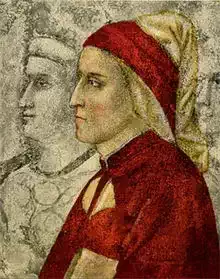
Dante Alighieri
Ulysses' Last Voyage
Ulysses' Last Voyage
I launched her with my small remaining band
and, putting out to sea, we set the main
on that lone ship and said farewell to land.
Far to starboard rose the coast of Spain,
astern was Sardi, Islas at our bow,
and soon we saw Morocco port abeam.
Though I and comrades now were old and slow,
we hauled till nightfall for the narrow sound
where Hercules had shown what not to do,
by setting marks for men to stay behind.
At dawn the starboard lookout made Seville,
and at the straits stood Ceuta t'other hand.
'Brothers,' I shouted, 'who have had the will
to come through danger, and have reached the west!
our time awake is brief from now until
the senses die, and so I say we test
the sun's own motion and do not forego
the worlds beyond, unknown and peopleless.
Think of the roots from which you sprang, and show
that you are human: not unconscious brutes
but made to follow virtue and to know.'
I launched her with my small remaining band
and, putting out to sea, we set the main
on that lone ship and said farewell to land.
Far to starboard rose the coast of Spain,
astern was Sardi, Islas at our bow,
and soon we saw Morocco port abeam.
Though I and comrades now were old and slow,
we hauled till nightfall for the narrow sound
where Hercules had shown what not to do,
by setting marks for men to stay behind.
At dawn the starboard lookout made Seville,
and at the straits stood Ceuta t'other hand.
'Brothers,' I shouted, 'who have had the will
to come through danger, and have reached the west!
our time awake is brief from now until
the senses die, and so I say we test
the sun's own motion and do not forego
the worlds beyond, unknown and peopleless.
Think of the roots from which you sprang, and show
that you are human: not unconscious brutes
but made to follow virtue and to know.'
270
Dante Alighieri
Paradiso: Canto II
Paradiso: Canto II
Paradiso Canto 2
O Ye, who in some pretty little boat,
Eager to listen, have been following
Behind my ship, that singing sails along,
Turn back to look again upon your shores;
Do not put out to sea, lest peradventure,
In losing me, you might yourselves be lost.
The sea I sail has never yet been passed;
Minerva breathes, and pilots me Apollo,
And Muses nine point out to me the Bears.
Ye other few who have the neck uplifted
Betimes to th' bread of Angels upon which
One liveth here and grows not sated by it,
Well may you launch upon the deep salt-sea
Your vessel, keeping still my wake before you
Upon the water that grows smooth again.
Those glorious ones who unto Colchos passed
Were not so wonder-struck as you shall be,
When Jason they beheld a ploughman made!
The con-created and perpetual thirst
For the realm deiform did bear us on,
As swift almost as ye the heavens behold.
Upward gazed Beatrice, and I at her;
And in such space perchance as strikes a bolt
And flies, and from the notch unlocks itself,
Arrived I saw me where a wondrous thing
Drew to itself my sight; and therefore she
From whom no care of mine could be concealed,
Towards me turning, blithe as beautiful,
Said unto me: 'Fix gratefully thy mind
On God, who unto the first star has brought us.'
It seemed to me a cloud encompassed us,
Luminous, dense, consolidate and bright
As adamant on which the sun is striking.
Into itself did the eternal pearl
Receive us, even as water doth receive
A ray of light, remaining still unbroken.
If I was body, (and we here conceive not
How one dimension tolerates another,
Which needs must be if body enter body,)
More the desire should be enkindled in us
That essence to behold, wherein is seen
How God and our own nature were united.
There will be seen what we receive by faith,
Not demonstrated, but self-evident
In guise of the first truth that man believes.
I made reply: 'Madonna, as devoutly
As most I can do I give thanks to Him
Who has removed me from the mortal world.
But tell me what the dusky spots may be
Upon this body, which below on earth
Make people tell that fabulous tale of Cain?'
Somewhat she smiled; and then, 'If the opinion
Of mortals be erroneous,' she said,
'Where'er the key of sense doth not unlock,
Certes, the shafts of wonder should not pierce thee
Now, forasmuch as, following the senses,
Thou seest that the reason has short wings.
But tell me what thou think'st of it thyself.'
And I: 'What seems to us up here diverse,
Is caused, I think, by bodies rare and dense.'
And she: 'Right truly shalt thou see immersed
In error thy belief, if well thou hearest
The argument that I shall make against it.
Lights many the eighth sphere displays to you
Which in their quality and quantity
May noted be of aspects different.
If this were caused by rare and dense alone,
One only virtue would there be in all
Or more or less diffused, or equally.
Virtues diverse must be perforce the fruits
Of formal principles; and these, save one,
Of course would by thy reasoning be destroyed.
Besides, if rarity were of this dimness
The cause thou askest, either through and through
This planet thus attenuate were of matter,
Or else, as in a body is apportioned
The fat and lean, so in like manner this
Would in its volume interchange the leaves.
Were it the former, in the sun's eclipse
It would be manifest by the shining through
Of light, as through aught tenuous interfused.
This is not so; hence we must scan the other,
And if it chance the other I demolish,
Then falsified will thy opinion be.
But if this rarity go not through and through,
There needs must be a limit, beyond which
Its contrary prevents the further passing,
And thence the foreign radiance is reflected,
Even as a colour cometh back from glass,
The which behind itself concealeth lead.
Now thou wilt say the sunbeam shows itself
More dimly there than in the other parts,
By being there reflected farther back.
From this reply experiment will free thee
If e'er thou try it, which is wont to be
The fountain to the rivers of your arts.
Three mirrors shalt thou take, and two remove
Alike from thee, the other more remote
Between the former two shall meet thine eyes.
Turned towards these, cause that behind thy back
Be placed a light, illuming the three mirrors
And coming back to thee by all reflected.
Though in its quantity be not so ample
The image most remote, there shalt thou see
How it perforce is equally resplendent.
Now, as beneath the touches of warm rays
Naked the subject of the snow remains
Both of its former colour and its cold,
Thee thus remaining in thy intellect,
Will I inform with such a living light,
That it shall tremble in its aspect to thee.
Within the heaven of the divine repose
Revolves a body, in whose virtue lies
The being of whatever it contains.
The following heaven, that has so many eyes,
Divides this being by essences diverse,
Distinguished from it, and by it contained.
The other spheres, by various differences,
All the distinctions which they have within them
Dispose unto their ends and their effects.
Thus do these organs of the world proceed,
As thou perceivest now, from grade to grade;
Since from above they take, and act beneath.
Observe me well, how through this place I come
Unto the truth thou wishest, that hereafter
Thou mayst alone know how to keep the ford
The power and motion of the holy spheres,
As from the artisan the hammer's craft,
Forth from the blessed motors must proceed.
The heaven, which lights so manifold make fair,
From the Intelligence profound, which turns it,
The image takes, and makes of it a seal.
And even as the soul within your dust
Through members different and accommodated
To faculties diverse expands itself,
So likewise this Intelligence diffuses
Its virtue multiplied among the stars.
Itself revolving on its unity.
Virtue diverse doth a diverse alloyage
Make with the precious body that it quickens,
In which, as life in you, it is combined.
From the glad nature whence it is derived,
The mingled virtue through the body shines,
Even as gladness through the living pupil.
From this proceeds whate'er from light to light
Appeareth different, not from dense and rare:
This is the formal principle that produces,
According to its goodness, dark and bright.'
Paradiso Canto 2
O Ye, who in some pretty little boat,
Eager to listen, have been following
Behind my ship, that singing sails along,
Turn back to look again upon your shores;
Do not put out to sea, lest peradventure,
In losing me, you might yourselves be lost.
The sea I sail has never yet been passed;
Minerva breathes, and pilots me Apollo,
And Muses nine point out to me the Bears.
Ye other few who have the neck uplifted
Betimes to th' bread of Angels upon which
One liveth here and grows not sated by it,
Well may you launch upon the deep salt-sea
Your vessel, keeping still my wake before you
Upon the water that grows smooth again.
Those glorious ones who unto Colchos passed
Were not so wonder-struck as you shall be,
When Jason they beheld a ploughman made!
The con-created and perpetual thirst
For the realm deiform did bear us on,
As swift almost as ye the heavens behold.
Upward gazed Beatrice, and I at her;
And in such space perchance as strikes a bolt
And flies, and from the notch unlocks itself,
Arrived I saw me where a wondrous thing
Drew to itself my sight; and therefore she
From whom no care of mine could be concealed,
Towards me turning, blithe as beautiful,
Said unto me: 'Fix gratefully thy mind
On God, who unto the first star has brought us.'
It seemed to me a cloud encompassed us,
Luminous, dense, consolidate and bright
As adamant on which the sun is striking.
Into itself did the eternal pearl
Receive us, even as water doth receive
A ray of light, remaining still unbroken.
If I was body, (and we here conceive not
How one dimension tolerates another,
Which needs must be if body enter body,)
More the desire should be enkindled in us
That essence to behold, wherein is seen
How God and our own nature were united.
There will be seen what we receive by faith,
Not demonstrated, but self-evident
In guise of the first truth that man believes.
I made reply: 'Madonna, as devoutly
As most I can do I give thanks to Him
Who has removed me from the mortal world.
But tell me what the dusky spots may be
Upon this body, which below on earth
Make people tell that fabulous tale of Cain?'
Somewhat she smiled; and then, 'If the opinion
Of mortals be erroneous,' she said,
'Where'er the key of sense doth not unlock,
Certes, the shafts of wonder should not pierce thee
Now, forasmuch as, following the senses,
Thou seest that the reason has short wings.
But tell me what thou think'st of it thyself.'
And I: 'What seems to us up here diverse,
Is caused, I think, by bodies rare and dense.'
And she: 'Right truly shalt thou see immersed
In error thy belief, if well thou hearest
The argument that I shall make against it.
Lights many the eighth sphere displays to you
Which in their quality and quantity
May noted be of aspects different.
If this were caused by rare and dense alone,
One only virtue would there be in all
Or more or less diffused, or equally.
Virtues diverse must be perforce the fruits
Of formal principles; and these, save one,
Of course would by thy reasoning be destroyed.
Besides, if rarity were of this dimness
The cause thou askest, either through and through
This planet thus attenuate were of matter,
Or else, as in a body is apportioned
The fat and lean, so in like manner this
Would in its volume interchange the leaves.
Were it the former, in the sun's eclipse
It would be manifest by the shining through
Of light, as through aught tenuous interfused.
This is not so; hence we must scan the other,
And if it chance the other I demolish,
Then falsified will thy opinion be.
But if this rarity go not through and through,
There needs must be a limit, beyond which
Its contrary prevents the further passing,
And thence the foreign radiance is reflected,
Even as a colour cometh back from glass,
The which behind itself concealeth lead.
Now thou wilt say the sunbeam shows itself
More dimly there than in the other parts,
By being there reflected farther back.
From this reply experiment will free thee
If e'er thou try it, which is wont to be
The fountain to the rivers of your arts.
Three mirrors shalt thou take, and two remove
Alike from thee, the other more remote
Between the former two shall meet thine eyes.
Turned towards these, cause that behind thy back
Be placed a light, illuming the three mirrors
And coming back to thee by all reflected.
Though in its quantity be not so ample
The image most remote, there shalt thou see
How it perforce is equally resplendent.
Now, as beneath the touches of warm rays
Naked the subject of the snow remains
Both of its former colour and its cold,
Thee thus remaining in thy intellect,
Will I inform with such a living light,
That it shall tremble in its aspect to thee.
Within the heaven of the divine repose
Revolves a body, in whose virtue lies
The being of whatever it contains.
The following heaven, that has so many eyes,
Divides this being by essences diverse,
Distinguished from it, and by it contained.
The other spheres, by various differences,
All the distinctions which they have within them
Dispose unto their ends and their effects.
Thus do these organs of the world proceed,
As thou perceivest now, from grade to grade;
Since from above they take, and act beneath.
Observe me well, how through this place I come
Unto the truth thou wishest, that hereafter
Thou mayst alone know how to keep the ford
The power and motion of the holy spheres,
As from the artisan the hammer's craft,
Forth from the blessed motors must proceed.
The heaven, which lights so manifold make fair,
From the Intelligence profound, which turns it,
The image takes, and makes of it a seal.
And even as the soul within your dust
Through members different and accommodated
To faculties diverse expands itself,
So likewise this Intelligence diffuses
Its virtue multiplied among the stars.
Itself revolving on its unity.
Virtue diverse doth a diverse alloyage
Make with the precious body that it quickens,
In which, as life in you, it is combined.
From the glad nature whence it is derived,
The mingled virtue through the body shines,
Even as gladness through the living pupil.
From this proceeds whate'er from light to light
Appeareth different, not from dense and rare:
This is the formal principle that produces,
According to its goodness, dark and bright.'
283
Dante Alighieri
Inferno Canto 01
Inferno Canto 01
Nel mezzo del cammin di nostra vita
mi ritrovai per una selva oscura
ché la diritta via era smarrita .
When I had journeyed half of our life's way,
I found myself within a shadowed forest,
for I had lost the path that does not stray.
Ahi quanto a dir qual era è cosa dura
esta selva selvaggia e aspra e forte
che nel pensier rinova la paura !
Ah, it is hard to speak of what it was,
that savage forest, dense and difficult,
which even in recall renews my fear:
Tant'è amara che poco è più morte;
ma per trattar del ben ch'i' vi trovai,
dirò de l'altre cose ch'i' v'ho scorte .
so bitter-death is hardly more severe!
But to retell the good discovered there,
I'll also tell the other things I saw.
Io non so ben ridir com'i' v'intrai,
tant'era pien di sonno a quel punto
che la verace via abbandonai .
I cannot clearly say how I had entered
the wood; I was so full of sleep just at
the point where I abandoned the true path.
Ma poi ch'i' fui al piè d'un colle giunto,
là dove terminava quella valle
che m'avea di paura il cor compunto ,
But when I'd reached the bottom of a hillit
rose along the boundary of the valley
that had harassed my heart with so much fear
guardai in alto, e vidi le sue spalle
vestite già de' raggi del pianeta
che mena dritto altrui per ogne calle .
I looked on high and saw its shoulders clothed
already by the rays of that same planet
which serves to lead men straight along all roads.
Allor fu la paura un poco queta
che nel lago del cor m'era durata
la notte ch'i' passai con tanta pieta .
At this my fear was somewhat quieted;
for through the night of sorrow I had spent,
the lake within my heart felt terror present.
E come quei che con lena affannata
uscito fuor del pelago a la riva
si volge a l'acqua perigliosa e guata ,
And just as he who, with exhausted breath,
having escaped from sea to shore, turns back
to watch the dangerous waters he has quit,
così l'animo mio, ch'ancor fuggiva,
si volse a retro a rimirar lo passo
che non lasciò già mai persona viva .
so did my spirit, still a fugitive,
turn back to look intently at the pass
that never has let any man survive.
Poi ch'èi posato un poco il corpo lasso,
ripresi via per la piaggia diserta,
sì che 'l piè fermo sempre era 'l più basso .
I let my tired body rest awhile.
Moving again, I tried the lonely slopemy
firm foot always was the one below.
Ed ecco, quasi al cominciar de l'erta,
una lonza leggera e presta molto,
che di pel macolato era coverta ;
And almost where the hillside starts to riselook
there!-a leopard, very quick and lithe,
a leopard covered with a spotted hide.
e non mi si partia dinanzi al volto,
anzi 'mpediva tanto il mio cammino,
ch'i' fui per ritornar più volte vòlto .
He did not disappear from sight, but stayed;
indeed, he so impeded my ascent
that I had often to turn back again.
Temp'era dal principio del mattino,
e 'l sol montava 'n sù con quelle stelle
ch'eran con lui quando l'amor divino
The time was the beginning of the morning;
the sun was rising now in fellowship
with the same stars that had escorted it
mosse di prima quelle cose belle;
sì ch'a bene sperar m'era cagione
di quella fiera a la gaetta pelle
when Divine Love first moved those things of beauty;
so that the hour and the gentle season
gave me good cause for hopefulness on seeing
l'ora del tempo e la dolce stagione;
ma non sì che paura non mi desse
la vista che m'apparve d'un leone .
that beast before me with his speckled skin;
but hope was hardly able to prevent
the fear I felt when I beheld a lion.
Questi parea che contra me venisse
con la test'alta e con rabbiosa fame,
sì che parea che l'aere ne tremesse .
His head held high and ravenous with hungereven
the air around him seemed to shudderthis
lion seemed to make his way against me.
Ed una lupa, che di tutte brame
sembiava carca ne la sua magrezza,
e molte genti fé già viver grame ,
And then a she-wolf showed herself; she seemed
to carry every craving in her leanness;
she had already brought despair to many.
questa mi porse tanto di gravezza
con la paura ch'uscia di sua vista,
ch'io perdei la speranza de l'altezza .
The very sight of her so weighted me
with fearfulness that I abandoned hope
of ever climbing up that mountain slope.
E qual è quei che volontieri acquista,
e giugne 'l tempo che perder lo face,
che 'n tutt'i suoi pensier piange e s'attrista ;
Even as he who glories while he gains
will, when the time has come to tally loss,
lament with every thought and turn despondent,
tal mi fece la bestia sanza pace,
che, venendomi 'ncontro, a poco a poco
mi ripigneva là dove 'l sol tace .
so was I when I faced that restless beast
which, even as she stalked me, step by step
had thrust me back to where the sun is speechless.
Mentre ch'i' rovinava in basso loco,
dinanzi a li occhi mi si fu offerto
chi per lungo silenzio parea fioco .
While I retreated down to lower ground,
before my eyes there suddenly appeared
one who seemed faint because of the long silence.
Quando vidi costui nel gran diserto,
«Miserere di me», gridai a lui,
«qual che tu sii, od ombra od omo certo !».
When I saw him in that vast wilderness,
"Have pity on me," were the words I cried,
"whatever you may be-a shade, a man."
Rispuosemi: «Non omo, omo già fui,
e li parenti miei furon lombardi,
mantoani per patria ambedui .
He answered me: "Not man; I once was man.
Both of my parents came from Lombardy,
and both claimed Mantua as native city.
Nacqui sub Iulio, ancor che fosse tardi,
e vissi a Roma sotto 'l buono Augusto
nel tempo de li dèi falsi e bugiardi .
And I was born, though late, sub Julio,
and lived in Rome under the good Augustusthe
season of the false and lying gods.
Poeta fui, e cantai di quel giusto
figliuol d'Anchise che venne di Troia,
poi che 'l superbo Ilión fu combusto .
I was a poet, and I sang the righteous
son of Anchises who had come from Troy
when flames destroyed the pride of Ilium.
Ma tu perché ritorni a tanta noia?
perché non sali il dilettoso monte
ch'è principio e cagion di tutta gioia? ».
But why do you return to wretchedness?
Why not climb up the mountain of delight,
the origin and cause of every joy?"
«Or se' tu quel Virgilio e quella fonte
che spandi di parlar sì largo fiume?»,
rispuos'io lui con vergognosa fronte .
"And are you then that Virgil, you the fountain
that freely pours so rich a stream of speech?"
I answered him with shame upon my brow.
«O de li altri poeti onore e lume
vagliami 'l lungo studio e 'l grande amore
che m'ha fatto cercar lo tuo volume .
"O light and honor of all other poets,
may my long study and the intense love
that made me search your volume serve me now.
Tu se' lo mio maestro e 'l mio autore;
tu se' solo colui da cu' io tolsi
lo bello stilo che m'ha fatto onore .
You are my master and my author, youthe
only one from whom my writing drew
the noble style for which I have been honored.
Vedi la bestia per cu' io mi volsi:
aiutami da lei, famoso saggio,
ch'ella mi fa tremar le vene e i polsi ».
You see the beast that made me turn aside;
help me, o famous sage, to stand against her,
for she has made my blood and pulses shudder,"
«A te convien tenere altro viaggio»,
rispuose poi che lagrimar mi vide,
«se vuo' campar d'esto loco selvaggio :
"It is another path that you must take,"
he answered when he saw my tearfulness,
"if you would leave this savage wilderness;
ché questa bestia, per la qual tu gride,
non lascia altrui passar per la sua via,
ma tanto lo 'mpedisce che l'uccide ;
the beast that is the cause of your outcry
allows no man to pass along her track,
but blocks him even to the point of death;
e ha natura sì malvagia e ria,
che mai non empie la bramosa voglia,
e dopo 'l pasto ha più fame che pria .
her nature is so squalid, so malicious
that she can never sate her greedy will;
when she has fed, she's hungrier than ever.
Molti son li animali a cui s'ammoglia,
e più saranno ancora, infin che 'l veltro
verrà, che la farà morir con doglia .
She mates with many living souls and shall
yet mate with many more, until the Greyhound
arrives, inflicting painful death on her.
Questi non ciberà terra né peltro,
ma sapienza, amore e virtute,
e sua nazion sarà tra feltro e feltro .
That Hound will never feed on land or pewter,
but find his fare in wisdom, love, and virtue;
his place of birth shall be between two felts.
Di quella umile Italia fia salute
per cui morì la vergine Cammilla,
Eurialo e Turno e Niso di ferute .
He will restore low-lying Italy for which
the maid Camilla died of wounds,
and Nisus, Turnus, and Euryalus.
Questi la caccerà per ogne villa,
fin che l'avrà rimessa ne lo 'nferno,
là onde 'nvidia prima dipartilla .
And he will hunt that beast through every city
until he thrusts her back again to Hell,
for which she was first sent above by envy.
Ond'io per lo tuo me' penso e discerno
che tu mi segui, e io sarò tua guida,
e trarrotti di qui per loco etterno ,
Therefore, I think and judge it best for you
to follow me, and I shall guide you, taking
you from this place through an eternal place,
ove udirai le disperate strida,
vedrai li antichi spiriti dolenti,
ch'a la seconda morte ciascun grida ;
where you shall hear the howls of desperation
and see the ancient spirits in their pain,
as each of them laments his second death;
e vederai color che son contenti
nel foco, perché speran di venire
quando che sia a le beate genti .
and you shall see those souls who are content
within the fire, for they hope to reachwhenever
that may be-the blessed people.
A le quai poi se tu vorrai salire,
anima fia a ciò più di me degna:
con lei ti lascerò nel mio partire ;
If you would then ascend as high as these,
a soul more worthy than I am will guide you;
I'll leave you in her care when I depart,
ché quello imperador che là sù regna,
perch'i' fu' ribellante a la sua legge,
non vuol che 'n sua città per me si vegna .
because that Emperor who reigns above,
since I have been rebellious to His law,
will not allow me entry to His city.
In tutte parti impera e quivi regge;
quivi è la sua città e l'alto seggio:
oh felice colui cu' ivi elegge! ».
He governs everywhere, but rules from there;
there is His city, His high capital:
o happy those He chooses to be there!"
E io a lui: «Poeta, io ti richeggio
per quello Dio che tu non conoscesti,
acciò ch'io fugga questo male e peggio ,
And I replied: "O poet-by that God
whom you had never come to know-I beg you,
that I may flee this evil and worse evils,
che tu mi meni là dov'or dicesti,
sì ch'io veggia la porta di san Pietro
e color cui tu fai cotanto mesti ».
to lead me to the place of which you spoke,
that I may see the gateway of Saint Peter
and those whom you describe as sorrowful."
Allor si mosse, e io li tenni dietro.
Then he set out, and I moved on behind him.
Nel mezzo del cammin di nostra vita
mi ritrovai per una selva oscura
ché la diritta via era smarrita .
When I had journeyed half of our life's way,
I found myself within a shadowed forest,
for I had lost the path that does not stray.
Ahi quanto a dir qual era è cosa dura
esta selva selvaggia e aspra e forte
che nel pensier rinova la paura !
Ah, it is hard to speak of what it was,
that savage forest, dense and difficult,
which even in recall renews my fear:
Tant'è amara che poco è più morte;
ma per trattar del ben ch'i' vi trovai,
dirò de l'altre cose ch'i' v'ho scorte .
so bitter-death is hardly more severe!
But to retell the good discovered there,
I'll also tell the other things I saw.
Io non so ben ridir com'i' v'intrai,
tant'era pien di sonno a quel punto
che la verace via abbandonai .
I cannot clearly say how I had entered
the wood; I was so full of sleep just at
the point where I abandoned the true path.
Ma poi ch'i' fui al piè d'un colle giunto,
là dove terminava quella valle
che m'avea di paura il cor compunto ,
But when I'd reached the bottom of a hillit
rose along the boundary of the valley
that had harassed my heart with so much fear
guardai in alto, e vidi le sue spalle
vestite già de' raggi del pianeta
che mena dritto altrui per ogne calle .
I looked on high and saw its shoulders clothed
already by the rays of that same planet
which serves to lead men straight along all roads.
Allor fu la paura un poco queta
che nel lago del cor m'era durata
la notte ch'i' passai con tanta pieta .
At this my fear was somewhat quieted;
for through the night of sorrow I had spent,
the lake within my heart felt terror present.
E come quei che con lena affannata
uscito fuor del pelago a la riva
si volge a l'acqua perigliosa e guata ,
And just as he who, with exhausted breath,
having escaped from sea to shore, turns back
to watch the dangerous waters he has quit,
così l'animo mio, ch'ancor fuggiva,
si volse a retro a rimirar lo passo
che non lasciò già mai persona viva .
so did my spirit, still a fugitive,
turn back to look intently at the pass
that never has let any man survive.
Poi ch'èi posato un poco il corpo lasso,
ripresi via per la piaggia diserta,
sì che 'l piè fermo sempre era 'l più basso .
I let my tired body rest awhile.
Moving again, I tried the lonely slopemy
firm foot always was the one below.
Ed ecco, quasi al cominciar de l'erta,
una lonza leggera e presta molto,
che di pel macolato era coverta ;
And almost where the hillside starts to riselook
there!-a leopard, very quick and lithe,
a leopard covered with a spotted hide.
e non mi si partia dinanzi al volto,
anzi 'mpediva tanto il mio cammino,
ch'i' fui per ritornar più volte vòlto .
He did not disappear from sight, but stayed;
indeed, he so impeded my ascent
that I had often to turn back again.
Temp'era dal principio del mattino,
e 'l sol montava 'n sù con quelle stelle
ch'eran con lui quando l'amor divino
The time was the beginning of the morning;
the sun was rising now in fellowship
with the same stars that had escorted it
mosse di prima quelle cose belle;
sì ch'a bene sperar m'era cagione
di quella fiera a la gaetta pelle
when Divine Love first moved those things of beauty;
so that the hour and the gentle season
gave me good cause for hopefulness on seeing
l'ora del tempo e la dolce stagione;
ma non sì che paura non mi desse
la vista che m'apparve d'un leone .
that beast before me with his speckled skin;
but hope was hardly able to prevent
the fear I felt when I beheld a lion.
Questi parea che contra me venisse
con la test'alta e con rabbiosa fame,
sì che parea che l'aere ne tremesse .
His head held high and ravenous with hungereven
the air around him seemed to shudderthis
lion seemed to make his way against me.
Ed una lupa, che di tutte brame
sembiava carca ne la sua magrezza,
e molte genti fé già viver grame ,
And then a she-wolf showed herself; she seemed
to carry every craving in her leanness;
she had already brought despair to many.
questa mi porse tanto di gravezza
con la paura ch'uscia di sua vista,
ch'io perdei la speranza de l'altezza .
The very sight of her so weighted me
with fearfulness that I abandoned hope
of ever climbing up that mountain slope.
E qual è quei che volontieri acquista,
e giugne 'l tempo che perder lo face,
che 'n tutt'i suoi pensier piange e s'attrista ;
Even as he who glories while he gains
will, when the time has come to tally loss,
lament with every thought and turn despondent,
tal mi fece la bestia sanza pace,
che, venendomi 'ncontro, a poco a poco
mi ripigneva là dove 'l sol tace .
so was I when I faced that restless beast
which, even as she stalked me, step by step
had thrust me back to where the sun is speechless.
Mentre ch'i' rovinava in basso loco,
dinanzi a li occhi mi si fu offerto
chi per lungo silenzio parea fioco .
While I retreated down to lower ground,
before my eyes there suddenly appeared
one who seemed faint because of the long silence.
Quando vidi costui nel gran diserto,
«Miserere di me», gridai a lui,
«qual che tu sii, od ombra od omo certo !».
When I saw him in that vast wilderness,
"Have pity on me," were the words I cried,
"whatever you may be-a shade, a man."
Rispuosemi: «Non omo, omo già fui,
e li parenti miei furon lombardi,
mantoani per patria ambedui .
He answered me: "Not man; I once was man.
Both of my parents came from Lombardy,
and both claimed Mantua as native city.
Nacqui sub Iulio, ancor che fosse tardi,
e vissi a Roma sotto 'l buono Augusto
nel tempo de li dèi falsi e bugiardi .
And I was born, though late, sub Julio,
and lived in Rome under the good Augustusthe
season of the false and lying gods.
Poeta fui, e cantai di quel giusto
figliuol d'Anchise che venne di Troia,
poi che 'l superbo Ilión fu combusto .
I was a poet, and I sang the righteous
son of Anchises who had come from Troy
when flames destroyed the pride of Ilium.
Ma tu perché ritorni a tanta noia?
perché non sali il dilettoso monte
ch'è principio e cagion di tutta gioia? ».
But why do you return to wretchedness?
Why not climb up the mountain of delight,
the origin and cause of every joy?"
«Or se' tu quel Virgilio e quella fonte
che spandi di parlar sì largo fiume?»,
rispuos'io lui con vergognosa fronte .
"And are you then that Virgil, you the fountain
that freely pours so rich a stream of speech?"
I answered him with shame upon my brow.
«O de li altri poeti onore e lume
vagliami 'l lungo studio e 'l grande amore
che m'ha fatto cercar lo tuo volume .
"O light and honor of all other poets,
may my long study and the intense love
that made me search your volume serve me now.
Tu se' lo mio maestro e 'l mio autore;
tu se' solo colui da cu' io tolsi
lo bello stilo che m'ha fatto onore .
You are my master and my author, youthe
only one from whom my writing drew
the noble style for which I have been honored.
Vedi la bestia per cu' io mi volsi:
aiutami da lei, famoso saggio,
ch'ella mi fa tremar le vene e i polsi ».
You see the beast that made me turn aside;
help me, o famous sage, to stand against her,
for she has made my blood and pulses shudder,"
«A te convien tenere altro viaggio»,
rispuose poi che lagrimar mi vide,
«se vuo' campar d'esto loco selvaggio :
"It is another path that you must take,"
he answered when he saw my tearfulness,
"if you would leave this savage wilderness;
ché questa bestia, per la qual tu gride,
non lascia altrui passar per la sua via,
ma tanto lo 'mpedisce che l'uccide ;
the beast that is the cause of your outcry
allows no man to pass along her track,
but blocks him even to the point of death;
e ha natura sì malvagia e ria,
che mai non empie la bramosa voglia,
e dopo 'l pasto ha più fame che pria .
her nature is so squalid, so malicious
that she can never sate her greedy will;
when she has fed, she's hungrier than ever.
Molti son li animali a cui s'ammoglia,
e più saranno ancora, infin che 'l veltro
verrà, che la farà morir con doglia .
She mates with many living souls and shall
yet mate with many more, until the Greyhound
arrives, inflicting painful death on her.
Questi non ciberà terra né peltro,
ma sapienza, amore e virtute,
e sua nazion sarà tra feltro e feltro .
That Hound will never feed on land or pewter,
but find his fare in wisdom, love, and virtue;
his place of birth shall be between two felts.
Di quella umile Italia fia salute
per cui morì la vergine Cammilla,
Eurialo e Turno e Niso di ferute .
He will restore low-lying Italy for which
the maid Camilla died of wounds,
and Nisus, Turnus, and Euryalus.
Questi la caccerà per ogne villa,
fin che l'avrà rimessa ne lo 'nferno,
là onde 'nvidia prima dipartilla .
And he will hunt that beast through every city
until he thrusts her back again to Hell,
for which she was first sent above by envy.
Ond'io per lo tuo me' penso e discerno
che tu mi segui, e io sarò tua guida,
e trarrotti di qui per loco etterno ,
Therefore, I think and judge it best for you
to follow me, and I shall guide you, taking
you from this place through an eternal place,
ove udirai le disperate strida,
vedrai li antichi spiriti dolenti,
ch'a la seconda morte ciascun grida ;
where you shall hear the howls of desperation
and see the ancient spirits in their pain,
as each of them laments his second death;
e vederai color che son contenti
nel foco, perché speran di venire
quando che sia a le beate genti .
and you shall see those souls who are content
within the fire, for they hope to reachwhenever
that may be-the blessed people.
A le quai poi se tu vorrai salire,
anima fia a ciò più di me degna:
con lei ti lascerò nel mio partire ;
If you would then ascend as high as these,
a soul more worthy than I am will guide you;
I'll leave you in her care when I depart,
ché quello imperador che là sù regna,
perch'i' fu' ribellante a la sua legge,
non vuol che 'n sua città per me si vegna .
because that Emperor who reigns above,
since I have been rebellious to His law,
will not allow me entry to His city.
In tutte parti impera e quivi regge;
quivi è la sua città e l'alto seggio:
oh felice colui cu' ivi elegge! ».
He governs everywhere, but rules from there;
there is His city, His high capital:
o happy those He chooses to be there!"
E io a lui: «Poeta, io ti richeggio
per quello Dio che tu non conoscesti,
acciò ch'io fugga questo male e peggio ,
And I replied: "O poet-by that God
whom you had never come to know-I beg you,
that I may flee this evil and worse evils,
che tu mi meni là dov'or dicesti,
sì ch'io veggia la porta di san Pietro
e color cui tu fai cotanto mesti ».
to lead me to the place of which you spoke,
that I may see the gateway of Saint Peter
and those whom you describe as sorrowful."
Allor si mosse, e io li tenni dietro.
Then he set out, and I moved on behind him.
256

Christina Rossetti
Shall I Forget?
Shall I Forget?
Shall I forget on this side of the grave?
I promise nothing: you must wait and see
Patient and brave.
(O my soul, watch with him and he with me.)
Shall I forget in peace of Paradise?
I promise nothing: follow, friend, and see
Faithful and wise.
(O my soul, lead the way he walks with me.)
Shall I forget on this side of the grave?
I promise nothing: you must wait and see
Patient and brave.
(O my soul, watch with him and he with me.)
Shall I forget in peace of Paradise?
I promise nothing: follow, friend, and see
Faithful and wise.
(O my soul, lead the way he walks with me.)
192
Christina Rossetti
Old And New Year Ditties
Old And New Year Ditties
New Year met me somewhat sad:
Old Year leaves me tired,
Stripped of favourite things I had
Baulked of much desired:
Yet farther on my road to-day
God willing, farther on my way.
New Year coming on apace
What have you to give me?
Bring you scathe, or bring you grace,
Face me with an honest face;
You shall not deceive me:
Be it good or ill, be it what you will,
It needs shall help me on my road,
My rugged way to heaven, please God.
Watch with me, men, women, and children dear,
You whom I love, for whom I hope and fear,
Watch with me this last vigil of the year.
Some hug their business, some their pleasure-scheme;
Some seize the vacant hour to sleep or dream;
Heart locked in heart some kneel and watch apart.
Watch with me blessed spirits, who delight
All through the holy night to walk in white,
Or take your ease after the long-drawn fight.
I know not if they watch with me: I know
They count this eve of resurrection slow,
And cry, 'How long?' with urgent utterance strong.
Watch with me Jesus, in my loneliness:
Though others say me nay, yet say Thou yes;
Though others pass me by, stop Thou to bless.
Yea, Thou dost stop with me this vigil night;
To-night of pain, to-morrow of delight:
I, Love, am Thine; Thou, Lord my God, art mine.
Passing away, saith the World, passing away:
Chances, beauty and youth sapped day by day:
Thy life never continueth in one stay.
Is the eye waxen dim, is the dark hair changing to grey
That hath won neither laurel nor bay?
I shall clothe myself in Spring and bud in May:
Thou, root-stricken, shalt not rebuild thy decay
On my bosom for aye.
Then I answered: Yea.
Passing away, saith my Soul, passing away:
With its burden of fear and hope, of labour and play;
Hearken what the past doth witness and say:
Rust in thy gold, a moth is in thine array,
A canker is in thy bud, thy leaf must decay.
At midnight, at cockcrow, at morning, one certain day
Lo, the Bridegroom shall come and shall not delay:
Watch thou and pray.
Then I answered: Yea.
Passing away, saith my God, passing away:
Winter passeth after the long delay:
New grapes on the vine, new figs on the tender spray,
Turtle calleth turtle in Heaven's May.
Though I tarry wait for Me, trust Me, watch and pray:
Arise, come away, night is past and lo it is day,
My love, My sister, My spouse, thou shalt hear Me say.
Then I answered: Yea.
New Year met me somewhat sad:
Old Year leaves me tired,
Stripped of favourite things I had
Baulked of much desired:
Yet farther on my road to-day
God willing, farther on my way.
New Year coming on apace
What have you to give me?
Bring you scathe, or bring you grace,
Face me with an honest face;
You shall not deceive me:
Be it good or ill, be it what you will,
It needs shall help me on my road,
My rugged way to heaven, please God.
Watch with me, men, women, and children dear,
You whom I love, for whom I hope and fear,
Watch with me this last vigil of the year.
Some hug their business, some their pleasure-scheme;
Some seize the vacant hour to sleep or dream;
Heart locked in heart some kneel and watch apart.
Watch with me blessed spirits, who delight
All through the holy night to walk in white,
Or take your ease after the long-drawn fight.
I know not if they watch with me: I know
They count this eve of resurrection slow,
And cry, 'How long?' with urgent utterance strong.
Watch with me Jesus, in my loneliness:
Though others say me nay, yet say Thou yes;
Though others pass me by, stop Thou to bless.
Yea, Thou dost stop with me this vigil night;
To-night of pain, to-morrow of delight:
I, Love, am Thine; Thou, Lord my God, art mine.
Passing away, saith the World, passing away:
Chances, beauty and youth sapped day by day:
Thy life never continueth in one stay.
Is the eye waxen dim, is the dark hair changing to grey
That hath won neither laurel nor bay?
I shall clothe myself in Spring and bud in May:
Thou, root-stricken, shalt not rebuild thy decay
On my bosom for aye.
Then I answered: Yea.
Passing away, saith my Soul, passing away:
With its burden of fear and hope, of labour and play;
Hearken what the past doth witness and say:
Rust in thy gold, a moth is in thine array,
A canker is in thy bud, thy leaf must decay.
At midnight, at cockcrow, at morning, one certain day
Lo, the Bridegroom shall come and shall not delay:
Watch thou and pray.
Then I answered: Yea.
Passing away, saith my God, passing away:
Winter passeth after the long delay:
New grapes on the vine, new figs on the tender spray,
Turtle calleth turtle in Heaven's May.
Though I tarry wait for Me, trust Me, watch and pray:
Arise, come away, night is past and lo it is day,
My love, My sister, My spouse, thou shalt hear Me say.
Then I answered: Yea.
226
Christina Rossetti
Last Night
Last Night
Where were you last night? I watched at the gate;
I went down early, I stayed down late.
Were you snug at home, I should like to know,
Or were you in the coppice wheedling Kate?
She's a fine girl, with a fine clear skin;
Easy to woo, perhaps not hard to win.
Speak up like a man and tell me the truth:
I'm not one to grow downhearted and thin.
If you love her best speak up like a man;
It's not I will stand in the light of your plan:
Some girls might cry and scold you a bit,
And say they couldn't bear it; but I can.
Love was pleasant enough, and the days went fast;
Pleasant while it lasted, but it needn't last;
Awhile on the wax and awhile on the wane,
Now dropped away into the past.
Was it pleasant to you? To me it was;
Now clean gone as an image from glass,
As a goodly rainbow that fades away,
As dew that steams upward from the grass,
As the first spring day, or the last summer day,
As the sunset flush that leaves heaven grey,
As a flame burnt out for lack of oil,
Which no pains relight or ever may.
Good luck to Kate and good luck to you:
I guess she'll be kind when you come to woo.
I wish her a pretty face that will last,
I wish her a husband steady and true.
Hate you? not I, my very good friend;
All things begin and all have an end.
But let broken be broken; I put no faith
In quacks who set up to patch and mend.
Just my love and one word to Kate:
Not to let time slip if she means to mate;—
For even such a thing has been known
As to miss the chance while we weigh and wait.
Where were you last night? I watched at the gate;
I went down early, I stayed down late.
Were you snug at home, I should like to know,
Or were you in the coppice wheedling Kate?
She's a fine girl, with a fine clear skin;
Easy to woo, perhaps not hard to win.
Speak up like a man and tell me the truth:
I'm not one to grow downhearted and thin.
If you love her best speak up like a man;
It's not I will stand in the light of your plan:
Some girls might cry and scold you a bit,
And say they couldn't bear it; but I can.
Love was pleasant enough, and the days went fast;
Pleasant while it lasted, but it needn't last;
Awhile on the wax and awhile on the wane,
Now dropped away into the past.
Was it pleasant to you? To me it was;
Now clean gone as an image from glass,
As a goodly rainbow that fades away,
As dew that steams upward from the grass,
As the first spring day, or the last summer day,
As the sunset flush that leaves heaven grey,
As a flame burnt out for lack of oil,
Which no pains relight or ever may.
Good luck to Kate and good luck to you:
I guess she'll be kind when you come to woo.
I wish her a pretty face that will last,
I wish her a husband steady and true.
Hate you? not I, my very good friend;
All things begin and all have an end.
But let broken be broken; I put no faith
In quacks who set up to patch and mend.
Just my love and one word to Kate:
Not to let time slip if she means to mate;—
For even such a thing has been known
As to miss the chance while we weigh and wait.
222
Christina Rossetti
From “Later Life”
From “Later Life”
VI
We lack, yet cannot fix upon the lack:
Not this, nor that; yet somewhat, certainly.
We see the things we do not yearn to see
Around us: and what see we glancing back?
Lost hopes that leave our hearts upon the rack,
Hopes that were never ours yet seem’d to be,
For which we steer’d on life’s salt stormy sea
Braving the sunstroke and the frozen pack.
If thus to look behind is all in vain,
And all in vain to look to left or right,
Why face we not our future once again,
Launching with hardier hearts across the main,
Straining dim eyes to catch the invisible sight,
And strong to bear ourselves in patient pain?
IX
Star Sirius and the Pole Star dwell afar
Beyond the drawings each of other’s strength:
One blazes through the brief bright summer’s length
Lavishing life-heat from a flaming car;
While one unchangeable upon a throne
Broods o’er the frozen heart of earth alone,
Content to reign the bright particular star
Of some who wander or of some who groan.
They own no drawings each of other’s strength,
Nor vibrate in a visible sympathy,
Nor veer along their courses each toward
Yet are their orbits pitch’d in harmony
Of one dear heaven, across whose depth and length
Mayhap they talk together without speech.
VI
We lack, yet cannot fix upon the lack:
Not this, nor that; yet somewhat, certainly.
We see the things we do not yearn to see
Around us: and what see we glancing back?
Lost hopes that leave our hearts upon the rack,
Hopes that were never ours yet seem’d to be,
For which we steer’d on life’s salt stormy sea
Braving the sunstroke and the frozen pack.
If thus to look behind is all in vain,
And all in vain to look to left or right,
Why face we not our future once again,
Launching with hardier hearts across the main,
Straining dim eyes to catch the invisible sight,
And strong to bear ourselves in patient pain?
IX
Star Sirius and the Pole Star dwell afar
Beyond the drawings each of other’s strength:
One blazes through the brief bright summer’s length
Lavishing life-heat from a flaming car;
While one unchangeable upon a throne
Broods o’er the frozen heart of earth alone,
Content to reign the bright particular star
Of some who wander or of some who groan.
They own no drawings each of other’s strength,
Nor vibrate in a visible sympathy,
Nor veer along their courses each toward
Yet are their orbits pitch’d in harmony
Of one dear heaven, across whose depth and length
Mayhap they talk together without speech.
189
Christina Rossetti
Fluttered Wings
Fluttered Wings
The splendour of the kindling day,
The splendor of the setting sun,
These move my soul to wend its way,
And have done
With all we grasp and toil amongst and say.
The paling roses of a cloud,
The fading bow that arches space,
These woo my fancy toward my shroud,
Toward the place
Of faces veil’d, and heads discrown’d and bow’d.
The nation of the awful stars,
The wandering star whose blaze is brief,
These make me beat against the bars
Of my grief;
My tedious grief, twin to the life it mars.
O fretted heart toss’d to and fro,
So fain to flee, so fain to rest!
All glories that are high or low,
East or west,
Grow dim to thee who art so fain to go.
The splendour of the kindling day,
The splendor of the setting sun,
These move my soul to wend its way,
And have done
With all we grasp and toil amongst and say.
The paling roses of a cloud,
The fading bow that arches space,
These woo my fancy toward my shroud,
Toward the place
Of faces veil’d, and heads discrown’d and bow’d.
The nation of the awful stars,
The wandering star whose blaze is brief,
These make me beat against the bars
Of my grief;
My tedious grief, twin to the life it mars.
O fretted heart toss’d to and fro,
So fain to flee, so fain to rest!
All glories that are high or low,
East or west,
Grow dim to thee who art so fain to go.
222
Christina Rossetti
Autumn Violets
Autumn Violets
Keep love for youth, and violets for the spring:
Of if these bloom when worn-out autumn grieves,
Let them lie hid in double shade of leaves,
Their own, and others dropped down withering;
For violets suit when home birds build and sing,
Not when the outbound bird a passage cleaves;
Not with dry stubble of mown harvest sheaves,
But when the green world buds to blossoming.
Keep violets for the spring, and love for youth,
Love that should dwell with beauty, mirth, and hope:
Or if a later sadder love be born,
Let this not look for grace beyond its scope,
But give itself, nor plead for answering truth—
A grateful Ruth tho' gleaning scanty corn.
Keep love for youth, and violets for the spring:
Of if these bloom when worn-out autumn grieves,
Let them lie hid in double shade of leaves,
Their own, and others dropped down withering;
For violets suit when home birds build and sing,
Not when the outbound bird a passage cleaves;
Not with dry stubble of mown harvest sheaves,
But when the green world buds to blossoming.
Keep violets for the spring, and love for youth,
Love that should dwell with beauty, mirth, and hope:
Or if a later sadder love be born,
Let this not look for grace beyond its scope,
But give itself, nor plead for answering truth—
A grateful Ruth tho' gleaning scanty corn.
303
Christina Rossetti
An Echo from Willowood
An Echo from Willowood
“Oh Ye, All Ye That Walk in Willowwood”
Two gaz’d into a pool, he gaz’d and she,
Not hand in hand, yet heart in heart, I think,
Pale and reluctant on the water’s brink
AS on the brink of parting which must be.
Each eyed the other’s aspect, she and he,
Each felt one hungering heart leap up and sink,
Each tasted bitterness which both must drink,
There on the brink of life’s dividing sea.
Lilies upon the surface, deep below
Two wistful faces craving each for each,
Resolute and reluctant without speech:—
A sudden ripple made the faces flow
One moment join’d, to vanish out of reach:
So these hearts join’d, and ah! were parted so.
“Oh Ye, All Ye That Walk in Willowwood”
Two gaz’d into a pool, he gaz’d and she,
Not hand in hand, yet heart in heart, I think,
Pale and reluctant on the water’s brink
AS on the brink of parting which must be.
Each eyed the other’s aspect, she and he,
Each felt one hungering heart leap up and sink,
Each tasted bitterness which both must drink,
There on the brink of life’s dividing sea.
Lilies upon the surface, deep below
Two wistful faces craving each for each,
Resolute and reluctant without speech:—
A sudden ripple made the faces flow
One moment join’d, to vanish out of reach:
So these hearts join’d, and ah! were parted so.
251
Christina Rossetti
Amor Mundi
Amor Mundi
'Oh, where are you going with your love-locks flowing
On the west wind blowing along this valley track?'
'The downhill path is easy, come with me an' it please ye,
We shall escape the uphill by never turning back.'
So they two went together in glowing August weather,
The honey-breathing heather lay to their left and right;
And dear she was to doat on, her swift feet seemed to float on
The air like soft twin pigeons too sportive to alight.
'Oh, what is that in heaven where grey cloud-flakes are seven,
Where blackest clouds hang riven just at the rainy skirt?'
'Oh, that's a meteor sent us, a message dumb, portentous,—
An undeciphered solemn signal of help or hurt.'
'Oh, what is that glides quickly where velvet flowers grow thickly,
Their scent comes rich and sickly?'—'A scaled and hooded worm.'
'Oh, what's that in the hollow, so pale I quake to follow?'
'Oh, that's a thin dead body which waits th' eternal term.'
'Turn again, O my sweetest,—turn again, false and fleetest:
This way whereof thou weetest I fear is hell's own track.'
'Nay, too steep for hill-mounting,—nay, too late for cost-counting:
This downhill path is easy, but there's no turning back.'
'Oh, where are you going with your love-locks flowing
On the west wind blowing along this valley track?'
'The downhill path is easy, come with me an' it please ye,
We shall escape the uphill by never turning back.'
So they two went together in glowing August weather,
The honey-breathing heather lay to their left and right;
And dear she was to doat on, her swift feet seemed to float on
The air like soft twin pigeons too sportive to alight.
'Oh, what is that in heaven where grey cloud-flakes are seven,
Where blackest clouds hang riven just at the rainy skirt?'
'Oh, that's a meteor sent us, a message dumb, portentous,—
An undeciphered solemn signal of help or hurt.'
'Oh, what is that glides quickly where velvet flowers grow thickly,
Their scent comes rich and sickly?'—'A scaled and hooded worm.'
'Oh, what's that in the hollow, so pale I quake to follow?'
'Oh, that's a thin dead body which waits th' eternal term.'
'Turn again, O my sweetest,—turn again, false and fleetest:
This way whereof thou weetest I fear is hell's own track.'
'Nay, too steep for hill-mounting,—nay, too late for cost-counting:
This downhill path is easy, but there's no turning back.'
249

Charlotte Brontë
The Teacher's Monologue
The Teacher's Monologue
THE room is quiet, thoughts alone
People its mute tranquillity;
The yoke put on, the long task done,I
am, as it is bliss to be,
Still and untroubled. Now, I see,
For the first time, how soft the day
O'er waveless water, stirless tree,
Silent and sunny, wings its way.
Now, as I watch that distant hill,
So faint, so blue, so far removed,
Sweet dreams of home my heart may fill,
That home where I am known and loved:
It lies beyond; yon azure brow
Parts me from all Earth holds for me;
And, morn and eve, my yearnings flow
Thitherward tending, changelessly.
My happiest hours, aye ! all the time,
I love to keep in memory,
Lapsed among moors, ere life's first prime
Decayed to dark anxiety.
Sometimes, I think a narrow heart
Makes me thus mourn those far away,
And keeps my love so far apart
From friends and friendships of today;
Sometimes, I think 'tis but a dream
I measure up so jealously,
All the sweet thoughts I live on seem
To vanish into vacancy:
And then, this strange, coarse world around
Seems all that's palpable and true;
And every sight, and every sound,
Combines my spirit to subdue
To aching grief, so void and lone
Is Life and Earthso
worse than vain,
The hopes that, in my own heart sown,
And cherished by such sun and rain
As Joy and transient Sorrow shed,
Have ripened to a harvest there:
Alas ! methinks I hear it said,
'Thy golden sheaves are empty air.'
All fades away; my very home
I think will soon be desolate;
I hear, at times, a warning come
Of bitter partings at its gate;
And, if I should return and see
The hearthfire
quenched, the vacant chair;
And hear it whispered mournfully,
That farewells have been spoken there,
What shall I do, and whither turn ?
Where look for peace ? When cease to mourn ?
'Tis not the air I wished to play,
The strain I wished to sing;
My wilful spirit slipped away
And struck another string.
I neither wanted smile nor tear,
Bright joy nor bitter woe,
But just a song that sweet and clear,
Though haply sad, might flow.
A quiet song, to solace me
When sleep refused to come;
A strain to chase despondency,
When sorrowful for home.
In vain I try; I cannot sing;
All feels so cold and dead;
No wild distress, no gushing spring
Of tears in anguish shed;
But all the impatient gloom of one
Who waits a distant day,
When, some great task of suffering done,
Repose shall toil repay.
For youth departs, and pleasure flies,
And life consumes away,
And youth's rejoicing ardour dies
Beneath this drear delay;
And Patience, weary with her yoke,
Is yielding to despair,
And Health's elastic spring is broke
Beneath the strain of care.
Life will be gone ere I have lived;
Where now is Life's first prime ?
I've worked and studied, longed and grieved,
Through all that rosy time.
To toil, to think, to long, to grieve,Is
such my future fate ?
The morn was dreary, must the eve
Be also desolate ?
Well, such a life at least makes Death
A welcome, wishedfor
friend;
Then, aid me, Reason, Patience, Faith,
To suffer to the end !
THE room is quiet, thoughts alone
People its mute tranquillity;
The yoke put on, the long task done,I
am, as it is bliss to be,
Still and untroubled. Now, I see,
For the first time, how soft the day
O'er waveless water, stirless tree,
Silent and sunny, wings its way.
Now, as I watch that distant hill,
So faint, so blue, so far removed,
Sweet dreams of home my heart may fill,
That home where I am known and loved:
It lies beyond; yon azure brow
Parts me from all Earth holds for me;
And, morn and eve, my yearnings flow
Thitherward tending, changelessly.
My happiest hours, aye ! all the time,
I love to keep in memory,
Lapsed among moors, ere life's first prime
Decayed to dark anxiety.
Sometimes, I think a narrow heart
Makes me thus mourn those far away,
And keeps my love so far apart
From friends and friendships of today;
Sometimes, I think 'tis but a dream
I measure up so jealously,
All the sweet thoughts I live on seem
To vanish into vacancy:
And then, this strange, coarse world around
Seems all that's palpable and true;
And every sight, and every sound,
Combines my spirit to subdue
To aching grief, so void and lone
Is Life and Earthso
worse than vain,
The hopes that, in my own heart sown,
And cherished by such sun and rain
As Joy and transient Sorrow shed,
Have ripened to a harvest there:
Alas ! methinks I hear it said,
'Thy golden sheaves are empty air.'
All fades away; my very home
I think will soon be desolate;
I hear, at times, a warning come
Of bitter partings at its gate;
And, if I should return and see
The hearthfire
quenched, the vacant chair;
And hear it whispered mournfully,
That farewells have been spoken there,
What shall I do, and whither turn ?
Where look for peace ? When cease to mourn ?
'Tis not the air I wished to play,
The strain I wished to sing;
My wilful spirit slipped away
And struck another string.
I neither wanted smile nor tear,
Bright joy nor bitter woe,
But just a song that sweet and clear,
Though haply sad, might flow.
A quiet song, to solace me
When sleep refused to come;
A strain to chase despondency,
When sorrowful for home.
In vain I try; I cannot sing;
All feels so cold and dead;
No wild distress, no gushing spring
Of tears in anguish shed;
But all the impatient gloom of one
Who waits a distant day,
When, some great task of suffering done,
Repose shall toil repay.
For youth departs, and pleasure flies,
And life consumes away,
And youth's rejoicing ardour dies
Beneath this drear delay;
And Patience, weary with her yoke,
Is yielding to despair,
And Health's elastic spring is broke
Beneath the strain of care.
Life will be gone ere I have lived;
Where now is Life's first prime ?
I've worked and studied, longed and grieved,
Through all that rosy time.
To toil, to think, to long, to grieve,Is
such my future fate ?
The morn was dreary, must the eve
Be also desolate ?
Well, such a life at least makes Death
A welcome, wishedfor
friend;
Then, aid me, Reason, Patience, Faith,
To suffer to the end !
265
Charlotte Brontë
Evening Solace
Evening Solace
THE human heart has hidden treasures,
In secret kept, in silence sealed;The
thoughts, the hopes, the dreams, the pleasures,
Whose charms were broken if revealed.
And days may pass in gay confusion,
And nights in rosy riot fly,
While, lost in Fame's or Wealth's illusion,
The memory of the Past may die.
But, there are hours of lonely musing,
Such as in evening silence come,
When, soft as birds their pinions closing,
The heart's best feelings gather home.
Then in our souls there seems to languish
A tender grief that is not woe;
And thoughts that once wrung groans of anguish,
Now cause but some mild tears to flow.
And feelings, once as strong as passions,
Float softly backa
faded dream;
Our own sharp griefs and wild sensations,
The tale of others' sufferings seem.
Oh ! when the heart is freshly bleeding,
How longs it for that time to be,
When, through the mist of years receding,
Its woes but live in reverie !
And it can dwell on moonlight glimmer,
On evening shade and loneliness;
And, while the sky grows dim and dimmer,
Feel no untold and strange distressOnly
a deeper impulse given
By lonely hour and darkened room,
To solemn thoughts that soar to heaven,
Seeking a life and world to come.
THE human heart has hidden treasures,
In secret kept, in silence sealed;The
thoughts, the hopes, the dreams, the pleasures,
Whose charms were broken if revealed.
And days may pass in gay confusion,
And nights in rosy riot fly,
While, lost in Fame's or Wealth's illusion,
The memory of the Past may die.
But, there are hours of lonely musing,
Such as in evening silence come,
When, soft as birds their pinions closing,
The heart's best feelings gather home.
Then in our souls there seems to languish
A tender grief that is not woe;
And thoughts that once wrung groans of anguish,
Now cause but some mild tears to flow.
And feelings, once as strong as passions,
Float softly backa
faded dream;
Our own sharp griefs and wild sensations,
The tale of others' sufferings seem.
Oh ! when the heart is freshly bleeding,
How longs it for that time to be,
When, through the mist of years receding,
Its woes but live in reverie !
And it can dwell on moonlight glimmer,
On evening shade and loneliness;
And, while the sky grows dim and dimmer,
Feel no untold and strange distressOnly
a deeper impulse given
By lonely hour and darkened room,
To solemn thoughts that soar to heaven,
Seeking a life and world to come.
237
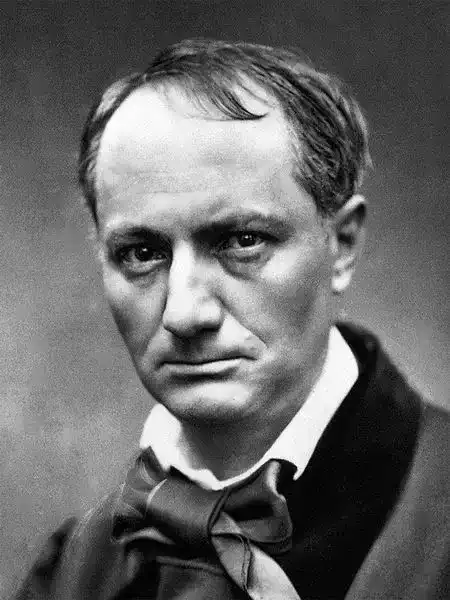
Charles Baudelaire
Le Gout du Néant
Le Gout du Néant
Morne esprit, autrefois amoureux de la lutte,
L'Espoir, dont l'éperon attisait ton ardeur,
Ne veut plus t'enfourcher! Couche-toi sans pudeur,
Vieux cheval dont le pied à chaque obstacle bute.
Morne esprit, autrefois amoureux de la lutte,
L'Espoir, dont l'éperon attisait ton ardeur,
Ne veut plus t'enfourcher! Couche-toi sans pudeur,
Vieux cheval dont le pied à chaque obstacle bute.
519