

Poems in this theme
Past and Future
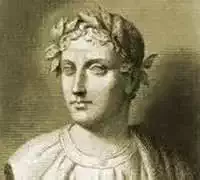
Horácio
BkIII:XIV Augustus Returns
BkIII:XIV Augustus Returns
O citizens, conquering Caesar is home
from the Spanish shores, who, like Hercules, now
was said to be seeking that laurel, that’s bought
at the price of death.
May his wife rejoice in a matchless husband,
having sacrificed to true gods, appear now
with our famous leader’s sister, and, all dressed
in holy ribbons,
the mothers of virgins and youths, now safe and
sound. And you, O you boys and you young girls who
are still without husbands, spare us any of
your ill-omened words
This day will be a true holiday for me,
and banish dark care: I’ll not fear civil war,
nor sudden death by violence, while Caesar has
command of the earth.
Go, now, you boys, seek out perfumes and garlands
and a jar that’s old as the Marsian War,
if any of them have managed to escape
Spartacus’s eyes.
And tell that graceful Neaera to hurry
and fasten all her perfumed hair in a knot:
if her hateful doorkeeper causes
delay, come away.
My greying hair softens a spirit eager
for arguments and passionate fights:
I’d not have endured it in my hot youth, while
Plancus was Consul.
O citizens, conquering Caesar is home
from the Spanish shores, who, like Hercules, now
was said to be seeking that laurel, that’s bought
at the price of death.
May his wife rejoice in a matchless husband,
having sacrificed to true gods, appear now
with our famous leader’s sister, and, all dressed
in holy ribbons,
the mothers of virgins and youths, now safe and
sound. And you, O you boys and you young girls who
are still without husbands, spare us any of
your ill-omened words
This day will be a true holiday for me,
and banish dark care: I’ll not fear civil war,
nor sudden death by violence, while Caesar has
command of the earth.
Go, now, you boys, seek out perfumes and garlands
and a jar that’s old as the Marsian War,
if any of them have managed to escape
Spartacus’s eyes.
And tell that graceful Neaera to hurry
and fasten all her perfumed hair in a knot:
if her hateful doorkeeper causes
delay, come away.
My greying hair softens a spirit eager
for arguments and passionate fights:
I’d not have endured it in my hot youth, while
Plancus was Consul.
252
Horácio
BkII:XIV Eheu Fugaces
BkII:XIV Eheu Fugaces
Oh how the years fly, Postumus, Postumus,
they’re slipping away, virtue brings no respite
from the wrinkles that furrow our brow,
impending old age, Death the invincible:
not even, my friend, if with three hundred bulls
every day, you appease pitiless Pluto,
jailor of three-bodied Geryon,
who imprisons Tityos by the sad
stream, that every one of us must sail over,
whoever we are that enjoy earth’s riches,
whether we’re wealthy, or whether we are
the most destitute of humble farmers.
In vain we’ll escape from bloodiest warfare,
from the breakers’ roar in the Adriatic,
in vain, on the autumn seas, we’ll fear
the southerly that shatters our bodies:
We’re destined to gaze at Cocytus, winding,
dark languid river: the infamous daughters
of Danaus: and at Sisyphus,
son of Aeolus, condemned to long toil.
We’re destined to leave earth, home, our loving wife,
nor will a single tree, that you planted here,
follow you, it’s briefly-known master,
except for the much-detested cypress.
A worthier heir will drink your Caecuban,
that cellar a hundred keys are protecting,
and stain the street with a vintage wine,
finer than those at the Pontiff’s table.
Oh how the years fly, Postumus, Postumus,
they’re slipping away, virtue brings no respite
from the wrinkles that furrow our brow,
impending old age, Death the invincible:
not even, my friend, if with three hundred bulls
every day, you appease pitiless Pluto,
jailor of three-bodied Geryon,
who imprisons Tityos by the sad
stream, that every one of us must sail over,
whoever we are that enjoy earth’s riches,
whether we’re wealthy, or whether we are
the most destitute of humble farmers.
In vain we’ll escape from bloodiest warfare,
from the breakers’ roar in the Adriatic,
in vain, on the autumn seas, we’ll fear
the southerly that shatters our bodies:
We’re destined to gaze at Cocytus, winding,
dark languid river: the infamous daughters
of Danaus: and at Sisyphus,
son of Aeolus, condemned to long toil.
We’re destined to leave earth, home, our loving wife,
nor will a single tree, that you planted here,
follow you, it’s briefly-known master,
except for the much-detested cypress.
A worthier heir will drink your Caecuban,
that cellar a hundred keys are protecting,
and stain the street with a vintage wine,
finer than those at the Pontiff’s table.
273
Horácio
BkII:VII A Friend Home From the Wars
BkII:VII A Friend Home From the Wars
O Pompey, often led, with me, by Brutus,
the head of our army, into great danger,
who’s sent you back, as a citizen,
to your country’s gods and Italy’s sky,
Pompey, the very dearest of my comrades,
with whom I’ve often drawn out the lingering
day in wine, my hair wreathed, and glistening
with perfumed balsam, of Syrian nard?
I was there at Philippi, with you, in that
headlong flight, sadly leaving my shield behind,
when shattered Virtue, and what threatened
from an ignoble purpose, fell to earth.
While in my fear Mercury dragged me, swiftly,
through the hostile ranks in a thickening cloud:
the wave was drawing you back to war,
carried once more by the troubled waters.
So grant Jupiter the feast he’s owed, and stretch
your limbs, wearied by long campaigning, under
my laurel boughs, and don’t spare the jars
that were destined to be opened by you.
Fill the smooth cups with Massic oblivion,
pour out the perfume from generous dishes,
Who’ll hurry to weave the wreathes for us
of dew-wet parsley or pliant myrtle?
Who’ll throw high Venus at dice and so become
the master of drink? I’ll rage as insanely
as any Thracian: It’s sweet to me
to revel when a friend is home again.
O Pompey, often led, with me, by Brutus,
the head of our army, into great danger,
who’s sent you back, as a citizen,
to your country’s gods and Italy’s sky,
Pompey, the very dearest of my comrades,
with whom I’ve often drawn out the lingering
day in wine, my hair wreathed, and glistening
with perfumed balsam, of Syrian nard?
I was there at Philippi, with you, in that
headlong flight, sadly leaving my shield behind,
when shattered Virtue, and what threatened
from an ignoble purpose, fell to earth.
While in my fear Mercury dragged me, swiftly,
through the hostile ranks in a thickening cloud:
the wave was drawing you back to war,
carried once more by the troubled waters.
So grant Jupiter the feast he’s owed, and stretch
your limbs, wearied by long campaigning, under
my laurel boughs, and don’t spare the jars
that were destined to be opened by you.
Fill the smooth cups with Massic oblivion,
pour out the perfume from generous dishes,
Who’ll hurry to weave the wreathes for us
of dew-wet parsley or pliant myrtle?
Who’ll throw high Venus at dice and so become
the master of drink? I’ll rage as insanely
as any Thracian: It’s sweet to me
to revel when a friend is home again.
243
Horácio
BkI:IV Spring
BkI:IV Spring
Fierce winter slackens its grip: it’s spring and the west wind’s sweet change:
the ropes are hauling dry hulls towards the shore,
The flock no longer enjoys the fold, or the ploughman the fire,
no more are the meadows white with hoary frost.
Now Cytherean Venus leads out her dancers, under the pendant moon,
and the lovely Graces have joined with the Nymphs,
treading the earth on tripping feet, while Vulcan, all on fire, visits
the tremendous Cyclopean forges.
Now its right to garland our gleaming heads, with green myrtle or flowers,
whatever the unfrozen earth now bears:
now it’s right to sacrifice to Faunus, in groves that are filled with shadow,
whether he asks a lamb, or prefers a kid.
Pale death knocks with impartial foot, at the door of the poor man’s cottage,
and at the prince’s gate. O Sestus, my friend,
the span of brief life prevents us from ever depending on distant hope.
Soon the night will crush you, the fabled spirits,
and Pluto’s bodiless halls: where once you’ve passed inside you’ll no longer
be allotted the lordship of wine by dice,
or marvel at Lycidas, so tender, for whom, already, the boys
are burning, and soon the girls will grow hotter.
Fierce winter slackens its grip: it’s spring and the west wind’s sweet change:
the ropes are hauling dry hulls towards the shore,
The flock no longer enjoys the fold, or the ploughman the fire,
no more are the meadows white with hoary frost.
Now Cytherean Venus leads out her dancers, under the pendant moon,
and the lovely Graces have joined with the Nymphs,
treading the earth on tripping feet, while Vulcan, all on fire, visits
the tremendous Cyclopean forges.
Now its right to garland our gleaming heads, with green myrtle or flowers,
whatever the unfrozen earth now bears:
now it’s right to sacrifice to Faunus, in groves that are filled with shadow,
whether he asks a lamb, or prefers a kid.
Pale death knocks with impartial foot, at the door of the poor man’s cottage,
and at the prince’s gate. O Sestus, my friend,
the span of brief life prevents us from ever depending on distant hope.
Soon the night will crush you, the fabled spirits,
and Pluto’s bodiless halls: where once you’ve passed inside you’ll no longer
be allotted the lordship of wine by dice,
or marvel at Lycidas, so tender, for whom, already, the boys
are burning, and soon the girls will grow hotter.
288
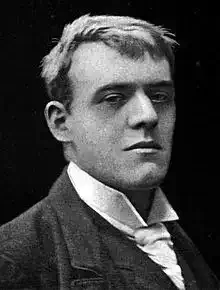
Hilaire Belloc
From: Dedicatory Ode
From: Dedicatory Ode
I will not try the reach again,
I will not set my sail alone,
To moor a boat bereft of men
At Yarnton's tiny docks of stone.
But I will sit beside the fire,
And put my hand before my eyes,
And trace, to fill my heart's desire,
The last of all our Odysseys.
The quiet evening kept her tryst:
Beneath an open sky we rode,
And passed into a wandering mist
Along the perfect Evenlode.
The tender Evenlode that makes
Her meadows hush to hear the sound
Of waters mingling in the brakes,
And binds my heart to English ground.
A lovely river, all alone,
She lingers in the hills and holds
A hundred little towns of stone,
Forgotten in the western wolds.
I will not try the reach again,
I will not set my sail alone,
To moor a boat bereft of men
At Yarnton's tiny docks of stone.
But I will sit beside the fire,
And put my hand before my eyes,
And trace, to fill my heart's desire,
The last of all our Odysseys.
The quiet evening kept her tryst:
Beneath an open sky we rode,
And passed into a wandering mist
Along the perfect Evenlode.
The tender Evenlode that makes
Her meadows hush to hear the sound
Of waters mingling in the brakes,
And binds my heart to English ground.
A lovely river, all alone,
She lingers in the hills and holds
A hundred little towns of stone,
Forgotten in the western wolds.
371
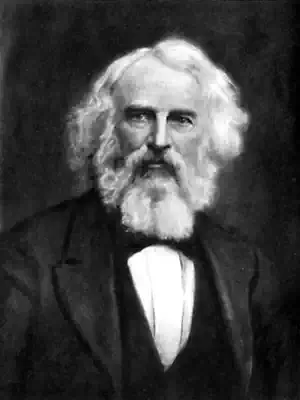
Henry Wadsworth Longfellow
Weariness. (Birds Of Passage. Flight The Second)
Weariness. (Birds Of Passage. Flight The Second)
O little feet! that such long years
Must wander on through hopes and fears,
Must ache and bleed beneath your load;
I, nearer to the wayside inn
Where toil shall cease and rest begin,
Am weary, thinking of your road!
O little hands! that, weak or strong,
Have still to serve or rule so long,
Have still so long to give or ask;
I, who so much with book and pen
Have toiled among my fellow-men,
Am weary, thinking of your task.
O little hearts! that throb and beat
With such impatient, feverish heat,
Such limitless and strong desires;
Mine that so long has glowed and burned,
With passions into ashes turned
Now covers and conceals its fires.
O little souls! as pure and white
And crystalline as rays of light
Direct from heaven, their source divine;
Refracted through the mist of years,
How red my setting sun appears,
How lurid looks this soul of mine!
O little feet! that such long years
Must wander on through hopes and fears,
Must ache and bleed beneath your load;
I, nearer to the wayside inn
Where toil shall cease and rest begin,
Am weary, thinking of your road!
O little hands! that, weak or strong,
Have still to serve or rule so long,
Have still so long to give or ask;
I, who so much with book and pen
Have toiled among my fellow-men,
Am weary, thinking of your task.
O little hearts! that throb and beat
With such impatient, feverish heat,
Such limitless and strong desires;
Mine that so long has glowed and burned,
With passions into ashes turned
Now covers and conceals its fires.
O little souls! as pure and white
And crystalline as rays of light
Direct from heaven, their source divine;
Refracted through the mist of years,
How red my setting sun appears,
How lurid looks this soul of mine!
285
Henry Wadsworth Longfellow
Ultima Thule: Elegiac
Ultima Thule: Elegiac
Dark is the morning with mist; in the narrow mouth of the harbor
Motionless lies the sea, under its curtain of cloud;
Dreamily glimmer the sails of ships on the distant horizon,
Like to the towers of a town, built on the verge of the sea.
Slowly and stately and still, they sail forth into the ocean;
With them sail my thoughts over the limitless deep,
Farther and farther away, borne on by unsatisfied longings,
Unto Hesperian isles, unto Ausonian shores.
Now they have vanished away, have disappeared in the ocean;
Sunk are the towers of the town into the depths of the sea!
All have vanished but those that, moored in the neighboring
roadstead,
Sailless at anchor ride, looming so large in the mist.
Vanished, too, are the thoughts, the dim, unsatisfied longings;
Sunk are the turrets of cloud into the ocean of dreams;
While in a haven of rest my heart is riding at anchor,
Held by the chains of love, held by the anchors of trust!
Dark is the morning with mist; in the narrow mouth of the harbor
Motionless lies the sea, under its curtain of cloud;
Dreamily glimmer the sails of ships on the distant horizon,
Like to the towers of a town, built on the verge of the sea.
Slowly and stately and still, they sail forth into the ocean;
With them sail my thoughts over the limitless deep,
Farther and farther away, borne on by unsatisfied longings,
Unto Hesperian isles, unto Ausonian shores.
Now they have vanished away, have disappeared in the ocean;
Sunk are the towers of the town into the depths of the sea!
All have vanished but those that, moored in the neighboring
roadstead,
Sailless at anchor ride, looming so large in the mist.
Vanished, too, are the thoughts, the dim, unsatisfied longings;
Sunk are the turrets of cloud into the ocean of dreams;
While in a haven of rest my heart is riding at anchor,
Held by the chains of love, held by the anchors of trust!
320
Henry Wadsworth Longfellow
The Two Rivers
The Two Rivers
Slowly the hour-hand of the clock moves round;
So slowly that no human eye hath power
To see it move! Slowly in shine or shower
The painted ship above it, homeward bound,
Sails, but seems motionless, as if aground;
Yet both arrive at last; and in his tower
The slumberous watchman wakes and strikes the hour,
A mellow, measured, melancholy sound.
Midnight! the outpost of advancing day!
The frontier town and citadel of night!
The watershed of Time, from which the streams
Of Yesterday and To-morrow take their way,
One to the land of promise and of light,
One to the land of darkness and of dreams!
II.
O River of Yesterday, with current swift
Through chasms descending, and soon lost to sight,
I do not care to follow in their flight
The faded leaves, that on thy bosom drift!
O River of To-morrow, I uplift
Mine eyes, and thee I follow, as the night
Wanes into morning, and the dawning light
Broadens, and all the shadows fade and shift!
I follow, follow, where thy waters run
Through unfrequented, unfamiliar fields,
Fragrant with flowers and musical with song;
Still follow, follow; sure to meet the sun,
And confident, that what the future yields
Will be the right, unless myself be wrong.
III.
Yet not in vain, O River of Yesterday,
Through chasms of darkness to the deep descending,
I heard thee sobbing in the rain, and blending
Thy voice with other voices far away.
I called to thee, and yet thou wouldst not stay,
But turbulent, and with thyself contending,
And torrent-like thy force on pebbles spending,
Thou wouldst not listen to a poet's lay.
Thoughts, like a loud and sudden rush of wings,
Regrets and recollections of things past,
With hints and prophecies of things to be,
And inspirations, which, could they be things,
And stay with us, and we could hold them fast,
Were our good angels,--these I owe to thee.
IV.
And thou, O River of To-morrow, flowing
Between thy narrow adamantine walls,
But beautiful, and white with waterfalls,
And wreaths of mist, like hands the pathway showing;
I hear the trumpets of the morning blowing,
I hear thy mighty voice, that calls and calls,
And see, as Ossian saw in Morven's halls,
Mysterious phantoms, coming, beckoning, going!
It is the mystery of the unknown
That fascinates us; we are children still,
Wayward and wistful; with one hand we cling
To the familiar things we call our own,
And with the other, resolute of will,
Grope in the dark for what the day will bring.
Slowly the hour-hand of the clock moves round;
So slowly that no human eye hath power
To see it move! Slowly in shine or shower
The painted ship above it, homeward bound,
Sails, but seems motionless, as if aground;
Yet both arrive at last; and in his tower
The slumberous watchman wakes and strikes the hour,
A mellow, measured, melancholy sound.
Midnight! the outpost of advancing day!
The frontier town and citadel of night!
The watershed of Time, from which the streams
Of Yesterday and To-morrow take their way,
One to the land of promise and of light,
One to the land of darkness and of dreams!
II.
O River of Yesterday, with current swift
Through chasms descending, and soon lost to sight,
I do not care to follow in their flight
The faded leaves, that on thy bosom drift!
O River of To-morrow, I uplift
Mine eyes, and thee I follow, as the night
Wanes into morning, and the dawning light
Broadens, and all the shadows fade and shift!
I follow, follow, where thy waters run
Through unfrequented, unfamiliar fields,
Fragrant with flowers and musical with song;
Still follow, follow; sure to meet the sun,
And confident, that what the future yields
Will be the right, unless myself be wrong.
III.
Yet not in vain, O River of Yesterday,
Through chasms of darkness to the deep descending,
I heard thee sobbing in the rain, and blending
Thy voice with other voices far away.
I called to thee, and yet thou wouldst not stay,
But turbulent, and with thyself contending,
And torrent-like thy force on pebbles spending,
Thou wouldst not listen to a poet's lay.
Thoughts, like a loud and sudden rush of wings,
Regrets and recollections of things past,
With hints and prophecies of things to be,
And inspirations, which, could they be things,
And stay with us, and we could hold them fast,
Were our good angels,--these I owe to thee.
IV.
And thou, O River of To-morrow, flowing
Between thy narrow adamantine walls,
But beautiful, and white with waterfalls,
And wreaths of mist, like hands the pathway showing;
I hear the trumpets of the morning blowing,
I hear thy mighty voice, that calls and calls,
And see, as Ossian saw in Morven's halls,
Mysterious phantoms, coming, beckoning, going!
It is the mystery of the unknown
That fascinates us; we are children still,
Wayward and wistful; with one hand we cling
To the familiar things we call our own,
And with the other, resolute of will,
Grope in the dark for what the day will bring.
343
Henry Wadsworth Longfellow
The Song of Hiawatha X: Hiawatha's Wooing
The Song of Hiawatha X: Hiawatha's Wooing
'As unto the bow the cord is,
So unto the man is woman,
Though she bends him, she obeys him,
Though she draws him, yet she follows,
Useless each without the other!'
Thus the youthful Hiawatha
Said within himself and pondered,
Much perplexed by various feelings,
Listless, longing, hoping, fearing,
Dreaming still of Minnehaha,
Of the lovely Laughing Water,
In the land of the Dacotahs.
'Wed a maiden of your people,'
Warning said the old Nokomis;
'Go not eastward, go not westward,
For a stranger, whom we know not!
Like a fire upon the hearth-stone
Is a neighbor's homely daughter,
Like the starlight or the moonlight
Is the handsomest of strangers!'
Thus dissuading spake Nokomis,
And my Hiawatha answered
Only this: 'Dear old Nokomis,
Very pleasant is the firelight,
But I like the starlight better,
Better do I like the moonlight!'
Gravely then said old Nokomis:
'Bring not here an idle maiden,
Bring not here a useless woman,
Hands unskilful, feet unwilling;
Bring a wife with nimble fingers,
Heart and hand that move together,
Feet that run on willing errands!'
Smiling answered Hiawatha:
'In the land of the Dacotahs
Lives the Arrow-maker's daughter,
Minnehaha, Laughing Water,
Handsomest of all the women.
I will bring her to your wigwam,
She shall run upon your errands,
Be your starlight, moonlight, firelight,
Be the sunlight of my people!'
Still dissuading said Nokomis:
'Bring not to my lodge a stranger
From the land of the Dacotahs!
Very fierce are the Dacotahs,
Often is there war between us,
There are feuds yet unforgotten,
Wounds that ache and still may open!
Laughing answered Hiawatha:
'For that reason, if no other,
Would I wed the fair Dacotah,
That our tribes might be united,
That old feuds might be forgotten,
And old wounds be healed forever!'
Thus departed Hiawatha
To the land of the Dacotahs,
To the land of handsome women;
Striding over moor and meadow,
Through interminable forests,
Through uninterrupted silence.
With his moccasins of magic,
At each stride a mile he measured;
Yet the way seemed long before him,
And his heart outran his footsteps;
And he journeyed without resting,
Till he heard the cataract's laughter,
Heard the Falls of Minnehaha
Calling to him through the silence.
'Pleasant is the sound!' he murmured,
'Pleasant is the voice that calls me!'
On the outskirts of the forests,
'Twixt the shadow and the sunshine,
Herds of fallow deer were feeding,
But they saw not Hiawatha;
To his bow be whispered, 'Fail not!'
To his arrow whispered, 'Swerve not!'
Sent it singing on its errand,
To the red heart of the roebuck;
Threw the deer across his shoulder,
And sped forward without pausing.
At the doorway of his wigwam
Sat his ancient Arrow-maker,
In the land of the Dacotahs,
Making arrow-heads of jasper,
Arrow-heads of chalcedony.
At his side, in all her beauty,
Sat the lovely Minnehaha,
Sat his daughter, Laughing Water,
Plaiting mats of flags and rushes;
Of the past the old man's thoughts were,
And the maiden's of the future.
He was thinking, as he sat there,
Of the days when with such arrows
He had struck the deer and bison,
On the Muskoday, the meadow;
Shot the wild goose, flying southward,
On the wing, the clamorous Wawa;
Thinking of the great war-parties,
How they came to buy his arrows,
Could not fight without his arrows.
Ah, no more such noble warriors
Could be found on earth as they were!
Now the men were all like women,
Only used their tongues for weapons!
She was thinking of a hunter,
From another tribe and country,
Young and tall and very handsome,
Who one morning, in the Spring-time,
Came to buy her father's arrows,
Lingered long about the doorway,
Sat and rested in the wigwam,
Looking back as he departed.
She had heard her father praise him,
Praise his courage and his wisdom;
Would he come again for arrows
To the Falls of Minnehaha?
On the mat her hands lay idle,
And her eyes were very dreamy.
Through their thoughts they heard a footstep,
Heard a rustling in the branches,
And with glowing cheek and forehead,
With the deer upon his shoulders,
Suddenly from out the woodlands
Hiawatha stood before them.
Straight the ancient Arrow-maker
Looked up gravely from his labor,
Laid aside the unfinished arrow,
Bade him enter at the doorway,
Saying, as he rose to meet him,
'Hiawatha, you are welcome!'
At the feet of Laughing Water
Hiawatha laid his burden,
Threw the red deer from his shoulders;
And the maiden looked up at him,
Looked up from her mat of rushes,
Said with gentle look and accent,
'You are welcome, Hiawatha!'
Very spacious was the wigwam,
Made of deer-skins dressed and whitened,
With the Gods of the Dacotahs
Drawn and painted on its curtains,
And so tall the doorway, hardly
Hiawatha stooped to enter,
Hardly touched his eagle-feathers
As he entered at the doorway.
Then uprose the Laughing Water,
From the ground fair Minnehaha,
Laid aside her mat unfinished,
Brought forth food and set before them,
Water brought them from the brooklet,
Gave them food in earthen vessels,
Gave them drink in bowls of bass-wood,
Listened while the guest was speaking,
Listened while her father answered,
But not once her lips she opened,
Not a single word she uttered.
Yes, as in a dream she listened
To the words of Hiawatha,
As he talked of old Nokomis,
Who had nursed him in his childhood,
As he told of his companions,
Chibiabos, the musician,
And the very strong man, Kwasind,
And of happiness and plenty
In the land of the Ojibways,
In the pleasant land and peaceful.
'After many years of warfare,
Many years of strife and bloodshed,
There is peace between the Ojibways
And the tribe of the Dacotahs.'
Thus continued Hiawatha,
And then added, speaking slowly,
'That this peace may last forever,
And our hands be clasped more closely,
And our hearts be more united,
Give me as my wife this maiden,
Minnehaha, Laughing Water,
Loveliest of Dacotah women!
And the ancient Arrow-maker
Paused a moment ere he answered,
Smoked a little while in silence,
Looked at Hiawatha proudly,
Fondly looked at Laughing Water,
And made answer very gravely:
'Yes, if Minnehaha wishes;
Let your heart speak, Minnehaha!'
And the lovely Laughing Water
Seemed more lovely as she stood there,
Neither willing nor reluctant,
As she went to Hiawatha,
Softly took the seat beside him,
While she said, and blushed to say it,
'I will follow you, my husband!'
This was Hiawatha's wooing!
Thus it was he won the daughter
Of the ancient Arrow-maker,
In the land of the Dacotahs!
From the wigwam he departed,
Leading with him Laughing Water;
Hand in hand they went together,
Through the woodland and the meadow,
Left the old man standing lonely
At the doorway of his wigwam,
Heard the Falls of Minnehaha
Calling to them from the distance,
Crying to them from afar off,
'Fare thee well, O Minnehaha!'
And the ancient Arrow-maker
Turned again unto his labor,
Sat down by his sunny doorway,
Murmuring to himself, and saying:
'Thus it is our daughters leave us,
Those we love, and those who love us!
Just when they have learned to help us,
When we are old and lean upon them,
Comes a youth with flaunting feathers,
With his flute of reeds, a stranger
Wanders piping through the village,
Beckons to the fairest maiden,
And she follows where he leads her,
Leaving all things for the stranger!'
Pleasant was the journey homeward,
Through interminable forests,
Over meadow, over mountain,
Over river, hill, and hollow.
Short it seemed to Hiawatha,
Though they journeyed very slowly,
Though his pace he checked and slackened
To the steps of Laughing Water.
Over wide and rushing rivers
In his arms he bore the maiden;
Light he thought her as a feather,
As the plume upon his head-gear;
Cleared the tangled pathway for her,
Bent aside the swaying branches,
Made at night a lodge of branches,
And a bed with boughs of hemlock,
And a fire before the doorway
With the dry cones of the pine-tree.
All the travelling winds went with them,
O'er the meadows, through the forest;
All the stars of night looked at them,
Watched with sleepless eyes their slumber;
From his ambush in the oak-tree
Peeped the squirrel, Adjidaumo,
Watched with eager eyes the lovers;
And the rabbit, the Wabasso,
Scampered from the path before them,
Peering, peeping from his burrow,
Sat erect upon his haunches,
Watched with curious eyes the lovers.
Pleasant was the journey homeward!
All the birds sang loud and sweetly
Songs of happiness and heart's-ease;
Sang the bluebird, the Owaissa,
'Happy are you, Hiawatha,
Having such a wife to love you!'
Sang the robin, the Opechee,
'Happy are you, Laughing Water,
Having such a noble husband!'
From the sky the sun benignant
Looked upon them through the branches,
Saying to them, 'O my children,
Love is sunshine, hate is shadow,
Life is checkered shade and sunshine,
Rule by love, O Hiawatha!'
From the sky the moon looked at them,
Filled the lodge with mystic splendors,
Whispered to them, 'O my children,
Day is restless, night is quiet,
Man imperious, woman feeble;
Half is mine, although I follow;
Rule by patience, Laughing Water!'
Thus it was they journeyed homeward;
Thus it was that Hiawatha
To the lodge of old Nokomis
Brought the moonlight, starlight, firelight,
Brought the sunshine of his people,
Minnehaha, Laughing Water,
Handsomest of all the women
In the land of the Dacotahs,
In the land of handsome women.
'As unto the bow the cord is,
So unto the man is woman,
Though she bends him, she obeys him,
Though she draws him, yet she follows,
Useless each without the other!'
Thus the youthful Hiawatha
Said within himself and pondered,
Much perplexed by various feelings,
Listless, longing, hoping, fearing,
Dreaming still of Minnehaha,
Of the lovely Laughing Water,
In the land of the Dacotahs.
'Wed a maiden of your people,'
Warning said the old Nokomis;
'Go not eastward, go not westward,
For a stranger, whom we know not!
Like a fire upon the hearth-stone
Is a neighbor's homely daughter,
Like the starlight or the moonlight
Is the handsomest of strangers!'
Thus dissuading spake Nokomis,
And my Hiawatha answered
Only this: 'Dear old Nokomis,
Very pleasant is the firelight,
But I like the starlight better,
Better do I like the moonlight!'
Gravely then said old Nokomis:
'Bring not here an idle maiden,
Bring not here a useless woman,
Hands unskilful, feet unwilling;
Bring a wife with nimble fingers,
Heart and hand that move together,
Feet that run on willing errands!'
Smiling answered Hiawatha:
'In the land of the Dacotahs
Lives the Arrow-maker's daughter,
Minnehaha, Laughing Water,
Handsomest of all the women.
I will bring her to your wigwam,
She shall run upon your errands,
Be your starlight, moonlight, firelight,
Be the sunlight of my people!'
Still dissuading said Nokomis:
'Bring not to my lodge a stranger
From the land of the Dacotahs!
Very fierce are the Dacotahs,
Often is there war between us,
There are feuds yet unforgotten,
Wounds that ache and still may open!
Laughing answered Hiawatha:
'For that reason, if no other,
Would I wed the fair Dacotah,
That our tribes might be united,
That old feuds might be forgotten,
And old wounds be healed forever!'
Thus departed Hiawatha
To the land of the Dacotahs,
To the land of handsome women;
Striding over moor and meadow,
Through interminable forests,
Through uninterrupted silence.
With his moccasins of magic,
At each stride a mile he measured;
Yet the way seemed long before him,
And his heart outran his footsteps;
And he journeyed without resting,
Till he heard the cataract's laughter,
Heard the Falls of Minnehaha
Calling to him through the silence.
'Pleasant is the sound!' he murmured,
'Pleasant is the voice that calls me!'
On the outskirts of the forests,
'Twixt the shadow and the sunshine,
Herds of fallow deer were feeding,
But they saw not Hiawatha;
To his bow be whispered, 'Fail not!'
To his arrow whispered, 'Swerve not!'
Sent it singing on its errand,
To the red heart of the roebuck;
Threw the deer across his shoulder,
And sped forward without pausing.
At the doorway of his wigwam
Sat his ancient Arrow-maker,
In the land of the Dacotahs,
Making arrow-heads of jasper,
Arrow-heads of chalcedony.
At his side, in all her beauty,
Sat the lovely Minnehaha,
Sat his daughter, Laughing Water,
Plaiting mats of flags and rushes;
Of the past the old man's thoughts were,
And the maiden's of the future.
He was thinking, as he sat there,
Of the days when with such arrows
He had struck the deer and bison,
On the Muskoday, the meadow;
Shot the wild goose, flying southward,
On the wing, the clamorous Wawa;
Thinking of the great war-parties,
How they came to buy his arrows,
Could not fight without his arrows.
Ah, no more such noble warriors
Could be found on earth as they were!
Now the men were all like women,
Only used their tongues for weapons!
She was thinking of a hunter,
From another tribe and country,
Young and tall and very handsome,
Who one morning, in the Spring-time,
Came to buy her father's arrows,
Lingered long about the doorway,
Sat and rested in the wigwam,
Looking back as he departed.
She had heard her father praise him,
Praise his courage and his wisdom;
Would he come again for arrows
To the Falls of Minnehaha?
On the mat her hands lay idle,
And her eyes were very dreamy.
Through their thoughts they heard a footstep,
Heard a rustling in the branches,
And with glowing cheek and forehead,
With the deer upon his shoulders,
Suddenly from out the woodlands
Hiawatha stood before them.
Straight the ancient Arrow-maker
Looked up gravely from his labor,
Laid aside the unfinished arrow,
Bade him enter at the doorway,
Saying, as he rose to meet him,
'Hiawatha, you are welcome!'
At the feet of Laughing Water
Hiawatha laid his burden,
Threw the red deer from his shoulders;
And the maiden looked up at him,
Looked up from her mat of rushes,
Said with gentle look and accent,
'You are welcome, Hiawatha!'
Very spacious was the wigwam,
Made of deer-skins dressed and whitened,
With the Gods of the Dacotahs
Drawn and painted on its curtains,
And so tall the doorway, hardly
Hiawatha stooped to enter,
Hardly touched his eagle-feathers
As he entered at the doorway.
Then uprose the Laughing Water,
From the ground fair Minnehaha,
Laid aside her mat unfinished,
Brought forth food and set before them,
Water brought them from the brooklet,
Gave them food in earthen vessels,
Gave them drink in bowls of bass-wood,
Listened while the guest was speaking,
Listened while her father answered,
But not once her lips she opened,
Not a single word she uttered.
Yes, as in a dream she listened
To the words of Hiawatha,
As he talked of old Nokomis,
Who had nursed him in his childhood,
As he told of his companions,
Chibiabos, the musician,
And the very strong man, Kwasind,
And of happiness and plenty
In the land of the Ojibways,
In the pleasant land and peaceful.
'After many years of warfare,
Many years of strife and bloodshed,
There is peace between the Ojibways
And the tribe of the Dacotahs.'
Thus continued Hiawatha,
And then added, speaking slowly,
'That this peace may last forever,
And our hands be clasped more closely,
And our hearts be more united,
Give me as my wife this maiden,
Minnehaha, Laughing Water,
Loveliest of Dacotah women!
And the ancient Arrow-maker
Paused a moment ere he answered,
Smoked a little while in silence,
Looked at Hiawatha proudly,
Fondly looked at Laughing Water,
And made answer very gravely:
'Yes, if Minnehaha wishes;
Let your heart speak, Minnehaha!'
And the lovely Laughing Water
Seemed more lovely as she stood there,
Neither willing nor reluctant,
As she went to Hiawatha,
Softly took the seat beside him,
While she said, and blushed to say it,
'I will follow you, my husband!'
This was Hiawatha's wooing!
Thus it was he won the daughter
Of the ancient Arrow-maker,
In the land of the Dacotahs!
From the wigwam he departed,
Leading with him Laughing Water;
Hand in hand they went together,
Through the woodland and the meadow,
Left the old man standing lonely
At the doorway of his wigwam,
Heard the Falls of Minnehaha
Calling to them from the distance,
Crying to them from afar off,
'Fare thee well, O Minnehaha!'
And the ancient Arrow-maker
Turned again unto his labor,
Sat down by his sunny doorway,
Murmuring to himself, and saying:
'Thus it is our daughters leave us,
Those we love, and those who love us!
Just when they have learned to help us,
When we are old and lean upon them,
Comes a youth with flaunting feathers,
With his flute of reeds, a stranger
Wanders piping through the village,
Beckons to the fairest maiden,
And she follows where he leads her,
Leaving all things for the stranger!'
Pleasant was the journey homeward,
Through interminable forests,
Over meadow, over mountain,
Over river, hill, and hollow.
Short it seemed to Hiawatha,
Though they journeyed very slowly,
Though his pace he checked and slackened
To the steps of Laughing Water.
Over wide and rushing rivers
In his arms he bore the maiden;
Light he thought her as a feather,
As the plume upon his head-gear;
Cleared the tangled pathway for her,
Bent aside the swaying branches,
Made at night a lodge of branches,
And a bed with boughs of hemlock,
And a fire before the doorway
With the dry cones of the pine-tree.
All the travelling winds went with them,
O'er the meadows, through the forest;
All the stars of night looked at them,
Watched with sleepless eyes their slumber;
From his ambush in the oak-tree
Peeped the squirrel, Adjidaumo,
Watched with eager eyes the lovers;
And the rabbit, the Wabasso,
Scampered from the path before them,
Peering, peeping from his burrow,
Sat erect upon his haunches,
Watched with curious eyes the lovers.
Pleasant was the journey homeward!
All the birds sang loud and sweetly
Songs of happiness and heart's-ease;
Sang the bluebird, the Owaissa,
'Happy are you, Hiawatha,
Having such a wife to love you!'
Sang the robin, the Opechee,
'Happy are you, Laughing Water,
Having such a noble husband!'
From the sky the sun benignant
Looked upon them through the branches,
Saying to them, 'O my children,
Love is sunshine, hate is shadow,
Life is checkered shade and sunshine,
Rule by love, O Hiawatha!'
From the sky the moon looked at them,
Filled the lodge with mystic splendors,
Whispered to them, 'O my children,
Day is restless, night is quiet,
Man imperious, woman feeble;
Half is mine, although I follow;
Rule by patience, Laughing Water!'
Thus it was they journeyed homeward;
Thus it was that Hiawatha
To the lodge of old Nokomis
Brought the moonlight, starlight, firelight,
Brought the sunshine of his people,
Minnehaha, Laughing Water,
Handsomest of all the women
In the land of the Dacotahs,
In the land of handsome women.
149
Henry Wadsworth Longfellow
The Psalm Of Life
The Psalm Of Life
What the heart of the young man said to the psalmist
Tell me not, in mournful numbers,
Life is but an empty dream!--
For the soul is dead that slumbers,
And things are not what they seem.
Life is real! Life is earnest!
And the grave is not its goal;
Dust thou art, to dust returnest,
Was not spoken of the soul.
Not enjoyment, and not sorrow,
Is our destined end or way;
But to act, that each to-morrow
Find us farther than to-day.
Art is long, and Time is fleeting,
And our hearts, though stout and brave,
Still, like muffled drums, are beating
Funeral marches to the grave.
In the world's broad field of battle,
In the bivouac of Life,
Be not like dumb, driven cattle!
Be a hero in the strife!
Trust no future, howe'er pleasant!
Let the dead Past bury its dead!
Act,--act in the living present!
Heart within, and God o'erhead!
Lives of great men all remind us
We can make our lives sublime,
And departing, leave behind us
Footprints on the sands of time;
Footprints, that perhaps another,
Sailing o'er life's solemn main,
A forlorn and shipwrecked brother,
Seeing, shall take heart again.
Let us, then, be up and doing,
With a heart for any fate;
Still achieving, still pursuing,
Learn to labor and to wait.
What the heart of the young man said to the psalmist
Tell me not, in mournful numbers,
Life is but an empty dream!--
For the soul is dead that slumbers,
And things are not what they seem.
Life is real! Life is earnest!
And the grave is not its goal;
Dust thou art, to dust returnest,
Was not spoken of the soul.
Not enjoyment, and not sorrow,
Is our destined end or way;
But to act, that each to-morrow
Find us farther than to-day.
Art is long, and Time is fleeting,
And our hearts, though stout and brave,
Still, like muffled drums, are beating
Funeral marches to the grave.
In the world's broad field of battle,
In the bivouac of Life,
Be not like dumb, driven cattle!
Be a hero in the strife!
Trust no future, howe'er pleasant!
Let the dead Past bury its dead!
Act,--act in the living present!
Heart within, and God o'erhead!
Lives of great men all remind us
We can make our lives sublime,
And departing, leave behind us
Footprints on the sands of time;
Footprints, that perhaps another,
Sailing o'er life's solemn main,
A forlorn and shipwrecked brother,
Seeing, shall take heart again.
Let us, then, be up and doing,
With a heart for any fate;
Still achieving, still pursuing,
Learn to labor and to wait.
381
Henry Wadsworth Longfellow
The Native Land. (From The Spanish Of Francisco De Aldana)
The Native Land. (From The Spanish Of Francisco De Aldana)
Clear fount of light! my native land on high,
Bright with a glory that shall never fade!
Mansion of truth! without a veil or shade,
Thy holy quiet meets the spirit's eye.
There dwells the soul in its ethereal essence,
Gasping no longer for life's feeble breath;
But, sentinelled in heaven, its glorious presence
With pitying eye beholds, yet fears not, death.
Beloved country! banished from thy shore,
A stranger in this prison-house of clay,
The exiled spirit weeps and sighs for thee!
Heavenward the bright perfections I adore
Direct, and the sure promise cheers the way,
That, whither love aspires, there shall my dwelling be.
Clear fount of light! my native land on high,
Bright with a glory that shall never fade!
Mansion of truth! without a veil or shade,
Thy holy quiet meets the spirit's eye.
There dwells the soul in its ethereal essence,
Gasping no longer for life's feeble breath;
But, sentinelled in heaven, its glorious presence
With pitying eye beholds, yet fears not, death.
Beloved country! banished from thy shore,
A stranger in this prison-house of clay,
The exiled spirit weeps and sighs for thee!
Heavenward the bright perfections I adore
Direct, and the sure promise cheers the way,
That, whither love aspires, there shall my dwelling be.
357
Henry Wadsworth Longfellow
The Golden Mile-Stone. (Birds Of Passage. Flight The First)
The Golden Mile-Stone. (Birds Of Passage. Flight The First)
Leafless are the trees; their purple branches
Spread themselves abroad, like reefs of coral,
Rising silent
In the Red Sea of the winter sunset.
From the hundred chimneys of the village,
Like the Afreet in the Arabian story,
Smoky columns
Tower aloft into the air of amber.
At the window winks the flickering fire-light;
Here and there the lamps of evening glimmer,
Social watch-fires
Answering one another through the darkness.
On the hearth the lighted logs are glowing,
And like Ariel in the cloven pine-tree
For its freedom
Groans and sighs the air imprisoned in them.
By the fireside there are old men seated,
Seeing ruined cities in the ashes,
Asking sadly
Of the Past what it can ne'er restore them.
By the fireside there are youthful dreamers,
Building castles fair, with stately stairways,
Asking blindly
Of the Future what it cannot give them.
By the fireside tragedies are acted
In whose scenes appear two actors only,
Wife and husband,
And above them God the sole spectator.
By the fireside there are peace and comfort,
Wives and children, with fair, thoughtful faces,
Waiting, watching
For a well-known footstep in the passage.
Each man's chimney is his Golden Mile-Stone;
Is the central point, from which he measures
Every distance
Through the gateways of the world around him.
In his farthest wanderings still he sees it;
Hears the talking flame, the answering night-wind,
As he heard them
When he sat with those who were, but are not.
Happy he whom neither wealth nor fashion,
Nor the march of the encroaching city,
Drives an exile
From the hearth of his ancestral homestead.
We may build more splendid habitations,
Fill our rooms with paintings and with sculptures,
But we cannot
Buy with gold the old associations!
Leafless are the trees; their purple branches
Spread themselves abroad, like reefs of coral,
Rising silent
In the Red Sea of the winter sunset.
From the hundred chimneys of the village,
Like the Afreet in the Arabian story,
Smoky columns
Tower aloft into the air of amber.
At the window winks the flickering fire-light;
Here and there the lamps of evening glimmer,
Social watch-fires
Answering one another through the darkness.
On the hearth the lighted logs are glowing,
And like Ariel in the cloven pine-tree
For its freedom
Groans and sighs the air imprisoned in them.
By the fireside there are old men seated,
Seeing ruined cities in the ashes,
Asking sadly
Of the Past what it can ne'er restore them.
By the fireside there are youthful dreamers,
Building castles fair, with stately stairways,
Asking blindly
Of the Future what it cannot give them.
By the fireside tragedies are acted
In whose scenes appear two actors only,
Wife and husband,
And above them God the sole spectator.
By the fireside there are peace and comfort,
Wives and children, with fair, thoughtful faces,
Waiting, watching
For a well-known footstep in the passage.
Each man's chimney is his Golden Mile-Stone;
Is the central point, from which he measures
Every distance
Through the gateways of the world around him.
In his farthest wanderings still he sees it;
Hears the talking flame, the answering night-wind,
As he heard them
When he sat with those who were, but are not.
Happy he whom neither wealth nor fashion,
Nor the march of the encroaching city,
Drives an exile
From the hearth of his ancestral homestead.
We may build more splendid habitations,
Fill our rooms with paintings and with sculptures,
But we cannot
Buy with gold the old associations!
300
Henry Wadsworth Longfellow
The Burial Of The Poet
The Burial Of The Poet
In the old churchyard of his native town,
And in the ancestral tomb beside the wall,
We laid him in the sleep that comes to all,
And left him to his rest and his renown.
The snow was falling, as if Heaven dropped down
White flowers of Paradise to strew his pall;--
The dead around him seemed to wake, and call
His name, as worthy of so white a crown.
And now the moon is shining on the scene,
And the broad sheet of snow is written o'er
With shadows cruciform of leafless trees,
As once the winding-sheet of Saladin
With chapters of the Koran; but, ah! more
Mysterious and triumphant signs are these.
In the old churchyard of his native town,
And in the ancestral tomb beside the wall,
We laid him in the sleep that comes to all,
And left him to his rest and his renown.
The snow was falling, as if Heaven dropped down
White flowers of Paradise to strew his pall;--
The dead around him seemed to wake, and call
His name, as worthy of so white a crown.
And now the moon is shining on the scene,
And the broad sheet of snow is written o'er
With shadows cruciform of leafless trees,
As once the winding-sheet of Saladin
With chapters of the Koran; but, ah! more
Mysterious and triumphant signs are these.
301
Henry Wadsworth Longfellow
The Bells Of San Blas
The Bells Of San Blas
What say the Bells of San Blas
To the ships that southward pass
From the harbor of Mazatlan?
To them it is nothing more
Than the sound of surf on the shore,--
Nothing more to master or man.
But to me, a dreamer of dreams,
To whom what is and what seems
Are often one and the same,--
The Bells of San Blas to me
Have a strange, wild melody,
And are something more than a name.
For bells are the voice of the church;
They have tones that touch and search
The hearts of young and old;
One sound to all, yet each
Lends a meaning to their speech,
And the meaning is manifold.
They are a voice of the Past,
Of an age that is fading fast,
Of a power austere and grand,
When the flag of Spain unfurled
Its folds o'er this western world,
And the Priest was lord of the land.
The chapel that once looked down
On the little seaport town
Has crumbled into the dust;
And on oaken beams below
The bells swing to and fro,
And are green with mould and rust.
'Is, then, the old faith dead,'
They say, 'and in its stead
Is some new faith proclaimed,
That we are forced to remain
Naked to sun and rain,
Unsheltered and ashamed?
'Once, in our tower aloof,
We rang over wall and roof
Our warnings and our complaints;
And round about us there
The white doves filled the air,
Like the white souls of the saints.
'The saints! Ah, have they grown
Forgetful of their own?
Are they asleep, or dead,
That open to the sky
Their ruined Missions lie,
No longer tenanted?
'Oh, bring us back once more
The vanished days of yore,
When the world with faith was filled;
Bring back the fervid zeal,
The hearts of fire and steel,
The hands that believe and build.
'Then from our tower again
We will send over land and main
Our voices of command,
Like exiled kings who return
To their thrones, and the people learn
That the Priest is lord of the land!'
O Bells of San Blas in vain
Ye call back the Past again;
The Past is deaf to your prayer!
Out of the shadows of night
The world rolls into light;
It is daybreak everywhere.
What say the Bells of San Blas
To the ships that southward pass
From the harbor of Mazatlan?
To them it is nothing more
Than the sound of surf on the shore,--
Nothing more to master or man.
But to me, a dreamer of dreams,
To whom what is and what seems
Are often one and the same,--
The Bells of San Blas to me
Have a strange, wild melody,
And are something more than a name.
For bells are the voice of the church;
They have tones that touch and search
The hearts of young and old;
One sound to all, yet each
Lends a meaning to their speech,
And the meaning is manifold.
They are a voice of the Past,
Of an age that is fading fast,
Of a power austere and grand,
When the flag of Spain unfurled
Its folds o'er this western world,
And the Priest was lord of the land.
The chapel that once looked down
On the little seaport town
Has crumbled into the dust;
And on oaken beams below
The bells swing to and fro,
And are green with mould and rust.
'Is, then, the old faith dead,'
They say, 'and in its stead
Is some new faith proclaimed,
That we are forced to remain
Naked to sun and rain,
Unsheltered and ashamed?
'Once, in our tower aloof,
We rang over wall and roof
Our warnings and our complaints;
And round about us there
The white doves filled the air,
Like the white souls of the saints.
'The saints! Ah, have they grown
Forgetful of their own?
Are they asleep, or dead,
That open to the sky
Their ruined Missions lie,
No longer tenanted?
'Oh, bring us back once more
The vanished days of yore,
When the world with faith was filled;
Bring back the fervid zeal,
The hearts of fire and steel,
The hands that believe and build.
'Then from our tower again
We will send over land and main
Our voices of command,
Like exiled kings who return
To their thrones, and the people learn
That the Priest is lord of the land!'
O Bells of San Blas in vain
Ye call back the Past again;
The Past is deaf to your prayer!
Out of the shadows of night
The world rolls into light;
It is daybreak everywhere.
318
Henry Wadsworth Longfellow
Remorse. (From August Von Platen)
Remorse. (From August Von Platen)
How I started up in the night, in the night,
Drawn on without rest or reprieval!
The streets, with their watchmen, were lost to my sight,
As I wandered so light
In the night, in the night,
Through the gate with the arch mediaeval.
The mill-brook rushed from the rocky height,
I leaned o'er the bridge in my yearning;
Deep under me watched I the waves in their flight,
As they glided so light
In the night, in the night,
Yet backward not one was returning.
O'erhead were revolving, so countless and bright,
The stars in melodious existence;
And with them the moon, more serenely bedight;--
They sparkled so light
In the night, in the night,
Through the magical, measureless distance.
And upward I gazed in the night, in the night,
And again on the waves in their fleeting;
Ah woe! thou hast wasted thy days in delight,
Now silence thou light,
In the night, in the night,
The remorse in thy heart that is beating.
How I started up in the night, in the night,
Drawn on without rest or reprieval!
The streets, with their watchmen, were lost to my sight,
As I wandered so light
In the night, in the night,
Through the gate with the arch mediaeval.
The mill-brook rushed from the rocky height,
I leaned o'er the bridge in my yearning;
Deep under me watched I the waves in their flight,
As they glided so light
In the night, in the night,
Yet backward not one was returning.
O'erhead were revolving, so countless and bright,
The stars in melodious existence;
And with them the moon, more serenely bedight;--
They sparkled so light
In the night, in the night,
Through the magical, measureless distance.
And upward I gazed in the night, in the night,
And again on the waves in their fleeting;
Ah woe! thou hast wasted thy days in delight,
Now silence thou light,
In the night, in the night,
The remorse in thy heart that is beating.
331
Henry Wadsworth Longfellow
Mezzo Cammin
Mezzo Cammin
Half of my life is gone, and I have let
The years slip from me and have not fulfilled
The aspiration of my youth, to build
Some tower of song with lofty parapet.
Not indolence, nor pleasure, nor the fret
Of restless passions chat would not be stilled,
But sorrow, and a care that almost killed,
Kept me from what I may accomplish yet;
Though, half way up the hill, I see the Past
Lying beneath me with its sounds and sights,-A
city in the twilight dim and vast,
With smoking roofs, soft bells, and gleaming lights.-And
hear above me on the autumnal blast
The cataract of Death far thundering from the heights.
Half of my life is gone, and I have let
The years slip from me and have not fulfilled
The aspiration of my youth, to build
Some tower of song with lofty parapet.
Not indolence, nor pleasure, nor the fret
Of restless passions chat would not be stilled,
But sorrow, and a care that almost killed,
Kept me from what I may accomplish yet;
Though, half way up the hill, I see the Past
Lying beneath me with its sounds and sights,-A
city in the twilight dim and vast,
With smoking roofs, soft bells, and gleaming lights.-And
hear above me on the autumnal blast
The cataract of Death far thundering from the heights.
350
Henry Wadsworth Longfellow
In The Harbour: To The Avon
In The Harbour: To The Avon
Flow on, sweet river! like his verse
Who lies beneath this sculptured hearse;
Nor wait beside the churchyard wall
For him who cannot hear thy call.
Thy playmate once; I see him now
A boy with sunshine on his brow,
And hear in Stratford's quiet street
The patter of his little feet.
I see him by thy shallow edge
Wading knee-deep amid the sedge;
And lost in thought, as if thy stream
Were the swift river of a dream.
He wonders whitherward it flows;
And fain would follow where it goes,
To the wide world, that shall erelong
Be filled with his melodious song.
Flow on, fair stream! That dream is o'er;
He stands upon another shore;
A vaster river near him flows,
And still he follows where it goes.
Flow on, sweet river! like his verse
Who lies beneath this sculptured hearse;
Nor wait beside the churchyard wall
For him who cannot hear thy call.
Thy playmate once; I see him now
A boy with sunshine on his brow,
And hear in Stratford's quiet street
The patter of his little feet.
I see him by thy shallow edge
Wading knee-deep amid the sedge;
And lost in thought, as if thy stream
Were the swift river of a dream.
He wonders whitherward it flows;
And fain would follow where it goes,
To the wide world, that shall erelong
Be filled with his melodious song.
Flow on, fair stream! That dream is o'er;
He stands upon another shore;
A vaster river near him flows,
And still he follows where it goes.
350
Henry Wadsworth Longfellow
In The Harbour: Sundown
In The Harbour: Sundown
The summer sun is sinking low;
Only the tree-tops redden and glow:
Only the weathercock on the spire
Of the neighboring church is a flame of fire;
All is in shadow below.
O beautiful, awful summer day,
What hast thou given, what taken away?
Life and death, and love and hate,
Homes made happy or desolate,
Hearts made sad or gay!
On the road of life one mile-stone more!
In the book of life one leaf turned o'er!
Like a red seal is the setting sun
On the good and the evil men have done,--
Naught can to-day restore!
The summer sun is sinking low;
Only the tree-tops redden and glow:
Only the weathercock on the spire
Of the neighboring church is a flame of fire;
All is in shadow below.
O beautiful, awful summer day,
What hast thou given, what taken away?
Life and death, and love and hate,
Homes made happy or desolate,
Hearts made sad or gay!
On the road of life one mile-stone more!
In the book of life one leaf turned o'er!
Like a red seal is the setting sun
On the good and the evil men have done,--
Naught can to-day restore!
294
Henry Wadsworth Longfellow
In The Harbour: Elegiac Verse
In The Harbour: Elegiac Verse
I.
Peradventure of old, some bard in Ionian Islands,
Walking alone by the sea, hearing the wash of the waves,
Learned the secret from them of the beautiful verse elegiac,
Breathing into his song motion and sound of the sea.
For as the wave of the sea, upheaving in long undulations,
Plunges loud on the sands, pauses, and turns, and retreats,
So the Hexameter, rising and singing, with cadence sonorous,
Falls; and in refluent rhythm back the Pentameter flows.
II.
Not in his youth alone, but in age, may the heart of the poet
Bloom into song, as the gorse blossoms in autumn and spring.
III.
Not in tenderness wanting, yet rough are the rhymes of our poet;
Though it be Jacob's voice, Esau's, alas! are the hands.
IV.
Let us be grateful to writers for what is left in the inkstand;
When to leave off is an art only attained by the few.
V.
How can the Three be One? you ask me; I answer by asking,
Hail and snow and rain, are they not three, and yet one?
VI.
By the mirage uplifted, the land floats vague in the ether,
Ships and the shadows of ships hang in the motionless air;
So by the art of the poet our common life is uplifted,
So, transfigured, the world floats in a luminous haze.
VII.
Like a French poem is Life; being only perfect in structure
When with the masculine rhymes mingled the feminine are.
VIII.
Down from the mountain descends the brooklet, rejoicing in
freedom;
Little it dreams of the mill hid in the valley below;
Glad with the joy of existence, the child goes singing and
laughing,
Little dreaming what toils lie in the future concealed.
IX.
As the ink from our pen, so flow our thoughts and our feelings
When we begin to write, however sluggish before.
X.
Like the Kingdom of Heaven, the Fountain of Youth is within us;
If we seek it elsewhere, old shall we grow in the search.
XI.
If you would hit the mark, you must aim a little above it;
Every arrow that flies feels the attraction of earth.
XII.
Wisely the Hebrews admit no Present tense in their language;
While we are speaking the word, it is is already the Past.
XIII.
In the twilight of age all things seem strange and phantasmal,
As between daylight and dark ghost-like the landscape appears.
XIV.
Great is the art of beginning, but greater the art is of ending;
Many a poem is marred by a superfluous verse.
I.
Peradventure of old, some bard in Ionian Islands,
Walking alone by the sea, hearing the wash of the waves,
Learned the secret from them of the beautiful verse elegiac,
Breathing into his song motion and sound of the sea.
For as the wave of the sea, upheaving in long undulations,
Plunges loud on the sands, pauses, and turns, and retreats,
So the Hexameter, rising and singing, with cadence sonorous,
Falls; and in refluent rhythm back the Pentameter flows.
II.
Not in his youth alone, but in age, may the heart of the poet
Bloom into song, as the gorse blossoms in autumn and spring.
III.
Not in tenderness wanting, yet rough are the rhymes of our poet;
Though it be Jacob's voice, Esau's, alas! are the hands.
IV.
Let us be grateful to writers for what is left in the inkstand;
When to leave off is an art only attained by the few.
V.
How can the Three be One? you ask me; I answer by asking,
Hail and snow and rain, are they not three, and yet one?
VI.
By the mirage uplifted, the land floats vague in the ether,
Ships and the shadows of ships hang in the motionless air;
So by the art of the poet our common life is uplifted,
So, transfigured, the world floats in a luminous haze.
VII.
Like a French poem is Life; being only perfect in structure
When with the masculine rhymes mingled the feminine are.
VIII.
Down from the mountain descends the brooklet, rejoicing in
freedom;
Little it dreams of the mill hid in the valley below;
Glad with the joy of existence, the child goes singing and
laughing,
Little dreaming what toils lie in the future concealed.
IX.
As the ink from our pen, so flow our thoughts and our feelings
When we begin to write, however sluggish before.
X.
Like the Kingdom of Heaven, the Fountain of Youth is within us;
If we seek it elsewhere, old shall we grow in the search.
XI.
If you would hit the mark, you must aim a little above it;
Every arrow that flies feels the attraction of earth.
XII.
Wisely the Hebrews admit no Present tense in their language;
While we are speaking the word, it is is already the Past.
XIII.
In the twilight of age all things seem strange and phantasmal,
As between daylight and dark ghost-like the landscape appears.
XIV.
Great is the art of beginning, but greater the art is of ending;
Many a poem is marred by a superfluous verse.
398
Henry Wadsworth Longfellow
In The Harbour: At La Chaudeau. (From The French Of Charles Coran)
In The Harbour: At La Chaudeau. (From The French Of Charles Coran)
At La Chaudeau,--'tis long since then:
I was young,--my years twice ten;
All things smiled on the happy boy,
Dreams of love and songs of joy,
Azure of heaven and wave below,
At La Chaudeau.
At La Chaudeau I come back old:
My head is gray, my blood is cold;
Seeking along the meadow ooze,
Seeking beside the river Seymouse,
The days of my spring-time of long ago
At La Chaudeau.
At La Chaudeau nor heart nor brain
Ever grows old with grief and pain;
A sweet remembrance keeps off age;
A tender friendship doth still assuage
The burden of sorrow that one may know
At La Chaudeau.
At La Chaudeau, had fate decreed
To limit the wandering life I lead,
Peradventure I still, forsooth,
Should have preserved my fresh green youth,
Under the shadows the hill-tops throw
At La Chaudeau.
At La Chaudeau, live on, my friends,
Happy to be where God intends;
And sometimes, by the evening fire,
Think of him whose sole desire
Is again to sit in the old chateau
At La Chaudeau.
At La Chaudeau,--'tis long since then:
I was young,--my years twice ten;
All things smiled on the happy boy,
Dreams of love and songs of joy,
Azure of heaven and wave below,
At La Chaudeau.
At La Chaudeau I come back old:
My head is gray, my blood is cold;
Seeking along the meadow ooze,
Seeking beside the river Seymouse,
The days of my spring-time of long ago
At La Chaudeau.
At La Chaudeau nor heart nor brain
Ever grows old with grief and pain;
A sweet remembrance keeps off age;
A tender friendship doth still assuage
The burden of sorrow that one may know
At La Chaudeau.
At La Chaudeau, had fate decreed
To limit the wandering life I lead,
Peradventure I still, forsooth,
Should have preserved my fresh green youth,
Under the shadows the hill-tops throw
At La Chaudeau.
At La Chaudeau, live on, my friends,
Happy to be where God intends;
And sometimes, by the evening fire,
Think of him whose sole desire
Is again to sit in the old chateau
At La Chaudeau.
338
Henry Wadsworth Longfellow
Charles Sumner. (Birds Of Passage. Flight The Fourth)
Charles Sumner. (Birds Of Passage. Flight The Fourth)
Garlands upon his grave
And flowers upon his hearse,
And to the tender heart and brave
The tribute of this verse.
His was the troubled life,
The conflict and the pain,
The grief, the bitterness of strife,
The honor without stain.
Like Winkelried, he took
Into his manly breast
The sheaf of hostile spears, and broke
A path for the oppressed.
Then from the fatal field
Upon a nation's heart
Borne like a warrior on his shield!--
So should the brave depart.
Death takes us by surprise,
And stays our hurrying feet;
The great design unfinished lies,
Our lives are incomplete.
But in the dark unknown
Perfect their circles seem,
Even as a bridge's arch of stone
Is rounded in the stream.
Alike are life and death,
When life in death survives,
And the uninterrupted breath
Inspires a thousand lives.
Were a star quenched on high,
For ages would its light,
Still travelling downward from the sky,
Shine on our mortal sight.
So when a great man dies,
For years beyond our ken,
The light he leaves behind him lies
Upon the paths of men.
Garlands upon his grave
And flowers upon his hearse,
And to the tender heart and brave
The tribute of this verse.
His was the troubled life,
The conflict and the pain,
The grief, the bitterness of strife,
The honor without stain.
Like Winkelried, he took
Into his manly breast
The sheaf of hostile spears, and broke
A path for the oppressed.
Then from the fatal field
Upon a nation's heart
Borne like a warrior on his shield!--
So should the brave depart.
Death takes us by surprise,
And stays our hurrying feet;
The great design unfinished lies,
Our lives are incomplete.
But in the dark unknown
Perfect their circles seem,
Even as a bridge's arch of stone
Is rounded in the stream.
Alike are life and death,
When life in death survives,
And the uninterrupted breath
Inspires a thousand lives.
Were a star quenched on high,
For ages would its light,
Still travelling downward from the sky,
Shine on our mortal sight.
So when a great man dies,
For years beyond our ken,
The light he leaves behind him lies
Upon the paths of men.
224
Henry Wadsworth Longfellow
A Psalm of Life
A Psalm of Life
Tell me not in mournful numbers,
Life is but an empty dream!
For the soul is dead that slumbers,
And things are not what they seem.
Life is real! Life is earnest!
And the grave is not its goal;
Dust thou are, to dust thou returnest,
Was not spoken of the soul.
Not enjoyment, and not sorrow,
Is our destined end or way;
But to act, that each tomorrow
Find us farther than today.
Art is long, and Time is fleeting,
And our hearts, though stout and brave,
Still, like muffled drums, are beating
Funeral marches to the grave.
In the world's broad field of battle,
In the bivouac of Life,
Be not like dumb, driven cattle!
Be a hero in the strife!
Trust no Future, howe'er pleasant!
Let the dead Past bury its dead!
Act, - act in the living Present!
Heart within, and God o'erhead!
Lives of great men all remind us
We can make our lives sublime,
And, departing, leave behind us
Footprints on the sand of time;
Footprints, that perhaps another,
Sailing o'er life's solenm main,
A forlorn and shipwrecked brother,
Seeing, shall take heart again.
Let us then be up and doing,
With a heart for any fate;
Still achieving, still pursuing,
Learn to labor and to wait.
Tell me not in mournful numbers,
Life is but an empty dream!
For the soul is dead that slumbers,
And things are not what they seem.
Life is real! Life is earnest!
And the grave is not its goal;
Dust thou are, to dust thou returnest,
Was not spoken of the soul.
Not enjoyment, and not sorrow,
Is our destined end or way;
But to act, that each tomorrow
Find us farther than today.
Art is long, and Time is fleeting,
And our hearts, though stout and brave,
Still, like muffled drums, are beating
Funeral marches to the grave.
In the world's broad field of battle,
In the bivouac of Life,
Be not like dumb, driven cattle!
Be a hero in the strife!
Trust no Future, howe'er pleasant!
Let the dead Past bury its dead!
Act, - act in the living Present!
Heart within, and God o'erhead!
Lives of great men all remind us
We can make our lives sublime,
And, departing, leave behind us
Footprints on the sand of time;
Footprints, that perhaps another,
Sailing o'er life's solenm main,
A forlorn and shipwrecked brother,
Seeing, shall take heart again.
Let us then be up and doing,
With a heart for any fate;
Still achieving, still pursuing,
Learn to labor and to wait.
731
Henry Wadsworth Longfellow
A Gleam of Sunshine
A Gleam of Sunshine
This is the place. Stand still, my steed,
Let me review the scene,
And summon from the shadowy Past
The forms that once have been.
The Past and Present here unite
Beneath Time's flowing tide,
Like footprints hidden by a brook,
But seen on either side.
Here runs the highway to the town;
There the green lane descends,
Through which I walked to church with thee,
O gentlest of my friends!
The shadow of the linden-trees
Lay moving on the grass;
Between them and the moving boughs,
A shadow, thou didst pass.
Thy dress was like the lilies,
And thy heart as pure as they:
One of God's holy messengers
Did walk with me that day.
I saw the branches of the trees
Bend down thy touch to meet,
The clover-blossoms in the grass
Rise up to kiss thy feet,
"Sleep, sleep to-day, tormenting cares,
Of earth and folly born!"
Solemnly sang the village choir
On that sweet Sabbath morn.
Through the closed blinds the golden sun
Poured in a dusty beam,
Like the celestial ladder seen
By Jacob in his dream.
And ever and anon, the wind,
Sweet-scented with the hay,
Turned o'er the hymn-book's fluttering leaves
That on the window lay.
Long was the good man's sermon,
Yet it seemed not so to me;
For he spake of Ruth the beautiful,
And still I thought of thee.
Long was the prayer he uttered,
Yet it seemed not so to me;
For in my heart I prayed with him,
And still I thought of thee.
But now, alas! the place seems changed;
Thou art no longer here:
Part of the sunshine of the scene
With thee did disappear.
Though thoughts, deep-rooted in my heart,
Like pine-trees dark and high,
Subdue the light of noon, and breathe
A low and ceaseless sigh;
This memory brightens o'er the past,
As when the sun, concealed
Behind some cloud that near us hangs
Shines on a distant field.
This is the place. Stand still, my steed,
Let me review the scene,
And summon from the shadowy Past
The forms that once have been.
The Past and Present here unite
Beneath Time's flowing tide,
Like footprints hidden by a brook,
But seen on either side.
Here runs the highway to the town;
There the green lane descends,
Through which I walked to church with thee,
O gentlest of my friends!
The shadow of the linden-trees
Lay moving on the grass;
Between them and the moving boughs,
A shadow, thou didst pass.
Thy dress was like the lilies,
And thy heart as pure as they:
One of God's holy messengers
Did walk with me that day.
I saw the branches of the trees
Bend down thy touch to meet,
The clover-blossoms in the grass
Rise up to kiss thy feet,
"Sleep, sleep to-day, tormenting cares,
Of earth and folly born!"
Solemnly sang the village choir
On that sweet Sabbath morn.
Through the closed blinds the golden sun
Poured in a dusty beam,
Like the celestial ladder seen
By Jacob in his dream.
And ever and anon, the wind,
Sweet-scented with the hay,
Turned o'er the hymn-book's fluttering leaves
That on the window lay.
Long was the good man's sermon,
Yet it seemed not so to me;
For he spake of Ruth the beautiful,
And still I thought of thee.
Long was the prayer he uttered,
Yet it seemed not so to me;
For in my heart I prayed with him,
And still I thought of thee.
But now, alas! the place seems changed;
Thou art no longer here:
Part of the sunshine of the scene
With thee did disappear.
Though thoughts, deep-rooted in my heart,
Like pine-trees dark and high,
Subdue the light of noon, and breathe
A low and ceaseless sigh;
This memory brightens o'er the past,
As when the sun, concealed
Behind some cloud that near us hangs
Shines on a distant field.
428
Henry Van Dyke
An American in Europe
An American in Europe
'Tis fine to see the Old World, and travel up and down
Among the famous palaces and cities of renown,
To admire the crumbly castles and the statues of the kings, --
But now I think I've had enough of antiquated things.
So it's home again, and home again, America for me!
My heart is turning home again, and there I long to be,
In the land of youth and freedom beyond the ocean bars,
Where the air is full of sunlight and the flag is full of stars.
Oh, London is a man's town, there's power in the air;
And Paris is a woman's town, with flowers in her hair;
And it's sweet to dream in Venice, and it's great to study Rome;
But when it comes to living there is no place like home.
I like the German fir-woods, in green battalions drilled;
I like the gardens of Versailles with flashing fountains filled;
But, oh, to take your hand, my dear, and ramble for a day
In the friendly western woodland where Nature has her way!
I know that Europe's wonderful, yet something seems to lack:
The Past is too much with her, and the people looking back.
But the glory of the Present is to make the Future free, --
We love our land for what she is and what she is to be.
So it's home again, and home again, America for me!
I want a ship that's westward bound to plough the rolling sea,
To the blessed Land of Room Enough beyond the ocean bars,
Where the air is full of sunlight and the flag is full of stars.
'Tis fine to see the Old World, and travel up and down
Among the famous palaces and cities of renown,
To admire the crumbly castles and the statues of the kings, --
But now I think I've had enough of antiquated things.
So it's home again, and home again, America for me!
My heart is turning home again, and there I long to be,
In the land of youth and freedom beyond the ocean bars,
Where the air is full of sunlight and the flag is full of stars.
Oh, London is a man's town, there's power in the air;
And Paris is a woman's town, with flowers in her hair;
And it's sweet to dream in Venice, and it's great to study Rome;
But when it comes to living there is no place like home.
I like the German fir-woods, in green battalions drilled;
I like the gardens of Versailles with flashing fountains filled;
But, oh, to take your hand, my dear, and ramble for a day
In the friendly western woodland where Nature has her way!
I know that Europe's wonderful, yet something seems to lack:
The Past is too much with her, and the people looking back.
But the glory of the Present is to make the Future free, --
We love our land for what she is and what she is to be.
So it's home again, and home again, America for me!
I want a ship that's westward bound to plough the rolling sea,
To the blessed Land of Room Enough beyond the ocean bars,
Where the air is full of sunlight and the flag is full of stars.
305