

Poems in this theme
Anguish
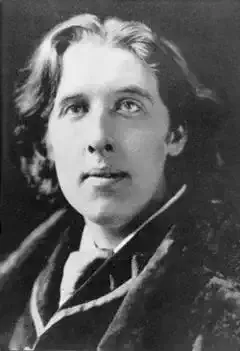
Oscar Wilde
Ballade De Marguerite
Ballade De Marguerite
(NORMANDE.)
I AM weary of lying within the chase
When the knights are meeting in market-place.
Nay, go not thou to the red-roofed town
Lest the hooves of the war-horse tread thee down.
But I would not go where the Squires ride,
I would only walk by my Lady's side.
Alack! and alack! thou art over bold,
A Forester's son may not eat off gold.
Will she love me the less that my Father is seen,
Each Martinmas day in a doublet green?
Perchance she is sewing at tapestrie,
Spindle and loom are not meet for thee.
Ah, if she is working the arras bright
I might ravel the threads by the fire-light.
Perchance she is hunting of the deer,
How could you follow o'er hill and meer?
Ah, if she is riding with the court,
I might run beside her and wind the morte.
Perchance she is kneeling in S. Denys,
(On her soul may our Lady have gramercy!)
Ah, if she is praying in lone chapelle,
I might swing the censer and ring the bell.
Come in my son, for you look sae pale,
The father shall fill thee a stoup of ale.
But who are these knights in bright array?
Is it a pageant the rich folks play?
'Tis the King of England from over sea,
Who has come unto visit our fair countrie.
But why does the curfew toll sae low
And why do the mourners walk a-row?
O 'tis Hugh of Amiens my sister's son
Who is lying stark, for his day is done.
Nay, nay, for I see white lilies clear,
It is no strong man who lies on the bier.
O 'tis old Dame Jeannette that kept the hall,
I knew she would die at the autumn fall.
Dame Jeannette had not that gold-brown hair,
Old Jeannette was not a maiden fair.
O 'tis none of our kith and none of our kin,
(Her soul may our Lady assoil from sin!)
But I hear the boy's voice chaunting sweet,
'Elle est morte, la Marguerite.'
Come in my son and lie on the bed,
And let the dead folk bury their dead.
O mother, you know I loved her true:
O mother, hath one grave room for two?
(NORMANDE.)
I AM weary of lying within the chase
When the knights are meeting in market-place.
Nay, go not thou to the red-roofed town
Lest the hooves of the war-horse tread thee down.
But I would not go where the Squires ride,
I would only walk by my Lady's side.
Alack! and alack! thou art over bold,
A Forester's son may not eat off gold.
Will she love me the less that my Father is seen,
Each Martinmas day in a doublet green?
Perchance she is sewing at tapestrie,
Spindle and loom are not meet for thee.
Ah, if she is working the arras bright
I might ravel the threads by the fire-light.
Perchance she is hunting of the deer,
How could you follow o'er hill and meer?
Ah, if she is riding with the court,
I might run beside her and wind the morte.
Perchance she is kneeling in S. Denys,
(On her soul may our Lady have gramercy!)
Ah, if she is praying in lone chapelle,
I might swing the censer and ring the bell.
Come in my son, for you look sae pale,
The father shall fill thee a stoup of ale.
But who are these knights in bright array?
Is it a pageant the rich folks play?
'Tis the King of England from over sea,
Who has come unto visit our fair countrie.
But why does the curfew toll sae low
And why do the mourners walk a-row?
O 'tis Hugh of Amiens my sister's son
Who is lying stark, for his day is done.
Nay, nay, for I see white lilies clear,
It is no strong man who lies on the bier.
O 'tis old Dame Jeannette that kept the hall,
I knew she would die at the autumn fall.
Dame Jeannette had not that gold-brown hair,
Old Jeannette was not a maiden fair.
O 'tis none of our kith and none of our kin,
(Her soul may our Lady assoil from sin!)
But I hear the boy's voice chaunting sweet,
'Elle est morte, la Marguerite.'
Come in my son and lie on the bed,
And let the dead folk bury their dead.
O mother, you know I loved her true:
O mother, hath one grave room for two?
296

Ogden Nash
Tableau at Twilight
Tableau at Twilight
I sit in the dusk. I am all alone.
Enter a child and an ice-cream cone.
A parent is easily beguiled
By sight of this coniferous child.
The friendly embers warmer gleam,
The cone begins to drip ice cream.
Cones are composed of many a vitamin.
My lap is not the place to bitamin.
Although my raiment is not chinchilla,
I flinch to see it become vanilla.
Coniferous child, when vanilla melts
I’d rather it melted somewhere else.
Exit child with remains of cone.
I sit in the dusk. I am all alone,
Muttering spells like an angry Druid,
Alone, in the dusk, with the cleaning fluid.
I sit in the dusk. I am all alone.
Enter a child and an ice-cream cone.
A parent is easily beguiled
By sight of this coniferous child.
The friendly embers warmer gleam,
The cone begins to drip ice cream.
Cones are composed of many a vitamin.
My lap is not the place to bitamin.
Although my raiment is not chinchilla,
I flinch to see it become vanilla.
Coniferous child, when vanilla melts
I’d rather it melted somewhere else.
Exit child with remains of cone.
I sit in the dusk. I am all alone,
Muttering spells like an angry Druid,
Alone, in the dusk, with the cleaning fluid.
214

Nazim Hikmet
Angina Pectoris
Angina Pectoris
If half my heart is here, doctor,
the other half is in China
with the army flowing
toward the Yellow River.
And, every morning, doctor,
every morning at sunrise my heart
is shot in Greece.
And every night,c doctor,
when the prisoners are asleep and the infirmary is deserted,
my heart stops at a run-down old house
in Istanbul.
And then after ten years
all i have to offer my poor people
is this apple in my hand, doctor,
one read apple:
my heart.
And that, doctor, that is the reason
for this angina pectoris--
not nicotine, prison, or arteriosclerosis.
I look at the night through the bars,
and despite the weight on my chest
my heart still beats with the most distant stars.
Trans. by Randy Blasing and Mutlu Konuk ()
If half my heart is here, doctor,
the other half is in China
with the army flowing
toward the Yellow River.
And, every morning, doctor,
every morning at sunrise my heart
is shot in Greece.
And every night,c doctor,
when the prisoners are asleep and the infirmary is deserted,
my heart stops at a run-down old house
in Istanbul.
And then after ten years
all i have to offer my poor people
is this apple in my hand, doctor,
one read apple:
my heart.
And that, doctor, that is the reason
for this angina pectoris--
not nicotine, prison, or arteriosclerosis.
I look at the night through the bars,
and despite the weight on my chest
my heart still beats with the most distant stars.
Trans. by Randy Blasing and Mutlu Konuk ()
398

Mirza Ghalib
No Hope
No Hope
I am left with no hope at all,
No possibility to reach my goal,
The Day of my death is fixed,
I am so very anxious that I can not sleep all night.
Though I know the reward of obedience and worship,
But I have no tendency for it.
I am silent for a certain reason,
Otherwise I can convince you with my words,
Why I shouldn't cry,
For when I don't, she asks about me,
My heart is burning, though you cannot see the spot,
But O my doctor, can't you smell my heart burn?
I have reached to a certain state,
From where even I cannot find myself.
I am dying (Waiting anxiously) for my death,
I don't know where the hell my death has gone.
With what face you will go to Ka'ba, O! Ghalib,
You should be ashamed of yourself while thinking to go there.
I am left with no hope at all,
No possibility to reach my goal,
The Day of my death is fixed,
I am so very anxious that I can not sleep all night.
Though I know the reward of obedience and worship,
But I have no tendency for it.
I am silent for a certain reason,
Otherwise I can convince you with my words,
Why I shouldn't cry,
For when I don't, she asks about me,
My heart is burning, though you cannot see the spot,
But O my doctor, can't you smell my heart burn?
I have reached to a certain state,
From where even I cannot find myself.
I am dying (Waiting anxiously) for my death,
I don't know where the hell my death has gone.
With what face you will go to Ka'ba, O! Ghalib,
You should be ashamed of yourself while thinking to go there.
332
Mirza Ghalib
In Her Every Indication
In Her Every Indication
Although in her every indication, the aim is something else
If she shows her affection(with me) , then different suspicion arises
Oh Lord, 'they' have not understood, nor will [they] understand, my speech
Give 'them' another heart, if you don't give me a different tongue
Does that glance of coquetry have a connection with the eyebrow?
It is certainly an arrow- perhaps it has a different bow
If you're in the city, then what grief do I have? when we get up
I will go and bring back from the bazaar a different heart and life
Although [I /we] became quick-handed / deft in idol-breaking
If I am alive, then in my path there will be many heavy-stones
The blood of the liver is in turmoil—or I would have wept to my heart's content
If I had had a number of different pure-blood-scattering eyes
I will die [of love] for that voice, although my head may fly off!
But let her keep saying to the executioner,'Yes, more/another! '
People are deceived about the world-{heating/burning} sun
Every day I show one different hidden scar/wound
There are many good poets in this world.
But it is said that Ghalib is in a league of his own.
Although in her every indication, the aim is something else
If she shows her affection(with me) , then different suspicion arises
Oh Lord, 'they' have not understood, nor will [they] understand, my speech
Give 'them' another heart, if you don't give me a different tongue
Does that glance of coquetry have a connection with the eyebrow?
It is certainly an arrow- perhaps it has a different bow
If you're in the city, then what grief do I have? when we get up
I will go and bring back from the bazaar a different heart and life
Although [I /we] became quick-handed / deft in idol-breaking
If I am alive, then in my path there will be many heavy-stones
The blood of the liver is in turmoil—or I would have wept to my heart's content
If I had had a number of different pure-blood-scattering eyes
I will die [of love] for that voice, although my head may fly off!
But let her keep saying to the executioner,'Yes, more/another! '
People are deceived about the world-{heating/burning} sun
Every day I show one different hidden scar/wound
There are many good poets in this world.
But it is said that Ghalib is in a league of his own.
311
Mirza Ghalib
It is not Love it is Madness
It is not Love it is Madness
(You say) It is not love, it is madness
My madness may be the cause of your fame
Sever not my relationship with you
If nothing then be my enemy
What is the meaning of notoriety in meeting me
If not in public court meet me alone
I am not my own enemy
So what if the stranger is in love with you
Whatever you are, it is due to your own being
If this not known then it is ignorance
Life though fleets like a lightening flash
Yet it is abundant Time to be in love
I do not want debate on the sustenance of love
Be it not love but another dilemma
Give something O biased One
At least the sanction to cry and plea
I will perpetuate the rituals
Even if cruelty be your habit
Teasing and cajoling the beloved cannot leave 'Asad'
Even if there is no union and only the desire remains
(You say) It is not love, it is madness
My madness may be the cause of your fame
Sever not my relationship with you
If nothing then be my enemy
What is the meaning of notoriety in meeting me
If not in public court meet me alone
I am not my own enemy
So what if the stranger is in love with you
Whatever you are, it is due to your own being
If this not known then it is ignorance
Life though fleets like a lightening flash
Yet it is abundant Time to be in love
I do not want debate on the sustenance of love
Be it not love but another dilemma
Give something O biased One
At least the sanction to cry and plea
I will perpetuate the rituals
Even if cruelty be your habit
Teasing and cajoling the beloved cannot leave 'Asad'
Even if there is no union and only the desire remains
503
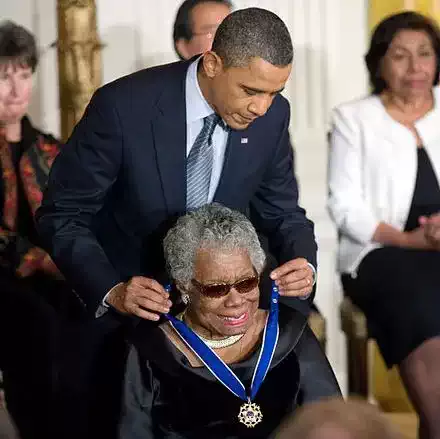
Maya Angelou
The Lesson
The Lesson
I keep on dying again.
Veins collapse, opening like the
Small fists of sleeping
Children.
Memory of old tombs,
Rotting flesh and worms do
Not convince me against
The challenge. The years
And cold defeat live deep in
Lines along my face.
They dull my eyes, yet
I keep on dying,
Because I love to live.
I keep on dying again.
Veins collapse, opening like the
Small fists of sleeping
Children.
Memory of old tombs,
Rotting flesh and worms do
Not convince me against
The challenge. The years
And cold defeat live deep in
Lines along my face.
They dull my eyes, yet
I keep on dying,
Because I love to live.
174
Maya Angelou
Insomniac
Insomniac
There are some nights when
sleep plays coy,
aloof and disdainful.
And all the wiles
that I employ to win
its service to my side
are useless as wounded pride,
and much more painful.
There are some nights when
sleep plays coy,
aloof and disdainful.
And all the wiles
that I employ to win
its service to my side
are useless as wounded pride,
and much more painful.
176
Maya Angelou
Alone
Alone
Lying, thinking
Last night
How to find my soul a home
Where water is not thirsty
And bread loaf is not stone
I came up with one thing
And I don't believe I'm wrong
That nobody,
But nobody
Can make it out here alone.
Alone, all alone
Nobody, but nobody
Can make it out here alone.
There are some millionaires
With money they can't use
Their wives run round like banshees
Their children sing the blues
They've got expensive doctors
To cure their hearts of stone.
But nobody
No, nobody
Can make it out here alone.
Alone, all alone
Nobody, but nobody
Can make it out here alone.
Now if you listen closely
I'll tell you what I know
Storm clouds are gathering
The wind is gonna blow
The race of man is suffering
And I can hear the moan,
'Cause nobody,
But nobody
Can make it out here alone.
Alone, all alone
Nobody, but nobody
Can make it out here alone.
Lying, thinking
Last night
How to find my soul a home
Where water is not thirsty
And bread loaf is not stone
I came up with one thing
And I don't believe I'm wrong
That nobody,
But nobody
Can make it out here alone.
Alone, all alone
Nobody, but nobody
Can make it out here alone.
There are some millionaires
With money they can't use
Their wives run round like banshees
Their children sing the blues
They've got expensive doctors
To cure their hearts of stone.
But nobody
No, nobody
Can make it out here alone.
Alone, all alone
Nobody, but nobody
Can make it out here alone.
Now if you listen closely
I'll tell you what I know
Storm clouds are gathering
The wind is gonna blow
The race of man is suffering
And I can hear the moan,
'Cause nobody,
But nobody
Can make it out here alone.
Alone, all alone
Nobody, but nobody
Can make it out here alone.
295
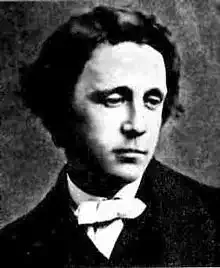
Lewis Carroll
A Valentine
A Valentine
Sent to a friend who had complained that I was glad enough to see
him when he came, but didn't seem to miss him if he stayed away.
And cannot pleasures, while they last,
Be actual unless, when past,
They leave us shuddering and aghast,
With anguish smarting?
And cannot friends be firm and fast,
And yet bear parting?
And must I then, at Friendship's call,
Calmly resign the little all
(Trifling, I grant, it is and small)
I have of gladness,
And lend my being to the thrall
Of gloom and sadness?
And think you that I should be dumb,
And full DOLORUM OMNIUM,
Excepting when YOU choose to come
And share my dinner?
At other times be sour and glum
And daily thinner?
Must he then only live to weep,
Who'd prove his friendship true and deep
By day a lonely shadow creep,
At nighttime
languish,
Oft raising in his broken sleep
The moan of anguish?
The lover, if for certain days
His fair one be denied his gaze,
Sinks not in grief and wild amaze,
But, wiser wooer,
He spends the time in writing lays,
And posts them to her.
And if the verse flow free and fast,
Till even the poet is aghast,
A touching Valentine at last
The post shall carry,
When thirteen days are gone and past
Of February.
Farewell, dear friend, and when we meet,
In desert waste or crowded street,
Perhaps before this week shall fleet,
Perhaps tomorrow.
I trust to find YOUR heart the seat
Of wasting sorrow.
Sent to a friend who had complained that I was glad enough to see
him when he came, but didn't seem to miss him if he stayed away.
And cannot pleasures, while they last,
Be actual unless, when past,
They leave us shuddering and aghast,
With anguish smarting?
And cannot friends be firm and fast,
And yet bear parting?
And must I then, at Friendship's call,
Calmly resign the little all
(Trifling, I grant, it is and small)
I have of gladness,
And lend my being to the thrall
Of gloom and sadness?
And think you that I should be dumb,
And full DOLORUM OMNIUM,
Excepting when YOU choose to come
And share my dinner?
At other times be sour and glum
And daily thinner?
Must he then only live to weep,
Who'd prove his friendship true and deep
By day a lonely shadow creep,
At nighttime
languish,
Oft raising in his broken sleep
The moan of anguish?
The lover, if for certain days
His fair one be denied his gaze,
Sinks not in grief and wild amaze,
But, wiser wooer,
He spends the time in writing lays,
And posts them to her.
And if the verse flow free and fast,
Till even the poet is aghast,
A touching Valentine at last
The post shall carry,
When thirteen days are gone and past
Of February.
Farewell, dear friend, and when we meet,
In desert waste or crowded street,
Perhaps before this week shall fleet,
Perhaps tomorrow.
I trust to find YOUR heart the seat
Of wasting sorrow.
198
Lewis Carroll
A Sea Dirge
A Sea Dirge
There are certain things as,
a spider, a ghost,
The incometax,
gout, an umbrella for three That
I hate, but the thing that I hate the most
Is a thing they call the Sea.
Pour some salt water over the floor Ugly
I'm sure you'll allow it to be:
Suppose it extended a mile or more,
THAT'S very like the Sea.
Beat a dog till it howls outright Cruel,
but all very well for a spree:
Suppose that he did so day and night,
THAT would be like the Sea.
I had a vision of nurserymaids;
Tens of thousands passed by me All
leading children with wooden spades,
And this was by the Sea.
Who invented those spades of wood?
Who was it cut them out of the tree?
None, I think, but an idiot could Or
one that loved the Sea.
It is pleasant and dreamy, no doubt, to float
With 'thoughts as boundless, and souls as free':
But, suppose you are very unwell in the boat,
How do you like the Sea?
There is an insect that people avoid
(Whence is derived the verb 'to flee').
Where have you been by it most annoyed?
In lodgings by the Sea.
If you like your coffee with sand for dregs,
A decided hint of salt in your tea,
And a fishy taste in the very eggs By
all means choose the Sea.
And if, with these dainties to drink and eat,
You prefer not a vestige of grass or tree,
And a chronic state of wet in your feet,
Then I
recommend the Sea.
For I have friends who dwell by the coast Pleasant
friends they are to me!
It is when I am with them I wonder most
That anyone likes the Sea.
They take me a walk: though tired and stiff,
To climb the heights I madly agree;
And, after a tumble or so from the cliff,
They kindly suggest the Sea.
I try the rocks, and I think it cool
That they laugh with such an excess of glee,
As I heavily slip into every pool
That skirts the cold cold Sea.
There are certain things as,
a spider, a ghost,
The incometax,
gout, an umbrella for three That
I hate, but the thing that I hate the most
Is a thing they call the Sea.
Pour some salt water over the floor Ugly
I'm sure you'll allow it to be:
Suppose it extended a mile or more,
THAT'S very like the Sea.
Beat a dog till it howls outright Cruel,
but all very well for a spree:
Suppose that he did so day and night,
THAT would be like the Sea.
I had a vision of nurserymaids;
Tens of thousands passed by me All
leading children with wooden spades,
And this was by the Sea.
Who invented those spades of wood?
Who was it cut them out of the tree?
None, I think, but an idiot could Or
one that loved the Sea.
It is pleasant and dreamy, no doubt, to float
With 'thoughts as boundless, and souls as free':
But, suppose you are very unwell in the boat,
How do you like the Sea?
There is an insect that people avoid
(Whence is derived the verb 'to flee').
Where have you been by it most annoyed?
In lodgings by the Sea.
If you like your coffee with sand for dregs,
A decided hint of salt in your tea,
And a fishy taste in the very eggs By
all means choose the Sea.
And if, with these dainties to drink and eat,
You prefer not a vestige of grass or tree,
And a chronic state of wet in your feet,
Then I
recommend the Sea.
For I have friends who dwell by the coast Pleasant
friends they are to me!
It is when I am with them I wonder most
That anyone likes the Sea.
They take me a walk: though tired and stiff,
To climb the heights I madly agree;
And, after a tumble or so from the cliff,
They kindly suggest the Sea.
I try the rocks, and I think it cool
That they laugh with such an excess of glee,
As I heavily slip into every pool
That skirts the cold cold Sea.
201
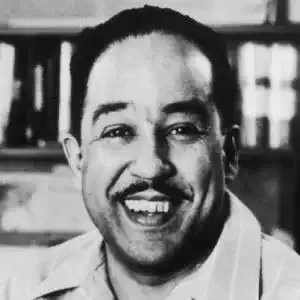
Langston Hughes
Po' Boy Blues
Po' Boy Blues
When I was home de
Sunshine seemed like gold.
When I was home de
Sunshine seemed like gold.
Since I come up North de
Whole damn world's turned cold.
I was a good boy,
Never done no wrong.
Yes, I was a good boy,
Never done no wrong,
But this world is weary
An' de road is hard an' long.
I fell in love with
A gal I thought was kind.
Fell in love with
A gal I thought was kind.
She made me lose ma money
An' almost lose ma mind.
Weary, weary,
Weary early in de morn.
Weary, weary,
Early, early in de morn.
I's so weary
I wish I'd never been born.
When I was home de
Sunshine seemed like gold.
When I was home de
Sunshine seemed like gold.
Since I come up North de
Whole damn world's turned cold.
I was a good boy,
Never done no wrong.
Yes, I was a good boy,
Never done no wrong,
But this world is weary
An' de road is hard an' long.
I fell in love with
A gal I thought was kind.
Fell in love with
A gal I thought was kind.
She made me lose ma money
An' almost lose ma mind.
Weary, weary,
Weary early in de morn.
Weary, weary,
Early, early in de morn.
I's so weary
I wish I'd never been born.
369
Langston Hughes
Minstrel Man
Minstrel Man
Because my mouth
Is wide with laughter
And my throat
Is deep with song,
You do not think
I suffer after
I have held my pain
So long?
Because my mouth
Is wide with laughter,
You do not hear
My inner cry?
Because my feet
Are gay with dancing,
You do not know
I die?
Because my mouth
Is wide with laughter
And my throat
Is deep with song,
You do not think
I suffer after
I have held my pain
So long?
Because my mouth
Is wide with laughter,
You do not hear
My inner cry?
Because my feet
Are gay with dancing,
You do not know
I die?
504
Langston Hughes
Dream Boogie
Dream Boogie
Good morning, daddy!
Ain't you heard
The boogie-woogie rumble
Of a dream deferred?
Listen closely:
You'll hear their feet
Beating out and beating out a -
You think
It's a happy beat?
Listen to it closely:
Ain't you heard
something underneath
like a -
What did I say?
Sure,
I'm happy!
Take it away!
Hey, pop!
Re-bop!
Mop!
Y-e-a-h!
Good morning, daddy!
Ain't you heard
The boogie-woogie rumble
Of a dream deferred?
Listen closely:
You'll hear their feet
Beating out and beating out a -
You think
It's a happy beat?
Listen to it closely:
Ain't you heard
something underneath
like a -
What did I say?
Sure,
I'm happy!
Take it away!
Hey, pop!
Re-bop!
Mop!
Y-e-a-h!
401
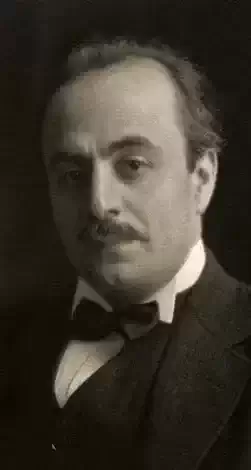
Khalil Gibran
Vision X
Vision X
There in the middle of the field, by the side of a crystalline stream, I saw a bird-cage
whose rods and hinges were fashioned by an expert's hands. In one corner lay a dead
bird, and in another were two basins -- one empty of water and the other of seeds. I
stood there reverently, as if the lifeless bird and the murmur of the water were worthy
of deep silence and respect -- something worth of examination and meditation by the
heard and conscience.
As I engrossed myself in view and thought, I found that the poor creature had died of
thirst beside a stream of water, and of hunger in the midst of a rich field, cradle of life;
like a rich man locked inside his iron safe, perishing from hunger amid heaps of gold.
Before my eyes I saw the cage turned suddenly into a human skeleton, and the dead
bird into a man's heart which was bleeding from a deep wound that looked like the lips
of a sorrowing woman. A voice came from that wound saying, "I am the human heart,
prisoner of substance and victim of earthly laws.
"In God's field of Beauty, at the edge of the stream of life, I was imprisoned in the cage
of laws made by man.
"In the center of beautiful Creation I died neglected because I was kept from enjoying
the freedom of God's bounty.
"Everything of beauty that awakens my love and desire is a disgrace, according to
man's conceptions; everything of goodness that I crave is but naught, according to his
judgment.
"I am the lost human heart, imprisoned in the foul dungeon of man's dictates, tied with
chains of earthly authority, dead and forgotten by laughing humanity whose tongue is
tied and whose eyes are empty of visible tears."
All these words I heard, and I saw them emerging with a stream of ever thinning blood
from that wounded heart.
More was said, but my misted eyes and crying should prevented further sight or
hearing.
There in the middle of the field, by the side of a crystalline stream, I saw a bird-cage
whose rods and hinges were fashioned by an expert's hands. In one corner lay a dead
bird, and in another were two basins -- one empty of water and the other of seeds. I
stood there reverently, as if the lifeless bird and the murmur of the water were worthy
of deep silence and respect -- something worth of examination and meditation by the
heard and conscience.
As I engrossed myself in view and thought, I found that the poor creature had died of
thirst beside a stream of water, and of hunger in the midst of a rich field, cradle of life;
like a rich man locked inside his iron safe, perishing from hunger amid heaps of gold.
Before my eyes I saw the cage turned suddenly into a human skeleton, and the dead
bird into a man's heart which was bleeding from a deep wound that looked like the lips
of a sorrowing woman. A voice came from that wound saying, "I am the human heart,
prisoner of substance and victim of earthly laws.
"In God's field of Beauty, at the edge of the stream of life, I was imprisoned in the cage
of laws made by man.
"In the center of beautiful Creation I died neglected because I was kept from enjoying
the freedom of God's bounty.
"Everything of beauty that awakens my love and desire is a disgrace, according to
man's conceptions; everything of goodness that I crave is but naught, according to his
judgment.
"I am the lost human heart, imprisoned in the foul dungeon of man's dictates, tied with
chains of earthly authority, dead and forgotten by laughing humanity whose tongue is
tied and whose eyes are empty of visible tears."
All these words I heard, and I saw them emerging with a stream of ever thinning blood
from that wounded heart.
More was said, but my misted eyes and crying should prevented further sight or
hearing.
346

Kazi Nazrul Islam
Why?
Why?
Why must a thorn
The flower adorn?
Why is a lotus born
With the prick of a thorn?
Why in these eyes
Must sorrowful tears lie?
Why must we have hearts When love departs?
Why instead of rain
The lightning's hound.
The swallows beckoned
Into the shadow of the cloud?
If the buds-appear,
Why must flowers wither;
Why the tinsel of calumny
The brow of moon must wear?
Thy the yearning for beauty must
Weep, entrapped in lust?
Would the cheek
Sans black mole
Look bleak?
In this thorny bower,
Oh poet paint your rosy picture.
Your abode lies
In the tears of your eyes.
Why must a thorn
The flower adorn?
Why is a lotus born
With the prick of a thorn?
Why in these eyes
Must sorrowful tears lie?
Why must we have hearts When love departs?
Why instead of rain
The lightning's hound.
The swallows beckoned
Into the shadow of the cloud?
If the buds-appear,
Why must flowers wither;
Why the tinsel of calumny
The brow of moon must wear?
Thy the yearning for beauty must
Weep, entrapped in lust?
Would the cheek
Sans black mole
Look bleak?
In this thorny bower,
Oh poet paint your rosy picture.
Your abode lies
In the tears of your eyes.
547
Kazi Nazrul Islam
The Nightingale is silent
The Nightingale is silent
The bulbul bird is silent in the nargis garden
Listening to the laments of the fallen flower
In spring next to the lovers tomb young poet sobs in solace
Pensive sky is still with clouds burdened with water
Next to the barmaids glass of wine, tears of sorrow rolIs like buds
The heart broken moon stares with melancholy eyes.
[Original: Bulbuli nirob; Translation: Kashfia Billah]
The bulbul bird is silent in the nargis garden
Listening to the laments of the fallen flower
In spring next to the lovers tomb young poet sobs in solace
Pensive sky is still with clouds burdened with water
Next to the barmaids glass of wine, tears of sorrow rolIs like buds
The heart broken moon stares with melancholy eyes.
[Original: Bulbuli nirob; Translation: Kashfia Billah]
597
Kazi Nazrul Islam
Poverty
Poverty
O poverty, thou hast made me great.
Thou hast made me honoured like Christ
With his crown of thorns. Thou hast given me
Courage to reveal all. To thee I owe
My insolent, naked eyes and sharp tongue.
Thy curse has turned my violin to a sword.
O proud saint, thy terrible fire
Has rendered my heaven barren.
It has prematurely dried beauty.
My feelings and my life.
Time and again I stretched my lean, cupped hands
To accept the gift of the beautiful.
But those hungry ones always came before me.
And did snatch it away ruthlessly,
Now my word of imagination is
Dry as a vast desert.
And my own beautiful!
My yellow-stalked pensive desire
Wants to blossom like the fragrant shefali.
But thou cruel one
Dost ruthlessly break the soft stalk
As the woodcutter chopsthe branches
Off the trees. My heart grows tender
Like the autumn morning
It fills with love
Like the dew-laden earth.
But thou art the blazing sun
And thy fiery heart dries up the tiny dropp of the earth
I grow listless in the shadowy skirt of the earth
And my dreams of beauty and goodness vanish!
With a bitter tongue thou askest,
'What's the use of nectar?
It has no sting, no intoxication, no madness it.
The search for heaven's secred drink
Is not for the in this sorrow-filled earth.
Thou art the serpent, born in pai.
Thou will sit in the bower of thorns
And weave the garland of flowers.
I put on thy forehead the sing
Of suffering and woe.'
So I sing, I weave a garland,
While my throat is on fire,
And my serpent daughter bites me all over!
O unforgiving Durbasha! thou wanderest
From door to door with thy beggar's bowl.
Thou goes to the peaceful abode of
Some sleeping happy couple
And sternly callest, 'O fool,
Knowest thou, that this earth is not anybody's
Pleasure bower for luxury adn ease.
Here is sorrow and separation
And a hundred wants and disease.
Under the arms of the beloved
There are thorns in the bed,
And now must thou prepare
To savour these.' The unhappy home
Is shattered in a moment,
And woeful laments rend
The air. The light of joy is extinguished
And endless nights descends.
Thou walkest the road alone
Lean, hungry and starved.
Suddenly some sight makes thy eyebrows
Arch in annoyance and thine eyes
Blazeforth-fires of anger!
And lo! famine, pestilence and tornado
Visit the country, pleasuregarden burn,
Palaces tumble, thy law
Knows nothing but death and destruction.
Nor for thee the license of courtesy.
Thou seekest the unashaamed revelation of stark nakedness.
Thou knowest no timid hesitation or polite embarrassment
Thou dost raise high the lowly head.
At thy signal the travellers on the road to death
Put round their neck the fatal noose
With cheerful smile on their faces!
Nursing the fire of perennial want in their bosom
They worship the god of death in fiendish glee!
Thou tramplest the crown of Lakshmi
Under thy feet. What tune
Dost thou want to wiring
Out of her violin? At thy touch
the music turns into criesof anguish!
Waking up in the morning Iheard yesterday
The plantive Sanai mourning those
Who had not returned yet, At home
The singer cried for them and wept bitter tears
And floating with that music the soul of the beloved
Wandered far to the distant spot
Where the love anxiously waited.
This morning I got up
And heard the Sanai again
Crying as mournfully as ever.
And the pensive Shefalika,
sad as a widow's smile,
Falls in clusters, spreading
A mild fragrance in the air.
Today the butterfly dances in restless joy
Numbing the flowers with its kisses.
And the wings of the bee
Carry the yellow of the petals,
It's body covered with honey.
Life seems to have sprung up suddenly
On all sides. Asong of welcome
Comes unconsciously to my lips
And unbidden tears spring to my eyes
Some one seems to have entwined my soul
With that of mother-earth. She comes forward
And with her dust-adorned hands
Offers me her presents.
It seems to me that she is the youngest daughter of mine,
My darling child!
But suddenly wake up with a start. O cruel saint, being my child,
Thou weepest in my home, hungry and stoned!
O my child, my darling one
I could not give thee even a dropp of milk
No right have I to rejoice.
Poverty weeps within my doors forever
As my spouse and my child.
Who will play the flute?
Where shall I get the happy smile
Of the beautiful? Where the honeyed drink
I have drunk deep the hemlock
Of bitter tears!
And still even today
I hear the mournful tune of the Sanai.
[Translation: Kabir Chowdhury ]
O poverty, thou hast made me great.
Thou hast made me honoured like Christ
With his crown of thorns. Thou hast given me
Courage to reveal all. To thee I owe
My insolent, naked eyes and sharp tongue.
Thy curse has turned my violin to a sword.
O proud saint, thy terrible fire
Has rendered my heaven barren.
It has prematurely dried beauty.
My feelings and my life.
Time and again I stretched my lean, cupped hands
To accept the gift of the beautiful.
But those hungry ones always came before me.
And did snatch it away ruthlessly,
Now my word of imagination is
Dry as a vast desert.
And my own beautiful!
My yellow-stalked pensive desire
Wants to blossom like the fragrant shefali.
But thou cruel one
Dost ruthlessly break the soft stalk
As the woodcutter chopsthe branches
Off the trees. My heart grows tender
Like the autumn morning
It fills with love
Like the dew-laden earth.
But thou art the blazing sun
And thy fiery heart dries up the tiny dropp of the earth
I grow listless in the shadowy skirt of the earth
And my dreams of beauty and goodness vanish!
With a bitter tongue thou askest,
'What's the use of nectar?
It has no sting, no intoxication, no madness it.
The search for heaven's secred drink
Is not for the in this sorrow-filled earth.
Thou art the serpent, born in pai.
Thou will sit in the bower of thorns
And weave the garland of flowers.
I put on thy forehead the sing
Of suffering and woe.'
So I sing, I weave a garland,
While my throat is on fire,
And my serpent daughter bites me all over!
O unforgiving Durbasha! thou wanderest
From door to door with thy beggar's bowl.
Thou goes to the peaceful abode of
Some sleeping happy couple
And sternly callest, 'O fool,
Knowest thou, that this earth is not anybody's
Pleasure bower for luxury adn ease.
Here is sorrow and separation
And a hundred wants and disease.
Under the arms of the beloved
There are thorns in the bed,
And now must thou prepare
To savour these.' The unhappy home
Is shattered in a moment,
And woeful laments rend
The air. The light of joy is extinguished
And endless nights descends.
Thou walkest the road alone
Lean, hungry and starved.
Suddenly some sight makes thy eyebrows
Arch in annoyance and thine eyes
Blazeforth-fires of anger!
And lo! famine, pestilence and tornado
Visit the country, pleasuregarden burn,
Palaces tumble, thy law
Knows nothing but death and destruction.
Nor for thee the license of courtesy.
Thou seekest the unashaamed revelation of stark nakedness.
Thou knowest no timid hesitation or polite embarrassment
Thou dost raise high the lowly head.
At thy signal the travellers on the road to death
Put round their neck the fatal noose
With cheerful smile on their faces!
Nursing the fire of perennial want in their bosom
They worship the god of death in fiendish glee!
Thou tramplest the crown of Lakshmi
Under thy feet. What tune
Dost thou want to wiring
Out of her violin? At thy touch
the music turns into criesof anguish!
Waking up in the morning Iheard yesterday
The plantive Sanai mourning those
Who had not returned yet, At home
The singer cried for them and wept bitter tears
And floating with that music the soul of the beloved
Wandered far to the distant spot
Where the love anxiously waited.
This morning I got up
And heard the Sanai again
Crying as mournfully as ever.
And the pensive Shefalika,
sad as a widow's smile,
Falls in clusters, spreading
A mild fragrance in the air.
Today the butterfly dances in restless joy
Numbing the flowers with its kisses.
And the wings of the bee
Carry the yellow of the petals,
It's body covered with honey.
Life seems to have sprung up suddenly
On all sides. Asong of welcome
Comes unconsciously to my lips
And unbidden tears spring to my eyes
Some one seems to have entwined my soul
With that of mother-earth. She comes forward
And with her dust-adorned hands
Offers me her presents.
It seems to me that she is the youngest daughter of mine,
My darling child!
But suddenly wake up with a start. O cruel saint, being my child,
Thou weepest in my home, hungry and stoned!
O my child, my darling one
I could not give thee even a dropp of milk
No right have I to rejoice.
Poverty weeps within my doors forever
As my spouse and my child.
Who will play the flute?
Where shall I get the happy smile
Of the beautiful? Where the honeyed drink
I have drunk deep the hemlock
Of bitter tears!
And still even today
I hear the mournful tune of the Sanai.
[Translation: Kabir Chowdhury ]
737
Kazi Nazrul Islam
Dearest, Don't Say You Have to go!
Dearest, Don't Say You Have to go!
Dearest, do not say you have to go!
Do not play games with me, no, no, no!
Today the flowers in the garden play the tune of untold feelings;
Which I could not utter from shyness and hurt feelings
Who knows from where this shyness engulfs me,
I cannot look into your eyes!
Like the flrst love of a young girl!
The more deeper I feel, the more shy I become;
Do not trample all my hopes under your feet, no, no, no!
[Original: Priyo Jai Jai Bolona; Translation: Kashfia Billah]
Dearest, do not say you have to go!
Do not play games with me, no, no, no!
Today the flowers in the garden play the tune of untold feelings;
Which I could not utter from shyness and hurt feelings
Who knows from where this shyness engulfs me,
I cannot look into your eyes!
Like the flrst love of a young girl!
The more deeper I feel, the more shy I become;
Do not trample all my hopes under your feet, no, no, no!
[Original: Priyo Jai Jai Bolona; Translation: Kashfia Billah]
536
Kazi Nazrul Islam
Baby Sparrow
Baby Sparrow
From its nest behind the termite-eaten
wooden beams of the huge building
a baby sparrow cried out for its mother.
The mother, catching dragonflies
in the nearby field heard the cry.
'Must be that some mischievous child is trying to
take away my baby,' she thought
and, with her heart overcome with anxiety,
desperately headed back for the nest.
The fledgling saw its mother coming
and thought, 'Why don't I fly to her chest?'
and tried to do just that.
Alas, it hadn't learn to fly yet
and therefore fell all the way down to the floor. T
he mother, with tearful eyes saw this
and without any thoughts for her own life
flew down to her baby, trying
to protect her under her wings.
But soon some children came running,
chasing after them and finally catching the baby.
They showed no concern for
how precious the baby was to its mother.
They kept putting it inside an umbrella,
inside pockets, etc.
They all were laughing, except for one boyhis
eyes were overcome with tears.
His mother had passed away long ago,
he'd even forgotten what it was like
to be loved by his mother,
Yet, he felt a cry of pain deep within his heart.
With a ladder, he put the baby sparrow back in its
The tearful eyes of the baby sparrow
held heartfelt blessings for him.
The mother kept looking at the boy with great surprise,
her eyes too expressing her heartfelt gratitude for him.
These silent blessings that
the mother bird bestowed upon him,
the entire world cannot equal by a single speck.
[Original: Chorui Pakhir Chhana; Translation: Sajed Kamal]
From its nest behind the termite-eaten
wooden beams of the huge building
a baby sparrow cried out for its mother.
The mother, catching dragonflies
in the nearby field heard the cry.
'Must be that some mischievous child is trying to
take away my baby,' she thought
and, with her heart overcome with anxiety,
desperately headed back for the nest.
The fledgling saw its mother coming
and thought, 'Why don't I fly to her chest?'
and tried to do just that.
Alas, it hadn't learn to fly yet
and therefore fell all the way down to the floor. T
he mother, with tearful eyes saw this
and without any thoughts for her own life
flew down to her baby, trying
to protect her under her wings.
But soon some children came running,
chasing after them and finally catching the baby.
They showed no concern for
how precious the baby was to its mother.
They kept putting it inside an umbrella,
inside pockets, etc.
They all were laughing, except for one boyhis
eyes were overcome with tears.
His mother had passed away long ago,
he'd even forgotten what it was like
to be loved by his mother,
Yet, he felt a cry of pain deep within his heart.
With a ladder, he put the baby sparrow back in its
The tearful eyes of the baby sparrow
held heartfelt blessings for him.
The mother kept looking at the boy with great surprise,
her eyes too expressing her heartfelt gratitude for him.
These silent blessings that
the mother bird bestowed upon him,
the entire world cannot equal by a single speck.
[Original: Chorui Pakhir Chhana; Translation: Sajed Kamal]
648
Kazi Nazrul Islam
The wide ocean of tears overflow,
The wide ocean of tears overflow,
His frantic thunder will make a
volcano burst forth
Mountain and ocean and sky and air
will encircle him in a cyclic dance,
for shame! Mother, why shouldst thou weep
plaintively like that?
Rather recite to me some lay heard
by thee from him.
And listening let me fall asleep on thy lap.
But who knocks at the door?
Is it the storm that strikes like him?
O West Wind' Wild West Wind!
Thy friend is on the other side of the sea.
He shall not come where I do exist.
Gone is he to that land where falleth not my shadow.
Why, still, from time to-time,
Do I feel inclined to call him?
To whom should I breathe what remains
still unsaid by me?
O Mother, my heart's anguish doth struggle
hard on the threshold of my boso
Adieu! Adieu! Speak to him of me
if thou dost meet him?
A King's offering can a beggar-maid.
ever refuse it?
I know. I know, Mother,
My offended lover, shall come again
In search of me at dead of night
to this door of our cottage,
Tell him then I am lost in darkness
in search of him alone!
[Translation: Abdul Hakim]
His frantic thunder will make a
volcano burst forth
Mountain and ocean and sky and air
will encircle him in a cyclic dance,
for shame! Mother, why shouldst thou weep
plaintively like that?
Rather recite to me some lay heard
by thee from him.
And listening let me fall asleep on thy lap.
But who knocks at the door?
Is it the storm that strikes like him?
O West Wind' Wild West Wind!
Thy friend is on the other side of the sea.
He shall not come where I do exist.
Gone is he to that land where falleth not my shadow.
Why, still, from time to-time,
Do I feel inclined to call him?
To whom should I breathe what remains
still unsaid by me?
O Mother, my heart's anguish doth struggle
hard on the threshold of my boso
Adieu! Adieu! Speak to him of me
if thou dost meet him?
A King's offering can a beggar-maid.
ever refuse it?
I know. I know, Mother,
My offended lover, shall come again
In search of me at dead of night
to this door of our cottage,
Tell him then I am lost in darkness
in search of him alone!
[Translation: Abdul Hakim]
488

Jonathan Swift
Verses on the Death of Dr. Swift, D.S.P.D.
Verses on the Death of Dr. Swift, D.S.P.D.
As Rochefoucauld his maxims drew
From Nature, I believe 'em true:
They argue no corrupted mind
In him; the fault is in mankind.
This maxim more than all the rest
Is thought too base for human breast:
'In all distresses of our friends,
We first consult our private ends;
While Nature, kindly bent to ease us,
Points out some circumstance to please us.'
If this perhaps your patience move,
Let reason and experience prove.
We all behold with envious eyes
Our equal rais'd above our size.
Who would not at a crowded show
Stand high himself, keep others low?
I love my friend as well as you
But would not have him stop my view.
Then let him have the higher post:
I ask but for an inch at most.
If in a battle you should find
One, whom you love of all mankind,
Had some heroic action done,
A champion kill'd, or trophy won;
Rather than thus be overtopt,
Would you not wish his laurels cropt?
Dear honest Ned is in the gout,
Lies rack'd with pain, and you without:
How patiently you hear him groan!
How glad the case is not your own!
What poet would not grieve to see
His brethren write as well as he?
But rather than they should excel,
He'd wish his rivals all in hell.
Her end when emulation misses,
She turns to envy, stings and hisses:
The strongest friendship yields to pride,
Unless the odds be on our side.
Vain human kind! fantastic race!
Thy various follies who can trace?
Self-love, ambition, envy, pride,
Their empire in our hearts divide.
Give others riches, power, and station,
'Tis all on me a usurpation.
I have no title to aspire;
Yet, when you sink, I seem the higher.
In Pope I cannot read a line,
But with a sigh I wish it mine;
When he can in one couplet fix
More sense than I can do in six;
It gives me such a jealous fit,
I cry, 'Pox take him and his wit!'
Why must I be outdone by Gay
In my own hum'rous biting way?
Arbuthnot is no more my friend,
Who dares to irony pretend,
Which I was born to introduce,
Refin'd it first, and show'd its use.
St. John, as well as Pultney, knows
That I had some repute for prose;
And, till they drove me out of date,
Could maul a minister of state.
If they have mortify'd my pride,
And made me throw my pen aside;
If with such talents Heav'n has blest 'em,
Have I not reason to detest 'em?
To all my foes, dear Fortune, send
Thy gifts; but never to my friend:
I tamely can endure the first,
But this with envy makes me burst.
Thus much may serve by way of proem:
Proceed we therefore to our poem.
The time is not remote, when I
Must by the course of nature die;
When I foresee my special friends
Will try to find their private ends:
Tho' it is hardly understood
Which way my death can do them good,
Yet thus, methinks, I hear 'em speak:
'See, how the Dean begins to break!
Poor gentleman, he droops apace!
You plainly find it in his face.
That old vertigo in his head
Will never leave him till he's dead.
Besides, his memory decays:
He recollects not what he says;
He cannot call his friends to mind:
Forgets the place where last he din'd;
Plies you with stories o'er and o'er;
He told them fifty times before.
How does he fancy we can sit
To hear his out-of-fashion'd wit?
But he takes up with younger folks,
Who for his wine will bear his jokes.
Faith, he must make his stories shorter,
Or change his comrades once a quarter:
In half the time he talks them round,
There must another set be found.
'For poetry he's past his prime:
He takes an hour to find a rhyme;
His fire is out, his wit decay'd,
His fancy sunk, his Muse a jade.
I'd have him throw away his pen;-
But there's no talking to some men!'
And then their tenderness appears,
By adding largely to my years:
'He's older than he would be reckon'd
And well remembers Charles the Second.
'He hardly drinks a pint of wine;
And that, I doubt, is no good sign.
His stomach too begins to fail:
Last year we thought him strong and hale;
But now he's quite another thing:
I wish he may hold out till spring.'
Then hug themselves, and reason thus:
'It is not yet so bad with us.'
In such a case, they talk in tropes,
And by their fears express their hopes:
Some great misfortune to portend,
No enemy can match a friend.
With all the kindness they profess,
The merit of a lucky guess
(When daily 'How d'ye's' come of course,
And servants answer, 'Worse and worse!')
Would please 'em better, than to tell,
That, 'God be prais'd, the Dean is well.'
Then he who prophecy'd the best
Approves his foresight to the rest:
'You know I always fear'd the worst,
And often told you so at first.'
He'd rather choose that I should die,
Than his prediction prove a lie.
Not one foretells I shall recover;
But all agree to give me over.
Yet, should some neighbour feel a pain
Just in the parts where I complain,
How many a message would he send?
What hearty prayers that I should mend?
Inquire what regimen I kept,
What gave me ease, and how I slept?
And more lament when I was dead,
Than all the sniv'llers round my bed.
My good companions, never fear;
For though you may mistake a year,
Though your prognostics run too fast,
They must be verify'd at last.
Behold the fatal day arrive!
'How is the Dean?'-'He's just alive.'
Now the departing prayer is read;
'He hardly breathes.'-'The Dean is dead.'
Before the passing-bell begun,
The news thro' half the town has run.
'O, may we all for death prepare!
What has he left? and who's his heir?''
I know no more than what the news is;
'Tis all bequeath'd to public uses.''
To public use! a perfect whim!
What had the public done for him?
Mere envy, avarice, and pride:
He gave it all-but first he died.
And had the Dean, in all the nation,
No worthy friend, no poor relation?
So ready to do strangers good,
Forgetting his own flesh and blood?'
Now Grub-Street wits are all employ'd;
With elegies the town is cloy'd:
Some paragraph in ev'ry paper
To curse the Dean or bless the Drapier.
The doctors, tender of their fame,
Wisely on me lay all the blame:
'We must confess his case was nice;
But he would never take advice.
Had he been rul'd, for aught appears,
He might have liv'd these twenty years;
For, when we open'd him, we found
That all his vital parts were sound.'
From Dublin soon to London spread,
'Tis told at Court, the Dean is dead.
Kind Lady Suffolk in the spleen
Runs laughing up to tell the Queen.
The Queen, so gracious, mild, and good,
Cries, 'Is he gone! 'tis time he should.
He's dead, you say; why, let him rot:
I'm glad the medals were forgot.
I promis'd them, I own; but when?
I only was the Princess then;
But now, as consort of a king,
You know, 'tis quite a different thing.'
Now Chartres, at Sir Robert's levee,
Tells with a sneer the tidings heavy:
'Why, is he dead without his shoes?'
Cries Bob, 'I'm sorry for the news:
O, were the wretch but living still,
And in his place my good friend Will!
Or had a mitre on his head,
Provided Bolingbroke were dead!'
Now Curll his shop from rubbish drains:
Three genuine tomes of Swift's remains!
And then, to make them pass the glibber,
Revis'd by Tibbalds, Moore, and Cibber.
He'll treat me as he does my betters,
Publish my will, my life, my letters:
Revive the libels born to die;
Which Pope must bear, as well as I.
Here shift the scene, to represent
How those I love my death lament.
Poor Pope will grieve a month, and Gay
A week, and Arbuthnot a day.
St. John himself will scarce forbear
To bite his pen, and drop a tear.
The rest will give a shrug, and cry,
'I'm sorry-but we all must die!'
Indifference, clad in Wisdom's guise,
All fortitude of mind supplies:
For how can stony bowels melt
In those who never pity felt?
When we are lash'd, they kiss the rod,
Resigning to the will of God.
The fools, my juniors by a year,
Are tortur'd with suspense and fear;
Who wisely thought my age a screen,
When death approach'd, to stand between:
The screen remov'd, their hearts are trembling;
They mourn for me without dissembling.
My female friends, whose tender hearts
Have better learn'd to act their parts,
Receive the news in doleful dumps:
'The Dean is dead: (and what is trumps?)
Then, Lord have mercy on his soul!
(Ladies, I'll venture for the vole.)
Six deans, they say, must bear the pall:
(I wish I knew what king to call.)
Madam, your husband will attend
The funeral of so good a friend.
No, madam, 'tis a shocking sight:
And he's engag'd to-morrow night:
My Lady Club would take it ill,
If he should fail her at quadrille.
He lov'd the Dean-(I lead a heart)
But dearest friends, they say, must part.
His time was come: he ran his race;
We hope he's in a better place.'
Why do we grieve that friends should die?
No loss more easy to supply.
One year is past; a different scene!
No further mention of the Dean;
Who now, alas! no more is miss'd,
Than if he never did exist.
Where's now this fav'rite of Apollo!
Departed:-and his works must follow;
Must undergo the common fate;
His kind of wit is out of date.
Some country squire to Lintot goes,
Inquires for 'Swift in Verse and Prose.'
Says Lintot, 'I have heard the name;
He died a year ago.'-'The same.'
He searcheth all his shop in vain.
'Sir, you may find them in Duck-lane;
I sent them with a load of books,
Last Monday to the pastry-cook's.
To fancy they could live a year!
I find you're but a stranger here.
The Dean was famous in his time,
And had a kind of knack at rhyme.
His way of writing now is past;
The town hath got a better taste;
I keep no antiquated stuff,
But spick and span I have enough.
Pray do but give me leave to show 'em;
Here's Colley Cibber's birth-day poem.
This ode you never yet have seen,
By Stephen Duck, upon the Queen.
Then here's a letter finely penn'd
Against the Craftsman and his friend:
It clearly shows that all reflection
On ministers is disaffection.
Next, here's Sir Robert's vindication,
And Mr. Henley's last oration.
The hawkers have not got 'em yet:
Your honour please to buy a set?
'Here's Woolston's tracts, the twelfth edition;
'Tis read by every politician:
The country members, when in town,
To all their boroughs send them down;
You never met a thing so smart;
The courtiers have them all by heart:
Those maids of honour who can read
Are taught to use them for their creed.
The rev'rend author's good intention
Hath been rewarded with a pension.
He doth an honour to his gown,
By bravely running priestcraft down:
He shows, as sure as God's in Gloucester,
That Jesus was a grand imposter;
That all his miracles were cheats,
Perform'd as jugglers do their feats:
The church had never such a writer;
A shame he hath not got a mitre!'
Suppose me dead; and then suppose
A club assembled at the Rose ;
Where, from discourse of this and that,
I grow the subject of their chat.
And while they toss my name about,
With favour some, and some without,
One, quite indiff'rent in the cause,
My character impartial draws:
'The Dean, if we believe report,
Was never ill receiv'd at Court.
As for his works in verse and prose
I own myself no judge of those;
Nor can I tell what critics thought 'em:
But this I know, all people bought 'em.
As with a moral view design'd
To cure the vices of mankind:
His vein, ironically grave,
Expos'd the fool, and lash'd the knave.
To steal a hint was never known,
But what he writ was all his own.
'He never thought an honour done him,
Because a duke was proud to own him,
Would rather slip aside and choose
To talk with wits in dirty shoes;
Despis'd the fools with stars and garters,
So often seen caressing Chartres.
He never courted men in station,
Nor persons held in admiration;
Of no man's greatness was afraid,
Because he sought for no man's aid.
Though trusted long in great affairs
He gave himself no haughty airs:
Without regarding private ends,
Spent all his credit for his friends;
And only chose the wise and good;
No flatt'rers; no allies in blood:
But succour'd virtue in distress,
And seldom fail'd of good success;
As numbers in their hearts must own,
Who, but for him, had been unknown.
'With princes kept a due decorum,
But never stood in awe before 'em.
He follow'd David's lesson just:
'In princes never put thy trust';
And, would you make him truly sour,
Provoke him with a slave in pow'r.
The Irish senate if you nam'd,
With what impatience he declaim'd!
Fair Liberty was all his cry,
For her he stood prepar'd to die;
For her he boldly stood alone;
For her he oft expos'd his own.
Two kingdoms, just as faction led,
Had set a price upon his head;
But not a traitor could be found
To sell him for six hundred pound.
'Had he but spar'd his tongue and pen
He might have rose like other men:
But pow'r was never in his thought,
And wealth he valu'd not a groat:
Ingratitude he often found,
And pity'd those who meant the wound:
But kept the tenor of his mind,
To merit well of human kind:
Nor made a sacrifice of those
Who still were true, to please his foes.
He labour'd many a fruitless hour
To reconcile his friends in pow'r;
Saw mischief by a faction brewing,
While they pursu'd each other's ruin.
But, finding vain was all his care,
He left the Court in mere despair.
'And, oh! how short are human schemes!
Here ended all our golden dreams.
What St. John's skill in state affairs,
What Ormond's valour, Oxford's cares,
To save their sinking country lent,
Was all destroy'd by one event.
Too soon that precious life was ended,
On which alone our weal depended.
When up a dangerous faction starts,
With wrath and vengeance in their hearts;
By solemn League and Cov'nant bound,
To ruin, slaughter, and confound;
To turn religion to a fable,
And make the government a Babel;
Pervert the law, disgrace the gown,
Corrupt the senate, rob the crown;
To sacrifice old England's glory,
And make her infamous in story:
When such a tempest shook the land,
How could unguarded Virtue stand?
'With horror, grief, despair, the Dean
Beheld the dire destructive scene:
His friends in exile, or the tower,
Himself within the frown of power,
Pursu'd by base envenom'd pens,
Far to the land of slaves and fens;
A servile race in folly nurs'd,
Who truckle most when treated worst.
'By innocence and resolution,
He bore continual persecution,
While numbers to preferment rose,
Whose merits were, to be his foes;
When ev'n his own familiar friends,
Intent upon their private ends,
Like renegadoes now he feels,
Against him lifting up their heels.
'The Dean did by his pen defeat
An infamous destructive cheat;
Taught fools their int'rest how to know,
And gave them arms to ward the blow.
Envy hath own'd it was his doing,
To save that helpless land from ruin;
While they who at the steerage stood,
And reap'd the profit, sought his blood.
'To save them from their evil fate,
In him was held a crime of state.
A wicked monster on the bench,
Whose fury blood could never quench,
As vile and profligate a villain,
As modern Scroggs, or old Tresilian,
Who long all justice had discarded,
Nor fear'd he God, nor man regarded,
Vow'd on the Dean his rage to vent,
And make him of his zeal repent;
But Heav'n his innocence defends,
The grateful people stand his friends.
Not strains of law, nor judge's frown,
Nor topics brought to please the crown,
Nor witness hir'd, nor jury pick'd,
Prevail to bring him in convict.
'In exile, with a steady heart,
He spent his life's declining part;
Where folly, pride, and faction sway,
Remote from St. John, Pope, and Gay.
'His friendships there, to few confin'd,
Were always of the middling kind;
No fools of rank, a mongrel breed,
Who fain would pass for lords indeed:
Where titles gave no right or power
And peerage is a wither'd flower;
He would have held it a disgrace,
If such a wretch had known his face.
On rural squires, that kingdom's bane,
He vented oft his wrath in vain;
Biennial squires to market brought;
Who sell their souls and votes for nought;
The nation stripp'd, go joyful back,
To rob the church, their tenants rack,
Go snacks with thieves and rapparees,
And keep the peace to pick up fees;
In ev'ry job to have a share,
A jail or barrack to repair;
And turn the tax for public roads,
Commodious to their own abodes.
'Perhaps I may allow, the Dean
Had too much satire in his vein;
And seem'd determin'd not to starve it,
Because no age could more deserve it.
Yet malice never was his aim;
He lash'd the vice, but spar'd the name;
No individual could resent,
Where thousands equally were meant.
His satire points at no defect,
But what all mortals may correct;
For he abhorr'd that senseless tribe
Who call it humour when they gibe.
He spar'd a hump, or crooked nose,
Whose owners set not up for beaux.
True genuine dulness mov'd his pity,
Unless it offer'd to be witty.
Those who their ignorance confess'd
He ne'er offended with a jest;
But laugh'd to hear an idiot quote
A verse from Horace, learn'd by rote.
'He knew a hundred pleasant stories
With all the turns of Whigs and Tories:
Was cheerful to his dying day;
And friends would let him have his way.
'He gave the little wealth he had
To build a house for fools and mad;
And show'd by one satiric touch,
No nation wanted it so much.
That kingdom he hath left his debtor,
I wish it soon may have a better.'
As Rochefoucauld his maxims drew
From Nature, I believe 'em true:
They argue no corrupted mind
In him; the fault is in mankind.
This maxim more than all the rest
Is thought too base for human breast:
'In all distresses of our friends,
We first consult our private ends;
While Nature, kindly bent to ease us,
Points out some circumstance to please us.'
If this perhaps your patience move,
Let reason and experience prove.
We all behold with envious eyes
Our equal rais'd above our size.
Who would not at a crowded show
Stand high himself, keep others low?
I love my friend as well as you
But would not have him stop my view.
Then let him have the higher post:
I ask but for an inch at most.
If in a battle you should find
One, whom you love of all mankind,
Had some heroic action done,
A champion kill'd, or trophy won;
Rather than thus be overtopt,
Would you not wish his laurels cropt?
Dear honest Ned is in the gout,
Lies rack'd with pain, and you without:
How patiently you hear him groan!
How glad the case is not your own!
What poet would not grieve to see
His brethren write as well as he?
But rather than they should excel,
He'd wish his rivals all in hell.
Her end when emulation misses,
She turns to envy, stings and hisses:
The strongest friendship yields to pride,
Unless the odds be on our side.
Vain human kind! fantastic race!
Thy various follies who can trace?
Self-love, ambition, envy, pride,
Their empire in our hearts divide.
Give others riches, power, and station,
'Tis all on me a usurpation.
I have no title to aspire;
Yet, when you sink, I seem the higher.
In Pope I cannot read a line,
But with a sigh I wish it mine;
When he can in one couplet fix
More sense than I can do in six;
It gives me such a jealous fit,
I cry, 'Pox take him and his wit!'
Why must I be outdone by Gay
In my own hum'rous biting way?
Arbuthnot is no more my friend,
Who dares to irony pretend,
Which I was born to introduce,
Refin'd it first, and show'd its use.
St. John, as well as Pultney, knows
That I had some repute for prose;
And, till they drove me out of date,
Could maul a minister of state.
If they have mortify'd my pride,
And made me throw my pen aside;
If with such talents Heav'n has blest 'em,
Have I not reason to detest 'em?
To all my foes, dear Fortune, send
Thy gifts; but never to my friend:
I tamely can endure the first,
But this with envy makes me burst.
Thus much may serve by way of proem:
Proceed we therefore to our poem.
The time is not remote, when I
Must by the course of nature die;
When I foresee my special friends
Will try to find their private ends:
Tho' it is hardly understood
Which way my death can do them good,
Yet thus, methinks, I hear 'em speak:
'See, how the Dean begins to break!
Poor gentleman, he droops apace!
You plainly find it in his face.
That old vertigo in his head
Will never leave him till he's dead.
Besides, his memory decays:
He recollects not what he says;
He cannot call his friends to mind:
Forgets the place where last he din'd;
Plies you with stories o'er and o'er;
He told them fifty times before.
How does he fancy we can sit
To hear his out-of-fashion'd wit?
But he takes up with younger folks,
Who for his wine will bear his jokes.
Faith, he must make his stories shorter,
Or change his comrades once a quarter:
In half the time he talks them round,
There must another set be found.
'For poetry he's past his prime:
He takes an hour to find a rhyme;
His fire is out, his wit decay'd,
His fancy sunk, his Muse a jade.
I'd have him throw away his pen;-
But there's no talking to some men!'
And then their tenderness appears,
By adding largely to my years:
'He's older than he would be reckon'd
And well remembers Charles the Second.
'He hardly drinks a pint of wine;
And that, I doubt, is no good sign.
His stomach too begins to fail:
Last year we thought him strong and hale;
But now he's quite another thing:
I wish he may hold out till spring.'
Then hug themselves, and reason thus:
'It is not yet so bad with us.'
In such a case, they talk in tropes,
And by their fears express their hopes:
Some great misfortune to portend,
No enemy can match a friend.
With all the kindness they profess,
The merit of a lucky guess
(When daily 'How d'ye's' come of course,
And servants answer, 'Worse and worse!')
Would please 'em better, than to tell,
That, 'God be prais'd, the Dean is well.'
Then he who prophecy'd the best
Approves his foresight to the rest:
'You know I always fear'd the worst,
And often told you so at first.'
He'd rather choose that I should die,
Than his prediction prove a lie.
Not one foretells I shall recover;
But all agree to give me over.
Yet, should some neighbour feel a pain
Just in the parts where I complain,
How many a message would he send?
What hearty prayers that I should mend?
Inquire what regimen I kept,
What gave me ease, and how I slept?
And more lament when I was dead,
Than all the sniv'llers round my bed.
My good companions, never fear;
For though you may mistake a year,
Though your prognostics run too fast,
They must be verify'd at last.
Behold the fatal day arrive!
'How is the Dean?'-'He's just alive.'
Now the departing prayer is read;
'He hardly breathes.'-'The Dean is dead.'
Before the passing-bell begun,
The news thro' half the town has run.
'O, may we all for death prepare!
What has he left? and who's his heir?''
I know no more than what the news is;
'Tis all bequeath'd to public uses.''
To public use! a perfect whim!
What had the public done for him?
Mere envy, avarice, and pride:
He gave it all-but first he died.
And had the Dean, in all the nation,
No worthy friend, no poor relation?
So ready to do strangers good,
Forgetting his own flesh and blood?'
Now Grub-Street wits are all employ'd;
With elegies the town is cloy'd:
Some paragraph in ev'ry paper
To curse the Dean or bless the Drapier.
The doctors, tender of their fame,
Wisely on me lay all the blame:
'We must confess his case was nice;
But he would never take advice.
Had he been rul'd, for aught appears,
He might have liv'd these twenty years;
For, when we open'd him, we found
That all his vital parts were sound.'
From Dublin soon to London spread,
'Tis told at Court, the Dean is dead.
Kind Lady Suffolk in the spleen
Runs laughing up to tell the Queen.
The Queen, so gracious, mild, and good,
Cries, 'Is he gone! 'tis time he should.
He's dead, you say; why, let him rot:
I'm glad the medals were forgot.
I promis'd them, I own; but when?
I only was the Princess then;
But now, as consort of a king,
You know, 'tis quite a different thing.'
Now Chartres, at Sir Robert's levee,
Tells with a sneer the tidings heavy:
'Why, is he dead without his shoes?'
Cries Bob, 'I'm sorry for the news:
O, were the wretch but living still,
And in his place my good friend Will!
Or had a mitre on his head,
Provided Bolingbroke were dead!'
Now Curll his shop from rubbish drains:
Three genuine tomes of Swift's remains!
And then, to make them pass the glibber,
Revis'd by Tibbalds, Moore, and Cibber.
He'll treat me as he does my betters,
Publish my will, my life, my letters:
Revive the libels born to die;
Which Pope must bear, as well as I.
Here shift the scene, to represent
How those I love my death lament.
Poor Pope will grieve a month, and Gay
A week, and Arbuthnot a day.
St. John himself will scarce forbear
To bite his pen, and drop a tear.
The rest will give a shrug, and cry,
'I'm sorry-but we all must die!'
Indifference, clad in Wisdom's guise,
All fortitude of mind supplies:
For how can stony bowels melt
In those who never pity felt?
When we are lash'd, they kiss the rod,
Resigning to the will of God.
The fools, my juniors by a year,
Are tortur'd with suspense and fear;
Who wisely thought my age a screen,
When death approach'd, to stand between:
The screen remov'd, their hearts are trembling;
They mourn for me without dissembling.
My female friends, whose tender hearts
Have better learn'd to act their parts,
Receive the news in doleful dumps:
'The Dean is dead: (and what is trumps?)
Then, Lord have mercy on his soul!
(Ladies, I'll venture for the vole.)
Six deans, they say, must bear the pall:
(I wish I knew what king to call.)
Madam, your husband will attend
The funeral of so good a friend.
No, madam, 'tis a shocking sight:
And he's engag'd to-morrow night:
My Lady Club would take it ill,
If he should fail her at quadrille.
He lov'd the Dean-(I lead a heart)
But dearest friends, they say, must part.
His time was come: he ran his race;
We hope he's in a better place.'
Why do we grieve that friends should die?
No loss more easy to supply.
One year is past; a different scene!
No further mention of the Dean;
Who now, alas! no more is miss'd,
Than if he never did exist.
Where's now this fav'rite of Apollo!
Departed:-and his works must follow;
Must undergo the common fate;
His kind of wit is out of date.
Some country squire to Lintot goes,
Inquires for 'Swift in Verse and Prose.'
Says Lintot, 'I have heard the name;
He died a year ago.'-'The same.'
He searcheth all his shop in vain.
'Sir, you may find them in Duck-lane;
I sent them with a load of books,
Last Monday to the pastry-cook's.
To fancy they could live a year!
I find you're but a stranger here.
The Dean was famous in his time,
And had a kind of knack at rhyme.
His way of writing now is past;
The town hath got a better taste;
I keep no antiquated stuff,
But spick and span I have enough.
Pray do but give me leave to show 'em;
Here's Colley Cibber's birth-day poem.
This ode you never yet have seen,
By Stephen Duck, upon the Queen.
Then here's a letter finely penn'd
Against the Craftsman and his friend:
It clearly shows that all reflection
On ministers is disaffection.
Next, here's Sir Robert's vindication,
And Mr. Henley's last oration.
The hawkers have not got 'em yet:
Your honour please to buy a set?
'Here's Woolston's tracts, the twelfth edition;
'Tis read by every politician:
The country members, when in town,
To all their boroughs send them down;
You never met a thing so smart;
The courtiers have them all by heart:
Those maids of honour who can read
Are taught to use them for their creed.
The rev'rend author's good intention
Hath been rewarded with a pension.
He doth an honour to his gown,
By bravely running priestcraft down:
He shows, as sure as God's in Gloucester,
That Jesus was a grand imposter;
That all his miracles were cheats,
Perform'd as jugglers do their feats:
The church had never such a writer;
A shame he hath not got a mitre!'
Suppose me dead; and then suppose
A club assembled at the Rose ;
Where, from discourse of this and that,
I grow the subject of their chat.
And while they toss my name about,
With favour some, and some without,
One, quite indiff'rent in the cause,
My character impartial draws:
'The Dean, if we believe report,
Was never ill receiv'd at Court.
As for his works in verse and prose
I own myself no judge of those;
Nor can I tell what critics thought 'em:
But this I know, all people bought 'em.
As with a moral view design'd
To cure the vices of mankind:
His vein, ironically grave,
Expos'd the fool, and lash'd the knave.
To steal a hint was never known,
But what he writ was all his own.
'He never thought an honour done him,
Because a duke was proud to own him,
Would rather slip aside and choose
To talk with wits in dirty shoes;
Despis'd the fools with stars and garters,
So often seen caressing Chartres.
He never courted men in station,
Nor persons held in admiration;
Of no man's greatness was afraid,
Because he sought for no man's aid.
Though trusted long in great affairs
He gave himself no haughty airs:
Without regarding private ends,
Spent all his credit for his friends;
And only chose the wise and good;
No flatt'rers; no allies in blood:
But succour'd virtue in distress,
And seldom fail'd of good success;
As numbers in their hearts must own,
Who, but for him, had been unknown.
'With princes kept a due decorum,
But never stood in awe before 'em.
He follow'd David's lesson just:
'In princes never put thy trust';
And, would you make him truly sour,
Provoke him with a slave in pow'r.
The Irish senate if you nam'd,
With what impatience he declaim'd!
Fair Liberty was all his cry,
For her he stood prepar'd to die;
For her he boldly stood alone;
For her he oft expos'd his own.
Two kingdoms, just as faction led,
Had set a price upon his head;
But not a traitor could be found
To sell him for six hundred pound.
'Had he but spar'd his tongue and pen
He might have rose like other men:
But pow'r was never in his thought,
And wealth he valu'd not a groat:
Ingratitude he often found,
And pity'd those who meant the wound:
But kept the tenor of his mind,
To merit well of human kind:
Nor made a sacrifice of those
Who still were true, to please his foes.
He labour'd many a fruitless hour
To reconcile his friends in pow'r;
Saw mischief by a faction brewing,
While they pursu'd each other's ruin.
But, finding vain was all his care,
He left the Court in mere despair.
'And, oh! how short are human schemes!
Here ended all our golden dreams.
What St. John's skill in state affairs,
What Ormond's valour, Oxford's cares,
To save their sinking country lent,
Was all destroy'd by one event.
Too soon that precious life was ended,
On which alone our weal depended.
When up a dangerous faction starts,
With wrath and vengeance in their hearts;
By solemn League and Cov'nant bound,
To ruin, slaughter, and confound;
To turn religion to a fable,
And make the government a Babel;
Pervert the law, disgrace the gown,
Corrupt the senate, rob the crown;
To sacrifice old England's glory,
And make her infamous in story:
When such a tempest shook the land,
How could unguarded Virtue stand?
'With horror, grief, despair, the Dean
Beheld the dire destructive scene:
His friends in exile, or the tower,
Himself within the frown of power,
Pursu'd by base envenom'd pens,
Far to the land of slaves and fens;
A servile race in folly nurs'd,
Who truckle most when treated worst.
'By innocence and resolution,
He bore continual persecution,
While numbers to preferment rose,
Whose merits were, to be his foes;
When ev'n his own familiar friends,
Intent upon their private ends,
Like renegadoes now he feels,
Against him lifting up their heels.
'The Dean did by his pen defeat
An infamous destructive cheat;
Taught fools their int'rest how to know,
And gave them arms to ward the blow.
Envy hath own'd it was his doing,
To save that helpless land from ruin;
While they who at the steerage stood,
And reap'd the profit, sought his blood.
'To save them from their evil fate,
In him was held a crime of state.
A wicked monster on the bench,
Whose fury blood could never quench,
As vile and profligate a villain,
As modern Scroggs, or old Tresilian,
Who long all justice had discarded,
Nor fear'd he God, nor man regarded,
Vow'd on the Dean his rage to vent,
And make him of his zeal repent;
But Heav'n his innocence defends,
The grateful people stand his friends.
Not strains of law, nor judge's frown,
Nor topics brought to please the crown,
Nor witness hir'd, nor jury pick'd,
Prevail to bring him in convict.
'In exile, with a steady heart,
He spent his life's declining part;
Where folly, pride, and faction sway,
Remote from St. John, Pope, and Gay.
'His friendships there, to few confin'd,
Were always of the middling kind;
No fools of rank, a mongrel breed,
Who fain would pass for lords indeed:
Where titles gave no right or power
And peerage is a wither'd flower;
He would have held it a disgrace,
If such a wretch had known his face.
On rural squires, that kingdom's bane,
He vented oft his wrath in vain;
Biennial squires to market brought;
Who sell their souls and votes for nought;
The nation stripp'd, go joyful back,
To rob the church, their tenants rack,
Go snacks with thieves and rapparees,
And keep the peace to pick up fees;
In ev'ry job to have a share,
A jail or barrack to repair;
And turn the tax for public roads,
Commodious to their own abodes.
'Perhaps I may allow, the Dean
Had too much satire in his vein;
And seem'd determin'd not to starve it,
Because no age could more deserve it.
Yet malice never was his aim;
He lash'd the vice, but spar'd the name;
No individual could resent,
Where thousands equally were meant.
His satire points at no defect,
But what all mortals may correct;
For he abhorr'd that senseless tribe
Who call it humour when they gibe.
He spar'd a hump, or crooked nose,
Whose owners set not up for beaux.
True genuine dulness mov'd his pity,
Unless it offer'd to be witty.
Those who their ignorance confess'd
He ne'er offended with a jest;
But laugh'd to hear an idiot quote
A verse from Horace, learn'd by rote.
'He knew a hundred pleasant stories
With all the turns of Whigs and Tories:
Was cheerful to his dying day;
And friends would let him have his way.
'He gave the little wealth he had
To build a house for fools and mad;
And show'd by one satiric touch,
No nation wanted it so much.
That kingdom he hath left his debtor,
I wish it soon may have a better.'
287
Jonathan Swift
On An Ill-Managed House
On An Ill-Managed House
LET me thy properties explain:
A rotten cabin dropping rain:
Chimneys, with scorn rejecting smoke;
Stools, tables, chairs, and bedsteads broke.
Here elements have lost their uses,
Air ripens not, nor earth produces:
In vain we make poor Sheelah toil,
Fire will not roast, nor water boil.
Through all the valleys, hills, and plains,
The Goddess Want, in triumph reigns:
And her chief officers of state,
Sloth, Dirt, and Theft, around her wait.
LET me thy properties explain:
A rotten cabin dropping rain:
Chimneys, with scorn rejecting smoke;
Stools, tables, chairs, and bedsteads broke.
Here elements have lost their uses,
Air ripens not, nor earth produces:
In vain we make poor Sheelah toil,
Fire will not roast, nor water boil.
Through all the valleys, hills, and plains,
The Goddess Want, in triumph reigns:
And her chief officers of state,
Sloth, Dirt, and Theft, around her wait.
183
Jonathan Swift
From whom she meets with frequent Rubs;
From whom she meets with frequent Rubs;
But, never from Religious Clubs;
Whose Favour she is sure to find,
Because she pays them all in Kind.
CORINNA wakes. A dreadful Sight!
Behold the Ruins of the Night!
A wicked Rat her Plaster stole,
Half eat, and dragged it to his Hole.
The Crystal Eye, alas, was miss'd;
And Puss had on her Plumpers piss'd.
A Pigeon pick'd her Issue-Peas;
And Shock her Tresses fill'd with Fleas.
The Nymph, tho' in this mangled Plight,
Must ev'ry Morn her Limbs unite.
But how shall I describe her Arts
To recollect the scatter'd Parts?
Or show the Anguish, Toil, and Pain,
Of gath'ring up herself again?
The bashful Muse will never bear
In such a Scene to interfere.
Corinna in the Morning dizen'd,
Who sees, will spew; who smells, be poison'd.
Submitted by Andrew Mayers
But, never from Religious Clubs;
Whose Favour she is sure to find,
Because she pays them all in Kind.
CORINNA wakes. A dreadful Sight!
Behold the Ruins of the Night!
A wicked Rat her Plaster stole,
Half eat, and dragged it to his Hole.
The Crystal Eye, alas, was miss'd;
And Puss had on her Plumpers piss'd.
A Pigeon pick'd her Issue-Peas;
And Shock her Tresses fill'd with Fleas.
The Nymph, tho' in this mangled Plight,
Must ev'ry Morn her Limbs unite.
But how shall I describe her Arts
To recollect the scatter'd Parts?
Or show the Anguish, Toil, and Pain,
Of gath'ring up herself again?
The bashful Muse will never bear
In such a Scene to interfere.
Corinna in the Morning dizen'd,
Who sees, will spew; who smells, be poison'd.
Submitted by Andrew Mayers
250