

Poems in this theme
Anguish
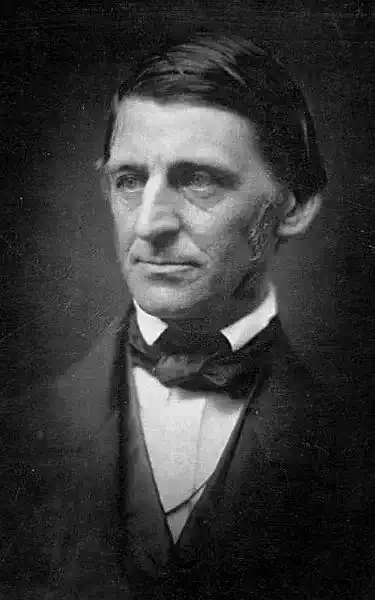
Ralph Waldo Emerson
Grace
Grace
How much, preventing God! how much I owe
To the defenses thou hast round me set:
Example, custom, fear, occasional slow,
These scorned bondmen were my parapet.
I dare not peep over this parapet
To gauge with glance the roaring gulf beelow,
The depths of sin to which I had descended,
Had not these me against myself defended.
How much, preventing God! how much I owe
To the defenses thou hast round me set:
Example, custom, fear, occasional slow,
These scorned bondmen were my parapet.
I dare not peep over this parapet
To gauge with glance the roaring gulf beelow,
The depths of sin to which I had descended,
Had not these me against myself defended.
381
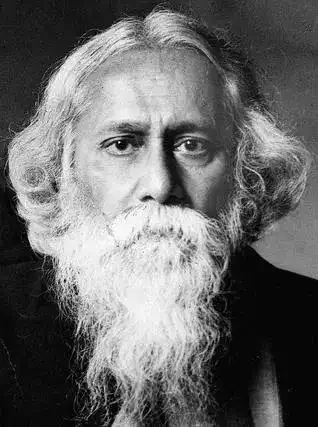
Rabindranath Tagore
Sit Smiling
Sit Smiling
I boasted among men that I had known you.
They see your pictures in all works of mine.
They come and ask me, `Who is he?'
I know not how to answer them. I say, `Indeed, I cannot tell.'
They blame me and they go away in scorn.
And you sit there smiling.
I put my tales of you into lasting songs.
The secret gushes out from my heart.
They come and ask me, `Tell me all your meanings.'
I know not how to answer them.
I say, `Ah, who knows what they mean!'
They smile and go away in utter scorn.
And you sit there smiling.
I boasted among men that I had known you.
They see your pictures in all works of mine.
They come and ask me, `Who is he?'
I know not how to answer them. I say, `Indeed, I cannot tell.'
They blame me and they go away in scorn.
And you sit there smiling.
I put my tales of you into lasting songs.
The secret gushes out from my heart.
They come and ask me, `Tell me all your meanings.'
I know not how to answer them.
I say, `Ah, who knows what they mean!'
They smile and go away in utter scorn.
And you sit there smiling.
576
Rabindranath Tagore
Dungeon
Dungeon
He whom I enclose with my name is weeping in this dungeon.
I am ever busy building this wall all around; and as this wall goes up into
the sky day by day I lose sight of my true being in its dark shadow.
I take pride in this great wall, and I plaster it with dust and sand
lest a least hole should be left in this name;
and for all the care I take I lose sight of my true being.
He whom I enclose with my name is weeping in this dungeon.
I am ever busy building this wall all around; and as this wall goes up into
the sky day by day I lose sight of my true being in its dark shadow.
I take pride in this great wall, and I plaster it with dust and sand
lest a least hole should be left in this name;
and for all the care I take I lose sight of my true being.
626
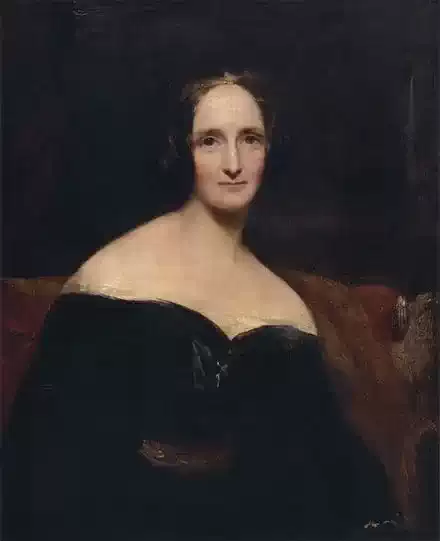
Percy Bysshe Shelley
Stanzas Written In Dejection Near Naples
Stanzas Written In Dejection Near Naples
The sun is warm, the sky is clear,
The waves are dancing fast and bright,
Blue isles and snowy mountains wear
The purple noon's transparent might,
The breath of the moist earth is light,
Around its unexpanded buds;
Like many a voice of one delight
The winds, the birds, the ocean floods,
The city's voice itself, is soft like Solitude's.
I see the deep's untrampled floor
With green and purple seaweeds strown;
I see the waves upon the shore,
Like light dissolved in star-showers, thrown:
I sit upon the sands alone,--
The lightning of the noontide ocean
Is flashing round me, and a tone
Arises from its measured motion,
How sweet! did any heart now share in my emotion.
Alas! I have nor hope nor health,
Nor peace within nor calm around,
Nor that content surpassing wealth
The sage in meditation found,
And walked with inward glory crowned--
Nor fame nor power, nor love, nor leisure,
Others I see whom these surround--
Smiling they live, and call life pleasure;--
To me that cup has been dealt in another measure.
Yet now despair itself is mild,
Even as the winds and waters are;
I could lie down like a tired child,
And weep away the life of care
Which I have born and yet must bear,
Till death like sleep might steal on me,
And I might feel in the warm air
My cheek grow cold, and hear the sea
Breathe o'er my dying brain its last monotony.
Some might lament that I were cold,
As I, when this sweet day is gone,
Which my lost heart, too soon grown old,
Insults with this untimely moan;
They might lament--for I am one
Whom men love not,--and yet regret,
Unlike this day, which, when the sun
Shall on its stainless glory set,
Will linger, though enjoyed, like joy in memory yet.
The sun is warm, the sky is clear,
The waves are dancing fast and bright,
Blue isles and snowy mountains wear
The purple noon's transparent might,
The breath of the moist earth is light,
Around its unexpanded buds;
Like many a voice of one delight
The winds, the birds, the ocean floods,
The city's voice itself, is soft like Solitude's.
I see the deep's untrampled floor
With green and purple seaweeds strown;
I see the waves upon the shore,
Like light dissolved in star-showers, thrown:
I sit upon the sands alone,--
The lightning of the noontide ocean
Is flashing round me, and a tone
Arises from its measured motion,
How sweet! did any heart now share in my emotion.
Alas! I have nor hope nor health,
Nor peace within nor calm around,
Nor that content surpassing wealth
The sage in meditation found,
And walked with inward glory crowned--
Nor fame nor power, nor love, nor leisure,
Others I see whom these surround--
Smiling they live, and call life pleasure;--
To me that cup has been dealt in another measure.
Yet now despair itself is mild,
Even as the winds and waters are;
I could lie down like a tired child,
And weep away the life of care
Which I have born and yet must bear,
Till death like sleep might steal on me,
And I might feel in the warm air
My cheek grow cold, and hear the sea
Breathe o'er my dying brain its last monotony.
Some might lament that I were cold,
As I, when this sweet day is gone,
Which my lost heart, too soon grown old,
Insults with this untimely moan;
They might lament--for I am one
Whom men love not,--and yet regret,
Unlike this day, which, when the sun
Shall on its stainless glory set,
Will linger, though enjoyed, like joy in memory yet.
368
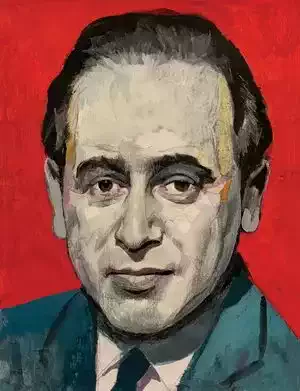
Paul Celan
Tallow Lamp
Tallow Lamp
The monks with hairy fingers opened the book: September.
Now Jason pelts with snow the newly sprouting grain.
The forest gave you a necklace of hands. So dead you walk the rope.
To your hair a darker blue is imparted; I speak of love.
Shells I speak and light clouds, and a boat buds in the rain.
A little stallion gallops across the leafing fingers--
Black the gate leaps open, I sing:
How did we live here?
(from Mohn und Gedachtnis by Paul Celan, trans. by Michael Hamburger)
The monks with hairy fingers opened the book: September.
Now Jason pelts with snow the newly sprouting grain.
The forest gave you a necklace of hands. So dead you walk the rope.
To your hair a darker blue is imparted; I speak of love.
Shells I speak and light clouds, and a boat buds in the rain.
A little stallion gallops across the leafing fingers--
Black the gate leaps open, I sing:
How did we live here?
(from Mohn und Gedachtnis by Paul Celan, trans. by Michael Hamburger)
460
Paul Celan
Little Night
Little Night
Little Night: when you
take me within, within,
up there,
three Pain-Inches above
the Floor:
all the Shroud-Coats of Sand,
all the Help-Nots,
all, that still
laughs
with the Tongue -
Little Night: when you
take me within, within,
up there,
three Pain-Inches above
the Floor:
all the Shroud-Coats of Sand,
all the Help-Nots,
all, that still
laughs
with the Tongue -
387
Paul Celan
Death Fugue
Death Fugue
Black milk of daybreak we drink it at sundown
we drink it at noon in the morning we drink it at night
we drink it and drink it
we dig a grave in the breezes there one lies unconfined
A man lives in the house he plays with the serpents
he writes
he writes when dusk falls to Germany your golden
hair Margarete
he writes it ans steps out of doors and the stars are
flashing he whistles his pack out
he whistles his Jews out in earth has them dig for a
grave
he commands us strike up for the dance
Black milk of daybreak we drink you at night
we drink you in the morning at noon we drink you at
sundown
we drink and we drink you
A man lives in the house he plays with the serpents
he writes
he writes when dusk falls to Germany your golden hair
Margarete
your ashen hair Sulamith we dig a grave in the breezes
there one lies unconfined
He calls out jab deeper into the earth you lot you
others sing now and play
he grabs at teh iron in his belt he waves it his
eyes are blue
jab deper you lot with your spades you others play
on for the dance
Black milk of daybreak we drink you at night
we drink you at at noon in the morning we drink you
at sundown
we drink and we drink you
a man lives in the house your golden hair Margarete
your ashen hair Sulamith he plays with the serpents
He calls out more sweetly play death death is a master
from Germany
he calls out more darkly now stroke your strings then
as smoke you will rise into air
then a grave you will have in the clouds there one
lies unconfined
Black milk of daybreak we drink you at night
we drink you at noon death is a master from Germany
we drink you at sundown and in the morning we drink
and we drink you
death is a master from Germany his eyes are blue
he strikes you with leaden bullets his aim is true
a man lives in the house your golden hair Margarete
he sets his pack on to us he grants us a grave in
the air
He plays with the serpents and daydreams death is
a master from Germany
your golden hair Margarete
your ashen hair Shulamith
Translated by Michael Hamburger
Anonymous submission.
Black milk of daybreak we drink it at sundown
we drink it at noon in the morning we drink it at night
we drink it and drink it
we dig a grave in the breezes there one lies unconfined
A man lives in the house he plays with the serpents
he writes
he writes when dusk falls to Germany your golden
hair Margarete
he writes it ans steps out of doors and the stars are
flashing he whistles his pack out
he whistles his Jews out in earth has them dig for a
grave
he commands us strike up for the dance
Black milk of daybreak we drink you at night
we drink you in the morning at noon we drink you at
sundown
we drink and we drink you
A man lives in the house he plays with the serpents
he writes
he writes when dusk falls to Germany your golden hair
Margarete
your ashen hair Sulamith we dig a grave in the breezes
there one lies unconfined
He calls out jab deeper into the earth you lot you
others sing now and play
he grabs at teh iron in his belt he waves it his
eyes are blue
jab deper you lot with your spades you others play
on for the dance
Black milk of daybreak we drink you at night
we drink you at at noon in the morning we drink you
at sundown
we drink and we drink you
a man lives in the house your golden hair Margarete
your ashen hair Sulamith he plays with the serpents
He calls out more sweetly play death death is a master
from Germany
he calls out more darkly now stroke your strings then
as smoke you will rise into air
then a grave you will have in the clouds there one
lies unconfined
Black milk of daybreak we drink you at night
we drink you at noon death is a master from Germany
we drink you at sundown and in the morning we drink
and we drink you
death is a master from Germany his eyes are blue
he strikes you with leaden bullets his aim is true
a man lives in the house your golden hair Margarete
he sets his pack on to us he grants us a grave in
the air
He plays with the serpents and daydreams death is
a master from Germany
your golden hair Margarete
your ashen hair Shulamith
Translated by Michael Hamburger
Anonymous submission.
452
Paul Celan
Cologne
Cologne
In Kohln, a town of monks and bones,
And pavements fang'd with murderous stones
And rags, and hags, and hideous wenches;
I counted two and seventy stenches,
All well defined, and several stinks!
Ye Nymphs that reign o'er sewers and sinks,
The river Rhine, it is well known,
Doth wash your city of Cologne;
But tell me, Nymphs, what power divine
Shall henceforth wash the river Rhine?
In Kohln, a town of monks and bones,
And pavements fang'd with murderous stones
And rags, and hags, and hideous wenches;
I counted two and seventy stenches,
All well defined, and several stinks!
Ye Nymphs that reign o'er sewers and sinks,
The river Rhine, it is well known,
Doth wash your city of Cologne;
But tell me, Nymphs, what power divine
Shall henceforth wash the river Rhine?
422
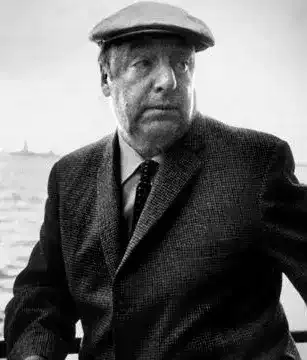
Pablo Neruda
Walking Around
Walking Around
It so happens I am sick of being a man.
And it happens that I walk into tailorshops and movie
houses
dried up, waterproof, like a swan made of felt
steering my way in a water of wombs and ashes.
The smell of barbershops makes me break into hoarse
sobs.
The only thing I want is to lie still like stones or wool.
The only thing I want is to see no more stores, no gardens,
no more goods, no spectacles, no elevators.
It so happens that I am sick of my feet and my nails
and my hair and my shadow.
It so happens I am sick of being a man.
Still it would be marvelous
to terrify a law clerk with a cut lily,
or kill a nun with a blow on the ear.
It would be great
to go through the streets with a green knife
letting out yells until I died of the cold.
I don't want to go on being a root in the dark,
insecure, stretched out, shivering with sleep,
going on down, into the moist guts of the earth,
taking in and thinking, eating every day.
I don't want so much misery.
I don't want to go on as a root and a tomb,
alone under the ground, a warehouse with corpses,
half frozen, dying of grief.
That's why Monday, when it sees me coming
with my convict face, blazes up like gasoline,
and it howls on its way like a wounded wheel,
and leaves tracks full of warm blood leading toward the
night.
And it pushes me into certain corners, into some moist
houses,
into hospitals where the bones fly out the window,
into shoeshops that smell like vinegar,
and certain streets hideous as cracks in the skin.
There are sulphur-colored birds, and hideous intestines
hanging over the doors of houses that I hate,
and there are false teeth forgotten in a coffeepot,
there are mirrors
that ought to have wept from shame and terror,
there are umbrellas everywhere, and venoms, and umbilical
cords.
I stroll along serenely, with my eyes, my shoes,
my rage, forgetting everything,
I walk by, going through office buildings and orthopedic
shops,
and courtyards with washing hanging from the line:
underwear, towels and shirts from which slow
dirty tears are falling.
Translated by Robert Bly
It so happens I am sick of being a man.
And it happens that I walk into tailorshops and movie
houses
dried up, waterproof, like a swan made of felt
steering my way in a water of wombs and ashes.
The smell of barbershops makes me break into hoarse
sobs.
The only thing I want is to lie still like stones or wool.
The only thing I want is to see no more stores, no gardens,
no more goods, no spectacles, no elevators.
It so happens that I am sick of my feet and my nails
and my hair and my shadow.
It so happens I am sick of being a man.
Still it would be marvelous
to terrify a law clerk with a cut lily,
or kill a nun with a blow on the ear.
It would be great
to go through the streets with a green knife
letting out yells until I died of the cold.
I don't want to go on being a root in the dark,
insecure, stretched out, shivering with sleep,
going on down, into the moist guts of the earth,
taking in and thinking, eating every day.
I don't want so much misery.
I don't want to go on as a root and a tomb,
alone under the ground, a warehouse with corpses,
half frozen, dying of grief.
That's why Monday, when it sees me coming
with my convict face, blazes up like gasoline,
and it howls on its way like a wounded wheel,
and leaves tracks full of warm blood leading toward the
night.
And it pushes me into certain corners, into some moist
houses,
into hospitals where the bones fly out the window,
into shoeshops that smell like vinegar,
and certain streets hideous as cracks in the skin.
There are sulphur-colored birds, and hideous intestines
hanging over the doors of houses that I hate,
and there are false teeth forgotten in a coffeepot,
there are mirrors
that ought to have wept from shame and terror,
there are umbrellas everywhere, and venoms, and umbilical
cords.
I stroll along serenely, with my eyes, my shoes,
my rage, forgetting everything,
I walk by, going through office buildings and orthopedic
shops,
and courtyards with washing hanging from the line:
underwear, towels and shirts from which slow
dirty tears are falling.
Translated by Robert Bly
1,030
Pablo Neruda
Waltz
Waltz
I touch hatred like a covered breast;
I without stopping go from garment to garment,
sleeping at a distance.
I am not, I'm of no use, I do not know
anyone; I have no weapons of ocean or wood,
I do not live in this house.
My mouth is full of night and water.
The abiding moon determines
what I do not have.
What I have is in the midst of the waves,
a ray of water, a day for myself,
an iron depth.
There is no cross-tide, there is no shield, no costume,
there is no special solution too deep to be sounded,
no vicious eyelid.
I live suddenly and other times I follow.
I touch a face suddenly and it murders me.
I have no time.
Do not look for me when drawing
the usual wild thread or the
bleeding net.
Do not call me: that is my occupation.
Do not ask my name or my condition.
Leave me in the middle of my own moon
in my wounded ground.
I touch hatred like a covered breast;
I without stopping go from garment to garment,
sleeping at a distance.
I am not, I'm of no use, I do not know
anyone; I have no weapons of ocean or wood,
I do not live in this house.
My mouth is full of night and water.
The abiding moon determines
what I do not have.
What I have is in the midst of the waves,
a ray of water, a day for myself,
an iron depth.
There is no cross-tide, there is no shield, no costume,
there is no special solution too deep to be sounded,
no vicious eyelid.
I live suddenly and other times I follow.
I touch a face suddenly and it murders me.
I have no time.
Do not look for me when drawing
the usual wild thread or the
bleeding net.
Do not call me: that is my occupation.
Do not ask my name or my condition.
Leave me in the middle of my own moon
in my wounded ground.
611
Pablo Neruda
The Weary One
The Weary One
The weary one, orphan
of the masses, the self,
the crushed one, the one made of concrete,
the one without a country in crowded restaurants,
he who wanted to go far away, always farther away,
didn't know what to do there, whether he wanted
or didn't want to leave or remain on the island,
the hesitant one, the hybrid, entangled in himself,
had no place here: the straight-angled stone,
the infinite look of the granite prism,
the circular solitude all banished him:
he went somewhere else with his sorrows,
he returned to the agony of his native land,
to his indecisions, of winter and summer.
The weary one, orphan
of the masses, the self,
the crushed one, the one made of concrete,
the one without a country in crowded restaurants,
he who wanted to go far away, always farther away,
didn't know what to do there, whether he wanted
or didn't want to leave or remain on the island,
the hesitant one, the hybrid, entangled in himself,
had no place here: the straight-angled stone,
the infinite look of the granite prism,
the circular solitude all banished him:
he went somewhere else with his sorrows,
he returned to the agony of his native land,
to his indecisions, of winter and summer.
635
Pablo Neruda
The Fear
The Fear
They all ask me to jump
to invigorate and to play soccer,
to run, to swim and to fly.
Very well.
They all advise me rest,
they all send me to the doctor,
looking at me a certain way.
What happens?
They all advise me to travel,
to come and to leave, to stay,
to die and not to die.
It does not matter.
They all see the difficulties
of my surprised bowels
by awful X-rayed portraits.
I do not agree.
They all sting my poetry
with relentless forks
seeking, without doubt, a fly,
I Am afraid.
I am afraid of everyone,
of the cold water, of the death.
I am like all the mortals,
unavoidable.
And for that, in these short days
I am not going to pay attention to them,
I am going to open myself up and shut myself in
with my more perfidious enemy,
Pablo Neruda.
They all ask me to jump
to invigorate and to play soccer,
to run, to swim and to fly.
Very well.
They all advise me rest,
they all send me to the doctor,
looking at me a certain way.
What happens?
They all advise me to travel,
to come and to leave, to stay,
to die and not to die.
It does not matter.
They all see the difficulties
of my surprised bowels
by awful X-rayed portraits.
I do not agree.
They all sting my poetry
with relentless forks
seeking, without doubt, a fly,
I Am afraid.
I am afraid of everyone,
of the cold water, of the death.
I am like all the mortals,
unavoidable.
And for that, in these short days
I am not going to pay attention to them,
I am going to open myself up and shut myself in
with my more perfidious enemy,
Pablo Neruda.
534
Pablo Neruda
Nothing But Death
Nothing But Death
There are cemeteries that are lonely,
graves full of bones that do not make a sound,
the heart moving through a tunnel,
in it darkness, darkness, darkness,
like a shipwreck we die going into ourselves,
as though we were drowning inside our hearts,
as though we lived falling out of the skin into the soul.
And there are corpses,
feet made of cold and sticky clay,
death is inside the bones,
like a barking where there are no dogs,
coming out from bells somewhere, from graves somewhere,
growing in the damp air like tears of rain.
Sometimes I see alone
coffins under sail,
embarking with the pale dead, with women that have dead hair,
with bakers who are as white as angels,
and pensive young girls married to notary publics,
caskets sailing up the vertical river of the dead,
the river of dark purple,
moving upstream with sails filled out by the sound of death,
filled by the sound of death which is silence.
Death arrives among all that sound
like a shoe with no foot in it, like a suit with no man in it,
comes and knocks, using a ring with no stone in it, with no
finger in it,
comes and shouts with no mouth, with no tongue, with no
throat.
Nevertheless its steps can be heard
and its clothing makes a hushed sound, like a tree.
I'm not sure, I understand only a little, I can hardly see,
but it seems to me that its singing has the color of damp violets,
of violets that are at home in the earth,
because the face of death is green,
and the look death gives is green,
with the penetrating dampness of a violet leaf
and the somber color of embittered winter.
But death also goes through the world dressed as a broom,
lapping the floor, looking for dead bodies,
death is inside the broom,
the broom is the tongue of death looking for corpses,
it is the needle of death looking for thread.
Death is inside the folding cots:
it spends its life sleeping on the slow mattresses,
in the black blankets, and suddenly breathes out:
it blows out a mournful sound that swells the sheets,
and the beds go sailing toward a port
where death is waiting, dressed like an admiral.
Translated by Robert Bly
There are cemeteries that are lonely,
graves full of bones that do not make a sound,
the heart moving through a tunnel,
in it darkness, darkness, darkness,
like a shipwreck we die going into ourselves,
as though we were drowning inside our hearts,
as though we lived falling out of the skin into the soul.
And there are corpses,
feet made of cold and sticky clay,
death is inside the bones,
like a barking where there are no dogs,
coming out from bells somewhere, from graves somewhere,
growing in the damp air like tears of rain.
Sometimes I see alone
coffins under sail,
embarking with the pale dead, with women that have dead hair,
with bakers who are as white as angels,
and pensive young girls married to notary publics,
caskets sailing up the vertical river of the dead,
the river of dark purple,
moving upstream with sails filled out by the sound of death,
filled by the sound of death which is silence.
Death arrives among all that sound
like a shoe with no foot in it, like a suit with no man in it,
comes and knocks, using a ring with no stone in it, with no
finger in it,
comes and shouts with no mouth, with no tongue, with no
throat.
Nevertheless its steps can be heard
and its clothing makes a hushed sound, like a tree.
I'm not sure, I understand only a little, I can hardly see,
but it seems to me that its singing has the color of damp violets,
of violets that are at home in the earth,
because the face of death is green,
and the look death gives is green,
with the penetrating dampness of a violet leaf
and the somber color of embittered winter.
But death also goes through the world dressed as a broom,
lapping the floor, looking for dead bodies,
death is inside the broom,
the broom is the tongue of death looking for corpses,
it is the needle of death looking for thread.
Death is inside the folding cots:
it spends its life sleeping on the slow mattresses,
in the black blankets, and suddenly breathes out:
it blows out a mournful sound that swells the sheets,
and the beds go sailing toward a port
where death is waiting, dressed like an admiral.
Translated by Robert Bly
617
Pablo Neruda
Leave Me A Place Underground
Leave Me A Place Underground
Leave me a place underground, a labyrinth,
where I can go, when I wish to turn,
without eyes, without touch,
in the void, to dumb stone,
or the finger of shadow.
I know that you cannot, no one, no thing
can deliver up that place, or that path,
but what can I do with my pitiful passions,
if they are no use, on the surface
of everyday life,
if I cannot look to survive,
except by dying, going beyond, entering
into the state, metallic and slumbering,
of primeval flame?
Leave me a place underground, a labyrinth,
where I can go, when I wish to turn,
without eyes, without touch,
in the void, to dumb stone,
or the finger of shadow.
I know that you cannot, no one, no thing
can deliver up that place, or that path,
but what can I do with my pitiful passions,
if they are no use, on the surface
of everyday life,
if I cannot look to survive,
except by dying, going beyond, entering
into the state, metallic and slumbering,
of primeval flame?
497
Pablo Neruda
La Muerta
La Muerta
Si de pronto no existes,
si de pronto no vives,
yo seguiré viviendo.
No me atrevo,
no me atrevo a escribirlo,
si te mueres.
Yo seguiré viviendo.
Porque donde no tiene voz un hombre
allí, mi voz.
Donde los negros sean apaleados,
yo no puedo estar muerto.
Cuando entren en la cárcel mis hermanos
entraré yo con ellos.
Cuando la victoria,
no mi victoria,
sino la gran Victoria llegue,
aunque esté mudo debo hablar:
yo la veré llegar aunque esté ciego.
No, perdóname.
Si tú no vives,
si tú, querida, amor mío, si tú
te has muerto,
todas las hojas caerán en mi pecho,
lloverá sobre mi alma noche y día,
la nieve quemará mi corazón,
andaré con frío y fuego
y muerte y nieve,
mis pies querrán marchar hacia donde tú duermes, pero seguiré vivo,
porque tú me quisiste sobre
todas las cosas indomable,
y, amor, porque tú sabes que soy no sólo un hombre
sino todos los hombres
Si de pronto no existes,
si de pronto no vives,
yo seguiré viviendo.
No me atrevo,
no me atrevo a escribirlo,
si te mueres.
Yo seguiré viviendo.
Porque donde no tiene voz un hombre
allí, mi voz.
Donde los negros sean apaleados,
yo no puedo estar muerto.
Cuando entren en la cárcel mis hermanos
entraré yo con ellos.
Cuando la victoria,
no mi victoria,
sino la gran Victoria llegue,
aunque esté mudo debo hablar:
yo la veré llegar aunque esté ciego.
No, perdóname.
Si tú no vives,
si tú, querida, amor mío, si tú
te has muerto,
todas las hojas caerán en mi pecho,
lloverá sobre mi alma noche y día,
la nieve quemará mi corazón,
andaré con frío y fuego
y muerte y nieve,
mis pies querrán marchar hacia donde tú duermes, pero seguiré vivo,
porque tú me quisiste sobre
todas las cosas indomable,
y, amor, porque tú sabes que soy no sólo un hombre
sino todos los hombres
731
Pablo Neruda
I'm Explaining a Few Things
I'm Explaining a Few Things
You are going to ask: and where are the lilacs?
and the poppy-petalled metaphysics?
and the rain repeatedly spattering
its words and drilling them full
of apertures and birds?
I'll tell you all the news.
I lived in a suburb,
a suburb of Madrid, with bells,
and clocks, and trees.
From there you could look out
over Castille's dry face:
a leather ocean.
My house was called
the house of flowers, because in every cranny
geraniums burst: it was
a good-looking house
with its dogs and children.
Remember, Raul?
Eh, Rafel? Federico, do you remember
from under the ground
my balconies on which
the light of June drowned flowers in your mouth?
Brother, my brother!
Everything
loud with big voices, the salt of merchandises,
pile-ups of palpitating bread,
the stalls of my suburb of Arguelles with its statue
like a drained inkwell in a swirl of hake:
oil flowed into spoons,
a deep baying
of feet and hands swelled in the streets,
metres, litres, the sharp
measure of life,
stacked-up fish,
the texture of roofs with a cold sun in which
the weather vane falters,
the fine, frenzied ivory of potatoes,
wave on wave of tomatoes rolling down the sea.
And one morning all that was burning,
one morning the bonfires
leapt out of the earth
devouring human beings -and
from then on fire,
gunpowder from then on,
and from then on blood.
Bandits with planes and Moors,
bandits with finger-rings and duchesses,
bandits with black friars spattering blessings
came through the sky to kill children
and the blood of children ran through the streets
without fuss, like children's blood.
Jackals that the jackals would despise,
stones that the dry thistle would bite on and spit out,
vipers that the vipers would abominate!
Face to face with you I have seen the blood
of Spain tower like a tide
to drown you in one wave
of pride and knives!
Treacherous
generals:
see my dead house,
look at broken Spain :
from every house burning metal flows
instead of flowers,
from every socket of Spain
Spain emerges
and from every dead child a rifle with eyes,
and from every crime bullets are born
which will one day find
the bull's eye of your hearts.
And you'll ask: why doesn't his poetry
speak of dreams and leaves
and the great volcanoes of his native land?
Come and see the blood in the streets.
Come and see
The blood in the streets.
Come and see the blood
In the streets!
You are going to ask: and where are the lilacs?
and the poppy-petalled metaphysics?
and the rain repeatedly spattering
its words and drilling them full
of apertures and birds?
I'll tell you all the news.
I lived in a suburb,
a suburb of Madrid, with bells,
and clocks, and trees.
From there you could look out
over Castille's dry face:
a leather ocean.
My house was called
the house of flowers, because in every cranny
geraniums burst: it was
a good-looking house
with its dogs and children.
Remember, Raul?
Eh, Rafel? Federico, do you remember
from under the ground
my balconies on which
the light of June drowned flowers in your mouth?
Brother, my brother!
Everything
loud with big voices, the salt of merchandises,
pile-ups of palpitating bread,
the stalls of my suburb of Arguelles with its statue
like a drained inkwell in a swirl of hake:
oil flowed into spoons,
a deep baying
of feet and hands swelled in the streets,
metres, litres, the sharp
measure of life,
stacked-up fish,
the texture of roofs with a cold sun in which
the weather vane falters,
the fine, frenzied ivory of potatoes,
wave on wave of tomatoes rolling down the sea.
And one morning all that was burning,
one morning the bonfires
leapt out of the earth
devouring human beings -and
from then on fire,
gunpowder from then on,
and from then on blood.
Bandits with planes and Moors,
bandits with finger-rings and duchesses,
bandits with black friars spattering blessings
came through the sky to kill children
and the blood of children ran through the streets
without fuss, like children's blood.
Jackals that the jackals would despise,
stones that the dry thistle would bite on and spit out,
vipers that the vipers would abominate!
Face to face with you I have seen the blood
of Spain tower like a tide
to drown you in one wave
of pride and knives!
Treacherous
generals:
see my dead house,
look at broken Spain :
from every house burning metal flows
instead of flowers,
from every socket of Spain
Spain emerges
and from every dead child a rifle with eyes,
and from every crime bullets are born
which will one day find
the bull's eye of your hearts.
And you'll ask: why doesn't his poetry
speak of dreams and leaves
and the great volcanoes of his native land?
Come and see the blood in the streets.
Come and see
The blood in the streets.
Come and see the blood
In the streets!
650
Pablo Neruda
I Crave Your Mouth, Your Voice, Your Hair
I Crave Your Mouth, Your Voice, Your Hair
DON'T GO FAR OFF, NOT EVEN FOR A DAY
Don't go far off, not even for a day, because -because
-- I don't know how to say it: a day is long
and I will be waiting for you, as in an empty station
when the trains are parked off somewhere else, asleep.
Don't leave me, even for an hour, because
then the little drops of anguish will all run together,
the smoke that roams looking for a home will drift
into me, choking my lost heart.
Oh, may your silhouette never dissolve on the beach;
may your eyelids never flutter into the empty distance.
Don't leave me for a second, my dearest,
because in that moment you'll have gone so far
I'll wander mazily over all the earth, asking,
Will you come back? Will you leave me here, dying?
DON'T GO FAR OFF, NOT EVEN FOR A DAY
Don't go far off, not even for a day, because -because
-- I don't know how to say it: a day is long
and I will be waiting for you, as in an empty station
when the trains are parked off somewhere else, asleep.
Don't leave me, even for an hour, because
then the little drops of anguish will all run together,
the smoke that roams looking for a home will drift
into me, choking my lost heart.
Oh, may your silhouette never dissolve on the beach;
may your eyelids never flutter into the empty distance.
Don't leave me for a second, my dearest,
because in that moment you'll have gone so far
I'll wander mazily over all the earth, asking,
Will you come back? Will you leave me here, dying?
761
Pablo Neruda
Gentleman Alone
Gentleman Alone
The young maricones and the horny muchachas,
The big fat widows delirious from insomnia,
The young wives thirty hours' pregnant,
And the hoarse tomcats that cross my garden at night,
Like a collar of palpitating sexual oysters
Surround my solitary home,
Enemies of my soul,
Conspirators in pajamas
Who exchange deep kisses for passwords.
Radiant summer brings out the lovers
In melancholy regiments,
Fat and thin and happy and sad couples;
Under the elegant coconut palms, near the ocean and moon,
There is a continual life of pants and panties,
A hum from the fondling of silk stockings,
And women's breasts that glisten like eyes.
The salary man, after a while,
After the week's tedium, and the novels read in bed at night,
Has decisively fucked his neighbor,
And now takes her to the miserable movies,
Where the heroes are horses or passionate princes,
And he caresses her legs covered with sweet down
With his ardent and sweaty palms that smell like cigarettes.
The night of the hunter and the night of the husband
Come together like bed sheets and bury me,
And the hours after lunch, when the students and priests are masturbating,
And the animals mount each other openly,
And the bees smell of blood, and the flies buzz cholerically,
And cousins play strange games with cousins,
And doctors glower at the husband of the young patient,
And the early morning in which the professor, without a thought,
Pays his conjugal debt and eats breakfast,
And to top it all off, the adulterers, who love each other truly
On beds big and tall as ships:
So, eternally,
This twisted and breathing forest crushes me
With gigantic flowers like mouth and teeth
And black roots like fingernails and shoes.
Translated by Mike Topp
The young maricones and the horny muchachas,
The big fat widows delirious from insomnia,
The young wives thirty hours' pregnant,
And the hoarse tomcats that cross my garden at night,
Like a collar of palpitating sexual oysters
Surround my solitary home,
Enemies of my soul,
Conspirators in pajamas
Who exchange deep kisses for passwords.
Radiant summer brings out the lovers
In melancholy regiments,
Fat and thin and happy and sad couples;
Under the elegant coconut palms, near the ocean and moon,
There is a continual life of pants and panties,
A hum from the fondling of silk stockings,
And women's breasts that glisten like eyes.
The salary man, after a while,
After the week's tedium, and the novels read in bed at night,
Has decisively fucked his neighbor,
And now takes her to the miserable movies,
Where the heroes are horses or passionate princes,
And he caresses her legs covered with sweet down
With his ardent and sweaty palms that smell like cigarettes.
The night of the hunter and the night of the husband
Come together like bed sheets and bury me,
And the hours after lunch, when the students and priests are masturbating,
And the animals mount each other openly,
And the bees smell of blood, and the flies buzz cholerically,
And cousins play strange games with cousins,
And doctors glower at the husband of the young patient,
And the early morning in which the professor, without a thought,
Pays his conjugal debt and eats breakfast,
And to top it all off, the adulterers, who love each other truly
On beds big and tall as ships:
So, eternally,
This twisted and breathing forest crushes me
With gigantic flowers like mouth and teeth
And black roots like fingernails and shoes.
Translated by Mike Topp
624
Pablo Neruda
From The Heights Of Maccho Picchu
From The Heights Of Maccho Picchu
Rise up to be born with me, brother.
Give me your hand from the deep
Zone seeded by your sorrow.
You won’t return from under the rocks.
You won’t return from your subterranean time.
Your hardened voice won’t return.
Your gouged-out eyes won’t return.
Look at me from the depth of the earth,
laborer, weaver, silent shepherd:
tamer of wild llamas like spirit images:
construction worker on a daring scaffold:
waterer of the tears of the Andes:
jeweler with broken fingers:
farmer trembling as you sow:
potter, poured out into your clay:
bring to the cup of this new life
your old buried sorrows.
Show me your blood and your furrow,
Tell me, “Here I was punished,
Because the jewel didn’t shine or the earth
Didn’t yield grain or stones on time.”
Show me the stone you fell over
And the wood on which they crucified you,
Make a spark from the old flints for me,
For the old lamps to show the whips still stuck
After centuries in the old wounds
And the axes shining with blood.
I come to speak for your dead mouth.
Across the earth come together all
The silent worn-out lips
And from the depth speak to me all this long night
Like I was pinned down there with you.
Tell me all, chain by chain,
Link by link and step by step,
Sharpen the knives which you hid,
Put them in my breast and in my hand,
Like a river of yellow lighting
Like a river of buried jaguars
And let me weep, hours, days, years,
For blind ages, cycles of stars.
Give me silence, water, hope.
Give me struggle, iron, volcanoes.
Stick bodies to me like magnets.
Draw near to my veins and my mouth.
Speak through my words and my blood.
Rise up to be born with me, brother.
Give me your hand from the deep
Zone seeded by your sorrow.
You won’t return from under the rocks.
You won’t return from your subterranean time.
Your hardened voice won’t return.
Your gouged-out eyes won’t return.
Look at me from the depth of the earth,
laborer, weaver, silent shepherd:
tamer of wild llamas like spirit images:
construction worker on a daring scaffold:
waterer of the tears of the Andes:
jeweler with broken fingers:
farmer trembling as you sow:
potter, poured out into your clay:
bring to the cup of this new life
your old buried sorrows.
Show me your blood and your furrow,
Tell me, “Here I was punished,
Because the jewel didn’t shine or the earth
Didn’t yield grain or stones on time.”
Show me the stone you fell over
And the wood on which they crucified you,
Make a spark from the old flints for me,
For the old lamps to show the whips still stuck
After centuries in the old wounds
And the axes shining with blood.
I come to speak for your dead mouth.
Across the earth come together all
The silent worn-out lips
And from the depth speak to me all this long night
Like I was pinned down there with you.
Tell me all, chain by chain,
Link by link and step by step,
Sharpen the knives which you hid,
Put them in my breast and in my hand,
Like a river of yellow lighting
Like a river of buried jaguars
And let me weep, hours, days, years,
For blind ages, cycles of stars.
Give me silence, water, hope.
Give me struggle, iron, volcanoes.
Stick bodies to me like magnets.
Draw near to my veins and my mouth.
Speak through my words and my blood.
569
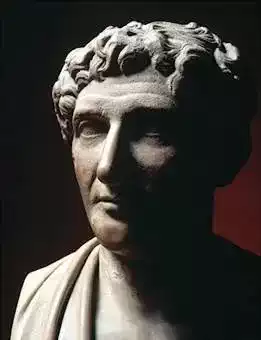
Ovídio
Metamorphoses: Book The Eleventh
Metamorphoses: Book The Eleventh
HERE, while the Thracian bard's enchanting strain
Sooths beasts, and woods, and all the listn'ing
plain,
The female Bacchanals, devoutly mad,
In shaggy skins, like savage creatures, clad,
Warbling in air perceiv'd his lovely lay,
And from a rising ground beheld him play.
When one, the wildest, with dishevel'd hair,
That loosely stream'd, and ruffled in the air;
Soon as her frantick eye the lyrist spy'd,
See, see! the hater of our sex, she cry'd.
Then at his face her missive javelin sent,
Which whiz'd along, and brusht him as it went;
But the soft wreathes of ivy twisted round,
Prevent a deep impression of the wound.
Another, for a weapon, hurls a stone,
Which, by the sound subdu'd as soon as thrown,
Falls at his feet, and with a seeming sense
Implores his pardon for its late offence.
The Death of But now their frantick rage unbounded grows,
Orpheus Turns all to madness, and no measure knows:
Yet this the charms of musick might subdue,
But that, with all its charms, is conquer'd too;
In louder strains their hideous yellings rise,
And squeaking horn-pipes eccho thro' the skies,
Which, in hoarse consort with the drum, confound
The moving lyre, and ev'ry gentle sound:
Then 'twas the deafen'd stones flew on with speed,
And saw, unsooth'd, their tuneful poet bleed.
The birds, the beasts, and all the savage crew
Which the sweet lyrist to attention drew,
Now, by the female mob's more furious rage,
Are driv'n, and forc'd to quit the shady stage.
Next their fierce hands the bard himself assail,
Nor can his song against their wrath prevail:
They flock, like birds, when in a clustring flight,
By day they chase the boding fowl of night.
So crowded amphitheatres survey
The stag, to greedy dogs a future prey.
Their steely javelins, which soft curls entwine
Of budding tendrils from the leafy vine,
For sacred rites of mild religion made,
Are flung promiscuous at the poet's head.
Those clods of earth or flints discharge, and these
Hurl prickly branches sliver'd from the trees.
And, lest their passion shou'd be unsupply'd,
The rabble crew, by chance, at distance spy'd
Where oxen, straining at the heavy yoke,
The fallow'd field with slow advances broke;
Nigh which the brawny peasants dug the soil,
Procuring food with long laborious toil.
These, when they saw the ranting throng draw near,
Quitted their tools, and fled, possest with fear.
Long spades, and rakes of mighty size were found,
Carelesly left upon the broken ground.
With these the furious lunaticks engage,
And first the lab'ring oxen feel their rage;
Then to the poet they return with speed,
Whose fate was, past prevention, now decreed:
In vain he lifts his suppliant hands, in vain
He tries, before, his never-failing strain.
And, from those sacred lips, whose thrilling sound
Fierce tygers, and insensate rocks cou'd wound,
Ah Gods! how moving was the mournful sight!
To see the fleeting soul now take its flight.
Thee the soft warblers of the feather'd kind
Bewail'd; for thee thy savage audience pin'd;
Those rocks and woods that oft thy strain had led,
Mourn for their charmer, and lament him dead;
And drooping trees their leafy glories shed.
Naids and Dryads with dishevel'd hair
Promiscuous weep, and scarfs of sable wear;
Nor cou'd the river-Gods conceal their moan,
But with new floods of tears augment their own.
His mangled limbs lay scatter'd all around,
His head, and harp a better fortune found;
In Hebrus' streams they gently roul'd along,
And sooth'd the waters with a mournful song.
Soft deadly notes the lifeless tongue inspire,
A doleful tune sounds from the floating lyre;
The hollows banks in solemn consort mourn,
And the sad strain in ecchoing groans return.
Now with the current to the sea they glide,
Born by the billows of the briny tide;
And driv'n where waves round rocky Lesbos roar,
They strand, and lodge upon Methymna's shore.
But here, when landed on the foreign soil,
A venom'd snake, the product of the isle
Attempts the head, and sacred locks embru'd
With clotted gore, and still fresh-dropping blood.
Phoebus, at last, his kind protection gives,
And from the fact the greedy monster drives:
Whose marbled jaws his impious crime atone,
Still grinning ghastly, tho' transform'd to stone.
His ghost flies downward to the Stygian shore,
And knows the places it had seen before:
Among the shadows of the pious train
He finds Eurydice, and loves again;
With pleasure views the beauteous phantom's charms,
And clasps her in his unsubstantial arms.
There side by side they unmolested walk,
Or pass their blissful hours in pleasing talk;
Aft or before the bard securely goes,
And, without danger, can review his spouse.
The Thracian Bacchus, resolving to revenge the wrong,
Women Of Orpheus murder'd, on the madding throng,
transform'd to Decreed that each accomplice dame should stand
Trees Fix'd by the roots along the conscious land.
Their wicked feet, that late so nimbly ran
To wreak their malice on the guiltless man,
Sudden with twisted ligatures were bound,
Like trees, deep planted in the turfy ground.
And, as the fowler with his subtle gins,
His feather'd captives by the feet entwines,
That flutt'ring pant, and struggle to get loose,
Yet only closer draw the fatal noose;
So these were caught; and, as they strove in vain
To quit the place, they but encreas'd their pain.
They flounce and toil, yet find themselves
controul'd;
The root, tho' pliant, toughly keeps its hold.
In vain their toes and feet they look to find,
For ev'n their shapely legs are cloath'd with rind.
One smites her thighs with a lamenting stroke,
And finds the flesh transform'd to solid oak;
Another, with surprize, and grief distrest,
Lays on above, but beats a wooden breast.
A rugged bark their softer neck invades,
Their branching arms shoot up delightful shades;
At once they seem, and are, a real grove,
With mossy trunks below, and verdant leaves above.
The Fable of Nor this suffic'd; the God's disgust remains,
Midas And he resolves to quit their hated plains;
The vineyards of Tymole ingross his care,
And, with a better choir, he fixes there;
Where the smooth streams of clear Pactolus roll'd,
Then undistinguish'd for its sands of gold.
The satyrs with the nymphs, his usual throng,
Come to salute their God, and jovial danc'd along.
Silenus only miss'd; for while he reel'd,
Feeble with age, and wine, about the field,
The hoary drunkard had forgot his way,
And to the Phrygian clowns became a prey;
Who to king Midas drag the captive God,
While on his totty pate the wreaths of ivy nod.
Midas from Orpheus had been taught his lore,
And knew the rites of Bacchus long before.
He, when he saw his venerable guest,
In honour of the God ordain'd a feast.
Ten days in course, with each continu'd night,
Were spent in genial mirth, and brisk delight:
Then on th' eleventh, when with brighter ray
Phosphor had chac'd the fading stars away,
The king thro' Lydia's fields young Bacchus sought,
And to the God his foster-father brought.
Pleas'd with the welcome sight, he bids him soon
But name his wish, and swears to grant the boon.
A glorious offer! yet but ill bestow'd
On him whose choice so little judgment show'd.
Give me, says he (nor thought he ask'd too much),
That with my body whatsoe'er I touch,
Chang'd from the nature which it held of old,
May be converted into yellow gold.
He had his wish; but yet the God repin'd,
To think the fool no better wish could find.
But the brave king departed from the place,
With smiles of gladness sparkling in his face:
Nor could contain, but, as he took his way,
Impatient longs to make the first essay.
Down from a lowly branch a twig he drew,
The twig strait glitter'd with a golden hue:
He takes a stone, the stone was turn'd to gold;
A clod he touches, and the crumbling mold
Acknowledg'd soon the great transforming pow'r,
In weight and substance like a mass of ore.
He pluck'd the corn, and strait his grasp appears
Fill'd with a bending tuft of golden ears.
An apple next he takes, and seems to hold
The bright Hesperian vegetable gold.
His hand he careless on a pillar lays.
With shining gold the fluted pillars blaze:
And while he washes, as the servants pour,
His touch converts the stream to Danae's show'r.
To see these miracles so finely wrought,
Fires with transporting joy his giddy thought.
The ready slaves prepare a sumptuous board,
Spread with rich dainties for their happy lord;
Whose pow'rful hands the bread no sooner hold,
But its whole substance is transform'd to gold:
Up to his mouth he lifts the sav'ry meat,
Which turns to gold as he attempts to eat:
His patron's noble juice of purple hue,
Touch'd by his lips, a gilded cordial grew;
Unfit for drink, and wondrous to behold,
It trickles from his jaws a fluid gold.
The rich poor fool, confounded with surprize,
Starving in all his various plenty lies:
Sick of his wish, he now detests the pow'r,
For which he ask'd so earnestly before;
Amidst his gold with pinching famine curst;
And justly tortur'd with an equal thirst.
At last his shining arms to Heav'n he rears,
And in distress, for refuge, flies to pray'rs.
O father Bacchus, I have sinn'd, he cry'd,
And foolishly thy gracious gift apply'd;
Thy pity now, repenting, I implore;
Oh! may I feel the golden plague no more.
The hungry wretch, his folly thus confest,
Touch'd the kind deity's good-natur'd breast;
The gentle God annull'd his first decree,
And from the cruel compact set him free.
But then, to cleanse him quite from further harm,
And to dilute the relicks of the charm,
He bids him seek the stream that cuts the land
Nigh where the tow'rs of Lydian Sardis stand;
Then trace the river to the fountain head,
And meet it rising from its rocky bed;
There, as the bubling tide pours forth amain,
To plunge his body in, and wash away the stain.
The king instructed to the fount retires,
But with the golden charm the stream inspires:
For while this quality the man forsakes,
An equal pow'r the limpid water takes;
Informs with veins of gold the neighb'ring land,
And glides along a bed of golden sand.
Now loathing wealth, th' occasion of his woes,
Far in the woods he sought a calm repose;
In caves and grottos, where the nymphs resort,
And keep with mountain Pan their sylvan court.
Ah! had he left his stupid soul behind!
But his condition alter'd not his mind.
For where high Tmolus rears his shady brow,
And from his cliffs surveys the seas below,
In his descent, by Sardis bounded here,
By the small confines of Hypaepa there,
Pan to the nymphs his frolick ditties play'd,
Tuning his reeds beneath the chequer'd shade.
The nymphs are pleas'd, the boasting sylvan plays,
And speaks with slight of great Apollo's lays.
Tmolus was arbiter; the boaster still
Accepts the tryal with unequal skill.
The venerable judge was seated high
On his own hill, that seem'd to touch the sky.
Above the whisp'ring trees his head he rears,
From their encumbring boughs to free his ears;
A wreath of oak alone his temples bound,
The pendant acorns loosely dangled round.
In me your judge, says he, there's no delay:
Then bids the goatherd God begin, and play.
Pan tun'd the pipe, and with his rural song
Pleas'd the low taste of all the vulgar throng;
Such songs a vulgar judgment mostly please,
Midas was there, and Midas judg'd with these.
The mountain sire with grave deportment now
To Phoebus turns his venerable brow:
And, as he turns, with him the listning wood
In the same posture of attention stood.
The God his own Parnassian laurel crown'd,
And in a wreath his golden tresses bound,
Graceful his purple mantle swept the ground.
High on the left his iv'ry lute he rais'd,
The lute, emboss'd with glitt'ring jewels, blaz'd
In his right hand he nicely held the quill,
His easy posture spoke a master's skill.
The strings he touch'd with more than human art,
Which pleas'd the judge's ear, and sooth'd his
heart;
Who soon judiciously the palm decreed,
And to the lute postpon'd the squeaking reed.
All, with applause, the rightful sentence heard,
Midas alone dissatisfy'd appear'd;
To him unjustly giv'n the judgment seems,
For Pan's barbarick notes he most esteems.
The lyrick God, who thought his untun'd ear
Deserv'd but ill a human form to wear,
Of that deprives him, and supplies the place
With some more fit, and of an ampler space:
Fix'd on his noddle an unseemly pair,
Flagging, and large, and full of whitish hair;
Without a total change from what he was,
Still in the man preserves the simple ass.
He, to conceal the scandal of the deed,
A purple turbant folds about his head;
Veils the reproach from publick view, and fears
The laughing world would spy his monstrous ears.
One trusty barber-slave, that us'd to dress
His master's hair, when lengthen'd to excess,
The mighty secret knew, but knew alone,
And, tho' impatient, durst not make it known.
Restless, at last, a private place he found,
Then dug a hole, and told it to the ground;
In a low whisper he reveal'd the case,
And cover'd in the earth, and silent left the
place.
In time, of trembling reeds a plenteous crop
From the confided furrow sprouted up;
Which, high advancing with the ripening year,
Made known the tiller, and his fruitless care:
For then the rustling blades, and whisp'ring wind,
To tell th' important secret, both combin'd.
The Building of Phoebus, with full revenge, from Tmolus flies,
Troy Darts thro' the air, and cleaves the liquid skies;
Near Hellespont he lights, and treads the plains
Where great Laomedon sole monarch reigns;
Where, built between the two projecting strands,
To Panomphaean Jove an altar stands.
Here first aspiring thoughts the king employ,
To found the lofty tow'rs of future Troy.
The work, from schemes magnificent begun,
At vast expence was slowly carry'd on:
Which Phoebus seeing, with the trident God
Who rules the swelling surges with his nod,
Assuming each a mortal shape, combine
At a set price to finish his design.
The work was built; the king their price denies,
And his injustice backs with perjuries.
This Neptune cou'd not brook, but drove the main,
A mighty deluge, o'er the Phrygian plain:
'Twas all a sea; the waters of the deep
From ev'ry vale the copious harvest sweep;
The briny billows overflow the soil,
Ravage the fields, and mock the plowman's toil.
Nor this appeas'd the God's revengeful mind,
For still a greater plague remains behind;
A huge sea-monster lodges on the sands,
And the king's daughter for his prey demands.
To him that sav'd the damsel, was decreed
A set of horses of the Sun's fine breed:
But when Alcides from the rock unty'd
The trembling fair, the ransom was deny'd.
He, in revenge, the new-built walls attack'd,
And the twice-perjur'd city bravely sack'd.
Telamon aided, and in justice shar'd
Part of the plunder as his due reward:
The princess, rescu'd late, with all her charms,
Hesione, was yielded to his arms;
For Peleus, with a Goddess-bride, was more
Proud of his spouse, than of his birth before:
Grandsons to Jove there might be more than one,
But he the Goddess had enjoy'd alone.
The Story of For Proteus thus to virgin Thetis said,
Thetis and Fair Goddess of the waves, consent to wed,
Peleus And take some spritely lover to your bed.
A son you'll have, the terror of the field,
To whom in fame, and pow'r his sire shall yield.
Jove, who ador'd the nymph with boundless love,
Did from his breast the dangerous flame remove.
He knew the Fates, nor car'd to raise up one,
Whose fame and greatness should eclipse his own,
On happy Peleus he bestow'd her charms,
And bless'd his grandson in the Goddess' arms:
A silent creek Thessalia's coast can show;
Two arms project, and shape it like a bow;
'Twould make a bay, but the transparent tide
Does scarce the yellow-gravell'd bottom hide;
For the quick eye may thro' the liquid wave
A firm unweedy level beach perceive.
A grove of fragrant myrtle near it grows,
Whose boughs, tho' thick, a beauteous grot
disclose;
The well-wrought fabrick, to discerning eyes,
Rather by art than Nature seems to rise.
A bridled dolphin oft fair Thetis bore
To this her lov'd retreat, her fav'rite shore.
Here Peleus seiz'd her, slumbring while she lay,
And urg'd his suit with all that love could say:
But when he found her obstinately coy,
Resolv'd to force her, and command the joy;
The nymph, o'erpowr'd, to art for succour flies
And various shapes the eager youth surprize:
A bird she seems, but plies her wings in vain,
His hands the fleeting substance still detain:
A branchy tree high in the air she grew;
About its bark his nimble arms he threw:
A tyger next she glares with flaming eyes;
The frighten'd lover quits his hold, and flies:
The sea-Gods he with sacred rites adores,
Then a libation on the ocean pours;
While the fat entrails crackle in the fire,
And sheets of smoak in sweet perfume aspire;
'Till Proteus rising from his oozy bed,
Thus to the poor desponding lover said:
No more in anxious thoughts your mind employ,
For yet you shall possess the dear expected joy.
You must once more th' unwary nymph surprize,
As in her cooly grot she slumbring lies;
Then bind her fast with unrelenting hands,
And strain her tender limbs with knotted bands.
Still hold her under ev'ry different shape,
'Till tir'd she tries no longer to escape.
Thus he: then sunk beneath the glassy flood,
And broken accents flutter'd, where he stood.
Bright Sol had almost now his journey done,
And down the steepy western convex run;
When the fair Nereid left the briny wave,
And, as she us'd, retreated to her cave.
He scarce had bound her fast, when she arose,
And into various shapes her body throws:
She went to move her arms, and found 'em ty'd;
Then with a sigh, Some God assists ye, cry'd,
And in her proper shape stood blushing by his side.
About her waiste his longing arms he flung,
From which embrace the great Achilles sprung.
The Peleus unmix'd felicity enjoy'd
Transformation (Blest in a valiant son, and virtuous bride),
of Daedalion 'Till Fortune did in blood his hands imbrue,
And his own brother by curst chance he slew:
Then driv'n from Thessaly, his native clime,
Trachinia first gave shelter to his crime;
Where peaceful Ceyx mildly fill'd the throne,
And like his sire, the morning planet, shone;
But now, unlike himself, bedew'd with tears,
Mourning a brother lost, his brow appears.
First to the town with travel spent, and care,
Peleus, and his small company repair:
His herds, and flocks the while at leisure feed,
On the rich pasture of a neighb'ring mead.
The prince before the royal presence brought,
Shew'd by the suppliant olive what he sought;
Then tells his name, and race, and country right,
But hides th' unhappy reason of his flight.
He begs the king some little town to give,
Where they may safe his faithful vassals live.
Ceyx reply'd: To all my bounty flows,
A hospitable realm your suit has chose.
Your glorious race, and far-resounding fame,
And grandsire Jove, peculiar favours claim.
All you can wish, I grant; entreaties spare;
My kingdom (would 'twere worth the sharing) share.
Tears stop'd his speech: astonish'd Peleus pleads
To know the cause from whence his grief proceeds.
The prince reply'd: There's none of ye but deems
This hawk was ever such as now it seems;
Know 'twas a heroe once, Daedalion nam'd,
For warlike deeds, and haughty valour fam'd;
Like me to that bright luminary born,
Who wakes Aurora, and brings on the morn.
His fierceness still remains, and love of blood,
Now dread of birds, and tyrant of the wood.
My make was softer, peace my greatest care;
But this my brother wholly bent on war;
Late nations fear'd, and routed armies fled
That force, which now the tim'rous pigeons dread.
A daughter he possess'd, divinely fair,
And scarcely yet had seen her fifteenth year;
Young Chione: a thousand rivals strove
To win the maid, and teach her how to love.
Phoebus, and Mercury by chance one day
From Delphi, and Cyllene past this way;
Together they the virgin saw: desire
At once warm'd both their breasts with am'rous
fire.
Phoebus resolv'd to wait 'till close of day;
But Mercury's hot love brook'd no delay;
With his entrancing rod the maid he charms,
And unresisted revels in her arms.
'Twas night, and Phoebus in a beldam's dress,
To the late rifled beauty got access.
Her time compleat nine circling moons had run;
To either God she bore a lovely son:
To Mercury Autolycus she brought,
Who turn'd to thefts and tricks his subtle thought;
Possess'd he was of all his father's slight,
At will made white look black, and black look
white.
Philammon born to Phoebus, like his sire,
The Muses lov'd, and finely struck the lyre,
And made his voice, and touch in harmony conspire.
In vain, fond maid, you boast this double birth,
The love of Gods, and royal father's worth,
And Jove among your ancestors rehearse!
Could blessings such as these e'er prove a curse?
To her they did, who with audacious pride,
Vain of her own, Diana's charms decry'd.
Her taunts the Goddess with resentment fill;
My face you like not, you shall try my skill.
She said; and strait her vengeful bow she strung,
And sent a shaft that pierc'd her guilty tongue:
The bleeding tongue in vain its accents tries;
In the red stream her soul reluctant flies.
With sorrow wild I ran to her relief,
And try'd to moderate my brother's grief.
He, deaf as rocks by stormy surges beat,
Loudly laments, and hears me not intreat.
When on the fun'ral pile he saw her laid,
Thrice he to rush into the flames assay'd,
Thrice with officious care by us was stay'd.
Now, mad with grief, away he fled amain,
Like a stung heifer that resents the pain,
And bellowing wildly bounds along the plain.
O'er the most rugged ways so fast he ran,
He seem'd a bird already, not a man:
He left us breathless all behind; and now
In quest of death had gain'd Parnassus' brow:
But when from thence headlong himself he threw,
He fell not, but with airy pinions flew.
Phoebus in pity chang'd him to a fowl,
Whose crooked beak and claws the birds controul,
Little of bulk, but of a warlike soul.
A hawk become, the feather'd race's foe,
He tries to case his own by other's woe.
A Wolf turn'd While they astonish'd heard the king relate
into Marble These wonders of his hapless brother's fate;
The prince's herdsman at the court arrives,
And fresh surprize to all the audience gives.
O Peleus, Peleus! dreadful news I bear,
He said; and trembled as he spoke for fear.
The worst, affrighted Peleus bid him tell,
Whilst Ceyx too grew pale with friendly zeal.
Thus he began: When Sol mid-heav'n had gain'd,
And half his way was past, and half remain'd,
I to the level shore my cattle drove,
And let them freely in the meadows rove.
Some stretch'd at length admire the watry plain,
Some crop'd the herb, some wanton swam the main.
A temple stands of antique make hard by,
Where no gilt domes, nor marble lure the eye;
Unpolish'd rafters bear its lowly height,
Hid by a grove, as ancient, from the sight.
Here Nereus, and the Nereids they adore;
I learnt it from the man who thither bore
His net, to dry it on the sunny shore.
Adjoyns a lake, inclos'd with willows round,
Where swelling waves have overflow'd the mound,
And, muddy, stagnate on the lower ground.
From thence a russling noise increasing flies,
Strikes the still shore; and frights us with
surprize,
Strait a huge wolf rush'd from the marshy wood,
His jaws besmear'd with mingled foam, and blood,
Tho' equally by hunger urg'd, and rage,
His appetite he minds not to asswage;
Nought that he meets, his rabid fury spares,
But the whole herd with mad disorder tears.
Some of our men who strove to drive him thence,
Torn by his teeth, have dy'd in their defence.
The echoing lakes, the sea, and fields, and shore,
Impurpled blush with streams of reeking gore.
Delay is loss, nor have we time for thought;
While yet some few remain alive, we ought
To seize our arms, and with confederate force
Try if we so can stop his bloody course.
But Peleus car'd not for his ruin'd herd;
His crime he call'd to mind, and thence inferr'd,
That Psamathe's revenge this havock made,
In sacrifice to murder'd Phocus' shade.
The king commands his servants to their arms;
Resolv'd to go; but the loud noise alarms
His lovely queen, who from her chamber flew,
And her half-plaited hair behind her threw:
About his neck she hung with loving fears,
And now with words, and now with pleading tears,
Intreated that he'd send his men alone,
And stay himself, to save two lives in one.
Then Peleus: Your just fears, o queen, forget;
Too much the offer leaves me in your debt.
No arms against the monster I shall bear,
But the sea nymphs appease with humble pray'r.
The citadel's high turrets pierce the sky,
Which home-bound vessels, glad, from far descry;
This they ascend, and thence with sorrow ken
The mangled heifers lye, and bleeding men;
Th' inexorable ravager they view,
With blood discolour'd, still the rest pursue:
There Peleus pray'd submissive tow'rds the sea,
And deprecates the ire of injur'd Psamathe.
But deaf to all his pray'rs the nymph remain'd,
'Till Thetis for her spouse the boon obtain'd.
Pleas'd with the luxury, the furious beast,
Unstop'd, continues still his bloody feast:
While yet upon a sturdy bull he flew,
Chang'd by the nymph, a marble block he grew.
No longer dreadful now the wolf appears,
Bury'd in stone, and vanish'd like their fears.
Yet still the Fates unhappy Peleus vex'd;
To the Magnesian shore he wanders next.
Acastus there, who rul'd the peaceful clime,
Grants his request, and expiates his crime.
The Story of These prodigies affect the pious prince,
Ceyx and But more perplex'd with those that happen'd since,
Alcyone He purposes to seek the Clarian God,
Avoiding Delphi, his more fam'd abode,
Since Phlegyan robbers made unsafe the road.
Yet could he not from her he lov'd so well,
The fatal voyage, he resolv'd, conceal;
But when she saw her lord prepar'd to part,
A deadly cold ran shiv'ring to her heart;
Her faded cheeks are chang'd to boxen hue,
And in her eyes the tears are ever new.
She thrice essay'd to speak; her accents hung,
And falt'ring dy'd unfinish'd on her tongue,
And vanish'd into sighs: with long delay
Her voice return'd, and found the wonted way.
Tell me, my lord, she said, what fault unknown
Thy once belov'd Alcyone has done?
Whither, ah, whither, is thy kindness gone!
Can Ceyx then sustain to leave his wife,
And unconcern'd forsake the sweets of life?
What can thy mind to this long journey move?
Or need'st thou absence to renew thy love?
Yet, if thou go'st by land, tho' grief possess
My soul ev'n then, my fears will be the less.
But ah! be warn'd to shun the watry way,
The face is frightful of the stormy sea:
For late I saw a-drift disjointed planks,
And empty tombs erected on the banks.
Nor let false hopes to trust betray thy mind,
Because my sire in caves constrains the wind,
Can with a breath their clam'rous rage appease,
They fear his whistle, and forsake the seas:
Not so; for once indulg'd, they sweep the main;
Deaf to the call, or hearing, hear in vain;
But bent on mischief bear the waves before,
And not content with seas, insult the shore,
When ocean, air, and Earth, at once ingage,
And rooted forests fly before their rage:
At once the clashing clouds to battel move,
And lightnings run across the fields above:
I know them well, and mark'd their rude comport,
While yet a child within my father's court:
In times of tempest they command alone,
And he but sits precarious on the throne:
The more I know, the more my fears augment;
And fears are oft prophetick of th' event.
But if not fears, or reasons will prevail,
If Fate has fix'd thee obstinate to sail,
Go not without thy wife, but let me bear
My part of danger with an equal share,
And present, what I suffer only fear:
Then o'er the bounding billows shall we fly,
Secure to live together, or to die.
These reasons mov'd her warlike husband's heart,
But still he held his purpose to depart:
For as he lov'd her equal to his life,
He would not to the seas expose his wife;
Nor could be wrought his voyage to refrain,
But sought by arguments to sooth her pain:
Nor these avail'd; at length he lights on one,
With which so difficult a cause he won:
My love, so short an absence cease to fear,
For by my father's holy flame I swear,
Before two moons their orb with light adorn,
If Heav'n allow me life, I will return.
This promise of so short a stay prevails;
He soon equips the ship, supplies the sails,
And gives the word to launch; she trembling views
This pomp of death, and parting tears renews:
Last with a kiss, she took a long farewel,
Sigh'd with a sad presage, and swooning fell:
While Ceyx seeks delays, the lusty crew,
Rais'd on their banks, their oars in order drew
To their broad breasts, the ship with fury flew.
The queen recover'd, rears her humid eyes,
And first her husband on the poop espies,
Shaking his hand at distance on the main;
She took the sign, and shook her hand again.
Still as the ground recedes, contracts her view
With sharpen'd sight, 'till she no longer knew
The much-lov'd face; that comfort lost supplies
With less, and with the galley feeds her eyes;
The galley born from view by rising gales,
She follow'd with her sight the flying sails:
When ev'n the flying sails were seen no more,
Forsaken of all sight she left the shore.
Then on her bridal bed her body throws,
And sought in sleep her wearied eyes to close:
Her husband's pillow, and the widow'd part
Which once he press'd, renew'd the former smart.
And now a breeze from shoar began to blow,
The sailors ship their oars, and cease to row;
Then hoist their yards a-trip, and all their sails
Let fall, to court the wind, and catch the gales:
By this the vessel half her course had run,
Both shoars were lost to sight, when at the close
Of day a stiffer gale at east arose:
The sea grew white, the rouling waves from far,
Like heralds, first denounce the watry war.
This seen, the master soon began to cry,
Strike, strike the top-sail; let the main-sheet
fly,
And furl your sails: the winds repel the sound,
And in the speaker's mouth the speech is drown'd.
Yet of their own accord, as danger taught
Each in his way, officiously they wrought;
Some stow their oars, or stop the leaky sides,
Another bolder, yet the yard bestrides,
And folds the sails; a fourth with labour laves
Th' intruding seas, and waves ejects on waves.
In this confusion while their work they ply,
The winds augment the winter of the sky,
And wage intestine wars; the suff'ring seas
Are toss'd, and mingled, as their tyrants please.
The master would command, but in despair
Of safety, stands amaz'd with stupid care,
Nor what to bid, or what forbid he knows,
Th' ungovern'd tempest to such fury grows:
Vain is his force, and vainer is his skill;
With such a concourse comes the flood of ill;
The cries of men are mix'd with rattling shrowds;
Seas dash on seas, and clouds encounter clouds:
At once from east to west, from pole to pole,
The forky lightnings flash, the roaring thunders
roul.
Now waves on waves ascending scale the skies,
And in the fires above the water fries:
When yellow sands are sifted from below,
The glittering billows give a golden show:
And when the fouler bottom spews the black
The Stygian dye the tainted waters take:
Then frothy white appear the flatted seas,
And change their colour, changing their disease,
Like various fits the Trachin vessel finds,
And now sublime, she rides upon the winds;
As from a lofty summit looks from high,
And from the clouds beholds the nether sky;
Now from the depth of Hell they lift their sight,
And at a distance see superior light;
The lashing billows make a loud report,
And beat her sides, as batt'ring rams a fort:
Or as a lion bounding in his way,
With force augmented, bears against his prey,
Sidelong to seize; or unapal'd with fear,
Springs on the toils, and rushes on the spear:
So seas impell'd by winds, with added pow'r
Assault the sides, and o'er the hatches tow'r.
The planks (their pitchy cov'ring wash'd away)
Now yield; and now a yawning breach display:
The roaring waters with a hostile tide
Rush through the ruins of her gaping side.
Mean-time in sheets of rain the sky descends,
And ocean swell'd with waters upwards tends;
One rising, falling one, the Heav'ns and sea
Meet at their confines, in the middle way:
The sails are drunk with show'rs, and drop with
rain,
Sweet waters mingle with the briny main.
No star appears to lend his friendly light;
Darkness, and tempest make a double night;
But flashing fires disclose the deep by turns,
And while the lightnings blaze, the water burns.
Now all the waves their scatter'd force unite,
And as a soldier foremost in the fight,
Makes way for others, and an host alone
Still presses on, and urging gains the town;
So while th' invading billows come a-breast,
The hero tenth advanc'd before the rest,
Sweeps all before him with impetuous sway,
And from the walls descends upon the prey;
Part following enter, part remain without,
With envy hear their fellows' conqu'ring shout,
And mount on others' backs, in hopes to share
The city, thus become the seat of war.
An universal cry resounds aloud,
The sailors run in heaps, a helpless crowd;
Art fails, and courage falls, no succour near;
As many waves, as many deaths appear.
One weeps, and yet despairs of late relief;
One cannot weep, his fears congeal his grief,
But stupid, with dry eyes expects his fate:
One with loud shrieks laments his lost estate,
And calls those happy whom their fun'rals wait.
This wretch with pray'rs and vows the Gods
implores,
And ev'n the skies he cannot see, adores.
That other on his friends his thoughts bestows,
His careful father, and his faithful spouse.
The covetous worldling in his anxious mind,
Thinks only on the wealth he left behind.
All Ceyx his Alcyone employs,
For her he grieves, yet in her absence joys:
His wife he wishes, and would still be near,
Not her with him, but wishes him with her:
Now with last looks he seeks his native shoar,
Which Fate has destin'd him to see no more;
He sought, but in the dark tempestuous night
He knew not whither to direct his sight.
So whirl the seas, such darkness blinds the sky,
That the black night receives a deeper dye.
The giddy ship ran round; the tempest tore
Her mast, and over-board the rudder bore.
One billow mounts, and with a scornful brow,
Proud of her conquest gain'd, insults the waves
below;
Nor lighter falls, than if some giant tore
Pindus and Athos with the freight they bore,
And toss'd on seas; press'd with the pond'rous
blow,
Down sinks the ship within th' abyss below:
Down with the vessel sink into the main
The many, never more to rise again.
Some few on scatter'd planks, with fruitless care,
Lay hold, and swim; but while they swim, despair.
Ev'n he who late a scepter did command,
Now grasps a floating fragment in his hand;
And while he struggles on the stormy main,
Invokes his father, and his wife's, in vain.
But yet his consort is his greatest care,
Alcyone he names amidst his pray'r;
Names as a charm against the waves and wind;
Most in his mouth, and ever in his mind.
Tir'd with his toil, all hopes of safety past,
From pray'rs to wishes he descends at last;
That his dead body, wafted to the sands,
Might have its burial from her friendly hands,
As oft as he can catch a gulp of air,
And peep above the seas, he names the fair;
And ev'n when plung'd beneath, on her he raves,
Murm'ring Alcyone below the waves:
At last a falling billow stops his breath,
Breaks o'er his head, and whelms him underneath.
That night, his heav'nly form obscur'd with tears,
And since he was forbid to leave the skies,
He muffled with a cloud his mournful eyes.
Mean-time Alcyone (his fate unknown)
Computes how many nights he had been gone.
Observes the waining moon with hourly view,
Numbers her age, and wishes for a new;
Against the promis'd time provides with care,
And hastens in the woof the robes he was to wear:
And for her self employs another loom,
New-dress'd to meet her lord returning home,
Flatt'ring her heart with joys, that never were to
come:
She fum'd the temples with an od'rous flame,
And oft before the sacred altars came,
To pray for him, who was an empty name.
All Pow'rs implor'd, but far above the rest
To Juno she her pious vows address'd,
Her much-lov'd lord from perils to protect,
And safe o'er seas his voyage to direct:
Then pray'd, that she might still possess his
heart,
And no pretending rival share a part;
This last petition heard of all her pray'r,
The rest, dispers'd by winds, were lost in air.
But she, the Goddess of the nuptial bed,
Tir'd with her vain devotions for the dead,
Resolv'd the tainted hand should be repell'd,
Which incense offer'd, and her altar held:
Then Iris thus bespoke: Thou faithful maid,
By whom thy queen's commands are well convey'd,
Haste to the house of sleep, and bid the God
Who rules the night by visions with a nod,
Prepare a dream, in figure, and in form
Resembling him, who perish'd in the storm;
This form before Alcyone present,
To make her certain of the sad event.
Indu'd with robes of various hue she flies,
And flying draws an arch (a segment of the skies):
Then leaves her bending bow, and from the steep
Descends, to search the silent house of sleep.
The House of Near the Cymmerians, in his dark abode,
Sleep Deep in a cavern, dwells the drowzy God;
Whose gloomy mansion nor the rising sun,
Nor setting, visits, nor the lightsome noon;
But lazy vapours round the region fly,
Perpetual twilight, and a doubtful sky:
No crowing cock does there his wings display,
Nor with his horny bill provoke the day;
Nor watchful dogs, nor the more wakeful geese,
Disturb with nightly noise the sacred peace;
Nor beast of Nature, nor the tame are nigh,
Nor trees with tempests rock'd, nor human cry;
But safe repose without an air of breath
Dwells here, and a dumb quiet next to death.
An arm of Lethe, with a gentle flow
Arising upwards from the rock below,
The palace moats, and o'er the pebbles creeps,
And with soft murmurs calls the coming sleeps.
Around its entry nodding poppies grow,
And all cool simples that sweet rest bestow;
Night from the plants their sleepy virtue drains,
And passing, sheds it on the silent plains:
No door there was th' unguarded house to keep,
On creaking hinges turn'd, to break his sleep.
But in the gloomy court was rais'd a bed,
Stuff'd with black plumes, and on an ebon-sted:
Black was the cov'ring too, where lay the God,
And slept supine, his limbs display'd abroad:
About his head fantastick visions fly,
Which various images of things supply,
And mock their forms; the leaves on trees not more,
Nor bearded ears in fields, nor sands upon the
shore.
The virgin ent'ring bright, indulg'd the day
To the brown cave, and brush'd the dreams away:
The God disturb'd with this new glare of light,
Cast sudden on his face, unseal'd his sight,
And rais'd his tardy head, which sunk again,
And sinking, on his bosom knock'd his chin;
At length shook off himself, and ask'd the dame,
(And asking yawn'd) for what intent she came.
To whom the Goddess thus: O sacred rest,
Sweet pleasing sleep, of all the Pow'rs the best!
O peace of mind, repairer of decay,
Whose balms renew the limbs to labours of the day,
Care shuns thy soft approach, and sullen flies
away!
Adorn a dream, expressing human form,
The shape of him who suffer'd in the storm,
And send it flitting to the Trachin court,
The wreck of wretched Ceyx to report:
Before his queen bid the pale spectre stand,
Who begs a vain relief at Juno's hand.
She said, and scarce awake her eyes could keep,
Unable to support the fumes of sleep;
But fled, returning by the way she went,
And swerv'd along her bow with swift ascent.
The God, uneasy 'till he slept again,
Resolv'd at once to rid himself of pain;
And, tho' against his custom, call'd aloud,
Exciting Morpheus from the sleepy crowd:
Morpheus, of all his numerous train, express'd
The shape of man, and imitated best;
The walk, the words, the gesture could supply,
The habit mimick, and the mein bely;
Plays well, but all his action is confin'd,
Extending not beyond our human kind.
Another, birds, and beasts, and dragons apes,
And dreadful images, and monster shapes:
This demon, Icelos, in Heav'n's high hall
The Gods have nam'd; but men Phobetor call.
A third is Phantasus, whose actions roul
On meaner thoughts, and things devoid of soul;
Earth, fruits, and flow'rs he represents in dreams,
And solid rocks unmov'd, and running streams.
These three to kings, and chiefs their scenes
display,
The rest before th' ignoble commons play.
Of these the chosen Morpheus is dispatch'd;
Which done, the lazy monarch, over-watch'd,
Down from his propping elbow drops his head,
Dissolv'd in sleep, and shrinks within his bed.
Darkling the demon glides, for flight prepar'd,
So soft, that scarce his fanning wings are heard.
To Trachin, swift as thought, the flitting shade,
Thro' air his momentary journey made:
Then lays aside the steerage of his wings,
Forsakes his proper form, assumes the king's;
And pale, as death, despoil'd of his array,
Into the queen's apartment takes his way,
And stands before the bed at dawn of day:
Unmov'd his eyes, and wet his beard appears;
And shedding vain, but seeming real tears;
The briny waters dropping from his hairs.
Then staring on her with a ghastly look,
And hollow voice, he thus the queen bespoke.
Know'st thou not me? Not yet, unhappy wife?
Or are my features perish'd with my life?
Look once again, and for thy husband lost,
Lo all that's left of him, thy husband's ghost!
Thy vows for my return were all in vain,
The stormy south o'ertook us in the main,
And never shalt thou see thy living lord again.
Bear witness, Heav'n, I call'd on thee in death,
And while I call'd, a billow stop'd my breath.
Think not, that flying fame reports my fate;
I present, I appear, and my own wreck relate.
Rise, wretched widow, rise; nor undeplor'd
Permit my soul to pass the Stygian ford;
But rise, prepar'd in black, to mourn thy perish'd
lord.
Thus said the player-God; and adding art
Of voice and gesture, so perform'd his part,
She thought (so like her love the shade appears)
That Ceyx spake the words, and Ceyx shed the tears;
She groan'd, her inward soul with grief opprest,
She sigh'd, she wept, and sleeping beat her breast;
Then stretch'd her arms t' embrace his body bare;
Her clasping arms inclose but empty air:
At this, not yet awake, she cry'd, O stay;
One is our fate, and common is our way!
So dreadful was the dream, so loud she spoke,
That starting sudden up, the slumber broke:
Then cast her eyes around, in hope to view
Her vanish'd lord, and find the vision true:
For now the maids, who waited her commands,
Ran in with lighted tapers in their hands.
Tir'd with the search, not finding what she seeks,
With cruel blows she pounds her blubber'd cheeks;
Then from her beaten breast the linnen tare,
And cut the golden caul that bound her hair.
Her nurse demands the cause; with louder cries
She prosecutes her griefs, and thus replies.
No more Alcyone; she suffer'd death
With her lov'd lord, when Ceyx lost his breath:
No flatt'ry, no false comfort, give me none,
My shipwreck'd Ceyx is for ever gone:
I saw, I saw him manifest in view,
His voice, his figure, and his gestures knew:
His lustre lost, and ev'ry living grace,
Yet I retain'd the features of his face;
Tho' with pale cheeks, wet beard, and dropping
hair,
None but my Ceyx could appear so fair:
I would have strain'd him with a strict embrace,
But thro' my arms he slipt, and vanish'd from the
place:
There, ev'n just there he stood; and as she spoke,
Where last the spectre was she cast her look:
Fain would she hope, and gaz'd upon the ground,
If any printed footsteps might be found.
Then sigh'd, and said: This I too well foreknew,
And my prophetick fears presag'd too true:
'Twas what I begg'd, when with a bleeding heart
I took my leave, and suffer'd thee to part;
Or I to go along, or thou to stay,
Never, ah never to divide our way!
Happier for me, that all our hours assign'd
Together we had liv'd; ev'n not in death disjoin'd!
So had my Ceyx still been living here,
Or with my Ceyx I had perish'd there:
Now I die absent, in the vast profound;
And me, without my self, the seas have drown'd.
The storms were not so cruel: should I strive
To lengthen life, and such a grief survive;
But neither will I strive, nor wretched thee
In death forsake, but keep thee company.
If not one common sepulchre contains
Our bodies, or one urn our last remains,
Yet Ceyx and Alcyone shall join,
Their names remember'd in one common line.
No farther voice her mighty grief affords,
For sighs come rushing in betwixt her words,
And stop'd her tongue; but what her tongue deny'd,
Soft tears, and groans, and dumb complaints
supply'd.
'Twas morning; to the port she takes her way,
And stands upon the margin of the sea:
That place, that very spot of ground she sought,
Or thither by her destiny was brought,
Where last he stood: and while she sadly said,
'Twas here he left me, lingring here delay'd
His parting kiss, and there his anchors weigh'd.
Thus speaking, while her thoughts past actions
trace,
And call to mind, admonish'd by the place,
Sharp at her utmost ken she cast her eyes,
And somewhat floating from afar descries:
It seems a corps a-drift to distant sight,
But at a distance who could judge aright?
It wafted nearer yet, and then she knew,
That what before she but surmis'd, was true:
A corps it was, but whose it was, unknown,
Yet mov'd, howe'er, she made the cause her own.
Took the bad omen of a shipwreck'd man,
As for a stranger wept, and thus began.
Poor wretch, on stormy seas to lose thy life,
Unhappy thou, but more thy widow'd wife;
At this she paus'd: for now the flowing tide
Had brought the body nearer to the side:
The more she looks, the more her fears increase,
At nearer sight; and she's her self the less:
Now driv'n ashore, and at her feet it lies,
She knows too much in knowing whom she sees:
Her husband's corps; at this she loudly shrieks,
'Tis he, 'tis he, she cries, and tears her cheeks,
Her hair, and vest; and stooping to the sands,
About his neck she cast her trembling hands.
And is it thus, o dearer than my life,
Thus, thus return'st thou to thy longing wife!
She said, and to the neighbouring mole she strode,
(Rais'd there to break th' incursions of the
flood).
Headlong from hence to plunge her self she
springs,
But shoots along, supported on her wings;
A bird new-made, about the banks she plies,
Not far from shore, and short excursions tries;
Nor seeks in air her humble flight to raise,
Content to skim the surface of the seas:
Her bill tho' slender, sends a creaking noise,
And imitates a lamentable voice.
Now lighting where the bloodless body lies,
She with a fun'ral note renews her cries:
At all her stretch, her little wings she spread,
And with her feather'd arms embrac'd the dead:
Then flick'ring to his palid lips, she strove
To print a kiss, the last essay of love.
Whether the vital touch reviv'd the dead,
Or that the moving waters rais'd his head
To meet the kiss, the vulgar doubt alone;
For sure a present miracle was shown.
The Gods their shapes to winter-birds translate,
But both obnoxious to their former fate.
Their conjugal affection still is ty'd,
And still the mournful race is multiply'd:
They bill, they tread; Alcyone compress'd,
Sev'n days sits brooding on her floating nest:
A wintry queen: her sire at length is kind,
Calms ev'ry storm, and hushes ev'ry wind;
Prepares his empire for his daughter's ease,
And for his hatching nephews smooths the seas.
Aesacus These some old man sees wanton in the air,
transform'd And praises the unhappy constant pair.
into a Then to his friend the long-neck'd corm'rant shows,
Cormorant The former tale reviving others' woes:
That sable bird, he cries, which cuts the flood
With slender legs, was once of royal blood;
His ancestors from mighty Tros proceed,
The brave Laomedon, and Ganymede
(Whose beauty tempted Jove to steal the boy),
And Priam, hapless prince! who fell with Troy:
Himself was Hector's brother, and (had Fate
But giv'n this hopeful youth a longer date)
Perhaps had rival'd warlike Hector's worth,
Tho' on the mother's side of meaner birth;
Fair Alyxothoe, a country maid,
Bare Aesacus by stealth in Ida's shade.
He fled the noisy town, and pompous court,
Lov'd the lone hills, and simple rural sport.
And seldom to the city would resort.
Yet he no rustick clownishness profest,
Nor was soft love a stranger to his breast:
The youth had long the nymph Hesperie woo'd,
Oft thro' the thicket, or the mead pursu'd:
Her haply on her father's bank he spy'd,
While fearless she her silver tresses dry'd;
Away she fled: not stags with half such speed,
Before the prowling wolf, scud o'er the mead;
Not ducks, when they the safer flood forsake,
Pursu'd by hawks, so swift regain the lake.
As fast he follow'd in the hot career;
Desire the lover wing'd, the virgin fear.
A snake unseen now pierc'd her heedless foot;
Quick thro' the veins the venom'd juices shoot:
She fell, and 'scap'd by death his fierce pursuit;
Her lifeless body, frighted, he embrac'd,
And cry'd, Not this I dreaded, but thy haste:
O had my love been less, or less thy fear!
The victory, thus bought, is far too dear.
Accursed snake! yet I more curs'd than he!
He gave the wound; the cause was given by me.
Yet none shall say, that unreveng'd you dy'd.
He spoke; then climb'd a cliff's o'er-hanging side,
And, resolute, leap'd on the foaming tide.
Tethys receiv'd him gently on the wave;
The death he sought deny'd, and feathers gave.
Debarr'd the surest remedy of grief,
And forc'd to live, he curst th' unask'd relief.
Then on his airy pinions upward flies,
And at a second fall successless tries;
The downy plume a quick descent denies.
Enrag'd, he often dives beneath the wave,
And there in vain expects to find a grave.
His ceaseless sorrow for th' unhappy maid,
Meager'd his look, and on his spirits prey'd.
Still near the sounding deep he lives; his name
From frequent diving and emerging came.
The End of the Eleventh Book.
Translated into English verse under the direction of
Sir Samuel Garth by John Dryden, Alexander Pope, Joseph Addison,
William Congreve and other eminent hands
HERE, while the Thracian bard's enchanting strain
Sooths beasts, and woods, and all the listn'ing
plain,
The female Bacchanals, devoutly mad,
In shaggy skins, like savage creatures, clad,
Warbling in air perceiv'd his lovely lay,
And from a rising ground beheld him play.
When one, the wildest, with dishevel'd hair,
That loosely stream'd, and ruffled in the air;
Soon as her frantick eye the lyrist spy'd,
See, see! the hater of our sex, she cry'd.
Then at his face her missive javelin sent,
Which whiz'd along, and brusht him as it went;
But the soft wreathes of ivy twisted round,
Prevent a deep impression of the wound.
Another, for a weapon, hurls a stone,
Which, by the sound subdu'd as soon as thrown,
Falls at his feet, and with a seeming sense
Implores his pardon for its late offence.
The Death of But now their frantick rage unbounded grows,
Orpheus Turns all to madness, and no measure knows:
Yet this the charms of musick might subdue,
But that, with all its charms, is conquer'd too;
In louder strains their hideous yellings rise,
And squeaking horn-pipes eccho thro' the skies,
Which, in hoarse consort with the drum, confound
The moving lyre, and ev'ry gentle sound:
Then 'twas the deafen'd stones flew on with speed,
And saw, unsooth'd, their tuneful poet bleed.
The birds, the beasts, and all the savage crew
Which the sweet lyrist to attention drew,
Now, by the female mob's more furious rage,
Are driv'n, and forc'd to quit the shady stage.
Next their fierce hands the bard himself assail,
Nor can his song against their wrath prevail:
They flock, like birds, when in a clustring flight,
By day they chase the boding fowl of night.
So crowded amphitheatres survey
The stag, to greedy dogs a future prey.
Their steely javelins, which soft curls entwine
Of budding tendrils from the leafy vine,
For sacred rites of mild religion made,
Are flung promiscuous at the poet's head.
Those clods of earth or flints discharge, and these
Hurl prickly branches sliver'd from the trees.
And, lest their passion shou'd be unsupply'd,
The rabble crew, by chance, at distance spy'd
Where oxen, straining at the heavy yoke,
The fallow'd field with slow advances broke;
Nigh which the brawny peasants dug the soil,
Procuring food with long laborious toil.
These, when they saw the ranting throng draw near,
Quitted their tools, and fled, possest with fear.
Long spades, and rakes of mighty size were found,
Carelesly left upon the broken ground.
With these the furious lunaticks engage,
And first the lab'ring oxen feel their rage;
Then to the poet they return with speed,
Whose fate was, past prevention, now decreed:
In vain he lifts his suppliant hands, in vain
He tries, before, his never-failing strain.
And, from those sacred lips, whose thrilling sound
Fierce tygers, and insensate rocks cou'd wound,
Ah Gods! how moving was the mournful sight!
To see the fleeting soul now take its flight.
Thee the soft warblers of the feather'd kind
Bewail'd; for thee thy savage audience pin'd;
Those rocks and woods that oft thy strain had led,
Mourn for their charmer, and lament him dead;
And drooping trees their leafy glories shed.
Naids and Dryads with dishevel'd hair
Promiscuous weep, and scarfs of sable wear;
Nor cou'd the river-Gods conceal their moan,
But with new floods of tears augment their own.
His mangled limbs lay scatter'd all around,
His head, and harp a better fortune found;
In Hebrus' streams they gently roul'd along,
And sooth'd the waters with a mournful song.
Soft deadly notes the lifeless tongue inspire,
A doleful tune sounds from the floating lyre;
The hollows banks in solemn consort mourn,
And the sad strain in ecchoing groans return.
Now with the current to the sea they glide,
Born by the billows of the briny tide;
And driv'n where waves round rocky Lesbos roar,
They strand, and lodge upon Methymna's shore.
But here, when landed on the foreign soil,
A venom'd snake, the product of the isle
Attempts the head, and sacred locks embru'd
With clotted gore, and still fresh-dropping blood.
Phoebus, at last, his kind protection gives,
And from the fact the greedy monster drives:
Whose marbled jaws his impious crime atone,
Still grinning ghastly, tho' transform'd to stone.
His ghost flies downward to the Stygian shore,
And knows the places it had seen before:
Among the shadows of the pious train
He finds Eurydice, and loves again;
With pleasure views the beauteous phantom's charms,
And clasps her in his unsubstantial arms.
There side by side they unmolested walk,
Or pass their blissful hours in pleasing talk;
Aft or before the bard securely goes,
And, without danger, can review his spouse.
The Thracian Bacchus, resolving to revenge the wrong,
Women Of Orpheus murder'd, on the madding throng,
transform'd to Decreed that each accomplice dame should stand
Trees Fix'd by the roots along the conscious land.
Their wicked feet, that late so nimbly ran
To wreak their malice on the guiltless man,
Sudden with twisted ligatures were bound,
Like trees, deep planted in the turfy ground.
And, as the fowler with his subtle gins,
His feather'd captives by the feet entwines,
That flutt'ring pant, and struggle to get loose,
Yet only closer draw the fatal noose;
So these were caught; and, as they strove in vain
To quit the place, they but encreas'd their pain.
They flounce and toil, yet find themselves
controul'd;
The root, tho' pliant, toughly keeps its hold.
In vain their toes and feet they look to find,
For ev'n their shapely legs are cloath'd with rind.
One smites her thighs with a lamenting stroke,
And finds the flesh transform'd to solid oak;
Another, with surprize, and grief distrest,
Lays on above, but beats a wooden breast.
A rugged bark their softer neck invades,
Their branching arms shoot up delightful shades;
At once they seem, and are, a real grove,
With mossy trunks below, and verdant leaves above.
The Fable of Nor this suffic'd; the God's disgust remains,
Midas And he resolves to quit their hated plains;
The vineyards of Tymole ingross his care,
And, with a better choir, he fixes there;
Where the smooth streams of clear Pactolus roll'd,
Then undistinguish'd for its sands of gold.
The satyrs with the nymphs, his usual throng,
Come to salute their God, and jovial danc'd along.
Silenus only miss'd; for while he reel'd,
Feeble with age, and wine, about the field,
The hoary drunkard had forgot his way,
And to the Phrygian clowns became a prey;
Who to king Midas drag the captive God,
While on his totty pate the wreaths of ivy nod.
Midas from Orpheus had been taught his lore,
And knew the rites of Bacchus long before.
He, when he saw his venerable guest,
In honour of the God ordain'd a feast.
Ten days in course, with each continu'd night,
Were spent in genial mirth, and brisk delight:
Then on th' eleventh, when with brighter ray
Phosphor had chac'd the fading stars away,
The king thro' Lydia's fields young Bacchus sought,
And to the God his foster-father brought.
Pleas'd with the welcome sight, he bids him soon
But name his wish, and swears to grant the boon.
A glorious offer! yet but ill bestow'd
On him whose choice so little judgment show'd.
Give me, says he (nor thought he ask'd too much),
That with my body whatsoe'er I touch,
Chang'd from the nature which it held of old,
May be converted into yellow gold.
He had his wish; but yet the God repin'd,
To think the fool no better wish could find.
But the brave king departed from the place,
With smiles of gladness sparkling in his face:
Nor could contain, but, as he took his way,
Impatient longs to make the first essay.
Down from a lowly branch a twig he drew,
The twig strait glitter'd with a golden hue:
He takes a stone, the stone was turn'd to gold;
A clod he touches, and the crumbling mold
Acknowledg'd soon the great transforming pow'r,
In weight and substance like a mass of ore.
He pluck'd the corn, and strait his grasp appears
Fill'd with a bending tuft of golden ears.
An apple next he takes, and seems to hold
The bright Hesperian vegetable gold.
His hand he careless on a pillar lays.
With shining gold the fluted pillars blaze:
And while he washes, as the servants pour,
His touch converts the stream to Danae's show'r.
To see these miracles so finely wrought,
Fires with transporting joy his giddy thought.
The ready slaves prepare a sumptuous board,
Spread with rich dainties for their happy lord;
Whose pow'rful hands the bread no sooner hold,
But its whole substance is transform'd to gold:
Up to his mouth he lifts the sav'ry meat,
Which turns to gold as he attempts to eat:
His patron's noble juice of purple hue,
Touch'd by his lips, a gilded cordial grew;
Unfit for drink, and wondrous to behold,
It trickles from his jaws a fluid gold.
The rich poor fool, confounded with surprize,
Starving in all his various plenty lies:
Sick of his wish, he now detests the pow'r,
For which he ask'd so earnestly before;
Amidst his gold with pinching famine curst;
And justly tortur'd with an equal thirst.
At last his shining arms to Heav'n he rears,
And in distress, for refuge, flies to pray'rs.
O father Bacchus, I have sinn'd, he cry'd,
And foolishly thy gracious gift apply'd;
Thy pity now, repenting, I implore;
Oh! may I feel the golden plague no more.
The hungry wretch, his folly thus confest,
Touch'd the kind deity's good-natur'd breast;
The gentle God annull'd his first decree,
And from the cruel compact set him free.
But then, to cleanse him quite from further harm,
And to dilute the relicks of the charm,
He bids him seek the stream that cuts the land
Nigh where the tow'rs of Lydian Sardis stand;
Then trace the river to the fountain head,
And meet it rising from its rocky bed;
There, as the bubling tide pours forth amain,
To plunge his body in, and wash away the stain.
The king instructed to the fount retires,
But with the golden charm the stream inspires:
For while this quality the man forsakes,
An equal pow'r the limpid water takes;
Informs with veins of gold the neighb'ring land,
And glides along a bed of golden sand.
Now loathing wealth, th' occasion of his woes,
Far in the woods he sought a calm repose;
In caves and grottos, where the nymphs resort,
And keep with mountain Pan their sylvan court.
Ah! had he left his stupid soul behind!
But his condition alter'd not his mind.
For where high Tmolus rears his shady brow,
And from his cliffs surveys the seas below,
In his descent, by Sardis bounded here,
By the small confines of Hypaepa there,
Pan to the nymphs his frolick ditties play'd,
Tuning his reeds beneath the chequer'd shade.
The nymphs are pleas'd, the boasting sylvan plays,
And speaks with slight of great Apollo's lays.
Tmolus was arbiter; the boaster still
Accepts the tryal with unequal skill.
The venerable judge was seated high
On his own hill, that seem'd to touch the sky.
Above the whisp'ring trees his head he rears,
From their encumbring boughs to free his ears;
A wreath of oak alone his temples bound,
The pendant acorns loosely dangled round.
In me your judge, says he, there's no delay:
Then bids the goatherd God begin, and play.
Pan tun'd the pipe, and with his rural song
Pleas'd the low taste of all the vulgar throng;
Such songs a vulgar judgment mostly please,
Midas was there, and Midas judg'd with these.
The mountain sire with grave deportment now
To Phoebus turns his venerable brow:
And, as he turns, with him the listning wood
In the same posture of attention stood.
The God his own Parnassian laurel crown'd,
And in a wreath his golden tresses bound,
Graceful his purple mantle swept the ground.
High on the left his iv'ry lute he rais'd,
The lute, emboss'd with glitt'ring jewels, blaz'd
In his right hand he nicely held the quill,
His easy posture spoke a master's skill.
The strings he touch'd with more than human art,
Which pleas'd the judge's ear, and sooth'd his
heart;
Who soon judiciously the palm decreed,
And to the lute postpon'd the squeaking reed.
All, with applause, the rightful sentence heard,
Midas alone dissatisfy'd appear'd;
To him unjustly giv'n the judgment seems,
For Pan's barbarick notes he most esteems.
The lyrick God, who thought his untun'd ear
Deserv'd but ill a human form to wear,
Of that deprives him, and supplies the place
With some more fit, and of an ampler space:
Fix'd on his noddle an unseemly pair,
Flagging, and large, and full of whitish hair;
Without a total change from what he was,
Still in the man preserves the simple ass.
He, to conceal the scandal of the deed,
A purple turbant folds about his head;
Veils the reproach from publick view, and fears
The laughing world would spy his monstrous ears.
One trusty barber-slave, that us'd to dress
His master's hair, when lengthen'd to excess,
The mighty secret knew, but knew alone,
And, tho' impatient, durst not make it known.
Restless, at last, a private place he found,
Then dug a hole, and told it to the ground;
In a low whisper he reveal'd the case,
And cover'd in the earth, and silent left the
place.
In time, of trembling reeds a plenteous crop
From the confided furrow sprouted up;
Which, high advancing with the ripening year,
Made known the tiller, and his fruitless care:
For then the rustling blades, and whisp'ring wind,
To tell th' important secret, both combin'd.
The Building of Phoebus, with full revenge, from Tmolus flies,
Troy Darts thro' the air, and cleaves the liquid skies;
Near Hellespont he lights, and treads the plains
Where great Laomedon sole monarch reigns;
Where, built between the two projecting strands,
To Panomphaean Jove an altar stands.
Here first aspiring thoughts the king employ,
To found the lofty tow'rs of future Troy.
The work, from schemes magnificent begun,
At vast expence was slowly carry'd on:
Which Phoebus seeing, with the trident God
Who rules the swelling surges with his nod,
Assuming each a mortal shape, combine
At a set price to finish his design.
The work was built; the king their price denies,
And his injustice backs with perjuries.
This Neptune cou'd not brook, but drove the main,
A mighty deluge, o'er the Phrygian plain:
'Twas all a sea; the waters of the deep
From ev'ry vale the copious harvest sweep;
The briny billows overflow the soil,
Ravage the fields, and mock the plowman's toil.
Nor this appeas'd the God's revengeful mind,
For still a greater plague remains behind;
A huge sea-monster lodges on the sands,
And the king's daughter for his prey demands.
To him that sav'd the damsel, was decreed
A set of horses of the Sun's fine breed:
But when Alcides from the rock unty'd
The trembling fair, the ransom was deny'd.
He, in revenge, the new-built walls attack'd,
And the twice-perjur'd city bravely sack'd.
Telamon aided, and in justice shar'd
Part of the plunder as his due reward:
The princess, rescu'd late, with all her charms,
Hesione, was yielded to his arms;
For Peleus, with a Goddess-bride, was more
Proud of his spouse, than of his birth before:
Grandsons to Jove there might be more than one,
But he the Goddess had enjoy'd alone.
The Story of For Proteus thus to virgin Thetis said,
Thetis and Fair Goddess of the waves, consent to wed,
Peleus And take some spritely lover to your bed.
A son you'll have, the terror of the field,
To whom in fame, and pow'r his sire shall yield.
Jove, who ador'd the nymph with boundless love,
Did from his breast the dangerous flame remove.
He knew the Fates, nor car'd to raise up one,
Whose fame and greatness should eclipse his own,
On happy Peleus he bestow'd her charms,
And bless'd his grandson in the Goddess' arms:
A silent creek Thessalia's coast can show;
Two arms project, and shape it like a bow;
'Twould make a bay, but the transparent tide
Does scarce the yellow-gravell'd bottom hide;
For the quick eye may thro' the liquid wave
A firm unweedy level beach perceive.
A grove of fragrant myrtle near it grows,
Whose boughs, tho' thick, a beauteous grot
disclose;
The well-wrought fabrick, to discerning eyes,
Rather by art than Nature seems to rise.
A bridled dolphin oft fair Thetis bore
To this her lov'd retreat, her fav'rite shore.
Here Peleus seiz'd her, slumbring while she lay,
And urg'd his suit with all that love could say:
But when he found her obstinately coy,
Resolv'd to force her, and command the joy;
The nymph, o'erpowr'd, to art for succour flies
And various shapes the eager youth surprize:
A bird she seems, but plies her wings in vain,
His hands the fleeting substance still detain:
A branchy tree high in the air she grew;
About its bark his nimble arms he threw:
A tyger next she glares with flaming eyes;
The frighten'd lover quits his hold, and flies:
The sea-Gods he with sacred rites adores,
Then a libation on the ocean pours;
While the fat entrails crackle in the fire,
And sheets of smoak in sweet perfume aspire;
'Till Proteus rising from his oozy bed,
Thus to the poor desponding lover said:
No more in anxious thoughts your mind employ,
For yet you shall possess the dear expected joy.
You must once more th' unwary nymph surprize,
As in her cooly grot she slumbring lies;
Then bind her fast with unrelenting hands,
And strain her tender limbs with knotted bands.
Still hold her under ev'ry different shape,
'Till tir'd she tries no longer to escape.
Thus he: then sunk beneath the glassy flood,
And broken accents flutter'd, where he stood.
Bright Sol had almost now his journey done,
And down the steepy western convex run;
When the fair Nereid left the briny wave,
And, as she us'd, retreated to her cave.
He scarce had bound her fast, when she arose,
And into various shapes her body throws:
She went to move her arms, and found 'em ty'd;
Then with a sigh, Some God assists ye, cry'd,
And in her proper shape stood blushing by his side.
About her waiste his longing arms he flung,
From which embrace the great Achilles sprung.
The Peleus unmix'd felicity enjoy'd
Transformation (Blest in a valiant son, and virtuous bride),
of Daedalion 'Till Fortune did in blood his hands imbrue,
And his own brother by curst chance he slew:
Then driv'n from Thessaly, his native clime,
Trachinia first gave shelter to his crime;
Where peaceful Ceyx mildly fill'd the throne,
And like his sire, the morning planet, shone;
But now, unlike himself, bedew'd with tears,
Mourning a brother lost, his brow appears.
First to the town with travel spent, and care,
Peleus, and his small company repair:
His herds, and flocks the while at leisure feed,
On the rich pasture of a neighb'ring mead.
The prince before the royal presence brought,
Shew'd by the suppliant olive what he sought;
Then tells his name, and race, and country right,
But hides th' unhappy reason of his flight.
He begs the king some little town to give,
Where they may safe his faithful vassals live.
Ceyx reply'd: To all my bounty flows,
A hospitable realm your suit has chose.
Your glorious race, and far-resounding fame,
And grandsire Jove, peculiar favours claim.
All you can wish, I grant; entreaties spare;
My kingdom (would 'twere worth the sharing) share.
Tears stop'd his speech: astonish'd Peleus pleads
To know the cause from whence his grief proceeds.
The prince reply'd: There's none of ye but deems
This hawk was ever such as now it seems;
Know 'twas a heroe once, Daedalion nam'd,
For warlike deeds, and haughty valour fam'd;
Like me to that bright luminary born,
Who wakes Aurora, and brings on the morn.
His fierceness still remains, and love of blood,
Now dread of birds, and tyrant of the wood.
My make was softer, peace my greatest care;
But this my brother wholly bent on war;
Late nations fear'd, and routed armies fled
That force, which now the tim'rous pigeons dread.
A daughter he possess'd, divinely fair,
And scarcely yet had seen her fifteenth year;
Young Chione: a thousand rivals strove
To win the maid, and teach her how to love.
Phoebus, and Mercury by chance one day
From Delphi, and Cyllene past this way;
Together they the virgin saw: desire
At once warm'd both their breasts with am'rous
fire.
Phoebus resolv'd to wait 'till close of day;
But Mercury's hot love brook'd no delay;
With his entrancing rod the maid he charms,
And unresisted revels in her arms.
'Twas night, and Phoebus in a beldam's dress,
To the late rifled beauty got access.
Her time compleat nine circling moons had run;
To either God she bore a lovely son:
To Mercury Autolycus she brought,
Who turn'd to thefts and tricks his subtle thought;
Possess'd he was of all his father's slight,
At will made white look black, and black look
white.
Philammon born to Phoebus, like his sire,
The Muses lov'd, and finely struck the lyre,
And made his voice, and touch in harmony conspire.
In vain, fond maid, you boast this double birth,
The love of Gods, and royal father's worth,
And Jove among your ancestors rehearse!
Could blessings such as these e'er prove a curse?
To her they did, who with audacious pride,
Vain of her own, Diana's charms decry'd.
Her taunts the Goddess with resentment fill;
My face you like not, you shall try my skill.
She said; and strait her vengeful bow she strung,
And sent a shaft that pierc'd her guilty tongue:
The bleeding tongue in vain its accents tries;
In the red stream her soul reluctant flies.
With sorrow wild I ran to her relief,
And try'd to moderate my brother's grief.
He, deaf as rocks by stormy surges beat,
Loudly laments, and hears me not intreat.
When on the fun'ral pile he saw her laid,
Thrice he to rush into the flames assay'd,
Thrice with officious care by us was stay'd.
Now, mad with grief, away he fled amain,
Like a stung heifer that resents the pain,
And bellowing wildly bounds along the plain.
O'er the most rugged ways so fast he ran,
He seem'd a bird already, not a man:
He left us breathless all behind; and now
In quest of death had gain'd Parnassus' brow:
But when from thence headlong himself he threw,
He fell not, but with airy pinions flew.
Phoebus in pity chang'd him to a fowl,
Whose crooked beak and claws the birds controul,
Little of bulk, but of a warlike soul.
A hawk become, the feather'd race's foe,
He tries to case his own by other's woe.
A Wolf turn'd While they astonish'd heard the king relate
into Marble These wonders of his hapless brother's fate;
The prince's herdsman at the court arrives,
And fresh surprize to all the audience gives.
O Peleus, Peleus! dreadful news I bear,
He said; and trembled as he spoke for fear.
The worst, affrighted Peleus bid him tell,
Whilst Ceyx too grew pale with friendly zeal.
Thus he began: When Sol mid-heav'n had gain'd,
And half his way was past, and half remain'd,
I to the level shore my cattle drove,
And let them freely in the meadows rove.
Some stretch'd at length admire the watry plain,
Some crop'd the herb, some wanton swam the main.
A temple stands of antique make hard by,
Where no gilt domes, nor marble lure the eye;
Unpolish'd rafters bear its lowly height,
Hid by a grove, as ancient, from the sight.
Here Nereus, and the Nereids they adore;
I learnt it from the man who thither bore
His net, to dry it on the sunny shore.
Adjoyns a lake, inclos'd with willows round,
Where swelling waves have overflow'd the mound,
And, muddy, stagnate on the lower ground.
From thence a russling noise increasing flies,
Strikes the still shore; and frights us with
surprize,
Strait a huge wolf rush'd from the marshy wood,
His jaws besmear'd with mingled foam, and blood,
Tho' equally by hunger urg'd, and rage,
His appetite he minds not to asswage;
Nought that he meets, his rabid fury spares,
But the whole herd with mad disorder tears.
Some of our men who strove to drive him thence,
Torn by his teeth, have dy'd in their defence.
The echoing lakes, the sea, and fields, and shore,
Impurpled blush with streams of reeking gore.
Delay is loss, nor have we time for thought;
While yet some few remain alive, we ought
To seize our arms, and with confederate force
Try if we so can stop his bloody course.
But Peleus car'd not for his ruin'd herd;
His crime he call'd to mind, and thence inferr'd,
That Psamathe's revenge this havock made,
In sacrifice to murder'd Phocus' shade.
The king commands his servants to their arms;
Resolv'd to go; but the loud noise alarms
His lovely queen, who from her chamber flew,
And her half-plaited hair behind her threw:
About his neck she hung with loving fears,
And now with words, and now with pleading tears,
Intreated that he'd send his men alone,
And stay himself, to save two lives in one.
Then Peleus: Your just fears, o queen, forget;
Too much the offer leaves me in your debt.
No arms against the monster I shall bear,
But the sea nymphs appease with humble pray'r.
The citadel's high turrets pierce the sky,
Which home-bound vessels, glad, from far descry;
This they ascend, and thence with sorrow ken
The mangled heifers lye, and bleeding men;
Th' inexorable ravager they view,
With blood discolour'd, still the rest pursue:
There Peleus pray'd submissive tow'rds the sea,
And deprecates the ire of injur'd Psamathe.
But deaf to all his pray'rs the nymph remain'd,
'Till Thetis for her spouse the boon obtain'd.
Pleas'd with the luxury, the furious beast,
Unstop'd, continues still his bloody feast:
While yet upon a sturdy bull he flew,
Chang'd by the nymph, a marble block he grew.
No longer dreadful now the wolf appears,
Bury'd in stone, and vanish'd like their fears.
Yet still the Fates unhappy Peleus vex'd;
To the Magnesian shore he wanders next.
Acastus there, who rul'd the peaceful clime,
Grants his request, and expiates his crime.
The Story of These prodigies affect the pious prince,
Ceyx and But more perplex'd with those that happen'd since,
Alcyone He purposes to seek the Clarian God,
Avoiding Delphi, his more fam'd abode,
Since Phlegyan robbers made unsafe the road.
Yet could he not from her he lov'd so well,
The fatal voyage, he resolv'd, conceal;
But when she saw her lord prepar'd to part,
A deadly cold ran shiv'ring to her heart;
Her faded cheeks are chang'd to boxen hue,
And in her eyes the tears are ever new.
She thrice essay'd to speak; her accents hung,
And falt'ring dy'd unfinish'd on her tongue,
And vanish'd into sighs: with long delay
Her voice return'd, and found the wonted way.
Tell me, my lord, she said, what fault unknown
Thy once belov'd Alcyone has done?
Whither, ah, whither, is thy kindness gone!
Can Ceyx then sustain to leave his wife,
And unconcern'd forsake the sweets of life?
What can thy mind to this long journey move?
Or need'st thou absence to renew thy love?
Yet, if thou go'st by land, tho' grief possess
My soul ev'n then, my fears will be the less.
But ah! be warn'd to shun the watry way,
The face is frightful of the stormy sea:
For late I saw a-drift disjointed planks,
And empty tombs erected on the banks.
Nor let false hopes to trust betray thy mind,
Because my sire in caves constrains the wind,
Can with a breath their clam'rous rage appease,
They fear his whistle, and forsake the seas:
Not so; for once indulg'd, they sweep the main;
Deaf to the call, or hearing, hear in vain;
But bent on mischief bear the waves before,
And not content with seas, insult the shore,
When ocean, air, and Earth, at once ingage,
And rooted forests fly before their rage:
At once the clashing clouds to battel move,
And lightnings run across the fields above:
I know them well, and mark'd their rude comport,
While yet a child within my father's court:
In times of tempest they command alone,
And he but sits precarious on the throne:
The more I know, the more my fears augment;
And fears are oft prophetick of th' event.
But if not fears, or reasons will prevail,
If Fate has fix'd thee obstinate to sail,
Go not without thy wife, but let me bear
My part of danger with an equal share,
And present, what I suffer only fear:
Then o'er the bounding billows shall we fly,
Secure to live together, or to die.
These reasons mov'd her warlike husband's heart,
But still he held his purpose to depart:
For as he lov'd her equal to his life,
He would not to the seas expose his wife;
Nor could be wrought his voyage to refrain,
But sought by arguments to sooth her pain:
Nor these avail'd; at length he lights on one,
With which so difficult a cause he won:
My love, so short an absence cease to fear,
For by my father's holy flame I swear,
Before two moons their orb with light adorn,
If Heav'n allow me life, I will return.
This promise of so short a stay prevails;
He soon equips the ship, supplies the sails,
And gives the word to launch; she trembling views
This pomp of death, and parting tears renews:
Last with a kiss, she took a long farewel,
Sigh'd with a sad presage, and swooning fell:
While Ceyx seeks delays, the lusty crew,
Rais'd on their banks, their oars in order drew
To their broad breasts, the ship with fury flew.
The queen recover'd, rears her humid eyes,
And first her husband on the poop espies,
Shaking his hand at distance on the main;
She took the sign, and shook her hand again.
Still as the ground recedes, contracts her view
With sharpen'd sight, 'till she no longer knew
The much-lov'd face; that comfort lost supplies
With less, and with the galley feeds her eyes;
The galley born from view by rising gales,
She follow'd with her sight the flying sails:
When ev'n the flying sails were seen no more,
Forsaken of all sight she left the shore.
Then on her bridal bed her body throws,
And sought in sleep her wearied eyes to close:
Her husband's pillow, and the widow'd part
Which once he press'd, renew'd the former smart.
And now a breeze from shoar began to blow,
The sailors ship their oars, and cease to row;
Then hoist their yards a-trip, and all their sails
Let fall, to court the wind, and catch the gales:
By this the vessel half her course had run,
Both shoars were lost to sight, when at the close
Of day a stiffer gale at east arose:
The sea grew white, the rouling waves from far,
Like heralds, first denounce the watry war.
This seen, the master soon began to cry,
Strike, strike the top-sail; let the main-sheet
fly,
And furl your sails: the winds repel the sound,
And in the speaker's mouth the speech is drown'd.
Yet of their own accord, as danger taught
Each in his way, officiously they wrought;
Some stow their oars, or stop the leaky sides,
Another bolder, yet the yard bestrides,
And folds the sails; a fourth with labour laves
Th' intruding seas, and waves ejects on waves.
In this confusion while their work they ply,
The winds augment the winter of the sky,
And wage intestine wars; the suff'ring seas
Are toss'd, and mingled, as their tyrants please.
The master would command, but in despair
Of safety, stands amaz'd with stupid care,
Nor what to bid, or what forbid he knows,
Th' ungovern'd tempest to such fury grows:
Vain is his force, and vainer is his skill;
With such a concourse comes the flood of ill;
The cries of men are mix'd with rattling shrowds;
Seas dash on seas, and clouds encounter clouds:
At once from east to west, from pole to pole,
The forky lightnings flash, the roaring thunders
roul.
Now waves on waves ascending scale the skies,
And in the fires above the water fries:
When yellow sands are sifted from below,
The glittering billows give a golden show:
And when the fouler bottom spews the black
The Stygian dye the tainted waters take:
Then frothy white appear the flatted seas,
And change their colour, changing their disease,
Like various fits the Trachin vessel finds,
And now sublime, she rides upon the winds;
As from a lofty summit looks from high,
And from the clouds beholds the nether sky;
Now from the depth of Hell they lift their sight,
And at a distance see superior light;
The lashing billows make a loud report,
And beat her sides, as batt'ring rams a fort:
Or as a lion bounding in his way,
With force augmented, bears against his prey,
Sidelong to seize; or unapal'd with fear,
Springs on the toils, and rushes on the spear:
So seas impell'd by winds, with added pow'r
Assault the sides, and o'er the hatches tow'r.
The planks (their pitchy cov'ring wash'd away)
Now yield; and now a yawning breach display:
The roaring waters with a hostile tide
Rush through the ruins of her gaping side.
Mean-time in sheets of rain the sky descends,
And ocean swell'd with waters upwards tends;
One rising, falling one, the Heav'ns and sea
Meet at their confines, in the middle way:
The sails are drunk with show'rs, and drop with
rain,
Sweet waters mingle with the briny main.
No star appears to lend his friendly light;
Darkness, and tempest make a double night;
But flashing fires disclose the deep by turns,
And while the lightnings blaze, the water burns.
Now all the waves their scatter'd force unite,
And as a soldier foremost in the fight,
Makes way for others, and an host alone
Still presses on, and urging gains the town;
So while th' invading billows come a-breast,
The hero tenth advanc'd before the rest,
Sweeps all before him with impetuous sway,
And from the walls descends upon the prey;
Part following enter, part remain without,
With envy hear their fellows' conqu'ring shout,
And mount on others' backs, in hopes to share
The city, thus become the seat of war.
An universal cry resounds aloud,
The sailors run in heaps, a helpless crowd;
Art fails, and courage falls, no succour near;
As many waves, as many deaths appear.
One weeps, and yet despairs of late relief;
One cannot weep, his fears congeal his grief,
But stupid, with dry eyes expects his fate:
One with loud shrieks laments his lost estate,
And calls those happy whom their fun'rals wait.
This wretch with pray'rs and vows the Gods
implores,
And ev'n the skies he cannot see, adores.
That other on his friends his thoughts bestows,
His careful father, and his faithful spouse.
The covetous worldling in his anxious mind,
Thinks only on the wealth he left behind.
All Ceyx his Alcyone employs,
For her he grieves, yet in her absence joys:
His wife he wishes, and would still be near,
Not her with him, but wishes him with her:
Now with last looks he seeks his native shoar,
Which Fate has destin'd him to see no more;
He sought, but in the dark tempestuous night
He knew not whither to direct his sight.
So whirl the seas, such darkness blinds the sky,
That the black night receives a deeper dye.
The giddy ship ran round; the tempest tore
Her mast, and over-board the rudder bore.
One billow mounts, and with a scornful brow,
Proud of her conquest gain'd, insults the waves
below;
Nor lighter falls, than if some giant tore
Pindus and Athos with the freight they bore,
And toss'd on seas; press'd with the pond'rous
blow,
Down sinks the ship within th' abyss below:
Down with the vessel sink into the main
The many, never more to rise again.
Some few on scatter'd planks, with fruitless care,
Lay hold, and swim; but while they swim, despair.
Ev'n he who late a scepter did command,
Now grasps a floating fragment in his hand;
And while he struggles on the stormy main,
Invokes his father, and his wife's, in vain.
But yet his consort is his greatest care,
Alcyone he names amidst his pray'r;
Names as a charm against the waves and wind;
Most in his mouth, and ever in his mind.
Tir'd with his toil, all hopes of safety past,
From pray'rs to wishes he descends at last;
That his dead body, wafted to the sands,
Might have its burial from her friendly hands,
As oft as he can catch a gulp of air,
And peep above the seas, he names the fair;
And ev'n when plung'd beneath, on her he raves,
Murm'ring Alcyone below the waves:
At last a falling billow stops his breath,
Breaks o'er his head, and whelms him underneath.
That night, his heav'nly form obscur'd with tears,
And since he was forbid to leave the skies,
He muffled with a cloud his mournful eyes.
Mean-time Alcyone (his fate unknown)
Computes how many nights he had been gone.
Observes the waining moon with hourly view,
Numbers her age, and wishes for a new;
Against the promis'd time provides with care,
And hastens in the woof the robes he was to wear:
And for her self employs another loom,
New-dress'd to meet her lord returning home,
Flatt'ring her heart with joys, that never were to
come:
She fum'd the temples with an od'rous flame,
And oft before the sacred altars came,
To pray for him, who was an empty name.
All Pow'rs implor'd, but far above the rest
To Juno she her pious vows address'd,
Her much-lov'd lord from perils to protect,
And safe o'er seas his voyage to direct:
Then pray'd, that she might still possess his
heart,
And no pretending rival share a part;
This last petition heard of all her pray'r,
The rest, dispers'd by winds, were lost in air.
But she, the Goddess of the nuptial bed,
Tir'd with her vain devotions for the dead,
Resolv'd the tainted hand should be repell'd,
Which incense offer'd, and her altar held:
Then Iris thus bespoke: Thou faithful maid,
By whom thy queen's commands are well convey'd,
Haste to the house of sleep, and bid the God
Who rules the night by visions with a nod,
Prepare a dream, in figure, and in form
Resembling him, who perish'd in the storm;
This form before Alcyone present,
To make her certain of the sad event.
Indu'd with robes of various hue she flies,
And flying draws an arch (a segment of the skies):
Then leaves her bending bow, and from the steep
Descends, to search the silent house of sleep.
The House of Near the Cymmerians, in his dark abode,
Sleep Deep in a cavern, dwells the drowzy God;
Whose gloomy mansion nor the rising sun,
Nor setting, visits, nor the lightsome noon;
But lazy vapours round the region fly,
Perpetual twilight, and a doubtful sky:
No crowing cock does there his wings display,
Nor with his horny bill provoke the day;
Nor watchful dogs, nor the more wakeful geese,
Disturb with nightly noise the sacred peace;
Nor beast of Nature, nor the tame are nigh,
Nor trees with tempests rock'd, nor human cry;
But safe repose without an air of breath
Dwells here, and a dumb quiet next to death.
An arm of Lethe, with a gentle flow
Arising upwards from the rock below,
The palace moats, and o'er the pebbles creeps,
And with soft murmurs calls the coming sleeps.
Around its entry nodding poppies grow,
And all cool simples that sweet rest bestow;
Night from the plants their sleepy virtue drains,
And passing, sheds it on the silent plains:
No door there was th' unguarded house to keep,
On creaking hinges turn'd, to break his sleep.
But in the gloomy court was rais'd a bed,
Stuff'd with black plumes, and on an ebon-sted:
Black was the cov'ring too, where lay the God,
And slept supine, his limbs display'd abroad:
About his head fantastick visions fly,
Which various images of things supply,
And mock their forms; the leaves on trees not more,
Nor bearded ears in fields, nor sands upon the
shore.
The virgin ent'ring bright, indulg'd the day
To the brown cave, and brush'd the dreams away:
The God disturb'd with this new glare of light,
Cast sudden on his face, unseal'd his sight,
And rais'd his tardy head, which sunk again,
And sinking, on his bosom knock'd his chin;
At length shook off himself, and ask'd the dame,
(And asking yawn'd) for what intent she came.
To whom the Goddess thus: O sacred rest,
Sweet pleasing sleep, of all the Pow'rs the best!
O peace of mind, repairer of decay,
Whose balms renew the limbs to labours of the day,
Care shuns thy soft approach, and sullen flies
away!
Adorn a dream, expressing human form,
The shape of him who suffer'd in the storm,
And send it flitting to the Trachin court,
The wreck of wretched Ceyx to report:
Before his queen bid the pale spectre stand,
Who begs a vain relief at Juno's hand.
She said, and scarce awake her eyes could keep,
Unable to support the fumes of sleep;
But fled, returning by the way she went,
And swerv'd along her bow with swift ascent.
The God, uneasy 'till he slept again,
Resolv'd at once to rid himself of pain;
And, tho' against his custom, call'd aloud,
Exciting Morpheus from the sleepy crowd:
Morpheus, of all his numerous train, express'd
The shape of man, and imitated best;
The walk, the words, the gesture could supply,
The habit mimick, and the mein bely;
Plays well, but all his action is confin'd,
Extending not beyond our human kind.
Another, birds, and beasts, and dragons apes,
And dreadful images, and monster shapes:
This demon, Icelos, in Heav'n's high hall
The Gods have nam'd; but men Phobetor call.
A third is Phantasus, whose actions roul
On meaner thoughts, and things devoid of soul;
Earth, fruits, and flow'rs he represents in dreams,
And solid rocks unmov'd, and running streams.
These three to kings, and chiefs their scenes
display,
The rest before th' ignoble commons play.
Of these the chosen Morpheus is dispatch'd;
Which done, the lazy monarch, over-watch'd,
Down from his propping elbow drops his head,
Dissolv'd in sleep, and shrinks within his bed.
Darkling the demon glides, for flight prepar'd,
So soft, that scarce his fanning wings are heard.
To Trachin, swift as thought, the flitting shade,
Thro' air his momentary journey made:
Then lays aside the steerage of his wings,
Forsakes his proper form, assumes the king's;
And pale, as death, despoil'd of his array,
Into the queen's apartment takes his way,
And stands before the bed at dawn of day:
Unmov'd his eyes, and wet his beard appears;
And shedding vain, but seeming real tears;
The briny waters dropping from his hairs.
Then staring on her with a ghastly look,
And hollow voice, he thus the queen bespoke.
Know'st thou not me? Not yet, unhappy wife?
Or are my features perish'd with my life?
Look once again, and for thy husband lost,
Lo all that's left of him, thy husband's ghost!
Thy vows for my return were all in vain,
The stormy south o'ertook us in the main,
And never shalt thou see thy living lord again.
Bear witness, Heav'n, I call'd on thee in death,
And while I call'd, a billow stop'd my breath.
Think not, that flying fame reports my fate;
I present, I appear, and my own wreck relate.
Rise, wretched widow, rise; nor undeplor'd
Permit my soul to pass the Stygian ford;
But rise, prepar'd in black, to mourn thy perish'd
lord.
Thus said the player-God; and adding art
Of voice and gesture, so perform'd his part,
She thought (so like her love the shade appears)
That Ceyx spake the words, and Ceyx shed the tears;
She groan'd, her inward soul with grief opprest,
She sigh'd, she wept, and sleeping beat her breast;
Then stretch'd her arms t' embrace his body bare;
Her clasping arms inclose but empty air:
At this, not yet awake, she cry'd, O stay;
One is our fate, and common is our way!
So dreadful was the dream, so loud she spoke,
That starting sudden up, the slumber broke:
Then cast her eyes around, in hope to view
Her vanish'd lord, and find the vision true:
For now the maids, who waited her commands,
Ran in with lighted tapers in their hands.
Tir'd with the search, not finding what she seeks,
With cruel blows she pounds her blubber'd cheeks;
Then from her beaten breast the linnen tare,
And cut the golden caul that bound her hair.
Her nurse demands the cause; with louder cries
She prosecutes her griefs, and thus replies.
No more Alcyone; she suffer'd death
With her lov'd lord, when Ceyx lost his breath:
No flatt'ry, no false comfort, give me none,
My shipwreck'd Ceyx is for ever gone:
I saw, I saw him manifest in view,
His voice, his figure, and his gestures knew:
His lustre lost, and ev'ry living grace,
Yet I retain'd the features of his face;
Tho' with pale cheeks, wet beard, and dropping
hair,
None but my Ceyx could appear so fair:
I would have strain'd him with a strict embrace,
But thro' my arms he slipt, and vanish'd from the
place:
There, ev'n just there he stood; and as she spoke,
Where last the spectre was she cast her look:
Fain would she hope, and gaz'd upon the ground,
If any printed footsteps might be found.
Then sigh'd, and said: This I too well foreknew,
And my prophetick fears presag'd too true:
'Twas what I begg'd, when with a bleeding heart
I took my leave, and suffer'd thee to part;
Or I to go along, or thou to stay,
Never, ah never to divide our way!
Happier for me, that all our hours assign'd
Together we had liv'd; ev'n not in death disjoin'd!
So had my Ceyx still been living here,
Or with my Ceyx I had perish'd there:
Now I die absent, in the vast profound;
And me, without my self, the seas have drown'd.
The storms were not so cruel: should I strive
To lengthen life, and such a grief survive;
But neither will I strive, nor wretched thee
In death forsake, but keep thee company.
If not one common sepulchre contains
Our bodies, or one urn our last remains,
Yet Ceyx and Alcyone shall join,
Their names remember'd in one common line.
No farther voice her mighty grief affords,
For sighs come rushing in betwixt her words,
And stop'd her tongue; but what her tongue deny'd,
Soft tears, and groans, and dumb complaints
supply'd.
'Twas morning; to the port she takes her way,
And stands upon the margin of the sea:
That place, that very spot of ground she sought,
Or thither by her destiny was brought,
Where last he stood: and while she sadly said,
'Twas here he left me, lingring here delay'd
His parting kiss, and there his anchors weigh'd.
Thus speaking, while her thoughts past actions
trace,
And call to mind, admonish'd by the place,
Sharp at her utmost ken she cast her eyes,
And somewhat floating from afar descries:
It seems a corps a-drift to distant sight,
But at a distance who could judge aright?
It wafted nearer yet, and then she knew,
That what before she but surmis'd, was true:
A corps it was, but whose it was, unknown,
Yet mov'd, howe'er, she made the cause her own.
Took the bad omen of a shipwreck'd man,
As for a stranger wept, and thus began.
Poor wretch, on stormy seas to lose thy life,
Unhappy thou, but more thy widow'd wife;
At this she paus'd: for now the flowing tide
Had brought the body nearer to the side:
The more she looks, the more her fears increase,
At nearer sight; and she's her self the less:
Now driv'n ashore, and at her feet it lies,
She knows too much in knowing whom she sees:
Her husband's corps; at this she loudly shrieks,
'Tis he, 'tis he, she cries, and tears her cheeks,
Her hair, and vest; and stooping to the sands,
About his neck she cast her trembling hands.
And is it thus, o dearer than my life,
Thus, thus return'st thou to thy longing wife!
She said, and to the neighbouring mole she strode,
(Rais'd there to break th' incursions of the
flood).
Headlong from hence to plunge her self she
springs,
But shoots along, supported on her wings;
A bird new-made, about the banks she plies,
Not far from shore, and short excursions tries;
Nor seeks in air her humble flight to raise,
Content to skim the surface of the seas:
Her bill tho' slender, sends a creaking noise,
And imitates a lamentable voice.
Now lighting where the bloodless body lies,
She with a fun'ral note renews her cries:
At all her stretch, her little wings she spread,
And with her feather'd arms embrac'd the dead:
Then flick'ring to his palid lips, she strove
To print a kiss, the last essay of love.
Whether the vital touch reviv'd the dead,
Or that the moving waters rais'd his head
To meet the kiss, the vulgar doubt alone;
For sure a present miracle was shown.
The Gods their shapes to winter-birds translate,
But both obnoxious to their former fate.
Their conjugal affection still is ty'd,
And still the mournful race is multiply'd:
They bill, they tread; Alcyone compress'd,
Sev'n days sits brooding on her floating nest:
A wintry queen: her sire at length is kind,
Calms ev'ry storm, and hushes ev'ry wind;
Prepares his empire for his daughter's ease,
And for his hatching nephews smooths the seas.
Aesacus These some old man sees wanton in the air,
transform'd And praises the unhappy constant pair.
into a Then to his friend the long-neck'd corm'rant shows,
Cormorant The former tale reviving others' woes:
That sable bird, he cries, which cuts the flood
With slender legs, was once of royal blood;
His ancestors from mighty Tros proceed,
The brave Laomedon, and Ganymede
(Whose beauty tempted Jove to steal the boy),
And Priam, hapless prince! who fell with Troy:
Himself was Hector's brother, and (had Fate
But giv'n this hopeful youth a longer date)
Perhaps had rival'd warlike Hector's worth,
Tho' on the mother's side of meaner birth;
Fair Alyxothoe, a country maid,
Bare Aesacus by stealth in Ida's shade.
He fled the noisy town, and pompous court,
Lov'd the lone hills, and simple rural sport.
And seldom to the city would resort.
Yet he no rustick clownishness profest,
Nor was soft love a stranger to his breast:
The youth had long the nymph Hesperie woo'd,
Oft thro' the thicket, or the mead pursu'd:
Her haply on her father's bank he spy'd,
While fearless she her silver tresses dry'd;
Away she fled: not stags with half such speed,
Before the prowling wolf, scud o'er the mead;
Not ducks, when they the safer flood forsake,
Pursu'd by hawks, so swift regain the lake.
As fast he follow'd in the hot career;
Desire the lover wing'd, the virgin fear.
A snake unseen now pierc'd her heedless foot;
Quick thro' the veins the venom'd juices shoot:
She fell, and 'scap'd by death his fierce pursuit;
Her lifeless body, frighted, he embrac'd,
And cry'd, Not this I dreaded, but thy haste:
O had my love been less, or less thy fear!
The victory, thus bought, is far too dear.
Accursed snake! yet I more curs'd than he!
He gave the wound; the cause was given by me.
Yet none shall say, that unreveng'd you dy'd.
He spoke; then climb'd a cliff's o'er-hanging side,
And, resolute, leap'd on the foaming tide.
Tethys receiv'd him gently on the wave;
The death he sought deny'd, and feathers gave.
Debarr'd the surest remedy of grief,
And forc'd to live, he curst th' unask'd relief.
Then on his airy pinions upward flies,
And at a second fall successless tries;
The downy plume a quick descent denies.
Enrag'd, he often dives beneath the wave,
And there in vain expects to find a grave.
His ceaseless sorrow for th' unhappy maid,
Meager'd his look, and on his spirits prey'd.
Still near the sounding deep he lives; his name
From frequent diving and emerging came.
The End of the Eleventh Book.
Translated into English verse under the direction of
Sir Samuel Garth by John Dryden, Alexander Pope, Joseph Addison,
William Congreve and other eminent hands
189
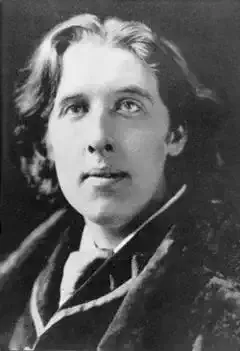
Oscar Wilde
Tristitiae
Tristitiae
O well for him who lives at ease
With garnered gold in wide domain,
Nor heeds the splashing of the rain,
The crashing down of forest trees.
O well for him who ne'er hath known
The travail of the hungry years,
A father grey with grief and tears,
A mother weeping all alone.
But well for him whose foot hath trod
The weary road of toil and strife,
Yet from the sorrows of his life.
Builds ladders to be nearer God.
O well for him who lives at ease
With garnered gold in wide domain,
Nor heeds the splashing of the rain,
The crashing down of forest trees.
O well for him who ne'er hath known
The travail of the hungry years,
A father grey with grief and tears,
A mother weeping all alone.
But well for him whose foot hath trod
The weary road of toil and strife,
Yet from the sorrows of his life.
Builds ladders to be nearer God.
191
Oscar Wilde
The Harlot's House
The Harlot's House
We caught the tread of dancing feet,
We loitered down the moonlit street,
And stopped beneath the harlot's house.
Inside, above the din and fray,
We heard the loud musicians play
The "Treues Liebes Herz" of Strauss.
Like strange mechanical grotesques,
Making fantastic arabesques,
The shadows raced across the blind.
We watched the ghostly dancers spin
To sound of horn and violin,
Like black leaves wheeling in the wind.
Like wire-pulled automatons,
Slim silhouetted skeletons
Went sidling through the slow quadrille.
They took each other by the hand,
And danced a stately saraband;
Their laughter echoed thin and shrill.
Sometimes a clockwork puppet pressed
A phantom lover to her breast,
Sometimes they seemed to try to sing.
Sometimes a horrible marionette
Came out, and smaoked its cigarette
Upon the steps like a live thing.
Then, turning to my love, I said,
"The dead are dancing with the dead,
The dust is whirling with the dust."
But she--she heard the violin,
And left my side, and entered in:
Love passed into the house of lust.
Then suddenly the tune went false,
The shadows wearied of the waltz,
The shadows ceased to wheel and whirl.
And down the long and silent street,
The dawn, with silver-sandalled feet,
Crept like a frightened girl.
We caught the tread of dancing feet,
We loitered down the moonlit street,
And stopped beneath the harlot's house.
Inside, above the din and fray,
We heard the loud musicians play
The "Treues Liebes Herz" of Strauss.
Like strange mechanical grotesques,
Making fantastic arabesques,
The shadows raced across the blind.
We watched the ghostly dancers spin
To sound of horn and violin,
Like black leaves wheeling in the wind.
Like wire-pulled automatons,
Slim silhouetted skeletons
Went sidling through the slow quadrille.
They took each other by the hand,
And danced a stately saraband;
Their laughter echoed thin and shrill.
Sometimes a clockwork puppet pressed
A phantom lover to her breast,
Sometimes they seemed to try to sing.
Sometimes a horrible marionette
Came out, and smaoked its cigarette
Upon the steps like a live thing.
Then, turning to my love, I said,
"The dead are dancing with the dead,
The dust is whirling with the dust."
But she--she heard the violin,
And left my side, and entered in:
Love passed into the house of lust.
Then suddenly the tune went false,
The shadows wearied of the waltz,
The shadows ceased to wheel and whirl.
And down the long and silent street,
The dawn, with silver-sandalled feet,
Crept like a frightened girl.
207
Oscar Wilde
Taedium Vitae
Taedium Vitae
To stab my youth with desperate knives, to wear
This paltry age's gaudy livery,
To let each base hand filch my treasury,
To mesh my soul within a woman's hair,
And be mere Fortune's lackeyed groom, - I swear
I love it not! these things are less to me
Than the thin foam that frets upon the sea,
Less than the thistledown of summer air
Which hath no seed: better to stand aloof
Far from these slanderous fools who mock my life
Knowing me not, better the lowliest roof
Fit for the meanest hind to sojourn in,
Than to go back to that hoarse cave of strife
Where my white soul first kissed the mouth of sin.
To stab my youth with desperate knives, to wear
This paltry age's gaudy livery,
To let each base hand filch my treasury,
To mesh my soul within a woman's hair,
And be mere Fortune's lackeyed groom, - I swear
I love it not! these things are less to me
Than the thin foam that frets upon the sea,
Less than the thistledown of summer air
Which hath no seed: better to stand aloof
Far from these slanderous fools who mock my life
Knowing me not, better the lowliest roof
Fit for the meanest hind to sojourn in,
Than to go back to that hoarse cave of strife
Where my white soul first kissed the mouth of sin.
314
Oscar Wilde
E Tenebris
E Tenebris
COME down, O Christ, and help me! reach thy hand,
For I am drowning in a stormier sea
Than Simon on thy lake of Galilee:
The wine of life is spilt upon the sand,
My heart is as some famine-murdered land,
Whence all good things have perished utterly,
And well I know my soul in Hell must lie
If I this night before God's throne should stand.
'He sleeps perchance, or rideth to the chase,
Like Baal, when his prophets howled that name
From morn to noon on Carmel's smitten height.'
Nay, peace, I shall behold before the night,
The feet of brass, the robe more white than flame,
The wounded hands, the weary human face.
COME down, O Christ, and help me! reach thy hand,
For I am drowning in a stormier sea
Than Simon on thy lake of Galilee:
The wine of life is spilt upon the sand,
My heart is as some famine-murdered land,
Whence all good things have perished utterly,
And well I know my soul in Hell must lie
If I this night before God's throne should stand.
'He sleeps perchance, or rideth to the chase,
Like Baal, when his prophets howled that name
From morn to noon on Carmel's smitten height.'
Nay, peace, I shall behold before the night,
The feet of brass, the robe more white than flame,
The wounded hands, the weary human face.
231