

Poems in this theme
Anguish

Henry Lawson
Beaten Back
Beaten Back
BEATEN back in sad dejection,
After years of weary toil
On that burning hot selection
Where the drought has gorged his spoil.
All in vain ’gainst him, the vulture,
I have battled without rest—
In the van of agriculture,
Marching out into the West.
Now the eagle-hawks are feeding
On my perished stock that reek
Where the water-holes receding
Long had left the burning creek.
I must labour without pity—
I the pick and spade must wield
In the streetways of the city
Or upon another’s field!
Can it be my reason’s rocking,
For I feel a burning hate
For the God who, only mocking,
Sent the prayed-for rain too late?
Pour, ye mocking rains, and rattle
On the bare, brown, grassless plain,
On the shrivelled hides of cattle
That shall ne’er want grass again!
Rush, ye yellow floods, to Murray,
Over thirsty creek-banks foam;
And o’er all, ye black clouds, hurry;
Ye can bring not back my home!
BEATEN back in sad dejection,
After years of weary toil
On that burning hot selection
Where the drought has gorged his spoil.
All in vain ’gainst him, the vulture,
I have battled without rest—
In the van of agriculture,
Marching out into the West.
Now the eagle-hawks are feeding
On my perished stock that reek
Where the water-holes receding
Long had left the burning creek.
I must labour without pity—
I the pick and spade must wield
In the streetways of the city
Or upon another’s field!
Can it be my reason’s rocking,
For I feel a burning hate
For the God who, only mocking,
Sent the prayed-for rain too late?
Pour, ye mocking rains, and rattle
On the bare, brown, grassless plain,
On the shrivelled hides of cattle
That shall ne’er want grass again!
Rush, ye yellow floods, to Murray,
Over thirsty creek-banks foam;
And o’er all, ye black clouds, hurry;
Ye can bring not back my home!
291

Gwendolyn Brooks
Garbageman: The Man With The Orderly Mind
Garbageman: The Man With The Orderly Mind
What do you think of us in fuzzy endeavor, you whose directions are
sterling, whose lunge is straight?
Can you make a reason, how can you pardon us who memorize the rules and never
score?
Who memorize the rules from your own text but never quite transfer them to the
game,
Who never quite receive the whistling ball, who gawk, begin to absorb the crowd's own
roar.
Is earnest enough, may earnest attract or lead to light;
Is light enough, if hands in clumsy frenzy, flimsy whimsically, enlist;
Is light enough when this bewilderment crying against the dark shuts down the
shades?
Dilute confusion. Find and explode our mist.
What do you think of us in fuzzy endeavor, you whose directions are
sterling, whose lunge is straight?
Can you make a reason, how can you pardon us who memorize the rules and never
score?
Who memorize the rules from your own text but never quite transfer them to the
game,
Who never quite receive the whistling ball, who gawk, begin to absorb the crowd's own
roar.
Is earnest enough, may earnest attract or lead to light;
Is light enough, if hands in clumsy frenzy, flimsy whimsically, enlist;
Is light enough when this bewilderment crying against the dark shuts down the
shades?
Dilute confusion. Find and explode our mist.
216
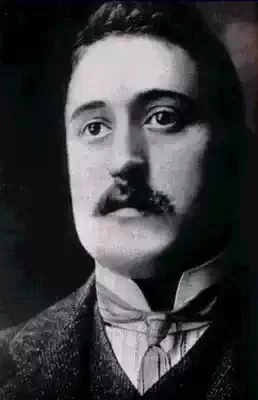
Guillaume Apollinaire
Palace
Palace
In deepest dream towards Rosemonde's palace
My barefoot brain inclined for the evening
Like a naked king the walls are waking
Beaten flesh and fresh-cut roses
You can see my thoughts immersed in roses
Smiling at the concert of the toads
They are in the mood for cypress bedposts
The sun is a broken mirror of the rose
What badly wounded bowman opened
Stigmata of palms on the windowpane
At the white lamb's love-feast I have tasted
Resins that bitter the Cyprian wine
On the jagged lap of the lascivious king
In the May-time of her age and finest frock
Mysterious Madame Rosemonde rolls
Her little round eyes like a Hun
Lady of my thoughts your pearly asshole
Is unrivalled by anything Oriental
For whom are you waiting
Deepest dreams en route to the Orient
Are my loveliest neighbors
Knock knock Come into the forecourt night is coming
In shadow the night-light is toasted tinsel
Hang your heads by the hair on the hat-rack
The evening sky is aglimmer with pins
We entered the dining room our noses
Caught a whiff of grease and mucus
Of twenty soup bowls three were urine
The king ate two poached eggs in bouillon
And then the scullions brought in the meat dishes
A standing roast of thoughts deceased in my brain
My lovely still-born dreams in slices still bloody
And gamy little meatballs of memory
Dead for millennia now these thoughts
Had a flavorless taste of frozen mammoth
Bones or visionaries danced out of ossuaries
The dance of death in the folds of my brain
And all those meats pronounced revelations
But Holy Christ!
A famished belly has no hearing
The guests continued their best mastications
Ah Holy Christ! cried out the rib-eyes
The huge pâtes the marrow and hot-pots
Tongues of fire o where is the pentecost
Of my thoughts for all places nations and times
In deepest dream towards Rosemonde's palace
My barefoot brain inclined for the evening
Like a naked king the walls are waking
Beaten flesh and fresh-cut roses
You can see my thoughts immersed in roses
Smiling at the concert of the toads
They are in the mood for cypress bedposts
The sun is a broken mirror of the rose
What badly wounded bowman opened
Stigmata of palms on the windowpane
At the white lamb's love-feast I have tasted
Resins that bitter the Cyprian wine
On the jagged lap of the lascivious king
In the May-time of her age and finest frock
Mysterious Madame Rosemonde rolls
Her little round eyes like a Hun
Lady of my thoughts your pearly asshole
Is unrivalled by anything Oriental
For whom are you waiting
Deepest dreams en route to the Orient
Are my loveliest neighbors
Knock knock Come into the forecourt night is coming
In shadow the night-light is toasted tinsel
Hang your heads by the hair on the hat-rack
The evening sky is aglimmer with pins
We entered the dining room our noses
Caught a whiff of grease and mucus
Of twenty soup bowls three were urine
The king ate two poached eggs in bouillon
And then the scullions brought in the meat dishes
A standing roast of thoughts deceased in my brain
My lovely still-born dreams in slices still bloody
And gamy little meatballs of memory
Dead for millennia now these thoughts
Had a flavorless taste of frozen mammoth
Bones or visionaries danced out of ossuaries
The dance of death in the folds of my brain
And all those meats pronounced revelations
But Holy Christ!
A famished belly has no hearing
The guests continued their best mastications
Ah Holy Christ! cried out the rib-eyes
The huge pâtes the marrow and hot-pots
Tongues of fire o where is the pentecost
Of my thoughts for all places nations and times
1,088
Guillaume Apollinaire
In the Sante
In the Sante
I
Before I got into my cell
I had to strip my body bare
I heard an ominous voice say Well
Guillaume what are you doing here
Lazarus steps into the ground
Not out of it as he was bid
Adieu Adieu O singing round
Of years and girls the life I led
II
I'm no longer myself in here
I know
I'm number fifteen in the eleventh
Row
The sunlight filters downward through
The panes
And on these lines bright clowns alight
Like stains
They dance under my eyes while my
Ears follow
The feet of one whose feet above
Sound hollow
III
In a bear-pit like a bear
Every morning round I tramp
Round and round and round and round
The sky is like an iron clamp
In a bear-pit like a bear
Every morning round I tramp
In the next cell at the sink
Someone lets the water run
With his bunch of keys that clink
Let the goaler go and come
In the next cell at the sink
Someone lets the water run
IV
How bored I am between bare wall and wall
Whose colour pales and pines
A fly on the paper with extremely small
Steps runs across these lines
What will become of me O God Who know
My pain Who gave it me
Have pity on my dry eyes and my pallor
My chair which creaks and is not free
And all these poor hearts beating in this prison
And Love beside me seated
Pity above all my unstable reason
And this despair which threatens to defeat it
V
How long these hours take to go
As long as a whole funeral
You'll mourn the time you mourned you know
It will be gone too soon like all
Time past
too fast too long ago
VI
I hear the noises of the city
In the turning world beyond me
I see a sky which has no pity
And bare prison walls around me
The daylight disappears and now
A lamp is lit within the prison
We're all alone here in my cell
Beautiful light Beloved reason
I
Before I got into my cell
I had to strip my body bare
I heard an ominous voice say Well
Guillaume what are you doing here
Lazarus steps into the ground
Not out of it as he was bid
Adieu Adieu O singing round
Of years and girls the life I led
II
I'm no longer myself in here
I know
I'm number fifteen in the eleventh
Row
The sunlight filters downward through
The panes
And on these lines bright clowns alight
Like stains
They dance under my eyes while my
Ears follow
The feet of one whose feet above
Sound hollow
III
In a bear-pit like a bear
Every morning round I tramp
Round and round and round and round
The sky is like an iron clamp
In a bear-pit like a bear
Every morning round I tramp
In the next cell at the sink
Someone lets the water run
With his bunch of keys that clink
Let the goaler go and come
In the next cell at the sink
Someone lets the water run
IV
How bored I am between bare wall and wall
Whose colour pales and pines
A fly on the paper with extremely small
Steps runs across these lines
What will become of me O God Who know
My pain Who gave it me
Have pity on my dry eyes and my pallor
My chair which creaks and is not free
And all these poor hearts beating in this prison
And Love beside me seated
Pity above all my unstable reason
And this despair which threatens to defeat it
V
How long these hours take to go
As long as a whole funeral
You'll mourn the time you mourned you know
It will be gone too soon like all
Time past
too fast too long ago
VI
I hear the noises of the city
In the turning world beyond me
I see a sky which has no pity
And bare prison walls around me
The daylight disappears and now
A lamp is lit within the prison
We're all alone here in my cell
Beautiful light Beloved reason
890
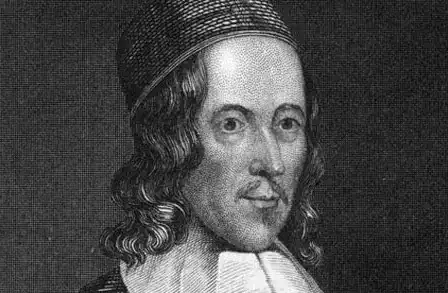
George Herbert
The Affliction (I)
The Affliction (I)
When first thou didst entice to thee my heart,
I thought the service brave;
So many joys I writ down for my part,
Besides what I might have
Out of my stock of natural delights,
Augmented with thy gracious benefits.
I looked on thy furniture so fine,
And made it fine to me;
Thy glorious household-stuff did me entwine,
And 'tice me unto thee.
Such stars I counted mine: both heav'n and earth;
Paid me my wages in a world of mirth.
What pleasures could I want, whose King I serv'd,
Where joys my fellows were?
Thus argu'd into hopes, my thoughts reserv'd
No place for grief or fear.
Therefore my sudden soul caught at the place,
And made her youth and fierceness seek thy face.
At first thou gav'st me milk and sweetnesses;
I had my wish and way;
My days were straw'd with flow'rs and happiness;
There was no month but May.
But with my years sorrow did twist and grow,
And made a party unawares for woe.
My flesh began unto my soul in pain,
"Sicknesses cleave my bones;
Consuming agues dwell in ev'ry vein,
And tune my breath to groans."
Sorrow was all my soul; I scarce believ'd,
Till grief did tell me roundly, that I liv'd.
When I got health, thou took'st away my life,
And more, for my friends die;
My mirth and edge was lost, a blunted knife
Was of more use than I.
Thus thin and lean without a fence or friend,
I was blown through with ev'ry storm and wind.
Whereas my birth and spirit rather took
The way that takes the town;
Thou didst betray me to a ling'ring book,
And wrap me in a gown.
I was entangled in the world of strife,
Before I had the power to change my life.
Yet, for I threaten'd oft the siege to raise,
Not simp'ring all mine age,
Thou often didst with academic praise
Melt and dissolve my rage.
I took thy sweet'ned pill, till I came where
I could not go away, nor persevere.
Yet lest perchance I should too happy be
In my unhappiness,
Turning my purge to food, thou throwest me
Into more sicknesses.
Thus doth thy power cross-bias me, not making
Thine own gift good, yet me from my ways taking.
Now I am here, what thou wilt do with me
None of my books will show;
I read, and sigh, and wish I were a tree,
For sure then I should grow
To fruit or shade: at least some bird would trust
Her household to me, and I should be just.
Yet, though thou troublest me, I must be meek;
In weakness must be stout;
Well, I will change the service, and go seek
Some other master out.
Ah my dear God! though I am clean forgot,
Let me not love thee, if I love thee not.
When first thou didst entice to thee my heart,
I thought the service brave;
So many joys I writ down for my part,
Besides what I might have
Out of my stock of natural delights,
Augmented with thy gracious benefits.
I looked on thy furniture so fine,
And made it fine to me;
Thy glorious household-stuff did me entwine,
And 'tice me unto thee.
Such stars I counted mine: both heav'n and earth;
Paid me my wages in a world of mirth.
What pleasures could I want, whose King I serv'd,
Where joys my fellows were?
Thus argu'd into hopes, my thoughts reserv'd
No place for grief or fear.
Therefore my sudden soul caught at the place,
And made her youth and fierceness seek thy face.
At first thou gav'st me milk and sweetnesses;
I had my wish and way;
My days were straw'd with flow'rs and happiness;
There was no month but May.
But with my years sorrow did twist and grow,
And made a party unawares for woe.
My flesh began unto my soul in pain,
"Sicknesses cleave my bones;
Consuming agues dwell in ev'ry vein,
And tune my breath to groans."
Sorrow was all my soul; I scarce believ'd,
Till grief did tell me roundly, that I liv'd.
When I got health, thou took'st away my life,
And more, for my friends die;
My mirth and edge was lost, a blunted knife
Was of more use than I.
Thus thin and lean without a fence or friend,
I was blown through with ev'ry storm and wind.
Whereas my birth and spirit rather took
The way that takes the town;
Thou didst betray me to a ling'ring book,
And wrap me in a gown.
I was entangled in the world of strife,
Before I had the power to change my life.
Yet, for I threaten'd oft the siege to raise,
Not simp'ring all mine age,
Thou often didst with academic praise
Melt and dissolve my rage.
I took thy sweet'ned pill, till I came where
I could not go away, nor persevere.
Yet lest perchance I should too happy be
In my unhappiness,
Turning my purge to food, thou throwest me
Into more sicknesses.
Thus doth thy power cross-bias me, not making
Thine own gift good, yet me from my ways taking.
Now I am here, what thou wilt do with me
None of my books will show;
I read, and sigh, and wish I were a tree,
For sure then I should grow
To fruit or shade: at least some bird would trust
Her household to me, and I should be just.
Yet, though thou troublest me, I must be meek;
In weakness must be stout;
Well, I will change the service, and go seek
Some other master out.
Ah my dear God! though I am clean forgot,
Let me not love thee, if I love thee not.
253
George Herbert
Sin (I)
Sin (I)
Lord, with what care hast Thou begirt us round!
Parents first season us; then schoolmasters
Deliver us to laws; -they send us bound
To rules of reason, holy messengers,
Pulpits and Sundays, sorrow dogging sin,
Afflictions sorted, anguish of all sizes,
Fine nets and stratagems to catch us in,
Bibles laid open, millions of surprises,
Blessings beforehand, ties of gratefulness,
The sound of glory ringing in our ears;
Without, our shame; within, our consciences;
Angels and grace, eternal hopes and fears:
Yet all these fences and their whole array
One cunning bosom-sin blows quite away.
Lord, with what care hast Thou begirt us round!
Parents first season us; then schoolmasters
Deliver us to laws; -they send us bound
To rules of reason, holy messengers,
Pulpits and Sundays, sorrow dogging sin,
Afflictions sorted, anguish of all sizes,
Fine nets and stratagems to catch us in,
Bibles laid open, millions of surprises,
Blessings beforehand, ties of gratefulness,
The sound of glory ringing in our ears;
Without, our shame; within, our consciences;
Angels and grace, eternal hopes and fears:
Yet all these fences and their whole array
One cunning bosom-sin blows quite away.
259
George Herbert
Affliction (IV)
Affliction (IV)
Broken in pieces all asunder,
Lord, hunt me not,
A thing forgot,
Once a poor creature, now a wonder,
A wonder tortur'd in the space
Betwixt this world and that of grace.
My thoughts are all a case of knives,
Wounding my heart
With scatter'd smart,
As wat'ring pots give flowers their lives.
Nothing their fury can control,
While they do wound and prick my soul.
All my attendants are at strife,
Quitting their place
Unto my face:
Nothing performs the task of life:
The elements are let loose to fight,
And while I live, try out their right.
Oh help, my God! let not their plot
Kill them and me,
And also thee,
Who art my life: dissolve the knot,
As the sun scatters by his light
All the rebellions of the night.
Then shall those powers, which work for grief,
Enter thy pay,
And day by day
Labour thy praise, and my relief;
With care and courage building me,
Till I reach heav'n, and much more, thee.
Broken in pieces all asunder,
Lord, hunt me not,
A thing forgot,
Once a poor creature, now a wonder,
A wonder tortur'd in the space
Betwixt this world and that of grace.
My thoughts are all a case of knives,
Wounding my heart
With scatter'd smart,
As wat'ring pots give flowers their lives.
Nothing their fury can control,
While they do wound and prick my soul.
All my attendants are at strife,
Quitting their place
Unto my face:
Nothing performs the task of life:
The elements are let loose to fight,
And while I live, try out their right.
Oh help, my God! let not their plot
Kill them and me,
And also thee,
Who art my life: dissolve the knot,
As the sun scatters by his light
All the rebellions of the night.
Then shall those powers, which work for grief,
Enter thy pay,
And day by day
Labour thy praise, and my relief;
With care and courage building me,
Till I reach heav'n, and much more, thee.
238
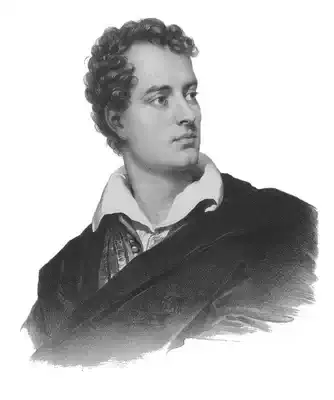
Lord Byron
To Dives. A Fragment
To Dives. A Fragment
Unhappy Dives! in an evil hour
'Gainst Nature's voice seduced to deeds accurst!
Once Fortune's minion, now thou feel'st her power;
Wrath's vial on thy lofty head bath burst.
In Wit, in Genius, as in Wealth the first,
How wondrous bright thy blooming morn arose!
But thou went smitten with th' unhallow'd thirst
Of crime unnamed,
and thy sad noon must close
In scorn, and solitude unsought, the worst of woes.
Unhappy Dives! in an evil hour
'Gainst Nature's voice seduced to deeds accurst!
Once Fortune's minion, now thou feel'st her power;
Wrath's vial on thy lofty head bath burst.
In Wit, in Genius, as in Wealth the first,
How wondrous bright thy blooming morn arose!
But thou went smitten with th' unhallow'd thirst
Of crime unnamed,
and thy sad noon must close
In scorn, and solitude unsought, the worst of woes.
380
Lord Byron
The Prayer Of Nature
The Prayer Of Nature
Father of Light! great God of Heaven!
Hear'st thou the accents of despair?
Can guilt like man's be e'er forgiven?
Can vice atone for crimes by prayer?
Father of Light, on thee I call!
Thou seest my soul is dark within;
Thou who canst'mark the sparrow's fall,
Avert from me the death of sin.
No shrine I seek, to sects unknown;
Oh, point to me the path of truth!
Thy dread omnipotence I own;
Spare, yet amend, the faults of youth.
Let bigots rear a gloomy fane,
Let superstitition hail the pile,
Let priests, to spread their sable reign,
With tales of mystic rites beguile.
Shall man confine his Maker's sway
To Gothic domes of mouldering stone?
Thy temple is the face of the day;
Earth, ocean, heaven, thy boundless throne.
Shall man condemn his race to hell,
Unless they bend in pompous form?
Tell us that all, of one who fell,
Must perish in the mingling storm?
Shall each pretend to reach the skies,
Yet doom his brother to expire,
Whose soul a different hope supplies,
Or doctrines less severe inspire?
Shall these, by creeds they can't expound,
Prepare a fancied bliss or woe?
Shall reptiles, grovelling on the ground,
Their great Creator's purpose know?
Shall those, who live for self alone,
Whose years float on in a daily crime Shall
they by Faith for guilt atone,
And live beyond the bounds of Time?
Father! no prophet's laws I seek,Thy
laws in Nature's works appear;I
own myself corrupt and weak,
Yet will I pray, for thou wilt hear!
Thou, who canst guide the wandering star
Through trackness realms of other's space;
Who calm'st the elemental war,
Whose hand from pole to pole I trace.
Thou, who in wisdom placed me here,
Who, when thou wilt, canst take me hence,
Ah! whilst I tread this earthly sphere,
Extend to me thy wide defence.
To Thee, my God, to thee I call!
Whatever weal or woe betide,
By thy command I rise or fall,
In thy protection I confide.
If, when this dust to dust's restored,
My soul shall float on airy wing,
How shall thy glorious name adored
Inspire her feedle voice to sing!
But, if this fleeting spirit share
With clay the gaves eternal bed,
While life yet throbs I raise my prayer,
Though doom'd no more to quit the dead.
To Thee I breathe my humble strain;
Grateful for all thy mercies past,
And hope, my God, to thee again
This erring life may fly at last.
December 29, 1806
Father of Light! great God of Heaven!
Hear'st thou the accents of despair?
Can guilt like man's be e'er forgiven?
Can vice atone for crimes by prayer?
Father of Light, on thee I call!
Thou seest my soul is dark within;
Thou who canst'mark the sparrow's fall,
Avert from me the death of sin.
No shrine I seek, to sects unknown;
Oh, point to me the path of truth!
Thy dread omnipotence I own;
Spare, yet amend, the faults of youth.
Let bigots rear a gloomy fane,
Let superstitition hail the pile,
Let priests, to spread their sable reign,
With tales of mystic rites beguile.
Shall man confine his Maker's sway
To Gothic domes of mouldering stone?
Thy temple is the face of the day;
Earth, ocean, heaven, thy boundless throne.
Shall man condemn his race to hell,
Unless they bend in pompous form?
Tell us that all, of one who fell,
Must perish in the mingling storm?
Shall each pretend to reach the skies,
Yet doom his brother to expire,
Whose soul a different hope supplies,
Or doctrines less severe inspire?
Shall these, by creeds they can't expound,
Prepare a fancied bliss or woe?
Shall reptiles, grovelling on the ground,
Their great Creator's purpose know?
Shall those, who live for self alone,
Whose years float on in a daily crime Shall
they by Faith for guilt atone,
And live beyond the bounds of Time?
Father! no prophet's laws I seek,Thy
laws in Nature's works appear;I
own myself corrupt and weak,
Yet will I pray, for thou wilt hear!
Thou, who canst guide the wandering star
Through trackness realms of other's space;
Who calm'st the elemental war,
Whose hand from pole to pole I trace.
Thou, who in wisdom placed me here,
Who, when thou wilt, canst take me hence,
Ah! whilst I tread this earthly sphere,
Extend to me thy wide defence.
To Thee, my God, to thee I call!
Whatever weal or woe betide,
By thy command I rise or fall,
In thy protection I confide.
If, when this dust to dust's restored,
My soul shall float on airy wing,
How shall thy glorious name adored
Inspire her feedle voice to sing!
But, if this fleeting spirit share
With clay the gaves eternal bed,
While life yet throbs I raise my prayer,
Though doom'd no more to quit the dead.
To Thee I breathe my humble strain;
Grateful for all thy mercies past,
And hope, my God, to thee again
This erring life may fly at last.
December 29, 1806
567
Lord Byron
The Destruction of Sennacherib
The Destruction of Sennacherib
The Assyrian came down like the wolf on the fold,
And his cohorts were gleaming in purple and gold;
And the sheen of their spears was like stars on the sea,
When the blue wave rolls nightly on deep Galilee.
Like the leaves of the forest when Summer is green,
That host with their banners at sunset were seen:
Like the leaves of the forest when Autumn hath blown,
That host on the morrow lay withered and strown.
For the Angel of Death spread his wings on the blast,
And breathed in the face of the foe as he passed;
And the eyes of the sleepers waxed deadly and chill,
And their hearts but once heaved, and for ever grew still!
And there lay the steed with his nostril all wide,
But through it there rolled not the breath of his pride;
And the foam of his gasping lay white on the turf,
And cold as the spray of the rockbeating
surf.
And there lay the rider distorted and pale,
With the dew on his brow, and the rust on his mail:
And the tents were all silent, the banners alone,
The lances unlifted, the trumpet unblown.
And the widows of Ashur are loud in their wail,
And the idols are broke in the temple of Baal;
And the might of the Gentile, unsmote by the sword,
Hath melted like snow in the glance of the Lord!
The Assyrian came down like the wolf on the fold,
And his cohorts were gleaming in purple and gold;
And the sheen of their spears was like stars on the sea,
When the blue wave rolls nightly on deep Galilee.
Like the leaves of the forest when Summer is green,
That host with their banners at sunset were seen:
Like the leaves of the forest when Autumn hath blown,
That host on the morrow lay withered and strown.
For the Angel of Death spread his wings on the blast,
And breathed in the face of the foe as he passed;
And the eyes of the sleepers waxed deadly and chill,
And their hearts but once heaved, and for ever grew still!
And there lay the steed with his nostril all wide,
But through it there rolled not the breath of his pride;
And the foam of his gasping lay white on the turf,
And cold as the spray of the rockbeating
surf.
And there lay the rider distorted and pale,
With the dew on his brow, and the rust on his mail:
And the tents were all silent, the banners alone,
The lances unlifted, the trumpet unblown.
And the widows of Ashur are loud in their wail,
And the idols are broke in the temple of Baal;
And the might of the Gentile, unsmote by the sword,
Hath melted like snow in the glance of the Lord!
647
Lord Byron
Stanzas Composed During A Thunderstorm
Stanzas Composed During A Thunderstorm
Chill and mirk is the nightly blast,
Where Pindus' mountains rise,
And angry clouds are pouring fast
The vengeance of the skies.
Our guides are gone, our hope is lost,
And lightnings, as they play,
But show where rocks our path have crost,
Or gild the torrent's spray.
Is yon a cot I saw, though low?
When lightning broke the gloom
How welcome were its shade!ah,
no!
'Tis but a Turkish tomb.
Through sounds of foaming waterfalls,
I hear a voice exclaim
My wayworn
countryman, who calls
On distant England's name.
A shot is firedby
foe or friend?
Another'
tis to tell
The mountainpeasants
to descend,
And lead us where they dwell.
Oh! who in such a night will dare
To tempt the wilderness?
And who 'mid thunderpeals
can hear
Our signal of distress?
And who that heard our shouts would rise
To try the dubious road?
Nor rather deem from nightly cries
That outlaws were abroad.
Clouds burst, skies flash, oh, dreadful hour!
More fiercely pours the storm!
Yet here one thought has still the power
To keep my bosom warm.
While wandering through each broken path,
O'er brake and craggy brow;
While elements exhaust their wrath,
Sweet Florence, where art thou?
Not on the sea, not on the seaThy
bark hath long been gone:
Oh, may the storm that pours on me,
Bow down my head alone!
Full swiftly blew the swift Siroc,
When last I pressed thy lip;
And long ere now, with foaming shock,
Impelled thy gallant ship.
Now thou art safe; nay, long ere now
Hast trod the shore of Spain;
'Twere hard if aught so fair as thou
Should linger on the main.
And since I now remember thee
In darkness and in dread,
As in those hours of revelry
Which Mirth and Music sped;
Do thou, amid the fair white walls,
If Cadiz yet be free,
At times from out her latticed halls
Look o'er the dark blue sea;
Then think upon Calypso's isles,
Endeared by days gone by;
To others give a thousand smiles,
To me a single sigh.
And when the admiring circle mark
The paleness of thy face,
A halfformed
tear, a transient spark
Of melancholy grace,
Again thou'lt smile, and blushing shun
Some coxcomb's raillery;
Nor own for once thou thought'st on one,
Who ever thinks on thee.
Though smile and sigh alike are vain,
When severed hearts repine
My spirit flies o'er Mount and Main
And mourns in search of thine.
Chill and mirk is the nightly blast,
Where Pindus' mountains rise,
And angry clouds are pouring fast
The vengeance of the skies.
Our guides are gone, our hope is lost,
And lightnings, as they play,
But show where rocks our path have crost,
Or gild the torrent's spray.
Is yon a cot I saw, though low?
When lightning broke the gloom
How welcome were its shade!ah,
no!
'Tis but a Turkish tomb.
Through sounds of foaming waterfalls,
I hear a voice exclaim
My wayworn
countryman, who calls
On distant England's name.
A shot is firedby
foe or friend?
Another'
tis to tell
The mountainpeasants
to descend,
And lead us where they dwell.
Oh! who in such a night will dare
To tempt the wilderness?
And who 'mid thunderpeals
can hear
Our signal of distress?
And who that heard our shouts would rise
To try the dubious road?
Nor rather deem from nightly cries
That outlaws were abroad.
Clouds burst, skies flash, oh, dreadful hour!
More fiercely pours the storm!
Yet here one thought has still the power
To keep my bosom warm.
While wandering through each broken path,
O'er brake and craggy brow;
While elements exhaust their wrath,
Sweet Florence, where art thou?
Not on the sea, not on the seaThy
bark hath long been gone:
Oh, may the storm that pours on me,
Bow down my head alone!
Full swiftly blew the swift Siroc,
When last I pressed thy lip;
And long ere now, with foaming shock,
Impelled thy gallant ship.
Now thou art safe; nay, long ere now
Hast trod the shore of Spain;
'Twere hard if aught so fair as thou
Should linger on the main.
And since I now remember thee
In darkness and in dread,
As in those hours of revelry
Which Mirth and Music sped;
Do thou, amid the fair white walls,
If Cadiz yet be free,
At times from out her latticed halls
Look o'er the dark blue sea;
Then think upon Calypso's isles,
Endeared by days gone by;
To others give a thousand smiles,
To me a single sigh.
And when the admiring circle mark
The paleness of thy face,
A halfformed
tear, a transient spark
Of melancholy grace,
Again thou'lt smile, and blushing shun
Some coxcomb's raillery;
Nor own for once thou thought'st on one,
Who ever thinks on thee.
Though smile and sigh alike are vain,
When severed hearts repine
My spirit flies o'er Mount and Main
And mourns in search of thine.
522
Lord Byron
Sonnet - to Genevra
Sonnet - to Genevra
Thy cheek is pale with thought, but not from woe,
And yet so lovely, that if Mirth could flush
Its rose of whiteness with the brightest blush,
My heart would wish away that ruder glow:
And dazzle not thy deepblue
eyesbut,
oh!
While gazing on them sterner eyes will gush,
And into mine my mother's weakness rush,
Soft as the last drops round Heaven's airy bow.
For, though thy long dark lashes low depending,
The soul of melancholy Gentleness
Gleams like a Seraph from the sky descending,
Above all pain, yet pitying all distress;
At once such majesty with sweetness blending,
I worship more, but cannot love thee less.
Thy cheek is pale with thought, but not from woe,
And yet so lovely, that if Mirth could flush
Its rose of whiteness with the brightest blush,
My heart would wish away that ruder glow:
And dazzle not thy deepblue
eyesbut,
oh!
While gazing on them sterner eyes will gush,
And into mine my mother's weakness rush,
Soft as the last drops round Heaven's airy bow.
For, though thy long dark lashes low depending,
The soul of melancholy Gentleness
Gleams like a Seraph from the sky descending,
Above all pain, yet pitying all distress;
At once such majesty with sweetness blending,
I worship more, but cannot love thee less.
650
Lord Byron
Impromptu, In Reply To A Friend
Impromptu, In Reply To A Friend
When, from the heart where Sorrow sits,
Her dusky shadow mounts too high,
And o'er the changing aspect flits,
And clouds the brow, or fills the eye;
Heed not that gloom, which soon shall sink:
My thoughts their dungeon know too well;
Back to my breast the wanderers shrink,
And droop within their silent cell.
When, from the heart where Sorrow sits,
Her dusky shadow mounts too high,
And o'er the changing aspect flits,
And clouds the brow, or fills the eye;
Heed not that gloom, which soon shall sink:
My thoughts their dungeon know too well;
Back to my breast the wanderers shrink,
And droop within their silent cell.
414
Lord Byron
I Speak Not, I Trace Not, I Breathe Not Thy Name
I Speak Not, I Trace Not, I Breathe Not Thy Name
I speak not, I trace not, I breathe not thy name;
There is grief in the sound, there is guilt in the fame;
But the tear that now burns on my cheek may impart
The deep thoughts that dwell in that silence of heart.
Too brief for our passion, too long for our peace,
Were those hours can
their joy or their bitterness cease?
We repent, we abjure, we will break from our chain, We
will part, we will fly to unite
it again!
Oh! thine be the gladness, and mine be the guilt!
Forgive me, adored one! forsake
if thou wilt;
But the heart which is thine shall expire undebased,
And man shall not break it whatever
thou may'st.
And stern to the haughty, but humble to thee,
This soul in its bitterest blackness shall be;
And our days seem as swift, and our moments more sweet,
With thee at my side, than with worlds at our feet.
One sigh of thy sorrow, one look of thy love,
Shall turn me or fix, shall reward or reprove.
And the heartless may wonder at all I resign Thy
lips shall reply, not to them, but to mine.
May, 1814.
I speak not, I trace not, I breathe not thy name;
There is grief in the sound, there is guilt in the fame;
But the tear that now burns on my cheek may impart
The deep thoughts that dwell in that silence of heart.
Too brief for our passion, too long for our peace,
Were those hours can
their joy or their bitterness cease?
We repent, we abjure, we will break from our chain, We
will part, we will fly to unite
it again!
Oh! thine be the gladness, and mine be the guilt!
Forgive me, adored one! forsake
if thou wilt;
But the heart which is thine shall expire undebased,
And man shall not break it whatever
thou may'st.
And stern to the haughty, but humble to thee,
This soul in its bitterest blackness shall be;
And our days seem as swift, and our moments more sweet,
With thee at my side, than with worlds at our feet.
One sigh of thy sorrow, one look of thy love,
Shall turn me or fix, shall reward or reprove.
And the heartless may wonder at all I resign Thy
lips shall reply, not to them, but to mine.
May, 1814.
652
Lord Byron
Childe Harold's Pilgrimage: A Romaunt. Canto III.
Childe Harold's Pilgrimage: A Romaunt. Canto III.
I.
Is thy face like thy mother's, my fair child!
Ada! sole daughter of my house and heart?
When last I saw thy young blue eyes they smiled,
And then we parted,not
as now we part,
But with a hope.Awaking
with a start,
The waters heave around me; and on high
The winds lift up their voices: I depart,
Whither I know not; but the hour's gone by,
When Albion's lessening shores could grieve or glad mine eye.
II.
Once more upon the waters! yet once more!
And the waves bound beneath me as a steed
That knows his rider. Welcome, to their roar!
Swift be their guidance, wheresoe'er it lead!
Though the strain'd mast should quiver as a reed,
And the rent canvas fluttering strew the gale,
Still must I on; for I am as a weed,
Flung from the rock, on Ocean's foam, to sail
Where'er the surge may sweep, or tempest's breath prevail.
III.
In my youth's summer I did sing of One,
The wandering outlaw of his own dark mind;
Again I seize the theme then but begun,
And bear it with me, as the rushing wind
Bears the cloud onwards: in that Tale I find
The furrows of long thought, and driedup
tears,
Which, ebbing, leave a sterile track behind,
O'er which all heavily the journeying years
Plod the last sands of life,where
not a flower appears.
IV.
Since my young days of passionjoy,
or pain,
Perchance my heart and harp have lost a string,
And both may jar: it may be, that in vain
I would essay as I have sung to sing.
Yet, though a dreary strain, to this I cling;
So that it wean me from the weary dream
Of selfish grief or gladnessso
it fling
Forgetfulness around meit
shall seem
To me, though to none else, a not ungrateful theme.
V.
He, who grown aged in this world of woe,
In deeds, not years, piercing the depths of life,
So that no wonder waits him; nor below
Can love, or sorrow, fame, ambition, strife,
Cut to his heart again with the keen knife
Of silent, sharp endurance: he can tell
Why thought seeks refuge in lone caves, yet rife
With airy images, and shapes which dwell
Still unimpair'd, though old, in the soul's haunted cell.
VI.
'Tis to create, and in creating life
A being more intense, that we endow
With form our fancy, gaining as we give
The life we image, even as I do now.
What am I? Nothing; but not so art thou,
Soul of my thought! with whom I traverse earth,
Invisible but gazing, as I grow
Mix'd with thy spirit, blended with thy birth,
And feeling still with thee in my crush'd feeling's dearth.
VII.
Yet must I think less wildly:I
have thought
Too long and darkly, till my brain became,
In its own eddy boiling and o'erwrought,
A whirling gulf of phantasy and flame:
And thus, untaught in youth my heart to tame,
My springs of life were poison'd. 'Tis too late!
Yet am I chang'd; though still enough the same
In strength to bear what time can not abate,
And feed on bitter fruits without accusing Fate.
VIII.
Something too much of this:but
now 'tis past,
And the spell closes with its silent seal.
Long absent HAROLD reappears
at last;
He of the breast which fain no more would feel,
Wrung with the wounds which kill not, but ne'er heal;
Yet Time, who changes all, had altered him
In sould and aspect as in age: years steal
Fire from the mind as vigour from the limb;
And life's enchanted cup but sparkles near the brim.
IX.
His had been quaff'd too quickly, and he found
The dregs were wormwood; but he fill'd again,
And from a purer fount, on holier ground,
And deem'd its spring perpetual; but in vain!
Still round him clung invisibly a chain
Which gall'd for ever, fettering though unseen,
And heavy though it clank'd not; worn with pain,
Which pined although it spoke not, and grew keen,
Entering with every step, he took, through many a scene.
X.
Secure in guarded coldness, he had mix'd
Again in fancied safety with his kind,
And deem'd his spirit now so firmly fix'd
And sheath'd with an invulnerable mind,
That, if no joy, no sorrow lurk'd behind;
And he, as one, might midst the many stand
Unheeded, searching through the crowd to find
Fit speculation! such as in strange land
He found in wonderworks
of God and Nature's hand.
XI.
But who can view the ripened rose, nor seek
To wear it? who can curiously behold
The smoothness and the sheen of beauty's cheek,
Nor feel the heart can never all grow old?
Who can contemplate Fame through clouds unfold
The star which rises o'er her steep, nor climb?
Harold, once more within the vortex, roll'd
On with the giddy circle, chasing Time,
Yet with a nobler aim than in his youth's fond prime.
XII.
But soon he knew himself the most unfit
Of men to herd with man; with whom he held
Little in common; untaught to submit
His thoughts to others, though his soul was quell'd
In youth by his own thoughts; still uncompell'd,
He would not yield dominion of his mind
To spirits against whom his own rebell'd;
Proud though in desolation; which could find
A life within itself, to breathe without mankind.
XIII.
Where rose the mountains, there to him were friends;
Where roll'd the ocean, theron was his home;
Where a blue sky, and glowing clime, extends,
He had the passion and the power to roam;
The desert, forest, cavern, breaker's foam,
Were unto him companionship; they spake
A mutual language, clearer than the tome
Of his land's tongue, which he would oft forsake
For Nature's pages glass'd by sunbeams on the lake.
XIV.
Like the Chaldean, he could watch the stars,
Till he had peopled them with beings bright
As their own beams; and earth, and earthborn
jars,
And human frailties, were forgotten quite:
Could he have kept his spirit to that flight
He had been happy; but this clay will sink
Its spark immortal, envying it the light
To which it mounts, as if to break the link
That keeps us from yon heaven which woos us to its brink.
XV.
But in Man's dwellings he became a thing
Restless and worn, and stern and wearisome,
Droop'd as a wildborn
falcon with clipt wing,
To whom the boundless air alone were home:
Then came his fit again, which to o'ercome,
As eagerly the barr'dup
bird will beat
His breast and beak against his wiry dome
Till the blood tinge his plumage, so the heat
Of his impeded soul would through his bosom eat.
XVI.
Selfexiled
Harold wanders forth again,
With nought of hope left, but with less of gloom;
The very knowledge that he lived in vain,
That all was over on this side the tomb,
Had made Despair a smilingness assume,
Which, though 'twer wild,as
on the plundered wreck
When mariners would madly meet their doom
With draughts intemperate on the sinking deck,Did
yet inspire a cheer, which he forbore to check.
XVII.
Stop!for
thy tread is on an Empire's dust!
An earthquake's spoil is sepulchred below!
Is the spot mark'd with no colossal bust?
Nor column trophied for triumphal show?
None; but the moral's truth tells simpler so,
As the ground was before, thus let it be;How
that red rain hath made the harvest grow!
And is this all the world has gained by thee
Thou first and last of fields! kingmaking
Victory?
XVIII.
And Harold stands upon this place of skulls,
The grave of France, the deadly Waterloo!
How in an hour the power which gave annuls
Its gifts, transferring fame as fleeting too!
In 'pride of place' here last the eagle flew,
Then tore with bloody talon the rent plain,
Pierced by the shaft of banded nations through;
Ambition's life and labours all were vain;
He wears the shattered links of the world's broken chain.
XIX.
Fit retribution! Gaul may champ the bit
And foam in fetters;but
is Earth more free?
Did nations combat to make One submit;
Or league to teach all kings true sovereignty?
What! shall reviving Thraldom again be
The patchedup
idol of enlightened days?
Shall we, who struck the Lion down, shall we
Pay the Wolf homage? proffering lowly gaze
And servile knees to thrones? No; prove before ye praise!
XX.
If not, o'er one fallen despot boast no more!
In vain fair cheeks were furrowed with hot tears
For Europe's flowers long rooted up before
The trampler of her vineyards; in vain years
Of death, depopulation, bondage, fears,
Have all been borne, and broken by the accord
Of rousedup
millions: all tha tmost endears
Glory, is when the myrtle wreathes a sword
Such as Harmodius drew on Athen's tyrant lord.
XXI.
There was a sound of revelry by night,
And Belgium's capital had gathered then
Her Beauty and her Chivalry, and bright
The lamps shone o'er fair women and brave men;
A thousand hearts beat happily; and when
Music arose with its voluptuous swell,
Soft eyes look'd love to eyes which spake again,
And all went merry as a marriagebell;
But hush! hark! a deep sound strikes like a rising knell!
XXII.
Did ye not hear it?No;
'twas but the wind,
Or the car rattling o'er the stony stret;
On with the dance! let joy e unconfined;
No sleep till morn, when Youth and Pleasure meet
To chase the glowing Hours with flying feetBut,
hark!that
heavy sound breaks in once more,
As if the clouds its echo would repeat;
And nearer, clearer, deadlier than before!
Arm! Arm! and outit
isthe
cannon's opening roar!
XXIII.
Within a windowed niche of that high hall
Sate Brunswick's fated chieftain; he did hear
That sound the first amidst the festival,
And caught its tone with Death's prophetic ear;
And when they smiled because he deem'd it near,
His heart more turly knew hat peal too well
Which stretch'd his father on a bloody bier,
And roused the vengeance blood alone could quell:
He rush'd into the field, and, foremost fighting, fell.
XXIV.
Ah! then and there was hurrying to and fro,
And gathering tears, and tremblings of distress,
And cheeks all pale, which but an hour ago
Blush'd at the priase of their own loveliness;
And there were sudden partings, such as press
The life from out young hearts, and choking sighs
Which ne'er might be repeated; who could guess
If ever more should meet those mutual eyes,
Since upon nights so sweet such awful morn could rise?
XXV.
And there was mounting in hot haste: the steed,
The mustering squadron, and the clattering car,
Went pouring forward in impetuous speed,
And swiftly forming in the ranks of war;
And the deep thunder peal on peal afar;
And near, the beat of the alarming drum
Roused up the soldier ere the morning star;
While throng'd the citizens with terror dumb,
Or whispering, with white lips'
The foe! They come! they come!'
XXVI.
And wild and high the 'Cameron's gathering' rose!
The warnote
of Lochiel, which Albyn's hills
Have heard, and heard, too, have her Saxon foes:How
in the noon of night that pibroch thrills,
Savage and shrill! But with the breath which fills
Their mountainpipe,
so fill the mountaineers
With the fierce native daring which instils
The stirring memory of a thousand years,
And Evan's, Donald's fame rings in each clansman's ears!
XXVII.
And Ardennes waves above them her green leaves,
Dewy with nature's teardrops,
as they pass,
Grieving, if aught inanimate e'er grieves,
Over the unreturning brave,alas!
Ere evening to be trodden like the grass
Which now beneath them, but above shall grow
In its next verdure, when this fiery mass
Of living valour, rolling on the foe
And burning with high hope, shall moulder cold and low.
XXVIII.
Last noon beheld them full of lusty life,
Last eve in Beauty's circle proudly gay,
The midnight brought the signalsound
of strife,
The morn the marshalling in arms,the
day
Battle's magnificentlystern
array!
The thunderclouds
close o'er it, which when rent
The earth is covered thick with other clay,
Which her own clay shall cover, heaped and pent,
Rider and horse,friend,
foe,in
one red burial blent!
XXIX.
Their praise is hymn'd by loftier harps than mine;
Yet one I would select from that proud throng,
Partly because they blend me with his line,
And partly that I did his sire some wrong,
And partly that bright names will hallow song;
And his was of the bravest, and when shower'd
The deathbolts
deadliest the thinn'd files along,
Even where the thickest of war's tempest lower'd,
They reach'd no nobler breast than thine, young, gallant Howard!
XXX.
There have been tears and breaking hearts for thee,
And mine were nothing, had I such to give;
But when I stood beneath the fresh green tree,
Which living waves where thou didst cease to live,
And saw around me the wide field revive
With fruits and fertile promise, and the Spring
Come forth her work of gladness to contrive,
With all her reckless birds upon the wing,
I turn'd from all she brought to those she could not bring.
XXXI.
I turn'd to thee, to thousands, of whom each
And one as all a ghastly gap did make
In his own kind and kindred, whom to teach
Forgetfulness were mercy for their sake;
The Archangel's trump, not Glory's, must awake
Those whom they thirst for; though the sound of Fame
May for a moment sooth, it cannot slake
The fever of vain longing, and the name
So honoured but assumes a stronger, bitterer claim.
XXXII.
They mourn, but smile at length; and, smiling, mourn:
The tree will wither long before it fall;
The hull drives on, though mast and sail be torn;
The rooftree
sinks, but moulders on the hall
In massy hoariness; the ruined wall
Stands when its windworn
batlements are gone;
The bars survive the captive they enthral;
The day drags through though storms keep out the sun;
And thus the heart will break, yet brokenly live on:
XXXIII.
Even as a broken mirrow, which the glass
In every fragment multiplies; and makes
A thousand images of one that was,
The same, and still the more, the more it breaks;
And thus the heart will do which not forsakes,
Living in shattered guise, and still, and cold,
And bloodless, with its sleepless sorrow aches,
Yet withers on till all without is old,
Shewing no visible sign, for such things are untold.
XXXIV.
There is a very life in our despair,
Vitality of poison,a
quick root
Which feeds these deadly brances; for it were
As nothing did we die; but Life will suit
Itself to Sorrow's most detested fruit,
Like to the apples on the Dead Sea's shore,
All ashes to the taste: Did man compute
Existence by enjoyment, and count o'er
Such hours 'gainst years of life,says,
would he name threescore?
XXXV.
The Psalmist numbered out the years of man:
They are enough; and if thy tale be true,
Thou, who didst grudge him even that fleeting span,
More than enough, thoufatal Waterloo!
Millions of tongues record thee, and anew
Their children's lips shall echo them, and say'
Here, where the sword united nations drew,
Our countrymen were warring on that day!'
And this is much, and all which will not pass away.
XXXVI.
There sunk the greatest, nor the worst of men,
Whose spirit antithetically mixt
One moment of the mightiest, and again
On little objects with like firmness fixt,
Extreme in all things! hadst thou been betwixt,
Thy throne had still been thine, or never been;
For daring made thy rise as fall: thou seek'st
Even now to reassume
the imperial mien,
And shake the world, the Thunderer of the scene!
XXXVII.
Conqueror and captive of the earth art thou!
She trembles at thee still, and thy wild name
Was ne'er more bruited in men's minds than now
That thou art nothing, save the jest of Fame,
Who wooed thee once, thy vassal, and became
The flatterer of thy fierceness, till thou wert
A god unto thyself; nor less the same
To the astounded kingdoms all inert,
Who deem'd thee for a time whate'er thou didst assert.
XXXVIII.
Oh, more or less than manin
high or low,
Battling with nations, flying from the field;
Now making monarchs' necks thy footstool, now
More than thy meanest soldier taught to yield;
An empire thou couldst crush, command, rebuild,
But govern not thy pettiest passion, nor,
However deeply in men's spirits skill'd,
Look through thine own, nor curb the lust of war,
Nor learn that tempted Fate will leave the loftiest star.
XXXIX.
Yet well thy sould hath brook'd the turning tide
With that untaught innate philosophy,
Which, be it wisdom, coldness, or deep pride,
Is gall and wormwood to an enemy.
When the whole host of hatred stood hard by,
To watch and mock thee shrinking, thou hast smiled
With a sedate and allenduring
eye;When
Fortune fled her spoil'd and favourite child,
He stood unbowed beneath the ills upon him piled.
XL.
Sager than in thy fortunes; for in them
Ambition steel'd thee on too far to show
That just habitual scorn which could contemn
Men and their thoughts; 'twas wise to feel, not so
To wear it ever on thy lip and brow,
And spurn the instruments thou wert to use
Till they were turn'd unto thine overthrow:
'Tis but a worthless world to win or lose;
So hath it proved to thee, and all such lot who choose.
XLI.
If, like a tower upon a headlong rock,
Thou hadst been made to stand or fall alone,
Such scorn of man had help'd to brave the shock;
But men's thoughts were the steps which paved thy throne,
Their admiratio nthy best weapon sone;
The part of Philip's son was thine, not then
(Unless aside thy purple had been thrown)
Like stern Diogenes to mock at men;
For sceptred cynics earth were far too wide a den.
XLII.
But quiet to quick bosoms is a hell,
And there had been thy bane; there is a fire
And motion of the sould which will not dwell
In its own narrow being, but aspire
Beyond the fitting medium of desire;
And, but once kindled, quenchless evermore,
Preys upon high adventure, nor can tire
Of aught but rest; a fever at the core,
Fatal to him who bears, to all who ever bore.
XLIII.
This makes the madmen who have made men mad
By their contagion; Conquerors and Kings,
Founders of sects and systems, to whom add
Sophists, Bards, Statesmen, all unquiet things
Which stir too strongly the soul's secret springs,
And are themselves the fools to whose they fool;
Envied, yet how unenviable! what stings
Are theirs! One breast laid open were a school
Which would unteach mankind the lust to shine or rule:
XLIV.
Their breath is agitation, and their life
A storm whereon they ride, to sink at last,
And yet so nurs'd and bigotted to strife,
That should their days, surviving perils past,
Melt to calm twilight, they feel overcast
With sorrow and supineness, and so die;
Even as a flame unfed, which runs to waste
With its own flickering, or a sword laid by
Which eats into itself, and rusts ingloriously.
XLV.
He who ascends to mountaintops,
shall find
The loftiest peaks most wrapt in clouds and snow;
He who surpasses or subdues mankind,
Must look down on the hate of those below.
Though high above the sun of glory glow,
And far beneath the earth and ocean ocean spread,
Round him are icy rocks, and loudly blow
Contending tempests on his naked head,
And thus reward the toils which to those summits led.
XLVI.
Away with these! true Wisdom's world will be
Within its own creation, or in thine,
Maternal Nature! for who teems like thee,
Thus on the banks of thy majestic Rhine?
There Harold gazes on a work divine,
A blending of all beauties; streams and dells,
Fruit, foilage, crag, wood, cornfield, mountain, vine,
And chiefless castles breathing stern farewells
From gray but leafy walls, where Ruin greenly dwells.
XLVII.
And there they stand, as stands a lofty mind,
Worn, but unstooping to the baser crowd,
All tenantless, save to the crannying wind,
Or holding dark communion with the cloud.
There was a day when they were young and proud,
Banners on high, and battles pass'd below;
But they who fought are in a bloody shroud,
And those which waved are shredless dust ere now,
And the bleak battlements shall bear no future blow.
XLVIII.
Beneath these battlements, within those walls,
Power dwelt amidst her passions; in proud state
Each robber chief upheld his armed halls,
Doing his evil will, nor less elate
Than mightier heroes of a longer date.
What want these outlaws conquerors should have
But History's purchased page to call them great?
A wider space, an ornamented grave?
Their hopes were not less warm, their souls were full as brave.
XLIX.
In their baronial feuds and single fields,
What deed of prowess unrecorded died!
And Love, which lent a blazon to their shields,
With emblems well devised by amorous pride,
Through all the mail of iron hearts would glide;
But still their flame was fierceness, and drew on
Keen contest and destruction near allied,
And many a tower for some fair mischief won,
Saw the discoloured Rhine beneath its ruin run.
L.
But Thou, exulting and abounding river!
Making thy waves a blessing as they flow
Through banks whose beauty would endure for ever
Could man but leave thy bright creation so,
Nor its fair promise from the surface mow
With the sharp scythe of conflict,then
to see
Thy valley of sweet waters, were to know
Earth paved like Heaven; and to seem such to me
Even now what wants thy stream?that
it should Lethe be.
LI.
A thousand battles have assail'd thy banks,
But these and half their fame have pass'd away,
And Slaughter heap'd on high his weltering ranks;
Their very graves are gone, band what are they?
Thy tide wash'd down the blood of yesterday,
And all was stainless, and on thy clear stream
Glass'd with its dancing light the sunny ray;
But o'er the blackened memory's blighting dream
Thy waves would vainly roll, all sweeping as they seem.
LII.
Thus Harold inly said, and pass'd along,
Yet not insensibly to all which here
Awoke the jocund birds to early song
In glens which might have made even exile dear:
Though on his brow were graven lines austere,
And tranquil sternnes which had ta'en the place
Of feelings fierier far but less severe,
Joy was not always absent from his face,
But o'er it in such scenes would steal with transient trace.
LIII.
Nor was all love shut from him, though his days
Of passion had consumed themselves to dust.
It is in vain that we would coldly gaze
On such as smile upon us; the heart must
Leak kindly back to kindness, though disgust
Hath wean'd it from all worldlings: thus he felt,
For there was soft remembrance, and sweet trust
In one fond breast, to which his own would melt,
And in its tenderer hour on that his bosom dwelt.
LIV.
And he had learn'd to love,I
know not why,
For this in such as him seems strange of mood,The
helpless looks of blooming infancy,
Even in its earliest nurture; what subdued,
To change like this, a mind so far imbued
With scorn of man, it little boots to know;
But thus it was; and though in solitude
Small power the nipp'd affections have to grow,
In him this glowed when all beside had ceased to glow.
LV.
And there was one soft breast, as hath been said,
Which unto his was bound by stronger ties
Than the church links withal; and, though unwed,
That love was pure, and, far above disguise,
Had stood the test of mortal enmities
Still undivided, and cemented more
By peril, dreaded most in female eyes;
But this was firm, and from a foreign shore
Well to that heart might his these absent greetings pour!
1
The castled crag of Drachenfels
Frowns o'er the wide and winding Rhine,
Whose breast of waters broadly swells
Between the banks which bear the vine,
And hills all rich with blossomed trees,
And fields which promise corn and wine,
And scattered cities crowning these,
Whose far white walls along them shine,
Have strewed a scene, which I should see
With double joy were thou with me!
2
And peasant girls, with deep blue eyes,
And hand which offer early flowers,
Walk smiling o'er this paradise
Above, the frequent feudal towers
Through green leaves lift their walls of grey,
And many a rock which steeply lours,
And noble arch in proud decay,
Look o'er this vale of vintagebowers;
But one thing want these banks of Rhine,Thy
gentle hand to clasp in mine!
3
I send the lilies given to me;
Though long before thy hand they touch,
I know that they must withered be,
But yet reject them not as such;
For I have cherish'd them as dear,
Because they yet may meet thine eye,
And guide thy sould to mine even here,
When thou behold'st them drooping night,
And knowst them gathered by the Rhine,
And offered from my heart to thine!
4
The river nobly foams and flows,
The charm of this enchanted ground,
And all its thousand turns disclose
Some fresher beauty varying round;
The haughtiest breast its wish might bound
Through life to dwell delighted here;
Nor could on earth a spot be found
To nature and to me so dear,
Could thy dear eyes in following mine
Still sweeten more these banks of Rhine!
LVI.
By Coblentz, on a rise of gentle ground,
There is a small and simply pyramid,
Crowning the summit of the verdant mound;
Beneath its base are heroes' ashes hid,
Our enemy's,but
let not that forbid
Honour to Marceau! o'er whose early tomb
Tears, big tears, gush'd from the rough soldier's lid,
Lamenting and yet envying such a doom,
Falling for France, whose rights he battled to resume.
LVII.
Brief, brave, and glorious was his young career,His
mourners were two hosts, his friends and foes;
And fitly may the stranger lingering here
Pray for his gallant spirit's bright repose;
For he was Freedom's champion, one of those,
The few in number, who had not o'erstept
The charter to chastise which she bestows
On such as wield her weapons; he had kept
The whiteness of his soul, and thus men o'er him wept.
LVIII.
Here Ehrenbreitstein, with her shattered wall
Black with the miner's blast, upon her height
Yet shows of what she was, when shell and ball
Rebounding idly on her strength did light;
A tower of victory! from whence the flight
Of baffled foes was watch'd along the plain:
But Peace destroy'd what War could never blight,
And laid those proud roofs bare to Summer's rainOn
which the iron shower for years had pour'd in vain.
LIX.
Adieu to thee, fair Rhine! How long delighted
The stranger fain would linger on his way!
Thine is a scene alike where souls united
Or lonely Contemplation thus might stray;
And could the ceaseless vultures cease to prey
On selfcondemning
bosoms, it were here,
Where Nature, nor too sombre nor too gay,
Wild but not rude, awful yet not austere,
Is to the mellow Earth as Autumn to the year.
LX.
Adieu to thee again! a vain adieu!
There can be found no farewell to scene like thine;
The mind is coloured by thy every hue;
And if reluctantly the eyes resign
Their cherish'd gaze upon thee, lovely Rhine!
'Tis with the thankful glance of parting praise;
More mighty spots may risemore
glaring shine,
But none unite in one attaching maze
The brilliant, fair, and soft,the
glories of old days,
LXI.
The negligently grand, the fruitful bloom
Of coming ripeness, the white city's sheen,
The rolling stream, the precipice's gloom,
The forest's growth, and Gothic's walls between,
The wild rocks shaped as they had turrets been
In mockery of man's art; and these withal
A race of faces happy as the scene,
Whose fertile bounties extend to all,
Still sprining o'er thy banks, though Empires near them fall.
LXII.
But these recede. Above me are the Alps,
The palaces of Nature, whose vast walls
Have pinnacled in clouds their snowy scalps,
And throned Eternity in icy halls
Of cold sublimity, where forms and falls
The avalanchethe
thunderbolt of snow!
All which expands the spirit, yet appals,
Gather around these summits, as to show
How Earth may pierce to Heaven, yet leave vain man below.
LXIII.
But ere these matchless heights I dare to scan,
There is a spot should not be pass'd in vain,Morat!
the proud, the patriot field! where man
May gaze on ghastly trophies of the slain,
Nor blush for those who conquered on that plain;
Here Burgundy bequeath'd his tombless host,
A bony heap, through ages to remain,
Themselves their monument;the
Stygian coast
Unsepulchred they roam'd, and shriek'd each wandering ghost.
LXIV.
While Waterloo with Cannae's carnage vies,
Morat and Marathon twin names shall stand;
They were true Glory's stainless victories,
Won by the unambitious heart and hand
Of a proud, brotherly, and civic band,
All unbought champions in no princely cause
Of viceentail'd
Corruption; they no land
Doom'd to bewail the blasphemy of laws
Making kings' rights divine, by some Draconic clause.
LXV.
By a lone wall a lonelier column rears
A gray and griefworn
aspect of old days,
'Tis the last remnant of the wreck of years,
And looks as with the wildbewildered
gaze
Of one to stone converted by amaze,
Yet still with consciousness; and there it stands
Making a marvel that it not decays,
When the coeval pride of human hands,
Levell'd Aventicum, hath strewed her subject lands.
LXVI.
And thereoh!
sweet and sacred be the name!Juliathe
daughter, the devotedgave
Her youth to Heaven; her heart, beneath a claim
Nearest to Heaven's, broke o'er a father's grave.
Justice is sworn 'gainst tears, and hers would crave
The life she lived in; but the judge was just,
And then she died on him she could not save.
Their tomb was simple, and without a bust,
And held within their urn one mind, one heart, one dust.
LXVII.
But these are deeds which should not ass away,
And names that must not wither, though the earth
Forgets her empires with a just decay,
The enslavers and the enslaved, their death and birth;
The high, the mountainmajesty
of worth
Should be, and shall, survivor of its woe,
And from its immortality look forth
In the sun's face, like yonder Alpine snow;
Imperishably pure beyond all things below.
LXVIII.
Lake Leman woos me with its crystal face,
The mirror where the stars and mountains view
The stillness of their aspect in each trace
Its clear depth yields of their far height and hue:
There is too much of man here, to look through
With a fit mindt he might which I behold;
But soon in me shall Loneliness renew
Thoughts hid, but not less cherish'd than of old,
Ere mingling with the herd had penn'd me in their fold.
LXIX.
To fly from, need not be to hate, mankind;
All are not fit with them to stire and toil,
Nor is it discontent to keep the mind
Deep in its fountain, lest it overvoil
In the hot throng, where we become the spoil
Of our infection, till too late and long
We may deplore and struggle with the coil,
In wretched interchange of wrong for wrong
'Midst a contentious world, striving where none are strong.
LXX.
There, in a moment, we may plunge our years
In fatal penitence, and in the blight
Of our own soul, turn all our blood to tears,
And colour things to come with hues of Night;
The race of life becomes a hopeless flight
To those that walk in darkness: on the sea,
The boldest steer but where their ports invite,
But there are wanderers o'er Eternity
Whose bark drives on and one, and anchored ne'er shall be.
LXXI.
Is it not better, then, to be alone,
And love Earth only for its earthly sake?
By the blue rushing of the arrowy Rhone,
Or the pure bosom of its nursing lake,
Which feeds it as a mother who doth make
A fair but froward infant her own care,
Kissing its cries away as these awake;Is
it not better thus our lives to wear,
Than join the crushing crowd, doom'd to inflict or bear?
LXXII.
I live not in myself, but I become
Portion of that around me; and to me
High mountains are a feeling, but the hum
Of human cities torture: I can see
Nothing to loathe in nature, save to be
A link reluctant in a fleshly chain,
Class'd among creatures, when the soul can flee,
And with the sky, the peak, the heaving plain
Of ocean, or the stars, mingle, and not in vain.
LXXIII.
And thus I am absorb'd, and this is life:
I look upon the peopled desart past,
As on a place of agony and strife,
Where, for some sin, to Sorrow I was cast,
To act and suffer, but remount at last
With a fresh pinion; which I feel to spring,
Though young, yet waxing vigorous, as the blast
Which it would cope with, on delighted wing,
Spurning the claycold
bonds with round our being cling.
LXXIV.
And when, at length, the mind shall all be free
From what it hates in this degraded form,
Reft of its carnal life, save what shall be
Existent happier in the fly and worm,When
elements to elements conform,
And dust is as it should be, shall I note
Feel all I see, less dazzling, but more warm?
The bodiless thought? the Spirit of each spot?
Of which, even now, I share at times the immortal lot?
LXXV.
Are not the mountains, waves, and skies, a part
Of me and of my soul, as I of them?
Is not the love of these deep in my heart
With a pure passion? should I not contemn
All objects, if compared with these? and stem
A tide of suffering, rather than forego
Such feelings for the hard and worldly phlegm
Of those whose eyes are only turn'd below,
Gazing upon the ground, with thoughts which dare not glow?
LXXVI.
But this is not my theme; and I return
To that which is immediate, and require
Those who find contemplation in the urn,
To look on One, whose dust was once all fire,
A native of the land where I respire
The clear air for a whilea
passing guest,
Where he became a being,whose
desire
Was to be glorious; 'twas a foolish quest,
The which to gain and keep, he sacrificied all rest.
LXXVII.
Here the selftorturing
sophist, wild Rousseau,
The apostle of affliction, he who threw
Enchantment over passion, and from woe
Wrung overwhelming eloquence, first drew
The breath which made him wretched; yet he knew
How to make madness beautiful, and cast
O'er erring deeds and thoughts, a heavenly hue
Of words, like sunbeams, dazzling as they past
The eyes, which o'er them shed tears feelingly and fast.
LXXVIII.
His love was passion's essenceas
a tree
On fire by lightning; with ethereal flame
Kindled he was, and blasted; for to be
Thus, and enamoured, were in him the same.
But his was not the love of living dame,
Nor of the dead who rise upon our dreams
But of ideal beauty, which became
In him existence, and o'erflowering teems
Along his burning page, distempered though it seems
LXXIX.
This breathed itself to life in Júlie, this
Invested her with all that's wild and sweet;
This hallowed, too, the memorable kiss
Which every morn his fevered lip would greet,
From hers, who but with friendship his would meet;
But to that gentle touch, through brain and breast
Flash'd the thrill'd spirit's lovedevouring
heat;
In that absorbing sigh perchance more blest,
Than vulgar minds may be with all they seek possest.
LXXX.
His life was one long war with selfsought
foes,
Or friends by him selfbanish'd;
for his mind
Had grown Suspicion's sanctuary, and chose
For its own cruel sacrifice, the kind,
'Gainst whom he raged with fury strange and blind.
But he was phrenzied,wherefore,
who may know?
Since cause might be which skill could never find;
But he was phrenzied by disease or woe,
To that worst pitch of all, which wears a reasoning show.
LXXXI.
For then he was inspired, and from him came,
As from the Pythian's mystic cave of your,
Those oracles which set the world in flame,
Nor ceased to burn till kingdoms were no more:
Did he not this for France? which lay before
Bowed to the inborn tyranny of years?
Broken and trembling, to the yoke she bore,
Till by the voice of him and his compeers,
Roused up too much wrath which follows o'ergrown fears?
LXXXII.
They made themselves a fearful monument!
The wreck of old opinionsthings
which grew
Breathed from the birth of time: the veil they rent,
And what behind it lay, all earth shall view.
But good with ill they also overthrew,
Leaving but ruins, wherewith to rebuild
Upon the same foundation, and renew
Dungeons and thrones, which the same hour refill'd,
As heretofore, because ambitio was selfwill'd.
LXXXIII.
But this will not endure, nor be endured!
Mankind have felt their strength, and made it felt.
They might have used it better, but, allured
By their new vigour, sternly have they dealt
On one another; pity ceased to melt
With her once natural charities. But they,
Who in oppression's darkness caved had dwelt,
They were not eagles, nourish'd with the day;
What marvel then, at times, if they mistook their prey?
LXXXIV.
What deep wounds ever closed without a scar?
The heart's bleed longest, and but heal to wear
That which disfigures it; and they who war
With their own hopes, and have been vanquish'd, bear
Silence, but not submission: in his lair
Fix'd Passion holds his breath, until the hour
Which shall atone for years; none need despair:
It came, it cometh, and will come,the
power
To punish or forgivein
one we shall be slower.
LXXXV.
Clear, placid Leman! thy contrasted lake,
With the wild world I dwelt in, is a thing
Which warns me, with its stillness, to forsake
Earth's troubled waters for a purer spring.
This quiet sail is as a noiseless wing
To waft me from distraction; once I loved
Torn ocean's roar, but thy soft murmuring
Sounds sweet as if a sister's voice reproved,
That I with stern delights should e'er have been so moved.
LXXXVI.
It is the hush of night, and all between
Thy margin and the mountains, dusk, yet clear,
Mellowed and mingling, yet distinctly seen,
Save darken'd Jura, whose capt heights appear
Precipitously steep; and drawing near,
There breathes a living fragrance from the shore,
Of flowers yet fresh with childhood; on the ear
Drops the light drip of the suspended oar,
Or chirps the grasshopped one goodnight
carol more;
LXXXVII.
He is an evening reveller, who makes
His life an infancy, and sings his fill;
At intervals, some bird from out the brakes,
Starts into voice a moment, then is still.
There seems a floating whisper on the hill,
But that is fancy, for the starlight dews
All silently their tears of love instil,
Weeping themselves away, till they infuse
Deep into Nature's breast the spirit of her hues.
LXXXVIII.
Ye stars! which are the poetry of heaven!
If in your bright leaves we would read the fate
Of men and empires,'
tis to be forgiven,
That in our aspirations to be great,
Our destinies o'erleap their mortal state,
And claim a kindred with you; for ye are
A beauty and a mystery, and create
In us such love and reverence from afar,
That fortune, fame, power, life, have named themselves a star.
LXXXIX.
All heaven and earth are stillthough
not in sleep,
But breathless, as we grow when feeling most;
And silent, as we stand in thoughts too deep:All
heaven and earth are still: From the high host
Of stars, to the lull'd lake and mountaincoast,
All is concentered in a life intense,
Where not a beam, nor air, nor leaf is lost,
But hath a part of beings, and a sense
Of that which is of all Creator and defence.
XC.
Then stirs the feeling infinite, so felt
In solitude, where we are least alone;
A truth, which through our being then doth melt
And purifies from self: it is a tone,
The soul and source of music, which makes known
Eternal harmony, and sheds a charm,
Like to the fabled Cytherea's zone,
Binding all things with beauty;'
twould disarm
The spectre Death, had he substantial power to harm.
XCI.
Not vainly did the early Persian make
His altar the high places and the peak
Of eartho'ergazing
mountains, and thus take
A fit and unwall'd temple, there to seek
The Spirit, in whose honour shrines are weak,
Uprear'd of human hands. Come, and compare
Columns and idoldwellings,
Goth or Greek,
With Nature's realms of worship, earth and air,
Nor fix on fond abodes to circumscribe thy prayer!
XCII.
The sky is changed!and
such a change! Oh night,
And storm, and darkness, ye are wondrous strong,
Yet lovely in your strength, as is the light
Of a dark eye in woman! Far along,
From peak to peak, the rattling crags among
Leaps the live thunder! Not from one lone cloud,
But every mountain now hath found a tongue,
And Jura answers, through her misty shroud,
Back to the joyous Alps, who call to her aloud!
XCIII.
And this is in the night:Most
glorious night!
Thou wert not sent for slumber! let me be
A sharer in thy fierce and far delight,A
portion of the tempest and of thee!
How the lit lake shines, a phosphoric sea,
And the big rain comes dancing to the earth!
And now again 'tis black,and
now, the glee
Of the loud hills shakes with its mountainmirth,
As if they did rejoice o'er a young earthquake's birth.
XCIV.
Now, where the swift Rhone cleaves his way between
Heights which appear as lovers who have parted
In hate, whose mining depths so intervene,
That they can meet no more, though brokenhearted;
Though in their souls, which thus each other thwarted,
Love was the very root of the fond rage
Which blighted their life's bloom, and then departed:Itself
expired, but leaving them an age
Of years all winters,war
within themselves to wage.
XCV.
Now, where the quick Rhone thus hath cleft his way,
The mightiest of the storms hath ta'en his stand:
For here, not one, but many, make their play,
And fling their thunderbolts
from hand to hand,
Flashinig and cast around: of all the band,
The brightest throught these parted hills hath fork'd
His lightnings,as
if he did understand,
That in such gaps as desolation work'd,
There the hot shaft should blast whatever therein lurk'd.
XCVI.
Sky, mountains, river, winds, lake, lightnings! ye!
With night, and clouds, and thunder, and a soul
To make these felt and feeling, well may be
Things that have made me watchful; the far rool
Of your departing voices, is the knoll
Of what in me is sleepless,if
I rest.
But where of ye, oh tempests! is the goal?
Are ye like those within the human breast?
Or do ye find, at length, like eagles, some high nest?
XCVII.
Could I embody and unbosom now
That which is most within me,could
I wreak
My thoughts upon expression, and thus throw
Soul, heart, mind, passions, feelings, strong or weak,
All that I would have sought, and all I seek,
Bear, know, feel, and yet breathinto
one word,
And that one word were Lightning, I would speak;
But as it is, I live and die unheard,
With a most voiceless thought, sheathing it as a sword.
XCVIII.
The morn is up again, the dewy morn,
With breath all incense, and with cheek all bloom,
Laughing the clouds away with playful scorn,
And living as if earth contain'd no tomb,And
glowing into day: we may resume
The march of our existence: and thus I,
Still on thy shores, fair Leman! may find room
And food for meditation, nor pass by
Much, that may give us pause, if pondered fittingly.
XCIX.
Clarens! sweet Clarens, birthplace
of deep Love!
Thine air is the young breath of passionate thought;
Thy trees take root in Love; the snows above
The very Glaciers have his colours caught,
And sunset
into rosehues
sees them wrought
By rays which sleep there lovingly: the rocks,
The permanent crags, tell here of Love, who sought
In them a refuge from the worldly shocks,
Which stir and sting the soul with hope that woos, then mocks.
C.
Clarens! by heavenly feet thy paths are trod,Undying
Love's who here ascends a throne
To which the steps are mountains; where the god
Is a pervading life and light,so
shown
Not on those summits solely, nor alone
In the still cave and forest: o'er the flower
His eye is sparkling, and his breath hath blown,
His soft and summer breath, whose tender power
Passes the strength of storms in their most desolate hour.
CI.
All things are here of him; from the black pines,
Which are his shade on high, and the loud roar
Of torrents, where he listeneth, to the vines
Which slope his green path downward to the shore,
Where the bowed waters meet him, and adore,
Kissing his feet with murmurs; and the wood,
The covert of old trees, with trunks all hoar,
But light leaves, young as joy, stands were it stood,
Offering to him, and his, a populous solitude,
CII.
A populous solitude of bees and birds,
And fairy form'd and many coloured things,
Who worship him with notes more sweet than words,
And innocently open their glad wings,
Fearless and full of life: the gush of springs,
And fall of lofty fountains, and the bend
Of stirring brances, and the bud which brings
The swiftest thought of beauty, here extend,
Mingling, and made by Love, unto one mighty end.
CIII.
He who hath loved not, here would learn that lore,
And make his heart a spirit; he who knows
That tender mystery, will love the more,
For this is Love's recess, where vain men's woes,
And the world's waste, have driven him far from those,
For 'tis his nature to advance or die;
He stands not still, but or decays, or grows
Into a boundless blessing, which may vie
With the immortal lights, in its eternity!
CIV.
'Twas not for fiction chose Rousseau this spot,
Peopling it with affections; but he found
It was the scene which passio nmust allot
To the mind's purifed beings; 'twas the ground
Where early Love his Psyche's zone unbound,
And hallowed it with loveliness: 'tis ne,
And wonderful, and deep, and hath a sound,
And sense, and sight of sweetness; here the Rhone
Hath spread himself a couch, the Alps have rear'd a throne.
CV.
Lausanne! and Ferney! ye have been the abodes
Of names which unto you bequeath'd a name;
Mortals, who sought and found, by dangerous roads,
A path to perpetuity of fame:
They were gigantic minds, and their steep aim,
Was, Titanlike,
on daring doubts to pile
Thoughts which should call down thunder, and the flame
Of Heaven, again assail'd, if Heaven the while
On man and man's research could deign to more than smile.
CVI.
The one was fire and fickleness, a child,
Most mutable in wishes, but in mind,
A wit as various,gay,
grave, sage, or wild,Historian,
board, philosopher, combined;
He multiplied himself among mankind,
The Proteus of their talents: But his own
Breathed most in ridicult,which,
as the wind,
Blew where it listed, laying all things prine,Now
to o'erthrow a fool, and now to shake a throne.
CVII.
The other, deep and slow, exhausting thought,
And hiving wisdom with each studious year,
In meditation dwelt, with learning wrought,
And shaped his weapon with an edge severe,
Sapping a solemn creed with solemn sneer;
The lord of irony,that
masterspell,
Which stung his foes to wrath, which grew from fear,
And doom'd him to the zealot's ready Hell,
Which answers to all doubts so eloquently well.
CVIII.
Yet, peace be with their ashes,for
by them,
If merited, the penalty is paid;
It is not ours to judge,far
less condemn;
The hour must come when such things shall be made
Known unto all,or
hope and dread allay'd
By slumber, on one pillow,in
the dust,
Which, thus much we are sure, must lie decay'd;
And when it shall revive, as is our trust,
'Twill be to be forgiven, or suffer what is just.
CIX.
But let me quit man's works, again to read
His Maker's, spread around me, and suspend
This page, which from my reveries I feed,
Until it seems prolonging without end.
The clouds above me to the white Alps tend,
And I must pierce them, and survey whate'er
May be permitted, as my steps I bend
To their most great and growing region, where
The earth to her embrace compels the powers of air.
CX.
Italia! too, Italia! looking on thee,
Full flashes on the soul the light of ages,
Since the fierce Carthaginian almost won thee,
TO the last halo of the chiefs and sages,
Who glorify thy consecrated pages;
Thou wert the throne and grave of empires; still,
The fount at which the panting mind assuages
Her thirst for knowledge, quaffing there her fill,
Flowers from the eternal source of Rome's imperial hill.
CXI.
Thus far I have proceeded in a theme
Renewed with no kind auspices:to
feel
We are not what we have been, and to deem
We are not what we should be,and
to steel
The heart against itself; and to conceal,
With a proud caution, love, or hate, or aught,Passion
or feeling, purpose, grief or zeal,Which
is the tyrant spirit of our thought,
Is a stern task of soul:No
matter,it
is taught.
CXII.
And for these words, thus woven into song,
It may be that they are a harmless wile,The
colouring of the scenes which fleet along,
Which I would seize, in passing, to beguile
My breast, or that of others, for a while.
Fame is the thirst of youth,but
I am not
So young as to regard men's frown or smile,
As loss or guerdon of a glorious lot;
I stood and stand alone,remembered
or forgot.
CXIII.
I have not loved the world, nor the world me;
I have not flattered its rank breath, nor bow'd
To its idolatries a patient knee,Nor
coin'd my cheek to smiles,nor
cried aloud
In worship of an echo; in the crowd
They could not deem me one of such; I stood
Among them, but not of them; in a shroud
Of thoughts which were not their thoughts, and still could,
Had I not filed my mind, which thus itself subdued.
CXIV.
I have not loved the world, nor the world me,But
let us part fair foes; I do believe,
Though I have found them not, that there may be
Words which are things,hopes
which will not deceive,
And virtues which are merciful, nor weave
Snares for the failing: I would also deem
O'er others' griefs that some sincerely grieve;
That two, or one, are almost what the seem,That
goodness is no name, and happiness no dream.
CXV.
My daughter! with thy name this song begunMy
daughter! with thy name thus much shall endI
see thee not,I
hear thee not,but
none
Can be so wrapt in thee; thou art the friend
To whom the shadows of far years extend:
Albeit my brow thou never should'st behold,
My voice shall with thy future visions blend,
And reach into thy heart,when
mine is cold,A
token and a tone, even from thy father's mould.
CXVI.
To aid thy mind's development,to
watch
Thy dawn of litle joys,to
sit and see
Almost thy very growth,to
view thee catch
Knowledge of objects,wonders
yet to thee!
To hold thee lightly on a gentle knee,
And print on thy soft cheek a parent's kiss,Thsi,
it should seem, was not reserv'd for me;
Yet this was in my nature:as
it is,
I know not what is there, yet something like to this.
CXVII.
Yet, though dull Hate as duty should be taught,
I know that thou wilt love me; though my name
Should be shut from thee, as a spell still fraught
With desolation,and
a broken claim:
Though the grave closed between us,'
twere the same,
I know that thou wilt love me; thought to drain
My blood from out thy being, were an aim,
And an attainment,all
would be in vain,Still
thou would'st love me, still that more than life retain.
CXVIII.
The child of love,though
born in bitterness,
And nurtured in convulsion,of
thy sire
These were the elements,and
thine no less.
As yet such are around thee,but
thy fire
Shall be more tempered, and thy hope far higher.
Sweet be thy cradled slumbers! O'er the sea,
And from the mountains where I now respire,
Fain would I waft such blessing upon thee,
As, with a sigh, I deem thou might'st have been to me!
I.
Is thy face like thy mother's, my fair child!
Ada! sole daughter of my house and heart?
When last I saw thy young blue eyes they smiled,
And then we parted,not
as now we part,
But with a hope.Awaking
with a start,
The waters heave around me; and on high
The winds lift up their voices: I depart,
Whither I know not; but the hour's gone by,
When Albion's lessening shores could grieve or glad mine eye.
II.
Once more upon the waters! yet once more!
And the waves bound beneath me as a steed
That knows his rider. Welcome, to their roar!
Swift be their guidance, wheresoe'er it lead!
Though the strain'd mast should quiver as a reed,
And the rent canvas fluttering strew the gale,
Still must I on; for I am as a weed,
Flung from the rock, on Ocean's foam, to sail
Where'er the surge may sweep, or tempest's breath prevail.
III.
In my youth's summer I did sing of One,
The wandering outlaw of his own dark mind;
Again I seize the theme then but begun,
And bear it with me, as the rushing wind
Bears the cloud onwards: in that Tale I find
The furrows of long thought, and driedup
tears,
Which, ebbing, leave a sterile track behind,
O'er which all heavily the journeying years
Plod the last sands of life,where
not a flower appears.
IV.
Since my young days of passionjoy,
or pain,
Perchance my heart and harp have lost a string,
And both may jar: it may be, that in vain
I would essay as I have sung to sing.
Yet, though a dreary strain, to this I cling;
So that it wean me from the weary dream
Of selfish grief or gladnessso
it fling
Forgetfulness around meit
shall seem
To me, though to none else, a not ungrateful theme.
V.
He, who grown aged in this world of woe,
In deeds, not years, piercing the depths of life,
So that no wonder waits him; nor below
Can love, or sorrow, fame, ambition, strife,
Cut to his heart again with the keen knife
Of silent, sharp endurance: he can tell
Why thought seeks refuge in lone caves, yet rife
With airy images, and shapes which dwell
Still unimpair'd, though old, in the soul's haunted cell.
VI.
'Tis to create, and in creating life
A being more intense, that we endow
With form our fancy, gaining as we give
The life we image, even as I do now.
What am I? Nothing; but not so art thou,
Soul of my thought! with whom I traverse earth,
Invisible but gazing, as I grow
Mix'd with thy spirit, blended with thy birth,
And feeling still with thee in my crush'd feeling's dearth.
VII.
Yet must I think less wildly:I
have thought
Too long and darkly, till my brain became,
In its own eddy boiling and o'erwrought,
A whirling gulf of phantasy and flame:
And thus, untaught in youth my heart to tame,
My springs of life were poison'd. 'Tis too late!
Yet am I chang'd; though still enough the same
In strength to bear what time can not abate,
And feed on bitter fruits without accusing Fate.
VIII.
Something too much of this:but
now 'tis past,
And the spell closes with its silent seal.
Long absent HAROLD reappears
at last;
He of the breast which fain no more would feel,
Wrung with the wounds which kill not, but ne'er heal;
Yet Time, who changes all, had altered him
In sould and aspect as in age: years steal
Fire from the mind as vigour from the limb;
And life's enchanted cup but sparkles near the brim.
IX.
His had been quaff'd too quickly, and he found
The dregs were wormwood; but he fill'd again,
And from a purer fount, on holier ground,
And deem'd its spring perpetual; but in vain!
Still round him clung invisibly a chain
Which gall'd for ever, fettering though unseen,
And heavy though it clank'd not; worn with pain,
Which pined although it spoke not, and grew keen,
Entering with every step, he took, through many a scene.
X.
Secure in guarded coldness, he had mix'd
Again in fancied safety with his kind,
And deem'd his spirit now so firmly fix'd
And sheath'd with an invulnerable mind,
That, if no joy, no sorrow lurk'd behind;
And he, as one, might midst the many stand
Unheeded, searching through the crowd to find
Fit speculation! such as in strange land
He found in wonderworks
of God and Nature's hand.
XI.
But who can view the ripened rose, nor seek
To wear it? who can curiously behold
The smoothness and the sheen of beauty's cheek,
Nor feel the heart can never all grow old?
Who can contemplate Fame through clouds unfold
The star which rises o'er her steep, nor climb?
Harold, once more within the vortex, roll'd
On with the giddy circle, chasing Time,
Yet with a nobler aim than in his youth's fond prime.
XII.
But soon he knew himself the most unfit
Of men to herd with man; with whom he held
Little in common; untaught to submit
His thoughts to others, though his soul was quell'd
In youth by his own thoughts; still uncompell'd,
He would not yield dominion of his mind
To spirits against whom his own rebell'd;
Proud though in desolation; which could find
A life within itself, to breathe without mankind.
XIII.
Where rose the mountains, there to him were friends;
Where roll'd the ocean, theron was his home;
Where a blue sky, and glowing clime, extends,
He had the passion and the power to roam;
The desert, forest, cavern, breaker's foam,
Were unto him companionship; they spake
A mutual language, clearer than the tome
Of his land's tongue, which he would oft forsake
For Nature's pages glass'd by sunbeams on the lake.
XIV.
Like the Chaldean, he could watch the stars,
Till he had peopled them with beings bright
As their own beams; and earth, and earthborn
jars,
And human frailties, were forgotten quite:
Could he have kept his spirit to that flight
He had been happy; but this clay will sink
Its spark immortal, envying it the light
To which it mounts, as if to break the link
That keeps us from yon heaven which woos us to its brink.
XV.
But in Man's dwellings he became a thing
Restless and worn, and stern and wearisome,
Droop'd as a wildborn
falcon with clipt wing,
To whom the boundless air alone were home:
Then came his fit again, which to o'ercome,
As eagerly the barr'dup
bird will beat
His breast and beak against his wiry dome
Till the blood tinge his plumage, so the heat
Of his impeded soul would through his bosom eat.
XVI.
Selfexiled
Harold wanders forth again,
With nought of hope left, but with less of gloom;
The very knowledge that he lived in vain,
That all was over on this side the tomb,
Had made Despair a smilingness assume,
Which, though 'twer wild,as
on the plundered wreck
When mariners would madly meet their doom
With draughts intemperate on the sinking deck,Did
yet inspire a cheer, which he forbore to check.
XVII.
Stop!for
thy tread is on an Empire's dust!
An earthquake's spoil is sepulchred below!
Is the spot mark'd with no colossal bust?
Nor column trophied for triumphal show?
None; but the moral's truth tells simpler so,
As the ground was before, thus let it be;How
that red rain hath made the harvest grow!
And is this all the world has gained by thee
Thou first and last of fields! kingmaking
Victory?
XVIII.
And Harold stands upon this place of skulls,
The grave of France, the deadly Waterloo!
How in an hour the power which gave annuls
Its gifts, transferring fame as fleeting too!
In 'pride of place' here last the eagle flew,
Then tore with bloody talon the rent plain,
Pierced by the shaft of banded nations through;
Ambition's life and labours all were vain;
He wears the shattered links of the world's broken chain.
XIX.
Fit retribution! Gaul may champ the bit
And foam in fetters;but
is Earth more free?
Did nations combat to make One submit;
Or league to teach all kings true sovereignty?
What! shall reviving Thraldom again be
The patchedup
idol of enlightened days?
Shall we, who struck the Lion down, shall we
Pay the Wolf homage? proffering lowly gaze
And servile knees to thrones? No; prove before ye praise!
XX.
If not, o'er one fallen despot boast no more!
In vain fair cheeks were furrowed with hot tears
For Europe's flowers long rooted up before
The trampler of her vineyards; in vain years
Of death, depopulation, bondage, fears,
Have all been borne, and broken by the accord
Of rousedup
millions: all tha tmost endears
Glory, is when the myrtle wreathes a sword
Such as Harmodius drew on Athen's tyrant lord.
XXI.
There was a sound of revelry by night,
And Belgium's capital had gathered then
Her Beauty and her Chivalry, and bright
The lamps shone o'er fair women and brave men;
A thousand hearts beat happily; and when
Music arose with its voluptuous swell,
Soft eyes look'd love to eyes which spake again,
And all went merry as a marriagebell;
But hush! hark! a deep sound strikes like a rising knell!
XXII.
Did ye not hear it?No;
'twas but the wind,
Or the car rattling o'er the stony stret;
On with the dance! let joy e unconfined;
No sleep till morn, when Youth and Pleasure meet
To chase the glowing Hours with flying feetBut,
hark!that
heavy sound breaks in once more,
As if the clouds its echo would repeat;
And nearer, clearer, deadlier than before!
Arm! Arm! and outit
isthe
cannon's opening roar!
XXIII.
Within a windowed niche of that high hall
Sate Brunswick's fated chieftain; he did hear
That sound the first amidst the festival,
And caught its tone with Death's prophetic ear;
And when they smiled because he deem'd it near,
His heart more turly knew hat peal too well
Which stretch'd his father on a bloody bier,
And roused the vengeance blood alone could quell:
He rush'd into the field, and, foremost fighting, fell.
XXIV.
Ah! then and there was hurrying to and fro,
And gathering tears, and tremblings of distress,
And cheeks all pale, which but an hour ago
Blush'd at the priase of their own loveliness;
And there were sudden partings, such as press
The life from out young hearts, and choking sighs
Which ne'er might be repeated; who could guess
If ever more should meet those mutual eyes,
Since upon nights so sweet such awful morn could rise?
XXV.
And there was mounting in hot haste: the steed,
The mustering squadron, and the clattering car,
Went pouring forward in impetuous speed,
And swiftly forming in the ranks of war;
And the deep thunder peal on peal afar;
And near, the beat of the alarming drum
Roused up the soldier ere the morning star;
While throng'd the citizens with terror dumb,
Or whispering, with white lips'
The foe! They come! they come!'
XXVI.
And wild and high the 'Cameron's gathering' rose!
The warnote
of Lochiel, which Albyn's hills
Have heard, and heard, too, have her Saxon foes:How
in the noon of night that pibroch thrills,
Savage and shrill! But with the breath which fills
Their mountainpipe,
so fill the mountaineers
With the fierce native daring which instils
The stirring memory of a thousand years,
And Evan's, Donald's fame rings in each clansman's ears!
XXVII.
And Ardennes waves above them her green leaves,
Dewy with nature's teardrops,
as they pass,
Grieving, if aught inanimate e'er grieves,
Over the unreturning brave,alas!
Ere evening to be trodden like the grass
Which now beneath them, but above shall grow
In its next verdure, when this fiery mass
Of living valour, rolling on the foe
And burning with high hope, shall moulder cold and low.
XXVIII.
Last noon beheld them full of lusty life,
Last eve in Beauty's circle proudly gay,
The midnight brought the signalsound
of strife,
The morn the marshalling in arms,the
day
Battle's magnificentlystern
array!
The thunderclouds
close o'er it, which when rent
The earth is covered thick with other clay,
Which her own clay shall cover, heaped and pent,
Rider and horse,friend,
foe,in
one red burial blent!
XXIX.
Their praise is hymn'd by loftier harps than mine;
Yet one I would select from that proud throng,
Partly because they blend me with his line,
And partly that I did his sire some wrong,
And partly that bright names will hallow song;
And his was of the bravest, and when shower'd
The deathbolts
deadliest the thinn'd files along,
Even where the thickest of war's tempest lower'd,
They reach'd no nobler breast than thine, young, gallant Howard!
XXX.
There have been tears and breaking hearts for thee,
And mine were nothing, had I such to give;
But when I stood beneath the fresh green tree,
Which living waves where thou didst cease to live,
And saw around me the wide field revive
With fruits and fertile promise, and the Spring
Come forth her work of gladness to contrive,
With all her reckless birds upon the wing,
I turn'd from all she brought to those she could not bring.
XXXI.
I turn'd to thee, to thousands, of whom each
And one as all a ghastly gap did make
In his own kind and kindred, whom to teach
Forgetfulness were mercy for their sake;
The Archangel's trump, not Glory's, must awake
Those whom they thirst for; though the sound of Fame
May for a moment sooth, it cannot slake
The fever of vain longing, and the name
So honoured but assumes a stronger, bitterer claim.
XXXII.
They mourn, but smile at length; and, smiling, mourn:
The tree will wither long before it fall;
The hull drives on, though mast and sail be torn;
The rooftree
sinks, but moulders on the hall
In massy hoariness; the ruined wall
Stands when its windworn
batlements are gone;
The bars survive the captive they enthral;
The day drags through though storms keep out the sun;
And thus the heart will break, yet brokenly live on:
XXXIII.
Even as a broken mirrow, which the glass
In every fragment multiplies; and makes
A thousand images of one that was,
The same, and still the more, the more it breaks;
And thus the heart will do which not forsakes,
Living in shattered guise, and still, and cold,
And bloodless, with its sleepless sorrow aches,
Yet withers on till all without is old,
Shewing no visible sign, for such things are untold.
XXXIV.
There is a very life in our despair,
Vitality of poison,a
quick root
Which feeds these deadly brances; for it were
As nothing did we die; but Life will suit
Itself to Sorrow's most detested fruit,
Like to the apples on the Dead Sea's shore,
All ashes to the taste: Did man compute
Existence by enjoyment, and count o'er
Such hours 'gainst years of life,says,
would he name threescore?
XXXV.
The Psalmist numbered out the years of man:
They are enough; and if thy tale be true,
Thou, who didst grudge him even that fleeting span,
More than enough, thoufatal Waterloo!
Millions of tongues record thee, and anew
Their children's lips shall echo them, and say'
Here, where the sword united nations drew,
Our countrymen were warring on that day!'
And this is much, and all which will not pass away.
XXXVI.
There sunk the greatest, nor the worst of men,
Whose spirit antithetically mixt
One moment of the mightiest, and again
On little objects with like firmness fixt,
Extreme in all things! hadst thou been betwixt,
Thy throne had still been thine, or never been;
For daring made thy rise as fall: thou seek'st
Even now to reassume
the imperial mien,
And shake the world, the Thunderer of the scene!
XXXVII.
Conqueror and captive of the earth art thou!
She trembles at thee still, and thy wild name
Was ne'er more bruited in men's minds than now
That thou art nothing, save the jest of Fame,
Who wooed thee once, thy vassal, and became
The flatterer of thy fierceness, till thou wert
A god unto thyself; nor less the same
To the astounded kingdoms all inert,
Who deem'd thee for a time whate'er thou didst assert.
XXXVIII.
Oh, more or less than manin
high or low,
Battling with nations, flying from the field;
Now making monarchs' necks thy footstool, now
More than thy meanest soldier taught to yield;
An empire thou couldst crush, command, rebuild,
But govern not thy pettiest passion, nor,
However deeply in men's spirits skill'd,
Look through thine own, nor curb the lust of war,
Nor learn that tempted Fate will leave the loftiest star.
XXXIX.
Yet well thy sould hath brook'd the turning tide
With that untaught innate philosophy,
Which, be it wisdom, coldness, or deep pride,
Is gall and wormwood to an enemy.
When the whole host of hatred stood hard by,
To watch and mock thee shrinking, thou hast smiled
With a sedate and allenduring
eye;When
Fortune fled her spoil'd and favourite child,
He stood unbowed beneath the ills upon him piled.
XL.
Sager than in thy fortunes; for in them
Ambition steel'd thee on too far to show
That just habitual scorn which could contemn
Men and their thoughts; 'twas wise to feel, not so
To wear it ever on thy lip and brow,
And spurn the instruments thou wert to use
Till they were turn'd unto thine overthrow:
'Tis but a worthless world to win or lose;
So hath it proved to thee, and all such lot who choose.
XLI.
If, like a tower upon a headlong rock,
Thou hadst been made to stand or fall alone,
Such scorn of man had help'd to brave the shock;
But men's thoughts were the steps which paved thy throne,
Their admiratio nthy best weapon sone;
The part of Philip's son was thine, not then
(Unless aside thy purple had been thrown)
Like stern Diogenes to mock at men;
For sceptred cynics earth were far too wide a den.
XLII.
But quiet to quick bosoms is a hell,
And there had been thy bane; there is a fire
And motion of the sould which will not dwell
In its own narrow being, but aspire
Beyond the fitting medium of desire;
And, but once kindled, quenchless evermore,
Preys upon high adventure, nor can tire
Of aught but rest; a fever at the core,
Fatal to him who bears, to all who ever bore.
XLIII.
This makes the madmen who have made men mad
By their contagion; Conquerors and Kings,
Founders of sects and systems, to whom add
Sophists, Bards, Statesmen, all unquiet things
Which stir too strongly the soul's secret springs,
And are themselves the fools to whose they fool;
Envied, yet how unenviable! what stings
Are theirs! One breast laid open were a school
Which would unteach mankind the lust to shine or rule:
XLIV.
Their breath is agitation, and their life
A storm whereon they ride, to sink at last,
And yet so nurs'd and bigotted to strife,
That should their days, surviving perils past,
Melt to calm twilight, they feel overcast
With sorrow and supineness, and so die;
Even as a flame unfed, which runs to waste
With its own flickering, or a sword laid by
Which eats into itself, and rusts ingloriously.
XLV.
He who ascends to mountaintops,
shall find
The loftiest peaks most wrapt in clouds and snow;
He who surpasses or subdues mankind,
Must look down on the hate of those below.
Though high above the sun of glory glow,
And far beneath the earth and ocean ocean spread,
Round him are icy rocks, and loudly blow
Contending tempests on his naked head,
And thus reward the toils which to those summits led.
XLVI.
Away with these! true Wisdom's world will be
Within its own creation, or in thine,
Maternal Nature! for who teems like thee,
Thus on the banks of thy majestic Rhine?
There Harold gazes on a work divine,
A blending of all beauties; streams and dells,
Fruit, foilage, crag, wood, cornfield, mountain, vine,
And chiefless castles breathing stern farewells
From gray but leafy walls, where Ruin greenly dwells.
XLVII.
And there they stand, as stands a lofty mind,
Worn, but unstooping to the baser crowd,
All tenantless, save to the crannying wind,
Or holding dark communion with the cloud.
There was a day when they were young and proud,
Banners on high, and battles pass'd below;
But they who fought are in a bloody shroud,
And those which waved are shredless dust ere now,
And the bleak battlements shall bear no future blow.
XLVIII.
Beneath these battlements, within those walls,
Power dwelt amidst her passions; in proud state
Each robber chief upheld his armed halls,
Doing his evil will, nor less elate
Than mightier heroes of a longer date.
What want these outlaws conquerors should have
But History's purchased page to call them great?
A wider space, an ornamented grave?
Their hopes were not less warm, their souls were full as brave.
XLIX.
In their baronial feuds and single fields,
What deed of prowess unrecorded died!
And Love, which lent a blazon to their shields,
With emblems well devised by amorous pride,
Through all the mail of iron hearts would glide;
But still their flame was fierceness, and drew on
Keen contest and destruction near allied,
And many a tower for some fair mischief won,
Saw the discoloured Rhine beneath its ruin run.
L.
But Thou, exulting and abounding river!
Making thy waves a blessing as they flow
Through banks whose beauty would endure for ever
Could man but leave thy bright creation so,
Nor its fair promise from the surface mow
With the sharp scythe of conflict,then
to see
Thy valley of sweet waters, were to know
Earth paved like Heaven; and to seem such to me
Even now what wants thy stream?that
it should Lethe be.
LI.
A thousand battles have assail'd thy banks,
But these and half their fame have pass'd away,
And Slaughter heap'd on high his weltering ranks;
Their very graves are gone, band what are they?
Thy tide wash'd down the blood of yesterday,
And all was stainless, and on thy clear stream
Glass'd with its dancing light the sunny ray;
But o'er the blackened memory's blighting dream
Thy waves would vainly roll, all sweeping as they seem.
LII.
Thus Harold inly said, and pass'd along,
Yet not insensibly to all which here
Awoke the jocund birds to early song
In glens which might have made even exile dear:
Though on his brow were graven lines austere,
And tranquil sternnes which had ta'en the place
Of feelings fierier far but less severe,
Joy was not always absent from his face,
But o'er it in such scenes would steal with transient trace.
LIII.
Nor was all love shut from him, though his days
Of passion had consumed themselves to dust.
It is in vain that we would coldly gaze
On such as smile upon us; the heart must
Leak kindly back to kindness, though disgust
Hath wean'd it from all worldlings: thus he felt,
For there was soft remembrance, and sweet trust
In one fond breast, to which his own would melt,
And in its tenderer hour on that his bosom dwelt.
LIV.
And he had learn'd to love,I
know not why,
For this in such as him seems strange of mood,The
helpless looks of blooming infancy,
Even in its earliest nurture; what subdued,
To change like this, a mind so far imbued
With scorn of man, it little boots to know;
But thus it was; and though in solitude
Small power the nipp'd affections have to grow,
In him this glowed when all beside had ceased to glow.
LV.
And there was one soft breast, as hath been said,
Which unto his was bound by stronger ties
Than the church links withal; and, though unwed,
That love was pure, and, far above disguise,
Had stood the test of mortal enmities
Still undivided, and cemented more
By peril, dreaded most in female eyes;
But this was firm, and from a foreign shore
Well to that heart might his these absent greetings pour!
1
The castled crag of Drachenfels
Frowns o'er the wide and winding Rhine,
Whose breast of waters broadly swells
Between the banks which bear the vine,
And hills all rich with blossomed trees,
And fields which promise corn and wine,
And scattered cities crowning these,
Whose far white walls along them shine,
Have strewed a scene, which I should see
With double joy were thou with me!
2
And peasant girls, with deep blue eyes,
And hand which offer early flowers,
Walk smiling o'er this paradise
Above, the frequent feudal towers
Through green leaves lift their walls of grey,
And many a rock which steeply lours,
And noble arch in proud decay,
Look o'er this vale of vintagebowers;
But one thing want these banks of Rhine,Thy
gentle hand to clasp in mine!
3
I send the lilies given to me;
Though long before thy hand they touch,
I know that they must withered be,
But yet reject them not as such;
For I have cherish'd them as dear,
Because they yet may meet thine eye,
And guide thy sould to mine even here,
When thou behold'st them drooping night,
And knowst them gathered by the Rhine,
And offered from my heart to thine!
4
The river nobly foams and flows,
The charm of this enchanted ground,
And all its thousand turns disclose
Some fresher beauty varying round;
The haughtiest breast its wish might bound
Through life to dwell delighted here;
Nor could on earth a spot be found
To nature and to me so dear,
Could thy dear eyes in following mine
Still sweeten more these banks of Rhine!
LVI.
By Coblentz, on a rise of gentle ground,
There is a small and simply pyramid,
Crowning the summit of the verdant mound;
Beneath its base are heroes' ashes hid,
Our enemy's,but
let not that forbid
Honour to Marceau! o'er whose early tomb
Tears, big tears, gush'd from the rough soldier's lid,
Lamenting and yet envying such a doom,
Falling for France, whose rights he battled to resume.
LVII.
Brief, brave, and glorious was his young career,His
mourners were two hosts, his friends and foes;
And fitly may the stranger lingering here
Pray for his gallant spirit's bright repose;
For he was Freedom's champion, one of those,
The few in number, who had not o'erstept
The charter to chastise which she bestows
On such as wield her weapons; he had kept
The whiteness of his soul, and thus men o'er him wept.
LVIII.
Here Ehrenbreitstein, with her shattered wall
Black with the miner's blast, upon her height
Yet shows of what she was, when shell and ball
Rebounding idly on her strength did light;
A tower of victory! from whence the flight
Of baffled foes was watch'd along the plain:
But Peace destroy'd what War could never blight,
And laid those proud roofs bare to Summer's rainOn
which the iron shower for years had pour'd in vain.
LIX.
Adieu to thee, fair Rhine! How long delighted
The stranger fain would linger on his way!
Thine is a scene alike where souls united
Or lonely Contemplation thus might stray;
And could the ceaseless vultures cease to prey
On selfcondemning
bosoms, it were here,
Where Nature, nor too sombre nor too gay,
Wild but not rude, awful yet not austere,
Is to the mellow Earth as Autumn to the year.
LX.
Adieu to thee again! a vain adieu!
There can be found no farewell to scene like thine;
The mind is coloured by thy every hue;
And if reluctantly the eyes resign
Their cherish'd gaze upon thee, lovely Rhine!
'Tis with the thankful glance of parting praise;
More mighty spots may risemore
glaring shine,
But none unite in one attaching maze
The brilliant, fair, and soft,the
glories of old days,
LXI.
The negligently grand, the fruitful bloom
Of coming ripeness, the white city's sheen,
The rolling stream, the precipice's gloom,
The forest's growth, and Gothic's walls between,
The wild rocks shaped as they had turrets been
In mockery of man's art; and these withal
A race of faces happy as the scene,
Whose fertile bounties extend to all,
Still sprining o'er thy banks, though Empires near them fall.
LXII.
But these recede. Above me are the Alps,
The palaces of Nature, whose vast walls
Have pinnacled in clouds their snowy scalps,
And throned Eternity in icy halls
Of cold sublimity, where forms and falls
The avalanchethe
thunderbolt of snow!
All which expands the spirit, yet appals,
Gather around these summits, as to show
How Earth may pierce to Heaven, yet leave vain man below.
LXIII.
But ere these matchless heights I dare to scan,
There is a spot should not be pass'd in vain,Morat!
the proud, the patriot field! where man
May gaze on ghastly trophies of the slain,
Nor blush for those who conquered on that plain;
Here Burgundy bequeath'd his tombless host,
A bony heap, through ages to remain,
Themselves their monument;the
Stygian coast
Unsepulchred they roam'd, and shriek'd each wandering ghost.
LXIV.
While Waterloo with Cannae's carnage vies,
Morat and Marathon twin names shall stand;
They were true Glory's stainless victories,
Won by the unambitious heart and hand
Of a proud, brotherly, and civic band,
All unbought champions in no princely cause
Of viceentail'd
Corruption; they no land
Doom'd to bewail the blasphemy of laws
Making kings' rights divine, by some Draconic clause.
LXV.
By a lone wall a lonelier column rears
A gray and griefworn
aspect of old days,
'Tis the last remnant of the wreck of years,
And looks as with the wildbewildered
gaze
Of one to stone converted by amaze,
Yet still with consciousness; and there it stands
Making a marvel that it not decays,
When the coeval pride of human hands,
Levell'd Aventicum, hath strewed her subject lands.
LXVI.
And thereoh!
sweet and sacred be the name!Juliathe
daughter, the devotedgave
Her youth to Heaven; her heart, beneath a claim
Nearest to Heaven's, broke o'er a father's grave.
Justice is sworn 'gainst tears, and hers would crave
The life she lived in; but the judge was just,
And then she died on him she could not save.
Their tomb was simple, and without a bust,
And held within their urn one mind, one heart, one dust.
LXVII.
But these are deeds which should not ass away,
And names that must not wither, though the earth
Forgets her empires with a just decay,
The enslavers and the enslaved, their death and birth;
The high, the mountainmajesty
of worth
Should be, and shall, survivor of its woe,
And from its immortality look forth
In the sun's face, like yonder Alpine snow;
Imperishably pure beyond all things below.
LXVIII.
Lake Leman woos me with its crystal face,
The mirror where the stars and mountains view
The stillness of their aspect in each trace
Its clear depth yields of their far height and hue:
There is too much of man here, to look through
With a fit mindt he might which I behold;
But soon in me shall Loneliness renew
Thoughts hid, but not less cherish'd than of old,
Ere mingling with the herd had penn'd me in their fold.
LXIX.
To fly from, need not be to hate, mankind;
All are not fit with them to stire and toil,
Nor is it discontent to keep the mind
Deep in its fountain, lest it overvoil
In the hot throng, where we become the spoil
Of our infection, till too late and long
We may deplore and struggle with the coil,
In wretched interchange of wrong for wrong
'Midst a contentious world, striving where none are strong.
LXX.
There, in a moment, we may plunge our years
In fatal penitence, and in the blight
Of our own soul, turn all our blood to tears,
And colour things to come with hues of Night;
The race of life becomes a hopeless flight
To those that walk in darkness: on the sea,
The boldest steer but where their ports invite,
But there are wanderers o'er Eternity
Whose bark drives on and one, and anchored ne'er shall be.
LXXI.
Is it not better, then, to be alone,
And love Earth only for its earthly sake?
By the blue rushing of the arrowy Rhone,
Or the pure bosom of its nursing lake,
Which feeds it as a mother who doth make
A fair but froward infant her own care,
Kissing its cries away as these awake;Is
it not better thus our lives to wear,
Than join the crushing crowd, doom'd to inflict or bear?
LXXII.
I live not in myself, but I become
Portion of that around me; and to me
High mountains are a feeling, but the hum
Of human cities torture: I can see
Nothing to loathe in nature, save to be
A link reluctant in a fleshly chain,
Class'd among creatures, when the soul can flee,
And with the sky, the peak, the heaving plain
Of ocean, or the stars, mingle, and not in vain.
LXXIII.
And thus I am absorb'd, and this is life:
I look upon the peopled desart past,
As on a place of agony and strife,
Where, for some sin, to Sorrow I was cast,
To act and suffer, but remount at last
With a fresh pinion; which I feel to spring,
Though young, yet waxing vigorous, as the blast
Which it would cope with, on delighted wing,
Spurning the claycold
bonds with round our being cling.
LXXIV.
And when, at length, the mind shall all be free
From what it hates in this degraded form,
Reft of its carnal life, save what shall be
Existent happier in the fly and worm,When
elements to elements conform,
And dust is as it should be, shall I note
Feel all I see, less dazzling, but more warm?
The bodiless thought? the Spirit of each spot?
Of which, even now, I share at times the immortal lot?
LXXV.
Are not the mountains, waves, and skies, a part
Of me and of my soul, as I of them?
Is not the love of these deep in my heart
With a pure passion? should I not contemn
All objects, if compared with these? and stem
A tide of suffering, rather than forego
Such feelings for the hard and worldly phlegm
Of those whose eyes are only turn'd below,
Gazing upon the ground, with thoughts which dare not glow?
LXXVI.
But this is not my theme; and I return
To that which is immediate, and require
Those who find contemplation in the urn,
To look on One, whose dust was once all fire,
A native of the land where I respire
The clear air for a whilea
passing guest,
Where he became a being,whose
desire
Was to be glorious; 'twas a foolish quest,
The which to gain and keep, he sacrificied all rest.
LXXVII.
Here the selftorturing
sophist, wild Rousseau,
The apostle of affliction, he who threw
Enchantment over passion, and from woe
Wrung overwhelming eloquence, first drew
The breath which made him wretched; yet he knew
How to make madness beautiful, and cast
O'er erring deeds and thoughts, a heavenly hue
Of words, like sunbeams, dazzling as they past
The eyes, which o'er them shed tears feelingly and fast.
LXXVIII.
His love was passion's essenceas
a tree
On fire by lightning; with ethereal flame
Kindled he was, and blasted; for to be
Thus, and enamoured, were in him the same.
But his was not the love of living dame,
Nor of the dead who rise upon our dreams
But of ideal beauty, which became
In him existence, and o'erflowering teems
Along his burning page, distempered though it seems
LXXIX.
This breathed itself to life in Júlie, this
Invested her with all that's wild and sweet;
This hallowed, too, the memorable kiss
Which every morn his fevered lip would greet,
From hers, who but with friendship his would meet;
But to that gentle touch, through brain and breast
Flash'd the thrill'd spirit's lovedevouring
heat;
In that absorbing sigh perchance more blest,
Than vulgar minds may be with all they seek possest.
LXXX.
His life was one long war with selfsought
foes,
Or friends by him selfbanish'd;
for his mind
Had grown Suspicion's sanctuary, and chose
For its own cruel sacrifice, the kind,
'Gainst whom he raged with fury strange and blind.
But he was phrenzied,wherefore,
who may know?
Since cause might be which skill could never find;
But he was phrenzied by disease or woe,
To that worst pitch of all, which wears a reasoning show.
LXXXI.
For then he was inspired, and from him came,
As from the Pythian's mystic cave of your,
Those oracles which set the world in flame,
Nor ceased to burn till kingdoms were no more:
Did he not this for France? which lay before
Bowed to the inborn tyranny of years?
Broken and trembling, to the yoke she bore,
Till by the voice of him and his compeers,
Roused up too much wrath which follows o'ergrown fears?
LXXXII.
They made themselves a fearful monument!
The wreck of old opinionsthings
which grew
Breathed from the birth of time: the veil they rent,
And what behind it lay, all earth shall view.
But good with ill they also overthrew,
Leaving but ruins, wherewith to rebuild
Upon the same foundation, and renew
Dungeons and thrones, which the same hour refill'd,
As heretofore, because ambitio was selfwill'd.
LXXXIII.
But this will not endure, nor be endured!
Mankind have felt their strength, and made it felt.
They might have used it better, but, allured
By their new vigour, sternly have they dealt
On one another; pity ceased to melt
With her once natural charities. But they,
Who in oppression's darkness caved had dwelt,
They were not eagles, nourish'd with the day;
What marvel then, at times, if they mistook their prey?
LXXXIV.
What deep wounds ever closed without a scar?
The heart's bleed longest, and but heal to wear
That which disfigures it; and they who war
With their own hopes, and have been vanquish'd, bear
Silence, but not submission: in his lair
Fix'd Passion holds his breath, until the hour
Which shall atone for years; none need despair:
It came, it cometh, and will come,the
power
To punish or forgivein
one we shall be slower.
LXXXV.
Clear, placid Leman! thy contrasted lake,
With the wild world I dwelt in, is a thing
Which warns me, with its stillness, to forsake
Earth's troubled waters for a purer spring.
This quiet sail is as a noiseless wing
To waft me from distraction; once I loved
Torn ocean's roar, but thy soft murmuring
Sounds sweet as if a sister's voice reproved,
That I with stern delights should e'er have been so moved.
LXXXVI.
It is the hush of night, and all between
Thy margin and the mountains, dusk, yet clear,
Mellowed and mingling, yet distinctly seen,
Save darken'd Jura, whose capt heights appear
Precipitously steep; and drawing near,
There breathes a living fragrance from the shore,
Of flowers yet fresh with childhood; on the ear
Drops the light drip of the suspended oar,
Or chirps the grasshopped one goodnight
carol more;
LXXXVII.
He is an evening reveller, who makes
His life an infancy, and sings his fill;
At intervals, some bird from out the brakes,
Starts into voice a moment, then is still.
There seems a floating whisper on the hill,
But that is fancy, for the starlight dews
All silently their tears of love instil,
Weeping themselves away, till they infuse
Deep into Nature's breast the spirit of her hues.
LXXXVIII.
Ye stars! which are the poetry of heaven!
If in your bright leaves we would read the fate
Of men and empires,'
tis to be forgiven,
That in our aspirations to be great,
Our destinies o'erleap their mortal state,
And claim a kindred with you; for ye are
A beauty and a mystery, and create
In us such love and reverence from afar,
That fortune, fame, power, life, have named themselves a star.
LXXXIX.
All heaven and earth are stillthough
not in sleep,
But breathless, as we grow when feeling most;
And silent, as we stand in thoughts too deep:All
heaven and earth are still: From the high host
Of stars, to the lull'd lake and mountaincoast,
All is concentered in a life intense,
Where not a beam, nor air, nor leaf is lost,
But hath a part of beings, and a sense
Of that which is of all Creator and defence.
XC.
Then stirs the feeling infinite, so felt
In solitude, where we are least alone;
A truth, which through our being then doth melt
And purifies from self: it is a tone,
The soul and source of music, which makes known
Eternal harmony, and sheds a charm,
Like to the fabled Cytherea's zone,
Binding all things with beauty;'
twould disarm
The spectre Death, had he substantial power to harm.
XCI.
Not vainly did the early Persian make
His altar the high places and the peak
Of eartho'ergazing
mountains, and thus take
A fit and unwall'd temple, there to seek
The Spirit, in whose honour shrines are weak,
Uprear'd of human hands. Come, and compare
Columns and idoldwellings,
Goth or Greek,
With Nature's realms of worship, earth and air,
Nor fix on fond abodes to circumscribe thy prayer!
XCII.
The sky is changed!and
such a change! Oh night,
And storm, and darkness, ye are wondrous strong,
Yet lovely in your strength, as is the light
Of a dark eye in woman! Far along,
From peak to peak, the rattling crags among
Leaps the live thunder! Not from one lone cloud,
But every mountain now hath found a tongue,
And Jura answers, through her misty shroud,
Back to the joyous Alps, who call to her aloud!
XCIII.
And this is in the night:Most
glorious night!
Thou wert not sent for slumber! let me be
A sharer in thy fierce and far delight,A
portion of the tempest and of thee!
How the lit lake shines, a phosphoric sea,
And the big rain comes dancing to the earth!
And now again 'tis black,and
now, the glee
Of the loud hills shakes with its mountainmirth,
As if they did rejoice o'er a young earthquake's birth.
XCIV.
Now, where the swift Rhone cleaves his way between
Heights which appear as lovers who have parted
In hate, whose mining depths so intervene,
That they can meet no more, though brokenhearted;
Though in their souls, which thus each other thwarted,
Love was the very root of the fond rage
Which blighted their life's bloom, and then departed:Itself
expired, but leaving them an age
Of years all winters,war
within themselves to wage.
XCV.
Now, where the quick Rhone thus hath cleft his way,
The mightiest of the storms hath ta'en his stand:
For here, not one, but many, make their play,
And fling their thunderbolts
from hand to hand,
Flashinig and cast around: of all the band,
The brightest throught these parted hills hath fork'd
His lightnings,as
if he did understand,
That in such gaps as desolation work'd,
There the hot shaft should blast whatever therein lurk'd.
XCVI.
Sky, mountains, river, winds, lake, lightnings! ye!
With night, and clouds, and thunder, and a soul
To make these felt and feeling, well may be
Things that have made me watchful; the far rool
Of your departing voices, is the knoll
Of what in me is sleepless,if
I rest.
But where of ye, oh tempests! is the goal?
Are ye like those within the human breast?
Or do ye find, at length, like eagles, some high nest?
XCVII.
Could I embody and unbosom now
That which is most within me,could
I wreak
My thoughts upon expression, and thus throw
Soul, heart, mind, passions, feelings, strong or weak,
All that I would have sought, and all I seek,
Bear, know, feel, and yet breathinto
one word,
And that one word were Lightning, I would speak;
But as it is, I live and die unheard,
With a most voiceless thought, sheathing it as a sword.
XCVIII.
The morn is up again, the dewy morn,
With breath all incense, and with cheek all bloom,
Laughing the clouds away with playful scorn,
And living as if earth contain'd no tomb,And
glowing into day: we may resume
The march of our existence: and thus I,
Still on thy shores, fair Leman! may find room
And food for meditation, nor pass by
Much, that may give us pause, if pondered fittingly.
XCIX.
Clarens! sweet Clarens, birthplace
of deep Love!
Thine air is the young breath of passionate thought;
Thy trees take root in Love; the snows above
The very Glaciers have his colours caught,
And sunset
into rosehues
sees them wrought
By rays which sleep there lovingly: the rocks,
The permanent crags, tell here of Love, who sought
In them a refuge from the worldly shocks,
Which stir and sting the soul with hope that woos, then mocks.
C.
Clarens! by heavenly feet thy paths are trod,Undying
Love's who here ascends a throne
To which the steps are mountains; where the god
Is a pervading life and light,so
shown
Not on those summits solely, nor alone
In the still cave and forest: o'er the flower
His eye is sparkling, and his breath hath blown,
His soft and summer breath, whose tender power
Passes the strength of storms in their most desolate hour.
CI.
All things are here of him; from the black pines,
Which are his shade on high, and the loud roar
Of torrents, where he listeneth, to the vines
Which slope his green path downward to the shore,
Where the bowed waters meet him, and adore,
Kissing his feet with murmurs; and the wood,
The covert of old trees, with trunks all hoar,
But light leaves, young as joy, stands were it stood,
Offering to him, and his, a populous solitude,
CII.
A populous solitude of bees and birds,
And fairy form'd and many coloured things,
Who worship him with notes more sweet than words,
And innocently open their glad wings,
Fearless and full of life: the gush of springs,
And fall of lofty fountains, and the bend
Of stirring brances, and the bud which brings
The swiftest thought of beauty, here extend,
Mingling, and made by Love, unto one mighty end.
CIII.
He who hath loved not, here would learn that lore,
And make his heart a spirit; he who knows
That tender mystery, will love the more,
For this is Love's recess, where vain men's woes,
And the world's waste, have driven him far from those,
For 'tis his nature to advance or die;
He stands not still, but or decays, or grows
Into a boundless blessing, which may vie
With the immortal lights, in its eternity!
CIV.
'Twas not for fiction chose Rousseau this spot,
Peopling it with affections; but he found
It was the scene which passio nmust allot
To the mind's purifed beings; 'twas the ground
Where early Love his Psyche's zone unbound,
And hallowed it with loveliness: 'tis ne,
And wonderful, and deep, and hath a sound,
And sense, and sight of sweetness; here the Rhone
Hath spread himself a couch, the Alps have rear'd a throne.
CV.
Lausanne! and Ferney! ye have been the abodes
Of names which unto you bequeath'd a name;
Mortals, who sought and found, by dangerous roads,
A path to perpetuity of fame:
They were gigantic minds, and their steep aim,
Was, Titanlike,
on daring doubts to pile
Thoughts which should call down thunder, and the flame
Of Heaven, again assail'd, if Heaven the while
On man and man's research could deign to more than smile.
CVI.
The one was fire and fickleness, a child,
Most mutable in wishes, but in mind,
A wit as various,gay,
grave, sage, or wild,Historian,
board, philosopher, combined;
He multiplied himself among mankind,
The Proteus of their talents: But his own
Breathed most in ridicult,which,
as the wind,
Blew where it listed, laying all things prine,Now
to o'erthrow a fool, and now to shake a throne.
CVII.
The other, deep and slow, exhausting thought,
And hiving wisdom with each studious year,
In meditation dwelt, with learning wrought,
And shaped his weapon with an edge severe,
Sapping a solemn creed with solemn sneer;
The lord of irony,that
masterspell,
Which stung his foes to wrath, which grew from fear,
And doom'd him to the zealot's ready Hell,
Which answers to all doubts so eloquently well.
CVIII.
Yet, peace be with their ashes,for
by them,
If merited, the penalty is paid;
It is not ours to judge,far
less condemn;
The hour must come when such things shall be made
Known unto all,or
hope and dread allay'd
By slumber, on one pillow,in
the dust,
Which, thus much we are sure, must lie decay'd;
And when it shall revive, as is our trust,
'Twill be to be forgiven, or suffer what is just.
CIX.
But let me quit man's works, again to read
His Maker's, spread around me, and suspend
This page, which from my reveries I feed,
Until it seems prolonging without end.
The clouds above me to the white Alps tend,
And I must pierce them, and survey whate'er
May be permitted, as my steps I bend
To their most great and growing region, where
The earth to her embrace compels the powers of air.
CX.
Italia! too, Italia! looking on thee,
Full flashes on the soul the light of ages,
Since the fierce Carthaginian almost won thee,
TO the last halo of the chiefs and sages,
Who glorify thy consecrated pages;
Thou wert the throne and grave of empires; still,
The fount at which the panting mind assuages
Her thirst for knowledge, quaffing there her fill,
Flowers from the eternal source of Rome's imperial hill.
CXI.
Thus far I have proceeded in a theme
Renewed with no kind auspices:to
feel
We are not what we have been, and to deem
We are not what we should be,and
to steel
The heart against itself; and to conceal,
With a proud caution, love, or hate, or aught,Passion
or feeling, purpose, grief or zeal,Which
is the tyrant spirit of our thought,
Is a stern task of soul:No
matter,it
is taught.
CXII.
And for these words, thus woven into song,
It may be that they are a harmless wile,The
colouring of the scenes which fleet along,
Which I would seize, in passing, to beguile
My breast, or that of others, for a while.
Fame is the thirst of youth,but
I am not
So young as to regard men's frown or smile,
As loss or guerdon of a glorious lot;
I stood and stand alone,remembered
or forgot.
CXIII.
I have not loved the world, nor the world me;
I have not flattered its rank breath, nor bow'd
To its idolatries a patient knee,Nor
coin'd my cheek to smiles,nor
cried aloud
In worship of an echo; in the crowd
They could not deem me one of such; I stood
Among them, but not of them; in a shroud
Of thoughts which were not their thoughts, and still could,
Had I not filed my mind, which thus itself subdued.
CXIV.
I have not loved the world, nor the world me,But
let us part fair foes; I do believe,
Though I have found them not, that there may be
Words which are things,hopes
which will not deceive,
And virtues which are merciful, nor weave
Snares for the failing: I would also deem
O'er others' griefs that some sincerely grieve;
That two, or one, are almost what the seem,That
goodness is no name, and happiness no dream.
CXV.
My daughter! with thy name this song begunMy
daughter! with thy name thus much shall endI
see thee not,I
hear thee not,but
none
Can be so wrapt in thee; thou art the friend
To whom the shadows of far years extend:
Albeit my brow thou never should'st behold,
My voice shall with thy future visions blend,
And reach into thy heart,when
mine is cold,A
token and a tone, even from thy father's mould.
CXVI.
To aid thy mind's development,to
watch
Thy dawn of litle joys,to
sit and see
Almost thy very growth,to
view thee catch
Knowledge of objects,wonders
yet to thee!
To hold thee lightly on a gentle knee,
And print on thy soft cheek a parent's kiss,Thsi,
it should seem, was not reserv'd for me;
Yet this was in my nature:as
it is,
I know not what is there, yet something like to this.
CXVII.
Yet, though dull Hate as duty should be taught,
I know that thou wilt love me; though my name
Should be shut from thee, as a spell still fraught
With desolation,and
a broken claim:
Though the grave closed between us,'
twere the same,
I know that thou wilt love me; thought to drain
My blood from out thy being, were an aim,
And an attainment,all
would be in vain,Still
thou would'st love me, still that more than life retain.
CXVIII.
The child of love,though
born in bitterness,
And nurtured in convulsion,of
thy sire
These were the elements,and
thine no less.
As yet such are around thee,but
thy fire
Shall be more tempered, and thy hope far higher.
Sweet be thy cradled slumbers! O'er the sea,
And from the mountains where I now respire,
Fain would I waft such blessing upon thee,
As, with a sigh, I deem thou might'st have been to me!
643
Federico García Lorca
Las Seis Cuerdas
Las Seis Cuerdas
La guitarra,
hace llorar a los sueños.
El sollozo de las almas
perdidas,
se escapa por su boca
redonda.
Y como la tarántula
teje una gran estrella
para cazar suspiros,
que flotan en su negro
aljibe de madera.
La guitarra,
hace llorar a los sueños.
El sollozo de las almas
perdidas,
se escapa por su boca
redonda.
Y como la tarántula
teje una gran estrella
para cazar suspiros,
que flotan en su negro
aljibe de madera.
655

Ezra Pound
The Garden
The Garden
En robe de parade. Samain
Like a skein of loose silk blown against a wall
She walks by the railing of a path in Kensington Gardens,
And she is dying piece-meal
Tof a sort of emotional anaemia.
And round about there is a rabble
Of the filthy, sturdy, unkillable infants of the very poor.
They shall inherit the earth.
In her is the end of breeding.
Her boredom is exquisite and excessive.
She would like some one to speak to her,
And is almost afraid that I
Twill commit that indiscretion.
En robe de parade. Samain
Like a skein of loose silk blown against a wall
She walks by the railing of a path in Kensington Gardens,
And she is dying piece-meal
Tof a sort of emotional anaemia.
And round about there is a rabble
Of the filthy, sturdy, unkillable infants of the very poor.
They shall inherit the earth.
In her is the end of breeding.
Her boredom is exquisite and excessive.
She would like some one to speak to her,
And is almost afraid that I
Twill commit that indiscretion.
846
Ezra Pound
Poem
Poem
(Abbreviated from the conversation with Mr. T E H.
Over the flat slope of St Eloi
A wide wall of sandbags.
Night,
In the silence desultory men
Pottering over small fires, cleaning their mess-tins:
To and fro, from the lines,
Men walk as on Piccadilly,
Making paths in the dark,
Through scattered dead horses,
Over a dead Belgian’s body.
The Germans have rockets. The English have no rockets,
Behind the lines, cannon, hidden, lying back miles.
Before the line, chaos.
My mind is a corridor. The minds about me are
corridors.
Nothing suggests itself. There is nothing to do but keep on.
(Abbreviated from the conversation with Mr. T E H.
Over the flat slope of St Eloi
A wide wall of sandbags.
Night,
In the silence desultory men
Pottering over small fires, cleaning their mess-tins:
To and fro, from the lines,
Men walk as on Piccadilly,
Making paths in the dark,
Through scattered dead horses,
Over a dead Belgian’s body.
The Germans have rockets. The English have no rockets,
Behind the lines, cannon, hidden, lying back miles.
Before the line, chaos.
My mind is a corridor. The minds about me are
corridors.
Nothing suggests itself. There is nothing to do but keep on.
442
Ezra Pound
Homage To Sextus Propertius - IV
Homage To Sextus Propertius - IV
DIFFERENCE OF OPINION WITH
LYGDAMUS
Tell me the truths which you hear of our constant young lady,
Lygdamus,
And may the bought yoke of a mistress lie with
equitable weight on your shoulders;
For I am swelled up with inane pleasurabilities
and deceived by your reference
To things which you think I would like to believe.
No messenger should come wholly empty,
and a slave should fear plausibilities;
Much conversation is as good as having a home.
Out with it, tell it to me, all of it, from the beginning,
I guzzle with outstretched ears.
Thus? She wept into uncombed hair,
And you saw it.
Vast waters flowed from her eyes ?
You, you Lygdamus
Saw her stretched on her bed,
was no glimpse in a mirror;
No gawds on her snowy hands, no orfevrerie,
Sad garment draped on her slender arms.
Her escritoires lay shut by the bed-feet.
Sadness hung over the house, and the desolated female attendants
Were desolated because she had told them her dreams.
She was veiled in the midst of that place,
Damp woolly handkerchiefs were stuffed into her undryable eyes,
And a querulous noise responded to our solicitous reprobations.
For which things you will get a reward from me, Lygdamus?
To say many things is equal to having a home.
And the other woman 'has not enticed me
by her pretty manners,
'She has caught me with herbaceous poison,
she twiddles the spiked wheel of a rhombus,
'She stews puffed frogs, snake's bones, the moulted
'She stews puffed frogs, snake's bones, the moulted
feathers of screech owls,
'She binds me with ravvles of shrouds.
Black spiders spin in her bedl
'Let her lovers snore at her in the morning!
May the gout cramp up her feet!
'Does he like me to sleep here alone,
Lygdamus?
'Will he say nasty things at my funeral?'
And you expect me to believe this
after twelve months of discomfort ?
DIFFERENCE OF OPINION WITH
LYGDAMUS
Tell me the truths which you hear of our constant young lady,
Lygdamus,
And may the bought yoke of a mistress lie with
equitable weight on your shoulders;
For I am swelled up with inane pleasurabilities
and deceived by your reference
To things which you think I would like to believe.
No messenger should come wholly empty,
and a slave should fear plausibilities;
Much conversation is as good as having a home.
Out with it, tell it to me, all of it, from the beginning,
I guzzle with outstretched ears.
Thus? She wept into uncombed hair,
And you saw it.
Vast waters flowed from her eyes ?
You, you Lygdamus
Saw her stretched on her bed,
was no glimpse in a mirror;
No gawds on her snowy hands, no orfevrerie,
Sad garment draped on her slender arms.
Her escritoires lay shut by the bed-feet.
Sadness hung over the house, and the desolated female attendants
Were desolated because she had told them her dreams.
She was veiled in the midst of that place,
Damp woolly handkerchiefs were stuffed into her undryable eyes,
And a querulous noise responded to our solicitous reprobations.
For which things you will get a reward from me, Lygdamus?
To say many things is equal to having a home.
And the other woman 'has not enticed me
by her pretty manners,
'She has caught me with herbaceous poison,
she twiddles the spiked wheel of a rhombus,
'She stews puffed frogs, snake's bones, the moulted
'She stews puffed frogs, snake's bones, the moulted
feathers of screech owls,
'She binds me with ravvles of shrouds.
Black spiders spin in her bedl
'Let her lovers snore at her in the morning!
May the gout cramp up her feet!
'Does he like me to sleep here alone,
Lygdamus?
'Will he say nasty things at my funeral?'
And you expect me to believe this
after twelve months of discomfort ?
485

Emily Jane Brontë
Stanzas
Stanzas
I'll not weep that thou art going to leave me,
There's nothing lovely here;
And doubly will the dark world grieve me,
While thy heart suffers there.
I'll not weep, because the summer's glory
Must always end in gloom;
And, follow out the happiest story -
It closes with a tomb!
And I am weary of the anguish
Increasing winters bear;
Weary to watch the spirit languish
Through years of dead despair.
So, if a tear, when thou art dying,
Should haply fall from me,
It is but that my soul is sighing,
To go and rest with thee.
I'll not weep that thou art going to leave me,
There's nothing lovely here;
And doubly will the dark world grieve me,
While thy heart suffers there.
I'll not weep, because the summer's glory
Must always end in gloom;
And, follow out the happiest story -
It closes with a tomb!
And I am weary of the anguish
Increasing winters bear;
Weary to watch the spirit languish
Through years of dead despair.
So, if a tear, when thou art dying,
Should haply fall from me,
It is but that my soul is sighing,
To go and rest with thee.
154
Emily Jane Brontë
Oh, For The Time When I Shall Sleep
Oh, For The Time When I Shall Sleep
Oh, for the time when I shall sleep
Without identity,
And never care how rain may steep,
Or snow may cover me!
No promised heaven these wild desires
Could all, or half, fulful;
No threatened hell, with quenchless fires,
Subdue this quenchless will!
So said I, and still say the same;
Still, to my death, will say—
Three gods within this little frame
Are warring night and day:
Heaven could not hold them all, and yet
They all are held in me;
And must be mine till I forget
My present entity!
Oh, for the time when in my breast
Their struggles will be o'er!
Oh, for the day when I shall rest,
And never suffer more!
Oh, for the time when I shall sleep
Without identity,
And never care how rain may steep,
Or snow may cover me!
No promised heaven these wild desires
Could all, or half, fulful;
No threatened hell, with quenchless fires,
Subdue this quenchless will!
So said I, and still say the same;
Still, to my death, will say—
Three gods within this little frame
Are warring night and day:
Heaven could not hold them all, and yet
They all are held in me;
And must be mine till I forget
My present entity!
Oh, for the time when in my breast
Their struggles will be o'er!
Oh, for the day when I shall rest,
And never suffer more!
212
Emily Jane Brontë
I Am the Only Being Whose Doom
I Am the Only Being Whose Doom
I am the only being whose doom
No tongue would ask no eye would mourn
I never caused a thought of gloom
A smile of joy since I was born
In secret pleasure - secret tears
This changeful life has slipped away
As friendless after eighteen years
As lone as on my natal day
There have been times I cannot hide
There have been times when this was drear
When my sad soul forgot its pride
And longed for one to love me here
But those were in the early glow
Of feelings since subdued by care
And they have died so long ago
I hardly now believe they were
First melted off the hope of youth
Then Fancy's rainbow fast withdrew
And then experience told me truth
In mortal bosoms never grew
'Twas grief enough to think mankind
All hollow servile insincere -
But worse to trust to my own mind
And find the same corruption there
I am the only being whose doom
No tongue would ask no eye would mourn
I never caused a thought of gloom
A smile of joy since I was born
In secret pleasure - secret tears
This changeful life has slipped away
As friendless after eighteen years
As lone as on my natal day
There have been times I cannot hide
There have been times when this was drear
When my sad soul forgot its pride
And longed for one to love me here
But those were in the early glow
Of feelings since subdued by care
And they have died so long ago
I hardly now believe they were
First melted off the hope of youth
Then Fancy's rainbow fast withdrew
And then experience told me truth
In mortal bosoms never grew
'Twas grief enough to think mankind
All hollow servile insincere -
But worse to trust to my own mind
And find the same corruption there
195

Emily Dickinson
You see I cannot see—your lifetime
You see I cannot see—your lifetime
253
You see I cannot see—your lifetime—
I must guess—
How many times it ache for me—today—Confess—
How many times for my far sake
The brave eyes film—
But I guess guessing hurts—
Mine—got so dim!
Too vague—the face—
My own—so patient—covers—
Too far—the strength—
My timidness enfolds—
Haunting the Heart—
Like her translated faces—
Teasing the want—
It—only—can suffice!
253
You see I cannot see—your lifetime—
I must guess—
How many times it ache for me—today—Confess—
How many times for my far sake
The brave eyes film—
But I guess guessing hurts—
Mine—got so dim!
Too vague—the face—
My own—so patient—covers—
Too far—the strength—
My timidness enfolds—
Haunting the Heart—
Like her translated faces—
Teasing the want—
It—only—can suffice!
202
Emily Dickinson
Wolfe demanded during dying
Wolfe demanded during dying
678
Wolfe demanded during dying
"Which obtain the Day"?
"General, the British"-"Easy"
Answered Wolfe "to die"
Montcalm, his opposing Spirit
Rendered with a smile
"Sweet" said he "my own Surrender
Liberty's beguile"
678
Wolfe demanded during dying
"Which obtain the Day"?
"General, the British"-"Easy"
Answered Wolfe "to die"
Montcalm, his opposing Spirit
Rendered with a smile
"Sweet" said he "my own Surrender
Liberty's beguile"
309