

Poems
Pride
Poems in this topic
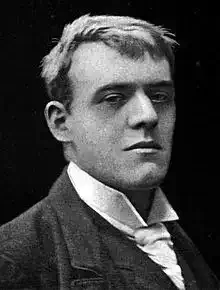
Hilaire Belloc
Lines to a Don
Lines to a Don
Remote and ineffectual Don
That dared attack my Chesterton,
With that poor weapon, half-impelled,
Unlearnt, unsteady, hardly held,
Unworthy for a tilt with men--
Your quavering and corroded pen;
Don poor at Bed and worse at Table,
Don pinched, Don starved, Don miserable;
Don stuttering, Don with roving eyes,
Don nervous, Don of crudities;
Don clerical, Don ordinary,
Don self-absorbed and solitary;
Don here-and-there, Don epileptic;
Don puffed and empty, Don dyspeptic;
Don middle-class, Don sycophantic,
Don dull, Don brutish, Don pedantic;
Don hypocritical, Don bad,
Don furtive, Don three-quarters mad;
Don (since a man must make and end),
Don that shall never be my friend.
Don different from those regal Dons!
With hearts of gold and lungs of bronze,
Who shout and bang and roar and bawl
The Absolute across the hall,
Or sail in amply bellying gown
Enormous through the Sacred Town,
Bearing from College to their homes
Deep cargoes of gigantic tomes;
Dons admirable! Dons of Might!
Uprising on my inward sight
Compact of ancient tales, and port
And sleep--and learning of a sort.
Dons English, worthy of the land;
Dons rooted; Dons that understand.
Good Dons perpetual that remain
A landmark, walling in the plain--
The horizon of my memories--
Like large and comfortable trees.
Don very much apart from these,
Thou scapegoat Don, thou Don devoted,
Don to thine own damnation quoted,
Perplexed to find thy trivial name
Reared in my verse to lasting shame.
Don dreadful, rasping Don and wearing,
Repulsive Don--Don past all bearing.
Don of the cold and doubtful breath,
Don despicable, Don of death;
Don nasty, skimpy, silent, level;
Don evil, Don that serves the devil.
Don ugly--that makes fifty lines.
There is a Canon which confines
A Rhymed Octosyllabic Curse
If written in Iambic Verse
To fifty lines. I never cut;
I far prefer to end it--but
Believe me I shall soon return.
My fires are banked, but still they burn
To write some more about the Don
That dared attack my Chesterton.
Remote and ineffectual Don
That dared attack my Chesterton,
With that poor weapon, half-impelled,
Unlearnt, unsteady, hardly held,
Unworthy for a tilt with men--
Your quavering and corroded pen;
Don poor at Bed and worse at Table,
Don pinched, Don starved, Don miserable;
Don stuttering, Don with roving eyes,
Don nervous, Don of crudities;
Don clerical, Don ordinary,
Don self-absorbed and solitary;
Don here-and-there, Don epileptic;
Don puffed and empty, Don dyspeptic;
Don middle-class, Don sycophantic,
Don dull, Don brutish, Don pedantic;
Don hypocritical, Don bad,
Don furtive, Don three-quarters mad;
Don (since a man must make and end),
Don that shall never be my friend.
Don different from those regal Dons!
With hearts of gold and lungs of bronze,
Who shout and bang and roar and bawl
The Absolute across the hall,
Or sail in amply bellying gown
Enormous through the Sacred Town,
Bearing from College to their homes
Deep cargoes of gigantic tomes;
Dons admirable! Dons of Might!
Uprising on my inward sight
Compact of ancient tales, and port
And sleep--and learning of a sort.
Dons English, worthy of the land;
Dons rooted; Dons that understand.
Good Dons perpetual that remain
A landmark, walling in the plain--
The horizon of my memories--
Like large and comfortable trees.
Don very much apart from these,
Thou scapegoat Don, thou Don devoted,
Don to thine own damnation quoted,
Perplexed to find thy trivial name
Reared in my verse to lasting shame.
Don dreadful, rasping Don and wearing,
Repulsive Don--Don past all bearing.
Don of the cold and doubtful breath,
Don despicable, Don of death;
Don nasty, skimpy, silent, level;
Don evil, Don that serves the devil.
Don ugly--that makes fifty lines.
There is a Canon which confines
A Rhymed Octosyllabic Curse
If written in Iambic Verse
To fifty lines. I never cut;
I far prefer to end it--but
Believe me I shall soon return.
My fires are banked, but still they burn
To write some more about the Don
That dared attack my Chesterton.
424
Hilaire Belloc
Godolphin Horne
Godolphin Horne
Who was cursed with the Sin of Pride, and Became a Boot-Black.
Godolphin Horne was Nobly Born;
He held the Human Race in Scorn,
And lived with all his Sisters where
His father lived, in Berkeley Square.
And oh! The Lad was Deathly Proud!
He never shook your Hand or Bowed,
But merely smirked and nodded thus:
How perfectly ridiculous!
Alas! That such Affected Tricks
Should flourish in a Child of Six!
(For such was Young Godolphin's age).
Just then, the Court required a Page,
Whereat the Lord High Chamberlain
(The Kindest and the Best of Men),
He went good-naturedly and took
A perfectly enormous Book
Called People Qualified to Be
Attendant on His Majesty,
And murmured, as he scanned the list
(To see that no one should be missed),
"There's William Coutts has got the Flu,
And Billy Higgs would never do,
And Guy de Vere is far too young,
And ... wasn't D'Alton's father hung?
And as for Alexander Byng!-...
I think I know the kind of thing,
A Churchman, cleanly, nobly born,
Come, let us say Godolphin Horne?"
But hardly had he said the word
When Murmurs of Dissent were heard.
The King of Iceland's Eldest Son
Said, "Thank you! I am taking none!"
The Aged Duchess of Athlone
Remarked, in her sub-acid tone,
"I doubt if He is what we need!"
With which the Bishops all agreed;
And even Lady Mary Flood
(So kind, and oh! So really good)
Said, "No! He wouldn't do at all,
He'd make us feel a lot too small."
The Chamberlain said, "Well, well, well!
No doubt you're right. One cannot tell!"
He took his Gold and Diamond Pen
And scratched Godolphin out again.
So now Godolphin is the Boy
Who Blacks the Boots at the Savoy.
Who was cursed with the Sin of Pride, and Became a Boot-Black.
Godolphin Horne was Nobly Born;
He held the Human Race in Scorn,
And lived with all his Sisters where
His father lived, in Berkeley Square.
And oh! The Lad was Deathly Proud!
He never shook your Hand or Bowed,
But merely smirked and nodded thus:
How perfectly ridiculous!
Alas! That such Affected Tricks
Should flourish in a Child of Six!
(For such was Young Godolphin's age).
Just then, the Court required a Page,
Whereat the Lord High Chamberlain
(The Kindest and the Best of Men),
He went good-naturedly and took
A perfectly enormous Book
Called People Qualified to Be
Attendant on His Majesty,
And murmured, as he scanned the list
(To see that no one should be missed),
"There's William Coutts has got the Flu,
And Billy Higgs would never do,
And Guy de Vere is far too young,
And ... wasn't D'Alton's father hung?
And as for Alexander Byng!-...
I think I know the kind of thing,
A Churchman, cleanly, nobly born,
Come, let us say Godolphin Horne?"
But hardly had he said the word
When Murmurs of Dissent were heard.
The King of Iceland's Eldest Son
Said, "Thank you! I am taking none!"
The Aged Duchess of Athlone
Remarked, in her sub-acid tone,
"I doubt if He is what we need!"
With which the Bishops all agreed;
And even Lady Mary Flood
(So kind, and oh! So really good)
Said, "No! He wouldn't do at all,
He'd make us feel a lot too small."
The Chamberlain said, "Well, well, well!
No doubt you're right. One cannot tell!"
He took his Gold and Diamond Pen
And scratched Godolphin out again.
So now Godolphin is the Boy
Who Blacks the Boots at the Savoy.
453
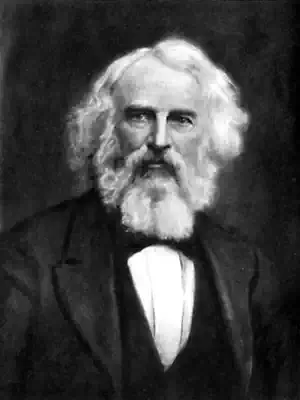
Henry Wadsworth Longfellow
Tales Of A Wayside Inn : Part 1. The Sicilian's Tale; King Robert of Sicily
Tales Of A Wayside Inn : Part 1. The Sicilian's Tale; King Robert of Sicily
Robert of Sicily, brother of Pope Urbane
And Valmond, Emperor of Allemaine,
Apparelled in magnificent attire,
With retinue of many a knight and squire,
On St. John's eve, at vespers, proudly sat
And heard the priests chant the Magnificat,
And as he listened, o'er and o'er again
Repeated, like a burden or refrain,
He caught the words, 'Deposuit potentes
De sede, et exaltavit humiles;'
And slowly lifting up his kingly head
He to a learned clerk beside him said,
'What mean these words?' The clerk made answer meet,
'He has put down the mighty from their seat,
And has exalted them of low degree.'
Thereat King Robert muttered scornfully,
''T is well that such seditious words are sung
Only by priests and in the Latin tongue;
For unto priests and people be it known,
There is no power can push me from my throne!'
And leaning back, he yawned and fell asleep,
Lulled by the chant monotonous and deep.
When he awoke, it was already night;
The church was empty, and there was no light,
Save where the lamps, that glimmered few and faint,
Lighted a little space before some saint.
He started from his seat and gazed around,
But saw no living thing and heard no sound.
He groped towards the door, but it was locked;
He cried aloud, and listened, and then knocked,
And uttered awful threatenings and complaints,
And imprecations upon men and saints.
The sounds reëchoed from the roof and walls
As if dead priests were laughing in their stalls.
At length the sexton, hearing from without
The tumult of the knocking and the shout,
And thinking thieves were in the house of prayer,
Came with his lantern, asking, 'Who is there?'
Half choked with rage, King Robert fiercely said,
'Open: 't is I, the King! Art thou afraid?'
The frightened sexton, muttering, with a curse,
'This is some drunken vagabond, or worse!'
Turned the great key and flung the portal wide;
A man rushed by him at a single stride,
Haggard, half naked, without hat or cloak,
Who neither turned, nor looked at him, nor spoke,
But leaped into the blackness of the night,
And vanished like a spectre from his sight.
Robert of Sicily, brother of Pope Urbane
And Valmond, Emperor of Allemaine,
Despoiled of his magnificent attire,
Bareheaded, breathless, and besprent with mire,
With sense of wrong and outrage desperate,
Strode on and thundered at the palace gate;
Rushed through the courtyard, thrusting in his rage
To right and left each seneschal and page,
And hurried up the broad and sounding stair,
His white face ghastly in the torches' glare.
From hall to hall he passed with breathless speed;
Voices and cries he heard, but did not heed,
Until at last he reached the banquet-room,
Blazing with light, and breathing with perfume.
There on the dais sat another king,
Wearing his robes, his crown, his signet-ring,
King Robert's self in features, form, and height,
But all transfigured with angelic light!
It was an Angel; and his presence there
With a divine effulgence filled the air,
An exaltation, piercing the disguise,
Though none the hidden Angel recognize.
A moment speechless, motionless, amazed,
The throneless monarch on the Angel gazed,
Who met his look of anger and surprise
With the divine compassion of his eyes;
Then said, 'Who art thou? and why com'st thou here?'
To which King Robert answered, with a sneer,
'I am the King, and come to claim my own
From an impostor, who usurps my throne!'
And suddenly, at these audacious words,
Up sprang the angry guests, and drew their swords;
The Angel answered, with unruffled brow,
'Nay, not the King, but the King's Jester, thou
Henceforth shall wear the bells and scalloped cape,
And for thy counsellor shalt lead an ape;
Thou shalt obey my servants when they call,
And wait upon my henchmen in the hall!'
Deaf to King Robert's threats and cries and prayers,
They thrust him from the hall and down the stairs;
A group of tittering pages ran before,
And as they opened wide the folding-door,
His heart failed, for he heard, with strange alarms,
The boisterous laughter of the men-at-arms,
And all the vaulted chamber roar and ring
With the mock plaudits of 'Long live the King!'
Next morning, waking with the day's first beam,
He said within himself, 'It was a dream!'
But the straw rustled as he turned his head,
There were the cap and bells beside his bed,
Around him rose the bare, discolored walls,
Close by, the steeds were champing in their stalls,
And in the corner, a revolting shape,
Shivering and chattering sat the wretched ape.
It was no dream; the world he loved so much
Had turned to dust and ashes at his touch!
Days came and went; and now returned again
To Sicily the old Saturnian reign;
Under the Angel's governance benign
The happy island danced with corn and wine,
And deep within the mountain's burning breast
Enceladus, the giant, was at rest.
Meanwhile King Robert yielded to his fate,
Sullen and silent and disconsolate.
Dressed in the motley garb that Jesters wear,
With look bewildered and a vacant stare,
Close shaven above the ears, as monks are shorn,
By courtiers mocked, by pages laughed to scorn,
His only friend the ape, his only food
What others left,--he still was unsubdued.
And when the Angel met him on his way,
And half in earnest, half in jest, would say,
Sternly, though tenderly, that he might feel
The velvet scabbard held a sword of steel,
'Art thou the King?' the passion of his woe
Burst from him in resistless overflow,
And, lifting high his forehead, he would fling
The haughty answer back, 'I am, I am the King!'
Almost three years were ended; when there came
Ambassadors of great repute and name
From Valmond, Emperor of Allemaine,
Unto King Robert, saying that Pope Urbane
By letter summoned them forthwith to come
On Holy Thursday to his city of Rome.
The Angel with great joy received his guests,
And gave them presents of embroidered vests,
And velvet mantles with rich ermine lined,
And rings and jewels of the rarest kind.
Then he departed with them o'er the sea
Into the lovely land of Italy,
Whose loveliness was more resplendent made
By the mere passing of that cavalcade,
With plumes, and cloaks, and housings, and the stir
Of jewelled bridle and of golden spur.
And lo! among the menials, in mock state,
Upon a piebald steed, with shambling gait,
His cloak of fox-tails flapping in the wind,
The solemn ape demurely perched behind,
King Robert rode, making huge merriment
In all the country towns through which they went.
The Pope received them with great pomp and blare
Of bannered trumpets, on Saint Peter's square,
Giving his benediction and embrace,
Fervent, and full of apostolic grace.
While with congratulations and with prayers
He entertained the Angel unawares,
Robert, the Jester, bursting through the crowd,
Into their presence rushed, and cried aloud,
'I am the King! Look, and behold in me
Robert, your brother, King of Sicily!
This man, who wears my semblance to your eyes,
Is an impostor in a king's disguise.
Do you not know me? does no voice within
Answer my cry, and say we are akin?'
The Pope in silence, but with troubled mien,
Gazed at the Angel's countenance serene;
The Emperor, laughing, said, 'It is strange sport
To keep a madman for thy Fool at court!'
And the poor, baffled Jester in disgrace
Was hustled back among the populace.
In solemn state the Holy Week went by,
And Easter Sunday gleamed upon the sky;
The presence of the Angel, with its light,
Before the sun rose, made the city bright,
And with new fervor filled the hearts of men,
Who felt that Christ indeed had risen again.
Even the Jester, on his bed of straw,
With haggard eyes the unwonted splendor saw,
He felt within a power unfelt before,
And, kneeling humbly on his chamber floor,
He heard the rushing garments of the Lord
Sweep through the silent air, ascending heavenward.
And now the visit ending, and once more
Valmond returning to the Danube's shore,
Homeward the Angel journeyed, and again
The land was made resplendent with his train,
Flashing along the towns of Italy
Unto Salerno, and from thence by sea.
And when once more within Palermo's wall,
And, seated on the throne in his great hall,
He heard the Angelus from convent towers,
As if the better world conversed with ours,
He beckoned to King Robert to draw nigher,
And with a gesture bade the rest retire;
And when they were alone, the Angel said,
'Art thou the King?' Then, bowing down his head,
King Robert crossed both hands upon his breast,
And meekly answered him: 'Thou knowest best!
My sins as scarlet are; let me go hence,
And in some cloister's school of penitence,
Across those stones, that pave the way to heaven,
Walk barefoot, till my guilty soul be shriven!'
The Angel smiled, and from his radiant face
A holy light illumined all the place,
And through the open window, loud and clear,
They heard the monks chant in the chapel near,
Above the stir and tumult of the street:
'He has put down the mighty from their seat,
And has exalted them of low degree!'
And through the chant a second melody
Rose like the throbbing of a single string:
'I am an Angel, and thou art the King!'
King Robert, who was standing near the throne,
Lifted his eyes, and lo! he was alone!
But all apparelled as in days of old,
With ermined mantle and with cloth of gold;
And when his courtiers came, they found him there
Kneeling upon the floor, absorbed in silent prayer.
Robert of Sicily, brother of Pope Urbane
And Valmond, Emperor of Allemaine,
Apparelled in magnificent attire,
With retinue of many a knight and squire,
On St. John's eve, at vespers, proudly sat
And heard the priests chant the Magnificat,
And as he listened, o'er and o'er again
Repeated, like a burden or refrain,
He caught the words, 'Deposuit potentes
De sede, et exaltavit humiles;'
And slowly lifting up his kingly head
He to a learned clerk beside him said,
'What mean these words?' The clerk made answer meet,
'He has put down the mighty from their seat,
And has exalted them of low degree.'
Thereat King Robert muttered scornfully,
''T is well that such seditious words are sung
Only by priests and in the Latin tongue;
For unto priests and people be it known,
There is no power can push me from my throne!'
And leaning back, he yawned and fell asleep,
Lulled by the chant monotonous and deep.
When he awoke, it was already night;
The church was empty, and there was no light,
Save where the lamps, that glimmered few and faint,
Lighted a little space before some saint.
He started from his seat and gazed around,
But saw no living thing and heard no sound.
He groped towards the door, but it was locked;
He cried aloud, and listened, and then knocked,
And uttered awful threatenings and complaints,
And imprecations upon men and saints.
The sounds reëchoed from the roof and walls
As if dead priests were laughing in their stalls.
At length the sexton, hearing from without
The tumult of the knocking and the shout,
And thinking thieves were in the house of prayer,
Came with his lantern, asking, 'Who is there?'
Half choked with rage, King Robert fiercely said,
'Open: 't is I, the King! Art thou afraid?'
The frightened sexton, muttering, with a curse,
'This is some drunken vagabond, or worse!'
Turned the great key and flung the portal wide;
A man rushed by him at a single stride,
Haggard, half naked, without hat or cloak,
Who neither turned, nor looked at him, nor spoke,
But leaped into the blackness of the night,
And vanished like a spectre from his sight.
Robert of Sicily, brother of Pope Urbane
And Valmond, Emperor of Allemaine,
Despoiled of his magnificent attire,
Bareheaded, breathless, and besprent with mire,
With sense of wrong and outrage desperate,
Strode on and thundered at the palace gate;
Rushed through the courtyard, thrusting in his rage
To right and left each seneschal and page,
And hurried up the broad and sounding stair,
His white face ghastly in the torches' glare.
From hall to hall he passed with breathless speed;
Voices and cries he heard, but did not heed,
Until at last he reached the banquet-room,
Blazing with light, and breathing with perfume.
There on the dais sat another king,
Wearing his robes, his crown, his signet-ring,
King Robert's self in features, form, and height,
But all transfigured with angelic light!
It was an Angel; and his presence there
With a divine effulgence filled the air,
An exaltation, piercing the disguise,
Though none the hidden Angel recognize.
A moment speechless, motionless, amazed,
The throneless monarch on the Angel gazed,
Who met his look of anger and surprise
With the divine compassion of his eyes;
Then said, 'Who art thou? and why com'st thou here?'
To which King Robert answered, with a sneer,
'I am the King, and come to claim my own
From an impostor, who usurps my throne!'
And suddenly, at these audacious words,
Up sprang the angry guests, and drew their swords;
The Angel answered, with unruffled brow,
'Nay, not the King, but the King's Jester, thou
Henceforth shall wear the bells and scalloped cape,
And for thy counsellor shalt lead an ape;
Thou shalt obey my servants when they call,
And wait upon my henchmen in the hall!'
Deaf to King Robert's threats and cries and prayers,
They thrust him from the hall and down the stairs;
A group of tittering pages ran before,
And as they opened wide the folding-door,
His heart failed, for he heard, with strange alarms,
The boisterous laughter of the men-at-arms,
And all the vaulted chamber roar and ring
With the mock plaudits of 'Long live the King!'
Next morning, waking with the day's first beam,
He said within himself, 'It was a dream!'
But the straw rustled as he turned his head,
There were the cap and bells beside his bed,
Around him rose the bare, discolored walls,
Close by, the steeds were champing in their stalls,
And in the corner, a revolting shape,
Shivering and chattering sat the wretched ape.
It was no dream; the world he loved so much
Had turned to dust and ashes at his touch!
Days came and went; and now returned again
To Sicily the old Saturnian reign;
Under the Angel's governance benign
The happy island danced with corn and wine,
And deep within the mountain's burning breast
Enceladus, the giant, was at rest.
Meanwhile King Robert yielded to his fate,
Sullen and silent and disconsolate.
Dressed in the motley garb that Jesters wear,
With look bewildered and a vacant stare,
Close shaven above the ears, as monks are shorn,
By courtiers mocked, by pages laughed to scorn,
His only friend the ape, his only food
What others left,--he still was unsubdued.
And when the Angel met him on his way,
And half in earnest, half in jest, would say,
Sternly, though tenderly, that he might feel
The velvet scabbard held a sword of steel,
'Art thou the King?' the passion of his woe
Burst from him in resistless overflow,
And, lifting high his forehead, he would fling
The haughty answer back, 'I am, I am the King!'
Almost three years were ended; when there came
Ambassadors of great repute and name
From Valmond, Emperor of Allemaine,
Unto King Robert, saying that Pope Urbane
By letter summoned them forthwith to come
On Holy Thursday to his city of Rome.
The Angel with great joy received his guests,
And gave them presents of embroidered vests,
And velvet mantles with rich ermine lined,
And rings and jewels of the rarest kind.
Then he departed with them o'er the sea
Into the lovely land of Italy,
Whose loveliness was more resplendent made
By the mere passing of that cavalcade,
With plumes, and cloaks, and housings, and the stir
Of jewelled bridle and of golden spur.
And lo! among the menials, in mock state,
Upon a piebald steed, with shambling gait,
His cloak of fox-tails flapping in the wind,
The solemn ape demurely perched behind,
King Robert rode, making huge merriment
In all the country towns through which they went.
The Pope received them with great pomp and blare
Of bannered trumpets, on Saint Peter's square,
Giving his benediction and embrace,
Fervent, and full of apostolic grace.
While with congratulations and with prayers
He entertained the Angel unawares,
Robert, the Jester, bursting through the crowd,
Into their presence rushed, and cried aloud,
'I am the King! Look, and behold in me
Robert, your brother, King of Sicily!
This man, who wears my semblance to your eyes,
Is an impostor in a king's disguise.
Do you not know me? does no voice within
Answer my cry, and say we are akin?'
The Pope in silence, but with troubled mien,
Gazed at the Angel's countenance serene;
The Emperor, laughing, said, 'It is strange sport
To keep a madman for thy Fool at court!'
And the poor, baffled Jester in disgrace
Was hustled back among the populace.
In solemn state the Holy Week went by,
And Easter Sunday gleamed upon the sky;
The presence of the Angel, with its light,
Before the sun rose, made the city bright,
And with new fervor filled the hearts of men,
Who felt that Christ indeed had risen again.
Even the Jester, on his bed of straw,
With haggard eyes the unwonted splendor saw,
He felt within a power unfelt before,
And, kneeling humbly on his chamber floor,
He heard the rushing garments of the Lord
Sweep through the silent air, ascending heavenward.
And now the visit ending, and once more
Valmond returning to the Danube's shore,
Homeward the Angel journeyed, and again
The land was made resplendent with his train,
Flashing along the towns of Italy
Unto Salerno, and from thence by sea.
And when once more within Palermo's wall,
And, seated on the throne in his great hall,
He heard the Angelus from convent towers,
As if the better world conversed with ours,
He beckoned to King Robert to draw nigher,
And with a gesture bade the rest retire;
And when they were alone, the Angel said,
'Art thou the King?' Then, bowing down his head,
King Robert crossed both hands upon his breast,
And meekly answered him: 'Thou knowest best!
My sins as scarlet are; let me go hence,
And in some cloister's school of penitence,
Across those stones, that pave the way to heaven,
Walk barefoot, till my guilty soul be shriven!'
The Angel smiled, and from his radiant face
A holy light illumined all the place,
And through the open window, loud and clear,
They heard the monks chant in the chapel near,
Above the stir and tumult of the street:
'He has put down the mighty from their seat,
And has exalted them of low degree!'
And through the chant a second melody
Rose like the throbbing of a single string:
'I am an Angel, and thou art the King!'
King Robert, who was standing near the throne,
Lifted his eyes, and lo! he was alone!
But all apparelled as in days of old,
With ermined mantle and with cloth of gold;
And when his courtiers came, they found him there
Kneeling upon the floor, absorbed in silent prayer.
226
Henry Wadsworth Longfellow
Tales Of A Wayside Inn : Part 1. The Musician's Tale; The Saga of King Olaf
Tales Of A Wayside Inn : Part 1. The Musician's Tale; The Saga of King Olaf
XVI. -- Queen Thuri And The Angelica Stalks
Northward over Drontheim,
Flew the clamorous sea-gulls,
Sang the lark and linnet
From the meadows green;
Weeping in her chamber,
Lonely and unhappy,
Sat the Drottning Thyri,
Sat King Olaf's Queen.
In at all the windows
Streamed the pleasant sunshine,
On the roof above her
Softly cooed the dove;
But the sound she heard not,
Nor the sunshine heeded,
For the thoughts of Thyri
Were not thoughts of love,
Then King Olaf entered,
Beautiful as morning,
Like the sun at Easter
Shone his happy face;
In his hand he carried
Angelicas uprooted,
With delicious fragrance
Filling all the place.
Like a rainy midnight
Sat the Drottning Thyri,
Even the smile of Olaf
Could not cheer her gloom;
Nor the stalks he gave her
With a gracious gesture,
And with words as pleasant
As their own perfume.
In her hands he placed them,
And her jewelled fingers
Through the green leaves glistened
Like the dews of morn;
But she cast them from her,
Haughty and indignant,
On the floor she threw them
With a look of scorn.
'Richer presents,' said she,
'Gave King Harald Gormson
To the Queen, my mother,
Than such worthless weeds;
'When he ravaged Norway,
Laying waste the kingdom,
Seizing scatt and treasure
For her royal needs.
'But thou darest not venture
Through the Sound to Vendland,
My domains to rescue
From King Burislaf;
'Lest King Svend of Denmark,
Forked Beard, my brother,
Scatter all thy vessels
As the wind the chaff.'
Then up sprang King Olaf,
Like a reindeer bounding,
With an oath he answered
Thus the luckless Queen:
'Never yet did Olaf
Fear King Svend of Denmark;
This right hand shall hale him
By his forked chin!'
Then he left the chamber,
Thundering through the doorway,
Loud his steps resounded
Down the outer stair.
Smarting with the insult,
Through the streets of Drontheim
Strode he red and wrathful,
With his stately air.
All his ships he gathered,
Summoned all his forces,
Making his war levy
In the region round;
Down the coast of Norway,
Like a flock of sea-gulls,
Sailed the fleet of Olaf
Through the Danish Sound.
With his own hand fearless,
Steered he the Long Serpent,
Strained the creaking cordage,
Bent each boom and gaff;
Till in Venland landing,
The domains of Thyri
He redeemed and rescued
From King Burislaf.
Then said Olaf, laughing,
'Not ten yoke of oxen
Have the power to draw us
Like a woman's hair!
'Now will I confess it,
Better things are jewels
Than angelica stalks are
For a Queen to wear.'
XVI. -- Queen Thuri And The Angelica Stalks
Northward over Drontheim,
Flew the clamorous sea-gulls,
Sang the lark and linnet
From the meadows green;
Weeping in her chamber,
Lonely and unhappy,
Sat the Drottning Thyri,
Sat King Olaf's Queen.
In at all the windows
Streamed the pleasant sunshine,
On the roof above her
Softly cooed the dove;
But the sound she heard not,
Nor the sunshine heeded,
For the thoughts of Thyri
Were not thoughts of love,
Then King Olaf entered,
Beautiful as morning,
Like the sun at Easter
Shone his happy face;
In his hand he carried
Angelicas uprooted,
With delicious fragrance
Filling all the place.
Like a rainy midnight
Sat the Drottning Thyri,
Even the smile of Olaf
Could not cheer her gloom;
Nor the stalks he gave her
With a gracious gesture,
And with words as pleasant
As their own perfume.
In her hands he placed them,
And her jewelled fingers
Through the green leaves glistened
Like the dews of morn;
But she cast them from her,
Haughty and indignant,
On the floor she threw them
With a look of scorn.
'Richer presents,' said she,
'Gave King Harald Gormson
To the Queen, my mother,
Than such worthless weeds;
'When he ravaged Norway,
Laying waste the kingdom,
Seizing scatt and treasure
For her royal needs.
'But thou darest not venture
Through the Sound to Vendland,
My domains to rescue
From King Burislaf;
'Lest King Svend of Denmark,
Forked Beard, my brother,
Scatter all thy vessels
As the wind the chaff.'
Then up sprang King Olaf,
Like a reindeer bounding,
With an oath he answered
Thus the luckless Queen:
'Never yet did Olaf
Fear King Svend of Denmark;
This right hand shall hale him
By his forked chin!'
Then he left the chamber,
Thundering through the doorway,
Loud his steps resounded
Down the outer stair.
Smarting with the insult,
Through the streets of Drontheim
Strode he red and wrathful,
With his stately air.
All his ships he gathered,
Summoned all his forces,
Making his war levy
In the region round;
Down the coast of Norway,
Like a flock of sea-gulls,
Sailed the fleet of Olaf
Through the Danish Sound.
With his own hand fearless,
Steered he the Long Serpent,
Strained the creaking cordage,
Bent each boom and gaff;
Till in Venland landing,
The domains of Thyri
He redeemed and rescued
From King Burislaf.
Then said Olaf, laughing,
'Not ten yoke of oxen
Have the power to draw us
Like a woman's hair!
'Now will I confess it,
Better things are jewels
Than angelica stalks are
For a Queen to wear.'
350
Henry Wadsworth Longfellow
Il Ponte Vecchio Di Firenze
Il Ponte Vecchio Di Firenze
Gaddi mi fece; il Ponte Vecchio sono;
Cinquecent' anni giá sull' Arno pianto
Il piede, come il suo Michele Santo
Piantó sul draco. Mentre ch' io ragiono
Lo vedo torcere con flebil suono
Le rilucenti scaglie. Ha questi affranto
Due volte i miei maggior. Me solo intanto
Neppure muove, ed io non l' abbandono.
Io mi rammento quando fur cacciati
I Medici; pur quando Ghibellino
E Guelfo fecer pace mi rammento.
Fiorenza i suoi giojelli m' ha prestati;
E quando penso ch' Agnolo il divino
Su me posava, insuperbir mi sento.
Gaddi mi fece; il Ponte Vecchio sono;
Cinquecent' anni giá sull' Arno pianto
Il piede, come il suo Michele Santo
Piantó sul draco. Mentre ch' io ragiono
Lo vedo torcere con flebil suono
Le rilucenti scaglie. Ha questi affranto
Due volte i miei maggior. Me solo intanto
Neppure muove, ed io non l' abbandono.
Io mi rammento quando fur cacciati
I Medici; pur quando Ghibellino
E Guelfo fecer pace mi rammento.
Fiorenza i suoi giojelli m' ha prestati;
E quando penso ch' Agnolo il divino
Su me posava, insuperbir mi sento.
287
Henry Van Dyke
The Proud Lady
The Proud Lady
When Stiivoren town was in its prime
And queened the Zuyder Zee,
Its ships went out to every clime
With costly merchantry.
A lady dwelt in that rich town,
The fairest in all the land;
She walked abroad in a velvet gown,
With many rings on her hand.
Her hair was bright as the beaten gold,
Her lips as coral red,
Her roving eyes were blue and bold,
And her heart with pride was fed.
For she was proud of her father's ships,
As she watched them gayly pass;
And pride looked out of her eyes and lips
When she saw herself in the glass.
"Now come," she said to the captains ten,
Who were ready to put to sea,
"Ye are all my men and my father's men,
And what will ye do for me?"
"Go north and south, go east and west,
And get me gifts," she said.
"And he who bringeth me home the best,
With that man will I wed."
So they all fared forth, and sought with care
In many a famous mart,
For satins and silks and jewels rare,
To win that lady's heart.
She looked at them all with never a thought,
And careless put them by;
"I am not fain of the things ye brought,
Enough of these have I."
The last that came was the head of the fleet,
His name was Jan Borel;
He bent his knee at the lady's feet,--
In truth he loved her well.
"I've brought thee home the best i' the world,
A shipful of Danzig corn!"
She stared at him long; her red lips curled,
Her blue eyes filled with scorn.
"Now out on thee, thou feckless kerl,
A loon thou art," she said.
"Am I a starving beggar girl?
Shall I ever lack for bread?"
"Go empty all thy sacks of grain
Into the nearest sea,
And never show thy face again
To make a mock of me."
Then Jan Borel, he hoisted sail,
And out to sea he bore;
He passed the Helder in a gale
And came again no more.
But the grains of corn went drifting down
Like devil-scattered seed,
To sow the harbor of the town
With a wicked growth of weed.
The roots were thick and the silt and sand
Were gathered day by day,
Till not a furlong out from land
A shoal had barred the way.
Then Stavoren town saw evil years,
No ships could out or in,
The boats lay rotting at the piers,
And the mouldy grain in the bin.
The grass-grown streets were all forlorn,
The town in ruin stood,
The lady's velvet gown was torn,
Her rings were sold for food.
Her father had perished long ago,
But the lady held her pride,
She walked with a scornful step and slow,
Till at last in her rags she died.
Yet still on the crumbling piers of the town,
When the midnight moon shines free,
woman walks in a velvet gown
And scatters corn in the sea.
When Stiivoren town was in its prime
And queened the Zuyder Zee,
Its ships went out to every clime
With costly merchantry.
A lady dwelt in that rich town,
The fairest in all the land;
She walked abroad in a velvet gown,
With many rings on her hand.
Her hair was bright as the beaten gold,
Her lips as coral red,
Her roving eyes were blue and bold,
And her heart with pride was fed.
For she was proud of her father's ships,
As she watched them gayly pass;
And pride looked out of her eyes and lips
When she saw herself in the glass.
"Now come," she said to the captains ten,
Who were ready to put to sea,
"Ye are all my men and my father's men,
And what will ye do for me?"
"Go north and south, go east and west,
And get me gifts," she said.
"And he who bringeth me home the best,
With that man will I wed."
So they all fared forth, and sought with care
In many a famous mart,
For satins and silks and jewels rare,
To win that lady's heart.
She looked at them all with never a thought,
And careless put them by;
"I am not fain of the things ye brought,
Enough of these have I."
The last that came was the head of the fleet,
His name was Jan Borel;
He bent his knee at the lady's feet,--
In truth he loved her well.
"I've brought thee home the best i' the world,
A shipful of Danzig corn!"
She stared at him long; her red lips curled,
Her blue eyes filled with scorn.
"Now out on thee, thou feckless kerl,
A loon thou art," she said.
"Am I a starving beggar girl?
Shall I ever lack for bread?"
"Go empty all thy sacks of grain
Into the nearest sea,
And never show thy face again
To make a mock of me."
Then Jan Borel, he hoisted sail,
And out to sea he bore;
He passed the Helder in a gale
And came again no more.
But the grains of corn went drifting down
Like devil-scattered seed,
To sow the harbor of the town
With a wicked growth of weed.
The roots were thick and the silt and sand
Were gathered day by day,
Till not a furlong out from land
A shoal had barred the way.
Then Stavoren town saw evil years,
No ships could out or in,
The boats lay rotting at the piers,
And the mouldy grain in the bin.
The grass-grown streets were all forlorn,
The town in ruin stood,
The lady's velvet gown was torn,
Her rings were sold for food.
Her father had perished long ago,
But the lady held her pride,
She walked with a scornful step and slow,
Till at last in her rags she died.
Yet still on the crumbling piers of the town,
When the midnight moon shines free,
woman walks in a velvet gown
And scatters corn in the sea.
317

Henry Lawson
To-Morrow
To-Morrow
When you’re suffering hard for your sins, old man,
When you wake to trouble and sleep ill—
Oh, this is the clack of the middle class,
‘Win back the respect of the people!’
You are weak, you’re a fool, or a drunken brute
When you’re deep in trouble and sorrow;
But walk down the street in a decent suit,
And their hats will be off to-morrow! Old Chap—
And their hats will be off to-morrow!
They cant and they cackle—‘Redeem the Past!’
Who never had past worth redeeming:
Your soul seems dead, but you’ll find at last
That somewhere your soul lay dreaming.
You may stagger down-hill in a beer-stained coat,
You may loaf, you may cadge and borrow—
But walk down the street with a ten-pound note
And their hats will be off to-morrow! Old Man—
Yes, their hats will be off to-morrow!
But stick to it, man! for your old self’s sake,
Though to brood on the past is human;
Hold up for the sake of the mate who was true,
And the sake of the Other Woman.
And as for the rest, you may take off your hat
And banish all signs of sorrow;
You may take their hands, but in spite of that,
Can they win your respect to-morrow? Old Man—
Can they win your respect to-morrow?
When you’re suffering hard for your sins, old man,
When you wake to trouble and sleep ill—
Oh, this is the clack of the middle class,
‘Win back the respect of the people!’
You are weak, you’re a fool, or a drunken brute
When you’re deep in trouble and sorrow;
But walk down the street in a decent suit,
And their hats will be off to-morrow! Old Chap—
And their hats will be off to-morrow!
They cant and they cackle—‘Redeem the Past!’
Who never had past worth redeeming:
Your soul seems dead, but you’ll find at last
That somewhere your soul lay dreaming.
You may stagger down-hill in a beer-stained coat,
You may loaf, you may cadge and borrow—
But walk down the street with a ten-pound note
And their hats will be off to-morrow! Old Man—
Yes, their hats will be off to-morrow!
But stick to it, man! for your old self’s sake,
Though to brood on the past is human;
Hold up for the sake of the mate who was true,
And the sake of the Other Woman.
And as for the rest, you may take off your hat
And banish all signs of sorrow;
You may take their hands, but in spite of that,
Can they win your respect to-morrow? Old Man—
Can they win your respect to-morrow?
243
Henry Lawson
The Shame of Going Back
The Shame of Going Back
When you've come to make a fortune and you haven't made your salt,
And the reason of your failure isn't anybody's fault -
When you haven't got a billet, and the times are very slack,
There is nothing that can spur you like the shame of going back;
Crawling home with empty pockets,
Going back hard-up;
Oh! it's then you learn the meaning of humiliation's cup.
When the place and you are strangers and you struggle all alone,
And you have a mighty longing for the town where you are known;
When your clothes are very shabby and the future's very black,
There is nothing that can hurt you like the shame of going back.
When we've fought the battle bravely and are beaten to the wall,
'Tis the sneers of men, not conscience, that make cowards of us all;
And the while you are returning, oh! your brain is on the rack,
And your heart is in the shadow of the shame of going back.
When a beaten man's discovered with a bullet in his brain,
They POST-MORTEM him, and try him, and they say he was insane;
But it very often happens that he'd lately got the sack,
And his onward move was owing to the shame of going back.
Ah! my friend, you call it nonsense, and your upper lip is curled,
I can see that you have never worked your passage through the world;
But when fortune rounds upon you and the rain is on the track,
You will learn the bitter meaning of the shame of going back;
Going home with empty pockets,
Going home hard-up;
Oh, you'll taste the bitter poison in humiliation's cup.
When you've come to make a fortune and you haven't made your salt,
And the reason of your failure isn't anybody's fault -
When you haven't got a billet, and the times are very slack,
There is nothing that can spur you like the shame of going back;
Crawling home with empty pockets,
Going back hard-up;
Oh! it's then you learn the meaning of humiliation's cup.
When the place and you are strangers and you struggle all alone,
And you have a mighty longing for the town where you are known;
When your clothes are very shabby and the future's very black,
There is nothing that can hurt you like the shame of going back.
When we've fought the battle bravely and are beaten to the wall,
'Tis the sneers of men, not conscience, that make cowards of us all;
And the while you are returning, oh! your brain is on the rack,
And your heart is in the shadow of the shame of going back.
When a beaten man's discovered with a bullet in his brain,
They POST-MORTEM him, and try him, and they say he was insane;
But it very often happens that he'd lately got the sack,
And his onward move was owing to the shame of going back.
Ah! my friend, you call it nonsense, and your upper lip is curled,
I can see that you have never worked your passage through the world;
But when fortune rounds upon you and the rain is on the track,
You will learn the bitter meaning of the shame of going back;
Going home with empty pockets,
Going home hard-up;
Oh, you'll taste the bitter poison in humiliation's cup.
254
Henry Lawson
The Pride That Comes After
The Pride That Comes After
It knows it all, it knows it all,
The world of groans and laughter,
It sneers of pride before a fall,
But the bitter pride comes after:
So leave me and I’ll seek you not,
So seek me and you’ll find me—
But till I know your hand-grip’s true
I’ll stand with hands behind me.
It knows it all, it knows it all,
The world of lies and sorrow—
It prates of pride before a fall,
And of the humble morrow;
But shame and blame are but a name,
Oh, heart that’s hurt past curing!
We’ll drink to-night the sinner’s pride,
The pride that’s most enduring.
They know it all, they know it all,
The curs that pass the sentence.
They preach of pride before a fall
And bitter black repentance:
So leave me when my star is set,
I’ll glory that you leave me,
While one has pride to love me yet
There’s nought on earth shall grieve me.
It knows it all, it knows it all,
The world of groans and laughter,
It sneers of pride before a fall,
But the bitter pride comes after:
So leave me and I’ll seek you not,
So seek me and you’ll find me—
But till I know your hand-grip’s true
I’ll stand with hands behind me.
It knows it all, it knows it all,
The world of lies and sorrow—
It prates of pride before a fall,
And of the humble morrow;
But shame and blame are but a name,
Oh, heart that’s hurt past curing!
We’ll drink to-night the sinner’s pride,
The pride that’s most enduring.
They know it all, they know it all,
The curs that pass the sentence.
They preach of pride before a fall
And bitter black repentance:
So leave me when my star is set,
I’ll glory that you leave me,
While one has pride to love me yet
There’s nought on earth shall grieve me.
238
Henry Lawson
The King and Queen and I
The King and Queen and I
Oh, Scotty, have you visited the Picture Gallery,
And did you see the portraits of the King and Queen and me?
The portraits made by Longstaff, and the pictures done by Jack,
Of the King and Queen and Lawson and the lady all in black?
The King is robed in royal state, with medals on his breast,
And, like the mother Queen she is, Her Majesty is dressed.
The lady’s dressed in simple black and sports no precious stones,
And I a suit of reach-me-downs I bought from Davy Jones.
We’re strangers two to two, and each unto the other three—
I do not know the lady and I don’t think she knows me.
We’re strangers to each other here, and to the other two,
And they themselves are strangers yet, if all we hear is true.
I s’pose we’re just as satisfied as folks have ever been:
The lady would much rather be her own self than the Queen;
And though I’m down and precious stiff and I admire King Ned,
I’d sooner just be Harry, with his follies on his head.
We four may meet together—stranger folk have met, I ween,
Than a rhymer and a monarch and a lady and a queen.
Ned and I might talk it over on the terrace, frank and free,
With cigars, while Alexandra and the lady’s having tea.
Anyway, we’ll never quarrel while we’re hanging on the wall—
Friends! we all have had our troubles—we are human, one and all!
If by chance we hang together—hang together on the line,
And the thing should shock the Godly—then it’s Longstaff’s fault, not mine.
Oh, Scotty, have you visited the Picture Gallery,
And did you see the portraits of the King and Queen and me?
The portraits made by Longstaff, and the pictures done by Jack,
Of the King and Queen and Lawson and the lady all in black?
The King is robed in royal state, with medals on his breast,
And, like the mother Queen she is, Her Majesty is dressed.
The lady’s dressed in simple black and sports no precious stones,
And I a suit of reach-me-downs I bought from Davy Jones.
We’re strangers two to two, and each unto the other three—
I do not know the lady and I don’t think she knows me.
We’re strangers to each other here, and to the other two,
And they themselves are strangers yet, if all we hear is true.
I s’pose we’re just as satisfied as folks have ever been:
The lady would much rather be her own self than the Queen;
And though I’m down and precious stiff and I admire King Ned,
I’d sooner just be Harry, with his follies on his head.
We four may meet together—stranger folk have met, I ween,
Than a rhymer and a monarch and a lady and a queen.
Ned and I might talk it over on the terrace, frank and free,
With cigars, while Alexandra and the lady’s having tea.
Anyway, we’ll never quarrel while we’re hanging on the wall—
Friends! we all have had our troubles—we are human, one and all!
If by chance we hang together—hang together on the line,
And the thing should shock the Godly—then it’s Longstaff’s fault, not mine.
264
Henry Lawson
I'd Back Again the World
I'd Back Again the World
She's not like an empress,
And crowned with raven hair,
She is not “pert an’ bonny,”
Nor “winsome, wee, an’ fair.”
But when a man’s in trouble,
And darkest shadows fall,
She’s just a little woman
I’d back against them all.
I’d back against them all,
When friends on rocks are hurled—
Oh, she’s the little woman
I’d back against the world.
She has her little temper
(As all the world can know)
When things are running smoothly,
She sometimes lets it go;
But when the sea is stormy,
And clouds are like a pall,
Oh, she’s the little woman
I’d back against them all.
I’d back against the world,
When darkest shadows fall—
Oh, she’s the little woman
I’d back against them all.
She’s had to stand at business
Till she was fit to drop;
She has to count the pennies
When she goes to the shop.
She has no land or terrace,
Nor money in the bank,
And, save what’s in her ownself,
No influence nor rank.
No influence nor rank
While darker shadows fall—
Oh, she’s a little woman
I’d back against them all.
It will not last for ever,
As old time goes his rounds,
Where now she counts the pennies
She yet shall count the pounds.
And those who laugh to see her,
Or pass her unawares,
Shall stand beside her motor car,
And bow her up the stairs.
And bow her up the stairs,
When foes on rocks are hurled—
For she’s the little woman
I’ll back against the world.
Or may I slave in prisons,
In mental misery,
And no one write a letter,
And no one visit me!
And may I rot with paupers,
A ditch without a stone,
My work be never quoted,
And my grave be never known.
My work be never quoted,
When friends on rocks are hurled—
Ah! she’s a little woman
I’d back against the world.
She's not like an empress,
And crowned with raven hair,
She is not “pert an’ bonny,”
Nor “winsome, wee, an’ fair.”
But when a man’s in trouble,
And darkest shadows fall,
She’s just a little woman
I’d back against them all.
I’d back against them all,
When friends on rocks are hurled—
Oh, she’s the little woman
I’d back against the world.
She has her little temper
(As all the world can know)
When things are running smoothly,
She sometimes lets it go;
But when the sea is stormy,
And clouds are like a pall,
Oh, she’s the little woman
I’d back against them all.
I’d back against the world,
When darkest shadows fall—
Oh, she’s the little woman
I’d back against them all.
She’s had to stand at business
Till she was fit to drop;
She has to count the pennies
When she goes to the shop.
She has no land or terrace,
Nor money in the bank,
And, save what’s in her ownself,
No influence nor rank.
No influence nor rank
While darker shadows fall—
Oh, she’s a little woman
I’d back against them all.
It will not last for ever,
As old time goes his rounds,
Where now she counts the pennies
She yet shall count the pounds.
And those who laugh to see her,
Or pass her unawares,
Shall stand beside her motor car,
And bow her up the stairs.
And bow her up the stairs,
When foes on rocks are hurled—
For she’s the little woman
I’ll back against the world.
Or may I slave in prisons,
In mental misery,
And no one write a letter,
And no one visit me!
And may I rot with paupers,
A ditch without a stone,
My work be never quoted,
And my grave be never known.
My work be never quoted,
When friends on rocks are hurled—
Ah! she’s a little woman
I’d back against the world.
239
Henry Lawson
Fighting Hard
Fighting Hard
Rolling out to fight for England, singing songs across the sea;
Rolling North to fight for England, and to fight for you and me.
Fighting hard for France and England, where the storms of Death are hurled;
Fighting hard for Australasia and the honour of the World!
Fighting hard.
Fighting hard for Sunny Queensland—fighting for Bananaland,
Fighting hard for West Australia, and the mulga and the sand;
Fighting hard for Plain and Wool-Track, and the haze of western heat—
Fighting hard for South Australia and the bronze of Farrar’s Wheat!
Fighting hard.
Fighting hard for fair Victoria, and the mountain and the glen;
(And the Memory of Eureka—there were other tyrants then),
For the glorious Gippsland forests and the World’s great Singing Star—
For the irrigation channels where the cabbage gardens are—
Fighting hard.
Fighting hard for gale and earthquake, and the wind-swept ports between;
For the wild flax and manuka and the terraced hills of green.
Fighting hard for wooden homesteads, where the mighty kauris stand—
Fighting hard for fern and tussock!—Fighting hard for Maoriland!
Fighting hard.
Fighting hard for little Tassy, where the apple orchards grow;
(And the Northern Territory just to give the place a show),
Fighting hard for Home and Empire, while the Commonwealth prevails—
And, in spite of all her blunders, dying hard for New South Wales.
Dying hard.
Fighting for the Pride of Old Folk, and the people that you know;
And the girl you left behind you—(ah! the time is passing slow).
For the proud tears of a sister! come you back, or never come!
And the weary Elder Brother, looking after things at home—
Fighting Hard!
You Lucky Devils
!
Fighting hard.
Rolling out to fight for England, singing songs across the sea;
Rolling North to fight for England, and to fight for you and me.
Fighting hard for France and England, where the storms of Death are hurled;
Fighting hard for Australasia and the honour of the World!
Fighting hard.
Fighting hard for Sunny Queensland—fighting for Bananaland,
Fighting hard for West Australia, and the mulga and the sand;
Fighting hard for Plain and Wool-Track, and the haze of western heat—
Fighting hard for South Australia and the bronze of Farrar’s Wheat!
Fighting hard.
Fighting hard for fair Victoria, and the mountain and the glen;
(And the Memory of Eureka—there were other tyrants then),
For the glorious Gippsland forests and the World’s great Singing Star—
For the irrigation channels where the cabbage gardens are—
Fighting hard.
Fighting hard for gale and earthquake, and the wind-swept ports between;
For the wild flax and manuka and the terraced hills of green.
Fighting hard for wooden homesteads, where the mighty kauris stand—
Fighting hard for fern and tussock!—Fighting hard for Maoriland!
Fighting hard.
Fighting hard for little Tassy, where the apple orchards grow;
(And the Northern Territory just to give the place a show),
Fighting hard for Home and Empire, while the Commonwealth prevails—
And, in spite of all her blunders, dying hard for New South Wales.
Dying hard.
Fighting for the Pride of Old Folk, and the people that you know;
And the girl you left behind you—(ah! the time is passing slow).
For the proud tears of a sister! come you back, or never come!
And the weary Elder Brother, looking after things at home—
Fighting Hard!
You Lucky Devils
!
Fighting hard.
254
Henry Lawson
A Prouder Man Than You
A Prouder Man Than You
If you fancy that your people came of better stock than mine,
If you hint of higher breeding by a word or by a sign,
If you're proud because of fortune or the clever things you do --
Then I'll play no second fiddle: I'm a prouder man than you!
If you think that your profession has the more gentility,
And that you are condescending to be seen along with me;
If you notice that I'm shabby while your clothes are spruce and new --
You have only got to hint it: I'm a prouder man than you!
If you have a swell companion when you see me on the street,
And you think that I'm too common for your toney friend to meet,
So that I, in passing closely, fail to come within your view --
Then be blind to me for ever: I'm a prouder man than you!
If your character be blameless, if your outward past be clean,
While 'tis known my antecedents are not what they should have been,
Do not risk contamination, save your name whate'er you do -`
Birds o' feather fly together': I'm a prouder bird than you!
Keep your patronage for others! Gold and station cannot hide
Friendship that can laugh at fortune, friendship that can conquer pride!
Offer this as to an equal -- let me see that you are true,
And my wall of pride is shattered: I am not so proud as you!
If you fancy that your people came of better stock than mine,
If you hint of higher breeding by a word or by a sign,
If you're proud because of fortune or the clever things you do --
Then I'll play no second fiddle: I'm a prouder man than you!
If you think that your profession has the more gentility,
And that you are condescending to be seen along with me;
If you notice that I'm shabby while your clothes are spruce and new --
You have only got to hint it: I'm a prouder man than you!
If you have a swell companion when you see me on the street,
And you think that I'm too common for your toney friend to meet,
So that I, in passing closely, fail to come within your view --
Then be blind to me for ever: I'm a prouder man than you!
If your character be blameless, if your outward past be clean,
While 'tis known my antecedents are not what they should have been,
Do not risk contamination, save your name whate'er you do -`
Birds o' feather fly together': I'm a prouder bird than you!
Keep your patronage for others! Gold and station cannot hide
Friendship that can laugh at fortune, friendship that can conquer pride!
Offer this as to an equal -- let me see that you are true,
And my wall of pride is shattered: I am not so proud as you!
274
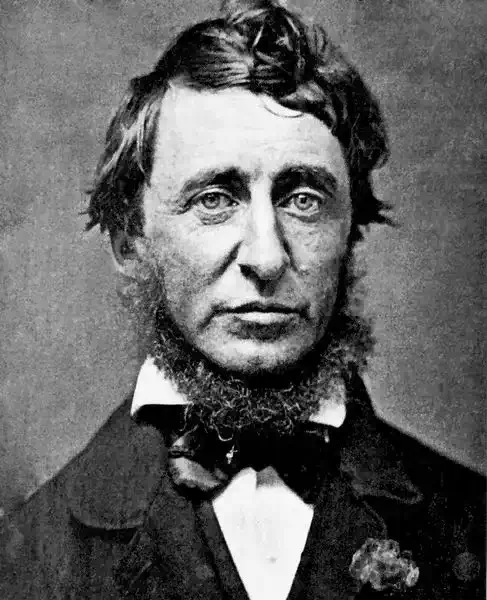
Henry David Thoreau
I was Made Erect and Lone
I was Made Erect and Lone
I was made erect and lone,
And within me is the bone;
Still my vision will be clear,
Still my life will not be drear,
To the center all is near.
Where I sit there is my throne.
If age choose to sit apart,
If age choose, give me the start,
Take the sap and leave the heart.
I was made erect and lone,
And within me is the bone;
Still my vision will be clear,
Still my life will not be drear,
To the center all is near.
Where I sit there is my throne.
If age choose to sit apart,
If age choose, give me the start,
Take the sap and leave the heart.
264

Gwendolyn Brooks
Primer For Blacks
Primer For Blacks
Blackness
is a title,
is a preoccupation,
is a commitment Blacks
are to comprehend—
and in which you are
to perceive your Glory.
The conscious shout
of all that is white is
“It’s Great to be white.”
The conscious shout
of the slack in Black is
'It's Great to be white.'
Thus all that is white
has white strength and yours.
The word Black
has geographic power,
pulls everybody in:
Blacks here—
Blacks there—
Blacks wherever they may be.
And remember, you Blacks, what they told you—
remember your Education:
“one Drop—one Drop
maketh a brand new Black.”
Oh mighty Drop.
______And because they have given us kindly
so many more of our people
Blackness
stretches over the land.
Blackness—
the Black of it,
the rust-red of it,
the milk and cream of it,
the tan and yellow-tan of it,
the deep-brown middle-brown high-brown of it,
the “olive” and ochre of it—
Blackness
marches on.
The huge, the pungent object of our prime out-ride
is to Comprehend,
to salute and to Love the fact that we are Black,
which is our “ultimate Reality,”
which is the lone ground
from which our meaningful metamorphosis,
from which our prosperous staccato,
group or individual, can rise.
Self-shriveled Blacks.
Begin with gaunt and marvelous concession:
YOU are our costume and our fundamental bone.
All of you—
you COLORED ones,
you NEGRO ones,
those of you who proudly cry
“I’m half INDian”—
those of you who proudly screech
“I’VE got the blood of George WASHington in MY veins”
ALL of you—
you proper Blacks,
you half-Blacks,
you wish-I-weren’t Blacks,
Niggeroes and Niggerenes.
You.
Blackness
is a title,
is a preoccupation,
is a commitment Blacks
are to comprehend—
and in which you are
to perceive your Glory.
The conscious shout
of all that is white is
“It’s Great to be white.”
The conscious shout
of the slack in Black is
'It's Great to be white.'
Thus all that is white
has white strength and yours.
The word Black
has geographic power,
pulls everybody in:
Blacks here—
Blacks there—
Blacks wherever they may be.
And remember, you Blacks, what they told you—
remember your Education:
“one Drop—one Drop
maketh a brand new Black.”
Oh mighty Drop.
______And because they have given us kindly
so many more of our people
Blackness
stretches over the land.
Blackness—
the Black of it,
the rust-red of it,
the milk and cream of it,
the tan and yellow-tan of it,
the deep-brown middle-brown high-brown of it,
the “olive” and ochre of it—
Blackness
marches on.
The huge, the pungent object of our prime out-ride
is to Comprehend,
to salute and to Love the fact that we are Black,
which is our “ultimate Reality,”
which is the lone ground
from which our meaningful metamorphosis,
from which our prosperous staccato,
group or individual, can rise.
Self-shriveled Blacks.
Begin with gaunt and marvelous concession:
YOU are our costume and our fundamental bone.
All of you—
you COLORED ones,
you NEGRO ones,
those of you who proudly cry
“I’m half INDian”—
those of you who proudly screech
“I’VE got the blood of George WASHington in MY veins”
ALL of you—
you proper Blacks,
you half-Blacks,
you wish-I-weren’t Blacks,
Niggeroes and Niggerenes.
You.
263
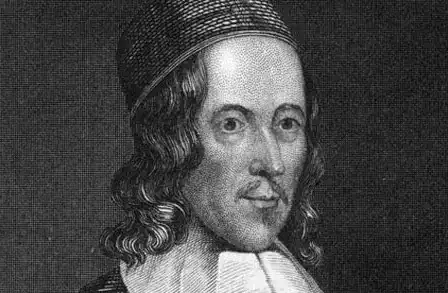
George Herbert
The Quip
The Quip
The merry World did on a day
With his train-bands and mates agree
To meet together where I lay,
And all in sport to jeer at me.
First Beauty crept into a rose,
Which when I pluck'd not, "Sir," said she,
"Tell me, I pray, whose hands are those?"
But Thou shalt answer, Lord, for me.
Then Money came, and chinking still,
"What tune is this, poor man?" said he;
"I heard in music you had skill:"
But Thou shalt answer, Lord, for me.
Then came brave Glory puffing by
In silks that whistled, who but he?
He scarce allow'd me half an eye:
But Thou shalt answer, Lord, for me.
Then came quick Wit and Conversation,
And he would needs a comfort be,
And, to be short, make an oration:
But Thou shalt answer, Lord, for me.
Yet when the hour of Thy design
To answer these fine things shall come,
Speak not at large, say, I am Thine;
And then they have their answer home.
The merry World did on a day
With his train-bands and mates agree
To meet together where I lay,
And all in sport to jeer at me.
First Beauty crept into a rose,
Which when I pluck'd not, "Sir," said she,
"Tell me, I pray, whose hands are those?"
But Thou shalt answer, Lord, for me.
Then Money came, and chinking still,
"What tune is this, poor man?" said he;
"I heard in music you had skill:"
But Thou shalt answer, Lord, for me.
Then came brave Glory puffing by
In silks that whistled, who but he?
He scarce allow'd me half an eye:
But Thou shalt answer, Lord, for me.
Then came quick Wit and Conversation,
And he would needs a comfort be,
And, to be short, make an oration:
But Thou shalt answer, Lord, for me.
Yet when the hour of Thy design
To answer these fine things shall come,
Speak not at large, say, I am Thine;
And then they have their answer home.
276
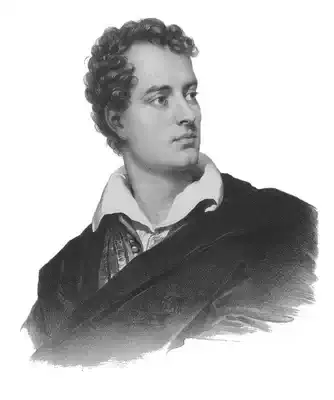
Lord Byron
To A Vain Lady
To A Vain Lady
Ah! heedless girl! why thus disclose
What ne'er was meant for other ears:
Why thus destroy thine own repose
And dig the source of future tears?
Oh, thou wilt weep, imprudent maid,
While lurking envious foes will smile,
For all the follies thou hast said
Of those who spoke but to beguile.
Vain girl! thy ling'ring woes are nigh,
If thou believ'st what striplings say:
Oh, from the deep temptation fly,
Nor fall the specious spoiler's prey.
Dost thou repeat, in childish boast,
The words man utters to deceive?
Thy peace, thy hope, thy all is lost,
If thou canst venture to believe.
While now amongst thy female peers
Thou tell'st again the soothing tale,
Canst thou not mark the rising sneers
Duplicity in vain would veil?
These tales in secret silence hush,
Nor make thyself the public gaze:
What modest maid without a blush
Recounts a flattering coxcomb's praise?
Will not the laughing boy despise
Her who relates each fond conceit Who,
thinking Heaven is in her eyes,
Yet cannot see the slight deceit?
For she who takes a soft delight
These amorous nothings in revealing,
Must credit all we say or write,
While vanity prevents concealing.
Cease, if you prize your beauty's reign!
No jealousy bids me reprove:
One, who is thus from nature vain,
I pity, but I cannot love.
January 15,1807.
Ah! heedless girl! why thus disclose
What ne'er was meant for other ears:
Why thus destroy thine own repose
And dig the source of future tears?
Oh, thou wilt weep, imprudent maid,
While lurking envious foes will smile,
For all the follies thou hast said
Of those who spoke but to beguile.
Vain girl! thy ling'ring woes are nigh,
If thou believ'st what striplings say:
Oh, from the deep temptation fly,
Nor fall the specious spoiler's prey.
Dost thou repeat, in childish boast,
The words man utters to deceive?
Thy peace, thy hope, thy all is lost,
If thou canst venture to believe.
While now amongst thy female peers
Thou tell'st again the soothing tale,
Canst thou not mark the rising sneers
Duplicity in vain would veil?
These tales in secret silence hush,
Nor make thyself the public gaze:
What modest maid without a blush
Recounts a flattering coxcomb's praise?
Will not the laughing boy despise
Her who relates each fond conceit Who,
thinking Heaven is in her eyes,
Yet cannot see the slight deceit?
For she who takes a soft delight
These amorous nothings in revealing,
Must credit all we say or write,
While vanity prevents concealing.
Cease, if you prize your beauty's reign!
No jealousy bids me reprove:
One, who is thus from nature vain,
I pity, but I cannot love.
January 15,1807.
464
Lord Byron
Thoughts Suggested By A College Examination
Thoughts Suggested By A College Examination
High in the midst, surrounded by his peers,
MAGNUS his ample front sublime up rears:
Placed on his chair of state, he seems a god.
While Sophs and Freshmen tremble at his nod.
As all around sit wrapt in speechless gloom,
His voice in thunder shakes the sounding dome;
Denouncing dire reproach to luckless fools,
Unskill'd to plod in mathematic rules.
Happy the youth in Euclid's axiorn tried,
Though littie versed in any art beside;
Who, scarcely skill'd an English line tc pen,
Scans Attic metres with a critic's ken.
What, though he knows not how his fathers bled,
When civil discord piled the fields with dead,
When Edward bade his conquering bands advance
Or Henry trampled on the crest of France.
Though marvelling at the name of Magna Charta,
Yet well he recollects the laws of Sparta;
Can tell what edicts sage Lycurgus made,
While Blackstone's on the shelf neglected laid;
Of Grecian dramas vaunts the deathless fame,
Of Avon's bard remembering scarce the name.
Such is the youth whose scientific pate
Classhonours,
medals, fellowships, await
Or even, perhaps, the declamation prize
If to such glorious height he lifts his eyes.
But lo! no common orator can hope
The envied silver cup within his scope.
Not that our heads much eloquence require,
Th' ATHENIAN'S glowing style, or Tully's fire.
A manner clear or warm is useless, since
We do not try by speaking to convince.
Be other orators of pleasing proud,We
speak to please ourselves, not move the crowd:
Our gravity prefers the muttering tone,
A proper mixture of the squeak and groan:
No borrow'd grace of action must he seen;
The slightest motion would displease the Dean;
Whilst everv staring graduate would prate
Against what he could never imitate.
The man who hopes t' obtain the promised cup
Must in one posture stand, and ne'er look up;
Nor stop, but rattle over every word No
matter what, so it can not be heard.
Thus let him hurry on, nor think to rest:
Who speaks the fastest's sure to speak the best;
Who utters most within the shortest space
May safely hope to win the wordy race.
The sons of science these, who, thus repaid,
Linger in ease in Granta's sluggish shade;
Where on Cam's sedgy banks supine they lie,
Unknown, unhonour'd live, unweptfor
die:
Dull as the pictures which adorn their halls,
They think all learning fix'd within their walls:
In manners rude, in foolish forms precise,
All modern arts affecting to despise;
Yet prizing Bentley's, Brunck's, or Porson's note,
More than the verse on which the critic wrote:
Vain as their honours, heavy as their ale,
Sad as their wit, and tedious as their tale;
To friendship dead, though not untaught to feel
When Self and Church demand a bigot zeal.
With eager haste they court the lord of power,
Whether 'tis Pitt or Petty rules the hour;
To him, with suppliant smiles, they bend the head,
While distant mitres to their eyes are spread.
But should a storm o'erwhelm him with disgrace,
They'd fly to seek the next who fill'd his place.
Such are the men who learning's treasures guard!
Such is their practice, such is their reward!
This much, at least, we may presume to say The
premium can't exceed the price they pay.
High in the midst, surrounded by his peers,
MAGNUS his ample front sublime up rears:
Placed on his chair of state, he seems a god.
While Sophs and Freshmen tremble at his nod.
As all around sit wrapt in speechless gloom,
His voice in thunder shakes the sounding dome;
Denouncing dire reproach to luckless fools,
Unskill'd to plod in mathematic rules.
Happy the youth in Euclid's axiorn tried,
Though littie versed in any art beside;
Who, scarcely skill'd an English line tc pen,
Scans Attic metres with a critic's ken.
What, though he knows not how his fathers bled,
When civil discord piled the fields with dead,
When Edward bade his conquering bands advance
Or Henry trampled on the crest of France.
Though marvelling at the name of Magna Charta,
Yet well he recollects the laws of Sparta;
Can tell what edicts sage Lycurgus made,
While Blackstone's on the shelf neglected laid;
Of Grecian dramas vaunts the deathless fame,
Of Avon's bard remembering scarce the name.
Such is the youth whose scientific pate
Classhonours,
medals, fellowships, await
Or even, perhaps, the declamation prize
If to such glorious height he lifts his eyes.
But lo! no common orator can hope
The envied silver cup within his scope.
Not that our heads much eloquence require,
Th' ATHENIAN'S glowing style, or Tully's fire.
A manner clear or warm is useless, since
We do not try by speaking to convince.
Be other orators of pleasing proud,We
speak to please ourselves, not move the crowd:
Our gravity prefers the muttering tone,
A proper mixture of the squeak and groan:
No borrow'd grace of action must he seen;
The slightest motion would displease the Dean;
Whilst everv staring graduate would prate
Against what he could never imitate.
The man who hopes t' obtain the promised cup
Must in one posture stand, and ne'er look up;
Nor stop, but rattle over every word No
matter what, so it can not be heard.
Thus let him hurry on, nor think to rest:
Who speaks the fastest's sure to speak the best;
Who utters most within the shortest space
May safely hope to win the wordy race.
The sons of science these, who, thus repaid,
Linger in ease in Granta's sluggish shade;
Where on Cam's sedgy banks supine they lie,
Unknown, unhonour'd live, unweptfor
die:
Dull as the pictures which adorn their halls,
They think all learning fix'd within their walls:
In manners rude, in foolish forms precise,
All modern arts affecting to despise;
Yet prizing Bentley's, Brunck's, or Porson's note,
More than the verse on which the critic wrote:
Vain as their honours, heavy as their ale,
Sad as their wit, and tedious as their tale;
To friendship dead, though not untaught to feel
When Self and Church demand a bigot zeal.
With eager haste they court the lord of power,
Whether 'tis Pitt or Petty rules the hour;
To him, with suppliant smiles, they bend the head,
While distant mitres to their eyes are spread.
But should a storm o'erwhelm him with disgrace,
They'd fly to seek the next who fill'd his place.
Such are the men who learning's treasures guard!
Such is their practice, such is their reward!
This much, at least, we may presume to say The
premium can't exceed the price they pay.
388
Lord Byron
A Fragment: When, To Their Airy Hall
A Fragment: When, To Their Airy Hall
When, to their airy hall, my father's voice
Shall call my spirit, joyful in their choice;
When, poised upon the gale, my form shall ride,
Or, dark in mist, descend the mountains side;
Oh! may my shade behold no sculptured urns,
To mark the spot where earth to earth returns!
No lengthen'd scroll, no praiseencumber'd
stone;
My epitaph shall be my name alone:
If that with honour fail to crown my clay,
Oh! may no other fame my deeds repay!
That, only that, shall single out the spot;
By that remember'd, or with that forgot.
When, to their airy hall, my father's voice
Shall call my spirit, joyful in their choice;
When, poised upon the gale, my form shall ride,
Or, dark in mist, descend the mountains side;
Oh! may my shade behold no sculptured urns,
To mark the spot where earth to earth returns!
No lengthen'd scroll, no praiseencumber'd
stone;
My epitaph shall be my name alone:
If that with honour fail to crown my clay,
Oh! may no other fame my deeds repay!
That, only that, shall single out the spot;
By that remember'd, or with that forgot.
392

Ezra Pound
Salutation The Second
Salutation The Second
You were praised, my books,
because I had just come from the country;
I was twenty years behind the times
so you found an audience ready.
I do not disown you,
do not you disown your progeny.
Here they stand without quaint devices,
Here they are with nothing archaic about them.
Observe the irritation in general:
‘Is this’ they say, 'the nonsense
that we expect of poets?’
'Where is the Picturesque ?'
‘Where is the vertigo of emotion?'
‘No! his first work was the best.’
'Poor Dear! he has lost his illusions.’
Go, little naked and impudent songs,
Go with a light foot!
(Or with two light feet, if it please you!)
Go and dance shamelessly!
Go with an impertinent frolic!
Greet the grave and the stodgy,
Salute them with your thumbs at your noses.
Here are your bells and confetti.
Go! rejuvenate things!
Rejuvenate even 'The Spectator.’
Go! and make cat calls!
Dance and make people blush,
Dance the dance of the phallus
and tell anecdotes of Cybele!
Speak of the indecorous conduct of the Gods!
(Tell it to Mr. Strachey)
Ruffle the skirts of prudes,
speak of their knees and ankles.
But, above all, go to practical people
go! jangle their door-bells!
Say that you do no work
and that you will live forever.
You were praised, my books,
because I had just come from the country;
I was twenty years behind the times
so you found an audience ready.
I do not disown you,
do not you disown your progeny.
Here they stand without quaint devices,
Here they are with nothing archaic about them.
Observe the irritation in general:
‘Is this’ they say, 'the nonsense
that we expect of poets?’
'Where is the Picturesque ?'
‘Where is the vertigo of emotion?'
‘No! his first work was the best.’
'Poor Dear! he has lost his illusions.’
Go, little naked and impudent songs,
Go with a light foot!
(Or with two light feet, if it please you!)
Go and dance shamelessly!
Go with an impertinent frolic!
Greet the grave and the stodgy,
Salute them with your thumbs at your noses.
Here are your bells and confetti.
Go! rejuvenate things!
Rejuvenate even 'The Spectator.’
Go! and make cat calls!
Dance and make people blush,
Dance the dance of the phallus
and tell anecdotes of Cybele!
Speak of the indecorous conduct of the Gods!
(Tell it to Mr. Strachey)
Ruffle the skirts of prudes,
speak of their knees and ankles.
But, above all, go to practical people
go! jangle their door-bells!
Say that you do no work
and that you will live forever.
625
Ezra Pound
Mr. Nixon
Mr. Nixon
In the cream gilded cabin of his steam yacht
Mr. Nixon advised me kindly, to advance with fewer
Dangers of delay. 'Consider
Carefully the reviewer.
'I was as poor as you are;
'When I began I got, of course,
'Advance on royalties, fifty at first,' said Mr. Nixon,
'Follow me, and take a column,
'Even if you have to work free.
'Butter reviewers. From fifty to three hundred
'I rose in eighteen months;
'The hardest nut I had to crack
'Was Dr. Dundas.
'I never mentioned a man but with the view
'Of selling my own works.
'The tip's a good one, as for literature
'It gives no man a sinecure.
'And no one knows, at sight, a masterpiece.
'And give up verse, my boy,
'There's nothing in it.'
Likewise a friend of Bloughram's once advised me:
Don't kick against the pricks,
Accept opinion. The 'Nineties' tried your game
And died, there's nothing in it.
X
Beneath the sagging roof
The stylist has taken shelter,
Unpaid, uncelebrated,
At last from the world's welter
Nature receives him;
With a placid and uneducated mistress
He exercises his talents
And the soil meets his distress.
The haven from sophistications and contentions
Leaks through its thatch;
He offers succulent cooking;
The door has a creaking latch.
XI
Conservatrix of Milésien'
Habits of mind and feeling,
Possibly. But in Ealing
With the most bank-clerkly of Englishmen ?
No, 'Milésian' is an exaggeration.
No instinct has survived in her
Older than those her grandmother
Told her would fit her station.
XII
‘Daphne with her thighs in bark
Stretches toward me her leafy hands,'
Subjectively. In the stuffed-satin drawing-room
I await The Lady Valentine's commands,
Knowing my coat has never been
Of precisely the fashion
To stimulate, in her,
A durable passion;
Doubtful, somewhat, of the value
Of well-gowned approbation
Of literary effort,
But never of The Lady Valentine's vocation:
Poetry, her border of ideas,
The edge, uncertain, but a means of blending
With other strata
Where the lower and higher have ending;
A hook to catch the Lady Jane's attention,
A modulation toward the theatre,
Also, in the case of revolution,
A possible friend and comforter.
Conduct, on the other hand, the soul
‘Which the highest cultures have nourished'
To Fleet St. where
Dr. Johnson flourished;
Beside this thoroughfare
The sale of half-hose has
Long since superseded the cultivation
Of Pierian roses.
In the cream gilded cabin of his steam yacht
Mr. Nixon advised me kindly, to advance with fewer
Dangers of delay. 'Consider
Carefully the reviewer.
'I was as poor as you are;
'When I began I got, of course,
'Advance on royalties, fifty at first,' said Mr. Nixon,
'Follow me, and take a column,
'Even if you have to work free.
'Butter reviewers. From fifty to three hundred
'I rose in eighteen months;
'The hardest nut I had to crack
'Was Dr. Dundas.
'I never mentioned a man but with the view
'Of selling my own works.
'The tip's a good one, as for literature
'It gives no man a sinecure.
'And no one knows, at sight, a masterpiece.
'And give up verse, my boy,
'There's nothing in it.'
Likewise a friend of Bloughram's once advised me:
Don't kick against the pricks,
Accept opinion. The 'Nineties' tried your game
And died, there's nothing in it.
X
Beneath the sagging roof
The stylist has taken shelter,
Unpaid, uncelebrated,
At last from the world's welter
Nature receives him;
With a placid and uneducated mistress
He exercises his talents
And the soil meets his distress.
The haven from sophistications and contentions
Leaks through its thatch;
He offers succulent cooking;
The door has a creaking latch.
XI
Conservatrix of Milésien'
Habits of mind and feeling,
Possibly. But in Ealing
With the most bank-clerkly of Englishmen ?
No, 'Milésian' is an exaggeration.
No instinct has survived in her
Older than those her grandmother
Told her would fit her station.
XII
‘Daphne with her thighs in bark
Stretches toward me her leafy hands,'
Subjectively. In the stuffed-satin drawing-room
I await The Lady Valentine's commands,
Knowing my coat has never been
Of precisely the fashion
To stimulate, in her,
A durable passion;
Doubtful, somewhat, of the value
Of well-gowned approbation
Of literary effort,
But never of The Lady Valentine's vocation:
Poetry, her border of ideas,
The edge, uncertain, but a means of blending
With other strata
Where the lower and higher have ending;
A hook to catch the Lady Jane's attention,
A modulation toward the theatre,
Also, in the case of revolution,
A possible friend and comforter.
Conduct, on the other hand, the soul
‘Which the highest cultures have nourished'
To Fleet St. where
Dr. Johnson flourished;
Beside this thoroughfare
The sale of half-hose has
Long since superseded the cultivation
Of Pierian roses.
508
Ezra Pound
Monumentum Aere, Etc.
Monumentum Aere, Etc.
You say that I take a good deal upon myself;
That I strut in the robes of assumption.
In a few years no one will remember the buffo,
No one will remember the trivial parts of me,
The comic detail will be absent.
As for you, you will rot in the earth,
And it is doubtful if even your manure will be rich
enough
To keep grass
Over your grave.
You say that I take a good deal upon myself;
That I strut in the robes of assumption.
In a few years no one will remember the buffo,
No one will remember the trivial parts of me,
The comic detail will be absent.
As for you, you will rot in the earth,
And it is doubtful if even your manure will be rich
enough
To keep grass
Over your grave.
463

Emily Dickinson
Who Court obtain within Himself
Who Court obtain within Himself
803
Who Court obtain within Himself
Sees every Man a King-
And Poverty of Monarchy
Is an interior thing-
No Man depose
Whom Fate Ordain-
And Who can add a Crown
To Him who doth continual
Conspire against His Own
803
Who Court obtain within Himself
Sees every Man a King-
And Poverty of Monarchy
Is an interior thing-
No Man depose
Whom Fate Ordain-
And Who can add a Crown
To Him who doth continual
Conspire against His Own
203
Emily Dickinson
When I was small, a Woman died
When I was small, a Woman died
596
When I was small, a Woman diedToday-
her Only Boy
Went up from the Potomac-
His face all Victory
To look at her-How slowly
The Seasons must have turned
Till Bullets clipt an Angle
And He passed quickly round-
If pride shall be in Paradise-
Ourself cannot decide-
Of their imperial Conduct-
No person testified-
But, proud in Apparition-
That Woman and her Boy
Pass back and forth, before my Brain
As even in the sky
I'm confident that Bravoes-
Perpetual break abroad
For Braveries, remote as this
In Scarlet Maryland-
596
When I was small, a Woman diedToday-
her Only Boy
Went up from the Potomac-
His face all Victory
To look at her-How slowly
The Seasons must have turned
Till Bullets clipt an Angle
And He passed quickly round-
If pride shall be in Paradise-
Ourself cannot decide-
Of their imperial Conduct-
No person testified-
But, proud in Apparition-
That Woman and her Boy
Pass back and forth, before my Brain
As even in the sky
I'm confident that Bravoes-
Perpetual break abroad
For Braveries, remote as this
In Scarlet Maryland-
257