

Poems in this theme
Nostalgia
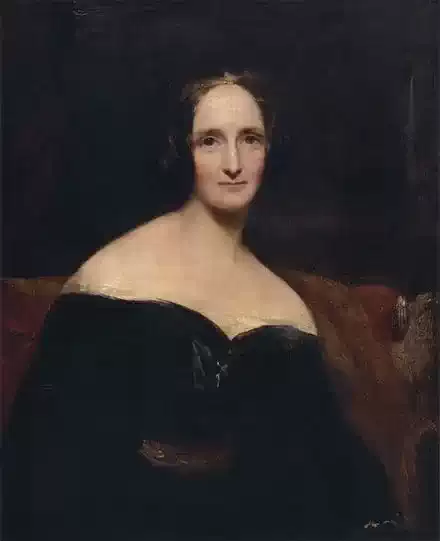
Percy Bysshe Shelley
A Lament
A Lament
O World! O Life! O Time!
On whose last steps I climb,
Trembling at that where I had stood before;
When will return the glory of your prime?
No more -Oh, never more!
Out of the day and night
A joy has taken flight:
Fresh spring, and summer, and winter hoar
Move my faint heart with grief, but with delight
No more -Oh, never more!
O World! O Life! O Time!
On whose last steps I climb,
Trembling at that where I had stood before;
When will return the glory of your prime?
No more -Oh, never more!
Out of the day and night
A joy has taken flight:
Fresh spring, and summer, and winter hoar
Move my faint heart with grief, but with delight
No more -Oh, never more!
488

Paul Laurence Dunbar
A Golden Day
A Golden Day
I Found you and I lost you,
All on a gleaming day.
The day was filled with sunshine,
And the land was full of May.
A golden bird was singing
Its melody divine,
I found you and I loved you,
And all the world was mine.
I found you and I lost you,
All on a golden day,
But when I dream of you, dear,
It is always brimming May.
I Found you and I lost you,
All on a gleaming day.
The day was filled with sunshine,
And the land was full of May.
A golden bird was singing
Its melody divine,
I found you and I loved you,
And all the world was mine.
I found you and I lost you,
All on a golden day,
But when I dream of you, dear,
It is always brimming May.
495
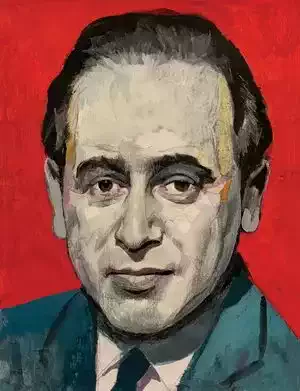
Paul Celan
Ice, Eden
Ice, Eden
There is a Land that’s Lost,
Moon waxes in its Reeds,
and all that’s turned to frost
with us, burns there and sees.
It sees, for it has Eyes,
Earths they are, and bright.
Night, Night, Alkalis.
It sees, this Child of Sight.
It sees, it sees, we see,
I see you, you too see.
Ice will rise again before
This Hour shall cease to be.
There is a Land that’s Lost,
Moon waxes in its Reeds,
and all that’s turned to frost
with us, burns there and sees.
It sees, for it has Eyes,
Earths they are, and bright.
Night, Night, Alkalis.
It sees, this Child of Sight.
It sees, it sees, we see,
I see you, you too see.
Ice will rise again before
This Hour shall cease to be.
408
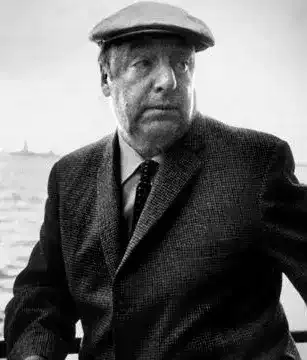
Pablo Neruda
Lost In The Forest
Lost In The Forest
Lost in the forest, I broke off a dark twig
and lifted its whisper to my thirsty lips:
maybe it was the voice of the rain crying,
a cracked bell, or a torn heart.
Something from far off it seemed
deep and secret to me, hidden by the earth,
a shout muffled by huge autumns,
by the moist half-open darkness of the leaves.
Wakening from the dreaming forest there, the hazel-sprig
sang under my tongue, its drifting fragrance
climbed up through my conscious mind
as if suddenly the roots I had left behind
cried out to me, the land I had lost with my childhood-and
I stopped, wounded by the wandering scent.
Lost in the forest, I broke off a dark twig
and lifted its whisper to my thirsty lips:
maybe it was the voice of the rain crying,
a cracked bell, or a torn heart.
Something from far off it seemed
deep and secret to me, hidden by the earth,
a shout muffled by huge autumns,
by the moist half-open darkness of the leaves.
Wakening from the dreaming forest there, the hazel-sprig
sang under my tongue, its drifting fragrance
climbed up through my conscious mind
as if suddenly the roots I had left behind
cried out to me, the land I had lost with my childhood-and
I stopped, wounded by the wandering scent.
650
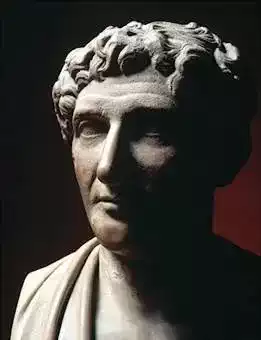
Ovídio
Elegy V
Elegy V
In summer's heat and mid-time of the day
To rest my limbs upon a bed I lay,
One window shut, the other open stood,
Which gave such light, as twinkles in a wood,
Like twilight glimpse at setting of the sun,
Or night being past, and yet not day begun.
Such light to shamefast maidens must be shown,
Where they must sport, and seem to be unknown.
Then came Corinna in a long loose gown,
Her white neck hid with tresses hanging down:
Resembling fair Semiramis going to bed
Or Layis of a thousand wooers sped.
I snatched her gown, being thin, the harm was small,
Yet strived she to be covered there withal.
And striving thus as one that would be chaste,
Betrayed herself, and yeilded at the last.
Stark naked as she stood before mine eye,
Not one wen in her body could I spy.
What arms and shoulders did I touch and see,
How apt her breasts were to be pressed by me.
How smooth a belly under her waist saw I?
How large a leg, and what a lusty thigh?
To leave the rest, all liked me passing well,
I clinged her naked body, down she fell,
Judge you the rest, being tired she bade me kiss,
Jove sent me more such afternoons as this.
In summer's heat and mid-time of the day
To rest my limbs upon a bed I lay,
One window shut, the other open stood,
Which gave such light, as twinkles in a wood,
Like twilight glimpse at setting of the sun,
Or night being past, and yet not day begun.
Such light to shamefast maidens must be shown,
Where they must sport, and seem to be unknown.
Then came Corinna in a long loose gown,
Her white neck hid with tresses hanging down:
Resembling fair Semiramis going to bed
Or Layis of a thousand wooers sped.
I snatched her gown, being thin, the harm was small,
Yet strived she to be covered there withal.
And striving thus as one that would be chaste,
Betrayed herself, and yeilded at the last.
Stark naked as she stood before mine eye,
Not one wen in her body could I spy.
What arms and shoulders did I touch and see,
How apt her breasts were to be pressed by me.
How smooth a belly under her waist saw I?
How large a leg, and what a lusty thigh?
To leave the rest, all liked me passing well,
I clinged her naked body, down she fell,
Judge you the rest, being tired she bade me kiss,
Jove sent me more such afternoons as this.
208
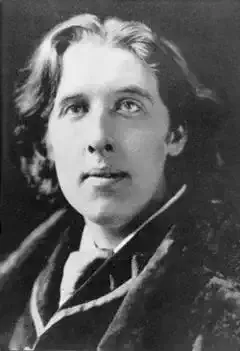
Oscar Wilde
Theocritus - A Villanelle
Theocritus - A Villanelle
O singer of Persephone!
In the dim meadows desolate
Dost thou remember Sicily?
Still through the ivy flits the bee
Where Amaryllis lies in state;
O Singer of Persephone!
Simaetha calls on Hecate
And hears the wild dogs at the gate;
Dost thou remember Sicily?
Still by the light and laughing sea
Poor Polypheme bemoans his fate;
O Singer of Persephone!
And still in boyish rivalry
Young Daphnis challenges his mate;
Dost thou remember Sicily?
Slim Lacon keeps a goat for thee,
For thee the jocund shepherds wait;
O Singer of Persephone!
Dost thou remember Sicily?
O singer of Persephone!
In the dim meadows desolate
Dost thou remember Sicily?
Still through the ivy flits the bee
Where Amaryllis lies in state;
O Singer of Persephone!
Simaetha calls on Hecate
And hears the wild dogs at the gate;
Dost thou remember Sicily?
Still by the light and laughing sea
Poor Polypheme bemoans his fate;
O Singer of Persephone!
And still in boyish rivalry
Young Daphnis challenges his mate;
Dost thou remember Sicily?
Slim Lacon keeps a goat for thee,
For thee the jocund shepherds wait;
O Singer of Persephone!
Dost thou remember Sicily?
183
Oscar Wilde
Roses and Rue
Roses and Rue
Could we dig up this long-buried treasure,
Were it worth the pleasure,
We never could learn love's song,
We are parted too long
Could the passionate past that is fled
Call back its dead,
Could we live it all over again,
Were it worth the pain!
I remember we used to meet
By an ivied seat,
And you warbled each pretty word
With the air of a bird;
And your voice had a quaver in it,
Just like a linnet,
And shook, as the blackbird's throat
With its last big note;
And your eyes, they were green and grey
Like an April day,
But lit into amethyst
When I stooped and kissed;
And your mouth, it would never smile
For a long, long while,
Then it rippled all over with laughter
Five minutes after.
You were always afraid of a shower,
Just like a flower:
I remember you started and ran
When the rain began.
I remember I never could catch you,
For no one could match you,
You had wonderful, luminous, fleet,
Little wings to your feet.
I remember your hair - did I tie it?
For it always ran riot -
Like a tangled sunbeam of gold:
These things are old.
I remember so well the room,
And the lilac bloom
That beat at the dripping pane
In the warm June rain;
And the colour of your gown,
It was amber-brown,
And two yellow satin bows
From the shoulders rose.
And the handkerchief of French lace
Which you held to your face-
Had a small tear left a stain?
Or was it the rain?
On your hand as it waved adieu
There were veins of blue;
In your voice as it said good-bye
Was a petulant cry,
"You have only wasted your life."
(Ah, that was the knife!)
When I rushed through the garden gate
It was all too late.
Could we live it over again,
Were it worth the pain,
Could the passionate past that is fled
Call back its dead!
Well, if my heart must break,
Dear love, for your sake,
It will break in music, I know,
Poets' hearts break so.
But strange that I was not told
That the brain can hold
In a tiny ivory cell
God's heaven and hell.
Could we dig up this long-buried treasure,
Were it worth the pleasure,
We never could learn love's song,
We are parted too long
Could the passionate past that is fled
Call back its dead,
Could we live it all over again,
Were it worth the pain!
I remember we used to meet
By an ivied seat,
And you warbled each pretty word
With the air of a bird;
And your voice had a quaver in it,
Just like a linnet,
And shook, as the blackbird's throat
With its last big note;
And your eyes, they were green and grey
Like an April day,
But lit into amethyst
When I stooped and kissed;
And your mouth, it would never smile
For a long, long while,
Then it rippled all over with laughter
Five minutes after.
You were always afraid of a shower,
Just like a flower:
I remember you started and ran
When the rain began.
I remember I never could catch you,
For no one could match you,
You had wonderful, luminous, fleet,
Little wings to your feet.
I remember your hair - did I tie it?
For it always ran riot -
Like a tangled sunbeam of gold:
These things are old.
I remember so well the room,
And the lilac bloom
That beat at the dripping pane
In the warm June rain;
And the colour of your gown,
It was amber-brown,
And two yellow satin bows
From the shoulders rose.
And the handkerchief of French lace
Which you held to your face-
Had a small tear left a stain?
Or was it the rain?
On your hand as it waved adieu
There were veins of blue;
In your voice as it said good-bye
Was a petulant cry,
"You have only wasted your life."
(Ah, that was the knife!)
When I rushed through the garden gate
It was all too late.
Could we live it over again,
Were it worth the pain,
Could the passionate past that is fled
Call back its dead!
Well, if my heart must break,
Dear love, for your sake,
It will break in music, I know,
Poets' hearts break so.
But strange that I was not told
That the brain can hold
In a tiny ivory cell
God's heaven and hell.
298
Oscar Wilde
Phedre
Phedre
(To Sarah Bernhardt)
How vain and dull this common world must seem
To such a One as thou, who should'st have talked
At Florence with Mirandola, or walked
Through the cool olives of the Academe:
Thou should'st have gathered reeds from a green stream
For Goat-foot Pan's shrill piping, and have played
With the white girls in that Phaeacian glade
Where grave Odysseus wakened from his dream.
Ah! surely once some urn of Attic clay
Held thy wan dust, and thou hast come again
Back to this common world so dull and vain,
For thou wert weary of the sunless day,
The heavy fields of scentless asphodel,
The loveless lips with which men kiss in Hell.
(To Sarah Bernhardt)
How vain and dull this common world must seem
To such a One as thou, who should'st have talked
At Florence with Mirandola, or walked
Through the cool olives of the Academe:
Thou should'st have gathered reeds from a green stream
For Goat-foot Pan's shrill piping, and have played
With the white girls in that Phaeacian glade
Where grave Odysseus wakened from his dream.
Ah! surely once some urn of Attic clay
Held thy wan dust, and thou hast come again
Back to this common world so dull and vain,
For thou wert weary of the sunless day,
The heavy fields of scentless asphodel,
The loveless lips with which men kiss in Hell.
193
Oscar Wilde
Holy Week at Genoa
Holy Week at Genoa
I wandered through Scoglietto's far retreat,
The oranges on each o'erhanging spray
Burned as bright lamps of gold to shame the day;
Some startled bird with fluttering wings and fleet
Made snow of all the blossoms; at my feet
Like silver moons the pale narcissi lay:
And the curved waves that streaked the great green bay
Laughed i' the sun, and life seemed very sweet.
Outside the young boy-priest passed singing clear,
'Jesus the son of Mary has been slain,
O come and fill His sepulchre with flowers.'
Ah, God! Ah, God! those dear Hellenic hours
Had drowned all memory of Thy bitter pain,
The Cross, the Crown, the Soldiers and the Spear.
I wandered through Scoglietto's far retreat,
The oranges on each o'erhanging spray
Burned as bright lamps of gold to shame the day;
Some startled bird with fluttering wings and fleet
Made snow of all the blossoms; at my feet
Like silver moons the pale narcissi lay:
And the curved waves that streaked the great green bay
Laughed i' the sun, and life seemed very sweet.
Outside the young boy-priest passed singing clear,
'Jesus the son of Mary has been slain,
O come and fill His sepulchre with flowers.'
Ah, God! Ah, God! those dear Hellenic hours
Had drowned all memory of Thy bitter pain,
The Cross, the Crown, the Soldiers and the Spear.
204

Ogden Nash
The Sunset Years of Samuel Shy
The Sunset Years of Samuel Shy
Master I may be,
But not of my fate.
Now come the kisses, too many too late.
Tell me, O Parcae,
For fain would I know,
Where were these kisses three decades ago?
Girls there were plenty,
Mint julep girls, beer girls,
Gay younger married and headstrong career girls,
The girls of my friends
And the wives of my friends,
Some smugly settled and some at loose ends,
Sad girls, serene girls,
Girls breathless and turbulent,
Debs cosmopolitan, matrons suburbulent,
All of them amiable,
All of them cordial,
Innocent rousers of instincts primordial,
But even though health and wealth
Hadn't yet missed me,
None of them,
Not even Jenny,
Once kissed me.
These very same girls
Who with me have grown older
Now freely relax with a head on my shoulder,
And now come the kisses,
A flood in full spate,
The meaningless kisses, too many too late.
They kiss me hello,
They kiss me goodbye,
Should I offer a light, there's a kiss for reply.
They kiss me at weddings,
They kiss me at wakes,
The drop of a hat is less than it takes.
They kiss me at cocktails,
They kiss me at bridge,
It's all automatic, like slapping a midge.
The sound of their kisses
Is loud in my ears
Like the locusts that swarm every seventeen years.
I'm arthritic, dyspeptic,
Potentially ulcery,
And weary of kisses by custom compulsory.
Should my dear ones commit me
As senile demential,
It's from kisses perfunctory, inconsequential.
Answer, O Parcae,
For fain would I know,
Where were these kisses three decades ago?
Master I may be,
But not of my fate.
Now come the kisses, too many too late.
Tell me, O Parcae,
For fain would I know,
Where were these kisses three decades ago?
Girls there were plenty,
Mint julep girls, beer girls,
Gay younger married and headstrong career girls,
The girls of my friends
And the wives of my friends,
Some smugly settled and some at loose ends,
Sad girls, serene girls,
Girls breathless and turbulent,
Debs cosmopolitan, matrons suburbulent,
All of them amiable,
All of them cordial,
Innocent rousers of instincts primordial,
But even though health and wealth
Hadn't yet missed me,
None of them,
Not even Jenny,
Once kissed me.
These very same girls
Who with me have grown older
Now freely relax with a head on my shoulder,
And now come the kisses,
A flood in full spate,
The meaningless kisses, too many too late.
They kiss me hello,
They kiss me goodbye,
Should I offer a light, there's a kiss for reply.
They kiss me at weddings,
They kiss me at wakes,
The drop of a hat is less than it takes.
They kiss me at cocktails,
They kiss me at bridge,
It's all automatic, like slapping a midge.
The sound of their kisses
Is loud in my ears
Like the locusts that swarm every seventeen years.
I'm arthritic, dyspeptic,
Potentially ulcery,
And weary of kisses by custom compulsory.
Should my dear ones commit me
As senile demential,
It's from kisses perfunctory, inconsequential.
Answer, O Parcae,
For fain would I know,
Where were these kisses three decades ago?
251
Ogden Nash
Children's Party
Children's Party
May I join you in the doghouse, Rover?
I wish to retire till the party's over.
Since three o'clock I've done my best
To entertain each tiny guest. My conscience now I've left behind me,
And if they want me, let them find me.
I blew their bubbles, I sailed their boats,
I kept them from each other's throats. I told them tales of magic lands,
I took them out to wash their hands.
I sorted their rubbers and tied their laces,
I wiped their noses and dried their faces. Of similarities there's lots
Twixt tiny tots and Hottentots.
I've earned repose to heal the ravages
Of these angelic-looking savages. Oh, progeny playing by itself
Is a lonely little elf,
But progeny in roistering batches
Would drive St. francis from here to Natchez. Shunned are the games a parent
proposes,
They prefer to squirt each other with hoses,
Their playmates are their natural foemen
And they like to poke each other's abdomen. Their joy needs another woe's to cushion
it,
Say a puddle, and someone littler to push in it.
They observe with glee the ballistic results
Of ice cream with spoons for catapults, And inform the assembly with tears and glares
That everyone's presents are better than theirs.
Oh, little women and little men,
Someday I hope to love you again, But not till after the party's over,
So give me the key to the doghouse, Rover
May I join you in the doghouse, Rover?
I wish to retire till the party's over.
Since three o'clock I've done my best
To entertain each tiny guest. My conscience now I've left behind me,
And if they want me, let them find me.
I blew their bubbles, I sailed their boats,
I kept them from each other's throats. I told them tales of magic lands,
I took them out to wash their hands.
I sorted their rubbers and tied their laces,
I wiped their noses and dried their faces. Of similarities there's lots
Twixt tiny tots and Hottentots.
I've earned repose to heal the ravages
Of these angelic-looking savages. Oh, progeny playing by itself
Is a lonely little elf,
But progeny in roistering batches
Would drive St. francis from here to Natchez. Shunned are the games a parent
proposes,
They prefer to squirt each other with hoses,
Their playmates are their natural foemen
And they like to poke each other's abdomen. Their joy needs another woe's to cushion
it,
Say a puddle, and someone littler to push in it.
They observe with glee the ballistic results
Of ice cream with spoons for catapults, And inform the assembly with tears and glares
That everyone's presents are better than theirs.
Oh, little women and little men,
Someday I hope to love you again, But not till after the party's over,
So give me the key to the doghouse, Rover
296

Nazim Hikmet
Letters From A Man In Solitary
Letters From A Man In Solitary
I carved your name on my watchband
with my fingernail.
Where I am, you know,
I don't have a pearl-handled jackknife
(they won't give me anything sharp)
or a plane tree with its head in the clouds.
Trees may grow in the yard,
but I'm not allowed
to see the sky overhead...
How many others are in this place?
I don't know.
I'm alone far from them,
they're all together far from me.
To talk anyone besides myself
is forbidden.
So I talk to myself.
But I find my conversation so boring,
my dear wife, that I sing songs.
And what do you know,
that awful, always off-key voice of mine
touches me so
that my heart breaks.
And just like the barefoot orphan
lost in the snow
in those old sad stories, my heart
-- with moist blue eyes
and a little red runny rose --
wants to snuggle up in your arms.
It doesn't make me blush
that right now
I'm this weak,
this selfish,
this human simply.
No doubt my state can be explained
physiologically, psychologically, etc.
Or maybe it's
this barred window,
this earthen jug,
these four walls,
which for months have kept me from hearing
another human voice.
It's five o'clock, my dear.
Outside,
with its dryness,
eerie whispers,
mud roof,
and lame, skinny horse
standing motionless in infinity
-- I mean, it's enough to drive the man inside crazy with grief --
outside, with all its machinery and all its art,
a plains night comes down red on treeless space.
Again today, night will fall in no time.
A light will circle the lame, skinny horse.
And the treeless space, in this hopeless landscape
stretched out before me like the body of a hard man,
will suddenly be filled with stars.
We'll reach the inevitable end once more,
which is to say the stage is set
again today for an elaborate nostalgia.
Me,
the man inside,
once more I'll exhibit my customary talent,
and singing an old-fashioned lament
in the reedy voice of my childhood,
once more, by God, it will crush my unhappy heart
to hear you inside my head,
so far
away, as if I were watching you
in a smoky, broken mirror...
It's spring outside, my dear wife, spring.
Outside on the plain, suddenly the smell
of fresh earth, birds singing, etc.
It's spring, my dear wife,
the plain outside sparkles...
And inside the bed comes alive with bugs,
the water jug no longer freezes,
and in the morning sun floods the concrete...
The sun--
every day till noon now
it comes and goes
from me, flashing off
and on...
And as the day turns to afternoon, shadows climb the walls,
the glass of the barred window catches fire,
and it's night outside,
a cloudless spring night...
And inside this is spring's darkest hour.
In short, the demon called freedom,
with its glittering scales and fiery eyes,
possesses the man inside
especially in spring...
I know this from experience, my dear wife,
from experience...
Sunday today.
Today they took me out in the sun for the first time.
And I just stood there, struck for the first time in my life
by how far away the sky is,
how blue
and how wide.
Then I respectfully sat down on the earth.
I leaned back against the wall.
For a moment no trap to fall into,
no struggle, no freedom, no wife.
Only earth, sun, and me...
I am happy.
Trans. by Randy Blasing and Mutlu Konuk ()
I carved your name on my watchband
with my fingernail.
Where I am, you know,
I don't have a pearl-handled jackknife
(they won't give me anything sharp)
or a plane tree with its head in the clouds.
Trees may grow in the yard,
but I'm not allowed
to see the sky overhead...
How many others are in this place?
I don't know.
I'm alone far from them,
they're all together far from me.
To talk anyone besides myself
is forbidden.
So I talk to myself.
But I find my conversation so boring,
my dear wife, that I sing songs.
And what do you know,
that awful, always off-key voice of mine
touches me so
that my heart breaks.
And just like the barefoot orphan
lost in the snow
in those old sad stories, my heart
-- with moist blue eyes
and a little red runny rose --
wants to snuggle up in your arms.
It doesn't make me blush
that right now
I'm this weak,
this selfish,
this human simply.
No doubt my state can be explained
physiologically, psychologically, etc.
Or maybe it's
this barred window,
this earthen jug,
these four walls,
which for months have kept me from hearing
another human voice.
It's five o'clock, my dear.
Outside,
with its dryness,
eerie whispers,
mud roof,
and lame, skinny horse
standing motionless in infinity
-- I mean, it's enough to drive the man inside crazy with grief --
outside, with all its machinery and all its art,
a plains night comes down red on treeless space.
Again today, night will fall in no time.
A light will circle the lame, skinny horse.
And the treeless space, in this hopeless landscape
stretched out before me like the body of a hard man,
will suddenly be filled with stars.
We'll reach the inevitable end once more,
which is to say the stage is set
again today for an elaborate nostalgia.
Me,
the man inside,
once more I'll exhibit my customary talent,
and singing an old-fashioned lament
in the reedy voice of my childhood,
once more, by God, it will crush my unhappy heart
to hear you inside my head,
so far
away, as if I were watching you
in a smoky, broken mirror...
It's spring outside, my dear wife, spring.
Outside on the plain, suddenly the smell
of fresh earth, birds singing, etc.
It's spring, my dear wife,
the plain outside sparkles...
And inside the bed comes alive with bugs,
the water jug no longer freezes,
and in the morning sun floods the concrete...
The sun--
every day till noon now
it comes and goes
from me, flashing off
and on...
And as the day turns to afternoon, shadows climb the walls,
the glass of the barred window catches fire,
and it's night outside,
a cloudless spring night...
And inside this is spring's darkest hour.
In short, the demon called freedom,
with its glittering scales and fiery eyes,
possesses the man inside
especially in spring...
I know this from experience, my dear wife,
from experience...
Sunday today.
Today they took me out in the sun for the first time.
And I just stood there, struck for the first time in my life
by how far away the sky is,
how blue
and how wide.
Then I respectfully sat down on the earth.
I leaned back against the wall.
For a moment no trap to fall into,
no struggle, no freedom, no wife.
Only earth, sun, and me...
I am happy.
Trans. by Randy Blasing and Mutlu Konuk ()
351

Mirza Ghalib
Let the ascetics sing of the garden of Paradise --
Let the ascetics sing of the garden of Paradise --
Let the ascetics sing of the garden of Paradise --
We who dwell in the true ecstasy can forget their vase-tamed bouquet.
In our hall of mirrors, the map of the one Face appears
As the sun's splendor would spangle a world made of dew.
Hidden in this image is also its end,
As peasants' lives harbor revolt and unthreshed corn sparks with fire.
Hidden in my silence are a thousand abandoned longings:
My words the darkened oil lamp on a stranger's unspeaking grave.
Ghalib, the road of change is before you always:
The only line stitching this world's scattered parts.
Let the ascetics sing of the garden of Paradise --
We who dwell in the true ecstasy can forget their vase-tamed bouquet.
In our hall of mirrors, the map of the one Face appears
As the sun's splendor would spangle a world made of dew.
Hidden in this image is also its end,
As peasants' lives harbor revolt and unthreshed corn sparks with fire.
Hidden in my silence are a thousand abandoned longings:
My words the darkened oil lamp on a stranger's unspeaking grave.
Ghalib, the road of change is before you always:
The only line stitching this world's scattered parts.
300
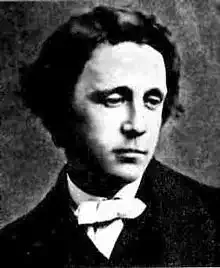
Lewis Carroll
The White Knight's Song
The White Knight's Song
'Haddock's Eyes' or 'The Aged Aged Man' or
'Ways and Means' or 'ASitting
On A Gate'
I'll tell thee everything I can;
There's little to relate.
I saw an aged, aged man,
Asitting
on a gate.
'Who are you, aged man?' I said.
'And how is it you live?'
And his answer trickled through my head
Like water through a sieve.
He said 'I look for butterflies
That sleep among the wheat;
I make them into muttonpies,
And sell them in the street.
I sell them unto men,' he said,
'Who sail on stormy seas;
And that's the way I get my breadA
trifle, if you please.'
But I was thinking of a plan
To dye one's whiskers green,
And always use so large a fan
That it could not be seen.
So, having no reply to give
To what the old man said,
I cried, 'Come, tell me how you live!'
And thumped him on the head.
His accents mild took up the tale;
He said, 'I go my ways,
And when I find a mountainrill,
I set it in a blaze.
And thence they make a stuff they call
Rowland's Macassar OilYet
twopencehalfpenny
is all
They give me for my toil.'
But I was thinking of a way
To feed oneself on batter,
And so go on from day to day
Getting a little fatter.
I shook him well from side to side,
Until his face was blue;
'Come, tell me how you live,' I cried
'And what it is you do!'
He said, 'I hunt for haddocks' eyes
Among the heather bright,
And work them into waistcoatbuttons
In the silent night.
And these I do not sell for gold
Or coin of silvery shine,
But for a copper halfpenny,
And that will purchase nine.
'I sometimes dig for buttered rolls,
Or set limed twigs for crabs;
I sometimes search the grassy knolls
For wheels of hansomcabs.
And that's the way' (he gave a wink)
'By which I get my wealthAnd
very gladly will I drink
Your Honor's noble health.'
I heard him then, for I had just
Completed my design
To keep the Menai bridge from rust
By boiling it in wine.
I thanked him much for telling me
The way he got his wealth,
But chiefly for his wish that he
Might drink my noble health.
And now, if e'er by chance I put
My fingers into glue,
Or madly squeeze a righthand
foot
Into a lefthand
shoe,
Or if I drop upon my toe
A very heavy weight,
I weep, for it reminds me so
Of that old man I used to knowWhose
look was mild, whose speech was slow,
Whose hair was whiter than the snow,
Whose face was very like a crow
With eyes, like cinders, all aglow,
Who seemed distracted with his woe,
Who rocked his body to and fro,
And muttered mumblingly and low,
As if his mouth were full of dough,
Who snorted like a buffaloThat
summer evening long ago
Asitting
on a gate.
'Haddock's Eyes' or 'The Aged Aged Man' or
'Ways and Means' or 'ASitting
On A Gate'
I'll tell thee everything I can;
There's little to relate.
I saw an aged, aged man,
Asitting
on a gate.
'Who are you, aged man?' I said.
'And how is it you live?'
And his answer trickled through my head
Like water through a sieve.
He said 'I look for butterflies
That sleep among the wheat;
I make them into muttonpies,
And sell them in the street.
I sell them unto men,' he said,
'Who sail on stormy seas;
And that's the way I get my breadA
trifle, if you please.'
But I was thinking of a plan
To dye one's whiskers green,
And always use so large a fan
That it could not be seen.
So, having no reply to give
To what the old man said,
I cried, 'Come, tell me how you live!'
And thumped him on the head.
His accents mild took up the tale;
He said, 'I go my ways,
And when I find a mountainrill,
I set it in a blaze.
And thence they make a stuff they call
Rowland's Macassar OilYet
twopencehalfpenny
is all
They give me for my toil.'
But I was thinking of a way
To feed oneself on batter,
And so go on from day to day
Getting a little fatter.
I shook him well from side to side,
Until his face was blue;
'Come, tell me how you live,' I cried
'And what it is you do!'
He said, 'I hunt for haddocks' eyes
Among the heather bright,
And work them into waistcoatbuttons
In the silent night.
And these I do not sell for gold
Or coin of silvery shine,
But for a copper halfpenny,
And that will purchase nine.
'I sometimes dig for buttered rolls,
Or set limed twigs for crabs;
I sometimes search the grassy knolls
For wheels of hansomcabs.
And that's the way' (he gave a wink)
'By which I get my wealthAnd
very gladly will I drink
Your Honor's noble health.'
I heard him then, for I had just
Completed my design
To keep the Menai bridge from rust
By boiling it in wine.
I thanked him much for telling me
The way he got his wealth,
But chiefly for his wish that he
Might drink my noble health.
And now, if e'er by chance I put
My fingers into glue,
Or madly squeeze a righthand
foot
Into a lefthand
shoe,
Or if I drop upon my toe
A very heavy weight,
I weep, for it reminds me so
Of that old man I used to knowWhose
look was mild, whose speech was slow,
Whose hair was whiter than the snow,
Whose face was very like a crow
With eyes, like cinders, all aglow,
Who seemed distracted with his woe,
Who rocked his body to and fro,
And muttered mumblingly and low,
As if his mouth were full of dough,
Who snorted like a buffaloThat
summer evening long ago
Asitting
on a gate.
202
Lewis Carroll
The Aged Aged Man
The Aged Aged Man
I'll tell thee everything I can;
There's little to relate.
I saw an aged aged man,
Asitting
on a gate.
"Who are you, aged man?" I said,
"And how is it you live?"
And his answer trickled through my head
Like water through a sieve.
He said, "I look for butterflies
That sleep among the wheat:
I make them into muttonpies,
And sell them in the street.
I sell them unto men," he said,
"Who sail on stormy seas;
And that's the way I get my bread—
A trifle; if you please."
But I was thinking of a plan
To dye one's whiskers green,
And always use so large a fan
That they could not be seen.
So, having no reply to give
To what the old man said,
I cried, "Come, tell me how you live!"
And thumped him on the head.
His accents mild took up the tale:
He said, "I go my ways,
And when I find a mountainrill,
I set it in a blaze;
And thence they make a stuff they call
Rowland's MacassarOil&
mdash;
Yet twopencehalfpenny
is all
They give me for my toil."
But I was thinking of a way
To feed oneself on batter,
And so go on from day to day
Getting a little fatter.
I shook him well from side to side,
Until his face was blue:
"Come, tell me how you live," I cried,
"And what it is you do!"
He said, "I hunt for haddocks' eyes
Among the heather bright,
And work them into waistcoat buttons
In the silent night.
And these I do not sell for gold
Or coin of silvery shine,
But for a copper halfpenny,
And that will purchase nine.
"I sometimes dig for buttered rolls,
Or set limed twigs for crabs;
I sometimes search the grassy knolls
For wheels of hansomcabs.
And that's the way" (he gave a wink)
"By which I get my wealth—
And very gladly will I drink
Your Honour's noble health."
I heard him then, for I had just
Completed my design
To keep the Menai bridge from rust
By boiling it in wine.
I thanked him much for telling me
The way he got his wealth,
But chiefly for his wish that he
Might drink my noble health.
And now, if e'er by chance I put
My fingers into glue,
Or madly squeeze a righthand
foot
Into a lefthand
shoe,
Or if I drop upon my toe
A very heavy weight,
I weep, for it reminds me so
Of that old man I used to know—
Whose look was mild, whose speech was slow,
Whose hair was whiter than the snow,
Whose face was very like a crow,
With eyes, like cinders, all aglow,
Who seemed distracted with his woe,
Who rocked his body to and fro,
And muttered mumblingly and low,
As if his mouth were full of dough,
Who snorted like a buffalo—
That summer evening long ago
Asitting
on a gate.
I'll tell thee everything I can;
There's little to relate.
I saw an aged aged man,
Asitting
on a gate.
"Who are you, aged man?" I said,
"And how is it you live?"
And his answer trickled through my head
Like water through a sieve.
He said, "I look for butterflies
That sleep among the wheat:
I make them into muttonpies,
And sell them in the street.
I sell them unto men," he said,
"Who sail on stormy seas;
And that's the way I get my bread—
A trifle; if you please."
But I was thinking of a plan
To dye one's whiskers green,
And always use so large a fan
That they could not be seen.
So, having no reply to give
To what the old man said,
I cried, "Come, tell me how you live!"
And thumped him on the head.
His accents mild took up the tale:
He said, "I go my ways,
And when I find a mountainrill,
I set it in a blaze;
And thence they make a stuff they call
Rowland's MacassarOil&
mdash;
Yet twopencehalfpenny
is all
They give me for my toil."
But I was thinking of a way
To feed oneself on batter,
And so go on from day to day
Getting a little fatter.
I shook him well from side to side,
Until his face was blue:
"Come, tell me how you live," I cried,
"And what it is you do!"
He said, "I hunt for haddocks' eyes
Among the heather bright,
And work them into waistcoat buttons
In the silent night.
And these I do not sell for gold
Or coin of silvery shine,
But for a copper halfpenny,
And that will purchase nine.
"I sometimes dig for buttered rolls,
Or set limed twigs for crabs;
I sometimes search the grassy knolls
For wheels of hansomcabs.
And that's the way" (he gave a wink)
"By which I get my wealth—
And very gladly will I drink
Your Honour's noble health."
I heard him then, for I had just
Completed my design
To keep the Menai bridge from rust
By boiling it in wine.
I thanked him much for telling me
The way he got his wealth,
But chiefly for his wish that he
Might drink my noble health.
And now, if e'er by chance I put
My fingers into glue,
Or madly squeeze a righthand
foot
Into a lefthand
shoe,
Or if I drop upon my toe
A very heavy weight,
I weep, for it reminds me so
Of that old man I used to know—
Whose look was mild, whose speech was slow,
Whose hair was whiter than the snow,
Whose face was very like a crow,
With eyes, like cinders, all aglow,
Who seemed distracted with his woe,
Who rocked his body to and fro,
And muttered mumblingly and low,
As if his mouth were full of dough,
Who snorted like a buffalo—
That summer evening long ago
Asitting
on a gate.
211
Lewis Carroll
Four Riddles
Four Riddles
I
There was an ancient City, stricken down
With a strange frenzy, and for many a day
They paced from morn to eve the crowded town,
And danced the night away.
I asked the cause: the aged man grew sad:
They pointed to a building gray and tall,
And hoarsely answered "Step inside, my lad,
And then you'll see it all."
Yet what are all such gaieties to me
Whose thoughts are full of indices and surds?
x*x + 7x + 53 = 11/3
But something whispered "It will soon be done:
Bands cannot always play, nor ladies smile:
Endure with patience the distasteful fun
For just a little while!"
A change came o'er my Vision it
was night:
We clove a pathway through a frantic throng:
The steeds, wildplunging,
filled us with affright:
The chariots whirled along.
Within a marble hall a river ran A
living tide, half muslin and half cloth:
And here one mourned a broken wreath or fan,
Yet swallowed down her wrath;
And here one offered to a thirsty fair
(His words halfdrowned
amid those thunders tuneful)
Some frozen viand (there were many there),
A toothache
in each spoonful.
There comes a happy pause, for human strength
Will not endure to dance without cessation;
And every one must reach the point at length
Of absolute prostration.
At such a moment ladies learn to give,
To partners who would urge them overmuch,
A flat and yet decided negative Photographers
love such.
There comes a welcome summons hope
revives,
And fading eyes grow bright, and pulses quicken:
Incessant pop the corks, and busy knives
Dispense the tongue and chicken.
Flushed with new life, the crowd flows back again:
And all is tangled talk and mazy motion Much
like a waving field of golden grain,
Or a tempestuous ocean.
And thus they give the time, that Nature meant
For peaceful sleep and meditative snores,
To ceaseless din and mindless merriment
And waste of shoes and floors.
And One (we name him not) that flies the flowers,
That dreads the dances, and that shuns the salads,
They doom to pass in solitude the hours,
Writing acrosticballads.
How late it grows! The hour is surely past
That should have warned us with its double knock?
The twilight wanes, and morning comes at last "
Oh, Uncle, what's o'clock?"
The Uncle gravely nods, and wisely winks.
It MAY mean much, but how is one to know?
He opens his mouth yet
out of it, methinks,
No words of wisdom flow.
II
Empress of Art, for thee I twine
This wreath with all too slender skill.
Forgive my Muse each halting line,
And for the deed accept the will!
O day of tears! Whence comes this spectre grim,
Parting, like Death's cold river, souls that love?
Is not he bound to thee, as thou to him,
By vows, unwhispered here, yet heard above?
And still it lives, that keen and heavenward flame,
Lives in his eye, and trembles in his tone:
And these wild words of fury but proclaim
A heart that beats for thee, for thee alone!
But all is lost: that mighty mind o'erthrown,
Like sweet bells jangled, piteous sight to see!
"Doubt that the stars are fire," so runs his moan,
"Doubt Truth herself, but not my love for thee!"
A sadder vision yet: thine aged sire
Shaming his hoary locks with treacherous wile!
And dost thou now doubt Truth to be a liar?
And wilt thou die, that hast forgot to smile?
Nay, get thee hence! Leave all thy winsome ways
And the faint fragrance of thy scattered flowers:
In holy silence wait the appointed days,
And weep away the leadenfooted
hours.
III.
The air is bright with hues of light
And rich with laughter and with singing:
Young hearts beat high in ecstasy,
And banners wave, and bells are ringing:
But silence falls with fading day,
And there's an end to mirth and play.
Ah, welladay
Rest your old bones, ye wrinkled crones!
The kettle sings, the firelight dances.
Deep be it quaffed, the magic draught
That fills the soul with golden fancies!
For Youth and Pleasance will not stay,
And ye are withered, worn, and gray.
Ah, welladay!
O fair cold face! O form of grace,
For human passion madly yearning!
O weary air of dumb despair,
From marble won, to marble turning!
"Leave us not thus!" we fondly pray.
"We cannot let thee pass away!"
Ah, welladay!
IV.
My First is singular at best:
More plural is my Second:
My Third is far the pluralest So
pluralplural,
I protest
It scarcely can be reckoned!
My First is followed by a bird:
My Second by believers
In magic art: my simple Third
Follows, too often, hopes absurd
And plausible deceivers.
My First to get at wisdom tries A
failure melancholy!
My Second men revered as wise:
My Third from heights of wisdom flies
To depths of frantic folly.
My First is ageing day by day:
My Second's age is ended:
My Third enjoys an age, they say,
That never seems to fade away,
Through centuries extended.
My Whole? I need a poet's pen
To paint her myriad phases:
The monarch, and the slave, of men A
mountainsummit,
and a den
Of dark and deadly mazes
A flashing light a
fleeting shade Beginning,
end, and middle
Of all that human art hath made
Or wit devised! Go, seek HER aid,
If you would read my riddle!
I
There was an ancient City, stricken down
With a strange frenzy, and for many a day
They paced from morn to eve the crowded town,
And danced the night away.
I asked the cause: the aged man grew sad:
They pointed to a building gray and tall,
And hoarsely answered "Step inside, my lad,
And then you'll see it all."
Yet what are all such gaieties to me
Whose thoughts are full of indices and surds?
x*x + 7x + 53 = 11/3
But something whispered "It will soon be done:
Bands cannot always play, nor ladies smile:
Endure with patience the distasteful fun
For just a little while!"
A change came o'er my Vision it
was night:
We clove a pathway through a frantic throng:
The steeds, wildplunging,
filled us with affright:
The chariots whirled along.
Within a marble hall a river ran A
living tide, half muslin and half cloth:
And here one mourned a broken wreath or fan,
Yet swallowed down her wrath;
And here one offered to a thirsty fair
(His words halfdrowned
amid those thunders tuneful)
Some frozen viand (there were many there),
A toothache
in each spoonful.
There comes a happy pause, for human strength
Will not endure to dance without cessation;
And every one must reach the point at length
Of absolute prostration.
At such a moment ladies learn to give,
To partners who would urge them overmuch,
A flat and yet decided negative Photographers
love such.
There comes a welcome summons hope
revives,
And fading eyes grow bright, and pulses quicken:
Incessant pop the corks, and busy knives
Dispense the tongue and chicken.
Flushed with new life, the crowd flows back again:
And all is tangled talk and mazy motion Much
like a waving field of golden grain,
Or a tempestuous ocean.
And thus they give the time, that Nature meant
For peaceful sleep and meditative snores,
To ceaseless din and mindless merriment
And waste of shoes and floors.
And One (we name him not) that flies the flowers,
That dreads the dances, and that shuns the salads,
They doom to pass in solitude the hours,
Writing acrosticballads.
How late it grows! The hour is surely past
That should have warned us with its double knock?
The twilight wanes, and morning comes at last "
Oh, Uncle, what's o'clock?"
The Uncle gravely nods, and wisely winks.
It MAY mean much, but how is one to know?
He opens his mouth yet
out of it, methinks,
No words of wisdom flow.
II
Empress of Art, for thee I twine
This wreath with all too slender skill.
Forgive my Muse each halting line,
And for the deed accept the will!
O day of tears! Whence comes this spectre grim,
Parting, like Death's cold river, souls that love?
Is not he bound to thee, as thou to him,
By vows, unwhispered here, yet heard above?
And still it lives, that keen and heavenward flame,
Lives in his eye, and trembles in his tone:
And these wild words of fury but proclaim
A heart that beats for thee, for thee alone!
But all is lost: that mighty mind o'erthrown,
Like sweet bells jangled, piteous sight to see!
"Doubt that the stars are fire," so runs his moan,
"Doubt Truth herself, but not my love for thee!"
A sadder vision yet: thine aged sire
Shaming his hoary locks with treacherous wile!
And dost thou now doubt Truth to be a liar?
And wilt thou die, that hast forgot to smile?
Nay, get thee hence! Leave all thy winsome ways
And the faint fragrance of thy scattered flowers:
In holy silence wait the appointed days,
And weep away the leadenfooted
hours.
III.
The air is bright with hues of light
And rich with laughter and with singing:
Young hearts beat high in ecstasy,
And banners wave, and bells are ringing:
But silence falls with fading day,
And there's an end to mirth and play.
Ah, welladay
Rest your old bones, ye wrinkled crones!
The kettle sings, the firelight dances.
Deep be it quaffed, the magic draught
That fills the soul with golden fancies!
For Youth and Pleasance will not stay,
And ye are withered, worn, and gray.
Ah, welladay!
O fair cold face! O form of grace,
For human passion madly yearning!
O weary air of dumb despair,
From marble won, to marble turning!
"Leave us not thus!" we fondly pray.
"We cannot let thee pass away!"
Ah, welladay!
IV.
My First is singular at best:
More plural is my Second:
My Third is far the pluralest So
pluralplural,
I protest
It scarcely can be reckoned!
My First is followed by a bird:
My Second by believers
In magic art: my simple Third
Follows, too often, hopes absurd
And plausible deceivers.
My First to get at wisdom tries A
failure melancholy!
My Second men revered as wise:
My Third from heights of wisdom flies
To depths of frantic folly.
My First is ageing day by day:
My Second's age is ended:
My Third enjoys an age, they say,
That never seems to fade away,
Through centuries extended.
My Whole? I need a poet's pen
To paint her myriad phases:
The monarch, and the slave, of men A
mountainsummit,
and a den
Of dark and deadly mazes
A flashing light a
fleeting shade Beginning,
end, and middle
Of all that human art hath made
Or wit devised! Go, seek HER aid,
If you would read my riddle!
235
Lewis Carroll
A Boat beneath a Sunny Sky
A Boat beneath a Sunny Sky
A BOAT beneath a sunny sky,
Lingering onward dreamily
In an evening of July Children
three that nestle near,
Eager eye and willing ear,
Pleased a simple tale to hear Long
has paled that sunny sky:
Echoes fade and memories die:
Autumn frosts have slain July.
Still she haunts me, phantomwise,
Alice moving under skies
Never seen by waking eyes.
Children yet, the tale to hear,
Eager eye and willing ear,
Lovingly shall nestle near.
In a Wonderland they lie,
Dreaming as the days go by,
Dreaming as the summers die:
Ever drifting down the stream Lingering
in the golden dream Life,
what is it but a dream?
THE END
A BOAT beneath a sunny sky,
Lingering onward dreamily
In an evening of July Children
three that nestle near,
Eager eye and willing ear,
Pleased a simple tale to hear Long
has paled that sunny sky:
Echoes fade and memories die:
Autumn frosts have slain July.
Still she haunts me, phantomwise,
Alice moving under skies
Never seen by waking eyes.
Children yet, the tale to hear,
Eager eye and willing ear,
Lovingly shall nestle near.
In a Wonderland they lie,
Dreaming as the days go by,
Dreaming as the summers die:
Ever drifting down the stream Lingering
in the golden dream Life,
what is it but a dream?
THE END
185

Kazi Nazrul Islam
With the late Monsoon's light clouds
With the late Monsoon's light clouds
With the late Monsoon's light clouds wander my mind,
Toward Malabika's home along the Reva's lonely shore.
My mind is propelled by the lazy wind like a light-winged bird.
My pining darling cries alone her hair loosened,
Looking now at the cloud now at the river
Where the dark village-girl wipes her tears unseen,
Where alone my beloved sits by the window thither goes my mind.
[Original: Aj sraboner loghu megher; Translation: Abu Rushd]
With the late Monsoon's light clouds wander my mind,
Toward Malabika's home along the Reva's lonely shore.
My mind is propelled by the lazy wind like a light-winged bird.
My pining darling cries alone her hair loosened,
Looking now at the cloud now at the river
Where the dark village-girl wipes her tears unseen,
Where alone my beloved sits by the window thither goes my mind.
[Original: Aj sraboner loghu megher; Translation: Abu Rushd]
532
Kazi Nazrul Islam
Why?
Why?
Why must a thorn
The flower adorn?
Why is a lotus born
With the prick of a thorn?
Why in these eyes
Must sorrowful tears lie?
Why must we have hearts When love departs?
Why instead of rain
The lightning's hound.
The swallows beckoned
Into the shadow of the cloud?
If the buds-appear,
Why must flowers wither;
Why the tinsel of calumny
The brow of moon must wear?
Thy the yearning for beauty must
Weep, entrapped in lust?
Would the cheek
Sans black mole
Look bleak?
In this thorny bower,
Oh poet paint your rosy picture.
Your abode lies
In the tears of your eyes.
Why must a thorn
The flower adorn?
Why is a lotus born
With the prick of a thorn?
Why in these eyes
Must sorrowful tears lie?
Why must we have hearts When love departs?
Why instead of rain
The lightning's hound.
The swallows beckoned
Into the shadow of the cloud?
If the buds-appear,
Why must flowers wither;
Why the tinsel of calumny
The brow of moon must wear?
Thy the yearning for beauty must
Weep, entrapped in lust?
Would the cheek
Sans black mole
Look bleak?
In this thorny bower,
Oh poet paint your rosy picture.
Your abode lies
In the tears of your eyes.
547
Kazi Nazrul Islam
Evening Star
Evening Star
Oh, dear evening star
Whose bride art thou with veils,
In the glances of your eyes,
Whose forgotten face dwells?
Evening lamp, with a veiI to hide,
And casting glances at this bride,
Though often her looks quiver,
This goes on for ever.
Whose lost bride is she?
At dusk, mute and beside me,
To arouse the yearning for a home,
In the heart of a homeless wanderer.
Perpetually you rise and sink,
With a tender pallid wink,
For whom, you heavenly bride?
Where does your beloved abide!
[Translation: Syed Mujibul Huq]
Oh, dear evening star
Whose bride art thou with veils,
In the glances of your eyes,
Whose forgotten face dwells?
Evening lamp, with a veiI to hide,
And casting glances at this bride,
Though often her looks quiver,
This goes on for ever.
Whose lost bride is she?
At dusk, mute and beside me,
To arouse the yearning for a home,
In the heart of a homeless wanderer.
Perpetually you rise and sink,
With a tender pallid wink,
For whom, you heavenly bride?
Where does your beloved abide!
[Translation: Syed Mujibul Huq]
537
Kazi Nazrul Islam
At My Gaze No Longer Laughs the Rose
At My Gaze No Longer Laughs the Rose
At my gaze no longer laughs the rose,
At the music of my words no longer blossoms forth the flowers
What is the use of going to the fair
With the garland of the withered smile?
Dose the dark night amaze her disheveled hair
Without looking at the moon for a while?
The southern wind brings the springs yet
But in the garden the nightingale sings no more.
No more does the wild flower in the forest
Dance at the sight of the moon
Something is lost, something is missing,
My heart feels so empty and old.
Ah me, at whose cruel touch
Has my heart grown so cold!
[Translation: Kabir Chowdhury]
At my gaze no longer laughs the rose,
At the music of my words no longer blossoms forth the flowers
What is the use of going to the fair
With the garland of the withered smile?
Dose the dark night amaze her disheveled hair
Without looking at the moon for a while?
The southern wind brings the springs yet
But in the garden the nightingale sings no more.
No more does the wild flower in the forest
Dance at the sight of the moon
Something is lost, something is missing,
My heart feels so empty and old.
Ah me, at whose cruel touch
Has my heart grown so cold!
[Translation: Kabir Chowdhury]
532
Kazi Nazrul Islam
All Midnight I Suddenly Wake Up
All Midnight I Suddenly Wake Up
At midnight I suddenly wake up hearing someone's voice
is that you, is that you?
I feel the load of some memory in my breast is
that you, is that you?
Some one's hungry love roams about seeking aIms
Some one's piteous eyes like the stars in the night-sky
look at the sought-after face - is that you, is that you?
The wind at night carries someone's lingering sigh
And stirs my heart; Oh my distant beloved
is that you, is that you?
Like the ocean-wave whose crying bruises my heart
The nightingale in the wood ceaselessly chirps on the champah tree
is that you, is that you ?
[Original: Gobhir nishithe ghum bhenge jay; Translation: Abu Rushd]
At midnight I suddenly wake up hearing someone's voice
is that you, is that you?
I feel the load of some memory in my breast is
that you, is that you?
Some one's hungry love roams about seeking aIms
Some one's piteous eyes like the stars in the night-sky
look at the sought-after face - is that you, is that you?
The wind at night carries someone's lingering sigh
And stirs my heart; Oh my distant beloved
is that you, is that you?
Like the ocean-wave whose crying bruises my heart
The nightingale in the wood ceaselessly chirps on the champah tree
is that you, is that you ?
[Original: Gobhir nishithe ghum bhenge jay; Translation: Abu Rushd]
636

Joyce Kilmer
The House with Nobody in It
The House with Nobody in It
Whenever I walk to Suffern along the Erie track
I go by a poor old farmhouse with its shingles broken and black.
I suppose I've passed it a hundred times, but I always stop for a minute
And look at the house, the tragic house, the house with nobody in it.
I never have seen a haunted house, but I hear there are such things;
That they hold the talk of spirits, their mirth and sorrowings.
I know this house isn't haunted, and I wish it were, I do;
For it wouldn't be so lonely if it had a ghost or two.
This house on the road to Suffern needs a dozen panes of glass,
And somebody ought to weed the walk and take a scythe to the grass.
It needs new paint and shingles, and the vines should be trimmed and tied;
But what it needs the most of all is some people living inside.
If I had a lot of money and all my debts were paid
I'd put a gang of men to work with brush and saw and spade.
I'd buy that place and fix it up the way it used to be
And I'd find some people who wanted a home and give it to them free.
Now, a new house standing empty, with staring window and door,
Looks idle, perhaps, and foolish, like a hat on its block in the store.
But there's nothing mournful about it; it cannot be sad and lone
For the lack of something within it that it has never known.
But a house that has done what a house should do,
a house that has sheltered life,
That has put its loving wooden arms around a man and his wife,
A house that has echoed a baby's laugh and held up his stumbling feet,
Is the saddest sight, when it's left alone, that ever your eyes could meet.
So whenever I go to Suffern along the Erie track
I never go by the empty house without stopping and looking back,
Yet it hurts me to look at the crumbling roof and the shutters fallen apart,
For I can't help thinking the poor old house is a house with a broken heart.
Whenever I walk to Suffern along the Erie track
I go by a poor old farmhouse with its shingles broken and black.
I suppose I've passed it a hundred times, but I always stop for a minute
And look at the house, the tragic house, the house with nobody in it.
I never have seen a haunted house, but I hear there are such things;
That they hold the talk of spirits, their mirth and sorrowings.
I know this house isn't haunted, and I wish it were, I do;
For it wouldn't be so lonely if it had a ghost or two.
This house on the road to Suffern needs a dozen panes of glass,
And somebody ought to weed the walk and take a scythe to the grass.
It needs new paint and shingles, and the vines should be trimmed and tied;
But what it needs the most of all is some people living inside.
If I had a lot of money and all my debts were paid
I'd put a gang of men to work with brush and saw and spade.
I'd buy that place and fix it up the way it used to be
And I'd find some people who wanted a home and give it to them free.
Now, a new house standing empty, with staring window and door,
Looks idle, perhaps, and foolish, like a hat on its block in the store.
But there's nothing mournful about it; it cannot be sad and lone
For the lack of something within it that it has never known.
But a house that has done what a house should do,
a house that has sheltered life,
That has put its loving wooden arms around a man and his wife,
A house that has echoed a baby's laugh and held up his stumbling feet,
Is the saddest sight, when it's left alone, that ever your eyes could meet.
So whenever I go to Suffern along the Erie track
I never go by the empty house without stopping and looking back,
Yet it hurts me to look at the crumbling roof and the shutters fallen apart,
For I can't help thinking the poor old house is a house with a broken heart.
125
Joyce Kilmer
Roofs
Roofs
(For Amelia Josephine Burr)
The road is wide and the stars are out
and the breath of the night is sweet,
And this is the time when wanderlust should seize upon my feet.
But I'm glad to turn from the open road and the starlight on my face,
And to leave the splendour of out-of-doors for a human dwelling place.
I never have seen a vagabond who really liked to roam
All up and down the streets of the world and not to have a home:
The tramp who slept in your barn last night and left at break of day
Will wander only until he finds another place to stay.
A gypsy-man will sleep in his cart with canvas overhead;
Or else he'll go into his tent when it is time for bed.
He'll sit on the grass and take his ease so long as the sun is high,
But when it is dark he wants a roof to keep away the sky.
If you call a gypsy a vagabond, I think you do him wrong,
For he never goes a-travelling but he takes his home along.
And the only reason a road is good, as every wanderer knows,
Is just because of the homes, the homes, the homes to which it goes.
They say that life is a highway and its milestones are the years,
And now and then there's a toll-gate where you buy your way with tears.
It's a rough road and a steep road and it stretches broad and far,
But at last it leads to a golden Town where golden Houses are.
(For Amelia Josephine Burr)
The road is wide and the stars are out
and the breath of the night is sweet,
And this is the time when wanderlust should seize upon my feet.
But I'm glad to turn from the open road and the starlight on my face,
And to leave the splendour of out-of-doors for a human dwelling place.
I never have seen a vagabond who really liked to roam
All up and down the streets of the world and not to have a home:
The tramp who slept in your barn last night and left at break of day
Will wander only until he finds another place to stay.
A gypsy-man will sleep in his cart with canvas overhead;
Or else he'll go into his tent when it is time for bed.
He'll sit on the grass and take his ease so long as the sun is high,
But when it is dark he wants a roof to keep away the sky.
If you call a gypsy a vagabond, I think you do him wrong,
For he never goes a-travelling but he takes his home along.
And the only reason a road is good, as every wanderer knows,
Is just because of the homes, the homes, the homes to which it goes.
They say that life is a highway and its milestones are the years,
And now and then there's a toll-gate where you buy your way with tears.
It's a rough road and a steep road and it stretches broad and far,
But at last it leads to a golden Town where golden Houses are.
143