

Poems in this theme
Nostalgia
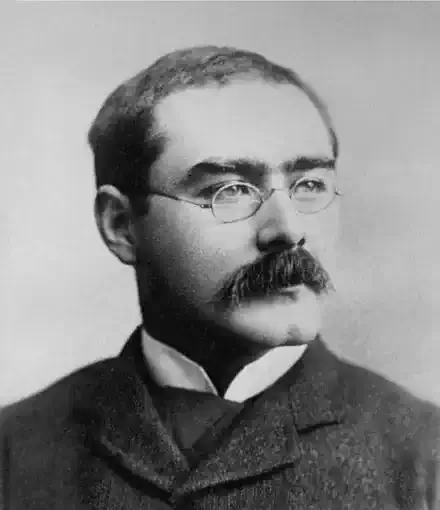
Rudyard Kipling
The Ladies
The Ladies
I've taken my fun where I've found it;
I've rogued an' I've ranged in my time;
I've 'ad my pickin' o' sweet'earts,
An' four o' the lot was prime.
One was an 'arf-caste widow,
One was a woman at Prome,
One was the wife of a ~jemadar-sais~, [Head-groom.]
An' one is a girl at 'ome.
Now I aren't no 'and with the ladies,
For, takin' 'em all along,
You never can say till you've tried 'em,
An' then you are like to be wrong.
There's times when you'll think that you mightn't,
There's times when you'll know that you might;
But the things you will learn from the Yellow an' Brown,
They'll 'elp you a lot with the White!
I was a young un at 'Oogli,
Shy as a girl to begin;
Aggie de Castrer she made me,
An' Aggie was clever as sin;
Older than me, but my first un --
More like a mother she were --
Showed me the way to promotion an' pay,
An' I learned about women from 'er!
Then I was ordered to Burma,
Actin' in charge o' Bazar,
An' I got me a tiddy live 'eathen
Through buyin' supplies off 'er pa.
Funny an' yellow an' faithful --
Doll in a teacup she were,
But we lived on the square, like a true-married pair,
An' I learned about women from 'er!
Then we was shifted to Neemuch
(Or I might ha' been keepin' 'er now),
An' I took with a shiny she-devil,
The wife of a nigger at Mhow;
'Taught me the gipsy-folks' ~bolee~; [Slang.]
Kind o' volcano she were,
For she knifed me one night 'cause I wished she was white,
And I learned about women from 'er!
Then I come 'ome in the trooper,
'Long of a kid o' sixteen --
Girl from a convent at Meerut,
The straightest I ever 'ave seen.
Love at first sight was 'er trouble,
~She~ didn't know what it were;
An' I wouldn't do such, 'cause I liked 'er too much,
But -- I learned about women from 'er!
I've taken my fun where I've found it,
An' now I must pay for my fun,
For the more you 'ave known o' the others
The less will you settle to one;
An' the end of it's sittin' and thinkin',
An' dreamin' Hell-fires to see;
So be warned by my lot (which I know you will not),
An' learn about women from me!
What did the Colonel's Lady think?
Nobody never knew.
Somebody asked the Sergeant's wife,
~An'~ she told 'em true!
When you get to a man in the case,
They're like as a row of pins --
For the Colonel's Lady an' Judy O'Grady
Are sisters under their skins!
I've taken my fun where I've found it;
I've rogued an' I've ranged in my time;
I've 'ad my pickin' o' sweet'earts,
An' four o' the lot was prime.
One was an 'arf-caste widow,
One was a woman at Prome,
One was the wife of a ~jemadar-sais~, [Head-groom.]
An' one is a girl at 'ome.
Now I aren't no 'and with the ladies,
For, takin' 'em all along,
You never can say till you've tried 'em,
An' then you are like to be wrong.
There's times when you'll think that you mightn't,
There's times when you'll know that you might;
But the things you will learn from the Yellow an' Brown,
They'll 'elp you a lot with the White!
I was a young un at 'Oogli,
Shy as a girl to begin;
Aggie de Castrer she made me,
An' Aggie was clever as sin;
Older than me, but my first un --
More like a mother she were --
Showed me the way to promotion an' pay,
An' I learned about women from 'er!
Then I was ordered to Burma,
Actin' in charge o' Bazar,
An' I got me a tiddy live 'eathen
Through buyin' supplies off 'er pa.
Funny an' yellow an' faithful --
Doll in a teacup she were,
But we lived on the square, like a true-married pair,
An' I learned about women from 'er!
Then we was shifted to Neemuch
(Or I might ha' been keepin' 'er now),
An' I took with a shiny she-devil,
The wife of a nigger at Mhow;
'Taught me the gipsy-folks' ~bolee~; [Slang.]
Kind o' volcano she were,
For she knifed me one night 'cause I wished she was white,
And I learned about women from 'er!
Then I come 'ome in the trooper,
'Long of a kid o' sixteen --
Girl from a convent at Meerut,
The straightest I ever 'ave seen.
Love at first sight was 'er trouble,
~She~ didn't know what it were;
An' I wouldn't do such, 'cause I liked 'er too much,
But -- I learned about women from 'er!
I've taken my fun where I've found it,
An' now I must pay for my fun,
For the more you 'ave known o' the others
The less will you settle to one;
An' the end of it's sittin' and thinkin',
An' dreamin' Hell-fires to see;
So be warned by my lot (which I know you will not),
An' learn about women from me!
What did the Colonel's Lady think?
Nobody never knew.
Somebody asked the Sergeant's wife,
~An'~ she told 'em true!
When you get to a man in the case,
They're like as a row of pins --
For the Colonel's Lady an' Judy O'Grady
Are sisters under their skins!
480
Rudyard Kipling
The Broken Men
The Broken Men
For things we never mention,
For Art misunderstood --
For excellent intention
That did not turn to good;
From ancient tales' renewing,
From clouds we would not clear --
Beyond the Law's pursuing
We fled, and settled here.
We took no tearful leaving,
We bade no long good-byes;
Men talked of crime and thieving,
Men wrote of fraud and lies.
To save our injured feelings
'T was time and time to go --
Behind was dock and Dartmoor,
Ahead lay Callao!
The widow and the orphan
That pray for ten per cent,
They clapped their trailers on us
To spy the road we went.
They watched the foreign sailings
(They scan the shipping still),
And that's your Christian people
Returning good for ill!
God bless the thoughtfull islands
Where never warrants come;
God bless the just Republics
That give a man a home,
That ask no foolish questions,
But set him on his feet;
And save his wife and daughters
From the workhouse and the street!
On church and square and market
The noonday silence falls;
You'll hear the drowsy mutter
Of the fountain in our halls.
Asleep amid the yuccas
The city takes her ease --
Till twilight brings the land-wind
To the clicking jalousies.
Day long the diamond weather,
The high, unaltered blue --
The smell of goats and incense
And the mule-bells tinkling through.
Day long the warder ocean
That keeps us from our kin,
And once a month our levee
When the English mail comes in.
You'll find us up and waiting
To treat you at the bar;
You'll find us less exclusive
Than the average English are.
We'll meet you with a carriage,
Too glad to show you round,
But -- we do not lunch on steamers,
For they are English ground.
We sail o' nights to England
And join our smiling Boards --
Our wives go in with Viscounts
And our daughters dance with Lords,
But behind our princely doings,
And behind each coup we make,
We feel there's Something Waiting,
And -- we meet It when we wake.
Ah God! One sniff of England --
To greet our flesh and blood --
To hear the traffic slurring
Once more through London mud!
Our towns of wasted honour --
Our streets of lost delight!
How stands the old Lord Warden?
Are Dover's cliffs still white?
For things we never mention,
For Art misunderstood --
For excellent intention
That did not turn to good;
From ancient tales' renewing,
From clouds we would not clear --
Beyond the Law's pursuing
We fled, and settled here.
We took no tearful leaving,
We bade no long good-byes;
Men talked of crime and thieving,
Men wrote of fraud and lies.
To save our injured feelings
'T was time and time to go --
Behind was dock and Dartmoor,
Ahead lay Callao!
The widow and the orphan
That pray for ten per cent,
They clapped their trailers on us
To spy the road we went.
They watched the foreign sailings
(They scan the shipping still),
And that's your Christian people
Returning good for ill!
God bless the thoughtfull islands
Where never warrants come;
God bless the just Republics
That give a man a home,
That ask no foolish questions,
But set him on his feet;
And save his wife and daughters
From the workhouse and the street!
On church and square and market
The noonday silence falls;
You'll hear the drowsy mutter
Of the fountain in our halls.
Asleep amid the yuccas
The city takes her ease --
Till twilight brings the land-wind
To the clicking jalousies.
Day long the diamond weather,
The high, unaltered blue --
The smell of goats and incense
And the mule-bells tinkling through.
Day long the warder ocean
That keeps us from our kin,
And once a month our levee
When the English mail comes in.
You'll find us up and waiting
To treat you at the bar;
You'll find us less exclusive
Than the average English are.
We'll meet you with a carriage,
Too glad to show you round,
But -- we do not lunch on steamers,
For they are English ground.
We sail o' nights to England
And join our smiling Boards --
Our wives go in with Viscounts
And our daughters dance with Lords,
But behind our princely doings,
And behind each coup we make,
We feel there's Something Waiting,
And -- we meet It when we wake.
Ah God! One sniff of England --
To greet our flesh and blood --
To hear the traffic slurring
Once more through London mud!
Our towns of wasted honour --
Our streets of lost delight!
How stands the old Lord Warden?
Are Dover's cliffs still white?
601
Rudyard Kipling
Philadelphia
Philadelphia
If you're off to Philadelphia in the morning,
You mustn't take my stories for a guide.
There's little left, indeed, of the city you will read of,
And all the folk I write about have died.
Now few will understand if you mention Talleyrand,
Or remember what his cunning and his skill did;
And the cabmen at the wharf do not know Count Zinzendorf,
Nor the Church in Philadelphia he builded.
It is gone, gone, gone with lost Atlantis,
(Never say I didn't give you warning).
In Seventeen Ninety-three 'twas there for all to see,
But it's not in Philadelphia this morning.
If you're off to Philadelphia in the morning,
You mustn't go by anything I've said.
Bob Bicknell's Southern Stages have been laid aside for ages,
But the Limited will take you there instead.
Toby Hirte can't be seen at One Hundred and Eighteen
North Second Street--no matter when you call;
And I fear you'll search in vain for the wash-house down the lane
Where Pharaoh played the fiddle at the ball.
It is gone, gone, gone with Thebes the Golden,
(Never say I didn't give you warning).
In Seventeen Ninety-four 'twas a famous dancing floor--
But it's not in Philadelphia this morning.
If you're off to Philadelphia in the morning,
You must telegraph for rooms at some Hotel.
You needn't try your luck at Epply's or "The Buck,"
Though the Father of his Country liked them well.
It is not the slightest use to inquire for Adam Goos,
Or to ask where Pastor Meder has removed--so
You must treat as out of date the story I relate
Of the Church in Philadelphia he loved so.
He is gone, gone, gone with Martin Luther
(Never say I didn't give you warning)
In Seventeen Ninety-five he was, (rest his soul!) alive.
But he's not in Philadelphia this morning.
If you're off to Philadelphia this morning,
And wish to prove the truth of what I say,
I pledge my word you'll find the pleasant land behind
Unaltered since Red Jacket rode that way.
Still the pine-woods scent the noon; still the catbird sings his
tune;
Still autumn sets the maple-forest blazing;
Still the grape-vine through the dusk flings her soul-compelling
musk;
Still the fire-flies in the corn make night amazing!
They are there, there, there with Earth immortal
( Citizens, I give you friendly warning )
The thins that truly last when men and times have passed,
They are all in Pennsylvania this morning!
If you're off to Philadelphia in the morning,
You mustn't take my stories for a guide.
There's little left, indeed, of the city you will read of,
And all the folk I write about have died.
Now few will understand if you mention Talleyrand,
Or remember what his cunning and his skill did;
And the cabmen at the wharf do not know Count Zinzendorf,
Nor the Church in Philadelphia he builded.
It is gone, gone, gone with lost Atlantis,
(Never say I didn't give you warning).
In Seventeen Ninety-three 'twas there for all to see,
But it's not in Philadelphia this morning.
If you're off to Philadelphia in the morning,
You mustn't go by anything I've said.
Bob Bicknell's Southern Stages have been laid aside for ages,
But the Limited will take you there instead.
Toby Hirte can't be seen at One Hundred and Eighteen
North Second Street--no matter when you call;
And I fear you'll search in vain for the wash-house down the lane
Where Pharaoh played the fiddle at the ball.
It is gone, gone, gone with Thebes the Golden,
(Never say I didn't give you warning).
In Seventeen Ninety-four 'twas a famous dancing floor--
But it's not in Philadelphia this morning.
If you're off to Philadelphia in the morning,
You must telegraph for rooms at some Hotel.
You needn't try your luck at Epply's or "The Buck,"
Though the Father of his Country liked them well.
It is not the slightest use to inquire for Adam Goos,
Or to ask where Pastor Meder has removed--so
You must treat as out of date the story I relate
Of the Church in Philadelphia he loved so.
He is gone, gone, gone with Martin Luther
(Never say I didn't give you warning)
In Seventeen Ninety-five he was, (rest his soul!) alive.
But he's not in Philadelphia this morning.
If you're off to Philadelphia this morning,
And wish to prove the truth of what I say,
I pledge my word you'll find the pleasant land behind
Unaltered since Red Jacket rode that way.
Still the pine-woods scent the noon; still the catbird sings his
tune;
Still autumn sets the maple-forest blazing;
Still the grape-vine through the dusk flings her soul-compelling
musk;
Still the fire-flies in the corn make night amazing!
They are there, there, there with Earth immortal
( Citizens, I give you friendly warning )
The thins that truly last when men and times have passed,
They are all in Pennsylvania this morning!
488
Rudyard Kipling
In Springtime
In Springtime
My garden blazes brightly with the rose-bush and the peach,
And the koil sings above it, in the siris by the well,
From the creeper-covered trellis comes the squirrel's chattering speech,
And the blue jay screams and flutters where the cheery sat-bhai dwell.
But the rose has lost its fragrance, and the koil's note is strange;
I am sick of endless sunshine, sick of blossom-burdened bough.
Give me back the leafless woodlands where the winds of Springtime range --
Give me back one day in England, for it's Spring in England now!
Through the pines the gusts are booming, o'er the brown fields blowing chill,
From the furrow of the ploughshare streams the fragrance of the loam,
And the hawk nests on the cliffside and the jackdaw in the hill,
And my heart is back in England 'mid the sights and sounds of Home.
But the garland of the sacrifice this wealth of rose and peach is,
Ah! koil, little koil, singing on the siris bough,
In my ears the knell of exile your ceaseless bell like speech is --
Can you tell me aught of England or of Spring in England now?
My garden blazes brightly with the rose-bush and the peach,
And the koil sings above it, in the siris by the well,
From the creeper-covered trellis comes the squirrel's chattering speech,
And the blue jay screams and flutters where the cheery sat-bhai dwell.
But the rose has lost its fragrance, and the koil's note is strange;
I am sick of endless sunshine, sick of blossom-burdened bough.
Give me back the leafless woodlands where the winds of Springtime range --
Give me back one day in England, for it's Spring in England now!
Through the pines the gusts are booming, o'er the brown fields blowing chill,
From the furrow of the ploughshare streams the fragrance of the loam,
And the hawk nests on the cliffside and the jackdaw in the hill,
And my heart is back in England 'mid the sights and sounds of Home.
But the garland of the sacrifice this wealth of rose and peach is,
Ah! koil, little koil, singing on the siris bough,
In my ears the knell of exile your ceaseless bell like speech is --
Can you tell me aught of England or of Spring in England now?
446
Rudyard Kipling
For To Admire
For To Admire
The Injian Ocean sets an' smiles
So sof', so bright, so bloomin' blue;
There aren't a wave for miles an' miles
Excep' the jiggle from the screw.
The ship is swep', the day is done,
The bugle's gone for smoke and play;
An' black agin' the settin' sun
The Lascar sings, "~Hum deckty hai!~" ["I'm looking out."]
For to admire an' for to see,
For to be'old this world so wide --
It never done no good to me,
But I can't drop it if I tried!
I see the sergeants pitchin' quoits,
I 'ear the women laugh an' talk,
I spy upon the quarter-deck
The orficers an' lydies walk.
I thinks about the things that was,
An' leans an' looks acrost the sea,
Till spite of all the crowded ship
There's no one lef' alive but me.
The things that was which I 'ave seen,
In barrick, camp, an' action too,
I tells them over by myself,
An' sometimes wonders if they're true;
For they was odd -- most awful odd --
But all the same now they are o'er,
There must be 'eaps o' plenty such,
An' if I wait I'll see some more.
Oh, I 'ave come upon the books,
An' frequent broke a barrick rule,
An' stood beside an' watched myself
Be'avin' like a bloomin' fool.
I paid my price for findin' out,
Nor never grutched the price I paid,
But sat in Clink without my boots,
Admirin' 'ow the world was made.
Be'old a crowd upon the beam,
An' 'umped above the sea appears
Old Aden, like a barrick-stove
That no one's lit for years an' years!
I passed by that when I began,
An' I go 'ome the road I came,
A time-expired soldier-man
With six years' service to 'is name.
My girl she said, "Oh, stay with me!"
My mother 'eld me to 'er breast.
They've never written none, an' so
They must 'ave gone with all the rest --
With all the rest which I 'ave seen
An' found an' known an' met along.
I cannot say the things I feel,
And so I sing my evenin' song:
For to admire an' for to see,
For to be'old this world so wide --
It never done no good to me,
But I can't drop it if I tried!
The Injian Ocean sets an' smiles
So sof', so bright, so bloomin' blue;
There aren't a wave for miles an' miles
Excep' the jiggle from the screw.
The ship is swep', the day is done,
The bugle's gone for smoke and play;
An' black agin' the settin' sun
The Lascar sings, "~Hum deckty hai!~" ["I'm looking out."]
For to admire an' for to see,
For to be'old this world so wide --
It never done no good to me,
But I can't drop it if I tried!
I see the sergeants pitchin' quoits,
I 'ear the women laugh an' talk,
I spy upon the quarter-deck
The orficers an' lydies walk.
I thinks about the things that was,
An' leans an' looks acrost the sea,
Till spite of all the crowded ship
There's no one lef' alive but me.
The things that was which I 'ave seen,
In barrick, camp, an' action too,
I tells them over by myself,
An' sometimes wonders if they're true;
For they was odd -- most awful odd --
But all the same now they are o'er,
There must be 'eaps o' plenty such,
An' if I wait I'll see some more.
Oh, I 'ave come upon the books,
An' frequent broke a barrick rule,
An' stood beside an' watched myself
Be'avin' like a bloomin' fool.
I paid my price for findin' out,
Nor never grutched the price I paid,
But sat in Clink without my boots,
Admirin' 'ow the world was made.
Be'old a crowd upon the beam,
An' 'umped above the sea appears
Old Aden, like a barrick-stove
That no one's lit for years an' years!
I passed by that when I began,
An' I go 'ome the road I came,
A time-expired soldier-man
With six years' service to 'is name.
My girl she said, "Oh, stay with me!"
My mother 'eld me to 'er breast.
They've never written none, an' so
They must 'ave gone with all the rest --
With all the rest which I 'ave seen
An' found an' known an' met along.
I cannot say the things I feel,
And so I sing my evenin' song:
For to admire an' for to see,
For to be'old this world so wide --
It never done no good to me,
But I can't drop it if I tried!
403
Rudyard Kipling
Christmas in India
Christmas in India
Dim dawn behind the tamerisks -- the sky is saffron-yellow --
As the women in the village grind the corn,
And the parrots seek the riverside, each calling to his fellow
That the Day, the staring Easter Day is born.
Oh the white dust on the highway! Oh the stenches in the byway!
Oh the clammy fog that hovers
And at Home they're making merry 'neath the white and scarlet berry --
What part have India's exiles in their mirth?
Full day begind the tamarisks -- the sky is blue and staring --
As the cattle crawl afield beneath the yoke,
And they bear One o'er the field-path, who is past all hope or caring,
To the ghat below the curling wreaths of smoke.
Call on Rama, going slowly, as ye bear a brother lowly --
Call on Rama -- he may hear, perhaps, your voice!
With our hymn-books and our psalters we appeal to other altars,
And to-day we bid "good Christian men rejoice!"
High noon behind the tamarisks -- the sun is hot above us --
As at Home the Christmas Day is breaking wan.
They will drink our healths at dinner -- those who tell us how they love us,
And forget us till another year be gone!
Oh the toil that knows no breaking! Oh the Heimweh, ceaseless, aching!
Oh the black dividing Sea and alien Plain!
Youth was cheap -- wherefore we sold it.
Gold was good -- we hoped to hold it,
And to-day we know the fulness of our gain.
Grey dusk behind the tamarisks -- the parrots fly together --
As the sun is sinking slowly over Home;
And his last ray seems to mock us shackled in a lifelong tether.
That drags us back how'er so far we roam.
Hard her service, poor her payment -- she is ancient, tattered raiment --
India, she the grim Stepmother of our kind.
If a year of life be lent her, if her temple's shrine we enter,
The door is hut -- we may not look behind.
Black night behind the tamarisks -- the owls begin their chorus --
As the conches from the temple scream and bray.
With the fruitless years behind us, and the hopeless years before us,
Let us honor, O my brother, Christmas Day!
Call a truce, then, to our labors -- let us feast with friends and neighbors,
And be merry as the custom of our caste;
For if "faint and forced the laughter," and if sadness follow after,
We are richer by one mocking Christmas past.
Dim dawn behind the tamerisks -- the sky is saffron-yellow --
As the women in the village grind the corn,
And the parrots seek the riverside, each calling to his fellow
That the Day, the staring Easter Day is born.
Oh the white dust on the highway! Oh the stenches in the byway!
Oh the clammy fog that hovers
And at Home they're making merry 'neath the white and scarlet berry --
What part have India's exiles in their mirth?
Full day begind the tamarisks -- the sky is blue and staring --
As the cattle crawl afield beneath the yoke,
And they bear One o'er the field-path, who is past all hope or caring,
To the ghat below the curling wreaths of smoke.
Call on Rama, going slowly, as ye bear a brother lowly --
Call on Rama -- he may hear, perhaps, your voice!
With our hymn-books and our psalters we appeal to other altars,
And to-day we bid "good Christian men rejoice!"
High noon behind the tamarisks -- the sun is hot above us --
As at Home the Christmas Day is breaking wan.
They will drink our healths at dinner -- those who tell us how they love us,
And forget us till another year be gone!
Oh the toil that knows no breaking! Oh the Heimweh, ceaseless, aching!
Oh the black dividing Sea and alien Plain!
Youth was cheap -- wherefore we sold it.
Gold was good -- we hoped to hold it,
And to-day we know the fulness of our gain.
Grey dusk behind the tamarisks -- the parrots fly together --
As the sun is sinking slowly over Home;
And his last ray seems to mock us shackled in a lifelong tether.
That drags us back how'er so far we roam.
Hard her service, poor her payment -- she is ancient, tattered raiment --
India, she the grim Stepmother of our kind.
If a year of life be lent her, if her temple's shrine we enter,
The door is hut -- we may not look behind.
Black night behind the tamarisks -- the owls begin their chorus --
As the conches from the temple scream and bray.
With the fruitless years behind us, and the hopeless years before us,
Let us honor, O my brother, Christmas Day!
Call a truce, then, to our labors -- let us feast with friends and neighbors,
And be merry as the custom of our caste;
For if "faint and forced the laughter," and if sadness follow after,
We are richer by one mocking Christmas past.
490
Rudyard Kipling
Chant-Pagan
Chant-Pagan
ENGLISH IRREGULAR, DISCHARGED
Me that 'ave been what I've been --
Me that 'ave gone where I've gone --
Me that 'ave seen what I've seen --
'Ow can I ever take on
With awful old England again,
An' 'ouses both sides of the street,
And 'edges two sides of the lane,
And the parson an' gentry between,
An' touchin' my 'at when we meet --
Me that 'ave been what I've been?
Me that 'ave watched 'arf a world
'Eave up all shiny with dew,
Kopje on kop to the sun,
An' as soon as the mist let 'em through
Our 'elios winkin' like fun --
Three sides of a ninety-mile square,
Over valleys as big as a shire --
"Are ye there? Are ye there? Are ye there?"
An' then the blind drum of our fire . . .
An' I'm rollin' 'is lawns for the Squire,
Me!
Me htat 'ave rode through the dark
Forty mile, often, on end,
Along the Ma'ollisberg Range,
With only the stars for my mark
An' only the night for my friend,
An' things runnin' off as you pass,
An' things jumpin' up in the grass,
An' the silence, the shine an' the size
Of the 'igh, unexpressible skies --
I am takin' some letters almost
As much as a mile to the post,
An' "mind you come back with the change!"
Me!
Me that saw Barberton took
When we dropped through the clouds on their 'ead,
An' they 'ove the guns over and fled --
Me that was through Di'mond I'll,
An' Pieters an' Springs an' Belfast --
From Dundee to Vereeniging all --
Me that stuck out to the last
(An' five bloomin' bars on my chest) --
I am doin' my Sunday-school best,
By the 'elp of the Squire an' 'is wife
(Not to mention the 'ousemaid an' cook),
To come in an' 'ands up an' be still,
An' honestly work for my bread,
My livin' in that state of life
To which it shall please God to call
Me!
Me that 'ave followed my trade
In the place where the Lightnin's are made;
"Twixt the Rains and the Sun and the Moon --
Me that lay down an' got up
Three years with the sky for my roof --
That 'ave ridden my 'unger an' thirst
Six thousand raw mile on the hoof,
With the Vaal and the Orange for cup,
An' the Brandwater Basin for dish, --
Oh! it's 'ard to be'ave as they wish
(Too 'ard, an' a little too soon),
I'll 'ave to think over it first --
Me!
I will arise an' get 'ence --
I will trek South and make sure
If it's only my fancy or not
That the sunshine of England is pale,
And the breezes of England are stale,
An' there's something' gone small with the lot.
For I know of a sun an' a wind,
An' some plains and a mountain be'ind,
An' some graves by a barb-wire fence,
An' a Dutchman I've fought 'oo might give
Me a job where I ever inclined
To look in an' offsaddle an' live
Where there's neither a road nor a tree --
But only my Maker an' me,
An I think it will kill me or cure,
So I think I will go there an' see.
ENGLISH IRREGULAR, DISCHARGED
Me that 'ave been what I've been --
Me that 'ave gone where I've gone --
Me that 'ave seen what I've seen --
'Ow can I ever take on
With awful old England again,
An' 'ouses both sides of the street,
And 'edges two sides of the lane,
And the parson an' gentry between,
An' touchin' my 'at when we meet --
Me that 'ave been what I've been?
Me that 'ave watched 'arf a world
'Eave up all shiny with dew,
Kopje on kop to the sun,
An' as soon as the mist let 'em through
Our 'elios winkin' like fun --
Three sides of a ninety-mile square,
Over valleys as big as a shire --
"Are ye there? Are ye there? Are ye there?"
An' then the blind drum of our fire . . .
An' I'm rollin' 'is lawns for the Squire,
Me!
Me htat 'ave rode through the dark
Forty mile, often, on end,
Along the Ma'ollisberg Range,
With only the stars for my mark
An' only the night for my friend,
An' things runnin' off as you pass,
An' things jumpin' up in the grass,
An' the silence, the shine an' the size
Of the 'igh, unexpressible skies --
I am takin' some letters almost
As much as a mile to the post,
An' "mind you come back with the change!"
Me!
Me that saw Barberton took
When we dropped through the clouds on their 'ead,
An' they 'ove the guns over and fled --
Me that was through Di'mond I'll,
An' Pieters an' Springs an' Belfast --
From Dundee to Vereeniging all --
Me that stuck out to the last
(An' five bloomin' bars on my chest) --
I am doin' my Sunday-school best,
By the 'elp of the Squire an' 'is wife
(Not to mention the 'ousemaid an' cook),
To come in an' 'ands up an' be still,
An' honestly work for my bread,
My livin' in that state of life
To which it shall please God to call
Me!
Me that 'ave followed my trade
In the place where the Lightnin's are made;
"Twixt the Rains and the Sun and the Moon --
Me that lay down an' got up
Three years with the sky for my roof --
That 'ave ridden my 'unger an' thirst
Six thousand raw mile on the hoof,
With the Vaal and the Orange for cup,
An' the Brandwater Basin for dish, --
Oh! it's 'ard to be'ave as they wish
(Too 'ard, an' a little too soon),
I'll 'ave to think over it first --
Me!
I will arise an' get 'ence --
I will trek South and make sure
If it's only my fancy or not
That the sunshine of England is pale,
And the breezes of England are stale,
An' there's something' gone small with the lot.
For I know of a sun an' a wind,
An' some plains and a mountain be'ind,
An' some graves by a barb-wire fence,
An' a Dutchman I've fought 'oo might give
Me a job where I ever inclined
To look in an' offsaddle an' live
Where there's neither a road nor a tree --
But only my Maker an' me,
An I think it will kill me or cure,
So I think I will go there an' see.
498
Rudyard Kipling
Blue Roses
Blue Roses
Roses red and roses white
Plucked I for my love's delight.
She would none of all my posies--
Bade me gather her blue roses.
Half the world I wandered through,
Seeking where such flowers grew.
Half the world unto my quest
Answered me with laugh and jest.
Home I came at wintertide,
But my silly love had died
Seeking with her latest breath
Roses from the arms of Death.
It may be beyond the grave
She shall find what she would have.
Mine was but an idle quest--
Roses white and red are best!
Roses red and roses white
Plucked I for my love's delight.
She would none of all my posies--
Bade me gather her blue roses.
Half the world I wandered through,
Seeking where such flowers grew.
Half the world unto my quest
Answered me with laugh and jest.
Home I came at wintertide,
But my silly love had died
Seeking with her latest breath
Roses from the arms of Death.
It may be beyond the grave
She shall find what she would have.
Mine was but an idle quest--
Roses white and red are best!
451
Rudyard Kipling
A Ballad of Jakko Hill
A Ballad of Jakko Hill
One moment bid the horses wait,
Since tiffin is not laid till three,
Below the upward path and straight
You climbed a year ago with me.
Love came upon us suddenly
And loosed -- an idle hour to kill --
A headless, armless armory
That smote us both on Jakko Hill.
Ah Heaven! we would wait and wait
Through Time and to Eternity!
Ah Heaven! we could conquer Fate
With more than Godlike constancy
I cut the date upon a tree --
Here stand the clumsy figures still:
"--, A.D."
Damp with the mist of Jakko Hill.
What came of high resolve and great,
And until Death fidelity!
Whose horse is waiting at your gate?
Whose 'rickshaw-wheels ride over me?
No Saint's, I swear; and -- let me see
To-night what names your programme fill --
We drift asunder merrily,
As drifts the mist on Jakko Hill.
L'ENVOI.
Princess, behold our ancient state
Has clean departed; and we see
'Twas Idleness we took for Fate
That bound light bonds on you and me.
Amen! Here ends the comedy
Where it began in all good will;
Since Love and Leave together flee
As driven mist on Jakko Hill!
One moment bid the horses wait,
Since tiffin is not laid till three,
Below the upward path and straight
You climbed a year ago with me.
Love came upon us suddenly
And loosed -- an idle hour to kill --
A headless, armless armory
That smote us both on Jakko Hill.
Ah Heaven! we would wait and wait
Through Time and to Eternity!
Ah Heaven! we could conquer Fate
With more than Godlike constancy
I cut the date upon a tree --
Here stand the clumsy figures still:
"--, A.D."
Damp with the mist of Jakko Hill.
What came of high resolve and great,
And until Death fidelity!
Whose horse is waiting at your gate?
Whose 'rickshaw-wheels ride over me?
No Saint's, I swear; and -- let me see
To-night what names your programme fill --
We drift asunder merrily,
As drifts the mist on Jakko Hill.
L'ENVOI.
Princess, behold our ancient state
Has clean departed; and we see
'Twas Idleness we took for Fate
That bound light bonds on you and me.
Amen! Here ends the comedy
Where it began in all good will;
Since Love and Leave together flee
As driven mist on Jakko Hill!
498
Rudyard Kipling
Our Fathers Also
"Our Fathers Also"
Thrones, Powers, Dominions, Peoples, Kings,
Are changing 'neath our hand.
Our fathers also see these things
But they do not understand.
By--they are by with mirth and tears,
Wit or the works of Desire-
Cushioned about on the kindly years
Between the wall and the fire.
The grapes are pressed, the corn is shocked--
Standeth no more to glean;
For the Gates of Love and Learning locked
When they went out between.
All lore our Lady Venus bares,
Signalled it was or told
By the dear lips long given to theirs
And longer to the mould.
All Profit, all Device, all Truth,
Written it was or said
By the mighty men of their mighty youth,
Which is mighty being dead.
The film that floats before their eyes
The Temple's Veil they call;
And the dust that on the Shewbread lies
Is holy over all.
Warn them of seas that slip our yoke,
Of slow-conspiring stars-
The ancient Front of Things unbroke
But heavy with new wars?
By--they are by with mirth and tears,
Wit or the waste of Desire-
Cushioned about on the kindly years
Between the wall and the fire!
Thrones, Powers, Dominions, Peoples, Kings,
Are changing 'neath our hand.
Our fathers also see these things
But they do not understand.
By--they are by with mirth and tears,
Wit or the works of Desire-
Cushioned about on the kindly years
Between the wall and the fire.
The grapes are pressed, the corn is shocked--
Standeth no more to glean;
For the Gates of Love and Learning locked
When they went out between.
All lore our Lady Venus bares,
Signalled it was or told
By the dear lips long given to theirs
And longer to the mould.
All Profit, all Device, all Truth,
Written it was or said
By the mighty men of their mighty youth,
Which is mighty being dead.
The film that floats before their eyes
The Temple's Veil they call;
And the dust that on the Shewbread lies
Is holy over all.
Warn them of seas that slip our yoke,
Of slow-conspiring stars-
The ancient Front of Things unbroke
But heavy with new wars?
By--they are by with mirth and tears,
Wit or the waste of Desire-
Cushioned about on the kindly years
Between the wall and the fire!
424

Robert W. Service
Window Shopper
Window Shopper
I stood before a candy shop
Which with a Christmas radiance shone;
I saw my parents pass and stop
To grin at me and then go on.
The sweets were heaped in gleamy rows;
On each I feasted - what a game!
Against the glass with flatted nose,
Gulping my spittle as it came;
So still I stood, and stared and dreamed,
Savouring sweetness with my eyes,
Devouring dainties till it seemed
My candy shop was paradise.
I had, I think, but five years old,
And though three-score and ten have passed,
I still recall the craintive cold,
The grimy street, the gritty blast;
And how I stared into that shop,
Its gifts so near and yet so far,
Of marzipan and toffee drop,
Of chocolate and walnut bar;
Imagining what I would buy
Amid delights so rich and rare . . .
The glass was misted with my sigh:
"If just one penny Pop could spare!"
And then when I went home to tea
Of bread and butter sparsely spread,
Oh, how my parents twitted me:
"You stood for full an hour," they said.
"We saw you as we passed again;
Your eyes upon the sweets were glued;
Your nose was flattened to the pane,
Like someone hypnotized you stood."
But when they laughed as at a joke,
A bitterness I could not stem
Within my little heart awoke. . . .
Oh, I have long forgiven them;
For though I know they did no own
Pennies to spare, they might, it seems
More understanding love have shown
More sympathy for those vain dreams,
Which make of me with wistful gaze
God's Window Shopper all days.
I stood before a candy shop
Which with a Christmas radiance shone;
I saw my parents pass and stop
To grin at me and then go on.
The sweets were heaped in gleamy rows;
On each I feasted - what a game!
Against the glass with flatted nose,
Gulping my spittle as it came;
So still I stood, and stared and dreamed,
Savouring sweetness with my eyes,
Devouring dainties till it seemed
My candy shop was paradise.
I had, I think, but five years old,
And though three-score and ten have passed,
I still recall the craintive cold,
The grimy street, the gritty blast;
And how I stared into that shop,
Its gifts so near and yet so far,
Of marzipan and toffee drop,
Of chocolate and walnut bar;
Imagining what I would buy
Amid delights so rich and rare . . .
The glass was misted with my sigh:
"If just one penny Pop could spare!"
And then when I went home to tea
Of bread and butter sparsely spread,
Oh, how my parents twitted me:
"You stood for full an hour," they said.
"We saw you as we passed again;
Your eyes upon the sweets were glued;
Your nose was flattened to the pane,
Like someone hypnotized you stood."
But when they laughed as at a joke,
A bitterness I could not stem
Within my little heart awoke. . . .
Oh, I have long forgiven them;
For though I know they did no own
Pennies to spare, they might, it seems
More understanding love have shown
More sympathy for those vain dreams,
Which make of me with wistful gaze
God's Window Shopper all days.
196
Robert W. Service
Tim
Tim
My brother Tim has children ten,
While I have none.
Maybe that's why he's toiling when
To ease I've won.
But though I would some of his brood
Give hearth and care,
I know that not a one he would
Have heart to spare.
'Tis children that have kept him poor;
He's clad them neat.
They've never wanted, I am sure,
For bite to eat.
And though their future may be dim,
They laugh a lot.
Am I tearful for Brother Tim?
Oh no, I'm not.
I know he goes to work each day
With flagging feet.
'Tis hard, even with decent pay,
To make ends meet.
But when my sterile home I see,
So smugly prim,
Although my banker bows to me,
I envy Tim.
My brother Tim has children ten,
While I have none.
Maybe that's why he's toiling when
To ease I've won.
But though I would some of his brood
Give hearth and care,
I know that not a one he would
Have heart to spare.
'Tis children that have kept him poor;
He's clad them neat.
They've never wanted, I am sure,
For bite to eat.
And though their future may be dim,
They laugh a lot.
Am I tearful for Brother Tim?
Oh no, I'm not.
I know he goes to work each day
With flagging feet.
'Tis hard, even with decent pay,
To make ends meet.
But when my sterile home I see,
So smugly prim,
Although my banker bows to me,
I envy Tim.
184
Robert W. Service
The Wildy Ones
The Wildy Ones
The sheep are in the silver wood,
The cows are in the broom;
The goats are in the wild mountain
And won't be home by noon.
My mother sang that olden tune
Most every night,
And to her newest she would croon
By candle light;
While cuddling in the velvet gloom
I'd dream of cows
That sought each dawn 'mid golden broom
To gently browse.
Or I would glimpse the silver wood,
The birchen glade,
Where pearly sheep in quiet mood
Cropped unafraid;
But how I loved in lapsing drowse
The mountain wild!
The goats were more than sheep and cows
To one wee child.
For cows and sheep are shelter-wise,
And love the lea;
While goats have starlight in their eyes,
In cragland free . . .
And now on edge of endless sleep
Wryly I note
How less I'm kin to kine and sheep
Than rebel goat!
The sheep are in the silver wood,
The cows are in the broom;
The goats are in the wild mountain
And won't be home by noon.
My mother sang that olden tune
Most every night,
And to her newest she would croon
By candle light;
While cuddling in the velvet gloom
I'd dream of cows
That sought each dawn 'mid golden broom
To gently browse.
Or I would glimpse the silver wood,
The birchen glade,
Where pearly sheep in quiet mood
Cropped unafraid;
But how I loved in lapsing drowse
The mountain wild!
The goats were more than sheep and cows
To one wee child.
For cows and sheep are shelter-wise,
And love the lea;
While goats have starlight in their eyes,
In cragland free . . .
And now on edge of endless sleep
Wryly I note
How less I'm kin to kine and sheep
Than rebel goat!
207
Robert W. Service
The Widower
The Widower
Oh I have worn my mourning out,
And on her grave the green grass grows;
So I will hang each sorry clout
High in the corn to scare the crows.
And I will buy a peacock tie,
And coat of cloth of Donegal;
Then to the Farmer's Fair I'll hie
And peek in at the Barley Ball.
But though the fiddlers saw a jig
I used to foot when I was wed,
I'll walk me home and feed the pig,
And go a lonesome man to bed.
So I will wait another year,
As any decent chap would do,
Till I can think without a tear
Of her whose eyes were cornflower blue.
Then to the Harvest Ball I'll hie,
And I will wear a flower-sprigged vest;
For Maggie has a nut-brown eyes,
And we will foot it with the best.
And if kind-minded she should be
To wife me - 'tis the will if God . . .
But Oh the broken heart f me
For her who lies below the sod!
Oh I have worn my mourning out,
And on her grave the green grass grows;
So I will hang each sorry clout
High in the corn to scare the crows.
And I will buy a peacock tie,
And coat of cloth of Donegal;
Then to the Farmer's Fair I'll hie
And peek in at the Barley Ball.
But though the fiddlers saw a jig
I used to foot when I was wed,
I'll walk me home and feed the pig,
And go a lonesome man to bed.
So I will wait another year,
As any decent chap would do,
Till I can think without a tear
Of her whose eyes were cornflower blue.
Then to the Harvest Ball I'll hie,
And I will wear a flower-sprigged vest;
For Maggie has a nut-brown eyes,
And we will foot it with the best.
And if kind-minded she should be
To wife me - 'tis the will if God . . .
But Oh the broken heart f me
For her who lies below the sod!
218
Robert W. Service
The Trapper's Christmas Eve
The Trapper's Christmas Eve
It's mighty lonesome-like and drear.
Above the Wild the moon rides high,
And shows up sharp and needle-clear
The emptiness of earth and sky;
No happy homes with love a-glow;
No Santa Claus to make believe:
Just snow and snow, and then more snow;
It's Christmas Eve, it's Christmas Eve.
And here am I where all things end,
And Undesirables are hurled;
A poor old man without a friend,
Forgot and dead to all the world;
Clean out of sight and out of mind . . .
Well, maybe it is better so;
We all in life our level find,
And mine, I guess, is pretty low.
Yet as I sit with pipe alight
Beside the cabin-fir
take to-night
The backward trail of fifty year.
The school-house and the Christmas tree;
The children with their cheeks a-glow;
Two bright blue eyes that smile on me . . .
Just half a century ago.
Again (it's maybe forty years),
With faith and trust almost divine,
These same blue eyes, abrim with tears,
Through depths of love look into mine.
A parting, tender, soft and low,
With arms that cling and lips that cleave . . .
Ah me! it's all so long ago,
Yet seems so sweet this Christmas Eve.
Just thirty years ago, again . . .
We say a bitter, last good-bye;
Our lips are white with wrath and pain;
Our little children cling and cry.
Whose was the fault? it matters not,
For man and woman both deceive;
It's buried now and all forgot,
Forgiven, too, this Christmas Eve.
And she (God pity me) is dead;
Our children men and women grown.
I like to think that they are wed,
With little children of their own,
That crowd around their Christmas tree . . .
I would not ever have them grieve,
Or shed a single tear for me,
To mar their joy this Christmas Eve.
Stripped to the buff and gaunt and still
Lies all the land in grim distress.
Like lost soul wailing, long and shrill,
A wolf-howl cleaves the emptiness.
Then hushed as Death is everything.
The moon rides haggard and forlorn . . .
"O hark the herald angels sing!"
God bless all men -- it's Christmas morn.
It's mighty lonesome-like and drear.
Above the Wild the moon rides high,
And shows up sharp and needle-clear
The emptiness of earth and sky;
No happy homes with love a-glow;
No Santa Claus to make believe:
Just snow and snow, and then more snow;
It's Christmas Eve, it's Christmas Eve.
And here am I where all things end,
And Undesirables are hurled;
A poor old man without a friend,
Forgot and dead to all the world;
Clean out of sight and out of mind . . .
Well, maybe it is better so;
We all in life our level find,
And mine, I guess, is pretty low.
Yet as I sit with pipe alight
Beside the cabin-fir
take to-night
The backward trail of fifty year.
The school-house and the Christmas tree;
The children with their cheeks a-glow;
Two bright blue eyes that smile on me . . .
Just half a century ago.
Again (it's maybe forty years),
With faith and trust almost divine,
These same blue eyes, abrim with tears,
Through depths of love look into mine.
A parting, tender, soft and low,
With arms that cling and lips that cleave . . .
Ah me! it's all so long ago,
Yet seems so sweet this Christmas Eve.
Just thirty years ago, again . . .
We say a bitter, last good-bye;
Our lips are white with wrath and pain;
Our little children cling and cry.
Whose was the fault? it matters not,
For man and woman both deceive;
It's buried now and all forgot,
Forgiven, too, this Christmas Eve.
And she (God pity me) is dead;
Our children men and women grown.
I like to think that they are wed,
With little children of their own,
That crowd around their Christmas tree . . .
I would not ever have them grieve,
Or shed a single tear for me,
To mar their joy this Christmas Eve.
Stripped to the buff and gaunt and still
Lies all the land in grim distress.
Like lost soul wailing, long and shrill,
A wolf-howl cleaves the emptiness.
Then hushed as Death is everything.
The moon rides haggard and forlorn . . .
"O hark the herald angels sing!"
God bless all men -- it's Christmas morn.
184
Robert W. Service
The Sewing-Girl
The Sewing-Girl
The humble garret where I dwell
Is in that Quarter called the Latin;
It isn't spacious -- truth to tell,
There's hardly room to swing a cat in.
But what of that! It's there I fight
For food and fame, my Muse inviting,
And all the day and half the night
You'll find me writing, writing, writing.
Now, it was in the month of May
As, wrestling with a rhyme rheumatic,
I chanced to look across the way,
And lo! within a neighbor attic,
A hand drew back the window shade,
And there, a picture glad and glowing,
I saw a sweet and slender maid,
And she was sewing, sewing, sewing.
So poor the room, so small, so scant,
Yet somehow oh, so bright and airy.
There was a pink geranium plant,
Likewise a very pert canary.
And in the maiden's heart it seemed
Some fount of gladness must be springing,
For as alone I sadly dreamed
I heard her singing, singing, singing.
God love her! how it cheered me then
To see her there so brave and pretty;
So she with needle, I with pen,
We slaved and sang above the city.
And as across my streams of ink
I watched her from a poet's distance,
She stitched and sang . . . I scarcely think
She was aware of my existence.
And then one day she sang no more.
That put me out, there's no denying.
I looked -- she labored as before,
But, bless me! she was crying, crying.
Her poor canary chirped in vain;
Her pink geranium drooped in sorrow;
"Of course," said I, "she'll sing again.
Maybe," I sighed, "she will to-morrow."
Poor child; 'twas finished with her song:
Day after day her tears were flowing;
And as I wondered what was wrong
She pined and peaked above her sewing.
And then one day the blind she drew,
Ah! though I sought with vain endeavor
To pierce the darkness, well I knew
My sewing-girl had gone for ever.
And as I sit alone to-night
My eyes unto her room are turning . . .
I'd give the sum of all I write
Once more to see her candle burning,
Once more to glimpse her happy face,
And while my rhymes of cheer I'm ringing,
Across the sunny sweep of space
To hear her singing, singing, singing.
The humble garret where I dwell
Is in that Quarter called the Latin;
It isn't spacious -- truth to tell,
There's hardly room to swing a cat in.
But what of that! It's there I fight
For food and fame, my Muse inviting,
And all the day and half the night
You'll find me writing, writing, writing.
Now, it was in the month of May
As, wrestling with a rhyme rheumatic,
I chanced to look across the way,
And lo! within a neighbor attic,
A hand drew back the window shade,
And there, a picture glad and glowing,
I saw a sweet and slender maid,
And she was sewing, sewing, sewing.
So poor the room, so small, so scant,
Yet somehow oh, so bright and airy.
There was a pink geranium plant,
Likewise a very pert canary.
And in the maiden's heart it seemed
Some fount of gladness must be springing,
For as alone I sadly dreamed
I heard her singing, singing, singing.
God love her! how it cheered me then
To see her there so brave and pretty;
So she with needle, I with pen,
We slaved and sang above the city.
And as across my streams of ink
I watched her from a poet's distance,
She stitched and sang . . . I scarcely think
She was aware of my existence.
And then one day she sang no more.
That put me out, there's no denying.
I looked -- she labored as before,
But, bless me! she was crying, crying.
Her poor canary chirped in vain;
Her pink geranium drooped in sorrow;
"Of course," said I, "she'll sing again.
Maybe," I sighed, "she will to-morrow."
Poor child; 'twas finished with her song:
Day after day her tears were flowing;
And as I wondered what was wrong
She pined and peaked above her sewing.
And then one day the blind she drew,
Ah! though I sought with vain endeavor
To pierce the darkness, well I knew
My sewing-girl had gone for ever.
And as I sit alone to-night
My eyes unto her room are turning . . .
I'd give the sum of all I write
Once more to see her candle burning,
Once more to glimpse her happy face,
And while my rhymes of cheer I'm ringing,
Across the sunny sweep of space
To hear her singing, singing, singing.
274
Robert W. Service
The Sceptic
The Sceptic
My Father Christmas passed away
When I was barely seven.
At twenty-one, alack-a-day,
I lost my hope of heaven.
Yet not in either lies the curse:
The hell of it's because
I don't know which loss hurt the worse --
My God or Santa Claus.
My Father Christmas passed away
When I was barely seven.
At twenty-one, alack-a-day,
I lost my hope of heaven.
Yet not in either lies the curse:
The hell of it's because
I don't know which loss hurt the worse --
My God or Santa Claus.
178
Robert W. Service
The Low-Down White
The Low-Down White
This is the pay-day up at the mines, when the bearded brutes come down;
There's money to burn in the streets to-night, so I've sent my klooch to town,
With a haggard face and a ribband of red entwined in her hair of brown.
And I know at the dawn she'll come reeling home with the bottles, one, two, three --
One for herself, to drown her shame, and two big bottles for me,
To make me forget the thing I am and the man I used to be.
To make me forget the brand of the dog, as I crouch in this hideous place;
To make me forget once I kindled the light of love in a lady's face,
Where even the squalid Siwash now holds me a black disgrace.
Oh, I have guarded my secret well! And who would dream as I speak
In a tribal tongue like a rogue unhung, 'mid the ranch-house filth and reek,
I could roll to bed with a Latin phrase and rise with a verse of Greek?
Yet I was a senior prizeman once, and the pride of a college eight;
Called to the bar -- my friends were true! but they could not keep me straight;
Then came the divorce, and I went abroad and "died" on the River Plate.
But I'm not dead yet; though with half a lung there isn't time to spare,
And I hope that the year will see me out, and, thank God, no one will care --
Save maybe the little slim Siwash girl with the rose of shame in her hair.
She will come with the dawn, and the dawn is near; I can see its evil glow,
Like a corpse-light seen through a frosty pane in a night of want and woe;
And yonder she comes by the bleak bull-pines, swift staggering through the snow.
This is the pay-day up at the mines, when the bearded brutes come down;
There's money to burn in the streets to-night, so I've sent my klooch to town,
With a haggard face and a ribband of red entwined in her hair of brown.
And I know at the dawn she'll come reeling home with the bottles, one, two, three --
One for herself, to drown her shame, and two big bottles for me,
To make me forget the thing I am and the man I used to be.
To make me forget the brand of the dog, as I crouch in this hideous place;
To make me forget once I kindled the light of love in a lady's face,
Where even the squalid Siwash now holds me a black disgrace.
Oh, I have guarded my secret well! And who would dream as I speak
In a tribal tongue like a rogue unhung, 'mid the ranch-house filth and reek,
I could roll to bed with a Latin phrase and rise with a verse of Greek?
Yet I was a senior prizeman once, and the pride of a college eight;
Called to the bar -- my friends were true! but they could not keep me straight;
Then came the divorce, and I went abroad and "died" on the River Plate.
But I'm not dead yet; though with half a lung there isn't time to spare,
And I hope that the year will see me out, and, thank God, no one will care --
Save maybe the little slim Siwash girl with the rose of shame in her hair.
She will come with the dawn, and the dawn is near; I can see its evil glow,
Like a corpse-light seen through a frosty pane in a night of want and woe;
And yonder she comes by the bleak bull-pines, swift staggering through the snow.
178
Robert W. Service
The Logger
The Logger
In the moonless, misty night, with my little pipe alight,
I am sitting by the camp-fire's fading cheer;
Oh, the dew is falling chill on the dim, deer-haunted hill,
And the breakers in the bay are moaning drear.
The toilful hours are sped, the boys are long abed,
And I alone a weary vigil keep;
In the sightless, sullen sky I can hear the night-hawk cry,
And the frogs in frenzied chorus from the creek.
And somehow the embers' glow brings me back the long ago,
The days of merry laughter and light song;
When I sped the hours away with the gayest of the gay
In the giddy whirl of fashion's festal throng.
Oh, I ran a grilling race and I little recked the pace,
For the lust of youth ran riot in my blood;
But at last I made a stand in this God-forsaken land
Of the pine-tree and the mountain and the flood.
And now I've got to stay, with an overdraft to pay,
For pleasure in the past with future pain;
And I'm not the chap to whine, for if the chance were mine
I know I'd choose the old life once again.
With its woman's eyes a-shine, and its flood of golden wine;
Its fever and its frolic and its fun;
The old life with its din, its laughter and its sin -And
chuck me in the gutter when it's done.
Ah, well! it's past and gone, and the memory is wan,
That conjures up each old familiar face;
And here by fortune hurled, I am dead to all the world,
And I've learned to lose my pride and keep my place.
My ways are hard and rough, and my arms are strong and tough,
And I hew the dizzy pine till darkness falls;
And sometimes I take a dive, just to keep my heart alive,
Among the gay saloons and dancing halls.
In the distant, dinful town just a little drink to drown
The cares that crowd and canker in my brain;
Just a little joy to still set my pulses all a-thrill,
Then back to brutish labour once again.
And things will go on so until one day I shall know
That Death has got me cinched beyond a doubt;
Then I'll crawl away from sight, and morosely in the night
My weary, wasted life will peter out.
Then the boys will gather round, and they'll launch me in the ground,
And pile the stones the timber wolf to foil;
And the moaning pine will wave overhead a nameless grave,
Where the black snake in the sunshine loves to coil.
And they'll leave me there alone, and perhaps with softened tone
Speak of me sometimes in the camp-fire's glow,
As a played-out, broken chum, who has gone to Kingdom Come,
And who went the pace in England long ago.
In the moonless, misty night, with my little pipe alight,
I am sitting by the camp-fire's fading cheer;
Oh, the dew is falling chill on the dim, deer-haunted hill,
And the breakers in the bay are moaning drear.
The toilful hours are sped, the boys are long abed,
And I alone a weary vigil keep;
In the sightless, sullen sky I can hear the night-hawk cry,
And the frogs in frenzied chorus from the creek.
And somehow the embers' glow brings me back the long ago,
The days of merry laughter and light song;
When I sped the hours away with the gayest of the gay
In the giddy whirl of fashion's festal throng.
Oh, I ran a grilling race and I little recked the pace,
For the lust of youth ran riot in my blood;
But at last I made a stand in this God-forsaken land
Of the pine-tree and the mountain and the flood.
And now I've got to stay, with an overdraft to pay,
For pleasure in the past with future pain;
And I'm not the chap to whine, for if the chance were mine
I know I'd choose the old life once again.
With its woman's eyes a-shine, and its flood of golden wine;
Its fever and its frolic and its fun;
The old life with its din, its laughter and its sin -And
chuck me in the gutter when it's done.
Ah, well! it's past and gone, and the memory is wan,
That conjures up each old familiar face;
And here by fortune hurled, I am dead to all the world,
And I've learned to lose my pride and keep my place.
My ways are hard and rough, and my arms are strong and tough,
And I hew the dizzy pine till darkness falls;
And sometimes I take a dive, just to keep my heart alive,
Among the gay saloons and dancing halls.
In the distant, dinful town just a little drink to drown
The cares that crowd and canker in my brain;
Just a little joy to still set my pulses all a-thrill,
Then back to brutish labour once again.
And things will go on so until one day I shall know
That Death has got me cinched beyond a doubt;
Then I'll crawl away from sight, and morosely in the night
My weary, wasted life will peter out.
Then the boys will gather round, and they'll launch me in the ground,
And pile the stones the timber wolf to foil;
And the moaning pine will wave overhead a nameless grave,
Where the black snake in the sunshine loves to coil.
And they'll leave me there alone, and perhaps with softened tone
Speak of me sometimes in the camp-fire's glow,
As a played-out, broken chum, who has gone to Kingdom Come,
And who went the pace in England long ago.
162
Robert W. Service
The Little Old Log Cabin
The Little Old Log Cabin
When a man gits on his uppers in a hard-pan sort of town,
An' he ain't got nothin' comin' an' he can't afford ter eat,
An' he's in a fix for lodgin' an' he wanders up an' down,
An' you'd fancy he'd been boozin', he's so locoed 'bout the feet;
When he's feelin' sneakin' sorry an' his belt is hangin' slack,
An' his face is peaked an' gray-like an' his heart gits down an' whines,
Then he's apt ter git a-thinkin' an' a-wishin' he was back
In the little ol' log cabin in the shadder of the pines.
When he's on the blazin' desert an' his canteen's sprung a leak,
An' he's all alone an' crazy an' he's crawlin' like a snail,
An' his tongue's so black an' swollen that it hurts him fer to speak,
An' he gouges down fer water an' the raven's on his trail;
When he's done with care and cursin' an' he feels more like to cry,
An' he sees ol' Death a-grinnin' an' he thinks upon his crimes,
Then he's like ter hev' a vision, as he settles down ter die,
Of the little ol' log cabin an' the roses an' the vines.
Oh, the little ol' log cabin, it's a solemn shinin' mark,
When a feller gits ter sinnin' an' a-goin' ter the wall,
An' folks don't understand him an' he's gropin' in the dark,
An' he's sick of bein' cursed at an' he's longin' fer his call!
When the sun of life's a-sinkin' you can see it 'way above,
On the hill from out the shadder in a glory 'gin the sky,
An' your mother's voice is callin', an' her arms are stretched in love,
An' somehow you're glad you're goin', an' you ain't a-scared to die;
When you'll be like a kid again an' nestle to her breast,
An' never leave its shelter, an' forget, an' love, an' rest.
When a man gits on his uppers in a hard-pan sort of town,
An' he ain't got nothin' comin' an' he can't afford ter eat,
An' he's in a fix for lodgin' an' he wanders up an' down,
An' you'd fancy he'd been boozin', he's so locoed 'bout the feet;
When he's feelin' sneakin' sorry an' his belt is hangin' slack,
An' his face is peaked an' gray-like an' his heart gits down an' whines,
Then he's apt ter git a-thinkin' an' a-wishin' he was back
In the little ol' log cabin in the shadder of the pines.
When he's on the blazin' desert an' his canteen's sprung a leak,
An' he's all alone an' crazy an' he's crawlin' like a snail,
An' his tongue's so black an' swollen that it hurts him fer to speak,
An' he gouges down fer water an' the raven's on his trail;
When he's done with care and cursin' an' he feels more like to cry,
An' he sees ol' Death a-grinnin' an' he thinks upon his crimes,
Then he's like ter hev' a vision, as he settles down ter die,
Of the little ol' log cabin an' the roses an' the vines.
Oh, the little ol' log cabin, it's a solemn shinin' mark,
When a feller gits ter sinnin' an' a-goin' ter the wall,
An' folks don't understand him an' he's gropin' in the dark,
An' he's sick of bein' cursed at an' he's longin' fer his call!
When the sun of life's a-sinkin' you can see it 'way above,
On the hill from out the shadder in a glory 'gin the sky,
An' your mother's voice is callin', an' her arms are stretched in love,
An' somehow you're glad you're goin', an' you ain't a-scared to die;
When you'll be like a kid again an' nestle to her breast,
An' never leave its shelter, an' forget, an' love, an' rest.
194
Robert W. Service
The Joy Of Being Poor
The Joy Of Being Poor
I
Let others sing of gold and gear, the joy of being rich;
But oh, the days when I was poor, a vagrant in a ditch!
When every dawn was like a gem, so radiant and rare,
And I had but a single coat, and not a single care;
When I would feast right royally on bacon, bread and beer,
And dig into a stack of hay and doze like any peer;
When I would wash beside a brook my solitary shirt,
And though it dried upon my back I never took a hurt;
When I went romping down the road contemptuous of care,
And slapped Adventure on the back -- by Gad! we were a pair;
When, though my pockets lacked a coin, and though my coat was old,
The largess of the stars was mine, and all the sunset gold;
When time was only made for fools, and free as air was I,
And hard I hit and hard I lived beneath the open sky;
When all the roads were one to me, and each had its allure . . .
Ye Gods! these were the happy days, the days when I was poor.
II
Or else, again, old pal of mine, do you recall the times
You struggled with your storyettes, I wrestled with my rhymes;
Oh, we were happy, were we not? -- we used to live so "high"
(A little bit of broken roof between us and the sky);
Upon the forge of art we toiled with hammer and with tongs;
You told me all your rippling yarns, I sang to you my songs.
Our hats were frayed, our jackets patched, our boots were down at heel,
But oh, the happy men were we, although we lacked a meal.
And if I sold a bit of rhyme, or if you placed a tale,
What feasts we had of tenderloins and apple-tarts and ale!
And yet how often we would dine as cheerful as you please,
Beside our little friendly fire on coffee, bread and cheese.
We lived upon the ragged edge, and grub was never sure,
But oh, these were the happy days, the days when we were poor.
III
Alas! old man, we're wealthy now, it's sad beyond a doubt;
We cannot dodge prosperity, success has found us out.
Your eye is very dull and drear, my brow is creased with care,
We realize how hard it is to be a millionaire.
The burden's heavy on our backs -- you're thinking of your rents,
I'm worrying if I'll invest in five or six per cents.
We've limousines, and marble halls, and flunkeys by the score,
We play the part . . . but say, old chap, oh, isn't it a bore?
We work like slaves, we eat too much, we put on evening dress;
We've everything a man can want, I think . . . but happiness.
Come, let us sneak away, old chum; forget that we are rich,
And earn an honest appetite, and scratch an honest itch.
Let's be two jolly garreteers, up seven flights of stairs,
And wear old clothes and just pretend we aren't millionaires;
And wonder how we'll pay the rent, and scribble ream on ream,
And sup on sausages and tea, and laugh and loaf and dream.
And when we're tired of that, my friend, oh, you will come with me;
And we will seek the sunlit roads that lie beside the sea.
We'll know the joy the gipsy knows, the freedom nothing mars,
The golden treasure-gates of dawn, the mintage of the stars.
We'll smoke our pipes and watch the pot, and feed the crackling fire,
And sing like two old jolly boys, and dance to heart's desire;
We'll climb the hill and ford the brook and camp upon the moor . . .
Old chap, let's haste, I'm mad to taste the Joy of Being Poor.
I
Let others sing of gold and gear, the joy of being rich;
But oh, the days when I was poor, a vagrant in a ditch!
When every dawn was like a gem, so radiant and rare,
And I had but a single coat, and not a single care;
When I would feast right royally on bacon, bread and beer,
And dig into a stack of hay and doze like any peer;
When I would wash beside a brook my solitary shirt,
And though it dried upon my back I never took a hurt;
When I went romping down the road contemptuous of care,
And slapped Adventure on the back -- by Gad! we were a pair;
When, though my pockets lacked a coin, and though my coat was old,
The largess of the stars was mine, and all the sunset gold;
When time was only made for fools, and free as air was I,
And hard I hit and hard I lived beneath the open sky;
When all the roads were one to me, and each had its allure . . .
Ye Gods! these were the happy days, the days when I was poor.
II
Or else, again, old pal of mine, do you recall the times
You struggled with your storyettes, I wrestled with my rhymes;
Oh, we were happy, were we not? -- we used to live so "high"
(A little bit of broken roof between us and the sky);
Upon the forge of art we toiled with hammer and with tongs;
You told me all your rippling yarns, I sang to you my songs.
Our hats were frayed, our jackets patched, our boots were down at heel,
But oh, the happy men were we, although we lacked a meal.
And if I sold a bit of rhyme, or if you placed a tale,
What feasts we had of tenderloins and apple-tarts and ale!
And yet how often we would dine as cheerful as you please,
Beside our little friendly fire on coffee, bread and cheese.
We lived upon the ragged edge, and grub was never sure,
But oh, these were the happy days, the days when we were poor.
III
Alas! old man, we're wealthy now, it's sad beyond a doubt;
We cannot dodge prosperity, success has found us out.
Your eye is very dull and drear, my brow is creased with care,
We realize how hard it is to be a millionaire.
The burden's heavy on our backs -- you're thinking of your rents,
I'm worrying if I'll invest in five or six per cents.
We've limousines, and marble halls, and flunkeys by the score,
We play the part . . . but say, old chap, oh, isn't it a bore?
We work like slaves, we eat too much, we put on evening dress;
We've everything a man can want, I think . . . but happiness.
Come, let us sneak away, old chum; forget that we are rich,
And earn an honest appetite, and scratch an honest itch.
Let's be two jolly garreteers, up seven flights of stairs,
And wear old clothes and just pretend we aren't millionaires;
And wonder how we'll pay the rent, and scribble ream on ream,
And sup on sausages and tea, and laugh and loaf and dream.
And when we're tired of that, my friend, oh, you will come with me;
And we will seek the sunlit roads that lie beside the sea.
We'll know the joy the gipsy knows, the freedom nothing mars,
The golden treasure-gates of dawn, the mintage of the stars.
We'll smoke our pipes and watch the pot, and feed the crackling fire,
And sing like two old jolly boys, and dance to heart's desire;
We'll climb the hill and ford the brook and camp upon the moor . . .
Old chap, let's haste, I'm mad to taste the Joy of Being Poor.
255
Robert W. Service
The Hearth-Stone
The Hearth-Stone
The leaves are sick and jaundiced, they
Drift down the air;
December's sky is sodden grey,
Dark with despair;
A bleary dawn will light anon
A world of care.
My name is cut into a stone,
No care have I;
The letters drool, as I alone
Forgotten lie:
With weed my grave is overgrown,
None cometh nigh.
A hundred hollow years will speed
As I decay;
And I'll be comrade to the weed,
Kin to the clay;
Until some hind in homing-need
Will pass my way.
Until some lover seeking hearth
With joy will see
My nameless stone sunk in the earth
And it will be
The ruddy birth of childish mirth,
And elder glee.
And none will dream it bore my name
Decades ago;
A scribbling fool of little fame,
Who loved life so . . .
Well, flesh is grass and Time must pass,-Heigh
ho! Heigh ho!
The leaves are sick and jaundiced, they
Drift down the air;
December's sky is sodden grey,
Dark with despair;
A bleary dawn will light anon
A world of care.
My name is cut into a stone,
No care have I;
The letters drool, as I alone
Forgotten lie:
With weed my grave is overgrown,
None cometh nigh.
A hundred hollow years will speed
As I decay;
And I'll be comrade to the weed,
Kin to the clay;
Until some hind in homing-need
Will pass my way.
Until some lover seeking hearth
With joy will see
My nameless stone sunk in the earth
And it will be
The ruddy birth of childish mirth,
And elder glee.
And none will dream it bore my name
Decades ago;
A scribbling fool of little fame,
Who loved life so . . .
Well, flesh is grass and Time must pass,-Heigh
ho! Heigh ho!
201
Robert W. Service
The Atavist
The Atavist
What are you doing here, Tom Thorne, on the white top-knot o' the world,
Where the wind has the cut of a naked knife and the stars are rapier keen?
Hugging a smudgy willow fire, deep in a lynx robe curled,
You that's a lord's own son, Tom Thorne -- what does your madness mean?
Go home, go home to your clubs, Tom Thorne! home to your evening dress!
Home to your place of power and pride, and the feast that waits for you!
Why do you linger all alone in the splendid emptiness,
Scouring the Land of the Little Sticks on the trail of the caribou?
Why did you fall off the Earth, Tom Thorne, out of our social ken?
What did your deep damnation prove? What was your dark despair?
Oh with the width of a world between, and years to the count of ten,
If they cut out your heart to-night, Tom Thorne, her name would be graven there!
And you fled afar for the thing called Peace, and you thought you would find it here,
In the purple tundras vastly spread, and the mountains whitely piled;
It's a weary quest and a dreary quest, but I think that the end is near;
For they say that the Lord has hidden it in the secret heart of the Wild.
And you know that heart as few men know, and your eyes are fey and deep,
With a "something lost" come welling back from the raw, red dawn of life:
With woe and pain have you greatly lain, till out of abysmal sleep
The soul of the Stone Age leaps in you, alert for the ancient strife.
And if you came to our feast again, with its pomp and glee and glow,
I think you would sit stone-still, Tom Thorne, and see in a daze of dream,
A mad sun goading to frenzied flame the glittering gems of the snow,
And a monster musk-ox bulking black against the blood-red gleam.
I think you would see berg-battling shores, and stammer and halt and stare,
With a sudden sense of the frozen void, serene and vast and still;
And the aching gleam and the hush of dream, and the track of a great white bear,
And the primal lust that surged in you as you sprang to make your kill.
I think you would hear the bull-moose call, and the glutted river roar;
And spy the hosts of the caribou shadow the shining plain;
And feel the pulse of the Silences, and stand elate once more
On the verge of the yawning vastitudes that call to you in vain.
For I think you are one with the stars and the sun, and the wind and the wave and the
dew;
And the peaks untrod that yearn to God, and the valleys undefiled;
Men soar with wings, and they bridle kings, but what is it all to you,
Wise in the ways of the wilderness, and strong with the strength of the Wild?
You have spent your life, you have waged your strife where never we play a part;
You have held the throne of the Great Unknown, you have ruled a kingdom vast:
. . . . .
But to-night there's a strange, new trail for you, and you go, O weary heart!
To the place and rest of the Great Unguessed . . . at last, Tom Thorne, at last.
What are you doing here, Tom Thorne, on the white top-knot o' the world,
Where the wind has the cut of a naked knife and the stars are rapier keen?
Hugging a smudgy willow fire, deep in a lynx robe curled,
You that's a lord's own son, Tom Thorne -- what does your madness mean?
Go home, go home to your clubs, Tom Thorne! home to your evening dress!
Home to your place of power and pride, and the feast that waits for you!
Why do you linger all alone in the splendid emptiness,
Scouring the Land of the Little Sticks on the trail of the caribou?
Why did you fall off the Earth, Tom Thorne, out of our social ken?
What did your deep damnation prove? What was your dark despair?
Oh with the width of a world between, and years to the count of ten,
If they cut out your heart to-night, Tom Thorne, her name would be graven there!
And you fled afar for the thing called Peace, and you thought you would find it here,
In the purple tundras vastly spread, and the mountains whitely piled;
It's a weary quest and a dreary quest, but I think that the end is near;
For they say that the Lord has hidden it in the secret heart of the Wild.
And you know that heart as few men know, and your eyes are fey and deep,
With a "something lost" come welling back from the raw, red dawn of life:
With woe and pain have you greatly lain, till out of abysmal sleep
The soul of the Stone Age leaps in you, alert for the ancient strife.
And if you came to our feast again, with its pomp and glee and glow,
I think you would sit stone-still, Tom Thorne, and see in a daze of dream,
A mad sun goading to frenzied flame the glittering gems of the snow,
And a monster musk-ox bulking black against the blood-red gleam.
I think you would see berg-battling shores, and stammer and halt and stare,
With a sudden sense of the frozen void, serene and vast and still;
And the aching gleam and the hush of dream, and the track of a great white bear,
And the primal lust that surged in you as you sprang to make your kill.
I think you would hear the bull-moose call, and the glutted river roar;
And spy the hosts of the caribou shadow the shining plain;
And feel the pulse of the Silences, and stand elate once more
On the verge of the yawning vastitudes that call to you in vain.
For I think you are one with the stars and the sun, and the wind and the wave and the
dew;
And the peaks untrod that yearn to God, and the valleys undefiled;
Men soar with wings, and they bridle kings, but what is it all to you,
Wise in the ways of the wilderness, and strong with the strength of the Wild?
You have spent your life, you have waged your strife where never we play a part;
You have held the throne of the Great Unknown, you have ruled a kingdom vast:
. . . . .
But to-night there's a strange, new trail for you, and you go, O weary heart!
To the place and rest of the Great Unguessed . . . at last, Tom Thorne, at last.
246
Robert W. Service
Song Of The Sardine
Song Of The Sardine
A fat man sat in an orchestra stall and his cheeks were wet with tears,
As he gazed at the primadonna tall, whom he hadn't seen in years.
"Oh don't you remember" he murmured low "that Spring in Montparnasse,
When hand in hand we used to go to our nightly singing class.
Ah me those days so gay and glad, so full of hope and cheer.
And that little super that we had of tinned sardines and beer.
When you looked so like a little queen with your proud and haughty air,
That I took from the box the last sardine and I twined it in your hair."
Alas I am only a stockbroker now while you are high and great,
The laurels of fame adorn your brow while on you Princes wait.
And as I sit so sadly here and list to your thrilling tones,
You cannot remember I sadly fear if my name is Smith or jones.
Yet Oh those days of long ago, when I had scarce a sou.
And as my bitter tears down flow I think again of you.
And once again I seem to see that mad of sweet sixteen,
Within whose tresses tenderly I twined that bright sardine.
Chorus:
Oh that sardine in your hair, I can see it shining there,
As I took it from its box, And I twined it in your locks.
Silver sardine in your hair. Like a jewel rich and rare,
Oh that little silver sardine in your hair.
A fat man sat in an orchestra stall and his cheeks were wet with tears,
As he gazed at the primadonna tall, whom he hadn't seen in years.
"Oh don't you remember" he murmured low "that Spring in Montparnasse,
When hand in hand we used to go to our nightly singing class.
Ah me those days so gay and glad, so full of hope and cheer.
And that little super that we had of tinned sardines and beer.
When you looked so like a little queen with your proud and haughty air,
That I took from the box the last sardine and I twined it in your hair."
Alas I am only a stockbroker now while you are high and great,
The laurels of fame adorn your brow while on you Princes wait.
And as I sit so sadly here and list to your thrilling tones,
You cannot remember I sadly fear if my name is Smith or jones.
Yet Oh those days of long ago, when I had scarce a sou.
And as my bitter tears down flow I think again of you.
And once again I seem to see that mad of sweet sixteen,
Within whose tresses tenderly I twined that bright sardine.
Chorus:
Oh that sardine in your hair, I can see it shining there,
As I took it from its box, And I twined it in your locks.
Silver sardine in your hair. Like a jewel rich and rare,
Oh that little silver sardine in your hair.
206