

Poems
Nostalgia
Poems in this topic
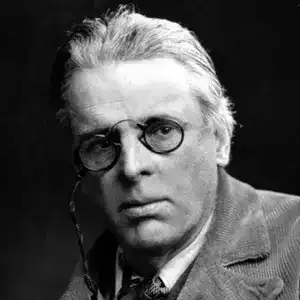
William Butler Yeats
At Galway Races
At Galway Races
THERE where the course is,
Delight makes all of the one mind,
The riders upon the galloping horses,
The crowd that closes in behind:
We, too, had good attendance once,
Hearers and hearteners of the work;
Aye, horsemen for companions,
Before the merchant and the clerk
Breathed on the world with timid breath.
Sing on: somewhere at some new moon,
We'll learn that sleeping is not death,
Hearing the whole earth change its tune,
Its flesh being wild, and it again
Crying aloud as the racecourse is,
And we find hearteners among men
That ride upon horses.
THERE where the course is,
Delight makes all of the one mind,
The riders upon the galloping horses,
The crowd that closes in behind:
We, too, had good attendance once,
Hearers and hearteners of the work;
Aye, horsemen for companions,
Before the merchant and the clerk
Breathed on the world with timid breath.
Sing on: somewhere at some new moon,
We'll learn that sleeping is not death,
Hearing the whole earth change its tune,
Its flesh being wild, and it again
Crying aloud as the racecourse is,
And we find hearteners among men
That ride upon horses.
361
William Butler Yeats
An Image From A Past Life
An Image From A Past Life
He. Never until this night have I been stirred.
The elaborate starlight throws a reflection
On the dark stream,
Till all the eddies gleam;
And thereupon there comes that scream
From terrified, invisible beast or bird:
Image of poignant recollection.
She. An image of my heart that is smitten through
Out of all likelihood, or reason,
And when at last,
Youth's bitterness being past,
I had thought that all my days were cast
Amid most lovely places; smitten as though
It had not learned its lesson.
He. Why have you laid your hands upon my eyes?
What can have suddenly alarmed you
Whereon 'twere best
My eyes should never rest?
What is there but the slowly fading west,
The river imaging the flashing skies,
All that to this moment charmed you?
She. A Sweetheart from another life floats there
As though she had been forced to linger
From vague distress
Or arrogant loveliness,
Merely to loosen out a tress
Among the starry eddies of her hair
Upon the paleness of a finger.
He. But why should you grow suddenly afraid
And start -- I at your shoulder --
Imagining
That any night could bring
An image up, or anything
Even to eyes that beauty had driven mad,
But images to make me fonder?
She. Now She has thrown her arms above her head;
Whether she threw them up to flout me,
Or but to find,
Now that no fingers bind,
That her hair streams upon the wind,
I do not know, that know I am afraid
Of the hovering thing night brought me.
He. Never until this night have I been stirred.
The elaborate starlight throws a reflection
On the dark stream,
Till all the eddies gleam;
And thereupon there comes that scream
From terrified, invisible beast or bird:
Image of poignant recollection.
She. An image of my heart that is smitten through
Out of all likelihood, or reason,
And when at last,
Youth's bitterness being past,
I had thought that all my days were cast
Amid most lovely places; smitten as though
It had not learned its lesson.
He. Why have you laid your hands upon my eyes?
What can have suddenly alarmed you
Whereon 'twere best
My eyes should never rest?
What is there but the slowly fading west,
The river imaging the flashing skies,
All that to this moment charmed you?
She. A Sweetheart from another life floats there
As though she had been forced to linger
From vague distress
Or arrogant loveliness,
Merely to loosen out a tress
Among the starry eddies of her hair
Upon the paleness of a finger.
He. But why should you grow suddenly afraid
And start -- I at your shoulder --
Imagining
That any night could bring
An image up, or anything
Even to eyes that beauty had driven mad,
But images to make me fonder?
She. Now She has thrown her arms above her head;
Whether she threw them up to flout me,
Or but to find,
Now that no fingers bind,
That her hair streams upon the wind,
I do not know, that know I am afraid
Of the hovering thing night brought me.
353
William Butler Yeats
A Woman homer Sung
A Woman homer Sung
IF any man drew near
When I was young,
I thought, 'He holds her dear,'
And shook with hate and fear.
But O! 'twas bitter wrong
If he could pass her by
With an indifferent eye.
Whereon I wrote and wrought,
And now, being grey,
I dream that I have brought
To such a pitch my thought
That coming time can say,
'He shadowed in a glass
What thing her body was.'
For she had fiery blood
When I was young,
And trod so sweetly proud
As 'twere upon a cloud,
A woman Homer sung,
That life and letters seem
But an heroic dream.
IF any man drew near
When I was young,
I thought, 'He holds her dear,'
And shook with hate and fear.
But O! 'twas bitter wrong
If he could pass her by
With an indifferent eye.
Whereon I wrote and wrought,
And now, being grey,
I dream that I have brought
To such a pitch my thought
That coming time can say,
'He shadowed in a glass
What thing her body was.'
For she had fiery blood
When I was young,
And trod so sweetly proud
As 'twere upon a cloud,
A woman Homer sung,
That life and letters seem
But an heroic dream.
315
William Butler Yeats
A Man Young And Old: X. His Wildness
A Man Young And Old: X. His Wildness
O bid me mount and sail up there
Amid the cloudy wrack,
For peg and Meg and Paris' love
That had so straight a back,
Are gone away, and some that stay
Have changed their silk for sack.
Were I but there and none to hear
I'd have a peacock cry,
For that is natural to a man
That lives in memory,
Being all alone I'd nurse a stone
And sing it lullaby.
O bid me mount and sail up there
Amid the cloudy wrack,
For peg and Meg and Paris' love
That had so straight a back,
Are gone away, and some that stay
Have changed their silk for sack.
Were I but there and none to hear
I'd have a peacock cry,
For that is natural to a man
That lives in memory,
Being all alone I'd nurse a stone
And sing it lullaby.
271
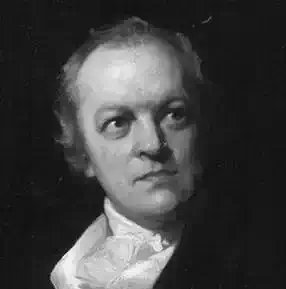
William Blake
The Angel
The Angel
I dreamt a dream! What can it mean?
And that I was a maiden Queen
Guarded by an Angel mild:
Witless woe was ne'er beguiled!
And I wept both night and day,
And he wiped my tears away;
And I wept both day and night,
And hid from him my heart's delight.
So he took his wings, and fled;
Then the morn blushed rosy red.
I dried my tears, and armed my fears
With ten-thousand shields and spears.
Soon my Angel came again;
I was armed, he came in vain;
For the time of youth was fled,
And grey hairs were on my head.
I dreamt a dream! What can it mean?
And that I was a maiden Queen
Guarded by an Angel mild:
Witless woe was ne'er beguiled!
And I wept both night and day,
And he wiped my tears away;
And I wept both day and night,
And hid from him my heart's delight.
So he took his wings, and fled;
Then the morn blushed rosy red.
I dried my tears, and armed my fears
With ten-thousand shields and spears.
Soon my Angel came again;
I was armed, he came in vain;
For the time of youth was fled,
And grey hairs were on my head.
525
William Blake
Nurse's Song
Nurse's Song
When voices of children are heard on the green,
And whisperings are in the dale,
The days of my youth rise fresh in my mind,
My face turns green and pale.
Then come home, my children, the sun is gone down,
And the dews of night arise;
Your spring and your day are wasted in play,
And your winter and night in disguise.
When voices of children are heard on the green,
And whisperings are in the dale,
The days of my youth rise fresh in my mind,
My face turns green and pale.
Then come home, my children, the sun is gone down,
And the dews of night arise;
Your spring and your day are wasted in play,
And your winter and night in disguise.
389

Wilfred Owen
Winter Song
Winter Song
The browns, the olives, and the yellows died,
And were swept up to heaven; where they glowed
Each dawn and set of sun till Christmastide,
And when the land lay pale for them, pale-snowed,
Fell back, and down the snow-drifts flamed and flowed.
From off your face, into the winds of winter,
The sun-brown and the summer-gold are blowing;
But they shall gleam with spiritual glinter,
When paler beauty on your brows falls snowing,
And through those snows my looks shall be soft-going.
The browns, the olives, and the yellows died,
And were swept up to heaven; where they glowed
Each dawn and set of sun till Christmastide,
And when the land lay pale for them, pale-snowed,
Fell back, and down the snow-drifts flamed and flowed.
From off your face, into the winds of winter,
The sun-brown and the summer-gold are blowing;
But they shall gleam with spiritual glinter,
When paler beauty on your brows falls snowing,
And through those snows my looks shall be soft-going.
160
Wilfred Owen
Happiness
Happiness
Ever again to breathe pure happiness,
So happy that we gave away our toy?
We smiled at nothings, needing no caress?
Have we not laughed too often since with Joy?
Have we not stolen too strange and sorrowful wrongs
For her hands' pardoning? The sun may cleanse,
And time, and starlight. Life will sing great songs,
And gods will show us pleasures more than men's.
Yet heaven looks smaller than the old doll's-home,
No nestling place is left in bluebell bloom,
And the wide arms of trees have lost their scope.
The former happiness is unreturning:
Boys' griefs are not so grievous as our yearning,
Boys have no sadness sadder than our hope.
Ever again to breathe pure happiness,
So happy that we gave away our toy?
We smiled at nothings, needing no caress?
Have we not laughed too often since with Joy?
Have we not stolen too strange and sorrowful wrongs
For her hands' pardoning? The sun may cleanse,
And time, and starlight. Life will sing great songs,
And gods will show us pleasures more than men's.
Yet heaven looks smaller than the old doll's-home,
No nestling place is left in bluebell bloom,
And the wide arms of trees have lost their scope.
The former happiness is unreturning:
Boys' griefs are not so grievous as our yearning,
Boys have no sadness sadder than our hope.
170
Wilfred Owen
Elegy in April and September
Elegy in April and September
Hush, thrush! Hush, missen-thrush, I listen...
I heard the flush of footsteps through the loose leaves,
And a low whistle by the water's brim.
Still! Daffodil! Nay, hail me not so gaily,-
Your gay gold lily daunts me and deceives,
Who follow gleams more golden and more slim.
Look, brook! O run and look, O run!
The vain reeds shook? - Yet search till gray sea heaves,
And I will stray among these fields for him.
Gaze, daisy! Stare through haze and glare,
And mark the hazardous stars all dawns and eves,
For my eye withers, and his star wanes dim.
Close, rose, and droop, heliotrope,
And shudder, hope! The shattering winter blows.
Drop, heliotrope, and close, rose...
Mourn, corn, and sigh, rye.
Men garner you, but youth's head lies forlorn.
Sigh, rye, and mourn, corn...
Brood, wood, and muse, yews,
The ways gods use we have not understood.
Muse, yews, and brood, wood...
Hush, thrush! Hush, missen-thrush, I listen...
I heard the flush of footsteps through the loose leaves,
And a low whistle by the water's brim.
Still! Daffodil! Nay, hail me not so gaily,-
Your gay gold lily daunts me and deceives,
Who follow gleams more golden and more slim.
Look, brook! O run and look, O run!
The vain reeds shook? - Yet search till gray sea heaves,
And I will stray among these fields for him.
Gaze, daisy! Stare through haze and glare,
And mark the hazardous stars all dawns and eves,
For my eye withers, and his star wanes dim.
Close, rose, and droop, heliotrope,
And shudder, hope! The shattering winter blows.
Drop, heliotrope, and close, rose...
Mourn, corn, and sigh, rye.
Men garner you, but youth's head lies forlorn.
Sigh, rye, and mourn, corn...
Brood, wood, and muse, yews,
The ways gods use we have not understood.
Muse, yews, and brood, wood...
168
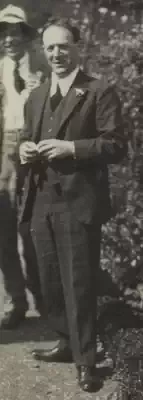
Walter de la Mare
Arabia
Arabia
Far are the shades of Arabia,
Where the Princes ride at noon,
'Mid the verdurous vales and thickets,
Under the ghost of the moon;
And so dark is that vaulted purple
Flowers in the forest rise
And toss into blossom 'gainst the phantom stars
Pale in the noonday skies.
Sweet is the music of Arabia
In my heart, when out of dreams
I still in the thin clear mirk of dawn
Descry her gliding streams;
Hear her strange lutes on the green banks
Ring loud with the grief and delight
Of the dim-silked, dark-haired Musicians
In the brooding silence of night.
They haunt me -- her lutes and her forests;
No beauty on earth I see
But shadowed with that dream recalls
Her loveliness to me:
Still eyes look coldly upon me,
Cold voices whisper and say --
'He is crazed with the spell of far Arabia,
They have stolen his wits away.'
Far are the shades of Arabia,
Where the Princes ride at noon,
'Mid the verdurous vales and thickets,
Under the ghost of the moon;
And so dark is that vaulted purple
Flowers in the forest rise
And toss into blossom 'gainst the phantom stars
Pale in the noonday skies.
Sweet is the music of Arabia
In my heart, when out of dreams
I still in the thin clear mirk of dawn
Descry her gliding streams;
Hear her strange lutes on the green banks
Ring loud with the grief and delight
Of the dim-silked, dark-haired Musicians
In the brooding silence of night.
They haunt me -- her lutes and her forests;
No beauty on earth I see
But shadowed with that dream recalls
Her loveliness to me:
Still eyes look coldly upon me,
Cold voices whisper and say --
'He is crazed with the spell of far Arabia,
They have stolen his wits away.'
675
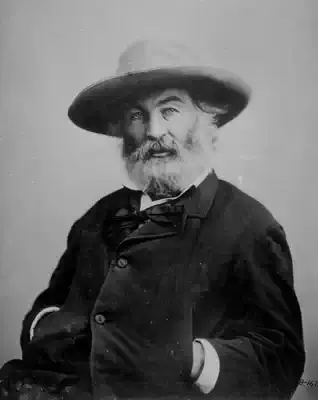
Walt Whitman
Warble Of Lilac-Time
Warble Of Lilac-Time
WARBLE me now, for joy of Lilac-time,
Sort me, O tongue and lips, for Nature's sake, and sweet life's
sake--and death's the same as life's,
Souvenirs of earliest summer--birds' eggs, and the first berries;
Gather the welcome signs, (as children, with pebbles, or stringing
shells;)
Put in April and May--the hylas croaking in the ponds--the elastic
air,
Bees, butterflies, the sparrow with its simple notes,
Blue-bird, and darting swallow--nor forget the high-hole flashing his
golden wings,
The tranquil sunny haze, the clinging smoke, the vapor,
Spiritual, airy insects, humming on gossamer wings,
Shimmer of waters, with fish in them--the cerulean above; 10
All that is jocund and sparkling--the brooks running,
The maple woods, the crisp February days, and the sugar-making;
The robin, where he hops, bright-eyed, brown-breasted,
With musical clear call at sunrise, and again at sunset,
Or flitting among the trees of the apple-orchard, building the nest
of his mate;
The melted snow of March--the willow sending forth its yellow-green
sprouts;
--For spring-time is here! the summer is here! and what is this in it
and from it?
Thou, Soul, unloosen'd--the restlessness after I know not what;
Come! let us lag here no longer--let us be up and away!
O for another world! O if one could but fly like a bird! 20
O to escape--to sail forth, as in a ship!
To glide with thee, O Soul, o'er all, in all, as a ship o'er the
waters!
--Gathering these hints, these preludes--the blue sky, the grass, the
morning drops of dew;
(With additional songs--every spring will I now strike up additional
songs,
Nor ever again forget, these tender days, the chants of Death as well
as Life;)
The lilac-scent, the bushes, and the dark green, heart-shaped leaves,
Wood violets, the little delicate pale blossoms called innocence,
Samples and sorts not for themselves alone, but for their atmosphere,
To tally, drench'd with them, tested by them,
Cities and artificial life, and all their sights and scenes, 30
My mind henceforth, and all its meditations--my recitatives,
My land, my age, my race, for once to serve in songs,
(Sprouts, tokens ever of death indeed the same as life,)
To grace the bush I love--to sing with the birds,
A warble for joy of Lilac-time.
WARBLE me now, for joy of Lilac-time,
Sort me, O tongue and lips, for Nature's sake, and sweet life's
sake--and death's the same as life's,
Souvenirs of earliest summer--birds' eggs, and the first berries;
Gather the welcome signs, (as children, with pebbles, or stringing
shells;)
Put in April and May--the hylas croaking in the ponds--the elastic
air,
Bees, butterflies, the sparrow with its simple notes,
Blue-bird, and darting swallow--nor forget the high-hole flashing his
golden wings,
The tranquil sunny haze, the clinging smoke, the vapor,
Spiritual, airy insects, humming on gossamer wings,
Shimmer of waters, with fish in them--the cerulean above; 10
All that is jocund and sparkling--the brooks running,
The maple woods, the crisp February days, and the sugar-making;
The robin, where he hops, bright-eyed, brown-breasted,
With musical clear call at sunrise, and again at sunset,
Or flitting among the trees of the apple-orchard, building the nest
of his mate;
The melted snow of March--the willow sending forth its yellow-green
sprouts;
--For spring-time is here! the summer is here! and what is this in it
and from it?
Thou, Soul, unloosen'd--the restlessness after I know not what;
Come! let us lag here no longer--let us be up and away!
O for another world! O if one could but fly like a bird! 20
O to escape--to sail forth, as in a ship!
To glide with thee, O Soul, o'er all, in all, as a ship o'er the
waters!
--Gathering these hints, these preludes--the blue sky, the grass, the
morning drops of dew;
(With additional songs--every spring will I now strike up additional
songs,
Nor ever again forget, these tender days, the chants of Death as well
as Life;)
The lilac-scent, the bushes, and the dark green, heart-shaped leaves,
Wood violets, the little delicate pale blossoms called innocence,
Samples and sorts not for themselves alone, but for their atmosphere,
To tally, drench'd with them, tested by them,
Cities and artificial life, and all their sights and scenes, 30
My mind henceforth, and all its meditations--my recitatives,
My land, my age, my race, for once to serve in songs,
(Sprouts, tokens ever of death indeed the same as life,)
To grace the bush I love--to sing with the birds,
A warble for joy of Lilac-time.
420
Walt Whitman
As I Ebb'd With the Ocean of Life
As I Ebb'd With the Ocean of Life
1
As I ebb'd with the ocean of life,
As I wended the shores I know,
As I walk'd where the ripples continually wash you Paumanok,
Where they rustle up hoarse and sibilant,
Where the fierce old mother endlessly cries for her castaways,
I musing late in the autumn day, gazing off southward,
Held by this electric self out of the pride of which I utter poems,
Was seiz'd by the spirit that trails in the lines underfoot,
The rim, the sediment that stands for all the water and all the
land of the globe.
Fascinated, my eyes reverting from the south, dropt, to follow
those slender windrows,
Chaff, straw, splinters of wood, weeds, and the sea-gluten,
Scum, scales from shining rocks, leaves of salt-lettuce, left by the
tide,
Miles walking, the sound of breaking waves the other side of me,
Paumanok there and then as I thought the old thought of likenesses,
These you presented to me you fish-shaped island,
As I wended the shores I know,
As I walk'd with that electric self seeking types.
2
As I wend to the shores I know not,
As I list to the dirge, the voices of men and women wreck'd,
As I inhale the impalpable breezes that set in upon me,
As the ocean so mysterious rolls toward me closer and closer,
I too but signify at the utmost a little wash'd-up drift,
A few sands and dead leaves to gather,
Gather, and merge myself as part of the sands and drift.
O baffled, balk'd, bent to the very earth,
Oppress'd with myself that I have dared to open my mouth,
Aware now that amid all that blab whose echoes recoil upon me I
have not once had the least idea who or what I am,
But that before all my arrogant poems the real Me stands yet
untouch'd, untold, altogether unreach'd,
Withdrawn far, mocking me with mock-congratulatory signs and
bows,
With peals of distant ironical laughter at every word I have written,
Pointing in silence to these songs, and then to the sand beneath.
I perceive I have not really understood any thing, not a single
object, and that no man ever can,
Nature here in sight of the sea taking advantage of me to dart
upon me and sting me,
Because I have dared to open my mouth to sing at all.
3
You oceans both, I close with you,
We murmur alike reproachfully rolling sands and drift, knowing
not why,
These little shreds indeed standing for you and me and all.
You friable shore with trails of debris,
You fish-shaped island, I take what is underfoot,
What is yours is mine my father.
I too Paumanok,
I too have bubbled up, floated the measureless float, and been
wash'd on your shores,
I too am but a trail of drift and debris,
I too leave little wrecks upon you, you fish-shaped island.
I throw myself upon your breast my father,
I cling to you so that you cannot unloose me,
I hold you so firm till you answer me something.
Kiss me my father,
Touch me with your lips as I touch those I love,
Breathe to me while I hold you close the secret of the murmuring
I envy.
4
Ebb, ocean of life, (the flow will return,)
Cease not your moaning you fierce old mother,
Endlessly cry for your castaways, but fear not, deny not me,
Rustle not up so hoarse and angry against my feet as I touch you
or gather from you.
I mean tenderly by you and all,
I gather for myself and for this phantom looking down where we
lead, and following me and mine.
Me and mine, loose windrows, little corpses,
Froth, snowy white, and bubbles,
(See, from my dead lips the ooze exuding at last,
See, the prismatic colors glistening and rolling,)
Tufts of straw, sands, fragments,
Buoy'd hither from many moods, one contradicting another,
From the storm, the long calm, the darkness, the swell,
Musing, pondering, a breath, a briny tear, a dab of liquid or soil,
Up just as much out of fathomless workings fermented and thrown,
A limp blossom or two, torn, just as much over waves floating,
drifted at random,
Just as much for us that sobbing dirge of Nature,
Just as much whence we come that blare of the cloud-trumpets,
We, capricious, brought hither we know not whence, spread out
before you,
You up there walking or sitting,
Whoever you are, we too lie in drifts at your feet.
1
As I ebb'd with the ocean of life,
As I wended the shores I know,
As I walk'd where the ripples continually wash you Paumanok,
Where they rustle up hoarse and sibilant,
Where the fierce old mother endlessly cries for her castaways,
I musing late in the autumn day, gazing off southward,
Held by this electric self out of the pride of which I utter poems,
Was seiz'd by the spirit that trails in the lines underfoot,
The rim, the sediment that stands for all the water and all the
land of the globe.
Fascinated, my eyes reverting from the south, dropt, to follow
those slender windrows,
Chaff, straw, splinters of wood, weeds, and the sea-gluten,
Scum, scales from shining rocks, leaves of salt-lettuce, left by the
tide,
Miles walking, the sound of breaking waves the other side of me,
Paumanok there and then as I thought the old thought of likenesses,
These you presented to me you fish-shaped island,
As I wended the shores I know,
As I walk'd with that electric self seeking types.
2
As I wend to the shores I know not,
As I list to the dirge, the voices of men and women wreck'd,
As I inhale the impalpable breezes that set in upon me,
As the ocean so mysterious rolls toward me closer and closer,
I too but signify at the utmost a little wash'd-up drift,
A few sands and dead leaves to gather,
Gather, and merge myself as part of the sands and drift.
O baffled, balk'd, bent to the very earth,
Oppress'd with myself that I have dared to open my mouth,
Aware now that amid all that blab whose echoes recoil upon me I
have not once had the least idea who or what I am,
But that before all my arrogant poems the real Me stands yet
untouch'd, untold, altogether unreach'd,
Withdrawn far, mocking me with mock-congratulatory signs and
bows,
With peals of distant ironical laughter at every word I have written,
Pointing in silence to these songs, and then to the sand beneath.
I perceive I have not really understood any thing, not a single
object, and that no man ever can,
Nature here in sight of the sea taking advantage of me to dart
upon me and sting me,
Because I have dared to open my mouth to sing at all.
3
You oceans both, I close with you,
We murmur alike reproachfully rolling sands and drift, knowing
not why,
These little shreds indeed standing for you and me and all.
You friable shore with trails of debris,
You fish-shaped island, I take what is underfoot,
What is yours is mine my father.
I too Paumanok,
I too have bubbled up, floated the measureless float, and been
wash'd on your shores,
I too am but a trail of drift and debris,
I too leave little wrecks upon you, you fish-shaped island.
I throw myself upon your breast my father,
I cling to you so that you cannot unloose me,
I hold you so firm till you answer me something.
Kiss me my father,
Touch me with your lips as I touch those I love,
Breathe to me while I hold you close the secret of the murmuring
I envy.
4
Ebb, ocean of life, (the flow will return,)
Cease not your moaning you fierce old mother,
Endlessly cry for your castaways, but fear not, deny not me,
Rustle not up so hoarse and angry against my feet as I touch you
or gather from you.
I mean tenderly by you and all,
I gather for myself and for this phantom looking down where we
lead, and following me and mine.
Me and mine, loose windrows, little corpses,
Froth, snowy white, and bubbles,
(See, from my dead lips the ooze exuding at last,
See, the prismatic colors glistening and rolling,)
Tufts of straw, sands, fragments,
Buoy'd hither from many moods, one contradicting another,
From the storm, the long calm, the darkness, the swell,
Musing, pondering, a breath, a briny tear, a dab of liquid or soil,
Up just as much out of fathomless workings fermented and thrown,
A limp blossom or two, torn, just as much over waves floating,
drifted at random,
Just as much for us that sobbing dirge of Nature,
Just as much whence we come that blare of the cloud-trumpets,
We, capricious, brought hither we know not whence, spread out
before you,
You up there walking or sitting,
Whoever you are, we too lie in drifts at your feet.
461

Vikram Seth
Mistaken
Mistaken
I smiled at you because I thought that you
Were someone else; you smiled back; and there grew
Between two strangers in a library
Something that seemes like love; but you loved me
(If that's the word) because you thought that I
Was other than I was. And by and by
We found we'd been mistaken all the while
From that first glance, that first mistaken smile.
I smiled at you because I thought that you
Were someone else; you smiled back; and there grew
Between two strangers in a library
Something that seemes like love; but you loved me
(If that's the word) because you thought that I
Was other than I was. And by and by
We found we'd been mistaken all the while
From that first glance, that first mistaken smile.
816
Thomas Moore
Whene'er I See Those Smiling Eyes
Whene'er I See Those Smiling Eyes
Whene'er I see those smiling eyes,
So full of hope, and joy, and light,
As if no cloud could ever rise,
To dim a heaven so purely bright --
I sigh to think how soon that brow
In grief may lose its every ray,
And that light heart, so joyous now,
Almost forget it once was gay.
For time will come with all its blights,
The ruin'd hope, the friend unkind,
And love, that leaves, where'er it lights,
A chill'd or burning heart behind:
While youth, that now like snow appears,
Ere sullied by the darkening rain,
When once 'tis touch'd by sorrow's tears,
Can never shine so bright again.
Whene'er I see those smiling eyes,
So full of hope, and joy, and light,
As if no cloud could ever rise,
To dim a heaven so purely bright --
I sigh to think how soon that brow
In grief may lose its every ray,
And that light heart, so joyous now,
Almost forget it once was gay.
For time will come with all its blights,
The ruin'd hope, the friend unkind,
And love, that leaves, where'er it lights,
A chill'd or burning heart behind:
While youth, that now like snow appears,
Ere sullied by the darkening rain,
When once 'tis touch'd by sorrow's tears,
Can never shine so bright again.
197
Thomas Moore
The Light of Other Days
The Light of Other Days
OFT, in the stilly night,
Ere slumber's chain has bound me,
Fond Memory brings the light
Of other days around me:
The smiles, the tears
Of boyhood's years,
The words of love then spoken;
The eyes that shone,
Now dimm'd and gone,
The cheerful hearts now broken!
Thus, in the stilly night,
Ere slumber's chain has bound me,
Sad Memory brings the light
Of other days around me.
When I remember all
The friends, so link'd together,
I've seen around me fall
Like leaves in wintry weather,
I feel like one
Who treads alone
Some banquet-hall deserted,
Whose lights are fled,
Whose garlands dead,
And all but he departed!
Thus, in the stilly night,
Ere slumber's chain has bound me.
Sad Memory brings the light
Of other days around me.
OFT, in the stilly night,
Ere slumber's chain has bound me,
Fond Memory brings the light
Of other days around me:
The smiles, the tears
Of boyhood's years,
The words of love then spoken;
The eyes that shone,
Now dimm'd and gone,
The cheerful hearts now broken!
Thus, in the stilly night,
Ere slumber's chain has bound me,
Sad Memory brings the light
Of other days around me.
When I remember all
The friends, so link'd together,
I've seen around me fall
Like leaves in wintry weather,
I feel like one
Who treads alone
Some banquet-hall deserted,
Whose lights are fled,
Whose garlands dead,
And all but he departed!
Thus, in the stilly night,
Ere slumber's chain has bound me.
Sad Memory brings the light
Of other days around me.
213
Thomas Moore
Oh, Ye Dead!
Oh, Ye Dead!
Oh, ye Dead! oh, ye Dead! whom we know by the light you give
From your cold gleaming eyes, though you move like men who live,
Why leave you thus your graves,
In far off fields and waves,
Where the worm and the sea-bird only know your bed,
To haunt this spot where all
Those eyes that wept your fall,
And the hearts that wail'd you, like your own, lie dead?
It is true, it is true, we are shadows cold and wan;
And the fair and the brave whom we loved on earth are gone;
But still thus even in death,
So sweet the living breath
Of the fields and the flowers in our youth we wander'd o'er,
That ere, condemn'd, we go
To freeze 'mid Hecla's snow,
We would taste it a while, and think we live once more!
Oh, ye Dead! oh, ye Dead! whom we know by the light you give
From your cold gleaming eyes, though you move like men who live,
Why leave you thus your graves,
In far off fields and waves,
Where the worm and the sea-bird only know your bed,
To haunt this spot where all
Those eyes that wept your fall,
And the hearts that wail'd you, like your own, lie dead?
It is true, it is true, we are shadows cold and wan;
And the fair and the brave whom we loved on earth are gone;
But still thus even in death,
So sweet the living breath
Of the fields and the flowers in our youth we wander'd o'er,
That ere, condemn'd, we go
To freeze 'mid Hecla's snow,
We would taste it a while, and think we live once more!
174
Thomas Moore
Oh, Banquet Not
Oh, Banquet Not
Oh, banquet not in those shining bowers,
Where Youth resorts, but come to me,
For mine's a garden of faded flowers,
More fit for sorrow, for age, and thee.
And there we shall have our feast of tears,
And many a cup in silence pour;
Our guests, the shades of former years,
Our toasts, to lips that bloom no more.
There, while the myrtle's withering boughs
Their lifeless leaves around us shed,
We'll brim the bowl to broken vows
To friends long lost, the changed, the dead.
Or, while some blighted laurel waves
Its branches o'er the dreary spot,
We'll drink to those neglected graves
Where valour sleeps, unnamed, forgot.
Oh, banquet not in those shining bowers,
Where Youth resorts, but come to me,
For mine's a garden of faded flowers,
More fit for sorrow, for age, and thee.
And there we shall have our feast of tears,
And many a cup in silence pour;
Our guests, the shades of former years,
Our toasts, to lips that bloom no more.
There, while the myrtle's withering boughs
Their lifeless leaves around us shed,
We'll brim the bowl to broken vows
To friends long lost, the changed, the dead.
Or, while some blighted laurel waves
Its branches o'er the dreary spot,
We'll drink to those neglected graves
Where valour sleeps, unnamed, forgot.
190
Thomas Moore
Oh! Arranmore, Loved Arranmore
Oh! Arranmore, Loved Arranmore
Oh! Arranmore, loved Arranmore,
How oft I dream of thee,
And of those days when, by thy shore,
I wander'd young and free.
Full many a path I've tried, since then,
Through pleasure's flowery maze,
But ne'er could find the bliss again
I felt in those sweet days.
How blithe upon thy breezy cliffs
At sunny morn I've stood,
With heart as bounding as the skiffs
That danced along thy flood;
Or, when the western wave grew bright
With daylight's parting wing,
Have sought that Eden in its light
Which dreaming poets sing;
That Eden where the immortal brave
Dwell in a land serene --
Whose bowers beyond the shining wave
At sunset, oft are seen.
Ah, dream too full of saddening truth!
Those mansions o'er the main
Are like the hopes I built in youth --
As sunny and as vain!
Oh! Arranmore, loved Arranmore,
How oft I dream of thee,
And of those days when, by thy shore,
I wander'd young and free.
Full many a path I've tried, since then,
Through pleasure's flowery maze,
But ne'er could find the bliss again
I felt in those sweet days.
How blithe upon thy breezy cliffs
At sunny morn I've stood,
With heart as bounding as the skiffs
That danced along thy flood;
Or, when the western wave grew bright
With daylight's parting wing,
Have sought that Eden in its light
Which dreaming poets sing;
That Eden where the immortal brave
Dwell in a land serene --
Whose bowers beyond the shining wave
At sunset, oft are seen.
Ah, dream too full of saddening truth!
Those mansions o'er the main
Are like the hopes I built in youth --
As sunny and as vain!
204
Thomas Moore
Lesbia Hath a Beaming Eye
Lesbia Hath a Beaming Eye
Lesbia hath a beaming eye,
But no one knows for whom it beameth;
Right and left its arrows fly,
But what they aim at no one dreameth.
Sweeter 'tis to gaze upon
My Nora's lid that seldom rises;
Few its looks, but every one,
Like unexpected light, surprises!
Oh, my Nora Creina, dear,
My gentle, bashful Nora Creina,
Beauty lies
In many eyes,
But Love in yours, my Nora Creina.
Lesbia wears a robe of gold,
But all so close the nymph hath laced it,
Not a charm of beauty's mould
Presumes to stay where Nature placed it.
Oh! my Nora's gown for me,
That floats as wild as mountain breezes,
Leaving every beauty free
To sink or swell as Heaven pleases.
Yes, my Nora Creina, dear,
My simple, graceful Nora Creina,
Nature's dress
Is loveliness --
The dress you wear, my Nora Creina.
Lesbia hath a wit refined,
But, when its points are gleaning round us,
Who can tell if they're design'd
To dazzle merely, or to wound us?
Pillow'd on my Nora's heart,
In safer slumber Love reposes --
Bed of peace! whose roughest part
Is but the crumpling of the roses.
Oh! my Nora Creina, dear,
My mild, my artless Nora Creina!
Wit, though bright,
Hath no such light
As warms your eyes, my Nora Creina.
Lesbia hath a beaming eye,
But no one knows for whom it beameth;
Right and left its arrows fly,
But what they aim at no one dreameth.
Sweeter 'tis to gaze upon
My Nora's lid that seldom rises;
Few its looks, but every one,
Like unexpected light, surprises!
Oh, my Nora Creina, dear,
My gentle, bashful Nora Creina,
Beauty lies
In many eyes,
But Love in yours, my Nora Creina.
Lesbia wears a robe of gold,
But all so close the nymph hath laced it,
Not a charm of beauty's mould
Presumes to stay where Nature placed it.
Oh! my Nora's gown for me,
That floats as wild as mountain breezes,
Leaving every beauty free
To sink or swell as Heaven pleases.
Yes, my Nora Creina, dear,
My simple, graceful Nora Creina,
Nature's dress
Is loveliness --
The dress you wear, my Nora Creina.
Lesbia hath a wit refined,
But, when its points are gleaning round us,
Who can tell if they're design'd
To dazzle merely, or to wound us?
Pillow'd on my Nora's heart,
In safer slumber Love reposes --
Bed of peace! whose roughest part
Is but the crumpling of the roses.
Oh! my Nora Creina, dear,
My mild, my artless Nora Creina!
Wit, though bright,
Hath no such light
As warms your eyes, my Nora Creina.
205
Thomas Moore
Lalla Rookh
Lalla Rookh
"How sweetly," said the trembling maid,
Of her own gentle voice afraid,
So long had they in silence stood,
Looking upon that tranquil flood--
"How sweetly does the moon-beam smile
To-night upon yon leafy isle!
Oft in my fancy's wanderings,
I've wish'd that little isle had wings,
And we, within its fairy bow'rs,
Were wafted off to seas unknown,
Where not a pulse should beat but ours,
And we might live, love, die alone!
Far from the cruel and the cold,--
Where the bright eyes of angels only
Should come around us, to behold
A paradise so pure and lonely.
Would this be world enough for thee?"--
Playful she turn'd, that he might see
The passing smile her cheek put on;
But when she mark'd how mournfully
His eyes met hers, that smile was gone;
And, bursting into heart-felt tears,
"Yes, yes," she cried, "my hourly fears
My dreams have boded all too right--
We part--for ever part--to-night!
I knew, I knew it could not last--
'Twas bright, 'twas heav'nly, but 'tis past!
Oh! ever thus, from childhood's hour,
I've seen my fondest hopes decay;
I never lov'd a tree or flow'r,
But 'twas the first to fade away.
I never nurs'd a dear gazelle
To glad me with its soft black eye,
But when it came to know me well
And love me, it was sure to die!
Now too--the joy most like divine
Of all I ever dreamt or knew,
To see thee, hear thee, call thee mine,--
Oh misery! must I lose that too?
Yet go--on peril's brink we meet;--
Those frightful rocks--that treach'rous sea--
No, never come again--though sweet,
Though heav'n, it may be death to thee.
Farewell--and blessings on thy way,
Where'er thou goest, beloved stranger!
Better to sit and watch that ray,
And think thee safe, though far away,
Than have thee near me, and in danger!"
"How sweetly," said the trembling maid,
Of her own gentle voice afraid,
So long had they in silence stood,
Looking upon that tranquil flood--
"How sweetly does the moon-beam smile
To-night upon yon leafy isle!
Oft in my fancy's wanderings,
I've wish'd that little isle had wings,
And we, within its fairy bow'rs,
Were wafted off to seas unknown,
Where not a pulse should beat but ours,
And we might live, love, die alone!
Far from the cruel and the cold,--
Where the bright eyes of angels only
Should come around us, to behold
A paradise so pure and lonely.
Would this be world enough for thee?"--
Playful she turn'd, that he might see
The passing smile her cheek put on;
But when she mark'd how mournfully
His eyes met hers, that smile was gone;
And, bursting into heart-felt tears,
"Yes, yes," she cried, "my hourly fears
My dreams have boded all too right--
We part--for ever part--to-night!
I knew, I knew it could not last--
'Twas bright, 'twas heav'nly, but 'tis past!
Oh! ever thus, from childhood's hour,
I've seen my fondest hopes decay;
I never lov'd a tree or flow'r,
But 'twas the first to fade away.
I never nurs'd a dear gazelle
To glad me with its soft black eye,
But when it came to know me well
And love me, it was sure to die!
Now too--the joy most like divine
Of all I ever dreamt or knew,
To see thee, hear thee, call thee mine,--
Oh misery! must I lose that too?
Yet go--on peril's brink we meet;--
Those frightful rocks--that treach'rous sea--
No, never come again--though sweet,
Though heav'n, it may be death to thee.
Farewell--and blessings on thy way,
Where'er thou goest, beloved stranger!
Better to sit and watch that ray,
And think thee safe, though far away,
Than have thee near me, and in danger!"
193
Thomas Moore
How Dear to Me the Hour
How Dear to Me the Hour
How dear to me the hour when daylight dies,
And sunbeams melt along the silent sea,
For then sweet dreams of other days arise,
And memory breathes her vesper sigh to thee.
And, as I watch the line of light, that plays
Along the smooth wave toward the burning west,
I long to tread that golden path of rays,
And think 'twould lead to some bright isle of rest.
How dear to me the hour when daylight dies,
And sunbeams melt along the silent sea,
For then sweet dreams of other days arise,
And memory breathes her vesper sigh to thee.
And, as I watch the line of light, that plays
Along the smooth wave toward the burning west,
I long to tread that golden path of rays,
And think 'twould lead to some bright isle of rest.
158
Thomas Moore
I Saw From the Beach
I Saw From the Beach
I saw from the beach, when the morning was shining,
A bark o'er the waters move gloriously on;
I came when the sun o'er that beach was declining,
The bark was still there, but the waters were gone.
And such is the fate of our life's early promise,
So passing the spring-tide of joy we have known;
Each wave that we danced on at morning ebbs from us,
And leaves us, at eve, on the bleak shore alone.
Oh, who would not welcome that moment's returning
When passion first waked a new life through his frame,
And his soul, like the wood that grows precious in burning,
Gave out all its sweets to love's exquisite flame.
I saw from the beach, when the morning was shining,
A bark o'er the waters move gloriously on;
I came when the sun o'er that beach was declining,
The bark was still there, but the waters were gone.
And such is the fate of our life's early promise,
So passing the spring-tide of joy we have known;
Each wave that we danced on at morning ebbs from us,
And leaves us, at eve, on the bleak shore alone.
Oh, who would not welcome that moment's returning
When passion first waked a new life through his frame,
And his soul, like the wood that grows precious in burning,
Gave out all its sweets to love's exquisite flame.
181
Thomas Hardy
To Lizbie Browne
To Lizbie Browne
I
Dear Lizbie Browne,
Where are you now?
In sun, in rain? -
Or is your brow
Past joy, past pain,
Dear Lizbie Browne?
II
Sweet Lizbie Browne
How you could smile,
How you could sing! -
How archly wile
In glance-giving,
Sweet Lizbie Browne!
III
And, Lizbie Browne,
Who else had hair
Bay-red as yours,
Or flesh so fair
Bred out of doors,
Sweet Lizbie Browne?
IV
When, Lizbie Browne,
You had just begun
To be endeared
By stealth to one,
You disappeared
My Lizbie Browne!
V
Ay, Lizbie Browne,
So swift your life,
And mine so slow,
You were a wife
Ere I could show
Love, Lizbie Browne.
VI
Still, Lizbie Browne,
You won, they said,
The best of men
When you were wed . . .
Where went you then,
O Lizbie Browne?
VII
Dear Lizbie Browne,
I should have thought,
"Girls ripen fast,"
And coaxed and caught
You ere you passed,
Dear Lizbie Browne!
VIII
But, Lizbie Browne,
I let you slip;
Shaped not a sign;
Touched never your lip
With lip of mine,
Lost Lizbie Browne!
IX
So, Lizbie Browne,
When on a day
Men speak of me
As not, you'll say,
"And who was he?" -
Yes, Lizbie Browne!
I
Dear Lizbie Browne,
Where are you now?
In sun, in rain? -
Or is your brow
Past joy, past pain,
Dear Lizbie Browne?
II
Sweet Lizbie Browne
How you could smile,
How you could sing! -
How archly wile
In glance-giving,
Sweet Lizbie Browne!
III
And, Lizbie Browne,
Who else had hair
Bay-red as yours,
Or flesh so fair
Bred out of doors,
Sweet Lizbie Browne?
IV
When, Lizbie Browne,
You had just begun
To be endeared
By stealth to one,
You disappeared
My Lizbie Browne!
V
Ay, Lizbie Browne,
So swift your life,
And mine so slow,
You were a wife
Ere I could show
Love, Lizbie Browne.
VI
Still, Lizbie Browne,
You won, they said,
The best of men
When you were wed . . .
Where went you then,
O Lizbie Browne?
VII
Dear Lizbie Browne,
I should have thought,
"Girls ripen fast,"
And coaxed and caught
You ere you passed,
Dear Lizbie Browne!
VIII
But, Lizbie Browne,
I let you slip;
Shaped not a sign;
Touched never your lip
With lip of mine,
Lost Lizbie Browne!
IX
So, Lizbie Browne,
When on a day
Men speak of me
As not, you'll say,
"And who was he?" -
Yes, Lizbie Browne!
238
Thomas Hardy
To Flowers From Italy in Winter
To Flowers From Italy in Winter
Sunned in the South, and here to-day;
--If all organic things
Be sentient, Flowers, as some men say,
What are your ponderings?
How can you stay, nor vanish quite
From this bleak spot of thorn,
And birch, and fir, and frozen white
Expanse of the forlorn?
Frail luckless exiles hither brought!
Your dust will not regain
Old sunny haunts of Classic thought
When you shall waste and wane;
But mix with alien earth, be lit
With frigid Boreal flame,
And not a sign remain in it
To tell men whence you came.
Sunned in the South, and here to-day;
--If all organic things
Be sentient, Flowers, as some men say,
What are your ponderings?
How can you stay, nor vanish quite
From this bleak spot of thorn,
And birch, and fir, and frozen white
Expanse of the forlorn?
Frail luckless exiles hither brought!
Your dust will not regain
Old sunny haunts of Classic thought
When you shall waste and wane;
But mix with alien earth, be lit
With frigid Boreal flame,
And not a sign remain in it
To tell men whence you came.
176