

Poems in this theme
Nostalgia

Carl Sandburg
Broadway
Broadway
I shall never forget you, Broadway
Your golden and calling lights.
I’ll remember you long,
Tall-walled river of rush and play.
Hearts that know you hate you
And lips that have given you laughter
Have gone to their ashes of life and its roses,
Cursing the dreams that were lost
In the dust of your harsh and trampled stones.
I shall never forget you, Broadway
Your golden and calling lights.
I’ll remember you long,
Tall-walled river of rush and play.
Hearts that know you hate you
And lips that have given you laughter
Have gone to their ashes of life and its roses,
Cursing the dreams that were lost
In the dust of your harsh and trampled stones.
365
Carl Sandburg
And This Will Be All....
And This Will Be All....
And this will be all?
And the gates will never open again?
And the dust and the wind will play around the rusty door hinges and the songs of
October moan, Why-oh, why-oh?
And you will look to the mountains
And the mountains will look to you
And you will wish you were a mountain
And the mountain will wish nothing at all?
This will be all?
The gates will never-never open again?
The dust and the wind only
And the rusty door hinges and moaning October
And Why-oh, why-oh, in the moaning dry leaves,
This will be all?
Nothing in the air but songs
And no singers, no mouths to know the songs?
You tell us a woman with a heartache tells you it is so?
This will be all?
And this will be all?
And the gates will never open again?
And the dust and the wind will play around the rusty door hinges and the songs of
October moan, Why-oh, why-oh?
And you will look to the mountains
And the mountains will look to you
And you will wish you were a mountain
And the mountain will wish nothing at all?
This will be all?
The gates will never-never open again?
The dust and the wind only
And the rusty door hinges and moaning October
And Why-oh, why-oh, in the moaning dry leaves,
This will be all?
Nothing in the air but songs
And no singers, no mouths to know the songs?
You tell us a woman with a heartache tells you it is so?
This will be all?
382
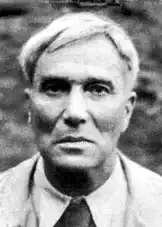
Boris Pasternak
White Night
White Night
I keep thinking of times that are long past,
Of a house in the Petersburg Quarter.
You had come from the steppeland Kursk Province,
Of a none-too-rich mother the daughter.
You were nice, you had many admirers.
On that distant white night we were sitting
On your window-sill, looking from high on
On the phantom-like scene of the city.
The street-lamps, like gauze butterflies fluttering,
Had been touched by the chill of the morning.
My soft words, as I opened my heart to you,
Matched the slumbering vistas before us.
We were plighted with timid fidelity
To the very same nebulous mystery
As the cityscape spreading unendingly
Far beyond the Neva, through the distances.
In that far-off impregnable wilderness,
Wrapped in springtime twilight ethereal,
Woodland glades and dense thickets were quivering
With mad nightingales' thunderous paeans.
Crazy resonant warbling ran riot,
And the voice of this plain-looking songster
Sowed derangement, ecstatic delight
In the depth of the mesmerised copsewood.
To those parts Night, a barefoot vagabond,
Stole its way along ditches and fences.
From our window-sill, after it tagging,
Was the trail of our cooed confidences.
To the words of this colloquy echoing
In the orchards beyond the tall palings
Spreading branches of apple and cherry trees
Swathed themselves in their pearly-white raiment.
And the trees, like so many pale phantoms,
Waved their farewell, along the road thronging,
To White Night, that all-seeing enchanter,
Who was now to North Regions withdrawing.
I keep thinking of times that are long past,
Of a house in the Petersburg Quarter.
You had come from the steppeland Kursk Province,
Of a none-too-rich mother the daughter.
You were nice, you had many admirers.
On that distant white night we were sitting
On your window-sill, looking from high on
On the phantom-like scene of the city.
The street-lamps, like gauze butterflies fluttering,
Had been touched by the chill of the morning.
My soft words, as I opened my heart to you,
Matched the slumbering vistas before us.
We were plighted with timid fidelity
To the very same nebulous mystery
As the cityscape spreading unendingly
Far beyond the Neva, through the distances.
In that far-off impregnable wilderness,
Wrapped in springtime twilight ethereal,
Woodland glades and dense thickets were quivering
With mad nightingales' thunderous paeans.
Crazy resonant warbling ran riot,
And the voice of this plain-looking songster
Sowed derangement, ecstatic delight
In the depth of the mesmerised copsewood.
To those parts Night, a barefoot vagabond,
Stole its way along ditches and fences.
From our window-sill, after it tagging,
Was the trail of our cooed confidences.
To the words of this colloquy echoing
In the orchards beyond the tall palings
Spreading branches of apple and cherry trees
Swathed themselves in their pearly-white raiment.
And the trees, like so many pale phantoms,
Waved their farewell, along the road thronging,
To White Night, that all-seeing enchanter,
Who was now to North Regions withdrawing.
620
Boris Pasternak
Winter Nears
Winter Nears
Winter nears. Once more
the bear’s secret retreat
will vanish under mud’s floor,
to a child’s fretful grief.
Huts will wake in the water,
reflecting paths of smoke,
circled by autumn’s tremor
lovers meet by the fire to talk.
Denizens of the harsh North
whose roof is the clear air,
‘In this sign conquer’, set forth,
marks each unreachable lair.
I love you, provincial haunts,
off the map, the road, past the farms,
the more tired and faded the book,
the greater for me its charms.
Slow files of carts lumbering by
you spell out an alphabet flowing
from meadow to meadow. And I
found you always my favourite reading.
And it’s suddenly written again,
here in first snow is the spider’s
cursive script, runners of sleighs,
where ice on the page embroiders.
A silvered hazel October.
Pewter glow since frost began.
Autumn twilight, of Chekhov,
Tchaikovsky, and Levitan.
Winter nears. Once more
the bear’s secret retreat
will vanish under mud’s floor,
to a child’s fretful grief.
Huts will wake in the water,
reflecting paths of smoke,
circled by autumn’s tremor
lovers meet by the fire to talk.
Denizens of the harsh North
whose roof is the clear air,
‘In this sign conquer’, set forth,
marks each unreachable lair.
I love you, provincial haunts,
off the map, the road, past the farms,
the more tired and faded the book,
the greater for me its charms.
Slow files of carts lumbering by
you spell out an alphabet flowing
from meadow to meadow. And I
found you always my favourite reading.
And it’s suddenly written again,
here in first snow is the spider’s
cursive script, runners of sleighs,
where ice on the page embroiders.
A silvered hazel October.
Pewter glow since frost began.
Autumn twilight, of Chekhov,
Tchaikovsky, and Levitan.
537
Boris Pasternak
Unique Days
Unique Days
How I remember solstice days
Through many winters long completed!
Each unrepeatable, unique,
And each one countless times repeated.
Of all these days, these only days,
When one rejoiced in the impression
That time had stopped, there grew in years
An unforgettable succession.
Each one of them I can evoke.
The year is to midwinter moving,
The roofs are dripping, roads are soaked,
And on the ice the sun is brooding.
Then lovers hastily are drawn
To one another, vague and dreaming,
And in the heat, upon a tree
The sweating nesting-box is steaming.
And sleepy clock-hands laze away
The clockface wearily ascending.
Eternal, endless is the day,
And the embrace is never-ending.
How I remember solstice days
Through many winters long completed!
Each unrepeatable, unique,
And each one countless times repeated.
Of all these days, these only days,
When one rejoiced in the impression
That time had stopped, there grew in years
An unforgettable succession.
Each one of them I can evoke.
The year is to midwinter moving,
The roofs are dripping, roads are soaked,
And on the ice the sun is brooding.
Then lovers hastily are drawn
To one another, vague and dreaming,
And in the heat, upon a tree
The sweating nesting-box is steaming.
And sleepy clock-hands laze away
The clockface wearily ascending.
Eternal, endless is the day,
And the embrace is never-ending.
532
Boris Pasternak
There'll be no one in the house...
There'll be no one in the house...
There'll be no one in the house
Save for twilight. All alone,
Winter's day seen in the space that's
Made by curtains left undrawn.
Only flash-past of the wet white
Snowflake clusters, glimpsed and gone.
Only roofs and snow, and save for
Roofs and snow-no one at home.
Once more, frost will trace its patterns,
I'll be haunted once again
By my last year's melancholy,
By that other wintertime.
Once more, I'll be troubled by an
Old unexpiated shame,
And the icy firewood famine
Will press on the window-pane.
But the quiver of intrusion
Through those curtains folds will run.
Measuring silence with your footsteps,
Like the future, in you'll come.
You'll appear there in the doorway
Wearing something white and plain,
Something in the very stuff from
Which the snowflakes too are sewn.
There'll be no one in the house
Save for twilight. All alone,
Winter's day seen in the space that's
Made by curtains left undrawn.
Only flash-past of the wet white
Snowflake clusters, glimpsed and gone.
Only roofs and snow, and save for
Roofs and snow-no one at home.
Once more, frost will trace its patterns,
I'll be haunted once again
By my last year's melancholy,
By that other wintertime.
Once more, I'll be troubled by an
Old unexpiated shame,
And the icy firewood famine
Will press on the window-pane.
But the quiver of intrusion
Through those curtains folds will run.
Measuring silence with your footsteps,
Like the future, in you'll come.
You'll appear there in the doorway
Wearing something white and plain,
Something in the very stuff from
Which the snowflakes too are sewn.
554
Boris Pasternak
Spasskoe
Spasskoe
In Spasskoe, unforgettable September sheds its leaves.
Isn’t it time to close up the summer-house?
Echo traps the thudding of axe-blows in the trees,
and, past the fence, barters a herd-boy’s shout.
Last night the marsh by the park shivered, too.
The moment the sun rises it vanishes.
The bluebell can’t drink the rheumatic dew,
and a dirty lilac stain soils the birches.
The wood’s downcast. It wants to sleep, as well,
under the snow, in the deep quiet of the bear’s den.
The park, gaping, framed by tree-trunks stands still,
in neat obituary-columns, its edges blackened.
Has the birch copse stopped fading, staining,
its shade more watery still, and growing thin?
And again, you’re, fifteen – it’s still complaining –
again – ‘oh child, oh, what shall we do with them?’
They’re already so many it’s time to stop playing.
They’re – birds in the bushes, mushrooms in the trees.
Already we’ve veiled our horizon with them, shrouding
each other’s landscape with fog-bound mysteries.
The comic, on the night of his death, typhus-stricken,
hears a peal: it’s Homeric laughter from the box.
Today in Spasskoe, the same grief, in hallucination,
stares, from the road, at a house of weathered logs.
In Spasskoe, unforgettable September sheds its leaves.
Isn’t it time to close up the summer-house?
Echo traps the thudding of axe-blows in the trees,
and, past the fence, barters a herd-boy’s shout.
Last night the marsh by the park shivered, too.
The moment the sun rises it vanishes.
The bluebell can’t drink the rheumatic dew,
and a dirty lilac stain soils the birches.
The wood’s downcast. It wants to sleep, as well,
under the snow, in the deep quiet of the bear’s den.
The park, gaping, framed by tree-trunks stands still,
in neat obituary-columns, its edges blackened.
Has the birch copse stopped fading, staining,
its shade more watery still, and growing thin?
And again, you’re, fifteen – it’s still complaining –
again – ‘oh child, oh, what shall we do with them?’
They’re already so many it’s time to stop playing.
They’re – birds in the bushes, mushrooms in the trees.
Already we’ve veiled our horizon with them, shrouding
each other’s landscape with fog-bound mysteries.
The comic, on the night of his death, typhus-stricken,
hears a peal: it’s Homeric laughter from the box.
Today in Spasskoe, the same grief, in hallucination,
stares, from the road, at a house of weathered logs.
539
Boris Pasternak
Out of Superstition
Out of Superstition
A box of glazed sour fruit compact,
My narrow room.
And oh the grime of lodging rooms
This side the tomb!
This cubbyhole, out of superstition,
I chose once more.
The walls seem dappled oaks; the door,
A singing door.
You strove to leave; my hand was steady
Upon the latch.
My forelock touched a wondrous forehead;
My lips felt violets.
O Sweet! Your dress as on a day
Not long ago
To April, like a snowdrop, chirps
A gay 'Hello!'
No vestal-you, I know: You came
With a chair today,
Took down my life as from a shelf,
And blew the dust away.
A box of glazed sour fruit compact,
My narrow room.
And oh the grime of lodging rooms
This side the tomb!
This cubbyhole, out of superstition,
I chose once more.
The walls seem dappled oaks; the door,
A singing door.
You strove to leave; my hand was steady
Upon the latch.
My forelock touched a wondrous forehead;
My lips felt violets.
O Sweet! Your dress as on a day
Not long ago
To April, like a snowdrop, chirps
A gay 'Hello!'
No vestal-you, I know: You came
With a chair today,
Took down my life as from a shelf,
And blew the dust away.
453
Boris Pasternak
Nostalgia
Nostalgia
To give this book a dedication
The desert sickened,
And lions roared, and dawns of tigers
Took hold of Kipling.
A dried-up well of dreadful longing
Was gaping, yawning.
They swayed and shivered, rubbing shoulders,
Sleek-skinned and tawny.
Since then continuing forever
Their sway in scansion,
They stroll in mist through dewy meadows
Dreamt up by Ganges.
Creeping at dawn in pits and hollows
Cold sunrays fumble.
Funereal, incense-laden dampness
Pervades the jungle.
To give this book a dedication
The desert sickened,
And lions roared, and dawns of tigers
Took hold of Kipling.
A dried-up well of dreadful longing
Was gaping, yawning.
They swayed and shivered, rubbing shoulders,
Sleek-skinned and tawny.
Since then continuing forever
Their sway in scansion,
They stroll in mist through dewy meadows
Dreamt up by Ganges.
Creeping at dawn in pits and hollows
Cold sunrays fumble.
Funereal, incense-laden dampness
Pervades the jungle.
483
Boris Pasternak
Beloved, with the spent and sickly fumes...
Beloved, with the spent and sickly fumes...
Beloved, with the spent and sickly fumes
Of rumour's cinders all the air is filled,
But you are the engrossing lexicon
Of fame mysterious and unrevealed,
And fame it is the soil's strong pull.
Would that I more erect were sprung!
But even so I shall be called
The native son of my own native tongue.
The poets' age no longer sets their rhyme,
Now, in the sweep of country plots and roads,
Lermontov is rhymed with summertime,
And Pushkin rhymes with geese and snow.
And my wish is that when we die,
Our circle closed, and hence depart,
We shall be set in closer rhyme
Than binds the auricle and the heart.
And may our harmony unified
Some listener's muffled ear caress
With all that we do now imbibe,
And shall draw in through mouths of grass.
Beloved, with the spent and sickly fumes
Of rumour's cinders all the air is filled,
But you are the engrossing lexicon
Of fame mysterious and unrevealed,
And fame it is the soil's strong pull.
Would that I more erect were sprung!
But even so I shall be called
The native son of my own native tongue.
The poets' age no longer sets their rhyme,
Now, in the sweep of country plots and roads,
Lermontov is rhymed with summertime,
And Pushkin rhymes with geese and snow.
And my wish is that when we die,
Our circle closed, and hence depart,
We shall be set in closer rhyme
Than binds the auricle and the heart.
And may our harmony unified
Some listener's muffled ear caress
With all that we do now imbibe,
And shall draw in through mouths of grass.
497
Boris Pasternak
August
August
This was its promise, held to faithfully:
The early morning sun came in this way
Until the angle of its saffron beam
Between the curtains and the sofa lay,
And with its ochre heat it spread across
The village houses, and the nearby wood,
Upon my bed and on my dampened pillow
And to the corner where the bookcase stood.
Then I recalled the reason why my pillow
Had been so dampened by those tears that fellI'd
dreamt I saw you coming one by one
Across the wood to wish me your farewell.
You came in ones and twos, a straggling crowd;
Then suddenly someone mentioned a word:
It was the sixth of August, by Old Style,
And the Transfiguration of Our Lord.
For from Mount Tabor usually this day
There comes a light without a flame to shine,
And autumn draws all eyes upon itself
As clear and unmistaken as a sign.
But you came forward through the tiny, stripped,
The pauperly and trembling alder grove,
Into the graveyard's coppice, russet-red,
Which, like stamped gingerbread, lay there and glowed.
And with the silence of those high treetops
Was neighbour only the imposing sky
And in the echoed crowing of the cocks
The distances and distances rang by:
There in the churchyard underneath the trees,
Like some surveyor from the government
Death gazed on my pale face to estimate
How large a grave would suit my measurement.
All those who stood there could distinctly hear
A quiet voice emerge from where I lay:
The voice was mine, my past; prophetic words
That sounded now, unsullied by decay:
'Farewell, wonder of azure and of gold
Surrounding the Transfiguration's power:
Assuage now with a woman's last caress
The bitterness of my predestined hour!
'Farewell timeless expanse of passing years!
Farewell, woman who flung your challenge steeled
Against the abyss of humiliations:
For it is I who am your battlefield!
'Farewell, you span of open wings outspread,
The voluntary obstinacy of flight,
O figure of the world revealed in speech,
Creative genius, wonder-working might!'
This was its promise, held to faithfully:
The early morning sun came in this way
Until the angle of its saffron beam
Between the curtains and the sofa lay,
And with its ochre heat it spread across
The village houses, and the nearby wood,
Upon my bed and on my dampened pillow
And to the corner where the bookcase stood.
Then I recalled the reason why my pillow
Had been so dampened by those tears that fellI'd
dreamt I saw you coming one by one
Across the wood to wish me your farewell.
You came in ones and twos, a straggling crowd;
Then suddenly someone mentioned a word:
It was the sixth of August, by Old Style,
And the Transfiguration of Our Lord.
For from Mount Tabor usually this day
There comes a light without a flame to shine,
And autumn draws all eyes upon itself
As clear and unmistaken as a sign.
But you came forward through the tiny, stripped,
The pauperly and trembling alder grove,
Into the graveyard's coppice, russet-red,
Which, like stamped gingerbread, lay there and glowed.
And with the silence of those high treetops
Was neighbour only the imposing sky
And in the echoed crowing of the cocks
The distances and distances rang by:
There in the churchyard underneath the trees,
Like some surveyor from the government
Death gazed on my pale face to estimate
How large a grave would suit my measurement.
All those who stood there could distinctly hear
A quiet voice emerge from where I lay:
The voice was mine, my past; prophetic words
That sounded now, unsullied by decay:
'Farewell, wonder of azure and of gold
Surrounding the Transfiguration's power:
Assuage now with a woman's last caress
The bitterness of my predestined hour!
'Farewell timeless expanse of passing years!
Farewell, woman who flung your challenge steeled
Against the abyss of humiliations:
For it is I who am your battlefield!
'Farewell, you span of open wings outspread,
The voluntary obstinacy of flight,
O figure of the world revealed in speech,
Creative genius, wonder-working might!'
599

Billy Collins
Reading An Anthology Of Chinese Poems Of The Sung Dynasty, I Pause To
Reading An Anthology Of Chinese Poems Of The Sung Dynasty, I Pause To
Admire The Length And Clarity Of Their Titles
It seems these poets have nothing
up their ample sleeves
they turn over so many cards so early,
telling us before the first line
whether it is wet or dry,
night or day, the season the man is standing in,
even how much he has had to drink.
Maybe it is autumn and he is looking at a sparrow.
Maybe it is snowing on a town with a beautiful name.
"Viewing Peonies at the Temple of Good Fortune
on a Cloudy Afternoon" is one of Sun Tung Po's.
"Dipping Water from the River and Simmering Tea"
is another one, or just
"On a Boat, Awake at Night."
And Lu Yu takes the simple rice cake with
"In a Boat on a Summer Evening
I Heard the Cry of a Waterbird.
It Was Very Sad and Seemed To Be Saying
My Woman Is Cruel--Moved, I Wrote This Poem."
There is no iron turnstile to push against here
as with headings like "Vortex on a String,"
"The Horn of Neurosis," or whatever.
No confusingly inscribed welcome mat to puzzle over.
Instead, "I Walk Out on a Summer Morning
to the Sound of Birds and a Waterfall"
is a beaded curtain brushing over my shoulders.
And "Ten Days of Spring Rain Have Kept Me Indoors"
is a servant who shows me into the room
where a poet with a thin beard
is sitting on a mat with a jug of wine
whispering something about clouds and cold wind,
about sickness and the loss of friends.
How easy he has made it for me to enter here,
to sit down in a corner,
cross my legs like his, and listen.
Admire The Length And Clarity Of Their Titles
It seems these poets have nothing
up their ample sleeves
they turn over so many cards so early,
telling us before the first line
whether it is wet or dry,
night or day, the season the man is standing in,
even how much he has had to drink.
Maybe it is autumn and he is looking at a sparrow.
Maybe it is snowing on a town with a beautiful name.
"Viewing Peonies at the Temple of Good Fortune
on a Cloudy Afternoon" is one of Sun Tung Po's.
"Dipping Water from the River and Simmering Tea"
is another one, or just
"On a Boat, Awake at Night."
And Lu Yu takes the simple rice cake with
"In a Boat on a Summer Evening
I Heard the Cry of a Waterbird.
It Was Very Sad and Seemed To Be Saying
My Woman Is Cruel--Moved, I Wrote This Poem."
There is no iron turnstile to push against here
as with headings like "Vortex on a String,"
"The Horn of Neurosis," or whatever.
No confusingly inscribed welcome mat to puzzle over.
Instead, "I Walk Out on a Summer Morning
to the Sound of Birds and a Waterfall"
is a beaded curtain brushing over my shoulders.
And "Ten Days of Spring Rain Have Kept Me Indoors"
is a servant who shows me into the room
where a poet with a thin beard
is sitting on a mat with a jug of wine
whispering something about clouds and cold wind,
about sickness and the loss of friends.
How easy he has made it for me to enter here,
to sit down in a corner,
cross my legs like his, and listen.
260
Billy Collins
Nostalgia
Nostalgia
Remember the 1340's? We were doing a dance called the Catapult.
You always wore brown, the color craze of the decade,
and I was draped in one of those capes that were popular,
the ones with unicorns and pomegranates in needlework.
Everyone would pause for beer and onions in the afternoon,
and at night we would play a game called "Find the Cow."
Everything was hand-lettered then, not like today.
Where has the summer of 1572 gone? Brocade and sonnet
marathons were the rage. We used to dress up in the flags
of rival baronies and conquer one another in cold rooms of stone.
Out on the dance floor we were all doing the Struggle
while your sister practiced the Daphne all alone in her room.
We borrowed the jargon of farriers for our slang.
These days language seems transparent a badly broken code.
The 1790's will never come again. Childhood was big.
People would take walks to the very tops of hills
and write down what they saw in their journals without speaking.
Our collars were high and our hats were extremely soft.
We would surprise each other with alphabets made of twigs.
It was a wonderful time to be alive, or even dead.
I am very fond of the period between 1815 and 1821.
Europe trembled while we sat still for our portraits.
And I would love to return to 1901 if only for a moment,
time enough to wind up a music box and do a few dance steps,
or shoot me back to 1922 or 1941, or at least let me
recapture the serenity of last month when we picked
berries and glided through afternoons in a canoe.
Even this morning would be an improvement over the present.
I was in the garden then, surrounded by the hum of bees
and the Latin names of flowers, watching the early light
flash off the slanted windows of the greenhouse
and silver the limbs on the rows of dark hemlocks.
As usual, I was thinking about the moments of the past,
letting my memory rush over them like water
rushing over the stones on the bottom of a stream.
I was even thinking a little about the future, that place
where people are doing a dance we cannot imagine,
a dance whose name we can only guess.
Remember the 1340's? We were doing a dance called the Catapult.
You always wore brown, the color craze of the decade,
and I was draped in one of those capes that were popular,
the ones with unicorns and pomegranates in needlework.
Everyone would pause for beer and onions in the afternoon,
and at night we would play a game called "Find the Cow."
Everything was hand-lettered then, not like today.
Where has the summer of 1572 gone? Brocade and sonnet
marathons were the rage. We used to dress up in the flags
of rival baronies and conquer one another in cold rooms of stone.
Out on the dance floor we were all doing the Struggle
while your sister practiced the Daphne all alone in her room.
We borrowed the jargon of farriers for our slang.
These days language seems transparent a badly broken code.
The 1790's will never come again. Childhood was big.
People would take walks to the very tops of hills
and write down what they saw in their journals without speaking.
Our collars were high and our hats were extremely soft.
We would surprise each other with alphabets made of twigs.
It was a wonderful time to be alive, or even dead.
I am very fond of the period between 1815 and 1821.
Europe trembled while we sat still for our portraits.
And I would love to return to 1901 if only for a moment,
time enough to wind up a music box and do a few dance steps,
or shoot me back to 1922 or 1941, or at least let me
recapture the serenity of last month when we picked
berries and glided through afternoons in a canoe.
Even this morning would be an improvement over the present.
I was in the garden then, surrounded by the hum of bees
and the Latin names of flowers, watching the early light
flash off the slanted windows of the greenhouse
and silver the limbs on the rows of dark hemlocks.
As usual, I was thinking about the moments of the past,
letting my memory rush over them like water
rushing over the stones on the bottom of a stream.
I was even thinking a little about the future, that place
where people are doing a dance we cannot imagine,
a dance whose name we can only guess.
386
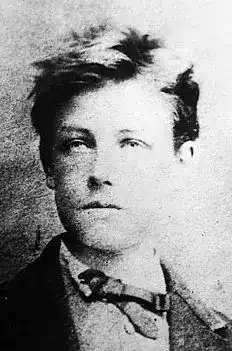
Arthur Rimbaud
Working People
Working People
O that warm February morning!
The untimely south came
to stir up our absurd paupers' memories,
our young distress.
Henrika had on a brown
and white checked cotton skirt
which must have been worn in the last century,
a bonnet with ribbons and a silk scarf.
It was much sadder than any mourning.
We were taking a stroll in the suburbs.
The weather was overcast
and that wind from the south
excited all the evil odors of the desolate
garden and the dried fields.
It did not seem to weary my wife as it did me.
In a puddle left by the rains of the preceding month,
on a fairly high path,
she called my attention to some very little fishes.
The city with its smoke and its factory noises
followed us far out along the roads.
O other world, habituation
blessed by sky and shade!
The south brought black miserable memories
of my childhood, my summer despairs,
the horrible quantity of strength
and of knowledge that fate has always kept from me.
No! we will not spend the summer
in this avaricious country
where we shall never be anything
but affianced orphans.
I want this hardened arm
to stop dragging _a cherished image._
O that warm February morning!
The untimely south came
to stir up our absurd paupers' memories,
our young distress.
Henrika had on a brown
and white checked cotton skirt
which must have been worn in the last century,
a bonnet with ribbons and a silk scarf.
It was much sadder than any mourning.
We were taking a stroll in the suburbs.
The weather was overcast
and that wind from the south
excited all the evil odors of the desolate
garden and the dried fields.
It did not seem to weary my wife as it did me.
In a puddle left by the rains of the preceding month,
on a fairly high path,
she called my attention to some very little fishes.
The city with its smoke and its factory noises
followed us far out along the roads.
O other world, habituation
blessed by sky and shade!
The south brought black miserable memories
of my childhood, my summer despairs,
the horrible quantity of strength
and of knowledge that fate has always kept from me.
No! we will not spend the summer
in this avaricious country
where we shall never be anything
but affianced orphans.
I want this hardened arm
to stop dragging _a cherished image._
522
Arthur Rimbaud
O Seasons, O Chateaux
O Seasons, O Chateaux
1. (From: Fetes de la Patience)
O seasons, O chateaux,
Where is the flawless soul?
O seasons, O chateaux,
The magic study I pursued,
Of happiness, none can elude.
O may it live, each time
The Gallic cock makes rhyme.
Nothing else I desire,
It’s possessed my life entire.
That charm! It’s taken heart and soul
Scattered all my effort so.
Where’s the sense in what I say?
It makes the whole thing fly away!
O seasons, O chateaux!
O Seasons, O Chateaux
2. (From: Une Saison en Enfer)
O seasons, O chateaux!
Where is the flawless soul?
The magic study I pursued,
Of happiness, none can elude.
A health to it, each time
The Gallic cock makes rhyme.
Ah! There’s nothing I desire,
It’s possessed my life entire.
That charm has taken heart and soul
Scattered all my efforts so.
O seasons, O chateaux!
The hour of its flight, alas!
Will be the hour I pass.
O seasons, O chateaux!
1. (From: Fetes de la Patience)
O seasons, O chateaux,
Where is the flawless soul?
O seasons, O chateaux,
The magic study I pursued,
Of happiness, none can elude.
O may it live, each time
The Gallic cock makes rhyme.
Nothing else I desire,
It’s possessed my life entire.
That charm! It’s taken heart and soul
Scattered all my effort so.
Where’s the sense in what I say?
It makes the whole thing fly away!
O seasons, O chateaux!
O Seasons, O Chateaux
2. (From: Une Saison en Enfer)
O seasons, O chateaux!
Where is the flawless soul?
The magic study I pursued,
Of happiness, none can elude.
A health to it, each time
The Gallic cock makes rhyme.
Ah! There’s nothing I desire,
It’s possessed my life entire.
That charm has taken heart and soul
Scattered all my efforts so.
O seasons, O chateaux!
The hour of its flight, alas!
Will be the hour I pass.
O seasons, O chateaux!
551

Anonymous
The Forsaken Bride
The Forsaken Bride
O waly waly up the bank,
And waly waly down the brae,
And waly waly yon burn-side
Where I and my Love wont to gae!
I leant my back unto an aik,
I thought it was a trusty tree;
But first it bow'd, and syne it brak,
Sae my true Love did lichtly me.
O waly waly, but love be bonny
A little time while it is new;
But when 'tis auld, it waxeth cauld
And fades awa' like morning dew.
O wherefore should I busk my head?
Or wherefore should I kame my hair?
For my true Love has me forsook,
And says he'll never lo'e me mair.
Now Arthur-seat sall be my bed,
The sheets shall ne'er be prest by me,
Saint Anton's well sall be my drink,
Since my true Love has forsaken me.
Marti'mas wind, when wilt thou blaw
And shake the green leaves aff the tree?
O gentle Death, when wilt thou come?
For of my life I am wearïe.
'Tis not the frost that freezes fell,
Nor blawing snaw's inclemencie—
'Tis not sic cauld that makes me cry,
But my Love's heart grown cauld to me.
When we came in by Glasgow town
We were a comely sight to see;
My Love was clad in the black velvét,
And I mysell in cramasie.
But had I wist, before I kist,
That love had been sae ill to win,
I had lockt my heart in a case of gowd
And pinn'd it with a siller pin.
And oh, if my young babe were born,
And set upon the nurse's knee,
And I mysell were dead and gane,
And the green grass growing over me!
O waly waly up the bank,
And waly waly down the brae,
And waly waly yon burn-side
Where I and my Love wont to gae!
I leant my back unto an aik,
I thought it was a trusty tree;
But first it bow'd, and syne it brak,
Sae my true Love did lichtly me.
O waly waly, but love be bonny
A little time while it is new;
But when 'tis auld, it waxeth cauld
And fades awa' like morning dew.
O wherefore should I busk my head?
Or wherefore should I kame my hair?
For my true Love has me forsook,
And says he'll never lo'e me mair.
Now Arthur-seat sall be my bed,
The sheets shall ne'er be prest by me,
Saint Anton's well sall be my drink,
Since my true Love has forsaken me.
Marti'mas wind, when wilt thou blaw
And shake the green leaves aff the tree?
O gentle Death, when wilt thou come?
For of my life I am wearïe.
'Tis not the frost that freezes fell,
Nor blawing snaw's inclemencie—
'Tis not sic cauld that makes me cry,
But my Love's heart grown cauld to me.
When we came in by Glasgow town
We were a comely sight to see;
My Love was clad in the black velvét,
And I mysell in cramasie.
But had I wist, before I kist,
That love had been sae ill to win,
I had lockt my heart in a case of gowd
And pinn'd it with a siller pin.
And oh, if my young babe were born,
And set upon the nurse's knee,
And I mysell were dead and gane,
And the green grass growing over me!
236

Anne Brontë
Verses To A Child
Verses To A Child
1
O raise those eyes to me again
And smile again so joyously,
And fear not, love; it was not pain
Nor grief that drew these tears from me;
Beloved child, thou canst not tell
The thoughts that in my bosom dwell
Whene'er I look on thee!
2
Thou knowest not that a glance of thine
Can bring back long departed years
And that thy blue eyes' magic shine
Can overflow my own with tears,
And that each feature soft and fair
And every curl of golden hair,
Some sweet remembrance bears.
3
Just then thou didst recall to me
A distant long forgotten scene,
One smile, and one sweet word from thee
Dispelled the years that rolled between;
I was a little child again,
And every after joy and pain
Seemed never to have been.
4
Tall forest trees waved over me,
To hide me from the heat of day,
And by my side a child like thee
Among the summer flowerets lay.
He was thy sire, thou merry child.
Like thee he spoke, like thee he smiled,
Like thee he used to play.
5
O those were calm and happy days,
We loved each other fondly then;
But human love too soon decays,
And ours can never bloom again.
I never thought to see the day
When Florian's friendship would decay
Like those of colder men.
6
Now, Flora, thou hast but begun
To sail on life's deceitful sea,
O do not err as I have done,
For I have trusted foolishly;
The faith of every friend I loved
I never doubted till I proved
Their heart's inconstancy.
7
'Tis mournful to look back upon
Those long departed joys and cares,
But I will weep since thou alone
Art witness to my streaming tears.
This lingering love will not depart,
I cannot banish from my heart
The friend of childish years.
8
But though thy father loves me not,
Yet I shall still be loved by thee,
And though I am by him forgot,
Say wilt thou not remember me!
I will not cause thy heart to ache;
For thy regretted father's sake
I'll love and cherish thee.
Alexandrina Zenobia
1
O raise those eyes to me again
And smile again so joyously,
And fear not, love; it was not pain
Nor grief that drew these tears from me;
Beloved child, thou canst not tell
The thoughts that in my bosom dwell
Whene'er I look on thee!
2
Thou knowest not that a glance of thine
Can bring back long departed years
And that thy blue eyes' magic shine
Can overflow my own with tears,
And that each feature soft and fair
And every curl of golden hair,
Some sweet remembrance bears.
3
Just then thou didst recall to me
A distant long forgotten scene,
One smile, and one sweet word from thee
Dispelled the years that rolled between;
I was a little child again,
And every after joy and pain
Seemed never to have been.
4
Tall forest trees waved over me,
To hide me from the heat of day,
And by my side a child like thee
Among the summer flowerets lay.
He was thy sire, thou merry child.
Like thee he spoke, like thee he smiled,
Like thee he used to play.
5
O those were calm and happy days,
We loved each other fondly then;
But human love too soon decays,
And ours can never bloom again.
I never thought to see the day
When Florian's friendship would decay
Like those of colder men.
6
Now, Flora, thou hast but begun
To sail on life's deceitful sea,
O do not err as I have done,
For I have trusted foolishly;
The faith of every friend I loved
I never doubted till I proved
Their heart's inconstancy.
7
'Tis mournful to look back upon
Those long departed joys and cares,
But I will weep since thou alone
Art witness to my streaming tears.
This lingering love will not depart,
I cannot banish from my heart
The friend of childish years.
8
But though thy father loves me not,
Yet I shall still be loved by thee,
And though I am by him forgot,
Say wilt thou not remember me!
I will not cause thy heart to ache;
For thy regretted father's sake
I'll love and cherish thee.
Alexandrina Zenobia
88
Anne Brontë
The Parting
The Parting
1
The chestnut steed stood by the gate
His noble master's will to wait,
The woody park so green and bright
Was glowing in the morning light,
The young leaves of the aspen trees
Were dancing in the morning breeze.
The palace door was open wide,
Its lord was standing there,
And his sweet lady by his side
With soft dark eyes and raven hair.
He smiling took her wary hand
And said, 'No longer here I stand;
My charger shakes his flowing mane
And calls me with impatient neigh.
Adieu then till we meet again,
Sweet love, I must no longer stay.'
2
'You must not go so soon,' she said,
'I will not say farewell.
The sun has not dispelled the shade
In yonder dewy dell;
Dark shadows of gigantic length
Are sleeping on the lawn;
And scarcely have the birds begun
To hail the summer morn;
Then stay with me a little while,'
She said with soft and sunny smile.
3
He smiled again and did not speak,
But lightly kissed her rosy cheek,
And fondly clasped her in his arms,
Then vaulted on his steed.
And down the park's smooth winding road
He urged its flying speed.
Still by the door his lady stood
And watched his rapid flight,
Until he came to a distant wood
That hid him from her sight.
But ere he vanished from her view
He waved to her a last adieu,
Then onward hastily he steered
And in the forest disappeared.
4
The lady smiled a pensive smile
And heaved a gently sigh,
But her cheek was all unblanched the while
And tearless was her eye.
'A thousand lovely flowers,' she said,
'Are smiling on the plain.
And ere one half of them are dead,
My lord will come again.
The leaves are waving fresh and green
On every stately tree,
And long before they die away
He will return to me!' Alas!
Fair lady, say not so;
Thou canst not tell the weight of woe
That lies in store for thee.
5
Those flowers will fade, those leaves will fall,
Winter will darken yonder hall;
Sweet spring will smile o'er hill and plain
And trees and flowers will bloom again,
And years will still keep rolling on,
But thy beloved lord is gone.
His absence thou shalt deeply mourn,
And never smile on his return.
1
The chestnut steed stood by the gate
His noble master's will to wait,
The woody park so green and bright
Was glowing in the morning light,
The young leaves of the aspen trees
Were dancing in the morning breeze.
The palace door was open wide,
Its lord was standing there,
And his sweet lady by his side
With soft dark eyes and raven hair.
He smiling took her wary hand
And said, 'No longer here I stand;
My charger shakes his flowing mane
And calls me with impatient neigh.
Adieu then till we meet again,
Sweet love, I must no longer stay.'
2
'You must not go so soon,' she said,
'I will not say farewell.
The sun has not dispelled the shade
In yonder dewy dell;
Dark shadows of gigantic length
Are sleeping on the lawn;
And scarcely have the birds begun
To hail the summer morn;
Then stay with me a little while,'
She said with soft and sunny smile.
3
He smiled again and did not speak,
But lightly kissed her rosy cheek,
And fondly clasped her in his arms,
Then vaulted on his steed.
And down the park's smooth winding road
He urged its flying speed.
Still by the door his lady stood
And watched his rapid flight,
Until he came to a distant wood
That hid him from her sight.
But ere he vanished from her view
He waved to her a last adieu,
Then onward hastily he steered
And in the forest disappeared.
4
The lady smiled a pensive smile
And heaved a gently sigh,
But her cheek was all unblanched the while
And tearless was her eye.
'A thousand lovely flowers,' she said,
'Are smiling on the plain.
And ere one half of them are dead,
My lord will come again.
The leaves are waving fresh and green
On every stately tree,
And long before they die away
He will return to me!' Alas!
Fair lady, say not so;
Thou canst not tell the weight of woe
That lies in store for thee.
5
Those flowers will fade, those leaves will fall,
Winter will darken yonder hall;
Sweet spring will smile o'er hill and plain
And trees and flowers will bloom again,
And years will still keep rolling on,
But thy beloved lord is gone.
His absence thou shalt deeply mourn,
And never smile on his return.
99
Anne Brontë
Monday Night May 11th 1846 / Domestic Peace
Monday Night May 11th 1846 / Domestic Peace
Why should such gloomy silence reign;
And why is all the house so drear,
When neither danger, sickness, pain,
Nor death, nor want have entered here?
We are as many as we were
That other night, when all were gay,
And full of hope, and free from care;
Yet, is there something gone away.
The moon without as pure and calm
Is shining as that night she shone;
but now, to us she brings no balm,
For something from our hearts is gone.
Something whose absence leaves a void,
A cheerless want in every heart.
Each feels the bliss of all destroyed
And mourns the change but
each apart.
The fire is burning in the grate
As redly as it used to burn,
But still the hearth is desolate
Till Mirth and Love with Peace return.
'Twas Peace that flowed from heart to heart
With looks and smiles that spoke of Heaven,
And gave us language to impart
The blissful thoughts itself had given.
Sweet child of Heaven, and joy of earth!
O, when will Man thy value learn?
We rudely drove thee from our hearth,
And vainly sigh for thy return.
Why should such gloomy silence reign;
And why is all the house so drear,
When neither danger, sickness, pain,
Nor death, nor want have entered here?
We are as many as we were
That other night, when all were gay,
And full of hope, and free from care;
Yet, is there something gone away.
The moon without as pure and calm
Is shining as that night she shone;
but now, to us she brings no balm,
For something from our hearts is gone.
Something whose absence leaves a void,
A cheerless want in every heart.
Each feels the bliss of all destroyed
And mourns the change but
each apart.
The fire is burning in the grate
As redly as it used to burn,
But still the hearth is desolate
Till Mirth and Love with Peace return.
'Twas Peace that flowed from heart to heart
With looks and smiles that spoke of Heaven,
And gave us language to impart
The blissful thoughts itself had given.
Sweet child of Heaven, and joy of earth!
O, when will Man thy value learn?
We rudely drove thee from our hearth,
And vainly sigh for thy return.
3
Anne Brontë
Lines Written at Thorp Green
Lines Written at Thorp Green
That summer sun, whose genial glow
Now cheers my drooping spirit so
Must cold and distant be,
And only light our northern clime
With feeble ray, before the time
I long so much to see.
And this soft whispering breeze that now
So gently cools my fevered brow,
This too, alas, must turn To
a wild blast whose icy dart
Pierces and chills me to the heart,
Before I cease to mourn.
And these bright flowers I love so well,
Verbena, rose and sweet bluebell,
Must droop and die away.
Those thick green leaves with all their shade
And rustling music, they must fade
And every one decay.
But if the sunny summer time
And woods and meadows in their prime
Are sweet to them that roam Far
sweeter is the winter bare
With long dark nights and landscapes drear
To them that are at Home!
That summer sun, whose genial glow
Now cheers my drooping spirit so
Must cold and distant be,
And only light our northern clime
With feeble ray, before the time
I long so much to see.
And this soft whispering breeze that now
So gently cools my fevered brow,
This too, alas, must turn To
a wild blast whose icy dart
Pierces and chills me to the heart,
Before I cease to mourn.
And these bright flowers I love so well,
Verbena, rose and sweet bluebell,
Must droop and die away.
Those thick green leaves with all their shade
And rustling music, they must fade
And every one decay.
But if the sunny summer time
And woods and meadows in their prime
Are sweet to them that roam Far
sweeter is the winter bare
With long dark nights and landscapes drear
To them that are at Home!
85
Anne Brontë
Memory
Memory
Brightly the sun of summer shone,
Green fields and waving woods upon,
And soft winds wandered by;
Above, a sky of purest blue,
Around, bright flowers of loveliest hue,
Allured the gazer's eye.
But what were all these charms to me,
When one sweet breath of memory
Came gently wafting by?
I closed my eyes against the day,
And called my willing soul away,
From earth, and air, and sky;
That I might simply fancy there
One little flower a
primrose fair,
Just opening into sight;
As in the days of infancy,
An opening primrose seemed to me
A source of strange delight.
Sweet Memory! ever smile on me;
Nature's chief beauties spring from thee,
Oh, still thy tribute bring!
Still make the golden crocus shine
Among the flowers the most divine,
The glory of the spring.
Still in the wallflower's
fragrance dwell;
And hover round the slight blue bell,
My childhood's darling flower.
Smile on the little daisy still,
The buttercup's bright goblet fill
With all thy former power.
For ever hang thy dreamy spell
Round mountain star and heather bell,
And do not pass away
From sparkling frost, or wreathed snow,
And whisper when the wild winds blow,
Or rippling waters play.
Is childhood, then, so all divine?
Or Memory, is the glory thine,
That haloes thus the past?
Not all divine; its pangs of grief,
(Although, perchance, their stay be brief,)
Are bitter while they last.
Nor is the glory all thine own,
For on our earliest joys alone
That holy light is cast.
With such a ray, no spell of thine
Can make our later pleasures shine,
Though long ago they passed.
Acton
Brightly the sun of summer shone,
Green fields and waving woods upon,
And soft winds wandered by;
Above, a sky of purest blue,
Around, bright flowers of loveliest hue,
Allured the gazer's eye.
But what were all these charms to me,
When one sweet breath of memory
Came gently wafting by?
I closed my eyes against the day,
And called my willing soul away,
From earth, and air, and sky;
That I might simply fancy there
One little flower a
primrose fair,
Just opening into sight;
As in the days of infancy,
An opening primrose seemed to me
A source of strange delight.
Sweet Memory! ever smile on me;
Nature's chief beauties spring from thee,
Oh, still thy tribute bring!
Still make the golden crocus shine
Among the flowers the most divine,
The glory of the spring.
Still in the wallflower's
fragrance dwell;
And hover round the slight blue bell,
My childhood's darling flower.
Smile on the little daisy still,
The buttercup's bright goblet fill
With all thy former power.
For ever hang thy dreamy spell
Round mountain star and heather bell,
And do not pass away
From sparkling frost, or wreathed snow,
And whisper when the wild winds blow,
Or rippling waters play.
Is childhood, then, so all divine?
Or Memory, is the glory thine,
That haloes thus the past?
Not all divine; its pangs of grief,
(Although, perchance, their stay be brief,)
Are bitter while they last.
Nor is the glory all thine own,
For on our earliest joys alone
That holy light is cast.
With such a ray, no spell of thine
Can make our later pleasures shine,
Though long ago they passed.
Acton
104
Anne Brontë
Home
Home
How brightly glistening in the sun
The woodland ivy plays!
While yonder beeches from their barks
Reflect his silver rays.
That sun surveys a lovely scene
From softly smiling skies;
And wildly through unnumbered trees
The wind of winter sighs:
Now loud, it thunders o'er my head,
And now in distance dies.
But give me back my barren hills
Where colder breezes rise;
Where scarce the scattered, stunted trees
Can yield an answering swell,
But where a wilderness of heath
Returns the sound as well.
For yonder garden, fair and wide,
With groves of evergreen,
Long winding walks, and borders trim,
And velvet lawns between;
Restore to me that little spot,
With grey walls compassed round,
Where knotted grass neglected lies,
And weeds usurp the ground.
Though all around this mansion high
Invites the foot to roam,
And though its halls are fair within Oh,
give me back my HOME!
Acton
How brightly glistening in the sun
The woodland ivy plays!
While yonder beeches from their barks
Reflect his silver rays.
That sun surveys a lovely scene
From softly smiling skies;
And wildly through unnumbered trees
The wind of winter sighs:
Now loud, it thunders o'er my head,
And now in distance dies.
But give me back my barren hills
Where colder breezes rise;
Where scarce the scattered, stunted trees
Can yield an answering swell,
But where a wilderness of heath
Returns the sound as well.
For yonder garden, fair and wide,
With groves of evergreen,
Long winding walks, and borders trim,
And velvet lawns between;
Restore to me that little spot,
With grey walls compassed round,
Where knotted grass neglected lies,
And weeds usurp the ground.
Though all around this mansion high
Invites the foot to roam,
And though its halls are fair within Oh,
give me back my HOME!
Acton
77
Anne Brontë
An Orphan's Lament
An Orphan's Lament
She's gone and
twice the summer's sun
Has gilt Regina's towers,
And melted wild Angora's snows,
And warmed Exina's bowers.
The flowerets twice on hill and dale
Have bloomed and died away,
And twice the rustling forest leaves
Have fallen to decay,
And thrice stern winter's icy hand
Has checked the river's flow,
And three times o'er the mountains thrown
His spotless robe of snow.
Two summers springs and autumns sad
Three winters cold and grey And
is it then so long ago
That wild November day!
They say such tears as children weep
Will soon be dried away,
That childish grief however strong
Is only for a day,
And parted friends how dear soe'er
Will soon forgotten be;
It may be so with other hearts,
It is not thus with me.
My mother, thou wilt weep no more
For thou art gone above,
But can I ever cease to mourn
Thy good and fervent love?
While that was mine the world to me
Was sunshine bright and fair;
No feeling rose within my heart
But thou couldst read it there.
And thou couldst feel for all my joys
And all my childish cares
And never weary of my play
Or scorn my foolish fears.
Beneath thy sweet maternal smile
All pain and sorrow fled,
And even the very tears were sweet
Upon thy bosom shed.
Thy loss can never be repaired;
I shall not know again
While life remains, the peaceful joy
That filled my spirit then.
Where shall I find a heart like thine
While life remains to me,
And where shall I bestow the love
I ever bore for thee?
A.H.
She's gone and
twice the summer's sun
Has gilt Regina's towers,
And melted wild Angora's snows,
And warmed Exina's bowers.
The flowerets twice on hill and dale
Have bloomed and died away,
And twice the rustling forest leaves
Have fallen to decay,
And thrice stern winter's icy hand
Has checked the river's flow,
And three times o'er the mountains thrown
His spotless robe of snow.
Two summers springs and autumns sad
Three winters cold and grey And
is it then so long ago
That wild November day!
They say such tears as children weep
Will soon be dried away,
That childish grief however strong
Is only for a day,
And parted friends how dear soe'er
Will soon forgotten be;
It may be so with other hearts,
It is not thus with me.
My mother, thou wilt weep no more
For thou art gone above,
But can I ever cease to mourn
Thy good and fervent love?
While that was mine the world to me
Was sunshine bright and fair;
No feeling rose within my heart
But thou couldst read it there.
And thou couldst feel for all my joys
And all my childish cares
And never weary of my play
Or scorn my foolish fears.
Beneath thy sweet maternal smile
All pain and sorrow fled,
And even the very tears were sweet
Upon thy bosom shed.
Thy loss can never be repaired;
I shall not know again
While life remains, the peaceful joy
That filled my spirit then.
Where shall I find a heart like thine
While life remains to me,
And where shall I bestow the love
I ever bore for thee?
A.H.
96

Allen Ginsberg
Haiku (Never Published)
Haiku (Never Published)
Drinking my tea
Without sugarNo
difference.
The sparrow shits
upside down
--ah! my brain & eggs
Mayan head in a
Pacific driftwood bole
--Someday I'll live in N.Y.
Looking over my shoulder
my behind was covered
with cherry blossoms.
Winter Haiku
I didn't know the names
of the flowers--now
my garden is gone.
I slapped the mosquito
and missed.
What made me do that?
Reading haiku
I am unhappy,
longing for the Nameless.
A frog floating
in the drugstore jar:
summer rain on grey pavements.
(after Shiki)
On the porch
in my shorts;
auto lights in the rain.
Another year
has past-the world
is no different.
The first thing I looked for
in my old garden was
The Cherry Tree.
My old desk:
the first thing I looked for
in my house.
My early journal:
the first thing I found
in my old desk.
My mother's ghost:
the first thing I found
in the living room.
I quit shaving
but the eyes that glanced at me
remained in the mirror.
The madman
emerges from the movies:
the street at lunchtime.
Cities of boys
are in their graves,
and in this town...
Lying on my side
in the void:
the breath in my nose.
On the fifteenth floor
the dog chews a bone-
Screech of taxicabs.
A hardon in New York,
a boy
in San Fransisco.
The moon over the roof,
worms in the garden.
I rent this house.
[Haiku composed in the backyard cottage at 1624
Milvia Street, Berkeley 1955, while reading R.H.
Blyth's 4 volumes, "Haiku."]
Drinking my tea
Without sugarNo
difference.
The sparrow shits
upside down
--ah! my brain & eggs
Mayan head in a
Pacific driftwood bole
--Someday I'll live in N.Y.
Looking over my shoulder
my behind was covered
with cherry blossoms.
Winter Haiku
I didn't know the names
of the flowers--now
my garden is gone.
I slapped the mosquito
and missed.
What made me do that?
Reading haiku
I am unhappy,
longing for the Nameless.
A frog floating
in the drugstore jar:
summer rain on grey pavements.
(after Shiki)
On the porch
in my shorts;
auto lights in the rain.
Another year
has past-the world
is no different.
The first thing I looked for
in my old garden was
The Cherry Tree.
My old desk:
the first thing I looked for
in my house.
My early journal:
the first thing I found
in my old desk.
My mother's ghost:
the first thing I found
in the living room.
I quit shaving
but the eyes that glanced at me
remained in the mirror.
The madman
emerges from the movies:
the street at lunchtime.
Cities of boys
are in their graves,
and in this town...
Lying on my side
in the void:
the breath in my nose.
On the fifteenth floor
the dog chews a bone-
Screech of taxicabs.
A hardon in New York,
a boy
in San Fransisco.
The moon over the roof,
worms in the garden.
I rent this house.
[Haiku composed in the backyard cottage at 1624
Milvia Street, Berkeley 1955, while reading R.H.
Blyth's 4 volumes, "Haiku."]
593