

Poems in this theme
Nostalgia

Claude Mckay
The Spanish Needle
The Spanish Needle
Lovely dainty Spanish needle
With your yellow flower and white,
Dew bedecked and softly sleeping,
Do you think of me to-night?
Shadowed by the spreading mango,
Nodding o'er the rippling stream,
Tell me, dear plant of my childhood,
Do you of the exile dream?
Do you see me by the brook's side
Catching crayfish 'neath the stone,
As you did the day you whispered:
Leave the harmless dears alone?
Do you see me in the meadow
Coming from the woodland spring
With a bamboo on my shoulder
And a pail slung from a string?
Do you see me all expectant
Lying in an orange grove,
While the swee-swees sing above me,
Waiting for my elf-eyed love?
Lovely dainty Spanish needle,
Source to me of sweet delight,
In your far-off sunny southland
Do you dream of me to-night?
Lovely dainty Spanish needle
With your yellow flower and white,
Dew bedecked and softly sleeping,
Do you think of me to-night?
Shadowed by the spreading mango,
Nodding o'er the rippling stream,
Tell me, dear plant of my childhood,
Do you of the exile dream?
Do you see me by the brook's side
Catching crayfish 'neath the stone,
As you did the day you whispered:
Leave the harmless dears alone?
Do you see me in the meadow
Coming from the woodland spring
With a bamboo on my shoulder
And a pail slung from a string?
Do you see me all expectant
Lying in an orange grove,
While the swee-swees sing above me,
Waiting for my elf-eyed love?
Lovely dainty Spanish needle,
Source to me of sweet delight,
In your far-off sunny southland
Do you dream of me to-night?
427
Claude Mckay
The Tropics in New York
The Tropics in New York
Bananas ripe and green, and ginger-root,
Cocoa in pods and alligator pears,
And tangerines and mangoes and grape fruit,
Fit for the highest prize at parish fairs,
Set in the window, bringing memories
Of fruit-trees laden by low-singing rills,
And dewy dawns, and mystical blue skies
In benediction over nun-like hills.
My eyes grew dim, and I could no more gaze;
A wave of longing through my body swept,
And, hungry for the old, familiar ways,
I turned aside and bowed my head and wept.
Bananas ripe and green, and ginger-root,
Cocoa in pods and alligator pears,
And tangerines and mangoes and grape fruit,
Fit for the highest prize at parish fairs,
Set in the window, bringing memories
Of fruit-trees laden by low-singing rills,
And dewy dawns, and mystical blue skies
In benediction over nun-like hills.
My eyes grew dim, and I could no more gaze;
A wave of longing through my body swept,
And, hungry for the old, familiar ways,
I turned aside and bowed my head and wept.
296

Christina Rossetti
Three Seasons
Three Seasons
'A cup for hope!' she said,
In springtime ere the bloom was old:
The crimson wine was poor and cold
By her mouth's richer red.
'A cup for love!' how low,
How soft the words; and all the while
Her blush was rippling with a smile
Like summer after snow.
'A cup for memory!'
Cold cup that one must drain alone:
While autumn winds are up and moan
Across the barren sea.
Hope, memory, love:
Hope for fair morn, and love for day,
And memory for the evening grey
And solitary dove.
'A cup for hope!' she said,
In springtime ere the bloom was old:
The crimson wine was poor and cold
By her mouth's richer red.
'A cup for love!' how low,
How soft the words; and all the while
Her blush was rippling with a smile
Like summer after snow.
'A cup for memory!'
Cold cup that one must drain alone:
While autumn winds are up and moan
Across the barren sea.
Hope, memory, love:
Hope for fair morn, and love for day,
And memory for the evening grey
And solitary dove.
218
Christina Rossetti
The First Day
The First Day
I wish I could remember the first day,
First hour, first moment of your meeting me;
If bright or dim the season, it might be
Summer or winter for aught I can say.
So unrecorded did it slip away,
So blind was I to see and to foresee,
So dull to mark the budding of my tree
That would not blossom yet for many a May.
If only I could recollect it! Such
A day of days! I let it come and go
As traceless as a thaw of bygone snow.
It seemed to mean so little, meant so much!
If only now I could recall that touch,
First touch of hand in hand! - Did one but know!
I wish I could remember the first day,
First hour, first moment of your meeting me;
If bright or dim the season, it might be
Summer or winter for aught I can say.
So unrecorded did it slip away,
So blind was I to see and to foresee,
So dull to mark the budding of my tree
That would not blossom yet for many a May.
If only I could recollect it! Such
A day of days! I let it come and go
As traceless as a thaw of bygone snow.
It seemed to mean so little, meant so much!
If only now I could recall that touch,
First touch of hand in hand! - Did one but know!
256
Christina Rossetti
Song IV
Song IV
Oh roses for the flush of youth,
And laurel for the perfect prime;
But pluck an ivy branch for me
Grown old before my time.
Oh violets for the grave of youth,
And bay for those dead in their prime;
Give me the withered leaves I chose
Before in the old time.
Oh roses for the flush of youth,
And laurel for the perfect prime;
But pluck an ivy branch for me
Grown old before my time.
Oh violets for the grave of youth,
And bay for those dead in their prime;
Give me the withered leaves I chose
Before in the old time.
206
Christina Rossetti
Song II
Song II
Oh roses for the flush of youth,
And laurel for the perfect prime;
But pluck an ivy branch for me
Grown old before my time.
Oh violets for the grave of youth,
And bay for those dead in their prime;
Give me the withered leaves I chose
Before in the old time.
Oh roses for the flush of youth,
And laurel for the perfect prime;
But pluck an ivy branch for me
Grown old before my time.
Oh violets for the grave of youth,
And bay for those dead in their prime;
Give me the withered leaves I chose
Before in the old time.
246
Christina Rossetti
Mirage
Mirage
The hope I dreamed of was a dream,
Was but a dream; and now I wake,
Exceeding comfortless, and worn, and old,
For a dream's sake.
I hang my harp upon a tree,
A weeping willow in a lake;
I hang my silent harp there, wrung and snapped
For a dream's sake.
Lie still, lie still, my breaking heart;
My silent heart, lie still and break:
Life, and the world, and mine own self, are changed
For a dream's sake.
The hope I dreamed of was a dream,
Was but a dream; and now I wake,
Exceeding comfortless, and worn, and old,
For a dream's sake.
I hang my harp upon a tree,
A weeping willow in a lake;
I hang my silent harp there, wrung and snapped
For a dream's sake.
Lie still, lie still, my breaking heart;
My silent heart, lie still and break:
Life, and the world, and mine own self, are changed
For a dream's sake.
227
Christina Rossetti
May
May
I cannot tell you how it was,
But this I know: it came to pass
Upon a bright and sunny day
When May was young; ah, pleasant May!
As yet the poppies were not born
Between the blades of tender corn;
The last egg had not hatched as yet,
Nor any bird foregone its mate.
I cannot tell you what it was,
But this I know: it did but pass.
It passed away with sunny May,
Like all sweet things it passed away,
And left me old, and cold, and gray.
I cannot tell you how it was,
But this I know: it came to pass
Upon a bright and sunny day
When May was young; ah, pleasant May!
As yet the poppies were not born
Between the blades of tender corn;
The last egg had not hatched as yet,
Nor any bird foregone its mate.
I cannot tell you what it was,
But this I know: it did but pass.
It passed away with sunny May,
Like all sweet things it passed away,
And left me old, and cold, and gray.
164
Christina Rossetti
Last Night
Last Night
Where were you last night? I watched at the gate;
I went down early, I stayed down late.
Were you snug at home, I should like to know,
Or were you in the coppice wheedling Kate?
She's a fine girl, with a fine clear skin;
Easy to woo, perhaps not hard to win.
Speak up like a man and tell me the truth:
I'm not one to grow downhearted and thin.
If you love her best speak up like a man;
It's not I will stand in the light of your plan:
Some girls might cry and scold you a bit,
And say they couldn't bear it; but I can.
Love was pleasant enough, and the days went fast;
Pleasant while it lasted, but it needn't last;
Awhile on the wax and awhile on the wane,
Now dropped away into the past.
Was it pleasant to you? To me it was;
Now clean gone as an image from glass,
As a goodly rainbow that fades away,
As dew that steams upward from the grass,
As the first spring day, or the last summer day,
As the sunset flush that leaves heaven grey,
As a flame burnt out for lack of oil,
Which no pains relight or ever may.
Good luck to Kate and good luck to you:
I guess she'll be kind when you come to woo.
I wish her a pretty face that will last,
I wish her a husband steady and true.
Hate you? not I, my very good friend;
All things begin and all have an end.
But let broken be broken; I put no faith
In quacks who set up to patch and mend.
Just my love and one word to Kate:
Not to let time slip if she means to mate;—
For even such a thing has been known
As to miss the chance while we weigh and wait.
Where were you last night? I watched at the gate;
I went down early, I stayed down late.
Were you snug at home, I should like to know,
Or were you in the coppice wheedling Kate?
She's a fine girl, with a fine clear skin;
Easy to woo, perhaps not hard to win.
Speak up like a man and tell me the truth:
I'm not one to grow downhearted and thin.
If you love her best speak up like a man;
It's not I will stand in the light of your plan:
Some girls might cry and scold you a bit,
And say they couldn't bear it; but I can.
Love was pleasant enough, and the days went fast;
Pleasant while it lasted, but it needn't last;
Awhile on the wax and awhile on the wane,
Now dropped away into the past.
Was it pleasant to you? To me it was;
Now clean gone as an image from glass,
As a goodly rainbow that fades away,
As dew that steams upward from the grass,
As the first spring day, or the last summer day,
As the sunset flush that leaves heaven grey,
As a flame burnt out for lack of oil,
Which no pains relight or ever may.
Good luck to Kate and good luck to you:
I guess she'll be kind when you come to woo.
I wish her a pretty face that will last,
I wish her a husband steady and true.
Hate you? not I, my very good friend;
All things begin and all have an end.
But let broken be broken; I put no faith
In quacks who set up to patch and mend.
Just my love and one word to Kate:
Not to let time slip if she means to mate;—
For even such a thing has been known
As to miss the chance while we weigh and wait.
222
Christina Rossetti
From Sunset to Star Rise
From Sunset to Star Rise
Go from me, summer friends, and tarry not:
I am no summer friend, but wintry cold,
A silly sheep benighted from the fold,
A sluggard with a thorn-choked garden plot.
Take counsel, sever from my lot your lot,
Dwell in your pleasant places, hoard your gold;
Lest you with me should shiver on the wold,
Athirst and hungering on a barren spot.
For I have hedged me with a thorny hedge,
I live alone, I look to die alone:
Yet sometimes, when a wind sighs through the sedge,
Ghosts of my buried years, and friends come back,
My heart goes sighing after swallows flown
On sometime summer's unreturning track.
Go from me, summer friends, and tarry not:
I am no summer friend, but wintry cold,
A silly sheep benighted from the fold,
A sluggard with a thorn-choked garden plot.
Take counsel, sever from my lot your lot,
Dwell in your pleasant places, hoard your gold;
Lest you with me should shiver on the wold,
Athirst and hungering on a barren spot.
For I have hedged me with a thorny hedge,
I live alone, I look to die alone:
Yet sometimes, when a wind sighs through the sedge,
Ghosts of my buried years, and friends come back,
My heart goes sighing after swallows flown
On sometime summer's unreturning track.
218
Christina Rossetti
Fata Morgana
Fata Morgana
A blue-eyed phantom far before
Is laughing, leaping toward the sun:
Like lead I chase it evermore,
I pant and run.
It breaks the sunlight bound on bound:
Goes singing as it leaps along
To sheep-bells with a dreamy sound
A dreamy song.
I laugh, it is so brisk and gay;
It is so far before, I weep:
I hope I shall lie down some day,
Lie down and sleep.
A blue-eyed phantom far before
Is laughing, leaping toward the sun:
Like lead I chase it evermore,
I pant and run.
It breaks the sunlight bound on bound:
Goes singing as it leaps along
To sheep-bells with a dreamy sound
A dreamy song.
I laugh, it is so brisk and gay;
It is so far before, I weep:
I hope I shall lie down some day,
Lie down and sleep.
263
Christina Rossetti
Autumn Violets
Autumn Violets
Keep love for youth, and violets for the spring:
Of if these bloom when worn-out autumn grieves,
Let them lie hid in double shade of leaves,
Their own, and others dropped down withering;
For violets suit when home birds build and sing,
Not when the outbound bird a passage cleaves;
Not with dry stubble of mown harvest sheaves,
But when the green world buds to blossoming.
Keep violets for the spring, and love for youth,
Love that should dwell with beauty, mirth, and hope:
Or if a later sadder love be born,
Let this not look for grace beyond its scope,
But give itself, nor plead for answering truth—
A grateful Ruth tho' gleaning scanty corn.
Keep love for youth, and violets for the spring:
Of if these bloom when worn-out autumn grieves,
Let them lie hid in double shade of leaves,
Their own, and others dropped down withering;
For violets suit when home birds build and sing,
Not when the outbound bird a passage cleaves;
Not with dry stubble of mown harvest sheaves,
But when the green world buds to blossoming.
Keep violets for the spring, and love for youth,
Love that should dwell with beauty, mirth, and hope:
Or if a later sadder love be born,
Let this not look for grace beyond its scope,
But give itself, nor plead for answering truth—
A grateful Ruth tho' gleaning scanty corn.
303
Christina Rossetti
Aloof
Aloof
THE irresponsive silence of the land,
The irresponsive sounding of the sea,
Speak both one message of one sense to me:--
Aloof, aloof, we stand aloof, so stand
Thou too aloof, bound with the flawless band
Of inner solitude; we bind not thee;
But who from thy self-chain shall set thee free?
What heart shall touch thy heart? What hand thy hand?
And I am sometimes proud and sometimes meek,
And sometimes I remember days of old
When fellowship seem'd not so far to seek,
And all the world and I seem'd much less cold,
And at the rainbow's foot lay surely gold,
And hope felt strong, and life itself not weak.
THE irresponsive silence of the land,
The irresponsive sounding of the sea,
Speak both one message of one sense to me:--
Aloof, aloof, we stand aloof, so stand
Thou too aloof, bound with the flawless band
Of inner solitude; we bind not thee;
But who from thy self-chain shall set thee free?
What heart shall touch thy heart? What hand thy hand?
And I am sometimes proud and sometimes meek,
And sometimes I remember days of old
When fellowship seem'd not so far to seek,
And all the world and I seem'd much less cold,
And at the rainbow's foot lay surely gold,
And hope felt strong, and life itself not weak.
175
Christina Rossetti
A Pause Of Thought
A Pause Of Thought
I looked for that which is not, nor can be,
And hope deferred made my heart sick in truth:
But years must pass before a hope of youth
Is resigned utterly.
I watched and waited with a steadfast will:
And though the object seemed to flee away
That I so longed for, ever day by day
I watched and waited still.
Sometimes I said: This thing shall be no more;
My expectation wearies and shall cease;
I will resign it now and be at peace:
Yet never gave it o'er.
Sometimes I said: It is an empty name
I long for; to a name why should I give
The peace of all the days I have to live?—
Yet gave it all the same.
Alas, thou foolish one! alike unfit
For healthy joy and salutary pain:
Thou knowest the chase useless, and again
Turnest to follow it.
I looked for that which is not, nor can be,
And hope deferred made my heart sick in truth:
But years must pass before a hope of youth
Is resigned utterly.
I watched and waited with a steadfast will:
And though the object seemed to flee away
That I so longed for, ever day by day
I watched and waited still.
Sometimes I said: This thing shall be no more;
My expectation wearies and shall cease;
I will resign it now and be at peace:
Yet never gave it o'er.
Sometimes I said: It is an empty name
I long for; to a name why should I give
The peace of all the days I have to live?—
Yet gave it all the same.
Alas, thou foolish one! alike unfit
For healthy joy and salutary pain:
Thou knowest the chase useless, and again
Turnest to follow it.
239

Charlotte Brontë
The Teacher's Monologue
The Teacher's Monologue
THE room is quiet, thoughts alone
People its mute tranquillity;
The yoke put on, the long task done,I
am, as it is bliss to be,
Still and untroubled. Now, I see,
For the first time, how soft the day
O'er waveless water, stirless tree,
Silent and sunny, wings its way.
Now, as I watch that distant hill,
So faint, so blue, so far removed,
Sweet dreams of home my heart may fill,
That home where I am known and loved:
It lies beyond; yon azure brow
Parts me from all Earth holds for me;
And, morn and eve, my yearnings flow
Thitherward tending, changelessly.
My happiest hours, aye ! all the time,
I love to keep in memory,
Lapsed among moors, ere life's first prime
Decayed to dark anxiety.
Sometimes, I think a narrow heart
Makes me thus mourn those far away,
And keeps my love so far apart
From friends and friendships of today;
Sometimes, I think 'tis but a dream
I measure up so jealously,
All the sweet thoughts I live on seem
To vanish into vacancy:
And then, this strange, coarse world around
Seems all that's palpable and true;
And every sight, and every sound,
Combines my spirit to subdue
To aching grief, so void and lone
Is Life and Earthso
worse than vain,
The hopes that, in my own heart sown,
And cherished by such sun and rain
As Joy and transient Sorrow shed,
Have ripened to a harvest there:
Alas ! methinks I hear it said,
'Thy golden sheaves are empty air.'
All fades away; my very home
I think will soon be desolate;
I hear, at times, a warning come
Of bitter partings at its gate;
And, if I should return and see
The hearthfire
quenched, the vacant chair;
And hear it whispered mournfully,
That farewells have been spoken there,
What shall I do, and whither turn ?
Where look for peace ? When cease to mourn ?
'Tis not the air I wished to play,
The strain I wished to sing;
My wilful spirit slipped away
And struck another string.
I neither wanted smile nor tear,
Bright joy nor bitter woe,
But just a song that sweet and clear,
Though haply sad, might flow.
A quiet song, to solace me
When sleep refused to come;
A strain to chase despondency,
When sorrowful for home.
In vain I try; I cannot sing;
All feels so cold and dead;
No wild distress, no gushing spring
Of tears in anguish shed;
But all the impatient gloom of one
Who waits a distant day,
When, some great task of suffering done,
Repose shall toil repay.
For youth departs, and pleasure flies,
And life consumes away,
And youth's rejoicing ardour dies
Beneath this drear delay;
And Patience, weary with her yoke,
Is yielding to despair,
And Health's elastic spring is broke
Beneath the strain of care.
Life will be gone ere I have lived;
Where now is Life's first prime ?
I've worked and studied, longed and grieved,
Through all that rosy time.
To toil, to think, to long, to grieve,Is
such my future fate ?
The morn was dreary, must the eve
Be also desolate ?
Well, such a life at least makes Death
A welcome, wishedfor
friend;
Then, aid me, Reason, Patience, Faith,
To suffer to the end !
THE room is quiet, thoughts alone
People its mute tranquillity;
The yoke put on, the long task done,I
am, as it is bliss to be,
Still and untroubled. Now, I see,
For the first time, how soft the day
O'er waveless water, stirless tree,
Silent and sunny, wings its way.
Now, as I watch that distant hill,
So faint, so blue, so far removed,
Sweet dreams of home my heart may fill,
That home where I am known and loved:
It lies beyond; yon azure brow
Parts me from all Earth holds for me;
And, morn and eve, my yearnings flow
Thitherward tending, changelessly.
My happiest hours, aye ! all the time,
I love to keep in memory,
Lapsed among moors, ere life's first prime
Decayed to dark anxiety.
Sometimes, I think a narrow heart
Makes me thus mourn those far away,
And keeps my love so far apart
From friends and friendships of today;
Sometimes, I think 'tis but a dream
I measure up so jealously,
All the sweet thoughts I live on seem
To vanish into vacancy:
And then, this strange, coarse world around
Seems all that's palpable and true;
And every sight, and every sound,
Combines my spirit to subdue
To aching grief, so void and lone
Is Life and Earthso
worse than vain,
The hopes that, in my own heart sown,
And cherished by such sun and rain
As Joy and transient Sorrow shed,
Have ripened to a harvest there:
Alas ! methinks I hear it said,
'Thy golden sheaves are empty air.'
All fades away; my very home
I think will soon be desolate;
I hear, at times, a warning come
Of bitter partings at its gate;
And, if I should return and see
The hearthfire
quenched, the vacant chair;
And hear it whispered mournfully,
That farewells have been spoken there,
What shall I do, and whither turn ?
Where look for peace ? When cease to mourn ?
'Tis not the air I wished to play,
The strain I wished to sing;
My wilful spirit slipped away
And struck another string.
I neither wanted smile nor tear,
Bright joy nor bitter woe,
But just a song that sweet and clear,
Though haply sad, might flow.
A quiet song, to solace me
When sleep refused to come;
A strain to chase despondency,
When sorrowful for home.
In vain I try; I cannot sing;
All feels so cold and dead;
No wild distress, no gushing spring
Of tears in anguish shed;
But all the impatient gloom of one
Who waits a distant day,
When, some great task of suffering done,
Repose shall toil repay.
For youth departs, and pleasure flies,
And life consumes away,
And youth's rejoicing ardour dies
Beneath this drear delay;
And Patience, weary with her yoke,
Is yielding to despair,
And Health's elastic spring is broke
Beneath the strain of care.
Life will be gone ere I have lived;
Where now is Life's first prime ?
I've worked and studied, longed and grieved,
Through all that rosy time.
To toil, to think, to long, to grieve,Is
such my future fate ?
The morn was dreary, must the eve
Be also desolate ?
Well, such a life at least makes Death
A welcome, wishedfor
friend;
Then, aid me, Reason, Patience, Faith,
To suffer to the end !
265
Charlotte Brontë
Regret
Regret
Long ago I wished to leave
" The house where I was born; "
Long ago I used to grieve,
My home seemed so forlorn.
In other years, its silent rooms
Were filled with haunting fears;
Now, their very memory comes
O'ercharged with tender tears.
Life and marriage I have known,
Things once deemed so bright;
Now, how utterly is flown
Every ray of light !
'Mid the unknown sea of life
I no blest isle have found;
At last, through all its wild wave's strife,
My bark is homeward bound.
Farewell, dark and rolling deep !
Farewell, foreign shore !
Open, in unclouded sweep,
Thou glorious realm before !
Yet, though I had safely pass'd
That weary, vexed main,
One loved voice, through surge and blast,
Could call me back again.
Though the soul's bright morning rose
O'er Paradise for me,
William ! even from Heaven's repose
I'd turn, invoked by thee !
Storm nor surge should e'er arrest
My soul, exulting then:
All my heaven was once thy breast,
Would it were mine again !
Long ago I wished to leave
" The house where I was born; "
Long ago I used to grieve,
My home seemed so forlorn.
In other years, its silent rooms
Were filled with haunting fears;
Now, their very memory comes
O'ercharged with tender tears.
Life and marriage I have known,
Things once deemed so bright;
Now, how utterly is flown
Every ray of light !
'Mid the unknown sea of life
I no blest isle have found;
At last, through all its wild wave's strife,
My bark is homeward bound.
Farewell, dark and rolling deep !
Farewell, foreign shore !
Open, in unclouded sweep,
Thou glorious realm before !
Yet, though I had safely pass'd
That weary, vexed main,
One loved voice, through surge and blast,
Could call me back again.
Though the soul's bright morning rose
O'er Paradise for me,
William ! even from Heaven's repose
I'd turn, invoked by thee !
Storm nor surge should e'er arrest
My soul, exulting then:
All my heaven was once thy breast,
Would it were mine again !
317
Charlotte Brontë
Mementos
Mementos
ARRANGING longlocked
drawers and shelves
Of cabinets, shut up for years,
What a strange task we've set ourselves !
How still the lonely room appears !
How strange this mass of ancient treasures,
Mementos of past pains and pleasures;
These volumes, clasped with costly stone,
With print all faded, gilding gone;
These fans of leaves, from Indian treesThese
crimson shells, from Indian seasThese
tiny portraits, set in ringsOnce,
doubtless, deemed such precious things;
Keepsakes bestowed by Love on Faith,
And worn till the receiver's death,
Now stored with cameos, china, shells,
In this old closet's dusty cells.
I scarcely think, for ten long years,
A hand has touched these relics old;
And, coating each, slowformed,
appears,
The growth of green and antique mould.
All in this house is mossing over;
All is unused, and dim, and damp;
Nor light, nor warmth, the rooms discoverBereft
for years of fire and lamp.
The sun, sometimes in summer, enters
The casements, with reviving ray;
But the long rains of many winters
Moulder the very walls away.
And outside all is ivy, clinging
To chimney, lattice, gable grey;
Scarcely one little red rose springing
Through the green moss can force its way.
Unscared, the daw, and starling nestle,
Where the tall turret rises high,
And winds alone come near to rustle
The thick leaves where their cradles lie.
I sometimes think, when late at even
I climb the stair reluctantly,
Some shape that should be well in heaven,
Or ill elsewhere, will pass by me.
I fear to see the very faces,
Familiar thirty years ago,
Even in the old accustomed places
Which look so cold and gloomy now.
I've come, to close the window, hither,
At twilight, when the sun was down,
And Fear, my very soul would wither,
Lest something should be dimly shown.
Too much the buried form resembling,
Of her who once was mistress here;
Lest doubtful shade, or moonbeam trembling,
Might take her aspect, once so dear.
Hers was this chamber; in her time
It seemed to me a pleasant room,
For then no cloud of grief or crime
Had cursed it with a settled gloom;
I had not seen death's image laid
In shroud and sheet, on yonder bed.
Before she married, she was blestBlest
in her youth, blest in her worth;
Her mind was calm, its sunny rest
Shone in her eyes more clear than mirth.
And when attired in rich array,
Light, lustrous hair about her brow,
She yonder sata
kind of day
Lit upwhat
seems so gloomy now.
These grim oak walls, even then were grim;
That old carved chair, was then antique;
But what around looked dusk and dim
Served as a foil to her fresh cheek;
Her neck, and arms, of hue so fair,
Eyes of unclouded, smiling, light;
Her soft, and curled, and floating hair,
Gems and attire, as rainbow bright.
Reclined in yonder deep recess,
Ofttimes she would, at evening, lie
Watching the sun; she seemed to bless
With happy glance the glorious sky.
She loved such scenes, and as she gazed,
Her face evinced her spirit's mood;
Beauty or grandeur ever raised
In her, a deepfelt
gratitude.
But of all lovely things, she loved
A cloudless moon, on summer night;
Full oft have I impatience proved
To see how long, her still delight
Would find a theme in reverie.
Out on the lawn, or where the trees
Let in the lustre fitfully,
As their boughs parted momently,
To the soft, languid, summer breeze.
Alas ! that she should e'er have flung
Those pure, though lonely joys awayDeceived
by false and guileful tongue,
She gave her hand, then suffered wrong;
Oppressed, illused,
she faded young,
And died of grief by slow decay.
Open that casketlook
how bright
Those jewels flash upon the sight;
The brilliants have not lost a ray
Of lustre, since her wedding day.
But seeupon
that pearly chainHow
dim lies time's discolouring stain !
I've seen that by her daughter worn:
For, e'er she died, a child was born;
A child that ne'er its mother knew,
That lone, and almost friendless grew;
For, ever, when its step drew nigh,
Averted was the father's eye;
And then, a life impure and wild
Made him a stranger to his child;
Absorbed in vice, he little cared
On what she did, or how she fared.
The love withheld, she never sought,
She grew uncherishedlearnt
untaught;
To her the inward life of thought
Full soon was open laid.
I know not if her friendlessness
Did sometimes on her spirit press,
But plaint she never made.
The bookshelves
were her darling treasure,
She rarely seemed the time to measure
While she could read alone.
And she too loved the twilight wood,
And often, in her mother's mood,
Away to yonder hill would hie,
Like her, to watch the setting sun,
Or see the stars born, one by one,
Out of the darkening sky.
Nor would she leave that hill till night
Trembled from pole to pole with light;
Even then, upon her homeward way,
Longlong
her wandering steps delayed
To quit the sombre forest shade,
Through which her eerie pathway lay.
You ask if she had beauty's grace ?
I know notbut
a nobler face
My eyes have seldom seen;
A keen and fine intelligence,
And, better still, the truest sense
Were in her speaking mien.
But bloom or lustre was there none,
Only at moments, fitful shone
An ardour in her eye,
That kindled on her cheek a flush,
Warm as a red sky's passing blush
And quick with energy.
Her speech, too, was not common speech,
No wish to shine, or aim to teach,
Was in her words displayed:
She still began with quiet sense,
But oft the force of eloquence
Came to her lips in aid;
Language and voice unconscious changed,
And thoughts, in other words arranged,
Her fervid soul transfused
Into the hearts of those who heard,
And transient strength and ardour stirred,
In minds to strength unused.
Yet in gay crowd or festal glare,
Grave and retiring was her air;
'Twas seldom, save with me alone,
That fire of feeling freely shone;
She loved not awe's nor wonder's gaze,
Nor even exaggerated praise,
Nor even notice, if too keen
The curious gazer searched her mien.
Nature's own green expanse revealed
The world, the pleasures, she could prize;
On free hillside,
in sunny field,
In quiet spots by woods concealed,
Grew wild and fresh her chosen joys,
Yet Nature's feelings deeply lay
In that endowed and youthful frame;
Shrined in her heart and hid from day,
They burned unseen with silent flame;
In youth's first search for mental light,
She lived but to reflect and learn,
But soon her mind's maturer might
For stronger task did pant and yearn;
And stronger task did fate assign,
Task that a giant's strength might strain;
To suffer long and ne'er repine,
Be calm in frenzy, smile at pain.
Pale with the secret war of feeling,
Sustained with courage, mute, yet high;
The wounds at which she bled, revealing
Only by altered cheek and eye;
She bore in silencebut
when passion
Surged in her soul with ceaseless foam,
The storm at last brought desolation,
And drove her exiled from her home.
And silent still, she straight assembled
The wrecks of strength her soul retained;
For though the wasted body trembled,
The unconquered mind, to quail, disdained.
She crossed the seanow
lone she wanders
By Seine's, or Rhine's, or Arno's flow;
Fain would I know if distance renders
Relief or comfort to her woe.
Fain would I know if, henceforth, ever,
These eyes shall read in hers again,
That light of love which faded never,
Though dimmed so long with secret pain.
She will return, but cold and altered,
Like all whose hopes too soon depart;
Like all on whom have beat, unsheltered,
The bitter blasts that blight the heart.
No more shall I behold her lying
Calm on a pillow, smoothed by me;
No more that spirit, worn with sighing,
Will know the rest of infancy.
If still the paths of lore she follow,
'Twill be with tired and goaded will;
She'll only toil, the aching hollow,
The joyless blank of life to fill.
And oh ! full oft, quite spent and weary,
Her hand will pause, her head decline;
That labour seems so hard and dreary,
On which no ray of hope may shine.
Thus the pale blight of time and sorrow
Will shade with grey her soft, dark hair
Then comes the day that knows no morrow,
And death succeeds to long despair.
So speaks experience, sage and hoary;
I see it plainly, know it well,
Like one who, having read a story,
Each incident therein can tell.
Touch not that ring, 'twas his, the sire
Of that forsaken child;
And nought his relics can inspire
Save memories, sindefiled.
I, who sat by his wife's deathbed,
I, who his daughter loved,
Could almost curse the guilty dead,
For woes, the guiltless proved.
And heaven did cursethey
found him laid,
When crime for wrath was rife,
Coldwith
the suicidal blade
Clutched in his desperate gripe.
'Twas near that long deserted hut,
Which in the wood decays,
Death's axe, selfwielded,
struck his root,
And lopped his desperate days.
You know the spot, where three black trees,
Lift up their branches fell,
And moaning, ceaseless as the seas,
Still seem, in every passing breeze,
The deed of blood to tell.
They named him mad, and laid his bones
Where holier ashes lie;
Yet doubt not that his spirit groans,
In hell's eternity.
But, lo ! night, closing o'er the earth,
Infects our thoughts with gloom;
Come, let us strive to rally mirth,
Where glows a clear and tranquil hearth
In some more cheerful room.
ARRANGING longlocked
drawers and shelves
Of cabinets, shut up for years,
What a strange task we've set ourselves !
How still the lonely room appears !
How strange this mass of ancient treasures,
Mementos of past pains and pleasures;
These volumes, clasped with costly stone,
With print all faded, gilding gone;
These fans of leaves, from Indian treesThese
crimson shells, from Indian seasThese
tiny portraits, set in ringsOnce,
doubtless, deemed such precious things;
Keepsakes bestowed by Love on Faith,
And worn till the receiver's death,
Now stored with cameos, china, shells,
In this old closet's dusty cells.
I scarcely think, for ten long years,
A hand has touched these relics old;
And, coating each, slowformed,
appears,
The growth of green and antique mould.
All in this house is mossing over;
All is unused, and dim, and damp;
Nor light, nor warmth, the rooms discoverBereft
for years of fire and lamp.
The sun, sometimes in summer, enters
The casements, with reviving ray;
But the long rains of many winters
Moulder the very walls away.
And outside all is ivy, clinging
To chimney, lattice, gable grey;
Scarcely one little red rose springing
Through the green moss can force its way.
Unscared, the daw, and starling nestle,
Where the tall turret rises high,
And winds alone come near to rustle
The thick leaves where their cradles lie.
I sometimes think, when late at even
I climb the stair reluctantly,
Some shape that should be well in heaven,
Or ill elsewhere, will pass by me.
I fear to see the very faces,
Familiar thirty years ago,
Even in the old accustomed places
Which look so cold and gloomy now.
I've come, to close the window, hither,
At twilight, when the sun was down,
And Fear, my very soul would wither,
Lest something should be dimly shown.
Too much the buried form resembling,
Of her who once was mistress here;
Lest doubtful shade, or moonbeam trembling,
Might take her aspect, once so dear.
Hers was this chamber; in her time
It seemed to me a pleasant room,
For then no cloud of grief or crime
Had cursed it with a settled gloom;
I had not seen death's image laid
In shroud and sheet, on yonder bed.
Before she married, she was blestBlest
in her youth, blest in her worth;
Her mind was calm, its sunny rest
Shone in her eyes more clear than mirth.
And when attired in rich array,
Light, lustrous hair about her brow,
She yonder sata
kind of day
Lit upwhat
seems so gloomy now.
These grim oak walls, even then were grim;
That old carved chair, was then antique;
But what around looked dusk and dim
Served as a foil to her fresh cheek;
Her neck, and arms, of hue so fair,
Eyes of unclouded, smiling, light;
Her soft, and curled, and floating hair,
Gems and attire, as rainbow bright.
Reclined in yonder deep recess,
Ofttimes she would, at evening, lie
Watching the sun; she seemed to bless
With happy glance the glorious sky.
She loved such scenes, and as she gazed,
Her face evinced her spirit's mood;
Beauty or grandeur ever raised
In her, a deepfelt
gratitude.
But of all lovely things, she loved
A cloudless moon, on summer night;
Full oft have I impatience proved
To see how long, her still delight
Would find a theme in reverie.
Out on the lawn, or where the trees
Let in the lustre fitfully,
As their boughs parted momently,
To the soft, languid, summer breeze.
Alas ! that she should e'er have flung
Those pure, though lonely joys awayDeceived
by false and guileful tongue,
She gave her hand, then suffered wrong;
Oppressed, illused,
she faded young,
And died of grief by slow decay.
Open that casketlook
how bright
Those jewels flash upon the sight;
The brilliants have not lost a ray
Of lustre, since her wedding day.
But seeupon
that pearly chainHow
dim lies time's discolouring stain !
I've seen that by her daughter worn:
For, e'er she died, a child was born;
A child that ne'er its mother knew,
That lone, and almost friendless grew;
For, ever, when its step drew nigh,
Averted was the father's eye;
And then, a life impure and wild
Made him a stranger to his child;
Absorbed in vice, he little cared
On what she did, or how she fared.
The love withheld, she never sought,
She grew uncherishedlearnt
untaught;
To her the inward life of thought
Full soon was open laid.
I know not if her friendlessness
Did sometimes on her spirit press,
But plaint she never made.
The bookshelves
were her darling treasure,
She rarely seemed the time to measure
While she could read alone.
And she too loved the twilight wood,
And often, in her mother's mood,
Away to yonder hill would hie,
Like her, to watch the setting sun,
Or see the stars born, one by one,
Out of the darkening sky.
Nor would she leave that hill till night
Trembled from pole to pole with light;
Even then, upon her homeward way,
Longlong
her wandering steps delayed
To quit the sombre forest shade,
Through which her eerie pathway lay.
You ask if she had beauty's grace ?
I know notbut
a nobler face
My eyes have seldom seen;
A keen and fine intelligence,
And, better still, the truest sense
Were in her speaking mien.
But bloom or lustre was there none,
Only at moments, fitful shone
An ardour in her eye,
That kindled on her cheek a flush,
Warm as a red sky's passing blush
And quick with energy.
Her speech, too, was not common speech,
No wish to shine, or aim to teach,
Was in her words displayed:
She still began with quiet sense,
But oft the force of eloquence
Came to her lips in aid;
Language and voice unconscious changed,
And thoughts, in other words arranged,
Her fervid soul transfused
Into the hearts of those who heard,
And transient strength and ardour stirred,
In minds to strength unused.
Yet in gay crowd or festal glare,
Grave and retiring was her air;
'Twas seldom, save with me alone,
That fire of feeling freely shone;
She loved not awe's nor wonder's gaze,
Nor even exaggerated praise,
Nor even notice, if too keen
The curious gazer searched her mien.
Nature's own green expanse revealed
The world, the pleasures, she could prize;
On free hillside,
in sunny field,
In quiet spots by woods concealed,
Grew wild and fresh her chosen joys,
Yet Nature's feelings deeply lay
In that endowed and youthful frame;
Shrined in her heart and hid from day,
They burned unseen with silent flame;
In youth's first search for mental light,
She lived but to reflect and learn,
But soon her mind's maturer might
For stronger task did pant and yearn;
And stronger task did fate assign,
Task that a giant's strength might strain;
To suffer long and ne'er repine,
Be calm in frenzy, smile at pain.
Pale with the secret war of feeling,
Sustained with courage, mute, yet high;
The wounds at which she bled, revealing
Only by altered cheek and eye;
She bore in silencebut
when passion
Surged in her soul with ceaseless foam,
The storm at last brought desolation,
And drove her exiled from her home.
And silent still, she straight assembled
The wrecks of strength her soul retained;
For though the wasted body trembled,
The unconquered mind, to quail, disdained.
She crossed the seanow
lone she wanders
By Seine's, or Rhine's, or Arno's flow;
Fain would I know if distance renders
Relief or comfort to her woe.
Fain would I know if, henceforth, ever,
These eyes shall read in hers again,
That light of love which faded never,
Though dimmed so long with secret pain.
She will return, but cold and altered,
Like all whose hopes too soon depart;
Like all on whom have beat, unsheltered,
The bitter blasts that blight the heart.
No more shall I behold her lying
Calm on a pillow, smoothed by me;
No more that spirit, worn with sighing,
Will know the rest of infancy.
If still the paths of lore she follow,
'Twill be with tired and goaded will;
She'll only toil, the aching hollow,
The joyless blank of life to fill.
And oh ! full oft, quite spent and weary,
Her hand will pause, her head decline;
That labour seems so hard and dreary,
On which no ray of hope may shine.
Thus the pale blight of time and sorrow
Will shade with grey her soft, dark hair
Then comes the day that knows no morrow,
And death succeeds to long despair.
So speaks experience, sage and hoary;
I see it plainly, know it well,
Like one who, having read a story,
Each incident therein can tell.
Touch not that ring, 'twas his, the sire
Of that forsaken child;
And nought his relics can inspire
Save memories, sindefiled.
I, who sat by his wife's deathbed,
I, who his daughter loved,
Could almost curse the guilty dead,
For woes, the guiltless proved.
And heaven did cursethey
found him laid,
When crime for wrath was rife,
Coldwith
the suicidal blade
Clutched in his desperate gripe.
'Twas near that long deserted hut,
Which in the wood decays,
Death's axe, selfwielded,
struck his root,
And lopped his desperate days.
You know the spot, where three black trees,
Lift up their branches fell,
And moaning, ceaseless as the seas,
Still seem, in every passing breeze,
The deed of blood to tell.
They named him mad, and laid his bones
Where holier ashes lie;
Yet doubt not that his spirit groans,
In hell's eternity.
But, lo ! night, closing o'er the earth,
Infects our thoughts with gloom;
Come, let us strive to rally mirth,
Where glows a clear and tranquil hearth
In some more cheerful room.
293
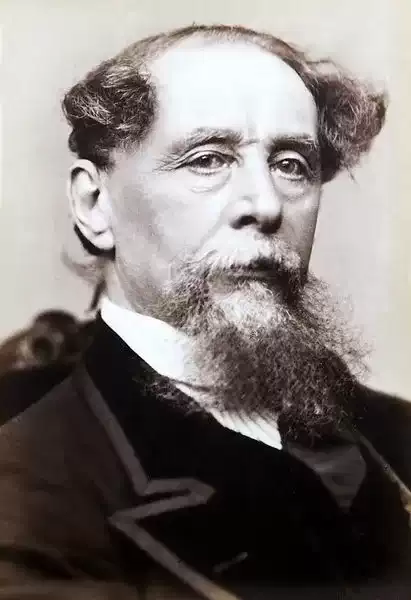
Charles Dickens
George Edmunds' Song
George Edmunds' Song
Autumn leaves, autumn leaves, lie strewn around he here;
Autumn leaves, autumn leaves, how sad, how cold, how drear!
How like the hopes of childhood's day,
Thick clust'ring on the bough!
How like those hopes in their decay-
How faded are they now!
Autumn leaves, autumn leaves, lie strewn around me here;
Autumn leaves, autumn leaves, how sad, how cold, how drear!
Wither'd leaves, wither'd leaves, that fly before the gale:
Withered leaves, withered leaves, ye tell a mournful tale,
Of love once true, and friends once kind,
And happy moments fled:
Dispersed by every breath of wind,
Forgotten, changed, or dead!
Autumn leaves, autumn leaves, lie strewn around me here!
Autumn leaves, autumn leaves, how sad, how cold, how drear!
Autumn leaves, autumn leaves, lie strewn around he here;
Autumn leaves, autumn leaves, how sad, how cold, how drear!
How like the hopes of childhood's day,
Thick clust'ring on the bough!
How like those hopes in their decay-
How faded are they now!
Autumn leaves, autumn leaves, lie strewn around me here;
Autumn leaves, autumn leaves, how sad, how cold, how drear!
Wither'd leaves, wither'd leaves, that fly before the gale:
Withered leaves, withered leaves, ye tell a mournful tale,
Of love once true, and friends once kind,
And happy moments fled:
Dispersed by every breath of wind,
Forgotten, changed, or dead!
Autumn leaves, autumn leaves, lie strewn around me here!
Autumn leaves, autumn leaves, how sad, how cold, how drear!
314
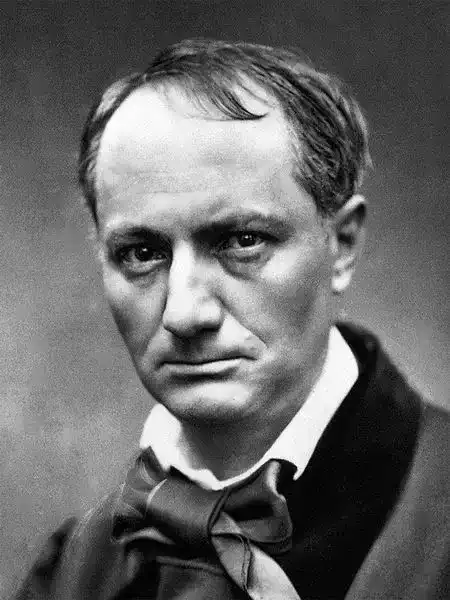
Charles Baudelaire
The Balcony
The Balcony
Mother of memories, mistress of mistresses,
O you, all my pleasures! O you, all my learning!
You will remember the joy of caresses,
the sweetness of home and the beauty of evening,
Mother of memories, mistress of mistresses!
On evenings lit by the glow of the ashes
and on the balcony, veiled, rose-coloured, misted,
how gentle your breast was, how good your heart to me!
We have said things meant for eternity,
on evenings lit by the glow of the ashes.
How lovely the light is on sultry evenings!
How deep the void grows! How powerful the heart is!
As I leaned towards you, queen of adored ones
I thought I breathed perfume from your blood’s kiss.
How lovely the light is on sultry evenings!
The night it was thickening and closing around us,
and my eyes in the dark were divining your glance,
and I drank your nectar. Oh sweetness! Oh poison!
your feet held, here, in these fraternal hands.
The night it was thickening and closing around us.
I know how to summon up happiest moments,
and relive my past, there, curled, touching your knees.
What good to search for your languorous beauties
but in your dear body, and your heart so sweet?
I know how to summon up happiest moments!
Those vows, those perfumes, those infinite kisses,
will they be reborn, from gulfs beyond soundings,
as the suns that are young again climb in the sky,
after they’ve passed through the deepest of drownings?
-O vows! O perfumes! O infinite kisses
Mother of memories, mistress of mistresses,
O you, all my pleasures! O you, all my learning!
You will remember the joy of caresses,
the sweetness of home and the beauty of evening,
Mother of memories, mistress of mistresses!
On evenings lit by the glow of the ashes
and on the balcony, veiled, rose-coloured, misted,
how gentle your breast was, how good your heart to me!
We have said things meant for eternity,
on evenings lit by the glow of the ashes.
How lovely the light is on sultry evenings!
How deep the void grows! How powerful the heart is!
As I leaned towards you, queen of adored ones
I thought I breathed perfume from your blood’s kiss.
How lovely the light is on sultry evenings!
The night it was thickening and closing around us,
and my eyes in the dark were divining your glance,
and I drank your nectar. Oh sweetness! Oh poison!
your feet held, here, in these fraternal hands.
The night it was thickening and closing around us.
I know how to summon up happiest moments,
and relive my past, there, curled, touching your knees.
What good to search for your languorous beauties
but in your dear body, and your heart so sweet?
I know how to summon up happiest moments!
Those vows, those perfumes, those infinite kisses,
will they be reborn, from gulfs beyond soundings,
as the suns that are young again climb in the sky,
after they’ve passed through the deepest of drownings?
-O vows! O perfumes! O infinite kisses
567
Charles Baudelaire
Anywhere Out of the World
Anywhere Out of the World
This life is a hospital where every patient is possessed with the desire to change beds;
one man would like to
suffer in front of the stove, and another believes that he would recover his health
beside the window.
It always seems to me that I should feel well in the place where I am not, and this
question of removal is one
which I discuss incessantly with my soul.
'Tell me, my soul, poor chilled soul, what do you think of going to live in Lisbon? It
must be warm there, and there
you would invigorate yourself like a lizard. This city is on the sea-shore; they say that
it is built of marble
and that the people there have such a hatred of vegetation that they uproot all the
trees. There you have a landscape
that corresponds to your taste! a landscape made of light and mineral, and liquid to
reflect them!'
My soul does not reply.
'Since you are so fond of stillness, coupled with the show of movement, would you like
to settle in Holland,
that beatifying country? Perhaps you would find some diversion in that land whose
image you have so often admired
in the art galleries. What do you think of Rotterdam, you who love forests of masts,
and ships moored at the foot of
houses?'
My soul remains silent.
'Perhaps Batavia attracts you more? There we should find, amongst other things, the
spirit of Europe
married to tropical beauty.'
Not a word. Could my soul be dead?
'Is it then that you have reached such a degree of lethargy that you acquiesce in your
sickness? If so, let us
flee to lands that are analogues of death. I see how it is, poor soul! We shall pack our
trunks for Tornio. Let us go
farther still to the extreme end of the Baltic; or farther still from life, if that is possible;
let us settle at the Pole. There
the sun only grazes the earth obliquely, and the slow alternation of light and darkness
suppresses variety and
increases monotony, that half-nothingness. There we shall be able to take long baths
of darkness, while for our
amusement the aurora borealis shall send us its rose-coloured rays that are like the
reflection of Hell's own
fireworks!'
At last my soul explodes, and wisely cries out to me: 'No matter where! No matter
where! As long as it's out
of the world!'
This life is a hospital where every patient is possessed with the desire to change beds;
one man would like to
suffer in front of the stove, and another believes that he would recover his health
beside the window.
It always seems to me that I should feel well in the place where I am not, and this
question of removal is one
which I discuss incessantly with my soul.
'Tell me, my soul, poor chilled soul, what do you think of going to live in Lisbon? It
must be warm there, and there
you would invigorate yourself like a lizard. This city is on the sea-shore; they say that
it is built of marble
and that the people there have such a hatred of vegetation that they uproot all the
trees. There you have a landscape
that corresponds to your taste! a landscape made of light and mineral, and liquid to
reflect them!'
My soul does not reply.
'Since you are so fond of stillness, coupled with the show of movement, would you like
to settle in Holland,
that beatifying country? Perhaps you would find some diversion in that land whose
image you have so often admired
in the art galleries. What do you think of Rotterdam, you who love forests of masts,
and ships moored at the foot of
houses?'
My soul remains silent.
'Perhaps Batavia attracts you more? There we should find, amongst other things, the
spirit of Europe
married to tropical beauty.'
Not a word. Could my soul be dead?
'Is it then that you have reached such a degree of lethargy that you acquiesce in your
sickness? If so, let us
flee to lands that are analogues of death. I see how it is, poor soul! We shall pack our
trunks for Tornio. Let us go
farther still to the extreme end of the Baltic; or farther still from life, if that is possible;
let us settle at the Pole. There
the sun only grazes the earth obliquely, and the slow alternation of light and darkness
suppresses variety and
increases monotony, that half-nothingness. There we shall be able to take long baths
of darkness, while for our
amusement the aurora borealis shall send us its rose-coloured rays that are like the
reflection of Hell's own
fireworks!'
At last my soul explodes, and wisely cries out to me: 'No matter where! No matter
where! As long as it's out
of the world!'
1,078

Carl Sandburg
The Has-Been
The Has-Been
A stone face higher than six horses stood five thousand years gazing at the world
seeming to clutch a secret.
A boy passes and throws a niggerhead that chips off the end of the nose from the
stone face; he lets fly a mud ball that spatters the right eye and cheek of the old
looker-on.
The boy laughs and goes whistling “ee-ee-ee ee-ee-ee.” The stone face stands silent,
seeming to clutch a secret.
A stone face higher than six horses stood five thousand years gazing at the world
seeming to clutch a secret.
A boy passes and throws a niggerhead that chips off the end of the nose from the
stone face; he lets fly a mud ball that spatters the right eye and cheek of the old
looker-on.
The boy laughs and goes whistling “ee-ee-ee ee-ee-ee.” The stone face stands silent,
seeming to clutch a secret.
310
Carl Sandburg
Population Drifts
Population Drifts
New-mown hay smell and wind of the plain made her
a woman whose ribs had the power of the hills in
them and her hands were tough for work and there
was passion for life in her womb.
She and her man crossed the ocean and the years that
marked their faces saw them haggling with landlords
and grocers while six children played on the stones
and prowled in the garbage cans.
One child coughed its lungs away, two more have adenoids
and can neither talk nor run like their mother,
one is in jail, two have jobs in a box factory
And as they fold the pasteboard, they wonder what the
wishing is and the wistful glory in them that flutters
faintly when the glimmer of spring comes on
the air or the green of summer turns brown:
They do not know it is the new-mown hay smell calling
and the wind of the plain praying for them to come
back and take hold of life again with tough hands
and with passion.
New-mown hay smell and wind of the plain made her
a woman whose ribs had the power of the hills in
them and her hands were tough for work and there
was passion for life in her womb.
She and her man crossed the ocean and the years that
marked their faces saw them haggling with landlords
and grocers while six children played on the stones
and prowled in the garbage cans.
One child coughed its lungs away, two more have adenoids
and can neither talk nor run like their mother,
one is in jail, two have jobs in a box factory
And as they fold the pasteboard, they wonder what the
wishing is and the wistful glory in them that flutters
faintly when the glimmer of spring comes on
the air or the green of summer turns brown:
They do not know it is the new-mown hay smell calling
and the wind of the plain praying for them to come
back and take hold of life again with tough hands
and with passion.
347
Carl Sandburg
Maybe
Maybe
Maybe he believes me, maybe not.
Maybe I can marry him, maybe not.
Maybe the wind on the prairie,
The wind on the sea, maybe,
Somebody, somewhere, maybe can tell.
I will lay my head on his shoulder
And when he asks me I will say yes,
Maybe.
Maybe he believes me, maybe not.
Maybe I can marry him, maybe not.
Maybe the wind on the prairie,
The wind on the sea, maybe,
Somebody, somewhere, maybe can tell.
I will lay my head on his shoulder
And when he asks me I will say yes,
Maybe.
314
Carl Sandburg
Horses and Men in Rain
Horses and Men in Rain
Let us sit by a hissing steam radiator a winter's day, gray wind pattering frozen
raindrops on the window,
And let us talk about milk wagon drivers and grocery delivery boys.
Let us keep our feet in wool slippers and mix hot punches--and talk about mail carriers
and
messenger boys slipping along the icy sidewalks.
Let us write of olden, golden days and hunters of the
Holy Grail and men called "knights" riding horses in the rain, in the cold frozen rain for
ladies they loved.
A roustabout hunched on a coal wagon goes by, icicles drip on his hat rim, sheets of ice
wrapping
the hunks of coal, the caravanserai a gray blur in slant of rain.
Let us nudge the steam radiator with our wool slippers and write poems of Launcelot,
the hero, and
Roland, the hero, and all the olden golden men who rode horses in the rain.
Let us sit by a hissing steam radiator a winter's day, gray wind pattering frozen
raindrops on the window,
And let us talk about milk wagon drivers and grocery delivery boys.
Let us keep our feet in wool slippers and mix hot punches--and talk about mail carriers
and
messenger boys slipping along the icy sidewalks.
Let us write of olden, golden days and hunters of the
Holy Grail and men called "knights" riding horses in the rain, in the cold frozen rain for
ladies they loved.
A roustabout hunched on a coal wagon goes by, icicles drip on his hat rim, sheets of ice
wrapping
the hunks of coal, the caravanserai a gray blur in slant of rain.
Let us nudge the steam radiator with our wool slippers and write poems of Launcelot,
the hero, and
Roland, the hero, and all the olden golden men who rode horses in the rain.
380