

Poems in this theme
Nostalgia

Ella Wheeler Wilcox
Only A Sad Mistake
Only A Sad Mistake
Only a blunder-a sad mistake;
All my own fault and mine alone.
The saddest error a heart can make;
I was so young, or I would have known.
Only his rare, sweet, tender smile;
Only a lingering touch of his hand.
I think I was dreaming all the while,
The reason I did not understand.
Yet, somewhere, I've read men woo this way;
That eyes speak, sometimes, before the tongue.
And I was sure he would speak some day;
Pardon the folly-I was so young.
Was I, say-for now I am old!
So old, it seems like a hundred years
Since I felt my heart growing hard and cold
With a pain too bitter and deep for tears.
I saw him lean over the stranger's chair,
With a warm, new light in his beautiful eyes;
And I woke from my dreaming, then and there,
And went out of my self-made Paradise.
He never loved me-I know, I see!
Such sad, sad blunders as young hearts make.
She did not win him away from me,
For he was not mine. It was my mistake.
A woman should wait for a man to speak
Before she dreams of his love, I own;
But I was a girl-girls' hearts are weak;
And the pain, like the fault, is mine alone.
Only a blunder-a sad mistake;
All my own fault and mine alone.
The saddest error a heart can make;
I was so young, or I would have known.
Only his rare, sweet, tender smile;
Only a lingering touch of his hand.
I think I was dreaming all the while,
The reason I did not understand.
Yet, somewhere, I've read men woo this way;
That eyes speak, sometimes, before the tongue.
And I was sure he would speak some day;
Pardon the folly-I was so young.
Was I, say-for now I am old!
So old, it seems like a hundred years
Since I felt my heart growing hard and cold
With a pain too bitter and deep for tears.
I saw him lean over the stranger's chair,
With a warm, new light in his beautiful eyes;
And I woke from my dreaming, then and there,
And went out of my self-made Paradise.
He never loved me-I know, I see!
Such sad, sad blunders as young hearts make.
She did not win him away from me,
For he was not mine. It was my mistake.
A woman should wait for a man to speak
Before she dreams of his love, I own;
But I was a girl-girls' hearts are weak;
And the pain, like the fault, is mine alone.
437
Ella Wheeler Wilcox
Memory's Mansion
Memory's Mansion
In Memory's Mansion are wonderful rooms,
And I wander about them at will;
And I pause at the casements, where boxes of blooms
Are sending sweet scents o'er the sill.
I lean from a window that looks on a lawn;
From a turret that looks on the wave.
But I draw down the shade when I see on some glade
A stone standing guard by a grave.
To Memory's attic I clambered one day
When the roof was resounding with rain,
And there, among relics long hidden away,
I rummaged with heart ache and pain.
A hope long surrendered and covered with dust,
A pastime, out-grown and forgot,
And a fragment of love all corroded with rust,
Were lying heaped up in one spot.
And there on the floor of that garret was tossed
A friendship too fragile to last,
With pieces of dearly bought pleasures that cost
Vast fortunes of pain in the past,
A fabric of passion, once vivid and bright,
As the breast of a robin in Spring,
Was spread out before me-a terrible sight-
A moth-eaten rag of a thing.
Then down the deep stairway I hurriedly went,
And into fair chambers below;
But the mansion seemed filled with the old attic scent
Wherever my footsteps would go.
Though in Memory's House I still wander full oft,
No more to the garret I climb;
And I leave all the rubbish heaped there in the loft
To the hands of the Housekeeper, Time.
In Memory's Mansion are wonderful rooms,
And I wander about them at will;
And I pause at the casements, where boxes of blooms
Are sending sweet scents o'er the sill.
I lean from a window that looks on a lawn;
From a turret that looks on the wave.
But I draw down the shade when I see on some glade
A stone standing guard by a grave.
To Memory's attic I clambered one day
When the roof was resounding with rain,
And there, among relics long hidden away,
I rummaged with heart ache and pain.
A hope long surrendered and covered with dust,
A pastime, out-grown and forgot,
And a fragment of love all corroded with rust,
Were lying heaped up in one spot.
And there on the floor of that garret was tossed
A friendship too fragile to last,
With pieces of dearly bought pleasures that cost
Vast fortunes of pain in the past,
A fabric of passion, once vivid and bright,
As the breast of a robin in Spring,
Was spread out before me-a terrible sight-
A moth-eaten rag of a thing.
Then down the deep stairway I hurriedly went,
And into fair chambers below;
But the mansion seemed filled with the old attic scent
Wherever my footsteps would go.
Though in Memory's House I still wander full oft,
No more to the garret I climb;
And I leave all the rubbish heaped there in the loft
To the hands of the Housekeeper, Time.
487
Ella Wheeler Wilcox
Lost
Lost
You left me with the autumn time;
When the winter stripped the forest bare,
Then dressed it in his spotless rime;
When frosts were lurking in the air
You left me here and went away.
The winds were cold; you could not stay.
You sought a warmer clime, until
The south wind, artful maid, should break
The winter's trumpets, and should fill
The air with songs of birds; and wake
The sleeping blossoms on the plain
And make the brooks to flow again.
I thought that the winter desolate,
And all times felt a sense of loss.
I taught my longing heart to wait,
And said, 'When Spring shall come across
The hills, with blossoms in her track,
The she, our loved one, will come back.'
And now the hills with grass and moss
The spring with cunning hands has spread,
And yet I feel my grievous loss.
My heart will not be comforted,
But crieth daily, 'Where is she
You promised should come back to me? '
Oh, love! where are you? day by day
I seek to find you, but in vain.
Men point me to a grave, and say:
'There is her bed upon the plain.'
But though I see no trace of you,
I cannot thiink their words are true.
You were too sweet to wholly pass
Away from earth, and leave no trace;
You were to fair to let the grass
Grow rank and tall above your face.
Your voice, that mocked the robin's trill,
I cannot think is hushed and still.
I thought I saw your golden hair
One day, and reached to touch a strand;
I found but yellow sunbeams there
The bright rays fell aslant my hand,
And seemed to mock, with lights and shades,
The silken meshes of your braids.
Again, I thought I saw your hand
Wave, as if beckoning to me;
I found 'twas but a lily, fanned
By the cool zephyrs from the sea.
Oh, love! I find no trace of you -
I wonder if their words were true?
One day I heard a singing voice;
A burst of music, trill on trill.
It made my very soul rejoice;
My heart gave and exultant thrill.
I cried, 'Oh heart, we've found her - hush! '
But no - 'twas the silver-throated thrush.
And once I thought I saw your face,
And wild with joy I ran to you;
But found, when I had reached the place,
'Twas a blush rose, bathed in dew.
Ah, love! I think you must be dead;
And I believe the words they said.
You left me with the autumn time;
When the winter stripped the forest bare,
Then dressed it in his spotless rime;
When frosts were lurking in the air
You left me here and went away.
The winds were cold; you could not stay.
You sought a warmer clime, until
The south wind, artful maid, should break
The winter's trumpets, and should fill
The air with songs of birds; and wake
The sleeping blossoms on the plain
And make the brooks to flow again.
I thought that the winter desolate,
And all times felt a sense of loss.
I taught my longing heart to wait,
And said, 'When Spring shall come across
The hills, with blossoms in her track,
The she, our loved one, will come back.'
And now the hills with grass and moss
The spring with cunning hands has spread,
And yet I feel my grievous loss.
My heart will not be comforted,
But crieth daily, 'Where is she
You promised should come back to me? '
Oh, love! where are you? day by day
I seek to find you, but in vain.
Men point me to a grave, and say:
'There is her bed upon the plain.'
But though I see no trace of you,
I cannot thiink their words are true.
You were too sweet to wholly pass
Away from earth, and leave no trace;
You were to fair to let the grass
Grow rank and tall above your face.
Your voice, that mocked the robin's trill,
I cannot think is hushed and still.
I thought I saw your golden hair
One day, and reached to touch a strand;
I found but yellow sunbeams there
The bright rays fell aslant my hand,
And seemed to mock, with lights and shades,
The silken meshes of your braids.
Again, I thought I saw your hand
Wave, as if beckoning to me;
I found 'twas but a lily, fanned
By the cool zephyrs from the sea.
Oh, love! I find no trace of you -
I wonder if their words were true?
One day I heard a singing voice;
A burst of music, trill on trill.
It made my very soul rejoice;
My heart gave and exultant thrill.
I cried, 'Oh heart, we've found her - hush! '
But no - 'twas the silver-throated thrush.
And once I thought I saw your face,
And wild with joy I ran to you;
But found, when I had reached the place,
'Twas a blush rose, bathed in dew.
Ah, love! I think you must be dead;
And I believe the words they said.
450
Ella Wheeler Wilcox
Little Queen
Little Queen
Do you remember the name I wore –
The old pet-name of Little Queen –
In the dear, dead days that are no more,
The happiest days of our lives, I ween?
For we loved with that passionate love of youth
That blesses but once with its perfect bliss, -
A love that, in spite of its trust and truth,
Seems never to thrive, in a world like this.
I lived for you, and you lived for me;
All was centred in “Little Queen”;
And never a thought in our hearts had we
That strife or trouble could come between,
What utter sinking of self it was!
How little we cared for the world of men!
For love’s fair kingdom, and loves’ sweet laws,
Were all of the world and life to us then.
But a love like ours was a challenge to fate;
She rang down the curtains and shifted the scene;
Yet sometimes now, when the day grows late,
I can hear you calling for Little Queen;
For a happy home and a busy life
Can never wholly crowd out our past;
In the twilight pauses that come from strife,
You will think of me while life shall last.
And however sweet the voice of fame
May sing to me of a great world’s praise,
I shall long sometimes for the old pet-name
That you gave to me in the dear, dead days;
And nothing the angel band can say,
When I reach the shores of the great Unseen,
Can please me so much as on that day
To hear your greeting of “Little Queen.”
Do you remember the name I wore –
The old pet-name of Little Queen –
In the dear, dead days that are no more,
The happiest days of our lives, I ween?
For we loved with that passionate love of youth
That blesses but once with its perfect bliss, -
A love that, in spite of its trust and truth,
Seems never to thrive, in a world like this.
I lived for you, and you lived for me;
All was centred in “Little Queen”;
And never a thought in our hearts had we
That strife or trouble could come between,
What utter sinking of self it was!
How little we cared for the world of men!
For love’s fair kingdom, and loves’ sweet laws,
Were all of the world and life to us then.
But a love like ours was a challenge to fate;
She rang down the curtains and shifted the scene;
Yet sometimes now, when the day grows late,
I can hear you calling for Little Queen;
For a happy home and a busy life
Can never wholly crowd out our past;
In the twilight pauses that come from strife,
You will think of me while life shall last.
And however sweet the voice of fame
May sing to me of a great world’s praise,
I shall long sometimes for the old pet-name
That you gave to me in the dear, dead days;
And nothing the angel band can say,
When I reach the shores of the great Unseen,
Can please me so much as on that day
To hear your greeting of “Little Queen.”
422
Ella Wheeler Wilcox
Leudeman's-on-the-River
Leudeman's-on-the-River
Toward even when the day leans down,
To kiss the upturned face of night,
Out just beyond the loud-voiced town
I know a spot of calm delight.
Like crimson arrows from a quiver
The red rays pierce the water flowing,
While we go dreaming, singing, rowing,
To Leudeman's-on-the-River.
The hills, like some glad mocking-bird,
Send back our laughter and our singing,
While faint--and yet more faint is heard
The steeple bells all sweetly ringing.
Some message did the winds deliver
To each glad heart that August night,
All heard, but all heard not aright;
By Leudeman's-on-the-River.
Night falls as in some foreign clime,
Between the hills that slope and rise.
So dusk the shades at landing time,
We could not see each other's eyes.
We only saw the moonbeams quiver
Far down upon the stream! that night
The new moon gave but little light
By Leudeman's-on-the-River.
How dusky were those paths that led
Up from the river to the hall.
The tall trees branching overhead
Invite the early shades that fall.
In all the glad blithe world, oh, never
Were hearts more free from care than when
We wandered through those walks, we ten,
By Leudeman's-on-the-River.
So soon, so soon, the changes came.
This August day we two alone,
On that same river, not the same,
Dream of a night forever flown.
Strange distances have come to sever
The hearts that gayly beat in pleasure,
Long miles we cannot cross or measure--
From Leudeman's-on-the-River.
We'll pluck two leaves, dear friend, to-day.
The green, the russet! seems it strange
So soon, so soon, the leaves can change!
Ah, me! so runs all night away
This night wind chills me, and I shiver;
The summer time is almost past.
One more good-bye--perhaps the last
To Leudeman's-on-the-River.
Toward even when the day leans down,
To kiss the upturned face of night,
Out just beyond the loud-voiced town
I know a spot of calm delight.
Like crimson arrows from a quiver
The red rays pierce the water flowing,
While we go dreaming, singing, rowing,
To Leudeman's-on-the-River.
The hills, like some glad mocking-bird,
Send back our laughter and our singing,
While faint--and yet more faint is heard
The steeple bells all sweetly ringing.
Some message did the winds deliver
To each glad heart that August night,
All heard, but all heard not aright;
By Leudeman's-on-the-River.
Night falls as in some foreign clime,
Between the hills that slope and rise.
So dusk the shades at landing time,
We could not see each other's eyes.
We only saw the moonbeams quiver
Far down upon the stream! that night
The new moon gave but little light
By Leudeman's-on-the-River.
How dusky were those paths that led
Up from the river to the hall.
The tall trees branching overhead
Invite the early shades that fall.
In all the glad blithe world, oh, never
Were hearts more free from care than when
We wandered through those walks, we ten,
By Leudeman's-on-the-River.
So soon, so soon, the changes came.
This August day we two alone,
On that same river, not the same,
Dream of a night forever flown.
Strange distances have come to sever
The hearts that gayly beat in pleasure,
Long miles we cannot cross or measure--
From Leudeman's-on-the-River.
We'll pluck two leaves, dear friend, to-day.
The green, the russet! seems it strange
So soon, so soon, the leaves can change!
Ah, me! so runs all night away
This night wind chills me, and I shiver;
The summer time is almost past.
One more good-bye--perhaps the last
To Leudeman's-on-the-River.
395
Ella Wheeler Wilcox
Isaura
Isaura
Dost thou not tire, Isaura, of this play?
'What play?' Why, this old play of winning hearts!
Nay, now, lift not thine eyes in that feigned way:
'Tis all in vain—I know thee and thine arts.
Let us be frank, Isaura. I have made
A study of thee; and while I admire
The practised skill with which thy plans are laid,
I can but wonder if thou dost not tire.
Why, I tire even of Hamlet and Macbeth!
When overlong the season runs, I find
Those master-scenes of passion, blood, and death,
After a time do pall upon my mind.
Dost thou not tire of lifting up thine eyes
To read the story thou hast read so oft—
Of ardent glances and deep quivering sighs,
Of haughty faces suddenly grown soft?
Is it not stale, oh, very stale, to thee,
The scene that follows? Hearts are much the same;
The loves of men but vary in degree—
They find no new expressions for the flame.
Thou must know all they utter ere they speak,
As I know Hamlet's part, whoever plays.
Oh, does it not seem sometimes poor and weak?
I think thou must grow weary of their ways.
I pity thee, Isaura! I would be
The humblest maiden with her dream untold
Rather than live a Queen of Hearts, like thee,
And find life's rarest treasures stale and old.
I pity thee; for now, let come what may,
Fame, glory, riches, yet life will lack all.
Wherewith can salt be salted? And what way
Can life be seasoned after love doth pall?
Dost thou not tire, Isaura, of this play?
'What play?' Why, this old play of winning hearts!
Nay, now, lift not thine eyes in that feigned way:
'Tis all in vain—I know thee and thine arts.
Let us be frank, Isaura. I have made
A study of thee; and while I admire
The practised skill with which thy plans are laid,
I can but wonder if thou dost not tire.
Why, I tire even of Hamlet and Macbeth!
When overlong the season runs, I find
Those master-scenes of passion, blood, and death,
After a time do pall upon my mind.
Dost thou not tire of lifting up thine eyes
To read the story thou hast read so oft—
Of ardent glances and deep quivering sighs,
Of haughty faces suddenly grown soft?
Is it not stale, oh, very stale, to thee,
The scene that follows? Hearts are much the same;
The loves of men but vary in degree—
They find no new expressions for the flame.
Thou must know all they utter ere they speak,
As I know Hamlet's part, whoever plays.
Oh, does it not seem sometimes poor and weak?
I think thou must grow weary of their ways.
I pity thee, Isaura! I would be
The humblest maiden with her dream untold
Rather than live a Queen of Hearts, like thee,
And find life's rarest treasures stale and old.
I pity thee; for now, let come what may,
Fame, glory, riches, yet life will lack all.
Wherewith can salt be salted? And what way
Can life be seasoned after love doth pall?
444
Ella Wheeler Wilcox
Finis
Finis
An idle rhyme of the summer time,
Sweet, and solemn, and tender;
Fair with the haze of the moon's pale rays,
Bright with the sunset's splendour.
Summer and beauty over the lands Careless
hours of pleasure;
A meeting of eyes and a touching of hands A
change in the floating measure.
A deeper hue in the skies of blue,
Winds from the tropics blowing;
A softer grace in the fair moons face,
And the summer going, going.
The leaves drift down, the green grows brown,
And tears with smiles are blended;
A twilight hour and a treasured flower, And
now the poem is ended.
An idle rhyme of the summer time,
Sweet, and solemn, and tender;
Fair with the haze of the moon's pale rays,
Bright with the sunset's splendour.
Summer and beauty over the lands Careless
hours of pleasure;
A meeting of eyes and a touching of hands A
change in the floating measure.
A deeper hue in the skies of blue,
Winds from the tropics blowing;
A softer grace in the fair moons face,
And the summer going, going.
The leaves drift down, the green grows brown,
And tears with smiles are blended;
A twilight hour and a treasured flower, And
now the poem is ended.
365
Ella Wheeler Wilcox
But One
But One
The year has but one June, dear friend;
The year has but one June;
And when that perfect month doth end,
The robin's song, though loud, though long,
Seems never quite in tune.
The rose, though still its blushing face
By bee and bird is seen,
May yet have lost that subtle grace—
That nameless spell the winds know
Which makes it garden's queen.
Life's perfect June, love's red, red rose,
Have burned and bloomed for me.
Though still youth's summer sunlight glows;
Though thou art kind, dear friend, I find
I have no heart for thee.
The year has but one June, dear friend;
The year has but one June;
And when that perfect month doth end,
The robin's song, though loud, though long,
Seems never quite in tune.
The rose, though still its blushing face
By bee and bird is seen,
May yet have lost that subtle grace—
That nameless spell the winds know
Which makes it garden's queen.
Life's perfect June, love's red, red rose,
Have burned and bloomed for me.
Though still youth's summer sunlight glows;
Though thou art kind, dear friend, I find
I have no heart for thee.
406
Ella Wheeler Wilcox
At an Old Drawer
At an Old Drawer
Before this scarf was faded,
What hours of mirth it knew;
How gayly it paraded
From smiling eyes to view.
The days were tinged with glory,
The nights too quickly sped,
And life was like a story
Where all the people wed.
Before this rosebud wilted,
How passionately sweet
The wild waltz smelled and lilted
In time for flying feet;
How loud the bassoons muttered,
The horns grew madly shrill,
And oh! the vows lips uttered
That hearts could not fulfill.
Before this fan was broken,
Behind its lace and pearl
What whispered words were spoken,
What hearts were in a whirl;
What homesteads were selected
In Fancy's realm of Spain,
What castles were erected
Without a room for pain.
When this odd glove was mated,
How thrilling seemed the play;
Maybe our hearts are sated--
We tire so soon to-day.
O, thrust away these treasures,
They speak the dreary truth;
We have outgrown the pleasures
And keen delights of youth.
Before this scarf was faded,
What hours of mirth it knew;
How gayly it paraded
From smiling eyes to view.
The days were tinged with glory,
The nights too quickly sped,
And life was like a story
Where all the people wed.
Before this rosebud wilted,
How passionately sweet
The wild waltz smelled and lilted
In time for flying feet;
How loud the bassoons muttered,
The horns grew madly shrill,
And oh! the vows lips uttered
That hearts could not fulfill.
Before this fan was broken,
Behind its lace and pearl
What whispered words were spoken,
What hearts were in a whirl;
What homesteads were selected
In Fancy's realm of Spain,
What castles were erected
Without a room for pain.
When this odd glove was mated,
How thrilling seemed the play;
Maybe our hearts are sated--
We tire so soon to-day.
O, thrust away these treasures,
They speak the dreary truth;
We have outgrown the pleasures
And keen delights of youth.
441
Ella Wheeler Wilcox
A Meeting
A Meeting
Quite carelessly I turned the newsy sheet;
A song I sang, full many a year ago,
Smiled up at me, as in a busy street
One meets an old-time friend he used to know.
So full it was, that simple little song,
Of all the hope, the transport, and the truth,
Which to the impetuous morn of life belong,
That once again I seemed to grasp my youth.
So full it was of that sweet, fancied pain
We woo and cherish ere we meet with woe,
I felt as one who hears a plaintive strain
His mother sang him in the long ago.
Up from the grave the years that lay between
That song's birthday and my stern present came
Like phantom forms and swept across the scene,
Bearing their broken dreams of love and fame.
Fair hopes and bright ambitions that I knew
In that old time, with their ideal grace,
Shone for a moment, then were lost to view
Behind the dull clouds of the commonplace.
With trembling hands I put the sheet away;
Ah, little song! the sad and bitter truth
Struck like an arrow when we met that day!
My life has missed the promise of its youth.
Quite carelessly I turned the newsy sheet;
A song I sang, full many a year ago,
Smiled up at me, as in a busy street
One meets an old-time friend he used to know.
So full it was, that simple little song,
Of all the hope, the transport, and the truth,
Which to the impetuous morn of life belong,
That once again I seemed to grasp my youth.
So full it was of that sweet, fancied pain
We woo and cherish ere we meet with woe,
I felt as one who hears a plaintive strain
His mother sang him in the long ago.
Up from the grave the years that lay between
That song's birthday and my stern present came
Like phantom forms and swept across the scene,
Bearing their broken dreams of love and fame.
Fair hopes and bright ambitions that I knew
In that old time, with their ideal grace,
Shone for a moment, then were lost to view
Behind the dull clouds of the commonplace.
With trembling hands I put the sheet away;
Ah, little song! the sad and bitter truth
Struck like an arrow when we met that day!
My life has missed the promise of its youth.
365
Ella Wheeler Wilcox
A Leaf
A Leaf
Somebody said, in the crowd, last eve,
That you were married, or soon to be.
I have not thought of you, I believe,
Since last we parted. Let me see:
Five long Summers have passed since then –
Each has been pleasant in its own way –
And you are but one of a dozen men
Who have played the suitor a Summer day.
But, nevertheless, when I heard your name,
Coupled with some one’s, not my own,
There burned in my bosom a sudden flame,
That carried me back to the day that is flown.
I was sitting again by the laughing brook,
With you at my feet, and the sky above,
And my heart was fluttering under your look –
The unmistakable look of Love.
Again your breath, like a South wind, fanned
My cheek, where the blushes came and went;
And the tender clasp of your strong, warm hand
Sudden thrills through my pulses sent.
Again you were mine by Love’s decree:
So for a moment it seemed last night,
When somebody mentioned your name to me.
Just for the moment I thought you mine –
Loving me, wooing me, as of old.
The tale remembered seemed half divine –
Though I held it lightly enough when told.
The past seemed fairer than when it was near,
As ‘blessings brighten when taking flight, ’
And just for the moment I held you near –
When somebody mentioned your name last night.
Somebody said, in the crowd, last eve,
That you were married, or soon to be.
I have not thought of you, I believe,
Since last we parted. Let me see:
Five long Summers have passed since then –
Each has been pleasant in its own way –
And you are but one of a dozen men
Who have played the suitor a Summer day.
But, nevertheless, when I heard your name,
Coupled with some one’s, not my own,
There burned in my bosom a sudden flame,
That carried me back to the day that is flown.
I was sitting again by the laughing brook,
With you at my feet, and the sky above,
And my heart was fluttering under your look –
The unmistakable look of Love.
Again your breath, like a South wind, fanned
My cheek, where the blushes came and went;
And the tender clasp of your strong, warm hand
Sudden thrills through my pulses sent.
Again you were mine by Love’s decree:
So for a moment it seemed last night,
When somebody mentioned your name to me.
Just for the moment I thought you mine –
Loving me, wooing me, as of old.
The tale remembered seemed half divine –
Though I held it lightly enough when told.
The past seemed fairer than when it was near,
As ‘blessings brighten when taking flight, ’
And just for the moment I held you near –
When somebody mentioned your name last night.
392
Ella Wheeler Wilcox
A Fallen Leaf
A Fallen Leaf
A trusting little leaf of green,
A bold audacious frost;
A rendezvous, a kiss or two,
And youth for ever lost.
Ah, me!
The bitter, bitter cost.
A flaunting patch of vivid red,
That quivers in the sun;
A windy gust, a grave of dust,
The little race is run.
Ah, me!
Were that the only one.
A trusting little leaf of green,
A bold audacious frost;
A rendezvous, a kiss or two,
And youth for ever lost.
Ah, me!
The bitter, bitter cost.
A flaunting patch of vivid red,
That quivers in the sun;
A windy gust, a grave of dust,
The little race is run.
Ah, me!
Were that the only one.
407

Elizabeth Bishop
Trouvée
Trouvée
Oh, why should a hen
have been run over
on West 4th Street
in the middle of summer?
She was a white hen
--red-and-white now, of course.
How did she get there?
Where was she going?
Her wing feathers spread
flat, flat in the tar,
all dirtied, and thin
as tissue paper.
A pigeon, yes,
or an English sparrow,
might meet such a fate,
but not that poor fowl.
Just now I went back
to look again.
I hadn't dreamed it:
there is a hen
turned into a quaint
old country saying
scribbled in chalk
(except for the beak).
Oh, why should a hen
have been run over
on West 4th Street
in the middle of summer?
She was a white hen
--red-and-white now, of course.
How did she get there?
Where was she going?
Her wing feathers spread
flat, flat in the tar,
all dirtied, and thin
as tissue paper.
A pigeon, yes,
or an English sparrow,
might meet such a fate,
but not that poor fowl.
Just now I went back
to look again.
I hadn't dreamed it:
there is a hen
turned into a quaint
old country saying
scribbled in chalk
(except for the beak).
532
Elizabeth Bishop
A Prodigal
A Prodigal
The brown enormous odor he lived by
was too close, with its breathing and thick hair,
for him to judge. The floor was rotten; the sty
was plastered halfway up with glass-smooth dung.
Light-lashed, self-righteous, above moving snouts,
the pigs' eyes followed him, a cheerful stare-even
to the sow that always ate her young-till,
sickening, he leaned to scratch her head.
But sometimes mornings after drinking bouts
(he hid the pints behind the two-by-fours),
the sunrise glazed the barnyard mud with red
the burning puddles seemed to reassure.
And then he thought he almost might endure
his exile yet another year or more.
But evenings the first star came to warn.
The farmer whom he worked for came at dark
to shut the cows and horses in the barn
beneath their overhanging clouds of hay,
with pitchforks, faint forked lightnings, catching light,
safe and companionable as in the Ark.
The pigs stuck out their little feet and snored.
The lantern--like the sun, going away-laid
on the mud a pacing aureole.
Carrying a bucket along a slimy board,
he felt the bats' uncertain staggering flight,
his shuddering insights, beyond his control,
touching him. But it took him a long time
finally to make up his mind to go home.
The brown enormous odor he lived by
was too close, with its breathing and thick hair,
for him to judge. The floor was rotten; the sty
was plastered halfway up with glass-smooth dung.
Light-lashed, self-righteous, above moving snouts,
the pigs' eyes followed him, a cheerful stare-even
to the sow that always ate her young-till,
sickening, he leaned to scratch her head.
But sometimes mornings after drinking bouts
(he hid the pints behind the two-by-fours),
the sunrise glazed the barnyard mud with red
the burning puddles seemed to reassure.
And then he thought he almost might endure
his exile yet another year or more.
But evenings the first star came to warn.
The farmer whom he worked for came at dark
to shut the cows and horses in the barn
beneath their overhanging clouds of hay,
with pitchforks, faint forked lightnings, catching light,
safe and companionable as in the Ark.
The pigs stuck out their little feet and snored.
The lantern--like the sun, going away-laid
on the mud a pacing aureole.
Carrying a bucket along a slimy board,
he felt the bats' uncertain staggering flight,
his shuddering insights, beyond his control,
touching him. But it took him a long time
finally to make up his mind to go home.
738
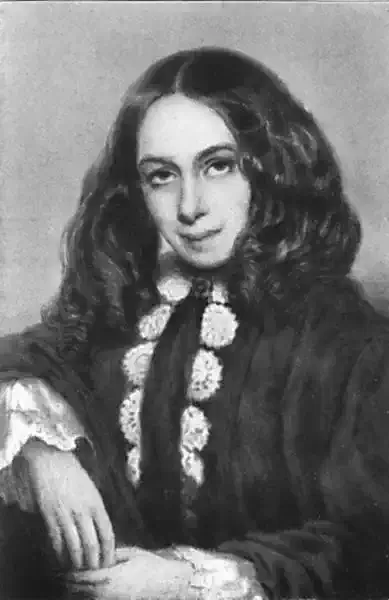
Elizabeth Barrett Browning
The Deserted Garden
The Deserted Garden
I mind me in the days departed,
How often underneath the sun
With childish bounds I used to run
To a garden long deserted.
The beds and walks were vanished quite;
And wheresoe'er had struck the spade,
The greenest grasses Nature laid
To sanctify her right.
I called the place my wilderness,
For no one entered there but I;
The sheep looked in, the grass to espy,
And passed it ne'ertheless.
The trees were interwoven wild,
And spread their boughs enough about
To keep both sheep and shepherd out,
But not a happy child.
Adventurous joy it was for me!
I crept beneath the boughs, and found
A circle smooth of mossy ground
Beneath a poplar tree.
Old garden rose-trees hedged it in,
Bedropt with roses waxen-white
Well satisfied with dew and light
And careless to be seen.
Long years ago it might befall,
When all the garden flowers were trim,
The grave old gardener prided him
On these the most of all.
Some lady, stately overmuch,
Here moving with a silken noise,
Has blushed beside them at the voice
That likened her to such.
And these, to make a diadem,
She often may have plucked and twined,
Half-smiling as it came to mind
That few would look at them.
Oh, little thought that lady proud,
A child would watch her fair white rose,
When buried lay her whiter brows,
And silk was changed for shroud!
Nor thought that gardener, (full of scorns
For men unlearned and simple phrase,)
A child would bring it all its praise
By creeping through the thorns!
To me upon my low moss seat,
Though never a dream the roses sent
Of science or love's compliment,
I ween they smelt as sweet.
It did not move my grief to see
The trace of human step departed:
Because the garden was deserted,
The blither place for me!
Friends, blame me not! a narrow ken
Has childhood 'twixt the sun and sward;
We draw the moral afterward,
We feel the gladness then.
And gladdest hours for me did glide
In silence at the rose-tree wall:
A thrush made gladness musical
Upon the other side.
Nor he nor I did e'er incline
To peck or pluck the blossoms white;
How should I know but roses might
Lead lives as glad as mine?
To make my hermit-home complete,
I brought dear water from the spring
Praised in its own low murmuring,
And cresses glossy wet.
And so, I thought, my likeness grew
(Without the melancholy tale)
To 'Gentle Hermit of the Dale,'
And Angelina too.
For oft I read within my nook
Such minstrel stories; till the breeze
Made sounds poetic in the trees,
And then I shut the book.
If I shut this wherein I write
I hear no more the wind athwart
Those trees, nor feel that childish heart
Delighting in delight.
My childhood from my life is parted,
My footstep from the moss which drew
Its fairy circle round: anew
The garden is deserted.
Another thrush may there rehearse
The madrigals which sweetest are;
No more for me! myself afar
Do sing a sadder verse.
Ah me, ah me! when erst I lay
In that child's-nest so greenly wrought,
I laughed unto myself and thought
'The time will pass away.'
And still I laughed, and did not fear
But that, whene'er was past away
The childish time, some happier play
My womanhood would cheer.
I knew the time would pass away,
And yet, beside the rose-tree wall,
Dear God, how seldom, if at all,
Did I look up to pray!
The time is past; and now that grows
The cypress high among the trees,
And I behold white sepulchres
As well as the white rose, --
When graver, meeker thoughts are given,
And I have learnt to lift my face,
Reminded how earth's greenest place
The color draws from heaven, --
It something saith for earthly pain,
But more for Heavenly promise free,
That I who was, would shrink to be
That happy child again.
I mind me in the days departed,
How often underneath the sun
With childish bounds I used to run
To a garden long deserted.
The beds and walks were vanished quite;
And wheresoe'er had struck the spade,
The greenest grasses Nature laid
To sanctify her right.
I called the place my wilderness,
For no one entered there but I;
The sheep looked in, the grass to espy,
And passed it ne'ertheless.
The trees were interwoven wild,
And spread their boughs enough about
To keep both sheep and shepherd out,
But not a happy child.
Adventurous joy it was for me!
I crept beneath the boughs, and found
A circle smooth of mossy ground
Beneath a poplar tree.
Old garden rose-trees hedged it in,
Bedropt with roses waxen-white
Well satisfied with dew and light
And careless to be seen.
Long years ago it might befall,
When all the garden flowers were trim,
The grave old gardener prided him
On these the most of all.
Some lady, stately overmuch,
Here moving with a silken noise,
Has blushed beside them at the voice
That likened her to such.
And these, to make a diadem,
She often may have plucked and twined,
Half-smiling as it came to mind
That few would look at them.
Oh, little thought that lady proud,
A child would watch her fair white rose,
When buried lay her whiter brows,
And silk was changed for shroud!
Nor thought that gardener, (full of scorns
For men unlearned and simple phrase,)
A child would bring it all its praise
By creeping through the thorns!
To me upon my low moss seat,
Though never a dream the roses sent
Of science or love's compliment,
I ween they smelt as sweet.
It did not move my grief to see
The trace of human step departed:
Because the garden was deserted,
The blither place for me!
Friends, blame me not! a narrow ken
Has childhood 'twixt the sun and sward;
We draw the moral afterward,
We feel the gladness then.
And gladdest hours for me did glide
In silence at the rose-tree wall:
A thrush made gladness musical
Upon the other side.
Nor he nor I did e'er incline
To peck or pluck the blossoms white;
How should I know but roses might
Lead lives as glad as mine?
To make my hermit-home complete,
I brought dear water from the spring
Praised in its own low murmuring,
And cresses glossy wet.
And so, I thought, my likeness grew
(Without the melancholy tale)
To 'Gentle Hermit of the Dale,'
And Angelina too.
For oft I read within my nook
Such minstrel stories; till the breeze
Made sounds poetic in the trees,
And then I shut the book.
If I shut this wherein I write
I hear no more the wind athwart
Those trees, nor feel that childish heart
Delighting in delight.
My childhood from my life is parted,
My footstep from the moss which drew
Its fairy circle round: anew
The garden is deserted.
Another thrush may there rehearse
The madrigals which sweetest are;
No more for me! myself afar
Do sing a sadder verse.
Ah me, ah me! when erst I lay
In that child's-nest so greenly wrought,
I laughed unto myself and thought
'The time will pass away.'
And still I laughed, and did not fear
But that, whene'er was past away
The childish time, some happier play
My womanhood would cheer.
I knew the time would pass away,
And yet, beside the rose-tree wall,
Dear God, how seldom, if at all,
Did I look up to pray!
The time is past; and now that grows
The cypress high among the trees,
And I behold white sepulchres
As well as the white rose, --
When graver, meeker thoughts are given,
And I have learnt to lift my face,
Reminded how earth's greenest place
The color draws from heaven, --
It something saith for earthly pain,
But more for Heavenly promise free,
That I who was, would shrink to be
That happy child again.
423
Elizabeth Barrett Browning
Aurora Leigh (excerpts)
Aurora Leigh (excerpts)
[Book 1]
I am like,
They tell me, my dear father. Broader brows
Howbeit, upon a slenderer undergrowth
Of delicate features, -- paler, near as grave ;
But then my mother's smile breaks up the whole,
And makes it better sometimes than itself.
So, nine full years, our days were hid with God
Among his mountains : I was just thirteen,
Still growing like the plants from unseen roots
In tongue-tied Springs, -- and suddenly awoke
To full life and life 's needs and agonies,
With an intense, strong, struggling heart beside
A stone-dead father. Life, struck sharp on death,
Makes awful lightning. His last word was, `Love --'
`Love, my child, love, love !' -- (then he had done with grief)
`Love, my child.' Ere I answered he was gone,
And none was left to love in all the world.
There, ended childhood. What succeeded next
I recollect as, after fevers, men
Thread back the passage of delirium,
Missing the turn still, baffled by the door ;
Smooth endless days, notched here and there with knives ;
A weary, wormy darkness, spurr'd i' the flank
With flame, that it should eat and end itself
Like some tormented scorpion. Then at last
I do remember clearly, how there came
A stranger with authority, not right,
(I thought not) who commanded, caught me up
From old Assunta's neck ; how, with a shriek,
She let me go, -- while I, with ears too full
Of my father's silence, to shriek back a word,
In all a child's astonishment at grief
Stared at the wharf-edge where she stood and moaned,
My poor Assunta, where she stood and moaned !
The white walls, the blue hills, my Italy,
Drawn backward from the shuddering steamer-deck,
Like one in anger drawing back her skirts
Which supplicants catch at. Then the bitter sea
Inexorably pushed between us both,
And sweeping up the ship with my despair
Threw us out as a pasture to the stars.
Ten nights and days we voyaged on the deep ;
Ten nights and days, without the common face
Of any day or night ; the moon and sun
Cut off from the green reconciling earth,
To starve into a blind ferocity
And glare unnatural ; the very sky
(Dropping its bell-net down upon the sea
As if no human heart should 'scape alive,)
Bedraggled with the desolating salt,
Until it seemed no more that holy heaven
To which my father went. All new and strange
The universe turned stranger, for a child.
Then, land ! -- then, England ! oh, the frosty cliffs
Looked cold upon me. Could I find a home
Among those mean red houses through the fog ?
And when I heard my father's language first
From alien lips which had no kiss for mine
I wept aloud, then laughed, then wept, then wept,
And some one near me said the child was mad
Through much sea-sickness. The train swept us on.
Was this my father's England ? the great isle ?
The ground seemed cut up from the fellowship
Of verdure, field from field, as man from man ;
The skies themselves looked low and positive,
As almost you could touch them with a hand,
And dared to do it they were so far off
From God's celestial crystals ; all things blurred
And dull and vague. Did Shakspeare and his mates
Absorb the light here ? -- not a hill or stone
With heart to strike a radiant colour up
Or active outline on the indifferent air.
I think I see my father's sister stand
Upon the hall-step of her country-house
To give me welcome. She stood straight and calm,
Her somewhat narrow forehead braided tight
As if for taming accidental thoughts
From possible pulses ; brown hair pricked with grey
By frigid use of life, (she was not old
Although my father's elder by a year)
A nose drawn sharply yet in delicate lines ;
A close mild mouth, a little soured about
The ends, through speaking unrequited loves
Or peradventure niggardly half-truths ;
Eyes of no colour, -- once they might have smiled,
But never, never have forgot themselves
In smiling ; cheeks, in which was yet a rose
Of perished summers, like a rose in a book,
Kept more for ruth than pleasure, -- if past bloom,
Past fading also.
She had lived, we'll say,
A harmless life, she called a virtuous life,
A quiet life, which was not life at all,
(But that, she had not lived enough to know)
Between the vicar and the country squires,
The lord-lieutenant looking down sometimes
From the empyrean to assure their souls
Against chance-vulgarisms, and, in the abyss
The apothecary, looked on once a year
To prove their soundness of humility.
The poor-club exercised her Christian gifts
Of knitting stockings, stitching petticoats,
Because we are of one flesh after all
And need one flannel (with a proper sense
Of difference in the quality) -- and still
The book-club, guarded from your modern trick
Of shaking dangerous questions from the crease,
Preserved her intellectual. She had lived
A sort of cage-bird life, born in a cage,
Accounting that to leap from perch to perch
Was act and joy enough for any bird.
Dear heaven, how silly are the things that live
In thickets, and eat berries !
I, alas,
A wild bird scarcely fledged, was brought to her cage,
And she was there to meet me. Very kind.
Bring the clean water, give out the fresh seed.
She stood upon the steps to welcome me,
Calm, in black garb. I clung about her neck, --
Young babes, who catch at every shred of wool
To draw the new light closer, catch and cling
Less blindly. In my ears, my father's word
Hummed ignorantly, as the sea in shells,
`Love, love, my child.' She, black there with my grief,
Might feel my love -- she was his sister once,
I clung to her. A moment, she seemed moved,
Kissed me with cold lips, suffered me to cling,
And drew me feebly through the hall into
The room she sate in.
There, with some strange spasm
Of pain and passion, she wrung loose my hands
Imperiously, and held me at arm's length,
And with two grey-steel naked-bladed eyes
Searched through my face, -- ay, stabbed it through and through,
Through brows and cheeks and chin, as if to find
A wicked murderer in my innocent face,
If not here, there perhaps. Then, drawing breath,
She struggled for her ordinary calm
And missed it rather, -- told me not to shrink,
As if she had told me not to lie or swear, -
`She loved my father, and would love me too
As long as I deserved it.' Very kind.
[Book 5]
AURORA LEIGH, be humble. Shall I hope
To speak my poems in mysterious tune
With man and nature ? -- with the lava-lymph
That trickles from successive galaxies
Still drop by drop adown the finger of God
In still new worlds ? -- with summer-days in this ?
That scarce dare breathe they are so beautiful ?--
With spring's delicious trouble in the ground,
Tormented by the quickened blood of roots,
And softly pricked by golden crocus-sheaves
In token of the harvest-time of flowers ?--
With winters and with autumns, -- and beyond,
With the human heart's large seasons, when it hopes
And fears, joys, grieves, and loves ? -- with all that strain
Of sexual passion, which devours the flesh
In a sacrament of souls ? with mother's breasts
Which, round the new-made creatures hanging there,
Throb luminous and harmonious like pure spheres ? --
With multitudinous life, and finally
With the great escapings of ecstatic souls,
Who, in a rush of too long prisoned flame,
Their radiant faces upward, burn away
This dark of the body, issuing on a world,
Beyond our mortal ? -- can I speak my verse
Sp plainly in tune to these things and the rest,
That men shall feel it catch them on the quick,
As having the same warrant over them
To hold and move them if they will or no,
Alike imperious as the primal rhythm
Of that theurgic nature ? I must fail,
Who fail at the beginning to hold and move
One man, -- and he my cousin, and he my friend,
And he born tender, made intelligent,
Inclined to ponder the precipitous sides
Of difficult questions ; yet, obtuse to me,
Of me, incurious ! likes me very well,
And wishes me a paradise of good,
Good looks, good means, and good digestion, -- ay,
But otherwise evades me, puts me off
With kindness, with a tolerant gentleness, --
Too light a book for a grave man's reading ! Go,
Aurora Leigh : be humble.
There it is,
We women are too apt to look to One,
Which proves a certain impotence in art.
We strain our natures at doing something great,
Far less because it 's something great to do,
Than haply that we, so, commend ourselves
As being not small, and more appreciable
To some one friend. We must have mediators
Betwixt our highest conscience and the judge ;
Some sweet saint's blood must quicken in our palms
Or all the life in heaven seems slow and cold :
Good only being perceived as the end of good,
And God alone pleased, -- that's too poor, we think,
And not enough for us by any means.
Ay, Romney, I remember, told me once
We miss the abstract when we comprehend.
We miss it most when we aspire, -- and fail.
Yet, so, I will not. -- This vile woman's way
Of trailing garments, shall not trip me up :
I 'll have no traffic with the personal thought
In art's pure temple. Must I work in vain,
Without the approbation of a man ?
It cannot be ; it shall not. Fame itself,
That approbation of the general race,
Presents a poor end, (though the arrow speed,
Shot straight with vigorous finger to the white,)
And the highest fame was never reached except
By what was aimed above it. Art for art,
And good for God Himself, the essential Good !
We 'll keep our aims sublime, our eyes erect,
Although our woman-hands should shake and fail ;
And if we fail .. But must we ? -
Shall I fail ?
The Greeks said grandly in their tragic phrase,
`Let no one be called happy till his death.'
To which I add, -- Let no one till his death
Be called unhappy. Measure not the work
Until the day 's out and the labour done,
Then bring your gauges. If the day's work 's scant,
Why, call it scant ; affect no compromise ;
And, in that we have nobly striven at least,
Deal with us nobly, women though we be.
And honour us with truth if not with praise.
[Book 1]
I am like,
They tell me, my dear father. Broader brows
Howbeit, upon a slenderer undergrowth
Of delicate features, -- paler, near as grave ;
But then my mother's smile breaks up the whole,
And makes it better sometimes than itself.
So, nine full years, our days were hid with God
Among his mountains : I was just thirteen,
Still growing like the plants from unseen roots
In tongue-tied Springs, -- and suddenly awoke
To full life and life 's needs and agonies,
With an intense, strong, struggling heart beside
A stone-dead father. Life, struck sharp on death,
Makes awful lightning. His last word was, `Love --'
`Love, my child, love, love !' -- (then he had done with grief)
`Love, my child.' Ere I answered he was gone,
And none was left to love in all the world.
There, ended childhood. What succeeded next
I recollect as, after fevers, men
Thread back the passage of delirium,
Missing the turn still, baffled by the door ;
Smooth endless days, notched here and there with knives ;
A weary, wormy darkness, spurr'd i' the flank
With flame, that it should eat and end itself
Like some tormented scorpion. Then at last
I do remember clearly, how there came
A stranger with authority, not right,
(I thought not) who commanded, caught me up
From old Assunta's neck ; how, with a shriek,
She let me go, -- while I, with ears too full
Of my father's silence, to shriek back a word,
In all a child's astonishment at grief
Stared at the wharf-edge where she stood and moaned,
My poor Assunta, where she stood and moaned !
The white walls, the blue hills, my Italy,
Drawn backward from the shuddering steamer-deck,
Like one in anger drawing back her skirts
Which supplicants catch at. Then the bitter sea
Inexorably pushed between us both,
And sweeping up the ship with my despair
Threw us out as a pasture to the stars.
Ten nights and days we voyaged on the deep ;
Ten nights and days, without the common face
Of any day or night ; the moon and sun
Cut off from the green reconciling earth,
To starve into a blind ferocity
And glare unnatural ; the very sky
(Dropping its bell-net down upon the sea
As if no human heart should 'scape alive,)
Bedraggled with the desolating salt,
Until it seemed no more that holy heaven
To which my father went. All new and strange
The universe turned stranger, for a child.
Then, land ! -- then, England ! oh, the frosty cliffs
Looked cold upon me. Could I find a home
Among those mean red houses through the fog ?
And when I heard my father's language first
From alien lips which had no kiss for mine
I wept aloud, then laughed, then wept, then wept,
And some one near me said the child was mad
Through much sea-sickness. The train swept us on.
Was this my father's England ? the great isle ?
The ground seemed cut up from the fellowship
Of verdure, field from field, as man from man ;
The skies themselves looked low and positive,
As almost you could touch them with a hand,
And dared to do it they were so far off
From God's celestial crystals ; all things blurred
And dull and vague. Did Shakspeare and his mates
Absorb the light here ? -- not a hill or stone
With heart to strike a radiant colour up
Or active outline on the indifferent air.
I think I see my father's sister stand
Upon the hall-step of her country-house
To give me welcome. She stood straight and calm,
Her somewhat narrow forehead braided tight
As if for taming accidental thoughts
From possible pulses ; brown hair pricked with grey
By frigid use of life, (she was not old
Although my father's elder by a year)
A nose drawn sharply yet in delicate lines ;
A close mild mouth, a little soured about
The ends, through speaking unrequited loves
Or peradventure niggardly half-truths ;
Eyes of no colour, -- once they might have smiled,
But never, never have forgot themselves
In smiling ; cheeks, in which was yet a rose
Of perished summers, like a rose in a book,
Kept more for ruth than pleasure, -- if past bloom,
Past fading also.
She had lived, we'll say,
A harmless life, she called a virtuous life,
A quiet life, which was not life at all,
(But that, she had not lived enough to know)
Between the vicar and the country squires,
The lord-lieutenant looking down sometimes
From the empyrean to assure their souls
Against chance-vulgarisms, and, in the abyss
The apothecary, looked on once a year
To prove their soundness of humility.
The poor-club exercised her Christian gifts
Of knitting stockings, stitching petticoats,
Because we are of one flesh after all
And need one flannel (with a proper sense
Of difference in the quality) -- and still
The book-club, guarded from your modern trick
Of shaking dangerous questions from the crease,
Preserved her intellectual. She had lived
A sort of cage-bird life, born in a cage,
Accounting that to leap from perch to perch
Was act and joy enough for any bird.
Dear heaven, how silly are the things that live
In thickets, and eat berries !
I, alas,
A wild bird scarcely fledged, was brought to her cage,
And she was there to meet me. Very kind.
Bring the clean water, give out the fresh seed.
She stood upon the steps to welcome me,
Calm, in black garb. I clung about her neck, --
Young babes, who catch at every shred of wool
To draw the new light closer, catch and cling
Less blindly. In my ears, my father's word
Hummed ignorantly, as the sea in shells,
`Love, love, my child.' She, black there with my grief,
Might feel my love -- she was his sister once,
I clung to her. A moment, she seemed moved,
Kissed me with cold lips, suffered me to cling,
And drew me feebly through the hall into
The room she sate in.
There, with some strange spasm
Of pain and passion, she wrung loose my hands
Imperiously, and held me at arm's length,
And with two grey-steel naked-bladed eyes
Searched through my face, -- ay, stabbed it through and through,
Through brows and cheeks and chin, as if to find
A wicked murderer in my innocent face,
If not here, there perhaps. Then, drawing breath,
She struggled for her ordinary calm
And missed it rather, -- told me not to shrink,
As if she had told me not to lie or swear, -
`She loved my father, and would love me too
As long as I deserved it.' Very kind.
[Book 5]
AURORA LEIGH, be humble. Shall I hope
To speak my poems in mysterious tune
With man and nature ? -- with the lava-lymph
That trickles from successive galaxies
Still drop by drop adown the finger of God
In still new worlds ? -- with summer-days in this ?
That scarce dare breathe they are so beautiful ?--
With spring's delicious trouble in the ground,
Tormented by the quickened blood of roots,
And softly pricked by golden crocus-sheaves
In token of the harvest-time of flowers ?--
With winters and with autumns, -- and beyond,
With the human heart's large seasons, when it hopes
And fears, joys, grieves, and loves ? -- with all that strain
Of sexual passion, which devours the flesh
In a sacrament of souls ? with mother's breasts
Which, round the new-made creatures hanging there,
Throb luminous and harmonious like pure spheres ? --
With multitudinous life, and finally
With the great escapings of ecstatic souls,
Who, in a rush of too long prisoned flame,
Their radiant faces upward, burn away
This dark of the body, issuing on a world,
Beyond our mortal ? -- can I speak my verse
Sp plainly in tune to these things and the rest,
That men shall feel it catch them on the quick,
As having the same warrant over them
To hold and move them if they will or no,
Alike imperious as the primal rhythm
Of that theurgic nature ? I must fail,
Who fail at the beginning to hold and move
One man, -- and he my cousin, and he my friend,
And he born tender, made intelligent,
Inclined to ponder the precipitous sides
Of difficult questions ; yet, obtuse to me,
Of me, incurious ! likes me very well,
And wishes me a paradise of good,
Good looks, good means, and good digestion, -- ay,
But otherwise evades me, puts me off
With kindness, with a tolerant gentleness, --
Too light a book for a grave man's reading ! Go,
Aurora Leigh : be humble.
There it is,
We women are too apt to look to One,
Which proves a certain impotence in art.
We strain our natures at doing something great,
Far less because it 's something great to do,
Than haply that we, so, commend ourselves
As being not small, and more appreciable
To some one friend. We must have mediators
Betwixt our highest conscience and the judge ;
Some sweet saint's blood must quicken in our palms
Or all the life in heaven seems slow and cold :
Good only being perceived as the end of good,
And God alone pleased, -- that's too poor, we think,
And not enough for us by any means.
Ay, Romney, I remember, told me once
We miss the abstract when we comprehend.
We miss it most when we aspire, -- and fail.
Yet, so, I will not. -- This vile woman's way
Of trailing garments, shall not trip me up :
I 'll have no traffic with the personal thought
In art's pure temple. Must I work in vain,
Without the approbation of a man ?
It cannot be ; it shall not. Fame itself,
That approbation of the general race,
Presents a poor end, (though the arrow speed,
Shot straight with vigorous finger to the white,)
And the highest fame was never reached except
By what was aimed above it. Art for art,
And good for God Himself, the essential Good !
We 'll keep our aims sublime, our eyes erect,
Although our woman-hands should shake and fail ;
And if we fail .. But must we ? -
Shall I fail ?
The Greeks said grandly in their tragic phrase,
`Let no one be called happy till his death.'
To which I add, -- Let no one till his death
Be called unhappy. Measure not the work
Until the day 's out and the labour done,
Then bring your gauges. If the day's work 's scant,
Why, call it scant ; affect no compromise ;
And, in that we have nobly striven at least,
Deal with us nobly, women though we be.
And honour us with truth if not with praise.
526
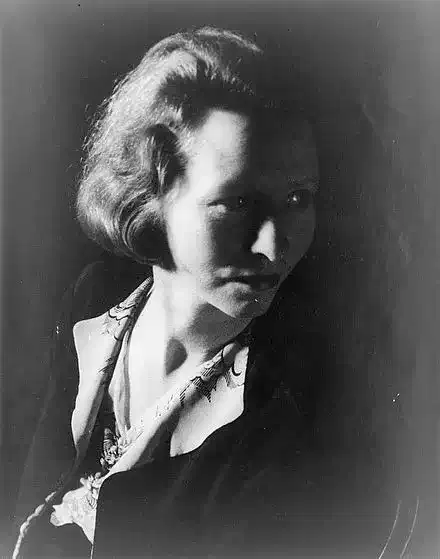
Edna St. Vincent Millay
Three Songs Of Shattering
Three Songs Of Shattering
I
The first rose on my rose-tree
Budded, bloomed, and shattered,
During sad days when to me
Nothing mattered.
Grief of grief has drained me clean;
Still it seems a pity
No one saw,—it must have been
Very pretty.
II
Let the little birds sing;
Let the little lambs play;
Spring is here; and so 'tis spring;—
But not in the old way!
I recall a place
Where a plum-tree grew;
There you lifted up your face,
And blossoms covered you.
If the little birds sing,
And the little lambs play,
Spring is here; and so 'tis spring—
But not in the old way!
III
All the dog-wood blossoms are underneath the tree!
Ere spring was going—ah, spring is gone!
And there comes no summer to the like of you and me,—
Blossom time is early, but no fruit sets on.
All the dog-wood blossoms are underneath the tree,
Browned at the edges, turned in a day;
And I would with all my heart they trimmed a mound for me,
And weeds were tall on all the paths that led that way!
I
The first rose on my rose-tree
Budded, bloomed, and shattered,
During sad days when to me
Nothing mattered.
Grief of grief has drained me clean;
Still it seems a pity
No one saw,—it must have been
Very pretty.
II
Let the little birds sing;
Let the little lambs play;
Spring is here; and so 'tis spring;—
But not in the old way!
I recall a place
Where a plum-tree grew;
There you lifted up your face,
And blossoms covered you.
If the little birds sing,
And the little lambs play,
Spring is here; and so 'tis spring—
But not in the old way!
III
All the dog-wood blossoms are underneath the tree!
Ere spring was going—ah, spring is gone!
And there comes no summer to the like of you and me,—
Blossom time is early, but no fruit sets on.
All the dog-wood blossoms are underneath the tree,
Browned at the edges, turned in a day;
And I would with all my heart they trimmed a mound for me,
And weeds were tall on all the paths that led that way!
422
Edna St. Vincent Millay
The Spring And The Fall
The Spring And The Fall
In the spring of the year, in the spring of the year,
I walked the road beside my dear.
The trees were black where the bark was wet.
I see them yet, in the spring of the year.
He broke me a bough of the blossoming peach
That was out of the way and hard to reach.
In the fall of the year, in the fall of the year,
I walked the road beside my dear.
The rooks went up with a raucous trill.
I hear them still, in the fall of the year.
He laughed at all I dared to praise,
And broke my heart, in little ways.
Year be springing or year be falling,
The bark will drip and the birds be calling.
There's much that's fine to see and hear
In the spring of a year, in the fall of a year.
'Tis not love's going hurt my days.
But that it went in little ways.
In the spring of the year, in the spring of the year,
I walked the road beside my dear.
The trees were black where the bark was wet.
I see them yet, in the spring of the year.
He broke me a bough of the blossoming peach
That was out of the way and hard to reach.
In the fall of the year, in the fall of the year,
I walked the road beside my dear.
The rooks went up with a raucous trill.
I hear them still, in the fall of the year.
He laughed at all I dared to praise,
And broke my heart, in little ways.
Year be springing or year be falling,
The bark will drip and the birds be calling.
There's much that's fine to see and hear
In the spring of a year, in the fall of a year.
'Tis not love's going hurt my days.
But that it went in little ways.
429
Edna St. Vincent Millay
The Blue Flag in the Bog
The Blue Flag in the Bog
God had called us, and we came;
Our loved Earth to ashes left;
Heaven was a neighbor's house,
Open flung to us, bereft.
Gay the lights of Heaven showed,
And 'twas God who walked ahead;
Yet I wept along the road,
Wanting my own house instead.
Wept unseen, unheeded cried,
"All you things my eyes have kissed,
Fare you well! We meet no more,
Lovely, lovely tattered mist!
Weary wings that rise and fall
All day long above the fire !"
Red with heat was every wall,
Rough with heat was every wire
"Fare you well, you little winds
That the flying embers chase!
Fare you well, you shuddering day,
With your hands before your face!
And, ah, blackened by strange blight,
Or to a false sun unfurled,
Now forevermore goodbye,
All the gardens in the world!
On the windless hills of Heaven,
That I have no wish to see,
White, eternal lilies stand,
By a lake of ebony.
But the Earth forevermore
Is a place where nothing grows,
Dawn will come, and no bud break;
Evening, and no blossom close.
Spring will come, and wander slow
Over an indifferent land,
Stand beside an empty creek,
Hold a dead seed in her hand."
God had called us, and we came,
But the blessed road I trod
Was a bitter road to me,
And at heart I questioned God.
"Though in Heaven," I said, "be all
That the heart would most desire,
Held Earth naught save souls of sinners
Worth the saving from a fire?
Withered grass,the wasted growing!
Aimless ache of laden boughs!"
Little things God had forgotten
Called me, from my burning house.
"Though in Heaven," I said, "be all
That the eye could ask to see,
All the things I ever knew
Are this blaze in back of me."
"Though in Heaven," I said, "be all
That the ear could think to lack,
All the things I ever knew
Are this roaring at my back."
It was God who walked ahead,
Like a shepherd to the fold;
In his footsteps fared the weak,
And the weary and the old,
Glad enough of gladness over,
Ready for the peace to be,
But a thing God had forgotten
Was the growing bones of me.
And I drew a bit apart,
And I lagged a bit behind,
And I thought on Peace Eternal,
Lest He look into my mind;
And I gazed upon the sky,
And I thought of Heavenly Rest,
And I slipped away like water
Through the fingers of the blest!
All their eyes were fixed on Glory,
Not a glance brushed over me;
"Alleluia ! Alleluia !"
Up the road,and I was free.
And my heart rose like a freshet,
And it swept me on before,
Giddy as a whirling stick,
Till I felt the earth once more.
All the Earth was charred and black,
Fire had swept from pole to pole;
And the bottom of the sea
Was as brittle as a bowl;
And the timbered mountain-top
Was as naked as a skull,
Nothing left, nothing left,
Of the Earth so beautiful!
"Earth," I said, "how can I leave you?"
"You are all I have," I said;
"What is left to take my mind up,
Living always, and you dead?"
"Speak!" I said, "Oh, tell me something!
Make a sign that I can see!
For a keepsake! To keep always!
Quick! Before God misses me!"
And I listened for a voice;
But my heart was all I heard;
Not a screech-owl, not a loon,
Not a tree-toad said a word.
And I waited for a sign;
Coals and cinders, nothing more;
And a little cloud of smoke
Floating on a valley floor.
And I peered into the smoke
Till it rotted, like a fog:
There, encompassed round by fire,
Stood a blue-flag in a bog!
Little flames came wading out,
Straining, straining towards its stem,
But it was so blue and tall
That it scorned to think of them!
Red and thirsty were their tongues,
As the tongues of wolves must be,
But it was so blue and tall
Oh, I laughed, I cried, to see!
All my heart became a tear,
All my soul became a tower,
Never loved I anything
As I loved that tall blue flower!
It was all the little boats
That had ever sailed the sea,
It was all the little books
That had gone to school with me;
On its roots like iron claws
Rearing up so blue and tall,
It was all the gallant Earth
With its back against a wall!
In a breath, ere I had breathed,
Oh, I laughed, I cried, to see!
I was kneeling at its side,
And it leaned its head on me!
Crumbling stones and sliding sand
Is the road to Heaven now;
Icy at my straining knees
Drags the awful under-tow;
Soon but stepping-stones of dust
Will the road to Heaven be,
Father, Son and Holy Ghost,
Reach a hand and rescue me!
"Therethere, my blue-flag flower;
Hushhushgo to sleep;
That is only God you hear,
Counting up His folded sheep!
Lullabyelullabye
That is only God that calls,
Missing me, seeking me,
Ere the road to nothing falls!
He will set His mighty feet
Firmly on the sliding sand;
Like a little frightened bird
I will creep into His hand;
I will tell Him all my grief,
I will tell Him all my sin;
He will give me half His robe
For a cloak to wrap you in.
Lullabyelullabye"
Rocks the burnt-out planet free!
Father, Son and Holy Ghost,
Reach a hand and rescue me!
Ah, the voice of love at last !
Lo, at last the face of light !
And the whole of His white robe
For a cloak against the night!
And upon my heart asleep
All the things I ever knew!
"Holds Heaven not some cranny, Lord,
For a flower so tall and blue?"
All's well and all's well!
Gay the lights of Heaven show!
In some moist and Heavenly place
We will set it out to grow.
God had called us, and we came;
Our loved Earth to ashes left;
Heaven was a neighbor's house,
Open flung to us, bereft.
Gay the lights of Heaven showed,
And 'twas God who walked ahead;
Yet I wept along the road,
Wanting my own house instead.
Wept unseen, unheeded cried,
"All you things my eyes have kissed,
Fare you well! We meet no more,
Lovely, lovely tattered mist!
Weary wings that rise and fall
All day long above the fire !"
Red with heat was every wall,
Rough with heat was every wire
"Fare you well, you little winds
That the flying embers chase!
Fare you well, you shuddering day,
With your hands before your face!
And, ah, blackened by strange blight,
Or to a false sun unfurled,
Now forevermore goodbye,
All the gardens in the world!
On the windless hills of Heaven,
That I have no wish to see,
White, eternal lilies stand,
By a lake of ebony.
But the Earth forevermore
Is a place where nothing grows,
Dawn will come, and no bud break;
Evening, and no blossom close.
Spring will come, and wander slow
Over an indifferent land,
Stand beside an empty creek,
Hold a dead seed in her hand."
God had called us, and we came,
But the blessed road I trod
Was a bitter road to me,
And at heart I questioned God.
"Though in Heaven," I said, "be all
That the heart would most desire,
Held Earth naught save souls of sinners
Worth the saving from a fire?
Withered grass,the wasted growing!
Aimless ache of laden boughs!"
Little things God had forgotten
Called me, from my burning house.
"Though in Heaven," I said, "be all
That the eye could ask to see,
All the things I ever knew
Are this blaze in back of me."
"Though in Heaven," I said, "be all
That the ear could think to lack,
All the things I ever knew
Are this roaring at my back."
It was God who walked ahead,
Like a shepherd to the fold;
In his footsteps fared the weak,
And the weary and the old,
Glad enough of gladness over,
Ready for the peace to be,
But a thing God had forgotten
Was the growing bones of me.
And I drew a bit apart,
And I lagged a bit behind,
And I thought on Peace Eternal,
Lest He look into my mind;
And I gazed upon the sky,
And I thought of Heavenly Rest,
And I slipped away like water
Through the fingers of the blest!
All their eyes were fixed on Glory,
Not a glance brushed over me;
"Alleluia ! Alleluia !"
Up the road,and I was free.
And my heart rose like a freshet,
And it swept me on before,
Giddy as a whirling stick,
Till I felt the earth once more.
All the Earth was charred and black,
Fire had swept from pole to pole;
And the bottom of the sea
Was as brittle as a bowl;
And the timbered mountain-top
Was as naked as a skull,
Nothing left, nothing left,
Of the Earth so beautiful!
"Earth," I said, "how can I leave you?"
"You are all I have," I said;
"What is left to take my mind up,
Living always, and you dead?"
"Speak!" I said, "Oh, tell me something!
Make a sign that I can see!
For a keepsake! To keep always!
Quick! Before God misses me!"
And I listened for a voice;
But my heart was all I heard;
Not a screech-owl, not a loon,
Not a tree-toad said a word.
And I waited for a sign;
Coals and cinders, nothing more;
And a little cloud of smoke
Floating on a valley floor.
And I peered into the smoke
Till it rotted, like a fog:
There, encompassed round by fire,
Stood a blue-flag in a bog!
Little flames came wading out,
Straining, straining towards its stem,
But it was so blue and tall
That it scorned to think of them!
Red and thirsty were their tongues,
As the tongues of wolves must be,
But it was so blue and tall
Oh, I laughed, I cried, to see!
All my heart became a tear,
All my soul became a tower,
Never loved I anything
As I loved that tall blue flower!
It was all the little boats
That had ever sailed the sea,
It was all the little books
That had gone to school with me;
On its roots like iron claws
Rearing up so blue and tall,
It was all the gallant Earth
With its back against a wall!
In a breath, ere I had breathed,
Oh, I laughed, I cried, to see!
I was kneeling at its side,
And it leaned its head on me!
Crumbling stones and sliding sand
Is the road to Heaven now;
Icy at my straining knees
Drags the awful under-tow;
Soon but stepping-stones of dust
Will the road to Heaven be,
Father, Son and Holy Ghost,
Reach a hand and rescue me!
"Therethere, my blue-flag flower;
Hushhushgo to sleep;
That is only God you hear,
Counting up His folded sheep!
Lullabyelullabye
That is only God that calls,
Missing me, seeking me,
Ere the road to nothing falls!
He will set His mighty feet
Firmly on the sliding sand;
Like a little frightened bird
I will creep into His hand;
I will tell Him all my grief,
I will tell Him all my sin;
He will give me half His robe
For a cloak to wrap you in.
Lullabyelullabye"
Rocks the burnt-out planet free!
Father, Son and Holy Ghost,
Reach a hand and rescue me!
Ah, the voice of love at last !
Lo, at last the face of light !
And the whole of His white robe
For a cloak against the night!
And upon my heart asleep
All the things I ever knew!
"Holds Heaven not some cranny, Lord,
For a flower so tall and blue?"
All's well and all's well!
Gay the lights of Heaven show!
In some moist and Heavenly place
We will set it out to grow.
328
Edna St. Vincent Millay
Sonnets 12: Cherish You Then The Hope I Shall Forget
Sonnets 12: Cherish You Then The Hope I Shall Forget
Cherish you then the hope I shall forget
At length, my lord, Pieria?—put away
For your so passing sake, this mouth of clay
These mortal bones against my body set,
For all the puny fever and frail sweat
Of human love,—renounce for these, I say,
The Singing Mountain's memory, and betray
The silent lyre that hangs upon me yet?
Ah, but indeed, some day shall you awake,
Rather, from dreams of me, that at your side
So many nights, a lover and a bride,
But stern in my soul's chastity, have lain,
To walk the world forever for my sake,
And in each chamber find me gone again!
Cherish you then the hope I shall forget
At length, my lord, Pieria?—put away
For your so passing sake, this mouth of clay
These mortal bones against my body set,
For all the puny fever and frail sweat
Of human love,—renounce for these, I say,
The Singing Mountain's memory, and betray
The silent lyre that hangs upon me yet?
Ah, but indeed, some day shall you awake,
Rather, from dreams of me, that at your side
So many nights, a lover and a bride,
But stern in my soul's chastity, have lain,
To walk the world forever for my sake,
And in each chamber find me gone again!
283
Edna St. Vincent Millay
Sonnets 06: No Rose That In A Garden Ever Grew
Sonnets 06: No Rose That In A Garden Ever Grew
No rose that in a garden ever grew,
In Homer's or in Omar's or in mine,
Though buried under centuries of fine
Dead dust of roses, shut from sun and dew
Forever, and forever lost from view,
But must again in fragrance rich as wine
The grey aisles of the air incarnadine
When the old summers surge into a new.
Thus when I swear, "I love with all my heart,"
'Tis with the heart of Lilith that I swear,
'Tis with the love of Lesbia and Lucrece;
And thus as well my love must lose some part
Of what it is, had Helen been less fair,
Or perished young, or stayed at home in Greece.
No rose that in a garden ever grew,
In Homer's or in Omar's or in mine,
Though buried under centuries of fine
Dead dust of roses, shut from sun and dew
Forever, and forever lost from view,
But must again in fragrance rich as wine
The grey aisles of the air incarnadine
When the old summers surge into a new.
Thus when I swear, "I love with all my heart,"
'Tis with the heart of Lilith that I swear,
'Tis with the love of Lesbia and Lucrece;
And thus as well my love must lose some part
Of what it is, had Helen been less fair,
Or perished young, or stayed at home in Greece.
289
Edna St. Vincent Millay
Sonnet III: Mindful of you the sodden earth
Sonnet III: Mindful of you the sodden earth
Mindful of you the sodden earth in spring,
And all the flowers that in the springtime grow,
And dusty roads, and thistles, and the slow
Rising of the round moon, all throats that sing
The summer through, and each departing wing,
And all the nests that the bared branches show,
And all winds that in any weather blow,
And all the storms that the four seasons bring.
You go no more on your exultant feet
Up paths that only mist and morning knew,
Or watch the wind, or listen to the beat
Of a bird's wings too high in air to view,--
But you were something more than young and sweet
And fair,--and the long year remembers you.
Mindful of you the sodden earth in spring,
And all the flowers that in the springtime grow,
And dusty roads, and thistles, and the slow
Rising of the round moon, all throats that sing
The summer through, and each departing wing,
And all the nests that the bared branches show,
And all winds that in any weather blow,
And all the storms that the four seasons bring.
You go no more on your exultant feet
Up paths that only mist and morning knew,
Or watch the wind, or listen to the beat
Of a bird's wings too high in air to view,--
But you were something more than young and sweet
And fair,--and the long year remembers you.
279
Edna St. Vincent Millay
Sonnet 03: Mindful Of You The Sodden Earth In Spring
Sonnet 03: Mindful Of You The Sodden Earth In Spring
Mindful of you the sodden earth in spring,
And all the flowers that in the springtime grow,
And dusty roads, and thistles, and the slow
Rising of the round moon, all throats that sing
The summer through, and each departing wing,
And all the nests that the bared branches show,
And all winds that in any weather blow,
And all the storms that the four seasons bring.
You go no more on your exultant feet
Up paths that only mist and morning knew,
Or watch the wind, or listen to the beat
Of a bird's wings too high in air to view,—
But you were something more than young and sweet
And fair,—and the long year remembers you.
Mindful of you the sodden earth in spring,
And all the flowers that in the springtime grow,
And dusty roads, and thistles, and the slow
Rising of the round moon, all throats that sing
The summer through, and each departing wing,
And all the nests that the bared branches show,
And all winds that in any weather blow,
And all the storms that the four seasons bring.
You go no more on your exultant feet
Up paths that only mist and morning knew,
Or watch the wind, or listen to the beat
Of a bird's wings too high in air to view,—
But you were something more than young and sweet
And fair,—and the long year remembers you.
291
Edna St. Vincent Millay
Pity Me Not Because The Light Of Day
Pity Me Not Because The Light Of Day
Pity me not because the light of day
At close of day no longer walks the sky;
Pity me not for beauties passed away
From field and thicket as the the year goes by;
Pity me not the waning of the moon,
Nor that the ebbing tide goes out to sea,
Nor that a man's desire is hushed so soon,
And you no longer look with love on me.
This have I known always: Love is no more
Than the wide blossom which the wind assails,
Than the great tide that treads the shifting shore,
Strewing fresh wreckage gathered in the gales:
Pity me that the heart is slow to learn
What the swift mind beholds at ever turn.
Pity me not because the light of day
At close of day no longer walks the sky;
Pity me not for beauties passed away
From field and thicket as the the year goes by;
Pity me not the waning of the moon,
Nor that the ebbing tide goes out to sea,
Nor that a man's desire is hushed so soon,
And you no longer look with love on me.
This have I known always: Love is no more
Than the wide blossom which the wind assails,
Than the great tide that treads the shifting shore,
Strewing fresh wreckage gathered in the gales:
Pity me that the heart is slow to learn
What the swift mind beholds at ever turn.
302