

Poems in this theme
Nostalgia

Henry Lawson
Reedy River
Reedy River
Ten miles down Reedy River
A pool of water lies,
And all the year it mirrors
The changes in the skies,
And in that pool's broad bosom
Is room for all the stars;
Its bed of sand has drifted
O'er countless rocky bars.
Around the lower edges
There waves a bed of reeds,
Where water rats are hidden
And where the wild duck breeds;
And grassy slopes rise gently
To ridges long and low,
Where groves of wattle flourish
And native bluebells grow.
Beneath the granite ridges
The eye may just discern
Where Rocky Creek emerges
From deep green banks of fern;
And standing tall between them,
The grassy she-oaks cool
The hard, blue-tinted waters
Before they reach the pool.
Ten miles down Reedy River
One Sunday afternoon,
I rode with Mary Campbell
To that broad, bright lagoon;
We left our horses grazing
Till shadows climbed the peak,
And strolled beneath the she-oaks
On the banks of Rocky Creek.
Then home along the river
That night we rode a race,
And the moonlight lent a glory
To Mary Campbell's face;
And I pleaded for our future
All through that moonlight ride,
Until our weary horses
Drew closer side by side.
Ten miles from Ryan's Crossing
And five miles below the peak,
I built a little homestead
On the banks of Rocky Creek;
I cleared the land and fenced it
And ploughed the rich, red loam,
And my first crop was golden
When I brought my Mary home.
Now still down Reedy River
The grassy she-oaks sigh,
And the water-holes still mirror
The pictures in the sky;
And over all for ever
Go sun and moon and stars,
While the golden sand is drifting
Across the rocky bars
But of the hut I builded
There are no traces now.
And many rains have levelled
The furrows of the plough;
And my bright days are olden,
For the twisted branches wave
And the wattle blossoms golden
On the hill by Mary's grave.
Ten miles down Reedy River
A pool of water lies,
And all the year it mirrors
The changes in the skies,
And in that pool's broad bosom
Is room for all the stars;
Its bed of sand has drifted
O'er countless rocky bars.
Around the lower edges
There waves a bed of reeds,
Where water rats are hidden
And where the wild duck breeds;
And grassy slopes rise gently
To ridges long and low,
Where groves of wattle flourish
And native bluebells grow.
Beneath the granite ridges
The eye may just discern
Where Rocky Creek emerges
From deep green banks of fern;
And standing tall between them,
The grassy she-oaks cool
The hard, blue-tinted waters
Before they reach the pool.
Ten miles down Reedy River
One Sunday afternoon,
I rode with Mary Campbell
To that broad, bright lagoon;
We left our horses grazing
Till shadows climbed the peak,
And strolled beneath the she-oaks
On the banks of Rocky Creek.
Then home along the river
That night we rode a race,
And the moonlight lent a glory
To Mary Campbell's face;
And I pleaded for our future
All through that moonlight ride,
Until our weary horses
Drew closer side by side.
Ten miles from Ryan's Crossing
And five miles below the peak,
I built a little homestead
On the banks of Rocky Creek;
I cleared the land and fenced it
And ploughed the rich, red loam,
And my first crop was golden
When I brought my Mary home.
Now still down Reedy River
The grassy she-oaks sigh,
And the water-holes still mirror
The pictures in the sky;
And over all for ever
Go sun and moon and stars,
While the golden sand is drifting
Across the rocky bars
But of the hut I builded
There are no traces now.
And many rains have levelled
The furrows of the plough;
And my bright days are olden,
For the twisted branches wave
And the wattle blossoms golden
On the hill by Mary's grave.
216
Henry Lawson
Old North Sydney
Old North Sydney
They're shifting old North Sydney—
Perhaps ’tis just as well—
They’re carting off the houses
Where the old folks used to dwell.
Where only ghosts inhabit
They lay the old shops low;
But the Spirit of North Sydney,
It vanished long ago.
The Spirit of North Sydney,
The good old time and style,
It camped, maybe, at Crow’s Nest,
But only for a while.
It left about the season,
Or at the time, perhaps,
When old Inspector Cotter
Transferred his jokes and traps.
A brand new crowd is thronging
The brand new streets aglow
Where the Spirit of North Sydney
Would gossip long ago.
They will not know to-morrow—
Tho’ ’twere but yesterday—
Exactly how McMahon’s Point
And its ferry used to lay.
The good old friendly spirit
Its sorrows would unfold,
When householders were neighbours
And shop-keeping was old;
But now we’re busy strangers,
Our feelings we restrain—
The Spirit of North Sydney
Shall never come again!
They're shifting old North Sydney—
Perhaps ’tis just as well—
They’re carting off the houses
Where the old folks used to dwell.
Where only ghosts inhabit
They lay the old shops low;
But the Spirit of North Sydney,
It vanished long ago.
The Spirit of North Sydney,
The good old time and style,
It camped, maybe, at Crow’s Nest,
But only for a while.
It left about the season,
Or at the time, perhaps,
When old Inspector Cotter
Transferred his jokes and traps.
A brand new crowd is thronging
The brand new streets aglow
Where the Spirit of North Sydney
Would gossip long ago.
They will not know to-morrow—
Tho’ ’twere but yesterday—
Exactly how McMahon’s Point
And its ferry used to lay.
The good old friendly spirit
Its sorrows would unfold,
When householders were neighbours
And shop-keeping was old;
But now we’re busy strangers,
Our feelings we restrain—
The Spirit of North Sydney
Shall never come again!
281
Henry Lawson
My Father-in-Law and I
My Father-in-Law and I
MY father-in-law is a careworn man,
And a silent man is he;
But he summons a smile as well as he can
Whenever he meets with me.
The sign we make with a silent shake
That speaks of the days gone by—
Like men who meet at a funeral—
My father-in-law and I.
My father-in-law is a sober man
(And a virtuous man, I think);
But we spare a shilling whenever we can,
And we both drop in for a drink.
Our pints they fill, and we say, “Ah, well!”
With the sound of the world-old sigh—
Like the drink that comes after a funeral—
My father-in-law and I.
My father-in-law is a kindly man—
A domestic man is he.
He tries to look cheerful as well as he can
Whenever he meets with me.
But we stand and think till the second drink
In a silence that might imply
That we’d both get over a funeral,
My father-in-law and I.
MY father-in-law is a careworn man,
And a silent man is he;
But he summons a smile as well as he can
Whenever he meets with me.
The sign we make with a silent shake
That speaks of the days gone by—
Like men who meet at a funeral—
My father-in-law and I.
My father-in-law is a sober man
(And a virtuous man, I think);
But we spare a shilling whenever we can,
And we both drop in for a drink.
Our pints they fill, and we say, “Ah, well!”
With the sound of the world-old sigh—
Like the drink that comes after a funeral—
My father-in-law and I.
My father-in-law is a kindly man—
A domestic man is he.
He tries to look cheerful as well as he can
Whenever he meets with me.
But we stand and think till the second drink
In a silence that might imply
That we’d both get over a funeral,
My father-in-law and I.
283
Henry Lawson
Mount Bukaroo
Mount Bukaroo
Only one old post is standing -Solid
yet, but only one --
Where the milking, and the branding,
And the slaughtering were done.
Later years have brought dejection,
Care, and sorrow; but we knew
Happy days on that selection
Underneath old Bukaroo.
Then the light of day commencing
Found us at the gully's head,
Splitting timber for the fencing,
Stripping bark to roof the shed.
Hands and hearts the labour strengthened;
Weariness we never knew,
Even when the shadows lengthened
Round the base of Bukaroo.
There for days below the paddock
How the wilderness would yield
To the spade, and pick, and mattock,
While we toiled to win the field.
Bronzed hands we used to sully
Till they were of darkest hue,
`Burning off' down in the gully
At the back of Bukaroo.
When we came the baby brother
Left in haste his broken toys,
Shouted to the busy mother:
`Here is dadda and the boys!'
Strange it seems that she was able
For the work that she would do;
How she'd bustle round the table
In the hut 'neath Bukaroo!
When the cows were safely yarded,
And the calves were in the pen,
All the cares of day discarded,
Closed we round the hut-fire then.
Rang the roof with boyish laughter
While the flames o'er-topped the flue;
Happy days remembered after -Far
away from Bukaroo.
But the years were full of changes,
And a sorrow found us there;
For our home amid the ranges
Was not safe from searching Care.
On he came, a silent creeper;
And another mountain threw
O'er our lives a shadow deeper
Than the shade of Bukaroo.
All the farm is disappearing;
For the home has vanished now,
Mountain scrub has choked the clearing,
Hid the furrows of the plough.
Nearer still the scrub is creeping
Where the little garden grew;
And the old folks now are sleeping
At the foot of Bukaroo.
Only one old post is standing -Solid
yet, but only one --
Where the milking, and the branding,
And the slaughtering were done.
Later years have brought dejection,
Care, and sorrow; but we knew
Happy days on that selection
Underneath old Bukaroo.
Then the light of day commencing
Found us at the gully's head,
Splitting timber for the fencing,
Stripping bark to roof the shed.
Hands and hearts the labour strengthened;
Weariness we never knew,
Even when the shadows lengthened
Round the base of Bukaroo.
There for days below the paddock
How the wilderness would yield
To the spade, and pick, and mattock,
While we toiled to win the field.
Bronzed hands we used to sully
Till they were of darkest hue,
`Burning off' down in the gully
At the back of Bukaroo.
When we came the baby brother
Left in haste his broken toys,
Shouted to the busy mother:
`Here is dadda and the boys!'
Strange it seems that she was able
For the work that she would do;
How she'd bustle round the table
In the hut 'neath Bukaroo!
When the cows were safely yarded,
And the calves were in the pen,
All the cares of day discarded,
Closed we round the hut-fire then.
Rang the roof with boyish laughter
While the flames o'er-topped the flue;
Happy days remembered after -Far
away from Bukaroo.
But the years were full of changes,
And a sorrow found us there;
For our home amid the ranges
Was not safe from searching Care.
On he came, a silent creeper;
And another mountain threw
O'er our lives a shadow deeper
Than the shade of Bukaroo.
All the farm is disappearing;
For the home has vanished now,
Mountain scrub has choked the clearing,
Hid the furrows of the plough.
Nearer still the scrub is creeping
Where the little garden grew;
And the old folks now are sleeping
At the foot of Bukaroo.
232
Henry Lawson
Mary Called Him 'Mister'
Mary Called Him 'Mister'
They'd parted but a year before—she never thought he’d come,
She stammer’d, blushed, held out her hand, and called him ‘Mister Gum.’
How could he know that all the while she longed to murmur ‘John.’
He called her ‘Miss le Brook,’ and asked how she was getting on.
They’d parted but a year before; they’d loved each other well,
But he’d been to the city, and he came back such a swell.
They longed to meet in fond embrace, they hungered for a kiss—
But Mary called him ‘Mister,’ and the idiot called her ‘Miss.’
He stood and lean’d against the door—a stupid chap was he—
And, when she asked if he’d come in and have a cup of tea,
He looked to left, he looked to right, and then he glanced behind,
And slowly doffed his cabbage-tree, and said he ‘didn’t mind.’
She made a shy apology because the meat was tough,
And then she asked if he was sure his tea was sweet enough;
He stirred the tea and sipped it twice, and answer’d ‘plenty, quite;’
And cut the smallest piece of beef and said that it was ‘right.’
She glanced at him at times and cough’d an awkward little cough;
He stared at anything but her and said, ‘I must be off.’
That evening he went riding north—a sad and lonely ride—
She locked herself inside her room, and there sat down and cried.
They’d parted but a year before, they loved each other well—
But she was such a country girl and he was such a swell ;
They longed to meet in fond embrace, they hungered for a kiss—
But Mary called him ‘Mister’ and the idiot called her ‘Miss.
They'd parted but a year before—she never thought he’d come,
She stammer’d, blushed, held out her hand, and called him ‘Mister Gum.’
How could he know that all the while she longed to murmur ‘John.’
He called her ‘Miss le Brook,’ and asked how she was getting on.
They’d parted but a year before; they’d loved each other well,
But he’d been to the city, and he came back such a swell.
They longed to meet in fond embrace, they hungered for a kiss—
But Mary called him ‘Mister,’ and the idiot called her ‘Miss.’
He stood and lean’d against the door—a stupid chap was he—
And, when she asked if he’d come in and have a cup of tea,
He looked to left, he looked to right, and then he glanced behind,
And slowly doffed his cabbage-tree, and said he ‘didn’t mind.’
She made a shy apology because the meat was tough,
And then she asked if he was sure his tea was sweet enough;
He stirred the tea and sipped it twice, and answer’d ‘plenty, quite;’
And cut the smallest piece of beef and said that it was ‘right.’
She glanced at him at times and cough’d an awkward little cough;
He stared at anything but her and said, ‘I must be off.’
That evening he went riding north—a sad and lonely ride—
She locked herself inside her room, and there sat down and cried.
They’d parted but a year before, they loved each other well—
But she was such a country girl and he was such a swell ;
They longed to meet in fond embrace, they hungered for a kiss—
But Mary called him ‘Mister’ and the idiot called her ‘Miss.
268
Henry Lawson
Let’s Be Fools To-Night
Let’s Be Fools To-Night
We, three men of commerce,
Striving wealth to raise,
See but little promise
In the coming days;
Though our hearts are brittle,
Hardened near to stone,
We can think a little
Of the seasons flown.
Lily days and rose days:
Youthful days so bright;
We were fools in those days,
Let’s be fools to-night.
We, three men of commerce,
Men of business we,
Gave but little promise
Of what we would be
When we wandered urchins—
Foes of law and rule—
Fearing only birchings
And the village school.
Lily days and rose days,
Boyhood’s days so bright;
We were fools in those days,
Let’s be fools to-night.
We, three men of commerce,
Men of business we,
Gave but little promise
Of ability
When we lived in riot;
Never drew the line,
Hating peace and quiet,
Loving maids and wine.
Days when money goes—days
When men’s hearts are right;
We were fools in those days,
Let’s be fools to-night.
We must wear to-morrow
All our worldly marks,
Calm looks for our sorrow,
Stern looks for our clerks,
Who, from trouble shrinking,
Tasting earthly joys,
Hate us, little thinking
Ever we were boys.
Days when kindness flows—days
When men’s hearts are white;
We’ve been wise since those days,
Let’s be fools to-night.
We, three men of commerce,
Striving wealth to raise,
See but little promise
In the coming days;
Though our hearts are brittle,
Hardened near to stone,
We can think a little
Of the seasons flown.
Lily days and rose days:
Youthful days so bright;
We were fools in those days,
Let’s be fools to-night.
We, three men of commerce,
Men of business we,
Gave but little promise
Of what we would be
When we wandered urchins—
Foes of law and rule—
Fearing only birchings
And the village school.
Lily days and rose days,
Boyhood’s days so bright;
We were fools in those days,
Let’s be fools to-night.
We, three men of commerce,
Men of business we,
Gave but little promise
Of ability
When we lived in riot;
Never drew the line,
Hating peace and quiet,
Loving maids and wine.
Days when money goes—days
When men’s hearts are right;
We were fools in those days,
Let’s be fools to-night.
We must wear to-morrow
All our worldly marks,
Calm looks for our sorrow,
Stern looks for our clerks,
Who, from trouble shrinking,
Tasting earthly joys,
Hate us, little thinking
Ever we were boys.
Days when kindness flows—days
When men’s hearts are white;
We’ve been wise since those days,
Let’s be fools to-night.
224
Henry Lawson
He Mourned His Master
He Mourned His Master
INTRODUCTION
The theme is ancient as the hills,
With all their prehistoric glory;
But yet of Corney and his friend,
We’ve often longed to tell the story;
And should we jar the reader’s ear,
Or fail to please his eye observant,
We only trust that he’ll forgive
The bush muse and—your humble servant.
THE STORY
Old Corney built in Deadman’s Gap
A hut, where mountain shades grow denser,
And there he lived for many years,
A timber-getter and a fencer.
And no one knew if he’d a soul
Above long sprees, or split-rail fences,
Unless, indeed, it was his friend,
Who always kept his confidences.
There was a saw-pit in the range;
’Twas owned by three, and they were brothers,
And visitors to Corney’s hut—
’Twas seldom visited by others.
They came because, as they averred,
“Old Corney licked—a gent infernal.”
“His yarns,” if I might trust their word,
“Would made the fortune of a journal.”
In short, the splitter was a “cure”,
Who brightened up their lives’ dull courses;
And so on Sunday afternoons,
At Corney’s hut they’d hang their horses.
They’d have a game of cards and smoke,
And sometimes sing, which was a rum thing—
Unless, in spite of legal folk,
The splitter kept a “drop of something”.
If, as ’twas said, he was “a swell”
Before he sought these sombre ranges,
’Twixt mother’s arms and coffin gear
He must have seen a world of changes.
But from his lips would never fall
A hint of home, or friends, or brothers;
And if he told his tale at all,
He must have told it as another’s.
Though he was good at telling yarns,
At listening he excelled not less so,
And greatly helped the bushman’s tales
With “yes”, “exactly so”, or “jes’ so”.
In short, the hut became a club
Like our Assembly Legislative,
Combining smokeroom, hall, and “pub”,
Political and recreative.
Old Corney lived and Corney died,
As we will, too, on some to-morrow,
But not as Corney died, we hope,
Of heart disease, and rum, and sorrow.
(We hope to lead a married life,
At times the cup of comfort quaffing;
And when we leave this world of strife
We trust that we may die of laughing.)
One New Year’s Eve they found him dead—
For rum had made his life unstable—
They found him stretched upon his bed,
And also found, upon the table,
The coloured portrait of a girl—
Blue eyes of course. The hair was golden,
A faded letter and a curl,
And—well, we said the theme was olden.
The splitter had for days been dead
And cold before the sawyers found him,
And none had witnessed how he died
Except the friend who whimpered round him;
A noble friend, and of a kind
Who stay when other friends forsake us;
And he at last was left behind
To greet the rough bush undertakers.
This was a season when the bush
Was somewhat ruled by time and distance,
And bushmen came and tried the world,
And “gave it best” without assistance.
Then one might die of heart disease,
And still be spared the inquest horrors.
And when the splitter lay at ease,
So, also, did his sins and sorrows.
“Ole Corey’s dead,” the bushmen said;
“He’s gone at last, an’ ne’er a blunder.”
And so they brought a horse and dray,
And tools to “tuck the old cove under.”
The funeral wended through the range,
And slowly round its rugged corners;
The reader will not think it strange
That Corney’s friend was chief of mourners.
He must have thought the bushmen hard,
And of his misery unheeding,
Because they shunned his anxious eyes,
That seemed for explanation pleading.
At intervals his tongue would wipe
The jaws that seemed with anguish quaking;
As some strong hand impatiently
Might chide the tears for prison breaking.
They reached by rugged ways at last,
A desolate bush cemetery,
Where now (our tale is of the past),
A thriving town its dead doth bury.
And where the bones of pioneers
Are found and thrown aside unheeded—
For later sleepers, blessed with tears
Of many friends, the graves are needed.
The funeral reached the bushmen’s graves,
Where these old pioneers were sleeping,
And now while down the granite ridge
The shadow of the peak was creeping,
They dug a grave beneath a gum
And lowered the dead as gently may be
As Corney’s mother long before
Had laid him down to “hush-a-baby”.
A bushman read the words to which
The others reverently listened,
Some bearded lips were seen to twitch,
Some shaded eyes with moisture glistened.
Perhaps this weakness was because
Their work reminded them in sorrow
Of other burials long ago,
When friends “turned in to wait the morrow.”
The boys had brought the splitter’s tools,
And now they split and put together
Four panels such as Corney made,
To stand the stress of western weather.
Perhaps this second weakness rose,
From some good reason undetected;
They may have thought of other graves
Of dearer friends they left neglected.
“Old Corney’s dead, he paid his bills”
(These words upon the tree were graven)
“And oft a swagman down in luck,
At Corey’s mansion found a haven.”
If this an explanation needs,
We greatly fear we can’t afford it;
Unless they thought of other dead,
Whose virtues they had not recorded.
The day had crossed the homeward track,
And as the bushmen turned to tread it,
They thought and spoke of many things,
Remembered now to Corney’s credit;
And strange to say, above their heads
The kookaburra burst with laughter.
(Perhaps he thought of other friends
Whose virtues they remembered—after.)
But now the bushmen hurried on
Lest darkness in the range should find them;
And strange to say they never saw
That Corney’s friend had stayed behind them.
If one had thrown a backward glance
Along the rugged path they wended,
He might have seen a darker form
Upon the damp cold mound extended.
But soon their forms had vanished all,
And night came down the ranges faster,
And no one saw the shadows fall
Upon the dog that mourned his master.
INTRODUCTION
The theme is ancient as the hills,
With all their prehistoric glory;
But yet of Corney and his friend,
We’ve often longed to tell the story;
And should we jar the reader’s ear,
Or fail to please his eye observant,
We only trust that he’ll forgive
The bush muse and—your humble servant.
THE STORY
Old Corney built in Deadman’s Gap
A hut, where mountain shades grow denser,
And there he lived for many years,
A timber-getter and a fencer.
And no one knew if he’d a soul
Above long sprees, or split-rail fences,
Unless, indeed, it was his friend,
Who always kept his confidences.
There was a saw-pit in the range;
’Twas owned by three, and they were brothers,
And visitors to Corney’s hut—
’Twas seldom visited by others.
They came because, as they averred,
“Old Corney licked—a gent infernal.”
“His yarns,” if I might trust their word,
“Would made the fortune of a journal.”
In short, the splitter was a “cure”,
Who brightened up their lives’ dull courses;
And so on Sunday afternoons,
At Corney’s hut they’d hang their horses.
They’d have a game of cards and smoke,
And sometimes sing, which was a rum thing—
Unless, in spite of legal folk,
The splitter kept a “drop of something”.
If, as ’twas said, he was “a swell”
Before he sought these sombre ranges,
’Twixt mother’s arms and coffin gear
He must have seen a world of changes.
But from his lips would never fall
A hint of home, or friends, or brothers;
And if he told his tale at all,
He must have told it as another’s.
Though he was good at telling yarns,
At listening he excelled not less so,
And greatly helped the bushman’s tales
With “yes”, “exactly so”, or “jes’ so”.
In short, the hut became a club
Like our Assembly Legislative,
Combining smokeroom, hall, and “pub”,
Political and recreative.
Old Corney lived and Corney died,
As we will, too, on some to-morrow,
But not as Corney died, we hope,
Of heart disease, and rum, and sorrow.
(We hope to lead a married life,
At times the cup of comfort quaffing;
And when we leave this world of strife
We trust that we may die of laughing.)
One New Year’s Eve they found him dead—
For rum had made his life unstable—
They found him stretched upon his bed,
And also found, upon the table,
The coloured portrait of a girl—
Blue eyes of course. The hair was golden,
A faded letter and a curl,
And—well, we said the theme was olden.
The splitter had for days been dead
And cold before the sawyers found him,
And none had witnessed how he died
Except the friend who whimpered round him;
A noble friend, and of a kind
Who stay when other friends forsake us;
And he at last was left behind
To greet the rough bush undertakers.
This was a season when the bush
Was somewhat ruled by time and distance,
And bushmen came and tried the world,
And “gave it best” without assistance.
Then one might die of heart disease,
And still be spared the inquest horrors.
And when the splitter lay at ease,
So, also, did his sins and sorrows.
“Ole Corey’s dead,” the bushmen said;
“He’s gone at last, an’ ne’er a blunder.”
And so they brought a horse and dray,
And tools to “tuck the old cove under.”
The funeral wended through the range,
And slowly round its rugged corners;
The reader will not think it strange
That Corney’s friend was chief of mourners.
He must have thought the bushmen hard,
And of his misery unheeding,
Because they shunned his anxious eyes,
That seemed for explanation pleading.
At intervals his tongue would wipe
The jaws that seemed with anguish quaking;
As some strong hand impatiently
Might chide the tears for prison breaking.
They reached by rugged ways at last,
A desolate bush cemetery,
Where now (our tale is of the past),
A thriving town its dead doth bury.
And where the bones of pioneers
Are found and thrown aside unheeded—
For later sleepers, blessed with tears
Of many friends, the graves are needed.
The funeral reached the bushmen’s graves,
Where these old pioneers were sleeping,
And now while down the granite ridge
The shadow of the peak was creeping,
They dug a grave beneath a gum
And lowered the dead as gently may be
As Corney’s mother long before
Had laid him down to “hush-a-baby”.
A bushman read the words to which
The others reverently listened,
Some bearded lips were seen to twitch,
Some shaded eyes with moisture glistened.
Perhaps this weakness was because
Their work reminded them in sorrow
Of other burials long ago,
When friends “turned in to wait the morrow.”
The boys had brought the splitter’s tools,
And now they split and put together
Four panels such as Corney made,
To stand the stress of western weather.
Perhaps this second weakness rose,
From some good reason undetected;
They may have thought of other graves
Of dearer friends they left neglected.
“Old Corney’s dead, he paid his bills”
(These words upon the tree were graven)
“And oft a swagman down in luck,
At Corey’s mansion found a haven.”
If this an explanation needs,
We greatly fear we can’t afford it;
Unless they thought of other dead,
Whose virtues they had not recorded.
The day had crossed the homeward track,
And as the bushmen turned to tread it,
They thought and spoke of many things,
Remembered now to Corney’s credit;
And strange to say, above their heads
The kookaburra burst with laughter.
(Perhaps he thought of other friends
Whose virtues they remembered—after.)
But now the bushmen hurried on
Lest darkness in the range should find them;
And strange to say they never saw
That Corney’s friend had stayed behind them.
If one had thrown a backward glance
Along the rugged path they wended,
He might have seen a darker form
Upon the damp cold mound extended.
But soon their forms had vanished all,
And night came down the ranges faster,
And no one saw the shadows fall
Upon the dog that mourned his master.
187
Henry Lawson
Golden Gully
Golden Gully
No one lives in Golden Gully, for its golden days are o’er,
And its clay shall never sully blucher-boots of diggers more,
For the diggers long have vanished — nought but broken shafts remain,
And the bush, by diggers banished, fast reclaims its own again.
Now, when dying Daylight slowly draws her fingers from the “Peak”,
The Weird Empress Melancholy rises from the reedy creek —
In the gap above the gully, while the dismal curlews scream
Loud to welcome her as ruler of the dreary night supreme —
Takes her throne, and by her presence fills the strange, uncertain air
With a ghostly phosphorescence of the horrors hidden there.
None would think, by camp-fire blazy, lighting fitfully the scene,
In the seasons that are hazy, how in seasons gone between,
Diggers yarned or joined in jolly ballads of the field and foam,
Or grew sad and melancholy over songs like “Home, Sweet Home” —
Songs of other times, demanding sullen tears that would not start,
Every digger understanding what was in his comrade’s heart.
It may seem to you a riddle how a poet’s fancies roam,
But methinks I hear a fiddle softly playing “Home, Sweet Home”
’Mid the trees, while meditative diggers round the camp-fire stand.
(Those were days before Australians learned to love their native land.)
Now the dismal curlew screeches round the shafts when night winds sough;
Startling murmurs, broken speeches, shake each twisted, tangled bough,
And whene’er the night comes dreary, darkened by the falling rain,
Voices, loud and dread and eerie, come again and come again —
Come like troubled souls forbidden rest until their tales are told —
Tales of deeds of darkness hidden in the whirl of days of gold —
Come like troubled spirits telling tales of dire and dread mishaps,
Kissing, falling, rising, swelling, dying in the dismal gaps.
When the coming daylight slowly lays her fingers on the “Peak”
Then the Empress Melancholy hurries off to swamps that reek.
But the scene is never cheery, be it sunshine, be it rain,
For the Gully keeps its dreary look till darkness comes again.
As you stand beside the broken shafts, where grass is growing thick,
You can almost hear a spoken word, or hear a thudding pick;
And your very soul seems sinking, foetid grows the morning air,
For you cannot help believing that there’s something buried there.
There’s a ring amid the saplings by a travelling circus worn,
That amused the noisy diggers e’er the rising race was born;
There’s a road where scrub encroaches that was once the main highway,
Over which two rival coaches dashed in glory twice a day;
Gone — all gone from Golden Gully, for its golden days are o’er,
And its clay shall never sully wheels of crowded coaches more.
No one lives in Golden Gully, for its golden days are o’er,
And its clay shall never sully blucher-boots of diggers more,
For the diggers long have vanished — nought but broken shafts remain,
And the bush, by diggers banished, fast reclaims its own again.
Now, when dying Daylight slowly draws her fingers from the “Peak”,
The Weird Empress Melancholy rises from the reedy creek —
In the gap above the gully, while the dismal curlews scream
Loud to welcome her as ruler of the dreary night supreme —
Takes her throne, and by her presence fills the strange, uncertain air
With a ghostly phosphorescence of the horrors hidden there.
None would think, by camp-fire blazy, lighting fitfully the scene,
In the seasons that are hazy, how in seasons gone between,
Diggers yarned or joined in jolly ballads of the field and foam,
Or grew sad and melancholy over songs like “Home, Sweet Home” —
Songs of other times, demanding sullen tears that would not start,
Every digger understanding what was in his comrade’s heart.
It may seem to you a riddle how a poet’s fancies roam,
But methinks I hear a fiddle softly playing “Home, Sweet Home”
’Mid the trees, while meditative diggers round the camp-fire stand.
(Those were days before Australians learned to love their native land.)
Now the dismal curlew screeches round the shafts when night winds sough;
Startling murmurs, broken speeches, shake each twisted, tangled bough,
And whene’er the night comes dreary, darkened by the falling rain,
Voices, loud and dread and eerie, come again and come again —
Come like troubled souls forbidden rest until their tales are told —
Tales of deeds of darkness hidden in the whirl of days of gold —
Come like troubled spirits telling tales of dire and dread mishaps,
Kissing, falling, rising, swelling, dying in the dismal gaps.
When the coming daylight slowly lays her fingers on the “Peak”
Then the Empress Melancholy hurries off to swamps that reek.
But the scene is never cheery, be it sunshine, be it rain,
For the Gully keeps its dreary look till darkness comes again.
As you stand beside the broken shafts, where grass is growing thick,
You can almost hear a spoken word, or hear a thudding pick;
And your very soul seems sinking, foetid grows the morning air,
For you cannot help believing that there’s something buried there.
There’s a ring amid the saplings by a travelling circus worn,
That amused the noisy diggers e’er the rising race was born;
There’s a road where scrub encroaches that was once the main highway,
Over which two rival coaches dashed in glory twice a day;
Gone — all gone from Golden Gully, for its golden days are o’er,
And its clay shall never sully wheels of crowded coaches more.
270
Henry Lawson
Gipsy Too
Gipsy Too
If they missed my face in Farmers’ Arms
When the landlord lit the lamp,
They would grin and say in their country way,
‘Oh! he’s down at the Gipsy camp!’
But they’d read of things in the Daily Mail
That the wild Australians do,
And I cared no day what the world might say,
For I came of the Gipsies too.
‘Oh! the Gipsy crowd are a mongrel lot,
‘And a thieving lot and sly!’
But I’d dined on fowls in the far-off south,
And a mongrel lot was I.
‘Oh! the Gipsy crowd are a roving gang,
‘And a sulky, silent crew!’
But they managed a smile and a word for me,
For I came of the Gipsies too.
And the old queen looked in my palm one day—
And a shrewd old dame was she:
‘My pretty young gent, you may say your say,
‘You may laugh your laugh at me;
‘But I’ll tell you the tale of your dead, dead past!’
And she told me all too true;
And she said that I’d die in a camp at last,
For I came of the Gipsies too.
And the young queen looked in my eyes that night,
In a nook where the hedge grew tall,
And the sky was swept and the stars were bright,
But her eyes had the sheen of all.
The spring was there, and the fields were fair,
And the world to my heart seemed new.
’Twas ‘A Romany lass to a Romany lad!’
But I came of the Gipsies too.
Now a Summer and Winter have gone between
And wide, wild oceans flow;
And they camp again by the sad old Thames,
Where the blackberry hedges grow.
’Twas a roving star on a land afar
That proved to a maid untrue,
But we’ll meet when they gather the Gipsy souls,
For I came of the Gipsies too.
If they missed my face in Farmers’ Arms
When the landlord lit the lamp,
They would grin and say in their country way,
‘Oh! he’s down at the Gipsy camp!’
But they’d read of things in the Daily Mail
That the wild Australians do,
And I cared no day what the world might say,
For I came of the Gipsies too.
‘Oh! the Gipsy crowd are a mongrel lot,
‘And a thieving lot and sly!’
But I’d dined on fowls in the far-off south,
And a mongrel lot was I.
‘Oh! the Gipsy crowd are a roving gang,
‘And a sulky, silent crew!’
But they managed a smile and a word for me,
For I came of the Gipsies too.
And the old queen looked in my palm one day—
And a shrewd old dame was she:
‘My pretty young gent, you may say your say,
‘You may laugh your laugh at me;
‘But I’ll tell you the tale of your dead, dead past!’
And she told me all too true;
And she said that I’d die in a camp at last,
For I came of the Gipsies too.
And the young queen looked in my eyes that night,
In a nook where the hedge grew tall,
And the sky was swept and the stars were bright,
But her eyes had the sheen of all.
The spring was there, and the fields were fair,
And the world to my heart seemed new.
’Twas ‘A Romany lass to a Romany lad!’
But I came of the Gipsies too.
Now a Summer and Winter have gone between
And wide, wild oceans flow;
And they camp again by the sad old Thames,
Where the blackberry hedges grow.
’Twas a roving star on a land afar
That proved to a maid untrue,
But we’ll meet when they gather the Gipsy souls,
For I came of the Gipsies too.
257
Henry Lawson
Clinging Back
Clinging Back
When you see a man come walking down through George Street loose and free,
Suit of saddle tweed and soft shirt, and a belt and cabbagetree,
With the careless swing and carriage, and the confidence you lack—
There is freedom in Australia! he’s a man that’s clinging back.
Clingin’ back,
Holdin’ back,
To the old things and the bold things clinging back.
When you see a woman riding as I saw one ride to-day
Down the street to Milson’s Ferry on a big, upstanding bay,
With her body gently swaying to the horse-shoes’ click-a-clack,
You might lift your hat (with caution)—she’s a girl who’s clinging back.
Clinging back,
Swinging back.
To the old things and the bold things clinging back.
When you see a rich man pulling on the harbour in a boat,
With the motor launches racing till they scarcely seem to float,
And the little skiff is lifting to his muscles tense and slack,
You say “Go it” to a sane man. He’s a man that’s clinging back.
Clinging back,
Swinging back,
To the old things and the bold things clinging back.
When you see two lovers strolling, arm-in-arm—or round the waist,
And they never seem to loiter, and they never seem to haste,
But indifferent to others take the rock or bush-hid track
You be sure about their future, they’re a pair that’s clinging back.
Clinging back,
Holding back,
To the old things and the bold things clinging back.
I, a weary picture writer in a time that’s cruel plain,
Have been clinging all too sadly to what shall not come again,
To what shall not come and should not! for the silver’s mostly black,
And the gold a dull red copper by the springs where I held back.
Clinging back,
Holding back,
To the old things and the cold things clinging back.
But if you should read a writer sending truths home every time,
While his every “point” goes ringing like the grandest prose in rhyme,
Though he writes the people’s grammar, and he spreads the people’s “clack,”
He is stronger than the Public! and he’ll jerk the mad world back.
Yank it back,
Hold it back,
For the love of little children hold it back.
When you see a man come walking down through George Street loose and free,
Suit of saddle tweed and soft shirt, and a belt and cabbagetree,
With the careless swing and carriage, and the confidence you lack—
There is freedom in Australia! he’s a man that’s clinging back.
Clingin’ back,
Holdin’ back,
To the old things and the bold things clinging back.
When you see a woman riding as I saw one ride to-day
Down the street to Milson’s Ferry on a big, upstanding bay,
With her body gently swaying to the horse-shoes’ click-a-clack,
You might lift your hat (with caution)—she’s a girl who’s clinging back.
Clinging back,
Swinging back.
To the old things and the bold things clinging back.
When you see a rich man pulling on the harbour in a boat,
With the motor launches racing till they scarcely seem to float,
And the little skiff is lifting to his muscles tense and slack,
You say “Go it” to a sane man. He’s a man that’s clinging back.
Clinging back,
Swinging back,
To the old things and the bold things clinging back.
When you see two lovers strolling, arm-in-arm—or round the waist,
And they never seem to loiter, and they never seem to haste,
But indifferent to others take the rock or bush-hid track
You be sure about their future, they’re a pair that’s clinging back.
Clinging back,
Holding back,
To the old things and the bold things clinging back.
I, a weary picture writer in a time that’s cruel plain,
Have been clinging all too sadly to what shall not come again,
To what shall not come and should not! for the silver’s mostly black,
And the gold a dull red copper by the springs where I held back.
Clinging back,
Holding back,
To the old things and the cold things clinging back.
But if you should read a writer sending truths home every time,
While his every “point” goes ringing like the grandest prose in rhyme,
Though he writes the people’s grammar, and he spreads the people’s “clack,”
He is stronger than the Public! and he’ll jerk the mad world back.
Yank it back,
Hold it back,
For the love of little children hold it back.
287
Henry Lawson
Cherry- Tree Inn
Cherry- Tree Inn
The rafters are open to sun, moon, and star,
Thistles and nettles grow high in the bar --
The chimneys are crumbling, the log fires are dead,
And green mosses spring from the hearthstone instead.
The voices are silent, the bustle and din,
For the railroad hath ruined the Cherry-tree Inn.
Save the glimmer of stars, or the moon's pallid streams,
And the sounds of the 'possums that camp on the beams,
The bar-room is dark and the stable is still,
For the coach comes no more over Cherry-tree Hill.
No riders push on through the darkness to win
The rest and the comfort of Cherry-tree Inn.
I drift from my theme, for my memory strays
To the carrying, digging, and bushranging days --
Far back to the seasons that I love the best,
When a stream of wild diggers rushed into the west,
But the `rushes' grew feeble, and sluggish, and thin,
Till scarcely a swagman passed Cherry-tree Inn.
Do you think, my old mate (if it's thinking you be),
Of the days when you tramped to the goldfields with me?
Do you think of the day of our thirty-mile tramp,
When never a fire could we light on the camp,
And, weary and footsore and drenched to the skin,
We tramped through the darkness to Cherry-tree Inn?
Then I had a sweetheart and you had a wife,
And Johnny was more to his mother than life;
But we solemnly swore, ere that evening was done,
That we'd never return till our fortunes were won.
Next morning to harvests of folly and sin
We tramped o'er the ranges from Cherry-tree Inn.
. . . . .
The years have gone over with many a change,
And there comes an old swagman from over the range,
And faint 'neath the weight of his rain-sodden load,
He suddenly thinks of the inn by the road.
He tramps through the darkness the shelter to win,
And reaches the ruins of Cherry-tree Inn.
The rafters are open to sun, moon, and star,
Thistles and nettles grow high in the bar --
The chimneys are crumbling, the log fires are dead,
And green mosses spring from the hearthstone instead.
The voices are silent, the bustle and din,
For the railroad hath ruined the Cherry-tree Inn.
Save the glimmer of stars, or the moon's pallid streams,
And the sounds of the 'possums that camp on the beams,
The bar-room is dark and the stable is still,
For the coach comes no more over Cherry-tree Hill.
No riders push on through the darkness to win
The rest and the comfort of Cherry-tree Inn.
I drift from my theme, for my memory strays
To the carrying, digging, and bushranging days --
Far back to the seasons that I love the best,
When a stream of wild diggers rushed into the west,
But the `rushes' grew feeble, and sluggish, and thin,
Till scarcely a swagman passed Cherry-tree Inn.
Do you think, my old mate (if it's thinking you be),
Of the days when you tramped to the goldfields with me?
Do you think of the day of our thirty-mile tramp,
When never a fire could we light on the camp,
And, weary and footsore and drenched to the skin,
We tramped through the darkness to Cherry-tree Inn?
Then I had a sweetheart and you had a wife,
And Johnny was more to his mother than life;
But we solemnly swore, ere that evening was done,
That we'd never return till our fortunes were won.
Next morning to harvests of folly and sin
We tramped o'er the ranges from Cherry-tree Inn.
. . . . .
The years have gone over with many a change,
And there comes an old swagman from over the range,
And faint 'neath the weight of his rain-sodden load,
He suddenly thinks of the inn by the road.
He tramps through the darkness the shelter to win,
And reaches the ruins of Cherry-tree Inn.
364
Henry Lawson
By Hut, Homestead And Shearing Shed,
By Hut, Homestead And Shearing Shed,
By hut, homestead and shearing shed,
By railroad, coach and track-
By lonely graves where rest the dead,
Up-Country and Out-Back:
To where beneath the clustered stars
The dreamy plains expand-
My home lies wide a thousand miles
In Never-Never Land.
It lies beyond the farming belt,
Wide wastes of scrub and plain,
A blazing desert in the drought,
A lake-land after rain;
To the skyline sweeps the waving grass,
Or whirls the scorching sand-
A phantom land, a mystic realm!
The Never-Never Land.
Where lone Mount Desolation lies
Mounts Dreadful and Despair'
Tis lost beneath the rainless skies
In hopeless deserts there;
It spreads nor-west by No-Man's Land
Where clouds are seldom seen
To where the cattle stations lie
Three hundred miles between.
The drovers of the Great Stock Routes
The strange Gulf country Know
Where, travelling from the southern droughts,
The big lean bullocks go;
And camped by night where plains lie wide,
Like some old ocean's bed,
The watchmen in the starlight ride
Round fifteen hundred head.
Lest in the city I forget
True mateship after all,
My water-bag and billy yet
Are hanging on the wall;
And I, to save my soul again,
Would tramp to sunsets grand
With sad-eyed mates across the plain
In Never-Never Land.
By hut, homestead and shearing shed,
By railroad, coach and track-
By lonely graves where rest the dead,
Up-Country and Out-Back:
To where beneath the clustered stars
The dreamy plains expand-
My home lies wide a thousand miles
In Never-Never Land.
It lies beyond the farming belt,
Wide wastes of scrub and plain,
A blazing desert in the drought,
A lake-land after rain;
To the skyline sweeps the waving grass,
Or whirls the scorching sand-
A phantom land, a mystic realm!
The Never-Never Land.
Where lone Mount Desolation lies
Mounts Dreadful and Despair'
Tis lost beneath the rainless skies
In hopeless deserts there;
It spreads nor-west by No-Man's Land
Where clouds are seldom seen
To where the cattle stations lie
Three hundred miles between.
The drovers of the Great Stock Routes
The strange Gulf country Know
Where, travelling from the southern droughts,
The big lean bullocks go;
And camped by night where plains lie wide,
Like some old ocean's bed,
The watchmen in the starlight ride
Round fifteen hundred head.
Lest in the city I forget
True mateship after all,
My water-bag and billy yet
Are hanging on the wall;
And I, to save my soul again,
Would tramp to sunsets grand
With sad-eyed mates across the plain
In Never-Never Land.
179
Henry Lawson
Bush Hay
Bush Hay
The stamp of Scotland is on his face,
But he sailed to the South a lad,
And he does not think of the black bleak hills
And the bitter hard youth he had;
He thinks of a nearer and dearer past
In the bright land far away,
When the teams went up and the teams came down,
In the days when they made bush hay.
The fare was rough and the bush was grim
In the “years of his pilgrimage”,
But he gained the strength that is still with him
In his hale, late middle age.
He thinks of the girl at the halfway inn
They use as a barn to-day—
Oh, she was a dumpling and he was thin
In the days when they made bush hay.
The ration teams to the Bathurst Plains
Were often a fortnight full.
And they branched all ways in the early days
And back to the port with wool.
They watched for the lights of old Cobb & Co.
That flashed to the West away,
When drivers drove six on a twelve-mile stage
In the days when they made bush hay.
He has made enough, and he’s sold his claim,
And he goes by the morning train,
From the gold-field town in the sultry West
To his home by the sea again,
Where a bustling old body’s expecting him
Whose hair is scarcely grey,
And she was the girl of the halfway house
In the days when they made bush hay.
The stamp of Scotland is on his face,
But he sailed to the South a lad,
And he does not think of the black bleak hills
And the bitter hard youth he had;
He thinks of a nearer and dearer past
In the bright land far away,
When the teams went up and the teams came down,
In the days when they made bush hay.
The fare was rough and the bush was grim
In the “years of his pilgrimage”,
But he gained the strength that is still with him
In his hale, late middle age.
He thinks of the girl at the halfway inn
They use as a barn to-day—
Oh, she was a dumpling and he was thin
In the days when they made bush hay.
The ration teams to the Bathurst Plains
Were often a fortnight full.
And they branched all ways in the early days
And back to the port with wool.
They watched for the lights of old Cobb & Co.
That flashed to the West away,
When drivers drove six on a twelve-mile stage
In the days when they made bush hay.
He has made enough, and he’s sold his claim,
And he goes by the morning train,
From the gold-field town in the sultry West
To his home by the sea again,
Where a bustling old body’s expecting him
Whose hair is scarcely grey,
And she was the girl of the halfway house
In the days when they made bush hay.
198
Henry Lawson
Before We Were Married
Before We Were Married
BLACKSOIL PLAINS were grey soil, grey soil in the drought.
Fifteen years away, and five hundred miles out;
Swag and bag and billy carried all our care
Before we were married, and I wish that I were there.
River banks were grassy—grassy in the bends,
Running through the land where mateship never ends;
We belled the lazy fishing lines and droned the time away
Before we were married, and I wish it were to-day.
Working down the telegraph—winters’ gales and rains
Cross the tumbled scenery of Marlborough “plains”,
Beach and bluff and cook’s tent—and the cook was a “cow”
Before we were married, but I wish that it was now.
The rolling road to Melbourne, and grey-eyed girl in fur—
One arm to a stanchion—and one round her;
Seat abaft the skylight when the moon had set—
Before she was married, and I wish it wasn’t yet.
BLACKSOIL PLAINS were grey soil, grey soil in the drought.
Fifteen years away, and five hundred miles out;
Swag and bag and billy carried all our care
Before we were married, and I wish that I were there.
River banks were grassy—grassy in the bends,
Running through the land where mateship never ends;
We belled the lazy fishing lines and droned the time away
Before we were married, and I wish it were to-day.
Working down the telegraph—winters’ gales and rains
Cross the tumbled scenery of Marlborough “plains”,
Beach and bluff and cook’s tent—and the cook was a “cow”
Before we were married, but I wish that it was now.
The rolling road to Melbourne, and grey-eyed girl in fur—
One arm to a stanchion—and one round her;
Seat abaft the skylight when the moon had set—
Before she was married, and I wish it wasn’t yet.
271
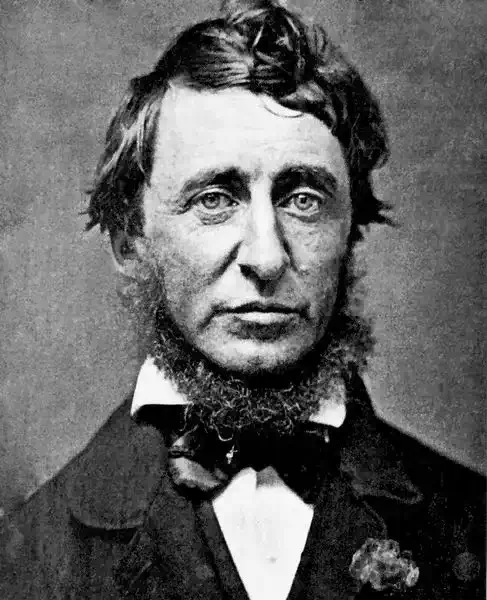
Henry David Thoreau
They Who Prepare My Evening Meal Below
They Who Prepare My Evening Meal Below
They who prepare my evening meal below
Carelessly hit the kettle as they go
With tongs or shovel,
And ringing round and round,
Out of this hovel
It makes an eastern temple by the sound.
At first I thought a cow bell right at hand
Mid birches sounded o'er the open land,
Where I plucked flowers
Many years ago,
Spending midsummer hours
With such secure delight they hardly seemed to flow.
They who prepare my evening meal below
Carelessly hit the kettle as they go
With tongs or shovel,
And ringing round and round,
Out of this hovel
It makes an eastern temple by the sound.
At first I thought a cow bell right at hand
Mid birches sounded o'er the open land,
Where I plucked flowers
Many years ago,
Spending midsummer hours
With such secure delight they hardly seemed to flow.
144
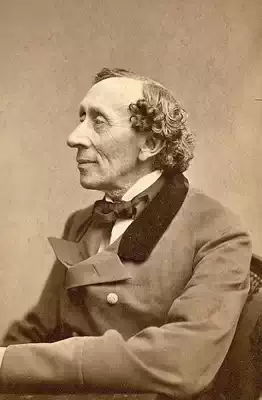
Hans Christian Andersen
June
June
'Glemt er nu Vaarens Kamp og Vinter-Sorgen,
Til Glæde sig forvandler hvert et Suk.
Skjøn som en Brud, den anden Bryllups-Morgen,
Ei længer Barn, og dog saa ung og smuk,
Den skjønne Junimaaned til os kommer;
Det er Skærsommer!
*
De høie Popler hæve sig saa slanke,
I Hyldetræet qviddrer Fuglen smukt.
Paa Gjærdet groer den grønne Humle-Ranke,
Og Æble-Blomstret former sig til Frugt.
Den varme Sommerluft fra Skyen strømmer,
Sødt Hjertet drømmer!
Paa Engen slaae de Græs; hør, Leen klinger.
Paa Himlen smukke Sommerskyer staae.
Og Kløvermarken Røgelse os svinger,
Mens høit i Choret alle Lærker slaae.
-Med Vandringsstav hist Ungersvenden kommer
Hjem i Skærsommer.
Ungersvenden.
Alt jeg Kirketaarnet øiner,
Spiret kneiser stolt derpaa.
Og hvor Marken hist sig høiner,
End de fire Pile staae.
Her er Skoven. Store Rødder
Før af Træerne der laae.
Her, som Dreng, jeg plukked' Nødder,
Og trak Jordbær paa et Straa!
-Barndoms Minder mig besjæle!
Jeg vil flyve, jeg vil dvæle!
Grønne Skov, min Barndoms Ven,
Kan Du kjende mig igjen?
Grønne Hæk, du brune Stamme,
Jeg, som før, er end den samme,
Har vel seet og hørt lidt meer,
Ellers Du den Samme seer! -
Her er Pladsen end med Vedet,
Godt jeg kjender Parken der!
Her er Stenten tæt ved Ledet,
Gud, hvor lille den dog er!
Alt jeg kjender her saa godt,
Men det er saa nært, saa smaat -
Det var stort, da jeg var liden,
Jeg er bleven større siden! -
Lille Fugl paa grønne Qvist,
Saae Du mig derude hist,
Naar jeg stundom sorgfuld sad?
Seer Du nu - - nu er jeg glad!
Var der ude Himlen graae
Hjemmet bar jeg i min Tanke,
Hjemmet jeg i Solskin saae,
Derfor maatte Hjertet banke.
-Moder er vist ældet lidt,
Jeg har tænkt paa Dig saa tidt.
Fader! fuld af Kraft og Mod! -
Gode Gud, Du er saa god.
Jeg kan ei min Glæde bære,
Din jeg er, Din vil jeg være! -
Jeg i Sjælen er saa glad,
Kysse maa jeg Blomst og Blad;
Glemt er Længsel, Suk og Vee,
Gamle Venner skal jeg see,
Og den smaa Marie-Moer -
Ja, nu er hun bleven stor! -
O, med hvilken Lyst og Gammen
Har vi to dog leget sammen!
Mit Theater var ei stort,
Men jeg havde selv det gjort.
O, jeg har det grant i Minde.
Jeg forglemmer ingensinde
Mine smaa Marionetter,
O, med Guld og Paillietter,
Hun besyed' een og hver.
Store Stykker gav' vi der.
Blanka, Hakon Jarl, saa net,
Selv Rolf Blaaskjæg, som Ballet.
Hvis ei andre saae derpaa,
Altid Bedstemoder saae;
Og om der var allerflest,
Hun dog klapped allermeest! -
Hende skal jeg ikke see,
O, det gjør mit Hjerte Vee!
Afskeds-Kysset hun mig gav, -
Græs nu groer paa hendes Grav.
O jeg kunde næsten græde!
-Nei! Du lever - seer min Glæde
Lever! lever! mig omsvæver!
Tanken Du til Himlen hæver.
Det er Aarets bedste Dag!
Alt jeg skuer Hjemmets Tag!
Her ved Poppelpilens Rod,
I den kolde Vinter-Scene,
Var det jo min Sneemand stod,
Pyntet ud med Kul og Stene.
Her er Bækken, reen og klar,
Den min Sommer-Snekke bar!
Her staaer Haugen, sommergrøn - -
Moder, see - her er Din Søn!
Moder! kjender Du min Stemme!
O, nu er jeg atter hjemme!
*
Sønnen hviler ved sin Moders Bryst,
Faderen ham kysser glad, men stille;
Hunden logrer ved hans Fod med Lyst,
Og de store brune Øine spille.
'See, Marie! vi ham har igjen -'
Jubler høit den lykkelige Moder;
Pigen rødmer, rækker Haanden hen
Til den kjære, kjære Legebroder.
'Han er voxet i de sidste Aar!
Kom! paa Døren end hans Mærke staaer.
Eduard! o! Gud har hørt min Bøn;
Seer Du Fader, han er bleven kjøn?
Er saa god - ja! ja! jeg veed det nøie.
Jeg maa kysse ham paa Mund og Øie!
-Kjender Dagligstuen Du igjen?
Men Du er vist træt? Sæt Dig dog hen!
Seer Du, hvad der staaer paa mit Klaveer?
(O, den søde Dreng! nei see, han leer)!
Dit Theater, dine Dukker smaae -
Ja, det har Marie fundet paa, -'
Saadan gaaer det fort, glad Hjertet banker,
Kun Marie falder hen i Tanker. -
Nu vi dem i Spisestuen see.
Dækketøiet skinner som en Snee,
Sommersolen mildt fra Ruden straaler,
Jordbær dufte fra crystalne Skaaler;
Kun de bedste har Marie bragt;
Og paa Bordet smukt en Krands er lagt,
Friske Blomster der i Vasen prange,
Medens Lærken synger Velkomst-Sange.
*
Det er ud paa Aftnen snart,
Men endnu det er saa klart.
Solen synker hist bag Byen,
Ild og Roser staae paa Skyen;
Høet dufter sødt paa Marken,
Og hist henne over Parken
Dandse Myggene i Ring,
Medens Blomster rundt omkring
See til Maanen, som nu kommer
I den deilige Skærsommer!
Hør, fra Skovens dunkle Sal
Fløiter smukt en Nattergal.
Hvem gaaer hist i Haugen ene
Under Æbletræets Grene? -
Kjolen sig ved Hækken hæfter -
Tys, der kommer Nogen efter!
Pigen rødmer der og standser,
Mens det sidste Blomsterblad,
Som endnu paa Træet sad,
Falder ned og Lokken Krandser;
Træet pynter hende ud,
Som det tænkte, hun var Brud.
Eduard.
Er det Dig, som gaaer og spøger?
Marie.
Nei, om Stikkelsbær jeg søger,
Om de største jeg kan faae.
Mange Stedmo'ers-Blomster staae
I Salaten her saa net;
Jeg har plukket en Bouqvet,
Maa jeg Blomsterne Dig byde?
Eduard.
Veed Du vel, hvad de betyde?
Blomstersproget, kan jeg troe,
Kjender Du til Punkt og Prikke.
Marie.
Nei saa lærd, det er jeg ikke.
-Er det noget godt?
Eduard.
Ih jo!
Vel for mig, men
(spøgende)
Dig? - desværre!
Giv dog aldrig nogen Herre
Slige Blomster, Gud bevar' os!
Tænk Dig, hvis det galt forklares;
Jo, der har Du handlet net!
Marie.
Nu, saa giv mig min Bouqvet!
Eduard.
Nei, see kun, hvor rød Du bliver!
-Jeg den ene Blomst dig giver,
Resten faaer Du ikke meer,
Skjøndt Du saa alvorligt seer.
Lad nu Bærrene kun være,
Vi har talt saa grumme lidt!
Marie.
Skal jeg Blomstersproget lære?
Nu er det jo saa forslidt!
Eduard.
Naa, hvor Du seer ud i Haaret!
Grenen paa Toupeen slaer.
Har Du hele Dagen baaret
Æbleblomster i dit Haar?
Marie (spøgende).
Hjertet faaer kun Spot og Trængsel;
See, det har man for sin Længsel,
Nu, han er her, gjør han Nar.
Eduard.
Efter mig Du længtes har!
O, saa tidt mit Hjertes Stemme
Kaldte mig til Dig her hjemme.
Du har ofte tænkt paa mig?
O, jeg holder ret af Dig!
Men Du skrev saa korte Breve!
Tidt kun, naar de andre skreve,
Jeg fra Dig, det var Din Skik,
Bare Efterskriften fik.
Jeg mig maatte forestille,
At Du endnu var den Lille,
Og saa er Du nu saa stor! -
O, Marie, lad os vandre
Her i Haven med hverandre.
Hvert et Træ, som her jo groer
Kjender jeg fra gamle Dage.
Marie.
Gud skee Lov, Du kom tilbage!
Du er dog min kjære Broder!
-Skal vi nu gaae op til Moder?
Eduard.
Lad mig see Dig i dit Øie!
Hvert et Træk jeg kjender nøie.
Ældre, mere smuk Du staaer,
Og dog, som for otte Aar! -
Marie.
- Skal vi nu gaae op til Moder? -
Eduard.
(kysser hende paa Panden).
Det tør jeg jo nok - som Broder.
En lille Fugl (i Træet).
Hjertet maa af Elskov slaae
Baade Nat og lyse Dage!
Kjærlighed jeg synge maa,
Har dog ingen Mage!
Glade To i Havens Gang,
Jeg til Eder kommer,
Synger Eders Bryllups-Sang
Næste Aars Skærsommer!
Ja Skærsommer skal det staae,
Den har smukke Dage!
-Kjærlighed jeg synge maa,
Har dog ingen Mage!
'Glemt er nu Vaarens Kamp og Vinter-Sorgen,
Til Glæde sig forvandler hvert et Suk.
Skjøn som en Brud, den anden Bryllups-Morgen,
Ei længer Barn, og dog saa ung og smuk,
Den skjønne Junimaaned til os kommer;
Det er Skærsommer!
*
De høie Popler hæve sig saa slanke,
I Hyldetræet qviddrer Fuglen smukt.
Paa Gjærdet groer den grønne Humle-Ranke,
Og Æble-Blomstret former sig til Frugt.
Den varme Sommerluft fra Skyen strømmer,
Sødt Hjertet drømmer!
Paa Engen slaae de Græs; hør, Leen klinger.
Paa Himlen smukke Sommerskyer staae.
Og Kløvermarken Røgelse os svinger,
Mens høit i Choret alle Lærker slaae.
-Med Vandringsstav hist Ungersvenden kommer
Hjem i Skærsommer.
Ungersvenden.
Alt jeg Kirketaarnet øiner,
Spiret kneiser stolt derpaa.
Og hvor Marken hist sig høiner,
End de fire Pile staae.
Her er Skoven. Store Rødder
Før af Træerne der laae.
Her, som Dreng, jeg plukked' Nødder,
Og trak Jordbær paa et Straa!
-Barndoms Minder mig besjæle!
Jeg vil flyve, jeg vil dvæle!
Grønne Skov, min Barndoms Ven,
Kan Du kjende mig igjen?
Grønne Hæk, du brune Stamme,
Jeg, som før, er end den samme,
Har vel seet og hørt lidt meer,
Ellers Du den Samme seer! -
Her er Pladsen end med Vedet,
Godt jeg kjender Parken der!
Her er Stenten tæt ved Ledet,
Gud, hvor lille den dog er!
Alt jeg kjender her saa godt,
Men det er saa nært, saa smaat -
Det var stort, da jeg var liden,
Jeg er bleven større siden! -
Lille Fugl paa grønne Qvist,
Saae Du mig derude hist,
Naar jeg stundom sorgfuld sad?
Seer Du nu - - nu er jeg glad!
Var der ude Himlen graae
Hjemmet bar jeg i min Tanke,
Hjemmet jeg i Solskin saae,
Derfor maatte Hjertet banke.
-Moder er vist ældet lidt,
Jeg har tænkt paa Dig saa tidt.
Fader! fuld af Kraft og Mod! -
Gode Gud, Du er saa god.
Jeg kan ei min Glæde bære,
Din jeg er, Din vil jeg være! -
Jeg i Sjælen er saa glad,
Kysse maa jeg Blomst og Blad;
Glemt er Længsel, Suk og Vee,
Gamle Venner skal jeg see,
Og den smaa Marie-Moer -
Ja, nu er hun bleven stor! -
O, med hvilken Lyst og Gammen
Har vi to dog leget sammen!
Mit Theater var ei stort,
Men jeg havde selv det gjort.
O, jeg har det grant i Minde.
Jeg forglemmer ingensinde
Mine smaa Marionetter,
O, med Guld og Paillietter,
Hun besyed' een og hver.
Store Stykker gav' vi der.
Blanka, Hakon Jarl, saa net,
Selv Rolf Blaaskjæg, som Ballet.
Hvis ei andre saae derpaa,
Altid Bedstemoder saae;
Og om der var allerflest,
Hun dog klapped allermeest! -
Hende skal jeg ikke see,
O, det gjør mit Hjerte Vee!
Afskeds-Kysset hun mig gav, -
Græs nu groer paa hendes Grav.
O jeg kunde næsten græde!
-Nei! Du lever - seer min Glæde
Lever! lever! mig omsvæver!
Tanken Du til Himlen hæver.
Det er Aarets bedste Dag!
Alt jeg skuer Hjemmets Tag!
Her ved Poppelpilens Rod,
I den kolde Vinter-Scene,
Var det jo min Sneemand stod,
Pyntet ud med Kul og Stene.
Her er Bækken, reen og klar,
Den min Sommer-Snekke bar!
Her staaer Haugen, sommergrøn - -
Moder, see - her er Din Søn!
Moder! kjender Du min Stemme!
O, nu er jeg atter hjemme!
*
Sønnen hviler ved sin Moders Bryst,
Faderen ham kysser glad, men stille;
Hunden logrer ved hans Fod med Lyst,
Og de store brune Øine spille.
'See, Marie! vi ham har igjen -'
Jubler høit den lykkelige Moder;
Pigen rødmer, rækker Haanden hen
Til den kjære, kjære Legebroder.
'Han er voxet i de sidste Aar!
Kom! paa Døren end hans Mærke staaer.
Eduard! o! Gud har hørt min Bøn;
Seer Du Fader, han er bleven kjøn?
Er saa god - ja! ja! jeg veed det nøie.
Jeg maa kysse ham paa Mund og Øie!
-Kjender Dagligstuen Du igjen?
Men Du er vist træt? Sæt Dig dog hen!
Seer Du, hvad der staaer paa mit Klaveer?
(O, den søde Dreng! nei see, han leer)!
Dit Theater, dine Dukker smaae -
Ja, det har Marie fundet paa, -'
Saadan gaaer det fort, glad Hjertet banker,
Kun Marie falder hen i Tanker. -
Nu vi dem i Spisestuen see.
Dækketøiet skinner som en Snee,
Sommersolen mildt fra Ruden straaler,
Jordbær dufte fra crystalne Skaaler;
Kun de bedste har Marie bragt;
Og paa Bordet smukt en Krands er lagt,
Friske Blomster der i Vasen prange,
Medens Lærken synger Velkomst-Sange.
*
Det er ud paa Aftnen snart,
Men endnu det er saa klart.
Solen synker hist bag Byen,
Ild og Roser staae paa Skyen;
Høet dufter sødt paa Marken,
Og hist henne over Parken
Dandse Myggene i Ring,
Medens Blomster rundt omkring
See til Maanen, som nu kommer
I den deilige Skærsommer!
Hør, fra Skovens dunkle Sal
Fløiter smukt en Nattergal.
Hvem gaaer hist i Haugen ene
Under Æbletræets Grene? -
Kjolen sig ved Hækken hæfter -
Tys, der kommer Nogen efter!
Pigen rødmer der og standser,
Mens det sidste Blomsterblad,
Som endnu paa Træet sad,
Falder ned og Lokken Krandser;
Træet pynter hende ud,
Som det tænkte, hun var Brud.
Eduard.
Er det Dig, som gaaer og spøger?
Marie.
Nei, om Stikkelsbær jeg søger,
Om de største jeg kan faae.
Mange Stedmo'ers-Blomster staae
I Salaten her saa net;
Jeg har plukket en Bouqvet,
Maa jeg Blomsterne Dig byde?
Eduard.
Veed Du vel, hvad de betyde?
Blomstersproget, kan jeg troe,
Kjender Du til Punkt og Prikke.
Marie.
Nei saa lærd, det er jeg ikke.
-Er det noget godt?
Eduard.
Ih jo!
Vel for mig, men
(spøgende)
Dig? - desværre!
Giv dog aldrig nogen Herre
Slige Blomster, Gud bevar' os!
Tænk Dig, hvis det galt forklares;
Jo, der har Du handlet net!
Marie.
Nu, saa giv mig min Bouqvet!
Eduard.
Nei, see kun, hvor rød Du bliver!
-Jeg den ene Blomst dig giver,
Resten faaer Du ikke meer,
Skjøndt Du saa alvorligt seer.
Lad nu Bærrene kun være,
Vi har talt saa grumme lidt!
Marie.
Skal jeg Blomstersproget lære?
Nu er det jo saa forslidt!
Eduard.
Naa, hvor Du seer ud i Haaret!
Grenen paa Toupeen slaer.
Har Du hele Dagen baaret
Æbleblomster i dit Haar?
Marie (spøgende).
Hjertet faaer kun Spot og Trængsel;
See, det har man for sin Længsel,
Nu, han er her, gjør han Nar.
Eduard.
Efter mig Du længtes har!
O, saa tidt mit Hjertes Stemme
Kaldte mig til Dig her hjemme.
Du har ofte tænkt paa mig?
O, jeg holder ret af Dig!
Men Du skrev saa korte Breve!
Tidt kun, naar de andre skreve,
Jeg fra Dig, det var Din Skik,
Bare Efterskriften fik.
Jeg mig maatte forestille,
At Du endnu var den Lille,
Og saa er Du nu saa stor! -
O, Marie, lad os vandre
Her i Haven med hverandre.
Hvert et Træ, som her jo groer
Kjender jeg fra gamle Dage.
Marie.
Gud skee Lov, Du kom tilbage!
Du er dog min kjære Broder!
-Skal vi nu gaae op til Moder?
Eduard.
Lad mig see Dig i dit Øie!
Hvert et Træk jeg kjender nøie.
Ældre, mere smuk Du staaer,
Og dog, som for otte Aar! -
Marie.
- Skal vi nu gaae op til Moder? -
Eduard.
(kysser hende paa Panden).
Det tør jeg jo nok - som Broder.
En lille Fugl (i Træet).
Hjertet maa af Elskov slaae
Baade Nat og lyse Dage!
Kjærlighed jeg synge maa,
Har dog ingen Mage!
Glade To i Havens Gang,
Jeg til Eder kommer,
Synger Eders Bryllups-Sang
Næste Aars Skærsommer!
Ja Skærsommer skal det staae,
Den har smukke Dage!
-Kjærlighed jeg synge maa,
Har dog ingen Mage!
337
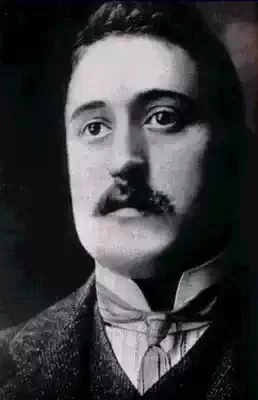
Guillaume Apollinaire
Palace
Palace
In deepest dream towards Rosemonde's palace
My barefoot brain inclined for the evening
Like a naked king the walls are waking
Beaten flesh and fresh-cut roses
You can see my thoughts immersed in roses
Smiling at the concert of the toads
They are in the mood for cypress bedposts
The sun is a broken mirror of the rose
What badly wounded bowman opened
Stigmata of palms on the windowpane
At the white lamb's love-feast I have tasted
Resins that bitter the Cyprian wine
On the jagged lap of the lascivious king
In the May-time of her age and finest frock
Mysterious Madame Rosemonde rolls
Her little round eyes like a Hun
Lady of my thoughts your pearly asshole
Is unrivalled by anything Oriental
For whom are you waiting
Deepest dreams en route to the Orient
Are my loveliest neighbors
Knock knock Come into the forecourt night is coming
In shadow the night-light is toasted tinsel
Hang your heads by the hair on the hat-rack
The evening sky is aglimmer with pins
We entered the dining room our noses
Caught a whiff of grease and mucus
Of twenty soup bowls three were urine
The king ate two poached eggs in bouillon
And then the scullions brought in the meat dishes
A standing roast of thoughts deceased in my brain
My lovely still-born dreams in slices still bloody
And gamy little meatballs of memory
Dead for millennia now these thoughts
Had a flavorless taste of frozen mammoth
Bones or visionaries danced out of ossuaries
The dance of death in the folds of my brain
And all those meats pronounced revelations
But Holy Christ!
A famished belly has no hearing
The guests continued their best mastications
Ah Holy Christ! cried out the rib-eyes
The huge pâtes the marrow and hot-pots
Tongues of fire o where is the pentecost
Of my thoughts for all places nations and times
In deepest dream towards Rosemonde's palace
My barefoot brain inclined for the evening
Like a naked king the walls are waking
Beaten flesh and fresh-cut roses
You can see my thoughts immersed in roses
Smiling at the concert of the toads
They are in the mood for cypress bedposts
The sun is a broken mirror of the rose
What badly wounded bowman opened
Stigmata of palms on the windowpane
At the white lamb's love-feast I have tasted
Resins that bitter the Cyprian wine
On the jagged lap of the lascivious king
In the May-time of her age and finest frock
Mysterious Madame Rosemonde rolls
Her little round eyes like a Hun
Lady of my thoughts your pearly asshole
Is unrivalled by anything Oriental
For whom are you waiting
Deepest dreams en route to the Orient
Are my loveliest neighbors
Knock knock Come into the forecourt night is coming
In shadow the night-light is toasted tinsel
Hang your heads by the hair on the hat-rack
The evening sky is aglimmer with pins
We entered the dining room our noses
Caught a whiff of grease and mucus
Of twenty soup bowls three were urine
The king ate two poached eggs in bouillon
And then the scullions brought in the meat dishes
A standing roast of thoughts deceased in my brain
My lovely still-born dreams in slices still bloody
And gamy little meatballs of memory
Dead for millennia now these thoughts
Had a flavorless taste of frozen mammoth
Bones or visionaries danced out of ossuaries
The dance of death in the folds of my brain
And all those meats pronounced revelations
But Holy Christ!
A famished belly has no hearing
The guests continued their best mastications
Ah Holy Christ! cried out the rib-eyes
The huge pâtes the marrow and hot-pots
Tongues of fire o where is the pentecost
Of my thoughts for all places nations and times
1,090
Guillaume Apollinaire
Mareye
Mareye
Mareye était très douce étourdie et charmante
Moi je l'aimais d'Amour m'aimait-elle, qui sait?
Je revois parfois à la lueur tremblotante
Des lointains souvenirs cet Amour trépassé.
Sur ma bouche je sens celle de mon amante
Je sens ses petites mains sur mon front glacé
Ses mains dont doucement elle me caressait
Ses rares mains de sainte pâle ou bien d'infante
Mon amante d'antant dans quels bras t'endors-tu
Pendant l'hiver saison d'amour où les vents pleurent
Où les amants ont froid où les passants se meurent
Sous les tristes sapins meurent en écoutant
Les elfes rire au vent et corner aux rafales?
Songes-tu quelquefois quand les nuits sont bien pâles
Que telles nos amours sont mortes les étoiles?
Mareye était très douce étourdie et charmante
Moi je l'aimais d'Amour m'aimait-elle, qui sait?
Je revois parfois à la lueur tremblotante
Des lointains souvenirs cet Amour trépassé.
Sur ma bouche je sens celle de mon amante
Je sens ses petites mains sur mon front glacé
Ses mains dont doucement elle me caressait
Ses rares mains de sainte pâle ou bien d'infante
Mon amante d'antant dans quels bras t'endors-tu
Pendant l'hiver saison d'amour où les vents pleurent
Où les amants ont froid où les passants se meurent
Sous les tristes sapins meurent en écoutant
Les elfes rire au vent et corner aux rafales?
Songes-tu quelquefois quand les nuits sont bien pâles
Que telles nos amours sont mortes les étoiles?
792
Guillaume Apollinaire
Les Colchiques
Les Colchiques
Le pré est vénéneux mais joli en automne
Les vaches y paissant
Lentement s'empoisonnent
Le colchique couleur de cerne et de lilas
Y fleurit tes yeux sont comme cette fleur-la
Violatres comme leur cerne et comme cet automne
Et ma vie pour tes yeux lentement s'empoisonne
Les enfants de l'école viennent avec fracas
Vêtus de hoquetons et jouant de l'harmonica
Ils cueillent les colchiques qui sont comme des mères
Filles de leurs filles et sont couleur de tes paupières
Qui battent comme les fleurs battent au vent dément
Le gardien du troupeau chante tout doucement
Tandis que lentes et meuglant les vaches abandonnent
Pour toujours ce grand pré mal fleuri par l'automne
Le pré est vénéneux mais joli en automne
Les vaches y paissant
Lentement s'empoisonnent
Le colchique couleur de cerne et de lilas
Y fleurit tes yeux sont comme cette fleur-la
Violatres comme leur cerne et comme cet automne
Et ma vie pour tes yeux lentement s'empoisonne
Les enfants de l'école viennent avec fracas
Vêtus de hoquetons et jouant de l'harmonica
Ils cueillent les colchiques qui sont comme des mères
Filles de leurs filles et sont couleur de tes paupières
Qui battent comme les fleurs battent au vent dément
Le gardien du troupeau chante tout doucement
Tandis que lentes et meuglant les vaches abandonnent
Pour toujours ce grand pré mal fleuri par l'automne
828
Guillaume Apollinaire
L'Adieu
L'Adieu
J'ai cueilli ce brin de bruyère
L'automne est morte souviens-t'en
Nous ne nous verrons plus sur terre
Odeur du temps Brin de bruyère
Et souviens-toi que je t'attends
J'ai cueilli ce brin de bruyère
L'automne est morte souviens-t'en
Nous ne nous verrons plus sur terre
Odeur du temps Brin de bruyère
Et souviens-toi que je t'attends
814
Guillaume Apollinaire
C’est Lou Qu’on La Nommait
C’est Lou Qu’on La Nommait
Il est des loups de toute sorte
Je connais le plus inhumain
Mon coeur que le diable l’emporte
Et qu’il le dépose à sa porte
N’est plus qu’un jouet dans sa main
Les loups jadis étaient fidèles
Comme sont les petits toutous
Et les soldats amants des belles
Galamment en souvenir d’elles
Ainsi que les loups étaient doux
Mais aujourd’hui les temps sont pires
Les loups sont tigres devenus
Et les Soldats et les Empires
Les Césars devenus Vampires
Sont aussi cruels que Vénus
J’en ai pris mon parti Rouveyre
Et monté sur mon grand cheval
Je vais bientôt partir en guerre
Sans pitié chaste et l’oeil sévère
Comme ces guerriers qu’Epinal
Vendait Images populaires
Que Georgin gravait dans le bois
Où sont-ils ces beaux militaires
Soldats passés Où sont les guerres
Où sont les guerres d’autrefois
Il est des loups de toute sorte
Je connais le plus inhumain
Mon coeur que le diable l’emporte
Et qu’il le dépose à sa porte
N’est plus qu’un jouet dans sa main
Les loups jadis étaient fidèles
Comme sont les petits toutous
Et les soldats amants des belles
Galamment en souvenir d’elles
Ainsi que les loups étaient doux
Mais aujourd’hui les temps sont pires
Les loups sont tigres devenus
Et les Soldats et les Empires
Les Césars devenus Vampires
Sont aussi cruels que Vénus
J’en ai pris mon parti Rouveyre
Et monté sur mon grand cheval
Je vais bientôt partir en guerre
Sans pitié chaste et l’oeil sévère
Comme ces guerriers qu’Epinal
Vendait Images populaires
Que Georgin gravait dans le bois
Où sont-ils ces beaux militaires
Soldats passés Où sont les guerres
Où sont les guerres d’autrefois
714
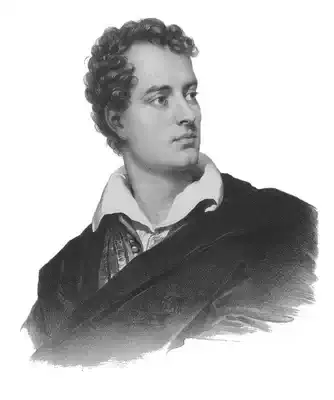
Lord Byron
When I Roved A Young Highlander
When I Roved A Young Highlander
When I roved a young Highlander o'er the dark heath,
And climb'd thy steep sumrnit, oh Morven of snow!
To gaze on the torrent that thunder'd beneath,
Or the mist of the tempest that gather'd below,
Untutor'd by science, a stranger to fear,
And rude as the rocks where my infancy grew,
No feeling, save one, to my bosom was dear
Need I say, my sweet Mary, 'twas centred in you?
Yet it could not be love, for I knew not the name,What
passion can dwell in the heart of a child?
But still I pereceive an emotion the same
As I felt, when a boy, on the crag cover'd wild:
One image alone on my bosom impress'd
I loved my bleak regions, nor panted for new;
And few were my wants, for my wishes were bless'd;
And pure were my thoughts, for my soul was with you.
I arose with the dawn; with my dog as my guide,
From mountain to mountain I bounded along
I breasted the billows of Dee's rushing tide,
And heard at a distance the Highlander's song:
At eve, on my heathcover'd
couch of repose,
No dreams, save of Mary, were spread to my view;
And warm to the skies my devotions aoose,
For the first of my prayers was a blessing on you.
I left my bleak home, and my visions are gone;
The mountains are vanish'd, my youth is no more;
As the last of my race, I must wither alone,
And delight but in days I have witness'd before:
Ah! splendour has raised but embitter'd my lot;
More dear were the scenes which my infancy knew:
Though my hopes may have fail'd, yet they are not forgot;
Though cold is my heart, still it lingers with you.
When I see some dark hill point its crest to the sky,
I think of the rocks that o'ershadow Colbleen
When I see the soft blue of a lovespeaking
eye
I think of those eyes that endear'd the rude scene;
When, haply, some lightwaving
locks I behold,
That faintly resemble my Mary's in hue,
I think on the long, flowing ringlets of gold,
The locks that were sacred to beauty, and you.
Yet the day may arrive when the mountains once more
Shall rise to my sight In their mantles of snow:
But while these soar above me, unchanged as before
Will Mary be there to receive me? ah,
no!
Adieu, then, ye hills, where my childhood was bred!
Thou sweet flowing Dee, to thy waters adieu!
No home in the forest shall shelter my head,
Ah! Mary, what home could be mine but with you?
When I roved a young Highlander o'er the dark heath,
And climb'd thy steep sumrnit, oh Morven of snow!
To gaze on the torrent that thunder'd beneath,
Or the mist of the tempest that gather'd below,
Untutor'd by science, a stranger to fear,
And rude as the rocks where my infancy grew,
No feeling, save one, to my bosom was dear
Need I say, my sweet Mary, 'twas centred in you?
Yet it could not be love, for I knew not the name,What
passion can dwell in the heart of a child?
But still I pereceive an emotion the same
As I felt, when a boy, on the crag cover'd wild:
One image alone on my bosom impress'd
I loved my bleak regions, nor panted for new;
And few were my wants, for my wishes were bless'd;
And pure were my thoughts, for my soul was with you.
I arose with the dawn; with my dog as my guide,
From mountain to mountain I bounded along
I breasted the billows of Dee's rushing tide,
And heard at a distance the Highlander's song:
At eve, on my heathcover'd
couch of repose,
No dreams, save of Mary, were spread to my view;
And warm to the skies my devotions aoose,
For the first of my prayers was a blessing on you.
I left my bleak home, and my visions are gone;
The mountains are vanish'd, my youth is no more;
As the last of my race, I must wither alone,
And delight but in days I have witness'd before:
Ah! splendour has raised but embitter'd my lot;
More dear were the scenes which my infancy knew:
Though my hopes may have fail'd, yet they are not forgot;
Though cold is my heart, still it lingers with you.
When I see some dark hill point its crest to the sky,
I think of the rocks that o'ershadow Colbleen
When I see the soft blue of a lovespeaking
eye
I think of those eyes that endear'd the rude scene;
When, haply, some lightwaving
locks I behold,
That faintly resemble my Mary's in hue,
I think on the long, flowing ringlets of gold,
The locks that were sacred to beauty, and you.
Yet the day may arrive when the mountains once more
Shall rise to my sight In their mantles of snow:
But while these soar above me, unchanged as before
Will Mary be there to receive me? ah,
no!
Adieu, then, ye hills, where my childhood was bred!
Thou sweet flowing Dee, to thy waters adieu!
No home in the forest shall shelter my head,
Ah! Mary, what home could be mine but with you?
670
Lord Byron
We Sate Down And Wept By The Waters
We Sate Down And Wept By The Waters
I.
We sate down and wept by the waters
Of Babel, and thought of the day
When our foe, in the hue of his slaughters,
Made Salem's high places his prey;
And ye, oh her desolate daughters!
Were scattered all weeping away.
II.
While sadly we gazed on the river
Which roll'd on in freedom below,
They demanded the song; but, oh never
That triumph the stranger shall know!
May this right hand be withered for ever,
Ere it string our high harp for the foe!
III.
On the willow that harp is suspended,
Oh Salem! its sound should be free;
And the hour when thy glories were ended
But left me that token of thee:
And ne'er shall its soft tones be blended
With the voice of the spoiler by me!
I.
We sate down and wept by the waters
Of Babel, and thought of the day
When our foe, in the hue of his slaughters,
Made Salem's high places his prey;
And ye, oh her desolate daughters!
Were scattered all weeping away.
II.
While sadly we gazed on the river
Which roll'd on in freedom below,
They demanded the song; but, oh never
That triumph the stranger shall know!
May this right hand be withered for ever,
Ere it string our high harp for the foe!
III.
On the willow that harp is suspended,
Oh Salem! its sound should be free;
And the hour when thy glories were ended
But left me that token of thee:
And ne'er shall its soft tones be blended
With the voice of the spoiler by me!
532
Lord Byron
To The Earl Of Clare
To The Earl Of Clare
'Tu semper amoris
Sisd memor, etcari comitis ne abscedat imago'~Val Flac
Friend of my youth! when young we roved,
Like striplings mutually beloved,
With friendship's purest glow,
The bliss which wing'd those rosy hours
Was such as pleasure seldom showers
On mortals here below.
The recollectlon seems alone
Dearer than all the joys I've known,
When distant far from you:
Though pain, 'tis still a pleasing pain,
To trace those days and hours again,
And sigh again, adieu!
My pensive memory lingers o'er
Those scenes to be enjoy'd no more,
Those scenes regretted ever
The measure of our youth is full,
Life's evening dream is dark and dull,
And we rnay meet ah!
never!
As when one parent spring supplies
Two strearns which from one fountain rise
Together join'd in 'vain;
How soon' diverging from their source,
Each murmuring, seeks another course,
Till mingled in the main!
Our vital streams of weal or woe,
Though near, alas! distinctly flow,
Nor mingle as before:
Now swift or slow, now black or clear,
Till death's unfathom'd gulf appear,
And both shall quit the shore.
Our souls, my friend! which once supplied
One wish, nor breathed a thought beside,
Now flow in different channels:
Disdaining humbler rural sports,
'Tis yours to mix in polish'd courts,
And shine in fashion's annals
;'Tis mine to waste on love my time,
Or vent my reveries in rhyme,
Without the aid of reason;
For sense and reason (critics know it)
Have quitted every amorous poet,
Nor left a thought to seize on.
Poor LITTLE! sweet, melodlous bard!
Of late esteem'd it monstrous hard
That he, who sang before all,He
who the lore of love expanded,By
dire reviewers should be branded
As void of wit and moral.
And yet, while Beauty's praise is thine,
Harmonious favourite of the nine,
Repine not at thy lot.
Thy soothing lays may still be read,
When Persecution's arm is dead,
And critics are forgot.
Still I must yield those worthies merit,
Who chasten, with unsparing spirit,
Bad rhymes, and those who write them;
And though myself may be the next
By criticism to be vext,
I really will not fight them.
Perhaps they wouid do quite as well
To break the rudely sounding shell
Of such a young beginner:
He who offends at pert nineteen,
Ere thirty may become, I ween,
A very harden'd sinner.
Now, Clare, I must return to you;
And, sure, apologies are due:
Accept, then, my concession
In truth dear Clare, in fancy's flight
I soar along from left to right;
My muse admires digression
I think I said 'twould he your fate
To add one star to royal state;May
regal smiles attend you!
And should a noble monarch reign,
You will not seek his smiles in vain,
If worth can recommend you.
Yet since in danger courts abound,
Where specious rivals glitter round,
From snares may saints preserve you;
And grant your love or friendship ne'er
From any claim a kindred care,
But those who best deserve you!
Not for a moment may you stray
From truth's secure, unerring way!
May no delights decoy!
O'er roses may your footsteps move,
Your smiles be ever smiles of love,
Your tears be tears of joy!
Oh! if you wish that happiness
Your coming days and years may bless,
And virtues crown your brow;
Be still as you were wont to be,
Spotless as you've been known to me,Be
still as you are now.
And though some trifling share of praise,
To cheer my last declining days,
To me were doubly dear;
Whilst blessing your beloved name
I'd waive at once a poet's fame,
To prove a prophet here.
'Tu semper amoris
Sisd memor, etcari comitis ne abscedat imago'~Val Flac
Friend of my youth! when young we roved,
Like striplings mutually beloved,
With friendship's purest glow,
The bliss which wing'd those rosy hours
Was such as pleasure seldom showers
On mortals here below.
The recollectlon seems alone
Dearer than all the joys I've known,
When distant far from you:
Though pain, 'tis still a pleasing pain,
To trace those days and hours again,
And sigh again, adieu!
My pensive memory lingers o'er
Those scenes to be enjoy'd no more,
Those scenes regretted ever
The measure of our youth is full,
Life's evening dream is dark and dull,
And we rnay meet ah!
never!
As when one parent spring supplies
Two strearns which from one fountain rise
Together join'd in 'vain;
How soon' diverging from their source,
Each murmuring, seeks another course,
Till mingled in the main!
Our vital streams of weal or woe,
Though near, alas! distinctly flow,
Nor mingle as before:
Now swift or slow, now black or clear,
Till death's unfathom'd gulf appear,
And both shall quit the shore.
Our souls, my friend! which once supplied
One wish, nor breathed a thought beside,
Now flow in different channels:
Disdaining humbler rural sports,
'Tis yours to mix in polish'd courts,
And shine in fashion's annals
;'Tis mine to waste on love my time,
Or vent my reveries in rhyme,
Without the aid of reason;
For sense and reason (critics know it)
Have quitted every amorous poet,
Nor left a thought to seize on.
Poor LITTLE! sweet, melodlous bard!
Of late esteem'd it monstrous hard
That he, who sang before all,He
who the lore of love expanded,By
dire reviewers should be branded
As void of wit and moral.
And yet, while Beauty's praise is thine,
Harmonious favourite of the nine,
Repine not at thy lot.
Thy soothing lays may still be read,
When Persecution's arm is dead,
And critics are forgot.
Still I must yield those worthies merit,
Who chasten, with unsparing spirit,
Bad rhymes, and those who write them;
And though myself may be the next
By criticism to be vext,
I really will not fight them.
Perhaps they wouid do quite as well
To break the rudely sounding shell
Of such a young beginner:
He who offends at pert nineteen,
Ere thirty may become, I ween,
A very harden'd sinner.
Now, Clare, I must return to you;
And, sure, apologies are due:
Accept, then, my concession
In truth dear Clare, in fancy's flight
I soar along from left to right;
My muse admires digression
I think I said 'twould he your fate
To add one star to royal state;May
regal smiles attend you!
And should a noble monarch reign,
You will not seek his smiles in vain,
If worth can recommend you.
Yet since in danger courts abound,
Where specious rivals glitter round,
From snares may saints preserve you;
And grant your love or friendship ne'er
From any claim a kindred care,
But those who best deserve you!
Not for a moment may you stray
From truth's secure, unerring way!
May no delights decoy!
O'er roses may your footsteps move,
Your smiles be ever smiles of love,
Your tears be tears of joy!
Oh! if you wish that happiness
Your coming days and years may bless,
And virtues crown your brow;
Be still as you were wont to be,
Spotless as you've been known to me,Be
still as you are now.
And though some trifling share of praise,
To cheer my last declining days,
To me were doubly dear;
Whilst blessing your beloved name
I'd waive at once a poet's fame,
To prove a prophet here.
462