

Poems in this theme
Nostalgia
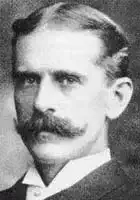
Henry Van Dyke
New Year's Eve
New Year's Eve
I
The other night I had a dream, most clear
And comforting, complete
In every line, a crystal sphere,
And full of intimate and secret cheer.
Therefore I will repeat
That vision, dearest heart, to you,
As of a thing not feigned, but very true,
Yes, true as ever in my life befell;
And you, perhaps, can tell
Whether my dream was really sad or sweet.
II
The shadows flecked the elm-embowered street
I knew so well, long, long ago;
And on the pillared porch where Marguerite
Had sat with me, the moonlight lay like snow.
But she, my comrade and my friend of youth,
Most gaily wise,
Most innocently loved, --
She of the blue-grey eyes
That ever smiled and ever spoke the truth, --
From that familiar dwelling, where she moved
Like mirth incarnate in the years before,
Had gone into the hidden house of Death.
I thought the garden wore
White mourning for her blessed innocence,
And the syringa's breath
Came from the corner by the fence,
Where she had made her rustic seat,
With fragrance passionate, intense,
As if it breathed a sigh for Marguerite.
My heart was heavy with a sense
Of something good forever gone. I sought
Vainly for some consoling thought,
Some comfortable word that I could say
To the sad father, whom I visited again
For the first time since she had gone away.
The bell rang shrill and lonely, -- then
The door was opened, and I sent my name
To him, -- but ah! 't was Marguerite who came!
There in the dear old dusky room she stood
Beneath the lamp, just as she used to stand,
In tender mocking mood.
"You did not ask for me," she said,
"And so I will not let you take my hand;
"But I must hear what secret talk you planned
"With father. Come, my friend, be good,
"And tell me your affairs of state:
"Why you have stayed away and made me wait
"So long. Sit down beside me here, -"
And, do you know, it seemed a year
"Since we have talked together, -- why so late?"
Amazed, incredulous, confused with joy
I hardly dared to show,
And stammering like a boy,
I took the place she showed me at her side;
And then the talk flowed on with brimming tide
Through the still night,
While she with influence light
Controlled it, as the moon the flood.
She knew where I had been, what I had done,
What work was planned, and what begun;
My troubles, failures, fears she understood,
And touched them with a heart so kind,
That every care was melted from my mind,
And every hope grew bright,
And life seemed moving on to happy ends.
(Ah, what self-beggared fool was he
That said a woman cannot be
The very best of friends?)
Then there were memories of old times,
Recalled with many a gentle jest;
And at the last she brought the book of rhymes
We made together, trying to translate
The Songs of Heine (hers were always best).
"Now come," she said,
"To-night we will collaborate
"Again; I'll put you to the test.
"Here's one I never found the way to do, -"
The simplest are the hardest ones, you know, -"
I give this song to you."
And then she read:
Mein kind, wir waren Kinder,
Zei Kinder, jung und froh.
* * * * * * * * * *
But all the while a silent question stirred
Within me, though I dared not speak the word:
"Is it herself, and is she truly here,
"And was I dreaming when I heard
"That she was dead last year?
"Or was it true, and is she but a shade
"Who brings a fleeting joy to eye and ear,
"Cold though so kind, and will she gently fade
"When her sweet ghostly part is played
"And the light-curtain falls at dawn of day?"
But while my heart was troubled by this fear
So deeply that I could not speak it out,
Lest all my happiness should disappear,
I thought me of a cunning way
To hide the question and dissolve the doubt.
"Will you not give me now your hand,
"Dear Marguerite," I asked, "to touch and hold,
"That by this token I may understand
"You are the same true friend you were of old?"
She answered with a smile so bright and calm
It seemed as if I saw new stars arise
In the deep heaven of her eyes;
And smiling so, she laid her palm
In mine. Dear God, it was not cold
But warm with vital heat!
"You live!" I cried, "you live, dear Marguerite!"
Then I awoke; but strangely comforted,
Although I knew again that she was dead.
III
Yes, there's the dream! And was it sweet or sad?
Dear mistress of my waking and my sleep,
Present reward of all my heart's desire,
Watching with me beside the winter fire,
Interpret now this vision that I had.
But while you read the meaning, let me keep
The touch of you: for the Old Year with storm
Is passing through the midnight, and doth shake
The corners of the house, -- man oh! my heart would break
Unless both dreaming and awake
My hand could feel your hand was warm, warm, warm!
I
The other night I had a dream, most clear
And comforting, complete
In every line, a crystal sphere,
And full of intimate and secret cheer.
Therefore I will repeat
That vision, dearest heart, to you,
As of a thing not feigned, but very true,
Yes, true as ever in my life befell;
And you, perhaps, can tell
Whether my dream was really sad or sweet.
II
The shadows flecked the elm-embowered street
I knew so well, long, long ago;
And on the pillared porch where Marguerite
Had sat with me, the moonlight lay like snow.
But she, my comrade and my friend of youth,
Most gaily wise,
Most innocently loved, --
She of the blue-grey eyes
That ever smiled and ever spoke the truth, --
From that familiar dwelling, where she moved
Like mirth incarnate in the years before,
Had gone into the hidden house of Death.
I thought the garden wore
White mourning for her blessed innocence,
And the syringa's breath
Came from the corner by the fence,
Where she had made her rustic seat,
With fragrance passionate, intense,
As if it breathed a sigh for Marguerite.
My heart was heavy with a sense
Of something good forever gone. I sought
Vainly for some consoling thought,
Some comfortable word that I could say
To the sad father, whom I visited again
For the first time since she had gone away.
The bell rang shrill and lonely, -- then
The door was opened, and I sent my name
To him, -- but ah! 't was Marguerite who came!
There in the dear old dusky room she stood
Beneath the lamp, just as she used to stand,
In tender mocking mood.
"You did not ask for me," she said,
"And so I will not let you take my hand;
"But I must hear what secret talk you planned
"With father. Come, my friend, be good,
"And tell me your affairs of state:
"Why you have stayed away and made me wait
"So long. Sit down beside me here, -"
And, do you know, it seemed a year
"Since we have talked together, -- why so late?"
Amazed, incredulous, confused with joy
I hardly dared to show,
And stammering like a boy,
I took the place she showed me at her side;
And then the talk flowed on with brimming tide
Through the still night,
While she with influence light
Controlled it, as the moon the flood.
She knew where I had been, what I had done,
What work was planned, and what begun;
My troubles, failures, fears she understood,
And touched them with a heart so kind,
That every care was melted from my mind,
And every hope grew bright,
And life seemed moving on to happy ends.
(Ah, what self-beggared fool was he
That said a woman cannot be
The very best of friends?)
Then there were memories of old times,
Recalled with many a gentle jest;
And at the last she brought the book of rhymes
We made together, trying to translate
The Songs of Heine (hers were always best).
"Now come," she said,
"To-night we will collaborate
"Again; I'll put you to the test.
"Here's one I never found the way to do, -"
The simplest are the hardest ones, you know, -"
I give this song to you."
And then she read:
Mein kind, wir waren Kinder,
Zei Kinder, jung und froh.
* * * * * * * * * *
But all the while a silent question stirred
Within me, though I dared not speak the word:
"Is it herself, and is she truly here,
"And was I dreaming when I heard
"That she was dead last year?
"Or was it true, and is she but a shade
"Who brings a fleeting joy to eye and ear,
"Cold though so kind, and will she gently fade
"When her sweet ghostly part is played
"And the light-curtain falls at dawn of day?"
But while my heart was troubled by this fear
So deeply that I could not speak it out,
Lest all my happiness should disappear,
I thought me of a cunning way
To hide the question and dissolve the doubt.
"Will you not give me now your hand,
"Dear Marguerite," I asked, "to touch and hold,
"That by this token I may understand
"You are the same true friend you were of old?"
She answered with a smile so bright and calm
It seemed as if I saw new stars arise
In the deep heaven of her eyes;
And smiling so, she laid her palm
In mine. Dear God, it was not cold
But warm with vital heat!
"You live!" I cried, "you live, dear Marguerite!"
Then I awoke; but strangely comforted,
Although I knew again that she was dead.
III
Yes, there's the dream! And was it sweet or sad?
Dear mistress of my waking and my sleep,
Present reward of all my heart's desire,
Watching with me beside the winter fire,
Interpret now this vision that I had.
But while you read the meaning, let me keep
The touch of you: for the Old Year with storm
Is passing through the midnight, and doth shake
The corners of the house, -- man oh! my heart would break
Unless both dreaming and awake
My hand could feel your hand was warm, warm, warm!
334
Henry Van Dyke
Music
Music
I
PRELUDE
Daughter of Psyche, pledge of that last night
When, pierced with pain and bitter-sweet delight,
She knew her Love and saw her Lord depart,
Then breathed her wonder and her woe forlorn
Into a single cry, and thou wast born?
Thou flower of rapture and thou fruit of grief;
Invisible enchantress of the heart;
Mistress of charms that bring relief
To sorrow, and to joy impart
A heavenly tone that keeps it undefiled,--
Thou art the child
Of Amor, and by right divine
A throne of love is thine,
Thou flower-folded, golden-girdled, star-crowned Queen,
Whose bridal beauty mortal eyes have never seen!
II
Thou art the Angel of the pool that sleeps,
While peace and joy lie hidden in its deeps,
Waiting thy touch to make the waters roll
In healing murmurs round the weary soul.
Ah, when wilt thou draw near,
Thou messenger of mercy robed in song?
My lonely heart has listened for thee long;
And now I seem to hear
Across the crowded market-place of life,
Thy measured foot-fall, ringing light and clear
Above the unmeaning noises and the unruly strife;
In quiet cadence, sweet and slow,
Serenely pacing to and fro,
Thy far-off steps are magical and dear.
Ah, turn this way, come close and speak to me!
>From this dull bed of languor set my spirit free,
And bid me rise, and let me walk awhile with thee
III
Where wilt thou lead me first?
In what still region
Of thy domain,
Whose provinces are legion,
Wilt thou restore me to myself again,
And quench my heart's long thirst?
I pray thee lay thy golden girdle down,
And put away thy starry crown:
For one dear restful hour
Assume a state more mild.
Clad only in thy blossom-broidered gown
That breathes familiar scent of many a flower,
Take the low path that leads thro' pastures green;
And though thou art a Queen,
Be Rosamund awhile, and in thy bower,
By tranquil love and simple joy beguiled,
Sing to my soul, as mother to her child.
IV
O lead me by the hand,
And let my heart have rest,
And bring me back to childhood land,
To find again the long-lost band
Of playmates blithe and blest.
Some quaint, old-fashioned air,
That all the children knew,
Shall run before us everywhere,
Like a little maid with flying hair,
To guide the merry crew.
Along the garden ways
We chase the light-foot tune,
And in and out the flowery maze,
With eager haste and fond delays,
In pleasant paths of June.
For us the fields are new,
For us the woods are rife
With fairy secrets, deep and true,
And heaven is but a tent of blue
Above the game of life.
The world is far away:
The fever and the fret,
And all that makes the heart grow gray,
Is out of sight and far away,
Dear Music, while I hear thee play
That olden, golden roundelay,
"Remember and forget!"
V
SLEEP SONG
Forget, forget!
The tide of life is turning;
The waves of light ebb slowly down the west:
Along the edge of dark some stars are burning
To guide thy spirit safely to an isle of rest.
A little rocking on the tranquil deep
Of song, to soothe thy yearning,
A little slumber and a little sleep,
And so, forget, forget!
Forget, forget,--
The day was long in pleasure;
Its echoes die away across the hill;
Now let thy heart beat time to their slow measure
That swells, and sinks, and faints, and falls, till all is still.
Then, like a weary child that loves to keep
Locked in its arms some treasure,
Thy soul in calm content shall fall asleep,
And so forget, forget.
Forget, forget,--
And if thou hast been weeping,
Let go the thoughts that bind thee to thy grief:
Lie still, and watch the singing angels, reaping
The golden harvest of thy sorrow, sheaf by sheaf;
Or count thy joys like flocks of snow-white sheep
That one by one come creeping
Into the quiet fold, until thou sleep,
And so forget, forget!
Forget, forget,--
Thou art a child and knowest
So little of thy life! But music tells
One secret of the world thro' which thou goest
To work with morning song, to rest with evening bells:
Life is in tune with harmony so deep
That when the notes are lowest
Thou still canst lay thee down in peace and sleep,
For God will not forget.
VI
HUNTING SONG
Out of the garden of playtime, out of the bower of rest,
Fain would I follow at daytime, music that calls to a quest.
Hark, how the galloping measure
Quickens the pulses of pleasure;
Gaily saluting the morn
With the long clear note of the hunting-horn
Echoing up from the valley,
Over the mountain side,--
Rally, you hunters, rally,
Rally, and ride!
Drink of the magical potion music has mixed with her wine,
Full of the madness of motion, joyful, exultant, divine!
Leave all your troubles behind you,
Ride where they never can find you,
Into the gladness of morn,
With the long, clear note of the hunting-horn,
Swiftly o'er hillock and hollow,
Sweeping along with the wind,--
Follow, you hunters, follow,
Follow and find!
What will you reach with your riding? What is the charm of the chase?
Just the delight and the striding swing of the jubilant pace.
Danger is sweet when you front her,--
In at the death, every hunter!
Now on the breeze the mort is borne
In the long, clear note of the hunting-horn,
Winding merrily, over and over,--
Come, come, come!
Home again, Ranger! home again, Rover!
Turn again, home!
VII
DANCE-MUSIC
Now let the sleep-tune blend with the play-tune,
Weaving the mystical spell of the dance;
Lighten the deep tune, soften the gay tune,
Mingle a tempo that turns in a trance.
Half of it sighing, half of it smiling,
Smoothly it swings, with a triplicate beat;
Calling, replying, yearning, beguiling,
Wooing the heart and bewitching the feet.
Every drop of blood
Rises with the flood,
Rocking on the waves of the strain;
Youth and beauty glide
Turning with the tide--
Music making one out of twain,
Bearing them away, and away, and away,
Like a tone and its terce--
Till the chord dissolves, and the dancers stay,
And reverse.
Violins leading, take up the measure,
Turn with the tune again,--clarinets clear
Answer their pleading,--harps full of pleasure
Sprinkle their silver like light on the mere.
Semiquaver notes,
Merry little motes,
Tangled in the haze
Of the lamp's golden rays,
Quiver everywhere
In the air,
Like a spray,--
Till the fuller stream of the might of the tune,
Gliding like a dream in the light of the moon,
Bears them all away, and away, and away,
Floating in the trance of the dance.
Then begins a measure stately,
Languid, slow, serene;
All the dancers move sedately,
Stepping leisurely and straitly,
With a courtly mien;
Crossing hands and changing places,
Bowing low between,
While the minuet inlaces
Waving arms and woven paces,--
Glittering damaskeen.
Where is she whose form is folden
In its royal sheen?
>From our longing eyes withholden
By her mystic girdle golden,
Beauty sought but never seen,
Music walks the maze, a queen.
VIII
THE SYMPHONY
Music, they do thee wrong who say thine art
Is only to enchant the sense.
For every timid motion of the heart,
And every passion too intense
To bear the chain of the imperfect word,
And every tremulous longing, stirred
By spirit winds that come we know not whence
And go we know not where,
And every inarticulate prayer
Beating about the depths of pain or bliss,
Like some bewildered bird
That seeks its nest but knows not where it is,
And every dream that haunts, with dim delight,
The drowsy hour between the day and night,
The wakeful hour between the night and day,--
Imprisoned, waits for thee,
Impatient, yearns for thee,
The queen who comes to set the captive free
Thou lendest wings to grief to fly away,
And wings to joy to reach a heavenly height;
And every dumb desire that Storms within the breast
Thou leadest forth to sob or sing itself to rest.
All these are thine, and therefore love is thine.
For love is joy and grief,
And trembling doubt, and certain-sure belief,
And fear, and hope, and longing unexpressed,
In pain most human, and in rapture brief
Almost divine.
Love would possess, yet deepens when denied;
And love would give, yet hungers to receive;
Love like a prince his triumph would achieve;
And like a miser in the dark his joys would hide.
Love is most bold:
He leads his dreams like armed men in line;
Yet when the siege is set, and he must speak,
Calling the fortress to resign
Its treasure, valiant love grows weak,
And hardly dares his purpose to unfold.
Less with his faltering lips than with his eyes
He claims the longed-for prize:
Love fain would tell it all, yet leaves the best untold.
But thou shalt speak for love. Yea, thou shalt teach
The mystery of measured tone,
The Pentecostal speech
That every listener heareth as his own.
For on thy head the cloven tongues of fire,--
Diminished chords that quiver with desire,
And major chords that glow with perfect peace,--
Have fallen from above;
And thou canst give release
In music to the burdened heart of love.
Sound with the 'cellos' pleading, passionate strain
The yearning theme, and let the flute reply
In placid melody, while violins complain,
And sob, and sigh,
With muted string;
Then let the oboe half-reluctant sing
Of bliss that trembles on the verge of pain,
While 'cellos plead and plead again,
With throbbing notes delayed, that would impart
To every urgent tone the beating of the heart.
So runs the andante, making plain
The hopes and fears of love without a word.
Then comes the adagio, with a yielding theme
Through which the violas flow soft as in a dream,
While horns and mild bassoons are heard
In tender tune, that seems to float
Like an enchanted boat
Upon the downward-gliding stream,
Toward the allegro's wide, bright sea
Of dancing, glittering, blending tone,
Where every instrument is sounding free,
And harps like wedding-chimes are rung, and trumpets blown
Around the barque of love
That sweeps, with smiling skies above,
A royal galley, many-oared,
Into the happy harbour of the perfect chord.
IX
IRIS
Light to the eye and Music to the ear,--
These are the builders of the bridge that springs
>From earths's dim shore of half-remembered things
To reach the spirit's home, the heavenly sphere
Where nothing silent is and nothing dark.
So when I see the rainbow's arc
Spanning the showery sky, far-off I hear
Music, and every colour sings:
And while the symphony builds up its round
Full sweep of architectural harmony
Above the tide of Time, far, far away I see
A bow of colour in the bow of sound.
Red as the dawn the trumpet rings,
Imperial purple from the trombone flows,
The mellow horn melts into evening rose.
Blue as the sky, the choir of strings
Darkens in double-bass to ocean's hue,
Rises in violins to noon-tide's blue,
With threads of quivering light shot through and through.
Green as the mantle that the summer flings
Around the world, the pastoral reeds in time
Embroider melodies of May and June.
Yellow as gold,
Yea, thrice-refined gold,
And purer than the treasures of the mine,
Floods of the human voice divine
Along the arch in choral song are rolled.
So bends the bow complete:
And radiant rapture flows
Across the bridge, so full, so strong, so sweet,
That the uplifted spirit hardly knows
Whether the Music-Light that glows
Within the arch of tones and colours seven
Is sunset-peace of earth, or sunrise-joy of Heaven.
X
SEA AND SHORE
Music, I yield to thee;
As swimmer to the sea
I give my Spirit to the flood of song:
Bear me upon thy breast
In rapture and at rest,
Bathe me in pure delight and make me strong;
From strife and struggle bring release,
And draw the waves of passion into tides of peace.
Remember'd songs, most dear,
In living songs I hear,
While blending voices gently swing and sway
In melodies of love,
Whose mighty currents move,
With singing near and singing far away;
Sweet in the glow of morning light,
And sweeter still across the starlit gulf of night.
Music, in thee we float,
And lose the lonely note
Of self in thy celestial-ordered strain,
Until at last we find
The life to love resigned
In harmony of joy restored again;
And songs that cheered our mortal days
Break on the coast of light in endless hymns of praise.
I
PRELUDE
Daughter of Psyche, pledge of that last night
When, pierced with pain and bitter-sweet delight,
She knew her Love and saw her Lord depart,
Then breathed her wonder and her woe forlorn
Into a single cry, and thou wast born?
Thou flower of rapture and thou fruit of grief;
Invisible enchantress of the heart;
Mistress of charms that bring relief
To sorrow, and to joy impart
A heavenly tone that keeps it undefiled,--
Thou art the child
Of Amor, and by right divine
A throne of love is thine,
Thou flower-folded, golden-girdled, star-crowned Queen,
Whose bridal beauty mortal eyes have never seen!
II
Thou art the Angel of the pool that sleeps,
While peace and joy lie hidden in its deeps,
Waiting thy touch to make the waters roll
In healing murmurs round the weary soul.
Ah, when wilt thou draw near,
Thou messenger of mercy robed in song?
My lonely heart has listened for thee long;
And now I seem to hear
Across the crowded market-place of life,
Thy measured foot-fall, ringing light and clear
Above the unmeaning noises and the unruly strife;
In quiet cadence, sweet and slow,
Serenely pacing to and fro,
Thy far-off steps are magical and dear.
Ah, turn this way, come close and speak to me!
>From this dull bed of languor set my spirit free,
And bid me rise, and let me walk awhile with thee
III
Where wilt thou lead me first?
In what still region
Of thy domain,
Whose provinces are legion,
Wilt thou restore me to myself again,
And quench my heart's long thirst?
I pray thee lay thy golden girdle down,
And put away thy starry crown:
For one dear restful hour
Assume a state more mild.
Clad only in thy blossom-broidered gown
That breathes familiar scent of many a flower,
Take the low path that leads thro' pastures green;
And though thou art a Queen,
Be Rosamund awhile, and in thy bower,
By tranquil love and simple joy beguiled,
Sing to my soul, as mother to her child.
IV
O lead me by the hand,
And let my heart have rest,
And bring me back to childhood land,
To find again the long-lost band
Of playmates blithe and blest.
Some quaint, old-fashioned air,
That all the children knew,
Shall run before us everywhere,
Like a little maid with flying hair,
To guide the merry crew.
Along the garden ways
We chase the light-foot tune,
And in and out the flowery maze,
With eager haste and fond delays,
In pleasant paths of June.
For us the fields are new,
For us the woods are rife
With fairy secrets, deep and true,
And heaven is but a tent of blue
Above the game of life.
The world is far away:
The fever and the fret,
And all that makes the heart grow gray,
Is out of sight and far away,
Dear Music, while I hear thee play
That olden, golden roundelay,
"Remember and forget!"
V
SLEEP SONG
Forget, forget!
The tide of life is turning;
The waves of light ebb slowly down the west:
Along the edge of dark some stars are burning
To guide thy spirit safely to an isle of rest.
A little rocking on the tranquil deep
Of song, to soothe thy yearning,
A little slumber and a little sleep,
And so, forget, forget!
Forget, forget,--
The day was long in pleasure;
Its echoes die away across the hill;
Now let thy heart beat time to their slow measure
That swells, and sinks, and faints, and falls, till all is still.
Then, like a weary child that loves to keep
Locked in its arms some treasure,
Thy soul in calm content shall fall asleep,
And so forget, forget.
Forget, forget,--
And if thou hast been weeping,
Let go the thoughts that bind thee to thy grief:
Lie still, and watch the singing angels, reaping
The golden harvest of thy sorrow, sheaf by sheaf;
Or count thy joys like flocks of snow-white sheep
That one by one come creeping
Into the quiet fold, until thou sleep,
And so forget, forget!
Forget, forget,--
Thou art a child and knowest
So little of thy life! But music tells
One secret of the world thro' which thou goest
To work with morning song, to rest with evening bells:
Life is in tune with harmony so deep
That when the notes are lowest
Thou still canst lay thee down in peace and sleep,
For God will not forget.
VI
HUNTING SONG
Out of the garden of playtime, out of the bower of rest,
Fain would I follow at daytime, music that calls to a quest.
Hark, how the galloping measure
Quickens the pulses of pleasure;
Gaily saluting the morn
With the long clear note of the hunting-horn
Echoing up from the valley,
Over the mountain side,--
Rally, you hunters, rally,
Rally, and ride!
Drink of the magical potion music has mixed with her wine,
Full of the madness of motion, joyful, exultant, divine!
Leave all your troubles behind you,
Ride where they never can find you,
Into the gladness of morn,
With the long, clear note of the hunting-horn,
Swiftly o'er hillock and hollow,
Sweeping along with the wind,--
Follow, you hunters, follow,
Follow and find!
What will you reach with your riding? What is the charm of the chase?
Just the delight and the striding swing of the jubilant pace.
Danger is sweet when you front her,--
In at the death, every hunter!
Now on the breeze the mort is borne
In the long, clear note of the hunting-horn,
Winding merrily, over and over,--
Come, come, come!
Home again, Ranger! home again, Rover!
Turn again, home!
VII
DANCE-MUSIC
Now let the sleep-tune blend with the play-tune,
Weaving the mystical spell of the dance;
Lighten the deep tune, soften the gay tune,
Mingle a tempo that turns in a trance.
Half of it sighing, half of it smiling,
Smoothly it swings, with a triplicate beat;
Calling, replying, yearning, beguiling,
Wooing the heart and bewitching the feet.
Every drop of blood
Rises with the flood,
Rocking on the waves of the strain;
Youth and beauty glide
Turning with the tide--
Music making one out of twain,
Bearing them away, and away, and away,
Like a tone and its terce--
Till the chord dissolves, and the dancers stay,
And reverse.
Violins leading, take up the measure,
Turn with the tune again,--clarinets clear
Answer their pleading,--harps full of pleasure
Sprinkle their silver like light on the mere.
Semiquaver notes,
Merry little motes,
Tangled in the haze
Of the lamp's golden rays,
Quiver everywhere
In the air,
Like a spray,--
Till the fuller stream of the might of the tune,
Gliding like a dream in the light of the moon,
Bears them all away, and away, and away,
Floating in the trance of the dance.
Then begins a measure stately,
Languid, slow, serene;
All the dancers move sedately,
Stepping leisurely and straitly,
With a courtly mien;
Crossing hands and changing places,
Bowing low between,
While the minuet inlaces
Waving arms and woven paces,--
Glittering damaskeen.
Where is she whose form is folden
In its royal sheen?
>From our longing eyes withholden
By her mystic girdle golden,
Beauty sought but never seen,
Music walks the maze, a queen.
VIII
THE SYMPHONY
Music, they do thee wrong who say thine art
Is only to enchant the sense.
For every timid motion of the heart,
And every passion too intense
To bear the chain of the imperfect word,
And every tremulous longing, stirred
By spirit winds that come we know not whence
And go we know not where,
And every inarticulate prayer
Beating about the depths of pain or bliss,
Like some bewildered bird
That seeks its nest but knows not where it is,
And every dream that haunts, with dim delight,
The drowsy hour between the day and night,
The wakeful hour between the night and day,--
Imprisoned, waits for thee,
Impatient, yearns for thee,
The queen who comes to set the captive free
Thou lendest wings to grief to fly away,
And wings to joy to reach a heavenly height;
And every dumb desire that Storms within the breast
Thou leadest forth to sob or sing itself to rest.
All these are thine, and therefore love is thine.
For love is joy and grief,
And trembling doubt, and certain-sure belief,
And fear, and hope, and longing unexpressed,
In pain most human, and in rapture brief
Almost divine.
Love would possess, yet deepens when denied;
And love would give, yet hungers to receive;
Love like a prince his triumph would achieve;
And like a miser in the dark his joys would hide.
Love is most bold:
He leads his dreams like armed men in line;
Yet when the siege is set, and he must speak,
Calling the fortress to resign
Its treasure, valiant love grows weak,
And hardly dares his purpose to unfold.
Less with his faltering lips than with his eyes
He claims the longed-for prize:
Love fain would tell it all, yet leaves the best untold.
But thou shalt speak for love. Yea, thou shalt teach
The mystery of measured tone,
The Pentecostal speech
That every listener heareth as his own.
For on thy head the cloven tongues of fire,--
Diminished chords that quiver with desire,
And major chords that glow with perfect peace,--
Have fallen from above;
And thou canst give release
In music to the burdened heart of love.
Sound with the 'cellos' pleading, passionate strain
The yearning theme, and let the flute reply
In placid melody, while violins complain,
And sob, and sigh,
With muted string;
Then let the oboe half-reluctant sing
Of bliss that trembles on the verge of pain,
While 'cellos plead and plead again,
With throbbing notes delayed, that would impart
To every urgent tone the beating of the heart.
So runs the andante, making plain
The hopes and fears of love without a word.
Then comes the adagio, with a yielding theme
Through which the violas flow soft as in a dream,
While horns and mild bassoons are heard
In tender tune, that seems to float
Like an enchanted boat
Upon the downward-gliding stream,
Toward the allegro's wide, bright sea
Of dancing, glittering, blending tone,
Where every instrument is sounding free,
And harps like wedding-chimes are rung, and trumpets blown
Around the barque of love
That sweeps, with smiling skies above,
A royal galley, many-oared,
Into the happy harbour of the perfect chord.
IX
IRIS
Light to the eye and Music to the ear,--
These are the builders of the bridge that springs
>From earths's dim shore of half-remembered things
To reach the spirit's home, the heavenly sphere
Where nothing silent is and nothing dark.
So when I see the rainbow's arc
Spanning the showery sky, far-off I hear
Music, and every colour sings:
And while the symphony builds up its round
Full sweep of architectural harmony
Above the tide of Time, far, far away I see
A bow of colour in the bow of sound.
Red as the dawn the trumpet rings,
Imperial purple from the trombone flows,
The mellow horn melts into evening rose.
Blue as the sky, the choir of strings
Darkens in double-bass to ocean's hue,
Rises in violins to noon-tide's blue,
With threads of quivering light shot through and through.
Green as the mantle that the summer flings
Around the world, the pastoral reeds in time
Embroider melodies of May and June.
Yellow as gold,
Yea, thrice-refined gold,
And purer than the treasures of the mine,
Floods of the human voice divine
Along the arch in choral song are rolled.
So bends the bow complete:
And radiant rapture flows
Across the bridge, so full, so strong, so sweet,
That the uplifted spirit hardly knows
Whether the Music-Light that glows
Within the arch of tones and colours seven
Is sunset-peace of earth, or sunrise-joy of Heaven.
X
SEA AND SHORE
Music, I yield to thee;
As swimmer to the sea
I give my Spirit to the flood of song:
Bear me upon thy breast
In rapture and at rest,
Bathe me in pure delight and make me strong;
From strife and struggle bring release,
And draw the waves of passion into tides of peace.
Remember'd songs, most dear,
In living songs I hear,
While blending voices gently swing and sway
In melodies of love,
Whose mighty currents move,
With singing near and singing far away;
Sweet in the glow of morning light,
And sweeter still across the starlit gulf of night.
Music, in thee we float,
And lose the lonely note
Of self in thy celestial-ordered strain,
Until at last we find
The life to love resigned
In harmony of joy restored again;
And songs that cheered our mortal days
Break on the coast of light in endless hymns of praise.
357
Henry Van Dyke
Hide and Seek
Hide and Seek
All the trees are sleeping, all the winds are still,
All the flocks of fleecy clouds have wandered past the hill;
Through the noonday silence, down the woods of June,
Hark, a little hunter's voice comes running with a tune.
"Hide and seek!
"When I speak,
"You must answer me:
"Call again,
"Merry men,
"Coo-ee, coo-ee, coo-ee!"
Now I hear his footsteps, rustling through the grass:
Hidden in my leafy nook, shall I let him pass?
Just a low, soft whistle,--quick the hunter turns,
Leaps upon me laughing, rolls me in the ferns.
"Hold him fast,
"Caught at last!
"Now you're it, you see.
"Hide your eye,
"Till I cry,
"Coo-ee, coo-ee, coo-ee!"
II
Long ago he left me, long and long ago:
Now I wander through the world and seek him high and low;
Hidden safe and happy, in some pleasant place,--
Ah, if I could hear his voice, I soon should find his face.
Far away,
Many a day,
Where can Barney be?
Answer, dear,
Don't you hear?
Coo-ee, coo-ee, coo-ee!
Birds that in the spring-time thrilled his heart with joy,
Flowers he loved to pick for me, mind me of my boy.
Surely he is waiting till my steps come nigh;
Love may hide itself awhile, but love can never die.
Heart, be glad,
The little lad
Will call some day to thee:
"Father dear,
"Heaven is here,
"Coo-ee, coo-ee, coo-ee!"
All the trees are sleeping, all the winds are still,
All the flocks of fleecy clouds have wandered past the hill;
Through the noonday silence, down the woods of June,
Hark, a little hunter's voice comes running with a tune.
"Hide and seek!
"When I speak,
"You must answer me:
"Call again,
"Merry men,
"Coo-ee, coo-ee, coo-ee!"
Now I hear his footsteps, rustling through the grass:
Hidden in my leafy nook, shall I let him pass?
Just a low, soft whistle,--quick the hunter turns,
Leaps upon me laughing, rolls me in the ferns.
"Hold him fast,
"Caught at last!
"Now you're it, you see.
"Hide your eye,
"Till I cry,
"Coo-ee, coo-ee, coo-ee!"
II
Long ago he left me, long and long ago:
Now I wander through the world and seek him high and low;
Hidden safe and happy, in some pleasant place,--
Ah, if I could hear his voice, I soon should find his face.
Far away,
Many a day,
Where can Barney be?
Answer, dear,
Don't you hear?
Coo-ee, coo-ee, coo-ee!
Birds that in the spring-time thrilled his heart with joy,
Flowers he loved to pick for me, mind me of my boy.
Surely he is waiting till my steps come nigh;
Love may hide itself awhile, but love can never die.
Heart, be glad,
The little lad
Will call some day to thee:
"Father dear,
"Heaven is here,
"Coo-ee, coo-ee, coo-ee!"
316
Henry Van Dyke
Dulcis Memoria
Dulcis Memoria
Long, long ago I heard a little song,
(Ah, was it long ago, or yesterday?)
So lowly, slowly wound the tune along,
That far into my heart it found the way:
A melody consoling and endearing;
And still, in silent hours, I'm often hearing
The small, sweet song that does not die away.
Long, long ago I saw a little flower,-(
Ah, was it long ago, or yesterday?)
So fair of face and fragrant for an hour,
That something dear to me it seemed to say:
A thought of joy that blossomed into being
Without a word; and now I'm often seeing
The friendly flower that does not fade away.
Long, long ago we had a little child,-(
Ah, was it long ago, or yesterday?)
Into his mother's eyes and mine he smiled
Unconscious love; warm in our arms he lay.
An angel called! Dear heart, we could not hold him;
Yet secretly your arms and mine infold him--
Our little child who does not go away.
Long, long ago? Ah, memory, make it clear-(
It was not long ago, but yesterday,)
So little and so helpless and so dear
Let not the song be lost, the flower decay!
His voice, his waking eyes, his gentle sleeping:
The smallest things are safest in thy keeping.
Sweet memory, keep our child with us always.
Long, long ago I heard a little song,
(Ah, was it long ago, or yesterday?)
So lowly, slowly wound the tune along,
That far into my heart it found the way:
A melody consoling and endearing;
And still, in silent hours, I'm often hearing
The small, sweet song that does not die away.
Long, long ago I saw a little flower,-(
Ah, was it long ago, or yesterday?)
So fair of face and fragrant for an hour,
That something dear to me it seemed to say:
A thought of joy that blossomed into being
Without a word; and now I'm often seeing
The friendly flower that does not fade away.
Long, long ago we had a little child,-(
Ah, was it long ago, or yesterday?)
Into his mother's eyes and mine he smiled
Unconscious love; warm in our arms he lay.
An angel called! Dear heart, we could not hold him;
Yet secretly your arms and mine infold him--
Our little child who does not go away.
Long, long ago? Ah, memory, make it clear-(
It was not long ago, but yesterday,)
So little and so helpless and so dear
Let not the song be lost, the flower decay!
His voice, his waking eyes, his gentle sleeping:
The smallest things are safest in thy keeping.
Sweet memory, keep our child with us always.
351
Henry Van Dyke
Autumn in the Garden
Autumn in the Garden
When the frosty kiss of Autumn in the dark
Makes its mark
On the flowers, and the misty morning grieves
Over fallen leaves;
Then my olden garden, where the golden soil
Through the toil
Of a hundred years is mellow, rich, and deep,
Whispers in its sleep.
'Mid the crumpled beds of marigold and phlox,
Where the box
Borders with its glossy green the ancient walks,
There's a voice that talks
Of the human hopes that bloomed and withered here
Year by year,--
Dreams of joy, that brightened all the labouring hours,
Fading as the flowers.
Yet the whispered story does not deepen grief;
But relief
For the loneliness of sorrow seems to flow
From the Long-Ago,
When I think of other lives that learned, like mine,
To resign,
And remember that the sadness of the fall
Comes alike to all.
What regrets, what longings for the lost were theirs!
And what prayers
For the silent strength that nerves us to endure
Things we cannot cure!
Pacing up and down the garden where they paced,
I have traced
All their well-worn paths of patience, till I find
Comfort in my mind.
Faint and far away their ancient griefs appear:
Yet how near
Is the tender voice, the careworn, kindly face,
Of the human race!
Let us walk together in the garden, dearest heart,
Not apart!
They who know the sorrows other lives have known
Never walk alone.
When the frosty kiss of Autumn in the dark
Makes its mark
On the flowers, and the misty morning grieves
Over fallen leaves;
Then my olden garden, where the golden soil
Through the toil
Of a hundred years is mellow, rich, and deep,
Whispers in its sleep.
'Mid the crumpled beds of marigold and phlox,
Where the box
Borders with its glossy green the ancient walks,
There's a voice that talks
Of the human hopes that bloomed and withered here
Year by year,--
Dreams of joy, that brightened all the labouring hours,
Fading as the flowers.
Yet the whispered story does not deepen grief;
But relief
For the loneliness of sorrow seems to flow
From the Long-Ago,
When I think of other lives that learned, like mine,
To resign,
And remember that the sadness of the fall
Comes alike to all.
What regrets, what longings for the lost were theirs!
And what prayers
For the silent strength that nerves us to endure
Things we cannot cure!
Pacing up and down the garden where they paced,
I have traced
All their well-worn paths of patience, till I find
Comfort in my mind.
Faint and far away their ancient griefs appear:
Yet how near
Is the tender voice, the careworn, kindly face,
Of the human race!
Let us walk together in the garden, dearest heart,
Not apart!
They who know the sorrows other lives have known
Never walk alone.
300
Henry Van Dyke
A Child in the Garden
A Child in the Garden
When to the garden of untroubled thought
I came of late, and saw the open door,
And wished again to enter, and explore
The sweet, wild ways with stainless bloom inwrought,
And bowers of innocence with beauty fraught,
It seemed some purer voice must speak before
I dared to tread that garden loved of yore,
That Eden lost unknown and found unsought.
Then just within the gate I saw a child, --
A stranger-child, yet to my heart most dear;
He held his hands to me, and softly smiled
With eyes that knew no shade of sin or fear:
"Come in," he said, "and play awhile with me;"
"I am the little child you used to be."
When to the garden of untroubled thought
I came of late, and saw the open door,
And wished again to enter, and explore
The sweet, wild ways with stainless bloom inwrought,
And bowers of innocence with beauty fraught,
It seemed some purer voice must speak before
I dared to tread that garden loved of yore,
That Eden lost unknown and found unsought.
Then just within the gate I saw a child, --
A stranger-child, yet to my heart most dear;
He held his hands to me, and softly smiled
With eyes that knew no shade of sin or fear:
"Come in," he said, "and play awhile with me;"
"I am the little child you used to be."
313

Henry Lawson
To a Pair of Blucher Boots
To a Pair of Blucher Boots
OLD acquaintance unforgotten,
Though you may be “ugly brutes”—
Though your leather’s cracked and rotten,
Worn-out pair of Blucher boots.
’Tis the richer man before you,
Dearer leathers grace his feet;
’Twas the better man that wore you
In the tramps through dust and heat!
Oft rebuffed by “super’s” snarling,
When I asked him for a “show”,
On that long tramp to the Darling
In the days of long ago;
Tell me, if you know it, whether,
As I sadly tramped away,
Bore I heavy on your leather,
Worn-out pair of Bluchers, say?
Though your leather’s cracked and rotten,
Though you may be ugly brutes,
I’ll preserve you unforgotten,
Worn-out pair of Blucher boots!
OLD acquaintance unforgotten,
Though you may be “ugly brutes”—
Though your leather’s cracked and rotten,
Worn-out pair of Blucher boots.
’Tis the richer man before you,
Dearer leathers grace his feet;
’Twas the better man that wore you
In the tramps through dust and heat!
Oft rebuffed by “super’s” snarling,
When I asked him for a “show”,
On that long tramp to the Darling
In the days of long ago;
Tell me, if you know it, whether,
As I sadly tramped away,
Bore I heavy on your leather,
Worn-out pair of Bluchers, say?
Though your leather’s cracked and rotten,
Though you may be ugly brutes,
I’ll preserve you unforgotten,
Worn-out pair of Blucher boots!
238
Henry Lawson
The Tracks That Lie By India
The Tracks That Lie By India
Now this is not a dismal song, like some I’ve sung of late,
When I’ve been brooding all day long about my muddled fate;
For though I’ve had a rocky time I’ll never quite forget,
And though I never was so deep in trouble and in debt,
And though I never was so poor nor in a fix so tight—
The tracks that run by India are shining in my sight.
The roads that run by India, and all the ports of call—
I’m going back to London first to raise the wherewithal.
I’ll call at Suez and Port Said as I am going past
(I was too worried to take notes when I was that way last),
At Naples and at Genoa, and, if I get the chance,
Who knows but I might run across the pleasant land of France.
The track that runs by India goes up the hot Red Sea—
The other side of Africa is far too dull for me.
(I fear that I have missed a chance I’ll never get again
To see the land of chivalry and bide awhile in Spain.)
I’ll graft a year in London, and if fortune smiles on me
I’ll take the track to India by France and Italy.
’Tis sweet to court some foreign girl with eyes of lustrous glow,
Who does not know my language and whose language I don’t know;
To loll on gently-rolling decks beneath the softening skies,
While she sits knitting opposite, and make love with our eyes—
The glance that says far more than words, the old half-mystic smile—
The track that runs by India will wait for me awhile.
The tracks that run by India to China and Japan,
The tracks where all the rovers go—the tracks that call a Man!
I’m wearied of the formal lands of parson and of priest,
Of dollars and of fashions, and I’m drifting towards the East;
I’m tired of cant and cackle, and of sordid jobbery—
The mystery of the East hath cast its glamour over me.
Now this is not a dismal song, like some I’ve sung of late,
When I’ve been brooding all day long about my muddled fate;
For though I’ve had a rocky time I’ll never quite forget,
And though I never was so deep in trouble and in debt,
And though I never was so poor nor in a fix so tight—
The tracks that run by India are shining in my sight.
The roads that run by India, and all the ports of call—
I’m going back to London first to raise the wherewithal.
I’ll call at Suez and Port Said as I am going past
(I was too worried to take notes when I was that way last),
At Naples and at Genoa, and, if I get the chance,
Who knows but I might run across the pleasant land of France.
The track that runs by India goes up the hot Red Sea—
The other side of Africa is far too dull for me.
(I fear that I have missed a chance I’ll never get again
To see the land of chivalry and bide awhile in Spain.)
I’ll graft a year in London, and if fortune smiles on me
I’ll take the track to India by France and Italy.
’Tis sweet to court some foreign girl with eyes of lustrous glow,
Who does not know my language and whose language I don’t know;
To loll on gently-rolling decks beneath the softening skies,
While she sits knitting opposite, and make love with our eyes—
The glance that says far more than words, the old half-mystic smile—
The track that runs by India will wait for me awhile.
The tracks that run by India to China and Japan,
The tracks where all the rovers go—the tracks that call a Man!
I’m wearied of the formal lands of parson and of priest,
Of dollars and of fashions, and I’m drifting towards the East;
I’m tired of cant and cackle, and of sordid jobbery—
The mystery of the East hath cast its glamour over me.
267
Henry Lawson
The Stringy-Bark Tree
The Stringy-Bark Tree
There's the whitebox and pine on the ridges afar,
Where the iron-bark, blue-gum, and peppermint are;
There is many another, but dearest to me,
And the king of them all was the stringy-bark tree.
Then of stringy-bark slabs were the walls of the hut,
And from stringy-bark saplings the rafters were cut;
And the roof that long sheltered my brothers and me
Was of broad sheets of bark from the stringy-bark tree.
And when sawn-timber homes were built out in the West,
Then for walls and for ceilings its wood was the best;
And for shingles and palings to last while men be,
There was nothing on earth like the stringy-bark tree.
Far up the long gullies the timber-trucks went,
Over tracks that seemed hopeless, by bark hut and tent;
And the gaunt timber-finder, who rode at his ease,
Led them on to a gully of stringy-bark trees.
Now still from the ridges, by ways that are dark,
Come the shingles and palings they call stringy-bark;
Though you ride through long gullies a twelve months you’ll see
But the old whitened stumps of the stringy-bark tree.
There's the whitebox and pine on the ridges afar,
Where the iron-bark, blue-gum, and peppermint are;
There is many another, but dearest to me,
And the king of them all was the stringy-bark tree.
Then of stringy-bark slabs were the walls of the hut,
And from stringy-bark saplings the rafters were cut;
And the roof that long sheltered my brothers and me
Was of broad sheets of bark from the stringy-bark tree.
And when sawn-timber homes were built out in the West,
Then for walls and for ceilings its wood was the best;
And for shingles and palings to last while men be,
There was nothing on earth like the stringy-bark tree.
Far up the long gullies the timber-trucks went,
Over tracks that seemed hopeless, by bark hut and tent;
And the gaunt timber-finder, who rode at his ease,
Led them on to a gully of stringy-bark trees.
Now still from the ridges, by ways that are dark,
Come the shingles and palings they call stringy-bark;
Though you ride through long gullies a twelve months you’ll see
But the old whitened stumps of the stringy-bark tree.
268
Henry Lawson
The Song of a Prison
The Song of a Prison
Now this is the song of a prison—a song of a gaol or jug—
A ballad of quod or of chokey, the ultimate home of the mug.
The yard where the Foolish are drafted; Hell’s school where the harmless are taught;
For the big beast never is captured and the great thief never is caught.
A song of the trollop’s victim, and the dealer in doubtful eggs,
And a song of the man who was ruined by the lie with a thousand legs.
A song of suspected persons and rouge-and-vagabond pals,
And of persons beyond suspicion—the habitual criminals.
’Tis a song of the weary warders, whom prisoners call “the screws”—
A class of men who I fancy would cleave to the “Evening News.”
They look after their treasures sadly. By the screw of their keys they are known,
And they screw them many times daily before they draw their own.
It is written on paper pilfered from the prison printery,
With a stolen stump of a pencil that a felon smuggled for me.
And he’d have got twenty-four hours in the cells if he had been caught,
With bread to eat and water to drink and plenty of food for thought.
And I paid in chews of tobacco from one who is in for life;
But he is a decent fellow—he only murdered his wife.
(He is cherub-like, jolly, good-natured, and frank as the skies above,
And his Christian name is Joseph, and his other, ye gods! is Love!)
The Governor knows, and the Deputy, and all of the warders know,
Once a week, and on Sunday, we sit in a sinful row,
And bargain for chews of tobacco under the cover of prayer—
And the harmless Anglican chaplain is the only innocent there.
Staircase and doors of iron, no sign of a plank or brick,
Ceilings and floors of sandstone, and the cell walls two feet thick;
Cell like a large-sized coffin, or a small-sized tomb, and white,
And it strikes a chill to the backbone on the warmest summer night.
For fifteen hours they leave you to brood in the gloom and cold
On the cheats that you should have cheated, and the lies that you should have told;
On the money that would release you, you lent to many a friend,
And the many a generous action you suffered for in the end.
Grey daylight follows softly the heartless electric light
That printed the bars of the window on the wall of the cell all night
The darkness has vanished “hushing” when there is nothing to hush—
And I think of the old grey daylight on the teamster’s camp in the bush.
I think of the low bark homestead, the yard and the sinister bail,
And the shed in a hole in the gully—a pigsty compared with gaol;
The drought and the rows and the nagging; the hill where a flat grave is—
The gaol of my boyhood as dreadful and barren and grey as this.
We rise at six when the bell rings, and roll up our blankets neat,
Then we pace the cell till seven, brain-dulled, and with leaden feet.
Bolts clank, and the iron doors open, light floods from an iron-barred arch—
And we start with a start galvanic at the passionless, “Left—Quick march!”
Down the crooked and winding staircase in the great wrong-angular well,
Like the crooked stairs that of late years we have stumbled down to Hell;
We empty the tubs and muster, with the prison slouch and tread,
And we take to the cells our breakfast of hominy and of bread.
The church in its squat round tower, with Christ in His thorny wreath—
The reception house is below it, so the gates of Hell are beneath,
Where sinners are clad and numbered, when hope for a while has
And above us the gilded rooster that crowed when Peter lied.
What avail is the prayer of the abbess? Or the raving of Cock-eyed Liz?
The holy hermit in his cell, or the Holy Terror in his?
Brothers and sisters of Heaven, seen through the bars in a wall,
As we see the uncaught sinners—and God have mercy on all.
Now this is the song of a prison—a song of a gaol or jug—
A ballad of quod or of chokey, the ultimate home of the mug.
The yard where the Foolish are drafted; Hell’s school where the harmless are taught;
For the big beast never is captured and the great thief never is caught.
A song of the trollop’s victim, and the dealer in doubtful eggs,
And a song of the man who was ruined by the lie with a thousand legs.
A song of suspected persons and rouge-and-vagabond pals,
And of persons beyond suspicion—the habitual criminals.
’Tis a song of the weary warders, whom prisoners call “the screws”—
A class of men who I fancy would cleave to the “Evening News.”
They look after their treasures sadly. By the screw of their keys they are known,
And they screw them many times daily before they draw their own.
It is written on paper pilfered from the prison printery,
With a stolen stump of a pencil that a felon smuggled for me.
And he’d have got twenty-four hours in the cells if he had been caught,
With bread to eat and water to drink and plenty of food for thought.
And I paid in chews of tobacco from one who is in for life;
But he is a decent fellow—he only murdered his wife.
(He is cherub-like, jolly, good-natured, and frank as the skies above,
And his Christian name is Joseph, and his other, ye gods! is Love!)
The Governor knows, and the Deputy, and all of the warders know,
Once a week, and on Sunday, we sit in a sinful row,
And bargain for chews of tobacco under the cover of prayer—
And the harmless Anglican chaplain is the only innocent there.
Staircase and doors of iron, no sign of a plank or brick,
Ceilings and floors of sandstone, and the cell walls two feet thick;
Cell like a large-sized coffin, or a small-sized tomb, and white,
And it strikes a chill to the backbone on the warmest summer night.
For fifteen hours they leave you to brood in the gloom and cold
On the cheats that you should have cheated, and the lies that you should have told;
On the money that would release you, you lent to many a friend,
And the many a generous action you suffered for in the end.
Grey daylight follows softly the heartless electric light
That printed the bars of the window on the wall of the cell all night
The darkness has vanished “hushing” when there is nothing to hush—
And I think of the old grey daylight on the teamster’s camp in the bush.
I think of the low bark homestead, the yard and the sinister bail,
And the shed in a hole in the gully—a pigsty compared with gaol;
The drought and the rows and the nagging; the hill where a flat grave is—
The gaol of my boyhood as dreadful and barren and grey as this.
We rise at six when the bell rings, and roll up our blankets neat,
Then we pace the cell till seven, brain-dulled, and with leaden feet.
Bolts clank, and the iron doors open, light floods from an iron-barred arch—
And we start with a start galvanic at the passionless, “Left—Quick march!”
Down the crooked and winding staircase in the great wrong-angular well,
Like the crooked stairs that of late years we have stumbled down to Hell;
We empty the tubs and muster, with the prison slouch and tread,
And we take to the cells our breakfast of hominy and of bread.
The church in its squat round tower, with Christ in His thorny wreath—
The reception house is below it, so the gates of Hell are beneath,
Where sinners are clad and numbered, when hope for a while has
And above us the gilded rooster that crowed when Peter lied.
What avail is the prayer of the abbess? Or the raving of Cock-eyed Liz?
The holy hermit in his cell, or the Holy Terror in his?
Brothers and sisters of Heaven, seen through the bars in a wall,
As we see the uncaught sinners—and God have mercy on all.
238
Henry Lawson
The Song Of Old Joe Swallow
The Song Of Old Joe Swallow
When I was up the country in the rough and early days,
I used to work along ov Jimmy Nowlett's bullick-drays;
Then the reelroad wasn't heered on, an' the bush was wild an' strange,
An' we useter draw the timber from the saw-pits in the range --
Load provisions for the stations, an' we'd travel far and slow
Through the plains an' 'cross the ranges in the days of long ago.
Then it's yoke up the bullicks and tramp beside 'em slow,
An' saddle up yer horses an' a-ridin' we will go,
To the bullick-drivin', cattle-drovin',
Nigger, digger, roarin', rovin'
Days o' long ago.
Once me and Jimmy Nowlett loaded timber for the town,
But we hadn't gone a dozen mile before the rain come down,
An' me an' Jimmy Nowlett an' the bullicks an' the dray
Was cut off on some risin' ground while floods around us lay;
An' we soon run short of tucker an' terbacca, which was bad,
An' pertaters dipped in honey was the only tuck we had.
An' half our bullicks perished when the drought was on the land,
An' the burnin' heat that dazzles as it dances on the sand;
When the sun-baked clay an' gravel paves for miles the burnin' creeks,
An' at ev'ry step yer travel there a rottin' carcase reeks --
But we pulled ourselves together, for we never used ter know
What a feather bed was good for in those days o' long ago.
But in spite ov barren ridges an' in spite ov mud an' heat,
An' dust that browned the bushes when it rose from bullicks' feet,
An' in spite ov cold and chilblains when the bush was white with frost,
An' in spite of muddy water where the burnin' plain was crossed,
An' in spite of modern progress, and in spite of all their blow,
'Twas a better land to live in, in the days o' long ago.
When the frosty moon was shinin' o'er the ranges like a lamp,
An' a lot of bullick-drivers was a-campin' on the camp,
When the fire was blazin' cheery an' the pipes was drawin' well,
Then our songs we useter chorus an' our yarns we useter tell;
An' we'd talk ov lands we come from, and ov chaps we useter know,
For there always was behind us OTHER days o' long ago.
Ah, them early days was ended when the reelroad crossed the plain,
But in dreams I often tramp beside the bullick-team again:
Still we pauses at the shanty just to have a drop er cheer,
Still I feels a kind ov pleasure when the campin'-ground is near;
Still I smells the old tarpaulin me an' Jimmy useter throw
O'er the timber-truck for shelter in the days ov long ago.
I have been a-driftin' back'ards with the changes ov the land,
An' if I spoke ter bullicks now they wouldn't understand,
But when Mary wakes me sudden in the night I'll often say:
`Come here, Spot, an' stan' up, Bally, blank an' blank an' come-eer-way.'
An' she says that, when I'm sleepin', oft my elerquince 'ill flow
In the bullick-drivin' language ov the days o' long ago.
Well, the pub will soon be closin', so I'll give the thing a rest;
But if you should drop on Nowlett in the far an' distant west --
An' if Jimmy uses doubleyou instead of ar an' vee,
An' if he drops his aitches, then you're sure to know it's he.
An' yer won't forgit to arsk him if he still remembers Joe
As knowed him up the country in the days o' long ago.
Then it's yoke up the bullicks and tramp beside 'em slow,
An' saddle up yer horses an' a-ridin' we will go,
To the bullick-drivin', cattle-drovin',
Nigger, digger, roarin', rovin'
Days o' long ago.
When I was up the country in the rough and early days,
I used to work along ov Jimmy Nowlett's bullick-drays;
Then the reelroad wasn't heered on, an' the bush was wild an' strange,
An' we useter draw the timber from the saw-pits in the range --
Load provisions for the stations, an' we'd travel far and slow
Through the plains an' 'cross the ranges in the days of long ago.
Then it's yoke up the bullicks and tramp beside 'em slow,
An' saddle up yer horses an' a-ridin' we will go,
To the bullick-drivin', cattle-drovin',
Nigger, digger, roarin', rovin'
Days o' long ago.
Once me and Jimmy Nowlett loaded timber for the town,
But we hadn't gone a dozen mile before the rain come down,
An' me an' Jimmy Nowlett an' the bullicks an' the dray
Was cut off on some risin' ground while floods around us lay;
An' we soon run short of tucker an' terbacca, which was bad,
An' pertaters dipped in honey was the only tuck we had.
An' half our bullicks perished when the drought was on the land,
An' the burnin' heat that dazzles as it dances on the sand;
When the sun-baked clay an' gravel paves for miles the burnin' creeks,
An' at ev'ry step yer travel there a rottin' carcase reeks --
But we pulled ourselves together, for we never used ter know
What a feather bed was good for in those days o' long ago.
But in spite ov barren ridges an' in spite ov mud an' heat,
An' dust that browned the bushes when it rose from bullicks' feet,
An' in spite ov cold and chilblains when the bush was white with frost,
An' in spite of muddy water where the burnin' plain was crossed,
An' in spite of modern progress, and in spite of all their blow,
'Twas a better land to live in, in the days o' long ago.
When the frosty moon was shinin' o'er the ranges like a lamp,
An' a lot of bullick-drivers was a-campin' on the camp,
When the fire was blazin' cheery an' the pipes was drawin' well,
Then our songs we useter chorus an' our yarns we useter tell;
An' we'd talk ov lands we come from, and ov chaps we useter know,
For there always was behind us OTHER days o' long ago.
Ah, them early days was ended when the reelroad crossed the plain,
But in dreams I often tramp beside the bullick-team again:
Still we pauses at the shanty just to have a drop er cheer,
Still I feels a kind ov pleasure when the campin'-ground is near;
Still I smells the old tarpaulin me an' Jimmy useter throw
O'er the timber-truck for shelter in the days ov long ago.
I have been a-driftin' back'ards with the changes ov the land,
An' if I spoke ter bullicks now they wouldn't understand,
But when Mary wakes me sudden in the night I'll often say:
`Come here, Spot, an' stan' up, Bally, blank an' blank an' come-eer-way.'
An' she says that, when I'm sleepin', oft my elerquince 'ill flow
In the bullick-drivin' language ov the days o' long ago.
Well, the pub will soon be closin', so I'll give the thing a rest;
But if you should drop on Nowlett in the far an' distant west --
An' if Jimmy uses doubleyou instead of ar an' vee,
An' if he drops his aitches, then you're sure to know it's he.
An' yer won't forgit to arsk him if he still remembers Joe
As knowed him up the country in the days o' long ago.
Then it's yoke up the bullicks and tramp beside 'em slow,
An' saddle up yer horses an' a-ridin' we will go,
To the bullick-drivin', cattle-drovin',
Nigger, digger, roarin', rovin'
Days o' long ago.
274
Henry Lawson
The Rhyme of the Three Greybeards
The Rhyme of the Three Greybeards
He'd been for years in Sydney "a-acting of the goat",
His name was Joseph Swallow, "the Great Australian Pote",
In spite of all the stories and sketches that he wrote.
And so his friends held meetings (Oh, narrow souls were theirs!)
To advertise their little selves and Joseph's own affairs.
They got up a collection for Joseph unawares.
They looked up his connections and rivals by the score –
The wife who had divorced him some twenty years before,
And several politicians he'd made feel very sore.
They sent him down to Coolan, a long train ride from here,
Because of his grey hairs and "pomes" and painted blondes – and beer.
(I mean to say the painted blondes would always give him beer.)
(They loved him for his eyes were dark, and you must not condemn
The love for opposites that mark the everlasting fem.
Besides, he "made up" little bits of poetry for them.)
They sent him "for his own sake", but not for that alone –
A poet's sins are public; his sorrows are his own.
And poets' friends have skins like hides, and mostly hearts of stone.
They said "We'll send some money and you must use your pen.
"So long," they said. "Adoo!" they said. "And don't come back again.
Well, stay at least a twelve-month – we might be dead by then."
Two greybeards down at Coolan – familiar grins they had –
They took delivery of the goods, and also of the bad.
(Some bread and meat had come by train – Joe Swallow was the bad.)
They'd met him shearing west o' Bourke in some forgotten year.
They introduced him to the town and pints of Wagga beer.
(And Wagga pints are very good –- I wish I had some here.)
It was the Busy Bee Hotel where no one worked at all,
Except perhaps to cook the grub and clean the rooms and "hall".
The usual half-wit yardman worked at each one's beck and call.
'Twas "Drink it down!" and "Fillemup!" and "If the pub goes dry,
There's one just two-mile down the road, and more in Gundagai" –
Where married folk by accident get poison in the pie.
The train comes in at eight o'clock – or half-past, I forget,
And when the dinner table at the Busy Bee was set,
Upon the long verandah stool the beards were wagging yet.
They talked of where they hadn't been and what they hadn't won;
They talked of mostly everything that's known beneath the sun.
The things they didn't talk about were big things they had done.
They talked of what they called to mind, and couldn't call to mind;
They talked of men who saw too far and people who were "blind".
Tradition says that Joe's grey beard wagged not so far behind.
They got a horse and sulky and a riding horse as well,
And after three o'clock they left the Busy Bee Hotel –
In case two missuses should send from homes where they did dwell.
No barber bides in Coolan, no baker bakes the bread;
And every local industry, save rabbitin', is dead –
And choppin' wood. The women do all that, be it said.
(I'll add a line and mention that two-up goes ahead.)
The shadows from the sinking sun were long by hill and scrub;
The two-up school had just begun, in spite of beer and grub;
But three greybeards were wagging yet down at the Two-mile pub.
A full, round, placid summer moon was floating in the sky;
They took a demijohn of beer, in case they should go dry;
And three greybeards went wagging down the road to Gundagai.
At Gundagai next morning (which poets call "th' morn")
The greybeards sought a doctor – a friend of the forlorn –
Whose name is as an angel's who sometimes blows a horn.
And Doctor Gabriel fixed 'em up, but 'twas not in the bar.
It wasn't rum or whisky, nor yet was it Three Star.
'Twas mixed up in a chemist's shop, and swifter stuff by far.
They went out to the backyard (to make my meaning plain);
The doctor's stuff wrought mightily, but by no means in vain.
Then they could eat their breakfasts and drink their beer again.
They made a bond between the three, as rock against the wave,
That they'd go to the barber's shop and each have a clean shave,
To show the people how they looked when they were young and brave.
They had the shave and bought three suits (and startling suits in sooth),
And three white shirts and three red ties (to tell the awful truth),
To show the people how they looked in their hilarious youth.
They burnt their old clothes in the yard, and their old hats as well;
The publican kicked up a row because they made a smell.
They put on bran'-new "larstin'-sides" – and, oh, they looked a yell!
Next morning, or the next (or next), from demon-haunted beds,
And very far from feeling like what sporting men call "peds",
The three rode back without their beards, with "boxers" on their heads!
They tried to get Joe lodgings at the Busy Bee in vain;
They did not take him to their homes, they took him to the train;
They sent him back to Sydney till grey beards grew again.
They sent him back to Sydney to keep away a year;
Because of shaven beards and wives they thought him safer here.
And so he cut his friends and stuck to powdered blondes and beer.
Until the finish came at last, as 'twill to any "bloke";
But in Joe's case it chanced to be a paralytic stroke;
The soft heart of a powdered blonde was, as she put it, "broke".
She sought Joe in the hospital and took the choicest food;
She went there very modestly and in a chastened mood,
And timid and respectful-like – because she was no good.
She sat the death-watch out alone on the verandah dim;
And after all was past and gone she dried her eyes abrim,
And sought the head-nurse timidly, and asked "May I see him?"
And then she went back to her bar, where she'd not been for weeks,
To practise there her barmaid's smile and mend and patch the streaks
The only real tears for Joe had left upon her cheeks
He'd been for years in Sydney "a-acting of the goat",
His name was Joseph Swallow, "the Great Australian Pote",
In spite of all the stories and sketches that he wrote.
And so his friends held meetings (Oh, narrow souls were theirs!)
To advertise their little selves and Joseph's own affairs.
They got up a collection for Joseph unawares.
They looked up his connections and rivals by the score –
The wife who had divorced him some twenty years before,
And several politicians he'd made feel very sore.
They sent him down to Coolan, a long train ride from here,
Because of his grey hairs and "pomes" and painted blondes – and beer.
(I mean to say the painted blondes would always give him beer.)
(They loved him for his eyes were dark, and you must not condemn
The love for opposites that mark the everlasting fem.
Besides, he "made up" little bits of poetry for them.)
They sent him "for his own sake", but not for that alone –
A poet's sins are public; his sorrows are his own.
And poets' friends have skins like hides, and mostly hearts of stone.
They said "We'll send some money and you must use your pen.
"So long," they said. "Adoo!" they said. "And don't come back again.
Well, stay at least a twelve-month – we might be dead by then."
Two greybeards down at Coolan – familiar grins they had –
They took delivery of the goods, and also of the bad.
(Some bread and meat had come by train – Joe Swallow was the bad.)
They'd met him shearing west o' Bourke in some forgotten year.
They introduced him to the town and pints of Wagga beer.
(And Wagga pints are very good –- I wish I had some here.)
It was the Busy Bee Hotel where no one worked at all,
Except perhaps to cook the grub and clean the rooms and "hall".
The usual half-wit yardman worked at each one's beck and call.
'Twas "Drink it down!" and "Fillemup!" and "If the pub goes dry,
There's one just two-mile down the road, and more in Gundagai" –
Where married folk by accident get poison in the pie.
The train comes in at eight o'clock – or half-past, I forget,
And when the dinner table at the Busy Bee was set,
Upon the long verandah stool the beards were wagging yet.
They talked of where they hadn't been and what they hadn't won;
They talked of mostly everything that's known beneath the sun.
The things they didn't talk about were big things they had done.
They talked of what they called to mind, and couldn't call to mind;
They talked of men who saw too far and people who were "blind".
Tradition says that Joe's grey beard wagged not so far behind.
They got a horse and sulky and a riding horse as well,
And after three o'clock they left the Busy Bee Hotel –
In case two missuses should send from homes where they did dwell.
No barber bides in Coolan, no baker bakes the bread;
And every local industry, save rabbitin', is dead –
And choppin' wood. The women do all that, be it said.
(I'll add a line and mention that two-up goes ahead.)
The shadows from the sinking sun were long by hill and scrub;
The two-up school had just begun, in spite of beer and grub;
But three greybeards were wagging yet down at the Two-mile pub.
A full, round, placid summer moon was floating in the sky;
They took a demijohn of beer, in case they should go dry;
And three greybeards went wagging down the road to Gundagai.
At Gundagai next morning (which poets call "th' morn")
The greybeards sought a doctor – a friend of the forlorn –
Whose name is as an angel's who sometimes blows a horn.
And Doctor Gabriel fixed 'em up, but 'twas not in the bar.
It wasn't rum or whisky, nor yet was it Three Star.
'Twas mixed up in a chemist's shop, and swifter stuff by far.
They went out to the backyard (to make my meaning plain);
The doctor's stuff wrought mightily, but by no means in vain.
Then they could eat their breakfasts and drink their beer again.
They made a bond between the three, as rock against the wave,
That they'd go to the barber's shop and each have a clean shave,
To show the people how they looked when they were young and brave.
They had the shave and bought three suits (and startling suits in sooth),
And three white shirts and three red ties (to tell the awful truth),
To show the people how they looked in their hilarious youth.
They burnt their old clothes in the yard, and their old hats as well;
The publican kicked up a row because they made a smell.
They put on bran'-new "larstin'-sides" – and, oh, they looked a yell!
Next morning, or the next (or next), from demon-haunted beds,
And very far from feeling like what sporting men call "peds",
The three rode back without their beards, with "boxers" on their heads!
They tried to get Joe lodgings at the Busy Bee in vain;
They did not take him to their homes, they took him to the train;
They sent him back to Sydney till grey beards grew again.
They sent him back to Sydney to keep away a year;
Because of shaven beards and wives they thought him safer here.
And so he cut his friends and stuck to powdered blondes and beer.
Until the finish came at last, as 'twill to any "bloke";
But in Joe's case it chanced to be a paralytic stroke;
The soft heart of a powdered blonde was, as she put it, "broke".
She sought Joe in the hospital and took the choicest food;
She went there very modestly and in a chastened mood,
And timid and respectful-like – because she was no good.
She sat the death-watch out alone on the verandah dim;
And after all was past and gone she dried her eyes abrim,
And sought the head-nurse timidly, and asked "May I see him?"
And then she went back to her bar, where she'd not been for weeks,
To practise there her barmaid's smile and mend and patch the streaks
The only real tears for Joe had left upon her cheeks
223
Henry Lawson
The Pink Carnation
The Pink Carnation
I may walk until I’m fainting, I may write until I’m blinded,
I might drink until my back teeth are afloat,
But I can’t forget my ruin and the happy days behind it,
When I wore a pink carnation in my coat.
Oh, I thought that time could conquer, and I thought my heart would harden,
But it sends a sudden lump into my throat,
When I think of what I have been, and the cottage and the garden,
When I wore a pink carnation in my coat.
God forgive you, girl, and bless you! Let no line of mine distress you –
I am sorry for the bitter lines I wrote;
But remember, and think kindly, for we met and married blindly,
When I wore a pink carnation in my coat.
I may walk until I’m fainting, I may write until I’m blinded,
I might drink until my back teeth are afloat,
But I can’t forget my ruin and the happy days behind it,
When I wore a pink carnation in my coat.
Oh, I thought that time could conquer, and I thought my heart would harden,
But it sends a sudden lump into my throat,
When I think of what I have been, and the cottage and the garden,
When I wore a pink carnation in my coat.
God forgive you, girl, and bless you! Let no line of mine distress you –
I am sorry for the bitter lines I wrote;
But remember, and think kindly, for we met and married blindly,
When I wore a pink carnation in my coat.
222
Henry Lawson
The Old Jimmy Woodser
The Old Jimmy Woodser
The old Jimmy Woodser comes into the bar
Unwelcomed, unnoticed, unknown,
Too old and too odd to be drunk with, by far;
So he glides to the end where the lunch baskets are
And they say that he tipples alone.
His frockcoat is green and the nap is no more,
And his hat is not quite at its best;
He wears the peaked collar our grandfathers wore,
The black-ribbon tie that was legal of yore,
And the coat buttoned over his breast.
When first he came in, for a moment I thought
That my vision or wits were astray;
For a picture and page out of Dickens he brought--‘
Twas an old file dropped in from the Chancery Court
To the wine-vault just over the way.
But I dreamed, as he tasted his “bitter” to-night
And the lights in the bar-room grew dim,
That the shades of the friends of that other day’s light,
And of girls that were bright in our grandfathers” sight,
Lifted shadowy glasses to him.
Then I opened the door, and the old man passed out,
With his short, shuffling step and bowed head;
And I sighed; for I felt, as I turned me about,
An odd sense of respect---born of whisky no doubt---
For the life that was fifty years dead.
And I thought---there are times when our memory trends
Through the future, as ‘twere on its own---
That I, out-of-date ere my pilgrimage ends,
In a new-fashioned bar to dead loves and dead friends
Might drink, like the old man, alone.
The old Jimmy Woodser comes into the bar
Unwelcomed, unnoticed, unknown,
Too old and too odd to be drunk with, by far;
So he glides to the end where the lunch baskets are
And they say that he tipples alone.
His frockcoat is green and the nap is no more,
And his hat is not quite at its best;
He wears the peaked collar our grandfathers wore,
The black-ribbon tie that was legal of yore,
And the coat buttoned over his breast.
When first he came in, for a moment I thought
That my vision or wits were astray;
For a picture and page out of Dickens he brought--‘
Twas an old file dropped in from the Chancery Court
To the wine-vault just over the way.
But I dreamed, as he tasted his “bitter” to-night
And the lights in the bar-room grew dim,
That the shades of the friends of that other day’s light,
And of girls that were bright in our grandfathers” sight,
Lifted shadowy glasses to him.
Then I opened the door, and the old man passed out,
With his short, shuffling step and bowed head;
And I sighed; for I felt, as I turned me about,
An odd sense of respect---born of whisky no doubt---
For the life that was fifty years dead.
And I thought---there are times when our memory trends
Through the future, as ‘twere on its own---
That I, out-of-date ere my pilgrimage ends,
In a new-fashioned bar to dead loves and dead friends
Might drink, like the old man, alone.
248
Henry Lawson
The Old Stockman's Lament
The Old Stockman's Lament
Wrap me up in me stockwhip and blanket,
And bury me deep down below,
Where this piffle and sham won’t disgust me,
In the land where the coolibahs grow;
For I’ve stayed with some well-to-do people,
And I’ve dined with some middle-class folk;
And I’ve sorrowed by clock-tower and steeple
Till my heart for the Commonwealth’s broke.
They have flown in another direction,
Who used to clack-clack by the hour
Of “this awful Freetrade and Protection,”
Of our dear darling member “in power,”
And the Higher Religion for Dossers,
And the Need of an Object for Drunks—
Now they’re all of them Red or Blue Crossers,
With their tails sticking out of their trunks.
There are citified Martins in dozens—
The Darling Point Martins the pick—
Who used to be horrified cousins
Of a Martin we knew as “Mad Mick.”
He is hanging out somewhere where French is;
But they heard he’d enlisted—somehow,
And ’twould paralyse Mick in the trenches
To know how he’s glorified now.
You remember the George Henry Crosses?
They’ve packed up twelve trunks in despair.
He’s the boss of the back-station bosses,
And Ernie’s the son and the heir.
He has never put hands on a wether,
Nor heard a pithed store-bullock grunt;
So they’re taking the mailboat to England
To see Ernie safe to the Front.
And each of the war-going parsons
Costs many a heart-breaking tear—
Like that caddish young cub of old Carson’s,
All found and four hundred a year.
He feels not a word that he preaches,
But he will not be criticised there,
Where, out where the flying shell screeches,
Poor Tommy must fight, sweat and swear.
“Our relatives, too” (hang the Censor!)
Each girl has a tear on her cheek.
Cousin Roger has gone as dispenser
(Expenses and three pounds a week.
More risky than list’ning to sermons,
As some of our fellows will find,
Is a fierce fortnight’s fight with the Germans
In front—and with Roger behind.)
And the Girls, they are writing like blazes,
And Auntie is moaning like hell;
And I wish I was under the daisies—
Or the bluegum would do just as well.
So I want to be wropped in me blanket,
And buried down—deep down—below;
Where this cant and this cackle won’t reach me—
In the land where the coolibahs grow.
Wrap me up in me stockwhip and blanket,
And bury me deep down below,
Where this piffle and sham won’t disgust me,
In the land where the coolibahs grow;
For I’ve stayed with some well-to-do people,
And I’ve dined with some middle-class folk;
And I’ve sorrowed by clock-tower and steeple
Till my heart for the Commonwealth’s broke.
They have flown in another direction,
Who used to clack-clack by the hour
Of “this awful Freetrade and Protection,”
Of our dear darling member “in power,”
And the Higher Religion for Dossers,
And the Need of an Object for Drunks—
Now they’re all of them Red or Blue Crossers,
With their tails sticking out of their trunks.
There are citified Martins in dozens—
The Darling Point Martins the pick—
Who used to be horrified cousins
Of a Martin we knew as “Mad Mick.”
He is hanging out somewhere where French is;
But they heard he’d enlisted—somehow,
And ’twould paralyse Mick in the trenches
To know how he’s glorified now.
You remember the George Henry Crosses?
They’ve packed up twelve trunks in despair.
He’s the boss of the back-station bosses,
And Ernie’s the son and the heir.
He has never put hands on a wether,
Nor heard a pithed store-bullock grunt;
So they’re taking the mailboat to England
To see Ernie safe to the Front.
And each of the war-going parsons
Costs many a heart-breaking tear—
Like that caddish young cub of old Carson’s,
All found and four hundred a year.
He feels not a word that he preaches,
But he will not be criticised there,
Where, out where the flying shell screeches,
Poor Tommy must fight, sweat and swear.
“Our relatives, too” (hang the Censor!)
Each girl has a tear on her cheek.
Cousin Roger has gone as dispenser
(Expenses and three pounds a week.
More risky than list’ning to sermons,
As some of our fellows will find,
Is a fierce fortnight’s fight with the Germans
In front—and with Roger behind.)
And the Girls, they are writing like blazes,
And Auntie is moaning like hell;
And I wish I was under the daisies—
Or the bluegum would do just as well.
So I want to be wropped in me blanket,
And buried down—deep down—below;
Where this cant and this cackle won’t reach me—
In the land where the coolibahs grow.
242
Henry Lawson
The Memories They Bring
The Memories They Bring
I would never waste the hours
Of the time that is mine own,
Writing verses about flowers
For their own sweet sakes alone;
Gushing as a schoolgirl gushes
Over babies at their best—
Or as poets trill of thrushes,
Larks, and starlings and the rest.
I am not a man who praises
Beauty that he cannot see,
But the buttercups and daisies
Bring my childhood back to me;
And before life’s bitter battle,
That breaks lion hearts and kills,
Oh the waratah and wattle
Saw my boyhood on the hills.
It was “Cissy” or Cecilia,
And I loved her very much,
When I wore the white camelia
That will wither at a touch.
Ah, the fairest chapter closes
With lilies white and blue,
When the wild days with the roses
Cast their glamour over you!
Vine leaves fall and laurels wither
(Madd’ning drink and pride insane),
And the fate that sends us hither
Ever takes us back again.
Fading flowers—slow pulsations—
Flowers pressed for memory
But the red and pink carnations
Speak most bitter things to me.
I would never waste the hours
Of the time that is mine own,
Writing verses about flowers
For their own sweet sakes alone;
Gushing as a schoolgirl gushes
Over babies at their best—
Or as poets trill of thrushes,
Larks, and starlings and the rest.
I am not a man who praises
Beauty that he cannot see,
But the buttercups and daisies
Bring my childhood back to me;
And before life’s bitter battle,
That breaks lion hearts and kills,
Oh the waratah and wattle
Saw my boyhood on the hills.
It was “Cissy” or Cecilia,
And I loved her very much,
When I wore the white camelia
That will wither at a touch.
Ah, the fairest chapter closes
With lilies white and blue,
When the wild days with the roses
Cast their glamour over you!
Vine leaves fall and laurels wither
(Madd’ning drink and pride insane),
And the fate that sends us hither
Ever takes us back again.
Fading flowers—slow pulsations—
Flowers pressed for memory
But the red and pink carnations
Speak most bitter things to me.
237
Henry Lawson
The Lily of St Leonards
The Lily of St Leonards
’TIS sunrise over Watson,
Where I sailed out to sea,
On that wild run to London
That wrecked and ruined me.
The beauty of the morning
On bluff and point and bay,
But the Lily of St Leonards
Was fairer than the day.
O Lily of St Leonards!
And I was mad to roam—
She died with loving words for me
Three days ere I came home.
As fair as lily whiteness,
As pure as lily gold,
And bright with childlike brightness
And wise as worlds of old.
Her heart for all was beating
And all hearts were her own—
Like sunshine through the Lily
Her purity was shown.
O Lily of St Leonards!
My night is on the track,
’Tis well you never lived to see
The wreck that I came back.
A leaden sky shuts over
A sobbing leaden sea,
For the Lily of St Leonards
Is never more for me.
I seek the wharf of Outward
Where the deck no longer thrills
Where she stood with great tears starting
Like the lights on dark wet hills.
The world was all before me
The laurels on my brow—
’Twas the world-star of the rovers,
’Tis the Star of Exile now.
’TIS sunrise over Watson,
Where I sailed out to sea,
On that wild run to London
That wrecked and ruined me.
The beauty of the morning
On bluff and point and bay,
But the Lily of St Leonards
Was fairer than the day.
O Lily of St Leonards!
And I was mad to roam—
She died with loving words for me
Three days ere I came home.
As fair as lily whiteness,
As pure as lily gold,
And bright with childlike brightness
And wise as worlds of old.
Her heart for all was beating
And all hearts were her own—
Like sunshine through the Lily
Her purity was shown.
O Lily of St Leonards!
My night is on the track,
’Tis well you never lived to see
The wreck that I came back.
A leaden sky shuts over
A sobbing leaden sea,
For the Lily of St Leonards
Is never more for me.
I seek the wharf of Outward
Where the deck no longer thrills
Where she stood with great tears starting
Like the lights on dark wet hills.
The world was all before me
The laurels on my brow—
’Twas the world-star of the rovers,
’Tis the Star of Exile now.
336
Henry Lawson
The Last Review
The Last Review
Turn the light down, nurse, and leave me, while I hold my last review,
For
the Bush
is slipping from me, and the town is going too:
Draw the blinds, the streets are lighted, and I hear the tramp of feet—
And I’m weary, very weary, of the
Faces in the Street
.
In the dens of Grind and Heartbreak, in the streets of Never-Rest,
I have lost the scent and colour and the music of the West:
And I would recall old faces with the memories they bring—
Where are Bill and Jim and Mary and the
Songs They used to Sing
?
They are coming! They are coming! they are passing through the room
With the smell of gum leaves burning, and the scent of
Wattle bloom!
And behind them in the timber, after dust and heat and toil,
Others sit beside the camp fire yarning while the billies boil.
In the Gap above the ridges there’s a flash and there’s a glow—
Swiftly down the scrub-clad siding come the
Lights of Cobb and Co
.:
Red face from the box-seat beaming—Oh, how plain those faces come!
From his ‘Golden-Hole’ ’tis Peter M’Intosh who’s going home.
Dusty patch in desolation, bare slab walls and earthen floor,
And a blinding drought is blazing from horizons to the door:
Milkless tea and ration sugar, damper junk and pumpkin mash—
And a
Day on our Selection
passes by me in a flash.
Rush of big wild-eyed store bullocks while the sheep crawl hopelessly,
And the loaded wool teams rolling, lurching on like ships at sea:
With his whip across his shoulder (and the wind just now abeam),
There goes
Jimmy Nowlett
ploughing through the dust beside his team!
Sunrise on the diggings! (Oh! what life and hearts and hopes are here)
From a hundred pointing forges comes a tinkle, tinkle clear—
Strings of drays with wash to puddle, clack of countless windlass boles,
Here and there
the red flag flying
, flying over golden holes.
Picturesque, unreal, romantic, chivalrous, and brave and free;
Clean in living, true in mateship—reckless generosity.
Mates are buried here as comrades who on fields of battle fall—
And—the dreams, the aching, hoping lover hearts beneath it all!
Rough-built theatres and stages where the world’s best actors trod—
Singers bringing reckless rovers nearer boyhood, home and God;
Paid in laughter, tears and nuggets in the play that fortune plays—
’Tis the palmy days of Gulgong—Gulgong in
the Roaring Days.
Pass the same old scenes before me—and again my heart can ache—
There the
Drover’s Wife
sits watching (not as Eve did) for a snake.
And I see the drear deserted goldfields when the night is late,
And the stony face of Mason watching by his
Father’s Mate.
And I see my
Haggard Women
plainly as they were in life,
’Tis the form of Mrs. Spicer and her friend,
Joe Wilson’s wife,
Sitting hand in hand
‘Past Carin
’,’ not a sigh and not a moan,
Staring steadily before her and the tears just trickle down.
It was
No Place for a Woman
—where the women worked like men—
From the Bush and Jones’ Alley come their haunting forms again.
And, let this thing be remembered when I’ve answered to the roll,
That I pitied haggard women—wrote for them with all my soul.
Narrow bed-room in the City in the hard days that are dead—
An alarm clock on the table, and a pale boy on the bed:
Arvie Aspinalls Alarm Clock with its harsh and startling call
Never more shall break his slumbers—I was Arvie Aspinall.
Maoriland
and
Steelman
, cynic, spieler, stiff-lipped, battler-through
(Kept a wife and child in comfort, but of course they never knew—
Thought he was an honest bagman)—Well, old man, you needn’t hug—
Sentimental; you of all men!—Steelman, Oh! I was a mug!
Ghostly lines of scrub at daybreak—dusty daybreak in the drought—
And a lonely swagman tramping on the track to
Further Out
:
Like a shade the form of Mitchell, nose-bag full and bluey up
And between the swag and shoulders lolls his foolish cattle-pup.
Kindly cynic, sad comedian! Mitchell! when you’ve left the Track,
And have shed your load of sorrow as we slipped our swags out back,
We shall have a yarn together in the land of
Rest Awhile
—
And across his ragged shoulder Mitchell smiles his quiet smile.
Shearing sheds and tracks and shanties—girls that wait at homestead gates—
Camps and stern-eyed Union leaders, and
Joe Wilson and his Mates
True and straight, and to my fancy, each one as he passes through
Deftly down upon the table slips a dusty ‘note’ or two.
So at last the end has found me—(end of all the human push)
And again in silence round me come my
Children of the Bush
!—
Listen, who are young, and let them—if I in late and bitter days
Wrote some reckless lines—forget them—there is little there to praise.
I was human, very human, and if in the days misspent
I have injured man or woman, it was done without intent.
If at times I blundered blindly—bitter heart and aching brow—
If I wrote a line unkindly—I am sorry for it now.
Days in London
like a nightmare—dreams of foreign lands and sea—
And
Australia
is the only land that seemeth real to me.
Tell the Bushmen to Australia and each other to be true—
‘Tell the boys to stick together!’ I have held my
Last Review.
Turn the light down, nurse, and leave me, while I hold my last review,
For
the Bush
is slipping from me, and the town is going too:
Draw the blinds, the streets are lighted, and I hear the tramp of feet—
And I’m weary, very weary, of the
Faces in the Street
.
In the dens of Grind and Heartbreak, in the streets of Never-Rest,
I have lost the scent and colour and the music of the West:
And I would recall old faces with the memories they bring—
Where are Bill and Jim and Mary and the
Songs They used to Sing
?
They are coming! They are coming! they are passing through the room
With the smell of gum leaves burning, and the scent of
Wattle bloom!
And behind them in the timber, after dust and heat and toil,
Others sit beside the camp fire yarning while the billies boil.
In the Gap above the ridges there’s a flash and there’s a glow—
Swiftly down the scrub-clad siding come the
Lights of Cobb and Co
.:
Red face from the box-seat beaming—Oh, how plain those faces come!
From his ‘Golden-Hole’ ’tis Peter M’Intosh who’s going home.
Dusty patch in desolation, bare slab walls and earthen floor,
And a blinding drought is blazing from horizons to the door:
Milkless tea and ration sugar, damper junk and pumpkin mash—
And a
Day on our Selection
passes by me in a flash.
Rush of big wild-eyed store bullocks while the sheep crawl hopelessly,
And the loaded wool teams rolling, lurching on like ships at sea:
With his whip across his shoulder (and the wind just now abeam),
There goes
Jimmy Nowlett
ploughing through the dust beside his team!
Sunrise on the diggings! (Oh! what life and hearts and hopes are here)
From a hundred pointing forges comes a tinkle, tinkle clear—
Strings of drays with wash to puddle, clack of countless windlass boles,
Here and there
the red flag flying
, flying over golden holes.
Picturesque, unreal, romantic, chivalrous, and brave and free;
Clean in living, true in mateship—reckless generosity.
Mates are buried here as comrades who on fields of battle fall—
And—the dreams, the aching, hoping lover hearts beneath it all!
Rough-built theatres and stages where the world’s best actors trod—
Singers bringing reckless rovers nearer boyhood, home and God;
Paid in laughter, tears and nuggets in the play that fortune plays—
’Tis the palmy days of Gulgong—Gulgong in
the Roaring Days.
Pass the same old scenes before me—and again my heart can ache—
There the
Drover’s Wife
sits watching (not as Eve did) for a snake.
And I see the drear deserted goldfields when the night is late,
And the stony face of Mason watching by his
Father’s Mate.
And I see my
Haggard Women
plainly as they were in life,
’Tis the form of Mrs. Spicer and her friend,
Joe Wilson’s wife,
Sitting hand in hand
‘Past Carin
’,’ not a sigh and not a moan,
Staring steadily before her and the tears just trickle down.
It was
No Place for a Woman
—where the women worked like men—
From the Bush and Jones’ Alley come their haunting forms again.
And, let this thing be remembered when I’ve answered to the roll,
That I pitied haggard women—wrote for them with all my soul.
Narrow bed-room in the City in the hard days that are dead—
An alarm clock on the table, and a pale boy on the bed:
Arvie Aspinalls Alarm Clock with its harsh and startling call
Never more shall break his slumbers—I was Arvie Aspinall.
Maoriland
and
Steelman
, cynic, spieler, stiff-lipped, battler-through
(Kept a wife and child in comfort, but of course they never knew—
Thought he was an honest bagman)—Well, old man, you needn’t hug—
Sentimental; you of all men!—Steelman, Oh! I was a mug!
Ghostly lines of scrub at daybreak—dusty daybreak in the drought—
And a lonely swagman tramping on the track to
Further Out
:
Like a shade the form of Mitchell, nose-bag full and bluey up
And between the swag and shoulders lolls his foolish cattle-pup.
Kindly cynic, sad comedian! Mitchell! when you’ve left the Track,
And have shed your load of sorrow as we slipped our swags out back,
We shall have a yarn together in the land of
Rest Awhile
—
And across his ragged shoulder Mitchell smiles his quiet smile.
Shearing sheds and tracks and shanties—girls that wait at homestead gates—
Camps and stern-eyed Union leaders, and
Joe Wilson and his Mates
True and straight, and to my fancy, each one as he passes through
Deftly down upon the table slips a dusty ‘note’ or two.
So at last the end has found me—(end of all the human push)
And again in silence round me come my
Children of the Bush
!—
Listen, who are young, and let them—if I in late and bitter days
Wrote some reckless lines—forget them—there is little there to praise.
I was human, very human, and if in the days misspent
I have injured man or woman, it was done without intent.
If at times I blundered blindly—bitter heart and aching brow—
If I wrote a line unkindly—I am sorry for it now.
Days in London
like a nightmare—dreams of foreign lands and sea—
And
Australia
is the only land that seemeth real to me.
Tell the Bushmen to Australia and each other to be true—
‘Tell the boys to stick together!’ I have held my
Last Review.
252
Henry Lawson
The Heart of the Swag
The Heart of the Swag
Oh, the track through the scrub groweth ever more dreary,
And lower and lower his grey head doth bow;
For the swagman is old and the swagman is weary—
He’s been tramping for over a century now.
He tramps in a worn-out old “side spring” and “blucher,”
His hat is a ruin, his coat is a rag,
And he carries forever, far into the future,
The key of his life in the core of his swag.
There are old-fashioned portraits of girls who are grannies,
There are tresses of dark hair whose owner’s are grey;
There are faded old letters from Marys and Annies,
And Toms, Dicks, and Harrys, dead many a day.
There are broken-heart secrets and bitter-heart reasons—
They are sewn in a canvas or calico bag,
And wrapped up in oilskin through dark rainy seasons,
And he carries them safe in the core of his swag.
There are letters that should have been burnt in the past time,
For he reads them alone, and a devil it brings;
There were farewells that should have been said for the last time,
For, forever and ever the love for her springs.
But he keeps them all precious, and keeps them in order,
And no matter to man how his footsteps may drag,
There’s a friend who will find, when he crosses the Border,
That the Heart of the Man’s in the Heart of his swag.
Oh, the track through the scrub groweth ever more dreary,
And lower and lower his grey head doth bow;
For the swagman is old and the swagman is weary—
He’s been tramping for over a century now.
He tramps in a worn-out old “side spring” and “blucher,”
His hat is a ruin, his coat is a rag,
And he carries forever, far into the future,
The key of his life in the core of his swag.
There are old-fashioned portraits of girls who are grannies,
There are tresses of dark hair whose owner’s are grey;
There are faded old letters from Marys and Annies,
And Toms, Dicks, and Harrys, dead many a day.
There are broken-heart secrets and bitter-heart reasons—
They are sewn in a canvas or calico bag,
And wrapped up in oilskin through dark rainy seasons,
And he carries them safe in the core of his swag.
There are letters that should have been burnt in the past time,
For he reads them alone, and a devil it brings;
There were farewells that should have been said for the last time,
For, forever and ever the love for her springs.
But he keeps them all precious, and keeps them in order,
And no matter to man how his footsteps may drag,
There’s a friend who will find, when he crosses the Border,
That the Heart of the Man’s in the Heart of his swag.
236
Henry Lawson
The Good Old Concertina
The Good Old Concertina
’Twas merry when the hut was full
Of jolly girls and fellows.
We danced and sang until we burst
The concertina’s bellows.
From distant Darling to the sea,
From the Downs to Riverina,
Has e’er a gum in all the west
Not heard the concertina?
’Twas peaceful round the campfire blaze,
The long white branches o’er us;
We’d play the tunes of bygone days,
To some good old bush chorus.
Old Erin’s harp may sweeter be,
The Scottish pipes blow keener;
But sing an old bush song for me
To the good old concertina.
’Twas cosy by the hut-fire bright
When the pint pot passed between us;
We drowned the voice of the stormy night
With the good old concertina’s.
Though trouble drifts along the years,
And the pangs of care grow keener,
My heart is gladdened when it hears
That good old concertina.
’Twas merry when the hut was full
Of jolly girls and fellows.
We danced and sang until we burst
The concertina’s bellows.
From distant Darling to the sea,
From the Downs to Riverina,
Has e’er a gum in all the west
Not heard the concertina?
’Twas peaceful round the campfire blaze,
The long white branches o’er us;
We’d play the tunes of bygone days,
To some good old bush chorus.
Old Erin’s harp may sweeter be,
The Scottish pipes blow keener;
But sing an old bush song for me
To the good old concertina.
’Twas cosy by the hut-fire bright
When the pint pot passed between us;
We drowned the voice of the stormy night
With the good old concertina’s.
Though trouble drifts along the years,
And the pangs of care grow keener,
My heart is gladdened when it hears
That good old concertina.
250
Henry Lawson
The Bonny Port of Sydney
The Bonny Port of Sydney
The lovely Port of Sydney
Lies laughing to the sky,
The bonny Port of Sydney,
Where the ships of nations lie.
You shall never see such beauty,
Though you sail the wide world o’er,
As the sunny Port of Sydney,
As we see it from the Shore.
The shades of night are falling
On many ports of call,
But the harbour lights of Sydney
Are the grandest of them all;
Such a city set in jewels
Has ne’er been seen before
As the harbour lights of Sydney
As we see them from the Shore.
I must sail for gloomy London,
Where there are no harbour lights,
Where no sun is seen in winter,
And there are no starry nights;
And the bonny port of Sydney—
I may never see it more,
But I’ll always dream about it
As we view it from North Shore.
The lovely Port of Sydney
Lies laughing to the sky,
The bonny Port of Sydney,
Where the ships of nations lie.
You shall never see such beauty,
Though you sail the wide world o’er,
As the sunny Port of Sydney,
As we see it from the Shore.
The shades of night are falling
On many ports of call,
But the harbour lights of Sydney
Are the grandest of them all;
Such a city set in jewels
Has ne’er been seen before
As the harbour lights of Sydney
As we see them from the Shore.
I must sail for gloomy London,
Where there are no harbour lights,
Where no sun is seen in winter,
And there are no starry nights;
And the bonny port of Sydney—
I may never see it more,
But I’ll always dream about it
As we view it from North Shore.
245
Henry Lawson
The Battling Days
The Battling Days
So, sit you down in a straight-backed chair, with your pipe and your wife content,
And cross your knees with your wisest air, and preach of the ‘days mis-spent;’
Grown fat and moral apace, old man! you prate of the change ‘since then’—
In spite of all, I’d as lief be back in those hard old days again.
They were hard old days; they were battling days; they were cruel at times—but then,
In spite of all, I would rather be back in those hard old days again.
The land was barren to sow wild oats in the days when we sowed our own—
(’Twas little we thought or our friends believed that ours would ever be sown)
But the wild oats wave on their stormy path, and they speak of the hearts of men—
I would sow a crop if I had my time in those hard old days again.
We travel first, or we go saloon—on the planned-out trips we go,
With those who are neither rich nor poor, and we find that the life is slow;
It’s ‘a pleasant trip’ where they cried, ‘Good luck!’ There was fun in the steerage then—
In spite of all, I would fain be back in those vagabond days again.
On Saturday night we’ve a pound to spare—a pound for a trip down town—
We took more joy in those hard old days for a hardly spared half-crown;
We took more pride in the pants we patched than the suits we have had since then—
In spite of all, I would rather be back in those comical days again.
’Twas We and the World—and the rest go hang—as the Outside tracks we trod;
Each thought of himself as a man and mate, and not as a martyred god;
The world goes wrong when your heart is strong—and this is the way with men—
The world goes right when your liver is white, and you preach of the change ‘since
then.’
They were hard old days; they were battling days; they were cruel times—but then,
In spite of all, we shall live to-night in those hard old days again.
So, sit you down in a straight-backed chair, with your pipe and your wife content,
And cross your knees with your wisest air, and preach of the ‘days mis-spent;’
Grown fat and moral apace, old man! you prate of the change ‘since then’—
In spite of all, I’d as lief be back in those hard old days again.
They were hard old days; they were battling days; they were cruel at times—but then,
In spite of all, I would rather be back in those hard old days again.
The land was barren to sow wild oats in the days when we sowed our own—
(’Twas little we thought or our friends believed that ours would ever be sown)
But the wild oats wave on their stormy path, and they speak of the hearts of men—
I would sow a crop if I had my time in those hard old days again.
We travel first, or we go saloon—on the planned-out trips we go,
With those who are neither rich nor poor, and we find that the life is slow;
It’s ‘a pleasant trip’ where they cried, ‘Good luck!’ There was fun in the steerage then—
In spite of all, I would fain be back in those vagabond days again.
On Saturday night we’ve a pound to spare—a pound for a trip down town—
We took more joy in those hard old days for a hardly spared half-crown;
We took more pride in the pants we patched than the suits we have had since then—
In spite of all, I would rather be back in those comical days again.
’Twas We and the World—and the rest go hang—as the Outside tracks we trod;
Each thought of himself as a man and mate, and not as a martyred god;
The world goes wrong when your heart is strong—and this is the way with men—
The world goes right when your liver is white, and you preach of the change ‘since
then.’
They were hard old days; they were battling days; they were cruel times—but then,
In spite of all, we shall live to-night in those hard old days again.
229
Henry Lawson
Somewhere Up In Queensland
Somewhere Up In Queensland
He's somewhere up in Queensland,
The old folks used to say;
He’s somewhere up in Queensland,
The people say to-day.
But Somewhere (up in Queensland)
That uncle used to know—
That filled our hearts with wonder,
Seems vanished long ago.
He’s gone to Queensland, droving,
The old folks used to say;
He’s gone to Queensland, droving,
The people say to-day.
But “gone to Queensland, droving,”
Might mean, in language plain,
He follows stock in buggies,
And gets supplies by train.
He’s knocking round in Queensland,
The old folks used to say;
He’s gone to Queensland, roving,
His sweetheart says to-day.
But “gone to Queensland, roving”
By mighty plain and scrub,
Might mean he drives a motor-car
For Missus Moneygrub.
He’s looking for new country,
The old folks used to say;
Our boy has gone exploring,
Fond parents say to-day.
“Exploring” out in Queensland
Might only mean to some
He’s salesman in “the drapery”
Of a bush emporium.
To somewhere up in Queensland
Went Tom and Ted and Jack;
From somewhere up in Queensland
The dusty cheques come back:
From somewhere up in Queensland
Brown drovers used to come,
And someone up in Queensland
Kept many a southern home.
Somewhere up in Queensland,
How many black sheep roam,
Who never write a letter,
And never think of home.
For someone up in Queensland
How many a mother spoke;
For someone up in Queensland
How many a girl’s heart broke.
He's somewhere up in Queensland,
The old folks used to say;
He’s somewhere up in Queensland,
The people say to-day.
But Somewhere (up in Queensland)
That uncle used to know—
That filled our hearts with wonder,
Seems vanished long ago.
He’s gone to Queensland, droving,
The old folks used to say;
He’s gone to Queensland, droving,
The people say to-day.
But “gone to Queensland, droving,”
Might mean, in language plain,
He follows stock in buggies,
And gets supplies by train.
He’s knocking round in Queensland,
The old folks used to say;
He’s gone to Queensland, roving,
His sweetheart says to-day.
But “gone to Queensland, roving”
By mighty plain and scrub,
Might mean he drives a motor-car
For Missus Moneygrub.
He’s looking for new country,
The old folks used to say;
Our boy has gone exploring,
Fond parents say to-day.
“Exploring” out in Queensland
Might only mean to some
He’s salesman in “the drapery”
Of a bush emporium.
To somewhere up in Queensland
Went Tom and Ted and Jack;
From somewhere up in Queensland
The dusty cheques come back:
From somewhere up in Queensland
Brown drovers used to come,
And someone up in Queensland
Kept many a southern home.
Somewhere up in Queensland,
How many black sheep roam,
Who never write a letter,
And never think of home.
For someone up in Queensland
How many a mother spoke;
For someone up in Queensland
How many a girl’s heart broke.
244
Henry Lawson
Robbie's Statue
Robbie's Statue
Grown tired of mourning for my sins—
And brooding over merits—
The other night with bothered brow
I went amongst the spirits;
And I met one that I knew well:
‘Oh, Scotty’s Ghost, is that you?
‘And did you see the fearsome crowd
‘At Robbie Burns’s statue?
‘They hurried up in hansom cabs,
‘Tall-hatted and frock-coated;
‘They trained it in from all the towns,
‘The weird and hairy-throated;
‘They spoke in some outlandish tongue,
‘They cut some comic capers,
‘And ilka man was wild to get
‘His name in all the papers.
‘They showed no gleam of intellect,
‘Those frauds who rushed before us;
‘They knew one verse of “Auld Lang Syne—”
‘The first one and the chorus:
‘They clacked the clack o’ Scotlan’s Bard,
‘They glibly talked of “Rabby;”
‘But what if he had come to them
‘Without a groat and shabby?
‘They drank and wept for Robbie’s sake,
‘They stood and brayed like asses
‘(The living bard’s a drunken rake,
‘The dead one loved the lasses);
‘If Robbie Burns were here, they’d sit
‘As still as any mouse is;
‘If Robbie Burns should come their way,
‘They’d turn him out their houses.
‘Oh, weep for bonny Scotland’s bard!
‘And praise the Scottish nation,
‘Who made him spy and let him die
‘Heart-broken in privation:
‘Exciseman, so that he might live
‘Through northern winters’ rigours—
‘Just as in southern lands they give
‘The hard-up rhymer figures.
‘We need some songs of stinging fun
‘To wake the States and light ’em;
‘I wish a man like Robert Burns
‘Were here to-day to write ’em!
‘But still the mockery shall survive
‘Till the Day o’ Judgment crashes—
‘The men we scorn when we’re alive
‘With praise insult our ashes.’
And Scotty’s ghost said: ‘Never mind
‘The fleas that you inherit;
‘The living bard can flick them off—
‘They cannot hurt his spirit.
‘The crawlers round the bardie’s name
‘Shall crawl through all the ages;
‘His work’s the living thing, and they
‘Are fly-dirt on the pages.’
Grown tired of mourning for my sins—
And brooding over merits—
The other night with bothered brow
I went amongst the spirits;
And I met one that I knew well:
‘Oh, Scotty’s Ghost, is that you?
‘And did you see the fearsome crowd
‘At Robbie Burns’s statue?
‘They hurried up in hansom cabs,
‘Tall-hatted and frock-coated;
‘They trained it in from all the towns,
‘The weird and hairy-throated;
‘They spoke in some outlandish tongue,
‘They cut some comic capers,
‘And ilka man was wild to get
‘His name in all the papers.
‘They showed no gleam of intellect,
‘Those frauds who rushed before us;
‘They knew one verse of “Auld Lang Syne—”
‘The first one and the chorus:
‘They clacked the clack o’ Scotlan’s Bard,
‘They glibly talked of “Rabby;”
‘But what if he had come to them
‘Without a groat and shabby?
‘They drank and wept for Robbie’s sake,
‘They stood and brayed like asses
‘(The living bard’s a drunken rake,
‘The dead one loved the lasses);
‘If Robbie Burns were here, they’d sit
‘As still as any mouse is;
‘If Robbie Burns should come their way,
‘They’d turn him out their houses.
‘Oh, weep for bonny Scotland’s bard!
‘And praise the Scottish nation,
‘Who made him spy and let him die
‘Heart-broken in privation:
‘Exciseman, so that he might live
‘Through northern winters’ rigours—
‘Just as in southern lands they give
‘The hard-up rhymer figures.
‘We need some songs of stinging fun
‘To wake the States and light ’em;
‘I wish a man like Robert Burns
‘Were here to-day to write ’em!
‘But still the mockery shall survive
‘Till the Day o’ Judgment crashes—
‘The men we scorn when we’re alive
‘With praise insult our ashes.’
And Scotty’s ghost said: ‘Never mind
‘The fleas that you inherit;
‘The living bard can flick them off—
‘They cannot hurt his spirit.
‘The crawlers round the bardie’s name
‘Shall crawl through all the ages;
‘His work’s the living thing, and they
‘Are fly-dirt on the pages.’
237