

Poems in this theme
Nostalgia
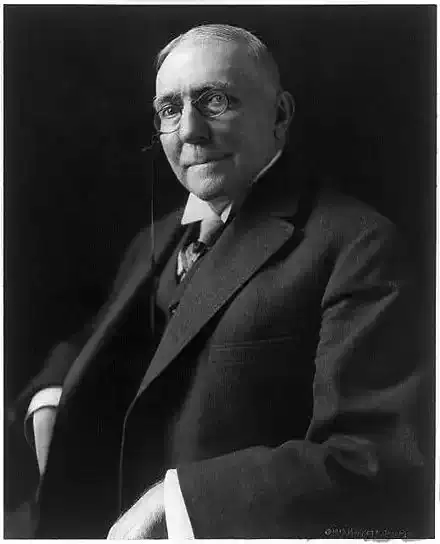
James Whitcomb Riley
A Spring Song And A Later
A Spring Song And A Later
She sang a song of May for me,
Wherein once more I heard
The mirth of my glad infancy--
The orchard's earliest bird--
The joyous breeze among the trees
New-clad in leaf and bloom,
And there the happy honey-bees
In dewy gleam and gloom.
So purely, sweetly on the sense
Of heart and spirit fell
Her song of Spring, its influence--
Still irresistible,--
Commands me here--with eyes ablur--
To mate her bright refrain.
Though I but shed a rhyme for her
As dim as Autumn rain.
She sang a song of May for me,
Wherein once more I heard
The mirth of my glad infancy--
The orchard's earliest bird--
The joyous breeze among the trees
New-clad in leaf and bloom,
And there the happy honey-bees
In dewy gleam and gloom.
So purely, sweetly on the sense
Of heart and spirit fell
Her song of Spring, its influence--
Still irresistible,--
Commands me here--with eyes ablur--
To mate her bright refrain.
Though I but shed a rhyme for her
As dim as Autumn rain.
270
James Whitcomb Riley
A Song Of Long Ago
A Song Of Long Ago
A song of Long Ago:
Sing it lightly--sing it low--
Sing it softly--like the lisping of the lips we used to know
When our baby-laughter spilled
From the glad hearts ever filled
With music blithe as robin ever trilled!
Let the fragrant summer-breeze,
And the leaves of locust-trees,
And the apple-buds and blossoms, and the wings of honey-bees,
All palpitate with glee,
Till the happy harmony
Brings back each childish joy to you and me.
Let the eyes of fancy turn
Where the tumbled pippins burn
Like embers in the orchard's lap of tangled grass and fern,--
There let the old path wind
In and out and on behind
The cider-press that chuckles as we grind.
Blend in the song the moan
Of the dove that grieves alone,
And the wild whir of the locust, and the bumble's drowsy drone;
And the low of cows that call
Through the pasture-bars when all
The landscape fades away at evenfall.
Then, far away and clear,
Through the dusky atmosphere,
Let the wailing of the kildee be the only sound we hear:
O sad and sweet and low
As the memory may know
Is the glad-pathetic song of Long Ago!
A song of Long Ago:
Sing it lightly--sing it low--
Sing it softly--like the lisping of the lips we used to know
When our baby-laughter spilled
From the glad hearts ever filled
With music blithe as robin ever trilled!
Let the fragrant summer-breeze,
And the leaves of locust-trees,
And the apple-buds and blossoms, and the wings of honey-bees,
All palpitate with glee,
Till the happy harmony
Brings back each childish joy to you and me.
Let the eyes of fancy turn
Where the tumbled pippins burn
Like embers in the orchard's lap of tangled grass and fern,--
There let the old path wind
In and out and on behind
The cider-press that chuckles as we grind.
Blend in the song the moan
Of the dove that grieves alone,
And the wild whir of the locust, and the bumble's drowsy drone;
And the low of cows that call
Through the pasture-bars when all
The landscape fades away at evenfall.
Then, far away and clear,
Through the dusky atmosphere,
Let the wailing of the kildee be the only sound we hear:
O sad and sweet and low
As the memory may know
Is the glad-pathetic song of Long Ago!
293
James Whitcomb Riley
A Passing Hail
A Passing Hail
Let us rest ourselves a bit!
Worry?-- wave your hand to it --
Kiss your finger-tips and smile
It farewell a little while.
Weary of the weary way
We have come from Yesterday,
Let us fret not, instead,
Of the wary way ahead.
Let us pause and catch our breath
On the hither side of death,
While we see the tender shoots
Of the grasses -- not the roots,--
While we yet look down -- not up --
To seek out the buttercup
And the daisy where they wave
O'er the green home of the grave.
Let us launch us smoothly on
The soft billows of the lawn,
And drift out across the main
Of our childish dreams again:
Voyage off, beneath the trees,
O'er the field's enchanted seas,
Where the lilies are our sails,
And our sea-gulls, nightingales:
Where no wilder storm shall beat
Than the wind that waves the wheat,
And no tempest-burst above
The old laughs we used to love:
Lose all troubles -- gain release,
Languor, and exceeding peace,
Cruising idly o'er the vast,
Calm mid-ocean of the Past.
Let us rest ourselves a bit!
Worry? -- Wave your hand to it --
Kiss your finger-tips and smile
It fare well a little while.
Let us rest ourselves a bit!
Worry?-- wave your hand to it --
Kiss your finger-tips and smile
It farewell a little while.
Weary of the weary way
We have come from Yesterday,
Let us fret not, instead,
Of the wary way ahead.
Let us pause and catch our breath
On the hither side of death,
While we see the tender shoots
Of the grasses -- not the roots,--
While we yet look down -- not up --
To seek out the buttercup
And the daisy where they wave
O'er the green home of the grave.
Let us launch us smoothly on
The soft billows of the lawn,
And drift out across the main
Of our childish dreams again:
Voyage off, beneath the trees,
O'er the field's enchanted seas,
Where the lilies are our sails,
And our sea-gulls, nightingales:
Where no wilder storm shall beat
Than the wind that waves the wheat,
And no tempest-burst above
The old laughs we used to love:
Lose all troubles -- gain release,
Languor, and exceeding peace,
Cruising idly o'er the vast,
Calm mid-ocean of the Past.
Let us rest ourselves a bit!
Worry? -- Wave your hand to it --
Kiss your finger-tips and smile
It fare well a little while.
321
James Whitcomb Riley
A Feel In The Chris'mas-Air
A Feel In The Chris'mas-Air
They's a kind o' _feel_ in the air, to me.
When the Chris'mas-times sets in.
That's about as much of a mystery
As ever I've run ag'in!--
Fer instunce, now, whilse I gain in weight
And gineral health, I swear
They's a _goneness_ somers I can't quite state--
A kind o' _feel_ in the air.
They's a feel in the Chris'mas-air goes right
To the spot where a man _lives_ at!--
It gives a feller a' appetite--
They ain't no doubt about _that_!--
And yit they's _somepin_'--I don't know what--
That follers me, here and there,
And ha'nts and worries and spares me not--
A kind o' feel in the air!
They's a _feel_, as I say, in the air that's jest
As blame-don sad as sweet!--
In the same ra-sho as I feel the best
And am spryest on my feet,
They's allus a kind o' sort of a' _ache_
That I can't lo-cate no-where;--
But it comes with _Chris'mas_, and no mistake!--
A kind o' feel in the air.
Is it the racket the childern raise?-W'y,
_no_!--God bless 'em!--_no_!--
Is it the eyes and the cheeks ablaze--
Like my _own_ wuz, long ago?--
Is it the bleat o' the whistle and beat
O' the little toy-drum and blare
O' the horn?--_No! no!_--it is jest the sweet--
The sad-sweet feel in the air.
They's a kind o' _feel_ in the air, to me.
When the Chris'mas-times sets in.
That's about as much of a mystery
As ever I've run ag'in!--
Fer instunce, now, whilse I gain in weight
And gineral health, I swear
They's a _goneness_ somers I can't quite state--
A kind o' _feel_ in the air.
They's a feel in the Chris'mas-air goes right
To the spot where a man _lives_ at!--
It gives a feller a' appetite--
They ain't no doubt about _that_!--
And yit they's _somepin_'--I don't know what--
That follers me, here and there,
And ha'nts and worries and spares me not--
A kind o' feel in the air!
They's a _feel_, as I say, in the air that's jest
As blame-don sad as sweet!--
In the same ra-sho as I feel the best
And am spryest on my feet,
They's allus a kind o' sort of a' _ache_
That I can't lo-cate no-where;--
But it comes with _Chris'mas_, and no mistake!--
A kind o' feel in the air.
Is it the racket the childern raise?-W'y,
_no_!--God bless 'em!--_no_!--
Is it the eyes and the cheeks ablaze--
Like my _own_ wuz, long ago?--
Is it the bleat o' the whistle and beat
O' the little toy-drum and blare
O' the horn?--_No! no!_--it is jest the sweet--
The sad-sweet feel in the air.
285
James Whitcomb Riley
A Dream Of Long Ago
A Dream Of Long Ago
Lying listless in the mosses
Underneath a tree that tosses
Flakes of sunshine, and embosses
Its green shadow with the snow-Drowsy-
eyed, I sink in slumber
Born of fancies without number--
Tangled fancies that encumber
Me with dreams of long ago.
Ripples of the river singing;
And the water-lilies swinging
Bells of Parian, and ringing
Peals of perfume faint and fine,
While old forms and fairy faces
Leap from out their hiding-places
In the past, with glad embraces
Fraught with kisses sweet as wine.
Willows dip their slender fingers
O'er the little fisher's stringers,
While he baits his hook and lingers
Till the shadows gather dim;
And afar off comes a calling
Like the sounds of water falling,
With the lazy echoes drawling
Messages of haste to him.
Little naked feet that tinkle
Through the stubble-fields, and twinkle
Down the winding road, and sprinkle
Little mists of dusty rain,
While in pasture-lands the cattle
Cease their grazing with a rattle
Of the bells whose clappers tattle
To their masters down the lane.
Trees that hold their tempting treasures
O'er the orchard's hedge embrasures,
Furnish their forbidden pleasures
As in Eden lands of old;
And the coming of the master
Indicates a like disaster
To the frightened heart that faster
Beats pulsations manifold.
Puckered lips whose pipings tingle
In staccato notes that mingle
Musically with the jingle-
Haunted winds that lightly fan
Mellow twilights, crimson-tinted
By the sun, and picture-printed
Like a book that sweetly hinted
Of the Nights Arabian.
Porticoes with columns plaited
And entwined with vines and freighted
With a bloom all radiated
With the light of moon and star;
Where some tender voice is winging
In sad flights of song, and singing
To the dancing fingers flinging
Dripping from the sweet guitar.
Would my dreams were never taken
From me: that with faith unshaken
I might sleep and never waken
On a weary world of woe!
Links of love would never sever
As I dreamed them, never, never!
I would glide along forever
Through the dreams of long ago.
Lying listless in the mosses
Underneath a tree that tosses
Flakes of sunshine, and embosses
Its green shadow with the snow-Drowsy-
eyed, I sink in slumber
Born of fancies without number--
Tangled fancies that encumber
Me with dreams of long ago.
Ripples of the river singing;
And the water-lilies swinging
Bells of Parian, and ringing
Peals of perfume faint and fine,
While old forms and fairy faces
Leap from out their hiding-places
In the past, with glad embraces
Fraught with kisses sweet as wine.
Willows dip their slender fingers
O'er the little fisher's stringers,
While he baits his hook and lingers
Till the shadows gather dim;
And afar off comes a calling
Like the sounds of water falling,
With the lazy echoes drawling
Messages of haste to him.
Little naked feet that tinkle
Through the stubble-fields, and twinkle
Down the winding road, and sprinkle
Little mists of dusty rain,
While in pasture-lands the cattle
Cease their grazing with a rattle
Of the bells whose clappers tattle
To their masters down the lane.
Trees that hold their tempting treasures
O'er the orchard's hedge embrasures,
Furnish their forbidden pleasures
As in Eden lands of old;
And the coming of the master
Indicates a like disaster
To the frightened heart that faster
Beats pulsations manifold.
Puckered lips whose pipings tingle
In staccato notes that mingle
Musically with the jingle-
Haunted winds that lightly fan
Mellow twilights, crimson-tinted
By the sun, and picture-printed
Like a book that sweetly hinted
Of the Nights Arabian.
Porticoes with columns plaited
And entwined with vines and freighted
With a bloom all radiated
With the light of moon and star;
Where some tender voice is winging
In sad flights of song, and singing
To the dancing fingers flinging
Dripping from the sweet guitar.
Would my dreams were never taken
From me: that with faith unshaken
I might sleep and never waken
On a weary world of woe!
Links of love would never sever
As I dreamed them, never, never!
I would glide along forever
Through the dreams of long ago.
264
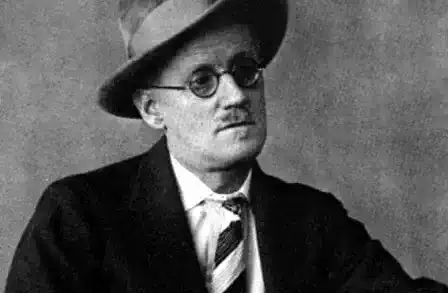
James Joyce
Watching the Needleboats at San Sabba
Watching the Needleboats at San Sabba
I heard their young hearts crying
Loveward above the glancing oar
And heard the prairie grasses sighing:
No more, return no more!
O hearts, O sighing grasses,
Vainly your loveblown bannerets mourn!
No more will the wild wind that passes
Return, no more return.
I heard their young hearts crying
Loveward above the glancing oar
And heard the prairie grasses sighing:
No more, return no more!
O hearts, O sighing grasses,
Vainly your loveblown bannerets mourn!
No more will the wild wind that passes
Return, no more return.
164
James Joyce
The Twilight Turns
The Twilight Turns
The twilight turns from amethyst
To deep and deeper blue,
The lamp fills with a pale green glow
The trees of the avenue.
The old piano plays an air,
Sedate and slow and gay;
She bends upon the yellow keys,
Her head inclines this way.
Shy thought and grave wide eyes and hands
That wander as they list -- -
The twilight turns to darker blue
With lights of amethyst.
The twilight turns from amethyst
To deep and deeper blue,
The lamp fills with a pale green glow
The trees of the avenue.
The old piano plays an air,
Sedate and slow and gay;
She bends upon the yellow keys,
Her head inclines this way.
Shy thought and grave wide eyes and hands
That wander as they list -- -
The twilight turns to darker blue
With lights of amethyst.
181
James Joyce
Now, O Now in This Brown Land
Now, O Now in This Brown Land
Now, O now, in this brown land
Where Love did so sweet music make
We two shall wander, hand in hand,
Forbearing for old friendship' sake,
Nor grieve because our love was gay
Which now is ended in this way.
A rogue in red and yellow dress
Is knocking, knocking at the tree;
And all around our loneliness
The wind is whistling merrily.
The leaves -- - they do not sigh at all
When the year takes them in the fall.
Now, O now, we hear no more
The vilanelle and roundelay!
Yet will we kiss, sweetheart, before
We take sad leave at close of day.
Grieve not, sweetheart, for anything -- -
The year, the year is gathering.
Now, O now, in this brown land
Where Love did so sweet music make
We two shall wander, hand in hand,
Forbearing for old friendship' sake,
Nor grieve because our love was gay
Which now is ended in this way.
A rogue in red and yellow dress
Is knocking, knocking at the tree;
And all around our loneliness
The wind is whistling merrily.
The leaves -- - they do not sigh at all
When the year takes them in the fall.
Now, O now, we hear no more
The vilanelle and roundelay!
Yet will we kiss, sweetheart, before
We take sad leave at close of day.
Grieve not, sweetheart, for anything -- -
The year, the year is gathering.
169
James Joyce
Love Came to Us
Love Came to Us
Love came to us in time gone by
When one at twilight shyly played
And one in fear was standing nigh -- -
For Love at first is all afraid.
We were grave lovers. Love is past
That had his sweet hours many a one;
Welcome to us now at the last
The ways that we shall go upon.
Love came to us in time gone by
When one at twilight shyly played
And one in fear was standing nigh -- -
For Love at first is all afraid.
We were grave lovers. Love is past
That had his sweet hours many a one;
Welcome to us now at the last
The ways that we shall go upon.
177
James Joyce
Gentle Lady, Do Not Sing
Gentle Lady, Do Not Sing
Gentle lady, do not sing
Sad songs about the end of love;
Lay aside sadness and sing
How love that passes is enough.
Sing about the long deep sleep
Of lovers that are dead, and how
In the grave all love shall sleep:
Love is aweary now.
Gentle lady, do not sing
Sad songs about the end of love;
Lay aside sadness and sing
How love that passes is enough.
Sing about the long deep sleep
Of lovers that are dead, and how
In the grave all love shall sleep:
Love is aweary now.
170
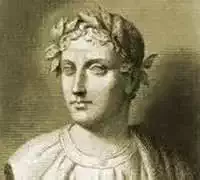
Horácio
BkI:XXV A Prophecy of Age
BkI:XXV A Prophecy of Age
Now the young men come less often, violently
beating your shutters, with blow after blow, or
stealing away your sleep, while the door sits tight,
hugging the threshold,
yet was once known to move its hinges, more than
readily. You’ll hear, less and less often now:
‘Are you sleeping, Lydia, while your lover
dies in the long night?’
Old, in your turn, you’ll bemoan coarse adulterers,
as you tremble in some deserted alley,
while the Thracian wind rages, furiously,
through the moonless nights,
while flagrant desire, libidinous passion,
those powers that will spur on a mare in heat,
will storm all around your corrupted heart, ah,
and you’ll complain,
that the youths, filled with laughter, take more delight
in the green ivy, the dark of the myrtle,
leaving the withering leaves to this East wind,
winter’s accomplice.
Now the young men come less often, violently
beating your shutters, with blow after blow, or
stealing away your sleep, while the door sits tight,
hugging the threshold,
yet was once known to move its hinges, more than
readily. You’ll hear, less and less often now:
‘Are you sleeping, Lydia, while your lover
dies in the long night?’
Old, in your turn, you’ll bemoan coarse adulterers,
as you tremble in some deserted alley,
while the Thracian wind rages, furiously,
through the moonless nights,
while flagrant desire, libidinous passion,
those powers that will spur on a mare in heat,
will storm all around your corrupted heart, ah,
and you’ll complain,
that the youths, filled with laughter, take more delight
in the green ivy, the dark of the myrtle,
leaving the withering leaves to this East wind,
winter’s accomplice.
253
Horácio
BkI:VII Tibur
BkI:VII Tibur
Let others sing in praise of Rhodes, or Mytilene,
or Ephesus, or Corinth on the Isthmus,
or Thebes that’s known for Bacchus, or Apollo’s isle
of Delphi, or Thessalian Tempe.
There’s some whose only purpose is to celebrate
virgin Athene’s city forever,
and set indiscriminately gathered olive on their heads.
Many a poet in honour of Juno
will speak fittingly of horses, Argos, rich Mycenae.
As for me not even stubborn Sparta
or the fields of lush Larisa are quite as striking,
as Albunea’s echoing cavern,
her headlong Anio, and the groves of Tiburnus,
and Tibur’s orchards, white with flowing streams.
Bright Notus from the south often blows away the clouds
from dark skies, without bringing endless rain,
so Plancus, my friend, remember to end a sad life
and your troubles, wisely, with sweet wine,
whether it’s the camp, and gleaming standards, that hold you
or the deep shadows of your own Tibur.
They say that Teucer, fleeing from Salamis and his
father, still wreathed the garlands, leaves of poplar,
round his forehead, flushed with wine, and in speech to his friends
said these words to them as they sorrowed:
‘Wherever fortune carries us, kinder than my father,
there, O friends and comrades, we’ll adventure!
Never despair, if Teucer leads, of Teucer’s omens!
Unerring Apollo surely promised,
in the uncertain future, a second Salamis
on a fresh soil. O you brave heroes, you
who suffered worse with me often, drown your cares with wine:
tomorrow we’ll sail the wide seas again.’
Let others sing in praise of Rhodes, or Mytilene,
or Ephesus, or Corinth on the Isthmus,
or Thebes that’s known for Bacchus, or Apollo’s isle
of Delphi, or Thessalian Tempe.
There’s some whose only purpose is to celebrate
virgin Athene’s city forever,
and set indiscriminately gathered olive on their heads.
Many a poet in honour of Juno
will speak fittingly of horses, Argos, rich Mycenae.
As for me not even stubborn Sparta
or the fields of lush Larisa are quite as striking,
as Albunea’s echoing cavern,
her headlong Anio, and the groves of Tiburnus,
and Tibur’s orchards, white with flowing streams.
Bright Notus from the south often blows away the clouds
from dark skies, without bringing endless rain,
so Plancus, my friend, remember to end a sad life
and your troubles, wisely, with sweet wine,
whether it’s the camp, and gleaming standards, that hold you
or the deep shadows of your own Tibur.
They say that Teucer, fleeing from Salamis and his
father, still wreathed the garlands, leaves of poplar,
round his forehead, flushed with wine, and in speech to his friends
said these words to them as they sorrowed:
‘Wherever fortune carries us, kinder than my father,
there, O friends and comrades, we’ll adventure!
Never despair, if Teucer leads, of Teucer’s omens!
Unerring Apollo surely promised,
in the uncertain future, a second Salamis
on a fresh soil. O you brave heroes, you
who suffered worse with me often, drown your cares with wine:
tomorrow we’ll sail the wide seas again.’
267
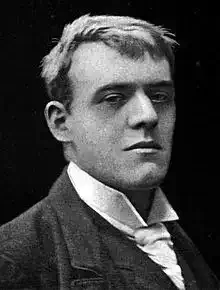
Hilaire Belloc
The Fragment
The Fragment
Towards the evening of her splendid day
Those who are little children now shall say
(Finding this verse),'Who wrote it, Juliet?'
And Juliet answer gently, 'I forget.'
Towards the evening of her splendid day
Those who are little children now shall say
(Finding this verse),'Who wrote it, Juliet?'
And Juliet answer gently, 'I forget.'
346
Hilaire Belloc
The Elm
The Elm
This is the place where Dorothea smiled.
I did not know the reason, nor did she.
But there she stood, and turned, and smiled at me:
A sudden glory had bewitched the child.
The corn at harvest, and a single tree.
This is the place where Dorothea smiled.
This is the place where Dorothea smiled.
I did not know the reason, nor did she.
But there she stood, and turned, and smiled at me:
A sudden glory had bewitched the child.
The corn at harvest, and a single tree.
This is the place where Dorothea smiled.
355
Hilaire Belloc
Ha'nacker Mill
Ha'nacker Mill
Sally is gone that was so kindly,
Sally is gone from Ha'nacker Hill
And the Briar grows ever since then so blindly;
And ever since then the clapper is still...
And the sweeps have fallen from Ha'nacker Mill.
Ha'nacker Hill is in Desolation:
Ruin a-top and a field unploughed.
And Spirits that call on a fallen nation,
Spirits that loved her calling aloud,
Spirits abroad in a windy cloud.
Spirits that call and no one answers -Ha'nacker's
down and England's done.
Wind and Thistle for pipe and dancers,
And never a ploughman under the Sun:
Never a ploughman. Never a one.
Sally is gone that was so kindly,
Sally is gone from Ha'nacker Hill
And the Briar grows ever since then so blindly;
And ever since then the clapper is still...
And the sweeps have fallen from Ha'nacker Mill.
Ha'nacker Hill is in Desolation:
Ruin a-top and a field unploughed.
And Spirits that call on a fallen nation,
Spirits that loved her calling aloud,
Spirits abroad in a windy cloud.
Spirits that call and no one answers -Ha'nacker's
down and England's done.
Wind and Thistle for pipe and dancers,
And never a ploughman under the Sun:
Never a ploughman. Never a one.
358
Hilaire Belloc
From: Dedicatory Ode
From: Dedicatory Ode
I will not try the reach again,
I will not set my sail alone,
To moor a boat bereft of men
At Yarnton's tiny docks of stone.
But I will sit beside the fire,
And put my hand before my eyes,
And trace, to fill my heart's desire,
The last of all our Odysseys.
The quiet evening kept her tryst:
Beneath an open sky we rode,
And passed into a wandering mist
Along the perfect Evenlode.
The tender Evenlode that makes
Her meadows hush to hear the sound
Of waters mingling in the brakes,
And binds my heart to English ground.
A lovely river, all alone,
She lingers in the hills and holds
A hundred little towns of stone,
Forgotten in the western wolds.
I will not try the reach again,
I will not set my sail alone,
To moor a boat bereft of men
At Yarnton's tiny docks of stone.
But I will sit beside the fire,
And put my hand before my eyes,
And trace, to fill my heart's desire,
The last of all our Odysseys.
The quiet evening kept her tryst:
Beneath an open sky we rode,
And passed into a wandering mist
Along the perfect Evenlode.
The tender Evenlode that makes
Her meadows hush to hear the sound
Of waters mingling in the brakes,
And binds my heart to English ground.
A lovely river, all alone,
She lingers in the hills and holds
A hundred little towns of stone,
Forgotten in the western wolds.
371
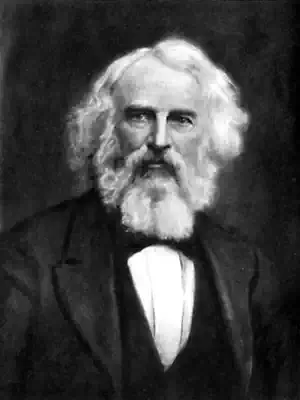
Henry Wadsworth Longfellow
Vittoria Colonna
Vittoria Colonna
Once more, once more, Inarimé,
I see thy purple hills!--once more
I hear the billows of the bay
Wash the white pebbles on thy shore.
High o'er the sea-surge and the sands,
Like a great galleon wrecked and cast
Ashore by storms, thy castle stands,
A mouldering landmark of the Past.
Upon its terrace-walk I see
A phantom gliding to and fro;
It is Colonna,--it is she
Who lived and loved so long ago.
Pescara's beautiful young wife,
The type of perfect womanhood,
Whose life was love, the life of life,
That time and change and death withstood.
For death, that breaks the marriage band
In others, only closer pressed
The wedding-ring upon her hand
And closer locked and barred her breast.
She knew the life-long martyrdom,
The weariness, the endless pain
Of waiting for some one to come
Who nevermore would come again.
The shadows of the chestnut trees,
The odor of the orange blooms,
The song of birds, and, more than these,
The silence of deserted rooms;
The respiration of the sea,
The soft caresses of the air,
All things in nature seemed to be
But ministers of her despair;
Till the o'erburdened heart, so long
Imprisoned in itself, found vent
And voice in one impassioned song
Of inconsolable lament.
Then as the sun, though hidden from sight,
Transmutes to gold the leaden mist,
Her life was interfused with light,
From realms that, though unseen, exist,
Inarimé! Inarimé!
Thy castle on the crags above
In dust shall crumble and decay,
But not the memory of her love.
Once more, once more, Inarimé,
I see thy purple hills!--once more
I hear the billows of the bay
Wash the white pebbles on thy shore.
High o'er the sea-surge and the sands,
Like a great galleon wrecked and cast
Ashore by storms, thy castle stands,
A mouldering landmark of the Past.
Upon its terrace-walk I see
A phantom gliding to and fro;
It is Colonna,--it is she
Who lived and loved so long ago.
Pescara's beautiful young wife,
The type of perfect womanhood,
Whose life was love, the life of life,
That time and change and death withstood.
For death, that breaks the marriage band
In others, only closer pressed
The wedding-ring upon her hand
And closer locked and barred her breast.
She knew the life-long martyrdom,
The weariness, the endless pain
Of waiting for some one to come
Who nevermore would come again.
The shadows of the chestnut trees,
The odor of the orange blooms,
The song of birds, and, more than these,
The silence of deserted rooms;
The respiration of the sea,
The soft caresses of the air,
All things in nature seemed to be
But ministers of her despair;
Till the o'erburdened heart, so long
Imprisoned in itself, found vent
And voice in one impassioned song
Of inconsolable lament.
Then as the sun, though hidden from sight,
Transmutes to gold the leaden mist,
Her life was interfused with light,
From realms that, though unseen, exist,
Inarimé! Inarimé!
Thy castle on the crags above
In dust shall crumble and decay,
But not the memory of her love.
361
Henry Wadsworth Longfellow
Ultima Thule: The Tide Rises, The Tide Falls
Ultima Thule: The Tide Rises, The Tide Falls
The tide rises, the tide falls,
The twilight darkens, the curlew calls;
Along the sea-sands damp and brown
The traveller hastens toward the town,
And the tide rises, the tide falls.
Darkness settles on roofs and walls,
But the sea, the sea in the darkness calls;
The little waves, with their soft, white hands,
Efface the footprints in the sands,
And the tide rises, the tide falls.
The morning breaks; the steeds in their stalls
Stamp and neigh, as the hostler calls;
The day returns, but nevermore
Returns the traveller to the shore,
And the tide rises, the tide falls.
The tide rises, the tide falls,
The twilight darkens, the curlew calls;
Along the sea-sands damp and brown
The traveller hastens toward the town,
And the tide rises, the tide falls.
Darkness settles on roofs and walls,
But the sea, the sea in the darkness calls;
The little waves, with their soft, white hands,
Efface the footprints in the sands,
And the tide rises, the tide falls.
The morning breaks; the steeds in their stalls
Stamp and neigh, as the hostler calls;
The day returns, but nevermore
Returns the traveller to the shore,
And the tide rises, the tide falls.
210
Henry Wadsworth Longfellow
Travels By The Fireside. (Birds Of Passage. Flight The Fourth)
Travels By The Fireside. (Birds Of Passage. Flight The Fourth)
The ceaseless rain is falling fast,
And yonder gilded vane,
Immovable for three days past,
Points to the misty main,
It drives me in upon myself
And to the fireside gleams,
To pleasant books that crowd my shelf,
And still more pleasant dreams,
I read whatever bards have sung
Of lands beyond the sea,
And the bright days when I was young
Come thronging back to me.
In fancy I can hear again
The Alpine torrent's roar,
The mule-bells on the hills of Spain,
The sea at Elsinore.
I see the convent's gleaming wall
Rise from its groves of pine,
And towers of old cathedrals tall,
And castles by the Rhine.
I journey on by park and spire,
Beneath centennial trees,
Through fields with poppies all on fire,
And gleams of distant seas.
I fear no more the dust and heat,
No more I feel fatigue,
While journeying with another's feet
O'er many a lengthening league.
Let others traverse sea and land,
And toil through various climes,
I turn the world round with my hand
Reading these poets' rhymes.
From them I learn whatever lies
Beneath each changing zone,
And see, when looking with their eyes,
Better than with mine own.
The ceaseless rain is falling fast,
And yonder gilded vane,
Immovable for three days past,
Points to the misty main,
It drives me in upon myself
And to the fireside gleams,
To pleasant books that crowd my shelf,
And still more pleasant dreams,
I read whatever bards have sung
Of lands beyond the sea,
And the bright days when I was young
Come thronging back to me.
In fancy I can hear again
The Alpine torrent's roar,
The mule-bells on the hills of Spain,
The sea at Elsinore.
I see the convent's gleaming wall
Rise from its groves of pine,
And towers of old cathedrals tall,
And castles by the Rhine.
I journey on by park and spire,
Beneath centennial trees,
Through fields with poppies all on fire,
And gleams of distant seas.
I fear no more the dust and heat,
No more I feel fatigue,
While journeying with another's feet
O'er many a lengthening league.
Let others traverse sea and land,
And toil through various climes,
I turn the world round with my hand
Reading these poets' rhymes.
From them I learn whatever lies
Beneath each changing zone,
And see, when looking with their eyes,
Better than with mine own.
309
Henry Wadsworth Longfellow
To The River Yvette. (Birds Of Passage. Flight The Fifth)
To The River Yvette. (Birds Of Passage. Flight The Fifth)
O lovely river of Yvette!
O darling river! like a bride,
Some dimpled, bashful, fair Lisette,
Thou goest to wed the Orge's tide.
Maincourt, and lordly Dampierre,
See and salute thee on thy way,
And, with a blessing and a prayer,
Ring the sweet bells of St. Forget.
The valley of Chevreuse in vain
Would hold thee in its fond embrace;
Thou glidest from its arms again
And hurriest on with swifter pace.
Thou wilt not stay; with restless feet,
Pursuing still thine onward flight,
Thou goest as one in haste to meet
Her sole desire, her heart's delight.
O lovely river of Yvette!
O darling stream! on balanced wings
The wood-birds sang the chansonnette
That here a wandering poet sings.
O lovely river of Yvette!
O darling river! like a bride,
Some dimpled, bashful, fair Lisette,
Thou goest to wed the Orge's tide.
Maincourt, and lordly Dampierre,
See and salute thee on thy way,
And, with a blessing and a prayer,
Ring the sweet bells of St. Forget.
The valley of Chevreuse in vain
Would hold thee in its fond embrace;
Thou glidest from its arms again
And hurriest on with swifter pace.
Thou wilt not stay; with restless feet,
Pursuing still thine onward flight,
Thou goest as one in haste to meet
Her sole desire, her heart's delight.
O lovely river of Yvette!
O darling stream! on balanced wings
The wood-birds sang the chansonnette
That here a wandering poet sings.
343
Henry Wadsworth Longfellow
To The Driving Cloud
To The Driving Cloud
Gloomy and dark art thou, O chief of the mighty Omahas;
Gloomy and dark as the driving cloud, whose name thou hast taken!
Wrapped in thy scarlet blanket, I see thee stalk through the city's
Narrow and populous streets, as once by the margin of rivers
Stalked those birds unknown, that have left us only their
footprints.
What, in a few short years, will remain of thy race but the
footprints?
How canst thou walk these streets, who hast trod the green turf
of the prairies!
How canst thou breathe this air, who hast breathed the sweet air
of the mountains!
Ah! 'tis in vain that with lordly looks of disdain thou dost
challenge
Looks of disdain in return, and question these walls and these
pavements,
Claiming the soil for thy hunting-grounds, while down-trodden
millions
Starve in the garrets of Europe, and cry from its caverns that
they, too,
Have been created heirs of the earth, and claim its division!
Back, then, back to thy woods in the regions west of the Wabash!
There as a monarch thou reignest. In autumn the leaves of the
maple
Pave the floors of thy palace-halls with gold, and in summer
Pine-trees waft through its chambers the odorous breath of their
branches.
There thou art strong and great, a hero, a tamer of horses!
There thou chasest the stately stag on the banks of the Elkhorn,
Or by the roar of the Running-Water, or where the Omaha
Calls thee, and leaps through the wild ravine like a brave of the
Blackfeet!
Hark! what murmurs arise from the heart of those mountainous
deserts?
Is it the cry of the Foxes and Crows, or the mighty Behemoth,
Who, unharmed, on his tusks once caught the bolts of the thunder,
And now lurks in his lair to destroy the race of the red man?
Far more fatal to thee and thy race than the Crows and the Foxes,
Far more fatal to thee and thy race than the tread of Behemoth,
Lo! the big thunder-canoe, that steadily breasts the Missouri's
Merciless current! and yonder, afar on the prairies, the
camp-fires
Gleam through the night; and the cloud of dust in the gray of the
daybreak
Marks not the buffalo's track, nor the Mandan's dexterous
horse-race;
It is a caravan, whitening the desert where dwell the Camanches!
Ha! how the breath of these Saxons and Celts, like the blast of
the east-wind,
Drifts evermore to the west the scanty smokes of thy wigwams!
Gloomy and dark art thou, O chief of the mighty Omahas;
Gloomy and dark as the driving cloud, whose name thou hast taken!
Wrapped in thy scarlet blanket, I see thee stalk through the city's
Narrow and populous streets, as once by the margin of rivers
Stalked those birds unknown, that have left us only their
footprints.
What, in a few short years, will remain of thy race but the
footprints?
How canst thou walk these streets, who hast trod the green turf
of the prairies!
How canst thou breathe this air, who hast breathed the sweet air
of the mountains!
Ah! 'tis in vain that with lordly looks of disdain thou dost
challenge
Looks of disdain in return, and question these walls and these
pavements,
Claiming the soil for thy hunting-grounds, while down-trodden
millions
Starve in the garrets of Europe, and cry from its caverns that
they, too,
Have been created heirs of the earth, and claim its division!
Back, then, back to thy woods in the regions west of the Wabash!
There as a monarch thou reignest. In autumn the leaves of the
maple
Pave the floors of thy palace-halls with gold, and in summer
Pine-trees waft through its chambers the odorous breath of their
branches.
There thou art strong and great, a hero, a tamer of horses!
There thou chasest the stately stag on the banks of the Elkhorn,
Or by the roar of the Running-Water, or where the Omaha
Calls thee, and leaps through the wild ravine like a brave of the
Blackfeet!
Hark! what murmurs arise from the heart of those mountainous
deserts?
Is it the cry of the Foxes and Crows, or the mighty Behemoth,
Who, unharmed, on his tusks once caught the bolts of the thunder,
And now lurks in his lair to destroy the race of the red man?
Far more fatal to thee and thy race than the Crows and the Foxes,
Far more fatal to thee and thy race than the tread of Behemoth,
Lo! the big thunder-canoe, that steadily breasts the Missouri's
Merciless current! and yonder, afar on the prairies, the
camp-fires
Gleam through the night; and the cloud of dust in the gray of the
daybreak
Marks not the buffalo's track, nor the Mandan's dexterous
horse-race;
It is a caravan, whitening the desert where dwell the Camanches!
Ha! how the breath of these Saxons and Celts, like the blast of
the east-wind,
Drifts evermore to the west the scanty smokes of thy wigwams!
343
Henry Wadsworth Longfellow
To an Old Danish Song-Book
To an Old Danish Song-Book
Welcome, my old friend,
Welcome to a foreign fireside,
While the sullen gales of autumn
Shake the windows.
The ungrateful world
Has, it seems, dealt harshly with thee,
Since, beneath the skies of Denmark,
First I met thee.
There are marks of age,
There are thumb-marks on thy margin,
Made by hands that clasped thee rudely,
At the alehouse.
Soiled and dull thou art;
Yellow are thy time-worn pages,
As the russet, rain-molested
Leaves of autumn.
Thou art stained with wine
Scattered from hilarious goblets,
As the leaves with the libations
Of Olympus.
Yet dost thou recall
Days departed, half-forgotten,
When in dreamy youth I wandered
By the Baltic,--
When I paused to hear
The old ballad of King Christian
Shouted from suburban taverns
In the twilight.
Thou recallest bards,
Who in solitary chambers,
And with hearts by passion wasted,
Wrote thy pages.
Thou recallest homes
Where thy songs of love and friendship
Made the gloomy Northern winter
Bright as summer.
Once some ancient Scald,
In his bleak, ancestral Iceland,
Chanted staves of these old ballads
To the Vikings.
Once in Elsinore,
At the court of old King Hamlet
Yorick and his boon companions
Sang these ditties.
Once Prince Frederick's Guard
Sang them in their smoky barracks;--
Suddenly the English cannon
Joined the chorus!
Peasants in the field,
Sailors on the roaring ocean,
Students, tradesmen, pale mechanics,
All have sung them.
Thou hast been their friend;
They, alas! have left thee friendless!
Yet at least by one warm fireside
Art thou welcome.
And, as swallows build
In these wide, old-fashioned chimneys,
So thy twittering songs shall nestle
In my bosom,--
Quiet, close, and warm,
Sheltered from all molestation,
And recalling by their voices
Youth and travel.
Welcome, my old friend,
Welcome to a foreign fireside,
While the sullen gales of autumn
Shake the windows.
The ungrateful world
Has, it seems, dealt harshly with thee,
Since, beneath the skies of Denmark,
First I met thee.
There are marks of age,
There are thumb-marks on thy margin,
Made by hands that clasped thee rudely,
At the alehouse.
Soiled and dull thou art;
Yellow are thy time-worn pages,
As the russet, rain-molested
Leaves of autumn.
Thou art stained with wine
Scattered from hilarious goblets,
As the leaves with the libations
Of Olympus.
Yet dost thou recall
Days departed, half-forgotten,
When in dreamy youth I wandered
By the Baltic,--
When I paused to hear
The old ballad of King Christian
Shouted from suburban taverns
In the twilight.
Thou recallest bards,
Who in solitary chambers,
And with hearts by passion wasted,
Wrote thy pages.
Thou recallest homes
Where thy songs of love and friendship
Made the gloomy Northern winter
Bright as summer.
Once some ancient Scald,
In his bleak, ancestral Iceland,
Chanted staves of these old ballads
To the Vikings.
Once in Elsinore,
At the court of old King Hamlet
Yorick and his boon companions
Sang these ditties.
Once Prince Frederick's Guard
Sang them in their smoky barracks;--
Suddenly the English cannon
Joined the chorus!
Peasants in the field,
Sailors on the roaring ocean,
Students, tradesmen, pale mechanics,
All have sung them.
Thou hast been their friend;
They, alas! have left thee friendless!
Yet at least by one warm fireside
Art thou welcome.
And, as swallows build
In these wide, old-fashioned chimneys,
So thy twittering songs shall nestle
In my bosom,--
Quiet, close, and warm,
Sheltered from all molestation,
And recalling by their voices
Youth and travel.
307
Henry Wadsworth Longfellow
The Old Clock on the Stairs
The Old Clock on the Stairs
Somewhat back from the village street
Stands the old-fashioned country-seat.
Across its antique portico
Tall poplar-trees their shadows throw;
And from its station in the hall
An ancient timepiece says to all, -
"Forever -- never!
Never -- forever!"
Half-way up the stairs it stands,
And points and beckons with its hands
From its case of massive oak,
Like a monk, who, under his cloak,
Crosses himself, and sighs, alas!
With sorrowful voice to all who pass, -
"Forever -- never!
Never -- forever!"
By day its voice is low and light;
But in the silent dead of night,
Distinct as a passing footstep's fall,
It echoes along the vacant hall,
Along the ceiling, along the floor,
And seems to say, at each chamber-door, -
"Forever -- never!
Never -- forever!"
Through days of sorrow and of mirth,
Through days of death and days of birth,
Through every swift vicissitude
Of changeful time, unchanged it has stood,
And as if, like God, it all things saw,
It calmly repeats those words of awe, -
"Forever -- never!
Never -- forever!"
In that mansion used to be
Free-hearted Hospitality;
His great fires up the chimney roared;
The stranger feasted at his board;
But, like the skeleton at the feast,
That warning timepiece never ceased, -
"Forever -- never!
Never -- forever!"
There groups of merry children played,
There youths and maidens dreaming strayed;
O precious hours! O golden prime,
And affluence of love and time!
Even as a miser counts his gold,
Those hours the ancient timepiece told, -
"Forever -- never!
Never -- forever!"
From that chamber, clothed in white,
The bride came forth on her wedding night;
There, in that silent room below,
The dead lay in his shroud of snow;
And in the hush that followed the prayer,
Was heard the old clock on the stair, -
"Forever -- never!
Never -- forever!"
All are scattered now and fled,
Some are married, some are dead;
And when I ask, with throbs of pain,
"Ah! when shall they all meet again?"
As in the days long since gone by,
The ancient timepiece makes reply, -
"Forever -- never!
Never -- forever!"
Never here, forever there,
Where all parting, pain, and care,
And death, and time shall disappear, -Forever
there, but never here!
The horologe of Eternity
Sayeth this incessantly, -
"Forever -- never!
Never -- forever!"
Somewhat back from the village street
Stands the old-fashioned country-seat.
Across its antique portico
Tall poplar-trees their shadows throw;
And from its station in the hall
An ancient timepiece says to all, -
"Forever -- never!
Never -- forever!"
Half-way up the stairs it stands,
And points and beckons with its hands
From its case of massive oak,
Like a monk, who, under his cloak,
Crosses himself, and sighs, alas!
With sorrowful voice to all who pass, -
"Forever -- never!
Never -- forever!"
By day its voice is low and light;
But in the silent dead of night,
Distinct as a passing footstep's fall,
It echoes along the vacant hall,
Along the ceiling, along the floor,
And seems to say, at each chamber-door, -
"Forever -- never!
Never -- forever!"
Through days of sorrow and of mirth,
Through days of death and days of birth,
Through every swift vicissitude
Of changeful time, unchanged it has stood,
And as if, like God, it all things saw,
It calmly repeats those words of awe, -
"Forever -- never!
Never -- forever!"
In that mansion used to be
Free-hearted Hospitality;
His great fires up the chimney roared;
The stranger feasted at his board;
But, like the skeleton at the feast,
That warning timepiece never ceased, -
"Forever -- never!
Never -- forever!"
There groups of merry children played,
There youths and maidens dreaming strayed;
O precious hours! O golden prime,
And affluence of love and time!
Even as a miser counts his gold,
Those hours the ancient timepiece told, -
"Forever -- never!
Never -- forever!"
From that chamber, clothed in white,
The bride came forth on her wedding night;
There, in that silent room below,
The dead lay in his shroud of snow;
And in the hush that followed the prayer,
Was heard the old clock on the stair, -
"Forever -- never!
Never -- forever!"
All are scattered now and fled,
Some are married, some are dead;
And when I ask, with throbs of pain,
"Ah! when shall they all meet again?"
As in the days long since gone by,
The ancient timepiece makes reply, -
"Forever -- never!
Never -- forever!"
Never here, forever there,
Where all parting, pain, and care,
And death, and time shall disappear, -Forever
there, but never here!
The horologe of Eternity
Sayeth this incessantly, -
"Forever -- never!
Never -- forever!"
359
Henry Wadsworth Longfellow
The Haunted Chamber. (Birds Of Passage. Flight The Third)
The Haunted Chamber. (Birds Of Passage. Flight The Third)
Each heart has its haunted chamber,
Where the silent moonlight falls!
On the floor are mysterious footsteps,
There are whispers along the walls!
And mine at times is haunted
By phantoms of the Past
As motionless as shadows
By the silent moonlight cast.
A form sits by the window,
That is not seen by day,
For as soon as the dawn approaches
It vanishes away.
It sits there in the moonlight
Itself as pale and still,
And points with its airy finger
Across the window-sill.
Without before the window,
There stands a gloomy pine,
Whose boughs wave upward and downward
As wave these thoughts of mine.
And underneath its branches
Is the grave of a little child,
Who died upon life's threshold,
And never wept nor smiled.
What are ye, O pallid phantoms!
That haunt my troubled brain?
That vanish when day approaches,
And at night return again?
What are ye, O pallid phantoms!
But the statues without breath,
That stand on the bridge overarching
The silent river of death?
Each heart has its haunted chamber,
Where the silent moonlight falls!
On the floor are mysterious footsteps,
There are whispers along the walls!
And mine at times is haunted
By phantoms of the Past
As motionless as shadows
By the silent moonlight cast.
A form sits by the window,
That is not seen by day,
For as soon as the dawn approaches
It vanishes away.
It sits there in the moonlight
Itself as pale and still,
And points with its airy finger
Across the window-sill.
Without before the window,
There stands a gloomy pine,
Whose boughs wave upward and downward
As wave these thoughts of mine.
And underneath its branches
Is the grave of a little child,
Who died upon life's threshold,
And never wept nor smiled.
What are ye, O pallid phantoms!
That haunt my troubled brain?
That vanish when day approaches,
And at night return again?
What are ye, O pallid phantoms!
But the statues without breath,
That stand on the bridge overarching
The silent river of death?
272