

Poems in this theme
Nostalgia
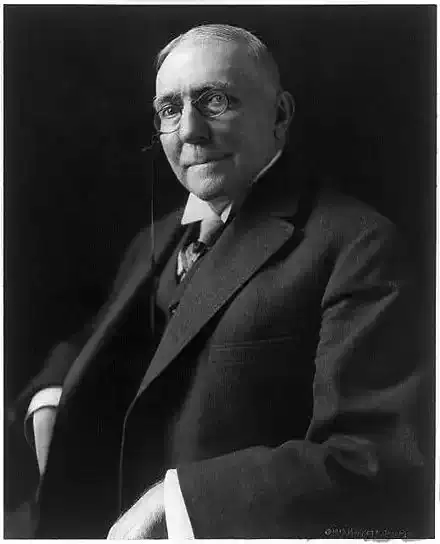
James Whitcomb Riley
The Orchard Lands Of Long Ago
The Orchard Lands Of Long Ago
The orchard lands of Long Ago!
O drowsy winds, awake, and blow
The snowy blossoms back to me,
And all the buds that used to be!
Blow back along the grassy ways
Of truant feet, and lift the haze
Of happy summer from the trees
That trail their tresses in the seas
Of grain that float and overflow
The orchard lands of Long Ago!
Blow back the melody that slips
In lazy laughter from the lips
That marvel much if any kiss
Is sweeter than the apple's is.
Blow back the twitter of the birds--
The lisp, the titter, and the words
Of merriment that found the shine
Of summer-time a glorious wine
That drenched the leaves that loved it so,
In orchard lands of Long Ago!
O memory! alight and sing
Where rosy-bellied pippins cling,
And golden russets glint and gleam,
As, in the old Arabian dream,
The fruits of that enchanted tree
The glad Aladdin robbed for me!
And, drowsy winds, awake and fan
My blood as when it overran
A heart ripe as the apples grow
In orchard lands of Long Ago!
The orchard lands of Long Ago!
O drowsy winds, awake, and blow
The snowy blossoms back to me,
And all the buds that used to be!
Blow back along the grassy ways
Of truant feet, and lift the haze
Of happy summer from the trees
That trail their tresses in the seas
Of grain that float and overflow
The orchard lands of Long Ago!
Blow back the melody that slips
In lazy laughter from the lips
That marvel much if any kiss
Is sweeter than the apple's is.
Blow back the twitter of the birds--
The lisp, the titter, and the words
Of merriment that found the shine
Of summer-time a glorious wine
That drenched the leaves that loved it so,
In orchard lands of Long Ago!
O memory! alight and sing
Where rosy-bellied pippins cling,
And golden russets glint and gleam,
As, in the old Arabian dream,
The fruits of that enchanted tree
The glad Aladdin robbed for me!
And, drowsy winds, awake and fan
My blood as when it overran
A heart ripe as the apples grow
In orchard lands of Long Ago!
275
James Whitcomb Riley
The Old Year And The New
The Old Year And The New
I.
As one in sorrow looks upon
The dead face of a loyal friend,
By the dim light of New Year's dawn
I saw the Old Year end.
Upon the pallid features lay
The dear old smile--so warm and bright
Ere thus its cheer had died away
In ashes of delight.
The hands that I had learned to love
With strength of passion half divine,
Were folded now, all heedless of
The emptiness of mine.
The eyes that once had shed their bright
Sweet looks like sunshine, now were dull,
And ever lidded from the light
That made them beautiful.
II.
The chimes of bells were in the air,
And sounds of mirth in hall and street,
With pealing laughter everywhere
And throb of dancing feet:
The mirth and the convivial din
Of revelers in wanton glee,
With tunes of harp and violin
In tangled harmony.
But with a sense of nameless dread,
I turned me, from the merry face
Of this newcomer, to my dead;
And, kneeling there a space,
I sobbed aloud, all tearfully:--
By this dear face so fixed and cold,
O Lord, let not this New Year be
As happy as the old!
I.
As one in sorrow looks upon
The dead face of a loyal friend,
By the dim light of New Year's dawn
I saw the Old Year end.
Upon the pallid features lay
The dear old smile--so warm and bright
Ere thus its cheer had died away
In ashes of delight.
The hands that I had learned to love
With strength of passion half divine,
Were folded now, all heedless of
The emptiness of mine.
The eyes that once had shed their bright
Sweet looks like sunshine, now were dull,
And ever lidded from the light
That made them beautiful.
II.
The chimes of bells were in the air,
And sounds of mirth in hall and street,
With pealing laughter everywhere
And throb of dancing feet:
The mirth and the convivial din
Of revelers in wanton glee,
With tunes of harp and violin
In tangled harmony.
But with a sense of nameless dread,
I turned me, from the merry face
Of this newcomer, to my dead;
And, kneeling there a space,
I sobbed aloud, all tearfully:--
By this dear face so fixed and cold,
O Lord, let not this New Year be
As happy as the old!
273
James Whitcomb Riley
The Old Swimmin' Hole
The Old Swimmin' Hole
1
2
3
4
6
7
8
Oh! the old swimmin'-hole! whare the crick so still and deep
Looked like a baby-river that was laying half asleep,
And the gurgle of the worter round the drift jest below
Sounded like the laugh of something we onc't ust to know
Before we could remember anything but the eyes
Of the angels lookin' out as we left Paradise;
But the merry days of youth is beyond our controle,
And it's hard to part ferever with the old swimmin'-hole.
9 Oh! the old swimmin'-hole! In the happy days of yore,
When I ust to lean above it on the old sickamore,
11
12
13
14
16
Oh! it showed me a face in its warm sunny tide
That gazed back at me so gay and glorified,
It made me love myself, as I leaped to caress
My shadder smilin' up at me with sich tenderness.
But them days is past and gone, and old Time's tuck his toll
From the old man come back to the old swimmin'-hole.
17
18
19
21
22
23
24
Oh! the old swimmin'-hole! In the long, lazy days
When the humdrum of school made so many run-a-ways,
How plesant was the jurney down the old dusty lane,
Whare the tracks of our bare feet was all printed so plane
You could tell by the dent of the heel and the sole
They was lots o' fun on hands at the old swimmin'-hole.
But the lost joys is past! Let your tears in sorrow roll
Like the rain that ust to dapple up the old swimmin'-hole.
26
Thare the bullrushes growed, and the cattails so tall,
And the sunshine and shadder fell over it all;
27
28
29
31
32
And it mottled the worter with amber and gold
Tel the glad lilies rocked in the ripples that rolled;
And the snake-feeder's four gauzy wings fluttered by
Like the ghost of a daisy dropped out of the sky,
Or a wownded apple-blossom in the breeze's controle
As it cut acrost some orchard to'rds the old swimmin'-hole.
33
34
36
37
38
39
Oh! the old swimmin'-hole! When I last saw the place,
The scenes was all changed, like the change in my face;
The bridge of the railroad now crosses the spot
Whare the old divin'-log lays sunk and fergot.
And I stray down the banks whare the trees ust to be --
But never again will theyr shade shelter me!
And I wish in my sorrow I could strip to the soul,
And dive off in my grave like the old swimmin'-hole.
1
2
3
4
6
7
8
Oh! the old swimmin'-hole! whare the crick so still and deep
Looked like a baby-river that was laying half asleep,
And the gurgle of the worter round the drift jest below
Sounded like the laugh of something we onc't ust to know
Before we could remember anything but the eyes
Of the angels lookin' out as we left Paradise;
But the merry days of youth is beyond our controle,
And it's hard to part ferever with the old swimmin'-hole.
9 Oh! the old swimmin'-hole! In the happy days of yore,
When I ust to lean above it on the old sickamore,
11
12
13
14
16
Oh! it showed me a face in its warm sunny tide
That gazed back at me so gay and glorified,
It made me love myself, as I leaped to caress
My shadder smilin' up at me with sich tenderness.
But them days is past and gone, and old Time's tuck his toll
From the old man come back to the old swimmin'-hole.
17
18
19
21
22
23
24
Oh! the old swimmin'-hole! In the long, lazy days
When the humdrum of school made so many run-a-ways,
How plesant was the jurney down the old dusty lane,
Whare the tracks of our bare feet was all printed so plane
You could tell by the dent of the heel and the sole
They was lots o' fun on hands at the old swimmin'-hole.
But the lost joys is past! Let your tears in sorrow roll
Like the rain that ust to dapple up the old swimmin'-hole.
26
Thare the bullrushes growed, and the cattails so tall,
And the sunshine and shadder fell over it all;
27
28
29
31
32
And it mottled the worter with amber and gold
Tel the glad lilies rocked in the ripples that rolled;
And the snake-feeder's four gauzy wings fluttered by
Like the ghost of a daisy dropped out of the sky,
Or a wownded apple-blossom in the breeze's controle
As it cut acrost some orchard to'rds the old swimmin'-hole.
33
34
36
37
38
39
Oh! the old swimmin'-hole! When I last saw the place,
The scenes was all changed, like the change in my face;
The bridge of the railroad now crosses the spot
Whare the old divin'-log lays sunk and fergot.
And I stray down the banks whare the trees ust to be --
But never again will theyr shade shelter me!
And I wish in my sorrow I could strip to the soul,
And dive off in my grave like the old swimmin'-hole.
311
James Whitcomb Riley
The Old Home By The Mill
The Old Home By The Mill
This is 'The old Home by the Mill'--far we still call it so,
Although the old mill, roof and sill, is all gone long ago.
The old home, though, and old folks, and the old spring, and a few
Old cat-tails, weeds and hartychokes, is left to welcome you!
Here, Marg'et, fetch the man a tin to drink out of' Our spring
Keeps kindo-sorto cavin' in, but don't 'taste' anything!
She's kindo agein', Marg'et is--'the old process,' like me,
All ham-stringed up with rheumatiz, and on in seventy-three.
Jes' me and Marg'et lives alone here--like in long ago;
The childern all put off and gone, and married, don't you know?
One's millin' way out West somewhere; two other miller-boys
In Minnyopolis they air; and one's in Illinoise.
The oldest gyrl--the first that went--married and died right here;
The next lives in Winn's Settlement--for purt' nigh thirty year!
And youngest one--was allus far the old home here--but no!--
Her man turns in and he packs her 'way off to Idyho!
I don't miss them like _Marg'et_ does--'cause I got _her_, you see;
And when she pines for them--that's 'cause _she's_ only jes' got
_me_!
I laugh, and joke her 'bout it all.--But talkin' sense, I'll say,
When she was tuk so bad last Fall, I laughed the t'other way!
I haint so favorble impressed 'bout dyin'; but ef I
Found I was only second-best when _us two_ come to die,
I'd 'dopt the 'new process' in full, ef _Marg'et_ died, you see,-I'd
jes' crawl in my grave and pull the green grass over me!
This is 'The old Home by the Mill'--far we still call it so,
Although the old mill, roof and sill, is all gone long ago.
The old home, though, and old folks, and the old spring, and a few
Old cat-tails, weeds and hartychokes, is left to welcome you!
Here, Marg'et, fetch the man a tin to drink out of' Our spring
Keeps kindo-sorto cavin' in, but don't 'taste' anything!
She's kindo agein', Marg'et is--'the old process,' like me,
All ham-stringed up with rheumatiz, and on in seventy-three.
Jes' me and Marg'et lives alone here--like in long ago;
The childern all put off and gone, and married, don't you know?
One's millin' way out West somewhere; two other miller-boys
In Minnyopolis they air; and one's in Illinoise.
The oldest gyrl--the first that went--married and died right here;
The next lives in Winn's Settlement--for purt' nigh thirty year!
And youngest one--was allus far the old home here--but no!--
Her man turns in and he packs her 'way off to Idyho!
I don't miss them like _Marg'et_ does--'cause I got _her_, you see;
And when she pines for them--that's 'cause _she's_ only jes' got
_me_!
I laugh, and joke her 'bout it all.--But talkin' sense, I'll say,
When she was tuk so bad last Fall, I laughed the t'other way!
I haint so favorble impressed 'bout dyin'; but ef I
Found I was only second-best when _us two_ come to die,
I'd 'dopt the 'new process' in full, ef _Marg'et_ died, you see,-I'd
jes' crawl in my grave and pull the green grass over me!
283
James Whitcomb Riley
The Old Guitar
The Old Guitar
Neglected now is the old guitar
And moldering into decay;
Fretted with many a rift and scar
That the dull dust hides away,
While the spider spins a silver star
In its silent lips to-day.
The keys hold only nerveless strings--
The sinews of brave old airs
Are pulseless now; and the scarf that clings
So closely here declares
A sad regret in its ravelings
And the faded hue it wears.
But the old guitar, with a lenient grace,
Has cherished a smile for me;
And its features hint of a fairer face
That comes with a memory
Of a flower-and-perfume-haunted place
And a moonlit balcony.
Music sweeter than words confess,
Or the minstrel's powers invent,
Thrilled here once at the light caress
Of the fairy hands that lent
This excuse for the kiss I press
On the dear old instrument.
The rose of pearl with the jeweled stem
Still blooms; and the tiny sets
In the circle all are here; the gem
In the keys, and the silver frets;
But the dainty fingers that danced o'er them--
Alas for the heart's regrets!--
Alas for the loosened strings to-day,
And the wounds of rift and scar
On a worn old heart, with its roundelay
Enthralled with a stronger bar
That Fate weaves on, through a dull decay
Like that of the old guitar!
Neglected now is the old guitar
And moldering into decay;
Fretted with many a rift and scar
That the dull dust hides away,
While the spider spins a silver star
In its silent lips to-day.
The keys hold only nerveless strings--
The sinews of brave old airs
Are pulseless now; and the scarf that clings
So closely here declares
A sad regret in its ravelings
And the faded hue it wears.
But the old guitar, with a lenient grace,
Has cherished a smile for me;
And its features hint of a fairer face
That comes with a memory
Of a flower-and-perfume-haunted place
And a moonlit balcony.
Music sweeter than words confess,
Or the minstrel's powers invent,
Thrilled here once at the light caress
Of the fairy hands that lent
This excuse for the kiss I press
On the dear old instrument.
The rose of pearl with the jeweled stem
Still blooms; and the tiny sets
In the circle all are here; the gem
In the keys, and the silver frets;
But the dainty fingers that danced o'er them--
Alas for the heart's regrets!--
Alas for the loosened strings to-day,
And the wounds of rift and scar
On a worn old heart, with its roundelay
Enthralled with a stronger bar
That Fate weaves on, through a dull decay
Like that of the old guitar!
316
James Whitcomb Riley
The Little Fat Doctor
The Little Fat Doctor
He seemed so strange to me, every way--
In manner, and form, and size,
From the boy I knew but yesterday,--
I could hardly believe my eyes!
To hear his name called over there,
My memory thrilled with glee
And leaped to picture him young and fair
In youth, as he used to be.
But looking, only as glad eyes can,
For the boy I knew of yore,
I smiled on a portly little man
I had never seen before!--
Grave as a judge in courtliness-Professor-
like and bland--
A little fat doctor and nothing less,
With his hat in his kimboed hand.
But how we talked old times, and 'chaffed'
Each other with 'Minnie' and 'Jim'---
And how the little fat doctor laughed,
And how I laughed with him!
'And it's pleasant,' I thought, 'though I yearn to see
The face of the youth that was,
To know no boy could smile on me
As the little fat doctor does!'
He seemed so strange to me, every way--
In manner, and form, and size,
From the boy I knew but yesterday,--
I could hardly believe my eyes!
To hear his name called over there,
My memory thrilled with glee
And leaped to picture him young and fair
In youth, as he used to be.
But looking, only as glad eyes can,
For the boy I knew of yore,
I smiled on a portly little man
I had never seen before!--
Grave as a judge in courtliness-Professor-
like and bland--
A little fat doctor and nothing less,
With his hat in his kimboed hand.
But how we talked old times, and 'chaffed'
Each other with 'Minnie' and 'Jim'---
And how the little fat doctor laughed,
And how I laughed with him!
'And it's pleasant,' I thought, 'though I yearn to see
The face of the youth that was,
To know no boy could smile on me
As the little fat doctor does!'
249
James Whitcomb Riley
The Home-Going
The Home-Going
We must get home--for we have been away
So long it seems forever and a day!
And O so very homesick we have grown,
The laughter of the world is like a moan
In our tired hearing, and its songs as vain,--
We must get home--we must get home again!
We must get home: It hurts so, staying here,
Where fond hearts must be wept out tear by tear,
And where to wear wet lashes means, at best,
When most our lack, the least our hope of rest
When most our need of joy, the more our pain--
We must get home--we must get home again!
We must get home: All is so quiet there:
The touch of loving hands on brow and hair--
Dim rooms, wherein the sunshine is made mild---
The lost love of the mother and the child
Restored in restful lullabies of rain.--
We must get home--we must get home again!
We must get home, where, as we nod and drowse,
Time humors us and tiptoes through the house,
And loves us best when sleeping baby-wise,
With dreams--not tear-drops--brimming our clenched eyes,--
Pure dreams that know nor taint nor earthly stain--
We must get home--we must get home again!
We must get home; and, unremembering there
All gain of all ambitions otherwhere,
Rest--from the feverish victory, and the crown
Of conquest whose waste glory weighs us down.-Fame's
fairest gifts we toss back with disdain--
We must get home--we must get home again!
We must get home--for we have been away
So long it seems forever and a day!
And O so very homesick we have grown,
The laughter of the world is like a moan
In our tired hearing, and its songs as vain,--
We must get home--we must get home again!
We must get home: It hurts so, staying here,
Where fond hearts must be wept out tear by tear,
And where to wear wet lashes means, at best,
When most our lack, the least our hope of rest
When most our need of joy, the more our pain--
We must get home--we must get home again!
We must get home: All is so quiet there:
The touch of loving hands on brow and hair--
Dim rooms, wherein the sunshine is made mild---
The lost love of the mother and the child
Restored in restful lullabies of rain.--
We must get home--we must get home again!
We must get home, where, as we nod and drowse,
Time humors us and tiptoes through the house,
And loves us best when sleeping baby-wise,
With dreams--not tear-drops--brimming our clenched eyes,--
Pure dreams that know nor taint nor earthly stain--
We must get home--we must get home again!
We must get home; and, unremembering there
All gain of all ambitions otherwhere,
Rest--from the feverish victory, and the crown
Of conquest whose waste glory weighs us down.-Fame's
fairest gifts we toss back with disdain--
We must get home--we must get home again!
353
James Whitcomb Riley
The Good, Old-Fashioned People
The Good, Old-Fashioned People
When we hear Uncle Sidney tell
About the long-ago
An' old, old friends he loved so well
When _he_ was young--My-oh!--
Us childern all wish _we'd 'a'_ bin
A-livin' then with Uncle,--so
We could a-kindo' happened in
On them old friends he used to know!--
The good, old-fashioned people--
The hale, hard-working people--
The kindly country people
'At Uncle used to know!
They was God's people, Uncle says,
An' gloried in His name,
An' worked, without no selfishness,
An' loved their neighbers same
As they was kin: An' when they biled
Their tree-molasses, in the Spring,
Er butchered in the Fall, they smiled
An' sheered with all jist ever'thing!--
The good, old-fashioned people--
The hale, hard-working people--
The kindly country people
'At Uncle used to know!
He tells about 'em, lots o' times,
Till we'd all ruther hear
About 'em than the Nurs'ry Rhymes
Er Fairies--mighty near!--
Only sometimes he stops so long
An' then talks on so low an' slow,
It's purt'-nigh sad as any song
To listen to him talkin' so
Of the good, old-fashioned people--
The hale, hard-working people--
The kindly country people
'At Uncle used to know!
When we hear Uncle Sidney tell
About the long-ago
An' old, old friends he loved so well
When _he_ was young--My-oh!--
Us childern all wish _we'd 'a'_ bin
A-livin' then with Uncle,--so
We could a-kindo' happened in
On them old friends he used to know!--
The good, old-fashioned people--
The hale, hard-working people--
The kindly country people
'At Uncle used to know!
They was God's people, Uncle says,
An' gloried in His name,
An' worked, without no selfishness,
An' loved their neighbers same
As they was kin: An' when they biled
Their tree-molasses, in the Spring,
Er butchered in the Fall, they smiled
An' sheered with all jist ever'thing!--
The good, old-fashioned people--
The hale, hard-working people--
The kindly country people
'At Uncle used to know!
He tells about 'em, lots o' times,
Till we'd all ruther hear
About 'em than the Nurs'ry Rhymes
Er Fairies--mighty near!--
Only sometimes he stops so long
An' then talks on so low an' slow,
It's purt'-nigh sad as any song
To listen to him talkin' so
Of the good, old-fashioned people--
The hale, hard-working people--
The kindly country people
'At Uncle used to know!
268
James Whitcomb Riley
The Harp Of The Minstrel
The Harp Of The Minstrel
The harp of the minstrel has never a tone
As sad as the song in his bosom to-night,
For the magical touch of his fingers alone
Can not waken the echoes that breathe it aright;
But oh! as the smile of the moon may impart
A sorrow to one in an alien clime,
Let the light of the melody fall on the heart,
And cadence his grief into musical rhyme.
The faces have faded, the eyes have grown dim
That once were his passionate love and his pride;
And alas! all the smiles that once blossomed for him
Have fallen away as the flowers have died.
The hands that entwined him the laureate's wreath
And crowned him with fame in the long, long ago,
Like the laurels are withered and folded beneath
The grass and the stubble--the frost and the snow.
Then sigh, if thou wilt, as the whispering strings
Strive ever in vain for the utterance clear,
And think of the sorrowful spirit that sings,
And jewel the song with the gem of a tear.
For the harp of the minstrel has never a tone
As sad as the song in his bosom tonight,
And the magical touch of his fingers alone
Can not waken the echoes that breathe it aright.
The harp of the minstrel has never a tone
As sad as the song in his bosom to-night,
For the magical touch of his fingers alone
Can not waken the echoes that breathe it aright;
But oh! as the smile of the moon may impart
A sorrow to one in an alien clime,
Let the light of the melody fall on the heart,
And cadence his grief into musical rhyme.
The faces have faded, the eyes have grown dim
That once were his passionate love and his pride;
And alas! all the smiles that once blossomed for him
Have fallen away as the flowers have died.
The hands that entwined him the laureate's wreath
And crowned him with fame in the long, long ago,
Like the laurels are withered and folded beneath
The grass and the stubble--the frost and the snow.
Then sigh, if thou wilt, as the whispering strings
Strive ever in vain for the utterance clear,
And think of the sorrowful spirit that sings,
And jewel the song with the gem of a tear.
For the harp of the minstrel has never a tone
As sad as the song in his bosom tonight,
And the magical touch of his fingers alone
Can not waken the echoes that breathe it aright.
261
James Whitcomb Riley
The Days Gone By
The Days Gone By
O the days gone by! O the days gone by!
The apples in the orchard, and the pathway through the rye;
The chirrup of the robin, and the whistle of the quail
As he piped across the meadows sweet as any nightingale;
When the bloom was on the clover, and the blue was in the sky,
And my happy heart brimmed over in the days gone by.
In the days gone by, when my naked feet were tripped
By the honey-suckle's tangles where the water-lilies dipped,
And the ripples of the river lipped the moss along the brink
Where the placid-eyed and lazy-footed cattle came to drink,
And the tilting snipe stood fearless of the truant's wayward cry
And the splashing of the swimmer, in the days gone by.
O the days gone by! O the days gone by!
The music of the laughing lip, the luster of the eye;
The childish faith in fairies, and Aladdin's magic ring--
The simple, soul-reposing, glad belief in everything,--
When life was like a story, holding neither sob nor sigh,
In the golden olden glory of the days gone by.
O the days gone by! O the days gone by!
The apples in the orchard, and the pathway through the rye;
The chirrup of the robin, and the whistle of the quail
As he piped across the meadows sweet as any nightingale;
When the bloom was on the clover, and the blue was in the sky,
And my happy heart brimmed over in the days gone by.
In the days gone by, when my naked feet were tripped
By the honey-suckle's tangles where the water-lilies dipped,
And the ripples of the river lipped the moss along the brink
Where the placid-eyed and lazy-footed cattle came to drink,
And the tilting snipe stood fearless of the truant's wayward cry
And the splashing of the swimmer, in the days gone by.
O the days gone by! O the days gone by!
The music of the laughing lip, the luster of the eye;
The childish faith in fairies, and Aladdin's magic ring--
The simple, soul-reposing, glad belief in everything,--
When life was like a story, holding neither sob nor sigh,
In the golden olden glory of the days gone by.
256
James Whitcomb Riley
The Boys
The Boys
Where are they?--the friends of my childhood enchanted--
The clear, laughing eyes looking back in my own,
And the warm, chubby fingers my palms have so wanted,
As when we raced over
Pink pastures of clover,
And mocked the quail's whir and the bumblebee's drone?
Have the breezes of time blown their blossomy faces
Forever adrift down the years that are flown?
Am I never to see them romp back to their places,
Where over the meadow,
In sunshine and shadow,
The meadow-larks trill, and the bumblebees drone?
Where are they? Ah! dim in the dust lies the clover;
The whippoorwill's call has a sorrowful tone,
And the dove's--I have wept at it over and over;--
I want the glad luster
Of youth, and the cluster
Of faces asleep where the bumblebees drone!
Where are they?--the friends of my childhood enchanted--
The clear, laughing eyes looking back in my own,
And the warm, chubby fingers my palms have so wanted,
As when we raced over
Pink pastures of clover,
And mocked the quail's whir and the bumblebee's drone?
Have the breezes of time blown their blossomy faces
Forever adrift down the years that are flown?
Am I never to see them romp back to their places,
Where over the meadow,
In sunshine and shadow,
The meadow-larks trill, and the bumblebees drone?
Where are they? Ah! dim in the dust lies the clover;
The whippoorwill's call has a sorrowful tone,
And the dove's--I have wept at it over and over;--
I want the glad luster
Of youth, and the cluster
Of faces asleep where the bumblebees drone!
322
James Whitcomb Riley
Private Theatricals
Private Theatricals
A quite convincing axiom
Is, 'Life is like a play';
For, turning back its pages some
Few dog-eared years away,
I find where I
Committed my
Love-tale--with brackets where to sigh.
I feel an idle interest
To read again the page;
I enter, as a lover dressed,
At twenty years of age,
And play the part
With throbbing heart,
And all an actor's glowing art.
And she who plays my Lady-love
Excels!--Her loving glance
Has power her audience to move--
I am her audience.--
Her acting tact,
To tell the fact,
'Brings down the house' in every act.
And often we defy the curse
Of storms and thunder-showers,
To meet together and rehearse
This little play of ours--
I think, when she
'Makes love' to me,
She kisses very naturally!
. . . . . .
Yes; it's convincing--rather--
That 'Life is like a play':
I am playing 'Heavy Father'
In a 'Screaming Farce' to-day,
That so 'brings down
The house,' I frown,
And fain would 'ring the curtain down.'
A quite convincing axiom
Is, 'Life is like a play';
For, turning back its pages some
Few dog-eared years away,
I find where I
Committed my
Love-tale--with brackets where to sigh.
I feel an idle interest
To read again the page;
I enter, as a lover dressed,
At twenty years of age,
And play the part
With throbbing heart,
And all an actor's glowing art.
And she who plays my Lady-love
Excels!--Her loving glance
Has power her audience to move--
I am her audience.--
Her acting tact,
To tell the fact,
'Brings down the house' in every act.
And often we defy the curse
Of storms and thunder-showers,
To meet together and rehearse
This little play of ours--
I think, when she
'Makes love' to me,
She kisses very naturally!
. . . . . .
Yes; it's convincing--rather--
That 'Life is like a play':
I am playing 'Heavy Father'
In a 'Screaming Farce' to-day,
That so 'brings down
The house,' I frown,
And fain would 'ring the curtain down.'
272
James Whitcomb Riley
Nothin' To Say
Nothin' To Say
Nothin' to say, my daughter! Nothin' at all to say!
Gyrls that's in love, I've noticed, ginerly has their way!
Yer mother did, afore you, when her folks objected to me--
Yit here I am, and here you air; and yer mother--where is she?
You look lots like yer mother: Purty much same in size;
And about the same complected; and favor about the eyes:
Like her, too, about _livin_' here,--because _she_ couldn't stay:
It'll 'most seem like you was dead--like her!--But I hain't got nothin' to say!
She left you her little Bible--writ yer name acrost the page--
And left her ear bobs fer you, ef ever you come of age.
I've allus kep' 'em and gyuarded 'em, but ef yer goin' away--
Nothin' to say, my daughter! Nothin' at all to say!
You don't rikollect her, I reckon? No; you wasn't a year old then!
And now yer--how old _air_ you? W'y, child, not '_twenty_!' When?
And yer nex' birthday's in Aprile? and you want to git married that day?
... I wisht yer mother was livin'!--But--I hain't got nothin' to say!
Twenty year! and as good a gyrl as parent ever found!
There's a straw ketched onto yer dress there--I'll bresh it off--turn round.
(Her mother was jes' twenty when us two run away!)
Nothin' to say, my daughter! Nothin' at all to say!
Nothin' to say, my daughter! Nothin' at all to say!
Gyrls that's in love, I've noticed, ginerly has their way!
Yer mother did, afore you, when her folks objected to me--
Yit here I am, and here you air; and yer mother--where is she?
You look lots like yer mother: Purty much same in size;
And about the same complected; and favor about the eyes:
Like her, too, about _livin_' here,--because _she_ couldn't stay:
It'll 'most seem like you was dead--like her!--But I hain't got nothin' to say!
She left you her little Bible--writ yer name acrost the page--
And left her ear bobs fer you, ef ever you come of age.
I've allus kep' 'em and gyuarded 'em, but ef yer goin' away--
Nothin' to say, my daughter! Nothin' at all to say!
You don't rikollect her, I reckon? No; you wasn't a year old then!
And now yer--how old _air_ you? W'y, child, not '_twenty_!' When?
And yer nex' birthday's in Aprile? and you want to git married that day?
... I wisht yer mother was livin'!--But--I hain't got nothin' to say!
Twenty year! and as good a gyrl as parent ever found!
There's a straw ketched onto yer dress there--I'll bresh it off--turn round.
(Her mother was jes' twenty when us two run away!)
Nothin' to say, my daughter! Nothin' at all to say!
307
James Whitcomb Riley
Old Fashioned Roses
Old Fashioned Roses
They ain't no style about 'em,
And they're sorto' pale and faded,
Yit the doorway here, without 'em,
Would be lonesomer, and shaded
With a good 'eal blacker shudder
Than the morning-glories makes,
And the sunshine would look sadder
Fer their good old-fashion' sakes.
I like 'em 'cause they kindo'--
Sorto' make a feller like 'em!
And I tell you, when I find a
Bunch out whur the sun kin strike 'em,
It allus sets me thinkin'
O' the ones 'at used to grow
And peek in thro' the chinkin'
O' the cabin, don't you know!
And then I think o' mother,
And how she ust to love 'em--
When they wuzn't any other,
'Less she found 'em up above 'em!
And her eyes, afore she shut 'em,
Whispered with a smile and said
We must pick a bunch and putt 'em
In her hand when she wuz dead.
But as I wuz a-sayin',
They ain't no style about 'em
Very gaudy er displayin',
But I wouldn't be without 'em--,
'Cause I'm happier in these posies,
And the hollyhawks and sich,
Than the hummin'-bird 'at noses
In the roses of the rich.
They ain't no style about 'em,
And they're sorto' pale and faded,
Yit the doorway here, without 'em,
Would be lonesomer, and shaded
With a good 'eal blacker shudder
Than the morning-glories makes,
And the sunshine would look sadder
Fer their good old-fashion' sakes.
I like 'em 'cause they kindo'--
Sorto' make a feller like 'em!
And I tell you, when I find a
Bunch out whur the sun kin strike 'em,
It allus sets me thinkin'
O' the ones 'at used to grow
And peek in thro' the chinkin'
O' the cabin, don't you know!
And then I think o' mother,
And how she ust to love 'em--
When they wuzn't any other,
'Less she found 'em up above 'em!
And her eyes, afore she shut 'em,
Whispered with a smile and said
We must pick a bunch and putt 'em
In her hand when she wuz dead.
But as I wuz a-sayin',
They ain't no style about 'em
Very gaudy er displayin',
But I wouldn't be without 'em--,
'Cause I'm happier in these posies,
And the hollyhawks and sich,
Than the hummin'-bird 'at noses
In the roses of the rich.
292
James Whitcomb Riley
My Jolly Friend's Secret
My Jolly Friend's Secret
Ah, friend of mine, how goes it,
Since you've taken you a mate?--
Your smile, though, plainly shows it
Is a very happy state!
Dan Cupid's necromancy!
You must sit you down and dine,
And lubricate your fancy
With a glass or two of wine.
And as you have 'deserted,'
As my other chums have done,
While I laugh alone diverted,
As you drop off one by one--
And I've remained unwedded,
Till--you see--look here--that I'm,
In a manner, 'snatched bald-headed'
By the sportive hand of Time!
I'm an 'old 'un!' yes, but wrinkles
Are not so plenty, quite,
As to cover up the twinkles
Of the BOY--ain't I right?
Yet, there are ghosts of kisses
Under this mustache of mine
My mem'ry only misses
When I drown 'em out with wine.
From acknowledgment so ample,
You would hardly take me for
What I am--a perfect sample
Of a 'jolly bachelor';
Not a bachelor has being
When he laughs at married life
But his heart and soul's agreeing
That he ought to have a wife!
Ah, ha I old chum, this claret,
Like Fatima, holds the key
Of the old Blue-Beardish garret
Of my hidden mystery!
Did you say you'd like to listen?
Ah, my boy! the 'SAD NO MORE!'
And the tear-drops that will glisten--
TURN THE CATCH UPON THE DOOR,
And sit you down beside me,
And put yourself at ease-I'll
trouble you to slide me
That wine decanter, please;
The path is kind o' mazy
Where my fancies have to go,
And my heart gets sort o' lazy
On the journey--don't you know?
Let me see--when I was twenty-It's
a lordly age, my boy,
When a fellow's money's plenty,
And the leisure to enjoy--
And a girl--with hair as golden
As--THAT; and lips--well--quite
As red as THIS I'm holdin'
Between you and the light.
And eyes and a complexion--
Ah, heavens!--le'-me-see-Well,--
just in this connection,--
DID YOU LOCK THAT DOOR FOR ME?
Did I start in recitation
My past life to recall?
Well, THAT'S an indication
I am purty tight--that's all!
Ah, friend of mine, how goes it,
Since you've taken you a mate?--
Your smile, though, plainly shows it
Is a very happy state!
Dan Cupid's necromancy!
You must sit you down and dine,
And lubricate your fancy
With a glass or two of wine.
And as you have 'deserted,'
As my other chums have done,
While I laugh alone diverted,
As you drop off one by one--
And I've remained unwedded,
Till--you see--look here--that I'm,
In a manner, 'snatched bald-headed'
By the sportive hand of Time!
I'm an 'old 'un!' yes, but wrinkles
Are not so plenty, quite,
As to cover up the twinkles
Of the BOY--ain't I right?
Yet, there are ghosts of kisses
Under this mustache of mine
My mem'ry only misses
When I drown 'em out with wine.
From acknowledgment so ample,
You would hardly take me for
What I am--a perfect sample
Of a 'jolly bachelor';
Not a bachelor has being
When he laughs at married life
But his heart and soul's agreeing
That he ought to have a wife!
Ah, ha I old chum, this claret,
Like Fatima, holds the key
Of the old Blue-Beardish garret
Of my hidden mystery!
Did you say you'd like to listen?
Ah, my boy! the 'SAD NO MORE!'
And the tear-drops that will glisten--
TURN THE CATCH UPON THE DOOR,
And sit you down beside me,
And put yourself at ease-I'll
trouble you to slide me
That wine decanter, please;
The path is kind o' mazy
Where my fancies have to go,
And my heart gets sort o' lazy
On the journey--don't you know?
Let me see--when I was twenty-It's
a lordly age, my boy,
When a fellow's money's plenty,
And the leisure to enjoy--
And a girl--with hair as golden
As--THAT; and lips--well--quite
As red as THIS I'm holdin'
Between you and the light.
And eyes and a complexion--
Ah, heavens!--le'-me-see-Well,--
just in this connection,--
DID YOU LOCK THAT DOOR FOR ME?
Did I start in recitation
My past life to recall?
Well, THAT'S an indication
I am purty tight--that's all!
311
James Whitcomb Riley
Let Us Forget
Let Us Forget
Let us forget. What matters it that we
Once reigned o'er happy realms of long-ago,
And talked of love, and let our voices low,
And ruled for some brief sessions royally?
What if we sung, or laughed, or wept maybe?
It has availed not anything, and so
Let it go by that we may better know
How poor a thing is lost to you and me.
But yesterday I kissed your lips, and yet
Did thrill you not enough to shake the dew
From your drenched lids--and missed, with no regret,
Your kiss shot back, with sharp breaths failing you;
And so, to-day, while our worn eyes are wet
With all this waste of tears, let us forget!
Let us forget. What matters it that we
Once reigned o'er happy realms of long-ago,
And talked of love, and let our voices low,
And ruled for some brief sessions royally?
What if we sung, or laughed, or wept maybe?
It has availed not anything, and so
Let it go by that we may better know
How poor a thing is lost to you and me.
But yesterday I kissed your lips, and yet
Did thrill you not enough to shake the dew
From your drenched lids--and missed, with no regret,
Your kiss shot back, with sharp breaths failing you;
And so, to-day, while our worn eyes are wet
With all this waste of tears, let us forget!
284
James Whitcomb Riley
Kingry's Mill
Kingry's Mill
On old Brandywine-- about
Where White's Lots is now laid out,
And the old crick narries down
To the ditch that splits the town--,
Kingry's Mill stood. Hardly see
Where the old dam ust to be;
Shallor, long, dry trought o' grass
Where the old race ust to pass!
That's be'n forty years ago--
Forty years o' frost and snow--
Forty years o' shade and shine
Sence them boyhood-days o' mine--!
All the old landmarks o' town.
Changed about, er rotted down!
Where's the Tanyard? Where's the Still?
Tell me where's old Kingry's Mill?
Don't seem furder back, to me,
I'll be dogg'd! Than yisterd'y,
Since us fellers, in bare feet
And straw hats, went through the wheat,
Cuttin' 'crost the shortest shoot
Fer that-air old ellum root
Jest above the mill-dam-- where
The blame' cars now crosses there!
Through the willers down the crick
We could see the old mill stick
Its red gable up, as if
It jest knowed we'd stol'd the skiff!
See the winders in the sun
Blink like they wuz wonderun'
What the miller ort to do
With sich boys as me and you!
But old Kingry--! Who could fear
That old chap, with all his cheer--?
Leanin' at the window-sill,
Er the half-door o' the mill,
Swoppin' lies, and pokin' fun,
'N jigglin' like his hoppers done--
Laughin' grists o' gold and red
Right out o' the wagon-bed!
What did he keer where we went--?
'Jest keep out o' devilment,
And don't fool around the belts,
Bolts, ner burrs, ner nothin' else
'Bout the blame machinery,
And that's all I ast!' says-ee.
Then we'd climb the stairs, and play
In the bran-bins half the day!
Rickollect the dusty wall,
And the spider-webs, and all!
Rickollect the trimblin' spout
Where the meal come josslln' out--
Stand and comb yer fingers through
The fool-truck an hour er two--
Felt so sorto' warm-like and
Soothin' to a feller's hand!
Climb, high up above the stream,
And 'coon' out the wobbly beam
And peek down from out the lof'
Where the weather-boards was off-Gee-
mun-nee! w'y, it takes grit
Even jest to think of it--!
Lookin' 'way down there below
On the worter roarin' so!
Rickollect the flume, and wheel,
And the worter slosh and reel
And jest ravel out in froth
Flossier'n satin cloth!
Rickollect them paddles jest
Knock the bubbles galley-west,
And plunge under, and come up
Drippin' like a worter-pup!
And to see them old things gone
That I onc't was bettin' on,
In rale p'int o' fact, I feel
kindo' like that worter-wheel--,
Sorto' drippy-like and wet
Round the eyes-- but paddlin' yet,
And in mem'ry, loafin' still
Down around old Kingry's Mill!
On old Brandywine-- about
Where White's Lots is now laid out,
And the old crick narries down
To the ditch that splits the town--,
Kingry's Mill stood. Hardly see
Where the old dam ust to be;
Shallor, long, dry trought o' grass
Where the old race ust to pass!
That's be'n forty years ago--
Forty years o' frost and snow--
Forty years o' shade and shine
Sence them boyhood-days o' mine--!
All the old landmarks o' town.
Changed about, er rotted down!
Where's the Tanyard? Where's the Still?
Tell me where's old Kingry's Mill?
Don't seem furder back, to me,
I'll be dogg'd! Than yisterd'y,
Since us fellers, in bare feet
And straw hats, went through the wheat,
Cuttin' 'crost the shortest shoot
Fer that-air old ellum root
Jest above the mill-dam-- where
The blame' cars now crosses there!
Through the willers down the crick
We could see the old mill stick
Its red gable up, as if
It jest knowed we'd stol'd the skiff!
See the winders in the sun
Blink like they wuz wonderun'
What the miller ort to do
With sich boys as me and you!
But old Kingry--! Who could fear
That old chap, with all his cheer--?
Leanin' at the window-sill,
Er the half-door o' the mill,
Swoppin' lies, and pokin' fun,
'N jigglin' like his hoppers done--
Laughin' grists o' gold and red
Right out o' the wagon-bed!
What did he keer where we went--?
'Jest keep out o' devilment,
And don't fool around the belts,
Bolts, ner burrs, ner nothin' else
'Bout the blame machinery,
And that's all I ast!' says-ee.
Then we'd climb the stairs, and play
In the bran-bins half the day!
Rickollect the dusty wall,
And the spider-webs, and all!
Rickollect the trimblin' spout
Where the meal come josslln' out--
Stand and comb yer fingers through
The fool-truck an hour er two--
Felt so sorto' warm-like and
Soothin' to a feller's hand!
Climb, high up above the stream,
And 'coon' out the wobbly beam
And peek down from out the lof'
Where the weather-boards was off-Gee-
mun-nee! w'y, it takes grit
Even jest to think of it--!
Lookin' 'way down there below
On the worter roarin' so!
Rickollect the flume, and wheel,
And the worter slosh and reel
And jest ravel out in froth
Flossier'n satin cloth!
Rickollect them paddles jest
Knock the bubbles galley-west,
And plunge under, and come up
Drippin' like a worter-pup!
And to see them old things gone
That I onc't was bettin' on,
In rale p'int o' fact, I feel
kindo' like that worter-wheel--,
Sorto' drippy-like and wet
Round the eyes-- but paddlin' yet,
And in mem'ry, loafin' still
Down around old Kingry's Mill!
268
James Whitcomb Riley
John McKeen
John McKeen
John McKeen, in his rusty dress,
His loosened collar, and swarthy throat,
His face unshaven, and none the less,
His hearty laugh and his wholesomeness,
And the wealth of a workman's vote!
Bring him, O Memory, here once more,
And tilt him back in his Windsor chair
By the kitchen stove, when the day is o'er
And the light of the hearth is across the floor,
And the crickets everywhere!
And let their voices be gladly blent
With a watery jingle of pans and spoons,
And a motherly chirrup of sweet content,
And neighborly gossip and merriment,
And old-time fiddle-tunes!
Tick the clock with a wooden sound,
And fill the hearing with childish glee
Of rhyming riddle, or story found
In the Robinson Crusoe, leather-bound
Old book of the Used-to-be!
John McKeen of the Past! Ah John,
To have grown ambitious in worldly ways--!
To have rolled your shirt-sleeves down, to don
A broadcloth suit, and forgetful, gone
Out on election days!
John ah, John! Did it prove your worth
To yield you the office you still maintain--?
To fill your pockets, but leave the dearth
Of all the happier things on earth
To the hunger of heart and brain?
Under the dusk of your villa trees,
Edging the drives where your blooded span
Paw the pebbles and wait your ease--,
Where are the children about your knees,
And the mirth, and the happy man?
The blinds of your mansion are battened to;
Your faded wife is a close recluse;
And your 'finished' daughters will doubtless do
Dutifully all that is willed of you,
And marry as you shall choose--!
But O for the old-home voices, blent
With the watery jingle of pans and spoons,
And the motherly chirrup of glad content,
And neighborly gossip and merriment,
And the old-time fiddle-tunes!
John McKeen, in his rusty dress,
His loosened collar, and swarthy throat,
His face unshaven, and none the less,
His hearty laugh and his wholesomeness,
And the wealth of a workman's vote!
Bring him, O Memory, here once more,
And tilt him back in his Windsor chair
By the kitchen stove, when the day is o'er
And the light of the hearth is across the floor,
And the crickets everywhere!
And let their voices be gladly blent
With a watery jingle of pans and spoons,
And a motherly chirrup of sweet content,
And neighborly gossip and merriment,
And old-time fiddle-tunes!
Tick the clock with a wooden sound,
And fill the hearing with childish glee
Of rhyming riddle, or story found
In the Robinson Crusoe, leather-bound
Old book of the Used-to-be!
John McKeen of the Past! Ah John,
To have grown ambitious in worldly ways--!
To have rolled your shirt-sleeves down, to don
A broadcloth suit, and forgetful, gone
Out on election days!
John ah, John! Did it prove your worth
To yield you the office you still maintain--?
To fill your pockets, but leave the dearth
Of all the happier things on earth
To the hunger of heart and brain?
Under the dusk of your villa trees,
Edging the drives where your blooded span
Paw the pebbles and wait your ease--,
Where are the children about your knees,
And the mirth, and the happy man?
The blinds of your mansion are battened to;
Your faded wife is a close recluse;
And your 'finished' daughters will doubtless do
Dutifully all that is willed of you,
And marry as you shall choose--!
But O for the old-home voices, blent
With the watery jingle of pans and spoons,
And the motherly chirrup of glad content,
And neighborly gossip and merriment,
And the old-time fiddle-tunes!
257
James Whitcomb Riley
His Room
His Room
'I'm home again, my dear old Room,
I'm home again, and happy, too,
As, peering through the brightening gloom,
I find myself alone with you:
Though brief my stay, nor far away,
I missed you--missed you night and day--
As wildly yearned for you as now.--
Old Room, how are you, anyhow?
'My easy chair, with open arms,
Awaits me just within the door;
The littered carpet's woven charms
Have never seemed so bright before,--
The old rosettes and mignonettes
And ivy-leaves and violets,
Look up as pure and fresh of hue
As though baptized in morning dew.
'Old Room, to me your homely walls
Fold round me like the arms of love,
And over all my being falls
A blessing pure as from above--
Even as a nestling child caressed
And lulled upon a loving breast,
With folded eyes, too glad to weep
And yet too sad for dreams or sleep.
'You've been so kind to me, old Room--
So patient in your tender care,
My drooping heart in fullest bloom
Has blossomed for you unaware;
And who but you had cared to woo
A heart so dark, and heavy, too,
As in the past you lifted mine
From out the shadow to the shine?
'For I was but a wayward boy
When first you gladly welcomed me
And taught me work was truer joy
Than rioting incessantly:
And thus the din that stormed within
The old guitar and violin
Has fallen in a fainter tone
And sweeter, for your sake alone.
'Though in my absence I have stood
In festal halls a favored guest,
I missed, in this old quietude,
My worthy work and worthy rest--
By _this_ I know that long ago
You loved me first, and told me so
In art's mute eloquence of speech
The voice of praise may never reach.
'For lips and eyes in truth's disguise
Confuse the faces of my friends,
Till old affection's fondest ties
I find unraveling at the ends;
But as I turn to you, and learn
To meet my griefs with less concern,
Your love seems all I have to keep
Me smiling lest I needs must weep.
'Yet I am happy, and would fain
Forget the world and all its woes;
So set me to my tasks again,
Old Room, and lull me to repose:
And as we glide adown the tide
Of dreams, forever side by side,
I'll hold your hands as lovers do
Their sweethearts' and talk love to you.'
'I'm home again, my dear old Room,
I'm home again, and happy, too,
As, peering through the brightening gloom,
I find myself alone with you:
Though brief my stay, nor far away,
I missed you--missed you night and day--
As wildly yearned for you as now.--
Old Room, how are you, anyhow?
'My easy chair, with open arms,
Awaits me just within the door;
The littered carpet's woven charms
Have never seemed so bright before,--
The old rosettes and mignonettes
And ivy-leaves and violets,
Look up as pure and fresh of hue
As though baptized in morning dew.
'Old Room, to me your homely walls
Fold round me like the arms of love,
And over all my being falls
A blessing pure as from above--
Even as a nestling child caressed
And lulled upon a loving breast,
With folded eyes, too glad to weep
And yet too sad for dreams or sleep.
'You've been so kind to me, old Room--
So patient in your tender care,
My drooping heart in fullest bloom
Has blossomed for you unaware;
And who but you had cared to woo
A heart so dark, and heavy, too,
As in the past you lifted mine
From out the shadow to the shine?
'For I was but a wayward boy
When first you gladly welcomed me
And taught me work was truer joy
Than rioting incessantly:
And thus the din that stormed within
The old guitar and violin
Has fallen in a fainter tone
And sweeter, for your sake alone.
'Though in my absence I have stood
In festal halls a favored guest,
I missed, in this old quietude,
My worthy work and worthy rest--
By _this_ I know that long ago
You loved me first, and told me so
In art's mute eloquence of speech
The voice of praise may never reach.
'For lips and eyes in truth's disguise
Confuse the faces of my friends,
Till old affection's fondest ties
I find unraveling at the ends;
But as I turn to you, and learn
To meet my griefs with less concern,
Your love seems all I have to keep
Me smiling lest I needs must weep.
'Yet I am happy, and would fain
Forget the world and all its woes;
So set me to my tasks again,
Old Room, and lull me to repose:
And as we glide adown the tide
Of dreams, forever side by side,
I'll hold your hands as lovers do
Their sweethearts' and talk love to you.'
310
James Whitcomb Riley
Friday Afternoon
Friday Afternoon
To William Morris Pierson
[1868-1870]
Of the wealth of facts and fancies
That our memories may recall,
The old school-day romances
Are the dearest, after all!--.
When some sweet thought revises
The half-forgotten tune
That opened 'Exercises'
On 'Friday Afternoon.'
We seem to hear the clicking
Of the pencil and the pen,
And the solemn, ceaseless ticking
Of the timepiece ticking then;
And we note the watchful master,
As he waves the warning rod,
With our own heart beating faster
Than the boy's who threw the wad.
Some little hand uplifted,
And the creaking of a shoe:--
A problem left unsifted
For the teacher's hand to do:
The murmured hum of learning--
And the flutter of a book;
The smell of something burning,
And the school's inquiring look.
The bashful boy in blushes;
And the girl, with glancing eyes,
Who hides her smiles, and hushes
The laugh about to rise,--
Then, with a quick invention,
Assumes a serious face,
To meet the words, 'Attention!
Every scholar in his place!'
The opening song, page 20.--
Ah! dear old 'Golden Wreath,'
You willed your sweets in plenty;
And some who look beneath
The leaves of Time will linger,
And loving tears will start,
As Fancy trails her finger
O'er the index of the heart.
'Good News from Home'--We hear it
Welling tremulous, yet clear
And holy as the spirit
Of the song we used to hear-
'Good news for me' (A throbbing
And an aching melody)-'
Has come across the'--(sobbing,
Yea, and salty) 'dark blue sea!'
Or the paean 'Scotland's burning!'
With its mighty surge and swell
Of chorus, still returning
To its universal yell--
Till we're almost glad to drop to
Something sad and full of pain--
And 'Skip verse three,' and stop, too,
Ere our hearts are broke again.
Then 'the big girls'' compositions,
With their doubt, and hope, and glow
Of heart and face,--conditions
Of 'the big boys'--even so,--
When themes of 'Spring,' and 'Summer'
And of 'Fall,' and 'Winter-time'
Droop our heads and hold us dumber
Than the sleigh-bell's fancied chime.
Elocutionary science-(
Still in changeless infancy!)--
With its 'Cataline's Defiance,'
And 'The Banner of the Free':
Or, lured from Grandma's attic,
A ramshackle 'rocker' there,
Adds a skreek of the dramatic
To the poet's 'Old Arm-Chair.'
Or the 'Speech of Logan' shifts us
From the pathos, to the fire;
And Tell (with Gessler) lifts us
Many noble notches higher.--
Till a youngster, far from sunny,
With sad eyes of watery blue,
Winds up with something 'funny,'
Like 'Cock-a-doodle-do!'
Then a dialogue--selected
For its realistic worth:--
The Cruel Boy detected
With a turtle turned to earth
Back downward; and, in pleading,
The Good Boy--strangely gay
At such a sad proceeding--
Says, 'Turn him over, pray!'
So the exercises taper
Through gradations of delight
To the reading of 'The Paper,'
Which is entertaining--quite!
For it goes ahead and mentions
'If a certain Mr. O.
Has serious intentions
That he ought to tell her so.'
It also 'Asks permission
To intimate to 'John'
The dubious condition
Of the ground he's standing on';
And, dropping the suggestion
To 'mind what he's about,'
It stuns him with the question:
'Does his mother know he's out?'
And among the contributions
To this 'Academic Press'
Are 'Versified Effusions'
By--'Our lady editress'--
Which fact is proudly stated
By the CHIEF of the concern,-'
Though the verse communicated
Bears the pen-name 'Fanny Fern.' '
. . . . . .
When all has been recited,
And the teacher's bell is heard,
And visitors, invited,
Have dropped a kindly word,
A hush of holy feeling
Falls down upon us there,
As though the day were kneeling,
With the twilight for the prayer.
. . . . . .
Midst the wealth of facts and fancies
That our memories may recall,
Thus the old school-day romances
Are the dearest, after all!--
When some sweet thought revises
The half-forgotten tune
That opened 'Exercises,'
On 'Friday Afternoon.'
To William Morris Pierson
[1868-1870]
Of the wealth of facts and fancies
That our memories may recall,
The old school-day romances
Are the dearest, after all!--.
When some sweet thought revises
The half-forgotten tune
That opened 'Exercises'
On 'Friday Afternoon.'
We seem to hear the clicking
Of the pencil and the pen,
And the solemn, ceaseless ticking
Of the timepiece ticking then;
And we note the watchful master,
As he waves the warning rod,
With our own heart beating faster
Than the boy's who threw the wad.
Some little hand uplifted,
And the creaking of a shoe:--
A problem left unsifted
For the teacher's hand to do:
The murmured hum of learning--
And the flutter of a book;
The smell of something burning,
And the school's inquiring look.
The bashful boy in blushes;
And the girl, with glancing eyes,
Who hides her smiles, and hushes
The laugh about to rise,--
Then, with a quick invention,
Assumes a serious face,
To meet the words, 'Attention!
Every scholar in his place!'
The opening song, page 20.--
Ah! dear old 'Golden Wreath,'
You willed your sweets in plenty;
And some who look beneath
The leaves of Time will linger,
And loving tears will start,
As Fancy trails her finger
O'er the index of the heart.
'Good News from Home'--We hear it
Welling tremulous, yet clear
And holy as the spirit
Of the song we used to hear-
'Good news for me' (A throbbing
And an aching melody)-'
Has come across the'--(sobbing,
Yea, and salty) 'dark blue sea!'
Or the paean 'Scotland's burning!'
With its mighty surge and swell
Of chorus, still returning
To its universal yell--
Till we're almost glad to drop to
Something sad and full of pain--
And 'Skip verse three,' and stop, too,
Ere our hearts are broke again.
Then 'the big girls'' compositions,
With their doubt, and hope, and glow
Of heart and face,--conditions
Of 'the big boys'--even so,--
When themes of 'Spring,' and 'Summer'
And of 'Fall,' and 'Winter-time'
Droop our heads and hold us dumber
Than the sleigh-bell's fancied chime.
Elocutionary science-(
Still in changeless infancy!)--
With its 'Cataline's Defiance,'
And 'The Banner of the Free':
Or, lured from Grandma's attic,
A ramshackle 'rocker' there,
Adds a skreek of the dramatic
To the poet's 'Old Arm-Chair.'
Or the 'Speech of Logan' shifts us
From the pathos, to the fire;
And Tell (with Gessler) lifts us
Many noble notches higher.--
Till a youngster, far from sunny,
With sad eyes of watery blue,
Winds up with something 'funny,'
Like 'Cock-a-doodle-do!'
Then a dialogue--selected
For its realistic worth:--
The Cruel Boy detected
With a turtle turned to earth
Back downward; and, in pleading,
The Good Boy--strangely gay
At such a sad proceeding--
Says, 'Turn him over, pray!'
So the exercises taper
Through gradations of delight
To the reading of 'The Paper,'
Which is entertaining--quite!
For it goes ahead and mentions
'If a certain Mr. O.
Has serious intentions
That he ought to tell her so.'
It also 'Asks permission
To intimate to 'John'
The dubious condition
Of the ground he's standing on';
And, dropping the suggestion
To 'mind what he's about,'
It stuns him with the question:
'Does his mother know he's out?'
And among the contributions
To this 'Academic Press'
Are 'Versified Effusions'
By--'Our lady editress'--
Which fact is proudly stated
By the CHIEF of the concern,-'
Though the verse communicated
Bears the pen-name 'Fanny Fern.' '
. . . . . .
When all has been recited,
And the teacher's bell is heard,
And visitors, invited,
Have dropped a kindly word,
A hush of holy feeling
Falls down upon us there,
As though the day were kneeling,
With the twilight for the prayer.
. . . . . .
Midst the wealth of facts and fancies
That our memories may recall,
Thus the old school-day romances
Are the dearest, after all!--
When some sweet thought revises
The half-forgotten tune
That opened 'Exercises,'
On 'Friday Afternoon.'
341
James Whitcomb Riley
Dan Paine
Dan Paine
Old friend of mine, whose chiming name
Has been the burthen of a rhyme
Within my heart since first I came
To know thee in thy mellow prime;
With warm emotions in my breast
That can but coldly be expressed,
And hopes and wishes wild and vain,
I reach my hand to thee, Dan Paine.
In fancy, as I sit alone
In gloomy fellowship with care,
I hear again thy cheery tone,
And wheel for thee an easy chair;
And from my hand the pencil falls--
My book upon the carpet sprawls,
As eager soul and heart and brain,
Leap up to welcome thee, Dan Paine.
A something gentle in thy mein,
A something tender in thy voice,
Has made my trouble so serene,
I can but weep, from very choice.
And even then my tears, I guess,
Hold more of sweet than bitterness,
And more of gleaming shine than rain,
Because of thy bright smile, Dan Paine.
The wrinkles that the years have spun
And tangled round thy tawny face,
Are kinked with laughter, every one,
And fashioned in a mirthful grace.
And though the twinkle of thine eyes
Is keen as frost when Summer dies,
It can not long as frost remain
While thy warm soul shines out, Dan Paine.
And so I drain a health to thee;--
May merry Joy and jolly Mirth
Like children clamber on thy knee,
And ride thee round the happy earth!
And when, at last, the hand of Fate
Shall lift the latch of Canaan's gate,
And usher me in thy domain,
Smile on me just as now, Dan Paine.
Old friend of mine, whose chiming name
Has been the burthen of a rhyme
Within my heart since first I came
To know thee in thy mellow prime;
With warm emotions in my breast
That can but coldly be expressed,
And hopes and wishes wild and vain,
I reach my hand to thee, Dan Paine.
In fancy, as I sit alone
In gloomy fellowship with care,
I hear again thy cheery tone,
And wheel for thee an easy chair;
And from my hand the pencil falls--
My book upon the carpet sprawls,
As eager soul and heart and brain,
Leap up to welcome thee, Dan Paine.
A something gentle in thy mein,
A something tender in thy voice,
Has made my trouble so serene,
I can but weep, from very choice.
And even then my tears, I guess,
Hold more of sweet than bitterness,
And more of gleaming shine than rain,
Because of thy bright smile, Dan Paine.
The wrinkles that the years have spun
And tangled round thy tawny face,
Are kinked with laughter, every one,
And fashioned in a mirthful grace.
And though the twinkle of thine eyes
Is keen as frost when Summer dies,
It can not long as frost remain
While thy warm soul shines out, Dan Paine.
And so I drain a health to thee;--
May merry Joy and jolly Mirth
Like children clamber on thy knee,
And ride thee round the happy earth!
And when, at last, the hand of Fate
Shall lift the latch of Canaan's gate,
And usher me in thy domain,
Smile on me just as now, Dan Paine.
261
James Whitcomb Riley
Blooms Of May
Blooms Of May
But yesterday!...
O blooms of May,
And summer roses--Where-away?
O stars above,
And lips of love
And all the honeyed sweets thereof!
O lad and lass
And orchard-pass,
And briered lane, and daisied grass!
O gleam and gloom,
And woodland bloom,
And breezy breaths of all perfume!--
No more for me
Or mine shall be
Thy raptures--save in memory,--
No more--no more--
Till through the Door
Of Glory gleam the days of yore.
But yesterday!...
O blooms of May,
And summer roses--Where-away?
O stars above,
And lips of love
And all the honeyed sweets thereof!
O lad and lass
And orchard-pass,
And briered lane, and daisied grass!
O gleam and gloom,
And woodland bloom,
And breezy breaths of all perfume!--
No more for me
Or mine shall be
Thy raptures--save in memory,--
No more--no more--
Till through the Door
Of Glory gleam the days of yore.
289
James Whitcomb Riley
An Old Sweetheart Of Mine
An Old Sweetheart Of Mine
As one who cons at evening o'er an album all alone,
And muses on the faces of the friends that he has known,
So I turn the leaves of Fancy, till in shadowy design
I find the smiling features of an old sweetheart of mine.
The lamplight seems to glimmer with a flicker of surprise,
As I turn it low, to rest me of the dazzle in my eyes,
And light my pipe in silence, save a sigh that seems to yoke
Its fate with my tobacco, and to vanish with the smoke.
'Tis a fragrant retrospection, for the loving thoughts that start
Into being are like perfumes from the blossom of the heart;
And to dream the old dreams over is a luxury divine—
When my truant fancies wander with that old sweetheart of mine.
Though I hear, beneath my study, like a fluttering of wings,
The voices of my children and the mother as she sings,
I feel no twinge of conscience to deny me any theme
When Care has cast her anchor in the harbor of a dream.
In fact, to speak in earnest, I believe it adds a charm
To spice the good a trifle with a little dust of harm;
For I find an extra flavor in Memory's mellow wine
That makes me drink the deeper to that old sweetheart of mine.
A face of lily-beauty, with a form of airy grace,
Floats out of my tobacco as the genii from the vase;
And I thrill beneath the glances of a pair of azure eyes,
As glowing as the summer and as tender as the skies.
I can see the pink sunbonnet and the little checkered dress
She wore when first I kissed her, and she answered the caress
With the written declaration that, 'as surely as the vine
Grew round the stump,' she loved me,—that old sweetheart of mine!
And again I feel the pressure of her slender little hand,
As we used to talk together of the future we had planned:
When I should be a poet, and with nothing else to do
But write the tender verses that she set the music to;
When we should live together in a cozy little cot,
Hid in a nest of roses, with a fairy garden-spot,
Where the vines were ever fruited, and the weather ever fine,
And the birds were ever singing for that old sweetheart of mine;
And I should be her lover forever and a day,
And she my faithful sweetheart till the golden hair was gray;
And we should be so happy that when either's lips were dumb
They would not smile in heaven till the other's kiss had come.
But ah! my dream is broken by a step upon the stair,
And the door is softly opened, and my wife is standing there!
Yet with eagerness and rapture all my visions I resign
To greet the living presence of that old sweetheart of mine.
As one who cons at evening o'er an album all alone,
And muses on the faces of the friends that he has known,
So I turn the leaves of Fancy, till in shadowy design
I find the smiling features of an old sweetheart of mine.
The lamplight seems to glimmer with a flicker of surprise,
As I turn it low, to rest me of the dazzle in my eyes,
And light my pipe in silence, save a sigh that seems to yoke
Its fate with my tobacco, and to vanish with the smoke.
'Tis a fragrant retrospection, for the loving thoughts that start
Into being are like perfumes from the blossom of the heart;
And to dream the old dreams over is a luxury divine—
When my truant fancies wander with that old sweetheart of mine.
Though I hear, beneath my study, like a fluttering of wings,
The voices of my children and the mother as she sings,
I feel no twinge of conscience to deny me any theme
When Care has cast her anchor in the harbor of a dream.
In fact, to speak in earnest, I believe it adds a charm
To spice the good a trifle with a little dust of harm;
For I find an extra flavor in Memory's mellow wine
That makes me drink the deeper to that old sweetheart of mine.
A face of lily-beauty, with a form of airy grace,
Floats out of my tobacco as the genii from the vase;
And I thrill beneath the glances of a pair of azure eyes,
As glowing as the summer and as tender as the skies.
I can see the pink sunbonnet and the little checkered dress
She wore when first I kissed her, and she answered the caress
With the written declaration that, 'as surely as the vine
Grew round the stump,' she loved me,—that old sweetheart of mine!
And again I feel the pressure of her slender little hand,
As we used to talk together of the future we had planned:
When I should be a poet, and with nothing else to do
But write the tender verses that she set the music to;
When we should live together in a cozy little cot,
Hid in a nest of roses, with a fairy garden-spot,
Where the vines were ever fruited, and the weather ever fine,
And the birds were ever singing for that old sweetheart of mine;
And I should be her lover forever and a day,
And she my faithful sweetheart till the golden hair was gray;
And we should be so happy that when either's lips were dumb
They would not smile in heaven till the other's kiss had come.
But ah! my dream is broken by a step upon the stair,
And the door is softly opened, and my wife is standing there!
Yet with eagerness and rapture all my visions I resign
To greet the living presence of that old sweetheart of mine.
342
James Whitcomb Riley
A Tale Of The Airly Days
A Tale Of The Airly Days
Oh! tell me a tale of the airly days--
Of the times as they ust to be;
'Piller of Fi-er' and 'Shakespeare's Plays'
Is a' most too deep fer me!
I want plane facts, and I want plane words,
Of the good old-fashioned ways,
When speech run free as the songs of birds
'Way back in the airly days.
Tell me a tale of the timber-lands--
Of the old-time pioneers;
Somepin' a pore man understands
With his feelins's well as ears.
Tell of the old log house,--about
The loft, and the puncheon flore--
The old fi-er-place, with the crane swung out,
And the latch-string thrugh the door.
Tell of the things jest as they was--
They don't need no excuse!-Don't
tech 'em up like the poets does,
Tel theyr all too fine fer use!--
Say they was 'leven in the fambily--
Two beds, and the chist, below,
And the trundle-beds that each helt three,
And the clock and the old bureau.
Then blow the horn at the old back-door
Tel the echoes all halloo,
And the childern gethers home onc't more,
Jest as they ust to do:
Blow fer Pap tel he hears and comes,
With Tomps and Elias, too,
A-marchin' home, with the fife and drums
And the old Red White and Blue!
Blow and blow tel the sound draps low
As the moan of the whipperwill,
And wake up Mother, and Ruth and Jo,
All sleepin' at Bethel Hill:
Blow and call tel the faces all
Shine out in the back-log's blaze,
And the shadders dance on the old hewed wall
As they did in the airly days.
Oh! tell me a tale of the airly days--
Of the times as they ust to be;
'Piller of Fi-er' and 'Shakespeare's Plays'
Is a' most too deep fer me!
I want plane facts, and I want plane words,
Of the good old-fashioned ways,
When speech run free as the songs of birds
'Way back in the airly days.
Tell me a tale of the timber-lands--
Of the old-time pioneers;
Somepin' a pore man understands
With his feelins's well as ears.
Tell of the old log house,--about
The loft, and the puncheon flore--
The old fi-er-place, with the crane swung out,
And the latch-string thrugh the door.
Tell of the things jest as they was--
They don't need no excuse!-Don't
tech 'em up like the poets does,
Tel theyr all too fine fer use!--
Say they was 'leven in the fambily--
Two beds, and the chist, below,
And the trundle-beds that each helt three,
And the clock and the old bureau.
Then blow the horn at the old back-door
Tel the echoes all halloo,
And the childern gethers home onc't more,
Jest as they ust to do:
Blow fer Pap tel he hears and comes,
With Tomps and Elias, too,
A-marchin' home, with the fife and drums
And the old Red White and Blue!
Blow and blow tel the sound draps low
As the moan of the whipperwill,
And wake up Mother, and Ruth and Jo,
All sleepin' at Bethel Hill:
Blow and call tel the faces all
Shine out in the back-log's blaze,
And the shadders dance on the old hewed wall
As they did in the airly days.
297