

Poems in this theme
Nostalgia

Joyce Kilmer
Main Street
Main Street
(For S.M.L.)
I like to look at the blossomy track of the moon upon the sea,
But it isn't half so fine a sight as Main Street used to be
When it all was covered over with a couple of feet of snow,
And over the crisp and radiant road the ringing sleighs would go.
Now, Main Street bordered with autumn leaves, it was a pleasant thing,
And its gutters were gay with dandelions early in the Spring;
I like to think of it white with frost or dusty in the heat,
Because I think it is humaner than any other street.
A city street that is busy and wide is ground by a thousand wheels,
And a burden of traffic on its breast is all it ever feels:
It is dully conscious of weight and speed and of work that never ends,
But it cannot be human like Main Street, and recognise its friends.
There were only about a hundred teams on Main Street in a day,
And twenty or thirty people, I guess, and some children out to play.
And there wasn't a wagon or buggy, or a man or a girl or a boy
That Main Street didn't remember, and somehow seem to enjoy.
The truck and the motor and trolley car and the elevated train
They make the weary city street reverberate with pain:
But there is yet an echo left deep down within my heart
Of the music the Main Street cobblestones made beneath a butcher's cart.
God be thanked for the Milky Way that runs across the sky,
That's the path that my feet would tread whenever I have to die.
Some folks call it a Silver Sword, and some a Pearly Crown,
But the only thing I think it is, is Main Street, Heaventown.
(For S.M.L.)
I like to look at the blossomy track of the moon upon the sea,
But it isn't half so fine a sight as Main Street used to be
When it all was covered over with a couple of feet of snow,
And over the crisp and radiant road the ringing sleighs would go.
Now, Main Street bordered with autumn leaves, it was a pleasant thing,
And its gutters were gay with dandelions early in the Spring;
I like to think of it white with frost or dusty in the heat,
Because I think it is humaner than any other street.
A city street that is busy and wide is ground by a thousand wheels,
And a burden of traffic on its breast is all it ever feels:
It is dully conscious of weight and speed and of work that never ends,
But it cannot be human like Main Street, and recognise its friends.
There were only about a hundred teams on Main Street in a day,
And twenty or thirty people, I guess, and some children out to play.
And there wasn't a wagon or buggy, or a man or a girl or a boy
That Main Street didn't remember, and somehow seem to enjoy.
The truck and the motor and trolley car and the elevated train
They make the weary city street reverberate with pain:
But there is yet an echo left deep down within my heart
Of the music the Main Street cobblestones made beneath a butcher's cart.
God be thanked for the Milky Way that runs across the sky,
That's the path that my feet would tread whenever I have to die.
Some folks call it a Silver Sword, and some a Pearly Crown,
But the only thing I think it is, is Main Street, Heaventown.
119
Joyce Kilmer
Dave Lilly
Dave Lilly
There's a brook on the side of Greylock that used to be full of trout,
But there's nothing there now but minnows; they say it is all fished out.
I fished there many a Summer day some twenty years ago,
And I never quit without getting a mess of a dozen or so.
There was a man, Dave Lilly, who lived on the North Adams road,
And he spent all his time fishing, while his neighbors reaped and sowed.
He was the luckiest fisherman in the Berkshire hills, I think.
And when he didn't go fishing he'd sit in the tavern and drink.
Well, Dave is dead and buried and nobody cares very much;
They have no use in Greylock for drunkards and loafers and such.
But I always liked Dave Lilly, he was pleasant as you could wish;
He was shiftless and good-for-nothing, but he certainly could fish.
The other night I was walking up the hill from Williamstown
And I came to the brook I mentioned,
and I stopped on the bridge and sat down.
I looked at the blackened water with its little flecks of white
And I heard it ripple and whisper in the still of the Summer night.
And after I'd been there a minute it seemed to me I could feel
The presence of someone near me, and I heard the hum of a reel.
And the water was churned and broken, and something was brought to land
By a twist and flirt of a shadowy rod in a deft and shadowy hand.
I scrambled down to the brookside and hunted all about;
There wasn't a sign of a fisherman; there wasn't a sign of a trout.
But I heard somebody chuckle behind the hollow oak
And I got a whiff of tobacco like Lilly used to smoke.
It's fifteen years, they tell me, since anyone fished that brook;
And there's nothing in it but minnows that nibble the bait off your hook.
But before the sun has risen and after the moon has set
I know that it's full of ghostly trout for Lilly's ghost to get.
I guess I'll go to the tavern and get a bottle of rye
And leave it down by the hollow oak, where Lilly's ghost went by.
I meant to go up on the hillside and try to find his grave
And put some flowers on it -- but this will be better for Dave.
There's a brook on the side of Greylock that used to be full of trout,
But there's nothing there now but minnows; they say it is all fished out.
I fished there many a Summer day some twenty years ago,
And I never quit without getting a mess of a dozen or so.
There was a man, Dave Lilly, who lived on the North Adams road,
And he spent all his time fishing, while his neighbors reaped and sowed.
He was the luckiest fisherman in the Berkshire hills, I think.
And when he didn't go fishing he'd sit in the tavern and drink.
Well, Dave is dead and buried and nobody cares very much;
They have no use in Greylock for drunkards and loafers and such.
But I always liked Dave Lilly, he was pleasant as you could wish;
He was shiftless and good-for-nothing, but he certainly could fish.
The other night I was walking up the hill from Williamstown
And I came to the brook I mentioned,
and I stopped on the bridge and sat down.
I looked at the blackened water with its little flecks of white
And I heard it ripple and whisper in the still of the Summer night.
And after I'd been there a minute it seemed to me I could feel
The presence of someone near me, and I heard the hum of a reel.
And the water was churned and broken, and something was brought to land
By a twist and flirt of a shadowy rod in a deft and shadowy hand.
I scrambled down to the brookside and hunted all about;
There wasn't a sign of a fisherman; there wasn't a sign of a trout.
But I heard somebody chuckle behind the hollow oak
And I got a whiff of tobacco like Lilly used to smoke.
It's fifteen years, they tell me, since anyone fished that brook;
And there's nothing in it but minnows that nibble the bait off your hook.
But before the sun has risen and after the moon has set
I know that it's full of ghostly trout for Lilly's ghost to get.
I guess I'll go to the tavern and get a bottle of rye
And leave it down by the hollow oak, where Lilly's ghost went by.
I meant to go up on the hillside and try to find his grave
And put some flowers on it -- but this will be better for Dave.
166
Jorge Luis Borges
Susana Soca
Susana Soca
With lingering love she gazed at the dispersed
Colors of dusk. It pleased her utterly
To lose herself in the complex melody
Or in the cunous life to be found in verse.
lt was not the primal red but rather grays
That spun the fine thread of her destiny,
For the nicest distinctions and all spent
In waverings, ambiguities, delays.
Lacking the nerve to tread this treacherous
Labyrinth, she looked in on, whom without,
The shapes, the turbulence, the striving rout,
(Like the other lady of the looking glass.)
The gods that dwell too far away for prayer
Abandoned her to the final tiger, Fire.
With lingering love she gazed at the dispersed
Colors of dusk. It pleased her utterly
To lose herself in the complex melody
Or in the cunous life to be found in verse.
lt was not the primal red but rather grays
That spun the fine thread of her destiny,
For the nicest distinctions and all spent
In waverings, ambiguities, delays.
Lacking the nerve to tread this treacherous
Labyrinth, she looked in on, whom without,
The shapes, the turbulence, the striving rout,
(Like the other lady of the looking glass.)
The gods that dwell too far away for prayer
Abandoned her to the final tiger, Fire.
1,242
John Milton
Sonnet 03
Sonnet 03
III
Qual in colle aspro, al imbrunir di sera
L'avezza giovinetta pastorella
Va bagnando l'herbetta strana e bella
Che mal si spande a disusata spera
Fuor di sua natia alma primavera,
Cosi Amor meco insu la lingua snella
Desta il fior novo di strania favella,
Mentre io di te, vezzosamente altera,
Canto, dal mio buon popol non inteso
E'l bel Tamigi cangio col bel Arno
Amor lo volse, ed io a l'altrui peso
Seppi ch' Amor cosa mai volse indarno.
Deh! foss' il mio cuor lento e'l duro seno
A chi pianta dal ciel si buon terreno.
III
Qual in colle aspro, al imbrunir di sera
L'avezza giovinetta pastorella
Va bagnando l'herbetta strana e bella
Che mal si spande a disusata spera
Fuor di sua natia alma primavera,
Cosi Amor meco insu la lingua snella
Desta il fior novo di strania favella,
Mentre io di te, vezzosamente altera,
Canto, dal mio buon popol non inteso
E'l bel Tamigi cangio col bel Arno
Amor lo volse, ed io a l'altrui peso
Seppi ch' Amor cosa mai volse indarno.
Deh! foss' il mio cuor lento e'l duro seno
A chi pianta dal ciel si buon terreno.
380
John Keats
Written on a Summer Evening
Written on a Summer Evening
The church bells toll a melancholy round,
Calling the people to some other prayers,
Some other gloominess, more dreadful cares,
More harkening to the sermon's horrid sound.
Surely the mind of man is closely bound
In some blind spell: seeing that each one tears
Himself from fireside joys and Lydian airs,
And converse high of those with glory crowned.
Still, still they toll, and I should feel a damp,
A chill as from a tomb, did I not know
That they are dying like an outburnt lamp, -
That 'tis their sighing, wailing, ere they go
Into oblivion -that fresh flowers will grow,
And many glories of immortal stamp.
The church bells toll a melancholy round,
Calling the people to some other prayers,
Some other gloominess, more dreadful cares,
More harkening to the sermon's horrid sound.
Surely the mind of man is closely bound
In some blind spell: seeing that each one tears
Himself from fireside joys and Lydian airs,
And converse high of those with glory crowned.
Still, still they toll, and I should feel a damp,
A chill as from a tomb, did I not know
That they are dying like an outburnt lamp, -
That 'tis their sighing, wailing, ere they go
Into oblivion -that fresh flowers will grow,
And many glories of immortal stamp.
423
John Keats
Song of the Indian Maid, from 'Endymion'
Song of the Indian Maid, from 'Endymion'
O SORROW!
Why dost borrow
The natural hue of health, from vermeil lips?-
To give maiden blushes
To the white rose bushes?
Or is it thy dewy hand the daisy tips?
O Sorrow!
Why dost borrow
The lustrous passion from a falcon-eye?-To
give the glow-worm light?
Or, on a moonless night,
To tinge, on siren shores, the salt sea-spry?
O Sorrow!
Why dost borrow
The mellow ditties from a mourning tongue?-To
give at evening pale
Unto the nightingale,
That thou mayst listen the cold dews among?
O Sorrow!
Why dost borrow
Heart's lightness from the merriment of May?-A
lover would not tread
A cowslip on the head,
Though he should dance from eve till peep of day-Nor
any drooping flower
Held sacred for thy bower,
Wherever he may sport himself and play.
To Sorrow
I bade good morrow,
And thought to leave her far away behind;
But cheerly, cheerly,
She loves me dearly;
She is so constant to me, and so kind:
I would deceive her
And so leave her,
But ah! she is so constant and so kind.
Beneath my palm-trees, by the river side,
I sat a-weeping: in the whole world wide
There was no one to ask me why I wept,-
And so I kept
Brimming the water-lily cups with tears
Cold as my fears.
Beneath my palm-trees, by the river side,
I sat a-weeping: what enamour'd bride,
Cheated by shadowy wooer from the clouds,
But hides and shrouds
Beneath dark palm-trees by a river side?
And as I sat, over the light blue hills
There came a noise of revellers: the rills
Into the wide stream came of purple hue-
'Twas Bacchus and his crew!
The earnest trumpet spake, and silver thrills
From kissing cymbals made a merry din-
'Twas Bacchus and his kin!
Like to a moving vintage down they came,
Crown'd with green leaves, and faces all on flame;
All madly dancing through the pleasant valley,
To scare thee, Melancholy!
O then, O then, thou wast a simple name!
And I forgot thee, as the berried holly
By shepherds is forgotten, when in June
Tall chestnuts keep away the sun and moon:-
I rush'd into the folly!
Within his car, aloft, young Bacchus stood,
Trifling his ivy-dart, in dancing mood,
With sidelong laughing;
And little rills of crimson wine imbrued
His plump white arms and shoulders, enough white
For Venus' pearly bite;
And near him rode Silenus on his ass,
Pelted with flowers as he on did pass
Tipsily quaffing.
'Whence came ye, merry Damsels! whence came ye,
So many, and so many, and such glee?
Why have ye left your bowers desolate,
Your lutes, and gentler fate?'-'
We follow Bacchus! Bacchus on the wing,
A-conquering!
Bacchus, young Bacchus! good or ill betide,
We dance before him thorough kingdoms wide:--
Come hither, lady fair, and joined be
To our wild minstrelsy!'
'Whence came ye, jolly Satyrs! whence came ye,
So many, and so many, and such glee?
Why have ye left your forest haunts, why left
Your nuts in oak-tree cleft?'-'
For wine, for wine we left our kernel tree;
For wine we left our heath, and yellow brooms,
And cold mushrooms;
For wine we follow Bacchus through the earth;
Great god of breathless cups and chirping mirth!
Come hither, lady fair, and joined be
To our mad minstrelsy!'
Over wide streams and mountains great we went,
And, save when Bacchus kept his ivy tent,
Onward the tiger and the leopard pants,
With Asian elephants:
Onward these myriads--with song and dance,
With zebras striped, and sleek Arabians' prance,
Web-footed alligators, crocodiles,
Bearing upon their scaly backs, in files,
Plump infant laughers mimicking the coil
Of seamen, and stout galley-rowers' toil:
With toying oars and silken sails they glide,
Nor care for wind and tide.
Mounted on panthers' furs and lions' manes,
From rear to van they scour about the plains;
A three days' journey in a moment done;
And always, at the rising of the sun,
About the wilds they hunt with spear and horn,
On spleenful unicorn.
I saw Osirian Egypt kneel adown
Before the vine-wreath crown!
I saw parch'd Abyssinia rouse and sing
To the silver cymbals' ring!
I saw the whelming vintage hotly pierce
Old Tartary the fierce!
The kings of Ind their jewel-sceptres vail,
And from their treasures scatter pearled hail;
Great Brahma from his mystic heaven groans,
And all his priesthood moans,
Before young Bacchus' eye-wink turning pale.
Into these regions came I, following him,
Sick-hearted, weary--so I took a whim
To stray away into these forests drear,
Alone, without a peer:
And I have told thee all thou mayest hear.
Young Stranger!
I've been a ranger
In search of pleasure throughout every clime;
Alas! 'tis not for me!
Bewitch'd I sure must be,
To lose in grieving all my maiden prime.
Come then, Sorrow,
Sweetest Sorrow!
Like an own babe I nurse thee on my breast:
I thought to leave thee,
And deceive thee,
But now of all the world I love thee best.
There is not one,
No, no, not one
But thee to comfort a poor lonely maid;
Thou art her mother,
And her brother,
Her playmate, and her wooer in the shade.
O SORROW!
Why dost borrow
The natural hue of health, from vermeil lips?-
To give maiden blushes
To the white rose bushes?
Or is it thy dewy hand the daisy tips?
O Sorrow!
Why dost borrow
The lustrous passion from a falcon-eye?-To
give the glow-worm light?
Or, on a moonless night,
To tinge, on siren shores, the salt sea-spry?
O Sorrow!
Why dost borrow
The mellow ditties from a mourning tongue?-To
give at evening pale
Unto the nightingale,
That thou mayst listen the cold dews among?
O Sorrow!
Why dost borrow
Heart's lightness from the merriment of May?-A
lover would not tread
A cowslip on the head,
Though he should dance from eve till peep of day-Nor
any drooping flower
Held sacred for thy bower,
Wherever he may sport himself and play.
To Sorrow
I bade good morrow,
And thought to leave her far away behind;
But cheerly, cheerly,
She loves me dearly;
She is so constant to me, and so kind:
I would deceive her
And so leave her,
But ah! she is so constant and so kind.
Beneath my palm-trees, by the river side,
I sat a-weeping: in the whole world wide
There was no one to ask me why I wept,-
And so I kept
Brimming the water-lily cups with tears
Cold as my fears.
Beneath my palm-trees, by the river side,
I sat a-weeping: what enamour'd bride,
Cheated by shadowy wooer from the clouds,
But hides and shrouds
Beneath dark palm-trees by a river side?
And as I sat, over the light blue hills
There came a noise of revellers: the rills
Into the wide stream came of purple hue-
'Twas Bacchus and his crew!
The earnest trumpet spake, and silver thrills
From kissing cymbals made a merry din-
'Twas Bacchus and his kin!
Like to a moving vintage down they came,
Crown'd with green leaves, and faces all on flame;
All madly dancing through the pleasant valley,
To scare thee, Melancholy!
O then, O then, thou wast a simple name!
And I forgot thee, as the berried holly
By shepherds is forgotten, when in June
Tall chestnuts keep away the sun and moon:-
I rush'd into the folly!
Within his car, aloft, young Bacchus stood,
Trifling his ivy-dart, in dancing mood,
With sidelong laughing;
And little rills of crimson wine imbrued
His plump white arms and shoulders, enough white
For Venus' pearly bite;
And near him rode Silenus on his ass,
Pelted with flowers as he on did pass
Tipsily quaffing.
'Whence came ye, merry Damsels! whence came ye,
So many, and so many, and such glee?
Why have ye left your bowers desolate,
Your lutes, and gentler fate?'-'
We follow Bacchus! Bacchus on the wing,
A-conquering!
Bacchus, young Bacchus! good or ill betide,
We dance before him thorough kingdoms wide:--
Come hither, lady fair, and joined be
To our wild minstrelsy!'
'Whence came ye, jolly Satyrs! whence came ye,
So many, and so many, and such glee?
Why have ye left your forest haunts, why left
Your nuts in oak-tree cleft?'-'
For wine, for wine we left our kernel tree;
For wine we left our heath, and yellow brooms,
And cold mushrooms;
For wine we follow Bacchus through the earth;
Great god of breathless cups and chirping mirth!
Come hither, lady fair, and joined be
To our mad minstrelsy!'
Over wide streams and mountains great we went,
And, save when Bacchus kept his ivy tent,
Onward the tiger and the leopard pants,
With Asian elephants:
Onward these myriads--with song and dance,
With zebras striped, and sleek Arabians' prance,
Web-footed alligators, crocodiles,
Bearing upon their scaly backs, in files,
Plump infant laughers mimicking the coil
Of seamen, and stout galley-rowers' toil:
With toying oars and silken sails they glide,
Nor care for wind and tide.
Mounted on panthers' furs and lions' manes,
From rear to van they scour about the plains;
A three days' journey in a moment done;
And always, at the rising of the sun,
About the wilds they hunt with spear and horn,
On spleenful unicorn.
I saw Osirian Egypt kneel adown
Before the vine-wreath crown!
I saw parch'd Abyssinia rouse and sing
To the silver cymbals' ring!
I saw the whelming vintage hotly pierce
Old Tartary the fierce!
The kings of Ind their jewel-sceptres vail,
And from their treasures scatter pearled hail;
Great Brahma from his mystic heaven groans,
And all his priesthood moans,
Before young Bacchus' eye-wink turning pale.
Into these regions came I, following him,
Sick-hearted, weary--so I took a whim
To stray away into these forests drear,
Alone, without a peer:
And I have told thee all thou mayest hear.
Young Stranger!
I've been a ranger
In search of pleasure throughout every clime;
Alas! 'tis not for me!
Bewitch'd I sure must be,
To lose in grieving all my maiden prime.
Come then, Sorrow,
Sweetest Sorrow!
Like an own babe I nurse thee on my breast:
I thought to leave thee,
And deceive thee,
But now of all the world I love thee best.
There is not one,
No, no, not one
But thee to comfort a poor lonely maid;
Thou art her mother,
And her brother,
Her playmate, and her wooer in the shade.
473
John Keats
Robin Hood
Robin Hood
NO! those days are gone away,
And their hours are old and gray,
And their minutes buried all
Under the down-trodden pall
Ofthe leaves of many years:
Many times have winter's shears,
Frozen North, and chilling East,
Sounded tempests to the feast
Of the forest's whispering fleeces,
Since men knew nor rent nor leases.
No, the bugle sounds no more,
And the twanging bow no more;
Silent is the ivory shrill
Past the heath and up the hill;
There is no mid-forest laugh,
Where lone Echo gives the half
To some wight, amaz'd to hear
Jesting, deep in forest drear.
On the fairest time of June
You may go, with sun or moon,
Or the seven stars to light you,
Or the polar ray to right you;
But you never may behold
Little John, or Robin bold;
Never one, of all the clan,
Thrumming on an empty can
Some old hunting ditty, while
He doth his green way beguile
To fair hostess Merriment,
Down beside the pasture Trent;
For he left the merry tale,
Messenger for spicy ale.
Gone, the merry morris din;
Gone, the song of Gamelyn;
Gone, the tough-belted outlaw
Idling in the "grene shawe";
All are gone away and past!
And if Robin should be cast
Sudden from his turfed grave,
And if Marian should have
Once again her forest days,
She would weep, and he would craze:
He would swear, for all his oaks,
Fall'n beneath the dockyard strokes,
Have rotted on the briny seas;
She would weep that her wild bees
Sang not to her---strange! that honey
Can't be got without hard money!
So it is; yet let us sing
Honour to the old bow-string!
Honour to the bugle-horn!
Honour to the woods unshorn!
Honour to the Lincoln green!
Honour to the archer keen!
Honour to tight little John,
And the horse he rode upon!
Honour to bold Robin Hood,
Sleeping in the underwood!
Honour to maid Marian,
And to all the Sherwood clan!
Though their days have hurried by
Let us two a burden try.
NO! those days are gone away,
And their hours are old and gray,
And their minutes buried all
Under the down-trodden pall
Ofthe leaves of many years:
Many times have winter's shears,
Frozen North, and chilling East,
Sounded tempests to the feast
Of the forest's whispering fleeces,
Since men knew nor rent nor leases.
No, the bugle sounds no more,
And the twanging bow no more;
Silent is the ivory shrill
Past the heath and up the hill;
There is no mid-forest laugh,
Where lone Echo gives the half
To some wight, amaz'd to hear
Jesting, deep in forest drear.
On the fairest time of June
You may go, with sun or moon,
Or the seven stars to light you,
Or the polar ray to right you;
But you never may behold
Little John, or Robin bold;
Never one, of all the clan,
Thrumming on an empty can
Some old hunting ditty, while
He doth his green way beguile
To fair hostess Merriment,
Down beside the pasture Trent;
For he left the merry tale,
Messenger for spicy ale.
Gone, the merry morris din;
Gone, the song of Gamelyn;
Gone, the tough-belted outlaw
Idling in the "grene shawe";
All are gone away and past!
And if Robin should be cast
Sudden from his turfed grave,
And if Marian should have
Once again her forest days,
She would weep, and he would craze:
He would swear, for all his oaks,
Fall'n beneath the dockyard strokes,
Have rotted on the briny seas;
She would weep that her wild bees
Sang not to her---strange! that honey
Can't be got without hard money!
So it is; yet let us sing
Honour to the old bow-string!
Honour to the bugle-horn!
Honour to the woods unshorn!
Honour to the Lincoln green!
Honour to the archer keen!
Honour to tight little John,
And the horse he rode upon!
Honour to bold Robin Hood,
Sleeping in the underwood!
Honour to maid Marian,
And to all the Sherwood clan!
Though their days have hurried by
Let us two a burden try.
552
John Keats
Ode on Melancholy
Ode on Melancholy
No, no! go not to Lethe, neither twist
Wolf's-bane, tight-rooted, for its poisonous wine;
Nor suffer thy pale forehead to be kissed
By nightshade, ruby grape of Proserpine;
Make not your rosary of yew-berries,
Nor let the beetle nor the death-moth be
Your mournful Psyche, nor the downy owl
A partner in your sorrow's mysteries;
For shade to shade will come too drowsily,
And drown the wakeful anguish of the soul.
But when the melancholy fit shall fall
Sudden from heaven like a weeping cloud,
That fosters the droop-headed flowers all,
And hides the green hill in an April shroud;
Then glut thy sorrow on a morning rose,
Or on the rainbow of the salt sand-wave,
Or on the wealth of globed peonies;
Or if thy mistress some rich anger shows,
Emprison her soft hand, and let her rave,
And feed deep, deep upon her peerless eyes.
She dwells with Beauty -- Beauty that must die;
And Joy, whose hand is ever at his lips
Bidding adieu; and aching Pleasure nigh,
Turning to poison while the bee-mouth sips;
Ay, in the very temple of delight
Veiled Melancholy has her sovran shrine,
Though seen of none save him whose strenuous
tongue
Can burst Joy's grape against his palate fine;
His soul shall taste the sadness of her might,
And be among her cloudy trophies hung.
No, no! go not to Lethe, neither twist
Wolf's-bane, tight-rooted, for its poisonous wine;
Nor suffer thy pale forehead to be kissed
By nightshade, ruby grape of Proserpine;
Make not your rosary of yew-berries,
Nor let the beetle nor the death-moth be
Your mournful Psyche, nor the downy owl
A partner in your sorrow's mysteries;
For shade to shade will come too drowsily,
And drown the wakeful anguish of the soul.
But when the melancholy fit shall fall
Sudden from heaven like a weeping cloud,
That fosters the droop-headed flowers all,
And hides the green hill in an April shroud;
Then glut thy sorrow on a morning rose,
Or on the rainbow of the salt sand-wave,
Or on the wealth of globed peonies;
Or if thy mistress some rich anger shows,
Emprison her soft hand, and let her rave,
And feed deep, deep upon her peerless eyes.
She dwells with Beauty -- Beauty that must die;
And Joy, whose hand is ever at his lips
Bidding adieu; and aching Pleasure nigh,
Turning to poison while the bee-mouth sips;
Ay, in the very temple of delight
Veiled Melancholy has her sovran shrine,
Though seen of none save him whose strenuous
tongue
Can burst Joy's grape against his palate fine;
His soul shall taste the sadness of her might,
And be among her cloudy trophies hung.
650
John Keats
In Drear-Nighted December
In Drear-Nighted December
IN drear-nighted December,
Too happy, happy tree,
Thy branches ne'er remember
Their green felicity:
The north cannot undo them
With a sleety whistle through them;
Nor frozen thawings glue them
From budding at the prime.
In drear-nighted December,
Too happy, happy brook,
Thy bubblings ne'er remember
Apollo's summer look;
But with a sweet forgetting,
They stay their crystal fretting,
Never, never petting
About the frozen time.
Ah! would 'twere so with many
A gentle girl and boy!
But were there ever any
Writhed not at passed joy?
The feel of not to feel it,
When there is none to heal it
Nor numbed sense to steel it,
Was never said in rhyme.
IN drear-nighted December,
Too happy, happy tree,
Thy branches ne'er remember
Their green felicity:
The north cannot undo them
With a sleety whistle through them;
Nor frozen thawings glue them
From budding at the prime.
In drear-nighted December,
Too happy, happy brook,
Thy bubblings ne'er remember
Apollo's summer look;
But with a sweet forgetting,
They stay their crystal fretting,
Never, never petting
About the frozen time.
Ah! would 'twere so with many
A gentle girl and boy!
But were there ever any
Writhed not at passed joy?
The feel of not to feel it,
When there is none to heal it
Nor numbed sense to steel it,
Was never said in rhyme.
438
John Greenleaf Whittier
Winter Roses
Winter Roses
My garden roses long ago
Have perished from the leaf-strewn walks;
Their pale, fair sisters smile no more
Upon the sweet-brier stalks.
Gone with the flower-time of my life,
Spring's violets, summer's blooming pride,
And Nature's winter and my own
Stand, flowerless, side by side.
So might I yesterday have sung;
To-day, in bleak December's noon,
Come sweetest fragrance, shapes, and hues,
The rosy wealth of June!
Bless the young bands that culled the gift,
And bless the hearts that prompted it;
If undeserved it comes, at least
It seems not all unfit.
Of old my Quaker ancestors
Had gifts of forty stripes save one;
To-day as many roses crown
The gray head of their son.
And with them, to my fancy's eye,
The fresh-faced givers smiling come,
And nine and thirty happy girls
Make glad a lonely room.
They bring the atmosphere of youth;
The light and warmth of long ago
Are in my heart, and on my cheek
The airs of morning blow.
O buds of girlhood, yet unblown,
And fairer than the gift ye chose,
For you may years like leaves unfold
The heart of Sharon's rose
My garden roses long ago
Have perished from the leaf-strewn walks;
Their pale, fair sisters smile no more
Upon the sweet-brier stalks.
Gone with the flower-time of my life,
Spring's violets, summer's blooming pride,
And Nature's winter and my own
Stand, flowerless, side by side.
So might I yesterday have sung;
To-day, in bleak December's noon,
Come sweetest fragrance, shapes, and hues,
The rosy wealth of June!
Bless the young bands that culled the gift,
And bless the hearts that prompted it;
If undeserved it comes, at least
It seems not all unfit.
Of old my Quaker ancestors
Had gifts of forty stripes save one;
To-day as many roses crown
The gray head of their son.
And with them, to my fancy's eye,
The fresh-faced givers smiling come,
And nine and thirty happy girls
Make glad a lonely room.
They bring the atmosphere of youth;
The light and warmth of long ago
Are in my heart, and on my cheek
The airs of morning blow.
O buds of girlhood, yet unblown,
And fairer than the gift ye chose,
For you may years like leaves unfold
The heart of Sharon's rose
265
John Greenleaf Whittier
To My Sister,
To My Sister,
WITH A COPY OF 'THE SUPERNATURALISM OF NEW ENGLAND.'
Dear Sister! while the wise and sage
Turn coldly from my playful page,
And count it strange that ripened age
Should stoop to boyhood's folly;
I know that thou wilt judge aright
Of all which makes the heart more light,
Or lends one star-gleam to the night
Of clouded Melancholy.
Away with weary cares and themes!
Swing wide the moonlit gate of dreams!
Leave free once more the land which teems
With wonders and romances
Where thou, with clear discerning eyes,
Shalt rightly read the truth which lies
Beneath the quaintly masking guise
Of wild and wizard fancies.
Lo! once again our feet we set
On still green wood-paths, twilight wet,
By lonely brooks, whose waters fret
The roots of spectral beeches;
Again the hearth-fire glimmers o'er
Home's whitewashed wall and painted floor,
And young eyes widening to the lore
Of faery-folks and witches.
Dear heart! the legend is not vain
Which lights that holy hearth again,
And calling back from care and pain,
And death's funereal sadness,
Draws round its old familiar blaze
The clustering groups of happier days,
And lends to sober manhood's gaze
A glimpse of childish gladness.
And, knowing how my life hath been
A weary work of tongue and pen,
A long, harsh strife with strong-willed men,
Thou wilt not chide my turning
To con, at times, an idle rhyme,
To pluck a flower from childhood's clime,
Or listen, at Life's noonday chime,
For the sweet bells of Morning!
WITH A COPY OF 'THE SUPERNATURALISM OF NEW ENGLAND.'
Dear Sister! while the wise and sage
Turn coldly from my playful page,
And count it strange that ripened age
Should stoop to boyhood's folly;
I know that thou wilt judge aright
Of all which makes the heart more light,
Or lends one star-gleam to the night
Of clouded Melancholy.
Away with weary cares and themes!
Swing wide the moonlit gate of dreams!
Leave free once more the land which teems
With wonders and romances
Where thou, with clear discerning eyes,
Shalt rightly read the truth which lies
Beneath the quaintly masking guise
Of wild and wizard fancies.
Lo! once again our feet we set
On still green wood-paths, twilight wet,
By lonely brooks, whose waters fret
The roots of spectral beeches;
Again the hearth-fire glimmers o'er
Home's whitewashed wall and painted floor,
And young eyes widening to the lore
Of faery-folks and witches.
Dear heart! the legend is not vain
Which lights that holy hearth again,
And calling back from care and pain,
And death's funereal sadness,
Draws round its old familiar blaze
The clustering groups of happier days,
And lends to sober manhood's gaze
A glimpse of childish gladness.
And, knowing how my life hath been
A weary work of tongue and pen,
A long, harsh strife with strong-willed men,
Thou wilt not chide my turning
To con, at times, an idle rhyme,
To pluck a flower from childhood's clime,
Or listen, at Life's noonday chime,
For the sweet bells of Morning!
305
John Greenleaf Whittier
To James T. Fields
To James T. Fields
ON A BLANK LEAF OF 'POEMS PRINTED, NOT PUBLISHED.'
Well thought! who would not rather hear
The songs to Love and Friendship sung
Than those which move the stranger's tongue,
And feed his unselected ear?
Our social joys are more than fame;
Life withers in the public look.
Why mount the pillory of a book,
Or barter comfort for a name?
Who in a house of glass would dwell,
With curious eyes at every pane?
To ring him in and out again,
Who wants the public crier's bell?
To see the angel in one's way,
Who wants to play the ass's part,-Bear
on his back the wizard Art,
And in his service speak or bray?
And who his manly locks would shave,
And quench the eyes of common sense,
To share the noisy recompense
That mocked the shorn and blinded slave?
The heart has needs beyond the head,
And, starving in the plenitude
Of strange gifts, craves its common food,-Our
human nature's daily bread.
We are but men: no gods are we,
To sit in mid-heaven, cold and bleak,
Each separate, on his painful peak,
Thin-cloaked in self-complacency.
Better his lot whose axe is swung
In Wartburg woods, or that poor girl's
Who by the him her spindle whirls
And sings the songs that Luther sung,
Than his who, old, and cold, and vain,
At Weimar sat, a demigod,
And bowed with Jove's imperial nod
His votaries in and out again!
Ply, Vanity, thy winged feet!
Ambition, hew thy rocky stair!
Who envies him who feeds on air
The icy splendor of his seat?
I see your Alps, above me, cut
The dark, cold sky; and dim and lone
I see ye sitting,--stone on stone,-With
human senses dulled and shut.
I could not reach you, if I would,
Nor sit among your cloudy shapes;
And (spare the fable of the grapes
And fox) I would not if I could.
Keep to your lofty pedestals!
The safer plain below I choose
Who never wins can rarely lose,
Who never climbs as rarely falls.
Let such as love the eagle's scream
Divide with him his home of ice
For me shall gentler notes suffice,-The
valley-song of bird and stream;
The pastoral bleat, the drone of bees,
The flail-beat chiming far away,
The cattle-low, at shut of day,
The voice of God in leaf and breeze;
Then lend thy hand, my wiser friend,
And help me to the vales below,
(In truth, I have not far to go,)
Where sweet with flowers the fields extend.
ON A BLANK LEAF OF 'POEMS PRINTED, NOT PUBLISHED.'
Well thought! who would not rather hear
The songs to Love and Friendship sung
Than those which move the stranger's tongue,
And feed his unselected ear?
Our social joys are more than fame;
Life withers in the public look.
Why mount the pillory of a book,
Or barter comfort for a name?
Who in a house of glass would dwell,
With curious eyes at every pane?
To ring him in and out again,
Who wants the public crier's bell?
To see the angel in one's way,
Who wants to play the ass's part,-Bear
on his back the wizard Art,
And in his service speak or bray?
And who his manly locks would shave,
And quench the eyes of common sense,
To share the noisy recompense
That mocked the shorn and blinded slave?
The heart has needs beyond the head,
And, starving in the plenitude
Of strange gifts, craves its common food,-Our
human nature's daily bread.
We are but men: no gods are we,
To sit in mid-heaven, cold and bleak,
Each separate, on his painful peak,
Thin-cloaked in self-complacency.
Better his lot whose axe is swung
In Wartburg woods, or that poor girl's
Who by the him her spindle whirls
And sings the songs that Luther sung,
Than his who, old, and cold, and vain,
At Weimar sat, a demigod,
And bowed with Jove's imperial nod
His votaries in and out again!
Ply, Vanity, thy winged feet!
Ambition, hew thy rocky stair!
Who envies him who feeds on air
The icy splendor of his seat?
I see your Alps, above me, cut
The dark, cold sky; and dim and lone
I see ye sitting,--stone on stone,-With
human senses dulled and shut.
I could not reach you, if I would,
Nor sit among your cloudy shapes;
And (spare the fable of the grapes
And fox) I would not if I could.
Keep to your lofty pedestals!
The safer plain below I choose
Who never wins can rarely lose,
Who never climbs as rarely falls.
Let such as love the eagle's scream
Divide with him his home of ice
For me shall gentler notes suffice,-The
valley-song of bird and stream;
The pastoral bleat, the drone of bees,
The flail-beat chiming far away,
The cattle-low, at shut of day,
The voice of God in leaf and breeze;
Then lend thy hand, my wiser friend,
And help me to the vales below,
(In truth, I have not far to go,)
Where sweet with flowers the fields extend.
277
John Greenleaf Whittier
The Wood Giant
The Wood Giant
From Alton Bay to Sandwich Dome,
From Mad to Saco river,
For patriarchs of the primal wood
We sought with vain endeavor.
And then we said: 'The giants old
Are lost beyond retrieval;
This pygmy growth the axe has spared
Is not the wood primeval.
'Look where we will o'er vale and hill,
How idle are our searches
For broad-girthed maples, wide-limbed oaks,
Centennial pines and birches.
'Their tortured limbs the axe and saw
Have changed to beams and trestles;
They rest in walls, they float on seas,
They rot in sunken vessels.
'This shorn and wasted mountain land
Of underbrush and boulder,-Who
thinks to see its full-grown tree
Must live a century older.'
At last to us a woodland path,
To open sunset leading,
Revealed the Anakim of pines
Our wildest wish exceeding.
Alone, the level sun before;
Below, the lake's green islands;
Beyond, in misty distance dim,
The rugged Northern Highlands.
Dark Titan on his Sunset Hill
Of time and change defiant
How dwarfed the common woodland seemed,
Before the old-time giant!
What marvel that, in simpler days
Of the world's early childhood,
Men crowned with garlands, gifts, and praise
Such monarchs of the wild-wood?
That Tyrian maids with flower and song
Danced through the hill grove's spaces,
And hoary-bearded Druids found
In woods their holy places?
With somewhat of that Pagan awe
With Christian reverence blending,
We saw our pine-tree's mighty arms
Above our heads extending.
We heard his needles' mystic rune,
Now rising, and now dying,
As erst Dodona's priestess heard
The oak leaves prophesying.
Was it the half-unconscious moan
Of one apart and mateless,
The weariness of unshared power,
The loneliness of greatness?
O dawns and sunsets, lend to him
Your beauty and your wonder!
Blithe sparrow, sing thy summer song
His solemn shadow under!
Play lightly on his slender keys,
O wind of summer, waking
For hills like these the sound of seas
On far-off beaches breaking,
And let the eagle and the crow
Find shelter in his branches,
When winds shake down his winter snow
In silver avalanches.
The brave are braver for their cheer,
The strongest need assurance,
The sigh of longing makes not less
The lesson of endurance.
From Alton Bay to Sandwich Dome,
From Mad to Saco river,
For patriarchs of the primal wood
We sought with vain endeavor.
And then we said: 'The giants old
Are lost beyond retrieval;
This pygmy growth the axe has spared
Is not the wood primeval.
'Look where we will o'er vale and hill,
How idle are our searches
For broad-girthed maples, wide-limbed oaks,
Centennial pines and birches.
'Their tortured limbs the axe and saw
Have changed to beams and trestles;
They rest in walls, they float on seas,
They rot in sunken vessels.
'This shorn and wasted mountain land
Of underbrush and boulder,-Who
thinks to see its full-grown tree
Must live a century older.'
At last to us a woodland path,
To open sunset leading,
Revealed the Anakim of pines
Our wildest wish exceeding.
Alone, the level sun before;
Below, the lake's green islands;
Beyond, in misty distance dim,
The rugged Northern Highlands.
Dark Titan on his Sunset Hill
Of time and change defiant
How dwarfed the common woodland seemed,
Before the old-time giant!
What marvel that, in simpler days
Of the world's early childhood,
Men crowned with garlands, gifts, and praise
Such monarchs of the wild-wood?
That Tyrian maids with flower and song
Danced through the hill grove's spaces,
And hoary-bearded Druids found
In woods their holy places?
With somewhat of that Pagan awe
With Christian reverence blending,
We saw our pine-tree's mighty arms
Above our heads extending.
We heard his needles' mystic rune,
Now rising, and now dying,
As erst Dodona's priestess heard
The oak leaves prophesying.
Was it the half-unconscious moan
Of one apart and mateless,
The weariness of unshared power,
The loneliness of greatness?
O dawns and sunsets, lend to him
Your beauty and your wonder!
Blithe sparrow, sing thy summer song
His solemn shadow under!
Play lightly on his slender keys,
O wind of summer, waking
For hills like these the sound of seas
On far-off beaches breaking,
And let the eagle and the crow
Find shelter in his branches,
When winds shake down his winter snow
In silver avalanches.
The brave are braver for their cheer,
The strongest need assurance,
The sigh of longing makes not less
The lesson of endurance.
293
John Greenleaf Whittier
The Pumpkin
The Pumpkin
Oh, greenly and fair in the lands of the sun,
The vines of the gourd and the rich melon run,
And the rock and the tree and the cottage enfold,
With broad leaves all greenness and blossoms all gold,
Like that which o'er Nineveh's prophet once grew,
While he waited to know that his warning was true,
And longed for the storm-cloud, and listened in vain
For the rush of the whirlwind and red fire-rain.
On the banks of the Xenil the dark Spanish maiden
Comes up with the fruit of the tangled vine laden;
And the Creole of Cuba laughs out to behold
Through orange-leaves shining the broad spheres of gold;
Yet with dearer delight from his home in the North,
On the fields of his harvest the Yankee looks forth,
Where crook-necks are coiling and yellow fruit shines,
And the sun of September melts down on his vines.
Ah! on Thanksgiving day, when from East and from West,
From North and from South comes the pilgrim and guest;
When the gray-haired New Englander sees round his board
The old broken links of affection restored;
When the care-wearied man seeks his mother once more,
And the worn matron smiles where the girl smiled before;
What moistens the lip and what brightens the eye,
What calls back the past, like the rich Pumpkin pie?
Oh, fruit loved of boyhood! the old days recalling,
When wood-grapes were purpling and brown nuts were falling!
When wild, ugly faces we carved in its skin,
Glaring out through the dark with a candle within!
When we laughed round the corn-heap, with hearts all in tune,
Our chair a broad pumpkin, -- our lantern the moon,
Telling tales of the fairy who travelled like steam
In a pumpkin-shell coach, with two rats for her team!
Then thanks for thy present! none sweeter or better
E'er smoked from an oven or circled a platter!
Fairer hands never wrought at a pastry more fine,
Brighter eyes never watched o'er its baking, than thine!
And the prayer, which my mouth is too full to express,
Swells my heart that thy shadow may never be less,
That the days of thy lot may be lengthened below,
And the fame of thy worth like a pumpkin-vine grow,
And thy life be as sweet, and its last sunset sky
Golden-tinted and fair as thy own Pumpkin pie!
Oh, greenly and fair in the lands of the sun,
The vines of the gourd and the rich melon run,
And the rock and the tree and the cottage enfold,
With broad leaves all greenness and blossoms all gold,
Like that which o'er Nineveh's prophet once grew,
While he waited to know that his warning was true,
And longed for the storm-cloud, and listened in vain
For the rush of the whirlwind and red fire-rain.
On the banks of the Xenil the dark Spanish maiden
Comes up with the fruit of the tangled vine laden;
And the Creole of Cuba laughs out to behold
Through orange-leaves shining the broad spheres of gold;
Yet with dearer delight from his home in the North,
On the fields of his harvest the Yankee looks forth,
Where crook-necks are coiling and yellow fruit shines,
And the sun of September melts down on his vines.
Ah! on Thanksgiving day, when from East and from West,
From North and from South comes the pilgrim and guest;
When the gray-haired New Englander sees round his board
The old broken links of affection restored;
When the care-wearied man seeks his mother once more,
And the worn matron smiles where the girl smiled before;
What moistens the lip and what brightens the eye,
What calls back the past, like the rich Pumpkin pie?
Oh, fruit loved of boyhood! the old days recalling,
When wood-grapes were purpling and brown nuts were falling!
When wild, ugly faces we carved in its skin,
Glaring out through the dark with a candle within!
When we laughed round the corn-heap, with hearts all in tune,
Our chair a broad pumpkin, -- our lantern the moon,
Telling tales of the fairy who travelled like steam
In a pumpkin-shell coach, with two rats for her team!
Then thanks for thy present! none sweeter or better
E'er smoked from an oven or circled a platter!
Fairer hands never wrought at a pastry more fine,
Brighter eyes never watched o'er its baking, than thine!
And the prayer, which my mouth is too full to express,
Swells my heart that thy shadow may never be less,
That the days of thy lot may be lengthened below,
And the fame of thy worth like a pumpkin-vine grow,
And thy life be as sweet, and its last sunset sky
Golden-tinted and fair as thy own Pumpkin pie!
273
John Greenleaf Whittier
The Pipes At Lucknow
The Pipes At Lucknow
Pipes of the misty moorlands,
Voice of the glens and hills;
The droning of the torrents,
The treble of the rills!
Not the braes of bloom and heather,
Nor the mountains dark with rain,
Nor maiden bower, nor border tower,
Have heard your sweetest strain!
Dear to the Lowland reaper,
And plaided mountaineer, To
the cottage and the castle
The Scottish pipes are dear; Sweet
sounds the ancient pibroch
O'er mountain, loch, and glade;
But the sweetest of all music
The pipes at Lucknow played.
Day by day the Indian tiger
Louder yelled, and nearer crept;
Round and round the jungle-serpent
Near and nearer circles swept.
'Pray for rescue, wives and mothers, Pray
to-day!' the soldier said;
'To-morrow, death's between us
And the wrong and shame we dread.'
Oh, they listened, looked, and waited,
Till their hope became despair;
And the sobs of low bewailing
Filled the pauses of their prayer.
Then up spake a Scottish maiden.
With her ear unto the ground:
'Dinna ye hear it? - dinna ye hear it?
The pipes o' Havelock sound!'
Hushed the wounded man his groaning;
Hushed the wife her little ones;
Alone they heard the drum-roll
And the roar of Sepoy guns.
But to sounds of home and childhood
The Highland ear was true; As
her mother's cradle-crooning
The mountain pipes she knew.
Like the march of soundless music
Through the vision of the seer,
More of feeling than of hearing,
Of the heart than of the ear,
She knew the droning pibroch,
She knew the Campbell's call:
'Hark! hear ye no MacGregor's,
The grandest o' them all!'
Oh, they listened, dumb and breathless,
And they caught the sound at last;
Faint and far beyond the Goomtee
Rose and fell the piper's blast!
Then a burst of wild thanksgiving
Mingled woman's voice and man's;
'God be praised! - the march of Havelock!
The piping of the clans!'
Louder, nearer, fierce as vengeance,
Sharp and shrill as swords at strife,
Came the wild MacGregor's clan-call,
Stinging all the air to life.
But when the far-off dust-cloud
To plaided legions grew,
Full tenderly and blithesomely
The pipes of rescue blew!
Round the silver domes of Lucknow.
Moslem mosque and Pagan shrine,
Breathed the air to Britons dearest,
The air of Auld Lang Syne.
O'er the cruel roll of war-drums
Rose that sweet and homelike strain;
And the tartan clove the turban,
As the Goomtee cleaves the plain.
Dear to the corn-land reaper
And plaided mountaineer, To
the cottage and the castle
The piper's song is dear.
Sweet sounds the Gaelic pibroch
O'er mountain, glen, and glade;
But the sweetest of all music
The pipes at Lucknow played!
Pipes of the misty moorlands,
Voice of the glens and hills;
The droning of the torrents,
The treble of the rills!
Not the braes of bloom and heather,
Nor the mountains dark with rain,
Nor maiden bower, nor border tower,
Have heard your sweetest strain!
Dear to the Lowland reaper,
And plaided mountaineer, To
the cottage and the castle
The Scottish pipes are dear; Sweet
sounds the ancient pibroch
O'er mountain, loch, and glade;
But the sweetest of all music
The pipes at Lucknow played.
Day by day the Indian tiger
Louder yelled, and nearer crept;
Round and round the jungle-serpent
Near and nearer circles swept.
'Pray for rescue, wives and mothers, Pray
to-day!' the soldier said;
'To-morrow, death's between us
And the wrong and shame we dread.'
Oh, they listened, looked, and waited,
Till their hope became despair;
And the sobs of low bewailing
Filled the pauses of their prayer.
Then up spake a Scottish maiden.
With her ear unto the ground:
'Dinna ye hear it? - dinna ye hear it?
The pipes o' Havelock sound!'
Hushed the wounded man his groaning;
Hushed the wife her little ones;
Alone they heard the drum-roll
And the roar of Sepoy guns.
But to sounds of home and childhood
The Highland ear was true; As
her mother's cradle-crooning
The mountain pipes she knew.
Like the march of soundless music
Through the vision of the seer,
More of feeling than of hearing,
Of the heart than of the ear,
She knew the droning pibroch,
She knew the Campbell's call:
'Hark! hear ye no MacGregor's,
The grandest o' them all!'
Oh, they listened, dumb and breathless,
And they caught the sound at last;
Faint and far beyond the Goomtee
Rose and fell the piper's blast!
Then a burst of wild thanksgiving
Mingled woman's voice and man's;
'God be praised! - the march of Havelock!
The piping of the clans!'
Louder, nearer, fierce as vengeance,
Sharp and shrill as swords at strife,
Came the wild MacGregor's clan-call,
Stinging all the air to life.
But when the far-off dust-cloud
To plaided legions grew,
Full tenderly and blithesomely
The pipes of rescue blew!
Round the silver domes of Lucknow.
Moslem mosque and Pagan shrine,
Breathed the air to Britons dearest,
The air of Auld Lang Syne.
O'er the cruel roll of war-drums
Rose that sweet and homelike strain;
And the tartan clove the turban,
As the Goomtee cleaves the plain.
Dear to the corn-land reaper
And plaided mountaineer, To
the cottage and the castle
The piper's song is dear.
Sweet sounds the Gaelic pibroch
O'er mountain, glen, and glade;
But the sweetest of all music
The pipes at Lucknow played!
239
John Greenleaf Whittier
The New Wife and the Old
The New Wife and the Old
Dark the halls, and cold the feast,
Gone the bridemaids, gone the priest.
All is over, all is done,
Twain of yesterday are one!
Blooming girl and manhood gray,
Autumn in the arms of May!
Hushed within and hushed without,
Dancing feet and wrestlers' shout;
Dies the bonfire on the hill;
All is dark and all is still,
Save the starlight, save the breeze
Moaning through the graveyard trees,
And the great sea-waves below,
Pulse of the midnight beating slow.
From the brief dream of a bride
She hath wakened, at his side.
With half-uttered shriek and start,Feels
she not his beating heart?
And the pressure of his arm,
And his breathing near and warm?
Lightly from the bridal bed
Springs that fair dishevelled head,
And a feeling, new, intense,
Half of shame, half innocence,
Maiden fear and wonder speaks
Through her lips and changing cheeks.
From the oaken mantel glowing,
Faintest light the lamp is throwing
On the mirror's antique mould,
High-backed chair, and wainscot old,
And, through faded curtains stealing,
His dark sleeping face revealing.
Listless lies the strong man there,
Silver-streaked his careless hair;
Lips of love have left no trace
On that hard and haughty face;
And that forehead's knitted thought
Love's soft hand hath not unwrought.
'Yet,' she sighs, 'he loves me well,
More than these calm lips will tell.
Stooping to my lowly state,
He hath made me rich and great,
And I bless him, though he be
Hard and stern to all save me!'
While she speaketh, falls the light
O'er her fingers small and white;
Gold and gem, and costly ring
Back the timid lustre fling,Love's
selectest gifts, and rare,
His proud hand had fastened there.
Gratefully she marks the glow
From those tapering lines of snow;
Fondly o'er the sleeper bending
His black hair with golden blending,
In her soft and light caress,
Cheek and lip together press.
Ha!-that start of horror! why
That wild stare and wilder cry,
Full of terror, full of pain?
Is there madness in her brain?
Hark! that gasping, hoarse and low,
'Spare me,-spare me,-let me go!'
God have mercy!-icy cold
Spectral hands her own enfold,
Drawing silently from them
Love's fair gifts of gold and gem.
'Waken! save me!' still as death
At her side he slumbereth.
Ring and bracelet all are gone,
And that ice-cold hand withdrawn;
But she hears a murmur low,
Full of sweetness, full of woe,
Half a sigh and half a moan
'Fear not! give the dead her own!'
Ah!-the dead wife's voice she knows!
That cold hand whose pressure froze,
Once in warmest life had borne
Gem and band her own hath worn.
'Wake thee! wake thee!' Lo, his eyes
Open with a dull surprise.
In his arms the strong man folds her,
Closer to his breast he holds her;
Trembling limbs his own are meeting,
And he feels her heart's quick beating
'Nay, my dearest, why this fear?'
'Hush!' she saith, 'the dead is here!'
'Nay, a dream,-an idle dream.'
But before the lamp's pale gleam
Tremblingly her hand she raises.
There no more the diamond blazes,
Clasp of pearl, or ring of gold,'
Ah!' she sighs, 'her hand was cold!'
Broken words of cheer he saith,
But his dark lip quivereth,
And as o'er the past he thinketh,
From his young wife's arms he shrinketh;
Can those soft arms round him lie,
Underneath his dead wife's eye?
She her fair young head can rest
Soothed and childlike on his breast,
And in trustful innocence
Draw new strength and courage thence;
He, the proud man, feels within
But the cowardice of sin!
She can murmur in her thought
Simple prayers her mother taught,
And His blessed angels call,
Whose great love is over all;
He, alone, in prayerless pride,
Meets the dark Past at her side!
One, who living shrank with dread
From his look, or word, or tread,
Unto whom her early grave
Was as freedom to the slave,
Moves him at this midnight hour,
With the dead's unconscious power!
Ah, the dead, the unforgot!
From their solemn homes of thought,
Where the cypress shadows blend
Darkly over foe and friend,
Or in love or sad rebuke,
Back upon the living look.
And the tenderest ones and weakest,
Who their wrongs have borne the meekest,
Lifting from those dark, still places,
Sweet and sad-remembered faces,
O'er the guilty hearts behind
An unwitting triumph find.
Dark the halls, and cold the feast,
Gone the bridemaids, gone the priest.
All is over, all is done,
Twain of yesterday are one!
Blooming girl and manhood gray,
Autumn in the arms of May!
Hushed within and hushed without,
Dancing feet and wrestlers' shout;
Dies the bonfire on the hill;
All is dark and all is still,
Save the starlight, save the breeze
Moaning through the graveyard trees,
And the great sea-waves below,
Pulse of the midnight beating slow.
From the brief dream of a bride
She hath wakened, at his side.
With half-uttered shriek and start,Feels
she not his beating heart?
And the pressure of his arm,
And his breathing near and warm?
Lightly from the bridal bed
Springs that fair dishevelled head,
And a feeling, new, intense,
Half of shame, half innocence,
Maiden fear and wonder speaks
Through her lips and changing cheeks.
From the oaken mantel glowing,
Faintest light the lamp is throwing
On the mirror's antique mould,
High-backed chair, and wainscot old,
And, through faded curtains stealing,
His dark sleeping face revealing.
Listless lies the strong man there,
Silver-streaked his careless hair;
Lips of love have left no trace
On that hard and haughty face;
And that forehead's knitted thought
Love's soft hand hath not unwrought.
'Yet,' she sighs, 'he loves me well,
More than these calm lips will tell.
Stooping to my lowly state,
He hath made me rich and great,
And I bless him, though he be
Hard and stern to all save me!'
While she speaketh, falls the light
O'er her fingers small and white;
Gold and gem, and costly ring
Back the timid lustre fling,Love's
selectest gifts, and rare,
His proud hand had fastened there.
Gratefully she marks the glow
From those tapering lines of snow;
Fondly o'er the sleeper bending
His black hair with golden blending,
In her soft and light caress,
Cheek and lip together press.
Ha!-that start of horror! why
That wild stare and wilder cry,
Full of terror, full of pain?
Is there madness in her brain?
Hark! that gasping, hoarse and low,
'Spare me,-spare me,-let me go!'
God have mercy!-icy cold
Spectral hands her own enfold,
Drawing silently from them
Love's fair gifts of gold and gem.
'Waken! save me!' still as death
At her side he slumbereth.
Ring and bracelet all are gone,
And that ice-cold hand withdrawn;
But she hears a murmur low,
Full of sweetness, full of woe,
Half a sigh and half a moan
'Fear not! give the dead her own!'
Ah!-the dead wife's voice she knows!
That cold hand whose pressure froze,
Once in warmest life had borne
Gem and band her own hath worn.
'Wake thee! wake thee!' Lo, his eyes
Open with a dull surprise.
In his arms the strong man folds her,
Closer to his breast he holds her;
Trembling limbs his own are meeting,
And he feels her heart's quick beating
'Nay, my dearest, why this fear?'
'Hush!' she saith, 'the dead is here!'
'Nay, a dream,-an idle dream.'
But before the lamp's pale gleam
Tremblingly her hand she raises.
There no more the diamond blazes,
Clasp of pearl, or ring of gold,'
Ah!' she sighs, 'her hand was cold!'
Broken words of cheer he saith,
But his dark lip quivereth,
And as o'er the past he thinketh,
From his young wife's arms he shrinketh;
Can those soft arms round him lie,
Underneath his dead wife's eye?
She her fair young head can rest
Soothed and childlike on his breast,
And in trustful innocence
Draw new strength and courage thence;
He, the proud man, feels within
But the cowardice of sin!
She can murmur in her thought
Simple prayers her mother taught,
And His blessed angels call,
Whose great love is over all;
He, alone, in prayerless pride,
Meets the dark Past at her side!
One, who living shrank with dread
From his look, or word, or tread,
Unto whom her early grave
Was as freedom to the slave,
Moves him at this midnight hour,
With the dead's unconscious power!
Ah, the dead, the unforgot!
From their solemn homes of thought,
Where the cypress shadows blend
Darkly over foe and friend,
Or in love or sad rebuke,
Back upon the living look.
And the tenderest ones and weakest,
Who their wrongs have borne the meekest,
Lifting from those dark, still places,
Sweet and sad-remembered faces,
O'er the guilty hearts behind
An unwitting triumph find.
215
John Greenleaf Whittier
The Countess
The Countess
TO E. W.
I KNOW not, Time and Space so intervene,
Whether, still waiting with a trust serene,
Thou bearest up thy fourscore years and ten,
Or, called at last, art now Heaven's citizen;
But, here or there, a pleasant thought of thee,
Like an old friend, all day has been with me.
The shy, still boy, for whom thy kindly hand
Smoothed his hard pathway to the wonder-land
Of thought and fancy, in gray manhood yet
Keeps green the memory of his early debt.
To-day, when truth and falsehood speak their words
Through hot-lipped cannon and the teeth of swords,
Listening with quickened heart and ear intent
To each sharp clause of that stern argument,
I still can hear at times a softer note
Of the old pastoral music round me float,
While through the hot gleam of our civil strife
Looms the green mirage of a simpler life.
As, at his alien post, the sentinel
Drops the old bucket in the homestead well,
And hears old voices in the winds that toss
Above his head the live-oak's beard of moss,
So, in our trial-time, and under skies
Shadowed by swords like Islam's paradise,
I wait and watch, and let my fancy stray
To milder scenes and youth's Arcadian day;
And howsoe'er the pencil dipped in dreams
Shades the brown woods or tints the sunset streams,
The country doctor in the foreground seems,
Whose ancient sulky down the village lanes
Dragged, like a war-car, captive ills and pains.
I could not paint the scenery of my song,
Mindless of one who looked thereon so long;
Who, night and day, on duty's lonely round,
Made friends o' the woods and rocks, and knew the sound
Of each small brook, and what the hillside trees
Said to the winds that touched their leafy keys;
Who saw so keenly and so well could paint
The village-folk, with all their humors quaint,
The parson ambling on his wall-eyed roan.
Grave and erect, with white hair backward blown;
The tough old boatman, half amphibious grown;
The muttering witch-wife of the gossip's tale,
And the loud straggler levying his blackmail,-Old
customs, habits, superstitions, fears,
All that lies buried under fifty years.
To thee, as is most fit, I bring my lay,
And, grateful, own the debt I cannot pay.
. . . . . . . . . .
Over the wooded northern ridge,
Between its houses brown,
To the dark tunnel of the bridge
The street comes straggling down.
You catch a glimpse, through birch and pine,
Of gable, roof, and porch,
The tavern with its swinging sign,
The sharp horn of the church.
The river's steel-blue crescent curves
To meet, in ebb and flow,
The single broken wharf that serves
For sloop and gundelow.
With salt sea-scents along its shores
The heavy hay-boats crawl,
The long antennae of their oars
In lazy rise and fall.
Along the gray abutment's wall
The idle shad-net dries;
The toll-man in his cobbler's stall
Sits smoking with closed eyes.
You hear the pier's low undertone
Of waves that chafe and gnaw;
You start,--a skipper's horn is blown
To raise the creaking draw.
At times a blacksmith's anvil sounds
With slow and sluggard beat,
Or stage-coach on its dusty rounds
Fakes up the staring street.
A place for idle eyes and ears,
A cobwebbed nook of dreams;
Left by the stream whose waves are years
The stranded village seems.
And there, like other moss and rust,
The native dweller clings,
And keeps, in uninquiring trust,
The old, dull round of things.
The fisher drops his patient lines,
The farmer sows his grain,
Content to hear the murmuring pines
Instead of railroad-train.
Go where, along the tangled steep
That slopes against the west,
The hamlet's buried idlers sleep
In still profounder rest.
Throw back the locust's flowery plume,
The birch's pale-green scarf,
And break the web of brier and bloom
From name and epitaph.
A simple muster-roll of death,
Of pomp and romance shorn,
The dry, old names that common breath
Has cheapened and outworn.
Yet pause by one low mound, and part
The wild vines o'er it laced,
And read the words by rustic art
Upon its headstone traced.
Haply yon white-haired villager
Of fourscore years can say
What means the noble name of her
Who sleeps with common clay.
An exile from the Gascon land
Found refuge here and rest,
And loved, of all the village band,
Its fairest and its best.
He knelt with her on Sabbath morns,
He worshipped through her eyes,
And on the pride that doubts and scorns
Stole in her faith's surprise.
Her simple daily life he saw
By homeliest duties tried,
In all things by an untaught law
Of fitness justified.
For her his rank aside he laid;
He took the hue and tone
Of lowly life and toil, and made
Her simple ways his own.
Yet still, in gay and careless ease,
To harvest-field or dance
He brought the gentle courtesies,
The nameless grace of France.
And she who taught him love not less
From him she loved in turn
Caught in her sweet unconsciousness
What love is quick to learn.
Each grew to each in pleased accord,
Nor knew the gazing town
If she looked upward to her lord
Or he to her looked down.
How sweet, when summer's day was o'er,
His violin's mirth and wail,
The walk on pleasant Newbury's shore,
The river's moonlit sail!
Ah! life is brief, though love be long;
The altar and the bier,
The burial hymn and bridal song,
Were both in one short year!
Her rest is quiet on the hill,
Beneath the locust's bloom
Far off her lover sleeps as still
Within his scutcheoned tomb.
The Gascon lord, the village maid,
In death still clasp their hands;
The love that levels rank and grade
Unites their severed lands.
What matter whose the hillside grave,
Or whose the blazoned stone?
Forever to her western wave
Shall whisper blue Garonne!
O Love!--so hallowing every soil
That gives thy sweet flower room,
Wherever, nursed by ease or toil,
The human heart takes bloom!-
Plant of lost Eden, from the sod
Of sinful earth unriven,
White blossom of the trees of God
Dropped down to us from heaven!
This tangled waste of mound and stone
Is holy for thy sale;
A sweetness which is all thy own
Breathes out from fern and brake.
And while ancestral pride shall twine
The Gascon's tomb with flowers,
Fall sweetly here, O song of mine,
With summer's bloom and showers!
And let the lines that severed seem
Unite again in thee,
As western wave and Gallic stream
Are mingled in one sea!
TO E. W.
I KNOW not, Time and Space so intervene,
Whether, still waiting with a trust serene,
Thou bearest up thy fourscore years and ten,
Or, called at last, art now Heaven's citizen;
But, here or there, a pleasant thought of thee,
Like an old friend, all day has been with me.
The shy, still boy, for whom thy kindly hand
Smoothed his hard pathway to the wonder-land
Of thought and fancy, in gray manhood yet
Keeps green the memory of his early debt.
To-day, when truth and falsehood speak their words
Through hot-lipped cannon and the teeth of swords,
Listening with quickened heart and ear intent
To each sharp clause of that stern argument,
I still can hear at times a softer note
Of the old pastoral music round me float,
While through the hot gleam of our civil strife
Looms the green mirage of a simpler life.
As, at his alien post, the sentinel
Drops the old bucket in the homestead well,
And hears old voices in the winds that toss
Above his head the live-oak's beard of moss,
So, in our trial-time, and under skies
Shadowed by swords like Islam's paradise,
I wait and watch, and let my fancy stray
To milder scenes and youth's Arcadian day;
And howsoe'er the pencil dipped in dreams
Shades the brown woods or tints the sunset streams,
The country doctor in the foreground seems,
Whose ancient sulky down the village lanes
Dragged, like a war-car, captive ills and pains.
I could not paint the scenery of my song,
Mindless of one who looked thereon so long;
Who, night and day, on duty's lonely round,
Made friends o' the woods and rocks, and knew the sound
Of each small brook, and what the hillside trees
Said to the winds that touched their leafy keys;
Who saw so keenly and so well could paint
The village-folk, with all their humors quaint,
The parson ambling on his wall-eyed roan.
Grave and erect, with white hair backward blown;
The tough old boatman, half amphibious grown;
The muttering witch-wife of the gossip's tale,
And the loud straggler levying his blackmail,-Old
customs, habits, superstitions, fears,
All that lies buried under fifty years.
To thee, as is most fit, I bring my lay,
And, grateful, own the debt I cannot pay.
. . . . . . . . . .
Over the wooded northern ridge,
Between its houses brown,
To the dark tunnel of the bridge
The street comes straggling down.
You catch a glimpse, through birch and pine,
Of gable, roof, and porch,
The tavern with its swinging sign,
The sharp horn of the church.
The river's steel-blue crescent curves
To meet, in ebb and flow,
The single broken wharf that serves
For sloop and gundelow.
With salt sea-scents along its shores
The heavy hay-boats crawl,
The long antennae of their oars
In lazy rise and fall.
Along the gray abutment's wall
The idle shad-net dries;
The toll-man in his cobbler's stall
Sits smoking with closed eyes.
You hear the pier's low undertone
Of waves that chafe and gnaw;
You start,--a skipper's horn is blown
To raise the creaking draw.
At times a blacksmith's anvil sounds
With slow and sluggard beat,
Or stage-coach on its dusty rounds
Fakes up the staring street.
A place for idle eyes and ears,
A cobwebbed nook of dreams;
Left by the stream whose waves are years
The stranded village seems.
And there, like other moss and rust,
The native dweller clings,
And keeps, in uninquiring trust,
The old, dull round of things.
The fisher drops his patient lines,
The farmer sows his grain,
Content to hear the murmuring pines
Instead of railroad-train.
Go where, along the tangled steep
That slopes against the west,
The hamlet's buried idlers sleep
In still profounder rest.
Throw back the locust's flowery plume,
The birch's pale-green scarf,
And break the web of brier and bloom
From name and epitaph.
A simple muster-roll of death,
Of pomp and romance shorn,
The dry, old names that common breath
Has cheapened and outworn.
Yet pause by one low mound, and part
The wild vines o'er it laced,
And read the words by rustic art
Upon its headstone traced.
Haply yon white-haired villager
Of fourscore years can say
What means the noble name of her
Who sleeps with common clay.
An exile from the Gascon land
Found refuge here and rest,
And loved, of all the village band,
Its fairest and its best.
He knelt with her on Sabbath morns,
He worshipped through her eyes,
And on the pride that doubts and scorns
Stole in her faith's surprise.
Her simple daily life he saw
By homeliest duties tried,
In all things by an untaught law
Of fitness justified.
For her his rank aside he laid;
He took the hue and tone
Of lowly life and toil, and made
Her simple ways his own.
Yet still, in gay and careless ease,
To harvest-field or dance
He brought the gentle courtesies,
The nameless grace of France.
And she who taught him love not less
From him she loved in turn
Caught in her sweet unconsciousness
What love is quick to learn.
Each grew to each in pleased accord,
Nor knew the gazing town
If she looked upward to her lord
Or he to her looked down.
How sweet, when summer's day was o'er,
His violin's mirth and wail,
The walk on pleasant Newbury's shore,
The river's moonlit sail!
Ah! life is brief, though love be long;
The altar and the bier,
The burial hymn and bridal song,
Were both in one short year!
Her rest is quiet on the hill,
Beneath the locust's bloom
Far off her lover sleeps as still
Within his scutcheoned tomb.
The Gascon lord, the village maid,
In death still clasp their hands;
The love that levels rank and grade
Unites their severed lands.
What matter whose the hillside grave,
Or whose the blazoned stone?
Forever to her western wave
Shall whisper blue Garonne!
O Love!--so hallowing every soil
That gives thy sweet flower room,
Wherever, nursed by ease or toil,
The human heart takes bloom!-
Plant of lost Eden, from the sod
Of sinful earth unriven,
White blossom of the trees of God
Dropped down to us from heaven!
This tangled waste of mound and stone
Is holy for thy sale;
A sweetness which is all thy own
Breathes out from fern and brake.
And while ancestral pride shall twine
The Gascon's tomb with flowers,
Fall sweetly here, O song of mine,
With summer's bloom and showers!
And let the lines that severed seem
Unite again in thee,
As western wave and Gallic stream
Are mingled in one sea!
296
John Greenleaf Whittier
My Playmate
My Playmate
The pines were dark on Ramoth hill,
Their song was soft and low;
The blossoms in the sweet May wind
Were falling like the snow.
The blossoms drifted at our feet,
The orchard birds sang clear;
The sweetest and the saddest day
It seemed of all the year.
For, more to me than birds or flowers,
My playmate left her home,
And took with her the laughing spring,
The music and the bloom.
She kissed the lips of kith and kin,
She laid her hand in mine
What more could ask the bashful boy
Who fed her father's kine?
She left us in the bloom of May
The constant years told o'er
Their seasons with as sweet May morns,
But she came back no more.
I walk, with noiseless feet, the round
Of uneventful years;
Still o'er and o'er I sow the spring
And reap the autumn ears.
She lives where all the golden year
Her summer roses blow;
The dusky children of the sun
Before her come and go.
There haply with her jewelled hands
She smooths her silken gown,No
more the homespun lap wherein
I shook the walnuts down.
The wild grapes wait us by the brook,
The brown nuts on the hill,
And still the May-day flowers make sweet
The woods of Follymill.
The lilies blossom in the pond,
The bird builds in the tree,
The dark pines sing on Ramoth hill
The slow song of the sea.
I wonder if she thinks of them,
And how the old time seems,
If ever the pines of Ramoth wood
Are sounding in her dreams.
I see her face, I hear her voice;
Does she remember mine?
And what to her is now the boy
Who fed her father's kine?
What cares she that the orioles build
For other eyes than ours,That
other hands with nuts are filled,
And other laps with flowers?
O playmate in the golden time!
Our mossy seat is green,
Its fringing violets blossom yet,
The old trees o'er it lean.
The winds so sweet with birch and fern
A sweeter memory blow;
And there in spring the veeries sing
The song of long ago.
And still the pines of Ramoth wood
Are moaning like the sea,
The moaning of the sea of change
Between myself and thee!
The pines were dark on Ramoth hill,
Their song was soft and low;
The blossoms in the sweet May wind
Were falling like the snow.
The blossoms drifted at our feet,
The orchard birds sang clear;
The sweetest and the saddest day
It seemed of all the year.
For, more to me than birds or flowers,
My playmate left her home,
And took with her the laughing spring,
The music and the bloom.
She kissed the lips of kith and kin,
She laid her hand in mine
What more could ask the bashful boy
Who fed her father's kine?
She left us in the bloom of May
The constant years told o'er
Their seasons with as sweet May morns,
But she came back no more.
I walk, with noiseless feet, the round
Of uneventful years;
Still o'er and o'er I sow the spring
And reap the autumn ears.
She lives where all the golden year
Her summer roses blow;
The dusky children of the sun
Before her come and go.
There haply with her jewelled hands
She smooths her silken gown,No
more the homespun lap wherein
I shook the walnuts down.
The wild grapes wait us by the brook,
The brown nuts on the hill,
And still the May-day flowers make sweet
The woods of Follymill.
The lilies blossom in the pond,
The bird builds in the tree,
The dark pines sing on Ramoth hill
The slow song of the sea.
I wonder if she thinks of them,
And how the old time seems,
If ever the pines of Ramoth wood
Are sounding in her dreams.
I see her face, I hear her voice;
Does she remember mine?
And what to her is now the boy
Who fed her father's kine?
What cares she that the orioles build
For other eyes than ours,That
other hands with nuts are filled,
And other laps with flowers?
O playmate in the golden time!
Our mossy seat is green,
Its fringing violets blossom yet,
The old trees o'er it lean.
The winds so sweet with birch and fern
A sweeter memory blow;
And there in spring the veeries sing
The song of long ago.
And still the pines of Ramoth wood
Are moaning like the sea,
The moaning of the sea of change
Between myself and thee!
249
John Greenleaf Whittier
In Peace
In Peace
A track of moonlight on a quiet lake,
Whose small waves on a silver-sanded shore
Whisper of peace, and with the low winds make
Such harmonies as keep the woods awake,
And listening all night long for their sweet sake
A green-waved slope of meadow, hovered o'er
By angel-troops of lilies, swaying light
On viewless stems, with folded wings of white;
A slumberous stretch of mountain-land, far seen
Where the low westering day, with gold and green,
Purple and amber, softly blended, fills
The wooded vales, and melts among the hills;
A vine-fringed river, winding to its rest
On the calm bosom of a stormless sea,
Bearing alike upon its placid breast,
With earthly flowers and heavenly' stars impressed,
The hues of time and of eternity
Such are the pictures which the thought of thee,
O friend, awakeneth,--charming the keen pain
Of thy departure, and our sense of loss
Requiting with the fullness of thy gain.
Lo! on the quiet grave thy life-borne cross,
Dropped only at its side, methinks doth shine,
Of thy beatitude the radiant sign!
No sob of grief, no wild lament be there,
To break the Sabbath of the holy air;
But, in their stead, the silent-breathing prayer
Of hearts still waiting for a rest like thine.
O spirit redeemed! Forgive us, if henceforth,
With sweet and pure similitudes of earth,
We keep thy pleasant memory freshly green,
Of love's inheritance a priceless part,
Which Fancy's self, in reverent awe, is seen
To paint, forgetful of the tricks of art,
With pencil dipped alone in colors of the heart.
A track of moonlight on a quiet lake,
Whose small waves on a silver-sanded shore
Whisper of peace, and with the low winds make
Such harmonies as keep the woods awake,
And listening all night long for their sweet sake
A green-waved slope of meadow, hovered o'er
By angel-troops of lilies, swaying light
On viewless stems, with folded wings of white;
A slumberous stretch of mountain-land, far seen
Where the low westering day, with gold and green,
Purple and amber, softly blended, fills
The wooded vales, and melts among the hills;
A vine-fringed river, winding to its rest
On the calm bosom of a stormless sea,
Bearing alike upon its placid breast,
With earthly flowers and heavenly' stars impressed,
The hues of time and of eternity
Such are the pictures which the thought of thee,
O friend, awakeneth,--charming the keen pain
Of thy departure, and our sense of loss
Requiting with the fullness of thy gain.
Lo! on the quiet grave thy life-borne cross,
Dropped only at its side, methinks doth shine,
Of thy beatitude the radiant sign!
No sob of grief, no wild lament be there,
To break the Sabbath of the holy air;
But, in their stead, the silent-breathing prayer
Of hearts still waiting for a rest like thine.
O spirit redeemed! Forgive us, if henceforth,
With sweet and pure similitudes of earth,
We keep thy pleasant memory freshly green,
Of love's inheritance a priceless part,
Which Fancy's self, in reverent awe, is seen
To paint, forgetful of the tricks of art,
With pencil dipped alone in colors of the heart.
306
John Greenleaf Whittier
A Welcome To Lowell
A Welcome To Lowell
Take our hands, James Russell Lowell,
Our hearts are all thy own;
To-day we bid thee welcome
Not for ourselves alone.
In the long years of thy absence
Some of us have grown old,
And some have passed the portals
Of the Mystery untold;
For the hands that cannot clasp thee,
For the voices that are dumb,
For each and all I bid thee
A grateful welcome home!
For Cedarcroft's sweet singer
To the nine-fold Muses dear;
For the Seer the winding Concord
Paused by his door to hear;
For him, our guide and Nestor,
Who the march of song began,
The white locks of his ninety years
Bared to thy winds, Cape Ann!
For him who, to the music
Her pines and hemlocks played,
Set the old and tender story
Of the lorn Acadian maid;
For him, whose voice for freedom
Swayed friend and foe at will,
Hushed is the tongue of silver,
The golden lips are still!
For her whose life of duty
At scoff and menace smiled,
Brave as the wife of Roland,
Yet gentle as a Child.
And for him the three-hilled city
Shall hold in memory long,
Those name is the hint and token
Of the pleasant Fields of Song!
For the old friends unforgotten,
For the young thou hast not known,
I speak their heart-warm greeting;
Come back and take thy own!
From England's royal farewells,
And honors fitly paid,
Come back, dear Russell Lowell,
To Elmwood's waiting shade!
Come home with all the garlands
That crown of right thy head.
I speak for comrades living,
I speak for comrades dead!
Take our hands, James Russell Lowell,
Our hearts are all thy own;
To-day we bid thee welcome
Not for ourselves alone.
In the long years of thy absence
Some of us have grown old,
And some have passed the portals
Of the Mystery untold;
For the hands that cannot clasp thee,
For the voices that are dumb,
For each and all I bid thee
A grateful welcome home!
For Cedarcroft's sweet singer
To the nine-fold Muses dear;
For the Seer the winding Concord
Paused by his door to hear;
For him, our guide and Nestor,
Who the march of song began,
The white locks of his ninety years
Bared to thy winds, Cape Ann!
For him who, to the music
Her pines and hemlocks played,
Set the old and tender story
Of the lorn Acadian maid;
For him, whose voice for freedom
Swayed friend and foe at will,
Hushed is the tongue of silver,
The golden lips are still!
For her whose life of duty
At scoff and menace smiled,
Brave as the wife of Roland,
Yet gentle as a Child.
And for him the three-hilled city
Shall hold in memory long,
Those name is the hint and token
Of the pleasant Fields of Song!
For the old friends unforgotten,
For the young thou hast not known,
I speak their heart-warm greeting;
Come back and take thy own!
From England's royal farewells,
And honors fitly paid,
Come back, dear Russell Lowell,
To Elmwood's waiting shade!
Come home with all the garlands
That crown of right thy head.
I speak for comrades living,
I speak for comrades dead!
302
John Greenleaf Whittier
A Sea Dream
A Sea Dream
We saw the slow tides go and come,
The curving surf-lines lightly drawn,
The gray rocks touched with tender bloom
Beneath the fresh-blown rose of dawn.
We saw in richer sunsets lost
The sombre pomp of showery noons;
And signalled spectral sails that crossed
The weird, low light of rising moons.
On stormy eves from cliff and head
We saw the white spray tossed and spurned;
While over all, in gold and red,
Its face of fire the lighthouse turned.
The rail-car brought its daily crowds,
Half curious, half indifferent,
Like passing sails or floating clouds,
We saw them as they came and went.
But, one calm morning, as we lay
And watched the mirage-lifted wall
Of coast, across the dreamy bay,
And heard afar the curlew call,
And nearer voices, wild or tame,
Of airy flock and childish throng,
Up from the water's edge there came
Faint snatches of familiar song.
Careless we heard the singer's choice
Of old and common airs; at last
The tender pathos of his voice
In one low chanson held us fast.
A song that mingled joy and pain,
And memories old and sadly sweet;
While, timing to its minor strain,
The waves in lapsing cadence beat.
. . . . .
The waves are glad in breeze and sun;
The rocks are fringed with foam;
I walk once more a haunted shore,
A stranger, yet at home,
A land of dreams I roam.
Is this the wind, the soft sea wind
That stirred thy locks of brown?
Are these the rocks whose mosses knew
The trail of thy light gown,
Where boy and girl sat down?
I see the gray fort's broken wall,
The boats that rock below;
And, out at sea, the passing sails
We saw so long ago
Rose-red in morning's glow.
The freshness of the early time
On every breeze is blown;
As glad the sea, as blue the sky,-The
change is ours alone;
The saddest is my own.
A stranger now, a world-worn man,
Is he who bears my name;
But thou, methinks, whose mortal life
Immortal youth became,
Art evermore the same.
Thou art not here, thou art not there,
Thy place I cannot see;
I only know that where thou art
The blessed angels be,
And heaven is glad for thee.
Forgive me if the evil years
Have left on me their sign;
Wash out, O soul so beautiful,
The many stains of mine
In tears of love divine!
I could not look on thee and live,
If thou wert by my side;
The vision of a shining one,
The white and heavenly bride,
Is well to me denied.
But turn to me thy dear girl-face
Without the angel's crown,
The wedded roses of thy lips,
Thy loose hair rippling down
In waves of golden brown.
Look forth once more through space and time,
And let thy sweet shade fall
In tenderest grace of soul and form
On memory's frescoed wall,
A shadow, and yet all!
Draw near, more near, forever dear!
Where'er I rest or roam,
Or in the city's crowded streets,
Or by the blown sea foam,
The thought of thee is home!
. . . . .
At breakfast hour the singer read
The city news, with comment wise,
Like one who felt the pulse of trade
Beneath his finger fall and rise.
His look, his air, his curt speech, told
The man of action, not of books,
To whom the corners made in gold
And stocks were more than seaside nooks.
Of life beneath the life confessed
His song had hinted unawares;
Of flowers in traffic's ledgers pressed,
Of human hearts in bulls and bears.
But eyes in vain were turned to watch
That face so hard and shrewd and strong;
And ears in vain grew sharp to catch
The meaning of that morning song.
In vain some sweet-voiced querist sought
To sound him, leaving as she came;
Her baited album only caught
A common, unromantic name.
No word betrayed the mystery fine,
That trembled on the singer's tongue;
He came and went, and left no sign
Behind him save the song he sung.
We saw the slow tides go and come,
The curving surf-lines lightly drawn,
The gray rocks touched with tender bloom
Beneath the fresh-blown rose of dawn.
We saw in richer sunsets lost
The sombre pomp of showery noons;
And signalled spectral sails that crossed
The weird, low light of rising moons.
On stormy eves from cliff and head
We saw the white spray tossed and spurned;
While over all, in gold and red,
Its face of fire the lighthouse turned.
The rail-car brought its daily crowds,
Half curious, half indifferent,
Like passing sails or floating clouds,
We saw them as they came and went.
But, one calm morning, as we lay
And watched the mirage-lifted wall
Of coast, across the dreamy bay,
And heard afar the curlew call,
And nearer voices, wild or tame,
Of airy flock and childish throng,
Up from the water's edge there came
Faint snatches of familiar song.
Careless we heard the singer's choice
Of old and common airs; at last
The tender pathos of his voice
In one low chanson held us fast.
A song that mingled joy and pain,
And memories old and sadly sweet;
While, timing to its minor strain,
The waves in lapsing cadence beat.
. . . . .
The waves are glad in breeze and sun;
The rocks are fringed with foam;
I walk once more a haunted shore,
A stranger, yet at home,
A land of dreams I roam.
Is this the wind, the soft sea wind
That stirred thy locks of brown?
Are these the rocks whose mosses knew
The trail of thy light gown,
Where boy and girl sat down?
I see the gray fort's broken wall,
The boats that rock below;
And, out at sea, the passing sails
We saw so long ago
Rose-red in morning's glow.
The freshness of the early time
On every breeze is blown;
As glad the sea, as blue the sky,-The
change is ours alone;
The saddest is my own.
A stranger now, a world-worn man,
Is he who bears my name;
But thou, methinks, whose mortal life
Immortal youth became,
Art evermore the same.
Thou art not here, thou art not there,
Thy place I cannot see;
I only know that where thou art
The blessed angels be,
And heaven is glad for thee.
Forgive me if the evil years
Have left on me their sign;
Wash out, O soul so beautiful,
The many stains of mine
In tears of love divine!
I could not look on thee and live,
If thou wert by my side;
The vision of a shining one,
The white and heavenly bride,
Is well to me denied.
But turn to me thy dear girl-face
Without the angel's crown,
The wedded roses of thy lips,
Thy loose hair rippling down
In waves of golden brown.
Look forth once more through space and time,
And let thy sweet shade fall
In tenderest grace of soul and form
On memory's frescoed wall,
A shadow, and yet all!
Draw near, more near, forever dear!
Where'er I rest or roam,
Or in the city's crowded streets,
Or by the blown sea foam,
The thought of thee is home!
. . . . .
At breakfast hour the singer read
The city news, with comment wise,
Like one who felt the pulse of trade
Beneath his finger fall and rise.
His look, his air, his curt speech, told
The man of action, not of books,
To whom the corners made in gold
And stocks were more than seaside nooks.
Of life beneath the life confessed
His song had hinted unawares;
Of flowers in traffic's ledgers pressed,
Of human hearts in bulls and bears.
But eyes in vain were turned to watch
That face so hard and shrewd and strong;
And ears in vain grew sharp to catch
The meaning of that morning song.
In vain some sweet-voiced querist sought
To sound him, leaving as she came;
Her baited album only caught
A common, unromantic name.
No word betrayed the mystery fine,
That trembled on the singer's tongue;
He came and went, and left no sign
Behind him save the song he sung.
314
John Greenleaf Whittier
A Memory
A Memory
Here, while the loom of Winter weaves
The shroud of flowers and fountains,
I think of thee and summer eves
Among the Northern mountains.
When thunder tolled the twilight's close,
And winds the lake were rude on,
And thou wert singing, _Ca' the Yowes_,
The bonny yowes of Cluden!
When, close and closer, hushing breath,
Our circle narrowed round thee,
And smiles and tears made up the wreath
Wherewith our silence crowned thee;
And, strangers all, we felt the ties
Of sisters and of brothers;
Ah! whose of all those kindly eyes
Now smile upon another's?
The sport of Time, who still apart
The waifs of life is flinging;
Oh, nevermore shall heart to heart
Draw nearer for that singing!
Yet when the panes are frosty-starred,
And twilight's fire is gleaming,
I hear the songs of Scotland's bard
Sound softly through my dreaming!
A song that lends to winter snows
The glow of summer weather,-Again
I hear thee ca' the yowes
To Cluden's hills of heather
Here, while the loom of Winter weaves
The shroud of flowers and fountains,
I think of thee and summer eves
Among the Northern mountains.
When thunder tolled the twilight's close,
And winds the lake were rude on,
And thou wert singing, _Ca' the Yowes_,
The bonny yowes of Cluden!
When, close and closer, hushing breath,
Our circle narrowed round thee,
And smiles and tears made up the wreath
Wherewith our silence crowned thee;
And, strangers all, we felt the ties
Of sisters and of brothers;
Ah! whose of all those kindly eyes
Now smile upon another's?
The sport of Time, who still apart
The waifs of life is flinging;
Oh, nevermore shall heart to heart
Draw nearer for that singing!
Yet when the panes are frosty-starred,
And twilight's fire is gleaming,
I hear the songs of Scotland's bard
Sound softly through my dreaming!
A song that lends to winter snows
The glow of summer weather,-Again
I hear thee ca' the yowes
To Cluden's hills of heather
307
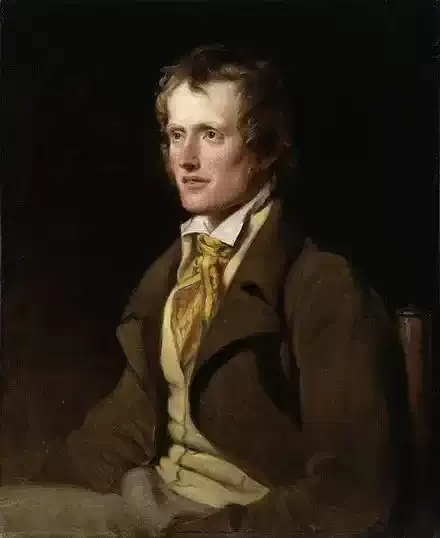
John Clare
The Sleep Of Spring
The Sleep Of Spring
O for that sweet, untroubled rest
That poets oft have sung!--
The babe upon its mother's breast,
The bird upon its young,
The heart asleep without a pain--
When shall I know that sleep again?
When shall I be as I have been
Upon my mother's breast
Sweet Nature's garb of verdant green
To woo to perfect rest--
Love in the meadow, field, and glen,
And in my native wilds again?
The sheep within the fallow field,
The herd upon the green,
The larks that in the thistle shield,
And pipe from morn to e'en--
O for the pasture, fields, and fen!
When shall I see such rest again?
I love the weeds along the fen,
More sweet than garden flowers,
For freedom haunts the humble glen
That blest my happiest hours.
Here prison injures health and me:
I love sweet freedom and the free.
The crows upon the swelling hills,
The cows upon the lea,
Sheep feeding by the pasture rills,
Are ever dear to me,
Because sweet freedom is their mate,
While I am lone and desolate.
I loved the winds when I was young,
When life was dear to me;
I loved the song which Nature sung,
Endearing liberty;
I loved the wood, the vale, the stream,
For there my boyhood used to dream.
There even toil itself was play;
Twas pleasure een to weep;
Twas joy to think of dreams by day,
The beautiful of sleep.
When shall I see the wood and plain,
And dream those happy dreams again?
O for that sweet, untroubled rest
That poets oft have sung!--
The babe upon its mother's breast,
The bird upon its young,
The heart asleep without a pain--
When shall I know that sleep again?
When shall I be as I have been
Upon my mother's breast
Sweet Nature's garb of verdant green
To woo to perfect rest--
Love in the meadow, field, and glen,
And in my native wilds again?
The sheep within the fallow field,
The herd upon the green,
The larks that in the thistle shield,
And pipe from morn to e'en--
O for the pasture, fields, and fen!
When shall I see such rest again?
I love the weeds along the fen,
More sweet than garden flowers,
For freedom haunts the humble glen
That blest my happiest hours.
Here prison injures health and me:
I love sweet freedom and the free.
The crows upon the swelling hills,
The cows upon the lea,
Sheep feeding by the pasture rills,
Are ever dear to me,
Because sweet freedom is their mate,
While I am lone and desolate.
I loved the winds when I was young,
When life was dear to me;
I loved the song which Nature sung,
Endearing liberty;
I loved the wood, the vale, the stream,
For there my boyhood used to dream.
There even toil itself was play;
Twas pleasure een to weep;
Twas joy to think of dreams by day,
The beautiful of sleep.
When shall I see the wood and plain,
And dream those happy dreams again?
387
John Clare
The Sailor-Boy
The Sailor-Boy
Tis three years and a quarter since I left my own fireside
To go aboard a ship through love, and plough the ocean wide.
I crossed my native fields, where the scarlet poppies grew,
And the groundlark left his nest like a neighbour which I knew.
The pigeons from the dove cote cooed over the old lane,
The crow flocks from the oakwood went flopping oer the grain;
Like lots of dear old neighbours whom I shall see no more
They greeted me that morning I left the English shore.
The sun was just a-rising above the heath of furze,
And the shadows grow to giants; that bright ball never stirs:
There the shepherds lay with their dogs by their side,
And they started up and barked as my shadow they espied.
A maid of early morning twirled her mop upon the moor;
I wished her my farewell before she closed the door.
My friends I left behind me for other places new,
Crows and pigeons all were strangers as oer my head they flew.
Trees and bushes were all strangers, the hedges and the lanes,
The steeples and the houses and broad untrodden plains.
I passed the pretty milkmaid with her red and rosy face;
I knew not where I met her, I was strange to the place.
At last I saw the ocean, a pleasing sight to me:
I stood upon the shore of a mighty glorious sea.
The waves in easy motion went rolling on their way,
English colours were a-flying where the British squadron lay.
I left my honest parents, the church clock and the village;
I left the lads and lasses, the labour and the tillage;
To plough the briny ocean, which soon became my joy--
I sat and sang among the shrouds, a lonely sailor-boy.
Tis three years and a quarter since I left my own fireside
To go aboard a ship through love, and plough the ocean wide.
I crossed my native fields, where the scarlet poppies grew,
And the groundlark left his nest like a neighbour which I knew.
The pigeons from the dove cote cooed over the old lane,
The crow flocks from the oakwood went flopping oer the grain;
Like lots of dear old neighbours whom I shall see no more
They greeted me that morning I left the English shore.
The sun was just a-rising above the heath of furze,
And the shadows grow to giants; that bright ball never stirs:
There the shepherds lay with their dogs by their side,
And they started up and barked as my shadow they espied.
A maid of early morning twirled her mop upon the moor;
I wished her my farewell before she closed the door.
My friends I left behind me for other places new,
Crows and pigeons all were strangers as oer my head they flew.
Trees and bushes were all strangers, the hedges and the lanes,
The steeples and the houses and broad untrodden plains.
I passed the pretty milkmaid with her red and rosy face;
I knew not where I met her, I was strange to the place.
At last I saw the ocean, a pleasing sight to me:
I stood upon the shore of a mighty glorious sea.
The waves in easy motion went rolling on their way,
English colours were a-flying where the British squadron lay.
I left my honest parents, the church clock and the village;
I left the lads and lasses, the labour and the tillage;
To plough the briny ocean, which soon became my joy--
I sat and sang among the shrouds, a lonely sailor-boy.
441