

Poems
Night and Moon
Poems in this topic
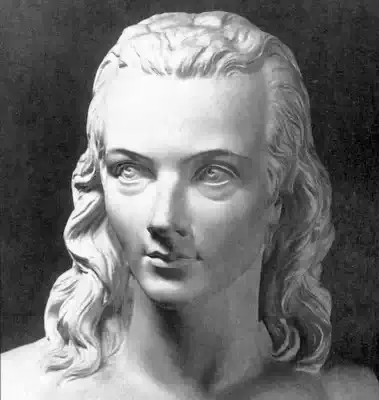
Novalis
Hymns to the Night :
Hymns to the Night :
Before all the wondrous shows of the widespread space around him, what living,
sentient thing loves not the all-joyous light -- with its colors, its rays and undulations,
its gentle omnipresence in the form of the wakening Day? The giant-world of the
unresting constellations inhales it as the innermost soul of life, and floats dancing in its
blue flood -- the sparkling, ever-tranquil stone, the thoughtful, imbibing plant, and the
wild, burning multiform beast inhales it -- but more than all, the lordly stranger with
the sense-filled eyes, the swaying walk, and the sweetly closed, melodious lips. Like a
king over earthly nature, it rouses every force to countless transformations, binds and
unbinds innumerable alliances, hangs its heavenly form around every earthly
substance. -- Its presence alone reveals the marvelous splendor of the kingdoms of the
world.
Aside I turn to the holy, unspeakable, mysterious Night. Afar lies the world -- sunk in a
deep grave -- waste and lonely is its place. In the chords of the bosom blows a deep
sadness. I am ready to sink away in drops of dew, and mingle with the ashes. -- The
distances of memory, the wishes of youth, the dreams of childhood, the brief joys and
vain hopes of a whole long life, arise in gray garments, like an evening vapor after the
sunset. In other regions the light has pitched its joyous tents. What if it should never
return to its children, who wait for it with the faith of innocence?
What springs up all at once so sweetly boding in my heart, and stills the soft air of
sadness? Dost thou also take a pleasure in us, dark Night? What holdest thou under
thy mantle, that with hidden power affects my soul? Precious balm drips from thy hand
out of its bundle of poppies. Thou upliftest the heavy-laden wings of the soul. Darkly
and inexpressibly are we moved -- joy-startled, I see a grave face that, tender and
worshipful, inclines toward me, and, amid manifold entangled locks, reveals the
youthful loveliness of the Mother. How poor and childish a thing seems to me now the
Light -- how joyous and welcome the departure of the day -- because the Night turns
away from thee thy servants, you now strew in the gulfs of space those flashing
globes, to proclaim thy omnipotence -- thy return -- in seasons of thy absence. More
heavenly than those glittering stars we hold the eternal eyes which the Night hath
opened within us. Farther they see than the palest of those countless hosts -- needing
no aid from the light, they penetrate the depths of a loving soul -- that fills a loftier
region with bliss ineffable. Glory to the queen of the world, to the great prophet of the
holier worlds, to the guardian of blissful love -- she sends thee to me -- thou tenderly
beloved -- the gracious sun of the Night, -- now am I awake -- for now am I thine and
mine -- thou hast made me know the Night -- made of me a man -- consume with
spirit-fire my body, that I, turned to finer air, may mingle more closely with thee, and
then our bridal night endure forever.
Before all the wondrous shows of the widespread space around him, what living,
sentient thing loves not the all-joyous light -- with its colors, its rays and undulations,
its gentle omnipresence in the form of the wakening Day? The giant-world of the
unresting constellations inhales it as the innermost soul of life, and floats dancing in its
blue flood -- the sparkling, ever-tranquil stone, the thoughtful, imbibing plant, and the
wild, burning multiform beast inhales it -- but more than all, the lordly stranger with
the sense-filled eyes, the swaying walk, and the sweetly closed, melodious lips. Like a
king over earthly nature, it rouses every force to countless transformations, binds and
unbinds innumerable alliances, hangs its heavenly form around every earthly
substance. -- Its presence alone reveals the marvelous splendor of the kingdoms of the
world.
Aside I turn to the holy, unspeakable, mysterious Night. Afar lies the world -- sunk in a
deep grave -- waste and lonely is its place. In the chords of the bosom blows a deep
sadness. I am ready to sink away in drops of dew, and mingle with the ashes. -- The
distances of memory, the wishes of youth, the dreams of childhood, the brief joys and
vain hopes of a whole long life, arise in gray garments, like an evening vapor after the
sunset. In other regions the light has pitched its joyous tents. What if it should never
return to its children, who wait for it with the faith of innocence?
What springs up all at once so sweetly boding in my heart, and stills the soft air of
sadness? Dost thou also take a pleasure in us, dark Night? What holdest thou under
thy mantle, that with hidden power affects my soul? Precious balm drips from thy hand
out of its bundle of poppies. Thou upliftest the heavy-laden wings of the soul. Darkly
and inexpressibly are we moved -- joy-startled, I see a grave face that, tender and
worshipful, inclines toward me, and, amid manifold entangled locks, reveals the
youthful loveliness of the Mother. How poor and childish a thing seems to me now the
Light -- how joyous and welcome the departure of the day -- because the Night turns
away from thee thy servants, you now strew in the gulfs of space those flashing
globes, to proclaim thy omnipotence -- thy return -- in seasons of thy absence. More
heavenly than those glittering stars we hold the eternal eyes which the Night hath
opened within us. Farther they see than the palest of those countless hosts -- needing
no aid from the light, they penetrate the depths of a loving soul -- that fills a loftier
region with bliss ineffable. Glory to the queen of the world, to the great prophet of the
holier worlds, to the guardian of blissful love -- she sends thee to me -- thou tenderly
beloved -- the gracious sun of the Night, -- now am I awake -- for now am I thine and
mine -- thou hast made me know the Night -- made of me a man -- consume with
spirit-fire my body, that I, turned to finer air, may mingle more closely with thee, and
then our bridal night endure forever.
382
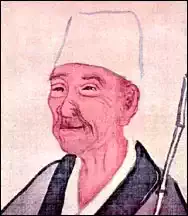
Matsuo Bashō
Winter garden
Winter garden
Winter garden,
the moon thinned to a thread,
insects singing.
Translated by Robert Hass
Winter garden,
the moon thinned to a thread,
insects singing.
Translated by Robert Hass
345
Matsuo Bashō
Staying at an inn
Staying at an inn
Staying at an inn
where prostitutes are also sleeping--
bush clover and the moon.
Translated by Robert Hass
Staying at an inn
where prostitutes are also sleeping--
bush clover and the moon.
Translated by Robert Hass
421
Matsuo Bashō
Moonlight slanting
Moonlight slanting
Moonlight slanting
through the bamboo grove;
a cuckoo crying.
Translated by Robert Hass
Moonlight slanting
through the bamboo grove;
a cuckoo crying.
Translated by Robert Hass
534

Kazi Nazrul Islam
By the Wood
By the Wood
Who walks by the woods,
methink, he is known to me.
Beating night's silence in rhythmic patterns
his jingles ring onmidnight
wakes up in curly hair
setting a fountain in my stony bosom.
[Original: Bono pothe ke jay; Translation: Mohammad Nurul Huda]
Who walks by the woods,
methink, he is known to me.
Beating night's silence in rhythmic patterns
his jingles ring onmidnight
wakes up in curly hair
setting a fountain in my stony bosom.
[Original: Bono pothe ke jay; Translation: Mohammad Nurul Huda]
531
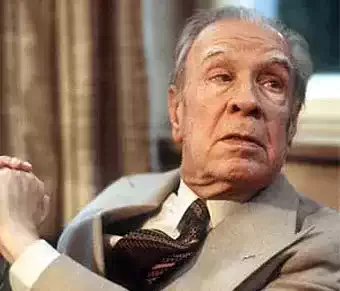
Jorge Luis Borges
History of the Night
History of the Night
Throughout the course of th generations
men constructed the night.
At first she was blindness;
thorns raking bare feet,
fear of wolves.
We shall never know who forged the word
for the interval of shadow
dividing the two twilights;
we shall never know in what age it came to mean
the starry hours.
Others created the myth.
They made her the mother of the unruffled Fates
that spin our destiny,
thev sacrificed black ewes to her, and the cock
who crows his own death.
The Chaldeans assigned to her twelve houses;
to Zeno, infinite words.
She took shape from Latin hexameters
and the terror of Pascal.
Luis de Leon saw in her the homeland
of his stricken soul.
Now we feel her to be inexhuastible
like an ancient wine
and no one can gaze on her without vertigo
and time has charged her with eternity.
And to think that she wouldn't exist
except for those fragile instruments, the eyes.
Throughout the course of th generations
men constructed the night.
At first she was blindness;
thorns raking bare feet,
fear of wolves.
We shall never know who forged the word
for the interval of shadow
dividing the two twilights;
we shall never know in what age it came to mean
the starry hours.
Others created the myth.
They made her the mother of the unruffled Fates
that spin our destiny,
thev sacrificed black ewes to her, and the cock
who crows his own death.
The Chaldeans assigned to her twelve houses;
to Zeno, infinite words.
She took shape from Latin hexameters
and the terror of Pascal.
Luis de Leon saw in her the homeland
of his stricken soul.
Now we feel her to be inexhuastible
like an ancient wine
and no one can gaze on her without vertigo
and time has charged her with eternity.
And to think that she wouldn't exist
except for those fragile instruments, the eyes.
760
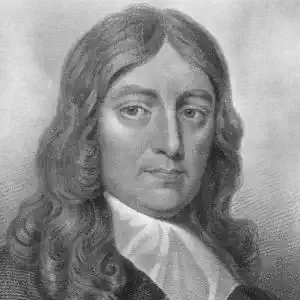
John Milton
Il Penseroso
Il Penseroso
HENCE, vain deluding Joys,
............The brood of Folly without father bred!
How little you bested
............Or fill the fixed mind with all your toys!
Dwell in some idle brain,
............And fancies fond with gaudy shapes possess,
As thick and numberless
............As the gay motes that people the sun-beams,
Or likest hovering dreams,
............The fickle pensioners of Morpheus' train.
But, hail! thou Goddess sage and holy!
Hail, divinest Melancholy!
Whose saintly visage is too bright
To hit the sense of human sight,
And therefore to our weaker view
O'erlaid with black, staid Wisdom's hue;
Black, but such as in esteem
Prince Memnon's sister might beseem,
Or that starred Ethiop queen that strove
To set her beauty's praise above
The Sea-Nymphs, and their powers offended.
Yet thou art higher far descended:
Thee bright-haired Vesta long of yore
To solitary Saturn bore;
His daughter she; in Saturn's reign
Such mixture was not held a stain.
Oft in glimmering bowers and glades
He met her, and in secret shades
Of woody Ida's inmost grove,
Whilst yet there was no fear of Jove.
Come, pensive Nun, devout and pure,
Sober, steadfast, and demure,
All in a robe of darkest grain,
Flowing with majestic train,
And sable stole of cypress lawn
Over thy decent shoulders drawn.
Come; but keep thy wonted state,
With even step, and musing gait,
And looks commercing with the skies,
Thy rapt soul sitting in thine eyes:
There, held in holy passion still,
Forget thyself to marble, till
With a sad leaden downward cast
Thou fix them on the earth as fast.
And join with thee calm Peace and Quiet,
Spare Fast, that oft with gods doth diet,
And hears the Muses in a ring
Aye round about Jove's altar sing;
And add to these retired Leisure,
That in trim gardens takes his pleasure;
But, first and chiefest, with thee bring
Him that yon soars on golden wing,
Guiding the fiery-wheeled throne,
The Cherub Contemplation;
And the mute Silence hist along,
'Less Philomel will deign a song,
In her sweetest saddest plight,
Smoothing the rugged brow of Night,
While Cynthia checks her dragon yoke
Gently o'er the accustomed oak.
Sweet bird, that shunn'st the noise of folly,
Most musical, most melancholy!
Thee, chauntress, oft the woods among
I woo, to hear thy even-song;
And, missing thee,I walk unseen
On the dry smooth-shaven green,
To behold the wandering moon,
Riding near her highest noon,
Like one that had been led astray
Through the heaven's wide pathless way,
And oft, as if her head she bowed,
Stooping through a fleecy cloud.
Oft, on a plat of rising ground,
I hear the far-off curfew sound,
Over some wide-watered shore,
Swinging slow with sullen roar;
Or, if the air will not permit,
Some still removed place will fit,
Where glowing embers through the room
Teach light to counterfeit a gloom,
Far from all resort of mirth,
Save the cricket on the hearth,
Or the bellman's drowsy charm
To bless the doors from nightly harm.
Or let my lamp, at midnight hour,
Be seen in some high lonely tower,
Where I may oft outwatch the Bear,
With thrice great Hermes, or unsphere
The spirit of Plato, to unfold
What worlds or what vast regions hold
The immortal mind that hath forsook
Her mansion in this fleshly nook;
And of those demons that are found
In fire, air, flood, or underground,
Whose power hath a true consent
With planet or with element.
Sometime let gorgeous Tragedy
In sceptred pall come sweeping by,
Presenting Thebes, or Pelops' line,
Or the tale of Troy divine,
Or what (though rare) of later age
Ennobled hath the buskined stage.
But, O sad Virgin! that thy power
Might raise Musaeus from his bower;
Or bid the soul of Orpheus sing
Such notes as, warbled to the string,
Drew iron tears down Pluto's cheek,
And made Hell grant what love did seek;
Or call up him that left half-told
The story of Cambuscan bold,
Of Camball, and of Algarsife,
And who had Canace to wife,
That owned the virtuous ring and glass,
And of the wondrous horse of brass
On which the Tartar king did ride;
And if aught else great bards beside
In sage and solemn tunes have sung,
Of turneys, and of trophies hung,
Of forests, and enchantments drear,
Where more is meant than meets the ear.
Thus, Night, oft see me in thy pale career,
Till civil-suited Morn appear,
Not tricked and frounced, as she was wont
With the Attic boy to hunt,
But kerchieft in a comely cloud
While rocking winds are piping loud,
Or ushered with a shower still,
When the gust hath blown his fill,
Ending on the rustling leaves,
With minute-drops from off the eaves.
And, when the sun begins to fling
His flaring beams, me, Goddess, bring
To arched walks of twilight groves,
And shadows brown, that Sylvan loves,
Of pine, or monumental oak,
Where the rude axe with heaved stroke
Was never heard the nymphs to daunt,
Or fright them from their hallowed haunt.
There, in close covert, by some brook,
Where no profaner eye may look,
Hide me from day's garish eye,
While the bee with honeyed thigh,
That at her flowery work doth sing,
And the waters murmuring,
With such consort as they keep,
Entice the dewy-feathered Sleep.
And let some strange mysterious dream
Wave at his wings, in airy stream
Of lively portraiture displayed,
Softly on my eyelids laid;
And, as I wake, sweet music breathe
Above, about, or underneath,
Sent by some Spirit to mortals good,
Or the unseen Genius of the wood.
But let my due feet never fail
To walk the studious cloister's pale,
And love the high embowed roof,
With antique pillars massy proof,
And storied windows richly dight,
Casting a dim religious light.
There let the pealing organ blow,
To the full-voiced quire below,
In service high and anthems clear,
As may with sweetness, through mine ear,
Dissolve me into ecstasies,
And bring all Heaven before mine eyes.
And may at last my weary age
Find out the peaceful hermitage,
The hairy gown and mossy cell,
Where I may sit and rightly spell
Of every star that heaven doth shew,
And every herb that sips the dew,
Till old experience do attain
To something like prophetic strain.
These pleasures, Melancholy, give;
And I with thee will choose to live.
HENCE, vain deluding Joys,
............The brood of Folly without father bred!
How little you bested
............Or fill the fixed mind with all your toys!
Dwell in some idle brain,
............And fancies fond with gaudy shapes possess,
As thick and numberless
............As the gay motes that people the sun-beams,
Or likest hovering dreams,
............The fickle pensioners of Morpheus' train.
But, hail! thou Goddess sage and holy!
Hail, divinest Melancholy!
Whose saintly visage is too bright
To hit the sense of human sight,
And therefore to our weaker view
O'erlaid with black, staid Wisdom's hue;
Black, but such as in esteem
Prince Memnon's sister might beseem,
Or that starred Ethiop queen that strove
To set her beauty's praise above
The Sea-Nymphs, and their powers offended.
Yet thou art higher far descended:
Thee bright-haired Vesta long of yore
To solitary Saturn bore;
His daughter she; in Saturn's reign
Such mixture was not held a stain.
Oft in glimmering bowers and glades
He met her, and in secret shades
Of woody Ida's inmost grove,
Whilst yet there was no fear of Jove.
Come, pensive Nun, devout and pure,
Sober, steadfast, and demure,
All in a robe of darkest grain,
Flowing with majestic train,
And sable stole of cypress lawn
Over thy decent shoulders drawn.
Come; but keep thy wonted state,
With even step, and musing gait,
And looks commercing with the skies,
Thy rapt soul sitting in thine eyes:
There, held in holy passion still,
Forget thyself to marble, till
With a sad leaden downward cast
Thou fix them on the earth as fast.
And join with thee calm Peace and Quiet,
Spare Fast, that oft with gods doth diet,
And hears the Muses in a ring
Aye round about Jove's altar sing;
And add to these retired Leisure,
That in trim gardens takes his pleasure;
But, first and chiefest, with thee bring
Him that yon soars on golden wing,
Guiding the fiery-wheeled throne,
The Cherub Contemplation;
And the mute Silence hist along,
'Less Philomel will deign a song,
In her sweetest saddest plight,
Smoothing the rugged brow of Night,
While Cynthia checks her dragon yoke
Gently o'er the accustomed oak.
Sweet bird, that shunn'st the noise of folly,
Most musical, most melancholy!
Thee, chauntress, oft the woods among
I woo, to hear thy even-song;
And, missing thee,I walk unseen
On the dry smooth-shaven green,
To behold the wandering moon,
Riding near her highest noon,
Like one that had been led astray
Through the heaven's wide pathless way,
And oft, as if her head she bowed,
Stooping through a fleecy cloud.
Oft, on a plat of rising ground,
I hear the far-off curfew sound,
Over some wide-watered shore,
Swinging slow with sullen roar;
Or, if the air will not permit,
Some still removed place will fit,
Where glowing embers through the room
Teach light to counterfeit a gloom,
Far from all resort of mirth,
Save the cricket on the hearth,
Or the bellman's drowsy charm
To bless the doors from nightly harm.
Or let my lamp, at midnight hour,
Be seen in some high lonely tower,
Where I may oft outwatch the Bear,
With thrice great Hermes, or unsphere
The spirit of Plato, to unfold
What worlds or what vast regions hold
The immortal mind that hath forsook
Her mansion in this fleshly nook;
And of those demons that are found
In fire, air, flood, or underground,
Whose power hath a true consent
With planet or with element.
Sometime let gorgeous Tragedy
In sceptred pall come sweeping by,
Presenting Thebes, or Pelops' line,
Or the tale of Troy divine,
Or what (though rare) of later age
Ennobled hath the buskined stage.
But, O sad Virgin! that thy power
Might raise Musaeus from his bower;
Or bid the soul of Orpheus sing
Such notes as, warbled to the string,
Drew iron tears down Pluto's cheek,
And made Hell grant what love did seek;
Or call up him that left half-told
The story of Cambuscan bold,
Of Camball, and of Algarsife,
And who had Canace to wife,
That owned the virtuous ring and glass,
And of the wondrous horse of brass
On which the Tartar king did ride;
And if aught else great bards beside
In sage and solemn tunes have sung,
Of turneys, and of trophies hung,
Of forests, and enchantments drear,
Where more is meant than meets the ear.
Thus, Night, oft see me in thy pale career,
Till civil-suited Morn appear,
Not tricked and frounced, as she was wont
With the Attic boy to hunt,
But kerchieft in a comely cloud
While rocking winds are piping loud,
Or ushered with a shower still,
When the gust hath blown his fill,
Ending on the rustling leaves,
With minute-drops from off the eaves.
And, when the sun begins to fling
His flaring beams, me, Goddess, bring
To arched walks of twilight groves,
And shadows brown, that Sylvan loves,
Of pine, or monumental oak,
Where the rude axe with heaved stroke
Was never heard the nymphs to daunt,
Or fright them from their hallowed haunt.
There, in close covert, by some brook,
Where no profaner eye may look,
Hide me from day's garish eye,
While the bee with honeyed thigh,
That at her flowery work doth sing,
And the waters murmuring,
With such consort as they keep,
Entice the dewy-feathered Sleep.
And let some strange mysterious dream
Wave at his wings, in airy stream
Of lively portraiture displayed,
Softly on my eyelids laid;
And, as I wake, sweet music breathe
Above, about, or underneath,
Sent by some Spirit to mortals good,
Or the unseen Genius of the wood.
But let my due feet never fail
To walk the studious cloister's pale,
And love the high embowed roof,
With antique pillars massy proof,
And storied windows richly dight,
Casting a dim religious light.
There let the pealing organ blow,
To the full-voiced quire below,
In service high and anthems clear,
As may with sweetness, through mine ear,
Dissolve me into ecstasies,
And bring all Heaven before mine eyes.
And may at last my weary age
Find out the peaceful hermitage,
The hairy gown and mossy cell,
Where I may sit and rightly spell
Of every star that heaven doth shew,
And every herb that sips the dew,
Till old experience do attain
To something like prophetic strain.
These pleasures, Melancholy, give;
And I with thee will choose to live.
755
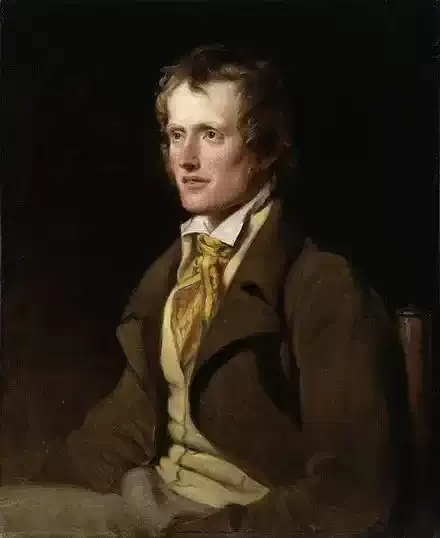
John Clare
The Winter's Come
The Winter's Come
Sweet chestnuts brown like soling leather turn;
The larch trees, like the colour of the Sun;
That paled sky in the Autumn seemed to burn,
What a strange scene before us now does run--
Red, brown, and yellow, russet, black, and dun;
White thorn, wild cherry, and the poplar bare;
The sycamore all withered in the sun.
No leaves are now upon the birch tree there:
All now is stript to the cold wintry air.
See, not one tree but what has lost its leaves--
And yet the landscape wears a pleasing hue.
The winter chill on his cold bed receives
Foliage which once hung oer the waters blue.
Naked and bare the leafless trees repose.
Blue-headed titmouse now seeks maggots rare,
Sluggish and dull the leaf-strewn river flows;
That is not green, which was so through the year
Dark chill November draweth to a close.
Tis Winter, and I love to read indoors,
When the Moon hangs her crescent up on high;
While on the window shutters the wind roars,
And storms like furies pass remorseless by.
How pleasant on a feather bed to lie,
Or, sitting by the fire, in fancy soar
With Dante or with Milton to regions high,
Or read fresh volumes we've not seen before,
Or oer old Burton's Melancholy pore.
Sweet chestnuts brown like soling leather turn;
The larch trees, like the colour of the Sun;
That paled sky in the Autumn seemed to burn,
What a strange scene before us now does run--
Red, brown, and yellow, russet, black, and dun;
White thorn, wild cherry, and the poplar bare;
The sycamore all withered in the sun.
No leaves are now upon the birch tree there:
All now is stript to the cold wintry air.
See, not one tree but what has lost its leaves--
And yet the landscape wears a pleasing hue.
The winter chill on his cold bed receives
Foliage which once hung oer the waters blue.
Naked and bare the leafless trees repose.
Blue-headed titmouse now seeks maggots rare,
Sluggish and dull the leaf-strewn river flows;
That is not green, which was so through the year
Dark chill November draweth to a close.
Tis Winter, and I love to read indoors,
When the Moon hangs her crescent up on high;
While on the window shutters the wind roars,
And storms like furies pass remorseless by.
How pleasant on a feather bed to lie,
Or, sitting by the fire, in fancy soar
With Dante or with Milton to regions high,
Or read fresh volumes we've not seen before,
Or oer old Burton's Melancholy pore.
355
John Clare
Evening Primrose
Evening Primrose
When once the sun sinks in the west,
And dewdrops pearl the evening's breast;
Almost as pale as moonbeams are,
Or its companionable star,
The evening primrose opes anew
Its delicate blossoms to the dew;
And, hermit-like, shunning the light,
Wastes its fair bloom upon the night,
Who, blindfold to its fond caresses,
Knows not the beauty it possesses;
Thus it blooms on while night is by;
When day looks out with open eye,
Bashed at the gaze it cannot shun,
It faints and withers and is gone.
When once the sun sinks in the west,
And dewdrops pearl the evening's breast;
Almost as pale as moonbeams are,
Or its companionable star,
The evening primrose opes anew
Its delicate blossoms to the dew;
And, hermit-like, shunning the light,
Wastes its fair bloom upon the night,
Who, blindfold to its fond caresses,
Knows not the beauty it possesses;
Thus it blooms on while night is by;
When day looks out with open eye,
Bashed at the gaze it cannot shun,
It faints and withers and is gone.
511
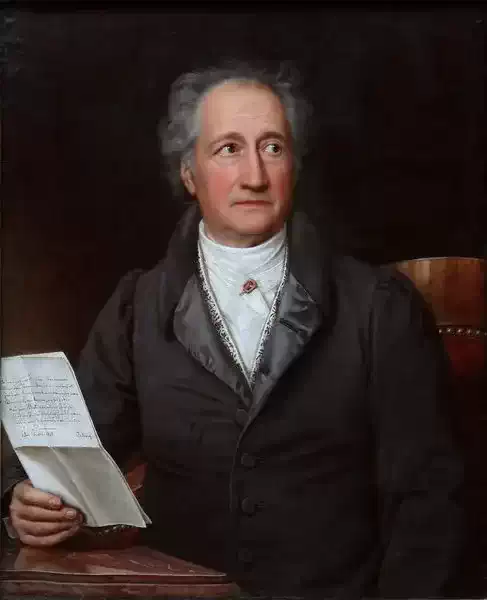
Johann Wolfgang von Goethe
To The Moon
To The Moon
BUSH and vale thou fill'st again
With thy misty ray,
And my spirit's heavy chain
Castest far away.
Thou dost o'er my fields extend
Thy sweet soothing eye,
Watching like a gentle friend,
O'er my destiny.
Vanish'd days of bliss and woe
Haunt me with their tone,
Joy and grief in turns I know,
As I stray alone.
Stream beloved, flow on! flow on!
Ne'er can I be gay!
Thus have sport and kisses gone,
Truth thus pass'd away.
Once I seem'd the lord to be
Of that prize so fair!
Now, to our deep sorrow, we
Can forget it ne'er.
Murmur, stream, the vale along,
Never cease thy sighs;
Murmur, whisper to my song
Answering melodies!
When thou in the winter's night
Overflow'st in wrath,
Or in spring-time sparklest bright,
As the buds shoot forth.
He who from the world retires,
Void of hate, is blest;
Who a friend's true love inspires,
Leaning on his breast!
That which heedless man ne'er knew,
Or ne'er thought aright,
Roams the bosom's labyrinth through,
Boldly into night.
BUSH and vale thou fill'st again
With thy misty ray,
And my spirit's heavy chain
Castest far away.
Thou dost o'er my fields extend
Thy sweet soothing eye,
Watching like a gentle friend,
O'er my destiny.
Vanish'd days of bliss and woe
Haunt me with their tone,
Joy and grief in turns I know,
As I stray alone.
Stream beloved, flow on! flow on!
Ne'er can I be gay!
Thus have sport and kisses gone,
Truth thus pass'd away.
Once I seem'd the lord to be
Of that prize so fair!
Now, to our deep sorrow, we
Can forget it ne'er.
Murmur, stream, the vale along,
Never cease thy sighs;
Murmur, whisper to my song
Answering melodies!
When thou in the winter's night
Overflow'st in wrath,
Or in spring-time sparklest bright,
As the buds shoot forth.
He who from the world retires,
Void of hate, is blest;
Who a friend's true love inspires,
Leaning on his breast!
That which heedless man ne'er knew,
Or ne'er thought aright,
Roams the bosom's labyrinth through,
Boldly into night.
449
Johann Wolfgang von Goethe
Proximity Of The Beloved One
Proximity Of The Beloved One
I THINK of thee, whene'er the sun his beams
O'er ocean flings;
I think of thee, whene'er the moonlight gleams
In silv'ry springs.
I see thee, when upon the distant ridge
The dust awakes;
At midnight's hour, when on the fragile bridge
The wanderer quakes.
I hear thee, when yon billows rise on high,
With murmur deep.
To tread the silent grove oft wander I,
When all's asleep.
I'm near thee, though thou far away mayst be-Thou,
too, art near!
The sun then sets, the stars soon lighten me.
Would thou wert here!
I THINK of thee, whene'er the sun his beams
O'er ocean flings;
I think of thee, whene'er the moonlight gleams
In silv'ry springs.
I see thee, when upon the distant ridge
The dust awakes;
At midnight's hour, when on the fragile bridge
The wanderer quakes.
I hear thee, when yon billows rise on high,
With murmur deep.
To tread the silent grove oft wander I,
When all's asleep.
I'm near thee, though thou far away mayst be-Thou,
too, art near!
The sun then sets, the stars soon lighten me.
Would thou wert here!
367
Johann Wolfgang von Goethe
Night Song
Night Song
WHEN on thy pillow lying,
Half listen, I implore,
And at my lute's soft sighing,
Sleep on! what wouldst thou more?
For at my lute's soft sighing
The stars their blessings pour
On feelings never-dying;
Sleep on! what wouldst thou more?
Those feelings never-dying
My spirit aid to soar
From earthly conflicts trying;
Sleep on! what wouldst thou more?
From earthly conflicts trying
Thou driv'st me to this shore;
Through thee I'm thither flying,--
Sleep on! what wouldst thou more?
Through thee I'm hither flying,
Thou wilt not list before
In slumbers thou art lying:
Sleep on! what wouldst thou more?
WHEN on thy pillow lying,
Half listen, I implore,
And at my lute's soft sighing,
Sleep on! what wouldst thou more?
For at my lute's soft sighing
The stars their blessings pour
On feelings never-dying;
Sleep on! what wouldst thou more?
Those feelings never-dying
My spirit aid to soar
From earthly conflicts trying;
Sleep on! what wouldst thou more?
From earthly conflicts trying
Thou driv'st me to this shore;
Through thee I'm thither flying,--
Sleep on! what wouldst thou more?
Through thee I'm hither flying,
Thou wilt not list before
In slumbers thou art lying:
Sleep on! what wouldst thou more?
462
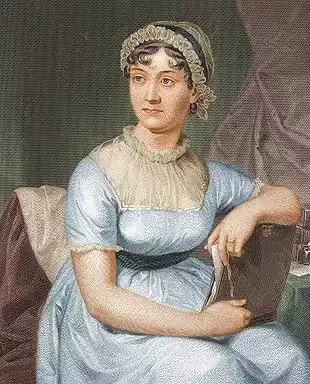
Jane Austen
Ode to Pity
Ode to Pity
1
Ever musing I delight to tread
The Paths of honour and the Myrtle Grove
Whilst the pale Moon her beams doth shed
On disappointed Love.
While Philomel on airy hawthorn Bush
Sings sweet and Melancholy, And the thrush
Converses with the Dove.
2
Gently brawling down the turnpike road,
Sweetly noisy falls the Silent Stream--
The Moon emerges from behind a Cloud
And darts upon the Myrtle Grove her beam.
Ah! then what Lovely Scenes appear,
The hut, the Cot, the Grot, and Chapel queer,
And eke the Abbey too a mouldering heap,
Cnceal'd by aged pines her head doth rear
And quite invisible doth take a peep.
1
Ever musing I delight to tread
The Paths of honour and the Myrtle Grove
Whilst the pale Moon her beams doth shed
On disappointed Love.
While Philomel on airy hawthorn Bush
Sings sweet and Melancholy, And the thrush
Converses with the Dove.
2
Gently brawling down the turnpike road,
Sweetly noisy falls the Silent Stream--
The Moon emerges from behind a Cloud
And darts upon the Myrtle Grove her beam.
Ah! then what Lovely Scenes appear,
The hut, the Cot, the Grot, and Chapel queer,
And eke the Abbey too a mouldering heap,
Cnceal'd by aged pines her head doth rear
And quite invisible doth take a peep.
173
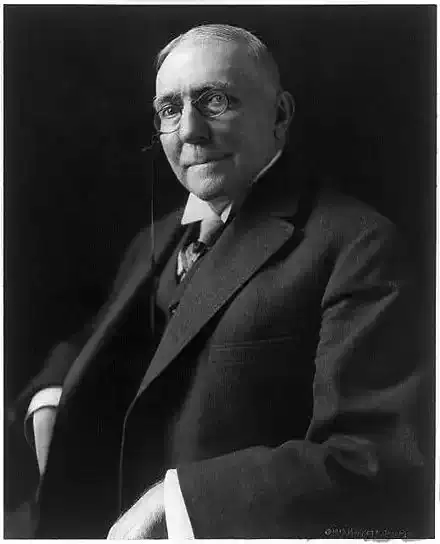
James Whitcomb Riley
Noey's Night-Piece
Noey's Night-Piece
'They ain't much 'tale' about it!' Noey said.-'
K'tawby grapes wuz gittin' good-n-red
I rickollect; and Tubb Kingry and me
'Ud kindo' browse round town, daytime, to see
What neighbers 'peared to have the most to spare
'At wuz git-at-able and no dog there
When we come round to git 'em, say 'bout ten
O'clock at night when mostly old folks then
Wuz snorin' at each other like they yit
Helt some old grudge 'at never slep' a bit.
Well, at the _Pars'nige_--ef ye'll call to mind,-They's
'bout the biggest grape-arber you'll find
'Most anywheres.--And mostly there, we knowed
They wuz _k'tawbies_ thick as ever growed--
And more'n they'd _p'serve_.--Besides I've heerd
Ma say k'tawby-grape-p'serves jes 'peared
A waste o' sugar, anyhow!--And so
My conscience stayed outside and lem me go
With Tubb, one night, the back-way, clean up through
That long black arber to the end next to
The house, where the k'tawbies, don't you know,
Wuz thickest. And t'uz lucky we went _slow_,--
Fer jest as we wuz cropin' tords the gray-
End, like, of the old arber--heerd Tubb say
In a skeered whisper, 'Hold up! They's some one
Jes slippin' in here!--and _looks like a gun_
He's carryin'!' I _golly!_ we both spread
Out flat aginst the ground!
''What's that?' Tubb said.--
And jest then--'_plink! plunk! plink!_' we heerd something
Under the back-porch-winder.--Then, i jing!
Of course we rickollected 'bout the young
School-mam 'at wuz a-boardin' there, and sung,
And played on the melodium in the choir.--
And she 'uz 'bout as purty to admire
As any girl in town!--the fac's is, she
Jest _wuz_, them times, to a dead certainty,
The belle o' this-here bailywick!--But--Well,-I'd
best git back to what I'm tryin' to tell:--
It wuz some feller come to serenade
Miss Wetherell: And there he plunked and played
His old guitar, and sung, and kep' his eye
Set on her winder, blacker'n the sky!--
And black it _stayed_.--But mayby she wuz 'way
From home, er wore out--bein' _Saturday!_
'It _seemed_ a good-'eal _longer_, but I _know_
He sung and plunked there half a' hour er so
Afore, it 'peared like, he could ever git
His own free qualified consents to quit
And go off 'bout his business. When he went
I bet you could a-bought him fer a cent!
'And now, behold ye all!--as Tubb and me
Wuz 'bout to raise up,--right in front we see
A feller slippin' out the arber, square
Smack under that-air little winder where
The _other_ feller had been standin'.--And
The thing he wuz a-carryin' in his hand
Wuzn't no _gun_ at all!--It wuz a _flute_,--
And _whoop-ee!_ how it did git up and toot
And chirp and warble, tel a mockin'-bird
'Ud dast to never let hisse'f be heerd
Ferever, after sich miracalous, high
Jim-cracks and grand skyrootics played there by
Yer Cousin Rufus!--Yes-sir; it wuz him!--
And what's more,--all a-suddent that-air dim
Dark winder o' Miss Wetherell's wuz lit
Up like a' oyshture-sign, and under it
We see him sort o' wet his lips and smile
Down 'long his row o' dancin' fingers, while
He kindo' stiffened up and kinked his breath
And everlastin'ly jest blowed the peth
Out o' that-air old one-keyed flute o' his.
And, bless their hearts, that's all the 'tale' they is!'
And even as Noey closed, all radiantly
The unconscious hero of the history,
Returning, met a perfect driving storm
Of welcome--a reception strangely warm
And _unaccountable_, to _him_, although
Most _gratifying_,--and he told them so.
'I only urge,' he said, 'my right to be
Enlightened.' And a voice said: '_Certainly:_--
During your absence we agreed that you
Should tell us all a story, old or new,
Just in the immediate happy frame of mind
We knew you would return in.'
So, resigned,
The ready flutist tossed his hat aside--
Glanced at the children, smiled, and thus complied.
'They ain't much 'tale' about it!' Noey said.-'
K'tawby grapes wuz gittin' good-n-red
I rickollect; and Tubb Kingry and me
'Ud kindo' browse round town, daytime, to see
What neighbers 'peared to have the most to spare
'At wuz git-at-able and no dog there
When we come round to git 'em, say 'bout ten
O'clock at night when mostly old folks then
Wuz snorin' at each other like they yit
Helt some old grudge 'at never slep' a bit.
Well, at the _Pars'nige_--ef ye'll call to mind,-They's
'bout the biggest grape-arber you'll find
'Most anywheres.--And mostly there, we knowed
They wuz _k'tawbies_ thick as ever growed--
And more'n they'd _p'serve_.--Besides I've heerd
Ma say k'tawby-grape-p'serves jes 'peared
A waste o' sugar, anyhow!--And so
My conscience stayed outside and lem me go
With Tubb, one night, the back-way, clean up through
That long black arber to the end next to
The house, where the k'tawbies, don't you know,
Wuz thickest. And t'uz lucky we went _slow_,--
Fer jest as we wuz cropin' tords the gray-
End, like, of the old arber--heerd Tubb say
In a skeered whisper, 'Hold up! They's some one
Jes slippin' in here!--and _looks like a gun_
He's carryin'!' I _golly!_ we both spread
Out flat aginst the ground!
''What's that?' Tubb said.--
And jest then--'_plink! plunk! plink!_' we heerd something
Under the back-porch-winder.--Then, i jing!
Of course we rickollected 'bout the young
School-mam 'at wuz a-boardin' there, and sung,
And played on the melodium in the choir.--
And she 'uz 'bout as purty to admire
As any girl in town!--the fac's is, she
Jest _wuz_, them times, to a dead certainty,
The belle o' this-here bailywick!--But--Well,-I'd
best git back to what I'm tryin' to tell:--
It wuz some feller come to serenade
Miss Wetherell: And there he plunked and played
His old guitar, and sung, and kep' his eye
Set on her winder, blacker'n the sky!--
And black it _stayed_.--But mayby she wuz 'way
From home, er wore out--bein' _Saturday!_
'It _seemed_ a good-'eal _longer_, but I _know_
He sung and plunked there half a' hour er so
Afore, it 'peared like, he could ever git
His own free qualified consents to quit
And go off 'bout his business. When he went
I bet you could a-bought him fer a cent!
'And now, behold ye all!--as Tubb and me
Wuz 'bout to raise up,--right in front we see
A feller slippin' out the arber, square
Smack under that-air little winder where
The _other_ feller had been standin'.--And
The thing he wuz a-carryin' in his hand
Wuzn't no _gun_ at all!--It wuz a _flute_,--
And _whoop-ee!_ how it did git up and toot
And chirp and warble, tel a mockin'-bird
'Ud dast to never let hisse'f be heerd
Ferever, after sich miracalous, high
Jim-cracks and grand skyrootics played there by
Yer Cousin Rufus!--Yes-sir; it wuz him!--
And what's more,--all a-suddent that-air dim
Dark winder o' Miss Wetherell's wuz lit
Up like a' oyshture-sign, and under it
We see him sort o' wet his lips and smile
Down 'long his row o' dancin' fingers, while
He kindo' stiffened up and kinked his breath
And everlastin'ly jest blowed the peth
Out o' that-air old one-keyed flute o' his.
And, bless their hearts, that's all the 'tale' they is!'
And even as Noey closed, all radiantly
The unconscious hero of the history,
Returning, met a perfect driving storm
Of welcome--a reception strangely warm
And _unaccountable_, to _him_, although
Most _gratifying_,--and he told them so.
'I only urge,' he said, 'my right to be
Enlightened.' And a voice said: '_Certainly:_--
During your absence we agreed that you
Should tell us all a story, old or new,
Just in the immediate happy frame of mind
We knew you would return in.'
So, resigned,
The ready flutist tossed his hat aside--
Glanced at the children, smiled, and thus complied.
257
James Whitcomb Riley
Moon-Drowned
Moon-Drowned
'Twas the height of the fete when we quitted the riot,
And quietly stole to the terrace alone,
Where, pale as the lovers that ever swear by it,
The moon it
The sight of the stars and the moon and the sea,
And the infinite skies of that opulent night of
Purple and gold and ivory!
The lisp of the lip of the ripple just under--
The half-awake nightingale's dream in the yews--
Came up from the water, and down from the wonder
Of shadowy foliage, drowsed with the dews,--
Unsteady the firefly's taper--unsteady
The poise of the stars, and their light in the tide,
As it struggled and writhed in caress of the eddy,
As love in the billowy breast of a bride.
The far-away lilt of the waltz rippled to us,
And through us the exquisite thrill of the air:
Like the scent of bruised bloom was her breath, and its dew was
Not honier-sweet than her warm kisses were.
We stood there enchanted.--And O the delight of
The sight of the stars and the moon and the sea,
And the infinite skies of that opulent night of
Purple and gold and ivory!
'Twas the height of the fete when we quitted the riot,
And quietly stole to the terrace alone,
Where, pale as the lovers that ever swear by it,
The moon it
The sight of the stars and the moon and the sea,
And the infinite skies of that opulent night of
Purple and gold and ivory!
The lisp of the lip of the ripple just under--
The half-awake nightingale's dream in the yews--
Came up from the water, and down from the wonder
Of shadowy foliage, drowsed with the dews,--
Unsteady the firefly's taper--unsteady
The poise of the stars, and their light in the tide,
As it struggled and writhed in caress of the eddy,
As love in the billowy breast of a bride.
The far-away lilt of the waltz rippled to us,
And through us the exquisite thrill of the air:
Like the scent of bruised bloom was her breath, and its dew was
Not honier-sweet than her warm kisses were.
We stood there enchanted.--And O the delight of
The sight of the stars and the moon and the sea,
And the infinite skies of that opulent night of
Purple and gold and ivory!
298
James Whitcomb Riley
In The Dark
In The Dark
O in the depths of midnight
What fancies haunt the brain!
When even the sigh of the sleeper
Sounds like a sob of pain.
A sense of awe and of wonder
I may never well define,--
For the thoughts that come in the shadows
Never come in the shine.
The old clock down in the parlor
Like a sleepless mourner grieves,
And the seconds drip in the silence
As the rain drips from the eaves.
And I think of the hands that signal
The hours there in the gloom,
And wonder what angel watchers
Wait in the darkened room.
And I think of the smiling faces
That used to watch and wait,
Till the click of the clock was answered
By the click of the opening gate.--
They are not there now in the evening--
Morning or noon--not there;
Yet I know that they keep their vigil,
And wait for me Somewhere.
O in the depths of midnight
What fancies haunt the brain!
When even the sigh of the sleeper
Sounds like a sob of pain.
A sense of awe and of wonder
I may never well define,--
For the thoughts that come in the shadows
Never come in the shine.
The old clock down in the parlor
Like a sleepless mourner grieves,
And the seconds drip in the silence
As the rain drips from the eaves.
And I think of the hands that signal
The hours there in the gloom,
And wonder what angel watchers
Wait in the darkened room.
And I think of the smiling faces
That used to watch and wait,
Till the click of the clock was answered
By the click of the opening gate.--
They are not there now in the evening--
Morning or noon--not there;
Yet I know that they keep their vigil,
And wait for me Somewhere.
291
James Whitcomb Riley
August
August
A day of torpor in the sullen heat
Of Summer's passion: In the sluggish stream
The panting cattle lave their lazy feet,
With drowsy eyes, and dream.
Long since the winds have died, and in the sky
There lives no cloud to hint of Nature's grief;
The sun glares ever like an evil eye,
And withers flower and leaf.
Upon the gleaming harvest-field remote
The thresher lies deserted, like some old
Dismantled galleon that hangs afloat
Upon a sea of gold.
The yearning cry of some bewildered bird
Above an empty nest, and truant boys
Along the river's shady margin heard--
A harmony of noise--
A melody of wrangling voices blent
With liquid laughter, and with rippling calls
Of piping lips and thrilling echoes sent
To mimic waterfalls.
And through the hazy veil the atmosphere
Has draped about the gleaming face of Day,
The sifted glances of the sun appear
In splinterings of spray.
The dusty highway, like a cloud of dawn,
Trails o'er the hillside, and the passer-by,
A tired ghost in misty shroud, toils on
His journey to the sky.
And down across the valley's drooping sweep,
Withdrawn to farthest limit of the glade,
The forest stands in silence, drinking deep
Its purple wine of shade.
The gossamer floats up on phantom wing;
The sailor-vision voyages the skies
And carries into chaos everything
That freights the weary eyes:
Till, throbbing on and on, the pulse of heat
Increases--reaches--passes fever's height,
And Day sinks into slumber, cool and sweet,
Within the arms of Night.
A day of torpor in the sullen heat
Of Summer's passion: In the sluggish stream
The panting cattle lave their lazy feet,
With drowsy eyes, and dream.
Long since the winds have died, and in the sky
There lives no cloud to hint of Nature's grief;
The sun glares ever like an evil eye,
And withers flower and leaf.
Upon the gleaming harvest-field remote
The thresher lies deserted, like some old
Dismantled galleon that hangs afloat
Upon a sea of gold.
The yearning cry of some bewildered bird
Above an empty nest, and truant boys
Along the river's shady margin heard--
A harmony of noise--
A melody of wrangling voices blent
With liquid laughter, and with rippling calls
Of piping lips and thrilling echoes sent
To mimic waterfalls.
And through the hazy veil the atmosphere
Has draped about the gleaming face of Day,
The sifted glances of the sun appear
In splinterings of spray.
The dusty highway, like a cloud of dawn,
Trails o'er the hillside, and the passer-by,
A tired ghost in misty shroud, toils on
His journey to the sky.
And down across the valley's drooping sweep,
Withdrawn to farthest limit of the glade,
The forest stands in silence, drinking deep
Its purple wine of shade.
The gossamer floats up on phantom wing;
The sailor-vision voyages the skies
And carries into chaos everything
That freights the weary eyes:
Till, throbbing on and on, the pulse of heat
Increases--reaches--passes fever's height,
And Day sinks into slumber, cool and sweet,
Within the arms of Night.
311
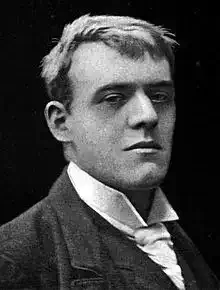
Hilaire Belloc
The Night
The Night
Most Holy Night, that still dost keep
The keys of all the doors of sleep,
To me when my tired eyelids close
Give thou repose.
And let the far lament of them
That chaunt the dead day’s requiem
Make in my ears, who wakeful lie,
Soft lullaby.
Let them that guard the hornàed Moon
By my bedside their memories croon.
So shall I have new dreams and blest
In my brief rest.
Fold thy great wings about my face,
Hide day-dawn from my resting-place,
And cheat me with thy false delight,
Most Holy Night.
Most Holy Night, that still dost keep
The keys of all the doors of sleep,
To me when my tired eyelids close
Give thou repose.
And let the far lament of them
That chaunt the dead day’s requiem
Make in my ears, who wakeful lie,
Soft lullaby.
Let them that guard the hornàed Moon
By my bedside their memories croon.
So shall I have new dreams and blest
In my brief rest.
Fold thy great wings about my face,
Hide day-dawn from my resting-place,
And cheat me with thy false delight,
Most Holy Night.
346
Hilaire Belloc
The Early Morning
The Early Morning
The moon on the one hand, the dawn on the other:
The moon is my sister, the dawn is my brother.
The moon on my left and the dawn on my right.
My brother, good morning: my sister, good night.
The moon on the one hand, the dawn on the other:
The moon is my sister, the dawn is my brother.
The moon on my left and the dawn on my right.
My brother, good morning: my sister, good night.
595
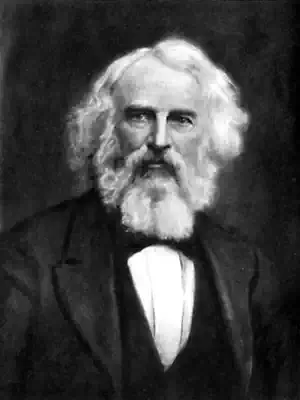
Henry Wadsworth Longfellow
The Evening Star
The Evening Star
Lo! in the paintedoriel of the West,
Whose panes the sunken sun incarnadines,
Like a fair lady at her casement, shines
The evening star, the star of love and rest!
And then anon she doth herself divest
Of all her radiant garments, and reclines
Behind the sombre screen of yonder pines,
With slumber and soft dreams of love oppressed.
O my beloved, my sweet Hesperus!
My morning and my evening star of love!
My best and gentlest lady! even thus,
As that fair planet in the sky above,
Dost thou retire unto thy rest at night,
And from thy darkened window fades the light.
Lo! in the paintedoriel of the West,
Whose panes the sunken sun incarnadines,
Like a fair lady at her casement, shines
The evening star, the star of love and rest!
And then anon she doth herself divest
Of all her radiant garments, and reclines
Behind the sombre screen of yonder pines,
With slumber and soft dreams of love oppressed.
O my beloved, my sweet Hesperus!
My morning and my evening star of love!
My best and gentlest lady! even thus,
As that fair planet in the sky above,
Dost thou retire unto thy rest at night,
And from thy darkened window fades the light.
422
Henry Wadsworth Longfellow
Tales Of A Wayside Inn : Part 2. The Musician's Tale; The Ballad of Carmilhan -
Tales Of A Wayside Inn : Part 2. The Musician's Tale; The Ballad of Carmilhan -
IV.
And now along the horizon's edge
Mountains of cloud uprose,
Black as with forests underneath,
Above their sharp and jagged teeth
Were white as drifted snows.
Unseen behind them sank the sun,
But flushed each snowy peak
A little while with rosy light
That faded slowly from the sight
As blushes from the cheek.
Black grew the sky,--all black, all black;
The clouds were everywhere;
There was a feeling of suspense
In nature, a mysterious sense
Of terror in the air.
And all on board the Valdemar
Was still as still could be;
Save when the dismal ship-bell tolled,
As ever and anon she rolled,
And lurched into the sea.
The captain up and down the deck
Went striding to and fro;
Now watched the compass at the wheel,
Now lifted up his hand to feel
Which way the wind might blow.
And now he looked up at the sails,
And now upon the deep;
In every fibre of his frame
He felt the storm before it came,
He had no thought of sleep.
Eight bells! and suddenly abaft,
With a great rush of rain,
Making the ocean white with spume,
In darkness like the day of doom,
On came the hurricane.
The lightning flashed from cloud to cloud,
And rent the sky in two;
A jagged flame, a single jet
Of white fire, like a bayonet_
That pierced the eyeballs through.
Then all around was dark again,
And blacker than before;
But in that single flash of light
He had beheld a fearful sight,
And thought of the oath he swore.
For right ahead lay the Ship of the Dead,
The ghostly Carmilhan!
Her masts were stripped, her yards were bare,
And on her bowsprit, poised in air,
Sat the Klaboterman.
Her crew of ghosts was all on deck
Or clambering up the shrouds;
The boatswain's whistle, the captain's hail,
Were like the piping of the gale,
And thunder in the clouds.
And close behind the Carmilhan
There rose up from the sea,
As from a foundered ship of stone,
Three bare and splintered masts alone:
They were the Chimneys Three.
And onward dashed the Valdemar
And leaped into the dark;
A denser mist, a colder blast,
A little shudder, and she had passed
Right through the Phantom Bark.
She cleft in twain the shadowy hulk,
But cleft it unaware;
As when, careering to her nest,
The sea-gull severs with her breast
The unresisting air.
Again the lightning flashed; again
They saw the Carmilhan,
Whole as before in hull and spar;
But now on board of the Valdemar
Stood the Klaboterman.
And they all knew their doom was sealed;
They knew that death was near;
Some prayed who never prayed before,
And some they wept, and some they swore,
And some were mute with fear.
Then suddenly there came a shock,
And louder than wind or sea
A cry burst from the crew on deck,
As she dashed and crashed, a hopeless wreck,
Upon the Chimneys Three.
The storm and night were passed, the light
To streak the east began;
The cabin-boy, picked up at sea,
Survived the wreck, and only he,
To tell of the Carmilhan.
IV.
And now along the horizon's edge
Mountains of cloud uprose,
Black as with forests underneath,
Above their sharp and jagged teeth
Were white as drifted snows.
Unseen behind them sank the sun,
But flushed each snowy peak
A little while with rosy light
That faded slowly from the sight
As blushes from the cheek.
Black grew the sky,--all black, all black;
The clouds were everywhere;
There was a feeling of suspense
In nature, a mysterious sense
Of terror in the air.
And all on board the Valdemar
Was still as still could be;
Save when the dismal ship-bell tolled,
As ever and anon she rolled,
And lurched into the sea.
The captain up and down the deck
Went striding to and fro;
Now watched the compass at the wheel,
Now lifted up his hand to feel
Which way the wind might blow.
And now he looked up at the sails,
And now upon the deep;
In every fibre of his frame
He felt the storm before it came,
He had no thought of sleep.
Eight bells! and suddenly abaft,
With a great rush of rain,
Making the ocean white with spume,
In darkness like the day of doom,
On came the hurricane.
The lightning flashed from cloud to cloud,
And rent the sky in two;
A jagged flame, a single jet
Of white fire, like a bayonet_
That pierced the eyeballs through.
Then all around was dark again,
And blacker than before;
But in that single flash of light
He had beheld a fearful sight,
And thought of the oath he swore.
For right ahead lay the Ship of the Dead,
The ghostly Carmilhan!
Her masts were stripped, her yards were bare,
And on her bowsprit, poised in air,
Sat the Klaboterman.
Her crew of ghosts was all on deck
Or clambering up the shrouds;
The boatswain's whistle, the captain's hail,
Were like the piping of the gale,
And thunder in the clouds.
And close behind the Carmilhan
There rose up from the sea,
As from a foundered ship of stone,
Three bare and splintered masts alone:
They were the Chimneys Three.
And onward dashed the Valdemar
And leaped into the dark;
A denser mist, a colder blast,
A little shudder, and she had passed
Right through the Phantom Bark.
She cleft in twain the shadowy hulk,
But cleft it unaware;
As when, careering to her nest,
The sea-gull severs with her breast
The unresisting air.
Again the lightning flashed; again
They saw the Carmilhan,
Whole as before in hull and spar;
But now on board of the Valdemar
Stood the Klaboterman.
And they all knew their doom was sealed;
They knew that death was near;
Some prayed who never prayed before,
And some they wept, and some they swore,
And some were mute with fear.
Then suddenly there came a shock,
And louder than wind or sea
A cry burst from the crew on deck,
As she dashed and crashed, a hopeless wreck,
Upon the Chimneys Three.
The storm and night were passed, the light
To streak the east began;
The cabin-boy, picked up at sea,
Survived the wreck, and only he,
To tell of the Carmilhan.
292
Henry Wadsworth Longfellow
Tales Of A Wayside Inn : Part 2. Prelude
Tales Of A Wayside Inn : Part 2. Prelude
A cold, uninterrupted rain,
That washed each southern window-pane,
And made a river of the road;
A sea of mist that overflowed
The house, the barns, the gilded vane,
And drowned the upland and the plain,
Through which the oak-trees, broad and high,
Like phantom ships went drifting by;
And, hidden behind a watery screen,
The sun unseen, or only seen
As a faint pallor in the sky;--
Thus cold and colorless and gray,
The morn of that autumnal day,
As if reluctant to begin,
Dawned on the silent Sudbury Inn,
And all the guests that in it lay.
Full late they slept. They did not hear
The challenge of Sir Chanticleer,
Who on the empty threshing-floor,
Disdainful of the rain outside,
Was strutting with a martial stride,
As if upon his thigh he wore
The famous broadsword of the Squire,
And said, 'Behold me, and admire!'
Only the Poet seemed to hear,
In drowse or dream, more near and near
Across the border-land of sleep,
The blowing of a blithesome horn,
That laughed the dismal day to scorn;
A splash of hoofs and rush of wheels
Through sand and mire like stranding keels,
As from the road with sudden sweep
The Mail drove up the little steep,
And stopped beside the tavern door;
A moment stopped, and then again
With crack of whip and bark of dog
Plunged forward through the sea of fog,
And all was silent as before,--
All silent save the dripping rain.
Then one by one the guests came down,
And greeted with a smile the Squire,
Who sat before the parlor fire,
Reading the paper fresh from town.
First the Sicilian, like a bird,
Before his form appeared, was heard
Whistling and singing down the stair;
Then came the Student, with a look
As placid as a meadow-brook;
The Theologian, still perplexed
With thoughts of this world and the next;
The Poet then, as one who seems
Walking in visions and in dreams;
Then the Musician, like a fair
Hyperion from whose golden hair
The radiance of the morning streams;
And last the aromatic Jew
Of Alicant, who, as he threw
The door wide open, on the air
Breathed round about him a perfume
Of damask roses in full bloom,
Making a garden of the room.
The breakfast ended, each pursued
The promptings of his various mood;
Beside the fire in silence smoked
The taciturn, impassive Jew,
Lost in a pleasant revery;
While, by his gravity provoked,
His portrait the Sicilian drew,
And wrote beneath it 'Edrehi,
At the Red Horse in Sudbury.'
By far the busiest of them all,
The Theologian in the hall
Was feeding robins in a cage,--
Two corpulent and lazy birds,
Vagrants and pilferers at best,
If one might trust the hostler's words,
Chief instrument of their arrest;
Two poets of the Golden Age,
Heirs of a boundless heritage
Of fields and orchards, east and west,
And sunshine of long summer days,
Though outlawed now and dispossessed!--
Such was the Theologian's phrase.
Meanwhile the Student held discourse
With the Musician, on the source
Of all the legendary lore
Among the nations, scattered wide
Like silt and seaweed by the force
And fluctuation of the tide;
The tale repeated o'er and o'er,
With change of place and change of name,
Disguised, transformed, and yet the same
We've heard a hundred times before.
The Poet at the window mused,
And saw, as in a dream confused,
The countenance of the Sun, discrowned,
And haggard with a pale despair,
And saw the cloud-rack trail and drift
Before it, and the trees uplift
Their leafless branches, and the air
Filled with the arrows of the rain,
And heard amid the mist below,
Like voices of distress and pain,
That haunt the thoughts of men insane,
The fateful cawings of the crow.
Then down the road, with mud besprent,
And drenched with rain from head to hoof,
The rain-drops dripping from his mane
And tail as from a pent-house roof,
A jaded horse, his head down bent,
Passed slowly, limping as he went.
The young Sicilian--who had grown
Impatient longer to abide
A prisoner, greatly mortified
To see completely overthrown
His plans for angling in the brook,
And, leaning o'er the bridge of stone,
To watch the speckled trout glide by,
And float through the inverted sky,
Still round and round the baited hook--
Now paced the room with rapid stride,
And, pausing at the Poet's side,
Looked forth, and saw the wretched steed,
And said: 'Alas for human greed,
That with cold hand and stony eye
Thus turns an old friend out to die,
Or beg his food from gate to gate!
This brings a tale into my mind,
Which, if you are not disinclined
To listen, I will now relate.'
All gave assent; all wished to hear,
Not without many a jest and jeer,
The story of a spavined steed;
And even the Student with the rest
Put in his pleasant little jest
Out of Malherbe, that Pegasus
Is but a horse that with all speed
Bears poets to the hospital;
While the Sicilian, self-possessed,
After a moment's interval
Began his simple story thus.
A cold, uninterrupted rain,
That washed each southern window-pane,
And made a river of the road;
A sea of mist that overflowed
The house, the barns, the gilded vane,
And drowned the upland and the plain,
Through which the oak-trees, broad and high,
Like phantom ships went drifting by;
And, hidden behind a watery screen,
The sun unseen, or only seen
As a faint pallor in the sky;--
Thus cold and colorless and gray,
The morn of that autumnal day,
As if reluctant to begin,
Dawned on the silent Sudbury Inn,
And all the guests that in it lay.
Full late they slept. They did not hear
The challenge of Sir Chanticleer,
Who on the empty threshing-floor,
Disdainful of the rain outside,
Was strutting with a martial stride,
As if upon his thigh he wore
The famous broadsword of the Squire,
And said, 'Behold me, and admire!'
Only the Poet seemed to hear,
In drowse or dream, more near and near
Across the border-land of sleep,
The blowing of a blithesome horn,
That laughed the dismal day to scorn;
A splash of hoofs and rush of wheels
Through sand and mire like stranding keels,
As from the road with sudden sweep
The Mail drove up the little steep,
And stopped beside the tavern door;
A moment stopped, and then again
With crack of whip and bark of dog
Plunged forward through the sea of fog,
And all was silent as before,--
All silent save the dripping rain.
Then one by one the guests came down,
And greeted with a smile the Squire,
Who sat before the parlor fire,
Reading the paper fresh from town.
First the Sicilian, like a bird,
Before his form appeared, was heard
Whistling and singing down the stair;
Then came the Student, with a look
As placid as a meadow-brook;
The Theologian, still perplexed
With thoughts of this world and the next;
The Poet then, as one who seems
Walking in visions and in dreams;
Then the Musician, like a fair
Hyperion from whose golden hair
The radiance of the morning streams;
And last the aromatic Jew
Of Alicant, who, as he threw
The door wide open, on the air
Breathed round about him a perfume
Of damask roses in full bloom,
Making a garden of the room.
The breakfast ended, each pursued
The promptings of his various mood;
Beside the fire in silence smoked
The taciturn, impassive Jew,
Lost in a pleasant revery;
While, by his gravity provoked,
His portrait the Sicilian drew,
And wrote beneath it 'Edrehi,
At the Red Horse in Sudbury.'
By far the busiest of them all,
The Theologian in the hall
Was feeding robins in a cage,--
Two corpulent and lazy birds,
Vagrants and pilferers at best,
If one might trust the hostler's words,
Chief instrument of their arrest;
Two poets of the Golden Age,
Heirs of a boundless heritage
Of fields and orchards, east and west,
And sunshine of long summer days,
Though outlawed now and dispossessed!--
Such was the Theologian's phrase.
Meanwhile the Student held discourse
With the Musician, on the source
Of all the legendary lore
Among the nations, scattered wide
Like silt and seaweed by the force
And fluctuation of the tide;
The tale repeated o'er and o'er,
With change of place and change of name,
Disguised, transformed, and yet the same
We've heard a hundred times before.
The Poet at the window mused,
And saw, as in a dream confused,
The countenance of the Sun, discrowned,
And haggard with a pale despair,
And saw the cloud-rack trail and drift
Before it, and the trees uplift
Their leafless branches, and the air
Filled with the arrows of the rain,
And heard amid the mist below,
Like voices of distress and pain,
That haunt the thoughts of men insane,
The fateful cawings of the crow.
Then down the road, with mud besprent,
And drenched with rain from head to hoof,
The rain-drops dripping from his mane
And tail as from a pent-house roof,
A jaded horse, his head down bent,
Passed slowly, limping as he went.
The young Sicilian--who had grown
Impatient longer to abide
A prisoner, greatly mortified
To see completely overthrown
His plans for angling in the brook,
And, leaning o'er the bridge of stone,
To watch the speckled trout glide by,
And float through the inverted sky,
Still round and round the baited hook--
Now paced the room with rapid stride,
And, pausing at the Poet's side,
Looked forth, and saw the wretched steed,
And said: 'Alas for human greed,
That with cold hand and stony eye
Thus turns an old friend out to die,
Or beg his food from gate to gate!
This brings a tale into my mind,
Which, if you are not disinclined
To listen, I will now relate.'
All gave assent; all wished to hear,
Not without many a jest and jeer,
The story of a spavined steed;
And even the Student with the rest
Put in his pleasant little jest
Out of Malherbe, that Pegasus
Is but a horse that with all speed
Bears poets to the hospital;
While the Sicilian, self-possessed,
After a moment's interval
Began his simple story thus.
292
Henry Wadsworth Longfellow
Tales Of A Wayside Inn : Part 1. The Musician's Tale; The Saga of King Olaf
Tales Of A Wayside Inn : Part 1. The Musician's Tale; The Saga of King Olaf
VIII. -- Gudrun
On King Olaf's bridal night
Shines the moon with tender light,
And across the chamber streams
Its tide of dreams.
At the fatal midnight hour,
When all evil things have power,
In the glimmer of the moon
Stands Gudrun.
Close against her heaving breast
Something in her hand is pressed;
Like an icicle, its sheen
Is cold and keen.
On the cairn are fixed her eyes
Where her murdered father lies,
And a voice remote and drear
She seems to hear.
What a bridal night is this!
Cold will be the dagger's kiss;
Laden with the chill of death
Is its breath.
Like the drifting snow she sweeps
To the couch where Olaf sleeps;
Suddenly he wakes and stirs,
His eyes meet hers.
'What is that,' King Olaf said,
'Gleams so bright above my head?
Wherefore standest thou so white
In pale moonlight?'
''T is the bodkin that I wear
When at night I bind my hair;
It woke me falling on the floor;
'T is nothing more.'
'Forests have ears, and fields have eyes;
Often treachery lurking lies
Underneath the fairest hair!
Gudrun beware!'
Ere the earliest peep of morn
Blew King Olaf's bugle-horn;
And forever sundered ride
Bridegroom and bride!
VIII. -- Gudrun
On King Olaf's bridal night
Shines the moon with tender light,
And across the chamber streams
Its tide of dreams.
At the fatal midnight hour,
When all evil things have power,
In the glimmer of the moon
Stands Gudrun.
Close against her heaving breast
Something in her hand is pressed;
Like an icicle, its sheen
Is cold and keen.
On the cairn are fixed her eyes
Where her murdered father lies,
And a voice remote and drear
She seems to hear.
What a bridal night is this!
Cold will be the dagger's kiss;
Laden with the chill of death
Is its breath.
Like the drifting snow she sweeps
To the couch where Olaf sleeps;
Suddenly he wakes and stirs,
His eyes meet hers.
'What is that,' King Olaf said,
'Gleams so bright above my head?
Wherefore standest thou so white
In pale moonlight?'
''T is the bodkin that I wear
When at night I bind my hair;
It woke me falling on the floor;
'T is nothing more.'
'Forests have ears, and fields have eyes;
Often treachery lurking lies
Underneath the fairest hair!
Gudrun beware!'
Ere the earliest peep of morn
Blew King Olaf's bugle-horn;
And forever sundered ride
Bridegroom and bride!
280
Henry Wadsworth Longfellow
Musings
Musings
I sat by my window one night,
And watched how the stars grew high;
And the earth and skies were a splendid sight
To a sober and musing eye.
From heaven the silver moon shone down
With gentle and mellow ray,
And beneath the crowded roofs of the town
In broad light and shadow lay.
A glory was on the silent sea,
And mainland and island too,
Till a haze came over the lowland lea,
And shrouded that beautiful blue.
Bright in the moon the autumn wood
Its crimson scarf unrolled,
And the trees like a splendid army stood
In a panoply of gold!
I saw them waving their banners high,
As their crests to the night wind bowed,
And a distant sound on the air went by,
Like the whispering of a crowd.
Then I watched from my window how fast
The lights all around me fled,
As the wearied man to his slumber passed
And the sick one to his bed.
All faded save one, that burned
With distant and steady light;
But that, too, went out -- and I turned
Where my own lamp within shone bright!
Thus, thought I, our joys must die,
Yes -- the brightest from earth we win:
Till each turns away, with a sign,
To the lamp that burns brightly within.
I sat by my window one night,
And watched how the stars grew high;
And the earth and skies were a splendid sight
To a sober and musing eye.
From heaven the silver moon shone down
With gentle and mellow ray,
And beneath the crowded roofs of the town
In broad light and shadow lay.
A glory was on the silent sea,
And mainland and island too,
Till a haze came over the lowland lea,
And shrouded that beautiful blue.
Bright in the moon the autumn wood
Its crimson scarf unrolled,
And the trees like a splendid army stood
In a panoply of gold!
I saw them waving their banners high,
As their crests to the night wind bowed,
And a distant sound on the air went by,
Like the whispering of a crowd.
Then I watched from my window how fast
The lights all around me fled,
As the wearied man to his slumber passed
And the sick one to his bed.
All faded save one, that burned
With distant and steady light;
But that, too, went out -- and I turned
Where my own lamp within shone bright!
Thus, thought I, our joys must die,
Yes -- the brightest from earth we win:
Till each turns away, with a sign,
To the lamp that burns brightly within.
279