

Poems
Night and Moon
Poems in this topic
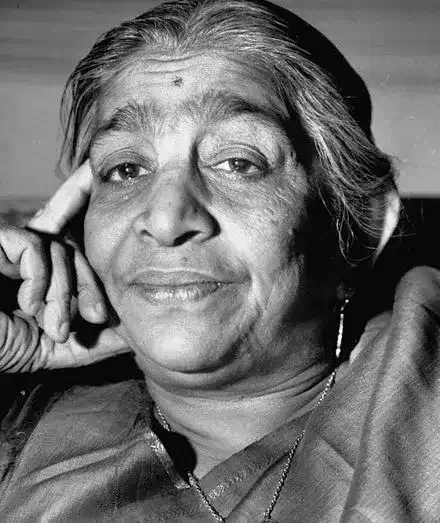
Sarojini Naidu
A Rajput Love Song
A Rajput Love Song
(Parvati at her lattice)
O Love! were you a basil-wreath to twine
among my tresses,
A jewelled clasp of shining gold to bind around my sleeve,
O Love! were you the keora's soul that haunts
my silken raiment,
A bright, vermilion tassel in the girdles that I weave;
O Love! were you the scented fan
that lies upon my pillow,
A sandal lute, or silver lamp that burns before my shrine,
Why should I fear the jealous dawn
that spreads with cruel laughter,
Sad veils of separation between your face and mine?
Haste, O wild-bee hours, to the gardens of the sun set!
Fly, wild-parrot day, to the orchards of the west!
Come, O tender night, with your sweet,
consoling darkness,
And bring me my Beloved to the shelter of my breast!
(Amar Singh in the saddle)
O Love! were you the hooded hawk upon my hand
that flutters,
Its collar-band of gleaming bells atinkle as I ride,
O Love! were you a turban-spray or
floating heron-feather,
The radiant, swift, unconquered sword
that swingeth at my side;
O Love! were you a shield against the
arrows of my foemen,
An amulet of jade against the perils of the way,
How should the drum-beats of the dawn
divide me from your bosom,
Or the union of the midnight be ended with the day?
Haste, O wild-deer hours, to the meadows of the sunset!
Fly, wild stallion day, to the pastures of the west!
Come, O tranquil night, with your soft,
consenting darkness,
And bear me to the fragrance of my Beloved's breast!
(Parvati at her lattice)
O Love! were you a basil-wreath to twine
among my tresses,
A jewelled clasp of shining gold to bind around my sleeve,
O Love! were you the keora's soul that haunts
my silken raiment,
A bright, vermilion tassel in the girdles that I weave;
O Love! were you the scented fan
that lies upon my pillow,
A sandal lute, or silver lamp that burns before my shrine,
Why should I fear the jealous dawn
that spreads with cruel laughter,
Sad veils of separation between your face and mine?
Haste, O wild-bee hours, to the gardens of the sun set!
Fly, wild-parrot day, to the orchards of the west!
Come, O tender night, with your sweet,
consoling darkness,
And bring me my Beloved to the shelter of my breast!
(Amar Singh in the saddle)
O Love! were you the hooded hawk upon my hand
that flutters,
Its collar-band of gleaming bells atinkle as I ride,
O Love! were you a turban-spray or
floating heron-feather,
The radiant, swift, unconquered sword
that swingeth at my side;
O Love! were you a shield against the
arrows of my foemen,
An amulet of jade against the perils of the way,
How should the drum-beats of the dawn
divide me from your bosom,
Or the union of the midnight be ended with the day?
Haste, O wild-deer hours, to the meadows of the sunset!
Fly, wild stallion day, to the pastures of the west!
Come, O tranquil night, with your soft,
consenting darkness,
And bear me to the fragrance of my Beloved's breast!
552

Sarah Teasdale
Summer Night, Riverside
Summer Night, Riverside
In the wild, soft summer darkness
How many and many a night we two together
Sat in the park and watched the Hudson
Wearing her lights like golden spangles
Glinting on black satin.
The rail along the curving pathway
Was low in a happy place to let us cross,
And down the hill a tree that dripped with bloom
Sheltered us,
While your kisses and the flowers,
Falling, falling,
Tangled my hair. . . .
The frail white stars moved slowly over the sky.
And now, far off
In the fragrant darkness
The tree is tremulous again with bloom,
For June comes back.
To-night what girl
Dreamily before her mirror shakes from her hair
This year's blossoms, clinging in its coils?
In the wild, soft summer darkness
How many and many a night we two together
Sat in the park and watched the Hudson
Wearing her lights like golden spangles
Glinting on black satin.
The rail along the curving pathway
Was low in a happy place to let us cross,
And down the hill a tree that dripped with bloom
Sheltered us,
While your kisses and the flowers,
Falling, falling,
Tangled my hair. . . .
The frail white stars moved slowly over the sky.
And now, far off
In the fragrant darkness
The tree is tremulous again with bloom,
For June comes back.
To-night what girl
Dreamily before her mirror shakes from her hair
This year's blossoms, clinging in its coils?
461
Sarah Teasdale
Morning Song
Morning Song
A diamond of a morning
Waked me an hour too soon;
Dawn had taken in the stars
And left the faint white moon.
O white moon, you are lonely,
It is the same with me,
But we have the world to roam over,
Only the lonely are free.
A diamond of a morning
Waked me an hour too soon;
Dawn had taken in the stars
And left the faint white moon.
O white moon, you are lonely,
It is the same with me,
But we have the world to roam over,
Only the lonely are free.
468
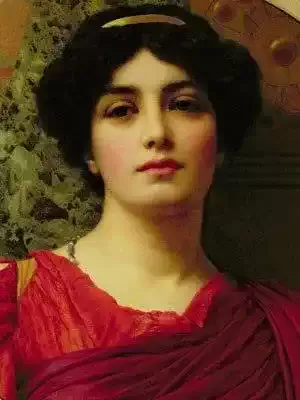
Safo
Awed by her splendor
Awed by her splendor
Awed by her splendor
stars near the lovely
moon cover their own
bright faces
when she
is roundest and lights
earth with her silver
Awed by her splendor
stars near the lovely
moon cover their own
bright faces
when she
is roundest and lights
earth with her silver
429
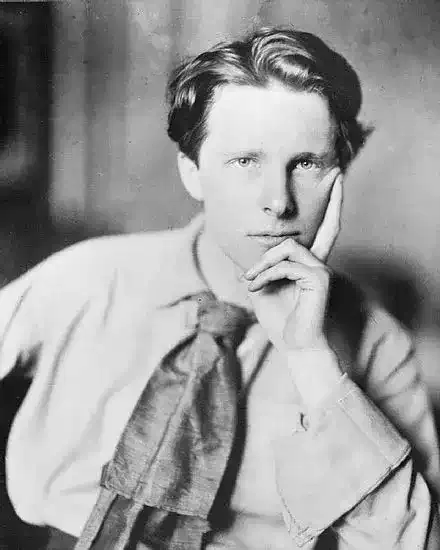
Rupert Brooke
Finding
Finding
From the candles and dumb shadows,
And the house where love had died,
I stole to the vast moonlight
And the whispering life outside.
But I found no lips of comfort,
No home in the moon's light
(I, little and lone and frightened
In the unfriendly night),
And no meaning in the voices. . . .
Far over the lands and through
The dark, beyond the ocean,
I willed to think of YOU!
For I knew, had you been with me
I'd have known the words of night,
Found peace of heart, gone gladly
In comfort of that light.
Oh! the wind with soft beguiling
Would have stolen my thought away;
And the night, subtly smiling,
Came by the silver way;
And the moon came down and danced to me,
And her robe was white and flying;
And trees bent their heads to me
Mysteriously crying;
And dead voices wept around me;
And dead soft fingers thrilled;
And the little gods whispered. . . .
But ever
Desperately I willed;
Till all grew soft and far
And silent . . .
And suddenly
I found you white and radiant,
Sleeping quietly,
Far out through the tides of darkness.
And I there in that great light
Was alone no more, nor fearful;
For there, in the homely night,
Was no thought else that mattered,
And nothing else was true,
But the white fire of moonlight,
And a white dream of you.
From the candles and dumb shadows,
And the house where love had died,
I stole to the vast moonlight
And the whispering life outside.
But I found no lips of comfort,
No home in the moon's light
(I, little and lone and frightened
In the unfriendly night),
And no meaning in the voices. . . .
Far over the lands and through
The dark, beyond the ocean,
I willed to think of YOU!
For I knew, had you been with me
I'd have known the words of night,
Found peace of heart, gone gladly
In comfort of that light.
Oh! the wind with soft beguiling
Would have stolen my thought away;
And the night, subtly smiling,
Came by the silver way;
And the moon came down and danced to me,
And her robe was white and flying;
And trees bent their heads to me
Mysteriously crying;
And dead voices wept around me;
And dead soft fingers thrilled;
And the little gods whispered. . . .
But ever
Desperately I willed;
Till all grew soft and far
And silent . . .
And suddenly
I found you white and radiant,
Sleeping quietly,
Far out through the tides of darkness.
And I there in that great light
Was alone no more, nor fearful;
For there, in the homely night,
Was no thought else that mattered,
And nothing else was true,
But the white fire of moonlight,
And a white dream of you.
171

Robert W. Service
Moon-Lover
Moon-Lover
I
The Moon is like a ping-pong ball;
I lean against the orchard wall,
And see it soar into the void,
A silky sphere of celluloid.
Then fairy fire enkindles it,
Like gossamer by taper lit,
Until it glows above the trees
As mellow as a Cheddar cheese.
And up and up I watch it press
Into appalling loneliness;
Like realms of ice without a stain,
A corpse Moon come to life again.
Ruthless it drowns a sturdy star
That seeks its regal way to bar;
Seeming with conscious power to grow,
And sweeter, purer, gladder glow.
Dreaming serenely up the sky
Until exultantly on high,
It shimmers with superb delight,
The silver navel of the night.
II
I have a compact to commune
A monthly midnight with the Moon;
Into its face I stare and stare,
And find sweet understanding there.
As quiet as a toad I sit
And tell my tale of days to it;
The tessellated yarn I've spun
In thirty spells of star and sun.
And the Moon listens pensively,
As placid as a lamb to me;
Until I think there's just us two
In silver world of mist and dew.
In all of spangled space, but I
To stare moon-struck into the sky;
Of billion beings I alone
To praise the Moon as still as stone.
And seal a bond between us two,
Closer than mortal ever knew;
For as mute masses I intone
The Moon is mine and mine alone.
III
To know the Moon as few men may,
One must be just a little fey;
And for our friendship's sake I'm glad
That I am just a trifle mad.
And one with all the wild, wise things,
The furtive folk of fur and wings,
That hold the Moon within their eyes,
And make it nightly sacrifice.
O I will watch the maiden Moon
Dance on the sea with silver shoon;
But with the Queen Moon I will keep
My tryst when all the world's asleep.
As I have kept by land and sea
That tryst for half a century;
Entranced in sibylline suspense
Beyond a world of common-sense.
Until one night the Moon alone
Will look upon a graven stone. . . .
I wonder will it miss me then,
Its lover more than other men?
Or will my wistful ghost be there,
Down ages dim to stare and stare,
On silver nights without a stir--
The Moon's Eternal Worshipper?
I
The Moon is like a ping-pong ball;
I lean against the orchard wall,
And see it soar into the void,
A silky sphere of celluloid.
Then fairy fire enkindles it,
Like gossamer by taper lit,
Until it glows above the trees
As mellow as a Cheddar cheese.
And up and up I watch it press
Into appalling loneliness;
Like realms of ice without a stain,
A corpse Moon come to life again.
Ruthless it drowns a sturdy star
That seeks its regal way to bar;
Seeming with conscious power to grow,
And sweeter, purer, gladder glow.
Dreaming serenely up the sky
Until exultantly on high,
It shimmers with superb delight,
The silver navel of the night.
II
I have a compact to commune
A monthly midnight with the Moon;
Into its face I stare and stare,
And find sweet understanding there.
As quiet as a toad I sit
And tell my tale of days to it;
The tessellated yarn I've spun
In thirty spells of star and sun.
And the Moon listens pensively,
As placid as a lamb to me;
Until I think there's just us two
In silver world of mist and dew.
In all of spangled space, but I
To stare moon-struck into the sky;
Of billion beings I alone
To praise the Moon as still as stone.
And seal a bond between us two,
Closer than mortal ever knew;
For as mute masses I intone
The Moon is mine and mine alone.
III
To know the Moon as few men may,
One must be just a little fey;
And for our friendship's sake I'm glad
That I am just a trifle mad.
And one with all the wild, wise things,
The furtive folk of fur and wings,
That hold the Moon within their eyes,
And make it nightly sacrifice.
O I will watch the maiden Moon
Dance on the sea with silver shoon;
But with the Queen Moon I will keep
My tryst when all the world's asleep.
As I have kept by land and sea
That tryst for half a century;
Entranced in sibylline suspense
Beyond a world of common-sense.
Until one night the Moon alone
Will look upon a graven stone. . . .
I wonder will it miss me then,
Its lover more than other men?
Or will my wistful ghost be there,
Down ages dim to stare and stare,
On silver nights without a stir--
The Moon's Eternal Worshipper?
254
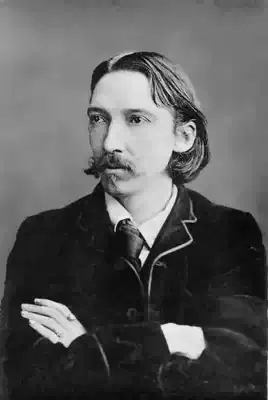
Robert Louis Stevenson
Windy Nights
Windy Nights
Whenever the moon and stars are set,
Whenever the wind is high,
All night long in the dark and wet,
A man goes riding by.
Late in the night when the fires are out,
Why does he gallop and gallop about?
Whenever the trees are crying aloud,
And ships are tossed at sea,
By, on the highway, low and loud,
By at the gallop goes he.
By at the gallop he goes, and then
By he comes back at the gallop again.
Whenever the moon and stars are set,
Whenever the wind is high,
All night long in the dark and wet,
A man goes riding by.
Late in the night when the fires are out,
Why does he gallop and gallop about?
Whenever the trees are crying aloud,
And ships are tossed at sea,
By, on the highway, low and loud,
By at the gallop goes he.
By at the gallop he goes, and then
By he comes back at the gallop again.
506
Robert Louis Stevenson
The Moon
The Moon
The moon has a face like the clock in the hall;
She shines on thieves on the garden wall,
On streets and fields and harbour quays,
And birdies asleep in the forks of the trees.
The squalling cat and the squeaking mouse,
The howling dog by the door of the house,
The bat that lies in bed at noon,
All love to be out by the light of the moon.
But all of the things that belong to the day
Cuddle to sleep to be out of her way;
And flowers and children close their eyes
Till up in the morning the sun shall arise.
The moon has a face like the clock in the hall;
She shines on thieves on the garden wall,
On streets and fields and harbour quays,
And birdies asleep in the forks of the trees.
The squalling cat and the squeaking mouse,
The howling dog by the door of the house,
The bat that lies in bed at noon,
All love to be out by the light of the moon.
But all of the things that belong to the day
Cuddle to sleep to be out of her way;
And flowers and children close their eyes
Till up in the morning the sun shall arise.
641
Robert Louis Stevenson
In Port
In Port
Last, to the chamber where I lie
My fearful footsteps patter nigh,
And come out from the cold and gloom
Into my warm and cheerful room.
There, safe arrived, we turn about
To keep the coming shadows out,
And close the happy door at last
On all the perils that we past.
Then, when mamma goes by to bed,
She shall come in with tip-toe tread,
And see me lying warm and fast
And in the land of Nod at last.
Last, to the chamber where I lie
My fearful footsteps patter nigh,
And come out from the cold and gloom
Into my warm and cheerful room.
There, safe arrived, we turn about
To keep the coming shadows out,
And close the happy door at last
On all the perils that we past.
Then, when mamma goes by to bed,
She shall come in with tip-toe tread,
And see me lying warm and fast
And in the land of Nod at last.
310
Robert Louis Stevenson
Good-Night
Good-Night
Then the bright lamp is carried in,
The sunless hours again begin;
O'er all without, in field and lane,
The haunted night returns again.
Now we behold the embers flee
About the firelit hearth; and see
Our faces painted as we pass,
Like pictures, on the window glass.
Must we to bed indeed? Well then,
Let us arise and go like men,
And face with an undaunted tread
The long black passage up to bed.
Farewell, O brother, sister, sire!
O pleasant party round the fire!
The songs you sing, the tales you tell,
Till far to-morrow, fare you well!
Then the bright lamp is carried in,
The sunless hours again begin;
O'er all without, in field and lane,
The haunted night returns again.
Now we behold the embers flee
About the firelit hearth; and see
Our faces painted as we pass,
Like pictures, on the window glass.
Must we to bed indeed? Well then,
Let us arise and go like men,
And face with an undaunted tread
The long black passage up to bed.
Farewell, O brother, sister, sire!
O pleasant party round the fire!
The songs you sing, the tales you tell,
Till far to-morrow, fare you well!
368

Robert Frost
Acquainted with the Night
Acquainted with the Night
I have been one acquainted with the night.
I have walked out in rain -- and back in rain.
I have outwalked the furthest city light.
I have looked down the saddest city lane.
I have passed by the watchman on his beat
And dropped my eyes, unwilling to explain.
I have stood still and stopped the sound of feet
When far away an interrupted cry
Came over houses from another street,
But not to call me back or say good-bye;
And further still at an unearthly height,
A luminary clock against the sky
Proclaimed the time was neither wrong nor right.
I have been one acquainted with the night.
I have been one acquainted with the night.
I have walked out in rain -- and back in rain.
I have outwalked the furthest city light.
I have looked down the saddest city lane.
I have passed by the watchman on his beat
And dropped my eyes, unwilling to explain.
I have stood still and stopped the sound of feet
When far away an interrupted cry
Came over houses from another street,
But not to call me back or say good-bye;
And further still at an unearthly height,
A luminary clock against the sky
Proclaimed the time was neither wrong nor right.
I have been one acquainted with the night.
476
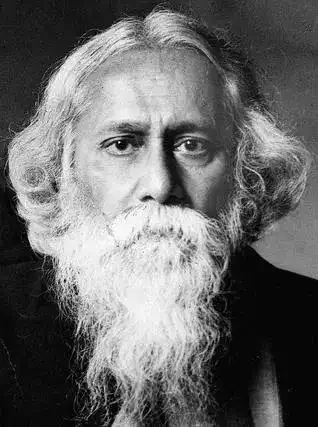
Rabindranath Tagore
When Day Is Done
When Day Is Done
If the day is done,
if birds sing no more,
if the wind has flagged tired,
then draw the veil of darkness thick upon me,
even as thou hast wrapt the earth with the coverlet of sleep
and tenderly closed the petals of the drooping lotus at dusk.
From the traveler,
whose sack of provisions is empty before the voyage is ended,
whose garment is torn and dust-laden,
whose strength is exhausted,
remove shame and poverty,
and renew his life like a flower under the cover of thy kindly night.
If the day is done,
if birds sing no more,
if the wind has flagged tired,
then draw the veil of darkness thick upon me,
even as thou hast wrapt the earth with the coverlet of sleep
and tenderly closed the petals of the drooping lotus at dusk.
From the traveler,
whose sack of provisions is empty before the voyage is ended,
whose garment is torn and dust-laden,
whose strength is exhausted,
remove shame and poverty,
and renew his life like a flower under the cover of thy kindly night.
630
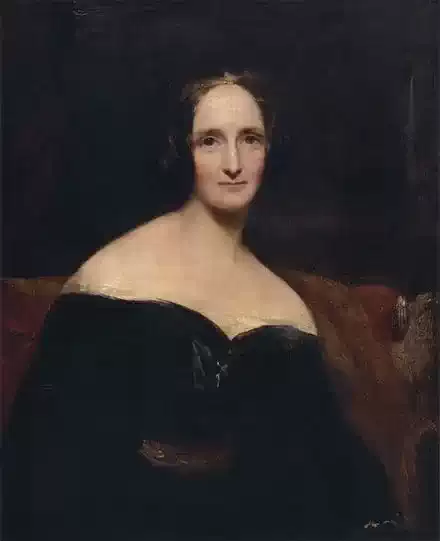
Percy Bysshe Shelley
Night
Night
SWIFTLY walk o'er the western wave,
Spirit of Night!
Out of the misty eastern cave,--
Where, all the long and lone daylight,
Thou wovest dreams of joy and fear
Which make thee terrible and dear,--
Swift be thy flight!
Wrap thy form in a mantle grey,
Star-inwrought!
Blind with thine hair the eyes of Day;
Kiss her until she be wearied out.
Then wander o'er city and sea and land,
Touching all with thine opiate wand--
Come, long-sought!
When I arose and saw the dawn,
I sigh'd for thee;
When light rode high, and the dew was gone,
And noon lay heavy on flower and tree,
And the weary Day turn'd to his rest,
Lingering like an unloved guest,
I sigh'd for thee.
Thy brother Death came, and cried,
'Wouldst thou me?'
Thy sweet child Sleep, the filmy-eyed,
Murmur'd like a noontide bee,
'Shall I nestle near thy side?
Wouldst thou me?'--And I replied,
'No, not thee!'
Death will come when thou art dead,
Soon, too soon--
Sleep will come when thou art fled.
Of neither would I ask the boon
I ask of thee, beloved Night--
Swift be thine approaching flight,
Come soon, soon!
SWIFTLY walk o'er the western wave,
Spirit of Night!
Out of the misty eastern cave,--
Where, all the long and lone daylight,
Thou wovest dreams of joy and fear
Which make thee terrible and dear,--
Swift be thy flight!
Wrap thy form in a mantle grey,
Star-inwrought!
Blind with thine hair the eyes of Day;
Kiss her until she be wearied out.
Then wander o'er city and sea and land,
Touching all with thine opiate wand--
Come, long-sought!
When I arose and saw the dawn,
I sigh'd for thee;
When light rode high, and the dew was gone,
And noon lay heavy on flower and tree,
And the weary Day turn'd to his rest,
Lingering like an unloved guest,
I sigh'd for thee.
Thy brother Death came, and cried,
'Wouldst thou me?'
Thy sweet child Sleep, the filmy-eyed,
Murmur'd like a noontide bee,
'Shall I nestle near thy side?
Wouldst thou me?'--And I replied,
'No, not thee!'
Death will come when thou art dead,
Soon, too soon--
Sleep will come when thou art fled.
Of neither would I ask the boon
I ask of thee, beloved Night--
Swift be thine approaching flight,
Come soon, soon!
451
Percy Bysshe Shelley
Lines: The cold earth slept below
Lines: The cold earth slept below
The cold earth slept below;
Above the cold sky shone;
And all around,
With a chilling sound,
From caves of ice and fields of snow
The breath of night like death did flow
Beneath the sinking moon.
The wintry hedge was black;
The green grass was not seen;
The birds did rest
On the bare thorn's breast,
Whose roots, beside the pathway track,
Had bound their folds o'er many a crack
Which the frost had made between.
Thine eyes glow'd in the glare
Of the moon's dying light;
As a fen-fire's beam
On a sluggish stream
Gleams dimly--so the moon shone there,
And it yellow'd the strings of thy tangled hair,
That shook in the wind of night.
The moon made thy lips pale, belov{`e}d;
The wind made thy bosom chill;
The night did shed
On thy dear head
Its frozen dew, and thou didst lie
Where the bitter breath of the naked sky
Might visit thee at will.
The cold earth slept below;
Above the cold sky shone;
And all around,
With a chilling sound,
From caves of ice and fields of snow
The breath of night like death did flow
Beneath the sinking moon.
The wintry hedge was black;
The green grass was not seen;
The birds did rest
On the bare thorn's breast,
Whose roots, beside the pathway track,
Had bound their folds o'er many a crack
Which the frost had made between.
Thine eyes glow'd in the glare
Of the moon's dying light;
As a fen-fire's beam
On a sluggish stream
Gleams dimly--so the moon shone there,
And it yellow'd the strings of thy tangled hair,
That shook in the wind of night.
The moon made thy lips pale, belov{`e}d;
The wind made thy bosom chill;
The night did shed
On thy dear head
Its frozen dew, and thou didst lie
Where the bitter breath of the naked sky
Might visit thee at will.
512
Percy Bysshe Shelley
And like a Dying Lady, Lean and Pale
And like a Dying Lady, Lean and Pale
And like a dying lady, lean and pale,
Who totters forth, wrapp'd in a gauzy veil,
Out of her chamber, led by the insane
And feeble wanderings of her fading brain,
The moon arose up in the murky East,
A white and shapeless mass--Credits and CopyrightTogether with the editors, the
Department ofEnglish (University of Toronto), and the University of Toronto Press,the
following individuals share copyright for the work that wentinto this edition:Screen
Design (Electronic Edition): Sian Meikle (University ofToronto Library)Scanning:
Sharine Leung (Centre for Computing in the Humanities)
And like a dying lady, lean and pale,
Who totters forth, wrapp'd in a gauzy veil,
Out of her chamber, led by the insane
And feeble wanderings of her fading brain,
The moon arose up in the murky East,
A white and shapeless mass--Credits and CopyrightTogether with the editors, the
Department ofEnglish (University of Toronto), and the University of Toronto Press,the
following individuals share copyright for the work that wentinto this edition:Screen
Design (Electronic Edition): Sian Meikle (University ofToronto Library)Scanning:
Sharine Leung (Centre for Computing in the Humanities)
509
Percy Bysshe Shelley
A Summer Evening Churchyard, Lechlade, Gloucestershire
A Summer Evening Churchyard, Lechlade, Gloucestershire
THE wind has swept from the wide atmosphere
Each vapour that obscured the sunset's ray,
And pallid Evening twines its beaming hair
In duskier braids around the languid eyes of Day:
Silence and Twilight, unbeloved of men,
Creep hand in hand from yon obscurest glen.
They breathe their spells towards the departing day,
Encompassing the earth, air, stars, and sea;
Light, sound, and motion, own the potent sway,
Responding to the charm with its own mystery.
The winds are still, or the dry church-tower grass
Knows not their gentle motions as they pass.
Thou too, aerial pile, whose pinnacles
Point from one shrine like pyramids of fire,
Obey'st I in silence their sweet solemn spells,
Clothing in hues of heaven thy dim and distant spire,
Around whose lessening and invisible height
Gather among the stars the clouds of night.
The dead are sleeping in their sepulchres:
And, mouldering as they sleep, a thrilling sound,
Half sense half thought, among the darkness stirs,
Breathed from their wormy beds all living things around,
And, mingling with the still night and mute sky,
Its awful hush is felt inaudibly.
Thus solemnized and softened, death is mild
And terrorless as this serenest night.
Here could I hope, like some enquiring child
Sporting on graves, that death did hide from human sight
Sweet secrets, or beside its breathless sleep
That loveliest dreams perpetual watch did keep.
THE wind has swept from the wide atmosphere
Each vapour that obscured the sunset's ray,
And pallid Evening twines its beaming hair
In duskier braids around the languid eyes of Day:
Silence and Twilight, unbeloved of men,
Creep hand in hand from yon obscurest glen.
They breathe their spells towards the departing day,
Encompassing the earth, air, stars, and sea;
Light, sound, and motion, own the potent sway,
Responding to the charm with its own mystery.
The winds are still, or the dry church-tower grass
Knows not their gentle motions as they pass.
Thou too, aerial pile, whose pinnacles
Point from one shrine like pyramids of fire,
Obey'st I in silence their sweet solemn spells,
Clothing in hues of heaven thy dim and distant spire,
Around whose lessening and invisible height
Gather among the stars the clouds of night.
The dead are sleeping in their sepulchres:
And, mouldering as they sleep, a thrilling sound,
Half sense half thought, among the darkness stirs,
Breathed from their wormy beds all living things around,
And, mingling with the still night and mute sky,
Its awful hush is felt inaudibly.
Thus solemnized and softened, death is mild
And terrorless as this serenest night.
Here could I hope, like some enquiring child
Sporting on graves, that death did hide from human sight
Sweet secrets, or beside its breathless sleep
That loveliest dreams perpetual watch did keep.
482
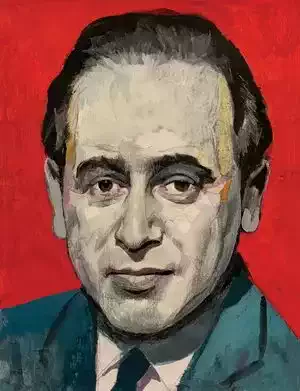
Paul Celan
On my Right
On my Right
On my Right – who? The Death-Woman.
And you, on my Left, you?
The Wandering-Sickles in extraheavenly
Place
mime themselves grey-white
Moon-Swallows, together,
Star-Swifts,
I plunge there
and pour an Urnful
down onto you,
in you.
On my Right – who? The Death-Woman.
And you, on my Left, you?
The Wandering-Sickles in extraheavenly
Place
mime themselves grey-white
Moon-Swallows, together,
Star-Swifts,
I plunge there
and pour an Urnful
down onto you,
in you.
326
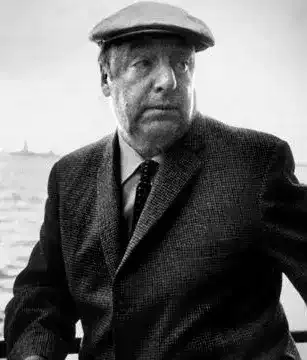
Pablo Neruda
The Night in Isla Negra
The Night in Isla Negra
Ancient night and the unruly salt
beat at the walls of my house.
The shadow is all one, the sky
throbs now along with the ocean,
and sky and shadow erupt
in the crash of their vast conflict.
All night long they struggle;
nobody knows the name
of the harsh light that keeps slowly opening
like a languid fruit.
So on the coast comes to light,
out of seething shadow, the harsh dawn,
gnawed at by the moving salt,
swept clean by the mass of night,
bloodstained in its sea-washed crater.
Ancient night and the unruly salt
beat at the walls of my house.
The shadow is all one, the sky
throbs now along with the ocean,
and sky and shadow erupt
in the crash of their vast conflict.
All night long they struggle;
nobody knows the name
of the harsh light that keeps slowly opening
like a languid fruit.
So on the coast comes to light,
out of seething shadow, the harsh dawn,
gnawed at by the moving salt,
swept clean by the mass of night,
bloodstained in its sea-washed crater.
601
Pablo Neruda
LXXXIV From: ‘Cien sonetos de amor’
LXXXIV From: ‘Cien sonetos de amor’
One time more, my love, the net of light extinguishes
work, wheels, flames, boredoms and farewells,
and we surrender the swaying wheat to night,
the wheat that noon stole from earth and light.
The moon alone in the midst of its clear page
sustains the pillars of Heaven’s Bay,
the room acquires the slowness of gold,
and your hands go here and there preparing night.
O love, O night. O cupola ringed by a river
of impenetrable water in the shadows of Heaven,
that raises and drowns its tempestuous orbs,
until we are only the one dark space
a glass into which fall celestial ashes,
one drop in the flow of a vast slow river
One time more, my love, the net of light extinguishes
work, wheels, flames, boredoms and farewells,
and we surrender the swaying wheat to night,
the wheat that noon stole from earth and light.
The moon alone in the midst of its clear page
sustains the pillars of Heaven’s Bay,
the room acquires the slowness of gold,
and your hands go here and there preparing night.
O love, O night. O cupola ringed by a river
of impenetrable water in the shadows of Heaven,
that raises and drowns its tempestuous orbs,
until we are only the one dark space
a glass into which fall celestial ashes,
one drop in the flow of a vast slow river
467
Oscar Wilde
La Mer
La Mer
A white mist drifts across the shrouds,
A wild moon in this wintry sky
Gleams like an angry lion's eye
Out of a mane of tawny clouds.
The muffled steersman at the wheel
Is but a shadow in the gloom; -
And in the throbbing engine-room
Leap the long rods of polished steel.
The shattered storm has left its trace
Upon this huge and heaving dome,
For the thin threads of yellow foam
Float on the waves like ravelled lace.
A white mist drifts across the shrouds,
A wild moon in this wintry sky
Gleams like an angry lion's eye
Out of a mane of tawny clouds.
The muffled steersman at the wheel
Is but a shadow in the gloom; -
And in the throbbing engine-room
Leap the long rods of polished steel.
The shattered storm has left its trace
Upon this huge and heaving dome,
For the thin threads of yellow foam
Float on the waves like ravelled lace.
226
Oscar Wilde
Impression Du Matin
Impression Du Matin
THE Thames nocturne of blue and gold
Changed to a Harmony in grey:
A barge with ochre-coloured hay
Dropt from the wharf: and chill and cold
The yellow fog came creeping down
The bridges, till the houses' walls
Seemed changed to shadows, and S. Paul's
Loomed like a bubble o'er the town.
Then suddenly arose the clang
Of waking life; the streets were stirred
With country waggons: and a bird
Flew to the glistening roofs and sang.
But one pale woman all alone,
The daylight kissing her wan hair,
Loitered beneath the gas lamps' flare,
With lips of flame and heart of stone.
THE Thames nocturne of blue and gold
Changed to a Harmony in grey:
A barge with ochre-coloured hay
Dropt from the wharf: and chill and cold
The yellow fog came creeping down
The bridges, till the houses' walls
Seemed changed to shadows, and S. Paul's
Loomed like a bubble o'er the town.
Then suddenly arose the clang
Of waking life; the streets were stirred
With country waggons: and a bird
Flew to the glistening roofs and sang.
But one pale woman all alone,
The daylight kissing her wan hair,
Loitered beneath the gas lamps' flare,
With lips of flame and heart of stone.
240
Oscar Wilde
Endymion
Endymion
THE apple trees are hung with gold,
And birds are loud in Arcady,
The sheep lie bleating in the fold,
The wild goat runs across the wold,
But yesterday his love he told,
I know he will come back to me.
O rising moon! O Lady moon!
Be you my lover's sentinel,
You cannot choose but know him well,
For he is shod with purple shoon,
You cannot choose but know my love,
For he a shepherd's crook doth bear,
And he is soft as any dove,
And brown and curly is his hair.
The turtle now has ceased to call
Upon her crimson-footed groom,
The grey wolf prowls about the stall,
The lily's singing seneschal
Sleeps in the lily-bell, and all
The violet hills are lost in gloom.
O risen moon! O holy moon!
Stand on the top of Helice,
And if my own true love you see,
Ah! if you see the purple shoon,
The hazel crook, the lad's brown hair,
The goat-skin wrapped about his arm,
Tell him that I am waiting where
The rushlight glimmers in the Farm.
The falling dew is cold and chill,
And no bird sings in Arcady,
The little fauns have left the hill,
Even the tired daffodil
Has closed its gilded doors, and still
My lover comes not back to me.
False moon! False moon! O waning moon!
Where is my own true lover gone,
Where are the lips vermilion,
The shepherd's crook, the purple shoon?
Why spread that silver pavilion,
Why wear that veil of drifting mist?
Ah! thou hast young Endymion,
Thou hast the lips that should be kissed!
THE apple trees are hung with gold,
And birds are loud in Arcady,
The sheep lie bleating in the fold,
The wild goat runs across the wold,
But yesterday his love he told,
I know he will come back to me.
O rising moon! O Lady moon!
Be you my lover's sentinel,
You cannot choose but know him well,
For he is shod with purple shoon,
You cannot choose but know my love,
For he a shepherd's crook doth bear,
And he is soft as any dove,
And brown and curly is his hair.
The turtle now has ceased to call
Upon her crimson-footed groom,
The grey wolf prowls about the stall,
The lily's singing seneschal
Sleeps in the lily-bell, and all
The violet hills are lost in gloom.
O risen moon! O holy moon!
Stand on the top of Helice,
And if my own true love you see,
Ah! if you see the purple shoon,
The hazel crook, the lad's brown hair,
The goat-skin wrapped about his arm,
Tell him that I am waiting where
The rushlight glimmers in the Farm.
The falling dew is cold and chill,
And no bird sings in Arcady,
The little fauns have left the hill,
Even the tired daffodil
Has closed its gilded doors, and still
My lover comes not back to me.
False moon! False moon! O waning moon!
Where is my own true lover gone,
Where are the lips vermilion,
The shepherd's crook, the purple shoon?
Why spread that silver pavilion,
Why wear that veil of drifting mist?
Ah! thou hast young Endymion,
Thou hast the lips that should be kissed!
220
Novalis
Hymns to the Night :
Hymns to the Night :
Now I know when will come the last morning -- when the Light no more scares away
Night and Love -- when sleep shall be without waking, and but one continuous dream. I
feel in me a celestial exhaustion. Long and weariful was my pilgrimage to the holy
grave, and crushing was the cross. The crystal wave, which, imperceptible to the
ordinary sense, springs in the dark bosom of the mound against whose foot breaks the
flood of the world, he who has tasted it, he who has stood on the mountain frontier of
the world, and looked across into the new land, into the abode of the Night -- truly he
turns not again into the tumult of the world, into the land where dwells the Light in
ceaseless unrest.
On those heights he builds for himself tabernacles -- tabernacles of peace, there longs
and loves and gazes across, until the welcomest of all hours draws him down into the
waters of the spring -- afloat above remains what is earthly, and is swept back in
storms, but what became holy by the touch of love, runs free through hidden ways to
the region beyond, where, like fragrances, it mingles with love asleep.
Still wakest thou, cheerful Light, that weary man to his labor -- and into me pourest
joyous life -- but thou wilest me not away from Memory's moss-grown monument.
Gladly will I stir busy hands, everywhere behold where thou hast need of me -- praise
the lustre of thy splendor -- pursue unwearied the lovely harmonies of thy skilled
handicraft -- gladly contemplate the clever pace of thy mighty, luminous clock --
explore the balance of the forces and the laws of the wondrous play of countless worlds
and their seasons. But true to the Night remains my secret heart, and to creative Love,
her daughter. Canst thou show me a heart eternally true? has thy sun friendly eyes
that know me? do thy stars lay hold of my longing hand? and return me the tender
pressure and the caressing word? was it thou did adorn them with colors and a
flickering outline -- or was it she who gave to thy jewels a higher, a dearer weight?
What delight, what pleasure offers thy life, to outweigh the transports of Death? Wears
not everything that inspires us the color of the Night? She sustains thee mother-like,
and to her thou owest all thy glory. Thou wouldst vanish into thyself -- in boundless
space thou wouldst dissolve, if she did not hold thee fast, if she swaddled thee not, so
that thou grewest warm, and flaming, begot the universe. Truly I was, before thou
wast -- the mother sent me with my brothers and sisters to inhabit thy world, to hallow
it with love that it might be an ever-present memorial -- to plant it with flowers
unfading. As yet they have not ripened, these thoughts divine -- as yet is there small
trace of our coming revelation -- One day thy clock will point to the end of time, and
then thou shalt be as one of us, and shalt, full of ardent longing, be extinguished and
die. I feel in me the close of thy activity -- heavenly freedom, and blessed return. With
wild pangs I recognize thy distance from our home, thy resistance against the ancient,
glorious heaven. Thy rage and thy raving are in vain. Unscorchable stands the cross --
victory-banner of our breed.
Over I journey
And for each pain
A pleasant sting only
Shall one day remain.
Yet in a few moments
Then free am I,
And intoxicated
In Love's lap lie.
Life everlasting
Lifts, wave-like, at me,
I gaze from its summit
Down after thee.
Your lustre must vanish
Yon mound underneath --
A shadow will bring thee
Thy cooling wreath.
Oh draw at my heart, love,
Draw till I'm gone,
That, fallen asleep, I
Still may love on.
I feel the flow of
Death's youth-giving flood
To balsam and ether
Transform my blood --
I live all the daytime
In faith and in might
And in holy fire
I die every night.
Now I know when will come the last morning -- when the Light no more scares away
Night and Love -- when sleep shall be without waking, and but one continuous dream. I
feel in me a celestial exhaustion. Long and weariful was my pilgrimage to the holy
grave, and crushing was the cross. The crystal wave, which, imperceptible to the
ordinary sense, springs in the dark bosom of the mound against whose foot breaks the
flood of the world, he who has tasted it, he who has stood on the mountain frontier of
the world, and looked across into the new land, into the abode of the Night -- truly he
turns not again into the tumult of the world, into the land where dwells the Light in
ceaseless unrest.
On those heights he builds for himself tabernacles -- tabernacles of peace, there longs
and loves and gazes across, until the welcomest of all hours draws him down into the
waters of the spring -- afloat above remains what is earthly, and is swept back in
storms, but what became holy by the touch of love, runs free through hidden ways to
the region beyond, where, like fragrances, it mingles with love asleep.
Still wakest thou, cheerful Light, that weary man to his labor -- and into me pourest
joyous life -- but thou wilest me not away from Memory's moss-grown monument.
Gladly will I stir busy hands, everywhere behold where thou hast need of me -- praise
the lustre of thy splendor -- pursue unwearied the lovely harmonies of thy skilled
handicraft -- gladly contemplate the clever pace of thy mighty, luminous clock --
explore the balance of the forces and the laws of the wondrous play of countless worlds
and their seasons. But true to the Night remains my secret heart, and to creative Love,
her daughter. Canst thou show me a heart eternally true? has thy sun friendly eyes
that know me? do thy stars lay hold of my longing hand? and return me the tender
pressure and the caressing word? was it thou did adorn them with colors and a
flickering outline -- or was it she who gave to thy jewels a higher, a dearer weight?
What delight, what pleasure offers thy life, to outweigh the transports of Death? Wears
not everything that inspires us the color of the Night? She sustains thee mother-like,
and to her thou owest all thy glory. Thou wouldst vanish into thyself -- in boundless
space thou wouldst dissolve, if she did not hold thee fast, if she swaddled thee not, so
that thou grewest warm, and flaming, begot the universe. Truly I was, before thou
wast -- the mother sent me with my brothers and sisters to inhabit thy world, to hallow
it with love that it might be an ever-present memorial -- to plant it with flowers
unfading. As yet they have not ripened, these thoughts divine -- as yet is there small
trace of our coming revelation -- One day thy clock will point to the end of time, and
then thou shalt be as one of us, and shalt, full of ardent longing, be extinguished and
die. I feel in me the close of thy activity -- heavenly freedom, and blessed return. With
wild pangs I recognize thy distance from our home, thy resistance against the ancient,
glorious heaven. Thy rage and thy raving are in vain. Unscorchable stands the cross --
victory-banner of our breed.
Over I journey
And for each pain
A pleasant sting only
Shall one day remain.
Yet in a few moments
Then free am I,
And intoxicated
In Love's lap lie.
Life everlasting
Lifts, wave-like, at me,
I gaze from its summit
Down after thee.
Your lustre must vanish
Yon mound underneath --
A shadow will bring thee
Thy cooling wreath.
Oh draw at my heart, love,
Draw till I'm gone,
That, fallen asleep, I
Still may love on.
I feel the flow of
Death's youth-giving flood
To balsam and ether
Transform my blood --
I live all the daytime
In faith and in might
And in holy fire
I die every night.
314
Novalis
Hymns to the Night :
Hymns to the Night :
Must the morning always return? Will the despotism of the earthly never cease? Unholy
activity consumes the angel-visit of the Night. Will the time never come when Love's
hidden sacrifice shall burn eternally? To the Light a season was set; but everlasting and
boundless is the dominion of the Night. -- Endless is the duration of sleep. Holy Sleep
-- gladden not too seldom in this earthly day-labor, the devoted servant of the Night.
Fools alone mistake thee, knowing nought of sleep but the shadow which, in the
twilight of the real Night, thou pitifully castest over us. They feel thee not in the golden
flood of the grapes -- in the magic oil of the almond tree -- and the brown juice of the
poppy. They know not that it is thou who hauntest the bosom of the tender maiden,
and makest a heaven of her lap -- never suspect it is thou, opening the doors to
Heaven, that steppest to meet them out of ancient stories, bearing the key to the
dwellings of the blessed, silent messenger of secrets infinite.
Must the morning always return? Will the despotism of the earthly never cease? Unholy
activity consumes the angel-visit of the Night. Will the time never come when Love's
hidden sacrifice shall burn eternally? To the Light a season was set; but everlasting and
boundless is the dominion of the Night. -- Endless is the duration of sleep. Holy Sleep
-- gladden not too seldom in this earthly day-labor, the devoted servant of the Night.
Fools alone mistake thee, knowing nought of sleep but the shadow which, in the
twilight of the real Night, thou pitifully castest over us. They feel thee not in the golden
flood of the grapes -- in the magic oil of the almond tree -- and the brown juice of the
poppy. They know not that it is thou who hauntest the bosom of the tender maiden,
and makest a heaven of her lap -- never suspect it is thou, opening the doors to
Heaven, that steppest to meet them out of ancient stories, bearing the key to the
dwellings of the blessed, silent messenger of secrets infinite.
317