

Poems in this theme
Nation and Patriotism
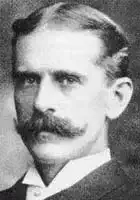
Henry Van Dyke
The Ancestral Dwelling
The Ancestral Dwelling
Dear to my heart are the ancestral dwellings of America,
Dearer than if they were haunted by ghosts of royal splendour;
These are the homes that were built by the brave beginners of a nation,
They are simple enough to be great, and full of a friendly dignity.
I love the old white farmhouses nestled in New England valleys,
Ample and long and low, with elm-trees feathering over them:
Borders of box in the yard, and lilacs, and old-fashioned Howers,
A fan-light above the door, and little square panes in the windows,
The wood-shed piled with maple and birch and hickory ready for winter,
The gambrel-roof with its garret crowded with household relics, --
All the tokens of prudent thrift and the spirit of self-reliance.
I love the look of the shingled houses that front the ocean;
Their backs are bowed, and their lichened sides are weather-beaten;
Soft in their colour as grey pearls, they are full of patience and courage.
They seem to grow out of the rocks, there is something indomitable about them:
Facing the briny wind in a lonely land they stand undaunted,
While the thin blue line of smoke from the square-built chimney rises,
Telling of shelter for man, with room for a hearth and a cradle.
I love the stately southern mansions with their tall white columns,
They look through avenues of trees, over fields where the cotton is growing;
I can see the flutter of white frocks along their shady porches,
Music and laughter float from the windows, the yards are full of hounds and horses.
They have all ridden away, yet the houses have not forgotten,
They are proud of their name and place, and their doors are always open,
For the thing they remember best is the pride of their ancient hospitality.
In the towns I love the discreet and tranquil Quaker dwellings,
With their demure brick faces and immaculate white-stone doorsteps;
And the gabled houses of the Dutch, with their high stoops and iron railings,
(I can see their little brass knobs shining in the morning sunlight);
And the solid houses of the descendants of the Puritans,
Fronting the street with their narrow doors and dormer-windows;
And the triple-galleried, many-pillared mansions of Charleston,
Standing sideways in their gardens full of roses and magnolias.
Yes, they are all dear to my heart, and in my eyes they are beautiful;
For under their roofs were nourished the thoughts that have made the nation;
The glory and strength of America came from her ancestral dwellings.
Dear to my heart are the ancestral dwellings of America,
Dearer than if they were haunted by ghosts of royal splendour;
These are the homes that were built by the brave beginners of a nation,
They are simple enough to be great, and full of a friendly dignity.
I love the old white farmhouses nestled in New England valleys,
Ample and long and low, with elm-trees feathering over them:
Borders of box in the yard, and lilacs, and old-fashioned Howers,
A fan-light above the door, and little square panes in the windows,
The wood-shed piled with maple and birch and hickory ready for winter,
The gambrel-roof with its garret crowded with household relics, --
All the tokens of prudent thrift and the spirit of self-reliance.
I love the look of the shingled houses that front the ocean;
Their backs are bowed, and their lichened sides are weather-beaten;
Soft in their colour as grey pearls, they are full of patience and courage.
They seem to grow out of the rocks, there is something indomitable about them:
Facing the briny wind in a lonely land they stand undaunted,
While the thin blue line of smoke from the square-built chimney rises,
Telling of shelter for man, with room for a hearth and a cradle.
I love the stately southern mansions with their tall white columns,
They look through avenues of trees, over fields where the cotton is growing;
I can see the flutter of white frocks along their shady porches,
Music and laughter float from the windows, the yards are full of hounds and horses.
They have all ridden away, yet the houses have not forgotten,
They are proud of their name and place, and their doors are always open,
For the thing they remember best is the pride of their ancient hospitality.
In the towns I love the discreet and tranquil Quaker dwellings,
With their demure brick faces and immaculate white-stone doorsteps;
And the gabled houses of the Dutch, with their high stoops and iron railings,
(I can see their little brass knobs shining in the morning sunlight);
And the solid houses of the descendants of the Puritans,
Fronting the street with their narrow doors and dormer-windows;
And the triple-galleried, many-pillared mansions of Charleston,
Standing sideways in their gardens full of roses and magnolias.
Yes, they are all dear to my heart, and in my eyes they are beautiful;
For under their roofs were nourished the thoughts that have made the nation;
The glory and strength of America came from her ancestral dwellings.
303
Henry Van Dyke
National Monuments
National Monuments
Count not the cost of honour to the dead!
The tribute that a mighty nation pays
To those who loved her well in former days
Means more than gratitude for glories fled;
For every noble man that she hath bred,
Lives in the bronze and marble that we raise,
Immortalized by art's immortal praise,
To lead our sons as he our fathers led.
These monuments of manhood strong and high
Do more than forts or battle-ships to keep
Our dear-bought liberty. They fortify
The heart of youth with valour wise and deep;
They build eternal bulwarks, and command
Eternal strength to guard our native land.
Count not the cost of honour to the dead!
The tribute that a mighty nation pays
To those who loved her well in former days
Means more than gratitude for glories fled;
For every noble man that she hath bred,
Lives in the bronze and marble that we raise,
Immortalized by art's immortal praise,
To lead our sons as he our fathers led.
These monuments of manhood strong and high
Do more than forts or battle-ships to keep
Our dear-bought liberty. They fortify
The heart of youth with valour wise and deep;
They build eternal bulwarks, and command
Eternal strength to guard our native land.
293
Henry Van Dyke
Liberty Enlightening the World
Liberty Enlightening the World
Thou warden of the western gate, above Manhatten Bay,
The fogs of doubt that hid thy face are driven clean away:
Thine eyes at last look far and clear, thou liftest high thy hand
To spread the light of liberty world-wide for every land.
No more thou dreamest of a peace reserved alone for thee,
While friends are fighting for thy cause beyond the guardian sea:
The battle that they wage is thine; thou fallest if they fall;
The swollen flood of Prussian pride will sweep unchecked o'er all.
O cruel is the conquer-lust in Hohenzollern brains;
The paths they plot to gain their goal are dark with shameful stains:
No faith they keep, no law revere, no god but naked Might; --
They are the foemen of mankind. Up, Liberty, and smite!
Britain, and France, and Italy, and Russia newly born,
Have waited for thee in the night. Oh, come as comes the morn.
Serene and strong and full of faith, America, arise,
With steady hope and mighty help to join th brave Allies.
O dearest country of my heart, home of the high desire,
Make clean thy soul for sacrifice on Freedom's altar-fire:
For thou must suffer, thou must fight, until the warlords cease,
And all the peoples lift their heads in liberty and peace.
Thou warden of the western gate, above Manhatten Bay,
The fogs of doubt that hid thy face are driven clean away:
Thine eyes at last look far and clear, thou liftest high thy hand
To spread the light of liberty world-wide for every land.
No more thou dreamest of a peace reserved alone for thee,
While friends are fighting for thy cause beyond the guardian sea:
The battle that they wage is thine; thou fallest if they fall;
The swollen flood of Prussian pride will sweep unchecked o'er all.
O cruel is the conquer-lust in Hohenzollern brains;
The paths they plot to gain their goal are dark with shameful stains:
No faith they keep, no law revere, no god but naked Might; --
They are the foemen of mankind. Up, Liberty, and smite!
Britain, and France, and Italy, and Russia newly born,
Have waited for thee in the night. Oh, come as comes the morn.
Serene and strong and full of faith, America, arise,
With steady hope and mighty help to join th brave Allies.
O dearest country of my heart, home of the high desire,
Make clean thy soul for sacrifice on Freedom's altar-fire:
For thou must suffer, thou must fight, until the warlords cease,
And all the peoples lift their heads in liberty and peace.
306
Henry Van Dyke
Jeanne d'Arc Returns
Jeanne d'Arc Returns
1914-1916
What hast thou done, O womanhood of France,
Mother and daughter, sister, sweetheart, wife,
What hast thou done, amid this fateful strife,
To prove the pride of thine inheritance
In this fair land of freedom and romance?
I hear thy voice with tears and courage rife,--
Smiling against the swords that seek thy life,--
Make answer in a noble utterance:
"I give France all I have, and all she asks.
Would it were more! Ah, let her ask and take:
My hands to nurse her wounded, do her tasks,--
My feet to run her errands through the dark,--
My heart to bleed in triumph for her sake,--
And all my soul to follow thee, Jeanne d'Arc!"
1914-1916
What hast thou done, O womanhood of France,
Mother and daughter, sister, sweetheart, wife,
What hast thou done, amid this fateful strife,
To prove the pride of thine inheritance
In this fair land of freedom and romance?
I hear thy voice with tears and courage rife,--
Smiling against the swords that seek thy life,--
Make answer in a noble utterance:
"I give France all I have, and all she asks.
Would it were more! Ah, let her ask and take:
My hands to nurse her wounded, do her tasks,--
My feet to run her errands through the dark,--
My heart to bleed in triumph for her sake,--
And all my soul to follow thee, Jeanne d'Arc!"
333
Henry Van Dyke
Francis Makemie
Francis Makemie
(Presbyter of Christ in Americas 1683-1708)
To thee, plain hero of a rugged race,
We bring the meed of praise too long delayed!
Thy fearless word and faithful work have made
For God's Republic firmer path and place
In this New World: thou hast proclaimed the grace
And power of Christ in many a forest glade,
Teaching the truth that leaves men unafraid
Of frowning tyranny or death's dark face.
Oh, who can tell how much we owe to thee,
Makemie, and to labour such as thine,
For all that makes America the shrine
Of faith untrammeled and of conscience free?
Stand here, grey stone, and consecrate the sod
Where rests this brave Scotch-Irish man of God!
(Presbyter of Christ in Americas 1683-1708)
To thee, plain hero of a rugged race,
We bring the meed of praise too long delayed!
Thy fearless word and faithful work have made
For God's Republic firmer path and place
In this New World: thou hast proclaimed the grace
And power of Christ in many a forest glade,
Teaching the truth that leaves men unafraid
Of frowning tyranny or death's dark face.
Oh, who can tell how much we owe to thee,
Makemie, and to labour such as thine,
For all that makes America the shrine
Of faith untrammeled and of conscience free?
Stand here, grey stone, and consecrate the sod
Where rests this brave Scotch-Irish man of God!
314
Henry Van Dyke
An American in Europe
An American in Europe
'Tis fine to see the Old World, and travel up and down
Among the famous palaces and cities of renown,
To admire the crumbly castles and the statues of the kings, --
But now I think I've had enough of antiquated things.
So it's home again, and home again, America for me!
My heart is turning home again, and there I long to be,
In the land of youth and freedom beyond the ocean bars,
Where the air is full of sunlight and the flag is full of stars.
Oh, London is a man's town, there's power in the air;
And Paris is a woman's town, with flowers in her hair;
And it's sweet to dream in Venice, and it's great to study Rome;
But when it comes to living there is no place like home.
I like the German fir-woods, in green battalions drilled;
I like the gardens of Versailles with flashing fountains filled;
But, oh, to take your hand, my dear, and ramble for a day
In the friendly western woodland where Nature has her way!
I know that Europe's wonderful, yet something seems to lack:
The Past is too much with her, and the people looking back.
But the glory of the Present is to make the Future free, --
We love our land for what she is and what she is to be.
So it's home again, and home again, America for me!
I want a ship that's westward bound to plough the rolling sea,
To the blessed Land of Room Enough beyond the ocean bars,
Where the air is full of sunlight and the flag is full of stars.
'Tis fine to see the Old World, and travel up and down
Among the famous palaces and cities of renown,
To admire the crumbly castles and the statues of the kings, --
But now I think I've had enough of antiquated things.
So it's home again, and home again, America for me!
My heart is turning home again, and there I long to be,
In the land of youth and freedom beyond the ocean bars,
Where the air is full of sunlight and the flag is full of stars.
Oh, London is a man's town, there's power in the air;
And Paris is a woman's town, with flowers in her hair;
And it's sweet to dream in Venice, and it's great to study Rome;
But when it comes to living there is no place like home.
I like the German fir-woods, in green battalions drilled;
I like the gardens of Versailles with flashing fountains filled;
But, oh, to take your hand, my dear, and ramble for a day
In the friendly western woodland where Nature has her way!
I know that Europe's wonderful, yet something seems to lack:
The Past is too much with her, and the people looking back.
But the glory of the Present is to make the Future free, --
We love our land for what she is and what she is to be.
So it's home again, and home again, America for me!
I want a ship that's westward bound to plough the rolling sea,
To the blessed Land of Room Enough beyond the ocean bars,
Where the air is full of sunlight and the flag is full of stars.
305
Henry Van Dyke
Ameria's Welcome Home
Ameria's Welcome Home
Oh, gallantly they fared forth in khaki and in blue,
America's crusading host of warriors bold and true;
They battled for the rights of man beside our brave Allies,
And now they're coming home to us with glory in their eyes.
Oh, it's home again, and home again, America for me!
Our hearts are turning home again and there we long to be,
In our beautiful big country beyond the ocean bars,
Where the air is full of sunlight and the flag is full of stars.
Our boys have seen the Old World as none have seen before.
They know the grisly horror of the German gods of war:
The noble faith of Britain and the hero-heart of France,
The soul of Belgium's fortitude and Italy's romance.
They bore our country's great word across the rolling sea,
'America swears brotherhood with all the just and free.'
They wrote that word victorious on fields of mortal strife,
And many a valiant lad was proud to seal it with his life.
Oh, welcome home in Heaven's peace, dear spirits of the dead!
And welcome home ye living sons America hath bred!
The lords of war are beaten down, your glorious task is done;
You fought to make the whole world free, and the victory is won.
Now it's home again, and home again, our hearts are turning west,
Of all the lands beneath the sun America is best.
We're going home to our own folks, beyond the ocean bars,
Where the air is full of sunlight and the flag is full of stars.
Oh, gallantly they fared forth in khaki and in blue,
America's crusading host of warriors bold and true;
They battled for the rights of man beside our brave Allies,
And now they're coming home to us with glory in their eyes.
Oh, it's home again, and home again, America for me!
Our hearts are turning home again and there we long to be,
In our beautiful big country beyond the ocean bars,
Where the air is full of sunlight and the flag is full of stars.
Our boys have seen the Old World as none have seen before.
They know the grisly horror of the German gods of war:
The noble faith of Britain and the hero-heart of France,
The soul of Belgium's fortitude and Italy's romance.
They bore our country's great word across the rolling sea,
'America swears brotherhood with all the just and free.'
They wrote that word victorious on fields of mortal strife,
And many a valiant lad was proud to seal it with his life.
Oh, welcome home in Heaven's peace, dear spirits of the dead!
And welcome home ye living sons America hath bred!
The lords of war are beaten down, your glorious task is done;
You fought to make the whole world free, and the victory is won.
Now it's home again, and home again, our hearts are turning west,
Of all the lands beneath the sun America is best.
We're going home to our own folks, beyond the ocean bars,
Where the air is full of sunlight and the flag is full of stars.
318
Henry Van Dyke
America for Me
America for Me
'Tis fine to see the Old World and travel up and down
Among the famous palaces and cities of renown,
To admire the crumblyh castles and the statues and kings
But now I think I've had enough of antiquated things.
So it's home again, and home again, America for me!
My heart is turning home again and there I long to be,
In the land of youth and freedom, beyond the ocean bars,
Where the air is full of sunlight and the flag is full of stars.
Oh, London is a man's town, there's power in the air;
And Paris is a woman's town, with flowers in her hair;
And it's sweet to dream in Venice, and it's great to study Rome;
But when it comes to living there is no place like home.
I like the German fir-woods in green battalions drilled;
I like the gardens of Versailles with flashing foutains filled;
But, oh, to take your had, my dear, and ramble for a day
In the friendly western woodland where Nature has her sway!
I know that Europe's wonderful, yet something seems to lack!
The Past is too much with her, and the people looking back.
But the glory of the Present is to make the Future free--
We love our land for what she is and what she is to be.
Oh, it's home again, and home again, America for me!
I want a ship that's westward bound to plough the rolling sea,
To the blessed Land of Room Enough, beyond the ocean bars,
Where the air is full of sunlight and the flag is full of stars.
'Tis fine to see the Old World and travel up and down
Among the famous palaces and cities of renown,
To admire the crumblyh castles and the statues and kings
But now I think I've had enough of antiquated things.
So it's home again, and home again, America for me!
My heart is turning home again and there I long to be,
In the land of youth and freedom, beyond the ocean bars,
Where the air is full of sunlight and the flag is full of stars.
Oh, London is a man's town, there's power in the air;
And Paris is a woman's town, with flowers in her hair;
And it's sweet to dream in Venice, and it's great to study Rome;
But when it comes to living there is no place like home.
I like the German fir-woods in green battalions drilled;
I like the gardens of Versailles with flashing foutains filled;
But, oh, to take your had, my dear, and ramble for a day
In the friendly western woodland where Nature has her sway!
I know that Europe's wonderful, yet something seems to lack!
The Past is too much with her, and the people looking back.
But the glory of the Present is to make the Future free--
We love our land for what she is and what she is to be.
Oh, it's home again, and home again, America for me!
I want a ship that's westward bound to plough the rolling sea,
To the blessed Land of Room Enough, beyond the ocean bars,
Where the air is full of sunlight and the flag is full of stars.
324

Henry Lawson
Who’ll Wear the Beaten Colours?
Who’ll Wear the Beaten Colours?
Who’ll wear the beaten colours—and cheer the beaten men?
Who’ll wear the beaten colours, till our time comes again?
Where sullen crowds are densest, and fickle as the sea,
Who’ll wear the beaten colours, and wear them home with me?
We closed the bars and gambling dens and voted straight and clean,
Our women walked while motor cars were whirling round the scene,
The Potts Point Vote was one for Greed and Ease and Luxury
With all to hold, and coward gold, and beaten folk are we.
Who’ll wear the beaten colours, with hands and pockets clean?
(I wore the beaten colours since I was seventeen)
I wore them up, and wore them down, Outback and across the sea—
Who’ll wear the beaten colours, and wear them home with me?
We wore them back from Ladysmith to where the peace was signed,
And wore them through the London streets where Jingoes howled behind.
We wore them to the Queen’s Hall, while England yelled “Pro-Boers!”
And sat them over victory while London banged the doors.1
We wore them from Port Arthur round till all sunk in the sea—
(Who’ll wear the white man’s colours, and wear them home with me?)
I’ve worn them through with gentlemen, with work-slaves and alone—
Who’ll wear the beaten colours, boys, and wear them on his own?
There’s one would look with startled eyes and shrink while I caressed,
Came I not with the colours of the conquered on my breast.
And twenty thousand Bushmen would stand with hands behind
And scorn in all their faces for the coward of his kind.
Who’ll wear the beaten colours and raise the voice they drowned—
It may be when we march again, they’ll bear some other sound—
Who’ll pin the beaten colours on and drive the beaten pen—
It may be other steel and ink when we march out again.
Who’ll wear the beaten colours—and cheer the beaten men?
Who’ll wear the beaten colours, till our time comes again?
Where sullen crowds are densest, and fickle as the sea,
Who’ll wear the beaten colours, and wear them home with me?
We closed the bars and gambling dens and voted straight and clean,
Our women walked while motor cars were whirling round the scene,
The Potts Point Vote was one for Greed and Ease and Luxury
With all to hold, and coward gold, and beaten folk are we.
Who’ll wear the beaten colours, with hands and pockets clean?
(I wore the beaten colours since I was seventeen)
I wore them up, and wore them down, Outback and across the sea—
Who’ll wear the beaten colours, and wear them home with me?
We wore them back from Ladysmith to where the peace was signed,
And wore them through the London streets where Jingoes howled behind.
We wore them to the Queen’s Hall, while England yelled “Pro-Boers!”
And sat them over victory while London banged the doors.1
We wore them from Port Arthur round till all sunk in the sea—
(Who’ll wear the white man’s colours, and wear them home with me?)
I’ve worn them through with gentlemen, with work-slaves and alone—
Who’ll wear the beaten colours, boys, and wear them on his own?
There’s one would look with startled eyes and shrink while I caressed,
Came I not with the colours of the conquered on my breast.
And twenty thousand Bushmen would stand with hands behind
And scorn in all their faces for the coward of his kind.
Who’ll wear the beaten colours and raise the voice they drowned—
It may be when we march again, they’ll bear some other sound—
Who’ll pin the beaten colours on and drive the beaten pen—
It may be other steel and ink when we march out again.
167
Henry Lawson
Wide Lies Australia
Wide Lies Australia
Wide lies Australia! The seas that surround her
Flow for her unity – all states in one.
Never has Custom nor Tyranny bound her –
Never was conquest so peacefully won.
Fair lies Australia! with all things within her
Meet for a Nation, the greatest to be:
Free to the White Man to woo and to win her:
Those who'd be happy and those who'd be free.
Free to live fully and free to live cleanly,
Free to give learning to daughter and son;
Free to act nobly but not to act meanly,
Free to forget what the old lands had done.
Free to be Brothers! Our hymn and our sermon
To keep for the White World the balance of Power,
Welcoming all, be they British or German,
All come to help us – we'll wait for the hour.
Out in the West where the flood-water gathers –
Out in the drought on the sand desert lone –
Went the brave English and brave foreign fathers
Fearlessly facing the fearful unknown.
Gemmed with their names lies the great past behind us.
Dark lie the storm clouds before us today,
Let us so live the future shall find us
Facing the danger as dauntless as they.
Wide lies Australia! The seas that surround her
Flow for her unity – all states in one.
Never has Custom nor Tyranny bound her –
Never was conquest so peacefully won.
Fair lies Australia! with all things within her
Meet for a Nation, the greatest to be:
Free to the White Man to woo and to win her:
Those who'd be happy and those who'd be free.
Free to live fully and free to live cleanly,
Free to give learning to daughter and son;
Free to act nobly but not to act meanly,
Free to forget what the old lands had done.
Free to be Brothers! Our hymn and our sermon
To keep for the White World the balance of Power,
Welcoming all, be they British or German,
All come to help us – we'll wait for the hour.
Out in the West where the flood-water gathers –
Out in the drought on the sand desert lone –
Went the brave English and brave foreign fathers
Fearlessly facing the fearful unknown.
Gemmed with their names lies the great past behind us.
Dark lie the storm clouds before us today,
Let us so live the future shall find us
Facing the danger as dauntless as they.
248
Henry Lawson
When the Bush Begins to Speak
When the Bush Begins to Speak
They know us not in England yet, their pens are overbold;
We're seen in fancy pictures that are fifty years too old.
They think we are a careless race - a childish race, and weak;
They'll know us yet in England, when the bush begins to speak;
When the bush begins to speak,
When the bush begins to speak,
When the west by Greed's invaded, and the bush begins to speak.
'The leaders that will be', the men of southern destiny,
Are not all found in cities that are builded by the sea;
They learn to love Australia by many a western creek,
They'll know them yet in England, when the bush begins to speak;
When the bush begins to speak,
When the bush begins to speak,
When the west by Greed's invaded, and the bush begins to speak.
All ready for the struggle, and waiting for the change,
The army of our future lies encamped beyond the range;
Australia, for her patriots, will not have far to seek;
They'll know her yet in England when the bush begins to speak;
When the bush begins to speak,
When the bush begins to speak,
When the west by Greed's invaded, and the bush begins to speak.
We'll find the peace and comfort that our fathers could not find,
Or some shall strike the good old blow that leaves a mark behind.
We'll find the Truth and Liberty our fathers came to seek,
Or let them know in England when the bush begins to speak;
When the bush begins to speak,
When the bush begins to speak,
When the west by Greed's invaded, and the bush begins to speak.
They know us not in England yet, their pens are overbold;
We're seen in fancy pictures that are fifty years too old.
They think we are a careless race - a childish race, and weak;
They'll know us yet in England, when the bush begins to speak;
When the bush begins to speak,
When the bush begins to speak,
When the west by Greed's invaded, and the bush begins to speak.
'The leaders that will be', the men of southern destiny,
Are not all found in cities that are builded by the sea;
They learn to love Australia by many a western creek,
They'll know them yet in England, when the bush begins to speak;
When the bush begins to speak,
When the bush begins to speak,
When the west by Greed's invaded, and the bush begins to speak.
All ready for the struggle, and waiting for the change,
The army of our future lies encamped beyond the range;
Australia, for her patriots, will not have far to seek;
They'll know her yet in England when the bush begins to speak;
When the bush begins to speak,
When the bush begins to speak,
When the west by Greed's invaded, and the bush begins to speak.
We'll find the peace and comfort that our fathers could not find,
Or some shall strike the good old blow that leaves a mark behind.
We'll find the Truth and Liberty our fathers came to seek,
Or let them know in England when the bush begins to speak;
When the bush begins to speak,
When the bush begins to speak,
When the west by Greed's invaded, and the bush begins to speak.
290
Henry Lawson
To Tom Bracken
To Tom Bracken
O had you tracked where Kendall* trod
I think you would be kneelin’
Three times a week and thankin’ God
That you are of New Zealan’!
For this I’ll say, to make it short,
An’ keep my tongue from clacken—
The people are a kinder sort
You’re singin’ for, Tom Bracken.
O had you tracked where Kendall* trod
I think you would be kneelin’
Three times a week and thankin’ God
That you are of New Zealan’!
For this I’ll say, to make it short,
An’ keep my tongue from clacken—
The people are a kinder sort
You’re singin’ for, Tom Bracken.
279
Henry Lawson
To Jack
To Jack
SO, I’ve battled it through on my own, Jack,
I have done with all dreaming and doubt.
Though “stoney” to-night and alone, Jack,
I am watching the Old Year out.
I have finished with brooding and fears,
Jack, And the spirit is rising in me,
For the sake of the old New Years, Jack,
And the bright New Years to be.
I have fallen in worldly disgrace, Jack,
And I know very well that you heard;
They have blackened my name in this place, Jack,
And I answered them never a word.
But why should I bluster or grieve,
Jack? So narrow and paltry they be—
I knew you would never believe, Jack,
The lies that were said against me.
That is done which shall never be undone,
And I blame not, I blame not my land,
But I’m hearing the Calling of London,
And I long for the roar of the Strand.
It was always the same with our race,
Jack; You know how a vagabond feels—
We can fight a straight man face to face, Jack.
But we can’t keep the curs from our heels.
You know I loved women and drink, Jack,
And that’s how the trouble began;
But you know that I never would shrink,
Jack, From a deed that was worthy a man!
I never was paltry or mean, Jack.
And cruel I never could be,
I will give you a hand which is clean,
Jack, When we meet again over the sea.
I will bring a few wrinkles of care,
Jack; I have altered a lot, I am told;
The steel-filings show in my hair, Jack;
But my heart is as young as of old.
I have faith still in women, and men, Jack,
Though selfish and blind they may be.
I still have my soul and my pen, Jack,
And my country seems dearer to me.
I will sail when your summer sets in, Jack,
And good-bye to my own native land;
Oh, I long for a glimpse of your grin, Jack,
And I long for the grip of your hand.
We both suffered sorrow and pain, Jack,
And sinned in the days that are done;
But we’ll fight the old battle again, Jack,
Where the battle is worth being won.
SO, I’ve battled it through on my own, Jack,
I have done with all dreaming and doubt.
Though “stoney” to-night and alone, Jack,
I am watching the Old Year out.
I have finished with brooding and fears,
Jack, And the spirit is rising in me,
For the sake of the old New Years, Jack,
And the bright New Years to be.
I have fallen in worldly disgrace, Jack,
And I know very well that you heard;
They have blackened my name in this place, Jack,
And I answered them never a word.
But why should I bluster or grieve,
Jack? So narrow and paltry they be—
I knew you would never believe, Jack,
The lies that were said against me.
That is done which shall never be undone,
And I blame not, I blame not my land,
But I’m hearing the Calling of London,
And I long for the roar of the Strand.
It was always the same with our race,
Jack; You know how a vagabond feels—
We can fight a straight man face to face, Jack.
But we can’t keep the curs from our heels.
You know I loved women and drink, Jack,
And that’s how the trouble began;
But you know that I never would shrink,
Jack, From a deed that was worthy a man!
I never was paltry or mean, Jack.
And cruel I never could be,
I will give you a hand which is clean,
Jack, When we meet again over the sea.
I will bring a few wrinkles of care,
Jack; I have altered a lot, I am told;
The steel-filings show in my hair, Jack;
But my heart is as young as of old.
I have faith still in women, and men, Jack,
Though selfish and blind they may be.
I still have my soul and my pen, Jack,
And my country seems dearer to me.
I will sail when your summer sets in, Jack,
And good-bye to my own native land;
Oh, I long for a glimpse of your grin, Jack,
And I long for the grip of your hand.
We both suffered sorrow and pain, Jack,
And sinned in the days that are done;
But we’ll fight the old battle again, Jack,
Where the battle is worth being won.
231
Henry Lawson
To Be Amused
To Be Amused
You ask me to be gay and glad
While lurid clouds of danger loom,
And vain and bad and gambling mad,
Australia races to her doom.
You bid me sing the light and fair,
The dance, the glance on pleasure's wings –
While you have wives who will not bear,
And beer to drown the fear of things.
A war with reason you would wage
To be amused for your short span,
Until your children's heritage
Is claimed for China by Japan.
The football match, the cricket score,
The "scraps", the tote, the mad'ning Cup –
You drunken fools that evermore
"To-morrow morning" sober up!
I see again with haggard eyes,
The thirsty land, the wasted flood;
Unpeopled plains beyond the skies,
And precious streams that run to mud;
The ruined health, the wasted wealth,
In our mad cities by the seas,
The black race suicide by stealth,
The starved and murdered industries!
You bid me make a farce of day,
And make a mockery of death;
While not five thousand miles away
The yellow millions pant for breath!
But heed me now, nor ask me this –
Lest you too late should wake to find
That hopeless patriotism is
The strongest passion in mankind!
You'd think the seer sees, perhaps,
While staring on from days like these,
Politeness in the conquering Japs,
Or mercy in the banned Chinese!
I mind the days when parents stood,
And spake no word, while children ran
From Christian lanes and deemed it good
To stone a helpless Chinaman.
I see the stricken city fall,
The fathers murdered at their doors,
The sack, the massacre of all
Save healthy slaves and paramours –
The wounded hero at the stake,
The pure girl to the leper's kiss –
God, give us faith, for Christ's own sake
To kill our womankind ere this.
I see the Bushman from Out Back,
From mountain range and rolling downs,
And carts race on each rough bush track
With food and rifles from the towns;
I see my Bushmen fight and die
Amongst the torn blood-spattered trees,
And hear all night the wounded cry
For men! More men and batteries!
I see the brown and yellow rule
The southern lands and southern waves,
White children in the heathen school,
And black and white together slaves;
I see the colour-line so drawn
(I see it plain and speak I must),
That our brown masters of the dawn
Might, aye, have fair girls for their lusts!
With land and life and race at stake –
No matter which race wronged, or how –
Let all and one Australia make
A superhuman effort now.
Clear out the blasting parasites,
The paid-for-one-thing manifold,
And curb the goggled "social-lights"
That "scorch" to nowhere with our gold.
Store guns and ammunition first,
Build forts and warlike factories,
Sink bores and tanks where drought is worst,
Give over time to industries.
The outpost of the white man's race,
Where next his flag shall be unfurled,
Make clean the place! Make strong the place!
Call white men in from all the world!
You ask me to be gay and glad
While lurid clouds of danger loom,
And vain and bad and gambling mad,
Australia races to her doom.
You bid me sing the light and fair,
The dance, the glance on pleasure's wings –
While you have wives who will not bear,
And beer to drown the fear of things.
A war with reason you would wage
To be amused for your short span,
Until your children's heritage
Is claimed for China by Japan.
The football match, the cricket score,
The "scraps", the tote, the mad'ning Cup –
You drunken fools that evermore
"To-morrow morning" sober up!
I see again with haggard eyes,
The thirsty land, the wasted flood;
Unpeopled plains beyond the skies,
And precious streams that run to mud;
The ruined health, the wasted wealth,
In our mad cities by the seas,
The black race suicide by stealth,
The starved and murdered industries!
You bid me make a farce of day,
And make a mockery of death;
While not five thousand miles away
The yellow millions pant for breath!
But heed me now, nor ask me this –
Lest you too late should wake to find
That hopeless patriotism is
The strongest passion in mankind!
You'd think the seer sees, perhaps,
While staring on from days like these,
Politeness in the conquering Japs,
Or mercy in the banned Chinese!
I mind the days when parents stood,
And spake no word, while children ran
From Christian lanes and deemed it good
To stone a helpless Chinaman.
I see the stricken city fall,
The fathers murdered at their doors,
The sack, the massacre of all
Save healthy slaves and paramours –
The wounded hero at the stake,
The pure girl to the leper's kiss –
God, give us faith, for Christ's own sake
To kill our womankind ere this.
I see the Bushman from Out Back,
From mountain range and rolling downs,
And carts race on each rough bush track
With food and rifles from the towns;
I see my Bushmen fight and die
Amongst the torn blood-spattered trees,
And hear all night the wounded cry
For men! More men and batteries!
I see the brown and yellow rule
The southern lands and southern waves,
White children in the heathen school,
And black and white together slaves;
I see the colour-line so drawn
(I see it plain and speak I must),
That our brown masters of the dawn
Might, aye, have fair girls for their lusts!
With land and life and race at stake –
No matter which race wronged, or how –
Let all and one Australia make
A superhuman effort now.
Clear out the blasting parasites,
The paid-for-one-thing manifold,
And curb the goggled "social-lights"
That "scorch" to nowhere with our gold.
Store guns and ammunition first,
Build forts and warlike factories,
Sink bores and tanks where drought is worst,
Give over time to industries.
The outpost of the white man's race,
Where next his flag shall be unfurled,
Make clean the place! Make strong the place!
Call white men in from all the world!
254
Henry Lawson
The Waving of the Red
The Waving of the Red
It is a sad and cruel fate the country’s coming to,
And there’s no use in striking, ‘so what are we to do?’
“I know what we could do, but then, there might be traitors near,
And things are running in my head that only mates should hear!”
The world cannot go on like this, in spite of all that’s said,
And millions now are waiting for – the Waving of the Red.
“Last night as I lay slipping out a vision came to me;
A girl with face as fair and grand as ever man might see –
Her form was like the statues raised to Liberty in France,
And in her hand a blood-red flag was wrapped around a lance.
She shook the grand old colour loose, she smiled at me and said;
“Go bid your brothers gather for the Waving of the Red.”
It is a sad and cruel fate the country’s coming to,
And there’s no use in striking, ‘so what are we to do?’
“I know what we could do, but then, there might be traitors near,
And things are running in my head that only mates should hear!”
The world cannot go on like this, in spite of all that’s said,
And millions now are waiting for – the Waving of the Red.
“Last night as I lay slipping out a vision came to me;
A girl with face as fair and grand as ever man might see –
Her form was like the statues raised to Liberty in France,
And in her hand a blood-red flag was wrapped around a lance.
She shook the grand old colour loose, she smiled at me and said;
“Go bid your brothers gather for the Waving of the Red.”
239
Henry Lawson
The Vanguard [1]
The Vanguard [1]
While the crippled cruisers stagger where the blind horizon dips,
And the ocean ooze is rising round the sunken battle-ships,
While the battered wrecks, unnoticed, with their mangled crews drift past—
Let me fire one gun for Russia, though that gun should be the last.
’Tis a struggle of the Ages, and the White Man’s star is dim,
There is little jubilation, for the game has got too grim;
But though Russia’s hope seems shattered, and the Russian star seems set,
It may mean the Dawn for Russia—and my hope’s in IVAN yet!
Let the Jingo in his blindness cant and cackle as he will;
But across the path from Asia run the Russian trenches still!
And the sahib in his rickshaw may loll back and smoke at ease,
While the haggard, ragged heroes man the battered batteries.
’Tis the first round of the struggle of the East against the West,
Of the fearful war of races—for the White Man could not rest.
Hold them, IVAN! staggering bravely underneath your gloomy sky;
Hold them, IVAN! we shall want you pretty badly by-and-bye!
Fighting for the Indian empire, when the British pay their debt;
Never Britain watched for BLUCHER as he’ll watch for IVAN yet!
It means all to young Australia—it means life or death to us,
For the vanguard of the White Man is the vanguard of the Russ!
While the crippled cruisers stagger where the blind horizon dips,
And the ocean ooze is rising round the sunken battle-ships,
While the battered wrecks, unnoticed, with their mangled crews drift past—
Let me fire one gun for Russia, though that gun should be the last.
’Tis a struggle of the Ages, and the White Man’s star is dim,
There is little jubilation, for the game has got too grim;
But though Russia’s hope seems shattered, and the Russian star seems set,
It may mean the Dawn for Russia—and my hope’s in IVAN yet!
Let the Jingo in his blindness cant and cackle as he will;
But across the path from Asia run the Russian trenches still!
And the sahib in his rickshaw may loll back and smoke at ease,
While the haggard, ragged heroes man the battered batteries.
’Tis the first round of the struggle of the East against the West,
Of the fearful war of races—for the White Man could not rest.
Hold them, IVAN! staggering bravely underneath your gloomy sky;
Hold them, IVAN! we shall want you pretty badly by-and-bye!
Fighting for the Indian empire, when the British pay their debt;
Never Britain watched for BLUCHER as he’ll watch for IVAN yet!
It means all to young Australia—it means life or death to us,
For the vanguard of the White Man is the vanguard of the Russ!
260
Henry Lawson
The Star of Australasia
The Star of Australasia
We boast no more of our bloodless flag, that rose from a nation's slime;
Better a shred of a deep-dyed rag from the storms of the olden time.
From grander clouds in our `peaceful skies' than ever were there before
I tell you the Star of the South shall rise -- in the lurid clouds of war.
It ever must be while blood is warm and the sons of men increase;
For ever the nations rose in storm, to rot in a deadly peace.
There comes a point that we will not yield, no matter if right or wrong,
And man will fight on the battle-field
while passion and pride are strong --
So long as he will not kiss the rod, and his stubborn spirit sours,
And the scorn of Nature and curse of God are heavy on peace like ours.
. . . . .
There are boys out there by the western creeks, who hurry away from school
To climb the sides of the breezy peaks or dive in the shaded pool,
Who'll stick to their guns when the mountains quake
to the tread of a mighty war,
And fight for Right or a Grand Mistake as men never fought before;
When the peaks are scarred and the sea-walls crack
till the furthest hills vibrate,
And the world for a while goes rolling back in a storm of love and hate.
. . . . .
There are boys to-day in the city slum and the home of wealth and pride
Who'll have one home when the storm is come, and fight for it side by side,
Who'll hold the cliffs 'gainst the armoured hells
that batter a coastal town,
Or grimly die in a hail of shells when the walls come crashing down.
And many a pink-white baby girl, the queen of her home to-day,
Shall see the wings of the tempest whirl the mist of our dawn away --
Shall live to shudder and stop her ears to the thud of the distant gun,
And know the sorrow that has no tears when a battle is lost and won, --
As a mother or wife in the years to come, will kneel, wild-eyed and white,
And pray to God in her darkened home for the `men in the fort to-night'.
. . . . .
But, oh! if the cavalry charge again as they did when the world was wide,
'Twill be grand in the ranks of a thousand men
in that glorious race to ride
And strike for all that is true and strong,
for all that is grand and brave,
And all that ever shall be, so long as man has a soul to save.
He must lift the saddle, and close his `wings', and shut his angels out,
And steel his heart for the end of things,
who'd ride with a stockman scout,
When the race they ride on the battle track, and the waning distance hums,
And the shelled sky shrieks or the rifles crack
like stockwhip amongst the gums -
And the `straight' is reached and the field is `gapped'
and the hoof-torn sward grows red
With the blood of those who are handicapped with iron and steel and lead;
And the gaps are filled, though unseen by eyes,
with the spirit and with the shades
Of the world-wide rebel dead who'll rise and rush with the Bush Brigades.
. . . . .
All creeds and trades will have soldiers there -
give every class its due --
And there'll be many a clerk to spare for the pride of the jackeroo.
They'll fight for honour and fight for love, and a few will fight for gold,
For the devil below and for God above, as our fathers fought of old;
And some half-blind with exultant tears, and some stiff-lipped, stern-eyed,
For the pride of a thousand after-years and the old eternal pride;
The soul of the world they will feel and see
in the chase and the grim retreat -They'll
know the glory of victory -- and the grandeur of defeat.
The South will wake to a mighty change ere a hundred years are done
With arsenals west of the mountain range and every spur its gun.
And many a rickety son of a gun, on the tides of the future tossed,
Will tell how battles were really won that History says were lost,
Will trace the field with his pipe, and shirk
the facts that are hard to explain,
As grey old mates of the diggings work the old ground over again --
How `this was our centre, and this a redoubt,
and that was a scrub in the rear,
And this was the point where the guards held out,
and the enemy's lines were here.'
. . . . .
They'll tell the tales of the nights before
and the tales of the ship and fort
Till the sons of Australia take to war as their fathers took to sport,
Their breath come deep and their eyes grow bright
at the tales of our chivalry,
And every boy will want to fight, no matter what cause it be --
When the children run to the doors and cry:
`Oh, mother, the troops are come!'
And every heart in the town leaps high at the first loud thud of the drum.
They'll know, apart from its mystic charm, what music is at last,
When, proud as a boy with a broken arm, the regiment marches past.
And the veriest wreck in the drink-fiend's clutch,
no matter how low or mean,
Will feel, when he hears the march, a touch
of the man that he might have been.
And fools, when the fiends of war are out and the city skies aflame,
Will have something better to talk about than an absent woman's shame,
Will have something nobler to do by far than jest at a friend's expense,
Or blacken a name in a public bar or over a backyard fence.
And this you learn from the libelled past,
though its methods were somewhat rude --
A nation's born where the shells fall fast, or its lease of life renewed.
We in part atone for the ghoulish strife,
and the crimes of the peace we boast,
And the better part of a people's life in the storm comes uppermost.
The self-same spirit that drives the man to the depths of drink and crime
Will do the deeds in the heroes' van that live till the end of time.
The living death in the lonely bush, the greed of the selfish town,
And even the creed of the outlawed push is chivalry -- upside down.
'Twill be while ever our blood is hot, while ever the world goes wrong,
The nations rise in a war, to rot in a peace that lasts too long.
And southern nation and southern state, aroused from their dream of ease,
Must sign in the Book of Eternal Fate their stormy histories.
We boast no more of our bloodless flag, that rose from a nation's slime;
Better a shred of a deep-dyed rag from the storms of the olden time.
From grander clouds in our `peaceful skies' than ever were there before
I tell you the Star of the South shall rise -- in the lurid clouds of war.
It ever must be while blood is warm and the sons of men increase;
For ever the nations rose in storm, to rot in a deadly peace.
There comes a point that we will not yield, no matter if right or wrong,
And man will fight on the battle-field
while passion and pride are strong --
So long as he will not kiss the rod, and his stubborn spirit sours,
And the scorn of Nature and curse of God are heavy on peace like ours.
. . . . .
There are boys out there by the western creeks, who hurry away from school
To climb the sides of the breezy peaks or dive in the shaded pool,
Who'll stick to their guns when the mountains quake
to the tread of a mighty war,
And fight for Right or a Grand Mistake as men never fought before;
When the peaks are scarred and the sea-walls crack
till the furthest hills vibrate,
And the world for a while goes rolling back in a storm of love and hate.
. . . . .
There are boys to-day in the city slum and the home of wealth and pride
Who'll have one home when the storm is come, and fight for it side by side,
Who'll hold the cliffs 'gainst the armoured hells
that batter a coastal town,
Or grimly die in a hail of shells when the walls come crashing down.
And many a pink-white baby girl, the queen of her home to-day,
Shall see the wings of the tempest whirl the mist of our dawn away --
Shall live to shudder and stop her ears to the thud of the distant gun,
And know the sorrow that has no tears when a battle is lost and won, --
As a mother or wife in the years to come, will kneel, wild-eyed and white,
And pray to God in her darkened home for the `men in the fort to-night'.
. . . . .
But, oh! if the cavalry charge again as they did when the world was wide,
'Twill be grand in the ranks of a thousand men
in that glorious race to ride
And strike for all that is true and strong,
for all that is grand and brave,
And all that ever shall be, so long as man has a soul to save.
He must lift the saddle, and close his `wings', and shut his angels out,
And steel his heart for the end of things,
who'd ride with a stockman scout,
When the race they ride on the battle track, and the waning distance hums,
And the shelled sky shrieks or the rifles crack
like stockwhip amongst the gums -
And the `straight' is reached and the field is `gapped'
and the hoof-torn sward grows red
With the blood of those who are handicapped with iron and steel and lead;
And the gaps are filled, though unseen by eyes,
with the spirit and with the shades
Of the world-wide rebel dead who'll rise and rush with the Bush Brigades.
. . . . .
All creeds and trades will have soldiers there -
give every class its due --
And there'll be many a clerk to spare for the pride of the jackeroo.
They'll fight for honour and fight for love, and a few will fight for gold,
For the devil below and for God above, as our fathers fought of old;
And some half-blind with exultant tears, and some stiff-lipped, stern-eyed,
For the pride of a thousand after-years and the old eternal pride;
The soul of the world they will feel and see
in the chase and the grim retreat -They'll
know the glory of victory -- and the grandeur of defeat.
The South will wake to a mighty change ere a hundred years are done
With arsenals west of the mountain range and every spur its gun.
And many a rickety son of a gun, on the tides of the future tossed,
Will tell how battles were really won that History says were lost,
Will trace the field with his pipe, and shirk
the facts that are hard to explain,
As grey old mates of the diggings work the old ground over again --
How `this was our centre, and this a redoubt,
and that was a scrub in the rear,
And this was the point where the guards held out,
and the enemy's lines were here.'
. . . . .
They'll tell the tales of the nights before
and the tales of the ship and fort
Till the sons of Australia take to war as their fathers took to sport,
Their breath come deep and their eyes grow bright
at the tales of our chivalry,
And every boy will want to fight, no matter what cause it be --
When the children run to the doors and cry:
`Oh, mother, the troops are come!'
And every heart in the town leaps high at the first loud thud of the drum.
They'll know, apart from its mystic charm, what music is at last,
When, proud as a boy with a broken arm, the regiment marches past.
And the veriest wreck in the drink-fiend's clutch,
no matter how low or mean,
Will feel, when he hears the march, a touch
of the man that he might have been.
And fools, when the fiends of war are out and the city skies aflame,
Will have something better to talk about than an absent woman's shame,
Will have something nobler to do by far than jest at a friend's expense,
Or blacken a name in a public bar or over a backyard fence.
And this you learn from the libelled past,
though its methods were somewhat rude --
A nation's born where the shells fall fast, or its lease of life renewed.
We in part atone for the ghoulish strife,
and the crimes of the peace we boast,
And the better part of a people's life in the storm comes uppermost.
The self-same spirit that drives the man to the depths of drink and crime
Will do the deeds in the heroes' van that live till the end of time.
The living death in the lonely bush, the greed of the selfish town,
And even the creed of the outlawed push is chivalry -- upside down.
'Twill be while ever our blood is hot, while ever the world goes wrong,
The nations rise in a war, to rot in a peace that lasts too long.
And southern nation and southern state, aroused from their dream of ease,
Must sign in the Book of Eternal Fate their stormy histories.
214
Henry Lawson
The New Chum Jackeroo
The New Chum Jackeroo
Let bushmen think as bushmen will,
And say whate’er they choose,
I hate to hear the stupid sneer
At New Chum Jackaroos.
He may not ride as you can ride,
Or do what you can do;
But sometimes you’d seem small beside
The New Chum Jackaroo.
His share of work he never shirks,
And through the blazing drought,
He lives the old things down, and works
His own salvation out.
When older, wiser chums despond
He battles brave of heart—
’Twas he who sailed of old beyond
The margin of the chart.
’Twas he who proved the world was round—
In crazy square canoes;
The lands you’re living in were found
By New Chum Jackaroos.
He crossed the deserts hot and bare,
From barren, hungry shores—
The plains that you would scarcely dare
With all your tanks and bores.
He fought a way through stubborn hills
Towards the setting sun—
Your fathers all and Burke and Wills
Were New Chums, every one.
When England fought with all the world
In those brave days gone by,
And all its strength against her hurled,
He held her honour high.
By Southern palms and Northern pines—
Where’er was life to lose—
She held her own with thin red lines
Of New Chum Jackaroos.
Through shot and shell and solitudes,
Wherever feet have gone,
The New Chums fought while eye-glass dudes
And Johnnies led them on.
And though he wear a foppish coat,
And these old things forget,
In stormy times I’d give a vote
For Cuffs and Collars yet.
Let bushmen think as bushmen will,
And say whate’er they choose,
I hate to hear the stupid sneer
At New Chum Jackaroos.
He may not ride as you can ride,
Or do what you can do;
But sometimes you’d seem small beside
The New Chum Jackaroo.
His share of work he never shirks,
And through the blazing drought,
He lives the old things down, and works
His own salvation out.
When older, wiser chums despond
He battles brave of heart—
’Twas he who sailed of old beyond
The margin of the chart.
’Twas he who proved the world was round—
In crazy square canoes;
The lands you’re living in were found
By New Chum Jackaroos.
He crossed the deserts hot and bare,
From barren, hungry shores—
The plains that you would scarcely dare
With all your tanks and bores.
He fought a way through stubborn hills
Towards the setting sun—
Your fathers all and Burke and Wills
Were New Chums, every one.
When England fought with all the world
In those brave days gone by,
And all its strength against her hurled,
He held her honour high.
By Southern palms and Northern pines—
Where’er was life to lose—
She held her own with thin red lines
Of New Chum Jackaroos.
Through shot and shell and solitudes,
Wherever feet have gone,
The New Chums fought while eye-glass dudes
And Johnnies led them on.
And though he wear a foppish coat,
And these old things forget,
In stormy times I’d give a vote
For Cuffs and Collars yet.
252
Henry Lawson
The Men Who Made Australia
The Men Who Made Australia
There'll be royal times in Sydney for the Cuff and Collar Push,
There’ll be lots of dreary drivel and clap-trap
From the men who own Australia, but who never knew the Bush,
And who could not point their runs out on the map.
Oh, the daily Press will grovel as it never did before,
There’ll be many flags of welcome in the air,
And the Civil Service poet, he shall write odes by the score—
But the men who made the land will not be there.
You shall meet the awful Lady of the latest Birthday Knight—
(She is trying to be English, don’t-cher-know?)
You shall hear the empty mouthing of the champion blatherskite,
You shall hear the boss of local drapers blow.
There’ll be ‘majahs’ from the counter, tailors’ dummies from the fleet,
And to represent Australia here to-day,
There’s the today with his card-case and his cab in Downing-street;
But the men who made Australia—where are they?
Call across the blazing sand wastes of the Never-Never Land!
There are some who will not answer yet awhile,
Some whose bones rot in the mulga or lie bleaching on the sand,
Died of thirst to win the land another mile.
Thrown from horses, ripped by cattle, lost on deserts; and the weak,
Mad through loneliness or drink (no matter which),
Drowned in floods or dead of fever by the sluggish slimy creek—
These are men who died to make the Wool-Kings rich.
Call across the scrubby ridges where they clear the barren soil,
And the gaunt Bush-women share the work of men—
Toil and loneliness for ever—hardship, loneliness and toil—
Where the brave drought-ruined farmer starts again!
Call across the boundless sheep-runs of a country cursed for sheep—
Call across the awful scrublands west of Bourke!
But they have no time to listen—they have scarcely time to sleep—
For the men who conquer deserts have to work.
Dragged behind the crawling sheep-flock on the hot and dusty plain,
They must make a cheque to feed the wife and kids—
Riding night-watch round the cattle in the pelting, freezing rain,
While world-weariness is pressing down the lids.
And away on far out-stations, seldom touched by Heaven’s breath,
In a loneliness that smothers love and hate—
Where they never take white women—there they live the living death
With a half-caste or a black-gin for a mate.
They must toil to save the gaunt stock in the blazing months of drought,
When the stinging, blinding blight is in men’s eyes—
On the wretched, burnt selections, on the big runs further out
Where the sand-storm rises lurid to the skies.
Not to profit when the grass is waving waist-high after rain,
And the mighty clip of wool comes rolling in—
For the Wool-King goes to Paris with his family again
And the gold that souls are sacrificed to win.
There are carriages in waiting for the swells from over-sea,
There are banquets in the latest London style,
While the men who made Australia live on damper, junk and tea—
But the quiet voices whisper, ‘Wait a while!’
For the sons of all Australia, they were born to conquer fate—
And, where charity and friendship are sincere,
Where a sinner is a brother and a stranger is a mate,
There the future of a nation’s written clear.
Aye, the cities claim the triumphs of a land they do not know,
But all empty is the day they celebrate!
For the men who made Australia federated long ago,
And the men to rule Australia—they can wait.
Though the bed may be the rough bunk or the gum leaves or the sand,
And the roof for half the year may be the sky—
There are men amongst the Bushmen who were born to save the land!
And they’ll take their places sternly by-and-by.
There’s a whisper on the desert though the sunset breeze hath died
In the scrubs, though not a breath to stir a bough,
There’s a murmur, not of waters, down the Lachlan River side,
’Tis the spirit of Australia waking now!
There’s the weird hymn of the drought-night on the western water-shed,
Where the beds of unlocked rivers crack and parch;
’Tis the dead that we have buried, and our great unburied dead,
Who are calling now on living men to march!
Round the camp fire of the fencers by the furthest panel west,
In the men’s hut by the muddy billabong,
On the Great North-Western Stock-routes where the drovers never rest,
They are sorting out the right things from the wrong.
In the shearers’ hut the slush lamp shows a haggard, stern-faced man
Preaching war against the Wool-King to his mates;
And wherever go the billy, water-bag and frying-pan,
They are drafting future histories of states!
There'll be royal times in Sydney for the Cuff and Collar Push,
There’ll be lots of dreary drivel and clap-trap
From the men who own Australia, but who never knew the Bush,
And who could not point their runs out on the map.
Oh, the daily Press will grovel as it never did before,
There’ll be many flags of welcome in the air,
And the Civil Service poet, he shall write odes by the score—
But the men who made the land will not be there.
You shall meet the awful Lady of the latest Birthday Knight—
(She is trying to be English, don’t-cher-know?)
You shall hear the empty mouthing of the champion blatherskite,
You shall hear the boss of local drapers blow.
There’ll be ‘majahs’ from the counter, tailors’ dummies from the fleet,
And to represent Australia here to-day,
There’s the today with his card-case and his cab in Downing-street;
But the men who made Australia—where are they?
Call across the blazing sand wastes of the Never-Never Land!
There are some who will not answer yet awhile,
Some whose bones rot in the mulga or lie bleaching on the sand,
Died of thirst to win the land another mile.
Thrown from horses, ripped by cattle, lost on deserts; and the weak,
Mad through loneliness or drink (no matter which),
Drowned in floods or dead of fever by the sluggish slimy creek—
These are men who died to make the Wool-Kings rich.
Call across the scrubby ridges where they clear the barren soil,
And the gaunt Bush-women share the work of men—
Toil and loneliness for ever—hardship, loneliness and toil—
Where the brave drought-ruined farmer starts again!
Call across the boundless sheep-runs of a country cursed for sheep—
Call across the awful scrublands west of Bourke!
But they have no time to listen—they have scarcely time to sleep—
For the men who conquer deserts have to work.
Dragged behind the crawling sheep-flock on the hot and dusty plain,
They must make a cheque to feed the wife and kids—
Riding night-watch round the cattle in the pelting, freezing rain,
While world-weariness is pressing down the lids.
And away on far out-stations, seldom touched by Heaven’s breath,
In a loneliness that smothers love and hate—
Where they never take white women—there they live the living death
With a half-caste or a black-gin for a mate.
They must toil to save the gaunt stock in the blazing months of drought,
When the stinging, blinding blight is in men’s eyes—
On the wretched, burnt selections, on the big runs further out
Where the sand-storm rises lurid to the skies.
Not to profit when the grass is waving waist-high after rain,
And the mighty clip of wool comes rolling in—
For the Wool-King goes to Paris with his family again
And the gold that souls are sacrificed to win.
There are carriages in waiting for the swells from over-sea,
There are banquets in the latest London style,
While the men who made Australia live on damper, junk and tea—
But the quiet voices whisper, ‘Wait a while!’
For the sons of all Australia, they were born to conquer fate—
And, where charity and friendship are sincere,
Where a sinner is a brother and a stranger is a mate,
There the future of a nation’s written clear.
Aye, the cities claim the triumphs of a land they do not know,
But all empty is the day they celebrate!
For the men who made Australia federated long ago,
And the men to rule Australia—they can wait.
Though the bed may be the rough bunk or the gum leaves or the sand,
And the roof for half the year may be the sky—
There are men amongst the Bushmen who were born to save the land!
And they’ll take their places sternly by-and-by.
There’s a whisper on the desert though the sunset breeze hath died
In the scrubs, though not a breath to stir a bough,
There’s a murmur, not of waters, down the Lachlan River side,
’Tis the spirit of Australia waking now!
There’s the weird hymn of the drought-night on the western water-shed,
Where the beds of unlocked rivers crack and parch;
’Tis the dead that we have buried, and our great unburied dead,
Who are calling now on living men to march!
Round the camp fire of the fencers by the furthest panel west,
In the men’s hut by the muddy billabong,
On the Great North-Western Stock-routes where the drovers never rest,
They are sorting out the right things from the wrong.
In the shearers’ hut the slush lamp shows a haggard, stern-faced man
Preaching war against the Wool-King to his mates;
And wherever go the billy, water-bag and frying-pan,
They are drafting future histories of states!
228
Henry Lawson
The Man Who Raised Charlestown
The Man Who Raised Charlestown
They were hanging men in Buckland who would not cheer King George –
The parson from his pulpit and the blacksmith from his forge;
They were hanging men and brothers, and the stoutest heart was down,
When a quiet man from Buckland rode at dusk to raise Charlestown.
Not a young man in his glory filled with patriotic fire,
Not an orator or soldier, or a known man in his shire;
He was just the Unexpected – one of Danger's Volunteers,
At a time for which he'd waited, all unheard of, many years.
And Charlestown met in council, the quiet man to hear –
The town was large and wealthy, but the folks were filled with fear,
The fear of death and plunder; and none to lead had they,
And Self fought Patriotism as will always be the way.
The man turned to the people, and he spoke in anger then.
And crooked his finger here and there to those he marked as men.
And many gathered round him to see what they could do –
For men know men in danger, as they know the cowards too.
He chose his men and captains, and sent them here and there,
The arms and ammunition were gathered in the square;
While peaceful folk were praying or croaking, every one,
He was working with his blacksmiths at the carriage of a gun.
While the Council sat on Sunday, and the church bells rang their peal,
The quiet man was mending a broken waggon wheel;
While they passed their resolutions on his doings (and the likes),
From a pile his men brought to him he was choosing poles for pikes.
(They were hanging men in Buckland who would not cheer King George –
They were making pikes in Charlestown at every blacksmith's forge:
While the Council sat in session and the same old song they sang,
They heard the horsemen gallop out, and the blacksmiths' hammers clang.)
And a thrill went through the city ere the drums began to roll,
And the coward found his courage, and the drunkard found his soul.
So a thrill went through the city that would go through all the land,
For the quiet man from Buckland held men's hearts in his right hand.
And he caught a Charlestown poet (there are many tell the tale),
And he took him by the collar when he'd filled him up with ale;
"Now, then, write a song for Charlestown that shall lift her on her way,
For she's marching out to Buckland and to Death at break o' day."
And he set the silenced women tearing sheet and shift and shirt
To make bandages and roll them for the men that would get hurt.
And he called out his musicians and he told them what to play:
"For I want my men excited when they march at break o' day."
And he set the women cooking – with a wood-and-water crew –
"For I want no empty stomachs for the work we have to do."
Then he said to his new soldiers: "Eat your fill while yet you may;
'Tis a heavy road to Buckland that we'll march at break o' day."
And a shout went through the city when the drums began to roll
(And the coward was a brave man and the beggar had a soul),
And the drunken Charlestown poet cared no more if he should hang,
For his song of "Charlestown's Coming" was the song the soldiers sang.
And they cursed the King of England, and they shouted in their glee,
And they swore to drive the British and their friends into the sea;
But when they'd quite finished swearing, said their leader "Let us pray,
For we march to Death and Freedom, and it's nearly dawn of day."
There were marching feet at daybreak, and close upon their heels
Came the scuffling tread of horses and the heavy crunch of wheels;
So they took the road to Buckland, with their scout out to take heed,
And a quiet man of fifty on a grey horse in the lead.
There was silence in the city, there was silence as of night –
Women in the ghostly daylight, kneeling, praying, deathly white,
As their mothers knelt before them, as their daughters knelt since then,
And as ours shall, in the future, kneel and pray for fighting men.
For their men had gone to battle, as our sons and grandsons too
Must go out, for Life and Freedom, as all nations have to do.
And the Charlestown women waited for the sounds that came too soon –
Though they listened, almost breathless, till the early afternoon.
Then they heard the tones of danger for their husbands, sweethearts, sons,
And they stopped their ears in terror, crying, "Oh, my God! The guns!"
Then they strained their ears to listen through the church-bells' startled chime –
Far along the road to Buckland, Charlestown's guns were marking time.
"They advance!" "They halt!" "Retreating!" "They come back!" The guns are done!"
But the calmer spirits, listening, said: "Our guns are going on."
And the friend and foe in Buckland felt two different kinds of thrills
When they heard the Charlestown cannon talking on the Buckland hills.
And the quiet man of Buckland sent a message in that day,
And he gave the British soldiers just two hours to march away.
And they hang men there no longer, there is peace on land and wave;
On the sunny hills of Buckland there is many a quiet grave.
There is peace upon the land, and there is friendship on the waves –
On the sunny hills of Buckland there are rows of quiet graves.
And an ancient man in Buckland may be seen in sunny hours,
Pottering round about his garden, and his kitchen stuff and flowers.
They were hanging men in Buckland who would not cheer King George –
The parson from his pulpit and the blacksmith from his forge;
They were hanging men and brothers, and the stoutest heart was down,
When a quiet man from Buckland rode at dusk to raise Charlestown.
Not a young man in his glory filled with patriotic fire,
Not an orator or soldier, or a known man in his shire;
He was just the Unexpected – one of Danger's Volunteers,
At a time for which he'd waited, all unheard of, many years.
And Charlestown met in council, the quiet man to hear –
The town was large and wealthy, but the folks were filled with fear,
The fear of death and plunder; and none to lead had they,
And Self fought Patriotism as will always be the way.
The man turned to the people, and he spoke in anger then.
And crooked his finger here and there to those he marked as men.
And many gathered round him to see what they could do –
For men know men in danger, as they know the cowards too.
He chose his men and captains, and sent them here and there,
The arms and ammunition were gathered in the square;
While peaceful folk were praying or croaking, every one,
He was working with his blacksmiths at the carriage of a gun.
While the Council sat on Sunday, and the church bells rang their peal,
The quiet man was mending a broken waggon wheel;
While they passed their resolutions on his doings (and the likes),
From a pile his men brought to him he was choosing poles for pikes.
(They were hanging men in Buckland who would not cheer King George –
They were making pikes in Charlestown at every blacksmith's forge:
While the Council sat in session and the same old song they sang,
They heard the horsemen gallop out, and the blacksmiths' hammers clang.)
And a thrill went through the city ere the drums began to roll,
And the coward found his courage, and the drunkard found his soul.
So a thrill went through the city that would go through all the land,
For the quiet man from Buckland held men's hearts in his right hand.
And he caught a Charlestown poet (there are many tell the tale),
And he took him by the collar when he'd filled him up with ale;
"Now, then, write a song for Charlestown that shall lift her on her way,
For she's marching out to Buckland and to Death at break o' day."
And he set the silenced women tearing sheet and shift and shirt
To make bandages and roll them for the men that would get hurt.
And he called out his musicians and he told them what to play:
"For I want my men excited when they march at break o' day."
And he set the women cooking – with a wood-and-water crew –
"For I want no empty stomachs for the work we have to do."
Then he said to his new soldiers: "Eat your fill while yet you may;
'Tis a heavy road to Buckland that we'll march at break o' day."
And a shout went through the city when the drums began to roll
(And the coward was a brave man and the beggar had a soul),
And the drunken Charlestown poet cared no more if he should hang,
For his song of "Charlestown's Coming" was the song the soldiers sang.
And they cursed the King of England, and they shouted in their glee,
And they swore to drive the British and their friends into the sea;
But when they'd quite finished swearing, said their leader "Let us pray,
For we march to Death and Freedom, and it's nearly dawn of day."
There were marching feet at daybreak, and close upon their heels
Came the scuffling tread of horses and the heavy crunch of wheels;
So they took the road to Buckland, with their scout out to take heed,
And a quiet man of fifty on a grey horse in the lead.
There was silence in the city, there was silence as of night –
Women in the ghostly daylight, kneeling, praying, deathly white,
As their mothers knelt before them, as their daughters knelt since then,
And as ours shall, in the future, kneel and pray for fighting men.
For their men had gone to battle, as our sons and grandsons too
Must go out, for Life and Freedom, as all nations have to do.
And the Charlestown women waited for the sounds that came too soon –
Though they listened, almost breathless, till the early afternoon.
Then they heard the tones of danger for their husbands, sweethearts, sons,
And they stopped their ears in terror, crying, "Oh, my God! The guns!"
Then they strained their ears to listen through the church-bells' startled chime –
Far along the road to Buckland, Charlestown's guns were marking time.
"They advance!" "They halt!" "Retreating!" "They come back!" The guns are done!"
But the calmer spirits, listening, said: "Our guns are going on."
And the friend and foe in Buckland felt two different kinds of thrills
When they heard the Charlestown cannon talking on the Buckland hills.
And the quiet man of Buckland sent a message in that day,
And he gave the British soldiers just two hours to march away.
And they hang men there no longer, there is peace on land and wave;
On the sunny hills of Buckland there is many a quiet grave.
There is peace upon the land, and there is friendship on the waves –
On the sunny hills of Buckland there are rows of quiet graves.
And an ancient man in Buckland may be seen in sunny hours,
Pottering round about his garden, and his kitchen stuff and flowers.
218
Henry Lawson
The Loveable Characters
The Loveable Characters
I long for the streets but the Lord knoweth best,
For there I am never a saint;
There are lovable characters out in the West,
With humour heroic and quaint;
And, be it Up Country, or be it Out Back,
When I shall have gone to my Home,
I trust to be buried 'twixt River and Track
Where my lovable characters roam.
There are lovable characters drag through the scrub,
Where the Optimist ever prevails;
There are lovable characters hang round the pub,
There are lovable jokers at sales
Where the auctioneer's one of the lovable wags
(Maybe from his "order" estranged),
And the beer is on tap, and the pigs in the bags
Of the purchasing cockies are changed.
There were lovable characters out in the West,
Of fifty hot summers, or more,
Who could not be proved, when it came to the test,
Too old to be sent to the war;
They were all forty-five and were orphans, they said,
With no one to keep them, or keep;
And mostly in France, with the world's bravest dead,
Those lovable characters sleep.
I long for the streets, but the Lord knoweth best,
For there I am never a saint;
There are lovable characters out in the West,
With humour heroic and quaint;
And, be it Up Country, or be it Out Back,
When I shall have gone to my Home,
I trust to be buried 'twixt River and Track
Where my lovable characters roam.
I long for the streets but the Lord knoweth best,
For there I am never a saint;
There are lovable characters out in the West,
With humour heroic and quaint;
And, be it Up Country, or be it Out Back,
When I shall have gone to my Home,
I trust to be buried 'twixt River and Track
Where my lovable characters roam.
There are lovable characters drag through the scrub,
Where the Optimist ever prevails;
There are lovable characters hang round the pub,
There are lovable jokers at sales
Where the auctioneer's one of the lovable wags
(Maybe from his "order" estranged),
And the beer is on tap, and the pigs in the bags
Of the purchasing cockies are changed.
There were lovable characters out in the West,
Of fifty hot summers, or more,
Who could not be proved, when it came to the test,
Too old to be sent to the war;
They were all forty-five and were orphans, they said,
With no one to keep them, or keep;
And mostly in France, with the world's bravest dead,
Those lovable characters sleep.
I long for the streets, but the Lord knoweth best,
For there I am never a saint;
There are lovable characters out in the West,
With humour heroic and quaint;
And, be it Up Country, or be it Out Back,
When I shall have gone to my Home,
I trust to be buried 'twixt River and Track
Where my lovable characters roam.
232
Henry Lawson
The King (II)
The King (II)
And now a son has come again
To keep the peace or strike the blow,
And have a long, great, glorious reign,
Through calm or tempest, weal or woe.
And strange things set me wondering –
As man and youth, we knew him here,
The one the only British King,
To see his Southern Hemisphere.
‘Midst pealing bells and cannons’ din
The countless thousands cheer and strive
To catch one glance of their new King
And queenly Mary, his fair bride;
‘Til on their knees, within the Fane,
The Royal couple meekly kneel,
The Great God’s clemency to claim,
And pray Him for their people’s weal.
And so I see, in vision clear,
The long reign of this noble line,
How on and on, from year to year
The star of peace shall brighter shine,
How men and nations, without fear
Shall hope and labour, strive and sing:
“The day of liberty is here!
The King is Dead! Long Live the King”
And now a son has come again
To keep the peace or strike the blow,
And have a long, great, glorious reign,
Through calm or tempest, weal or woe.
And strange things set me wondering –
As man and youth, we knew him here,
The one the only British King,
To see his Southern Hemisphere.
‘Midst pealing bells and cannons’ din
The countless thousands cheer and strive
To catch one glance of their new King
And queenly Mary, his fair bride;
‘Til on their knees, within the Fane,
The Royal couple meekly kneel,
The Great God’s clemency to claim,
And pray Him for their people’s weal.
And so I see, in vision clear,
The long reign of this noble line,
How on and on, from year to year
The star of peace shall brighter shine,
How men and nations, without fear
Shall hope and labour, strive and sing:
“The day of liberty is here!
The King is Dead! Long Live the King”
263
Henry Lawson
The Iron Wedding Rings
The Iron Wedding Rings
In these days of peace and money, free to all the Commonweal,
There are ancient dames in Buckland wearing wedding rings of steel;
Wedding rings of steel and iron, worn on wrinkled hands and old,
And the wearers would not give them, not for youth nor wealth untold.
In the days of black oppression, when the best abandoned hope,
And all Buckland crouched in terror of the prison and the rope,
Many fair young wives in Buckland prayed beside their lonely beds
For the absent ones who knew not where to lay their outlawed heads.
But a whisper went through Buckland, to the rebels only known,
That the man across the border had a chance to hold his own.
There were men that came in darkness, quiet, grim and travel-worn,
And, by twos, and threes, the young men stole away to join Kinghorn.
Slipping powder-horns and muskets from beneath the floors and thatch,
There were boys who kissed their mothers ere they softly dropped the latch;
There were hunters' wives in backwoods who sat strangely still and white
Till the dawn, because their men-folk went a-hunting in the night.
But the rebels needed money, and so, through the Buckland hills,
Came again, by night, the gloomy men of monosyllables;
And the ladies gave their jewels to be smuggled out and sold,
And the homely wives of Buckland gave their wedding rings of gold.
And a Buckland smith in secret, and in danger, in his shed
Made them rings of baser metals (from the best he had, to lead),
To be gilt and worn to market, or to meetings where they.prayed,
Lest the spies should get an inkling, and the husbands be betrayed.
Then a silence fell on Buckland; there was peace throughout the land,
And a loyalty that puzzled all the captains in command;
There was too much Law and Order for the men who weren't blind,
And the greatest of the king's men wasn't easy in his mind.
They were hunting rebels, certes, and the troops were understood
To be searching for a stronghold like a needle in a wood;
But whene'er the king was prayed for in the meeting-houses, then
It was strange with how much unction ancient sinners cried "Ah-men!"
Till at last, when all was quiet, through the gloomy Buckland hills
Once again there came those furtive men of monosyllables;
And their message was – "Take warning what the morrow may reveal,
Death and Freedom may be married with a wedding ring of steel."
In the morning, from the marshes, rose the night-mist, cold and damp,
From the shipping in the harbour and the sleeping royal camp;
From the lanes and from the by-streets and the high streets of the town,
And above the hills of Buckland, where the rebel guns looked down.
And the first one sent a message to the camp to fight or yield,
And the wintry sun looked redly on a bloody battlefield;
Till the man from 'cross the border marched through Buckland once again,
With a charter for the people and ten thousand fighting men.
There are ancient dames in Buckland with old secrets to reveal,
Wearing wedding rings of iron, wearing wedding rings of steel;
And their tears drop on the metal when their thoughts are far away
In the past where their young husbands died on Buckland field that day.
In these days of peace and money, free to all the Commonweal,
There are ancient dames in Buckland wearing wedding rings of steel;
Wedding rings of steel and iron, worn on wrinkled hands and old,
And the wearers would not give them, not for youth nor wealth untold.
In the days of black oppression, when the best abandoned hope,
And all Buckland crouched in terror of the prison and the rope,
Many fair young wives in Buckland prayed beside their lonely beds
For the absent ones who knew not where to lay their outlawed heads.
But a whisper went through Buckland, to the rebels only known,
That the man across the border had a chance to hold his own.
There were men that came in darkness, quiet, grim and travel-worn,
And, by twos, and threes, the young men stole away to join Kinghorn.
Slipping powder-horns and muskets from beneath the floors and thatch,
There were boys who kissed their mothers ere they softly dropped the latch;
There were hunters' wives in backwoods who sat strangely still and white
Till the dawn, because their men-folk went a-hunting in the night.
But the rebels needed money, and so, through the Buckland hills,
Came again, by night, the gloomy men of monosyllables;
And the ladies gave their jewels to be smuggled out and sold,
And the homely wives of Buckland gave their wedding rings of gold.
And a Buckland smith in secret, and in danger, in his shed
Made them rings of baser metals (from the best he had, to lead),
To be gilt and worn to market, or to meetings where they.prayed,
Lest the spies should get an inkling, and the husbands be betrayed.
Then a silence fell on Buckland; there was peace throughout the land,
And a loyalty that puzzled all the captains in command;
There was too much Law and Order for the men who weren't blind,
And the greatest of the king's men wasn't easy in his mind.
They were hunting rebels, certes, and the troops were understood
To be searching for a stronghold like a needle in a wood;
But whene'er the king was prayed for in the meeting-houses, then
It was strange with how much unction ancient sinners cried "Ah-men!"
Till at last, when all was quiet, through the gloomy Buckland hills
Once again there came those furtive men of monosyllables;
And their message was – "Take warning what the morrow may reveal,
Death and Freedom may be married with a wedding ring of steel."
In the morning, from the marshes, rose the night-mist, cold and damp,
From the shipping in the harbour and the sleeping royal camp;
From the lanes and from the by-streets and the high streets of the town,
And above the hills of Buckland, where the rebel guns looked down.
And the first one sent a message to the camp to fight or yield,
And the wintry sun looked redly on a bloody battlefield;
Till the man from 'cross the border marched through Buckland once again,
With a charter for the people and ten thousand fighting men.
There are ancient dames in Buckland with old secrets to reveal,
Wearing wedding rings of iron, wearing wedding rings of steel;
And their tears drop on the metal when their thoughts are far away
In the past where their young husbands died on Buckland field that day.
233
Henry Lawson
The Gathering of the Brown-Eyed
The Gathering of the Brown-Eyed
The brown eyes came from Asia, where all mystery is true,
Ere the masters of Soul Secrets dreamed of hazel, grey, and blue;
And the Brown Eyes came to Egypt, which is called the gypsies’ home,
And the Brown Eyes went from Egypt and Jerusalem to Rome.
There was strife amongst the Brown Eyes for the false things and the true;
There was war amongst the Brown Eyes for the old gods and the new;
But the old gods live for ever, and their goddesses are bright
In the temples of Old Passions with the Brown Eyes of the White.
The Brown Eyes east, by Africa, they saw and conquered Spain,
And the Brown Eyes marched as Christians till a Brown Eye met a Dane,
The Dane had Brown-Eyed children who in blue eyes took delight—
And a son of blue-eyed sailors, brown-eyed, reads the stars to-night.
Oh, Knowledge from Old Deserts, where the great stars rocked the world!
Oh, courage from grim seaboards, where the Viking ships were hurled!
The clear skin of the Norseman, and the desert strength and sight,
The power to fathom mankind, and the glorious gift to write!
We can look in souls of women, aye! and let them know we do;
We can fix the false eyes earthward; we can meet and match the true;
We can startle Voice from Silence, and from Darkness flash the Light—
And the eyes to fathom Asia are the Brown Eyes of the White.
There’s a legend in the nations that all Brown Eyes once were true,
But were taught in love and warfare by the sinful shades of blue;
There’s a story amongst sinners that all Brown Eyes once were kind,
Till the Steel-Blue struck the Red-Fire in a hatred that was blind.
But the Brown Eyes are the saddest at the death of Love and Truth.
And the Brown Eyes are the grandest and the dreamiest of Youth.
They have risen in rebellion unto leadership sublime—
And the grey-eyed queens of women loved, and love them for all time!
Brown Eyes never married Brown Eyes but unhappiness held sway,
For the real mates of the Brown Eyes have for ever been the grey.
But though Brown Eyes quarrel hotly, though their very souls be wrenched,
Never Blue-Eye wronged a Brown-Eye but the Brown-Eye was avenged!
Through the breadth of wide Australia, waiting desert-like and vast,
We have sent our Brown-Eyed children, who are multiplying fast.
Patriots, picture-writers, sages, fill the Brown-Eyed rolls to-night—
’Tis the gathering from all ages of the Brown-Eyed of the White.
The brown eyes came from Asia, where all mystery is true,
Ere the masters of Soul Secrets dreamed of hazel, grey, and blue;
And the Brown Eyes came to Egypt, which is called the gypsies’ home,
And the Brown Eyes went from Egypt and Jerusalem to Rome.
There was strife amongst the Brown Eyes for the false things and the true;
There was war amongst the Brown Eyes for the old gods and the new;
But the old gods live for ever, and their goddesses are bright
In the temples of Old Passions with the Brown Eyes of the White.
The Brown Eyes east, by Africa, they saw and conquered Spain,
And the Brown Eyes marched as Christians till a Brown Eye met a Dane,
The Dane had Brown-Eyed children who in blue eyes took delight—
And a son of blue-eyed sailors, brown-eyed, reads the stars to-night.
Oh, Knowledge from Old Deserts, where the great stars rocked the world!
Oh, courage from grim seaboards, where the Viking ships were hurled!
The clear skin of the Norseman, and the desert strength and sight,
The power to fathom mankind, and the glorious gift to write!
We can look in souls of women, aye! and let them know we do;
We can fix the false eyes earthward; we can meet and match the true;
We can startle Voice from Silence, and from Darkness flash the Light—
And the eyes to fathom Asia are the Brown Eyes of the White.
There’s a legend in the nations that all Brown Eyes once were true,
But were taught in love and warfare by the sinful shades of blue;
There’s a story amongst sinners that all Brown Eyes once were kind,
Till the Steel-Blue struck the Red-Fire in a hatred that was blind.
But the Brown Eyes are the saddest at the death of Love and Truth.
And the Brown Eyes are the grandest and the dreamiest of Youth.
They have risen in rebellion unto leadership sublime—
And the grey-eyed queens of women loved, and love them for all time!
Brown Eyes never married Brown Eyes but unhappiness held sway,
For the real mates of the Brown Eyes have for ever been the grey.
But though Brown Eyes quarrel hotly, though their very souls be wrenched,
Never Blue-Eye wronged a Brown-Eye but the Brown-Eye was avenged!
Through the breadth of wide Australia, waiting desert-like and vast,
We have sent our Brown-Eyed children, who are multiplying fast.
Patriots, picture-writers, sages, fill the Brown-Eyed rolls to-night—
’Tis the gathering from all ages of the Brown-Eyed of the White.
291