

Poems in this theme
Nation and Patriotism

Henry Lawson
As Ireland Wore the Green
As Ireland Wore the Green
BY RIGHT of birth in southern land I send my warning forth.
I see my country ruined by the wrongs that damned the North.
And shall I stand with fireless eyes and still and silent mouth
While Mammon builds his Londons on the fair fields of the South?
CHORUS:
O must we hide our colour
In fear of Mammon’s spleen?
Or shall we wear the bonnie blue
As Ireland wore the green?
As Ireland wore the green, my friends!
As Ireland wore the green!
Aye, we will wear our colour still,
As Ireland wore the green!
I see the shade of poverty fall on each sunny scene.
And slums and alley-ways extend where fields were evergreen.
There is a law that stamps the flower of freedom as it springs;
And this upon a soil that’s trod by prouder feet than kings’.
And must I hide my colour
In fear of Mammon’s spleen?
Or shall I wear the bonnie blue
As Ireland wore the green?
As Ireland wore the green, my friends!
As Ireland swore the green!
Aye, I will wear my colour yet,
As Ireland wore the green!
Out there beyond the lonely range our fathers toiled for years
’Neath all the hardships that beset true-hearted pioneers;
And our brave mothers journeyed there to do the work of men
On those great awful plains that were unfit for women then.
Then must we hide our colour
In fear of Mammon’s spleen?
Or shall we wear the bonnie blue
As Ireland swore the green?
As Ireland wore the green, my friends!
As Ireland wore the green!
Aye, we shall wear our colour still,
As Ireland wore the green!
O shall the fields our fathers won be yielded to the few
Who never touched the axe or spade, and hardships never knew?
Shall lordly robbers rule the land and build their mansions high,
And ladies flaunt their jewelled plumes where our brave mothers lie?
O must we hide our colour
In fear of Mammnon’s spleen?
Or shall the wear the bonnie blue
As Ireland wore the green?
As Ireland wore the green, my friends!
As Ireland wore the green!
Aye, the will wear our colour yet,
As Ireland wore the green!
What though our stalwart fathers came from every land on earth,
We will be loyal to the land that gives our children birth.
We’ll show our banner to the sun—the Southern Cross displayed—
And join our strength together for the home our fathers made.
Let cowards hide their colour
For fear of Mammon’s spleen!
But I will wear my bonnie blue
As Ireland swore the green!
As Ireland swore the green, my friends!
As Ireland wore the green!
Aye, I will wear my colour still,
As Ireland swore the green!
We’ll light the lamp of hope above the alley and the slum,
And teach the poor and drill them for the war that is to come.
We’ll send our songs recruiting far beneath the western sky,
And wake the towns and let them know the day of deeds is nigh.
And the twill wear our colour
In spite of Mammon’s spleen!
O the will wear the bonnie blue
As Ireland wore the green!
As Ireland wore the green, my friends!
As Ireland wore the green!
Aye, the will wear our colour yet,
As Ireland wore the green!
BY RIGHT of birth in southern land I send my warning forth.
I see my country ruined by the wrongs that damned the North.
And shall I stand with fireless eyes and still and silent mouth
While Mammon builds his Londons on the fair fields of the South?
CHORUS:
O must we hide our colour
In fear of Mammon’s spleen?
Or shall we wear the bonnie blue
As Ireland wore the green?
As Ireland wore the green, my friends!
As Ireland wore the green!
Aye, we will wear our colour still,
As Ireland wore the green!
I see the shade of poverty fall on each sunny scene.
And slums and alley-ways extend where fields were evergreen.
There is a law that stamps the flower of freedom as it springs;
And this upon a soil that’s trod by prouder feet than kings’.
And must I hide my colour
In fear of Mammon’s spleen?
Or shall I wear the bonnie blue
As Ireland wore the green?
As Ireland wore the green, my friends!
As Ireland swore the green!
Aye, I will wear my colour yet,
As Ireland wore the green!
Out there beyond the lonely range our fathers toiled for years
’Neath all the hardships that beset true-hearted pioneers;
And our brave mothers journeyed there to do the work of men
On those great awful plains that were unfit for women then.
Then must we hide our colour
In fear of Mammon’s spleen?
Or shall we wear the bonnie blue
As Ireland swore the green?
As Ireland wore the green, my friends!
As Ireland wore the green!
Aye, we shall wear our colour still,
As Ireland wore the green!
O shall the fields our fathers won be yielded to the few
Who never touched the axe or spade, and hardships never knew?
Shall lordly robbers rule the land and build their mansions high,
And ladies flaunt their jewelled plumes where our brave mothers lie?
O must we hide our colour
In fear of Mammnon’s spleen?
Or shall the wear the bonnie blue
As Ireland wore the green?
As Ireland wore the green, my friends!
As Ireland wore the green!
Aye, the will wear our colour yet,
As Ireland wore the green!
What though our stalwart fathers came from every land on earth,
We will be loyal to the land that gives our children birth.
We’ll show our banner to the sun—the Southern Cross displayed—
And join our strength together for the home our fathers made.
Let cowards hide their colour
For fear of Mammon’s spleen!
But I will wear my bonnie blue
As Ireland swore the green!
As Ireland swore the green, my friends!
As Ireland wore the green!
Aye, I will wear my colour still,
As Ireland swore the green!
We’ll light the lamp of hope above the alley and the slum,
And teach the poor and drill them for the war that is to come.
We’ll send our songs recruiting far beneath the western sky,
And wake the towns and let them know the day of deeds is nigh.
And the twill wear our colour
In spite of Mammon’s spleen!
O the will wear the bonnie blue
As Ireland wore the green!
As Ireland wore the green, my friends!
As Ireland wore the green!
Aye, the will wear our colour yet,
As Ireland wore the green!
241
Henry Lawson
Above Crow's Nest [Sydney]
Above Crow's Nest [Sydney]
A BLANKET low and leaden,
Though rent across the west,
Whose darkness seems to deaden
The brightest and the best;
A sunset white and staring
On cloud-wrecks far away—
And haggard house-walls glaring
A farewell to the day.
A light on tower and steeple,
Where sun no longer shines—
My people, Oh my people!
Rise up and read the signs!
Low looms the nearer high-line
(No sign of star or moon),
The horseman on the skyline
Rode hard this afternoon!
(Is he—and who shall know it?—
The spectre of a scout?
The spirit of a poet,
Whose truths were met with doubt?
Who sought and who succeeded
In marking danger’s track—
Whose warnings were unheeded
Till all the sky was black?)
It is a shameful story
For our young, generous home—
Without the rise and glory
We’d go as Greece and Rome.
Without the sacrifices
That make a nation’s name,
The elder nation’s vices
And luxuries we claim.
Grown vain without a conquest,
And sure without a fort,
And maddened in the one quest
For pleasure or for sport.
Self-blinded to our starkness
We’d fling the time away
To fight, half-armed, in darkness
Who should be armed to-day.
This song is for the city,
The city in its pride—
The coming time shall pity
And shield the countryside.
Shall we live in the present
Till fearful war-clouds loom,
And till the sullen peasant
Shall leave us to our doom?
Cloud-fortresses titanic
Along the western sky—
The tired, bowed mechanic
And pallid clerk flit by.
Lit by a light unhealthy—
The ghastly after-glare—
The veiled and goggled wealthy
Drive fast—they know not where.
Night’s sullen spirit rouses,
The darkening gables lour
From ugly four-roomed houses
Verandah’d windows glower;
The last long day-stare dies on
The scrub-ridged western side,
And round the near horizon
The spectral horsemen ride.
A BLANKET low and leaden,
Though rent across the west,
Whose darkness seems to deaden
The brightest and the best;
A sunset white and staring
On cloud-wrecks far away—
And haggard house-walls glaring
A farewell to the day.
A light on tower and steeple,
Where sun no longer shines—
My people, Oh my people!
Rise up and read the signs!
Low looms the nearer high-line
(No sign of star or moon),
The horseman on the skyline
Rode hard this afternoon!
(Is he—and who shall know it?—
The spectre of a scout?
The spirit of a poet,
Whose truths were met with doubt?
Who sought and who succeeded
In marking danger’s track—
Whose warnings were unheeded
Till all the sky was black?)
It is a shameful story
For our young, generous home—
Without the rise and glory
We’d go as Greece and Rome.
Without the sacrifices
That make a nation’s name,
The elder nation’s vices
And luxuries we claim.
Grown vain without a conquest,
And sure without a fort,
And maddened in the one quest
For pleasure or for sport.
Self-blinded to our starkness
We’d fling the time away
To fight, half-armed, in darkness
Who should be armed to-day.
This song is for the city,
The city in its pride—
The coming time shall pity
And shield the countryside.
Shall we live in the present
Till fearful war-clouds loom,
And till the sullen peasant
Shall leave us to our doom?
Cloud-fortresses titanic
Along the western sky—
The tired, bowed mechanic
And pallid clerk flit by.
Lit by a light unhealthy—
The ghastly after-glare—
The veiled and goggled wealthy
Drive fast—they know not where.
Night’s sullen spirit rouses,
The darkening gables lour
From ugly four-roomed houses
Verandah’d windows glower;
The last long day-stare dies on
The scrub-ridged western side,
And round the near horizon
The spectral horsemen ride.
256
Henry Lawson
A Mixed Battle Song
A Mixed Battle Song
Lo! the Boar’s tail is salted, and the Kangaroo’s exalted,
And his right eye is extinguished by a man-o’-warsman’s cap;
He is flying round the fences where the Southern Sea commences,
And he’s very much excited for a quiet sort of chap.
For his ships have had a scrap and they’ve marked it on the map
Where the H.M.A.S. Sydney dropped across a German trap.
So the Kangaroo’s a-chasing of his Blessed Self, and racing
From Cape York right round to Leeuwin, from the coast to Nevertire;
And of him need be no more said, save that to the tail aforesaid
Is the Blue Australian Ensign firmly fixed with copper wire.
(When he’s filled the map with white men there’ll be little to desire.)
I was sulky, I was moody (I’m inclined to being broody)
When the news appeared in Sydney, bringing joy and bringing tears,
(There’s an undertone of sorrow that you’ll understand to-morrow)
And I felt a something in me that had not been there for years.
Though I lean in the direction of most absolute Protection
(And of wheat on the selection)
And, considering Congestion and the hopeless unemployed,
I’d a notion (but I hid it) that, the way the Emden did it,
’Twould be better for Australia if her “commerce” was destroyed.
You may say that war’s a curse, but the peace curse may be worse,
When it’s lasted till it’s rotten—rotten from the inmost core,
To the mouldy skin which we are, in the land we call the freer—
And I almost feel inclined to call for “Three Cheers for the War!”
For I think, when all is over, from Magellan’s Straits to Dover,
Things will be a great deal better than they ever were before.
But, since “Peace” and “Right” are squalling, I’ll content myself with calling
For three rousers—like the ringing cheers we used to give of yore—
For the Emden!
For the Sydney!
And their gallant crews and captains—both of whom we’ve met before!
And, for Kaiser William’s nevvy, we shall venture three cheers more!
Cheers that go to end a war.
Lo! the Boar’s tail is salted, and the Kangaroo’s exalted,
And his right eye is extinguished by a man-o’-warsman’s cap;
He is flying round the fences where the Southern Sea commences,
And he’s very much excited for a quiet sort of chap.
For his ships have had a scrap and they’ve marked it on the map
Where the H.M.A.S. Sydney dropped across a German trap.
So the Kangaroo’s a-chasing of his Blessed Self, and racing
From Cape York right round to Leeuwin, from the coast to Nevertire;
And of him need be no more said, save that to the tail aforesaid
Is the Blue Australian Ensign firmly fixed with copper wire.
(When he’s filled the map with white men there’ll be little to desire.)
I was sulky, I was moody (I’m inclined to being broody)
When the news appeared in Sydney, bringing joy and bringing tears,
(There’s an undertone of sorrow that you’ll understand to-morrow)
And I felt a something in me that had not been there for years.
Though I lean in the direction of most absolute Protection
(And of wheat on the selection)
And, considering Congestion and the hopeless unemployed,
I’d a notion (but I hid it) that, the way the Emden did it,
’Twould be better for Australia if her “commerce” was destroyed.
You may say that war’s a curse, but the peace curse may be worse,
When it’s lasted till it’s rotten—rotten from the inmost core,
To the mouldy skin which we are, in the land we call the freer—
And I almost feel inclined to call for “Three Cheers for the War!”
For I think, when all is over, from Magellan’s Straits to Dover,
Things will be a great deal better than they ever were before.
But, since “Peace” and “Right” are squalling, I’ll content myself with calling
For three rousers—like the ringing cheers we used to give of yore—
For the Emden!
For the Sydney!
And their gallant crews and captains—both of whom we’ve met before!
And, for Kaiser William’s nevvy, we shall venture three cheers more!
Cheers that go to end a war.
261

Gwendolyn Brooks
to the Diaspora
to the Diaspora
you did not know you were Afrika
When you set out for Afrika
you did not know you were going.
Because
you did not know you were Afrika.
You did not know the Black continent
that had to be reached
was you.
I could not have told you then that some sun
would come,
somewhere over the road,
would come evoking the diamonds
of you, the Black continent-somewhere
over the road.
You would not have believed my mouth.
When I told you, meeting you somewhere close
to the heat and youth of the road,
liking my loyalty, liking belief,
you smiled and you thanked me but very little believed me.
Here is some sun. Some.
Now off into the places rough to reach.
Though dry, though drowsy, all unwillingly a-wobble,
into the dissonant and dangerous crescendo.
Your work, that was done, to be done to be done to be done.
you did not know you were Afrika
When you set out for Afrika
you did not know you were going.
Because
you did not know you were Afrika.
You did not know the Black continent
that had to be reached
was you.
I could not have told you then that some sun
would come,
somewhere over the road,
would come evoking the diamonds
of you, the Black continent-somewhere
over the road.
You would not have believed my mouth.
When I told you, meeting you somewhere close
to the heat and youth of the road,
liking my loyalty, liking belief,
you smiled and you thanked me but very little believed me.
Here is some sun. Some.
Now off into the places rough to reach.
Though dry, though drowsy, all unwillingly a-wobble,
into the dissonant and dangerous crescendo.
Your work, that was done, to be done to be done to be done.
317
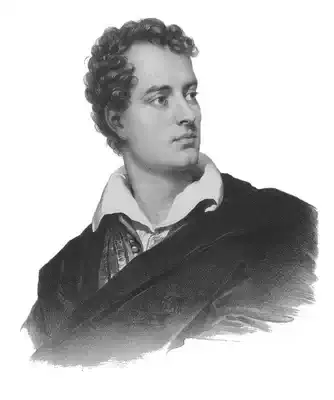
Lord Byron
Translation Of The Famous Greek War Song
Translation Of The Famous Greek War Song
Sons of the Greeks, arise!
The glorious hour's gone forth,
And, worthy of such ties,
Display who gave us birth.
CHORUS.
Sons of Greeks! let us go
In arms against the foe,
Till their hated blood shall flow
In a river past our feet.
Then manfully despising
The Turkish tyrant's yoke,
Let your country see you rising,
And all her chains are broke.
Brave shades of chiefs and sages,
Behold the coming strife!
Hellenes of past ages,
Oh, start again to life!
At the sound of my trumpet, breaking
Your sleep, oh, loin with me!
And the sevenhill'd
city seeking,
Fight, conquer, till we're free.
Sons of Greeks, &c.
Sparta, Sparta, why in slumbers
Lethargic dolt thou lie?
Awake, and join thy numbers
With Athens, old ally!
Leonidas recalling,
That chief of ancient song,
Who saved ye once from falling,
The terrible! the strong!
Who made that bold diversion
In old Thermopylæ
And warring with the Persian
To keep his country free;
With his three hundred waging
The battle, long he stood,
And like a lion raging,
Expired in seas of blood.
Sons of Greeks, &c.
Sons of the Greeks, arise!
The glorious hour's gone forth,
And, worthy of such ties,
Display who gave us birth.
CHORUS.
Sons of Greeks! let us go
In arms against the foe,
Till their hated blood shall flow
In a river past our feet.
Then manfully despising
The Turkish tyrant's yoke,
Let your country see you rising,
And all her chains are broke.
Brave shades of chiefs and sages,
Behold the coming strife!
Hellenes of past ages,
Oh, start again to life!
At the sound of my trumpet, breaking
Your sleep, oh, loin with me!
And the sevenhill'd
city seeking,
Fight, conquer, till we're free.
Sons of Greeks, &c.
Sparta, Sparta, why in slumbers
Lethargic dolt thou lie?
Awake, and join thy numbers
With Athens, old ally!
Leonidas recalling,
That chief of ancient song,
Who saved ye once from falling,
The terrible! the strong!
Who made that bold diversion
In old Thermopylæ
And warring with the Persian
To keep his country free;
With his three hundred waging
The battle, long he stood,
And like a lion raging,
Expired in seas of blood.
Sons of Greeks, &c.
565
Lord Byron
The Isles of Greece
The Isles of Greece
The isles of Greece, the isles of Greece!
Where burning Sappho loved and sung,
Where grew the arts of war and peace,
Where Delos rose, and Phoebus
sprung!
Eternal summer gilds them yet,
But all, except their sun, is set...
The mountains look on MarathonAnd
Marathon looks on the sea;
And musing there an hour alone,
I dreamed that Greece might still be free;
For standing on the Persians' grave,
I could not deem myself a slave.
A king sat on the rocky brow
Which looks o'er seaborn
Salamis;
And ships, by thousands, lay below,
And men in nationsall
were his!
He counted them at break of dayAnd
when the sun set, where were they?
And where are they? And where art thou?
My country? On thy voiceless shore
The heroic lay is tuneless nowThe
heroic bosom beats no more!
And must thy lyre, so long divine,
Degenerate into hands like mine?
'Tis something, in the dearth of fame,
Though linked among a fettered race,
To feel at least a patriot's shame,
Even as I sing, suffuse my face;
For what is left the poet here?
For Greeks a blushfor
Greece a tear....
Fill high the bowl with Samian wine!
Our virgins dance beneath the shadeI
see their glorious black eyes shine;
But gazing on each glowing maid,
My own the burning teardrop laves,
To think such breasts must suckle slaves.
Place me on Sunium's marbled steep,
Where nothing, save the waves and I,
May hear our mutual murmurs sweep;
There, swanlike, let me sing and die:
A land of slaves shall ne'er be mineDash
down yon cup of Samian wine!
The isles of Greece, the isles of Greece!
Where burning Sappho loved and sung,
Where grew the arts of war and peace,
Where Delos rose, and Phoebus
sprung!
Eternal summer gilds them yet,
But all, except their sun, is set...
The mountains look on MarathonAnd
Marathon looks on the sea;
And musing there an hour alone,
I dreamed that Greece might still be free;
For standing on the Persians' grave,
I could not deem myself a slave.
A king sat on the rocky brow
Which looks o'er seaborn
Salamis;
And ships, by thousands, lay below,
And men in nationsall
were his!
He counted them at break of dayAnd
when the sun set, where were they?
And where are they? And where art thou?
My country? On thy voiceless shore
The heroic lay is tuneless nowThe
heroic bosom beats no more!
And must thy lyre, so long divine,
Degenerate into hands like mine?
'Tis something, in the dearth of fame,
Though linked among a fettered race,
To feel at least a patriot's shame,
Even as I sing, suffuse my face;
For what is left the poet here?
For Greeks a blushfor
Greece a tear....
Fill high the bowl with Samian wine!
Our virgins dance beneath the shadeI
see their glorious black eyes shine;
But gazing on each glowing maid,
My own the burning teardrop laves,
To think such breasts must suckle slaves.
Place me on Sunium's marbled steep,
Where nothing, save the waves and I,
May hear our mutual murmurs sweep;
There, swanlike, let me sing and die:
A land of slaves shall ne'er be mineDash
down yon cup of Samian wine!
505
Lord Byron
The Conquest
The Conquest
The Son of Love and Lord of War I sing;
Him who bade England bow to Normandy
And left the name of conqueror more than king
To his unconquerable dynasty.
Not fann'd alone by Victory's fleeting wing,
He rear'd his bold and brilliant throne on high:
The Bastard kept, like lions, his prey fast,
And Britain's bravest victor was the last.
The Son of Love and Lord of War I sing;
Him who bade England bow to Normandy
And left the name of conqueror more than king
To his unconquerable dynasty.
Not fann'd alone by Victory's fleeting wing,
He rear'd his bold and brilliant throne on high:
The Bastard kept, like lions, his prey fast,
And Britain's bravest victor was the last.
457
Lord Byron
On The Day Of The Destruction Of Jerusalem By Titus
On The Day Of The Destruction Of Jerusalem By Titus
From the last hill that looks on thy once holy dome,
I beheld thee, oh Sion! when render'd to Rome:
'Twas thy last sun went down, and the flames of thy fall
Flash'd back on the last glance I gave to thy wall.
I look'd for thy temple, I look'd for my home,
And forgot for a moment my bondage to come;
I beheld but the deathfire
that fed on thy fane,
And the fastfetter'd
hands that made vengeance in vain.
Oh many an eve, the high spot whence I gazed
Had reflected the last beam of day as it blazed;
While I stood on the height, and beheld the decline
Of the rays from the mountain that shone on thy shrine.
And now on that mountain I stood on that day,
But I mark'd not the twilight beam melting away;
Oh! would that the lightning had glared in its stead,
And the thunderbolt burst on the conqueror's head!
But the gods of the Pagan shall never profane
The shrine where Jehovah disdain'd not to reign;
And scatter'd and scorn'd as thy people may be,
Our worship, oh Father! is only for thee.
From the last hill that looks on thy once holy dome,
I beheld thee, oh Sion! when render'd to Rome:
'Twas thy last sun went down, and the flames of thy fall
Flash'd back on the last glance I gave to thy wall.
I look'd for thy temple, I look'd for my home,
And forgot for a moment my bondage to come;
I beheld but the deathfire
that fed on thy fane,
And the fastfetter'd
hands that made vengeance in vain.
Oh many an eve, the high spot whence I gazed
Had reflected the last beam of day as it blazed;
While I stood on the height, and beheld the decline
Of the rays from the mountain that shone on thy shrine.
And now on that mountain I stood on that day,
But I mark'd not the twilight beam melting away;
Oh! would that the lightning had glared in its stead,
And the thunderbolt burst on the conqueror's head!
But the gods of the Pagan shall never profane
The shrine where Jehovah disdain'd not to reign;
And scatter'd and scorn'd as thy people may be,
Our worship, oh Father! is only for thee.
471
Lord Byron
On The Death Of Mr. Fox
On The Death Of Mr. Fox
The following iiliberal impromptu appeared in a morning papaer:
'Our nation's foes lament on Fox's death,
But bless the hour when PITT resign'd his breath:
These feelings wide, let sense and truth unclue,
We give the palm where Justice points its due.'
To which the author of these pieces sent the following reply :
Oh factious viper! whose envenom'd tooth
Would mangle still the dead, perverting truth;
What though our 'nation's foes' lament the fate
With generous' feeling, of the good and great'
Shall dastard tongues essay to blast the name
Of him whose meed exists in endless fame?
When PITT expired in plenitude of power,
Though Ilisuccess obscured his dying hour,
Pity her dewy wings before him spread,
For noble spirits 'war not with the dead:'
His friends, in tears, a last sad requiem gave,
As all his errors slumber'd in the grave;
He sunk, an Atlas bending 'neath the weight
Of cares o'erwhelmlng our conflicting state:
When, lo! a Hercules in FOX appear'd
Who for a time the ruin'd fabric rear'd:
He, too, is fall'n, who Britain's loss supplied,
With him our fast reviving hopes have died;
Not one great people only raise his urn,
All Europe's farextended
regions mourn.
'These feelings wide, let sense and truth unclue,
To give the palm where Justice points its due;'
Yet let not canker'd Calumny assail,
Or round our statesman wind her gloomy veil.
FOX o'er whose corse a mourning world must weep,
Whose dear remains in honour'd marble sleep;
For whom, at last, e'en hostile nations groan,
While friends and foes alike his talents own;
FOX shall in Britain's future annals shine,
Nor e'en to PITT the patriot's palm resign;
Which Envy, wearing Candour's sacred mask,
For PITT, and PITT alone, has dared to ask.
The following iiliberal impromptu appeared in a morning papaer:
'Our nation's foes lament on Fox's death,
But bless the hour when PITT resign'd his breath:
These feelings wide, let sense and truth unclue,
We give the palm where Justice points its due.'
To which the author of these pieces sent the following reply :
Oh factious viper! whose envenom'd tooth
Would mangle still the dead, perverting truth;
What though our 'nation's foes' lament the fate
With generous' feeling, of the good and great'
Shall dastard tongues essay to blast the name
Of him whose meed exists in endless fame?
When PITT expired in plenitude of power,
Though Ilisuccess obscured his dying hour,
Pity her dewy wings before him spread,
For noble spirits 'war not with the dead:'
His friends, in tears, a last sad requiem gave,
As all his errors slumber'd in the grave;
He sunk, an Atlas bending 'neath the weight
Of cares o'erwhelmlng our conflicting state:
When, lo! a Hercules in FOX appear'd
Who for a time the ruin'd fabric rear'd:
He, too, is fall'n, who Britain's loss supplied,
With him our fast reviving hopes have died;
Not one great people only raise his urn,
All Europe's farextended
regions mourn.
'These feelings wide, let sense and truth unclue,
To give the palm where Justice points its due;'
Yet let not canker'd Calumny assail,
Or round our statesman wind her gloomy veil.
FOX o'er whose corse a mourning world must weep,
Whose dear remains in honour'd marble sleep;
For whom, at last, e'en hostile nations groan,
While friends and foes alike his talents own;
FOX shall in Britain's future annals shine,
Nor e'en to PITT the patriot's palm resign;
Which Envy, wearing Candour's sacred mask,
For PITT, and PITT alone, has dared to ask.
443
Lord Byron
Oh! Weep For Those
Oh! Weep For Those
I.
Oh! Weep for those that wept by Babel's stream,
Whose shrines are desolate, whose land a dream,
Weep for the harp of Judah's broken shellMournwhere
their God that dweltthe
Godless dwell!
II.
And where shall Israel lave her bleeding feet?
And when shall Zion's songs agains seem sweet?
And Judah's melody once more rejoice
The hearts that leap'd before its heavenly voice?
III.
Tribes of the wandering foot and weary breast!
How shall ye flee away and be at rest!
The wilddove
hath her nestthe
fox his caveMankind
their CountryIsrael
but the grave.
I.
Oh! Weep for those that wept by Babel's stream,
Whose shrines are desolate, whose land a dream,
Weep for the harp of Judah's broken shellMournwhere
their God that dweltthe
Godless dwell!
II.
And where shall Israel lave her bleeding feet?
And when shall Zion's songs agains seem sweet?
And Judah's melody once more rejoice
The hearts that leap'd before its heavenly voice?
III.
Tribes of the wandering foot and weary breast!
How shall ye flee away and be at rest!
The wilddove
hath her nestthe
fox his caveMankind
their CountryIsrael
but the grave.
689
Lord Byron
Lachin Y Gair
Lachin Y Gair
Away, ye gay landscapes, ye garden of roses!
In you let the minions of luxury rove;
Restore me to the rocks, where the snowflake reposes,
Though still they are sacred to freedom and love:
Yet, Caledonia, beloved are thy mountains,
Round their white summits though elements war;
Though cataracts foam 'stead of smoothflowing
fountains,
I sigh for the valley of dark Loch na Garr.
Ah! there my young footsteps in infancy wandered;
My cap was teh bonnet, my cloak was the plaid;
On chieftains long perished my memory pondered,
As daily I strode through the pinecovered
glade;
I sought not my home till the day's dying glory
Gave place to the rays of the bright polar star;
For fancy was cheered by traditional story,
Disclosed by the natives of dark Loch na Garr.
"Shades of the dead! have I not heard your voices
Rise on the nightrolling
breath of the gale?"
Surely the soul of the hero rejoices,
And rides on the wind, o'er his own Highland vale.
Rouch Loch na Garr while the stormy mist gathers,
Winter presides in his cold icy car:
Clouds there encircle the forms of my fathers;
They dwell in the tempests of dark Loch na Garr.
"Illstarred,
though brave, did no visions foreboding
Tell you that fate had forsaken your cause?"
Ah! were you destined to die at Culloden,
Victory crowned not your fall with applause:
Still were you happy in death's earthy slumber,
You rest with your clan in the caves of Braemar;
The pibroch resounds, to the piper's loud number,
Your deeds on the echoes of dark Loch na Garr.
Years have rolled on, Loch na Garr, since I left you,
Years must elapse ere I tread you again:
Nature of verdure and flowers has bereft you,
Yet still are you dearer than Albion's plain.
England! thy beauties are tame and domestic
To one who has roved o'er the mountains afar:
Oh for the crags that are wild and majestic!
The steep frowning glories of the dark Loch na Garr.
Away, ye gay landscapes, ye garden of roses!
In you let the minions of luxury rove;
Restore me to the rocks, where the snowflake reposes,
Though still they are sacred to freedom and love:
Yet, Caledonia, beloved are thy mountains,
Round their white summits though elements war;
Though cataracts foam 'stead of smoothflowing
fountains,
I sigh for the valley of dark Loch na Garr.
Ah! there my young footsteps in infancy wandered;
My cap was teh bonnet, my cloak was the plaid;
On chieftains long perished my memory pondered,
As daily I strode through the pinecovered
glade;
I sought not my home till the day's dying glory
Gave place to the rays of the bright polar star;
For fancy was cheered by traditional story,
Disclosed by the natives of dark Loch na Garr.
"Shades of the dead! have I not heard your voices
Rise on the nightrolling
breath of the gale?"
Surely the soul of the hero rejoices,
And rides on the wind, o'er his own Highland vale.
Rouch Loch na Garr while the stormy mist gathers,
Winter presides in his cold icy car:
Clouds there encircle the forms of my fathers;
They dwell in the tempests of dark Loch na Garr.
"Illstarred,
though brave, did no visions foreboding
Tell you that fate had forsaken your cause?"
Ah! were you destined to die at Culloden,
Victory crowned not your fall with applause:
Still were you happy in death's earthy slumber,
You rest with your clan in the caves of Braemar;
The pibroch resounds, to the piper's loud number,
Your deeds on the echoes of dark Loch na Garr.
Years have rolled on, Loch na Garr, since I left you,
Years must elapse ere I tread you again:
Nature of verdure and flowers has bereft you,
Yet still are you dearer than Albion's plain.
England! thy beauties are tame and domestic
To one who has roved o'er the mountains afar:
Oh for the crags that are wild and majestic!
The steep frowning glories of the dark Loch na Garr.
505
Lord Byron
In The Valley Of The Waters
In The Valley Of The Waters
In the valley of the waters we wept o'er the day
When the host of the stranger made Salem his prey,
And our heads on our bosoms all droopingly lay,
And our hearts were so full of the land far away.
The song they demanded in vainit
lay still
In our souls as the wind that died on the hill;
They called for the harpbut
our blood they shall spill
Ere our right hand shall teach them one tone of our skill.
All stringlessly hung on the willow's sad tree,
As dead as her dead leaf those mute harps must be;
Our hands may be fetter'dour
tears still are free,
For our God and our gloryand,
Sion!Oh,
thee.
In the valley of the waters we wept o'er the day
When the host of the stranger made Salem his prey,
And our heads on our bosoms all droopingly lay,
And our hearts were so full of the land far away.
The song they demanded in vainit
lay still
In our souls as the wind that died on the hill;
They called for the harpbut
our blood they shall spill
Ere our right hand shall teach them one tone of our skill.
All stringlessly hung on the willow's sad tree,
As dead as her dead leaf those mute harps must be;
Our hands may be fetter'dour
tears still are free,
For our God and our gloryand,
Sion!Oh,
thee.
557
Lord Byron
Epigram: The World Is A Bundle Of Hay
Epigram: The World Is A Bundle Of Hay
The world is a bundle of hay,
Mankind are the asses who pull;
Each tugs it a different way,
And the greatest of all is John Bull.
The world is a bundle of hay,
Mankind are the asses who pull;
Each tugs it a different way,
And the greatest of all is John Bull.
339
Lord Byron
Don Juan: Canto The Ninth
Don Juan: Canto The Ninth
Oh, Wellington! (or 'Villainton'for
Fame
Sounds the heroic syllables both ways;
France could not even conquer your great name,
But punn'd it down to this facetious phraseBeating
or beaten she will laugh the same),
You have obtain'd great pensions and much praise:
Glory like yours should any dare gainsay,
Humanity would rise, and thunder 'Nay!'
I don't think that you used Kinnaird quite well
In Marinet's affairin
fact, 'twas shabby,
And like some other things won't do to tell
Upon your tomb in Westminster's old abbey.
Upon the rest 'tis not worth while to dwell,
Such tales being for the teahours
of some tabby;
But though your years as man tend fast to zero,
In fact your grace is still but a young hero.
Though Britain owes (and pays you too) so much,
Yet Europe doubtless owes you greatly more:
You have repair'd Legitimacy's crutch,
A prop not quite so certain as before:
The Spanish, and the French, as well as Dutch,
Have seen, and felt, how strongly you restore;
And Waterloo has made the world your debtor
(I wish your bards would sing it rather better).
You are 'the best of cutthroats:'
do
not start;
The phrase is Shakspeare's, and not misapplied:
War's a brainspattering,
windpipeslitting
art,
Unless her cause by right be sanctified.
If you have acted once a generous part,
The world, not the world's masters, will decide,
And I shall be delighted to learn who,
Save you and yours, have gain'd by Waterloo?
I am no flattereryou
've supp'd full of flattery:
They say you like it too'
t is no great wonder.
He whose whole life has been assault and battery,
At last may get a little tired of thunder;
And swallowing eulogy much more than satire, he
May like being praised for every lucky blunder,
Call'd 'Saviour of the Nations'not
yet saved,
And 'Europe's Liberator'still
enslaved.
I've done. Now go and dine from off the plate
Presented by the Prince of the Brazils,
And send the sentinel before your gate
A slice or two from your luxurious meals:
He fought, but has not fed so well of late.
Some hunger, too, they say the people feels:There
is no doubt that you deserve your ration,
But pray give back a little to the nation.
I don't mean to reflecta
man so great as
You, my lord duke! is far above reflection:
The high Roman fashion, too, of Cincinnatus,
With modern history has but small connection:
Though as an Irishman you love potatoes,
You need not take them under your direction;
And half a million for your Sabine farm
Is rather dear!I'm
sure I mean no harm.
Great men have always scorn'd great recompenses:
Epaminondas saved his Thebes, and died,
Not leaving even his funeral expenses:
George Washington had thanks and nought beside,
Except the allcloudless
glory (which few men's is
To free his country: Pitt too had his pride,
And as a highsoul'd
minister of state is
Renown'd for ruining Great Britain gratis.
Never had mortal man such opportunity,
Except Napoleon, or abused it more:
You might have freed fallen Europe from the unity
Of tyrants, and been blest from shore to shore:
And nowwhat
is your fame? Shall the Muse tune it ye?
Nowthat
the rabble's first vain shouts are o'er?
Go! hear it in your famish'd country's cries!
Behold the world! and curse your victories!
As these new cantos touch on warlike feats,
To you the unflattering Muse deigns to inscribe
Truths, that you will not read in the Gazettes,
But which 'tis time to teach the hireling tribe
Who fatten on their country's gore, and debts,
Must be recited, andwithout
a bribe.
You did great things; but not being great in mind,
Have left undone the greatestand
mankind.
Death laughsGo
ponder o'er the skeleton
With which men image out the unknown thing
That hides the past world, like to a set sun
Which still elsewhere may rouse a brighter springDeath
laughs at all you weep for:look
upon
This hourly dread of all! whose threaten'd sting
Turns life to terror, even though in its sheath:
Mark how its lipless mouth grins without breath!
Mark how it laughs and scorns at all you are!
And yet was what you are: from ear to ear
It laughs notthere
is now no fleshy bar
So call'd; the Antic long hath ceased to hear,
But still he smiles; and whether near or far,
He strips from man that mantle (far more dear
Than even the tailor's), his incarnate skin,
White, black, or copperthe
dead bones will grin.
And thus Death laughs,it
is sad merriment,
But still it is so; and with such example
Why should not Life be equally content
With his superior, in a smile to trample
Upon the nothings which are daily spent
Like bubbles on an ocean much less ample
Than the eternal deluge, which devours
Suns as raysworlds
like atomsyears
like hours?
'To be, or not to be? that is the question,'
Says Shakspeare, who just now is much in fashion.
I am neither Alexander nor Hephaestion,
Nor ever had for abstract fame much passion;
But would much rather have a sound digestion
Than Buonaparte's cancer: could I dash on
Through fifty victories to shame or fameWithout
a stomach what were a good name?
'O dura ilia messorum!''
Oh
Ye rigid guts of reapers!' I translate
For the great benefit of those who know
What indigestion isthat
inward fate
Which makes all Styx through one small liver flow.
A peasant's sweat is worth his lord's estate:
Let this one toil for breadthat
rack for rent,
He who sleeps best may be the most content.
'To be, or not to be?'Ere
I decide,
I should be glad to know that which is being?
'T is true we speculate both far and wide,
And deem, because we see, we are allseeing:
For my part, I 'll enlist on neither side,
Until I see both sides for once agreeing.
For me, I sometimes think that life is death,
Rather than life a mere affair of breath.
'Que scaisje?'
was the motto of Montaigne,
As also of the first academicians:
That all is dubious which man may attain,
Was one of their most favourite positions.
There's no such thing as certainty, that's plain
As any of Mortality's conditions;
So little do we know what we're about in
This world, I doubt if doubt itself be doubting.
It is a pleasant voyage perhaps to float,
Like Pyrrho, on a sea of speculation;
But what if carrying sail capsize the boat?
Your wise men don't know much of navigation;
And swimming long in the abyss of thought
Is apt to tire: a calm and shallow station
Well nigh the shore, where one stoops down and gathers
Some pretty shell, is best for moderate bathers.
'But heaven,' as Cassio says, 'is above allNo
more of this, then,let
us pray!' We have
Souls to save, since Eve's slip and Adam's fall,
Which tumbled all mankind into the grave,
Besides fish, beasts, and birds. 'The sparrow's fall
Is special providence,' though how it gave
Offence, we know not; probably it perch'd
Upon the tree which Eve so fondly search'd.
Oh, ye immortal gods! what is theogony?
Oh, thou too, mortal man! what is philanthropy?
Oh, world! which was and is, what is cosmogony?
Some people have accused me of misanthropy;
And yet I know no more than the mahogany
That forms this desk, of what they mean; lykanthropy
I comprehend, for without transformation
Men become wolves on any slight occasion.
But I, the mildest, meekest of mankind,
Like Moses, or Melancthon, who have ne'er
Done anything exceedingly unkind,And
(though I could not now and then forbear
Following the bent of body or of mind)
Have always had a tendency to spare,Why
do they call me misanthrope? Because
They hate me, not I them.and
here we'll pause.
'Tis time we should proceed with our good poem,For
I maintain that it is really good,
Not only in the body but the proem,
However little both are understood
Just now,but
by and by the Truth will show 'em
Herself in her sublimest attitude:
And till she doth, I fain must be content
To share her beauty and her banishment.
Our hero (and, I trust, kind reader, yours)
Was left upon his way to the chief city
Of the immortal Peter's polish'd boors
Who still have shown themselves more brave than witty.
I know its mighty empire now allures
Much flatteryeven
Voltaire's, and that's a pity.
For me, I deem an absolute autocrat
Not a barbarian, but much worse than that.
And I will war, at least in words (andshould
My chance so happendeeds),
with all who war
With Thought;and
of Thought's foes by far most rude,
Tyrants and sycophants have been and are.
I know not who may conquer: if I could
Have such a prescience, it should be no bar
To this my plain, sworn, downright detestation
Of every depotism in every nation.
It is not that I adulate the people:
Without me, there are demagogues enough,
And infidels, to pull down every steeple,
And set up in their stead some proper stuff.
Whether they may sow scepticism to reap hell,
As is the Christian dogma rather rough,
I do not know;I
wish men to be free
As much from mobs as kingsfrom
you as me.
The consequence is, being of no party,
I shall offend all parties: never mind!
My words, at least, are more sincere and hearty
Than if I sought to sail before the wind.
He who has nought to gain can have small art: he
Who neither wishes to be bound nor bind,
May still expatiate freely, as will I,
Nor give my voice to slavery's jackal cry.
That's an appropriate simile, that jackal;I
've heard them in the Ephesian ruins howl
By night, as do that mercenary pack all,
Power's base purveyors, who for pickings prowl,
And scent the prey their masters would attack all.
However, the poor jackals are less foul
(As being the brave lions' keen providers)
Than human insects, catering for spiders.
Raise but an arm! 'twill brush their web away,
And without that, their poison and their claws
Are useless. Mind, good people! what I say
(Or rather peoples)go
on without pause!
The web of these tarantulas each day
Increases, till you shall make common cause:
None, save the Spanish fly and Attic bee,
As yet are strongly stinging to be free.
Don Juan, who had shone in the late slaughter,
Was left upon his way with the despatch,
Where blood was talk'd of as we would of water;
And carcasses that lay as thick as thatch
O'er silenced cities, merely served to flatter
Fair Catherine's pastimewho
look'd on the match
Between these nations as a main of cocks,
Wherein she liked her own to stand like rocks.
And there in a kibitka he roll'd on
(A cursed sort of carriage without springs,
Which on rough roads leaves scarcely a whole bone),
Pondering on glory, chivalry, and kings,
And orders, and on all that he had doneAnd
wishing that posthorses
had the wings
Of Pegasus, or at the least postchaises
Had feathers, when a traveller on deep ways is.
At every joltand
they were manystill
He turn'd his eyes upon his little charge,
As if he wish'd that she should fare less ill
Than he, in these sad highways left at large
To ruts, and flints, and lovely Nature's skill,
Who is no paviour, nor admits a barge
On her canals, where God takes sea and land,
Fishery and farm, both into his own hand.
At least he pays no rent, and has best right
To be the first of what we used to call
'Gentlemen farmer'a
race worn out quite,
Since lately there have been no rents at all,
And 'gentlemen' are in a piteous plight,
And 'farmers' can't raise Ceres from her fall:
She fell with BuonaparteWhat
strange thoughts
Arise, when we see emperors fall with oats!
But Juan turn'd his eyes on the sweet child
Whom he had saved from slaughterwhat
a trophy
Oh! ye who build up monuments, defiled
With gore, like Nadir Shah, that costive sophy,
Who, after leaving Hindostan a wild,
And scarce to the Mogul a cup of coffee
To soothe his woes withal, was slain, the sinner!
Because he could no more digest his dinner;
Oh ye! or we! or he! or she! reflect,
That one life saved, especially if young
Or pretty, is a thing to recollect
Far sweeter than the greenest laurels sprung
From the manure of human clay, though deck'd
With all the praises ever said or sung:
Though hymn'd by every harp, unless within
Your heart joins chorus, Fame is but a din.
Oh! ye great authors luminous, voluminous!
Ye twice ten hundred thousand daily scribes!
Whose pamphlets, volumes, newspapers, illumine us!
Whether you're paid by government in bribes,
To prove the public debt is not consuming usOr,
roughly treading on the 'courtier's kibes'
With clownish heel, your popular circulation
Feeds you by printing half the realm's starvation;
Oh, ye great authors!'
Apropos des bottes,'I
have forgotten what I meant to say,
As sometimes have been greater sages' lots;
'Twas something calculated to allay
All wrath in barracks, palaces, or cots:
Certes it would have been but thrown away,
And that's one comfort for my lost advice,
Although no doubt it was beyond all price.
But let it go:it
will one day be found
With other relics of 'a former world,'
When this world shall be former, underground,
Thrown topsyturvy,
twisted, crisp'd, and curl'd,
Baked, fried, or burnt, turn'd insideout,
or drown'd,
Like all the worlds before, which have been hurl'd
First out of, and then back again to chaos,
The superstratum which will overlay us.
So Cuvier says;and
then shall come again
Unto the new creation, rising out
From our old crash, some mystic, ancient strain
Of things destroy'd and left in airy doubt:
Like to the notions we now entertain
Of Titans, giants, fellows of about
Some hundred feet in height, not to say miles,
And mammoths, and your winged crocodiles.
Think if then George the Fourth should be dug up!
How the new worldlings of the then new East
Will wonder where such animals could sup!
(For they themselves will be but of the least:
Even worlds miscarry, when too oft they pup,
And every new creation hath decreased
In size, from overworking the materialMen
are but maggots of some huge Earth's burial.)
How willto
these young people, just thrust out
From some fresh Paradise, and set to plough,
And dig, and sweat, and turn themselves about,
And plant, and reap, and spin, and grind, and sow,
Till all the arts at length are brought about,
Especially of war and taxing,how,
I say, will these great relics, when they see 'em,
Look like the monsters of a new museum?
But I am apt to grow too metaphysical:
'The time is out of joint,'and
so am I;
I quite forget this poem's merely quizzical,
And deviate into matters rather dry.
I ne'er decide what I shall say, and this I cal
Much too poetical: men should know why
They write, and for what end; but, note or text,
I never know the word which will come next.
So on I ramble, now and then narrating,
Now pondering:it
is time we should narrate.
I left Don Juan with his horses baitingNow
we 'll get o'er the ground at a great rate.
I shall not be particular in stating
His journey, we 've so many tours of late:
Suppose him then at Petersburgh; suppose
That pleasant capital of painted snows;
Suppose him in a handsome uniform,A
scarlet coat, black facings, a long plume,
Waving, like sails new shiver'd in a storm,
Over a cock'd hat in a crowded room,
And brilliant breeches, bright as a Cairn Gorme,
Of yellow casimere we may presume,
White stocking drawn uncurdled as new milk
O'er limbs whose symmetry set off the silk;
Suppose him sword by side, and hat in hand,
Made up by youth, fame, and an army tailorThat
great enchanter, at whose rod's command
Beauty springs forth, and Nature's self turns paler,
Seeing how Art can make her work more grand
(When she don't pin men's limbs in like a gaoler),Behold
him placed as if upon a pillar! He
Seems Love turn'd a lieutenant of artillery:
His bandage slipp'd down into a cravat;
His wings subdued to epaulettes; his quiver
Shrunk to a scabbard, with his arrows at
His side as a small sword, but sharp as ever;
His bow converted into a cock'd hat;
But still so like, that Psyche were more clever
Than some wives (who make blunders no less stupid),
If she had not mistaken him for Cupid.
The courtiers stared, the ladies whisper'd, and
The empress smiled: the reigning favourite frown'dI
quite forget which of them was in hand
Just then; as they are rather numerous found,
Who took by turns that difficult command
Since first her majesty was singly crown'd:
But they were mostly nervous sixfoot
fellows,
All fit to make a Patagonian jealous.
Juan was none of these, but slight and slim,
Blushing and beardless; and yet ne'ertheless
There was a something in his turn of limb,
And still more in his eye, which seem'd to express,
That though he look'd one of the seraphim,
There lurk'd a man beneath the spirit's dress.
Besides, the empress sometimes liked a boy,
And had just buried the fairfaced
Lanskoi.
No wonder then that Yermoloff, or Momonoff,
Or Scherbatoff, or any other off
Or on, might dread her majesty had not room enough
Within her bosom (which was not too tough)
For a new flame; a thought to cast of gloom enough
Along the aspect, whether smooth or rough,
Of him who, in the language of his station,
Then held that 'high official situation.'
O, gentle ladies! should you seek to know
The import of this diplomatic phrase,
Bid Ireland's Londonderry's Marquess show
His parts of speech; and in the strange displays
Of that odd string of words, all in a row,
Which none divine, and every one obeys,
Perhaps you may pick out some queer no meaning,
Of that weak wordy harvest the sole gleaning.
I think I can explain myself without
That sad inexplicable beast of preyThat
Sphinx, whose words would ever be a doubt,
Did not his deeds unriddle them each dayThat
monstrous hieroglyphicthat
long spout
Of blood and water, leaden Castlereagh!
And here I must an anecdote relate,
But luckily of no great length or weight.
An English lady ask'd of an Italian,
What were the actual and official duties
Of the strange thing some women set a value on,
Which hovers oft about some married beauties,
Called 'Cavalier servente?'a
Pygmalion
Whose statues warm (I fear, alas! too true 'tis)
Beneath his art. The dame, press'd to disclose them,
Said'
Lady, I beseech you to suppose them.'
And thus I supplicate your supposition,
And mildest, matronlike
interpretation,
Of the imperial favourite's condition.
'T was a high place, the highest in the nation
In fact, if not in rank; and the suspicion
Of any one's attaining to his station,
No doubt gave pain, where each new pair of shoulders,
If rather broad, made stocks rise and their holders.
Juan, I said, was a most beauteous boy,
And had retain'd his boyish look beyond
The usual hirsute seasons which destroy,
With beards and whiskers, and the like, the fond
Parisian aspect which upset old Troy
And founded Doctors' Commons:I
have conn'd
The history of divorces, which, though chequer'd,
Calls Ilion's the first damages on record.
And Catherine, who loved all things (save her lord,
Who was gone to his place), and pass'd for much
Admiring those (by dainty dames abhorr'd)
Gigantic gentlemen, yet had a touch
Of sentiment; and he she most adored
Was the lamented Lanskoi, who was such
A lover as had cost her many a tear,
And yet but made a middling grenadier.
Oh thou 'teterrima causa' of all 'belli'Thou
gate of life and deaththou
nondescript!
Whence is our exit and our entrance,well
I
May pause in pondering how all souls are dipt
In thy perennial fountain:how
man fell I
Know not, since knowledge saw her branches stript
Of her first fruit; but how he falls and rises
Since, thou hast settled beyond all surmises.
Some call thee 'the worst cause of war,' but I
Maintain thou art the best: for after all
From thee we come, to thee we go, and why
To get at thee not batter down a wall,
Or waste a world? since no one can deny
Thou dost replenish worlds both great and small:
With, or without thee, all things at a stand
Are, or would be, thou sea of life's dry land!
Catherine, who was the grand epitome
Of that great cause of war, or peace, or what
You please (it causes all the things which be,
So you may take your choice of this or that)Catherine,
I say. was very glad to see
The handsome herald, on whose plumage sat
Victory; and pausing as she saw him kneel
With his despatch, forgot to break the seal.
Then recollecting the whole empress, nor
forgetting quite the woman (which composed
At least three parts of this great whole), she tore
The letter open with an air which posed
The court, that watch'd each look her visage wore,
Until a royal smile at length disclosed
Fair weather for the day. Though rather spacious,
Her face was noble, her eyes fine, mouth gracious.
Great joy was hers, or rather joys: the first
Was a ta'en city, thirty thousand slain.
Glory and triumph o'er her aspect burst,
As an East Indian sunrise on the main.
These quench'd a moment her ambition's thirstSo
Arab deserts drink in summer's rain:
In vain!As
fall the dews on quenchless sands,
Blood only serves to wash Ambition's hands!
Her next amusement was more fanciful;
She smiled at mad Suwarrow's rhymes, who threw
Into a Russian couplet rather dull
The whole gazette of thousands whom he slew.
Her third was feminine enough to annul
The shudder which runs naturally through
Our veins, when things call'd sovereigns think it best
To kill, and generals turn it into jest.
The two first feelings ran their course complete,
And lighted first her eye, and then her mouth:
The whole court look'd immediately most sweet,
Like flowers well water'd after a long drouth.
But when on the lieutenant at her feet
Her majesty, who liked to gaze on youth
Almost as much as on a new despatch,
Glanced mildly, all the world was on the watch.
Though somewhat large, exuberant, and truculent,
When wrothwhile
pleased, she was as fine a figure
As those who like things rosy, ripe, and succulent,
Would wish to look on, while they are in vigour.
She could repay each amatory look you lent
With interest, and in turn was wont with rigour
To exact of Cupid's bills the full amount
At sight, nor would permit you to discount.
With her the latter, though at times convenient,
Was not so necessary; for they tell
That she was handsome, and though fierce look'd lenient,
And always used her favourites too well.
If once beyond her boudoir's precincts in ye went,
Your 'fortune' was in a fair way 'to swell
A man' (as Giles says); for though she would widow all
Nations, she liked man as an individual.
What a strange thing is man? and what a stranger
Is woman! What a whirlwind is her head,
And what a whirlpool full of depth and danger
Is all the rest about her! Whether wed
Or widow, maid or mother, she can change her
Mind like the wind: whatever she has said
Or done, is light to what she'll say or do;The
oldest thing on record, and yet new!
Oh Catherine! (for of all interjections,
To thee both oh! and ah! belong of right
In love and war) how odd are the connections
Of human thoughts, which jostle in their flight!
Just now yours were cut out in different sections:
First Ismail's capture caught your fancy quite;
Next of new knights, the fresh and glorious batch;
And thirdly he who brought you the despatch!
Shakspeare talks of 'the herald Mercury
New lighted on a heavenkissing
hill;'
And some such visions cross'd her majesty,
While her young herald knelt before her still.
'Tis very true the hill seem'd rather high,
For a lieutenant to climb up; but skill
Smooth'd even the Simplon's steep, and by God's blessing
With youth and health all kisses are 'heavenkissing.'
Her majesty look'd down, the youth look'd upAnd
so they fell in love;she
with his face,
His grace, his Godknowswhat:
for Cupid's cup
With the first draught intoxicates apace,
A quintessential laudanum or 'black drop,'
Which makes one drunk at once, without the base
Expedient of full bumpers; for the eye
In love drinks all life's fountains (save tears) dry.
He, on the other hand, if not in love,
Fell into that no less imperious passion,
Selflovewhich,
when some sort of thing above
Ourselves, a singer, dancer, much in fashion,
Or duchess, princess, empress, 'deigns to prove'
('Tis Pope's phrase) a great longing, though a rash one,
For one especial person out of many,
Makes us believe ourselves as good as any.
Besides, he was of that delighted age
Which makes all female ages equalwhen
We don't much care with whom we may engage,
As bold as Daniel in the lion's den,
So that we can our native sun assuage
In the next ocean, which may flow just then,
To make a twilight in, just as Sol's heat is
Quench'd in the lap of the salt sea, or Thetis.
And Catherine (we must say thus much for Catherine),
Though bold and bloody, was the kind of thing
Whose temporary passion was quite flattering,
Because each lover look'd a sort of king,
Made up upon an amatory pattern,
A royal husband in all save the ringWhich,
being the damn'dest part of matrimony,
Seem'd taking out the sting to leave the honey.
And when you add to this, her womanhood
In its meridian, her blue eyes or gray
(The last, if they have soul, are quite as good,
Or better, as the best examples say:
Napoleon's, Mary's (queen of Scotland), should
Lend to that colour a transcendent ray;
And Pallas also sanctions the same hue,
Too wise to look through optics black or blue)
Her sweet smile, and her then majestic figure,
Her plumpness, her imperial condescension,
Her preference of a boy to men much bigger
(Fellows whom Messalina's self would pension),
Her prime of life, just now in juicy vigour,
With other extras, which we need not mention,All
these, or any one of these, explain
Enough to make a stripling very vain.
And that's enough, for love is vanity,
Selfish in its beginning as its end,
Except where 't is a mere insanity,
A maddening spirit which would strive to blend
Itself with beauty's frail inanity,
On which the passion's self seems to depend:
And hence some heathenish philosophers
Make love the main spring of the universe.
Besides Platonic love, besides the love
Of God, the love of sentiment, the loving
Of faithful pairs (I needs must rhyme with dove,
That good old steamboat
which keeps verses moving
'Gainst reasonReason
ne'er was handandglove
With rhyme, but always leant less to improving
The sound than sense)beside
all these pretences
To love, there are those things which words name senses;
Those movements, those improvements in our bodies
Which make all bodies anxious to get out
Of their own sandpits,
to mix with a goddess,
For such all women are at first no doubt.
How beautiful that moment! and how odd is
That fever which precedes the languid rout
Of our sensations! What a curious way
The whole thing is of clothing souls in clay!
The noblest kind of love is love Platonical,
To end or to begin with; the next grand
Is that which may be christen'd love canonical,
Because the clergy take the thing in hand;
The third sort to be noted in our chronicle
As flourishing in every Christian land,
Is when chaste matrons to their other ties
Add what may be call'd marriage in disguise.
Well, we won't analyseour
story must
Tell for itself: the sovereign was smitten,
Juan much flatter'd by her love, or lust;I
cannot stop to alter words once written,
And the two are so mix'd with human dust,
That he who names one, both perchance may hit on:
But in such matters Russia's mighty empress
Behaved no better than a common sempstress.
The whole court melted into one wide whisper,
And all lips were applied unto all ears!
The elder ladies' wrinkles curl'd much crisper
As they beheld; the younger cast some leers
On one another, and each lovely lisper
Smiled as she talk'd the matter o'er; but tears
Of rivalship rose in each clouded eye
Of all the standing army who stood by.
All the ambassadors of all the powers
Enquired, Who was this very new young man,
Who promised to be great in some few hours?
Which is full soonthough
life is but a span.
Already they beheld the silver showers
Of rubles rain, as fast as specie can,
Upon his cabinet, besides the presents
Of several ribands, and some thousand peasants.
Catherine was generous,all
such ladies are:
Love, that great opener of the heart and all
The ways that lead there, be they near or far,
Above, below, by turnpikes great or small,Love
(though she had a cursed taste for war,
And was not the best wife, unless we call
Such Clytemnestra, though perhaps 't is better
That one should die, than two drag on the fetter)
Love had made Catherine make each lover's fortune,
Unlike our own halfchaste
Elizabeth,
Whose avarice all disbursements did importune,
If history, the grand liar, ever saith
The truth; and though grief her old age might shorten,
Because she put a favourite to death,
Her vile, ambiguous method of flirtation,
And stinginess, disgrace her sex and station.
But when the levee rose, and all was bustle
In the dissolving circle, all the nations'
Ambassadors began as 'twere to hustle
Round the young man with their congratulations.
Also the softer silks were heard to rustle
Of gentle dames, among whose recreations
It is to speculate on handsome faces,
Especially when such lead to high places.
Juan, who found himself, he knew not how,
A general object of attention, made
His answers with a very graceful bow,
As if born for the ministerial trade.
Though modest, on his unembarrass'd brow
Nature had written 'gentleman.' He said
Little, but to the purpose; and his manner
Flung hovering graces o'er him like a banner.
An order from her majesty consign'd
Our young lieutenant to the genial care
Of those in office: all the world look'd kind
(As it will look sometimes with the first stare,
Which youth would not act ill to keep in mind),
As also did Miss Protasoff then there,
Named from her mystic office 'l'Eprouveuse,'
A term inexplicable to the Muse.
With her then, as in humble duty bound,
Juan retired,and
so will I, until
My Pegasus shall tire of touching ground.
We have just lit on a 'heavenkissing
hill,'
So lofty that I feel my brain turn round,
And all my fancies whirling like a mill;
Which is a signal to my nerves and brain,
To take a quiet ride in some green Lane.
Oh, Wellington! (or 'Villainton'for
Fame
Sounds the heroic syllables both ways;
France could not even conquer your great name,
But punn'd it down to this facetious phraseBeating
or beaten she will laugh the same),
You have obtain'd great pensions and much praise:
Glory like yours should any dare gainsay,
Humanity would rise, and thunder 'Nay!'
I don't think that you used Kinnaird quite well
In Marinet's affairin
fact, 'twas shabby,
And like some other things won't do to tell
Upon your tomb in Westminster's old abbey.
Upon the rest 'tis not worth while to dwell,
Such tales being for the teahours
of some tabby;
But though your years as man tend fast to zero,
In fact your grace is still but a young hero.
Though Britain owes (and pays you too) so much,
Yet Europe doubtless owes you greatly more:
You have repair'd Legitimacy's crutch,
A prop not quite so certain as before:
The Spanish, and the French, as well as Dutch,
Have seen, and felt, how strongly you restore;
And Waterloo has made the world your debtor
(I wish your bards would sing it rather better).
You are 'the best of cutthroats:'
do
not start;
The phrase is Shakspeare's, and not misapplied:
War's a brainspattering,
windpipeslitting
art,
Unless her cause by right be sanctified.
If you have acted once a generous part,
The world, not the world's masters, will decide,
And I shall be delighted to learn who,
Save you and yours, have gain'd by Waterloo?
I am no flattereryou
've supp'd full of flattery:
They say you like it too'
t is no great wonder.
He whose whole life has been assault and battery,
At last may get a little tired of thunder;
And swallowing eulogy much more than satire, he
May like being praised for every lucky blunder,
Call'd 'Saviour of the Nations'not
yet saved,
And 'Europe's Liberator'still
enslaved.
I've done. Now go and dine from off the plate
Presented by the Prince of the Brazils,
And send the sentinel before your gate
A slice or two from your luxurious meals:
He fought, but has not fed so well of late.
Some hunger, too, they say the people feels:There
is no doubt that you deserve your ration,
But pray give back a little to the nation.
I don't mean to reflecta
man so great as
You, my lord duke! is far above reflection:
The high Roman fashion, too, of Cincinnatus,
With modern history has but small connection:
Though as an Irishman you love potatoes,
You need not take them under your direction;
And half a million for your Sabine farm
Is rather dear!I'm
sure I mean no harm.
Great men have always scorn'd great recompenses:
Epaminondas saved his Thebes, and died,
Not leaving even his funeral expenses:
George Washington had thanks and nought beside,
Except the allcloudless
glory (which few men's is
To free his country: Pitt too had his pride,
And as a highsoul'd
minister of state is
Renown'd for ruining Great Britain gratis.
Never had mortal man such opportunity,
Except Napoleon, or abused it more:
You might have freed fallen Europe from the unity
Of tyrants, and been blest from shore to shore:
And nowwhat
is your fame? Shall the Muse tune it ye?
Nowthat
the rabble's first vain shouts are o'er?
Go! hear it in your famish'd country's cries!
Behold the world! and curse your victories!
As these new cantos touch on warlike feats,
To you the unflattering Muse deigns to inscribe
Truths, that you will not read in the Gazettes,
But which 'tis time to teach the hireling tribe
Who fatten on their country's gore, and debts,
Must be recited, andwithout
a bribe.
You did great things; but not being great in mind,
Have left undone the greatestand
mankind.
Death laughsGo
ponder o'er the skeleton
With which men image out the unknown thing
That hides the past world, like to a set sun
Which still elsewhere may rouse a brighter springDeath
laughs at all you weep for:look
upon
This hourly dread of all! whose threaten'd sting
Turns life to terror, even though in its sheath:
Mark how its lipless mouth grins without breath!
Mark how it laughs and scorns at all you are!
And yet was what you are: from ear to ear
It laughs notthere
is now no fleshy bar
So call'd; the Antic long hath ceased to hear,
But still he smiles; and whether near or far,
He strips from man that mantle (far more dear
Than even the tailor's), his incarnate skin,
White, black, or copperthe
dead bones will grin.
And thus Death laughs,it
is sad merriment,
But still it is so; and with such example
Why should not Life be equally content
With his superior, in a smile to trample
Upon the nothings which are daily spent
Like bubbles on an ocean much less ample
Than the eternal deluge, which devours
Suns as raysworlds
like atomsyears
like hours?
'To be, or not to be? that is the question,'
Says Shakspeare, who just now is much in fashion.
I am neither Alexander nor Hephaestion,
Nor ever had for abstract fame much passion;
But would much rather have a sound digestion
Than Buonaparte's cancer: could I dash on
Through fifty victories to shame or fameWithout
a stomach what were a good name?
'O dura ilia messorum!''
Oh
Ye rigid guts of reapers!' I translate
For the great benefit of those who know
What indigestion isthat
inward fate
Which makes all Styx through one small liver flow.
A peasant's sweat is worth his lord's estate:
Let this one toil for breadthat
rack for rent,
He who sleeps best may be the most content.
'To be, or not to be?'Ere
I decide,
I should be glad to know that which is being?
'T is true we speculate both far and wide,
And deem, because we see, we are allseeing:
For my part, I 'll enlist on neither side,
Until I see both sides for once agreeing.
For me, I sometimes think that life is death,
Rather than life a mere affair of breath.
'Que scaisje?'
was the motto of Montaigne,
As also of the first academicians:
That all is dubious which man may attain,
Was one of their most favourite positions.
There's no such thing as certainty, that's plain
As any of Mortality's conditions;
So little do we know what we're about in
This world, I doubt if doubt itself be doubting.
It is a pleasant voyage perhaps to float,
Like Pyrrho, on a sea of speculation;
But what if carrying sail capsize the boat?
Your wise men don't know much of navigation;
And swimming long in the abyss of thought
Is apt to tire: a calm and shallow station
Well nigh the shore, where one stoops down and gathers
Some pretty shell, is best for moderate bathers.
'But heaven,' as Cassio says, 'is above allNo
more of this, then,let
us pray!' We have
Souls to save, since Eve's slip and Adam's fall,
Which tumbled all mankind into the grave,
Besides fish, beasts, and birds. 'The sparrow's fall
Is special providence,' though how it gave
Offence, we know not; probably it perch'd
Upon the tree which Eve so fondly search'd.
Oh, ye immortal gods! what is theogony?
Oh, thou too, mortal man! what is philanthropy?
Oh, world! which was and is, what is cosmogony?
Some people have accused me of misanthropy;
And yet I know no more than the mahogany
That forms this desk, of what they mean; lykanthropy
I comprehend, for without transformation
Men become wolves on any slight occasion.
But I, the mildest, meekest of mankind,
Like Moses, or Melancthon, who have ne'er
Done anything exceedingly unkind,And
(though I could not now and then forbear
Following the bent of body or of mind)
Have always had a tendency to spare,Why
do they call me misanthrope? Because
They hate me, not I them.and
here we'll pause.
'Tis time we should proceed with our good poem,For
I maintain that it is really good,
Not only in the body but the proem,
However little both are understood
Just now,but
by and by the Truth will show 'em
Herself in her sublimest attitude:
And till she doth, I fain must be content
To share her beauty and her banishment.
Our hero (and, I trust, kind reader, yours)
Was left upon his way to the chief city
Of the immortal Peter's polish'd boors
Who still have shown themselves more brave than witty.
I know its mighty empire now allures
Much flatteryeven
Voltaire's, and that's a pity.
For me, I deem an absolute autocrat
Not a barbarian, but much worse than that.
And I will war, at least in words (andshould
My chance so happendeeds),
with all who war
With Thought;and
of Thought's foes by far most rude,
Tyrants and sycophants have been and are.
I know not who may conquer: if I could
Have such a prescience, it should be no bar
To this my plain, sworn, downright detestation
Of every depotism in every nation.
It is not that I adulate the people:
Without me, there are demagogues enough,
And infidels, to pull down every steeple,
And set up in their stead some proper stuff.
Whether they may sow scepticism to reap hell,
As is the Christian dogma rather rough,
I do not know;I
wish men to be free
As much from mobs as kingsfrom
you as me.
The consequence is, being of no party,
I shall offend all parties: never mind!
My words, at least, are more sincere and hearty
Than if I sought to sail before the wind.
He who has nought to gain can have small art: he
Who neither wishes to be bound nor bind,
May still expatiate freely, as will I,
Nor give my voice to slavery's jackal cry.
That's an appropriate simile, that jackal;I
've heard them in the Ephesian ruins howl
By night, as do that mercenary pack all,
Power's base purveyors, who for pickings prowl,
And scent the prey their masters would attack all.
However, the poor jackals are less foul
(As being the brave lions' keen providers)
Than human insects, catering for spiders.
Raise but an arm! 'twill brush their web away,
And without that, their poison and their claws
Are useless. Mind, good people! what I say
(Or rather peoples)go
on without pause!
The web of these tarantulas each day
Increases, till you shall make common cause:
None, save the Spanish fly and Attic bee,
As yet are strongly stinging to be free.
Don Juan, who had shone in the late slaughter,
Was left upon his way with the despatch,
Where blood was talk'd of as we would of water;
And carcasses that lay as thick as thatch
O'er silenced cities, merely served to flatter
Fair Catherine's pastimewho
look'd on the match
Between these nations as a main of cocks,
Wherein she liked her own to stand like rocks.
And there in a kibitka he roll'd on
(A cursed sort of carriage without springs,
Which on rough roads leaves scarcely a whole bone),
Pondering on glory, chivalry, and kings,
And orders, and on all that he had doneAnd
wishing that posthorses
had the wings
Of Pegasus, or at the least postchaises
Had feathers, when a traveller on deep ways is.
At every joltand
they were manystill
He turn'd his eyes upon his little charge,
As if he wish'd that she should fare less ill
Than he, in these sad highways left at large
To ruts, and flints, and lovely Nature's skill,
Who is no paviour, nor admits a barge
On her canals, where God takes sea and land,
Fishery and farm, both into his own hand.
At least he pays no rent, and has best right
To be the first of what we used to call
'Gentlemen farmer'a
race worn out quite,
Since lately there have been no rents at all,
And 'gentlemen' are in a piteous plight,
And 'farmers' can't raise Ceres from her fall:
She fell with BuonaparteWhat
strange thoughts
Arise, when we see emperors fall with oats!
But Juan turn'd his eyes on the sweet child
Whom he had saved from slaughterwhat
a trophy
Oh! ye who build up monuments, defiled
With gore, like Nadir Shah, that costive sophy,
Who, after leaving Hindostan a wild,
And scarce to the Mogul a cup of coffee
To soothe his woes withal, was slain, the sinner!
Because he could no more digest his dinner;
Oh ye! or we! or he! or she! reflect,
That one life saved, especially if young
Or pretty, is a thing to recollect
Far sweeter than the greenest laurels sprung
From the manure of human clay, though deck'd
With all the praises ever said or sung:
Though hymn'd by every harp, unless within
Your heart joins chorus, Fame is but a din.
Oh! ye great authors luminous, voluminous!
Ye twice ten hundred thousand daily scribes!
Whose pamphlets, volumes, newspapers, illumine us!
Whether you're paid by government in bribes,
To prove the public debt is not consuming usOr,
roughly treading on the 'courtier's kibes'
With clownish heel, your popular circulation
Feeds you by printing half the realm's starvation;
Oh, ye great authors!'
Apropos des bottes,'I
have forgotten what I meant to say,
As sometimes have been greater sages' lots;
'Twas something calculated to allay
All wrath in barracks, palaces, or cots:
Certes it would have been but thrown away,
And that's one comfort for my lost advice,
Although no doubt it was beyond all price.
But let it go:it
will one day be found
With other relics of 'a former world,'
When this world shall be former, underground,
Thrown topsyturvy,
twisted, crisp'd, and curl'd,
Baked, fried, or burnt, turn'd insideout,
or drown'd,
Like all the worlds before, which have been hurl'd
First out of, and then back again to chaos,
The superstratum which will overlay us.
So Cuvier says;and
then shall come again
Unto the new creation, rising out
From our old crash, some mystic, ancient strain
Of things destroy'd and left in airy doubt:
Like to the notions we now entertain
Of Titans, giants, fellows of about
Some hundred feet in height, not to say miles,
And mammoths, and your winged crocodiles.
Think if then George the Fourth should be dug up!
How the new worldlings of the then new East
Will wonder where such animals could sup!
(For they themselves will be but of the least:
Even worlds miscarry, when too oft they pup,
And every new creation hath decreased
In size, from overworking the materialMen
are but maggots of some huge Earth's burial.)
How willto
these young people, just thrust out
From some fresh Paradise, and set to plough,
And dig, and sweat, and turn themselves about,
And plant, and reap, and spin, and grind, and sow,
Till all the arts at length are brought about,
Especially of war and taxing,how,
I say, will these great relics, when they see 'em,
Look like the monsters of a new museum?
But I am apt to grow too metaphysical:
'The time is out of joint,'and
so am I;
I quite forget this poem's merely quizzical,
And deviate into matters rather dry.
I ne'er decide what I shall say, and this I cal
Much too poetical: men should know why
They write, and for what end; but, note or text,
I never know the word which will come next.
So on I ramble, now and then narrating,
Now pondering:it
is time we should narrate.
I left Don Juan with his horses baitingNow
we 'll get o'er the ground at a great rate.
I shall not be particular in stating
His journey, we 've so many tours of late:
Suppose him then at Petersburgh; suppose
That pleasant capital of painted snows;
Suppose him in a handsome uniform,A
scarlet coat, black facings, a long plume,
Waving, like sails new shiver'd in a storm,
Over a cock'd hat in a crowded room,
And brilliant breeches, bright as a Cairn Gorme,
Of yellow casimere we may presume,
White stocking drawn uncurdled as new milk
O'er limbs whose symmetry set off the silk;
Suppose him sword by side, and hat in hand,
Made up by youth, fame, and an army tailorThat
great enchanter, at whose rod's command
Beauty springs forth, and Nature's self turns paler,
Seeing how Art can make her work more grand
(When she don't pin men's limbs in like a gaoler),Behold
him placed as if upon a pillar! He
Seems Love turn'd a lieutenant of artillery:
His bandage slipp'd down into a cravat;
His wings subdued to epaulettes; his quiver
Shrunk to a scabbard, with his arrows at
His side as a small sword, but sharp as ever;
His bow converted into a cock'd hat;
But still so like, that Psyche were more clever
Than some wives (who make blunders no less stupid),
If she had not mistaken him for Cupid.
The courtiers stared, the ladies whisper'd, and
The empress smiled: the reigning favourite frown'dI
quite forget which of them was in hand
Just then; as they are rather numerous found,
Who took by turns that difficult command
Since first her majesty was singly crown'd:
But they were mostly nervous sixfoot
fellows,
All fit to make a Patagonian jealous.
Juan was none of these, but slight and slim,
Blushing and beardless; and yet ne'ertheless
There was a something in his turn of limb,
And still more in his eye, which seem'd to express,
That though he look'd one of the seraphim,
There lurk'd a man beneath the spirit's dress.
Besides, the empress sometimes liked a boy,
And had just buried the fairfaced
Lanskoi.
No wonder then that Yermoloff, or Momonoff,
Or Scherbatoff, or any other off
Or on, might dread her majesty had not room enough
Within her bosom (which was not too tough)
For a new flame; a thought to cast of gloom enough
Along the aspect, whether smooth or rough,
Of him who, in the language of his station,
Then held that 'high official situation.'
O, gentle ladies! should you seek to know
The import of this diplomatic phrase,
Bid Ireland's Londonderry's Marquess show
His parts of speech; and in the strange displays
Of that odd string of words, all in a row,
Which none divine, and every one obeys,
Perhaps you may pick out some queer no meaning,
Of that weak wordy harvest the sole gleaning.
I think I can explain myself without
That sad inexplicable beast of preyThat
Sphinx, whose words would ever be a doubt,
Did not his deeds unriddle them each dayThat
monstrous hieroglyphicthat
long spout
Of blood and water, leaden Castlereagh!
And here I must an anecdote relate,
But luckily of no great length or weight.
An English lady ask'd of an Italian,
What were the actual and official duties
Of the strange thing some women set a value on,
Which hovers oft about some married beauties,
Called 'Cavalier servente?'a
Pygmalion
Whose statues warm (I fear, alas! too true 'tis)
Beneath his art. The dame, press'd to disclose them,
Said'
Lady, I beseech you to suppose them.'
And thus I supplicate your supposition,
And mildest, matronlike
interpretation,
Of the imperial favourite's condition.
'T was a high place, the highest in the nation
In fact, if not in rank; and the suspicion
Of any one's attaining to his station,
No doubt gave pain, where each new pair of shoulders,
If rather broad, made stocks rise and their holders.
Juan, I said, was a most beauteous boy,
And had retain'd his boyish look beyond
The usual hirsute seasons which destroy,
With beards and whiskers, and the like, the fond
Parisian aspect which upset old Troy
And founded Doctors' Commons:I
have conn'd
The history of divorces, which, though chequer'd,
Calls Ilion's the first damages on record.
And Catherine, who loved all things (save her lord,
Who was gone to his place), and pass'd for much
Admiring those (by dainty dames abhorr'd)
Gigantic gentlemen, yet had a touch
Of sentiment; and he she most adored
Was the lamented Lanskoi, who was such
A lover as had cost her many a tear,
And yet but made a middling grenadier.
Oh thou 'teterrima causa' of all 'belli'Thou
gate of life and deaththou
nondescript!
Whence is our exit and our entrance,well
I
May pause in pondering how all souls are dipt
In thy perennial fountain:how
man fell I
Know not, since knowledge saw her branches stript
Of her first fruit; but how he falls and rises
Since, thou hast settled beyond all surmises.
Some call thee 'the worst cause of war,' but I
Maintain thou art the best: for after all
From thee we come, to thee we go, and why
To get at thee not batter down a wall,
Or waste a world? since no one can deny
Thou dost replenish worlds both great and small:
With, or without thee, all things at a stand
Are, or would be, thou sea of life's dry land!
Catherine, who was the grand epitome
Of that great cause of war, or peace, or what
You please (it causes all the things which be,
So you may take your choice of this or that)Catherine,
I say. was very glad to see
The handsome herald, on whose plumage sat
Victory; and pausing as she saw him kneel
With his despatch, forgot to break the seal.
Then recollecting the whole empress, nor
forgetting quite the woman (which composed
At least three parts of this great whole), she tore
The letter open with an air which posed
The court, that watch'd each look her visage wore,
Until a royal smile at length disclosed
Fair weather for the day. Though rather spacious,
Her face was noble, her eyes fine, mouth gracious.
Great joy was hers, or rather joys: the first
Was a ta'en city, thirty thousand slain.
Glory and triumph o'er her aspect burst,
As an East Indian sunrise on the main.
These quench'd a moment her ambition's thirstSo
Arab deserts drink in summer's rain:
In vain!As
fall the dews on quenchless sands,
Blood only serves to wash Ambition's hands!
Her next amusement was more fanciful;
She smiled at mad Suwarrow's rhymes, who threw
Into a Russian couplet rather dull
The whole gazette of thousands whom he slew.
Her third was feminine enough to annul
The shudder which runs naturally through
Our veins, when things call'd sovereigns think it best
To kill, and generals turn it into jest.
The two first feelings ran their course complete,
And lighted first her eye, and then her mouth:
The whole court look'd immediately most sweet,
Like flowers well water'd after a long drouth.
But when on the lieutenant at her feet
Her majesty, who liked to gaze on youth
Almost as much as on a new despatch,
Glanced mildly, all the world was on the watch.
Though somewhat large, exuberant, and truculent,
When wrothwhile
pleased, she was as fine a figure
As those who like things rosy, ripe, and succulent,
Would wish to look on, while they are in vigour.
She could repay each amatory look you lent
With interest, and in turn was wont with rigour
To exact of Cupid's bills the full amount
At sight, nor would permit you to discount.
With her the latter, though at times convenient,
Was not so necessary; for they tell
That she was handsome, and though fierce look'd lenient,
And always used her favourites too well.
If once beyond her boudoir's precincts in ye went,
Your 'fortune' was in a fair way 'to swell
A man' (as Giles says); for though she would widow all
Nations, she liked man as an individual.
What a strange thing is man? and what a stranger
Is woman! What a whirlwind is her head,
And what a whirlpool full of depth and danger
Is all the rest about her! Whether wed
Or widow, maid or mother, she can change her
Mind like the wind: whatever she has said
Or done, is light to what she'll say or do;The
oldest thing on record, and yet new!
Oh Catherine! (for of all interjections,
To thee both oh! and ah! belong of right
In love and war) how odd are the connections
Of human thoughts, which jostle in their flight!
Just now yours were cut out in different sections:
First Ismail's capture caught your fancy quite;
Next of new knights, the fresh and glorious batch;
And thirdly he who brought you the despatch!
Shakspeare talks of 'the herald Mercury
New lighted on a heavenkissing
hill;'
And some such visions cross'd her majesty,
While her young herald knelt before her still.
'Tis very true the hill seem'd rather high,
For a lieutenant to climb up; but skill
Smooth'd even the Simplon's steep, and by God's blessing
With youth and health all kisses are 'heavenkissing.'
Her majesty look'd down, the youth look'd upAnd
so they fell in love;she
with his face,
His grace, his Godknowswhat:
for Cupid's cup
With the first draught intoxicates apace,
A quintessential laudanum or 'black drop,'
Which makes one drunk at once, without the base
Expedient of full bumpers; for the eye
In love drinks all life's fountains (save tears) dry.
He, on the other hand, if not in love,
Fell into that no less imperious passion,
Selflovewhich,
when some sort of thing above
Ourselves, a singer, dancer, much in fashion,
Or duchess, princess, empress, 'deigns to prove'
('Tis Pope's phrase) a great longing, though a rash one,
For one especial person out of many,
Makes us believe ourselves as good as any.
Besides, he was of that delighted age
Which makes all female ages equalwhen
We don't much care with whom we may engage,
As bold as Daniel in the lion's den,
So that we can our native sun assuage
In the next ocean, which may flow just then,
To make a twilight in, just as Sol's heat is
Quench'd in the lap of the salt sea, or Thetis.
And Catherine (we must say thus much for Catherine),
Though bold and bloody, was the kind of thing
Whose temporary passion was quite flattering,
Because each lover look'd a sort of king,
Made up upon an amatory pattern,
A royal husband in all save the ringWhich,
being the damn'dest part of matrimony,
Seem'd taking out the sting to leave the honey.
And when you add to this, her womanhood
In its meridian, her blue eyes or gray
(The last, if they have soul, are quite as good,
Or better, as the best examples say:
Napoleon's, Mary's (queen of Scotland), should
Lend to that colour a transcendent ray;
And Pallas also sanctions the same hue,
Too wise to look through optics black or blue)
Her sweet smile, and her then majestic figure,
Her plumpness, her imperial condescension,
Her preference of a boy to men much bigger
(Fellows whom Messalina's self would pension),
Her prime of life, just now in juicy vigour,
With other extras, which we need not mention,All
these, or any one of these, explain
Enough to make a stripling very vain.
And that's enough, for love is vanity,
Selfish in its beginning as its end,
Except where 't is a mere insanity,
A maddening spirit which would strive to blend
Itself with beauty's frail inanity,
On which the passion's self seems to depend:
And hence some heathenish philosophers
Make love the main spring of the universe.
Besides Platonic love, besides the love
Of God, the love of sentiment, the loving
Of faithful pairs (I needs must rhyme with dove,
That good old steamboat
which keeps verses moving
'Gainst reasonReason
ne'er was handandglove
With rhyme, but always leant less to improving
The sound than sense)beside
all these pretences
To love, there are those things which words name senses;
Those movements, those improvements in our bodies
Which make all bodies anxious to get out
Of their own sandpits,
to mix with a goddess,
For such all women are at first no doubt.
How beautiful that moment! and how odd is
That fever which precedes the languid rout
Of our sensations! What a curious way
The whole thing is of clothing souls in clay!
The noblest kind of love is love Platonical,
To end or to begin with; the next grand
Is that which may be christen'd love canonical,
Because the clergy take the thing in hand;
The third sort to be noted in our chronicle
As flourishing in every Christian land,
Is when chaste matrons to their other ties
Add what may be call'd marriage in disguise.
Well, we won't analyseour
story must
Tell for itself: the sovereign was smitten,
Juan much flatter'd by her love, or lust;I
cannot stop to alter words once written,
And the two are so mix'd with human dust,
That he who names one, both perchance may hit on:
But in such matters Russia's mighty empress
Behaved no better than a common sempstress.
The whole court melted into one wide whisper,
And all lips were applied unto all ears!
The elder ladies' wrinkles curl'd much crisper
As they beheld; the younger cast some leers
On one another, and each lovely lisper
Smiled as she talk'd the matter o'er; but tears
Of rivalship rose in each clouded eye
Of all the standing army who stood by.
All the ambassadors of all the powers
Enquired, Who was this very new young man,
Who promised to be great in some few hours?
Which is full soonthough
life is but a span.
Already they beheld the silver showers
Of rubles rain, as fast as specie can,
Upon his cabinet, besides the presents
Of several ribands, and some thousand peasants.
Catherine was generous,all
such ladies are:
Love, that great opener of the heart and all
The ways that lead there, be they near or far,
Above, below, by turnpikes great or small,Love
(though she had a cursed taste for war,
And was not the best wife, unless we call
Such Clytemnestra, though perhaps 't is better
That one should die, than two drag on the fetter)
Love had made Catherine make each lover's fortune,
Unlike our own halfchaste
Elizabeth,
Whose avarice all disbursements did importune,
If history, the grand liar, ever saith
The truth; and though grief her old age might shorten,
Because she put a favourite to death,
Her vile, ambiguous method of flirtation,
And stinginess, disgrace her sex and station.
But when the levee rose, and all was bustle
In the dissolving circle, all the nations'
Ambassadors began as 'twere to hustle
Round the young man with their congratulations.
Also the softer silks were heard to rustle
Of gentle dames, among whose recreations
It is to speculate on handsome faces,
Especially when such lead to high places.
Juan, who found himself, he knew not how,
A general object of attention, made
His answers with a very graceful bow,
As if born for the ministerial trade.
Though modest, on his unembarrass'd brow
Nature had written 'gentleman.' He said
Little, but to the purpose; and his manner
Flung hovering graces o'er him like a banner.
An order from her majesty consign'd
Our young lieutenant to the genial care
Of those in office: all the world look'd kind
(As it will look sometimes with the first stare,
Which youth would not act ill to keep in mind),
As also did Miss Protasoff then there,
Named from her mystic office 'l'Eprouveuse,'
A term inexplicable to the Muse.
With her then, as in humble duty bound,
Juan retired,and
so will I, until
My Pegasus shall tire of touching ground.
We have just lit on a 'heavenkissing
hill,'
So lofty that I feel my brain turn round,
And all my fancies whirling like a mill;
Which is a signal to my nerves and brain,
To take a quiet ride in some green Lane.
543

Emily Dickinson
To fight aloud, is very brave
To fight aloud, is very brave
126
To fight aloud, is very brave-
But gallanter, I know
Who charge within the bosom
The Cavalry of Woe-
Who win, and nations do not see-
Who fall-and none observe-
Whose dying eyes, no Country
Regards with patriot love-
We trust, in plumed procession
For such, the Angels go-
Rank after Rank, with even feet-
And Uniforms of Snow.
126
To fight aloud, is very brave-
But gallanter, I know
Who charge within the bosom
The Cavalry of Woe-
Who win, and nations do not see-
Who fall-and none observe-
Whose dying eyes, no Country
Regards with patriot love-
We trust, in plumed procession
For such, the Angels go-
Rank after Rank, with even feet-
And Uniforms of Snow.
398
Emily Dickinson
There is a word
There is a word
8
There is a word
Which bears a sword
Can pierce an armed man-
It hurls its barbed syllables
And is mute again-
But where it fell
The saved will tell
On patriotic day,
Some epauletted Brother
Gave his breath away.
Wherever runs the breathless sun-
Wherever roams the day-
There is its noiseless onset-
There is its victory!
Behold the keenest marksman!
The most accomplished shot!
Time's sublimest target
Is a soul "forgot!"
8
There is a word
Which bears a sword
Can pierce an armed man-
It hurls its barbed syllables
And is mute again-
But where it fell
The saved will tell
On patriotic day,
Some epauletted Brother
Gave his breath away.
Wherever runs the breathless sun-
Wherever roams the day-
There is its noiseless onset-
There is its victory!
Behold the keenest marksman!
The most accomplished shot!
Time's sublimest target
Is a soul "forgot!"
284
Emily Dickinson
Many cross the Rhine
Many cross the Rhine
123
Many cross the Rhine
In this cup of mine.
Sip old Frankfort air
From my brown Cigar.
123
Many cross the Rhine
In this cup of mine.
Sip old Frankfort air
From my brown Cigar.
311

Ella Wheeler Wilcox
The Spirit Of Great Joan
The Spirit Of Great Joan
Back of each soldier who fights for France,
Aye, back of each woman and man
Who toils and prays through these long tense days.
Is the spirit of Great Joan.
For the love she gave, and the life she gave,
In the eyes of God sufficed
To crown her with light, and power, and might,
That made her second to Christ.
And so in that hour at the Marne she came,
To the seeing eyes of men;
And the blind of view still felt and knew
That her spirit had come again.
And she will come in each crucial hour
And joy shall follow despair,
For Joan sees her France on its knees
And she hears the voice of its prayer.
There is no hate in the heart of France,
But a mighty moral force
That takes its stand for her worshipped land,
And cannot be swerved from its course.
For this is the way with France to-day,
Her courage comes from faith,
And she bends her knee ere she straightens her arm;
In her forward rush toward death.
A jungle of beasts in the heart of the Hun-
War to the world laid bare.
And war has revealed, that France concealed,
Only the lion's lair.
A lioness fighting to save her own,
She fights as a lioness can,
And strength to the end shall the Unseen send,
In the spirit of Great Joan.
Back of each soldier who fights for France,
Aye, back of each woman and man
Who toils and prays through these long tense days.
Is the spirit of Great Joan.
For the love she gave, and the life she gave,
In the eyes of God sufficed
To crown her with light, and power, and might,
That made her second to Christ.
And so in that hour at the Marne she came,
To the seeing eyes of men;
And the blind of view still felt and knew
That her spirit had come again.
And she will come in each crucial hour
And joy shall follow despair,
For Joan sees her France on its knees
And she hears the voice of its prayer.
There is no hate in the heart of France,
But a mighty moral force
That takes its stand for her worshipped land,
And cannot be swerved from its course.
For this is the way with France to-day,
Her courage comes from faith,
And she bends her knee ere she straightens her arm;
In her forward rush toward death.
A jungle of beasts in the heart of the Hun-
War to the world laid bare.
And war has revealed, that France concealed,
Only the lion's lair.
A lioness fighting to save her own,
She fights as a lioness can,
And strength to the end shall the Unseen send,
In the spirit of Great Joan.
377
Ella Wheeler Wilcox
The Khaki Boys Who Were Not At The Front
The Khaki Boys Who Were Not At The Front
Oh! it is not just the men who face the guns,
Not the fighters at the Front alone, to-day
Who will bring the longed-for close to the bloody fray, for those
Could not carry on that fray without the ones
Who are working at war's problems far away.
You are all our splendid heroes in the strife,
And we class you with the warriors maimed and scarred,
Though you never have been near enough the battle din to hear,
While you laboured in the dull routine of life
In your khaki suits with sleeves that are not barred.
You have offered up yourselves to save the world;
You have felt the abnegation of the Christ:
And whatever work you do is a noble work and true;
Though it be not done with banners all unfurled,
You will find it has, in sight of God, sufficed.
While you carry back no medals when you go,
Not without you had the fighters borne war's brunt:
So just lift your heads uncowed, for your country will be proud
And its lasting love and honour will bestow
On the khaki boys who were not at the Front.
Oh! it is not just the men who face the guns,
Not the fighters at the Front alone, to-day
Who will bring the longed-for close to the bloody fray, for those
Could not carry on that fray without the ones
Who are working at war's problems far away.
You are all our splendid heroes in the strife,
And we class you with the warriors maimed and scarred,
Though you never have been near enough the battle din to hear,
While you laboured in the dull routine of life
In your khaki suits with sleeves that are not barred.
You have offered up yourselves to save the world;
You have felt the abnegation of the Christ:
And whatever work you do is a noble work and true;
Though it be not done with banners all unfurled,
You will find it has, in sight of God, sufficed.
While you carry back no medals when you go,
Not without you had the fighters borne war's brunt:
So just lift your heads uncowed, for your country will be proud
And its lasting love and honour will bestow
On the khaki boys who were not at the Front.
435
Ella Wheeler Wilcox
Independence Ode
Independence Ode
Columbia, fair queen in your glory!
Columbia, the pride of the earth!
We crown you with song- wreath and story;
We honour the day of your birth!
The wrath of a king and his minions
You braved, to be free, on that day;
And the eagle sailed up on strong pinions,
And frightened the lion at bay.
Since the chains and the shackles are broken,
And citizens now replace slaves,
Since the hearts of your heros have spoken
How dear they held freedom - by graves.
Your beautiful banner is blotless
As it floats to the breezes unfurled,
And but for one blemish, all spotless
Is the record you show to the world.
Like a scar on the features of beauty,
Lies Utah, sin-cursed to the west.
Columbia! Columbia! your duty
Is to wipe out that stain with the rest!
Not only in freedom, and science,
And letters, should you lead the earth;
But let the earth learn your reliance
In honour and true moral worth.
When Liberty's torch shall be lighted,
Let her brightest most far-reaching rays
Discover no wrong thats unrighted Go
challenge the jealous world's gaze!
Columbia, your star is ascending!
Columbia, all lands own your sway!
May your reign be as proud and unrending
As your glory is brilliant today.
Columbia, fair queen in your glory!
Columbia, the pride of the earth!
We crown you with song- wreath and story;
We honour the day of your birth!
The wrath of a king and his minions
You braved, to be free, on that day;
And the eagle sailed up on strong pinions,
And frightened the lion at bay.
Since the chains and the shackles are broken,
And citizens now replace slaves,
Since the hearts of your heros have spoken
How dear they held freedom - by graves.
Your beautiful banner is blotless
As it floats to the breezes unfurled,
And but for one blemish, all spotless
Is the record you show to the world.
Like a scar on the features of beauty,
Lies Utah, sin-cursed to the west.
Columbia! Columbia! your duty
Is to wipe out that stain with the rest!
Not only in freedom, and science,
And letters, should you lead the earth;
But let the earth learn your reliance
In honour and true moral worth.
When Liberty's torch shall be lighted,
Let her brightest most far-reaching rays
Discover no wrong thats unrighted Go
challenge the jealous world's gaze!
Columbia, your star is ascending!
Columbia, all lands own your sway!
May your reign be as proud and unrending
As your glory is brilliant today.
420
Ella Wheeler Wilcox
Canada
Canada
England, father and mother in one,
Look on your stalwart son.
Sturdy and strong, with the valour of youth,
Where is another so lusty?
Coated and mailed, with the armour of truth,
Where is another so trusty?
Flesh of your flesh, and bone of your bone,
He is yours alone.
England, father and mother in one,
See the wealth of your son.
Forests primeval, and virginal sod,
Wheat-fields golden and splendid:
Riches of nature and opulent God
For the use of his children intended.
A courage that dares, and a hope that endures,
And a soul all yours.
England, father and mother in one,
Hear the cry of your son.
Little cares he for the glories of earth
Lying around and above him,
Yearning is he for the rights of his birth,
And the heart of his mother to love him.
Vast are your gifts to him, ample his store,
Now open your door.
England, father and mother in one,
Heed the voice of your son.
Proffer him place in your councils of state:
Let him sit near, and attend you.
Ponder his words in the hour of debate,
Strong is his arm to defend you.
Flesh of your flesh, and bone of your bone,
Give him his own.
England, father and mother in one,
Look on your stalwart son.
Sturdy and strong, with the valour of youth,
Where is another so lusty?
Coated and mailed, with the armour of truth,
Where is another so trusty?
Flesh of your flesh, and bone of your bone,
He is yours alone.
England, father and mother in one,
See the wealth of your son.
Forests primeval, and virginal sod,
Wheat-fields golden and splendid:
Riches of nature and opulent God
For the use of his children intended.
A courage that dares, and a hope that endures,
And a soul all yours.
England, father and mother in one,
Hear the cry of your son.
Little cares he for the glories of earth
Lying around and above him,
Yearning is he for the rights of his birth,
And the heart of his mother to love him.
Vast are your gifts to him, ample his store,
Now open your door.
England, father and mother in one,
Heed the voice of your son.
Proffer him place in your councils of state:
Let him sit near, and attend you.
Ponder his words in the hour of debate,
Strong is his arm to defend you.
Flesh of your flesh, and bone of your bone,
Give him his own.
395
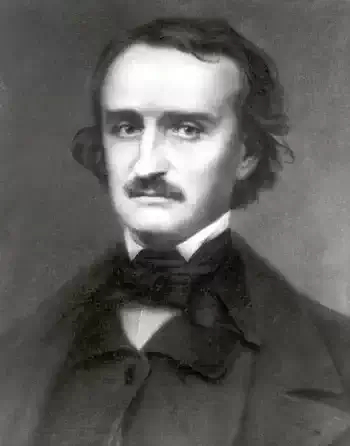
Edgar Allan Poe
Hymn to Aristogeiton and Harmodius
Hymn to Aristogeiton and Harmodius
Wreathed in myrtle, my sword I'll conceal
Like those champions devoted and brave,
When they plunged in the tyrant their steel,
And to Athens deliverance gave.
Beloved heroes! your deathless souls roam
In the joy breathing isles of the blest;
Where the mighty of old have their home -
Where Achilles and Diomed rest.
In fresh myrtle my blade I'll entwine,
Like Harmodious, the gallant and good,
When he made at the tutelar shrine
A libation of Tyranny's blood.
Ye deliverers of Athens from shame!
Ye avengers of Liberty's wrongs!
Endless ages shall cherish your fame
Embalmed in their echoing songs!
Wreathed in myrtle, my sword I'll conceal
Like those champions devoted and brave,
When they plunged in the tyrant their steel,
And to Athens deliverance gave.
Beloved heroes! your deathless souls roam
In the joy breathing isles of the blest;
Where the mighty of old have their home -
Where Achilles and Diomed rest.
In fresh myrtle my blade I'll entwine,
Like Harmodious, the gallant and good,
When he made at the tutelar shrine
A libation of Tyranny's blood.
Ye deliverers of Athens from shame!
Ye avengers of Liberty's wrongs!
Endless ages shall cherish your fame
Embalmed in their echoing songs!
263

Edgar Albert Guest
The Wrist Watch Man
The Wrist Watch Man
He is marching dusty highways and he's riding bitter trails,
His eyes are clear and shining and his muscles hard as nails.
He is wearing Yankee khaki and a healthy coat of tan,
And the chap that we are backing is the Wrist Watch Man.
He's no parlour dude, a-prancing, he's no puny pacifist,
And it's not for affectation there's a watch upon his wrist.
He's a fine two-fisted scrapper, he is pure American,
And the backbone of the nation is the Wrist Watch Man.
He is marching with a rifle, he is digging in a trench,
He is swapping English phrases with a poilu for his French;
You will find him in the navy doing anything he can,
For at every post of duty is the Wrist Watch Man.
Oh, the time was that we chuckled at the soft and flabby chap
Who wore a little wrist watch that was fastened with a strap.
But the chuckles all have vanished, and with glory now we scan
The courage and the splendor of the Wrist Watch Man.
He is not the man we laughed at, not the one who won our jeers,
He's the man that we are proud of, he's the man that owns our cheers;
He's the finest of the finest, he's the bravest of the clan,
And I pray for God's protection for our Wrist Watch Man.
He is marching dusty highways and he's riding bitter trails,
His eyes are clear and shining and his muscles hard as nails.
He is wearing Yankee khaki and a healthy coat of tan,
And the chap that we are backing is the Wrist Watch Man.
He's no parlour dude, a-prancing, he's no puny pacifist,
And it's not for affectation there's a watch upon his wrist.
He's a fine two-fisted scrapper, he is pure American,
And the backbone of the nation is the Wrist Watch Man.
He is marching with a rifle, he is digging in a trench,
He is swapping English phrases with a poilu for his French;
You will find him in the navy doing anything he can,
For at every post of duty is the Wrist Watch Man.
Oh, the time was that we chuckled at the soft and flabby chap
Who wore a little wrist watch that was fastened with a strap.
But the chuckles all have vanished, and with glory now we scan
The courage and the splendor of the Wrist Watch Man.
He is not the man we laughed at, not the one who won our jeers,
He's the man that we are proud of, he's the man that owns our cheers;
He's the finest of the finest, he's the bravest of the clan,
And I pray for God's protection for our Wrist Watch Man.
625
Edgar Albert Guest
Reflection
Reflection
You have given me riches and ease,
You have given me joys through the years,
I have sat in the shade of your trees,
With the song of your birds in my ears.
I have drunk of your bountiful wine
And done as I've chosen to do,
But, oh wonderful country of mine,
'How little have I done for you!
You have given me safe harbor from harm,
Untroubled I've slept through the nights
And have waked to the new morning's charm
And claimed as my own its delights.
I have taken the finest of fine
From your orchards and fields where it grew,
But, oh wonderful country of mine,
How little I've given to you!
You have given me a home and a place
Where in safety my babies may play;
Health blooms on each bright dimpled face
And laughter is theirs every day.
You have guarded from danger the shrine
Where I worship when toiling is through,
But, oh wonderful country of mine,
How little have I done for you!
I have taken your gifts without thought,
I have revelled in joys that you gave,
That I see now with blood had been bought,
The blood of your earlier braves.
I have lived without making one sign
That the source of my riches I knew,
Now, oh wonderful country of mine,
I'm here to do something for you!
You have given me riches and ease,
You have given me joys through the years,
I have sat in the shade of your trees,
With the song of your birds in my ears.
I have drunk of your bountiful wine
And done as I've chosen to do,
But, oh wonderful country of mine,
'How little have I done for you!
You have given me safe harbor from harm,
Untroubled I've slept through the nights
And have waked to the new morning's charm
And claimed as my own its delights.
I have taken the finest of fine
From your orchards and fields where it grew,
But, oh wonderful country of mine,
How little I've given to you!
You have given me a home and a place
Where in safety my babies may play;
Health blooms on each bright dimpled face
And laughter is theirs every day.
You have guarded from danger the shrine
Where I worship when toiling is through,
But, oh wonderful country of mine,
How little have I done for you!
I have taken your gifts without thought,
I have revelled in joys that you gave,
That I see now with blood had been bought,
The blood of your earlier braves.
I have lived without making one sign
That the source of my riches I knew,
Now, oh wonderful country of mine,
I'm here to do something for you!
655