

Poems
Change and Transformation
Poems in this topic

Robert Frost
The Oven Bird
The Oven Bird
There is a singer eveyone has heard,
Loud, a mid-summer and a mid-wood bird,
Who makes the solid tree trunks sound again.
He says that leaves are old and that for flowers
Mid-summer is to spring as one to ten.
He says the early petal-fall is past,
When pear and cherry bloom went down in showers
On sunny days a moment overcast;
And comes that other fall we name the fall.
He says the highway dust is over all.
The bird would cease and be as other birds
But that he knows in singing not to sing.
The question that he frames in all but words
Is what to make of a diminished thing.
There is a singer eveyone has heard,
Loud, a mid-summer and a mid-wood bird,
Who makes the solid tree trunks sound again.
He says that leaves are old and that for flowers
Mid-summer is to spring as one to ten.
He says the early petal-fall is past,
When pear and cherry bloom went down in showers
On sunny days a moment overcast;
And comes that other fall we name the fall.
He says the highway dust is over all.
The bird would cease and be as other birds
But that he knows in singing not to sing.
The question that he frames in all but words
Is what to make of a diminished thing.
472
Robert Frost
The Lockless Door
The Lockless Door
It went many years,
But at last came a knock,
And I thought of the door
With no lock to lock.
I blew out the light,
I tip-toed the floor,
And raised both hands
In prayer to the door.
But the knock came again
My window was wide;
I climbed on the sill
And descended outside.
Back over the sill
I bade a "Come in"
To whoever the knock
At the door may have been.
So at a knock
I emptied my cage
To hide in the world
And alter with age.
It went many years,
But at last came a knock,
And I thought of the door
With no lock to lock.
I blew out the light,
I tip-toed the floor,
And raised both hands
In prayer to the door.
But the knock came again
My window was wide;
I climbed on the sill
And descended outside.
Back over the sill
I bade a "Come in"
To whoever the knock
At the door may have been.
So at a knock
I emptied my cage
To hide in the world
And alter with age.
496
Robert Frost
The Hill Wife
The Hill Wife
It was too lonely for her there,
And too wild,
And since there were but two of them,
And no child.
And work was little in the house,
She was free,
And followed where he furrowed field,
Or felled log.
She rested on a log and tossed
The fresh chips,
With a song only to herself
On her lips.
And once she went to break a bough
Of black alder.
She strayed so far she scarcely heard
When he called her -
And didn't answer - didn't speak -
Or return.
She stood, and then she ran and hid
In the fern.
He never found her, though he looked
Everywhere,
And he asked at her mother's house
Was she there.
Sudden and swift and light as that
The ties gave,
And he learned of finalities
Besides the grave.
It was too lonely for her there,
And too wild,
And since there were but two of them,
And no child.
And work was little in the house,
She was free,
And followed where he furrowed field,
Or felled log.
She rested on a log and tossed
The fresh chips,
With a song only to herself
On her lips.
And once she went to break a bough
Of black alder.
She strayed so far she scarcely heard
When he called her -
And didn't answer - didn't speak -
Or return.
She stood, and then she ran and hid
In the fern.
He never found her, though he looked
Everywhere,
And he asked at her mother's house
Was she there.
Sudden and swift and light as that
The ties gave,
And he learned of finalities
Besides the grave.
473
Robert Frost
Reluctance
Reluctance
Out through the fields and the woods And over the walls I have wended; I have
climbed the hills of view And looked at the world, and descended; I have come by the
highway home, And lo, it is ended. The leaves are all dead on the group, Save those
that the oak is keeping To ravel them one by one And let them go scraping and
creeping Out over the crusted snow, When others are sleeping. And the dead leaves
lie huddled and still, No longer blown hither and thither; The last long aster is gone;
The flowers of the witch-hazel wither; The heart is still aching to seek, But the feel
question 'Whither?' Ah, when to the heart of man Was it ever less than a treason To
go with the drift of things, To yield with a grace to reason, And bow and accept the end
Of a love or a season?
Out through the fields and the woods And over the walls I have wended; I have
climbed the hills of view And looked at the world, and descended; I have come by the
highway home, And lo, it is ended. The leaves are all dead on the group, Save those
that the oak is keeping To ravel them one by one And let them go scraping and
creeping Out over the crusted snow, When others are sleeping. And the dead leaves
lie huddled and still, No longer blown hither and thither; The last long aster is gone;
The flowers of the witch-hazel wither; The heart is still aching to seek, But the feel
question 'Whither?' Ah, when to the heart of man Was it ever less than a treason To
go with the drift of things, To yield with a grace to reason, And bow and accept the end
Of a love or a season?
433
Robert Frost
One Step Backward Taken
One Step Backward Taken
Not only sands and gravels
Were once more on their travels,
But gulping muddy gallons
Great boulders off their balance
Bumped heads together dully
And started down the gully.
Whole capes caked off in slices.
I felt my standpoint shaken
In the universal crisis.
But with one step backward taken
I saved myself from going.
A world torn loose went by me.
Then the rain stopped and the blowing,
And the sun came out to dry me.
Not only sands and gravels
Were once more on their travels,
But gulping muddy gallons
Great boulders off their balance
Bumped heads together dully
And started down the gully.
Whole capes caked off in slices.
I felt my standpoint shaken
In the universal crisis.
But with one step backward taken
I saved myself from going.
A world torn loose went by me.
Then the rain stopped and the blowing,
And the sun came out to dry me.
353
Robert Frost
On Looking Up by Chance at the Constellations
On Looking Up by Chance at the Constellations
You'll wait a long, long time for anything much
To happen in heaven beyond the floats of cloud
And the Northern Lights that run like tingling nerves.
The sun and moon get crossed, but they never touch,
Nor strike out fire from each other nor crash out loud.
The planets seem to interfere in their curves -
But nothing ever happens, no harm is done.
We may as well go patiently on with our life,
And look elsewhere than to stars and moon and sun
For the shocks and changes we need to keep us sane.
It is true the longest drout will end in rain,
The longest peace in China will end in strife.
Still it wouldn't reward the watcher to stay awake
In hopes of seeing the calm of heaven break
On his particular time and personal sight.
That calm seems certainly safe to last to-night.
You'll wait a long, long time for anything much
To happen in heaven beyond the floats of cloud
And the Northern Lights that run like tingling nerves.
The sun and moon get crossed, but they never touch,
Nor strike out fire from each other nor crash out loud.
The planets seem to interfere in their curves -
But nothing ever happens, no harm is done.
We may as well go patiently on with our life,
And look elsewhere than to stars and moon and sun
For the shocks and changes we need to keep us sane.
It is true the longest drout will end in rain,
The longest peace in China will end in strife.
Still it wouldn't reward the watcher to stay awake
In hopes of seeing the calm of heaven break
On his particular time and personal sight.
That calm seems certainly safe to last to-night.
451
Robert Frost
Nothing Gold Can Stay
Nothing Gold Can Stay
Nature's first green is gold,
Her hardest hue to hold.
Her early leaf's a flower;
But only so an hour.
Then leaf subsides to leaf,
So Eden sank to grief,
So dawn goes down to day
Nothing gold can stay.
Nature's first green is gold,
Her hardest hue to hold.
Her early leaf's a flower;
But only so an hour.
Then leaf subsides to leaf,
So Eden sank to grief,
So dawn goes down to day
Nothing gold can stay.
381
Robert Frost
In Hardwood Groves
In Hardwood Groves
The same leaves over and over again! They fall from giving shade above To make one
texture of faded brown And fit the earth like a leather glove. Before the leaves can
mount again To fill the trees with another shade, They must go down past things
coming up. They must go down into the dark decayed. They must be pierced by
flowers and put Beneath the feet of dancing flowers. However it is in some other world
I know that this is way in ours.
The same leaves over and over again! They fall from giving shade above To make one
texture of faded brown And fit the earth like a leather glove. Before the leaves can
mount again To fill the trees with another shade, They must go down past things
coming up. They must go down into the dark decayed. They must be pierced by
flowers and put Beneath the feet of dancing flowers. However it is in some other world
I know that this is way in ours.
469
Robert Frost
Birches
Birches
When I see birches bend to left and right
Across the lines of straighter darker trees,
I like to think some boy's been swinging them.
But swinging doesn't bend them down to stay.
Ice-storms do that. Often you must have seen them
Loaded with ice a sunny winter morning
After a rain. They click upon themselves
As the breeze rises, and turn many-coloured
As the stir cracks and crazes their enamel.
Soon the sun's warmth makes them shed crystal shells
Shattering and avalanching on the snow-crust
Such heaps of broken glass to sweep away
You'd think the inner dome of heaven had fallen.
They are dragged to the withered bracken by the load,
And they seem not to break; though once they are bowed
So low for long, they never right themselves:
You may see their trunks arching in the woods
Years afterwards, trailing their leaves on the ground,
Like girls on hands and knees that throw their hair
Before them over their heads to dry in the sun.
But I was going to say when Truth broke in
With all her matter-of-fact about the ice-storm,
I should prefer to have some boy bend them
As he went out and in to fetch the cows--
Some boy too far from town to learn baseball,
Whose only play was what he found himself,
Summer or winter, and could play alone.
One by one he subdued his father's trees
By riding them down over and over again
Until he took the stiffness out of them,
And not one but hung limp, not one was left
For him to conquer. He learned all there was
To learn about not launching out too soon
And so not carrying the tree away
Clear to the ground. He always kept his poise
To the top branches, climbing carefully
With the same pains you use to fill a cup
Up to the brim, and even above the brim.
Then he flung outward, feet first, with a swish,
Kicking his way down through the air to the ground.
So was I once myself a swinger of birches.
And so I dream of going back to be.
It's when I'm weary of considerations,
And life is too much like a pathless wood
Where your face burns and tickles with the cobwebs
Broken across it, and one eye is weeping
From a twig's having lashed across it open.
I'd like to get away from earth awhile
And then come back to it and begin over.
May no fate willfully misunderstand me
And half grant what I wish and snatch me away
Not to return. Earth's the right place for love:
I don't know where it's likely to go better.
I'd like to go by climbing a birch tree
And climb black branches up a snow-white trunk
Toward heaven, till the tree could bear no more,
But dipped its top and set me down again.
That would be good both going and coming back.
One could do worse than be a swinger of birches.
When I see birches bend to left and right
Across the lines of straighter darker trees,
I like to think some boy's been swinging them.
But swinging doesn't bend them down to stay.
Ice-storms do that. Often you must have seen them
Loaded with ice a sunny winter morning
After a rain. They click upon themselves
As the breeze rises, and turn many-coloured
As the stir cracks and crazes their enamel.
Soon the sun's warmth makes them shed crystal shells
Shattering and avalanching on the snow-crust
Such heaps of broken glass to sweep away
You'd think the inner dome of heaven had fallen.
They are dragged to the withered bracken by the load,
And they seem not to break; though once they are bowed
So low for long, they never right themselves:
You may see their trunks arching in the woods
Years afterwards, trailing their leaves on the ground,
Like girls on hands and knees that throw their hair
Before them over their heads to dry in the sun.
But I was going to say when Truth broke in
With all her matter-of-fact about the ice-storm,
I should prefer to have some boy bend them
As he went out and in to fetch the cows--
Some boy too far from town to learn baseball,
Whose only play was what he found himself,
Summer or winter, and could play alone.
One by one he subdued his father's trees
By riding them down over and over again
Until he took the stiffness out of them,
And not one but hung limp, not one was left
For him to conquer. He learned all there was
To learn about not launching out too soon
And so not carrying the tree away
Clear to the ground. He always kept his poise
To the top branches, climbing carefully
With the same pains you use to fill a cup
Up to the brim, and even above the brim.
Then he flung outward, feet first, with a swish,
Kicking his way down through the air to the ground.
So was I once myself a swinger of birches.
And so I dream of going back to be.
It's when I'm weary of considerations,
And life is too much like a pathless wood
Where your face burns and tickles with the cobwebs
Broken across it, and one eye is weeping
From a twig's having lashed across it open.
I'd like to get away from earth awhile
And then come back to it and begin over.
May no fate willfully misunderstand me
And half grant what I wish and snatch me away
Not to return. Earth's the right place for love:
I don't know where it's likely to go better.
I'd like to go by climbing a birch tree
And climb black branches up a snow-white trunk
Toward heaven, till the tree could bear no more,
But dipped its top and set me down again.
That would be good both going and coming back.
One could do worse than be a swinger of birches.
416
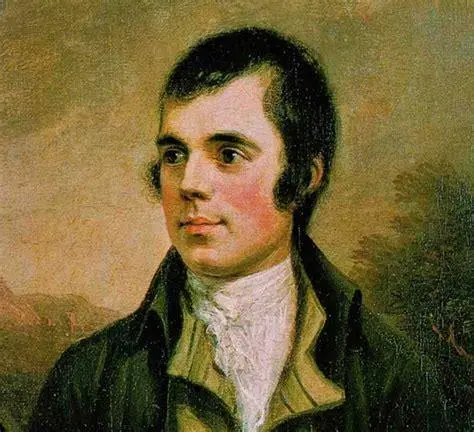
Robert Burns
John Barleycorn
John Barleycorn
There were three kings into the east,
Three kings both great and high,
An' they hae sworn a solemn oath
John Barleycorn should die.
They took a plough and ploughed him down,
Put clods upon his head;
An' they hae sworn a solemn oath
John Barleycorn was dead.
But the cheerfu' spring came kindly on,
And show'rs began to fall;
John Barleycorn got up again,
And sore surprised them all.
The sultry suns of summer came,
And he grew thick and strong;
His head weel armed wi' pointed spears,
That no one should him wrong.
The sober autumn entered mild,
When he grew wan and pale;
His bending joints and drooping head
Showed he began to fail.
His colour sickened more and more,
He faded into age;
And then his enemies began
To show their deadly rage.
They've ta'en a weapon long and sharp,
And cut him by the knee;
Then tied him fast upon a cart,
Like a rogue for forgerie.
They laid him down upon his back,
And cudgelled him full sore;
They hung him up before the storm,
And turned him o'er and o'er.
They filled up a darksome pit
With water to the brim;
They heaved in John Barleycorn,
There let him sink or swim.
They laid him out upon the floor,
To work him farther woe,
And still, as signs of life appeared,
They tossed him to and fro.
They wasted, o'er a scorching flame,
The marrow of his bones;
But a miller used him worst of all,
For he crushed him 'tween two stones.
And they hae ta'en his very heart's blood,
And drank it round and round;
And still the more and more they drank,
Their joy did more abound.
John Barleycorn was a hero bold,
Of noble enterprise;
For if you do but taste his blood,
'Twill make your courage rise;
'Twill make a man forget his woe;
'Twill heighten all his joy:
'Twill make the widow's heart to sing,
Tho' the tear were in her eye.
Then let us toast John Barleycorn,
Each man a glass in hand;
And may his great posterity
Ne'er fail in old Scotland!
There were three kings into the east,
Three kings both great and high,
An' they hae sworn a solemn oath
John Barleycorn should die.
They took a plough and ploughed him down,
Put clods upon his head;
An' they hae sworn a solemn oath
John Barleycorn was dead.
But the cheerfu' spring came kindly on,
And show'rs began to fall;
John Barleycorn got up again,
And sore surprised them all.
The sultry suns of summer came,
And he grew thick and strong;
His head weel armed wi' pointed spears,
That no one should him wrong.
The sober autumn entered mild,
When he grew wan and pale;
His bending joints and drooping head
Showed he began to fail.
His colour sickened more and more,
He faded into age;
And then his enemies began
To show their deadly rage.
They've ta'en a weapon long and sharp,
And cut him by the knee;
Then tied him fast upon a cart,
Like a rogue for forgerie.
They laid him down upon his back,
And cudgelled him full sore;
They hung him up before the storm,
And turned him o'er and o'er.
They filled up a darksome pit
With water to the brim;
They heaved in John Barleycorn,
There let him sink or swim.
They laid him out upon the floor,
To work him farther woe,
And still, as signs of life appeared,
They tossed him to and fro.
They wasted, o'er a scorching flame,
The marrow of his bones;
But a miller used him worst of all,
For he crushed him 'tween two stones.
And they hae ta'en his very heart's blood,
And drank it round and round;
And still the more and more they drank,
Their joy did more abound.
John Barleycorn was a hero bold,
Of noble enterprise;
For if you do but taste his blood,
'Twill make your courage rise;
'Twill make a man forget his woe;
'Twill heighten all his joy:
'Twill make the widow's heart to sing,
Tho' the tear were in her eye.
Then let us toast John Barleycorn,
Each man a glass in hand;
And may his great posterity
Ne'er fail in old Scotland!
280
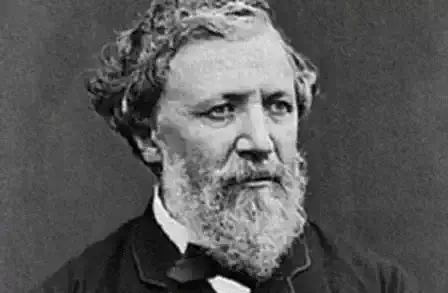
Robert Browning
Life in a Bottle
Life in a Bottle
Escape me?
Never--
Beloved!
While I am I, and you are you,
So long as the world contains us both,
Me the loving and you the loth,
While the one eludes, must the other pursue.
My life is a fault at last, I fear:
It seems too much like a fate, indeed!
Though I do my best I shall scarce succeed.
But what if I fail of my purpose here?
It is but to keep the nerves at strain,
To dry one's eyes and laugh at a fall,
And, baffled, get up and begin again,--
So the chace takes up one's life, that's all.
While, look but once from your farthest bound
At me so deep in the dust and dark,
No sooner the old hope goes to ground
Than a new one, straight to the self-same mark,
I shape me--
Ever
Removed!
Escape me?
Never--
Beloved!
While I am I, and you are you,
So long as the world contains us both,
Me the loving and you the loth,
While the one eludes, must the other pursue.
My life is a fault at last, I fear:
It seems too much like a fate, indeed!
Though I do my best I shall scarce succeed.
But what if I fail of my purpose here?
It is but to keep the nerves at strain,
To dry one's eyes and laugh at a fall,
And, baffled, get up and begin again,--
So the chace takes up one's life, that's all.
While, look but once from your farthest bound
At me so deep in the dust and dark,
No sooner the old hope goes to ground
Than a new one, straight to the self-same mark,
I shape me--
Ever
Removed!
301
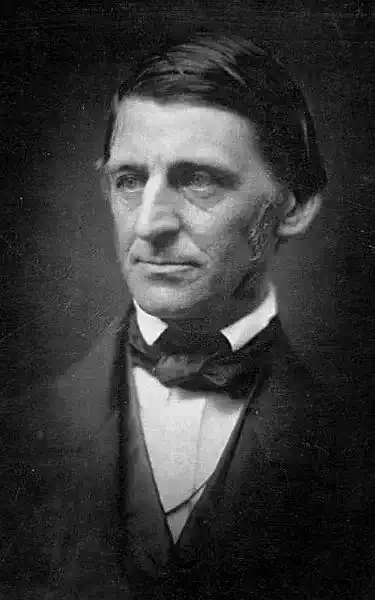
Ralph Waldo Emerson
Uriel.
Uriel.
IT fell in the ancient periods
Which the brooding soul surveys,
Or ever the wild Time coin'd itself
Into calendar months and days.
This was the lapse of Uriel,
Which in Paradise befell.
Once, among the Pleiads walking,
Sayd overheard the young gods talking;
And the treason, too long pent,
To his ears was evident.
The young deities discuss'd
Laws of form, and metre just,
Orb, quintessence, and sunbeams,
What subsisteth, and what seems.
One, with low tones that decide,
And doubt and reverend use defied,
With a look that solved the sphere,
And stirr'd the devils everywhere,
Gave his sentiment divine
Against the being of a line.
'Line in nature is not found;
Unit and universe are round;
In vain produced, all rays return;
Evil will bless, and ice will burn.'
As Uriel spoke with piercing eye,
A shudder ran around the sky;
The stern old war-gods shook their heads;
The seraphs frown'd from myrtle-beds;
Seem'd to the holy festival
The rash word boded ill to all;
The balance-beam of Fate was bent;
The bounds of good and ill were rent;
Strong Hades could not keep his own,
But all slid to confusion.
A sad self-knowledge withering fell
On the beauty of Uriel;
In heaven once eminent, the god
Withdrew that hour into his cloud;
Whether doom'd to long gyration
In the sea of generation,
Or by knowledge grown too bright
To hit the nerve of feebler sight.
Straightway a forgetting wind
Stole over the celestial kind,
And their lips the secret kept,
If in ashes the fire-seed slept.
But, now and then, truth-speaking things
Shamed the angels' veiling wings;
And, shrilling from the solar course,
Or from fruit of chemic force,
Procession of a soul in matter,
Or the speeding change of water,
Or out of the good of evil born,
Came Uriel's voice of cherub scorn,
And a blush tinged the upper sky,
And the gods shook, they knew not why
IT fell in the ancient periods
Which the brooding soul surveys,
Or ever the wild Time coin'd itself
Into calendar months and days.
This was the lapse of Uriel,
Which in Paradise befell.
Once, among the Pleiads walking,
Sayd overheard the young gods talking;
And the treason, too long pent,
To his ears was evident.
The young deities discuss'd
Laws of form, and metre just,
Orb, quintessence, and sunbeams,
What subsisteth, and what seems.
One, with low tones that decide,
And doubt and reverend use defied,
With a look that solved the sphere,
And stirr'd the devils everywhere,
Gave his sentiment divine
Against the being of a line.
'Line in nature is not found;
Unit and universe are round;
In vain produced, all rays return;
Evil will bless, and ice will burn.'
As Uriel spoke with piercing eye,
A shudder ran around the sky;
The stern old war-gods shook their heads;
The seraphs frown'd from myrtle-beds;
Seem'd to the holy festival
The rash word boded ill to all;
The balance-beam of Fate was bent;
The bounds of good and ill were rent;
Strong Hades could not keep his own,
But all slid to confusion.
A sad self-knowledge withering fell
On the beauty of Uriel;
In heaven once eminent, the god
Withdrew that hour into his cloud;
Whether doom'd to long gyration
In the sea of generation,
Or by knowledge grown too bright
To hit the nerve of feebler sight.
Straightway a forgetting wind
Stole over the celestial kind,
And their lips the secret kept,
If in ashes the fire-seed slept.
But, now and then, truth-speaking things
Shamed the angels' veiling wings;
And, shrilling from the solar course,
Or from fruit of chemic force,
Procession of a soul in matter,
Or the speeding change of water,
Or out of the good of evil born,
Came Uriel's voice of cherub scorn,
And a blush tinged the upper sky,
And the gods shook, they knew not why
615
Ralph Waldo Emerson
Seashore
Seashore
I heard or seemed to hear the chiding Sea
Say, Pilgrim, why so late and slow to come?
Am I not always here, thy summer home?
Is not my voice thy music, morn and eve?
My breath thy healthful climate in the heats,
My touch thy antidote, my bay thy bath?
Was ever building like my terraces?
Was ever couch magnificent as mine?
Lie on the warm rock-ledges, and there learn
A little hut suffices like a town.
I make your sculptured architecture vain,
Vain beside mine. I drive my wedges home,
And carve the coastwise mountain into caves.
Lo! here is Rome and Nineveh and Thebes,
Karnak and Pyramid and Giant's Stairs
Half piled or prostrate; and my newest slab
Older than all thy race.
Behold the Sea,
The opaline, the plentiful and strong,
Yet beautiful as is the rose in June,
Fresh as the trickling rainbow of July;
Sea full of food, the nourisher of kinds,
Purger of earth, and medicine of men;
Creating a sweet climate by my breath,
Washing out harms and griefs from memory,
And, in my mathematic ebb and flow,
Giving a hint of that which changes not.
Rich are the sea-gods:--who gives gifts but they?
They grope the sea for pearls, but more than pearls:
They pluck Force thence, and give it to the wise.
For every wave is wealth to Dædalus,
Wealth to the cunning artist who can work
This matchless strength. Where shall he find, O waves!
A load your Atlas shoulders cannot lift?
I with my hammer pounding evermore
The rocky coast, smite Andes into dust,
Strewing my bed, and, in another age,
Rebuild a continent of better men.
Then I unbar the doors: my paths lead out
The exodus of nations: I dispersed
Men to all shores that front the hoary main.
I too have arts and sorceries;
Illusion dwells forever with the wave.
I know what spells are laid. Leave me to deal
With credulous and imaginative man;
For, though he scoop my water in his palm,
A few rods off he deems it gems and clouds.
Planting strange fruits and sunshine on the shore,
I make some coast alluring, some lone isle,
To distant men, who must go there, or die.
I heard or seemed to hear the chiding Sea
Say, Pilgrim, why so late and slow to come?
Am I not always here, thy summer home?
Is not my voice thy music, morn and eve?
My breath thy healthful climate in the heats,
My touch thy antidote, my bay thy bath?
Was ever building like my terraces?
Was ever couch magnificent as mine?
Lie on the warm rock-ledges, and there learn
A little hut suffices like a town.
I make your sculptured architecture vain,
Vain beside mine. I drive my wedges home,
And carve the coastwise mountain into caves.
Lo! here is Rome and Nineveh and Thebes,
Karnak and Pyramid and Giant's Stairs
Half piled or prostrate; and my newest slab
Older than all thy race.
Behold the Sea,
The opaline, the plentiful and strong,
Yet beautiful as is the rose in June,
Fresh as the trickling rainbow of July;
Sea full of food, the nourisher of kinds,
Purger of earth, and medicine of men;
Creating a sweet climate by my breath,
Washing out harms and griefs from memory,
And, in my mathematic ebb and flow,
Giving a hint of that which changes not.
Rich are the sea-gods:--who gives gifts but they?
They grope the sea for pearls, but more than pearls:
They pluck Force thence, and give it to the wise.
For every wave is wealth to Dædalus,
Wealth to the cunning artist who can work
This matchless strength. Where shall he find, O waves!
A load your Atlas shoulders cannot lift?
I with my hammer pounding evermore
The rocky coast, smite Andes into dust,
Strewing my bed, and, in another age,
Rebuild a continent of better men.
Then I unbar the doors: my paths lead out
The exodus of nations: I dispersed
Men to all shores that front the hoary main.
I too have arts and sorceries;
Illusion dwells forever with the wave.
I know what spells are laid. Leave me to deal
With credulous and imaginative man;
For, though he scoop my water in his palm,
A few rods off he deems it gems and clouds.
Planting strange fruits and sunshine on the shore,
I make some coast alluring, some lone isle,
To distant men, who must go there, or die.
385
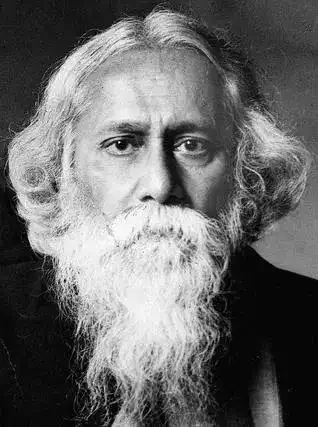
Rabindranath Tagore
Untimely Leave
Untimely Leave
No more noisy, loud words from me---such is my master's will.
Henceforth I deal in whispers.
The speech of my heart will be carried on in murmurings of a song.
Men hasten to the King's market. All the buyers and sellers are there.
But I have my untimely leave in the middle of the day, in the thick of work.
Let then the flowers come out in my garden, though it is not their time;
and let the midday bees strike up their lazy hum.
Full many an hour have I spent in the strife of the good and the evil,
but now it is the pleasure of my playmate of the empty days to draw my heart on to
him;
and I know not why is this sudden call to what useless inconsequence!
No more noisy, loud words from me---such is my master's will.
Henceforth I deal in whispers.
The speech of my heart will be carried on in murmurings of a song.
Men hasten to the King's market. All the buyers and sellers are there.
But I have my untimely leave in the middle of the day, in the thick of work.
Let then the flowers come out in my garden, though it is not their time;
and let the midday bees strike up their lazy hum.
Full many an hour have I spent in the strife of the good and the evil,
but now it is the pleasure of my playmate of the empty days to draw my heart on to
him;
and I know not why is this sudden call to what useless inconsequence!
483
Rabindranath Tagore
The Gardener XLVI: You Left Me
The Gardener XLVI: You Left Me
You left me and went on your way.
I thought I should mourn for you
and set your solitary image in my
heart wrought in a golden song.
But ah, my evil fortune, time is
short.
Youth wanes year after year; the
spring days are fugitive; the frail
flowers die for nothing, and the wise
man warns me that life is but a
dewdrop on the lotus leaf.
Should I neglect all this to gaze after
one who has turned her back on me?
That would be rude and foolish,
for time is short.
Then, come, my rainy nights with
pattering feet; smile, my golden
autumn; come, careless April, scattering
your kisses abroad.
You come, and you, and you also!
My loves, you know we are mortals.
Is it wise to break one's heart for the
one who takes her heart away? For
time is short.
It is sweet to sit in a corner to muse
and write in rhymes that you are all
my world.
It is heroic to hug one's sorrow and
determine not to be consoled.
But a fresh face peeps across my
door and raise its eyes to my eyes.
I cannot but wipe away my tears
and change the tune of my song.
For time is short.
You left me and went on your way.
I thought I should mourn for you
and set your solitary image in my
heart wrought in a golden song.
But ah, my evil fortune, time is
short.
Youth wanes year after year; the
spring days are fugitive; the frail
flowers die for nothing, and the wise
man warns me that life is but a
dewdrop on the lotus leaf.
Should I neglect all this to gaze after
one who has turned her back on me?
That would be rude and foolish,
for time is short.
Then, come, my rainy nights with
pattering feet; smile, my golden
autumn; come, careless April, scattering
your kisses abroad.
You come, and you, and you also!
My loves, you know we are mortals.
Is it wise to break one's heart for the
one who takes her heart away? For
time is short.
It is sweet to sit in a corner to muse
and write in rhymes that you are all
my world.
It is heroic to hug one's sorrow and
determine not to be consoled.
But a fresh face peeps across my
door and raise its eyes to my eyes.
I cannot but wipe away my tears
and change the tune of my song.
For time is short.
486
Rabindranath Tagore
The Gardener LXXXIII: She Dwelt on the Hillside
The Gardener LXXXIII: She Dwelt on the Hillside
She dwelt on the hillside by edge
of a maize-field, near the spring that
flows in laughing rills through the
solemn shadows of ancient trees. The
women came there to fill their jars,
and travellers would sit there to rest
and talk. She worked and dreamed
daily to the tune of the bubbling
stream.
One evening the stranger came down
from the cloud-hidden peak; his locks
were tangled like drowsy snakes. We
asked in wonder, "Who are you?"
He answered not but sat by the
garrulous stream and silently gazed at
the hut where she dwelt. Our hearts
quaked in fear and we came back home
when it was night.
Next morning when the women
came to fetch water at the spring by
the deodar trees, they found the doors
open in her hut, but her voice was gone
and where was her smiling face?
The empty jar lay on the floor and her
lamp had burnt itself out in the
corner. No one knew where she had
fled to before it was morning--and the
stranger had gone.
In the month of May the sun grew
strong and the snow melted, and we
sat by the spring and wept. We
wondered in our mind, "Is there a
spring in the land where she has gone
and where she can fill her vessel in
these hot thirsty days?" And we
asked each other in dismay, "Is there
a land beyond these hills where we
live?"
It was a summer night; the breeze
blew from the south; and I sat in her
deserted room where the lamp stood
still unlit. When suddenly from
before my eyes the hills vanished like
curtains drawn aside. "Ah, it is
she who comes. How are you, my
child? Are you happy? But where
can you shelter under this open sky?
And, alas! our spring is not here to
allay your thirst."
"Here is the same sky," she said,
"only free from the fencing hills,-this
is the same stream grown into a
river,--the same earth widened into
a plain." "Everything is here," I
sighed, "only we are not." She
smiled sadly and said, "You are in
my heart." I woke up and heard the
babbling of the stream and the rustling
of the deodars at night.
She dwelt on the hillside by edge
of a maize-field, near the spring that
flows in laughing rills through the
solemn shadows of ancient trees. The
women came there to fill their jars,
and travellers would sit there to rest
and talk. She worked and dreamed
daily to the tune of the bubbling
stream.
One evening the stranger came down
from the cloud-hidden peak; his locks
were tangled like drowsy snakes. We
asked in wonder, "Who are you?"
He answered not but sat by the
garrulous stream and silently gazed at
the hut where she dwelt. Our hearts
quaked in fear and we came back home
when it was night.
Next morning when the women
came to fetch water at the spring by
the deodar trees, they found the doors
open in her hut, but her voice was gone
and where was her smiling face?
The empty jar lay on the floor and her
lamp had burnt itself out in the
corner. No one knew where she had
fled to before it was morning--and the
stranger had gone.
In the month of May the sun grew
strong and the snow melted, and we
sat by the spring and wept. We
wondered in our mind, "Is there a
spring in the land where she has gone
and where she can fill her vessel in
these hot thirsty days?" And we
asked each other in dismay, "Is there
a land beyond these hills where we
live?"
It was a summer night; the breeze
blew from the south; and I sat in her
deserted room where the lamp stood
still unlit. When suddenly from
before my eyes the hills vanished like
curtains drawn aside. "Ah, it is
she who comes. How are you, my
child? Are you happy? But where
can you shelter under this open sky?
And, alas! our spring is not here to
allay your thirst."
"Here is the same sky," she said,
"only free from the fencing hills,-this
is the same stream grown into a
river,--the same earth widened into
a plain." "Everything is here," I
sighed, "only we are not." She
smiled sadly and said, "You are in
my heart." I woke up and heard the
babbling of the stream and the rustling
of the deodars at night.
500
Rabindranath Tagore
Stray Birds 51 - 60
Stray Birds 51 - 60
51
YOUR idol is shattered in the dust
to prove that God's dust is greater than
your idol.
52
MAN does not reveal himself in his history,
he struggles up through it.
53
WHILE the glass lamp rebukes the earthen for calling it cousin,
the moon rises, and the glass lamp,
with a bland smile, calls her,
'My dear, dear sister.'
54
LIKE the meeting of the seagulls
and the waves we meet and come near.
The seagulls fly off,
the waves roll away and we depart.
55
MY day is done,
and I am like a boat drawn on the beach,
listening to the dance-music of t
he tide in the evening.
56
LIFE is given to us,
we earn it by giving it.
57
WE come nearest to the great
when we are great in humility.
58
THE sparrow is sorry for the peacock
at the burden of its tail.
59
NEVER be afraid of the moments-
thus sings the voice of the everlasting.
60
THE hurricane seeks the shortest road
by the no-road,
and suddenly ends its search in the Nowhere.
51
YOUR idol is shattered in the dust
to prove that God's dust is greater than
your idol.
52
MAN does not reveal himself in his history,
he struggles up through it.
53
WHILE the glass lamp rebukes the earthen for calling it cousin,
the moon rises, and the glass lamp,
with a bland smile, calls her,
'My dear, dear sister.'
54
LIKE the meeting of the seagulls
and the waves we meet and come near.
The seagulls fly off,
the waves roll away and we depart.
55
MY day is done,
and I am like a boat drawn on the beach,
listening to the dance-music of t
he tide in the evening.
56
LIFE is given to us,
we earn it by giving it.
57
WE come nearest to the great
when we are great in humility.
58
THE sparrow is sorry for the peacock
at the burden of its tail.
59
NEVER be afraid of the moments-
thus sings the voice of the everlasting.
60
THE hurricane seeks the shortest road
by the no-road,
and suddenly ends its search in the Nowhere.
518
Rabindranath Tagore
Roaming Cloud
Roaming Cloud
I am like a remnant of a cloud of autumn
uselessly roaming in the sky, O my sun ever-glorious!
Thy touch has not yet melted my vapor,
making me one with thy light,
and thus I count months and years separated from thee.
If this be thy wish and if this be thy play,
then take this fleeting emptiness of mine,
paint it with colors, gild it with gold,
float it on the wanton wind and spread it in varied wonders.
And again when it shall be thy wish to end this play at night,
I shall melt and vanish away in the dark,
or it may be in a smile of the white morning,
in a coolness of purity transparent.
I am like a remnant of a cloud of autumn
uselessly roaming in the sky, O my sun ever-glorious!
Thy touch has not yet melted my vapor,
making me one with thy light,
and thus I count months and years separated from thee.
If this be thy wish and if this be thy play,
then take this fleeting emptiness of mine,
paint it with colors, gild it with gold,
float it on the wanton wind and spread it in varied wonders.
And again when it shall be thy wish to end this play at night,
I shall melt and vanish away in the dark,
or it may be in a smile of the white morning,
in a coolness of purity transparent.
597
Rabindranath Tagore
Maya
Maya
That I should make much of myself and turn it on all sides,
thus casting colored shadows on thy radiance
---such is thy Maya.
Thou settest a barrier in thine own being
and then callest thy severed self in myriad notes.
This thy self-separation has taken body in me.
The poignant song is echoed through all the sky in many-coloued tears
and smiles, alarms and hopes; waves rise up and sink again,
dreams break and form.
In me is thy own defeat of self.
This screen that thou hast raised is painted with innumerable figures
with the brush of the night and the day.
Behind it thy seat is woven in wondrous mysteries of curves,
casting away all barren lines of straightness.
The great pageant of thee and me has overspread the sky.
With the tune of thee and me all the air is vibrant,
and all ages pass with the hiding and seeking of thee and me.
That I should make much of myself and turn it on all sides,
thus casting colored shadows on thy radiance
---such is thy Maya.
Thou settest a barrier in thine own being
and then callest thy severed self in myriad notes.
This thy self-separation has taken body in me.
The poignant song is echoed through all the sky in many-coloued tears
and smiles, alarms and hopes; waves rise up and sink again,
dreams break and form.
In me is thy own defeat of self.
This screen that thou hast raised is painted with innumerable figures
with the brush of the night and the day.
Behind it thy seat is woven in wondrous mysteries of curves,
casting away all barren lines of straightness.
The great pageant of thee and me has overspread the sky.
With the tune of thee and me all the air is vibrant,
and all ages pass with the hiding and seeking of thee and me.
498

Paul Laurence Dunbar
Old
Old
I have seen peoples come and go
Alike the Ocean'd ebb and flow;
I have seen kingdoms rise and fall
Like springtime shadows on a wall.
I have seen houses rendered great
That grew from life's debased estate,
And all, all, all is change I see,
So, dearest God, take me, take me.
I have seen peoples come and go
Alike the Ocean'd ebb and flow;
I have seen kingdoms rise and fall
Like springtime shadows on a wall.
I have seen houses rendered great
That grew from life's debased estate,
And all, all, all is change I see,
So, dearest God, take me, take me.
620
Paul Celan
Alchemical
Alchemical
Silence, like Gold cooked in
charred
Hands.
Vast, grey,
near as all that is Lost
Sisterly-Shape:
All the Names, all the with-
Burnt up
Names. So much
Ash to be blessed. So much
Land gained
above
the light, so light
Soul-
Rings.
Vast. Grey. Clinkerless.
You, then.
You with the pale
bitten-out bud,
You in the Wine-Flood.
(Did it not discharge
us too, this Hour?
Good,
Good, that your Word died away here.)
Silence, like Gold cooked, in
charred, charred
Hands.
Fingers, smoke-thin. Like Crowns, Air-Crowns
around – –
Vast. Grey. Trackless.
Queenlike.
Silence, like Gold cooked in
charred
Hands.
Vast, grey,
near as all that is Lost
Sisterly-Shape:
All the Names, all the with-
Burnt up
Names. So much
Ash to be blessed. So much
Land gained
above
the light, so light
Soul-
Rings.
Vast. Grey. Clinkerless.
You, then.
You with the pale
bitten-out bud,
You in the Wine-Flood.
(Did it not discharge
us too, this Hour?
Good,
Good, that your Word died away here.)
Silence, like Gold cooked, in
charred, charred
Hands.
Fingers, smoke-thin. Like Crowns, Air-Crowns
around – –
Vast. Grey. Trackless.
Queenlike.
440
Pablo Neruda
The Night in Isla Negra
The Night in Isla Negra
Ancient night and the unruly salt
beat at the walls of my house.
The shadow is all one, the sky
throbs now along with the ocean,
and sky and shadow erupt
in the crash of their vast conflict.
All night long they struggle;
nobody knows the name
of the harsh light that keeps slowly opening
like a languid fruit.
So on the coast comes to light,
out of seething shadow, the harsh dawn,
gnawed at by the moving salt,
swept clean by the mass of night,
bloodstained in its sea-washed crater.
Ancient night and the unruly salt
beat at the walls of my house.
The shadow is all one, the sky
throbs now along with the ocean,
and sky and shadow erupt
in the crash of their vast conflict.
All night long they struggle;
nobody knows the name
of the harsh light that keeps slowly opening
like a languid fruit.
So on the coast comes to light,
out of seething shadow, the harsh dawn,
gnawed at by the moving salt,
swept clean by the mass of night,
bloodstained in its sea-washed crater.
601
Pablo Neruda
Sonnet IX: There where the waves shatter
Sonnet IX: There where the waves shatter
There where the waves shatter on the restless rocks
the clear light bursts and enacts its rose,
and the sea-circle shrinks to a cluster of buds,
to one drop of blue salt, falling.
O bright magnolia bursting in the foam,
magnetic transient whose death blooms
and vanishes--being, nothingness--forever:
broken salt, dazzling lurch of the sea.
You & I, Love, together we ratify the silence,
while the sea destroys its perpetual statues,
collapses its towers of wild speed and whiteness:
because in the weavings of those invisible fabrics,
galloping water, incessant sand,
we make the only permanent tenderness.
There where the waves shatter on the restless rocks
the clear light bursts and enacts its rose,
and the sea-circle shrinks to a cluster of buds,
to one drop of blue salt, falling.
O bright magnolia bursting in the foam,
magnetic transient whose death blooms
and vanishes--being, nothingness--forever:
broken salt, dazzling lurch of the sea.
You & I, Love, together we ratify the silence,
while the sea destroys its perpetual statues,
collapses its towers of wild speed and whiteness:
because in the weavings of those invisible fabrics,
galloping water, incessant sand,
we make the only permanent tenderness.
543
Pablo Neruda
Entrance Of The Rivers
Entrance Of The Rivers
Beloved of the rivers,beset
By azure water and transparent drops,
Like a tree of veins your spectre
Of dark goddess biting apples:
And then awakening naked
To be tattoed by the rivers,
And in the wet heights your head
Filled the world with new dew.
Water rose to your waist,
You are made of wellsprings
And lakes shone on your forehead.
From your sources of density you drew
Water like vital tears
And hauled the riverbeds to the sand
Across the planetary night,
Crossing rough, dilated stone,
Breaking down on the way
All the salt of geology,
Cutting through forests of compact walls
Dislodging the muscles of quartz.
Beloved of the rivers,beset
By azure water and transparent drops,
Like a tree of veins your spectre
Of dark goddess biting apples:
And then awakening naked
To be tattoed by the rivers,
And in the wet heights your head
Filled the world with new dew.
Water rose to your waist,
You are made of wellsprings
And lakes shone on your forehead.
From your sources of density you drew
Water like vital tears
And hauled the riverbeds to the sand
Across the planetary night,
Crossing rough, dilated stone,
Breaking down on the way
All the salt of geology,
Cutting through forests of compact walls
Dislodging the muscles of quartz.
559