

Poems
Change and Transformation
Poems in this topic
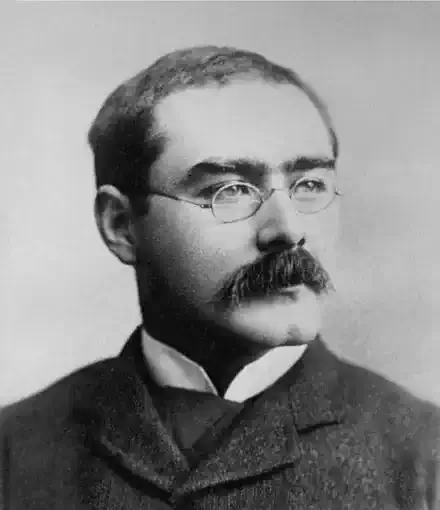
Rudyard Kipling
The Long Trail
The Long Trail
There's a whisper down the field where the year has shot her yield,
And the ricks stand grey to the sun,
Singing: "Over then, come over, for the bee has quit the dover,
"And your English summer's done."
You have heard the beat of the off-shore wind,
And the thresh of the deep-sea rain;
You have heard the song -- how long? how long?
Pull out on the trail again!
Ha' done with the Tents of Shem, dear lass,
We've seen the seasons through,
And it's time to turn the old trail, our own trail, the out trail,
Pull out, pull out, on the Long Trail-the trail that is always new!
It's North you may run to the rime-ringed sun
Or South to the blind Hom's hate;
Or East all the way into Mississippi Bay,
Or West to the Golden Gate --
Where the blindest bluffs hold good, dear lass,
And the wildest tales are true,
And the men bulk big on the old trail, our own trail, the out trail,
And life runs large on the Long Trail -- the trail that is always new.
The days are sick and cold, and the skies are grey and old
And the twice-breathed airs blow damp;
And I'd sell my tired soul for the bucking beam-sea roll
Of a black Bilbao tramp,
With her load-line over her hatch, dear lass,
And a drunken Dago crew,
And her nose held down on the old trail, our own trail, the out trail
From Cadiz south on the Long Trail-the trail that is always new.
There be triple ways to take, of the eagle or the snake,
Or the way of a man with a maid;
But the sweetest way to me is a ship's upon the sea
In the heel of the North-East Trade.
Can you hear the crash on her brows, dear lass.
And the drum of the racing screw,
As she ships it green on the old trail, our own trail, the out trail,
As she lifts and 'scends on the Long Trail -- the trail that is always new?
See the shaking funnels roar, with the Peter at the fore,
And the fenders grind and heave,
And the derricks clack and grate, as the tackle hooks the crate,
And the fall-rope whines through the sheave;
It's "Gang-plank up and in," dear lass,
It's "Hawsers warp her through!"
And it's "All clear aft" on the old trail, our own trail, the out trail,
We're backing down on the Long Trail -- the trail that is always new.
O the mutter overside, when the port-fog holds us tied,
And the sirens hoot their dread,
When foot by foot we creep o'er the hueless, viewless deep
To the sob of the questing lead!
It's down by the Lower Hope, dear lass,
With the Grinfleet Sands in view,
Till the Mouse swings green on the old trail, our own trail, the out trail,
And the Gull Light lifts on the Long Trail -- the trail that is always new.
O the blazing tropic night, when the wake's a welt of light
That holds the hot sky tame,
And the steady fore-foot snores through the planet-powdered floors
Where the scared whale flukes in flame!
Her plates are flaked by the sun, dear lass
And her ropes are taut with the dew,
For we're booming down on the old trail, our own trail, the out trail,
We're sagging south on the Long Trail -- the trail that is always new.
Then home, get her home, where the drunken rollers comb,
And the shouting seas drive by,
And the engines stamp and ring, and the wet bows reel and swing,
And the Southern Cross rides high!
Yes, the old lost stars wheel back, dear lass,
That blaze in the velvet blue.
They're all old friends on the old trail, our own trail, the out trail,
They're God's own guides on the Long Trail -- the trail that is always new.
Fly forward, O my heart, from the Foreland to the Start
We're steaming all too slow,
And it's twenty thousand mile to our little lazy isle
Where the trumpet-orchids blow!
You have heard the call of the off-shore wind
And the voice of the deep-sea rain;
You have heard the song-how long? how long?
Pull out on the trail again!
The Lord knows what we may find, dear lass,
And The Deuce knows we may do
But we're back once more on the old trail, our own trail, the out trail,
We're down, hull-down, on the Long Trail -- the trail that is always new!
There's a whisper down the field where the year has shot her yield,
And the ricks stand grey to the sun,
Singing: "Over then, come over, for the bee has quit the dover,
"And your English summer's done."
You have heard the beat of the off-shore wind,
And the thresh of the deep-sea rain;
You have heard the song -- how long? how long?
Pull out on the trail again!
Ha' done with the Tents of Shem, dear lass,
We've seen the seasons through,
And it's time to turn the old trail, our own trail, the out trail,
Pull out, pull out, on the Long Trail-the trail that is always new!
It's North you may run to the rime-ringed sun
Or South to the blind Hom's hate;
Or East all the way into Mississippi Bay,
Or West to the Golden Gate --
Where the blindest bluffs hold good, dear lass,
And the wildest tales are true,
And the men bulk big on the old trail, our own trail, the out trail,
And life runs large on the Long Trail -- the trail that is always new.
The days are sick and cold, and the skies are grey and old
And the twice-breathed airs blow damp;
And I'd sell my tired soul for the bucking beam-sea roll
Of a black Bilbao tramp,
With her load-line over her hatch, dear lass,
And a drunken Dago crew,
And her nose held down on the old trail, our own trail, the out trail
From Cadiz south on the Long Trail-the trail that is always new.
There be triple ways to take, of the eagle or the snake,
Or the way of a man with a maid;
But the sweetest way to me is a ship's upon the sea
In the heel of the North-East Trade.
Can you hear the crash on her brows, dear lass.
And the drum of the racing screw,
As she ships it green on the old trail, our own trail, the out trail,
As she lifts and 'scends on the Long Trail -- the trail that is always new?
See the shaking funnels roar, with the Peter at the fore,
And the fenders grind and heave,
And the derricks clack and grate, as the tackle hooks the crate,
And the fall-rope whines through the sheave;
It's "Gang-plank up and in," dear lass,
It's "Hawsers warp her through!"
And it's "All clear aft" on the old trail, our own trail, the out trail,
We're backing down on the Long Trail -- the trail that is always new.
O the mutter overside, when the port-fog holds us tied,
And the sirens hoot their dread,
When foot by foot we creep o'er the hueless, viewless deep
To the sob of the questing lead!
It's down by the Lower Hope, dear lass,
With the Grinfleet Sands in view,
Till the Mouse swings green on the old trail, our own trail, the out trail,
And the Gull Light lifts on the Long Trail -- the trail that is always new.
O the blazing tropic night, when the wake's a welt of light
That holds the hot sky tame,
And the steady fore-foot snores through the planet-powdered floors
Where the scared whale flukes in flame!
Her plates are flaked by the sun, dear lass
And her ropes are taut with the dew,
For we're booming down on the old trail, our own trail, the out trail,
We're sagging south on the Long Trail -- the trail that is always new.
Then home, get her home, where the drunken rollers comb,
And the shouting seas drive by,
And the engines stamp and ring, and the wet bows reel and swing,
And the Southern Cross rides high!
Yes, the old lost stars wheel back, dear lass,
That blaze in the velvet blue.
They're all old friends on the old trail, our own trail, the out trail,
They're God's own guides on the Long Trail -- the trail that is always new.
Fly forward, O my heart, from the Foreland to the Start
We're steaming all too slow,
And it's twenty thousand mile to our little lazy isle
Where the trumpet-orchids blow!
You have heard the call of the off-shore wind
And the voice of the deep-sea rain;
You have heard the song-how long? how long?
Pull out on the trail again!
The Lord knows what we may find, dear lass,
And The Deuce knows we may do
But we're back once more on the old trail, our own trail, the out trail,
We're down, hull-down, on the Long Trail -- the trail that is always new!
444
Rudyard Kipling
The Inventor
The Inventor
R. W. Emerson
Time and Space decreed his lot,
But little Man was quick to note:
When Time and Space said Man might not,
Bravely he answered, "Nay! I mote."
I looked on old New England.
Time and Space stood fast.
Men built altars to Distance
At every mile they passed.
Yet sleek with oil, a Force was hid
Making mock of all they did,
Ready at the appointed hour
To yield up to Prometheus
The secular and well-drilled Power
The Gods secreted thus.
And over high Wantastiquer
Emulous my lightnings ran,
Unregarded but after,
To fall in with my plan.
I beheld two ministries,
One of air and one of earth--
At a thought I married these,
And my New Age came to birth!
For rarely my purpose errs
Though oft it seems to pause,
And rods and cylinders
Obey my planets' laws.
Oil I drew from the well,
And Franklin's spark from its blue;
Time and Distance fell,
And Man went forth anew.
On the prairie and in the street
So long as my chariots roll
I bind wings to Adam's feet,
And, presently, to his soul!
R. W. Emerson
Time and Space decreed his lot,
But little Man was quick to note:
When Time and Space said Man might not,
Bravely he answered, "Nay! I mote."
I looked on old New England.
Time and Space stood fast.
Men built altars to Distance
At every mile they passed.
Yet sleek with oil, a Force was hid
Making mock of all they did,
Ready at the appointed hour
To yield up to Prometheus
The secular and well-drilled Power
The Gods secreted thus.
And over high Wantastiquer
Emulous my lightnings ran,
Unregarded but after,
To fall in with my plan.
I beheld two ministries,
One of air and one of earth--
At a thought I married these,
And my New Age came to birth!
For rarely my purpose errs
Though oft it seems to pause,
And rods and cylinders
Obey my planets' laws.
Oil I drew from the well,
And Franklin's spark from its blue;
Time and Distance fell,
And Man went forth anew.
On the prairie and in the street
So long as my chariots roll
I bind wings to Adam's feet,
And, presently, to his soul!
429
Rudyard Kipling
The Floods
The Floods
The rain it rains without a stay
In the hills above us, in the hills;
And presently the floods break way
Whose strength is in the hills.
The trees they suck from every cloud,
The valley brooks they roar aloud--
Bank-high for the lowlands, lowlands,
Lowlands under the hills!
The first wood down is sere and small,
From the hills--the brishings off the hills;
And then come by the bats and all
We cut last year in the hills;
And then the roots we tried to cleave
But found too tough and had to leave--
Polting through the lowlands, lowlands,
Lowlands under the hills!
The eye shall look, the ear shall hark
To the hills, the doings in the hills,
And rivers mating in the dark
With tokens from the hills.
Now what is weak will! surely go,
And what is strong must prove it so--
Stand Fast in the lowlands, lowlands,
Lowlands under the hills!
The floods they shall not be afraid--
Nor the hills above 'em, nor the hills--
Of any fence which man has made
Betwixt him and the hills.
The waters shall not reckon twice
For any work of man's device,
But bid it down to the lowlands, lowlands,
Lowlands under the hills!
The floods shall sweep corruption clean--
By the hills, the blessing of the hills--
That more the meadows may be green
New-mended from the hills.
The crops and cattle shall increase,
Nor little children shall not cease.
Go--plough the lowlands, lowlands,
Lowlands under the hills!
The rain it rains without a stay
In the hills above us, in the hills;
And presently the floods break way
Whose strength is in the hills.
The trees they suck from every cloud,
The valley brooks they roar aloud--
Bank-high for the lowlands, lowlands,
Lowlands under the hills!
The first wood down is sere and small,
From the hills--the brishings off the hills;
And then come by the bats and all
We cut last year in the hills;
And then the roots we tried to cleave
But found too tough and had to leave--
Polting through the lowlands, lowlands,
Lowlands under the hills!
The eye shall look, the ear shall hark
To the hills, the doings in the hills,
And rivers mating in the dark
With tokens from the hills.
Now what is weak will! surely go,
And what is strong must prove it so--
Stand Fast in the lowlands, lowlands,
Lowlands under the hills!
The floods they shall not be afraid--
Nor the hills above 'em, nor the hills--
Of any fence which man has made
Betwixt him and the hills.
The waters shall not reckon twice
For any work of man's device,
But bid it down to the lowlands, lowlands,
Lowlands under the hills!
The floods shall sweep corruption clean--
By the hills, the blessing of the hills--
That more the meadows may be green
New-mended from the hills.
The crops and cattle shall increase,
Nor little children shall not cease.
Go--plough the lowlands, lowlands,
Lowlands under the hills!
622
Rudyard Kipling
The Changelings
The Changelings
R.N.V.R, Sea Constables
Or ever the battered liners sank
With their passengers to the dark
I was head of a Walworth Bank,
And you were a grocer's clerk.
I was a dealer in stocks and shares,
And you in butters and teas;
And we both abandoned our own affairs
And took to the dreadful seas.
Wet and worry about our ways--
Panic, onset and flight--
Had us in charge for a thousand days
And thousand-year-long night.
We saw more than the nights could hide--
More than the waves could keep--
And--certain faces over the side
Which do not go from our sleep.
We were more tired than words can tell
While the pied craft fled by,
And the swinging mounds of the Western swell
Hoisted us Heavens-high...
Now there is nothing -- not even our rank--
To witness what we have been;
And I am returned to my Walworth Bank
And you to your margarine!
R.N.V.R, Sea Constables
Or ever the battered liners sank
With their passengers to the dark
I was head of a Walworth Bank,
And you were a grocer's clerk.
I was a dealer in stocks and shares,
And you in butters and teas;
And we both abandoned our own affairs
And took to the dreadful seas.
Wet and worry about our ways--
Panic, onset and flight--
Had us in charge for a thousand days
And thousand-year-long night.
We saw more than the nights could hide--
More than the waves could keep--
And--certain faces over the side
Which do not go from our sleep.
We were more tired than words can tell
While the pied craft fled by,
And the swinging mounds of the Western swell
Hoisted us Heavens-high...
Now there is nothing -- not even our rank--
To witness what we have been;
And I am returned to my Walworth Bank
And you to your margarine!
484
Rudyard Kipling
The Mary Gloster
The "Mary Gloster"
I've paid for your sickest fancies; I've humoured your crackedest whim --
Dick, it's your daddy, dying; you've got to listen to him!
Good for a fortnight, am I? The doctor told you? He lied.
I shall go under by morning, and -- Put that nurse outside.
'Never seen death yet, Dickie? Well, now is your time to learn,
And you'll wish you held my record before it comes to your turn.
Not counting the Line and the Foundry, the yards and the village, too,
I've made myself and a million; but I'm damned if I made you.
Master at two-and-twenty, and married at twenty-three --
Ten thousand men on the pay-roll, and forty freighters at sea!
Fifty years between 'em, and every year of it fight,
And now I'm Sir Anthony Gloster, dying, a baronite:
For I lunched with his Royal 'Ighness -- what was it the papers a-had?
"Not least of our merchant-princes." Dickie, that's me, your dad!
~I~ didn't begin with askings. ~I~ took my job and I stuck;
And I took the chances they wouldn't, an' now they're calling it luck.
Lord, what boats I've handled -- rotten and leaky and old!
Ran 'em, or -- opened the bilge-cock, precisely as I was told.
Grub that 'ud bind you crazy, and crews that 'ud turn you grey,
And a big fat lump of insurance to cover the risk on the way.
The others they dursn't do it; they said they valued their life
(They've served me since as skippers). ~I~ went, and I took my wife.
Over the world I drove 'em, married at twenty-three,
And your mother saving the money and making a man of me.
~I~ was content to be master, but she said there was better behind;
She took the chances I wouldn't, and I followed your mother blind.
She egged me to borrow the money, an' she helped me to clear the loan,
When we bought half shares in a cheap 'un and hoisted a flag of our own.
Patching and coaling on credit, and living the Lord knew how,
We started the Red Ox freighters -- we've eight-and-thirty now.
And those were the days of clippers, and the freights were clipper-freights,
And we knew we were making our fortune, but she died in Macassar Straits --
By the Little Paternosters, as you come to the Union Bank --
And we dropped her in fourteen fathom; I pricked it off where she sank.
Owners we were, full owners, and the boat was christened for her,
And she died in the ~Mary Gloster~. My heart, how young we were!
So I went on a spree round Java and well-nigh ran her ashore,
But your mother came and warned me and I wouldn't liquor no more:
Strict I stuck to my business, afraid to stop or I'd think,
Saving the money (she warned me), and letting the other men drink.
And I met M'Cullough in London (I'd turned five 'undred then),
And 'tween us we started the Foundry -- three forges and twenty men:
Cheap repairs for the cheap 'uns. It paid, and the business grew,
For I bought me a steam-lathe patent, and that was a gold mine too.
"Cheaper to build 'em than buy 'em," ~I~ said, but M'Cullough he shied,
And we wasted a year in talking before we moved to the Clyde.
And the Lines were all beginning, and we all of us started fair,
Building our engines like houses and staying the boilers square.
But M'Cullough 'e wanted cabins with marble and maple and all,
And Brussels an' Utrecht velvet, and baths and a Social Hall,
And pipes for closets all over, and cutting the frames too light,
But M'Cullough he died in the Sixties, and -- Well, I'm dying to-night. . . .
I knew -- ~I~ knew what was coming, when we bid on the ~Byfleet~'s keel --
They piddled and piffled with iron: I'd given my orders for steel!
Steel and the first expansions. It paid, I tell you, it paid,
When we came with our nine-knot freighters and collared the long-run trade!
And they asked me how I did it, and I gave 'em the Scripture text,
"You keep your light so shining a little in front o' the next!"
They copied all they could follow, but they couldn't copy my mind,
And I left 'em sweating and stealing a year and a half behind.
Then came the armour-contracts, but that was M'Cullough's side;
He was always best in the Foundry, but better, perhaps, he died.
I went through his private papers; the notes was plainer than print;
And I'm no fool to finish if a man'll give me a hint.
(I remember his widow was angry.) So I saw what the drawings meant,
And I started the six-inch rollers, and it paid me sixty per cent --
Sixty per cent ~with~ failures, and more than twice we could do,
And a quarter-million to credit, and I saved it all for you!
I thought -- it doesn't matter -- you seemed to favour your ma,
But you're nearer forty than thirty, and I know the kind you are.
Harrer an' Trinity College! I ought to ha' sent you to sea --
But I stood you an education, an' what have you done for me?
The things I knew was proper you wouldn't thank me to give,
And the things I knew was rotten you said was the way to live.
For you muddled with books and pictures, an' china an' etchin's an' fans,
And your rooms at college was beastly -- more like a whore's than a man's --
Till you married that thin-flanked woman, as white and as stale as a bone,
An' she gave you your social nonsense; but where's that kid o' your own?
I've seen your carriages blocking the half o' the Cromwell Road,
But never the doctor's brougham to help the missus unload.
(So there isn't even a grandchild, an' the Gloster family's done.)
Not like your mother, she isn't. ~She~ carried her freight each run.
But they died, the pore little beggars! At sea she had 'em -- they died.
Only you, an' you stood it; you haven't stood much beside.
Weak, a liar, and idle, and mean as a collier's whelp
Nosing for scraps in the galley. No help -- my son was no help!
So he gets three 'undred thousand, in trust and the interest paid.
I wouldn't give it you, Dickie -- you see, I made it in trade.
You're saved from soiling your fingers, and if you have no child,
It all comes back to the business. Gad, won't your wife be wild!
'Calls and calls in her carriage, her 'andkerchief up to 'er eye:
"Daddy! dear daddy's dyin'!" and doing her best to cry.
Grateful? Oh, yes, I'm grateful, but keep her away from here.
Your mother 'ud never ha' stood 'er, and, anyhow, women are queer. . . .
There's women will say I've married a second time.
Not quite! But give pore Aggie a hundred, and tell her your lawyers'll fight.
She was the best o' the boiling -- you'll meet her before it ends;
I'm in for a row with the mother -- I'll leave you settle my friends:
For a man he must go with a woman, which women don't understand --
Or the sort that say they can see it they aren't the marrying brand.
But I wanted to speak o' your mother that's Lady Gloster still --
I'm going to up and see her, without it's hurting the will.
Here! Take your hand off the bell-pull. Five thousand's waiting for you,
If you'll only listen a minute, and do as I bid you do.
They'll try to prove me crazy, and, if you bungle, they can;
And I've only you to trust to! (O God, why ain't he a man?)
There's some waste money on marbles, the same as M'Cullough tried --
Marbles and mausoleums -- but I call that sinful pride.
There's some ship bodies for burial -- we've carried 'em, soldered and packed;
Down in their wills they wrote it, and nobody called ~them~ cracked.
But me -- I've too much money, and people might. . . . All my fault:
It come o' hoping for grandsons and buying that Wokin' vault.
I'm sick o' the 'ole dam' business; I'm going back where I came.
Dick, you're the son o' my body, and you'll take charge o' the same!
I want to lie by your mother, ten thousand mile away,
And they'll want to send me to Woking; and that's where you'll earn your pay.
I've thought it out on the quiet, the same as it ought to be done --
Quiet, and decent, and proper -- an' here's your orders, my son.
You know the Line? You don't, though. You write to the Board, and tell
Your father's death has upset you an' you're goin' to cruise for a spell,
An' you'd like the ~Mary Gloster~ -- I've held her ready for this --
They'll put her in working order and you'll take her out as she is.
Yes, it was money idle when I patched her and put her aside
(Thank God, I can pay for my fancies!) -- the boat where your mother died,
By the Little Paternosters, as you come to the Union Bank,
We dropped her -- I think I told you -- and I pricked it off where she sank --
['Tiny she looked on the grating -- that oily, treacly sea --]
'Hundred and eighteen East, remember, and South just three.
Easy bearings to carry -- three South -- three to the dot;
But I gave M'Andrew a copy in case of dying -- or not.
And so you'll write to M'Andrew, he's Chief of the Maori Line;
They'll give him leave, if you ask 'em and say it's business o' mine.
I built three boats for the Maoris, an' very well pleased they were,
An' I've known Mac since the Fifties, and Mac knew me -- and her.
After the first stroke warned me I sent him the money to keep
Against the time you'd claim it, committin' your dad to the deep;
For you are the son o' my body, and Mac was my oldest friend,
I've never asked 'im to dinner, but he'll see it out to the end.
Stiff-necked Glasgow beggar, I've heard he's prayed for my soul,
But he couldn't lie if you paid him, and he'd starve before he stole!
He'll take the ~Mary~ in ballast -- you'll find her a lively ship;
And you'll take Sir Anthony Gloster, that goes on 'is wedding-trip,
Lashed in our old deck-cabin with all three port-holes wide,
The kick o' the screw beneath him and the round blue seas outside!
Sir Anthony Gloster's carriage -- our 'ouse-flag flyin' free --
Ten thousand men on the pay-roll and forty freighters at sea!
He made himself and a million, but this world is a fleetin' show,
And he'll go to the wife of 'is bosom the same as he ought to go --
By the heel of the Paternosters -- there isn't a chance to mistake --
And Mac'll pay you the money as soon as the bubbles break!
Five thousand for six weeks' cruising, the staunchest freighter afloat,
And Mac he'll give you your bonus the minute I'm out o' the boat!
He'll take you round to Macassar, and you'll come back alone;
He knows what I want o' the ~Mary~. . . . I'll do what I please with my own.
Your mother 'ud call it wasteful, but I've seven-and-thirty more;
I'll come in my private carriage and bid it wait at the door. . . .
For my son 'e was never a credit: 'e muddled with books and art,
And 'e lived on Sir Anthony's money and 'e broke Sir Anthony's heart.
There isn't even a grandchild, and the Gloster family's done --
The only one you left me, O mother, the only one!
Harrer and Trinity College -- me slavin' early an' late --
An' he thinks I'm dying crazy, and you're in Macassar Strait!
Flesh o' my flesh, my dearie, for ever an' ever amen,
That first stroke come for a warning; I ought to ha' gone to you then,
But -- cheap repairs for a cheap 'un -- the doctors said I'd do:
Mary, why didn't ~you~ warn me? I've allus heeded to you,
Excep' -- I know -- about women; but you are a spirit now;
An', wife, they was only women, and I was a man. That's how.
An' a man 'e must go with a woman, as you could not understand;
But I never talked 'em secrets. I paid 'em out o' hand.
Thank Gawd, I can pay for my fancies! Now what's five thousand to me,
For a berth off the Paternosters in the haven where I would be?
~I~ believe in the Resurrection, if I read my Bible plain,
But I wouldn't trust 'em at Wokin'; we're safer at sea again.
For the heart it shall go with the treasure -- go down to the sea in ships.
I'm sick of the hired women -- I'll kiss my girl on her lips!
I'll be content with my fountain, I'll drink from my own well,
And the wife of my youth shall charm me -- an' the rest can go to Hell!
(Dickie, ~he~ will, that's certain.) I'll lie in our standin'-bed,
An' Mac'll take her in ballast -- an' she trims best by the head. . . .
Down by the head an' sinkin', her fires are drawn and cold,
And the water's splashin' hollow on the skin of the empty hold --
Churning an' choking and chuckling, quiet and scummy and dark --
Full to her lower hatches and risin' steady. Hark!
That was the after-bulkhead. . . . She's flooded from stem to stern. . . .
Never seen death yet, Dickie? . . . Well, now is your time to learn!
I've paid for your sickest fancies; I've humoured your crackedest whim --
Dick, it's your daddy, dying; you've got to listen to him!
Good for a fortnight, am I? The doctor told you? He lied.
I shall go under by morning, and -- Put that nurse outside.
'Never seen death yet, Dickie? Well, now is your time to learn,
And you'll wish you held my record before it comes to your turn.
Not counting the Line and the Foundry, the yards and the village, too,
I've made myself and a million; but I'm damned if I made you.
Master at two-and-twenty, and married at twenty-three --
Ten thousand men on the pay-roll, and forty freighters at sea!
Fifty years between 'em, and every year of it fight,
And now I'm Sir Anthony Gloster, dying, a baronite:
For I lunched with his Royal 'Ighness -- what was it the papers a-had?
"Not least of our merchant-princes." Dickie, that's me, your dad!
~I~ didn't begin with askings. ~I~ took my job and I stuck;
And I took the chances they wouldn't, an' now they're calling it luck.
Lord, what boats I've handled -- rotten and leaky and old!
Ran 'em, or -- opened the bilge-cock, precisely as I was told.
Grub that 'ud bind you crazy, and crews that 'ud turn you grey,
And a big fat lump of insurance to cover the risk on the way.
The others they dursn't do it; they said they valued their life
(They've served me since as skippers). ~I~ went, and I took my wife.
Over the world I drove 'em, married at twenty-three,
And your mother saving the money and making a man of me.
~I~ was content to be master, but she said there was better behind;
She took the chances I wouldn't, and I followed your mother blind.
She egged me to borrow the money, an' she helped me to clear the loan,
When we bought half shares in a cheap 'un and hoisted a flag of our own.
Patching and coaling on credit, and living the Lord knew how,
We started the Red Ox freighters -- we've eight-and-thirty now.
And those were the days of clippers, and the freights were clipper-freights,
And we knew we were making our fortune, but she died in Macassar Straits --
By the Little Paternosters, as you come to the Union Bank --
And we dropped her in fourteen fathom; I pricked it off where she sank.
Owners we were, full owners, and the boat was christened for her,
And she died in the ~Mary Gloster~. My heart, how young we were!
So I went on a spree round Java and well-nigh ran her ashore,
But your mother came and warned me and I wouldn't liquor no more:
Strict I stuck to my business, afraid to stop or I'd think,
Saving the money (she warned me), and letting the other men drink.
And I met M'Cullough in London (I'd turned five 'undred then),
And 'tween us we started the Foundry -- three forges and twenty men:
Cheap repairs for the cheap 'uns. It paid, and the business grew,
For I bought me a steam-lathe patent, and that was a gold mine too.
"Cheaper to build 'em than buy 'em," ~I~ said, but M'Cullough he shied,
And we wasted a year in talking before we moved to the Clyde.
And the Lines were all beginning, and we all of us started fair,
Building our engines like houses and staying the boilers square.
But M'Cullough 'e wanted cabins with marble and maple and all,
And Brussels an' Utrecht velvet, and baths and a Social Hall,
And pipes for closets all over, and cutting the frames too light,
But M'Cullough he died in the Sixties, and -- Well, I'm dying to-night. . . .
I knew -- ~I~ knew what was coming, when we bid on the ~Byfleet~'s keel --
They piddled and piffled with iron: I'd given my orders for steel!
Steel and the first expansions. It paid, I tell you, it paid,
When we came with our nine-knot freighters and collared the long-run trade!
And they asked me how I did it, and I gave 'em the Scripture text,
"You keep your light so shining a little in front o' the next!"
They copied all they could follow, but they couldn't copy my mind,
And I left 'em sweating and stealing a year and a half behind.
Then came the armour-contracts, but that was M'Cullough's side;
He was always best in the Foundry, but better, perhaps, he died.
I went through his private papers; the notes was plainer than print;
And I'm no fool to finish if a man'll give me a hint.
(I remember his widow was angry.) So I saw what the drawings meant,
And I started the six-inch rollers, and it paid me sixty per cent --
Sixty per cent ~with~ failures, and more than twice we could do,
And a quarter-million to credit, and I saved it all for you!
I thought -- it doesn't matter -- you seemed to favour your ma,
But you're nearer forty than thirty, and I know the kind you are.
Harrer an' Trinity College! I ought to ha' sent you to sea --
But I stood you an education, an' what have you done for me?
The things I knew was proper you wouldn't thank me to give,
And the things I knew was rotten you said was the way to live.
For you muddled with books and pictures, an' china an' etchin's an' fans,
And your rooms at college was beastly -- more like a whore's than a man's --
Till you married that thin-flanked woman, as white and as stale as a bone,
An' she gave you your social nonsense; but where's that kid o' your own?
I've seen your carriages blocking the half o' the Cromwell Road,
But never the doctor's brougham to help the missus unload.
(So there isn't even a grandchild, an' the Gloster family's done.)
Not like your mother, she isn't. ~She~ carried her freight each run.
But they died, the pore little beggars! At sea she had 'em -- they died.
Only you, an' you stood it; you haven't stood much beside.
Weak, a liar, and idle, and mean as a collier's whelp
Nosing for scraps in the galley. No help -- my son was no help!
So he gets three 'undred thousand, in trust and the interest paid.
I wouldn't give it you, Dickie -- you see, I made it in trade.
You're saved from soiling your fingers, and if you have no child,
It all comes back to the business. Gad, won't your wife be wild!
'Calls and calls in her carriage, her 'andkerchief up to 'er eye:
"Daddy! dear daddy's dyin'!" and doing her best to cry.
Grateful? Oh, yes, I'm grateful, but keep her away from here.
Your mother 'ud never ha' stood 'er, and, anyhow, women are queer. . . .
There's women will say I've married a second time.
Not quite! But give pore Aggie a hundred, and tell her your lawyers'll fight.
She was the best o' the boiling -- you'll meet her before it ends;
I'm in for a row with the mother -- I'll leave you settle my friends:
For a man he must go with a woman, which women don't understand --
Or the sort that say they can see it they aren't the marrying brand.
But I wanted to speak o' your mother that's Lady Gloster still --
I'm going to up and see her, without it's hurting the will.
Here! Take your hand off the bell-pull. Five thousand's waiting for you,
If you'll only listen a minute, and do as I bid you do.
They'll try to prove me crazy, and, if you bungle, they can;
And I've only you to trust to! (O God, why ain't he a man?)
There's some waste money on marbles, the same as M'Cullough tried --
Marbles and mausoleums -- but I call that sinful pride.
There's some ship bodies for burial -- we've carried 'em, soldered and packed;
Down in their wills they wrote it, and nobody called ~them~ cracked.
But me -- I've too much money, and people might. . . . All my fault:
It come o' hoping for grandsons and buying that Wokin' vault.
I'm sick o' the 'ole dam' business; I'm going back where I came.
Dick, you're the son o' my body, and you'll take charge o' the same!
I want to lie by your mother, ten thousand mile away,
And they'll want to send me to Woking; and that's where you'll earn your pay.
I've thought it out on the quiet, the same as it ought to be done --
Quiet, and decent, and proper -- an' here's your orders, my son.
You know the Line? You don't, though. You write to the Board, and tell
Your father's death has upset you an' you're goin' to cruise for a spell,
An' you'd like the ~Mary Gloster~ -- I've held her ready for this --
They'll put her in working order and you'll take her out as she is.
Yes, it was money idle when I patched her and put her aside
(Thank God, I can pay for my fancies!) -- the boat where your mother died,
By the Little Paternosters, as you come to the Union Bank,
We dropped her -- I think I told you -- and I pricked it off where she sank --
['Tiny she looked on the grating -- that oily, treacly sea --]
'Hundred and eighteen East, remember, and South just three.
Easy bearings to carry -- three South -- three to the dot;
But I gave M'Andrew a copy in case of dying -- or not.
And so you'll write to M'Andrew, he's Chief of the Maori Line;
They'll give him leave, if you ask 'em and say it's business o' mine.
I built three boats for the Maoris, an' very well pleased they were,
An' I've known Mac since the Fifties, and Mac knew me -- and her.
After the first stroke warned me I sent him the money to keep
Against the time you'd claim it, committin' your dad to the deep;
For you are the son o' my body, and Mac was my oldest friend,
I've never asked 'im to dinner, but he'll see it out to the end.
Stiff-necked Glasgow beggar, I've heard he's prayed for my soul,
But he couldn't lie if you paid him, and he'd starve before he stole!
He'll take the ~Mary~ in ballast -- you'll find her a lively ship;
And you'll take Sir Anthony Gloster, that goes on 'is wedding-trip,
Lashed in our old deck-cabin with all three port-holes wide,
The kick o' the screw beneath him and the round blue seas outside!
Sir Anthony Gloster's carriage -- our 'ouse-flag flyin' free --
Ten thousand men on the pay-roll and forty freighters at sea!
He made himself and a million, but this world is a fleetin' show,
And he'll go to the wife of 'is bosom the same as he ought to go --
By the heel of the Paternosters -- there isn't a chance to mistake --
And Mac'll pay you the money as soon as the bubbles break!
Five thousand for six weeks' cruising, the staunchest freighter afloat,
And Mac he'll give you your bonus the minute I'm out o' the boat!
He'll take you round to Macassar, and you'll come back alone;
He knows what I want o' the ~Mary~. . . . I'll do what I please with my own.
Your mother 'ud call it wasteful, but I've seven-and-thirty more;
I'll come in my private carriage and bid it wait at the door. . . .
For my son 'e was never a credit: 'e muddled with books and art,
And 'e lived on Sir Anthony's money and 'e broke Sir Anthony's heart.
There isn't even a grandchild, and the Gloster family's done --
The only one you left me, O mother, the only one!
Harrer and Trinity College -- me slavin' early an' late --
An' he thinks I'm dying crazy, and you're in Macassar Strait!
Flesh o' my flesh, my dearie, for ever an' ever amen,
That first stroke come for a warning; I ought to ha' gone to you then,
But -- cheap repairs for a cheap 'un -- the doctors said I'd do:
Mary, why didn't ~you~ warn me? I've allus heeded to you,
Excep' -- I know -- about women; but you are a spirit now;
An', wife, they was only women, and I was a man. That's how.
An' a man 'e must go with a woman, as you could not understand;
But I never talked 'em secrets. I paid 'em out o' hand.
Thank Gawd, I can pay for my fancies! Now what's five thousand to me,
For a berth off the Paternosters in the haven where I would be?
~I~ believe in the Resurrection, if I read my Bible plain,
But I wouldn't trust 'em at Wokin'; we're safer at sea again.
For the heart it shall go with the treasure -- go down to the sea in ships.
I'm sick of the hired women -- I'll kiss my girl on her lips!
I'll be content with my fountain, I'll drink from my own well,
And the wife of my youth shall charm me -- an' the rest can go to Hell!
(Dickie, ~he~ will, that's certain.) I'll lie in our standin'-bed,
An' Mac'll take her in ballast -- an' she trims best by the head. . . .
Down by the head an' sinkin', her fires are drawn and cold,
And the water's splashin' hollow on the skin of the empty hold --
Churning an' choking and chuckling, quiet and scummy and dark --
Full to her lower hatches and risin' steady. Hark!
That was the after-bulkhead. . . . She's flooded from stem to stern. . . .
Never seen death yet, Dickie? . . . Well, now is your time to learn!
813
Rudyard Kipling
How the Camel Got His Hump
How the Camel Got His Hump
The Camel's hump is an ugly lump
Which well you may see at the Zoo;
But uglier yet is the hump we get
From having too little to do.
Kiddies and grown-ups too-oo-oo,
If we haven't enough to do-oo-oo,
We get the hump--
Cameelious hump--
The hump that is black and blue!
We climb out of bed with a frouzly head,
And a snarly-yarly voice.
We shiver and scowl and we grunt and we growl
At our bath and our boots and our toys;
And there ought to be a corner for me
(And I know' there is one for you)
When we get the hump--
Cameelious hump--
The hump that is black and blue!
The cure for this ill is not to sit still,
Or frowst with a book by the fire;
But to take a large hoe and a shovel also,
And dig till you gently perspire;
And then you will find that the sun and the wind,
And the Djinn of the Garden too,
Have lifted the hump--
The horrible hump--
The hump that is black and blue!
I get it as well as you-oo-oo--
If I haven't enough to do-oo-oo!
We all get hump--
Cameelious hump--
Kiddies and grown-ups too!
The Camel's hump is an ugly lump
Which well you may see at the Zoo;
But uglier yet is the hump we get
From having too little to do.
Kiddies and grown-ups too-oo-oo,
If we haven't enough to do-oo-oo,
We get the hump--
Cameelious hump--
The hump that is black and blue!
We climb out of bed with a frouzly head,
And a snarly-yarly voice.
We shiver and scowl and we grunt and we growl
At our bath and our boots and our toys;
And there ought to be a corner for me
(And I know' there is one for you)
When we get the hump--
Cameelious hump--
The hump that is black and blue!
The cure for this ill is not to sit still,
Or frowst with a book by the fire;
But to take a large hoe and a shovel also,
And dig till you gently perspire;
And then you will find that the sun and the wind,
And the Djinn of the Garden too,
Have lifted the hump--
The horrible hump--
The hump that is black and blue!
I get it as well as you-oo-oo--
If I haven't enough to do-oo-oo!
We all get hump--
Cameelious hump--
Kiddies and grown-ups too!
480
Rudyard Kipling
Giffen's Debt
Giffen's Debt
Imprimis he was "broke." Thereafter left
His Regiment and, later, took to drink;
Then, having lost the balance of his friends,
"Went Fantee" -- joined the people of the land,
Turned three parts Mussulman and one Hindu,
And lived among the Gauri villagers,
Who gave him shelter and a wife or twain.
And boasted that a thorough, full-blood sahib
Had come among them. Thus he spent his time,
Deeply indebted to the village shroff
(Who never asked for payment), always drunk,
Unclean, abominable, out-at-heels;
Forgetting that he was an Englishman.
You know they dammed the Gauri with a dam,
And all the good contractors scamped their work
And all the bad material at hand
Was used to dam the Gauri -- which was cheap,
And, therefore, proper. Then the Gauri burst,
And several hundred thousand cubic tons
Of water dropped into the valley, flop,
And drowned some five-and-twenty villagers,
And did a lakh or two of detriment
To crops and cattle. When the flood went down
We found him dead, beneath an old dead horse,
Full six miles down the valley. So we said
He was a victim to the Demon Drink,
And moralised upon him for a week,
And then forgot him. Which was natural.
But, in the valley of the Gauri, men
Beneath the shadow of the big new dam,
Relate a foolish legend of the flood,
Accounting for the little loss of life
(Only those five-and-twenty villagers)
In this wise: -- On the evening of the flood,
They heard the groaning of the rotten dam,
And voices of the Mountain Devils. Then
And incarnation of the local God,
Mounted upon a monster-neighing horse,
And flourishing a flail-like whip, came down,
Breathing ambrosia, to the villages,
And fell upon the simple villagers
With yells beyond the power of mortal throat,
And blows beyond the power of mortal hand,
And smote them with his flail-like whip, and drove
Them clamorous with terror up the hill,
And scattered, with the monster-neighing steed,
Their crazy cottages about their ears,
And generally cleared those villages.
Then came the water, and the local God,
Breathing ambrosia, flourishing his whip,
And mounted on his monster-neighing steed,
Went down the valley with the flying trees
And residue of homesteads, while they watched
Safe on the mountain-side these wondrous things,
And knew that they were much beloved of Heaven.
Wherefore, and when the dam was newly built,
They raised a temple to the local God,
And burnt all manner of unsavoury things
Upon his altar, and created priests,
And blew into a conch and banged a bell,
And told the story of the Gauri flood
With circumstance and much embroidery. . . .
So hi, the whiskified Objectionable,
Unclean, abominable, out-at-heels,
Became the tutelary Deity
Of all the Gauri valley villages,
And may in time become a Solar Myth.
Imprimis he was "broke." Thereafter left
His Regiment and, later, took to drink;
Then, having lost the balance of his friends,
"Went Fantee" -- joined the people of the land,
Turned three parts Mussulman and one Hindu,
And lived among the Gauri villagers,
Who gave him shelter and a wife or twain.
And boasted that a thorough, full-blood sahib
Had come among them. Thus he spent his time,
Deeply indebted to the village shroff
(Who never asked for payment), always drunk,
Unclean, abominable, out-at-heels;
Forgetting that he was an Englishman.
You know they dammed the Gauri with a dam,
And all the good contractors scamped their work
And all the bad material at hand
Was used to dam the Gauri -- which was cheap,
And, therefore, proper. Then the Gauri burst,
And several hundred thousand cubic tons
Of water dropped into the valley, flop,
And drowned some five-and-twenty villagers,
And did a lakh or two of detriment
To crops and cattle. When the flood went down
We found him dead, beneath an old dead horse,
Full six miles down the valley. So we said
He was a victim to the Demon Drink,
And moralised upon him for a week,
And then forgot him. Which was natural.
But, in the valley of the Gauri, men
Beneath the shadow of the big new dam,
Relate a foolish legend of the flood,
Accounting for the little loss of life
(Only those five-and-twenty villagers)
In this wise: -- On the evening of the flood,
They heard the groaning of the rotten dam,
And voices of the Mountain Devils. Then
And incarnation of the local God,
Mounted upon a monster-neighing horse,
And flourishing a flail-like whip, came down,
Breathing ambrosia, to the villages,
And fell upon the simple villagers
With yells beyond the power of mortal throat,
And blows beyond the power of mortal hand,
And smote them with his flail-like whip, and drove
Them clamorous with terror up the hill,
And scattered, with the monster-neighing steed,
Their crazy cottages about their ears,
And generally cleared those villages.
Then came the water, and the local God,
Breathing ambrosia, flourishing his whip,
And mounted on his monster-neighing steed,
Went down the valley with the flying trees
And residue of homesteads, while they watched
Safe on the mountain-side these wondrous things,
And knew that they were much beloved of Heaven.
Wherefore, and when the dam was newly built,
They raised a temple to the local God,
And burnt all manner of unsavoury things
Upon his altar, and created priests,
And blew into a conch and banged a bell,
And told the story of the Gauri flood
With circumstance and much embroidery. . . .
So hi, the whiskified Objectionable,
Unclean, abominable, out-at-heels,
Became the tutelary Deity
Of all the Gauri valley villages,
And may in time become a Solar Myth.
489
Rudyard Kipling
Columns
Columns
(Mobile Columns of the Boer War)
Out o' the wilderness, dusty an' dry
(Time, an' 'igh time to be trekkin' again!)
Oo is it 'eads to the Detail Supply?
A sectioin, a pompom, an' six 'undred men.
'Ere comes the clerk with 'is lantern an' keys
(Time, an 'igh time to be trekkin 'again!)
" Surplus of everything--draw what you please
"For the section, the pompom, an' six 'unrdred men."
"What are our orders an' where do we lay? .
(Time, an 'igh time to be trekkin' again!)
"You came after dark--you will leave before day,
"You section, you pompom, you six' undred men!"
Down the tin street, 'alf awake an 'unfed,
'Ark to 'em blessin' the Gen'ral in bed!
Now by the church an' the outspan they wind--
Over the ridge an' it's all lef' be'ind
For the section, etc.
Soon they will camp as the dawn's growin' grey,
Roll up for coffee an' sleep while they may--
The section , etc.
Read their 'ome letters, their papers an' such,
For they'll move after dark to astonish the Dutch
With a section, etc.
'Untin' for shade as the long hours pass--
Blankets on rifles or burrows in grass,
Lies the section, etc.
Dossin' or beatin' a shirt in the sun,
Watching chameleons or cleanin' a gun,
Waits the section, etc.
With nothin' but stillness as far as you please,
An' the silly mirage stringin' islands an' seas
Round the section, etc.
So they strips off their hide an' they grills in their bones,
Till the shadows crawl out from beneath the pore stones
Toward the section, etc.
An' the Mauser-bird stops an' the jacals begin
A the 'orse-guard comes up and the Gunners 'ook in
As a 'int the pompom an' six 'undred men . . . .
Off through the dark with the stars to rely on---
(Alpha Centauri an' somethin' Orion)
Moves the section, etc.
Same bloomin' 'ole which the ant-bear 'as broke,
Same bloomin' stumble an' same bloomin' joke
Down the section, etc.
Same "which is right?" where the cart-tracks divide,
Same "give it up" from the same clever guide
To the section, etc.
Same tumble-down on the same 'idden farm,
Same white-eyed Kaffir 'oo gives the alarm--
Of the section, etc.
Same shootin' wild at the end o' the night,
Same flyin'-tackle an' same messy fight,
By the section, etc.
Same ugly 'iccup an' same 'orrid squeal,
When it's too dark to see an' it's too late to feel
In the section, etc.
(Same batch of prisoners, 'airy an' still,
Watchin' their comrades bolt over the 'ill
From the section, etc.)
Same chilly glare in the eye of the sun
As 'e gets up displeasured to see what was done
By the section, etc.
Same splash o' pink on the stoep or the kraal,
An' the same quiet face which 'as finished with all
In the section, the pompom, an' six 'undred men.
Out o' the wilderness, dusty an' dry
(Time, an' 'igh time to be trekkin' again!)
' Oo is it 'eads to the Detail Supply ?
A section, a pompom, an 'six' 'undred men.
(Mobile Columns of the Boer War)
Out o' the wilderness, dusty an' dry
(Time, an' 'igh time to be trekkin' again!)
Oo is it 'eads to the Detail Supply?
A sectioin, a pompom, an' six 'undred men.
'Ere comes the clerk with 'is lantern an' keys
(Time, an 'igh time to be trekkin 'again!)
" Surplus of everything--draw what you please
"For the section, the pompom, an' six 'unrdred men."
"What are our orders an' where do we lay? .
(Time, an 'igh time to be trekkin' again!)
"You came after dark--you will leave before day,
"You section, you pompom, you six' undred men!"
Down the tin street, 'alf awake an 'unfed,
'Ark to 'em blessin' the Gen'ral in bed!
Now by the church an' the outspan they wind--
Over the ridge an' it's all lef' be'ind
For the section, etc.
Soon they will camp as the dawn's growin' grey,
Roll up for coffee an' sleep while they may--
The section , etc.
Read their 'ome letters, their papers an' such,
For they'll move after dark to astonish the Dutch
With a section, etc.
'Untin' for shade as the long hours pass--
Blankets on rifles or burrows in grass,
Lies the section, etc.
Dossin' or beatin' a shirt in the sun,
Watching chameleons or cleanin' a gun,
Waits the section, etc.
With nothin' but stillness as far as you please,
An' the silly mirage stringin' islands an' seas
Round the section, etc.
So they strips off their hide an' they grills in their bones,
Till the shadows crawl out from beneath the pore stones
Toward the section, etc.
An' the Mauser-bird stops an' the jacals begin
A the 'orse-guard comes up and the Gunners 'ook in
As a 'int the pompom an' six 'undred men . . . .
Off through the dark with the stars to rely on---
(Alpha Centauri an' somethin' Orion)
Moves the section, etc.
Same bloomin' 'ole which the ant-bear 'as broke,
Same bloomin' stumble an' same bloomin' joke
Down the section, etc.
Same "which is right?" where the cart-tracks divide,
Same "give it up" from the same clever guide
To the section, etc.
Same tumble-down on the same 'idden farm,
Same white-eyed Kaffir 'oo gives the alarm--
Of the section, etc.
Same shootin' wild at the end o' the night,
Same flyin'-tackle an' same messy fight,
By the section, etc.
Same ugly 'iccup an' same 'orrid squeal,
When it's too dark to see an' it's too late to feel
In the section, etc.
(Same batch of prisoners, 'airy an' still,
Watchin' their comrades bolt over the 'ill
From the section, etc.)
Same chilly glare in the eye of the sun
As 'e gets up displeasured to see what was done
By the section, etc.
Same splash o' pink on the stoep or the kraal,
An' the same quiet face which 'as finished with all
In the section, the pompom, an' six 'undred men.
Out o' the wilderness, dusty an' dry
(Time, an' 'igh time to be trekkin' again!)
' Oo is it 'eads to the Detail Supply ?
A section, a pompom, an 'six' 'undred men.
436
Rudyard Kipling
At His Execution
At His Execution
I am made all things to all men--
Hebrew, Roman, and Greek--
In each one's tongue I speak,
Suiting to each my word,
That some may be drawn to the Lord!
I am made all things to all men--
In City or Wilderness
Praising the crafts they profess
That some may be drawn to the Lord--
By any means to my Lord!
Since I was overcome
By that great Light and Word,
I have forgot or forgone
The self men call their own
(Being made all things to all men)
So that I might save some
At such small price to the Lord,
As being all things to all men.
I was made all things to all men,
But now my course is done--
And now is my reward...
Ah, Christ, when I stand at Thy Throne
With those I have drawn to the Lord,
Restore me my self again!
I am made all things to all men--
Hebrew, Roman, and Greek--
In each one's tongue I speak,
Suiting to each my word,
That some may be drawn to the Lord!
I am made all things to all men--
In City or Wilderness
Praising the crafts they profess
That some may be drawn to the Lord--
By any means to my Lord!
Since I was overcome
By that great Light and Word,
I have forgot or forgone
The self men call their own
(Being made all things to all men)
So that I might save some
At such small price to the Lord,
As being all things to all men.
I was made all things to all men,
But now my course is done--
And now is my reward...
Ah, Christ, when I stand at Thy Throne
With those I have drawn to the Lord,
Restore me my self again!
468
Rudyard Kipling
A Ballade of Jakko Hill
A Ballade of Jakko Hill
One moment bid the horses wait,
Since tiffin is not laid till three,
Below the upward path and straight
You climbed a year ago with me.
Love came upon us suddenly
And loosed -- an idle hour to kill --
A headless, armless armory
That smote us both on Jakko Hill.
Ah Heaven! we would wait and wait
Through Time and to Eternity!
Ah Heaven! we could conquer Fate
With more than Godlike constancy
I cut the date upon a tree --
Here stand the clumsy figures still:
"--, A.D."
Damp with the mist of Jakko Hill.
What came of high resolve and great,
And until Death fidelity!
Whose horse is waiting at your gate?
Whose 'rickshaw-wheels ride over me?
No Saint's, I swear; and -- let me see
To-night what names your programme fill --
We drift asunder merrily,
As drifts the mist on Jakko Hill.
L'ENVOI.
Princess, behold our ancient state
Has clean departed; and we see
'Twas Idleness we took for Fate
That bound light bonds on you and me.
Amen! Here ends the comedy
Where it began in all good will;
Since Love and Leave together flee
As driven mist on Jakko Hill!
One moment bid the horses wait,
Since tiffin is not laid till three,
Below the upward path and straight
You climbed a year ago with me.
Love came upon us suddenly
And loosed -- an idle hour to kill --
A headless, armless armory
That smote us both on Jakko Hill.
Ah Heaven! we would wait and wait
Through Time and to Eternity!
Ah Heaven! we could conquer Fate
With more than Godlike constancy
I cut the date upon a tree --
Here stand the clumsy figures still:
"--, A.D."
Damp with the mist of Jakko Hill.
What came of high resolve and great,
And until Death fidelity!
Whose horse is waiting at your gate?
Whose 'rickshaw-wheels ride over me?
No Saint's, I swear; and -- let me see
To-night what names your programme fill --
We drift asunder merrily,
As drifts the mist on Jakko Hill.
L'ENVOI.
Princess, behold our ancient state
Has clean departed; and we see
'Twas Idleness we took for Fate
That bound light bonds on you and me.
Amen! Here ends the comedy
Where it began in all good will;
Since Love and Leave together flee
As driven mist on Jakko Hill!
500
Rudyard Kipling
A Ballad of Jakko Hill
A Ballad of Jakko Hill
One moment bid the horses wait,
Since tiffin is not laid till three,
Below the upward path and straight
You climbed a year ago with me.
Love came upon us suddenly
And loosed -- an idle hour to kill --
A headless, armless armory
That smote us both on Jakko Hill.
Ah Heaven! we would wait and wait
Through Time and to Eternity!
Ah Heaven! we could conquer Fate
With more than Godlike constancy
I cut the date upon a tree --
Here stand the clumsy figures still:
"--, A.D."
Damp with the mist of Jakko Hill.
What came of high resolve and great,
And until Death fidelity!
Whose horse is waiting at your gate?
Whose 'rickshaw-wheels ride over me?
No Saint's, I swear; and -- let me see
To-night what names your programme fill --
We drift asunder merrily,
As drifts the mist on Jakko Hill.
L'ENVOI.
Princess, behold our ancient state
Has clean departed; and we see
'Twas Idleness we took for Fate
That bound light bonds on you and me.
Amen! Here ends the comedy
Where it began in all good will;
Since Love and Leave together flee
As driven mist on Jakko Hill!
One moment bid the horses wait,
Since tiffin is not laid till three,
Below the upward path and straight
You climbed a year ago with me.
Love came upon us suddenly
And loosed -- an idle hour to kill --
A headless, armless armory
That smote us both on Jakko Hill.
Ah Heaven! we would wait and wait
Through Time and to Eternity!
Ah Heaven! we could conquer Fate
With more than Godlike constancy
I cut the date upon a tree --
Here stand the clumsy figures still:
"--, A.D."
Damp with the mist of Jakko Hill.
What came of high resolve and great,
And until Death fidelity!
Whose horse is waiting at your gate?
Whose 'rickshaw-wheels ride over me?
No Saint's, I swear; and -- let me see
To-night what names your programme fill --
We drift asunder merrily,
As drifts the mist on Jakko Hill.
L'ENVOI.
Princess, behold our ancient state
Has clean departed; and we see
'Twas Idleness we took for Fate
That bound light bonds on you and me.
Amen! Here ends the comedy
Where it began in all good will;
Since Love and Leave together flee
As driven mist on Jakko Hill!
497

Robert W. Service
The Revelation
The Revelation
The same old sprint in the morning, boys, to the same old din and smut;
Chained all day to the same old desk, down in the same old rut;
Posting the same old greasy books, catching the same old train:
Oh, how will I manage to stick it all, if I ever get back again?
We've bidden good-bye to life in a cage, we're finished with pushing a pen;
They're pumping us full of bellicose rage, they're showing us how to be men.
We're only beginning to find ourselves; we're wonders of brawn and thew;
But when we go back to our Sissy jobs, -- oh, what are we going to do?
For shoulders curved with the counter stoop will be carried erect and square;
And faces white from the office light will be bronzed by the open air;
And we'll walk with the stride of a new-born pride, with a new-found joy in our eyes,
Scornful men who have diced with death under the naked skies.
And when we get back to the dreary grind, and the bald-headed boss's call,
Don't you think that the dingy window-blind, and the dingier office wall,
Will suddenly melt to a vision of space, of violent, flame-scarred night?
Then . . . oh, the joy of the danger-thrill, and oh, the roar of the fight!
Don't you think as we peddle a card of pins the counter will fade away,
And again we'll be seeing the sand-bag rims, and the barb-wire's misty grey?
As a flat voice asks for a pound of tea, don't you fancy we'll hear instead
The night-wind moan and the soothing drone of the packet that's overhead?
Don't you guess that the things we're seeing now will haunt us through all the years;
Heaven and hell rolled into one, glory and blood and tears;
Life's pattern picked with a scarlet thread, where once we wove with a grey
To remind us all how we played our part in the shock of an epic day?
Oh, we're booked for the Great Adventure now, we're pledged to the Real Romance;
We'll find ourselves or we'll lose ourselves somewhere in giddy old France;
We'll know the zest of the fighter's life; the best that we have we'll give;
We'll hunger and thirst; we'll die . . . but first -- we'll live; by the gods, we'll live!
We'll breathe free air and we'll bivouac under the starry sky;
We'll march with men and we'll fight with men, and we'll see men laugh and die;
We'll know such joy as we never dreamed; we'll fathom the deeps of pain:
But the hardest bit of it all will be -- when we come back home again.
For some of us smirk in a chiffon shop, and some of us teach in a school;
Some of us help with the seat of our pants to polish an office stool;
The merits of somebody's soap or jam some of us seek to explain,
But all of us wonder what we'll do when we have to go back again.
The same old sprint in the morning, boys, to the same old din and smut;
Chained all day to the same old desk, down in the same old rut;
Posting the same old greasy books, catching the same old train:
Oh, how will I manage to stick it all, if I ever get back again?
We've bidden good-bye to life in a cage, we're finished with pushing a pen;
They're pumping us full of bellicose rage, they're showing us how to be men.
We're only beginning to find ourselves; we're wonders of brawn and thew;
But when we go back to our Sissy jobs, -- oh, what are we going to do?
For shoulders curved with the counter stoop will be carried erect and square;
And faces white from the office light will be bronzed by the open air;
And we'll walk with the stride of a new-born pride, with a new-found joy in our eyes,
Scornful men who have diced with death under the naked skies.
And when we get back to the dreary grind, and the bald-headed boss's call,
Don't you think that the dingy window-blind, and the dingier office wall,
Will suddenly melt to a vision of space, of violent, flame-scarred night?
Then . . . oh, the joy of the danger-thrill, and oh, the roar of the fight!
Don't you think as we peddle a card of pins the counter will fade away,
And again we'll be seeing the sand-bag rims, and the barb-wire's misty grey?
As a flat voice asks for a pound of tea, don't you fancy we'll hear instead
The night-wind moan and the soothing drone of the packet that's overhead?
Don't you guess that the things we're seeing now will haunt us through all the years;
Heaven and hell rolled into one, glory and blood and tears;
Life's pattern picked with a scarlet thread, where once we wove with a grey
To remind us all how we played our part in the shock of an epic day?
Oh, we're booked for the Great Adventure now, we're pledged to the Real Romance;
We'll find ourselves or we'll lose ourselves somewhere in giddy old France;
We'll know the zest of the fighter's life; the best that we have we'll give;
We'll hunger and thirst; we'll die . . . but first -- we'll live; by the gods, we'll live!
We'll breathe free air and we'll bivouac under the starry sky;
We'll march with men and we'll fight with men, and we'll see men laugh and die;
We'll know such joy as we never dreamed; we'll fathom the deeps of pain:
But the hardest bit of it all will be -- when we come back home again.
For some of us smirk in a chiffon shop, and some of us teach in a school;
Some of us help with the seat of our pants to polish an office stool;
The merits of somebody's soap or jam some of us seek to explain,
But all of us wonder what we'll do when we have to go back again.
208
Robert W. Service
The Philistine And The Bohemian
The Philistine And The Bohemian
She was a Philistine spick and span,
He was a bold Bohemian.
She had the mode, and the last at that;
He had a cape and a brigand hat.
She was so riant and chic and trim;
He was so shaggy, unkempt and grim.
On the rue de la Paix she was wont to shine;
The rue de la Gaîté was more his line.
She doted on Barclay and Dell and Caine;
He quoted Mallarmé and Paul Verlaine.
She was a triumph at Tango teas;
At Vorticist's suppers he sought to please.
She thought that Franz Lehar was utterly great;
Of Strauss and Stravinsky he'd piously prate.
She loved elegance, he loved art;
They were as wide as the poles apart:
Yet -- Cupid and Caprice are hand and glove --
They met at a dinner, they fell in love.
Home he went to his garret bare,
Thrilling with rapture, hope, despair.
Swift he gazed in his looking-glass,
Made a grimace and murmured: "Ass!"
Seized his scissors and fiercely sheared,
Severed his buccaneering beard;
Grabbed his hair, and clip! clip! clip!
Off came a bunch with every snip.
Ran to a tailor's in startled state,
Suits a dozen commanded straight;
Coats and overcoats, pants in pairs,
Everything that a dandy wears;
Socks and collars, and shoes and ties,
Everything that a dandy buys.
Chums looked at him with wondering stare,
Fancied they'd seen him before somewhere;
A Brummell, a D'Orsay, a beau so fine,
A shining, immaculate Philistine.
Home she went in a raptured daze,
Looked in a mirror with startled gaze,
Didn't seem to be pleased at all;
Savagely muttered: "Insipid Doll!"
Clutched her hair and a pair of shears,
Cropped and bobbed it behind the ears;
Aimed at a wan and willowy-necked
Sort of a Holman Hunt effect;
Robed in subtile and sage-green tones,
Like the dames of Rossetti and E. Burne-Jones;
Girdled her garments billowing wide,
Moved with an undulating glide;
All her frivolous friends forsook,
Cultivated a soulful look;
Gushed in a voice with a creamy throb
Over some weirdly Futurist daub --
Did all, in short, that a woman can
To be a consummate Bohemian.
A year went past with its hopes and fears,
A year that seemed like a dozen years.
They met once more. . . . Oh, at last! At last!
They rushed together, they stopped aghast.
They looked at each other with blank dismay,
They simply hadn't a word to say.
He thought with a shiver: "Can this be she?"
She thought with a shudder: "This can't be he?"
This simpering dandy, so sleek and spruce;
This languorous lily in garments loose;
They sought to brace from the awful shock:
Taking a seat, they tried to talk.
She spoke of Bergson and Pater's prose,
He prattled of dances and ragtime shows;
She purred of pictures, Matisse, Cezanne,
His tastes to the girls of Kirchner ran;
She raved of Tchaikovsky and Caesar Franck,
He owned that he was a jazz-band crank!
They made no headway. Alas! alas!
He thought her a bore, she thought him an ass.
And so they arose and hurriedly fled;
Perish Illusion, Romance, you're dead.
He loved elegance, she loved art,
Better at once to part, to part.
And what is the moral of all this rot?
Don't try to be what you know you're not.
And if you're made on a muttonish plan,
Don't seek to seem a Bohemian;
And if to the goats your feet incline,
Don't try to pass for a Philistine.
She was a Philistine spick and span,
He was a bold Bohemian.
She had the mode, and the last at that;
He had a cape and a brigand hat.
She was so riant and chic and trim;
He was so shaggy, unkempt and grim.
On the rue de la Paix she was wont to shine;
The rue de la Gaîté was more his line.
She doted on Barclay and Dell and Caine;
He quoted Mallarmé and Paul Verlaine.
She was a triumph at Tango teas;
At Vorticist's suppers he sought to please.
She thought that Franz Lehar was utterly great;
Of Strauss and Stravinsky he'd piously prate.
She loved elegance, he loved art;
They were as wide as the poles apart:
Yet -- Cupid and Caprice are hand and glove --
They met at a dinner, they fell in love.
Home he went to his garret bare,
Thrilling with rapture, hope, despair.
Swift he gazed in his looking-glass,
Made a grimace and murmured: "Ass!"
Seized his scissors and fiercely sheared,
Severed his buccaneering beard;
Grabbed his hair, and clip! clip! clip!
Off came a bunch with every snip.
Ran to a tailor's in startled state,
Suits a dozen commanded straight;
Coats and overcoats, pants in pairs,
Everything that a dandy wears;
Socks and collars, and shoes and ties,
Everything that a dandy buys.
Chums looked at him with wondering stare,
Fancied they'd seen him before somewhere;
A Brummell, a D'Orsay, a beau so fine,
A shining, immaculate Philistine.
Home she went in a raptured daze,
Looked in a mirror with startled gaze,
Didn't seem to be pleased at all;
Savagely muttered: "Insipid Doll!"
Clutched her hair and a pair of shears,
Cropped and bobbed it behind the ears;
Aimed at a wan and willowy-necked
Sort of a Holman Hunt effect;
Robed in subtile and sage-green tones,
Like the dames of Rossetti and E. Burne-Jones;
Girdled her garments billowing wide,
Moved with an undulating glide;
All her frivolous friends forsook,
Cultivated a soulful look;
Gushed in a voice with a creamy throb
Over some weirdly Futurist daub --
Did all, in short, that a woman can
To be a consummate Bohemian.
A year went past with its hopes and fears,
A year that seemed like a dozen years.
They met once more. . . . Oh, at last! At last!
They rushed together, they stopped aghast.
They looked at each other with blank dismay,
They simply hadn't a word to say.
He thought with a shiver: "Can this be she?"
She thought with a shudder: "This can't be he?"
This simpering dandy, so sleek and spruce;
This languorous lily in garments loose;
They sought to brace from the awful shock:
Taking a seat, they tried to talk.
She spoke of Bergson and Pater's prose,
He prattled of dances and ragtime shows;
She purred of pictures, Matisse, Cezanne,
His tastes to the girls of Kirchner ran;
She raved of Tchaikovsky and Caesar Franck,
He owned that he was a jazz-band crank!
They made no headway. Alas! alas!
He thought her a bore, she thought him an ass.
And so they arose and hurriedly fled;
Perish Illusion, Romance, you're dead.
He loved elegance, she loved art,
Better at once to part, to part.
And what is the moral of all this rot?
Don't try to be what you know you're not.
And if you're made on a muttonish plan,
Don't seek to seem a Bohemian;
And if to the goats your feet incline,
Don't try to pass for a Philistine.
224
Robert W. Service
The Mystery Of Mister Smith
The Mystery Of Mister Smith
For supper we had curried tripe.
I washed the dishes, wound the clock;
Then for awhile I smoked my pipe -
Puff! Puff! We had no word of talk.
The Misses sewed - a sober pair;
Says I at last: "I need some air."
A don't know why I acted so;
I had no thought, no plot, no plan.
I did not really mean to go I'm
such a docile little man;
But suddenly I felt that I
Must change my life or I would die.
A sign I saw: A ROOM TO LET.
It had a musty, dusty smell;
It gloated gloom, it growled and yet
Somehow I felt I liked it well.
I paid the rent a month ahead:
That night I smoked my pipe in bed.
From out my world I disappeared;
My walk and talk changed over-night.
I bought black glasses, grew a beard -
Abysmally I dropped from sight;
Old Tax Collector, Mister Smith
Became a memory, a myth.
I see my wife in widow's weeds;
She's gained in weight since I have gone.
My pension serves her modest needs,
She keeps the old apartment on;
And living just a block away
I meet her nearly every day.
I hope she doesn't mourn too much;
She has a sad and worried look.
One day we passed and chanced to touch,
But as with sudden fear I shook,
So blankly in my face she peered,
I had to chuckle in my beard.
Oh, comfort is a blessed thing,
But forty years of it I had.
I never drank the wine of Spring,
No moon has ever made me mad.
I never clutched the skirts of Chance
Nor daftly dallied with Romance.
And that is why I seek to save
My soul before it is too late,
To put between me and the grave
A few years of fantastic fate:
I've won to happiness because
I've killed the man that once I was.
I've murdered Income Taxer Smith,
And now I'm Johnny Jones to you.
I have no home, no kin, no kith,
I do the things I want to do.
No matter though I've not a friend,
I've won to freedom in the end.
Bohemian born, I guess, was I;
And should my wife her widowhood
By wedlock end I will not sigh,
But pack my grip and go for good,
To live in lands where laws are lax,
And innocent of Income Tax.
For supper we had curried tripe.
I washed the dishes, wound the clock;
Then for awhile I smoked my pipe -
Puff! Puff! We had no word of talk.
The Misses sewed - a sober pair;
Says I at last: "I need some air."
A don't know why I acted so;
I had no thought, no plot, no plan.
I did not really mean to go I'm
such a docile little man;
But suddenly I felt that I
Must change my life or I would die.
A sign I saw: A ROOM TO LET.
It had a musty, dusty smell;
It gloated gloom, it growled and yet
Somehow I felt I liked it well.
I paid the rent a month ahead:
That night I smoked my pipe in bed.
From out my world I disappeared;
My walk and talk changed over-night.
I bought black glasses, grew a beard -
Abysmally I dropped from sight;
Old Tax Collector, Mister Smith
Became a memory, a myth.
I see my wife in widow's weeds;
She's gained in weight since I have gone.
My pension serves her modest needs,
She keeps the old apartment on;
And living just a block away
I meet her nearly every day.
I hope she doesn't mourn too much;
She has a sad and worried look.
One day we passed and chanced to touch,
But as with sudden fear I shook,
So blankly in my face she peered,
I had to chuckle in my beard.
Oh, comfort is a blessed thing,
But forty years of it I had.
I never drank the wine of Spring,
No moon has ever made me mad.
I never clutched the skirts of Chance
Nor daftly dallied with Romance.
And that is why I seek to save
My soul before it is too late,
To put between me and the grave
A few years of fantastic fate:
I've won to happiness because
I've killed the man that once I was.
I've murdered Income Taxer Smith,
And now I'm Johnny Jones to you.
I have no home, no kin, no kith,
I do the things I want to do.
No matter though I've not a friend,
I've won to freedom in the end.
Bohemian born, I guess, was I;
And should my wife her widowhood
By wedlock end I will not sigh,
But pack my grip and go for good,
To live in lands where laws are lax,
And innocent of Income Tax.
208
Robert W. Service
Ruins
Ruins
Ruins in Rome are four a penny,
And here along the Appian Way
I see the monuments of many
Esteemed almighty in their day. . . .
Or so he makes me understand -
My glib guide of the rubber bus,
And tells me with a gesture grand:
"Behold! the tomb of Romulus."
Whereat I stared with eyes of awe,
And yet a whit dismayed was I,
When on its crumbling wall I saw
A washing hanging out to dry;
Yea, that relict of slow decay,
With peristyle and gnarly frieze,
Was garnished with a daft display
Of bifurcation and chemise.
But as we went our Southward way
Another ruin soon I saw;
No antique tower, gaunt and grey,
But modern manor rubbled raw;
And on its sill a maiden sat,
And told me in a tone of rue:
It was your allied bombs did that . . .
But do not think we're blaming you."
Thought I: Time is more kind than we
Who blot out beauty with a blow;
And truly it was sad to see
A gracious mansion levelled low . . .
While moulderings of ancient Rome
Still serve the peasants for their swine,
We do not leave a lovely home
A wall to hang a washing line.
Ruins in Rome are four a penny,
And here along the Appian Way
I see the monuments of many
Esteemed almighty in their day. . . .
Or so he makes me understand -
My glib guide of the rubber bus,
And tells me with a gesture grand:
"Behold! the tomb of Romulus."
Whereat I stared with eyes of awe,
And yet a whit dismayed was I,
When on its crumbling wall I saw
A washing hanging out to dry;
Yea, that relict of slow decay,
With peristyle and gnarly frieze,
Was garnished with a daft display
Of bifurcation and chemise.
But as we went our Southward way
Another ruin soon I saw;
No antique tower, gaunt and grey,
But modern manor rubbled raw;
And on its sill a maiden sat,
And told me in a tone of rue:
It was your allied bombs did that . . .
But do not think we're blaming you."
Thought I: Time is more kind than we
Who blot out beauty with a blow;
And truly it was sad to see
A gracious mansion levelled low . . .
While moulderings of ancient Rome
Still serve the peasants for their swine,
We do not leave a lovely home
A wall to hang a washing line.
222
Robert W. Service
Old Engine Driver
Old Engine Driver
For five and twenty years I've run
A famous train;
But now my spell of speed is done,
No more I'll strain
My sight along the treadless tracks,
The gleamy rails:
My hand upon the throttle slacks,
My vision fails.
No more I'll urge my steed of steel
Through hostile nights;
No more the mastery I'll feel
Of monster might.
I'll miss the hiss of giant steam,
The clank, the roar;
The agony of brakes that scream
I'll hear no more.
Oh I have held within my hand
A million lives;
And now my son takes command
And proudly drives;
While from my cottage wistfully
I watch his train,
And wave and wave and seem to see
Myself again.
For five and twenty years I've run
A famous train;
But now my spell of speed is done,
No more I'll strain
My sight along the treadless tracks,
The gleamy rails:
My hand upon the throttle slacks,
My vision fails.
No more I'll urge my steed of steel
Through hostile nights;
No more the mastery I'll feel
Of monster might.
I'll miss the hiss of giant steam,
The clank, the roar;
The agony of brakes that scream
I'll hear no more.
Oh I have held within my hand
A million lives;
And now my son takes command
And proudly drives;
While from my cottage wistfully
I watch his train,
And wave and wave and seem to see
Myself again.
184
Robert W. Service
No More Music
No More Music
The Porch was blazoned with geranium bloom;
Myrtle and jasmine meadows lit the lea;
With rose and violet the vale's perfume
Languished to where the hyacinthine sea
Dreamed tenderly . . . "And I must go," said he.
He spoke in that dim, ghostly voice of his:
"I was a singer; then the Was . . . and GAS."
(I had to lean to him, no word to miss.)
"We bought this little café nigh to Grasse;
With sun and flowers my last few days will pass.
"And music too. I have my mandolin:
Say! Maybe you can strum on your guitar . . .
Come on - we two will make melodious din,
While Madame sings to us behind the bar:
You'll see how sweet Italian folk-songs are."
So he would play and I would thrum the while;
I used to there every lovely day;
His wife would listen with a sunny smile,
And when I left: "Please come again," she'd say.
"He seems quite sad when you have one away."
Alas! I had to leave without good-bye,
And lived in sooty cities for ayear.
Oh, how my heart ached for that happy sky!
Then, then one day my café I drew near -
God! it was strange how I was gripped with fear.
So still it was; I saw no mandolin,
No gay guitar with ribbons blue and red;
Then all in black, stone-faced the wife came in . . .
I did not ask; I looked, she shook her head:
"La musique est fini," was all she said.
The Porch was blazoned with geranium bloom;
Myrtle and jasmine meadows lit the lea;
With rose and violet the vale's perfume
Languished to where the hyacinthine sea
Dreamed tenderly . . . "And I must go," said he.
He spoke in that dim, ghostly voice of his:
"I was a singer; then the Was . . . and GAS."
(I had to lean to him, no word to miss.)
"We bought this little café nigh to Grasse;
With sun and flowers my last few days will pass.
"And music too. I have my mandolin:
Say! Maybe you can strum on your guitar . . .
Come on - we two will make melodious din,
While Madame sings to us behind the bar:
You'll see how sweet Italian folk-songs are."
So he would play and I would thrum the while;
I used to there every lovely day;
His wife would listen with a sunny smile,
And when I left: "Please come again," she'd say.
"He seems quite sad when you have one away."
Alas! I had to leave without good-bye,
And lived in sooty cities for ayear.
Oh, how my heart ached for that happy sky!
Then, then one day my café I drew near -
God! it was strange how I was gripped with fear.
So still it was; I saw no mandolin,
No gay guitar with ribbons blue and red;
Then all in black, stone-faced the wife came in . . .
I did not ask; I looked, she shook her head:
"La musique est fini," was all she said.
249
Robert W. Service
Fallen Leaves
Fallen Leaves
Why should I be the first to fall
Of all the leaves on this old tree?
Though sadly soon I know that all
Will lose their hold and follow me.
While my birth-brothers bravely blow,
Why should I be first to go?
Why should I be the last to cling
Of all the leaves on this bleak bough?
I've fluttered since the fire of Spring
And I am worn and withered now.
I would escape the Winter gale
And sleep soft-silvered by a snail.
When swoop the legions of the snow
To pitch their tents in roaring weather
We fallen leaves will lie below
And rot rejoicingly together;
And from our rich and dark decay
Will laugh our brothers of the May.
Why should I be the first to fall
Of all the leaves on this old tree?
Though sadly soon I know that all
Will lose their hold and follow me.
While my birth-brothers bravely blow,
Why should I be first to go?
Why should I be the last to cling
Of all the leaves on this bleak bough?
I've fluttered since the fire of Spring
And I am worn and withered now.
I would escape the Winter gale
And sleep soft-silvered by a snail.
When swoop the legions of the snow
To pitch their tents in roaring weather
We fallen leaves will lie below
And rot rejoicingly together;
And from our rich and dark decay
Will laugh our brothers of the May.
263
Robert W. Service
Farewell To Verse
Farewell To Verse
In youth when oft my muse was dumb,
My fancy nighly dead,
To make my inspiration come
I stood upon my head;
And thus I let the blood down flow
Into my cerebellum,
And published every Spring or so
Slim tomes in vellum.
Alas! I am rheumatic now,
Grey is my crown;
I can no more with brooding brow
Stand upside-down.
I fear I might in such a pose
Burst brain blood-vessel;
And that would be a woeful close
To my rhyme wrestle.
If to write verse I must reverse
I fear I'm stymied;
In ink of prose I must immerse
A pen de-rhymèd.
No more to spank the lyric lyre
Like Keats or Browning,
May I inspire the Sacred Fire
My Upside-downing.
In youth when oft my muse was dumb,
My fancy nighly dead,
To make my inspiration come
I stood upon my head;
And thus I let the blood down flow
Into my cerebellum,
And published every Spring or so
Slim tomes in vellum.
Alas! I am rheumatic now,
Grey is my crown;
I can no more with brooding brow
Stand upside-down.
I fear I might in such a pose
Burst brain blood-vessel;
And that would be a woeful close
To my rhyme wrestle.
If to write verse I must reverse
I fear I'm stymied;
In ink of prose I must immerse
A pen de-rhymèd.
No more to spank the lyric lyre
Like Keats or Browning,
May I inspire the Sacred Fire
My Upside-downing.
183
Robert W. Service
Each Day A Life
Each Day A Life
I count each day a little life,
With birth and death complete;
I cloister it from care and strife
And keep it sane and sweet.
With eager eyes I greet the morn,
Exultant as a boy,
Knowing that I am newly born
To wonder and to joy.
And when the sunset splendours wane
And ripe for rest am I,
Knowing that I will live again,
Exultantly I die.
O that all Life were but a Day
Sunny and sweet and sane!
And that at Even I might say:
"I sleep to wake again."
I count each day a little life,
With birth and death complete;
I cloister it from care and strife
And keep it sane and sweet.
With eager eyes I greet the morn,
Exultant as a boy,
Knowing that I am newly born
To wonder and to joy.
And when the sunset splendours wane
And ripe for rest am I,
Knowing that I will live again,
Exultantly I die.
O that all Life were but a Day
Sunny and sweet and sane!
And that at Even I might say:
"I sleep to wake again."
187
Robert W. Service
Bindle Stiff
Bindle Stiff
When I was brash and gallant-gay
Just fifty years ago,
I hit the ties and beat my way
From Maine to Mexico;
For though to Glasgow gutter bred
A hobo heart had I,
And followed where adventure led,
Beneath a brazen sky.
And as I tramped the railway track
I owned a single shirt;
Like canny Scot I bought it black
So's not to show the dirt;
A handkerchief held all my gear,
My razor and my comb;
I was a freckless lad, I fear,
With all the world for home.
Yet oh I thought the life was grand
And loved my liberty!
Romance was my bed-fellow and
The stars my company.
And I would think, each diamond dawn,
"How I have forged my fate!
Where are the Gorbals and the Tron,
And where the Gallowgate?"
Oh daft was I to wander wild,
And seek the Trouble Trail,
As weakly as a wayward child,
And darkly doomed to fail . . .
Aye, bindle-stiff I hit the track
Just fifty years ago . . .
Yet now . . . I drive my Cadillac
From Maine to Mexico.
When I was brash and gallant-gay
Just fifty years ago,
I hit the ties and beat my way
From Maine to Mexico;
For though to Glasgow gutter bred
A hobo heart had I,
And followed where adventure led,
Beneath a brazen sky.
And as I tramped the railway track
I owned a single shirt;
Like canny Scot I bought it black
So's not to show the dirt;
A handkerchief held all my gear,
My razor and my comb;
I was a freckless lad, I fear,
With all the world for home.
Yet oh I thought the life was grand
And loved my liberty!
Romance was my bed-fellow and
The stars my company.
And I would think, each diamond dawn,
"How I have forged my fate!
Where are the Gorbals and the Tron,
And where the Gallowgate?"
Oh daft was I to wander wild,
And seek the Trouble Trail,
As weakly as a wayward child,
And darkly doomed to fail . . .
Aye, bindle-stiff I hit the track
Just fifty years ago . . .
Yet now . . . I drive my Cadillac
From Maine to Mexico.
190
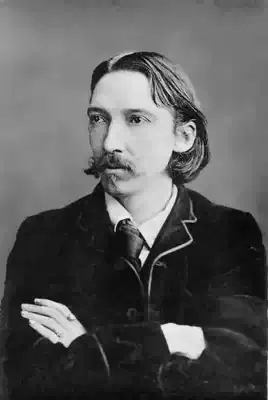
Robert Louis Stevenson
The Wind Is Without There And Howls In The Trees
The Wind Is Without There And Howls In The Trees
THE wind is without there and howls in the trees,
And the rain-flurries drum on the glass:
Alone by the fireside with elbows on knees
I can number the hours as they pass.
Yet now, when to cheer me the crickets begin,
And my pipe is just happily lit,
Believe me, my friend, tho' the evening draws in,
That not all uncontested I sit.
Alone, did I say? O no, nowise alone
With the Past sitting warm on my knee,
To gossip of days that are over and gone,
But still charming to her and to me.
With much to be glad of and much to deplore,
Yet, as these days with those we compare,
Believe me, my friend, tho' the sorrows seem more
They are somehow more easy to bear.
And thou, faded Future, uncertain and frail,
As I cherish thy light in each draught,
His lamp is not more to the miner - their sail
Is not more to the crew on the raft.
For Hope can make feeble ones earnest and brave,
And, as forth thro' the years I look on,
Believe me, my friend, between this and the grave,
I see wonderful things to be done.
To do or to try; and, believe me, my friend,
If the call should come early for me,
I can leave these foundations uprooted, and tend
For some new city over the sea.
To do or to try; and if failure be mine,
And if Fortune go cross to my plan,
Believe me, my friend, tho' I mourn the design
I shall never lament for the man.
THE wind is without there and howls in the trees,
And the rain-flurries drum on the glass:
Alone by the fireside with elbows on knees
I can number the hours as they pass.
Yet now, when to cheer me the crickets begin,
And my pipe is just happily lit,
Believe me, my friend, tho' the evening draws in,
That not all uncontested I sit.
Alone, did I say? O no, nowise alone
With the Past sitting warm on my knee,
To gossip of days that are over and gone,
But still charming to her and to me.
With much to be glad of and much to deplore,
Yet, as these days with those we compare,
Believe me, my friend, tho' the sorrows seem more
They are somehow more easy to bear.
And thou, faded Future, uncertain and frail,
As I cherish thy light in each draught,
His lamp is not more to the miner - their sail
Is not more to the crew on the raft.
For Hope can make feeble ones earnest and brave,
And, as forth thro' the years I look on,
Believe me, my friend, between this and the grave,
I see wonderful things to be done.
To do or to try; and, believe me, my friend,
If the call should come early for me,
I can leave these foundations uprooted, and tend
For some new city over the sea.
To do or to try; and if failure be mine,
And if Fortune go cross to my plan,
Believe me, my friend, tho' I mourn the design
I shall never lament for the man.
544
Robert Louis Stevenson
As In Their Flight The Birds Of Song
As In Their Flight The Birds Of Song
AS in their flight the birds of song
Halt here and there in sweet and sunny dales,
But halt not overlong;
The time one rural song to sing
They pause; then following bounteous gales
Steer forward on the wing:
Sun-servers they, from first to last,
Upon the sun they wait
To ride the sailing blast.
So he awhile in our contested state,
Awhile abode, not longer, for his Sun -
Mother we say, no tenderer name we know -
With whose diviner glow
His early days had shone,
Now to withdraw her radiance had begun.
Or lest a wrong I say, not she withdrew,
But the loud stream of men day after day
And great dust columns of the common way
Between them grew and grew:
And he and she for evermore might yearn,
But to the spring the rivulets not return
Nor to the bosom comes the child again.
And he (O may we fancy so!),
He, feeling time forever flow
And flowing bear him forth and far away
From that dear ingle where his life began
And all his treasure lay -
He, waxing into man,
And ever farther, ever closer wound
In this obstreperous world's ignoble round,
From that poor prospect turned his face away.
AS in their flight the birds of song
Halt here and there in sweet and sunny dales,
But halt not overlong;
The time one rural song to sing
They pause; then following bounteous gales
Steer forward on the wing:
Sun-servers they, from first to last,
Upon the sun they wait
To ride the sailing blast.
So he awhile in our contested state,
Awhile abode, not longer, for his Sun -
Mother we say, no tenderer name we know -
With whose diviner glow
His early days had shone,
Now to withdraw her radiance had begun.
Or lest a wrong I say, not she withdrew,
But the loud stream of men day after day
And great dust columns of the common way
Between them grew and grew:
And he and she for evermore might yearn,
But to the spring the rivulets not return
Nor to the bosom comes the child again.
And he (O may we fancy so!),
He, feeling time forever flow
And flowing bear him forth and far away
From that dear ingle where his life began
And all his treasure lay -
He, waxing into man,
And ever farther, ever closer wound
In this obstreperous world's ignoble round,
From that poor prospect turned his face away.
324

Robert Frost
To The Thawing Wind
To The Thawing Wind
Come with rain. O loud Southwester! Bring the singer, bring the nester; Give the
buried flower a dream; make the settled snowbank steam; Find the brown beneath the
white; But whate'er you do tonight, bath my window, make it flow, Melt it as the ice
will go; Melt the glass and leave the sticks Like a hermit's crucifix; Burst into my
narrow stall; Swing the picture on the wall; Run the rattling pages o'er; Scatter poems
on the floor; Turn the poet out of door.
Come with rain. O loud Southwester! Bring the singer, bring the nester; Give the
buried flower a dream; make the settled snowbank steam; Find the brown beneath the
white; But whate'er you do tonight, bath my window, make it flow, Melt it as the ice
will go; Melt the glass and leave the sticks Like a hermit's crucifix; Burst into my
narrow stall; Swing the picture on the wall; Run the rattling pages o'er; Scatter poems
on the floor; Turn the poet out of door.
498