

Poems in this theme
Death and Mourning
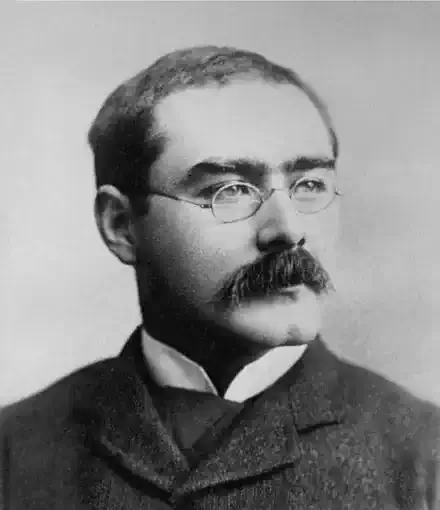
Rudyard Kipling
Russia to the Pacifists
Russia to the Pacifists
God rest you, peaceful gentlemen, let nothing you dismay,
But--leave your sports a little while--the dead are borne
this way!
Armies dead and Cities dead, past all count or care.
God rest you, merry gentlemen, what portent see you there?
Singing:--Break ground for a wearied host
That have no ground to keep.
Give them the rest that they covet most . . .
And who shall next to sleep, good sirs,
In such a trench to sleep?
God rest you, peaceful gentlemen, but give us leave to pass.
We go to dig a nation's grave as great as England was.
For this Kingdom and this Glory and this Power and this Pride
Three hundred years it flourished--in three hundred days it
died.
Singing:--Pour oil for a frozen throng,
That lie about the ways.
Give them the warmth they have lacked so
long . . .
And what shall be next to blaze, good sirs,
On such a pyre to blaze?
God rest you, thoughtful gentlemen, and send your sleep is light!
Remains of this dominion no shadow, sound, or sight,
Except the sound of weeping and the sight of burning fire,
And the shadow of a people that is trampled into mire.
Singing:--Break bread for a starving folk
That perish in the field.
Give them their food as they take the yoke . . .
And who shall be next to yield, good sirs,
For such a bribe to yield?
God rest you merry gentlemen, and keep you in your mirth!
Was ever Kingdom turned so soon to ashes, blood and earth?
'Twixt the summer and the snow-seeding-time and frost--
Arms and victual, hope and counsel, name and country lost!
Singing:--Let down by the foot and the head--
Shovel and smooth it all !
So do we bury a Nation dead . . .
And who shall be next to fall, good sirs,
With your good help to fall?
God rest you, peaceful gentlemen, let nothing you dismay,
But--leave your sports a little while--the dead are borne
this way!
Armies dead and Cities dead, past all count or care.
God rest you, merry gentlemen, what portent see you there?
Singing:--Break ground for a wearied host
That have no ground to keep.
Give them the rest that they covet most . . .
And who shall next to sleep, good sirs,
In such a trench to sleep?
God rest you, peaceful gentlemen, but give us leave to pass.
We go to dig a nation's grave as great as England was.
For this Kingdom and this Glory and this Power and this Pride
Three hundred years it flourished--in three hundred days it
died.
Singing:--Pour oil for a frozen throng,
That lie about the ways.
Give them the warmth they have lacked so
long . . .
And what shall be next to blaze, good sirs,
On such a pyre to blaze?
God rest you, thoughtful gentlemen, and send your sleep is light!
Remains of this dominion no shadow, sound, or sight,
Except the sound of weeping and the sight of burning fire,
And the shadow of a people that is trampled into mire.
Singing:--Break bread for a starving folk
That perish in the field.
Give them their food as they take the yoke . . .
And who shall be next to yield, good sirs,
For such a bribe to yield?
God rest you merry gentlemen, and keep you in your mirth!
Was ever Kingdom turned so soon to ashes, blood and earth?
'Twixt the summer and the snow-seeding-time and frost--
Arms and victual, hope and counsel, name and country lost!
Singing:--Let down by the foot and the head--
Shovel and smooth it all !
So do we bury a Nation dead . . .
And who shall be next to fall, good sirs,
With your good help to fall?
446
Rudyard Kipling
Heriot's Ford
Heriot's Ford
"What's that that hirples at my side?"
The foe that you must fight, my lord.
"That rides as fast as I can ride?"
The shadow of your might, my lord.
"Then wheel my horse against the foe!"
He's down and overpast, my lord.
You war against the sunset-glow,
The judgment follows fast, my lord!
"Oh, who will stay the sun's descent?"
King Joshua he is dead, my lord.
"I need an hour to repent!"
'Tis what our sister said, my lord.
"Oh, do not slay me in my sins!"
You're safe awhile with us, my lord.
"Nay, kill me ere my fear begins!"
We would not serve you thus, my lord.
"Where is the doom that I must face?"
Three little leagues away, my lord.
"Then mend the horses' laggard pace!"
We need them for next day, my lord.
"Next day--next day! Unloose my cords!"
Our sister needed none, my lord.
You had no mind to face our swords,
And--where can cowards run, my lord?
"You would not kill the soul alive?"
'Twas thus our sister cried, my lord.
"I dare not die with none to shrive."
But so our sister died, my lord.
"Then wipe the sweat from brow and cheek."
It runnels forth afresh, my lord.
"Uphold me--for the flesh is weak."
You've finished with the Flesh, my lord!
"What's that that hirples at my side?"
The foe that you must fight, my lord.
"That rides as fast as I can ride?"
The shadow of your might, my lord.
"Then wheel my horse against the foe!"
He's down and overpast, my lord.
You war against the sunset-glow,
The judgment follows fast, my lord!
"Oh, who will stay the sun's descent?"
King Joshua he is dead, my lord.
"I need an hour to repent!"
'Tis what our sister said, my lord.
"Oh, do not slay me in my sins!"
You're safe awhile with us, my lord.
"Nay, kill me ere my fear begins!"
We would not serve you thus, my lord.
"Where is the doom that I must face?"
Three little leagues away, my lord.
"Then mend the horses' laggard pace!"
We need them for next day, my lord.
"Next day--next day! Unloose my cords!"
Our sister needed none, my lord.
You had no mind to face our swords,
And--where can cowards run, my lord?
"You would not kill the soul alive?"
'Twas thus our sister cried, my lord.
"I dare not die with none to shrive."
But so our sister died, my lord.
"Then wipe the sweat from brow and cheek."
It runnels forth afresh, my lord.
"Uphold me--for the flesh is weak."
You've finished with the Flesh, my lord!
444
Rudyard Kipling
Follow Me 'Ome
Follow Me 'Ome
There was no one like 'im, 'Orse or Foot,
Nor any o' the Guns I knew;
An' because it was so, why, o' course 'e went an' died,
Which is just what the best men do.
So it's knock out your pipes an' follow me!
An' it's finish up your swipes an' follow me!
Oh, 'ark to the big drum callin',
Follow me -- follow me 'ome!
'Is mare she neighs the 'ole day long,
She paws the 'ole night through,
An' she won't take 'er feed 'cause o' waitin' for 'is step,
Which is just what a beast would do.
'Is girl she goes with a bombardier
Before 'er month is through;
An' the banns are up in church, for she's got the beggar hooked,
Which is just what a girl would do.
We fought 'bout a dog -- last week it were --
No more than a round or two;
But I strook 'im cruel 'ard, an' I wish I 'adn't now,
Which is just what a man can't do.
'E was all that I 'ad in the way of a friend,
An' I've 'ad to find one new;
But I'd give my pay an' stripe for to get the beggar back,
Which it's just too late to do.
So it's knock out your pipes an' follow me!
An' it's finish off your swipes an' follow me!
Oh, 'ark to the fifes a-crawlin'!
Follow me -- follow me 'ome!
Take 'im away! 'E's gone where the best men go.
Take 'im away! An' the gun-wheels turnin' slow.
Take 'im away! There's more from the place 'e come.
Take 'im away, with the limber an' the drum.
For it's "Three rounds blank" an' follow me,
An' it's "Thirteen rank" an' follow me;
Oh, passin' the love o' women,
Follow me -- follow me 'ome!
There was no one like 'im, 'Orse or Foot,
Nor any o' the Guns I knew;
An' because it was so, why, o' course 'e went an' died,
Which is just what the best men do.
So it's knock out your pipes an' follow me!
An' it's finish up your swipes an' follow me!
Oh, 'ark to the big drum callin',
Follow me -- follow me 'ome!
'Is mare she neighs the 'ole day long,
She paws the 'ole night through,
An' she won't take 'er feed 'cause o' waitin' for 'is step,
Which is just what a beast would do.
'Is girl she goes with a bombardier
Before 'er month is through;
An' the banns are up in church, for she's got the beggar hooked,
Which is just what a girl would do.
We fought 'bout a dog -- last week it were --
No more than a round or two;
But I strook 'im cruel 'ard, an' I wish I 'adn't now,
Which is just what a man can't do.
'E was all that I 'ad in the way of a friend,
An' I've 'ad to find one new;
But I'd give my pay an' stripe for to get the beggar back,
Which it's just too late to do.
So it's knock out your pipes an' follow me!
An' it's finish off your swipes an' follow me!
Oh, 'ark to the fifes a-crawlin'!
Follow me -- follow me 'ome!
Take 'im away! 'E's gone where the best men go.
Take 'im away! An' the gun-wheels turnin' slow.
Take 'im away! There's more from the place 'e come.
Take 'im away, with the limber an' the drum.
For it's "Three rounds blank" an' follow me,
An' it's "Thirteen rank" an' follow me;
Oh, passin' the love o' women,
Follow me -- follow me 'ome!
391
Rudyard Kipling
En-Dor
En-Dor
Behold there is a woman that hath a familiar spirit at En-dor. -- I Samuel, xxviii.
The road to En-dor is easy to tread
For Mother or yearning Wife.
There, it is sure, we shall meet our Dead
As they were even in life.
Earth has not dreamed of the blessing in store
For desolate hearts on the road to En-dor.
Whispers shall comfort us out of the dark--
Hands--ah God!--that we knew!
Visions .and voices --look and hark!--
Shall prove that the tale is true,
An that those who have passed to the further shore
May' be hailed--at a price--on the road to En-dor.
But they are so deep in their new eclipse
Nothing they say can reach,
Unless it be uttered by alien lips
And I framed in a stranger's speech.
The son must send word to the mother that bore,
'Through an hireling's mouth. 'Tis the rule of En-dor.
And not for nothing these gifts are shown
By such as delight our dead.
They must twitch and stiffen and slaver and groan
Ere the eyes are set in the head,
And the voice from the belly begins. Therefore,
We pay them a wage where they ply at En-dor.
Even so, we have need of faith
And patience to follow the clue.
Often, at first, what the dear one saith
Is babble, or jest, or untrue.
(Lying spirits perplex us sore
Till our loves--and their lives--are well-known at
En-dor). . . .
Oh the road to En-dor is the oldest road
And the craziest road of all!
Straight it runs to the Witch's abode,
As it did in the days of Saul,
And nothing has changed of the sorrow in store
For such as go down on the road to En-dor!
Behold there is a woman that hath a familiar spirit at En-dor. -- I Samuel, xxviii.
The road to En-dor is easy to tread
For Mother or yearning Wife.
There, it is sure, we shall meet our Dead
As they were even in life.
Earth has not dreamed of the blessing in store
For desolate hearts on the road to En-dor.
Whispers shall comfort us out of the dark--
Hands--ah God!--that we knew!
Visions .and voices --look and hark!--
Shall prove that the tale is true,
An that those who have passed to the further shore
May' be hailed--at a price--on the road to En-dor.
But they are so deep in their new eclipse
Nothing they say can reach,
Unless it be uttered by alien lips
And I framed in a stranger's speech.
The son must send word to the mother that bore,
'Through an hireling's mouth. 'Tis the rule of En-dor.
And not for nothing these gifts are shown
By such as delight our dead.
They must twitch and stiffen and slaver and groan
Ere the eyes are set in the head,
And the voice from the belly begins. Therefore,
We pay them a wage where they ply at En-dor.
Even so, we have need of faith
And patience to follow the clue.
Often, at first, what the dear one saith
Is babble, or jest, or untrue.
(Lying spirits perplex us sore
Till our loves--and their lives--are well-known at
En-dor). . . .
Oh the road to En-dor is the oldest road
And the craziest road of all!
Straight it runs to the Witch's abode,
As it did in the days of Saul,
And nothing has changed of the sorrow in store
For such as go down on the road to En-dor!
518
Rudyard Kipling
Blue Roses
Blue Roses
Roses red and roses white
Plucked I for my love's delight.
She would none of all my posies--
Bade me gather her blue roses.
Half the world I wandered through,
Seeking where such flowers grew.
Half the world unto my quest
Answered me with laugh and jest.
Home I came at wintertide,
But my silly love had died
Seeking with her latest breath
Roses from the arms of Death.
It may be beyond the grave
She shall find what she would have.
Mine was but an idle quest--
Roses white and red are best!
Roses red and roses white
Plucked I for my love's delight.
She would none of all my posies--
Bade me gather her blue roses.
Half the world I wandered through,
Seeking where such flowers grew.
Half the world unto my quest
Answered me with laugh and jest.
Home I came at wintertide,
But my silly love had died
Seeking with her latest breath
Roses from the arms of Death.
It may be beyond the grave
She shall find what she would have.
Mine was but an idle quest--
Roses white and red are best!
451
Rudyard Kipling
A Ripple Song
A Ripple Song
Once red ripple came to land
In the golden sunset burning--
Lapped against a maiden's hand,
By the ford returning.
Dainty foot and gentle breast--
Here, across, be glad and rest.
"Maiden, wait," the ripple saith;
"Wait awhile, for I am Death!"
"Where my lover calls I go--
Shame it were to treat him coldly--
'Twas a fish that circled so,
Turning over boldly."
Dainty foot and tender heart,
Wait the loaded ferry-raft.
"Wait, ah, wait!" the ripple saith;
"Maiden, wait, for I am Death!"
"When my lover calls I haste--
Dame Disdain was never wedded!"
Ripple-ripple round her waist,
Clear the current eddied.
Foolish heart and faithful hand,
Little feet that touched no land.
Far away the ripple sped,
Ripple-ripple running red!
Once red ripple came to land
In the golden sunset burning--
Lapped against a maiden's hand,
By the ford returning.
Dainty foot and gentle breast--
Here, across, be glad and rest.
"Maiden, wait," the ripple saith;
"Wait awhile, for I am Death!"
"Where my lover calls I go--
Shame it were to treat him coldly--
'Twas a fish that circled so,
Turning over boldly."
Dainty foot and tender heart,
Wait the loaded ferry-raft.
"Wait, ah, wait!" the ripple saith;
"Maiden, wait, for I am Death!"
"When my lover calls I haste--
Dame Disdain was never wedded!"
Ripple-ripple round her waist,
Clear the current eddied.
Foolish heart and faithful hand,
Little feet that touched no land.
Far away the ripple sped,
Ripple-ripple running red!
462
Rudyard Kipling
A Recantation
A Recantation
What boots it on the Gods to call?
Since, answered or unheard,
We perish with the Gods and all
Things made--except the Word.
Ere certain Fate had touched a heart
By fifty years made cold,
I judged thee, Lyde, and thy art
O'erblown and over-bold.
But he--but he, of whom bereft
I suffer vacant days--
He on his shield not meanly left
He cherished all thy lays.
Witness the magic coffer stocked
With convoluted runes
Wherein thy very voice was locked
And linked to circling tunes.
Witness thy portrait, smoke-defiled,
That decked his shelter-place.
Life seemed more present, wrote the child,
Beneath thy well-known face.
And when the grudging days restored
Him for a breath to home,
He, with fresh crowds of youth, adored
Thee making mirth in Rome.
Therefore, I humble, join the hosts,
Loyal and loud, who bow
To thee as Queen of Song--and ghosts,
For I remember how
Never more rampant rose the Hall
At thy audacious line
Than when the news came in from Gaul
Thy son had--followed mine.
But thou didst hide it in thy breast
And, capering, took the brunt
Of blaze and blare, and launched the jest
That swept next week the front.
Singer to children! Ours possessed
Sleep before noon--but thee,
Wakeful each midnight for the rest,
No holocaust shall free!
Yet they who use the Word assigned,
To hearten and make whole,
Not less than Gods have served mankind,
Though vultures rend their soul.
What boots it on the Gods to call?
Since, answered or unheard,
We perish with the Gods and all
Things made--except the Word.
Ere certain Fate had touched a heart
By fifty years made cold,
I judged thee, Lyde, and thy art
O'erblown and over-bold.
But he--but he, of whom bereft
I suffer vacant days--
He on his shield not meanly left
He cherished all thy lays.
Witness the magic coffer stocked
With convoluted runes
Wherein thy very voice was locked
And linked to circling tunes.
Witness thy portrait, smoke-defiled,
That decked his shelter-place.
Life seemed more present, wrote the child,
Beneath thy well-known face.
And when the grudging days restored
Him for a breath to home,
He, with fresh crowds of youth, adored
Thee making mirth in Rome.
Therefore, I humble, join the hosts,
Loyal and loud, who bow
To thee as Queen of Song--and ghosts,
For I remember how
Never more rampant rose the Hall
At thy audacious line
Than when the news came in from Gaul
Thy son had--followed mine.
But thou didst hide it in thy breast
And, capering, took the brunt
Of blaze and blare, and launched the jest
That swept next week the front.
Singer to children! Ours possessed
Sleep before noon--but thee,
Wakeful each midnight for the rest,
No holocaust shall free!
Yet they who use the Word assigned,
To hearten and make whole,
Not less than Gods have served mankind,
Though vultures rend their soul.
538
Rudyard Kipling
Lukannon
"Lukannon"
I met my mates in the morning (and oh, but I am old!)
Where roaring on the ledges the summer ground-swell rolled;
I heard them lift the chorus that dropped the breakers' song --
The beaches of Lukannon -- two million voices strong!
The song of pleasant stations beside the salt lagoons,
The song of blowing squadrons that shuffled down the dunes,
The song of midnight dances that churned the sea to flame --
The beaches of Lukannon -- before the sealers came!
I met my mates in the morning (I'll never meet them more!);
They came and went in legions that darkened all the shore.
And through the foam-flecked offing as far as voice could reach
We hailed the landing-parties and we sang them up the beach.
The beaches of Lukannon -- the winter-wheat so tall --
The dripping, crinkled lichens, and the sea-fog drenching all!
The platforms of our playground, all shining smooth and worn!
The beaches of Lukannon -- the home where we were born!
I meet my mates in the morning, a broken, scattered band.
Men shoot us in the water and club us on the land;
Men drive us to the Salt House like silly sheep and tame,
And still we sing Lukannon -- before the sealers came.
Wheel down, wheel down to southward; oh, Gooverooska go!
And tell the Deep-Sea Viceroys! the story of our woe;
Ere, empty as the shark's egg the tempest flings ashore,
The beaches of Lukannon shall know their sons no more!
I met my mates in the morning (and oh, but I am old!)
Where roaring on the ledges the summer ground-swell rolled;
I heard them lift the chorus that dropped the breakers' song --
The beaches of Lukannon -- two million voices strong!
The song of pleasant stations beside the salt lagoons,
The song of blowing squadrons that shuffled down the dunes,
The song of midnight dances that churned the sea to flame --
The beaches of Lukannon -- before the sealers came!
I met my mates in the morning (I'll never meet them more!);
They came and went in legions that darkened all the shore.
And through the foam-flecked offing as far as voice could reach
We hailed the landing-parties and we sang them up the beach.
The beaches of Lukannon -- the winter-wheat so tall --
The dripping, crinkled lichens, and the sea-fog drenching all!
The platforms of our playground, all shining smooth and worn!
The beaches of Lukannon -- the home where we were born!
I meet my mates in the morning, a broken, scattered band.
Men shoot us in the water and club us on the land;
Men drive us to the Salt House like silly sheep and tame,
And still we sing Lukannon -- before the sealers came.
Wheel down, wheel down to southward; oh, Gooverooska go!
And tell the Deep-Sea Viceroys! the story of our woe;
Ere, empty as the shark's egg the tempest flings ashore,
The beaches of Lukannon shall know their sons no more!
587

Roger Mcgough
Let Me Die a Youngman's Death
Let Me Die a Youngman's Death
Let me die a youngman's death
not a clean and inbetween
the sheets holywater death
not a famous-last-words
peaceful out of breath death
When I'm
and in constant good tumour
may I be mown down at dawn
by a bright red sports car
on my way home
from an allnight party
Or when I'm
with silver hair
and sitting in a barber's chair
may rival gangsters
with hamfisted tommyguns burst in
and give me a short back and insides
Or when I'm
and banned from the Cavern
may my mistress
catching me in bed with her daughter
and fearing for her son
cut me up into little pieces
and throw away every piece but one
Let me die a youngman's death
not a free from sin tiptoe in
candle wax and waning death
not a curtains drawn by angels borne
'what a nice way to go' death
Let me die a youngman's death
not a clean and inbetween
the sheets holywater death
not a famous-last-words
peaceful out of breath death
When I'm
and in constant good tumour
may I be mown down at dawn
by a bright red sports car
on my way home
from an allnight party
Or when I'm
with silver hair
and sitting in a barber's chair
may rival gangsters
with hamfisted tommyguns burst in
and give me a short back and insides
Or when I'm
and banned from the Cavern
may my mistress
catching me in bed with her daughter
and fearing for her son
cut me up into little pieces
and throw away every piece but one
Let me die a youngman's death
not a free from sin tiptoe in
candle wax and waning death
not a curtains drawn by angels borne
'what a nice way to go' death
850

Robert W. Service
Young Fellow My Lad
Young Fellow My Lad
"Where are you going, Young Fellow My Lad,
On this glittering morn of May?"
"I'm going to join the Colours, Dad;
They're looking for men, they say."
"But you're only a boy, Young Fellow My Lad;
You aren't obliged to go."
"I'm seventeen and a quarter, Dad,
And ever so strong, you know."
* * * *
"So you're off to France, Young Fellow My Lad,
And you're looking so fit and bright."
"I'm terribly sorry to leave you, Dad,
But I feel that I'm doing right."
"God bless you and keep you, Young Fellow My Lad,
You're all of my life, you know."
"Don't worry. I'll soon be back, dear Dad,
And I'm awfully proud to go."
* * * *
"Why don't you write, Young Fellow My Lad?
I watch for the post each day;
And I miss you so, and I'm awfully sad,
And it's months since you went away.
And I've had the fire in the parlour lit,
And I'm keeping it burning bright
Till my boy comes home; and here I sit
Into the quiet night.
* * * *
"What is the matter, Young Fellow My Lad?
No letter again to-day.
Why did the postman look so sad,
And sigh as he turned away?
I hear them tell that we've gained new ground,
But a terrible price we've paid:
God grant, my boy, that you're safe and sound;
But oh I'm afraid, afraid."
* * * *
"They've told me the truth, Young Fellow My Lad:
You'll never come back again:
(Oh God! the dreams and the dreams I've had,
and the hopes I've nursed in vain!)
For you passed in the night, Young Fellow My Lad,
And you proved in the cruel test
Of the screaming shell and the battle hell
That my boy was one of the best.
"So you'll live, you'll live, Young Fellow My Lad,
In the gleam of the evening star,
In the wood-note wild and the laugh of the child,
In all sweet things that are.
And you'll never die, my wonderful boy,
While life is noble and true;
For all our beauty and hope and joy
We will owe to our lads like you."
"Where are you going, Young Fellow My Lad,
On this glittering morn of May?"
"I'm going to join the Colours, Dad;
They're looking for men, they say."
"But you're only a boy, Young Fellow My Lad;
You aren't obliged to go."
"I'm seventeen and a quarter, Dad,
And ever so strong, you know."
* * * *
"So you're off to France, Young Fellow My Lad,
And you're looking so fit and bright."
"I'm terribly sorry to leave you, Dad,
But I feel that I'm doing right."
"God bless you and keep you, Young Fellow My Lad,
You're all of my life, you know."
"Don't worry. I'll soon be back, dear Dad,
And I'm awfully proud to go."
* * * *
"Why don't you write, Young Fellow My Lad?
I watch for the post each day;
And I miss you so, and I'm awfully sad,
And it's months since you went away.
And I've had the fire in the parlour lit,
And I'm keeping it burning bright
Till my boy comes home; and here I sit
Into the quiet night.
* * * *
"What is the matter, Young Fellow My Lad?
No letter again to-day.
Why did the postman look so sad,
And sigh as he turned away?
I hear them tell that we've gained new ground,
But a terrible price we've paid:
God grant, my boy, that you're safe and sound;
But oh I'm afraid, afraid."
* * * *
"They've told me the truth, Young Fellow My Lad:
You'll never come back again:
(Oh God! the dreams and the dreams I've had,
and the hopes I've nursed in vain!)
For you passed in the night, Young Fellow My Lad,
And you proved in the cruel test
Of the screaming shell and the battle hell
That my boy was one of the best.
"So you'll live, you'll live, Young Fellow My Lad,
In the gleam of the evening star,
In the wood-note wild and the laugh of the child,
In all sweet things that are.
And you'll never die, my wonderful boy,
While life is noble and true;
For all our beauty and hope and joy
We will owe to our lads like you."
276
Robert W. Service
Trixie
Trixie
Dogs have a sense beyond our ken -
At least my little Trixie had:
Tail-wagging when I laughed, and when
I sighed, eyes luminously sad.
And if I planned to go away,
She'd know, oh, days and days before:
Aye, dogs I think are sometimes fey,
They seem to sense our fate in store.
Now take the case of old Tome Low;
With flowers each week he'd call on me.
Dear Trixie used to love him so,
With joyous jump upon his knee.
Yet when he wandered in one day,
Her hair grew sudden stark with dread;
She growled, she howled, she ran away . . .
Well, ten hours later Tom was dead.
Aye, dogs hear sounds we cannot hear,
And dogs see sights we cannot see;
And that is why I took the fear
That one day she would glare at me
As if a Shape cowered on my bead,
And with each hair on end she'd creep
Beneath the couch and whine with dread . . .
And so I've had her put to sleep.
Now Trixie's gone, the only one
Who loved me in my lonely life,
And here I wait, my race nigh run,
My ill too grievous for the knife.
My hand of ice she'll never lick,
My heedless mask she'll never see:
No heartbreak - just a needle prick. . . .
Oh, Doctor, do the same for me!
Dogs have a sense beyond our ken -
At least my little Trixie had:
Tail-wagging when I laughed, and when
I sighed, eyes luminously sad.
And if I planned to go away,
She'd know, oh, days and days before:
Aye, dogs I think are sometimes fey,
They seem to sense our fate in store.
Now take the case of old Tome Low;
With flowers each week he'd call on me.
Dear Trixie used to love him so,
With joyous jump upon his knee.
Yet when he wandered in one day,
Her hair grew sudden stark with dread;
She growled, she howled, she ran away . . .
Well, ten hours later Tom was dead.
Aye, dogs hear sounds we cannot hear,
And dogs see sights we cannot see;
And that is why I took the fear
That one day she would glare at me
As if a Shape cowered on my bead,
And with each hair on end she'd creep
Beneath the couch and whine with dread . . .
And so I've had her put to sleep.
Now Trixie's gone, the only one
Who loved me in my lonely life,
And here I wait, my race nigh run,
My ill too grievous for the knife.
My hand of ice she'll never lick,
My heedless mask she'll never see:
No heartbreak - just a needle prick. . . .
Oh, Doctor, do the same for me!
219
Robert W. Service
Tri-Colour
Tri-Colour
Poppies, you try to tell me, glowing there in the wheat;
Poppies! Ah no! You mock me: It's blood, I tell you, it's blood.
It's gleaming wet in the grasses; it's glist'ning warm in the wheat;
It dabbles the ferns and the clover; it brims in an angry flood;
It leaps to the startled heavens; it smothers the sun; it cries
With scarlet voices of triumph from blossom and bough and blade.
See the bright horror of it! It's roaring out of the skies,
And the whole red world is a-welter. . . . Oh God! I'm afraid! I'm afraid!
Cornflowers, you say, just cornflowers, gemming the golden grain;
Ah no! You can't deceive me. Can't I believe my eyes?
Look! It's the dead, my comrades, stark on the dreadful plain,
All in their dark-blue blouses, staring up at the skies.
Comrades of canteen laughter, dumb in the yellow wheat.
See how they sprawl and huddle! See how their brows are white!
Goaded on to the shambles, there in death and defeat. . . .
Father of Pity, hide them! Hasten, O God, Thy night!
Lillies (the light is waning), only lilies you say,
Nestling and softly shining there where the spear-grass waves.
No, my friend, I know better; brighter I see than day:
It's the poor little wooden crosses over their quiet graves.
Oh, how they're gleaming, gleaming! See! Each cross has a crown.
Yes, it's true I am dying; little will be the loss. . . .
Darkness . . . but look! In Heaven a light, and it's shining down. . . .
God's accolade! Lift me up, friends. I'm going to win -- my Cross.
Poppies, you try to tell me, glowing there in the wheat;
Poppies! Ah no! You mock me: It's blood, I tell you, it's blood.
It's gleaming wet in the grasses; it's glist'ning warm in the wheat;
It dabbles the ferns and the clover; it brims in an angry flood;
It leaps to the startled heavens; it smothers the sun; it cries
With scarlet voices of triumph from blossom and bough and blade.
See the bright horror of it! It's roaring out of the skies,
And the whole red world is a-welter. . . . Oh God! I'm afraid! I'm afraid!
Cornflowers, you say, just cornflowers, gemming the golden grain;
Ah no! You can't deceive me. Can't I believe my eyes?
Look! It's the dead, my comrades, stark on the dreadful plain,
All in their dark-blue blouses, staring up at the skies.
Comrades of canteen laughter, dumb in the yellow wheat.
See how they sprawl and huddle! See how their brows are white!
Goaded on to the shambles, there in death and defeat. . . .
Father of Pity, hide them! Hasten, O God, Thy night!
Lillies (the light is waning), only lilies you say,
Nestling and softly shining there where the spear-grass waves.
No, my friend, I know better; brighter I see than day:
It's the poor little wooden crosses over their quiet graves.
Oh, how they're gleaming, gleaming! See! Each cross has a crown.
Yes, it's true I am dying; little will be the loss. . . .
Darkness . . . but look! In Heaven a light, and it's shining down. . . .
God's accolade! Lift me up, friends. I'm going to win -- my Cross.
196
Robert W. Service
The Wood-Cutter
The Wood-Cutter
The sky is like an envelope,
One of those blue official things;
And, sealing it, to mock our hope,
The moon, a silver wafer, clings.
What shall we find when death gives leave
To read--our sentence or reprieve?
I'm holding it down on God's scrap-pile, up on the fag-end of earth;
O'er me a menace of mountains, a river that grits at my feet;
Face to face with my soul-self, weighing my life at its worth;
Wondering what I was made for, here in my last retreat.
Last! Ah, yes, it's the finish. Have ever you heard a man cry?
(Sobs that rake him and rend him, right from the base of the chest.)
That's how I've cried, oh, so often; and now that my tears are dry,
I sit in the desolate quiet and wait for the infinite Rest.
Rest! Well, it's restful around me; it's quiet clean to the core.
The mountains pose in their ermine, in golden the hills are clad;
The big, blue, silt-freighted Yukon seethes by my cabin door,
And I think it's only the river that keeps me from going mad.
By day it's a ruthless monster, a callous, insatiate thing,
With oily bubble and eddy, with sudden swirling of breast;
By night it's a writhing Titan, sullenly murmuring,
Ever and ever goaded, and ever crying for rest.
It cries for its human tribute, but me it will never drown.
I've learned the lore of my river; my river obeys me well.
I hew and I launch my cordwood, and raft it to Dawson town,
Where wood means wine and women, and, incidentally, hell.
Hell and the anguish thereafter. Here as I sit alone
I'd give the life I have left me to lighten some load of care:
(The bitterest part of the bitter is being denied to atone;
Lips that have mocked at Heaven lend themselves ill to prayer.)
Impotent as a beetle pierced on the needle of Fate;
A wretch in a cosmic death-cell, peaks for my prison bars;
'Whelmed by a world stupendous, lonely and listless I wait,
Drowned in a sea of silence, strewn with confetti of stars.
See! from far up the valley a rapier pierces the night,
The white search-ray of a steamer. Swiftly, serenely it nears;
A proud, white, alien presence, a glittering galley of light,
Confident-poised, triumphant, freighted with hopes and fears.
I look as one looks on a vision; I see it pulsating by;
I glimpse joy-radiant faces; I hear the thresh of the wheel.
Hoof-like my heart beats a moment; then silence swoops from the sky.
Darkness is piled upon darkness. God only knows how I feel.
Maybe you've seen me sometimes; maybe you've pitied me then-The
lonely waif of the wood-camp, here by my cabin door.
Some day you'll look and see not; futile and outcast of men,
I shall be far from your pity, resting forevermore.
My life was a problem in ciphers, a weary and profitless sum.
Slipshod and stupid I worked it, dazed by negation and doubt.
Ciphers the total confronts me. Oh, Death, with thy moistened thumb,
Stoop like a petulant schoolboy, wipe me forever out!
The sky is like an envelope,
One of those blue official things;
And, sealing it, to mock our hope,
The moon, a silver wafer, clings.
What shall we find when death gives leave
To read--our sentence or reprieve?
I'm holding it down on God's scrap-pile, up on the fag-end of earth;
O'er me a menace of mountains, a river that grits at my feet;
Face to face with my soul-self, weighing my life at its worth;
Wondering what I was made for, here in my last retreat.
Last! Ah, yes, it's the finish. Have ever you heard a man cry?
(Sobs that rake him and rend him, right from the base of the chest.)
That's how I've cried, oh, so often; and now that my tears are dry,
I sit in the desolate quiet and wait for the infinite Rest.
Rest! Well, it's restful around me; it's quiet clean to the core.
The mountains pose in their ermine, in golden the hills are clad;
The big, blue, silt-freighted Yukon seethes by my cabin door,
And I think it's only the river that keeps me from going mad.
By day it's a ruthless monster, a callous, insatiate thing,
With oily bubble and eddy, with sudden swirling of breast;
By night it's a writhing Titan, sullenly murmuring,
Ever and ever goaded, and ever crying for rest.
It cries for its human tribute, but me it will never drown.
I've learned the lore of my river; my river obeys me well.
I hew and I launch my cordwood, and raft it to Dawson town,
Where wood means wine and women, and, incidentally, hell.
Hell and the anguish thereafter. Here as I sit alone
I'd give the life I have left me to lighten some load of care:
(The bitterest part of the bitter is being denied to atone;
Lips that have mocked at Heaven lend themselves ill to prayer.)
Impotent as a beetle pierced on the needle of Fate;
A wretch in a cosmic death-cell, peaks for my prison bars;
'Whelmed by a world stupendous, lonely and listless I wait,
Drowned in a sea of silence, strewn with confetti of stars.
See! from far up the valley a rapier pierces the night,
The white search-ray of a steamer. Swiftly, serenely it nears;
A proud, white, alien presence, a glittering galley of light,
Confident-poised, triumphant, freighted with hopes and fears.
I look as one looks on a vision; I see it pulsating by;
I glimpse joy-radiant faces; I hear the thresh of the wheel.
Hoof-like my heart beats a moment; then silence swoops from the sky.
Darkness is piled upon darkness. God only knows how I feel.
Maybe you've seen me sometimes; maybe you've pitied me then-The
lonely waif of the wood-camp, here by my cabin door.
Some day you'll look and see not; futile and outcast of men,
I shall be far from your pity, resting forevermore.
My life was a problem in ciphers, a weary and profitless sum.
Slipshod and stupid I worked it, dazed by negation and doubt.
Ciphers the total confronts me. Oh, Death, with thy moistened thumb,
Stoop like a petulant schoolboy, wipe me forever out!
148
Robert W. Service
The Widower
The Widower
Oh I have worn my mourning out,
And on her grave the green grass grows;
So I will hang each sorry clout
High in the corn to scare the crows.
And I will buy a peacock tie,
And coat of cloth of Donegal;
Then to the Farmer's Fair I'll hie
And peek in at the Barley Ball.
But though the fiddlers saw a jig
I used to foot when I was wed,
I'll walk me home and feed the pig,
And go a lonesome man to bed.
So I will wait another year,
As any decent chap would do,
Till I can think without a tear
Of her whose eyes were cornflower blue.
Then to the Harvest Ball I'll hie,
And I will wear a flower-sprigged vest;
For Maggie has a nut-brown eyes,
And we will foot it with the best.
And if kind-minded she should be
To wife me - 'tis the will if God . . .
But Oh the broken heart f me
For her who lies below the sod!
Oh I have worn my mourning out,
And on her grave the green grass grows;
So I will hang each sorry clout
High in the corn to scare the crows.
And I will buy a peacock tie,
And coat of cloth of Donegal;
Then to the Farmer's Fair I'll hie
And peek in at the Barley Ball.
But though the fiddlers saw a jig
I used to foot when I was wed,
I'll walk me home and feed the pig,
And go a lonesome man to bed.
So I will wait another year,
As any decent chap would do,
Till I can think without a tear
Of her whose eyes were cornflower blue.
Then to the Harvest Ball I'll hie,
And I will wear a flower-sprigged vest;
For Maggie has a nut-brown eyes,
And we will foot it with the best.
And if kind-minded she should be
To wife me - 'tis the will if God . . .
But Oh the broken heart f me
For her who lies below the sod!
218
Robert W. Service
The Record
The Record
Fearing that she might go one day
With some fine fellow of her choice,
I called her from her childish play,
And made a record of her voice.
And now that she is truly gone,
I hear it sweet and crystal clear
From out my wheezy gramophone:
"I love you, Daddy dear."
Indeed it's true she went away,
But Oh she went all, all alone;
Into the dark she went for aye,
Poor little mite! ere girlhood grown.
Ah that I could with her have gone!
But this is all I have to show -
A ghost voice on a gramophone:
"Dear Dad, I love you so."
The saddest part of loss 'tis said,
Is that time tempers our regret;
But that is treason to the dead I'll
not forget, I'll not forget.
Sole souvenir of golden years,
'Twas best to break this disc in two,
And spare myself a spate of tears . . .
But this I cannot do.
So I will play it every day,
And it will seem that she is near,
And once again I'll hear her say:
I love you so, Oh Daddy dear."
And then her kiss - a stab of woe.
The record ends . . . I breathe a plea:
"Oh God, speed me to where I know
Wee lass, you wait for me."
Fearing that she might go one day
With some fine fellow of her choice,
I called her from her childish play,
And made a record of her voice.
And now that she is truly gone,
I hear it sweet and crystal clear
From out my wheezy gramophone:
"I love you, Daddy dear."
Indeed it's true she went away,
But Oh she went all, all alone;
Into the dark she went for aye,
Poor little mite! ere girlhood grown.
Ah that I could with her have gone!
But this is all I have to show -
A ghost voice on a gramophone:
"Dear Dad, I love you so."
The saddest part of loss 'tis said,
Is that time tempers our regret;
But that is treason to the dead I'll
not forget, I'll not forget.
Sole souvenir of golden years,
'Twas best to break this disc in two,
And spare myself a spate of tears . . .
But this I cannot do.
So I will play it every day,
And it will seem that she is near,
And once again I'll hear her say:
I love you so, Oh Daddy dear."
And then her kiss - a stab of woe.
The record ends . . . I breathe a plea:
"Oh God, speed me to where I know
Wee lass, you wait for me."
162
Robert W. Service
The Portrait
The Portrait
The portrait there above my bed
They tell me is a work of art;
My Wife,--since twenty years she's dead:
Her going nearly broke my heart.
Alas! No little ones we had
To light our hearth with joy and glee;
Yet as I linger lone and sad
I know she's waiting me.
The picture? Sargent painted it,
And it has starred in many a show.
Her eyes are on me where I sit,
And follow me where'er I go.
She'll smile like that when I am gone,
And I am frail and oh so ill!
Aye, when I'm waxen, cold and wan,
Lo! She'll be smiling still.
So I have bade them slash in strips
That relic of my paradise.
Let flame destroy those lovely lips
And char the starlight of her eyes!
No human gaze shall ever see
Her beauty,--stranger heart to stir:
Nay, her last smile shall be for me,
My last look be for her.
The portrait there above my bed
They tell me is a work of art;
My Wife,--since twenty years she's dead:
Her going nearly broke my heart.
Alas! No little ones we had
To light our hearth with joy and glee;
Yet as I linger lone and sad
I know she's waiting me.
The picture? Sargent painted it,
And it has starred in many a show.
Her eyes are on me where I sit,
And follow me where'er I go.
She'll smile like that when I am gone,
And I am frail and oh so ill!
Aye, when I'm waxen, cold and wan,
Lo! She'll be smiling still.
So I have bade them slash in strips
That relic of my paradise.
Let flame destroy those lovely lips
And char the starlight of her eyes!
No human gaze shall ever see
Her beauty,--stranger heart to stir:
Nay, her last smile shall be for me,
My last look be for her.
218
Robert W. Service
The Living Dead
The Living Dead
Since I have come to years sedate
I see with more and more acumen
The bitter irony of Fate,
The vanity of all things human.
Why, just to-day some fellow said,
As I surveyed Fame's outer portal:
"By gad! I thought that you were dead."
Poor me, who dreamed to be immortal!
But that's the way with many men
Whose name one fancied time-defying;
We thought that they were dust and then
We found them living by their dying.
Like dogs we penmen have our day,
To brief best-sellerdom elected;
And then, "thumbs down," we slink away
And die forgotten and neglected.
Ah well, my lyric fling I've had;
A thousand bits of verse I've minted;
And some, alas! were very bad,
And some, alack! were best unprinted.
But if I've made my muse a bawd
(Since I am earthy as a ditch is),
I'll answer humbly to my God:
Most men at times have toyed with bitches.
Yes, I have played with Lady Rhyme,
And had a long and lovely innings;
And when the Umpire calls my time
I'll blandly quit and take my winnings.
I'll hie me to some Sleepydale,
And feed the ducks and pat the poodles,
And prime my paunch with cakes and ale,
And blether with the village noodles.
And then some day you'll idly scan
The Times obituary column,
And say: "Dear me, the poor old man!"
And for a moment you'll look solemn.
"So all this time he's been alive -
In realms of rhyme a second-rater . . .
But gad! to live to ninety-five:
Let's toast his ghost - a sherry, waiter!"
Since I have come to years sedate
I see with more and more acumen
The bitter irony of Fate,
The vanity of all things human.
Why, just to-day some fellow said,
As I surveyed Fame's outer portal:
"By gad! I thought that you were dead."
Poor me, who dreamed to be immortal!
But that's the way with many men
Whose name one fancied time-defying;
We thought that they were dust and then
We found them living by their dying.
Like dogs we penmen have our day,
To brief best-sellerdom elected;
And then, "thumbs down," we slink away
And die forgotten and neglected.
Ah well, my lyric fling I've had;
A thousand bits of verse I've minted;
And some, alas! were very bad,
And some, alack! were best unprinted.
But if I've made my muse a bawd
(Since I am earthy as a ditch is),
I'll answer humbly to my God:
Most men at times have toyed with bitches.
Yes, I have played with Lady Rhyme,
And had a long and lovely innings;
And when the Umpire calls my time
I'll blandly quit and take my winnings.
I'll hie me to some Sleepydale,
And feed the ducks and pat the poodles,
And prime my paunch with cakes and ale,
And blether with the village noodles.
And then some day you'll idly scan
The Times obituary column,
And say: "Dear me, the poor old man!"
And for a moment you'll look solemn.
"So all this time he's been alive -
In realms of rhyme a second-rater . . .
But gad! to live to ninety-five:
Let's toast his ghost - a sherry, waiter!"
248
Robert W. Service
The Logger
The Logger
In the moonless, misty night, with my little pipe alight,
I am sitting by the camp-fire's fading cheer;
Oh, the dew is falling chill on the dim, deer-haunted hill,
And the breakers in the bay are moaning drear.
The toilful hours are sped, the boys are long abed,
And I alone a weary vigil keep;
In the sightless, sullen sky I can hear the night-hawk cry,
And the frogs in frenzied chorus from the creek.
And somehow the embers' glow brings me back the long ago,
The days of merry laughter and light song;
When I sped the hours away with the gayest of the gay
In the giddy whirl of fashion's festal throng.
Oh, I ran a grilling race and I little recked the pace,
For the lust of youth ran riot in my blood;
But at last I made a stand in this God-forsaken land
Of the pine-tree and the mountain and the flood.
And now I've got to stay, with an overdraft to pay,
For pleasure in the past with future pain;
And I'm not the chap to whine, for if the chance were mine
I know I'd choose the old life once again.
With its woman's eyes a-shine, and its flood of golden wine;
Its fever and its frolic and its fun;
The old life with its din, its laughter and its sin -And
chuck me in the gutter when it's done.
Ah, well! it's past and gone, and the memory is wan,
That conjures up each old familiar face;
And here by fortune hurled, I am dead to all the world,
And I've learned to lose my pride and keep my place.
My ways are hard and rough, and my arms are strong and tough,
And I hew the dizzy pine till darkness falls;
And sometimes I take a dive, just to keep my heart alive,
Among the gay saloons and dancing halls.
In the distant, dinful town just a little drink to drown
The cares that crowd and canker in my brain;
Just a little joy to still set my pulses all a-thrill,
Then back to brutish labour once again.
And things will go on so until one day I shall know
That Death has got me cinched beyond a doubt;
Then I'll crawl away from sight, and morosely in the night
My weary, wasted life will peter out.
Then the boys will gather round, and they'll launch me in the ground,
And pile the stones the timber wolf to foil;
And the moaning pine will wave overhead a nameless grave,
Where the black snake in the sunshine loves to coil.
And they'll leave me there alone, and perhaps with softened tone
Speak of me sometimes in the camp-fire's glow,
As a played-out, broken chum, who has gone to Kingdom Come,
And who went the pace in England long ago.
In the moonless, misty night, with my little pipe alight,
I am sitting by the camp-fire's fading cheer;
Oh, the dew is falling chill on the dim, deer-haunted hill,
And the breakers in the bay are moaning drear.
The toilful hours are sped, the boys are long abed,
And I alone a weary vigil keep;
In the sightless, sullen sky I can hear the night-hawk cry,
And the frogs in frenzied chorus from the creek.
And somehow the embers' glow brings me back the long ago,
The days of merry laughter and light song;
When I sped the hours away with the gayest of the gay
In the giddy whirl of fashion's festal throng.
Oh, I ran a grilling race and I little recked the pace,
For the lust of youth ran riot in my blood;
But at last I made a stand in this God-forsaken land
Of the pine-tree and the mountain and the flood.
And now I've got to stay, with an overdraft to pay,
For pleasure in the past with future pain;
And I'm not the chap to whine, for if the chance were mine
I know I'd choose the old life once again.
With its woman's eyes a-shine, and its flood of golden wine;
Its fever and its frolic and its fun;
The old life with its din, its laughter and its sin -And
chuck me in the gutter when it's done.
Ah, well! it's past and gone, and the memory is wan,
That conjures up each old familiar face;
And here by fortune hurled, I am dead to all the world,
And I've learned to lose my pride and keep my place.
My ways are hard and rough, and my arms are strong and tough,
And I hew the dizzy pine till darkness falls;
And sometimes I take a dive, just to keep my heart alive,
Among the gay saloons and dancing halls.
In the distant, dinful town just a little drink to drown
The cares that crowd and canker in my brain;
Just a little joy to still set my pulses all a-thrill,
Then back to brutish labour once again.
And things will go on so until one day I shall know
That Death has got me cinched beyond a doubt;
Then I'll crawl away from sight, and morosely in the night
My weary, wasted life will peter out.
Then the boys will gather round, and they'll launch me in the ground,
And pile the stones the timber wolf to foil;
And the moaning pine will wave overhead a nameless grave,
Where the black snake in the sunshine loves to coil.
And they'll leave me there alone, and perhaps with softened tone
Speak of me sometimes in the camp-fire's glow,
As a played-out, broken chum, who has gone to Kingdom Come,
And who went the pace in England long ago.
162
Robert W. Service
The Last Supper
The Last Supper
Marie Vaux of the Painted Lips,
And the mouth so mocking gay,
A wanton you to the finger-tips,
Who break men's hearts in play;
A thing of dust I have striven for,
Honour and manhood given for,
Headlong to ruin driven for,
And this is the last, you say. . . .
Drinking your wine with dainty sips,
Marie Vaux of the Painted Lips.
Marie Vaux of the Painted Lips,
ong have you held your sway;
I have laughed at your merry quips -
Now is my time to pay.
What we sow we must reap again;
When we laugh we must weep again;
So to-night we will sleep again,
Nor wake until Judgement Day. . . .
'Tis a poisoned wine that your palate lips,
Marie Vaux of the Painted Lips.
Marie Vaux of the Painted Lips,
Down on your knees and pray;
Pray your last ere the moment slips,
Pray ere the dark and the terror grips,
And the bright world fades away.
Pray for the peace and the rest of us:
Here comes the Shape in quest of us,
Now we must go away. . . .
You and I in the grave's eclipse,
Marie Vaux of the painted Lips.
Marie Vaux of the Painted Lips,
And the mouth so mocking gay,
A wanton you to the finger-tips,
Who break men's hearts in play;
A thing of dust I have striven for,
Honour and manhood given for,
Headlong to ruin driven for,
And this is the last, you say. . . .
Drinking your wine with dainty sips,
Marie Vaux of the Painted Lips.
Marie Vaux of the Painted Lips,
ong have you held your sway;
I have laughed at your merry quips -
Now is my time to pay.
What we sow we must reap again;
When we laugh we must weep again;
So to-night we will sleep again,
Nor wake until Judgement Day. . . .
'Tis a poisoned wine that your palate lips,
Marie Vaux of the Painted Lips.
Marie Vaux of the Painted Lips,
Down on your knees and pray;
Pray your last ere the moment slips,
Pray ere the dark and the terror grips,
And the bright world fades away.
Pray for the peace and the rest of us:
Here comes the Shape in quest of us,
Now we must go away. . . .
You and I in the grave's eclipse,
Marie Vaux of the painted Lips.
124
Robert W. Service
The Home-Coming
The Home-Coming
My boy's come back; he's here at last;
He came home on a special train.
My longing and my ache are past,
My only son is back again.
He's home with music, flags and flowers;
With peace and joy my heart's abrim;
He got here in the morning hours
With half the town to welcome him.
To hush my grief, night after night,
How I have digged my pillow deep,
And it would be the morning light
Before I sobbed myself to sleep.
And how I used to stare and stare
Across the harbour's yeasty foam,
Thinking he's fighting far out there . . .
But now with bells my boy's come home.
There's Mrs. Burke, she has her Ted,
But less the sight of his two eyes;
And Mrs. Smith - you know her Fred -
They took his legs off at the thighs.
How can these women happy be,
For all their bravery of talk,
One with a son who cannot see,
One with a boy who'll never walk.
I should be happier than they;
My lad came back without a scar,
And all the folks are proud they say,
To greet their hero of the war.
So in the gentle eventide
I'll give God thanks my Bert's come home. . . .
As peacefully I sit beside
His tiny mound of new-turned loam.
My boy's come back; he's here at last;
He came home on a special train.
My longing and my ache are past,
My only son is back again.
He's home with music, flags and flowers;
With peace and joy my heart's abrim;
He got here in the morning hours
With half the town to welcome him.
To hush my grief, night after night,
How I have digged my pillow deep,
And it would be the morning light
Before I sobbed myself to sleep.
And how I used to stare and stare
Across the harbour's yeasty foam,
Thinking he's fighting far out there . . .
But now with bells my boy's come home.
There's Mrs. Burke, she has her Ted,
But less the sight of his two eyes;
And Mrs. Smith - you know her Fred -
They took his legs off at the thighs.
How can these women happy be,
For all their bravery of talk,
One with a son who cannot see,
One with a boy who'll never walk.
I should be happier than they;
My lad came back without a scar,
And all the folks are proud they say,
To greet their hero of the war.
So in the gentle eventide
I'll give God thanks my Bert's come home. . . .
As peacefully I sit beside
His tiny mound of new-turned loam.
156
Robert W. Service
The Hearth-Stone
The Hearth-Stone
The leaves are sick and jaundiced, they
Drift down the air;
December's sky is sodden grey,
Dark with despair;
A bleary dawn will light anon
A world of care.
My name is cut into a stone,
No care have I;
The letters drool, as I alone
Forgotten lie:
With weed my grave is overgrown,
None cometh nigh.
A hundred hollow years will speed
As I decay;
And I'll be comrade to the weed,
Kin to the clay;
Until some hind in homing-need
Will pass my way.
Until some lover seeking hearth
With joy will see
My nameless stone sunk in the earth
And it will be
The ruddy birth of childish mirth,
And elder glee.
And none will dream it bore my name
Decades ago;
A scribbling fool of little fame,
Who loved life so . . .
Well, flesh is grass and Time must pass,-Heigh
ho! Heigh ho!
The leaves are sick and jaundiced, they
Drift down the air;
December's sky is sodden grey,
Dark with despair;
A bleary dawn will light anon
A world of care.
My name is cut into a stone,
No care have I;
The letters drool, as I alone
Forgotten lie:
With weed my grave is overgrown,
None cometh nigh.
A hundred hollow years will speed
As I decay;
And I'll be comrade to the weed,
Kin to the clay;
Until some hind in homing-need
Will pass my way.
Until some lover seeking hearth
With joy will see
My nameless stone sunk in the earth
And it will be
The ruddy birth of childish mirth,
And elder glee.
And none will dream it bore my name
Decades ago;
A scribbling fool of little fame,
Who loved life so . . .
Well, flesh is grass and Time must pass,-Heigh
ho! Heigh ho!
201
Robert W. Service
The Convalescent
The Convalescent
. . . So I walked among the willows very quietly all night;
There was no moon at all, at all; no timid star alight;
There was no light at all, at all; I wint from tree to tree,
And I called him as his mother called, but he nivver answered me.
Oh I called him all the night-time, as I walked the wood alone;
And I listened and I listened, but I nivver heard a moan;
Then I found him at the dawnin', when the sorry sky was red:
I was lookin' for the livin', but I only found the dead.
Sure I know that it was Shamus by the silver cross he wore;
But the bugles they were callin', and I heard the cannon roar.
Oh I had no time to tarry, so I said a little prayer,
And I clasped his hands together, and I left him lyin' there.
Now the birds are singin', singin', and I'm home in Donegal,
And it's Springtime, and I'm thinkin' that I only dreamed it all;
I dreamed about that evil wood, all crowded with its dead,
Where I knelt beside me brother when the battle-dawn was red.
Where I prayed beside me brother ere I wint to fight anew:
Such dreams as these are evil dreams; I can't believe it's true.
Where all is love and laughter, sure it's hard to think of loss . . .
But mother's sayin' nothin', and she clasps -- a silver cross.
. . . So I walked among the willows very quietly all night;
There was no moon at all, at all; no timid star alight;
There was no light at all, at all; I wint from tree to tree,
And I called him as his mother called, but he nivver answered me.
Oh I called him all the night-time, as I walked the wood alone;
And I listened and I listened, but I nivver heard a moan;
Then I found him at the dawnin', when the sorry sky was red:
I was lookin' for the livin', but I only found the dead.
Sure I know that it was Shamus by the silver cross he wore;
But the bugles they were callin', and I heard the cannon roar.
Oh I had no time to tarry, so I said a little prayer,
And I clasped his hands together, and I left him lyin' there.
Now the birds are singin', singin', and I'm home in Donegal,
And it's Springtime, and I'm thinkin' that I only dreamed it all;
I dreamed about that evil wood, all crowded with its dead,
Where I knelt beside me brother when the battle-dawn was red.
Where I prayed beside me brother ere I wint to fight anew:
Such dreams as these are evil dreams; I can't believe it's true.
Where all is love and laughter, sure it's hard to think of loss . . .
But mother's sayin' nothin', and she clasps -- a silver cross.
218
Robert W. Service
The Blind And The Dead
The Blind And The Dead
She lay like a saint on her copper couch;
Like an angel asleep she lay,
In the stare of the ghoulish folks that slouch
Past the Dead and sneak away.
Then came old Jules of the sightless gaze,
Who begged in the streets for bread.
Each day he had come for a year of days,
And groped his way to the Dead.
"What's the Devil's Harvest to-day?" he cried;
"A wanton with eyes of blue!
I've known too many a such," he sighed;
"Maybe I know this . . . mon Dieu!"
He raised the head of the heedless Dead;
He fingered the frozen face. . . .
Then a deathly spell on the watchers fell -God!
it was still, that place!
He raised the head of the careless Dead;
He fumbled a vagrant curl;
And then with his sightless smile he said:
"It's only my little girl."
"Dear, my dear, did they hurt you so!
Come to your daddy's heart. . . ."
Aye, and he held so tight, you know,
They were hard to force apart.
No! Paris isn't always gay;
And the morgue has its stories too:
You are a writer of tales, you say -Then
there is a tale for you.
She lay like a saint on her copper couch;
Like an angel asleep she lay,
In the stare of the ghoulish folks that slouch
Past the Dead and sneak away.
Then came old Jules of the sightless gaze,
Who begged in the streets for bread.
Each day he had come for a year of days,
And groped his way to the Dead.
"What's the Devil's Harvest to-day?" he cried;
"A wanton with eyes of blue!
I've known too many a such," he sighed;
"Maybe I know this . . . mon Dieu!"
He raised the head of the heedless Dead;
He fingered the frozen face. . . .
Then a deathly spell on the watchers fell -God!
it was still, that place!
He raised the head of the careless Dead;
He fumbled a vagrant curl;
And then with his sightless smile he said:
"It's only my little girl."
"Dear, my dear, did they hurt you so!
Come to your daddy's heart. . . ."
Aye, and he held so tight, you know,
They were hard to force apart.
No! Paris isn't always gay;
And the morgue has its stories too:
You are a writer of tales, you say -Then
there is a tale for you.
190
Robert W. Service
The Ballad Of One-Eyed Mike
The Ballad Of One-Eyed Mike
This is the tale that was told to me by the man with the crystal eye,
As I smoked my pipe in the camp-fire light, and the Glories swept the sky;
As the Northlights gleamed and curved and streamed, and the bottle of "hooch" was
dry.
A man once aimed that my life be shamed, and wrought me a deathly wrong;
I vowed one day I would well repay, but the heft of his hate was strong.
He thonged me East and he thonged me West; he harried me back and forth,
Till I fled in fright from his peerless spite to the bleak, bald-headed North.
And there I lay, and for many a day I hatched plan after plan,
For a golden haul of the wherewithal to crush and to kill my man;
And there I strove, and there I clove through the drift of icy streams;
And there I fought, and there I sought for the pay-streak of my dreams.
So twenty years, with their hopes and fears and smiles and tears and such,
Went by and left me long bereft of hope of the Midas touch;
About as fat as a chancel rat, and lo! despite my will,
In the weary fight I had clean lost sight of the man I sought to kill.
'Twas so far away, that evil day when I prayed to the Prince of Gloom
For the savage strength and the sullen length of life to work his doom.
Nor sign nor word had I seen or heard, and it happed so long ago;
My youth was gone and my memory wan, and I willed it even so.
It fell one night in the waning light by the Yukon's oily flow,
I smoked and sat as I marvelled at the sky's port-winey glow;
Till it paled away to an absinthe gray, and the river seemed to shrink,
All wobbly flakes and wriggling snakes and goblin eyes a-wink.
'Twas weird to see and it 'wildered me in a queer, hypnotic dream,
Till I saw a spot like an inky blot come floating down the stream;
It bobbed and swung; it sheered and hung; it romped round in a ring;
It seemed to play in a tricksome way; it sure was a merry thing.
In freakish flights strange oily lights came fluttering round its head,
Like butterflies of a monster size--then I knew it for the Dead.
Its face was rubbed and slicked and scrubbed as smooth as a shaven pate;
In the silver snakes that the water makes it gleamed like a dinner-plate.
It gurgled near, and clear and clear and large and large it grew;
It stood upright in a ring of light and it looked me through and through.
It weltered round with a woozy sound, and ere I could retreat,
With the witless roll of a sodden soul it wantoned to my feet.
And here I swear by this Cross I wear, I heard that "floater" say:
"I am the man from whom you ran, the man you sought to slay.
That you may note and gaze and gloat, and say `Revenge is sweet',
In the grit and grime of the river's slime I am rotting at your feet.
"The ill we rue we must e'en undo, though it rive us bone from bone;
So it came about that I sought you out, for I prayed I might atone.
I did you wrong, and for long and long I sought where you might live;
And now you're found, though I'm dead and drowned, I beg you to forgive."
So sad it seemed, and its cheek-bones gleamed, and its fingers flicked the shore;
And it lapped and lay in a weary way, and its hands met to implore;
That I gently said: "Poor, restless dead, I would never work you woe;
Though the wrong you rue you can ne'er undo, I forgave you long ago."
Then, wonder-wise, I rubbed my eyes and I woke from a horrid dream.
The moon rode high in the naked sky, and something bobbed in the stream.
It held my sight in a patch of light, and then it sheered from the shore;
It dipped and sank by a hollow bank, and I never saw it more.
This was the tale he told to me, that man so warped and gray,
Ere he slept and dreamed, and the camp-fire gleamed in his eye in a wolfish way--
That crystal eye that raked the sky in the weird Auroral ray.
This is the tale that was told to me by the man with the crystal eye,
As I smoked my pipe in the camp-fire light, and the Glories swept the sky;
As the Northlights gleamed and curved and streamed, and the bottle of "hooch" was
dry.
A man once aimed that my life be shamed, and wrought me a deathly wrong;
I vowed one day I would well repay, but the heft of his hate was strong.
He thonged me East and he thonged me West; he harried me back and forth,
Till I fled in fright from his peerless spite to the bleak, bald-headed North.
And there I lay, and for many a day I hatched plan after plan,
For a golden haul of the wherewithal to crush and to kill my man;
And there I strove, and there I clove through the drift of icy streams;
And there I fought, and there I sought for the pay-streak of my dreams.
So twenty years, with their hopes and fears and smiles and tears and such,
Went by and left me long bereft of hope of the Midas touch;
About as fat as a chancel rat, and lo! despite my will,
In the weary fight I had clean lost sight of the man I sought to kill.
'Twas so far away, that evil day when I prayed to the Prince of Gloom
For the savage strength and the sullen length of life to work his doom.
Nor sign nor word had I seen or heard, and it happed so long ago;
My youth was gone and my memory wan, and I willed it even so.
It fell one night in the waning light by the Yukon's oily flow,
I smoked and sat as I marvelled at the sky's port-winey glow;
Till it paled away to an absinthe gray, and the river seemed to shrink,
All wobbly flakes and wriggling snakes and goblin eyes a-wink.
'Twas weird to see and it 'wildered me in a queer, hypnotic dream,
Till I saw a spot like an inky blot come floating down the stream;
It bobbed and swung; it sheered and hung; it romped round in a ring;
It seemed to play in a tricksome way; it sure was a merry thing.
In freakish flights strange oily lights came fluttering round its head,
Like butterflies of a monster size--then I knew it for the Dead.
Its face was rubbed and slicked and scrubbed as smooth as a shaven pate;
In the silver snakes that the water makes it gleamed like a dinner-plate.
It gurgled near, and clear and clear and large and large it grew;
It stood upright in a ring of light and it looked me through and through.
It weltered round with a woozy sound, and ere I could retreat,
With the witless roll of a sodden soul it wantoned to my feet.
And here I swear by this Cross I wear, I heard that "floater" say:
"I am the man from whom you ran, the man you sought to slay.
That you may note and gaze and gloat, and say `Revenge is sweet',
In the grit and grime of the river's slime I am rotting at your feet.
"The ill we rue we must e'en undo, though it rive us bone from bone;
So it came about that I sought you out, for I prayed I might atone.
I did you wrong, and for long and long I sought where you might live;
And now you're found, though I'm dead and drowned, I beg you to forgive."
So sad it seemed, and its cheek-bones gleamed, and its fingers flicked the shore;
And it lapped and lay in a weary way, and its hands met to implore;
That I gently said: "Poor, restless dead, I would never work you woe;
Though the wrong you rue you can ne'er undo, I forgave you long ago."
Then, wonder-wise, I rubbed my eyes and I woke from a horrid dream.
The moon rode high in the naked sky, and something bobbed in the stream.
It held my sight in a patch of light, and then it sheered from the shore;
It dipped and sank by a hollow bank, and I never saw it more.
This was the tale he told to me, that man so warped and gray,
Ere he slept and dreamed, and the camp-fire gleamed in his eye in a wolfish way--
That crystal eye that raked the sky in the weird Auroral ray.
360