

Poems in this theme
Death and Mourning

Siegfried Sassoon
Counter-Attack
Counter-Attack
We’d gained our first objective hours before
While dawn broke like a face with blinking eyes,
Pallid, unshaved and thirsty, blind with smoke.
Things seemed all right at first. We held their line,
With bombers posted, Lewis guns well placed,
And clink of shovels deepening the shallow trench.
The place was rotten with dead; green clumsy legs
High-booted, sprawled and grovelled along the saps
And trunks, face downward, in the sucking mud,
Wallowed like trodden sand-bags loosely filled;
And naked sodden buttocks, mats of hair,
Bulged, clotted heads slept in the plastering slime.
And then the rain began,—the jolly old rain!
A yawning soldier knelt against the bank,
Staring across the morning blear with fog;
He wondered when the Allemands would get busy;
And then, of course, they started with five-nines
Traversing, sure as fate, and never a dud.
Mute in the clamour of shells he watched them burst
Spouting dark earth and wire with gusts from hell,
While posturing giants dissolved in drifts of smoke.
He crouched and flinched, dizzy with galloping fear,
Sick for escape,—loathing the strangled horror
And butchered, frantic gestures of the dead.
An officer came blundering down the trench:
‘Stand-to and man the fire-step!’ On he went...
Gasping and bawling, ‘Fire-step ... counter-attack!’
Then the haze lifted. Bombing on the right
Down the old sap: machine-guns on the left;
And stumbling figures looming out in front.
‘O Christ, they’re coming at us!’ Bullets spat,
And he remembered his rifle ... rapid fire...
And started blazing wildly ... then a bang
Crumpled and spun him sideways, knocked him out
To grunt and wriggle: none heeded him; he choked
And fought the flapping veils of smothering gloom,
Lost in a blurred confusion of yells and groans...
Down, and down, and down, he sank and drowned,
Bleeding to death. The counter-attack had failed.
We’d gained our first objective hours before
While dawn broke like a face with blinking eyes,
Pallid, unshaved and thirsty, blind with smoke.
Things seemed all right at first. We held their line,
With bombers posted, Lewis guns well placed,
And clink of shovels deepening the shallow trench.
The place was rotten with dead; green clumsy legs
High-booted, sprawled and grovelled along the saps
And trunks, face downward, in the sucking mud,
Wallowed like trodden sand-bags loosely filled;
And naked sodden buttocks, mats of hair,
Bulged, clotted heads slept in the plastering slime.
And then the rain began,—the jolly old rain!
A yawning soldier knelt against the bank,
Staring across the morning blear with fog;
He wondered when the Allemands would get busy;
And then, of course, they started with five-nines
Traversing, sure as fate, and never a dud.
Mute in the clamour of shells he watched them burst
Spouting dark earth and wire with gusts from hell,
While posturing giants dissolved in drifts of smoke.
He crouched and flinched, dizzy with galloping fear,
Sick for escape,—loathing the strangled horror
And butchered, frantic gestures of the dead.
An officer came blundering down the trench:
‘Stand-to and man the fire-step!’ On he went...
Gasping and bawling, ‘Fire-step ... counter-attack!’
Then the haze lifted. Bombing on the right
Down the old sap: machine-guns on the left;
And stumbling figures looming out in front.
‘O Christ, they’re coming at us!’ Bullets spat,
And he remembered his rifle ... rapid fire...
And started blazing wildly ... then a bang
Crumpled and spun him sideways, knocked him out
To grunt and wriggle: none heeded him; he choked
And fought the flapping veils of smothering gloom,
Lost in a blurred confusion of yells and groans...
Down, and down, and down, he sank and drowned,
Bleeding to death. The counter-attack had failed.
100
Siegfried Sassoon
Ancient History
Ancient History
Adam, a brown old vulture in the rain,
Shivered below his wind-whipped olive-trees;
Huddling sharp chin on scarred and scraggy knees,
He moaned and mumbled to his darkening brain;
‘He was the grandest of them all was Cain!
‘A lion laired in the hills, that none could tire:
‘Swift as a stag: a stallion of the plain,
‘Hungry and fierce with deeds of huge desire.’
Grimly he thought of Abel, soft and fair
A lover with disaster in his face,
And scarlet blossom twisted in bright hair.
‘Afraid to fight; was murder more disgrace?’
‘God always hated Cain’ He bowed his head
The gaunt wild man whose lovely sons were dead.
Adam, a brown old vulture in the rain,
Shivered below his wind-whipped olive-trees;
Huddling sharp chin on scarred and scraggy knees,
He moaned and mumbled to his darkening brain;
‘He was the grandest of them all was Cain!
‘A lion laired in the hills, that none could tire:
‘Swift as a stag: a stallion of the plain,
‘Hungry and fierce with deeds of huge desire.’
Grimly he thought of Abel, soft and fair
A lover with disaster in his face,
And scarlet blossom twisted in bright hair.
‘Afraid to fight; was murder more disgrace?’
‘God always hated Cain’ He bowed his head
The gaunt wild man whose lovely sons were dead.
95
Siegfried Sassoon
An Old French Poet
An Old French Poet
When in your sober mood my body have ye laid
In sight and sound of things beloved, woodland and stream,
And the green turf has hidden the poor bones ye deem
No more a close companion with those rhymes we made;
Then, if some bird should pipe, or breezes stir the glade,
Thinking them for the while my voice, so let them seem
A fading message from the misty shores of dream,
Or wheresoever, following Death, my feet have strayed.
When in your sober mood my body have ye laid
In sight and sound of things beloved, woodland and stream,
And the green turf has hidden the poor bones ye deem
No more a close companion with those rhymes we made;
Then, if some bird should pipe, or breezes stir the glade,
Thinking them for the while my voice, so let them seem
A fading message from the misty shores of dream,
Or wheresoever, following Death, my feet have strayed.
109
Siegfried Sassoon
Aftermath
Aftermath
Have you forgotten yet?...
For the world's events have rumbled on since those gagged days,
Like traffic checked while at the crossing of city-ways:
And the haunted gap in your mind has filled with thoughts that flow
Like clouds in the lit heaven of life; and you're a man reprieved to go,
Taking your peaceful share of Time, with joy to spare.
But the past is just the same--and War's a bloody game...
Have you forgotten yet?...
Look down, and swear by the slain of the War that you'll never forget.
Do you remember the dark months you held the sector at Mametz--
The nights you watched and wired and dug and piled sandbags on parapets?
Do you remember the rats; and the stench
Of corpses rotting in front of the front-line trench--
And dawn coming, dirty-white, and chill with a hopeless rain?
Do you ever stop and ask, 'Is it all going to happen again?'
Do you remember that hour of din before the attack--
And the anger, the blind compassion that seized and shook you then
As you peered at the doomed and haggard faces of your men?
Do you remember the stretcher-cases lurching back
With dying eyes and lolling heads--those ashen-grey
Masks of the lads who once were keen and kind and gay?
Have you forgotten yet?...
Look up, and swear by the green of the spring that you'll never forget.
Have you forgotten yet?...
For the world's events have rumbled on since those gagged days,
Like traffic checked while at the crossing of city-ways:
And the haunted gap in your mind has filled with thoughts that flow
Like clouds in the lit heaven of life; and you're a man reprieved to go,
Taking your peaceful share of Time, with joy to spare.
But the past is just the same--and War's a bloody game...
Have you forgotten yet?...
Look down, and swear by the slain of the War that you'll never forget.
Do you remember the dark months you held the sector at Mametz--
The nights you watched and wired and dug and piled sandbags on parapets?
Do you remember the rats; and the stench
Of corpses rotting in front of the front-line trench--
And dawn coming, dirty-white, and chill with a hopeless rain?
Do you ever stop and ask, 'Is it all going to happen again?'
Do you remember that hour of din before the attack--
And the anger, the blind compassion that seized and shook you then
As you peered at the doomed and haggard faces of your men?
Do you remember the stretcher-cases lurching back
With dying eyes and lolling heads--those ashen-grey
Masks of the lads who once were keen and kind and gay?
Have you forgotten yet?...
Look up, and swear by the green of the spring that you'll never forget.
89
Siegfried Sassoon
A Working Party
A Working Party
Three hours ago he blundered up the trench,
Sliding and poising, groping with his boots;
Sometimes he tripped and lurched against the walls
With hands that pawed the sodden bags of chalk.
He couldn't see the man who walked in front;
Only he heard the drum and rattle of feet
Stepping along barred trench boards, often splashing
Wretchedly where the sludge was ankle-deep.
Voices would grunt `Keep to your right -- make way!'
When squeezing past some men from the front-line:
White faces peered, puffing a point of red;
Candles and braziers glinted through the chinks
And curtain-flaps of dug-outs; then the gloom
Swallowed his sense of sight; he stooped and swore
Because a sagging wire had caught his neck.
A flare went up; the shining whiteness spread
And flickered upward, showing nimble rats
And mounds of glimmering sand-bags, bleached with rain;
Then the slow silver moment died in dark.
The wind came posting by with chilly gusts
And buffeting at the corners, piping thin.
And dreary through the crannies; rifle-shots
Would split and crack and sing along the night,
And shells came calmly through the drizzling air
To burst with hollow bang below the hill.
Three hours ago, he stumbled up the trench;
Now he will never walk that road again:
He must be carried back, a jolting lump
Beyond all needs of tenderness and care.
He was a young man with a meagre wife
And two small children in a Midland town,
He showed their photographs to all his mates,
And they considered him a decent chap
Who did his work and hadn't much to say,
And always laughed at other people's jokes
Because he hadn't any of his own.
That night when he was busy at his job
Of piling bags along the parapet,
He thought how slow time went, stamping his feet
And blowing on his fingers, pinched with cold.
He thought of getting back by half-past twelve,
And tot of rum to send him warm to sleep
In draughty dug-out frowsty with the fumes
Of coke, and full of snoring weary men.
He pushed another bag along the top,
Craning his body outward; then a flare
Gave one white glimpse of No Man's Land and wire;
And as he dropped his head the instant split
His startled life with lead, and all went out.
Three hours ago he blundered up the trench,
Sliding and poising, groping with his boots;
Sometimes he tripped and lurched against the walls
With hands that pawed the sodden bags of chalk.
He couldn't see the man who walked in front;
Only he heard the drum and rattle of feet
Stepping along barred trench boards, often splashing
Wretchedly where the sludge was ankle-deep.
Voices would grunt `Keep to your right -- make way!'
When squeezing past some men from the front-line:
White faces peered, puffing a point of red;
Candles and braziers glinted through the chinks
And curtain-flaps of dug-outs; then the gloom
Swallowed his sense of sight; he stooped and swore
Because a sagging wire had caught his neck.
A flare went up; the shining whiteness spread
And flickered upward, showing nimble rats
And mounds of glimmering sand-bags, bleached with rain;
Then the slow silver moment died in dark.
The wind came posting by with chilly gusts
And buffeting at the corners, piping thin.
And dreary through the crannies; rifle-shots
Would split and crack and sing along the night,
And shells came calmly through the drizzling air
To burst with hollow bang below the hill.
Three hours ago, he stumbled up the trench;
Now he will never walk that road again:
He must be carried back, a jolting lump
Beyond all needs of tenderness and care.
He was a young man with a meagre wife
And two small children in a Midland town,
He showed their photographs to all his mates,
And they considered him a decent chap
Who did his work and hadn't much to say,
And always laughed at other people's jokes
Because he hadn't any of his own.
That night when he was busy at his job
Of piling bags along the parapet,
He thought how slow time went, stamping his feet
And blowing on his fingers, pinched with cold.
He thought of getting back by half-past twelve,
And tot of rum to send him warm to sleep
In draughty dug-out frowsty with the fumes
Of coke, and full of snoring weary men.
He pushed another bag along the top,
Craning his body outward; then a flare
Gave one white glimpse of No Man's Land and wire;
And as he dropped his head the instant split
His startled life with lead, and all went out.
128
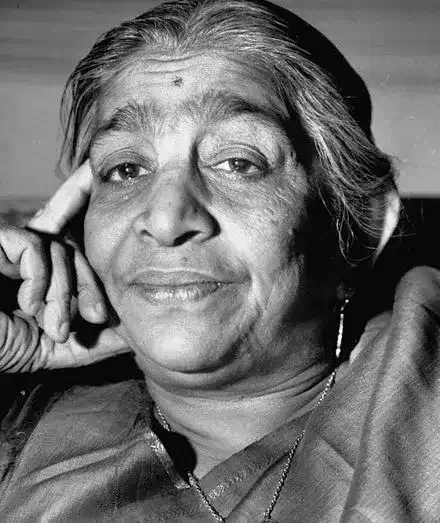
Sarojini Naidu
To The God of Pain
To The God of Pain
UNWILLING priestess in thy cruel fane,
Long hast thou held me, pitiless god of Pain,
Bound to thy worship by reluctant vows,
My tired breast girt with suffering, and my brows
Anointed with perpetual weariness.
Long have I borne thy service, through the stress
Of rigorous years, sad days and slumberless nights,
Performing thine inexorable rites.
For thy dark altars, balm nor milk nor rice,
But mine own soul thou'st ta'en for sacrifice:
All the rich honey of my youth's desire,
And all the sweet oils from my crushed life drawn,
And all my flower-like dreams and gem-like fire
Of hopes up-leaping like the light of dawn.
I have no more to give, all that was mine
Is laid, a wrested tribute, at thy shrine;
Let me depart, for my whole soul is wrung,
And all my cheerless orisons are sung;
Let me depart, with faint limbs let me creep
To some dim shade and sink me down to sleep.
UNWILLING priestess in thy cruel fane,
Long hast thou held me, pitiless god of Pain,
Bound to thy worship by reluctant vows,
My tired breast girt with suffering, and my brows
Anointed with perpetual weariness.
Long have I borne thy service, through the stress
Of rigorous years, sad days and slumberless nights,
Performing thine inexorable rites.
For thy dark altars, balm nor milk nor rice,
But mine own soul thou'st ta'en for sacrifice:
All the rich honey of my youth's desire,
And all the sweet oils from my crushed life drawn,
And all my flower-like dreams and gem-like fire
Of hopes up-leaping like the light of dawn.
I have no more to give, all that was mine
Is laid, a wrested tribute, at thy shrine;
Let me depart, for my whole soul is wrung,
And all my cheerless orisons are sung;
Let me depart, with faint limbs let me creep
To some dim shade and sink me down to sleep.
565
Sarojini Naidu
The Royal Tombs Of Golconda
The Royal Tombs Of Golconda
I MUSE among these silent fanes
Whose spacious darkness guards your dust;
Around me sleep the hoary plains
That hold your ancient wars in trust.
I pause, my dreaming spirit hears,
Across the wind's unquiet tides,
The glimmering music of your spears,
The laughter of your royal brides.
In vain, O Kings, doth time aspire
To make your names oblivion's sport,
While yonder hill wears like a tier
The ruined grandeur of your fort.
Though centuries falter and decline,
Your proven strongholds shall remain
Embodied memories of your line,
Incarnate legends of your reign.
O Queens, in vain old Fate decreed
Your flower-like bodies to the tomb;
Death is in truth the vital seed
Of your imperishable bloom
Each new-born year the bulbuls sing
Their songs of your renascent loves;
Your beauty wakens with the spring
To kindle these pomegranate groves.
I MUSE among these silent fanes
Whose spacious darkness guards your dust;
Around me sleep the hoary plains
That hold your ancient wars in trust.
I pause, my dreaming spirit hears,
Across the wind's unquiet tides,
The glimmering music of your spears,
The laughter of your royal brides.
In vain, O Kings, doth time aspire
To make your names oblivion's sport,
While yonder hill wears like a tier
The ruined grandeur of your fort.
Though centuries falter and decline,
Your proven strongholds shall remain
Embodied memories of your line,
Incarnate legends of your reign.
O Queens, in vain old Fate decreed
Your flower-like bodies to the tomb;
Death is in truth the vital seed
Of your imperishable bloom
Each new-born year the bulbuls sing
Their songs of your renascent loves;
Your beauty wakens with the spring
To kindle these pomegranate groves.
826
Sarojini Naidu
Corn Grinders
Corn Grinders
O little mouse, why dost thou cry
While merry stars laugh in the sky?
Alas! alas! my lord is dead!
Ah, who will ease my bitter pain?
He went to seek a millet-grain
In the rich farmer's granary shed;
They caught him in a baited snare,
And slew my lover unaware:
Alas! alas! my lord is dead.
O little deer, why dost thou moan,
Hid in thy forest-bower alone?
Alas! alas! my lord is dead!
Ah! who will quiet my lament?
At fall of eventide he went
To drink beside the river-head;
A waiting hunter threw his dart,
And struck my lover through the heart.
Alas! alas! my lord is dead.
O little bride, why dost thou weep
With all the happy world asleep?
Alas! alas! my lord is dead!
Ah, who will stay these hungry tears,
Or still the want of famished years,
And crown with love my marriage-bed?
My soul burns with the quenchless fire
That lit my lover's funeral pyre:
Alas! alas! my lord is dead.
O little mouse, why dost thou cry
While merry stars laugh in the sky?
Alas! alas! my lord is dead!
Ah, who will ease my bitter pain?
He went to seek a millet-grain
In the rich farmer's granary shed;
They caught him in a baited snare,
And slew my lover unaware:
Alas! alas! my lord is dead.
O little deer, why dost thou moan,
Hid in thy forest-bower alone?
Alas! alas! my lord is dead!
Ah! who will quiet my lament?
At fall of eventide he went
To drink beside the river-head;
A waiting hunter threw his dart,
And struck my lover through the heart.
Alas! alas! my lord is dead.
O little bride, why dost thou weep
With all the happy world asleep?
Alas! alas! my lord is dead!
Ah, who will stay these hungry tears,
Or still the want of famished years,
And crown with love my marriage-bed?
My soul burns with the quenchless fire
That lit my lover's funeral pyre:
Alas! alas! my lord is dead.
298

Sarah Teasdale
The Voice
The Voice
Atoms as old as stars,
Mutation on mutation,
Millions and millions of cells
Dividing yet still the same,
From air and changing earth,
From ancient Eastern rivers,
From turquoise tropic seas,
Unto myself I came.
My spirit like my flesh
Sprang from a thousand sources,
From cave-man, hunter and shepherd,
From Karnak, Cyprus, Rome;
The living thoughts in me
Spring from dead men and women,
Forgotten time out of mind
And many as bubbles of foam.
Here for a moment's space
Into the light out of darkness,
I come and they come with me
Finding words with my breath;
From the wisdom of many life-times
Seek for Beauty, she only
Fights with man against Death!"
Atoms as old as stars,
Mutation on mutation,
Millions and millions of cells
Dividing yet still the same,
From air and changing earth,
From ancient Eastern rivers,
From turquoise tropic seas,
Unto myself I came.
My spirit like my flesh
Sprang from a thousand sources,
From cave-man, hunter and shepherd,
From Karnak, Cyprus, Rome;
The living thoughts in me
Spring from dead men and women,
Forgotten time out of mind
And many as bubbles of foam.
Here for a moment's space
Into the light out of darkness,
I come and they come with me
Finding words with my breath;
From the wisdom of many life-times
Seek for Beauty, she only
Fights with man against Death!"
440
Sarah Teasdale
Love and Death
Love and Death
Shall we, too, rise forgetful from our sleep,
And shall my soul that lies within your hand
Remember nothing, as the blowing sand
Forgets the palm where long blue shadows creep
When winds along the darkened desert sweep?
Or would it still remember, tho' it spanned
A thousand heavens, while the planets fanned
The vacant ether with their voices deep?
Soul of my soul, no word shall be forgot,
Nor yet alone, beloved, shall we see
The desolation of extinguished suns,
Nor fear the void wherethro' our planet runs,
For still together shall we go and not
Fare forth alone to front eternity.
Shall we, too, rise forgetful from our sleep,
And shall my soul that lies within your hand
Remember nothing, as the blowing sand
Forgets the palm where long blue shadows creep
When winds along the darkened desert sweep?
Or would it still remember, tho' it spanned
A thousand heavens, while the planets fanned
The vacant ether with their voices deep?
Soul of my soul, no word shall be forgot,
Nor yet alone, beloved, shall we see
The desolation of extinguished suns,
Nor fear the void wherethro' our planet runs,
For still together shall we go and not
Fare forth alone to front eternity.
376
Sarah Teasdale
If Death Is Kind
If Death Is Kind
Perhaps if Death is kind, and there can be returning,
We will come back to earth some fragrant night,
And take these lanes to find the sea, and bending
Breathe the same honeysuckle, low and white.
We will come down at night to these resounding beaches
And the long gentle thunder of the sea,
Here for a single hour in the wide starlight
We shall be happy, for the dead are free.
Perhaps if Death is kind, and there can be returning,
We will come back to earth some fragrant night,
And take these lanes to find the sea, and bending
Breathe the same honeysuckle, low and white.
We will come down at night to these resounding beaches
And the long gentle thunder of the sea,
Here for a single hour in the wide starlight
We shall be happy, for the dead are free.
455
Sarah Teasdale
I Shall Not Care
I Shall Not Care
When I am dead and over me bright April
Shakes out her rain-drenched hair,
Though you should lean above me broken-hearted,
I shall not care.
I shall have peace, as leafy trees are peaceful
When rain bends down the bough,
And I shall be more silent and cold-hearted
Than you are now.
When I am dead and over me bright April
Shakes out her rain-drenched hair,
Though you should lean above me broken-hearted,
I shall not care.
I shall have peace, as leafy trees are peaceful
When rain bends down the bough,
And I shall be more silent and cold-hearted
Than you are now.
462
Sarah Teasdale
Epitaph
Epitaph
Serene descent, as a red leaf's descending
When there is neither wind nor noise of rain,
But only autum air and the unending
Drawing of all things to the earth again.
So be it, let the snow fall deep and cover
All that was drunken once with light and air.
The earth will not regret her tireless lover,
Nor he awake to know she does not care.
Serene descent, as a red leaf's descending
When there is neither wind nor noise of rain,
But only autum air and the unending
Drawing of all things to the earth again.
So be it, let the snow fall deep and cover
All that was drunken once with light and air.
The earth will not regret her tireless lover,
Nor he awake to know she does not care.
336
Sarah Teasdale
Buried Love
Buried Love
I have come to bury Love
Beneath a tree,
In the forest tall and black
Where none can see.
I shall put no flowers at his head,
Nor stone at his feet,
For the mouth I loved so much
Was bittersweet.
I shall go no more to his grave,
For the woods are cold.
I shall gather as much of joy
As my hands can hold.
I shall stay all day in the sun
Where the wide winds blow, --
But oh, I shall cry at night
When none will know.
I have come to bury Love
Beneath a tree,
In the forest tall and black
Where none can see.
I shall put no flowers at his head,
Nor stone at his feet,
For the mouth I loved so much
Was bittersweet.
I shall go no more to his grave,
For the woods are cold.
I shall gather as much of joy
As my hands can hold.
I shall stay all day in the sun
Where the wide winds blow, --
But oh, I shall cry at night
When none will know.
571
Sarah Teasdale
Alone
Alone
I am alone, in spite of love,
In spite of all I take and give --
In spite of all your tenderness,
Sometimes I am not glad to live.
I am alone, as though I stood
On the highest peak of the tired gray world,
About me only swirling snow,
Above me, endless space unfurled;
With earth hidden and heaven hidden,
And only my own spirit's pride
To keep me from the peace of those
Who are not lonely, having died.
I am alone, in spite of love,
In spite of all I take and give --
In spite of all your tenderness,
Sometimes I am not glad to live.
I am alone, as though I stood
On the highest peak of the tired gray world,
About me only swirling snow,
Above me, endless space unfurled;
With earth hidden and heaven hidden,
And only my own spirit's pride
To keep me from the peace of those
Who are not lonely, having died.
384
Sarah Teasdale
The Dreams of My Heart
"The Dreams of My Heart"
The dreams of my heart and my mind pass,
Nothing stays with me long,
But I have had from a child
The deep solace of song;
If that should ever leave me,
Let me find death and stay
With things whose tunes are played out and forgotten
Like the rain of yesterday.
The dreams of my heart and my mind pass,
Nothing stays with me long,
But I have had from a child
The deep solace of song;
If that should ever leave me,
Let me find death and stay
With things whose tunes are played out and forgotten
Like the rain of yesterday.
354
Sarah Teasdale
It Will Not Change
"It Will Not Change"
It will not change now
After so many years;
Life has not broken it
With parting or tears;
Death will not alter it,
It will live on
In all my songs for you
When I am gone.
It will not change now
After so many years;
Life has not broken it
With parting or tears;
Death will not alter it,
It will live on
In all my songs for you
When I am gone.
390

Safo
We put the urn abord ship
We put the urn abord ship
We put the urn aboard ship
with this inscription:
This is the dust of little
Timas who unmarried was led
into Persephone's dark bedroom
And she being far from home, girls
her age took new-edged blades
to cut, in mourning for her,
these curls of their soft hair
We put the urn aboard ship
with this inscription:
This is the dust of little
Timas who unmarried was led
into Persephone's dark bedroom
And she being far from home, girls
her age took new-edged blades
to cut, in mourning for her,
these curls of their soft hair
374
Safo
Must I remind you, Clesis,
Must I remind you, Clesis,
Must I remind you, Cleis,
that sounds of grief
are unbecmoming in
a poet's household?
and that they are not
suitable in ours?
[Note: "A poet's household" is more litterally one "dedicated to the Muses."]
Must I remind you, Cleis,
that sounds of grief
are unbecmoming in
a poet's household?
and that they are not
suitable in ours?
[Note: "A poet's household" is more litterally one "dedicated to the Muses."]
451
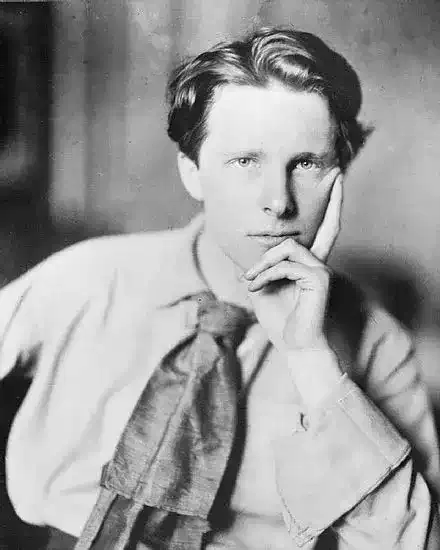
Rupert Brooke
Vision Of The Archangels, The
Vision Of The Archangels, The
Slowly up silent peaks, the white edge of the world,
Trod four archangels, clear against the unheeding sky,
Bearing, with quiet even steps, and great wings furled,
A little dingy coffin; where a child must lie,
It was so tiny. (Yet, you had fancied, God could never
Have bidden a child turn from the spring and the sunlight,
And shut him in that lonely shell, to drop for ever
Into the emptiness and silence, into the night. . . .)
They then from the sheer summit cast, and watched it fall,
Through unknown glooms, that frail black coffin -- and therein
God's little pitiful Body lying, worn and thin,
And curled up like some crumpled, lonely flower-petal --
Till it was no more visible; then turned again
With sorrowful quiet faces downward to the plain.
Slowly up silent peaks, the white edge of the world,
Trod four archangels, clear against the unheeding sky,
Bearing, with quiet even steps, and great wings furled,
A little dingy coffin; where a child must lie,
It was so tiny. (Yet, you had fancied, God could never
Have bidden a child turn from the spring and the sunlight,
And shut him in that lonely shell, to drop for ever
Into the emptiness and silence, into the night. . . .)
They then from the sheer summit cast, and watched it fall,
Through unknown glooms, that frail black coffin -- and therein
God's little pitiful Body lying, worn and thin,
And curled up like some crumpled, lonely flower-petal --
Till it was no more visible; then turned again
With sorrowful quiet faces downward to the plain.
222
Rupert Brooke
V. The Soldier
V. The Soldier
If I should die, think only this of me:
That there's some corner of a foreign field
That is for ever England. There shall be
In that rich earth a richer dust concealed;
A dust whom England bore, shaped, made aware,
Gave, once, her flowers to love, her ways to roam,
A body of England's, breathing English air,
Washed by the rivers, blest by suns of home.
And think, this heart, all evil shed away,
A pulse in the eternal mind, no less
Gives somewhere back the thoughts by England given;
Her sights and sounds; dreams happy as her day;
And laughter, learnt of friends; and gentleness,
In hearts at peace, under an English heaven.
If I should die, think only this of me:
That there's some corner of a foreign field
That is for ever England. There shall be
In that rich earth a richer dust concealed;
A dust whom England bore, shaped, made aware,
Gave, once, her flowers to love, her ways to roam,
A body of England's, breathing English air,
Washed by the rivers, blest by suns of home.
And think, this heart, all evil shed away,
A pulse in the eternal mind, no less
Gives somewhere back the thoughts by England given;
Her sights and sounds; dreams happy as her day;
And laughter, learnt of friends; and gentleness,
In hearts at peace, under an English heaven.
210
Rupert Brooke
Tiare Tahiti
Tiare Tahiti
Mamua, when our laughter ends,
And hearts and bodies, brown as white,
Are dust about the doors of friends,
Or scent ablowing down the night,
Then, oh! then, the wise agree,
Comes our immortality.
Mamua, there waits a land
Hard for us to understand.
Out of time, beyond the sun,
All are one in Paradise,
You and Pupure are one,
And Tau, and the ungainly wise.
There the Eternals are, and there
The Good, the Lovely, and the True,
And Types, whose earthly copies were
The foolish broken things we knew;
There is the Face, whose ghosts we are;
The real, the never-setting Star;
And the Flower, of which we love
Faint and fading shadows here;
Never a tear, but only Grief;
Dance, but not the limbs that move;
Songs in Song shall disappear;
Instead of lovers, Love shall be;
For hearts, Immutability;
And there, on the Ideal Reef,
Thunders the Everlasting Sea!
And my laughter, and my pain,
Shall home to the Eternal Brain.
And all lovely things, they say,
Meet in Loveliness again;
Miri's laugh, Teipo's feet,
And the hands of Matua,
Stars and sunlight there shall meet,
Coral's hues and rainbows there,
And Teura's braided hair;
And with the starred `tiare's' white,
And white birds in the dark ravine,
And `flamboyants' ablaze at night,
And jewels, and evening's after-green,
And dawns of pearl and gold and red,
Mamua, your lovelier head!
And there'll no more be one who dreams
Under the ferns, of crumbling stuff,
Eyes of illusion, mouth that seems,
All time-entangled human love.
And you'll no longer swing and sway
Divinely down the scented shade,
Where feet to Ambulation fade,
And moons are lost in endless Day.
How shall we wind these wreaths of ours,
Where there are neither heads nor flowers?
Oh, Heaven's Heaven! -- but we'll be missing
The palms, and sunlight, and the south;
And there's an end, I think, of kissing,
When our mouths are one with Mouth. . . .
`Tau here', Mamua,
Crown the hair, and come away!
Hear the calling of the moon,
And the whispering scents that stray
About the idle warm lagoon.
Hasten, hand in human hand,
Down the dark, the flowered way,
Along the whiteness of the sand,
And in the water's soft caress,
Wash the mind of foolishness,
Mamua, until the day.
Spend the glittering moonlight there
Pursuing down the soundless deep
Limbs that gleam and shadowy hair,
Or floating lazy, half-asleep.
Dive and double and follow after,
Snare in flowers, and kiss, and call,
With lips that fade, and human laughter
And faces individual,
Well this side of Paradise! . . .
There's little comfort in the wise.
Papeete, February
Mamua, when our laughter ends,
And hearts and bodies, brown as white,
Are dust about the doors of friends,
Or scent ablowing down the night,
Then, oh! then, the wise agree,
Comes our immortality.
Mamua, there waits a land
Hard for us to understand.
Out of time, beyond the sun,
All are one in Paradise,
You and Pupure are one,
And Tau, and the ungainly wise.
There the Eternals are, and there
The Good, the Lovely, and the True,
And Types, whose earthly copies were
The foolish broken things we knew;
There is the Face, whose ghosts we are;
The real, the never-setting Star;
And the Flower, of which we love
Faint and fading shadows here;
Never a tear, but only Grief;
Dance, but not the limbs that move;
Songs in Song shall disappear;
Instead of lovers, Love shall be;
For hearts, Immutability;
And there, on the Ideal Reef,
Thunders the Everlasting Sea!
And my laughter, and my pain,
Shall home to the Eternal Brain.
And all lovely things, they say,
Meet in Loveliness again;
Miri's laugh, Teipo's feet,
And the hands of Matua,
Stars and sunlight there shall meet,
Coral's hues and rainbows there,
And Teura's braided hair;
And with the starred `tiare's' white,
And white birds in the dark ravine,
And `flamboyants' ablaze at night,
And jewels, and evening's after-green,
And dawns of pearl and gold and red,
Mamua, your lovelier head!
And there'll no more be one who dreams
Under the ferns, of crumbling stuff,
Eyes of illusion, mouth that seems,
All time-entangled human love.
And you'll no longer swing and sway
Divinely down the scented shade,
Where feet to Ambulation fade,
And moons are lost in endless Day.
How shall we wind these wreaths of ours,
Where there are neither heads nor flowers?
Oh, Heaven's Heaven! -- but we'll be missing
The palms, and sunlight, and the south;
And there's an end, I think, of kissing,
When our mouths are one with Mouth. . . .
`Tau here', Mamua,
Crown the hair, and come away!
Hear the calling of the moon,
And the whispering scents that stray
About the idle warm lagoon.
Hasten, hand in human hand,
Down the dark, the flowered way,
Along the whiteness of the sand,
And in the water's soft caress,
Wash the mind of foolishness,
Mamua, until the day.
Spend the glittering moonlight there
Pursuing down the soundless deep
Limbs that gleam and shadowy hair,
Or floating lazy, half-asleep.
Dive and double and follow after,
Snare in flowers, and kiss, and call,
With lips that fade, and human laughter
And faces individual,
Well this side of Paradise! . . .
There's little comfort in the wise.
Papeete, February
223
Rupert Brooke
The Vision of the Archangels
The Vision of the Archangels
Slowly up silent peaks, the white edge of the world,
Trod four archangels, clear against the unheeding sky,
Bearing, with quiet even steps, and great wings furled,
A little dingy coffin; where a child must lie,
It was so tiny. (Yet, you had fancied, God could never
Have bidden a child turn from the spring and the sunlight,
And shut him in that lonely shell, to drop for ever
Into the emptiness and silence, into the night.…)
They then from the sheer summit cast, and watched it fall,
Through unknown glooms, that frail black coffin—and therein
God’s little pitiful Body lying, worn and thin,
And curled up like some crumpled, lonely flower petal—
Till it was no more visible; then turned again
With sorrowful quiet faces downward to the plain.
Slowly up silent peaks, the white edge of the world,
Trod four archangels, clear against the unheeding sky,
Bearing, with quiet even steps, and great wings furled,
A little dingy coffin; where a child must lie,
It was so tiny. (Yet, you had fancied, God could never
Have bidden a child turn from the spring and the sunlight,
And shut him in that lonely shell, to drop for ever
Into the emptiness and silence, into the night.…)
They then from the sheer summit cast, and watched it fall,
Through unknown glooms, that frail black coffin—and therein
God’s little pitiful Body lying, worn and thin,
And curled up like some crumpled, lonely flower petal—
Till it was no more visible; then turned again
With sorrowful quiet faces downward to the plain.
173
Rupert Brooke
The Life Beyond
The Life Beyond
He wakes, who never thought to wake again,
Who held the end was Death. He opens eyes
Slowly, to one long livid oozing plain
Closed down by the strange eyeless heavens.
He lies;
And waits; and once in timeless sick surmise
Through the dead air heaves up an unknown hand,
Like a dry branch. No life is in that land,
Himself not lives, but is a thing that cries;
An unmeaning point upon the mud; a speck
Of moveless horror; an Immortal One
Cleansed of the world, sentient and dead; a fly
Fast-stuck in grey sweat on a corpse’s neck.
I though when love for you died, I should die.
It’s dead. Alone, most strangely, I live on.
He wakes, who never thought to wake again,
Who held the end was Death. He opens eyes
Slowly, to one long livid oozing plain
Closed down by the strange eyeless heavens.
He lies;
And waits; and once in timeless sick surmise
Through the dead air heaves up an unknown hand,
Like a dry branch. No life is in that land,
Himself not lives, but is a thing that cries;
An unmeaning point upon the mud; a speck
Of moveless horror; an Immortal One
Cleansed of the world, sentient and dead; a fly
Fast-stuck in grey sweat on a corpse’s neck.
I though when love for you died, I should die.
It’s dead. Alone, most strangely, I live on.
199