

Poems in this theme
Death and Mourning
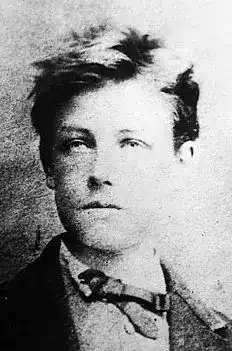
Arthur Rimbaud
Ophelia
Ophelia
I
On the calm black water where the stars are sleeping
White Ophelia floats like a great lily ;
Floats very slowly, lying in her long veils…
-In the far-off woods you can hear them sound the mort.
For more than a thousand years sad Ophelia
Has passed, a white phantom, down the long black river.
For more than a thousand years her sweet madness
Has murmured its ballad to the evening breeze.
The wind kisses her breasts and unfolds in a wreath
Her great veils rising and falling with the waters ;
The shivering willows weep on her shoulder,
The rushes lean over her wide, dreaming brow.
The ruffled water-lilies are sighing around her ;
At times she rouses, in a slumbering alder,
Some nest from which escapes a small rustle of wings ;
-A mysterious anthem falls from the golden stars.
II
O pale Ophelia ! beautiful as snow !
Yes child, you died, carried off by a river !
-It was the winds descending from the great mountains of Norway
That spoke to you in low voices of better freedom.
It was a breath of wind, that, twisting your great hair,
Brought strange rumors to your dreaming mind ;
It was your heart listening to the song of Nature
In the groans of the tree and the sighs of the nights ;
It was the voice of mad seas, the great roar,
That shattered your child's heart, too human and too soft ;
It was a handsome pale knight, a poor madman
Who one April morning sate mute at your knees !
Heaven ! Love ! Freedom ! What a dream, oh poor crazed Girl !
You melted to him as snow does to a fire ;
Your great visions strangled your words
-And fearful Infinity terrified your blue eye !
III
-And the poet says that by starlight
You come seeking, in the night, the flowers that you picked
And that he has seen on the water, lying in her long veils
White Ophelia floating, like a great lily.
Ophélie
I
Sur l'onde calme et noire où dorment les étoiles
La blanche Ophélia flotte comme un grand lys,
Flotte très lentement, couchée en ses longs voiles…
-On entend dans les bois lointains des hallalis.
Voici plus de mille ans que la triste Ophélie
Passe, fantôme blanc, sur le long fleuve noir;
Voici plus de mille ans que sa douce folie
Murmure sa romance à la brise du soir.
Le vent baise ses seins et déploie en corolle
Ses grands voiles bercés mollement par les eaux;
Les saules frissonnants pleurent sur son épaule,
Sur son grand front rêveur s'inclinent les roseaux.
Les nénuphars froissés soupirent autour d'elle;
Elle éveille parfois, dans un aune qui dort,
Quelque nid, d'où s'échappe un petit frisson d'aile:
-Un chant mystérieux tombe des astres d'or.
II
O pâle Ophélia! belle comme la neige!
Oui, tu mourus, enfant, par un fleuve emporté!
-C'est que les vents tombant des grands monts de Norwège
T'avaient parlé tout bas de l'âpre liberté;
C'est qu'un souffle, tordant ta grande chevelure,
A ton esprit rêveur portait d'étranges bruits;
Que ton coeur écoutait le chant de la Nature
Dans les plaintes de l'arbre et les soupirs des nuits;
C'est que la voix des mers folles, immense râle,
Brisait ton sein d'enfant, trop humain et trop doux;
C'est qu'un matin d'avril, un beau cavalier pâle,
Un pauvre fou, s'assit muet à tes genoux!
Ciel! Amour! Liberté! Quel rêve, ô pauvre Folle!
Tu te fondais à lui comme une neige au feu:
Tes grandes visions étranglaient ta parole
-Et l'Infini terrible effara ton oeil bleu!
III
-Et le Poète dit qu'aux rayons des étoiles
Tu viens chercher, la nuit, les fleurs que tu cueillis,
Et qu'il a vu sur l'eau, couchée en ses longs voiles,
La blanche Ophélia flotter, comme un grand lys.
I
On the calm black water where the stars are sleeping
White Ophelia floats like a great lily ;
Floats very slowly, lying in her long veils…
-In the far-off woods you can hear them sound the mort.
For more than a thousand years sad Ophelia
Has passed, a white phantom, down the long black river.
For more than a thousand years her sweet madness
Has murmured its ballad to the evening breeze.
The wind kisses her breasts and unfolds in a wreath
Her great veils rising and falling with the waters ;
The shivering willows weep on her shoulder,
The rushes lean over her wide, dreaming brow.
The ruffled water-lilies are sighing around her ;
At times she rouses, in a slumbering alder,
Some nest from which escapes a small rustle of wings ;
-A mysterious anthem falls from the golden stars.
II
O pale Ophelia ! beautiful as snow !
Yes child, you died, carried off by a river !
-It was the winds descending from the great mountains of Norway
That spoke to you in low voices of better freedom.
It was a breath of wind, that, twisting your great hair,
Brought strange rumors to your dreaming mind ;
It was your heart listening to the song of Nature
In the groans of the tree and the sighs of the nights ;
It was the voice of mad seas, the great roar,
That shattered your child's heart, too human and too soft ;
It was a handsome pale knight, a poor madman
Who one April morning sate mute at your knees !
Heaven ! Love ! Freedom ! What a dream, oh poor crazed Girl !
You melted to him as snow does to a fire ;
Your great visions strangled your words
-And fearful Infinity terrified your blue eye !
III
-And the poet says that by starlight
You come seeking, in the night, the flowers that you picked
And that he has seen on the water, lying in her long veils
White Ophelia floating, like a great lily.
Ophélie
I
Sur l'onde calme et noire où dorment les étoiles
La blanche Ophélia flotte comme un grand lys,
Flotte très lentement, couchée en ses longs voiles…
-On entend dans les bois lointains des hallalis.
Voici plus de mille ans que la triste Ophélie
Passe, fantôme blanc, sur le long fleuve noir;
Voici plus de mille ans que sa douce folie
Murmure sa romance à la brise du soir.
Le vent baise ses seins et déploie en corolle
Ses grands voiles bercés mollement par les eaux;
Les saules frissonnants pleurent sur son épaule,
Sur son grand front rêveur s'inclinent les roseaux.
Les nénuphars froissés soupirent autour d'elle;
Elle éveille parfois, dans un aune qui dort,
Quelque nid, d'où s'échappe un petit frisson d'aile:
-Un chant mystérieux tombe des astres d'or.
II
O pâle Ophélia! belle comme la neige!
Oui, tu mourus, enfant, par un fleuve emporté!
-C'est que les vents tombant des grands monts de Norwège
T'avaient parlé tout bas de l'âpre liberté;
C'est qu'un souffle, tordant ta grande chevelure,
A ton esprit rêveur portait d'étranges bruits;
Que ton coeur écoutait le chant de la Nature
Dans les plaintes de l'arbre et les soupirs des nuits;
C'est que la voix des mers folles, immense râle,
Brisait ton sein d'enfant, trop humain et trop doux;
C'est qu'un matin d'avril, un beau cavalier pâle,
Un pauvre fou, s'assit muet à tes genoux!
Ciel! Amour! Liberté! Quel rêve, ô pauvre Folle!
Tu te fondais à lui comme une neige au feu:
Tes grandes visions étranglaient ta parole
-Et l'Infini terrible effara ton oeil bleu!
III
-Et le Poète dit qu'aux rayons des étoiles
Tu viens chercher, la nuit, les fleurs que tu cueillis,
Et qu'il a vu sur l'eau, couchée en ses longs voiles,
La blanche Ophélia flotter, comme un grand lys.
709
Arthur Rimbaud
Conclusion
Conclusion
The pigeons which flutter in the meadow,
the game which runs and sees in the dark,
the water animals, the animal enslaved,
the last butterflies!.. also are thirsty.
But to dissolve where that wandering cloud is dissolving -
Oh! Favoured by what is fresh!
To expire in those damp violets
whose awakening fills these woods?
The pigeons which flutter in the meadow,
the game which runs and sees in the dark,
the water animals, the animal enslaved,
the last butterflies!.. also are thirsty.
But to dissolve where that wandering cloud is dissolving -
Oh! Favoured by what is fresh!
To expire in those damp violets
whose awakening fills these woods?
546

Anonymous
The Seven Virgins
The Seven Virgins
ALL under the leaves and the leaves of life
I met with virgins seven,
And one of them was Mary mild,
Our Lord's mother of Heaven.
'O what are you seeking, you seven fair maids,
All under the leaves of life?
Come tell, come tell, what seek you
All under the leaves of life?'
'We're seeking for no leaves, Thomas,
But for a friend of thine;
We're seeking for sweet Jesus Christ,
To be our guide and thine.'
'Go down, go down, to yonder town,
And sit in the gallery,
And there you'll see sweet Jesus Christ
Nail'd to a big yew-tree.'
So down they went to yonder town
As fast as foot could fall,
And many a grievous bitter tear
From the virgins' eyes did fall.
'O peace, Mother, O peace, Mother,
Your weeping doth me grieve:
I must suffer this,' He said,
'For Adam and for Eve.
'O Mother, take you John Evangelist
All for to be your son,
And he will comfort you sometimes,
Mother, as I have done.'
'O come, thou John Evangelist,
Thou'rt welcome unto me;
But more welcome my own dear Son,
Whom I nursed on my knee.'
Then He laid His head on His right shoulder,
Seeing death it struck Him nigh--
'The Holy Ghost be with your soul,
I die, Mother dear, I die.'
O the rose, the gentle rose,
And the fennel that grows so green!
God give us grace in every place
To pray for our king and queen.
Furthermore for our enemies all
Our prayers they should be strong:
Amen, good Lord; your charity
Is the ending of my song.
ALL under the leaves and the leaves of life
I met with virgins seven,
And one of them was Mary mild,
Our Lord's mother of Heaven.
'O what are you seeking, you seven fair maids,
All under the leaves of life?
Come tell, come tell, what seek you
All under the leaves of life?'
'We're seeking for no leaves, Thomas,
But for a friend of thine;
We're seeking for sweet Jesus Christ,
To be our guide and thine.'
'Go down, go down, to yonder town,
And sit in the gallery,
And there you'll see sweet Jesus Christ
Nail'd to a big yew-tree.'
So down they went to yonder town
As fast as foot could fall,
And many a grievous bitter tear
From the virgins' eyes did fall.
'O peace, Mother, O peace, Mother,
Your weeping doth me grieve:
I must suffer this,' He said,
'For Adam and for Eve.
'O Mother, take you John Evangelist
All for to be your son,
And he will comfort you sometimes,
Mother, as I have done.'
'O come, thou John Evangelist,
Thou'rt welcome unto me;
But more welcome my own dear Son,
Whom I nursed on my knee.'
Then He laid His head on His right shoulder,
Seeing death it struck Him nigh--
'The Holy Ghost be with your soul,
I die, Mother dear, I die.'
O the rose, the gentle rose,
And the fennel that grows so green!
God give us grace in every place
To pray for our king and queen.
Furthermore for our enemies all
Our prayers they should be strong:
Amen, good Lord; your charity
Is the ending of my song.
197
Anonymous
The Queen's Marie
The Queen's Marie
MARIE HAMILTON 's to the kirk gane,
Wi' ribbons in her hair;
The King thought mair o' Marie Hamilton
Than ony that were there.
Marie Hamilton 's to the kirk gane
Wi' ribbons on her breast;
The King thought mair o' Marie Hamilton
Than he listen'd to the priest.
Marie Hamilton 's to the kirk gane,
Wi' gloves upon her hands;
The King thought mair o' Marie Hamilton
Than the Queen and a' her lands.
She hadna been about the King's court
A month, but barely one,
Till she was beloved by a' the King's court
And the King the only man.
She hadna been about the King's court
A month, but barely three,
Till frae the King's court Marie Hamilton,
Marie Hamilton durstna be.
The King is to the Abbey gane,
To pu' the Abbey tree,
To scale the babe frae Marie's heart;
But the thing it wadna be.
O she has row'd it in her apron,
And set it on the sea--
'Gae sink ye or swim ye, bonny babe,
Ye'se get nae mair o' me.'
Word is to the kitchen gane,
And word is to the ha',
And word is to the noble room
Amang the ladies a',
That Marie Hamilton 's brought to bed,
And the bonny babe 's miss'd and awa'.
Scarcely had she lain down again,
And scarcely fa'en asleep,
When up and started our gude Queen
Just at her bed-feet;
Saying--'Marie Hamilton, where 's your babe?
For I am sure I heard it greet.'
'O no, O no, my noble Queen!
Think no sic thing to be;
'Twas but a stitch into my side,
And sair it troubles me!'
'Get up, get up, Marie Hamilton:
Get up and follow me;
For I am going to Edinburgh town,
A rich wedding for to see.'
O slowly, slowly rase she up,
And slowly put she on;
And slowly rade she out the way
Wi' mony a weary groan.
The Queen was clad in scarlet,
Her merry maids all in green;
And every town that they cam to,
They took Marie for the Queen.
'Ride hooly, hooly, gentlemen,
Ride hooly now wi' me!
For never, I am sure, a wearier burd
Rade in your companie.'--
But little wist Marie Hamilton,
When she rade on the brown,
That she was gaen to Edinburgh town,
And a' to be put down.
'Why weep ye so, ye burgess wives,
Why look ye so on me?
O I am going to Edinburgh town,
A rich wedding to see.'
When she gaed up the tolbooth stairs,
The corks frae her heels did flee;
And lang or e'er she cam down again,
She was condemn'd to die.
When she cam to the Netherbow port,
She laugh'd loud laughters three;
But when she came to the gallows foot
The tears blinded her e'e.
'Yestreen the Queen had four Maries,
The night she'll hae but three;
There was Marie Seaton, and Marie Beaton,
And Marie Carmichael, and me.
'O often have I dress'd my Queen
And put gowd upon her hair;
But now I've gotten for my reward
The gallows to be my share.
'Often have I dress'd my Queen
And often made her bed;
But now I've gotten for my reward
The gallows tree to tread.
'I charge ye all, ye mariners,
When ye sail owre the faem,
Let neither my father nor mother get wit
But that I'm coming hame.
'I charge ye all, ye mariners,
That sail upon the sea,
That neither my father nor mother get wit
The dog's death I'm to die.
'For if my father and mother got wit,
And my bold brethren three,
O mickle wad be the gude red blude
This day wad be spilt for me!
'O little did my mother ken,
The day she cradled me,
The lands I was to travel in
Or the death I was to die!
MARIE HAMILTON 's to the kirk gane,
Wi' ribbons in her hair;
The King thought mair o' Marie Hamilton
Than ony that were there.
Marie Hamilton 's to the kirk gane
Wi' ribbons on her breast;
The King thought mair o' Marie Hamilton
Than he listen'd to the priest.
Marie Hamilton 's to the kirk gane,
Wi' gloves upon her hands;
The King thought mair o' Marie Hamilton
Than the Queen and a' her lands.
She hadna been about the King's court
A month, but barely one,
Till she was beloved by a' the King's court
And the King the only man.
She hadna been about the King's court
A month, but barely three,
Till frae the King's court Marie Hamilton,
Marie Hamilton durstna be.
The King is to the Abbey gane,
To pu' the Abbey tree,
To scale the babe frae Marie's heart;
But the thing it wadna be.
O she has row'd it in her apron,
And set it on the sea--
'Gae sink ye or swim ye, bonny babe,
Ye'se get nae mair o' me.'
Word is to the kitchen gane,
And word is to the ha',
And word is to the noble room
Amang the ladies a',
That Marie Hamilton 's brought to bed,
And the bonny babe 's miss'd and awa'.
Scarcely had she lain down again,
And scarcely fa'en asleep,
When up and started our gude Queen
Just at her bed-feet;
Saying--'Marie Hamilton, where 's your babe?
For I am sure I heard it greet.'
'O no, O no, my noble Queen!
Think no sic thing to be;
'Twas but a stitch into my side,
And sair it troubles me!'
'Get up, get up, Marie Hamilton:
Get up and follow me;
For I am going to Edinburgh town,
A rich wedding for to see.'
O slowly, slowly rase she up,
And slowly put she on;
And slowly rade she out the way
Wi' mony a weary groan.
The Queen was clad in scarlet,
Her merry maids all in green;
And every town that they cam to,
They took Marie for the Queen.
'Ride hooly, hooly, gentlemen,
Ride hooly now wi' me!
For never, I am sure, a wearier burd
Rade in your companie.'--
But little wist Marie Hamilton,
When she rade on the brown,
That she was gaen to Edinburgh town,
And a' to be put down.
'Why weep ye so, ye burgess wives,
Why look ye so on me?
O I am going to Edinburgh town,
A rich wedding to see.'
When she gaed up the tolbooth stairs,
The corks frae her heels did flee;
And lang or e'er she cam down again,
She was condemn'd to die.
When she cam to the Netherbow port,
She laugh'd loud laughters three;
But when she came to the gallows foot
The tears blinded her e'e.
'Yestreen the Queen had four Maries,
The night she'll hae but three;
There was Marie Seaton, and Marie Beaton,
And Marie Carmichael, and me.
'O often have I dress'd my Queen
And put gowd upon her hair;
But now I've gotten for my reward
The gallows to be my share.
'Often have I dress'd my Queen
And often made her bed;
But now I've gotten for my reward
The gallows tree to tread.
'I charge ye all, ye mariners,
When ye sail owre the faem,
Let neither my father nor mother get wit
But that I'm coming hame.
'I charge ye all, ye mariners,
That sail upon the sea,
That neither my father nor mother get wit
The dog's death I'm to die.
'For if my father and mother got wit,
And my bold brethren three,
O mickle wad be the gude red blude
This day wad be spilt for me!
'O little did my mother ken,
The day she cradled me,
The lands I was to travel in
Or the death I was to die!
227
Anonymous
The Dowie Houms of Yarrow
The Dowie Houms of Yarrow
LATE at een, drinkin' the wine,
And ere they paid the lawin',
They set a combat them between,
To fight it in the dawin'.
'O stay at hame, my noble lord!
O stay at hame, my marrow!
My cruel brother will you betray,
On the dowie houms o' Yarrow.'
'O fare ye weel, my lady gay!
O fare ye weel, my Sarah!
For I maun gae, tho' I ne'er return
Frae the dowie banks o' Yarrow.'
She kiss'd his cheek, she kamed his hair,
As she had done before, O;
She belted on his noble brand,
An' he 's awa to Yarrow.
O he 's gane up yon high, high hill--
I wat he gaed wi' sorrow--
An' in a den spied nine arm'd men,
I' the dowie houms o' Yarrow.
'O are ye come to drink the wine,
As ye hae doon before, O?
Or are ye come to wield the brand,
On the dowie banks o' Yarrow?'
'I am no come to drink the wine,
As I hae don before, O,
But I am come to wield the brand,
On the dowie houms o' Yarrow.'
Four he hurt, an' five he slew,
On the dowie houms o' Yarrow,
Till that stubborn knight came him behind,
An' ran his body thorrow.
'Gae hame, gae hame, good brother John,
An' tell your sister Sarah
To come an' lift her noble lord,
Who 's sleepin' sound on Yarrow.'
'Yestreen I dream'd a dolefu' dream;
I ken'd there wad be sorrow;
I dream'd I pu'd the heather green,
On the dowie banks o' Yarrow.'
She gaed up yon high, high hill--
I wat she gaed wi' sorrow--
An' in a den spied nine dead men,
On the dowie houms o' Yarrow.
She kiss'd his cheek, she kamed his hair,
As oft she did before, O;
She drank the red blood frae him ran,
On the dowie houms o' Yarrow.
'O haud your tongue, my douchter dear,
For what needs a' this sorrow?
I'll wed you on a better lord
Than him you lost on Yarrow.'
'O haud your tongue, my father dear,
An' dinna grieve your Sarah;
A better lord was never born
Than him I lost on Yarrow.
'Tak hame your ousen, tak hame your kye,
For they hae bred our sorrow;
I wiss that they had a' gane mad
When they cam first to Yarrow.'
LATE at een, drinkin' the wine,
And ere they paid the lawin',
They set a combat them between,
To fight it in the dawin'.
'O stay at hame, my noble lord!
O stay at hame, my marrow!
My cruel brother will you betray,
On the dowie houms o' Yarrow.'
'O fare ye weel, my lady gay!
O fare ye weel, my Sarah!
For I maun gae, tho' I ne'er return
Frae the dowie banks o' Yarrow.'
She kiss'd his cheek, she kamed his hair,
As she had done before, O;
She belted on his noble brand,
An' he 's awa to Yarrow.
O he 's gane up yon high, high hill--
I wat he gaed wi' sorrow--
An' in a den spied nine arm'd men,
I' the dowie houms o' Yarrow.
'O are ye come to drink the wine,
As ye hae doon before, O?
Or are ye come to wield the brand,
On the dowie banks o' Yarrow?'
'I am no come to drink the wine,
As I hae don before, O,
But I am come to wield the brand,
On the dowie houms o' Yarrow.'
Four he hurt, an' five he slew,
On the dowie houms o' Yarrow,
Till that stubborn knight came him behind,
An' ran his body thorrow.
'Gae hame, gae hame, good brother John,
An' tell your sister Sarah
To come an' lift her noble lord,
Who 's sleepin' sound on Yarrow.'
'Yestreen I dream'd a dolefu' dream;
I ken'd there wad be sorrow;
I dream'd I pu'd the heather green,
On the dowie banks o' Yarrow.'
She gaed up yon high, high hill--
I wat she gaed wi' sorrow--
An' in a den spied nine dead men,
On the dowie houms o' Yarrow.
She kiss'd his cheek, she kamed his hair,
As oft she did before, O;
She drank the red blood frae him ran,
On the dowie houms o' Yarrow.
'O haud your tongue, my douchter dear,
For what needs a' this sorrow?
I'll wed you on a better lord
Than him you lost on Yarrow.'
'O haud your tongue, my father dear,
An' dinna grieve your Sarah;
A better lord was never born
Than him I lost on Yarrow.
'Tak hame your ousen, tak hame your kye,
For they hae bred our sorrow;
I wiss that they had a' gane mad
When they cam first to Yarrow.'
210
Anonymous
The Bonny Earl of Murray
The Bonny Earl of Murray
YE Highlands and ye Lawlands,
O where hae ye been?
They hae slain the Earl of Murray,
And hae laid him on the green.
Now wae be to thee, Huntley!
And whairfore did ye sae!
I bade you bring him wi' you,
But forbade you him to slay.
He was a braw gallant,
And he rid at the ring;
Ana the bonny Earl of Murray,
O he might hae been a king!
He was a braw gallant,
And he play'd at the ba';
And the bonny Earl of Murray
Was the flower amang them a'!
He was a braw gallant,
And he play'd at the gluve;
And the bonny Earl of Murray,
O he was the Queen's luve!
O lang will his Lady
Look owre the Castle Downe,
Ere she see the Earl of Murray
Come sounding through the town!
YE Highlands and ye Lawlands,
O where hae ye been?
They hae slain the Earl of Murray,
And hae laid him on the green.
Now wae be to thee, Huntley!
And whairfore did ye sae!
I bade you bring him wi' you,
But forbade you him to slay.
He was a braw gallant,
And he rid at the ring;
Ana the bonny Earl of Murray,
O he might hae been a king!
He was a braw gallant,
And he play'd at the ba';
And the bonny Earl of Murray
Was the flower amang them a'!
He was a braw gallant,
And he play'd at the gluve;
And the bonny Earl of Murray,
O he was the Queen's luve!
O lang will his Lady
Look owre the Castle Downe,
Ere she see the Earl of Murray
Come sounding through the town!
246
Anonymous
Helen of Kirconnell
Helen of Kirconnell
I WISH I were where Helen lies,
Night and day on me she cries;
O that I were where Helen lies,
On fair Kirconnell lea!
Curst be the heart that thought the thought,
And curst the hand that fired the shot,
When in my arms burd Helen dropt,
And died to succour me!
O think na ye my heart was sair,
When my Love dropp'd and spak nae mair!
There did she swoon wi' meikle care,
On fair Kirconnell lea.
As I went down the water side,
None but my foe to be my guide,
None but my foe to be my guide,
On fair Kirconnell lea;
I lighted down my sword to draw,
I hacked him in pieces sma',
I hacked him in pieces sma',
For her sake that died for me.
O Helen fair, beyond compare!
I'll mak a garland o' thy hair,
Shall bind my heart for evermair,
Until the day I die!
O that I were where Helen lies!
Night and day on me she cries;
Out of my bed she bids me rise,
Says, 'Haste, and come to me!'
O Helen fair! O Helen chaste!
If I were with thee, I'd be blest,
Where thou lies low and taks thy rest,
On fair Kirconnell lea.
I wish my grave were growing green,
A winding-sheet drawn owre my e'en,
And I in Helen's arms lying,
On fair Kirconnell lea.
I wish I were where Helen lies!
Night and day on me she cries;
And I am weary of the skies,
For her sake that died for me.
I WISH I were where Helen lies,
Night and day on me she cries;
O that I were where Helen lies,
On fair Kirconnell lea!
Curst be the heart that thought the thought,
And curst the hand that fired the shot,
When in my arms burd Helen dropt,
And died to succour me!
O think na ye my heart was sair,
When my Love dropp'd and spak nae mair!
There did she swoon wi' meikle care,
On fair Kirconnell lea.
As I went down the water side,
None but my foe to be my guide,
None but my foe to be my guide,
On fair Kirconnell lea;
I lighted down my sword to draw,
I hacked him in pieces sma',
I hacked him in pieces sma',
For her sake that died for me.
O Helen fair, beyond compare!
I'll mak a garland o' thy hair,
Shall bind my heart for evermair,
Until the day I die!
O that I were where Helen lies!
Night and day on me she cries;
Out of my bed she bids me rise,
Says, 'Haste, and come to me!'
O Helen fair! O Helen chaste!
If I were with thee, I'd be blest,
Where thou lies low and taks thy rest,
On fair Kirconnell lea.
I wish my grave were growing green,
A winding-sheet drawn owre my e'en,
And I in Helen's arms lying,
On fair Kirconnell lea.
I wish I were where Helen lies!
Night and day on me she cries;
And I am weary of the skies,
For her sake that died for me.
217
Anonymous
Fair Helen
Fair Helen
I wish I were where Helen lies;
Night and day on me she cries;
Oh that I were where Helen lies
On fair Kirconnell lea!
Curst be the heart that thought the thought,
And curst the hand that fired the shot,
When in my arms burd Helen dropt,
And died to succour me!
O think na but my heart was sair
When my Love dropt down and spak nae mair!
I laid her down wi' meikle care
On fair Kirconnell lea.
As I went down the water-side,
None but my foe to be my guide,
None but my foe to be my guide,
On fair Kirconnell lea;
I lighted down my sword to draw,
I hackèd him in pieces sma',
I hackèd him in pieces sma',
For her sake that died for me.
O Helen fair, beyond compare,
I'll make a garland of thy hair
Shall bind my heart for evermair
Until the day I die.
Oh that I were where Helen lies!
Night and day on me she cries;
Out of my bed she bids me rise,
Says, "Haste and come to me!"
O Helen fair! O Helen chaste!
If I were with thee I were blest,
Where thou lies low and takes thy rest
On fair Kirconnell lea.
I wish my grave were growing green,
A winding-sheet drawn ower my een,
And I in Helen's arms lyíng,
On fair Kirconnell lea.
I wish I were where Helen lies;
Night and day on me she cries;
And I am weary of the skies,
Since my Love died for me.
I wish I were where Helen lies;
Night and day on me she cries;
Oh that I were where Helen lies
On fair Kirconnell lea!
Curst be the heart that thought the thought,
And curst the hand that fired the shot,
When in my arms burd Helen dropt,
And died to succour me!
O think na but my heart was sair
When my Love dropt down and spak nae mair!
I laid her down wi' meikle care
On fair Kirconnell lea.
As I went down the water-side,
None but my foe to be my guide,
None but my foe to be my guide,
On fair Kirconnell lea;
I lighted down my sword to draw,
I hackèd him in pieces sma',
I hackèd him in pieces sma',
For her sake that died for me.
O Helen fair, beyond compare,
I'll make a garland of thy hair
Shall bind my heart for evermair
Until the day I die.
Oh that I were where Helen lies!
Night and day on me she cries;
Out of my bed she bids me rise,
Says, "Haste and come to me!"
O Helen fair! O Helen chaste!
If I were with thee I were blest,
Where thou lies low and takes thy rest
On fair Kirconnell lea.
I wish my grave were growing green,
A winding-sheet drawn ower my een,
And I in Helen's arms lyíng,
On fair Kirconnell lea.
I wish I were where Helen lies;
Night and day on me she cries;
And I am weary of the skies,
Since my Love died for me.
268
Anonymous
Dominus Illuminatio Mea
Dominus Illuminatio Mea
IN the hour of death, after this life's whim,
When the heart beats low, and the eyes grow dim,
And pain has exhausted every limb--
The lover of the Lord shall trust in Him.
When the will has forgotten the lifelong aim,
And the mind can only disgrace its fame,
And a man is uncertain of his own name--
The power of the Lord shall fill this frame.
When the last sigh is heaved, and the last tear shed,
And the coffin is waiting beside the bed,
And the widow and child forsake the dead--
The angel of the Lord shall lift this head.
For even the purest delight may pall,
And power must fail, and the pride must fall,
And the love of the dearest friends grow small--
But the glory of the Lord is all in all.
IN the hour of death, after this life's whim,
When the heart beats low, and the eyes grow dim,
And pain has exhausted every limb--
The lover of the Lord shall trust in Him.
When the will has forgotten the lifelong aim,
And the mind can only disgrace its fame,
And a man is uncertain of his own name--
The power of the Lord shall fill this frame.
When the last sigh is heaved, and the last tear shed,
And the coffin is waiting beside the bed,
And the widow and child forsake the dead--
The angel of the Lord shall lift this head.
For even the purest delight may pall,
And power must fail, and the pride must fall,
And the love of the dearest friends grow small--
But the glory of the Lord is all in all.
283
Anonymous
Clerk Saunders
Clerk Saunders
Whan bells war rung, an mass was sung,
A wat a' man to bed were gone,
Clark Sanders came to Margret's window,
With mony a sad sigh and groan.
"Are ye sleeping, Margret," he says,
"Or are ye waking, presentlie?
Give me my faith and trouthe again,
A wat, trew-love, I gied to thee."
"Your faith and trouth ye's never get,
Nor our trew love shall never twain,
Till ye come with me in my bower,
And kiss me both cheek and chin."
"My mouth it is full cold, Margret,
It has the smell now of the ground;
And if I kiss thy comely mouth,
Thy life-days will not be long.
"Cocks are crowing a merry mid-larf,
I wat the wild fule boded day;
Gie me my faith and trouthe again,
And let me fare me on my way."
"Thy faith and trouth thou shall na get,
Nor our trew love shall never twin,
Till ye tell me what comes of women
Awat that dy's in strong traveling."
"Their beds are made in the heavens high,
Down at the foot of our good Lord's knee,
Well set about wi gilly-flowers,
A wat sweet company for to see.
"O cocks are crowing a merry middlarf,
A wat the wilde foule boded day;
The salms of Heaven will be sung,
And ere now I'le be misst away."
Up she has tain a bright long wand,
And she has straked her trouth thereon;
She has given it him out at the shot-window,
Wi many a sad sigh and heavy groan.
"I thank you, Margret, I thank you, Margret,
And I thank you hartilie;
Gine ever the dead come for the quick,
Be sure, Margret, I'll come again for thee."
It's hose an shoon an gound alane
She clame the wall and followed him,
Untill she came to a green forest,
On this she lost the sight of him.
"Is their any room at your head, Sanders?
Is their any room at your feet?
Or any room at your twa sides?
Whare fain, fain woud I sleep."
"Their is na room at my head, Margret,
Their is na room at my feet;
There is room at my twa sides,
For ladys for to sleep.
"Cold meal is my covering owre,
But an my winding sheet;
My bed it is full low, I say,
Down among the hongerey worms I sleep.
"Cold meal is my covering owre,
But an my winding sheet;
The dew it falls na sooner down
Then ay it is full weet."
Whan bells war rung, an mass was sung,
A wat a' man to bed were gone,
Clark Sanders came to Margret's window,
With mony a sad sigh and groan.
"Are ye sleeping, Margret," he says,
"Or are ye waking, presentlie?
Give me my faith and trouthe again,
A wat, trew-love, I gied to thee."
"Your faith and trouth ye's never get,
Nor our trew love shall never twain,
Till ye come with me in my bower,
And kiss me both cheek and chin."
"My mouth it is full cold, Margret,
It has the smell now of the ground;
And if I kiss thy comely mouth,
Thy life-days will not be long.
"Cocks are crowing a merry mid-larf,
I wat the wild fule boded day;
Gie me my faith and trouthe again,
And let me fare me on my way."
"Thy faith and trouth thou shall na get,
Nor our trew love shall never twin,
Till ye tell me what comes of women
Awat that dy's in strong traveling."
"Their beds are made in the heavens high,
Down at the foot of our good Lord's knee,
Well set about wi gilly-flowers,
A wat sweet company for to see.
"O cocks are crowing a merry middlarf,
A wat the wilde foule boded day;
The salms of Heaven will be sung,
And ere now I'le be misst away."
Up she has tain a bright long wand,
And she has straked her trouth thereon;
She has given it him out at the shot-window,
Wi many a sad sigh and heavy groan.
"I thank you, Margret, I thank you, Margret,
And I thank you hartilie;
Gine ever the dead come for the quick,
Be sure, Margret, I'll come again for thee."
It's hose an shoon an gound alane
She clame the wall and followed him,
Untill she came to a green forest,
On this she lost the sight of him.
"Is their any room at your head, Sanders?
Is their any room at your feet?
Or any room at your twa sides?
Whare fain, fain woud I sleep."
"Their is na room at my head, Margret,
Their is na room at my feet;
There is room at my twa sides,
For ladys for to sleep.
"Cold meal is my covering owre,
But an my winding sheet;
My bed it is full low, I say,
Down among the hongerey worms I sleep.
"Cold meal is my covering owre,
But an my winding sheet;
The dew it falls na sooner down
Then ay it is full weet."
243
Anonymous
A Lyke-Wake Dirge
A Lyke-Wake Dirge
THIS ae nighte, this ae nighte,
--Every nighte and alle,
Fire and fleet and candle-lighte,
And Christe receive thy saule.
When thou from hence away art past,
--Every nighte and alle,
To Whinny-muir thou com'st at last;
And Christe receive thy saule.
If ever thou gavest hosen and shoon,
--Every nighte and alle,
Sit thee down and put them on;
And Christe receive thy saule.
If hosen and shoon thou ne'er gav'st nane
--Every nighte and alle,
The whinnes sall prick thee to the bare bane;
And Christe receive thy saule.
From Whinny-muir when thou may'st pass,
--Every nighte and alle,
To Brig o' Dread thou com'st at last;
And Christe receive thy saule.
From Brig o' Dread when thou may'st pass,
--Every nighte and alle,
To Purgatory fire thou com'st at last;
And Christe receive thy saule.
If ever thou gavest meat or drink,
--Every nighte and alle,
The fire sall never make thee shrink;
And Christe receive thy saule.
If meat or drink thou ne'er gav'st nane,
--Every nighte and alle,
The fire will burn thee to the bare bane;
And Christe receive thy saule.
This ae nighte, this ae nighte,
--Every nighte and alle,
Fire and fleet and candle-lighte,
And Christe receive thy saule.
THIS ae nighte, this ae nighte,
--Every nighte and alle,
Fire and fleet and candle-lighte,
And Christe receive thy saule.
When thou from hence away art past,
--Every nighte and alle,
To Whinny-muir thou com'st at last;
And Christe receive thy saule.
If ever thou gavest hosen and shoon,
--Every nighte and alle,
Sit thee down and put them on;
And Christe receive thy saule.
If hosen and shoon thou ne'er gav'st nane
--Every nighte and alle,
The whinnes sall prick thee to the bare bane;
And Christe receive thy saule.
From Whinny-muir when thou may'st pass,
--Every nighte and alle,
To Brig o' Dread thou com'st at last;
And Christe receive thy saule.
From Brig o' Dread when thou may'st pass,
--Every nighte and alle,
To Purgatory fire thou com'st at last;
And Christe receive thy saule.
If ever thou gavest meat or drink,
--Every nighte and alle,
The fire sall never make thee shrink;
And Christe receive thy saule.
If meat or drink thou ne'er gav'st nane,
--Every nighte and alle,
The fire will burn thee to the bare bane;
And Christe receive thy saule.
This ae nighte, this ae nighte,
--Every nighte and alle,
Fire and fleet and candle-lighte,
And Christe receive thy saule.
241
Anonymous
Episode
Episode
THEN fashioned for him the folk of Geats
firm on the earth a funeral-pile,
and hung it with helmets and harness of war
and breastplates bright, as the boon he asked;
and they laid amid it the mighty chieftain,
heroes mourning their master dear.
Then on the hill that hugest of balefires
the warriors wakened. Wood-smoke rose
black over blaze, and blent was the roar
of flame with weeping (the wind was still),
till the fire had broken the frame of bones,
hot at the heart. In heavy mood
their misery moaned they, their master's death.
Wailing her woe, the widow old,
her hair upbound, for Beowulf's death
sung in her sorrow, and said full oft
she dreaded the doleful days to come,
deaths enow, and doom of battle,
and shame. -- The smoke by the sky was devoured.
The folk of the Weders fashioned there
on the headland a barrow broad and high,
by ocean-farers far descried:
in ten days' time their toil had raised it,
the battle-brave's beacon. Round brands of the pyre
a wall they built, the worthiest ever
that wit could prompt in their wisest men.
They placed in the barrow that precious booty,
the rounds and the rings they had reft erewhile,
hardy heroes, from hoard in cave, --
trusting the ground with treasure of earls,
gold in the earth, where ever it lies
useless to men as of yore it was.
Then about that barrow the battle-keen rode,
atheling-born, a band of twelve,
lament to make, to mourn their king,
chant their dirge, and their chieftain honor.
They praised his earlship, his acts of prowess
worthily witnessed: and well it is
that men their master-friend mightily laud,
heartily love, when hence he goes
from life in the body forlorn away.
Thus made their mourning the men of Geatland,
for their hero's passing his hearth-companions:
quoth that of all the kings of earth,
of men he was mildest and most beloved,
to his kin the kindest, keenest for praise.
THEN fashioned for him the folk of Geats
firm on the earth a funeral-pile,
and hung it with helmets and harness of war
and breastplates bright, as the boon he asked;
and they laid amid it the mighty chieftain,
heroes mourning their master dear.
Then on the hill that hugest of balefires
the warriors wakened. Wood-smoke rose
black over blaze, and blent was the roar
of flame with weeping (the wind was still),
till the fire had broken the frame of bones,
hot at the heart. In heavy mood
their misery moaned they, their master's death.
Wailing her woe, the widow old,
her hair upbound, for Beowulf's death
sung in her sorrow, and said full oft
she dreaded the doleful days to come,
deaths enow, and doom of battle,
and shame. -- The smoke by the sky was devoured.
The folk of the Weders fashioned there
on the headland a barrow broad and high,
by ocean-farers far descried:
in ten days' time their toil had raised it,
the battle-brave's beacon. Round brands of the pyre
a wall they built, the worthiest ever
that wit could prompt in their wisest men.
They placed in the barrow that precious booty,
the rounds and the rings they had reft erewhile,
hardy heroes, from hoard in cave, --
trusting the ground with treasure of earls,
gold in the earth, where ever it lies
useless to men as of yore it was.
Then about that barrow the battle-keen rode,
atheling-born, a band of twelve,
lament to make, to mourn their king,
chant their dirge, and their chieftain honor.
They praised his earlship, his acts of prowess
worthily witnessed: and well it is
that men their master-friend mightily laud,
heartily love, when hence he goes
from life in the body forlorn away.
Thus made their mourning the men of Geatland,
for their hero's passing his hearth-companions:
quoth that of all the kings of earth,
of men he was mildest and most beloved,
to his kin the kindest, keenest for praise.
268
Anonymous
Episode
Episode
"THE bloody swath of Swedes and Geats
and the storm of their strife, were seen afar,
how folk against folk the fight had wakened.
The ancient king with his atheling band
sought his citadel, sorrowing much:
Ongentheow earl went up to his burg.
He had tested Hygelac's hardihood,
the proud one's prowess, would prove it no longer,
defied no more those fighting-wanderers
nor hoped from the seamen to save his hoard,
his bairn and his bride: so he bent him again,
old, to his earth-walls. Yet after him came
with slaughter for Swedes the standards of Hygelac
o'er peaceful plains in pride advancing,
till Hrethelings fought in the fenced town.
Then Ongentheow with edge of sword,
the hoary-bearded, was held at bay,
and the folk-king there was forced to suffer
Eofor's anger. In ire, at the king
Wulf Wonreding with weapon struck;
and the chieftain's blood, for that blow, in streams
flowed 'neath his hair. No fear felt he,
stout old Scylfing, but straightway repaid
in better bargain that bitter stroke
and faced his foe with fell intent.
Nor swift enough was the son of Wonred
answer to render the aged chief;
too soon on his head the helm was cloven;
blood-bedecked he bowed to earth,
and fell adown; not doomed was he yet,
and well he waxed, though the wound was sore.
Then the hardy Hygelac-thane,
when his brother fell, with broad brand smote,
giants' sword crashing through giants'-helm
across the shield-wall: sank the king,
his folk's old herdsman, fatally hurt.
There were many to bind the brother's wounds
and lift him, fast as fate allowed
his people to wield the place-of-war.
But Eofor took from Ongentheow,
earl from other, the iron-breastplate,
hard sword hilted, and helmet too,
and the hoar-chief's harness to Hygelac carried,
who took the trappings, and truly promised
rich fee 'mid folk, -- and fulfilled it so.
For that grim strife gave the Geatish lord,
Hrethel's offspring, when home he came,
to Eofor and Wulf a wealth of treasure,
Each of them had a hundred thousand
in land and linked rings; nor at less price reckoned
mid-earth men such mighty deeds!
And to Eofor he gave his only daughter
in pledge of grace, the pride of his home.
"Such is the feud, the foeman's rage,
death-hate of men: so I deem it sure
that the Swedish folk will seek us home
for this fall of their friends, the fighting-Scylfings,
when once they learn that our warrior leader
lifeless lies, who land and hoard
ever defended from all his foes,
furthered his folk's weal, finished his course
a hardy hero. -- Now haste is best,
that we go to gaze on our Geatish lord,
and bear the bountiful breaker-of-rings
to the funeral pyre. No fragments merely
shall burn with the warrior. Wealth of jewels,
gold untold and gained in terror,
treasure at last with his life obtained,
all of that booty the brands shall take,
fire shall eat it. No earl must carry
memorial jewel. No maiden fair
shall wreathe her neck with noble ring:
nay, sad in spirit and shorn of her gold,
oft shall she pass o'er paths of exile
now our lord all laughter has laid aside,
all mirth and revel. Many a spear
morning-cold shall be clasped amain,
lifted aloft; nor shall lilt of harp
those warriors wake; but the wan-hued raven,
fain o'er the fallen, his feast shall praise
and boast to the eagle how bravely he ate
when he and the wolf were wasting the slain."
So he told his sorrowful tidings,
and little he lied, the loyal man
of word or of work. The warriors rose;
sad, they climbed to the Cliff-of-Eagles,
went, welling with tears, the wonder to view.
Found on the sand there, stretched at rest,
their lifeless lord, who had lavished rings
of old upon them. Ending-day
had dawned on the doughty-one; death had seized
in woful slaughter the Weders' king.
There saw they, besides, the strangest being,
loathsome, lying their leader near,
prone on the field. The fiery dragon,
fearful fiend, with flame was scorched.
Reckoned by feet, it was fifty measures
in length as it lay. Aloft erewhile
it had revelled by night, and anon come back,
seeking its den; now in death's sure clutch
it had come to the end of its earth-hall joys.
By it there stood the stoups and jars;
dishes lay there, and dear-decked swords
eaten with rust, as, on earth's lap resting,
a thousand winters they waited there.
For all that heritage huge, that gold
of bygone men, was bound by a spell,
so the treasure-hall could be touched by none
of human kind, -- save that Heaven's King,
God himself, might give whom he would,
Helper of Heroes, the hoard to open, --
even such a man as seemed to him meet.
"THE bloody swath of Swedes and Geats
and the storm of their strife, were seen afar,
how folk against folk the fight had wakened.
The ancient king with his atheling band
sought his citadel, sorrowing much:
Ongentheow earl went up to his burg.
He had tested Hygelac's hardihood,
the proud one's prowess, would prove it no longer,
defied no more those fighting-wanderers
nor hoped from the seamen to save his hoard,
his bairn and his bride: so he bent him again,
old, to his earth-walls. Yet after him came
with slaughter for Swedes the standards of Hygelac
o'er peaceful plains in pride advancing,
till Hrethelings fought in the fenced town.
Then Ongentheow with edge of sword,
the hoary-bearded, was held at bay,
and the folk-king there was forced to suffer
Eofor's anger. In ire, at the king
Wulf Wonreding with weapon struck;
and the chieftain's blood, for that blow, in streams
flowed 'neath his hair. No fear felt he,
stout old Scylfing, but straightway repaid
in better bargain that bitter stroke
and faced his foe with fell intent.
Nor swift enough was the son of Wonred
answer to render the aged chief;
too soon on his head the helm was cloven;
blood-bedecked he bowed to earth,
and fell adown; not doomed was he yet,
and well he waxed, though the wound was sore.
Then the hardy Hygelac-thane,
when his brother fell, with broad brand smote,
giants' sword crashing through giants'-helm
across the shield-wall: sank the king,
his folk's old herdsman, fatally hurt.
There were many to bind the brother's wounds
and lift him, fast as fate allowed
his people to wield the place-of-war.
But Eofor took from Ongentheow,
earl from other, the iron-breastplate,
hard sword hilted, and helmet too,
and the hoar-chief's harness to Hygelac carried,
who took the trappings, and truly promised
rich fee 'mid folk, -- and fulfilled it so.
For that grim strife gave the Geatish lord,
Hrethel's offspring, when home he came,
to Eofor and Wulf a wealth of treasure,
Each of them had a hundred thousand
in land and linked rings; nor at less price reckoned
mid-earth men such mighty deeds!
And to Eofor he gave his only daughter
in pledge of grace, the pride of his home.
"Such is the feud, the foeman's rage,
death-hate of men: so I deem it sure
that the Swedish folk will seek us home
for this fall of their friends, the fighting-Scylfings,
when once they learn that our warrior leader
lifeless lies, who land and hoard
ever defended from all his foes,
furthered his folk's weal, finished his course
a hardy hero. -- Now haste is best,
that we go to gaze on our Geatish lord,
and bear the bountiful breaker-of-rings
to the funeral pyre. No fragments merely
shall burn with the warrior. Wealth of jewels,
gold untold and gained in terror,
treasure at last with his life obtained,
all of that booty the brands shall take,
fire shall eat it. No earl must carry
memorial jewel. No maiden fair
shall wreathe her neck with noble ring:
nay, sad in spirit and shorn of her gold,
oft shall she pass o'er paths of exile
now our lord all laughter has laid aside,
all mirth and revel. Many a spear
morning-cold shall be clasped amain,
lifted aloft; nor shall lilt of harp
those warriors wake; but the wan-hued raven,
fain o'er the fallen, his feast shall praise
and boast to the eagle how bravely he ate
when he and the wolf were wasting the slain."
So he told his sorrowful tidings,
and little he lied, the loyal man
of word or of work. The warriors rose;
sad, they climbed to the Cliff-of-Eagles,
went, welling with tears, the wonder to view.
Found on the sand there, stretched at rest,
their lifeless lord, who had lavished rings
of old upon them. Ending-day
had dawned on the doughty-one; death had seized
in woful slaughter the Weders' king.
There saw they, besides, the strangest being,
loathsome, lying their leader near,
prone on the field. The fiery dragon,
fearful fiend, with flame was scorched.
Reckoned by feet, it was fifty measures
in length as it lay. Aloft erewhile
it had revelled by night, and anon come back,
seeking its den; now in death's sure clutch
it had come to the end of its earth-hall joys.
By it there stood the stoups and jars;
dishes lay there, and dear-decked swords
eaten with rust, as, on earth's lap resting,
a thousand winters they waited there.
For all that heritage huge, that gold
of bygone men, was bound by a spell,
so the treasure-hall could be touched by none
of human kind, -- save that Heaven's King,
God himself, might give whom he would,
Helper of Heroes, the hoard to open, --
even such a man as seemed to him meet.
245
Anonymous
Episode
Episode
IT was heavy hap for that hero young
on his lord beloved to look and find him
lying on earth with life at end,
sorrowful sight. But the slayer too,
awful earth-dragon, empty of breath,
lay felled in fight, nor, fain of its treasure,
could the writhing monster rule it more.
For edges of iron had ended its days,
hard and battle-sharp, hammers' leaving;
and that flier-afar had fallen to ground
hushed by its hurt, its hoard all near,
no longer lusty aloft to whirl
at midnight, making its merriment seen,
proud of its prizes: prone it sank
by the handiwork of the hero-king.
Forsooth among folk but few achieve,
-- though sturdy and strong, as stories tell me,
and never so daring in deed of valor, --
the perilous breath of a poison-foe
to brave, and to rush on the ring-board hall,
whenever his watch the warden keeps
bold in the barrow. Beowulf paid
the price of death for that precious hoard;
and each of the foes had found the end
of this fleeting life.
Befell erelong
that the laggards in war the wood had left,
trothbreakers, cowards, ten together,
fearing before to flourish a spear
in the sore distress of their sovran lord.
Now in their shame their shields they carried,
armor of fight, where the old man lay;
and they gazed on Wiglaf. Wearied he sat
at his sovran's shoulder, shieldsman good,
to wake him with water. Nowise it availed.
Though well he wished it, in world no more
could he barrier life for that leader-of-battles
nor baffle the will of all-wielding God.
Doom of the Lord was law o'er the deeds
of every man, as it is to-day.
Grim was the answer, easy to get,
from the youth for those that had yielded to fear!
Wiglaf spake, the son of Weohstan, --
mournful he looked on those men unloved: --
"Who sooth will speak, can say indeed
that the ruler who gave you golden rings
and the harness of war in which ye stand
-- for he at ale-bench often-times
bestowed on hall-folk helm and breastplate,
lord to liegemen, the likeliest gear
which near of far he could find to give, --
threw away and wasted these weeds of battle,
on men who failed when the foemen came!
Not at all could the king of his comrades-in-arms
venture to vaunt, though the Victory-Wielder,
God, gave him grace that he got revenge
sole with his sword in stress and need.
To rescue his life, 'twas little that I
could serve him in struggle; yet shift I made
(hopeless it seemed) to help my kinsman.
Its strength ever waned, when with weapon I struck
that fatal foe, and the fire less strongly
flowed from its head. -- Too few the heroes
in throe of contest that thronged to our king!
Now gift of treasure and girding of sword,
joy of the house and home-delight
shall fail your folk; his freehold-land
every clansman within your kin
shall lose and leave, when lords highborn
hear afar of that flight of yours,
a fameless deed. Yea, death is better
for liegemen all than a life of shame!"
IT was heavy hap for that hero young
on his lord beloved to look and find him
lying on earth with life at end,
sorrowful sight. But the slayer too,
awful earth-dragon, empty of breath,
lay felled in fight, nor, fain of its treasure,
could the writhing monster rule it more.
For edges of iron had ended its days,
hard and battle-sharp, hammers' leaving;
and that flier-afar had fallen to ground
hushed by its hurt, its hoard all near,
no longer lusty aloft to whirl
at midnight, making its merriment seen,
proud of its prizes: prone it sank
by the handiwork of the hero-king.
Forsooth among folk but few achieve,
-- though sturdy and strong, as stories tell me,
and never so daring in deed of valor, --
the perilous breath of a poison-foe
to brave, and to rush on the ring-board hall,
whenever his watch the warden keeps
bold in the barrow. Beowulf paid
the price of death for that precious hoard;
and each of the foes had found the end
of this fleeting life.
Befell erelong
that the laggards in war the wood had left,
trothbreakers, cowards, ten together,
fearing before to flourish a spear
in the sore distress of their sovran lord.
Now in their shame their shields they carried,
armor of fight, where the old man lay;
and they gazed on Wiglaf. Wearied he sat
at his sovran's shoulder, shieldsman good,
to wake him with water. Nowise it availed.
Though well he wished it, in world no more
could he barrier life for that leader-of-battles
nor baffle the will of all-wielding God.
Doom of the Lord was law o'er the deeds
of every man, as it is to-day.
Grim was the answer, easy to get,
from the youth for those that had yielded to fear!
Wiglaf spake, the son of Weohstan, --
mournful he looked on those men unloved: --
"Who sooth will speak, can say indeed
that the ruler who gave you golden rings
and the harness of war in which ye stand
-- for he at ale-bench often-times
bestowed on hall-folk helm and breastplate,
lord to liegemen, the likeliest gear
which near of far he could find to give, --
threw away and wasted these weeds of battle,
on men who failed when the foemen came!
Not at all could the king of his comrades-in-arms
venture to vaunt, though the Victory-Wielder,
God, gave him grace that he got revenge
sole with his sword in stress and need.
To rescue his life, 'twas little that I
could serve him in struggle; yet shift I made
(hopeless it seemed) to help my kinsman.
Its strength ever waned, when with weapon I struck
that fatal foe, and the fire less strongly
flowed from its head. -- Too few the heroes
in throe of contest that thronged to our king!
Now gift of treasure and girding of sword,
joy of the house and home-delight
shall fail your folk; his freehold-land
every clansman within your kin
shall lose and leave, when lords highborn
hear afar of that flight of yours,
a fameless deed. Yea, death is better
for liegemen all than a life of shame!"
215
Anonymous
Beowulf (Episode )
Beowulf (Episode )
HROTHGAR spake, helmet-of-Scyldings: --
"Ask not of pleasure! Pain is renewed
to Danish folk. Dead is Aeschere,
of Yrmenlaf the elder brother,
my sage adviser and stay in council,
shoulder-comrade in stress of fight
when warriors clashed and we warded our heads,
hewed the helm-boars; hero famed
should be every earl as Aeschere was!
But here in Heorot a hand hath slain him
of wandering death-sprite. I wot not whither,
proud of the prey, her path she took,
fain of her fill. The feud she avenged
that yesternight, unyieldingly,
Grendel in grimmest grasp thou killedst, --
seeing how long these liegemen mine
he ruined and ravaged. Reft of life,
in arms he fell. Now another comes,
keen and cruel, her kin to avenge,
faring far in feud of blood:
so that many a thane shall think, who e'er
sorrows in soul for that sharer of rings,
this is hardest of heart-bales. The hand lies low
that once was willing each wish to please.
Land-dwellers here and liegemen mine,
who house by those parts, I have heard relate
that such a pair they have sometimes seen,
march-stalkers mighty the moorland haunting,
wandering spirits: one of them seemed,
so far as my folk could fairly judge,
of womankind; and one, accursed,
in man's guise trod the misery-track
of exile, though huger than human bulk.
Grendel in days long gone they named him,
folk of the land; his father they knew not,
nor any brood that was born to him
of treacherous spirits. Untrod is their home;
by wolf-cliffs haunt they and windy headlands,
fenways fearful, where flows the stream
from mountains gliding to gloom of the rocks,
underground flood. Not far is it hence
in measure of miles that the mere expands,
and o'er it the frost-bound forest hanging,
sturdily rooted, shadows the wave.
By night is a wonder weird to see,
fire on the waters. So wise lived none
of the sons of men, to search those depths!
Nay, though the heath-rover, harried by dogs,
the horn-proud hart, this holt should seek,
long distance driven, his dear life first
on the brink he yields ere he brave the plunge
to hide his head: 'tis no happy place!
Thence the welter of waters washes up
wan to welkin when winds bestir
evil storms, and air grows dusk,
and the heavens weep. Now is help once more
with thee alone! The land thou knowst not,
place of fear, where thou findest out
that sin-flecked being. Seek if thou dare!
I will reward thee, for waging this fight,
with ancient treasure, as erst I did,
with winding gold, if thou winnest back."
HROTHGAR spake, helmet-of-Scyldings: --
"Ask not of pleasure! Pain is renewed
to Danish folk. Dead is Aeschere,
of Yrmenlaf the elder brother,
my sage adviser and stay in council,
shoulder-comrade in stress of fight
when warriors clashed and we warded our heads,
hewed the helm-boars; hero famed
should be every earl as Aeschere was!
But here in Heorot a hand hath slain him
of wandering death-sprite. I wot not whither,
proud of the prey, her path she took,
fain of her fill. The feud she avenged
that yesternight, unyieldingly,
Grendel in grimmest grasp thou killedst, --
seeing how long these liegemen mine
he ruined and ravaged. Reft of life,
in arms he fell. Now another comes,
keen and cruel, her kin to avenge,
faring far in feud of blood:
so that many a thane shall think, who e'er
sorrows in soul for that sharer of rings,
this is hardest of heart-bales. The hand lies low
that once was willing each wish to please.
Land-dwellers here and liegemen mine,
who house by those parts, I have heard relate
that such a pair they have sometimes seen,
march-stalkers mighty the moorland haunting,
wandering spirits: one of them seemed,
so far as my folk could fairly judge,
of womankind; and one, accursed,
in man's guise trod the misery-track
of exile, though huger than human bulk.
Grendel in days long gone they named him,
folk of the land; his father they knew not,
nor any brood that was born to him
of treacherous spirits. Untrod is their home;
by wolf-cliffs haunt they and windy headlands,
fenways fearful, where flows the stream
from mountains gliding to gloom of the rocks,
underground flood. Not far is it hence
in measure of miles that the mere expands,
and o'er it the frost-bound forest hanging,
sturdily rooted, shadows the wave.
By night is a wonder weird to see,
fire on the waters. So wise lived none
of the sons of men, to search those depths!
Nay, though the heath-rover, harried by dogs,
the horn-proud hart, this holt should seek,
long distance driven, his dear life first
on the brink he yields ere he brave the plunge
to hide his head: 'tis no happy place!
Thence the welter of waters washes up
wan to welkin when winds bestir
evil storms, and air grows dusk,
and the heavens weep. Now is help once more
with thee alone! The land thou knowst not,
place of fear, where thou findest out
that sin-flecked being. Seek if thou dare!
I will reward thee, for waging this fight,
with ancient treasure, as erst I did,
with winding gold, if thou winnest back."
212
Anonymous
Ubi sunt qui ante nos fuerunt?
Ubi sunt qui ante nos fuerunt?
Were beth they that biforen us weren,
Houndes ladden and havekes beren,
And hadden feld and wode?
The riche levedies in hoere bour,
That wereden gold in hoere tressour,
With hoere brightte rode;
Eten and drounken, and maden hem glad;
Hoere lif was al with gamen i-lad,
Men kneleden hem biforen;
They beren hem wel swithe heye;
And in a twincling of an eye
Hoere soules weren forloren.
Were is that lawhing and that song,
That trayling and that proude gong,
Tho havekes and tho houndes?
Al that joye is went away,
That wele is comen to weylaway,
To manye harde stoundes.
Hoere paradis they nomen here,
And nou they lyen in helle i-fere;
The fuir hit brennes hevere:
Long is ay, and long is o,
Long is wy, and long is wo;
Thennes ne cometh they nevere.
Were beth they that biforen us weren,
Houndes ladden and havekes beren,
And hadden feld and wode?
The riche levedies in hoere bour,
That wereden gold in hoere tressour,
With hoere brightte rode;
Eten and drounken, and maden hem glad;
Hoere lif was al with gamen i-lad,
Men kneleden hem biforen;
They beren hem wel swithe heye;
And in a twincling of an eye
Hoere soules weren forloren.
Were is that lawhing and that song,
That trayling and that proude gong,
Tho havekes and tho houndes?
Al that joye is went away,
That wele is comen to weylaway,
To manye harde stoundes.
Hoere paradis they nomen here,
And nou they lyen in helle i-fere;
The fuir hit brennes hevere:
Long is ay, and long is o,
Long is wy, and long is wo;
Thennes ne cometh they nevere.
230
Anonymous
Twa Corbies
Twa Corbies
As I was walking all alane
I heard twa corbies making a mane;
The tane unto the t'other say,
"Where sall we gang and dine to-day?"
"—In behint yon auld fail dyke,
I wot there lies a new-slain knight;
And naebody kens that he lies there,
But his hawk, his hound, and lady fair.
"His hound is to the hunting gane,
His hawk to fetch the wild-fowl hame,
His lady's ta'en another mate,
So we may mak our dinner sweet.
"Ye'll sit on his white hause-bane,
And I'll pick out his bonnie blue een;
Wi' ae lock o' his gowden hair
We'll theek our nest when it grows bare
"Mony a one for him makes mane,
But nane sall ken where he is gane;
O'er his white banes, when they are bare,
The wind sall blaw for evermair."
As I was walking all alane
I heard twa corbies making a mane;
The tane unto the t'other say,
"Where sall we gang and dine to-day?"
"—In behint yon auld fail dyke,
I wot there lies a new-slain knight;
And naebody kens that he lies there,
But his hawk, his hound, and lady fair.
"His hound is to the hunting gane,
His hawk to fetch the wild-fowl hame,
His lady's ta'en another mate,
So we may mak our dinner sweet.
"Ye'll sit on his white hause-bane,
And I'll pick out his bonnie blue een;
Wi' ae lock o' his gowden hair
We'll theek our nest when it grows bare
"Mony a one for him makes mane,
But nane sall ken where he is gane;
O'er his white banes, when they are bare,
The wind sall blaw for evermair."
305
Anonymous
The Twa Corbies
The Twa Corbies
As I was walking all alane,
I heard twa corbies making a mane;
The tane unto the t'other say,
"Where sall we gang and dine to-day?"
"In behint yon auld fail dyke,
I wot there lies a new slain knight;
And naebody kens that he lies there,
But his hawk, his hound, and lady fair.
"His hound is to the hunting gane,
His hawk to fetch the wild-fowl hame;
His lady's ta'en another mate,
So we may mak our dinner sweet.
"Ye'll sit on his white hause-bane,
And I'll pike out his bonny blue een;
Wi ae lock o his gowden hair
We'll theek our nest when it grows bare.
"Mony a one for him makes mane,
But nane sall ken where he is gane;
Oer his white banes, when they are bare,
The wind sall blaw for evermair."
As I was walking all alane,
I heard twa corbies making a mane;
The tane unto the t'other say,
"Where sall we gang and dine to-day?"
"In behint yon auld fail dyke,
I wot there lies a new slain knight;
And naebody kens that he lies there,
But his hawk, his hound, and lady fair.
"His hound is to the hunting gane,
His hawk to fetch the wild-fowl hame;
His lady's ta'en another mate,
So we may mak our dinner sweet.
"Ye'll sit on his white hause-bane,
And I'll pike out his bonny blue een;
Wi ae lock o his gowden hair
We'll theek our nest when it grows bare.
"Mony a one for him makes mane,
But nane sall ken where he is gane;
Oer his white banes, when they are bare,
The wind sall blaw for evermair."
240
Anonymous
The Braes o'Yarrow
The Braes o'Yarrow
Late at e'en, drinking the wine,
And ere they paid the lawing,
They set a combat them between,
To fight it in the dawing.
'What though ye be my sister's lord
We'll cross our swords to-morrow.'
'What though my wife your sister be,
I'll meet ye then on Yarrow.'
'O stay at hame, my ain gude lord!
O stay, my ain dear marrow!
My cruel brither will you betray
On the dowie banks of Yarrow.'
'O fare ye weel, my lady dear!
And put aside your sorrow;
For if I gae, I'll sune return
Frae the bonny banks o' Yarrow.'
She kiss'd his cheek, she kaimed his hair,
As oft she'd done before, O;
She belted him with his gude brand,
And he's awa' to Yarrow.
When he gaed up the Tennies bank,
As he gaed mony a morrow,
Nine armed men lay in a den
On the dowie braes o' Yarrow.
'O come ye here to hunt or hawk
The bonny Forest thorough?
Or come ye here to wield your brand
Upon the banks o' Yarrow?'
'I come not here to hunt or hawk
As oft I've dune before, O,
But I come here to wield my brand
Upon the banks o' Yarrow.
'If ye attack me nine to ane,
That God may send ye sorrow!--
Yet will I fight while stand I may,
On the bonny banks o' Yarrow.'
Two has he hurt, and three has slain,
On the bloody braes o' Yarrow;
But the stubborn knight crept in behind,
And pierced his body thorough.
'Gae hame, gae hame, you brither John,
And tell your sister sorrow,--
To come and lift her leafu' lord
On the dowie banks o' Yarrow.'
Her brither John gaed ower the hill,
As oft he'd dune before, O;
There he met his sister dear,
Cam' rinnin' fast to Yarrow.
'I dreamt a dream last night,' she says,
'I wish it binna sorrow;
I dreamt I pu'd the heather green
Wi' my true love on Yarrow.'
'I'll read your dream, sister,' he says,
'I'll read it into sorrow;
Ye're bidden go take up your love,
He's sleeping sound on Yarrow.'
She's torn the ribbons frae her head
That were baith braid and narrow;
She's kilted up her lang claithing,
And she's awa' to Yarrow.
She's ta'en him in her arms twa,
And gi'en him kisses thorough;
She sought to bind his many wounds,
But he lay dead on Yarrow.
'O haud your tongue,' her father says,
'And let be a' your sorrow;
I'll wed you to a better lord
Than him you lost on Yarrow.'
'O haud your tongue, father,' she says,
'Far warse ye make my sorrow;
A better lord could never be
Than him that lies on Yarrow.'
She kiss'd his lips, she kaimed his hair,
As aft she'd dune before, O;
And there with grief her heart did break
Upon the banks o' Yarrow.
Late at e'en, drinking the wine,
And ere they paid the lawing,
They set a combat them between,
To fight it in the dawing.
'What though ye be my sister's lord
We'll cross our swords to-morrow.'
'What though my wife your sister be,
I'll meet ye then on Yarrow.'
'O stay at hame, my ain gude lord!
O stay, my ain dear marrow!
My cruel brither will you betray
On the dowie banks of Yarrow.'
'O fare ye weel, my lady dear!
And put aside your sorrow;
For if I gae, I'll sune return
Frae the bonny banks o' Yarrow.'
She kiss'd his cheek, she kaimed his hair,
As oft she'd done before, O;
She belted him with his gude brand,
And he's awa' to Yarrow.
When he gaed up the Tennies bank,
As he gaed mony a morrow,
Nine armed men lay in a den
On the dowie braes o' Yarrow.
'O come ye here to hunt or hawk
The bonny Forest thorough?
Or come ye here to wield your brand
Upon the banks o' Yarrow?'
'I come not here to hunt or hawk
As oft I've dune before, O,
But I come here to wield my brand
Upon the banks o' Yarrow.
'If ye attack me nine to ane,
That God may send ye sorrow!--
Yet will I fight while stand I may,
On the bonny banks o' Yarrow.'
Two has he hurt, and three has slain,
On the bloody braes o' Yarrow;
But the stubborn knight crept in behind,
And pierced his body thorough.
'Gae hame, gae hame, you brither John,
And tell your sister sorrow,--
To come and lift her leafu' lord
On the dowie banks o' Yarrow.'
Her brither John gaed ower the hill,
As oft he'd dune before, O;
There he met his sister dear,
Cam' rinnin' fast to Yarrow.
'I dreamt a dream last night,' she says,
'I wish it binna sorrow;
I dreamt I pu'd the heather green
Wi' my true love on Yarrow.'
'I'll read your dream, sister,' he says,
'I'll read it into sorrow;
Ye're bidden go take up your love,
He's sleeping sound on Yarrow.'
She's torn the ribbons frae her head
That were baith braid and narrow;
She's kilted up her lang claithing,
And she's awa' to Yarrow.
She's ta'en him in her arms twa,
And gi'en him kisses thorough;
She sought to bind his many wounds,
But he lay dead on Yarrow.
'O haud your tongue,' her father says,
'And let be a' your sorrow;
I'll wed you to a better lord
Than him you lost on Yarrow.'
'O haud your tongue, father,' she says,
'Far warse ye make my sorrow;
A better lord could never be
Than him that lies on Yarrow.'
She kiss'd his lips, she kaimed his hair,
As aft she'd dune before, O;
And there with grief her heart did break
Upon the banks o' Yarrow.
323
Anonymous
The Bells of Hell
The Bells of Hell
The bells of hell go ting-a-ling-a-ling
For you but not for me:
And the little devils how they sing-a-ling-a-ling
For you but not for me.
O death, where is thy sting-a-ling-a-ling,
O Grave, thy victor-ee?
The bells of hell go ting-a-ling-a-ling,
For you but not for me.
The bells of hell go ting-a-ling-a-ling
For you but not for me:
And the little devils how they sing-a-ling-a-ling
For you but not for me.
O death, where is thy sting-a-ling-a-ling,
O Grave, thy victor-ee?
The bells of hell go ting-a-ling-a-ling,
For you but not for me.
196
Anonymous
Sir Patrick Spence
Sir Patrick Spence
The king sits in Dumferling toune,
Drinking the blude-reid wine:
"O whar will I get guid sailor,
To sail this schip of mine?"
Up and spak an eldern knicht,
Sat at the kings richt kne:
"Sir Patrick Spence is the best sailor
That sails upon the se."
The king has written a braid letter,
And signd it wi his hand,
And sent it to Sir Patrick Spence,
Was walking on the sand.
The first line that Sir Patrick red,
A loud lauch lauched he;
The next line that Sir Patrick red,
The teir blinded his ee.
"O wha is this has don this deid,
This ill deid don to me,
To send me out this time o' the yeir,
To sail upon the se!
"Mak hast, mak haste, my mirry men all,
Our guid schip sails the morne:"
"O say na sae, my master deir,
For I feir a deadlie storme.
"Late late yestreen I saw the new moone,
Wi the auld moone in hir arme,
And I feir, I feir, my deir master,
That we will cum to harme."
O our Scots nobles wer richt laith
To weet their cork-heild schoone;
Bot lang owre a' the play wer playd,
Thair hats they swam aboone.
O lang, lang may their ladies sit,
Wi thair fans into their hand,
Or eir they se Sir Patrick Spence
Cum sailing to the land.
O lang, lang may the ladies stand,
Wi thair gold kems in their hair,
Waiting for thair ain deir lords,
For they'll se thame na mair.
Haf owre, haf owre to Aberdour,
It's fiftie fadom deip,
And thair lies guid Sir Patrick Spence,
Wi the Scots lords at his feit.
The king sits in Dumferling toune,
Drinking the blude-reid wine:
"O whar will I get guid sailor,
To sail this schip of mine?"
Up and spak an eldern knicht,
Sat at the kings richt kne:
"Sir Patrick Spence is the best sailor
That sails upon the se."
The king has written a braid letter,
And signd it wi his hand,
And sent it to Sir Patrick Spence,
Was walking on the sand.
The first line that Sir Patrick red,
A loud lauch lauched he;
The next line that Sir Patrick red,
The teir blinded his ee.
"O wha is this has don this deid,
This ill deid don to me,
To send me out this time o' the yeir,
To sail upon the se!
"Mak hast, mak haste, my mirry men all,
Our guid schip sails the morne:"
"O say na sae, my master deir,
For I feir a deadlie storme.
"Late late yestreen I saw the new moone,
Wi the auld moone in hir arme,
And I feir, I feir, my deir master,
That we will cum to harme."
O our Scots nobles wer richt laith
To weet their cork-heild schoone;
Bot lang owre a' the play wer playd,
Thair hats they swam aboone.
O lang, lang may their ladies sit,
Wi thair fans into their hand,
Or eir they se Sir Patrick Spence
Cum sailing to the land.
O lang, lang may the ladies stand,
Wi thair gold kems in their hair,
Waiting for thair ain deir lords,
For they'll se thame na mair.
Haf owre, haf owre to Aberdour,
It's fiftie fadom deip,
And thair lies guid Sir Patrick Spence,
Wi the Scots lords at his feit.
304
Anonymous
O Death, O Death, Rock Me Asleep
O Death, O Death, Rock Me Asleep
O Death, O Death, rock me asleep,
Bring me to quiet rest;
Let pass my weary guiltless ghost
Out of my careful breast.
Toll on, thou passing bell;
Ring out my doleful knell;
Thy sound my death abroad will tell,
For I must die,
There is no remedy.
My pains, my pains, who can express?
Alas, they are so strong!
My dolours will not suffer strength
My life for to prolong.
Toll on, thou passing bell;
Ring out my doleful knell;
Thy sound my death abroad will tell,
For I must die,
There is no remedy.
Alone, alone in prison strong
I wail my destiny:
Woe worth this cruel hap that I
Must taste this misery!
Toll on, thou passing bell;
Ring out my doleful knell;
Thy sound my death abroad will tell,
For I must die,
There is no remedy.
Farewell, farewell, my pleasures past!
Welcome, my present pain!
I feel my torment so increase
That life cannot remain.
Cease now, thou passing bell,
Ring out my doleful knoll,
For thou my death dost tell:
Lord, pity thou my soul!
Death doth draw nigh,
Sound dolefully:
For now I die,
I die, I die.
O Death, O Death, rock me asleep,
Bring me to quiet rest;
Let pass my weary guiltless ghost
Out of my careful breast.
Toll on, thou passing bell;
Ring out my doleful knell;
Thy sound my death abroad will tell,
For I must die,
There is no remedy.
My pains, my pains, who can express?
Alas, they are so strong!
My dolours will not suffer strength
My life for to prolong.
Toll on, thou passing bell;
Ring out my doleful knell;
Thy sound my death abroad will tell,
For I must die,
There is no remedy.
Alone, alone in prison strong
I wail my destiny:
Woe worth this cruel hap that I
Must taste this misery!
Toll on, thou passing bell;
Ring out my doleful knell;
Thy sound my death abroad will tell,
For I must die,
There is no remedy.
Farewell, farewell, my pleasures past!
Welcome, my present pain!
I feel my torment so increase
That life cannot remain.
Cease now, thou passing bell,
Ring out my doleful knoll,
For thou my death dost tell:
Lord, pity thou my soul!
Death doth draw nigh,
Sound dolefully:
For now I die,
I die, I die.
274
Anonymous
Lully, Lulley
Lully, Lulley
Lully, lulley, lully, lulley,
The faucon hath borne my make away.
He bare him up, he bare him down,
He bare him into an orchard brown.
In that orchard there was an halle
That hanged with purpill and pall.
And in that hall there was a bede;
It was hanged with gold so rede.
And in that bed there lithe a knight,
His woundes bleding day and night.
By that bede side kneleth a may,
And she wepeth both night and day.
And by that bede side there stondeth a stone,
Corpus Christi wreten there on.
Lully, lulley, lully, lulley,
The faucon hath borne my make away.
He bare him up, he bare him down,
He bare him into an orchard brown.
In that orchard there was an halle
That hanged with purpill and pall.
And in that hall there was a bede;
It was hanged with gold so rede.
And in that bed there lithe a knight,
His woundes bleding day and night.
By that bede side kneleth a may,
And she wepeth both night and day.
And by that bede side there stondeth a stone,
Corpus Christi wreten there on.
273

Anne Brontë
To Cowper
To Cowper
Sweet are thy strains, celestial Bard;
And oft, in childhood's years,
I've read them o'er and o'er again,
With floods of silent tears.
The language of my inmost heart,
I traced in every line;
My sins, my sorrows, hopes, and fears,
Were there and
only mine.
All for myself the sigh would swell,
The tear of anguish start;
I little knew what wilder woe
Had filled the Poet's heart.
I did not know the nights of gloom,
The days of misery;
The long, long years of dark despair,
That crushed and tortured thee.
But, they are gone; from earth at length
Thy gentle soul is pass'd,
And in the bosom of its God
Has found its home at last.
It must be so, if God is love,
And answers fervent prayer;
Then surely thou shalt dwell on high,
And I may meet thee there.
Is he the source of every good,
The spring of purity?
Then in thine hours of deepest woe,
Thy God was still with thee.
How else, when every hope was fled,
Couldst thou so fondly cling
To holy things and holy men?
And how so sweetly sing,
Of things that God alone could teach?
And whence that purity,
That hatred of all sinful ways That
gentle charity?
Are these the symptoms of a heart
Of heavenly grace bereft:
For ever banished from its God,
To Satan's fury left?
Yet, should thy darkest fears be true,
If Heaven be so severe,
That such a soul as thine is lost,
Oh! how shall I appear?
Acton
Sweet are thy strains, celestial Bard;
And oft, in childhood's years,
I've read them o'er and o'er again,
With floods of silent tears.
The language of my inmost heart,
I traced in every line;
My sins, my sorrows, hopes, and fears,
Were there and
only mine.
All for myself the sigh would swell,
The tear of anguish start;
I little knew what wilder woe
Had filled the Poet's heart.
I did not know the nights of gloom,
The days of misery;
The long, long years of dark despair,
That crushed and tortured thee.
But, they are gone; from earth at length
Thy gentle soul is pass'd,
And in the bosom of its God
Has found its home at last.
It must be so, if God is love,
And answers fervent prayer;
Then surely thou shalt dwell on high,
And I may meet thee there.
Is he the source of every good,
The spring of purity?
Then in thine hours of deepest woe,
Thy God was still with thee.
How else, when every hope was fled,
Couldst thou so fondly cling
To holy things and holy men?
And how so sweetly sing,
Of things that God alone could teach?
And whence that purity,
That hatred of all sinful ways That
gentle charity?
Are these the symptoms of a heart
Of heavenly grace bereft:
For ever banished from its God,
To Satan's fury left?
Yet, should thy darkest fears be true,
If Heaven be so severe,
That such a soul as thine is lost,
Oh! how shall I appear?
Acton
86