

Poems in this theme
Death and Mourning

Carl Sandburg
Under the Harvest Moon
Under the Harvest Moon
Under the harvest moon,
When the soft silver
Drips shimmering
Over the garden nights,
Death, the gray mocker,
Comes and whispers to you
As a beautiful friend
Who remembers.
Under the summer roses
When the flagrant crimson
Lurks in the dusk
Of the wild red leaves,
Love, with little hands,
Comes and touches you
With a thousand memories,
And asks you
Beautiful, unanswerable questions.
Under the harvest moon,
When the soft silver
Drips shimmering
Over the garden nights,
Death, the gray mocker,
Comes and whispers to you
As a beautiful friend
Who remembers.
Under the summer roses
When the flagrant crimson
Lurks in the dusk
Of the wild red leaves,
Love, with little hands,
Comes and touches you
With a thousand memories,
And asks you
Beautiful, unanswerable questions.
356
Carl Sandburg
Troths
Troths
Yellow dust on a bumble
bee's wing,
Grey lights in a woman's
asking eyes,
Red ruins in the changing
sunset embers:
I take you and pile high
the memories.
Death will break her claws
on some I keep.
Yellow dust on a bumble
bee's wing,
Grey lights in a woman's
asking eyes,
Red ruins in the changing
sunset embers:
I take you and pile high
the memories.
Death will break her claws
on some I keep.
286
Carl Sandburg
To Certain Journeymen
To Certain Journeymen
Undertakers, hearse drivers, grave diggers,
I speak to you as one not afraid of your business.
You handle dust going to a long country,
You know the secret behind your job is the same whether
you lower the coffin with modern, automatic machinery,
well-oiled and noiseless, or whether the
body is laid in by naked hands and then covered
by the shovels.
Your day's work is done with laughter many days of the year,
And you earn a living by those who say good-by today
in thin whispers.
Undertakers, hearse drivers, grave diggers,
I speak to you as one not afraid of your business.
You handle dust going to a long country,
You know the secret behind your job is the same whether
you lower the coffin with modern, automatic machinery,
well-oiled and noiseless, or whether the
body is laid in by naked hands and then covered
by the shovels.
Your day's work is done with laughter many days of the year,
And you earn a living by those who say good-by today
in thin whispers.
358
Carl Sandburg
To A Dead Man
To A Dead Man
Over the dead line we have called to you
To come across with a word to us,
Some beaten whisper of what happens
Where you are over the dead line
Deaf to our calls and voiceless.
The flickering shadows have not answered
Nor your lips sent a signal
Whether love talks and roses grow
And the sun breaks at morning
Splattering the sea with crimson.
Over the dead line we have called to you
To come across with a word to us,
Some beaten whisper of what happens
Where you are over the dead line
Deaf to our calls and voiceless.
The flickering shadows have not answered
Nor your lips sent a signal
Whether love talks and roses grow
And the sun breaks at morning
Splattering the sea with crimson.
309
Carl Sandburg
The Year
The Year
I
A storm of white petals,
Buds throwing open baby fists
Into hands of broad flowers.
II
Red roses running upward,
Clambering to the clutches of life
Soaked in crimson.
III
Rabbles of tattered leaves
Holding golden flimsy hopes
Against the tramplings
Into the pits and gullies.
IV
Hoarfrost and silence:
Only the muffling
Of winds dark and lonesome--
Great lullabies to the long sleepers.
I
A storm of white petals,
Buds throwing open baby fists
Into hands of broad flowers.
II
Red roses running upward,
Clambering to the clutches of life
Soaked in crimson.
III
Rabbles of tattered leaves
Holding golden flimsy hopes
Against the tramplings
Into the pits and gullies.
IV
Hoarfrost and silence:
Only the muffling
Of winds dark and lonesome--
Great lullabies to the long sleepers.
339
Carl Sandburg
The Right To Grief
The Right To Grief
To Certain Poets About to Die
Take your fill of intimate remorse, perfumed sorrow,
Over the dead child of a millionaire,
And the pity of Death refusing any check on the bank
Which the millionaire might order his secretary to
scratch off
And get cashed.
Very well,
You for your grief and I for mine.
Let me have a sorrow my own if I want to.
I shall cry over the dead child of a stockyards hunky.
His job is sweeping blood off the floor.
He gets a dollar seventy cents a day when he works
And it's many tubs of blood he shoves out with a broom
day by day.
Now his three year old daughter
Is in a white coffin that cost him a week's wages.
Every Saturday night he will pay the undertaker fifty
cents till the debt is wiped out.
The hunky and his wife and the kids
Cry over the pinched face almost at peace in the white box.
They remember it was scrawny and ran up high doctor bills.
They are glad it is gone for the rest of the family now
will have more to eat and wear.
Yet before the majesty of Death they cry around the coffin
And wipe their eyes with red bandanas and sob when
the priest says, "God have mercy on us all."
I have a right to feel my throat choke about this.
You take your grief and I mine--see?
To-morrow there is no funeral and the hunky goes back
to his job sweeping blood off the floor at a dollar
seventy cents a day.
All he does all day long is keep on shoving hog blood
ahead of him with a broom.
To Certain Poets About to Die
Take your fill of intimate remorse, perfumed sorrow,
Over the dead child of a millionaire,
And the pity of Death refusing any check on the bank
Which the millionaire might order his secretary to
scratch off
And get cashed.
Very well,
You for your grief and I for mine.
Let me have a sorrow my own if I want to.
I shall cry over the dead child of a stockyards hunky.
His job is sweeping blood off the floor.
He gets a dollar seventy cents a day when he works
And it's many tubs of blood he shoves out with a broom
day by day.
Now his three year old daughter
Is in a white coffin that cost him a week's wages.
Every Saturday night he will pay the undertaker fifty
cents till the debt is wiped out.
The hunky and his wife and the kids
Cry over the pinched face almost at peace in the white box.
They remember it was scrawny and ran up high doctor bills.
They are glad it is gone for the rest of the family now
will have more to eat and wear.
Yet before the majesty of Death they cry around the coffin
And wipe their eyes with red bandanas and sob when
the priest says, "God have mercy on us all."
I have a right to feel my throat choke about this.
You take your grief and I mine--see?
To-morrow there is no funeral and the hunky goes back
to his job sweeping blood off the floor at a dollar
seventy cents a day.
All he does all day long is keep on shoving hog blood
ahead of him with a broom.
343
Carl Sandburg
Salvage
Salvage
Guns on the battle lines have pounded now a year
between Brussels and Paris.
And, William Morris, when I read your old chapter on
the great arches and naves and little whimsical
corners of the Churches of Northern France--Brr-rr!
I'm glad you're a dead man, William Morris, I'm glad
you're down in the damp and mouldy, only a memory
instead of a living man--I'm glad you're gone.
You never lied to us, William Morris, you loved the
shape of those stones piled and carved for you to
dream over and wonder because workmen got joy
of life into them,
Workmen in aprons singing while they hammered, and
praying, and putting their songs and prayers into
the walls and roofs, the bastions and cornerstones
and gargoyles--all their children and kisses of
women and wheat and roses growing.
I say, William Morris, I'm glad you're gone, I'm glad
you're a dead man.
Guns on the battle lines have pounded a year now between
Brussels and Paris.
Guns on the battle lines have pounded now a year
between Brussels and Paris.
And, William Morris, when I read your old chapter on
the great arches and naves and little whimsical
corners of the Churches of Northern France--Brr-rr!
I'm glad you're a dead man, William Morris, I'm glad
you're down in the damp and mouldy, only a memory
instead of a living man--I'm glad you're gone.
You never lied to us, William Morris, you loved the
shape of those stones piled and carved for you to
dream over and wonder because workmen got joy
of life into them,
Workmen in aprons singing while they hammered, and
praying, and putting their songs and prayers into
the walls and roofs, the bastions and cornerstones
and gargoyles--all their children and kisses of
women and wheat and roses growing.
I say, William Morris, I'm glad you're gone, I'm glad
you're a dead man.
Guns on the battle lines have pounded a year now between
Brussels and Paris.
393
Carl Sandburg
Last Answers
Last Answers
I wrote a poem on the mist
And a woman asked me what I meant by it.
I had thought till then only of the beauty of the mist,
how pearl and gray of it mix and reel,
And change the drab shanties with lighted lamps at evening
into points of mystery quivering with color.
I answered:
The whole world was mist once long ago and some day
it will all go back to mist,
Our skulls and lungs are more water than bone and tissue
And all poets love dust and mist because all the last answers
Go running back to dust and mist.
I wrote a poem on the mist
And a woman asked me what I meant by it.
I had thought till then only of the beauty of the mist,
how pearl and gray of it mix and reel,
And change the drab shanties with lighted lamps at evening
into points of mystery quivering with color.
I answered:
The whole world was mist once long ago and some day
it will all go back to mist,
Our skulls and lungs are more water than bone and tissue
And all poets love dust and mist because all the last answers
Go running back to dust and mist.
283
Carl Sandburg
Dunes
Dunes
What do we see here in the sand dunes of the white moon alone with our thoughts,
Bill,
Alone with our dreams, Bill, soft as the women tying scarves around their heads
dancing,
Alone with a picture and a picture coming one after the other of all the dead,
The dead more than all these grains of sand one by one piled here in the moon,
Piled against the sky-line taking shapes like the hand of the wind wanted,
What do we see here, Bill, outside of what the wise men beat their heads on,
Outside of what the poets cry for and the soldiers drive on headlong and leave their
skulls in the sun for—what, Bill?
What do we see here in the sand dunes of the white moon alone with our thoughts,
Bill,
Alone with our dreams, Bill, soft as the women tying scarves around their heads
dancing,
Alone with a picture and a picture coming one after the other of all the dead,
The dead more than all these grains of sand one by one piled here in the moon,
Piled against the sky-line taking shapes like the hand of the wind wanted,
What do we see here, Bill, outside of what the wise men beat their heads on,
Outside of what the poets cry for and the soldiers drive on headlong and leave their
skulls in the sun for—what, Bill?
337
Carl Sandburg
Death Snips Proud Men
Death Snips Proud Men
DEATH is stronger than all the governments because
the governments are men and men die and then
death laughs: Now you see 'em, now you don't.
Death is stronger than all proud men and so death
snips proud men on the nose, throws a pair of
dice and says: Read 'em and weep.
Death sends a radiogram every day: When I want
you I'll drop in--and then one day he comes with a
master-key and lets himself in and says: We'll
go now.
Death is a nurse mother with big arms: 'Twon't hurt
you at all; it's your time now; just need a
long sleep, child; what have you had anyhow
better than sleep?
DEATH is stronger than all the governments because
the governments are men and men die and then
death laughs: Now you see 'em, now you don't.
Death is stronger than all proud men and so death
snips proud men on the nose, throws a pair of
dice and says: Read 'em and weep.
Death sends a radiogram every day: When I want
you I'll drop in--and then one day he comes with a
master-key and lets himself in and says: We'll
go now.
Death is a nurse mother with big arms: 'Twon't hurt
you at all; it's your time now; just need a
long sleep, child; what have you had anyhow
better than sleep?
320
Carl Sandburg
Crimson
Crimson
Crimson is the slow smolder of the cigar end I hold,
Gray is the ash that stiffens and covers all silent the fire.
(A great man I know is dead and while he lies in his coffin a gone flame I sit here in
cumbering shadows and smoke and watch my thoughts come and go.)
Crimson is the slow smolder of the cigar end I hold,
Gray is the ash that stiffens and covers all silent the fire.
(A great man I know is dead and while he lies in his coffin a gone flame I sit here in
cumbering shadows and smoke and watch my thoughts come and go.)
305
Carl Sandburg
Chamfort
Chamfort
There's Chamfort. He’s a sample.
Locked himself in his library with a gun,
Shot off his nose and shot out his right eye.
And this Chamfort knew how to write
And thousands read his books on how to live,
But he himself didn’t know
How to die by force of his own hand—see?
They found him a red pool on the carpet
Cool as an April forenoon,
Talking and talking gay maxims and grim epigrams.
Well, he wore bandages over his nose and right eye,
Drank coffee and chatted many years
With men and women who loved him
Because he laughed and daily dared Death:
“Come and take me.”
There's Chamfort. He’s a sample.
Locked himself in his library with a gun,
Shot off his nose and shot out his right eye.
And this Chamfort knew how to write
And thousands read his books on how to live,
But he himself didn’t know
How to die by force of his own hand—see?
They found him a red pool on the carpet
Cool as an April forenoon,
Talking and talking gay maxims and grim epigrams.
Well, he wore bandages over his nose and right eye,
Drank coffee and chatted many years
With men and women who loved him
Because he laughed and daily dared Death:
“Come and take me.”
398
Carl Sandburg
An Electric Sign Goes Dark
An Electric Sign Goes Dark
Poland, France, Judea ran in her veins,
Singing to Paris for bread, singing to Gotham in a fizz at the pop of a bottle’s cork.
“Won’t you come and play wiz me” she sang … and “I just can’t make my eyes
behave.”
“Higgeldy-Piggeldy,” “Papa’s Wife,” “Follow Me” were plays.
Did she wash her feet in a tub of milk? Was a strand of pearls sneaked from her trunk?
The newspapers asked.
Cigarettes, tulips, pacing horses, took her name.
Twenty years old … thirty … forty …
Forty-five and the doctors fathom nothing, the doctors quarrel, the doctors use silver
tubes feeding twenty-four quarts of blood into the veins, the respects of a prize-fighter,
a cab driver.
And a little mouth moans: It is easy to die when they are dying so many grand deaths
in France.
A voice, a shape, gone.
A baby bundle from Warsaw … legs, torso, head … on a hotel bed at The Savoy.
The white chiselings of flesh that flung themselves in somersaults, straddles, for
packed houses:
A memory, a stage and footlights out, an electric sign on Broadway dark.
She belonged to somebody, nobody.
No one man owned her, no ten nor a thousand.
She belonged to many thousand men, lovers of the white chiseling of arms and
shoulders, the ivory of a laugh, the bells of song.
Railroad brakemen taking trains across Nebraska prairies, lumbermen jaunting in pine
and tamarack of the Northwest, stock ranchers in the middle west, mayors of southern
cities
Say to their pals and wives now: I see by the papers Anna Held is dead.
Poland, France, Judea ran in her veins,
Singing to Paris for bread, singing to Gotham in a fizz at the pop of a bottle’s cork.
“Won’t you come and play wiz me” she sang … and “I just can’t make my eyes
behave.”
“Higgeldy-Piggeldy,” “Papa’s Wife,” “Follow Me” were plays.
Did she wash her feet in a tub of milk? Was a strand of pearls sneaked from her trunk?
The newspapers asked.
Cigarettes, tulips, pacing horses, took her name.
Twenty years old … thirty … forty …
Forty-five and the doctors fathom nothing, the doctors quarrel, the doctors use silver
tubes feeding twenty-four quarts of blood into the veins, the respects of a prize-fighter,
a cab driver.
And a little mouth moans: It is easy to die when they are dying so many grand deaths
in France.
A voice, a shape, gone.
A baby bundle from Warsaw … legs, torso, head … on a hotel bed at The Savoy.
The white chiselings of flesh that flung themselves in somersaults, straddles, for
packed houses:
A memory, a stage and footlights out, an electric sign on Broadway dark.
She belonged to somebody, nobody.
No one man owned her, no ten nor a thousand.
She belonged to many thousand men, lovers of the white chiseling of arms and
shoulders, the ivory of a laugh, the bells of song.
Railroad brakemen taking trains across Nebraska prairies, lumbermen jaunting in pine
and tamarack of the Northwest, stock ranchers in the middle west, mayors of southern
cities
Say to their pals and wives now: I see by the papers Anna Held is dead.
357
Carl Sandburg
A Million Young Work Men
A Million Young Work Men
A million young workmen straight and strong lay stiff on the grass and roads,
And the million are now under soil and their rottening flesh will in the years feed roots
of blood-red roses.
Yes, this million of young workmen slaughtered one another and never saw their red
hands.
And oh, it would have been a great job of killing and a new and beautiful thing under
the sun if the million knew why they hacked and tore each other to death.
The kings are grinning, the Kaiser and the czar—they are alive riding in leather-seated
motor cars, and they have their women and roses for ease, and they eat fresh-poached
eggs for breakfast, new butter on toast, sitting in tall water-tight houses reading the
news of war.
I dreamed a million ghosts of the young workmen rose in their shirts all soaked in
crimson … and yelled:
God damn the grinning kings, God damn the kaiser and the czar.
A million young workmen straight and strong lay stiff on the grass and roads,
And the million are now under soil and their rottening flesh will in the years feed roots
of blood-red roses.
Yes, this million of young workmen slaughtered one another and never saw their red
hands.
And oh, it would have been a great job of killing and a new and beautiful thing under
the sun if the million knew why they hacked and tore each other to death.
The kings are grinning, the Kaiser and the czar—they are alive riding in leather-seated
motor cars, and they have their women and roses for ease, and they eat fresh-poached
eggs for breakfast, new butter on toast, sitting in tall water-tight houses reading the
news of war.
I dreamed a million ghosts of the young workmen rose in their shirts all soaked in
crimson … and yelled:
God damn the grinning kings, God damn the kaiser and the czar.
385
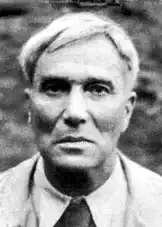
Boris Pasternak
To the Memory of Demon
To the Memory of Demon
Used to come in the blue
Of the glacier, at night, from Tamara.
With his wingtips he drew
Where the nightmares should boom, where to bar them.
Did not sob, nor entwine
The denuded, the wounded, the ailing…
A stone slab has survived
By the Georgian church, at the railings.
Hunchback shadows, distressed,
Did not dance by the fence of the temple.
Soft, about the princess
The zurna did not question the lamplight,
But the sparks in his hair
Were aglitter and bursting phosphorous,
And the giant did not hear
The dark Caucasus greying for sorrow.
Used to come in the blue
Of the glacier, at night, from Tamara.
With his wingtips he drew
Where the nightmares should boom, where to bar them.
Did not sob, nor entwine
The denuded, the wounded, the ailing…
A stone slab has survived
By the Georgian church, at the railings.
Hunchback shadows, distressed,
Did not dance by the fence of the temple.
Soft, about the princess
The zurna did not question the lamplight,
But the sparks in his hair
Were aglitter and bursting phosphorous,
And the giant did not hear
The dark Caucasus greying for sorrow.
538
Boris Pasternak
The shiv'ring piano, foaming at the mouth
The shiv'ring piano, foaming at the mouth
The shiv'ring piano, foaming at the mouth,
Will wrench you by its ravings, discompose you.
'My darling,' you will murmur. 'No!' I'll shout.
'To music?!' Yet can two be ever closer
Than in the dusk, while tossing vibrant chords
Into the fireplace, like journals, tome by tome?
Oh, understanding wonderful, just nod,
And you will know I do not claim to own
Your soul and body. You may go where'er
You want. To others. Werther has been written
Already. Death these days is in the air.
One opens up one's veins much like a window.
The shiv'ring piano, foaming at the mouth,
Will wrench you by its ravings, discompose you.
'My darling,' you will murmur. 'No!' I'll shout.
'To music?!' Yet can two be ever closer
Than in the dusk, while tossing vibrant chords
Into the fireplace, like journals, tome by tome?
Oh, understanding wonderful, just nod,
And you will know I do not claim to own
Your soul and body. You may go where'er
You want. To others. Werther has been written
Already. Death these days is in the air.
One opens up one's veins much like a window.
481
Boris Pasternak
Storm-Wind
Storm-Wind
I am finished, but you live on.
And the wind, crying and moaning,
rocks the house and the clearing,
not each pine alone,
but all the trees together,
with the vast distance, whole,
like the hulls of vessels,
moored in a bay, storm-blown.
And it shakes them not from mischief,
and not with an aimless tone,
but to find, for you, from its grief,
the words of a cradle-song.
I am finished, but you live on.
And the wind, crying and moaning,
rocks the house and the clearing,
not each pine alone,
but all the trees together,
with the vast distance, whole,
like the hulls of vessels,
moored in a bay, storm-blown.
And it shakes them not from mischief,
and not with an aimless tone,
but to find, for you, from its grief,
the words of a cradle-song.
508
Boris Pasternak
Soul
Soul
My mournful soul, you, sorrowing
For all my friends around,
You have become the burial vault
Of all those hounded down.
Devoting to their memory
A verse, embalming them,
In torment, broken, lovingly
Lamenting over them,
In this our mean and selfish time,
For conscience and for quest
You stand-a columbarium
To lay their souls to rest.
The sum of all their agonies
Has bowed you to the ground.
You smell of dust, of death's decay,
Of morgue and burial mound.
My beggarly, dejected soul,
You heard and saw your fill;
Remembered all and mixed it well,
And ground it like a mill.
Continue pounding and compound
All that I witnessed here
To graveyard compost, as you did
For almost forty years.
My mournful soul, you, sorrowing
For all my friends around,
You have become the burial vault
Of all those hounded down.
Devoting to their memory
A verse, embalming them,
In torment, broken, lovingly
Lamenting over them,
In this our mean and selfish time,
For conscience and for quest
You stand-a columbarium
To lay their souls to rest.
The sum of all their agonies
Has bowed you to the ground.
You smell of dust, of death's decay,
Of morgue and burial mound.
My beggarly, dejected soul,
You heard and saw your fill;
Remembered all and mixed it well,
And ground it like a mill.
Continue pounding and compound
All that I witnessed here
To graveyard compost, as you did
For almost forty years.
548
Boris Pasternak
Lessons of English
Lessons of English
When Desdemona sang a ditty-
In her last hours among the living-
It wasn't love that she lamented,
And not her star-she mourned a willow.
When Desdemona started singing,
With tears near choking off her voice,
Her evil demon for her evil day
Stored up of weeping rills a choice.
And when Ophelia sang a ballad-
In her last hours among the living-
All dryness of her soul was carried
Aloft by gusts of wind, like cinders.
The day Ophelia started singing,
By bitterness of daydreams jaded,
What trophies did she clutch, when sinking?
A bunch of buttercups and daisies.
Their shoulders stripped of passion's tatters,
They took, their hearts a-quake with fear,
The Universe's chilly baptism-
To stun their loving forms with spheres.
When Desdemona sang a ditty-
In her last hours among the living-
It wasn't love that she lamented,
And not her star-she mourned a willow.
When Desdemona started singing,
With tears near choking off her voice,
Her evil demon for her evil day
Stored up of weeping rills a choice.
And when Ophelia sang a ballad-
In her last hours among the living-
All dryness of her soul was carried
Aloft by gusts of wind, like cinders.
The day Ophelia started singing,
By bitterness of daydreams jaded,
What trophies did she clutch, when sinking?
A bunch of buttercups and daisies.
Their shoulders stripped of passion's tatters,
They took, their hearts a-quake with fear,
The Universe's chilly baptism-
To stun their loving forms with spheres.
614
Boris Pasternak
In Memory of Marina Tsvetaeva
In Memory of Marina Tsvetaeva
Dismal day, with the weather inclement.
Inconsolably rivulets run
Down the porch in front of the doorway;
Through my wide-open windows they come.
But behind the old fence on the roadside,
See, the public gardens are flooded.
Like wild beasts in a den, the rainclouds
Sprawl about in shaggy disorder.
In such weather, I dream of a volume
On the beauties of Earth in our age,
And I draw an imp of the forest
Just for you on the title-page.
Oh, Marina, I'd find it no burden,
And the time has been long overdue:
Your sad clay should be brought from Yelabuga
By a requiem written for you.
All the triumph of your homecoming
I considered last year in a place
Near a snow-covered bend in the river
Where boats winter, locked in the ice.
What can I do to be of service?
Convey somehow your own request,
For in the silence of your going
There's a reproach left unexpressed.
A loss is always enigmatic.
I hunt for clues to no avail,
And rack my brains in fruitless torment:
Death has no lineaments at all.
Words left half-spoken, self-deception,
Promises, shadows-all are vain,
And only faith in resurrection
Can give the semblance of a sign.
Step out into the open country:
Winter's a sumptuous funeral wake.
Add currants to the dusk, then wine,
And there you have your funeral cake.
The apple-tree stands in a snowdrift
Outside. All this year long, to me,
The snow-clad city's been a massive
Monument to your memory.
With your face turned to meet your Maker.
You yearn for Him from here on Earth,
As in the days when those upon it
Were yet to appreciate your worth
Dismal day, with the weather inclement.
Inconsolably rivulets run
Down the porch in front of the doorway;
Through my wide-open windows they come.
But behind the old fence on the roadside,
See, the public gardens are flooded.
Like wild beasts in a den, the rainclouds
Sprawl about in shaggy disorder.
In such weather, I dream of a volume
On the beauties of Earth in our age,
And I draw an imp of the forest
Just for you on the title-page.
Oh, Marina, I'd find it no burden,
And the time has been long overdue:
Your sad clay should be brought from Yelabuga
By a requiem written for you.
All the triumph of your homecoming
I considered last year in a place
Near a snow-covered bend in the river
Where boats winter, locked in the ice.
What can I do to be of service?
Convey somehow your own request,
For in the silence of your going
There's a reproach left unexpressed.
A loss is always enigmatic.
I hunt for clues to no avail,
And rack my brains in fruitless torment:
Death has no lineaments at all.
Words left half-spoken, self-deception,
Promises, shadows-all are vain,
And only faith in resurrection
Can give the semblance of a sign.
Step out into the open country:
Winter's a sumptuous funeral wake.
Add currants to the dusk, then wine,
And there you have your funeral cake.
The apple-tree stands in a snowdrift
Outside. All this year long, to me,
The snow-clad city's been a massive
Monument to your memory.
With your face turned to meet your Maker.
You yearn for Him from here on Earth,
As in the days when those upon it
Were yet to appreciate your worth
658
Boris Pasternak
August
August
This was its promise, held to faithfully:
The early morning sun came in this way
Until the angle of its saffron beam
Between the curtains and the sofa lay,
And with its ochre heat it spread across
The village houses, and the nearby wood,
Upon my bed and on my dampened pillow
And to the corner where the bookcase stood.
Then I recalled the reason why my pillow
Had been so dampened by those tears that fellI'd
dreamt I saw you coming one by one
Across the wood to wish me your farewell.
You came in ones and twos, a straggling crowd;
Then suddenly someone mentioned a word:
It was the sixth of August, by Old Style,
And the Transfiguration of Our Lord.
For from Mount Tabor usually this day
There comes a light without a flame to shine,
And autumn draws all eyes upon itself
As clear and unmistaken as a sign.
But you came forward through the tiny, stripped,
The pauperly and trembling alder grove,
Into the graveyard's coppice, russet-red,
Which, like stamped gingerbread, lay there and glowed.
And with the silence of those high treetops
Was neighbour only the imposing sky
And in the echoed crowing of the cocks
The distances and distances rang by:
There in the churchyard underneath the trees,
Like some surveyor from the government
Death gazed on my pale face to estimate
How large a grave would suit my measurement.
All those who stood there could distinctly hear
A quiet voice emerge from where I lay:
The voice was mine, my past; prophetic words
That sounded now, unsullied by decay:
'Farewell, wonder of azure and of gold
Surrounding the Transfiguration's power:
Assuage now with a woman's last caress
The bitterness of my predestined hour!
'Farewell timeless expanse of passing years!
Farewell, woman who flung your challenge steeled
Against the abyss of humiliations:
For it is I who am your battlefield!
'Farewell, you span of open wings outspread,
The voluntary obstinacy of flight,
O figure of the world revealed in speech,
Creative genius, wonder-working might!'
This was its promise, held to faithfully:
The early morning sun came in this way
Until the angle of its saffron beam
Between the curtains and the sofa lay,
And with its ochre heat it spread across
The village houses, and the nearby wood,
Upon my bed and on my dampened pillow
And to the corner where the bookcase stood.
Then I recalled the reason why my pillow
Had been so dampened by those tears that fellI'd
dreamt I saw you coming one by one
Across the wood to wish me your farewell.
You came in ones and twos, a straggling crowd;
Then suddenly someone mentioned a word:
It was the sixth of August, by Old Style,
And the Transfiguration of Our Lord.
For from Mount Tabor usually this day
There comes a light without a flame to shine,
And autumn draws all eyes upon itself
As clear and unmistaken as a sign.
But you came forward through the tiny, stripped,
The pauperly and trembling alder grove,
Into the graveyard's coppice, russet-red,
Which, like stamped gingerbread, lay there and glowed.
And with the silence of those high treetops
Was neighbour only the imposing sky
And in the echoed crowing of the cocks
The distances and distances rang by:
There in the churchyard underneath the trees,
Like some surveyor from the government
Death gazed on my pale face to estimate
How large a grave would suit my measurement.
All those who stood there could distinctly hear
A quiet voice emerge from where I lay:
The voice was mine, my past; prophetic words
That sounded now, unsullied by decay:
'Farewell, wonder of azure and of gold
Surrounding the Transfiguration's power:
Assuage now with a woman's last caress
The bitterness of my predestined hour!
'Farewell timeless expanse of passing years!
Farewell, woman who flung your challenge steeled
Against the abyss of humiliations:
For it is I who am your battlefield!
'Farewell, you span of open wings outspread,
The voluntary obstinacy of flight,
O figure of the world revealed in speech,
Creative genius, wonder-working might!'
600

Billy Collins
The Iron Bridge
The Iron Bridge
I am standing on a disused iron bridge
that was erected in 1902,
according to the iron plaque bolted into a beam,
the year my mother turned one.
Imagine--a mother in her infancy,
and she was a Canadian infant at that,
one of the great infants of the province of Ontario.
But here I am leaning on the rusted railing
looking at the water below,
which is flat and reflective this morning,
sky-blue and streaked with high clouds,
and the more I look at the water,
which is like a talking picture,
the more I think of 1902
when workmen in shirts and caps
riveted this iron bridge together
across a thin channel joining two lakes
where wildflowers blow along the shore now
and pairs of swans float in the leafy coves.
1902--my mother was so tiny
she could have fit into one of those oval
baskets for holding apples,
which her mother could have lined with a soft cloth
and placed on the kitchen table
so she could keep an eye on infant Katherine
while she scrubbed potatoes or shelled a bag of peas,
the way I am keeping an eye on that cormorant
who just broke the glassy surface
and is moving away from me and the iron bridge,
swiveling his curious head,
slipping out to where the sun rakes the water
and filters through the trees that crowd the shore.
And now he dives,
disappears below the surface,
and while I wait for him to pop up,
I picture him flying underwater with his strange wings,
as I picture you, my tiny mother,
who disappeared last year,
flying somewhere with your strange wings,
your wide eyes, and your heavy wet dress,
kicking deeper down into a lake
with no end or name, some boundless province of water.
I am standing on a disused iron bridge
that was erected in 1902,
according to the iron plaque bolted into a beam,
the year my mother turned one.
Imagine--a mother in her infancy,
and she was a Canadian infant at that,
one of the great infants of the province of Ontario.
But here I am leaning on the rusted railing
looking at the water below,
which is flat and reflective this morning,
sky-blue and streaked with high clouds,
and the more I look at the water,
which is like a talking picture,
the more I think of 1902
when workmen in shirts and caps
riveted this iron bridge together
across a thin channel joining two lakes
where wildflowers blow along the shore now
and pairs of swans float in the leafy coves.
1902--my mother was so tiny
she could have fit into one of those oval
baskets for holding apples,
which her mother could have lined with a soft cloth
and placed on the kitchen table
so she could keep an eye on infant Katherine
while she scrubbed potatoes or shelled a bag of peas,
the way I am keeping an eye on that cormorant
who just broke the glassy surface
and is moving away from me and the iron bridge,
swiveling his curious head,
slipping out to where the sun rakes the water
and filters through the trees that crowd the shore.
And now he dives,
disappears below the surface,
and while I wait for him to pop up,
I picture him flying underwater with his strange wings,
as I picture you, my tiny mother,
who disappeared last year,
flying somewhere with your strange wings,
your wide eyes, and your heavy wet dress,
kicking deeper down into a lake
with no end or name, some boundless province of water.
253
Billy Collins
Picnic, Lightning
Picnic, Lightning
It is possible to be struck by a
meteor or a single-engine plane while
reading in a chair at home. Pedestrians
are flattened by safes falling from
rooftops mostly within the panels of
the comics, but still, we know it is
possible, as well as the flash of
summer lightning, the thermos toppling
over, spilling out on the grass.
And we know the message can be
delivered from within. The heart, no
valentine, decides to quit after
lunch, the power shut off like a
switch, or a tiny dark ship is
unmoored into the flow of the body's
rivers, the brain a monastery,
defenseless on the shore. This is
what I think about when I shovel
compost into a wheelbarrow, and when
I fill the long flower boxes, then
press into rows the limp roots of red
impatiens -- the instant hand of Death
always ready to burst forth from the
sleeve of his voluminous cloak. Then
the soil is full of marvels, bits of
leaf like flakes off a fresco,
red-brown pine needles, a beetle quick
to burrow back under the loam. Then
the wheelbarrow is a wilder blue, the
clouds a brighter white, and all I
hear is the rasp of the steel edge
against a round stone, the small
plants singing with lifted faces, and
the click of the sundial as one hour
sweeps into the next.
It is possible to be struck by a
meteor or a single-engine plane while
reading in a chair at home. Pedestrians
are flattened by safes falling from
rooftops mostly within the panels of
the comics, but still, we know it is
possible, as well as the flash of
summer lightning, the thermos toppling
over, spilling out on the grass.
And we know the message can be
delivered from within. The heart, no
valentine, decides to quit after
lunch, the power shut off like a
switch, or a tiny dark ship is
unmoored into the flow of the body's
rivers, the brain a monastery,
defenseless on the shore. This is
what I think about when I shovel
compost into a wheelbarrow, and when
I fill the long flower boxes, then
press into rows the limp roots of red
impatiens -- the instant hand of Death
always ready to burst forth from the
sleeve of his voluminous cloak. Then
the soil is full of marvels, bits of
leaf like flakes off a fresco,
red-brown pine needles, a beetle quick
to burrow back under the loam. Then
the wheelbarrow is a wilder blue, the
clouds a brighter white, and all I
hear is the rasp of the steel edge
against a round stone, the small
plants singing with lifted faces, and
the click of the sundial as one hour
sweeps into the next.
313
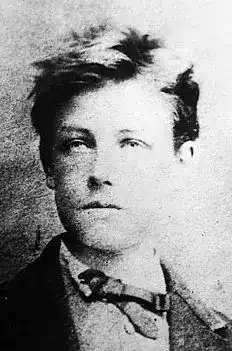
Arthur Rimbaud
Ruts
Ruts
To the right the summer dawn
wakes the leaves and the mists
and the noises in this corner of the park,
and the left-hand banks
hold in their violet shadows
the thousand swift ruts of the wet road.
Wonderland procession! Yes, truly: floats covered
with animals of gilded wood, poles and bright bunting,
to the furious gallop of twenty dappled circus horses,
and children and men on their most fantastic beasts;-twenty
rotund vehicles, decorated with flags
and flowers like the coaches of old or in fairy tales,
full of children all dressed up for a suburban pastoral.
Even coffins under their somber canopies
lifting aloft their jet-black plumes,
bowling along to the trot
of huge mares, blue and black.
To the right the summer dawn
wakes the leaves and the mists
and the noises in this corner of the park,
and the left-hand banks
hold in their violet shadows
the thousand swift ruts of the wet road.
Wonderland procession! Yes, truly: floats covered
with animals of gilded wood, poles and bright bunting,
to the furious gallop of twenty dappled circus horses,
and children and men on their most fantastic beasts;-twenty
rotund vehicles, decorated with flags
and flowers like the coaches of old or in fairy tales,
full of children all dressed up for a suburban pastoral.
Even coffins under their somber canopies
lifting aloft their jet-black plumes,
bowling along to the trot
of huge mares, blue and black.
518