

Poems in this theme
Death and Mourning

Henry Lawson
Talbragar
Talbragar
Jack Denver died on Talbragar when Christmas Eve began,
And there was sorrow round the place, for Denver was a man;
Jack Denver’s wife bowed down her head—her daughter’s grief was wild,
And big Ben Duggan by the bed stood sobbing like a child.
But big Ben Duggan saddled up, and galloped fast and far,
To raise the biggest funeral ever seen on Talbragar.
By station home
And shearing shed
Ben Duggan cried, “Jack Denver’s dead!
Roll up at Talbragar!”
He borrowed horses here and there, and rode all Christmas Eve,
And scarcely paused a moment’s time the mournful news to leave;
He rode by lonely huts and farms, until the day was done
And then he turned his horse’s head and made for Ross’s Run.
No Bushman in a single day had ridden half so far
Since Johnson brought the doctor to his wife at Talbragar.
By diggers’ camps
Ben Duggan sped—
At each he cried, “Jack Denver’s dead!
Roll up at Talbragar!”
That night he passed the humpies of the splitters on the ridge,
And roused the bullock-drivers camped at Belinfante’s Bridge;
And as he climbed the ridge again the moon shone on the rise;
The soft white moonbeams glistened in the tears that filled his eyes;
He dashed the rebel drops away—for blinding things they are—
But ’twas his best and truest friend who died on Talbragar.
At Blackman’s Run
Before the dawn,
Ben Duggan cried, “Jack Denver’s gone!
Roll up at Talbragar!”
At all the shanties round the place they‘d beard his horse’s tramp,
He took the track to Wilson’s Luck, and told the diggers’ camp;
But in the gorge by Deadman’s Gap the mountain shades were black,
And there a newly-fallen tree was lying on the track—
He saw too late, and then he heard the swift hoof ’s sudden jar,
And big Ben Duggan ne’er again rode home to Talbragar.
“The wretch is drunk,
And Denver’s dead—
A burning shame!” the people said
Next day at Talbragar.
For thirty miles round Talbragar the boys rolled up in strength,
And Denver had a funeral a good long mile in length;
Round Denver’s grave that Christmas day rough Bushmen’s eyes were dim—
The Western Bushmen knew the way to bury dead like him;
But some returning homeward found, by light of moon and star,
Ben Duggan dying in the rocks, ten miles from Talbragar.
They knelt around.
He raised his head
And faintly gasped, “Jack Denver’s dead,
Roll up at Talbragar!”
But one short hour before he died he woke and understood;
They told him, when he asked them, that the funeral was good;
And then there came into his eyes a sad and softened light.
He said. “Poor Denver’s wife and kids—you’ll see that they’re all right?”
And still the careless Bushmen tell by tent and shanty bar
How Duggan raised a funeral years back on Talbragar.
And far and wide
When Duggan died.
The bushmen of the western side
Rode in to Talbragar.
Jack Denver died on Talbragar when Christmas Eve began,
And there was sorrow round the place, for Denver was a man;
Jack Denver’s wife bowed down her head—her daughter’s grief was wild,
And big Ben Duggan by the bed stood sobbing like a child.
But big Ben Duggan saddled up, and galloped fast and far,
To raise the biggest funeral ever seen on Talbragar.
By station home
And shearing shed
Ben Duggan cried, “Jack Denver’s dead!
Roll up at Talbragar!”
He borrowed horses here and there, and rode all Christmas Eve,
And scarcely paused a moment’s time the mournful news to leave;
He rode by lonely huts and farms, until the day was done
And then he turned his horse’s head and made for Ross’s Run.
No Bushman in a single day had ridden half so far
Since Johnson brought the doctor to his wife at Talbragar.
By diggers’ camps
Ben Duggan sped—
At each he cried, “Jack Denver’s dead!
Roll up at Talbragar!”
That night he passed the humpies of the splitters on the ridge,
And roused the bullock-drivers camped at Belinfante’s Bridge;
And as he climbed the ridge again the moon shone on the rise;
The soft white moonbeams glistened in the tears that filled his eyes;
He dashed the rebel drops away—for blinding things they are—
But ’twas his best and truest friend who died on Talbragar.
At Blackman’s Run
Before the dawn,
Ben Duggan cried, “Jack Denver’s gone!
Roll up at Talbragar!”
At all the shanties round the place they‘d beard his horse’s tramp,
He took the track to Wilson’s Luck, and told the diggers’ camp;
But in the gorge by Deadman’s Gap the mountain shades were black,
And there a newly-fallen tree was lying on the track—
He saw too late, and then he heard the swift hoof ’s sudden jar,
And big Ben Duggan ne’er again rode home to Talbragar.
“The wretch is drunk,
And Denver’s dead—
A burning shame!” the people said
Next day at Talbragar.
For thirty miles round Talbragar the boys rolled up in strength,
And Denver had a funeral a good long mile in length;
Round Denver’s grave that Christmas day rough Bushmen’s eyes were dim—
The Western Bushmen knew the way to bury dead like him;
But some returning homeward found, by light of moon and star,
Ben Duggan dying in the rocks, ten miles from Talbragar.
They knelt around.
He raised his head
And faintly gasped, “Jack Denver’s dead,
Roll up at Talbragar!”
But one short hour before he died he woke and understood;
They told him, when he asked them, that the funeral was good;
And then there came into his eyes a sad and softened light.
He said. “Poor Denver’s wife and kids—you’ll see that they’re all right?”
And still the careless Bushmen tell by tent and shanty bar
How Duggan raised a funeral years back on Talbragar.
And far and wide
When Duggan died.
The bushmen of the western side
Rode in to Talbragar.
391
Henry Lawson
Sacred to the Memory of “Unknown”
Sacred to the Memory of “Unknown”
Oh, the wild black swans fly westward still,
While the sun goes down in glory—
And away o’er lonely plain and hill
Still runs the same old story:
The sheoaks sigh it all day long—
It is safe in the Big Scrub’s keeping—
’Tis the butcher-birds’ and the bell-birds’ song
In the gum where ‘Unknown’ lies sleeping—
(It is heard in the chat of the soldier-birds
O’er the grave where ‘Unknown’ lies sleeping).
Ah! the Bushmen knew not his name or land,
Or the shame that had sent him here—
But the Bushmen knew by the dead man’s hand
That his past life lay not near.
The law of the land might have watched for him,
Or a sweetheart, wife, or mother;
But they bared their heads, and their eyes were dim,
For he might have been a brother!
(Ah! the death he died brought him near to them,
For he might have been a brother.)
Oh, the wild black swans to the westward fade,
And the sunset burns to ashes,
And three times bright on an eastern range
The light of a big star flashes,
Like a signal sent to a distant strand
Where a dead man’s love sits weeping.
And the night comes grand to the Great Lone Land
O’er the grave where ‘Unknown’ lies sleeping,
And the big white stars in their clusters blaze
O’er the Bush where ‘Unknown’ lies sleeping.
Oh, the wild black swans fly westward still,
While the sun goes down in glory—
And away o’er lonely plain and hill
Still runs the same old story:
The sheoaks sigh it all day long—
It is safe in the Big Scrub’s keeping—
’Tis the butcher-birds’ and the bell-birds’ song
In the gum where ‘Unknown’ lies sleeping—
(It is heard in the chat of the soldier-birds
O’er the grave where ‘Unknown’ lies sleeping).
Ah! the Bushmen knew not his name or land,
Or the shame that had sent him here—
But the Bushmen knew by the dead man’s hand
That his past life lay not near.
The law of the land might have watched for him,
Or a sweetheart, wife, or mother;
But they bared their heads, and their eyes were dim,
For he might have been a brother!
(Ah! the death he died brought him near to them,
For he might have been a brother.)
Oh, the wild black swans to the westward fade,
And the sunset burns to ashes,
And three times bright on an eastern range
The light of a big star flashes,
Like a signal sent to a distant strand
Where a dead man’s love sits weeping.
And the night comes grand to the Great Lone Land
O’er the grave where ‘Unknown’ lies sleeping,
And the big white stars in their clusters blaze
O’er the Bush where ‘Unknown’ lies sleeping.
128
Henry Lawson
Reedy River
Reedy River
Ten miles down Reedy River
A pool of water lies,
And all the year it mirrors
The changes in the skies,
And in that pool's broad bosom
Is room for all the stars;
Its bed of sand has drifted
O'er countless rocky bars.
Around the lower edges
There waves a bed of reeds,
Where water rats are hidden
And where the wild duck breeds;
And grassy slopes rise gently
To ridges long and low,
Where groves of wattle flourish
And native bluebells grow.
Beneath the granite ridges
The eye may just discern
Where Rocky Creek emerges
From deep green banks of fern;
And standing tall between them,
The grassy she-oaks cool
The hard, blue-tinted waters
Before they reach the pool.
Ten miles down Reedy River
One Sunday afternoon,
I rode with Mary Campbell
To that broad, bright lagoon;
We left our horses grazing
Till shadows climbed the peak,
And strolled beneath the she-oaks
On the banks of Rocky Creek.
Then home along the river
That night we rode a race,
And the moonlight lent a glory
To Mary Campbell's face;
And I pleaded for our future
All through that moonlight ride,
Until our weary horses
Drew closer side by side.
Ten miles from Ryan's Crossing
And five miles below the peak,
I built a little homestead
On the banks of Rocky Creek;
I cleared the land and fenced it
And ploughed the rich, red loam,
And my first crop was golden
When I brought my Mary home.
Now still down Reedy River
The grassy she-oaks sigh,
And the water-holes still mirror
The pictures in the sky;
And over all for ever
Go sun and moon and stars,
While the golden sand is drifting
Across the rocky bars
But of the hut I builded
There are no traces now.
And many rains have levelled
The furrows of the plough;
And my bright days are olden,
For the twisted branches wave
And the wattle blossoms golden
On the hill by Mary's grave.
Ten miles down Reedy River
A pool of water lies,
And all the year it mirrors
The changes in the skies,
And in that pool's broad bosom
Is room for all the stars;
Its bed of sand has drifted
O'er countless rocky bars.
Around the lower edges
There waves a bed of reeds,
Where water rats are hidden
And where the wild duck breeds;
And grassy slopes rise gently
To ridges long and low,
Where groves of wattle flourish
And native bluebells grow.
Beneath the granite ridges
The eye may just discern
Where Rocky Creek emerges
From deep green banks of fern;
And standing tall between them,
The grassy she-oaks cool
The hard, blue-tinted waters
Before they reach the pool.
Ten miles down Reedy River
One Sunday afternoon,
I rode with Mary Campbell
To that broad, bright lagoon;
We left our horses grazing
Till shadows climbed the peak,
And strolled beneath the she-oaks
On the banks of Rocky Creek.
Then home along the river
That night we rode a race,
And the moonlight lent a glory
To Mary Campbell's face;
And I pleaded for our future
All through that moonlight ride,
Until our weary horses
Drew closer side by side.
Ten miles from Ryan's Crossing
And five miles below the peak,
I built a little homestead
On the banks of Rocky Creek;
I cleared the land and fenced it
And ploughed the rich, red loam,
And my first crop was golden
When I brought my Mary home.
Now still down Reedy River
The grassy she-oaks sigh,
And the water-holes still mirror
The pictures in the sky;
And over all for ever
Go sun and moon and stars,
While the golden sand is drifting
Across the rocky bars
But of the hut I builded
There are no traces now.
And many rains have levelled
The furrows of the plough;
And my bright days are olden,
For the twisted branches wave
And the wattle blossoms golden
On the hill by Mary's grave.
216
Henry Lawson
Past Carin'
Past Carin'
Now up and down the siding brown
The great black crows are flyin',
And down below the spur, I know,
Another `milker's' dyin';
The crops have withered from the ground,
The tank's clay bed is glarin',
But from my heart no tear nor sound,
For I have gone past carin' -Past
worryin' or carin',
Past feelin' aught or carin';
But from my heart no tear nor sound,
For I have gone past carin'.
Through Death and Trouble, turn about,
Through hopeless desolation,
Through flood and fever, fire and drought,
And slavery and starvation;
Through childbirth, sickness, hurt, and blight,
And nervousness an' scarin',
Through bein' left alone at night,
I've got to be past carin'.
Past botherin' or carin',
Past feelin' and past carin';
Through city cheats and neighbours' spite,
I've come to be past carin'.
Our first child took, in days like these,
A cruel week in dyin',
All day upon her father's knees,
Or on my poor breast lyin';
The tears we shed -- the prayers we said
Were awful, wild -- despairin'!
I've pulled three through, and buried two
Since then -- and I'm past carin'.
I've grown to be past carin',
Past worryin' and wearin';
I've pulled three through and buried two
Since then, and I'm past carin'.
'Twas ten years first, then came the worst,
All for a dusty clearin',
I thought, I thought my heart would burst
When first my man went shearin';
He's drovin' in the great North-west,
I don't know how he's farin';
For I, the one that loved him best,
Have grown to be past carin'.
I've grown to be past carin'
Past lookin' for or carin';
The girl that waited long ago,
Has lived to be past carin'.
My eyes are dry, I cannot cry,
I've got no heart for breakin',
But where it was in days gone by,
A dull and empty achin'.
My last boy ran away from me,
I know my temper's wearin',
But now I only wish to be
Beyond all signs of carin'.
Past wearyin' or carin',
Past feelin' and despairin';
And now I only wish to be
Beyond all signs of carin'.
Now up and down the siding brown
The great black crows are flyin',
And down below the spur, I know,
Another `milker's' dyin';
The crops have withered from the ground,
The tank's clay bed is glarin',
But from my heart no tear nor sound,
For I have gone past carin' -Past
worryin' or carin',
Past feelin' aught or carin';
But from my heart no tear nor sound,
For I have gone past carin'.
Through Death and Trouble, turn about,
Through hopeless desolation,
Through flood and fever, fire and drought,
And slavery and starvation;
Through childbirth, sickness, hurt, and blight,
And nervousness an' scarin',
Through bein' left alone at night,
I've got to be past carin'.
Past botherin' or carin',
Past feelin' and past carin';
Through city cheats and neighbours' spite,
I've come to be past carin'.
Our first child took, in days like these,
A cruel week in dyin',
All day upon her father's knees,
Or on my poor breast lyin';
The tears we shed -- the prayers we said
Were awful, wild -- despairin'!
I've pulled three through, and buried two
Since then -- and I'm past carin'.
I've grown to be past carin',
Past worryin' and wearin';
I've pulled three through and buried two
Since then, and I'm past carin'.
'Twas ten years first, then came the worst,
All for a dusty clearin',
I thought, I thought my heart would burst
When first my man went shearin';
He's drovin' in the great North-west,
I don't know how he's farin';
For I, the one that loved him best,
Have grown to be past carin'.
I've grown to be past carin'
Past lookin' for or carin';
The girl that waited long ago,
Has lived to be past carin'.
My eyes are dry, I cannot cry,
I've got no heart for breakin',
But where it was in days gone by,
A dull and empty achin'.
My last boy ran away from me,
I know my temper's wearin',
But now I only wish to be
Beyond all signs of carin'.
Past wearyin' or carin',
Past feelin' and despairin';
And now I only wish to be
Beyond all signs of carin'.
349
Henry Lawson
Old Tunes
Old Tunes
When friends are listening round me, Jack, to hear my dying breath,
And I am lying in a sleep they say will end in death,
Don’t notice what the doctor says—and let the nurse complain——
I’ll tell you how to rouse me if I’ll ever wake again.
Just you bring in your fiddle, Jack, and set your heart in tune,
And strike up “Annie Laurie”, or “The Rising of the Moon”;
And if you see no token of a rising in my throat,
You’ll need to brace your mouth, old man—I’m booked by Charon’s boat.
And if you are not satisfied that I am off the scene,
Strike up “The Marseillaise”, or else “The Wearing of the Green”;
And should my fingers tremble not, then I have crossed the line,
But keep your fingers steady, Jack, and strike up “Auld Lang Syne”.
When friends are listening round me, Jack, to hear my dying breath,
And I am lying in a sleep they say will end in death,
Don’t notice what the doctor says—and let the nurse complain——
I’ll tell you how to rouse me if I’ll ever wake again.
Just you bring in your fiddle, Jack, and set your heart in tune,
And strike up “Annie Laurie”, or “The Rising of the Moon”;
And if you see no token of a rising in my throat,
You’ll need to brace your mouth, old man—I’m booked by Charon’s boat.
And if you are not satisfied that I am off the scene,
Strike up “The Marseillaise”, or else “The Wearing of the Green”;
And should my fingers tremble not, then I have crossed the line,
But keep your fingers steady, Jack, and strike up “Auld Lang Syne”.
245
Henry Lawson
He Mourned His Master
He Mourned His Master
INTRODUCTION
The theme is ancient as the hills,
With all their prehistoric glory;
But yet of Corney and his friend,
We’ve often longed to tell the story;
And should we jar the reader’s ear,
Or fail to please his eye observant,
We only trust that he’ll forgive
The bush muse and—your humble servant.
THE STORY
Old Corney built in Deadman’s Gap
A hut, where mountain shades grow denser,
And there he lived for many years,
A timber-getter and a fencer.
And no one knew if he’d a soul
Above long sprees, or split-rail fences,
Unless, indeed, it was his friend,
Who always kept his confidences.
There was a saw-pit in the range;
’Twas owned by three, and they were brothers,
And visitors to Corney’s hut—
’Twas seldom visited by others.
They came because, as they averred,
“Old Corney licked—a gent infernal.”
“His yarns,” if I might trust their word,
“Would made the fortune of a journal.”
In short, the splitter was a “cure”,
Who brightened up their lives’ dull courses;
And so on Sunday afternoons,
At Corney’s hut they’d hang their horses.
They’d have a game of cards and smoke,
And sometimes sing, which was a rum thing—
Unless, in spite of legal folk,
The splitter kept a “drop of something”.
If, as ’twas said, he was “a swell”
Before he sought these sombre ranges,
’Twixt mother’s arms and coffin gear
He must have seen a world of changes.
But from his lips would never fall
A hint of home, or friends, or brothers;
And if he told his tale at all,
He must have told it as another’s.
Though he was good at telling yarns,
At listening he excelled not less so,
And greatly helped the bushman’s tales
With “yes”, “exactly so”, or “jes’ so”.
In short, the hut became a club
Like our Assembly Legislative,
Combining smokeroom, hall, and “pub”,
Political and recreative.
Old Corney lived and Corney died,
As we will, too, on some to-morrow,
But not as Corney died, we hope,
Of heart disease, and rum, and sorrow.
(We hope to lead a married life,
At times the cup of comfort quaffing;
And when we leave this world of strife
We trust that we may die of laughing.)
One New Year’s Eve they found him dead—
For rum had made his life unstable—
They found him stretched upon his bed,
And also found, upon the table,
The coloured portrait of a girl—
Blue eyes of course. The hair was golden,
A faded letter and a curl,
And—well, we said the theme was olden.
The splitter had for days been dead
And cold before the sawyers found him,
And none had witnessed how he died
Except the friend who whimpered round him;
A noble friend, and of a kind
Who stay when other friends forsake us;
And he at last was left behind
To greet the rough bush undertakers.
This was a season when the bush
Was somewhat ruled by time and distance,
And bushmen came and tried the world,
And “gave it best” without assistance.
Then one might die of heart disease,
And still be spared the inquest horrors.
And when the splitter lay at ease,
So, also, did his sins and sorrows.
“Ole Corey’s dead,” the bushmen said;
“He’s gone at last, an’ ne’er a blunder.”
And so they brought a horse and dray,
And tools to “tuck the old cove under.”
The funeral wended through the range,
And slowly round its rugged corners;
The reader will not think it strange
That Corney’s friend was chief of mourners.
He must have thought the bushmen hard,
And of his misery unheeding,
Because they shunned his anxious eyes,
That seemed for explanation pleading.
At intervals his tongue would wipe
The jaws that seemed with anguish quaking;
As some strong hand impatiently
Might chide the tears for prison breaking.
They reached by rugged ways at last,
A desolate bush cemetery,
Where now (our tale is of the past),
A thriving town its dead doth bury.
And where the bones of pioneers
Are found and thrown aside unheeded—
For later sleepers, blessed with tears
Of many friends, the graves are needed.
The funeral reached the bushmen’s graves,
Where these old pioneers were sleeping,
And now while down the granite ridge
The shadow of the peak was creeping,
They dug a grave beneath a gum
And lowered the dead as gently may be
As Corney’s mother long before
Had laid him down to “hush-a-baby”.
A bushman read the words to which
The others reverently listened,
Some bearded lips were seen to twitch,
Some shaded eyes with moisture glistened.
Perhaps this weakness was because
Their work reminded them in sorrow
Of other burials long ago,
When friends “turned in to wait the morrow.”
The boys had brought the splitter’s tools,
And now they split and put together
Four panels such as Corney made,
To stand the stress of western weather.
Perhaps this second weakness rose,
From some good reason undetected;
They may have thought of other graves
Of dearer friends they left neglected.
“Old Corney’s dead, he paid his bills”
(These words upon the tree were graven)
“And oft a swagman down in luck,
At Corey’s mansion found a haven.”
If this an explanation needs,
We greatly fear we can’t afford it;
Unless they thought of other dead,
Whose virtues they had not recorded.
The day had crossed the homeward track,
And as the bushmen turned to tread it,
They thought and spoke of many things,
Remembered now to Corney’s credit;
And strange to say, above their heads
The kookaburra burst with laughter.
(Perhaps he thought of other friends
Whose virtues they remembered—after.)
But now the bushmen hurried on
Lest darkness in the range should find them;
And strange to say they never saw
That Corney’s friend had stayed behind them.
If one had thrown a backward glance
Along the rugged path they wended,
He might have seen a darker form
Upon the damp cold mound extended.
But soon their forms had vanished all,
And night came down the ranges faster,
And no one saw the shadows fall
Upon the dog that mourned his master.
INTRODUCTION
The theme is ancient as the hills,
With all their prehistoric glory;
But yet of Corney and his friend,
We’ve often longed to tell the story;
And should we jar the reader’s ear,
Or fail to please his eye observant,
We only trust that he’ll forgive
The bush muse and—your humble servant.
THE STORY
Old Corney built in Deadman’s Gap
A hut, where mountain shades grow denser,
And there he lived for many years,
A timber-getter and a fencer.
And no one knew if he’d a soul
Above long sprees, or split-rail fences,
Unless, indeed, it was his friend,
Who always kept his confidences.
There was a saw-pit in the range;
’Twas owned by three, and they were brothers,
And visitors to Corney’s hut—
’Twas seldom visited by others.
They came because, as they averred,
“Old Corney licked—a gent infernal.”
“His yarns,” if I might trust their word,
“Would made the fortune of a journal.”
In short, the splitter was a “cure”,
Who brightened up their lives’ dull courses;
And so on Sunday afternoons,
At Corney’s hut they’d hang their horses.
They’d have a game of cards and smoke,
And sometimes sing, which was a rum thing—
Unless, in spite of legal folk,
The splitter kept a “drop of something”.
If, as ’twas said, he was “a swell”
Before he sought these sombre ranges,
’Twixt mother’s arms and coffin gear
He must have seen a world of changes.
But from his lips would never fall
A hint of home, or friends, or brothers;
And if he told his tale at all,
He must have told it as another’s.
Though he was good at telling yarns,
At listening he excelled not less so,
And greatly helped the bushman’s tales
With “yes”, “exactly so”, or “jes’ so”.
In short, the hut became a club
Like our Assembly Legislative,
Combining smokeroom, hall, and “pub”,
Political and recreative.
Old Corney lived and Corney died,
As we will, too, on some to-morrow,
But not as Corney died, we hope,
Of heart disease, and rum, and sorrow.
(We hope to lead a married life,
At times the cup of comfort quaffing;
And when we leave this world of strife
We trust that we may die of laughing.)
One New Year’s Eve they found him dead—
For rum had made his life unstable—
They found him stretched upon his bed,
And also found, upon the table,
The coloured portrait of a girl—
Blue eyes of course. The hair was golden,
A faded letter and a curl,
And—well, we said the theme was olden.
The splitter had for days been dead
And cold before the sawyers found him,
And none had witnessed how he died
Except the friend who whimpered round him;
A noble friend, and of a kind
Who stay when other friends forsake us;
And he at last was left behind
To greet the rough bush undertakers.
This was a season when the bush
Was somewhat ruled by time and distance,
And bushmen came and tried the world,
And “gave it best” without assistance.
Then one might die of heart disease,
And still be spared the inquest horrors.
And when the splitter lay at ease,
So, also, did his sins and sorrows.
“Ole Corey’s dead,” the bushmen said;
“He’s gone at last, an’ ne’er a blunder.”
And so they brought a horse and dray,
And tools to “tuck the old cove under.”
The funeral wended through the range,
And slowly round its rugged corners;
The reader will not think it strange
That Corney’s friend was chief of mourners.
He must have thought the bushmen hard,
And of his misery unheeding,
Because they shunned his anxious eyes,
That seemed for explanation pleading.
At intervals his tongue would wipe
The jaws that seemed with anguish quaking;
As some strong hand impatiently
Might chide the tears for prison breaking.
They reached by rugged ways at last,
A desolate bush cemetery,
Where now (our tale is of the past),
A thriving town its dead doth bury.
And where the bones of pioneers
Are found and thrown aside unheeded—
For later sleepers, blessed with tears
Of many friends, the graves are needed.
The funeral reached the bushmen’s graves,
Where these old pioneers were sleeping,
And now while down the granite ridge
The shadow of the peak was creeping,
They dug a grave beneath a gum
And lowered the dead as gently may be
As Corney’s mother long before
Had laid him down to “hush-a-baby”.
A bushman read the words to which
The others reverently listened,
Some bearded lips were seen to twitch,
Some shaded eyes with moisture glistened.
Perhaps this weakness was because
Their work reminded them in sorrow
Of other burials long ago,
When friends “turned in to wait the morrow.”
The boys had brought the splitter’s tools,
And now they split and put together
Four panels such as Corney made,
To stand the stress of western weather.
Perhaps this second weakness rose,
From some good reason undetected;
They may have thought of other graves
Of dearer friends they left neglected.
“Old Corney’s dead, he paid his bills”
(These words upon the tree were graven)
“And oft a swagman down in luck,
At Corey’s mansion found a haven.”
If this an explanation needs,
We greatly fear we can’t afford it;
Unless they thought of other dead,
Whose virtues they had not recorded.
The day had crossed the homeward track,
And as the bushmen turned to tread it,
They thought and spoke of many things,
Remembered now to Corney’s credit;
And strange to say, above their heads
The kookaburra burst with laughter.
(Perhaps he thought of other friends
Whose virtues they remembered—after.)
But now the bushmen hurried on
Lest darkness in the range should find them;
And strange to say they never saw
That Corney’s friend had stayed behind them.
If one had thrown a backward glance
Along the rugged path they wended,
He might have seen a darker form
Upon the damp cold mound extended.
But soon their forms had vanished all,
And night came down the ranges faster,
And no one saw the shadows fall
Upon the dog that mourned his master.
187
Henry Lawson
Do You Think That I Do Not Know?
Do You Think That I Do Not Know?
They say that I never have written of love,
As a writer of songs should do;
They say that I never could touch the strings
With a touch that is firm and true;
They say I know nothing of women and men
In the fields where Love's roses grow,
And they say I must write with a halting pen
Do you think that I do not know?
When the love-burst came, like an English Spring,
In days when our hair was brown,
And the hem of her skirt was a sacred thing
And her hair was an angel's crown.
The shock when another man touched her arm,
Where the dancers sat round in a row;
The hope and despair, and the false alarm
Do you think that I do not know?
By the arbour lights on the western farms,
You remember the question put,
While you held her warm in your quivering arms
And you trembled from head to foot.
The electric shock from her finger tips,
And the murmuring answer low,
The soft, shy yielding of warm red lips
Do you think that I do not know?
She was buried at Brighton, where Gordon sleeps,
When I was a world away;
And the sad old garden its secret keeps,
For nobody knows to-day.
She left a message for me to read,
Where the wild wide oceans flow;
Do you know how the heart of a man can bleed
Do you think that I do not know?
I stood by the grave where the dead girl lies,
When the sunlit scenes were fair,
And the white clouds high in the autumn skies,
And I answered the message there.
But the haunting words of the dead to me
Shall go wherever I go.
She lives in the Marriage that Might Have Been
Do you think that I do not know?
They sneer or scoff, and they pray or groan,
And the false friend plays his part.
Do you think that the blackguard who drinks alone
Knows aught of a pure girl's heart?
Knows aught of the first pure love of a boy
With his warm young blood aglow,
Knows aught of the thrill of the world-old joy
Do you think that I do not know?
They say that I never have written of love,
They say that my heart is such
That finer feelings are far above;
But a writer may know too much.
There are darkest depths in the brightest nights,
When the clustering stars hang low;
There are things it would break his strong heart to write
Do you think that I do not know?
They say that I never have written of love,
As a writer of songs should do;
They say that I never could touch the strings
With a touch that is firm and true;
They say I know nothing of women and men
In the fields where Love's roses grow,
And they say I must write with a halting pen
Do you think that I do not know?
When the love-burst came, like an English Spring,
In days when our hair was brown,
And the hem of her skirt was a sacred thing
And her hair was an angel's crown.
The shock when another man touched her arm,
Where the dancers sat round in a row;
The hope and despair, and the false alarm
Do you think that I do not know?
By the arbour lights on the western farms,
You remember the question put,
While you held her warm in your quivering arms
And you trembled from head to foot.
The electric shock from her finger tips,
And the murmuring answer low,
The soft, shy yielding of warm red lips
Do you think that I do not know?
She was buried at Brighton, where Gordon sleeps,
When I was a world away;
And the sad old garden its secret keeps,
For nobody knows to-day.
She left a message for me to read,
Where the wild wide oceans flow;
Do you know how the heart of a man can bleed
Do you think that I do not know?
I stood by the grave where the dead girl lies,
When the sunlit scenes were fair,
And the white clouds high in the autumn skies,
And I answered the message there.
But the haunting words of the dead to me
Shall go wherever I go.
She lives in the Marriage that Might Have Been
Do you think that I do not know?
They sneer or scoff, and they pray or groan,
And the false friend plays his part.
Do you think that the blackguard who drinks alone
Knows aught of a pure girl's heart?
Knows aught of the first pure love of a boy
With his warm young blood aglow,
Knows aught of the thrill of the world-old joy
Do you think that I do not know?
They say that I never have written of love,
They say that my heart is such
That finer feelings are far above;
But a writer may know too much.
There are darkest depths in the brightest nights,
When the clustering stars hang low;
There are things it would break his strong heart to write
Do you think that I do not know?
227
Henry Lawson
Dan Wasn’t Thrown from His Horse
Dan Wasn’t Thrown from His Horse
THEY SAY he was thrown and run over,
But that is sheer nonsense, of course:
I taught him to ride when a kiddy,
And Dan wasn’t thrown from his horse.
The horse that Dan rode was a devil—
The kind of a brute I despise,
With nasty white eyelashes fringing
A pair of red, sinister eyes.
And a queerly-shaped spot on his forehead,
Where I put a conical ball
The day that he murdered Dan Denver,
The pluckiest rider of all.
’Twas after the races were over
And Duggan (a Talbragar man)
And two of the Denvers, and Barney
Were trying a gallop with Dan.
Dan’s horse on a sudden got vicious,
And reared up an’ plunged in the race,
Then threw back his head, hitting Dan like
A sledge-hammer, full in the face.
Dan stopped and got down, stood a moment,
Then fell to the ground like a stone,
And died about ten minutes after;
But they’re liars who say he was thrown.
THEY SAY he was thrown and run over,
But that is sheer nonsense, of course:
I taught him to ride when a kiddy,
And Dan wasn’t thrown from his horse.
The horse that Dan rode was a devil—
The kind of a brute I despise,
With nasty white eyelashes fringing
A pair of red, sinister eyes.
And a queerly-shaped spot on his forehead,
Where I put a conical ball
The day that he murdered Dan Denver,
The pluckiest rider of all.
’Twas after the races were over
And Duggan (a Talbragar man)
And two of the Denvers, and Barney
Were trying a gallop with Dan.
Dan’s horse on a sudden got vicious,
And reared up an’ plunged in the race,
Then threw back his head, hitting Dan like
A sledge-hammer, full in the face.
Dan stopped and got down, stood a moment,
Then fell to the ground like a stone,
And died about ten minutes after;
But they’re liars who say he was thrown.
192
Henry Lawson
Ballad Of The Drover
Ballad Of The Drover
Across the stony ridges,
Across the rolling plain,
Young Harry Dale, the drover,
Comes riding home again.
And well his stock-horse bears him,
And light of heart is he,
And stoutly his old pack-horse
Is trotting by his knee.
Up Queensland way with cattle
He travelled regions vast;
And many months have vanished
Since home-folk saw him last.
He hums a song of someone
He hopes to marry soon;
And hobble-chains and camp-ware
Keep jingling to the tune.
Beyond the hazy dado
Against the lower skies
And yon blue line of ranges
The homestead station lies.
And thitherward the drover
Jogs through the lazy noon,
While hobble-chains and camp-ware
Are jingling to a tune.
An hour has filled the heavens
With storm-clouds inky black;
At times the lightning trickles
Around the drover's track;
But Harry pushes onward,
His horses' strength he tries,
In hope to reach the river
Before the flood shall rise.
The thunder from above him
Goes rolling o'er the plain;
And down on thirsty pastures
In torrents falls the rain.
And every creek and gully
Sends forth its little flood,
Till the river runs a banker,
All stained with yellow mud.
Now Harry speaks to Rover,
The best dog on the plains,
And to his hardy horses,
And strokes their shaggy manes;
`We've breasted bigger rivers
When floods were at their height
Nor shall this gutter stop us
From getting home to-night!'
The thunder growls a warning,
The ghastly lightnings gleam,
As the drover turns his horses
To swim the fatal stream.
But, oh! the flood runs stronger
Than e'er it ran before;
The saddle-horse is failing,
And only half-way o'er!
When flashes next the lightning,
The flood's grey breast is blank,
And a cattle dog and pack-horse
Are struggling up the bank.
But in the lonely homestead
The girl will wait in vain He'll
never pass the stations
In charge of stock again.
The faithful dog a moment
Sits panting on the bank,
And then swims through the current
To where his master sank.
And round and round in circles
He fights with failing strength,
Till, borne down by the waters,
The old dog sinks at length.
Across the flooded lowlands
And slopes of sodden loam
The pack-horse struggles onward,
To take dumb tidings home.
And mud-stained, wet, and weary,
Through ranges dark goes he;
While hobble-chains and tinware
Are sounding eerily.
The floods are in the ocean,
The stream is clear again,
And now a verdant carpet
Is stretched across the plain.
But someone's eyes are saddened,
And someone's heart still bleeds
In sorrow for the drover
Who sleeps among the reeds.
Across the stony ridges,
Across the rolling plain,
Young Harry Dale, the drover,
Comes riding home again.
And well his stock-horse bears him,
And light of heart is he,
And stoutly his old pack-horse
Is trotting by his knee.
Up Queensland way with cattle
He travelled regions vast;
And many months have vanished
Since home-folk saw him last.
He hums a song of someone
He hopes to marry soon;
And hobble-chains and camp-ware
Keep jingling to the tune.
Beyond the hazy dado
Against the lower skies
And yon blue line of ranges
The homestead station lies.
And thitherward the drover
Jogs through the lazy noon,
While hobble-chains and camp-ware
Are jingling to a tune.
An hour has filled the heavens
With storm-clouds inky black;
At times the lightning trickles
Around the drover's track;
But Harry pushes onward,
His horses' strength he tries,
In hope to reach the river
Before the flood shall rise.
The thunder from above him
Goes rolling o'er the plain;
And down on thirsty pastures
In torrents falls the rain.
And every creek and gully
Sends forth its little flood,
Till the river runs a banker,
All stained with yellow mud.
Now Harry speaks to Rover,
The best dog on the plains,
And to his hardy horses,
And strokes their shaggy manes;
`We've breasted bigger rivers
When floods were at their height
Nor shall this gutter stop us
From getting home to-night!'
The thunder growls a warning,
The ghastly lightnings gleam,
As the drover turns his horses
To swim the fatal stream.
But, oh! the flood runs stronger
Than e'er it ran before;
The saddle-horse is failing,
And only half-way o'er!
When flashes next the lightning,
The flood's grey breast is blank,
And a cattle dog and pack-horse
Are struggling up the bank.
But in the lonely homestead
The girl will wait in vain He'll
never pass the stations
In charge of stock again.
The faithful dog a moment
Sits panting on the bank,
And then swims through the current
To where his master sank.
And round and round in circles
He fights with failing strength,
Till, borne down by the waters,
The old dog sinks at length.
Across the flooded lowlands
And slopes of sodden loam
The pack-horse struggles onward,
To take dumb tidings home.
And mud-stained, wet, and weary,
Through ranges dark goes he;
While hobble-chains and tinware
Are sounding eerily.
The floods are in the ocean,
The stream is clear again,
And now a verdant carpet
Is stretched across the plain.
But someone's eyes are saddened,
And someone's heart still bleeds
In sorrow for the drover
Who sleeps among the reeds.
287
Henry David Thoreau
Sic Vita
Sic Vita
I am a parcel of vain strivings tied
By a chance bond together,
Dangling this way and that, their links
Were made so loose and wide,
Methinks,
For milder weather.
A bunch of violets without their roots,
And sorrel intermixed,
Encircled by a wisp of straw
Once coiled about their shoots,
The law
By which I'm fixed.
A nosegay which Time clutched from out
Those fair Elysian fields,
With weeds and broken stems, in haste,
Doth make the rabble rout
That waste
The day he yields.
And here I bloom for a short hour unseen,
Drinking my juices up,
With no root in the land
To keep my branches green,
But stand
In a bare cup.
Some tender buds were left upon my stem
In mimicry of life,
But ah! the children will not know,
Till time has withered them,
The woe
With which they're rife.
But now I see I was not plucked for naught,
And after in life's vase
Of glass set while I might survive,
But by a kind hand brought
Alive
To a strange place.
That stock thus thinned will soon redeem its hours,
And by another year,
Such as God knows, with freer air,
More fruits and fairer flowers
Will bear,
While I droop here.
I am a parcel of vain strivings tied
By a chance bond together,
Dangling this way and that, their links
Were made so loose and wide,
Methinks,
For milder weather.
A bunch of violets without their roots,
And sorrel intermixed,
Encircled by a wisp of straw
Once coiled about their shoots,
The law
By which I'm fixed.
A nosegay which Time clutched from out
Those fair Elysian fields,
With weeds and broken stems, in haste,
Doth make the rabble rout
That waste
The day he yields.
And here I bloom for a short hour unseen,
Drinking my juices up,
With no root in the land
To keep my branches green,
But stand
In a bare cup.
Some tender buds were left upon my stem
In mimicry of life,
But ah! the children will not know,
Till time has withered them,
The woe
With which they're rife.
But now I see I was not plucked for naught,
And after in life's vase
Of glass set while I might survive,
But by a kind hand brought
Alive
To a strange place.
That stock thus thinned will soon redeem its hours,
And by another year,
Such as God knows, with freer air,
More fruits and fairer flowers
Will bear,
While I droop here.
228
Henry David Thoreau
Epitaph On The World
Epitaph On The World
Here lies the body of this world,
Whose soul alas to hell is hurled.
This golden youth long since was past,
Its silver manhood went as fast,
An iron age drew on at last;
'Tis vain its character to tell,
The several fates which it befell,
What year it died, when 'twill arise,
We only know that here it lies.
Here lies the body of this world,
Whose soul alas to hell is hurled.
This golden youth long since was past,
Its silver manhood went as fast,
An iron age drew on at last;
'Tis vain its character to tell,
The several fates which it befell,
What year it died, when 'twill arise,
We only know that here it lies.
215
Hans Christian Andersen
November
November
'Tredje Reeb ind! - - Op at beslaae Mersseilet! -
Ha, alle Djævle, hvilken Nat! -'
*
Nøgent, øde Sted paa Jyllands Vestkyst.
(Det er Nat og Maaneskin; Skyerne jage hen over det oprørte Hav).
En Skare onde Natur-Aander mødes, de leire sig i Sandet.
Den Første.
Her November har sin Throne,
Hvilken deilig Dandseplads!
Storm og Hav er vort Orchester.
Hør dog, hvilket lystigt Stykke!
Mine Been er Hvirvel-Vinde;
Kom, imens de Andre sladdre
Om de natlige Bedrifter.
Den Anden.
Dette Sted især jeg ynder.
Om en herlig Spas det minder!
See I [rettet fra: i] der det løse Qviksand?
Det er flere Aar nu siden,
Men som nu, just i November,
Kom en lystig Brudeskare;
Klarinet og Violiner
Klang heel lysteligt fra Vognen,
Hvor med Silkebaand om [rettet fra: um] Haaret,
Bruden sad, saa ung og deilig.
Med en Taage jeg dem blænded',
I et Nu de svandt i Sandet.
Den Tredie.
Det er kun i forgaars siden,
Jeg mit Eventyr har prøvet.
Nyligt havde Stormen lagt sig,
Havet hvilte som et Klæde.
Stille laae et Vrag derude,
Alt dets Mandskab længst var borte,
Kun en Mand og tvende Qvinder
Endnu stode der forladte,
Men der laae en Baad paa Dækket,
Stor og bred; de der dem satte.
Manden bortskar [rettet fra: bortskjar] alle Touge,
Undersøgte Alting nøie,
Haabede, naar Vraget sank,
Baaden, frelst fra Dybets Hvirvler,
Let dem bar paa Havets Flade.*
Men eet Toug sig for ham skjulte,
Livet hang ved dette ene.
Tause sad de, Alt var stille;
Ingen Luftning krused' Havet.
Dybt jeg dykkede, dernede
Jog jeg Hvalerne af Søvnen;
Deres sorte Ryg de reiste
Over Fladen, sprøited' Vandet
Høit i Luften rundt om Vraget,
Hvor de tause Dødsindviede
Dybt og langsomt droge Aande,
Men endnu om Livet drømte; -
Mere Vandet steg i Rummet,
Lystigt hylte det derinde.
- Vraget sank, rev Baaden med sig -
Bølgen steg i vilde Hvirvler,
Sydede i store Kredse.
Saa blev atter alting stille,
-Ingen seer hvad Dybet gjemmer.
Ingen veed om Skibets Skjæbne;
Bange vente de der hjemme,
Uger, Maaneder og Aar,
Medens Hvalens sorte Finner
Slaae de hvide Dødningben.
Den Fjerde.
Intet stort Du der udretted',
Nei, hør kun, hvad jeg har gjort. -
Nær ved Genfersøens Bredder,
Hvor lavinen laa paa fjeldet,
Purpurfarvet smukt af solen,
Svang jeg mig i Aftenskumring.
Dybt i Dalen alt var Stilhed;
Ingen Luftning rørte Træet.
-ved den lille, lave Hytte
Sad en tre Aars Dreng og leged'.
Hæslig var han som en Engel!
Brune øjne, smil paa Kinden -
Se, nu kom en mægtig Rovfugl,
Der paa sine sorte Vinger
Rask slog ned og greb den Lille.
Højt den skreg; han fløj med Byttet.
Moderen kom ud fra Huset.
Uden Ord og uden Stemme
Stirred' hun med Dødens Blikke.
Først den satte sig paa Taget,
Fløj saa op ad Fjeldets Side;
Hvilte der, til hun var ved ham,
Atter fløj han da - ha, glæde!
Længer kunne hun ej følge -
Mellem Graner, Sne og Skyer,
Sad han i sin stolte Rede;
Slukked Øiets Stjerne-flamme,
Leged' med de gule Lokker,
Drak de varme, friske Draaber,
Og istemte højt sin Sang. www.
PoemHunter.com - The World's Poetry Archive
-under Reden laa et Snelag.
Ved min Aande blev det løsnet,
Thi jeg bævede af Lyst,
Og den lette Snebold trilled',
Svulmede til en Lavine,
Skjulte Hytten dybt i Dalen,
Hvor den bange Moder drømte,
Hendes mindste Barn laa trygt.
Den femte.
Dorske vagabonder er i.
Ikkun ét - ét eventyr?
Nej, som snogehammen broget,
Maa det med Bedrifter veksle.
Med den blege Maanestraale
Leged' jeg i Midnatsstunden
Om hver stærk og saftfuld Urt,
Suged' Kræfter op af Jorden,
Lagde Gift i Rod og Blade,
Krydret med mit Flammekys! -
Højt imellem Norges Fjelde
Traf jeg paa en Trup af Ulve;
Jeg med Vinterkulden slog dem,
Drev dem bort med Storm og Hagl,
Fra hvert Rov, de kunde finde,
Og de kom til Bondens Hytte;
Let blev Pinden brudt fra Døren,
Der var ingen Folk i Stuen,
Kun en Unge laae i Vuggen,
Ret en deilig Ulvebrad.
-Ene, i den dybe Granskov
Sad en Pige, hun var deilig!
Alle kaldte hende dydig.
Med en nyfødt Lille sad hun,
Væded' ham med Kys og Taarer,
Men fortvivled' over Skammen;
Selv jeg fandt, det klædte ilde;
Derfor, som en Hvirvelvind,
Greb jeg en af Skovens Graner,
Knuste den i mine Arme,
Snoede Barken til en Strikke,
Kasted' den for hendes Fødder, -
Og den gjorde herlig Nytte. -
Barnet grov' vi ned i Mosen -
Nu er Pigen atter dydig.
Derpaa gik min Vei til Havet,
Jeg blev Bølge mellem Bølger.
Stormen Steg, der kom en Snekke,
Fire Mand, en niaars Gut,
Var Besætningen derinde,
Gutten gik just i Kahytten,
Men de fire Mænd var' oppe.
Som en Braa-Sø jeg mig reiste,
Gjorde ryddeligt paa Dækket.
-Nu er Drengen ene Herre,
Skibet gaaer for Storm og Vinde.
See, nu kommer da det Sidste,
Skade, det er ei det Bedste! -
Nær ved Edinburg jeg landed';
Useet, sneg jeg mig i Hytten,
Hvor den syge Moder blunded'.
Hendes Søn, en ni-aars Dreng
Sad med Bibelen og læste;
Men da Søvnen qvæged' hende,
Taug han stille, folded' Haanden,
Saae paa hende fromt og barnligt.
Som en Luftning greb jeg hurtig
I det lette Senge-Omhæng,
Lod det kysse Lampe-Flammen.
Snart det blussede. Jeg brændte
I den røde, vilde Lue!
Drengen styrted' ud af Huset,
For at søge Hjelp for hende. -
Udenfor - et lystigt Møde!
See, der stod' to vilde Knægte,
Muskelstærke, klædt, i Pjalter,
Efter Bytte kun de lured';
Og de greb og qvalte Drengen,
Bragte Liget hen til Lægen,
Der betalte med Guineer,
Thi han fik et smukt Kadaver.
Men igjennem Hyttens Rude
Løfted' jeg min Flamme-Vinge,
Hvirvled' Røgen høit mod Skyen
I den maaneklare Nat.
Den Første.
Ha, jeg hører gjennem Stormen,
Hører gjennem Havets Brænding
Hist fra Hytten Fredens Toner.
Hør, den gamle Qvinde synger!
Gid jeg kunde blæse Psalmen
Ud af hendes fromme Hjerte.
Dorske Bølge, reis dig mere!
Ryst November-Storm din Vinge,
At jeg hendes Sang ei hører.
Psalmetoner fra Fiskerhytten.
'Vor Gud lod en Rose opskyde,
Alverden burde sig fryde;
Men mangen har aldrig fornummen,
At Rosen til Verden er kommen.
Ak, søger de ydmyge Steder,
I Støvet, hvor [skulle være: for] Frelseren græder,
Saa faae I vor Jesum i Tale,
Thi Roserne voxe i Dale.
Lad Verden mig Alting betage,
Lad Tornene rive og nage.
Lad Hjertet daane og briste,
Min Rose jeg aldrig vil miste!' **
De onde Aander.
Fæle, frygtelige Toner!
Kom, vi vil' som Hvirvelvinde
Stige i Novembernatten.
Men først her en Daad vi øve;
Vi vil lægge os paa Bølgen,
Suge Taage op af Havet,
Sprede denne rundt om Kysten.
Da den stolte Søemand gruer,
Mens paa nye Eventyr
Hver gaaer hen, hvor bedst ham synes.
Den Første.
Jeg vil rase vildt i Skoven,
Rykke Træer op med Roden;
Hvirvle Bladene mod Skyen;
Hvidske Mennesket i Hjertet:
'Efter Løvfald kommer Vaaren,
Bringer atter grønne Blade;
Derfor Du, naar Hjertet isner,
Troer, en nyfødt Vaar Dig venter.
Slægter fødes, Skoven grønnes,
Men husk paa det Løv, som falder,
Aldrig dette grønnes mere.
Det er kun i nye Slægter
Livet groer for Evigheden'.
Den Anden.
Jeg vil flyve ned til Sjælland,
Jage Fuglene fra Skoven,
Skræmme dem, at hæst de skrige;
Da vil Bonden i sin Hytte,
Grue for den vilde Jæger,
Det er Waldemar som jager!
Den Tredie.
Ja, ved Vordingborg i Taarnet
Hyler jeg med Natte-Blæsten
Gjennem Murens dybe Revner.
'Kongen har ei Ro i Graven!'
Hvisker da den bange Fisker,
Og med Eet han bli'er gudfrygtug,
Mens han seiler over Bugten.
Den Fjerde og Femte.
Kom, vi flyve op paa Heden,
Der en lystig Fest vi feire!
Nu i Finnerup de sove.
-Luftens Taage vil vi forme
Til en gammel gothisk Kirke,
Ret som den, der fordum stod der.
Døren aabne vi til Laden.
Jeg vil være Dannerkongen,
Erik Glipping. Du er Ranild.
Luftig' lette, skabt' af Taage,
Stige vi som deres Aander.
Tingen kjende vi til Grunden,
Selv vi vare med ved Legen,
Og har siden tidt af Bonden
Hørt det i hans gamle Vise.
'Lukked' Du Ranild den Dør med Stang,
Som jeg Dig dertil troer?
Undsagt mig har Marsk Stig engang,
Mindes Du vel hans Ord.
Jeg sætter for Døren Pind og Stang,
Og dertil Bjelke hiin tykke,
Ikke fødtes af Qvinde den Mand,
Der skal den med Hænder oprykke.
Viben vil værge for hver den Sted,
Som udi Marken mon staae,
Hun kan ei værge den lille Tue,
Som hun skal bygge paa.
Det var ei anden Pind eller Stang,
Som monne for Døren staae,
Det vil jeg Eder sige for sandt,
Det var kun to Halmstraae.
Det var ei anden Bjelke tyk,
Som han for Døren opreiste,
Det var et Halmneeg let og blødt,
Som Veiret strax frablæste'.
Ja saaledes klinger Visen!
Saadan var det, maae vi sande,
Kaade Trolde lystigt spøgte;
Een var Straaet, Een var Neget,
Det var Pinden, det var Bjelken. -
Men afsted! - Nu er jeg Kongen!
Bedst Du forestiller Ranild.
Og I Andre, som vil følge,
Vorder Taage! kom som Munke,
Mens bag Kappen Sværdet blinker.
Saadan vi den glade Blodnat,
Vor November-Farce spille,***
Mens en Natmand med Familie
Gaaer i Storm og Blæst paa Heden,
Og forfærdes, naar han seer os
Kogle i den vilde Midnat.
(Det oprørte Hav. - Et Skib flyver frem i Stormen).
Kapitainen (giver Befalinger).
Tredie Reeb ind! - - Op at beslaae Mersseilet! - ha alle Djævle, hvilken Nat!
(Skrig af Passagererne).
Kapitainen.
Ryddelig Dæk! - For Satan, hvilken Taage! - holla! ikke legere [fejl for: længere?]! - heis
Storm-Aben!
Bølgerne.
Menneskeaand, som byder os Skranke,
Ha skjælv bag den skjøre Planke,
Frygt den sorte, skummende Sø,
'Du skal døe!'
Kapitainen.
Kap luv Mesans Vanter! - ha, rør jer Gutter! - - Vi drive ind! - op med Roret!
Skrig af Matroser.
Vi sidde fast - Søen gaaer ind i Rummet! Herre Jesus! vi forgaae.
Don Juan.
Mephistopheles! jeg synker!
Mephistopheles.
Grib min Haand! Paa denne Planke
Vi paa Bølgen ride Ranke.
Gjennem Brændingen Du stiger,
Frelst, til Kystens smukke Piger,
Og paa Skrækken Dig fornøier.
Alt er kun November-Løier.
Den ei Aarets Død forkynder.
Ballet er det, som begynder.
Stormen her er Musikanten;
See, hvor lystigt Dandsen gaaer!
Seent først Vintergubben staaer
Kold og hvid, som Kommandanten.
(De drive i Land)..
'Tredje Reeb ind! - - Op at beslaae Mersseilet! -
Ha, alle Djævle, hvilken Nat! -'
*
Nøgent, øde Sted paa Jyllands Vestkyst.
(Det er Nat og Maaneskin; Skyerne jage hen over det oprørte Hav).
En Skare onde Natur-Aander mødes, de leire sig i Sandet.
Den Første.
Her November har sin Throne,
Hvilken deilig Dandseplads!
Storm og Hav er vort Orchester.
Hør dog, hvilket lystigt Stykke!
Mine Been er Hvirvel-Vinde;
Kom, imens de Andre sladdre
Om de natlige Bedrifter.
Den Anden.
Dette Sted især jeg ynder.
Om en herlig Spas det minder!
See I [rettet fra: i] der det løse Qviksand?
Det er flere Aar nu siden,
Men som nu, just i November,
Kom en lystig Brudeskare;
Klarinet og Violiner
Klang heel lysteligt fra Vognen,
Hvor med Silkebaand om [rettet fra: um] Haaret,
Bruden sad, saa ung og deilig.
Med en Taage jeg dem blænded',
I et Nu de svandt i Sandet.
Den Tredie.
Det er kun i forgaars siden,
Jeg mit Eventyr har prøvet.
Nyligt havde Stormen lagt sig,
Havet hvilte som et Klæde.
Stille laae et Vrag derude,
Alt dets Mandskab længst var borte,
Kun en Mand og tvende Qvinder
Endnu stode der forladte,
Men der laae en Baad paa Dækket,
Stor og bred; de der dem satte.
Manden bortskar [rettet fra: bortskjar] alle Touge,
Undersøgte Alting nøie,
Haabede, naar Vraget sank,
Baaden, frelst fra Dybets Hvirvler,
Let dem bar paa Havets Flade.*
Men eet Toug sig for ham skjulte,
Livet hang ved dette ene.
Tause sad de, Alt var stille;
Ingen Luftning krused' Havet.
Dybt jeg dykkede, dernede
Jog jeg Hvalerne af Søvnen;
Deres sorte Ryg de reiste
Over Fladen, sprøited' Vandet
Høit i Luften rundt om Vraget,
Hvor de tause Dødsindviede
Dybt og langsomt droge Aande,
Men endnu om Livet drømte; -
Mere Vandet steg i Rummet,
Lystigt hylte det derinde.
- Vraget sank, rev Baaden med sig -
Bølgen steg i vilde Hvirvler,
Sydede i store Kredse.
Saa blev atter alting stille,
-Ingen seer hvad Dybet gjemmer.
Ingen veed om Skibets Skjæbne;
Bange vente de der hjemme,
Uger, Maaneder og Aar,
Medens Hvalens sorte Finner
Slaae de hvide Dødningben.
Den Fjerde.
Intet stort Du der udretted',
Nei, hør kun, hvad jeg har gjort. -
Nær ved Genfersøens Bredder,
Hvor lavinen laa paa fjeldet,
Purpurfarvet smukt af solen,
Svang jeg mig i Aftenskumring.
Dybt i Dalen alt var Stilhed;
Ingen Luftning rørte Træet.
-ved den lille, lave Hytte
Sad en tre Aars Dreng og leged'.
Hæslig var han som en Engel!
Brune øjne, smil paa Kinden -
Se, nu kom en mægtig Rovfugl,
Der paa sine sorte Vinger
Rask slog ned og greb den Lille.
Højt den skreg; han fløj med Byttet.
Moderen kom ud fra Huset.
Uden Ord og uden Stemme
Stirred' hun med Dødens Blikke.
Først den satte sig paa Taget,
Fløj saa op ad Fjeldets Side;
Hvilte der, til hun var ved ham,
Atter fløj han da - ha, glæde!
Længer kunne hun ej følge -
Mellem Graner, Sne og Skyer,
Sad han i sin stolte Rede;
Slukked Øiets Stjerne-flamme,
Leged' med de gule Lokker,
Drak de varme, friske Draaber,
Og istemte højt sin Sang. www.
PoemHunter.com - The World's Poetry Archive
-under Reden laa et Snelag.
Ved min Aande blev det løsnet,
Thi jeg bævede af Lyst,
Og den lette Snebold trilled',
Svulmede til en Lavine,
Skjulte Hytten dybt i Dalen,
Hvor den bange Moder drømte,
Hendes mindste Barn laa trygt.
Den femte.
Dorske vagabonder er i.
Ikkun ét - ét eventyr?
Nej, som snogehammen broget,
Maa det med Bedrifter veksle.
Med den blege Maanestraale
Leged' jeg i Midnatsstunden
Om hver stærk og saftfuld Urt,
Suged' Kræfter op af Jorden,
Lagde Gift i Rod og Blade,
Krydret med mit Flammekys! -
Højt imellem Norges Fjelde
Traf jeg paa en Trup af Ulve;
Jeg med Vinterkulden slog dem,
Drev dem bort med Storm og Hagl,
Fra hvert Rov, de kunde finde,
Og de kom til Bondens Hytte;
Let blev Pinden brudt fra Døren,
Der var ingen Folk i Stuen,
Kun en Unge laae i Vuggen,
Ret en deilig Ulvebrad.
-Ene, i den dybe Granskov
Sad en Pige, hun var deilig!
Alle kaldte hende dydig.
Med en nyfødt Lille sad hun,
Væded' ham med Kys og Taarer,
Men fortvivled' over Skammen;
Selv jeg fandt, det klædte ilde;
Derfor, som en Hvirvelvind,
Greb jeg en af Skovens Graner,
Knuste den i mine Arme,
Snoede Barken til en Strikke,
Kasted' den for hendes Fødder, -
Og den gjorde herlig Nytte. -
Barnet grov' vi ned i Mosen -
Nu er Pigen atter dydig.
Derpaa gik min Vei til Havet,
Jeg blev Bølge mellem Bølger.
Stormen Steg, der kom en Snekke,
Fire Mand, en niaars Gut,
Var Besætningen derinde,
Gutten gik just i Kahytten,
Men de fire Mænd var' oppe.
Som en Braa-Sø jeg mig reiste,
Gjorde ryddeligt paa Dækket.
-Nu er Drengen ene Herre,
Skibet gaaer for Storm og Vinde.
See, nu kommer da det Sidste,
Skade, det er ei det Bedste! -
Nær ved Edinburg jeg landed';
Useet, sneg jeg mig i Hytten,
Hvor den syge Moder blunded'.
Hendes Søn, en ni-aars Dreng
Sad med Bibelen og læste;
Men da Søvnen qvæged' hende,
Taug han stille, folded' Haanden,
Saae paa hende fromt og barnligt.
Som en Luftning greb jeg hurtig
I det lette Senge-Omhæng,
Lod det kysse Lampe-Flammen.
Snart det blussede. Jeg brændte
I den røde, vilde Lue!
Drengen styrted' ud af Huset,
For at søge Hjelp for hende. -
Udenfor - et lystigt Møde!
See, der stod' to vilde Knægte,
Muskelstærke, klædt, i Pjalter,
Efter Bytte kun de lured';
Og de greb og qvalte Drengen,
Bragte Liget hen til Lægen,
Der betalte med Guineer,
Thi han fik et smukt Kadaver.
Men igjennem Hyttens Rude
Løfted' jeg min Flamme-Vinge,
Hvirvled' Røgen høit mod Skyen
I den maaneklare Nat.
Den Første.
Ha, jeg hører gjennem Stormen,
Hører gjennem Havets Brænding
Hist fra Hytten Fredens Toner.
Hør, den gamle Qvinde synger!
Gid jeg kunde blæse Psalmen
Ud af hendes fromme Hjerte.
Dorske Bølge, reis dig mere!
Ryst November-Storm din Vinge,
At jeg hendes Sang ei hører.
Psalmetoner fra Fiskerhytten.
'Vor Gud lod en Rose opskyde,
Alverden burde sig fryde;
Men mangen har aldrig fornummen,
At Rosen til Verden er kommen.
Ak, søger de ydmyge Steder,
I Støvet, hvor [skulle være: for] Frelseren græder,
Saa faae I vor Jesum i Tale,
Thi Roserne voxe i Dale.
Lad Verden mig Alting betage,
Lad Tornene rive og nage.
Lad Hjertet daane og briste,
Min Rose jeg aldrig vil miste!' **
De onde Aander.
Fæle, frygtelige Toner!
Kom, vi vil' som Hvirvelvinde
Stige i Novembernatten.
Men først her en Daad vi øve;
Vi vil lægge os paa Bølgen,
Suge Taage op af Havet,
Sprede denne rundt om Kysten.
Da den stolte Søemand gruer,
Mens paa nye Eventyr
Hver gaaer hen, hvor bedst ham synes.
Den Første.
Jeg vil rase vildt i Skoven,
Rykke Træer op med Roden;
Hvirvle Bladene mod Skyen;
Hvidske Mennesket i Hjertet:
'Efter Løvfald kommer Vaaren,
Bringer atter grønne Blade;
Derfor Du, naar Hjertet isner,
Troer, en nyfødt Vaar Dig venter.
Slægter fødes, Skoven grønnes,
Men husk paa det Løv, som falder,
Aldrig dette grønnes mere.
Det er kun i nye Slægter
Livet groer for Evigheden'.
Den Anden.
Jeg vil flyve ned til Sjælland,
Jage Fuglene fra Skoven,
Skræmme dem, at hæst de skrige;
Da vil Bonden i sin Hytte,
Grue for den vilde Jæger,
Det er Waldemar som jager!
Den Tredie.
Ja, ved Vordingborg i Taarnet
Hyler jeg med Natte-Blæsten
Gjennem Murens dybe Revner.
'Kongen har ei Ro i Graven!'
Hvisker da den bange Fisker,
Og med Eet han bli'er gudfrygtug,
Mens han seiler over Bugten.
Den Fjerde og Femte.
Kom, vi flyve op paa Heden,
Der en lystig Fest vi feire!
Nu i Finnerup de sove.
-Luftens Taage vil vi forme
Til en gammel gothisk Kirke,
Ret som den, der fordum stod der.
Døren aabne vi til Laden.
Jeg vil være Dannerkongen,
Erik Glipping. Du er Ranild.
Luftig' lette, skabt' af Taage,
Stige vi som deres Aander.
Tingen kjende vi til Grunden,
Selv vi vare med ved Legen,
Og har siden tidt af Bonden
Hørt det i hans gamle Vise.
'Lukked' Du Ranild den Dør med Stang,
Som jeg Dig dertil troer?
Undsagt mig har Marsk Stig engang,
Mindes Du vel hans Ord.
Jeg sætter for Døren Pind og Stang,
Og dertil Bjelke hiin tykke,
Ikke fødtes af Qvinde den Mand,
Der skal den med Hænder oprykke.
Viben vil værge for hver den Sted,
Som udi Marken mon staae,
Hun kan ei værge den lille Tue,
Som hun skal bygge paa.
Det var ei anden Pind eller Stang,
Som monne for Døren staae,
Det vil jeg Eder sige for sandt,
Det var kun to Halmstraae.
Det var ei anden Bjelke tyk,
Som han for Døren opreiste,
Det var et Halmneeg let og blødt,
Som Veiret strax frablæste'.
Ja saaledes klinger Visen!
Saadan var det, maae vi sande,
Kaade Trolde lystigt spøgte;
Een var Straaet, Een var Neget,
Det var Pinden, det var Bjelken. -
Men afsted! - Nu er jeg Kongen!
Bedst Du forestiller Ranild.
Og I Andre, som vil følge,
Vorder Taage! kom som Munke,
Mens bag Kappen Sværdet blinker.
Saadan vi den glade Blodnat,
Vor November-Farce spille,***
Mens en Natmand med Familie
Gaaer i Storm og Blæst paa Heden,
Og forfærdes, naar han seer os
Kogle i den vilde Midnat.
(Det oprørte Hav. - Et Skib flyver frem i Stormen).
Kapitainen (giver Befalinger).
Tredie Reeb ind! - - Op at beslaae Mersseilet! - ha alle Djævle, hvilken Nat!
(Skrig af Passagererne).
Kapitainen.
Ryddelig Dæk! - For Satan, hvilken Taage! - holla! ikke legere [fejl for: længere?]! - heis
Storm-Aben!
Bølgerne.
Menneskeaand, som byder os Skranke,
Ha skjælv bag den skjøre Planke,
Frygt den sorte, skummende Sø,
'Du skal døe!'
Kapitainen.
Kap luv Mesans Vanter! - ha, rør jer Gutter! - - Vi drive ind! - op med Roret!
Skrig af Matroser.
Vi sidde fast - Søen gaaer ind i Rummet! Herre Jesus! vi forgaae.
Don Juan.
Mephistopheles! jeg synker!
Mephistopheles.
Grib min Haand! Paa denne Planke
Vi paa Bølgen ride Ranke.
Gjennem Brændingen Du stiger,
Frelst, til Kystens smukke Piger,
Og paa Skrækken Dig fornøier.
Alt er kun November-Løier.
Den ei Aarets Død forkynder.
Ballet er det, som begynder.
Stormen her er Musikanten;
See, hvor lystigt Dandsen gaaer!
Seent først Vintergubben staaer
Kold og hvid, som Kommandanten.
(De drive i Land)..
322
Hans Christian Andersen
The Dying Child
The Dying Child
Mother, I'm tired, and I would fain be sleeping;
Let me repose upon thy bosom sick;
But promise me that thou wilt leave off weeping,
Because thy tears fall hot upon my cheek.
Here it is cold: the tempest raveth madly;
But in my dreams all is so wondrous bright;
I see the angel-children smiling gladly,
When from my weary eyes I shut out light.
Mother, one stands beside me now! and, listen!
Dost thou not hear the music's sweet accord?
See how his white wings beautifully glisten?
Surely those wings were given him by the Lord!
Green, gold, and red, are floating all around me;
They are the flowers the angel scattereth.
Should I have also wings while life has bound me?
Or, mother, are they given alone in death?
Why dost thou clasp me as if I were going?
Why dost thou press thy cheek so unto mine?
Thy cheek is hot, and yet thy tears are flowing!
I will, dear mother, will be always thine!
Do not sigh thus - it marreth my reposing;
But if thou weep, then I must weep with thee!
Ah, I am tired - my weary eyes are closing -
Look, mother, look! the angel kisseth me!
Mother, I'm tired, and I would fain be sleeping;
Let me repose upon thy bosom sick;
But promise me that thou wilt leave off weeping,
Because thy tears fall hot upon my cheek.
Here it is cold: the tempest raveth madly;
But in my dreams all is so wondrous bright;
I see the angel-children smiling gladly,
When from my weary eyes I shut out light.
Mother, one stands beside me now! and, listen!
Dost thou not hear the music's sweet accord?
See how his white wings beautifully glisten?
Surely those wings were given him by the Lord!
Green, gold, and red, are floating all around me;
They are the flowers the angel scattereth.
Should I have also wings while life has bound me?
Or, mother, are they given alone in death?
Why dost thou clasp me as if I were going?
Why dost thou press thy cheek so unto mine?
Thy cheek is hot, and yet thy tears are flowing!
I will, dear mother, will be always thine!
Do not sigh thus - it marreth my reposing;
But if thou weep, then I must weep with thee!
Ah, I am tired - my weary eyes are closing -
Look, mother, look! the angel kisseth me!
681

Gwendolyn Brooks
We Real Cool
We Real Cool
The Pool Players.
Seven at the Golden Shovel.
We real cool. We
Left school. We
Lurk late. We
Strike straight. We
Sing sin. We
Thin gin. We
Jazz June. We
Die soon.
The Pool Players.
Seven at the Golden Shovel.
We real cool. We
Left school. We
Lurk late. We
Strike straight. We
Sing sin. We
Thin gin. We
Jazz June. We
Die soon.
275
Gwendolyn Brooks
the rites for Cousin Vit
the rites for Cousin Vit
Carried her unprotesting out the door.
Kicked back the casket-stand. But it can't hold her,
That stuff and satin aiming to enfold her,
The lid's contrition nor the bolts before.
Oh oh. Too much. Too much. Even now, surmise,
She rises in the sunshine. There she goes,
Back to the bars she knew and the repose
In love-rooms and the things in people's eyes.
Too vital and too squeaking. Must emerge.
Even now she does the snake-hips with a hiss,
Slops the bad wine across her shantung, talks
Of pregnancy, guitars and bridgework, walks
In parks or alleys, comes haply on the verge
Of happiness, haply hysterics. Is.
Carried her unprotesting out the door.
Kicked back the casket-stand. But it can't hold her,
That stuff and satin aiming to enfold her,
The lid's contrition nor the bolts before.
Oh oh. Too much. Too much. Even now, surmise,
She rises in the sunshine. There she goes,
Back to the bars she knew and the repose
In love-rooms and the things in people's eyes.
Too vital and too squeaking. Must emerge.
Even now she does the snake-hips with a hiss,
Slops the bad wine across her shantung, talks
Of pregnancy, guitars and bridgework, walks
In parks or alleys, comes haply on the verge
Of happiness, haply hysterics. Is.
300
George Herbert
The Dawning
The Dawning
Awake, sad heart, whom sorrow ever drowns ;
Take up thine eyes, which feed on earth ;
Unfold thy forehead, gathered into frowns ;
Thy Saviour comes, and with Him mirth :
Awake, awake,
And with a thankful heart His comforts take.
But thou dost still lament, and pine, and cry,
And feel His death, but not His victory.
Arise, sad heart ; if thou dost not withstand,
Christ's resurrection thine may be ;
Do not by hanging down break from the hand
Which, as it riseth, raiseth thee :
Arise, Arise;
And with His burial linen drie thine eyes.
Christ left His grave-clothes, that we might, when grief
Draws tears or blood, not want a handkerchief.
Awake, sad heart, whom sorrow ever drowns ;
Take up thine eyes, which feed on earth ;
Unfold thy forehead, gathered into frowns ;
Thy Saviour comes, and with Him mirth :
Awake, awake,
And with a thankful heart His comforts take.
But thou dost still lament, and pine, and cry,
And feel His death, but not His victory.
Arise, sad heart ; if thou dost not withstand,
Christ's resurrection thine may be ;
Do not by hanging down break from the hand
Which, as it riseth, raiseth thee :
Arise, Arise;
And with His burial linen drie thine eyes.
Christ left His grave-clothes, that we might, when grief
Draws tears or blood, not want a handkerchief.
253
George Herbert
Mortification
Mortification
How soon doth man decay!
When clothes are taken from a chest of sweets
To swaddle infants, whose young breath
Scarce knows the way;
Those clouts are little winding-sheets,
Which do consign and send them unto Death.
When boyes go first to bed,
They step into their voluntarie graves;
Sleep binds them fast; onely their breath
Makes them not dead:
Successive nights, like rolling waves,
Convey them quickly who are bound for Death.
When Youth is frank and free,
And calls for musick, while his veins do swell,
All day exchanging mirth and breath
In companie,
That musick summons to the knell
Which shall befriend him at the house of Death.
When man grows staid and wise,
Getting a house and home, where he may move
Within the circle of his breath,
Schooling his eyes,
That dumbe inclosure maketh love
Unto the coffin, that attends his death.
When Age grows low and weak,
Marking his grave, and thawing ev'ry year,
Till all do melt and drown his breath
When he would speak,
A chair or litter shows the biere
Which shall convey him to the house of Death.
Man, ere he is aware,
Hath put together a solemnitie,
And drest his hearse, while he has breath
As yet to spare;
Yet, Lord, instruct us so to die,
That all these dyings may be LIFE in DEATH.
How soon doth man decay!
When clothes are taken from a chest of sweets
To swaddle infants, whose young breath
Scarce knows the way;
Those clouts are little winding-sheets,
Which do consign and send them unto Death.
When boyes go first to bed,
They step into their voluntarie graves;
Sleep binds them fast; onely their breath
Makes them not dead:
Successive nights, like rolling waves,
Convey them quickly who are bound for Death.
When Youth is frank and free,
And calls for musick, while his veins do swell,
All day exchanging mirth and breath
In companie,
That musick summons to the knell
Which shall befriend him at the house of Death.
When man grows staid and wise,
Getting a house and home, where he may move
Within the circle of his breath,
Schooling his eyes,
That dumbe inclosure maketh love
Unto the coffin, that attends his death.
When Age grows low and weak,
Marking his grave, and thawing ev'ry year,
Till all do melt and drown his breath
When he would speak,
A chair or litter shows the biere
Which shall convey him to the house of Death.
Man, ere he is aware,
Hath put together a solemnitie,
And drest his hearse, while he has breath
As yet to spare;
Yet, Lord, instruct us so to die,
That all these dyings may be LIFE in DEATH.
266
George Herbert
Life
Life
I made a posie, while the day ran by:
Here will I smell my remnant out, and tie
My life within this band.
But time did becken to the flowers, and they
By noon most cunningly did steal away
And wither'd in my hand.
My hand was next to them, and then my heart:
I took, without more thinking, in good part
Times gentle admonition:
Who did so sweetly deaths sad taste convey
Making my minde to smell my fatall day;
Yet sugring the suspicion.
Farewell deare flowers, sweetly your time ye spent,
Fit, while ye liv'd, for smell or ornament,
And after death for cures.
I follow straight without complaints or grief,
Since if my sent be good, I care not, if
It be as short as yours.
I made a posie, while the day ran by:
Here will I smell my remnant out, and tie
My life within this band.
But time did becken to the flowers, and they
By noon most cunningly did steal away
And wither'd in my hand.
My hand was next to them, and then my heart:
I took, without more thinking, in good part
Times gentle admonition:
Who did so sweetly deaths sad taste convey
Making my minde to smell my fatall day;
Yet sugring the suspicion.
Farewell deare flowers, sweetly your time ye spent,
Fit, while ye liv'd, for smell or ornament,
And after death for cures.
I follow straight without complaints or grief,
Since if my sent be good, I care not, if
It be as short as yours.
277
George Herbert
Church Monuments
Church Monuments
While that my soul repairs to her devotion,
Here I intomb my flesh, that it betimes
May take acquaintance of this heap of dust;
To which the blast of death's incessant motion,
Fed with the exhalation of our crimes,
Drives all at last. Therefore I gladly trust
My body to this school, that it may learn
To spell his elements, and find his birth
Written in dusty heraldry and lines;
Which dissolution sure doth best discern,
Comparing dust with dust, and earth with earth.
These laugh at jet and marble put for signs,
To sever the good fellowship of dust,
And spoil the meeting. What shall point out them,
When they shall bow, and kneel, and fall down flat
To kiss those heaps, which now they have in trust?
Dear flesh, while I do pray, learn here thy stem
And true descent, that when thou shalt grow fat
And wanton in thy cravings, thou mayst know
That flesh is but the glass which holds the dust
That measures all our time; which also shall
Be crumbled into dust. Mark, here below
How tame these ashes are, how free from lust,
That thou mayst fit thyself against thy fall.
While that my soul repairs to her devotion,
Here I intomb my flesh, that it betimes
May take acquaintance of this heap of dust;
To which the blast of death's incessant motion,
Fed with the exhalation of our crimes,
Drives all at last. Therefore I gladly trust
My body to this school, that it may learn
To spell his elements, and find his birth
Written in dusty heraldry and lines;
Which dissolution sure doth best discern,
Comparing dust with dust, and earth with earth.
These laugh at jet and marble put for signs,
To sever the good fellowship of dust,
And spoil the meeting. What shall point out them,
When they shall bow, and kneel, and fall down flat
To kiss those heaps, which now they have in trust?
Dear flesh, while I do pray, learn here thy stem
And true descent, that when thou shalt grow fat
And wanton in thy cravings, thou mayst know
That flesh is but the glass which holds the dust
That measures all our time; which also shall
Be crumbled into dust. Mark, here below
How tame these ashes are, how free from lust,
That thou mayst fit thyself against thy fall.
283
George Herbert
A Dialogue-Anthem
A Dialogue-Anthem
Alas, poor Death! Where is thy glory?
Where is thy famous force, thy ancient sting?
Alas, poor mortal, void of story!
Go spell and read how I have killed thy King.
Poor Death! And who was hurt thereby?
Thy curse being laid on Him makes thee accurst.
Let losers talk, yet thou shalt die;
These arms shall crush thee.
Spare not, do thy worst.
I shall be one day better than before;
Thou so much worse, that thou shalt be no more.
Alas, poor Death! Where is thy glory?
Where is thy famous force, thy ancient sting?
Alas, poor mortal, void of story!
Go spell and read how I have killed thy King.
Poor Death! And who was hurt thereby?
Thy curse being laid on Him makes thee accurst.
Let losers talk, yet thou shalt die;
These arms shall crush thee.
Spare not, do thy worst.
I shall be one day better than before;
Thou so much worse, that thou shalt be no more.
245
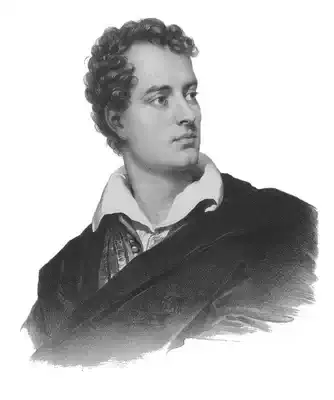
Lord Byron
Windsor Poetics : Lines Composed On The Occasion Of His Royal Highness The
Windsor Poetics : Lines Composed On The Occasion Of His Royal Highness The
Prince Regent Being Seen Standing Between The Coffins Of Henry VIII And
Charles I, In The Royal Vault At Windsor
Famed for contemptuous breach of sacred ties,
By headless Charles see heartless Henry lies;
Between them stands another sceptred thingIt
moves, it reignsin
all but name, a king:
Charles to his people, Henry to his wife,
In
him the double tyrant starts to life:
Justice and death have mix'd their dust in vain,
Each royal vampire wakes to life again.
Ah, what can tombs avail!since
these disgorge
The blood and dust of bothto
mould a George.
Prince Regent Being Seen Standing Between The Coffins Of Henry VIII And
Charles I, In The Royal Vault At Windsor
Famed for contemptuous breach of sacred ties,
By headless Charles see heartless Henry lies;
Between them stands another sceptred thingIt
moves, it reignsin
all but name, a king:
Charles to his people, Henry to his wife,
In
him the double tyrant starts to life:
Justice and death have mix'd their dust in vain,
Each royal vampire wakes to life again.
Ah, what can tombs avail!since
these disgorge
The blood and dust of bothto
mould a George.
420
Lord Byron
We Sate Down And Wept By The Waters
We Sate Down And Wept By The Waters
I.
We sate down and wept by the waters
Of Babel, and thought of the day
When our foe, in the hue of his slaughters,
Made Salem's high places his prey;
And ye, oh her desolate daughters!
Were scattered all weeping away.
II.
While sadly we gazed on the river
Which roll'd on in freedom below,
They demanded the song; but, oh never
That triumph the stranger shall know!
May this right hand be withered for ever,
Ere it string our high harp for the foe!
III.
On the willow that harp is suspended,
Oh Salem! its sound should be free;
And the hour when thy glories were ended
But left me that token of thee:
And ne'er shall its soft tones be blended
With the voice of the spoiler by me!
I.
We sate down and wept by the waters
Of Babel, and thought of the day
When our foe, in the hue of his slaughters,
Made Salem's high places his prey;
And ye, oh her desolate daughters!
Were scattered all weeping away.
II.
While sadly we gazed on the river
Which roll'd on in freedom below,
They demanded the song; but, oh never
That triumph the stranger shall know!
May this right hand be withered for ever,
Ere it string our high harp for the foe!
III.
On the willow that harp is suspended,
Oh Salem! its sound should be free;
And the hour when thy glories were ended
But left me that token of thee:
And ne'er shall its soft tones be blended
With the voice of the spoiler by me!
532
Lord Byron
To Thyrza: And Thou Art Dead, As Young And Fair
To Thyrza: And Thou Art Dead, As Young And Fair
And thou art dead, as young and fair
As aught of mortal birth;
And form so soft, and charms so rare,
Too soon return'd to Earth!
Though Earth received them in her bed
And o'er the spot the crowd may tread
In carelessness or mirth,
There is an eye which could not brook
A moment on that grave to look.
I will not ask where thou liest low,
Nor gaze upon the spot;
There flowers or weeds at will may grow,
So I behold them not:
It is enough for me to prove
That what I loved, and long must love,
Like common earth can rot;
To me there needs no stone to tell,
'Tis Nothing that I loved so well.
Yet did I love thee to the last
As fervently as thou,
Who didst not change through all the past,
And cans't not alter now.
The love where Death has set his seal,
Nor age can chill, nor rival steal,
Nor falsehood disavow:
And, what were worse, thou canst not see
Or wrong, or change, or fault in me.
The better days of life were ours;
The worst can be but mine:
The sun that cheers, the storm that lowers,
Shall never more be thine.
The silence of that dreamless sleep
I envy now too much to weep;
Nor need I to repine,
That all those charms have pass'd away
I might have watch'd through long decay.
The flower in ripen'd bloom unmatch'd
Must fall the earliest prey;
Though by no hand untimely snatch'd,
The leaves must drop away:
And yet it were a greater grief
To watch it withering, leaf by leaf,
Than see it pluck'd today;
Since earthly eye but ill can bear
To trace the change to foul from fair.
I know not if I could have borne
To see thy beauties fade;
The night that followed such a morn
Had worn a deeper shade:
Thy day without a cloud hath passed
And thou wert lovely to the last;
Extinguish'd, not decay'd;
As stars that shoot along the sky
Shine brightest as they fall from high.
As once I wept, if I could weep,
My tears might well be shed,
To think I was not near to keep
One vigil o'er thy bed;
To gaze, how fondly! on thy face,
To fold thee in a faint embrace,
Uphold thy drooping head;
And show that love, however vain,
Nor thou nor I can feel again.
Yet how much less it were to gain,
Though thou hast left me free,
The loveliest things that still remain,
Than thus remember thee!
The all of thine that cannot die
Through dark and dread Eternity
Returns again to me,
And more thy buried love endears
Than aught except its living years.
And thou art dead, as young and fair
As aught of mortal birth;
And form so soft, and charms so rare,
Too soon return'd to Earth!
Though Earth received them in her bed
And o'er the spot the crowd may tread
In carelessness or mirth,
There is an eye which could not brook
A moment on that grave to look.
I will not ask where thou liest low,
Nor gaze upon the spot;
There flowers or weeds at will may grow,
So I behold them not:
It is enough for me to prove
That what I loved, and long must love,
Like common earth can rot;
To me there needs no stone to tell,
'Tis Nothing that I loved so well.
Yet did I love thee to the last
As fervently as thou,
Who didst not change through all the past,
And cans't not alter now.
The love where Death has set his seal,
Nor age can chill, nor rival steal,
Nor falsehood disavow:
And, what were worse, thou canst not see
Or wrong, or change, or fault in me.
The better days of life were ours;
The worst can be but mine:
The sun that cheers, the storm that lowers,
Shall never more be thine.
The silence of that dreamless sleep
I envy now too much to weep;
Nor need I to repine,
That all those charms have pass'd away
I might have watch'd through long decay.
The flower in ripen'd bloom unmatch'd
Must fall the earliest prey;
Though by no hand untimely snatch'd,
The leaves must drop away:
And yet it were a greater grief
To watch it withering, leaf by leaf,
Than see it pluck'd today;
Since earthly eye but ill can bear
To trace the change to foul from fair.
I know not if I could have borne
To see thy beauties fade;
The night that followed such a morn
Had worn a deeper shade:
Thy day without a cloud hath passed
And thou wert lovely to the last;
Extinguish'd, not decay'd;
As stars that shoot along the sky
Shine brightest as they fall from high.
As once I wept, if I could weep,
My tears might well be shed,
To think I was not near to keep
One vigil o'er thy bed;
To gaze, how fondly! on thy face,
To fold thee in a faint embrace,
Uphold thy drooping head;
And show that love, however vain,
Nor thou nor I can feel again.
Yet how much less it were to gain,
Though thou hast left me free,
The loveliest things that still remain,
Than thus remember thee!
The all of thine that cannot die
Through dark and dread Eternity
Returns again to me,
And more thy buried love endears
Than aught except its living years.
432
Lord Byron
To Caroline: When I Hear That You Express An Affection So Warm
To Caroline: When I Hear That You Express An Affection So Warm
When I hear that you express an affection so warm,
Ne'er think, my beloved, that I do not believe;
For your lip would the soul of suspicion disarm,
And your eye beams a ray which can never deceive.
Yet, still, this fond bosom regrets, while adoring,
That love, like the leaf, must fall into the sear;
That age will come on, when remembrance, deploring,
Contemplates the scenes of her youth with a tear;
That the time must arrive, when, no longer retaining
Their auburn, those locks must wave thin to the breeze,
When a few silver hairs of those tresses remaining
Prove nature a prey to decay and disease.
'Tis this, my beloved, which spreads gloom o'er my features,
Though I ne'er shall presume to arraign the decree,
Which God has proclaim'd as the fate of his creatures,
In the death which will one day deprive you of me.
Mistake not, sweet sceptic, the cause of emotion,
No doubt can the mind of your lover invade;
He worships each look with such faithful devotion,
A smile can enchant, or a tear can dissuade.
But as death, my beloved, soon or late shall o'ertake us,
And our breasts, which alive with such sympathy glow,
Will sleep in the grave till the blast shall awake us,
When calling the dead, in earth's bosom laid low,
Oh! then let us drain, while we may, draughts of pleasure,
Which from passion like ours may unceasingly flow;
Let us pass round the cup of love's bliss in full measure,
And quaff the contents as our nectar below.
1805
When I hear that you express an affection so warm,
Ne'er think, my beloved, that I do not believe;
For your lip would the soul of suspicion disarm,
And your eye beams a ray which can never deceive.
Yet, still, this fond bosom regrets, while adoring,
That love, like the leaf, must fall into the sear;
That age will come on, when remembrance, deploring,
Contemplates the scenes of her youth with a tear;
That the time must arrive, when, no longer retaining
Their auburn, those locks must wave thin to the breeze,
When a few silver hairs of those tresses remaining
Prove nature a prey to decay and disease.
'Tis this, my beloved, which spreads gloom o'er my features,
Though I ne'er shall presume to arraign the decree,
Which God has proclaim'd as the fate of his creatures,
In the death which will one day deprive you of me.
Mistake not, sweet sceptic, the cause of emotion,
No doubt can the mind of your lover invade;
He worships each look with such faithful devotion,
A smile can enchant, or a tear can dissuade.
But as death, my beloved, soon or late shall o'ertake us,
And our breasts, which alive with such sympathy glow,
Will sleep in the grave till the blast shall awake us,
When calling the dead, in earth's bosom laid low,
Oh! then let us drain, while we may, draughts of pleasure,
Which from passion like ours may unceasingly flow;
Let us pass round the cup of love's bliss in full measure,
And quaff the contents as our nectar below.
1805
435