

Poems in this theme
Death and Mourning
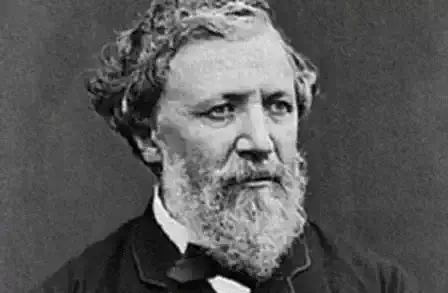
Robert Browning
A Toccata Of Galuppi's
A Toccata Of Galuppi's
I.
Oh Galuppi, Baldassaro, this is very sad to find!
I can hardly misconceive you; it would prove me deaf and blind;
But although I take your meaning, 'tis with such a heavy mind!
II.
Here you come with all your music, and here's all the good it brings.
What, they lived once thus at Venice where the merchants were the kings,
Where Saint Mark's is, where the Doges used to wed the sea with rings?
III.
Ay, because the sea's the street there; and 'tis arched by ... what you call
... Shylock's bridge with houses on it, where they kept the carnival:
I was never out of England---it's as if I saw it all.
IV.
Did young people take their pleasure when the sea was warm in May?
Balls and masks begun at midnight, burning ever to mid-day,
When they made up fresh adventures for the morrow, do you say?
V.
Was a lady such a lady, cheeks so round and lips so red,---
On her neck the small face buoyant, like a bell-flower on its bed,
O'er the breast's superb abundance where a man might base his head?
VI.
Well, and it was graceful of them---they'd break talk off and afford
---She, to bite her mask's black velvet---he, to finger on his sword,
While you sat and played Toccatas, stately at the clavichord?
VII.
What? Those lesser thirds so plaintive, sixths diminished, sigh on sigh,
Told them something? Those suspensions, those solutions---``Must we die?''
Those commiserating sevenths---``Life might last! we can but try!''
VIII.
``Were you happy?''---``Yes.''---``And are you still as happy?''---``Yes. And you?''
---``Then, more kisses!''---``Did _I_ stop them, when a million seemed so few?''
Hark, the dominant's persistence till it must be answered to!
IX.
So, an octave struck the answer. Oh, they praised you, I dare say!
``Brave Galuppi! that was music! good alike at grave and gay!
``I can always leave off talking when I hear a master play!''
X.
Then they left you for their pleasure: till in due time, one by one,
Some with lives that came to nothing, some with deeds as well undone,
Death stepped tacitly and took them where they never see the sun.
XI.
But when I sit down to reason, think to take my stand nor swerve,
While I triumph o'er a secret wrung from nature's close reserve,
In you come with your cold music till I creep thro' every nerve.
XII.
Yes, you, like a ghostly cricket, creaking where a house was burned:
``Dust and ashes, dead and done with, Venice spent what Venice earned.
``The soul, doubtless, is immortal---where a soul can be discerned.
XIII.
``Yours for instance: you know physics, something of geology,
``Mathematics are your pastime; souls shall rise in their degree;
``Butterflies may dread extinction,---you'll not die, it cannot be!
XIV.
``As for Venice and her people, merely born to bloom and drop,
``Here on earth they bore their fruitage, mirth and folly were the crop:
``What of soul was left, I wonder, when the kissing had to stop?
XV.
``Dust and ashes!'' So you creak it, and I want the heart to scold.
Dear dead women, with such hair, too---what's become of all the gold
Used to hang and brush their bosoms? I feel chilly and grown old.
* . An overture---a touch piece.
I.
Oh Galuppi, Baldassaro, this is very sad to find!
I can hardly misconceive you; it would prove me deaf and blind;
But although I take your meaning, 'tis with such a heavy mind!
II.
Here you come with all your music, and here's all the good it brings.
What, they lived once thus at Venice where the merchants were the kings,
Where Saint Mark's is, where the Doges used to wed the sea with rings?
III.
Ay, because the sea's the street there; and 'tis arched by ... what you call
... Shylock's bridge with houses on it, where they kept the carnival:
I was never out of England---it's as if I saw it all.
IV.
Did young people take their pleasure when the sea was warm in May?
Balls and masks begun at midnight, burning ever to mid-day,
When they made up fresh adventures for the morrow, do you say?
V.
Was a lady such a lady, cheeks so round and lips so red,---
On her neck the small face buoyant, like a bell-flower on its bed,
O'er the breast's superb abundance where a man might base his head?
VI.
Well, and it was graceful of them---they'd break talk off and afford
---She, to bite her mask's black velvet---he, to finger on his sword,
While you sat and played Toccatas, stately at the clavichord?
VII.
What? Those lesser thirds so plaintive, sixths diminished, sigh on sigh,
Told them something? Those suspensions, those solutions---``Must we die?''
Those commiserating sevenths---``Life might last! we can but try!''
VIII.
``Were you happy?''---``Yes.''---``And are you still as happy?''---``Yes. And you?''
---``Then, more kisses!''---``Did _I_ stop them, when a million seemed so few?''
Hark, the dominant's persistence till it must be answered to!
IX.
So, an octave struck the answer. Oh, they praised you, I dare say!
``Brave Galuppi! that was music! good alike at grave and gay!
``I can always leave off talking when I hear a master play!''
X.
Then they left you for their pleasure: till in due time, one by one,
Some with lives that came to nothing, some with deeds as well undone,
Death stepped tacitly and took them where they never see the sun.
XI.
But when I sit down to reason, think to take my stand nor swerve,
While I triumph o'er a secret wrung from nature's close reserve,
In you come with your cold music till I creep thro' every nerve.
XII.
Yes, you, like a ghostly cricket, creaking where a house was burned:
``Dust and ashes, dead and done with, Venice spent what Venice earned.
``The soul, doubtless, is immortal---where a soul can be discerned.
XIII.
``Yours for instance: you know physics, something of geology,
``Mathematics are your pastime; souls shall rise in their degree;
``Butterflies may dread extinction,---you'll not die, it cannot be!
XIV.
``As for Venice and her people, merely born to bloom and drop,
``Here on earth they bore their fruitage, mirth and folly were the crop:
``What of soul was left, I wonder, when the kissing had to stop?
XV.
``Dust and ashes!'' So you creak it, and I want the heart to scold.
Dear dead women, with such hair, too---what's become of all the gold
Used to hang and brush their bosoms? I feel chilly and grown old.
* . An overture---a touch piece.
335
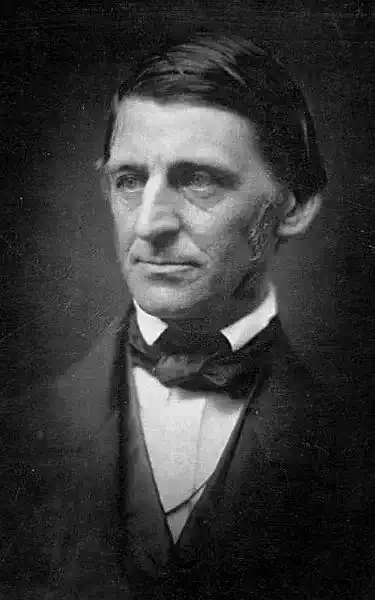
Ralph Waldo Emerson
Threnody
Threnody
The south-wind brings
Life, sunshine, and desire,
And on every mount and meadow
Breathes aromatic fire,
But over the dead he has no power,
The lost, the lost he cannot restore,
And, looking over the hills, I mourn
The darling who shall not return.
I see my empty house,
I see my trees repair their boughs,
And he, —the wondrous child,
Whose silver warble wild
Outvalued every pulsing sound
Within the air's cerulean round,
The hyacinthine boy, for whom
Morn well might break, and April bloom,
The gracious boy, who did adorn
The world whereinto he was born,
And by his countenance repay
The favor of the loving Day,
Has disappeared from the Day's eye;
Far and wide she cannot find him,
My hopes pursue, they cannot bind him.
Returned this day the south-wind searches
And finds young pines and budding birches,
But finds not the budding man;
Nature who lost him, cannot remake him;
Fate let him fall, Fate can't retake him;
Nature, Fate, men, him seek in vain.
And whither now, my truant wise and sweet,
Oh, whither tend thy feet?
I had the right, few days ago,
Thy steps to watch, thy place to know;
How have I forfeited the right?
Hast thou forgot me in a new delight?
I hearken for thy household cheer,
O eloquent child!
Whose voice, an equal messenger,
Conveyed thy meaning mild.
What though the pains and joys
Whereof it spoke were toys
Fitting his age and ken;—
Yet fairest dames and bearded men,
Who heard the sweet request
So gentle, wise, and grave,
Bended with joy to his behest,
And let the world's affairs go by,
Awhile to share his cordial game,
Or mend his wicker wagon frame,
Still plotting how their hungry ear
That winsome voice again might hear,
For his lips could well pronounce
Words that were persuasions.
Gentlest guardians marked serene
His early hope, his liberal mien,
Took counsel from his guiding eyes
To make this wisdom earthly wise.
Ah! vainly do these eyes recall
The school-march, each day's festival,
When every morn my bosom glowed
To watch the convoy on the road;—
The babe in willow wagon closed,
With rolling eyes and face composed,
With children forward and behind,
Like Cupids studiously inclined,
And he, the Chieftain, paced beside,
The centre of the troop allied,
With sunny face of sweet repose,
To guard the babe from fancied foes,
The little Captain innocent
Took the eye with him as he went,
Each village senior paused to scan
And speak the lovely caravan.
From the window I look out
To mark thy beautiful parade
Stately marching in cap and coat
To some tune by fairies played;
A music heard by thee alone
To works as noble led thee on.
Now love and pride, alas, in vain,
Up and down their glances strain.
The painted sled stands where it stood,
The kennel by the corded wood,
The gathered sticks to stanch the wall
Of the snow-tower, when snow should fall,
The ominous hole he dug in the sand,
And childhood's castles built or planned.
His daily haunts I well discern,
The poultry yard, the shed, the barn,
And every inch of garden ground
Paced by the blessed feet around,
From the road-side to the brook;
Whereinto he loved to look.
Step the meek birds where erst they ranged,
The wintry garden lies unchanged,
The brook into the stream runs on,
But the deep-eyed Boy is gone.
On that shaded day,
Dark with more clouds than tempests are,
When thou didst yield thy innocent breath
In bird-like heavings unto death,
Night came, and Nature had not thee,—
I said, we are mates in misery.
The morrow dawned with needless glow,
Each snow-bird chirped, each fowl must crow,
Each tramper started,— but the feet
Of the most beautiful and sweet
Of human youth had left the hill
And garden,—they were bound and still,
There's not a sparrow or a wren,
There's not a blade of autumn grain,
Which the four seasons do not tend,
And tides of life and increase lend,
And every chick of every bird,
And weed and rock-moss is preferred.
O ostriches' forgetfulness!
O loss of larger in the less!
Was there no star that could be sent,
No watcher in the firmament,
No angel from the countless host,
That loiters round the crystal coast,
Could stoop to heal that only child,
Nature's sweet marvel undefiled,
And keep the blossom of the earth,
Which all her harvests were not worth?
Not mine, I never called thee mine,
But nature's heir,— if I repine,
And, seeing rashly torn and moved,
Not what I made, but what I loved.
Grow early old with grief that then
Must to the wastes of nature go,—
'Tis because a general hope
Was quenched, and all must doubt and grope
For flattering planets seemed to say,
This child should ills of ages stay,—
By wondrous tongue and guided pen
Bring the flown muses back to men. —
Perchance, not he, but nature ailed,
The world, and not the infant failed,
It was not ripe yet, to sustain
A genius of so fine a strain,
Who gazed upon the sun and moon
As if he came unto his own,
And pregnant with his grander thought,
Brought the old order into doubt.
Awhile his beauty their beauty tried,
They could not feed him, and he died,
And wandered backward as in scorn
To wait an Æon to be born.
Ill day which made this beauty waste;
Plight broken, this high face defaced!
Some went and came about the dead,
And some in books of solace read,
Some to their friends the tidings say,
Some went to write, some went to pray,
One tarried here, there hurried one,
But their heart abode with none.
Covetous death bereaved us all
To aggrandize one funeral.
The eager Fate which carried thee
Took the largest part of me.
For this losing is true dying,
This is lordly man's down-lying,
This is slow but sure reclining,
Star by star his world resigning.
O child of Paradise!
Boy who made dear his father's home
In whose deep eyes
Men read the welfare of the times to come;
I am too much bereft;
The world dishonored thou hast left;
O truths and natures costly lie;
O trusted, broken prophecy!
O richest fortune sourly crossed;
Born for the future, to the future lost!
The deep Heart answered, Weepest thou?
Worthier cause for passion wild,
If I had not taken the child.
And deemest thou as those who pore
With aged eyes short way before?
Think'st Beauty vanished from the coast
Of matter, and thy darling lost?
Taught he not thee, — the man of eld,
Whose eyes within his eyes beheld
Heaven's numerous hierarchy span
The mystic gulf from God to man?
To be alone wilt thou begin,
When worlds of lovers hem thee in?
To-morrow, when the masks shall fall
That dizen nature's carnival,
The pure shall see, by their own will,
Which overflowing love shall fill,—
'Tis not within the force of Fate
The fate-conjoined to separate.
But thou, my votary, weepest thou?
I gave thee sight, where is it now?
I taught thy heart beyond the reach
Of ritual, Bible, or of speech;
Wrote in thy mind's transparent table
As far as the incommunicable;
Taught thee each private sign to raise
Lit by the supersolar blaze.
Past utterance and past belief,
And past the blasphemy of grief,
The mysteries of nature's heart,—
And though no muse can these impart,
Throb thine with nature's throbbing breast,
And all is clear from east to west.
I came to thee as to a friend,
Dearest, to thee I did not send
Tutors, but a joyful eye,
Innocence that matched the sky,
Lovely locks a form of wonder,
Laughter rich as woodland thunder;
That thou might'st entertain apart
The richest flowering of all art;
And, as the great all-loving Day
Through smallest chambers takes its way,
That thou might'st break thy daily bread
With Prophet, Saviour, and head;
That thou might'st cherish for thine own
The riches of sweet Mary's Son,
Boy-Rabbi, Israel's Paragon:
And thoughtest thou such guest
Would in thy hall take up his rest?
Would rushing life forget its laws,
Fate's glowing revolution pause?
High omens ask diviner guess,
Not to be conned to tediousness.
And know, my higher gifts unbind
The zone that girds the incarnate mind,
When the scanty shores are full
With Thought's perilous whirling pool,
When frail Nature can no more,—
Then the spirit strikes the hour,
My servant Death with solving rite
Pours finite into infinite.
Wilt thou freeze love's tidal flow,
Whose streams through nature circling go?
Nail the star struggling to its track
On the half-climbed Zodiack?
Light is light which radiates,
Blood is blood which circulates,
Life is life which generates,
And many-seeming life is one,—
Wilt thou transfix and make it none,
Its onward stream too starkly pent
In figure, bone, and lineament?
Wilt thou uncalled interrogate
Talker! the unreplying fate?
Nor see the Genius of the whole
Ascendant in the private soul,
Beckon it when to go and come,
Self-announced its hour of doom.
Fair the soul's recess and shrine,
Magic-built, to last a season,
Masterpiece of love benign!
Fairer than expansive reason
Whose omen 'tis, and sign.
Wilt thou not ope this heart to know
What rainbows teach and sunsets show,
Verdict which accumulates
From lengthened scroll of human fates,
Voice of earth to earth returned,
Prayers of heart that inly burned;
Saying, what is excellent,
As God lives, is permanent
Hearts are dust, hearts' loves remain,
Heart's love will meet thee again.
Revere the Maker; fetch thine eye
Up to His style, and manners of the sky.
Not of adamant and gold
Built He heaven stark and cold,
No, but a nest of bending reeds,
Flowering grass and scented weeds,
Or like a traveller's fleeting tent,
Or bow above the tempest pent,
Built of tears and sacred flames,
And virtue reaching to its aims;
Built of furtherance and pursuing,
Not of spent deeds, but of doing.
Silent rushes the swift Lord
Through ruined systems still restored,
Broad-sowing, bleak and void to bless,
Plants with worlds the wilderness,
Waters with tears of ancient sorrow
Apples of Eden ripe to-morrow;
House and tenant go to ground,
Lost in God, in Godhead found.
The south-wind brings
Life, sunshine, and desire,
And on every mount and meadow
Breathes aromatic fire,
But over the dead he has no power,
The lost, the lost he cannot restore,
And, looking over the hills, I mourn
The darling who shall not return.
I see my empty house,
I see my trees repair their boughs,
And he, —the wondrous child,
Whose silver warble wild
Outvalued every pulsing sound
Within the air's cerulean round,
The hyacinthine boy, for whom
Morn well might break, and April bloom,
The gracious boy, who did adorn
The world whereinto he was born,
And by his countenance repay
The favor of the loving Day,
Has disappeared from the Day's eye;
Far and wide she cannot find him,
My hopes pursue, they cannot bind him.
Returned this day the south-wind searches
And finds young pines and budding birches,
But finds not the budding man;
Nature who lost him, cannot remake him;
Fate let him fall, Fate can't retake him;
Nature, Fate, men, him seek in vain.
And whither now, my truant wise and sweet,
Oh, whither tend thy feet?
I had the right, few days ago,
Thy steps to watch, thy place to know;
How have I forfeited the right?
Hast thou forgot me in a new delight?
I hearken for thy household cheer,
O eloquent child!
Whose voice, an equal messenger,
Conveyed thy meaning mild.
What though the pains and joys
Whereof it spoke were toys
Fitting his age and ken;—
Yet fairest dames and bearded men,
Who heard the sweet request
So gentle, wise, and grave,
Bended with joy to his behest,
And let the world's affairs go by,
Awhile to share his cordial game,
Or mend his wicker wagon frame,
Still plotting how their hungry ear
That winsome voice again might hear,
For his lips could well pronounce
Words that were persuasions.
Gentlest guardians marked serene
His early hope, his liberal mien,
Took counsel from his guiding eyes
To make this wisdom earthly wise.
Ah! vainly do these eyes recall
The school-march, each day's festival,
When every morn my bosom glowed
To watch the convoy on the road;—
The babe in willow wagon closed,
With rolling eyes and face composed,
With children forward and behind,
Like Cupids studiously inclined,
And he, the Chieftain, paced beside,
The centre of the troop allied,
With sunny face of sweet repose,
To guard the babe from fancied foes,
The little Captain innocent
Took the eye with him as he went,
Each village senior paused to scan
And speak the lovely caravan.
From the window I look out
To mark thy beautiful parade
Stately marching in cap and coat
To some tune by fairies played;
A music heard by thee alone
To works as noble led thee on.
Now love and pride, alas, in vain,
Up and down their glances strain.
The painted sled stands where it stood,
The kennel by the corded wood,
The gathered sticks to stanch the wall
Of the snow-tower, when snow should fall,
The ominous hole he dug in the sand,
And childhood's castles built or planned.
His daily haunts I well discern,
The poultry yard, the shed, the barn,
And every inch of garden ground
Paced by the blessed feet around,
From the road-side to the brook;
Whereinto he loved to look.
Step the meek birds where erst they ranged,
The wintry garden lies unchanged,
The brook into the stream runs on,
But the deep-eyed Boy is gone.
On that shaded day,
Dark with more clouds than tempests are,
When thou didst yield thy innocent breath
In bird-like heavings unto death,
Night came, and Nature had not thee,—
I said, we are mates in misery.
The morrow dawned with needless glow,
Each snow-bird chirped, each fowl must crow,
Each tramper started,— but the feet
Of the most beautiful and sweet
Of human youth had left the hill
And garden,—they were bound and still,
There's not a sparrow or a wren,
There's not a blade of autumn grain,
Which the four seasons do not tend,
And tides of life and increase lend,
And every chick of every bird,
And weed and rock-moss is preferred.
O ostriches' forgetfulness!
O loss of larger in the less!
Was there no star that could be sent,
No watcher in the firmament,
No angel from the countless host,
That loiters round the crystal coast,
Could stoop to heal that only child,
Nature's sweet marvel undefiled,
And keep the blossom of the earth,
Which all her harvests were not worth?
Not mine, I never called thee mine,
But nature's heir,— if I repine,
And, seeing rashly torn and moved,
Not what I made, but what I loved.
Grow early old with grief that then
Must to the wastes of nature go,—
'Tis because a general hope
Was quenched, and all must doubt and grope
For flattering planets seemed to say,
This child should ills of ages stay,—
By wondrous tongue and guided pen
Bring the flown muses back to men. —
Perchance, not he, but nature ailed,
The world, and not the infant failed,
It was not ripe yet, to sustain
A genius of so fine a strain,
Who gazed upon the sun and moon
As if he came unto his own,
And pregnant with his grander thought,
Brought the old order into doubt.
Awhile his beauty their beauty tried,
They could not feed him, and he died,
And wandered backward as in scorn
To wait an Æon to be born.
Ill day which made this beauty waste;
Plight broken, this high face defaced!
Some went and came about the dead,
And some in books of solace read,
Some to their friends the tidings say,
Some went to write, some went to pray,
One tarried here, there hurried one,
But their heart abode with none.
Covetous death bereaved us all
To aggrandize one funeral.
The eager Fate which carried thee
Took the largest part of me.
For this losing is true dying,
This is lordly man's down-lying,
This is slow but sure reclining,
Star by star his world resigning.
O child of Paradise!
Boy who made dear his father's home
In whose deep eyes
Men read the welfare of the times to come;
I am too much bereft;
The world dishonored thou hast left;
O truths and natures costly lie;
O trusted, broken prophecy!
O richest fortune sourly crossed;
Born for the future, to the future lost!
The deep Heart answered, Weepest thou?
Worthier cause for passion wild,
If I had not taken the child.
And deemest thou as those who pore
With aged eyes short way before?
Think'st Beauty vanished from the coast
Of matter, and thy darling lost?
Taught he not thee, — the man of eld,
Whose eyes within his eyes beheld
Heaven's numerous hierarchy span
The mystic gulf from God to man?
To be alone wilt thou begin,
When worlds of lovers hem thee in?
To-morrow, when the masks shall fall
That dizen nature's carnival,
The pure shall see, by their own will,
Which overflowing love shall fill,—
'Tis not within the force of Fate
The fate-conjoined to separate.
But thou, my votary, weepest thou?
I gave thee sight, where is it now?
I taught thy heart beyond the reach
Of ritual, Bible, or of speech;
Wrote in thy mind's transparent table
As far as the incommunicable;
Taught thee each private sign to raise
Lit by the supersolar blaze.
Past utterance and past belief,
And past the blasphemy of grief,
The mysteries of nature's heart,—
And though no muse can these impart,
Throb thine with nature's throbbing breast,
And all is clear from east to west.
I came to thee as to a friend,
Dearest, to thee I did not send
Tutors, but a joyful eye,
Innocence that matched the sky,
Lovely locks a form of wonder,
Laughter rich as woodland thunder;
That thou might'st entertain apart
The richest flowering of all art;
And, as the great all-loving Day
Through smallest chambers takes its way,
That thou might'st break thy daily bread
With Prophet, Saviour, and head;
That thou might'st cherish for thine own
The riches of sweet Mary's Son,
Boy-Rabbi, Israel's Paragon:
And thoughtest thou such guest
Would in thy hall take up his rest?
Would rushing life forget its laws,
Fate's glowing revolution pause?
High omens ask diviner guess,
Not to be conned to tediousness.
And know, my higher gifts unbind
The zone that girds the incarnate mind,
When the scanty shores are full
With Thought's perilous whirling pool,
When frail Nature can no more,—
Then the spirit strikes the hour,
My servant Death with solving rite
Pours finite into infinite.
Wilt thou freeze love's tidal flow,
Whose streams through nature circling go?
Nail the star struggling to its track
On the half-climbed Zodiack?
Light is light which radiates,
Blood is blood which circulates,
Life is life which generates,
And many-seeming life is one,—
Wilt thou transfix and make it none,
Its onward stream too starkly pent
In figure, bone, and lineament?
Wilt thou uncalled interrogate
Talker! the unreplying fate?
Nor see the Genius of the whole
Ascendant in the private soul,
Beckon it when to go and come,
Self-announced its hour of doom.
Fair the soul's recess and shrine,
Magic-built, to last a season,
Masterpiece of love benign!
Fairer than expansive reason
Whose omen 'tis, and sign.
Wilt thou not ope this heart to know
What rainbows teach and sunsets show,
Verdict which accumulates
From lengthened scroll of human fates,
Voice of earth to earth returned,
Prayers of heart that inly burned;
Saying, what is excellent,
As God lives, is permanent
Hearts are dust, hearts' loves remain,
Heart's love will meet thee again.
Revere the Maker; fetch thine eye
Up to His style, and manners of the sky.
Not of adamant and gold
Built He heaven stark and cold,
No, but a nest of bending reeds,
Flowering grass and scented weeds,
Or like a traveller's fleeting tent,
Or bow above the tempest pent,
Built of tears and sacred flames,
And virtue reaching to its aims;
Built of furtherance and pursuing,
Not of spent deeds, but of doing.
Silent rushes the swift Lord
Through ruined systems still restored,
Broad-sowing, bleak and void to bless,
Plants with worlds the wilderness,
Waters with tears of ancient sorrow
Apples of Eden ripe to-morrow;
House and tenant go to ground,
Lost in God, in Godhead found.
360
Ralph Waldo Emerson
The Bell
The Bell
I love thy music, mellow bell,
I love thine iron chime,
To life or death, to heaven or hell,
Which calls the sons of Time.
Thy voice upon the deep
The home-bound sea-boy hails,
It charms his cares to sleep,
It cheers him as he sails.
To house of God and heavenly joys
Thy summons called our sires,
And good men thought thy sacred voice
Disarmed the thunder's fires.
And soon thy music, sad death-bell,
Shall lift its notes once more,
And mix my requiem with the wind
That sweeps my native shore.
I love thy music, mellow bell,
I love thine iron chime,
To life or death, to heaven or hell,
Which calls the sons of Time.
Thy voice upon the deep
The home-bound sea-boy hails,
It charms his cares to sleep,
It cheers him as he sails.
To house of God and heavenly joys
Thy summons called our sires,
And good men thought thy sacred voice
Disarmed the thunder's fires.
And soon thy music, sad death-bell,
Shall lift its notes once more,
And mix my requiem with the wind
That sweeps my native shore.
328
Ralph Waldo Emerson
Dirge
Dirge
Knows he who tills this lonely field
To reap its scanty corn,
What mystic fruit his acres yield
At midnight and at morn?
In the long sunny afternoon,
The plain was full of ghosts,
I wandered up, I wandered down,
Beset by pensive hosts.
The winding Concord gleamed below,
Pouring as wide a flood
As when my brothers long ago,
Came with me to the wood.
But they are gone,— the holy ones,
Who trod with me this lonely vale,
The strong, star-bright companions
Are silent, low, and pale.
My good, my noble, in their prime,
Who made this world the feast it was,
Who learned with me the lore of time,
Who loved this dwelling-place.
They took this valley for their toy,
They played with it in every mood,
A cell for prayer, a hall for joy,
They treated nature as they would.
They colored the horizon round,
Stars flamed and faded as they bade,
All echoes hearkened for their sound,
They made the woodlands glad or mad.
I touch this flower of silken leaf
Which once our childhood knew
Its soft leaves wound me with a grief
Whose balsam never grew.
Hearken to yon pine warbler
Singing aloft in the tree;
Hearest thou, O traveller!
What he singeth to me?
Not unless God made sharp thine ear
With sorrow such as mine,
Out of that delicate lay couldst thou
The heavy dirge divine.
Go, lonely man, it saith,
They loved thee from their birth,
Their hands were pure, and pure their faith,
There are no such hearts on earth.
Ye drew one mother's milk,
One chamber held ye all;
A very tender history
Did in your childhood fall.
Ye cannot unlock your heart,
The key is gone with them;
The silent organ loudest chants
The master's requiem.
Knows he who tills this lonely field
To reap its scanty corn,
What mystic fruit his acres yield
At midnight and at morn?
In the long sunny afternoon,
The plain was full of ghosts,
I wandered up, I wandered down,
Beset by pensive hosts.
The winding Concord gleamed below,
Pouring as wide a flood
As when my brothers long ago,
Came with me to the wood.
But they are gone,— the holy ones,
Who trod with me this lonely vale,
The strong, star-bright companions
Are silent, low, and pale.
My good, my noble, in their prime,
Who made this world the feast it was,
Who learned with me the lore of time,
Who loved this dwelling-place.
They took this valley for their toy,
They played with it in every mood,
A cell for prayer, a hall for joy,
They treated nature as they would.
They colored the horizon round,
Stars flamed and faded as they bade,
All echoes hearkened for their sound,
They made the woodlands glad or mad.
I touch this flower of silken leaf
Which once our childhood knew
Its soft leaves wound me with a grief
Whose balsam never grew.
Hearken to yon pine warbler
Singing aloft in the tree;
Hearest thou, O traveller!
What he singeth to me?
Not unless God made sharp thine ear
With sorrow such as mine,
Out of that delicate lay couldst thou
The heavy dirge divine.
Go, lonely man, it saith,
They loved thee from their birth,
Their hands were pure, and pure their faith,
There are no such hearts on earth.
Ye drew one mother's milk,
One chamber held ye all;
A very tender history
Did in your childhood fall.
Ye cannot unlock your heart,
The key is gone with them;
The silent organ loudest chants
The master's requiem.
311
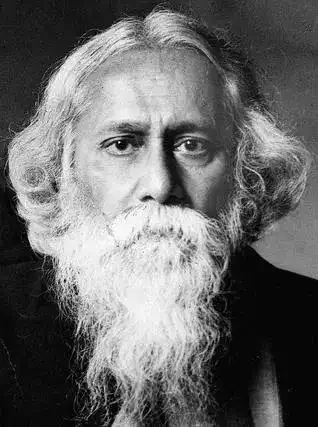
Rabindranath Tagore
Threshold
Threshold
I was not aware of the moment
when I first crossed the threshold of this life.
What was the power that made me open out into this vast mystery
like a bud in the forest at midnight!
When in the morning I looked upon the light
I felt in a moment that I was no stranger in this world,
that the inscrutable without name and form
had taken me in its arms in the form of my own mother.
Even so, in death the same unknown will appear as ever known to me.
And because I love this life,
I know I shall love death as well.
The child cries out
when from the right breast the mother takes it away,
in the very next moment to find in the left one its consolation.
I was not aware of the moment
when I first crossed the threshold of this life.
What was the power that made me open out into this vast mystery
like a bud in the forest at midnight!
When in the morning I looked upon the light
I felt in a moment that I was no stranger in this world,
that the inscrutable without name and form
had taken me in its arms in the form of my own mother.
Even so, in death the same unknown will appear as ever known to me.
And because I love this life,
I know I shall love death as well.
The child cries out
when from the right breast the mother takes it away,
in the very next moment to find in the left one its consolation.
560
Rabindranath Tagore
The Gardener LXI: Peace, My Heart
The Gardener LXI: Peace, My Heart
Peace, my heart, let the time for
the parting be sweet.
Let it not be a death but completeness.
Let love melt into memory and pain
into songs.
Let the flight through the sky end
in the folding of the wings over the
nest.
Let the last touch of your hands be
gentle like the flower of the night.
Stand still, O Beautiful End, for a
moment, and say your last words in
silence.
I bow to you and hold up my lamp
to light you on your way.
Peace, my heart, let the time for
the parting be sweet.
Let it not be a death but completeness.
Let love melt into memory and pain
into songs.
Let the flight through the sky end
in the folding of the wings over the
nest.
Let the last touch of your hands be
gentle like the flower of the night.
Stand still, O Beautiful End, for a
moment, and say your last words in
silence.
I bow to you and hold up my lamp
to light you on your way.
464
Rabindranath Tagore
The End
The End
It is time for me to go, mother; I am going.
When in the paling darkness of the lonely dawn you stretch out
your arms for your baby in the bed, I shall say, "Baby is not
here!"-mother, I am going.
I shall become a delicate draught of air and caress you and
I shall be ripples in the water when you bathe, and kiss you and
kiss you again.
In the gusty night when the rain patters on the leaves you
will hear my whisper in your bed, and my laughter will flash with
the lightning through the open window into your room.
If you lie awake, thinking of your baby till late into the
night, I shall sing to you from the stars, "Sleep, mother, sleep."
One the straying moonbeams I shall steal over your bed, and
lie upon your bosom while you sleep.
I shall become a dream, and through the little opening of your
eyelids I shall slip into the depths of your sleep; and when you
wake up and look round startled, like a twinkling firefly I shall
flit out into the darkness.
When, on the great festival of puja, the neighbours' children
come and play about the house, I shall melt into the music of the
flute and throb in your heart all day.
Dear auntie will come with puja-presents and will ask,"Where
is our baby, sister?" Mother, you will tell her softly, "He is in
the pupils of my eyes, he is in my body and in my soul."
It is time for me to go, mother; I am going.
When in the paling darkness of the lonely dawn you stretch out
your arms for your baby in the bed, I shall say, "Baby is not
here!"-mother, I am going.
I shall become a delicate draught of air and caress you and
I shall be ripples in the water when you bathe, and kiss you and
kiss you again.
In the gusty night when the rain patters on the leaves you
will hear my whisper in your bed, and my laughter will flash with
the lightning through the open window into your room.
If you lie awake, thinking of your baby till late into the
night, I shall sing to you from the stars, "Sleep, mother, sleep."
One the straying moonbeams I shall steal over your bed, and
lie upon your bosom while you sleep.
I shall become a dream, and through the little opening of your
eyelids I shall slip into the depths of your sleep; and when you
wake up and look round startled, like a twinkling firefly I shall
flit out into the darkness.
When, on the great festival of puja, the neighbours' children
come and play about the house, I shall melt into the music of the
flute and throb in your heart all day.
Dear auntie will come with puja-presents and will ask,"Where
is our baby, sister?" Mother, you will tell her softly, "He is in
the pupils of my eyes, he is in my body and in my soul."
527
Rabindranath Tagore
Lover's Gifts XLIII: Dying, You Have Left Behind
Lover's Gifts XLIII: Dying, You Have Left Behind
Dying, you have left behind you the great sadness of the Eternal
in my life. You have painted my thought's horizon with the sunset
colours of your departure, leaving a track of tears across the
earth to love's heaven. Clasped in your dear arms, life and death
united in me in a marriage bond.
I think I can see you watching there in the balcony with your
lamp lighted, where the end and the beginning of all things meet.
My world went hence through the doors that you opened-you holding
the cup of death to my lips, filling it with life from your own.
Dying, you have left behind you the great sadness of the Eternal
in my life. You have painted my thought's horizon with the sunset
colours of your departure, leaving a track of tears across the
earth to love's heaven. Clasped in your dear arms, life and death
united in me in a marriage bond.
I think I can see you watching there in the balcony with your
lamp lighted, where the end and the beginning of all things meet.
My world went hence through the doors that you opened-you holding
the cup of death to my lips, filling it with life from your own.
340

Phillis Wheatley
To the Honourable T.H. Esq on the Death of His Daughter
To the Honourable T.H. Esq on the Death of His Daughter
While deep you mourn beneath the cypress-shade
The hand of Death, and your dear daughter laid
In dust, whose absence gives your tears to flow,
And racks your bosom with incessant woe,
Let Recollection take a tender part,
Assuage the raging tortures of your heart,
Still the wild tempest of tumultuous grief,
And pour the heav'nly nectar of relief:
Suspend the sigh, dear Sir, and check the groan,
Divinely bright your daughter's Virtues shone:
How free from scornful pride her gentle mind,
Which ne'er its aid to indigence declin'd!
Expanding free, it sought the means to prove
Unfailing charity, unbounded love!
She unreluctant flies to see no more
Her dear-lov'd parents on earth's dusky shore:
Impatient heav'n's resplendent goal to gain,
She with swift progress cuts the azure plain,
Where grief subsides, where changes are no more,
And life's tumultuous billows cease to roar;
She leaves her earthly mansion for the skies,
Where new creations feast her wond'ring eyes.
To heav'n's high mandate cheerfully resign'd
She mounts, and leaves the rolling globe behind;
She, who late wish'd that Leonard might return,
Has ceas'd to languish, and forgot to mourn;
To the same high empyreal mansions come,
She joins her spouse, and smiles upon the tomb:
And thus I hear her from the realms above:
"Lo! this the kingdom of celestial love!
"Could ye, fond parents, see our present bliss,
"How soon would you each sigh, each fear dismiss?
"Amidst unutter'd pleasures whilst I play
"In the fair sunshine of celestial day,
"As far as grief affects an happy soul
"So far doth grief my better mind control,
"To see on earth my aged parents mourn,
"And secret wish for T-----! to return:
"Let brighter scenes your ev'ning-hours employ:
"Converse with heav'n, and taste the promis'd joy"
While deep you mourn beneath the cypress-shade
The hand of Death, and your dear daughter laid
In dust, whose absence gives your tears to flow,
And racks your bosom with incessant woe,
Let Recollection take a tender part,
Assuage the raging tortures of your heart,
Still the wild tempest of tumultuous grief,
And pour the heav'nly nectar of relief:
Suspend the sigh, dear Sir, and check the groan,
Divinely bright your daughter's Virtues shone:
How free from scornful pride her gentle mind,
Which ne'er its aid to indigence declin'd!
Expanding free, it sought the means to prove
Unfailing charity, unbounded love!
She unreluctant flies to see no more
Her dear-lov'd parents on earth's dusky shore:
Impatient heav'n's resplendent goal to gain,
She with swift progress cuts the azure plain,
Where grief subsides, where changes are no more,
And life's tumultuous billows cease to roar;
She leaves her earthly mansion for the skies,
Where new creations feast her wond'ring eyes.
To heav'n's high mandate cheerfully resign'd
She mounts, and leaves the rolling globe behind;
She, who late wish'd that Leonard might return,
Has ceas'd to languish, and forgot to mourn;
To the same high empyreal mansions come,
She joins her spouse, and smiles upon the tomb:
And thus I hear her from the realms above:
"Lo! this the kingdom of celestial love!
"Could ye, fond parents, see our present bliss,
"How soon would you each sigh, each fear dismiss?
"Amidst unutter'd pleasures whilst I play
"In the fair sunshine of celestial day,
"As far as grief affects an happy soul
"So far doth grief my better mind control,
"To see on earth my aged parents mourn,
"And secret wish for T-----! to return:
"Let brighter scenes your ev'ning-hours employ:
"Converse with heav'n, and taste the promis'd joy"
228
Phillis Wheatley
To His Honour the Lieutenant-Governor
To His Honour the Lieutenant-Governor
All-Conquering Death! by thy resistless pow'r,
Hope's tow'ring plumage falls to rise no more!
Of scenes terrestrial how the glories fly,
Forget their splendors, and submit to die!
Who ere escap'd thee, but the saint of old
Beyond the flood in sacred annals told,
And the great sage, whom fiery coursers drew
To heav'n's bright portals from Elisha's view;
Wond'ring he gaz'd at the refulgent car,
Then snatch'd the mantle floating on the air.
From Death these only could exemption boast,
And without dying gain'd th' immortal coast.
Not falling millions sate the tyrant's mind,
Nor can the victor's progress be confin'd.
But cease thy strife with Death, fond Nature, cease:
He leads the virtuous to the realms of peace;
His to conduct to the immortal plains,
Where heav'n's Supreme in bliss and glory reigns.
There sits, illustrious Sir, thy beauteous spouse;
A gem-blaz'd circle beaming on her brows.
Hail'd with acclaim among the heav'nly choirs,
Her soul new-kindling with seraphic fires,
To notes divine she tunes the vocal strings,
While heav'n's high concave with the music rings.
Virtue's rewards can mortal pencil paint?
No--all descriptive arts, and eloquence are faint;
Nor canst thou, Oliver, assent refuse
To heav'nly tidings from the Afric muse.
As soon may change thy laws, eternal fate,
As the saint miss the glories I relate;
Or her Benevolence forgotten lie,
Which wip'd the trick'ling tear from Misry's eye.
Three amiable Daughters who died when just arrived to Womens Estate.
Whene'er the adverse winds were known to blow,
When loss to loss * ensu'd, and woe to woe,
Calm and serene beneath her father's hand
She sat resign'd to the divine command.
No longer then, great Sir, her death deplore,
And let us hear the mournful sigh no more,
Restrain the sorrow streaming from thine eye,
Be all thy future moments crown'd with joy!
Nor let thy wishes be to earth confin'd,
But soaring high pursue th' unbodied mind.
Forgive the muse, forgive th' advent'rous lays,
That fain thy soul to heav'nly scenes would raise.
All-Conquering Death! by thy resistless pow'r,
Hope's tow'ring plumage falls to rise no more!
Of scenes terrestrial how the glories fly,
Forget their splendors, and submit to die!
Who ere escap'd thee, but the saint of old
Beyond the flood in sacred annals told,
And the great sage, whom fiery coursers drew
To heav'n's bright portals from Elisha's view;
Wond'ring he gaz'd at the refulgent car,
Then snatch'd the mantle floating on the air.
From Death these only could exemption boast,
And without dying gain'd th' immortal coast.
Not falling millions sate the tyrant's mind,
Nor can the victor's progress be confin'd.
But cease thy strife with Death, fond Nature, cease:
He leads the virtuous to the realms of peace;
His to conduct to the immortal plains,
Where heav'n's Supreme in bliss and glory reigns.
There sits, illustrious Sir, thy beauteous spouse;
A gem-blaz'd circle beaming on her brows.
Hail'd with acclaim among the heav'nly choirs,
Her soul new-kindling with seraphic fires,
To notes divine she tunes the vocal strings,
While heav'n's high concave with the music rings.
Virtue's rewards can mortal pencil paint?
No--all descriptive arts, and eloquence are faint;
Nor canst thou, Oliver, assent refuse
To heav'nly tidings from the Afric muse.
As soon may change thy laws, eternal fate,
As the saint miss the glories I relate;
Or her Benevolence forgotten lie,
Which wip'd the trick'ling tear from Misry's eye.
Three amiable Daughters who died when just arrived to Womens Estate.
Whene'er the adverse winds were known to blow,
When loss to loss * ensu'd, and woe to woe,
Calm and serene beneath her father's hand
She sat resign'd to the divine command.
No longer then, great Sir, her death deplore,
And let us hear the mournful sigh no more,
Restrain the sorrow streaming from thine eye,
Be all thy future moments crown'd with joy!
Nor let thy wishes be to earth confin'd,
But soaring high pursue th' unbodied mind.
Forgive the muse, forgive th' advent'rous lays,
That fain thy soul to heav'nly scenes would raise.
196
Phillis Wheatley
To A Lady On The Death Of The Three Relations
To A Lady On The Death Of The Three Relations
WE trace the pow'r of Death from tomb to tomb,
And his are all the ages yet to come.
'Tis his to call the planets from on high,
To blacken Phoebus, and dissolve the sky;
His too, when all in his dark realms are hurl'd,
From its firm base to shake the solid world;
His fatal sceptre rules the spacious whole,
And trembling nature rocks from pole to pole.
Awful he moves, and wide his wings are spread:
Behold thy brother number'd with the dead!
From bondage freed, the exulting spirit flies
Beyond Olympus, and these starry skies.
Lost in our woe for thee, blest shade, we mourn
In vain; to earth thou never must return.
Thy sisters too, fair mourner, feel the dart
Of Death, and with fresh torture rend thine heart.
Weep not for them, and leave the world behind.
As a young plant by hurricanes up torn,
So near its parent lies the newly born--
But 'midst the bright ehtereal train behold
It shines superior on a throne of gold:
Then, mourner, cease; let hope thy tears restrain,
Smile on the tomb, and sooth the raging pain.
On yon blest regions fix thy longing view,
Mindless of sublunary scenes below;
Ascend the sacred mount, in thought arise,
And seek substantial and immortal joys;
Where hope receives, where faith to vision springs,
And raptur'd seraphs tune th' immortal strings
To strains extatic. Thou the chorus join,
And to thy father tune the praise divine.
WE trace the pow'r of Death from tomb to tomb,
And his are all the ages yet to come.
'Tis his to call the planets from on high,
To blacken Phoebus, and dissolve the sky;
His too, when all in his dark realms are hurl'd,
From its firm base to shake the solid world;
His fatal sceptre rules the spacious whole,
And trembling nature rocks from pole to pole.
Awful he moves, and wide his wings are spread:
Behold thy brother number'd with the dead!
From bondage freed, the exulting spirit flies
Beyond Olympus, and these starry skies.
Lost in our woe for thee, blest shade, we mourn
In vain; to earth thou never must return.
Thy sisters too, fair mourner, feel the dart
Of Death, and with fresh torture rend thine heart.
Weep not for them, and leave the world behind.
As a young plant by hurricanes up torn,
So near its parent lies the newly born--
But 'midst the bright ehtereal train behold
It shines superior on a throne of gold:
Then, mourner, cease; let hope thy tears restrain,
Smile on the tomb, and sooth the raging pain.
On yon blest regions fix thy longing view,
Mindless of sublunary scenes below;
Ascend the sacred mount, in thought arise,
And seek substantial and immortal joys;
Where hope receives, where faith to vision springs,
And raptur'd seraphs tune th' immortal strings
To strains extatic. Thou the chorus join,
And to thy father tune the praise divine.
207
Phillis Wheatley
To A Lady And Her Children, On The Death Of Her Son And Their Brother
To A Lady And Her Children, On The Death Of Her Son And Their Brother
O'ERWHELMING sorrow now demands my song:
From death the overwhelming sorrow sprung.
What flowing tears? What hearts with grief opprest?
What sighs on sighs heave the fond parent's breast?
The brother weeps, the hapless sisters join
Th' increasing woe, and swell the crystal brine;
The poor, who once his gen'rous bounty fed,
Droop, and bewail their benefactor dead.
In death the friend, the kind companion lies,
And in one death what various comfort dies!
Th' unhappy mother sees the sanguine rill
Forget to flow, and nature's wheels stand still,
But see from earth his spirit far remov'd,
And know no grief recals your best-belov'd:
He, upon pinions swifter than the wind,
Has left mortality's sad scenes behind
For joys to this terrestial state unknown,
And glories richer than the monarch's crown.
Of virtue's steady course the prize behold!
What blissful wonders to his mind unfold!
But of celestial joys I sing in vain:
Attempt not, muse, the too advent'rous strain.
No more in briny show'rs, ye friends around,
Or bathe his clay, or waste them on the ground:
Still do you weep, still wish for his return?
How cruel thus to wish, and thus to mourn?
No more for him the streams of sorrow pour,
But haste to join him on the heav'nly shore,
On harps of gold to tune immortal lays,
And to your God immortal anthems raise.
O'ERWHELMING sorrow now demands my song:
From death the overwhelming sorrow sprung.
What flowing tears? What hearts with grief opprest?
What sighs on sighs heave the fond parent's breast?
The brother weeps, the hapless sisters join
Th' increasing woe, and swell the crystal brine;
The poor, who once his gen'rous bounty fed,
Droop, and bewail their benefactor dead.
In death the friend, the kind companion lies,
And in one death what various comfort dies!
Th' unhappy mother sees the sanguine rill
Forget to flow, and nature's wheels stand still,
But see from earth his spirit far remov'd,
And know no grief recals your best-belov'd:
He, upon pinions swifter than the wind,
Has left mortality's sad scenes behind
For joys to this terrestial state unknown,
And glories richer than the monarch's crown.
Of virtue's steady course the prize behold!
What blissful wonders to his mind unfold!
But of celestial joys I sing in vain:
Attempt not, muse, the too advent'rous strain.
No more in briny show'rs, ye friends around,
Or bathe his clay, or waste them on the ground:
Still do you weep, still wish for his return?
How cruel thus to wish, and thus to mourn?
No more for him the streams of sorrow pour,
But haste to join him on the heav'nly shore,
On harps of gold to tune immortal lays,
And to your God immortal anthems raise.
296
Phillis Wheatley
To A Gentleman And Lady On The Death Of The Lady's Brother And Sister, And
To A Gentleman And Lady On The Death Of The Lady's Brother And Sister, And
A Child Of The Name Of Avis, Aged One Year
ON Death's domain intent I fix my eyes,
Where human nature in vast ruin lies:
With pensive mind I search the drear abode,
Where the great conqu'ror has his spoils bestow'd;
There there the offspring of six thousand years
In endless numbers to my view appears:
Whole kingdoms in his gloomy den are thrust,
And nations mix with their primeval dust:
Insatiate still he gluts the ample tomb;
His is the present, his the age to come.
See here a brother, here a sister spread,
And a sweet daughter mingled with the dead.
But, Madam, let your grief be laid aside,
And let the fountain of your tears be dry'd,
In vain they flow to wet the dusty plain,
Your sighs are wafted to the skies in vain,
Your pains they witness, but they can no more,
While Death reigns tyrant o'er this mortal shore.
The glowing stars and silver queen of light
At last must perish in the gloom of night:
Resign thy friends to that Almighty hand,
Which gave them life, and bow to his command;
Thine Avis give without a murm'ring heart,
Though half thy soul be fated to depart.
To shining guards consign thine infant care
To waft triumphant through the seas of air:
Her soul enlarg'd to heav'nly pleasure springs,
She feeds on truth and uncreated things.
Methinks I hear her in the realms above,
And leaning forward with a filial love,
Invite you there to share immortal bliss
Unknown, untasted in a state like this.
With tow'ring hopes, and growing grace arise,
And seek beatitude beyond the skies.
A Child Of The Name Of Avis, Aged One Year
ON Death's domain intent I fix my eyes,
Where human nature in vast ruin lies:
With pensive mind I search the drear abode,
Where the great conqu'ror has his spoils bestow'd;
There there the offspring of six thousand years
In endless numbers to my view appears:
Whole kingdoms in his gloomy den are thrust,
And nations mix with their primeval dust:
Insatiate still he gluts the ample tomb;
His is the present, his the age to come.
See here a brother, here a sister spread,
And a sweet daughter mingled with the dead.
But, Madam, let your grief be laid aside,
And let the fountain of your tears be dry'd,
In vain they flow to wet the dusty plain,
Your sighs are wafted to the skies in vain,
Your pains they witness, but they can no more,
While Death reigns tyrant o'er this mortal shore.
The glowing stars and silver queen of light
At last must perish in the gloom of night:
Resign thy friends to that Almighty hand,
Which gave them life, and bow to his command;
Thine Avis give without a murm'ring heart,
Though half thy soul be fated to depart.
To shining guards consign thine infant care
To waft triumphant through the seas of air:
Her soul enlarg'd to heav'nly pleasure springs,
She feeds on truth and uncreated things.
Methinks I hear her in the realms above,
And leaning forward with a filial love,
Invite you there to share immortal bliss
Unknown, untasted in a state like this.
With tow'ring hopes, and growing grace arise,
And seek beatitude beyond the skies.
240
Phillis Wheatley
To A Clergyman On The Death Of His Lady
To A Clergyman On The Death Of His Lady
WHERE contemplation finds her sacred spring,
Where heav'nly music makes the arches ring,
Where virtue reigns unsully'd and divine,
Where wisdom thron'd, and all the graces shine,
There sits thy spouse amidst the radiant throng,
While praise eternal warbles from her tongue;
There choirs angelic shout her welcome round,
With perfect bliss, and peerless glory crown'd.
While thy dear mate, to flesh no more confin'd,
Exults a blest, an heav n-ascended mind,
Say in thy breast shall floods of sorrow rise?
Say shall its torrents overwhelm thine eyes?
Amid the seats of heav'n a place is free,
And angels open their bright ranks for thee;
For thee they wait, and with expectant eye
Thy spouse leans downward from th' empyreal sky:
"O come away," her longing spirit cries,
"And share with me the raptures of the skies.
"Our bliss divine to mortals is unknown;
"Immortal life and glory are our own.
"There too may the dear pledges of our love
"Arrive, and taste with us the joys above;
"Attune the harp to more than mortal lays,
"And join with us the tribute of their praise
"To him, who dy'd stern justice to stone,
"And make eternal glory all our own.
"He in his death slew ours, and, as he rose,
"He crush'd the dire dominion of our foes;
"Vain were their hopes to put the God to flight,
"Chain us to hell, and bar the gates of light."
She spoke, and turn'd from mortal scenes her eyes,
Which beam'd celestial radiance o'er the skies.
Then thou dear man, no more with grief retire,
Let grief no longer damp devotion's fire,
But rise sublime, to equal bliss aspire,
Thy sighs no more be wafted by the wind,
No more complain, but be to heav'n resign'd
'Twas thine t' unfold the oracles divine,
To sooth our woes the task was also thine;
Now sorrow is incumbent on thy heart,
Permit the muse a cordial to impart;
Who can to thee their tend'rest aid refuse?
To dry thy tears how longs the heav'nly muse!
WHERE contemplation finds her sacred spring,
Where heav'nly music makes the arches ring,
Where virtue reigns unsully'd and divine,
Where wisdom thron'd, and all the graces shine,
There sits thy spouse amidst the radiant throng,
While praise eternal warbles from her tongue;
There choirs angelic shout her welcome round,
With perfect bliss, and peerless glory crown'd.
While thy dear mate, to flesh no more confin'd,
Exults a blest, an heav n-ascended mind,
Say in thy breast shall floods of sorrow rise?
Say shall its torrents overwhelm thine eyes?
Amid the seats of heav'n a place is free,
And angels open their bright ranks for thee;
For thee they wait, and with expectant eye
Thy spouse leans downward from th' empyreal sky:
"O come away," her longing spirit cries,
"And share with me the raptures of the skies.
"Our bliss divine to mortals is unknown;
"Immortal life and glory are our own.
"There too may the dear pledges of our love
"Arrive, and taste with us the joys above;
"Attune the harp to more than mortal lays,
"And join with us the tribute of their praise
"To him, who dy'd stern justice to stone,
"And make eternal glory all our own.
"He in his death slew ours, and, as he rose,
"He crush'd the dire dominion of our foes;
"Vain were their hopes to put the God to flight,
"Chain us to hell, and bar the gates of light."
She spoke, and turn'd from mortal scenes her eyes,
Which beam'd celestial radiance o'er the skies.
Then thou dear man, no more with grief retire,
Let grief no longer damp devotion's fire,
But rise sublime, to equal bliss aspire,
Thy sighs no more be wafted by the wind,
No more complain, but be to heav'n resign'd
'Twas thine t' unfold the oracles divine,
To sooth our woes the task was also thine;
Now sorrow is incumbent on thy heart,
Permit the muse a cordial to impart;
Who can to thee their tend'rest aid refuse?
To dry thy tears how longs the heav'nly muse!
189
Phillis Wheatley
On the Death of the Rev. Mr. George Whitefield,
On the Death of the Rev. Mr. George Whitefield,
Hail, happy saint, on thine immortal throne,
Possest of glory, life, and bliss unknown;
We hear no more the music of thy tongue,
Thy wonted auditories cease to throng.
Thy sermons in unequall'd accents flow'd,
And ev'ry bosom with devotion glow'd;
Thou didst in strains of eloquence refin'd
Inflame the heart, and captivate the mind.
Unhappy we the setting sun deplore,
So glorious once, but ah! it shines no more.
Behold the prophet in his tow'ring flight!
He leaves the earth for heav'n's unmeasur'd height,
And worlds unknown receive him from our sight.
There Whitefield wings with rapid course his way,
And sails to Zion through vast seas of day.
Thy pray'rs, great saint, and thine incessant cries
Have pierc'd the bosom of thy native skies.
Thou moon hast seen, and all the stars of light,
How he has wrestled with his God by night.
He pray'd that grace in ev'ry heart might dwell,
He long'd to see America excell;
He charg'd its youth that ev'ry grace divine
Should with full lustre in their conduct shine;
That Saviour, which his soul did first receive,
The greatest gift that ev'n a God can give,
He freely offer'd to the num'rous throng,
That on his lips with list'ning pleasure hung.
"Take him, ye wretched, for your only good,
"Take him ye starving sinners, for your food;
"Ye thirsty, come to this life-giving stream,
"Ye preachers, take him for your joyful theme;
"Take him my dear Americans, he said,
"Be your complaints on his kind bosom laid:
"Take him, ye Africans, he longs for you,
"Impartial Saviour is his title due:
"Wash'd in the fountain of redeeming blood,
"You shall be sons, and kings, and priests to God.
Great Countess, we Americans revere
Thy name, and mingle in thy grief sincere;
New England deeply feels, the Orphans mourn,
Their more than father will no more return.
But, though arrested by the hand of death,
Whitefield no more exerts his lab'ring breath,
Yet let us view him in th' eternal skies,
Let ev'ry heart to this bright vision rise;
While the tomb safe retains its sacred trust,
Till life divine re-animates his dust.
Hail, happy saint, on thine immortal throne,
Possest of glory, life, and bliss unknown;
We hear no more the music of thy tongue,
Thy wonted auditories cease to throng.
Thy sermons in unequall'd accents flow'd,
And ev'ry bosom with devotion glow'd;
Thou didst in strains of eloquence refin'd
Inflame the heart, and captivate the mind.
Unhappy we the setting sun deplore,
So glorious once, but ah! it shines no more.
Behold the prophet in his tow'ring flight!
He leaves the earth for heav'n's unmeasur'd height,
And worlds unknown receive him from our sight.
There Whitefield wings with rapid course his way,
And sails to Zion through vast seas of day.
Thy pray'rs, great saint, and thine incessant cries
Have pierc'd the bosom of thy native skies.
Thou moon hast seen, and all the stars of light,
How he has wrestled with his God by night.
He pray'd that grace in ev'ry heart might dwell,
He long'd to see America excell;
He charg'd its youth that ev'ry grace divine
Should with full lustre in their conduct shine;
That Saviour, which his soul did first receive,
The greatest gift that ev'n a God can give,
He freely offer'd to the num'rous throng,
That on his lips with list'ning pleasure hung.
"Take him, ye wretched, for your only good,
"Take him ye starving sinners, for your food;
"Ye thirsty, come to this life-giving stream,
"Ye preachers, take him for your joyful theme;
"Take him my dear Americans, he said,
"Be your complaints on his kind bosom laid:
"Take him, ye Africans, he longs for you,
"Impartial Saviour is his title due:
"Wash'd in the fountain of redeeming blood,
"You shall be sons, and kings, and priests to God.
Great Countess, we Americans revere
Thy name, and mingle in thy grief sincere;
New England deeply feels, the Orphans mourn,
Their more than father will no more return.
But, though arrested by the hand of death,
Whitefield no more exerts his lab'ring breath,
Yet let us view him in th' eternal skies,
Let ev'ry heart to this bright vision rise;
While the tomb safe retains its sacred trust,
Till life divine re-animates his dust.
212
Phillis Wheatley
On The Death Of Rev. Mr. George Whitefield
On The Death Of Rev. Mr. George Whitefield
HAIL, happy saint, on thine immortal throne,
Possest of glory, life, and bliss unknown;
We hear no more the music of thy tongue,
Thy wonted auditories cease to throng.
Thy sermons in unequall'd accents flow'd,
And ev'ry bosom with devotion glow'd;
Thou didst in strains of eloquence refin'd
Inflame the heart, and captivate the mind.
Unhappy we the setting sun deplore,
So glorious once, but ah! it shines no more.
Behold the prophet in his tow'ring flight!
He leaves the earth for heav'n's unmeasur'd height,
And worlds unknown receive him from our sight.
There Whitefield wings with rapid course his way,
And sails to Zion through vast seas of day.
Thy pray'rs, great saint, and thine incessant cries
Have pierc'd the bosom of thy native skies.
Thou moon hast seen, and all the stars of light,
How he has wrestled with his God by night.
He pray'd that grace in ev'ry heart might dwell,
He long'd to see America excell;
He charg'd its youth that ev'ry grace divine
Should with full lustre in their conduct shine;
That Saviour, which his soul did first receive,
The greatest gift that ev'n a God can give,
He freely offer'd to the num'rous throng,
That on his lips with list'ning pleasure hung.
"Take him, ye wretched, for your only good,
"Take him ye starving sinners, for your food;
"Ye thirsty, come to this life-giving stream,
"Ye preachers, take him for your joyful theme;
"Take him my dear Americans, he said,
"Be your complaints on his kind bosom laid:
"Take him, ye Africans, he longs for you,
"Impartial Saviour is his title due:
"Wash'd in the fountain of redeeming blood,
"You shall be sons, and kings, and priests to God."
Great Countess,* we Americans revere
Thy name, and mingle in thy grief sincere;
New England deeply feels, the Orphans mourn,
Their more than father will no more return.
But, though arrested by the hand of death,
Whitefield no more exerts his lab'ring breath,
Yet let us view him in th' eternal skies,
Let ev'ry heart to this bright vision rise;
While the tomb safe retains its sacred trust,
Till life divine re-animates his dust.
*The Countess of Huntingdon, to whom Mr. Whitefield was
Chaplain.
HAIL, happy saint, on thine immortal throne,
Possest of glory, life, and bliss unknown;
We hear no more the music of thy tongue,
Thy wonted auditories cease to throng.
Thy sermons in unequall'd accents flow'd,
And ev'ry bosom with devotion glow'd;
Thou didst in strains of eloquence refin'd
Inflame the heart, and captivate the mind.
Unhappy we the setting sun deplore,
So glorious once, but ah! it shines no more.
Behold the prophet in his tow'ring flight!
He leaves the earth for heav'n's unmeasur'd height,
And worlds unknown receive him from our sight.
There Whitefield wings with rapid course his way,
And sails to Zion through vast seas of day.
Thy pray'rs, great saint, and thine incessant cries
Have pierc'd the bosom of thy native skies.
Thou moon hast seen, and all the stars of light,
How he has wrestled with his God by night.
He pray'd that grace in ev'ry heart might dwell,
He long'd to see America excell;
He charg'd its youth that ev'ry grace divine
Should with full lustre in their conduct shine;
That Saviour, which his soul did first receive,
The greatest gift that ev'n a God can give,
He freely offer'd to the num'rous throng,
That on his lips with list'ning pleasure hung.
"Take him, ye wretched, for your only good,
"Take him ye starving sinners, for your food;
"Ye thirsty, come to this life-giving stream,
"Ye preachers, take him for your joyful theme;
"Take him my dear Americans, he said,
"Be your complaints on his kind bosom laid:
"Take him, ye Africans, he longs for you,
"Impartial Saviour is his title due:
"Wash'd in the fountain of redeeming blood,
"You shall be sons, and kings, and priests to God."
Great Countess,* we Americans revere
Thy name, and mingle in thy grief sincere;
New England deeply feels, the Orphans mourn,
Their more than father will no more return.
But, though arrested by the hand of death,
Whitefield no more exerts his lab'ring breath,
Yet let us view him in th' eternal skies,
Let ev'ry heart to this bright vision rise;
While the tomb safe retains its sacred trust,
Till life divine re-animates his dust.
*The Countess of Huntingdon, to whom Mr. Whitefield was
Chaplain.
244
Phillis Wheatley
On The Death Of J. C. An Infant
On The Death Of J. C. An Infant
NO more the flow'ry scenes of pleasure rife,
Nor charming prospects greet the mental eyes,
No more with joy we view that lovely face
Smiling, disportive, flush'd with ev'ry grace.
The tear of sorrow flows from ev'ry eye,
Groans answer groans, and sighs to sighs reply;
What sudden pangs shot thro' each aching heart,
When, Death, thy messenger dispatch'd his dart?
Thy dread attendants, all-destroying Pow'r,
Hurried the infant to his mortal hour.
Could'st thou unpitying close those radiant eyes?
Or fail'd his artless beauties to surprise?
Could not his innocence thy stroke controul,
Thy purpose shake, and soften all thy soul?
The blooming babe, with shades of Death o'erspread,
No more shall smile, no more shall raise its head,
But, like a branch that from the tree is torn,
Falls prostrate, wither'd, languid, and forlorn.
"Where flies my James?" 'tis thus I seem to hear
The parent ask, "Some angel tell me where
"He wings his passage thro' the yielding air?"
Methinks a cherub bending from the skies
Observes the question, and serene replies,
"In heav'ns high palaces your babe appears:
"Prepare to meet him, and dismiss your tears."
Shall not th' intelligence your grief restrain,
And turn the mournful to the cheerful strain?
Cease your complaints, suspend each rising sigh,
Cease to accuse the Ruler of the sky.
Parents, no more indulge the falling tear:
Let Faith to heav'n's refulgent domes repair,
There see your infant, like a seraph glow:
What charms celestial in his numbers flow
Melodious, while the foul-enchanting strain
Dwells on his tongue, and fills th' ethereal plain?
Enough--for ever cease your murm'ring breath;
Not as a foe, but friend converse with Death,
Since to the port of happiness unknown
He brought that treasure which you call your own.
The gift of heav'n intrusted to your hand
Cheerful resign at the divine command:
Not at your bar must sov'reign Wisdom stand.
NO more the flow'ry scenes of pleasure rife,
Nor charming prospects greet the mental eyes,
No more with joy we view that lovely face
Smiling, disportive, flush'd with ev'ry grace.
The tear of sorrow flows from ev'ry eye,
Groans answer groans, and sighs to sighs reply;
What sudden pangs shot thro' each aching heart,
When, Death, thy messenger dispatch'd his dart?
Thy dread attendants, all-destroying Pow'r,
Hurried the infant to his mortal hour.
Could'st thou unpitying close those radiant eyes?
Or fail'd his artless beauties to surprise?
Could not his innocence thy stroke controul,
Thy purpose shake, and soften all thy soul?
The blooming babe, with shades of Death o'erspread,
No more shall smile, no more shall raise its head,
But, like a branch that from the tree is torn,
Falls prostrate, wither'd, languid, and forlorn.
"Where flies my James?" 'tis thus I seem to hear
The parent ask, "Some angel tell me where
"He wings his passage thro' the yielding air?"
Methinks a cherub bending from the skies
Observes the question, and serene replies,
"In heav'ns high palaces your babe appears:
"Prepare to meet him, and dismiss your tears."
Shall not th' intelligence your grief restrain,
And turn the mournful to the cheerful strain?
Cease your complaints, suspend each rising sigh,
Cease to accuse the Ruler of the sky.
Parents, no more indulge the falling tear:
Let Faith to heav'n's refulgent domes repair,
There see your infant, like a seraph glow:
What charms celestial in his numbers flow
Melodious, while the foul-enchanting strain
Dwells on his tongue, and fills th' ethereal plain?
Enough--for ever cease your murm'ring breath;
Not as a foe, but friend converse with Death,
Since to the port of happiness unknown
He brought that treasure which you call your own.
The gift of heav'n intrusted to your hand
Cheerful resign at the divine command:
Not at your bar must sov'reign Wisdom stand.
226
Phillis Wheatley
On The Death Of A Young Lady Of Five Years Of Age
On The Death Of A Young Lady Of Five Years Of Age
FROM dark abodes to fair etherial light
Th' enraptur'd innocent has wing'd her flight;
On the kind bosom of eternal love
She finds unknown beatitude above.
This known, ye parents, nor her loss deplore,
She feels the iron hand of pain no more;
The dispensations of unerring grace,
Should turn your sorrows into grateful praise;
Let then no tears for her henceforward flow,
No more distress'd in our dark vale below,
Her morning sun, which rose divinely bright,
Was quickly mantled with the gloom of night;
But hear in heav'n's blest bow'rs your Nancy fair,
And learn to imitate her language there.
"Thou, Lord, whom I behold with glory crown'd,
"By what sweet name, and in what tuneful sound
"Wilt thou be prais'd? Seraphic pow'rs are faint
"Infinite love and majesty to paint.
"To thee let all their graceful voices raise,
"And saints and angels join their songs of praise."
Perfect in bliss she from her heav'nly home
Looks down, and smiling beckons you to come;
Why then, fond parents, why these fruitless groans?
Restrain your tears, and cease your plaintive moans.
Freed from a world of sin, and snares, and pain,
Why would you wish your daughter back again?
No--bow resign'd. Let hope your grief control,
And check the rising tumult of the soul.
Calm in the prosperous, and adverse day,
Adore the God who gives and takes away;
Eye him in all, his holy name revere,
Upright your actions, and your hearts sincere,
Till having sail'd through life's tempestuous sea,
And from its rocks, and boist'rous billows free,
Yourselves, safe landed on the blissful shore,
Shall join your happy babe to part no more.
FROM dark abodes to fair etherial light
Th' enraptur'd innocent has wing'd her flight;
On the kind bosom of eternal love
She finds unknown beatitude above.
This known, ye parents, nor her loss deplore,
She feels the iron hand of pain no more;
The dispensations of unerring grace,
Should turn your sorrows into grateful praise;
Let then no tears for her henceforward flow,
No more distress'd in our dark vale below,
Her morning sun, which rose divinely bright,
Was quickly mantled with the gloom of night;
But hear in heav'n's blest bow'rs your Nancy fair,
And learn to imitate her language there.
"Thou, Lord, whom I behold with glory crown'd,
"By what sweet name, and in what tuneful sound
"Wilt thou be prais'd? Seraphic pow'rs are faint
"Infinite love and majesty to paint.
"To thee let all their graceful voices raise,
"And saints and angels join their songs of praise."
Perfect in bliss she from her heav'nly home
Looks down, and smiling beckons you to come;
Why then, fond parents, why these fruitless groans?
Restrain your tears, and cease your plaintive moans.
Freed from a world of sin, and snares, and pain,
Why would you wish your daughter back again?
No--bow resign'd. Let hope your grief control,
And check the rising tumult of the soul.
Calm in the prosperous, and adverse day,
Adore the God who gives and takes away;
Eye him in all, his holy name revere,
Upright your actions, and your hearts sincere,
Till having sail'd through life's tempestuous sea,
And from its rocks, and boist'rous billows free,
Yourselves, safe landed on the blissful shore,
Shall join your happy babe to part no more.
377
Phillis Wheatley
On The Death Of A Youn Gentleman
On The Death Of A Youn Gentleman
WHO taught thee conflict with the pow'rs of night,
To vanquish satan in the fields of light?
Who strung thy feeble arms with might unknown,
How great thy conquest, and how bright thy crown!
War with each princedom, throne, and pow'r is o'er,
The scene is ended to return no more.
O could my muse thy seat on high behold,
How deckt with laurel, how enrich'd with gold!
O could she hear what praise thine harp employs,
How sweet thine anthems, how divine thy joys!
What heav'nly grandeur should exalt her strain!
What holy raptures in her numbers reign!
To sooth the troubles of the mind to peace,
To still the tumult of life's tossing seas,
To ease the anguish of the parents heart,
What shall my sympathizing verse impart?
Where is the balm to heal so deep a wound?
Where shall a sov'reign remedy be found?
Look, gracious Spirit, from thine heav'nly bow'r,
And thy full joys into their bosoms pour;
The raging tempest of their grief control,
And spread the dawn of glory through the soul,
To eye the path the saint departed trod,
And trace him to the bosom of his God.
WHO taught thee conflict with the pow'rs of night,
To vanquish satan in the fields of light?
Who strung thy feeble arms with might unknown,
How great thy conquest, and how bright thy crown!
War with each princedom, throne, and pow'r is o'er,
The scene is ended to return no more.
O could my muse thy seat on high behold,
How deckt with laurel, how enrich'd with gold!
O could she hear what praise thine harp employs,
How sweet thine anthems, how divine thy joys!
What heav'nly grandeur should exalt her strain!
What holy raptures in her numbers reign!
To sooth the troubles of the mind to peace,
To still the tumult of life's tossing seas,
To ease the anguish of the parents heart,
What shall my sympathizing verse impart?
Where is the balm to heal so deep a wound?
Where shall a sov'reign remedy be found?
Look, gracious Spirit, from thine heav'nly bow'r,
And thy full joys into their bosoms pour;
The raging tempest of their grief control,
And spread the dawn of glory through the soul,
To eye the path the saint departed trod,
And trace him to the bosom of his God.
203
Phillis Wheatley
A Funeral Poem On The Death Of C. E. An Infant Of Twelve Months
A Funeral Poem On The Death Of C. E. An Infant Of Twelve Months
THROUGH airy roads he wings his instant flight
To purer regions of celestial light;
Enlarg'd he sees unnumber'd systems roll,
Beneath him sees the universal whole,
Planets on planets run their destin'd round,
And circling wonders fill the vast profound.
Th' ethereal now, and now th' empyreal skies
With growing splendors strike his wond'ring eyes:
The angels view him with delight unknown,
Press his soft hand, and seat him on his throne;
Then smilling thus: "To this divine abode,
"The seat of saints, of seraphs, and of God,
"Thrice welcome thou." The raptur'd babe replies,
"Thanks to my God, who snatch'd me to the skies,
"E'er vice triumphant had possess'd my heart,
"E'er yet the tempter had beguil d my heart,
"E'er yet on sin's base actions I was bent,
"E'er yet I knew temptation's dire intent;
"E'er yet the lash for horrid crimes I felt,
"E'er vanity had led my way to guilt,
"But, soon arriv'd at my celestial goal,
"Full glories rush on my expanding soul."
Joyful he spoke: exulting cherubs round
Clapt their glad wings, the heav'nly vaults resound.
Say, parents, why this unavailing moan?
Why heave your pensive bosoms with the groan?
To Charles, the happy subject of my song,
A brighter world, and nobler strains belong.
Say would you tear him from the realms above
By thoughtless wishes, and prepost'rous love?
Doth his felicity increase your pain?
Or could you welcome to this world again
The heir of bliss? with a superior air
Methinks he answers with a smile severe,
"Thrones and dominions cannot tempt me there."
But still you cry, "Can we the sigh borbear,
"And still and still must we not pour the tear?
"Our only hope, more dear than vital breath,
"Twelve moons revolv'd, becomes the prey of death;
"Delightful infant, nightly visions give
"Thee to our arms, and we with joy receive,
"We fain would clasp the Phantom to our breast,
"The Phantom flies, and leaves the soul unblest."
To yon bright regions let your faith ascend,
Prepare to join your dearest infant friend
In pleasures without measure, without end.
THROUGH airy roads he wings his instant flight
To purer regions of celestial light;
Enlarg'd he sees unnumber'd systems roll,
Beneath him sees the universal whole,
Planets on planets run their destin'd round,
And circling wonders fill the vast profound.
Th' ethereal now, and now th' empyreal skies
With growing splendors strike his wond'ring eyes:
The angels view him with delight unknown,
Press his soft hand, and seat him on his throne;
Then smilling thus: "To this divine abode,
"The seat of saints, of seraphs, and of God,
"Thrice welcome thou." The raptur'd babe replies,
"Thanks to my God, who snatch'd me to the skies,
"E'er vice triumphant had possess'd my heart,
"E'er yet the tempter had beguil d my heart,
"E'er yet on sin's base actions I was bent,
"E'er yet I knew temptation's dire intent;
"E'er yet the lash for horrid crimes I felt,
"E'er vanity had led my way to guilt,
"But, soon arriv'd at my celestial goal,
"Full glories rush on my expanding soul."
Joyful he spoke: exulting cherubs round
Clapt their glad wings, the heav'nly vaults resound.
Say, parents, why this unavailing moan?
Why heave your pensive bosoms with the groan?
To Charles, the happy subject of my song,
A brighter world, and nobler strains belong.
Say would you tear him from the realms above
By thoughtless wishes, and prepost'rous love?
Doth his felicity increase your pain?
Or could you welcome to this world again
The heir of bliss? with a superior air
Methinks he answers with a smile severe,
"Thrones and dominions cannot tempt me there."
But still you cry, "Can we the sigh borbear,
"And still and still must we not pour the tear?
"Our only hope, more dear than vital breath,
"Twelve moons revolv'd, becomes the prey of death;
"Delightful infant, nightly visions give
"Thee to our arms, and we with joy receive,
"We fain would clasp the Phantom to our breast,
"The Phantom flies, and leaves the soul unblest."
To yon bright regions let your faith ascend,
Prepare to join your dearest infant friend
In pleasures without measure, without end.
242
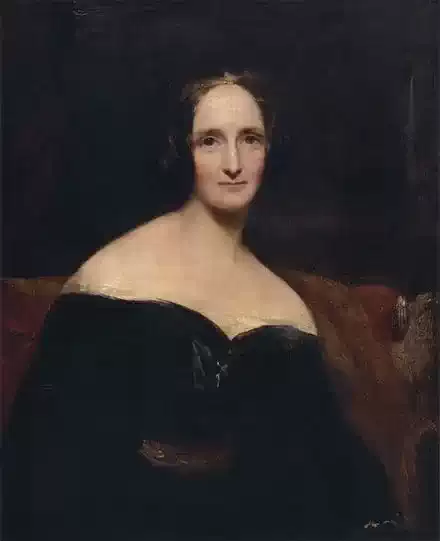
Percy Bysshe Shelley
Night
Night
SWIFTLY walk o'er the western wave,
Spirit of Night!
Out of the misty eastern cave,--
Where, all the long and lone daylight,
Thou wovest dreams of joy and fear
Which make thee terrible and dear,--
Swift be thy flight!
Wrap thy form in a mantle grey,
Star-inwrought!
Blind with thine hair the eyes of Day;
Kiss her until she be wearied out.
Then wander o'er city and sea and land,
Touching all with thine opiate wand--
Come, long-sought!
When I arose and saw the dawn,
I sigh'd for thee;
When light rode high, and the dew was gone,
And noon lay heavy on flower and tree,
And the weary Day turn'd to his rest,
Lingering like an unloved guest,
I sigh'd for thee.
Thy brother Death came, and cried,
'Wouldst thou me?'
Thy sweet child Sleep, the filmy-eyed,
Murmur'd like a noontide bee,
'Shall I nestle near thy side?
Wouldst thou me?'--And I replied,
'No, not thee!'
Death will come when thou art dead,
Soon, too soon--
Sleep will come when thou art fled.
Of neither would I ask the boon
I ask of thee, beloved Night--
Swift be thine approaching flight,
Come soon, soon!
SWIFTLY walk o'er the western wave,
Spirit of Night!
Out of the misty eastern cave,--
Where, all the long and lone daylight,
Thou wovest dreams of joy and fear
Which make thee terrible and dear,--
Swift be thy flight!
Wrap thy form in a mantle grey,
Star-inwrought!
Blind with thine hair the eyes of Day;
Kiss her until she be wearied out.
Then wander o'er city and sea and land,
Touching all with thine opiate wand--
Come, long-sought!
When I arose and saw the dawn,
I sigh'd for thee;
When light rode high, and the dew was gone,
And noon lay heavy on flower and tree,
And the weary Day turn'd to his rest,
Lingering like an unloved guest,
I sigh'd for thee.
Thy brother Death came, and cried,
'Wouldst thou me?'
Thy sweet child Sleep, the filmy-eyed,
Murmur'd like a noontide bee,
'Shall I nestle near thy side?
Wouldst thou me?'--And I replied,
'No, not thee!'
Death will come when thou art dead,
Soon, too soon--
Sleep will come when thou art fled.
Of neither would I ask the boon
I ask of thee, beloved Night--
Swift be thine approaching flight,
Come soon, soon!
452
Percy Bysshe Shelley
Lines: The cold earth slept below
Lines: The cold earth slept below
The cold earth slept below;
Above the cold sky shone;
And all around,
With a chilling sound,
From caves of ice and fields of snow
The breath of night like death did flow
Beneath the sinking moon.
The wintry hedge was black;
The green grass was not seen;
The birds did rest
On the bare thorn's breast,
Whose roots, beside the pathway track,
Had bound their folds o'er many a crack
Which the frost had made between.
Thine eyes glow'd in the glare
Of the moon's dying light;
As a fen-fire's beam
On a sluggish stream
Gleams dimly--so the moon shone there,
And it yellow'd the strings of thy tangled hair,
That shook in the wind of night.
The moon made thy lips pale, belov{`e}d;
The wind made thy bosom chill;
The night did shed
On thy dear head
Its frozen dew, and thou didst lie
Where the bitter breath of the naked sky
Might visit thee at will.
The cold earth slept below;
Above the cold sky shone;
And all around,
With a chilling sound,
From caves of ice and fields of snow
The breath of night like death did flow
Beneath the sinking moon.
The wintry hedge was black;
The green grass was not seen;
The birds did rest
On the bare thorn's breast,
Whose roots, beside the pathway track,
Had bound their folds o'er many a crack
Which the frost had made between.
Thine eyes glow'd in the glare
Of the moon's dying light;
As a fen-fire's beam
On a sluggish stream
Gleams dimly--so the moon shone there,
And it yellow'd the strings of thy tangled hair,
That shook in the wind of night.
The moon made thy lips pale, belov{`e}d;
The wind made thy bosom chill;
The night did shed
On thy dear head
Its frozen dew, and thou didst lie
Where the bitter breath of the naked sky
Might visit thee at will.
514
Percy Bysshe Shelley
Lines Written Among The Euganean Hills
Lines Written Among The Euganean Hills
Many a green isle needs must be
In the deep wide sea of Misery,
Or the mariner, worn and wan,
Never thus could voyage on -
Day and night, and night and day,
Drifting on his dreary way,
With the solid darkness black
Closing round his vessel's track:
Whilst above the sunless sky,
Big with clouds, hangs heavily,
And behind the tempest fleet
Hurries on with lightning feet,
He is ever drifted on
O'er the unreposing wave
To the haven of the grave.
What, if there no friends will greet;
What, if there no heart will meet
His with love's impatient beat;
Wander wheresoe'er he may,
Can he dream before that day
To find refuge from distress
In friendship's smile, in love's caress?
Then 'twill wreak him little woe
Whether such there be or no:
Senseless is the breast, and cold,
Which relenting love would fold;
Bloodless are the veins and chill
Which the pulse of pain did fill;
Every little living nerve
That from bitter words did swerve
Round the tortured lips and brow,
Are like sapless leaflets now
Frozen upon December's bough.
On the beach of a northern sea
Which tempests shake eternally,
As once the wretch there lay to sleep,
Lies a solitary heap,
One white skull and seven dry bones,
On the margin of the stones,
Where a few grey rushes stand,
Boundaries of the sea and land:
Nor is heard one voice of wail
But the sea-mews, as they sail
O'er the billows of the gale;
Or the whirlwind up and down
Howling, like a slaughtered town,
When a king in glory rides
Through the pomp and fratricides:
Those unburied bones around
There is many a mournful sound;
There is no lament for him,
Like a sunless vapour, dim,
Who once clothed with life and thought
What now moves nor murmurs not.
Ay, many flowering islands lie
In the waters of wide Agony:
To such a one this morn was led,
My bark by soft winds piloted:
'Mid the mountains Euganean
I stood listening to the paean
With which the legioned rooks did hail
The sun's uprise majestical;
Gathering round with wings all hoar,
Through the dewy mist they soar
Like gray shades, till the eastern heaven
Bursts, and then, as clouds of even,
Flecked with fire and azure, lie
In the unfathomable sky,
So their plumes of purple grain,
Starred with drops of golden rain,
Gleam above the sunlight woods,
As in silent multitudes
On the morning's fitful gale
Through the broken mist they sail,
And the vapours cloven and gleaming
Follow, down the dark steep streaming,
Till all is bright, and clear, and still,
Round the solitary hill.
Beneath is spread like a green sea
The waveless plain of Lombardy,
Bounded by the vaporous air,
Islanded by cities fair;
Underneath Day's azure eyes
Ocean's nursling, Venice, lies,
A peopled labyrinth of walls,
Amphitrite's destined halls,
Which her hoary sire now paves
With his blue and beaming waves.
Lo! the sun upsprings behind,
Broad, red, radiant, half-reclined
On the level quivering line
Of the waters crystalline;
And before that chasm of light,
As within a furnace bright,
Column, tower, and dome, and spire,
Shine like obelisks of fire,
Pointing with inconstant motion
From the altar of dark ocean
To the sapphire-tinted skies;
As the flames of sacrifice
From the marble shrines did rise,
As to pierce the dome of gold
Where Apollo spoke of old.
Sea-girt City, thou hast been
Ocean's child, and then his queen;
Now is come a darker day,
And thou soon must be his prey,
If the power that raised thee here
Hallow so thy watery bier.
A less drear ruin then than now,
With thy conquest-branded brow
Stooping to the slave of slaves
From thy throne, among the waves
Wilt thou be, when the sea-mew
Flies, as once before it flew,
O'er thine isles depopulate,
And all is in its ancient state,
Save where many a palace gate
With green sea-flowers overgrown
Like a rock of Ocean's own,
Topples o'er the abandoned sea
As the tides change sullenly.
The fisher on his watery way,
Wandering at the close of day,
Will spread his sail and seize his oar
Till he pass the gloomy shore,
Lest thy dead should, from their sleep
Bursting o'er the starlight deep,
Lead a rapid masque of death
O'er the waters of his path.
Those who alone thy towers behold
Quivering through aereal gold,
As I now behold them here,
Would imagine not they were
Sepulchres, where human forms,
Like pollution-nourished worms,
To the corpse of greatness cling,
Murdered, and now mouldering:
But if Freedom should awake
In her omnipotence and shake
From the Celtic Anarch's hold
All the keys of dungeons cold,
Where a hundred cities lie
Chained like thee, ingloriously,
Thou and all thy sister band
Might adorn this sunny land,
Twining memories of old time
With new virtues more sublime;
If not, perish thou ldering:
But if Freedom should awake
In her omnipotence and shake
From the Celtic Anarch's hold
All the keys of dungeons cold,
Where a hundred cities lie
Chained like thee, ingloriously,
Thou and all thy sister band
Might adorn this sunny land,
Twining memories of old time
With new virtues more sublime;
If not, perish thou and they! -
Clouds which stain truth's rising day
By her sun consumed away -
Earth can spare ye; while like flowers,
In the waste of years and hours,
From your dust new nations spring
With more kindly blossoming.
Perish -let there only be
Floating o'er thy heartless sea
As the garment of thy sky
Clothes the world immortally,
One remembrance, more sublime
Than the tattered pall of time,
Which scarce hides thy visage wan; -
That a tempest-cleaving Swan
Of the sons of Albion,
Driven from his ancestral streams
By the might of evil dreams,
Found a nest in thee; and Ocean
Welcomed him with such emotion
That its joy grew his, and sprung
From his lips like music flung
O'er a mighty thunder-fit,
Chastening terror: -what though yet
Poesy's unfailing River,
Which through Albion winds forever
Lashing with melodious wave
Many a sacred Poet's grave,
Mourn its latest nursling fled?
What though thou with all thy dead
Scarce can for this fame repay
Aught thine own? oh, rather say
Though thy sins and slaveries foul
Overcloud a sunlike soul?
As the ghost of Homer clings
Round Scamander's wasting springs;
As divinest Shakespeare's might
Fills Avon and the world with light
Like omniscient power which he
Imaged 'mid mortality;
As the love from Petrarch's urn,
Yet amid yon hills doth burn,
A quenchless lamp by which the heart
Sees things unearthly; -so thou art,
Mighty spirit -so shall be
The City that did refuge thee.
Lo, the sun floats up the sky
Like thought-winged Liberty,
Till the universal light
Seems to level plain and height;
From the sea a mist has spread,
And the beams of morn lie dead
On the towers of Venice now,
Like its glory long ago.
By the skirts of that gray cloud
Many-domed Padua proud
Stands, a peopled solitude,
'Mid the harvest-shining plain,
Where the peasant heaps his grain
In the garner of his foe,
And the milk-white oxen slow
With the purple vintage strain,
Heaped upon the creaking wain,
That the brutal Celt may swill
Drunken sleep with savage will;
And the sickle to the sword
Lies unchanged, though many a lord,
Like a weed whose shade is poison,
Overgrows this region's foison,
Sheaves of whom are ripe to come
To destruction's harvest-home:
Men must reap the things they sow,
Force from force must ever flow,
Or worse; but 'tis a bitter woe
That love or reason cannot change
The despot's rage, the slave's revenge.
Padua, thou within whose walls
Those mute guests at festivals,
Son and Mother, Death and Sin,
Played at dice for Ezzelin,
Till Death cried, "I win, I win!"
And Sin cursed to lose the wager,
But Death promised, to assuage her,
That he would petition for
Her to be made Vice-Emperor,
When the destined years were o'er,
Over all between the Po
And the eastern Alpine snow,
Under the mighty Austrian.
She smiled so as Sin only can,
And since that time, ay, long before,
Both have ruled from shore to shore, -
That incestuous pair, who follow
Tyrants as the sun the swallow,
As Repentance follows Crime,
And as changes follow Time.
In thine halls the lamp of learning,
Padua, now no more is burning;
Like a meteor, whose wild way
Is lost over the grave of day,
It gleams betrayed and to betray:
Once remotest nations came
To adore that sacred flame,
When it lit not many a hearth
On this cold and gloomy earth:
Now new fires from antique light
Spring beneath the wide world's might;
But their spark lies dead in thee,
Trampled out by Tyranny.
As the Norway woodman quells,
In the depth of piny dells,
One light flame among the brakes,
While the boundless forest shakes,
And its mighty trunks are torn
By the fire thus lowly born:
The spark beneath his feet is dead,
He starts to see the flames it fed
Howling through the darkened sky
With a myriad tongues victoriously,
And sinks down in fear: so thou,
O Tyranny, beholdest now
Light around thee, and thou hearest
The loud flames ascend, and fearest:
Grovel on the earth; ay, hide
In the dust thy purple pride!
Noon descends around me now:
'Tis the noon of autumn's glow,
When a soft and purple mist
Like a vapourous amethyst,
Or an air-dissolved star
Mingling light and fragrance, far
From the curved horizon's bound
To the point of Heaven's profound,
Fills the overflowing sky;
And the plains that silent lie
Underneath the leaves unsodden
Where the infant Frost has trodden
With his morning-winged feet,
Whose bright print is gleaming yet;
And the red and golden vines,
Piercing with their trellised lines
The rough, dark-skirted wilderness;
The dun and bladed grass no less,
Pointing from this hoary tower
In the windless air; the flower
Glimmering at my feet; the line
Of the olive-sandalled Apennine
In the south dimly islanded;
And the Alps, whose snows are spread
High between the clouds and sun;
And of living things each one;
And my spirit which so long
Darkened this swift stream of song, -
Interpenetrated lie
By the glory of the sky:
Be it love, light, harmony,
Odour, or the soul of all
Which from Heaven like dew doth fall,
Or the mind which feeds this verse
Peopling the lone universe.
Noon descends, and after noon
Autumn's evening meets me soon,
Leading the infantine moon,
And that one star, which to her
Almost seems to minister
Half the crimson light she brings
From the sunset's radiant springs:
And the soft dreams of the morn
(Which like winged winds had borne
To that silent isle, which lies
Mid remembered agonies,
The frail bark of this lone being)
Pass, to other sufferers fleeing,
And its ancient pilot, Pain,
Sits beside the helm again.
Other flowering isles must be
In the sea of Life and Agony:
Other spirits float and flee
O'er that gulf: even now, perhaps,
On some rock the wild wave wraps,
With folded wings they waiting sit
For my bark, to pilot it
To some calm and blooming cove,
Where for me, and those I love,
May a windless bower be built,
Far from passion, pain, and guilt,
In a dell mid lawny hills,
Which the wild sea-murmur fills,
And soft sunshine, and the sound
Of old forests echoing round,
And the light and smell divine
Of all flowers that breathe and shine:
We may live so happy there,
That the Spirits of the Air,
Envying us, may even entice
To our healing Paradise
The polluting multitude;
But their rage would be subdued
By that clime divine and calm,
And the winds whose wings rain balm
On the uplifted soul, and leaves
Under which the bright sea heaves;
While each breathless interval
In their whisperings musical
The inspired soul supplies
With its own deep melodies;
And the love which heals all strife
Circling, like the breath of life,
All things in that sweet abode
With its own mild brotherhood:
They, not it, would change; and soon
Every sprite beneath the moon
Would repent its envy vain,
And the earth grow young again.
Many a green isle needs must be
In the deep wide sea of Misery,
Or the mariner, worn and wan,
Never thus could voyage on -
Day and night, and night and day,
Drifting on his dreary way,
With the solid darkness black
Closing round his vessel's track:
Whilst above the sunless sky,
Big with clouds, hangs heavily,
And behind the tempest fleet
Hurries on with lightning feet,
He is ever drifted on
O'er the unreposing wave
To the haven of the grave.
What, if there no friends will greet;
What, if there no heart will meet
His with love's impatient beat;
Wander wheresoe'er he may,
Can he dream before that day
To find refuge from distress
In friendship's smile, in love's caress?
Then 'twill wreak him little woe
Whether such there be or no:
Senseless is the breast, and cold,
Which relenting love would fold;
Bloodless are the veins and chill
Which the pulse of pain did fill;
Every little living nerve
That from bitter words did swerve
Round the tortured lips and brow,
Are like sapless leaflets now
Frozen upon December's bough.
On the beach of a northern sea
Which tempests shake eternally,
As once the wretch there lay to sleep,
Lies a solitary heap,
One white skull and seven dry bones,
On the margin of the stones,
Where a few grey rushes stand,
Boundaries of the sea and land:
Nor is heard one voice of wail
But the sea-mews, as they sail
O'er the billows of the gale;
Or the whirlwind up and down
Howling, like a slaughtered town,
When a king in glory rides
Through the pomp and fratricides:
Those unburied bones around
There is many a mournful sound;
There is no lament for him,
Like a sunless vapour, dim,
Who once clothed with life and thought
What now moves nor murmurs not.
Ay, many flowering islands lie
In the waters of wide Agony:
To such a one this morn was led,
My bark by soft winds piloted:
'Mid the mountains Euganean
I stood listening to the paean
With which the legioned rooks did hail
The sun's uprise majestical;
Gathering round with wings all hoar,
Through the dewy mist they soar
Like gray shades, till the eastern heaven
Bursts, and then, as clouds of even,
Flecked with fire and azure, lie
In the unfathomable sky,
So their plumes of purple grain,
Starred with drops of golden rain,
Gleam above the sunlight woods,
As in silent multitudes
On the morning's fitful gale
Through the broken mist they sail,
And the vapours cloven and gleaming
Follow, down the dark steep streaming,
Till all is bright, and clear, and still,
Round the solitary hill.
Beneath is spread like a green sea
The waveless plain of Lombardy,
Bounded by the vaporous air,
Islanded by cities fair;
Underneath Day's azure eyes
Ocean's nursling, Venice, lies,
A peopled labyrinth of walls,
Amphitrite's destined halls,
Which her hoary sire now paves
With his blue and beaming waves.
Lo! the sun upsprings behind,
Broad, red, radiant, half-reclined
On the level quivering line
Of the waters crystalline;
And before that chasm of light,
As within a furnace bright,
Column, tower, and dome, and spire,
Shine like obelisks of fire,
Pointing with inconstant motion
From the altar of dark ocean
To the sapphire-tinted skies;
As the flames of sacrifice
From the marble shrines did rise,
As to pierce the dome of gold
Where Apollo spoke of old.
Sea-girt City, thou hast been
Ocean's child, and then his queen;
Now is come a darker day,
And thou soon must be his prey,
If the power that raised thee here
Hallow so thy watery bier.
A less drear ruin then than now,
With thy conquest-branded brow
Stooping to the slave of slaves
From thy throne, among the waves
Wilt thou be, when the sea-mew
Flies, as once before it flew,
O'er thine isles depopulate,
And all is in its ancient state,
Save where many a palace gate
With green sea-flowers overgrown
Like a rock of Ocean's own,
Topples o'er the abandoned sea
As the tides change sullenly.
The fisher on his watery way,
Wandering at the close of day,
Will spread his sail and seize his oar
Till he pass the gloomy shore,
Lest thy dead should, from their sleep
Bursting o'er the starlight deep,
Lead a rapid masque of death
O'er the waters of his path.
Those who alone thy towers behold
Quivering through aereal gold,
As I now behold them here,
Would imagine not they were
Sepulchres, where human forms,
Like pollution-nourished worms,
To the corpse of greatness cling,
Murdered, and now mouldering:
But if Freedom should awake
In her omnipotence and shake
From the Celtic Anarch's hold
All the keys of dungeons cold,
Where a hundred cities lie
Chained like thee, ingloriously,
Thou and all thy sister band
Might adorn this sunny land,
Twining memories of old time
With new virtues more sublime;
If not, perish thou ldering:
But if Freedom should awake
In her omnipotence and shake
From the Celtic Anarch's hold
All the keys of dungeons cold,
Where a hundred cities lie
Chained like thee, ingloriously,
Thou and all thy sister band
Might adorn this sunny land,
Twining memories of old time
With new virtues more sublime;
If not, perish thou and they! -
Clouds which stain truth's rising day
By her sun consumed away -
Earth can spare ye; while like flowers,
In the waste of years and hours,
From your dust new nations spring
With more kindly blossoming.
Perish -let there only be
Floating o'er thy heartless sea
As the garment of thy sky
Clothes the world immortally,
One remembrance, more sublime
Than the tattered pall of time,
Which scarce hides thy visage wan; -
That a tempest-cleaving Swan
Of the sons of Albion,
Driven from his ancestral streams
By the might of evil dreams,
Found a nest in thee; and Ocean
Welcomed him with such emotion
That its joy grew his, and sprung
From his lips like music flung
O'er a mighty thunder-fit,
Chastening terror: -what though yet
Poesy's unfailing River,
Which through Albion winds forever
Lashing with melodious wave
Many a sacred Poet's grave,
Mourn its latest nursling fled?
What though thou with all thy dead
Scarce can for this fame repay
Aught thine own? oh, rather say
Though thy sins and slaveries foul
Overcloud a sunlike soul?
As the ghost of Homer clings
Round Scamander's wasting springs;
As divinest Shakespeare's might
Fills Avon and the world with light
Like omniscient power which he
Imaged 'mid mortality;
As the love from Petrarch's urn,
Yet amid yon hills doth burn,
A quenchless lamp by which the heart
Sees things unearthly; -so thou art,
Mighty spirit -so shall be
The City that did refuge thee.
Lo, the sun floats up the sky
Like thought-winged Liberty,
Till the universal light
Seems to level plain and height;
From the sea a mist has spread,
And the beams of morn lie dead
On the towers of Venice now,
Like its glory long ago.
By the skirts of that gray cloud
Many-domed Padua proud
Stands, a peopled solitude,
'Mid the harvest-shining plain,
Where the peasant heaps his grain
In the garner of his foe,
And the milk-white oxen slow
With the purple vintage strain,
Heaped upon the creaking wain,
That the brutal Celt may swill
Drunken sleep with savage will;
And the sickle to the sword
Lies unchanged, though many a lord,
Like a weed whose shade is poison,
Overgrows this region's foison,
Sheaves of whom are ripe to come
To destruction's harvest-home:
Men must reap the things they sow,
Force from force must ever flow,
Or worse; but 'tis a bitter woe
That love or reason cannot change
The despot's rage, the slave's revenge.
Padua, thou within whose walls
Those mute guests at festivals,
Son and Mother, Death and Sin,
Played at dice for Ezzelin,
Till Death cried, "I win, I win!"
And Sin cursed to lose the wager,
But Death promised, to assuage her,
That he would petition for
Her to be made Vice-Emperor,
When the destined years were o'er,
Over all between the Po
And the eastern Alpine snow,
Under the mighty Austrian.
She smiled so as Sin only can,
And since that time, ay, long before,
Both have ruled from shore to shore, -
That incestuous pair, who follow
Tyrants as the sun the swallow,
As Repentance follows Crime,
And as changes follow Time.
In thine halls the lamp of learning,
Padua, now no more is burning;
Like a meteor, whose wild way
Is lost over the grave of day,
It gleams betrayed and to betray:
Once remotest nations came
To adore that sacred flame,
When it lit not many a hearth
On this cold and gloomy earth:
Now new fires from antique light
Spring beneath the wide world's might;
But their spark lies dead in thee,
Trampled out by Tyranny.
As the Norway woodman quells,
In the depth of piny dells,
One light flame among the brakes,
While the boundless forest shakes,
And its mighty trunks are torn
By the fire thus lowly born:
The spark beneath his feet is dead,
He starts to see the flames it fed
Howling through the darkened sky
With a myriad tongues victoriously,
And sinks down in fear: so thou,
O Tyranny, beholdest now
Light around thee, and thou hearest
The loud flames ascend, and fearest:
Grovel on the earth; ay, hide
In the dust thy purple pride!
Noon descends around me now:
'Tis the noon of autumn's glow,
When a soft and purple mist
Like a vapourous amethyst,
Or an air-dissolved star
Mingling light and fragrance, far
From the curved horizon's bound
To the point of Heaven's profound,
Fills the overflowing sky;
And the plains that silent lie
Underneath the leaves unsodden
Where the infant Frost has trodden
With his morning-winged feet,
Whose bright print is gleaming yet;
And the red and golden vines,
Piercing with their trellised lines
The rough, dark-skirted wilderness;
The dun and bladed grass no less,
Pointing from this hoary tower
In the windless air; the flower
Glimmering at my feet; the line
Of the olive-sandalled Apennine
In the south dimly islanded;
And the Alps, whose snows are spread
High between the clouds and sun;
And of living things each one;
And my spirit which so long
Darkened this swift stream of song, -
Interpenetrated lie
By the glory of the sky:
Be it love, light, harmony,
Odour, or the soul of all
Which from Heaven like dew doth fall,
Or the mind which feeds this verse
Peopling the lone universe.
Noon descends, and after noon
Autumn's evening meets me soon,
Leading the infantine moon,
And that one star, which to her
Almost seems to minister
Half the crimson light she brings
From the sunset's radiant springs:
And the soft dreams of the morn
(Which like winged winds had borne
To that silent isle, which lies
Mid remembered agonies,
The frail bark of this lone being)
Pass, to other sufferers fleeing,
And its ancient pilot, Pain,
Sits beside the helm again.
Other flowering isles must be
In the sea of Life and Agony:
Other spirits float and flee
O'er that gulf: even now, perhaps,
On some rock the wild wave wraps,
With folded wings they waiting sit
For my bark, to pilot it
To some calm and blooming cove,
Where for me, and those I love,
May a windless bower be built,
Far from passion, pain, and guilt,
In a dell mid lawny hills,
Which the wild sea-murmur fills,
And soft sunshine, and the sound
Of old forests echoing round,
And the light and smell divine
Of all flowers that breathe and shine:
We may live so happy there,
That the Spirits of the Air,
Envying us, may even entice
To our healing Paradise
The polluting multitude;
But their rage would be subdued
By that clime divine and calm,
And the winds whose wings rain balm
On the uplifted soul, and leaves
Under which the bright sea heaves;
While each breathless interval
In their whisperings musical
The inspired soul supplies
With its own deep melodies;
And the love which heals all strife
Circling, like the breath of life,
All things in that sweet abode
With its own mild brotherhood:
They, not it, would change; and soon
Every sprite beneath the moon
Would repent its envy vain,
And the earth grow young again.
498
Percy Bysshe Shelley
Autumn: A Dirge
Autumn: A Dirge
The warm sun is falling, the bleak wind is wailing,
The bare boughs are sighing, the pale flowers are dying,
And the Year
On the earth is her death-bed, in a shroud of leaves dead,
Is lying.
Come, Months, come away,
From November to May,
In your saddest array;
Follow the bier
Of the dead cold Year,
And like dim shadows watch by her sepulchre.
The chill rain is falling, the nipped worm is crawling,
The rivers are swelling, the thunder is knelling
For the Year;
The blithe swallows are flown, and the lizards each gone
To his dwelling.
Come, Months, come away;
Put on white, black and gray;
Let your light sisters play--
Ye, follow the bier
Of the dead cold Year,
And make her grave green with tear on tear.
The warm sun is falling, the bleak wind is wailing,
The bare boughs are sighing, the pale flowers are dying,
And the Year
On the earth is her death-bed, in a shroud of leaves dead,
Is lying.
Come, Months, come away,
From November to May,
In your saddest array;
Follow the bier
Of the dead cold Year,
And like dim shadows watch by her sepulchre.
The chill rain is falling, the nipped worm is crawling,
The rivers are swelling, the thunder is knelling
For the Year;
The blithe swallows are flown, and the lizards each gone
To his dwelling.
Come, Months, come away;
Put on white, black and gray;
Let your light sisters play--
Ye, follow the bier
Of the dead cold Year,
And make her grave green with tear on tear.
441