

Poems
Memories and Recollections
Poems in this topic
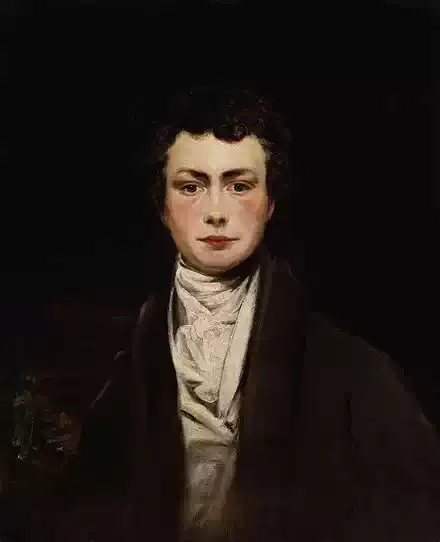
Thomas Moore
Twas One of Those Dreams
Twas One of Those Dreams
'TWAS one of those dreams, that by music are brought,
Like a bright summer haze, o'er the poet's warm thought --
When, lost in the future, his soul wanders on,
And all of this life, but its sweetness, is gone.
The wild notes he heard o'er the water were those
He had taught to sing Erin's dark bondage and woes,
And the breath of the bugle now wafted them o'er
From Dinis' green isle, to Glena's wooded shore.
He listen'd -- while, high o'er the eagle's rude nest,
The lingering sounds on their way loved to rest;
And the echoes sung back from their full mountain quire,
As if loath to let song to enchanting expire.
It seem'd as if every sweet note that died here
Was again brought to life in some airier sphere,
Some heaven in those hills, where the soul of the strain
That had ceased upon earth was awaking again!
Oh forgive, if, while listening to music, whose breath
Seem'd to circle his name with a charm against death,
He should feel a proud spirit within him proclaim,
"Even so shalt thou live in the echoes of Fame:
"Even so, though thy memory should now die away,
'Twill be caught up again in some happier day,
And the hearts and the voices of Erin prolong,
Through the answering Future, thy name and thy song."
'TWAS one of those dreams, that by music are brought,
Like a bright summer haze, o'er the poet's warm thought --
When, lost in the future, his soul wanders on,
And all of this life, but its sweetness, is gone.
The wild notes he heard o'er the water were those
He had taught to sing Erin's dark bondage and woes,
And the breath of the bugle now wafted them o'er
From Dinis' green isle, to Glena's wooded shore.
He listen'd -- while, high o'er the eagle's rude nest,
The lingering sounds on their way loved to rest;
And the echoes sung back from their full mountain quire,
As if loath to let song to enchanting expire.
It seem'd as if every sweet note that died here
Was again brought to life in some airier sphere,
Some heaven in those hills, where the soul of the strain
That had ceased upon earth was awaking again!
Oh forgive, if, while listening to music, whose breath
Seem'd to circle his name with a charm against death,
He should feel a proud spirit within him proclaim,
"Even so shalt thou live in the echoes of Fame:
"Even so, though thy memory should now die away,
'Twill be caught up again in some happier day,
And the hearts and the voices of Erin prolong,
Through the answering Future, thy name and thy song."
178
Thomas Moore
The Light of Other Days
The Light of Other Days
OFT, in the stilly night,
Ere slumber's chain has bound me,
Fond Memory brings the light
Of other days around me:
The smiles, the tears
Of boyhood's years,
The words of love then spoken;
The eyes that shone,
Now dimm'd and gone,
The cheerful hearts now broken!
Thus, in the stilly night,
Ere slumber's chain has bound me,
Sad Memory brings the light
Of other days around me.
When I remember all
The friends, so link'd together,
I've seen around me fall
Like leaves in wintry weather,
I feel like one
Who treads alone
Some banquet-hall deserted,
Whose lights are fled,
Whose garlands dead,
And all but he departed!
Thus, in the stilly night,
Ere slumber's chain has bound me.
Sad Memory brings the light
Of other days around me.
OFT, in the stilly night,
Ere slumber's chain has bound me,
Fond Memory brings the light
Of other days around me:
The smiles, the tears
Of boyhood's years,
The words of love then spoken;
The eyes that shone,
Now dimm'd and gone,
The cheerful hearts now broken!
Thus, in the stilly night,
Ere slumber's chain has bound me,
Sad Memory brings the light
Of other days around me.
When I remember all
The friends, so link'd together,
I've seen around me fall
Like leaves in wintry weather,
I feel like one
Who treads alone
Some banquet-hall deserted,
Whose lights are fled,
Whose garlands dead,
And all but he departed!
Thus, in the stilly night,
Ere slumber's chain has bound me.
Sad Memory brings the light
Of other days around me.
212
Thomas Moore
Sing, Sweet Harp
Sing, Sweet Harp
Sing, sweet Harp, oh sing to me
Some song of ancient days,
Whose sounds, in this sad memory,
Long-buried dreams shall raise; --
Some lay that tells of vanish'd fame,
Whose light once round us shone,
Of noble pride, now turn'd to shame,
And hopes for ever gone.
Sing, sad Harp, thus sing to me;
Alike our doom is cast,
Both lost to all but memory,
We live but in the past.
How mournfully the midnight air
Among thy chords doth sigh,
As if it sought some echo there,
Of voices long gone by; --
Of chieftains, now forgot, who seem'd
The foremost then in fame;
Of Bards who, once immortal deem'd,
Now sleep without a name.
In vain, sad Harp, the midnight air
Among thy chords doth sigh;
In vain it seeks an echo there
Of voices long gone by.
Couldst thou but call those spirits round,
Who once, in bower and hall,
Sate listening to thy magic sound,
Now mute and mouldering all; --
But, no; they would but wake to weep
Their children's slavery;
Then leave them in their dreamless sleep,
The dead, at least are free!
Hush, hush, sad Harp, that dreary tone,
That knell of Freedom's day;
Or, listening to its death-like moan,
Let me, too, die away.
Sing, sweet Harp, oh sing to me
Some song of ancient days,
Whose sounds, in this sad memory,
Long-buried dreams shall raise; --
Some lay that tells of vanish'd fame,
Whose light once round us shone,
Of noble pride, now turn'd to shame,
And hopes for ever gone.
Sing, sad Harp, thus sing to me;
Alike our doom is cast,
Both lost to all but memory,
We live but in the past.
How mournfully the midnight air
Among thy chords doth sigh,
As if it sought some echo there,
Of voices long gone by; --
Of chieftains, now forgot, who seem'd
The foremost then in fame;
Of Bards who, once immortal deem'd,
Now sleep without a name.
In vain, sad Harp, the midnight air
Among thy chords doth sigh;
In vain it seeks an echo there
Of voices long gone by.
Couldst thou but call those spirits round,
Who once, in bower and hall,
Sate listening to thy magic sound,
Now mute and mouldering all; --
But, no; they would but wake to weep
Their children's slavery;
Then leave them in their dreamless sleep,
The dead, at least are free!
Hush, hush, sad Harp, that dreary tone,
That knell of Freedom's day;
Or, listening to its death-like moan,
Let me, too, die away.
165
Thomas Moore
On Music
On Music
When through life unblest we rove,
Losing all that made life dear,
Should some notes we used to love,
In days of boyhood, meet our ear,
Oh! how welcome breathes the strain!
Wakening thoughts that long have slept,
Kindling former smiles again
In faded eyes that long have wept.
Like the gale, that sighs along
Beds of oriental flowers,
Is the grateful breath of song,
That once was heard in happier hours.
Fill'd with balm the gale sighs on,
Though the flowers have sunk in death;
So, when pleasure's dream is gone,
Its memory lives in Music's breath.
Music, oh, how faint, how weak,
Language fades before thy spell!
Why should Feeling ever speak,
When thou canst breathe her soul so well?
Friendship's balmy words may feign,
Love's are even more false than they;
Oh! 'tis only music's strain
Can sweetly soothe, and not betray.
When through life unblest we rove,
Losing all that made life dear,
Should some notes we used to love,
In days of boyhood, meet our ear,
Oh! how welcome breathes the strain!
Wakening thoughts that long have slept,
Kindling former smiles again
In faded eyes that long have wept.
Like the gale, that sighs along
Beds of oriental flowers,
Is the grateful breath of song,
That once was heard in happier hours.
Fill'd with balm the gale sighs on,
Though the flowers have sunk in death;
So, when pleasure's dream is gone,
Its memory lives in Music's breath.
Music, oh, how faint, how weak,
Language fades before thy spell!
Why should Feeling ever speak,
When thou canst breathe her soul so well?
Friendship's balmy words may feign,
Love's are even more false than they;
Oh! 'tis only music's strain
Can sweetly soothe, and not betray.
181
Thomas Moore
Oh! Breathe Not His Name
Oh! Breathe Not His Name
Oh! breathe not his name, let it sleep in the shade,
Where cold and unhonour'd his relics are laid:
Sad, silent, and dark, be the tears that we shed,
As the night-dew that falls on the grass o'er his head.
But the night-dew that falls, though in silence it weeps,
Shall brighten with verdure the grave where he sleeps;
And the tear that we shed, though in secret it rolls,
Shall long keep his memory green in our souls.
Oh! breathe not his name, let it sleep in the shade,
Where cold and unhonour'd his relics are laid:
Sad, silent, and dark, be the tears that we shed,
As the night-dew that falls on the grass o'er his head.
But the night-dew that falls, though in silence it weeps,
Shall brighten with verdure the grave where he sleeps;
And the tear that we shed, though in secret it rolls,
Shall long keep his memory green in our souls.
150
Thomas Moore
Oft, in the Stilly Night
Oft, in the Stilly Night
Oft, in the stilly night,
Ere slumber's chain has bound me,
Fond memory brings the light
Of other days around me;
The smiles, the tears,
Of boyhood's years,
The words of love then spoken;
The eyes that shone,
Now dimm'd and gone,
The cheerful hearts now broken!
Thus, in the stilly night,
Ere slumber's chain hath bound me,
Sad memory brings the light
Of other days around me.
When I remember all
The friends, so link'd together,
I've seen around me fall,
Like leaves in wintry weather;
I feel like one
Who treads alone
Some banquet-hall deserted,
Whose lights are fled,
Whose garlands dead,
And all but he departed!
Thus, in the stilly night,
Ere slumber's chain has bound me,
Sad memory brings the light
Of other days around me.
Oft, in the stilly night,
Ere slumber's chain has bound me,
Fond memory brings the light
Of other days around me;
The smiles, the tears,
Of boyhood's years,
The words of love then spoken;
The eyes that shone,
Now dimm'd and gone,
The cheerful hearts now broken!
Thus, in the stilly night,
Ere slumber's chain hath bound me,
Sad memory brings the light
Of other days around me.
When I remember all
The friends, so link'd together,
I've seen around me fall,
Like leaves in wintry weather;
I feel like one
Who treads alone
Some banquet-hall deserted,
Whose lights are fled,
Whose garlands dead,
And all but he departed!
Thus, in the stilly night,
Ere slumber's chain has bound me,
Sad memory brings the light
Of other days around me.
464
Thomas Moore
How Dear to Me the Hour
How Dear to Me the Hour
How dear to me the hour when daylight dies,
And sunbeams melt along the silent sea,
For then sweet dreams of other days arise,
And memory breathes her vesper sigh to thee.
And, as I watch the line of light, that plays
Along the smooth wave toward the burning west,
I long to tread that golden path of rays,
And think 'twould lead to some bright isle of rest.
How dear to me the hour when daylight dies,
And sunbeams melt along the silent sea,
For then sweet dreams of other days arise,
And memory breathes her vesper sigh to thee.
And, as I watch the line of light, that plays
Along the smooth wave toward the burning west,
I long to tread that golden path of rays,
And think 'twould lead to some bright isle of rest.
158
Thomas Moore
Go Where Glory Waits Thee
Go Where Glory Waits Thee
Go where glory waits thee,
But while fame elates thee,
Oh! still remember me.
When the praise thou meetest
To thine ear is sweetest,
Oh! then remember me.
Other arms may press thee,
Dearer friends caress thee,
All the joys that bless thee,
Sweeter far may be;
But when friends are nearest,
And when joys are dearest,
Oh! then remember me!
When, at eve, thou rovest
By the star thou lovest,
Oh! then remember me.
Think, when home returning,
Bright we've seen it burning,
Oh! thus remember me.
Oft as summer closes,
When thine eye reposes
On its lingering roses,
Once so loved by thee,
Think of her who wove them,
Her who made thee love them,
Oh! then remember me.
When, around thee dying,
Autumn leaves are lying,
Oh! then remember me.
And, at night, when gazing
On the gay hearth blazing,
Oh! still remember me.
Then should music, stealing
All the soul of feeling,
To thy heart appealing,
Draw one tear from thee;
Then let memory bring thee
Strains I used to sing thee, --
Oh! then remember me.
Go where glory waits thee,
But while fame elates thee,
Oh! still remember me.
When the praise thou meetest
To thine ear is sweetest,
Oh! then remember me.
Other arms may press thee,
Dearer friends caress thee,
All the joys that bless thee,
Sweeter far may be;
But when friends are nearest,
And when joys are dearest,
Oh! then remember me!
When, at eve, thou rovest
By the star thou lovest,
Oh! then remember me.
Think, when home returning,
Bright we've seen it burning,
Oh! thus remember me.
Oft as summer closes,
When thine eye reposes
On its lingering roses,
Once so loved by thee,
Think of her who wove them,
Her who made thee love them,
Oh! then remember me.
When, around thee dying,
Autumn leaves are lying,
Oh! then remember me.
And, at night, when gazing
On the gay hearth blazing,
Oh! still remember me.
Then should music, stealing
All the soul of feeling,
To thy heart appealing,
Draw one tear from thee;
Then let memory bring thee
Strains I used to sing thee, --
Oh! then remember me.
212
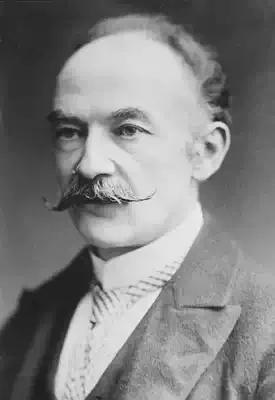
Thomas Hardy
Unknowing
Unknowing
WHEN, soul in soul reflected,
We breathed an æthered air,
When we neglected
All things elsewhere,
And left the friendly friendless
To keep our love aglow,
We deemed it endless...
--We did not know!
When, by mad passion goaded,
We planned to hie away,
But, unforeboded,
The storm-shafts gray
So heavily down-pattered
That none could forthward go,
Our lives seemed shattered...
--We did not know!
When I found you, helpless lying,
And you waived my deep misprise,
And swore me, dying,
In phantom-guise
To wing to me when grieving,
And touch away my woe,
We kissed, believing...
--We did not know!
But though, your powers outreckoning,
You hold you dead and dumb,
Or scorn my beckoning,
And will not come;
And I say, "'Twere mood ungainly
To store her memory so:"
I say it vainly--
I feel and know!
WHEN, soul in soul reflected,
We breathed an æthered air,
When we neglected
All things elsewhere,
And left the friendly friendless
To keep our love aglow,
We deemed it endless...
--We did not know!
When, by mad passion goaded,
We planned to hie away,
But, unforeboded,
The storm-shafts gray
So heavily down-pattered
That none could forthward go,
Our lives seemed shattered...
--We did not know!
When I found you, helpless lying,
And you waived my deep misprise,
And swore me, dying,
In phantom-guise
To wing to me when grieving,
And touch away my woe,
We kissed, believing...
--We did not know!
But though, your powers outreckoning,
You hold you dead and dumb,
Or scorn my beckoning,
And will not come;
And I say, "'Twere mood ungainly
To store her memory so:"
I say it vainly--
I feel and know!
233
Thomas Hardy
Thoughts of Phena
Thoughts of Phena
at news of her death
Not a line of her writing have I
Not a thread of her hair,
No mark of her late time as dame in her dwelling, whereby
I may picture her there;
And in vain do I urge my unsight
To conceive my lost prize
At her close, whom I knew when her dreams were upbrimming with light
And with laughter her eyes.
What scenes spread around her last days,
Sad, shining, or dim?
Did her gifts and compassions enray and enarch her sweet ways
With an aureate nimb?
Or did life-light decline from her years,
And mischances control
Her full day-star; unease, or regret, or forebodings, or fears
Disennoble her soul?
Thus I do but the phantom retain
Of the maiden of yore
As my relic; yet haply the best of her--fined in my brain
It may be the more
That no line of her writing have I,
Nor a thread of her hair,
No mark of her late time as dame in her dwelling, whereby
I may picture her there.
March .
at news of her death
Not a line of her writing have I
Not a thread of her hair,
No mark of her late time as dame in her dwelling, whereby
I may picture her there;
And in vain do I urge my unsight
To conceive my lost prize
At her close, whom I knew when her dreams were upbrimming with light
And with laughter her eyes.
What scenes spread around her last days,
Sad, shining, or dim?
Did her gifts and compassions enray and enarch her sweet ways
With an aureate nimb?
Or did life-light decline from her years,
And mischances control
Her full day-star; unease, or regret, or forebodings, or fears
Disennoble her soul?
Thus I do but the phantom retain
Of the maiden of yore
As my relic; yet haply the best of her--fined in my brain
It may be the more
That no line of her writing have I,
Nor a thread of her hair,
No mark of her late time as dame in her dwelling, whereby
I may picture her there.
March .
295
Thomas Hardy
To An Orphan Child
To An Orphan Child
A Whimsey
AH, child, thou art but half thy darling mother's;
Hers couldst thou wholly be,
My light in thee would outglow all in others;
She would relive to me.
But niggard Nature's trick of birth
Bars, lest she overjoy,
Renewal of the loved on earth
Save with alloy.
The Dame has no regard, alas, my maiden,
For love and loss like mine--
No sympathy with mind-sight memory-laden;
Only with fickle eyne.
To her mechanic artistry
My dreams are all unknown,
And why I wish that thou couldst be
But One's alone!
A Whimsey
AH, child, thou art but half thy darling mother's;
Hers couldst thou wholly be,
My light in thee would outglow all in others;
She would relive to me.
But niggard Nature's trick of birth
Bars, lest she overjoy,
Renewal of the loved on earth
Save with alloy.
The Dame has no regard, alas, my maiden,
For love and loss like mine--
No sympathy with mind-sight memory-laden;
Only with fickle eyne.
To her mechanic artistry
My dreams are all unknown,
And why I wish that thou couldst be
But One's alone!
233
Thomas Hardy
The Voice
The Voice
Woman much missed, how you call to me, call to me,
Saying that now you are not as you were
When you had changed from the one who was all to me,
But as at first, when our day was fair.
Can it be you that I hear? Let me view you, then,
Standing as when I drew near to the town
Where you would wait for me: yes, as I knew you then,
Even to the original air-blue gown!
Or is it only the breeze, in its listlessness
Travelling across the wet mead to me here,
You being ever dissolved to wan wistlessness,
Heard no more again far or near?
Thus I; faltering forward,
Leaves around me falling,
Wind oozing thin through the thorn from norward,
And the woman calling.
Woman much missed, how you call to me, call to me,
Saying that now you are not as you were
When you had changed from the one who was all to me,
But as at first, when our day was fair.
Can it be you that I hear? Let me view you, then,
Standing as when I drew near to the town
Where you would wait for me: yes, as I knew you then,
Even to the original air-blue gown!
Or is it only the breeze, in its listlessness
Travelling across the wet mead to me here,
You being ever dissolved to wan wistlessness,
Heard no more again far or near?
Thus I; faltering forward,
Leaves around me falling,
Wind oozing thin through the thorn from norward,
And the woman calling.
342
Thomas Hardy
The Tenant-For-Life
The Tenant-For-Life
The sun said, watching my watering-pot
"Some morn you'll pass away;
These flowers and plants I parch up hot -
Who'll water them that day?
"Those banks and beds whose shape your eye
Has planned in line so true,
New hands will change, unreasoning why
Such shape seemed best to you.
"Within your house will strangers sit,
And wonder how first it came;
They'll talk of their schemes for improving it,
And will not mention your name.
"They'll care not how, or when, or at what
You sighed, laughed, suffered here,
Though you feel more in an hour of the spot
Than they will feel in a year
"As I look on at you here, now,
Shall I look on at these;
But as to our old times, avow
No knowledge--hold my peace! . . .
"O friend, it matters not, I say;
Bethink ye, I have shined
On nobler ones than you, and they
Are dead men out of mind!"
The sun said, watching my watering-pot
"Some morn you'll pass away;
These flowers and plants I parch up hot -
Who'll water them that day?
"Those banks and beds whose shape your eye
Has planned in line so true,
New hands will change, unreasoning why
Such shape seemed best to you.
"Within your house will strangers sit,
And wonder how first it came;
They'll talk of their schemes for improving it,
And will not mention your name.
"They'll care not how, or when, or at what
You sighed, laughed, suffered here,
Though you feel more in an hour of the spot
Than they will feel in a year
"As I look on at you here, now,
Shall I look on at these;
But as to our old times, avow
No knowledge--hold my peace! . . .
"O friend, it matters not, I say;
Bethink ye, I have shined
On nobler ones than you, and they
Are dead men out of mind!"
159
Thomas Hardy
The Souls of the Slain
The Souls of the Slain
I
The thick lids of Night closed upon me
Alone at the Bill
Of the Isle by the Race {} -
Many-caverned, bald, wrinkled of face -
And with darkness and silence the spirit was on me
To brood and be still.
II
No wind fanned the flats of the ocean,
Or promontory sides,
Or the ooze by the strand,
Or the bent-bearded slope of the land,
Whose base took its rest amid everlong motion
Of criss-crossing tides.
III
Soon from out of the Southward seemed nearing
A whirr, as of wings
Waved by mighty-vanned flies,
Or by night-moths of measureless size,
And in softness and smoothness well-nigh beyond hearing
Of corporal things.
IV
And they bore to the bluff, and alighted -
A dim-discerned train
Of sprites without mould,
Frameless souls none might touch or might hold -
On the ledge by the turreted lantern, farsighted
By men of the main.
V
And I heard them say "Home!" and I knew them
For souls of the felled
On the earth's nether bord
Under Capricorn, whither they'd warred,
And I neared in my awe, and gave heedfulness to them
With breathings inheld.
VI
Then, it seemed, there approached from the northward
A senior soul-flame
Of the like filmy hue:
And he met them and spake: "Is it you,
O my men?" Said they, "Aye! We bear homeward and hearthward
To list to our fame!"
VII
"I've flown there before you," he said then:
"Your households are well;
But--your kin linger less
On your glory arid war-mightiness
Than on dearer things."--"Dearer?" cried these from the dead then,
"Of what do they tell?"
VIII
"Some mothers muse sadly, and murmur
Your doings as boys -
Recall the quaint ways
Of your babyhood's innocent days.
Some pray that, ere dying, your faith had grown firmer,
And higher your joys.
IX
"A father broods: 'Would I had set him
To some humble trade,
And so slacked his high fire,
And his passionate martial desire;
Had told him no stories to woo him and whet him
To this due crusade!"
X
"And, General, how hold out our sweethearts,
Sworn loyal as doves?"
--"Many mourn; many think
It is not unattractive to prink
Them in sables for heroes. Some fickle and fleet hearts
Have found them new loves."
XI
"And our wives?" quoth another resignedly,
"Dwell they on our deeds?"
--"Deeds of home; that live yet
Fresh as new--deeds of fondness or fret;
Ancient words that were kindly expressed or unkindly,
These, these have their heeds."
XII
--"Alas! then it seems that our glory
Weighs less in their thought
Than our old homely acts,
And the long-ago commonplace facts
Of our lives--held by us as scarce part of our story,
And rated as nought!"
XIII
Then bitterly some: "Was it wise now
To raise the tomb-door
For such knowledge? Away!"
But the rest: "Fame we prized till to-day;
Yet that hearts keep us green for old kindness we prize now
A thousand times more!"
XIV
Thus speaking, the trooped apparitions
Began to disband
And resolve them in two:
Those whose record was lovely and true
Bore to northward for home: those of bitter traditions
Again left the land,
XV
And, towering to seaward in legions,
They paused at a spot
Overbending the Race -
That engulphing, ghast, sinister place -
Whither headlong they plunged, to the fathomless regions
Of myriads forgot.
XVI
And the spirits of those who were homing
Passed on, rushingly,
Like the Pentecost Wind;
And the whirr of their wayfaring thinned
And surceased on the sky, and but left in the gloaming
Sea-mutterings and me.
I
The thick lids of Night closed upon me
Alone at the Bill
Of the Isle by the Race {} -
Many-caverned, bald, wrinkled of face -
And with darkness and silence the spirit was on me
To brood and be still.
II
No wind fanned the flats of the ocean,
Or promontory sides,
Or the ooze by the strand,
Or the bent-bearded slope of the land,
Whose base took its rest amid everlong motion
Of criss-crossing tides.
III
Soon from out of the Southward seemed nearing
A whirr, as of wings
Waved by mighty-vanned flies,
Or by night-moths of measureless size,
And in softness and smoothness well-nigh beyond hearing
Of corporal things.
IV
And they bore to the bluff, and alighted -
A dim-discerned train
Of sprites without mould,
Frameless souls none might touch or might hold -
On the ledge by the turreted lantern, farsighted
By men of the main.
V
And I heard them say "Home!" and I knew them
For souls of the felled
On the earth's nether bord
Under Capricorn, whither they'd warred,
And I neared in my awe, and gave heedfulness to them
With breathings inheld.
VI
Then, it seemed, there approached from the northward
A senior soul-flame
Of the like filmy hue:
And he met them and spake: "Is it you,
O my men?" Said they, "Aye! We bear homeward and hearthward
To list to our fame!"
VII
"I've flown there before you," he said then:
"Your households are well;
But--your kin linger less
On your glory arid war-mightiness
Than on dearer things."--"Dearer?" cried these from the dead then,
"Of what do they tell?"
VIII
"Some mothers muse sadly, and murmur
Your doings as boys -
Recall the quaint ways
Of your babyhood's innocent days.
Some pray that, ere dying, your faith had grown firmer,
And higher your joys.
IX
"A father broods: 'Would I had set him
To some humble trade,
And so slacked his high fire,
And his passionate martial desire;
Had told him no stories to woo him and whet him
To this due crusade!"
X
"And, General, how hold out our sweethearts,
Sworn loyal as doves?"
--"Many mourn; many think
It is not unattractive to prink
Them in sables for heroes. Some fickle and fleet hearts
Have found them new loves."
XI
"And our wives?" quoth another resignedly,
"Dwell they on our deeds?"
--"Deeds of home; that live yet
Fresh as new--deeds of fondness or fret;
Ancient words that were kindly expressed or unkindly,
These, these have their heeds."
XII
--"Alas! then it seems that our glory
Weighs less in their thought
Than our old homely acts,
And the long-ago commonplace facts
Of our lives--held by us as scarce part of our story,
And rated as nought!"
XIII
Then bitterly some: "Was it wise now
To raise the tomb-door
For such knowledge? Away!"
But the rest: "Fame we prized till to-day;
Yet that hearts keep us green for old kindness we prize now
A thousand times more!"
XIV
Thus speaking, the trooped apparitions
Began to disband
And resolve them in two:
Those whose record was lovely and true
Bore to northward for home: those of bitter traditions
Again left the land,
XV
And, towering to seaward in legions,
They paused at a spot
Overbending the Race -
That engulphing, ghast, sinister place -
Whither headlong they plunged, to the fathomless regions
Of myriads forgot.
XVI
And the spirits of those who were homing
Passed on, rushingly,
Like the Pentecost Wind;
And the whirr of their wayfaring thinned
And surceased on the sky, and but left in the gloaming
Sea-mutterings and me.
244
Thomas Hardy
The Self-Unseeing
The Self-Unseeing
Here is the ancient floor,
Footworn and hollowed and thin,
Here was the former door
Where the dead feet walked in.
She sat here in her chair,
Smiling into the fire;
He who played stood there,
Bowing it higher and higher.
Childlike, I danced in a dream;
Blessings emblazoned that day;
Everything glowed with a gleam;
Yet we were looking away!
Here is the ancient floor,
Footworn and hollowed and thin,
Here was the former door
Where the dead feet walked in.
She sat here in her chair,
Smiling into the fire;
He who played stood there,
Bowing it higher and higher.
Childlike, I danced in a dream;
Blessings emblazoned that day;
Everything glowed with a gleam;
Yet we were looking away!
253
Thomas Hardy
The Roman Road
The Roman Road
The Roman Road runs straight and bare
As the pale parting-line in hair
Across the heath. And thoughtful men
Contrast its days of Now and Then,
And delve, and measure, and compare;
Visioning on the vacant air
Helmeted legionnaires, who proudly rear
The Eagle, as they pace again
The Roman Road.
But no tall brass-helmeted legionnaire
Haunts it for me. Uprises there
A mother's form upon my ken,
Guiding my infant steps, as when
We walked that ancient thoroughfare,
The Roman Road.
The Roman Road runs straight and bare
As the pale parting-line in hair
Across the heath. And thoughtful men
Contrast its days of Now and Then,
And delve, and measure, and compare;
Visioning on the vacant air
Helmeted legionnaires, who proudly rear
The Eagle, as they pace again
The Roman Road.
But no tall brass-helmeted legionnaire
Haunts it for me. Uprises there
A mother's form upon my ken,
Guiding my infant steps, as when
We walked that ancient thoroughfare,
The Roman Road.
168
Thomas Hardy
The Rambler
The Rambler
I do not see the hills around,
Nor mark the tints the copses wear;
I do not note the grassy ground
And constellated daisies there.
I hear not the contralto note
Of cuckoos hid on either hand,
The whirr that shakes the nighthawk's throat
When eve's brown awning hoods the land.
Some say each songster, tree and mead--
All eloquent of love divine--
Receives their constant careful heed:
Such keen appraisement is not mine.
The tones around me that I hear,
The aspects, meanings, shapes I see,
Are those far back ones missed when near,
And now perceived too late by me!
I do not see the hills around,
Nor mark the tints the copses wear;
I do not note the grassy ground
And constellated daisies there.
I hear not the contralto note
Of cuckoos hid on either hand,
The whirr that shakes the nighthawk's throat
When eve's brown awning hoods the land.
Some say each songster, tree and mead--
All eloquent of love divine--
Receives their constant careful heed:
Such keen appraisement is not mine.
The tones around me that I hear,
The aspects, meanings, shapes I see,
Are those far back ones missed when near,
And now perceived too late by me!
246
Thomas Hardy
The Oxen
The Oxen
Christmas Eve, and twelve of the clock.
"Now they are all on their knees,"
An elder said as we sat in a flock
By the embers in hearthside ease.
We pictured the meek mild creatures where
They dwelt in their strawy pen,
Nor did it occur to one of us there
To doubt they were kneeling then.
So fair a fancy few would weave
In these years! Yet, I feel,
If someone said on Christmas Eve,
"Come; see the oxen kneel
"In the lonely barton by yonder coomb
Our childhood used to know,"
I should go with him in the gloom,
Hoping it might be so.
Christmas Eve, and twelve of the clock.
"Now they are all on their knees,"
An elder said as we sat in a flock
By the embers in hearthside ease.
We pictured the meek mild creatures where
They dwelt in their strawy pen,
Nor did it occur to one of us there
To doubt they were kneeling then.
So fair a fancy few would weave
In these years! Yet, I feel,
If someone said on Christmas Eve,
"Come; see the oxen kneel
"In the lonely barton by yonder coomb
Our childhood used to know,"
I should go with him in the gloom,
Hoping it might be so.
239
Thomas Hardy
The House of Hospitalities
The House of Hospitalities
Here we broached the Christmas barrel,
Pushed up the charred log-ends;
Here we sang the Christmas carol,
And called in friends.
Time has tired me since we met here
When the folk now dead were young,
And the viands were outset here
And quaint songs sung.
And the worm has bored the viol
That used to lead the tune,
Rust eaten out the dial
That struck night's noon.
Now no Christmas brings in neighbours,
And the New Year comes unlit;
Where we sang the mole now labours,
And spiders knit.
Yet at midnight if here walking,
When the moon sheets wall and tree,
I see forms of old time talking,
Who smile on me.
Here we broached the Christmas barrel,
Pushed up the charred log-ends;
Here we sang the Christmas carol,
And called in friends.
Time has tired me since we met here
When the folk now dead were young,
And the viands were outset here
And quaint songs sung.
And the worm has bored the viol
That used to lead the tune,
Rust eaten out the dial
That struck night's noon.
Now no Christmas brings in neighbours,
And the New Year comes unlit;
Where we sang the mole now labours,
And spiders knit.
Yet at midnight if here walking,
When the moon sheets wall and tree,
I see forms of old time talking,
Who smile on me.
200
Thomas Hardy
The Ghost of the Past
The Ghost of the Past
We two kept house, the Past and I,
The Past and I;
I tended while it hovered nigh,
Leaving me never alone.
It was a spectral housekeeping
Where fell no jarring tone,
As strange, as still a housekeeping
As ever has been known.
As daily I went up the stair,
And down the stair,
I did not mind the Bygone there --
The Present once to me;
Its moving meek companionship
I wished might ever be,
There was in that companionship
Something of ecstasy.
It dwelt with me just as it was,
Just as it was
When first its prospects gave me pause
In wayward wanderings,
Before the years had torn old troths
As they tear all sweet things,
Before gaunt griefs had torn old troths
And dulled old rapturings.
And then its form began to fade,
Began to fade,
Its gentle echoes faintlier played
At eves upon my ear
Than when the autumn's look embrowned
The lonely chambers here,
The autumn's settling shades embrowned
Nooks that it haunted near.
And so with time my vision less,
Yea, less and less
Makes of that Past my housemistress,
It dwindles in my eye;
It looms a far-off skeleton
And not a comrade nigh,
A fitful far-off skeleton
Dimming as days draw by.
We two kept house, the Past and I,
The Past and I;
I tended while it hovered nigh,
Leaving me never alone.
It was a spectral housekeeping
Where fell no jarring tone,
As strange, as still a housekeeping
As ever has been known.
As daily I went up the stair,
And down the stair,
I did not mind the Bygone there --
The Present once to me;
Its moving meek companionship
I wished might ever be,
There was in that companionship
Something of ecstasy.
It dwelt with me just as it was,
Just as it was
When first its prospects gave me pause
In wayward wanderings,
Before the years had torn old troths
As they tear all sweet things,
Before gaunt griefs had torn old troths
And dulled old rapturings.
And then its form began to fade,
Began to fade,
Its gentle echoes faintlier played
At eves upon my ear
Than when the autumn's look embrowned
The lonely chambers here,
The autumn's settling shades embrowned
Nooks that it haunted near.
And so with time my vision less,
Yea, less and less
Makes of that Past my housemistress,
It dwindles in my eye;
It looms a far-off skeleton
And not a comrade nigh,
A fitful far-off skeleton
Dimming as days draw by.
184
Thomas Hardy
The Bridge of Lodi (Spring, )
The Bridge of Lodi (Spring, )
I
When of tender mind and body
I was moved by minstrelsy,
And that strain "The Bridge of Lodi"
Brought a strange delight to me.
II
In the battle-breathing jingle
Of its forward-footing tune
I could see the armies mingle,
And the columns cleft and hewn
III
On that far-famed spot by Lodi
Where Napoleon clove his way
To his fame, when like a god he
Bent the nations to his sway.
IV
Hence the tune came capering to me
While I traced the Rhone and Po;
Nor could Milan's Marvel woo me
From the spot englamoured so.
V
And to-day, sunlit and smiling,
Here I stand upon the scene,
With its saffron walls, dun tiling,
And its meads of maiden green,
VI
Even as when the trackway thundered
With the charge of grenadiers,
And the blood of forty hundred
Splashed its parapets and piers . . .
VII
Any ancient crone I'd toady
Like a lass in young-eyed prime,
Could she tell some tale of Lodi
At that moving mighty time.
VIII
So, I ask the wives of Lodi
For traditions of that day;
But alas! not anybody
Seems to know of such a fray.
IX
And they heed but transitory
Marketings in cheese and meat,
Till I judge that Lodi's story
Is extinct in Lodi's street.
X
Yet while here and there they thrid them
In their zest to sell and buy,
Let me sit me down amid them
And behold those thousands die . . .
XI
- Not a creature cares in Lodi
How Napoleon swept each arch,
Or where up and downward trod he,
Or for his memorial March!
XII
So that wherefore should I be here,
Watching Adda lip the lea,
When the whole romance to see here
Is the dream I bring with me?
XIII
And why sing "The Bridge of Lodi"
As I sit thereon and swing,
When none shows by smile or nod he
Guesses why or what I sing? . . .
XIV
Since all Lodi, low and head ones,
Seem to pass that story by,
It may be the Lodi-bred ones
Rate it truly, and not I.
XV
Once engrossing Bridge of Lodi,
Is thy claim to glory gone?
Must I pipe a palinody,
Or be silent thereupon?
XVI
And if here, from strand to steeple,
Be no stone to fame the fight,
Must I say the Lodi people
Are but viewing crime aright?
Nay; I'll sing "The Bridge of Lodi" -
That long-loved, romantic thing,
Though none show by smile or nod he
Guesses why and what I sing!
I
When of tender mind and body
I was moved by minstrelsy,
And that strain "The Bridge of Lodi"
Brought a strange delight to me.
II
In the battle-breathing jingle
Of its forward-footing tune
I could see the armies mingle,
And the columns cleft and hewn
III
On that far-famed spot by Lodi
Where Napoleon clove his way
To his fame, when like a god he
Bent the nations to his sway.
IV
Hence the tune came capering to me
While I traced the Rhone and Po;
Nor could Milan's Marvel woo me
From the spot englamoured so.
V
And to-day, sunlit and smiling,
Here I stand upon the scene,
With its saffron walls, dun tiling,
And its meads of maiden green,
VI
Even as when the trackway thundered
With the charge of grenadiers,
And the blood of forty hundred
Splashed its parapets and piers . . .
VII
Any ancient crone I'd toady
Like a lass in young-eyed prime,
Could she tell some tale of Lodi
At that moving mighty time.
VIII
So, I ask the wives of Lodi
For traditions of that day;
But alas! not anybody
Seems to know of such a fray.
IX
And they heed but transitory
Marketings in cheese and meat,
Till I judge that Lodi's story
Is extinct in Lodi's street.
X
Yet while here and there they thrid them
In their zest to sell and buy,
Let me sit me down amid them
And behold those thousands die . . .
XI
- Not a creature cares in Lodi
How Napoleon swept each arch,
Or where up and downward trod he,
Or for his memorial March!
XII
So that wherefore should I be here,
Watching Adda lip the lea,
When the whole romance to see here
Is the dream I bring with me?
XIII
And why sing "The Bridge of Lodi"
As I sit thereon and swing,
When none shows by smile or nod he
Guesses why or what I sing? . . .
XIV
Since all Lodi, low and head ones,
Seem to pass that story by,
It may be the Lodi-bred ones
Rate it truly, and not I.
XV
Once engrossing Bridge of Lodi,
Is thy claim to glory gone?
Must I pipe a palinody,
Or be silent thereupon?
XVI
And if here, from strand to steeple,
Be no stone to fame the fight,
Must I say the Lodi people
Are but viewing crime aright?
Nay; I'll sing "The Bridge of Lodi" -
That long-loved, romantic thing,
Though none show by smile or nod he
Guesses why and what I sing!
242
Thomas Hardy
Rome: At the Pyramid of Cestius. (Near the graves of Shelley & Keats)
Rome: At the Pyramid of Cestius. (Near the graves of Shelley & Keats)
Who, then, was Cestius,
And what is he to me? -
Amid thick thoughts and memories multitudinous
One thought alone brings he.
I can recall no word
Of anything he did;
For me he is a man who died and was interred
To leave a pyramid
Whose purpose was exprest
Not with its first design,
Nor till, far down in Time, beside it found their rest
Two countrymen of mine.
Cestius in life, maybe,
Slew, breathed out threatening;
I know not. This I know: in death all silently
He does a kindlier thing,
In beckoning pilgrim feet
With marble finger high
To where, by shadowy wall and history-haunted street,
Those matchless singers lie . . .
--Say, then, he lived and died
That stones which bear his name
Should mark, through Time, where two immortal Shades abide;
It is an ample fame.
Who, then, was Cestius,
And what is he to me? -
Amid thick thoughts and memories multitudinous
One thought alone brings he.
I can recall no word
Of anything he did;
For me he is a man who died and was interred
To leave a pyramid
Whose purpose was exprest
Not with its first design,
Nor till, far down in Time, beside it found their rest
Two countrymen of mine.
Cestius in life, maybe,
Slew, breathed out threatening;
I know not. This I know: in death all silently
He does a kindlier thing,
In beckoning pilgrim feet
With marble finger high
To where, by shadowy wall and history-haunted street,
Those matchless singers lie . . .
--Say, then, he lived and died
That stones which bear his name
Should mark, through Time, where two immortal Shades abide;
It is an ample fame.
205
Thomas Hardy
Rom: On the Palatine (April, )
Rom: On the Palatine (April, )
We walked where Victor Jove was shrined awhile,
And passed to Livia's rich red mural show,
Whence, thridding cave and Criptoportico,
We gained Caligula's dissolving pile.
And each ranked ruin tended to beguile
The outer sense, and shape itself as though
It wore its marble hues, its pristine glow
Of scenic frieze and pompous peristyle.
When lo, swift hands, on strings nigh over-head,
Began to melodize a waltz by Strauss:
It stirred me as I stood, in Caesar's house,
Raised the old routs Imperial lyres had led,
And blended pulsing life with lives long done,
Till Time seemed fiction, Past and Present one.
We walked where Victor Jove was shrined awhile,
And passed to Livia's rich red mural show,
Whence, thridding cave and Criptoportico,
We gained Caligula's dissolving pile.
And each ranked ruin tended to beguile
The outer sense, and shape itself as though
It wore its marble hues, its pristine glow
Of scenic frieze and pompous peristyle.
When lo, swift hands, on strings nigh over-head,
Began to melodize a waltz by Strauss:
It stirred me as I stood, in Caesar's house,
Raised the old routs Imperial lyres had led,
And blended pulsing life with lives long done,
Till Time seemed fiction, Past and Present one.
203
Thomas Hardy
On an Invitation to the United States
On an Invitation to the United States
I
My ardours for emprize nigh lost
Since Life has bared its bones to me,
I shrink to seek a modern coast
Whose riper times have yet to be;
Where the new regions claim them free
From that long drip of human tears
Which peoples old in tragedy
Have left upon the centuried years.
II
For, wonning in these ancient lands,
Enchased and lettered as a tomb,
And scored with prints of perished hands,
And chronicled with dates of doom,
Though my own Being bear no bloom
I trace the lives such scenes enshrine,
Give past exemplars present room,
And their experience count as mine.
I
My ardours for emprize nigh lost
Since Life has bared its bones to me,
I shrink to seek a modern coast
Whose riper times have yet to be;
Where the new regions claim them free
From that long drip of human tears
Which peoples old in tragedy
Have left upon the centuried years.
II
For, wonning in these ancient lands,
Enchased and lettered as a tomb,
And scored with prints of perished hands,
And chronicled with dates of doom,
Though my own Being bear no bloom
I trace the lives such scenes enshrine,
Give past exemplars present room,
And their experience count as mine.
209