

Poems in this theme
Memories and Recollections

Carl Sandburg
Passers-By
Passers-By
Passers-by,
Out of your many faces
Flash memories to me
Now at the day end
Away from the sidewalks
Where your shoe soles traveled
And your voices rose and blent
To form the city's afternoon roar
Hindering an old silence.
Passers-by,
I remember lean ones among you,
Throats in the clutch of a hope,
Lips written over with strivings,
Mouths that kiss only for love.
Records of great wishes slept with,
Held long
And prayed and toiled for. .
Yes,
Written on
Your mouths
And your throats
I read them
When you passed by.
Passers-by,
Out of your many faces
Flash memories to me
Now at the day end
Away from the sidewalks
Where your shoe soles traveled
And your voices rose and blent
To form the city's afternoon roar
Hindering an old silence.
Passers-by,
I remember lean ones among you,
Throats in the clutch of a hope,
Lips written over with strivings,
Mouths that kiss only for love.
Records of great wishes slept with,
Held long
And prayed and toiled for. .
Yes,
Written on
Your mouths
And your throats
I read them
When you passed by.
292
Carl Sandburg
Localities
Localities
Wagon wheel gap is a place I never saw
And Red Horse Gulch and the chutes of Cripple Creek.
Red-shirted miners picking in the sluices,
Gamblers with red neckties in the night streets,
The fly-by-night towns of Bull Frog and Skiddoo,
The night-cool limestone white of Death Valley,
The straight drop of eight hundred feet
From a shelf road in the Hasiampa Valley:
Men and places they are I never saw.
I have seen three White Horse taverns,
One in Illinois, one in Pennsylvania,
One in a timber-hid road of Wisconsin.
I bought cheese and crackers
Between sun showers in a place called White Pigeon
Nestling with a blacksmith shop, a post-office,
And a berry-crate factory, where four roads cross.
On the Pecatonica River near Freeport
I have seen boys run barefoot in the leaves
Throwing clubs at the walnut trees
In the yellow-and-gold of autumn,
And there was a brown mash dry on the inside of their hands.
On the Cedar Fork Creek of Knox County
I know how the fingers of late October
Loosen the hazel nuts.
I know the brown eyes of half-open hulls.
I know boys named Lindquist, Swanson, Hildebrand.
I remember their cries when the nuts were ripe.
And some are in machine shops; some are in the navy;
And some are not on payrolls anywhere.
Their mothers are through waiting for them to come home.
Wagon wheel gap is a place I never saw
And Red Horse Gulch and the chutes of Cripple Creek.
Red-shirted miners picking in the sluices,
Gamblers with red neckties in the night streets,
The fly-by-night towns of Bull Frog and Skiddoo,
The night-cool limestone white of Death Valley,
The straight drop of eight hundred feet
From a shelf road in the Hasiampa Valley:
Men and places they are I never saw.
I have seen three White Horse taverns,
One in Illinois, one in Pennsylvania,
One in a timber-hid road of Wisconsin.
I bought cheese and crackers
Between sun showers in a place called White Pigeon
Nestling with a blacksmith shop, a post-office,
And a berry-crate factory, where four roads cross.
On the Pecatonica River near Freeport
I have seen boys run barefoot in the leaves
Throwing clubs at the walnut trees
In the yellow-and-gold of autumn,
And there was a brown mash dry on the inside of their hands.
On the Cedar Fork Creek of Knox County
I know how the fingers of late October
Loosen the hazel nuts.
I know the brown eyes of half-open hulls.
I know boys named Lindquist, Swanson, Hildebrand.
I remember their cries when the nuts were ripe.
And some are in machine shops; some are in the navy;
And some are not on payrolls anywhere.
Their mothers are through waiting for them to come home.
329
Carl Sandburg
In a Back Alley
In a Back Alley
Remembrance for a great man is this.
The newsies are pitching pennies.
And on the copper disk is the man’s face.
Dead lover of boys, what do you ask for now?
Remembrance for a great man is this.
The newsies are pitching pennies.
And on the copper disk is the man’s face.
Dead lover of boys, what do you ask for now?
398
Carl Sandburg
Haunts
Haunts
There are places I go when I am strong.
One is a marsh pool where I used to go
with a long-ear hound-dog.
One is a wild crabapple tree; I was there
a moonlight night with a girl.
The dog is gone; the girl is gone; I go to these
places when there is no other place to go.
There are places I go when I am strong.
One is a marsh pool where I used to go
with a long-ear hound-dog.
One is a wild crabapple tree; I was there
a moonlight night with a girl.
The dog is gone; the girl is gone; I go to these
places when there is no other place to go.
377
Carl Sandburg
Gone
Gone
Everybody loved Chick Lorimer in our town.
Far off
Everybody loved her.
So we all love a wild girl keeping a hold
On a dream she wants.
Nobody knows now where Chick Lorimer went.
Nobody knows why she packed her trunk .. a few old things
And is gone,
Gone with her little chin
Thrust ahead of her
And her soft hair blowing careless
From under a wide hat,
Dancer, singer, a laughing passionate lover.
Were there ten men or a hundred hunting Chick?
Were there five men or fifty with aching hearts?
Everybody loved Chick Lorimer.
Nobody knows where she’s gone.
Everybody loved Chick Lorimer in our town.
Far off
Everybody loved her.
So we all love a wild girl keeping a hold
On a dream she wants.
Nobody knows now where Chick Lorimer went.
Nobody knows why she packed her trunk .. a few old things
And is gone,
Gone with her little chin
Thrust ahead of her
And her soft hair blowing careless
From under a wide hat,
Dancer, singer, a laughing passionate lover.
Were there ten men or a hundred hunting Chick?
Were there five men or fifty with aching hearts?
Everybody loved Chick Lorimer.
Nobody knows where she’s gone.
384
Carl Sandburg
Follies
Follies
Shaken,
The blossoms of lilac,
And shattered,
The atoms of purple.
Green dip the leaves,
Darker the bark,
Longer the shadows.
Sheer lines of poplar
Shimmer with masses of silver
And down in a garden old with years
And broken walls of ruin and story,
Roses rise with red rain-memories.
May!
In the open world
The sun comes and finds your face,
Remembering all.
Shaken,
The blossoms of lilac,
And shattered,
The atoms of purple.
Green dip the leaves,
Darker the bark,
Longer the shadows.
Sheer lines of poplar
Shimmer with masses of silver
And down in a garden old with years
And broken walls of ruin and story,
Roses rise with red rain-memories.
May!
In the open world
The sun comes and finds your face,
Remembering all.
293
Carl Sandburg
Eleventh Avenue Racket
Eleventh Avenue Racket
There is something terrible
about a hurdy-gurdy,
a gipsy man and woman,
and a monkey in red flannel
all stopping in front of a big house
with a sign “For Rent” on the door
and the blinds hanging loose
and nobody home.
I never saw this.
I hope to God I never will.
Whoop-de-doodle-de-doo.
Hoodle-de-harr-de-hum.
Nobody home? Everybody home.
Whoop-de-doodle-de-doo.
Mamie Riley married Jimmy Higgins last night: Eddie Jones died of whooping cough:
George Hacks got a job on the police force: the Rosenheims bought a brass bed: Lena
Hart giggled at a jackie: a pushcart man called tomaytoes, tomaytoes.
Whoop-de-doodle-de-doo.
Hoodle-de-harr-de-hum.
Nobody home? Everybody home.
There is something terrible
about a hurdy-gurdy,
a gipsy man and woman,
and a monkey in red flannel
all stopping in front of a big house
with a sign “For Rent” on the door
and the blinds hanging loose
and nobody home.
I never saw this.
I hope to God I never will.
Whoop-de-doodle-de-doo.
Hoodle-de-harr-de-hum.
Nobody home? Everybody home.
Whoop-de-doodle-de-doo.
Mamie Riley married Jimmy Higgins last night: Eddie Jones died of whooping cough:
George Hacks got a job on the police force: the Rosenheims bought a brass bed: Lena
Hart giggled at a jackie: a pushcart man called tomaytoes, tomaytoes.
Whoop-de-doodle-de-doo.
Hoodle-de-harr-de-hum.
Nobody home? Everybody home.
322
Carl Sandburg
Dusty Doors
Dusty Doors
Child of the Aztec gods,
how long must we listen here,
how long before we go?
The dust is deep on the lintels.
The dust is dark on the doors.
If the dreams shake our bones,
what can we say or do?
Since early morning we waited.
Since early, early morning, child.
There must be dreams on the way now.
There must be a song for our bones.
The dust gets deeper and darker.
Do the doors and lintels shudder?
How long must we listen here?
How long before we go?
Child of the Aztec gods,
how long must we listen here,
how long before we go?
The dust is deep on the lintels.
The dust is dark on the doors.
If the dreams shake our bones,
what can we say or do?
Since early morning we waited.
Since early, early morning, child.
There must be dreams on the way now.
There must be a song for our bones.
The dust gets deeper and darker.
Do the doors and lintels shudder?
How long must we listen here?
How long before we go?
325
Carl Sandburg
Dunes
Dunes
What do we see here in the sand dunes of the white moon alone with our thoughts,
Bill,
Alone with our dreams, Bill, soft as the women tying scarves around their heads
dancing,
Alone with a picture and a picture coming one after the other of all the dead,
The dead more than all these grains of sand one by one piled here in the moon,
Piled against the sky-line taking shapes like the hand of the wind wanted,
What do we see here, Bill, outside of what the wise men beat their heads on,
Outside of what the poets cry for and the soldiers drive on headlong and leave their
skulls in the sun for—what, Bill?
What do we see here in the sand dunes of the white moon alone with our thoughts,
Bill,
Alone with our dreams, Bill, soft as the women tying scarves around their heads
dancing,
Alone with a picture and a picture coming one after the other of all the dead,
The dead more than all these grains of sand one by one piled here in the moon,
Piled against the sky-line taking shapes like the hand of the wind wanted,
What do we see here, Bill, outside of what the wise men beat their heads on,
Outside of what the poets cry for and the soldiers drive on headlong and leave their
skulls in the sun for—what, Bill?
336
Carl Sandburg
Chicago Poet
Chicago Poet
I saluted a nobody.
I saw him in a looking-glass.
He smiled--so did I.
He crumpled the skin on his forehead, frowning--so did I.
Everything I did he did.
I said, "Hello, I know you."
And I was a liar to say so.
Ah, this. looking-glass man!
Liar, fool, dreamer, play-actor,
Soldier, dusty drinker of dust--
Ah! he will go with me
Down the dark stairway
When nobody else is looking,
When everybody else is gone.
He locks his elbow in mine,
I lose all--but not him.
I saluted a nobody.
I saw him in a looking-glass.
He smiled--so did I.
He crumpled the skin on his forehead, frowning--so did I.
Everything I did he did.
I said, "Hello, I know you."
And I was a liar to say so.
Ah, this. looking-glass man!
Liar, fool, dreamer, play-actor,
Soldier, dusty drinker of dust--
Ah! he will go with me
Down the dark stairway
When nobody else is looking,
When everybody else is gone.
He locks his elbow in mine,
I lose all--but not him.
649
Carl Sandburg
An Electric Sign Goes Dark
An Electric Sign Goes Dark
Poland, France, Judea ran in her veins,
Singing to Paris for bread, singing to Gotham in a fizz at the pop of a bottle’s cork.
“Won’t you come and play wiz me” she sang … and “I just can’t make my eyes
behave.”
“Higgeldy-Piggeldy,” “Papa’s Wife,” “Follow Me” were plays.
Did she wash her feet in a tub of milk? Was a strand of pearls sneaked from her trunk?
The newspapers asked.
Cigarettes, tulips, pacing horses, took her name.
Twenty years old … thirty … forty …
Forty-five and the doctors fathom nothing, the doctors quarrel, the doctors use silver
tubes feeding twenty-four quarts of blood into the veins, the respects of a prize-fighter,
a cab driver.
And a little mouth moans: It is easy to die when they are dying so many grand deaths
in France.
A voice, a shape, gone.
A baby bundle from Warsaw … legs, torso, head … on a hotel bed at The Savoy.
The white chiselings of flesh that flung themselves in somersaults, straddles, for
packed houses:
A memory, a stage and footlights out, an electric sign on Broadway dark.
She belonged to somebody, nobody.
No one man owned her, no ten nor a thousand.
She belonged to many thousand men, lovers of the white chiseling of arms and
shoulders, the ivory of a laugh, the bells of song.
Railroad brakemen taking trains across Nebraska prairies, lumbermen jaunting in pine
and tamarack of the Northwest, stock ranchers in the middle west, mayors of southern
cities
Say to their pals and wives now: I see by the papers Anna Held is dead.
Poland, France, Judea ran in her veins,
Singing to Paris for bread, singing to Gotham in a fizz at the pop of a bottle’s cork.
“Won’t you come and play wiz me” she sang … and “I just can’t make my eyes
behave.”
“Higgeldy-Piggeldy,” “Papa’s Wife,” “Follow Me” were plays.
Did she wash her feet in a tub of milk? Was a strand of pearls sneaked from her trunk?
The newspapers asked.
Cigarettes, tulips, pacing horses, took her name.
Twenty years old … thirty … forty …
Forty-five and the doctors fathom nothing, the doctors quarrel, the doctors use silver
tubes feeding twenty-four quarts of blood into the veins, the respects of a prize-fighter,
a cab driver.
And a little mouth moans: It is easy to die when they are dying so many grand deaths
in France.
A voice, a shape, gone.
A baby bundle from Warsaw … legs, torso, head … on a hotel bed at The Savoy.
The white chiselings of flesh that flung themselves in somersaults, straddles, for
packed houses:
A memory, a stage and footlights out, an electric sign on Broadway dark.
She belonged to somebody, nobody.
No one man owned her, no ten nor a thousand.
She belonged to many thousand men, lovers of the white chiseling of arms and
shoulders, the ivory of a laugh, the bells of song.
Railroad brakemen taking trains across Nebraska prairies, lumbermen jaunting in pine
and tamarack of the Northwest, stock ranchers in the middle west, mayors of southern
cities
Say to their pals and wives now: I see by the papers Anna Held is dead.
356
Carl Sandburg
A.E.F.
A.E.F.
There will be a rusty gun on the wall, sweetheart,
The rifle grooves curling with flakes of rust.
A spider will make a silver string nest in the
darkest, warmest corner of it.
The trigger and the range-finder, they too will be rusty.
And no hands will polish the gun, and it will hang on the wall.
Forefingers and thumbs will point casually toward it.
It will be spoken among half-forgotten, whished-to-be-forgotten things.
They will tell the spider: Go on, you're doing good work.
There will be a rusty gun on the wall, sweetheart,
The rifle grooves curling with flakes of rust.
A spider will make a silver string nest in the
darkest, warmest corner of it.
The trigger and the range-finder, they too will be rusty.
And no hands will polish the gun, and it will hang on the wall.
Forefingers and thumbs will point casually toward it.
It will be spoken among half-forgotten, whished-to-be-forgotten things.
They will tell the spider: Go on, you're doing good work.
418
Carl Sandburg
A Coin
A Coin
Your western heads here cast on money,
You are the two that fade away together,
Partners in the mist.
Lunging buffalo shoulder,
Lean Indian face,
We who come after where you are gone
Salute your forms on the new nickel.
You are
To us:
The past.
Runners
On the prairie:
Good-by.
Your western heads here cast on money,
You are the two that fade away together,
Partners in the mist.
Lunging buffalo shoulder,
Lean Indian face,
We who come after where you are gone
Salute your forms on the new nickel.
You are
To us:
The past.
Runners
On the prairie:
Good-by.
356
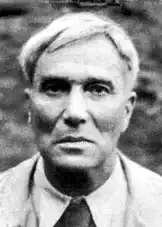
Boris Pasternak
White Night
White Night
I keep thinking of times that are long past,
Of a house in the Petersburg Quarter.
You had come from the steppeland Kursk Province,
Of a none-too-rich mother the daughter.
You were nice, you had many admirers.
On that distant white night we were sitting
On your window-sill, looking from high on
On the phantom-like scene of the city.
The street-lamps, like gauze butterflies fluttering,
Had been touched by the chill of the morning.
My soft words, as I opened my heart to you,
Matched the slumbering vistas before us.
We were plighted with timid fidelity
To the very same nebulous mystery
As the cityscape spreading unendingly
Far beyond the Neva, through the distances.
In that far-off impregnable wilderness,
Wrapped in springtime twilight ethereal,
Woodland glades and dense thickets were quivering
With mad nightingales' thunderous paeans.
Crazy resonant warbling ran riot,
And the voice of this plain-looking songster
Sowed derangement, ecstatic delight
In the depth of the mesmerised copsewood.
To those parts Night, a barefoot vagabond,
Stole its way along ditches and fences.
From our window-sill, after it tagging,
Was the trail of our cooed confidences.
To the words of this colloquy echoing
In the orchards beyond the tall palings
Spreading branches of apple and cherry trees
Swathed themselves in their pearly-white raiment.
And the trees, like so many pale phantoms,
Waved their farewell, along the road thronging,
To White Night, that all-seeing enchanter,
Who was now to North Regions withdrawing.
I keep thinking of times that are long past,
Of a house in the Petersburg Quarter.
You had come from the steppeland Kursk Province,
Of a none-too-rich mother the daughter.
You were nice, you had many admirers.
On that distant white night we were sitting
On your window-sill, looking from high on
On the phantom-like scene of the city.
The street-lamps, like gauze butterflies fluttering,
Had been touched by the chill of the morning.
My soft words, as I opened my heart to you,
Matched the slumbering vistas before us.
We were plighted with timid fidelity
To the very same nebulous mystery
As the cityscape spreading unendingly
Far beyond the Neva, through the distances.
In that far-off impregnable wilderness,
Wrapped in springtime twilight ethereal,
Woodland glades and dense thickets were quivering
With mad nightingales' thunderous paeans.
Crazy resonant warbling ran riot,
And the voice of this plain-looking songster
Sowed derangement, ecstatic delight
In the depth of the mesmerised copsewood.
To those parts Night, a barefoot vagabond,
Stole its way along ditches and fences.
From our window-sill, after it tagging,
Was the trail of our cooed confidences.
To the words of this colloquy echoing
In the orchards beyond the tall palings
Spreading branches of apple and cherry trees
Swathed themselves in their pearly-white raiment.
And the trees, like so many pale phantoms,
Waved their farewell, along the road thronging,
To White Night, that all-seeing enchanter,
Who was now to North Regions withdrawing.
620
Boris Pasternak
To Anna Akhmatova
To Anna Akhmatova
I think I can call on words
that will last: you are there.
But if I can’t, no matter –
I’ll persist, I won’t care.
I hear the muttering of wet roofs,
pale eclogues from stones and kerb.
From the opening lines, that city,
is alive in each sound, each word.
You can’t leave town though it’s spring,
and your customers won’t wait.
Dawn glows, by lamplight sewing
with unbowed back, eyes wet.
Breathing the calm of far-off Ladoga,
stumbling towards the water.
There’s no relief from such trips.
The shallows smell mustier, darker.
The wind dances, it’s a walnut shell,
a glitter, the warm wind blows
branches and stars, lights, and views,
as the seamstress watches the flow.
Eyesight can be sharp, differently,
form be precise in varying ways,
but a solvent of acid power’s
out there under the white night’s blaze.
That’s how I see your face and look.
Not that pillar of salt, in mind,
in which five years ago you fixed
our fears of looking behind.
From your first verses where grains
of clear speech hardened, to the last,
your eye, the spark that shakes the wire,
makes all things quiver with the past.
I think I can call on words
that will last: you are there.
But if I can’t, no matter –
I’ll persist, I won’t care.
I hear the muttering of wet roofs,
pale eclogues from stones and kerb.
From the opening lines, that city,
is alive in each sound, each word.
You can’t leave town though it’s spring,
and your customers won’t wait.
Dawn glows, by lamplight sewing
with unbowed back, eyes wet.
Breathing the calm of far-off Ladoga,
stumbling towards the water.
There’s no relief from such trips.
The shallows smell mustier, darker.
The wind dances, it’s a walnut shell,
a glitter, the warm wind blows
branches and stars, lights, and views,
as the seamstress watches the flow.
Eyesight can be sharp, differently,
form be precise in varying ways,
but a solvent of acid power’s
out there under the white night’s blaze.
That’s how I see your face and look.
Not that pillar of salt, in mind,
in which five years ago you fixed
our fears of looking behind.
From your first verses where grains
of clear speech hardened, to the last,
your eye, the spark that shakes the wire,
makes all things quiver with the past.
669
Boris Pasternak
The Patient's Sweater
The Patient's Sweater
A life of its own and a long one is led
By this penguin, with nothing to do with the breast-
The wingless pullover, the patient's old vest;
Now pass it some warmth, move the lamp to the bed.
It dreams of the skiing; in darkness it poured
From shaftbows, from harness, from bodies; it seemed
That Christmas itself also sweated and snored;
The walking, the riding-all squeaked and all steamed.
A homestead, and horror and bareness beside,
Cut-glass in the sideboards, and carpets and chests;
The house was inflamed; this attracted the fence;
The lights swam in pleurisy, seen from outside.
Consumed by the sky, bloated shrubs on the way
Were white as a scare and had ice in their looks.
The blaze from the kitchen laid down by the sleigh
On the snow the enormous hands of the cooks.
A life of its own and a long one is led
By this penguin, with nothing to do with the breast-
The wingless pullover, the patient's old vest;
Now pass it some warmth, move the lamp to the bed.
It dreams of the skiing; in darkness it poured
From shaftbows, from harness, from bodies; it seemed
That Christmas itself also sweated and snored;
The walking, the riding-all squeaked and all steamed.
A homestead, and horror and bareness beside,
Cut-glass in the sideboards, and carpets and chests;
The house was inflamed; this attracted the fence;
The lights swam in pleurisy, seen from outside.
Consumed by the sky, bloated shrubs on the way
Were white as a scare and had ice in their looks.
The blaze from the kitchen laid down by the sleigh
On the snow the enormous hands of the cooks.
488
Boris Pasternak
Spasskoe
Spasskoe
In Spasskoe, unforgettable September sheds its leaves.
Isn’t it time to close up the summer-house?
Echo traps the thudding of axe-blows in the trees,
and, past the fence, barters a herd-boy’s shout.
Last night the marsh by the park shivered, too.
The moment the sun rises it vanishes.
The bluebell can’t drink the rheumatic dew,
and a dirty lilac stain soils the birches.
The wood’s downcast. It wants to sleep, as well,
under the snow, in the deep quiet of the bear’s den.
The park, gaping, framed by tree-trunks stands still,
in neat obituary-columns, its edges blackened.
Has the birch copse stopped fading, staining,
its shade more watery still, and growing thin?
And again, you’re, fifteen – it’s still complaining –
again – ‘oh child, oh, what shall we do with them?’
They’re already so many it’s time to stop playing.
They’re – birds in the bushes, mushrooms in the trees.
Already we’ve veiled our horizon with them, shrouding
each other’s landscape with fog-bound mysteries.
The comic, on the night of his death, typhus-stricken,
hears a peal: it’s Homeric laughter from the box.
Today in Spasskoe, the same grief, in hallucination,
stares, from the road, at a house of weathered logs.
In Spasskoe, unforgettable September sheds its leaves.
Isn’t it time to close up the summer-house?
Echo traps the thudding of axe-blows in the trees,
and, past the fence, barters a herd-boy’s shout.
Last night the marsh by the park shivered, too.
The moment the sun rises it vanishes.
The bluebell can’t drink the rheumatic dew,
and a dirty lilac stain soils the birches.
The wood’s downcast. It wants to sleep, as well,
under the snow, in the deep quiet of the bear’s den.
The park, gaping, framed by tree-trunks stands still,
in neat obituary-columns, its edges blackened.
Has the birch copse stopped fading, staining,
its shade more watery still, and growing thin?
And again, you’re, fifteen – it’s still complaining –
again – ‘oh child, oh, what shall we do with them?’
They’re already so many it’s time to stop playing.
They’re – birds in the bushes, mushrooms in the trees.
Already we’ve veiled our horizon with them, shrouding
each other’s landscape with fog-bound mysteries.
The comic, on the night of his death, typhus-stricken,
hears a peal: it’s Homeric laughter from the box.
Today in Spasskoe, the same grief, in hallucination,
stares, from the road, at a house of weathered logs.
539
Boris Pasternak
Out of Superstition
Out of Superstition
A box of glazed sour fruit compact,
My narrow room.
And oh the grime of lodging rooms
This side the tomb!
This cubbyhole, out of superstition,
I chose once more.
The walls seem dappled oaks; the door,
A singing door.
You strove to leave; my hand was steady
Upon the latch.
My forelock touched a wondrous forehead;
My lips felt violets.
O Sweet! Your dress as on a day
Not long ago
To April, like a snowdrop, chirps
A gay 'Hello!'
No vestal-you, I know: You came
With a chair today,
Took down my life as from a shelf,
And blew the dust away.
A box of glazed sour fruit compact,
My narrow room.
And oh the grime of lodging rooms
This side the tomb!
This cubbyhole, out of superstition,
I chose once more.
The walls seem dappled oaks; the door,
A singing door.
You strove to leave; my hand was steady
Upon the latch.
My forelock touched a wondrous forehead;
My lips felt violets.
O Sweet! Your dress as on a day
Not long ago
To April, like a snowdrop, chirps
A gay 'Hello!'
No vestal-you, I know: You came
With a chair today,
Took down my life as from a shelf,
And blew the dust away.
453
Boris Pasternak
Meeting
Meeting
The snow will dust the roadway,
And load the roofs still more.
I'll stretch my legs a little:
You're there outside the door.
Autumn, not winter coat,
Hat-none, galoshes-none.
You struggle with excitement
Out there all on your own.
Far, far into the darkness
Fences and trees withdraw.
You stand there on the corner,
Under the falling snow.
The water trickles down from
The kerchief that you wear
Into your sleeves, while dewdrops
Shine sparkling in your hair.
And now illumined by
A single strand of light
Are features, kerchief, figure
And coat of autumn cut.
There's wet snow on your lashes
And in your eyes, distress,
And your external image
Is all, all of apiece.
As if an iron point
With truly consummate art,
Dipped into antimony,
Had scribed you on my heart.
Those modest, humble features
Are in it now to stay,
And if the world's cruel-hearted,
That's merely by the way.
And therefore it is doubled,
All this night in snow;
To draw frontiers between us
Is more than I can do.
But who are we and whence,
If, of those years gone by,
Scandal alone remains
And we have ceased to be.
The snow will dust the roadway,
And load the roofs still more.
I'll stretch my legs a little:
You're there outside the door.
Autumn, not winter coat,
Hat-none, galoshes-none.
You struggle with excitement
Out there all on your own.
Far, far into the darkness
Fences and trees withdraw.
You stand there on the corner,
Under the falling snow.
The water trickles down from
The kerchief that you wear
Into your sleeves, while dewdrops
Shine sparkling in your hair.
And now illumined by
A single strand of light
Are features, kerchief, figure
And coat of autumn cut.
There's wet snow on your lashes
And in your eyes, distress,
And your external image
Is all, all of apiece.
As if an iron point
With truly consummate art,
Dipped into antimony,
Had scribed you on my heart.
Those modest, humble features
Are in it now to stay,
And if the world's cruel-hearted,
That's merely by the way.
And therefore it is doubled,
All this night in snow;
To draw frontiers between us
Is more than I can do.
But who are we and whence,
If, of those years gone by,
Scandal alone remains
And we have ceased to be.
549
Boris Pasternak
In Memory of Marina Tsvetaeva
In Memory of Marina Tsvetaeva
Dismal day, with the weather inclement.
Inconsolably rivulets run
Down the porch in front of the doorway;
Through my wide-open windows they come.
But behind the old fence on the roadside,
See, the public gardens are flooded.
Like wild beasts in a den, the rainclouds
Sprawl about in shaggy disorder.
In such weather, I dream of a volume
On the beauties of Earth in our age,
And I draw an imp of the forest
Just for you on the title-page.
Oh, Marina, I'd find it no burden,
And the time has been long overdue:
Your sad clay should be brought from Yelabuga
By a requiem written for you.
All the triumph of your homecoming
I considered last year in a place
Near a snow-covered bend in the river
Where boats winter, locked in the ice.
What can I do to be of service?
Convey somehow your own request,
For in the silence of your going
There's a reproach left unexpressed.
A loss is always enigmatic.
I hunt for clues to no avail,
And rack my brains in fruitless torment:
Death has no lineaments at all.
Words left half-spoken, self-deception,
Promises, shadows-all are vain,
And only faith in resurrection
Can give the semblance of a sign.
Step out into the open country:
Winter's a sumptuous funeral wake.
Add currants to the dusk, then wine,
And there you have your funeral cake.
The apple-tree stands in a snowdrift
Outside. All this year long, to me,
The snow-clad city's been a massive
Monument to your memory.
With your face turned to meet your Maker.
You yearn for Him from here on Earth,
As in the days when those upon it
Were yet to appreciate your worth
Dismal day, with the weather inclement.
Inconsolably rivulets run
Down the porch in front of the doorway;
Through my wide-open windows they come.
But behind the old fence on the roadside,
See, the public gardens are flooded.
Like wild beasts in a den, the rainclouds
Sprawl about in shaggy disorder.
In such weather, I dream of a volume
On the beauties of Earth in our age,
And I draw an imp of the forest
Just for you on the title-page.
Oh, Marina, I'd find it no burden,
And the time has been long overdue:
Your sad clay should be brought from Yelabuga
By a requiem written for you.
All the triumph of your homecoming
I considered last year in a place
Near a snow-covered bend in the river
Where boats winter, locked in the ice.
What can I do to be of service?
Convey somehow your own request,
For in the silence of your going
There's a reproach left unexpressed.
A loss is always enigmatic.
I hunt for clues to no avail,
And rack my brains in fruitless torment:
Death has no lineaments at all.
Words left half-spoken, self-deception,
Promises, shadows-all are vain,
And only faith in resurrection
Can give the semblance of a sign.
Step out into the open country:
Winter's a sumptuous funeral wake.
Add currants to the dusk, then wine,
And there you have your funeral cake.
The apple-tree stands in a snowdrift
Outside. All this year long, to me,
The snow-clad city's been a massive
Monument to your memory.
With your face turned to meet your Maker.
You yearn for Him from here on Earth,
As in the days when those upon it
Were yet to appreciate your worth
657
Boris Pasternak
August
August
This was its promise, held to faithfully:
The early morning sun came in this way
Until the angle of its saffron beam
Between the curtains and the sofa lay,
And with its ochre heat it spread across
The village houses, and the nearby wood,
Upon my bed and on my dampened pillow
And to the corner where the bookcase stood.
Then I recalled the reason why my pillow
Had been so dampened by those tears that fellI'd
dreamt I saw you coming one by one
Across the wood to wish me your farewell.
You came in ones and twos, a straggling crowd;
Then suddenly someone mentioned a word:
It was the sixth of August, by Old Style,
And the Transfiguration of Our Lord.
For from Mount Tabor usually this day
There comes a light without a flame to shine,
And autumn draws all eyes upon itself
As clear and unmistaken as a sign.
But you came forward through the tiny, stripped,
The pauperly and trembling alder grove,
Into the graveyard's coppice, russet-red,
Which, like stamped gingerbread, lay there and glowed.
And with the silence of those high treetops
Was neighbour only the imposing sky
And in the echoed crowing of the cocks
The distances and distances rang by:
There in the churchyard underneath the trees,
Like some surveyor from the government
Death gazed on my pale face to estimate
How large a grave would suit my measurement.
All those who stood there could distinctly hear
A quiet voice emerge from where I lay:
The voice was mine, my past; prophetic words
That sounded now, unsullied by decay:
'Farewell, wonder of azure and of gold
Surrounding the Transfiguration's power:
Assuage now with a woman's last caress
The bitterness of my predestined hour!
'Farewell timeless expanse of passing years!
Farewell, woman who flung your challenge steeled
Against the abyss of humiliations:
For it is I who am your battlefield!
'Farewell, you span of open wings outspread,
The voluntary obstinacy of flight,
O figure of the world revealed in speech,
Creative genius, wonder-working might!'
This was its promise, held to faithfully:
The early morning sun came in this way
Until the angle of its saffron beam
Between the curtains and the sofa lay,
And with its ochre heat it spread across
The village houses, and the nearby wood,
Upon my bed and on my dampened pillow
And to the corner where the bookcase stood.
Then I recalled the reason why my pillow
Had been so dampened by those tears that fellI'd
dreamt I saw you coming one by one
Across the wood to wish me your farewell.
You came in ones and twos, a straggling crowd;
Then suddenly someone mentioned a word:
It was the sixth of August, by Old Style,
And the Transfiguration of Our Lord.
For from Mount Tabor usually this day
There comes a light without a flame to shine,
And autumn draws all eyes upon itself
As clear and unmistaken as a sign.
But you came forward through the tiny, stripped,
The pauperly and trembling alder grove,
Into the graveyard's coppice, russet-red,
Which, like stamped gingerbread, lay there and glowed.
And with the silence of those high treetops
Was neighbour only the imposing sky
And in the echoed crowing of the cocks
The distances and distances rang by:
There in the churchyard underneath the trees,
Like some surveyor from the government
Death gazed on my pale face to estimate
How large a grave would suit my measurement.
All those who stood there could distinctly hear
A quiet voice emerge from where I lay:
The voice was mine, my past; prophetic words
That sounded now, unsullied by decay:
'Farewell, wonder of azure and of gold
Surrounding the Transfiguration's power:
Assuage now with a woman's last caress
The bitterness of my predestined hour!
'Farewell timeless expanse of passing years!
Farewell, woman who flung your challenge steeled
Against the abyss of humiliations:
For it is I who am your battlefield!
'Farewell, you span of open wings outspread,
The voluntary obstinacy of flight,
O figure of the world revealed in speech,
Creative genius, wonder-working might!'
598

Billy Collins
The Iron Bridge
The Iron Bridge
I am standing on a disused iron bridge
that was erected in 1902,
according to the iron plaque bolted into a beam,
the year my mother turned one.
Imagine--a mother in her infancy,
and she was a Canadian infant at that,
one of the great infants of the province of Ontario.
But here I am leaning on the rusted railing
looking at the water below,
which is flat and reflective this morning,
sky-blue and streaked with high clouds,
and the more I look at the water,
which is like a talking picture,
the more I think of 1902
when workmen in shirts and caps
riveted this iron bridge together
across a thin channel joining two lakes
where wildflowers blow along the shore now
and pairs of swans float in the leafy coves.
1902--my mother was so tiny
she could have fit into one of those oval
baskets for holding apples,
which her mother could have lined with a soft cloth
and placed on the kitchen table
so she could keep an eye on infant Katherine
while she scrubbed potatoes or shelled a bag of peas,
the way I am keeping an eye on that cormorant
who just broke the glassy surface
and is moving away from me and the iron bridge,
swiveling his curious head,
slipping out to where the sun rakes the water
and filters through the trees that crowd the shore.
And now he dives,
disappears below the surface,
and while I wait for him to pop up,
I picture him flying underwater with his strange wings,
as I picture you, my tiny mother,
who disappeared last year,
flying somewhere with your strange wings,
your wide eyes, and your heavy wet dress,
kicking deeper down into a lake
with no end or name, some boundless province of water.
I am standing on a disused iron bridge
that was erected in 1902,
according to the iron plaque bolted into a beam,
the year my mother turned one.
Imagine--a mother in her infancy,
and she was a Canadian infant at that,
one of the great infants of the province of Ontario.
But here I am leaning on the rusted railing
looking at the water below,
which is flat and reflective this morning,
sky-blue and streaked with high clouds,
and the more I look at the water,
which is like a talking picture,
the more I think of 1902
when workmen in shirts and caps
riveted this iron bridge together
across a thin channel joining two lakes
where wildflowers blow along the shore now
and pairs of swans float in the leafy coves.
1902--my mother was so tiny
she could have fit into one of those oval
baskets for holding apples,
which her mother could have lined with a soft cloth
and placed on the kitchen table
so she could keep an eye on infant Katherine
while she scrubbed potatoes or shelled a bag of peas,
the way I am keeping an eye on that cormorant
who just broke the glassy surface
and is moving away from me and the iron bridge,
swiveling his curious head,
slipping out to where the sun rakes the water
and filters through the trees that crowd the shore.
And now he dives,
disappears below the surface,
and while I wait for him to pop up,
I picture him flying underwater with his strange wings,
as I picture you, my tiny mother,
who disappeared last year,
flying somewhere with your strange wings,
your wide eyes, and your heavy wet dress,
kicking deeper down into a lake
with no end or name, some boundless province of water.
253
Billy Collins
The Best Cigarette
The Best Cigarette
There are many that I miss
having sent my last one out a car window
sparking along the road one night, years ago.
The heralded one, of course:
after sex, the two glowing tips
now the lights of a single ship;
at the end of a long dinner
with more wine to come
and a smoke ring coasting into the chandelier;
or on a white beach,
holding one with fingers still wet from a swim.
How bittersweet these punctuations
of flame and gesture;
but the best were on those mornings
when I would have a little something going
in the typewriter,
the sun bright in the windows,
maybe some Berlioz on in the background.
I would go into the kitchen for coffee
and on the way back to the page,
curled in its roller,
I would light one up and feel
its dry rush mix with the dark taste of coffee.
Then I would be my own locomotive,
trailing behind me as I returned to work
little puffs of smoke,
indicators of progress,
signs of industry and thought,
the signal that told the nineteenth century
it was moving forward.
That was the best cigarette,
when I would steam into the study
full of vaporous hope
and stand there,
the big headlamp of my face
pointed down at all the words in parallel lines.
There are many that I miss
having sent my last one out a car window
sparking along the road one night, years ago.
The heralded one, of course:
after sex, the two glowing tips
now the lights of a single ship;
at the end of a long dinner
with more wine to come
and a smoke ring coasting into the chandelier;
or on a white beach,
holding one with fingers still wet from a swim.
How bittersweet these punctuations
of flame and gesture;
but the best were on those mornings
when I would have a little something going
in the typewriter,
the sun bright in the windows,
maybe some Berlioz on in the background.
I would go into the kitchen for coffee
and on the way back to the page,
curled in its roller,
I would light one up and feel
its dry rush mix with the dark taste of coffee.
Then I would be my own locomotive,
trailing behind me as I returned to work
little puffs of smoke,
indicators of progress,
signs of industry and thought,
the signal that told the nineteenth century
it was moving forward.
That was the best cigarette,
when I would steam into the study
full of vaporous hope
and stand there,
the big headlamp of my face
pointed down at all the words in parallel lines.
276
Billy Collins
Nostalgia
Nostalgia
Remember the 1340's? We were doing a dance called the Catapult.
You always wore brown, the color craze of the decade,
and I was draped in one of those capes that were popular,
the ones with unicorns and pomegranates in needlework.
Everyone would pause for beer and onions in the afternoon,
and at night we would play a game called "Find the Cow."
Everything was hand-lettered then, not like today.
Where has the summer of 1572 gone? Brocade and sonnet
marathons were the rage. We used to dress up in the flags
of rival baronies and conquer one another in cold rooms of stone.
Out on the dance floor we were all doing the Struggle
while your sister practiced the Daphne all alone in her room.
We borrowed the jargon of farriers for our slang.
These days language seems transparent a badly broken code.
The 1790's will never come again. Childhood was big.
People would take walks to the very tops of hills
and write down what they saw in their journals without speaking.
Our collars were high and our hats were extremely soft.
We would surprise each other with alphabets made of twigs.
It was a wonderful time to be alive, or even dead.
I am very fond of the period between 1815 and 1821.
Europe trembled while we sat still for our portraits.
And I would love to return to 1901 if only for a moment,
time enough to wind up a music box and do a few dance steps,
or shoot me back to 1922 or 1941, or at least let me
recapture the serenity of last month when we picked
berries and glided through afternoons in a canoe.
Even this morning would be an improvement over the present.
I was in the garden then, surrounded by the hum of bees
and the Latin names of flowers, watching the early light
flash off the slanted windows of the greenhouse
and silver the limbs on the rows of dark hemlocks.
As usual, I was thinking about the moments of the past,
letting my memory rush over them like water
rushing over the stones on the bottom of a stream.
I was even thinking a little about the future, that place
where people are doing a dance we cannot imagine,
a dance whose name we can only guess.
Remember the 1340's? We were doing a dance called the Catapult.
You always wore brown, the color craze of the decade,
and I was draped in one of those capes that were popular,
the ones with unicorns and pomegranates in needlework.
Everyone would pause for beer and onions in the afternoon,
and at night we would play a game called "Find the Cow."
Everything was hand-lettered then, not like today.
Where has the summer of 1572 gone? Brocade and sonnet
marathons were the rage. We used to dress up in the flags
of rival baronies and conquer one another in cold rooms of stone.
Out on the dance floor we were all doing the Struggle
while your sister practiced the Daphne all alone in her room.
We borrowed the jargon of farriers for our slang.
These days language seems transparent a badly broken code.
The 1790's will never come again. Childhood was big.
People would take walks to the very tops of hills
and write down what they saw in their journals without speaking.
Our collars were high and our hats were extremely soft.
We would surprise each other with alphabets made of twigs.
It was a wonderful time to be alive, or even dead.
I am very fond of the period between 1815 and 1821.
Europe trembled while we sat still for our portraits.
And I would love to return to 1901 if only for a moment,
time enough to wind up a music box and do a few dance steps,
or shoot me back to 1922 or 1941, or at least let me
recapture the serenity of last month when we picked
berries and glided through afternoons in a canoe.
Even this morning would be an improvement over the present.
I was in the garden then, surrounded by the hum of bees
and the Latin names of flowers, watching the early light
flash off the slanted windows of the greenhouse
and silver the limbs on the rows of dark hemlocks.
As usual, I was thinking about the moments of the past,
letting my memory rush over them like water
rushing over the stones on the bottom of a stream.
I was even thinking a little about the future, that place
where people are doing a dance we cannot imagine,
a dance whose name we can only guess.
386