

Poems in this theme
Memories and Recollections
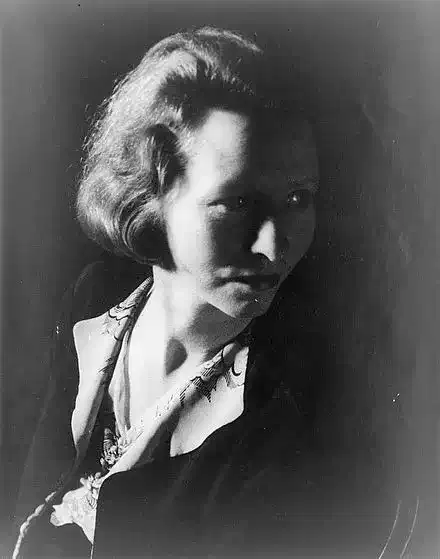
Edna St. Vincent Millay
If Still Your Orchards Bear
If Still Your Orchards Bear
Brother, that breathe the August air
Ten thousand years from now,
And smell—if still your orchards bear
Tart apples on the bough—
The early windfall under the tree,
And see the red fruit shine,
I cannot think your thoughts will be
Much different from mine.
Should at that moment the full moon
Step forth upon the hill,
And memories hard to bear at noon,
By moonlight harder still,
Form in the shadow of the trees, —
Things that you could not spare
And live, or so you thought, yet these
All gone, and you still there,
A man no longer what he was,
Nor yet the thing he'd planned,
The chilly apple from the grass
Warmed by your living hand—
I think you will have need of tears;
I think they will not flow;
Supposing in ten thousand years
Men ache, as they do now.
Brother, that breathe the August air
Ten thousand years from now,
And smell—if still your orchards bear
Tart apples on the bough—
The early windfall under the tree,
And see the red fruit shine,
I cannot think your thoughts will be
Much different from mine.
Should at that moment the full moon
Step forth upon the hill,
And memories hard to bear at noon,
By moonlight harder still,
Form in the shadow of the trees, —
Things that you could not spare
And live, or so you thought, yet these
All gone, and you still there,
A man no longer what he was,
Nor yet the thing he'd planned,
The chilly apple from the grass
Warmed by your living hand—
I think you will have need of tears;
I think they will not flow;
Supposing in ten thousand years
Men ache, as they do now.
323
Edna St. Vincent Millay
I Dreamed I Moved Among The Elysian Fields
I Dreamed I Moved Among The Elysian Fields
I dreamed I moved among the Elysian fields,
In converse with sweet women long since dead;
And out of blossoms which that meadow yields
I wove a garland for your living head.
Danai, that was the vessel for a day
Of golden Jove, I saw, and at her side,
Whom Jove the Bull desired and bore away,
Europa stood, and the Swan's featherless bride.
All these were mortal women, yet all these
Above the ground had had a god for guest;
Freely I walked beside them and at ease,
Addressing them, by them again addressed,
And marvelled nothing, for remembering you,
Wherefore I was among them well I knew.
I dreamed I moved among the Elysian fields,
In converse with sweet women long since dead;
And out of blossoms which that meadow yields
I wove a garland for your living head.
Danai, that was the vessel for a day
Of golden Jove, I saw, and at her side,
Whom Jove the Bull desired and bore away,
Europa stood, and the Swan's featherless bride.
All these were mortal women, yet all these
Above the ground had had a god for guest;
Freely I walked beside them and at ease,
Addressing them, by them again addressed,
And marvelled nothing, for remembering you,
Wherefore I was among them well I knew.
405
Edna St. Vincent Millay
A Visit To The Asylum
A Visit To The Asylum
Once from a big, big building,
When I was small, small,
The queer folk in the windows
Would smile at me and call.
And in the hard wee gardens
Such pleasant men would hoe:
"Sir, may we touch the little girl's hair!"—
It was so red, you know.
They cut me coloured asters
With shears so sharp and neat,
They brought me grapes and plums and pears
And pretty cakes to eat.
And out of all the windows,
No matter where we went,
The merriest eyes would follow me
And make me compliment.
There were a thousand windows,
All latticed up and down.
And up to all the windows,
When we went back to town,
The queer folk put their faces,
As gentle as could be;
"Come again, little girl!" they called, and I
Called back, "You come see me!"
Once from a big, big building,
When I was small, small,
The queer folk in the windows
Would smile at me and call.
And in the hard wee gardens
Such pleasant men would hoe:
"Sir, may we touch the little girl's hair!"—
It was so red, you know.
They cut me coloured asters
With shears so sharp and neat,
They brought me grapes and plums and pears
And pretty cakes to eat.
And out of all the windows,
No matter where we went,
The merriest eyes would follow me
And make me compliment.
There were a thousand windows,
All latticed up and down.
And up to all the windows,
When we went back to town,
The queer folk put their faces,
As gentle as could be;
"Come again, little girl!" they called, and I
Called back, "You come see me!"
361
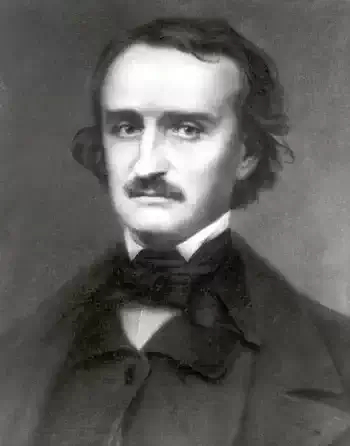
Edgar Allan Poe
Tamerlane
Tamerlane
Kind solace in a dying hour!
Such, father, is not (now) my theme
I will not madly deem that power
Of Earth may shrive me of the sin
Unearthly pride hath revell'd in
I have no time to dote or dream:
You call it hope- that fire of fire!
It is but agony of desire:
If I can hope- Oh God! I can
Its fount is holier- more divineI
would not call thee fool, old man,
But such is not a gift of thine.
Know thou the secret of a spirit
Bow'd from its wild pride into shame.
O yearning heart! I did inherit
Thy withering portion with the fame,
The searing glory which hath shone
Amid the jewels of my throne,
Halo of Hell! and with a pain
Not Hell shall make me fear againO
craving heart, for the lost flowers
And sunshine of my summer hours!
The undying voice of that dead time,
With its interminable chime,
Rings, in the spirit of a spell,
Upon thy emptiness- a knell.
I have not always been as now:
The fever'd diadem on my brow
I claim'd and won usurpingly
Hath not the same fierce heirdom given
Rome to the Caesar- this to me?
The heritage of a kingly mind,
And a proud spirit which hath striven
Triumphantly with human kind.
On mountain soil I first drew life:
The mists of the Taglay have shed
Nightly their dews upon my head,
And, I believe, the winged strife
And tumult of the headlong air
Have nestled in my very hair.
So late from Heaven- that dew- it fell
(Mid dreams of an unholy night)
Upon me with the touch of Hell,
While the red flashing of the light
From clouds that hung, like banners, o'er,
Appeared to my half-closing eye
The pageantry of monarchy,
And the deep trumpet-thunder's roar
Came hurriedly upon me, telling
Of human battle, where my voice,
My own voice, silly child!- was swelling
(O! how my spirit would rejoice,
And leap within me at the cry)
The battle-cry of Victory!
The rain came down upon my head
Unshelter'd- and the heavy wind
Rendered me mad and deaf and blind.
It was but man, I thought, who shed
Laurels upon me: and the rushThe
torrent of the chilly air
Gurgled within my ear the crush
Of empires- with the captive's prayerThe
hum of suitors- and the tone
Of flattery 'round a sovereign's throne.
My passions, from that hapless hour,
Usurp'd a tyranny which men
Have deem'd, since I have reach'd to power,
My innate nature- be it so:
But father, there liv'd one who, then,
Then- in my boyhood- when their fire
Burn'd with a still intenser glow,
(For passion must, with youth, expire)
E'en then who knew this iron heart
In woman's weakness had a part.
I have no words- alas!- to tell
The loveliness of loving well!
Nor would I now attempt to trace
The more than beauty of a face
Whose lineaments, upon my mind,
Are- shadows on th' unstable wind:
Thus I remember having dwelt
Some page of early lore upon,
With loitering eye, till I have felt
The letters- with their meaning- melt
To fantasies- with none.
O, she was worthy of all love!
Love- as in infancy was mine'
Twas such as angel minds above
Might envy; her young heart the shrine
On which my every hope and thought
Were incense- then a goodly gift,
For they were childish and uprightPure-
as her young example taught:
Why did I leave it, and, adrift,
Trust to the fire within, for light?
We grew in age- and love- together,
Roaming the forest, and the wild;
My breast her shield in wintry weather
And when the friendly sunshine smil'd,
And she would mark the opening skies,
I saw no Heaven- but in her eyes.
Young Love's first lesson is- the heart:
For 'mid that sunshine, and those smiles,
When, from our little cares apart,
And laughing at her girlish wiles,
I'd throw me on her throbbing breast,
And pour my spirit out in tearsThere
was no need to speak the rest
No need to quiet any fears
Of her- who ask'd no reason why,
But turn'd on me her quiet eye!
Yet more than worthy of the love
My spirit struggled with, and strove,
When, on the mountain peak, alone,
Ambition lent it a new toneI
had no being- but in thee:
The world, and all it did contain
In the earth- the air- the seaIts
joy- its little lot of pain
That was new pleasure- the ideal,
Dim vanities of dreams by night
And dimmer nothings which were real(
Shadows- and a more shadowy light!)
Parted upon their misty wings,
And, so, confusedly, became
Thine image, and- a name- a name!
Two separate- yet most intimate things.
I was ambitious- have you known
The passion, father? You have not:
A cottager, I mark'd a throne
Of half the world as all my own,
And murmur'd at such lowly lotBut,
just like any other dream,
Upon the vapour of the dew
My own had past, did not the beam
Of beauty which did while it thro'
The minute- the hour- the day- oppress
My mind with double loveliness.
We walk'd together on the crown
Of a high mountain which look'd down
Afar from its proud natural towers
Of rock and forest, on the hills
The dwindled hills! begirt with bowers,
And shouting with a thousand rills.
I spoke to her of power and pride,
But mystically- in such guise
That she might deem it nought beside
The moment's converse; in her eyes
I read, perhaps too carelesslyA
mingled feeling with my ownThe
flush on her bright cheek, to me
Seem'd to become a queenly throne
Too well that I should let it be
Light in the wilderness alone.
I wrapp'd myself in grandeur then,
And donn'd a visionary crownYet
it was not that Fantasy
Had thrown her mantle over me
But that, among the rabble- men,
Lion ambition is chained downAnd
crouches to a keeper's handNot
so in deserts where the grandThe
wild- the terrible conspire
With their own breath to fan his fire.
Look 'round thee now on Samarcand!
Is not she queen of Earth? her pride
Above all cities? in her hand
Their destinies? in all beside
Of glory which the world hath known
Stands she not nobly and alone?
Falling- her veriest stepping-stone
Shall form the pedestal of a throneAnd
who her sovereign? Timour- he
Whom the astonished people saw
Striding o'er empires haughtily
A diadem'd outlaw!
O, human love! thou spirit given
On Earth, of all we hope in Heaven!
Which fall'st into the soul like rain
Upon the Siroc-wither'd plain,
And, failing in thy power to bless,
But leav'st the heart a wilderness!
Idea! which bindest life around
With music of so strange a sound,
And beauty of so wild a birthFarewell!
for I have won the Earth.
When Hope, the eagle that tower'd, could see
No cliff beyond him in the sky,
His pinions were bent droopingly
And homeward turn'd his soften'd eye.
'Twas sunset: when the sun will part
There comes a sullenness of heart
To him who still would look upon
The glory of the summer sun.
That soul will hate the ev'ning mist,
So often lovely, and will list
To the sound of the coming darkness (known
To those whose spirits hearken) as one
Who, in a dream of night, would fly
But cannot from a danger nigh.
What tho' the moon- the white moon
Shed all the splendour of her noon,
Her smile is chilly, and her beam,
In that time of dreariness, will seem
(So like you gather in your breath)
A portrait taken after death.
And boyhood is a summer sun
Whose waning is the dreariest oneFor
all we live to know is known,
And all we seek to keep hath flownLet
life, then, as the day-flower, fall
With the noon-day beauty- which is all.
I reach'd my home- my home no more
For all had flown who made it so.
I pass'd from out its mossy door,
And, tho' my tread was soft and low,
A voice came from the threshold stone
Of one whom I had earlier known
O, I defy thee, Hell, to show
On beds of fire that burn below,
A humbler heart- a deeper woe.
Father, I firmly do believeI
know- for Death, who comes for me
From regions of the blest afar,
Where there is nothing to deceive,
Hath left his iron gate ajar,
And rays of truth you cannot see
Are flashing thro' Eternity
I do believe that Eblis hath
A snare in every human pathElse
how, when in the holy grove
I wandered of the idol, Love,
Who daily scents his snowy wings
With incense of burnt offerings
From the most unpolluted things,
Whose pleasant bowers are yet so riven
Above with trellis'd rays from Heaven,
No mote may shun- no tiniest fly
The lightning of his eagle eyeHow
was it that Ambition crept,
Unseen, amid the revels there,
Till growing bold, he laughed and leapt
In the tangles of Love's very hair?
Kind solace in a dying hour!
Such, father, is not (now) my theme
I will not madly deem that power
Of Earth may shrive me of the sin
Unearthly pride hath revell'd in
I have no time to dote or dream:
You call it hope- that fire of fire!
It is but agony of desire:
If I can hope- Oh God! I can
Its fount is holier- more divineI
would not call thee fool, old man,
But such is not a gift of thine.
Know thou the secret of a spirit
Bow'd from its wild pride into shame.
O yearning heart! I did inherit
Thy withering portion with the fame,
The searing glory which hath shone
Amid the jewels of my throne,
Halo of Hell! and with a pain
Not Hell shall make me fear againO
craving heart, for the lost flowers
And sunshine of my summer hours!
The undying voice of that dead time,
With its interminable chime,
Rings, in the spirit of a spell,
Upon thy emptiness- a knell.
I have not always been as now:
The fever'd diadem on my brow
I claim'd and won usurpingly
Hath not the same fierce heirdom given
Rome to the Caesar- this to me?
The heritage of a kingly mind,
And a proud spirit which hath striven
Triumphantly with human kind.
On mountain soil I first drew life:
The mists of the Taglay have shed
Nightly their dews upon my head,
And, I believe, the winged strife
And tumult of the headlong air
Have nestled in my very hair.
So late from Heaven- that dew- it fell
(Mid dreams of an unholy night)
Upon me with the touch of Hell,
While the red flashing of the light
From clouds that hung, like banners, o'er,
Appeared to my half-closing eye
The pageantry of monarchy,
And the deep trumpet-thunder's roar
Came hurriedly upon me, telling
Of human battle, where my voice,
My own voice, silly child!- was swelling
(O! how my spirit would rejoice,
And leap within me at the cry)
The battle-cry of Victory!
The rain came down upon my head
Unshelter'd- and the heavy wind
Rendered me mad and deaf and blind.
It was but man, I thought, who shed
Laurels upon me: and the rushThe
torrent of the chilly air
Gurgled within my ear the crush
Of empires- with the captive's prayerThe
hum of suitors- and the tone
Of flattery 'round a sovereign's throne.
My passions, from that hapless hour,
Usurp'd a tyranny which men
Have deem'd, since I have reach'd to power,
My innate nature- be it so:
But father, there liv'd one who, then,
Then- in my boyhood- when their fire
Burn'd with a still intenser glow,
(For passion must, with youth, expire)
E'en then who knew this iron heart
In woman's weakness had a part.
I have no words- alas!- to tell
The loveliness of loving well!
Nor would I now attempt to trace
The more than beauty of a face
Whose lineaments, upon my mind,
Are- shadows on th' unstable wind:
Thus I remember having dwelt
Some page of early lore upon,
With loitering eye, till I have felt
The letters- with their meaning- melt
To fantasies- with none.
O, she was worthy of all love!
Love- as in infancy was mine'
Twas such as angel minds above
Might envy; her young heart the shrine
On which my every hope and thought
Were incense- then a goodly gift,
For they were childish and uprightPure-
as her young example taught:
Why did I leave it, and, adrift,
Trust to the fire within, for light?
We grew in age- and love- together,
Roaming the forest, and the wild;
My breast her shield in wintry weather
And when the friendly sunshine smil'd,
And she would mark the opening skies,
I saw no Heaven- but in her eyes.
Young Love's first lesson is- the heart:
For 'mid that sunshine, and those smiles,
When, from our little cares apart,
And laughing at her girlish wiles,
I'd throw me on her throbbing breast,
And pour my spirit out in tearsThere
was no need to speak the rest
No need to quiet any fears
Of her- who ask'd no reason why,
But turn'd on me her quiet eye!
Yet more than worthy of the love
My spirit struggled with, and strove,
When, on the mountain peak, alone,
Ambition lent it a new toneI
had no being- but in thee:
The world, and all it did contain
In the earth- the air- the seaIts
joy- its little lot of pain
That was new pleasure- the ideal,
Dim vanities of dreams by night
And dimmer nothings which were real(
Shadows- and a more shadowy light!)
Parted upon their misty wings,
And, so, confusedly, became
Thine image, and- a name- a name!
Two separate- yet most intimate things.
I was ambitious- have you known
The passion, father? You have not:
A cottager, I mark'd a throne
Of half the world as all my own,
And murmur'd at such lowly lotBut,
just like any other dream,
Upon the vapour of the dew
My own had past, did not the beam
Of beauty which did while it thro'
The minute- the hour- the day- oppress
My mind with double loveliness.
We walk'd together on the crown
Of a high mountain which look'd down
Afar from its proud natural towers
Of rock and forest, on the hills
The dwindled hills! begirt with bowers,
And shouting with a thousand rills.
I spoke to her of power and pride,
But mystically- in such guise
That she might deem it nought beside
The moment's converse; in her eyes
I read, perhaps too carelesslyA
mingled feeling with my ownThe
flush on her bright cheek, to me
Seem'd to become a queenly throne
Too well that I should let it be
Light in the wilderness alone.
I wrapp'd myself in grandeur then,
And donn'd a visionary crownYet
it was not that Fantasy
Had thrown her mantle over me
But that, among the rabble- men,
Lion ambition is chained downAnd
crouches to a keeper's handNot
so in deserts where the grandThe
wild- the terrible conspire
With their own breath to fan his fire.
Look 'round thee now on Samarcand!
Is not she queen of Earth? her pride
Above all cities? in her hand
Their destinies? in all beside
Of glory which the world hath known
Stands she not nobly and alone?
Falling- her veriest stepping-stone
Shall form the pedestal of a throneAnd
who her sovereign? Timour- he
Whom the astonished people saw
Striding o'er empires haughtily
A diadem'd outlaw!
O, human love! thou spirit given
On Earth, of all we hope in Heaven!
Which fall'st into the soul like rain
Upon the Siroc-wither'd plain,
And, failing in thy power to bless,
But leav'st the heart a wilderness!
Idea! which bindest life around
With music of so strange a sound,
And beauty of so wild a birthFarewell!
for I have won the Earth.
When Hope, the eagle that tower'd, could see
No cliff beyond him in the sky,
His pinions were bent droopingly
And homeward turn'd his soften'd eye.
'Twas sunset: when the sun will part
There comes a sullenness of heart
To him who still would look upon
The glory of the summer sun.
That soul will hate the ev'ning mist,
So often lovely, and will list
To the sound of the coming darkness (known
To those whose spirits hearken) as one
Who, in a dream of night, would fly
But cannot from a danger nigh.
What tho' the moon- the white moon
Shed all the splendour of her noon,
Her smile is chilly, and her beam,
In that time of dreariness, will seem
(So like you gather in your breath)
A portrait taken after death.
And boyhood is a summer sun
Whose waning is the dreariest oneFor
all we live to know is known,
And all we seek to keep hath flownLet
life, then, as the day-flower, fall
With the noon-day beauty- which is all.
I reach'd my home- my home no more
For all had flown who made it so.
I pass'd from out its mossy door,
And, tho' my tread was soft and low,
A voice came from the threshold stone
Of one whom I had earlier known
O, I defy thee, Hell, to show
On beds of fire that burn below,
A humbler heart- a deeper woe.
Father, I firmly do believeI
know- for Death, who comes for me
From regions of the blest afar,
Where there is nothing to deceive,
Hath left his iron gate ajar,
And rays of truth you cannot see
Are flashing thro' Eternity
I do believe that Eblis hath
A snare in every human pathElse
how, when in the holy grove
I wandered of the idol, Love,
Who daily scents his snowy wings
With incense of burnt offerings
From the most unpolluted things,
Whose pleasant bowers are yet so riven
Above with trellis'd rays from Heaven,
No mote may shun- no tiniest fly
The lightning of his eagle eyeHow
was it that Ambition crept,
Unseen, amid the revels there,
Till growing bold, he laughed and leapt
In the tangles of Love's very hair?
277
Edgar Allan Poe
A Dream
A Dream
In visions of the dark night
I have dreamed of joy departedBut
a waking dream of life and light
Hath left me broken-hearted.
Ah! what is not a dream by day
To him whose eyes are cast
On things around him with a ray
Turned back upon the past?
That holy dream- that holy dream,
While all the world were chiding,
Hath cheered me as a lovely beam
A lonely spirit guiding.
What though that light, thro' storm and night,
So trembled from afarWhat
could there be more purely bright
In Truth's day-star?
In visions of the dark night
I have dreamed of joy departedBut
a waking dream of life and light
Hath left me broken-hearted.
Ah! what is not a dream by day
To him whose eyes are cast
On things around him with a ray
Turned back upon the past?
That holy dream- that holy dream,
While all the world were chiding,
Hath cheered me as a lovely beam
A lonely spirit guiding.
What though that light, thro' storm and night,
So trembled from afarWhat
could there be more purely bright
In Truth's day-star?
338

Edgar Albert Guest
When Father Shook The Stove
When Father Shook The Stove
'Twas not so many years ago,
Say, twenty-two or three,
When zero weather or below
Held many a thrill for me.
Then in my icy room I slept
A youngster's sweet repose,
And always on my form I kept
My flannel underclothes.
Then I was roused by sudden shock
Though still to sleep I strove,
I knew that it was seven o'clock
When father shook the stove.
I never heard him quit his bed
Or his alarm clock ring;
I never heard his gentle tread,
Or his attempts to sing;
The sun that found my window pane
On me was wholly lost,
Though many a sunbeam tried in vain
To penetrate the frost.
To human voice I never stirred,
But deeper down I dove
Beneath the covers, when I heard
My father shake the stove.
To-day it all comes back to me
And I can hear it still;
He seemed to take a special glee
In shaking with a will.
He flung the noisy dampers back,
Then rattled steel on steel,
Until the force of his attack
The building seemed to feel.
Though I'd a youngster's heavy eyes
All sleep from them he drove;
It seemed to me the dead must rise
When father shook the stove.
Now radiators thump and pound
And every room is warm,
And modern men new ways have found
To shield us from the storm.
The window panes are seldom glossed
The way they used to be;
The pictures left by old Jack Frost
Our children never see.
And now that he has gone to rest
In God's great slumber grove,
I often think those days were best
When father shook the stove.
'Twas not so many years ago,
Say, twenty-two or three,
When zero weather or below
Held many a thrill for me.
Then in my icy room I slept
A youngster's sweet repose,
And always on my form I kept
My flannel underclothes.
Then I was roused by sudden shock
Though still to sleep I strove,
I knew that it was seven o'clock
When father shook the stove.
I never heard him quit his bed
Or his alarm clock ring;
I never heard his gentle tread,
Or his attempts to sing;
The sun that found my window pane
On me was wholly lost,
Though many a sunbeam tried in vain
To penetrate the frost.
To human voice I never stirred,
But deeper down I dove
Beneath the covers, when I heard
My father shake the stove.
To-day it all comes back to me
And I can hear it still;
He seemed to take a special glee
In shaking with a will.
He flung the noisy dampers back,
Then rattled steel on steel,
Until the force of his attack
The building seemed to feel.
Though I'd a youngster's heavy eyes
All sleep from them he drove;
It seemed to me the dead must rise
When father shook the stove.
Now radiators thump and pound
And every room is warm,
And modern men new ways have found
To shield us from the storm.
The window panes are seldom glossed
The way they used to be;
The pictures left by old Jack Frost
Our children never see.
And now that he has gone to rest
In God's great slumber grove,
I often think those days were best
When father shook the stove.
628

Dylan Thomas
Poem In October
Poem In October
It was my thirtieth year to heaven
Woke to my hearing from harbour and neighbour wood
And the mussel pooled and the heron
Priested shore
The morning beckon
With water praying and call of seagull and rook
And the knock of sailing boats on the net webbed wall
Myself to set foot
That second
In the still sleeping town and set forth.
My birthday began with the water-
Birds and the birds of the winged trees flying my name
Above the farms and the white horses
And I rose
In rainy autumn
And walked abroad in a shower of all my days.
High tide and the heron dived when I took the road
Over the border
And the gates
Of the town closed as the town awoke.
A springful of larks in a rolling
Cloud and the roadside bushes brimming with whistling
Blackbirds and the sun of October
Summery
On the hill's shoulder,
Here were fond climates and sweet singers suddenly
Come in the morning where I wandered and listened
To the rain wringing
Wind blow cold
In the wood faraway under me.
Pale rain over the dwindling harbour
And over the sea wet church the size of a snail
With its horns through mist and the castle
Brown as owls
But all the gardens
Of spring and summer were blooming in the tall tales
Beyond the border and under the lark full cloud.
There could I marvel
My birthday
Away but the weather turned around.
It turned away from the blithe country
And down the other air and the blue altered sky
Streamed again a wonder of summer
With apples
Pears and red currants
And I saw in the turning so clearly a child's
Forgotten mornings when he walked with his mother
Through the parables
Of sun light
And the legends of the green chapels
And the twice told fields of infancy
That his tears burned my cheeks and his heart moved in mine.
These were the woods the river and sea
Where a boy
In the listening
Summertime of the dead whispered the truth of his joy
To the trees and the stones and the fish in the tide.
And the mystery
Sang alive
Still in the water and singingbirds.
And there could I marvel my birthday
Away but the weather turned around. And the true
Joy of the long dead child sang burning
In the sun.
It was my thirtieth
Year to heaven stood there then in the summer noon
Though the town below lay leaved with October blood.
O may my heart's truth
Still be sung
On this high hill in a year's turning.
It was my thirtieth year to heaven
Woke to my hearing from harbour and neighbour wood
And the mussel pooled and the heron
Priested shore
The morning beckon
With water praying and call of seagull and rook
And the knock of sailing boats on the net webbed wall
Myself to set foot
That second
In the still sleeping town and set forth.
My birthday began with the water-
Birds and the birds of the winged trees flying my name
Above the farms and the white horses
And I rose
In rainy autumn
And walked abroad in a shower of all my days.
High tide and the heron dived when I took the road
Over the border
And the gates
Of the town closed as the town awoke.
A springful of larks in a rolling
Cloud and the roadside bushes brimming with whistling
Blackbirds and the sun of October
Summery
On the hill's shoulder,
Here were fond climates and sweet singers suddenly
Come in the morning where I wandered and listened
To the rain wringing
Wind blow cold
In the wood faraway under me.
Pale rain over the dwindling harbour
And over the sea wet church the size of a snail
With its horns through mist and the castle
Brown as owls
But all the gardens
Of spring and summer were blooming in the tall tales
Beyond the border and under the lark full cloud.
There could I marvel
My birthday
Away but the weather turned around.
It turned away from the blithe country
And down the other air and the blue altered sky
Streamed again a wonder of summer
With apples
Pears and red currants
And I saw in the turning so clearly a child's
Forgotten mornings when he walked with his mother
Through the parables
Of sun light
And the legends of the green chapels
And the twice told fields of infancy
That his tears burned my cheeks and his heart moved in mine.
These were the woods the river and sea
Where a boy
In the listening
Summertime of the dead whispered the truth of his joy
To the trees and the stones and the fish in the tide.
And the mystery
Sang alive
Still in the water and singingbirds.
And there could I marvel my birthday
Away but the weather turned around. And the true
Joy of the long dead child sang burning
In the sun.
It was my thirtieth
Year to heaven stood there then in the summer noon
Though the town below lay leaved with October blood.
O may my heart's truth
Still be sung
On this high hill in a year's turning.
346
Dylan Thomas
Once It Was the Colour of Saying
Once It Was the Colour of Saying
Once it was the colour of saying
Soaked my table the uglier side of a hill
With a capsized field where a school sat still
And a black and white patch of girls grew playing;
The gentle seaslides of saying I must undo
That all the charmingly drowned arise to cockcrow and kill.
When I whistled with mitching boys through a reservoir park
Where at night we stoned the cold and cuckoo
Lovers in the dirt of their leafy beds,
The shade of their trees was a word of many shades
And a lamp of lightning for the poor in the dark;
Now my saying shall be my undoing,
And every stone I wind off like a reel.
Once it was the colour of saying
Soaked my table the uglier side of a hill
With a capsized field where a school sat still
And a black and white patch of girls grew playing;
The gentle seaslides of saying I must undo
That all the charmingly drowned arise to cockcrow and kill.
When I whistled with mitching boys through a reservoir park
Where at night we stoned the cold and cuckoo
Lovers in the dirt of their leafy beds,
The shade of their trees was a word of many shades
And a lamp of lightning for the poor in the dark;
Now my saying shall be my undoing,
And every stone I wind off like a reel.
204
Dylan Thomas
In The White Giant's Thigh
In The White Giant's Thigh
Through throats where many rivers meet, the curlews cry,
Under the conceiving moon, on the high chalk hill,
And there this night I walk in the white giant's thigh
Where barren as boulders women lie longing still
To labour and love though they lay down long ago.
Through throats where many many rivers meet, the women pray,
Pleading in the waded bay for the seed to flow
Though the names on their weed grown stones are rained away,
And alone in the night's eternal, curving act
They yearn with tongues of curlews for the unconceived
And immemorial sons of the cudgelling, hacked
Hill. Who once in gooseskin winter loved all ice leaved
In the courters' lanes, or twined in the ox roasting sun
In the wains tonned so high that the wisps of the hay
Clung to the pitching clouds, or gay with any one
Young as they in the after milking moonlight lay
Under the lighted shapes of faith and their moonshade
Petticoats galed high, or shy with the rough riding boys,
Now clasp me to their grains in the gigantic glade,
Who once, green countries since, were a hedgerow of joys.
Time by, their dust was flesh the swineherd rooted sly,
Flared in the reek of the wiving sty with the rush
Light of his thighs, spreadeagle to the dunghill sky,
Or with their orchard man in the core of the sun's bush
Rough as cows' tongues and thrashed with brambles their buttermilk
Manes, under the quenchless summer barbed gold to the bone,
Or rippling soft in the spinney moon as the silk
And ducked and draked white lake that harps to a hail stone.
Who once were a bloom of wayside brides in the hawed house
And heard the lewd, wooed field flow to the coming frost,
The scurrying, furred small friars squeal, in the dowse
Of day, in the thistle aisles, till the white owl crossed
Their breast, the vaulting does roister, the horned bucks climb
Quick in the wood at love, where a torch of foxes foams,
All birds and beasts of the linked night uproar and chime
And the mole snout blunt under his pilgrimage of domes,
Or, butter fat goosegirls, bounced in a gambo bed,
Their breasts full of honey, under their gander king
Trounced by his wings in the hissing shippen, long dead
And gone that barley dark where their clogs danced in the spring,
And their firefly hairpins flew, and the ricks ran round-
(But nothing bore, no mouthing babe to the veined hives
Hugged, and barren and bare on Mother Goose's ground
They with the simple Jacks were a boulder of wives)--
Now curlew cry me down to kiss the mouths of their dust.
The dust of their kettles and clocks swings to and fro
Where the hay rides now or the bracken kitchens rust
As the arc of the billhooks that flashed the hedges low
And cut the birds' boughs that the minstrel sap ran red.
They from houses where the harvest kneels, hold me hard,
Who heard the tall bell sail down the Sundays of the dead
And the rain wring out its tongues on the faded yard,
Teach me the love that is evergreen after the fall leaved
Grave, after Belovéd on the grass gulfed cross is scrubbed
Off by the sun and Daughters no longer grieved
Save by their long desires in the fox cubbed
Streets or hungering in the crumbled wood: to these
Hale dead and deathless do the women of the hill
Love for ever meridian through the courters' trees
And the daughters of darkness flame like Fawkes fires still.
Through throats where many rivers meet, the curlews cry,
Under the conceiving moon, on the high chalk hill,
And there this night I walk in the white giant's thigh
Where barren as boulders women lie longing still
To labour and love though they lay down long ago.
Through throats where many many rivers meet, the women pray,
Pleading in the waded bay for the seed to flow
Though the names on their weed grown stones are rained away,
And alone in the night's eternal, curving act
They yearn with tongues of curlews for the unconceived
And immemorial sons of the cudgelling, hacked
Hill. Who once in gooseskin winter loved all ice leaved
In the courters' lanes, or twined in the ox roasting sun
In the wains tonned so high that the wisps of the hay
Clung to the pitching clouds, or gay with any one
Young as they in the after milking moonlight lay
Under the lighted shapes of faith and their moonshade
Petticoats galed high, or shy with the rough riding boys,
Now clasp me to their grains in the gigantic glade,
Who once, green countries since, were a hedgerow of joys.
Time by, their dust was flesh the swineherd rooted sly,
Flared in the reek of the wiving sty with the rush
Light of his thighs, spreadeagle to the dunghill sky,
Or with their orchard man in the core of the sun's bush
Rough as cows' tongues and thrashed with brambles their buttermilk
Manes, under the quenchless summer barbed gold to the bone,
Or rippling soft in the spinney moon as the silk
And ducked and draked white lake that harps to a hail stone.
Who once were a bloom of wayside brides in the hawed house
And heard the lewd, wooed field flow to the coming frost,
The scurrying, furred small friars squeal, in the dowse
Of day, in the thistle aisles, till the white owl crossed
Their breast, the vaulting does roister, the horned bucks climb
Quick in the wood at love, where a torch of foxes foams,
All birds and beasts of the linked night uproar and chime
And the mole snout blunt under his pilgrimage of domes,
Or, butter fat goosegirls, bounced in a gambo bed,
Their breasts full of honey, under their gander king
Trounced by his wings in the hissing shippen, long dead
And gone that barley dark where their clogs danced in the spring,
And their firefly hairpins flew, and the ricks ran round-
(But nothing bore, no mouthing babe to the veined hives
Hugged, and barren and bare on Mother Goose's ground
They with the simple Jacks were a boulder of wives)--
Now curlew cry me down to kiss the mouths of their dust.
The dust of their kettles and clocks swings to and fro
Where the hay rides now or the bracken kitchens rust
As the arc of the billhooks that flashed the hedges low
And cut the birds' boughs that the minstrel sap ran red.
They from houses where the harvest kneels, hold me hard,
Who heard the tall bell sail down the Sundays of the dead
And the rain wring out its tongues on the faded yard,
Teach me the love that is evergreen after the fall leaved
Grave, after Belovéd on the grass gulfed cross is scrubbed
Off by the sun and Daughters no longer grieved
Save by their long desires in the fox cubbed
Streets or hungering in the crumbled wood: to these
Hale dead and deathless do the women of the hill
Love for ever meridian through the courters' trees
And the daughters of darkness flame like Fawkes fires still.
468
Dylan Thomas
I Fellowed Sleep
I Fellowed Sleep
I fellowed sleep who kissed me in the brain,
Let fall the tear of time; the sleeper's eye,
Shifting to light, turned on me like a moon.
So, planning-heeled, I flew along my man
And dropped on dreaming and the upward sky.
I fled the earth and, naked, climbed the weather,
Reaching a second ground far from the stars;
And there we wept I and a ghostly other,
My mothers-eyed, upon the tops of trees;
I fled that ground as lightly as a feather.
'My fathers' globe knocks on its nave and sings.'
'This that we tread was, too, your father's land.'
'But this we tread bears the angelic gangs
Sweet are their fathered faces in their wings.'
'These are but dreaming men. Breathe, and they fade.'
Faded my elbow ghost, the mothers-eyed,
As, blowing on the angels, I was lost
On that cloud coast to each grave-grabbing shade;
I blew the dreaming fellows to their bed
Where still they sleep unknowing of their ghost.
Then all the matter of the living air
Raised up a voice, and, climbing on the words,
I spelt my vision with a hand and hair,
How light the sleeping on this soily star,
How deep the waking in the worlded clouds.
There grows the hours' ladder to the sun,
Each rung a love or losing to the last,
The inches monkeyed by the blood of man.
And old, mad man still climbing in his ghost,
My fathers' ghost is climbing in the rain.
I fellowed sleep who kissed me in the brain,
Let fall the tear of time; the sleeper's eye,
Shifting to light, turned on me like a moon.
So, planning-heeled, I flew along my man
And dropped on dreaming and the upward sky.
I fled the earth and, naked, climbed the weather,
Reaching a second ground far from the stars;
And there we wept I and a ghostly other,
My mothers-eyed, upon the tops of trees;
I fled that ground as lightly as a feather.
'My fathers' globe knocks on its nave and sings.'
'This that we tread was, too, your father's land.'
'But this we tread bears the angelic gangs
Sweet are their fathered faces in their wings.'
'These are but dreaming men. Breathe, and they fade.'
Faded my elbow ghost, the mothers-eyed,
As, blowing on the angels, I was lost
On that cloud coast to each grave-grabbing shade;
I blew the dreaming fellows to their bed
Where still they sleep unknowing of their ghost.
Then all the matter of the living air
Raised up a voice, and, climbing on the words,
I spelt my vision with a hand and hair,
How light the sleeping on this soily star,
How deep the waking in the worlded clouds.
There grows the hours' ladder to the sun,
Each rung a love or losing to the last,
The inches monkeyed by the blood of man.
And old, mad man still climbing in his ghost,
My fathers' ghost is climbing in the rain.
281
Dylan Thomas
All That I Owe the Fellows of the Grave
All That I Owe the Fellows of the Grave
All that I owe the fellows of the grave
And all the dead bequeathed from pale estates
Lies in the fortuned bone, the flask of blood,
Like senna stirs along the ravaged roots.
O all I owe is all the flesh inherits,
My fathers' loves that pull upon my nerves,
My sisters tears that sing upon my head
My brothers' blood that salts my open wounds
Heir to the scalding veins that hold love's drop,
My fallen filled, that had the hint of death,
Heir to the telling senses that alone
Acquaint the flesh with a remembered itch,
I round this heritage as rounds the sun
His winy sky, and , as the candles moon,
Cast light upon my weather. I am heir
To women who have twisted their last smile,
To children who were suckled on a plague,
To young adorers dying on a kiss.
All such disease I doctor in my blood,
And all such love's a shrub sown in the breath.
Then look, my eyes, upon this bonehead fortune
And browse upon the postures of the dead;
All night and day I eye the ragged globe
Through periscopes rightsighted from the grave;
All night and day I wander in these same
Wax clothes that wax upon the ageing ribs;
All night my fortune slumbers in its sheet.
Then look, my heart, upon the scarlet trove,
And look, my grain, upon the falling wheat;
All night my fortune slumbers in its sheet.
All that I owe the fellows of the grave
And all the dead bequeathed from pale estates
Lies in the fortuned bone, the flask of blood,
Like senna stirs along the ravaged roots.
O all I owe is all the flesh inherits,
My fathers' loves that pull upon my nerves,
My sisters tears that sing upon my head
My brothers' blood that salts my open wounds
Heir to the scalding veins that hold love's drop,
My fallen filled, that had the hint of death,
Heir to the telling senses that alone
Acquaint the flesh with a remembered itch,
I round this heritage as rounds the sun
His winy sky, and , as the candles moon,
Cast light upon my weather. I am heir
To women who have twisted their last smile,
To children who were suckled on a plague,
To young adorers dying on a kiss.
All such disease I doctor in my blood,
And all such love's a shrub sown in the breath.
Then look, my eyes, upon this bonehead fortune
And browse upon the postures of the dead;
All night and day I eye the ragged globe
Through periscopes rightsighted from the grave;
All night and day I wander in these same
Wax clothes that wax upon the ageing ribs;
All night my fortune slumbers in its sheet.
Then look, my heart, upon the scarlet trove,
And look, my grain, upon the falling wheat;
All night my fortune slumbers in its sheet.
423
Dylan Thomas
Ghosts whooed like owls in the long nights when I dared not look over my shoulder;
Ghosts whooed like owls in the long nights when I dared not look over my shoulder;
animals lurked in the cubbyhole under the stairs and the gas meter ticked. And I
remember that we went singing carols once, when there wasn't the shaving of a moon
to light the flying streets. At the end of a long road was a drive that led to a large
house, and we stumbled up the darkness of the drive that night, each one of us afraid,
each one holding a stone in his hand in case, and all of us too brave to say a word. The
wind through the trees made noises as of old and unpleasant and maybe webfooted
men wheezing in caves. We reached the black bulk of the house. "What shall we give
them? Hark the Herald?"
"No," Jack said, "Good King Wencelas. I'll count three." One, two three, and we began
to sing, our voices high and seemingly distant in the snow-felted darkness round the
house that was occupied by nobody we knew. We stood close together, near the dark
door. Good King Wencelas looked out On the Feast of Stephen ... And then a small, dry
voice, like the voice of someone who has not spoken for a long time, joined our
singing: a small, dry, eggshell voice from the other side of the door: a small dry voice
through the keyhole. And when we stopped running we were outside our house; the
front room was lovely; balloons floated under the hot-water-bottle-gulping gas;
everything was good again and shone over the town.
"Perhaps it was a ghost," Jim said.
"Perhaps it was trolls," Dan said, who was always reading.
"Let's go in and see if there's any jelly left," Jack said. And we did that.
Always on Christmas night there was music. An uncle played the fiddle, a cousin sang
"Cherry Ripe," and another uncle sang "Drake's Drum." It was very warm in the little
house. Auntie Hannah, who had got on to the parsnip wine, sang a song about
Bleeding Hearts and Death, and then another in which she said her heart was like a
Bird's Nest; and then everybody laughed again; and then I went to bed. Looking
through my bedroom window, out into the moonlight and the unending smoke-colored
snow, I could see the lights in the windows of all the other houses on our hill and hear
the music rising from them up the long, steady falling night. I turned the gas down, I
got into bed. I said some words to the close and holy darkness, and then I slept.
animals lurked in the cubbyhole under the stairs and the gas meter ticked. And I
remember that we went singing carols once, when there wasn't the shaving of a moon
to light the flying streets. At the end of a long road was a drive that led to a large
house, and we stumbled up the darkness of the drive that night, each one of us afraid,
each one holding a stone in his hand in case, and all of us too brave to say a word. The
wind through the trees made noises as of old and unpleasant and maybe webfooted
men wheezing in caves. We reached the black bulk of the house. "What shall we give
them? Hark the Herald?"
"No," Jack said, "Good King Wencelas. I'll count three." One, two three, and we began
to sing, our voices high and seemingly distant in the snow-felted darkness round the
house that was occupied by nobody we knew. We stood close together, near the dark
door. Good King Wencelas looked out On the Feast of Stephen ... And then a small, dry
voice, like the voice of someone who has not spoken for a long time, joined our
singing: a small, dry, eggshell voice from the other side of the door: a small dry voice
through the keyhole. And when we stopped running we were outside our house; the
front room was lovely; balloons floated under the hot-water-bottle-gulping gas;
everything was good again and shone over the town.
"Perhaps it was a ghost," Jim said.
"Perhaps it was trolls," Dan said, who was always reading.
"Let's go in and see if there's any jelly left," Jack said. And we did that.
Always on Christmas night there was music. An uncle played the fiddle, a cousin sang
"Cherry Ripe," and another uncle sang "Drake's Drum." It was very warm in the little
house. Auntie Hannah, who had got on to the parsnip wine, sang a song about
Bleeding Hearts and Death, and then another in which she said her heart was like a
Bird's Nest; and then everybody laughed again; and then I went to bed. Looking
through my bedroom window, out into the moonlight and the unending smoke-colored
snow, I could see the lights in the windows of all the other houses on our hill and hear
the music rising from them up the long, steady falling night. I turned the gas down, I
got into bed. I said some words to the close and holy darkness, and then I slept.
341
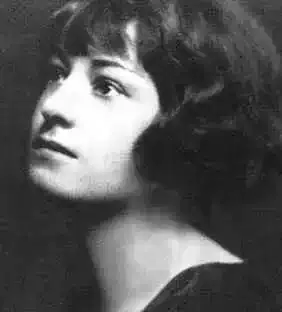
Dorothy Parker
Theory
Theory
Into love and out again,
Thus I went, and thus I go.
Spare your voice, and hold your penWell
and bitterly I know
All the songs were ever sung,
All the words were ever said;
Could it be, when I was young,
Some one dropped me on my head?
Into love and out again,
Thus I went, and thus I go.
Spare your voice, and hold your penWell
and bitterly I know
All the songs were ever sung,
All the words were ever said;
Could it be, when I was young,
Some one dropped me on my head?
364
Dorothy Parker
The Little Old Lady in Lavender Silk
The Little Old Lady in Lavender Silk
I was seventy-seven, come August,
I shall shortly be losing my bloom;
I've experienced zephyr and raw gust
And (symbolical) flood and simoom.
When you come to this time of abatement,
To this passing from Summer to Fall,
It is manners to issue a statement
As to what you got out of it all.
So I'll say, though reflection unnerves me
And pronouncements I dodge as I can,
That I think (if my memory serves me)
There was nothing more fun than a man!
In my youth, when the crescent was too wan
To embarrass with beams from above,
By the aid of some local Don Juan
I fell into the habit of love.
And I learned how to kiss and be merry- an
Education left better unsung.
My neglect of the waters Pierian
Was a scandal, when Grandma was young.
Though the shabby unbalanced the splendid,
And the bitter outmeasured the sweet,
I should certainly do as I then did,
Were I given the chance to repeat.
For contrition is hollow and wraithful,
And regret is no part of my plan,
And I think (if my memory's faithful)
There was nothing more fun than a man!
I was seventy-seven, come August,
I shall shortly be losing my bloom;
I've experienced zephyr and raw gust
And (symbolical) flood and simoom.
When you come to this time of abatement,
To this passing from Summer to Fall,
It is manners to issue a statement
As to what you got out of it all.
So I'll say, though reflection unnerves me
And pronouncements I dodge as I can,
That I think (if my memory serves me)
There was nothing more fun than a man!
In my youth, when the crescent was too wan
To embarrass with beams from above,
By the aid of some local Don Juan
I fell into the habit of love.
And I learned how to kiss and be merry- an
Education left better unsung.
My neglect of the waters Pierian
Was a scandal, when Grandma was young.
Though the shabby unbalanced the splendid,
And the bitter outmeasured the sweet,
I should certainly do as I then did,
Were I given the chance to repeat.
For contrition is hollow and wraithful,
And regret is no part of my plan,
And I think (if my memory's faithful)
There was nothing more fun than a man!
363
Dorothy Parker
The False Friends
The False Friends
They laid their hands upon my head,
They stroked my cheek and brow;
And time could heal a hurt, they said,
And time could dim a vow.
And they were pitiful and mild
Who whispered to me then,
"The heart that breaks in April, child,
Will mend in May again."
Oh, many a mended heart they knew.
So old they were, and wise.
And little did they have to do
To come to me with lies!
Who flings me silly talk of May
Shall meet a bitter soul;
For June was nearly spent away
Before my heart was whole.
They laid their hands upon my head,
They stroked my cheek and brow;
And time could heal a hurt, they said,
And time could dim a vow.
And they were pitiful and mild
Who whispered to me then,
"The heart that breaks in April, child,
Will mend in May again."
Oh, many a mended heart they knew.
So old they were, and wise.
And little did they have to do
To come to me with lies!
Who flings me silly talk of May
Shall meet a bitter soul;
For June was nearly spent away
Before my heart was whole.
418
Dorothy Parker
The Dramatists
The Dramatists
A string of shiny days we had,
A spotless sky, a yellow sun;
And neither you nor I was sad
When that was through and done.
But when, one day, a boy comes by
And pleads me with your happiest vow,
"There was a lad I knew--" I'll sigh,
"I do not know him now."
And when another girl shall pass
And speak a little name I said,
Then you will say, "There was a lassI
wonder is she dead."
And each of us will sigh, and start
A-talking of a faded year,
And lay a hand above a heart,
And dry a pretty tear.
A string of shiny days we had,
A spotless sky, a yellow sun;
And neither you nor I was sad
When that was through and done.
But when, one day, a boy comes by
And pleads me with your happiest vow,
"There was a lad I knew--" I'll sigh,
"I do not know him now."
And when another girl shall pass
And speak a little name I said,
Then you will say, "There was a lassI
wonder is she dead."
And each of us will sigh, and start
A-talking of a faded year,
And lay a hand above a heart,
And dry a pretty tear.
370
Dorothy Parker
My Own
My Own
Then let them point my every tear,
And let them mock and moan;
Another week, another year,
And I'll be with my own
Who slumber now by night and day
In fields of level brown;
Whose hearts within their breasts were clay
Before they laid them down.
Then let them point my every tear,
And let them mock and moan;
Another week, another year,
And I'll be with my own
Who slumber now by night and day
In fields of level brown;
Whose hearts within their breasts were clay
Before they laid them down.
337
Dorothy Parker
Garden-Spot
Garden-Spot
God's acre was her garden-spot, she said;
She sat there often, of the Summer days,
Little and slim and sweet, among the dead,
Her hair a fable in the leveled rays.
She turned the fading wreath, the rusted cross,
And knelt to coax about the wiry stem.
I see her gentle fingers on the moss
Now it is anguish to remember them.
And once I saw her weeping, when she rose
And walked a way and turned to look around-
The quick and envious tears of one that knows
She shall not lie in consecrated ground.
God's acre was her garden-spot, she said;
She sat there often, of the Summer days,
Little and slim and sweet, among the dead,
Her hair a fable in the leveled rays.
She turned the fading wreath, the rusted cross,
And knelt to coax about the wiry stem.
I see her gentle fingers on the moss
Now it is anguish to remember them.
And once I saw her weeping, when she rose
And walked a way and turned to look around-
The quick and envious tears of one that knows
She shall not lie in consecrated ground.
342
Dorothy Parker
But Not Forgotten
But Not Forgotten
I think, no matter where you stray,
That I shall go with you a way.
Though you may wander sweeter lands,
You will not soon forget my hands,
Nor yet the way I held my head,
Nor all the tremulous things I said.
You still will see me, small and white
And smiling, in the secret night,
And feel my arms about you when
The day comes fluttering back again.
I think, no matter where you be,
You'll hold me in your memory
And keep my image, there without me,
By telling later loves about me.
I think, no matter where you stray,
That I shall go with you a way.
Though you may wander sweeter lands,
You will not soon forget my hands,
Nor yet the way I held my head,
Nor all the tremulous things I said.
You still will see me, small and white
And smiling, in the secret night,
And feel my arms about you when
The day comes fluttering back again.
I think, no matter where you be,
You'll hold me in your memory
And keep my image, there without me,
By telling later loves about me.
336
Dorothy Parker
Autumn Valentine
Autumn Valentine
In May my heart was breakingOh,
wide the wound, and deep!
And bitter it beat at waking,
And sore it split in sleep.
And when it came November,
I sought my heart, and sighed,
"Poor thing, do you remember?"
"What heart was that?" it cried.
In May my heart was breakingOh,
wide the wound, and deep!
And bitter it beat at waking,
And sore it split in sleep.
And when it came November,
I sought my heart, and sighed,
"Poor thing, do you remember?"
"What heart was that?" it cried.
358

D.H. Lawrence
Submergence
Submergence
When along the pavement,
Palpitating flames of life,
People flicker round me,
I forget my bereavement,
The gap in the great constellation,
The place where a star used to be.
Nay, though the pole-star
Is blown out like a candle,
And all the heavens are wandering in disarray,
Yet when pleiads of people are
Deployed around me, and I see
The street’s long outstretched Milky Way,
When people flicker down the pavement,
I forget my bereavement.
When along the pavement,
Palpitating flames of life,
People flicker round me,
I forget my bereavement,
The gap in the great constellation,
The place where a star used to be.
Nay, though the pole-star
Is blown out like a candle,
And all the heavens are wandering in disarray,
Yet when pleiads of people are
Deployed around me, and I see
The street’s long outstretched Milky Way,
When people flicker down the pavement,
I forget my bereavement.
196
D.H. Lawrence
Sorrow
Sorrow
Why does the thin grey strand
Floating up from the forgotten
Cigarette between my fingers,
Why does it trouble me?
Ah, you will understand;
When I carried my mother downstairs,
A few times only, at the beginning
Of her soft-foot malady,
I should find, for a reprimand
To my gaiety, a few long grey hairs
On the breast of my coat; and one by one
I let them float up the dark chimney.
Why does the thin grey strand
Floating up from the forgotten
Cigarette between my fingers,
Why does it trouble me?
Ah, you will understand;
When I carried my mother downstairs,
A few times only, at the beginning
Of her soft-foot malady,
I should find, for a reprimand
To my gaiety, a few long grey hairs
On the breast of my coat; and one by one
I let them float up the dark chimney.
235
D.H. Lawrence
Piano
Piano
Softly, in the dusk, a woman is singing to me;
Taking me back down the vista of years, till I see
A child sitting under the piano, in the boom of the tingling strings
And pressing the small, poised feet of a mother who smiles as she sings.
In spite of myself, the insidious mastery of song
Betrays me back, till the heart of me weeps to belong
To the old Sunday evenings at home, with winter outside
And hymns in the cosy parlour, the tinkling piano our guide.
So now it is vain for the singer to burst into clamour
With the great black piano appassionato. The glamour
Of childish days is upon me, my manhood is cast
Down in the flood of remembrance, I weep like a child for the past.
Softly, in the dusk, a woman is singing to me;
Taking me back down the vista of years, till I see
A child sitting under the piano, in the boom of the tingling strings
And pressing the small, poised feet of a mother who smiles as she sings.
In spite of myself, the insidious mastery of song
Betrays me back, till the heart of me weeps to belong
To the old Sunday evenings at home, with winter outside
And hymns in the cosy parlour, the tinkling piano our guide.
So now it is vain for the singer to burst into clamour
With the great black piano appassionato. The glamour
Of childish days is upon me, my manhood is cast
Down in the flood of remembrance, I weep like a child for the past.
281
D.H. Lawrence
Dreams Old
Dreams Old
I have opened the window to warm my hands on the sill
Where the sunlight soaks in the stone: the afternoon
Is full of dreams, my love, the boys are all still
In a wistful dream of Lorna Doone.
The clink of the shunting engines is sharp and fine,
Like savage music striking far off, and there
On the great, uplifted blue palace, lights stir and shine
Where the glass is domed in the blue, soft air.
There lies the world, my darling, full of wonder and wistfulness and strange
Recognition and greetings of half-acquaint things, as I greet the cloud
Of blue palace aloft there, among misty indefinite dreams that range
At the back of my life’s horizon, where the dreamings of past lives crowd.
Over the nearness of Norwood Hill, through the mellow veil
Of the afternoon glows to me the old romance of David and Dora,
With the old, sweet, soothing tears, and laughter that shakes the sail
Of the ship of the soul over seas where dreamed dreams lure the unoceaned explorer.
All the bygone, hushèd years
Streaming back where the mist distils
Into forgetfulness: soft-sailing waters where fears
No longer shake, where the silk sail fills
With an unfelt breeze that ebbs over the seas, where the storm
Of living has passed, on and on
Through the coloured iridescence that swims in the warm
Wake of the tumult now spent and gone,
Drifts my boat, wistfully lapsing after
The mists of vanishing tears and the echo of laughter.
I have opened the window to warm my hands on the sill
Where the sunlight soaks in the stone: the afternoon
Is full of dreams, my love, the boys are all still
In a wistful dream of Lorna Doone.
The clink of the shunting engines is sharp and fine,
Like savage music striking far off, and there
On the great, uplifted blue palace, lights stir and shine
Where the glass is domed in the blue, soft air.
There lies the world, my darling, full of wonder and wistfulness and strange
Recognition and greetings of half-acquaint things, as I greet the cloud
Of blue palace aloft there, among misty indefinite dreams that range
At the back of my life’s horizon, where the dreamings of past lives crowd.
Over the nearness of Norwood Hill, through the mellow veil
Of the afternoon glows to me the old romance of David and Dora,
With the old, sweet, soothing tears, and laughter that shakes the sail
Of the ship of the soul over seas where dreamed dreams lure the unoceaned explorer.
All the bygone, hushèd years
Streaming back where the mist distils
Into forgetfulness: soft-sailing waters where fears
No longer shake, where the silk sail fills
With an unfelt breeze that ebbs over the seas, where the storm
Of living has passed, on and on
Through the coloured iridescence that swims in the warm
Wake of the tumult now spent and gone,
Drifts my boat, wistfully lapsing after
The mists of vanishing tears and the echo of laughter.
260