

Poems in this theme
Memories and Recollections

Henry Lawson
Old Tunes
Old Tunes
When friends are listening round me, Jack, to hear my dying breath,
And I am lying in a sleep they say will end in death,
Don’t notice what the doctor says—and let the nurse complain——
I’ll tell you how to rouse me if I’ll ever wake again.
Just you bring in your fiddle, Jack, and set your heart in tune,
And strike up “Annie Laurie”, or “The Rising of the Moon”;
And if you see no token of a rising in my throat,
You’ll need to brace your mouth, old man—I’m booked by Charon’s boat.
And if you are not satisfied that I am off the scene,
Strike up “The Marseillaise”, or else “The Wearing of the Green”;
And should my fingers tremble not, then I have crossed the line,
But keep your fingers steady, Jack, and strike up “Auld Lang Syne”.
When friends are listening round me, Jack, to hear my dying breath,
And I am lying in a sleep they say will end in death,
Don’t notice what the doctor says—and let the nurse complain——
I’ll tell you how to rouse me if I’ll ever wake again.
Just you bring in your fiddle, Jack, and set your heart in tune,
And strike up “Annie Laurie”, or “The Rising of the Moon”;
And if you see no token of a rising in my throat,
You’ll need to brace your mouth, old man—I’m booked by Charon’s boat.
And if you are not satisfied that I am off the scene,
Strike up “The Marseillaise”, or else “The Wearing of the Green”;
And should my fingers tremble not, then I have crossed the line,
But keep your fingers steady, Jack, and strike up “Auld Lang Syne”.
245
Henry Lawson
Old North Sydney
Old North Sydney
They're shifting old North Sydney—
Perhaps ’tis just as well—
They’re carting off the houses
Where the old folks used to dwell.
Where only ghosts inhabit
They lay the old shops low;
But the Spirit of North Sydney,
It vanished long ago.
The Spirit of North Sydney,
The good old time and style,
It camped, maybe, at Crow’s Nest,
But only for a while.
It left about the season,
Or at the time, perhaps,
When old Inspector Cotter
Transferred his jokes and traps.
A brand new crowd is thronging
The brand new streets aglow
Where the Spirit of North Sydney
Would gossip long ago.
They will not know to-morrow—
Tho’ ’twere but yesterday—
Exactly how McMahon’s Point
And its ferry used to lay.
The good old friendly spirit
Its sorrows would unfold,
When householders were neighbours
And shop-keeping was old;
But now we’re busy strangers,
Our feelings we restrain—
The Spirit of North Sydney
Shall never come again!
They're shifting old North Sydney—
Perhaps ’tis just as well—
They’re carting off the houses
Where the old folks used to dwell.
Where only ghosts inhabit
They lay the old shops low;
But the Spirit of North Sydney,
It vanished long ago.
The Spirit of North Sydney,
The good old time and style,
It camped, maybe, at Crow’s Nest,
But only for a while.
It left about the season,
Or at the time, perhaps,
When old Inspector Cotter
Transferred his jokes and traps.
A brand new crowd is thronging
The brand new streets aglow
Where the Spirit of North Sydney
Would gossip long ago.
They will not know to-morrow—
Tho’ ’twere but yesterday—
Exactly how McMahon’s Point
And its ferry used to lay.
The good old friendly spirit
Its sorrows would unfold,
When householders were neighbours
And shop-keeping was old;
But now we’re busy strangers,
Our feelings we restrain—
The Spirit of North Sydney
Shall never come again!
281
Henry Lawson
Joseph’s Dreams and Reuben's Brethren [A Recital in Six Chapters]
Joseph’s Dreams and Reuben's Brethren [A Recital in Six Chapters]
CHAPTER I
I cannot blame old Israel yet,
For I am not a sage—
I shall not know until I get
The son of my old age.
The mysteries of this Vale of Tears
We will perchance explain
When we have lived a thousand years
And died and come again.
No doubt old Jacob acted mean
Towards his father’s son;
But other hands were none too clean,
When all is said and done.
There were some things that had to be
In those old days, ’tis true—
But with old Jacob’s history
This tale has nought to do.
(They had to keep the birth-rate up,
And populate the land—
They did it, too, by simple means
That we can’t understand.
The Patriarchs’ way of fixing things
Would make an awful row,
And Sarah’s plain, straightforward plan
Would never answer now.)
his is a tale of simple men
And one precocious boy—
A spoilt kid, and, as usual,
His father’s hope and joy
(It mostly is the way in which
The younger sons behave
That brings the old man’s grey hairs down
In sorrow to the grave.)
Old Jacob loved the whelp, and made,
While meaning to be kind,
A coat of many colours that
Would strike a nigger blind!
It struck the brethren green, ’twas said—
I’d take a pinch of salt
Their coats had coloured patches too—
But that was not their fault.
Young Joseph had a soft thing on,
And, humbugged from his birth,
You may depend he worked the thing
For all that it was worth.
And that he grafted not but crowed,
You don’t need to be told,
And he was mighty cocky, with
His “Lo!” and his “Behold!”
He took in all his brothers said,
And went and told his Dad,
And then, when someone split on him,
No wonder they were mad.
But still he wasn’t satisfied,
And it would almost seem
He itched to rile his brethren, for
He went and dreamed a dream,
And told it to his brothers straight
(So Genesis believes):—
“Lo! we were working in the field,
And we were binding sheaves,
And my sheaf rose and stood upright,
And, straightway, for a sign,
Your sheaves came round about and made
Obeisance to mine!”
The brethren stared and made comment
In words that were not mild,
And when the meaning dawned on them
You bet that they were wild!
And Joseph left those angry men
To boil and blow off steam,
And ambled, chuckling, home agen
To dream another dream.
“Behold! I’ve dreamed a dream once more!”
He told ’em, frank and free—
“The sun, moon, and eleven stars
Have likewise bowed to me!”
(Perhaps Astronomy has changed
Since Joseph saw the light,
But I have wondered what the sun
Was doing out at night.)
And when they dropped!—you never heard,
In sheds or shanty bars,
Such awful language as escaped
From those eleven stars.
You know how Jacob-Israel loved
His hopeful youngest pup;
But, when he heard the latest dream,
It shook the old man up.
But Joseph talked his father round,
Who humoured every whim
(Perhaps old Jacob half-believed
They would bow down to him):
But, anyway, as always was,
He backed the youngest son,
And sent the others with the sheep
Out to the Check-’em run.
CHAPTER II
Now Jacob, with that wondrous tact
That doting parents show,
Or, anxious for his sons out back,
Sent, of all others, Joe!
To see if it was well with them
(And they were not asleep),
With one eye on his brothers’ camp,
And one eye on the sheep.
He drew a blank on Check-’em run—
Got bushed, too, you’ll be bound.
A certain cove—there’s always one—
Saw Joseph mooning round.
He asked him how it came to pass,
And what it was about,
And said, “They’re trav-lin’ now for grass
In Doothen—further out.”
He also muttered, “Strike me blue!”
While staring at the clothes—
He’d never seen a jackaroo
With such a coat as Joe’s.
He set the nameless on the track,
And scratched his head to think,
But gave it best, and, riding back,
Said firmly, “Strike me pink!”
’Twas blazing hot in Doothen then,
The sweat ran down in streams—
It melted out the memory
Of even Joseph’s dreams!
They’d had some trouble with the sheep,
Some Arabs and a “shirk”—
It was a favourable time
For Joe to get to work.
They saw him coming, “afar off”—
In this case, you might note,
Their eyesight wasn’t wonderful,
Considering the coat.
And what with sheep, and dust, and flies,
And damned shirks in the swim
With sheep stealers, the brethren were
For absenteeing him.
And, add to that, he scared the kine
With his infernal coat—
They trampled on the sheep and swine
And startled every goat.
The brethren had to round up then
As fast as ass could go,
And when they got to camp agen
They’d fixed it up for Joe.
Save poor old Rube—he had the blight,
But, grafting all the same,
He only looked on family rows
As just a blooming shame.
Like many an easy-going man,
He had a cunning soul.
He said, “We will not kill the kid,
But shove him in a hole,
And leave him there to dream o’ things”—
There’s not the slightest doubt
He meant to slip round after dark
And pull the youngster out,
And fill his gourd and tucker-bag,
And tell him “Not to mind”,
And start him on the back-track with
A gentle kick behind.
Some ’Tothersider prospectors
Had been there poking round;
You may depend that Reuben knew
’Twas “dry and shallow ground”.
They dropped young Joseph in a hole—
The giddy little goat—
And left him there, to cool his heels,
Without his overcoat.
(Don’t think that Moses, such a whale
On dry facts, thought it wet
To say, when they’d chucked Joseph in,
It was an empty pit!
So many things are preached and said
Where’er the Bible is
To prove that Moses never read
The “proofs” of Genesis.)
But let’s get on. While having grub,
A brethren sniffed and “seen”
Some Ishmaelites pass through the scrub—
Or O-asses, I mean.
They’d been right out to Gilead—
A rather longish trip—
For camel-loads of balm, and myrrh,
And spicery for ’Gyp.
(I’ve often seen the Afghans pass
With camel strings out back,
And thought ’twas somewhat similar
On that old Bible track.
I don’t know much of balm and myrrh,
Whatever they may be,
But e’en when sheepskins were not there,
I’ve smelt the spicery.)
It was the same in Canaan then
As it is here to-day:
A sudden thought jerked Judah up
For “brofit “ straight away.
The brethren got on one end too
When Judah jumped and said,
“We’ll sell the kid for what he brings!
He’s no good when he’s dead.”
And, to be short, they being Jews—
The “chosing” of the earth—
They sold him to the Ishmaelites
For more than twice his worth.
(Some Midianitish auctioneers
Were also on the job.)
’Twas “twenty bits of silver”, which
I s’pose was twenty bob.
So they most comfortably got
Young Joseph off their hands,
For Ishmael never bothered much
About receipts or brands.
(They spake not of his dreams and cheek,
His laziness, or “skite”;
No doubt they thought the Ishmaelites
Would see to that all right.)
Then Reuben came; he’d been around
To watch the sheep a bit,
And on his way back to the camp
He slipped round by the pit
To give young Joe a drink. He stared,
And, thinking Joe was dead,
He rent his gown like mad, and ran
For ashes for his head.
(As if that would do any good!
I only know that I
Cannot afford to rend my clothes
When my relations die.
I don’t suppose they would come back,
Or that the world would care,
If I went howling for a year
With ashes in my hair.)
You say he counted on a new
Rig-out? Yes? And you know
That Jacob tore his garment too,
So that old cock won’t crow.
Look here! You keep your smart remarks
Till after I am gone.
I won’t have Reuben silver-tailed—
Nor Pharaoh, later on.
The brethren humbugged Reuben well,
For fear he’d take the track,
And sneak in on the Ishmaelites,
And steal young Joseph back,
Or fight it out if he was caught,
And die—as it might be—
Or, at the best, go down with Joe
And into slavery.
Young Simeon slipped into the scrub,
To where the coat was hid,
And Judah stayed and wept with Rube,
While Levi killed a kid.
So they fixed up the wild-beast yarn,
And Hebrews sadly note—
Considering the price of cloth—
They had to spoil the coat.
(There was a yam about old Rube
That all true men despise,
Spread by his father’s concubines—
A vicious strumpet’s lies.
But I believe old Moses was,
As we are, well aware
That Reuben stood in this last scene
The central figure there.)
I feel for poor old Israel’s grief,
Believing all the same
(And not with atheist unbelief)
That Jacob was to blame.
’Twas ever so, and shall be done,
While one fond fool has breath—
Fond folly drives the youngest son
To ruin and to death.
The caravan went jogging on
To Pharaoh’s royal town,
But Genesis gives no account
Of Joseph’s journey down.
I wouldn’t be surprised to hear
He found it pretty rough,
But there’s a bare chance that his hide,
As well as cheek, was tough.
I see them toiling through the heat,
In patches and in dirt,
With sand-grooved sandals on their feet,
And slaves without a shirt—
The dust-caked thirst, the burning ground,
The mad and maddening flies,
That gathered like black goggles round
The piccaninnies’ eyes.
The Ishmaelites had tempers brief,
And whips of hide and gut,
And sometimes, p’raps, for Hagar’s sake,
Gave Joe an extra cut.
When, fainting by the way, he felt
The stimulating touch,
I have no doubt he often wished
He hadn’t dreamed so much.
He didn’t dream much on that trip,
Although he thought a lot.
However, they got down to ’Gyp
In good time, where he got
A wash and rest—he needed both—
And in the old slave-yard
Was sold to Captain Potiphar,
Of Pharaoh’s body-guard.
INTERLUDE
I PAUSE to state that later on
(And it seems worth the halt)
Smart Judah gat into a mess,
Though it was not his fault.
And I would only like to say,
In this most thankless task,
Wives sell to husbands every day,
And that without a mask.
But, what with family rows and drought,
And blessed women too,
The fathers of terrestrial tribes
Had quite enough to do.
They had to graft both day and night,
With no rest, save the last,
For when they were not grafting they
Were populating fast.
CHAPTER III
The Captain was a casual man,
But seemed a shrewd one too;
He got young Joseph’s measure soon,
And saw what he could do.
The Lord was with Joe, Moses said—
I know that Joe had pluck—
But I believe ’twas mostly check,
And his infernal luck.
The Captain made him manager,
Housekeeper, overseer,
And found that this arrangement paid—
That much at least is clear.
And what with merchants, clerks, and slaves,
Joe led a busy life,
With one eye on the maid-servants,
And “Jeames” and Potty’s wife.
The Captain seemed a casual man,
And “’Gyp” was on the glide:
There was a growing tendency
To live and let things slide.
He left all things in Joseph’s hands—
According to old Mose—
And knew not what he had besides
His tucker and his clothes.
I guess he had a shrewd idea,
For it is now, as then—
The world most often makes mistakes
With easy-going men.
The Captain often went away
For quietness and rest,
And, maybe, for some other things—
Well, Potiphar knew best.
Perhaps the missus knew it too—
At least, she should have known—
And Joe was handsome, strange, and new,
And she was much alone.
It seems a funny business now,
But I was never there—
Perhaps so long as cheques came in
The Captain didn’t care.
’Tis strange that Moses, such a whale
On details out of joint,
Should always come, in such a case,
So bluntly to the point.
He says Joe had a goodly form—
Or person it should be—
He says that she cast eyes on Joe,
And she said, “Lie with me.”
It took young Joseph sudden like.
He’d heard, while on the run,
Of other women who could lie,
And in more ways than one;
Of men who had been gaoled or hanged—
As they are here to-day—
(Likewise of lovers who were banged),
And so he edged away.
She never moved, and so he stayed
While she was there to hear,
For his infernal vanity
Was stronger than his fear.
He bragged his opportunity,
His strength, and godliness:
“There is no greater in the house
Than I.” (She made him less.)
’Twas cant to brag of purity
And right in that household,
For what was he if not a slave,
And basely bought and sold?
Unmanly for a man to treat
A love-starved woman so,
And cowardly to humiliate
A spirit thrust so low.
She knew that Joseph was a spy
On her and all the rest,
And this, with his outspoken “scorn”,
Made reasons manifest.
She had her passions (don’t be shocked,
For you have yours, no doubt),
And meant to take young Joseph down
And pay her husband out.
He was a slave, and bought and sold,
And I will say right here
His preaching was too manifold
And glib to be sincere,
When youth and “looks” turn goody-good—
You’ll see it at a glance—
They have one eye to woman’s help
And both on the main chance.
Now, had old Rube been in his place
(All honour to his name),
I’ll swear he would have taken things
Exactly as they came,
And kept it dark—or fought it out,
As the ungodly can—
But, whatsoe’er he might have done,
He would have been a man!
Howbeit, the missus stuck to Joe,
Vindictive, vicious, grim,
And bore his sermons and rebuffs
Until she cornered him. . . .
He left his garment in her hand,
And gat him out of that. . . .
About the merits of the case
I’ll say no more—that’s flat.
(He knew all right what she was at,
And Potiphar was out,
He went alone into the house
When no one was about.
He may have been half-drunk or mad,
He certainly was blind,
To run no further than the yard,
And leave his coat behind!)
But, seeing how our laws are fixed,
If I get in such dirt,
I’ll straightway get me out of that
If—I’ve to leave my shirt.
But I will keep the running up,
If I have common-sense,
Nor stop this side of Jericho
To think of my defence.
Joe should have streaked for Suez straight,
And tried his luck in flight
For Canaan, where they looked on things
In quite another light.
Old Jacob had experience,
And he’d have stuck to Joe.
He was a match for women’s lies
That flabbergast us so.
The missus told the self-same tale,
And in the self-same way,
As our enfranchised females do
In police courts every day.
Too cowardly to breathe a breath
Against the vilest rip,
We send straight men to gaol or death,
Just as they did in ’Gyp.
Now, Potiphar was wondrous mild—
Suspiciously, to say
The least. He didn’t operate
On Joseph straight away.
Perhaps he knew his wife no less
Than Joe, yet had regard
For his own peace and quietness—
So Joe got two years’ hard.
CHAPTER IV
The Lord was with him, Moses said,
Yet his luck didn’t fail,
For he got on the right side of
The governor of the gaol.
Perhaps he’d heard of Mrs P.,
And cases like to Joe’s,
And knew as much of woman’s work
As anybody knows.
He made Joe super-lag—a sort
Of deputy-retained
(The easy-going tendency
In Egypt seemed ingrained)—
Left everything in Joseph’s hands,
Except, maybe, the keys;
And thereafter he let things slide,
And smoked his pipe in peace.
Now Pharaoh had some trouble with
His butler and his cook,
But Pharaoh seemed most lenient
With asses bought to book—
He didn’t cut the weak end off
Each absent-minded wretch,
But mostly sent the idiots up
To “chokey” for a “stretch”.
They found themselves in Joseph’s care,
And it would almost seem
They’d got wind of his weaknesses,
For each one dreamed a dream.
“They dreamed a dream; both of them. Each
Man his dream in one night:
Each man according to his dream”
(And his own dream)—that’s right.
Next morning they made up their “mugs”,
And Joseph, passing through,
Asked them if they were feeling cronk,
And why they looked so blue?
They told him they had dreamed two dreams
(One each), and any dunce
Can understand how such remarks
Would int’rest Joe at once.
And there was no interpreter,
They said—and that was why
Joe said that that belonged to God—
But he would have a try.
I’ve noticed this with “Christians” since,
And often thought it odd—
They cannot keep their hands from things
They say belong to God.
The butler dreamed—or, anyway,
He said so (understand)—
He’d made some wine in Pharaoh’s cup,
And placed it in his hand—
And Pharaoh placed the wine inside,
I s’pose. But, anyways,
There were three branches in the dream,
Which were, of course, three days.
The butler might have one again,
And Joseph, going strong,
By evil chance get wind of it,
And diagnose it wrong!
The cook had been the butler’s mate,
And he thought (was it odd?)
That nightmare students such as Joe
Were safer far in quod.
He did repent him of his fault—
Though it was rather late—
For Pharaoh’s dreams had called a halt,
A reason of some weight.
The butler hoped to score, but ’twas
A risky thing to do,
And you will wonder, later on,
If Joe “forgat” him too.
’Twas plain to any fool, so Joe
Said: “Yet within three days
Shall Pharaoh lift thine head up, and
Restore thee to thy place.
Thou shalt deliver Pharaoh’s cup
Into his hand once more.
(And he shall drink the liquor down
Just as it was before.)
“But promise, when thou art all right,
And nothing is amiss,
To speak to Pharaoh of my case,
And get me out of this.
For I was kidnapped, likewise gaoled,
For nothing that I know.”
(And, granting his celibacy,
’Twould seem that that was so.)
The cook, he was a godless cook,
But quietly he stood,
’Til Joseph’s inspiration came—
And he saw it was good.
And then his dream he did unfold,
All straight and unrehearsed
(Without a “Lo!” or a “Behold!”
Or windmill business first):
“I’d three old baskets on me ’ed—
Now I ain’t tellin’ lies!—
The top ’un full of fancy bread
An’ pork ’n’ kidney pies.
I didn’t bother looking up,
For it was blazin’ ’ot—
There come a flock of crimson crows
And scoffed the bleedin’ lot.”
The cook he was a clever cook,
But he’d been on the spree—
He put the case as man to man,
And put it frank and free.
He patted Joseph on the back,
Told him to go ahead,
And Joseph met the cook half way,
And (man to man) he said:
“Within three days shall Pharaoh lift
Thine head from off of thee,
And he shall hang thee by the heels
To the most handy tree.
A flock of crows shall pick thy bones
(And, to be trebly sure,
His slaves shall pound them up with stones
And use them for manure).”
The butler passed an anxious night—
He wanted matters fixed—
For what if Joe’s prescriptions should
By some fool chance get mixed?
The cook—who was a careless cook—
Wrote scoff words on the wall,
But, when the time was up, he wished
He hadn’t dreamed at all.
And Pharaoh gave a feast—he’d got
Another chef this trip—
And his old butler he restored
Unto his butlership;
But hanged the cook. And after that—
Or this is how it seems—
The butler straight away forgat
Young Joseph and his dreams.
And maybe he was wise, for all
That anybody knows,
He’d seen the headless baker hanged,
And picked clean by the crows.
It struck him, too, when looking back
While calm and free from cares,
That Joseph had an off hand way
Of fixing up nightmares.
CHAPTER V
The gaol did Joseph little good,
Except by starts and fits,
But saved old Egypt for a while,
And brightened up his wits.
And, lest you thought me most unjust
In matters lately gone,
You read and know how holy Joe
Sold Egypt later on.
Her weather prophets were as good
As ours are, every bit,
But Pharaoh took to dreaming dreams,
And made a mess of it.
(And but for that—I do not care
What anybody thinks—
I’d not have lost my overcoat,
And watch and chain, and links.)
Now Joseph’s and the prisoners’ dreams
Were plain as dreams could be,
And more especially Pharaoh’s dreams,
As far as I can see—
The same man who invented them
Could well have read them too,
But any third-rate showman knows
That that would never do.
There must be “Lo’s”, “Beholds”, and “Yets”,
And “It must come to pass”,
’Til floods are gone, and tanks are dry,
And there’s no crops nor grass.
And “Likewise”, “Alsoes”, “Says unto”,
And countless weary “Ands”,
Until Japan sends Chinamen
To irrigate the lands.
And Pharaoh must take off his ring
(The one from off his hand),
To put upon Joe’s little fin,
That all might understand.
And they must ride in chariots,
Have banquets everywhere,
And launch trips up the Hawkesbury,
To see Australia there.
(I dreamed last night that cattle fed
Along the river flats,
They bore the brands of all the States,
And looked like “Queensland fats”.
And lo! a mob of strangers came,
All bones, from horn to heel,
But they had nostrils breathing flame,
And they had horns of steel.
I dreamed that seven sheep were shorn
That went by seven tracks,
And strove to live the winter through
With sackcloth on their backs.
And lo! I dreamed, from east and west
There came two blades of heat—
One blackened all the towns like fire,
Like drought one burnt the wheat.
A black slave and a white slave laid
A golden carpet down,
And yellow guards stood round about,
And he that came was brown.
Men slaved beneath the whip in pits,
Who now slave willingly—
They sold their birthright for a “score”.
Now read those dreams for me!)
But Joseph fixed up Pharaoh’s dreams
As quick as I can tell—
And, for Australia’s sake, I wish
That mine were fixed as well,
And nationalized from trusts and rings
And shady covenants;
But—we have thirteen little kings
Of thirteen Parliaments.
The years of plenty soon run out,
And, from the cricket score,
We’ll turn to face the years of drought
And might-be years of war.
With neither money, men, nor guns,
With nothing but despair—
But I get tired of printing truths
For use—no matter where.
Joe said to seek a wise man out,
And Pharaoh took the Jew—
Adventurers fix up our dreams,
And we elect them too.
I mean no slur on any tribe
(My best friend was a Yid),
But we let boodlers shape our ends,
And just as Pharaoh did.
But Joseph did spy out the land,
If not for his own good
(He only boodled on the grand,
It must be understood).
He made a corner first in wheat,
And did it thoroughly—
No “trust” has ever seen since then
So great a shark as he.
And when the fearful famine came,
And corn was in demand,
He grabbed, in God’s and Pharaoh’s name,
The money, stock, and land.
(He knew the drought was very bad
In Canaan; crops were gone;
But never once inquired how his
Old Dad was getting on.)
CHAPTER VI
And after many barren years
Of spirit-breaking work,
I see the brethren journeying down
From Canaan’s West-o’-Bourke
And into Egypt to buy corn—
As, at this very hour,
My brethren toil through blazing heat
The weary miles for flour.
’Twas noble of our Joseph then,
The Governor of the land,
To bait those weary, simple men,
With “monies” in their hand;
To gratify his secret spite,
As only cowards can;
And preen his blasted vanity,
And strike through Benjamin.
He put a cup in Benny’s sack,
And sent them on their way,
And sent the Pleece to bring ’em back
Before they’d gone a day.
The constable was well aware
Of Joseph’s little plan,
And most indignant when he caught
The wretched caravan.
He yelped: “Have such things come to pass?
Howld hard there! Jerk ’em up!
Put down yer packs from every ass,
And fork out Phairey’s cup!
It makes me sick, upon my soul,
The gratichood of man!
Ye had the feast, and then ye shtole
His silver billy-can.”
They swore that they had seen no cup,
And after each had sworn
They said the sandstorm coming up
Would simply spoil the corn.
They begged that he would wait until
They reached the nearest barn.
He said, “O that’s a wind that shook
The barley sort of yarn!
“(Now I’m no sergeant, understand—
Ye needn’t call me that—
Oi want no sugar wid me sand
Whin Joseph smells a rat.)
Take down yer sacks from off yer backs—
The other asses too—
And rip the neck of every sack—
The boys will see yer through.”
The cup was found in Benjamin’s,
As all the world’s aware—
The constable seemed most surprised,
Because he’d put it there.
“A greenhorn raised on asses’ milk!
Well, this beats all I know!”
And then, when he had cautioned them,
He took the gang in tow.
And when they started out to rend
Their turbans and their skirts,
He said, “Ye drunken lunatics,
Ye needn’t tear yer shirts—
Ye’re goin’ where there’s ladies now,
So keep yer shirts on, mind.
(The Guvnor got in trouble wanst
For leavin’ his behind.)”
And Joseph gaoled and frightened them.
(The “feast” was not amiss:
It showed him most magnanimous
With all that wasn’t his.)
He took some extra graveyard pulls
At his old Dad’s grey hairs,
’Til Judah spoke up like a man—
And spoke up unawares.
Then Joseph said that he was Joe,
With Egypt in his clutch—
You will not be surprised to know
It didn’t cheer them much.
And when he saw they were afraid,
And bowed beneath the rod,
He summoned snuffle to his aid,
And put it all on God.
And now the brethren understood,
With keen regret, no doubt,
That sin is seldom any good
Unless it’s carried out.
For after that heart-breaking trip
Across the scorching sands
They found themselves in Joseph’s grip,
With Benny on their hands.
(Poor Reuben, to persuade his dad
To let the youngster come,
Had left his own sons’ lives in pledge
For Benjamin, at home.
But life is made of many fires
And countless frying-pans—
As fast as we get rid of Joe’s
We’re plagued by Benjamin’s.)
Joe had a use for them, so he
Bade them to have no fear.
He said to them, “It was not you,
But God, who sent me here.
He sent me on to save your lives;
He hath sent you to me,
To see to you and all your wives,
And your posterity.
“The Lord God hath exalted me,
And made me His right hand—
A father unto Pharaoh, and
A ruler in the land,
And likewise lord of Egypt”—
He said a few things more,
And then he got to business straight—
I’ve heard such cant before.
Those who have read will understand
I never mean to scoff,
But I hate all hypocrisy
And blasted showing-off.
How cunningly our holy Joe
Fixed up his tribe’s affairs
For his own ends, and sprang the job
On Pharaoh unawares.
“The fame was heard in Pharaoh’s house,”
Where peace and kindness thrived,
Saying, “Joseph’s brethren are come”
(Joe’s brothers have arrived).
And Pharaoh heard, and was well pleased,
For he was white all through.
(And Moses says, without remark,
It pleased the servants too.)
But Pharaoh promptly put an end
To Joseph’s mummery.
He said, “Send waggons up, and bid
Thy people come to me.
Thou art commanded! Furnish them
With money and with food;
And say that I will give them land,
And see that it is good.”
And Jacob’s sons chucked up their runs
With blessings short and grim,
And Jacob took the stock and gear
And all his seed with him.
They sent the family tree ahead,
And Pharaoh read that same
(They found him very tired, ’twas said,
And misty when they came).
And Pharaoh unto Joseph spake
Most kind, though wearily:
“Thy father and thy brethren all
Are now come unto thee;
And Egypt is before thee now,
So in the best land make
Thy father and thy brethren dwell—
The land of Goshen take;
“And there, unhindered, let them thrive,
In comfort let them dwell,
Apart and free. My people love
All shepherds none too well—
But if thou knowest amongst them men
Of proved activity,
Then make them rulers over all
My flocks and herds for me.”
They brought five brethren unto him,
And he was very kind—
Perhaps he looked those brethren through,
And saw what lay behind.
His head he rested on his hand,
And smoothed his careworn brow,
He gazed on Israel thoughtfully,
And asked, “How old art thou?”
And Jacob told him, and was touched.
He said his days were few
And evil. They had not attained
To those his father knew.
But Jacob only had himself,
And no one else, to thank
If Joe had given his grey hairs
A second graveyard yank.
I think that Pharaoh was a man
Who always understood,
But was content to stand aside
If for his people’s good,
And seem not missed the while. He knew
His merits—and no pride—
And ’twas a grievous day for Jew
And Gentile when he died.
You know the rest of Joseph’s tale,
And well the poor Egyptians knew—
House agent on the grand old scale,
He boodled till the land was blue.
He squeezed them tight, and bled them white—
. . . . .
Until a Pharaoh came in sight
Who didn’t know him from a crow.
The Patriarchs, right back from Dad
To where the line begins,
Were great at passing “blessings” on,
Together with their sins.
Old Noah was about the first—
Cursed Ham till all was blue,
But ’twas with some effect he cursed,
And with good reason too.
And when the time had come to pass
For Jacob to be gone,
He polished up his father’s sins
And calmly passed them on.
He called his twelve sons round his bed
(Lest some good might befall),
He called his twelve sons to be blessed,
And cursed them, one and all
Save Joseph; and the rest had cause
To curse him ere they got
The English, who have every day
More cause to damn the lot.
And if they crossed the Red Sea now,
I guess we’d let them go,
With “Satan hurry Kohenstein”
And “God speed Ikey Mo!”
And lest my Jewish friends be wroth—
As they won’t be with me—
I’ll say that there is Jewish blood
In my posterity.
This verse, I trust, shall profit him
When he has ceased to grow—
My firstborn, who was known as “Jim”,
But whose true name is “Joe”.
AFTERWORD
I’ve written much that is to blame,
But I have only sought to show
That hearts of men were just the same
Some forty centuries ago.
All kindness comes with woman’s love—
That which she claims is due to her—
Not man! not man! but God above
Dare judge the wife of Potiphar.
And Jacob shall be ever blind
To reason and posterity,
In that “fond folly” of mankind
That is born of impotency.
No parents’ love or parents’ wealth
Shall ever fairly portioned be,
Faith shall not come, except by stealth,
Nor justice in one family.
And Joseph proved unto this hour—
Just what he was in Holy Writ—
A selfish tyrant in his power,
And, up or down, a hypocrite.
And Joseph still, whate’er befall,
But gives his place to Benjamin,
And Reuben bears the brunt of all,
Though Judah does the best he can.
The hearts of men shall never change
While one man dies and one is born,
We journey yet, though ways seem strange,
Down into Egypt to buy corn.
Some prosper there, and they forget;
And some go down, and are forgot;
And Pride and Self betray us yet,
Till Pharaohs rise that know us not.
But kindliness shall live for aye,
And, though we well our fate deserve,
Samaritans shall pass that way,
And kings like Pharaoh rule to serve.
We’re fighting out of Egypt’s track—
And, ah! the fight is ever grand—
Although, in Canaan or Out Back,
We never reach the Promised Land.
CHAPTER I
I cannot blame old Israel yet,
For I am not a sage—
I shall not know until I get
The son of my old age.
The mysteries of this Vale of Tears
We will perchance explain
When we have lived a thousand years
And died and come again.
No doubt old Jacob acted mean
Towards his father’s son;
But other hands were none too clean,
When all is said and done.
There were some things that had to be
In those old days, ’tis true—
But with old Jacob’s history
This tale has nought to do.
(They had to keep the birth-rate up,
And populate the land—
They did it, too, by simple means
That we can’t understand.
The Patriarchs’ way of fixing things
Would make an awful row,
And Sarah’s plain, straightforward plan
Would never answer now.)
his is a tale of simple men
And one precocious boy—
A spoilt kid, and, as usual,
His father’s hope and joy
(It mostly is the way in which
The younger sons behave
That brings the old man’s grey hairs down
In sorrow to the grave.)
Old Jacob loved the whelp, and made,
While meaning to be kind,
A coat of many colours that
Would strike a nigger blind!
It struck the brethren green, ’twas said—
I’d take a pinch of salt
Their coats had coloured patches too—
But that was not their fault.
Young Joseph had a soft thing on,
And, humbugged from his birth,
You may depend he worked the thing
For all that it was worth.
And that he grafted not but crowed,
You don’t need to be told,
And he was mighty cocky, with
His “Lo!” and his “Behold!”
He took in all his brothers said,
And went and told his Dad,
And then, when someone split on him,
No wonder they were mad.
But still he wasn’t satisfied,
And it would almost seem
He itched to rile his brethren, for
He went and dreamed a dream,
And told it to his brothers straight
(So Genesis believes):—
“Lo! we were working in the field,
And we were binding sheaves,
And my sheaf rose and stood upright,
And, straightway, for a sign,
Your sheaves came round about and made
Obeisance to mine!”
The brethren stared and made comment
In words that were not mild,
And when the meaning dawned on them
You bet that they were wild!
And Joseph left those angry men
To boil and blow off steam,
And ambled, chuckling, home agen
To dream another dream.
“Behold! I’ve dreamed a dream once more!”
He told ’em, frank and free—
“The sun, moon, and eleven stars
Have likewise bowed to me!”
(Perhaps Astronomy has changed
Since Joseph saw the light,
But I have wondered what the sun
Was doing out at night.)
And when they dropped!—you never heard,
In sheds or shanty bars,
Such awful language as escaped
From those eleven stars.
You know how Jacob-Israel loved
His hopeful youngest pup;
But, when he heard the latest dream,
It shook the old man up.
But Joseph talked his father round,
Who humoured every whim
(Perhaps old Jacob half-believed
They would bow down to him):
But, anyway, as always was,
He backed the youngest son,
And sent the others with the sheep
Out to the Check-’em run.
CHAPTER II
Now Jacob, with that wondrous tact
That doting parents show,
Or, anxious for his sons out back,
Sent, of all others, Joe!
To see if it was well with them
(And they were not asleep),
With one eye on his brothers’ camp,
And one eye on the sheep.
He drew a blank on Check-’em run—
Got bushed, too, you’ll be bound.
A certain cove—there’s always one—
Saw Joseph mooning round.
He asked him how it came to pass,
And what it was about,
And said, “They’re trav-lin’ now for grass
In Doothen—further out.”
He also muttered, “Strike me blue!”
While staring at the clothes—
He’d never seen a jackaroo
With such a coat as Joe’s.
He set the nameless on the track,
And scratched his head to think,
But gave it best, and, riding back,
Said firmly, “Strike me pink!”
’Twas blazing hot in Doothen then,
The sweat ran down in streams—
It melted out the memory
Of even Joseph’s dreams!
They’d had some trouble with the sheep,
Some Arabs and a “shirk”—
It was a favourable time
For Joe to get to work.
They saw him coming, “afar off”—
In this case, you might note,
Their eyesight wasn’t wonderful,
Considering the coat.
And what with sheep, and dust, and flies,
And damned shirks in the swim
With sheep stealers, the brethren were
For absenteeing him.
And, add to that, he scared the kine
With his infernal coat—
They trampled on the sheep and swine
And startled every goat.
The brethren had to round up then
As fast as ass could go,
And when they got to camp agen
They’d fixed it up for Joe.
Save poor old Rube—he had the blight,
But, grafting all the same,
He only looked on family rows
As just a blooming shame.
Like many an easy-going man,
He had a cunning soul.
He said, “We will not kill the kid,
But shove him in a hole,
And leave him there to dream o’ things”—
There’s not the slightest doubt
He meant to slip round after dark
And pull the youngster out,
And fill his gourd and tucker-bag,
And tell him “Not to mind”,
And start him on the back-track with
A gentle kick behind.
Some ’Tothersider prospectors
Had been there poking round;
You may depend that Reuben knew
’Twas “dry and shallow ground”.
They dropped young Joseph in a hole—
The giddy little goat—
And left him there, to cool his heels,
Without his overcoat.
(Don’t think that Moses, such a whale
On dry facts, thought it wet
To say, when they’d chucked Joseph in,
It was an empty pit!
So many things are preached and said
Where’er the Bible is
To prove that Moses never read
The “proofs” of Genesis.)
But let’s get on. While having grub,
A brethren sniffed and “seen”
Some Ishmaelites pass through the scrub—
Or O-asses, I mean.
They’d been right out to Gilead—
A rather longish trip—
For camel-loads of balm, and myrrh,
And spicery for ’Gyp.
(I’ve often seen the Afghans pass
With camel strings out back,
And thought ’twas somewhat similar
On that old Bible track.
I don’t know much of balm and myrrh,
Whatever they may be,
But e’en when sheepskins were not there,
I’ve smelt the spicery.)
It was the same in Canaan then
As it is here to-day:
A sudden thought jerked Judah up
For “brofit “ straight away.
The brethren got on one end too
When Judah jumped and said,
“We’ll sell the kid for what he brings!
He’s no good when he’s dead.”
And, to be short, they being Jews—
The “chosing” of the earth—
They sold him to the Ishmaelites
For more than twice his worth.
(Some Midianitish auctioneers
Were also on the job.)
’Twas “twenty bits of silver”, which
I s’pose was twenty bob.
So they most comfortably got
Young Joseph off their hands,
For Ishmael never bothered much
About receipts or brands.
(They spake not of his dreams and cheek,
His laziness, or “skite”;
No doubt they thought the Ishmaelites
Would see to that all right.)
Then Reuben came; he’d been around
To watch the sheep a bit,
And on his way back to the camp
He slipped round by the pit
To give young Joe a drink. He stared,
And, thinking Joe was dead,
He rent his gown like mad, and ran
For ashes for his head.
(As if that would do any good!
I only know that I
Cannot afford to rend my clothes
When my relations die.
I don’t suppose they would come back,
Or that the world would care,
If I went howling for a year
With ashes in my hair.)
You say he counted on a new
Rig-out? Yes? And you know
That Jacob tore his garment too,
So that old cock won’t crow.
Look here! You keep your smart remarks
Till after I am gone.
I won’t have Reuben silver-tailed—
Nor Pharaoh, later on.
The brethren humbugged Reuben well,
For fear he’d take the track,
And sneak in on the Ishmaelites,
And steal young Joseph back,
Or fight it out if he was caught,
And die—as it might be—
Or, at the best, go down with Joe
And into slavery.
Young Simeon slipped into the scrub,
To where the coat was hid,
And Judah stayed and wept with Rube,
While Levi killed a kid.
So they fixed up the wild-beast yarn,
And Hebrews sadly note—
Considering the price of cloth—
They had to spoil the coat.
(There was a yam about old Rube
That all true men despise,
Spread by his father’s concubines—
A vicious strumpet’s lies.
But I believe old Moses was,
As we are, well aware
That Reuben stood in this last scene
The central figure there.)
I feel for poor old Israel’s grief,
Believing all the same
(And not with atheist unbelief)
That Jacob was to blame.
’Twas ever so, and shall be done,
While one fond fool has breath—
Fond folly drives the youngest son
To ruin and to death.
The caravan went jogging on
To Pharaoh’s royal town,
But Genesis gives no account
Of Joseph’s journey down.
I wouldn’t be surprised to hear
He found it pretty rough,
But there’s a bare chance that his hide,
As well as cheek, was tough.
I see them toiling through the heat,
In patches and in dirt,
With sand-grooved sandals on their feet,
And slaves without a shirt—
The dust-caked thirst, the burning ground,
The mad and maddening flies,
That gathered like black goggles round
The piccaninnies’ eyes.
The Ishmaelites had tempers brief,
And whips of hide and gut,
And sometimes, p’raps, for Hagar’s sake,
Gave Joe an extra cut.
When, fainting by the way, he felt
The stimulating touch,
I have no doubt he often wished
He hadn’t dreamed so much.
He didn’t dream much on that trip,
Although he thought a lot.
However, they got down to ’Gyp
In good time, where he got
A wash and rest—he needed both—
And in the old slave-yard
Was sold to Captain Potiphar,
Of Pharaoh’s body-guard.
INTERLUDE
I PAUSE to state that later on
(And it seems worth the halt)
Smart Judah gat into a mess,
Though it was not his fault.
And I would only like to say,
In this most thankless task,
Wives sell to husbands every day,
And that without a mask.
But, what with family rows and drought,
And blessed women too,
The fathers of terrestrial tribes
Had quite enough to do.
They had to graft both day and night,
With no rest, save the last,
For when they were not grafting they
Were populating fast.
CHAPTER III
The Captain was a casual man,
But seemed a shrewd one too;
He got young Joseph’s measure soon,
And saw what he could do.
The Lord was with Joe, Moses said—
I know that Joe had pluck—
But I believe ’twas mostly check,
And his infernal luck.
The Captain made him manager,
Housekeeper, overseer,
And found that this arrangement paid—
That much at least is clear.
And what with merchants, clerks, and slaves,
Joe led a busy life,
With one eye on the maid-servants,
And “Jeames” and Potty’s wife.
The Captain seemed a casual man,
And “’Gyp” was on the glide:
There was a growing tendency
To live and let things slide.
He left all things in Joseph’s hands—
According to old Mose—
And knew not what he had besides
His tucker and his clothes.
I guess he had a shrewd idea,
For it is now, as then—
The world most often makes mistakes
With easy-going men.
The Captain often went away
For quietness and rest,
And, maybe, for some other things—
Well, Potiphar knew best.
Perhaps the missus knew it too—
At least, she should have known—
And Joe was handsome, strange, and new,
And she was much alone.
It seems a funny business now,
But I was never there—
Perhaps so long as cheques came in
The Captain didn’t care.
’Tis strange that Moses, such a whale
On details out of joint,
Should always come, in such a case,
So bluntly to the point.
He says Joe had a goodly form—
Or person it should be—
He says that she cast eyes on Joe,
And she said, “Lie with me.”
It took young Joseph sudden like.
He’d heard, while on the run,
Of other women who could lie,
And in more ways than one;
Of men who had been gaoled or hanged—
As they are here to-day—
(Likewise of lovers who were banged),
And so he edged away.
She never moved, and so he stayed
While she was there to hear,
For his infernal vanity
Was stronger than his fear.
He bragged his opportunity,
His strength, and godliness:
“There is no greater in the house
Than I.” (She made him less.)
’Twas cant to brag of purity
And right in that household,
For what was he if not a slave,
And basely bought and sold?
Unmanly for a man to treat
A love-starved woman so,
And cowardly to humiliate
A spirit thrust so low.
She knew that Joseph was a spy
On her and all the rest,
And this, with his outspoken “scorn”,
Made reasons manifest.
She had her passions (don’t be shocked,
For you have yours, no doubt),
And meant to take young Joseph down
And pay her husband out.
He was a slave, and bought and sold,
And I will say right here
His preaching was too manifold
And glib to be sincere,
When youth and “looks” turn goody-good—
You’ll see it at a glance—
They have one eye to woman’s help
And both on the main chance.
Now, had old Rube been in his place
(All honour to his name),
I’ll swear he would have taken things
Exactly as they came,
And kept it dark—or fought it out,
As the ungodly can—
But, whatsoe’er he might have done,
He would have been a man!
Howbeit, the missus stuck to Joe,
Vindictive, vicious, grim,
And bore his sermons and rebuffs
Until she cornered him. . . .
He left his garment in her hand,
And gat him out of that. . . .
About the merits of the case
I’ll say no more—that’s flat.
(He knew all right what she was at,
And Potiphar was out,
He went alone into the house
When no one was about.
He may have been half-drunk or mad,
He certainly was blind,
To run no further than the yard,
And leave his coat behind!)
But, seeing how our laws are fixed,
If I get in such dirt,
I’ll straightway get me out of that
If—I’ve to leave my shirt.
But I will keep the running up,
If I have common-sense,
Nor stop this side of Jericho
To think of my defence.
Joe should have streaked for Suez straight,
And tried his luck in flight
For Canaan, where they looked on things
In quite another light.
Old Jacob had experience,
And he’d have stuck to Joe.
He was a match for women’s lies
That flabbergast us so.
The missus told the self-same tale,
And in the self-same way,
As our enfranchised females do
In police courts every day.
Too cowardly to breathe a breath
Against the vilest rip,
We send straight men to gaol or death,
Just as they did in ’Gyp.
Now, Potiphar was wondrous mild—
Suspiciously, to say
The least. He didn’t operate
On Joseph straight away.
Perhaps he knew his wife no less
Than Joe, yet had regard
For his own peace and quietness—
So Joe got two years’ hard.
CHAPTER IV
The Lord was with him, Moses said,
Yet his luck didn’t fail,
For he got on the right side of
The governor of the gaol.
Perhaps he’d heard of Mrs P.,
And cases like to Joe’s,
And knew as much of woman’s work
As anybody knows.
He made Joe super-lag—a sort
Of deputy-retained
(The easy-going tendency
In Egypt seemed ingrained)—
Left everything in Joseph’s hands,
Except, maybe, the keys;
And thereafter he let things slide,
And smoked his pipe in peace.
Now Pharaoh had some trouble with
His butler and his cook,
But Pharaoh seemed most lenient
With asses bought to book—
He didn’t cut the weak end off
Each absent-minded wretch,
But mostly sent the idiots up
To “chokey” for a “stretch”.
They found themselves in Joseph’s care,
And it would almost seem
They’d got wind of his weaknesses,
For each one dreamed a dream.
“They dreamed a dream; both of them. Each
Man his dream in one night:
Each man according to his dream”
(And his own dream)—that’s right.
Next morning they made up their “mugs”,
And Joseph, passing through,
Asked them if they were feeling cronk,
And why they looked so blue?
They told him they had dreamed two dreams
(One each), and any dunce
Can understand how such remarks
Would int’rest Joe at once.
And there was no interpreter,
They said—and that was why
Joe said that that belonged to God—
But he would have a try.
I’ve noticed this with “Christians” since,
And often thought it odd—
They cannot keep their hands from things
They say belong to God.
The butler dreamed—or, anyway,
He said so (understand)—
He’d made some wine in Pharaoh’s cup,
And placed it in his hand—
And Pharaoh placed the wine inside,
I s’pose. But, anyways,
There were three branches in the dream,
Which were, of course, three days.
The butler might have one again,
And Joseph, going strong,
By evil chance get wind of it,
And diagnose it wrong!
The cook had been the butler’s mate,
And he thought (was it odd?)
That nightmare students such as Joe
Were safer far in quod.
He did repent him of his fault—
Though it was rather late—
For Pharaoh’s dreams had called a halt,
A reason of some weight.
The butler hoped to score, but ’twas
A risky thing to do,
And you will wonder, later on,
If Joe “forgat” him too.
’Twas plain to any fool, so Joe
Said: “Yet within three days
Shall Pharaoh lift thine head up, and
Restore thee to thy place.
Thou shalt deliver Pharaoh’s cup
Into his hand once more.
(And he shall drink the liquor down
Just as it was before.)
“But promise, when thou art all right,
And nothing is amiss,
To speak to Pharaoh of my case,
And get me out of this.
For I was kidnapped, likewise gaoled,
For nothing that I know.”
(And, granting his celibacy,
’Twould seem that that was so.)
The cook, he was a godless cook,
But quietly he stood,
’Til Joseph’s inspiration came—
And he saw it was good.
And then his dream he did unfold,
All straight and unrehearsed
(Without a “Lo!” or a “Behold!”
Or windmill business first):
“I’d three old baskets on me ’ed—
Now I ain’t tellin’ lies!—
The top ’un full of fancy bread
An’ pork ’n’ kidney pies.
I didn’t bother looking up,
For it was blazin’ ’ot—
There come a flock of crimson crows
And scoffed the bleedin’ lot.”
The cook he was a clever cook,
But he’d been on the spree—
He put the case as man to man,
And put it frank and free.
He patted Joseph on the back,
Told him to go ahead,
And Joseph met the cook half way,
And (man to man) he said:
“Within three days shall Pharaoh lift
Thine head from off of thee,
And he shall hang thee by the heels
To the most handy tree.
A flock of crows shall pick thy bones
(And, to be trebly sure,
His slaves shall pound them up with stones
And use them for manure).”
The butler passed an anxious night—
He wanted matters fixed—
For what if Joe’s prescriptions should
By some fool chance get mixed?
The cook—who was a careless cook—
Wrote scoff words on the wall,
But, when the time was up, he wished
He hadn’t dreamed at all.
And Pharaoh gave a feast—he’d got
Another chef this trip—
And his old butler he restored
Unto his butlership;
But hanged the cook. And after that—
Or this is how it seems—
The butler straight away forgat
Young Joseph and his dreams.
And maybe he was wise, for all
That anybody knows,
He’d seen the headless baker hanged,
And picked clean by the crows.
It struck him, too, when looking back
While calm and free from cares,
That Joseph had an off hand way
Of fixing up nightmares.
CHAPTER V
The gaol did Joseph little good,
Except by starts and fits,
But saved old Egypt for a while,
And brightened up his wits.
And, lest you thought me most unjust
In matters lately gone,
You read and know how holy Joe
Sold Egypt later on.
Her weather prophets were as good
As ours are, every bit,
But Pharaoh took to dreaming dreams,
And made a mess of it.
(And but for that—I do not care
What anybody thinks—
I’d not have lost my overcoat,
And watch and chain, and links.)
Now Joseph’s and the prisoners’ dreams
Were plain as dreams could be,
And more especially Pharaoh’s dreams,
As far as I can see—
The same man who invented them
Could well have read them too,
But any third-rate showman knows
That that would never do.
There must be “Lo’s”, “Beholds”, and “Yets”,
And “It must come to pass”,
’Til floods are gone, and tanks are dry,
And there’s no crops nor grass.
And “Likewise”, “Alsoes”, “Says unto”,
And countless weary “Ands”,
Until Japan sends Chinamen
To irrigate the lands.
And Pharaoh must take off his ring
(The one from off his hand),
To put upon Joe’s little fin,
That all might understand.
And they must ride in chariots,
Have banquets everywhere,
And launch trips up the Hawkesbury,
To see Australia there.
(I dreamed last night that cattle fed
Along the river flats,
They bore the brands of all the States,
And looked like “Queensland fats”.
And lo! a mob of strangers came,
All bones, from horn to heel,
But they had nostrils breathing flame,
And they had horns of steel.
I dreamed that seven sheep were shorn
That went by seven tracks,
And strove to live the winter through
With sackcloth on their backs.
And lo! I dreamed, from east and west
There came two blades of heat—
One blackened all the towns like fire,
Like drought one burnt the wheat.
A black slave and a white slave laid
A golden carpet down,
And yellow guards stood round about,
And he that came was brown.
Men slaved beneath the whip in pits,
Who now slave willingly—
They sold their birthright for a “score”.
Now read those dreams for me!)
But Joseph fixed up Pharaoh’s dreams
As quick as I can tell—
And, for Australia’s sake, I wish
That mine were fixed as well,
And nationalized from trusts and rings
And shady covenants;
But—we have thirteen little kings
Of thirteen Parliaments.
The years of plenty soon run out,
And, from the cricket score,
We’ll turn to face the years of drought
And might-be years of war.
With neither money, men, nor guns,
With nothing but despair—
But I get tired of printing truths
For use—no matter where.
Joe said to seek a wise man out,
And Pharaoh took the Jew—
Adventurers fix up our dreams,
And we elect them too.
I mean no slur on any tribe
(My best friend was a Yid),
But we let boodlers shape our ends,
And just as Pharaoh did.
But Joseph did spy out the land,
If not for his own good
(He only boodled on the grand,
It must be understood).
He made a corner first in wheat,
And did it thoroughly—
No “trust” has ever seen since then
So great a shark as he.
And when the fearful famine came,
And corn was in demand,
He grabbed, in God’s and Pharaoh’s name,
The money, stock, and land.
(He knew the drought was very bad
In Canaan; crops were gone;
But never once inquired how his
Old Dad was getting on.)
CHAPTER VI
And after many barren years
Of spirit-breaking work,
I see the brethren journeying down
From Canaan’s West-o’-Bourke
And into Egypt to buy corn—
As, at this very hour,
My brethren toil through blazing heat
The weary miles for flour.
’Twas noble of our Joseph then,
The Governor of the land,
To bait those weary, simple men,
With “monies” in their hand;
To gratify his secret spite,
As only cowards can;
And preen his blasted vanity,
And strike through Benjamin.
He put a cup in Benny’s sack,
And sent them on their way,
And sent the Pleece to bring ’em back
Before they’d gone a day.
The constable was well aware
Of Joseph’s little plan,
And most indignant when he caught
The wretched caravan.
He yelped: “Have such things come to pass?
Howld hard there! Jerk ’em up!
Put down yer packs from every ass,
And fork out Phairey’s cup!
It makes me sick, upon my soul,
The gratichood of man!
Ye had the feast, and then ye shtole
His silver billy-can.”
They swore that they had seen no cup,
And after each had sworn
They said the sandstorm coming up
Would simply spoil the corn.
They begged that he would wait until
They reached the nearest barn.
He said, “O that’s a wind that shook
The barley sort of yarn!
“(Now I’m no sergeant, understand—
Ye needn’t call me that—
Oi want no sugar wid me sand
Whin Joseph smells a rat.)
Take down yer sacks from off yer backs—
The other asses too—
And rip the neck of every sack—
The boys will see yer through.”
The cup was found in Benjamin’s,
As all the world’s aware—
The constable seemed most surprised,
Because he’d put it there.
“A greenhorn raised on asses’ milk!
Well, this beats all I know!”
And then, when he had cautioned them,
He took the gang in tow.
And when they started out to rend
Their turbans and their skirts,
He said, “Ye drunken lunatics,
Ye needn’t tear yer shirts—
Ye’re goin’ where there’s ladies now,
So keep yer shirts on, mind.
(The Guvnor got in trouble wanst
For leavin’ his behind.)”
And Joseph gaoled and frightened them.
(The “feast” was not amiss:
It showed him most magnanimous
With all that wasn’t his.)
He took some extra graveyard pulls
At his old Dad’s grey hairs,
’Til Judah spoke up like a man—
And spoke up unawares.
Then Joseph said that he was Joe,
With Egypt in his clutch—
You will not be surprised to know
It didn’t cheer them much.
And when he saw they were afraid,
And bowed beneath the rod,
He summoned snuffle to his aid,
And put it all on God.
And now the brethren understood,
With keen regret, no doubt,
That sin is seldom any good
Unless it’s carried out.
For after that heart-breaking trip
Across the scorching sands
They found themselves in Joseph’s grip,
With Benny on their hands.
(Poor Reuben, to persuade his dad
To let the youngster come,
Had left his own sons’ lives in pledge
For Benjamin, at home.
But life is made of many fires
And countless frying-pans—
As fast as we get rid of Joe’s
We’re plagued by Benjamin’s.)
Joe had a use for them, so he
Bade them to have no fear.
He said to them, “It was not you,
But God, who sent me here.
He sent me on to save your lives;
He hath sent you to me,
To see to you and all your wives,
And your posterity.
“The Lord God hath exalted me,
And made me His right hand—
A father unto Pharaoh, and
A ruler in the land,
And likewise lord of Egypt”—
He said a few things more,
And then he got to business straight—
I’ve heard such cant before.
Those who have read will understand
I never mean to scoff,
But I hate all hypocrisy
And blasted showing-off.
How cunningly our holy Joe
Fixed up his tribe’s affairs
For his own ends, and sprang the job
On Pharaoh unawares.
“The fame was heard in Pharaoh’s house,”
Where peace and kindness thrived,
Saying, “Joseph’s brethren are come”
(Joe’s brothers have arrived).
And Pharaoh heard, and was well pleased,
For he was white all through.
(And Moses says, without remark,
It pleased the servants too.)
But Pharaoh promptly put an end
To Joseph’s mummery.
He said, “Send waggons up, and bid
Thy people come to me.
Thou art commanded! Furnish them
With money and with food;
And say that I will give them land,
And see that it is good.”
And Jacob’s sons chucked up their runs
With blessings short and grim,
And Jacob took the stock and gear
And all his seed with him.
They sent the family tree ahead,
And Pharaoh read that same
(They found him very tired, ’twas said,
And misty when they came).
And Pharaoh unto Joseph spake
Most kind, though wearily:
“Thy father and thy brethren all
Are now come unto thee;
And Egypt is before thee now,
So in the best land make
Thy father and thy brethren dwell—
The land of Goshen take;
“And there, unhindered, let them thrive,
In comfort let them dwell,
Apart and free. My people love
All shepherds none too well—
But if thou knowest amongst them men
Of proved activity,
Then make them rulers over all
My flocks and herds for me.”
They brought five brethren unto him,
And he was very kind—
Perhaps he looked those brethren through,
And saw what lay behind.
His head he rested on his hand,
And smoothed his careworn brow,
He gazed on Israel thoughtfully,
And asked, “How old art thou?”
And Jacob told him, and was touched.
He said his days were few
And evil. They had not attained
To those his father knew.
But Jacob only had himself,
And no one else, to thank
If Joe had given his grey hairs
A second graveyard yank.
I think that Pharaoh was a man
Who always understood,
But was content to stand aside
If for his people’s good,
And seem not missed the while. He knew
His merits—and no pride—
And ’twas a grievous day for Jew
And Gentile when he died.
You know the rest of Joseph’s tale,
And well the poor Egyptians knew—
House agent on the grand old scale,
He boodled till the land was blue.
He squeezed them tight, and bled them white—
. . . . .
Until a Pharaoh came in sight
Who didn’t know him from a crow.
The Patriarchs, right back from Dad
To where the line begins,
Were great at passing “blessings” on,
Together with their sins.
Old Noah was about the first—
Cursed Ham till all was blue,
But ’twas with some effect he cursed,
And with good reason too.
And when the time had come to pass
For Jacob to be gone,
He polished up his father’s sins
And calmly passed them on.
He called his twelve sons round his bed
(Lest some good might befall),
He called his twelve sons to be blessed,
And cursed them, one and all
Save Joseph; and the rest had cause
To curse him ere they got
The English, who have every day
More cause to damn the lot.
And if they crossed the Red Sea now,
I guess we’d let them go,
With “Satan hurry Kohenstein”
And “God speed Ikey Mo!”
And lest my Jewish friends be wroth—
As they won’t be with me—
I’ll say that there is Jewish blood
In my posterity.
This verse, I trust, shall profit him
When he has ceased to grow—
My firstborn, who was known as “Jim”,
But whose true name is “Joe”.
AFTERWORD
I’ve written much that is to blame,
But I have only sought to show
That hearts of men were just the same
Some forty centuries ago.
All kindness comes with woman’s love—
That which she claims is due to her—
Not man! not man! but God above
Dare judge the wife of Potiphar.
And Jacob shall be ever blind
To reason and posterity,
In that “fond folly” of mankind
That is born of impotency.
No parents’ love or parents’ wealth
Shall ever fairly portioned be,
Faith shall not come, except by stealth,
Nor justice in one family.
And Joseph proved unto this hour—
Just what he was in Holy Writ—
A selfish tyrant in his power,
And, up or down, a hypocrite.
And Joseph still, whate’er befall,
But gives his place to Benjamin,
And Reuben bears the brunt of all,
Though Judah does the best he can.
The hearts of men shall never change
While one man dies and one is born,
We journey yet, though ways seem strange,
Down into Egypt to buy corn.
Some prosper there, and they forget;
And some go down, and are forgot;
And Pride and Self betray us yet,
Till Pharaohs rise that know us not.
But kindliness shall live for aye,
And, though we well our fate deserve,
Samaritans shall pass that way,
And kings like Pharaoh rule to serve.
We’re fighting out of Egypt’s track—
And, ah! the fight is ever grand—
Although, in Canaan or Out Back,
We never reach the Promised Land.
160
Henry Lawson
Golden Gully
Golden Gully
No one lives in Golden Gully, for its golden days are o’er,
And its clay shall never sully blucher-boots of diggers more,
For the diggers long have vanished — nought but broken shafts remain,
And the bush, by diggers banished, fast reclaims its own again.
Now, when dying Daylight slowly draws her fingers from the “Peak”,
The Weird Empress Melancholy rises from the reedy creek —
In the gap above the gully, while the dismal curlews scream
Loud to welcome her as ruler of the dreary night supreme —
Takes her throne, and by her presence fills the strange, uncertain air
With a ghostly phosphorescence of the horrors hidden there.
None would think, by camp-fire blazy, lighting fitfully the scene,
In the seasons that are hazy, how in seasons gone between,
Diggers yarned or joined in jolly ballads of the field and foam,
Or grew sad and melancholy over songs like “Home, Sweet Home” —
Songs of other times, demanding sullen tears that would not start,
Every digger understanding what was in his comrade’s heart.
It may seem to you a riddle how a poet’s fancies roam,
But methinks I hear a fiddle softly playing “Home, Sweet Home”
’Mid the trees, while meditative diggers round the camp-fire stand.
(Those were days before Australians learned to love their native land.)
Now the dismal curlew screeches round the shafts when night winds sough;
Startling murmurs, broken speeches, shake each twisted, tangled bough,
And whene’er the night comes dreary, darkened by the falling rain,
Voices, loud and dread and eerie, come again and come again —
Come like troubled souls forbidden rest until their tales are told —
Tales of deeds of darkness hidden in the whirl of days of gold —
Come like troubled spirits telling tales of dire and dread mishaps,
Kissing, falling, rising, swelling, dying in the dismal gaps.
When the coming daylight slowly lays her fingers on the “Peak”
Then the Empress Melancholy hurries off to swamps that reek.
But the scene is never cheery, be it sunshine, be it rain,
For the Gully keeps its dreary look till darkness comes again.
As you stand beside the broken shafts, where grass is growing thick,
You can almost hear a spoken word, or hear a thudding pick;
And your very soul seems sinking, foetid grows the morning air,
For you cannot help believing that there’s something buried there.
There’s a ring amid the saplings by a travelling circus worn,
That amused the noisy diggers e’er the rising race was born;
There’s a road where scrub encroaches that was once the main highway,
Over which two rival coaches dashed in glory twice a day;
Gone — all gone from Golden Gully, for its golden days are o’er,
And its clay shall never sully wheels of crowded coaches more.
No one lives in Golden Gully, for its golden days are o’er,
And its clay shall never sully blucher-boots of diggers more,
For the diggers long have vanished — nought but broken shafts remain,
And the bush, by diggers banished, fast reclaims its own again.
Now, when dying Daylight slowly draws her fingers from the “Peak”,
The Weird Empress Melancholy rises from the reedy creek —
In the gap above the gully, while the dismal curlews scream
Loud to welcome her as ruler of the dreary night supreme —
Takes her throne, and by her presence fills the strange, uncertain air
With a ghostly phosphorescence of the horrors hidden there.
None would think, by camp-fire blazy, lighting fitfully the scene,
In the seasons that are hazy, how in seasons gone between,
Diggers yarned or joined in jolly ballads of the field and foam,
Or grew sad and melancholy over songs like “Home, Sweet Home” —
Songs of other times, demanding sullen tears that would not start,
Every digger understanding what was in his comrade’s heart.
It may seem to you a riddle how a poet’s fancies roam,
But methinks I hear a fiddle softly playing “Home, Sweet Home”
’Mid the trees, while meditative diggers round the camp-fire stand.
(Those were days before Australians learned to love their native land.)
Now the dismal curlew screeches round the shafts when night winds sough;
Startling murmurs, broken speeches, shake each twisted, tangled bough,
And whene’er the night comes dreary, darkened by the falling rain,
Voices, loud and dread and eerie, come again and come again —
Come like troubled souls forbidden rest until their tales are told —
Tales of deeds of darkness hidden in the whirl of days of gold —
Come like troubled spirits telling tales of dire and dread mishaps,
Kissing, falling, rising, swelling, dying in the dismal gaps.
When the coming daylight slowly lays her fingers on the “Peak”
Then the Empress Melancholy hurries off to swamps that reek.
But the scene is never cheery, be it sunshine, be it rain,
For the Gully keeps its dreary look till darkness comes again.
As you stand beside the broken shafts, where grass is growing thick,
You can almost hear a spoken word, or hear a thudding pick;
And your very soul seems sinking, foetid grows the morning air,
For you cannot help believing that there’s something buried there.
There’s a ring amid the saplings by a travelling circus worn,
That amused the noisy diggers e’er the rising race was born;
There’s a road where scrub encroaches that was once the main highway,
Over which two rival coaches dashed in glory twice a day;
Gone — all gone from Golden Gully, for its golden days are o’er,
And its clay shall never sully wheels of crowded coaches more.
269
Henry Lawson
Cherry- Tree Inn
Cherry- Tree Inn
The rafters are open to sun, moon, and star,
Thistles and nettles grow high in the bar --
The chimneys are crumbling, the log fires are dead,
And green mosses spring from the hearthstone instead.
The voices are silent, the bustle and din,
For the railroad hath ruined the Cherry-tree Inn.
Save the glimmer of stars, or the moon's pallid streams,
And the sounds of the 'possums that camp on the beams,
The bar-room is dark and the stable is still,
For the coach comes no more over Cherry-tree Hill.
No riders push on through the darkness to win
The rest and the comfort of Cherry-tree Inn.
I drift from my theme, for my memory strays
To the carrying, digging, and bushranging days --
Far back to the seasons that I love the best,
When a stream of wild diggers rushed into the west,
But the `rushes' grew feeble, and sluggish, and thin,
Till scarcely a swagman passed Cherry-tree Inn.
Do you think, my old mate (if it's thinking you be),
Of the days when you tramped to the goldfields with me?
Do you think of the day of our thirty-mile tramp,
When never a fire could we light on the camp,
And, weary and footsore and drenched to the skin,
We tramped through the darkness to Cherry-tree Inn?
Then I had a sweetheart and you had a wife,
And Johnny was more to his mother than life;
But we solemnly swore, ere that evening was done,
That we'd never return till our fortunes were won.
Next morning to harvests of folly and sin
We tramped o'er the ranges from Cherry-tree Inn.
. . . . .
The years have gone over with many a change,
And there comes an old swagman from over the range,
And faint 'neath the weight of his rain-sodden load,
He suddenly thinks of the inn by the road.
He tramps through the darkness the shelter to win,
And reaches the ruins of Cherry-tree Inn.
The rafters are open to sun, moon, and star,
Thistles and nettles grow high in the bar --
The chimneys are crumbling, the log fires are dead,
And green mosses spring from the hearthstone instead.
The voices are silent, the bustle and din,
For the railroad hath ruined the Cherry-tree Inn.
Save the glimmer of stars, or the moon's pallid streams,
And the sounds of the 'possums that camp on the beams,
The bar-room is dark and the stable is still,
For the coach comes no more over Cherry-tree Hill.
No riders push on through the darkness to win
The rest and the comfort of Cherry-tree Inn.
I drift from my theme, for my memory strays
To the carrying, digging, and bushranging days --
Far back to the seasons that I love the best,
When a stream of wild diggers rushed into the west,
But the `rushes' grew feeble, and sluggish, and thin,
Till scarcely a swagman passed Cherry-tree Inn.
Do you think, my old mate (if it's thinking you be),
Of the days when you tramped to the goldfields with me?
Do you think of the day of our thirty-mile tramp,
When never a fire could we light on the camp,
And, weary and footsore and drenched to the skin,
We tramped through the darkness to Cherry-tree Inn?
Then I had a sweetheart and you had a wife,
And Johnny was more to his mother than life;
But we solemnly swore, ere that evening was done,
That we'd never return till our fortunes were won.
Next morning to harvests of folly and sin
We tramped o'er the ranges from Cherry-tree Inn.
. . . . .
The years have gone over with many a change,
And there comes an old swagman from over the range,
And faint 'neath the weight of his rain-sodden load,
He suddenly thinks of the inn by the road.
He tramps through the darkness the shelter to win,
And reaches the ruins of Cherry-tree Inn.
364
Henry Lawson
Bush Hay
Bush Hay
The stamp of Scotland is on his face,
But he sailed to the South a lad,
And he does not think of the black bleak hills
And the bitter hard youth he had;
He thinks of a nearer and dearer past
In the bright land far away,
When the teams went up and the teams came down,
In the days when they made bush hay.
The fare was rough and the bush was grim
In the “years of his pilgrimage”,
But he gained the strength that is still with him
In his hale, late middle age.
He thinks of the girl at the halfway inn
They use as a barn to-day—
Oh, she was a dumpling and he was thin
In the days when they made bush hay.
The ration teams to the Bathurst Plains
Were often a fortnight full.
And they branched all ways in the early days
And back to the port with wool.
They watched for the lights of old Cobb & Co.
That flashed to the West away,
When drivers drove six on a twelve-mile stage
In the days when they made bush hay.
He has made enough, and he’s sold his claim,
And he goes by the morning train,
From the gold-field town in the sultry West
To his home by the sea again,
Where a bustling old body’s expecting him
Whose hair is scarcely grey,
And she was the girl of the halfway house
In the days when they made bush hay.
The stamp of Scotland is on his face,
But he sailed to the South a lad,
And he does not think of the black bleak hills
And the bitter hard youth he had;
He thinks of a nearer and dearer past
In the bright land far away,
When the teams went up and the teams came down,
In the days when they made bush hay.
The fare was rough and the bush was grim
In the “years of his pilgrimage”,
But he gained the strength that is still with him
In his hale, late middle age.
He thinks of the girl at the halfway inn
They use as a barn to-day—
Oh, she was a dumpling and he was thin
In the days when they made bush hay.
The ration teams to the Bathurst Plains
Were often a fortnight full.
And they branched all ways in the early days
And back to the port with wool.
They watched for the lights of old Cobb & Co.
That flashed to the West away,
When drivers drove six on a twelve-mile stage
In the days when they made bush hay.
He has made enough, and he’s sold his claim,
And he goes by the morning train,
From the gold-field town in the sultry West
To his home by the sea again,
Where a bustling old body’s expecting him
Whose hair is scarcely grey,
And she was the girl of the halfway house
In the days when they made bush hay.
198
Henry Lawson
Billy of Queensland
Billy of Queensland
“Queensland,” he heads his letters—that’s all:
The date, and the month, and the year in brief;
He often sends me a cheerful scrawl,
With an undertone of ancient grief.
The first seems familiar, but might have changed,
As often the writing of wanderers will;
He seems all over the world to have ranged,
And he signs himself William, or Billy, or Bill.
He might have been an old mate of mine—
A shearer, or one of the station hands.
(There were some of ’em died, who drop me a line,
Signing other names, and in other hands.
There was one who carried his swag with me
On the western tracks, when the world was young,
And now he is spouting democracy
In another land with another tongue.)
He cheers me up like an old mate, quite,
And swears at times like an old mate, too;
(Perhaps he knows that I never write
Except to say that I’m going to).
He says he is tired of telling lies
For a Blank he knows for a Gory Scamp—
But—I note the tone where the sunset dies
On the Outside Track or the cattle camp.
Who are you, Billy? But never mind—
Come to think of it, I forgot—
There were so many in days behind,
And all so true that it matters not.
It may be out in the Mulga scrub,
In the southern seas, or a London street—
(I hope it’s close to a bar or pub )
But I have a feeling that we shall meet.
“Queensland,” he heads his letters—that’s all:
The date, and the month, and the year in brief;
He often sends me a cheerful scrawl,
With an undertone of ancient grief.
The first seems familiar, but might have changed,
As often the writing of wanderers will;
He seems all over the world to have ranged,
And he signs himself William, or Billy, or Bill.
He might have been an old mate of mine—
A shearer, or one of the station hands.
(There were some of ’em died, who drop me a line,
Signing other names, and in other hands.
There was one who carried his swag with me
On the western tracks, when the world was young,
And now he is spouting democracy
In another land with another tongue.)
He cheers me up like an old mate, quite,
And swears at times like an old mate, too;
(Perhaps he knows that I never write
Except to say that I’m going to).
He says he is tired of telling lies
For a Blank he knows for a Gory Scamp—
But—I note the tone where the sunset dies
On the Outside Track or the cattle camp.
Who are you, Billy? But never mind—
Come to think of it, I forgot—
There were so many in days behind,
And all so true that it matters not.
It may be out in the Mulga scrub,
In the southern seas, or a London street—
(I hope it’s close to a bar or pub )
But I have a feeling that we shall meet.
247
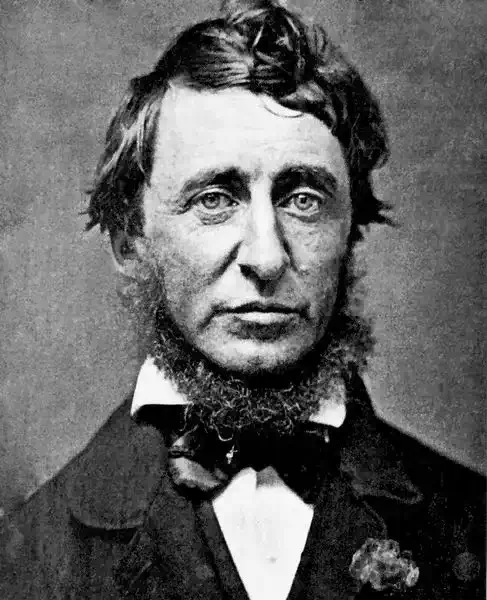
Henry David Thoreau
Winter Memories
Winter Memories
Within the circuit of this plodding life
There enter moments of an azure hue,
Untarnished fair as is the violet
Or anemone, when the spring stew them
By some meandering rivulet, which make
The best philosophy untrue that aims
But to console man for his grievences.
I have remembered when the winter came,
High in my chamber in the frosty nights,
When in the still light of the cheerful moon,
On the every twig and rail and jutting spout,
The icy spears were adding to their length
Against the arrows of the coming sun,
How in the shimmering noon of winter past
Some unrecorded beam slanted across
The upland pastures where the Johnwort grew;
Or heard, amid the verdure of my mind,
The bee's long smothered hum, on the blue flag
Loitering amidst the mead; or busy rill,
Which now through all its course stands still and dumb
Its own memorial, - purling at its play
Along the slopes, and through the meadows next,
Until its youthful sound was hushed at last
In the staid current of the lowland stream;
Or seen the furrows shine but late upturned,
And where the fieldfare followed in the rear,
When all the fields around lay bound and hoar
Beneath a thick integument of snow.
So by God's cheap economy made rich
To go upon my winter's task again.
Within the circuit of this plodding life
There enter moments of an azure hue,
Untarnished fair as is the violet
Or anemone, when the spring stew them
By some meandering rivulet, which make
The best philosophy untrue that aims
But to console man for his grievences.
I have remembered when the winter came,
High in my chamber in the frosty nights,
When in the still light of the cheerful moon,
On the every twig and rail and jutting spout,
The icy spears were adding to their length
Against the arrows of the coming sun,
How in the shimmering noon of winter past
Some unrecorded beam slanted across
The upland pastures where the Johnwort grew;
Or heard, amid the verdure of my mind,
The bee's long smothered hum, on the blue flag
Loitering amidst the mead; or busy rill,
Which now through all its course stands still and dumb
Its own memorial, - purling at its play
Along the slopes, and through the meadows next,
Until its youthful sound was hushed at last
In the staid current of the lowland stream;
Or seen the furrows shine but late upturned,
And where the fieldfare followed in the rear,
When all the fields around lay bound and hoar
Beneath a thick integument of snow.
So by God's cheap economy made rich
To go upon my winter's task again.
216
Henry David Thoreau
They Who Prepare My Evening Meal Below
They Who Prepare My Evening Meal Below
They who prepare my evening meal below
Carelessly hit the kettle as they go
With tongs or shovel,
And ringing round and round,
Out of this hovel
It makes an eastern temple by the sound.
At first I thought a cow bell right at hand
Mid birches sounded o'er the open land,
Where I plucked flowers
Many years ago,
Spending midsummer hours
With such secure delight they hardly seemed to flow.
They who prepare my evening meal below
Carelessly hit the kettle as they go
With tongs or shovel,
And ringing round and round,
Out of this hovel
It makes an eastern temple by the sound.
At first I thought a cow bell right at hand
Mid birches sounded o'er the open land,
Where I plucked flowers
Many years ago,
Spending midsummer hours
With such secure delight they hardly seemed to flow.
144

Gwendolyn Brooks
the vacant lot
the vacant lot
Mrs. Coley’s three-flat brick
Isn’t here any more.
All done with seeing her fat little form
Burst out of the basement door;
And with seeing her African son-in-law
(Rightful heir to the throne)
With his great white strong cold squares of teeth
And his little eyes of stone;
And with seeing the squat fat daughter
Letting in the men
When majesty has gone for the day—
And letting them out again.
Mrs. Coley’s three-flat brick
Isn’t here any more.
All done with seeing her fat little form
Burst out of the basement door;
And with seeing her African son-in-law
(Rightful heir to the throne)
With his great white strong cold squares of teeth
And his little eyes of stone;
And with seeing the squat fat daughter
Letting in the men
When majesty has gone for the day—
And letting them out again.
319
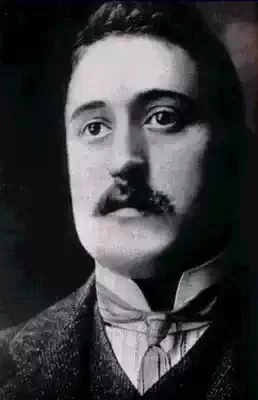
Guillaume Apollinaire
Vitam Impendere Amori
Vitam Impendere Amori
(Vitam Impendere Amori: To Threaten Life for Love)
Love is dead within your arms
Do you remember his encounter
He’s dead you restore the charms
He returns at your encounter
Another spring of springs gone past
I think of all its tenderness
Farewell season done at last
You’ll return as tenderly
****
In the evening light that’s faded
Where our several loves brush by
Your memory lies enchained
Far from our shades that die
O hands bound by memory
Burning like a funeral pyre
Where the last black Phoenix
Perfection comes to respire
Link by link the chain wears thin
Deriding us your memory
Flies ah hear it you who rail
I kneel again at your feet
****
You’ve not surprised my secret yet
Already the cortège moves on
But left to us is the regret
of there being no connivance none
The rose floats at the water’s edge
The maskers have passed by in crowds
It trembles in me like a bell
This heavy secret you ask now
****
Evening falls and in the garden
Women tell their histories
to Night that not without disdain
spills their dark hair’s mysteries
Little children little children
Your wings have flown away
But you rose that defend yourself
Throw your unrivalled scents away
For now’s the hour of petty theft
Of plumes of flowers and of tresses
Gather the fountain jets so free
Of whom the roses are mistresses
****
You descended through the water clear
I drowned my self so in your glance
The soldier passes she leans down
Turns and breaks away a branch
You float on nocturnal waves
The flame is my own heart reversed
Coloured as that comb’s tortoiseshell
The wave that bathes you mirrors well
****
O my abandoned youth is dead
Like a garland faded
Here the season comes again
Of suspicion and disdain
The landscape’s formed of canvasses
A false stream of blood flows down
And under the tree the stars glow fresh
The only passer by’s a clown
The glass in the frame has cracked
An air defined uncertainly
Hovers between sound and thought
Between ‘to be’ and memory
O my abandoned youth is dead
Like a garland faded
Here the season comes again
Of suspicion and disdain
(Vitam Impendere Amori: To Threaten Life for Love)
Love is dead within your arms
Do you remember his encounter
He’s dead you restore the charms
He returns at your encounter
Another spring of springs gone past
I think of all its tenderness
Farewell season done at last
You’ll return as tenderly
****
In the evening light that’s faded
Where our several loves brush by
Your memory lies enchained
Far from our shades that die
O hands bound by memory
Burning like a funeral pyre
Where the last black Phoenix
Perfection comes to respire
Link by link the chain wears thin
Deriding us your memory
Flies ah hear it you who rail
I kneel again at your feet
****
You’ve not surprised my secret yet
Already the cortège moves on
But left to us is the regret
of there being no connivance none
The rose floats at the water’s edge
The maskers have passed by in crowds
It trembles in me like a bell
This heavy secret you ask now
****
Evening falls and in the garden
Women tell their histories
to Night that not without disdain
spills their dark hair’s mysteries
Little children little children
Your wings have flown away
But you rose that defend yourself
Throw your unrivalled scents away
For now’s the hour of petty theft
Of plumes of flowers and of tresses
Gather the fountain jets so free
Of whom the roses are mistresses
****
You descended through the water clear
I drowned my self so in your glance
The soldier passes she leans down
Turns and breaks away a branch
You float on nocturnal waves
The flame is my own heart reversed
Coloured as that comb’s tortoiseshell
The wave that bathes you mirrors well
****
O my abandoned youth is dead
Like a garland faded
Here the season comes again
Of suspicion and disdain
The landscape’s formed of canvasses
A false stream of blood flows down
And under the tree the stars glow fresh
The only passer by’s a clown
The glass in the frame has cracked
An air defined uncertainly
Hovers between sound and thought
Between ‘to be’ and memory
O my abandoned youth is dead
Like a garland faded
Here the season comes again
Of suspicion and disdain
1,442
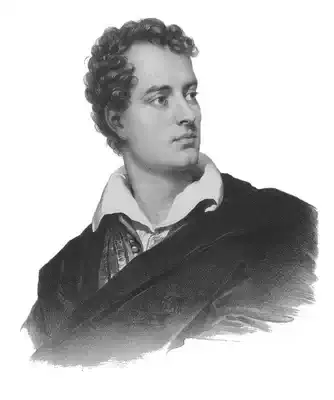
Lord Byron
When I Roved A Young Highlander
When I Roved A Young Highlander
When I roved a young Highlander o'er the dark heath,
And climb'd thy steep sumrnit, oh Morven of snow!
To gaze on the torrent that thunder'd beneath,
Or the mist of the tempest that gather'd below,
Untutor'd by science, a stranger to fear,
And rude as the rocks where my infancy grew,
No feeling, save one, to my bosom was dear
Need I say, my sweet Mary, 'twas centred in you?
Yet it could not be love, for I knew not the name,What
passion can dwell in the heart of a child?
But still I pereceive an emotion the same
As I felt, when a boy, on the crag cover'd wild:
One image alone on my bosom impress'd
I loved my bleak regions, nor panted for new;
And few were my wants, for my wishes were bless'd;
And pure were my thoughts, for my soul was with you.
I arose with the dawn; with my dog as my guide,
From mountain to mountain I bounded along
I breasted the billows of Dee's rushing tide,
And heard at a distance the Highlander's song:
At eve, on my heathcover'd
couch of repose,
No dreams, save of Mary, were spread to my view;
And warm to the skies my devotions aoose,
For the first of my prayers was a blessing on you.
I left my bleak home, and my visions are gone;
The mountains are vanish'd, my youth is no more;
As the last of my race, I must wither alone,
And delight but in days I have witness'd before:
Ah! splendour has raised but embitter'd my lot;
More dear were the scenes which my infancy knew:
Though my hopes may have fail'd, yet they are not forgot;
Though cold is my heart, still it lingers with you.
When I see some dark hill point its crest to the sky,
I think of the rocks that o'ershadow Colbleen
When I see the soft blue of a lovespeaking
eye
I think of those eyes that endear'd the rude scene;
When, haply, some lightwaving
locks I behold,
That faintly resemble my Mary's in hue,
I think on the long, flowing ringlets of gold,
The locks that were sacred to beauty, and you.
Yet the day may arrive when the mountains once more
Shall rise to my sight In their mantles of snow:
But while these soar above me, unchanged as before
Will Mary be there to receive me? ah,
no!
Adieu, then, ye hills, where my childhood was bred!
Thou sweet flowing Dee, to thy waters adieu!
No home in the forest shall shelter my head,
Ah! Mary, what home could be mine but with you?
When I roved a young Highlander o'er the dark heath,
And climb'd thy steep sumrnit, oh Morven of snow!
To gaze on the torrent that thunder'd beneath,
Or the mist of the tempest that gather'd below,
Untutor'd by science, a stranger to fear,
And rude as the rocks where my infancy grew,
No feeling, save one, to my bosom was dear
Need I say, my sweet Mary, 'twas centred in you?
Yet it could not be love, for I knew not the name,What
passion can dwell in the heart of a child?
But still I pereceive an emotion the same
As I felt, when a boy, on the crag cover'd wild:
One image alone on my bosom impress'd
I loved my bleak regions, nor panted for new;
And few were my wants, for my wishes were bless'd;
And pure were my thoughts, for my soul was with you.
I arose with the dawn; with my dog as my guide,
From mountain to mountain I bounded along
I breasted the billows of Dee's rushing tide,
And heard at a distance the Highlander's song:
At eve, on my heathcover'd
couch of repose,
No dreams, save of Mary, were spread to my view;
And warm to the skies my devotions aoose,
For the first of my prayers was a blessing on you.
I left my bleak home, and my visions are gone;
The mountains are vanish'd, my youth is no more;
As the last of my race, I must wither alone,
And delight but in days I have witness'd before:
Ah! splendour has raised but embitter'd my lot;
More dear were the scenes which my infancy knew:
Though my hopes may have fail'd, yet they are not forgot;
Though cold is my heart, still it lingers with you.
When I see some dark hill point its crest to the sky,
I think of the rocks that o'ershadow Colbleen
When I see the soft blue of a lovespeaking
eye
I think of those eyes that endear'd the rude scene;
When, haply, some lightwaving
locks I behold,
That faintly resemble my Mary's in hue,
I think on the long, flowing ringlets of gold,
The locks that were sacred to beauty, and you.
Yet the day may arrive when the mountains once more
Shall rise to my sight In their mantles of snow:
But while these soar above me, unchanged as before
Will Mary be there to receive me? ah,
no!
Adieu, then, ye hills, where my childhood was bred!
Thou sweet flowing Dee, to thy waters adieu!
No home in the forest shall shelter my head,
Ah! Mary, what home could be mine but with you?
670
Lord Byron
To The Earl Of Clare
To The Earl Of Clare
'Tu semper amoris
Sisd memor, etcari comitis ne abscedat imago'~Val Flac
Friend of my youth! when young we roved,
Like striplings mutually beloved,
With friendship's purest glow,
The bliss which wing'd those rosy hours
Was such as pleasure seldom showers
On mortals here below.
The recollectlon seems alone
Dearer than all the joys I've known,
When distant far from you:
Though pain, 'tis still a pleasing pain,
To trace those days and hours again,
And sigh again, adieu!
My pensive memory lingers o'er
Those scenes to be enjoy'd no more,
Those scenes regretted ever
The measure of our youth is full,
Life's evening dream is dark and dull,
And we rnay meet ah!
never!
As when one parent spring supplies
Two strearns which from one fountain rise
Together join'd in 'vain;
How soon' diverging from their source,
Each murmuring, seeks another course,
Till mingled in the main!
Our vital streams of weal or woe,
Though near, alas! distinctly flow,
Nor mingle as before:
Now swift or slow, now black or clear,
Till death's unfathom'd gulf appear,
And both shall quit the shore.
Our souls, my friend! which once supplied
One wish, nor breathed a thought beside,
Now flow in different channels:
Disdaining humbler rural sports,
'Tis yours to mix in polish'd courts,
And shine in fashion's annals
;'Tis mine to waste on love my time,
Or vent my reveries in rhyme,
Without the aid of reason;
For sense and reason (critics know it)
Have quitted every amorous poet,
Nor left a thought to seize on.
Poor LITTLE! sweet, melodlous bard!
Of late esteem'd it monstrous hard
That he, who sang before all,He
who the lore of love expanded,By
dire reviewers should be branded
As void of wit and moral.
And yet, while Beauty's praise is thine,
Harmonious favourite of the nine,
Repine not at thy lot.
Thy soothing lays may still be read,
When Persecution's arm is dead,
And critics are forgot.
Still I must yield those worthies merit,
Who chasten, with unsparing spirit,
Bad rhymes, and those who write them;
And though myself may be the next
By criticism to be vext,
I really will not fight them.
Perhaps they wouid do quite as well
To break the rudely sounding shell
Of such a young beginner:
He who offends at pert nineteen,
Ere thirty may become, I ween,
A very harden'd sinner.
Now, Clare, I must return to you;
And, sure, apologies are due:
Accept, then, my concession
In truth dear Clare, in fancy's flight
I soar along from left to right;
My muse admires digression
I think I said 'twould he your fate
To add one star to royal state;May
regal smiles attend you!
And should a noble monarch reign,
You will not seek his smiles in vain,
If worth can recommend you.
Yet since in danger courts abound,
Where specious rivals glitter round,
From snares may saints preserve you;
And grant your love or friendship ne'er
From any claim a kindred care,
But those who best deserve you!
Not for a moment may you stray
From truth's secure, unerring way!
May no delights decoy!
O'er roses may your footsteps move,
Your smiles be ever smiles of love,
Your tears be tears of joy!
Oh! if you wish that happiness
Your coming days and years may bless,
And virtues crown your brow;
Be still as you were wont to be,
Spotless as you've been known to me,Be
still as you are now.
And though some trifling share of praise,
To cheer my last declining days,
To me were doubly dear;
Whilst blessing your beloved name
I'd waive at once a poet's fame,
To prove a prophet here.
'Tu semper amoris
Sisd memor, etcari comitis ne abscedat imago'~Val Flac
Friend of my youth! when young we roved,
Like striplings mutually beloved,
With friendship's purest glow,
The bliss which wing'd those rosy hours
Was such as pleasure seldom showers
On mortals here below.
The recollectlon seems alone
Dearer than all the joys I've known,
When distant far from you:
Though pain, 'tis still a pleasing pain,
To trace those days and hours again,
And sigh again, adieu!
My pensive memory lingers o'er
Those scenes to be enjoy'd no more,
Those scenes regretted ever
The measure of our youth is full,
Life's evening dream is dark and dull,
And we rnay meet ah!
never!
As when one parent spring supplies
Two strearns which from one fountain rise
Together join'd in 'vain;
How soon' diverging from their source,
Each murmuring, seeks another course,
Till mingled in the main!
Our vital streams of weal or woe,
Though near, alas! distinctly flow,
Nor mingle as before:
Now swift or slow, now black or clear,
Till death's unfathom'd gulf appear,
And both shall quit the shore.
Our souls, my friend! which once supplied
One wish, nor breathed a thought beside,
Now flow in different channels:
Disdaining humbler rural sports,
'Tis yours to mix in polish'd courts,
And shine in fashion's annals
;'Tis mine to waste on love my time,
Or vent my reveries in rhyme,
Without the aid of reason;
For sense and reason (critics know it)
Have quitted every amorous poet,
Nor left a thought to seize on.
Poor LITTLE! sweet, melodlous bard!
Of late esteem'd it monstrous hard
That he, who sang before all,He
who the lore of love expanded,By
dire reviewers should be branded
As void of wit and moral.
And yet, while Beauty's praise is thine,
Harmonious favourite of the nine,
Repine not at thy lot.
Thy soothing lays may still be read,
When Persecution's arm is dead,
And critics are forgot.
Still I must yield those worthies merit,
Who chasten, with unsparing spirit,
Bad rhymes, and those who write them;
And though myself may be the next
By criticism to be vext,
I really will not fight them.
Perhaps they wouid do quite as well
To break the rudely sounding shell
Of such a young beginner:
He who offends at pert nineteen,
Ere thirty may become, I ween,
A very harden'd sinner.
Now, Clare, I must return to you;
And, sure, apologies are due:
Accept, then, my concession
In truth dear Clare, in fancy's flight
I soar along from left to right;
My muse admires digression
I think I said 'twould he your fate
To add one star to royal state;May
regal smiles attend you!
And should a noble monarch reign,
You will not seek his smiles in vain,
If worth can recommend you.
Yet since in danger courts abound,
Where specious rivals glitter round,
From snares may saints preserve you;
And grant your love or friendship ne'er
From any claim a kindred care,
But those who best deserve you!
Not for a moment may you stray
From truth's secure, unerring way!
May no delights decoy!
O'er roses may your footsteps move,
Your smiles be ever smiles of love,
Your tears be tears of joy!
Oh! if you wish that happiness
Your coming days and years may bless,
And virtues crown your brow;
Be still as you were wont to be,
Spotless as you've been known to me,Be
still as you are now.
And though some trifling share of praise,
To cheer my last declining days,
To me were doubly dear;
Whilst blessing your beloved name
I'd waive at once a poet's fame,
To prove a prophet here.
462
Lord Byron
To Emma
To Emma
Since now the hour is come at last,
When you must quit your anxious lover;
Since now our dream of bliss is past,
One pang, my girl, and all is over.
Alas! that pang will be severe,
Which bids us part to meet no more;
Which tears me far from one so dear,
Departing for a distant shore.
Well! we have pass'd some happy hours,
And joy will mingle with our tears;
When thinking on these ancient towers,
We shelter of our infant years;
Where from this Gothic casement's height,
We view's the lake, the park, the dell,
And still, though tears obstruct our sight,
We lingering look a last farewell,
O'er fields through which we used to run,
And spend the hours in childish play;
O'er shades where, when our race was done,
Reposing on my breast you lay;
Whilst I, admiring, too remiss,
Forgot to scare the hovering flies,
Yet envied every fly the kiss
It dared to give your slumbering eyes:
See still the little painted bark,
In which I row'd you o'er the lake;
See there, high waving o'er the park,
The elm I clamber'd for your sake.
These times are past — our joys are gone,
You leave me, leave this happy vale;
These scenes I must retrace alone:
Without thee what will they avail?
Who can conceive, who has not proved,
The anguish of a last embrace?
When, torn from all you fondly loved,
You bid a long adieu to peace.
This is the deepest of our woes,
For this these tears our cheeks bedew;
This is of love the final close,
Oh, God! the fondest, last adieu!
Since now the hour is come at last,
When you must quit your anxious lover;
Since now our dream of bliss is past,
One pang, my girl, and all is over.
Alas! that pang will be severe,
Which bids us part to meet no more;
Which tears me far from one so dear,
Departing for a distant shore.
Well! we have pass'd some happy hours,
And joy will mingle with our tears;
When thinking on these ancient towers,
We shelter of our infant years;
Where from this Gothic casement's height,
We view's the lake, the park, the dell,
And still, though tears obstruct our sight,
We lingering look a last farewell,
O'er fields through which we used to run,
And spend the hours in childish play;
O'er shades where, when our race was done,
Reposing on my breast you lay;
Whilst I, admiring, too remiss,
Forgot to scare the hovering flies,
Yet envied every fly the kiss
It dared to give your slumbering eyes:
See still the little painted bark,
In which I row'd you o'er the lake;
See there, high waving o'er the park,
The elm I clamber'd for your sake.
These times are past — our joys are gone,
You leave me, leave this happy vale;
These scenes I must retrace alone:
Without thee what will they avail?
Who can conceive, who has not proved,
The anguish of a last embrace?
When, torn from all you fondly loved,
You bid a long adieu to peace.
This is the deepest of our woes,
For this these tears our cheeks bedew;
This is of love the final close,
Oh, God! the fondest, last adieu!
497
Lord Byron
To Edward Noel Long, Esq.
To Edward Noel Long, Esq.
'Nil ego contulerim jucundo sanus amico.'~Horace.
Dear Long, in this sequester'd scene,
While all around in slumber lie,
The joyous days, which ours have been
Come rolling fresh on Fancy's eye;
Thus, if, amidst the gathering storm,
While clouds the darken'd noon deform,
Yon heaven assumes a varied glow,
I hail the sky's celestial bow,
Which spreads the sign of future peace,
And bids the war of tempests cease.
Ah! though the present brings but pain,
I think those days may come again;
Or if, in melancholy mood,
Some lurking envious fear intrude,
To check my bosom's fondest thought,
And interrupt the golden dream
I crush the fiend with malice fraught,
And, still, indulge my wonted theme.
Although we ne'er again can trace,
In Granta's vale, the pedant's lore,
Nor through the groves of Ida chace
Our raptured visions, as before;
Though Youth has flown on rosy pinion,
And Manhood claims his stern dominion,
Age will not every hope destroy,
But yields some hours of sober joy.
Yes, I will hope that Time's broad wing
Will shed around some dews of spring:
But, if his scythe must sweep the flowers
Which bloom among the fairy bowers,
Where smiling Youth delights to dwell,
And hearts with early rapture swell;
In frowning Age, with cold control,
Confines the current of the soul,
Congeals the tear of Pity's eye,
Or checks the sympathetic sigh,
Or hears, unmov'd, Misfortune's groan,
And bids me feel for self alone;
Oh! may my bosom never learn
To soothe its wonted heedless flow;
Still may I rove untutor'd, wild,
But ne'er forget another's woe.
Yes, as you knew me in the days
O'er which Remembrance yet delays
And even in age, at heart a child.
Though, now, on airy visions borne,
To you my soul is still the same.
Oft has it ben my fate to mourn,
And all my former joys are tame:
But, hence! ye hours of sabl hue!
Your frowns are gone, my sorrows o'er:
By every bliss my childhood knew,
I'll think upon your shade no more.
Thus, when the whirlwind's rage is past,
And caves their sullen roar enclose,
We heed no more the wintery blast,
When lull'd by zephyr to repose.
Full often has my infant Muse
Attun'd to love her languid lyre;
But, now, without a theme to choose,
The strains in stolen sighs expire.
My youthful nymps, alas! are flown;
E — is a wife, and C — a mother,
And Carolina sighs alone,
And Mary's given to another;
And Cora's eye, which roll'd on me,
Can now no more my love recall In
truth, dear LONG, 'twas time to flee For
Cora's eye will shine on all.
And though the Sun, with genial rays,
His beams aike to all displays,
And every lady's eye's a sun,
These last should be confin'd to one.
The souls' meridian don't become her,
Whose sun desplays a general summer!
Thus faint is every former flame,
And Passion's self is now a name;
As, when the ebbing flames are low,
The aid which once improv'd their light,
And bade them burn with fiercer glow,
Now quenches all their sparks in night;
Thus has it been with Passion's fires,
As many a boy and girl remembers,
While all the force of love expires,
Extinguish'd with the dying embers.
But now, dear LONG, 'tis midnight's noon,
And clouds obscure the watery moon,
Whose beauties I shall not rehearse,
Describ'd in every stripling's verse;
For why should I the path go o'er
Which every bard has trod before?
Yet ere yon silver lamp of night
Has thrice perform'd her stated round,
Has thrice retraced her path of light,
And chased away the gloom profound,
I trust that we, my gentle Friend,
Shall see her rolling orbit wend,
Above the dearloved
peaceful seat,
Which once contain'd our youth's retreat;
And then, with those our childhood knew,
We'll mingle in the festive crew;
While many a tale of former day
Shall wing the laughing hours away;
And all the flow of souls shall pour
Tha sacred intellectual shower,
Nor cease, till Luna's waning horn
Scarce glimmers through the mist of Morn.
'Nil ego contulerim jucundo sanus amico.'~Horace.
Dear Long, in this sequester'd scene,
While all around in slumber lie,
The joyous days, which ours have been
Come rolling fresh on Fancy's eye;
Thus, if, amidst the gathering storm,
While clouds the darken'd noon deform,
Yon heaven assumes a varied glow,
I hail the sky's celestial bow,
Which spreads the sign of future peace,
And bids the war of tempests cease.
Ah! though the present brings but pain,
I think those days may come again;
Or if, in melancholy mood,
Some lurking envious fear intrude,
To check my bosom's fondest thought,
And interrupt the golden dream
I crush the fiend with malice fraught,
And, still, indulge my wonted theme.
Although we ne'er again can trace,
In Granta's vale, the pedant's lore,
Nor through the groves of Ida chace
Our raptured visions, as before;
Though Youth has flown on rosy pinion,
And Manhood claims his stern dominion,
Age will not every hope destroy,
But yields some hours of sober joy.
Yes, I will hope that Time's broad wing
Will shed around some dews of spring:
But, if his scythe must sweep the flowers
Which bloom among the fairy bowers,
Where smiling Youth delights to dwell,
And hearts with early rapture swell;
In frowning Age, with cold control,
Confines the current of the soul,
Congeals the tear of Pity's eye,
Or checks the sympathetic sigh,
Or hears, unmov'd, Misfortune's groan,
And bids me feel for self alone;
Oh! may my bosom never learn
To soothe its wonted heedless flow;
Still may I rove untutor'd, wild,
But ne'er forget another's woe.
Yes, as you knew me in the days
O'er which Remembrance yet delays
And even in age, at heart a child.
Though, now, on airy visions borne,
To you my soul is still the same.
Oft has it ben my fate to mourn,
And all my former joys are tame:
But, hence! ye hours of sabl hue!
Your frowns are gone, my sorrows o'er:
By every bliss my childhood knew,
I'll think upon your shade no more.
Thus, when the whirlwind's rage is past,
And caves their sullen roar enclose,
We heed no more the wintery blast,
When lull'd by zephyr to repose.
Full often has my infant Muse
Attun'd to love her languid lyre;
But, now, without a theme to choose,
The strains in stolen sighs expire.
My youthful nymps, alas! are flown;
E — is a wife, and C — a mother,
And Carolina sighs alone,
And Mary's given to another;
And Cora's eye, which roll'd on me,
Can now no more my love recall In
truth, dear LONG, 'twas time to flee For
Cora's eye will shine on all.
And though the Sun, with genial rays,
His beams aike to all displays,
And every lady's eye's a sun,
These last should be confin'd to one.
The souls' meridian don't become her,
Whose sun desplays a general summer!
Thus faint is every former flame,
And Passion's self is now a name;
As, when the ebbing flames are low,
The aid which once improv'd their light,
And bade them burn with fiercer glow,
Now quenches all their sparks in night;
Thus has it been with Passion's fires,
As many a boy and girl remembers,
While all the force of love expires,
Extinguish'd with the dying embers.
But now, dear LONG, 'tis midnight's noon,
And clouds obscure the watery moon,
Whose beauties I shall not rehearse,
Describ'd in every stripling's verse;
For why should I the path go o'er
Which every bard has trod before?
Yet ere yon silver lamp of night
Has thrice perform'd her stated round,
Has thrice retraced her path of light,
And chased away the gloom profound,
I trust that we, my gentle Friend,
Shall see her rolling orbit wend,
Above the dearloved
peaceful seat,
Which once contain'd our youth's retreat;
And then, with those our childhood knew,
We'll mingle in the festive crew;
While many a tale of former day
Shall wing the laughing hours away;
And all the flow of souls shall pour
Tha sacred intellectual shower,
Nor cease, till Luna's waning horn
Scarce glimmers through the mist of Morn.
525
Lord Byron
To An Oak At Newstead
To An Oak At Newstead
Young Oak! when I planted thee deep in the ground,
I hoped that thy days would be longer than mine;
That thy dark‑waving branches would flourish around,
And ivy thy trunk with its mantle entwine.
Such, such was my hope, when in infancy's
On the land of my fathers I rear'd thee with pride;
They are past, and I water thy stem with my tears,
Thy decay not the weeds that surround thee can hide.
I left thee, my Oak, and, since that fatal hour,
A stranger has dwelt in the hall of my sire;
Till manhood shall crown me, not mine is the power,
But his, whose neglect may have bade thee expire.
Oh! hardy thou wenteven
now little care
Might revive thy young head, and thy wounds gently heal:
But thou went not fated affection to shareFor
who could suppose that a stranger would feel!
Ah, droop not, my Oak! lift thy head for a while;
Ere twice round yon Glory this planet shall run,
The hand of thy Master will teach thee to smile,
When Infancy's years of probation are done.
Oh, live then, my Oak! tow'r aloft from the weeds,
That clog thy young growth, and assist thy decay,
For still in thy bosom are life's early seeds,
And still may thy branches their beauty display.
Oh! yet, if maturity's years may be thine,
Though I shall lie low in the cavern of death,
On thy leaves yet the day‑beam of ages may shine,
Uninjured by time, or the rude winter's breath.
For centuries still may thy boughs lightly wave
O'er the Gorse of thy lord in thy canopy laid;
While the branches thus gratefully shelter his grave,
The chief who survives may recline in thy shade.
And as he, with his boys, shall revisit this spot,
He will tell them is whispers more softly to tread.
Oh! surely, by these I shall ne'er be forgot;
Remembrance still hallows the dust of the dead.
And here, will they say, when in life's glowing prime,
Perhaps he has pour'd forth his young simple lay,
And here must he sleep, till the moments of time
Are lost in the hours of Eternity's day.
Young Oak! when I planted thee deep in the ground,
I hoped that thy days would be longer than mine;
That thy dark‑waving branches would flourish around,
And ivy thy trunk with its mantle entwine.
Such, such was my hope, when in infancy's
On the land of my fathers I rear'd thee with pride;
They are past, and I water thy stem with my tears,
Thy decay not the weeds that surround thee can hide.
I left thee, my Oak, and, since that fatal hour,
A stranger has dwelt in the hall of my sire;
Till manhood shall crown me, not mine is the power,
But his, whose neglect may have bade thee expire.
Oh! hardy thou wenteven
now little care
Might revive thy young head, and thy wounds gently heal:
But thou went not fated affection to shareFor
who could suppose that a stranger would feel!
Ah, droop not, my Oak! lift thy head for a while;
Ere twice round yon Glory this planet shall run,
The hand of thy Master will teach thee to smile,
When Infancy's years of probation are done.
Oh, live then, my Oak! tow'r aloft from the weeds,
That clog thy young growth, and assist thy decay,
For still in thy bosom are life's early seeds,
And still may thy branches their beauty display.
Oh! yet, if maturity's years may be thine,
Though I shall lie low in the cavern of death,
On thy leaves yet the day‑beam of ages may shine,
Uninjured by time, or the rude winter's breath.
For centuries still may thy boughs lightly wave
O'er the Gorse of thy lord in thy canopy laid;
While the branches thus gratefully shelter his grave,
The chief who survives may recline in thy shade.
And as he, with his boys, shall revisit this spot,
He will tell them is whispers more softly to tread.
Oh! surely, by these I shall ne'er be forgot;
Remembrance still hallows the dust of the dead.
And here, will they say, when in life's glowing prime,
Perhaps he has pour'd forth his young simple lay,
And here must he sleep, till the moments of time
Are lost in the hours of Eternity's day.
541
Lord Byron
To A Lady, Who Presented The Author With The Velvet Band Which Bound Her
To A Lady, Who Presented The Author With The Velvet Band Which Bound Her
Tresses
This Band, which bound thy yellow hair,
Is mine, sweet girl! Thy pledge of love;
It claims my warmest, dearest care,
Like relics left of saints above.
Oh! I will wear it next my heart;
'Twill blind my soul in bonds to thee;
From me again 't will ne'er depart,
But mingle in the grave with me.
The dew I gather from thy lip
Is not so dear to me as this;
That I but for a moment sip,
And banquet on a transient bliss:
This will recall each youthful scene,
E'en when our lives are on the wane;
The leaves of Love will still be green
When Memory bids them bud again.
Oh! little lock of golden hue,
In gently waving ringlet curl'd
By the dear head on which you grow,
I would not lose you for a world.
Not though a thousand more adorn
The polish'd brow where once you shone,
Like rays which gild a cloudless morn,
Beneath Columbia's fervid zone.
Tresses
This Band, which bound thy yellow hair,
Is mine, sweet girl! Thy pledge of love;
It claims my warmest, dearest care,
Like relics left of saints above.
Oh! I will wear it next my heart;
'Twill blind my soul in bonds to thee;
From me again 't will ne'er depart,
But mingle in the grave with me.
The dew I gather from thy lip
Is not so dear to me as this;
That I but for a moment sip,
And banquet on a transient bliss:
This will recall each youthful scene,
E'en when our lives are on the wane;
The leaves of Love will still be green
When Memory bids them bud again.
Oh! little lock of golden hue,
In gently waving ringlet curl'd
By the dear head on which you grow,
I would not lose you for a world.
Not though a thousand more adorn
The polish'd brow where once you shone,
Like rays which gild a cloudless morn,
Beneath Columbia's fervid zone.
485
Lord Byron
The Adieu
The Adieu
Written Under The Impression That The Author Would Soon Die.
Adieu, thou Hill! where early joy
Spread roses o'er my brow;
Where Science seeks each loitering boy
With knowledge to endow.
Adieu, my youthful friends or foes,
Partners of former bliss or woes;
No more through Ida's paths we stray;
Soon must I share the gloomy cell,
Whose ever‑slumbering inmates dwell
Unconscious of the day.
Adieu, ye hoary Regal Fanes,
Ye spires of Granta's vale,
Where Learning robed in sable reigns,
And Melancholy pale.
Ye comrades of the jovial hour,
Ye tenants of the classic bower,
On Cama's verdant margin placed,
Adieu! while memory still is mine,
For, offerings on Oblivion's shrine,
These scenes must be effaced.
Adieu, ye mountains of the clime
Where grew my youthful years;
Where Loch na Garr in snows sublime
His giant summit rears.
Why did my childhood wander forth
From you, ye regions of the North,
With sons of pride to roam?
Why did I quit my Highland cave,
Mar's dusky heath, and Dee's clear wave,
To seek a Sotheron home!
Hall of my Sires! a long farewellYet
why to thee adieu?
Thy vaults will echo back my knell,
Thy towers my tomb will view:
The faltering tongue which sung thy fall,
And former glories of thy Hall,
Forgets its wonted simple noteBut
yet the Lyre retains the strings,
And sometimes, on Æolian wings,
In dying strains may float.
Fields which surround yon rustic cot,
While yet I linger here,
Adieu! you are not now forgot,
To retrospection dear.
Streamlet! along whose rippling surge
My youthful limbs were wont to urge,
At noontide heat, their pliant course;
Plunging with ardour from the shore,
Thy springs will lave these limbs no more,
Deprived of active force.
And shall I here forget the scene,
Still nearest to my breast?
Rocks rise and rivers roll between
The spot which passion blest;
Yet, Mary, all thy beauties seem
Fresh as in Love's bewitching dream,
To me in smiles display'd;
Till slow disease resigns his prey
To Death, the parent of decay,
Thine image cannot fade.
And thou, my Friend! whose gentle love
Yet thrills my bosom's chords,
How much thy friendship was above
Description's power of words!
Still near my breast thy gift I wear
Which sparkled once with Feeling's tear,
Of Love the pure, the sacred gem;
Our souls were equal, and our lot
In that dear moment quite forgot;
Let Pride alone condemn!
All, all is dark and cheerless now!
No smile of Love's deceit
Can warm my veins with wonted glow,
Can bid Life's pulses beat:
Not e'en the hope of future fame
Can wake my faint, exhausted frame,
Or crown with fancied wreaths my head.
Mine is a short inglorious race,To
humble in the dust my face,
And mingle with the dead.
Oh Fame! thou goddess of my heart;
On him who gains thy praise,
Pointless must fall the Spectre's dart,
Consumed in Glory's blaze;
But me she beckons from the earth,
My name obscure, unmark'd my birth,
My life a short and vulgar dream:
Lost in the dull, ignoble crowd,
My hopes recline within a shroud,
My fate is Lathe's stream.
When I repose beneath the sod,
Unheeded in the clay,
Where once my playful footsteps trod,
Where now my head must lay,
The weed of Pity will be shed
In dewdrops
o'er my narrow bed,
By nightly skies, and storms alone;
No mortal eye will deign to steep
With tears the dark sepulchral deep
Which hides a name unknown.
Forget this world, my restless sprite,
Turn, turn thy thoughts to Heaven:
There must thou soon direct thy flight,
If errors are forgiven.
To bigots and to sects unknown,
Bow down beneath the Almighty's Throne;
To Him address thy trembling prayer:
He, who is merciful and just,
Will not reject a child of dust,
Although his meanest care.
Father of Light! to Thee I call;
My soul is dark within:
Thou who canst mark the sparrow's fall,
Avert the death of sin.
Thou, who canst guide the wandering star,
Who calm'st the elemental war,
Whose mantle is yon boundless sky,
My thoughts, my words, my crimes forgive:
And, since I soon must cease to live,
Instruct me how to die.
Written Under The Impression That The Author Would Soon Die.
Adieu, thou Hill! where early joy
Spread roses o'er my brow;
Where Science seeks each loitering boy
With knowledge to endow.
Adieu, my youthful friends or foes,
Partners of former bliss or woes;
No more through Ida's paths we stray;
Soon must I share the gloomy cell,
Whose ever‑slumbering inmates dwell
Unconscious of the day.
Adieu, ye hoary Regal Fanes,
Ye spires of Granta's vale,
Where Learning robed in sable reigns,
And Melancholy pale.
Ye comrades of the jovial hour,
Ye tenants of the classic bower,
On Cama's verdant margin placed,
Adieu! while memory still is mine,
For, offerings on Oblivion's shrine,
These scenes must be effaced.
Adieu, ye mountains of the clime
Where grew my youthful years;
Where Loch na Garr in snows sublime
His giant summit rears.
Why did my childhood wander forth
From you, ye regions of the North,
With sons of pride to roam?
Why did I quit my Highland cave,
Mar's dusky heath, and Dee's clear wave,
To seek a Sotheron home!
Hall of my Sires! a long farewellYet
why to thee adieu?
Thy vaults will echo back my knell,
Thy towers my tomb will view:
The faltering tongue which sung thy fall,
And former glories of thy Hall,
Forgets its wonted simple noteBut
yet the Lyre retains the strings,
And sometimes, on Æolian wings,
In dying strains may float.
Fields which surround yon rustic cot,
While yet I linger here,
Adieu! you are not now forgot,
To retrospection dear.
Streamlet! along whose rippling surge
My youthful limbs were wont to urge,
At noontide heat, their pliant course;
Plunging with ardour from the shore,
Thy springs will lave these limbs no more,
Deprived of active force.
And shall I here forget the scene,
Still nearest to my breast?
Rocks rise and rivers roll between
The spot which passion blest;
Yet, Mary, all thy beauties seem
Fresh as in Love's bewitching dream,
To me in smiles display'd;
Till slow disease resigns his prey
To Death, the parent of decay,
Thine image cannot fade.
And thou, my Friend! whose gentle love
Yet thrills my bosom's chords,
How much thy friendship was above
Description's power of words!
Still near my breast thy gift I wear
Which sparkled once with Feeling's tear,
Of Love the pure, the sacred gem;
Our souls were equal, and our lot
In that dear moment quite forgot;
Let Pride alone condemn!
All, all is dark and cheerless now!
No smile of Love's deceit
Can warm my veins with wonted glow,
Can bid Life's pulses beat:
Not e'en the hope of future fame
Can wake my faint, exhausted frame,
Or crown with fancied wreaths my head.
Mine is a short inglorious race,To
humble in the dust my face,
And mingle with the dead.
Oh Fame! thou goddess of my heart;
On him who gains thy praise,
Pointless must fall the Spectre's dart,
Consumed in Glory's blaze;
But me she beckons from the earth,
My name obscure, unmark'd my birth,
My life a short and vulgar dream:
Lost in the dull, ignoble crowd,
My hopes recline within a shroud,
My fate is Lathe's stream.
When I repose beneath the sod,
Unheeded in the clay,
Where once my playful footsteps trod,
Where now my head must lay,
The weed of Pity will be shed
In dewdrops
o'er my narrow bed,
By nightly skies, and storms alone;
No mortal eye will deign to steep
With tears the dark sepulchral deep
Which hides a name unknown.
Forget this world, my restless sprite,
Turn, turn thy thoughts to Heaven:
There must thou soon direct thy flight,
If errors are forgiven.
To bigots and to sects unknown,
Bow down beneath the Almighty's Throne;
To Him address thy trembling prayer:
He, who is merciful and just,
Will not reject a child of dust,
Although his meanest care.
Father of Light! to Thee I call;
My soul is dark within:
Thou who canst mark the sparrow's fall,
Avert the death of sin.
Thou, who canst guide the wandering star,
Who calm'st the elemental war,
Whose mantle is yon boundless sky,
My thoughts, my words, my crimes forgive:
And, since I soon must cease to live,
Instruct me how to die.
495
Lord Byron
Remind Me Not, Remind Me Not
Remind Me Not, Remind Me Not
Remind me not, remind me not,
Of those beloved, those vanish'd hours,
When all my soul was given to thee;
Hours that may never be forgot,
Till Time unnerves our vital powers,
And thou and I shall cease to be.
Can I forgetcanst
thou forget,
When playing with thy golden hair,
How quick thy fluttering heart did move?
Oh! by my soul, I see thee yet,
With eyes so languid, breast so fair,
And lips, though silent, breathing love.
When thus reclining on my breast,
Those eyes threw back a glance so sweet,
As half reproach'd yet rais'd desire,
And still we near and nearer prest,
And still our glowing lips would meet,
As if in kisses to expire.
And then those pensive eyes would close,
And bid their lids each other seek,
Veiling the azure orbs below;
While their long lashes' darken'd gloss
Seem'd stealing o'er thy brilliant cheek,
Like raven's plumage smooth'd on snow.
I dreamt last night our love return'd,
And, sooth to say, that very dream
Was sweeter in its phantasy,
Than if for other hearts I burn'd,
For eyes that ne'er like thine could beam
In Rapture's wild reality.
Then tell me not, remind me not,
Of hours which, though for ever gone,
Can still a pleasing dream restore,
Till Thou and I shall be forgot,
And senseless, as the mouldering stone
Which tells that we shall be no more.
Remind me not, remind me not,
Of those beloved, those vanish'd hours,
When all my soul was given to thee;
Hours that may never be forgot,
Till Time unnerves our vital powers,
And thou and I shall cease to be.
Can I forgetcanst
thou forget,
When playing with thy golden hair,
How quick thy fluttering heart did move?
Oh! by my soul, I see thee yet,
With eyes so languid, breast so fair,
And lips, though silent, breathing love.
When thus reclining on my breast,
Those eyes threw back a glance so sweet,
As half reproach'd yet rais'd desire,
And still we near and nearer prest,
And still our glowing lips would meet,
As if in kisses to expire.
And then those pensive eyes would close,
And bid their lids each other seek,
Veiling the azure orbs below;
While their long lashes' darken'd gloss
Seem'd stealing o'er thy brilliant cheek,
Like raven's plumage smooth'd on snow.
I dreamt last night our love return'd,
And, sooth to say, that very dream
Was sweeter in its phantasy,
Than if for other hearts I burn'd,
For eyes that ne'er like thine could beam
In Rapture's wild reality.
Then tell me not, remind me not,
Of hours which, though for ever gone,
Can still a pleasing dream restore,
Till Thou and I shall be forgot,
And senseless, as the mouldering stone
Which tells that we shall be no more.
499
Lord Byron
Monody On The Death Of The Right Hon. R. B. Sheridan
Monody On The Death Of The Right Hon. R. B. Sheridan
When the last sunshine of expiring day
In summer's twilight weeps itself away,
Who hath not felt the softness of the hour
Sink on the heart, as dew along the flower?
With a pure feeling which absorbs and awes
While Nature makes that melancholy pause,
Her breathing moment on the bridge where Time
Of light and darkness forms an arch sublime,
Who hath not shared that calm, so still and deep,
The voiceless thought which would not speak but weep,
A holy concord, and a bright regret,
A glorious sympathy with suns that set?
'Tis not harsh sorrow, but a tenderer woe,
Nameless, but dear to gentle hearts below,
Felt without bitterness, but full and clear,
A sweet dejection, a transparent tear,
Unmix'd with worldly grief or selfish stain,
Shed without shame, and secret without pain.
Even as the tenderness that hour instils
When Summer's day declines along the hills.
So feels the fulness of our heart and eyes
When all of Genius which can perish dies.
A mighty Spirit is eclipsed a
Power
Hath pass'd from day to darkness to
whose hour
Of light no likeness is bequeath'd no
name,
Focus at once of all the rays of Fame!
The flash of Wit, the bright Intelligence,
The beam of Song, the blaze of Eloquence,
Set with their Sun, but still have left behind
The enduring produce of immortal Mind;
Fruits of a genial morn, and glorious noon,
A deathless part of him who died too soon.
But small that portion of the wondrous whole,
These sparkling segments of that circling soul,
Which all embraced, and lighten'd over all,
To cheer, to pierce, to please, or to appal.
From the charm'd council to the festive board,
Of human feelings the unbounded lord;
In whose acclaim the loftiest voices vied,
The praised, the proud, who made his praise their pride.
When the loud cry of trampled Hindostan
Arose to Heaven in her appeal from man,
His was the thunder, his the avenging rod,
The wrath the
delegated voice of God!
Which shook the nations through his lips, and blazed
Till vanquish 'd senates trembled as they praised.
And here, oh! here, where yet all young and warm,
The gay creations of is spirit charm,
The matchless dialogue, the deathless wit,
Which knew not what it was to intermit;
The glowing portraits, fresh from life, that bring
Home to our hearts the truth from which they spring;
These wondrous beings of his fancy, wrought
To fulness by the fiat of his thought,
Here in their first abode you still may meet,
Bright with the hues of his Promethean heat;
A halo of the light of other days,
Which still the splendour of its orb betrays.
But should there be to whom the fatal blight
Of failing Wisdom yields a base delight,
Men who exult when minds of heavenly tone
Jar in the music which was born their own,
Still let them pause ah!
little do they know
That what to them seem'd Vice might be but Woo.
Hard is his fate on whom the public gaze
Is fix'd for ever to detract or praise;
Repose denies her requiem to his name,
And Folly loves the martyrdom of Fame.
The secret enemy whose sleepless eye
Stands sentinel, accuser, judge, and spy,
The foe, the fool, the jealous, and the vain,
The envious who but breathe in others' pain,
Behold the host! delighting to deprave,
Who track the steps of Glory to the grave,
Watch every fault that daring Genius owes
Half to the ardour which its birth bestows,
Distort the troth, accumulate the lie,
And pile the pyramid of Calumny!
These are his portion but
if join'd to these
Gaunt Poverty should league with deep Disease,
If the high Spirit must forget to soar,
And stoop to strive with Misery at the door,
To soothe Indignity and
face to face
Meet sordid Rage, and wrestle with Disgrace,
To find in Hope but the renew'd caress,
The serpentfold
of further Faithlessness:If
such may be the ills which men assail,
What marvel if at last the mightiest fail?
Breasts to whom all the strength of feeling given
Bear hearts electriccharged
with fire from Heaven,
Black with the rude collision inly torn,
By clouds surrounded, and on whirlwinds
borne,
Driven o'er the lowering atmosphere that nurst
Thoughts which have turn'd to thunderscorch, and burst.
But far from us and from our mimic scene
Such things should be if
such have ever been
Ours be the gentler wish, the kinder task,
To give the tribute Glory need not ask,
To mourn the vanish'd beam, and add our mite
Of praise in payment of a long delight.
Ye Orators! whom yet our councils yield,
Mourn for the veteran Hero of your field!
The worthy rival of the wondrous Three!
Whose words were sparks of Immortality!
Ye Bards! to whom the Drama's muse is dear,
He was your Masteremulate
him her!
Ye men of wit and social eloquence!
He was your brother bear
his ashes hence!
While Powers of mind almost of boundless range,
Complete in kind, as various in their change,
While Eloquence, Wit, Poesy, and Mirth,
That humbler Harmonist of care on Earth,
Survive within our souls while
lives our sense
Of pride in Merit's proud preeminence,
Long shall we seek his likeness, long in vain,
And turn to all of him which may remain,
Sighing that nature form'd but one such man,
And broke the die in
moulding Sheridan!
When the last sunshine of expiring day
In summer's twilight weeps itself away,
Who hath not felt the softness of the hour
Sink on the heart, as dew along the flower?
With a pure feeling which absorbs and awes
While Nature makes that melancholy pause,
Her breathing moment on the bridge where Time
Of light and darkness forms an arch sublime,
Who hath not shared that calm, so still and deep,
The voiceless thought which would not speak but weep,
A holy concord, and a bright regret,
A glorious sympathy with suns that set?
'Tis not harsh sorrow, but a tenderer woe,
Nameless, but dear to gentle hearts below,
Felt without bitterness, but full and clear,
A sweet dejection, a transparent tear,
Unmix'd with worldly grief or selfish stain,
Shed without shame, and secret without pain.
Even as the tenderness that hour instils
When Summer's day declines along the hills.
So feels the fulness of our heart and eyes
When all of Genius which can perish dies.
A mighty Spirit is eclipsed a
Power
Hath pass'd from day to darkness to
whose hour
Of light no likeness is bequeath'd no
name,
Focus at once of all the rays of Fame!
The flash of Wit, the bright Intelligence,
The beam of Song, the blaze of Eloquence,
Set with their Sun, but still have left behind
The enduring produce of immortal Mind;
Fruits of a genial morn, and glorious noon,
A deathless part of him who died too soon.
But small that portion of the wondrous whole,
These sparkling segments of that circling soul,
Which all embraced, and lighten'd over all,
To cheer, to pierce, to please, or to appal.
From the charm'd council to the festive board,
Of human feelings the unbounded lord;
In whose acclaim the loftiest voices vied,
The praised, the proud, who made his praise their pride.
When the loud cry of trampled Hindostan
Arose to Heaven in her appeal from man,
His was the thunder, his the avenging rod,
The wrath the
delegated voice of God!
Which shook the nations through his lips, and blazed
Till vanquish 'd senates trembled as they praised.
And here, oh! here, where yet all young and warm,
The gay creations of is spirit charm,
The matchless dialogue, the deathless wit,
Which knew not what it was to intermit;
The glowing portraits, fresh from life, that bring
Home to our hearts the truth from which they spring;
These wondrous beings of his fancy, wrought
To fulness by the fiat of his thought,
Here in their first abode you still may meet,
Bright with the hues of his Promethean heat;
A halo of the light of other days,
Which still the splendour of its orb betrays.
But should there be to whom the fatal blight
Of failing Wisdom yields a base delight,
Men who exult when minds of heavenly tone
Jar in the music which was born their own,
Still let them pause ah!
little do they know
That what to them seem'd Vice might be but Woo.
Hard is his fate on whom the public gaze
Is fix'd for ever to detract or praise;
Repose denies her requiem to his name,
And Folly loves the martyrdom of Fame.
The secret enemy whose sleepless eye
Stands sentinel, accuser, judge, and spy,
The foe, the fool, the jealous, and the vain,
The envious who but breathe in others' pain,
Behold the host! delighting to deprave,
Who track the steps of Glory to the grave,
Watch every fault that daring Genius owes
Half to the ardour which its birth bestows,
Distort the troth, accumulate the lie,
And pile the pyramid of Calumny!
These are his portion but
if join'd to these
Gaunt Poverty should league with deep Disease,
If the high Spirit must forget to soar,
And stoop to strive with Misery at the door,
To soothe Indignity and
face to face
Meet sordid Rage, and wrestle with Disgrace,
To find in Hope but the renew'd caress,
The serpentfold
of further Faithlessness:If
such may be the ills which men assail,
What marvel if at last the mightiest fail?
Breasts to whom all the strength of feeling given
Bear hearts electriccharged
with fire from Heaven,
Black with the rude collision inly torn,
By clouds surrounded, and on whirlwinds
borne,
Driven o'er the lowering atmosphere that nurst
Thoughts which have turn'd to thunderscorch, and burst.
But far from us and from our mimic scene
Such things should be if
such have ever been
Ours be the gentler wish, the kinder task,
To give the tribute Glory need not ask,
To mourn the vanish'd beam, and add our mite
Of praise in payment of a long delight.
Ye Orators! whom yet our councils yield,
Mourn for the veteran Hero of your field!
The worthy rival of the wondrous Three!
Whose words were sparks of Immortality!
Ye Bards! to whom the Drama's muse is dear,
He was your Masteremulate
him her!
Ye men of wit and social eloquence!
He was your brother bear
his ashes hence!
While Powers of mind almost of boundless range,
Complete in kind, as various in their change,
While Eloquence, Wit, Poesy, and Mirth,
That humbler Harmonist of care on Earth,
Survive within our souls while
lives our sense
Of pride in Merit's proud preeminence,
Long shall we seek his likeness, long in vain,
And turn to all of him which may remain,
Sighing that nature form'd but one such man,
And broke the die in
moulding Sheridan!
445
Lord Byron
Lines Written On A Blank Leaf Of 'The Pleasures Of Memory'
Lines Written On A Blank Leaf Of 'The Pleasures Of Memory'
Absent or present, still to thee,
My friend, what magic spells belong!
As all can tell, who share, like me,
In turn thy converse and thy song.
But when the dreaded hour shall come
By Friendship ever deem'd too nigh,
And `MEMORY' o'er her Druid's tomb
Shall weep that aught of thee can die,
How fondly will she then repay
Thy homage offer'd at her shrine, to
And blend, while ages roll away,
Her name immortally with thine!
April 19, 1812
Absent or present, still to thee,
My friend, what magic spells belong!
As all can tell, who share, like me,
In turn thy converse and thy song.
But when the dreaded hour shall come
By Friendship ever deem'd too nigh,
And `MEMORY' o'er her Druid's tomb
Shall weep that aught of thee can die,
How fondly will she then repay
Thy homage offer'd at her shrine, to
And blend, while ages roll away,
Her name immortally with thine!
April 19, 1812
315
Lord Byron
Lines Written Beneath An Elm In The Churchyard Of Harrow On The Hill, Sept.
Lines Written Beneath An Elm In The Churchyard Of Harrow On The Hill, Sept.
2, 1807
Spot of my youth! whose hoary branches sigh,
Swept by the breeze that fans thy cloudless sky;
Where now alone I muse, who oft have trod,
With those I loved, thy soft and verdant sod;
With those who, scattered far, perchance deplore,
Like me, the happy scenes they knew before:
Oh! as I trace again thy winding hill,
Mine eyes admire, my heart adores thee still,
Thou drooping Elm! beneath whose boughs I lay,
And frequent mused the twilight hours away;
Where, as they once were wont, my limbs recline,
But ah! without the thoughts which then were mine.
How do thy branches, moaning to the blast,
Invite the bosom to recall the past,
And seem to whisper, as the gently swell,
'Take, while thou canst, a lingering, last farewell!'
When fate shall chill, at length, this fevered breast,
And calm its cares and passions into rest,
Oft have I thought, 'twould soothe my dying hour,—
If aught may soothe when life resigns her power,—
To know some humbler grave, some narrow cell,
Would hide my bosom where it loved to dwell.
With this fond dream, methinks, 'twere sweet to die—
And here it lingered, here my heart might lie;
Here might I sleep, where all my hopes arose,
Scene of my youth, and couch of my repose;
For ever stretched beneath this mantling shade,
Pressed by the turf where once my childhood played;
Wrapped by the soil that veils the spot I loved,
Mixed with the earth o'er which my footsteps moved;
Blest by the tongues that charmed my youthful ear,
Mourned by the few my soul acknowledged here;
Deplored by those in early days allied,
And unremembered by the world beside.
2, 1807
Spot of my youth! whose hoary branches sigh,
Swept by the breeze that fans thy cloudless sky;
Where now alone I muse, who oft have trod,
With those I loved, thy soft and verdant sod;
With those who, scattered far, perchance deplore,
Like me, the happy scenes they knew before:
Oh! as I trace again thy winding hill,
Mine eyes admire, my heart adores thee still,
Thou drooping Elm! beneath whose boughs I lay,
And frequent mused the twilight hours away;
Where, as they once were wont, my limbs recline,
But ah! without the thoughts which then were mine.
How do thy branches, moaning to the blast,
Invite the bosom to recall the past,
And seem to whisper, as the gently swell,
'Take, while thou canst, a lingering, last farewell!'
When fate shall chill, at length, this fevered breast,
And calm its cares and passions into rest,
Oft have I thought, 'twould soothe my dying hour,—
If aught may soothe when life resigns her power,—
To know some humbler grave, some narrow cell,
Would hide my bosom where it loved to dwell.
With this fond dream, methinks, 'twere sweet to die—
And here it lingered, here my heart might lie;
Here might I sleep, where all my hopes arose,
Scene of my youth, and couch of my repose;
For ever stretched beneath this mantling shade,
Pressed by the turf where once my childhood played;
Wrapped by the soil that veils the spot I loved,
Mixed with the earth o'er which my footsteps moved;
Blest by the tongues that charmed my youthful ear,
Mourned by the few my soul acknowledged here;
Deplored by those in early days allied,
And unremembered by the world beside.
413
Lord Byron
Epistle To Augusta
Epistle To Augusta
I.
My sister! my sweet sister! if a name
Dearer and purer were, it should be thine;
Mountains and seas divide us, but I claim
No tears, but tenderness to answer mine:
Go where I will, to me thou art the sameA
loved regret which I would not resign,
There yet are two things in my destiny,
A
world to roam through, and a home with thee.
II.
The first were nothinghad
I still the last,
It were the haven of my happiness;
But other claims and other ties thou hast,
And mine is not the wish to make them less.
A strange doom is thy father's son's, and past
Recalling, as it lies beyond redress;
Reversed for him our grandsire's fate of yore,
He had no rest at sea, nor I on shore.
III.
If my inheritance of storms hath been
In other elements, and on the rocks
Of perils, overlook'd or unforeseen,
I have sustain'd my share of worldly shocks,
The fault was mine; nor do I seek to screen
My errors with defensive paradox;
I have been cunning in mine overthrow,
The careful pilot of my proper woe.
IV.
Mine were my faults, and mine be their reward.
My whole life was a contest, since the day
That gave me being, gave me that which marr'd
The gift,a
fate, or will, that walk'd astray;
And I at times have found the struggle hard,
And thought of shaking off my bonds of clay:
But now I fain would for a time survive,
If but to see what next can well arrive.
V.
Kingdoms and empires in my little day
I have outlived, and yet I am not old;
And when I look on this, the petty spray
Of my own years of trouble, which have roll'd
Like a wild bay of breakers, melts away
SomethingI
know not whatdoes
still uphold
A spirit of slight patience; not in vain,
Even for its own sake, do we purchase pain.
VI.
Perhaps the workings of defiance stir
Within me or
perhaps a cold despair,
Brought on when ills habitually recur,
Perhaps a kinder clime, or purer air,
(For even to this may change of soul refer,
And with light armour we may learn to bear,)
Have taught me a strange quiet, which was not
The chief companion of a calmer lot.
VII.
I feel almost at times as I have felt
In happy childhood; trees, and flowers, and brooks,
Which do remember me of where I dwelt
Ere my young mind was sacrificed to books,
Come as of yore upon me, and can melt
My heart with recognition of their looks;
And even at moments I could think I see
Some living thing to lovebut
none like thee.
VIII.
Here are the Alpine landscapes which create
A fund for contemplation;to
admire
Is a brief feeling of a trivial date;
But something worthier do such scenes inspire:
Here to be lonely is not desolate'
For much I view which I could most desire,
And, above all, a lake I can behold
Lovelier, not dearer, than our own of old.
IX.
Oh that thou wert but with me! but
I grow
The fool of my own wishes, and forget
The solitude which I have vaunted so
Has lost its praise in this but one regret;
There may be others which I less may show
I am not of the plaintive mood, and yet
I feel an ebb in my philosophy,
And the tide rising in my alter'd eye.
X.
I did remind thee of our own dear Lake,
By the old Hall which may be mine no more.
Leman's is fair; but think not I forsake
The sweet remembrance of a dearer shore:
Sad havoc Time must with my memory make,
Ere that or thou can fade these eyes before;
Though, like all things which I have loved they are
Resign 'd For ever, or divided far.
XI.
The world is all before me; I but ask
Of Nature that with which she will comply
It is but in her summer's sun to bask,
To mingle with the quiet of her sky,
To see her gentle face without a mask,
And never gaze on it with apathy.
She was my early friend, and now shall be
My sister till
I look again on thee.
XII.
I can reduce all feelings but this one;
And that I would not; for at length I see
Such scenes as those wherein my life begun.
The earliest even
the only paths for me Had
I but sooner learnt the crowd to shun,
I had been better than I now can be;
The passions which have torn me would have slept;
I had not suffer'd, and thou hadst not wept.
XIII.
With false Ambition what had I to do?
Little with Love, and least of all with Fame;
And yet they came unsought, and with me grew,
And made me all which they can make a
name.
Yet this was not the end I did pursue;
Surely I once beheld a nobler aim.
But all is over I
am one the more
To baffled millions which have gone before.
XIV.
And for the future, this world's future may
From me demand but little of my care;
I have outlived myself by many a day;
Having survived so many things that were;
My years have been no slumber, but the prey
Of ceaseless vigils; for I had the share
Of life which might have fill'd a century,
Before its fourth in time had pass'd me by.
XV.
And for the remnant which may be to come
I am content; and for the past I feel
Not thankless,for
within the crowded sum
Of struggles, happiness at times would steal,
And for the present, I would not benumb
My feelings further. Nor
shall I conceal
That with all this I still can look around,
And worship Nature with a thought profound.
XVI.
For thee, my own sweet sister, in thy heart
I know myself secure, as thou in mine;
We were and are I
am, even as thou art
Beings who ne'er each other can resign;
It is the same, together or apart,
From life's commencement to its slow decline
We are entwinedlet
death come slow or fast,
The tie which bound the first endures the last!
I.
My sister! my sweet sister! if a name
Dearer and purer were, it should be thine;
Mountains and seas divide us, but I claim
No tears, but tenderness to answer mine:
Go where I will, to me thou art the sameA
loved regret which I would not resign,
There yet are two things in my destiny,
A
world to roam through, and a home with thee.
II.
The first were nothinghad
I still the last,
It were the haven of my happiness;
But other claims and other ties thou hast,
And mine is not the wish to make them less.
A strange doom is thy father's son's, and past
Recalling, as it lies beyond redress;
Reversed for him our grandsire's fate of yore,
He had no rest at sea, nor I on shore.
III.
If my inheritance of storms hath been
In other elements, and on the rocks
Of perils, overlook'd or unforeseen,
I have sustain'd my share of worldly shocks,
The fault was mine; nor do I seek to screen
My errors with defensive paradox;
I have been cunning in mine overthrow,
The careful pilot of my proper woe.
IV.
Mine were my faults, and mine be their reward.
My whole life was a contest, since the day
That gave me being, gave me that which marr'd
The gift,a
fate, or will, that walk'd astray;
And I at times have found the struggle hard,
And thought of shaking off my bonds of clay:
But now I fain would for a time survive,
If but to see what next can well arrive.
V.
Kingdoms and empires in my little day
I have outlived, and yet I am not old;
And when I look on this, the petty spray
Of my own years of trouble, which have roll'd
Like a wild bay of breakers, melts away
SomethingI
know not whatdoes
still uphold
A spirit of slight patience; not in vain,
Even for its own sake, do we purchase pain.
VI.
Perhaps the workings of defiance stir
Within me or
perhaps a cold despair,
Brought on when ills habitually recur,
Perhaps a kinder clime, or purer air,
(For even to this may change of soul refer,
And with light armour we may learn to bear,)
Have taught me a strange quiet, which was not
The chief companion of a calmer lot.
VII.
I feel almost at times as I have felt
In happy childhood; trees, and flowers, and brooks,
Which do remember me of where I dwelt
Ere my young mind was sacrificed to books,
Come as of yore upon me, and can melt
My heart with recognition of their looks;
And even at moments I could think I see
Some living thing to lovebut
none like thee.
VIII.
Here are the Alpine landscapes which create
A fund for contemplation;to
admire
Is a brief feeling of a trivial date;
But something worthier do such scenes inspire:
Here to be lonely is not desolate'
For much I view which I could most desire,
And, above all, a lake I can behold
Lovelier, not dearer, than our own of old.
IX.
Oh that thou wert but with me! but
I grow
The fool of my own wishes, and forget
The solitude which I have vaunted so
Has lost its praise in this but one regret;
There may be others which I less may show
I am not of the plaintive mood, and yet
I feel an ebb in my philosophy,
And the tide rising in my alter'd eye.
X.
I did remind thee of our own dear Lake,
By the old Hall which may be mine no more.
Leman's is fair; but think not I forsake
The sweet remembrance of a dearer shore:
Sad havoc Time must with my memory make,
Ere that or thou can fade these eyes before;
Though, like all things which I have loved they are
Resign 'd For ever, or divided far.
XI.
The world is all before me; I but ask
Of Nature that with which she will comply
It is but in her summer's sun to bask,
To mingle with the quiet of her sky,
To see her gentle face without a mask,
And never gaze on it with apathy.
She was my early friend, and now shall be
My sister till
I look again on thee.
XII.
I can reduce all feelings but this one;
And that I would not; for at length I see
Such scenes as those wherein my life begun.
The earliest even
the only paths for me Had
I but sooner learnt the crowd to shun,
I had been better than I now can be;
The passions which have torn me would have slept;
I had not suffer'd, and thou hadst not wept.
XIII.
With false Ambition what had I to do?
Little with Love, and least of all with Fame;
And yet they came unsought, and with me grew,
And made me all which they can make a
name.
Yet this was not the end I did pursue;
Surely I once beheld a nobler aim.
But all is over I
am one the more
To baffled millions which have gone before.
XIV.
And for the future, this world's future may
From me demand but little of my care;
I have outlived myself by many a day;
Having survived so many things that were;
My years have been no slumber, but the prey
Of ceaseless vigils; for I had the share
Of life which might have fill'd a century,
Before its fourth in time had pass'd me by.
XV.
And for the remnant which may be to come
I am content; and for the past I feel
Not thankless,for
within the crowded sum
Of struggles, happiness at times would steal,
And for the present, I would not benumb
My feelings further. Nor
shall I conceal
That with all this I still can look around,
And worship Nature with a thought profound.
XVI.
For thee, my own sweet sister, in thy heart
I know myself secure, as thou in mine;
We were and are I
am, even as thou art
Beings who ne'er each other can resign;
It is the same, together or apart,
From life's commencement to its slow decline
We are entwinedlet
death come slow or fast,
The tie which bound the first endures the last!
544
Lord Byron
Don Juan: Canto The Sixteenth
Don Juan: Canto The Sixteenth
The antique Persians taught three useful things,
To draw the bow, to ride, and speak the truth.
This was the mode of Cyrus, best of kingsA
mode adopted since by modern youth.
Bows have they, generally with two strings;
Horses they ride without remorse or ruth;
At speaking truth perhaps they are less clever,
But draw the long bow better now than ever.
The cause of this effect, or this defect,'
For this effect defective comes by cause,'Is
what I have not leisure to inspect;
But this I must say in my own applause,
Of all the Muses that I recollect,
Whate'er may be her follies or her flaws
In some things, mine's beyond all contradiction
The most sincere that ever dealt in fiction.
And as she treats all things, and ne'er retreats
From any thing, this epic will contain
A wilderness of the most rare conceits,
Which you might elsewhere hope to find in vain.
'Tis true there be some bitters with the sweets,
Yet mix'd so slightly, that you can't complain,
But wonder they so few are, since my tale is
'De rebus cunctis et quibusdam aliis.'
But of all truths which she has told, the most
True is that which she is about to tell.
I said it was a story of a ghostWhat
then? I only know it so befell.
Have you explored the limits of the coast,
Where all the dwellers of the earth must dwell?
'Tis time to strike such puny doubters dumb as
The sceptics who would not believe Columbus.
Some people would impose now with authority,
Turpin's or Monmouth Geoffry's Chronicle;
Men whose historical superiority
Is always greatest at a miracle.
But Saint Augustine has the great priority,
Who bids all men believe the impossible,
Because 'tis so. Who nibble, scribble, quibble, he
Quiets at once with 'quia impossibile.'
And therefore, mortals, cavil not at all;
Believe:if
'tis improbable you must,
And if it is impossible, you shall:
'Tis always best to take things upon trust.
I do not speak profanely, to recall
Those holier mysteries which the wise and just
Receive as gospel, and which grow more rooted,
As all truths must, the more they are disputed:
I merely mean to say what Johnson said,
That in the course of some six thousand years,
All nations have believed that from the dead
A visitant at intervals appears;
And what is strangest upon this strange head,
Is, that whatever bar the reason rears
'Gainst such belief, there's something stronger still
In its behalf, let those deny who will.
The dinner and the soiree too were done,
The supper too discuss'd, the dames admired,
The banqueteers had dropp'd off one by one The
song was silent, and the dance expired:
The last thin petticoats were vanish'd, gone
Like fleecy Clouds into the sky retired,
And nothing brighter gleam'd through the saloon
Than dying tapers and
the peeping moon.
The evaporation of a joyous day
Is like the last glass of champagne, without
The foam which made its virgin bumper gay;
Or like a system coupled with a doubt;
Or like a soda bottle when its spray
Has sparkled and let half its spirit out;
Or like a billow left by storms behind,
Without the animation of the wind;
Or like an opiate, which brings troubled rest,
Or none; or likelike
nothing that I know
Except itself;such
is the human breast;
A thing, of which similitudes can show
No real likeness,like
the old Tyrian vest
Dyed purple, none at present can tell how,
If from a shellfish
or from cochineal.
So perish every tyrant's robe piece meal!
But next to dressing for a rout or ball,
Undressing is a woe; our robe de chambre
May sit like that of Nessus, and recall
Thoughts quite as yellow, but less clear than amber.
Titus exclaim'd, 'I've lost a day!' Of all
The nights and days most people can remember
(I have had of both, some not to be disdain'd),
I wish they 'd state how many they have gain'd.
And Juan, on retiring for the night,
Felt restless, and perplex'd, and compromised:
He thought Aurora Raby's eyes more bright
Than Adeline (such is advice) advised;
If he had known exactly his own plight,
He probably would have philosophised:
A great resource to all, and ne'er denied
Till wanted; therefore Juan only sigh'd.
He sigh'd;the
next resource is the full moon,
Where all sighs are deposited; and now
It happen'd luckily, the chaste orb shone
As clear as such a climate will allow;
And Juan's mind was in the proper tone
To hail her with the apostrophe'
O thou!'
Of amatory egotism the Tuism,
Which further to explain would be a truism.
But lover, poet, or astronomer,
Shepherd, or swain, whoever may behold,
Feel some abstraction when they gaze on her:
Great thoughts we catch from thence (besides a cold
Sometimes, unless my feelings rather err);
Deep secrets to her rolling light are told;
The ocean's tides and mortals' brains she sways,
And also hearts, if there be truth in lays.
Juan felt somewhat pensive, and disposed
For contemplation rather than his pillow:
The Gothic chamber, where he was enclosed,
Let in the rippling sound of the lake's billow,
With all the mystery by midnight caused;
Below his window waved (of course) a willow;
And he stood gazing out on the cascade
That flash'd and after darken'd in the shade.
Upon his table or his toilet,which
Of these is not exactly ascertain'd
(I state this, for I am cautious to a pitch
Of nicety, where a fact is to be gain'd),A
lamp burn'd high, while he leant from a niche,
Where many a Gothic ornament remain'd,
In chisell'd stone and painted glass, and all
That time has left our fathers of their hall.
Then, as the night was clear though cold, he threw
His chamber door wide open and
went forth
Into a gallery, of a sombre hue,
Long, furnish'd with old pictures of great worth,
Of knights and dames heroic and chaste too,
As doubtless should be people of high birth.
But by dim lights the portraits of the dead
Have something ghastly, desolate, and dread.
The forms of the grim knight and pictured saint
Look living in the moon; and as you turn
Backward and forward to the echoes faint
Of your own footsteps voices
from the urn
Appear to wake, and shadows wild and quaint
Start from the frames which fence their aspects stern,
As if to ask how you can dare to keep
A vigil there, where all but death should sleep.
And the pale smile of beauties in the grave,
The charms of other days, in starlight gleams,
Glimmer on high; their buried locks still wave
Along the canvas; their eyes glance like dreams
On ours, or spars within some dusky cave,
But death is imaged in their shadowy beams.
A picture is the past; even ere its frame
Be gilt, who sate hath ceased to be the same.
As Juan mused on mutability,
Or on his mistress terms
synonymous No
sound except the echo of his sigh
Or step ran sadly through that antique house;
When suddenly he heard, or thought so, nigh,
A supernatural agent or
a mouse,
Whose little nibbling rustle will embarrass
Most people as it plays along the arras.
It was no mouse, but lo! a monk, array'd
In cowl and beads and dusky garb, appear'd,
Now in the moonlight, and now lapsed in shade,
With steps that trod as heavy, yet unheard;
His garments only a slight murmur made;
He moved as shadowy as the sisters weird,
But slowly; and as he pass'd Juan by,
Glanced, without pausing, on him a bright eye.
Juan was petrified; he had heard a hint
Of such a spirit in these halls of old,
But thought, like most men, there was nothing in't
Beyond the rumour which such spots unfold,
Coin'd from surviving superstition's mint,
Which passes ghosts in currency like gold,
But rarely seen, like gold compared with paper.
And did he see this? or was it a vapour?
Once, twice, thrice pass'd, repass'dthe
thing of air,
Or earth beneath, or heaven, or t'other place;
And Juan gazed upon it with a stare,
Yet could not speak or move; but, on its base
As stands a statue, stood: he felt his hair
Twine like a knot of snakes around his face;
He tax'd his tongue for words, which were not granted,
To ask the reverend person what he wanted.
The third time, after a still longer pause,
The shadow pass'd awaybut
where? the hall
Was long, and thus far there was no great cause
To think his vanishing unnatural:
Doors there were many, through which, by the laws
Of physics, bodies whether short or tall
Might come or go; but Juan could not state
Through which the spectre seem'd to evaporate.
He stood how
long he knew not, but it seem'd
An age expectant,
powerless, with his eyes
Strain'd on the spot where first the figure gleam'd;
Then by degrees recall'd his energies,
And would have pass'd the whole off as a dream,
But could not wake; he was, he did surmise,
Waking already, and return'd at length
Back to his chamber, shorn of half his strength.
All there was as he left it: still his taper
Burnt, and not blue, as modest tapers use,
Receiving sprites with sympathetic vapour;
He rubb'd his eyes, and they did not refuse
Their office; he took up an old newspaper;
The paper was right easy to peruse;
He read an article the king attacking,
And a long eulogy of 'patent blacking.'
This savour'd of this world; but his hand shookHe
shut his door, and after having read
A paragraph, I think about Horne Tooke,
Undrest, and rather slowly went to bed.
There, couch'd all snugly on his pillow's nook,
With what he had seen his phantasy he fed;
And though it was no opiate, slumber crept
Upon him by degrees, and so he slept.
He woke betimes; and, as may be supposed,
Ponder'd upon his visitant or vision,
And whether it ought not to be disclosed,
At risk of being quizz'd for superstition.
The more he thought, the more his mind was posed:
In the mean time, his valet, whose precision
Was great, because his master brook'd no less,
Knock'd to inform him it was time to dress.
He dress'd; and like young people he was wont
To take some trouble with his toilet, but
This morning rather spent less time upon't;
Aside his very mirror soon was put;
His curls fell negligently o'er his front,
His clothes were not curb'd to their usual cut,
His very neckcloth's Gordian knot was tied
Almost an hair's breadth too much on one side.
And when he walk'd down into the saloon,
He sate him pensive o'er a dish of tea,
Which he perhaps had not discover'd soon,
Had it not happen'd scalding hot to be,
Which made him have recourse unto his spoon;
So much distrait he was, that all could see
That something was the matter Adeline
The first but
what she could not well divine.
She look'd, and saw him pale, and turn'd as pale
Herself; then hastily look'd down, and mutter'd
Something, but what's not stated in my tale.
Lord Henry said his muffin was ill butter'd;
The Duchess of FitzFulke
play'd with her veil,
And look'd at Juan hard, but nothing utter'd.
Aurora Raby with her large dark eyes
Survey'd him with a kind of calm surprise.
But seeing him all cold and silent still,
And everybody wondering more or less,
Fair Adeline enquired, 'If he were ill?'
He started, and said, 'Yesnoratheryes.'
The family physician had great skill,
And being present, now began to express
His readiness to feel his pulse and tell
The cause, but Juan said, 'He was quite well.'
'Quite well; yes,no.'
These
answers were mysterious,
And yet his looks appear'd to sanction both,
However they might savour of delirious;
Something like illness of a sudden growth
Weigh'd on his spirit, though by no means serious:
But for the rest, as he himself seem'd loth
To state the case, it might be ta'en for granted
It was not the physician that he wanted.
Lord Henry, who had now discuss'd his chocolate,
Also the muffin whereof he complain'd,
Said, Juan had not got his usual look elate,
At which he marvell'd, since it had not rain'd;
Then ask'd her Grace what news were of the duke of late?
Her Grace replied, his Grace was rather pain'd
With some slight, light, hereditary twinges
Of gout, which rusts aristocratic hinges.
Then Henry turn'd to Juan, and address'd
A few words of condolence on his state:
'You look,' quoth he, 'as if you had had your rest
Broke in upon by the Black Friar of late.'
'What friar?' said Juan; and he did his best
To put the question with an air sedate,
Or careless; but the effort was not valid
To hinder him from growing still more pallid.
'Oh! have you never heard of the Black Friar?
The spirit of these walls?''
In truth not I.'
'Why Famebut
Fame you know 's sometimes a liarTells
an odd story, of which by and by:
Whether with time the spectre has grown shyer,
Or that our sires had a more gifted eye
For such sights, though the tale is half believed,
The friar of late has not been oft perceived.
(Who watch'd the changes of Don Juan's brow,
And from its context thought she could divine
Connexions stronger then he chose to avow
With this same legend)'
if you but design
To jest, you'll choose some other theme just now,
Because the present tale has oft been told,
And is not much improved by growing old.'
'Jest!' quoth Milor; 'why, Adeline, you know
That we ourselves '
twas in the honeymoonBut,
come, I'll set your story to a tune.'
Graceful as Dian, when she draws her bow,
She seized her harp, whose strings were kindled soon
As touch'd, and plaintively began to play
The air of ''Twas a Friar of Orders Gray.'
'But add the words,' cried Henry, 'which you made;
For Adeline is half a poetess,'
Turning round to the rest, he smiling said.
Of course the others could not but express
In courtesy their wish to see display'd
By one three talents, for there were no lessThe
voice, the words, the harper's skill, at once
Could hardly be united by a dunce.
After some fascinating hesitation,The
charming of these charmers, who seem bound,
I can't tell why, to this dissimulation,Fair
Adeline, with eyes fix'd on the ground
At first, then kindling into animation,
Added her sweet voice to the lyric sound,
And sang with much simplicity,a
merit
Not the less precious, that we seldom hear it.
Beware! beware! of the Black Friar,
Who sitteth by Norman stone,
For he mutters his prayer in the midnight air,
And his mass of the days that are gone.
When the Lord of the Hill, Amundeville,
Made Norman Church his prey,
And expell'd the friars, one friar still
Would not be driven away.
Though he came in his might, with King Henry's right,
To turn church lands to lay,
With sword in hand, and torch to light
Their walls, if they said nay;
A monk remain'd, unchased, unchain'd,
And he did not seem form'd of clay,
For he's seen in the porch, and he 's seen in the church,
Though he is not seen by day.
And whether for good, or whether for ill,
It is not mine to say;
But still with the house of Amundeville
He abideth night and day.
By the marriagebed
of their lords, 'tis said,
He flits on the bridal eve;
And 'tis held as faith, to their bed of death
He comes but
not to grieve.
When an heir is born, he's heard to mourn,
And when aught is to befall
That ancient line, in the 'we moonshine
He walks from hall to hall.
His form you may trace, but not his face,
'Tis shadow'd by his cowl;
But his eyes may be seen from the folds between,
And they seem of a parted soul.
But beware! beware! of the Black Friar,
He still retains his sway,
For he is yet the church's heir
Whoever may be the lay.
Amundeville is lord by day,
But the monk is lord by night;
Nor wine nor wassail could raise a vassal
To question that friar's right.
Say nought to him as he walks the hall,
And he'll say nought to you;
He sweeps along in his dusky pall,
As o'er the grass the dew.
Then grammercy! for the Black Friar;
Heaven sain him, fair or foul!
And whatsoe'er may be his prayer,
Let ours be for his soul.
The lady's voice ceased, and the thrilling wires
Died from the touch that kindled them to sound;
And the pause follow'd, which when song expires
Pervades a moment those who listen round;
And then of course the circle much admires,
Nor less applauds, as in politeness bound,
The tones, the feeling, and the execution,
To the performer's diffident confusion.
Fair Adeline, though in a careless way,
As if she rated such accomplishment
As the mere pastime of an idle day,
Pursued an instant for her own content,
Would now and then as 'twere without display,
Yet with display in fact, at times relent
To such performances with haughty smile,
To show she could, if it were worth her while.
Now this (but we will whisper it aside)
Was pardon
the pedantic illustrationTrampling
on Plato's pride with greater pride,
As did the Cynic on some like occasion;
Deeming the sage would be much mortified,
Or thrown into a philosophic passion,
For a spoil'd carpet but
the 'Attic Bee'
Was much consoled by his own repartee.
Thus Adeline would throw into the shade
(By doing easily, whene'er she chose,
What dilettanti do with vast parade)
Their sort of half profession; for it grows
To something like this when too oft display'd;
And that it is so everybody knows
Who have heard Miss That or This, or Lady T'other,
Show off to
please their company or mother.
Oh! the long evenings of duets and trios!
The admirations and the speculations;
The 'Mamma Mia's!' and the 'Amor Mio's!'
The 'Tanti palpiti's' on such occasions:
The 'Lasciami's,' and quavering 'Addio's!'
Amongst our own most musical of nations;
With 'Tu mi chamas's' from Portingale,
To soothe our ears, lest Italy should fail.
In Babylon's bravuras as
the home
Heartballads
of Green Erin or Gray Highlands,
That bring Lochaber back to eyes that roam
O'er far Atlantic continents or islands,
The calentures of music which o'ercome
All mountaineers with dreams that they are nigh lands,
No more to be beheld but in such visions Was
Adeline well versed, as compositions.
She also had a twilight tinge of 'Blue,'
Could write rhymes, and compose more than she wrote,
Made epigrams occasionally too
Upon her friends, as everybody ought.
But still from that sublimer azure hue,
So much the present dye, she was remote;
Was weak enough to deem Pope a great poet,
And what was worse, was not ashamed to show it.
Aurora since
we are touching upon taste,
Which nowadays
is the thermometer
By whose degrees all characters are class'd Was
more Shakspearian, if I do not err.
The worlds beyond this world's perplexing waste
Had more of her existence, for in her
There was a depth of feeling to embrace
Thoughts, boundless, deep, but silent too as Space.
Not so her gracious, graceful, graceless Grace,
The fullgrown
Hebe of FitzFulke,
whose mind,
If she had any, was upon her face,
And that was of a fascinating kind.
A little turn for mischief you might trace
Also thereon,but
that's not much; we find
Few females without some such gentle leaven,
For fear we should suppose us quite in heaven.
I have not heard she was at all poetic,
Though once she was seen reading the 'Bath Guide,'
And 'Hayley's Triumphs,' which she deem'd pathetic,
Because she said her temper had been tried
So much, the bard had really been prophetic
Of what she had gone through with since
a bride.
But of all verse, what most ensured her praise
Were sonnets to herself, or 'bouts rimes.'
'Twere difficult to say what was the object
Of Adeline, in bringing this same lay
To bear on what appear'd to her the subject
Of Juan's nervous feelings on that day.
Perhaps she merely had the simple project
To laugh him out of his supposed dismay;
Perhaps she might wish to confirm him in it,
Though why I cannot say at
least this minute.
But so far the immediate effect
Was to restore him to his self propriety,
A thing quite necessary to the elect,
Who wish to take the tone of their society:
In which you cannot be too circumspect,
Whether the mode be persiflage or piety,
But wear the newest mantle of hypocrisy,
On pain of much displeasing the gynocracy.
And therefore Juan now began to rally
His spirits, and without more explanation
To jest upon such themes in many a sally.
Her Grace, too, also seized the same occasion,
With various similar remarks to tally,
But wish'd for a still more detail'd narration
Of this same mystic friar's curious doings,
About the present family's deaths and wooings.
Of these few could say more than has been said;
They pass'd as such things do, for superstition
With some, while others, who had more in dread
The theme, half credited the strange tradition;
And much was talk'd on all sides on that head:
But Juan, when crossquestion'd
on the vision,
Which some supposed (though he had not avow'd it)
Had stirr'd him, answer'd in a way to cloud it.
And then, the midday
having worn to one,
The company prepared to separate;
Some to their several pastimes, or to none,
Some wondering 'twas so early, some so late.
There was a goodly match too, to be run
Between some greyhounds on my lord's estate,
And a young racehorse
of old pedigree
Match'd for the spring, whom several went to see.
There was a picturedealer
who had brought
A special Titian, warranted original,
So precious that it was not to be bought,
Though princes the possessor were besieging all.
The king himself had cheapen'd it, but thought
The civil list he deigns to accept (obliging all
His subjects by his gracious acceptation)
Too scanty, in these times of low taxation.
But as Lord Henry was a connoisseur,The
friend of artists, if not arts,the
owner,
With motives the most classical and pure,
So that he would have been the very donor,
Rather than seller, had his wants been fewer,
So much he deem'd his patronage an honour,
Had brought the capo d'opera, not for sale,
But for his judgment never
known to fail.
There was a modern Goth, I mean a Gothic
Bricklayer of Babel, call'd an architect,
Brought to survey these grey walls, which though so thick,
Might have from time acquired some slight defect;
Who after rummaging the Abbey through thick
And thin, produced a plan whereby to erect
New buildings of correctest conformation,
And throw down old which
he call'd restoration.
The cost would be a trifle an
'old song,'
Set to some thousands ('tis the usual burden
Of that same tune, when people hum it long)The
price would speedily repay its worth in
An edifice no less sublime than strong,
By which Lord Henry's good taste would go forth in
Its glory, through all ages shining sunny,
For Gothic daring shown in English money.
There were two lawyers busy on a mortgage
Lord Henry wish'd to raise for a new purchase;
Also a lawsuit upon tenures burgage,
And one on tithes, which sure are Discord's torches,
Kindling Religion till she throws down her gage,
'Untying' squires 'to fight against the churches;'
There was a prize ox, a prize pig, and ploughman,
For Henry was a sort of Sabine showman.
There were two poachers caught in a steel trap,
Ready for gaol, their place of convalescence;
There was a country girl in a close cap
And scarlet cloak (I hate the sight to see, sinceSincesincein
youth, I had the sad mishapBut
luckily I have paid few parish fees since):
That scarlet cloak, alas! unclosed with rigour,
Presents the problem of a double figure.
A reel within a bottle is a mystery,
One can't tell how it e'er got in or out;
Therefore the present piece of natural history
I leave to those who are fond of solving doubt;
And merely state, though not for the consistory,
Lord Henry was a justice, and that Scout
The constable, beneath a warrant's banner,
Had bagg'd this poacher upon Nature's manor.
Now justices of peace must judge all pieces
Of mischief of all kinds, and keep the game
And morals of the country from caprices
Of those who have not a license for the same;
And of all things, excepting tithes and leases,
Perhaps these are most difficult to tame:
Preserving partridges and pretty wenches
Are puzzles to the most precautious benches.
The present culprit was extremely pale,
Pale as if painted so; her cheek being red
By nature, as in higher dames less hale
'Tis white, at least when they just rise from bed.
Perhaps she was ashamed of seeming frail,
Poor soul! for she was country born and bred,
And knew no better in her immorality
Than to wax white for
blushes are for quality.
Her black, bright, downcast, yet espiegle eye,
Had gather'd a large tear into its corner,
Which the poor thing at times essay'd to dry,
For she was not a sentimental mourner
Parading all her sensibility,
Nor insolent enough to scorn the scorner,
But stood in trembling, patient tribulation,
To be call'd up for her examination.
Of course these groups were scatter'd here and there,
Not nigh the gay saloon of ladies gent.
The lawyers in the study; and in air
The prize pig, ploughman, poachers; the men sent
From town, viz., architect and dealer, were
Both busy (as a general in his tent
Writing despatches) in their several stations,
Exulting in their brilliant lucubrations.
But this poor girl was left in the great hall,
While Scout, the parish guardian of the frail,
Discuss'd (he hated beer yclept the 'small')
A mighty mug of moral double ale.
She waited until justice could recall
Its kind attentions to their proper pale,
To name a thing in nomenclature rather
Perplexing for most virgins a
child's father.
You see here was enough of occupation
For the Lord Henry, link'd with dogs and horses.
There was much bustle too, and preparation
Below stairs on the score of second courses;
Because, as suits their rank and situation,
Those who in counties have great land resources
Have 'Public days,' when all men may carouse,
Though not exactly what's call'd 'open house.'
But once a week or fortnight, uninvited
(Thus we translate a general invitation),
All country gentlemen, esquired or knighted,
May drop in without cards, and take their station
At the full board, and sit alike delighted
With fashionable wines and conversation;
And, as the isthmus of the grand connection,
Talk o'er themselves the past and next election.
Lord Henry was a great electioneerer,
Burrowing for boroughs like a rat or rabbit;
But county contests cost him rather dearer,
Because the neighbouring Scotch Earl of Giftgabbit
Had English influence in the selfsame
sphere here;
His son, the Honourable Dick Dicedrabbit,
Was member for the 'other interest' (meaning
The same selfinterest,
with a different leaning).
Courteous and cautious therefore in his county,
He was all things to all men, and dispensed
To some civility, to others bounty,
And promises to all which
last commenced
To gather to a somewhat large amount, he
Not calculating how much they condensed;
But what with keeping some, and breaking others,
His word had the same value as another's.
A friend to freedom and freeholdersyet
No less a friend to governmenthe
held,
That he exactly the just medium hit
'Twixt place and patriotismalbeit
compell'd,
Such was his sovereign's pleasure (though unfit,
He added modestly, when rebels rail'd),
To hold some sinecures he wish'd abolish'd,
But that with them all law would be demolish'd.
He was 'free to confess' (whence comes this phrase?
Is't English? No'
tis only parliamentary)
That innovation's spirit nowadays
Had made more progress than for the last century.
He would not tread a factious path to praise,
Though for the public weal disposed to venture high;
As for his place, he could but say this of it,
That the fatigue was greater than the profit.
Heaven, and his friends, knew that a private life
Had ever been his sole and whole ambition;
But could he quit his king in times of strife,
Which threaten'd the whole country with perdition?
When demagogues would with a butcher's knife
Cut through and through (oh! damnable incision!)
The Gordian or the Geordian
knot, whose strings
Have tied together commons, lords, and kings.
Sooner 'come lace into the civil list
And champion him to the utmost'he
would keep it,
Till duly disappointed or dismiss'd:
Profit he care not for, let others reap it;
But should the day come when place ceased to exist,
The country would have far more cause to weep it:
For how could it go on? Explain who can!
He gloried in the name of Englishman.
He was as independentay,
much more
Than those who were not paid for independence,
As common soldiers, or a commonshore,
Have in their several arts or parts ascendance
O'er the irregulars in lust or gore,
Who do not give professional attendance.
Thus on the mob all statesmen are as eager
To prove their pride, as footmen to a beggar.
All this (save the last stanza) Henry said,
And thought. I say no moreI've
said too much;
For all of us have either heard or readOffor
upon the hustingssome
slight such
Hints from the independent heart or head
Of the official candidate. I'll touch
No more on thisthe
dinnerbell
hath rung,
And grace is said; the grace I should have sung
But I'm too late, and therefore must make play.
'Twas a great banquet, such as Albion old
Was wont to boastas
if a glutton's tray
Were something very glorious to behold.
But 'twas a public feast and public day,Quite
full, right dull, guests hot, and dishes cold,
Great plenty, much formality, small cheer,
And every body out of their own sphere.
The squires familiarly formal, and
My lords and ladies proudly condescending;
The very servants puzzling how to hand
Their plateswithout
it might be too much bending
From their high places by the sideboard's standYet,
like their masters, fearful of offending.
For any deviation from the graces
Might cost both man and master tootheir
places.
There were some hunters bold, and coursers keen,
Whose hounds ne'er err'd, nor greyhounds deign'd to lurch;
Some deadly shots too, Septembrizers, seen
Earliest to rise, and last to quit the search
Of the poor partridge through his stubble screen.
There were some massy members of the church,
Takers of tithes, and makers of good matches,
And several who sung fewer psalms than catches.
There were some country wags too and,
alas!
Some exiles from the town, who had been driven
To gaze, instead of pavement, upon grass,
And rise at nine in lieu of long eleven.
And lo! upon that day it came to pass,
I sate next that o'erwhelming son of heaven,
The very powerful parson, Peter Pith,
The loudest wit I e'er was deafen'd with.
I knew him in his livelier London days,
A brilliant diner out, though but a curate;
And not a joke he cut but earn'd its praise,
Until preferment, coming at a sure rate
(O Providence! how wondrous are thy ways!
Who would suppose thy gifts sometimes obdurate?),
Gave him, to lay the devil who looks o'er Lincoln,
A fat fen vicarage, and nought to think on.
His jokes were sermons, and his sermons jokes;
But both were thrown away amongst the fens;
For wit hath no great friend in aguish folks.
No longer ready ears and shorthand
pens
Imbibed the gay bonmot,
or happy hoax:
The poor priest was reduced to common sense,
Or to coarse efforts very loud and long,
To hammer a horse laugh from the thick throng.
There is a difference, says the song, 'between
A beggar and a queen,' or was (of late
The latter worse used of the two we've seenBut
we'll say nothing of affairs of state);
A difference ''twixt a bishop and a dean,'
A difference between crockery ware and plate,
As between English beef and Spartan brothAnd
yet great heroes have been bred by both.
But of all nature's discrepancies, none
Upon the whole is greater than the difference
Beheld between the country and the town,
Of which the latter merits every preference
From those who have few resources of their own,
And only think, or act, or feel, with reference
To some small plan of interest or ambitionBoth
which are limited to no condition.
But 'en avant!' The light loves languish o'er
Long banquets and too many guests, although
A slight repast makes people love much more,
Bacchus and Ceres being, as we know
Even from our grammar upwards, friends of yore
With vivifying Venus, who doth owe
To these the invention of champagne and truffles:
Temperance delights her, but long fasting ruffles.
Dully past o'er the dinner of the day;
And Juan took his place, he knew not where,
Confused, in the confusion, and distrait,
And sitting as if nail'd upon his chair:
Though knives and forks clank'd round as in a fray,
He seem'd unconscious of all passing there,
Till some one, with a groan, exprest a wish
(Unheeded twice) to have a fin of fish.
On which, at the third asking of the bans,
He started; and perceiving smiles around
Broadening to grins, he colour'd more than once,
And hastilyas
nothing can confound
A wise man more than laughter from a dunceInflicted
on the dish a deadly wound,
And with such hurry, that ere he could curb it
He had paid his neighbour's prayer with half a turbot.
This was no bad mistake, as it occurr'd,
The supplicator being an amateur;
But others, who were left with scarce a third,
Were angryas
they well might, to be sure.
They wonder'd how a young man so absurd
Lord Henry at his table should endure;
And this, and his not knowing how much oats
Had fallen last market, cost his host three votes.
They little knew, or might have sympathised,
That he the night before had seen a ghost,
A prologue which but slightly harmonised
With the substantial company engross'd
By matter, and so much materialised,
That one scarce knew at what to marvel most
Of two thingshow
(the question rather odd is)
Such bodies could have souls, or souls such bodies.
But what confused him more than smile or stare
From all the 'squires and 'squiresses around,
Who wonder'd at the abstraction of his air,
Especially as he had been renown'd
For some vivacity among the fair,
Even in the country circle's narrow bound
(For little things upon my lord's estate
Were good small talk for others still less great)
Was, that he caught Aurora's eye on his,
And something like a smile upon her cheek.
Now this he really rather took amiss:
In those who rarely smile, their smiles bespeak
A strong external motive; and in this
Smile of Aurora's there was nought to pique
Or hope, or love, with any of the wiles
Which some pretend to trace in ladies' smiles.
'Twas a mere quiet smile of contemplation,
Indicative of some surprise and pity;
And Juan grew carnation with vexation,
Which was not very wise, and still less witty,
Since he had gain'd at least her observation,
A most important outwork of the cityAs
Juan should have known, had not his senses
By last night's ghost been driven from their defences.
But what was bad, she did not blush in turn,
Nor seem embarrass'dquite
the contrary;
Her aspect was as usual, stillnot
sternAnd
she withdrew, but cast not down, her eye,
Yet grew a little palewith
what? concern?
I know not; but her colour ne'er was highThough
sometimes faintly flush'dand
always clear,
As deep seas in a sunny atmosphere.
But Adeline was occupied by fame
This day; and watching, witching, condescending
To the consumers of fish, fowl, and game,
And dignity with courtesy so blending,
As all must blend whose part it is to aim
(Especially as the sixth year is ending)
At their lord's, son's, or similar connection's
Safe conduct through the rocks of reelections.
Though this was most expedient on the whole,
And usualJuan,
when he cast a glance
On Adeline while playing her grand role,
Which she went through as though it were a dance,
Betraying only now and then her soul
By a look scarce perceptibly askance
(Of weariness or scorn), began to feel
Some doubt how much of Adeline was real;
So well she acted all and every part
By turnswith
that vivacious versatility,
Which many people take for want of heart.
They err'
tis merely what is call'd mobility,
A thing of temperament and not of art,
Though seeming so, from its supposed facility;
And falsethough
true; for surely they 're sincerest
Who are strongly acted on by what is nearest.
This makes your actors, artists, and romancers,
Heroes sometimes, though seldomsages
never;
But speakers, bards, diplomatists, and dancers,
Little that's great, but much of what is clever;
Most orators, but very few financiers,
Though all Exchequer chancellors endeavour,
Of late years, to dispense with Cocker's rigours,
And grow quite figurative with their figures.
The poets of arithmetic are they
Who, though they prove not two and two to be
Five, as they might do in a modest way,
Have plainly made it out that four are three,
Judging by what they take, and what they pay.
The Sinking Fund's unfathomable sea,
That most unliquidating liquid, leaves
The debt unsunk, yet sinks all it receives.
While Adeline dispensed her airs and graces,
The fair FitzFulke
seem'd very much at ease;
Though too well bred to quiz men to their faces,
Her laughing blue eyes with a glance could seize
The ridicules of people in all places That
honey of your fashionable bees And
store it up for mischievous enjoyment;
And this at present was her kind employment.
However, the day closed, as days must close;
The evening also waned and
coffee came.
Each carriage was announced, and ladies rose,
And curtsying off, as curtsies country dame,
Retired: with most unfashionable bows
Their docile esquires also did the same,
Delighted with their dinner and their host,
But with the Lady Adeline the most.
Some praised her beauty; others her great grace;
The warmth of her politeness, whose sincerity
Was obvious in each feature of her face,
Whose traits were radiant with the rays of verity.
Yes; she was truly worthy her high place!
No one could envy her deserved prosperity.
And then her dress what
beautiful simplicity
Draperied her form with curious felicity!
Meanwhile Sweet Adeline deserved their praises,
By an impartial indemnification
For all her past exertion and soft phrases,
In a most edifying conversation,
Which turn'd upon their late guests' miens and faces,
And families, even to the last relation;
Their hideous wives, their horrid selves and dresses,
And truculent distortion of their tresses.
True, she said little '
twas the rest that broke
Forth into universal epigram;
But then 'twas to the purpose what she spoke:
Like Addison's 'faint praise,' so wont to damn,
Her own but served to set off every joke,
As music chimes in with a melodrame.
How sweet the task to shield an absent friend!
I ask but this of mine, to not
defend.
There were but two exceptions to this keen
Skirmish of wits o'er the departed; one
Aurora, with her pure and placid mien;
And Juan, too, in general behind none
In gay remark on what he had heard or seen,
Sate silent now, his usual spirits gone:
In vain he heard the others rail or rally,
He would not join them in a single sally.
'Tis true he saw Aurora look as though
She approved his silence; she perhaps mistook
Its motive for that charity we owe
But seldom pay the absent, nor would look
Farther it
might or might not be so.
But Juan, sitting silent in his nook,
Observing little in his reverie,
Yet saw this much, which he was glad to see.
The ghost at least had done him this much good,
In making him as silent as a ghost,
If in the circumstances which ensued
He gain'd esteem where it was worth the most.
And certainly Aurora had renew'd
In him some feelings he had lately lost,
Or harden'd; feelings which, perhaps ideal,
Are so divine, that I must deem them real:
The love of higher things and better days;
The unbounded hope, and heavenly ignorance
Of what is call'd the world, and the world's ways;
The moments when we gather from a glance
More joy than from all future pride or praise,
Which kindle manhood, but can ne'er entrance
The heart in an existence of its own,
Of which another's bosom is the zone.
Who would not sigh Ai ai Tan Kuuerheian
That hath a memory, or that had a heart?
Alas! her star must fade like that of Dian:
Ray fades on ray, as years on years depart.
Anacreon only had the soul to tie an
Unwithering myrtle round the unblunted dart
Of Eros: but though thou hast play'd us many tricks,
Still we respect thee, 'Alma Venus Genetrix!'
And full of sentiments, sublime as billows
Heaving between this world and worlds beyond,
Don Juan, when the midnight hour of pillows
Arrived, retired to his; but to despond
Rather than rest. Instead of poppies, willows
Waved o'er his couch; he meditated, fond
Of those sweet bitter thoughts which banish sleep,
And make the worldling sneer, the youngling weep.
The night was as before: he was undrest,
Saving his nightgown,
which is an undress;
Completely 'sans culotte,' and without vest;
In short, he hardly could be clothed with less:
But apprehensive of his spectral guest,
He sate with feelings awkward to express
(By those who have not had such visitations),
Expectant of the ghost's fresh operations.
And not in vain he listen'd;Hush!
what's that?
I seeI
seeAh,
no!'
tis notyet
'tisYe
powers! it is thethethePooh!
the cat!
The devil may take that stealthy pace of his!
So like a spiritual pitapat,
Or tiptoe of an amatory Miss,
Gliding the first time to a rendezvous,
And dreading the chaste echoes of her shoe.
Againwhat
is't? The wind? No, nothis
time
It is the sable friar as before,
With awful footsteps regular as rhyme,
Or (as rhymes may be in these days) much more.
Again through shadows of the night sublime,
When deep sleep fell on men, and the world wore
The starry darkness round her like a girdle
Spangled with gemsthe
monk made his blood curdle.
A noise like to wet fingers drawn on glass,
Which sets the teeth on edge; and a slight clatter,
Like showers which on the midnight gusts will pass,
Sounding like very supernatural water,
Came over Juan's ear, which throbb'd, alas!
For immaterialism's a serious matter;
So that even those whose faith is the most great
In souls immortal, shun them teteatete.
Were his eyes open?Yes!
and his mouth too.
Surprise has this effectto
make one dumb,
Yet leave the gate which eloquence slips through
As wide as if a long speech were to come.
Nigh and more nigh the awful echoes drew,
Tremendous to a mortal tympanum:
His eyes were open, and (as was before
Stated) his mouth. What open'd next?the
door.
It open'd with a most infernal creak,
Like that of hell. 'Lasciate ogni speranza
Voi che entrate!' The hinge seem'd to speak,
Dreadful as Dante's rhima, or this stanza;
Or but
all words upon such themes are weak:
A single shade's sufficient to entrance
Hero for
what is substance to a spirit?
Or how is't matter trembles to come near it?
The door flew wide,not
swiftly, but, as fly
The sea gulls,
with a steady, sober flight,
And then swung back, nor close, but stood awry,
Half letting in long shadows on the light,
Which still in Juan's candlesticks burned high,
For he had two, both tolerably bright,
And in the doorway, darkening darkness, stood
The sable Friar in his solemn hood.
Between two worlds life hovers like a star,
'Twixt night and morn, upon the horizon's verge.
How little do we know that which we are!
How less what we may be! The eternal surge
Of time and tide rolls on, and bears afar
Our bubbles; as the old burst, new emerge,
Lash'd from the foam of ages; while the graves
Of empires heave but like some passing waves.
Don Juan shook, as erst he had been shaken
The night before, but being sick of shaking,
He first inclined to think he had been mistaken,
And then to be ashamed of such mistaking.
His own internal ghost began to awaken
Within him and to quell his corporal quaking,
Hinting that soul and body on the whole
Were odds against a disembodied soul.
And then his dread grew wrath, and his wrath fierce,
And he arose, advanced. The shade retreated,
But Juan, eager now the truth to pierce,
Followed, his veins no longer cold, but heated,
Resolved to thrust the mystery carte and tierce,
At whatsoever risk of being defeated.
The ghost stopped, menaced, then retired, until
He reached the ancient wall, then stood stone still.
Juan put forth one arm. Eternal powers!
It touched no soul nor body, but the wall,
On which the moonbeams fell in silvery showers
Checkered with all the tracery of the hall.
He shuddered, as no doubt the bravest cowers
When he can't tell what 'tis that doth appal.
How odd, a single hobgoblin's nonentity
Should cause more fear than a whole host's identity.
But still the shade remained, the blue eyes glared,
And rather variably for stony death.
Yet one thing rather good the grave had spared;
The ghost had a remarkably sweet breath.
A straggling curl showed he had been fairhaired.
A red lip with two rows of pearls beneath
Gleamed forth, as through the casement's ivy shroud
The moon peeped, just escaped from a grey cloud.
And Juan, puzzled but still curious, thrust
His other arm forth. Wonder upon wonder!
It pressed upon a hard but glowing bust,
Which beat as if there was a warm heart under.
He found, as people on most trials must,
That he had made at first a silly blunder
And that in his confusion he had caught
Only the wall, instead of what he sought
The ghost, if ghost it were, seemed a sweet soul
As ever lurked beneath a holy hood.
A dimpled chin, a neck of ivory stole
Forth into something much like flesh and blood.
Back fell the sable frock and dreary cowl
And they revealed, alas, that ere they should,
In full, voluptuous, but not o'ergrown bulk,
The phantom of her frolic Grace FitaFulke!
The antique Persians taught three useful things,
To draw the bow, to ride, and speak the truth.
This was the mode of Cyrus, best of kingsA
mode adopted since by modern youth.
Bows have they, generally with two strings;
Horses they ride without remorse or ruth;
At speaking truth perhaps they are less clever,
But draw the long bow better now than ever.
The cause of this effect, or this defect,'
For this effect defective comes by cause,'Is
what I have not leisure to inspect;
But this I must say in my own applause,
Of all the Muses that I recollect,
Whate'er may be her follies or her flaws
In some things, mine's beyond all contradiction
The most sincere that ever dealt in fiction.
And as she treats all things, and ne'er retreats
From any thing, this epic will contain
A wilderness of the most rare conceits,
Which you might elsewhere hope to find in vain.
'Tis true there be some bitters with the sweets,
Yet mix'd so slightly, that you can't complain,
But wonder they so few are, since my tale is
'De rebus cunctis et quibusdam aliis.'
But of all truths which she has told, the most
True is that which she is about to tell.
I said it was a story of a ghostWhat
then? I only know it so befell.
Have you explored the limits of the coast,
Where all the dwellers of the earth must dwell?
'Tis time to strike such puny doubters dumb as
The sceptics who would not believe Columbus.
Some people would impose now with authority,
Turpin's or Monmouth Geoffry's Chronicle;
Men whose historical superiority
Is always greatest at a miracle.
But Saint Augustine has the great priority,
Who bids all men believe the impossible,
Because 'tis so. Who nibble, scribble, quibble, he
Quiets at once with 'quia impossibile.'
And therefore, mortals, cavil not at all;
Believe:if
'tis improbable you must,
And if it is impossible, you shall:
'Tis always best to take things upon trust.
I do not speak profanely, to recall
Those holier mysteries which the wise and just
Receive as gospel, and which grow more rooted,
As all truths must, the more they are disputed:
I merely mean to say what Johnson said,
That in the course of some six thousand years,
All nations have believed that from the dead
A visitant at intervals appears;
And what is strangest upon this strange head,
Is, that whatever bar the reason rears
'Gainst such belief, there's something stronger still
In its behalf, let those deny who will.
The dinner and the soiree too were done,
The supper too discuss'd, the dames admired,
The banqueteers had dropp'd off one by one The
song was silent, and the dance expired:
The last thin petticoats were vanish'd, gone
Like fleecy Clouds into the sky retired,
And nothing brighter gleam'd through the saloon
Than dying tapers and
the peeping moon.
The evaporation of a joyous day
Is like the last glass of champagne, without
The foam which made its virgin bumper gay;
Or like a system coupled with a doubt;
Or like a soda bottle when its spray
Has sparkled and let half its spirit out;
Or like a billow left by storms behind,
Without the animation of the wind;
Or like an opiate, which brings troubled rest,
Or none; or likelike
nothing that I know
Except itself;such
is the human breast;
A thing, of which similitudes can show
No real likeness,like
the old Tyrian vest
Dyed purple, none at present can tell how,
If from a shellfish
or from cochineal.
So perish every tyrant's robe piece meal!
But next to dressing for a rout or ball,
Undressing is a woe; our robe de chambre
May sit like that of Nessus, and recall
Thoughts quite as yellow, but less clear than amber.
Titus exclaim'd, 'I've lost a day!' Of all
The nights and days most people can remember
(I have had of both, some not to be disdain'd),
I wish they 'd state how many they have gain'd.
And Juan, on retiring for the night,
Felt restless, and perplex'd, and compromised:
He thought Aurora Raby's eyes more bright
Than Adeline (such is advice) advised;
If he had known exactly his own plight,
He probably would have philosophised:
A great resource to all, and ne'er denied
Till wanted; therefore Juan only sigh'd.
He sigh'd;the
next resource is the full moon,
Where all sighs are deposited; and now
It happen'd luckily, the chaste orb shone
As clear as such a climate will allow;
And Juan's mind was in the proper tone
To hail her with the apostrophe'
O thou!'
Of amatory egotism the Tuism,
Which further to explain would be a truism.
But lover, poet, or astronomer,
Shepherd, or swain, whoever may behold,
Feel some abstraction when they gaze on her:
Great thoughts we catch from thence (besides a cold
Sometimes, unless my feelings rather err);
Deep secrets to her rolling light are told;
The ocean's tides and mortals' brains she sways,
And also hearts, if there be truth in lays.
Juan felt somewhat pensive, and disposed
For contemplation rather than his pillow:
The Gothic chamber, where he was enclosed,
Let in the rippling sound of the lake's billow,
With all the mystery by midnight caused;
Below his window waved (of course) a willow;
And he stood gazing out on the cascade
That flash'd and after darken'd in the shade.
Upon his table or his toilet,which
Of these is not exactly ascertain'd
(I state this, for I am cautious to a pitch
Of nicety, where a fact is to be gain'd),A
lamp burn'd high, while he leant from a niche,
Where many a Gothic ornament remain'd,
In chisell'd stone and painted glass, and all
That time has left our fathers of their hall.
Then, as the night was clear though cold, he threw
His chamber door wide open and
went forth
Into a gallery, of a sombre hue,
Long, furnish'd with old pictures of great worth,
Of knights and dames heroic and chaste too,
As doubtless should be people of high birth.
But by dim lights the portraits of the dead
Have something ghastly, desolate, and dread.
The forms of the grim knight and pictured saint
Look living in the moon; and as you turn
Backward and forward to the echoes faint
Of your own footsteps voices
from the urn
Appear to wake, and shadows wild and quaint
Start from the frames which fence their aspects stern,
As if to ask how you can dare to keep
A vigil there, where all but death should sleep.
And the pale smile of beauties in the grave,
The charms of other days, in starlight gleams,
Glimmer on high; their buried locks still wave
Along the canvas; their eyes glance like dreams
On ours, or spars within some dusky cave,
But death is imaged in their shadowy beams.
A picture is the past; even ere its frame
Be gilt, who sate hath ceased to be the same.
As Juan mused on mutability,
Or on his mistress terms
synonymous No
sound except the echo of his sigh
Or step ran sadly through that antique house;
When suddenly he heard, or thought so, nigh,
A supernatural agent or
a mouse,
Whose little nibbling rustle will embarrass
Most people as it plays along the arras.
It was no mouse, but lo! a monk, array'd
In cowl and beads and dusky garb, appear'd,
Now in the moonlight, and now lapsed in shade,
With steps that trod as heavy, yet unheard;
His garments only a slight murmur made;
He moved as shadowy as the sisters weird,
But slowly; and as he pass'd Juan by,
Glanced, without pausing, on him a bright eye.
Juan was petrified; he had heard a hint
Of such a spirit in these halls of old,
But thought, like most men, there was nothing in't
Beyond the rumour which such spots unfold,
Coin'd from surviving superstition's mint,
Which passes ghosts in currency like gold,
But rarely seen, like gold compared with paper.
And did he see this? or was it a vapour?
Once, twice, thrice pass'd, repass'dthe
thing of air,
Or earth beneath, or heaven, or t'other place;
And Juan gazed upon it with a stare,
Yet could not speak or move; but, on its base
As stands a statue, stood: he felt his hair
Twine like a knot of snakes around his face;
He tax'd his tongue for words, which were not granted,
To ask the reverend person what he wanted.
The third time, after a still longer pause,
The shadow pass'd awaybut
where? the hall
Was long, and thus far there was no great cause
To think his vanishing unnatural:
Doors there were many, through which, by the laws
Of physics, bodies whether short or tall
Might come or go; but Juan could not state
Through which the spectre seem'd to evaporate.
He stood how
long he knew not, but it seem'd
An age expectant,
powerless, with his eyes
Strain'd on the spot where first the figure gleam'd;
Then by degrees recall'd his energies,
And would have pass'd the whole off as a dream,
But could not wake; he was, he did surmise,
Waking already, and return'd at length
Back to his chamber, shorn of half his strength.
All there was as he left it: still his taper
Burnt, and not blue, as modest tapers use,
Receiving sprites with sympathetic vapour;
He rubb'd his eyes, and they did not refuse
Their office; he took up an old newspaper;
The paper was right easy to peruse;
He read an article the king attacking,
And a long eulogy of 'patent blacking.'
This savour'd of this world; but his hand shookHe
shut his door, and after having read
A paragraph, I think about Horne Tooke,
Undrest, and rather slowly went to bed.
There, couch'd all snugly on his pillow's nook,
With what he had seen his phantasy he fed;
And though it was no opiate, slumber crept
Upon him by degrees, and so he slept.
He woke betimes; and, as may be supposed,
Ponder'd upon his visitant or vision,
And whether it ought not to be disclosed,
At risk of being quizz'd for superstition.
The more he thought, the more his mind was posed:
In the mean time, his valet, whose precision
Was great, because his master brook'd no less,
Knock'd to inform him it was time to dress.
He dress'd; and like young people he was wont
To take some trouble with his toilet, but
This morning rather spent less time upon't;
Aside his very mirror soon was put;
His curls fell negligently o'er his front,
His clothes were not curb'd to their usual cut,
His very neckcloth's Gordian knot was tied
Almost an hair's breadth too much on one side.
And when he walk'd down into the saloon,
He sate him pensive o'er a dish of tea,
Which he perhaps had not discover'd soon,
Had it not happen'd scalding hot to be,
Which made him have recourse unto his spoon;
So much distrait he was, that all could see
That something was the matter Adeline
The first but
what she could not well divine.
She look'd, and saw him pale, and turn'd as pale
Herself; then hastily look'd down, and mutter'd
Something, but what's not stated in my tale.
Lord Henry said his muffin was ill butter'd;
The Duchess of FitzFulke
play'd with her veil,
And look'd at Juan hard, but nothing utter'd.
Aurora Raby with her large dark eyes
Survey'd him with a kind of calm surprise.
But seeing him all cold and silent still,
And everybody wondering more or less,
Fair Adeline enquired, 'If he were ill?'
He started, and said, 'Yesnoratheryes.'
The family physician had great skill,
And being present, now began to express
His readiness to feel his pulse and tell
The cause, but Juan said, 'He was quite well.'
'Quite well; yes,no.'
These
answers were mysterious,
And yet his looks appear'd to sanction both,
However they might savour of delirious;
Something like illness of a sudden growth
Weigh'd on his spirit, though by no means serious:
But for the rest, as he himself seem'd loth
To state the case, it might be ta'en for granted
It was not the physician that he wanted.
Lord Henry, who had now discuss'd his chocolate,
Also the muffin whereof he complain'd,
Said, Juan had not got his usual look elate,
At which he marvell'd, since it had not rain'd;
Then ask'd her Grace what news were of the duke of late?
Her Grace replied, his Grace was rather pain'd
With some slight, light, hereditary twinges
Of gout, which rusts aristocratic hinges.
Then Henry turn'd to Juan, and address'd
A few words of condolence on his state:
'You look,' quoth he, 'as if you had had your rest
Broke in upon by the Black Friar of late.'
'What friar?' said Juan; and he did his best
To put the question with an air sedate,
Or careless; but the effort was not valid
To hinder him from growing still more pallid.
'Oh! have you never heard of the Black Friar?
The spirit of these walls?''
In truth not I.'
'Why Famebut
Fame you know 's sometimes a liarTells
an odd story, of which by and by:
Whether with time the spectre has grown shyer,
Or that our sires had a more gifted eye
For such sights, though the tale is half believed,
The friar of late has not been oft perceived.
(Who watch'd the changes of Don Juan's brow,
And from its context thought she could divine
Connexions stronger then he chose to avow
With this same legend)'
if you but design
To jest, you'll choose some other theme just now,
Because the present tale has oft been told,
And is not much improved by growing old.'
'Jest!' quoth Milor; 'why, Adeline, you know
That we ourselves '
twas in the honeymoonBut,
come, I'll set your story to a tune.'
Graceful as Dian, when she draws her bow,
She seized her harp, whose strings were kindled soon
As touch'd, and plaintively began to play
The air of ''Twas a Friar of Orders Gray.'
'But add the words,' cried Henry, 'which you made;
For Adeline is half a poetess,'
Turning round to the rest, he smiling said.
Of course the others could not but express
In courtesy their wish to see display'd
By one three talents, for there were no lessThe
voice, the words, the harper's skill, at once
Could hardly be united by a dunce.
After some fascinating hesitation,The
charming of these charmers, who seem bound,
I can't tell why, to this dissimulation,Fair
Adeline, with eyes fix'd on the ground
At first, then kindling into animation,
Added her sweet voice to the lyric sound,
And sang with much simplicity,a
merit
Not the less precious, that we seldom hear it.
Beware! beware! of the Black Friar,
Who sitteth by Norman stone,
For he mutters his prayer in the midnight air,
And his mass of the days that are gone.
When the Lord of the Hill, Amundeville,
Made Norman Church his prey,
And expell'd the friars, one friar still
Would not be driven away.
Though he came in his might, with King Henry's right,
To turn church lands to lay,
With sword in hand, and torch to light
Their walls, if they said nay;
A monk remain'd, unchased, unchain'd,
And he did not seem form'd of clay,
For he's seen in the porch, and he 's seen in the church,
Though he is not seen by day.
And whether for good, or whether for ill,
It is not mine to say;
But still with the house of Amundeville
He abideth night and day.
By the marriagebed
of their lords, 'tis said,
He flits on the bridal eve;
And 'tis held as faith, to their bed of death
He comes but
not to grieve.
When an heir is born, he's heard to mourn,
And when aught is to befall
That ancient line, in the 'we moonshine
He walks from hall to hall.
His form you may trace, but not his face,
'Tis shadow'd by his cowl;
But his eyes may be seen from the folds between,
And they seem of a parted soul.
But beware! beware! of the Black Friar,
He still retains his sway,
For he is yet the church's heir
Whoever may be the lay.
Amundeville is lord by day,
But the monk is lord by night;
Nor wine nor wassail could raise a vassal
To question that friar's right.
Say nought to him as he walks the hall,
And he'll say nought to you;
He sweeps along in his dusky pall,
As o'er the grass the dew.
Then grammercy! for the Black Friar;
Heaven sain him, fair or foul!
And whatsoe'er may be his prayer,
Let ours be for his soul.
The lady's voice ceased, and the thrilling wires
Died from the touch that kindled them to sound;
And the pause follow'd, which when song expires
Pervades a moment those who listen round;
And then of course the circle much admires,
Nor less applauds, as in politeness bound,
The tones, the feeling, and the execution,
To the performer's diffident confusion.
Fair Adeline, though in a careless way,
As if she rated such accomplishment
As the mere pastime of an idle day,
Pursued an instant for her own content,
Would now and then as 'twere without display,
Yet with display in fact, at times relent
To such performances with haughty smile,
To show she could, if it were worth her while.
Now this (but we will whisper it aside)
Was pardon
the pedantic illustrationTrampling
on Plato's pride with greater pride,
As did the Cynic on some like occasion;
Deeming the sage would be much mortified,
Or thrown into a philosophic passion,
For a spoil'd carpet but
the 'Attic Bee'
Was much consoled by his own repartee.
Thus Adeline would throw into the shade
(By doing easily, whene'er she chose,
What dilettanti do with vast parade)
Their sort of half profession; for it grows
To something like this when too oft display'd;
And that it is so everybody knows
Who have heard Miss That or This, or Lady T'other,
Show off to
please their company or mother.
Oh! the long evenings of duets and trios!
The admirations and the speculations;
The 'Mamma Mia's!' and the 'Amor Mio's!'
The 'Tanti palpiti's' on such occasions:
The 'Lasciami's,' and quavering 'Addio's!'
Amongst our own most musical of nations;
With 'Tu mi chamas's' from Portingale,
To soothe our ears, lest Italy should fail.
In Babylon's bravuras as
the home
Heartballads
of Green Erin or Gray Highlands,
That bring Lochaber back to eyes that roam
O'er far Atlantic continents or islands,
The calentures of music which o'ercome
All mountaineers with dreams that they are nigh lands,
No more to be beheld but in such visions Was
Adeline well versed, as compositions.
She also had a twilight tinge of 'Blue,'
Could write rhymes, and compose more than she wrote,
Made epigrams occasionally too
Upon her friends, as everybody ought.
But still from that sublimer azure hue,
So much the present dye, she was remote;
Was weak enough to deem Pope a great poet,
And what was worse, was not ashamed to show it.
Aurora since
we are touching upon taste,
Which nowadays
is the thermometer
By whose degrees all characters are class'd Was
more Shakspearian, if I do not err.
The worlds beyond this world's perplexing waste
Had more of her existence, for in her
There was a depth of feeling to embrace
Thoughts, boundless, deep, but silent too as Space.
Not so her gracious, graceful, graceless Grace,
The fullgrown
Hebe of FitzFulke,
whose mind,
If she had any, was upon her face,
And that was of a fascinating kind.
A little turn for mischief you might trace
Also thereon,but
that's not much; we find
Few females without some such gentle leaven,
For fear we should suppose us quite in heaven.
I have not heard she was at all poetic,
Though once she was seen reading the 'Bath Guide,'
And 'Hayley's Triumphs,' which she deem'd pathetic,
Because she said her temper had been tried
So much, the bard had really been prophetic
Of what she had gone through with since
a bride.
But of all verse, what most ensured her praise
Were sonnets to herself, or 'bouts rimes.'
'Twere difficult to say what was the object
Of Adeline, in bringing this same lay
To bear on what appear'd to her the subject
Of Juan's nervous feelings on that day.
Perhaps she merely had the simple project
To laugh him out of his supposed dismay;
Perhaps she might wish to confirm him in it,
Though why I cannot say at
least this minute.
But so far the immediate effect
Was to restore him to his self propriety,
A thing quite necessary to the elect,
Who wish to take the tone of their society:
In which you cannot be too circumspect,
Whether the mode be persiflage or piety,
But wear the newest mantle of hypocrisy,
On pain of much displeasing the gynocracy.
And therefore Juan now began to rally
His spirits, and without more explanation
To jest upon such themes in many a sally.
Her Grace, too, also seized the same occasion,
With various similar remarks to tally,
But wish'd for a still more detail'd narration
Of this same mystic friar's curious doings,
About the present family's deaths and wooings.
Of these few could say more than has been said;
They pass'd as such things do, for superstition
With some, while others, who had more in dread
The theme, half credited the strange tradition;
And much was talk'd on all sides on that head:
But Juan, when crossquestion'd
on the vision,
Which some supposed (though he had not avow'd it)
Had stirr'd him, answer'd in a way to cloud it.
And then, the midday
having worn to one,
The company prepared to separate;
Some to their several pastimes, or to none,
Some wondering 'twas so early, some so late.
There was a goodly match too, to be run
Between some greyhounds on my lord's estate,
And a young racehorse
of old pedigree
Match'd for the spring, whom several went to see.
There was a picturedealer
who had brought
A special Titian, warranted original,
So precious that it was not to be bought,
Though princes the possessor were besieging all.
The king himself had cheapen'd it, but thought
The civil list he deigns to accept (obliging all
His subjects by his gracious acceptation)
Too scanty, in these times of low taxation.
But as Lord Henry was a connoisseur,The
friend of artists, if not arts,the
owner,
With motives the most classical and pure,
So that he would have been the very donor,
Rather than seller, had his wants been fewer,
So much he deem'd his patronage an honour,
Had brought the capo d'opera, not for sale,
But for his judgment never
known to fail.
There was a modern Goth, I mean a Gothic
Bricklayer of Babel, call'd an architect,
Brought to survey these grey walls, which though so thick,
Might have from time acquired some slight defect;
Who after rummaging the Abbey through thick
And thin, produced a plan whereby to erect
New buildings of correctest conformation,
And throw down old which
he call'd restoration.
The cost would be a trifle an
'old song,'
Set to some thousands ('tis the usual burden
Of that same tune, when people hum it long)The
price would speedily repay its worth in
An edifice no less sublime than strong,
By which Lord Henry's good taste would go forth in
Its glory, through all ages shining sunny,
For Gothic daring shown in English money.
There were two lawyers busy on a mortgage
Lord Henry wish'd to raise for a new purchase;
Also a lawsuit upon tenures burgage,
And one on tithes, which sure are Discord's torches,
Kindling Religion till she throws down her gage,
'Untying' squires 'to fight against the churches;'
There was a prize ox, a prize pig, and ploughman,
For Henry was a sort of Sabine showman.
There were two poachers caught in a steel trap,
Ready for gaol, their place of convalescence;
There was a country girl in a close cap
And scarlet cloak (I hate the sight to see, sinceSincesincein
youth, I had the sad mishapBut
luckily I have paid few parish fees since):
That scarlet cloak, alas! unclosed with rigour,
Presents the problem of a double figure.
A reel within a bottle is a mystery,
One can't tell how it e'er got in or out;
Therefore the present piece of natural history
I leave to those who are fond of solving doubt;
And merely state, though not for the consistory,
Lord Henry was a justice, and that Scout
The constable, beneath a warrant's banner,
Had bagg'd this poacher upon Nature's manor.
Now justices of peace must judge all pieces
Of mischief of all kinds, and keep the game
And morals of the country from caprices
Of those who have not a license for the same;
And of all things, excepting tithes and leases,
Perhaps these are most difficult to tame:
Preserving partridges and pretty wenches
Are puzzles to the most precautious benches.
The present culprit was extremely pale,
Pale as if painted so; her cheek being red
By nature, as in higher dames less hale
'Tis white, at least when they just rise from bed.
Perhaps she was ashamed of seeming frail,
Poor soul! for she was country born and bred,
And knew no better in her immorality
Than to wax white for
blushes are for quality.
Her black, bright, downcast, yet espiegle eye,
Had gather'd a large tear into its corner,
Which the poor thing at times essay'd to dry,
For she was not a sentimental mourner
Parading all her sensibility,
Nor insolent enough to scorn the scorner,
But stood in trembling, patient tribulation,
To be call'd up for her examination.
Of course these groups were scatter'd here and there,
Not nigh the gay saloon of ladies gent.
The lawyers in the study; and in air
The prize pig, ploughman, poachers; the men sent
From town, viz., architect and dealer, were
Both busy (as a general in his tent
Writing despatches) in their several stations,
Exulting in their brilliant lucubrations.
But this poor girl was left in the great hall,
While Scout, the parish guardian of the frail,
Discuss'd (he hated beer yclept the 'small')
A mighty mug of moral double ale.
She waited until justice could recall
Its kind attentions to their proper pale,
To name a thing in nomenclature rather
Perplexing for most virgins a
child's father.
You see here was enough of occupation
For the Lord Henry, link'd with dogs and horses.
There was much bustle too, and preparation
Below stairs on the score of second courses;
Because, as suits their rank and situation,
Those who in counties have great land resources
Have 'Public days,' when all men may carouse,
Though not exactly what's call'd 'open house.'
But once a week or fortnight, uninvited
(Thus we translate a general invitation),
All country gentlemen, esquired or knighted,
May drop in without cards, and take their station
At the full board, and sit alike delighted
With fashionable wines and conversation;
And, as the isthmus of the grand connection,
Talk o'er themselves the past and next election.
Lord Henry was a great electioneerer,
Burrowing for boroughs like a rat or rabbit;
But county contests cost him rather dearer,
Because the neighbouring Scotch Earl of Giftgabbit
Had English influence in the selfsame
sphere here;
His son, the Honourable Dick Dicedrabbit,
Was member for the 'other interest' (meaning
The same selfinterest,
with a different leaning).
Courteous and cautious therefore in his county,
He was all things to all men, and dispensed
To some civility, to others bounty,
And promises to all which
last commenced
To gather to a somewhat large amount, he
Not calculating how much they condensed;
But what with keeping some, and breaking others,
His word had the same value as another's.
A friend to freedom and freeholdersyet
No less a friend to governmenthe
held,
That he exactly the just medium hit
'Twixt place and patriotismalbeit
compell'd,
Such was his sovereign's pleasure (though unfit,
He added modestly, when rebels rail'd),
To hold some sinecures he wish'd abolish'd,
But that with them all law would be demolish'd.
He was 'free to confess' (whence comes this phrase?
Is't English? No'
tis only parliamentary)
That innovation's spirit nowadays
Had made more progress than for the last century.
He would not tread a factious path to praise,
Though for the public weal disposed to venture high;
As for his place, he could but say this of it,
That the fatigue was greater than the profit.
Heaven, and his friends, knew that a private life
Had ever been his sole and whole ambition;
But could he quit his king in times of strife,
Which threaten'd the whole country with perdition?
When demagogues would with a butcher's knife
Cut through and through (oh! damnable incision!)
The Gordian or the Geordian
knot, whose strings
Have tied together commons, lords, and kings.
Sooner 'come lace into the civil list
And champion him to the utmost'he
would keep it,
Till duly disappointed or dismiss'd:
Profit he care not for, let others reap it;
But should the day come when place ceased to exist,
The country would have far more cause to weep it:
For how could it go on? Explain who can!
He gloried in the name of Englishman.
He was as independentay,
much more
Than those who were not paid for independence,
As common soldiers, or a commonshore,
Have in their several arts or parts ascendance
O'er the irregulars in lust or gore,
Who do not give professional attendance.
Thus on the mob all statesmen are as eager
To prove their pride, as footmen to a beggar.
All this (save the last stanza) Henry said,
And thought. I say no moreI've
said too much;
For all of us have either heard or readOffor
upon the hustingssome
slight such
Hints from the independent heart or head
Of the official candidate. I'll touch
No more on thisthe
dinnerbell
hath rung,
And grace is said; the grace I should have sung
But I'm too late, and therefore must make play.
'Twas a great banquet, such as Albion old
Was wont to boastas
if a glutton's tray
Were something very glorious to behold.
But 'twas a public feast and public day,Quite
full, right dull, guests hot, and dishes cold,
Great plenty, much formality, small cheer,
And every body out of their own sphere.
The squires familiarly formal, and
My lords and ladies proudly condescending;
The very servants puzzling how to hand
Their plateswithout
it might be too much bending
From their high places by the sideboard's standYet,
like their masters, fearful of offending.
For any deviation from the graces
Might cost both man and master tootheir
places.
There were some hunters bold, and coursers keen,
Whose hounds ne'er err'd, nor greyhounds deign'd to lurch;
Some deadly shots too, Septembrizers, seen
Earliest to rise, and last to quit the search
Of the poor partridge through his stubble screen.
There were some massy members of the church,
Takers of tithes, and makers of good matches,
And several who sung fewer psalms than catches.
There were some country wags too and,
alas!
Some exiles from the town, who had been driven
To gaze, instead of pavement, upon grass,
And rise at nine in lieu of long eleven.
And lo! upon that day it came to pass,
I sate next that o'erwhelming son of heaven,
The very powerful parson, Peter Pith,
The loudest wit I e'er was deafen'd with.
I knew him in his livelier London days,
A brilliant diner out, though but a curate;
And not a joke he cut but earn'd its praise,
Until preferment, coming at a sure rate
(O Providence! how wondrous are thy ways!
Who would suppose thy gifts sometimes obdurate?),
Gave him, to lay the devil who looks o'er Lincoln,
A fat fen vicarage, and nought to think on.
His jokes were sermons, and his sermons jokes;
But both were thrown away amongst the fens;
For wit hath no great friend in aguish folks.
No longer ready ears and shorthand
pens
Imbibed the gay bonmot,
or happy hoax:
The poor priest was reduced to common sense,
Or to coarse efforts very loud and long,
To hammer a horse laugh from the thick throng.
There is a difference, says the song, 'between
A beggar and a queen,' or was (of late
The latter worse used of the two we've seenBut
we'll say nothing of affairs of state);
A difference ''twixt a bishop and a dean,'
A difference between crockery ware and plate,
As between English beef and Spartan brothAnd
yet great heroes have been bred by both.
But of all nature's discrepancies, none
Upon the whole is greater than the difference
Beheld between the country and the town,
Of which the latter merits every preference
From those who have few resources of their own,
And only think, or act, or feel, with reference
To some small plan of interest or ambitionBoth
which are limited to no condition.
But 'en avant!' The light loves languish o'er
Long banquets and too many guests, although
A slight repast makes people love much more,
Bacchus and Ceres being, as we know
Even from our grammar upwards, friends of yore
With vivifying Venus, who doth owe
To these the invention of champagne and truffles:
Temperance delights her, but long fasting ruffles.
Dully past o'er the dinner of the day;
And Juan took his place, he knew not where,
Confused, in the confusion, and distrait,
And sitting as if nail'd upon his chair:
Though knives and forks clank'd round as in a fray,
He seem'd unconscious of all passing there,
Till some one, with a groan, exprest a wish
(Unheeded twice) to have a fin of fish.
On which, at the third asking of the bans,
He started; and perceiving smiles around
Broadening to grins, he colour'd more than once,
And hastilyas
nothing can confound
A wise man more than laughter from a dunceInflicted
on the dish a deadly wound,
And with such hurry, that ere he could curb it
He had paid his neighbour's prayer with half a turbot.
This was no bad mistake, as it occurr'd,
The supplicator being an amateur;
But others, who were left with scarce a third,
Were angryas
they well might, to be sure.
They wonder'd how a young man so absurd
Lord Henry at his table should endure;
And this, and his not knowing how much oats
Had fallen last market, cost his host three votes.
They little knew, or might have sympathised,
That he the night before had seen a ghost,
A prologue which but slightly harmonised
With the substantial company engross'd
By matter, and so much materialised,
That one scarce knew at what to marvel most
Of two thingshow
(the question rather odd is)
Such bodies could have souls, or souls such bodies.
But what confused him more than smile or stare
From all the 'squires and 'squiresses around,
Who wonder'd at the abstraction of his air,
Especially as he had been renown'd
For some vivacity among the fair,
Even in the country circle's narrow bound
(For little things upon my lord's estate
Were good small talk for others still less great)
Was, that he caught Aurora's eye on his,
And something like a smile upon her cheek.
Now this he really rather took amiss:
In those who rarely smile, their smiles bespeak
A strong external motive; and in this
Smile of Aurora's there was nought to pique
Or hope, or love, with any of the wiles
Which some pretend to trace in ladies' smiles.
'Twas a mere quiet smile of contemplation,
Indicative of some surprise and pity;
And Juan grew carnation with vexation,
Which was not very wise, and still less witty,
Since he had gain'd at least her observation,
A most important outwork of the cityAs
Juan should have known, had not his senses
By last night's ghost been driven from their defences.
But what was bad, she did not blush in turn,
Nor seem embarrass'dquite
the contrary;
Her aspect was as usual, stillnot
sternAnd
she withdrew, but cast not down, her eye,
Yet grew a little palewith
what? concern?
I know not; but her colour ne'er was highThough
sometimes faintly flush'dand
always clear,
As deep seas in a sunny atmosphere.
But Adeline was occupied by fame
This day; and watching, witching, condescending
To the consumers of fish, fowl, and game,
And dignity with courtesy so blending,
As all must blend whose part it is to aim
(Especially as the sixth year is ending)
At their lord's, son's, or similar connection's
Safe conduct through the rocks of reelections.
Though this was most expedient on the whole,
And usualJuan,
when he cast a glance
On Adeline while playing her grand role,
Which she went through as though it were a dance,
Betraying only now and then her soul
By a look scarce perceptibly askance
(Of weariness or scorn), began to feel
Some doubt how much of Adeline was real;
So well she acted all and every part
By turnswith
that vivacious versatility,
Which many people take for want of heart.
They err'
tis merely what is call'd mobility,
A thing of temperament and not of art,
Though seeming so, from its supposed facility;
And falsethough
true; for surely they 're sincerest
Who are strongly acted on by what is nearest.
This makes your actors, artists, and romancers,
Heroes sometimes, though seldomsages
never;
But speakers, bards, diplomatists, and dancers,
Little that's great, but much of what is clever;
Most orators, but very few financiers,
Though all Exchequer chancellors endeavour,
Of late years, to dispense with Cocker's rigours,
And grow quite figurative with their figures.
The poets of arithmetic are they
Who, though they prove not two and two to be
Five, as they might do in a modest way,
Have plainly made it out that four are three,
Judging by what they take, and what they pay.
The Sinking Fund's unfathomable sea,
That most unliquidating liquid, leaves
The debt unsunk, yet sinks all it receives.
While Adeline dispensed her airs and graces,
The fair FitzFulke
seem'd very much at ease;
Though too well bred to quiz men to their faces,
Her laughing blue eyes with a glance could seize
The ridicules of people in all places That
honey of your fashionable bees And
store it up for mischievous enjoyment;
And this at present was her kind employment.
However, the day closed, as days must close;
The evening also waned and
coffee came.
Each carriage was announced, and ladies rose,
And curtsying off, as curtsies country dame,
Retired: with most unfashionable bows
Their docile esquires also did the same,
Delighted with their dinner and their host,
But with the Lady Adeline the most.
Some praised her beauty; others her great grace;
The warmth of her politeness, whose sincerity
Was obvious in each feature of her face,
Whose traits were radiant with the rays of verity.
Yes; she was truly worthy her high place!
No one could envy her deserved prosperity.
And then her dress what
beautiful simplicity
Draperied her form with curious felicity!
Meanwhile Sweet Adeline deserved their praises,
By an impartial indemnification
For all her past exertion and soft phrases,
In a most edifying conversation,
Which turn'd upon their late guests' miens and faces,
And families, even to the last relation;
Their hideous wives, their horrid selves and dresses,
And truculent distortion of their tresses.
True, she said little '
twas the rest that broke
Forth into universal epigram;
But then 'twas to the purpose what she spoke:
Like Addison's 'faint praise,' so wont to damn,
Her own but served to set off every joke,
As music chimes in with a melodrame.
How sweet the task to shield an absent friend!
I ask but this of mine, to not
defend.
There were but two exceptions to this keen
Skirmish of wits o'er the departed; one
Aurora, with her pure and placid mien;
And Juan, too, in general behind none
In gay remark on what he had heard or seen,
Sate silent now, his usual spirits gone:
In vain he heard the others rail or rally,
He would not join them in a single sally.
'Tis true he saw Aurora look as though
She approved his silence; she perhaps mistook
Its motive for that charity we owe
But seldom pay the absent, nor would look
Farther it
might or might not be so.
But Juan, sitting silent in his nook,
Observing little in his reverie,
Yet saw this much, which he was glad to see.
The ghost at least had done him this much good,
In making him as silent as a ghost,
If in the circumstances which ensued
He gain'd esteem where it was worth the most.
And certainly Aurora had renew'd
In him some feelings he had lately lost,
Or harden'd; feelings which, perhaps ideal,
Are so divine, that I must deem them real:
The love of higher things and better days;
The unbounded hope, and heavenly ignorance
Of what is call'd the world, and the world's ways;
The moments when we gather from a glance
More joy than from all future pride or praise,
Which kindle manhood, but can ne'er entrance
The heart in an existence of its own,
Of which another's bosom is the zone.
Who would not sigh Ai ai Tan Kuuerheian
That hath a memory, or that had a heart?
Alas! her star must fade like that of Dian:
Ray fades on ray, as years on years depart.
Anacreon only had the soul to tie an
Unwithering myrtle round the unblunted dart
Of Eros: but though thou hast play'd us many tricks,
Still we respect thee, 'Alma Venus Genetrix!'
And full of sentiments, sublime as billows
Heaving between this world and worlds beyond,
Don Juan, when the midnight hour of pillows
Arrived, retired to his; but to despond
Rather than rest. Instead of poppies, willows
Waved o'er his couch; he meditated, fond
Of those sweet bitter thoughts which banish sleep,
And make the worldling sneer, the youngling weep.
The night was as before: he was undrest,
Saving his nightgown,
which is an undress;
Completely 'sans culotte,' and without vest;
In short, he hardly could be clothed with less:
But apprehensive of his spectral guest,
He sate with feelings awkward to express
(By those who have not had such visitations),
Expectant of the ghost's fresh operations.
And not in vain he listen'd;Hush!
what's that?
I seeI
seeAh,
no!'
tis notyet
'tisYe
powers! it is thethethePooh!
the cat!
The devil may take that stealthy pace of his!
So like a spiritual pitapat,
Or tiptoe of an amatory Miss,
Gliding the first time to a rendezvous,
And dreading the chaste echoes of her shoe.
Againwhat
is't? The wind? No, nothis
time
It is the sable friar as before,
With awful footsteps regular as rhyme,
Or (as rhymes may be in these days) much more.
Again through shadows of the night sublime,
When deep sleep fell on men, and the world wore
The starry darkness round her like a girdle
Spangled with gemsthe
monk made his blood curdle.
A noise like to wet fingers drawn on glass,
Which sets the teeth on edge; and a slight clatter,
Like showers which on the midnight gusts will pass,
Sounding like very supernatural water,
Came over Juan's ear, which throbb'd, alas!
For immaterialism's a serious matter;
So that even those whose faith is the most great
In souls immortal, shun them teteatete.
Were his eyes open?Yes!
and his mouth too.
Surprise has this effectto
make one dumb,
Yet leave the gate which eloquence slips through
As wide as if a long speech were to come.
Nigh and more nigh the awful echoes drew,
Tremendous to a mortal tympanum:
His eyes were open, and (as was before
Stated) his mouth. What open'd next?the
door.
It open'd with a most infernal creak,
Like that of hell. 'Lasciate ogni speranza
Voi che entrate!' The hinge seem'd to speak,
Dreadful as Dante's rhima, or this stanza;
Or but
all words upon such themes are weak:
A single shade's sufficient to entrance
Hero for
what is substance to a spirit?
Or how is't matter trembles to come near it?
The door flew wide,not
swiftly, but, as fly
The sea gulls,
with a steady, sober flight,
And then swung back, nor close, but stood awry,
Half letting in long shadows on the light,
Which still in Juan's candlesticks burned high,
For he had two, both tolerably bright,
And in the doorway, darkening darkness, stood
The sable Friar in his solemn hood.
Between two worlds life hovers like a star,
'Twixt night and morn, upon the horizon's verge.
How little do we know that which we are!
How less what we may be! The eternal surge
Of time and tide rolls on, and bears afar
Our bubbles; as the old burst, new emerge,
Lash'd from the foam of ages; while the graves
Of empires heave but like some passing waves.
Don Juan shook, as erst he had been shaken
The night before, but being sick of shaking,
He first inclined to think he had been mistaken,
And then to be ashamed of such mistaking.
His own internal ghost began to awaken
Within him and to quell his corporal quaking,
Hinting that soul and body on the whole
Were odds against a disembodied soul.
And then his dread grew wrath, and his wrath fierce,
And he arose, advanced. The shade retreated,
But Juan, eager now the truth to pierce,
Followed, his veins no longer cold, but heated,
Resolved to thrust the mystery carte and tierce,
At whatsoever risk of being defeated.
The ghost stopped, menaced, then retired, until
He reached the ancient wall, then stood stone still.
Juan put forth one arm. Eternal powers!
It touched no soul nor body, but the wall,
On which the moonbeams fell in silvery showers
Checkered with all the tracery of the hall.
He shuddered, as no doubt the bravest cowers
When he can't tell what 'tis that doth appal.
How odd, a single hobgoblin's nonentity
Should cause more fear than a whole host's identity.
But still the shade remained, the blue eyes glared,
And rather variably for stony death.
Yet one thing rather good the grave had spared;
The ghost had a remarkably sweet breath.
A straggling curl showed he had been fairhaired.
A red lip with two rows of pearls beneath
Gleamed forth, as through the casement's ivy shroud
The moon peeped, just escaped from a grey cloud.
And Juan, puzzled but still curious, thrust
His other arm forth. Wonder upon wonder!
It pressed upon a hard but glowing bust,
Which beat as if there was a warm heart under.
He found, as people on most trials must,
That he had made at first a silly blunder
And that in his confusion he had caught
Only the wall, instead of what he sought
The ghost, if ghost it were, seemed a sweet soul
As ever lurked beneath a holy hood.
A dimpled chin, a neck of ivory stole
Forth into something much like flesh and blood.
Back fell the sable frock and dreary cowl
And they revealed, alas, that ere they should,
In full, voluptuous, but not o'ergrown bulk,
The phantom of her frolic Grace FitaFulke!
534