

Poems in this theme
Memories and Recollections
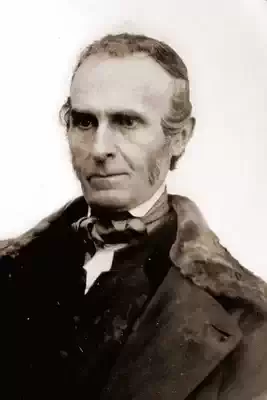
John Greenleaf Whittier
My Playmate
My Playmate
The pines were dark on Ramoth hill,
Their song was soft and low;
The blossoms in the sweet May wind
Were falling like the snow.
The blossoms drifted at our feet,
The orchard birds sang clear;
The sweetest and the saddest day
It seemed of all the year.
For, more to me than birds or flowers,
My playmate left her home,
And took with her the laughing spring,
The music and the bloom.
She kissed the lips of kith and kin,
She laid her hand in mine
What more could ask the bashful boy
Who fed her father's kine?
She left us in the bloom of May
The constant years told o'er
Their seasons with as sweet May morns,
But she came back no more.
I walk, with noiseless feet, the round
Of uneventful years;
Still o'er and o'er I sow the spring
And reap the autumn ears.
She lives where all the golden year
Her summer roses blow;
The dusky children of the sun
Before her come and go.
There haply with her jewelled hands
She smooths her silken gown,No
more the homespun lap wherein
I shook the walnuts down.
The wild grapes wait us by the brook,
The brown nuts on the hill,
And still the May-day flowers make sweet
The woods of Follymill.
The lilies blossom in the pond,
The bird builds in the tree,
The dark pines sing on Ramoth hill
The slow song of the sea.
I wonder if she thinks of them,
And how the old time seems,
If ever the pines of Ramoth wood
Are sounding in her dreams.
I see her face, I hear her voice;
Does she remember mine?
And what to her is now the boy
Who fed her father's kine?
What cares she that the orioles build
For other eyes than ours,That
other hands with nuts are filled,
And other laps with flowers?
O playmate in the golden time!
Our mossy seat is green,
Its fringing violets blossom yet,
The old trees o'er it lean.
The winds so sweet with birch and fern
A sweeter memory blow;
And there in spring the veeries sing
The song of long ago.
And still the pines of Ramoth wood
Are moaning like the sea,
The moaning of the sea of change
Between myself and thee!
The pines were dark on Ramoth hill,
Their song was soft and low;
The blossoms in the sweet May wind
Were falling like the snow.
The blossoms drifted at our feet,
The orchard birds sang clear;
The sweetest and the saddest day
It seemed of all the year.
For, more to me than birds or flowers,
My playmate left her home,
And took with her the laughing spring,
The music and the bloom.
She kissed the lips of kith and kin,
She laid her hand in mine
What more could ask the bashful boy
Who fed her father's kine?
She left us in the bloom of May
The constant years told o'er
Their seasons with as sweet May morns,
But she came back no more.
I walk, with noiseless feet, the round
Of uneventful years;
Still o'er and o'er I sow the spring
And reap the autumn ears.
She lives where all the golden year
Her summer roses blow;
The dusky children of the sun
Before her come and go.
There haply with her jewelled hands
She smooths her silken gown,No
more the homespun lap wherein
I shook the walnuts down.
The wild grapes wait us by the brook,
The brown nuts on the hill,
And still the May-day flowers make sweet
The woods of Follymill.
The lilies blossom in the pond,
The bird builds in the tree,
The dark pines sing on Ramoth hill
The slow song of the sea.
I wonder if she thinks of them,
And how the old time seems,
If ever the pines of Ramoth wood
Are sounding in her dreams.
I see her face, I hear her voice;
Does she remember mine?
And what to her is now the boy
Who fed her father's kine?
What cares she that the orioles build
For other eyes than ours,That
other hands with nuts are filled,
And other laps with flowers?
O playmate in the golden time!
Our mossy seat is green,
Its fringing violets blossom yet,
The old trees o'er it lean.
The winds so sweet with birch and fern
A sweeter memory blow;
And there in spring the veeries sing
The song of long ago.
And still the pines of Ramoth wood
Are moaning like the sea,
The moaning of the sea of change
Between myself and thee!
249
John Greenleaf Whittier
Memories
Memories
A beautiful and happy girl,
With step as light as summer air,
Eyes glad with smiles, and brow of pearl,
Shadowed by many a careless curl
Of unconfined and flowing hair;
A seeming child in everything,
Save thoughtful brow and ripening charms,
As Nature wears the smile of Spring
When sinking into Summer's arms.
A mind rejoicing in the light
Which melted through its graceful bower,
Leaf after leaf, dew-moist and bright,
And stainless in its holy white,
Unfolding like a morning flower
A heart, which, like a fine-toned lute,
With every breath of feeling woke,
And, even when the tongue was mute,
From eye and lip in music spoke.
How thrills once more the lengthening chain
Of memory, at the thought of thee!
Old hopes which long in dust have lain
Old dreams, come thronging back again,
And boyhood lives again in me;
I feel its glow upon my cheek,
Its fulness of the heart is mine,
As when I leaned to hear thee speak,
Or raised my doubtful eye to thine.
I hear again thy low replies,
I feel thy arm within my own,
And timidly again uprise
The fringed lids of hazel eyes,
With soft brown tresses overblown.
Ah! memories of sweet summer eves,
Of moonlit wave and willowy way,
Of stars and flowers, and dewy leaves,
And smiles and tones more dear than they!
Ere this, thy quiet eye hath smiled
My picture of thy youth to see,
When, half a woman, half a child,
Thy very artlessness beguiled,
And folly's self seemed wise in thee;
I too can smile, when o'er that hour
The lights of memory backward stream,
Yet feel the while that manhood's power
Is vainer than my boyhood's dream.
Years have passed on, and left their trace,
Of graver care and deeper thought;
And unto me the calm, cold face
Of manhood, and to thee the grace
Of woman's pensive beauty brought.
More wide, perchance, for blame than praise,
The school-boy's humble name has flown;
Thine, in the green and quiet ways
Of unobtrusive goodness known.
And wider yet in thought and deed
Diverge our pathways, one in youth;
Thine the Genevan's sternest creed,
While answers to my spirit's need
The Derby dalesman's simple truth.
For thee, the priestly rite and prayer,
And holy day, and solemn psalm;
For me, the silent reverence where
My brethren gather, slow and calm.
Yet hath thy spirit left on me
An impress Time has worn not out,
And something of myself in thee,
A shadow from the past, I see,
Lingering, even yet, thy way about;
Not wholly can the heart unlearn
That lesson of its better hours,
Not yet has Time's dull footstep worn
To common dust that path of flowers.
Thus, while at times before our eyes
The shadows melt, and fall apart,
And, smiling through them, round us lies
The warm light of our morning skies,-The
Indian Summer of the heart!
In secret sympathies of mind,
In founts of feeling which retain
Their pure, fresh flow, we yet may find
Our early dreams not wholly vain
A beautiful and happy girl,
With step as light as summer air,
Eyes glad with smiles, and brow of pearl,
Shadowed by many a careless curl
Of unconfined and flowing hair;
A seeming child in everything,
Save thoughtful brow and ripening charms,
As Nature wears the smile of Spring
When sinking into Summer's arms.
A mind rejoicing in the light
Which melted through its graceful bower,
Leaf after leaf, dew-moist and bright,
And stainless in its holy white,
Unfolding like a morning flower
A heart, which, like a fine-toned lute,
With every breath of feeling woke,
And, even when the tongue was mute,
From eye and lip in music spoke.
How thrills once more the lengthening chain
Of memory, at the thought of thee!
Old hopes which long in dust have lain
Old dreams, come thronging back again,
And boyhood lives again in me;
I feel its glow upon my cheek,
Its fulness of the heart is mine,
As when I leaned to hear thee speak,
Or raised my doubtful eye to thine.
I hear again thy low replies,
I feel thy arm within my own,
And timidly again uprise
The fringed lids of hazel eyes,
With soft brown tresses overblown.
Ah! memories of sweet summer eves,
Of moonlit wave and willowy way,
Of stars and flowers, and dewy leaves,
And smiles and tones more dear than they!
Ere this, thy quiet eye hath smiled
My picture of thy youth to see,
When, half a woman, half a child,
Thy very artlessness beguiled,
And folly's self seemed wise in thee;
I too can smile, when o'er that hour
The lights of memory backward stream,
Yet feel the while that manhood's power
Is vainer than my boyhood's dream.
Years have passed on, and left their trace,
Of graver care and deeper thought;
And unto me the calm, cold face
Of manhood, and to thee the grace
Of woman's pensive beauty brought.
More wide, perchance, for blame than praise,
The school-boy's humble name has flown;
Thine, in the green and quiet ways
Of unobtrusive goodness known.
And wider yet in thought and deed
Diverge our pathways, one in youth;
Thine the Genevan's sternest creed,
While answers to my spirit's need
The Derby dalesman's simple truth.
For thee, the priestly rite and prayer,
And holy day, and solemn psalm;
For me, the silent reverence where
My brethren gather, slow and calm.
Yet hath thy spirit left on me
An impress Time has worn not out,
And something of myself in thee,
A shadow from the past, I see,
Lingering, even yet, thy way about;
Not wholly can the heart unlearn
That lesson of its better hours,
Not yet has Time's dull footstep worn
To common dust that path of flowers.
Thus, while at times before our eyes
The shadows melt, and fall apart,
And, smiling through them, round us lies
The warm light of our morning skies,-The
Indian Summer of the heart!
In secret sympathies of mind,
In founts of feeling which retain
Their pure, fresh flow, we yet may find
Our early dreams not wholly vain
293
John Greenleaf Whittier
Marguerite
Marguerite
MASSACHUSETTS BAY, 1760.
THE robins sang in the orchard, the buds into
blossoms grew;
Little of human sorrow the buds and the robins
knew!
Sick, in an alien household, the poor French
neutral lay;
Into her lonesome garret fell the light of the April
day,
Through the dusty window, curtained by the spider's
warp and woof,
On the loose-laid floor of hemlock, on oaken ribs
of roof,
The bedquilt's faded patchwork, the teacups on the
stand,
The wheel with flaxen tangle, as it dropped from
her sick hand.
What to her was the song of the robin, or warm
morning light,
As she lay in the trance of the dying, heedless of
sound or sight?
Done was the work of her bands, she had eaten her
bitter bread;
The world of the alien people lay behind her dim
and dead.
But her soul went back to its child-time; she saw
the sun o'erflow
With gold the Basin of Minas, and set over
Gaspereau;
The low, bare flats at ebb-tide, the rush of the sea
at flood,
Through inlet and creek and river, from dike to
upland wood;
The gulls in the red of morning, the fish-hawk's
rise and fall,
The drift of the fog in moonshine, over the dark
coast-wall.
She saw the face of her mother, she heard the song
she sang;
And far off, faintly, slowly, the bell for vespers
rang.
By her bed the hard-faced mistress sat, smoothing
the wrinkled sheet,
Peering into the face, so helpless, and feeling the
ice-cold feet.
With a vague remorse atoning for her greed and
long abuse,
By care no longer heeded and pity too late for use.
Up the stairs of the garret softly the son of the
mistress stepped,
Leaned over the head-board, covering his face with
his hands, and wept.
Outspake the mother, who watched him sharply,
with brow a-frown
'What! love you the Papist, the beggar, the
charge of the town?'
Be she Papist or beggar who lies here, I know
and God knows
I love her, and fain would go with her wherever
she goes!
'O mother! that sweet face came pleading, for
love so athirst.
You saw but the town-charge; I knew her God's
angel at first.'
Shaking her gray head, the mistress hushed down
a bitter cry;
And awed by the silence and shadow of death
drawing nigh,
She murmured a psalm of the Bible; but closer
the young girl pressed,
With the last of her life in her fingers, the cross
to her breast.
'My son, come away,' cried the mother, her voice
cruel grown.
'She is joined to her idols, like Ephraim; let her
alone!'
But he knelt with his hand on her forehead, his
lips to her ear,
And he called back the soul that was passing
'Marguerite, do you hear?'
She paused on the threshold of Heaven; love, pity,
surprise,
Wistful, tender, lit up for an instant the cloud of
her eyes.
With his heart on his lips he kissed her, but never
her cheek grew red,
And the words the living long for he spake in the
ear of the dead.
And the robins sang in the orchard, where buds to
blossoms grew;
Of the folded hands and the still face never the
robins knew!
MASSACHUSETTS BAY, 1760.
THE robins sang in the orchard, the buds into
blossoms grew;
Little of human sorrow the buds and the robins
knew!
Sick, in an alien household, the poor French
neutral lay;
Into her lonesome garret fell the light of the April
day,
Through the dusty window, curtained by the spider's
warp and woof,
On the loose-laid floor of hemlock, on oaken ribs
of roof,
The bedquilt's faded patchwork, the teacups on the
stand,
The wheel with flaxen tangle, as it dropped from
her sick hand.
What to her was the song of the robin, or warm
morning light,
As she lay in the trance of the dying, heedless of
sound or sight?
Done was the work of her bands, she had eaten her
bitter bread;
The world of the alien people lay behind her dim
and dead.
But her soul went back to its child-time; she saw
the sun o'erflow
With gold the Basin of Minas, and set over
Gaspereau;
The low, bare flats at ebb-tide, the rush of the sea
at flood,
Through inlet and creek and river, from dike to
upland wood;
The gulls in the red of morning, the fish-hawk's
rise and fall,
The drift of the fog in moonshine, over the dark
coast-wall.
She saw the face of her mother, she heard the song
she sang;
And far off, faintly, slowly, the bell for vespers
rang.
By her bed the hard-faced mistress sat, smoothing
the wrinkled sheet,
Peering into the face, so helpless, and feeling the
ice-cold feet.
With a vague remorse atoning for her greed and
long abuse,
By care no longer heeded and pity too late for use.
Up the stairs of the garret softly the son of the
mistress stepped,
Leaned over the head-board, covering his face with
his hands, and wept.
Outspake the mother, who watched him sharply,
with brow a-frown
'What! love you the Papist, the beggar, the
charge of the town?'
Be she Papist or beggar who lies here, I know
and God knows
I love her, and fain would go with her wherever
she goes!
'O mother! that sweet face came pleading, for
love so athirst.
You saw but the town-charge; I knew her God's
angel at first.'
Shaking her gray head, the mistress hushed down
a bitter cry;
And awed by the silence and shadow of death
drawing nigh,
She murmured a psalm of the Bible; but closer
the young girl pressed,
With the last of her life in her fingers, the cross
to her breast.
'My son, come away,' cried the mother, her voice
cruel grown.
'She is joined to her idols, like Ephraim; let her
alone!'
But he knelt with his hand on her forehead, his
lips to her ear,
And he called back the soul that was passing
'Marguerite, do you hear?'
She paused on the threshold of Heaven; love, pity,
surprise,
Wistful, tender, lit up for an instant the cloud of
her eyes.
With his heart on his lips he kissed her, but never
her cheek grew red,
And the words the living long for he spake in the
ear of the dead.
And the robins sang in the orchard, where buds to
blossoms grew;
Of the folded hands and the still face never the
robins knew!
273
John Greenleaf Whittier
Kenoza Lake
Kenoza Lake
As Adam did in Paradise,
To-day the primal right we claim
Fair mirror of the woods and skies,
We give to thee a name.
Lake of the pickerel!--let no more
The echoes answer back, 'Great Pond,'
But sweet Kenoza, from thy shore
And watching hills beyond,
Let Indian ghosts, if such there be
Who ply unseen their shadowy lines,
Call back the ancient name to thee,
As with the voice of pines.
The shores we trod as barefoot boys,
The nutted woods we wandered through,
To friendship, love, and social joys
We consecrate anew.
Here shall the tender song be sung,
And memory's dirges soft and low,
And wit shall sparkle on the tongue,
And mirth shall overflow,
Harmless as summer lightning plays
From a low, hidden cloud by night,
A light to set the hills ablaze,
But not a bolt to smite.
In sunny South and prairied West
Are exiled hearts remembering still,
As bees their hive, as birds their nest,
The homes of Haverhill.
They join us in our rites to-day;
And, listening, we may hear, erelong,
From inland lake and ocean bay,
The echoes of our song.
Kenoza! o'er no sweeter lake
Shall morning break or noon-cloud sail,-No
fairer face than thine shall take
The sunset's golden veil.
Long be it ere the tide of trade
Shall break with harsh-resounding din
The quiet of thy banks of shade,
And hills that fold thee in.
Still let thy woodlands hide the hare,
The shy loon sound his trumpet-note,
Wing-weary from his fields of air,
The wild-goose on thee float.
Thy peace rebuke our feverish stir,
Thy beauty our deforming strife;
Thy woods and waters minister
The healing of their life.
And sinless Mirth, from care released,
Behold, unawed, thy mirrored sky,
Smiling as smiled on Cana's feast
The Master's loving eye.
And when the summer day grows dim,
And light mists walk thy mimic sea,
Revive in us the thought of Him
Who walked on Galilee!
As Adam did in Paradise,
To-day the primal right we claim
Fair mirror of the woods and skies,
We give to thee a name.
Lake of the pickerel!--let no more
The echoes answer back, 'Great Pond,'
But sweet Kenoza, from thy shore
And watching hills beyond,
Let Indian ghosts, if such there be
Who ply unseen their shadowy lines,
Call back the ancient name to thee,
As with the voice of pines.
The shores we trod as barefoot boys,
The nutted woods we wandered through,
To friendship, love, and social joys
We consecrate anew.
Here shall the tender song be sung,
And memory's dirges soft and low,
And wit shall sparkle on the tongue,
And mirth shall overflow,
Harmless as summer lightning plays
From a low, hidden cloud by night,
A light to set the hills ablaze,
But not a bolt to smite.
In sunny South and prairied West
Are exiled hearts remembering still,
As bees their hive, as birds their nest,
The homes of Haverhill.
They join us in our rites to-day;
And, listening, we may hear, erelong,
From inland lake and ocean bay,
The echoes of our song.
Kenoza! o'er no sweeter lake
Shall morning break or noon-cloud sail,-No
fairer face than thine shall take
The sunset's golden veil.
Long be it ere the tide of trade
Shall break with harsh-resounding din
The quiet of thy banks of shade,
And hills that fold thee in.
Still let thy woodlands hide the hare,
The shy loon sound his trumpet-note,
Wing-weary from his fields of air,
The wild-goose on thee float.
Thy peace rebuke our feverish stir,
Thy beauty our deforming strife;
Thy woods and waters minister
The healing of their life.
And sinless Mirth, from care released,
Behold, unawed, thy mirrored sky,
Smiling as smiled on Cana's feast
The Master's loving eye.
And when the summer day grows dim,
And light mists walk thy mimic sea,
Revive in us the thought of Him
Who walked on Galilee!
247
John Greenleaf Whittier
Fitz-Greene Halleck
Fitz-Greene Halleck
AT THE UNVEILING OF HIS STATUE.
Among their graven shapes to whom
Thy civic wreaths belong,
O city of his love, make room
For one whose gift was song.
Not his the soldier's sword to wield,
Nor his the helm of state,
Nor glory of the stricken field,
Nor triumph of debate.
In common ways, with common men,
He served his race and time
As well as if his clerkly pen
Had never danced to rhyme.
If, in the thronged and noisy mart,
The Muses found their son,
Could any say his tuneful art
A duty left undone?
He toiled and sang; and year by year
Men found their homes more sweet,
And through a tenderer atmosphere
Looked down the brick-walled street.
The Greek's wild onset gall Street knew;
The Red King walked Broadway;
And Alnwick Castle's roses blew
From Palisades to Bay.
Fair City by the Sea! upraise
His veil with reverent hands;
And mingle with thy own the praise
And pride of other lands.
Let Greece his fiery lyric breathe
Above her hero-urns;
And Scotland, with her holly, wreathe
The flower he culled for Burns.
Oh, stately stand thy palace walls,
Thy tall ships ride the seas;
To-day thy poet's name recalls
A prouder thought than these.
Not less thy pulse of trade shall beat,
Nor less thy tall fleets swim,
That shaded square and dusty street
Are classic ground through him.
Alive, he loved, like all who sing,
The echoes of his song;
Too late the tardy meed we bring,
The praise delayed so long.
Too late, alas! Of all who knew
The living man, to-day
Before his unveiled face, how few
Make bare their locks of gray!
Our lips of praise must soon be dumb,
Our grateful eyes be dim;
O brothers of the days to come,
Take tender charge of him!
New hands the wires of song may sweep,
New voices challenge fame;
But let no moss of years o'ercreep
The lines of Halleck's name.
AT THE UNVEILING OF HIS STATUE.
Among their graven shapes to whom
Thy civic wreaths belong,
O city of his love, make room
For one whose gift was song.
Not his the soldier's sword to wield,
Nor his the helm of state,
Nor glory of the stricken field,
Nor triumph of debate.
In common ways, with common men,
He served his race and time
As well as if his clerkly pen
Had never danced to rhyme.
If, in the thronged and noisy mart,
The Muses found their son,
Could any say his tuneful art
A duty left undone?
He toiled and sang; and year by year
Men found their homes more sweet,
And through a tenderer atmosphere
Looked down the brick-walled street.
The Greek's wild onset gall Street knew;
The Red King walked Broadway;
And Alnwick Castle's roses blew
From Palisades to Bay.
Fair City by the Sea! upraise
His veil with reverent hands;
And mingle with thy own the praise
And pride of other lands.
Let Greece his fiery lyric breathe
Above her hero-urns;
And Scotland, with her holly, wreathe
The flower he culled for Burns.
Oh, stately stand thy palace walls,
Thy tall ships ride the seas;
To-day thy poet's name recalls
A prouder thought than these.
Not less thy pulse of trade shall beat,
Nor less thy tall fleets swim,
That shaded square and dusty street
Are classic ground through him.
Alive, he loved, like all who sing,
The echoes of his song;
Too late the tardy meed we bring,
The praise delayed so long.
Too late, alas! Of all who knew
The living man, to-day
Before his unveiled face, how few
Make bare their locks of gray!
Our lips of praise must soon be dumb,
Our grateful eyes be dim;
O brothers of the days to come,
Take tender charge of him!
New hands the wires of song may sweep,
New voices challenge fame;
But let no moss of years o'ercreep
The lines of Halleck's name.
329
John Greenleaf Whittier
Chalkey Hall
Chalkey Hall
How bland and sweet the greeting of this breeze
To him who flies
From crowded street and red wall's weary gleam,
Till far behind him like a hideous dream
The close dark city lies
Here, while the market murmurs, while men throng
The marble floor
Of Mammon's altar, from the crush and din
Of the world's madness let me gather in
My better thoughts once more.
Oh, once again revive, while on my ear
The cry of Gain
And low hoarse hum of Traffic die away,
Ye blessed memories of my early day
Like sere grass wet with rain!
Once more let God's green earth and sunset air
Old feelings waken;
Through weary years of toil and strife and ill,
Oh, let me feel that my good angel still
Hath not his trust forsaken.
And well do time and place befit my mood
Beneath the arms
Of this embracing wood, a good man made
His home, like Abraham resting in the shade
Of Mamre's lonely palms.
Here, rich with autumn gifts of countless years,
The virgin soil
Turned from the share he guided, and in rain
And summer sunshine throve the fruits and grain
Which blessed his honest toil.
Here, from his voyages on the stormy seas,
Weary and worn,
He came to meet his children and to bless
The Giver of all good in thankfulness
And praise for his return.
And here his neighbors gathered in to greet
Their friend again,
Safe from the wave and the destroying gales,
Which reap untimely green Bermuda's vales,
And vex the Carib main.
To hear the good man tell of simple truth,
Sown in an hour
Of weakness in some far-off Indian isle,
From the parched bosom of a barren soil,
Raised up in life and power.
How at those gatherings in Barbadian vales,
A tendering love
Came o'er him, like the gentle rain from heaven,
And words of fitness to his lips were given,
And strength as from above.
How the sad captive listened to the Word,
Until his chain
Grew lighter, and his wounded spirit felt
The healing balm of consolation melt
Upon its life-long pain
How the armed warrior sat him down to hear
Of Peace and Truth,
And the proud ruler and his Creole dame,
Jewelled and gorgeous in her beauty came,
And fair and bright-eyed youth.
Oh, far away beneath New England's sky,
Even when a boy,
Following my plough by Merrimac's green shore,
His simple record I have pondered o'er
With deep and quiet joy.
And hence this scene, in sunset glory warm,-Its
woods around,
Its still stream winding on in light and shade,
Its soft, green meadows and its upland glade,-To
me is holy ground.
And dearer far than haunts where Genius keeps
His vigils still;
Than that where Avon's son of song is laid,
Or Vaucluse hallowed by its Petrarch's shade,
Or Virgil's laurelled hill.
To the gray walls of fallen Paraclete,
To Juliet's urn,
Fair Arno and Sorrento's orange-grove,
Where Tasso sang, let young Romance and Love
Like brother pilgrims turn.
But here a deeper and serener charm
To all is given;
And blessed memories of the faithful dead
O'er wood and vale and meadow-stream have shed
The holy hues of Heaven!
How bland and sweet the greeting of this breeze
To him who flies
From crowded street and red wall's weary gleam,
Till far behind him like a hideous dream
The close dark city lies
Here, while the market murmurs, while men throng
The marble floor
Of Mammon's altar, from the crush and din
Of the world's madness let me gather in
My better thoughts once more.
Oh, once again revive, while on my ear
The cry of Gain
And low hoarse hum of Traffic die away,
Ye blessed memories of my early day
Like sere grass wet with rain!
Once more let God's green earth and sunset air
Old feelings waken;
Through weary years of toil and strife and ill,
Oh, let me feel that my good angel still
Hath not his trust forsaken.
And well do time and place befit my mood
Beneath the arms
Of this embracing wood, a good man made
His home, like Abraham resting in the shade
Of Mamre's lonely palms.
Here, rich with autumn gifts of countless years,
The virgin soil
Turned from the share he guided, and in rain
And summer sunshine throve the fruits and grain
Which blessed his honest toil.
Here, from his voyages on the stormy seas,
Weary and worn,
He came to meet his children and to bless
The Giver of all good in thankfulness
And praise for his return.
And here his neighbors gathered in to greet
Their friend again,
Safe from the wave and the destroying gales,
Which reap untimely green Bermuda's vales,
And vex the Carib main.
To hear the good man tell of simple truth,
Sown in an hour
Of weakness in some far-off Indian isle,
From the parched bosom of a barren soil,
Raised up in life and power.
How at those gatherings in Barbadian vales,
A tendering love
Came o'er him, like the gentle rain from heaven,
And words of fitness to his lips were given,
And strength as from above.
How the sad captive listened to the Word,
Until his chain
Grew lighter, and his wounded spirit felt
The healing balm of consolation melt
Upon its life-long pain
How the armed warrior sat him down to hear
Of Peace and Truth,
And the proud ruler and his Creole dame,
Jewelled and gorgeous in her beauty came,
And fair and bright-eyed youth.
Oh, far away beneath New England's sky,
Even when a boy,
Following my plough by Merrimac's green shore,
His simple record I have pondered o'er
With deep and quiet joy.
And hence this scene, in sunset glory warm,-Its
woods around,
Its still stream winding on in light and shade,
Its soft, green meadows and its upland glade,-To
me is holy ground.
And dearer far than haunts where Genius keeps
His vigils still;
Than that where Avon's son of song is laid,
Or Vaucluse hallowed by its Petrarch's shade,
Or Virgil's laurelled hill.
To the gray walls of fallen Paraclete,
To Juliet's urn,
Fair Arno and Sorrento's orange-grove,
Where Tasso sang, let young Romance and Love
Like brother pilgrims turn.
But here a deeper and serener charm
To all is given;
And blessed memories of the faithful dead
O'er wood and vale and meadow-stream have shed
The holy hues of Heaven!
310
John Greenleaf Whittier
Burning Drift-Wood
Burning Drift-Wood
Before my drift-wood fire I sit,
And see, with every waif I burn,
Old dreams and fancies coloring it,
And folly's unlaid ghosts return.
O ships of mine, whose swift keels cleft
The enchanted sea on which they sailed,
Are these poor fragments only left
Of vain desires and hopes that failed?
Did I not watch from them the light
Of sunset on my towers in Spain,
And see, far off, uploom in sight
The Fortunate Isles I might not gain?
Did sudden lift of fog reveal
Arcadia's vales of song and spring,
And did I pass, with grazing keel,
The rocks whereon the sirens sing?
Have I not drifted hard upon
The unmapped regions lost to man,
The cloud-pitched tents of Prester John,
The palace domes of Kubla Khan?
Did land winds blow from jasmine flowers,
Where Youth the ageless Fountain fills?
Did Love make sign from rose blown bowers,
And gold from Eldorado's hills?
Alas! the gallant ships, that sailed
On blind Adventure's errand sent,
Howe'er they laid their courses, failed
To reach the haven of Content.
And of my ventures, those alone
Which Love had freighted, safely sped,
Seeking a good beyond my own,
By clear-eyed Duty piloted.
O mariners, hoping still to meet
The luck Arabian voyagers met,
And find in Bagdad's moonlit street,
Haroun al Raschid walking yet,
Take with you, on your Sea of Dreams,
The fair, fond fancies dear to youth.
I turn from all that only seems,
And seek the sober grounds of truth.
What matter that it is not May,
That birds have flown, and trees are bare,
That darker grows the shortening day,
And colder blows the wintry air!
The wrecks of passion and desire,
The castles I no more rebuild,
May fitly feed my drift-wood fire,
And warm the hands that age has chilled.
Whatever perished with my ships,
I only know the best remains;
A song of praise is on my lips
For losses which are now my gains.
Heap high my hearth! No worth is lost;
No wisdom with the folly dies.
Burn on, poor shreds, your holocaust
Shall be my evening sacrifice!
Far more than all I dared to dream,
Unsought before my door I see;
On wings of fire and steeds of steam
The world's great wonders come to me,
And holier signs, unmarked before,
Of Love to seek and Power to save, -The
righting of the wronged and poor,
The man evolving from the slave;
And life, no longer chance or fate,
Safe in the gracious Fatherhood.
I fold o'er-wearied hands and wait,
In full assurance of the good.
And well the waiting time must be,
Though brief or long its granted days,
If Faith and Hope and Charity
Sit by my evening hearth-fire's blaze.
And with them, friends whom Heaven has spared,
Whose love my heart has comforted,
And, sharing all my joys, has shared
My tender memories of the dead, -
Dear souls who left us lonely here,
Bound on their last, long voyage, to whom
We, day by day, are drawing near,
Where every bark has sailing room.
I know the solemn monotone
Of waters calling unto me;
I know from whence the airs have blown
That whisper of the Eternal Sea.
As low my fires of drift-wood burn,
I hear that sea's deep sounds increase,
And, fair in sunset light, discern
Its mirage-lifted Isles of Peace.
Before my drift-wood fire I sit,
And see, with every waif I burn,
Old dreams and fancies coloring it,
And folly's unlaid ghosts return.
O ships of mine, whose swift keels cleft
The enchanted sea on which they sailed,
Are these poor fragments only left
Of vain desires and hopes that failed?
Did I not watch from them the light
Of sunset on my towers in Spain,
And see, far off, uploom in sight
The Fortunate Isles I might not gain?
Did sudden lift of fog reveal
Arcadia's vales of song and spring,
And did I pass, with grazing keel,
The rocks whereon the sirens sing?
Have I not drifted hard upon
The unmapped regions lost to man,
The cloud-pitched tents of Prester John,
The palace domes of Kubla Khan?
Did land winds blow from jasmine flowers,
Where Youth the ageless Fountain fills?
Did Love make sign from rose blown bowers,
And gold from Eldorado's hills?
Alas! the gallant ships, that sailed
On blind Adventure's errand sent,
Howe'er they laid their courses, failed
To reach the haven of Content.
And of my ventures, those alone
Which Love had freighted, safely sped,
Seeking a good beyond my own,
By clear-eyed Duty piloted.
O mariners, hoping still to meet
The luck Arabian voyagers met,
And find in Bagdad's moonlit street,
Haroun al Raschid walking yet,
Take with you, on your Sea of Dreams,
The fair, fond fancies dear to youth.
I turn from all that only seems,
And seek the sober grounds of truth.
What matter that it is not May,
That birds have flown, and trees are bare,
That darker grows the shortening day,
And colder blows the wintry air!
The wrecks of passion and desire,
The castles I no more rebuild,
May fitly feed my drift-wood fire,
And warm the hands that age has chilled.
Whatever perished with my ships,
I only know the best remains;
A song of praise is on my lips
For losses which are now my gains.
Heap high my hearth! No worth is lost;
No wisdom with the folly dies.
Burn on, poor shreds, your holocaust
Shall be my evening sacrifice!
Far more than all I dared to dream,
Unsought before my door I see;
On wings of fire and steeds of steam
The world's great wonders come to me,
And holier signs, unmarked before,
Of Love to seek and Power to save, -The
righting of the wronged and poor,
The man evolving from the slave;
And life, no longer chance or fate,
Safe in the gracious Fatherhood.
I fold o'er-wearied hands and wait,
In full assurance of the good.
And well the waiting time must be,
Though brief or long its granted days,
If Faith and Hope and Charity
Sit by my evening hearth-fire's blaze.
And with them, friends whom Heaven has spared,
Whose love my heart has comforted,
And, sharing all my joys, has shared
My tender memories of the dead, -
Dear souls who left us lonely here,
Bound on their last, long voyage, to whom
We, day by day, are drawing near,
Where every bark has sailing room.
I know the solemn monotone
Of waters calling unto me;
I know from whence the airs have blown
That whisper of the Eternal Sea.
As low my fires of drift-wood burn,
I hear that sea's deep sounds increase,
And, fair in sunset light, discern
Its mirage-lifted Isles of Peace.
329
John Greenleaf Whittier
Birchbrook Mill
Birchbrook Mill
A NOTELESS stream, the Birchbrook runs
Beneath its leaning trees;
That low, soft ripple is its own,
That dull roar is the sea's.
Of human signs it sees alone
The distant church spire's tip,
And, ghost-like, on a blank of gray,
The white sail of a ship.
No more a toiler at the wheel,
It wanders at its will;
Nor dam nor pond is left to tell
Where once was Birchbrook mill.
The timbers of that mill have fed
Long since a farmer's fires;
His doorsteps are the stones that ground
The harvest of his sires.
Man trespassed here; but Nature lost
No right of her domain;
She waited, and she brought the old
Wild beauty back again.
By day the sunlight through the leaves
Falls on its moist, green sod,
And wakes the violet bloom of spring
And autumn's golden-rod.
Its birches whisper to the wind,
The swallow dips her wings
In the cool spray, and on its banks
The gray song-sparrow sings.
But from it, when the dark night falls,
The school-girl shrinks with dread;
The farmer, home-bound from his fields,
Goes by with quickened tread.
They dare not pause to hear the grind
Of shadowy stone on stone;
The plashing of a water-wheel
Where wheel there now is none.
Has not a cry of pain been heard
Above the clattering mill?
The pawing of an unseen horse,
Who waits his mistress still?
Yet never to the listener's eye
Has sight confirmed the sound;
A wavering birch line marks alone
The vacant pasture ground.
No ghostly arms fling up to heaven
The agony of prayer;
No spectral steed impatient shakes
His white mane on the air.
The meaning of that common dread
No tongue has fitly told;
The secret of the dark surmise
The brook and birches hold.
What nameless horror of the past
Broods here forevermore?
What ghost his unforgiven sin
Is grinding o'er and o'er?
Does, then, immortal memory play
The actor's tragic part,
Rehearsals of a mortal life
And unveiled human heart?
God's pity spare a guilty soul
That drama of its ill,
And let the scenic curtain fall
On Birchbrook's haunted mill
A NOTELESS stream, the Birchbrook runs
Beneath its leaning trees;
That low, soft ripple is its own,
That dull roar is the sea's.
Of human signs it sees alone
The distant church spire's tip,
And, ghost-like, on a blank of gray,
The white sail of a ship.
No more a toiler at the wheel,
It wanders at its will;
Nor dam nor pond is left to tell
Where once was Birchbrook mill.
The timbers of that mill have fed
Long since a farmer's fires;
His doorsteps are the stones that ground
The harvest of his sires.
Man trespassed here; but Nature lost
No right of her domain;
She waited, and she brought the old
Wild beauty back again.
By day the sunlight through the leaves
Falls on its moist, green sod,
And wakes the violet bloom of spring
And autumn's golden-rod.
Its birches whisper to the wind,
The swallow dips her wings
In the cool spray, and on its banks
The gray song-sparrow sings.
But from it, when the dark night falls,
The school-girl shrinks with dread;
The farmer, home-bound from his fields,
Goes by with quickened tread.
They dare not pause to hear the grind
Of shadowy stone on stone;
The plashing of a water-wheel
Where wheel there now is none.
Has not a cry of pain been heard
Above the clattering mill?
The pawing of an unseen horse,
Who waits his mistress still?
Yet never to the listener's eye
Has sight confirmed the sound;
A wavering birch line marks alone
The vacant pasture ground.
No ghostly arms fling up to heaven
The agony of prayer;
No spectral steed impatient shakes
His white mane on the air.
The meaning of that common dread
No tongue has fitly told;
The secret of the dark surmise
The brook and birches hold.
What nameless horror of the past
Broods here forevermore?
What ghost his unforgiven sin
Is grinding o'er and o'er?
Does, then, immortal memory play
The actor's tragic part,
Rehearsals of a mortal life
And unveiled human heart?
God's pity spare a guilty soul
That drama of its ill,
And let the scenic curtain fall
On Birchbrook's haunted mill
301
John Greenleaf Whittier
At Eventide
At Eventide
Poor and inadequate the shadow-play
Of gain and loss, of waking and of dream,
Against life's solemn background needs must seem
At this late hour. Yet, not unthankfully,
I call to mind the fountains by the way,
The breath of flowers, the bird-song on the spray,
Dear friends, sweet human loves, the joy of giving
And of receiving, the great boon of living
In grand historic years when Liberty
Had need of word and work, quick sympathies
For all who fail and suffer, song's relief,
Nature's uncloying loveliness; and chief,
The kind restraining hand of Providence,
The inward witness, the assuring sense
Of an Eternal Good which overlies
The sorrow of the world, Love which outlives
All sin and wrong, Compassion which forgives
To the uttermost, and Justice whose clear eyes
Through lapse and failure look to the intent,
And judge our frailty by the life we meant.
Poor and inadequate the shadow-play
Of gain and loss, of waking and of dream,
Against life's solemn background needs must seem
At this late hour. Yet, not unthankfully,
I call to mind the fountains by the way,
The breath of flowers, the bird-song on the spray,
Dear friends, sweet human loves, the joy of giving
And of receiving, the great boon of living
In grand historic years when Liberty
Had need of word and work, quick sympathies
For all who fail and suffer, song's relief,
Nature's uncloying loveliness; and chief,
The kind restraining hand of Providence,
The inward witness, the assuring sense
Of an Eternal Good which overlies
The sorrow of the world, Love which outlives
All sin and wrong, Compassion which forgives
To the uttermost, and Justice whose clear eyes
Through lapse and failure look to the intent,
And judge our frailty by the life we meant.
286
John Greenleaf Whittier
A Sea Dream
A Sea Dream
We saw the slow tides go and come,
The curving surf-lines lightly drawn,
The gray rocks touched with tender bloom
Beneath the fresh-blown rose of dawn.
We saw in richer sunsets lost
The sombre pomp of showery noons;
And signalled spectral sails that crossed
The weird, low light of rising moons.
On stormy eves from cliff and head
We saw the white spray tossed and spurned;
While over all, in gold and red,
Its face of fire the lighthouse turned.
The rail-car brought its daily crowds,
Half curious, half indifferent,
Like passing sails or floating clouds,
We saw them as they came and went.
But, one calm morning, as we lay
And watched the mirage-lifted wall
Of coast, across the dreamy bay,
And heard afar the curlew call,
And nearer voices, wild or tame,
Of airy flock and childish throng,
Up from the water's edge there came
Faint snatches of familiar song.
Careless we heard the singer's choice
Of old and common airs; at last
The tender pathos of his voice
In one low chanson held us fast.
A song that mingled joy and pain,
And memories old and sadly sweet;
While, timing to its minor strain,
The waves in lapsing cadence beat.
. . . . .
The waves are glad in breeze and sun;
The rocks are fringed with foam;
I walk once more a haunted shore,
A stranger, yet at home,
A land of dreams I roam.
Is this the wind, the soft sea wind
That stirred thy locks of brown?
Are these the rocks whose mosses knew
The trail of thy light gown,
Where boy and girl sat down?
I see the gray fort's broken wall,
The boats that rock below;
And, out at sea, the passing sails
We saw so long ago
Rose-red in morning's glow.
The freshness of the early time
On every breeze is blown;
As glad the sea, as blue the sky,-The
change is ours alone;
The saddest is my own.
A stranger now, a world-worn man,
Is he who bears my name;
But thou, methinks, whose mortal life
Immortal youth became,
Art evermore the same.
Thou art not here, thou art not there,
Thy place I cannot see;
I only know that where thou art
The blessed angels be,
And heaven is glad for thee.
Forgive me if the evil years
Have left on me their sign;
Wash out, O soul so beautiful,
The many stains of mine
In tears of love divine!
I could not look on thee and live,
If thou wert by my side;
The vision of a shining one,
The white and heavenly bride,
Is well to me denied.
But turn to me thy dear girl-face
Without the angel's crown,
The wedded roses of thy lips,
Thy loose hair rippling down
In waves of golden brown.
Look forth once more through space and time,
And let thy sweet shade fall
In tenderest grace of soul and form
On memory's frescoed wall,
A shadow, and yet all!
Draw near, more near, forever dear!
Where'er I rest or roam,
Or in the city's crowded streets,
Or by the blown sea foam,
The thought of thee is home!
. . . . .
At breakfast hour the singer read
The city news, with comment wise,
Like one who felt the pulse of trade
Beneath his finger fall and rise.
His look, his air, his curt speech, told
The man of action, not of books,
To whom the corners made in gold
And stocks were more than seaside nooks.
Of life beneath the life confessed
His song had hinted unawares;
Of flowers in traffic's ledgers pressed,
Of human hearts in bulls and bears.
But eyes in vain were turned to watch
That face so hard and shrewd and strong;
And ears in vain grew sharp to catch
The meaning of that morning song.
In vain some sweet-voiced querist sought
To sound him, leaving as she came;
Her baited album only caught
A common, unromantic name.
No word betrayed the mystery fine,
That trembled on the singer's tongue;
He came and went, and left no sign
Behind him save the song he sung.
We saw the slow tides go and come,
The curving surf-lines lightly drawn,
The gray rocks touched with tender bloom
Beneath the fresh-blown rose of dawn.
We saw in richer sunsets lost
The sombre pomp of showery noons;
And signalled spectral sails that crossed
The weird, low light of rising moons.
On stormy eves from cliff and head
We saw the white spray tossed and spurned;
While over all, in gold and red,
Its face of fire the lighthouse turned.
The rail-car brought its daily crowds,
Half curious, half indifferent,
Like passing sails or floating clouds,
We saw them as they came and went.
But, one calm morning, as we lay
And watched the mirage-lifted wall
Of coast, across the dreamy bay,
And heard afar the curlew call,
And nearer voices, wild or tame,
Of airy flock and childish throng,
Up from the water's edge there came
Faint snatches of familiar song.
Careless we heard the singer's choice
Of old and common airs; at last
The tender pathos of his voice
In one low chanson held us fast.
A song that mingled joy and pain,
And memories old and sadly sweet;
While, timing to its minor strain,
The waves in lapsing cadence beat.
. . . . .
The waves are glad in breeze and sun;
The rocks are fringed with foam;
I walk once more a haunted shore,
A stranger, yet at home,
A land of dreams I roam.
Is this the wind, the soft sea wind
That stirred thy locks of brown?
Are these the rocks whose mosses knew
The trail of thy light gown,
Where boy and girl sat down?
I see the gray fort's broken wall,
The boats that rock below;
And, out at sea, the passing sails
We saw so long ago
Rose-red in morning's glow.
The freshness of the early time
On every breeze is blown;
As glad the sea, as blue the sky,-The
change is ours alone;
The saddest is my own.
A stranger now, a world-worn man,
Is he who bears my name;
But thou, methinks, whose mortal life
Immortal youth became,
Art evermore the same.
Thou art not here, thou art not there,
Thy place I cannot see;
I only know that where thou art
The blessed angels be,
And heaven is glad for thee.
Forgive me if the evil years
Have left on me their sign;
Wash out, O soul so beautiful,
The many stains of mine
In tears of love divine!
I could not look on thee and live,
If thou wert by my side;
The vision of a shining one,
The white and heavenly bride,
Is well to me denied.
But turn to me thy dear girl-face
Without the angel's crown,
The wedded roses of thy lips,
Thy loose hair rippling down
In waves of golden brown.
Look forth once more through space and time,
And let thy sweet shade fall
In tenderest grace of soul and form
On memory's frescoed wall,
A shadow, and yet all!
Draw near, more near, forever dear!
Where'er I rest or roam,
Or in the city's crowded streets,
Or by the blown sea foam,
The thought of thee is home!
. . . . .
At breakfast hour the singer read
The city news, with comment wise,
Like one who felt the pulse of trade
Beneath his finger fall and rise.
His look, his air, his curt speech, told
The man of action, not of books,
To whom the corners made in gold
And stocks were more than seaside nooks.
Of life beneath the life confessed
His song had hinted unawares;
Of flowers in traffic's ledgers pressed,
Of human hearts in bulls and bears.
But eyes in vain were turned to watch
That face so hard and shrewd and strong;
And ears in vain grew sharp to catch
The meaning of that morning song.
In vain some sweet-voiced querist sought
To sound him, leaving as she came;
Her baited album only caught
A common, unromantic name.
No word betrayed the mystery fine,
That trembled on the singer's tongue;
He came and went, and left no sign
Behind him save the song he sung.
314
John Greenleaf Whittier
A Memory
A Memory
Here, while the loom of Winter weaves
The shroud of flowers and fountains,
I think of thee and summer eves
Among the Northern mountains.
When thunder tolled the twilight's close,
And winds the lake were rude on,
And thou wert singing, _Ca' the Yowes_,
The bonny yowes of Cluden!
When, close and closer, hushing breath,
Our circle narrowed round thee,
And smiles and tears made up the wreath
Wherewith our silence crowned thee;
And, strangers all, we felt the ties
Of sisters and of brothers;
Ah! whose of all those kindly eyes
Now smile upon another's?
The sport of Time, who still apart
The waifs of life is flinging;
Oh, nevermore shall heart to heart
Draw nearer for that singing!
Yet when the panes are frosty-starred,
And twilight's fire is gleaming,
I hear the songs of Scotland's bard
Sound softly through my dreaming!
A song that lends to winter snows
The glow of summer weather,-Again
I hear thee ca' the yowes
To Cluden's hills of heather
Here, while the loom of Winter weaves
The shroud of flowers and fountains,
I think of thee and summer eves
Among the Northern mountains.
When thunder tolled the twilight's close,
And winds the lake were rude on,
And thou wert singing, _Ca' the Yowes_,
The bonny yowes of Cluden!
When, close and closer, hushing breath,
Our circle narrowed round thee,
And smiles and tears made up the wreath
Wherewith our silence crowned thee;
And, strangers all, we felt the ties
Of sisters and of brothers;
Ah! whose of all those kindly eyes
Now smile upon another's?
The sport of Time, who still apart
The waifs of life is flinging;
Oh, nevermore shall heart to heart
Draw nearer for that singing!
Yet when the panes are frosty-starred,
And twilight's fire is gleaming,
I hear the songs of Scotland's bard
Sound softly through my dreaming!
A song that lends to winter snows
The glow of summer weather,-Again
I hear thee ca' the yowes
To Cluden's hills of heather
307

John Donne
To The Praise Of The Dead And The Anatomy
To The Praise Of The Dead And The Anatomy
VVEll dy'de the World, that we might liue to see
This World of wit, in his Anatomee:
No euill wants his good: so wilder heyres;
Bedew their Fathers Toombs, with forced teares,
Whose state requites their losse: whiles thus we gaine
Well may we walke in black[e], but not complaine.
Yet how can I consent the world is dead
While this Muse liues? which in his spirits stead
Seemes to informe a world: and bids it bee,
In spight of losse, or fraile mortalitee?
And thou the subiect of this wel-borne thought,
Thrise noble Maid; couldst not haue found nor sought
A fitter time to yeeld to thy sad Fate,
Then whiles this spirit liues; that can relate
Thy worth so well to our last Nephews Eyne,
That they shall wonder both at his, and thine:
Admired match! where striues in mutuall grace
The cunning Pencill, and the comely face:
A taske, which thy faire goodnesse made too much
For the bold pride of vulgar pens to tuch;
Enough is vs to praise them that praise thee,
And say that but enough those prayses bee,
Which had'st thou liu'd, had hid their fearefull head
From th'angry checkings of thy modestred:
Death bars reward & shame: when enuy's gone,
And gaine; 'tis safe to giue the dead their owne.
As then the wise Egyptians wont to lay
More on their Tombes, then houses: these of clay,
But those of brasse, or marbele were; so wee
Giue more vnto thy Ghost, then vnto thee.
Yet what wee giue to thee, thou gauest to vs,
And maiest but thanke thy selfe, for being thus:
Yet what thou gau'st, and wert, O happy maid,
Thy grace profest all due, were 'tis repayd.
So these high songs that to thee suited bine,
Serue but to sound thy makers praise, in thine,
Which thy deare soule as sweetly sings to him
Amid the Quire of Saints and Seraphim,
As any Angels tongue can sing of thee;
The subiects differ, then the skill agree:
For as by infant-yeares men iudge of age,
Thy early loue, thy vertues, did presage
What hie part thou bear'st in those best songs
Whereto no burden, nor no end belongs.
Sing on thou Virgin soule, whose losseful gaine
Thy loue-sicke Parents haue bewail'd in vaine;
Neuer may thy Name be in our songs forgot.
Till we shall sing thy ditty, and thy note.
VVEll dy'de the World, that we might liue to see
This World of wit, in his Anatomee:
No euill wants his good: so wilder heyres;
Bedew their Fathers Toombs, with forced teares,
Whose state requites their losse: whiles thus we gaine
Well may we walke in black[e], but not complaine.
Yet how can I consent the world is dead
While this Muse liues? which in his spirits stead
Seemes to informe a world: and bids it bee,
In spight of losse, or fraile mortalitee?
And thou the subiect of this wel-borne thought,
Thrise noble Maid; couldst not haue found nor sought
A fitter time to yeeld to thy sad Fate,
Then whiles this spirit liues; that can relate
Thy worth so well to our last Nephews Eyne,
That they shall wonder both at his, and thine:
Admired match! where striues in mutuall grace
The cunning Pencill, and the comely face:
A taske, which thy faire goodnesse made too much
For the bold pride of vulgar pens to tuch;
Enough is vs to praise them that praise thee,
And say that but enough those prayses bee,
Which had'st thou liu'd, had hid their fearefull head
From th'angry checkings of thy modestred:
Death bars reward & shame: when enuy's gone,
And gaine; 'tis safe to giue the dead their owne.
As then the wise Egyptians wont to lay
More on their Tombes, then houses: these of clay,
But those of brasse, or marbele were; so wee
Giue more vnto thy Ghost, then vnto thee.
Yet what wee giue to thee, thou gauest to vs,
And maiest but thanke thy selfe, for being thus:
Yet what thou gau'st, and wert, O happy maid,
Thy grace profest all due, were 'tis repayd.
So these high songs that to thee suited bine,
Serue but to sound thy makers praise, in thine,
Which thy deare soule as sweetly sings to him
Amid the Quire of Saints and Seraphim,
As any Angels tongue can sing of thee;
The subiects differ, then the skill agree:
For as by infant-yeares men iudge of age,
Thy early loue, thy vertues, did presage
What hie part thou bear'st in those best songs
Whereto no burden, nor no end belongs.
Sing on thou Virgin soule, whose losseful gaine
Thy loue-sicke Parents haue bewail'd in vaine;
Neuer may thy Name be in our songs forgot.
Till we shall sing thy ditty, and thy note.
312
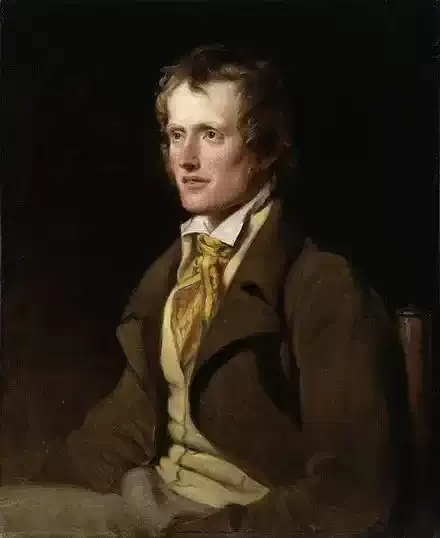
John Clare
Remembrances
Remembrances
Summer pleasures they are gone like to visions every one
And the cloudy days of autumn and of winter cometh on
I tried to call them back but unbidden they are gone
Far away from heart and eye and for ever far away
Dear heart and can it be that such raptures meet decay
I thought them all eternal when by Langley Bush I lay
I thought them joys eternal when I used to shout and play
On its bank at 'clink and bandy' 'chock' and 'taw' and
ducking stone
Where silence sitteth now on the wild heath as her own
Like a ruin of the past all alone
When I used to lie and sing by old eastwells boiling spring
When I used to tie the willow boughs together for a 'swing'
And fish with crooked pins and thread and never catch a
thing
With heart just like a feather- now as heavy as a stone
When beneath old lea close oak I the bottom branches broke
To make our harvest cart like so many working folk
And then to cut a straw at the brook to have a soak
O I never dreamed of parting or that trouble had a sting
Or that pleasures like a flock of birds would ever take to
wing
Leaving nothing but a little naked spring
When jumping time away on old cross berry way
And eating awes like sugar plumbs ere they had lost the may
And skipping like a leveret before the peep of day
On the rolly polly up and downs of pleasant swordy well
When in round oaks narrow lane as the south got black again
We sought the hollow ash that was shelter from the rain
With our pockets full of peas we had stolen from the grain
How delicious was the dinner time on such a showry day
O words are poor receipts for what time hath stole away
The ancient pulpit trees and the play
When for school oer 'little field' with its brook and wooden
brig
Where I swaggered like a man though I was not half so big
While I held my little plough though twas but a willow twig
And drove my team along made of nothing but a name
'Gee hep' and 'hoit' and 'woi'- O I never call to mind
These pleasant names of places but I leave a sigh behind
While I see the little mouldywharps hang sweeing to the wind
On the only aged willow that in all the field remains
And nature hides her face where theyre sweeing in their
chains
And in a silent murmuring complains
Here was commons for the hills where they seek for
freedom still
Though every commons gone and though traps are set to kill
The little homeless miners- O it turns my bosom chill
When I think of old 'sneap green' puddocks nook and hilly
snow
Where bramble bushes grew and the daisy gemmed in dew
And the hills of silken grass like to cushions to the view
When we threw the pissmire crumbs when we's nothing
else to do
All leveled like a desert by the never weary plough
All vanished like the sun where that cloud is passing now
All settled here for ever on its brow
I never thought that joys would run away from boys
Or that boys would change their minds and forsake such
summer joys
But alack I never dreamed that the world had other toys
To petrify first feelings like the fable into stone
Till I found the pleasure past and a winter come at last
Then the fields were sudden bare and the sky got overcast
And boyhoods pleasing haunts like a blossom in the blast
Was shrivelled to a withered weed and trampled down and
done
Till vanished was the morning spring and set that summer
sun
And winter fought her battle strife and won
By Langley bush I roam but the bush hath left its hill
On cowper green I stray tis a desert strange and chill
And spreading lea close oak ere decay had penned its will
To the axe of the spoiler and self interest fell a prey
And cross berry way and old round oaks narrow lane
With its hollow trees like pulpits I shall never see again
Inclosure like a Buonaparte let not a thing remain
It levelled every bush and tree and levelled every hill
And hung the moles for traitors - though the brook is
running still
It runs a naked brook cold and chill
O had I known as then joy had left the paths of men
I had watched her night and day besure and never slept agen
And when she turned to go O I'd caught her mantle then
And wooed her like a lover by my lonely side to stay
Aye knelt and worshipped on as love in beautys bower
And clung upon her smiles as a bee upon her flower
And gave her heart my poesys all cropt in a sunny hour
As keepsakes and pledges to fade away
But love never heeded to treasure up the may
So it went the comon road with decay.
Summer pleasures they are gone like to visions every one
And the cloudy days of autumn and of winter cometh on
I tried to call them back but unbidden they are gone
Far away from heart and eye and for ever far away
Dear heart and can it be that such raptures meet decay
I thought them all eternal when by Langley Bush I lay
I thought them joys eternal when I used to shout and play
On its bank at 'clink and bandy' 'chock' and 'taw' and
ducking stone
Where silence sitteth now on the wild heath as her own
Like a ruin of the past all alone
When I used to lie and sing by old eastwells boiling spring
When I used to tie the willow boughs together for a 'swing'
And fish with crooked pins and thread and never catch a
thing
With heart just like a feather- now as heavy as a stone
When beneath old lea close oak I the bottom branches broke
To make our harvest cart like so many working folk
And then to cut a straw at the brook to have a soak
O I never dreamed of parting or that trouble had a sting
Or that pleasures like a flock of birds would ever take to
wing
Leaving nothing but a little naked spring
When jumping time away on old cross berry way
And eating awes like sugar plumbs ere they had lost the may
And skipping like a leveret before the peep of day
On the rolly polly up and downs of pleasant swordy well
When in round oaks narrow lane as the south got black again
We sought the hollow ash that was shelter from the rain
With our pockets full of peas we had stolen from the grain
How delicious was the dinner time on such a showry day
O words are poor receipts for what time hath stole away
The ancient pulpit trees and the play
When for school oer 'little field' with its brook and wooden
brig
Where I swaggered like a man though I was not half so big
While I held my little plough though twas but a willow twig
And drove my team along made of nothing but a name
'Gee hep' and 'hoit' and 'woi'- O I never call to mind
These pleasant names of places but I leave a sigh behind
While I see the little mouldywharps hang sweeing to the wind
On the only aged willow that in all the field remains
And nature hides her face where theyre sweeing in their
chains
And in a silent murmuring complains
Here was commons for the hills where they seek for
freedom still
Though every commons gone and though traps are set to kill
The little homeless miners- O it turns my bosom chill
When I think of old 'sneap green' puddocks nook and hilly
snow
Where bramble bushes grew and the daisy gemmed in dew
And the hills of silken grass like to cushions to the view
When we threw the pissmire crumbs when we's nothing
else to do
All leveled like a desert by the never weary plough
All vanished like the sun where that cloud is passing now
All settled here for ever on its brow
I never thought that joys would run away from boys
Or that boys would change their minds and forsake such
summer joys
But alack I never dreamed that the world had other toys
To petrify first feelings like the fable into stone
Till I found the pleasure past and a winter come at last
Then the fields were sudden bare and the sky got overcast
And boyhoods pleasing haunts like a blossom in the blast
Was shrivelled to a withered weed and trampled down and
done
Till vanished was the morning spring and set that summer
sun
And winter fought her battle strife and won
By Langley bush I roam but the bush hath left its hill
On cowper green I stray tis a desert strange and chill
And spreading lea close oak ere decay had penned its will
To the axe of the spoiler and self interest fell a prey
And cross berry way and old round oaks narrow lane
With its hollow trees like pulpits I shall never see again
Inclosure like a Buonaparte let not a thing remain
It levelled every bush and tree and levelled every hill
And hung the moles for traitors - though the brook is
running still
It runs a naked brook cold and chill
O had I known as then joy had left the paths of men
I had watched her night and day besure and never slept agen
And when she turned to go O I'd caught her mantle then
And wooed her like a lover by my lonely side to stay
Aye knelt and worshipped on as love in beautys bower
And clung upon her smiles as a bee upon her flower
And gave her heart my poesys all cropt in a sunny hour
As keepsakes and pledges to fade away
But love never heeded to treasure up the may
So it went the comon road with decay.
420
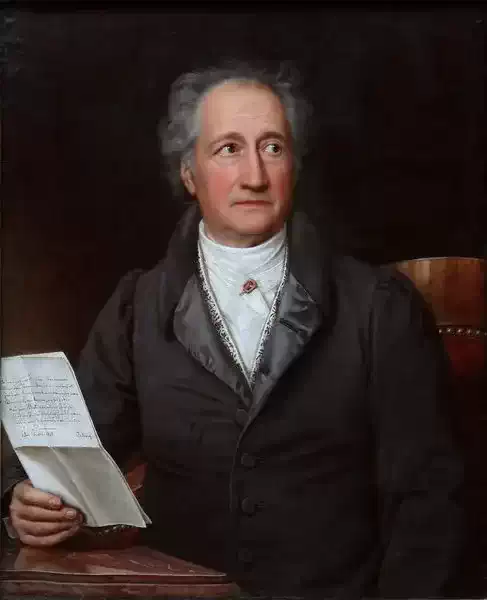
Johann Wolfgang von Goethe
To Charlotte
To Charlotte
'MIDST the noise of merriment and glee,
'Midst full many a sorrow, many a care,
Charlotte, I remember, we remember thee,
How, at evening's hour so fair,
Thou a kindly hand didst reach us,
When thou, in some happy place
Where more fair is Nature s face,
Many a lightly-hidden trace
Of a spirit loved didst teach us.
Well 'tis that thy worth I rightly knew,--
That I, in the hour when first we met,
While the first impression fill'd me yet,
Call'd thee then a girl both good and true.
Rear'd in silence, calmly, knowing nought,
On the world we suddenly are thrown;
Hundred thousand billows round us sport;
All things charm us--many please alone,
Many grieve us, and as hour on hour is stealing,
To and fro our restless natures sway;
First we feel, and then we find each feeling
By the changeful world-stream borne away.
Well I know, we oft within us find
Many a hope and many a smart.
Charlotte, who can know our mind?
Charlotte, who can know our heart?
Ah! 'twould fain be understood, 'twould fain o'erflow
In some creature's fellow-feelings blest,
And, with trust, in twofold measure know
All the grief and joy in Nature's breast.
Then thine eye is oft around thee cast,
But in vain, for all seems closed for ever.
Thus the fairest part of life is madly pass'd
Free from storm, but resting never:
To thy sorrow thou'rt to-day repell'd
By what yesterday obey'd thee.
Can that world by thee be worthy held
Which so oft betray'd thee?
Which, 'mid all thy pleasures and thy pains,
Lived in selfish, unconcern'd repose?
See, the soul its secret cells regains,
And the heart--makes haste to close.
Thus found I thee, and gladly went to meet thee;
"She's worthy of all love!" I cried,
And pray'd that Heaven with purest bliss might greet thee,
Which in thy friend it richly hath supplied.
'MIDST the noise of merriment and glee,
'Midst full many a sorrow, many a care,
Charlotte, I remember, we remember thee,
How, at evening's hour so fair,
Thou a kindly hand didst reach us,
When thou, in some happy place
Where more fair is Nature s face,
Many a lightly-hidden trace
Of a spirit loved didst teach us.
Well 'tis that thy worth I rightly knew,--
That I, in the hour when first we met,
While the first impression fill'd me yet,
Call'd thee then a girl both good and true.
Rear'd in silence, calmly, knowing nought,
On the world we suddenly are thrown;
Hundred thousand billows round us sport;
All things charm us--many please alone,
Many grieve us, and as hour on hour is stealing,
To and fro our restless natures sway;
First we feel, and then we find each feeling
By the changeful world-stream borne away.
Well I know, we oft within us find
Many a hope and many a smart.
Charlotte, who can know our mind?
Charlotte, who can know our heart?
Ah! 'twould fain be understood, 'twould fain o'erflow
In some creature's fellow-feelings blest,
And, with trust, in twofold measure know
All the grief and joy in Nature's breast.
Then thine eye is oft around thee cast,
But in vain, for all seems closed for ever.
Thus the fairest part of life is madly pass'd
Free from storm, but resting never:
To thy sorrow thou'rt to-day repell'd
By what yesterday obey'd thee.
Can that world by thee be worthy held
Which so oft betray'd thee?
Which, 'mid all thy pleasures and thy pains,
Lived in selfish, unconcern'd repose?
See, the soul its secret cells regains,
And the heart--makes haste to close.
Thus found I thee, and gladly went to meet thee;
"She's worthy of all love!" I cried,
And pray'd that Heaven with purest bliss might greet thee,
Which in thy friend it richly hath supplied.
402
Johann Wolfgang von Goethe
The King Of Thule
The King Of Thule
IN Thule lived a monarch,
Still faithful to the grave,
To whom his dying mistress
A golden goblet gave.
Beyond all price he deem'd it,
He quaff'd it at each feast;
And, when he drain'd that goblet,
His tears to flow ne'er ceas'd.
And when he felt death near him,
His cities o'er he told,
And to his heir left all things,
But not that cup of gold.
A regal banquet held he
In his ancestral ball,
In yonder sea-wash'd castle,
'Mongst his great nobles all.
There stood the aged reveller,
And drank his last life's-glow,--
Then hurl'd the holy goblet
Into the flood below.
He saw it falling, filling,
And sinking 'neath the main,
His eyes then closed for ever,
He never drank again.
IN Thule lived a monarch,
Still faithful to the grave,
To whom his dying mistress
A golden goblet gave.
Beyond all price he deem'd it,
He quaff'd it at each feast;
And, when he drain'd that goblet,
His tears to flow ne'er ceas'd.
And when he felt death near him,
His cities o'er he told,
And to his heir left all things,
But not that cup of gold.
A regal banquet held he
In his ancestral ball,
In yonder sea-wash'd castle,
'Mongst his great nobles all.
There stood the aged reveller,
And drank his last life's-glow,--
Then hurl'd the holy goblet
Into the flood below.
He saw it falling, filling,
And sinking 'neath the main,
His eyes then closed for ever,
He never drank again.
361
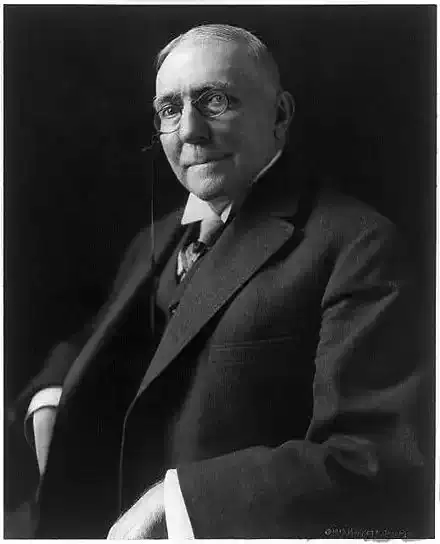
James Whitcomb Riley
When Mother Combed My Hair
When Mother Combed My Hair
When Memory, with gentle hand,
Has led me to that foreign land
Of childhood days, I long to be
Again the boy on bended knee,
With head a-bow, and drowsy smile
Hid in a mother's lap the while,
With tender touch and kindly care,
She bends above and combs my hair.
Ere threats of Time, or ghosts of cares
Had paled it to the hue it wears,
Its tangled threads of amber light
Fell o'er a forehead, fair and white,
That only knew the light caress
Of loving hands, or sudden press
Of kisses that were sifted there
The times when mother combed my hair.
But its last gleams of gold have slipped
Away; and Sorrow's manuscript
Is fashioned of the snowy brow--
So lined and underscored now
That you, to see it, scarce would guess
It e'er had felt the fond caress
Of loving lips, or known the care
Of those dear hands that combed my hair.
. . . . . . . .
I am so tired! Let me be
A moment at my mother's knee;
One moment--that I may forget
The trials waiting for me yet:
One moment free from every pain--
O! Mother! Comb my hair again!
And I will, oh, so humbly bow,
For I've a wife that combs it now.
When Memory, with gentle hand,
Has led me to that foreign land
Of childhood days, I long to be
Again the boy on bended knee,
With head a-bow, and drowsy smile
Hid in a mother's lap the while,
With tender touch and kindly care,
She bends above and combs my hair.
Ere threats of Time, or ghosts of cares
Had paled it to the hue it wears,
Its tangled threads of amber light
Fell o'er a forehead, fair and white,
That only knew the light caress
Of loving hands, or sudden press
Of kisses that were sifted there
The times when mother combed my hair.
But its last gleams of gold have slipped
Away; and Sorrow's manuscript
Is fashioned of the snowy brow--
So lined and underscored now
That you, to see it, scarce would guess
It e'er had felt the fond caress
Of loving lips, or known the care
Of those dear hands that combed my hair.
. . . . . . . .
I am so tired! Let me be
A moment at my mother's knee;
One moment--that I may forget
The trials waiting for me yet:
One moment free from every pain--
O! Mother! Comb my hair again!
And I will, oh, so humbly bow,
For I've a wife that combs it now.
242
James Whitcomb Riley
Waitin' Fer The Cat To Die
Waitin' Fer The Cat To Die
Lawzy! don't I rickollect
That-'air old swing in the lane!
Right and proper, I expect,
Old times _can't_ come back again;
But I want to state, ef they
_Could_ come back, and I could say
What _my_ pick 'ud be, i jing!
I'd say, Gimme the old swing
'Nunder the old locus'-trees
On the old place, ef you please!--
Danglin' there with half-shet eye,
Waitin' fer the cat to die!
I'd say, Gimme the old gang
Of barefooted, hungry, lean,
Ornry boys you want to hang
When you're growed up twic't as mean!
The old gyarden-patch, the old
Truants, and the stuff we stol'd!
The old stompin'-groun', where we
Wore the grass off, wild and free
As the swoop of the old swing,
Where we ust to climb and cling,
And twist roun', and fight, and lie--
Waitin' fer the cat to die!
'Pears like I 'most allus could
Swing the highest of the crowd--
Jes sail up there tel I stood
Downside-up, and screech out loud,--
Ketch my breath, and jes drap back
Fer to let the old swing slack,
Yit my tow-head dippin' still
In the green boughs, and the chill
Up my backbone taperin' down,
With my shadder on the ground'
Slow and slower trailin' by--
Waitin' fer the cat to die!
Now my daughter's little Jane's
Got a kind o' baby-swing
On the porch, so's when it rains
She kin play there--little thing!
And I'd limped out t'other day
With my old cheer this-a-way,
Swingin' _her_ and rockin' too,
Thinkin' how _I_ ust to do
At _her_ age, when suddently,
'Hey, Gran'pap!' she says to me,
'Why you rock so slow?' ... Says I,
'Waitin' fer the cat to die!'
Lawzy! don't I rickollect
That-'air old swing in the lane!
Right and proper, I expect,
Old times _can't_ come back again;
But I want to state, ef they
_Could_ come back, and I could say
What _my_ pick 'ud be, i jing!
I'd say, Gimme the old swing
'Nunder the old locus'-trees
On the old place, ef you please!--
Danglin' there with half-shet eye,
Waitin' fer the cat to die!
I'd say, Gimme the old gang
Of barefooted, hungry, lean,
Ornry boys you want to hang
When you're growed up twic't as mean!
The old gyarden-patch, the old
Truants, and the stuff we stol'd!
The old stompin'-groun', where we
Wore the grass off, wild and free
As the swoop of the old swing,
Where we ust to climb and cling,
And twist roun', and fight, and lie--
Waitin' fer the cat to die!
'Pears like I 'most allus could
Swing the highest of the crowd--
Jes sail up there tel I stood
Downside-up, and screech out loud,--
Ketch my breath, and jes drap back
Fer to let the old swing slack,
Yit my tow-head dippin' still
In the green boughs, and the chill
Up my backbone taperin' down,
With my shadder on the ground'
Slow and slower trailin' by--
Waitin' fer the cat to die!
Now my daughter's little Jane's
Got a kind o' baby-swing
On the porch, so's when it rains
She kin play there--little thing!
And I'd limped out t'other day
With my old cheer this-a-way,
Swingin' _her_ and rockin' too,
Thinkin' how _I_ ust to do
At _her_ age, when suddently,
'Hey, Gran'pap!' she says to me,
'Why you rock so slow?' ... Says I,
'Waitin' fer the cat to die!'
267
James Whitcomb Riley
Up And Down Old Brandywine
Up And Down Old Brandywine
Up and down old Brandywine,
In the days 'at's past and gone--
With a dad-burn hook-and line
And a saplin' pole--swawn!
I've had more fun, to the square
Inch, than ever ANYwhere!
Heaven to come can't discount MINE
Up and down old Brandywine!
Hain't no sense in WISHIN'--yit
Wisht to goodness I COULD jes
'Gee' the blame' world round and git
Back to that old happiness!--
Kindo' drive back in the shade
'The old Covered Bridge' there laid
'Crosst the crick, and sorto' soak
My soul over, hub and spoke!
Honest, now!--it hain't no DREAM
'At I'm wantin',--but THE FAC'S
As they wuz; the same old stream,
And the same old times, i jacks!--
Gim me back my bare feet--and
Stonebruise too!--And scratched and tanned!
And let hottest dog-days shine
Up and down old Brandywine!
In and on betwixt the trees
'Long the banks, pour down yer noon,
Kindo' curdled with the breeze
And the yallerhammer's tune;
And the smokin', chokin' dust
O' the turnpike at its wusst--
SATURD'YS, say, when it seems
Road's jes jammed with country teams!--
Whilse the old town, fur away
'Crosst the hazy pastur'-land,
Dozed-like in the heat o' day
Peaceful' as a hired hand.
Jolt the gravel th'ough the floor
O' the old bridge!--grind and roar
With yer blame percession-line--
Up and down old Brandywine!
Souse me and my new straw-hat
Off the foot-log!--what _I_ care?--
Fist shoved in the crown o' that--
Like the old Clown ust to wear.
Wouldn't swop it fer a' old
Gin-u-wine raal crown o' gold!--
Keep yer KING ef you'll gim me
Jes the boy I ust to be!
Spill my fishin'-worms! er steal
My best 'goggle-eye!'--but you
Can't lay hands on joys I feel
Nibblin' like they ust to do!
So, in memory, to-day
Same old ripple lips away
At my 'cork' and saggin' line,
Up and down old Bradywine!
There the logs is, round the hill,
Where 'Old Irvin' ust to lift
Out sunfish from daylight till
Dewfall--'fore he'd leave 'The Drift'
And give US a chance--and then
Kindo' fish back home again,
Ketchin' 'em jes left and right
Where WE hadn't got 'a bite!'
Er, 'way windin' out and in,--
Old path th'ough the iurnweeds
And dog-fennel to yer chin--
Then come suddent, th'ough the reeds
And cat-tails, smack into where
Them--air woods--hogs ust to scare
Us clean 'crosst the County-line,
Up and down old Brandywine!
But the dim roar o' the dam
It 'ud coax us furder still
To'rds the old race, slow and ca'm,
Slidin' on to Huston's mill--
Where, I'spect, 'The Freeport crowd'
Never WARMED to us er 'lowed
We wuz quite so overly
Welcome as we aimed to be.
Still it 'peared like ever'thing--
Fur away from home as THERE--
Had more RELISH-like, i jing!--
Fish in stream, er bird in air!
O them rich old bottom-lands,
Past where Cowden's Schoolhouse stands!
Wortermelons--MASTER-MINE!
Up and down old Brandywine!
And sich pop-paws!--Lumps o' raw
Gold and green,--jes oozy th'ough
With ripe yaller--like you've saw
Custard-pie with no crust to:
And jes GORGES o' wild plums,
Till a feller'd suck his thumbs
Clean up to his elbows! MY!--
ME SOME MORE ER LEM ME DIE!
Up and down old Brandywine! ...
Stripe me with pokeberry-juice!--
Flick me with a pizenvine
And yell 'Yip!' and lem me loose!
--Old now as I then wuz young,
'F I could sing as I HAVE sung,
Song 'ud surely ring DEE-VINE
Up and down old Brandywine!
Up and down old Brandywine,
In the days 'at's past and gone--
With a dad-burn hook-and line
And a saplin' pole--swawn!
I've had more fun, to the square
Inch, than ever ANYwhere!
Heaven to come can't discount MINE
Up and down old Brandywine!
Hain't no sense in WISHIN'--yit
Wisht to goodness I COULD jes
'Gee' the blame' world round and git
Back to that old happiness!--
Kindo' drive back in the shade
'The old Covered Bridge' there laid
'Crosst the crick, and sorto' soak
My soul over, hub and spoke!
Honest, now!--it hain't no DREAM
'At I'm wantin',--but THE FAC'S
As they wuz; the same old stream,
And the same old times, i jacks!--
Gim me back my bare feet--and
Stonebruise too!--And scratched and tanned!
And let hottest dog-days shine
Up and down old Brandywine!
In and on betwixt the trees
'Long the banks, pour down yer noon,
Kindo' curdled with the breeze
And the yallerhammer's tune;
And the smokin', chokin' dust
O' the turnpike at its wusst--
SATURD'YS, say, when it seems
Road's jes jammed with country teams!--
Whilse the old town, fur away
'Crosst the hazy pastur'-land,
Dozed-like in the heat o' day
Peaceful' as a hired hand.
Jolt the gravel th'ough the floor
O' the old bridge!--grind and roar
With yer blame percession-line--
Up and down old Brandywine!
Souse me and my new straw-hat
Off the foot-log!--what _I_ care?--
Fist shoved in the crown o' that--
Like the old Clown ust to wear.
Wouldn't swop it fer a' old
Gin-u-wine raal crown o' gold!--
Keep yer KING ef you'll gim me
Jes the boy I ust to be!
Spill my fishin'-worms! er steal
My best 'goggle-eye!'--but you
Can't lay hands on joys I feel
Nibblin' like they ust to do!
So, in memory, to-day
Same old ripple lips away
At my 'cork' and saggin' line,
Up and down old Bradywine!
There the logs is, round the hill,
Where 'Old Irvin' ust to lift
Out sunfish from daylight till
Dewfall--'fore he'd leave 'The Drift'
And give US a chance--and then
Kindo' fish back home again,
Ketchin' 'em jes left and right
Where WE hadn't got 'a bite!'
Er, 'way windin' out and in,--
Old path th'ough the iurnweeds
And dog-fennel to yer chin--
Then come suddent, th'ough the reeds
And cat-tails, smack into where
Them--air woods--hogs ust to scare
Us clean 'crosst the County-line,
Up and down old Brandywine!
But the dim roar o' the dam
It 'ud coax us furder still
To'rds the old race, slow and ca'm,
Slidin' on to Huston's mill--
Where, I'spect, 'The Freeport crowd'
Never WARMED to us er 'lowed
We wuz quite so overly
Welcome as we aimed to be.
Still it 'peared like ever'thing--
Fur away from home as THERE--
Had more RELISH-like, i jing!--
Fish in stream, er bird in air!
O them rich old bottom-lands,
Past where Cowden's Schoolhouse stands!
Wortermelons--MASTER-MINE!
Up and down old Brandywine!
And sich pop-paws!--Lumps o' raw
Gold and green,--jes oozy th'ough
With ripe yaller--like you've saw
Custard-pie with no crust to:
And jes GORGES o' wild plums,
Till a feller'd suck his thumbs
Clean up to his elbows! MY!--
ME SOME MORE ER LEM ME DIE!
Up and down old Brandywine! ...
Stripe me with pokeberry-juice!--
Flick me with a pizenvine
And yell 'Yip!' and lem me loose!
--Old now as I then wuz young,
'F I could sing as I HAVE sung,
Song 'ud surely ring DEE-VINE
Up and down old Brandywine!
281
James Whitcomb Riley
To Annie
To Annie
When the lids of dusk are falling
O'er the dreamy eyes of day,
And the whippoorwills are calling,
And the lesson laid away,--
May Mem'ry soft and tender
As the prelude of the night,
Bend over you and render
As tranquil a delight.
When the lids of dusk are falling
O'er the dreamy eyes of day,
And the whippoorwills are calling,
And the lesson laid away,--
May Mem'ry soft and tender
As the prelude of the night,
Bend over you and render
As tranquil a delight.
278
James Whitcomb Riley
There Was a Cherry-Tree
There Was a Cherry-Tree
There was a cherry-tree. Its bloomy snows
Cool even now the fevered sight that knows
No more its airy visions of pure joy --
As when you were a boy.
There was a cherry-tree. The Bluejay sat
His blue against its white -- O blue as jet
He seemed there then!-- But now -- Whoever knew
He was so pale a blue!
There was a cherry-tree -- our child-eyes saw
The miracle:-- Its pure white snows did thaw
Into a crimson fruitage, far too sweet
But for a boy to eat.
There was a cherry-tree, give thanks and joy!--
There was a bloom of snow -- There was a boy --
There was a bluejay of the realest blue --
And fruit for both of you.
There was a cherry-tree. Its bloomy snows
Cool even now the fevered sight that knows
No more its airy visions of pure joy --
As when you were a boy.
There was a cherry-tree. The Bluejay sat
His blue against its white -- O blue as jet
He seemed there then!-- But now -- Whoever knew
He was so pale a blue!
There was a cherry-tree -- our child-eyes saw
The miracle:-- Its pure white snows did thaw
Into a crimson fruitage, far too sweet
But for a boy to eat.
There was a cherry-tree, give thanks and joy!--
There was a bloom of snow -- There was a boy --
There was a bluejay of the realest blue --
And fruit for both of you.
269
James Whitcomb Riley
The Orchard Lands Of Long Ago
The Orchard Lands Of Long Ago
The orchard lands of Long Ago!
O drowsy winds, awake, and blow
The snowy blossoms back to me,
And all the buds that used to be!
Blow back along the grassy ways
Of truant feet, and lift the haze
Of happy summer from the trees
That trail their tresses in the seas
Of grain that float and overflow
The orchard lands of Long Ago!
Blow back the melody that slips
In lazy laughter from the lips
That marvel much if any kiss
Is sweeter than the apple's is.
Blow back the twitter of the birds--
The lisp, the titter, and the words
Of merriment that found the shine
Of summer-time a glorious wine
That drenched the leaves that loved it so,
In orchard lands of Long Ago!
O memory! alight and sing
Where rosy-bellied pippins cling,
And golden russets glint and gleam,
As, in the old Arabian dream,
The fruits of that enchanted tree
The glad Aladdin robbed for me!
And, drowsy winds, awake and fan
My blood as when it overran
A heart ripe as the apples grow
In orchard lands of Long Ago!
The orchard lands of Long Ago!
O drowsy winds, awake, and blow
The snowy blossoms back to me,
And all the buds that used to be!
Blow back along the grassy ways
Of truant feet, and lift the haze
Of happy summer from the trees
That trail their tresses in the seas
Of grain that float and overflow
The orchard lands of Long Ago!
Blow back the melody that slips
In lazy laughter from the lips
That marvel much if any kiss
Is sweeter than the apple's is.
Blow back the twitter of the birds--
The lisp, the titter, and the words
Of merriment that found the shine
Of summer-time a glorious wine
That drenched the leaves that loved it so,
In orchard lands of Long Ago!
O memory! alight and sing
Where rosy-bellied pippins cling,
And golden russets glint and gleam,
As, in the old Arabian dream,
The fruits of that enchanted tree
The glad Aladdin robbed for me!
And, drowsy winds, awake and fan
My blood as when it overran
A heart ripe as the apples grow
In orchard lands of Long Ago!
275
James Whitcomb Riley
The Old Swimmin' Hole
The Old Swimmin' Hole
1
2
3
4
6
7
8
Oh! the old swimmin'-hole! whare the crick so still and deep
Looked like a baby-river that was laying half asleep,
And the gurgle of the worter round the drift jest below
Sounded like the laugh of something we onc't ust to know
Before we could remember anything but the eyes
Of the angels lookin' out as we left Paradise;
But the merry days of youth is beyond our controle,
And it's hard to part ferever with the old swimmin'-hole.
9 Oh! the old swimmin'-hole! In the happy days of yore,
When I ust to lean above it on the old sickamore,
11
12
13
14
16
Oh! it showed me a face in its warm sunny tide
That gazed back at me so gay and glorified,
It made me love myself, as I leaped to caress
My shadder smilin' up at me with sich tenderness.
But them days is past and gone, and old Time's tuck his toll
From the old man come back to the old swimmin'-hole.
17
18
19
21
22
23
24
Oh! the old swimmin'-hole! In the long, lazy days
When the humdrum of school made so many run-a-ways,
How plesant was the jurney down the old dusty lane,
Whare the tracks of our bare feet was all printed so plane
You could tell by the dent of the heel and the sole
They was lots o' fun on hands at the old swimmin'-hole.
But the lost joys is past! Let your tears in sorrow roll
Like the rain that ust to dapple up the old swimmin'-hole.
26
Thare the bullrushes growed, and the cattails so tall,
And the sunshine and shadder fell over it all;
27
28
29
31
32
And it mottled the worter with amber and gold
Tel the glad lilies rocked in the ripples that rolled;
And the snake-feeder's four gauzy wings fluttered by
Like the ghost of a daisy dropped out of the sky,
Or a wownded apple-blossom in the breeze's controle
As it cut acrost some orchard to'rds the old swimmin'-hole.
33
34
36
37
38
39
Oh! the old swimmin'-hole! When I last saw the place,
The scenes was all changed, like the change in my face;
The bridge of the railroad now crosses the spot
Whare the old divin'-log lays sunk and fergot.
And I stray down the banks whare the trees ust to be --
But never again will theyr shade shelter me!
And I wish in my sorrow I could strip to the soul,
And dive off in my grave like the old swimmin'-hole.
1
2
3
4
6
7
8
Oh! the old swimmin'-hole! whare the crick so still and deep
Looked like a baby-river that was laying half asleep,
And the gurgle of the worter round the drift jest below
Sounded like the laugh of something we onc't ust to know
Before we could remember anything but the eyes
Of the angels lookin' out as we left Paradise;
But the merry days of youth is beyond our controle,
And it's hard to part ferever with the old swimmin'-hole.
9 Oh! the old swimmin'-hole! In the happy days of yore,
When I ust to lean above it on the old sickamore,
11
12
13
14
16
Oh! it showed me a face in its warm sunny tide
That gazed back at me so gay and glorified,
It made me love myself, as I leaped to caress
My shadder smilin' up at me with sich tenderness.
But them days is past and gone, and old Time's tuck his toll
From the old man come back to the old swimmin'-hole.
17
18
19
21
22
23
24
Oh! the old swimmin'-hole! In the long, lazy days
When the humdrum of school made so many run-a-ways,
How plesant was the jurney down the old dusty lane,
Whare the tracks of our bare feet was all printed so plane
You could tell by the dent of the heel and the sole
They was lots o' fun on hands at the old swimmin'-hole.
But the lost joys is past! Let your tears in sorrow roll
Like the rain that ust to dapple up the old swimmin'-hole.
26
Thare the bullrushes growed, and the cattails so tall,
And the sunshine and shadder fell over it all;
27
28
29
31
32
And it mottled the worter with amber and gold
Tel the glad lilies rocked in the ripples that rolled;
And the snake-feeder's four gauzy wings fluttered by
Like the ghost of a daisy dropped out of the sky,
Or a wownded apple-blossom in the breeze's controle
As it cut acrost some orchard to'rds the old swimmin'-hole.
33
34
36
37
38
39
Oh! the old swimmin'-hole! When I last saw the place,
The scenes was all changed, like the change in my face;
The bridge of the railroad now crosses the spot
Whare the old divin'-log lays sunk and fergot.
And I stray down the banks whare the trees ust to be --
But never again will theyr shade shelter me!
And I wish in my sorrow I could strip to the soul,
And dive off in my grave like the old swimmin'-hole.
311
James Whitcomb Riley
The Old Guitar
The Old Guitar
Neglected now is the old guitar
And moldering into decay;
Fretted with many a rift and scar
That the dull dust hides away,
While the spider spins a silver star
In its silent lips to-day.
The keys hold only nerveless strings--
The sinews of brave old airs
Are pulseless now; and the scarf that clings
So closely here declares
A sad regret in its ravelings
And the faded hue it wears.
But the old guitar, with a lenient grace,
Has cherished a smile for me;
And its features hint of a fairer face
That comes with a memory
Of a flower-and-perfume-haunted place
And a moonlit balcony.
Music sweeter than words confess,
Or the minstrel's powers invent,
Thrilled here once at the light caress
Of the fairy hands that lent
This excuse for the kiss I press
On the dear old instrument.
The rose of pearl with the jeweled stem
Still blooms; and the tiny sets
In the circle all are here; the gem
In the keys, and the silver frets;
But the dainty fingers that danced o'er them--
Alas for the heart's regrets!--
Alas for the loosened strings to-day,
And the wounds of rift and scar
On a worn old heart, with its roundelay
Enthralled with a stronger bar
That Fate weaves on, through a dull decay
Like that of the old guitar!
Neglected now is the old guitar
And moldering into decay;
Fretted with many a rift and scar
That the dull dust hides away,
While the spider spins a silver star
In its silent lips to-day.
The keys hold only nerveless strings--
The sinews of brave old airs
Are pulseless now; and the scarf that clings
So closely here declares
A sad regret in its ravelings
And the faded hue it wears.
But the old guitar, with a lenient grace,
Has cherished a smile for me;
And its features hint of a fairer face
That comes with a memory
Of a flower-and-perfume-haunted place
And a moonlit balcony.
Music sweeter than words confess,
Or the minstrel's powers invent,
Thrilled here once at the light caress
Of the fairy hands that lent
This excuse for the kiss I press
On the dear old instrument.
The rose of pearl with the jeweled stem
Still blooms; and the tiny sets
In the circle all are here; the gem
In the keys, and the silver frets;
But the dainty fingers that danced o'er them--
Alas for the heart's regrets!--
Alas for the loosened strings to-day,
And the wounds of rift and scar
On a worn old heart, with its roundelay
Enthralled with a stronger bar
That Fate weaves on, through a dull decay
Like that of the old guitar!
316
James Whitcomb Riley
The Lost Kiss
The Lost Kiss
I put by the half-written poem,
While the pen, idly trailed in my hand,
Writes on--, 'Had I words to complete it,
Who'd read it, or who'd understand?'
But the little bare feet on the stairway,
And the faint, smothered laugh in the hall,
And the eerie-low lisp on the silence,
Cry up to me over it all.
So I gather it up-- where was broken
The tear-faded thread of my theme,
Telling how, as one night I sat writing,
A fairy broke in on my dream,
A little inquisitive fairy--
My own little girl, with the gold
Of the sun in her hair, and the dewy
Blue eyes of the fairies of old.
'Twas the dear little girl that I scolded-'
For was it a moment like this,'
I said, 'when she knew I was busy,
To come romping in for a kiss--?
Come rowdying up from her mother,
And clamoring there at my knee
For 'One 'ittle kiss for my dolly,
And one 'ittle uzzer for me!'
God pity, the heart that repelled her,
And the cold hand that turned her away,
And take, from the lips that denied her,
This answerless prayer of to-day!
Take Lord, from my mem'ry forever
That pitiful sob of despair,
And the patter and trip of the little bare feet,
And the one piercing cry on the stair!
I put by the half-written poem,
While the pen, idly trailed in my hand
Writes on--, 'Had I words to complete it
Who'd read it, or who'd understand?'
But the little bare feet on the stairway,
And the faint, smothered laugh in the hall,
And the eerie-low lisp on the silence,
Cry up to me over it all.
I put by the half-written poem,
While the pen, idly trailed in my hand,
Writes on--, 'Had I words to complete it,
Who'd read it, or who'd understand?'
But the little bare feet on the stairway,
And the faint, smothered laugh in the hall,
And the eerie-low lisp on the silence,
Cry up to me over it all.
So I gather it up-- where was broken
The tear-faded thread of my theme,
Telling how, as one night I sat writing,
A fairy broke in on my dream,
A little inquisitive fairy--
My own little girl, with the gold
Of the sun in her hair, and the dewy
Blue eyes of the fairies of old.
'Twas the dear little girl that I scolded-'
For was it a moment like this,'
I said, 'when she knew I was busy,
To come romping in for a kiss--?
Come rowdying up from her mother,
And clamoring there at my knee
For 'One 'ittle kiss for my dolly,
And one 'ittle uzzer for me!'
God pity, the heart that repelled her,
And the cold hand that turned her away,
And take, from the lips that denied her,
This answerless prayer of to-day!
Take Lord, from my mem'ry forever
That pitiful sob of despair,
And the patter and trip of the little bare feet,
And the one piercing cry on the stair!
I put by the half-written poem,
While the pen, idly trailed in my hand
Writes on--, 'Had I words to complete it
Who'd read it, or who'd understand?'
But the little bare feet on the stairway,
And the faint, smothered laugh in the hall,
And the eerie-low lisp on the silence,
Cry up to me over it all.
289