

Poems in this theme
Memories and Recollections
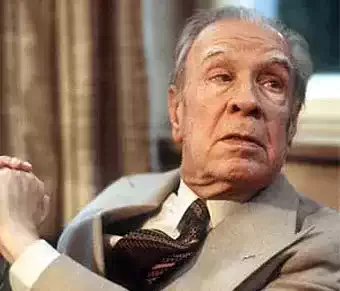
Jorge Luis Borges
Remorse For Any Death
Remorse For Any Death
Free of memory and of hope,
limitless, abstract, almost future,
the dead man is not a dead man: he is death.
Like the God of the mystics,
of Whom anything that could be said must be denied,
the dead one, alien everywhere,
is but the ruin and absence of the world.
We rob him of everything,
we leave him not so much as a color or syllable:
here, the courtyard which his eyes no longer see,
there, the sidewalk where his hope lay in wait.
Even what we are thinking,
he could be thinking;
we have divvied up like thieves
the booty of nights and days.
Free of memory and of hope,
limitless, abstract, almost future,
the dead man is not a dead man: he is death.
Like the God of the mystics,
of Whom anything that could be said must be denied,
the dead one, alien everywhere,
is but the ruin and absence of the world.
We rob him of everything,
we leave him not so much as a color or syllable:
here, the courtyard which his eyes no longer see,
there, the sidewalk where his hope lay in wait.
Even what we are thinking,
he could be thinking;
we have divvied up like thieves
the booty of nights and days.
775
Jorge Luis Borges
El Instante
El Instante
Dónde estarán los siglos, dónde el sueño
de espadas que los tártaros soñaron,
dónde los fuertes muros que allanaron,
dónde el Árbol de Adán y el otro Leño?
El presente está solo. La memoria
erige el tiempo. Sucesión y engaño
es la rutina del reloj. El año
no es menos vano que la vana historia.
Entre el alba y la noche hay un abismo
de agonías, de luces, de cuidados;
el rostro que se mira en los gastados
espejos de la noche no es el mismo.
El hoy fugaz es tenue y es eterno;
otro Cielo no esperes, ni otro Infierno.
Dónde estarán los siglos, dónde el sueño
de espadas que los tártaros soñaron,
dónde los fuertes muros que allanaron,
dónde el Árbol de Adán y el otro Leño?
El presente está solo. La memoria
erige el tiempo. Sucesión y engaño
es la rutina del reloj. El año
no es menos vano que la vana historia.
Entre el alba y la noche hay un abismo
de agonías, de luces, de cuidados;
el rostro que se mira en los gastados
espejos de la noche no es el mismo.
El hoy fugaz es tenue y es eterno;
otro Cielo no esperes, ni otro Infierno.
784
Jorge Luis Borges
Adam Cast Forth
Adam Cast Forth
Was there a Garden or was the Garden a dream?
Amid the fleeting light, I have slowed myself and queried,
Almost for consolation, if the bygone period
Over which this Adam, wretched now, once reigned supreme,
Might not have been just a magical illusion
Of that God I dreamed. Already it's imprecise
In my memory, the clear Paradise,
But I know it exists, in flower and profusion,
Although not for me. My punishment for life
Is the stubborn earth with the incestuous strife
Of Cains and Abels and their brood; I await no pardon.
Yet, it's much to have loved, to have known true joy,
To have had -- if only for just one day --
The experience of touching the living Garden.
Translated by Genia Gurarie, ..
Copyright retained by Genia Gurarie.
email: egurarie@princeton.edu
http://www.princeton.edu/~egurarie/
For permission to reproduce, write personally to the translator.
Was there a Garden or was the Garden a dream?
Amid the fleeting light, I have slowed myself and queried,
Almost for consolation, if the bygone period
Over which this Adam, wretched now, once reigned supreme,
Might not have been just a magical illusion
Of that God I dreamed. Already it's imprecise
In my memory, the clear Paradise,
But I know it exists, in flower and profusion,
Although not for me. My punishment for life
Is the stubborn earth with the incestuous strife
Of Cains and Abels and their brood; I await no pardon.
Yet, it's much to have loved, to have known true joy,
To have had -- if only for just one day --
The experience of touching the living Garden.
Translated by Genia Gurarie, ..
Copyright retained by Genia Gurarie.
email: egurarie@princeton.edu
http://www.princeton.edu/~egurarie/
For permission to reproduce, write personally to the translator.
800
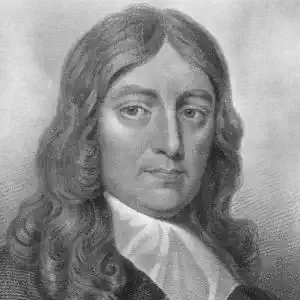
John Milton
The Fifth Ode Of Horace. Lib. I
The Fifth Ode Of Horace. Lib. I
Quis multa gracilis te puer in Rosa
Rendred almost word for word without Rhyme according to the
Latin Measure, as near as the Language permit.
WHAT slender Youth bedew'd with liquid odours
Courts thee on Roses in some pleasant Cave,
Pyrrha for whom bind'st thou
In wreaths thy golden Hair,
Plain in thy neatness; O how oft shall he
On Faith and changed Gods complain: and Seas
Rough with black winds and storms
Unwonted shall admire:
Who now enjoyes thee credulous, all Gold,
Who alwayes vacant, alwayes amiable
Hopes thee; of flattering gales
Unmindfull. Hapless they
To whom thou untry'd seem'st fair. Me in my vow'd
Picture the sacred wall declares t' have hung
My dank and dropping weeds
To the stern God of Sea.
[The Latin text follows.]
Quis multa gracilis te puer in Rosa
Rendred almost word for word without Rhyme according to the
Latin Measure, as near as the Language permit.
WHAT slender Youth bedew'd with liquid odours
Courts thee on Roses in some pleasant Cave,
Pyrrha for whom bind'st thou
In wreaths thy golden Hair,
Plain in thy neatness; O how oft shall he
On Faith and changed Gods complain: and Seas
Rough with black winds and storms
Unwonted shall admire:
Who now enjoyes thee credulous, all Gold,
Who alwayes vacant, alwayes amiable
Hopes thee; of flattering gales
Unmindfull. Hapless they
To whom thou untry'd seem'st fair. Me in my vow'd
Picture the sacred wall declares t' have hung
My dank and dropping weeds
To the stern God of Sea.
[The Latin text follows.]
427
John Milton
Sonnet 14
Sonnet 14
XIV
When Faith and Love which parted from thee never,
Had ripen'd thy just soul to dwell with God,
Meekly thou didst resign this earthy load
Of Death, call'd Life; which us from Life doth sever
Thy Works and Alms and all thy good Endeavour
Staid not behind, nor in the grave were trod;
But as Faith pointed with her golden rod,
Follow'd thee up to joy and bliss for ever.
Love led them on, and Faith who knew them best
Thy hand-maids, clad them o're with purple beams
And azure wings, that up they flew so drest,
And speak the truth of thee on glorious Theams
Before the Judge, who thenceforth bid thee rest
And drink thy fill of pure immortal streams.
Note: Camb. Autograph supplies title, On the Religious
Memory of Catherine Thomson, my Christian Friend, deceased
16 Decemb., 1646.
XIV
When Faith and Love which parted from thee never,
Had ripen'd thy just soul to dwell with God,
Meekly thou didst resign this earthy load
Of Death, call'd Life; which us from Life doth sever
Thy Works and Alms and all thy good Endeavour
Staid not behind, nor in the grave were trod;
But as Faith pointed with her golden rod,
Follow'd thee up to joy and bliss for ever.
Love led them on, and Faith who knew them best
Thy hand-maids, clad them o're with purple beams
And azure wings, that up they flew so drest,
And speak the truth of thee on glorious Theams
Before the Judge, who thenceforth bid thee rest
And drink thy fill of pure immortal streams.
Note: Camb. Autograph supplies title, On the Religious
Memory of Catherine Thomson, my Christian Friend, deceased
16 Decemb., 1646.
738
John Milton
On the Religious Memory of Mrs. Catherine Thomson, my Christian Friend,
On the Religious Memory of Mrs. Catherine Thomson, my Christian Friend,
Deceased Dec. 16, 1646
When Faith and Love, which parted from thee never,
Had ripened thy just soul to dwell with God,
Meekly thou didst resign this earthly load
Of death, called life, which us from life doth sever.
Thy works, and alms, and all thy good endeavour,
Stayed not behind, nor in the grave were trod;
But, as Faith pointed with her golden rod,
Followed thee up to joy and bliss for ever.
Love led them on; and Faith, who knew them best
Thy handmaids, clad them o’er with purple beams
And azure wings, that up they flew so drest,
And speak the truth of thee on glorious themes
Before the Judge; who henceforth bid thee rest,
And drink thy fill of pure immortal streams.
Deceased Dec. 16, 1646
When Faith and Love, which parted from thee never,
Had ripened thy just soul to dwell with God,
Meekly thou didst resign this earthly load
Of death, called life, which us from life doth sever.
Thy works, and alms, and all thy good endeavour,
Stayed not behind, nor in the grave were trod;
But, as Faith pointed with her golden rod,
Followed thee up to joy and bliss for ever.
Love led them on; and Faith, who knew them best
Thy handmaids, clad them o’er with purple beams
And azure wings, that up they flew so drest,
And speak the truth of thee on glorious themes
Before the Judge; who henceforth bid thee rest,
And drink thy fill of pure immortal streams.
554
John Milton
On His Deceased Wife
On His Deceased Wife
METHOUGHT I saw my late espoused Saint
Brought to me like Alcestis from the grave,
Whom Joves great Son to her glad Husband gave,
Rescu'd from death by force though pale and faint.
Mine as whom washt from spot of child-bed taint,
Purification in the old Law did save,
And such, as yet once more I trust to have
Full sight of her in Heaven without restraint,
Came vested all in white, pure as her mind:
Her face was vail'd, yet to my fancied sight,
Love, sweetness, goodness, in her person shin'd
So clear, as in no face with more delight.
But O as to embrace me she enclin'd
I wak'd, she fled, and day brought back my night.
METHOUGHT I saw my late espoused Saint
Brought to me like Alcestis from the grave,
Whom Joves great Son to her glad Husband gave,
Rescu'd from death by force though pale and faint.
Mine as whom washt from spot of child-bed taint,
Purification in the old Law did save,
And such, as yet once more I trust to have
Full sight of her in Heaven without restraint,
Came vested all in white, pure as her mind:
Her face was vail'd, yet to my fancied sight,
Love, sweetness, goodness, in her person shin'd
So clear, as in no face with more delight.
But O as to embrace me she enclin'd
I wak'd, she fled, and day brought back my night.
491
John Milton
Methought I Saw My Late Espoused Saint
Methought I Saw My Late Espoused Saint
Methought I saw my late espoused Saint
Brought to me like Alcestus from the grave,
Who Jove's great Son to her glad Husband gave,
Rescu'd from death by force though pale and faint.
Mine as whom washt from spot of child-bed taint
Purification in the old Law did save,
And such as yet once more I trust to have
Full sight of her in Heav'n without restraint,
Came vested all in white, pure as her mind:
Her face was veil'd, yet to my fancied sight
Love, sweetness, goodness in her person shin'd
So clear, as in no face with more delight.
But O as to embrace me she enclin'd
I wak'd, she fled, and day brought back my night.
Methought I saw my late espoused Saint
Brought to me like Alcestus from the grave,
Who Jove's great Son to her glad Husband gave,
Rescu'd from death by force though pale and faint.
Mine as whom washt from spot of child-bed taint
Purification in the old Law did save,
And such as yet once more I trust to have
Full sight of her in Heav'n without restraint,
Came vested all in white, pure as her mind:
Her face was veil'd, yet to my fancied sight
Love, sweetness, goodness in her person shin'd
So clear, as in no face with more delight.
But O as to embrace me she enclin'd
I wak'd, she fled, and day brought back my night.
511
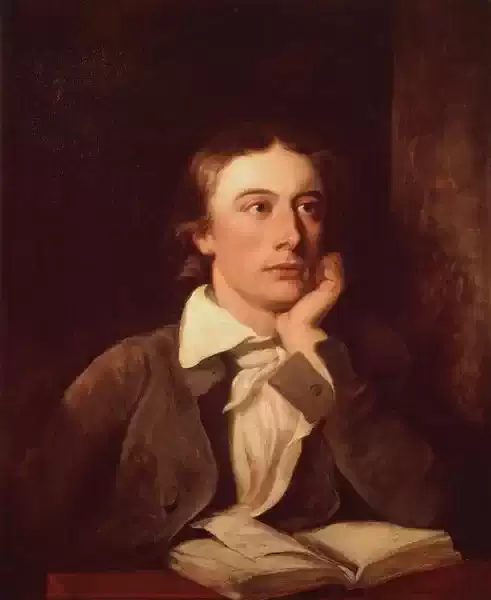
John Keats
The Eve Of Saint Mark. A Fragment
The Eve Of Saint Mark. A Fragment
Upon a Sabbath-day it fell;
Twice holy was the Sabbath-bell
That call'd the folk to evening prayer;
The city streets were clean and fair
From wholesome drench of April rains;
And, on the western window panes,
The chilly sunset faintly told
Of unmatur'd green vallies cold,
Of the green thorny bloomless hedge,
Of rivers new with spring-tide sedge,
Of primroses by shelter'd rills,
And daisies on the aguish hills.
Twice holy was the Sabbath-bell:
The silent streets were crowded well
With staid and pious companies,
Warm from their fire-side orat'ries,
And moving with demurest air
To even-song and vesper prayer.
Each arched porch and entry low
Was fill'd with patient folk and slow,
With whispers hush, and shuffling feet,
While play'd the organ loud and sweet.
The bells had ceas'd, the prayers begun,
And Bertha had not yet half done
A curious volume, patch'd and torn,
That all day long, from earliest morn,
Had taken captive her two eyes
Among its golden broideries;
Perplex'd her with a thousand things,--
The stars of Heaven, and angels' wings,
Martyrs in a fiery blaze,
Azure saints in silver rays,
Moses' breastplate, and the seven
Candlesticks John saw in Heaven,
The winged Lion of Saint Mark,
And the Covenantal Ark
With its many mysteries,
Cherubim and golden mice.
Bertha was a maiden fair,
Dwelling in the old Minster-square;
From her fire-side she could see
Sidelong its rich antiquity,
Far as the Bishop's garden-wall;
Where sycamores and elm-trees tall,
Full-leav'd, the forest had outstript,
By no sharp north-wind ever nipt,
So shelter'd by the mighty pile.
Bertha arose, and read awhile
With forehead 'gainst the window-pane.
Again she try'd, and then again,
Until the dusk eve left her dark
Upon the legend of St. Mark.
From plaited lawn-frill, fine and thin,
She lifted up her soft warm chin,
With aching neck and swimming eyes,
And daz'd with saintly imageries.
All was gloom, and silent all,
Save now and then the still foot-fall
Of one returning homewards late
Past the echoing minster-gate.
The clamorous daws, that all the day
Above tree-tops and towers play,
Pair by pair had gone to rest,
Each in its ancient belfry-nest,
Where asleep they fall betimes
To music of the drowsy chimes.
All was silent, all was gloom
Abroad and in the homely room:
Down she sat, poor cheated soul!
And struck a lamp from the dismal coal;
Lean'd forward with bright drooping hair
And slant book full against the glare.
Her shadow, in uneasy guise,
hover'd about, a giant size,
On ceiling-beam and old oak chair,
The parrot's cage, and panel square;
And the warm angled winter screen,
On which were many monsters seen,
Call'd doves of Siam, Lima mice,
And legless birds of Paradise,
Macaw, and tender Avadavat,
And silken-furr'd Angora cat.
Untir'd she read, her shadow still
Glower'd about as it would fill
The room with wildest forms and shades,
As though some ghostly queen of spades
Had come to mock behind her back,
And dance, and ruffle her garments black.
Untir'd she read the legend page
Of holy Mark, from youth to age,
On land, on sea, in pagan chains,
Rejoicing for his many pains.
Sometimes the learned Eremite
With golden star, or dagger bright,
Referr'd to pious poesies
Written in smallest crow-quill size
Beneath the text; and thus the rhyme
Was parcell'd out from time to time:
---- 'Als writith he of swevenis,
Men han beforne they wake in bliss,
Whanne that hir friendes thinke him bound
In crimped shroude farre under grounde;
And how a litling child mote be
A saint er its nativitie,
Gif that the modre (God her blesse!)
Kepen in solitarinesse,
And kissen devoute the holy croce.
Of Goddes love, and Sathan's force,--
He writith; and thinges many mo
Of swiche thinges I may not show.
Bot I must tellen verilie
Somdel of Sainte Cicilie,
And chieftie what he auctorethe
Of Sainte Markis life and dethe:'
At length her constant eyelids come
Upon the fervent martyrdom;
Then lastly to his holy shrine,
Exalt amid the tapers' shine
At Venice,--
Upon a Sabbath-day it fell;
Twice holy was the Sabbath-bell
That call'd the folk to evening prayer;
The city streets were clean and fair
From wholesome drench of April rains;
And, on the western window panes,
The chilly sunset faintly told
Of unmatur'd green vallies cold,
Of the green thorny bloomless hedge,
Of rivers new with spring-tide sedge,
Of primroses by shelter'd rills,
And daisies on the aguish hills.
Twice holy was the Sabbath-bell:
The silent streets were crowded well
With staid and pious companies,
Warm from their fire-side orat'ries,
And moving with demurest air
To even-song and vesper prayer.
Each arched porch and entry low
Was fill'd with patient folk and slow,
With whispers hush, and shuffling feet,
While play'd the organ loud and sweet.
The bells had ceas'd, the prayers begun,
And Bertha had not yet half done
A curious volume, patch'd and torn,
That all day long, from earliest morn,
Had taken captive her two eyes
Among its golden broideries;
Perplex'd her with a thousand things,--
The stars of Heaven, and angels' wings,
Martyrs in a fiery blaze,
Azure saints in silver rays,
Moses' breastplate, and the seven
Candlesticks John saw in Heaven,
The winged Lion of Saint Mark,
And the Covenantal Ark
With its many mysteries,
Cherubim and golden mice.
Bertha was a maiden fair,
Dwelling in the old Minster-square;
From her fire-side she could see
Sidelong its rich antiquity,
Far as the Bishop's garden-wall;
Where sycamores and elm-trees tall,
Full-leav'd, the forest had outstript,
By no sharp north-wind ever nipt,
So shelter'd by the mighty pile.
Bertha arose, and read awhile
With forehead 'gainst the window-pane.
Again she try'd, and then again,
Until the dusk eve left her dark
Upon the legend of St. Mark.
From plaited lawn-frill, fine and thin,
She lifted up her soft warm chin,
With aching neck and swimming eyes,
And daz'd with saintly imageries.
All was gloom, and silent all,
Save now and then the still foot-fall
Of one returning homewards late
Past the echoing minster-gate.
The clamorous daws, that all the day
Above tree-tops and towers play,
Pair by pair had gone to rest,
Each in its ancient belfry-nest,
Where asleep they fall betimes
To music of the drowsy chimes.
All was silent, all was gloom
Abroad and in the homely room:
Down she sat, poor cheated soul!
And struck a lamp from the dismal coal;
Lean'd forward with bright drooping hair
And slant book full against the glare.
Her shadow, in uneasy guise,
hover'd about, a giant size,
On ceiling-beam and old oak chair,
The parrot's cage, and panel square;
And the warm angled winter screen,
On which were many monsters seen,
Call'd doves of Siam, Lima mice,
And legless birds of Paradise,
Macaw, and tender Avadavat,
And silken-furr'd Angora cat.
Untir'd she read, her shadow still
Glower'd about as it would fill
The room with wildest forms and shades,
As though some ghostly queen of spades
Had come to mock behind her back,
And dance, and ruffle her garments black.
Untir'd she read the legend page
Of holy Mark, from youth to age,
On land, on sea, in pagan chains,
Rejoicing for his many pains.
Sometimes the learned Eremite
With golden star, or dagger bright,
Referr'd to pious poesies
Written in smallest crow-quill size
Beneath the text; and thus the rhyme
Was parcell'd out from time to time:
---- 'Als writith he of swevenis,
Men han beforne they wake in bliss,
Whanne that hir friendes thinke him bound
In crimped shroude farre under grounde;
And how a litling child mote be
A saint er its nativitie,
Gif that the modre (God her blesse!)
Kepen in solitarinesse,
And kissen devoute the holy croce.
Of Goddes love, and Sathan's force,--
He writith; and thinges many mo
Of swiche thinges I may not show.
Bot I must tellen verilie
Somdel of Sainte Cicilie,
And chieftie what he auctorethe
Of Sainte Markis life and dethe:'
At length her constant eyelids come
Upon the fervent martyrdom;
Then lastly to his holy shrine,
Exalt amid the tapers' shine
At Venice,--
480
John Keats
Sonnet: After Dark Vapors Have Oppress'd Our Plains
Sonnet: After Dark Vapors Have Oppress'd Our Plains
After dark vapors have oppress'd our plains
For a long dreary season, comes a day
Born of the gentle South, and clears away
From the sick heavens all unseemly stains.
The anxious month, relieved of its pains,
Takes as a long-lost right the feel of May;
The eyelids with the passing coolness play
Like rose leaves with the drip of Summer rains.
The calmest thoughts came round us; as of leaves
Budding -- fruit ripening in stillness -- Autumn suns
Smiling at eve upon the quiet sheaves --
Sweet Sappho's cheek -- a smiling infant's breath --
The gradual sand that through an hour-glass runs --
A woodland rivulet -- a Poet's death.
After dark vapors have oppress'd our plains
For a long dreary season, comes a day
Born of the gentle South, and clears away
From the sick heavens all unseemly stains.
The anxious month, relieved of its pains,
Takes as a long-lost right the feel of May;
The eyelids with the passing coolness play
Like rose leaves with the drip of Summer rains.
The calmest thoughts came round us; as of leaves
Budding -- fruit ripening in stillness -- Autumn suns
Smiling at eve upon the quiet sheaves --
Sweet Sappho's cheek -- a smiling infant's breath --
The gradual sand that through an hour-glass runs --
A woodland rivulet -- a Poet's death.
396
John Keats
Sonnet. To A Lady Seen For A Few Moments At Vauxhall
Sonnet. To A Lady Seen For A Few Moments At Vauxhall
Time's sea hath been five years at its slow ebb,
Long hours have to and fro let creep the sand,
Since I was tangled in thy beauty's web,
And snared by the ungloving of thine hand.
And yet I never look on midnight sky,
But I behold thine eyes' well memory'd light;
I cannot look upon the rose's dye,
But to thy cheek my soul doth take its flight.
I cannot look on any budding flower,
But my fond ear, in fancy at thy lips
And hearkening for a love-sound, doth devour
Its sweets in the wrong sense: -- Thou dost eclipse
Every delight with sweet remembering,
And grief unto my darling joys dost bring.
Time's sea hath been five years at its slow ebb,
Long hours have to and fro let creep the sand,
Since I was tangled in thy beauty's web,
And snared by the ungloving of thine hand.
And yet I never look on midnight sky,
But I behold thine eyes' well memory'd light;
I cannot look upon the rose's dye,
But to thy cheek my soul doth take its flight.
I cannot look on any budding flower,
But my fond ear, in fancy at thy lips
And hearkening for a love-sound, doth devour
Its sweets in the wrong sense: -- Thou dost eclipse
Every delight with sweet remembering,
And grief unto my darling joys dost bring.
499
John Keats
Sonnet IX. Keen, Fitful Gusts Are
Sonnet IX. Keen, Fitful Gusts Are
Keen, fitful gusts are whisp'ring here and there
Among the bushes half leafless, and dry;
The stars look very cold about the sky,
And I have many miles on foot to fare.
Yet feel I little of the cool bleak air,
Or of the dead leaves rustling drearily,
Or of those silver lamps that burn on high,
Or of the distance from home's pleasant lair:
For I am brimfull of the friendliness
That in a little cottage I have found;
Of fair-hair'd Milton's eloquent distress,
And all his love for gentle Lycid drown'd;
Of lovely Laura in her light green dress,
And faithful Petrarch gloriously crown'd.
Keen, fitful gusts are whisp'ring here and there
Among the bushes half leafless, and dry;
The stars look very cold about the sky,
And I have many miles on foot to fare.
Yet feel I little of the cool bleak air,
Or of the dead leaves rustling drearily,
Or of those silver lamps that burn on high,
Or of the distance from home's pleasant lair:
For I am brimfull of the friendliness
That in a little cottage I have found;
Of fair-hair'd Milton's eloquent distress,
And all his love for gentle Lycid drown'd;
Of lovely Laura in her light green dress,
And faithful Petrarch gloriously crown'd.
489
John Keats
Lines Written In The Highlands After A Visit To Burns's Country
Lines Written In The Highlands After A Visit To Burns's Country
There is a charm in footing slow across a silent plain,
Where patriot battle has been fought, where glory had the gain;
There is a pleasure on the heath where Druids old have been,
Where mantles grey have rustled by and swept the nettles green;
There is a joy in every spot made known by times of old,
New to the feet, although each tale a hundred times be told;
There is a deeper joy than all, more solemn in the heart,
More parching to the tongue than all, of more divine a smart,
When weary steps forget themselves upon a pleasant turf,
Upon hot sand, or flinty road, or sea-shore iron scurf,
Toward the castle or the cot, where long ago was born
One who was great through mortal days, and died of fame unshorn.
Light heather-bells may tremble then, but they are far away;
Wood-lark may sing from sandy fern, -- the Sun may hear this lay;
Runnels may kiss the grass on shelves and shallows clear,
But their low voices are not heard, though come on travels drear;
Blood-red the Sun may set behind the black mountain peaks;
Blue tides may sluice and drench their time in caves and weedy creeks;
Eagles may seem to sleep wing-side upon the air;
Ring-dove may fly convuls'd across to some high-cedar'd lair;
But the forgotten eye is still fast lidded to the ground,
As Palmer's, that with weariness, mid-desert shrine hath found.
At such a time the soul's a child, in childhood is the brain;
Forgotten is the worldly heart -- alone, it beats in vain.--
Aye, if a madman could have leave to pass a healthful day
To tell his forehead's swoon and faint when first began decay,
He might make tremble many a one whose spirit had gone forth
To find a Bard's low cradle-place about the silent North!
Scanty the hour and few the steps, because a longer stay
Would bar return, and make a man forget his mortal way:
O horrible! to lose the sight of well remember'd face,
Of Brother's eyes, of Sister's brow -- constant to every place;
Filling the air, as on we move, with portraiture intense;
More warm than those heroic tints that pain a painter's sense,
When shapes of old come striding by, and visages of old,
Locks shining black, hair scanty grey, and passions manifold.
No, no, that horror cannot be, for at the cable's length
Man feels the gentle anchor pull and gladdens in its strength:--
One hour, half-idiot, he stands by mossy waterfall,
But in the very next he reads his soul's memorial:--
He reads it on the mountain's height, where chance he may sit down
Upon rough marble diadem -- that hill's eternal crown.
Yet be his anchor e'er so fast, room is there for a prayer
That man may never lose his mind on mountains black and bare;
That he may stray league after league some great birth-place to find
And keep his vision clear from speck, his inward sight unblind.
There is a charm in footing slow across a silent plain,
Where patriot battle has been fought, where glory had the gain;
There is a pleasure on the heath where Druids old have been,
Where mantles grey have rustled by and swept the nettles green;
There is a joy in every spot made known by times of old,
New to the feet, although each tale a hundred times be told;
There is a deeper joy than all, more solemn in the heart,
More parching to the tongue than all, of more divine a smart,
When weary steps forget themselves upon a pleasant turf,
Upon hot sand, or flinty road, or sea-shore iron scurf,
Toward the castle or the cot, where long ago was born
One who was great through mortal days, and died of fame unshorn.
Light heather-bells may tremble then, but they are far away;
Wood-lark may sing from sandy fern, -- the Sun may hear this lay;
Runnels may kiss the grass on shelves and shallows clear,
But their low voices are not heard, though come on travels drear;
Blood-red the Sun may set behind the black mountain peaks;
Blue tides may sluice and drench their time in caves and weedy creeks;
Eagles may seem to sleep wing-side upon the air;
Ring-dove may fly convuls'd across to some high-cedar'd lair;
But the forgotten eye is still fast lidded to the ground,
As Palmer's, that with weariness, mid-desert shrine hath found.
At such a time the soul's a child, in childhood is the brain;
Forgotten is the worldly heart -- alone, it beats in vain.--
Aye, if a madman could have leave to pass a healthful day
To tell his forehead's swoon and faint when first began decay,
He might make tremble many a one whose spirit had gone forth
To find a Bard's low cradle-place about the silent North!
Scanty the hour and few the steps, because a longer stay
Would bar return, and make a man forget his mortal way:
O horrible! to lose the sight of well remember'd face,
Of Brother's eyes, of Sister's brow -- constant to every place;
Filling the air, as on we move, with portraiture intense;
More warm than those heroic tints that pain a painter's sense,
When shapes of old come striding by, and visages of old,
Locks shining black, hair scanty grey, and passions manifold.
No, no, that horror cannot be, for at the cable's length
Man feels the gentle anchor pull and gladdens in its strength:--
One hour, half-idiot, he stands by mossy waterfall,
But in the very next he reads his soul's memorial:--
He reads it on the mountain's height, where chance he may sit down
Upon rough marble diadem -- that hill's eternal crown.
Yet be his anchor e'er so fast, room is there for a prayer
That man may never lose his mind on mountains black and bare;
That he may stray league after league some great birth-place to find
And keep his vision clear from speck, his inward sight unblind.
427
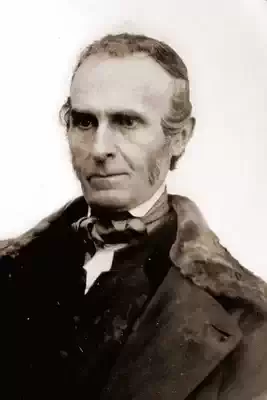
John Greenleaf Whittier
To E. C. S.
To E. C. S.
Poet and friend of poets, if thy glass
Detects no flower in winter's tuft of grass,
Let this slight token of the debt I owe
Outlive for thee December's frozen day,
And, like the arbutus budding under snow,
Take bloom and fragrance from some morn of May
When he who gives it shall have gone the way
Where faith shall see and reverent trust shall know.
Poet and friend of poets, if thy glass
Detects no flower in winter's tuft of grass,
Let this slight token of the debt I owe
Outlive for thee December's frozen day,
And, like the arbutus budding under snow,
Take bloom and fragrance from some morn of May
When he who gives it shall have gone the way
Where faith shall see and reverent trust shall know.
330
John Greenleaf Whittier
The Tent On The Beach
The Tent On The Beach
I would not sin, in this half-playful strain,-Too
light perhaps for serious years, though born
Of the enforced leisure of slow pain,-Against
the pure ideal which has drawn
My feet to follow its far-shining gleam.
A simple plot is mine: legends and runes
Of credulous days, old fancies that have lain
Silent, from boyhood taking voice again,
Warmed into life once more, even as the tunes
That, frozen in the fabled hunting-horn,
Thawed into sound:--a winter fireside dream
Of dawns and-sunsets by the summer sea,
Whose sands are traversed by a silent throng
Of voyagers from that vaster mystery
Of which it is an emblem;--and the dear
Memory of one who might have tuned my song
To sweeter music by her delicate ear.
When heats as of a tropic clime
Burned all our inland valleys through,
Three friends, the guests of summer time,
Pitched their white tent where sea-winds blew.
Behind them, marshes, seamed and crossed
With narrow creeks, and flower-embossed,
Stretched to the dark oak wood, whose leafy arms
Screened from the stormy East the pleasant inland farms.
At full of tide their bolder shore
Of sun-bleached sand the waters beat;
At ebb, a smooth and glistening floor
They touched with light, receding feet.
Northward a 'green bluff broke the chain
Of sand-hills; southward stretched a plain
Of salt grass, with a river winding down,
Sail-whitened, and beyond the steeples of the town,
Whence sometimes, when the wind was light
And dull the thunder of the beach,
They heard the bells of morn and night
Swing, miles away, their silver speech.
Above low scarp and turf-grown wall
They saw the fort-flag rise and fall;
And, the first star to signal twilight's hour,
The lamp-fire glimmer down from the tall light-house tower.
They rested there, escaped awhile
From cares that wear the life away,
To eat the lotus of the Nile
And drink the poppies of Cathay,-To
fling their loads of custom down,
Like drift-weed, on the sand-slopes brown,
And in the sea waves drown the restless pack
Of duties, claims, and needs that barked upon their track.
One, with his beard scarce silvered, bore
A ready credence in his looks,
A lettered magnate, lording o'er
An ever-widening realm of books.
In him brain-currents, near and far,
Converged as in a Leyden jar;
The old, dead authors thronged him round about,
And Elzevir's gray ghosts from leathern graves looked out.
He knew each living pundit well,
Could weigh the gifts of him or her,
And well the market value tell
Of poet and philosopher.
But if he lost, the scenes behind,
Somewhat of reverence vague and blind,
Finding the actors human at the best,
No readier lips than his the good he saw confessed.
His boyhood fancies not outgrown,
He loved himself the singer's art;
Tenderly, gently, by his own
He knew and judged an author's heart.
No Rhadamanthine brow of doom
Bowed the dazed pedant from his room;
And bards, whose name is legion, if denied,
Bore off alike intact their verses and their pride.
Pleasant it was to roam about
The lettered world as he had, done,
And see the lords of song without
Their singing robes and garlands on.
With Wordsworth paddle Rydal mere,
Taste rugged Elliott's home-brewed beer,
And with the ears of Rogers, at fourscore,
Hear Garrick's buskined tread and Walpole's wit once more.
And one there was, a dreamer born,
Who, with a mission to fulfil,
Had left the Muses' haunts to turn
The crank of an opinion-mill,
Making his rustic reed of song
A weapon in the war with wrong,
Yoking his fancy to the breaking-plough
That beam-deep turned the soil for truth to spring and grow.
Too quiet seemed the man to ride
The winged Hippogriff Reform;
Was his a voice from side to side
To pierce the tumult of the storm?
A silent, shy, peace-loving man,
He seemed no fiery partisan
To hold his way against the public frown,
The ban of Church and State, the fierce mob's hounding down.
For while he wrought with strenuous will
The work his hands had found to do,
He heard the fitful music still
Of winds that out of dream-land blew.
The din about him could not drown
What the strange voices whispered down;
Along his task-field weird processions swept,
The visionary pomp of stately phantoms stepped:
The common air was thick with dreams,-He
told them to the toiling crowd;
Such music as the woods and streams
Sang in his ear he sang aloud;
In still, shut bays, on windy capes,
He heard the call of beckoning shapes,
And, as the gray old shadows prompted him,
To homely moulds of rhyme he shaped their legends grim.
He rested now his weary hands,
And lightly moralized and laughed,
As, tracing on the shifting sands
A burlesque of his paper-craft,
He saw the careless waves o'errun
His words, as time before had done,
Each day's tide-water washing clean away,
Like letters from the sand, the work of yesterday.
And one, whose Arab face was tanned
By tropic sun and boreal frost,
So travelled there was scarce a land
Or people left him to exhaust,
In idling mood had from him hurled
The poor squeezed orange of the world,
And in the tent-shade, as beneath a palm,
Smoked, cross-legged like a Turk, in Oriental calm.
The very waves that washed the sand
Below him, he had seen before
Whitening the Scandinavian strand
And sultry Mauritanian shore.
From ice-rimmed isles, from summer seas
Palm-fringed, they bore him messages;
He heard the plaintive Nubian songs again,
And mule-bells tinkling down the mountain-paths of Spain.
His memory round the ransacked earth
On Puck's long girdle slid at ease;
And, instant, to the valley's girth
Of mountains, spice isles of the seas,
Faith flowered in minster stones, Art's guess
At truth and beauty, found access;
Yet loved the while, that free cosmopolite,
Old friends, old ways, and kept his boyhood's dreams in sight.
Untouched as yet by wealth and pride,
That virgin innocence of beach
No shingly monster, hundred-eyed,
Stared its gray sand-birds out of reach;
Unhoused, save where, at intervals,
The white tents showed their canvas walls,
Where brief sojourners, in the cool, soft air,
Forgot their inland heats, hard toil, and year-long care.
Sometimes along the wheel-deep sand
A one-horse wagon slowly crawled,
Deep laden with a youthful band,
Whose look some homestead old recalled;
Brother perchance, and sisters twain,
And one whose blue eyes told, more plain
Than the free language of her rosy lip,
Of the still dearer claim of love's relationship.
With cheeks of russet-orchard tint,
The light laugh of their native rills,
The perfume of their garden's mint,
The breezy freedom of the hills,
They bore, in unrestrained delight,
The motto of the Garter's knight,
Careless as if from every gazing thing
Hid by their innocence, as Gyges by his ring.
The clanging sea-fowl came and went,
The hunter's gun in the marshes rang;
At nightfall from a neighboring tent
A flute-voiced woman sweetly sang.
Loose-haired, barefooted, hand-in-hand,
Young girls went tripping down the sand;
And youths and maidens, sitting in the moon,
Dreamed o'er the old fond dream from which we wake too soon.
At times their fishing-lines they plied,
With an old Triton at the oar,
Salt as the sea-wind, tough and dried
As a lean cusk from Labrador.
Strange tales he told of wreck and storm,-Had
seen the sea-snake's awful form,
And heard the ghosts on Haley's Isle complain,
Speak him off shore, and beg a passage to old Spain!
And there, on breezy morns, they saw
The fishing-schooners outward run,
Their low-bent sails in tack and flaw
Turned white or dark to shade and sun.
Sometimes, in calms of closing day,
They watched the spectral mirage play,
Saw low, far islands looming tall and nigh,
And ships, with upturned keels, sail like a sea the sky.
Sometimes a cloud, with thunder black,
Stooped low upon the darkening main,
Piercing the waves along its track
With the slant javelins of rain.
And when west-wind and sunshine warm
Chased out to sea its wrecks of storm,
They saw the prismy hues in thin spray showers
Where the green buds of waves burst into white froth flowers.
And when along the line of shore
The mists crept upward chill and damp,
Stretched, careless, on their sandy floor
Beneath the flaring lantern lamp,
They talked of all things old and new,
Read, slept, and dreamed as idlers do;
And in the unquestioned freedom of the tent,
Body and o'er-taxed mind to healthful ease unbent.
Once, when the sunset splendors died,
And, trampling up the sloping sand,
In lines outreaching far and wide,
The white-waned billows swept to land,
Dim seen across the gathering shade,
A vast and ghostly cavalcade,
They sat around their lighted kerosene,
Hearing the deep bass roar their every pause between.
Then, urged thereto, the Editor
Within his full portfolio dipped,
Feigning excuse while seaching for
(With secret pride) his manuscript.
His pale face flushed from eye to beard,
With nervous cough his throat he cleared,
And, in a voice so tremulous it betrayed
The anxious fondness of an author's heart, he read:
I would not sin, in this half-playful strain,-Too
light perhaps for serious years, though born
Of the enforced leisure of slow pain,-Against
the pure ideal which has drawn
My feet to follow its far-shining gleam.
A simple plot is mine: legends and runes
Of credulous days, old fancies that have lain
Silent, from boyhood taking voice again,
Warmed into life once more, even as the tunes
That, frozen in the fabled hunting-horn,
Thawed into sound:--a winter fireside dream
Of dawns and-sunsets by the summer sea,
Whose sands are traversed by a silent throng
Of voyagers from that vaster mystery
Of which it is an emblem;--and the dear
Memory of one who might have tuned my song
To sweeter music by her delicate ear.
When heats as of a tropic clime
Burned all our inland valleys through,
Three friends, the guests of summer time,
Pitched their white tent where sea-winds blew.
Behind them, marshes, seamed and crossed
With narrow creeks, and flower-embossed,
Stretched to the dark oak wood, whose leafy arms
Screened from the stormy East the pleasant inland farms.
At full of tide their bolder shore
Of sun-bleached sand the waters beat;
At ebb, a smooth and glistening floor
They touched with light, receding feet.
Northward a 'green bluff broke the chain
Of sand-hills; southward stretched a plain
Of salt grass, with a river winding down,
Sail-whitened, and beyond the steeples of the town,
Whence sometimes, when the wind was light
And dull the thunder of the beach,
They heard the bells of morn and night
Swing, miles away, their silver speech.
Above low scarp and turf-grown wall
They saw the fort-flag rise and fall;
And, the first star to signal twilight's hour,
The lamp-fire glimmer down from the tall light-house tower.
They rested there, escaped awhile
From cares that wear the life away,
To eat the lotus of the Nile
And drink the poppies of Cathay,-To
fling their loads of custom down,
Like drift-weed, on the sand-slopes brown,
And in the sea waves drown the restless pack
Of duties, claims, and needs that barked upon their track.
One, with his beard scarce silvered, bore
A ready credence in his looks,
A lettered magnate, lording o'er
An ever-widening realm of books.
In him brain-currents, near and far,
Converged as in a Leyden jar;
The old, dead authors thronged him round about,
And Elzevir's gray ghosts from leathern graves looked out.
He knew each living pundit well,
Could weigh the gifts of him or her,
And well the market value tell
Of poet and philosopher.
But if he lost, the scenes behind,
Somewhat of reverence vague and blind,
Finding the actors human at the best,
No readier lips than his the good he saw confessed.
His boyhood fancies not outgrown,
He loved himself the singer's art;
Tenderly, gently, by his own
He knew and judged an author's heart.
No Rhadamanthine brow of doom
Bowed the dazed pedant from his room;
And bards, whose name is legion, if denied,
Bore off alike intact their verses and their pride.
Pleasant it was to roam about
The lettered world as he had, done,
And see the lords of song without
Their singing robes and garlands on.
With Wordsworth paddle Rydal mere,
Taste rugged Elliott's home-brewed beer,
And with the ears of Rogers, at fourscore,
Hear Garrick's buskined tread and Walpole's wit once more.
And one there was, a dreamer born,
Who, with a mission to fulfil,
Had left the Muses' haunts to turn
The crank of an opinion-mill,
Making his rustic reed of song
A weapon in the war with wrong,
Yoking his fancy to the breaking-plough
That beam-deep turned the soil for truth to spring and grow.
Too quiet seemed the man to ride
The winged Hippogriff Reform;
Was his a voice from side to side
To pierce the tumult of the storm?
A silent, shy, peace-loving man,
He seemed no fiery partisan
To hold his way against the public frown,
The ban of Church and State, the fierce mob's hounding down.
For while he wrought with strenuous will
The work his hands had found to do,
He heard the fitful music still
Of winds that out of dream-land blew.
The din about him could not drown
What the strange voices whispered down;
Along his task-field weird processions swept,
The visionary pomp of stately phantoms stepped:
The common air was thick with dreams,-He
told them to the toiling crowd;
Such music as the woods and streams
Sang in his ear he sang aloud;
In still, shut bays, on windy capes,
He heard the call of beckoning shapes,
And, as the gray old shadows prompted him,
To homely moulds of rhyme he shaped their legends grim.
He rested now his weary hands,
And lightly moralized and laughed,
As, tracing on the shifting sands
A burlesque of his paper-craft,
He saw the careless waves o'errun
His words, as time before had done,
Each day's tide-water washing clean away,
Like letters from the sand, the work of yesterday.
And one, whose Arab face was tanned
By tropic sun and boreal frost,
So travelled there was scarce a land
Or people left him to exhaust,
In idling mood had from him hurled
The poor squeezed orange of the world,
And in the tent-shade, as beneath a palm,
Smoked, cross-legged like a Turk, in Oriental calm.
The very waves that washed the sand
Below him, he had seen before
Whitening the Scandinavian strand
And sultry Mauritanian shore.
From ice-rimmed isles, from summer seas
Palm-fringed, they bore him messages;
He heard the plaintive Nubian songs again,
And mule-bells tinkling down the mountain-paths of Spain.
His memory round the ransacked earth
On Puck's long girdle slid at ease;
And, instant, to the valley's girth
Of mountains, spice isles of the seas,
Faith flowered in minster stones, Art's guess
At truth and beauty, found access;
Yet loved the while, that free cosmopolite,
Old friends, old ways, and kept his boyhood's dreams in sight.
Untouched as yet by wealth and pride,
That virgin innocence of beach
No shingly monster, hundred-eyed,
Stared its gray sand-birds out of reach;
Unhoused, save where, at intervals,
The white tents showed their canvas walls,
Where brief sojourners, in the cool, soft air,
Forgot their inland heats, hard toil, and year-long care.
Sometimes along the wheel-deep sand
A one-horse wagon slowly crawled,
Deep laden with a youthful band,
Whose look some homestead old recalled;
Brother perchance, and sisters twain,
And one whose blue eyes told, more plain
Than the free language of her rosy lip,
Of the still dearer claim of love's relationship.
With cheeks of russet-orchard tint,
The light laugh of their native rills,
The perfume of their garden's mint,
The breezy freedom of the hills,
They bore, in unrestrained delight,
The motto of the Garter's knight,
Careless as if from every gazing thing
Hid by their innocence, as Gyges by his ring.
The clanging sea-fowl came and went,
The hunter's gun in the marshes rang;
At nightfall from a neighboring tent
A flute-voiced woman sweetly sang.
Loose-haired, barefooted, hand-in-hand,
Young girls went tripping down the sand;
And youths and maidens, sitting in the moon,
Dreamed o'er the old fond dream from which we wake too soon.
At times their fishing-lines they plied,
With an old Triton at the oar,
Salt as the sea-wind, tough and dried
As a lean cusk from Labrador.
Strange tales he told of wreck and storm,-Had
seen the sea-snake's awful form,
And heard the ghosts on Haley's Isle complain,
Speak him off shore, and beg a passage to old Spain!
And there, on breezy morns, they saw
The fishing-schooners outward run,
Their low-bent sails in tack and flaw
Turned white or dark to shade and sun.
Sometimes, in calms of closing day,
They watched the spectral mirage play,
Saw low, far islands looming tall and nigh,
And ships, with upturned keels, sail like a sea the sky.
Sometimes a cloud, with thunder black,
Stooped low upon the darkening main,
Piercing the waves along its track
With the slant javelins of rain.
And when west-wind and sunshine warm
Chased out to sea its wrecks of storm,
They saw the prismy hues in thin spray showers
Where the green buds of waves burst into white froth flowers.
And when along the line of shore
The mists crept upward chill and damp,
Stretched, careless, on their sandy floor
Beneath the flaring lantern lamp,
They talked of all things old and new,
Read, slept, and dreamed as idlers do;
And in the unquestioned freedom of the tent,
Body and o'er-taxed mind to healthful ease unbent.
Once, when the sunset splendors died,
And, trampling up the sloping sand,
In lines outreaching far and wide,
The white-waned billows swept to land,
Dim seen across the gathering shade,
A vast and ghostly cavalcade,
They sat around their lighted kerosene,
Hearing the deep bass roar their every pause between.
Then, urged thereto, the Editor
Within his full portfolio dipped,
Feigning excuse while seaching for
(With secret pride) his manuscript.
His pale face flushed from eye to beard,
With nervous cough his throat he cleared,
And, in a voice so tremulous it betrayed
The anxious fondness of an author's heart, he read:
281
John Greenleaf Whittier
The Reunion
The Reunion
The gulf of seven and fifty years
We stretch our welcoming hands across;
The distance but a pebble's toss
Between us and our youth appears.
For in life's school we linger on
The remnant of a once full list;
Conning our lessons, undismissed,
With faces to the setting sun.
And some have gone the unknown way,
And some await the call to rest;
Who knoweth whether it is best
For those who went or those who stay?
And yet despite of loss and ill,
If faith and love and hope remain,
Our length of days is not in vain,
And life is well worth living still.
Still to a gracious Providence
The thanks of grateful hearts are due,
For blessings when our lives were new,
For all the good vouchsafed us since.
The pain that spared us sorer hurt,
The wish denied, the purpose crossed,
And pleasure's fond occasions lost,
Were mercies to our small desert.
'T is something that we wander back,
Gray pilgrims, to our ancient ways,
And tender memories of old days
Walk with us by the Merrimac;
That even in life's afternoon
A sense of youth comes back again,
As through this cool September rain
The still green woodlands dream of June.
The eyes grown dim to present things
Have keener sight for bygone years,
And sweet and clear, in deafening ears,
The bird that sang at morning sings.
Dear comrades, scattered wide and far,
Send from their homes their kindly word,
And dearer ones, unseen, unheard,
Smile on us from some heavenly star.
For life and death with God are one,
Unchanged by seeming change His care
And love are round us here and there;
He breaks no thread His hand has spun.
Soul touches soul, the muster roll
Of life eternal has no gaps;
And after half a century's lapse
Our school-day ranks are closed and whole.
Hail and farewell! We go our way;
Where shadows end, we trust in light;
The star that ushers in the night
Is herald also of the day!
The gulf of seven and fifty years
We stretch our welcoming hands across;
The distance but a pebble's toss
Between us and our youth appears.
For in life's school we linger on
The remnant of a once full list;
Conning our lessons, undismissed,
With faces to the setting sun.
And some have gone the unknown way,
And some await the call to rest;
Who knoweth whether it is best
For those who went or those who stay?
And yet despite of loss and ill,
If faith and love and hope remain,
Our length of days is not in vain,
And life is well worth living still.
Still to a gracious Providence
The thanks of grateful hearts are due,
For blessings when our lives were new,
For all the good vouchsafed us since.
The pain that spared us sorer hurt,
The wish denied, the purpose crossed,
And pleasure's fond occasions lost,
Were mercies to our small desert.
'T is something that we wander back,
Gray pilgrims, to our ancient ways,
And tender memories of old days
Walk with us by the Merrimac;
That even in life's afternoon
A sense of youth comes back again,
As through this cool September rain
The still green woodlands dream of June.
The eyes grown dim to present things
Have keener sight for bygone years,
And sweet and clear, in deafening ears,
The bird that sang at morning sings.
Dear comrades, scattered wide and far,
Send from their homes their kindly word,
And dearer ones, unseen, unheard,
Smile on us from some heavenly star.
For life and death with God are one,
Unchanged by seeming change His care
And love are round us here and there;
He breaks no thread His hand has spun.
Soul touches soul, the muster roll
Of life eternal has no gaps;
And after half a century's lapse
Our school-day ranks are closed and whole.
Hail and farewell! We go our way;
Where shadows end, we trust in light;
The star that ushers in the night
Is herald also of the day!
326
John Greenleaf Whittier
The Palatine
The Palatine
Leagues north, as fly the gull and auk,
Point Judith watches with eye of hawk;
Leagues south, thy beacon flames, Montauk!
Lonely and wind-shorn, wood-forsaken,
With never a tree for Spring to waken,
For tryst of lovers or farewells taken,
Circled by waters that never freeze,
Beaten by billow and swept by breeze,
Lieth the island of Manisees,
Set at the mouth of the Sound to hold
The coast lights up on its turret old,
Yellow with moss and sea-fog mould.
Dreary the land when gust and sleet
At its doors and windows howl and beat,
And Winter laughs at its fires of peat!
But in summer time, when pool and pond,
Held in the laps of valleys fond,
Are blue as the glimpses of sea beyond;
When the hills are sweet with the brier-rose,
And, hid in the warm, soft dells, unclose
Flowers the mainland rarely knows;
When boats to their morning fishing go,
And, held to the wind and slanting low,
Whitening and darkening the small sails show,-
Then is that lonely island fair;
And the pale health-seeker findeth there
The wine of life in its pleasant air.
No greener valleys the sun invite,
On smoother beaches no sea-birds light,
No blue waves shatter to foam more white!
There, circling ever their narrow range,
Quaint tradition and legend strange
Live on unchallenged, and know no change.
Old wives spinning their webs of tow,
Or rocking weirdly to and fro
In and out of the peat's dull glow,
And old men mending their nets of twine,
Talk together of dream and sign,
Talk of the lost ship Palatine,-
The ship that, a hundred years before,
Freighted deep with its goodly store,
In the gales of the equinox went ashore.
The eager islanders one by one
Counted the shots of her signal gun,
And heard the crash when she drove right on!
Into the teeth of death she sped
(May God forgive the hands that fed
The false lights over the rocky Head!)
O men and brothers! what sights were there!
White upturned faces, hands stretched in prayer!
Where waves had pity, could ye not spare?
Down swooped the wreckers, like birds of prey
Tearing the heart of the ship away,
And the dead had never a word to say.
And then, with ghastly shimmer and shine
Over the rocks and the seething brine,
They burned the wreck of the Palatine.
In their cruel hearts, as they homeward sped,
'The sea and the rocks are dumb,' they said
'There 'll be no reckoning with the dead.'
But the year went round, and when once more
Along their foam-white curves of shore
They heard the line-storm rave and roar,
Behold! again, with shimmer and shine,
Over the rocks and the seething brine,
The flaming wreck of the Palatine!
So, haply in fitter words than these,
Mending their nets on their patient knees
They tell the legend of Manisees.
Nor looks nor tones a doubt betray;
'It is known to us all,' they quietly say;
'We too have seen it in our day.'
Is there, then, no death for a word once spoken?
Was never a deed but left its token
Written on tables never broken?
Do the elements subtle reflections give?
Do pictures of all the ages live
On Nature's infinite negative,
Which, half in sport, in malice half,
She shows at times, with shudder or laugh,
Phantom and shadow in photograph?
For still, on many a moonless night,
From Kingston Head and from Montauk light
The spectre kindles and burns in sight.
Now low and dim, now clear and higher,
Leaps up the terrible Ghost of Fire,
Then, slowly sinking, the flames expire.
And the wise Sound skippers, though skies be fine,
Reef their sails when they see the sign
Of the blazing wreck of the Palatine!
. . . . .
'A fitter tale to scream than sing,'
The Book-man said. 'Well, fancy, then,'
The Reader answered, 'on the wing
The sea-birds shriek it, not for men,
But in the ear of wave and breeze!'
The Traveller mused: 'Your Manisees
Is fairy-land: off Narragansett shore
Who ever saw the isle or heard its name before?
''T is some strange land of Flyaway,
Whose dreamy shore the ship beguiles,
St. Brandan's in its sea-mist gray,
Or sunset loom of Fortunate Isles!'
'No ghost, but solid turf and rock
Is the good island known as Block,'
The Reader said. 'For beauty and for ease
I chose its Indian name, soft-flowing Manisees!
'But let it pass; here is a bit
Of unrhymed story, with a hint
Of the old preaching mood in it,
The sort of sidelong moral squint
Our friend objects to, which has grown,
I fear, a habit of my own.
'Twas written when the Asian plague drew near,
And the land held its breath and paled with sudden fear.'
Leagues north, as fly the gull and auk,
Point Judith watches with eye of hawk;
Leagues south, thy beacon flames, Montauk!
Lonely and wind-shorn, wood-forsaken,
With never a tree for Spring to waken,
For tryst of lovers or farewells taken,
Circled by waters that never freeze,
Beaten by billow and swept by breeze,
Lieth the island of Manisees,
Set at the mouth of the Sound to hold
The coast lights up on its turret old,
Yellow with moss and sea-fog mould.
Dreary the land when gust and sleet
At its doors and windows howl and beat,
And Winter laughs at its fires of peat!
But in summer time, when pool and pond,
Held in the laps of valleys fond,
Are blue as the glimpses of sea beyond;
When the hills are sweet with the brier-rose,
And, hid in the warm, soft dells, unclose
Flowers the mainland rarely knows;
When boats to their morning fishing go,
And, held to the wind and slanting low,
Whitening and darkening the small sails show,-
Then is that lonely island fair;
And the pale health-seeker findeth there
The wine of life in its pleasant air.
No greener valleys the sun invite,
On smoother beaches no sea-birds light,
No blue waves shatter to foam more white!
There, circling ever their narrow range,
Quaint tradition and legend strange
Live on unchallenged, and know no change.
Old wives spinning their webs of tow,
Or rocking weirdly to and fro
In and out of the peat's dull glow,
And old men mending their nets of twine,
Talk together of dream and sign,
Talk of the lost ship Palatine,-
The ship that, a hundred years before,
Freighted deep with its goodly store,
In the gales of the equinox went ashore.
The eager islanders one by one
Counted the shots of her signal gun,
And heard the crash when she drove right on!
Into the teeth of death she sped
(May God forgive the hands that fed
The false lights over the rocky Head!)
O men and brothers! what sights were there!
White upturned faces, hands stretched in prayer!
Where waves had pity, could ye not spare?
Down swooped the wreckers, like birds of prey
Tearing the heart of the ship away,
And the dead had never a word to say.
And then, with ghastly shimmer and shine
Over the rocks and the seething brine,
They burned the wreck of the Palatine.
In their cruel hearts, as they homeward sped,
'The sea and the rocks are dumb,' they said
'There 'll be no reckoning with the dead.'
But the year went round, and when once more
Along their foam-white curves of shore
They heard the line-storm rave and roar,
Behold! again, with shimmer and shine,
Over the rocks and the seething brine,
The flaming wreck of the Palatine!
So, haply in fitter words than these,
Mending their nets on their patient knees
They tell the legend of Manisees.
Nor looks nor tones a doubt betray;
'It is known to us all,' they quietly say;
'We too have seen it in our day.'
Is there, then, no death for a word once spoken?
Was never a deed but left its token
Written on tables never broken?
Do the elements subtle reflections give?
Do pictures of all the ages live
On Nature's infinite negative,
Which, half in sport, in malice half,
She shows at times, with shudder or laugh,
Phantom and shadow in photograph?
For still, on many a moonless night,
From Kingston Head and from Montauk light
The spectre kindles and burns in sight.
Now low and dim, now clear and higher,
Leaps up the terrible Ghost of Fire,
Then, slowly sinking, the flames expire.
And the wise Sound skippers, though skies be fine,
Reef their sails when they see the sign
Of the blazing wreck of the Palatine!
. . . . .
'A fitter tale to scream than sing,'
The Book-man said. 'Well, fancy, then,'
The Reader answered, 'on the wing
The sea-birds shriek it, not for men,
But in the ear of wave and breeze!'
The Traveller mused: 'Your Manisees
Is fairy-land: off Narragansett shore
Who ever saw the isle or heard its name before?
''T is some strange land of Flyaway,
Whose dreamy shore the ship beguiles,
St. Brandan's in its sea-mist gray,
Or sunset loom of Fortunate Isles!'
'No ghost, but solid turf and rock
Is the good island known as Block,'
The Reader said. 'For beauty and for ease
I chose its Indian name, soft-flowing Manisees!
'But let it pass; here is a bit
Of unrhymed story, with a hint
Of the old preaching mood in it,
The sort of sidelong moral squint
Our friend objects to, which has grown,
I fear, a habit of my own.
'Twas written when the Asian plague drew near,
And the land held its breath and paled with sudden fear.'
318
John Greenleaf Whittier
The Library
The Library
'Let there be light!' God spake of old,
And over chaos dark and cold,
And through the dead and formless frame
Of nature, life and order came.
Faint was the light at first that shone
On giant fern and mastodon,
On half-formed plant and beast of prey,
And man as rude and wild as they.
Age after age, like waves, o'erran
The earth, uplifting brute and man;
And mind, at length, in symbols dark
Its meanings traced on stone and bark.
On leaf of palm, on sedge-wrought roll,
On plastic clay and leathern scroll,
Man wrote his thoughts; the ages passed,
And to! the Press was found at last!
Then dead souls woke; the thoughts of men
Whose bones were dust revived again;
The cloister's silence found a tongue,
Old prophets spake, old poets sung.
And here, to-day, the dead look down,
The kings of mind again we crown;
We hear the voices lost so long,
The sage's word, the sibyl's song.
Here Greek and Roman find themselves
Alive along these crowded shelves;
And Shakespeare treads again his stage,
And Chaucer paints anew his age.
As if some Pantheon's marbles broke
Their stony trance, and lived and spoke,
Life thrills along the alcoved hall,
The lords of thought await our call!
'Let there be light!' God spake of old,
And over chaos dark and cold,
And through the dead and formless frame
Of nature, life and order came.
Faint was the light at first that shone
On giant fern and mastodon,
On half-formed plant and beast of prey,
And man as rude and wild as they.
Age after age, like waves, o'erran
The earth, uplifting brute and man;
And mind, at length, in symbols dark
Its meanings traced on stone and bark.
On leaf of palm, on sedge-wrought roll,
On plastic clay and leathern scroll,
Man wrote his thoughts; the ages passed,
And to! the Press was found at last!
Then dead souls woke; the thoughts of men
Whose bones were dust revived again;
The cloister's silence found a tongue,
Old prophets spake, old poets sung.
And here, to-day, the dead look down,
The kings of mind again we crown;
We hear the voices lost so long,
The sage's word, the sibyl's song.
Here Greek and Roman find themselves
Alive along these crowded shelves;
And Shakespeare treads again his stage,
And Chaucer paints anew his age.
As if some Pantheon's marbles broke
Their stony trance, and lived and spoke,
Life thrills along the alcoved hall,
The lords of thought await our call!
769
John Greenleaf Whittier
The Laurels
The Laurels
FROM these wild rocks I look to-day
O'er leagues of dancing waves, and see
The far, low coast-line stretch away
To where our river meets the sea.
The light wind blowing off the land
Is burdened with old voices; through
Shut eyes I see how lip and hand
The greeting of old days renew.
O friends whose hearts still keep their prime,
Whose bright example warms and cheers,
Ye teach us how to smile at Time,
And set to music all his years!
I thank you for sweet summer days,
For pleasant memories lingering long,
For joyful meetings, fond delays,
And ties of friendship woven strong.
As for the last time, side by side,
You tread the paths familiar grown,
I reach across the severing tide,
And blend my farewells with your own.
Make room, O river of our home!
For other feet in place of ours,
And in the summers yet to come,
Make glad another Feast of Flowers!
Hold in thy mirror, calm and deep,
The pleasant pictures thou hast seen;
Forget thy lovers not, but keep
Our memory like thy laurels green.
FROM these wild rocks I look to-day
O'er leagues of dancing waves, and see
The far, low coast-line stretch away
To where our river meets the sea.
The light wind blowing off the land
Is burdened with old voices; through
Shut eyes I see how lip and hand
The greeting of old days renew.
O friends whose hearts still keep their prime,
Whose bright example warms and cheers,
Ye teach us how to smile at Time,
And set to music all his years!
I thank you for sweet summer days,
For pleasant memories lingering long,
For joyful meetings, fond delays,
And ties of friendship woven strong.
As for the last time, side by side,
You tread the paths familiar grown,
I reach across the severing tide,
And blend my farewells with your own.
Make room, O river of our home!
For other feet in place of ours,
And in the summers yet to come,
Make glad another Feast of Flowers!
Hold in thy mirror, calm and deep,
The pleasant pictures thou hast seen;
Forget thy lovers not, but keep
Our memory like thy laurels green.
378
John Greenleaf Whittier
The Garrison of Cape Ann
The Garrison of Cape Ann
From the hills of home forth looking, far beneath the tent-like span
Of the sky, I see the white gleam of the headland of Cape Ann.
Well I know its coves and beaches to the ebb-tide glimmering down,
And the white-walled hamlet children of its ancient fishing town.
Long has passed the summer morning, and its memory waxes old,
When along yon breezy headlands with a pleasant friend I strolled.
Ah! the autumn sun is shining, and the ocean wind blows cool,
And the golden-rod and aster bloom around thy grave, Rantoul!
With the memory of that morning by the summer sea I blend
A wild and wondrous story, by the younger Mather penned,
In that quaint Magnalia Christi, with all strange and marvellous things,
Heaped up huge and undigested, like the chaos Ovid sings.
Dear to me these far, faint glimpses of the dual life of old,
Inward, grand with awe and reverence; outward, mean and coarse and cold;
Gleams of mystic beauty playing over dull and vulgar clay,
Golden-threaded fancies weaving in a web of hodden gray.
The great eventful Present hides the Past; but through the din
Of its loud life hints and echoes from the life behind steal in;
And the lore of homeland fireside, and the legendary rhyme,
Make the task of duty lighter which the true man owes his time.
So, with something of the feeling which the Covenanter knew,
When with pious chisel wandering Scotland's moorland graveyards through,
From the graves of old traditions I part the black- berry-vines,
Wipe the moss from off the headstones, and retouch the faded lines.
Where the sea-waves back and forward, hoarse with rolling pebbles, ran,
The garrison-house stood watching on the gray rocks of Cape Ann;
On its windy site uplifting gabled roof and palisade,
And rough walls of unhewn timber with the moonlight overlaid.
On his slow round walked the sentry, south and eastward looking forth
O'er a rude and broken coast-line, white with breakers stretching north,Wood
and rock and gleaming sand-drift, jagged capes, with bush and tree,
Leaning inland from the smiting of the wild and gusty sea.
Before the deep-mouthed chimney, dimly lit by dying brands,
Twenty soldiers sat and waited, with their muskets in their hands;
On the rough-hewn oaken table the venison haunch was shared,
And the pewter tankard circled slowly round from beard to beard.
Long they sat and talked together,-talked of wizards Satan-sold;
Of all ghostly sights and noises,-signs and wonders manifold;
Of the spectre-ship of Salem, with the dead men in her shrouds,
Sailing sheer above the water, in the loom of morning clouds;
Of the marvellous valley hidden in the depths of Gloucester woods,
Full of plants that love the summer,-blooms of warmer latitudes;
Where the Arctic birch is braided by the tropic's flowery vines,
And the white magnolia-blossoms star the twilight of the pines!
But their voices sank yet lower, sank to husky tones of fear,
As they spake of present tokens of the powers of evil near;
Of a spectral host, defying stroke of steel and aim of gun;
Never yet was ball to slay them in the mould of mortals run.
Thrice, with plumes and flowing scalp-locks, from the midnight wood they came,Thrice
around the block-house marching, met, unharmed, its volleyed flame;
Then, with mocking laugh and gesture, sunk in earth or lost in air,
All the ghostly wonder vanished, and the moonlit sands lay bare.
Midnight came; from out the forest moved a dusky mass that soon
Grew to warriors, plumed and painted, grimly marching in the moon.
'Ghosts or witches,' said the captain, 'thus I foil the Evil One!'
And he rammed a silver button, from his doublet, down his gun.
Once again the spectral horror moved the guarded wall about;
Once again the levelled muskets through the palisades flashed out,
With that deadly aim the squirrel on his tree-top might not shun,
Nor the beach-bird seaward flying with his slant wing to the sun.
Like the idle rain of summer sped the harmless shower of lead.
With a laugh of fierce derision, once again the phantoms fled;
Once again, without a shadow on the sands the moonlight lay,
And the white smoke curling through it drifted slowly down the bay!
'God preserve us!' said the captain; 'never mortal foes were there;
They have vanished with their leader, Prince and Power of the air!
Lay aside your useless weapons; skill and prowess naught avail;
They who do the Devil's service wear their master's coat of mail!'
So the night grew near to cock-crow, when again a warning call
Roused the score of weary soldiers watching round the dusky hall
And they looked to flint and priming, and they longed for break of day;
But the captain closed his Bible: 'Let us cease from man, and pray!'
To the men who went before us, all the unseen powers seemed near,
And their steadfast strength of courage struck its roots in holy fear.
Every hand forsook the musket, every head was bowed and bare,
Every stout knee pressed the flag-stones, as the captain led in prayer.
Ceased thereat the mystic marching of the spectres round the wall,
But a sound abhorred, unearthly, smote the ears and hearts of all,Howls
of rage and shrieks of anguish! Never after mortal man
Saw the ghostly leaguers marching round the block-house of Cape Ann.
So to us who walk in summer through the cool and sea-blown town,
From the childhood of its people comes the solemn legend down.
Not in vain the ancient fiction, in whose moral lives the youth
And the fitness and the freshness of an undecaying truth.
Soon or late to all our dwellings come the spectres of the mind,
Doubts and fears and dread forebodings, in the darkness undefined;
Round us throng the grim projections of the heart and of the brain,
And our pride of strength is weakness, and the cunning hand is vain.
In the dark we cry like children; and no answer from on high
Breaks the crystal spheres of silence, and no white wings downward fly;
But the heavenly help we pray for comes to faith, and not to sight,
And our prayers themselves drive backward all the spirits of the night!
From the hills of home forth looking, far beneath the tent-like span
Of the sky, I see the white gleam of the headland of Cape Ann.
Well I know its coves and beaches to the ebb-tide glimmering down,
And the white-walled hamlet children of its ancient fishing town.
Long has passed the summer morning, and its memory waxes old,
When along yon breezy headlands with a pleasant friend I strolled.
Ah! the autumn sun is shining, and the ocean wind blows cool,
And the golden-rod and aster bloom around thy grave, Rantoul!
With the memory of that morning by the summer sea I blend
A wild and wondrous story, by the younger Mather penned,
In that quaint Magnalia Christi, with all strange and marvellous things,
Heaped up huge and undigested, like the chaos Ovid sings.
Dear to me these far, faint glimpses of the dual life of old,
Inward, grand with awe and reverence; outward, mean and coarse and cold;
Gleams of mystic beauty playing over dull and vulgar clay,
Golden-threaded fancies weaving in a web of hodden gray.
The great eventful Present hides the Past; but through the din
Of its loud life hints and echoes from the life behind steal in;
And the lore of homeland fireside, and the legendary rhyme,
Make the task of duty lighter which the true man owes his time.
So, with something of the feeling which the Covenanter knew,
When with pious chisel wandering Scotland's moorland graveyards through,
From the graves of old traditions I part the black- berry-vines,
Wipe the moss from off the headstones, and retouch the faded lines.
Where the sea-waves back and forward, hoarse with rolling pebbles, ran,
The garrison-house stood watching on the gray rocks of Cape Ann;
On its windy site uplifting gabled roof and palisade,
And rough walls of unhewn timber with the moonlight overlaid.
On his slow round walked the sentry, south and eastward looking forth
O'er a rude and broken coast-line, white with breakers stretching north,Wood
and rock and gleaming sand-drift, jagged capes, with bush and tree,
Leaning inland from the smiting of the wild and gusty sea.
Before the deep-mouthed chimney, dimly lit by dying brands,
Twenty soldiers sat and waited, with their muskets in their hands;
On the rough-hewn oaken table the venison haunch was shared,
And the pewter tankard circled slowly round from beard to beard.
Long they sat and talked together,-talked of wizards Satan-sold;
Of all ghostly sights and noises,-signs and wonders manifold;
Of the spectre-ship of Salem, with the dead men in her shrouds,
Sailing sheer above the water, in the loom of morning clouds;
Of the marvellous valley hidden in the depths of Gloucester woods,
Full of plants that love the summer,-blooms of warmer latitudes;
Where the Arctic birch is braided by the tropic's flowery vines,
And the white magnolia-blossoms star the twilight of the pines!
But their voices sank yet lower, sank to husky tones of fear,
As they spake of present tokens of the powers of evil near;
Of a spectral host, defying stroke of steel and aim of gun;
Never yet was ball to slay them in the mould of mortals run.
Thrice, with plumes and flowing scalp-locks, from the midnight wood they came,Thrice
around the block-house marching, met, unharmed, its volleyed flame;
Then, with mocking laugh and gesture, sunk in earth or lost in air,
All the ghostly wonder vanished, and the moonlit sands lay bare.
Midnight came; from out the forest moved a dusky mass that soon
Grew to warriors, plumed and painted, grimly marching in the moon.
'Ghosts or witches,' said the captain, 'thus I foil the Evil One!'
And he rammed a silver button, from his doublet, down his gun.
Once again the spectral horror moved the guarded wall about;
Once again the levelled muskets through the palisades flashed out,
With that deadly aim the squirrel on his tree-top might not shun,
Nor the beach-bird seaward flying with his slant wing to the sun.
Like the idle rain of summer sped the harmless shower of lead.
With a laugh of fierce derision, once again the phantoms fled;
Once again, without a shadow on the sands the moonlight lay,
And the white smoke curling through it drifted slowly down the bay!
'God preserve us!' said the captain; 'never mortal foes were there;
They have vanished with their leader, Prince and Power of the air!
Lay aside your useless weapons; skill and prowess naught avail;
They who do the Devil's service wear their master's coat of mail!'
So the night grew near to cock-crow, when again a warning call
Roused the score of weary soldiers watching round the dusky hall
And they looked to flint and priming, and they longed for break of day;
But the captain closed his Bible: 'Let us cease from man, and pray!'
To the men who went before us, all the unseen powers seemed near,
And their steadfast strength of courage struck its roots in holy fear.
Every hand forsook the musket, every head was bowed and bare,
Every stout knee pressed the flag-stones, as the captain led in prayer.
Ceased thereat the mystic marching of the spectres round the wall,
But a sound abhorred, unearthly, smote the ears and hearts of all,Howls
of rage and shrieks of anguish! Never after mortal man
Saw the ghostly leaguers marching round the block-house of Cape Ann.
So to us who walk in summer through the cool and sea-blown town,
From the childhood of its people comes the solemn legend down.
Not in vain the ancient fiction, in whose moral lives the youth
And the fitness and the freshness of an undecaying truth.
Soon or late to all our dwellings come the spectres of the mind,
Doubts and fears and dread forebodings, in the darkness undefined;
Round us throng the grim projections of the heart and of the brain,
And our pride of strength is weakness, and the cunning hand is vain.
In the dark we cry like children; and no answer from on high
Breaks the crystal spheres of silence, and no white wings downward fly;
But the heavenly help we pray for comes to faith, and not to sight,
And our prayers themselves drive backward all the spirits of the night!
250
John Greenleaf Whittier
The Double-Headed Snake of Newbury
The Double-Headed Snake of Newbury
Far away in the twilight time
Of every people, in every clime,
Dragons and griffins and monsters dire,
Born of water, and air, and fire,
Or nursed, like the Python, in the mud
And ooze of the old Deucalion flood,
Crawl and wriggle and foam with rage,
Through dusk tradition and ballad age.
So from the childhood of Newbury town
And its time of fable the tale comes down
Of a terror which haunted bush and brake,
The Amphisbaena, the Double Snake!
Thou who makest the tale thy mirth,
Consider that strip of Christian earth
On the desolate shore of a sailless sea,
Full of terror and mystery,
Half redeemed from the evil hold
Of the wood so dreary, and dark, and old,
Which drank with its lips of leaves the dew
When Time was young, and the world was new,
And wove its shadows with sun and moon,
Ere the stones of Cheops were squared and hewn.
Think of the sea's dread monotone,
Of the mournful wail from the pine-wood blown,
Of the strange, vast splendors that lit the North,
Of the troubled throes of the quaking earth,
And the dismal tales the Indian told,
Till the settler's heart at his hearth grew cold,
And he shrank from the tawny wizard boasts,
And the hovering shadows seemed full of ghosts,
And above, below, and on every side,
The fear of his creed seemed verified;And
think, if his lot were now thine own,
To grope with terrors nor named nor known,
How laxer muscle and weaker nerve
And a feebler faith thy need might serve;
And own to thyself the wonder more
That the snake had two heads, and not a score!
Whether he lurked in the Oldtown fen
Or the gray earth-flax of the Devil's Den,
Or swam in the wooded Artichoke,
Or coiled by the Northman's Written Rock,
Nothing on record is left to show;
Only the fact that be lived, we know,
And left the cast of a double head
In the scaly mask which he yearly shed.
For he carried a head where his tail should be,
And the two, of course, could never agree,
But wriggled about with main and might,
Now to the left and now to the right;
Pulling and twisting this way and that,
Neither knew what the other was at.
A snake with two beads, lurking so near!
Judge of the wonder, guess at the fear!
Think what ancient gossips might say,
Shaking their heads in their dreary way,
Between the meetings on Sabbath-day!
How urchins, searching at day's decline
The Common Pasture for sheep or kine,
The terrible double-ganger heard
In leafy rustle or whir of bird!
Think what a zest it gave to the sport,
In berry-time, of the younger sort,
As over pastures blackberry-twined,
Reuben and Dorothy lagged behind,
And closer and closer, for fear of harm,
The maiden clung to her lover's arm;
And how the spark, who was forced to stay,
By his sweetheart's fears, till the break of day,
Thanked the snake for the fond delay.
Far and wide the tale was told,
Like a snowball growing while it rolled.
The nurse hushed with it the baby's cry;
And it served, in the worthy minister's eye,
To paint the primitive serpent by.
Cotton Mather came galloping down
All the way to Newbury town,
With his eyes agog and his ears set wide,
And his marvellous inkhorn at his side;
Stirring the while in the shallow pool
Of his brains for the lore he learned at school,
To garnish the story, with here a streak
Of Latin, and there another of Greek
And the tales he heard and the notes he took,
Behold! are they not in his Wonder-Book?
Stories, like dragons, are hard to kill.
If the snake does not, the tale runs still
In Byfield Meadows, on Pipestave Hill.
And still, whenever husband and wife
Publish the shame of their daily strife,
And, with mad cross-purpose, tug and strain
At either end of the marriage-chain,
The gossips say, with a knowing shake
Of their gray heads, 'Look at the Double Snake
One in body and two in will,
The Amphisbaena is living still!'
Far away in the twilight time
Of every people, in every clime,
Dragons and griffins and monsters dire,
Born of water, and air, and fire,
Or nursed, like the Python, in the mud
And ooze of the old Deucalion flood,
Crawl and wriggle and foam with rage,
Through dusk tradition and ballad age.
So from the childhood of Newbury town
And its time of fable the tale comes down
Of a terror which haunted bush and brake,
The Amphisbaena, the Double Snake!
Thou who makest the tale thy mirth,
Consider that strip of Christian earth
On the desolate shore of a sailless sea,
Full of terror and mystery,
Half redeemed from the evil hold
Of the wood so dreary, and dark, and old,
Which drank with its lips of leaves the dew
When Time was young, and the world was new,
And wove its shadows with sun and moon,
Ere the stones of Cheops were squared and hewn.
Think of the sea's dread monotone,
Of the mournful wail from the pine-wood blown,
Of the strange, vast splendors that lit the North,
Of the troubled throes of the quaking earth,
And the dismal tales the Indian told,
Till the settler's heart at his hearth grew cold,
And he shrank from the tawny wizard boasts,
And the hovering shadows seemed full of ghosts,
And above, below, and on every side,
The fear of his creed seemed verified;And
think, if his lot were now thine own,
To grope with terrors nor named nor known,
How laxer muscle and weaker nerve
And a feebler faith thy need might serve;
And own to thyself the wonder more
That the snake had two heads, and not a score!
Whether he lurked in the Oldtown fen
Or the gray earth-flax of the Devil's Den,
Or swam in the wooded Artichoke,
Or coiled by the Northman's Written Rock,
Nothing on record is left to show;
Only the fact that be lived, we know,
And left the cast of a double head
In the scaly mask which he yearly shed.
For he carried a head where his tail should be,
And the two, of course, could never agree,
But wriggled about with main and might,
Now to the left and now to the right;
Pulling and twisting this way and that,
Neither knew what the other was at.
A snake with two beads, lurking so near!
Judge of the wonder, guess at the fear!
Think what ancient gossips might say,
Shaking their heads in their dreary way,
Between the meetings on Sabbath-day!
How urchins, searching at day's decline
The Common Pasture for sheep or kine,
The terrible double-ganger heard
In leafy rustle or whir of bird!
Think what a zest it gave to the sport,
In berry-time, of the younger sort,
As over pastures blackberry-twined,
Reuben and Dorothy lagged behind,
And closer and closer, for fear of harm,
The maiden clung to her lover's arm;
And how the spark, who was forced to stay,
By his sweetheart's fears, till the break of day,
Thanked the snake for the fond delay.
Far and wide the tale was told,
Like a snowball growing while it rolled.
The nurse hushed with it the baby's cry;
And it served, in the worthy minister's eye,
To paint the primitive serpent by.
Cotton Mather came galloping down
All the way to Newbury town,
With his eyes agog and his ears set wide,
And his marvellous inkhorn at his side;
Stirring the while in the shallow pool
Of his brains for the lore he learned at school,
To garnish the story, with here a streak
Of Latin, and there another of Greek
And the tales he heard and the notes he took,
Behold! are they not in his Wonder-Book?
Stories, like dragons, are hard to kill.
If the snake does not, the tale runs still
In Byfield Meadows, on Pipestave Hill.
And still, whenever husband and wife
Publish the shame of their daily strife,
And, with mad cross-purpose, tug and strain
At either end of the marriage-chain,
The gossips say, with a knowing shake
Of their gray heads, 'Look at the Double Snake
One in body and two in will,
The Amphisbaena is living still!'
329
John Greenleaf Whittier
The Countess
The Countess
TO E. W.
I KNOW not, Time and Space so intervene,
Whether, still waiting with a trust serene,
Thou bearest up thy fourscore years and ten,
Or, called at last, art now Heaven's citizen;
But, here or there, a pleasant thought of thee,
Like an old friend, all day has been with me.
The shy, still boy, for whom thy kindly hand
Smoothed his hard pathway to the wonder-land
Of thought and fancy, in gray manhood yet
Keeps green the memory of his early debt.
To-day, when truth and falsehood speak their words
Through hot-lipped cannon and the teeth of swords,
Listening with quickened heart and ear intent
To each sharp clause of that stern argument,
I still can hear at times a softer note
Of the old pastoral music round me float,
While through the hot gleam of our civil strife
Looms the green mirage of a simpler life.
As, at his alien post, the sentinel
Drops the old bucket in the homestead well,
And hears old voices in the winds that toss
Above his head the live-oak's beard of moss,
So, in our trial-time, and under skies
Shadowed by swords like Islam's paradise,
I wait and watch, and let my fancy stray
To milder scenes and youth's Arcadian day;
And howsoe'er the pencil dipped in dreams
Shades the brown woods or tints the sunset streams,
The country doctor in the foreground seems,
Whose ancient sulky down the village lanes
Dragged, like a war-car, captive ills and pains.
I could not paint the scenery of my song,
Mindless of one who looked thereon so long;
Who, night and day, on duty's lonely round,
Made friends o' the woods and rocks, and knew the sound
Of each small brook, and what the hillside trees
Said to the winds that touched their leafy keys;
Who saw so keenly and so well could paint
The village-folk, with all their humors quaint,
The parson ambling on his wall-eyed roan.
Grave and erect, with white hair backward blown;
The tough old boatman, half amphibious grown;
The muttering witch-wife of the gossip's tale,
And the loud straggler levying his blackmail,-Old
customs, habits, superstitions, fears,
All that lies buried under fifty years.
To thee, as is most fit, I bring my lay,
And, grateful, own the debt I cannot pay.
. . . . . . . . . .
Over the wooded northern ridge,
Between its houses brown,
To the dark tunnel of the bridge
The street comes straggling down.
You catch a glimpse, through birch and pine,
Of gable, roof, and porch,
The tavern with its swinging sign,
The sharp horn of the church.
The river's steel-blue crescent curves
To meet, in ebb and flow,
The single broken wharf that serves
For sloop and gundelow.
With salt sea-scents along its shores
The heavy hay-boats crawl,
The long antennae of their oars
In lazy rise and fall.
Along the gray abutment's wall
The idle shad-net dries;
The toll-man in his cobbler's stall
Sits smoking with closed eyes.
You hear the pier's low undertone
Of waves that chafe and gnaw;
You start,--a skipper's horn is blown
To raise the creaking draw.
At times a blacksmith's anvil sounds
With slow and sluggard beat,
Or stage-coach on its dusty rounds
Fakes up the staring street.
A place for idle eyes and ears,
A cobwebbed nook of dreams;
Left by the stream whose waves are years
The stranded village seems.
And there, like other moss and rust,
The native dweller clings,
And keeps, in uninquiring trust,
The old, dull round of things.
The fisher drops his patient lines,
The farmer sows his grain,
Content to hear the murmuring pines
Instead of railroad-train.
Go where, along the tangled steep
That slopes against the west,
The hamlet's buried idlers sleep
In still profounder rest.
Throw back the locust's flowery plume,
The birch's pale-green scarf,
And break the web of brier and bloom
From name and epitaph.
A simple muster-roll of death,
Of pomp and romance shorn,
The dry, old names that common breath
Has cheapened and outworn.
Yet pause by one low mound, and part
The wild vines o'er it laced,
And read the words by rustic art
Upon its headstone traced.
Haply yon white-haired villager
Of fourscore years can say
What means the noble name of her
Who sleeps with common clay.
An exile from the Gascon land
Found refuge here and rest,
And loved, of all the village band,
Its fairest and its best.
He knelt with her on Sabbath morns,
He worshipped through her eyes,
And on the pride that doubts and scorns
Stole in her faith's surprise.
Her simple daily life he saw
By homeliest duties tried,
In all things by an untaught law
Of fitness justified.
For her his rank aside he laid;
He took the hue and tone
Of lowly life and toil, and made
Her simple ways his own.
Yet still, in gay and careless ease,
To harvest-field or dance
He brought the gentle courtesies,
The nameless grace of France.
And she who taught him love not less
From him she loved in turn
Caught in her sweet unconsciousness
What love is quick to learn.
Each grew to each in pleased accord,
Nor knew the gazing town
If she looked upward to her lord
Or he to her looked down.
How sweet, when summer's day was o'er,
His violin's mirth and wail,
The walk on pleasant Newbury's shore,
The river's moonlit sail!
Ah! life is brief, though love be long;
The altar and the bier,
The burial hymn and bridal song,
Were both in one short year!
Her rest is quiet on the hill,
Beneath the locust's bloom
Far off her lover sleeps as still
Within his scutcheoned tomb.
The Gascon lord, the village maid,
In death still clasp their hands;
The love that levels rank and grade
Unites their severed lands.
What matter whose the hillside grave,
Or whose the blazoned stone?
Forever to her western wave
Shall whisper blue Garonne!
O Love!--so hallowing every soil
That gives thy sweet flower room,
Wherever, nursed by ease or toil,
The human heart takes bloom!-
Plant of lost Eden, from the sod
Of sinful earth unriven,
White blossom of the trees of God
Dropped down to us from heaven!
This tangled waste of mound and stone
Is holy for thy sale;
A sweetness which is all thy own
Breathes out from fern and brake.
And while ancestral pride shall twine
The Gascon's tomb with flowers,
Fall sweetly here, O song of mine,
With summer's bloom and showers!
And let the lines that severed seem
Unite again in thee,
As western wave and Gallic stream
Are mingled in one sea!
TO E. W.
I KNOW not, Time and Space so intervene,
Whether, still waiting with a trust serene,
Thou bearest up thy fourscore years and ten,
Or, called at last, art now Heaven's citizen;
But, here or there, a pleasant thought of thee,
Like an old friend, all day has been with me.
The shy, still boy, for whom thy kindly hand
Smoothed his hard pathway to the wonder-land
Of thought and fancy, in gray manhood yet
Keeps green the memory of his early debt.
To-day, when truth and falsehood speak their words
Through hot-lipped cannon and the teeth of swords,
Listening with quickened heart and ear intent
To each sharp clause of that stern argument,
I still can hear at times a softer note
Of the old pastoral music round me float,
While through the hot gleam of our civil strife
Looms the green mirage of a simpler life.
As, at his alien post, the sentinel
Drops the old bucket in the homestead well,
And hears old voices in the winds that toss
Above his head the live-oak's beard of moss,
So, in our trial-time, and under skies
Shadowed by swords like Islam's paradise,
I wait and watch, and let my fancy stray
To milder scenes and youth's Arcadian day;
And howsoe'er the pencil dipped in dreams
Shades the brown woods or tints the sunset streams,
The country doctor in the foreground seems,
Whose ancient sulky down the village lanes
Dragged, like a war-car, captive ills and pains.
I could not paint the scenery of my song,
Mindless of one who looked thereon so long;
Who, night and day, on duty's lonely round,
Made friends o' the woods and rocks, and knew the sound
Of each small brook, and what the hillside trees
Said to the winds that touched their leafy keys;
Who saw so keenly and so well could paint
The village-folk, with all their humors quaint,
The parson ambling on his wall-eyed roan.
Grave and erect, with white hair backward blown;
The tough old boatman, half amphibious grown;
The muttering witch-wife of the gossip's tale,
And the loud straggler levying his blackmail,-Old
customs, habits, superstitions, fears,
All that lies buried under fifty years.
To thee, as is most fit, I bring my lay,
And, grateful, own the debt I cannot pay.
. . . . . . . . . .
Over the wooded northern ridge,
Between its houses brown,
To the dark tunnel of the bridge
The street comes straggling down.
You catch a glimpse, through birch and pine,
Of gable, roof, and porch,
The tavern with its swinging sign,
The sharp horn of the church.
The river's steel-blue crescent curves
To meet, in ebb and flow,
The single broken wharf that serves
For sloop and gundelow.
With salt sea-scents along its shores
The heavy hay-boats crawl,
The long antennae of their oars
In lazy rise and fall.
Along the gray abutment's wall
The idle shad-net dries;
The toll-man in his cobbler's stall
Sits smoking with closed eyes.
You hear the pier's low undertone
Of waves that chafe and gnaw;
You start,--a skipper's horn is blown
To raise the creaking draw.
At times a blacksmith's anvil sounds
With slow and sluggard beat,
Or stage-coach on its dusty rounds
Fakes up the staring street.
A place for idle eyes and ears,
A cobwebbed nook of dreams;
Left by the stream whose waves are years
The stranded village seems.
And there, like other moss and rust,
The native dweller clings,
And keeps, in uninquiring trust,
The old, dull round of things.
The fisher drops his patient lines,
The farmer sows his grain,
Content to hear the murmuring pines
Instead of railroad-train.
Go where, along the tangled steep
That slopes against the west,
The hamlet's buried idlers sleep
In still profounder rest.
Throw back the locust's flowery plume,
The birch's pale-green scarf,
And break the web of brier and bloom
From name and epitaph.
A simple muster-roll of death,
Of pomp and romance shorn,
The dry, old names that common breath
Has cheapened and outworn.
Yet pause by one low mound, and part
The wild vines o'er it laced,
And read the words by rustic art
Upon its headstone traced.
Haply yon white-haired villager
Of fourscore years can say
What means the noble name of her
Who sleeps with common clay.
An exile from the Gascon land
Found refuge here and rest,
And loved, of all the village band,
Its fairest and its best.
He knelt with her on Sabbath morns,
He worshipped through her eyes,
And on the pride that doubts and scorns
Stole in her faith's surprise.
Her simple daily life he saw
By homeliest duties tried,
In all things by an untaught law
Of fitness justified.
For her his rank aside he laid;
He took the hue and tone
Of lowly life and toil, and made
Her simple ways his own.
Yet still, in gay and careless ease,
To harvest-field or dance
He brought the gentle courtesies,
The nameless grace of France.
And she who taught him love not less
From him she loved in turn
Caught in her sweet unconsciousness
What love is quick to learn.
Each grew to each in pleased accord,
Nor knew the gazing town
If she looked upward to her lord
Or he to her looked down.
How sweet, when summer's day was o'er,
His violin's mirth and wail,
The walk on pleasant Newbury's shore,
The river's moonlit sail!
Ah! life is brief, though love be long;
The altar and the bier,
The burial hymn and bridal song,
Were both in one short year!
Her rest is quiet on the hill,
Beneath the locust's bloom
Far off her lover sleeps as still
Within his scutcheoned tomb.
The Gascon lord, the village maid,
In death still clasp their hands;
The love that levels rank and grade
Unites their severed lands.
What matter whose the hillside grave,
Or whose the blazoned stone?
Forever to her western wave
Shall whisper blue Garonne!
O Love!--so hallowing every soil
That gives thy sweet flower room,
Wherever, nursed by ease or toil,
The human heart takes bloom!-
Plant of lost Eden, from the sod
Of sinful earth unriven,
White blossom of the trees of God
Dropped down to us from heaven!
This tangled waste of mound and stone
Is holy for thy sale;
A sweetness which is all thy own
Breathes out from fern and brake.
And while ancestral pride shall twine
The Gascon's tomb with flowers,
Fall sweetly here, O song of mine,
With summer's bloom and showers!
And let the lines that severed seem
Unite again in thee,
As western wave and Gallic stream
Are mingled in one sea!
296
John Greenleaf Whittier
Remembrance
Remembrance
WITH COPIES OF THE AUTHOR'S WRITINGS.
Friend of mine! whose lot was cast
With me in the distant past;
Where, like shadows flitting fast,
Fact and fancy, thought and theme,
Word and work, begin to seem
Like a half-remembered dream!
Touched by change have all things been,
Yet I think of thee as when
We had speech of lip and pen.
For the calm thy kindness lent
To a path of discontent,
Rough with trial and dissent;
Gentle words where such were few,
Softening blame where blame was true,
Praising where small praise was due;
For a waking dream made good,
For an ideal understood,
For thy Christian womanhood;
For thy marvellous gift to cull
From our common life and dull
Whatsoe'er is beautiful;
Thoughts and fancies, Hybla's bees
Dropping sweetness; true heart's-ease
Of congenial sympathies;-
Still for these I own my debt;
Memory, with her eyelids wet,
Fain would thank thee even yet!
And as one who scatters flowers
Where the Queen of May's sweet hours
Sits, o'ertwined with blossomed bowers,
In superfluous zeal bestowing
Gifts where gifts are overflowing,
So I pay the debt I'm owing.
To thy full thoughts, gay or sad,
Sunny-hued or sober clad,
Something of my own I add;
Well assured that thou wilt take
Even the offering which I make
Kindly for the giver's sake.
WITH COPIES OF THE AUTHOR'S WRITINGS.
Friend of mine! whose lot was cast
With me in the distant past;
Where, like shadows flitting fast,
Fact and fancy, thought and theme,
Word and work, begin to seem
Like a half-remembered dream!
Touched by change have all things been,
Yet I think of thee as when
We had speech of lip and pen.
For the calm thy kindness lent
To a path of discontent,
Rough with trial and dissent;
Gentle words where such were few,
Softening blame where blame was true,
Praising where small praise was due;
For a waking dream made good,
For an ideal understood,
For thy Christian womanhood;
For thy marvellous gift to cull
From our common life and dull
Whatsoe'er is beautiful;
Thoughts and fancies, Hybla's bees
Dropping sweetness; true heart's-ease
Of congenial sympathies;-
Still for these I own my debt;
Memory, with her eyelids wet,
Fain would thank thee even yet!
And as one who scatters flowers
Where the Queen of May's sweet hours
Sits, o'ertwined with blossomed bowers,
In superfluous zeal bestowing
Gifts where gifts are overflowing,
So I pay the debt I'm owing.
To thy full thoughts, gay or sad,
Sunny-hued or sober clad,
Something of my own I add;
Well assured that thou wilt take
Even the offering which I make
Kindly for the giver's sake.
271
John Greenleaf Whittier
Raphael
Raphael
I shall not soon forget that sight
The glow of Autumn's westering day,
A hazy warmth, a dreamy light,
On Raphael's picture lay.
It was a simple print I saw,
The fair face of a musing boy;
Yet, while I gazed, a sense of awe
Seemed blending with my joy.
A simple print,--the graceful flow
Of boyhood's soft and wavy hair,
And fresh young lip and cheek, and brow
Unmarked and clear, were there.
Yet through its sweet and calm repose
I saw the inward spirit shine;
It was as if before me rose
The white veil of a shrine.
As if, as Gothland's sage has told,
The hidden life, the man within,
Dissevered from its frame and mould,
By mortal eye were seen.
Was it the lifting of that eye,
The waving of that pictured hand?
Loose as a cloud-wreath on the sky,
I saw the walls expand.
The narrow room had vanished,--space,
Broad, luminous, remained alone,
Through which all hues and shapes of grace
And beauty looked or shone.
Around the mighty master came
The marvels which his pencil wrought,
Those miracles of power whose fame
Is wide as human thought.
There drooped thy more than mortal face,
O Mother, beautiful and mild
Enfolding in one dear embrace
Thy Saviour and thy Child!
The rapt brow of the Desert John;
The awful glory of that day
When all the Father's brightness shone
Through manhood's veil of clay.
And, midst gray prophet forms, and wild
Dark visions of the days of old,
How sweetly woman's beauty smiled
Through locks of brown and gold!
There Fornarina's fair young face
Once more upon her lover shone,
Whose model of an angel's grace
He borrowed from her own.
Slow passed that vision from my view,
But not the lesson which it taught;
The soft, calm shadows which it threw
Still rested on my thought:
The truth, that painter, bard, and sage,
Even in Earth's cold and changeful clime,
Plant for their deathless heritage
The fruits and flowers of time.
We shape ourselves the joy or fear
Of which the coming life is made,
And fill our Future's atmosphere
With sunshine or with shade.
The tissue of the Life to be
We weave with colors all our own,
And in the field of Destiny
We reap as we have sown.
Still shall the soul around it call
The shadows which it gathered here,
And, painted on the eternal wall,
The Past shall reappear.
Think ye the notes of holy song
On Milton's tuneful ear have died?
Think ye that Raphael's angel throng
Has vanished from his side?
Oh no!--We live our life again;
Or warmly touched, or coldly dim,
The pictures of the Past remain,--Man's
works shall follow him!
I shall not soon forget that sight
The glow of Autumn's westering day,
A hazy warmth, a dreamy light,
On Raphael's picture lay.
It was a simple print I saw,
The fair face of a musing boy;
Yet, while I gazed, a sense of awe
Seemed blending with my joy.
A simple print,--the graceful flow
Of boyhood's soft and wavy hair,
And fresh young lip and cheek, and brow
Unmarked and clear, were there.
Yet through its sweet and calm repose
I saw the inward spirit shine;
It was as if before me rose
The white veil of a shrine.
As if, as Gothland's sage has told,
The hidden life, the man within,
Dissevered from its frame and mould,
By mortal eye were seen.
Was it the lifting of that eye,
The waving of that pictured hand?
Loose as a cloud-wreath on the sky,
I saw the walls expand.
The narrow room had vanished,--space,
Broad, luminous, remained alone,
Through which all hues and shapes of grace
And beauty looked or shone.
Around the mighty master came
The marvels which his pencil wrought,
Those miracles of power whose fame
Is wide as human thought.
There drooped thy more than mortal face,
O Mother, beautiful and mild
Enfolding in one dear embrace
Thy Saviour and thy Child!
The rapt brow of the Desert John;
The awful glory of that day
When all the Father's brightness shone
Through manhood's veil of clay.
And, midst gray prophet forms, and wild
Dark visions of the days of old,
How sweetly woman's beauty smiled
Through locks of brown and gold!
There Fornarina's fair young face
Once more upon her lover shone,
Whose model of an angel's grace
He borrowed from her own.
Slow passed that vision from my view,
But not the lesson which it taught;
The soft, calm shadows which it threw
Still rested on my thought:
The truth, that painter, bard, and sage,
Even in Earth's cold and changeful clime,
Plant for their deathless heritage
The fruits and flowers of time.
We shape ourselves the joy or fear
Of which the coming life is made,
And fill our Future's atmosphere
With sunshine or with shade.
The tissue of the Life to be
We weave with colors all our own,
And in the field of Destiny
We reap as we have sown.
Still shall the soul around it call
The shadows which it gathered here,
And, painted on the eternal wall,
The Past shall reappear.
Think ye the notes of holy song
On Milton's tuneful ear have died?
Think ye that Raphael's angel throng
Has vanished from his side?
Oh no!--We live our life again;
Or warmly touched, or coldly dim,
The pictures of the Past remain,--Man's
works shall follow him!
215