

Poems
Sea, Rivers and Oceans
Poems in this topic
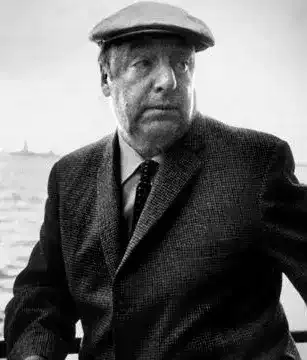
Pablo Neruda
Sonnet IX: There where the waves shatter
Sonnet IX: There where the waves shatter
There where the waves shatter on the restless rocks
the clear light bursts and enacts its rose,
and the sea-circle shrinks to a cluster of buds,
to one drop of blue salt, falling.
O bright magnolia bursting in the foam,
magnetic transient whose death blooms
and vanishes--being, nothingness--forever:
broken salt, dazzling lurch of the sea.
You & I, Love, together we ratify the silence,
while the sea destroys its perpetual statues,
collapses its towers of wild speed and whiteness:
because in the weavings of those invisible fabrics,
galloping water, incessant sand,
we make the only permanent tenderness.
There where the waves shatter on the restless rocks
the clear light bursts and enacts its rose,
and the sea-circle shrinks to a cluster of buds,
to one drop of blue salt, falling.
O bright magnolia bursting in the foam,
magnetic transient whose death blooms
and vanishes--being, nothingness--forever:
broken salt, dazzling lurch of the sea.
You & I, Love, together we ratify the silence,
while the sea destroys its perpetual statues,
collapses its towers of wild speed and whiteness:
because in the weavings of those invisible fabrics,
galloping water, incessant sand,
we make the only permanent tenderness.
543
Pablo Neruda
Ode to Salt
Ode to Salt
This salt
in the salt cellar
I once saw in the salt mines.
I know
you won't
believe me
but
it sings
salt sings, the skin
of the salt mines
sings
with a mouth smothered
by the earth.
I shivered in those
solitudes
when I heard
the voice
of
the salt
in the desert.
Near Antofagasta
the nitrous
pampa
resounds:
a
broken
voice,
a mournful
song.
In its caves
the salt moans, mountain
of buried light,
translucent cathedral,
crystal of the sea, oblivion
of the waves.
And then on every table
in the world,
salt,
we see your piquant
powder
sprinkling
vital light
upon
our food.
Preserver
of the ancient
holds of ships,
discoverer
on
the high seas,
earliest
sailor
of the unknown, shifting
byways of the foam.
Dust of the sea, in you
the tongue receives a kiss
from ocean night:
taste imparts to every seasoned
dish your ocean essence;
the smallest,
miniature
wave from the saltcellar
reveals to us
more than domestic whiteness;
in it, we taste finitude.
This salt
in the salt cellar
I once saw in the salt mines.
I know
you won't
believe me
but
it sings
salt sings, the skin
of the salt mines
sings
with a mouth smothered
by the earth.
I shivered in those
solitudes
when I heard
the voice
of
the salt
in the desert.
Near Antofagasta
the nitrous
pampa
resounds:
a
broken
voice,
a mournful
song.
In its caves
the salt moans, mountain
of buried light,
translucent cathedral,
crystal of the sea, oblivion
of the waves.
And then on every table
in the world,
salt,
we see your piquant
powder
sprinkling
vital light
upon
our food.
Preserver
of the ancient
holds of ships,
discoverer
on
the high seas,
earliest
sailor
of the unknown, shifting
byways of the foam.
Dust of the sea, in you
the tongue receives a kiss
from ocean night:
taste imparts to every seasoned
dish your ocean essence;
the smallest,
miniature
wave from the saltcellar
reveals to us
more than domestic whiteness;
in it, we taste finitude.
659
Pablo Neruda
Ode to a Large Tuna in the Market
Ode to a Large Tuna in the Market
Among the market greens,
a bullet
from the ocean
depths,
a swimming
projectile,
I saw you,
dead.
All around you
were lettuces,
sea foam
of the earth,
carrots,
grapes,
but
of the ocean
truth,
of the unknown,
of the
unfathomable
shadow, the
depths
of the sea,
the abyss,
only you had survived,
a pitch-black, varnished
witness
to deepest night.
Only you, well-aimed
dark bullet
from the abyss,
mangled
at one tip,
but constantly
reborn,
at anchor in the current,
winged fins
windmilling
in the swift
flight
of
the
marine
shadow,
a mourning arrow,
dart of the sea,
olive, oily fish.
I saw you dead,
a deceased king
of my own ocean,
green
assault, silver
submarine fir,
seed
of seaquakes,
now
only dead remains,
yet
in all the market
yours
was the only
purposeful form
amid
the bewildering rout
of nature;
amid the fragile greens
you were
a solitary ship,
armed
among the vegetables
fin and prow black and oiled,
as if you were still
the vessel of the wind,
the one and only
pure
ocean
machine:
unflawed, navigating
the waters of death.
Among the market greens,
a bullet
from the ocean
depths,
a swimming
projectile,
I saw you,
dead.
All around you
were lettuces,
sea foam
of the earth,
carrots,
grapes,
but
of the ocean
truth,
of the unknown,
of the
unfathomable
shadow, the
depths
of the sea,
the abyss,
only you had survived,
a pitch-black, varnished
witness
to deepest night.
Only you, well-aimed
dark bullet
from the abyss,
mangled
at one tip,
but constantly
reborn,
at anchor in the current,
winged fins
windmilling
in the swift
flight
of
the
marine
shadow,
a mourning arrow,
dart of the sea,
olive, oily fish.
I saw you dead,
a deceased king
of my own ocean,
green
assault, silver
submarine fir,
seed
of seaquakes,
now
only dead remains,
yet
in all the market
yours
was the only
purposeful form
amid
the bewildering rout
of nature;
amid the fragile greens
you were
a solitary ship,
armed
among the vegetables
fin and prow black and oiled,
as if you were still
the vessel of the wind,
the one and only
pure
ocean
machine:
unflawed, navigating
the waters of death.
529
Pablo Neruda
Entrance Of The Rivers
Entrance Of The Rivers
Beloved of the rivers,beset
By azure water and transparent drops,
Like a tree of veins your spectre
Of dark goddess biting apples:
And then awakening naked
To be tattoed by the rivers,
And in the wet heights your head
Filled the world with new dew.
Water rose to your waist,
You are made of wellsprings
And lakes shone on your forehead.
From your sources of density you drew
Water like vital tears
And hauled the riverbeds to the sand
Across the planetary night,
Crossing rough, dilated stone,
Breaking down on the way
All the salt of geology,
Cutting through forests of compact walls
Dislodging the muscles of quartz.
Beloved of the rivers,beset
By azure water and transparent drops,
Like a tree of veins your spectre
Of dark goddess biting apples:
And then awakening naked
To be tattoed by the rivers,
And in the wet heights your head
Filled the world with new dew.
Water rose to your waist,
You are made of wellsprings
And lakes shone on your forehead.
From your sources of density you drew
Water like vital tears
And hauled the riverbeds to the sand
Across the planetary night,
Crossing rough, dilated stone,
Breaking down on the way
All the salt of geology,
Cutting through forests of compact walls
Dislodging the muscles of quartz.
559
Pablo Neruda
‘In the wave-strike over unquiet stones’
‘In the wave-strike over unquiet stones’
In the wave-strike over unquiet stones
the brightness bursts and bears the rose
and the ring of water contracts to a cluster
to one drop of azure brine that falls.
O magnolia radiance breaking in spume,
magnetic voyager whose death flowers
and returns, eternal, to being and nothingness:
shattered brine, dazzling leap of the ocean.
Merged, you and I, my love, seal the silence
while the sea destroys its continual forms,
collapses its turrets of wildness and whiteness,
because in the weft of those unseen garments
of headlong water, and perpetual sand,
we bear the sole, relentless tenderness.
In the wave-strike over unquiet stones
the brightness bursts and bears the rose
and the ring of water contracts to a cluster
to one drop of azure brine that falls.
O magnolia radiance breaking in spume,
magnetic voyager whose death flowers
and returns, eternal, to being and nothingness:
shattered brine, dazzling leap of the ocean.
Merged, you and I, my love, seal the silence
while the sea destroys its continual forms,
collapses its turrets of wildness and whiteness,
because in the weft of those unseen garments
of headlong water, and perpetual sand,
we bear the sole, relentless tenderness.
599
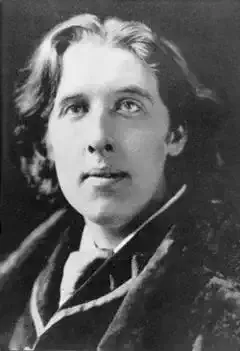
Oscar Wilde
Les Silhouettes
Les Silhouettes
The sea is flecked with bars of grey,
The dull dead wind is out of tune,
And like a withered leaf the moon
Is blown across the stormy bay.
Etched clear upon the pallid sand
Lies the black boat: a sailor boy
Clambers aboard in careless joy
With laughing face and gleaming hand.
And overhead the curlews cry,
Where through the dusky upland grass
The young brown-throated reapers pass,
Like silhouettes against the sky.
The sea is flecked with bars of grey,
The dull dead wind is out of tune,
And like a withered leaf the moon
Is blown across the stormy bay.
Etched clear upon the pallid sand
Lies the black boat: a sailor boy
Clambers aboard in careless joy
With laughing face and gleaming hand.
And overhead the curlews cry,
Where through the dusky upland grass
The young brown-throated reapers pass,
Like silhouettes against the sky.
190
Oscar Wilde
Impressions I. Les Silhouettes
Impressions I. Les Silhouettes
THE sea is flecked with bars of grey
The dull dead wind is out of tune,
And like a withered leaf the moon
Is blown across the stormy bay.
Etched clear upon the pallid sand
The black boat lies: a sailor boy
Clambers aboard in careless joy
With laughing face and gleaming hand.
And overhead the curlews cry,
Where through the dusky upland grass
The young brown-throated reapers pass,
Like silhouettes against the sky.
THE sea is flecked with bars of grey
The dull dead wind is out of tune,
And like a withered leaf the moon
Is blown across the stormy bay.
Etched clear upon the pallid sand
The black boat lies: a sailor boy
Clambers aboard in careless joy
With laughing face and gleaming hand.
And overhead the curlews cry,
Where through the dusky upland grass
The young brown-throated reapers pass,
Like silhouettes against the sky.
207

Ogden Nash
Pretty Halcyon Days
Pretty Halcyon Days
How pleasant to sit on the beach,
On the beach, on the sand, in the sun,
With ocean galore within reach,
And nothing at all to be done!
No letters to answer,
No bills to be burned,
No work to be shirked,
No cash to be earned,
It is pleasant to sit on the beach
With nothing at all to be done!
How pleasant to look at the ocean,
Democratic and damp; indiscriminate;
It fills me with noble emotion
To think I am able to swim in it.
To lave in the wave,
Majestic and chilly,
Tomorrow I crave;
But today it is silly.
It is pleasant to look at the ocean;
Tomorrow, perhaps, I shall swim in it.
How pleasant to gaze at the sailors
As their sailboats they manfully sail
With the vigor of vikings and whalers
In the days of the vikings and whale.
They sport on the brink
Of the shad and the shark;
If it’s windy, they sink;
If it isn’t, they park.
It is pleasant to gaze at the sailors,
To gaze without having to sail.
How pleasant the salt anesthetic
Of the air and the sand and the sun;
Leave the earth to the strong and athletic,
And the sea to adventure upon.
But the sun and the sand
No contractor can copy;
We lie in the land
Of the lotus and poppy;
We vegetate, calm and aesthetic,
On the beach, on the sand, in the sun.
How pleasant to sit on the beach,
On the beach, on the sand, in the sun,
With ocean galore within reach,
And nothing at all to be done!
No letters to answer,
No bills to be burned,
No work to be shirked,
No cash to be earned,
It is pleasant to sit on the beach
With nothing at all to be done!
How pleasant to look at the ocean,
Democratic and damp; indiscriminate;
It fills me with noble emotion
To think I am able to swim in it.
To lave in the wave,
Majestic and chilly,
Tomorrow I crave;
But today it is silly.
It is pleasant to look at the ocean;
Tomorrow, perhaps, I shall swim in it.
How pleasant to gaze at the sailors
As their sailboats they manfully sail
With the vigor of vikings and whalers
In the days of the vikings and whale.
They sport on the brink
Of the shad and the shark;
If it’s windy, they sink;
If it isn’t, they park.
It is pleasant to gaze at the sailors,
To gaze without having to sail.
How pleasant the salt anesthetic
Of the air and the sand and the sun;
Leave the earth to the strong and athletic,
And the sea to adventure upon.
But the sun and the sand
No contractor can copy;
We lie in the land
Of the lotus and poppy;
We vegetate, calm and aesthetic,
On the beach, on the sand, in the sun.
199
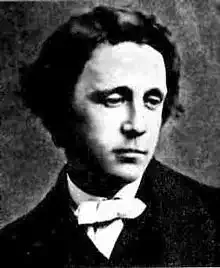
Lewis Carroll
The Sea
The Sea
There are certain things a
spider, a ghost,
The incometax,
gout, an umbrella for three That
I hate, but the thing that I hate the most
Is a thing they call the SEA.
Pour some salt water over the floor Ugly
I'm sure you'll allow it to be:
Suppose it extended a mile or more,
That's very like the SEA.
Beat a dog till it howls outright Cruel,
but all very well for a spree;
Suppose that one did so day and night,
That would be like the SEA.
I had a vision of nurserymaids;
Tens of thousands passed by me All
leading children with wooden spades,
And this was by the SEA.
Who invented those spades of wood?
Who was it cut them out of the tree?
None, I think, but an idiot could Or
one that loved the SEA.
It is pleasant and dreamy, no doubt, to float
With `thoughts as boundless, and souls as free';
But suppose you are very unwell in a boat,
How do you like the SEA.
There is an insect that people avoid
(Whence is derived the verb `to flee')
Where have you been by it most annoyed?
In lodgings by the SEA.
If you like coffee with sand for dregs,
A decided hint of salt in your tea,
And a fishy taste in the very eggs By
all means choose the SEA.
And if, with these dainties to drink and eat,
You prefer not a vestige of grass or tree,
And a chronic state of wet in your feet,
Then I
recommend the SEA.
For I have friends who dwell by the coast,
Pleasant friends they are to me!
It is when I'm with them I wonder most
That anyone likes the SEA.
They take me a walk: though tired and stiff,
To climb the heights I madly agree:
And, after a tumble or so from the cliff,
They kindly suggest the SEA.
I try the rocks, and I think it cool
That they laugh with such an excess of glee,
As I heavily slip into every pool,
That skirts the cold, cold SEA.
There are certain things a
spider, a ghost,
The incometax,
gout, an umbrella for three That
I hate, but the thing that I hate the most
Is a thing they call the SEA.
Pour some salt water over the floor Ugly
I'm sure you'll allow it to be:
Suppose it extended a mile or more,
That's very like the SEA.
Beat a dog till it howls outright Cruel,
but all very well for a spree;
Suppose that one did so day and night,
That would be like the SEA.
I had a vision of nurserymaids;
Tens of thousands passed by me All
leading children with wooden spades,
And this was by the SEA.
Who invented those spades of wood?
Who was it cut them out of the tree?
None, I think, but an idiot could Or
one that loved the SEA.
It is pleasant and dreamy, no doubt, to float
With `thoughts as boundless, and souls as free';
But suppose you are very unwell in a boat,
How do you like the SEA.
There is an insect that people avoid
(Whence is derived the verb `to flee')
Where have you been by it most annoyed?
In lodgings by the SEA.
If you like coffee with sand for dregs,
A decided hint of salt in your tea,
And a fishy taste in the very eggs By
all means choose the SEA.
And if, with these dainties to drink and eat,
You prefer not a vestige of grass or tree,
And a chronic state of wet in your feet,
Then I
recommend the SEA.
For I have friends who dwell by the coast,
Pleasant friends they are to me!
It is when I'm with them I wonder most
That anyone likes the SEA.
They take me a walk: though tired and stiff,
To climb the heights I madly agree:
And, after a tumble or so from the cliff,
They kindly suggest the SEA.
I try the rocks, and I think it cool
That they laugh with such an excess of glee,
As I heavily slip into every pool,
That skirts the cold, cold SEA.
189
Lewis Carroll
A Sea Dirge
A Sea Dirge
There are certain things as,
a spider, a ghost,
The incometax,
gout, an umbrella for three That
I hate, but the thing that I hate the most
Is a thing they call the Sea.
Pour some salt water over the floor Ugly
I'm sure you'll allow it to be:
Suppose it extended a mile or more,
THAT'S very like the Sea.
Beat a dog till it howls outright Cruel,
but all very well for a spree:
Suppose that he did so day and night,
THAT would be like the Sea.
I had a vision of nurserymaids;
Tens of thousands passed by me All
leading children with wooden spades,
And this was by the Sea.
Who invented those spades of wood?
Who was it cut them out of the tree?
None, I think, but an idiot could Or
one that loved the Sea.
It is pleasant and dreamy, no doubt, to float
With 'thoughts as boundless, and souls as free':
But, suppose you are very unwell in the boat,
How do you like the Sea?
There is an insect that people avoid
(Whence is derived the verb 'to flee').
Where have you been by it most annoyed?
In lodgings by the Sea.
If you like your coffee with sand for dregs,
A decided hint of salt in your tea,
And a fishy taste in the very eggs By
all means choose the Sea.
And if, with these dainties to drink and eat,
You prefer not a vestige of grass or tree,
And a chronic state of wet in your feet,
Then I
recommend the Sea.
For I have friends who dwell by the coast Pleasant
friends they are to me!
It is when I am with them I wonder most
That anyone likes the Sea.
They take me a walk: though tired and stiff,
To climb the heights I madly agree;
And, after a tumble or so from the cliff,
They kindly suggest the Sea.
I try the rocks, and I think it cool
That they laugh with such an excess of glee,
As I heavily slip into every pool
That skirts the cold cold Sea.
There are certain things as,
a spider, a ghost,
The incometax,
gout, an umbrella for three That
I hate, but the thing that I hate the most
Is a thing they call the Sea.
Pour some salt water over the floor Ugly
I'm sure you'll allow it to be:
Suppose it extended a mile or more,
THAT'S very like the Sea.
Beat a dog till it howls outright Cruel,
but all very well for a spree:
Suppose that he did so day and night,
THAT would be like the Sea.
I had a vision of nurserymaids;
Tens of thousands passed by me All
leading children with wooden spades,
And this was by the Sea.
Who invented those spades of wood?
Who was it cut them out of the tree?
None, I think, but an idiot could Or
one that loved the Sea.
It is pleasant and dreamy, no doubt, to float
With 'thoughts as boundless, and souls as free':
But, suppose you are very unwell in the boat,
How do you like the Sea?
There is an insect that people avoid
(Whence is derived the verb 'to flee').
Where have you been by it most annoyed?
In lodgings by the Sea.
If you like your coffee with sand for dregs,
A decided hint of salt in your tea,
And a fishy taste in the very eggs By
all means choose the Sea.
And if, with these dainties to drink and eat,
You prefer not a vestige of grass or tree,
And a chronic state of wet in your feet,
Then I
recommend the Sea.
For I have friends who dwell by the coast Pleasant
friends they are to me!
It is when I am with them I wonder most
That anyone likes the Sea.
They take me a walk: though tired and stiff,
To climb the heights I madly agree;
And, after a tumble or so from the cliff,
They kindly suggest the Sea.
I try the rocks, and I think it cool
That they laugh with such an excess of glee,
As I heavily slip into every pool
That skirts the cold cold Sea.
200
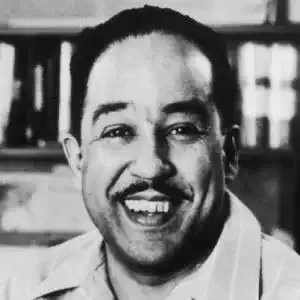
Langston Hughes
Negro Speaks of Rivers
Negro Speaks of Rivers
I've known rivers:
I've known rivers ancient as the world and older than the
flow of human blood in human veins
My soul has grown deep like the rivers.
I bathed in the Euphrates when dawns were young
I built my hut near the Congo and it lulled me to sleep.
I looked upon the Nile and raised the pyramids above it.
I heard the singing of the Mississippi when Abe Lincoln
went down to New Orleans, and I've seen its muddy
bosom turn all golden in the sunset
I've known rivers:
Ancient, dusky rivers.
My soul has grown deep like the rivers.
I've known rivers:
I've known rivers ancient as the world and older than the
flow of human blood in human veins
My soul has grown deep like the rivers.
I bathed in the Euphrates when dawns were young
I built my hut near the Congo and it lulled me to sleep.
I looked upon the Nile and raised the pyramids above it.
I heard the singing of the Mississippi when Abe Lincoln
went down to New Orleans, and I've seen its muddy
bosom turn all golden in the sunset
I've known rivers:
Ancient, dusky rivers.
My soul has grown deep like the rivers.
459
John Keats
To My Brother George
To My Brother George
Many the wonders I this day have seen:
The sun, when first he kissed away the tears
That filled the eyes of Morn;-the laurelled peers
Who from the feathery gold of evening lean;-
The ocean with its vastness, its blue green,
Its ships, its rocks, its caves, its hopes, its fears,
Its voice mysterious, which whoso hears
Must think on what will be, and what has been.
E'en now, dear George, while this for you I write,
Cynthia is from her silken curtains peeping
So scantly, that it seems her bridal night,
And she her half-discovered revels keeping.
But what, without the social thought of thee,
Would be the wonders of the sky and sea?
Many the wonders I this day have seen:
The sun, when first he kissed away the tears
That filled the eyes of Morn;-the laurelled peers
Who from the feathery gold of evening lean;-
The ocean with its vastness, its blue green,
Its ships, its rocks, its caves, its hopes, its fears,
Its voice mysterious, which whoso hears
Must think on what will be, and what has been.
E'en now, dear George, while this for you I write,
Cynthia is from her silken curtains peeping
So scantly, that it seems her bridal night,
And she her half-discovered revels keeping.
But what, without the social thought of thee,
Would be the wonders of the sky and sea?
459
John Keats
To Ailsa Rock
To Ailsa Rock
Hearken, thou craggy ocean-pyramid,
Give answer by thy voice-the sea-fowls' screams!
When were thy shoulders mantled in huge streams?
When from the sun was thy broad forehead hid?
How long is't since the mighty Power bid
Thee heave to airy sleep from fathom dreams-
Sleep in the lap of thunder or sunbeams-
Or when grey clouds are thy cold coverlid!
Thou answer'st not; for thou art dead asleep.
Thy life is but two dead eternities,
The last in air, the former in the deep!
First with the whales, last with the eagle-skies!
Drowned wast thou till an earthquake made thee steep,
Another cannot wake thy giant-size!
Hearken, thou craggy ocean-pyramid,
Give answer by thy voice-the sea-fowls' screams!
When were thy shoulders mantled in huge streams?
When from the sun was thy broad forehead hid?
How long is't since the mighty Power bid
Thee heave to airy sleep from fathom dreams-
Sleep in the lap of thunder or sunbeams-
Or when grey clouds are thy cold coverlid!
Thou answer'st not; for thou art dead asleep.
Thy life is but two dead eternities,
The last in air, the former in the deep!
First with the whales, last with the eagle-skies!
Drowned wast thou till an earthquake made thee steep,
Another cannot wake thy giant-size!
373
John Keats
Staffa
Staffa
Not Aladdin magian
Ever such a work began;
Not the wizard of the Dee
Ever such a dream could see;
Not St. John, in Patmos' Isle,
In the passion of his toil,
When he saw the churches seven,
Golden aisl'd, built up in heaven,
Gaz'd at such a rugged wonder.
As I stood its roofing under
Lo! I saw one sleeping there,
On the marble cold and bare.
While the surges wash'd his feet,
And his garments white did beat.
Drench'd about the sombre rocks,
On his neck his well-grown locks,
Lifted dry above the main,
Were upon the curl again.
'What is this? and what art thou?'
Whisper'd I, and touch'd his brow;
'What art thou? and what is this?'
Whisper'd I, and strove to kiss
The spirit's hand, to wake his eyes;
Up he started in a trice:
'I am Lycidas,' said he,
'Fam'd in funeral minstrely!
This was architectur'd thus
By the great Oceanus!--
Here his mighty waters play
Hollow organs all the day;
Here by turns his dolphins all,
Finny palmers great and small,
Come to pay devotion due--
Each a mouth of pearls must strew.
Many a mortal of these days,
Dares to pass our sacred ways,
Dares to touch audaciously
This Cathedral of the Sea!
I have been the pontiff-priest
Where the waters never rest,
Where a fledgy sea-bird choir
Soars for ever; holy fire
I have hid from mortal man;
Proteus is my Sacristan.
But the dulled eye of mortal
Hath pass'd beyond the rocky portal;
So for ever will I leave
Such a taint, and soon unweave
All the magic of the place.'
* * * * * *
So saying, with a Spirit's glance
He dived!
Not Aladdin magian
Ever such a work began;
Not the wizard of the Dee
Ever such a dream could see;
Not St. John, in Patmos' Isle,
In the passion of his toil,
When he saw the churches seven,
Golden aisl'd, built up in heaven,
Gaz'd at such a rugged wonder.
As I stood its roofing under
Lo! I saw one sleeping there,
On the marble cold and bare.
While the surges wash'd his feet,
And his garments white did beat.
Drench'd about the sombre rocks,
On his neck his well-grown locks,
Lifted dry above the main,
Were upon the curl again.
'What is this? and what art thou?'
Whisper'd I, and touch'd his brow;
'What art thou? and what is this?'
Whisper'd I, and strove to kiss
The spirit's hand, to wake his eyes;
Up he started in a trice:
'I am Lycidas,' said he,
'Fam'd in funeral minstrely!
This was architectur'd thus
By the great Oceanus!--
Here his mighty waters play
Hollow organs all the day;
Here by turns his dolphins all,
Finny palmers great and small,
Come to pay devotion due--
Each a mouth of pearls must strew.
Many a mortal of these days,
Dares to pass our sacred ways,
Dares to touch audaciously
This Cathedral of the Sea!
I have been the pontiff-priest
Where the waters never rest,
Where a fledgy sea-bird choir
Soars for ever; holy fire
I have hid from mortal man;
Proteus is my Sacristan.
But the dulled eye of mortal
Hath pass'd beyond the rocky portal;
So for ever will I leave
Such a taint, and soon unweave
All the magic of the place.'
* * * * * *
So saying, with a Spirit's glance
He dived!
433
John Keats
Sonnet I. To My Brother George
Sonnet I. To My Brother George
Many the wonders I this day have seen:
The sun, when first he kissed away the tears
That filled the eyes of Morn;—the laurelled peers
Who from the feathery gold of evening lean;—
The ocean with its vastness, its blue green,
Its ships, its rocks, its caves, its hopes, its fears,
Its voice mysterious, which whoso hears
Must think on what will be, and what has been.
E'en now, dear George, while this for you I write,
Cynthia is from her silken curtains peeping
So scantly, that it seems her bridal night,
And she her half-discovered revels keeping.
But what, without the social thought of thee,
Would be the wonders of the sky and sea?
Many the wonders I this day have seen:
The sun, when first he kissed away the tears
That filled the eyes of Morn;—the laurelled peers
Who from the feathery gold of evening lean;—
The ocean with its vastness, its blue green,
Its ships, its rocks, its caves, its hopes, its fears,
Its voice mysterious, which whoso hears
Must think on what will be, and what has been.
E'en now, dear George, while this for you I write,
Cynthia is from her silken curtains peeping
So scantly, that it seems her bridal night,
And she her half-discovered revels keeping.
But what, without the social thought of thee,
Would be the wonders of the sky and sea?
399
John Keats
On the Sea
On the Sea
It keeps eternal whisperings around
Desolate shores, and with its mighty swell
Gluts twice ten thousand Caverns, till the spell
Of Hecate leaves them their old shadowy sound.
Often 'tis in such gentle temper found,
That scarcely will the very smallest shell
Be moved for days from where it sometime fell.
When last the winds of Heaven were unbound.
Oh, ye! who have your eyeballs vexed and tired,
Feast them upon the wideness of the Sea;
Oh ye! whose ears are dinned with uproar rude,
Or fed too much with cloying melody---
Sit ye near some old Cavern's Mouth and brood,
Until ye start, as if the sea nymphs quired!
It keeps eternal whisperings around
Desolate shores, and with its mighty swell
Gluts twice ten thousand Caverns, till the spell
Of Hecate leaves them their old shadowy sound.
Often 'tis in such gentle temper found,
That scarcely will the very smallest shell
Be moved for days from where it sometime fell.
When last the winds of Heaven were unbound.
Oh, ye! who have your eyeballs vexed and tired,
Feast them upon the wideness of the Sea;
Oh ye! whose ears are dinned with uproar rude,
Or fed too much with cloying melody---
Sit ye near some old Cavern's Mouth and brood,
Until ye start, as if the sea nymphs quired!
599
John Greenleaf Whittier
The Wreck Of Rivermouth
The Wreck Of Rivermouth
Rivermouth Rocks are fair to see,
By dawn or sunset shone across,
When the ebb of the sea has left them free,
To dry their fringes of gold-green moss
For there the river comes winding down,
From salt sea-meadows and uplands brown,
And waves on the outer rocks afoam
Shout to its waters, 'Welcome home!'
And fair are the sunny isles in view
East of the grisly Head of the Boar,
And Agamenticus lifts its blue
Disk of a cloud the woodlands o'er;
And southerly, when the tide is down,
'Twixt white sea-waves and sand-hills brown,
The beach-birds dance and the gray gulls wheel
Over a floor of burnished steel.
Once, in the old Colonial days,
Two hundred years ago and more,
A boat sailed down through the winding ways
Of Hampton River to that low shore,
Full of a goodly company
Sailing out on the summer sea,
Veering to catch the land-breeze light,
With the Boar to left and the Rocks to right.
In Hampton meadows, where mowers laid
Their scythes to the swaths of salted grass,
'Ah, well-a-day! our hay must be made!'
A young man sighed, who saw them pass.
Loud laughed his fellows to see him stand
Whetting his scythe with a listless hand,
Hearing a voice in a far-off song,
Watching a white hand beckoning long.
'Fie on the witch!' cried a merry girl,
As they rounded the point where Goody Cole
Sat by her door with her wheel atwirl,
A bent and blear-eyed poor old soul.
'Oho!' she muttered, 'ye 're brave to-day!
But I hear the little waves laugh and say,
'The broth will be cold that waits at home;
For it 's one to go, but another to come!''
'She's cursed,' said the skipper; 'speak her fair:
I'm scary always to see her shake
Her wicked head, with its wild gray hair,
And nose like a hawk, and eyes like a snake.'
But merrily still, with laugh and shout,
From Hampton River the boat sailed out,
Till the huts and the flakes on Star seemed nigh,
And they lost the scent of the pines of Rye.
They dropped their lines in the lazy tide,
Drawing up haddock and mottled cod;
They saw not the Shadow that walked beside,
They heard not the feet with silence shod.
But thicker and thicker a hot mist grew,
Shot by the lightnings through and through;
And muffled growls, like the growl of a beast,
Ran along the sky from west to east.
Then the skipper looked from the darkening sea
Up to the dimmed and wading sun;
But he spake like a brave man cheerily,
'Yet there is time for our homeward run.'
Veering and tacking, they backward wore;
And just as a breath-from the woods ashore
Blew out to whisper of danger past,
The wrath of the storm came down at last!
The skipper hauled at the heavy sail
'God be our help!' he only cried,
As the roaring gale, like the stroke of a flail,
Smote the boat on its starboard side.
The Shoalsmen looked, but saw alone
Dark films of rain-cloud slantwise blown,
Wild rocks lit up by the lightning's glare,
The strife and torment of sea and air.
Goody Cole looked out from her door
The Isles of Shoals were drowned and gone,
Scarcely she saw the Head of the Boar
Toss the foam from tusks of stone.
She clasped her hands with a grip of pain,
The tear on her cheek was not of rain
'They are lost,' she muttered, 'boat and crew!
Lord, forgive me! my words were true!'
Suddenly seaward swept the squall;
The low sun smote through cloudy rack;
The Shoals stood clear in the light, and all
The trend of the coast lay hard and black.
But far and wide as eye could reach,
No life was seen upon wave or beach;
The boat that went out at morning never
Sailed back again into Hampton River.
O mower, lean on thy bended snath,
Look from the meadows green and low
The wind of the sea is a waft of death,
The waves are singing a song of woe!
By silent river, by moaning sea,
Long and vain shall thy watching be
Never again shall the sweet voice call,
Never the white hand rise and fall!
O Rivermouth Rocks, how sad a sight
Ye saw in the light of breaking day
Dead faces looking up cold and white
From sand and seaweed where they lay.
The mad old witch-wife wailed and wept,
And cursed the tide as it backward crept
'Crawl back, crawl back, blue water-snake
Leave your dead for the hearts that break!'
Solemn it was in that old day
In Hampton town and its log-built church,
Where side by side the coffins lay
And the mourners stood in aisle and porch.
In the singing-seats young eyes were dim,
The voices faltered that raised the hymn,
And Father Dalton, grave and stern,
Sobbed through his prayer and wept in turn.
But his ancient colleague did not pray;
Under the weight of his fourscore years
He stood apart with the iron-gray
Of his strong brows knitted to hide his tears;
And a fair-faced woman of doubtful fame,
Linking her own with his honored name,
Subtle as sin, at his side withstood
The felt reproach of her neighborhood.
Apart with them, like them forbid,
Old Goody Cole looked drearily round,
As, two by two, with their faces hid,
The mourners walked to the burying-ground.
She let the staff from her clasped hands fall
'Lord, forgive us! we're sinners all!'
And the voice of the old man answered her
'Amen!' said Father Bachiler.
So, as I sat upon Appledore
In the calm of a closing summer day,
And the broken lines of Hampton shore
In purple mist of cloudland lay,
The Rivermouth Rocks their story told;
And waves aglow with sunset gold,
Rising and breaking in steady chime,
Beat the rhythm and kept the time.
And the sunset paled, and warmed once more
With a softer, tenderer after-glow;
In the east was moon-rise, with boats off-shore
And sails in the distance drifting slow.
The beacon glimmered from Portsmouth bar,
The White Isle kindled its great red star;
And life and death in my old-time lay
Mingled in peace like the night and day!
. . . . .
'Well!' said the Man of Books, 'your story
Is really not ill told in verse.
As the Celt said of purgatory,
One might go farther and fare worse.'
The Reader smiled; and once again
With steadier voice took up his strain,
While the fair singer from the neighboring tent
Drew near, and at his side a graceful listener bent.
Rivermouth Rocks are fair to see,
By dawn or sunset shone across,
When the ebb of the sea has left them free,
To dry their fringes of gold-green moss
For there the river comes winding down,
From salt sea-meadows and uplands brown,
And waves on the outer rocks afoam
Shout to its waters, 'Welcome home!'
And fair are the sunny isles in view
East of the grisly Head of the Boar,
And Agamenticus lifts its blue
Disk of a cloud the woodlands o'er;
And southerly, when the tide is down,
'Twixt white sea-waves and sand-hills brown,
The beach-birds dance and the gray gulls wheel
Over a floor of burnished steel.
Once, in the old Colonial days,
Two hundred years ago and more,
A boat sailed down through the winding ways
Of Hampton River to that low shore,
Full of a goodly company
Sailing out on the summer sea,
Veering to catch the land-breeze light,
With the Boar to left and the Rocks to right.
In Hampton meadows, where mowers laid
Their scythes to the swaths of salted grass,
'Ah, well-a-day! our hay must be made!'
A young man sighed, who saw them pass.
Loud laughed his fellows to see him stand
Whetting his scythe with a listless hand,
Hearing a voice in a far-off song,
Watching a white hand beckoning long.
'Fie on the witch!' cried a merry girl,
As they rounded the point where Goody Cole
Sat by her door with her wheel atwirl,
A bent and blear-eyed poor old soul.
'Oho!' she muttered, 'ye 're brave to-day!
But I hear the little waves laugh and say,
'The broth will be cold that waits at home;
For it 's one to go, but another to come!''
'She's cursed,' said the skipper; 'speak her fair:
I'm scary always to see her shake
Her wicked head, with its wild gray hair,
And nose like a hawk, and eyes like a snake.'
But merrily still, with laugh and shout,
From Hampton River the boat sailed out,
Till the huts and the flakes on Star seemed nigh,
And they lost the scent of the pines of Rye.
They dropped their lines in the lazy tide,
Drawing up haddock and mottled cod;
They saw not the Shadow that walked beside,
They heard not the feet with silence shod.
But thicker and thicker a hot mist grew,
Shot by the lightnings through and through;
And muffled growls, like the growl of a beast,
Ran along the sky from west to east.
Then the skipper looked from the darkening sea
Up to the dimmed and wading sun;
But he spake like a brave man cheerily,
'Yet there is time for our homeward run.'
Veering and tacking, they backward wore;
And just as a breath-from the woods ashore
Blew out to whisper of danger past,
The wrath of the storm came down at last!
The skipper hauled at the heavy sail
'God be our help!' he only cried,
As the roaring gale, like the stroke of a flail,
Smote the boat on its starboard side.
The Shoalsmen looked, but saw alone
Dark films of rain-cloud slantwise blown,
Wild rocks lit up by the lightning's glare,
The strife and torment of sea and air.
Goody Cole looked out from her door
The Isles of Shoals were drowned and gone,
Scarcely she saw the Head of the Boar
Toss the foam from tusks of stone.
She clasped her hands with a grip of pain,
The tear on her cheek was not of rain
'They are lost,' she muttered, 'boat and crew!
Lord, forgive me! my words were true!'
Suddenly seaward swept the squall;
The low sun smote through cloudy rack;
The Shoals stood clear in the light, and all
The trend of the coast lay hard and black.
But far and wide as eye could reach,
No life was seen upon wave or beach;
The boat that went out at morning never
Sailed back again into Hampton River.
O mower, lean on thy bended snath,
Look from the meadows green and low
The wind of the sea is a waft of death,
The waves are singing a song of woe!
By silent river, by moaning sea,
Long and vain shall thy watching be
Never again shall the sweet voice call,
Never the white hand rise and fall!
O Rivermouth Rocks, how sad a sight
Ye saw in the light of breaking day
Dead faces looking up cold and white
From sand and seaweed where they lay.
The mad old witch-wife wailed and wept,
And cursed the tide as it backward crept
'Crawl back, crawl back, blue water-snake
Leave your dead for the hearts that break!'
Solemn it was in that old day
In Hampton town and its log-built church,
Where side by side the coffins lay
And the mourners stood in aisle and porch.
In the singing-seats young eyes were dim,
The voices faltered that raised the hymn,
And Father Dalton, grave and stern,
Sobbed through his prayer and wept in turn.
But his ancient colleague did not pray;
Under the weight of his fourscore years
He stood apart with the iron-gray
Of his strong brows knitted to hide his tears;
And a fair-faced woman of doubtful fame,
Linking her own with his honored name,
Subtle as sin, at his side withstood
The felt reproach of her neighborhood.
Apart with them, like them forbid,
Old Goody Cole looked drearily round,
As, two by two, with their faces hid,
The mourners walked to the burying-ground.
She let the staff from her clasped hands fall
'Lord, forgive us! we're sinners all!'
And the voice of the old man answered her
'Amen!' said Father Bachiler.
So, as I sat upon Appledore
In the calm of a closing summer day,
And the broken lines of Hampton shore
In purple mist of cloudland lay,
The Rivermouth Rocks their story told;
And waves aglow with sunset gold,
Rising and breaking in steady chime,
Beat the rhythm and kept the time.
And the sunset paled, and warmed once more
With a softer, tenderer after-glow;
In the east was moon-rise, with boats off-shore
And sails in the distance drifting slow.
The beacon glimmered from Portsmouth bar,
The White Isle kindled its great red star;
And life and death in my old-time lay
Mingled in peace like the night and day!
. . . . .
'Well!' said the Man of Books, 'your story
Is really not ill told in verse.
As the Celt said of purgatory,
One might go farther and fare worse.'
The Reader smiled; and once again
With steadier voice took up his strain,
While the fair singer from the neighboring tent
Drew near, and at his side a graceful listener bent.
342
John Greenleaf Whittier
The Palatine
The Palatine
Leagues north, as fly the gull and auk,
Point Judith watches with eye of hawk;
Leagues south, thy beacon flames, Montauk!
Lonely and wind-shorn, wood-forsaken,
With never a tree for Spring to waken,
For tryst of lovers or farewells taken,
Circled by waters that never freeze,
Beaten by billow and swept by breeze,
Lieth the island of Manisees,
Set at the mouth of the Sound to hold
The coast lights up on its turret old,
Yellow with moss and sea-fog mould.
Dreary the land when gust and sleet
At its doors and windows howl and beat,
And Winter laughs at its fires of peat!
But in summer time, when pool and pond,
Held in the laps of valleys fond,
Are blue as the glimpses of sea beyond;
When the hills are sweet with the brier-rose,
And, hid in the warm, soft dells, unclose
Flowers the mainland rarely knows;
When boats to their morning fishing go,
And, held to the wind and slanting low,
Whitening and darkening the small sails show,-
Then is that lonely island fair;
And the pale health-seeker findeth there
The wine of life in its pleasant air.
No greener valleys the sun invite,
On smoother beaches no sea-birds light,
No blue waves shatter to foam more white!
There, circling ever their narrow range,
Quaint tradition and legend strange
Live on unchallenged, and know no change.
Old wives spinning their webs of tow,
Or rocking weirdly to and fro
In and out of the peat's dull glow,
And old men mending their nets of twine,
Talk together of dream and sign,
Talk of the lost ship Palatine,-
The ship that, a hundred years before,
Freighted deep with its goodly store,
In the gales of the equinox went ashore.
The eager islanders one by one
Counted the shots of her signal gun,
And heard the crash when she drove right on!
Into the teeth of death she sped
(May God forgive the hands that fed
The false lights over the rocky Head!)
O men and brothers! what sights were there!
White upturned faces, hands stretched in prayer!
Where waves had pity, could ye not spare?
Down swooped the wreckers, like birds of prey
Tearing the heart of the ship away,
And the dead had never a word to say.
And then, with ghastly shimmer and shine
Over the rocks and the seething brine,
They burned the wreck of the Palatine.
In their cruel hearts, as they homeward sped,
'The sea and the rocks are dumb,' they said
'There 'll be no reckoning with the dead.'
But the year went round, and when once more
Along their foam-white curves of shore
They heard the line-storm rave and roar,
Behold! again, with shimmer and shine,
Over the rocks and the seething brine,
The flaming wreck of the Palatine!
So, haply in fitter words than these,
Mending their nets on their patient knees
They tell the legend of Manisees.
Nor looks nor tones a doubt betray;
'It is known to us all,' they quietly say;
'We too have seen it in our day.'
Is there, then, no death for a word once spoken?
Was never a deed but left its token
Written on tables never broken?
Do the elements subtle reflections give?
Do pictures of all the ages live
On Nature's infinite negative,
Which, half in sport, in malice half,
She shows at times, with shudder or laugh,
Phantom and shadow in photograph?
For still, on many a moonless night,
From Kingston Head and from Montauk light
The spectre kindles and burns in sight.
Now low and dim, now clear and higher,
Leaps up the terrible Ghost of Fire,
Then, slowly sinking, the flames expire.
And the wise Sound skippers, though skies be fine,
Reef their sails when they see the sign
Of the blazing wreck of the Palatine!
. . . . .
'A fitter tale to scream than sing,'
The Book-man said. 'Well, fancy, then,'
The Reader answered, 'on the wing
The sea-birds shriek it, not for men,
But in the ear of wave and breeze!'
The Traveller mused: 'Your Manisees
Is fairy-land: off Narragansett shore
Who ever saw the isle or heard its name before?
''T is some strange land of Flyaway,
Whose dreamy shore the ship beguiles,
St. Brandan's in its sea-mist gray,
Or sunset loom of Fortunate Isles!'
'No ghost, but solid turf and rock
Is the good island known as Block,'
The Reader said. 'For beauty and for ease
I chose its Indian name, soft-flowing Manisees!
'But let it pass; here is a bit
Of unrhymed story, with a hint
Of the old preaching mood in it,
The sort of sidelong moral squint
Our friend objects to, which has grown,
I fear, a habit of my own.
'Twas written when the Asian plague drew near,
And the land held its breath and paled with sudden fear.'
Leagues north, as fly the gull and auk,
Point Judith watches with eye of hawk;
Leagues south, thy beacon flames, Montauk!
Lonely and wind-shorn, wood-forsaken,
With never a tree for Spring to waken,
For tryst of lovers or farewells taken,
Circled by waters that never freeze,
Beaten by billow and swept by breeze,
Lieth the island of Manisees,
Set at the mouth of the Sound to hold
The coast lights up on its turret old,
Yellow with moss and sea-fog mould.
Dreary the land when gust and sleet
At its doors and windows howl and beat,
And Winter laughs at its fires of peat!
But in summer time, when pool and pond,
Held in the laps of valleys fond,
Are blue as the glimpses of sea beyond;
When the hills are sweet with the brier-rose,
And, hid in the warm, soft dells, unclose
Flowers the mainland rarely knows;
When boats to their morning fishing go,
And, held to the wind and slanting low,
Whitening and darkening the small sails show,-
Then is that lonely island fair;
And the pale health-seeker findeth there
The wine of life in its pleasant air.
No greener valleys the sun invite,
On smoother beaches no sea-birds light,
No blue waves shatter to foam more white!
There, circling ever their narrow range,
Quaint tradition and legend strange
Live on unchallenged, and know no change.
Old wives spinning their webs of tow,
Or rocking weirdly to and fro
In and out of the peat's dull glow,
And old men mending their nets of twine,
Talk together of dream and sign,
Talk of the lost ship Palatine,-
The ship that, a hundred years before,
Freighted deep with its goodly store,
In the gales of the equinox went ashore.
The eager islanders one by one
Counted the shots of her signal gun,
And heard the crash when she drove right on!
Into the teeth of death she sped
(May God forgive the hands that fed
The false lights over the rocky Head!)
O men and brothers! what sights were there!
White upturned faces, hands stretched in prayer!
Where waves had pity, could ye not spare?
Down swooped the wreckers, like birds of prey
Tearing the heart of the ship away,
And the dead had never a word to say.
And then, with ghastly shimmer and shine
Over the rocks and the seething brine,
They burned the wreck of the Palatine.
In their cruel hearts, as they homeward sped,
'The sea and the rocks are dumb,' they said
'There 'll be no reckoning with the dead.'
But the year went round, and when once more
Along their foam-white curves of shore
They heard the line-storm rave and roar,
Behold! again, with shimmer and shine,
Over the rocks and the seething brine,
The flaming wreck of the Palatine!
So, haply in fitter words than these,
Mending their nets on their patient knees
They tell the legend of Manisees.
Nor looks nor tones a doubt betray;
'It is known to us all,' they quietly say;
'We too have seen it in our day.'
Is there, then, no death for a word once spoken?
Was never a deed but left its token
Written on tables never broken?
Do the elements subtle reflections give?
Do pictures of all the ages live
On Nature's infinite negative,
Which, half in sport, in malice half,
She shows at times, with shudder or laugh,
Phantom and shadow in photograph?
For still, on many a moonless night,
From Kingston Head and from Montauk light
The spectre kindles and burns in sight.
Now low and dim, now clear and higher,
Leaps up the terrible Ghost of Fire,
Then, slowly sinking, the flames expire.
And the wise Sound skippers, though skies be fine,
Reef their sails when they see the sign
Of the blazing wreck of the Palatine!
. . . . .
'A fitter tale to scream than sing,'
The Book-man said. 'Well, fancy, then,'
The Reader answered, 'on the wing
The sea-birds shriek it, not for men,
But in the ear of wave and breeze!'
The Traveller mused: 'Your Manisees
Is fairy-land: off Narragansett shore
Who ever saw the isle or heard its name before?
''T is some strange land of Flyaway,
Whose dreamy shore the ship beguiles,
St. Brandan's in its sea-mist gray,
Or sunset loom of Fortunate Isles!'
'No ghost, but solid turf and rock
Is the good island known as Block,'
The Reader said. 'For beauty and for ease
I chose its Indian name, soft-flowing Manisees!
'But let it pass; here is a bit
Of unrhymed story, with a hint
Of the old preaching mood in it,
The sort of sidelong moral squint
Our friend objects to, which has grown,
I fear, a habit of my own.
'Twas written when the Asian plague drew near,
And the land held its breath and paled with sudden fear.'
318
John Greenleaf Whittier
The Fishermen
The Fishermen
HURRAH! the seaward breezes
Sweep down the bay amain;
Heave up, my lads, the anchor!
Run up the sail again!
Leave to the lubber landsmen
The rail-car and the steed;
The stars of heaven shall guide us,
The breath of heaven shall speed.
From the hill-top looks the steeple,
And the lighthouse from the sand;
And the scattered pines are waving
Their farewell from the land.
One glance, my lads, behind us,
For the homes we leave one sigh,
Ere we take the change and chances
Of the ocean and the sky.
Now, brothers, for the icebergs
Of frozen Labrador,
Floating spectral in the moonshine,
Along the low, black shore!
Where like snow the gannet's feathers
On Brador's rocks are shed,
And the noisy murr are flying,
Like black scuds, overhead;
Where in mist the rock is hiding,
And the sharp reef lurks below,
And the white squall smites in summer,
And the autumn tempests blow;
Where, through gray and rolling vapor,
From evening unto morn,
A thousand, boats are hailing,
Horn answering unto horn.
Hurrah! for the Red Island,
With the white cross on its crown!
Hurrah! for Meccatina,
And its mountains bare and brown!
Where the Caribou's tall antlers
O'er the dwarf-wood freely toss,
And the footstep of the Mickmack
Has no sound upon the moss.
There we'll drop our lines, and gather
Old Ocean's treasures in,
Where'er the mottled mackerel
Turns up a steel-dark fin.
The sea's our field of harvest,
Its scaly tribes our grain;
We'll reap the teeming waters
As at home they reap the plain!
Our wet hands spread the carpet,
And light the hearth of home;
From our fish, as in the old time,
The silver coin shall come.
As the demon fled the chamber
Where the fish of Tobit lay,
So ours from all our dwellings
Shall frighten Want away.
Though the mist upon our jackets
In the bitter air congeals,
And our lines wind stiff and slowly
From off the frozen reels;
Though the fog be dark around us,
And the storm blow high and loud,
We will whistle down the wild wind,
And laugh beneath the cloud!
In the darkness as in daylight,
On the water as on land,
God's eye is looking on us,
And beneath us is His hand!
Death will find us soon or later,
On the deck or in the cot;
And we cannot meet him better
Than in working out our lot.
Hurrah! hurrah! the west-wind
Comes freshening down the bay,
The rising sails are filling;
Give way, my lads, give way!
Leave the coward landsman clinging
To the dull earth, like a weed;
The stars of heaven shall guide us,
The breath of heaven shall speed!
HURRAH! the seaward breezes
Sweep down the bay amain;
Heave up, my lads, the anchor!
Run up the sail again!
Leave to the lubber landsmen
The rail-car and the steed;
The stars of heaven shall guide us,
The breath of heaven shall speed.
From the hill-top looks the steeple,
And the lighthouse from the sand;
And the scattered pines are waving
Their farewell from the land.
One glance, my lads, behind us,
For the homes we leave one sigh,
Ere we take the change and chances
Of the ocean and the sky.
Now, brothers, for the icebergs
Of frozen Labrador,
Floating spectral in the moonshine,
Along the low, black shore!
Where like snow the gannet's feathers
On Brador's rocks are shed,
And the noisy murr are flying,
Like black scuds, overhead;
Where in mist the rock is hiding,
And the sharp reef lurks below,
And the white squall smites in summer,
And the autumn tempests blow;
Where, through gray and rolling vapor,
From evening unto morn,
A thousand, boats are hailing,
Horn answering unto horn.
Hurrah! for the Red Island,
With the white cross on its crown!
Hurrah! for Meccatina,
And its mountains bare and brown!
Where the Caribou's tall antlers
O'er the dwarf-wood freely toss,
And the footstep of the Mickmack
Has no sound upon the moss.
There we'll drop our lines, and gather
Old Ocean's treasures in,
Where'er the mottled mackerel
Turns up a steel-dark fin.
The sea's our field of harvest,
Its scaly tribes our grain;
We'll reap the teeming waters
As at home they reap the plain!
Our wet hands spread the carpet,
And light the hearth of home;
From our fish, as in the old time,
The silver coin shall come.
As the demon fled the chamber
Where the fish of Tobit lay,
So ours from all our dwellings
Shall frighten Want away.
Though the mist upon our jackets
In the bitter air congeals,
And our lines wind stiff and slowly
From off the frozen reels;
Though the fog be dark around us,
And the storm blow high and loud,
We will whistle down the wild wind,
And laugh beneath the cloud!
In the darkness as in daylight,
On the water as on land,
God's eye is looking on us,
And beneath us is His hand!
Death will find us soon or later,
On the deck or in the cot;
And we cannot meet him better
Than in working out our lot.
Hurrah! hurrah! the west-wind
Comes freshening down the bay,
The rising sails are filling;
Give way, my lads, give way!
Leave the coward landsman clinging
To the dull earth, like a weed;
The stars of heaven shall guide us,
The breath of heaven shall speed!
282
John Greenleaf Whittier
The Dead Ship Of Harpswell
The Dead Ship Of Harpswell
What flecks the outer gray beyond
The sundown's golden trail?
The white flash of a sea-bird's wing,
Or gleam of slanting sail?
Let young eyes watch from Neck and Point,
And sea-worn elders pray,-The
ghost of what was once a ship
Is sailing up the bay.
From gray sea-fog, from icy drift,
From peril and from pain,
The home-bound fisher greets thy lights,
O hundred-harbored Maine!
But many a keel shall seaward turn,
And many a sail outstand,
When, tall and white, the Dead Ship looms
Against the dusk of land.
She rounds the headland's bristling pines;
She threads the isle-set bay;
No spur of breeze can speed her on,
Nor ebb of tide delay.
Old men still walk the Isle of Orr
Who tell her date and name,
Old shipwrights sit in Freeport yards
Who hewed her oaken frame.
What weary doom of baffled quest,
Thou sad sea-ghost, is thine?
What makes thee in the haunts of home
A wonder and a sign?
No foot is on thy silent deck,
Upon thy helm no hand;
No ripple hath the soundless wind
That smites thee from the land!
For never comes the ship to port,
Howe'er the breeze may be;
Just when she nears the waiting shore
She drifts again to sea.
No tack of sail, nor turn of helm,
Nor sheer of veering side;
Stern-fore she drives to sea and night,
Against the wind and tide.
In vain o'er Harpswell Neck the star
Of evening guides her in;
In vain for her the lamps are lit
Within thy tower, Seguin!
In vain the harbor-boat shall hail,
In vain the pilot call;
No hand shall reef her spectral sail,
Or let her anchor fall.
Shake, brown old wives, with dreary joy,
Your gray-head hints of ill;
And, over sick-beds whispering low,
Your prophecies fulfil.
Some home amid yon birchen trees
Shall drape its door with woe;
And slowly where the Dead Ship sails,
The burial boat shall row!
From Wolf Neck and from Flying Point,
From island and from main,
From sheltered cove and tided creek,
Shall glide the funeral train.
The dead-boat with the bearers four,
The mourners at her stern,-And
one shall go the silent way
Who shall no more return!
And men shall sigh, and women weep,
Whose dear ones pale and pine,
And sadly over sunset seas
Await the ghostly sign.
They know not that its sails are filled
By pity's tender breath,
Nor see the Angel at the helm
Who steers the Ship of Death!
. . . . .
'Chill as a down-east breeze should be,'
The Book-man said. 'A ghostly touch
The legend has. I'm glad to see
Your flying Yankee beat the Dutch.'
'Well, here is something of the sort
Which one midsummer day I caught
In Narragansett Bay, for lack of fish.'
'We wait,' the Traveller said;
'serve hot or cold your dish.'
What flecks the outer gray beyond
The sundown's golden trail?
The white flash of a sea-bird's wing,
Or gleam of slanting sail?
Let young eyes watch from Neck and Point,
And sea-worn elders pray,-The
ghost of what was once a ship
Is sailing up the bay.
From gray sea-fog, from icy drift,
From peril and from pain,
The home-bound fisher greets thy lights,
O hundred-harbored Maine!
But many a keel shall seaward turn,
And many a sail outstand,
When, tall and white, the Dead Ship looms
Against the dusk of land.
She rounds the headland's bristling pines;
She threads the isle-set bay;
No spur of breeze can speed her on,
Nor ebb of tide delay.
Old men still walk the Isle of Orr
Who tell her date and name,
Old shipwrights sit in Freeport yards
Who hewed her oaken frame.
What weary doom of baffled quest,
Thou sad sea-ghost, is thine?
What makes thee in the haunts of home
A wonder and a sign?
No foot is on thy silent deck,
Upon thy helm no hand;
No ripple hath the soundless wind
That smites thee from the land!
For never comes the ship to port,
Howe'er the breeze may be;
Just when she nears the waiting shore
She drifts again to sea.
No tack of sail, nor turn of helm,
Nor sheer of veering side;
Stern-fore she drives to sea and night,
Against the wind and tide.
In vain o'er Harpswell Neck the star
Of evening guides her in;
In vain for her the lamps are lit
Within thy tower, Seguin!
In vain the harbor-boat shall hail,
In vain the pilot call;
No hand shall reef her spectral sail,
Or let her anchor fall.
Shake, brown old wives, with dreary joy,
Your gray-head hints of ill;
And, over sick-beds whispering low,
Your prophecies fulfil.
Some home amid yon birchen trees
Shall drape its door with woe;
And slowly where the Dead Ship sails,
The burial boat shall row!
From Wolf Neck and from Flying Point,
From island and from main,
From sheltered cove and tided creek,
Shall glide the funeral train.
The dead-boat with the bearers four,
The mourners at her stern,-And
one shall go the silent way
Who shall no more return!
And men shall sigh, and women weep,
Whose dear ones pale and pine,
And sadly over sunset seas
Await the ghostly sign.
They know not that its sails are filled
By pity's tender breath,
Nor see the Angel at the helm
Who steers the Ship of Death!
. . . . .
'Chill as a down-east breeze should be,'
The Book-man said. 'A ghostly touch
The legend has. I'm glad to see
Your flying Yankee beat the Dutch.'
'Well, here is something of the sort
Which one midsummer day I caught
In Narragansett Bay, for lack of fish.'
'We wait,' the Traveller said;
'serve hot or cold your dish.'
431
John Greenleaf Whittier
A Sea Dream
A Sea Dream
We saw the slow tides go and come,
The curving surf-lines lightly drawn,
The gray rocks touched with tender bloom
Beneath the fresh-blown rose of dawn.
We saw in richer sunsets lost
The sombre pomp of showery noons;
And signalled spectral sails that crossed
The weird, low light of rising moons.
On stormy eves from cliff and head
We saw the white spray tossed and spurned;
While over all, in gold and red,
Its face of fire the lighthouse turned.
The rail-car brought its daily crowds,
Half curious, half indifferent,
Like passing sails or floating clouds,
We saw them as they came and went.
But, one calm morning, as we lay
And watched the mirage-lifted wall
Of coast, across the dreamy bay,
And heard afar the curlew call,
And nearer voices, wild or tame,
Of airy flock and childish throng,
Up from the water's edge there came
Faint snatches of familiar song.
Careless we heard the singer's choice
Of old and common airs; at last
The tender pathos of his voice
In one low chanson held us fast.
A song that mingled joy and pain,
And memories old and sadly sweet;
While, timing to its minor strain,
The waves in lapsing cadence beat.
. . . . .
The waves are glad in breeze and sun;
The rocks are fringed with foam;
I walk once more a haunted shore,
A stranger, yet at home,
A land of dreams I roam.
Is this the wind, the soft sea wind
That stirred thy locks of brown?
Are these the rocks whose mosses knew
The trail of thy light gown,
Where boy and girl sat down?
I see the gray fort's broken wall,
The boats that rock below;
And, out at sea, the passing sails
We saw so long ago
Rose-red in morning's glow.
The freshness of the early time
On every breeze is blown;
As glad the sea, as blue the sky,-The
change is ours alone;
The saddest is my own.
A stranger now, a world-worn man,
Is he who bears my name;
But thou, methinks, whose mortal life
Immortal youth became,
Art evermore the same.
Thou art not here, thou art not there,
Thy place I cannot see;
I only know that where thou art
The blessed angels be,
And heaven is glad for thee.
Forgive me if the evil years
Have left on me their sign;
Wash out, O soul so beautiful,
The many stains of mine
In tears of love divine!
I could not look on thee and live,
If thou wert by my side;
The vision of a shining one,
The white and heavenly bride,
Is well to me denied.
But turn to me thy dear girl-face
Without the angel's crown,
The wedded roses of thy lips,
Thy loose hair rippling down
In waves of golden brown.
Look forth once more through space and time,
And let thy sweet shade fall
In tenderest grace of soul and form
On memory's frescoed wall,
A shadow, and yet all!
Draw near, more near, forever dear!
Where'er I rest or roam,
Or in the city's crowded streets,
Or by the blown sea foam,
The thought of thee is home!
. . . . .
At breakfast hour the singer read
The city news, with comment wise,
Like one who felt the pulse of trade
Beneath his finger fall and rise.
His look, his air, his curt speech, told
The man of action, not of books,
To whom the corners made in gold
And stocks were more than seaside nooks.
Of life beneath the life confessed
His song had hinted unawares;
Of flowers in traffic's ledgers pressed,
Of human hearts in bulls and bears.
But eyes in vain were turned to watch
That face so hard and shrewd and strong;
And ears in vain grew sharp to catch
The meaning of that morning song.
In vain some sweet-voiced querist sought
To sound him, leaving as she came;
Her baited album only caught
A common, unromantic name.
No word betrayed the mystery fine,
That trembled on the singer's tongue;
He came and went, and left no sign
Behind him save the song he sung.
We saw the slow tides go and come,
The curving surf-lines lightly drawn,
The gray rocks touched with tender bloom
Beneath the fresh-blown rose of dawn.
We saw in richer sunsets lost
The sombre pomp of showery noons;
And signalled spectral sails that crossed
The weird, low light of rising moons.
On stormy eves from cliff and head
We saw the white spray tossed and spurned;
While over all, in gold and red,
Its face of fire the lighthouse turned.
The rail-car brought its daily crowds,
Half curious, half indifferent,
Like passing sails or floating clouds,
We saw them as they came and went.
But, one calm morning, as we lay
And watched the mirage-lifted wall
Of coast, across the dreamy bay,
And heard afar the curlew call,
And nearer voices, wild or tame,
Of airy flock and childish throng,
Up from the water's edge there came
Faint snatches of familiar song.
Careless we heard the singer's choice
Of old and common airs; at last
The tender pathos of his voice
In one low chanson held us fast.
A song that mingled joy and pain,
And memories old and sadly sweet;
While, timing to its minor strain,
The waves in lapsing cadence beat.
. . . . .
The waves are glad in breeze and sun;
The rocks are fringed with foam;
I walk once more a haunted shore,
A stranger, yet at home,
A land of dreams I roam.
Is this the wind, the soft sea wind
That stirred thy locks of brown?
Are these the rocks whose mosses knew
The trail of thy light gown,
Where boy and girl sat down?
I see the gray fort's broken wall,
The boats that rock below;
And, out at sea, the passing sails
We saw so long ago
Rose-red in morning's glow.
The freshness of the early time
On every breeze is blown;
As glad the sea, as blue the sky,-The
change is ours alone;
The saddest is my own.
A stranger now, a world-worn man,
Is he who bears my name;
But thou, methinks, whose mortal life
Immortal youth became,
Art evermore the same.
Thou art not here, thou art not there,
Thy place I cannot see;
I only know that where thou art
The blessed angels be,
And heaven is glad for thee.
Forgive me if the evil years
Have left on me their sign;
Wash out, O soul so beautiful,
The many stains of mine
In tears of love divine!
I could not look on thee and live,
If thou wert by my side;
The vision of a shining one,
The white and heavenly bride,
Is well to me denied.
But turn to me thy dear girl-face
Without the angel's crown,
The wedded roses of thy lips,
Thy loose hair rippling down
In waves of golden brown.
Look forth once more through space and time,
And let thy sweet shade fall
In tenderest grace of soul and form
On memory's frescoed wall,
A shadow, and yet all!
Draw near, more near, forever dear!
Where'er I rest or roam,
Or in the city's crowded streets,
Or by the blown sea foam,
The thought of thee is home!
. . . . .
At breakfast hour the singer read
The city news, with comment wise,
Like one who felt the pulse of trade
Beneath his finger fall and rise.
His look, his air, his curt speech, told
The man of action, not of books,
To whom the corners made in gold
And stocks were more than seaside nooks.
Of life beneath the life confessed
His song had hinted unawares;
Of flowers in traffic's ledgers pressed,
Of human hearts in bulls and bears.
But eyes in vain were turned to watch
That face so hard and shrewd and strong;
And ears in vain grew sharp to catch
The meaning of that morning song.
In vain some sweet-voiced querist sought
To sound him, leaving as she came;
Her baited album only caught
A common, unromantic name.
No word betrayed the mystery fine,
That trembled on the singer's tongue;
He came and went, and left no sign
Behind him save the song he sung.
314

John Clare
The Sailor-Boy
The Sailor-Boy
Tis three years and a quarter since I left my own fireside
To go aboard a ship through love, and plough the ocean wide.
I crossed my native fields, where the scarlet poppies grew,
And the groundlark left his nest like a neighbour which I knew.
The pigeons from the dove cote cooed over the old lane,
The crow flocks from the oakwood went flopping oer the grain;
Like lots of dear old neighbours whom I shall see no more
They greeted me that morning I left the English shore.
The sun was just a-rising above the heath of furze,
And the shadows grow to giants; that bright ball never stirs:
There the shepherds lay with their dogs by their side,
And they started up and barked as my shadow they espied.
A maid of early morning twirled her mop upon the moor;
I wished her my farewell before she closed the door.
My friends I left behind me for other places new,
Crows and pigeons all were strangers as oer my head they flew.
Trees and bushes were all strangers, the hedges and the lanes,
The steeples and the houses and broad untrodden plains.
I passed the pretty milkmaid with her red and rosy face;
I knew not where I met her, I was strange to the place.
At last I saw the ocean, a pleasing sight to me:
I stood upon the shore of a mighty glorious sea.
The waves in easy motion went rolling on their way,
English colours were a-flying where the British squadron lay.
I left my honest parents, the church clock and the village;
I left the lads and lasses, the labour and the tillage;
To plough the briny ocean, which soon became my joy--
I sat and sang among the shrouds, a lonely sailor-boy.
Tis three years and a quarter since I left my own fireside
To go aboard a ship through love, and plough the ocean wide.
I crossed my native fields, where the scarlet poppies grew,
And the groundlark left his nest like a neighbour which I knew.
The pigeons from the dove cote cooed over the old lane,
The crow flocks from the oakwood went flopping oer the grain;
Like lots of dear old neighbours whom I shall see no more
They greeted me that morning I left the English shore.
The sun was just a-rising above the heath of furze,
And the shadows grow to giants; that bright ball never stirs:
There the shepherds lay with their dogs by their side,
And they started up and barked as my shadow they espied.
A maid of early morning twirled her mop upon the moor;
I wished her my farewell before she closed the door.
My friends I left behind me for other places new,
Crows and pigeons all were strangers as oer my head they flew.
Trees and bushes were all strangers, the hedges and the lanes,
The steeples and the houses and broad untrodden plains.
I passed the pretty milkmaid with her red and rosy face;
I knew not where I met her, I was strange to the place.
At last I saw the ocean, a pleasing sight to me:
I stood upon the shore of a mighty glorious sea.
The waves in easy motion went rolling on their way,
English colours were a-flying where the British squadron lay.
I left my honest parents, the church clock and the village;
I left the lads and lasses, the labour and the tillage;
To plough the briny ocean, which soon became my joy--
I sat and sang among the shrouds, a lonely sailor-boy.
440
John Clare
Bantry Bay
Bantry Bay
On the eighteenth of October we lay in Bantry Bay,
All ready to set sail, with a fresh and steady gale:
A fortnight and nine days we in the harbour lay,
And no breeze ever reached us or strained a single sail.
Three ships of war had we, and the great guns loaded all;
But our ships were dead and beaten that had never feared a foe.
The winds becalmed around us cared for no cannon ball;
They locked us in the harbour and would not let us go.
On the nineteenth of October, by eleven of the clock,
The sky turned black as midnight and a sudden storm came on--
Awful and sudden--and the cables felt the shock;
Our anchors they all broke away and every sheet was gone.
The guns fired off amid the strife, but little hope had we;
The billows broke above the ship and left us all below.
The crew with one consent cried 'Bear further out to sea,'
But the waves obeyed no sailor's call, and we knew not where to go.
She foundered on a rock, while we clambered up the shrouds,
And staggered like a mountain drunk, wedged in the waves almost.
The red hot boiling billows foamed in the stooping clouds,
And in that fatal tempest the whole ship's crew were lost.
Have pity for poor mariners, ye landsmen, in a storm.
O think what they endure at sea while safe at home you stay.
All ye that sleep on beds at night in houses dry and warm,
O think upon the whole ship's crew, all lost at Bantry Bay.
On the eighteenth of October we lay in Bantry Bay,
All ready to set sail, with a fresh and steady gale:
A fortnight and nine days we in the harbour lay,
And no breeze ever reached us or strained a single sail.
Three ships of war had we, and the great guns loaded all;
But our ships were dead and beaten that had never feared a foe.
The winds becalmed around us cared for no cannon ball;
They locked us in the harbour and would not let us go.
On the nineteenth of October, by eleven of the clock,
The sky turned black as midnight and a sudden storm came on--
Awful and sudden--and the cables felt the shock;
Our anchors they all broke away and every sheet was gone.
The guns fired off amid the strife, but little hope had we;
The billows broke above the ship and left us all below.
The crew with one consent cried 'Bear further out to sea,'
But the waves obeyed no sailor's call, and we knew not where to go.
She foundered on a rock, while we clambered up the shrouds,
And staggered like a mountain drunk, wedged in the waves almost.
The red hot boiling billows foamed in the stooping clouds,
And in that fatal tempest the whole ship's crew were lost.
Have pity for poor mariners, ye landsmen, in a storm.
O think what they endure at sea while safe at home you stay.
All ye that sleep on beds at night in houses dry and warm,
O think upon the whole ship's crew, all lost at Bantry Bay.
393
Johann Wolfgang von Goethe
Calm At Sea
Calm At Sea
SILENCE deep rules o'er the waters,
Calmly slumb'ring lies the main,
While the sailor views with trouble
Nought but one vast level plain.
Not a zephyr is in motion!
Silence fearful as the grave!
In the mighty waste of ocean
Sunk to rest is ev'ry wave.
SILENCE deep rules o'er the waters,
Calmly slumb'ring lies the main,
While the sailor views with trouble
Nought but one vast level plain.
Not a zephyr is in motion!
Silence fearful as the grave!
In the mighty waste of ocean
Sunk to rest is ev'ry wave.
362