

Poems
Sea, Rivers and Oceans
Poems in this topic
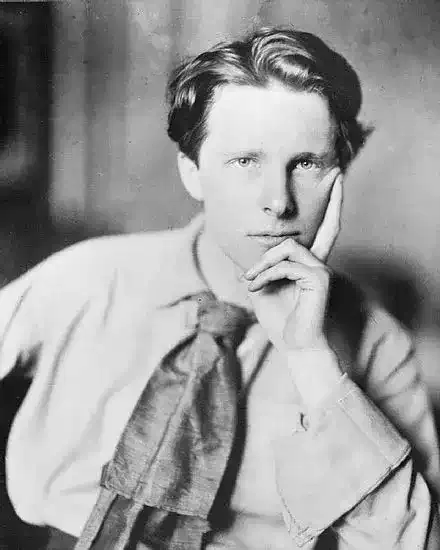
Rupert Brooke
The Fish
The Fish
In a cool curving world he lies
And ripples with dark ecstasies.
The kind luxurious lapse and steal
Shapes all his universe to feel
And know and be; the clinging stream
Closes his memory, glooms his dream,
Who lips the roots o’ the shore, and glides
Superb on unreturning tides.
Those silent waters weave for him
A fluctuant mutable world and dim,
Where wavering masses bulge and gape
Mysterious, and shape to shape
Dies momently through whorl and hollow,
And form and line and solid follow
Solid and line and form to dream
Fantastic down the eternal stream;
An obscure world, a shifting world,
Bulbous, or pulled to thin, or curled,
Or serpentine, or driving arrows,
Or serene slidings, or March narrows.
There slipping wave and shore are one,
And weed and mud. No ray of sun,
But glow to glow fades down the deep
(As dream to unknown dream in sleep);
Shaken translucency illumes
The hyaline of drifting glooms;
The strange soft-handed depth subdues
Drowned colour there, but black to hues,
As death to living, decomposes—
Red darkness of the heart of roses,
Blue brilliant from dead starless skies,
And gold that lies behind the eyes,
The unknown unnameable sightless white
That is the essential flame of night,
Lustreless purple, hooded green,
The myriad hues that lie between
Darkness and darkness!…
And all’s one.
Gentle, embracing, quiet, dun,
The world he rests in, world he knows,
Perpetual curving. Only—grows
An eddy in that ordered falling,
A knowledge from the gloom, a calling
Weed in the wave, gleam in the mud—
The dark fire leaps along his blood;
Dateless and deathless, blind and still,
The intricate impulse works its will;
His woven world drops back; and he,
Sans providence, sans memory,
Unconscious and directly driven,
Fades to some dank sufficient heaven.
O world of lips, O world of laughter,
Where hope is fleet and thought flies after,
Of lights in the clear night, of cries
That drift along the wave and rise
Thin to the glittering stars above,
You know the hands, the eyes of love!
The strife of limbs, the sightless clinging,
The infinite distance, and the singing
Blown by the wind, a flame of sound,
The gleam, the flowers, and vast around
The horizon, and the heights above—
You know the sigh, the song of love!
But there the night is close, and there
Darkness is cold and strange and bare;
And the seered deeps are whisperless;
And rhythm is all deliciousness;
And joy is in the throbbing tide,
Whose intricate fingers beat and glide
In felt bewildering harmonies
Of trembling touch; and music is
The exquisite knocking of the blood.
Space is no more, under the mud;
His bliss is older than the sun.
Silent and straight the waters run.
The lights, the cries, the willows dim,
And the dark tide are one with him.
In a cool curving world he lies
And ripples with dark ecstasies.
The kind luxurious lapse and steal
Shapes all his universe to feel
And know and be; the clinging stream
Closes his memory, glooms his dream,
Who lips the roots o’ the shore, and glides
Superb on unreturning tides.
Those silent waters weave for him
A fluctuant mutable world and dim,
Where wavering masses bulge and gape
Mysterious, and shape to shape
Dies momently through whorl and hollow,
And form and line and solid follow
Solid and line and form to dream
Fantastic down the eternal stream;
An obscure world, a shifting world,
Bulbous, or pulled to thin, or curled,
Or serpentine, or driving arrows,
Or serene slidings, or March narrows.
There slipping wave and shore are one,
And weed and mud. No ray of sun,
But glow to glow fades down the deep
(As dream to unknown dream in sleep);
Shaken translucency illumes
The hyaline of drifting glooms;
The strange soft-handed depth subdues
Drowned colour there, but black to hues,
As death to living, decomposes—
Red darkness of the heart of roses,
Blue brilliant from dead starless skies,
And gold that lies behind the eyes,
The unknown unnameable sightless white
That is the essential flame of night,
Lustreless purple, hooded green,
The myriad hues that lie between
Darkness and darkness!…
And all’s one.
Gentle, embracing, quiet, dun,
The world he rests in, world he knows,
Perpetual curving. Only—grows
An eddy in that ordered falling,
A knowledge from the gloom, a calling
Weed in the wave, gleam in the mud—
The dark fire leaps along his blood;
Dateless and deathless, blind and still,
The intricate impulse works its will;
His woven world drops back; and he,
Sans providence, sans memory,
Unconscious and directly driven,
Fades to some dank sufficient heaven.
O world of lips, O world of laughter,
Where hope is fleet and thought flies after,
Of lights in the clear night, of cries
That drift along the wave and rise
Thin to the glittering stars above,
You know the hands, the eyes of love!
The strife of limbs, the sightless clinging,
The infinite distance, and the singing
Blown by the wind, a flame of sound,
The gleam, the flowers, and vast around
The horizon, and the heights above—
You know the sigh, the song of love!
But there the night is close, and there
Darkness is cold and strange and bare;
And the seered deeps are whisperless;
And rhythm is all deliciousness;
And joy is in the throbbing tide,
Whose intricate fingers beat and glide
In felt bewildering harmonies
Of trembling touch; and music is
The exquisite knocking of the blood.
Space is no more, under the mud;
His bliss is older than the sun.
Silent and straight the waters run.
The lights, the cries, the willows dim,
And the dark tide are one with him.
223
Rupert Brooke
Seaside
Seaside
Swiftly out from the friendly lilt of the band,
The crowd's good laughter, the loved eyes of men,
I am drawn nightward; I must turn again
Where, down beyond the low untrodden strand,
There curves and glimmers outward to the unknown
The old unquiet ocean. All the shade
Is rife with magic and movement. I stray alone
Here on the edge of silence, half afraid,
Waiting a sign. In the deep heart of me
The sullen waters swell towards the moon,
And all my tides set seaward.
From inland
Leaps a gay fragment of some mocking tune,
That tinkles and laughs and fades along the sand,
And dies between the seawall and the sea.
Swiftly out from the friendly lilt of the band,
The crowd's good laughter, the loved eyes of men,
I am drawn nightward; I must turn again
Where, down beyond the low untrodden strand,
There curves and glimmers outward to the unknown
The old unquiet ocean. All the shade
Is rife with magic and movement. I stray alone
Here on the edge of silence, half afraid,
Waiting a sign. In the deep heart of me
The sullen waters swell towards the moon,
And all my tides set seaward.
From inland
Leaps a gay fragment of some mocking tune,
That tinkles and laughs and fades along the sand,
And dies between the seawall and the sea.
209
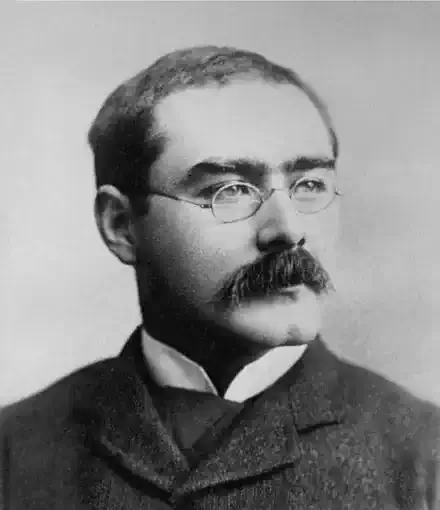
Rudyard Kipling
The Sea and the Hills
The Sea and the Hills
Who hath desired the Sea? -- the sight of salt water unbounded --
The heave and the halt and the hurl and the crash of the comber wind-hounded?
The sleek-barrelled swell before storm, grey, foamless, enormous, and growing --
Stark calm on the lap of the Line or the crazy-eyed hurricane blowing --
His Sea in no showing the same his Sea and the same 'neath each showing:
His Sea as she slackens or thrills?
So and no otherwise -- so and no otherwise -- hillmen desire their Hills!
Who hath desired the Sea? -- the immense and contemptuous surges?
The shudder, the stumble, the swerve, as the star-stabbing bow-sprit emerges?
The orderly clouds of the Trades, the ridged, roaring sapphire thereunder --
Unheralded cliff-haunting flaws and the headsail's low-volleying thunder --
His Sea in no wonder the same his Sea and the same through each wonder:
His Sea as she rages or stills?
So and no otherwise -- so and no otherwise -- hillmen desire their Hills.
Who hath desired the Sea? Her menaces swift as her mercies?
The in-rolling walls of the fog and the silver-winged breeze that disperses?
The unstable mined berg going South and the calvings and groans that declare it --
White water half-guessed overside and the moon breaking timely to bare it --
His Sea as his fathers have dared -- his Sea as his children shall dare it:
His Sea as she serves him or kills?
So and no otherwise -- so and no otherwise -- hillmen desire their Hills.
Who hath desired the Sea? Her excellent loneliness rather
Than forecourts of kings, and her outermost pits than the streets where men gather
Inland, among dust, under trees -- inland where the slayer may slay him --
Inland, out of reach of her arms, and the bosom whereon he must lay him
His Sea from the first that betrayed -- at the last that shall never betray him:
His Sea that his being fulfils?
So and no otherwise -- so and no otherwise -- hillmen desire their Hills.
Who hath desired the Sea? -- the sight of salt water unbounded --
The heave and the halt and the hurl and the crash of the comber wind-hounded?
The sleek-barrelled swell before storm, grey, foamless, enormous, and growing --
Stark calm on the lap of the Line or the crazy-eyed hurricane blowing --
His Sea in no showing the same his Sea and the same 'neath each showing:
His Sea as she slackens or thrills?
So and no otherwise -- so and no otherwise -- hillmen desire their Hills!
Who hath desired the Sea? -- the immense and contemptuous surges?
The shudder, the stumble, the swerve, as the star-stabbing bow-sprit emerges?
The orderly clouds of the Trades, the ridged, roaring sapphire thereunder --
Unheralded cliff-haunting flaws and the headsail's low-volleying thunder --
His Sea in no wonder the same his Sea and the same through each wonder:
His Sea as she rages or stills?
So and no otherwise -- so and no otherwise -- hillmen desire their Hills.
Who hath desired the Sea? Her menaces swift as her mercies?
The in-rolling walls of the fog and the silver-winged breeze that disperses?
The unstable mined berg going South and the calvings and groans that declare it --
White water half-guessed overside and the moon breaking timely to bare it --
His Sea as his fathers have dared -- his Sea as his children shall dare it:
His Sea as she serves him or kills?
So and no otherwise -- so and no otherwise -- hillmen desire their Hills.
Who hath desired the Sea? Her excellent loneliness rather
Than forecourts of kings, and her outermost pits than the streets where men gather
Inland, among dust, under trees -- inland where the slayer may slay him --
Inland, out of reach of her arms, and the bosom whereon he must lay him
His Sea from the first that betrayed -- at the last that shall never betray him:
His Sea that his being fulfils?
So and no otherwise -- so and no otherwise -- hillmen desire their Hills.
566
Rudyard Kipling
The Rhyme Of The Three Captains
The Rhyme Of The Three Captains
. . . At the close of a winter day,
Their anchors down, by London town, the Three Great Captains lay;
And one was Admiral of the North from Solway Firth to Skye,
And one was Lord of the Wessex coast and all the lands thereby,
And one was Master of the Thames from Limehouse to Blackwall,
And he was Captain of the Fleet -- the bravest of them all.
Their good guns guarded their great gray sides
that were thirty foot in the sheer,
When there came a certain trading-brig with news of a privateer.
Her rigging was rough with the clotted drift that drives in a Northern breeze,
Her sides were clogged with the lazy weed that spawns in the Eastern seas.
Light she rode in the rude tide-rip, to left and right she rolled,
And the skipper sat on the scuttle-butt and stared at an empty hold.
"I ha' paid Port dues for your Law," quoth he, "and where is the Law ye boast
If I sail unscathed from a heathen port to be robbed on a Christian coast?
Ye have smoked the hives of the Laccadives as we burn the lice in a bunk,
We tack not now to a Gallang prow or a plunging Pei-ho junk;
I had no fear but the seas were clear as far as a sail might fare
Till I met with a lime-washed Yankee brig that rode off Finisterre.
There were canvas blinds to his bow-gun ports to screen the weight he bore,
And the signals ran for a merchantman from Sandy Hook to the Nore.
He would not fly the Rovers' flag -- the bloody or the black,
But now he floated the Gridiron and now he flaunted the Jack.
He spoke of the Law as he crimped my crew -- he swore it was only a loan;
But when I would ask for my own again, he swore it was none of my own.
He has taken my little parrakeets that nest beneath the Line,
He has stripped my rails of the shaddock-frails and the green unripened pine;
He has taken my bale of dammer and spice I won beyond the seas,
He has taken my grinning heathen gods -- and what should he want o' these?
My foremast would not mend his boom, my deckhouse patch his boats;
He has whittled the two, this Yank Yahoo, to peddle for shoe-peg oats.
I could not fight for the failing light and a rough beam-sea beside,
But I hulled him once for a clumsy crimp and twice because he lied.
Had I had guns (as I had goods) to work my Christian harm,
I had run him up from his quarter-deck to trade with his own yard-arm;
I had nailed his ears to my capstan-head, and ripped them off with a saw,
And soused them in the bilgewater, and served them to him raw;
I had flung him blind in a rudderless boat to rot in the rocking dark,
I had towed him aft of his own craft, a bait for his brother shark;
I had lapped him round with cocoa husk, and drenched him with the oil,
And lashed him fast to his own mast to blaze above my spoil;
I had stripped his hide for my hammock-side,
and tasselled his beard i' the mesh,
And spitted his crew on the live bamboo
that grows through the gangrened flesh;
I had hove him down by the mangroves brown,
where the mud-reef sucks and draws,
Moored by the heel to his own keel to wait for the land-crab's claws!
He is lazar within and lime without, ye can nose him far enow,
For he carries the taint of a musky ship -- the reek of the slaver's dhow!"
The skipper looked at the tiering guns and the bulwarks tall and cold,
And the Captains Three full courteously peered down at the gutted hold,
And the Captains Three called courteously from deck to scuttle-butt: --
"Good Sir, we ha' dealt with that merchantman or ever your teeth were cut.
Your words be words of a lawless race, and the Law it standeth thus:
He comes of a race that have never a Law, and he never has boarded us.
We ha' sold him canvas and rope and spar -- we know that his price is fair,
And we know that he weeps for the lack of a Law as he rides off Finisterre.
And since he is damned for a gallows-thief by you and better than you,
We hold it meet that the English fleet should know that we hold him true."
The skipper called to the tall taffrail: -- "And what is that to me?
Did ever you hear of a Yankee brig that rifled a Seventy-three?
Do I loom so large from your quarter-deck that I lift like a ship o' the Line?
He has learned to run from a shotted gun and harry such craft as mine.
There is never a Law on the Cocos Keys to hold a white man in,
But we do not steal the niggers' meal, for that is a nigger's sin.
Must he have his Law as a quid to chaw, or laid in brass on his wheel?
Does he steal with tears when he buccaneers?
'Fore Gad, then, why does he steal?"
The skipper bit on a deep-sea word, and the word it was not sweet,
For he could see the Captains Three had signalled to the Fleet.
But three and two, in white and blue, the whimpering flags began: --
"We have heard a tale of a -- foreign sail, but he is a merchantman."
The skipper peered beneath his palm and swore by the Great Horn Spoon: --
"'Fore Gad, the Chaplain of the Fleet would bless my picaroon!"
By two and three the flags blew free to lash the laughing air: --
"We have sold our spars to the merchantman -- we know that his price is fair."
The skipper winked his Western eye, and swore by a China storm: --
"They ha' rigged him a Joseph's jury-coat to keep his honour warm."
The halliards twanged against the tops, the bunting bellied broad,
The skipper spat in the empty hold and mourned for a wasted cord.
Masthead -- masthead, the signal sped by the line o' the British craft;
The skipper called to his Lascar crew, and put her about and laughed: --
"It's mainsail haul, my bully boys all -- we'll out to the seas again --
Ere they set us to paint their pirate saint, or scrub at his grapnel-chain.
It's fore-sheet free, with her head to the sea,
and the swing of the unbought brine --
We'll make no sport in an English court till we come as a ship o' the Line:
Till we come as a ship o' the Line, my lads, of thirty foot in the sheer,
Lifting again from the outer main with news of a privateer;
Flying his pluck at our mizzen-truck for weft of Admiralty,
Heaving his head for our dipsey-lead in sign that we keep the sea.
Then fore-sheet home as she lifts to the foam -- we stand on the outward tack,
We are paid in the coin of the white man's trade --
the bezant is hard, ay, and black.
The frigate-bird shall carry my word to the Kling and the Orang-Laut
How a man may sail from a heathen coast to be robbed in a Christian port;
How a man may be robbed in Christian port while Three Great Captains there
Shall dip their flag to a slaver's rag -- to show that his trade is fair!"
. . . At the close of a winter day,
Their anchors down, by London town, the Three Great Captains lay;
And one was Admiral of the North from Solway Firth to Skye,
And one was Lord of the Wessex coast and all the lands thereby,
And one was Master of the Thames from Limehouse to Blackwall,
And he was Captain of the Fleet -- the bravest of them all.
Their good guns guarded their great gray sides
that were thirty foot in the sheer,
When there came a certain trading-brig with news of a privateer.
Her rigging was rough with the clotted drift that drives in a Northern breeze,
Her sides were clogged with the lazy weed that spawns in the Eastern seas.
Light she rode in the rude tide-rip, to left and right she rolled,
And the skipper sat on the scuttle-butt and stared at an empty hold.
"I ha' paid Port dues for your Law," quoth he, "and where is the Law ye boast
If I sail unscathed from a heathen port to be robbed on a Christian coast?
Ye have smoked the hives of the Laccadives as we burn the lice in a bunk,
We tack not now to a Gallang prow or a plunging Pei-ho junk;
I had no fear but the seas were clear as far as a sail might fare
Till I met with a lime-washed Yankee brig that rode off Finisterre.
There were canvas blinds to his bow-gun ports to screen the weight he bore,
And the signals ran for a merchantman from Sandy Hook to the Nore.
He would not fly the Rovers' flag -- the bloody or the black,
But now he floated the Gridiron and now he flaunted the Jack.
He spoke of the Law as he crimped my crew -- he swore it was only a loan;
But when I would ask for my own again, he swore it was none of my own.
He has taken my little parrakeets that nest beneath the Line,
He has stripped my rails of the shaddock-frails and the green unripened pine;
He has taken my bale of dammer and spice I won beyond the seas,
He has taken my grinning heathen gods -- and what should he want o' these?
My foremast would not mend his boom, my deckhouse patch his boats;
He has whittled the two, this Yank Yahoo, to peddle for shoe-peg oats.
I could not fight for the failing light and a rough beam-sea beside,
But I hulled him once for a clumsy crimp and twice because he lied.
Had I had guns (as I had goods) to work my Christian harm,
I had run him up from his quarter-deck to trade with his own yard-arm;
I had nailed his ears to my capstan-head, and ripped them off with a saw,
And soused them in the bilgewater, and served them to him raw;
I had flung him blind in a rudderless boat to rot in the rocking dark,
I had towed him aft of his own craft, a bait for his brother shark;
I had lapped him round with cocoa husk, and drenched him with the oil,
And lashed him fast to his own mast to blaze above my spoil;
I had stripped his hide for my hammock-side,
and tasselled his beard i' the mesh,
And spitted his crew on the live bamboo
that grows through the gangrened flesh;
I had hove him down by the mangroves brown,
where the mud-reef sucks and draws,
Moored by the heel to his own keel to wait for the land-crab's claws!
He is lazar within and lime without, ye can nose him far enow,
For he carries the taint of a musky ship -- the reek of the slaver's dhow!"
The skipper looked at the tiering guns and the bulwarks tall and cold,
And the Captains Three full courteously peered down at the gutted hold,
And the Captains Three called courteously from deck to scuttle-butt: --
"Good Sir, we ha' dealt with that merchantman or ever your teeth were cut.
Your words be words of a lawless race, and the Law it standeth thus:
He comes of a race that have never a Law, and he never has boarded us.
We ha' sold him canvas and rope and spar -- we know that his price is fair,
And we know that he weeps for the lack of a Law as he rides off Finisterre.
And since he is damned for a gallows-thief by you and better than you,
We hold it meet that the English fleet should know that we hold him true."
The skipper called to the tall taffrail: -- "And what is that to me?
Did ever you hear of a Yankee brig that rifled a Seventy-three?
Do I loom so large from your quarter-deck that I lift like a ship o' the Line?
He has learned to run from a shotted gun and harry such craft as mine.
There is never a Law on the Cocos Keys to hold a white man in,
But we do not steal the niggers' meal, for that is a nigger's sin.
Must he have his Law as a quid to chaw, or laid in brass on his wheel?
Does he steal with tears when he buccaneers?
'Fore Gad, then, why does he steal?"
The skipper bit on a deep-sea word, and the word it was not sweet,
For he could see the Captains Three had signalled to the Fleet.
But three and two, in white and blue, the whimpering flags began: --
"We have heard a tale of a -- foreign sail, but he is a merchantman."
The skipper peered beneath his palm and swore by the Great Horn Spoon: --
"'Fore Gad, the Chaplain of the Fleet would bless my picaroon!"
By two and three the flags blew free to lash the laughing air: --
"We have sold our spars to the merchantman -- we know that his price is fair."
The skipper winked his Western eye, and swore by a China storm: --
"They ha' rigged him a Joseph's jury-coat to keep his honour warm."
The halliards twanged against the tops, the bunting bellied broad,
The skipper spat in the empty hold and mourned for a wasted cord.
Masthead -- masthead, the signal sped by the line o' the British craft;
The skipper called to his Lascar crew, and put her about and laughed: --
"It's mainsail haul, my bully boys all -- we'll out to the seas again --
Ere they set us to paint their pirate saint, or scrub at his grapnel-chain.
It's fore-sheet free, with her head to the sea,
and the swing of the unbought brine --
We'll make no sport in an English court till we come as a ship o' the Line:
Till we come as a ship o' the Line, my lads, of thirty foot in the sheer,
Lifting again from the outer main with news of a privateer;
Flying his pluck at our mizzen-truck for weft of Admiralty,
Heaving his head for our dipsey-lead in sign that we keep the sea.
Then fore-sheet home as she lifts to the foam -- we stand on the outward tack,
We are paid in the coin of the white man's trade --
the bezant is hard, ay, and black.
The frigate-bird shall carry my word to the Kling and the Orang-Laut
How a man may sail from a heathen coast to be robbed in a Christian port;
How a man may be robbed in Christian port while Three Great Captains there
Shall dip their flag to a slaver's rag -- to show that his trade is fair!"
408
Rudyard Kipling
The River's Tale
The River's Tale
Prehistoric
Twenty bridges from Tower to Kew--
(Twenty bridges or twenty-two)--
Wanted to know what the River knew,
For they were young, and the Thames was old
And this is the tale that River told:--
"I walk my beat before London Town,
Five hours up and seven down.
Up I go till I end my run
At Tide-end-town, which is Teddington.
Down I come with the mud in my hands
And plaster it over the Maplin Sands.
But I'd have you know that these waters of mine
Were once a branch of the River Rhine,
When hundreds of miles to the East I went
And England was joined to the Continent.
"I remember the bat-winged lizard-birds,
The Age of Ice and the mammoth herds,
And the giant tigers that stalked them down
Through Regent's Park into Camden Town.
And I remember like yesterday
The earliest Cockney who came my way,
When he pushed through the forest that lined the Strand,
With paint on his face and a club in his hand.
He was death to feather and fin and fur.
He trapped my beavers at Westminster.
He netted my salmon, he hunted my deer,
He killed my heron off Lambeth Pier.
He fought his neighbour with axes and swords,
Flint or bronze, at my upper fords,
While down at Greenwich, for slaves and tin,
The tall Phoenician ships stole in,
And North Sea war-boats, painted and gay,
Flashed like dragon-flies, Erith way;
And Norseman and Negro and Gaul and Greek
Drank with the Britons in Barking Creek,
And life was gay, and the world was new,
And I was a mile across at Kew!
But the Roman came with a heavy hand,
And bridged and roaded and ruled the land,
And the Roman left and the Danes blew in--
And that's where your history-books begin!"
Prehistoric
Twenty bridges from Tower to Kew--
(Twenty bridges or twenty-two)--
Wanted to know what the River knew,
For they were young, and the Thames was old
And this is the tale that River told:--
"I walk my beat before London Town,
Five hours up and seven down.
Up I go till I end my run
At Tide-end-town, which is Teddington.
Down I come with the mud in my hands
And plaster it over the Maplin Sands.
But I'd have you know that these waters of mine
Were once a branch of the River Rhine,
When hundreds of miles to the East I went
And England was joined to the Continent.
"I remember the bat-winged lizard-birds,
The Age of Ice and the mammoth herds,
And the giant tigers that stalked them down
Through Regent's Park into Camden Town.
And I remember like yesterday
The earliest Cockney who came my way,
When he pushed through the forest that lined the Strand,
With paint on his face and a club in his hand.
He was death to feather and fin and fur.
He trapped my beavers at Westminster.
He netted my salmon, he hunted my deer,
He killed my heron off Lambeth Pier.
He fought his neighbour with axes and swords,
Flint or bronze, at my upper fords,
While down at Greenwich, for slaves and tin,
The tall Phoenician ships stole in,
And North Sea war-boats, painted and gay,
Flashed like dragon-flies, Erith way;
And Norseman and Negro and Gaul and Greek
Drank with the Britons in Barking Creek,
And life was gay, and the world was new,
And I was a mile across at Kew!
But the Roman came with a heavy hand,
And bridged and roaded and ruled the land,
And the Roman left and the Danes blew in--
And that's where your history-books begin!"
499
Rudyard Kipling
The North Sea Patrol
The North Sea Patrol
- -- Sea Warfare
Where the East wind is brewed fresh and fresh every morning,
And the balmy night-breezes blow straight from the Pole,
I heard a Destroyer sing: "What an enjoyable
life does one lead on the North Sea Patrol!
"To blow things to bits is our business (and Fritz's),
Which means there are mine-fields wherever you stroll.
Unless you've particular wish to die quick, you'll avoid
steering close to the North Sea Patrol.
"We warn from disaster the mercantile master
Who takes in high Dudgeon our life-saving role,
For every one's grousing at Docking and Dowsing
The marks and the lights on the North Sea Patrol."
[Twelve verses omitted.]
So swept but surviving, half drowned but still driving
I watched her head out through the swell off the shoal,
And I heard her propellers roar- "Write to poor fellers
Who run such a Hell as the North Sea Patrol!"
- -- Sea Warfare
Where the East wind is brewed fresh and fresh every morning,
And the balmy night-breezes blow straight from the Pole,
I heard a Destroyer sing: "What an enjoyable
life does one lead on the North Sea Patrol!
"To blow things to bits is our business (and Fritz's),
Which means there are mine-fields wherever you stroll.
Unless you've particular wish to die quick, you'll avoid
steering close to the North Sea Patrol.
"We warn from disaster the mercantile master
Who takes in high Dudgeon our life-saving role,
For every one's grousing at Docking and Dowsing
The marks and the lights on the North Sea Patrol."
[Twelve verses omitted.]
So swept but surviving, half drowned but still driving
I watched her head out through the swell off the shoal,
And I heard her propellers roar- "Write to poor fellers
Who run such a Hell as the North Sea Patrol!"
529
Rudyard Kipling
The Merchantmen
The Merchantmen
King Solomon drew merchantmen,
Because of his desire
For peacocks, apes, and ivory,
From Tarshish unto Tyre:
With cedars out of Lebanon
Which Hiram rafted down,
But we be only sailormen
That use in London Town.
Coastwise -- cross-seas -- round the world and back again --
Where the flaw shall head us or the full Trade suits --
Plain-sail -- storm-sail -- lay your board and tack again --
And that's the way we'll pay Paddy Doyle for his boots!
We bring no store of ingots,
Of spice or precious stones,
But that we have we gathered
With sweat and aching bones:
In flame beneath the tropics,
In frost upon the floe,
And jeopardy of every wind
That does between them go.
And some we got by purchase,
And some we had by trade,
And some we found by courtesy
Of pike and carronade --
At midnight, 'mid-sea meetings,
For charity to keep,
And light the rolling homeward-bound
That rode a foot too deep.
By sport of bitter weather
We're walty, strained, and scarred
From the kentledge on the kelson
To the slings upon the yard.
Six oceans had their will of us
To carry all away --
Our galley's in the Baltic,
And our boom's in Mossel Bay!
We've floundered off the Texel,
Awash with sodden deals,
We've slipped from Valparaiso
With the Norther at our heels:
We've ratched beyond the Crossets
That tusk the Southern Pole,
And dipped our gunnels under
To the dread Agulhas roll.
Beyond all outer charting
We sailed where none have sailed,
And saw the land-lights burning
On islands none have hailed;
Our hair stood up for wonder,
But, when the night was done,
There danced the deep to windward
Blue-empty 'neath the sun!
Strange consorts rode beside us
And brought us evil luck;
The witch-fire climbed our channels,
And flared on vane and truck:
Till, through the red tornado,
That lashed us nigh to blind,
We saw The Dutchman plunging,
Full canvas, head to wind!
We've heard the Midnight Leadsman
That calls the black deep down --
Ay, thrice we've heard The Swimmer,
The Thing that may not drown.
On frozen bunt and gasket
The sleet-cloud drave her hosts,
When, manned by more than signed with us,
We passed the Isle o' Ghosts!
And north, amid the hummocks,
A biscuit-toss below,
We met the silent shallop
That frighted whalers know;
For, down a cruel ice-lane,
That opened as he sped,
We saw dead Henry Hudson
Steer, North by West, his dead.
So dealt God's waters with us
Beneath the roaring skies,
So walked His signs and marvels
All naked to our eyes:
But we were heading homeward
With trade to lose or make --
Good Lord, they slipped behind us
In the tailing of our wake!
Let go, let go the anchors;
Now shamed at heart are we
To bring so poor a cargo home
That had for gift the sea!
Let go the great bow-anchors --
Ah, fools were we and blind --
The worst we stored with utter toil,
The best we left behind!
Coastwise -- cross-seas -- round the world and back again,
Whither flaw shall fail us or the Trades drive down:
Plain-sail -- storm-sail -- lay your board and tack again --
And all to bring a cargo up to London Town!
King Solomon drew merchantmen,
Because of his desire
For peacocks, apes, and ivory,
From Tarshish unto Tyre:
With cedars out of Lebanon
Which Hiram rafted down,
But we be only sailormen
That use in London Town.
Coastwise -- cross-seas -- round the world and back again --
Where the flaw shall head us or the full Trade suits --
Plain-sail -- storm-sail -- lay your board and tack again --
And that's the way we'll pay Paddy Doyle for his boots!
We bring no store of ingots,
Of spice or precious stones,
But that we have we gathered
With sweat and aching bones:
In flame beneath the tropics,
In frost upon the floe,
And jeopardy of every wind
That does between them go.
And some we got by purchase,
And some we had by trade,
And some we found by courtesy
Of pike and carronade --
At midnight, 'mid-sea meetings,
For charity to keep,
And light the rolling homeward-bound
That rode a foot too deep.
By sport of bitter weather
We're walty, strained, and scarred
From the kentledge on the kelson
To the slings upon the yard.
Six oceans had their will of us
To carry all away --
Our galley's in the Baltic,
And our boom's in Mossel Bay!
We've floundered off the Texel,
Awash with sodden deals,
We've slipped from Valparaiso
With the Norther at our heels:
We've ratched beyond the Crossets
That tusk the Southern Pole,
And dipped our gunnels under
To the dread Agulhas roll.
Beyond all outer charting
We sailed where none have sailed,
And saw the land-lights burning
On islands none have hailed;
Our hair stood up for wonder,
But, when the night was done,
There danced the deep to windward
Blue-empty 'neath the sun!
Strange consorts rode beside us
And brought us evil luck;
The witch-fire climbed our channels,
And flared on vane and truck:
Till, through the red tornado,
That lashed us nigh to blind,
We saw The Dutchman plunging,
Full canvas, head to wind!
We've heard the Midnight Leadsman
That calls the black deep down --
Ay, thrice we've heard The Swimmer,
The Thing that may not drown.
On frozen bunt and gasket
The sleet-cloud drave her hosts,
When, manned by more than signed with us,
We passed the Isle o' Ghosts!
And north, amid the hummocks,
A biscuit-toss below,
We met the silent shallop
That frighted whalers know;
For, down a cruel ice-lane,
That opened as he sped,
We saw dead Henry Hudson
Steer, North by West, his dead.
So dealt God's waters with us
Beneath the roaring skies,
So walked His signs and marvels
All naked to our eyes:
But we were heading homeward
With trade to lose or make --
Good Lord, they slipped behind us
In the tailing of our wake!
Let go, let go the anchors;
Now shamed at heart are we
To bring so poor a cargo home
That had for gift the sea!
Let go the great bow-anchors --
Ah, fools were we and blind --
The worst we stored with utter toil,
The best we left behind!
Coastwise -- cross-seas -- round the world and back again,
Whither flaw shall fail us or the Trades drive down:
Plain-sail -- storm-sail -- lay your board and tack again --
And all to bring a cargo up to London Town!
471
Rudyard Kipling
The Last Chantey
The Last Chantey
"~And there was no more sea.~"
Thus said The Lord in the Vault above the Cherubim
Calling to the Angels and the Souls in their degree:
"Lo! Earth has passed away
On the smoke of Judgment Day.
That Our word may be established shall We gather up the sea?"
Loud sang the souls of the jolly, jolly mariners:
"Plague upon the hurricane that made us furl and flee!
But the war is done between us,
In the deep the Lord hath seen us --
Our bones we'll leave the barracout', and God may sink the sea!"
Then said the soul of Judas that betray]\ed Him:
"Lord, hast Thou forgotten Thy covenant with me?
How once a year I go
To cool me on the floe?
And Ye take my day of mercy if Ye take away the sea!"
Then said the soul of the Angel of the Off-shore Wind:
(He that bits the thunder when the bull-mouthed breakers flee):
"I have watch and ward to keep
O'er Thy wonders on the deep,
And Ye take mine honour from me if Ye take away the sea!"
Loud sang the souls of the jolly, jolly mariners:
"Nay, but we were angry, and a hasty folk are we!
If we worked the ship together
Till she foundered in foul weather,
Are we babes that we should clamour for a vengeance on the sea?"
Then said the souls of the slaves that men threw overboard:
"Kennelled in the picaroon a weary band were we;
But Thy arm was strong to save,
And it touched us on the wave,
And we drowsed the long tides idle till Thy Trumpets tore the sea."
Then cried the soul of the stout Apostle Paul to God:
"Once we frapped a ship, and she laboured woundily.
There were fourteen score of these,
And they blessed Thee on their knees,
When they learned Thy Grace and Glory under Malta by the sea!"
Loud sang the souls of the jolly, jolly mariners,
Plucking at their harps, and they plucked unhandily:
"Our thumbs are rough and tarred,
And the tune is something hard --
May we lift a Deep-sea Chantey such as seamen use at sea?"
Then said the souls of the gentlemen-adventurers --
Fettered wrist to bar all for red iniquity:
"Ho, we revel in our chains
O'er the sorrow that was Spain's;
Heave or sink it, leave or drink it, we were masters of the sea!"
Up spake the soul of a gray Gothavn 'speckshioner --
(He that led the flinching in the fleets of fair Dundee):
"Oh, the ice-blink white and near,
And the bowhead breaching clear!
Will Ye whelm them all for wantonness that wallow in the sea?"
Loud sang the souls of the jolly, jolly mariners,
Crying: "Under Heaven, here is neither lead nor lee!
Must we sing for evermore
On the windless, glassy floor?
Take back your golden fiddles and we'll beat to open sea!"
Then stooped the Lord, and He called the good sea up to Him,
And 'stablished his borders unto all eternity,
That such as have no pleasure
For to praise the Lord by measure,
They may enter into galleons and serve Him on the sea.
Sun, wind, and cloud shall fail not from the face of it,
Stinging, ringing spindrift, nor the fulmar flying free;
And the ships shall go abroad
To the Glory of the Lord
Who heard the silly sailor-folk and gave them back their sea!
"~And there was no more sea.~"
Thus said The Lord in the Vault above the Cherubim
Calling to the Angels and the Souls in their degree:
"Lo! Earth has passed away
On the smoke of Judgment Day.
That Our word may be established shall We gather up the sea?"
Loud sang the souls of the jolly, jolly mariners:
"Plague upon the hurricane that made us furl and flee!
But the war is done between us,
In the deep the Lord hath seen us --
Our bones we'll leave the barracout', and God may sink the sea!"
Then said the soul of Judas that betray]\ed Him:
"Lord, hast Thou forgotten Thy covenant with me?
How once a year I go
To cool me on the floe?
And Ye take my day of mercy if Ye take away the sea!"
Then said the soul of the Angel of the Off-shore Wind:
(He that bits the thunder when the bull-mouthed breakers flee):
"I have watch and ward to keep
O'er Thy wonders on the deep,
And Ye take mine honour from me if Ye take away the sea!"
Loud sang the souls of the jolly, jolly mariners:
"Nay, but we were angry, and a hasty folk are we!
If we worked the ship together
Till she foundered in foul weather,
Are we babes that we should clamour for a vengeance on the sea?"
Then said the souls of the slaves that men threw overboard:
"Kennelled in the picaroon a weary band were we;
But Thy arm was strong to save,
And it touched us on the wave,
And we drowsed the long tides idle till Thy Trumpets tore the sea."
Then cried the soul of the stout Apostle Paul to God:
"Once we frapped a ship, and she laboured woundily.
There were fourteen score of these,
And they blessed Thee on their knees,
When they learned Thy Grace and Glory under Malta by the sea!"
Loud sang the souls of the jolly, jolly mariners,
Plucking at their harps, and they plucked unhandily:
"Our thumbs are rough and tarred,
And the tune is something hard --
May we lift a Deep-sea Chantey such as seamen use at sea?"
Then said the souls of the gentlemen-adventurers --
Fettered wrist to bar all for red iniquity:
"Ho, we revel in our chains
O'er the sorrow that was Spain's;
Heave or sink it, leave or drink it, we were masters of the sea!"
Up spake the soul of a gray Gothavn 'speckshioner --
(He that led the flinching in the fleets of fair Dundee):
"Oh, the ice-blink white and near,
And the bowhead breaching clear!
Will Ye whelm them all for wantonness that wallow in the sea?"
Loud sang the souls of the jolly, jolly mariners,
Crying: "Under Heaven, here is neither lead nor lee!
Must we sing for evermore
On the windless, glassy floor?
Take back your golden fiddles and we'll beat to open sea!"
Then stooped the Lord, and He called the good sea up to Him,
And 'stablished his borders unto all eternity,
That such as have no pleasure
For to praise the Lord by measure,
They may enter into galleons and serve Him on the sea.
Sun, wind, and cloud shall fail not from the face of it,
Stinging, ringing spindrift, nor the fulmar flying free;
And the ships shall go abroad
To the Glory of the Lord
Who heard the silly sailor-folk and gave them back their sea!
426
Rudyard Kipling
The Gift Of The Sea
The Gift Of The Sea
The dead child lay in the shroud,
And the widow watched beside;
And her mother slept, and the Channel swept
The gale in the teeth of the tide.
But the mother laughed at all.
"I have lost my man in the sea,
And the child is dead. Be still," she said,
"What more can ye do to me?"
The widow watched the dead,
And the candle guttered low,
And she tried to sing the Passing Song
That bids the poor soul go.
And "Mary take you now," she sang,
"That lay against my heart."
And "Mary smooth your crib to-night,"
But she could not say "Depart."
Then came a cry from the sea,
But the sea-rime blinded the glass,
And "Heard ye nothing, mother?" she said,
"'Tis the child that waits to pass."
And the nodding mother sighed.
"'Tis a lambing ewe in the whin,
For why should the christened soul cry out
That never knew of sin?"
"O feet I have held in my hand,
O hands at my heart to catch,
How should they know the road to go,
And how should they lift the latch?"
They laid a sheet to the door,
With the little quilt atop,
That it might not hurt from the cold or the dirt,
But the crying would not stop.
The widow lifted the latch
And strained her eyes to see,
And opened the door on the bitter shore
To let the soul go free.
There was neither glimmer nor ghost,
There was neither spirit nor spark,
And "Heard ye nothing, mother?" she said,
"'Tis crying for me in the dark."
And the nodding mother sighed:
"'Tis sorrow makes ye dull;
Have ye yet to learn the cry of the tern,
Or the wail of the wind-blown gull?"
"The terns are blown inland,
The gray gull follows the plough.
'Twas never a bird, the voice I heard,
O mother, I hear it now!"
"Lie still, dear lamb, lie still;
The child is passed from harm,
'Tis the ache in your breast that broke your rest,
And the feel of an empty arm."
She put her mother aside,
"In Mary's name let be!
For the peace of my soul I must go," she said,
And she went to the calling sea.
In the heel of the wind-bit pier,
Where the twisted weed was piled,
She came to the life she had missed by an hour,
For she came to a little child.
She laid it into her breast,
And back to her mother she came,
But it would not feed and it would not heed,
Though she gave it her own child's name.
And the dead child dripped on her breast,
And her own in the shroud lay stark;
And "God forgive us, mother," she said,
"We let it die in the dark!"
The dead child lay in the shroud,
And the widow watched beside;
And her mother slept, and the Channel swept
The gale in the teeth of the tide.
But the mother laughed at all.
"I have lost my man in the sea,
And the child is dead. Be still," she said,
"What more can ye do to me?"
The widow watched the dead,
And the candle guttered low,
And she tried to sing the Passing Song
That bids the poor soul go.
And "Mary take you now," she sang,
"That lay against my heart."
And "Mary smooth your crib to-night,"
But she could not say "Depart."
Then came a cry from the sea,
But the sea-rime blinded the glass,
And "Heard ye nothing, mother?" she said,
"'Tis the child that waits to pass."
And the nodding mother sighed.
"'Tis a lambing ewe in the whin,
For why should the christened soul cry out
That never knew of sin?"
"O feet I have held in my hand,
O hands at my heart to catch,
How should they know the road to go,
And how should they lift the latch?"
They laid a sheet to the door,
With the little quilt atop,
That it might not hurt from the cold or the dirt,
But the crying would not stop.
The widow lifted the latch
And strained her eyes to see,
And opened the door on the bitter shore
To let the soul go free.
There was neither glimmer nor ghost,
There was neither spirit nor spark,
And "Heard ye nothing, mother?" she said,
"'Tis crying for me in the dark."
And the nodding mother sighed:
"'Tis sorrow makes ye dull;
Have ye yet to learn the cry of the tern,
Or the wail of the wind-blown gull?"
"The terns are blown inland,
The gray gull follows the plough.
'Twas never a bird, the voice I heard,
O mother, I hear it now!"
"Lie still, dear lamb, lie still;
The child is passed from harm,
'Tis the ache in your breast that broke your rest,
And the feel of an empty arm."
She put her mother aside,
"In Mary's name let be!
For the peace of my soul I must go," she said,
And she went to the calling sea.
In the heel of the wind-bit pier,
Where the twisted weed was piled,
She came to the life she had missed by an hour,
For she came to a little child.
She laid it into her breast,
And back to her mother she came,
But it would not feed and it would not heed,
Though she gave it her own child's name.
And the dead child dripped on her breast,
And her own in the shroud lay stark;
And "God forgive us, mother," she said,
"We let it die in the dark!"
412
Rudyard Kipling
The Derelict
The Derelict
~And reports the derelict ~Mary Pollock~ still at sea.~
SHIPPING NEWS.
I was the staunchest of our fleet
Till the sea rose beneath our feet
Unheralded, in hatred past all measure.
Into his pits he stamped my crew,
Buffeted, blinded, bound and threw,
Bidding me eyeless wait upon his pleasure.
Man made me, and my will
Is to my maker still,
Whom now the currents con, the rollers steer --
Lifting forlorn to spy
Trailed smoke along the sky,
Falling afraid lest any keel come near!
Wrenched as the lips of thirst,
Wried, dried, and split and burst,
Bone-bleached my decks, wind-scoured to the graining;
And jarred at every roll
The gear that was my soul
Answers the anguish of my beams' complaining.
For life that crammed me full,
Gangs of the prying gull
That shriek and scrabble on the riven hatches!
For roar that dumbed the gale,
My hawse-pipes guttering wail,
Sobbing my heart out through the uncounted watches!
Blind in the hot blue ring
Through all my points I swing --
Swing and return to shift the sun anew.
Blind in my well-known sky
I hear the stars go by,
Mocking the prow that cannot hold one true!
White on my wasted path
Wave after wave in wrath
Frets 'gainst his fellow, warring where to send me.
Flung forward, heaved aside,
Witless and dazed I bide
The mercy of the comber that shall end me.
North where the bergs careen,
The spray of seas unseen
Smokes round my head and freezes in the falling;
South where the corals breed,
The footless, floating weed
Folds me and fouls me, strake on strake upcrawling.
I that was clean to run
My race against the sun --
Strength on the deep, am bawd to all disaster --
Whipped forth by night to meet
My sister's careless feet,
And with a kiss betray her to my master!
Man made me, and my will
Is to my maker still --
To him and his, our peoples at their pier:
Lifting in hope to spy
Trailed smoke along the sky,
Falling afraid lest any keel come near!
~And reports the derelict ~Mary Pollock~ still at sea.~
SHIPPING NEWS.
I was the staunchest of our fleet
Till the sea rose beneath our feet
Unheralded, in hatred past all measure.
Into his pits he stamped my crew,
Buffeted, blinded, bound and threw,
Bidding me eyeless wait upon his pleasure.
Man made me, and my will
Is to my maker still,
Whom now the currents con, the rollers steer --
Lifting forlorn to spy
Trailed smoke along the sky,
Falling afraid lest any keel come near!
Wrenched as the lips of thirst,
Wried, dried, and split and burst,
Bone-bleached my decks, wind-scoured to the graining;
And jarred at every roll
The gear that was my soul
Answers the anguish of my beams' complaining.
For life that crammed me full,
Gangs of the prying gull
That shriek and scrabble on the riven hatches!
For roar that dumbed the gale,
My hawse-pipes guttering wail,
Sobbing my heart out through the uncounted watches!
Blind in the hot blue ring
Through all my points I swing --
Swing and return to shift the sun anew.
Blind in my well-known sky
I hear the stars go by,
Mocking the prow that cannot hold one true!
White on my wasted path
Wave after wave in wrath
Frets 'gainst his fellow, warring where to send me.
Flung forward, heaved aside,
Witless and dazed I bide
The mercy of the comber that shall end me.
North where the bergs careen,
The spray of seas unseen
Smokes round my head and freezes in the falling;
South where the corals breed,
The footless, floating weed
Folds me and fouls me, strake on strake upcrawling.
I that was clean to run
My race against the sun --
Strength on the deep, am bawd to all disaster --
Whipped forth by night to meet
My sister's careless feet,
And with a kiss betray her to my master!
Man made me, and my will
Is to my maker still --
To him and his, our peoples at their pier:
Lifting in hope to spy
Trailed smoke along the sky,
Falling afraid lest any keel come near!
502
Rudyard Kipling
The Bell Buoy
The Bell Buoy
They christened my brother of old--
And a saintly name he bears--
They gave him his place to hold
At the head of the belfry-stairs,
Where the minister-towers stand
And the breeding kestrels cry.
Would I change with my brother a league inland?
(Shoal! 'Ware shoal!) Not I!
In the flush of the hot June prime,
O'er sleek flood-tides afire,
I hear him hurry the chime
To the bidding of checked Desire;
Till the sweated ringers tire
And the wild bob-majors die.
Could I wait for my turn in the godly choir?
(Shoal! 'Ware shoal!) Not I!
When the smoking scud is blown--
When the greasy wind-rack lowers--
Apart and at peace and alone,
He counts the changeless hours.
He wars with darkling Powers
(I war with a darkling sea);
Would he stoop to my work in the gusty mirk?
(Shoal! 'Ware shoal!) Not he!
There was never a priest to pray
There was never a hand to toll,
When they made me guard of the bay,
And moored me over the shoal.
I rock, I reel, and I roll--
My four great hammers ply--
Could I speak or be still at the Church's will?
(Shoal! 'Ware shoal!) Not I!
The landward marks have failed,
The fog-bank glides unguessed,
The seaward lights are veiled,
The spent deep feigns her rest:
But my ear is laid to her breast,
I lift to the swell--I cry!
Could I wait in sloth on the Church's oath?
(Shoal! 'Ware shoal!) Not I!
At the careless end of night
I thrill to the nearing screw;
I turn in the clearing light
And I call to the drowsy crew;
And the mud boils foul and blue
As the blind bow backs away.
Will they give me their thanks if they clear the banks?
(Shoal! 'Ware shoal!) Not they!
The beach-pools cake and skim,
The bursting spray-heads freeze,
I gather on crown and rim
The grey, grained ice of the seas,
Where, sheathed from bitt to trees,
The plunging colliers lie.
Would I barter my place for the Church's grace?
(Shoal! 'Ware shoal!) Not I!
Through the blur of the whirling snow,
Or the black of the inky sleet,
The lanterns gather and grow,
And I look for the homeward fleet.
Rattle of block and sheet--
"Ready about-stand by!"
Shall I ask them a fee ere they fetch the quay?
(Shoal! 'Ware shoal!) Not I!
I dip and I surge and I swing
In the rip of the racing tide,
By the gates of doom I sing,
On the horns of death I ride.
A ship-length overside,
Between the course and the sand,
Fretted and bound I bide
Peril whereof I cry.
Would I change with my brother a league inland?
(Shoal! 'Ware shoal!) Not I!
They christened my brother of old--
And a saintly name he bears--
They gave him his place to hold
At the head of the belfry-stairs,
Where the minister-towers stand
And the breeding kestrels cry.
Would I change with my brother a league inland?
(Shoal! 'Ware shoal!) Not I!
In the flush of the hot June prime,
O'er sleek flood-tides afire,
I hear him hurry the chime
To the bidding of checked Desire;
Till the sweated ringers tire
And the wild bob-majors die.
Could I wait for my turn in the godly choir?
(Shoal! 'Ware shoal!) Not I!
When the smoking scud is blown--
When the greasy wind-rack lowers--
Apart and at peace and alone,
He counts the changeless hours.
He wars with darkling Powers
(I war with a darkling sea);
Would he stoop to my work in the gusty mirk?
(Shoal! 'Ware shoal!) Not he!
There was never a priest to pray
There was never a hand to toll,
When they made me guard of the bay,
And moored me over the shoal.
I rock, I reel, and I roll--
My four great hammers ply--
Could I speak or be still at the Church's will?
(Shoal! 'Ware shoal!) Not I!
The landward marks have failed,
The fog-bank glides unguessed,
The seaward lights are veiled,
The spent deep feigns her rest:
But my ear is laid to her breast,
I lift to the swell--I cry!
Could I wait in sloth on the Church's oath?
(Shoal! 'Ware shoal!) Not I!
At the careless end of night
I thrill to the nearing screw;
I turn in the clearing light
And I call to the drowsy crew;
And the mud boils foul and blue
As the blind bow backs away.
Will they give me their thanks if they clear the banks?
(Shoal! 'Ware shoal!) Not they!
The beach-pools cake and skim,
The bursting spray-heads freeze,
I gather on crown and rim
The grey, grained ice of the seas,
Where, sheathed from bitt to trees,
The plunging colliers lie.
Would I barter my place for the Church's grace?
(Shoal! 'Ware shoal!) Not I!
Through the blur of the whirling snow,
Or the black of the inky sleet,
The lanterns gather and grow,
And I look for the homeward fleet.
Rattle of block and sheet--
"Ready about-stand by!"
Shall I ask them a fee ere they fetch the quay?
(Shoal! 'Ware shoal!) Not I!
I dip and I surge and I swing
In the rip of the racing tide,
By the gates of doom I sing,
On the horns of death I ride.
A ship-length overside,
Between the course and the sand,
Fretted and bound I bide
Peril whereof I cry.
Would I change with my brother a league inland?
(Shoal! 'Ware shoal!) Not I!
464
Rudyard Kipling
Anchor Song
Anchor Song
Heh! Walk her round. Heave, ah heave her short again!
Over, snatch her over, there, and hold her on the pawl.
Loose all sail, and brace your yards back and full --
Ready jib to pay her off and heave short all!
Well, ah fare you well; we can stay no more with you, my love --
Down, set down your liquor and your girl from off your knee;
For the wind has come to say:
"You must take me while you may,
If you'd go to Mother Carey
(Walk her down to Mother Carey!),
Oh, we're bound to Mother Carey where she feeds her chicks at sea!"
Heh! Walk her round. Break, ah break it out o' that!
Break our starboard-bower out, apeak, awash, and clear.
Port -- port she casts, with the harbour-mud beneath her foot,
And that's the last o' bottom we shall see this year!
Well, ah fare you well, for we've got to take her out again --
Take her out in ballast, riding light and cargo-free.
And it's time to clear and quit
When the hawser grips the bitt,
So we'll pay you with the foresheet and a promise from the sea!
Heh! Tally on. Aft and walk away with her!
Handsome to the cathead, now; O tally on the fall!
Stop, seize and fish, and easy on the davit-guy.
Up, well up the fluke of her, and inboard haul!
Well, ah fare you well, for the Channel wind's took hold of us,
Choking down our voices as we snatch the gaskets free.
And it's blowing up for night,
And she's dropping Light on Light,
And she's snorting under bonnets for a breath of open sea,
Wheel, full and by; but she'll smell her road alone to-night.
Sick she is and harbour-sick -- O sick to clear the land!
Roll down to Brest with the old Red Ensign over us --
Carry on and thrash her out with all she'll stand!
Well, ah fare you well, and it's Ushant slams the door on us,
Whirling like a windmill through the dirty scud to lee:
Till the last, last flicker goes
From the tumbling water-rows,
And we're off to Mother Carey
(Walk her down to Mother Carey!),
Oh, we're bound for Mother Carey where she feeds her chicks at sea!
Heh! Walk her round. Heave, ah heave her short again!
Over, snatch her over, there, and hold her on the pawl.
Loose all sail, and brace your yards back and full --
Ready jib to pay her off and heave short all!
Well, ah fare you well; we can stay no more with you, my love --
Down, set down your liquor and your girl from off your knee;
For the wind has come to say:
"You must take me while you may,
If you'd go to Mother Carey
(Walk her down to Mother Carey!),
Oh, we're bound to Mother Carey where she feeds her chicks at sea!"
Heh! Walk her round. Break, ah break it out o' that!
Break our starboard-bower out, apeak, awash, and clear.
Port -- port she casts, with the harbour-mud beneath her foot,
And that's the last o' bottom we shall see this year!
Well, ah fare you well, for we've got to take her out again --
Take her out in ballast, riding light and cargo-free.
And it's time to clear and quit
When the hawser grips the bitt,
So we'll pay you with the foresheet and a promise from the sea!
Heh! Tally on. Aft and walk away with her!
Handsome to the cathead, now; O tally on the fall!
Stop, seize and fish, and easy on the davit-guy.
Up, well up the fluke of her, and inboard haul!
Well, ah fare you well, for the Channel wind's took hold of us,
Choking down our voices as we snatch the gaskets free.
And it's blowing up for night,
And she's dropping Light on Light,
And she's snorting under bonnets for a breath of open sea,
Wheel, full and by; but she'll smell her road alone to-night.
Sick she is and harbour-sick -- O sick to clear the land!
Roll down to Brest with the old Red Ensign over us --
Carry on and thrash her out with all she'll stand!
Well, ah fare you well, and it's Ushant slams the door on us,
Whirling like a windmill through the dirty scud to lee:
Till the last, last flicker goes
From the tumbling water-rows,
And we're off to Mother Carey
(Walk her down to Mother Carey!),
Oh, we're bound for Mother Carey where she feeds her chicks at sea!
511

Robert W. Service
The Mountain And The Lake
The Mountain And The Lake
I know a mountain thrilling to the stars,
Peerless and pure, and pinnacled with snow;
Glimpsing the golden dawn o'er coral bars,
Flaunting the vanisht sunset's garnet glow;
Proudly patrician, passionless, serene;
Soaring in silvered steeps where cloud-surfs break;
Virgin and vestal -- Oh, a very Queen!
And at her feet there dreams a quiet lake.
My lake adores my mountain -- well I know,
For I have watched it from its dawn-dream start,
Stilling its mirror to her splendid snow,
Framing her image in its trembling heart;
Glassing her graciousness of greening wood,
Kissing her throne, melodiously mad,
Thrilling responsive to her every mood,
Gloomed with her sadness, gay when she is glad.
My lake has dreamed and loved since time was born;
Will love and dream till time shall cease to be;
Gazing to Her in worship half forlorn,
Who looks towards the stars and will not see --
My peerless mountain, splendid in her scorn. . . .
Alas! poor little lake! Alas! poor me!
I know a mountain thrilling to the stars,
Peerless and pure, and pinnacled with snow;
Glimpsing the golden dawn o'er coral bars,
Flaunting the vanisht sunset's garnet glow;
Proudly patrician, passionless, serene;
Soaring in silvered steeps where cloud-surfs break;
Virgin and vestal -- Oh, a very Queen!
And at her feet there dreams a quiet lake.
My lake adores my mountain -- well I know,
For I have watched it from its dawn-dream start,
Stilling its mirror to her splendid snow,
Framing her image in its trembling heart;
Glassing her graciousness of greening wood,
Kissing her throne, melodiously mad,
Thrilling responsive to her every mood,
Gloomed with her sadness, gay when she is glad.
My lake has dreamed and loved since time was born;
Will love and dream till time shall cease to be;
Gazing to Her in worship half forlorn,
Who looks towards the stars and will not see --
My peerless mountain, splendid in her scorn. . . .
Alas! poor little lake! Alas! poor me!
201
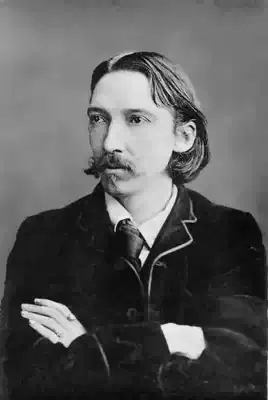
Robert Louis Stevenson
Where Go the Boats?
Where Go the Boats?
Dark brown is the river,
Golden is the sand.
It flows along for ever,
With trees on either hand.
Green leaves a-floating,
Castles of the foam,
Boats of mine a-boating -
Where will all come home?
On goes the river
And out past the mill,
Away down the valley,
Away down the hill.
Away down the river,
A hundred miles or more,
Other little children
Shall bring my boats ashore.
Dark brown is the river,
Golden is the sand.
It flows along for ever,
With trees on either hand.
Green leaves a-floating,
Castles of the foam,
Boats of mine a-boating -
Where will all come home?
On goes the river
And out past the mill,
Away down the valley,
Away down the hill.
Away down the river,
A hundred miles or more,
Other little children
Shall bring my boats ashore.
321
Robert Louis Stevenson
Swallows Travel To And Fro
Swallows Travel To And Fro
SWALLOWS travel to and fro,
And the great winds come and go,
And the steady breezes blow,
Bearing perfume, bearing love.
Breezes hasten, swallows fly,
Towered clouds forever ply,
And at noonday, you and I
See the same sunshine above.
Dew and rain fall everywhere,
Harvests ripen, flowers are fair,
And the whole round earth is bare
To the moonshine and the sun;
And the live air, fanned with wings,
Bright with breeze and sunshine, brings
Into contact distant things,
And makes all the countries one.
Let us wander where we will,
Something kindred greets us still;
Something seen on vale or hill
Falls familiar on the heart;
So, at scent or sound or sight,
Severed souls by day and night
Tremble with the same delight -
Tremble, half the world apart.
SWALLOWS travel to and fro,
And the great winds come and go,
And the steady breezes blow,
Bearing perfume, bearing love.
Breezes hasten, swallows fly,
Towered clouds forever ply,
And at noonday, you and I
See the same sunshine above.
Dew and rain fall everywhere,
Harvests ripen, flowers are fair,
And the whole round earth is bare
To the moonshine and the sun;
And the live air, fanned with wings,
Bright with breeze and sunshine, brings
Into contact distant things,
And makes all the countries one.
Let us wander where we will,
Something kindred greets us still;
Something seen on vale or hill
Falls familiar on the heart;
So, at scent or sound or sight,
Severed souls by day and night
Tremble with the same delight -
Tremble, half the world apart.
414
Robert Louis Stevenson
Know You The River NEar To Grez
Know You The River NEar To Grez
KNOW you the river near to Grez,
A river deep and clear?
Among the lilies all the way,
That ancient river runs to-day
From snowy weir to weir.
Old as the Rhine of great renown,
She hurries clear and fast,
She runs amain by field and town
From south to north, from up to down,
To present on from past.
The love I hold was borne by her;
And now, though far away,
My lonely spirit hears the stir
Of water round the starling spur
Beside the bridge at Grez.
So may that love forever hold
In life an equal pace;
So may that love grow never old,
But, clear and pure and fountain-cold,
Go on from grace to grace.
KNOW you the river near to Grez,
A river deep and clear?
Among the lilies all the way,
That ancient river runs to-day
From snowy weir to weir.
Old as the Rhine of great renown,
She hurries clear and fast,
She runs amain by field and town
From south to north, from up to down,
To present on from past.
The love I hold was borne by her;
And now, though far away,
My lonely spirit hears the stir
Of water round the starling spur
Beside the bridge at Grez.
So may that love forever hold
In life an equal pace;
So may that love grow never old,
But, clear and pure and fountain-cold,
Go on from grace to grace.
358
Robert Louis Stevenson
It Blows A Snowing Gale
It Blows A Snowing Gale
IT blows a snowing gale in the winter of the year;
The boats are on the sea and the crews are on the pier.
The needle of the vane, it is veering to and fro,
A flash of sun is on the veering of the vane.
Autumn leaves and rain,
The passion of the gale.
IT blows a snowing gale in the winter of the year;
The boats are on the sea and the crews are on the pier.
The needle of the vane, it is veering to and fro,
A flash of sun is on the veering of the vane.
Autumn leaves and rain,
The passion of the gale.
259

Robert Frost
Devotion
Devotion
The heart can think of no devotion
Greater than being shore to ocean -
Holding the curve of one position,
Counting an endless repetition.
The heart can think of no devotion
Greater than being shore to ocean -
Holding the curve of one position,
Counting an endless repetition.
473
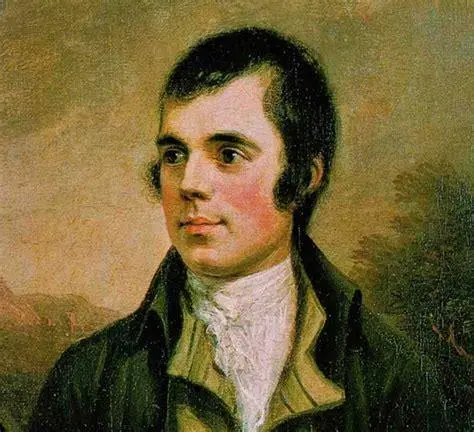
Robert Burns
Lines on the Fall of Fyers Near Loch Ness
Lines on the Fall of Fyers Near Loch Ness
Among the heathy hills and ragged woods
The roaring Fyers pours his mossy floods;
Till full he dashes on the rocky mounds,
Where, thro' a shapeless breach, his stream resounds.
As high in air the bursting torrents flow,
As deep recoiling surges foam below,
Prone down the rock the whitening sheet descends,
And viewless Echo's ear, astonished, rends.
Dim-seen, through rising mists and ceaseless show'rs,
The hoary cavern, wide surrounding, lours:
Still thro' the gap the struggling river toils,
And still, below, the horrid cauldron boils -
Among the heathy hills and ragged woods
The roaring Fyers pours his mossy floods;
Till full he dashes on the rocky mounds,
Where, thro' a shapeless breach, his stream resounds.
As high in air the bursting torrents flow,
As deep recoiling surges foam below,
Prone down the rock the whitening sheet descends,
And viewless Echo's ear, astonished, rends.
Dim-seen, through rising mists and ceaseless show'rs,
The hoary cavern, wide surrounding, lours:
Still thro' the gap the struggling river toils,
And still, below, the horrid cauldron boils -
271
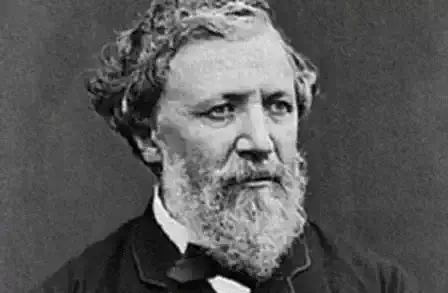
Robert Browning
Thus the Mayne glideth
Thus the Mayne glideth
THUS the Mayne glideth
Where my Love abideth;
Sleep 's no softer: it proceeds
On through lawns, on through meads,
On and on, whate'er befall,
Meandering and musical,
Though the niggard pasturage
Bears not on its shaven ledge
Aught but weeds and waving grasses
To view the river as it passes,
Save here and there a scanty patch
Of primroses too faint to catch
A weary bee.... And scarce it pushes
Its gentle way through strangling rushes
Where the glossy kingfisher
Flutters when noon-heats are near,
Glad the shelving banks to shun,
Red and steaming in the sun,
Where the shrew-mouse with pale throat
Burrows, and the speckled stoat;
Where the quick sandpipers flit
In and out the marl and grit
That seems to breed them, brown as they:
Naught disturbs its quiet way,
Save some lazy stork that springs,
Trailing it with legs and wings,
Whom the shy fox from the hill
Rouses, creep he ne'er so still.
THUS the Mayne glideth
Where my Love abideth;
Sleep 's no softer: it proceeds
On through lawns, on through meads,
On and on, whate'er befall,
Meandering and musical,
Though the niggard pasturage
Bears not on its shaven ledge
Aught but weeds and waving grasses
To view the river as it passes,
Save here and there a scanty patch
Of primroses too faint to catch
A weary bee.... And scarce it pushes
Its gentle way through strangling rushes
Where the glossy kingfisher
Flutters when noon-heats are near,
Glad the shelving banks to shun,
Red and steaming in the sun,
Where the shrew-mouse with pale throat
Burrows, and the speckled stoat;
Where the quick sandpipers flit
In and out the marl and grit
That seems to breed them, brown as they:
Naught disturbs its quiet way,
Save some lazy stork that springs,
Trailing it with legs and wings,
Whom the shy fox from the hill
Rouses, creep he ne'er so still.
331
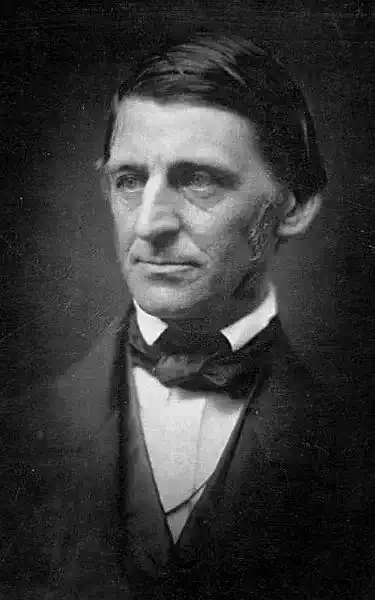
Ralph Waldo Emerson
Seashore
Seashore
I heard or seemed to hear the chiding Sea
Say, Pilgrim, why so late and slow to come?
Am I not always here, thy summer home?
Is not my voice thy music, morn and eve?
My breath thy healthful climate in the heats,
My touch thy antidote, my bay thy bath?
Was ever building like my terraces?
Was ever couch magnificent as mine?
Lie on the warm rock-ledges, and there learn
A little hut suffices like a town.
I make your sculptured architecture vain,
Vain beside mine. I drive my wedges home,
And carve the coastwise mountain into caves.
Lo! here is Rome and Nineveh and Thebes,
Karnak and Pyramid and Giant's Stairs
Half piled or prostrate; and my newest slab
Older than all thy race.
Behold the Sea,
The opaline, the plentiful and strong,
Yet beautiful as is the rose in June,
Fresh as the trickling rainbow of July;
Sea full of food, the nourisher of kinds,
Purger of earth, and medicine of men;
Creating a sweet climate by my breath,
Washing out harms and griefs from memory,
And, in my mathematic ebb and flow,
Giving a hint of that which changes not.
Rich are the sea-gods:--who gives gifts but they?
They grope the sea for pearls, but more than pearls:
They pluck Force thence, and give it to the wise.
For every wave is wealth to Dædalus,
Wealth to the cunning artist who can work
This matchless strength. Where shall he find, O waves!
A load your Atlas shoulders cannot lift?
I with my hammer pounding evermore
The rocky coast, smite Andes into dust,
Strewing my bed, and, in another age,
Rebuild a continent of better men.
Then I unbar the doors: my paths lead out
The exodus of nations: I dispersed
Men to all shores that front the hoary main.
I too have arts and sorceries;
Illusion dwells forever with the wave.
I know what spells are laid. Leave me to deal
With credulous and imaginative man;
For, though he scoop my water in his palm,
A few rods off he deems it gems and clouds.
Planting strange fruits and sunshine on the shore,
I make some coast alluring, some lone isle,
To distant men, who must go there, or die.
I heard or seemed to hear the chiding Sea
Say, Pilgrim, why so late and slow to come?
Am I not always here, thy summer home?
Is not my voice thy music, morn and eve?
My breath thy healthful climate in the heats,
My touch thy antidote, my bay thy bath?
Was ever building like my terraces?
Was ever couch magnificent as mine?
Lie on the warm rock-ledges, and there learn
A little hut suffices like a town.
I make your sculptured architecture vain,
Vain beside mine. I drive my wedges home,
And carve the coastwise mountain into caves.
Lo! here is Rome and Nineveh and Thebes,
Karnak and Pyramid and Giant's Stairs
Half piled or prostrate; and my newest slab
Older than all thy race.
Behold the Sea,
The opaline, the plentiful and strong,
Yet beautiful as is the rose in June,
Fresh as the trickling rainbow of July;
Sea full of food, the nourisher of kinds,
Purger of earth, and medicine of men;
Creating a sweet climate by my breath,
Washing out harms and griefs from memory,
And, in my mathematic ebb and flow,
Giving a hint of that which changes not.
Rich are the sea-gods:--who gives gifts but they?
They grope the sea for pearls, but more than pearls:
They pluck Force thence, and give it to the wise.
For every wave is wealth to Dædalus,
Wealth to the cunning artist who can work
This matchless strength. Where shall he find, O waves!
A load your Atlas shoulders cannot lift?
I with my hammer pounding evermore
The rocky coast, smite Andes into dust,
Strewing my bed, and, in another age,
Rebuild a continent of better men.
Then I unbar the doors: my paths lead out
The exodus of nations: I dispersed
Men to all shores that front the hoary main.
I too have arts and sorceries;
Illusion dwells forever with the wave.
I know what spells are laid. Leave me to deal
With credulous and imaginative man;
For, though he scoop my water in his palm,
A few rods off he deems it gems and clouds.
Planting strange fruits and sunshine on the shore,
I make some coast alluring, some lone isle,
To distant men, who must go there, or die.
385
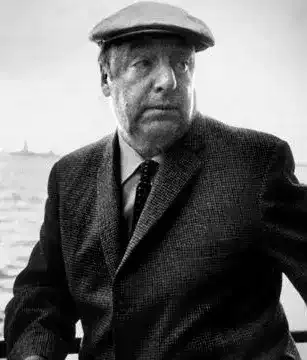
Pablo Neruda
Tower Of Light
Tower Of Light
O tower of light, sad beauty
that magnified necklaces and statues in the sea,
calcareous eye, insignia of the vast waters, cry
of the mourning petrel, tooth of the sea, wife
of the Oceanian wind, O separate rose
from the long stem of the trampled bush
that the depths, converted into archipelago,
O natural star, green diadem,
alone in your lonesome dynasty,
still unattainable, elusive, desolate
like one drop, like one grape, like the sea.
O tower of light, sad beauty
that magnified necklaces and statues in the sea,
calcareous eye, insignia of the vast waters, cry
of the mourning petrel, tooth of the sea, wife
of the Oceanian wind, O separate rose
from the long stem of the trampled bush
that the depths, converted into archipelago,
O natural star, green diadem,
alone in your lonesome dynasty,
still unattainable, elusive, desolate
like one drop, like one grape, like the sea.
594
Pablo Neruda
The Wide Ocean
The Wide Ocean
Ocean, if you were to give, a measure, a ferment, a fruit
of your gifts and destructions, into my hand,
I would choose your far-off repose, your contour of steel,
your vigilant spaces of air and darkness,
and the power of your white tongue,
that shatters and overthrows columns,
breaking them down to your proper purity.
Not the final breaker, heavy with brine,
that thunders onshore, and creates
the silence of sand, that encircles the world,
but the inner spaces of force,
the naked power of the waters,
the immoveable solitude, brimming with lives.
It is Time perhaps, or the vessel filled
with all motion, pure Oneness,
that death cannot touch, the visceral green
of consuming totality.
Only a salt kiss remains of the drowned arm,
that lifts a spray: a humid scent,
of the damp flower, is left,
from the bodies of men. Your energies
form, in a trickle that is not spent,
form, in retreat into silence.
The falling wave,
arch of identity, shattering feathers,
is only spume when it clears,
and returns to its source, unconsumed.
Your whole force heads for its origin.
The husks that your load threshes,
are only the crushed, plundered, deliveries,
that your act of abundance expelled,
all those that take life from your branches.
Your form extends beyond breakers,
vibrant, and rhythmic, like the chest, cloaking
a single being, and its breathings,
that lift into the content of light,
plains raised above waves,
forming the naked surface of earth.
You fill your true self with your substance.
You overflow curve with silence.
The vessel trembles with your salt and sweetness,
the universal cavern of waters,
and nothing is lost from you, as it is
from the desolate crater, or the bay of a hill,
those empty heights, signs, scars,
guarding the wounded air.
Your petals throbbing against the Earth,
trembling your submarine harvests,
your menace thickening the smooth swell,
with pulsations and swarming of schools,
and only the thread of the net raises
the dead lightning of fish-scale,
one wounded millimetre, in the space
of your crystal completeness.
Ocean, if you were to give, a measure, a ferment, a fruit
of your gifts and destructions, into my hand,
I would choose your far-off repose, your contour of steel,
your vigilant spaces of air and darkness,
and the power of your white tongue,
that shatters and overthrows columns,
breaking them down to your proper purity.
Not the final breaker, heavy with brine,
that thunders onshore, and creates
the silence of sand, that encircles the world,
but the inner spaces of force,
the naked power of the waters,
the immoveable solitude, brimming with lives.
It is Time perhaps, or the vessel filled
with all motion, pure Oneness,
that death cannot touch, the visceral green
of consuming totality.
Only a salt kiss remains of the drowned arm,
that lifts a spray: a humid scent,
of the damp flower, is left,
from the bodies of men. Your energies
form, in a trickle that is not spent,
form, in retreat into silence.
The falling wave,
arch of identity, shattering feathers,
is only spume when it clears,
and returns to its source, unconsumed.
Your whole force heads for its origin.
The husks that your load threshes,
are only the crushed, plundered, deliveries,
that your act of abundance expelled,
all those that take life from your branches.
Your form extends beyond breakers,
vibrant, and rhythmic, like the chest, cloaking
a single being, and its breathings,
that lift into the content of light,
plains raised above waves,
forming the naked surface of earth.
You fill your true self with your substance.
You overflow curve with silence.
The vessel trembles with your salt and sweetness,
the universal cavern of waters,
and nothing is lost from you, as it is
from the desolate crater, or the bay of a hill,
those empty heights, signs, scars,
guarding the wounded air.
Your petals throbbing against the Earth,
trembling your submarine harvests,
your menace thickening the smooth swell,
with pulsations and swarming of schools,
and only the thread of the net raises
the dead lightning of fish-scale,
one wounded millimetre, in the space
of your crystal completeness.
618
Pablo Neruda
The Night in Isla Negra
The Night in Isla Negra
Ancient night and the unruly salt
beat at the walls of my house.
The shadow is all one, the sky
throbs now along with the ocean,
and sky and shadow erupt
in the crash of their vast conflict.
All night long they struggle;
nobody knows the name
of the harsh light that keeps slowly opening
like a languid fruit.
So on the coast comes to light,
out of seething shadow, the harsh dawn,
gnawed at by the moving salt,
swept clean by the mass of night,
bloodstained in its sea-washed crater.
Ancient night and the unruly salt
beat at the walls of my house.
The shadow is all one, the sky
throbs now along with the ocean,
and sky and shadow erupt
in the crash of their vast conflict.
All night long they struggle;
nobody knows the name
of the harsh light that keeps slowly opening
like a languid fruit.
So on the coast comes to light,
out of seething shadow, the harsh dawn,
gnawed at by the moving salt,
swept clean by the mass of night,
bloodstained in its sea-washed crater.
601