

Poems in this theme
Literature and Words
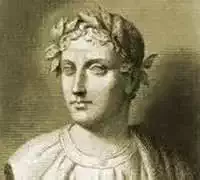
Horácio
BkI:I The Dedication: To Maecenas
BkI:I The Dedication: To Maecenas
Maecenas, descendant of royal ancestors,
O my protector, and my sweet glory,
some are delighted by showers of dust,
Olympic dust, over their chariots, they
are raised to the gods, as Earth’s masters, by posts
clipping the red-hot wheels, by noble palms:
this man, if the fickle crowd of Citizens
compete to lift him to triple honours:
that one, if he’s stored away in his granary
whatever he gleaned from the Libyan threshing.
The peasant who loves to break clods in his native
fields, won’t be tempted, by living like Attalus,
to sail the seas, in fear, in a Cyprian boat.
The merchant afraid of the African winds as
they fight the Icarian waves, loves the peace
and the soil near his town, but quickly rebuilds
his shattered ships, unsuited to poverty.
There’s one who won’t scorn cups of old Massic,
nor to lose the best part of a whole day lying
under the greenwood tree, or softly
close to the head of sacred waters.
Many love camp, and the sound of trumpets
mixed with the horns, and the warfare hated
by mothers. The hunter, sweet wife forgotten,
stays out under frozen skies, if his faithful
hounds catch sight of a deer, or a Marsian
wild boar rampages, through his close meshes.
But the ivy, the glory of learned brows,
joins me to the gods on high: cool groves,
and the gathering of light nymphs and satyrs,
draw me from the throng, if Euterpe the Muse
won’t deny me her flute, and Polyhymnia
won’t refuse to exert herself on her Lesbian lyre.
And if you enter me among all the lyric poets,
my head too will be raised to touch the stars.
Maecenas, descendant of royal ancestors,
O my protector, and my sweet glory,
some are delighted by showers of dust,
Olympic dust, over their chariots, they
are raised to the gods, as Earth’s masters, by posts
clipping the red-hot wheels, by noble palms:
this man, if the fickle crowd of Citizens
compete to lift him to triple honours:
that one, if he’s stored away in his granary
whatever he gleaned from the Libyan threshing.
The peasant who loves to break clods in his native
fields, won’t be tempted, by living like Attalus,
to sail the seas, in fear, in a Cyprian boat.
The merchant afraid of the African winds as
they fight the Icarian waves, loves the peace
and the soil near his town, but quickly rebuilds
his shattered ships, unsuited to poverty.
There’s one who won’t scorn cups of old Massic,
nor to lose the best part of a whole day lying
under the greenwood tree, or softly
close to the head of sacred waters.
Many love camp, and the sound of trumpets
mixed with the horns, and the warfare hated
by mothers. The hunter, sweet wife forgotten,
stays out under frozen skies, if his faithful
hounds catch sight of a deer, or a Marsian
wild boar rampages, through his close meshes.
But the ivy, the glory of learned brows,
joins me to the gods on high: cool groves,
and the gathering of light nymphs and satyrs,
draw me from the throng, if Euterpe the Muse
won’t deny me her flute, and Polyhymnia
won’t refuse to exert herself on her Lesbian lyre.
And if you enter me among all the lyric poets,
my head too will be raised to touch the stars.
314
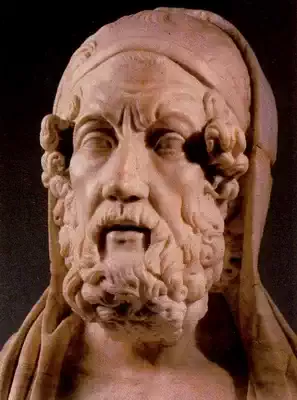
Homero
The Odyssey: Book 3
The Odyssey: Book 3
But as the sun was rising from the fair sea into the firmament of
heaven to shed Blight on mortals and immortals, they reached Pylos the
city of Neleus. Now the people of Pylos were gathered on the sea shore
to offer sacrifice of black bulls to Neptune lord of the Earthquake.
There were nine guilds with five hundred men in each, and there were
nine bulls to each guild. As they were eating the inward meats and
burning the thigh bones [on the embers] in the name of Neptune,
Telemachus and his crew arrived, furled their sails, brought their
ship to anchor, and went ashore.
Minerva led the way and Telemachus followed her. Presently she said,
"Telemachus, you must not be in the least shy or nervous; you have
taken this voyage to try and find out where your father is buried
and how he came by his end; so go straight up to Nestor that we may
see what he has got to tell us. Beg of him to speak the truth, and
he will tell no lies, for he is an excellent person."
"But how, Mentor," replied Telemachus, "dare I go up to Nestor,
and how am I to address him? I have never yet been used to holding
long conversations with people, and am ashamed to begin questioning
one who is so much older than myself."
"Some things, Telemachus," answered Minerva, "will be suggested to
you by your own instinct, and heaven will prompt you further; for I am
assured that the gods have been with you from the time of your birth
until now."
She then went quickly on, and Telemachus followed in her steps
till they reached the place where the guilds of the Pylian people were
assembled. There they found Nestor sitting with his sons, while his
company round him were busy getting dinner ready, and putting pieces
of meat on to the spits while other pieces were cooking. When they saw
the strangers they crowded round them, took them by the hand and
bade them take their places. Nestor's son Pisistratus at once
offered his hand to each of them, and seated them on some soft
sheepskins that were lying on the sands near his father and his
brother Thrasymedes. Then he gave them their portions of the inward
meats and poured wine for them into a golden cup, handing it to
Minerva first, and saluting her at the same time.
"Offer a prayer, sir," said he, "to King Neptune, for it is his
feast that you are joining; when you have duly prayed and made your
drink-offering, pass the cup to your friend that he may do so also.
I doubt not that he too lifts his hands in prayer, for man cannot live
without God in the world. Still he is younger than you are, and is
much of an age with myself, so I he handed I will give you the
precedence."
As he spoke he handed her the cup. Minerva thought it very right and
proper of him to have given it to herself first; she accordingly began
praying heartily to Neptune. "O thou," she cried, "that encirclest the
earth, vouchsafe to grant the prayers of thy servants that call upon
thee. More especially we pray thee send down thy grace on Nestor and
on his sons; thereafter also make the rest of the Pylian people some
handsome return for the goodly hecatomb they are offering you. Lastly,
grant Telemachus and myself a happy issue, in respect of the matter
that has brought us in our to Pylos."
When she had thus made an end of praying, she handed the cup to
Telemachus and he prayed likewise. By and by, when the outer meats
were roasted and had been taken off the spits, the carvers gave
every man his portion and they all made an excellent dinner. As soon
as they had had enough to eat and drink, Nestor, knight of Gerene,
began to speak.
"Now," said he, "that our guests have done their dinner, it will
be best to ask them who they are. Who, then, sir strangers, are you,
and from what port have you sailed? Are you traders? or do you sail
the seas as rovers with your hand against every man, and every man's
hand against you?"
Telemachus answered boldly, for Minerva had given him courage to ask
about his father and get himself a good name.
"Nestor," said he, "son of Neleus, honour to the Achaean name, you
ask whence we come, and I will tell you. We come from Ithaca under
Neritum, and the matter about which I would speak is of private not
public import. I seek news of my unhappy father Ulysses, who is said
to have sacked the town of Troy in company with yourself. We know what
fate befell each one of the other heroes who fought at Troy, but as
regards Ulysses heaven has hidden from us the knowledge even that he
is dead at all, for no one can certify us in what place he perished,
nor say whether he fell in battle on the mainland, or was lost at
sea amid the waves of Amphitrite. Therefore I am suppliant at your
knees, if haply you may be pleased to tell me of his melancholy end,
whether you saw it with your own eyes, or heard it from some other
traveller, for he was a man born to trouble. Do not soften things
out of any pity for me, but tell me in all plainness exactly what
you saw. If my brave father Ulysses ever did you loyal service, either
by word or deed, when you Achaeans were harassed among the Trojans,
bear it in mind now as in my favour and tell me truly all."
"My friend," answered Nestor, "you recall a time of much sorrow to
my mind, for the brave Achaeans suffered much both at sea, while
privateering under Achilles, and when fighting before the great city
of king Priam. Our best men all of them fell there- Ajax, Achilles,
Patroclus peer of gods in counsel, and my own dear son Antilochus, a
man singularly fleet of foot and in fight valiant. But we suffered
much more than this; what mortal tongue indeed could tell the whole
story? Though you were to stay here and question me for five years, or
even six, I could not tell you all that the Achaeans suffered, and you
would turn homeward weary of my tale before it ended. Nine long
years did we try every kind of stratagem, but the hand of heaven was
against us; during all this time there was no one who could compare
with your father in subtlety- if indeed you are his son- I can
hardly believe my eyes- and you talk just like him too- no one would
say that people of such different ages could speak so much alike. He
and I never had any kind of difference from first to last neither in
camp nor council, but in singleness of heart and purpose we advised
the Argives how all might be ordered for the best.
"When however, we had sacked the city of Priam, and were setting
sail in our ships as heaven had dispersed us, then Jove saw fit to vex
the Argives on their homeward voyage; for they had Not all been either
wise or understanding, and hence many came to a bad end through the
displeasure of Jove's daughter Minerva, who brought about a quarrel
between the two sons of Atreus.
"The sons of Atreus called a meeting which was not as it should
be, for it was sunset and the Achaeans were heavy with wine. When they
explained why they had called- the people together, it seemed that
Menelaus was for sailing homeward at once, and this displeased
Agamemnon, who thought that we should wait till we had offered
hecatombs to appease the anger of Minerva. Fool that he was, he
might have known that he would not prevail with her, for when the gods
have made up their minds they do not change them lightly. So the two
stood bandying hard words, whereon the Achaeans sprang to their feet
with a cry that rent the air, and were of two minds as to what they
should do.
"That night we rested and nursed our anger, for Jove was hatching
mischief against us. But in the morning some of us drew our ships into
the water and put our goods with our women on board, while the rest,
about half in number, stayed behind with Agamemnon. We- the other
half- embarked and sailed; and the ships went well, for heaven had
smoothed the sea. When we reached Tenedos we offered sacrifices to the
gods, for we were longing to get home; cruel Jove, however, did not
yet mean that we should do so, and raised a second quarrel in the
course of which some among us turned their ships back again, and
sailed away under Ulysses to make their peace with Agamemnon; but I,
and all the ships that were with me pressed forward, for I saw that
mischief was brewing. The son of Tydeus went on also with me, and
his crews with him. Later on Menelaus joined us at Lesbos, and found
us making up our minds about our course- for we did not know whether
to go outside Chios by the island of Psyra, keeping this to our
left, or inside Chios, over against the stormy headland of Mimas. So
we asked heaven for a sign, and were shown one to the effect that we
should be soonest out of danger if we headed our ships across the open
sea to Euboea. This we therefore did, and a fair wind sprang up
which gave us a quick passage during the night to Geraestus, where
we offered many sacrifices to Neptune for having helped us so far on
our way. Four days later Diomed and his men stationed their ships in
Argos, but I held on for Pylos, and the wind never fell light from the
day when heaven first made it fair for me.
"Therefore, my dear young friend, I returned without hearing
anything about the others. I know neither who got home safely nor
who were lost but, as in duty bound, I will give you without reserve
the reports that have reached me since I have been here in my own
house. They say the Myrmidons returned home safely under Achilles' son
Neoptolemus; so also did the valiant son of Poias, Philoctetes.
Idomeneus, again, lost no men at sea, and all his followers who
escaped death in the field got safe home with him to Crete. No
matter how far out of the world you live, you will have heard of
Agamemnon and the bad end he came to at the hands of Aegisthus- and
a fearful reckoning did Aegisthus presently pay. See what a good thing
it is for a man to leave a son behind him to do as Orestes did, who
killed false Aegisthus the murderer of his noble father. You too,
then- for you are a tall, smart-looking fellow- show your mettle and
make yourself a name in story."
"Nestor son of Neleus," answered Telemachus, "honour to the
Achaean name, the Achaeans applaud Orestes and his name will live
through all time for he has avenged his father nobly. Would that
heaven might grant me to do like vengeance on the insolence of the
wicked suitors, who are ill treating me and plotting my ruin; but
the gods have no such happiness in store for me and for my father,
so we must bear it as best we may."
"My friend," said Nestor, "now that you remind me, I remember to
have heard that your mother has many suitors, who are ill disposed
towards you and are making havoc of your estate. Do you submit to this
tamely, or are public feeling and the voice of heaven against you? Who
knows but what Ulysses may come back after all, and pay these
scoundrels in full, either single-handed or with a force of Achaeans
behind him? If Minerva were to take as great a liking to you as she
did to Ulysses when we were fighting before Troy (for I never yet
saw the gods so openly fond of any one as Minerva then was of your
father), if she would take as good care of you as she did of him,
these wooers would soon some of them him, forget their wooing."
Telemachus answered, "I can expect nothing of the kind; it would
be far too much to hope for. I dare not let myself think of it. Even
though the gods themselves willed it no such good fortune could befall
me."
On this Minerva said, "Telemachus, what are you talking about?
Heaven has a long arm if it is minded to save a man; and if it were
me, I should not care how much I suffered before getting home,
provided I could be safe when I was once there. I would rather this,
than get home quickly, and then be killed in my own house as Agamemnon
was by the treachery of Aegisthus and his wife. Still, death is
certain, and when a man's hour is come, not even the gods can save
him, no matter how fond they are of him."
"Mentor," answered Telemachus, "do not let us talk about it any
more. There is no chance of my father's ever coming back; the gods
have long since counselled his destruction. There is something else,
however, about which I should like to ask Nestor, for he knows much
more than any one else does. They say he has reigned for three
generations so that it is like talking to an immortal. Tell me,
therefore, Nestor, and tell me true; how did Agamemnon come to die
in that way? What was Menelaus doing? And how came false Aegisthus
to kill so far better a man than himself? Was Menelaus away from
Achaean Argos, voyaging elsewhither among mankind, that Aegisthus took
heart and killed Agamemnon?"
"I will tell you truly," answered Nestor, "and indeed you have
yourself divined how it all happened. If Menelaus when he got back
from Troy had found Aegisthus still alive in his house, there would
have been no barrow heaped up for him, not even when he was dead,
but he would have been thrown outside the city to dogs and vultures,
and not a woman would have mourned him, for he had done a deed of
great wickedness; but we were over there, fighting hard at Troy, and
Aegisthus who was taking his ease quietly in the heart of Argos,
cajoled Agamemnon's wife Clytemnestra with incessant flattery.
"At first she would have nothing to do with his wicked scheme, for
she was of a good natural disposition; moreover there was a bard
with her, to whom Agamemnon had given strict orders on setting out for
Troy, that he was to keep guard over his wife; but when heaven had
counselled her destruction, Aegisthus thus this bard off to a desert
island and left him there for crows and seagulls to batten upon- after
which she went willingly enough to the house of Aegisthus. Then he
offered many burnt sacrifices to the gods, and decorated many
temples with tapestries and gilding, for he had succeeded far beyond
his expectations.
"Meanwhile Menelaus and I were on our way home from Troy, on good
terms with one another. When we got to Sunium, which is the point of
Athens, Apollo with his painless shafts killed Phrontis the
steersman of Menelaus' ship (and never man knew better how to handle a
vessel in rough weather) so that he died then and there with the
helm in his hand, and Menelaus, though very anxious to press
forward, had to wait in order to bury his comrade and give him his due
funeral rites. Presently, when he too could put to sea again, and
had sailed on as far as the Malean heads, Jove counselled evil against
him and made it it blow hard till the waves ran mountains high. Here
he divided his fleet and took the one half towards Crete where the
Cydonians dwell round about the waters of the river Iardanus. There is
a high headland hereabouts stretching out into the sea from a place
called Gortyn, and all along this part of the coast as far as Phaestus
the sea runs high when there is a south wind blowing, but arter
Phaestus the coast is more protected, for a small headland can make
a great shelter. Here this part of the fleet was driven on to the
rocks and wrecked; but the crews just managed to save themselves. As
for the other five ships, they were taken by winds and seas to
Egypt, where Menelaus gathered much gold and substance among people of
an alien speech. Meanwhile Aegisthus here at home plotted his evil
deed. For seven years after he had killed Agamemnon he ruled in
Mycene, and the people were obedient under him, but in the eighth year
Orestes came back from Athens to be his bane, and killed the
murderer of his father. Then he celebrated the funeral rites of his
mother and of false Aegisthus by a banquet to the people of Argos, and
on that very day Menelaus came home, with as much treasure as his
ships could carry.
"Take my advice then, and do not go travelling about for long so far
from home, nor leave your property with such dangerous people in
your house; they will eat up everything you have among them, and you
will have been on a fool's errand. Still, I should advise you by all
means to go and visit Menelaus, who has lately come off a voyage among
such distant peoples as no man could ever hope to get back from,
when the winds had once carried him so far out of his reckoning;
even birds cannot fly the distance in a twelvemonth, so vast and
terrible are the seas that they must cross. Go to him, therefore, by
sea, and take your own men with you; or if you would rather travel
by land you can have a chariot, you can have horses, and here are my
sons who can escort you to Lacedaemon where Menelaus lives. Beg of him
to speak the truth, and he will tell you no lies, for he is an
excellent person."
As he spoke the sun set and it came on dark, whereon Minerva said,
"Sir, all that you have said is well; now, however, order the
tongues of the victims to be cut, and mix wine that we may make
drink-offerings to Neptune, and the other immortals, and then go to
bed, for it is bed time. People should go away early and not keep late
hours at a religious festival."
Thus spoke the daughter of Jove, and they obeyed her saying. Men
servants poured water over the hands of the guests, while pages filled
the mixing-bowls with wine and water, and handed it round after giving
every man his drink-offering; then they threw the tongues of the
victims into the fire, and stood up to make their drink-offerings.
When they had made their offerings and had drunk each as much as he
was minded, Minerva and Telemachus were forgoing on board their
ship, but Nestor caught them up at once and stayed them.
"Heaven and the immortal gods," he exclaimed, "forbid that you
should leave my house to go on board of a ship. Do you think I am so
poor and short of clothes, or that I have so few cloaks and as to be
unable to find comfortable beds both for myself and for my guests? Let
me tell you I have store both of rugs and cloaks, and shall not permit
the son of my old friend Ulysses to camp down on the deck of a shipnot
while I live- nor yet will my sons after me, but they will keep
open house as have done."
Then Minerva answered, "Sir, you have spoken well, and it will be
much better that Telemachus should do as you have said; he, therefore,
shall return with you and sleep at your house, but I must go back to
give orders to my crew, and keep them in good heart. I am the only
older person among them; the rest are all young men of Telemachus' own
age, who have taken this voyage out of friendship; so I must return to
the ship and sleep there. Moreover to-morrow I must go to the
Cauconians where I have a large sum of money long owing to me. As
for Telemachus, now that he is your guest, send him to Lacedaemon in a
chariot, and let one of your sons go with him. Be pleased also to
provide him with your best and fleetest horses."
When she had thus spoken, she flew away in the form of an eagle, and
all marvelled as they beheld it. Nestor was astonished, and took
Telemachus by the hand. "My friend," said he, "I see that you are
going to be a great hero some day, since the gods wait upon you thus
while you are still so young. This can have been none other of those
who dwell in heaven than Jove's redoubtable daughter, the
Trito-born, who showed such favour towards your brave father among the
Argives." "Holy queen," he continued, "vouchsafe to send down thy
grace upon myself, my good wife, and my children. In return, I will
offer you in sacrifice a broad-browed heifer of a year old,
unbroken, and never yet brought by man under the yoke. I will gild her
horns, and will offer her up to you in sacrifice."
Thus did he pray, and Minerva heard his prayer. He then led the
way to his own house, followed by his sons and sons-in-law. When
they had got there and had taken their places on the benches and
seats, he mixed them a bowl of sweet wine that was eleven years old
when the housekeeper took the lid off the jar that held it. As he
mixed the wine, he prayed much and made drink-offerings to Minerva,
daughter of Aegis-bearing Jove. Then, when they had made their
drink-offerings and had drunk each as much as he was minded, the
others went home to bed each in his own abode; but Nestor put
Telemachus to sleep in the room that was over the gateway along with
Pisistratus, who was the only unmarried son now left him. As for
himself, he slept in an inner room of the house, with the queen his
wife by his side.
Now when the child of morning, rosy-fingered Dawn, appeared,
Nestor left his couch and took his seat on the benches of white and
polished marble that stood in front of his house. Here aforetime sat
Neleus, peer of gods in counsel, but he was now dead, and had gone
to the house of Hades; so Nestor sat in his seat, sceptre in hand,
as guardian of the public weal. His sons as they left their rooms
gathered round him, Echephron, Stratius, Perseus, Aretus, and
Thrasymedes; the sixth son was Pisistratus, and when Telemachus joined
them they made him sit with them. Nestor then addressed them.
"My sons," said he, "make haste to do as I shall bid you. I wish
first and foremost to propitiate the great goddess Minerva, who
manifested herself visibly to me during yesterday's festivities. Go,
then, one or other of you to the plain, tell the stockman to look me
out a heifer, and come on here with it at once. Another must go to
Telemachus's ship, and invite all the crew, leaving two men only in
charge of the vessel. Some one else will run and fetch Laerceus the
goldsmith to gild the horns of the heifer. The rest, stay all of you
where you are; tell the maids in the house to prepare an excellent
dinner, and to fetch seats, and logs of wood for a burnt offering.
Tell them also- to bring me some clear spring water."
On this they hurried off on their several errands. The heifer was
brought in from the plain, and Telemachus's crew came from the ship;
the goldsmith brought the anvil, hammer, and tongs, with which he
worked his gold, and Minerva herself came to the sacrifice. Nestor
gave out the gold, and the smith gilded the horns of the heifer that
the goddess might have pleasure in their beauty. Then Stratius and
Echephron brought her in by the horns; Aretus fetched water from the
house in a ewer that had a flower pattern on it, and in his other hand
he held a basket of barley meal; sturdy Thrasymedes stood by with a
sharp axe, ready to strike the heifer, while Perseus held a bucket.
Then Nestor began with washing his hands and sprinkling the barley
meal, and he offered many a prayer to Minerva as he threw a lock
from the heifer's head upon the fire.
When they had done praying and sprinkling the barley meal
Thrasymedes dealt his blow, and brought the heifer down with a
stroke that cut through the tendons at the base of her neck, whereon
the daughters and daughters-in-law of Nestor, and his venerable wife
Eurydice (she was eldest daughter to Clymenus) screamed with
delight. Then they lifted the heifer's head from off the ground, and
Pisistratus cut her throat. When she had done bleeding and was quite
dead, they cut her up. They cut out the thigh bones all in due course,
wrapped them round in two layers of fat, and set some pieces of raw
meat on the top of them; then Nestor laid them upon the wood fire
and poured wine over them, while the young men stood near him with
five-pronged spits in their hands. When the thighs were burned and
they had tasted the inward meats, they cut the rest of the meat up
small, put the pieces on the spits and toasted them over the fire.
Meanwhile lovely Polycaste, Nestor's youngest daughter, washed
Telemachus. When she had washed him and anointed him with oil, she
brought him a fair mantle and shirt, and he looked like a god as he
came from the bath and took his seat by the side of Nestor. When the
outer meats were done they drew them off the spits and sat down to
dinner where they were waited upon by some worthy henchmen, who kept
pouring them out their wine in cups of gold. As soon as they had had
had enough to eat and drink Nestor said, "Sons, put Telemachus's
horses to the chariot that he may start at once."
Thus did he speak, and they did even as he had said, and yoked the
fleet horses to the chariot. The housekeeper packed them up a
provision of bread, wine, and sweetmeats fit for the sons of
princes. Then Telemachus got into the chariot, while Pisistratus
gathered up the reins and took his seat beside him. He lashed the
horses on and they flew forward nothing loth into the open country,
leaving the high citadel of Pylos behind them. All that day did they
travel, swaying the yoke upon their necks till the sun went down and
darkness was over all the land. Then they reached Pherae where Diocles
lived, who was son to Ortilochus and grandson to Alpheus. Here they
passed the night and Diocles entertained them hospitably. When the
child of morning, rosy-fingered Dawn; appeared, they again yoked their
horses and drove out through the gateway under the echoing
gatehouse. Pisistratus lashed the horses on and they flew forward
nothing loth; presently they came to the corn lands Of the open
country, and in the course of time completed their journey, so well
did their steeds take them.
Now when the sun had set and darkness was over the land,
Translated by Samuel Butler
But as the sun was rising from the fair sea into the firmament of
heaven to shed Blight on mortals and immortals, they reached Pylos the
city of Neleus. Now the people of Pylos were gathered on the sea shore
to offer sacrifice of black bulls to Neptune lord of the Earthquake.
There were nine guilds with five hundred men in each, and there were
nine bulls to each guild. As they were eating the inward meats and
burning the thigh bones [on the embers] in the name of Neptune,
Telemachus and his crew arrived, furled their sails, brought their
ship to anchor, and went ashore.
Minerva led the way and Telemachus followed her. Presently she said,
"Telemachus, you must not be in the least shy or nervous; you have
taken this voyage to try and find out where your father is buried
and how he came by his end; so go straight up to Nestor that we may
see what he has got to tell us. Beg of him to speak the truth, and
he will tell no lies, for he is an excellent person."
"But how, Mentor," replied Telemachus, "dare I go up to Nestor,
and how am I to address him? I have never yet been used to holding
long conversations with people, and am ashamed to begin questioning
one who is so much older than myself."
"Some things, Telemachus," answered Minerva, "will be suggested to
you by your own instinct, and heaven will prompt you further; for I am
assured that the gods have been with you from the time of your birth
until now."
She then went quickly on, and Telemachus followed in her steps
till they reached the place where the guilds of the Pylian people were
assembled. There they found Nestor sitting with his sons, while his
company round him were busy getting dinner ready, and putting pieces
of meat on to the spits while other pieces were cooking. When they saw
the strangers they crowded round them, took them by the hand and
bade them take their places. Nestor's son Pisistratus at once
offered his hand to each of them, and seated them on some soft
sheepskins that were lying on the sands near his father and his
brother Thrasymedes. Then he gave them their portions of the inward
meats and poured wine for them into a golden cup, handing it to
Minerva first, and saluting her at the same time.
"Offer a prayer, sir," said he, "to King Neptune, for it is his
feast that you are joining; when you have duly prayed and made your
drink-offering, pass the cup to your friend that he may do so also.
I doubt not that he too lifts his hands in prayer, for man cannot live
without God in the world. Still he is younger than you are, and is
much of an age with myself, so I he handed I will give you the
precedence."
As he spoke he handed her the cup. Minerva thought it very right and
proper of him to have given it to herself first; she accordingly began
praying heartily to Neptune. "O thou," she cried, "that encirclest the
earth, vouchsafe to grant the prayers of thy servants that call upon
thee. More especially we pray thee send down thy grace on Nestor and
on his sons; thereafter also make the rest of the Pylian people some
handsome return for the goodly hecatomb they are offering you. Lastly,
grant Telemachus and myself a happy issue, in respect of the matter
that has brought us in our to Pylos."
When she had thus made an end of praying, she handed the cup to
Telemachus and he prayed likewise. By and by, when the outer meats
were roasted and had been taken off the spits, the carvers gave
every man his portion and they all made an excellent dinner. As soon
as they had had enough to eat and drink, Nestor, knight of Gerene,
began to speak.
"Now," said he, "that our guests have done their dinner, it will
be best to ask them who they are. Who, then, sir strangers, are you,
and from what port have you sailed? Are you traders? or do you sail
the seas as rovers with your hand against every man, and every man's
hand against you?"
Telemachus answered boldly, for Minerva had given him courage to ask
about his father and get himself a good name.
"Nestor," said he, "son of Neleus, honour to the Achaean name, you
ask whence we come, and I will tell you. We come from Ithaca under
Neritum, and the matter about which I would speak is of private not
public import. I seek news of my unhappy father Ulysses, who is said
to have sacked the town of Troy in company with yourself. We know what
fate befell each one of the other heroes who fought at Troy, but as
regards Ulysses heaven has hidden from us the knowledge even that he
is dead at all, for no one can certify us in what place he perished,
nor say whether he fell in battle on the mainland, or was lost at
sea amid the waves of Amphitrite. Therefore I am suppliant at your
knees, if haply you may be pleased to tell me of his melancholy end,
whether you saw it with your own eyes, or heard it from some other
traveller, for he was a man born to trouble. Do not soften things
out of any pity for me, but tell me in all plainness exactly what
you saw. If my brave father Ulysses ever did you loyal service, either
by word or deed, when you Achaeans were harassed among the Trojans,
bear it in mind now as in my favour and tell me truly all."
"My friend," answered Nestor, "you recall a time of much sorrow to
my mind, for the brave Achaeans suffered much both at sea, while
privateering under Achilles, and when fighting before the great city
of king Priam. Our best men all of them fell there- Ajax, Achilles,
Patroclus peer of gods in counsel, and my own dear son Antilochus, a
man singularly fleet of foot and in fight valiant. But we suffered
much more than this; what mortal tongue indeed could tell the whole
story? Though you were to stay here and question me for five years, or
even six, I could not tell you all that the Achaeans suffered, and you
would turn homeward weary of my tale before it ended. Nine long
years did we try every kind of stratagem, but the hand of heaven was
against us; during all this time there was no one who could compare
with your father in subtlety- if indeed you are his son- I can
hardly believe my eyes- and you talk just like him too- no one would
say that people of such different ages could speak so much alike. He
and I never had any kind of difference from first to last neither in
camp nor council, but in singleness of heart and purpose we advised
the Argives how all might be ordered for the best.
"When however, we had sacked the city of Priam, and were setting
sail in our ships as heaven had dispersed us, then Jove saw fit to vex
the Argives on their homeward voyage; for they had Not all been either
wise or understanding, and hence many came to a bad end through the
displeasure of Jove's daughter Minerva, who brought about a quarrel
between the two sons of Atreus.
"The sons of Atreus called a meeting which was not as it should
be, for it was sunset and the Achaeans were heavy with wine. When they
explained why they had called- the people together, it seemed that
Menelaus was for sailing homeward at once, and this displeased
Agamemnon, who thought that we should wait till we had offered
hecatombs to appease the anger of Minerva. Fool that he was, he
might have known that he would not prevail with her, for when the gods
have made up their minds they do not change them lightly. So the two
stood bandying hard words, whereon the Achaeans sprang to their feet
with a cry that rent the air, and were of two minds as to what they
should do.
"That night we rested and nursed our anger, for Jove was hatching
mischief against us. But in the morning some of us drew our ships into
the water and put our goods with our women on board, while the rest,
about half in number, stayed behind with Agamemnon. We- the other
half- embarked and sailed; and the ships went well, for heaven had
smoothed the sea. When we reached Tenedos we offered sacrifices to the
gods, for we were longing to get home; cruel Jove, however, did not
yet mean that we should do so, and raised a second quarrel in the
course of which some among us turned their ships back again, and
sailed away under Ulysses to make their peace with Agamemnon; but I,
and all the ships that were with me pressed forward, for I saw that
mischief was brewing. The son of Tydeus went on also with me, and
his crews with him. Later on Menelaus joined us at Lesbos, and found
us making up our minds about our course- for we did not know whether
to go outside Chios by the island of Psyra, keeping this to our
left, or inside Chios, over against the stormy headland of Mimas. So
we asked heaven for a sign, and were shown one to the effect that we
should be soonest out of danger if we headed our ships across the open
sea to Euboea. This we therefore did, and a fair wind sprang up
which gave us a quick passage during the night to Geraestus, where
we offered many sacrifices to Neptune for having helped us so far on
our way. Four days later Diomed and his men stationed their ships in
Argos, but I held on for Pylos, and the wind never fell light from the
day when heaven first made it fair for me.
"Therefore, my dear young friend, I returned without hearing
anything about the others. I know neither who got home safely nor
who were lost but, as in duty bound, I will give you without reserve
the reports that have reached me since I have been here in my own
house. They say the Myrmidons returned home safely under Achilles' son
Neoptolemus; so also did the valiant son of Poias, Philoctetes.
Idomeneus, again, lost no men at sea, and all his followers who
escaped death in the field got safe home with him to Crete. No
matter how far out of the world you live, you will have heard of
Agamemnon and the bad end he came to at the hands of Aegisthus- and
a fearful reckoning did Aegisthus presently pay. See what a good thing
it is for a man to leave a son behind him to do as Orestes did, who
killed false Aegisthus the murderer of his noble father. You too,
then- for you are a tall, smart-looking fellow- show your mettle and
make yourself a name in story."
"Nestor son of Neleus," answered Telemachus, "honour to the
Achaean name, the Achaeans applaud Orestes and his name will live
through all time for he has avenged his father nobly. Would that
heaven might grant me to do like vengeance on the insolence of the
wicked suitors, who are ill treating me and plotting my ruin; but
the gods have no such happiness in store for me and for my father,
so we must bear it as best we may."
"My friend," said Nestor, "now that you remind me, I remember to
have heard that your mother has many suitors, who are ill disposed
towards you and are making havoc of your estate. Do you submit to this
tamely, or are public feeling and the voice of heaven against you? Who
knows but what Ulysses may come back after all, and pay these
scoundrels in full, either single-handed or with a force of Achaeans
behind him? If Minerva were to take as great a liking to you as she
did to Ulysses when we were fighting before Troy (for I never yet
saw the gods so openly fond of any one as Minerva then was of your
father), if she would take as good care of you as she did of him,
these wooers would soon some of them him, forget their wooing."
Telemachus answered, "I can expect nothing of the kind; it would
be far too much to hope for. I dare not let myself think of it. Even
though the gods themselves willed it no such good fortune could befall
me."
On this Minerva said, "Telemachus, what are you talking about?
Heaven has a long arm if it is minded to save a man; and if it were
me, I should not care how much I suffered before getting home,
provided I could be safe when I was once there. I would rather this,
than get home quickly, and then be killed in my own house as Agamemnon
was by the treachery of Aegisthus and his wife. Still, death is
certain, and when a man's hour is come, not even the gods can save
him, no matter how fond they are of him."
"Mentor," answered Telemachus, "do not let us talk about it any
more. There is no chance of my father's ever coming back; the gods
have long since counselled his destruction. There is something else,
however, about which I should like to ask Nestor, for he knows much
more than any one else does. They say he has reigned for three
generations so that it is like talking to an immortal. Tell me,
therefore, Nestor, and tell me true; how did Agamemnon come to die
in that way? What was Menelaus doing? And how came false Aegisthus
to kill so far better a man than himself? Was Menelaus away from
Achaean Argos, voyaging elsewhither among mankind, that Aegisthus took
heart and killed Agamemnon?"
"I will tell you truly," answered Nestor, "and indeed you have
yourself divined how it all happened. If Menelaus when he got back
from Troy had found Aegisthus still alive in his house, there would
have been no barrow heaped up for him, not even when he was dead,
but he would have been thrown outside the city to dogs and vultures,
and not a woman would have mourned him, for he had done a deed of
great wickedness; but we were over there, fighting hard at Troy, and
Aegisthus who was taking his ease quietly in the heart of Argos,
cajoled Agamemnon's wife Clytemnestra with incessant flattery.
"At first she would have nothing to do with his wicked scheme, for
she was of a good natural disposition; moreover there was a bard
with her, to whom Agamemnon had given strict orders on setting out for
Troy, that he was to keep guard over his wife; but when heaven had
counselled her destruction, Aegisthus thus this bard off to a desert
island and left him there for crows and seagulls to batten upon- after
which she went willingly enough to the house of Aegisthus. Then he
offered many burnt sacrifices to the gods, and decorated many
temples with tapestries and gilding, for he had succeeded far beyond
his expectations.
"Meanwhile Menelaus and I were on our way home from Troy, on good
terms with one another. When we got to Sunium, which is the point of
Athens, Apollo with his painless shafts killed Phrontis the
steersman of Menelaus' ship (and never man knew better how to handle a
vessel in rough weather) so that he died then and there with the
helm in his hand, and Menelaus, though very anxious to press
forward, had to wait in order to bury his comrade and give him his due
funeral rites. Presently, when he too could put to sea again, and
had sailed on as far as the Malean heads, Jove counselled evil against
him and made it it blow hard till the waves ran mountains high. Here
he divided his fleet and took the one half towards Crete where the
Cydonians dwell round about the waters of the river Iardanus. There is
a high headland hereabouts stretching out into the sea from a place
called Gortyn, and all along this part of the coast as far as Phaestus
the sea runs high when there is a south wind blowing, but arter
Phaestus the coast is more protected, for a small headland can make
a great shelter. Here this part of the fleet was driven on to the
rocks and wrecked; but the crews just managed to save themselves. As
for the other five ships, they were taken by winds and seas to
Egypt, where Menelaus gathered much gold and substance among people of
an alien speech. Meanwhile Aegisthus here at home plotted his evil
deed. For seven years after he had killed Agamemnon he ruled in
Mycene, and the people were obedient under him, but in the eighth year
Orestes came back from Athens to be his bane, and killed the
murderer of his father. Then he celebrated the funeral rites of his
mother and of false Aegisthus by a banquet to the people of Argos, and
on that very day Menelaus came home, with as much treasure as his
ships could carry.
"Take my advice then, and do not go travelling about for long so far
from home, nor leave your property with such dangerous people in
your house; they will eat up everything you have among them, and you
will have been on a fool's errand. Still, I should advise you by all
means to go and visit Menelaus, who has lately come off a voyage among
such distant peoples as no man could ever hope to get back from,
when the winds had once carried him so far out of his reckoning;
even birds cannot fly the distance in a twelvemonth, so vast and
terrible are the seas that they must cross. Go to him, therefore, by
sea, and take your own men with you; or if you would rather travel
by land you can have a chariot, you can have horses, and here are my
sons who can escort you to Lacedaemon where Menelaus lives. Beg of him
to speak the truth, and he will tell you no lies, for he is an
excellent person."
As he spoke the sun set and it came on dark, whereon Minerva said,
"Sir, all that you have said is well; now, however, order the
tongues of the victims to be cut, and mix wine that we may make
drink-offerings to Neptune, and the other immortals, and then go to
bed, for it is bed time. People should go away early and not keep late
hours at a religious festival."
Thus spoke the daughter of Jove, and they obeyed her saying. Men
servants poured water over the hands of the guests, while pages filled
the mixing-bowls with wine and water, and handed it round after giving
every man his drink-offering; then they threw the tongues of the
victims into the fire, and stood up to make their drink-offerings.
When they had made their offerings and had drunk each as much as he
was minded, Minerva and Telemachus were forgoing on board their
ship, but Nestor caught them up at once and stayed them.
"Heaven and the immortal gods," he exclaimed, "forbid that you
should leave my house to go on board of a ship. Do you think I am so
poor and short of clothes, or that I have so few cloaks and as to be
unable to find comfortable beds both for myself and for my guests? Let
me tell you I have store both of rugs and cloaks, and shall not permit
the son of my old friend Ulysses to camp down on the deck of a shipnot
while I live- nor yet will my sons after me, but they will keep
open house as have done."
Then Minerva answered, "Sir, you have spoken well, and it will be
much better that Telemachus should do as you have said; he, therefore,
shall return with you and sleep at your house, but I must go back to
give orders to my crew, and keep them in good heart. I am the only
older person among them; the rest are all young men of Telemachus' own
age, who have taken this voyage out of friendship; so I must return to
the ship and sleep there. Moreover to-morrow I must go to the
Cauconians where I have a large sum of money long owing to me. As
for Telemachus, now that he is your guest, send him to Lacedaemon in a
chariot, and let one of your sons go with him. Be pleased also to
provide him with your best and fleetest horses."
When she had thus spoken, she flew away in the form of an eagle, and
all marvelled as they beheld it. Nestor was astonished, and took
Telemachus by the hand. "My friend," said he, "I see that you are
going to be a great hero some day, since the gods wait upon you thus
while you are still so young. This can have been none other of those
who dwell in heaven than Jove's redoubtable daughter, the
Trito-born, who showed such favour towards your brave father among the
Argives." "Holy queen," he continued, "vouchsafe to send down thy
grace upon myself, my good wife, and my children. In return, I will
offer you in sacrifice a broad-browed heifer of a year old,
unbroken, and never yet brought by man under the yoke. I will gild her
horns, and will offer her up to you in sacrifice."
Thus did he pray, and Minerva heard his prayer. He then led the
way to his own house, followed by his sons and sons-in-law. When
they had got there and had taken their places on the benches and
seats, he mixed them a bowl of sweet wine that was eleven years old
when the housekeeper took the lid off the jar that held it. As he
mixed the wine, he prayed much and made drink-offerings to Minerva,
daughter of Aegis-bearing Jove. Then, when they had made their
drink-offerings and had drunk each as much as he was minded, the
others went home to bed each in his own abode; but Nestor put
Telemachus to sleep in the room that was over the gateway along with
Pisistratus, who was the only unmarried son now left him. As for
himself, he slept in an inner room of the house, with the queen his
wife by his side.
Now when the child of morning, rosy-fingered Dawn, appeared,
Nestor left his couch and took his seat on the benches of white and
polished marble that stood in front of his house. Here aforetime sat
Neleus, peer of gods in counsel, but he was now dead, and had gone
to the house of Hades; so Nestor sat in his seat, sceptre in hand,
as guardian of the public weal. His sons as they left their rooms
gathered round him, Echephron, Stratius, Perseus, Aretus, and
Thrasymedes; the sixth son was Pisistratus, and when Telemachus joined
them they made him sit with them. Nestor then addressed them.
"My sons," said he, "make haste to do as I shall bid you. I wish
first and foremost to propitiate the great goddess Minerva, who
manifested herself visibly to me during yesterday's festivities. Go,
then, one or other of you to the plain, tell the stockman to look me
out a heifer, and come on here with it at once. Another must go to
Telemachus's ship, and invite all the crew, leaving two men only in
charge of the vessel. Some one else will run and fetch Laerceus the
goldsmith to gild the horns of the heifer. The rest, stay all of you
where you are; tell the maids in the house to prepare an excellent
dinner, and to fetch seats, and logs of wood for a burnt offering.
Tell them also- to bring me some clear spring water."
On this they hurried off on their several errands. The heifer was
brought in from the plain, and Telemachus's crew came from the ship;
the goldsmith brought the anvil, hammer, and tongs, with which he
worked his gold, and Minerva herself came to the sacrifice. Nestor
gave out the gold, and the smith gilded the horns of the heifer that
the goddess might have pleasure in their beauty. Then Stratius and
Echephron brought her in by the horns; Aretus fetched water from the
house in a ewer that had a flower pattern on it, and in his other hand
he held a basket of barley meal; sturdy Thrasymedes stood by with a
sharp axe, ready to strike the heifer, while Perseus held a bucket.
Then Nestor began with washing his hands and sprinkling the barley
meal, and he offered many a prayer to Minerva as he threw a lock
from the heifer's head upon the fire.
When they had done praying and sprinkling the barley meal
Thrasymedes dealt his blow, and brought the heifer down with a
stroke that cut through the tendons at the base of her neck, whereon
the daughters and daughters-in-law of Nestor, and his venerable wife
Eurydice (she was eldest daughter to Clymenus) screamed with
delight. Then they lifted the heifer's head from off the ground, and
Pisistratus cut her throat. When she had done bleeding and was quite
dead, they cut her up. They cut out the thigh bones all in due course,
wrapped them round in two layers of fat, and set some pieces of raw
meat on the top of them; then Nestor laid them upon the wood fire
and poured wine over them, while the young men stood near him with
five-pronged spits in their hands. When the thighs were burned and
they had tasted the inward meats, they cut the rest of the meat up
small, put the pieces on the spits and toasted them over the fire.
Meanwhile lovely Polycaste, Nestor's youngest daughter, washed
Telemachus. When she had washed him and anointed him with oil, she
brought him a fair mantle and shirt, and he looked like a god as he
came from the bath and took his seat by the side of Nestor. When the
outer meats were done they drew them off the spits and sat down to
dinner where they were waited upon by some worthy henchmen, who kept
pouring them out their wine in cups of gold. As soon as they had had
had enough to eat and drink Nestor said, "Sons, put Telemachus's
horses to the chariot that he may start at once."
Thus did he speak, and they did even as he had said, and yoked the
fleet horses to the chariot. The housekeeper packed them up a
provision of bread, wine, and sweetmeats fit for the sons of
princes. Then Telemachus got into the chariot, while Pisistratus
gathered up the reins and took his seat beside him. He lashed the
horses on and they flew forward nothing loth into the open country,
leaving the high citadel of Pylos behind them. All that day did they
travel, swaying the yoke upon their necks till the sun went down and
darkness was over all the land. Then they reached Pherae where Diocles
lived, who was son to Ortilochus and grandson to Alpheus. Here they
passed the night and Diocles entertained them hospitably. When the
child of morning, rosy-fingered Dawn; appeared, they again yoked their
horses and drove out through the gateway under the echoing
gatehouse. Pisistratus lashed the horses on and they flew forward
nothing loth; presently they came to the corn lands Of the open
country, and in the course of time completed their journey, so well
did their steeds take them.
Now when the sun had set and darkness was over the land,
Translated by Samuel Butler
121
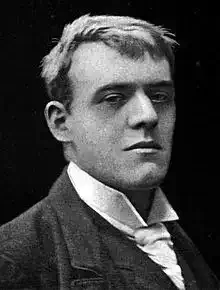
Hilaire Belloc
An Author’s Hope
An Author’s Hope
When I am dead, I hope it may be said:
‘His sins were scarlet, but his books were read.’
When I am dead, I hope it may be said:
‘His sins were scarlet, but his books were read.’
520
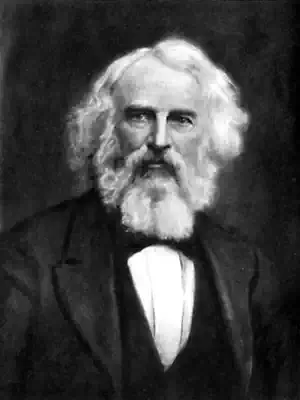
Henry Wadsworth Longfellow
Vox Populi. (Birds Of Passage. Flight The Third)
Vox Populi. (Birds Of Passage. Flight The Third)
When Mazarvan the Magician
Journeyed westward through Cathay,
Nothing heard he but the praises
Of Badoura on his way.
But the lessening rumor ended
When he came to Khaledan,
There the folk were talking only
Of Prince Camaralzaman,
So it happens with the poets:
Every province hath its own;
Camaralzaman is famous
Where Badoura is unknown.
When Mazarvan the Magician
Journeyed westward through Cathay,
Nothing heard he but the praises
Of Badoura on his way.
But the lessening rumor ended
When he came to Khaledan,
There the folk were talking only
Of Prince Camaralzaman,
So it happens with the poets:
Every province hath its own;
Camaralzaman is famous
Where Badoura is unknown.
297
Henry Wadsworth Longfellow
Ultima Thule: The Poet And His Songs
Ultima Thule: The Poet And His Songs
As the birds come in the Spring,
We know not from where;
As the stars come at evening
From depths of the air;
As the rain comes from the cloud,
And the brook from the ground;
As suddenly, low or loud,
Out of silence a sound;
As the grape comes to the vine,
The fruit to the tree;
As the wind comes to the pine,
And the tide to the sea;
As come the white sails of ships
O'er the ocean's verge;
As comes the smile to the lips,
The foam to the surge;
So come to the Poet his songs,
All hitherward blown
From the misty realm, that belongs
To the vast Unknown.
His, and not his, are the lays
He sings; and their fame
Is his, and not his; and the praise
And the pride of a name.
For voices pursue him by day,
And haunt him by night,
And he listens, and needs must obey,
When the Angel says: 'Write!'
As the birds come in the Spring,
We know not from where;
As the stars come at evening
From depths of the air;
As the rain comes from the cloud,
And the brook from the ground;
As suddenly, low or loud,
Out of silence a sound;
As the grape comes to the vine,
The fruit to the tree;
As the wind comes to the pine,
And the tide to the sea;
As come the white sails of ships
O'er the ocean's verge;
As comes the smile to the lips,
The foam to the surge;
So come to the Poet his songs,
All hitherward blown
From the misty realm, that belongs
To the vast Unknown.
His, and not his, are the lays
He sings; and their fame
Is his, and not his; and the praise
And the pride of a name.
For voices pursue him by day,
And haunt him by night,
And he listens, and needs must obey,
When the Angel says: 'Write!'
327
Henry Wadsworth Longfellow
Ultima Thule: Robert Burns
Ultima Thule: Robert Burns
I see amid the fields of Ayr
A ploughman, who, in foul and fair,
Sings at his task
So clear, we know not if it is
The laverock's song we hear, or his,
Nor care to ask.
For him the ploughing of those fields
A more ethereal harvest yields
Than sheaves of grain;
Songs flush with purple bloom the rye,
The plover's call, the curlew's cry,
Sing in his brain.
Touched by his hand, the wayside weed
Becomes a flower; the lowliest reed
Beside the stream
Is clothed with beauty; gorse and grass
And heather, where his footsteps pass,
The brighter seem.
He sings of love, whose flame illumes
The darkness of lone cottage rooms;
He feels the force,
The treacherous undertow and stress
Of wayward passions, and no less
The keen remorse.
At moments, wrestling with his fate,
His voice is harsh, but not with hate;
The brushwood, hung
Above the tavern door, lets fall
Its bitter leaf, its drop of gall
Upon his tongue.
But still the music of his song
Rises o'er all, elate and strong;
Its master-chords
Are Manhood, Freedom, Brotherhood,
Its discords but an interlude
Between the words.
And then to die so young and leave
Unfinished what he might achieve!
Yet better sure
Is this, than wandering up and down
An old man in a country town,
Infirm and poor.
For now he haunts his native land
As an immortal youth; his hand
Guides every plough;
He sits beside each ingle-nook,
His voice is in each rushing brook,
Each rustling bough.
His presence haunts this room to-night,
A form of mingled mist and light
From that far coast.
Welcome beneath this roof of mine!
Welcome! this vacant chair is thine,
Dear guest and ghost!
I see amid the fields of Ayr
A ploughman, who, in foul and fair,
Sings at his task
So clear, we know not if it is
The laverock's song we hear, or his,
Nor care to ask.
For him the ploughing of those fields
A more ethereal harvest yields
Than sheaves of grain;
Songs flush with purple bloom the rye,
The plover's call, the curlew's cry,
Sing in his brain.
Touched by his hand, the wayside weed
Becomes a flower; the lowliest reed
Beside the stream
Is clothed with beauty; gorse and grass
And heather, where his footsteps pass,
The brighter seem.
He sings of love, whose flame illumes
The darkness of lone cottage rooms;
He feels the force,
The treacherous undertow and stress
Of wayward passions, and no less
The keen remorse.
At moments, wrestling with his fate,
His voice is harsh, but not with hate;
The brushwood, hung
Above the tavern door, lets fall
Its bitter leaf, its drop of gall
Upon his tongue.
But still the music of his song
Rises o'er all, elate and strong;
Its master-chords
Are Manhood, Freedom, Brotherhood,
Its discords but an interlude
Between the words.
And then to die so young and leave
Unfinished what he might achieve!
Yet better sure
Is this, than wandering up and down
An old man in a country town,
Infirm and poor.
For now he haunts his native land
As an immortal youth; his hand
Guides every plough;
He sits beside each ingle-nook,
His voice is in each rushing brook,
Each rustling bough.
His presence haunts this room to-night,
A form of mingled mist and light
From that far coast.
Welcome beneath this roof of mine!
Welcome! this vacant chair is thine,
Dear guest and ghost!
340
Henry Wadsworth Longfellow
Travels By The Fireside. (Birds Of Passage. Flight The Fourth)
Travels By The Fireside. (Birds Of Passage. Flight The Fourth)
The ceaseless rain is falling fast,
And yonder gilded vane,
Immovable for three days past,
Points to the misty main,
It drives me in upon myself
And to the fireside gleams,
To pleasant books that crowd my shelf,
And still more pleasant dreams,
I read whatever bards have sung
Of lands beyond the sea,
And the bright days when I was young
Come thronging back to me.
In fancy I can hear again
The Alpine torrent's roar,
The mule-bells on the hills of Spain,
The sea at Elsinore.
I see the convent's gleaming wall
Rise from its groves of pine,
And towers of old cathedrals tall,
And castles by the Rhine.
I journey on by park and spire,
Beneath centennial trees,
Through fields with poppies all on fire,
And gleams of distant seas.
I fear no more the dust and heat,
No more I feel fatigue,
While journeying with another's feet
O'er many a lengthening league.
Let others traverse sea and land,
And toil through various climes,
I turn the world round with my hand
Reading these poets' rhymes.
From them I learn whatever lies
Beneath each changing zone,
And see, when looking with their eyes,
Better than with mine own.
The ceaseless rain is falling fast,
And yonder gilded vane,
Immovable for three days past,
Points to the misty main,
It drives me in upon myself
And to the fireside gleams,
To pleasant books that crowd my shelf,
And still more pleasant dreams,
I read whatever bards have sung
Of lands beyond the sea,
And the bright days when I was young
Come thronging back to me.
In fancy I can hear again
The Alpine torrent's roar,
The mule-bells on the hills of Spain,
The sea at Elsinore.
I see the convent's gleaming wall
Rise from its groves of pine,
And towers of old cathedrals tall,
And castles by the Rhine.
I journey on by park and spire,
Beneath centennial trees,
Through fields with poppies all on fire,
And gleams of distant seas.
I fear no more the dust and heat,
No more I feel fatigue,
While journeying with another's feet
O'er many a lengthening league.
Let others traverse sea and land,
And toil through various climes,
I turn the world round with my hand
Reading these poets' rhymes.
From them I learn whatever lies
Beneath each changing zone,
And see, when looking with their eyes,
Better than with mine own.
309
Henry Wadsworth Longfellow
The Song Of Hiawatha XIV: Picture-Writing
The Song Of Hiawatha XIV: Picture-Writing
In those days said Hiawatha,
'Lo! how all things fade and perish!
From the memory of the old men
Pass away the great traditions,
The achievements of the warriors,
The adventures of the hunters,
All the wisdom of the Medas,
All the craft of the Wabenos,
All the marvellous dreams and visions
Of the Jossakeeds, the Prophets!
'Great men die and are forgotten,
Wise men speak; their words of wisdom
Perish in the ears that hear them,
Do not reach the generations
That, as yet unborn, are waiting
In the great, mysterious darkness
Of the speechless days that shall be!
'On the grave-posts of our fathers
Are no signs, no figures painted;
Who are in those graves we know not,
Only know they are our fathers.
Of what kith they are and kindred,
From what old, ancestral Totem,
Be it Eagle, Bear, or Beaver,
They descended, this we know not,
Only know they are our fathers.
'Face to face we speak together,
But we cannot speak when absent,
Cannot send our voices from us
To the friends that dwell afar off;
Cannot send a secret message,
But the bearer learns our secret,
May pervert it, may betray it,
May reveal it unto others.'
Thus said Hiawatha, walking
In the solitary forest,
Pondering, musing in the forest,
On the welfare of his people.
From his pouch he took his colors,
Took his paints of different colors,
On the smooth bark of a birch-tree
Painted many shapes and figures,
Wonderful and mystic figures,
And each figure had a meaning,
Each some word or thought suggested.
Gitche Manito the Mighty,
He, the Master of Life, was painted
As an egg, with points projecting
To the four winds of the heavens.
Everywhere is the Great Spirit,
Was the meaning of this symbol.
Gitche Manito the Mighty,
He the dreadful Spirit of Evil,
As a serpent was depicted,
As Kenabeek, the great serpent.
Very crafty, very cunning,
Is the creeping Spirit of Evil,
Was the meaning of this symbol.
Life and Death he drew as circles,
Life was white, but Death was darkened;
Sun and moon and stars he painted,
Man and beast, and fish and reptile,
Forests, mountains, lakes, and rivers.
For the earth he drew a straight line,
For the sky a bow above it;
White the space between for daytime,
Filled with little stars for night-time;
On the left a point for sunrise,
On the right a point for sunset,
On the top a point for noontide,
And for rain and cloudy weather
Waving lines descending from it.
Footprints pointing towards a wigwam
Were a sign of invitation,
Were a sign of guests assembling;
Bloody hands with palms uplifted
Were a symbol of destruction,
Were a hostile sign and symbol.
All these things did Hiawatha
Show unto his wondering people,
And interpreted their meaning,
And he said: 'Behold, your grave-posts
Have no mark, no sign, nor symbol,
Go and paint them all with figures;
Each one with its household symbol,
With its own ancestral Totem;
So that those who follow after
May distinguish them and know them.'
And they painted on the grave-posts
On the graves yet unforgotten,
Each his own ancestral Totem,
Each the symbol of his household;
Figures of the Bear and Reindeer,
Of the Turtle, Crane, and Beaver,
Each inverted as a token
That the owner was departed,
That the chief who bore the symbol
Lay beneath in dust and ashes.
And the Jossakeeds, the Prophets,
The Wabenos, the Magicians,
And the Medicine-men, the Medas,
Painted upon bark and deer-skin
Figures for the songs they chanted,
For each song a separate symbol,
Figures mystical and awful,
Figures strange and brightly colored;
And each figure had its meaning,
Each some magic song suggested.
The Great Spirit, the Creator,
Flashing light through all the heaven;
The Great Serpent, the Kenabeek,
With his bloody crest erected,
Creeping, looking into heaven;
In the sky the sun, that listens,
And the moon eclipsed and dying;
Owl and eagle, crane and hen-hawk,
And the cormorant, bird of magic;
Headless men, that walk the heavens,
Bodies lying pierced with arrows,
Bloody hands of death uplifted,
Flags on graves, and great war-captains
Grasping both the earth and heaven!
Such as these the shapes they painted
On the birch-bark and the deer-skin;
Songs of war and songs of hunting,
Songs of medicine and of magic,
All were written in these figures,
For each figure had its meaning,
Each its separate song recorded.
Nor forgotten was the Love-Song,
The most subtle of all medicines,
The most potent spell of magic,
Dangerous more than war or hunting!
Thus the Love-Song was recorded,
Symbol and interpretation.
First a human figure standing,
Painted in the brightest scarlet;
`T Is the lover, the musician,
And the meaning is, 'My painting
Makes me powerful over others.'
Then the figure seated, singing,
Playing on a drum of magic,
And the interpretation, 'Listen!
`T Is my voice you hear, my singing!'
Then the same red figure seated
In the shelter of a wigwam,
And the meaning of the symbol,
'I will come and sit beside you
In the mystery of my passion!'
Then two figures, man and woman,
Standing hand in hand together
With their hands so clasped together
That they seemed in one united,
And the words thus represented
Are, 'I see your heart within you,
And your cheeks are red with blushes!'
Next the maiden on an island,
In the centre of an Island;
And the song this shape suggested
Was, 'Though you were at a distance,
Were upon some far-off island,
Such the spell I cast upon you,
Such the magic power of passion,
I could straightway draw you to me!'
Then the figure of the maiden
Sleeping, and the lover near her,
Whispering to her in her slumbers,
Saying, 'Though you were far from me
In the land of Sleep and Silence,
Still the voice of love would reach you!'
And the last of all the figures
Was a heart within a circle,
Drawn within a magic circle;
And the image had this meaning:
'Naked lies your heart before me,
To your naked heart I whisper!'
Thus it was that Hiawatha,
In his wisdom, taught the people
All the mysteries of painting,
All the art of Picture-Writing,
On the smooth bark of the birch-tree,
On the white skin of the reindeer,
On the grave-posts of the village.
In those days said Hiawatha,
'Lo! how all things fade and perish!
From the memory of the old men
Pass away the great traditions,
The achievements of the warriors,
The adventures of the hunters,
All the wisdom of the Medas,
All the craft of the Wabenos,
All the marvellous dreams and visions
Of the Jossakeeds, the Prophets!
'Great men die and are forgotten,
Wise men speak; their words of wisdom
Perish in the ears that hear them,
Do not reach the generations
That, as yet unborn, are waiting
In the great, mysterious darkness
Of the speechless days that shall be!
'On the grave-posts of our fathers
Are no signs, no figures painted;
Who are in those graves we know not,
Only know they are our fathers.
Of what kith they are and kindred,
From what old, ancestral Totem,
Be it Eagle, Bear, or Beaver,
They descended, this we know not,
Only know they are our fathers.
'Face to face we speak together,
But we cannot speak when absent,
Cannot send our voices from us
To the friends that dwell afar off;
Cannot send a secret message,
But the bearer learns our secret,
May pervert it, may betray it,
May reveal it unto others.'
Thus said Hiawatha, walking
In the solitary forest,
Pondering, musing in the forest,
On the welfare of his people.
From his pouch he took his colors,
Took his paints of different colors,
On the smooth bark of a birch-tree
Painted many shapes and figures,
Wonderful and mystic figures,
And each figure had a meaning,
Each some word or thought suggested.
Gitche Manito the Mighty,
He, the Master of Life, was painted
As an egg, with points projecting
To the four winds of the heavens.
Everywhere is the Great Spirit,
Was the meaning of this symbol.
Gitche Manito the Mighty,
He the dreadful Spirit of Evil,
As a serpent was depicted,
As Kenabeek, the great serpent.
Very crafty, very cunning,
Is the creeping Spirit of Evil,
Was the meaning of this symbol.
Life and Death he drew as circles,
Life was white, but Death was darkened;
Sun and moon and stars he painted,
Man and beast, and fish and reptile,
Forests, mountains, lakes, and rivers.
For the earth he drew a straight line,
For the sky a bow above it;
White the space between for daytime,
Filled with little stars for night-time;
On the left a point for sunrise,
On the right a point for sunset,
On the top a point for noontide,
And for rain and cloudy weather
Waving lines descending from it.
Footprints pointing towards a wigwam
Were a sign of invitation,
Were a sign of guests assembling;
Bloody hands with palms uplifted
Were a symbol of destruction,
Were a hostile sign and symbol.
All these things did Hiawatha
Show unto his wondering people,
And interpreted their meaning,
And he said: 'Behold, your grave-posts
Have no mark, no sign, nor symbol,
Go and paint them all with figures;
Each one with its household symbol,
With its own ancestral Totem;
So that those who follow after
May distinguish them and know them.'
And they painted on the grave-posts
On the graves yet unforgotten,
Each his own ancestral Totem,
Each the symbol of his household;
Figures of the Bear and Reindeer,
Of the Turtle, Crane, and Beaver,
Each inverted as a token
That the owner was departed,
That the chief who bore the symbol
Lay beneath in dust and ashes.
And the Jossakeeds, the Prophets,
The Wabenos, the Magicians,
And the Medicine-men, the Medas,
Painted upon bark and deer-skin
Figures for the songs they chanted,
For each song a separate symbol,
Figures mystical and awful,
Figures strange and brightly colored;
And each figure had its meaning,
Each some magic song suggested.
The Great Spirit, the Creator,
Flashing light through all the heaven;
The Great Serpent, the Kenabeek,
With his bloody crest erected,
Creeping, looking into heaven;
In the sky the sun, that listens,
And the moon eclipsed and dying;
Owl and eagle, crane and hen-hawk,
And the cormorant, bird of magic;
Headless men, that walk the heavens,
Bodies lying pierced with arrows,
Bloody hands of death uplifted,
Flags on graves, and great war-captains
Grasping both the earth and heaven!
Such as these the shapes they painted
On the birch-bark and the deer-skin;
Songs of war and songs of hunting,
Songs of medicine and of magic,
All were written in these figures,
For each figure had its meaning,
Each its separate song recorded.
Nor forgotten was the Love-Song,
The most subtle of all medicines,
The most potent spell of magic,
Dangerous more than war or hunting!
Thus the Love-Song was recorded,
Symbol and interpretation.
First a human figure standing,
Painted in the brightest scarlet;
`T Is the lover, the musician,
And the meaning is, 'My painting
Makes me powerful over others.'
Then the figure seated, singing,
Playing on a drum of magic,
And the interpretation, 'Listen!
`T Is my voice you hear, my singing!'
Then the same red figure seated
In the shelter of a wigwam,
And the meaning of the symbol,
'I will come and sit beside you
In the mystery of my passion!'
Then two figures, man and woman,
Standing hand in hand together
With their hands so clasped together
That they seemed in one united,
And the words thus represented
Are, 'I see your heart within you,
And your cheeks are red with blushes!'
Next the maiden on an island,
In the centre of an Island;
And the song this shape suggested
Was, 'Though you were at a distance,
Were upon some far-off island,
Such the spell I cast upon you,
Such the magic power of passion,
I could straightway draw you to me!'
Then the figure of the maiden
Sleeping, and the lover near her,
Whispering to her in her slumbers,
Saying, 'Though you were far from me
In the land of Sleep and Silence,
Still the voice of love would reach you!'
And the last of all the figures
Was a heart within a circle,
Drawn within a magic circle;
And the image had this meaning:
'Naked lies your heart before me,
To your naked heart I whisper!'
Thus it was that Hiawatha,
In his wisdom, taught the people
All the mysteries of painting,
All the art of Picture-Writing,
On the smooth bark of the birch-tree,
On the white skin of the reindeer,
On the grave-posts of the village.
294
Henry Wadsworth Longfellow
The Song Of Hiawatha VII: Hiawatha's Sailing
The Song Of Hiawatha VII: Hiawatha's Sailing
'Give me of your bark, O Birch-tree!
Of your yellow bark, O Birch-tree!
Growing by the rushing river,
Tall and stately in the valley!
I a light canoe will build me,
Build a swift Cheemaun for sailing,
That shall float on the river,
Like a yellow leaf in Autumn,
Like a yellow water-lily!
'Lay aside your cloak, O Birch-tree!
Lay aside your white-skin wrapper,
For the Summer-time is coming,
And the sun is warm in heaven,
And you need no white-skin wrapper!'
Thus aloud cried Hiawatha
In the solitary forest,
By the rushing Taquamenaw,
When the birds were singing gayly,
In the Moon of Leaves were singing,
And the sun, from sleep awaking,
Started up and said, 'Behold me!
Gheezis, the great Sun, behold me!'
And the tree with all its branches
Rustled in the breeze of morning,
Saying, with a sigh of patience,
'Take my cloak, O Hiawatha!'
With his knife the tree he girdled;
Just beneath its lowest branches,
Just above the roots, he cut it,
Till the sap came oozing outward;
Down the trunk, from top to bottom,
Sheer he cleft the bark asunder,
With a wooden wedge he raised it,
Stripped it from the trunk unbroken.
'Give me of your boughs, O Cedar!
Of your strong and pliant branches,
My canoe to make more steady,
Make more strong and firm beneath me!'
Through the summit of the Cedar
Went a sound, a cry of horror,
Went a murmur of resistance;
But it whispered, bending downward,
'Take my boughs, O Hiawatha!'
Down he hewed the boughs of cedar,
Shaped them straightway to a frame-work,
Like two bows he formed and shaped them,
Like two bended bows together.
'Give me of your roots, O Tamarack!
Of your fibrous roots, O Larch-tree!
My canoe to bind together,
So to bind the ends together
That the water may not enter,
That the river may not wet me!'
And the Larch, with all its fibres,
Shivered in the air of morning,
Touched his forehead with its tassels,
Slid, with one long sigh of sorrow.
'Take them all, O Hiawatha!'
From the earth he tore the fibres,
Tore the tough roots of the Larch-tree,
Closely sewed the hark together,
Bound it closely to the frame-work.
'Give me of your balm, O Fir-tree!
Of your balsam and your resin,
So to close the seams together
That the water may not enter,
That the river may not wet me!'
And the Fir-tree, tall and sombre,
Sobbed through all its robes of darkness,
Rattled like a shore with pebbles,
Answered wailing, answered weeping,
'Take my balm, O Hiawatha!'
And he took the tears of balsam,
Took the resin of the Fir-tree,
Smeared therewith each seam and fissure,
Made each crevice safe from water.
'Give me of your quills, O Hedgehog!
All your quills, O Kagh, the Hedgehog!
I will make a necklace of them,
Make a girdle for my beauty,
And two stars to deck her bosom!'
From a hollow tree the Hedgehog
With his sleepy eyes looked at him,
Shot his shining quills, like arrows,
Saying with a drowsy murmur,
Through the tangle of his whiskers,
'Take my quills, O Hiawatha!'
From the ground the quills he gathered,
All the little shining arrows,
Stained them red and blue and yellow,
With the juice of roots and berries;
Into his canoe he wrought them,
Round its waist a shining girdle,
Round its bows a gleaming necklace,
On its breast two stars resplendent.
Thus the Birch Canoe was builded
In the valley, by the river,
In the bosom of the forest;
And the forest's life was in it,
All its mystery and its magic,
All the lightness of the birch-tree,
All the toughness of the cedar,
All the larch's supple sinews;
And it floated on the river
Like a yellow leaf in Autumn,
Like a yellow water-lily.
Paddles none had Hiawatha,
Paddles none he had or needed,
For his thoughts as paddles served him,
And his wishes served to guide him;
Swift or slow at will he glided,
Veered to right or left at pleasure.
Then he called aloud to Kwasind,
To his friend, the strong man, Kwasind,
Saying, 'Help me clear this river
Of its sunken logs and sand-bars.'
Straight into the river Kwasind
Plunged as if he were an otter,
Dived as if he were a beaver,
Stood up to his waist in water,
To his arm-pits in the river,
Swam and scouted in the river,
Tugged at sunken logs and branches,
With his hands he scooped the sand-bars,
With his feet the ooze and tangle.
And thus sailed my Hiawatha
Down the rushing Taquamenaw,
Sailed through all its bends and windings,
Sailed through all its deeps and shallows,
While his friend, the strong man, Kwasind,
Swam the deeps, the shallows waded.
Up and down the river went they,
In and out among its islands,
Cleared its bed of root and sand-bar,
Dragged the dead trees from its channel,
Made its passage safe and certain,
Made a pathway for the people,
From its springs among the mountains,
To the waters of Pauwating,
To the bay of Taquamenaw.
'Give me of your bark, O Birch-tree!
Of your yellow bark, O Birch-tree!
Growing by the rushing river,
Tall and stately in the valley!
I a light canoe will build me,
Build a swift Cheemaun for sailing,
That shall float on the river,
Like a yellow leaf in Autumn,
Like a yellow water-lily!
'Lay aside your cloak, O Birch-tree!
Lay aside your white-skin wrapper,
For the Summer-time is coming,
And the sun is warm in heaven,
And you need no white-skin wrapper!'
Thus aloud cried Hiawatha
In the solitary forest,
By the rushing Taquamenaw,
When the birds were singing gayly,
In the Moon of Leaves were singing,
And the sun, from sleep awaking,
Started up and said, 'Behold me!
Gheezis, the great Sun, behold me!'
And the tree with all its branches
Rustled in the breeze of morning,
Saying, with a sigh of patience,
'Take my cloak, O Hiawatha!'
With his knife the tree he girdled;
Just beneath its lowest branches,
Just above the roots, he cut it,
Till the sap came oozing outward;
Down the trunk, from top to bottom,
Sheer he cleft the bark asunder,
With a wooden wedge he raised it,
Stripped it from the trunk unbroken.
'Give me of your boughs, O Cedar!
Of your strong and pliant branches,
My canoe to make more steady,
Make more strong and firm beneath me!'
Through the summit of the Cedar
Went a sound, a cry of horror,
Went a murmur of resistance;
But it whispered, bending downward,
'Take my boughs, O Hiawatha!'
Down he hewed the boughs of cedar,
Shaped them straightway to a frame-work,
Like two bows he formed and shaped them,
Like two bended bows together.
'Give me of your roots, O Tamarack!
Of your fibrous roots, O Larch-tree!
My canoe to bind together,
So to bind the ends together
That the water may not enter,
That the river may not wet me!'
And the Larch, with all its fibres,
Shivered in the air of morning,
Touched his forehead with its tassels,
Slid, with one long sigh of sorrow.
'Take them all, O Hiawatha!'
From the earth he tore the fibres,
Tore the tough roots of the Larch-tree,
Closely sewed the hark together,
Bound it closely to the frame-work.
'Give me of your balm, O Fir-tree!
Of your balsam and your resin,
So to close the seams together
That the water may not enter,
That the river may not wet me!'
And the Fir-tree, tall and sombre,
Sobbed through all its robes of darkness,
Rattled like a shore with pebbles,
Answered wailing, answered weeping,
'Take my balm, O Hiawatha!'
And he took the tears of balsam,
Took the resin of the Fir-tree,
Smeared therewith each seam and fissure,
Made each crevice safe from water.
'Give me of your quills, O Hedgehog!
All your quills, O Kagh, the Hedgehog!
I will make a necklace of them,
Make a girdle for my beauty,
And two stars to deck her bosom!'
From a hollow tree the Hedgehog
With his sleepy eyes looked at him,
Shot his shining quills, like arrows,
Saying with a drowsy murmur,
Through the tangle of his whiskers,
'Take my quills, O Hiawatha!'
From the ground the quills he gathered,
All the little shining arrows,
Stained them red and blue and yellow,
With the juice of roots and berries;
Into his canoe he wrought them,
Round its waist a shining girdle,
Round its bows a gleaming necklace,
On its breast two stars resplendent.
Thus the Birch Canoe was builded
In the valley, by the river,
In the bosom of the forest;
And the forest's life was in it,
All its mystery and its magic,
All the lightness of the birch-tree,
All the toughness of the cedar,
All the larch's supple sinews;
And it floated on the river
Like a yellow leaf in Autumn,
Like a yellow water-lily.
Paddles none had Hiawatha,
Paddles none he had or needed,
For his thoughts as paddles served him,
And his wishes served to guide him;
Swift or slow at will he glided,
Veered to right or left at pleasure.
Then he called aloud to Kwasind,
To his friend, the strong man, Kwasind,
Saying, 'Help me clear this river
Of its sunken logs and sand-bars.'
Straight into the river Kwasind
Plunged as if he were an otter,
Dived as if he were a beaver,
Stood up to his waist in water,
To his arm-pits in the river,
Swam and scouted in the river,
Tugged at sunken logs and branches,
With his hands he scooped the sand-bars,
With his feet the ooze and tangle.
And thus sailed my Hiawatha
Down the rushing Taquamenaw,
Sailed through all its bends and windings,
Sailed through all its deeps and shallows,
While his friend, the strong man, Kwasind,
Swam the deeps, the shallows waded.
Up and down the river went they,
In and out among its islands,
Cleared its bed of root and sand-bar,
Dragged the dead trees from its channel,
Made its passage safe and certain,
Made a pathway for the people,
From its springs among the mountains,
To the waters of Pauwating,
To the bay of Taquamenaw.
315
Henry Wadsworth Longfellow
The Broken Oar
The Broken Oar
Once upon Iceland's solitary strand
A poet wandered with his book and pen,
Seeking some final word, some sweet Amen,
Wherewith to close the volume in his hand.
The billows rolled and plunged upon the sand,
The circling sea-gulls swept beyond his ken,
And from the parting cloud-rack now and then
Flashed the red sunset over sea and land.
Then by the billows at his feet was tossed
A broken oar; and carved thereon he read,
'Oft was I weary, when I toiled at thee';
And like a man, who findeth what was lost,
He wrote the words, then lifted up his head,
And flung his useless pen into the sea.
Once upon Iceland's solitary strand
A poet wandered with his book and pen,
Seeking some final word, some sweet Amen,
Wherewith to close the volume in his hand.
The billows rolled and plunged upon the sand,
The circling sea-gulls swept beyond his ken,
And from the parting cloud-rack now and then
Flashed the red sunset over sea and land.
Then by the billows at his feet was tossed
A broken oar; and carved thereon he read,
'Oft was I weary, when I toiled at thee';
And like a man, who findeth what was lost,
He wrote the words, then lifted up his head,
And flung his useless pen into the sea.
481
Henry Wadsworth Longfellow
The Arrow and the Song
The Arrow and the Song
I shot an arrow into the air,
It fell to earth, I knew not where;
For, so swiftly it flew, the sight
Could not follow it in its flight.
I breathed a song into the air,
It fell to earth, I knew not where;
For who has sight so keen and strong,
That it can follow the flight of song?
Long, long afterward, in an oak
I found the arrow, still unbroke;
And the song, from beginning to end,
I found again in the heart of a friend.
I shot an arrow into the air,
It fell to earth, I knew not where;
For, so swiftly it flew, the sight
Could not follow it in its flight.
I breathed a song into the air,
It fell to earth, I knew not where;
For who has sight so keen and strong,
That it can follow the flight of song?
Long, long afterward, in an oak
I found the arrow, still unbroke;
And the song, from beginning to end,
I found again in the heart of a friend.
313
Henry Wadsworth Longfellow
Tales Of A Wayside Inn : Part 3. Interlude VI.
Tales Of A Wayside Inn : Part 3. Interlude VI.
'Now that is after my own heart,'
The Poet cried; 'one understands
Your swarthy hero Scanderbeg,
Gauntlet on hand and boot on leg,
And skilled in every warlike art,
Riding through his Albanian lands,
And following the auspicious star
That shone for him o'er Ak-Hissar.'
The Theologian added here
His word of praise not less sincere,
Although he ended with a jibe;
'The hero of romance and song
Was born,' he said, 'to right the wrong;
And I approve; but all the same
That bit of treason with the Scribe
Adds nothing to your hero's fame.'
The Student praised the good old times,
And liked the canter of the rhymes,
That had a hoofbeat in their sound;
But longed some further word to hear
Of the old chronicler Ben Meir,
And where his volume might he found.
The tall Musician walked the room
With folded arms and gleaming eyes,
As if he saw the Vikings rise,
Gigantic shadows in the gloom;
And much he talked of their emprise
And meteors seen in Northern skies,
And Heimdal's horn, and day of doom.
But the Sicilian laughed again;
'This is the time to laugh,' he said,
For the whole story he well knew
Was an invention of the Jew,
Spun from the cobwebs in his brain,
And of the same bright scarlet thread
As was the Tale of Kambalu.
Only the Landlord spake no word;
'T was doubtful whether he had heard
The tale at all, so full of care
Was he of his impending fate,
That, like the sword of Damocles,
Above his head hung blank and bare,
Suspended by a single hair,
So that he could not sit at ease,
But sighed and looked disconsolate,
And shifted restless in his chair,
Revolving how he might evade
The blow of the descending blade.
The Student came to his relief
By saying in his easy way
To the Musician: 'Calm your grief,
My fair Apollo of the North,
Balder the Beautiful and so forth;
Although your magic lyre or lute
With broken strings is lying mute,
Still you can tell some doleful tale
Of shipwreck in a midnight gale,
Or something of the kind to suit
The mood that we are in to-night
For what is marvellous and strange;
So give your nimble fancy range,
And we will follow in its flight.'
But the Musician shook his head;
'No tale I tell to-night,' he said,
'While my poor instrument lies there,
Even as a child with vacant stare
Lies in its little coffin dead.'
Yet, being urged, he said at last:
'There comes to me out of the Past
A voice, whose tones are sweet and wild,
Singing a song almost divine,
And with a tear in every line;
An ancient ballad, that my nurse
Sang to me when I was a child,
In accents tender as the verse;
And sometimes wept, and sometimes smiled
While singing it, to see arise
The look of wonder in my eyes,
And feel my heart with terror beat.
This simple ballad I retain
Clearly imprinted on my brain,
And as a tale will now repeat.'
'Now that is after my own heart,'
The Poet cried; 'one understands
Your swarthy hero Scanderbeg,
Gauntlet on hand and boot on leg,
And skilled in every warlike art,
Riding through his Albanian lands,
And following the auspicious star
That shone for him o'er Ak-Hissar.'
The Theologian added here
His word of praise not less sincere,
Although he ended with a jibe;
'The hero of romance and song
Was born,' he said, 'to right the wrong;
And I approve; but all the same
That bit of treason with the Scribe
Adds nothing to your hero's fame.'
The Student praised the good old times,
And liked the canter of the rhymes,
That had a hoofbeat in their sound;
But longed some further word to hear
Of the old chronicler Ben Meir,
And where his volume might he found.
The tall Musician walked the room
With folded arms and gleaming eyes,
As if he saw the Vikings rise,
Gigantic shadows in the gloom;
And much he talked of their emprise
And meteors seen in Northern skies,
And Heimdal's horn, and day of doom.
But the Sicilian laughed again;
'This is the time to laugh,' he said,
For the whole story he well knew
Was an invention of the Jew,
Spun from the cobwebs in his brain,
And of the same bright scarlet thread
As was the Tale of Kambalu.
Only the Landlord spake no word;
'T was doubtful whether he had heard
The tale at all, so full of care
Was he of his impending fate,
That, like the sword of Damocles,
Above his head hung blank and bare,
Suspended by a single hair,
So that he could not sit at ease,
But sighed and looked disconsolate,
And shifted restless in his chair,
Revolving how he might evade
The blow of the descending blade.
The Student came to his relief
By saying in his easy way
To the Musician: 'Calm your grief,
My fair Apollo of the North,
Balder the Beautiful and so forth;
Although your magic lyre or lute
With broken strings is lying mute,
Still you can tell some doleful tale
Of shipwreck in a midnight gale,
Or something of the kind to suit
The mood that we are in to-night
For what is marvellous and strange;
So give your nimble fancy range,
And we will follow in its flight.'
But the Musician shook his head;
'No tale I tell to-night,' he said,
'While my poor instrument lies there,
Even as a child with vacant stare
Lies in its little coffin dead.'
Yet, being urged, he said at last:
'There comes to me out of the Past
A voice, whose tones are sweet and wild,
Singing a song almost divine,
And with a tear in every line;
An ancient ballad, that my nurse
Sang to me when I was a child,
In accents tender as the verse;
And sometimes wept, and sometimes smiled
While singing it, to see arise
The look of wonder in my eyes,
And feel my heart with terror beat.
This simple ballad I retain
Clearly imprinted on my brain,
And as a tale will now repeat.'
281
Henry Wadsworth Longfellow
Tales Of A Wayside Inn : Part 3. Interlude II.
Tales Of A Wayside Inn : Part 3. Interlude II.
Well pleased all listened to the tale,
That drew, the Student said, its pith
And marrow from the ancient myth
Of some one with an iron flail;
Or that portentous Man of Brass
Hephaestus made in days of yore,
Who stalked about the Cretan shore,
And saw the ships appear and pass,
And threw stones at the Argonauts,
Being filled with indiscriminate ire
That tangled and perplexed his thoughts;
But, like a hospitable host,
When strangers landed on the coast,
Heated himself red-hot with fire,
And hugged them in his arms, and pressed
Their bodies to his burning breast.
The Poet answered: 'No, not thus
The legend rose; it sprang at first
Out of the hunger and the thirst
In all men for the marvellous.
And thus it filled and satisfied
The imagination of mankind,
And this ideal to the mind
Was truer than historic fact.
Fancy enlarged and multiplied
The tenors of the awful name
Of Charlemagne, till he became
Armipotent in every act,
And, clothed in mystery, appeared
Not what men saw, but what they feared.
Besides, unless my memory fail,
Your some one with an iron flail
Is not an ancient myth at all,
But comes much later on the scene
As Talus in the Faerie Queene,
The iron groom of Artegall,
Who threshed out falsehood and deceit,
And truth upheld, and righted wrong,
As was, as is the swallow, fleet,
And as the lion is, was strong.'
The Theologian said: 'Perchance
Your chronicler in writing this
Had in his mind the Anabasis,
Where Xenophon describes the advance
Of Artaxerxes to the fight;
At first the low gray cloud of dust,
And then a blackness o'er the fields
As of a passing thunder-gust,
Then flash of brazen armor bright,
And ranks of men, and spears up-thrust,
Bowmen and troops with wicker shields,
And cavalry equipped in white,
And chariots ranged in front of these
With scythes upon their axle-trees.'
To this the Student answered: 'Well,
I also have a tale to tell
Of Charlemagne; a tale that throws
A softer light, more tinged with rose,
Than your grim apparition cast
Upon the darkness of the past.
Listen, and hear in English rhyme
What the good Monk of Lauresheim
Gives as the gossip of his time,
In mediaeval Latin prose.'
Well pleased all listened to the tale,
That drew, the Student said, its pith
And marrow from the ancient myth
Of some one with an iron flail;
Or that portentous Man of Brass
Hephaestus made in days of yore,
Who stalked about the Cretan shore,
And saw the ships appear and pass,
And threw stones at the Argonauts,
Being filled with indiscriminate ire
That tangled and perplexed his thoughts;
But, like a hospitable host,
When strangers landed on the coast,
Heated himself red-hot with fire,
And hugged them in his arms, and pressed
Their bodies to his burning breast.
The Poet answered: 'No, not thus
The legend rose; it sprang at first
Out of the hunger and the thirst
In all men for the marvellous.
And thus it filled and satisfied
The imagination of mankind,
And this ideal to the mind
Was truer than historic fact.
Fancy enlarged and multiplied
The tenors of the awful name
Of Charlemagne, till he became
Armipotent in every act,
And, clothed in mystery, appeared
Not what men saw, but what they feared.
Besides, unless my memory fail,
Your some one with an iron flail
Is not an ancient myth at all,
But comes much later on the scene
As Talus in the Faerie Queene,
The iron groom of Artegall,
Who threshed out falsehood and deceit,
And truth upheld, and righted wrong,
As was, as is the swallow, fleet,
And as the lion is, was strong.'
The Theologian said: 'Perchance
Your chronicler in writing this
Had in his mind the Anabasis,
Where Xenophon describes the advance
Of Artaxerxes to the fight;
At first the low gray cloud of dust,
And then a blackness o'er the fields
As of a passing thunder-gust,
Then flash of brazen armor bright,
And ranks of men, and spears up-thrust,
Bowmen and troops with wicker shields,
And cavalry equipped in white,
And chariots ranged in front of these
With scythes upon their axle-trees.'
To this the Student answered: 'Well,
I also have a tale to tell
Of Charlemagne; a tale that throws
A softer light, more tinged with rose,
Than your grim apparition cast
Upon the darkness of the past.
Listen, and hear in English rhyme
What the good Monk of Lauresheim
Gives as the gossip of his time,
In mediaeval Latin prose.'
276
Henry Wadsworth Longfellow
Tales Of A Wayside Inn : Part 2. Interlude III.
Tales Of A Wayside Inn : Part 2. Interlude III.
'What was the end? I am ashamed
Not to remember Reynard's fate;
I have not read the book of late;
Was he not hanged?' the Poet said.
The Student gravely shook his head,
And answered: 'You exaggerate.
There was a tournament proclaimed,
And Reynard fought with Isegrim
The Wolf, and having vanquished him,
Rose to high honor in the State,
And Keeper of the Seals was named!'
At this the gay Sicilian laughed:
'Fight fire with fire, and craft with craft;
Successful cunning seems to be
The moral of your tale,' said he.
'Mine had a better, and the Jew's
Had none at all, that I could see;
His aim was only to amuse.'
Meanwhile from out its ebon case
His violin the Minstrel drew,
And having tuned its strings anew,
Now held it close in his embrace,
And poising in his outstretched hand
The bow, like a magician's wand,
He paused, and said, with beaming face:
'Last night my story was too long;
To-day I give you but a song,
An old tradition of the North;
But first, to put you in the mood,
I will a little while prelude,
And from this instrument draw forth
Something by way of overture.'
He played; at first the tones were pure
And tender as a summer night,
The full moon climbing to her height,
The sob and ripple of the seas,
The flapping of an idle sail;
And then by sudden and sharp degrees
The multiplied, wild harmonies
Freshened and burst into a gale;
A tempest howling through the dark,
A crash as of some shipwrecked bark.
A loud and melancholy wail.
Such was the prelude to the tale
Told by the Minstrel; and at times
He paused amid its varying rhymes,
And at each pause again broke in
The music of his violin,
With tones of sweetness or of fear,
Movements of trouble or of calm,
Creating their own atmosphere;
As sitting in a church we hear
Between the verses of the psalm
The organ playing soft and clear,
Or thundering on the startled ear.
'What was the end? I am ashamed
Not to remember Reynard's fate;
I have not read the book of late;
Was he not hanged?' the Poet said.
The Student gravely shook his head,
And answered: 'You exaggerate.
There was a tournament proclaimed,
And Reynard fought with Isegrim
The Wolf, and having vanquished him,
Rose to high honor in the State,
And Keeper of the Seals was named!'
At this the gay Sicilian laughed:
'Fight fire with fire, and craft with craft;
Successful cunning seems to be
The moral of your tale,' said he.
'Mine had a better, and the Jew's
Had none at all, that I could see;
His aim was only to amuse.'
Meanwhile from out its ebon case
His violin the Minstrel drew,
And having tuned its strings anew,
Now held it close in his embrace,
And poising in his outstretched hand
The bow, like a magician's wand,
He paused, and said, with beaming face:
'Last night my story was too long;
To-day I give you but a song,
An old tradition of the North;
But first, to put you in the mood,
I will a little while prelude,
And from this instrument draw forth
Something by way of overture.'
He played; at first the tones were pure
And tender as a summer night,
The full moon climbing to her height,
The sob and ripple of the seas,
The flapping of an idle sail;
And then by sudden and sharp degrees
The multiplied, wild harmonies
Freshened and burst into a gale;
A tempest howling through the dark,
A crash as of some shipwrecked bark.
A loud and melancholy wail.
Such was the prelude to the tale
Told by the Minstrel; and at times
He paused amid its varying rhymes,
And at each pause again broke in
The music of his violin,
With tones of sweetness or of fear,
Movements of trouble or of calm,
Creating their own atmosphere;
As sitting in a church we hear
Between the verses of the psalm
The organ playing soft and clear,
Or thundering on the startled ear.
326
Henry Wadsworth Longfellow
Tales Of A Wayside Inn : Part 1. The Musician's Tale; The Saga of King Olaf
Tales Of A Wayside Inn : Part 1. The Musician's Tale; The Saga of King Olaf
XIII. -- The Building Of The Long Serpent
Thorberg Skafting, master-builder,
In his ship-yard by the sea,
Whistling, said, 'It would bewilder
Any man but Thorberg Skafting,
Any man but me!'
Near him lay the Dragon stranded,
Built of old by Raud the Strong,
And King Olaf had commanded
He should build another Dragon,
Twice as large and long.
Therefore whistled Thorberg Skafting,
As he sat with half-closed eyes,
And his head turned sideways, drafting
That new vessel for King Olaf
Twice the Dragon's size.
Round him busily hewed and hammered
Mallet huge and heavy axe;
Workmen laughed and sang and clamored;
Whirred the wheels, that into rigging
Spun the shining flax!
All this tumult heard the master,--
It was music to his ear;
Fancy whispered all the faster,
'Men shall hear of Thorberg Skafting
For a hundred year!'
Workmen sweating at the forges
Fashioned iron bolt and bar,
Like a warlock's midnight orgies
Smoked and bubbled the black caldron
With the boiling tar.
Did the warlocks mingle in it,
Thorberg Skafting, any curse?
Could you not be gone a minute
But some mischief must be doing,
Turning bad to worse?
'T was an ill wind that came wafting,
From his homestead words of woe;
To his farm went Thorberg Skafting,
Oft repeating to his workmen,
Build ye thus and so.
After long delays returning
Came the master back by night;
To his ship-yard longing, yearning,
Hurried he, and did not leave it
Till the morning's light.
'Come and see my ship, my darling!?
On the morrow said the King;
'Finished now from keel to carling;
Never yet was seen in Norway
Such a wondrous thing!'
In the ship-yard, idly talking,
At the ship the workmen stared:
Some one, all their labor balking,
Down her sides had cut deep gashes,
Not a plank was spared!
'Death be to the evil-doer!'
With an oath King Olaf spoke;
'But rewards to his pursuer!?
And with wrath his face grew redder
Than his scarlet cloak.
Straight the master-builder, smiling,
Answered thus the angry King:
'Cease blaspheming and reviling,
Olaf, it was Thorberg Skafting
Who has done this thing!'
Then he chipped and smoothed the planking,
Till the King, delighted, swore,
With much lauding and much thanking,
'Handsomer is now my Dragon
Than she was before!'
Seventy ells and four extended
On the grass the vessel's keel;
High above it, gilt and splendid,
Rose the figure-head ferocious
With its crest of steel.
Then they launched her from the tressels,
In the ship-yard by the sea;
She was the grandest of all vessels,
Never ship was built in Norway
Half so fine as she!
The Long Serpent was she christened,
'Mid the roar of cheer on cheer!
They who to the Saga listened
Heard the name of Thorberg Skafting
For a hundred year!
XIII. -- The Building Of The Long Serpent
Thorberg Skafting, master-builder,
In his ship-yard by the sea,
Whistling, said, 'It would bewilder
Any man but Thorberg Skafting,
Any man but me!'
Near him lay the Dragon stranded,
Built of old by Raud the Strong,
And King Olaf had commanded
He should build another Dragon,
Twice as large and long.
Therefore whistled Thorberg Skafting,
As he sat with half-closed eyes,
And his head turned sideways, drafting
That new vessel for King Olaf
Twice the Dragon's size.
Round him busily hewed and hammered
Mallet huge and heavy axe;
Workmen laughed and sang and clamored;
Whirred the wheels, that into rigging
Spun the shining flax!
All this tumult heard the master,--
It was music to his ear;
Fancy whispered all the faster,
'Men shall hear of Thorberg Skafting
For a hundred year!'
Workmen sweating at the forges
Fashioned iron bolt and bar,
Like a warlock's midnight orgies
Smoked and bubbled the black caldron
With the boiling tar.
Did the warlocks mingle in it,
Thorberg Skafting, any curse?
Could you not be gone a minute
But some mischief must be doing,
Turning bad to worse?
'T was an ill wind that came wafting,
From his homestead words of woe;
To his farm went Thorberg Skafting,
Oft repeating to his workmen,
Build ye thus and so.
After long delays returning
Came the master back by night;
To his ship-yard longing, yearning,
Hurried he, and did not leave it
Till the morning's light.
'Come and see my ship, my darling!?
On the morrow said the King;
'Finished now from keel to carling;
Never yet was seen in Norway
Such a wondrous thing!'
In the ship-yard, idly talking,
At the ship the workmen stared:
Some one, all their labor balking,
Down her sides had cut deep gashes,
Not a plank was spared!
'Death be to the evil-doer!'
With an oath King Olaf spoke;
'But rewards to his pursuer!?
And with wrath his face grew redder
Than his scarlet cloak.
Straight the master-builder, smiling,
Answered thus the angry King:
'Cease blaspheming and reviling,
Olaf, it was Thorberg Skafting
Who has done this thing!'
Then he chipped and smoothed the planking,
Till the King, delighted, swore,
With much lauding and much thanking,
'Handsomer is now my Dragon
Than she was before!'
Seventy ells and four extended
On the grass the vessel's keel;
High above it, gilt and splendid,
Rose the figure-head ferocious
With its crest of steel.
Then they launched her from the tressels,
In the ship-yard by the sea;
She was the grandest of all vessels,
Never ship was built in Norway
Half so fine as she!
The Long Serpent was she christened,
'Mid the roar of cheer on cheer!
They who to the Saga listened
Heard the name of Thorberg Skafting
For a hundred year!
337
Henry Wadsworth Longfellow
Song
Song
Where, from the eye of day,
The dark and silent river
Pursues through tangled woods a way
O'er which the tall trees quiver;
The silver mist, that breaks
From out that woodland cover,
Betrays the hidden path it takes,
And hangs the current over!
So oft the thoughts that burst
From hidden springs of feeling,
Like silent streams, unseen at first,
From our cold hearts are stealing:
But soon the clouds that veil
The eye of Love, when glowing,
Betray the long unwhispered tale
Of thoughts in darkness flowing!
Where, from the eye of day,
The dark and silent river
Pursues through tangled woods a way
O'er which the tall trees quiver;
The silver mist, that breaks
From out that woodland cover,
Betrays the hidden path it takes,
And hangs the current over!
So oft the thoughts that burst
From hidden springs of feeling,
Like silent streams, unseen at first,
From our cold hearts are stealing:
But soon the clouds that veil
The eye of Love, when glowing,
Betray the long unwhispered tale
Of thoughts in darkness flowing!
288
Henry Wadsworth Longfellow
Picture-Writing
Picture-Writing
In those days said Hiawatha,
"Lo! how all things fade and perish!
From the memory of the old men
Pass away the great traditions,
The achievements of the warriors,
The adventures of the hunters,
All the wisdom of the Medas,
All the craft of the Wabenos,
All the marvellous dreams and visions
Of the Jossakeeds, the Prophets!
"Great men die and are forgotten,
Wise men speak; their words of wisdom
Perish in the ears that hear them,
Do not reach the generations
That, as yet unborn, are waiting
In the great, mysterious darkness
Of the speechless days that shall be!
"On the grave-posts of our fathers
Are no signs, no figures painted;
Who are in those graves we know not,
Only know they are our fathers.
Of what kith they are and kindred,
From what old, ancestral Totem,
Be it Eagle, Bear, or Beaver,
They descended, this we know not,
Only know they are our fathers.
"Face to face we speak together,
But we cannot speak when absent,
Cannot send our voices from us
To the friends that dwell afar off;
Cannot send a secret message,
But the bearer learns our secret,
May pervert it, may betray it,
May reveal it unto others."
Thus said Hiawatha, walking
In the solitary forest,
Pondering, musing in the forest,
On the welfare of his people.
From his pouch he took his colors,
Took his paints of different colors,
On the smooth bark of a birch-tree
Painted many shapes and figures,
Wonderful and mystic figures,
And each figure had a meaning,
Each some word or thought suggested.
Gitche Manito the Mighty,
He, the Master of Life, was painted
As an egg, with points projecting
To the four winds of the heavens.
Everywhere is the Great Spirit,
Was the meaning of this symbol.
Gitche Manito the Mighty,
He the dreadful Spirit of Evil,
As a serpent was depicted,
As Kenabeek, the great serpent.
Very crafty, very cunning,
Is the creeping Spirit of Evil,
Was the meaning of this symbol.
Life and Death he drew as circles,
Life was white, but Death was darkened;
Sun and moon and stars he painted,
Man and beast, and fish and reptile,
Forests, mountains, lakes, and rivers.
For the earth he drew a straight line,
For the sky a bow above it;
White the space between for daytime,
Filled with little stars for night-time;
On the left a point for sunrise,
On the right a point for sunset,
On the top a point for noontide,
And for rain and cloudy weather
Waving lines descending from it.
Footprints pointing towards a wigwam
Were a sign of invitation,
Were a sign of guests assembling;
Bloody hands with palms uplifted
Were a symbol of destruction,
Were a hostile sign and symbol.
All these things did Hiawatha
Show unto his wondering people,
And interpreted their meaning,
And he said: "Behold, your grave-posts
Have no mark, no sign, nor symbol,
Go and paint them all with figures;
Each one with its household symbol,
With its own ancestral Totem;
So that those who follow after
May distinguish them and know them."
And they painted on the grave-posts
On the graves yet unforgotten,
Each his own ancestral Totem,
Each the symbol of his household;
Figures of the Bear and Reindeer,
Of the Turtle, Crane, and Beaver,
Each inverted as a token
That the owner was departed,
That the chief who bore the symbol
Lay beneath in dust and ashes.
And the Jossakeeds, the Prophets,
The Wabenos, the Magicians,
And the Medicine-men, the Medas,
Painted upon bark and deer-skin
Figures for the songs they chanted,
For each song a separate symbol,
Figures mystical and awful,
Figures strange and brightly colored;
And each figure had its meaning,
Each some magic song suggested.
The Great Spirit, the Creator,
Flashing light through all the heaven;
The Great Serpent, the Kenabeek,
With his bloody crest erected,
Creeping, looking into heaven;
In the sky the sun, that listens,
And the moon eclipsed and dying;
Owl and eagle, crane and hen-hawk,
And the cormorant, bird of magic;
Headless men, that walk the heavens,
Bodies lying pierced with arrows,
Bloody hands of death uplifted,
Flags on graves, and great war-captains
Grasping both the earth and heaven!
Such as these the shapes they painted
On the birch-bark and the deer-skin;
Songs of war and songs of hunting,
Songs of medicine and of magic,
All were written in these figures,
For each figure had its meaning,
Each its separate song recorded.
Nor forgotten was the Love-Song,
The most subtle of all medicines,
The most potent spell of magic,
Dangerous more than war or hunting!
Thus the Love-Song was recorded,
Symbol and interpretation.
First a human figure standing,
Painted in the brightest scarlet;
`T Is the lover, the musician,
And the meaning is, "My painting
Makes me powerful over others."
Then the figure seated, singing,
Playing on a drum of magic,
And the interpretation, "Listen!
`T Is my voice you hear, my singing!"
Then the same red figure seated
In the shelter of a wigwam,
And the meaning of the symbol,
"I will come and sit beside you
In the mystery of my passion!"
Then two figures, man and woman,
Standing hand in hand together
With their hands so clasped together
That they seemed in one united,
And the words thus represented
Are, "I see your heart within you,
And your cheeks are red with blushes!"
Next the maiden on an island,
In the centre of an Island;
And the song this shape suggested
Was, "Though you were at a distance,
Were upon some far-off island,
Such the spell I cast upon you,
Such the magic power of passion,
I could straightway draw you to me!"
Then the figure of the maiden
Sleeping, and the lover near her,
Whispering to her in her slumbers,
Saying, "Though you were far from me
In the land of Sleep and Silence,
Still the voice of love would reach you!"
And the last of all the figures
Was a heart within a circle,
Drawn within a magic circle;
And the image had this meaning:
"Naked lies your heart before me,
To your naked heart I whisper!"
Thus it was that Hiawatha,
In his wisdom, taught the people
All the mysteries of painting,
All the art of Picture-Writing,
On the smooth bark of the birch-tree,
On the white skin of the reindeer,
On the grave-posts of the village.
In those days said Hiawatha,
"Lo! how all things fade and perish!
From the memory of the old men
Pass away the great traditions,
The achievements of the warriors,
The adventures of the hunters,
All the wisdom of the Medas,
All the craft of the Wabenos,
All the marvellous dreams and visions
Of the Jossakeeds, the Prophets!
"Great men die and are forgotten,
Wise men speak; their words of wisdom
Perish in the ears that hear them,
Do not reach the generations
That, as yet unborn, are waiting
In the great, mysterious darkness
Of the speechless days that shall be!
"On the grave-posts of our fathers
Are no signs, no figures painted;
Who are in those graves we know not,
Only know they are our fathers.
Of what kith they are and kindred,
From what old, ancestral Totem,
Be it Eagle, Bear, or Beaver,
They descended, this we know not,
Only know they are our fathers.
"Face to face we speak together,
But we cannot speak when absent,
Cannot send our voices from us
To the friends that dwell afar off;
Cannot send a secret message,
But the bearer learns our secret,
May pervert it, may betray it,
May reveal it unto others."
Thus said Hiawatha, walking
In the solitary forest,
Pondering, musing in the forest,
On the welfare of his people.
From his pouch he took his colors,
Took his paints of different colors,
On the smooth bark of a birch-tree
Painted many shapes and figures,
Wonderful and mystic figures,
And each figure had a meaning,
Each some word or thought suggested.
Gitche Manito the Mighty,
He, the Master of Life, was painted
As an egg, with points projecting
To the four winds of the heavens.
Everywhere is the Great Spirit,
Was the meaning of this symbol.
Gitche Manito the Mighty,
He the dreadful Spirit of Evil,
As a serpent was depicted,
As Kenabeek, the great serpent.
Very crafty, very cunning,
Is the creeping Spirit of Evil,
Was the meaning of this symbol.
Life and Death he drew as circles,
Life was white, but Death was darkened;
Sun and moon and stars he painted,
Man and beast, and fish and reptile,
Forests, mountains, lakes, and rivers.
For the earth he drew a straight line,
For the sky a bow above it;
White the space between for daytime,
Filled with little stars for night-time;
On the left a point for sunrise,
On the right a point for sunset,
On the top a point for noontide,
And for rain and cloudy weather
Waving lines descending from it.
Footprints pointing towards a wigwam
Were a sign of invitation,
Were a sign of guests assembling;
Bloody hands with palms uplifted
Were a symbol of destruction,
Were a hostile sign and symbol.
All these things did Hiawatha
Show unto his wondering people,
And interpreted their meaning,
And he said: "Behold, your grave-posts
Have no mark, no sign, nor symbol,
Go and paint them all with figures;
Each one with its household symbol,
With its own ancestral Totem;
So that those who follow after
May distinguish them and know them."
And they painted on the grave-posts
On the graves yet unforgotten,
Each his own ancestral Totem,
Each the symbol of his household;
Figures of the Bear and Reindeer,
Of the Turtle, Crane, and Beaver,
Each inverted as a token
That the owner was departed,
That the chief who bore the symbol
Lay beneath in dust and ashes.
And the Jossakeeds, the Prophets,
The Wabenos, the Magicians,
And the Medicine-men, the Medas,
Painted upon bark and deer-skin
Figures for the songs they chanted,
For each song a separate symbol,
Figures mystical and awful,
Figures strange and brightly colored;
And each figure had its meaning,
Each some magic song suggested.
The Great Spirit, the Creator,
Flashing light through all the heaven;
The Great Serpent, the Kenabeek,
With his bloody crest erected,
Creeping, looking into heaven;
In the sky the sun, that listens,
And the moon eclipsed and dying;
Owl and eagle, crane and hen-hawk,
And the cormorant, bird of magic;
Headless men, that walk the heavens,
Bodies lying pierced with arrows,
Bloody hands of death uplifted,
Flags on graves, and great war-captains
Grasping both the earth and heaven!
Such as these the shapes they painted
On the birch-bark and the deer-skin;
Songs of war and songs of hunting,
Songs of medicine and of magic,
All were written in these figures,
For each figure had its meaning,
Each its separate song recorded.
Nor forgotten was the Love-Song,
The most subtle of all medicines,
The most potent spell of magic,
Dangerous more than war or hunting!
Thus the Love-Song was recorded,
Symbol and interpretation.
First a human figure standing,
Painted in the brightest scarlet;
`T Is the lover, the musician,
And the meaning is, "My painting
Makes me powerful over others."
Then the figure seated, singing,
Playing on a drum of magic,
And the interpretation, "Listen!
`T Is my voice you hear, my singing!"
Then the same red figure seated
In the shelter of a wigwam,
And the meaning of the symbol,
"I will come and sit beside you
In the mystery of my passion!"
Then two figures, man and woman,
Standing hand in hand together
With their hands so clasped together
That they seemed in one united,
And the words thus represented
Are, "I see your heart within you,
And your cheeks are red with blushes!"
Next the maiden on an island,
In the centre of an Island;
And the song this shape suggested
Was, "Though you were at a distance,
Were upon some far-off island,
Such the spell I cast upon you,
Such the magic power of passion,
I could straightway draw you to me!"
Then the figure of the maiden
Sleeping, and the lover near her,
Whispering to her in her slumbers,
Saying, "Though you were far from me
In the land of Sleep and Silence,
Still the voice of love would reach you!"
And the last of all the figures
Was a heart within a circle,
Drawn within a magic circle;
And the image had this meaning:
"Naked lies your heart before me,
To your naked heart I whisper!"
Thus it was that Hiawatha,
In his wisdom, taught the people
All the mysteries of painting,
All the art of Picture-Writing,
On the smooth bark of the birch-tree,
On the white skin of the reindeer,
On the grave-posts of the village.
295
Henry Wadsworth Longfellow
Introduction To The Song Of Hiawatha
Introduction To The Song Of Hiawatha
Should you ask me,
whence these stories?
Whence these legends and traditions,
With the odors of the forest
With the dew and damp of meadows,
With the curling smoke of wigwams,
With the rushing of great rivers,
With their frequent repetitions,
And their wild reverberations
As of thunder in the mountains?
I should answer, I should tell you,
"From the forests and the prairies,
From the great lakes of the Northland,
From the land of the Ojibways,
From the land of the Dacotahs,
From the mountains, moors, and fen-lands
Where the heron, the Shuh-shuh-gah,
Feeds among the reeds and rushes.
I repeat them as I heard them
From the lips of Nawadaha,
The musician, the sweet singer."
Should you ask where Nawadaha
Found these songs so wild and wayward,
Found these legends and traditions,
I should answer, I should tell you,
"In the bird's-nests of the forest,
In the lodges of the beaver,
In the hoofprint of the bison,
In the eyry of the eagle!
"All the wild-fowl sang them to him,
In the moorlands and the fen-lands,
In the melancholy marshes;
Chetowaik, the plover, sang them,
Mahng, the loon, the wild-goose, Wawa,
The blue heron, the Shuh-shuh-gah,
And the grouse, the Mushkodasa!"
If still further you should ask me,
Saying, "Who was Nawadaha?
Tell us of this Nawadaha,"
I should answer your inquiries
Straightway in such words as follow.
"In the vale of Tawasentha,
In the green and silent valley,
By the pleasant water-courses,
Dwelt the singer Nawadaha.
Round about the Indian village
Spread the meadows and the corn-fields,
And beyond them stood the forest,
Stood the groves of singing pine-trees,
Green in Summer, white in Winter,
Ever sighing, ever singing.
"And the pleasant water-courses,
You could trace them through the valley,
By the rushing in the Spring-time,
By the alders in the Summer,
By the white fog in the Autumn,
By the black line in the Winter;
And beside them dwelt the singer,
In the vale of Tawasentha,
In the green and silent valley.
"There he sang of Hiawatha,
Sang the Song of Hiawatha,
Sang his wondrous birth and being,
How he prayed and how be fasted,
How he lived, and toiled, and suffered,
That the tribes of men might prosper,
That he might advance his people!"
Ye who love the haunts of Nature,
Love the sunshine of the meadow,
Love the shadow of the forest,
Love the wind among the branches,
And the rain-shower and the snow-storm,
And the rushing of great rivers
Through their palisades of pine-trees,
And the thunder in the mountains,
Whose innumerable echoes
Flap like eagles in their eyries;-
Listen to these wild traditions,
To this Song of Hiawatha!
Ye who love a nation's legends,
Love the ballads of a people,
That like voices from afar off
Call to us to pause and listen,
Speak in tones so plain and childlike,
Scarcely can the ear distinguish
Whether they are sung or spoken;-
Listen to this Indian Legend,
To this Song of Hiawatha!
Ye whose hearts are fresh and simple,
Who have faith in God and Nature,
Who believe that in all ages
Every human heart is human,
That in even savage bosoms
There are longings, yearnings, strivings
For the good they comprehend not,
That the feeble hands and helpless,
Groping blindly in the darkness,
Touch God's right hand in that darkness
And are lifted up and strengthened;-
Listen to this simple story,
To this Song of Hiawatha!
Ye, who sometimes, in your rambles
Through the green lanes of the country,
Where the tangled barberry-bushes
Hang their tufts of crimson berries
Over stone walls gray with mosses,
Pause by some neglected graveyard,
For a while to muse, and ponder
On a half-effaced inscription,
Written with little skill of song-craft,
Homely phrases, but each letter
Full of hope and yet of heart-break,
Full of all the tender pathos
Of the Here and the Hereafter;
Stay and read this rude inscription,
Read this Song of Hiawatha!
Should you ask me,
whence these stories?
Whence these legends and traditions,
With the odors of the forest
With the dew and damp of meadows,
With the curling smoke of wigwams,
With the rushing of great rivers,
With their frequent repetitions,
And their wild reverberations
As of thunder in the mountains?
I should answer, I should tell you,
"From the forests and the prairies,
From the great lakes of the Northland,
From the land of the Ojibways,
From the land of the Dacotahs,
From the mountains, moors, and fen-lands
Where the heron, the Shuh-shuh-gah,
Feeds among the reeds and rushes.
I repeat them as I heard them
From the lips of Nawadaha,
The musician, the sweet singer."
Should you ask where Nawadaha
Found these songs so wild and wayward,
Found these legends and traditions,
I should answer, I should tell you,
"In the bird's-nests of the forest,
In the lodges of the beaver,
In the hoofprint of the bison,
In the eyry of the eagle!
"All the wild-fowl sang them to him,
In the moorlands and the fen-lands,
In the melancholy marshes;
Chetowaik, the plover, sang them,
Mahng, the loon, the wild-goose, Wawa,
The blue heron, the Shuh-shuh-gah,
And the grouse, the Mushkodasa!"
If still further you should ask me,
Saying, "Who was Nawadaha?
Tell us of this Nawadaha,"
I should answer your inquiries
Straightway in such words as follow.
"In the vale of Tawasentha,
In the green and silent valley,
By the pleasant water-courses,
Dwelt the singer Nawadaha.
Round about the Indian village
Spread the meadows and the corn-fields,
And beyond them stood the forest,
Stood the groves of singing pine-trees,
Green in Summer, white in Winter,
Ever sighing, ever singing.
"And the pleasant water-courses,
You could trace them through the valley,
By the rushing in the Spring-time,
By the alders in the Summer,
By the white fog in the Autumn,
By the black line in the Winter;
And beside them dwelt the singer,
In the vale of Tawasentha,
In the green and silent valley.
"There he sang of Hiawatha,
Sang the Song of Hiawatha,
Sang his wondrous birth and being,
How he prayed and how be fasted,
How he lived, and toiled, and suffered,
That the tribes of men might prosper,
That he might advance his people!"
Ye who love the haunts of Nature,
Love the sunshine of the meadow,
Love the shadow of the forest,
Love the wind among the branches,
And the rain-shower and the snow-storm,
And the rushing of great rivers
Through their palisades of pine-trees,
And the thunder in the mountains,
Whose innumerable echoes
Flap like eagles in their eyries;-
Listen to these wild traditions,
To this Song of Hiawatha!
Ye who love a nation's legends,
Love the ballads of a people,
That like voices from afar off
Call to us to pause and listen,
Speak in tones so plain and childlike,
Scarcely can the ear distinguish
Whether they are sung or spoken;-
Listen to this Indian Legend,
To this Song of Hiawatha!
Ye whose hearts are fresh and simple,
Who have faith in God and Nature,
Who believe that in all ages
Every human heart is human,
That in even savage bosoms
There are longings, yearnings, strivings
For the good they comprehend not,
That the feeble hands and helpless,
Groping blindly in the darkness,
Touch God's right hand in that darkness
And are lifted up and strengthened;-
Listen to this simple story,
To this Song of Hiawatha!
Ye, who sometimes, in your rambles
Through the green lanes of the country,
Where the tangled barberry-bushes
Hang their tufts of crimson berries
Over stone walls gray with mosses,
Pause by some neglected graveyard,
For a while to muse, and ponder
On a half-effaced inscription,
Written with little skill of song-craft,
Homely phrases, but each letter
Full of hope and yet of heart-break,
Full of all the tender pathos
Of the Here and the Hereafter;
Stay and read this rude inscription,
Read this Song of Hiawatha!
428
Henry Wadsworth Longfellow
In The Harbour: To The Avon
In The Harbour: To The Avon
Flow on, sweet river! like his verse
Who lies beneath this sculptured hearse;
Nor wait beside the churchyard wall
For him who cannot hear thy call.
Thy playmate once; I see him now
A boy with sunshine on his brow,
And hear in Stratford's quiet street
The patter of his little feet.
I see him by thy shallow edge
Wading knee-deep amid the sedge;
And lost in thought, as if thy stream
Were the swift river of a dream.
He wonders whitherward it flows;
And fain would follow where it goes,
To the wide world, that shall erelong
Be filled with his melodious song.
Flow on, fair stream! That dream is o'er;
He stands upon another shore;
A vaster river near him flows,
And still he follows where it goes.
Flow on, sweet river! like his verse
Who lies beneath this sculptured hearse;
Nor wait beside the churchyard wall
For him who cannot hear thy call.
Thy playmate once; I see him now
A boy with sunshine on his brow,
And hear in Stratford's quiet street
The patter of his little feet.
I see him by thy shallow edge
Wading knee-deep amid the sedge;
And lost in thought, as if thy stream
Were the swift river of a dream.
He wonders whitherward it flows;
And fain would follow where it goes,
To the wide world, that shall erelong
Be filled with his melodious song.
Flow on, fair stream! That dream is o'er;
He stands upon another shore;
A vaster river near him flows,
And still he follows where it goes.
350
Henry Wadsworth Longfellow
In The Harbour: Possibilities
In The Harbour: Possibilities
Where are the Poets, unto whom belong
The Olympian heights; whose singing shafts were sent
Straight to the mark, and not from bows half bent,
But with the utmost tension of the thong?
Where are the stately argosies of song,
Whose rushing keels made music as they went
Sailing in search of some new continent,
With all sail set, and steady winds and strong?
Perhaps there lives some dreamy boy, untaught
In schools, some graduate of the field or street,
Who shall become a master of the art,
An admiral sailing the high seas of thought,
Fearless and first, and steering with his fleet
For lands not yet laid down in any chart.
Where are the Poets, unto whom belong
The Olympian heights; whose singing shafts were sent
Straight to the mark, and not from bows half bent,
But with the utmost tension of the thong?
Where are the stately argosies of song,
Whose rushing keels made music as they went
Sailing in search of some new continent,
With all sail set, and steady winds and strong?
Perhaps there lives some dreamy boy, untaught
In schools, some graduate of the field or street,
Who shall become a master of the art,
An admiral sailing the high seas of thought,
Fearless and first, and steering with his fleet
For lands not yet laid down in any chart.
302
Henry Wadsworth Longfellow
Flower-De-Luce: Divina Commedia
Flower-De-Luce: Divina Commedia
I.
Oft have I seen at some cathedral door
A laborer, pausing in the dust and heat,
Lay down his burden, and with reverent feet
Enter, and cross himself, and on the floor
Kneel to repeat his paternoster o'er;
Far off the noises of the world retreat;
The loud vociferations of the street
Become an undistinguishable roar.
So, as I enter here from day to day,
And leave my burden at this minster gate,
Kneeling in prayer, and not ashamed to pray,
The tumult of the time disconsolate
To inarticulate murmurs dies away,
While the eternal ages watch and wait.
II.
How strange the sculptures that adorn these towers!
This crowd of statues, in whose folded sleeves
Birds build their nests; while canopied with leaves
Parvis and portal bloom like trellised bowers,
And the vast minster seems a cross of flowers!
But fiends and dragons on the gargoyled eaves
Watch the dead Christ between the living thieves,
And, underneath, the traitor Judas lowers!
Ah! from what agonies of heart and brain,
What exultations trampling on despair,
What tenderness, what tears, what hate of wrong,
What passionate outcry of a soul in pain,
Uprose this poem of the earth and air,
This medieval miracle of song!
III.
I enter, and I see thee in the gloom
Of the long aisles, O poet saturnine!
And strive to make my steps keep pace with thine.
The air is filled with some unknown perfume;
The congregation of the dead make room
For thee to pass; the votive tapers shine;
Like rooks that haunt Ravenna's groves of pine
The hovering echoes fly from tomb to tomb.
From the confessionals I hear arise
Rehearsals of forgotten tragedies,
And lamentations from the crypts below;
And then a voice celestial, that begins
With the pathetic words, 'Although your sins
As scarlet be,' and ends with 'as the snow.'
IV.
With snow-white veil and garments as of flame,
She stands before thee, who so long ago
Filled thy young heart with passion and the woe
From which thy song and all its splendors came;
And while with stern rebuke she speaks thy name,
The ice about thy heart melts as the snow
On mountain height; and in swift overflow
Comes gushing from thy lips in sobs of shame.
Thou makest full confession; and a gleam,
As of the dawn on some dark forest cast,
Seems on thy lifted forehead to increase;
Lethe and Eunoe--the remembered dream
And the forgotten sorrow--bring at last
That perfect pardon which is perfect peace.
V.
I lift mine eyes, and all the windows blaze
With forms of saints and holy men who died,
Here martyred and hereafter glorified;
And the great Rose upon its leaves displays
Christ's Triumph, and the angelic roundelays,
With splendor upon splendor multiplied;
And Beatrice again at Dante's side
No more rebukes, but smiles her words of praise.
And then the organ sounds, and unseen choirs
Sing the old Latin hymns of peace and love,
And benedictions of the Holy Ghost;
And the melodious bells among the spires
O'er all the house-tops and through heaven above
Proclaim the elevation of the Host!
VI.
O star of morning and of liberty!
O bringer of the light, whose splendor shines
Above the darkness of the Apennines,
Forerunner of the day that is to be!
The voices of the city and the sea,
The voices of the mountains and the pines,
Repeat thy song, till the familiar lines
Are footpaths for the thought of Italy!
Thy fame is blown abroad from all the heights,
Through all the nations, and a sound is heard,
As of a mighty wind, and men devout,
Strangers of Rome, and the new proselytes,
In their own language hear thy wondrous word,
And many are amazed and many doubt.
I.
Oft have I seen at some cathedral door
A laborer, pausing in the dust and heat,
Lay down his burden, and with reverent feet
Enter, and cross himself, and on the floor
Kneel to repeat his paternoster o'er;
Far off the noises of the world retreat;
The loud vociferations of the street
Become an undistinguishable roar.
So, as I enter here from day to day,
And leave my burden at this minster gate,
Kneeling in prayer, and not ashamed to pray,
The tumult of the time disconsolate
To inarticulate murmurs dies away,
While the eternal ages watch and wait.
II.
How strange the sculptures that adorn these towers!
This crowd of statues, in whose folded sleeves
Birds build their nests; while canopied with leaves
Parvis and portal bloom like trellised bowers,
And the vast minster seems a cross of flowers!
But fiends and dragons on the gargoyled eaves
Watch the dead Christ between the living thieves,
And, underneath, the traitor Judas lowers!
Ah! from what agonies of heart and brain,
What exultations trampling on despair,
What tenderness, what tears, what hate of wrong,
What passionate outcry of a soul in pain,
Uprose this poem of the earth and air,
This medieval miracle of song!
III.
I enter, and I see thee in the gloom
Of the long aisles, O poet saturnine!
And strive to make my steps keep pace with thine.
The air is filled with some unknown perfume;
The congregation of the dead make room
For thee to pass; the votive tapers shine;
Like rooks that haunt Ravenna's groves of pine
The hovering echoes fly from tomb to tomb.
From the confessionals I hear arise
Rehearsals of forgotten tragedies,
And lamentations from the crypts below;
And then a voice celestial, that begins
With the pathetic words, 'Although your sins
As scarlet be,' and ends with 'as the snow.'
IV.
With snow-white veil and garments as of flame,
She stands before thee, who so long ago
Filled thy young heart with passion and the woe
From which thy song and all its splendors came;
And while with stern rebuke she speaks thy name,
The ice about thy heart melts as the snow
On mountain height; and in swift overflow
Comes gushing from thy lips in sobs of shame.
Thou makest full confession; and a gleam,
As of the dawn on some dark forest cast,
Seems on thy lifted forehead to increase;
Lethe and Eunoe--the remembered dream
And the forgotten sorrow--bring at last
That perfect pardon which is perfect peace.
V.
I lift mine eyes, and all the windows blaze
With forms of saints and holy men who died,
Here martyred and hereafter glorified;
And the great Rose upon its leaves displays
Christ's Triumph, and the angelic roundelays,
With splendor upon splendor multiplied;
And Beatrice again at Dante's side
No more rebukes, but smiles her words of praise.
And then the organ sounds, and unseen choirs
Sing the old Latin hymns of peace and love,
And benedictions of the Holy Ghost;
And the melodious bells among the spires
O'er all the house-tops and through heaven above
Proclaim the elevation of the Host!
VI.
O star of morning and of liberty!
O bringer of the light, whose splendor shines
Above the darkness of the Apennines,
Forerunner of the day that is to be!
The voices of the city and the sea,
The voices of the mountains and the pines,
Repeat thy song, till the familiar lines
Are footpaths for the thought of Italy!
Thy fame is blown abroad from all the heights,
Through all the nations, and a sound is heard,
As of a mighty wind, and men devout,
Strangers of Rome, and the new proselytes,
In their own language hear thy wondrous word,
And many are amazed and many doubt.
273
Henry Wadsworth Longfellow
Dante
Dante
Tuscan, that wanderest through the realms of gloom,
With thoughtful pace, and sad, majestic eyes,
Stern thoughts and awful from thy soul arise,
Like Farinata from his fiery tomb.
Thy sacred song is like the trump of doom;
Yet in thy heart what human sympathies,
What soft compassion glows, as in the skies
The tender stars their clouded lamps relume!
Methinks I see thee stand, with pallid cheeks,
By Fra Hilario in his diocese,
As up the convent-walls, in golden streaks,
The ascending sunbeams mark the day's decrease;
And, as he asks what there the stranger seeks,
Thy voice along the cloister whispers, "Peace!"
Tuscan, that wanderest through the realms of gloom,
With thoughtful pace, and sad, majestic eyes,
Stern thoughts and awful from thy soul arise,
Like Farinata from his fiery tomb.
Thy sacred song is like the trump of doom;
Yet in thy heart what human sympathies,
What soft compassion glows, as in the skies
The tender stars their clouded lamps relume!
Methinks I see thee stand, with pallid cheeks,
By Fra Hilario in his diocese,
As up the convent-walls, in golden streaks,
The ascending sunbeams mark the day's decrease;
And, as he asks what there the stranger seeks,
Thy voice along the cloister whispers, "Peace!"
366
Henry Wadsworth Longfellow
Birds Of Passage
Birds Of Passage
Black shadows fall
From the lindens tall,
That lift aloft their massive wall
Against the southern sky;
And from the realms
Of the shadowy elms
A tide-like darkness overwhelm
The fields that round us lie.
But the night is fair,
And everywhere
A warm, soft vapor fills the air,
And distant sounds seem near;
And above, in the light
Of the star-lit night,
Swift birds of passage wing their flight
Through the dewy atmosphere.
I hear the beat
Of their pinions fleet,
As from the land of snow and sleet
They seek a southern lea.
I hear the cry
Of their voices high
Falling dreamily through the sky,
But their forms I cannot see.
Oh, say not so!
Those sounds that flow
In murmurs of delight and woe
Come not from wings of birds.
They are the throngs
Of the poet's songs,
Murmurs of pleasures, and pains, and wrongs,
The sound of winged words.
This is the cry
Of souls, that high
On toiling, beating pinions, fly,
Seeking a warmer clime.
From their distant flight
Through realms of light
It falls into our world of night,
With the murmuring sound of rhyme.
Black shadows fall
From the lindens tall,
That lift aloft their massive wall
Against the southern sky;
And from the realms
Of the shadowy elms
A tide-like darkness overwhelm
The fields that round us lie.
But the night is fair,
And everywhere
A warm, soft vapor fills the air,
And distant sounds seem near;
And above, in the light
Of the star-lit night,
Swift birds of passage wing their flight
Through the dewy atmosphere.
I hear the beat
Of their pinions fleet,
As from the land of snow and sleet
They seek a southern lea.
I hear the cry
Of their voices high
Falling dreamily through the sky,
But their forms I cannot see.
Oh, say not so!
Those sounds that flow
In murmurs of delight and woe
Come not from wings of birds.
They are the throngs
Of the poet's songs,
Murmurs of pleasures, and pains, and wrongs,
The sound of winged words.
This is the cry
Of souls, that high
On toiling, beating pinions, fly,
Seeking a warmer clime.
From their distant flight
Through realms of light
It falls into our world of night,
With the murmuring sound of rhyme.
356
Henry Wadsworth Longfellow
Arrow and the Song, The
Arrow and the Song, The
I shot an arrow into the air,
It fell to earth, I knew not where;
For, so swiftly it flew, the sight
Could not follow it in its flight.
I breathed a song into the air,
It fell to earth, I knew not where;
For who has sight so keen and strong,
That it can follow the flight of song?
Long, long afterward, in an oak
I found the arrow, still unbroke;
And the song, from beginning to end,
I found again in the heart of a friend.
I shot an arrow into the air,
It fell to earth, I knew not where;
For, so swiftly it flew, the sight
Could not follow it in its flight.
I breathed a song into the air,
It fell to earth, I knew not where;
For who has sight so keen and strong,
That it can follow the flight of song?
Long, long afterward, in an oak
I found the arrow, still unbroke;
And the song, from beginning to end,
I found again in the heart of a friend.
504