

Poems in this theme
Literature and Words
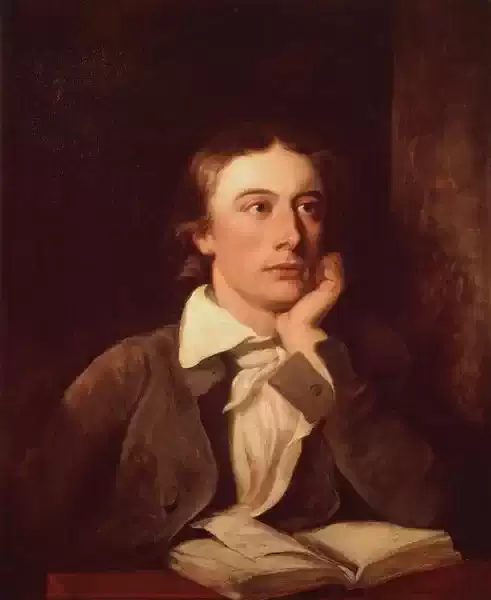
John Keats
Bards of Passion and of Mirth, written on the Blank Page before Beaumont and
Bards of Passion and of Mirth, written on the Blank Page before Beaumont and
Fletcher's Tragi-Comedy 'The Fair Maid of the Inn'
BARDS of Passion and of Mirth,
Ye have left your souls on earth!
Have ye souls in heaven too,
Doubled-lived in regions new?
Yes, and those of heaven commune
With the spheres of sun and moon;
With the noise of fountains wondrous,
And the parle of voices thund'rous;
With the whisper of heaven's trees
And one another, in soft ease
Seated on Elysian lawns
Browsed by none but Dian's fawns;
Underneath large blue-bells tented,
Where the daisies are rose-scented,
And the rose herself has got
Perfume which on earth is not;
Where the nightingale doth sing
Not a senseless, tranced thing,
But divine melodious truth;
Philosophic numbers smooth;
Tales and golden histories
Of heaven and its mysteries.
Thus ye live on high, and then
On the earth ye live again;
And the souls ye left behind you
Teach us, here, the way to find you,
Where your other souls are joying,
Never slumber'd, never cloying.
Here, your earth-born souls still speak
To mortals, of their little week;
Of their sorrows and delights;
Of their passions and their spites;
Of their glory and their shame;
What doth strengthen and what maim.
Thus ye teach us, every day,
Wisdom, though fled far away.
Bards of Passion and of Mirth,
Ye have left your souls on earth!
Ye have souls in heaven too,
Double-lived in regions new!
Fletcher's Tragi-Comedy 'The Fair Maid of the Inn'
BARDS of Passion and of Mirth,
Ye have left your souls on earth!
Have ye souls in heaven too,
Doubled-lived in regions new?
Yes, and those of heaven commune
With the spheres of sun and moon;
With the noise of fountains wondrous,
And the parle of voices thund'rous;
With the whisper of heaven's trees
And one another, in soft ease
Seated on Elysian lawns
Browsed by none but Dian's fawns;
Underneath large blue-bells tented,
Where the daisies are rose-scented,
And the rose herself has got
Perfume which on earth is not;
Where the nightingale doth sing
Not a senseless, tranced thing,
But divine melodious truth;
Philosophic numbers smooth;
Tales and golden histories
Of heaven and its mysteries.
Thus ye live on high, and then
On the earth ye live again;
And the souls ye left behind you
Teach us, here, the way to find you,
Where your other souls are joying,
Never slumber'd, never cloying.
Here, your earth-born souls still speak
To mortals, of their little week;
Of their sorrows and delights;
Of their passions and their spites;
Of their glory and their shame;
What doth strengthen and what maim.
Thus ye teach us, every day,
Wisdom, though fled far away.
Bards of Passion and of Mirth,
Ye have left your souls on earth!
Ye have souls in heaven too,
Double-lived in regions new!
444
John Keats
A Song About Myself
A Song About Myself
I.
There was a naughty boy,
A naughty boy was he,
He would not stop at home,
He could not quiet be-
He took
In his knapsack
A book
Full of vowels
And a shirt
With some towels,
A slight cap
For night cap,
A hair brush,
Comb ditto,
New stockings
For old ones
Would split O!
This knapsack
Tight at's back
He rivetted close
And followed his nose
To the north,
To the north,
And follow'd his nose
To the north.
II.
There was a naughty boy
And a naughty boy was he,
For nothing would he do
But scribble poetry-
He took
An ink stand
In his hand
And a pen
Big as ten
In the other,
And away
In a pother
He ran
To the mountains
And fountains
And ghostes
And postes
And witches
And ditches
And wrote
In his coat
When the weather
Was cool,
Fear of gout,
And without
When the weather
Was warm-
Och the charm
When we choose
To follow one's nose
To the north,
To the north,
To follow one's nose
To the north!
III.
There was a naughty boy
And a naughty boy was he,
He kept little fishes
In washing tubs three
In spite
Of the might
Of the maid
Nor afraid
Of his Granny-good-
He often would
Hurly burly
Get up early
And go
By hook or crook
To the brook
And bring home
Miller's thumb,
Tittlebat
Not over fat,
Minnows small
As the stall
Of a glove,
Not above
The size
Of a nice
Little baby's
Little fingers-
O he made
'Twas his trade
Of fish a pretty kettle
A kettle-
A kettle
Of fish a pretty kettle
A kettle!
IV.
There was a naughty boy,
And a naughty boy was he,
He ran away to Scotland
The people for to seewww.
PoemHunter.com - The World's Poetry Archive
There he found
That the ground
Was as hard,
That a yard
Was as long,
That a song
Was as merry,
That a cherry
Was as red,
That lead
Was as weighty,
That fourscore
Was as eighty,
That a door
Was as wooden
As in England-
So he stood in his shoes
And he wonder'd,
He wonder'd,
He stood in his
Shoes and he wonder'd.
I.
There was a naughty boy,
A naughty boy was he,
He would not stop at home,
He could not quiet be-
He took
In his knapsack
A book
Full of vowels
And a shirt
With some towels,
A slight cap
For night cap,
A hair brush,
Comb ditto,
New stockings
For old ones
Would split O!
This knapsack
Tight at's back
He rivetted close
And followed his nose
To the north,
To the north,
And follow'd his nose
To the north.
II.
There was a naughty boy
And a naughty boy was he,
For nothing would he do
But scribble poetry-
He took
An ink stand
In his hand
And a pen
Big as ten
In the other,
And away
In a pother
He ran
To the mountains
And fountains
And ghostes
And postes
And witches
And ditches
And wrote
In his coat
When the weather
Was cool,
Fear of gout,
And without
When the weather
Was warm-
Och the charm
When we choose
To follow one's nose
To the north,
To the north,
To follow one's nose
To the north!
III.
There was a naughty boy
And a naughty boy was he,
He kept little fishes
In washing tubs three
In spite
Of the might
Of the maid
Nor afraid
Of his Granny-good-
He often would
Hurly burly
Get up early
And go
By hook or crook
To the brook
And bring home
Miller's thumb,
Tittlebat
Not over fat,
Minnows small
As the stall
Of a glove,
Not above
The size
Of a nice
Little baby's
Little fingers-
O he made
'Twas his trade
Of fish a pretty kettle
A kettle-
A kettle
Of fish a pretty kettle
A kettle!
IV.
There was a naughty boy,
And a naughty boy was he,
He ran away to Scotland
The people for to seewww.
PoemHunter.com - The World's Poetry Archive
There he found
That the ground
Was as hard,
That a yard
Was as long,
That a song
Was as merry,
That a cherry
Was as red,
That lead
Was as weighty,
That fourscore
Was as eighty,
That a door
Was as wooden
As in England-
So he stood in his shoes
And he wonder'd,
He wonder'd,
He stood in his
Shoes and he wonder'd.
595
John Keats
Acrostic : Georgiana Augusta Keats
Acrostic : Georgiana Augusta Keats
Give me your patience, sister, while I frame
Exact in capitals your golden name;
Or sue the fair Apollo and he will
Rouse from his heavy slumber and instill
Great love in me for thee and Poesy.
Imagine not that greatest mastery
And kingdom over all the Realms of verse,
Nears more to heaven in aught, than when we nurse
And surety give to love and Brotherhood.
Anthropophagi in Othello's mood;
Ulysses storm'd and his enchanted belt
Glow with the Muse, but they are never felt
Unbosom'd so and so eternal made,
Such tender incense in their laurel shade
To all the regent sisters of the Nine
As this poor offering to you, sister mine.
Kind sister! aye, this third name says you are;
Enchanted has it been the Lord knows where;
And may it taste to you like good old wine,
Take you to real happiness and give
Sons, daughters and a home like honied hive.
Give me your patience, sister, while I frame
Exact in capitals your golden name;
Or sue the fair Apollo and he will
Rouse from his heavy slumber and instill
Great love in me for thee and Poesy.
Imagine not that greatest mastery
And kingdom over all the Realms of verse,
Nears more to heaven in aught, than when we nurse
And surety give to love and Brotherhood.
Anthropophagi in Othello's mood;
Ulysses storm'd and his enchanted belt
Glow with the Muse, but they are never felt
Unbosom'd so and so eternal made,
Such tender incense in their laurel shade
To all the regent sisters of the Nine
As this poor offering to you, sister mine.
Kind sister! aye, this third name says you are;
Enchanted has it been the Lord knows where;
And may it taste to you like good old wine,
Take you to real happiness and give
Sons, daughters and a home like honied hive.
469
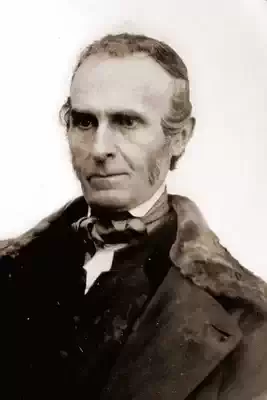
John Greenleaf Whittier
To Fredrika Bremer
To Fredrika Bremer
Seeress of the misty Norland,
Daughter of the Vikings bold,
Welcome to the sunny Vineland,
Which thy fathers sought of old!
Soft as flow of Siija's waters,
When the moon of summer shines,
Strong as Winter from his mountains
Roaring through the sleeted pines.
Heart and ear, we long have listened
To thy saga, rune, and song;
As a household joy and presence
We have known and loved thee long.
By the mansion's marble mantel,
Round the log-walled cabin's hearth,
Thy sweet thoughts and northern fancies
Meet and mingle with our mirth.
And o'er weary spirits keeping
Sorrow's night-watch, long and chill,
Shine they like thy sun of summer
Over midnight vale and hill.
We alone to thee are strangers,
Thou our friend and teacher art;
Come, and know us as we know thee;
Let us meet thee heart to heart!
To our homes and household altars
We, in turn, thy steps would lead,
As thy loving hand has led us
O'er the threshold of the Swede.
Seeress of the misty Norland,
Daughter of the Vikings bold,
Welcome to the sunny Vineland,
Which thy fathers sought of old!
Soft as flow of Siija's waters,
When the moon of summer shines,
Strong as Winter from his mountains
Roaring through the sleeted pines.
Heart and ear, we long have listened
To thy saga, rune, and song;
As a household joy and presence
We have known and loved thee long.
By the mansion's marble mantel,
Round the log-walled cabin's hearth,
Thy sweet thoughts and northern fancies
Meet and mingle with our mirth.
And o'er weary spirits keeping
Sorrow's night-watch, long and chill,
Shine they like thy sun of summer
Over midnight vale and hill.
We alone to thee are strangers,
Thou our friend and teacher art;
Come, and know us as we know thee;
Let us meet thee heart to heart!
To our homes and household altars
We, in turn, thy steps would lead,
As thy loving hand has led us
O'er the threshold of the Swede.
307
John Greenleaf Whittier
The Library
The Library
'Let there be light!' God spake of old,
And over chaos dark and cold,
And through the dead and formless frame
Of nature, life and order came.
Faint was the light at first that shone
On giant fern and mastodon,
On half-formed plant and beast of prey,
And man as rude and wild as they.
Age after age, like waves, o'erran
The earth, uplifting brute and man;
And mind, at length, in symbols dark
Its meanings traced on stone and bark.
On leaf of palm, on sedge-wrought roll,
On plastic clay and leathern scroll,
Man wrote his thoughts; the ages passed,
And to! the Press was found at last!
Then dead souls woke; the thoughts of men
Whose bones were dust revived again;
The cloister's silence found a tongue,
Old prophets spake, old poets sung.
And here, to-day, the dead look down,
The kings of mind again we crown;
We hear the voices lost so long,
The sage's word, the sibyl's song.
Here Greek and Roman find themselves
Alive along these crowded shelves;
And Shakespeare treads again his stage,
And Chaucer paints anew his age.
As if some Pantheon's marbles broke
Their stony trance, and lived and spoke,
Life thrills along the alcoved hall,
The lords of thought await our call!
'Let there be light!' God spake of old,
And over chaos dark and cold,
And through the dead and formless frame
Of nature, life and order came.
Faint was the light at first that shone
On giant fern and mastodon,
On half-formed plant and beast of prey,
And man as rude and wild as they.
Age after age, like waves, o'erran
The earth, uplifting brute and man;
And mind, at length, in symbols dark
Its meanings traced on stone and bark.
On leaf of palm, on sedge-wrought roll,
On plastic clay and leathern scroll,
Man wrote his thoughts; the ages passed,
And to! the Press was found at last!
Then dead souls woke; the thoughts of men
Whose bones were dust revived again;
The cloister's silence found a tongue,
Old prophets spake, old poets sung.
And here, to-day, the dead look down,
The kings of mind again we crown;
We hear the voices lost so long,
The sage's word, the sibyl's song.
Here Greek and Roman find themselves
Alive along these crowded shelves;
And Shakespeare treads again his stage,
And Chaucer paints anew his age.
As if some Pantheon's marbles broke
Their stony trance, and lived and spoke,
Life thrills along the alcoved hall,
The lords of thought await our call!
769
John Greenleaf Whittier
The Bridal of Pennacook
The Bridal of Pennacook
We had been wandering for many days
Through the rough northern country. We had seen
The sunset, with its bars of purple cloud,
Like a new heaven, shine upward from the lake
Of Winnepiseogee; and had felt
The sunrise breezes, midst the leafy isles
Which stoop their summer beauty to the lips
Of the bright waters. We had checked our steeds,
Silent with wonder, where the mountain wall
Is piled to heaven; and, through the narrow rift
Of the vast rocks, against whose rugged feet
Beats the mad torrent with perpetual roar,
Where noonday is as twilight, and the wind
Comes burdened with the everlasting moan
Of forests and of far-off waterfalls,
We had looked upward where the summer sky,
Tasselled with clouds light-woven by the sun,
Sprung its blue arch above the abutting crags
O'er-roofing the vast portal of the land
Beyond the wall of mountains. We had passed
The high source of the Saco; and bewildered
In the dwarf spruce-belts of the Crystal Hills,
Had heard above us, like a voice in the cloud,
The horn of Fabyan sounding; and atop
Of old Agioochook had seen the mountains'
Piled to the northward, shagged with wood, and thick
As meadow mole-hills,—the far sea of Casco,
A white gleam on the horizon of the east;
Fair lakes, embosomed in the woods and hills;
Moosehillock's mountain range, and Kearsarge
Lifting his granite forehead to the sun!
And we had rested underneath the oaks
Shadowing the bank, whose grassy spires are shaken
By the perpetual beating of the falls
Of the wild Ammonoosuc. We had tracked
The winding Pemigewasset, overhung
By beechen shadows, whitening down its rocks,
Or lazily gliding through its intervals,
From waving rye-fields sending up the gleam
Of sunlit waters. We had seen the moon
Rising behind Umbagog's eastern pines,
Like a great Indian camp-fire; and its beams
At midnight spanning with a bridge of silver
The Merrimac by Uncanoonuc's falls.
There were five souls of us whom travel's chance
Had thrown together in these wild north hills
A city lawyer, for a month escaping
From his dull office, where the weary eye
Saw only hot brick walls and close thronged streets;
Briefless as yet, but with an eye to see
Life's sunniest side, and with a heart to take
Its chances all as godsends; and his brother,
Pale from long pulpit studies, yet retaining
The warmth and freshness of a genial heart,
Whose mirror of the beautiful and true,
In Man and Nature, was as yet undimmed
By dust of theologic strife, or breath
Of sect, or cobwebs of scholastic lore;
Like a clear crystal calm of water, taking
The hue and image of o'erleaning flowers,
Sweet human faces, white clouds of the noon,
Slant starlight glimpses through the dewy leaves,
And tenderest moonrise. 'Twas, in truth, a study,
To mark his spirit, alternating between
A decent and professional gravity
And an irreverent mirthfulness, which often
Laughed in the face of his divinity,
Plucked off the sacred ephod, quite unshrined
The oracle, and for the pattern priest
Left us the man. A shrewd, sagacious merchant,
To whom the soiled sheet found in Crawford's inn,
Giving the latest news of city stocks
And sales of cotton, had a deeper meaning
Than the great presence of the awful mountains
Glorified by the sunset; and his daughter,
A delicate flower on whom had blown too long
Those evil winds, which, sweeping from the ice
And winnowing the fogs of Labrador,
Shed their cold blight round Massachusetts Bay,
With the same breath which stirs Spring's opening leaves
And lifts her half-formed flower-bell on its stem,
Poisoning our seaside atmosphere.
It chanced that as we turned upon our homeward way,
A drear northeastern storm came howling up
The valley of the Saco; and that girl
Who had stood with us upon Mount Washington,
Her brown locks ruffled by the wind which whirled
In gusts around its sharp, cold pinnacle,
Who had joined our gay trout-fishing in the streams
Which lave that giant's feet; whose laugh was heard
Like a bird's carol on the sunrise breeze
Which swelled our sail amidst the lake's green islands,
Shrank from its harsh, chill breath, and visibly drooped
Like a flower in the frost. So, in that quiet inn
Which looks from Conway on the mountains piled
Heavily against the horizon of the north,
Like summer thunder-clouds, we made our home
And while the mist hung over dripping hills,
And the cold wind-driven rain-drops all day long
Beat their sad music upon roof and pane,
We strove to cheer our gentle invalid.
The lawyer in the pauses of the storm
Went angling down the Saco, and, returning,
Recounted his adventures and mishaps;
Gave us the history of his scaly clients,
Mingling with ludicrous yet apt citations
Of barbarous law Latin, passages
From Izaak Walton's Angler, sweet and fresh
As the flower-skirted streams of Staffordshire,
Where, under aged trees, the southwest wind
Of soft June mornings fanned the thin, white hair
Of the sage fisher. And, if truth be told,
Our youthful candidate forsook his sermons,
His commentaries, articles and creeds,
For the fair page of human loveliness,
The missal of young hearts, whose sacred text
Is music, its illumining, sweet smiles.
He sang the songs she loved; and in his low,
Deep, earnest voice, recited many a page
Of poetry, the holiest, tenderest lines
Of the sad bard of Olney, the sweet songs,
Simple and beautiful as Truth and Nature,
Of him whose whitened locks on Rydal Mount
Are lifted yet by morning breezes blowing
From the green hills, immortal in his lays.
And for myself, obedient to her wish,
I searched our landlord's proffered library,—
A well-thumbed Bunyan, with its nice wood pictures
Of scaly fiends and angels not unlike them;
Watts' unmelodious psalms; Astrology's
Last home, a musty pile of almanacs,
And an old chronicle of border wars
And Indian history. And, as I read
A story of the marriage of the Chief
Of Saugus to the dusky Weetamoo,
Daughter of Passaconaway, who dwelt
In the old time upon the Merrimac,
Our fair one, in the playful exercise
Of her prerogative,—the right divine
Of youth and beauty,—bade us versify
The legend, and with ready pencil sketched
Its plan and outlines, laughingly assigning
To each his part, and barring our excuses
With absolute will. So, like the cavaliers
Whose voices still are heard in the Romance
Of silver-tongued Boccaccio, on the banks
Of Arno, with soft tales of love beguiling
The ear of languid beauty, plague-exiled
From stately Florence, we rehearsed our rhymes
To their fair auditor, and shared by turns
Her kind approval and her playful censure.
It may be that these fragments owe alone
To the fair setting of their circumstances,—
The associations of time, scene, and audience,—
Their place amid the pictures which fill up
The chambers of my memory. Yet I trust
That some, who sigh, while wandering in thought,
Pilgrims of Romance o'er the olden world,
That our broad land,—our sea-like lakes and mountains
Piled to the clouds, our rivers overhung
By forests which have known no other change
For ages than the budding and the fall
Of leaves, our valleys lovelier than those
Which the old poets sang of,—should but figure
On the apocryphal chart of speculation
As pastures, wood-lots, mill-sites, with the privileges,
Rights, and appurtenances, which make up
A Yankee Paradise, unsung, unknown,
To beautiful tradition; even their names,
Whose melody yet lingers like the last
Vibration of the red man's requiem,
Exchanged for syllables significant,
Of cotton-mill and rail-car, will look kindly
Upon this effort to call up the ghost
Of our dim Past, and listen with pleased ear
To the responses of the questioned Shade.
I. THE MERRIMAC
O child of that white-crested mountain whose springs
Gush forth in the shade of the cliff-eagle's wings,
Down whose slopes to the lowlands thy wild waters shine,
Leaping gray walls of rock, flashing through the dwarf pine;
From that cloud-curtained cradle so cold and so lone,
From the arms of that wintry-locked mother of stone,
By hills hung with forests, through vales wide and free,
Thy mountain-born brightness glanced down to the sea.
No bridge arched thy waters save that where the trees
Stretched their long arms above thee and kissed in the breeze:
No sound save the lapse of the waves on thy shores,
The plunging of otters, the light dip of oars.
Green-tufted, oak-shaded, by Amoskeag's fall
Thy twin Uncanoonucs rose stately and tall,
Thy Nashua meadows lay green and unshorn,
And the hills of Pentucket were tasselled with corn.
But thy Pennacook valley was fairer than these,
And greener its grasses and taller its trees,
Ere the sound of an axe in the forest had rung,
Or the mower his scythe in the meadows had swung.
In their sheltered repose looking out from the wood
The bark-builded wigwams of Pennacook stood;
There glided the corn-dance, the council-fire shone,
And against the red war-post the hatchet was thrown.
There the old smoked in silence their pipes, and the young
To the pike and the white-perch their baited lines flung;
There the boy shaped his arrows, and there the shy maid
Wove her many-hued baskets and bright wampum braid.
O Stream of the Mountains! if answer of thine
Could rise from thy waters to question of mine,
Methinks through the din of thy thronged banks a moan
Of sorrow would swell for the days which have gone.
Not for thee the dull jar of the loom and the wheel,
The gliding of shuttles, the ringing of steel;
But that old voice of waters, of bird and of breeze,
The dip of the wild-fowl, the rustling of trees.
II. THE BASHABA
Lift we the twilight curtains of the Past,
And, turning from familiar sight and sound,
Sadly and full of reverence let us cast
A glance upon Tradition's shadowy ground,
Led by the few pale lights which, glimmering round
That dim, strange land of Eld, seem dying fast;
And that which history gives not to the eye,
The faded coloring of Time's tapestry,
Let Fancy, with her dream-dipped brush, supply.
Roof of bark and walls of pine,
Through whose chinks the sunbeams shine,
Tracing many a golden line
On the ample floor within;
Where, upon that earth-floor stark,
Lay the gaudy mats of bark,
With the bear's hide, rough and dark,
And the red-deer's skin.
Window-tracery, small and slight,
Woven of the willow white,
Lent a dimly checkered light;
And the night-stars glimmered down,
Where the lodge-fire's heavy smoke,
Slowly through an opening broke,
In the low roof, ribbed with oak,
Sheathed with hemlock brown.
Gloomed behind the changeless shade
By the solemn pine-wood made;
Through the rugged palisade,
In the open foreground planted,
Glimpses came of rowers rowing,
Stir of leaves and wild-flowers blowing,
Steel-like gleams of water flowing,
In the sunlight slanted.
Here the mighty Bashaba
Held his long-unquestioned sway,
From the White Hills, far away,
To the great sea's sounding shore;
Chief of chiefs, his regal word
All the river Sachems heard,
At his call the war-dance stirred,
Or was still once more.
There his spoils of chase and war,
Jaw of wolf and black bear's paw,
Panther's skin and eagle's claw,
Lay beside his axe and bow;
And, adown the roof-pole hung,
Loosely on a snake-skin strung,
In the smoke his scalp-locks swung
Grimly to and fro.
Nightly down the river going,
Swifter was the hunter's rowing,
When he saw that lodge-fire, glowing
O'er the waters still and red;
And the squaw's dark eye burned brighter,
And she drew her blanket tighter,
As, with quicker step and lighter,
From that door she fled.
For that chief had magic skill,
And a Panisee's dark will,
Over powers of good and ill,
Powers which bless and powers which ban;
Wizard lord of Pennacook,
Chiefs upon their war-path shook,
When they met the steady look
Of that wise dark man.
Tales of him the gray squaw told,
When the winter night-wind cold
Pierced her blanket's thickest fold,
And her fire burned low and small,
Till the very child abed,
Drew its bear-skin over bead,
Shrinking from the pale lights shed
On the trembling wall.
All the subtle spirits hiding
Under earth or wave, abiding
In the caverned rock, or riding
Misty clouds or morning breeze;
Every dark intelligence,
Secret soul, and influence
Of all things which outward sense
Feels, or bears, or sees,—
These the wizard's skill confessed,
At his bidding banned or blessed,
Stormful woke or lulled to rest
Wind and cloud, and fire and flood;
Burned for him the drifted snow,
Bade through ice fresh lilies blow,
And the leaves of summer grow
Over winter's wood!
Not untrue that tale of old!
Now, as then, the wise and bold
All the powers of Nature hold
Subject to their kingly will;
From the wondering crowds ashore,
Treading life's wild waters o'er,
As upon a marble floor,
Moves the strong man still.
Still, to such, life's elements
With their sterner laws dispense,
And the chain of consequence
Broken in their pathway lies;
Time and change their vassals making,
Flowers from icy pillows waking,
Tresses of the sunrise shaking
Over midnight skies.
Still, to th' earnest soul, the sun
Rests on towered Gibeon,
And the moon of Ajalon
Lights the battle-grounds of life;
To his aid the strong reverses
Hidden powers and giant forces,
And the high stars, in their courses,
Mingle in his strife!
III. THE DAUGHTER
The soot-black brows of men, the yell
Of women thronging round the bed,
The tinkling charm of ring and shell,
The Powah whispering o'er the dead!
All these the Sachem's home had known,
When, on her journey long and wild
To the dim World of Souls, alone,
In her young beauty passed the mother of his child.
Three bow-shots from the Sachem's dwelling
They laid her in the walnut shade,
Where a green hillock gently swelling
Her fitting mound of burial made.
There trailed the vine in summer hours,
The tree-perched squirrel dropped his shell,—
On velvet moss and pale-hued flowers,
Woven with leaf and spray, the softened sunshine fell!
The Indian's heart is hard and cold,
It closes darkly o'er its care,
And formed in Nature's sternest mould,
Is slow to feel, and strong to bear.
The war-paint on the Sachem's face,
Unwet with tears, shone fierce and red,
And still, in battle or in chase,
Dry leaf and snow-rime crisped beneath his foremost tread.
Yet when her name was heard no more,
And when the robe her mother gave,
And small, light moccasin she wore,
Had slowly wasted on her grave,
Unmarked of him the dark maids sped
Their sunset dance and moonlit play;
No other shared his lonely bed,
No other fair young head upon his bosom lay.
A lone, stern man. Yet, as sometimes
The tempest-smitten tree receives
From one small root the sap which climbs
Its topmost spray and crowning leaves,
So from his child the Sachem drew
A life of Love and Hope, and felt
His cold and rugged nature through
The softness and the warmth of her young being melt.
A laugh which in the woodland rang
Bemocking April's gladdest bird,—
A light and graceful form which sprang
To meet him when his step was heard,—
Eyes by his lodge-fire flashing dark,
Small fingers stringing bead and shell
Or weaving mats of bright-hued bark,—
With these the household-god had graced his wigwam well.
Child of the forest! strong and free,
Slight-robed, with loosely flowing hair,
She swam the lake or climbed the tree,
Or struck the flying bird in air.
O'er the heaped drifts of winter's moon
Her snow-shoes tracked the hunter's way;
And dazzling in the summer noon
The blade of her light oar threw off its shower of spray!
Unknown to her the rigid rule,
The dull restraint, the chiding frown,
The weary torture of the school,
The taming of wild nature down.
Her only lore, the legends told
Around the hunter's fire at night;
Stars rose and set, and seasons rolled,
Flowers bloomed and snow-flakes fell, unquestioned in her sight.
Unknown to her the subtle skill
With which the artist-eye can trace
In rock and tree and lake and hill
The outlines of divinest grace;
Unknown the fine soul's keen unrest,
Which sees, admires, yet yearns alway;
Too closely on her mother's breast
To note her smiles of love the child of Nature lay!
It is enough for such to be
Of common, natural things a part,
To feel, with bird and stream and tree,
The pulses of the same great heart;
But we, from Nature long exiled,
In our cold homes of Art and Thought
Grieve like the stranger-tended child,
Which seeks its mother's arms, and sees but feels them not.
The garden rose may richly bloom
In cultured soil and genial air,
To cloud the light of Fashion's room
Or droop in Beauty's midnight hair;
In lonelier grace, to sun and dew
The sweetbrier on the hillside shows
Its single leaf and fainter hue,
Untrained and wildly free, yet still a sister rose!
Thus o'er the heart of Weetamoo
Their mingling shades of joy and ill
The instincts of her nature threw;
The savage was a woman still.
Midst outlines dim of maiden schemes,
Heart-colored prophecies of life,
Rose on the ground of her young dreams
The light of a new home, the lover and the wife.
IV. THE WEDDING
Cool and dark fell the autumn night,
But the Bashaba's wigwam glowed with light,
For down from its roof, by green withes hung,
Flaring and smoking the pine-knots swung.
And along the river great wood-fires
Shot into the night their long, red spires,
Showing behind the tall, dark wood,
Flashing before on the sweeping flood.
In the changeful wind, with shimmer and shade,
Now high, now low, that firelight played,
On tree-leaves wet with evening dews,
On gliding water and still canoes.
The trapper that night on Turee's brook,
And the weary fisher on Contoocook,
Saw over the marshes, and through the pine,
And down on the river, the dance-lights shine.
For the Saugus Sachem had come to woo
The Bashaba's daughter Weetamoo,
And laid at her father's feet that night
His softest furs and wampum white.
From the Crystal Hills to the far southeast
The river Sagamores came to the feast;
And chiefs whose homes the sea-winds shook
Sat down on the mats of Pennacook.
They came from Sunapee's shore of rock,
From the snowy sources of Snooganock,
And from rough Coos whose thick woods shake
Their pine-cones in Umbagog Lake.
From Ammonoosuc's mountain pass,
Wild as his home, came Chepewass;
And the Keenomps of the bills which throw
Their shade on the Smile of Manito.
With pipes of peace and bows unstrung,
Glowing with paint came old and young,
In wampum and furs and feathers arrayed,
To the dance and feast the Bashaba made.
Bird of the air and beast of the field,
All which the woods and the waters yield,
On dishes of birch and hemlock piled,
Garnished and graced that banquet wild.
Steaks of the brown bear fat and large
From the rocky slopes of the Kearsarge;
Delicate trout from Babboosuck brook,
And salmon speared in the Contoocook;
Squirrels which fed where nuts fell thick
in the gravelly bed of the Otternic;
And small wild-hens in reed-snares caught
from the banks of Sondagardee brought;
Pike and perch from the Suncook taken,
Nuts from the trees of the Black Hills shaken,
Cranberries picked in the Squamscot bog,
And grapes from the vines of Piscataquog:
And, drawn from that great stone vase which stands
In the river scooped by a spirit's hands,
Garnished with spoons of shell and horn,
Stood the birchen dishes of smoking corn.
Thus bird of the air and beast of the field,
All which the woods and the waters yield,
Furnished in that olden day
The bridal feast of the Bashaba.
And merrily when that feast was done
On the fire-lit green the dance begun,
With squaws' shrill stave, and deeper hum
Of old men beating the Indian drum.
Painted and plumed, with scalp-locks flowing,
And red arms tossing and black eyes glowing,
Now in the light and now in the shade
Around the fires the dancers played.
The step was quicker, the song more shrill,
And the beat of the small drums louder still
Whenever within the circle drew
The Saugus Sachem and Weetamoo.
The moons of forty winters had shed
Their snow upon that chieftain's head,
And toil and care and battle's chance
Had seamed his hard, dark countenance.
A fawn beside the bison grim,—
Why turns the bride's fond eye on him,
In whose cold look is naught beside
The triumph of a sullen pride?
Ask why the graceful grape entwines
The rough oak with her arm of vines;
And why the gray rock's rugged cheek
The soft lips of the mosses seek.
Why, with wise instinct, Nature seems
To harmonize her wide extremes,
Linking the stronger with the weak,
The haughty with the soft and meek!
V. THE NEW HOME
A wild and broken landscape, spiked with firs,
Roughening the bleak horizon's northern edge;
Steep, cavernous hillsides, where black hemlock spurs
And sharp, gray splinters of the wind-swept ledge
Pierced the thin-glazed ice, or bristling rose,
Where the cold rim of the sky sunk down upon the snows.
And eastward cold, wide marshes stretched away,
Dull, dreary flats without a bush or tree,
O'er-crossed by icy creeks, where twice a day
Gurgled the waters of the moon-struck sea;
And faint with distance came the stifled roar,
The melancholy lapse of waves on that low shore.
No cheerful village with its mingling smokes,
No laugh of children wrestling in the snow,
No camp-fire blazing through the hillside oaks,
No fishers kneeling on the ice below;
Yet midst all desolate things of sound and view,
Through the long winter moons smiled dark-eyed Weetamoo.
Her heart had found a home; and freshly all
Its beautiful affections overgrew
Their rugged prop. As o'er some granite wall
Soft vine-leaves open to the moistening dew
And warm bright sun, the love of that young wife
Found on a hard cold breast the dew and warmth of life.
The steep, bleak hills, the melancholy shore,
The long, dead level of the marsh between,
A coloring of unreal beauty wore
Through the soft golden mist of young love seen.
For o'er those hills and from that dreary plain,
Nightly she welcomed home her hunter chief again.
No warmth of heart, no passionate burst of feeling,
Repaid her welcoming smile and parting kiss,
No fond and playful dalliance half concealing,
Under the guise of mirth, its tenderness;
But, in their stead, the warrior's settled pride,
And vanity's pleased smile with homage satisfied.
Enough for Weetamoo, that she alone
Sat on his mat and slumbered at his side;
That he whose fame to her young ear had flown
Now looked upon her proudly as his bride;
That he whose name the Mohawk trembling heard
Vouchsafed to her at times a kindly look or word.
For she had learned the maxims of her race,
Which teach the woman to become a slave,
And feel herself the pardonless disgrace
Of love's fond weakness in the wise and brave,—
The scandal and the shame which they incur,
Who give to woman all which man requires of her.
So passed the winter moons. The sun at last
Broke link by link the frost chain of the rills,
And the warm breathings of the southwest passed
Over the hoar rime of the Saugus hills;
The gray and desolate marsh grew green once more,
And the birch-tree's tremulous shade fell round the Sachem's door.
Then from far Pennacook swift runners came,
With gift and greeting for the Saugus chief;
Beseeching him in the great Sachem's name,
That, with the coming of the flower and leaf,
The song of birds, the warm breeze and the rain,
Young Weetamoo might greet her lonely sire again.
And Winnepurkit called his chiefs together,
And a grave council in his wigwam met,
Solemn and brief in words, considering whether
The rigid rules of forest etiquette
Permitted Weetamoo once more to look
Upon her father's face and green-banked Pennacook.
With interludes of pipe-smoke and strong water,
The forest sages pondered, and at length,
Concluded in a body to escort her
Up to her father's home of pride and strength,
Impressing thus on Pennacook a sense
Of Winnepurkit's power and regal consequence.
So through old woods which Aukeetamit's hand,
A soft and many-shaded greenness lent,
Over high breezy hills, and meadow land
Yellow with flowers, the wild procession went,
Till, rolling down its wooded banks between,
A broad, clear, mountain stream, the Merrimac was seen.
The hunter leaning on his bow undrawn,
The fisher lounging on the pebbled shores,
Squaws in the clearing dropping the seed-corn,
Young children peering through the wigwam doors,
Saw with delight, surrounded by her train
Of painted Saugus braves, their Weetamoo again.
VI. AT PENNACOOK
The hills are dearest which our childish feet
Have climbed the earliest; and the streams most sweet
Are ever those at which our young lips drank,
Stooped to their waters o'er the grassy bank.
Midst the cold dreary sea-watch, Home's hearth-light
Shines round the helmsman plunging through the night;
And still, with inward eye, the traveller sees
In close, dark, stranger streets his native trees.
The home-sick dreamer's brow is nightly fanned
By breezes whispering of his native land,
And on the stranger's dim and dying eye
The soft, sweet pictures of his childhood lie.
Joy then for Weetamoo, to sit once more
A child upon her father's wigwam floor!
Once more with her old fondness to beguile
From his cold eye the strange light of a smile.
The long, bright days of summer swiftly passed,
The dry leaves whirled in autumn's rising blast,
And evening cloud and whitening sunrise rime
Told of the coming of the winter-time.
But vainly looked, the while, young Weetamoo,
Down the dark river for her chief's canoe;
No dusky messenger from Saugus brought
The grateful tidings which the young wife sought.
At length a runner from her father sent,
To Winnepurkit's sea-cooled wigwam went
'Eagle of Saugus,—in the woods the dove
Mourns for the shelter of thy wings of love.'
But the dark chief of Saugus turned aside
In the grim anger of hard-hearted pride;
I bore her as became a chieftain's daughter,
Up to her home beside the gliding water.
If now no more a mat for her is found
Of all which line her father's wigwam round,
Let Pennacook call out his warrior train,
And send her back with wampum gifts again.'
The baffled runner turned upon his track,
Bearing the words of Winnepurkit back.
'Dog of the Marsh,' cried Pennacook, 'no more
Shall child of mine sit on his wigwam floor.
'Go, let him seek some meaner squaw to spread
The stolen bear-skin of his beggar's bed;
Son of a fish-hawk! let him dig his clams
For some vile daughter of the Agawams,
'Or coward Nipmucks! may his scalp dry black
In Mohawk smoke, before I send her back.'
He shook his clenched hand towards the ocean wave,
While hoarse assent his listening council gave.
Alas poor bride! can thy grim sire impart
His iron hardness to thy woman's heart?
Or cold self-torturing pride like his atone
For love denied and life's warm beauty flown?
On Autumn's gray and mournful grave the snow
Hung its white wreaths; with stifled voice and low
The river crept, by one vast bridge o'er-crossed,
Built by the boar-locked artisan of Frost.
And many a moon in beauty newly born
Pierced the red sunset with her silver horn,
Or, from the east, across her azure field
Rolled the wide brightness of her full-orbed shield.
Yet Winnepurkit came not,—on the mat
Of the scorned wife her dusky rival sat;
And he, the while, in Western woods afar,
Urged the long chase, or trod the path of war.
Dry up thy tears, young daughter of a chief!
Waste not on him the sacredness of grief;
Be the fierce spirit of thy sire thine own,
His lips of scorning, and his heart of stone.
What heeds the warrior of a hundred fights,
The storm-worn watcher through long hunting nights,
Cold, crafty, proud of woman's weak distress,
Her home-bound grief and pining loneliness?
VII. THE DEPARTURE
The wild March rains had fallen fast and long
The snowy mountains of the North among,
Making each vale a watercourse, each hill
Bright with the cascade of some new-made rill.
Gnawed by the sunbeams, softened by the rain,
Heaved underneath by the swollen current's strain,
The ice-bridge yielded, and the Merrimac
Bore the huge ruin crashing down its track.
On that strong turbid water, a small boat
Guided by one weak hand was seen to float;
Evil the fate which loosed it from the shore,
Too early voyager with too frail an oar!
Down the vexed centre of that rushing tide,
The thick huge ice-blocks threatening either side,
The foam-white rocks of Amoskeag in view,
With arrowy swiftness sped that light canoe.
The trapper, moistening his moose's meat
On the wet bank by Uncanoonuc's feet,
Saw the swift boat flash down the troubled stream;
Slept he, or waked he? was it truth or dream?
The straining eye bent fearfully before,
The small hand clenching on the useless oar,
The bead-wrought blanket trailing o'er the water—
He knew them all—woe for the Sachem's daughter!
Sick and aweary of her lonely life,
Heedless of peril, the still faithful wife
Had left her mother's grave, her father's door,
To seek the wigwam of her chief once more.
Down the white rapids like a sear leaf whirled,
On the sharp rocks and piled-up ices hurled,
Empty and broken, circled the canoe
In the vexed pool below—but where was Weetamoo.
VIII. SONG OF INDIAN WOMEN
The Dark eye has left us,
The Spring-bird has flown;
On the pathway of spirits
She wanders alone.
The song of the wood-dove has died on our shore
Mat wonck kunna-monee! We hear it no more!
O dark water Spirit
We cast on thy wave
These furs which may never
Hang over her grave;
Bear down to the lost one the robes that she wore
Mat wonck kunna-monee! We see her no more!
Of the strange land she walks in
No Powah has told:
It may burn with the sunshine,
Or freeze with the cold.
Let us give to our lost one the robes that she wore:
Mat wonck kunna-monee! We see her no more!
The path she is treading
Shall soon be our own;
Each gliding in shadow
Unseen and alone!
In vain shall we call on the souls gone before:
Mat wonck kunna-monee! They hear us no more!
O mighty Sowanna!
Thy gateways unfold,
From thy wigwam of sunset
Lift curtains of gold!
Take home the poor Spirit whose journey is o'er
Mat wonck kunna-monee! We see her no more!
So sang the Children of the Leaves beside
The broad, dark river's coldly flowing tide;
Now low, now harsh, with sob-like pause and swell,
On the high wind their voices rose and fell.
Nature's wild music,—sounds of wind-swept trees,
The scream of birds, the wailing of the breeze,
The roar of waters, steady, deep, and strong,—
Mingled and murmured in that farewell song.
We had been wandering for many days
Through the rough northern country. We had seen
The sunset, with its bars of purple cloud,
Like a new heaven, shine upward from the lake
Of Winnepiseogee; and had felt
The sunrise breezes, midst the leafy isles
Which stoop their summer beauty to the lips
Of the bright waters. We had checked our steeds,
Silent with wonder, where the mountain wall
Is piled to heaven; and, through the narrow rift
Of the vast rocks, against whose rugged feet
Beats the mad torrent with perpetual roar,
Where noonday is as twilight, and the wind
Comes burdened with the everlasting moan
Of forests and of far-off waterfalls,
We had looked upward where the summer sky,
Tasselled with clouds light-woven by the sun,
Sprung its blue arch above the abutting crags
O'er-roofing the vast portal of the land
Beyond the wall of mountains. We had passed
The high source of the Saco; and bewildered
In the dwarf spruce-belts of the Crystal Hills,
Had heard above us, like a voice in the cloud,
The horn of Fabyan sounding; and atop
Of old Agioochook had seen the mountains'
Piled to the northward, shagged with wood, and thick
As meadow mole-hills,—the far sea of Casco,
A white gleam on the horizon of the east;
Fair lakes, embosomed in the woods and hills;
Moosehillock's mountain range, and Kearsarge
Lifting his granite forehead to the sun!
And we had rested underneath the oaks
Shadowing the bank, whose grassy spires are shaken
By the perpetual beating of the falls
Of the wild Ammonoosuc. We had tracked
The winding Pemigewasset, overhung
By beechen shadows, whitening down its rocks,
Or lazily gliding through its intervals,
From waving rye-fields sending up the gleam
Of sunlit waters. We had seen the moon
Rising behind Umbagog's eastern pines,
Like a great Indian camp-fire; and its beams
At midnight spanning with a bridge of silver
The Merrimac by Uncanoonuc's falls.
There were five souls of us whom travel's chance
Had thrown together in these wild north hills
A city lawyer, for a month escaping
From his dull office, where the weary eye
Saw only hot brick walls and close thronged streets;
Briefless as yet, but with an eye to see
Life's sunniest side, and with a heart to take
Its chances all as godsends; and his brother,
Pale from long pulpit studies, yet retaining
The warmth and freshness of a genial heart,
Whose mirror of the beautiful and true,
In Man and Nature, was as yet undimmed
By dust of theologic strife, or breath
Of sect, or cobwebs of scholastic lore;
Like a clear crystal calm of water, taking
The hue and image of o'erleaning flowers,
Sweet human faces, white clouds of the noon,
Slant starlight glimpses through the dewy leaves,
And tenderest moonrise. 'Twas, in truth, a study,
To mark his spirit, alternating between
A decent and professional gravity
And an irreverent mirthfulness, which often
Laughed in the face of his divinity,
Plucked off the sacred ephod, quite unshrined
The oracle, and for the pattern priest
Left us the man. A shrewd, sagacious merchant,
To whom the soiled sheet found in Crawford's inn,
Giving the latest news of city stocks
And sales of cotton, had a deeper meaning
Than the great presence of the awful mountains
Glorified by the sunset; and his daughter,
A delicate flower on whom had blown too long
Those evil winds, which, sweeping from the ice
And winnowing the fogs of Labrador,
Shed their cold blight round Massachusetts Bay,
With the same breath which stirs Spring's opening leaves
And lifts her half-formed flower-bell on its stem,
Poisoning our seaside atmosphere.
It chanced that as we turned upon our homeward way,
A drear northeastern storm came howling up
The valley of the Saco; and that girl
Who had stood with us upon Mount Washington,
Her brown locks ruffled by the wind which whirled
In gusts around its sharp, cold pinnacle,
Who had joined our gay trout-fishing in the streams
Which lave that giant's feet; whose laugh was heard
Like a bird's carol on the sunrise breeze
Which swelled our sail amidst the lake's green islands,
Shrank from its harsh, chill breath, and visibly drooped
Like a flower in the frost. So, in that quiet inn
Which looks from Conway on the mountains piled
Heavily against the horizon of the north,
Like summer thunder-clouds, we made our home
And while the mist hung over dripping hills,
And the cold wind-driven rain-drops all day long
Beat their sad music upon roof and pane,
We strove to cheer our gentle invalid.
The lawyer in the pauses of the storm
Went angling down the Saco, and, returning,
Recounted his adventures and mishaps;
Gave us the history of his scaly clients,
Mingling with ludicrous yet apt citations
Of barbarous law Latin, passages
From Izaak Walton's Angler, sweet and fresh
As the flower-skirted streams of Staffordshire,
Where, under aged trees, the southwest wind
Of soft June mornings fanned the thin, white hair
Of the sage fisher. And, if truth be told,
Our youthful candidate forsook his sermons,
His commentaries, articles and creeds,
For the fair page of human loveliness,
The missal of young hearts, whose sacred text
Is music, its illumining, sweet smiles.
He sang the songs she loved; and in his low,
Deep, earnest voice, recited many a page
Of poetry, the holiest, tenderest lines
Of the sad bard of Olney, the sweet songs,
Simple and beautiful as Truth and Nature,
Of him whose whitened locks on Rydal Mount
Are lifted yet by morning breezes blowing
From the green hills, immortal in his lays.
And for myself, obedient to her wish,
I searched our landlord's proffered library,—
A well-thumbed Bunyan, with its nice wood pictures
Of scaly fiends and angels not unlike them;
Watts' unmelodious psalms; Astrology's
Last home, a musty pile of almanacs,
And an old chronicle of border wars
And Indian history. And, as I read
A story of the marriage of the Chief
Of Saugus to the dusky Weetamoo,
Daughter of Passaconaway, who dwelt
In the old time upon the Merrimac,
Our fair one, in the playful exercise
Of her prerogative,—the right divine
Of youth and beauty,—bade us versify
The legend, and with ready pencil sketched
Its plan and outlines, laughingly assigning
To each his part, and barring our excuses
With absolute will. So, like the cavaliers
Whose voices still are heard in the Romance
Of silver-tongued Boccaccio, on the banks
Of Arno, with soft tales of love beguiling
The ear of languid beauty, plague-exiled
From stately Florence, we rehearsed our rhymes
To their fair auditor, and shared by turns
Her kind approval and her playful censure.
It may be that these fragments owe alone
To the fair setting of their circumstances,—
The associations of time, scene, and audience,—
Their place amid the pictures which fill up
The chambers of my memory. Yet I trust
That some, who sigh, while wandering in thought,
Pilgrims of Romance o'er the olden world,
That our broad land,—our sea-like lakes and mountains
Piled to the clouds, our rivers overhung
By forests which have known no other change
For ages than the budding and the fall
Of leaves, our valleys lovelier than those
Which the old poets sang of,—should but figure
On the apocryphal chart of speculation
As pastures, wood-lots, mill-sites, with the privileges,
Rights, and appurtenances, which make up
A Yankee Paradise, unsung, unknown,
To beautiful tradition; even their names,
Whose melody yet lingers like the last
Vibration of the red man's requiem,
Exchanged for syllables significant,
Of cotton-mill and rail-car, will look kindly
Upon this effort to call up the ghost
Of our dim Past, and listen with pleased ear
To the responses of the questioned Shade.
I. THE MERRIMAC
O child of that white-crested mountain whose springs
Gush forth in the shade of the cliff-eagle's wings,
Down whose slopes to the lowlands thy wild waters shine,
Leaping gray walls of rock, flashing through the dwarf pine;
From that cloud-curtained cradle so cold and so lone,
From the arms of that wintry-locked mother of stone,
By hills hung with forests, through vales wide and free,
Thy mountain-born brightness glanced down to the sea.
No bridge arched thy waters save that where the trees
Stretched their long arms above thee and kissed in the breeze:
No sound save the lapse of the waves on thy shores,
The plunging of otters, the light dip of oars.
Green-tufted, oak-shaded, by Amoskeag's fall
Thy twin Uncanoonucs rose stately and tall,
Thy Nashua meadows lay green and unshorn,
And the hills of Pentucket were tasselled with corn.
But thy Pennacook valley was fairer than these,
And greener its grasses and taller its trees,
Ere the sound of an axe in the forest had rung,
Or the mower his scythe in the meadows had swung.
In their sheltered repose looking out from the wood
The bark-builded wigwams of Pennacook stood;
There glided the corn-dance, the council-fire shone,
And against the red war-post the hatchet was thrown.
There the old smoked in silence their pipes, and the young
To the pike and the white-perch their baited lines flung;
There the boy shaped his arrows, and there the shy maid
Wove her many-hued baskets and bright wampum braid.
O Stream of the Mountains! if answer of thine
Could rise from thy waters to question of mine,
Methinks through the din of thy thronged banks a moan
Of sorrow would swell for the days which have gone.
Not for thee the dull jar of the loom and the wheel,
The gliding of shuttles, the ringing of steel;
But that old voice of waters, of bird and of breeze,
The dip of the wild-fowl, the rustling of trees.
II. THE BASHABA
Lift we the twilight curtains of the Past,
And, turning from familiar sight and sound,
Sadly and full of reverence let us cast
A glance upon Tradition's shadowy ground,
Led by the few pale lights which, glimmering round
That dim, strange land of Eld, seem dying fast;
And that which history gives not to the eye,
The faded coloring of Time's tapestry,
Let Fancy, with her dream-dipped brush, supply.
Roof of bark and walls of pine,
Through whose chinks the sunbeams shine,
Tracing many a golden line
On the ample floor within;
Where, upon that earth-floor stark,
Lay the gaudy mats of bark,
With the bear's hide, rough and dark,
And the red-deer's skin.
Window-tracery, small and slight,
Woven of the willow white,
Lent a dimly checkered light;
And the night-stars glimmered down,
Where the lodge-fire's heavy smoke,
Slowly through an opening broke,
In the low roof, ribbed with oak,
Sheathed with hemlock brown.
Gloomed behind the changeless shade
By the solemn pine-wood made;
Through the rugged palisade,
In the open foreground planted,
Glimpses came of rowers rowing,
Stir of leaves and wild-flowers blowing,
Steel-like gleams of water flowing,
In the sunlight slanted.
Here the mighty Bashaba
Held his long-unquestioned sway,
From the White Hills, far away,
To the great sea's sounding shore;
Chief of chiefs, his regal word
All the river Sachems heard,
At his call the war-dance stirred,
Or was still once more.
There his spoils of chase and war,
Jaw of wolf and black bear's paw,
Panther's skin and eagle's claw,
Lay beside his axe and bow;
And, adown the roof-pole hung,
Loosely on a snake-skin strung,
In the smoke his scalp-locks swung
Grimly to and fro.
Nightly down the river going,
Swifter was the hunter's rowing,
When he saw that lodge-fire, glowing
O'er the waters still and red;
And the squaw's dark eye burned brighter,
And she drew her blanket tighter,
As, with quicker step and lighter,
From that door she fled.
For that chief had magic skill,
And a Panisee's dark will,
Over powers of good and ill,
Powers which bless and powers which ban;
Wizard lord of Pennacook,
Chiefs upon their war-path shook,
When they met the steady look
Of that wise dark man.
Tales of him the gray squaw told,
When the winter night-wind cold
Pierced her blanket's thickest fold,
And her fire burned low and small,
Till the very child abed,
Drew its bear-skin over bead,
Shrinking from the pale lights shed
On the trembling wall.
All the subtle spirits hiding
Under earth or wave, abiding
In the caverned rock, or riding
Misty clouds or morning breeze;
Every dark intelligence,
Secret soul, and influence
Of all things which outward sense
Feels, or bears, or sees,—
These the wizard's skill confessed,
At his bidding banned or blessed,
Stormful woke or lulled to rest
Wind and cloud, and fire and flood;
Burned for him the drifted snow,
Bade through ice fresh lilies blow,
And the leaves of summer grow
Over winter's wood!
Not untrue that tale of old!
Now, as then, the wise and bold
All the powers of Nature hold
Subject to their kingly will;
From the wondering crowds ashore,
Treading life's wild waters o'er,
As upon a marble floor,
Moves the strong man still.
Still, to such, life's elements
With their sterner laws dispense,
And the chain of consequence
Broken in their pathway lies;
Time and change their vassals making,
Flowers from icy pillows waking,
Tresses of the sunrise shaking
Over midnight skies.
Still, to th' earnest soul, the sun
Rests on towered Gibeon,
And the moon of Ajalon
Lights the battle-grounds of life;
To his aid the strong reverses
Hidden powers and giant forces,
And the high stars, in their courses,
Mingle in his strife!
III. THE DAUGHTER
The soot-black brows of men, the yell
Of women thronging round the bed,
The tinkling charm of ring and shell,
The Powah whispering o'er the dead!
All these the Sachem's home had known,
When, on her journey long and wild
To the dim World of Souls, alone,
In her young beauty passed the mother of his child.
Three bow-shots from the Sachem's dwelling
They laid her in the walnut shade,
Where a green hillock gently swelling
Her fitting mound of burial made.
There trailed the vine in summer hours,
The tree-perched squirrel dropped his shell,—
On velvet moss and pale-hued flowers,
Woven with leaf and spray, the softened sunshine fell!
The Indian's heart is hard and cold,
It closes darkly o'er its care,
And formed in Nature's sternest mould,
Is slow to feel, and strong to bear.
The war-paint on the Sachem's face,
Unwet with tears, shone fierce and red,
And still, in battle or in chase,
Dry leaf and snow-rime crisped beneath his foremost tread.
Yet when her name was heard no more,
And when the robe her mother gave,
And small, light moccasin she wore,
Had slowly wasted on her grave,
Unmarked of him the dark maids sped
Their sunset dance and moonlit play;
No other shared his lonely bed,
No other fair young head upon his bosom lay.
A lone, stern man. Yet, as sometimes
The tempest-smitten tree receives
From one small root the sap which climbs
Its topmost spray and crowning leaves,
So from his child the Sachem drew
A life of Love and Hope, and felt
His cold and rugged nature through
The softness and the warmth of her young being melt.
A laugh which in the woodland rang
Bemocking April's gladdest bird,—
A light and graceful form which sprang
To meet him when his step was heard,—
Eyes by his lodge-fire flashing dark,
Small fingers stringing bead and shell
Or weaving mats of bright-hued bark,—
With these the household-god had graced his wigwam well.
Child of the forest! strong and free,
Slight-robed, with loosely flowing hair,
She swam the lake or climbed the tree,
Or struck the flying bird in air.
O'er the heaped drifts of winter's moon
Her snow-shoes tracked the hunter's way;
And dazzling in the summer noon
The blade of her light oar threw off its shower of spray!
Unknown to her the rigid rule,
The dull restraint, the chiding frown,
The weary torture of the school,
The taming of wild nature down.
Her only lore, the legends told
Around the hunter's fire at night;
Stars rose and set, and seasons rolled,
Flowers bloomed and snow-flakes fell, unquestioned in her sight.
Unknown to her the subtle skill
With which the artist-eye can trace
In rock and tree and lake and hill
The outlines of divinest grace;
Unknown the fine soul's keen unrest,
Which sees, admires, yet yearns alway;
Too closely on her mother's breast
To note her smiles of love the child of Nature lay!
It is enough for such to be
Of common, natural things a part,
To feel, with bird and stream and tree,
The pulses of the same great heart;
But we, from Nature long exiled,
In our cold homes of Art and Thought
Grieve like the stranger-tended child,
Which seeks its mother's arms, and sees but feels them not.
The garden rose may richly bloom
In cultured soil and genial air,
To cloud the light of Fashion's room
Or droop in Beauty's midnight hair;
In lonelier grace, to sun and dew
The sweetbrier on the hillside shows
Its single leaf and fainter hue,
Untrained and wildly free, yet still a sister rose!
Thus o'er the heart of Weetamoo
Their mingling shades of joy and ill
The instincts of her nature threw;
The savage was a woman still.
Midst outlines dim of maiden schemes,
Heart-colored prophecies of life,
Rose on the ground of her young dreams
The light of a new home, the lover and the wife.
IV. THE WEDDING
Cool and dark fell the autumn night,
But the Bashaba's wigwam glowed with light,
For down from its roof, by green withes hung,
Flaring and smoking the pine-knots swung.
And along the river great wood-fires
Shot into the night their long, red spires,
Showing behind the tall, dark wood,
Flashing before on the sweeping flood.
In the changeful wind, with shimmer and shade,
Now high, now low, that firelight played,
On tree-leaves wet with evening dews,
On gliding water and still canoes.
The trapper that night on Turee's brook,
And the weary fisher on Contoocook,
Saw over the marshes, and through the pine,
And down on the river, the dance-lights shine.
For the Saugus Sachem had come to woo
The Bashaba's daughter Weetamoo,
And laid at her father's feet that night
His softest furs and wampum white.
From the Crystal Hills to the far southeast
The river Sagamores came to the feast;
And chiefs whose homes the sea-winds shook
Sat down on the mats of Pennacook.
They came from Sunapee's shore of rock,
From the snowy sources of Snooganock,
And from rough Coos whose thick woods shake
Their pine-cones in Umbagog Lake.
From Ammonoosuc's mountain pass,
Wild as his home, came Chepewass;
And the Keenomps of the bills which throw
Their shade on the Smile of Manito.
With pipes of peace and bows unstrung,
Glowing with paint came old and young,
In wampum and furs and feathers arrayed,
To the dance and feast the Bashaba made.
Bird of the air and beast of the field,
All which the woods and the waters yield,
On dishes of birch and hemlock piled,
Garnished and graced that banquet wild.
Steaks of the brown bear fat and large
From the rocky slopes of the Kearsarge;
Delicate trout from Babboosuck brook,
And salmon speared in the Contoocook;
Squirrels which fed where nuts fell thick
in the gravelly bed of the Otternic;
And small wild-hens in reed-snares caught
from the banks of Sondagardee brought;
Pike and perch from the Suncook taken,
Nuts from the trees of the Black Hills shaken,
Cranberries picked in the Squamscot bog,
And grapes from the vines of Piscataquog:
And, drawn from that great stone vase which stands
In the river scooped by a spirit's hands,
Garnished with spoons of shell and horn,
Stood the birchen dishes of smoking corn.
Thus bird of the air and beast of the field,
All which the woods and the waters yield,
Furnished in that olden day
The bridal feast of the Bashaba.
And merrily when that feast was done
On the fire-lit green the dance begun,
With squaws' shrill stave, and deeper hum
Of old men beating the Indian drum.
Painted and plumed, with scalp-locks flowing,
And red arms tossing and black eyes glowing,
Now in the light and now in the shade
Around the fires the dancers played.
The step was quicker, the song more shrill,
And the beat of the small drums louder still
Whenever within the circle drew
The Saugus Sachem and Weetamoo.
The moons of forty winters had shed
Their snow upon that chieftain's head,
And toil and care and battle's chance
Had seamed his hard, dark countenance.
A fawn beside the bison grim,—
Why turns the bride's fond eye on him,
In whose cold look is naught beside
The triumph of a sullen pride?
Ask why the graceful grape entwines
The rough oak with her arm of vines;
And why the gray rock's rugged cheek
The soft lips of the mosses seek.
Why, with wise instinct, Nature seems
To harmonize her wide extremes,
Linking the stronger with the weak,
The haughty with the soft and meek!
V. THE NEW HOME
A wild and broken landscape, spiked with firs,
Roughening the bleak horizon's northern edge;
Steep, cavernous hillsides, where black hemlock spurs
And sharp, gray splinters of the wind-swept ledge
Pierced the thin-glazed ice, or bristling rose,
Where the cold rim of the sky sunk down upon the snows.
And eastward cold, wide marshes stretched away,
Dull, dreary flats without a bush or tree,
O'er-crossed by icy creeks, where twice a day
Gurgled the waters of the moon-struck sea;
And faint with distance came the stifled roar,
The melancholy lapse of waves on that low shore.
No cheerful village with its mingling smokes,
No laugh of children wrestling in the snow,
No camp-fire blazing through the hillside oaks,
No fishers kneeling on the ice below;
Yet midst all desolate things of sound and view,
Through the long winter moons smiled dark-eyed Weetamoo.
Her heart had found a home; and freshly all
Its beautiful affections overgrew
Their rugged prop. As o'er some granite wall
Soft vine-leaves open to the moistening dew
And warm bright sun, the love of that young wife
Found on a hard cold breast the dew and warmth of life.
The steep, bleak hills, the melancholy shore,
The long, dead level of the marsh between,
A coloring of unreal beauty wore
Through the soft golden mist of young love seen.
For o'er those hills and from that dreary plain,
Nightly she welcomed home her hunter chief again.
No warmth of heart, no passionate burst of feeling,
Repaid her welcoming smile and parting kiss,
No fond and playful dalliance half concealing,
Under the guise of mirth, its tenderness;
But, in their stead, the warrior's settled pride,
And vanity's pleased smile with homage satisfied.
Enough for Weetamoo, that she alone
Sat on his mat and slumbered at his side;
That he whose fame to her young ear had flown
Now looked upon her proudly as his bride;
That he whose name the Mohawk trembling heard
Vouchsafed to her at times a kindly look or word.
For she had learned the maxims of her race,
Which teach the woman to become a slave,
And feel herself the pardonless disgrace
Of love's fond weakness in the wise and brave,—
The scandal and the shame which they incur,
Who give to woman all which man requires of her.
So passed the winter moons. The sun at last
Broke link by link the frost chain of the rills,
And the warm breathings of the southwest passed
Over the hoar rime of the Saugus hills;
The gray and desolate marsh grew green once more,
And the birch-tree's tremulous shade fell round the Sachem's door.
Then from far Pennacook swift runners came,
With gift and greeting for the Saugus chief;
Beseeching him in the great Sachem's name,
That, with the coming of the flower and leaf,
The song of birds, the warm breeze and the rain,
Young Weetamoo might greet her lonely sire again.
And Winnepurkit called his chiefs together,
And a grave council in his wigwam met,
Solemn and brief in words, considering whether
The rigid rules of forest etiquette
Permitted Weetamoo once more to look
Upon her father's face and green-banked Pennacook.
With interludes of pipe-smoke and strong water,
The forest sages pondered, and at length,
Concluded in a body to escort her
Up to her father's home of pride and strength,
Impressing thus on Pennacook a sense
Of Winnepurkit's power and regal consequence.
So through old woods which Aukeetamit's hand,
A soft and many-shaded greenness lent,
Over high breezy hills, and meadow land
Yellow with flowers, the wild procession went,
Till, rolling down its wooded banks between,
A broad, clear, mountain stream, the Merrimac was seen.
The hunter leaning on his bow undrawn,
The fisher lounging on the pebbled shores,
Squaws in the clearing dropping the seed-corn,
Young children peering through the wigwam doors,
Saw with delight, surrounded by her train
Of painted Saugus braves, their Weetamoo again.
VI. AT PENNACOOK
The hills are dearest which our childish feet
Have climbed the earliest; and the streams most sweet
Are ever those at which our young lips drank,
Stooped to their waters o'er the grassy bank.
Midst the cold dreary sea-watch, Home's hearth-light
Shines round the helmsman plunging through the night;
And still, with inward eye, the traveller sees
In close, dark, stranger streets his native trees.
The home-sick dreamer's brow is nightly fanned
By breezes whispering of his native land,
And on the stranger's dim and dying eye
The soft, sweet pictures of his childhood lie.
Joy then for Weetamoo, to sit once more
A child upon her father's wigwam floor!
Once more with her old fondness to beguile
From his cold eye the strange light of a smile.
The long, bright days of summer swiftly passed,
The dry leaves whirled in autumn's rising blast,
And evening cloud and whitening sunrise rime
Told of the coming of the winter-time.
But vainly looked, the while, young Weetamoo,
Down the dark river for her chief's canoe;
No dusky messenger from Saugus brought
The grateful tidings which the young wife sought.
At length a runner from her father sent,
To Winnepurkit's sea-cooled wigwam went
'Eagle of Saugus,—in the woods the dove
Mourns for the shelter of thy wings of love.'
But the dark chief of Saugus turned aside
In the grim anger of hard-hearted pride;
I bore her as became a chieftain's daughter,
Up to her home beside the gliding water.
If now no more a mat for her is found
Of all which line her father's wigwam round,
Let Pennacook call out his warrior train,
And send her back with wampum gifts again.'
The baffled runner turned upon his track,
Bearing the words of Winnepurkit back.
'Dog of the Marsh,' cried Pennacook, 'no more
Shall child of mine sit on his wigwam floor.
'Go, let him seek some meaner squaw to spread
The stolen bear-skin of his beggar's bed;
Son of a fish-hawk! let him dig his clams
For some vile daughter of the Agawams,
'Or coward Nipmucks! may his scalp dry black
In Mohawk smoke, before I send her back.'
He shook his clenched hand towards the ocean wave,
While hoarse assent his listening council gave.
Alas poor bride! can thy grim sire impart
His iron hardness to thy woman's heart?
Or cold self-torturing pride like his atone
For love denied and life's warm beauty flown?
On Autumn's gray and mournful grave the snow
Hung its white wreaths; with stifled voice and low
The river crept, by one vast bridge o'er-crossed,
Built by the boar-locked artisan of Frost.
And many a moon in beauty newly born
Pierced the red sunset with her silver horn,
Or, from the east, across her azure field
Rolled the wide brightness of her full-orbed shield.
Yet Winnepurkit came not,—on the mat
Of the scorned wife her dusky rival sat;
And he, the while, in Western woods afar,
Urged the long chase, or trod the path of war.
Dry up thy tears, young daughter of a chief!
Waste not on him the sacredness of grief;
Be the fierce spirit of thy sire thine own,
His lips of scorning, and his heart of stone.
What heeds the warrior of a hundred fights,
The storm-worn watcher through long hunting nights,
Cold, crafty, proud of woman's weak distress,
Her home-bound grief and pining loneliness?
VII. THE DEPARTURE
The wild March rains had fallen fast and long
The snowy mountains of the North among,
Making each vale a watercourse, each hill
Bright with the cascade of some new-made rill.
Gnawed by the sunbeams, softened by the rain,
Heaved underneath by the swollen current's strain,
The ice-bridge yielded, and the Merrimac
Bore the huge ruin crashing down its track.
On that strong turbid water, a small boat
Guided by one weak hand was seen to float;
Evil the fate which loosed it from the shore,
Too early voyager with too frail an oar!
Down the vexed centre of that rushing tide,
The thick huge ice-blocks threatening either side,
The foam-white rocks of Amoskeag in view,
With arrowy swiftness sped that light canoe.
The trapper, moistening his moose's meat
On the wet bank by Uncanoonuc's feet,
Saw the swift boat flash down the troubled stream;
Slept he, or waked he? was it truth or dream?
The straining eye bent fearfully before,
The small hand clenching on the useless oar,
The bead-wrought blanket trailing o'er the water—
He knew them all—woe for the Sachem's daughter!
Sick and aweary of her lonely life,
Heedless of peril, the still faithful wife
Had left her mother's grave, her father's door,
To seek the wigwam of her chief once more.
Down the white rapids like a sear leaf whirled,
On the sharp rocks and piled-up ices hurled,
Empty and broken, circled the canoe
In the vexed pool below—but where was Weetamoo.
VIII. SONG OF INDIAN WOMEN
The Dark eye has left us,
The Spring-bird has flown;
On the pathway of spirits
She wanders alone.
The song of the wood-dove has died on our shore
Mat wonck kunna-monee! We hear it no more!
O dark water Spirit
We cast on thy wave
These furs which may never
Hang over her grave;
Bear down to the lost one the robes that she wore
Mat wonck kunna-monee! We see her no more!
Of the strange land she walks in
No Powah has told:
It may burn with the sunshine,
Or freeze with the cold.
Let us give to our lost one the robes that she wore:
Mat wonck kunna-monee! We see her no more!
The path she is treading
Shall soon be our own;
Each gliding in shadow
Unseen and alone!
In vain shall we call on the souls gone before:
Mat wonck kunna-monee! They hear us no more!
O mighty Sowanna!
Thy gateways unfold,
From thy wigwam of sunset
Lift curtains of gold!
Take home the poor Spirit whose journey is o'er
Mat wonck kunna-monee! We see her no more!
So sang the Children of the Leaves beside
The broad, dark river's coldly flowing tide;
Now low, now harsh, with sob-like pause and swell,
On the high wind their voices rose and fell.
Nature's wild music,—sounds of wind-swept trees,
The scream of birds, the wailing of the breeze,
The roar of waters, steady, deep, and strong,—
Mingled and murmured in that farewell song.
254
John Greenleaf Whittier
Proem
Proem
I LOVE the old melodious lays
Which softly melt the ages through,
The songs of Spenser’s golden days,
Arcadian Sidney’s silvery phrase,
Sprinkling our noon of time with freshest morning dew.
Yet, vainly in my quiet hours
To breathe their marvellous notes I try;
I feel them, as the leaves and flowers
In silence feel the dewy showers,
And drink with glad, still lips the blessing of the sky.
The rigor of a frozen clime,
The harshness of an untaught ear,
The jarring words of one whose rhyme
Beat often Labor’s hurried time,
Or Duty’s rugged march through storm and strife, are here.
Of mystic beauty, dreamy grace,
No rounded art the lack supplies;
Unskilled the subtle lines to trace,
Or softer shades of Nature’s face,
I view her common forms with unanointed eyes.
Nor mine the seer-like power to show
The secrets of the heart and mind;
To drop the plummet-line below
Our common world of joy and woe,
A more intense despair or brighter hope to find.
Yet here at least an earnest sense
Of human right and weal is shown;
A hate of tyranny intense,
And hearty in its vehemence,
As if my brother’s pain and sorrow were my own.
O Freedom! if to me belong
Nor mighty Milton’s gift divine,
Nor Marvell’s wit and graceful song,
Still with a love as deep and strong
As theirs, I lay, like them, my best gifts on thy shrine!
I LOVE the old melodious lays
Which softly melt the ages through,
The songs of Spenser’s golden days,
Arcadian Sidney’s silvery phrase,
Sprinkling our noon of time with freshest morning dew.
Yet, vainly in my quiet hours
To breathe their marvellous notes I try;
I feel them, as the leaves and flowers
In silence feel the dewy showers,
And drink with glad, still lips the blessing of the sky.
The rigor of a frozen clime,
The harshness of an untaught ear,
The jarring words of one whose rhyme
Beat often Labor’s hurried time,
Or Duty’s rugged march through storm and strife, are here.
Of mystic beauty, dreamy grace,
No rounded art the lack supplies;
Unskilled the subtle lines to trace,
Or softer shades of Nature’s face,
I view her common forms with unanointed eyes.
Nor mine the seer-like power to show
The secrets of the heart and mind;
To drop the plummet-line below
Our common world of joy and woe,
A more intense despair or brighter hope to find.
Yet here at least an earnest sense
Of human right and weal is shown;
A hate of tyranny intense,
And hearty in its vehemence,
As if my brother’s pain and sorrow were my own.
O Freedom! if to me belong
Nor mighty Milton’s gift divine,
Nor Marvell’s wit and graceful song,
Still with a love as deep and strong
As theirs, I lay, like them, my best gifts on thy shrine!
287
John Greenleaf Whittier
Palestine
Palestine
Blest land of Judea! thrice hallowed of song,
Where the holiest of memories pilgrim-like throng;
In the shade of thy palms, by the shores of thy sea,
On the hills of thy beauty, my heart is with thee.
With the eye of a spirit I look on that shore,
Where pilgrim and prophet have lingered before;
With the glide of a spirit, I traverse the sod
Made bright by the steps of the angels of God.
Blue sea of the hills! in my spirit I hear
Thy waters, Genasseret, chime on my ear;
Where the Lowly and Just with the people sat down,
And thy spray on the dust of His sandals was thrown.
Beyond are Bethulia's mountains of green,
And the desolate hills of the wild Godarene;
And I pause on the goat-crags of Tabor to see
The gleam of thy waters, oh dark Gallilee!
Hark, a sound in the vallies! where, swollen and strong,
Thy river, oh Kishon, is sweeping along;
Where the Canaanite strove with Jehovah in vain,
And thy torrent grew dark with the blood of the slain.
There down from his mountains stern Zebulon came,
And Naphtali's stag, with his eye-balls of flame,
And the chariots of Jabin rolled harmlessly on,
For the arm of the Lord was Abinoam's son!
There sleep the still rocks and the caverns which rang
To the song which the beautiful Prophetess sang,
When the Princes of Issachar stood by her side,
And the shout of a host in its triumph replied.
Lo! Bethlehem's hill-site before me is seen,
With the mountains around, and the vallies between;
There rested the shepherds of Judah, and there
The song of the angels rose sweet on the air.
And Bethany's palm-trees in beauty still throw
Their shadows at noon on the ruins below;
But where are the sisters who hastened to greet
The lowly Redeemer, and sit at His feet?
I tread where the TWELVE in their wayfaring trod;
I stand where they stood with the CHOSEN of GOD!
Where his blessing was heard, and his lessons were taught,
Where the blind were restored, and the healing was wrought.
Oh, here with his flock the sad Wanderer came,
These hills he toiled over in grief are the same
The founts where he drank by the wayside still flow,
And the same airs are blowing which breathed on his brow.
And throned on her hills sits Jerusalem yet,
But with dust on her forehead, and chains on her feet:
For the crown of her pride to the mocker hath gone,
And the holy Shechinah is dark where it shone!
But wherefore this dream of the earthly abode
Of Humanity clothed in the brightness of God?
Were my spirit but turned from the outward and dim,
It could gaze, even now, on the presence of Him!
Not in clouds and in terrors, but gentle as when
In love and in meekness he moved among men;
And the voice which breathed peace to the waves of the sea,
In the hush of my spirit would whisper to me!
And what if my feet may not tread where He stood,
Nor my ears hear the dashing of Gallilee's flood,
Nor my eyes see the cross which He bowed him to bear,
Nor my knees press Gethsemane's garden of prayer.
Yet, Loved of the Father, Thy spirit is near
To the meek, and the lowly, and penitent here;
And the voice of thy love is the same even now,
As at Bethany's tomb, or on Olivet's brow,mdash;
Oh, the outward hath gone!-but in glory and power,
The SPIRIT surviveth the things of an hour;
Unchanged, undecaying, its Pentecost flame
On the heart's secret altar is burning the same!
Blest land of Judea! thrice hallowed of song,
Where the holiest of memories pilgrim-like throng;
In the shade of thy palms, by the shores of thy sea,
On the hills of thy beauty, my heart is with thee.
With the eye of a spirit I look on that shore,
Where pilgrim and prophet have lingered before;
With the glide of a spirit, I traverse the sod
Made bright by the steps of the angels of God.
Blue sea of the hills! in my spirit I hear
Thy waters, Genasseret, chime on my ear;
Where the Lowly and Just with the people sat down,
And thy spray on the dust of His sandals was thrown.
Beyond are Bethulia's mountains of green,
And the desolate hills of the wild Godarene;
And I pause on the goat-crags of Tabor to see
The gleam of thy waters, oh dark Gallilee!
Hark, a sound in the vallies! where, swollen and strong,
Thy river, oh Kishon, is sweeping along;
Where the Canaanite strove with Jehovah in vain,
And thy torrent grew dark with the blood of the slain.
There down from his mountains stern Zebulon came,
And Naphtali's stag, with his eye-balls of flame,
And the chariots of Jabin rolled harmlessly on,
For the arm of the Lord was Abinoam's son!
There sleep the still rocks and the caverns which rang
To the song which the beautiful Prophetess sang,
When the Princes of Issachar stood by her side,
And the shout of a host in its triumph replied.
Lo! Bethlehem's hill-site before me is seen,
With the mountains around, and the vallies between;
There rested the shepherds of Judah, and there
The song of the angels rose sweet on the air.
And Bethany's palm-trees in beauty still throw
Their shadows at noon on the ruins below;
But where are the sisters who hastened to greet
The lowly Redeemer, and sit at His feet?
I tread where the TWELVE in their wayfaring trod;
I stand where they stood with the CHOSEN of GOD!
Where his blessing was heard, and his lessons were taught,
Where the blind were restored, and the healing was wrought.
Oh, here with his flock the sad Wanderer came,
These hills he toiled over in grief are the same
The founts where he drank by the wayside still flow,
And the same airs are blowing which breathed on his brow.
And throned on her hills sits Jerusalem yet,
But with dust on her forehead, and chains on her feet:
For the crown of her pride to the mocker hath gone,
And the holy Shechinah is dark where it shone!
But wherefore this dream of the earthly abode
Of Humanity clothed in the brightness of God?
Were my spirit but turned from the outward and dim,
It could gaze, even now, on the presence of Him!
Not in clouds and in terrors, but gentle as when
In love and in meekness he moved among men;
And the voice which breathed peace to the waves of the sea,
In the hush of my spirit would whisper to me!
And what if my feet may not tread where He stood,
Nor my ears hear the dashing of Gallilee's flood,
Nor my eyes see the cross which He bowed him to bear,
Nor my knees press Gethsemane's garden of prayer.
Yet, Loved of the Father, Thy spirit is near
To the meek, and the lowly, and penitent here;
And the voice of thy love is the same even now,
As at Bethany's tomb, or on Olivet's brow,mdash;
Oh, the outward hath gone!-but in glory and power,
The SPIRIT surviveth the things of an hour;
Unchanged, undecaying, its Pentecost flame
On the heart's secret altar is burning the same!
263
John Greenleaf Whittier
Lines on A Fly-Leaf
Lines on A Fly-Leaf
I need not ask thee, for my sake,
To read a book which well may make
Its way by native force of wit
Without my manual sign to it.
Its piquant writer needs from me
No gravely masculine guaranty,
And well might laugh her merriest laugh
At broken spears in her behalf;
Yet, spite of all the critics tell,
I frankly own I like her well.
It may be that she wields a pen
Too sharply nibbed for thin-skinned men,
That her keen arrows search and try
The armor joints of dignity,
And, though alone for error meant,
Sing through the air irreverent.
I blame her not, the young athlete
Who plants her woman's tiny feet,
And dares the chances of debate
Where bearded men might hesitate,
Who, deeply earnest, seeing well
The ludicrous and laughable,
Mingling in eloquent excess
Her anger and her tenderness,
And, chiding with a half-caress,
Strives, less for her own sex than ours,
With principalities and powers,
And points us upward to the clear
Sunned heights of her new atmosphere.
Heaven mend her faults!--I will not pause
To weigh and doubt and peck at flaws,
Or waste my pity when some fool
Provokes her measureless ridicule.
Strong-minded is she? Better so
Than dulness set for sale or show,
A household folly, capped and belled
In fashion's dance of puppets held,
Or poor pretence of womanhood,
Whose formal, flavorless platitude
Is warranted from all offence
Of robust meaning's violence.
Give me the wine of thought whose head
Sparkles along the page I read,-Electric
words in which I find
The tonic of the northwest wind;
The wisdom which itself allies
To sweet and pure humanities,
Where scorn of meanness, hate of wrong,
Are underlaid by love as strong;
The genial play of mirth that lights
Grave themes of thought, as when, on nights
Of summer-time, the harmless blaze
Of thunderless heat-lightning plays,
And tree and hill-top resting dim
And doubtful on the sky's vague rim,
Touched by that soft and lambent gleam,
Start sharply outlined from their dream.
Talk not to me of woman's sphere,
Nor point with Scripture texts a sneer,
Nor wrong the manliest saint of all
By doubt, if he were here, that Paul
Would own the heroines who have lent
Grace to truth's stern arbitrament,
Foregone the praise to woman sweet,
And cast their crowns at Duty's feet;
Like her, who by her strong Appeal
Made Fashion weep and Mammon feel,
Who, earliest summoned to withstand
The color-madness of the land,
Counted her life-long losses gain,
And made her own her sisters' pain;
Or her who, in her greenwood shade,
Heard the sharp call that Freedom made,
And, answering, struck from Sappho's lyre
Of love the Tyrtman carmen's fire
Or that young girl,--Domremy's maid
Revived a nobler cause to aid,-Shaking
from warning finger-tips
The doom of her apocalypse;
Or her, who world-wide entrance gave
To the log-cabin of the slave,
Made all his want and sorrow known,
And all earth's languages his own.
I need not ask thee, for my sake,
To read a book which well may make
Its way by native force of wit
Without my manual sign to it.
Its piquant writer needs from me
No gravely masculine guaranty,
And well might laugh her merriest laugh
At broken spears in her behalf;
Yet, spite of all the critics tell,
I frankly own I like her well.
It may be that she wields a pen
Too sharply nibbed for thin-skinned men,
That her keen arrows search and try
The armor joints of dignity,
And, though alone for error meant,
Sing through the air irreverent.
I blame her not, the young athlete
Who plants her woman's tiny feet,
And dares the chances of debate
Where bearded men might hesitate,
Who, deeply earnest, seeing well
The ludicrous and laughable,
Mingling in eloquent excess
Her anger and her tenderness,
And, chiding with a half-caress,
Strives, less for her own sex than ours,
With principalities and powers,
And points us upward to the clear
Sunned heights of her new atmosphere.
Heaven mend her faults!--I will not pause
To weigh and doubt and peck at flaws,
Or waste my pity when some fool
Provokes her measureless ridicule.
Strong-minded is she? Better so
Than dulness set for sale or show,
A household folly, capped and belled
In fashion's dance of puppets held,
Or poor pretence of womanhood,
Whose formal, flavorless platitude
Is warranted from all offence
Of robust meaning's violence.
Give me the wine of thought whose head
Sparkles along the page I read,-Electric
words in which I find
The tonic of the northwest wind;
The wisdom which itself allies
To sweet and pure humanities,
Where scorn of meanness, hate of wrong,
Are underlaid by love as strong;
The genial play of mirth that lights
Grave themes of thought, as when, on nights
Of summer-time, the harmless blaze
Of thunderless heat-lightning plays,
And tree and hill-top resting dim
And doubtful on the sky's vague rim,
Touched by that soft and lambent gleam,
Start sharply outlined from their dream.
Talk not to me of woman's sphere,
Nor point with Scripture texts a sneer,
Nor wrong the manliest saint of all
By doubt, if he were here, that Paul
Would own the heroines who have lent
Grace to truth's stern arbitrament,
Foregone the praise to woman sweet,
And cast their crowns at Duty's feet;
Like her, who by her strong Appeal
Made Fashion weep and Mammon feel,
Who, earliest summoned to withstand
The color-madness of the land,
Counted her life-long losses gain,
And made her own her sisters' pain;
Or her who, in her greenwood shade,
Heard the sharp call that Freedom made,
And, answering, struck from Sappho's lyre
Of love the Tyrtman carmen's fire
Or that young girl,--Domremy's maid
Revived a nobler cause to aid,-Shaking
from warning finger-tips
The doom of her apocalypse;
Or her, who world-wide entrance gave
To the log-cabin of the slave,
Made all his want and sorrow known,
And all earth's languages his own.
291
John Greenleaf Whittier
Fitz-Greene Halleck
Fitz-Greene Halleck
AT THE UNVEILING OF HIS STATUE.
Among their graven shapes to whom
Thy civic wreaths belong,
O city of his love, make room
For one whose gift was song.
Not his the soldier's sword to wield,
Nor his the helm of state,
Nor glory of the stricken field,
Nor triumph of debate.
In common ways, with common men,
He served his race and time
As well as if his clerkly pen
Had never danced to rhyme.
If, in the thronged and noisy mart,
The Muses found their son,
Could any say his tuneful art
A duty left undone?
He toiled and sang; and year by year
Men found their homes more sweet,
And through a tenderer atmosphere
Looked down the brick-walled street.
The Greek's wild onset gall Street knew;
The Red King walked Broadway;
And Alnwick Castle's roses blew
From Palisades to Bay.
Fair City by the Sea! upraise
His veil with reverent hands;
And mingle with thy own the praise
And pride of other lands.
Let Greece his fiery lyric breathe
Above her hero-urns;
And Scotland, with her holly, wreathe
The flower he culled for Burns.
Oh, stately stand thy palace walls,
Thy tall ships ride the seas;
To-day thy poet's name recalls
A prouder thought than these.
Not less thy pulse of trade shall beat,
Nor less thy tall fleets swim,
That shaded square and dusty street
Are classic ground through him.
Alive, he loved, like all who sing,
The echoes of his song;
Too late the tardy meed we bring,
The praise delayed so long.
Too late, alas! Of all who knew
The living man, to-day
Before his unveiled face, how few
Make bare their locks of gray!
Our lips of praise must soon be dumb,
Our grateful eyes be dim;
O brothers of the days to come,
Take tender charge of him!
New hands the wires of song may sweep,
New voices challenge fame;
But let no moss of years o'ercreep
The lines of Halleck's name.
AT THE UNVEILING OF HIS STATUE.
Among their graven shapes to whom
Thy civic wreaths belong,
O city of his love, make room
For one whose gift was song.
Not his the soldier's sword to wield,
Nor his the helm of state,
Nor glory of the stricken field,
Nor triumph of debate.
In common ways, with common men,
He served his race and time
As well as if his clerkly pen
Had never danced to rhyme.
If, in the thronged and noisy mart,
The Muses found their son,
Could any say his tuneful art
A duty left undone?
He toiled and sang; and year by year
Men found their homes more sweet,
And through a tenderer atmosphere
Looked down the brick-walled street.
The Greek's wild onset gall Street knew;
The Red King walked Broadway;
And Alnwick Castle's roses blew
From Palisades to Bay.
Fair City by the Sea! upraise
His veil with reverent hands;
And mingle with thy own the praise
And pride of other lands.
Let Greece his fiery lyric breathe
Above her hero-urns;
And Scotland, with her holly, wreathe
The flower he culled for Burns.
Oh, stately stand thy palace walls,
Thy tall ships ride the seas;
To-day thy poet's name recalls
A prouder thought than these.
Not less thy pulse of trade shall beat,
Nor less thy tall fleets swim,
That shaded square and dusty street
Are classic ground through him.
Alive, he loved, like all who sing,
The echoes of his song;
Too late the tardy meed we bring,
The praise delayed so long.
Too late, alas! Of all who knew
The living man, to-day
Before his unveiled face, how few
Make bare their locks of gray!
Our lips of praise must soon be dumb,
Our grateful eyes be dim;
O brothers of the days to come,
Take tender charge of him!
New hands the wires of song may sweep,
New voices challenge fame;
But let no moss of years o'ercreep
The lines of Halleck's name.
329
John Greenleaf Whittier
Elliott
Elliott
Hands off! thou tithe-fat plunderer! play
No trick of priestcraft here!
Back, puny lordling! darest thou lay
A hand on Elliott's bier?
Alive, your rank and pomp, as dust,
Beneath his feet he trod.
He knew the locust swarm that cursed
The harvest-fields of God.
On these pale lips, the smothered thought
Which England's millions feel,
A fierce and fearful splendor caught,
As from his forge the steel.
Strong-armed as Thor, a shower of fire
His smitten anvil flung;
God's curse, Earth's wrong, dumb Hunger's ire,
He gave them all a tongue!
Then let the poor man's horny hands
Bear up the mighty dead,
And labor's swart and stalwart bands
Behind as mourners tread.
Leave cant and craft their baptized bounds,
Leave rank its minster floor;
Give England's green and daisied grounds
The poet of the poor!
Lay down upon his Sheaf's green verge
That brave old heart of oak,
With fitting dirge from sounding forge,
And pall of furnace smoke!
Where whirls the stone its dizzy rounds,
And axe and sledge are swung,
And, timing to their stormy sounds,
His stormy lays are sung.
There let the peasant's step be heard,
The grinder chant his rhyme,
Nor patron's praise nor dainty word
Befits the man or time.
No soft lament nor dreamer's sigh
For him whose words were bread;
The Runic rhyme and spell whereby
The foodless poor were fed!
Pile up the tombs of rank and pride,
O England, as thou wilt!
With pomp to nameless worth denied,
Emblazon titled guilt!
No part or lot in these we claim;
But, o'er the sounding wave,
A common right to Elliott's name,
A freehold in his grave!
Hands off! thou tithe-fat plunderer! play
No trick of priestcraft here!
Back, puny lordling! darest thou lay
A hand on Elliott's bier?
Alive, your rank and pomp, as dust,
Beneath his feet he trod.
He knew the locust swarm that cursed
The harvest-fields of God.
On these pale lips, the smothered thought
Which England's millions feel,
A fierce and fearful splendor caught,
As from his forge the steel.
Strong-armed as Thor, a shower of fire
His smitten anvil flung;
God's curse, Earth's wrong, dumb Hunger's ire,
He gave them all a tongue!
Then let the poor man's horny hands
Bear up the mighty dead,
And labor's swart and stalwart bands
Behind as mourners tread.
Leave cant and craft their baptized bounds,
Leave rank its minster floor;
Give England's green and daisied grounds
The poet of the poor!
Lay down upon his Sheaf's green verge
That brave old heart of oak,
With fitting dirge from sounding forge,
And pall of furnace smoke!
Where whirls the stone its dizzy rounds,
And axe and sledge are swung,
And, timing to their stormy sounds,
His stormy lays are sung.
There let the peasant's step be heard,
The grinder chant his rhyme,
Nor patron's praise nor dainty word
Befits the man or time.
No soft lament nor dreamer's sigh
For him whose words were bread;
The Runic rhyme and spell whereby
The foodless poor were fed!
Pile up the tombs of rank and pride,
O England, as thou wilt!
With pomp to nameless worth denied,
Emblazon titled guilt!
No part or lot in these we claim;
But, o'er the sounding wave,
A common right to Elliott's name,
A freehold in his grave!
254
John Donne
The Triple Fool
The Triple Fool
I am two fools, I know-
For loving, and for saying so
In whining poetry;
But where's that wiseman that would not be I,
If she would not deny?
Then, as th' earths inward narrow crooked lanes
Do purge sea waters fretful salt away,
I thought, if I could draw my pains
Through rhymes vexation, I should them allay.
Grief brought to numbers cannot be so fierce,
For he tames it that fetters it in verse.
But when I have done so,
Some man, his art and voice to show,
Doth set and sing my pain,
And, by delighting many, frees again
Grief, which verse did restrain.
To Love and Grief tribute of verse belongs,
But not of such as pleases when 'tis read;
Both are increased by such songs,
For both their triumphs so are published;
And I, which was two fooles, do so grow three;
Who are a little wise, the best fools be.
I am two fools, I know-
For loving, and for saying so
In whining poetry;
But where's that wiseman that would not be I,
If she would not deny?
Then, as th' earths inward narrow crooked lanes
Do purge sea waters fretful salt away,
I thought, if I could draw my pains
Through rhymes vexation, I should them allay.
Grief brought to numbers cannot be so fierce,
For he tames it that fetters it in verse.
But when I have done so,
Some man, his art and voice to show,
Doth set and sing my pain,
And, by delighting many, frees again
Grief, which verse did restrain.
To Love and Grief tribute of verse belongs,
But not of such as pleases when 'tis read;
Both are increased by such songs,
For both their triumphs so are published;
And I, which was two fooles, do so grow three;
Who are a little wise, the best fools be.
347
John Donne
The Canonization
The Canonization
For God's sake hold your tongue, and let me love,
Or chide my palsy, or my gout,
My five grey hairs, or ruin'd fortune flout,
With wealth your state, your mind with arts improve,
Take you a course, get you a place,
Observe his Honour, or his Grace,
Or the King's real, or his stamped face
Contemplate, what you will, approve,
So you will let me love.
Alas, alas, who's injur'd by my love?
What merchant's ships have my sighs drown'd?
Who says my tears have overflow'd his ground?
When did my colds a forward spring remove?
When did the heats which my veins fill
Add one more to the plaguy bill?
Soldiers find wars, and lawyers find out still
Litigious men, which quarrels move,
Though she and I do love.
Call us what you will, we are made such by love;
Call her one, me another fly,
We are tapers too, and at our own cost die,
And we in us find th' eagle and the dove.
The phoenix riddle hath more wit
By us; we two being one, are it.
So, to one neutral thing both sexes fit,
We die and rise the same, and prove
Mysterious by this love.
We can die by it, if not live by love,
And if unfit for tombs and hearse
Our legend be, it will be fit for verse;
And if no piece of chronicle we prove,
We'll build in sonnets pretty rooms;
As well a well-wrought urn becomes
The greatest ashes, as half-acre tombs,
And by these hymns all shall approve
Us canoniz'd for love;
And thus invoke us: "You, whom reverend love
Made one another's hermitage;
You, to whom love was peace, that now is rage;
Who did the whole world's soul contract, and drove
Into the glasses of your eyes
(So made such mirrors, and such spies,
That they did all to you epitomize)
Countries, towns, courts: beg from above
A pattern of your love!"
For God's sake hold your tongue, and let me love,
Or chide my palsy, or my gout,
My five grey hairs, or ruin'd fortune flout,
With wealth your state, your mind with arts improve,
Take you a course, get you a place,
Observe his Honour, or his Grace,
Or the King's real, or his stamped face
Contemplate, what you will, approve,
So you will let me love.
Alas, alas, who's injur'd by my love?
What merchant's ships have my sighs drown'd?
Who says my tears have overflow'd his ground?
When did my colds a forward spring remove?
When did the heats which my veins fill
Add one more to the plaguy bill?
Soldiers find wars, and lawyers find out still
Litigious men, which quarrels move,
Though she and I do love.
Call us what you will, we are made such by love;
Call her one, me another fly,
We are tapers too, and at our own cost die,
And we in us find th' eagle and the dove.
The phoenix riddle hath more wit
By us; we two being one, are it.
So, to one neutral thing both sexes fit,
We die and rise the same, and prove
Mysterious by this love.
We can die by it, if not live by love,
And if unfit for tombs and hearse
Our legend be, it will be fit for verse;
And if no piece of chronicle we prove,
We'll build in sonnets pretty rooms;
As well a well-wrought urn becomes
The greatest ashes, as half-acre tombs,
And by these hymns all shall approve
Us canoniz'd for love;
And thus invoke us: "You, whom reverend love
Made one another's hermitage;
You, to whom love was peace, that now is rage;
Who did the whole world's soul contract, and drove
Into the glasses of your eyes
(So made such mirrors, and such spies,
That they did all to you epitomize)
Countries, towns, courts: beg from above
A pattern of your love!"
350
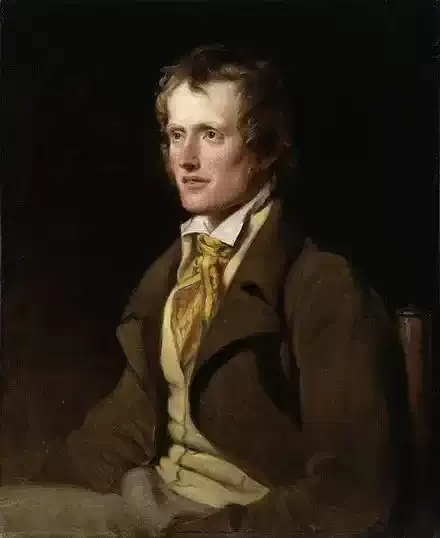
John Clare
To John Milton
To John Milton
_'From his honoured friend, William Davenant'_
Poet of mighty power, I fain
Would court the muse that honoured thee,
And, like Elisha's spirit, gain
A part of thy intensity;
And share the mantle which she flung
Around thee, when thy lyre was strung.
Though faction's scorn at first did shun
With coldness thy inspired song,
Though clouds of malice passed thy sun,
They could not hide it long;
Its brightness soon exhaled away
Dank night, and gained eternal day.
The critics' wrath did darkly frown
Upon thy muse's mighty lay;
But blasts that break the blossom down
Do only stir the bay;
And thine shall flourish, green and long,
With the eternity of song.
Thy genius saw, in quiet mood,
Gilt fashion's follies pass thee by,
And, like the monarch of the wood,
Towered oer it to the sky,
Where thou couldst sing of other spheres,
And feel the fame of future years.
Though bitter sneers and stinging scorns
Did throng the muse's dangerous way,
Thy powers were past such little thorns,
They gave thee no dismay;
The scoffer's insult passed thee by,
Thou smild'st and mad'st him no reply.
Envy will gnaw its heart away
To see thy genius gather root;
And as its flowers their sweets display
Scorn's malice shall be mute;
Hornets that summer warmed to fly,
Shall at the death of summer die.
Though friendly praise hath but its hour.
And little praise with thee hath been;
The bay may lose its summer flower,
But still its leaves are green;
And thine, whose buds are on the shoot,
Shall only fade to change to fruit.
Fame lives not in the breath of words,
In public praises' hue and cry;
The music of these summer birds
Is silent in a winter sky,
When thine shall live and flourish on,
Oer wrecks where crowds of fames are gone.
The ivy shuns the city wall,
When busy clamorous crowds intrude,
And climbs the desolated hall
In silent solitude;
The time-worn arch, the fallen dome,
Are roots for its eternal home.
The bard his glory neer receives
Where summer's common flowers are seen,
But winter finds it when she leaves
The laurel only green;
And time from that eternal tree,
Shall weave a wreath to honour thee;
A sunny wreath for poets meet,
From Helicon's immortal soil,
Where sacred Time with pilgrim feet
Walks forth to worship, not to spoil,
A wreath which Fame creates and bears,
And deathless genius only heirs.
Nought but thy ashes shall expire;
Thy genius, at thy obsequies,
Shall kindle up its living fire
And light the muse's skies;
Ay, it shall rise, and shine, and be
A sun in song's posterity.
_'From his honoured friend, William Davenant'_
Poet of mighty power, I fain
Would court the muse that honoured thee,
And, like Elisha's spirit, gain
A part of thy intensity;
And share the mantle which she flung
Around thee, when thy lyre was strung.
Though faction's scorn at first did shun
With coldness thy inspired song,
Though clouds of malice passed thy sun,
They could not hide it long;
Its brightness soon exhaled away
Dank night, and gained eternal day.
The critics' wrath did darkly frown
Upon thy muse's mighty lay;
But blasts that break the blossom down
Do only stir the bay;
And thine shall flourish, green and long,
With the eternity of song.
Thy genius saw, in quiet mood,
Gilt fashion's follies pass thee by,
And, like the monarch of the wood,
Towered oer it to the sky,
Where thou couldst sing of other spheres,
And feel the fame of future years.
Though bitter sneers and stinging scorns
Did throng the muse's dangerous way,
Thy powers were past such little thorns,
They gave thee no dismay;
The scoffer's insult passed thee by,
Thou smild'st and mad'st him no reply.
Envy will gnaw its heart away
To see thy genius gather root;
And as its flowers their sweets display
Scorn's malice shall be mute;
Hornets that summer warmed to fly,
Shall at the death of summer die.
Though friendly praise hath but its hour.
And little praise with thee hath been;
The bay may lose its summer flower,
But still its leaves are green;
And thine, whose buds are on the shoot,
Shall only fade to change to fruit.
Fame lives not in the breath of words,
In public praises' hue and cry;
The music of these summer birds
Is silent in a winter sky,
When thine shall live and flourish on,
Oer wrecks where crowds of fames are gone.
The ivy shuns the city wall,
When busy clamorous crowds intrude,
And climbs the desolated hall
In silent solitude;
The time-worn arch, the fallen dome,
Are roots for its eternal home.
The bard his glory neer receives
Where summer's common flowers are seen,
But winter finds it when she leaves
The laurel only green;
And time from that eternal tree,
Shall weave a wreath to honour thee;
A sunny wreath for poets meet,
From Helicon's immortal soil,
Where sacred Time with pilgrim feet
Walks forth to worship, not to spoil,
A wreath which Fame creates and bears,
And deathless genius only heirs.
Nought but thy ashes shall expire;
Thy genius, at thy obsequies,
Shall kindle up its living fire
And light the muse's skies;
Ay, it shall rise, and shine, and be
A sun in song's posterity.
344
John Clare
Song's Eternity
Song's Eternity
What is song's eternity?
Come and see.
Can it noise and bustle be?
Come and see.
Praises sung or praises said
Can it be?
Wait awhile and these are dead -
Sigh, sigh;
Be they high or lowly bred
They die.
What is song's eternity?
Come and see.
Melodies of earth and sky,
Here they be.
Song once sung to Adam's ears
Can it be?
Ballads of six thousand years
Thrive, thrive;
Songs awaken with the spheres
Alive.
Mighty songs that miss decay,
What are they?
Crowds and cities pass away
Like a day.
Books are out and books are read;
What are they?
Years will lay them with the dead -
Sigh, sigh;
Trifles unto nothing wed,
They die.
Dreamers, mark the honey bee;
Mark the tree
Where the blue cap "tootle tee"
Sings a glee
Sung to Adam and to Eve -
Here they be.
When floods covered every bough,
Noah's ark
Heard that ballad singing now;
Hark, hark,
"Tootle tootle tootle tee" -
Can it be
Pride and fame must shadows be?
Come and see -
Every season owns her own;
Bird and bee
Sing creation's music on;
Nature's glee
Is in every mood and tone
Eternity.
What is song's eternity?
Come and see.
Can it noise and bustle be?
Come and see.
Praises sung or praises said
Can it be?
Wait awhile and these are dead -
Sigh, sigh;
Be they high or lowly bred
They die.
What is song's eternity?
Come and see.
Melodies of earth and sky,
Here they be.
Song once sung to Adam's ears
Can it be?
Ballads of six thousand years
Thrive, thrive;
Songs awaken with the spheres
Alive.
Mighty songs that miss decay,
What are they?
Crowds and cities pass away
Like a day.
Books are out and books are read;
What are they?
Years will lay them with the dead -
Sigh, sigh;
Trifles unto nothing wed,
They die.
Dreamers, mark the honey bee;
Mark the tree
Where the blue cap "tootle tee"
Sings a glee
Sung to Adam and to Eve -
Here they be.
When floods covered every bough,
Noah's ark
Heard that ballad singing now;
Hark, hark,
"Tootle tootle tootle tee" -
Can it be
Pride and fame must shadows be?
Come and see -
Every season owns her own;
Bird and bee
Sing creation's music on;
Nature's glee
Is in every mood and tone
Eternity.
408
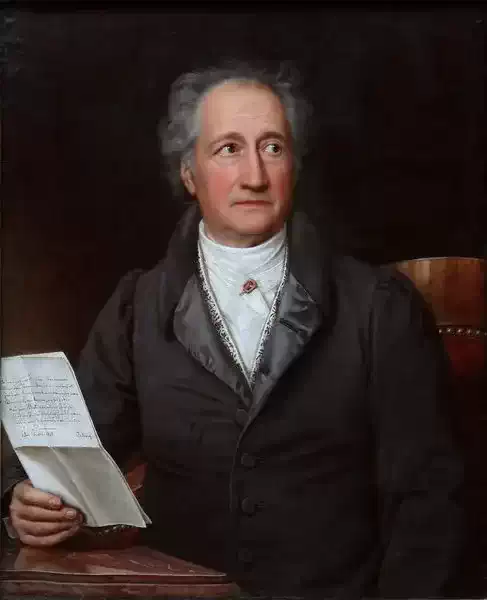
Johann Wolfgang von Goethe
Poetry
Poetry
GOD to his untaught children sent
Law, order, knowledge, art, from high,
And ev'ry heav'nly favour lent,
The world's hard lot to qualify.
They knew not how they should behave,
For all from Heav'n stark-naked came;
But Poetry their garments gave,
And then not one had cause for shame.
GOD to his untaught children sent
Law, order, knowledge, art, from high,
And ev'ry heav'nly favour lent,
The world's hard lot to qualify.
They knew not how they should behave,
For all from Heav'n stark-naked came;
But Poetry their garments gave,
And then not one had cause for shame.
348
Johann Wolfgang von Goethe
Minstrel's Book - Song And Structure
Minstrel's Book - Song And Structure
LET the Greek his plastic clay
Mould in human fashion,
While his own creation may
Wake his glowing passion;
But it is our joy to court
Great Euphrates' torrent,
Here and there at will to sport
In the Wat'ry current.
Quench'd I thus my spirit's flame,
Songs had soon resounded;
Water drawn by bards whose fame
Pure is, may be rounded.
LET the Greek his plastic clay
Mould in human fashion,
While his own creation may
Wake his glowing passion;
But it is our joy to court
Great Euphrates' torrent,
Here and there at will to sport
In the Wat'ry current.
Quench'd I thus my spirit's flame,
Songs had soon resounded;
Water drawn by bards whose fame
Pure is, may be rounded.
283
Johann Wolfgang von Goethe
A Parable
A Parable
I PICKED a rustic nosegay lately,
And bore it homewards, musing greatly;
When, heated by my hand, I found
The heads all drooping tow'rd the ground.
I plac'd them in a well-cool'd glass,
And what a wonder came to pass
The heads soon raised themselves once more.
The stalks were blooming as before,
And all were in as good a case
As when they left their native place.
So felt I, when I wond'ring heard
My song to foreign tongues transferr'd.
I PICKED a rustic nosegay lately,
And bore it homewards, musing greatly;
When, heated by my hand, I found
The heads all drooping tow'rd the ground.
I plac'd them in a well-cool'd glass,
And what a wonder came to pass
The heads soon raised themselves once more.
The stalks were blooming as before,
And all were in as good a case
As when they left their native place.
So felt I, when I wond'ring heard
My song to foreign tongues transferr'd.
424
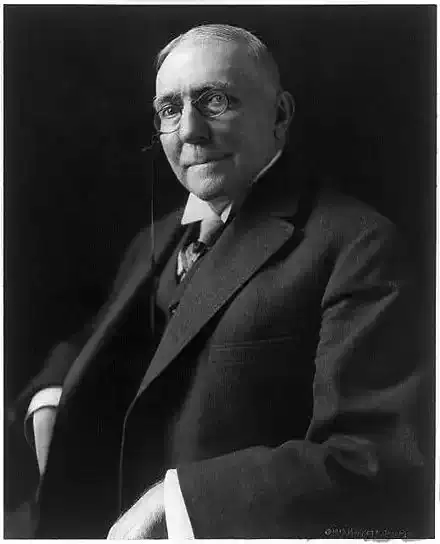
James Whitcomb Riley
Wash Lowry's Reminiscence
Wash Lowry's Reminiscence
And you're the poet of this concern?
I've seed your name in print
A dozen times, but I'll be dern
I'd 'a' never 'a' took the hint
O' the size you are--fer I'd pictured you
A kind of a tallish man-Dark-
complected and sallor too,
And on the consumpted plan.
'Stid o' that you're little and small,
With a milk-and-water face-'
Thout no snap in your eyes at all,
Er nothin' to suit the case!
Kind o'look like a--I don't know--
One o' these fair-ground chaps
That runs a thingamajig to blow,
Er a candy-stand perhaps.
'Ll I've allus thought that poetry
Was a sort of a--some disease--
Fer I knowed a poet once, and he
Was techy and hard to please,
And moody-like, and kindo' sad
And didn't seem to mix
With other folks--like his health was bad,
Er his liver out o' fix.
Used to teach fer a livelihood-There's
folks in Pipe Crick yit
Remembers him--and he was good
At cipherin' I'll admit--
And posted up in G'ography
But when it comes to tact,
And gittin' along with the school, you see,
He fizzled, and that's a fact!
Boarded with us fer fourteen months
And in all that time I'll say
We never catched him a-sleepin' once
Er idle a single day.
But shucks! It made him worse and worse
A-writin' rhymes and stuff,
And the school committee used to furse
'At the school warn't good enough.
He warn't as strict as he ought to been,
And never was known to whip,
Or even to keep a scholard in
At work at his penmanship;
'Stid o' that he'd learn 'em notes,
And have 'em every day,
Spilin' hymns and a-splittin' th'oats
With his 'Do-sol-fa-me-ra!'
Tel finally it was jest agreed
We'd have to let him go,
And we all felt bad--we did indeed,
When we come to tell him so;
Fer I remember, he turned so white,
And smiled so sad, somehow,
I someway felt it wasn't right,
And I'm shore it wasn't now!
He hadn't no complaints at all--
He bid the school adieu,
And all o' the scholards great and small
Was mighty sorry too!
And when he closed that afternoon
They sung some lines that he
Had writ a purpose, to some old tune
That suited the case, you see.
And then he lingered and delayed
And wouldn't go away--
And shet himself in his room and stayed
A-writin' from day to day;
And kep' a-gittin' stranger still,
And thinner all the time,
You know, as any feller will
On nothin' else but rhyme.
He didn't seem adzactly right,
Er like he was crossed in love,
He'd work away night after night,
And walk the floor above;
We'd hear him read and talk, and sing
So lonesome-like and low,
My woman's cried like ever'thing-'
Way in the night, you know.
And when at last he tuck to bed
He'd have his ink and pen;
'So's he could coat the muse' he said,
'He'd die contented then';
And jest before he past away
He read with dyin' gaze
The epitaph that stands to-day
To show you where he lays.
And ever sence then I've allus thought
That poetry's some disease,
And them like you that's got it ought
To watch their q's and p's ;
And leave the sweets of rhyme, to sup
On the wholesome draughts of toil,
And git your health recruited up
By plowin' in rougher soil.
And you're the poet of this concern?
I've seed your name in print
A dozen times, but I'll be dern
I'd 'a' never 'a' took the hint
O' the size you are--fer I'd pictured you
A kind of a tallish man-Dark-
complected and sallor too,
And on the consumpted plan.
'Stid o' that you're little and small,
With a milk-and-water face-'
Thout no snap in your eyes at all,
Er nothin' to suit the case!
Kind o'look like a--I don't know--
One o' these fair-ground chaps
That runs a thingamajig to blow,
Er a candy-stand perhaps.
'Ll I've allus thought that poetry
Was a sort of a--some disease--
Fer I knowed a poet once, and he
Was techy and hard to please,
And moody-like, and kindo' sad
And didn't seem to mix
With other folks--like his health was bad,
Er his liver out o' fix.
Used to teach fer a livelihood-There's
folks in Pipe Crick yit
Remembers him--and he was good
At cipherin' I'll admit--
And posted up in G'ography
But when it comes to tact,
And gittin' along with the school, you see,
He fizzled, and that's a fact!
Boarded with us fer fourteen months
And in all that time I'll say
We never catched him a-sleepin' once
Er idle a single day.
But shucks! It made him worse and worse
A-writin' rhymes and stuff,
And the school committee used to furse
'At the school warn't good enough.
He warn't as strict as he ought to been,
And never was known to whip,
Or even to keep a scholard in
At work at his penmanship;
'Stid o' that he'd learn 'em notes,
And have 'em every day,
Spilin' hymns and a-splittin' th'oats
With his 'Do-sol-fa-me-ra!'
Tel finally it was jest agreed
We'd have to let him go,
And we all felt bad--we did indeed,
When we come to tell him so;
Fer I remember, he turned so white,
And smiled so sad, somehow,
I someway felt it wasn't right,
And I'm shore it wasn't now!
He hadn't no complaints at all--
He bid the school adieu,
And all o' the scholards great and small
Was mighty sorry too!
And when he closed that afternoon
They sung some lines that he
Had writ a purpose, to some old tune
That suited the case, you see.
And then he lingered and delayed
And wouldn't go away--
And shet himself in his room and stayed
A-writin' from day to day;
And kep' a-gittin' stranger still,
And thinner all the time,
You know, as any feller will
On nothin' else but rhyme.
He didn't seem adzactly right,
Er like he was crossed in love,
He'd work away night after night,
And walk the floor above;
We'd hear him read and talk, and sing
So lonesome-like and low,
My woman's cried like ever'thing-'
Way in the night, you know.
And when at last he tuck to bed
He'd have his ink and pen;
'So's he could coat the muse' he said,
'He'd die contented then';
And jest before he past away
He read with dyin' gaze
The epitaph that stands to-day
To show you where he lays.
And ever sence then I've allus thought
That poetry's some disease,
And them like you that's got it ought
To watch their q's and p's ;
And leave the sweets of rhyme, to sup
On the wholesome draughts of toil,
And git your health recruited up
By plowin' in rougher soil.
290
James Whitcomb Riley
To My Good Master
To My Good Master
In fancy, always, at thy desk, thrown wide,
Thy most betreasured books ranged neighborly--
The rarest rhymes of every land and sea
And curious tongue--thine old face glorified,--
Thou haltest thy glib quill, and, laughing-eyed,
Givest hale welcome even unto me,
Profaning thus thine attic's sanctity,
To briefly visit, yet to still abide
Enthralled there of thy sorcery of wit,
And thy songs' most exceeding dear conceits.
O lips, cleft to the ripe core of all sweets,
With poems, like nectar, issuing therefrom,
Thy gentle utterances do overcome
My listening heart and all the love of it!
In fancy, always, at thy desk, thrown wide,
Thy most betreasured books ranged neighborly--
The rarest rhymes of every land and sea
And curious tongue--thine old face glorified,--
Thou haltest thy glib quill, and, laughing-eyed,
Givest hale welcome even unto me,
Profaning thus thine attic's sanctity,
To briefly visit, yet to still abide
Enthralled there of thy sorcery of wit,
And thy songs' most exceeding dear conceits.
O lips, cleft to the ripe core of all sweets,
With poems, like nectar, issuing therefrom,
Thy gentle utterances do overcome
My listening heart and all the love of it!
303
James Whitcomb Riley
The Pathos Of Applause
The Pathos Of Applause
The greeting of the company throughout
Was like a jubilee,--the children's shout
And fusillading hand-claps, with great guns
And detonations of the older ones,
Raged to such tumult of tempestuous joy,
It even more alarmed than pleased the boy;
Till, with a sudden twitching lip, he slid
Down to the floor and dodged across and hid
His face against his mother as she raised
Him to the shelter of her heart, and praised
His story in low whisperings, and smoothed
The 'amber-colored hair,' and kissed, and soothed
And lulled him back to sweet tranquillity-'
And 'ats a sign 'at you're the Ma fer me!'
He lisped, with gurgling ecstasy, and drew
Her closer, with shut eyes; and feeling, too,
If he could only _purr_ now like a cat,
He would undoubtedly be doing that!
'And now'--the serious host said, lifting there
A hand entreating silence;--'now, aware
Of the good promise of our Traveler guest
To add some story with and for the rest,
I think I favor you, and him as well,
Asking a story I have heard him tell,
And know its truth,in each minute detail:'
Then leaning on his guest's chair, with a hale
Hand-pat by way of full indorsement, he
Said, 'Yes--the Free-Slave story--certainly.'
The old man, with his waddy notebook out,
And glittering spectacles, glanced round about
The expectant circle, and still firmer drew
His hat on, with a nervous cough or two:
And, save at times the big hard words, and tone
Of gathering passion--all the speaker's own,--
The tale that set each childish heart astir
Was thus told by 'The Noted Traveler.'
The greeting of the company throughout
Was like a jubilee,--the children's shout
And fusillading hand-claps, with great guns
And detonations of the older ones,
Raged to such tumult of tempestuous joy,
It even more alarmed than pleased the boy;
Till, with a sudden twitching lip, he slid
Down to the floor and dodged across and hid
His face against his mother as she raised
Him to the shelter of her heart, and praised
His story in low whisperings, and smoothed
The 'amber-colored hair,' and kissed, and soothed
And lulled him back to sweet tranquillity-'
And 'ats a sign 'at you're the Ma fer me!'
He lisped, with gurgling ecstasy, and drew
Her closer, with shut eyes; and feeling, too,
If he could only _purr_ now like a cat,
He would undoubtedly be doing that!
'And now'--the serious host said, lifting there
A hand entreating silence;--'now, aware
Of the good promise of our Traveler guest
To add some story with and for the rest,
I think I favor you, and him as well,
Asking a story I have heard him tell,
And know its truth,in each minute detail:'
Then leaning on his guest's chair, with a hale
Hand-pat by way of full indorsement, he
Said, 'Yes--the Free-Slave story--certainly.'
The old man, with his waddy notebook out,
And glittering spectacles, glanced round about
The expectant circle, and still firmer drew
His hat on, with a nervous cough or two:
And, save at times the big hard words, and tone
Of gathering passion--all the speaker's own,--
The tale that set each childish heart astir
Was thus told by 'The Noted Traveler.'
285
James Whitcomb Riley
Heat-Lightning
Heat-Lightning
There was a curious quiet for a space
Directly following: and in the face
Of one rapt listener pulsed the flush and glow
Of the heat-lightning that pent passions throw
Long ere the crash of speech.--He broke the spell--
The host:--The Traveler's story, told so well,
He said, had wakened there within his breast
A yearning, as it were, to know _the rest_--
That all unwritten sequence that the Lord
Of Righteousness must write with flame and sword,
Some awful session of His patient thought--
Just then it was, his good old mother caught
His blazing eye--so that its fire became
But as an ember--though it burned the same.
It seemed to her, she said, that she had heard
It was the _Heavenly_ Parent never erred,
And not the _earthly_ one that had such grace:
'Therefore, my son,' she said, with lifted face
And eyes, 'let no one dare anticipate
The Lord's intent. While _He_ waits, _we_ will wait'
And with a gust of reverence genuine
Then Uncle Mart was aptly ringing in-
''_If the darkened heavens lower,
Wrap thy cloak around thy form;
Though the tempest rise in power,
God is mightier than the storm!_''
Which utterance reached the restive children all
As something humorous. And then a call
For _him_ to tell a story, or to 'say
A funny piece.' His face fell right away:
He knew no story worthy. Then he must
_Declaim_ for them: In that, he could not trust
His memory. And then a happy thought
Struck some one, who reached in his vest and brought
Some scrappy clippings into light and said
There was a poem of Uncle Mart's he read
Last April in '_The Sentinel_.' He had
It there in print, and knew all would be glad
To hear it rendered by the author.
And,
All reasons for declining at command
Exhausted, the now helpless poet rose
And said: 'I am discovered, I suppose.
Though I have taken all precautions not
To sign my name to any verses wrought
By my transcendent genius, yet, you see,
Fame wrests my secret from me bodily;
So I must needs confess I did this deed
Of poetry red-handed, nor can plead
One whit of unintention in my crime--
My guilt of rhythm and my glut of rhyme.-
'Maenides rehearsed a tale of arms,
And Naso told of curious metat_mur_phoses;
Unnumbered pens have pictured woman's charms,
While crazy _I_'ve made poetry _on purposes!_'
In other words, I stand convicted--need
I say--by my own doing, as I read.
There was a curious quiet for a space
Directly following: and in the face
Of one rapt listener pulsed the flush and glow
Of the heat-lightning that pent passions throw
Long ere the crash of speech.--He broke the spell--
The host:--The Traveler's story, told so well,
He said, had wakened there within his breast
A yearning, as it were, to know _the rest_--
That all unwritten sequence that the Lord
Of Righteousness must write with flame and sword,
Some awful session of His patient thought--
Just then it was, his good old mother caught
His blazing eye--so that its fire became
But as an ember--though it burned the same.
It seemed to her, she said, that she had heard
It was the _Heavenly_ Parent never erred,
And not the _earthly_ one that had such grace:
'Therefore, my son,' she said, with lifted face
And eyes, 'let no one dare anticipate
The Lord's intent. While _He_ waits, _we_ will wait'
And with a gust of reverence genuine
Then Uncle Mart was aptly ringing in-
''_If the darkened heavens lower,
Wrap thy cloak around thy form;
Though the tempest rise in power,
God is mightier than the storm!_''
Which utterance reached the restive children all
As something humorous. And then a call
For _him_ to tell a story, or to 'say
A funny piece.' His face fell right away:
He knew no story worthy. Then he must
_Declaim_ for them: In that, he could not trust
His memory. And then a happy thought
Struck some one, who reached in his vest and brought
Some scrappy clippings into light and said
There was a poem of Uncle Mart's he read
Last April in '_The Sentinel_.' He had
It there in print, and knew all would be glad
To hear it rendered by the author.
And,
All reasons for declining at command
Exhausted, the now helpless poet rose
And said: 'I am discovered, I suppose.
Though I have taken all precautions not
To sign my name to any verses wrought
By my transcendent genius, yet, you see,
Fame wrests my secret from me bodily;
So I must needs confess I did this deed
Of poetry red-handed, nor can plead
One whit of unintention in my crime--
My guilt of rhythm and my glut of rhyme.-
'Maenides rehearsed a tale of arms,
And Naso told of curious metat_mur_phoses;
Unnumbered pens have pictured woman's charms,
While crazy _I_'ve made poetry _on purposes!_'
In other words, I stand convicted--need
I say--by my own doing, as I read.
314
James Whitcomb Riley
A Letter To A Friend
A Letter To A Friend
The past is like a story
I have listened to in dreams
That vanished in the glory
Of the Morning's early gleams;
And--at my shadow glancing--
I feel a loss of strength,
As the Day of Life advancing
Leaves it shorn of half its length.
But it's all in vain to worry
At the rapid race of Time--
And he flies in such a flurry
When I trip him with a rhyme,
I'll bother him no longer
Than to thank you for the thought
That 'my fame is growing stronger
As you really think it ought.'
And though I fall below it,
I might know as much of mirth
To live and die a poet
Of unacknowledged worth;
For Fame is but a vagrant--
Though a loyal one and brave,
And his laurels ne'er so fragrant
As when scattered o'er the grave.
The past is like a story
I have listened to in dreams
That vanished in the glory
Of the Morning's early gleams;
And--at my shadow glancing--
I feel a loss of strength,
As the Day of Life advancing
Leaves it shorn of half its length.
But it's all in vain to worry
At the rapid race of Time--
And he flies in such a flurry
When I trip him with a rhyme,
I'll bother him no longer
Than to thank you for the thought
That 'my fame is growing stronger
As you really think it ought.'
And though I fall below it,
I might know as much of mirth
To live and die a poet
Of unacknowledged worth;
For Fame is but a vagrant--
Though a loyal one and brave,
And his laurels ne'er so fragrant
As when scattered o'er the grave.
247
Horácio
BkI:X To Mercury
BkI:X To Mercury
Mercury, eloquent grandson of Atlas,
I’ll sing of you, who wise with your training, shaped
the uncivilised ways of our new-born race,
with language, and grace
in the ways of wrestling, you the messenger
of Jove and the gods, and the curved lyre’s father,
skilful in hiding whatever pleases you,
with playful deceit.
While he tried to scare you, with his threatening voice,
unless you returned the cattle you’d stolen,
and so craftily, Apollo was laughing
missing his quiver.
And indeed, with your guidance, Priam carrying
rich gifts left Troy, escaped the proud Atridae,
Thessalian fires, and the menacing camp
threatening Ilium.
You bring virtuous souls to the happy shores,
controlling the bodiless crowds with your wand
of gold, pleasing to the gods of the heavens
and the gods below.
Mercury, eloquent grandson of Atlas,
I’ll sing of you, who wise with your training, shaped
the uncivilised ways of our new-born race,
with language, and grace
in the ways of wrestling, you the messenger
of Jove and the gods, and the curved lyre’s father,
skilful in hiding whatever pleases you,
with playful deceit.
While he tried to scare you, with his threatening voice,
unless you returned the cattle you’d stolen,
and so craftily, Apollo was laughing
missing his quiver.
And indeed, with your guidance, Priam carrying
rich gifts left Troy, escaped the proud Atridae,
Thessalian fires, and the menacing camp
threatening Ilium.
You bring virtuous souls to the happy shores,
controlling the bodiless crowds with your wand
of gold, pleasing to the gods of the heavens
and the gods below.
255