

Poems in this theme
Literature and Words

Emily Dickinson
Her-last Poems
Her-"last Poems"
312
Her-"last Poems"Poets-
endedSilver-
perished-with her Tongue-
Not on Record-bubbled other,
Flute-or Woman-
So divine-
Not unto its Summer-Morning
Robin-uttered Half the Tune-
Gushed too free for the Adoring-
From the Anglo-FlorentineLate-
the Praise'
Tis dull-conferring
On the Head too High to CrownDiadem-
or Ducal Showing-
Be its Grave-sufficient signNought-
that We-No Poet's KinsmanSuffocate-
with easy woe-
What, and if, Ourself a Bridegroom-
Put Her down-in Italy?
312
Her-"last Poems"Poets-
endedSilver-
perished-with her Tongue-
Not on Record-bubbled other,
Flute-or Woman-
So divine-
Not unto its Summer-Morning
Robin-uttered Half the Tune-
Gushed too free for the Adoring-
From the Anglo-FlorentineLate-
the Praise'
Tis dull-conferring
On the Head too High to CrownDiadem-
or Ducal Showing-
Be its Grave-sufficient signNought-
that We-No Poet's KinsmanSuffocate-
with easy woe-
What, and if, Ourself a Bridegroom-
Put Her down-in Italy?
369
Emily Dickinson
Fame is the tine that Scholars leave
Fame is the tine that Scholars leave
866
Fame is the tine that Scholars leave
Upon their Setting Names-
The Iris not of Occident
That disappears as comes-
866
Fame is the tine that Scholars leave
Upon their Setting Names-
The Iris not of Occident
That disappears as comes-
273
Emily Dickinson
Drama's Vitallest Expression is the Common Day
Drama's Vitallest Expression is the Common Day
741
Drama's Vitallest Expression is the Common Day
That arise and set about Us-
Other Tragedy
Perish in the RecitationThis-
the best enact
When the Audience is scattered
And the Boxes shut
"Hamlet" to Himself were Hamlet-
Had not Shakespeare wrote-
Though the "Romeo" left no Record
Of his Juliet,
It were infinite enacted
In the Human Heart-
Only Theatre recorded
Owner cannot shut-
741
Drama's Vitallest Expression is the Common Day
That arise and set about Us-
Other Tragedy
Perish in the RecitationThis-
the best enact
When the Audience is scattered
And the Boxes shut
"Hamlet" to Himself were Hamlet-
Had not Shakespeare wrote-
Though the "Romeo" left no Record
Of his Juliet,
It were infinite enacted
In the Human Heart-
Only Theatre recorded
Owner cannot shut-
319
Emily Dickinson
A precious—mouldering pleasure
A precious—mouldering pleasure
371
A precious—mouldering pleasure—'tis—
To meet an Antique Book—
In just the Dress his Century wore—
A privilege—I think—
His venerable Hand to take—
And warming in our own—
A passage back—or two—to make—
To Times when he—was young—
His quaint opinions—to inspect—
His thought to ascertain
On Themes concern our mutual mind—
The Literature of Man—
What interested Scholars—most—
What Competitions ran—
When Plato—was a Certainty—
And Sophocles—a Man—
When Sappho—was a living Girl—
And Beatrice wore
The Gown that Dante—deified—
Facts Centuries before
He traverses—familiar—
As One should come to Town—
And tell you all your Dreams—were true—
He lived—where Dreams were born—
His presence is Enchantment—
You beg him not to go—
Old Volume shake their Vellum Heads
And tantalize—just so—
371
A precious—mouldering pleasure—'tis—
To meet an Antique Book—
In just the Dress his Century wore—
A privilege—I think—
His venerable Hand to take—
And warming in our own—
A passage back—or two—to make—
To Times when he—was young—
His quaint opinions—to inspect—
His thought to ascertain
On Themes concern our mutual mind—
The Literature of Man—
What interested Scholars—most—
What Competitions ran—
When Plato—was a Certainty—
And Sophocles—a Man—
When Sappho—was a living Girl—
And Beatrice wore
The Gown that Dante—deified—
Facts Centuries before
He traverses—familiar—
As One should come to Town—
And tell you all your Dreams—were true—
He lived—where Dreams were born—
His presence is Enchantment—
You beg him not to go—
Old Volume shake their Vellum Heads
And tantalize—just so—
402
Emily Dickinson
A Book
A Book
There is no frigate like a book
To take us lands away,
Nor any coursers like a page
Of prancing poetry.
This traverse may the poorest take
Without oppress of toll;
How frugal is the chariot
That bears a human soul!
There is no frigate like a book
To take us lands away,
Nor any coursers like a page
Of prancing poetry.
This traverse may the poorest take
Without oppress of toll;
How frugal is the chariot
That bears a human soul!
312

Ella Wheeler Wilcox
The Muse And The Poet
The Muse And The Poet
The Muse said, Let us sing a little song
Wherein no hint of wrong,
No echo of the great world need, or pain,
Shall mar the strain.
Lock fast the swinging portal of thy heart;
Keep sympathy apart.
Sing of the sunset, of the dawn, the sea;
Of any thing or nothing, so there be
No purpose to thy art.
Yea, let us make, art for Art's sake.
And sing no more unto the hearts of men,
But for the critic's pen.
With songs that are but words, sweet sounding words,
Like joyous jargon of the birds.
Tune now thy lyre, O Poet, and sing on.
Sing of
THE DAWN
The Virgin Night, all languorous with dreams
Of her belovèd Darkness, rose in fear,
Feeling the presence of another near.
Outside her curtained casement shone the gleams
Of burning orbs; and modestly she hid
Her brow and bosom with her dusky hair.
When lo! the bold intruder lurking there
Leaped through the fragile lattice, all unbid,
And half unveiled her. Then the swooning Night
Fell pale and dead, while yet her soul was white
Before that lawless Ravisher, the Light.
The Muse said, Poet, nay; thou hast not caught
My meaning. For there lurks a thought
Back of thy song.
In art, all thought is wrong.
Re-string thy lyre; and let the echoes bound
To nothing but sweet sound.
Strike now the chords
And sing of
WORDS
One day sweet Ladye Language gave to me
A little golden key.
I sat me down beside her jewel box
And turned its locks.
And oh, the wealth that lay there in my sight.
Great solitaires of words, so bright, so bright;
Words that no use can commonize; like God,
And Truth, and Love; and words of sapphire blue;
And amber words; with sunshine dripping through;
And words of that strange hue
A pearl reveals upon a wanton's hand.
Again the Muse:
Thou dost not understand;
A thought within thy song is lingering yet.
Sing but of words; all else forget, forget.
Nor let thy words convey one thought to men.
Try once again.
Down through the dusk and dew there fell a word;
Down through the dew and dusk.
And all the garments of the air it stirred
Smelled sweet as musk;
And all the little waves of air it kissed
Turned gold and amethyst.
There in the dew and dusk a heart it found;
There in the dusk and dew
The sodden silence changed to fragrant sound;
And all the world seemed new.
Upon the path that little word had trod,
There shone the smile of God.
The Muse said, Drop thy lyre.
I tire, I tire.
The Muse said, Let us sing a little song
Wherein no hint of wrong,
No echo of the great world need, or pain,
Shall mar the strain.
Lock fast the swinging portal of thy heart;
Keep sympathy apart.
Sing of the sunset, of the dawn, the sea;
Of any thing or nothing, so there be
No purpose to thy art.
Yea, let us make, art for Art's sake.
And sing no more unto the hearts of men,
But for the critic's pen.
With songs that are but words, sweet sounding words,
Like joyous jargon of the birds.
Tune now thy lyre, O Poet, and sing on.
Sing of
THE DAWN
The Virgin Night, all languorous with dreams
Of her belovèd Darkness, rose in fear,
Feeling the presence of another near.
Outside her curtained casement shone the gleams
Of burning orbs; and modestly she hid
Her brow and bosom with her dusky hair.
When lo! the bold intruder lurking there
Leaped through the fragile lattice, all unbid,
And half unveiled her. Then the swooning Night
Fell pale and dead, while yet her soul was white
Before that lawless Ravisher, the Light.
The Muse said, Poet, nay; thou hast not caught
My meaning. For there lurks a thought
Back of thy song.
In art, all thought is wrong.
Re-string thy lyre; and let the echoes bound
To nothing but sweet sound.
Strike now the chords
And sing of
WORDS
One day sweet Ladye Language gave to me
A little golden key.
I sat me down beside her jewel box
And turned its locks.
And oh, the wealth that lay there in my sight.
Great solitaires of words, so bright, so bright;
Words that no use can commonize; like God,
And Truth, and Love; and words of sapphire blue;
And amber words; with sunshine dripping through;
And words of that strange hue
A pearl reveals upon a wanton's hand.
Again the Muse:
Thou dost not understand;
A thought within thy song is lingering yet.
Sing but of words; all else forget, forget.
Nor let thy words convey one thought to men.
Try once again.
Down through the dusk and dew there fell a word;
Down through the dew and dusk.
And all the garments of the air it stirred
Smelled sweet as musk;
And all the little waves of air it kissed
Turned gold and amethyst.
There in the dew and dusk a heart it found;
There in the dusk and dew
The sodden silence changed to fragrant sound;
And all the world seemed new.
Upon the path that little word had trod,
There shone the smile of God.
The Muse said, Drop thy lyre.
I tire, I tire.
504
Ella Wheeler Wilcox
Lines from
Lines from
I'd rather have my verses win
A place in common people's hearts,
Who, toiling through the strife and din
Of life's great thoroughfares, and marts,
May read some line my hand has penned;
Some simple verse, not fine, or grand,
But what their hearts can understand
And hold me henceforth as a friend,-
I'd rather win such quiet fame
Than by some fine thought, bolished so
But those of learned minds would know,
Just what the meaning of my song,--
To have the critics sound my name
In high-flown praises, loud and long.
I sing not for the critic's ear,
But for the masses. If they hear
Despite the turmoil, noise, and strife
Some least low note that gladdens life,
I shall be wholly satisfied,
Though critics to the end deride.
I'd rather have my verses win
A place in common people's hearts,
Who, toiling through the strife and din
Of life's great thoroughfares, and marts,
May read some line my hand has penned;
Some simple verse, not fine, or grand,
But what their hearts can understand
And hold me henceforth as a friend,-
I'd rather win such quiet fame
Than by some fine thought, bolished so
But those of learned minds would know,
Just what the meaning of my song,--
To have the critics sound my name
In high-flown praises, loud and long.
I sing not for the critic's ear,
But for the masses. If they hear
Despite the turmoil, noise, and strife
Some least low note that gladdens life,
I shall be wholly satisfied,
Though critics to the end deride.
433
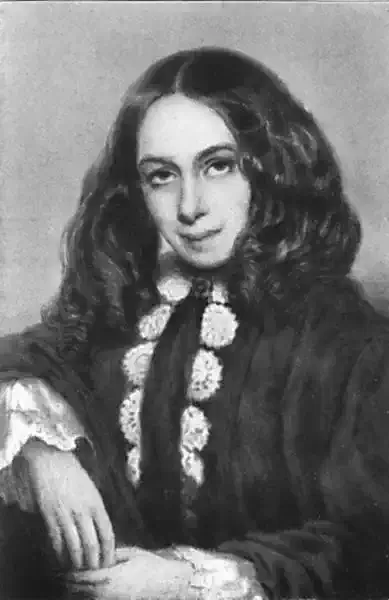
Elizabeth Barrett Browning
On A Portrait Of Wordsworth
On A Portrait Of Wordsworth
WORDSWORTH upon Helvellyn ! Let the cloud
Ebb audibly along the mountain-wind,
Then break against the rock, and show behind
The lowland valleys floating up to crowd
The sense with beauty. He with forehead bowed
And humble-lidded eyes, as one inclined
Before the sovran thought of his own mind,
And very meek with inspirations proud,
Takes here his rightful place as poet-priest
By the high altar, singing prayer and prayer
To the higher Heavens. A noble vision free
Our Haydon's hand has flung out from the mist:
No portrait this, with Academic air !
This is the poet and his poetry.
WORDSWORTH upon Helvellyn ! Let the cloud
Ebb audibly along the mountain-wind,
Then break against the rock, and show behind
The lowland valleys floating up to crowd
The sense with beauty. He with forehead bowed
And humble-lidded eyes, as one inclined
Before the sovran thought of his own mind,
And very meek with inspirations proud,
Takes here his rightful place as poet-priest
By the high altar, singing prayer and prayer
To the higher Heavens. A noble vision free
Our Haydon's hand has flung out from the mist:
No portrait this, with Academic air !
This is the poet and his poetry.
437

Edward Lear
Unicorny,
Unicorny,
In a barn,
Little unicorn!
V was once a little van,
Vanny,
Flanny,
Manny
Vanny,
Drive really fasty,
Little van!
W was once a little witch,
Witchy,
Twitchy,
Cwitchy,
Witchy,
Fly real high,
Little witch!
X was once a little x-man,
Mexman,
Nexman,
Pexman,
Mexman,
X-man has big claws,
Little x-man!
Y was once a little yarn,
Yarny,
Carny,
Larny,
Yarny,
Rolly yarny,
Little yarn!
Z was once a little zucchini,
Winey,
Tiney,
Liney,
Winey,
Tinky zinky,
Little letter z!
In a barn,
Little unicorn!
V was once a little van,
Vanny,
Flanny,
Manny
Vanny,
Drive really fasty,
Little van!
W was once a little witch,
Witchy,
Twitchy,
Cwitchy,
Witchy,
Fly real high,
Little witch!
X was once a little x-man,
Mexman,
Nexman,
Pexman,
Mexman,
X-man has big claws,
Little x-man!
Y was once a little yarn,
Yarny,
Carny,
Larny,
Yarny,
Rolly yarny,
Little yarn!
Z was once a little zucchini,
Winey,
Tiney,
Liney,
Winey,
Tinky zinky,
Little letter z!
256
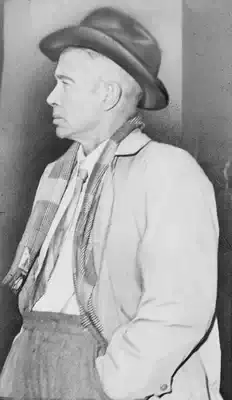
E. E. Cummings
If I have made, my lady, intricate
If I have made, my lady, intricate
If I have made, my lady, intricate
imperfect various things chiefly which wrong
your eyes (frailer than most deep dreams are frail)
songs less firm than your body's whitest song
upon my mind - if I have failed to snare
the glance too shy - if through my singing slips
the very skillful strangeness of your smile
the keen primeval silence of your hair
-let the world say "his most wise music stole
nothing from death" you
will only create
(who are so perfectly alive) my shame:
lady whose profound and fragile lips
the sweet small clumsy feet of April came
into the ragged meadow of my soul.
If I have made, my lady, intricate
imperfect various things chiefly which wrong
your eyes (frailer than most deep dreams are frail)
songs less firm than your body's whitest song
upon my mind - if I have failed to snare
the glance too shy - if through my singing slips
the very skillful strangeness of your smile
the keen primeval silence of your hair
-let the world say "his most wise music stole
nothing from death" you
will only create
(who are so perfectly alive) my shame:
lady whose profound and fragile lips
the sweet small clumsy feet of April came
into the ragged meadow of my soul.
579
E. E. Cummings
Fame Speaks
Fame Speaks
Stand forth,John Keats! On earth thou knew'st me not;
Steadfast through all the storms of passion,thou,
True to thy muse,and virgin to thy vow;
Resigned,if name with ashes were forgot,
So thou one arrow in the gold had'st shot!
I never placed my laurel on thy brow,
But on thy name I come to lay it now,
When thy bones wither in the earthly plot.
Fame is my name. I dwell among the clouds,
Being immortal,and the wreath I bring
Itself is Immortality. The sweets
Of earth I know not,more the pains,but wing
In mine own ether,with the crownéd crowds
Born of the centuries.-Stand forth,John Keats!
Stand forth,John Keats! On earth thou knew'st me not;
Steadfast through all the storms of passion,thou,
True to thy muse,and virgin to thy vow;
Resigned,if name with ashes were forgot,
So thou one arrow in the gold had'st shot!
I never placed my laurel on thy brow,
But on thy name I come to lay it now,
When thy bones wither in the earthly plot.
Fame is my name. I dwell among the clouds,
Being immortal,and the wreath I bring
Itself is Immortality. The sweets
Of earth I know not,more the pains,but wing
In mine own ether,with the crownéd crowds
Born of the centuries.-Stand forth,John Keats!
568
E. E. Cummings
Ballad of the Scholar's Lament
Ballad of the Scholar's Lament
When I have struggled through three hundred years
of Roman history, and hastened o'er
Some French play-(though I have my private fears
Of flunking sorely when I take the floor
In class),-when I have steeped my soul in gore
And Greek, and figured over half a ream
With Algebra, which I do (not) adore,
How shall I manage to compose a theme?
It's well enough to talk of poor and peers,
And munch the golden apples' shiny core,
And lay a lot of heroes on their biers;While
the great Alec, knocking down a score,
Takes out his handkerchief, boohoo-ing, "More!"But
harshly I awaken from my dream,
To find a new,-er,-privilege,-in store:
How shall I manage to compose a theme?
After I've swallowed prophecies of seers,
And trailed Aeneas from the Trojan shore,
Learned how Achilles, after many jeers,
On piggy Agamemnon got to sore,
And heard how Hercules, Esq., tore
Around, and swept and dusted with a stream,
There's one last duty,-let's not call it bore,How
shall I manage to compose a theme?
Envoi
Of what avail is all my mighty lore?
I beat my breast, I tear my hair, I scream:
"Behold, I have a Herculean chore.
How shall I manage to compose a theme?"
When I have struggled through three hundred years
of Roman history, and hastened o'er
Some French play-(though I have my private fears
Of flunking sorely when I take the floor
In class),-when I have steeped my soul in gore
And Greek, and figured over half a ream
With Algebra, which I do (not) adore,
How shall I manage to compose a theme?
It's well enough to talk of poor and peers,
And munch the golden apples' shiny core,
And lay a lot of heroes on their biers;While
the great Alec, knocking down a score,
Takes out his handkerchief, boohoo-ing, "More!"But
harshly I awaken from my dream,
To find a new,-er,-privilege,-in store:
How shall I manage to compose a theme?
After I've swallowed prophecies of seers,
And trailed Aeneas from the Trojan shore,
Learned how Achilles, after many jeers,
On piggy Agamemnon got to sore,
And heard how Hercules, Esq., tore
Around, and swept and dusted with a stream,
There's one last duty,-let's not call it bore,How
shall I manage to compose a theme?
Envoi
Of what avail is all my mighty lore?
I beat my breast, I tear my hair, I scream:
"Behold, I have a Herculean chore.
How shall I manage to compose a theme?"
603
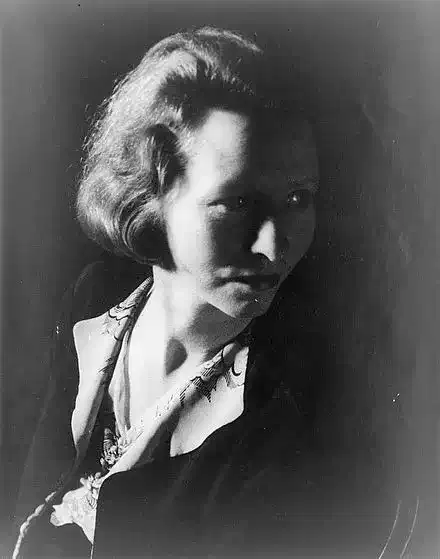
Edna St. Vincent Millay
To A Poet That Died Young
To A Poet That Died Young
Minstrel, what have you to do
With this man that, after you,
Sharing not your happy fate,
Sat as England's Laureate?
Vainly, in these iron days,
Strives the poet in your praise,
Minstrel, by whose singing side
Beauty walked, until you died.
Still, though none should hark again,
Drones the blue-fly in the pane,
Thickly crusts the blackest moss,
Blows the rose its musk across,
Floats the boat that is forgot
None the less to Camelot.
Many a bard's untimely death
Lends unto his verses breath;
Here's a song was never sung:
Growing old is dying young.
Minstrel, what is this to you:
That a man you never knew,
When your grave was far and green,
Sat and gossipped with a queen?
Thalia knows how rare a thing
Is it, to grow old and sing;
When a brown and tepid tide
Closes in on every side.
Who shall say if Shelley's gold
Had withstood it to grow old?
Minstrel, what have you to do
With this man that, after you,
Sharing not your happy fate,
Sat as England's Laureate?
Vainly, in these iron days,
Strives the poet in your praise,
Minstrel, by whose singing side
Beauty walked, until you died.
Still, though none should hark again,
Drones the blue-fly in the pane,
Thickly crusts the blackest moss,
Blows the rose its musk across,
Floats the boat that is forgot
None the less to Camelot.
Many a bard's untimely death
Lends unto his verses breath;
Here's a song was never sung:
Growing old is dying young.
Minstrel, what is this to you:
That a man you never knew,
When your grave was far and green,
Sat and gossipped with a queen?
Thalia knows how rare a thing
Is it, to grow old and sing;
When a brown and tepid tide
Closes in on every side.
Who shall say if Shelley's gold
Had withstood it to grow old?
316
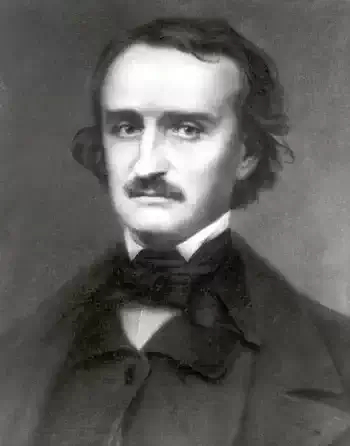
Edgar Allan Poe
The Forest Reverie
The Forest Reverie
'Tis said that when
The hands of men
Tamed this primeval wood,
And hoary trees with groans of woe,
Like warriors by an unknown foe,
Were in their strength subdued,
The virgin Earth Gave instant birth
To springs that ne'er did flow
That in the sun Did rivulets run,
And all around rare flowers did blow
The wild rose pale Perfumed the gale
And the queenly lily adown the dale
(Whom the sun and the dew
And the winds did woo),
With the gourd and the grape luxuriant grew.
So when in tears
The love of years
Is wasted like the snow,
And the fine fibrils of its life
By the rude wrong of instant strife
Are broken at a blow
Within the heart
Do springs upstart
Of which it doth now know,
And strange, sweet dreams,
Like silent streams
That from new fountains overflow,
With the earlier tide
Of rivers glide
Deep in the heart whose hope has died--
Quenching the fires its ashes hide,--
Its ashes, whence will spring and grow
Sweet flowers, ere long,
The rare and radiant flowers of song!
'Tis said that when
The hands of men
Tamed this primeval wood,
And hoary trees with groans of woe,
Like warriors by an unknown foe,
Were in their strength subdued,
The virgin Earth Gave instant birth
To springs that ne'er did flow
That in the sun Did rivulets run,
And all around rare flowers did blow
The wild rose pale Perfumed the gale
And the queenly lily adown the dale
(Whom the sun and the dew
And the winds did woo),
With the gourd and the grape luxuriant grew.
So when in tears
The love of years
Is wasted like the snow,
And the fine fibrils of its life
By the rude wrong of instant strife
Are broken at a blow
Within the heart
Do springs upstart
Of which it doth now know,
And strange, sweet dreams,
Like silent streams
That from new fountains overflow,
With the earlier tide
Of rivers glide
Deep in the heart whose hope has died--
Quenching the fires its ashes hide,--
Its ashes, whence will spring and grow
Sweet flowers, ere long,
The rare and radiant flowers of song!
303
Edgar Allan Poe
Elizabeth
Elizabeth
Elizabeth, it surely is most fit
[Logic and common usage so commanding]
In thy own book that first thy name be writ,
Zeno and other sages notwithstanding;
And I have other reasons for so doing
Besides my innate love of contradiction;
Each poet - if a poet - in pursuing
The muses thro' their bowers of Truth or Fiction,
Has studied very little of his part,
Read nothing, written less - in short's a fool
Endued with neither soul, nor sense, nor art,
Being ignorant of one important rule,
Employed in even the theses of the schoolCalled
- I forget the heathenish Greek name
[Called anything, its meaning is the same]
"Always write first things uppermost in the heart."
Elizabeth, it surely is most fit
[Logic and common usage so commanding]
In thy own book that first thy name be writ,
Zeno and other sages notwithstanding;
And I have other reasons for so doing
Besides my innate love of contradiction;
Each poet - if a poet - in pursuing
The muses thro' their bowers of Truth or Fiction,
Has studied very little of his part,
Read nothing, written less - in short's a fool
Endued with neither soul, nor sense, nor art,
Being ignorant of one important rule,
Employed in even the theses of the schoolCalled
- I forget the heathenish Greek name
[Called anything, its meaning is the same]
"Always write first things uppermost in the heart."
308
Edgar Allan Poe
An Enigma
An Enigma
"Seldom we find," says Solomon Don Dunce,
"Half an idea in the profoundest sonnet.
Through all the flimsy things we see at once
As easily as through a Naples bonnetTrash
of all trash!- how can a lady don it?
Yet heavier far than your Petrarchan stuffOwl-
downy nonsense that the faintest puff
Twirls into trunk-paper the while you con it."
And, veritably, Sol is right enough.
The general tuckermanities are arrant
Bubbles- ephemeral and so transparent
But this is, now- you may depend upon itStable,
opaque, immortal- all by dint
Of the dear names that he concealed within 't.
"Seldom we find," says Solomon Don Dunce,
"Half an idea in the profoundest sonnet.
Through all the flimsy things we see at once
As easily as through a Naples bonnetTrash
of all trash!- how can a lady don it?
Yet heavier far than your Petrarchan stuffOwl-
downy nonsense that the faintest puff
Twirls into trunk-paper the while you con it."
And, veritably, Sol is right enough.
The general tuckermanities are arrant
Bubbles- ephemeral and so transparent
But this is, now- you may depend upon itStable,
opaque, immortal- all by dint
Of the dear names that he concealed within 't.
256
Edgar Allan Poe
A Valentine
A Valentine
For her this rhyme is penned, whose luminous eyes,
Brightly expressive as the twins of Leda,
Shall find her own sweet name, that nestling lies
Upon the page, enwrapped from every reader.
Search narrowly the lines!- they hold a treasure
Divine- a talisman- an amulet
That must be worn at heart. Search well the measureThe
words- the syllables! Do not forget
The trivialest point, or you may lose your labor
And yet there is in this no Gordian knot
Which one might not undo without a sabre,
If one could merely comprehend the plot.
Enwritten upon the leaf where now are peering
Eyes scintillating soul, there lie perdus
Three eloquent words oft uttered in the hearing
Of poets, by poets- as the name is a poet's, too,
Its letters, although naturally lying
Like the knight Pinto- Mendez FerdinandoStill
form a synonym for Truth- Cease trying!
You will not read the riddle, though you do the best you can do.
For her this rhyme is penned, whose luminous eyes,
Brightly expressive as the twins of Leda,
Shall find her own sweet name, that nestling lies
Upon the page, enwrapped from every reader.
Search narrowly the lines!- they hold a treasure
Divine- a talisman- an amulet
That must be worn at heart. Search well the measureThe
words- the syllables! Do not forget
The trivialest point, or you may lose your labor
And yet there is in this no Gordian knot
Which one might not undo without a sabre,
If one could merely comprehend the plot.
Enwritten upon the leaf where now are peering
Eyes scintillating soul, there lie perdus
Three eloquent words oft uttered in the hearing
Of poets, by poets- as the name is a poet's, too,
Its letters, although naturally lying
Like the knight Pinto- Mendez FerdinandoStill
form a synonym for Truth- Cease trying!
You will not read the riddle, though you do the best you can do.
327

Dylan Thomas
In My Craft or Sullen Art
In My Craft or Sullen Art
In my craft or sullen art
Exercised in the still night
When only the moon rages
And the lovers lie abed
With all their griefs in their arms
I labour by singing light
Not for ambition or bread
Or the strut and trade of charms
On the ivory stages
But for the common wages
Of their most secret heart.
Not for the proud man apart
From the raging moon I write
On these spindrift pages
Nor for the towering dead
With their nightingales and psalms
But for the lovers, their arms
Round the griefs of the ages,
Who pay no praise or wages
Nor heed my craft or art
In my craft or sullen art
Exercised in the still night
When only the moon rages
And the lovers lie abed
With all their griefs in their arms
I labour by singing light
Not for ambition or bread
Or the strut and trade of charms
On the ivory stages
But for the common wages
Of their most secret heart.
Not for the proud man apart
From the raging moon I write
On these spindrift pages
Nor for the towering dead
With their nightingales and psalms
But for the lovers, their arms
Round the griefs of the ages,
Who pay no praise or wages
Nor heed my craft or art
320
Dylan Thomas
Especially When the October Wind
Especially When the October Wind
Especially when the October wind
With frosty fingers punishes my hair,
Caught by the crabbing sun I walk on fire
And cast a shadow crab upon the land,
By the sea's side, hearing the noise of birds,
Hearing the raven cough in winter sticks,
My busy heart who shudders as she talks
Sheds the syllabic blood and drains her words.
Shut, too, in a tower of words, I mark
On the horizon walking like the trees
The wordy shapes of women, and the rows
Of the star-gestured children in the park.
Some let me make you of the vowelled beeches,
Some of the oaken voices, from the roots
Of many a thorny shire tell you notes,
Some let me make you of the water's speeches.
Behind a pot of ferns the wagging clock
Tells me the hour's word, the neural meaning
Flies on the shafted disk, declaims the morning
And tells the windy weather in the cock.
Some let me make you of the meadow's signs;
The signal grass that tells me all I know
Breaks with the wormy winter through the eye.
Some let me tell you of the raven's sins.
Especially when the October wind
(Some let me make you of autumnal spells,
The spider-tongued, and the loud hill of Wales)
With fists of turnips punishes the land,
Some let me make you of the heartless words.
The heart is drained that, spelling in the scurry
Of chemic blood, warned of the coming fury.
By the sea's side hear the dark-vowelled birds.
Especially when the October wind
With frosty fingers punishes my hair,
Caught by the crabbing sun I walk on fire
And cast a shadow crab upon the land,
By the sea's side, hearing the noise of birds,
Hearing the raven cough in winter sticks,
My busy heart who shudders as she talks
Sheds the syllabic blood and drains her words.
Shut, too, in a tower of words, I mark
On the horizon walking like the trees
The wordy shapes of women, and the rows
Of the star-gestured children in the park.
Some let me make you of the vowelled beeches,
Some of the oaken voices, from the roots
Of many a thorny shire tell you notes,
Some let me make you of the water's speeches.
Behind a pot of ferns the wagging clock
Tells me the hour's word, the neural meaning
Flies on the shafted disk, declaims the morning
And tells the windy weather in the cock.
Some let me make you of the meadow's signs;
The signal grass that tells me all I know
Breaks with the wormy winter through the eye.
Some let me tell you of the raven's sins.
Especially when the October wind
(Some let me make you of autumnal spells,
The spider-tongued, and the loud hill of Wales)
With fists of turnips punishes the land,
Some let me make you of the heartless words.
The heart is drained that, spelling in the scurry
Of chemic blood, warned of the coming fury.
By the sea's side hear the dark-vowelled birds.
287
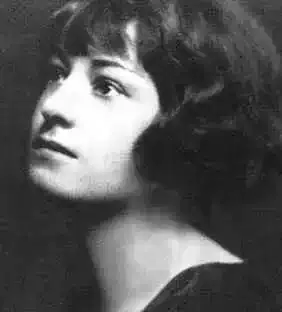
Dorothy Parker
Oscar Wilde
Oscar Wilde
If, with the literate, I am
Impelled to try an epigram,
I never seek to take the credit;
We all assume that Oscar said it.
If, with the literate, I am
Impelled to try an epigram,
I never seek to take the credit;
We all assume that Oscar said it.
292
Dorothy Parker
D.G. Rossetti
D.G. Rossetti
Dante Gabriel Rossetti
Buried all of his libretti,
Thought the matter over - then
Went and dug them up again.
Dante Gabriel Rossetti
Buried all of his libretti,
Thought the matter over - then
Went and dug them up again.
454
Dorothy Parker
Charles Dickens
Charles Dickens
Who call him spurious and shoddy
Shall do it o'er my lifeless body.
I heartily invite such birds
To come outside and say those words!
Who call him spurious and shoddy
Shall do it o'er my lifeless body.
I heartily invite such birds
To come outside and say those words!
321
Dorothy Parker
Alfred, Lord Tennyson
Alfred, Lord Tennyson
Should Heaven send me any son,
I hope he's not like Tennyson.
I'd rather have him play a fiddle
Than rise and bow and speak an idyll.
Should Heaven send me any son,
I hope he's not like Tennyson.
I'd rather have him play a fiddle
Than rise and bow and speak an idyll.
312
Dorothy Parker
A Well-Worn Story
A Well-Worn Story
In April, in April,
My one love came along,
And I ran the slope of my high hill
To follow a thread of song.
His eyes were hard as porphyry
With looking on cruel lands;
His voice went slipping over me
Like terrible silver hands.
Together we trod the secret lane
And walked the muttering town.
I wore my heart like a wet, red stain
On the breast of a velvet gown.
In April, in April,
My love went whistling by,
And I stumbled here to my high hill
Along the way of a lie.
Now what should I do in this place
But sit and count the chimes,
And splash cold water on my face
And spoil a page with rhymes?
In April, in April,
My one love came along,
And I ran the slope of my high hill
To follow a thread of song.
His eyes were hard as porphyry
With looking on cruel lands;
His voice went slipping over me
Like terrible silver hands.
Together we trod the secret lane
And walked the muttering town.
I wore my heart like a wet, red stain
On the breast of a velvet gown.
In April, in April,
My love went whistling by,
And I stumbled here to my high hill
Along the way of a lie.
Now what should I do in this place
But sit and count the chimes,
And splash cold water on my face
And spoil a page with rhymes?
413