

Poems in this theme
Literature and Words
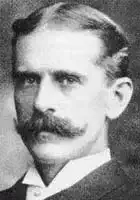
Henry Van Dyke
Thomas Bailey Aldrich
Thomas Bailey Aldrich
I
BIRTHDAY VERSES
Dear Aldrich, now November's mellow days
Have brought another Festa round to you,
You can't refuse a loving-cup of praise
From friends the fleeting years have bound to you.
Here come your Marjorie Daw, your dear Bad Boy,
Prudence, and Judith the Bethulian,
And many more, to wish you birthday joy,
And sunny hours, and sky caerulean!
Your children all, they hurry to your den,
With wreaths of honour they have won for you,
To merry-make your threescore years and ten.
You, old? Why, life has just begun for you!
There's many a reader whom your silver songs
And crystal stories cheer in loneliness.
What though the newer writers come in throngs?
You're sure to keep your charm of only-ness.
You do your work with careful, loving touch, --
An artist to the very core of you, --
You know the magic spell of "not-too-much ":
We read, -- and wish that there was more of you.
And more there is: for while we love your books
Because their subtle skill is part of you;
We love you better, for our friendship looks
Behind them to the human heart of you.
November 24, 1906.
II
MEMORIAL SONNET
THIS is the house where little Aldrich read
The early pages of Life's wonder-book:
With boyish pleasure, in this ingle-nook
He watched the drift-wood fire of Fancy spread
Bright colours on the pictures, blue and red:
Boy-like he skipped the longer words, and took
His happy way, with searching, dreamful look
Among the deeper things more simply said.
Then, came his turn to write: and still the flame
Of Fancy played through all the tales he told,
And still he won the laurelled poet's fame
With simple words wrought into rhymes of gold.
Look, here's the face to which this house is frame, --
A man too wise to let his heart grow old!
I
BIRTHDAY VERSES
Dear Aldrich, now November's mellow days
Have brought another Festa round to you,
You can't refuse a loving-cup of praise
From friends the fleeting years have bound to you.
Here come your Marjorie Daw, your dear Bad Boy,
Prudence, and Judith the Bethulian,
And many more, to wish you birthday joy,
And sunny hours, and sky caerulean!
Your children all, they hurry to your den,
With wreaths of honour they have won for you,
To merry-make your threescore years and ten.
You, old? Why, life has just begun for you!
There's many a reader whom your silver songs
And crystal stories cheer in loneliness.
What though the newer writers come in throngs?
You're sure to keep your charm of only-ness.
You do your work with careful, loving touch, --
An artist to the very core of you, --
You know the magic spell of "not-too-much ":
We read, -- and wish that there was more of you.
And more there is: for while we love your books
Because their subtle skill is part of you;
We love you better, for our friendship looks
Behind them to the human heart of you.
November 24, 1906.
II
MEMORIAL SONNET
THIS is the house where little Aldrich read
The early pages of Life's wonder-book:
With boyish pleasure, in this ingle-nook
He watched the drift-wood fire of Fancy spread
Bright colours on the pictures, blue and red:
Boy-like he skipped the longer words, and took
His happy way, with searching, dreamful look
Among the deeper things more simply said.
Then, came his turn to write: and still the flame
Of Fancy played through all the tales he told,
And still he won the laurelled poet's fame
With simple words wrought into rhymes of gold.
Look, here's the face to which this house is frame, --
A man too wise to let his heart grow old!
284
Henry Van Dyke
To James Whitcomb Riley
To James Whitcomb Riley
On his "Book of Joyous Children"
Yours is a garden of old-fashioned flowers;
Joyous children delight to play there;
Weary men find rest in its bowers,
Watching the lingering light of day there.
Old-time tunes and young love's laughter
Ripple and run among the roses;
Memory's echoes, murmuring after,
Fill the dusk when the long day closes.
Simple songs with a cadence olden--
These you learned in the Forest of Arden:
Friendly flowers with hearts all golden--
These you borrowed from Eden's garden.
This is the reason why all men love you;
Truth to life is the charm of art:
Other poets may soar above you--
You keep close to the human heart.
On his "Book of Joyous Children"
Yours is a garden of old-fashioned flowers;
Joyous children delight to play there;
Weary men find rest in its bowers,
Watching the lingering light of day there.
Old-time tunes and young love's laughter
Ripple and run among the roses;
Memory's echoes, murmuring after,
Fill the dusk when the long day closes.
Simple songs with a cadence olden--
These you learned in the Forest of Arden:
Friendly flowers with hearts all golden--
These you borrowed from Eden's garden.
This is the reason why all men love you;
Truth to life is the charm of art:
Other poets may soar above you--
You keep close to the human heart.
284
Henry Van Dyke
Robert Browning
Robert Browning
How blind the toil that burrows like the mole,
In winding graveyard pathways underground,
For Browning's lineage! What if men have found
Poor footmen or rich merchants on the roll
Of his forbears? Did they beget his soul?
Nay, for he came of ancestry renowned
Through all the world, -- the poets laurel-crowned
With wreaths from which the autumn takes no toll.
The blazons on his coat-of-arms are these:
The flaming sign of Shelley's heart on fire,
The golden globe of Shakespeare's human stage,
The staff and scrip of Chaucer's pilgrimage,
The rose of Dante's deep, divine desire,
The tragic mask of wise Euripides.
How blind the toil that burrows like the mole,
In winding graveyard pathways underground,
For Browning's lineage! What if men have found
Poor footmen or rich merchants on the roll
Of his forbears? Did they beget his soul?
Nay, for he came of ancestry renowned
Through all the world, -- the poets laurel-crowned
With wreaths from which the autumn takes no toll.
The blazons on his coat-of-arms are these:
The flaming sign of Shelley's heart on fire,
The golden globe of Shakespeare's human stage,
The staff and scrip of Chaucer's pilgrimage,
The rose of Dante's deep, divine desire,
The tragic mask of wise Euripides.
326
Henry Van Dyke
Milton
Milton
I
Lover of beauty, walking on the height
Of pure philosophy and tranquil song;
Born to behold the visions that belong
To those who dwell in melody and light;
Milton, thou spirit delicate and bright!
What drew thee down to join the Roundhead throng
Of iron-sided warriors, rude and strong,
Fighting for freedom in a world half night?
Lover of Liberty at heart wast thou,
Above all beauty bright, all music clear:
To thee she bared her bosom and her brow,
Breathing her virgin promise in thine ear,
And bound thee to her with a double vow, --
Exquisite Puritan, grave Cavalier!
II
The cause, the cause for which thy soul resigned
Her singing robes to battle on the plain,
Was won, O poet, and was lost again;
And lost the labour of thy lonely mind
On weary tasks of prose. What wilt thou find
To comfort thee for all the toil and pain?
What solace, now thy sacrifice is vain
And thou art left forsaken, poor, and blind?
Like organ-music comes the deep reply:
"The cause of truth looks lost, but shall be won.
For God hath given to mine inward eye
Vision of England soaring to the sun.
And granted me great peace before I die,
In thoughts of lowly duty bravely done."
III
O bend again above thine organ-board,
Thou blind old poet longing for repose!
Thy Master claims thy service not with those
Who only stand and wait for his reward.
He pours the heavenly gift of song restored
Into thy breast, and bids thee nobly close
A noble life, with poetry that flows
In mighty music of the major chord.
Where hast thou learned this deep, majestic strain,
Surpassing all thy youthful lyric grace,
To sing of Paradise? Ah, not in vain
The griefs that won at Dante's side thy place,
And made thee, Milton, by thy years of pain,
The loftiest poet of the Saxon race!
I
Lover of beauty, walking on the height
Of pure philosophy and tranquil song;
Born to behold the visions that belong
To those who dwell in melody and light;
Milton, thou spirit delicate and bright!
What drew thee down to join the Roundhead throng
Of iron-sided warriors, rude and strong,
Fighting for freedom in a world half night?
Lover of Liberty at heart wast thou,
Above all beauty bright, all music clear:
To thee she bared her bosom and her brow,
Breathing her virgin promise in thine ear,
And bound thee to her with a double vow, --
Exquisite Puritan, grave Cavalier!
II
The cause, the cause for which thy soul resigned
Her singing robes to battle on the plain,
Was won, O poet, and was lost again;
And lost the labour of thy lonely mind
On weary tasks of prose. What wilt thou find
To comfort thee for all the toil and pain?
What solace, now thy sacrifice is vain
And thou art left forsaken, poor, and blind?
Like organ-music comes the deep reply:
"The cause of truth looks lost, but shall be won.
For God hath given to mine inward eye
Vision of England soaring to the sun.
And granted me great peace before I die,
In thoughts of lowly duty bravely done."
III
O bend again above thine organ-board,
Thou blind old poet longing for repose!
Thy Master claims thy service not with those
Who only stand and wait for his reward.
He pours the heavenly gift of song restored
Into thy breast, and bids thee nobly close
A noble life, with poetry that flows
In mighty music of the major chord.
Where hast thou learned this deep, majestic strain,
Surpassing all thy youthful lyric grace,
To sing of Paradise? Ah, not in vain
The griefs that won at Dante's side thy place,
And made thee, Milton, by thy years of pain,
The loftiest poet of the Saxon race!
339
Henry Van Dyke
Keats
Keats
The melancholy gift Aurora gained
From Jove, that her sad lover should not see
The face of death, no goddess asked for thee,
My Keats! But when the crimson blood-drop stained
Thy pillow, thou didst read the fate ordained, --
Brief life, wild love, a flight of poesy!
And then, -- a shadow fell on Italy:
Thy star went down before its brightness waned,
Yet thou hast won the gift Tithonus missed:
Never to feel the pain of growing old,
Nor lose the blissful sight of beauty's truth,
But with the ardent lips that music kissed
To breathe thy song, and, ere thy heart grew cold,
Become the Poet of Immortal Youth.
The melancholy gift Aurora gained
From Jove, that her sad lover should not see
The face of death, no goddess asked for thee,
My Keats! But when the crimson blood-drop stained
Thy pillow, thou didst read the fate ordained, --
Brief life, wild love, a flight of poesy!
And then, -- a shadow fell on Italy:
Thy star went down before its brightness waned,
Yet thou hast won the gift Tithonus missed:
Never to feel the pain of growing old,
Nor lose the blissful sight of beauty's truth,
But with the ardent lips that music kissed
To breathe thy song, and, ere thy heart grew cold,
Become the Poet of Immortal Youth.
248

Henry Lawson
Will Yer Write It Down for Me?
Will Yer Write It Down for Me?
In the parlour of the shanty where the lives have all gone wrong,
When a singer or reciter gives a story or a song,
Where the poet’s heart is speaking to their hearts in every line,
Till the hardest curse and blubber at the thoughts of Auld Lang Syne;
Then a boozer lurches forward with an oath for all disguise—
Prayers and curses in his soul, and tears and liquor in his eyes—
Grasps the singer or reciter with a death-grip by the hand:
‘That’s the truth, bloke! Sling it at ’em! Oh! Gorbli’me, that was grand!
‘Don’t mind me; I’ve got ’em. You know! What’s yer name, bloke! Don’t yer see?
‘Who’s the bloke what wrote the po’try? Will yer write it down fer me?’
And the backblocks’ bard goes through it, ever seeking as he goes
For the line of least resistance to the hearts of men he knows;
And he tracks their hearts in mateship, and he tracks them out alone—
Seeking for the power to sway them, till he finds it in his own,
Feels what they feel, loves what they love, learns to hate what they condemn,
Takes his pen in tears and triumph, and he writes it down for them.
In the parlour of the shanty where the lives have all gone wrong,
When a singer or reciter gives a story or a song,
Where the poet’s heart is speaking to their hearts in every line,
Till the hardest curse and blubber at the thoughts of Auld Lang Syne;
Then a boozer lurches forward with an oath for all disguise—
Prayers and curses in his soul, and tears and liquor in his eyes—
Grasps the singer or reciter with a death-grip by the hand:
‘That’s the truth, bloke! Sling it at ’em! Oh! Gorbli’me, that was grand!
‘Don’t mind me; I’ve got ’em. You know! What’s yer name, bloke! Don’t yer see?
‘Who’s the bloke what wrote the po’try? Will yer write it down fer me?’
And the backblocks’ bard goes through it, ever seeking as he goes
For the line of least resistance to the hearts of men he knows;
And he tracks their hearts in mateship, and he tracks them out alone—
Seeking for the power to sway them, till he finds it in his own,
Feels what they feel, loves what they love, learns to hate what they condemn,
Takes his pen in tears and triumph, and he writes it down for them.
254
Henry Lawson
With Dickens
With Dickens
In Windsor Terrace, number four,
I’ve taken my abode—
A little crescent from the street,
A bight from City Road;
And, hard up and in exile, I
To many fancies yield;
For it was here Micawber lived
And David Copperfield.
A bed, a table, and a chair,
A bottle and a cup.
The landlord’s waiting even now
For something to turn up.
The landlady is spiritless—
They both seem tired of life;
They cannot fight the battle like
Micawber and his wife.
But in the little open space
That lies back from the street,
The same old ancient, shabby clerk
Is sitting on a seat.
The same sad characters go by,
The ragged children play—
And things have very little changed
Since Dickens passed away.
Some seek religion in their grief,
And some for friendship yearn;
Some fly to liquor for relief,
But I to Dickens turn.
I find him ever fresh and new,
His lesson ever plain;
And every line that Dickens wrote
I’ve read and read again.
The tavern’s just across the ‘wye,’
And frowsy women there
Are gossiping and drinking gin,
And twisting up their hair.
And grubby girls go past at times,
And furtive gentry lurk—
I don’t think anyone has died
Since Dickens did his work.
There’s Jingle, Tigg, and Chevy Slyme,
And Weevle—whom you will;
And hard-up virtue proudly slinks
Into the pawnshop still.
Go east a bit from City Road,
And all the rest are there—
A friendly whistle might produce
A Chicken anywhere.
My favourite author’s heroes I
Should love, but somehow can’t.
I don’t like David Copperfield
As much as David’s Aunt,
And it may be because my mind
Has been in many fogs—
I don’t like Nicholas Nickleby
So well as Newman Noggs.
I don’t like Richard Carstone, Pip,
Or Martin Chuzzlewit,
And for the rich and fatherly
I scarcely care a bit.
The honest, sober clods are bores
Who cannot suffer much,
And with the Esther Summersons
I never was in touch.
The ‘Charleys’ and the haggard wives,
Kind hearts in poverty—
And yes! the Lizzie Hexams, too—
Are very near to me;
But men like Brothers Cheeryble,
And Madeline Bray divine,
And Nell, and Little Dorrit live
In a better world than mine.
The Nicklebys and Copperfields,
They do not stand the test;
And in my heart I don’t believe
That Dickens loved them best.
I can’t admire their ways and talk,
I do not like their looks—
Those selfish, injured sticks that stalk
Through all the Master’s books.
They’re mostly selfish in their love,
And selfish in their hate,
They marry Dora Spenlows, too,
While Agnes Wickfields wait;
And back they come to poor Tom Pinch
When hard-up for a friend;
They come to wrecks like Newman Nogga
To help them in the end.
And—well, maybe I am unjust,
And maybe I forget;
Some of us marry dolls and jilt
Our Agnes Wickfields yet.
We seek our friends when fortune frowns—
It has been ever thus—
And we neglect Joe Gargery
When fortune smiles on us.
They get some rich old grandfather
Or aunt to see them through,
And you can trace self-interest
In nearly all they do.
And scoundrels like Ralph Nickleby,
In spite of all their crimes,
And crawlers like Uriah Heep
Told bitter truths at times.
But—yes, I love the vagabonds
And failures from the ranks,
And hard old files with hidden hearts
Like Wemmick and like Pancks.
And Jaggers had his ‘poor dreams, too,’
And fond hopes like the rest—
But, somehow, somehow, all my life
I’ve loved Dick Swiveller best!
But, let us peep at Snagsby first
As softly he lays down
Beside the bed of dying Joe
Another half-a-crown.
And Nemo’s wretched pauper grave—
But we can let them be,
For Joe has said to Heaven: ‘They
Wos werry good to me.’
And Wemmick with his aged P——
No doubt has his reward;
And Jaggers, hardest nut of all,
Will be judged by the Lord.
And Pancks, the rent-collecting screw,
With laurels on his brow,
Is loved by all the bleeding hearts
In Bleeding Heart Yard now.
Tom Pinch is very happy now,
And Magwitch is at rest,
And Newman Noggs again might hold
His head up with the best;
Micawber, too, when all is said,
Drank bravely Sorrow’s cup—
Micawber worked to right them all,
And something did turn up.
How do ‘John Edward Nandy, Sir!’
And Plornish get along?
Why! if the old man is in voice
We’ll hear him pipe a song.
We’ll have a look at Baptiste, too,
While still the night is young—
With Mrs. Plornish to explain
In the Italian tongue.
Before we go we’ll ask about
Poor young John Chivery:
‘There never was a gentleman
In all his family.’
His hopeless love, his broken heart,
But to his rival true;
He came of Nature’s gentlemen,
But young John never knew.
We’ll pass the little midshipman
With heart that swells and fills,
Where Captain Ed’ard Cuttle waits
For Wal’r and Sol Gills.
Jack Bunsby stands by what he says
(Which isn’t very clear),
And Toots with his own hopeless love—
As true as any here.
And who that read has never felt
The sorrow that it cost
When Captain Cuttle read the news
The ‘Son and Heir’ was lost?
And who that read has not rejoiced
With him and ‘Heart’s Delight,’
And felt as Captain Cuttle felt
When Wal’r came that night?
And yonder, with a broken heart,
That people thought was stone,
Deserted in his ruined home,
Poor Dombey sits alone.
Who has not gulped a something down,
Whose eye has not grown dim
While feeling glad for Dombey’s sake
When Florence came to him?
(A stately house in Lincolnshire—
The scene is bleak and cold—
The footsteps on the terrace sound
To-night at Chesney Wold.
One who loved honour, wife, and truth,
If nothing else besides,
Along the dreary Avenue
Sir Leicester Dedlock rides.)
We’ll go round by Poll Sweedlepipe’s,
The bird and barber shop;
If Sairey Gamp is so dispoged
We’ll send her up a drop.
We’ll cross High Holborn to the Bull,
And, if he cares to come,
By streets that are not closed to him
We’ll see Dick Swiveller home.
He’s looking rather glum to-night,
The why I will not ask—
No matter how we act the goat,
We mostly wear a mask.
Some wear a mask to hide the false
(And some the good and true)—
I wouldn’t be surprised to know
Mark Tapley wore one too.
We wear a mask called cheerfulness
While feeling sad inside;
And men like Dombey, who was shy,
Oft wear a mask called pride.
A front of pure benevolence
The grinding ‘Patriarch’ bore;
And kind men often wear a mask
Like that which Jaggers wore.
But, never mind, Dick Swiveller!
We’ll see it out together
Beneath the wing of friendship, Dick,
That never moults a feather.
We’ll look upon the rosy yet
Full many a night, old friend,
And tread the mazy ere we woo
The balmy in the end.
Our palace walls are rather bare,
The floor is somewhat damp,
But, while there’s liquor, anywhere
Is good enough to camp.
What ho! mine host! bring forth thine ale
And let the board be spread!—
It is the hour when churchyards yawn
And wine goes to the head.
’Twas you who saved poor Kit, old chap,
When he was in a mess—
But, what ho! Varlet! bring us wine!
Here’s to the Marchioness!
‘We’ll make a scholar of her yet,’
She’ll be a lady fair,
‘And she shall go in silk attire
And siller have to spare.’
From sport to sport they hurry her
To banish her regrets,
And when we win a smile from her
We cannot pay our debts!
Left orphans at a tender age,
We’re happiest in the land—
We’re Glorious Apollos, Dick,
And you’re Perpetual Grand!
You’re king of all philosophers,
And let the Godly rust;
Here’s to the obscure citizen
Who sent the beer on trust?
It sure would be a cheerful world
If never man got tight;
You spent your money on your friends,
Dick Swiveller! Good night!
‘A dissolute and careless man—
An idle, drunken path;’
But see where Sidney Carton spills
His last drink on the hearth!
A ruined life! He lived for drink
And but one thing beside—
And Oh! it was a glorious death
That Sidney Carton died.
And ‘Which I meantersay is Pip’—
The voices hurry past—
‘Not to deceive you, sir’—‘Stand by!’
‘Awast, my lass, awast!’
‘Beware of widders, Samivel,’
And shun strong drink, my friend;
And, ‘not to put too fine a point
Upon it,’ I must end.
In Windsor Terrace, number four,
I’ve taken my abode—
A little crescent from the street,
A bight from City Road;
And, hard up and in exile, I
To many fancies yield;
For it was here Micawber lived
And David Copperfield.
A bed, a table, and a chair,
A bottle and a cup.
The landlord’s waiting even now
For something to turn up.
The landlady is spiritless—
They both seem tired of life;
They cannot fight the battle like
Micawber and his wife.
But in the little open space
That lies back from the street,
The same old ancient, shabby clerk
Is sitting on a seat.
The same sad characters go by,
The ragged children play—
And things have very little changed
Since Dickens passed away.
Some seek religion in their grief,
And some for friendship yearn;
Some fly to liquor for relief,
But I to Dickens turn.
I find him ever fresh and new,
His lesson ever plain;
And every line that Dickens wrote
I’ve read and read again.
The tavern’s just across the ‘wye,’
And frowsy women there
Are gossiping and drinking gin,
And twisting up their hair.
And grubby girls go past at times,
And furtive gentry lurk—
I don’t think anyone has died
Since Dickens did his work.
There’s Jingle, Tigg, and Chevy Slyme,
And Weevle—whom you will;
And hard-up virtue proudly slinks
Into the pawnshop still.
Go east a bit from City Road,
And all the rest are there—
A friendly whistle might produce
A Chicken anywhere.
My favourite author’s heroes I
Should love, but somehow can’t.
I don’t like David Copperfield
As much as David’s Aunt,
And it may be because my mind
Has been in many fogs—
I don’t like Nicholas Nickleby
So well as Newman Noggs.
I don’t like Richard Carstone, Pip,
Or Martin Chuzzlewit,
And for the rich and fatherly
I scarcely care a bit.
The honest, sober clods are bores
Who cannot suffer much,
And with the Esther Summersons
I never was in touch.
The ‘Charleys’ and the haggard wives,
Kind hearts in poverty—
And yes! the Lizzie Hexams, too—
Are very near to me;
But men like Brothers Cheeryble,
And Madeline Bray divine,
And Nell, and Little Dorrit live
In a better world than mine.
The Nicklebys and Copperfields,
They do not stand the test;
And in my heart I don’t believe
That Dickens loved them best.
I can’t admire their ways and talk,
I do not like their looks—
Those selfish, injured sticks that stalk
Through all the Master’s books.
They’re mostly selfish in their love,
And selfish in their hate,
They marry Dora Spenlows, too,
While Agnes Wickfields wait;
And back they come to poor Tom Pinch
When hard-up for a friend;
They come to wrecks like Newman Nogga
To help them in the end.
And—well, maybe I am unjust,
And maybe I forget;
Some of us marry dolls and jilt
Our Agnes Wickfields yet.
We seek our friends when fortune frowns—
It has been ever thus—
And we neglect Joe Gargery
When fortune smiles on us.
They get some rich old grandfather
Or aunt to see them through,
And you can trace self-interest
In nearly all they do.
And scoundrels like Ralph Nickleby,
In spite of all their crimes,
And crawlers like Uriah Heep
Told bitter truths at times.
But—yes, I love the vagabonds
And failures from the ranks,
And hard old files with hidden hearts
Like Wemmick and like Pancks.
And Jaggers had his ‘poor dreams, too,’
And fond hopes like the rest—
But, somehow, somehow, all my life
I’ve loved Dick Swiveller best!
But, let us peep at Snagsby first
As softly he lays down
Beside the bed of dying Joe
Another half-a-crown.
And Nemo’s wretched pauper grave—
But we can let them be,
For Joe has said to Heaven: ‘They
Wos werry good to me.’
And Wemmick with his aged P——
No doubt has his reward;
And Jaggers, hardest nut of all,
Will be judged by the Lord.
And Pancks, the rent-collecting screw,
With laurels on his brow,
Is loved by all the bleeding hearts
In Bleeding Heart Yard now.
Tom Pinch is very happy now,
And Magwitch is at rest,
And Newman Noggs again might hold
His head up with the best;
Micawber, too, when all is said,
Drank bravely Sorrow’s cup—
Micawber worked to right them all,
And something did turn up.
How do ‘John Edward Nandy, Sir!’
And Plornish get along?
Why! if the old man is in voice
We’ll hear him pipe a song.
We’ll have a look at Baptiste, too,
While still the night is young—
With Mrs. Plornish to explain
In the Italian tongue.
Before we go we’ll ask about
Poor young John Chivery:
‘There never was a gentleman
In all his family.’
His hopeless love, his broken heart,
But to his rival true;
He came of Nature’s gentlemen,
But young John never knew.
We’ll pass the little midshipman
With heart that swells and fills,
Where Captain Ed’ard Cuttle waits
For Wal’r and Sol Gills.
Jack Bunsby stands by what he says
(Which isn’t very clear),
And Toots with his own hopeless love—
As true as any here.
And who that read has never felt
The sorrow that it cost
When Captain Cuttle read the news
The ‘Son and Heir’ was lost?
And who that read has not rejoiced
With him and ‘Heart’s Delight,’
And felt as Captain Cuttle felt
When Wal’r came that night?
And yonder, with a broken heart,
That people thought was stone,
Deserted in his ruined home,
Poor Dombey sits alone.
Who has not gulped a something down,
Whose eye has not grown dim
While feeling glad for Dombey’s sake
When Florence came to him?
(A stately house in Lincolnshire—
The scene is bleak and cold—
The footsteps on the terrace sound
To-night at Chesney Wold.
One who loved honour, wife, and truth,
If nothing else besides,
Along the dreary Avenue
Sir Leicester Dedlock rides.)
We’ll go round by Poll Sweedlepipe’s,
The bird and barber shop;
If Sairey Gamp is so dispoged
We’ll send her up a drop.
We’ll cross High Holborn to the Bull,
And, if he cares to come,
By streets that are not closed to him
We’ll see Dick Swiveller home.
He’s looking rather glum to-night,
The why I will not ask—
No matter how we act the goat,
We mostly wear a mask.
Some wear a mask to hide the false
(And some the good and true)—
I wouldn’t be surprised to know
Mark Tapley wore one too.
We wear a mask called cheerfulness
While feeling sad inside;
And men like Dombey, who was shy,
Oft wear a mask called pride.
A front of pure benevolence
The grinding ‘Patriarch’ bore;
And kind men often wear a mask
Like that which Jaggers wore.
But, never mind, Dick Swiveller!
We’ll see it out together
Beneath the wing of friendship, Dick,
That never moults a feather.
We’ll look upon the rosy yet
Full many a night, old friend,
And tread the mazy ere we woo
The balmy in the end.
Our palace walls are rather bare,
The floor is somewhat damp,
But, while there’s liquor, anywhere
Is good enough to camp.
What ho! mine host! bring forth thine ale
And let the board be spread!—
It is the hour when churchyards yawn
And wine goes to the head.
’Twas you who saved poor Kit, old chap,
When he was in a mess—
But, what ho! Varlet! bring us wine!
Here’s to the Marchioness!
‘We’ll make a scholar of her yet,’
She’ll be a lady fair,
‘And she shall go in silk attire
And siller have to spare.’
From sport to sport they hurry her
To banish her regrets,
And when we win a smile from her
We cannot pay our debts!
Left orphans at a tender age,
We’re happiest in the land—
We’re Glorious Apollos, Dick,
And you’re Perpetual Grand!
You’re king of all philosophers,
And let the Godly rust;
Here’s to the obscure citizen
Who sent the beer on trust?
It sure would be a cheerful world
If never man got tight;
You spent your money on your friends,
Dick Swiveller! Good night!
‘A dissolute and careless man—
An idle, drunken path;’
But see where Sidney Carton spills
His last drink on the hearth!
A ruined life! He lived for drink
And but one thing beside—
And Oh! it was a glorious death
That Sidney Carton died.
And ‘Which I meantersay is Pip’—
The voices hurry past—
‘Not to deceive you, sir’—‘Stand by!’
‘Awast, my lass, awast!’
‘Beware of widders, Samivel,’
And shun strong drink, my friend;
And, ‘not to put too fine a point
Upon it,’ I must end.
254
Henry Lawson
The Soul of a Poet
The Soul of a Poet
I HAVE written, long years I have written
For the sake of my people and right,
I was true when the iron had bitten
Deep into my soul in the night;
And I wrote not for praise nor for money,
I craved but the soul and the pen,
And I felt not the sting in the honey
Of praising the kindness of men.
You read and you saw without seeing,
My work seemed a trifle apart,
While the truth of things thrilled through my being,
And the wrong of things murdered my heart!
Cast out and despised and neglected,
And weak, and in fear, and in debt,
My songs, mutilated, rejected,
Shall ring through the Commonwealth yet!
And you, too, the pure and the guileless,
In the peace of your comfort and pride,
You have mocked at my bodily vileness,
You have tempted and cast me aside.
But wronged, and cast out, drink-sodden,
But shunned, and insane and unclean,
I have dared where few others have trodden,
I have seen what few others have seen.
I have seen your souls bare for a season,
I have heard as a deaf man can hear,
I have seen you deprived of your reason
And stricken with deadliest fear.
And when beautiful night hid the shocking
Black shame of the day that was past,
I felt the great universe rocking
With the truth that was coming at last!
I HAVE written, long years I have written
For the sake of my people and right,
I was true when the iron had bitten
Deep into my soul in the night;
And I wrote not for praise nor for money,
I craved but the soul and the pen,
And I felt not the sting in the honey
Of praising the kindness of men.
You read and you saw without seeing,
My work seemed a trifle apart,
While the truth of things thrilled through my being,
And the wrong of things murdered my heart!
Cast out and despised and neglected,
And weak, and in fear, and in debt,
My songs, mutilated, rejected,
Shall ring through the Commonwealth yet!
And you, too, the pure and the guileless,
In the peace of your comfort and pride,
You have mocked at my bodily vileness,
You have tempted and cast me aside.
But wronged, and cast out, drink-sodden,
But shunned, and insane and unclean,
I have dared where few others have trodden,
I have seen what few others have seen.
I have seen your souls bare for a season,
I have heard as a deaf man can hear,
I have seen you deprived of your reason
And stricken with deadliest fear.
And when beautiful night hid the shocking
Black shame of the day that was past,
I felt the great universe rocking
With the truth that was coming at last!
238
Henry Lawson
The Song of the Waste-Paper Basket
The Song of the Waste-Paper Basket
O BARD of fortune, you deem me nought
But a mark for your careless scorn.
For I am the echo-less grave of thought
That is strangled before it’s born.
You think perchance that I am a doom
Which only a dunce should dread—
Nor dream I’ve been the dishonoured tomb
Of the noblest and brightest dead.
The brightest fancies that e’er can fly
From the labouring minds of men
Are often written in lines awry,
And marred by a blundering pen;
And thus it comes that I gain a part
Of what to the world is loss—
Of genius lost for the want of art,
Of pearls that are set in dross.
And though I am of a lowly birth
My fame has been cheaply bought,
A power am I, for I rob the earth
Of the brightest gems of thought;
The Press gains much of my lawful share,
I am wronged without redress—
But I have revenge, for I think it fair
That I should plunder the Press.
You’d pause in wonder to read behind
The lines of some songs I see;
The soul of the singer I often find
In songs that are thrown to me.
But the song of the singer I bury deep
With the scrawl of the dunce and clown,
And both from the eyes of the world I keep,
And the hopes of both I drown.
O BARD of fortune, you deem me nought
But a mark for your careless scorn.
For I am the echo-less grave of thought
That is strangled before it’s born.
You think perchance that I am a doom
Which only a dunce should dread—
Nor dream I’ve been the dishonoured tomb
Of the noblest and brightest dead.
The brightest fancies that e’er can fly
From the labouring minds of men
Are often written in lines awry,
And marred by a blundering pen;
And thus it comes that I gain a part
Of what to the world is loss—
Of genius lost for the want of art,
Of pearls that are set in dross.
And though I am of a lowly birth
My fame has been cheaply bought,
A power am I, for I rob the earth
Of the brightest gems of thought;
The Press gains much of my lawful share,
I am wronged without redress—
But I have revenge, for I think it fair
That I should plunder the Press.
You’d pause in wonder to read behind
The lines of some songs I see;
The soul of the singer I often find
In songs that are thrown to me.
But the song of the singer I bury deep
With the scrawl of the dunce and clown,
And both from the eyes of the world I keep,
And the hopes of both I drown.
237
Henry Lawson
The Bard of Furthest Out
The Bard of Furthest Out
He longed to be a Back-Blocks Bard,
And fame he wished to win—
He wrote at night and studied hard
(He read The Bulletin);
He sent in “stuff” unceasingly,
But couldn’t get it through;
And so, at last, he came to me
To see what I could do.
The poet’s light was in his eye,
He aimed to be a man;
He bought a bluey and a fly,
A brand new billy-can.
I showed him how to roll his swag
And “sling it” with the best;
I gave him my old water-bag,
And pointed to the west.
“Now you can take the train as far
As Blazes if you like—
The wealthy go by motor-car
(Some travellers go by bike);
They race it through without a rest,
And find it very tame—
But if you tramp it to the west
You’ll get there just the same.
“(No matter if the hour is late,
The morning goes Out-Back),
You do not need a dog nor mate,
You’ll find them on the track.
You must avoid such deadly rhymes
As ‘self’ and ‘elf’ and ‘shelf’.
But were it as in other times,
I’d go with you myself.
“Those days are done for me, but ah!
On hills where you shall be,
The wattle and the waratah
Are good to smell and see.
But there’s a scent, my heart believes,
That ‘travellers’ set higher
Than wattle—’tis the dried gum leaves
That light the evening fire.
“The evening fire and morning fire
Are one fire in the Bush.
(You’ll find the points that you require
As towards the west you push.)
And as you pass by ancient ways,
Old camps, and mountain springs,
The spirits of the Roaring Days
Will whisper many things.
“The lonely ridge-and-gully belt—
The spirit of the whole
It must be seen; it must be felt—
Must sink into your soul!
The summer silence-creek-oaks’ sigh—
The windy, rainy “woosh”—
’Tis known to other men, and I—
The Spirit of the Bush!
“So on, and on, through dust and heat,
When past the spurs you be—
And you shall meet whom you shall meet,
And see what you shall see,
You need not claim the stranger’s due,
They yield it everywhere,
And mateship is a thing that you
Must take for granted there.
“And in the land of Lord-knows-where—
Right up and furthest out—
You find a new Australia there
That we know nought about.
Live as they live, fight as they fight,
Succeed as they succeed,
And then come back again and write
For all the world to read.”
I’ve got a note from Hungerford,
’Tis written frank and fair;
The bushman’s grim philosophy—
The bushman’s grin are there.
And tramping on through rain and drought—
Unlooked for and unmissed—
I may have sent to furthest out
The Great Bush Novelist.
He longed to be a Back-Blocks Bard,
And fame he wished to win—
He wrote at night and studied hard
(He read The Bulletin);
He sent in “stuff” unceasingly,
But couldn’t get it through;
And so, at last, he came to me
To see what I could do.
The poet’s light was in his eye,
He aimed to be a man;
He bought a bluey and a fly,
A brand new billy-can.
I showed him how to roll his swag
And “sling it” with the best;
I gave him my old water-bag,
And pointed to the west.
“Now you can take the train as far
As Blazes if you like—
The wealthy go by motor-car
(Some travellers go by bike);
They race it through without a rest,
And find it very tame—
But if you tramp it to the west
You’ll get there just the same.
“(No matter if the hour is late,
The morning goes Out-Back),
You do not need a dog nor mate,
You’ll find them on the track.
You must avoid such deadly rhymes
As ‘self’ and ‘elf’ and ‘shelf’.
But were it as in other times,
I’d go with you myself.
“Those days are done for me, but ah!
On hills where you shall be,
The wattle and the waratah
Are good to smell and see.
But there’s a scent, my heart believes,
That ‘travellers’ set higher
Than wattle—’tis the dried gum leaves
That light the evening fire.
“The evening fire and morning fire
Are one fire in the Bush.
(You’ll find the points that you require
As towards the west you push.)
And as you pass by ancient ways,
Old camps, and mountain springs,
The spirits of the Roaring Days
Will whisper many things.
“The lonely ridge-and-gully belt—
The spirit of the whole
It must be seen; it must be felt—
Must sink into your soul!
The summer silence-creek-oaks’ sigh—
The windy, rainy “woosh”—
’Tis known to other men, and I—
The Spirit of the Bush!
“So on, and on, through dust and heat,
When past the spurs you be—
And you shall meet whom you shall meet,
And see what you shall see,
You need not claim the stranger’s due,
They yield it everywhere,
And mateship is a thing that you
Must take for granted there.
“And in the land of Lord-knows-where—
Right up and furthest out—
You find a new Australia there
That we know nought about.
Live as they live, fight as they fight,
Succeed as they succeed,
And then come back again and write
For all the world to read.”
I’ve got a note from Hungerford,
’Tis written frank and fair;
The bushman’s grim philosophy—
The bushman’s grin are there.
And tramping on through rain and drought—
Unlooked for and unmissed—
I may have sent to furthest out
The Great Bush Novelist.
247
Henry Lawson
Robbie's Statue
Robbie's Statue
Grown tired of mourning for my sins—
And brooding over merits—
The other night with bothered brow
I went amongst the spirits;
And I met one that I knew well:
‘Oh, Scotty’s Ghost, is that you?
‘And did you see the fearsome crowd
‘At Robbie Burns’s statue?
‘They hurried up in hansom cabs,
‘Tall-hatted and frock-coated;
‘They trained it in from all the towns,
‘The weird and hairy-throated;
‘They spoke in some outlandish tongue,
‘They cut some comic capers,
‘And ilka man was wild to get
‘His name in all the papers.
‘They showed no gleam of intellect,
‘Those frauds who rushed before us;
‘They knew one verse of “Auld Lang Syne—”
‘The first one and the chorus:
‘They clacked the clack o’ Scotlan’s Bard,
‘They glibly talked of “Rabby;”
‘But what if he had come to them
‘Without a groat and shabby?
‘They drank and wept for Robbie’s sake,
‘They stood and brayed like asses
‘(The living bard’s a drunken rake,
‘The dead one loved the lasses);
‘If Robbie Burns were here, they’d sit
‘As still as any mouse is;
‘If Robbie Burns should come their way,
‘They’d turn him out their houses.
‘Oh, weep for bonny Scotland’s bard!
‘And praise the Scottish nation,
‘Who made him spy and let him die
‘Heart-broken in privation:
‘Exciseman, so that he might live
‘Through northern winters’ rigours—
‘Just as in southern lands they give
‘The hard-up rhymer figures.
‘We need some songs of stinging fun
‘To wake the States and light ’em;
‘I wish a man like Robert Burns
‘Were here to-day to write ’em!
‘But still the mockery shall survive
‘Till the Day o’ Judgment crashes—
‘The men we scorn when we’re alive
‘With praise insult our ashes.’
And Scotty’s ghost said: ‘Never mind
‘The fleas that you inherit;
‘The living bard can flick them off—
‘They cannot hurt his spirit.
‘The crawlers round the bardie’s name
‘Shall crawl through all the ages;
‘His work’s the living thing, and they
‘Are fly-dirt on the pages.’
Grown tired of mourning for my sins—
And brooding over merits—
The other night with bothered brow
I went amongst the spirits;
And I met one that I knew well:
‘Oh, Scotty’s Ghost, is that you?
‘And did you see the fearsome crowd
‘At Robbie Burns’s statue?
‘They hurried up in hansom cabs,
‘Tall-hatted and frock-coated;
‘They trained it in from all the towns,
‘The weird and hairy-throated;
‘They spoke in some outlandish tongue,
‘They cut some comic capers,
‘And ilka man was wild to get
‘His name in all the papers.
‘They showed no gleam of intellect,
‘Those frauds who rushed before us;
‘They knew one verse of “Auld Lang Syne—”
‘The first one and the chorus:
‘They clacked the clack o’ Scotlan’s Bard,
‘They glibly talked of “Rabby;”
‘But what if he had come to them
‘Without a groat and shabby?
‘They drank and wept for Robbie’s sake,
‘They stood and brayed like asses
‘(The living bard’s a drunken rake,
‘The dead one loved the lasses);
‘If Robbie Burns were here, they’d sit
‘As still as any mouse is;
‘If Robbie Burns should come their way,
‘They’d turn him out their houses.
‘Oh, weep for bonny Scotland’s bard!
‘And praise the Scottish nation,
‘Who made him spy and let him die
‘Heart-broken in privation:
‘Exciseman, so that he might live
‘Through northern winters’ rigours—
‘Just as in southern lands they give
‘The hard-up rhymer figures.
‘We need some songs of stinging fun
‘To wake the States and light ’em;
‘I wish a man like Robert Burns
‘Were here to-day to write ’em!
‘But still the mockery shall survive
‘Till the Day o’ Judgment crashes—
‘The men we scorn when we’re alive
‘With praise insult our ashes.’
And Scotty’s ghost said: ‘Never mind
‘The fleas that you inherit;
‘The living bard can flick them off—
‘They cannot hurt his spirit.
‘The crawlers round the bardie’s name
‘Shall crawl through all the ages;
‘His work’s the living thing, and they
‘Are fly-dirt on the pages.’
237
Henry Lawson
My Literary Friend
My Literary Friend
Once I wrote a little poem which I thought was very fine,
And I showed the printer’s copy to a critic friend of mine,
First he praised the thing a little, then he found a little fault;
‘The ideas are good,’ he muttered, ‘but the rhythm seems to halt.’
So I straighten’d up the rhythm where he marked it with his pen,
And I copied it and showed it to my clever friend again.
‘You’ve improved the metre greatly, but the rhymes are bad,’ he said,
As he read it slowly, scratching surplus wisdom from his head.
So I worked as he suggested (I believe in taking time),
And I burnt the ‘midnight taper’ while I straightened up the rhyme.
‘It is better now,’ he muttered, ‘you go on and you’ll succeed,
‘It has got a ring about it—the ideas are what you need.’
So I worked for hours upon it (I go on when I commence),
And I kept in view the rhythm and the jingle and the sense,
And I copied it and took it to my solemn friend once more—
It reminded him of something he had somewhere read before.
Now the people say I’d never put such horrors into print
If I wasn’t too conceited to accept a friendly hint,
And my dearest friends are certain that I’d profit in the end
If I’d always show my copy to a literary friend.
Once I wrote a little poem which I thought was very fine,
And I showed the printer’s copy to a critic friend of mine,
First he praised the thing a little, then he found a little fault;
‘The ideas are good,’ he muttered, ‘but the rhythm seems to halt.’
So I straighten’d up the rhythm where he marked it with his pen,
And I copied it and showed it to my clever friend again.
‘You’ve improved the metre greatly, but the rhymes are bad,’ he said,
As he read it slowly, scratching surplus wisdom from his head.
So I worked as he suggested (I believe in taking time),
And I burnt the ‘midnight taper’ while I straightened up the rhyme.
‘It is better now,’ he muttered, ‘you go on and you’ll succeed,
‘It has got a ring about it—the ideas are what you need.’
So I worked for hours upon it (I go on when I commence),
And I kept in view the rhythm and the jingle and the sense,
And I copied it and took it to my solemn friend once more—
It reminded him of something he had somewhere read before.
Now the people say I’d never put such horrors into print
If I wasn’t too conceited to accept a friendly hint,
And my dearest friends are certain that I’d profit in the end
If I’d always show my copy to a literary friend.
243
Henry Lawson
In The Day's When We Are Dead
In The Day's When We Are Dead
Listen! The end draws nearer,
Nearer the morning—or night—
And I see with a vision clearer
That the beginning was right!
These shall be words to remember
When all has been done and said,
And my fame is a dying ember
In the days when I am dead.
Listen! We wrote in sorrow,
And we wrote by candle light;
We took no heed of the morrow,
And I think that we were right—
(To-morrow, but not the day after,
And I think that we were right).
We wrote of a world that was human
And we wrote of blood that was red,
For a child, or a man, or a woman—
Remember when we are dead.
Listen! We wrote not for money,
And listen! We wrote not for fame—
We wrote for the milk and the honey
Of Kindness, and not for a name.
We paused not, nor faltered for any,
Though many fell back where we led;
We wrote of the few for the many—
Remember when we are dead.
We suffered as few men suffer,
Yet laughed as few men laugh;
We grin as the road grows rougher,
And a bitterer cup we quaff.
We lived for Right and for Laughter,
And we fought for a Nation ahead—
Remember it, friends, hereafter,
In the years when I am dead—
For to-morrow and not the day after,
For ourselves, and a Nation ahead.
Listen! The end draws nearer,
Nearer the morning—or night—
And I see with a vision clearer
That the beginning was right!
These shall be words to remember
When all has been done and said,
And my fame is a dying ember
In the days when I am dead.
Listen! We wrote in sorrow,
And we wrote by candle light;
We took no heed of the morrow,
And I think that we were right—
(To-morrow, but not the day after,
And I think that we were right).
We wrote of a world that was human
And we wrote of blood that was red,
For a child, or a man, or a woman—
Remember when we are dead.
Listen! We wrote not for money,
And listen! We wrote not for fame—
We wrote for the milk and the honey
Of Kindness, and not for a name.
We paused not, nor faltered for any,
Though many fell back where we led;
We wrote of the few for the many—
Remember when we are dead.
We suffered as few men suffer,
Yet laughed as few men laugh;
We grin as the road grows rougher,
And a bitterer cup we quaff.
We lived for Right and for Laughter,
And we fought for a Nation ahead—
Remember it, friends, hereafter,
In the years when I am dead—
For to-morrow and not the day after,
For ourselves, and a Nation ahead.
205
Henry Lawson
Caricatures
Caricatures
There are writers great and writers small
And writers on the spree;
And writers short and writers tall,
And bards of low degree.
There are artists small and artist great,
With lines both bold and free –
It takes a Low to illustrate
Us bards of low degree.
There are writers great and writers small
And writers on the spree;
And writers short and writers tall,
And bards of low degree.
There are artists small and artist great,
With lines both bold and free –
It takes a Low to illustrate
Us bards of low degree.
196
Henry Lawson
And What Have You To Say?
And What Have You To Say?
I MIND the days when ladies fair
Helped on my overcoat,
And tucked the silken handkerchief
About my precious throat;
They used to see the poet’s soul
In every song I wrote.
They pleaded hard, but I had work
To do, and could not stay
I used to work the whole night through,
And what have you to say?
’Twas clever, handsome woman then,
And I their rising star;
I could not see they worshipped me,
Because I saw too far.
(’Tis well for one or two, I think,
That things are as they are.)
(I used to write for writing’s sake,
I used to write till day,
I loved my prose and poetry,
And what have you to say?)
I guess if one should meet me now
That she would gasp to think,
She ever knew a thing like me,
As down the street I slink,
And trembling cadge from some old pal
The tray-bit for a drink.
I used to drink with gentlemen
To pass an hour away:
I drink long beers in common bars,
And what have you to say?
But often, in the darkest night
(And ’tis a wondrous thing)—
When others see the devils dance,
I hear the angels sing,
And round the drunkard’s lonely bed
Heaven’s nurses whispering.
I wrote for Truth and Right alone,
I wrote from night till day;
I’ll find a drunken pauper grave,
And what have you to say?
Good night!
Good day!
My noble friends,
And what have you to say?
I MIND the days when ladies fair
Helped on my overcoat,
And tucked the silken handkerchief
About my precious throat;
They used to see the poet’s soul
In every song I wrote.
They pleaded hard, but I had work
To do, and could not stay
I used to work the whole night through,
And what have you to say?
’Twas clever, handsome woman then,
And I their rising star;
I could not see they worshipped me,
Because I saw too far.
(’Tis well for one or two, I think,
That things are as they are.)
(I used to write for writing’s sake,
I used to write till day,
I loved my prose and poetry,
And what have you to say?)
I guess if one should meet me now
That she would gasp to think,
She ever knew a thing like me,
As down the street I slink,
And trembling cadge from some old pal
The tray-bit for a drink.
I used to drink with gentlemen
To pass an hour away:
I drink long beers in common bars,
And what have you to say?
But often, in the darkest night
(And ’tis a wondrous thing)—
When others see the devils dance,
I hear the angels sing,
And round the drunkard’s lonely bed
Heaven’s nurses whispering.
I wrote for Truth and Right alone,
I wrote from night till day;
I’ll find a drunken pauper grave,
And what have you to say?
Good night!
Good day!
My noble friends,
And what have you to say?
288
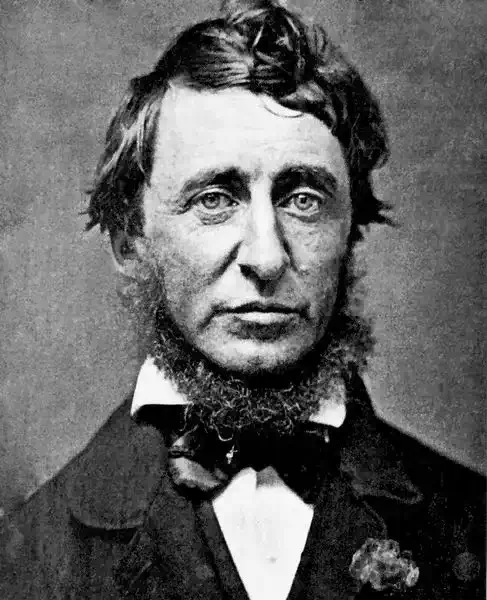
Henry David Thoreau
Rumors from an Aeolian Harp
Rumors from an Aeolian Harp
There is a vale which none hath seen,
Where foot of man has never been,
Such as here lives with toil and strife,
An anxious and a sinful life.
There every virtue has its birth,
Ere it descends upon the earth,
And thither every deed returns,
Which in the generous bosom burns.
There love is warm, and youth is young,
And poetry is yet unsung.
For Virtue still adventures there,
And freely breathes her native air.
And ever, if you hearken well,
You still may hear its vesper bell,
And tread of high-souled men go by,
Their thoughts conversing with the sky.
There is a vale which none hath seen,
Where foot of man has never been,
Such as here lives with toil and strife,
An anxious and a sinful life.
There every virtue has its birth,
Ere it descends upon the earth,
And thither every deed returns,
Which in the generous bosom burns.
There love is warm, and youth is young,
And poetry is yet unsung.
For Virtue still adventures there,
And freely breathes her native air.
And ever, if you hearken well,
You still may hear its vesper bell,
And tread of high-souled men go by,
Their thoughts conversing with the sky.
300
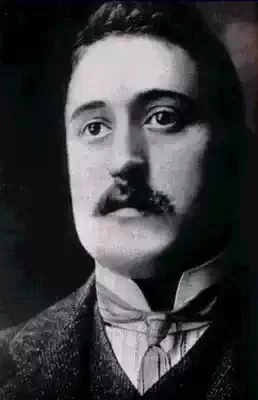
Guillaume Apollinaire
The Bestiary: or Orpheus’s Procession
The Bestiary: or Orpheus’s Procession
(Le Bestiaire ou Cortège d’Orphée)
Orpheus
Admire the vital power
And nobility of line:
It’s the voice that the light made us understand here
That Hermes Trismegistus writes of in Pimander.
The Tortoise
From magic Thrace, O delerium!
My sure fingers sound the strings.
The creatures pass to the sounds
Of my tortoise, and the songs I sing.
The Horse
My harsh dreams knew the riding of you
My gold-charioted fate will be your lovely car
That for reins will hold tight to frenzy,
My verses, the patterns of all poetry.
The Tibetan Goat
The fleece of this goat and even
That gold one which cost such pain
To Jason’s not worth a sou towards
The tresses with which I’m taken.
The Serpent
You set yourself against beauty.
And how many women have been
victims of your cruelty!
Eve, Eurydice, Cleopatra:
I know three or four more after.
The Cat
I wish there to be in my house:
A woman possessing reason,
A cat among books passing by,
Friends for every season
Lacking whom I’m barely alive.
The Lion
O lion, miserable image
Of kings lamentably chosen,
Now you’re only born in a cage
In Hamburg, among the Germans.
The Hare
Don’t be fearful and lascivious
Like the hare and the amorous.
But always let your brain weave
The full form that conceives.
The Rabbit
There’s another cony I remember
That I’d so like to take alive.
Its haunt is there among the thyme
In the valleys of the Land of Tender.
The Dromedary
With his four dromedaries
Don Pedro of Alfaroubeira
Travels the world and admires her.
He does what I would rather
If I’d those four dromedaries.
The Mouse
Sweet days, the mice of time,
You gnaw my life, moon by moon.
God! I’ve twenty eight years soon,
and badly spent ones I imagine.
The Elephant
I carry treasure in my mouth,
As an elephant his ivory.
At the price of flowing words,
Purple death!…I buy my glory.
Orpheus
Look at this pestilential tribe
Its thousand feet, its hundred eyes:
Beetles, insects, lice
And microbes more amazing
Than the world’s seventh wonder
And the palace of Rosamunde!
The Caterpillar
Work leads us to riches.
Poor poets, work on!
The caterpillar’s endless sigh
Becomes the lovely butterfly.
The Fly
The songs that our flies know
Were taught to them in Norway
By flies who are they say
Divinities of snow.
The Flea
Fleas, friends, lovers too,
How cruel are those who love us!
All our blood pours out for them.
The well-beloved are wretched then.
The Grasshopper
Here’s the slender grasshopper
The food that fed Saint John.
May my verse be similar,
A treat for the best of men.
Orpheus
His heart was the bait: the heavens were the pond!
For, fisherman, what fresh or seawater catch
equals him, either in form or savour,
that lovely divine fish, Jesus, My Saviour?
The Dolphin
Dolphins, playing in the sea
The wave is bitter gruel.
Does my joy sometimes erupt?
Yet life is still so cruel.
The Octopus
Hurling his ink at skies above,
Sucking the blood of what he loves
And finding it delicious,
Is myself the monster, vicious.
The Jellyfish
Medusas, miserable heads
With hairs of violet
You enjoy the hurricane
And I enjoy the very same.
The Lobster
Uncertainty, O my delights
You and I we go
As lobsters travel onwards, quite
Backwards, Backwards, O.
The Carp
In your pools, and in your ponds,
Carp, you indeed live long!
Is it that death forgets to free
You fishes of melancholy?
Orpheus
The female of the Halcyon,
Love, the seductive Sirens,
All know the fatal songs
Dangerous and inhuman.
Don’t listen to those cursed birds
But Paradisial Angels’ words.
The Sirens
Do I know where your ennui’s from, Sirens,
When you grieve so widely under the stars?
Sea, I am like you, filled with broken voices,
And my ships, singing, give a name to the years.
The Dove
Dove, both love and spirit
Who engendered Jesus Christ,
Like you I love a Mary.
And so with her I marry.
The Peacock
In spreading out his fan, this bird,
Whose plumage drags on earth, I fear,
Appears more lovely than before,
But makes his derrière appear.
The Owl
My poor heart’s an owl
One woos, un-woos, re-woos.
Of blood, of ardour, he’s the fowl.
I praise those who love me, too.
Ibis
Yes, I’ll pass fearful shadows
O certain death, let it be so!
Latin mortal dreadful word,
Ibis, Nile’s native bird.
The Ox
This cherubim sings the praises
Of Paradise where, with Angels,
We’ll live once more, dear friends,
When the good God intends.
(Le Bestiaire ou Cortège d’Orphée)
Orpheus
Admire the vital power
And nobility of line:
It’s the voice that the light made us understand here
That Hermes Trismegistus writes of in Pimander.
The Tortoise
From magic Thrace, O delerium!
My sure fingers sound the strings.
The creatures pass to the sounds
Of my tortoise, and the songs I sing.
The Horse
My harsh dreams knew the riding of you
My gold-charioted fate will be your lovely car
That for reins will hold tight to frenzy,
My verses, the patterns of all poetry.
The Tibetan Goat
The fleece of this goat and even
That gold one which cost such pain
To Jason’s not worth a sou towards
The tresses with which I’m taken.
The Serpent
You set yourself against beauty.
And how many women have been
victims of your cruelty!
Eve, Eurydice, Cleopatra:
I know three or four more after.
The Cat
I wish there to be in my house:
A woman possessing reason,
A cat among books passing by,
Friends for every season
Lacking whom I’m barely alive.
The Lion
O lion, miserable image
Of kings lamentably chosen,
Now you’re only born in a cage
In Hamburg, among the Germans.
The Hare
Don’t be fearful and lascivious
Like the hare and the amorous.
But always let your brain weave
The full form that conceives.
The Rabbit
There’s another cony I remember
That I’d so like to take alive.
Its haunt is there among the thyme
In the valleys of the Land of Tender.
The Dromedary
With his four dromedaries
Don Pedro of Alfaroubeira
Travels the world and admires her.
He does what I would rather
If I’d those four dromedaries.
The Mouse
Sweet days, the mice of time,
You gnaw my life, moon by moon.
God! I’ve twenty eight years soon,
and badly spent ones I imagine.
The Elephant
I carry treasure in my mouth,
As an elephant his ivory.
At the price of flowing words,
Purple death!…I buy my glory.
Orpheus
Look at this pestilential tribe
Its thousand feet, its hundred eyes:
Beetles, insects, lice
And microbes more amazing
Than the world’s seventh wonder
And the palace of Rosamunde!
The Caterpillar
Work leads us to riches.
Poor poets, work on!
The caterpillar’s endless sigh
Becomes the lovely butterfly.
The Fly
The songs that our flies know
Were taught to them in Norway
By flies who are they say
Divinities of snow.
The Flea
Fleas, friends, lovers too,
How cruel are those who love us!
All our blood pours out for them.
The well-beloved are wretched then.
The Grasshopper
Here’s the slender grasshopper
The food that fed Saint John.
May my verse be similar,
A treat for the best of men.
Orpheus
His heart was the bait: the heavens were the pond!
For, fisherman, what fresh or seawater catch
equals him, either in form or savour,
that lovely divine fish, Jesus, My Saviour?
The Dolphin
Dolphins, playing in the sea
The wave is bitter gruel.
Does my joy sometimes erupt?
Yet life is still so cruel.
The Octopus
Hurling his ink at skies above,
Sucking the blood of what he loves
And finding it delicious,
Is myself the monster, vicious.
The Jellyfish
Medusas, miserable heads
With hairs of violet
You enjoy the hurricane
And I enjoy the very same.
The Lobster
Uncertainty, O my delights
You and I we go
As lobsters travel onwards, quite
Backwards, Backwards, O.
The Carp
In your pools, and in your ponds,
Carp, you indeed live long!
Is it that death forgets to free
You fishes of melancholy?
Orpheus
The female of the Halcyon,
Love, the seductive Sirens,
All know the fatal songs
Dangerous and inhuman.
Don’t listen to those cursed birds
But Paradisial Angels’ words.
The Sirens
Do I know where your ennui’s from, Sirens,
When you grieve so widely under the stars?
Sea, I am like you, filled with broken voices,
And my ships, singing, give a name to the years.
The Dove
Dove, both love and spirit
Who engendered Jesus Christ,
Like you I love a Mary.
And so with her I marry.
The Peacock
In spreading out his fan, this bird,
Whose plumage drags on earth, I fear,
Appears more lovely than before,
But makes his derrière appear.
The Owl
My poor heart’s an owl
One woos, un-woos, re-woos.
Of blood, of ardour, he’s the fowl.
I praise those who love me, too.
Ibis
Yes, I’ll pass fearful shadows
O certain death, let it be so!
Latin mortal dreadful word,
Ibis, Nile’s native bird.
The Ox
This cherubim sings the praises
Of Paradise where, with Angels,
We’ll live once more, dear friends,
When the good God intends.
917
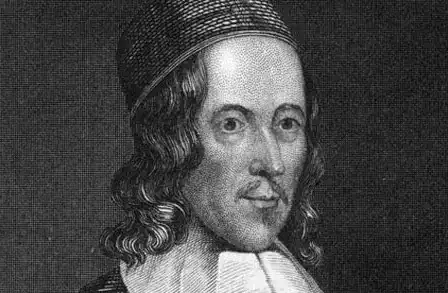
George Herbert
Jordan
Jordan
Who says that fictions only and false hair
Become a verse? Is there in truth no beauty?
Is all good structure in a winding stair?
May no lines pass, except they do their duty
Not to a true, but painted chair?
Is it no verse, except enchanted groves
And sudden arbours shadow coarse-spun lines?
Must purling streams refresh a lover's loves?
Must all be veiled, while he that reads divines,
Catching the sense at two removes?
Shepherds are honest people: let them sing:
Riddle who list, for me, and pull for prime:
I envy no man's nightingale or spring;
Nor let them punish me with loss of rhyme,
Who plainly say, My God, My King.
Who says that fictions only and false hair
Become a verse? Is there in truth no beauty?
Is all good structure in a winding stair?
May no lines pass, except they do their duty
Not to a true, but painted chair?
Is it no verse, except enchanted groves
And sudden arbours shadow coarse-spun lines?
Must purling streams refresh a lover's loves?
Must all be veiled, while he that reads divines,
Catching the sense at two removes?
Shepherds are honest people: let them sing:
Riddle who list, for me, and pull for prime:
I envy no man's nightingale or spring;
Nor let them punish me with loss of rhyme,
Who plainly say, My God, My King.
205
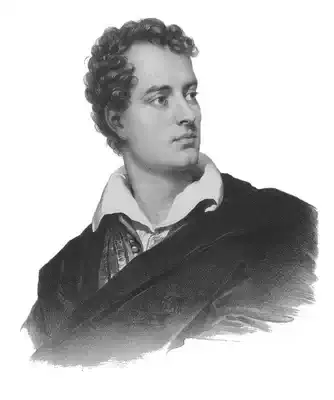
Lord Byron
Versicles
Versicles
I Read the 'Christabel';
Very well:
I read the Missionary';
Pretty very
I tried at Ilderim ;
Ahem!
I read a sheet of 'Marg'ret of Anjou';
Can you?
I turn'd a page of Scott's 'Waterloo';
Pooh! pooh!
I look'd at Wordsworth's milkwhite
'Rylstone Doe';
Hillo!
&c. &c. &c.
March 1817.
I Read the 'Christabel';
Very well:
I read the Missionary';
Pretty very
I tried at Ilderim ;
Ahem!
I read a sheet of 'Marg'ret of Anjou';
Can you?
I turn'd a page of Scott's 'Waterloo';
Pooh! pooh!
I look'd at Wordsworth's milkwhite
'Rylstone Doe';
Hillo!
&c. &c. &c.
March 1817.
427
Lord Byron
To Mr. Murray (Strahan, Tonson Lintot Of The Times)
To Mr. Murray (Strahan, Tonson Lintot Of The Times)
Strahan, Tonson Lintot of the times,
Patron and publisher of rhymes,
For thee the bard up Pindus climbs,
My Murray.
To thee, with hope and terror dumb,
The unedged MS. authors come;
Thou printest all and
sellest someMy
Murray.
Upon thy table's baize so green
The last new Quarterly is seen,But
where is thy new Magazine,
My Murray?
Along thy sprucest bookshelves shine
The works thou deemest most divineThe
'Art of Cookery,' and mine,
My Murray.
Tours, Travels, Essays, too, I wist,
And Sermons, to thy mill bring grist;
And then thou hast the 'Navy List,'
My Murray.
And Heaven forbid I should conclude
Without 'the Board of Longitude,'
Although this narrow paper would,
My Murray.
Venice, March 25, 1818.
Strahan, Tonson Lintot of the times,
Patron and publisher of rhymes,
For thee the bard up Pindus climbs,
My Murray.
To thee, with hope and terror dumb,
The unedged MS. authors come;
Thou printest all and
sellest someMy
Murray.
Upon thy table's baize so green
The last new Quarterly is seen,But
where is thy new Magazine,
My Murray?
Along thy sprucest bookshelves shine
The works thou deemest most divineThe
'Art of Cookery,' and mine,
My Murray.
Tours, Travels, Essays, too, I wist,
And Sermons, to thy mill bring grist;
And then thou hast the 'Navy List,'
My Murray.
And Heaven forbid I should conclude
Without 'the Board of Longitude,'
Although this narrow paper would,
My Murray.
Venice, March 25, 1818.
444
Lord Byron
To Mr. Murray
To Mr. Murray
To hook the reader, you, John Murray,
Have publish'd 'Anjou's Margaret,
Which won't be sold off in a hurry
(At least, it has not been as yet);
And then, still further to bewilder em,
Without remorse, you set up 'Ilderim;'
So mind you don't get into debt,
Because as how, if you should fail,
These books would he but baddish bail.
And mind you do not let escape
These rhymes to Morning Post or Parry,
Which would be very treacherousvery,
And get me into such a scrape!
For, firstly, I should have to sally,
All in my little boat, against a Galley;
And, should I chance to slay the Assyrian wight,
Have next to combat with the female knight.
March 25, 1817.
To hook the reader, you, John Murray,
Have publish'd 'Anjou's Margaret,
Which won't be sold off in a hurry
(At least, it has not been as yet);
And then, still further to bewilder em,
Without remorse, you set up 'Ilderim;'
So mind you don't get into debt,
Because as how, if you should fail,
These books would he but baddish bail.
And mind you do not let escape
These rhymes to Morning Post or Parry,
Which would be very treacherousvery,
And get me into such a scrape!
For, firstly, I should have to sally,
All in my little boat, against a Galley;
And, should I chance to slay the Assyrian wight,
Have next to combat with the female knight.
March 25, 1817.
484
Lord Byron
To Lord Thurlow
To Lord Thurlow
'I lay my branch of laurel down.
Then thus to form Apollo's crown.
Let every other bring his own.'~Lord Thurlow's lines to Mr. Rogers
'I lay my branch of laurel down.'
Thou 'lay thy branch of laurel down!'
Why, what thou'st stole is not enow;
And, were it lawfully thine own,
Does Rogers want it most, or thou?
Keep to thyself thy wither'd bough,
Or send it back to Doctor Donne:
Were justice done to both, I trow,
He'd have but little, and thounone.
'Then thus to form Apollo's crown.'
A crown! why, twist it how you will,
Thy chaplet must be foolscap still.
When next you visit Delphi's town,
Inquire amongst your fellowlodgers,
They'll tell you Phoebus gave his crown,
Some years before your birth, to Rogers.
'Let every other bring his own.'
When coals to Newcastle are carried,
And owls sent to Athens, as wonders,
From his spouse when the R egent's unmarried,
Or Liverpool weeps o'er his blunders;
When Tories and Whigs cease to quarrel,
When Castlereagh's wife has an heir,
Then Rogers shall ask us for laurel,
And thou shalt have plenty to spare.
'I lay my branch of laurel down.
Then thus to form Apollo's crown.
Let every other bring his own.'~Lord Thurlow's lines to Mr. Rogers
'I lay my branch of laurel down.'
Thou 'lay thy branch of laurel down!'
Why, what thou'st stole is not enow;
And, were it lawfully thine own,
Does Rogers want it most, or thou?
Keep to thyself thy wither'd bough,
Or send it back to Doctor Donne:
Were justice done to both, I trow,
He'd have but little, and thounone.
'Then thus to form Apollo's crown.'
A crown! why, twist it how you will,
Thy chaplet must be foolscap still.
When next you visit Delphi's town,
Inquire amongst your fellowlodgers,
They'll tell you Phoebus gave his crown,
Some years before your birth, to Rogers.
'Let every other bring his own.'
When coals to Newcastle are carried,
And owls sent to Athens, as wonders,
From his spouse when the R egent's unmarried,
Or Liverpool weeps o'er his blunders;
When Tories and Whigs cease to quarrel,
When Castlereagh's wife has an heir,
Then Rogers shall ask us for laurel,
And thou shalt have plenty to spare.
505
Lord Byron
The Harp The Monarch Minstrel Swept
The Harp The Monarch Minstrel Swept
The harp the monarch minstrel swept,
The King of men, the loved of Heaven,
Which Music hallow'd while she wept
O'er tones her heart of hearts had given,
Redoubled be her tears, its chords are riven!
It soften'd men of iron mould,
It gave them virtues not their own;
No ear so dull, no soul so cold,
That felt not, fired not to the tone,
Till David's lyre grew mightier than his throne!
It told the triumphs of our King,
It wafted glory to our God;
It made our gladden'd valleys ring,
The cedars bow, the mountains nod;
Its sound aspired to heaven and there abode!
Since then, though heard on earth no more,
Devotion and her daughter Love
Still bid the bursting spirit soar
To sounds that seem as from above,
In dreams that day's broad light can not remove.
The harp the monarch minstrel swept,
The King of men, the loved of Heaven,
Which Music hallow'd while she wept
O'er tones her heart of hearts had given,
Redoubled be her tears, its chords are riven!
It soften'd men of iron mould,
It gave them virtues not their own;
No ear so dull, no soul so cold,
That felt not, fired not to the tone,
Till David's lyre grew mightier than his throne!
It told the triumphs of our King,
It wafted glory to our God;
It made our gladden'd valleys ring,
The cedars bow, the mountains nod;
Its sound aspired to heaven and there abode!
Since then, though heard on earth no more,
Devotion and her daughter Love
Still bid the bursting spirit soar
To sounds that seem as from above,
In dreams that day's broad light can not remove.
459
Lord Byron
On Lord Thurlow's Poems
On Lord Thurlow's Poems
When Thurlow this damn'd nonsense sent
(I hope I am not violent),
Nor men nor gods knew what he meant.
And since not even our Rogers' praise
To common sense his thoughts could raiseWhy
would they let him print his lays'
To me, divine Apollo, grantO!
Hermilda s first and second canto,
I'm fitting up a new portmanteau;
And thus to furnish decent lining,
My own and others' bays I'm twining,So,
gentle Thurlow, throw me thine in.
When Thurlow this damn'd nonsense sent
(I hope I am not violent),
Nor men nor gods knew what he meant.
And since not even our Rogers' praise
To common sense his thoughts could raiseWhy
would they let him print his lays'
To me, divine Apollo, grantO!
Hermilda s first and second canto,
I'm fitting up a new portmanteau;
And thus to furnish decent lining,
My own and others' bays I'm twining,So,
gentle Thurlow, throw me thine in.
564