

Poems in this theme
Freedom
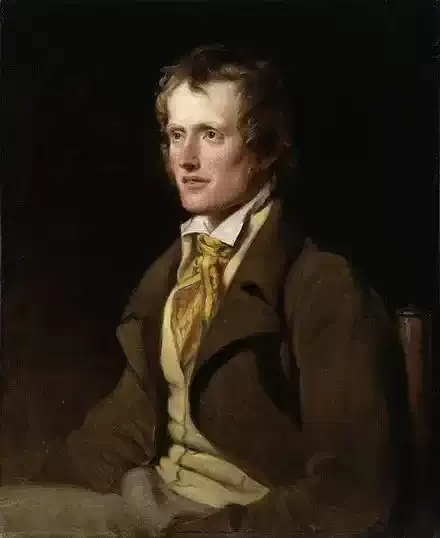
John Clare
The Fallen Elm
The Fallen Elm
Old elm that murmured in our chimney top
The sweetest anthem autumn ever made
And into mellow whispering calms would drop
When showers fell on thy many coloured shade
And when dark tempests mimic thunder made -
While darkness came as it would strangle light
With the black tempest of a winter night
That rocked thee like a cradle in thy root -
How did I love to hear the winds upbraid
Thy strength without - while all within was mute.
It seasoned comfort to our hearts' desire,
We felt that kind protection like a friend
And edged our chairs up closer to the fire,
Enjoying comfort that was never penned.
Old favourite tree, thou'st seen time's changes lower,
Though change till now did never injure thee;
For time beheld thee as her sacred dower
And nature claimed thee her domestic tree.
Storms came and shook thee many a weary hour,
Yet stedfast to thy home thy roots have been;
Summers of thirst parched round thy homely bower
Till earth grew iron - still thy leaves were green.
The children sought thee in thy summer shade
And made their playhouse rings of stick and stone;
The mavis sang and felt himself alone
While in thy leaves his early nest was made,
And I did feel his happiness mine own,
Nought heeding that our friendship was betrayed,
Friend not inanimate - though stocks and stones
There are, and many formed of flesh and bones.
Thou owned a language by which hearts are stirred
Deeper than by a feeling clothed in word,
And speakest now what's known of every tongue,
Language of pity and the force of wrong.
What cant assumes, what hypocrites will dare,
Speaks home to truth and shows it what they are.
I see a picture which thy fate displays
And learn a lesson from thy destiny;
Self-interest saw thee stand in freedom's ways -
So thy old shadow must a tyrant be.
Thou'st heard the knave, abusing those in power,
Bawl freedom loud and then oppress the free;
Thou'st sheltered hypocrites in many a shower,
That when in power would never shelter thee.
Thou'st heard the knave supply his canting powers
With wrong's illusions when he wanted friends;
That bawled for shelter when he lived in showers
And when clouds vanished made thy shade amends -
With axe at root he felled thee to the ground
And barked of freedom - O I hate the sound
Time hears its visions speak, - and age sublime
Hath made thee a disciple unto time.
-It grows the cant term of enslaving tools
To wrong another by the name of right;
Thus came enclosure - ruin was its guide,
But freedom's cottage soon was thrust aside
And workhouse prisons raised upon the site.
Een nature's dwellings far away from men,
The common heath, became the spoiler's prey;
The rabbit had not where to make his den
And labour's only cow was drove away.
No matter - wrong was right and right was wrong,
And freedom's bawl was sanction to the song.
-Such was thy ruin, music-making elm;
The right of freedom was to injure thine:
As thou wert served, so would they overwhelm
In freedom's name the little that is mine.
And there are knaves that brawl for better laws
And cant of tyranny in stronger power
Who glut their vile unsatiated maws
And freedom's birthright from the weak devour.
Old elm that murmured in our chimney top
The sweetest anthem autumn ever made
And into mellow whispering calms would drop
When showers fell on thy many coloured shade
And when dark tempests mimic thunder made -
While darkness came as it would strangle light
With the black tempest of a winter night
That rocked thee like a cradle in thy root -
How did I love to hear the winds upbraid
Thy strength without - while all within was mute.
It seasoned comfort to our hearts' desire,
We felt that kind protection like a friend
And edged our chairs up closer to the fire,
Enjoying comfort that was never penned.
Old favourite tree, thou'st seen time's changes lower,
Though change till now did never injure thee;
For time beheld thee as her sacred dower
And nature claimed thee her domestic tree.
Storms came and shook thee many a weary hour,
Yet stedfast to thy home thy roots have been;
Summers of thirst parched round thy homely bower
Till earth grew iron - still thy leaves were green.
The children sought thee in thy summer shade
And made their playhouse rings of stick and stone;
The mavis sang and felt himself alone
While in thy leaves his early nest was made,
And I did feel his happiness mine own,
Nought heeding that our friendship was betrayed,
Friend not inanimate - though stocks and stones
There are, and many formed of flesh and bones.
Thou owned a language by which hearts are stirred
Deeper than by a feeling clothed in word,
And speakest now what's known of every tongue,
Language of pity and the force of wrong.
What cant assumes, what hypocrites will dare,
Speaks home to truth and shows it what they are.
I see a picture which thy fate displays
And learn a lesson from thy destiny;
Self-interest saw thee stand in freedom's ways -
So thy old shadow must a tyrant be.
Thou'st heard the knave, abusing those in power,
Bawl freedom loud and then oppress the free;
Thou'st sheltered hypocrites in many a shower,
That when in power would never shelter thee.
Thou'st heard the knave supply his canting powers
With wrong's illusions when he wanted friends;
That bawled for shelter when he lived in showers
And when clouds vanished made thy shade amends -
With axe at root he felled thee to the ground
And barked of freedom - O I hate the sound
Time hears its visions speak, - and age sublime
Hath made thee a disciple unto time.
-It grows the cant term of enslaving tools
To wrong another by the name of right;
Thus came enclosure - ruin was its guide,
But freedom's cottage soon was thrust aside
And workhouse prisons raised upon the site.
Een nature's dwellings far away from men,
The common heath, became the spoiler's prey;
The rabbit had not where to make his den
And labour's only cow was drove away.
No matter - wrong was right and right was wrong,
And freedom's bawl was sanction to the song.
-Such was thy ruin, music-making elm;
The right of freedom was to injure thine:
As thou wert served, so would they overwhelm
In freedom's name the little that is mine.
And there are knaves that brawl for better laws
And cant of tyranny in stronger power
Who glut their vile unsatiated maws
And freedom's birthright from the weak devour.
407
John Clare
Farewell And Defiance To Love
Farewell And Defiance To Love
Love and thy vain employs, away
From this too oft deluded breast!
No longer will I court thy stay,
To be my bosom's teazing guest.
Thou treacherous medicine, reckoned pure,
Thou quackery of the harassed heart,
That kills what it pretends to cure,
Life's mountebank thou art.
With nostrums vain of boasted powers,
That, ta'en, a worse disorder leave;
An asp hid in a group of flowers,
That bites and stings when few perceive;
Thou mock-truce to the troubled mind,
Leading it more in sorrow's way,
Freedom, that leaves us more confined,
I bid thee hence away.
Dost taunt, and deem thy power beyond
The resolution reason gave?
Tut! Falsity hath snapt each bond,
That kept me once thy quiet slave,
And made thy snare a spider's thread,
Which een my breath can break in twain;
Nor will I be, like Sampson, led
To trust thy wiles again.
I took thee as my staff to guide
Me on the road I did pursue,
And when my weakness most relied
Upon its strength it broke in two.
I took thee as my friendly host
That counsel might in dangers show,
But when I needed thee the most
I found thou wert my foe.
Tempt me no more with rosy cheeks,
Nor daze my reason with bright eyes;
I'm wearied with thy painted freaks,
And sicken at such vanities:
Be roses fine as eer they will,
They, with the meanest, fade and die,
And eyes, though thronged with darts to kill,
Share like mortality.
Feed the young bard, that madly sips
His nectar-draughts from folly's flowers,
Bright eyes, fair cheeks, and ruby lips,
Till muses melt to honey showers;
Lure him to thrum thy empty lays,
While flattery listens to the chimes,
Till words themselves grow sick with praise
And stop for want of rhymes.
Let such be still thy paramours,
And chaunt love's old and idle tune,
Robbing the spring of all its flowers,
And heaven of all her stars and moon,
To gild with dazzling similes
Blind folly's vain and empty lay:
I'm sobered from such phantasies,
So get thee hence away.
Nor bid me sigh for mine own cost,
Nor count its loss, for mine annoy,
Nor say my stubbornness hath lost
A paradise of dainty joy:
I'll not believe thee, till I know
That sober reason turns an ape,
And acts the harlequin, to show
That cares in every shape,
Heart-achings, sighs, and grief-wrung tears,
Shame-blushes at betrayed distress,
Dissembled smiles, and jealous fears,
Are nought but real happiness:
Then will I mourn what now I brave,
And suffer Celia's quirks to be
(Like a poor fate-bewilder'd slave,)
The rulers of my destiny.
I'll weep and sigh wheneer she wills
To frown, and when she deigns to smile
It shall be cure for all my ills,
And, foolish still, I'll laugh the while;
But till that comes, I'll bless the rules
Experience taught, and deem it wise
To hold thee as the game of fools,
And all thy tricks despise.
Love and thy vain employs, away
From this too oft deluded breast!
No longer will I court thy stay,
To be my bosom's teazing guest.
Thou treacherous medicine, reckoned pure,
Thou quackery of the harassed heart,
That kills what it pretends to cure,
Life's mountebank thou art.
With nostrums vain of boasted powers,
That, ta'en, a worse disorder leave;
An asp hid in a group of flowers,
That bites and stings when few perceive;
Thou mock-truce to the troubled mind,
Leading it more in sorrow's way,
Freedom, that leaves us more confined,
I bid thee hence away.
Dost taunt, and deem thy power beyond
The resolution reason gave?
Tut! Falsity hath snapt each bond,
That kept me once thy quiet slave,
And made thy snare a spider's thread,
Which een my breath can break in twain;
Nor will I be, like Sampson, led
To trust thy wiles again.
I took thee as my staff to guide
Me on the road I did pursue,
And when my weakness most relied
Upon its strength it broke in two.
I took thee as my friendly host
That counsel might in dangers show,
But when I needed thee the most
I found thou wert my foe.
Tempt me no more with rosy cheeks,
Nor daze my reason with bright eyes;
I'm wearied with thy painted freaks,
And sicken at such vanities:
Be roses fine as eer they will,
They, with the meanest, fade and die,
And eyes, though thronged with darts to kill,
Share like mortality.
Feed the young bard, that madly sips
His nectar-draughts from folly's flowers,
Bright eyes, fair cheeks, and ruby lips,
Till muses melt to honey showers;
Lure him to thrum thy empty lays,
While flattery listens to the chimes,
Till words themselves grow sick with praise
And stop for want of rhymes.
Let such be still thy paramours,
And chaunt love's old and idle tune,
Robbing the spring of all its flowers,
And heaven of all her stars and moon,
To gild with dazzling similes
Blind folly's vain and empty lay:
I'm sobered from such phantasies,
So get thee hence away.
Nor bid me sigh for mine own cost,
Nor count its loss, for mine annoy,
Nor say my stubbornness hath lost
A paradise of dainty joy:
I'll not believe thee, till I know
That sober reason turns an ape,
And acts the harlequin, to show
That cares in every shape,
Heart-achings, sighs, and grief-wrung tears,
Shame-blushes at betrayed distress,
Dissembled smiles, and jealous fears,
Are nought but real happiness:
Then will I mourn what now I brave,
And suffer Celia's quirks to be
(Like a poor fate-bewilder'd slave,)
The rulers of my destiny.
I'll weep and sigh wheneer she wills
To frown, and when she deigns to smile
It shall be cure for all my ills,
And, foolish still, I'll laugh the while;
But till that comes, I'll bless the rules
Experience taught, and deem it wise
To hold thee as the game of fools,
And all thy tricks despise.
401
John Clare
A vision
A vision
I lost the love of heaven above,
I spurned the lust of earth below,
I felt the sweets of fancied love
And hell itself my only foe.
I lost earth's joys but felt the glow
Of heaven's flame abound in me
Till loveliness and I did grow
The bard of immortality.
I loved but woman fell away
I hid me from her faded fame,
I snatched the sun's eternal ray
And wrote till earth was but a name
In every language upon earth,
On every shore, o'er every sea,
I give my name immortal birth
And kept my spirit with the free.
I lost the love of heaven above,
I spurned the lust of earth below,
I felt the sweets of fancied love
And hell itself my only foe.
I lost earth's joys but felt the glow
Of heaven's flame abound in me
Till loveliness and I did grow
The bard of immortality.
I loved but woman fell away
I hid me from her faded fame,
I snatched the sun's eternal ray
And wrote till earth was but a name
In every language upon earth,
On every shore, o'er every sea,
I give my name immortal birth
And kept my spirit with the free.
483
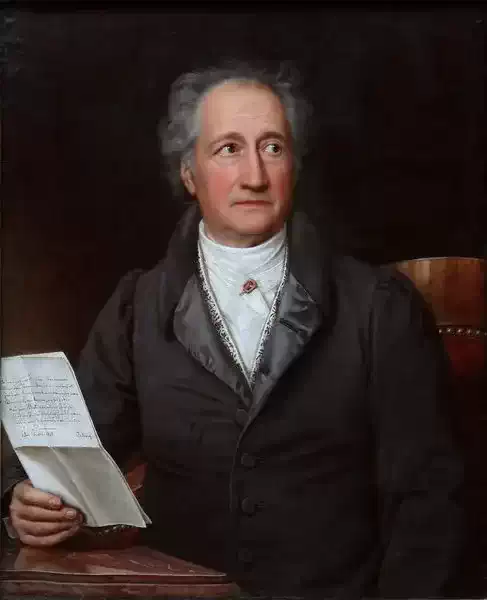
Johann Wolfgang von Goethe
The Freebooter
The Freebooter
No door has my house,
No house has my door;
And in and out ever
I carry my store.
No grate has my kitchen,
No kitchen my grate;
Yet roasts it and boils it
Both early and late.
My bed has no trestles,
My trestles no bed;
Yet merrier moments
No mortal e'er led.
My cellar is lofty,
My barn is full deep,
From top to the bottom,--
There lie I and sleep.
And soon as I waken,
All moves on its race;
My place has no fixture,
My fixture no place.
No door has my house,
No house has my door;
And in and out ever
I carry my store.
No grate has my kitchen,
No kitchen my grate;
Yet roasts it and boils it
Both early and late.
My bed has no trestles,
My trestles no bed;
Yet merrier moments
No mortal e'er led.
My cellar is lofty,
My barn is full deep,
From top to the bottom,--
There lie I and sleep.
And soon as I waken,
All moves on its race;
My place has no fixture,
My fixture no place.
361
Johann Wolfgang von Goethe
Neither This Nor That
Neither This Nor That
IF thou to be a slave shouldst will,
Thou'lt get no pity, but fare ill;
And if a master thou wouldst be,
The world will view it angrily;
And if in status quo thou stay,
That thou art but a fool, they'll say.
IF thou to be a slave shouldst will,
Thou'lt get no pity, but fare ill;
And if a master thou wouldst be,
The world will view it angrily;
And if in status quo thou stay,
That thou art but a fool, they'll say.
378
Johann Wolfgang von Goethe
Hermann And Dorothea - VI. Klio
Hermann And Dorothea - VI. Klio
THE AGE.
WHEN the pastor ask'd the foreign magistrate questions,
What the people had suffer'd, how long from their homes they had wander'd,
Then the man replied:--'By no means short are our sorrows,
For we have drunk the bitters of many a long year together,
All the more dreadful, because our fairest hopes have been blighted.
Who can deny that his heart beat wildly and high in his bosom
And that with purer pulses his breast more freely was throbbing,
When the newborn sun first rose in the whole of its glory,
When we heard of the right of man, to have all things in common,
Heard of noble Equality, and of inspiriting Freedom!
Each man then hoped to attain new life for himself, and the fetters
Which had encircled many a land appear'd to be broken,
Fetters held by the hands of sloth and selfish indulgence.
Did not all nations turn their gaze, in those days of emotion,
Tow'rds the world's capital, which so many a long year had been so,
And then more than ever deserved a name so distinguish'd?
Were not the men, who first proclaim'd so noble a message,
Names that are worthy to rank with the highest the sun ever shone on,
Did not each give to mankind his courage and genius and language?
'And we also, as neighbours, at first were warmly excited.
Presently after began the war, and the train of arm'd Frenchmen
Nearer approach'd; at first they appear'd to bring with them friendship,
And they brought it in fact; for all their souls were exalted.
And the gay trees of liberty ev'rywhere gladly they planted,
Promising unto each his own, and the government long'd for.
Greatly at this was youth, and greatly old age was delighted,
And the joyous dance began round the newly-raised standards.
In this manner the overpowering Frenchmen soon conquer'd
First the minds of the men, with their fiery lively proceedings,
Then the hearts of the women, with irresistible graces.
Even the strain of the war, with its many demands, seem'd but trifling,
For before our eyes the distance by hope was illumined,
Luring our gaze far ahead into paths now first open'd before us.
'O how joyful the time, when with his bride the glad bridegroom
Whirls in the dance, awaiting the day that will join them for ever
But more glorious far was the time when the Highest of all things
Which man's mind can conceive, close by and attainable seemed.
Then were the tongues of all loosen'd, and words of wisdom and feeling
Not by greybeards alone, but by men and by striplings were utter'd.
'But the heavens soon clouded became. For the sake of the mast'ry
Strove a contemptible crew, unfit to accomplish good actions.
Then they murder'd each other, and took to oppressing their new-found
Neighbours and brothers, and sent on missions whole herds of selfÄseekers
And the superiors took to carousing and robbing by wholesale,
And the inferiors down to the lowest caroused and robb'd also.
Nobody thought of aught else than having enough for tomorrow.
Terrible was the distress, and daily increased the oppression.
None the cry understood, that they of the day were the masters.
Then even temperate minds were attack'd by sorrow and fury;
Each one reflected, and swore to avenge all the injuries suffer'd,
And to atone for the hitter loss of hopes twice defrauded.
Presently Fortune declared herself on the side of the Germans,
And the French were compell'd to retreat by forced marches before them.
Ah! the sad fate of the war we then for the first time experienced.
For the victor is kind and humane, at least he appears so,
And he spares the man he has vanquish'd, as if he his own were,
When he employs him daily, and with his property helps him.
But the fugitive knows no law; he wards off death only,
And both quickly and recklessly all that he meets with, consumes he.
Then his mind becomes heated apace; and soon desperation
Fills his heart, and impels him to all kinds of criminal actions.
Nothing then holds he respected, he steals It. With furious longing
On the woman he rushes; his lust becomes awful to think of.
Death all around him he sees, his last minutes in cruelty spends he,
Wildly exulting in blood, and exulting in howls and in anguish.
'Then in the minds of our men arose a terrible yearning
That which was lost to avenge, and that which remain'd to defend still.
All of them seized upon arms, lured on by the fugitives' hurry,
By their pale faces, and by their shy, uncertain demeanour.
There was heard the sound of alarm-bells unceasingly ringing,
And the approach of danger restrain'd not their violent fury.
Soon into weapons were turn'd the implements peaceful of tillage,
And with dripping blood the scythe and the pitchfork were cover'd.
Every foeman without distinction was ruthlessly slaughter'd,
Fury was ev'rywhere raging, and artful, cowardly weakness.
May I never again see men in such wretched confusion!
Even the raging wild beast is a better object to gaze on.
Ne'er let them speak of freedom, as if themselves they could govern!
All the evil which Law has driven farback in the corner
Seems to escape, as soon as the fetters which bound it are loosen'd.'
'Excellent man,' replied the pastor, with emphasis speaking
'If you're mistaken in man, 'tis not for me to reprove you.
Evil enough have you suffer'd indeed from his cruel proceedings!
Would you but look back, however, on days so laden with sorrow,
You would yourself confess how much that is good you have witness'd,
Much that is excellent, which remains conceald in the bossom
Till by danger 'tis stirr'd, and till necessity makes man
Show himself as an angel, a tutelar God unto others.'
Then with a smile replied the worthy old magistrate, saying
'Your reminder is wise, like that which they give to the suff'rer
Who has had his dwelling burnt down, that under the ruins,
Gold and silver are lying, though melted and cover'd with ashes.
Little, indeed, it may be, and yet that little is precious,
And the poor man digs it up, and rejoices at finding the treasure.
Gladly, therefore, I turn my thoughts to those few worthy actions
Which my memory still is able to dwell on with pleasure.
Yes, I will not deny it, I saw late foemen uniting
So as to save the town from harm; I saw with devotion
Parents, children and friends impossible actions attempting,
Saw how the youth of a sudden became a man, how the greybeard
Once more was young, how the child as a stripling appear'd in a moment.
Aye, and the weaker sex, as people commonly call it,
Show'd itself brave and daring, with presence of mind all-unwonted.
Let me now, in the first place, describe a deed of rare merit
By a high-spirited girl accomplish'd, an excellent maiden,
Who in the great farmhouse remain'd behind with the servants,
When the whole of the men had departed, to fight with the strangers.
Well, there fell on the court a troop of vagabond scoundrels,
Plund'ring and forcing their way inside the rooms of the women.
Soon they cast their eyes on the forms of the grown-up fair maiden
And of the other dear girls, in age little more than mere children.
Hurried away by raging desire, unfeelingly rush'd they
On the trembling band, and on the high-spirited maiden.
But she instantly seized the sword from the side of a ruffian,
Hew'd him down to the ground; at her feet straight fell he, all bleeding,
Then with doughty strokes the maidens she bravely deliver'd.
Wounded four more of the robbers; with life, however, escaped they.
Then she lock'd up the court, and, arm'd still, waited for succour.
When the pastor heard the praise of the maiden thus utter'd
Feelings of hope for his friend forthwith arose in his bosom,
And he prepared to ask what had been the fate of the damsel,
Whether she, in the sorrowful flight, form'd one of the people?
At this moment, however, the druggist nimbly approach'd them,
Pull'd the sleeve of the pastor, and whisper'd to him as follows
'I have at last pick'd out the maiden from many a hundred
By her description! Pray come and judge for yourself with your own eyes;
Bring the magistrate with you, that we may learn the whole story.'
So they turn'd themselves round; but the magistrate found himself summon'd
By his own followers, who had need of his presence and counsel.
But the pastor forthwith the druggist accompanied, till they
Came to a gap in the hedge, when the latter pointed with slyness,
'See you,' exclaim'd he, 'the maiden? The child's clothes she has been changing.
And I recognise well the old calico--also the cushion--
Cover of blue, which Hermann took in the bundle and gave her.
Quickly and well, of a truth, she has used the presents left with her.
These are evident proofs; and all the rest coincide too;
For a bodice red her well-arch'd bosom upraises,
Prettily tied, while black are the stays fitting close around her.
Then the seams of the ruff she has carefully plaited and folded,
Which, with modest grace, her chin so round is encircling;
Free and joyously rises her head, with its elegant oval,
Strongly round bodkins of silver her back-hair is many times twisted.
When she is sitting, we plainly see her noble proportions,
And the blue well-plaited gown which begins from close to her bosom,
And in rich folds descending, her well-turn'd ankles envelops.
'Tis she, beyond all doubt. So come, that we may examine
Whether she be both a good and a frugal and virtuous maiden.'
Then the pastor rejoin'd, the sitting damsel inspecting
'That she enchanted the youth, I confess is no matter of wonder,
For she stands the test of the gaze of a man of experience.
Happy the person to whom Mother Nature the right face has given!
She recommends him at all times, he never appears as a stranger,
Each one gladly approaches, and each one beside him would linger,
If with his face is combined a pleasant and courteous demeanour.
Yes, I assure you the youth has indeed discover'd a maiden
Who the whole of the days of his life will enliven with gladness,
And with her womanly strength assist him at all times and truly.
Thus a perfect body preserves the soul also in pureness,
And a vigorous youth of a happy old age gives assurance.
After reflecting a little, the druggist made answer as follows:-'
Yet appearances oft are deceitful. I trust not the outside.
Often, indeed, have I found the truth of the proverb which tells us
Ere you share a bushel of salt with a new-found acquaintance,
Do not trust him too readily; time will make you more certain
How you and he will get on, and whether your friendship is lasting.
Let us then, in the first place, inquire amongst the good people
Unto whom the maiden is known, who can tell us about her.'
'Well, of a truth I commend your prudence,' the pastor continued
'Not for ourselves are we wooing! To woo for others is serious.'
So they started to meet the worthy magistrate seeing
How in the course of his business he was ascending the main street.
And the wise pastor straightway address'd him with foresight as follows
'We, by-the-bye, have just seen a girl in the neighbouring garden
Under an apple-tree sitting, and clothes for the children preparing,
Made of worn calico, which for the purpose was doubtless presented.
We were pleased by her face; she appears to be one of the right sort.
Tell us, what know you about her? We ask from a laudable motive.'
When the magistrate came to the garden and peep'd in, exclaimed he
'Well do I know her, in truth; for when I told you the story
Of that noble deed which was done by the maiden I spoke of,
How she seized on the sword, and defended herself, and the servants,
She the heroine was! You can see how active her nature.
But she's as good as she's strong; for her aged kinsman she tended
Until the time of his death, for he died overwhelm'd by affliction
At the distress of his town, and the danger his goods were exposed to.
Also with mute resignation she bore the grievous affliction
Of her betroth'd's sad death, a noble young man who, incited
By the first fire of noble thoughts to struggle for freedom,
Went himself to Paris, and soon found a terrible death there.
For, as at home, so there, he fought 'gainst intrigue and oppression.'
Thus the magistrate spoke. The others departed and thanked him,
And the pastor produced a gold piece (the silver his purse held
He some hours before had with genuine kindness expended
When he saw the fugitives passing in sorrowful masses).
And to the magistrate handed it, saying:--' Divide it, I pray you,
'Mongst those who need it the most. May God give it prosperous increase.'
But the man refused to accept it, and said:--'I assure you,
Many a dollar we've saved, and plenty of clothing and such things,
And I trust we may reach our homes before they are finish'd.'
Then continued the pastor, the gold in his hand once more placing
'None should delay to give in days like the present, and no one
Ought to refuse to receive what is offer'd with liberal kindness.
No one can tell how long he will keep what in peace he possesses,
No one, how long he is doom'd in foreign countries to wander,
While he's deprived of the field and the garden by which he is nurtured.'
'Bravo!' added in turn the druggist, with eagerness speaking
'Had I but money to spare in my pocket, you surely should have it,
Silver and gold alike; for your followers certainly need it.
Yet I'll not leave you without a present, if only to show you
My good will, and I hope you will take the will for the action.'
Thus he spoke, and pull'd out by the strings the leather embroider'd
Pouch, in which he was wont his stock of tobacco to carry,
Daintily open'd and shared its contents--some two or three pipes' full.
'Small in truth is the gift,' he added. The magistrate answered:
'Good tobacco is always a welcome present to trav'llers.'
Then the druggist began his canister to praise very highly.
But the pastor drew him away, and the magistrate left them.
'Come, let us hasten!' exclaimed the sensible man, 'for our young friend
Anxiously waits; without further delay let him hear the good tidings.'
So they hasten'd and came, and found that the youngster was leaning
'Gainst his carriage under the lime-trees. The horses were pawing
Wildly the turf; he held them in check and stood there all pensive,
Silently gazing in front, and saw not his friends coming near him,
Till, as they came, they called him and gave him signals of triumph.
Some way off the druggist already began to address him,
But they approach'd the youth still nearer, and then the good pastor
Seized his hand and spoke and took the word from his comrade
'Friend, I wish you joy! Your eye so true and your true heart
Rightly have chosen! May you and the wife of your young days be happy!
She is full worthy of you; so come and turn around the carriage,
That we may reach without delay the end of the village,
So as to woo her, and shortly escort the dear creature home with us.'
But the youth stood still, and without any token of pleasure
Heard the words of the envoy, though sounding consoling and heav'nly,
Deeply sigh'd and said:--'We came full speed in the carriage
And shall probably go back home ashamed and but slowly;
For, since I have been waiting care has fallen upon me,
Doubt and suspicion and all that a heart full of love is exposed to.
Do you suppose we have only to come, for the maiden to follow,
Just because we are rich, and she poor and wandering in exile?
Poverty, when undeserved, itself makes proud. The fair maiden
Seems to be active and frugal; the world she may claim as her portion.
Do you suppose that a woman of such great beauty and manners
Can have grown up without exciting love in man's bosom?
Do you suppose that her heart until now has to love been fast closed?
Do not drive thither in haste, for perchance to our shame and confusion
We shall have slowly to turn towards home the heads of our horses.
Yes, some youth, I fear me, possesses her heart, and already
She has doubtless promised her hand and her solemn troth plighted,
And I shall stand all ashamed before her, When making my offer.'
Then the pastor proceeded to cheer him with words of good comfort,
But his companion broke in, in his usual talkative manner
'As things used to be, this embarrassment would not have happened,
When each matter was brought to a close in an orthodox fashion.
Then for their son themselves the bride the parents selected,
And a friend of the house was secretly call'd in the first place.
He was then quietly sent as a suitor to visit the parents
Of the selected bride; and, dress'd in his gayest apparel,
Went after dinner some Sunday to visit the excellent burgher,
And began by exchanging polite remarks on all subjects,
Cleverly turning and bending the talk in the proper direction.
After long beating about the bush, he flatter'd the daughter,
And spoke well of the man and the house that gave his commission.
Sensible people soon saw his drift, and the sensible envoy
Watch'd how the notion was taken, and then could explain himself farther.
If they declined the proposal, why then the refusal cost nothing,
But if all prosper'd, why then the suitor for ever thereafter
Play'd the first fiddle at every family feast and rejoicing.
For the married couple remember'd the whole of their lifetime
Whose was the skilful hand by which the marriage knot tied was.
All this now is chang'd, and with many an excellent custom
Has gone quite out of fashion. Each person woos for himself now.
Everyone now must bear the weight of a maiden's refusal
On his own shoulders, and stand all ashamed before her, if needs be.'
'Let that be as it may,' then answered the young man who scarcely
Heard what was said, and his mind had made up already in silence
'I will go myself, and out of the mouth of the maiden
Learn my own fate, for towards her I cherish the most trustful feelings
That any man ever cherish'd towards any woman whatever.
That which she says will be good and sensible,--this I am sure of.
If I am never to see her again, I must once more behold her,
And the ingenuous gaze of her black eyes must meet for the last time.
If to my heart I may clasp her never, her bosom and shoulders
I would once more see, which my arm so longs to encircle:
Once more the mouth I would see, from which one kiss and a Yes will
Make me happy for ever, a No for ever undo me.
But now leave me alone! Wait here no longer. Return you
Straight to my father and mother, in order to tell them in person
That their son was right, and that the maiden is worthy.
And so leave me alone! I myself shall return by the footpath
Over the hill by the pear-tree and then descend through the vineyard,
Which is the shortest way back. Oh may I soon with rejoicing
Take the beloved one home! But perchance all alone I must slink back
By that path to our house and tread it no more with a light heart.'
Thus he spoke, and then placed the reins in the hands of the pastor,
Who, in a knowing way both the foaming horses restraining,
Nimbly mounted the carriage, and took the seat of the driver.
But you still delay'd, good cautious neighbour, and spoke thus
Friend, I will gladly entrust to you soul, and spirit, and mind too,
But my body and bones are not preserved in the best way
When the hand of a parson such worldly matters as reins grasps!'
But you smiled in return, you sensible pastor, replying
'Pray jump in, nor fear with both body and spirit to trust me,
For this hand to hold the reins has long been accustom'd,
And these eyes are train'd to turn the corner with prudence.
For we were wont to drive the carriage, when living at Strasburg,
At the time when with the young baron I went there, for daily,
Driven by me, through the echoing gateway thunder'd the carriage
By the dusty roads to distant meadows and lindens,
Through the crowds of the people who spend their lifetime in walking.'
Partially comforted, then his neighbour mounted the carriage,
Sitting like one prepared to make a wise jump, if needs be,
And the stallions, eager to reach their stables, coursed homewards,
While beneath their powerful hoofs the dust rose in thick clouds.
Long there stood the youth, and saw the dust rise before him,
Saw the dust disperse; but still he stood there, unthinking.
THE AGE.
WHEN the pastor ask'd the foreign magistrate questions,
What the people had suffer'd, how long from their homes they had wander'd,
Then the man replied:--'By no means short are our sorrows,
For we have drunk the bitters of many a long year together,
All the more dreadful, because our fairest hopes have been blighted.
Who can deny that his heart beat wildly and high in his bosom
And that with purer pulses his breast more freely was throbbing,
When the newborn sun first rose in the whole of its glory,
When we heard of the right of man, to have all things in common,
Heard of noble Equality, and of inspiriting Freedom!
Each man then hoped to attain new life for himself, and the fetters
Which had encircled many a land appear'd to be broken,
Fetters held by the hands of sloth and selfish indulgence.
Did not all nations turn their gaze, in those days of emotion,
Tow'rds the world's capital, which so many a long year had been so,
And then more than ever deserved a name so distinguish'd?
Were not the men, who first proclaim'd so noble a message,
Names that are worthy to rank with the highest the sun ever shone on,
Did not each give to mankind his courage and genius and language?
'And we also, as neighbours, at first were warmly excited.
Presently after began the war, and the train of arm'd Frenchmen
Nearer approach'd; at first they appear'd to bring with them friendship,
And they brought it in fact; for all their souls were exalted.
And the gay trees of liberty ev'rywhere gladly they planted,
Promising unto each his own, and the government long'd for.
Greatly at this was youth, and greatly old age was delighted,
And the joyous dance began round the newly-raised standards.
In this manner the overpowering Frenchmen soon conquer'd
First the minds of the men, with their fiery lively proceedings,
Then the hearts of the women, with irresistible graces.
Even the strain of the war, with its many demands, seem'd but trifling,
For before our eyes the distance by hope was illumined,
Luring our gaze far ahead into paths now first open'd before us.
'O how joyful the time, when with his bride the glad bridegroom
Whirls in the dance, awaiting the day that will join them for ever
But more glorious far was the time when the Highest of all things
Which man's mind can conceive, close by and attainable seemed.
Then were the tongues of all loosen'd, and words of wisdom and feeling
Not by greybeards alone, but by men and by striplings were utter'd.
'But the heavens soon clouded became. For the sake of the mast'ry
Strove a contemptible crew, unfit to accomplish good actions.
Then they murder'd each other, and took to oppressing their new-found
Neighbours and brothers, and sent on missions whole herds of selfÄseekers
And the superiors took to carousing and robbing by wholesale,
And the inferiors down to the lowest caroused and robb'd also.
Nobody thought of aught else than having enough for tomorrow.
Terrible was the distress, and daily increased the oppression.
None the cry understood, that they of the day were the masters.
Then even temperate minds were attack'd by sorrow and fury;
Each one reflected, and swore to avenge all the injuries suffer'd,
And to atone for the hitter loss of hopes twice defrauded.
Presently Fortune declared herself on the side of the Germans,
And the French were compell'd to retreat by forced marches before them.
Ah! the sad fate of the war we then for the first time experienced.
For the victor is kind and humane, at least he appears so,
And he spares the man he has vanquish'd, as if he his own were,
When he employs him daily, and with his property helps him.
But the fugitive knows no law; he wards off death only,
And both quickly and recklessly all that he meets with, consumes he.
Then his mind becomes heated apace; and soon desperation
Fills his heart, and impels him to all kinds of criminal actions.
Nothing then holds he respected, he steals It. With furious longing
On the woman he rushes; his lust becomes awful to think of.
Death all around him he sees, his last minutes in cruelty spends he,
Wildly exulting in blood, and exulting in howls and in anguish.
'Then in the minds of our men arose a terrible yearning
That which was lost to avenge, and that which remain'd to defend still.
All of them seized upon arms, lured on by the fugitives' hurry,
By their pale faces, and by their shy, uncertain demeanour.
There was heard the sound of alarm-bells unceasingly ringing,
And the approach of danger restrain'd not their violent fury.
Soon into weapons were turn'd the implements peaceful of tillage,
And with dripping blood the scythe and the pitchfork were cover'd.
Every foeman without distinction was ruthlessly slaughter'd,
Fury was ev'rywhere raging, and artful, cowardly weakness.
May I never again see men in such wretched confusion!
Even the raging wild beast is a better object to gaze on.
Ne'er let them speak of freedom, as if themselves they could govern!
All the evil which Law has driven farback in the corner
Seems to escape, as soon as the fetters which bound it are loosen'd.'
'Excellent man,' replied the pastor, with emphasis speaking
'If you're mistaken in man, 'tis not for me to reprove you.
Evil enough have you suffer'd indeed from his cruel proceedings!
Would you but look back, however, on days so laden with sorrow,
You would yourself confess how much that is good you have witness'd,
Much that is excellent, which remains conceald in the bossom
Till by danger 'tis stirr'd, and till necessity makes man
Show himself as an angel, a tutelar God unto others.'
Then with a smile replied the worthy old magistrate, saying
'Your reminder is wise, like that which they give to the suff'rer
Who has had his dwelling burnt down, that under the ruins,
Gold and silver are lying, though melted and cover'd with ashes.
Little, indeed, it may be, and yet that little is precious,
And the poor man digs it up, and rejoices at finding the treasure.
Gladly, therefore, I turn my thoughts to those few worthy actions
Which my memory still is able to dwell on with pleasure.
Yes, I will not deny it, I saw late foemen uniting
So as to save the town from harm; I saw with devotion
Parents, children and friends impossible actions attempting,
Saw how the youth of a sudden became a man, how the greybeard
Once more was young, how the child as a stripling appear'd in a moment.
Aye, and the weaker sex, as people commonly call it,
Show'd itself brave and daring, with presence of mind all-unwonted.
Let me now, in the first place, describe a deed of rare merit
By a high-spirited girl accomplish'd, an excellent maiden,
Who in the great farmhouse remain'd behind with the servants,
When the whole of the men had departed, to fight with the strangers.
Well, there fell on the court a troop of vagabond scoundrels,
Plund'ring and forcing their way inside the rooms of the women.
Soon they cast their eyes on the forms of the grown-up fair maiden
And of the other dear girls, in age little more than mere children.
Hurried away by raging desire, unfeelingly rush'd they
On the trembling band, and on the high-spirited maiden.
But she instantly seized the sword from the side of a ruffian,
Hew'd him down to the ground; at her feet straight fell he, all bleeding,
Then with doughty strokes the maidens she bravely deliver'd.
Wounded four more of the robbers; with life, however, escaped they.
Then she lock'd up the court, and, arm'd still, waited for succour.
When the pastor heard the praise of the maiden thus utter'd
Feelings of hope for his friend forthwith arose in his bosom,
And he prepared to ask what had been the fate of the damsel,
Whether she, in the sorrowful flight, form'd one of the people?
At this moment, however, the druggist nimbly approach'd them,
Pull'd the sleeve of the pastor, and whisper'd to him as follows
'I have at last pick'd out the maiden from many a hundred
By her description! Pray come and judge for yourself with your own eyes;
Bring the magistrate with you, that we may learn the whole story.'
So they turn'd themselves round; but the magistrate found himself summon'd
By his own followers, who had need of his presence and counsel.
But the pastor forthwith the druggist accompanied, till they
Came to a gap in the hedge, when the latter pointed with slyness,
'See you,' exclaim'd he, 'the maiden? The child's clothes she has been changing.
And I recognise well the old calico--also the cushion--
Cover of blue, which Hermann took in the bundle and gave her.
Quickly and well, of a truth, she has used the presents left with her.
These are evident proofs; and all the rest coincide too;
For a bodice red her well-arch'd bosom upraises,
Prettily tied, while black are the stays fitting close around her.
Then the seams of the ruff she has carefully plaited and folded,
Which, with modest grace, her chin so round is encircling;
Free and joyously rises her head, with its elegant oval,
Strongly round bodkins of silver her back-hair is many times twisted.
When she is sitting, we plainly see her noble proportions,
And the blue well-plaited gown which begins from close to her bosom,
And in rich folds descending, her well-turn'd ankles envelops.
'Tis she, beyond all doubt. So come, that we may examine
Whether she be both a good and a frugal and virtuous maiden.'
Then the pastor rejoin'd, the sitting damsel inspecting
'That she enchanted the youth, I confess is no matter of wonder,
For she stands the test of the gaze of a man of experience.
Happy the person to whom Mother Nature the right face has given!
She recommends him at all times, he never appears as a stranger,
Each one gladly approaches, and each one beside him would linger,
If with his face is combined a pleasant and courteous demeanour.
Yes, I assure you the youth has indeed discover'd a maiden
Who the whole of the days of his life will enliven with gladness,
And with her womanly strength assist him at all times and truly.
Thus a perfect body preserves the soul also in pureness,
And a vigorous youth of a happy old age gives assurance.
After reflecting a little, the druggist made answer as follows:-'
Yet appearances oft are deceitful. I trust not the outside.
Often, indeed, have I found the truth of the proverb which tells us
Ere you share a bushel of salt with a new-found acquaintance,
Do not trust him too readily; time will make you more certain
How you and he will get on, and whether your friendship is lasting.
Let us then, in the first place, inquire amongst the good people
Unto whom the maiden is known, who can tell us about her.'
'Well, of a truth I commend your prudence,' the pastor continued
'Not for ourselves are we wooing! To woo for others is serious.'
So they started to meet the worthy magistrate seeing
How in the course of his business he was ascending the main street.
And the wise pastor straightway address'd him with foresight as follows
'We, by-the-bye, have just seen a girl in the neighbouring garden
Under an apple-tree sitting, and clothes for the children preparing,
Made of worn calico, which for the purpose was doubtless presented.
We were pleased by her face; she appears to be one of the right sort.
Tell us, what know you about her? We ask from a laudable motive.'
When the magistrate came to the garden and peep'd in, exclaimed he
'Well do I know her, in truth; for when I told you the story
Of that noble deed which was done by the maiden I spoke of,
How she seized on the sword, and defended herself, and the servants,
She the heroine was! You can see how active her nature.
But she's as good as she's strong; for her aged kinsman she tended
Until the time of his death, for he died overwhelm'd by affliction
At the distress of his town, and the danger his goods were exposed to.
Also with mute resignation she bore the grievous affliction
Of her betroth'd's sad death, a noble young man who, incited
By the first fire of noble thoughts to struggle for freedom,
Went himself to Paris, and soon found a terrible death there.
For, as at home, so there, he fought 'gainst intrigue and oppression.'
Thus the magistrate spoke. The others departed and thanked him,
And the pastor produced a gold piece (the silver his purse held
He some hours before had with genuine kindness expended
When he saw the fugitives passing in sorrowful masses).
And to the magistrate handed it, saying:--' Divide it, I pray you,
'Mongst those who need it the most. May God give it prosperous increase.'
But the man refused to accept it, and said:--'I assure you,
Many a dollar we've saved, and plenty of clothing and such things,
And I trust we may reach our homes before they are finish'd.'
Then continued the pastor, the gold in his hand once more placing
'None should delay to give in days like the present, and no one
Ought to refuse to receive what is offer'd with liberal kindness.
No one can tell how long he will keep what in peace he possesses,
No one, how long he is doom'd in foreign countries to wander,
While he's deprived of the field and the garden by which he is nurtured.'
'Bravo!' added in turn the druggist, with eagerness speaking
'Had I but money to spare in my pocket, you surely should have it,
Silver and gold alike; for your followers certainly need it.
Yet I'll not leave you without a present, if only to show you
My good will, and I hope you will take the will for the action.'
Thus he spoke, and pull'd out by the strings the leather embroider'd
Pouch, in which he was wont his stock of tobacco to carry,
Daintily open'd and shared its contents--some two or three pipes' full.
'Small in truth is the gift,' he added. The magistrate answered:
'Good tobacco is always a welcome present to trav'llers.'
Then the druggist began his canister to praise very highly.
But the pastor drew him away, and the magistrate left them.
'Come, let us hasten!' exclaimed the sensible man, 'for our young friend
Anxiously waits; without further delay let him hear the good tidings.'
So they hasten'd and came, and found that the youngster was leaning
'Gainst his carriage under the lime-trees. The horses were pawing
Wildly the turf; he held them in check and stood there all pensive,
Silently gazing in front, and saw not his friends coming near him,
Till, as they came, they called him and gave him signals of triumph.
Some way off the druggist already began to address him,
But they approach'd the youth still nearer, and then the good pastor
Seized his hand and spoke and took the word from his comrade
'Friend, I wish you joy! Your eye so true and your true heart
Rightly have chosen! May you and the wife of your young days be happy!
She is full worthy of you; so come and turn around the carriage,
That we may reach without delay the end of the village,
So as to woo her, and shortly escort the dear creature home with us.'
But the youth stood still, and without any token of pleasure
Heard the words of the envoy, though sounding consoling and heav'nly,
Deeply sigh'd and said:--'We came full speed in the carriage
And shall probably go back home ashamed and but slowly;
For, since I have been waiting care has fallen upon me,
Doubt and suspicion and all that a heart full of love is exposed to.
Do you suppose we have only to come, for the maiden to follow,
Just because we are rich, and she poor and wandering in exile?
Poverty, when undeserved, itself makes proud. The fair maiden
Seems to be active and frugal; the world she may claim as her portion.
Do you suppose that a woman of such great beauty and manners
Can have grown up without exciting love in man's bosom?
Do you suppose that her heart until now has to love been fast closed?
Do not drive thither in haste, for perchance to our shame and confusion
We shall have slowly to turn towards home the heads of our horses.
Yes, some youth, I fear me, possesses her heart, and already
She has doubtless promised her hand and her solemn troth plighted,
And I shall stand all ashamed before her, When making my offer.'
Then the pastor proceeded to cheer him with words of good comfort,
But his companion broke in, in his usual talkative manner
'As things used to be, this embarrassment would not have happened,
When each matter was brought to a close in an orthodox fashion.
Then for their son themselves the bride the parents selected,
And a friend of the house was secretly call'd in the first place.
He was then quietly sent as a suitor to visit the parents
Of the selected bride; and, dress'd in his gayest apparel,
Went after dinner some Sunday to visit the excellent burgher,
And began by exchanging polite remarks on all subjects,
Cleverly turning and bending the talk in the proper direction.
After long beating about the bush, he flatter'd the daughter,
And spoke well of the man and the house that gave his commission.
Sensible people soon saw his drift, and the sensible envoy
Watch'd how the notion was taken, and then could explain himself farther.
If they declined the proposal, why then the refusal cost nothing,
But if all prosper'd, why then the suitor for ever thereafter
Play'd the first fiddle at every family feast and rejoicing.
For the married couple remember'd the whole of their lifetime
Whose was the skilful hand by which the marriage knot tied was.
All this now is chang'd, and with many an excellent custom
Has gone quite out of fashion. Each person woos for himself now.
Everyone now must bear the weight of a maiden's refusal
On his own shoulders, and stand all ashamed before her, if needs be.'
'Let that be as it may,' then answered the young man who scarcely
Heard what was said, and his mind had made up already in silence
'I will go myself, and out of the mouth of the maiden
Learn my own fate, for towards her I cherish the most trustful feelings
That any man ever cherish'd towards any woman whatever.
That which she says will be good and sensible,--this I am sure of.
If I am never to see her again, I must once more behold her,
And the ingenuous gaze of her black eyes must meet for the last time.
If to my heart I may clasp her never, her bosom and shoulders
I would once more see, which my arm so longs to encircle:
Once more the mouth I would see, from which one kiss and a Yes will
Make me happy for ever, a No for ever undo me.
But now leave me alone! Wait here no longer. Return you
Straight to my father and mother, in order to tell them in person
That their son was right, and that the maiden is worthy.
And so leave me alone! I myself shall return by the footpath
Over the hill by the pear-tree and then descend through the vineyard,
Which is the shortest way back. Oh may I soon with rejoicing
Take the beloved one home! But perchance all alone I must slink back
By that path to our house and tread it no more with a light heart.'
Thus he spoke, and then placed the reins in the hands of the pastor,
Who, in a knowing way both the foaming horses restraining,
Nimbly mounted the carriage, and took the seat of the driver.
But you still delay'd, good cautious neighbour, and spoke thus
Friend, I will gladly entrust to you soul, and spirit, and mind too,
But my body and bones are not preserved in the best way
When the hand of a parson such worldly matters as reins grasps!'
But you smiled in return, you sensible pastor, replying
'Pray jump in, nor fear with both body and spirit to trust me,
For this hand to hold the reins has long been accustom'd,
And these eyes are train'd to turn the corner with prudence.
For we were wont to drive the carriage, when living at Strasburg,
At the time when with the young baron I went there, for daily,
Driven by me, through the echoing gateway thunder'd the carriage
By the dusty roads to distant meadows and lindens,
Through the crowds of the people who spend their lifetime in walking.'
Partially comforted, then his neighbour mounted the carriage,
Sitting like one prepared to make a wise jump, if needs be,
And the stallions, eager to reach their stables, coursed homewards,
While beneath their powerful hoofs the dust rose in thick clouds.
Long there stood the youth, and saw the dust rise before him,
Saw the dust disperse; but still he stood there, unthinking.
340
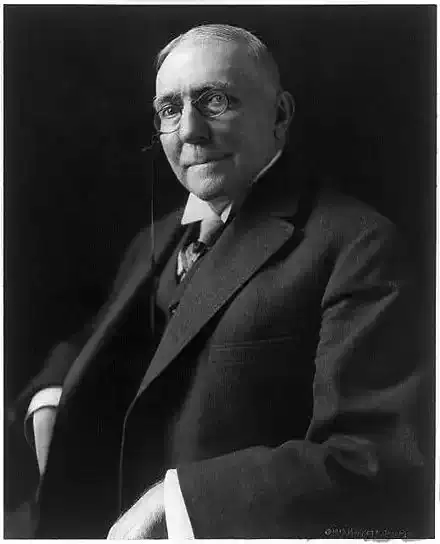
James Whitcomb Riley
The Drum
The Drum
O the drum!
There is some
Intonation in thy grum
Monotony of utterance that strikes the spirit dumb,
As we hear
Through the clear
And unclouded atmosphere,
Thy palpitating syllables roll in upon the car!
There's a part
Of the art
Of thy music-throbbing heart
That thrills a something in us that awakens with a start,
And in rhyme
With the chime
And exactitude of time,
Goes marching on to glory to thy melody sublime.
And the guest
Of the breast
That thy rolling robs of rest
Is a patriotic spirit as a Continental dressed;
And he looms
From the glooms
Of a century of tombs,
And the blood he spilled at Lexington in living beauty blooms.
And his eyes
Wear the guise
Of a purpose pure and wise,
As the love of them is lifted to a something in the skies
That is bright
Red and white,
With a blur of starry light,
As it laughs in silken ripples to the breezes day and night.
There are deep
Hushes creep
O'er the pulses as they leap,
As thy tumult, fainter growing, on the silence falls asleep,
While the prayer
Rising there
Wills the sea and earth and air
As a heritage to Freedom's sons and daughters everywhere.
Then, with sound
As profound
As the thunderings resound,
Come thy wild reverberations in a throe that shakes the ground,
And a cry
Flung on high,
Like the flag it flutters by,
Wings rapturously upward till it nestles in the sky.
O the drum!
There is some
Intonation in thy grum
Monotony of utterance that strikes the spirit dumb,
As we hear
Through the clear
And unclouded atmosphere,
Thy palpitating syllables roll in upon the ear!
O the drum!
There is some
Intonation in thy grum
Monotony of utterance that strikes the spirit dumb,
As we hear
Through the clear
And unclouded atmosphere,
Thy palpitating syllables roll in upon the car!
There's a part
Of the art
Of thy music-throbbing heart
That thrills a something in us that awakens with a start,
And in rhyme
With the chime
And exactitude of time,
Goes marching on to glory to thy melody sublime.
And the guest
Of the breast
That thy rolling robs of rest
Is a patriotic spirit as a Continental dressed;
And he looms
From the glooms
Of a century of tombs,
And the blood he spilled at Lexington in living beauty blooms.
And his eyes
Wear the guise
Of a purpose pure and wise,
As the love of them is lifted to a something in the skies
That is bright
Red and white,
With a blur of starry light,
As it laughs in silken ripples to the breezes day and night.
There are deep
Hushes creep
O'er the pulses as they leap,
As thy tumult, fainter growing, on the silence falls asleep,
While the prayer
Rising there
Wills the sea and earth and air
As a heritage to Freedom's sons and daughters everywhere.
Then, with sound
As profound
As the thunderings resound,
Come thy wild reverberations in a throe that shakes the ground,
And a cry
Flung on high,
Like the flag it flutters by,
Wings rapturously upward till it nestles in the sky.
O the drum!
There is some
Intonation in thy grum
Monotony of utterance that strikes the spirit dumb,
As we hear
Through the clear
And unclouded atmosphere,
Thy palpitating syllables roll in upon the ear!
266
James Whitcomb Riley
Green Fields And Running Brooks
Green Fields And Running Brooks
Ho! green fields and running brooks!
Knotted strings and fishing-hooks
Of the truant, stealing down
Weedy backways of the town.
Where the sunshine overlooks,
By green fields and running brooks,
All intruding guests of chance
With a golden tolerance,
Cooing doves, or pensive pair
Of picnickers, straying there--
By green fields and running brooks,
Sylvan shades and mossy nooks!
And--O Dreamer of the Days,
Murmurer of roundelays
All unsung of words or books,
Sing green fields and running brooks!
Ho! green fields and running brooks!
Knotted strings and fishing-hooks
Of the truant, stealing down
Weedy backways of the town.
Where the sunshine overlooks,
By green fields and running brooks,
All intruding guests of chance
With a golden tolerance,
Cooing doves, or pensive pair
Of picnickers, straying there--
By green fields and running brooks,
Sylvan shades and mossy nooks!
And--O Dreamer of the Days,
Murmurer of roundelays
All unsung of words or books,
Sing green fields and running brooks!
267
Horácio
BkII:XX Poetic Immortality
BkII:XX Poetic Immortality
A poet of dual form, I won’t be carried
through the flowing air on weak or mundane wings,
nor will I linger down here on earth,
for any length of time: beyond envy,
I’ll leave the cities behind. It’s not I, born
of poor parents, it’s not I, who hear your voice,
beloved Maecenas, I who’ll die,
or be encircled by Stygian waters.
Even now the rough skin is settling around
my ankles, and now above them I’ve become
a snow-white swan, and soft feathers are
emerging over my arms and shoulders.
Soon, a melodious bird, and more famous
than Icarus, Daedalus’ son, I’ll visit
Bosphorus’ loud shores, Gaetulian
Syrtes, and the Hyperborean plains.
Colchis will know me, so will the Scythians,
who pretend to show no fear of Italian
troops, and the Geloni: Spain will learn
from me, the expert, and those who drink Rhone.
No dirges at my insubstantial funeral,
no elegies, and no unseemly grieving:
suppress all the clamour, not for me
the superfluous honour of a tomb.
A poet of dual form, I won’t be carried
through the flowing air on weak or mundane wings,
nor will I linger down here on earth,
for any length of time: beyond envy,
I’ll leave the cities behind. It’s not I, born
of poor parents, it’s not I, who hear your voice,
beloved Maecenas, I who’ll die,
or be encircled by Stygian waters.
Even now the rough skin is settling around
my ankles, and now above them I’ve become
a snow-white swan, and soft feathers are
emerging over my arms and shoulders.
Soon, a melodious bird, and more famous
than Icarus, Daedalus’ son, I’ll visit
Bosphorus’ loud shores, Gaetulian
Syrtes, and the Hyperborean plains.
Colchis will know me, so will the Scythians,
who pretend to show no fear of Italian
troops, and the Geloni: Spain will learn
from me, the expert, and those who drink Rhone.
No dirges at my insubstantial funeral,
no elegies, and no unseemly grieving:
suppress all the clamour, not for me
the superfluous honour of a tomb.
237
Horácio
BkI:XVII The Delights of the Country
BkI:XVII The Delights of the Country
Swift Faunus, the god, will quite often exchange
Arcady for my sweet Mount Lucretilis,
and while he stays he protects my goats
from the midday heat and the driving rain.
The wandering wives of the rank he-goats search,
with impunity, through the safe woodland groves,
for the hidden arbutus, and thyme,
and their kids don’t fear green poisonous snakes,
or the wolf of Mars, my lovely Tyndaris,
once my Mount Ustica’s long sloping valleys,
and its smooth worn rocks, have re-echoed
to the music of sweet divine piping.
The gods protect me: my love and devotion,
and my Muse, are dear to the gods. Here the rich
wealth of the countryside’s beauties will
flow for you, now, from the horn of plenty.
Here you’ll escape from the heat of the dog-star,
in secluded valleys, sing of bright Circe,
labouring over the Teian lyre,
and of Penelope: both loved one man.
Here you’ll bring cups of innocent Lesbian
wine, under the shade, nor will Semele’s son,
that Bacchus, battle it out with Mars,
nor shall you fear the intemperate hands
of insolent Cyrus, jealously watching,
to possess you, girl, unequal to evil,
to tear off the garland that clings to
your hair, or tear off your innocent clothes.
Swift Faunus, the god, will quite often exchange
Arcady for my sweet Mount Lucretilis,
and while he stays he protects my goats
from the midday heat and the driving rain.
The wandering wives of the rank he-goats search,
with impunity, through the safe woodland groves,
for the hidden arbutus, and thyme,
and their kids don’t fear green poisonous snakes,
or the wolf of Mars, my lovely Tyndaris,
once my Mount Ustica’s long sloping valleys,
and its smooth worn rocks, have re-echoed
to the music of sweet divine piping.
The gods protect me: my love and devotion,
and my Muse, are dear to the gods. Here the rich
wealth of the countryside’s beauties will
flow for you, now, from the horn of plenty.
Here you’ll escape from the heat of the dog-star,
in secluded valleys, sing of bright Circe,
labouring over the Teian lyre,
and of Penelope: both loved one man.
Here you’ll bring cups of innocent Lesbian
wine, under the shade, nor will Semele’s son,
that Bacchus, battle it out with Mars,
nor shall you fear the intemperate hands
of insolent Cyrus, jealously watching,
to possess you, girl, unequal to evil,
to tear off the garland that clings to
your hair, or tear off your innocent clothes.
227
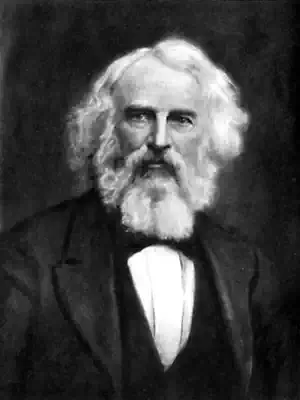
Henry Wadsworth Longfellow
To William E. Channing
To William E. Channing
The pages of thy book I read,
And as I closed each one,
My heart, responding, ever said,
"Servant of God! well done!"
Well done! Thy words are great and bold;
At times they seem to me,
Like Luther's, in the days of old,
Half-battles for the free.
Go on, until this land revokes
The old and chartered Lie,
The feudal curse, whose whips and yokes
Insult humanity.
A voice is ever at thy side
Speaking in tones of might,
Like the prophetic voice, that cried
To John in Patmos, "Write!"
Write! and tell out this bloody tale;
Record this dire eclipse,
This Day of Wrath, this Endless Wail,
This dread Apocalypse!
The pages of thy book I read,
And as I closed each one,
My heart, responding, ever said,
"Servant of God! well done!"
Well done! Thy words are great and bold;
At times they seem to me,
Like Luther's, in the days of old,
Half-battles for the free.
Go on, until this land revokes
The old and chartered Lie,
The feudal curse, whose whips and yokes
Insult humanity.
A voice is ever at thy side
Speaking in tones of might,
Like the prophetic voice, that cried
To John in Patmos, "Write!"
Write! and tell out this bloody tale;
Record this dire eclipse,
This Day of Wrath, this Endless Wail,
This dread Apocalypse!
422
Henry Wadsworth Longfellow
The Slave In The Dismal Swamp
The Slave In The Dismal Swamp
In dark fens of the Dismal Swamp
The hunted Negro lay;
He saw the fire of the midnight camp,
And heard at times a horse's tramp
And a bloodhound's distant bay.
Where will-o'-the-wisps and glow-worms shine,
In bulrush and in brake;
Where waving mosses shroud the pine,
And the cedar grows, and the poisonous vine
Is spotted like the snake;
Where hardly a human foot could pass,
Or a human heart would dare,
On the quaking turf of the green morass
He crouched in the rank and tangled grass,
Like a wild beast in his lair.
A poor old slave, infirm and lame;
Great scars deformed his face;
On his forehead he bore the brand of shame,
And the rags, that hid his mangled frame,
Were the livery of disgrace.
All things above were bright and fair,
All things were glad and free;
Lithe squirrels darted here and there,
And wild birds filled the echoing air
With songs of Liberty!
On him alone was the doom of pain,
From the morning of his birth;
On him alone the curse of Cain
Fell, like a flail on the garnered grain,
And struck him to the earth!
In dark fens of the Dismal Swamp
The hunted Negro lay;
He saw the fire of the midnight camp,
And heard at times a horse's tramp
And a bloodhound's distant bay.
Where will-o'-the-wisps and glow-worms shine,
In bulrush and in brake;
Where waving mosses shroud the pine,
And the cedar grows, and the poisonous vine
Is spotted like the snake;
Where hardly a human foot could pass,
Or a human heart would dare,
On the quaking turf of the green morass
He crouched in the rank and tangled grass,
Like a wild beast in his lair.
A poor old slave, infirm and lame;
Great scars deformed his face;
On his forehead he bore the brand of shame,
And the rags, that hid his mangled frame,
Were the livery of disgrace.
All things above were bright and fair,
All things were glad and free;
Lithe squirrels darted here and there,
And wild birds filled the echoing air
With songs of Liberty!
On him alone was the doom of pain,
From the morning of his birth;
On him alone the curse of Cain
Fell, like a flail on the garnered grain,
And struck him to the earth!
307
Henry Wadsworth Longfellow
The Slave's Dream
The Slave's Dream
Beside the ungathered rice he lay,
His sickle in his hand;
His breast was bare, his matted hair
Was buried in the sand.
Again, in the mist and shadow of sleep,
He saw his Native Land.
Wide through the landscape of his dreams
The lordly Niger flowed;
Beneath the palm-trees on the plain
Once more a king he strode;
And heard the tinkling caravans
Descend the mountain-road.
He saw once more his dark-eyed queen
Among her children stand;
They clasped his neck, they kissed his cheeks,
They held him by the hand!--
A tear burst from the sleeper's lids
And fell into the sand.
And then at furious speed he rode
Along the Niger's bank;
His bridle-reins were golden chains,
And, with a martial clank,
At each leap he could feel his scabbard of steel
Smiting his stallion's flank.
Before him, like a blood-red flag,
The bright flamingoes flew;
>From morn till night he followed their flight,
O'er plains where the tamarind grew,
Till he saw the roofs of Caffre huts,
And the ocean rose to view.
At night he heard the lion roar,
And the hyena scream,
And the river-horse, as he crushed the reeds
Beside some hidden stream;
And it passed, like a glorious roll of drums,
Through the triumph of his dream.
The forests, with their myriad tongues,
Shouted of liberty;
And the Blast of the Desert cried aloud,
With a voice so wild and free,
That he started in his sleep and smiled
At their tempestuous glee.
He did not feel the driver's whip,
Nor the burning heat of day;
For Death had illumined the Land of Sleep,
And his lifeless body lay
A worn-out fetter, that the soul
Had broken and thrown away!
Beside the ungathered rice he lay,
His sickle in his hand;
His breast was bare, his matted hair
Was buried in the sand.
Again, in the mist and shadow of sleep,
He saw his Native Land.
Wide through the landscape of his dreams
The lordly Niger flowed;
Beneath the palm-trees on the plain
Once more a king he strode;
And heard the tinkling caravans
Descend the mountain-road.
He saw once more his dark-eyed queen
Among her children stand;
They clasped his neck, they kissed his cheeks,
They held him by the hand!--
A tear burst from the sleeper's lids
And fell into the sand.
And then at furious speed he rode
Along the Niger's bank;
His bridle-reins were golden chains,
And, with a martial clank,
At each leap he could feel his scabbard of steel
Smiting his stallion's flank.
Before him, like a blood-red flag,
The bright flamingoes flew;
>From morn till night he followed their flight,
O'er plains where the tamarind grew,
Till he saw the roofs of Caffre huts,
And the ocean rose to view.
At night he heard the lion roar,
And the hyena scream,
And the river-horse, as he crushed the reeds
Beside some hidden stream;
And it passed, like a glorious roll of drums,
Through the triumph of his dream.
The forests, with their myriad tongues,
Shouted of liberty;
And the Blast of the Desert cried aloud,
With a voice so wild and free,
That he started in his sleep and smiled
At their tempestuous glee.
He did not feel the driver's whip,
Nor the burning heat of day;
For Death had illumined the Land of Sleep,
And his lifeless body lay
A worn-out fetter, that the soul
Had broken and thrown away!
285
Henry Wadsworth Longfellow
The Herons Of Elmwood. (Birds Of Passage. Flight The Fifth)
The Herons Of Elmwood. (Birds Of Passage. Flight The Fifth)
Warm and still is the summer night,
As here by the river's brink I wander;
White overhead are the stars, and white
The glimmering lamps on the hillside yonder.
Silent are all the sounds of day;
Nothing I hear but the chirp of crickets,
And the cry of the herons winging their way
O'er the poet's house in the Elmwood thickets.
Call to him, herons, as slowly you pass
To your roosts in the haunts of the exiled thrushes,
Sing him the song of the green morass;
And the tides that water the reeds and rushes.
Sing him the mystical Song of the Hern,
And the secret that baffles our utmost seeking;
For only a sound of lament we discern,
And cannot interpret the words you are speaking.
Sing of the air, and the wild delight
Of wings that uplift and winds that uphold you,
The joy of freedom, the rapture of flight
Through the drift of the floating mists that infold you.
Of the landscape lying so far below,
With its towns and rivers and desert places;
And the splendor of light above, and the glow
Of the limitless, blue, ethereal spaces.
Ask him if songs of the Troubadours,
Or of Minnesingers in old black-letter,
Sound in his ears more sweet than yours,
And if yours are not sweeter and wilder and better.
Sing to him, say to him, here at his gate,
Where the boughs of the stately elms are meeting,
Some one hath lingered to meditate,
And send him unseen this friendly greeting;
That many another hath done the same,
Though not by a sound was the silence broken;
The surest pledge of a deathless name
Is the silent homage of thoughts unspoken.
Warm and still is the summer night,
As here by the river's brink I wander;
White overhead are the stars, and white
The glimmering lamps on the hillside yonder.
Silent are all the sounds of day;
Nothing I hear but the chirp of crickets,
And the cry of the herons winging their way
O'er the poet's house in the Elmwood thickets.
Call to him, herons, as slowly you pass
To your roosts in the haunts of the exiled thrushes,
Sing him the song of the green morass;
And the tides that water the reeds and rushes.
Sing him the mystical Song of the Hern,
And the secret that baffles our utmost seeking;
For only a sound of lament we discern,
And cannot interpret the words you are speaking.
Sing of the air, and the wild delight
Of wings that uplift and winds that uphold you,
The joy of freedom, the rapture of flight
Through the drift of the floating mists that infold you.
Of the landscape lying so far below,
With its towns and rivers and desert places;
And the splendor of light above, and the glow
Of the limitless, blue, ethereal spaces.
Ask him if songs of the Troubadours,
Or of Minnesingers in old black-letter,
Sound in his ears more sweet than yours,
And if yours are not sweeter and wilder and better.
Sing to him, say to him, here at his gate,
Where the boughs of the stately elms are meeting,
Some one hath lingered to meditate,
And send him unseen this friendly greeting;
That many another hath done the same,
Though not by a sound was the silence broken;
The surest pledge of a deathless name
Is the silent homage of thoughts unspoken.
296
Henry Wadsworth Longfellow
The Fugitive. (Tartar Song, From The Prose Version Of Chodzko)
The Fugitive. (Tartar Song, From The Prose Version Of Chodzko)
I.
'He is gone to the desert land
I can see the shining mane
Of his horse on the distant plain,
As he rides with his Kossak band!
'Come back, rebellious one!
Let thy proud heart relent;
Come back to my tall, white tent,
Come back, my only son!
'Thy hand in freedom shall
Cast thy hawks, when morning breaks,
On the swans of the Seven Lakes,
On the lakes of Karajal.
'I will give thee leave to stray
And pasture thy hunting steeds
In the long grass and the reeds
Of the meadows of Karaday.
'I will give thee my coat of mail,
Of softest leather made,
With choicest steel inlaid;
Will not all this prevail?'
II.
'This hand no longer shall
Cast my hawks, when morning breaks,
On the swans of the Seven Lakes,
On the lakes of Karajal.
'I will no longer stray
And pasture my hunting steeds
In the long grass and the reeds
Of the meadows of Karaday.
'Though thou give me thy coat of mall,
Of softest leather made,
With choicest steel inlaid,
All this cannot prevail.
'What right hast thou, O Khan,
To me, who am mine own,
Who am slave to God alone,
And not to any man?
'God will appoint the day
When I again shall be
By the blue, shallow sea,
Where the steel-bright sturgeons play.
'God, who doth care for me,
In the barren wilderness,
On unknown hills, no less
Will my companion be.
'When I wander lonely and lost
In the wind; when I watch at night
Like a hungry wolf, and am white
And covered with hoar-frost;
'Yea, wheresoever I be,
In the yellow desert sands,
In mountains or unknown lands,
Allah will care for me!'
III.
Then Sobra, the old, old man,--
Three hundred and sixty years
Had he lived in this land of tears,
Bowed down and said, 'O Khan!
'If you bid me, I will speak.
There's no sap in dry grass,
No marrow in dry bones! Alas,
The mind of old men is weak!
'I am old, I am very old:
I have seen the primeval man,
I have seen the great Gengis Khan,
Arrayed in his robes of gold.
'What I say to you is the truth;
And I say to you, O Khan,
Pursue not the star-white man,
Pursue not the beautiful youth.
'Him the Almighty made,
And brought him forth of the light,
At the verge and end of the night,
When men on the mountain prayed.
'He was born at the break of day,
When abroad the angels walk;
He hath listened to their talk,
And he knoweth what they say.
'Gifted with Allah's grace,
Like the moon of Ramazan
When it shines in the skies, O Khan,
Is the light of his beautiful face.
'When first on earth he trod,
The first words that he said
Were these, as he stood and prayed,
There is no God but God!
'And he shall be king of men,
For Allah hath heard his prayer,
And the Archangel in the air,
Gabriel, hath said, Amen!'
I.
'He is gone to the desert land
I can see the shining mane
Of his horse on the distant plain,
As he rides with his Kossak band!
'Come back, rebellious one!
Let thy proud heart relent;
Come back to my tall, white tent,
Come back, my only son!
'Thy hand in freedom shall
Cast thy hawks, when morning breaks,
On the swans of the Seven Lakes,
On the lakes of Karajal.
'I will give thee leave to stray
And pasture thy hunting steeds
In the long grass and the reeds
Of the meadows of Karaday.
'I will give thee my coat of mail,
Of softest leather made,
With choicest steel inlaid;
Will not all this prevail?'
II.
'This hand no longer shall
Cast my hawks, when morning breaks,
On the swans of the Seven Lakes,
On the lakes of Karajal.
'I will no longer stray
And pasture my hunting steeds
In the long grass and the reeds
Of the meadows of Karaday.
'Though thou give me thy coat of mall,
Of softest leather made,
With choicest steel inlaid,
All this cannot prevail.
'What right hast thou, O Khan,
To me, who am mine own,
Who am slave to God alone,
And not to any man?
'God will appoint the day
When I again shall be
By the blue, shallow sea,
Where the steel-bright sturgeons play.
'God, who doth care for me,
In the barren wilderness,
On unknown hills, no less
Will my companion be.
'When I wander lonely and lost
In the wind; when I watch at night
Like a hungry wolf, and am white
And covered with hoar-frost;
'Yea, wheresoever I be,
In the yellow desert sands,
In mountains or unknown lands,
Allah will care for me!'
III.
Then Sobra, the old, old man,--
Three hundred and sixty years
Had he lived in this land of tears,
Bowed down and said, 'O Khan!
'If you bid me, I will speak.
There's no sap in dry grass,
No marrow in dry bones! Alas,
The mind of old men is weak!
'I am old, I am very old:
I have seen the primeval man,
I have seen the great Gengis Khan,
Arrayed in his robes of gold.
'What I say to you is the truth;
And I say to you, O Khan,
Pursue not the star-white man,
Pursue not the beautiful youth.
'Him the Almighty made,
And brought him forth of the light,
At the verge and end of the night,
When men on the mountain prayed.
'He was born at the break of day,
When abroad the angels walk;
He hath listened to their talk,
And he knoweth what they say.
'Gifted with Allah's grace,
Like the moon of Ramazan
When it shines in the skies, O Khan,
Is the light of his beautiful face.
'When first on earth he trod,
The first words that he said
Were these, as he stood and prayed,
There is no God but God!
'And he shall be king of men,
For Allah hath heard his prayer,
And the Archangel in the air,
Gabriel, hath said, Amen!'
295
Henry Wadsworth Longfellow
Tales Of A Wayside Inn : Part 1. The Musician's Tale; The Saga of King Olaf
Tales Of A Wayside Inn : Part 1. The Musician's Tale; The Saga of King Olaf
XIII. -- The Building Of The Long Serpent
Thorberg Skafting, master-builder,
In his ship-yard by the sea,
Whistling, said, 'It would bewilder
Any man but Thorberg Skafting,
Any man but me!'
Near him lay the Dragon stranded,
Built of old by Raud the Strong,
And King Olaf had commanded
He should build another Dragon,
Twice as large and long.
Therefore whistled Thorberg Skafting,
As he sat with half-closed eyes,
And his head turned sideways, drafting
That new vessel for King Olaf
Twice the Dragon's size.
Round him busily hewed and hammered
Mallet huge and heavy axe;
Workmen laughed and sang and clamored;
Whirred the wheels, that into rigging
Spun the shining flax!
All this tumult heard the master,--
It was music to his ear;
Fancy whispered all the faster,
'Men shall hear of Thorberg Skafting
For a hundred year!'
Workmen sweating at the forges
Fashioned iron bolt and bar,
Like a warlock's midnight orgies
Smoked and bubbled the black caldron
With the boiling tar.
Did the warlocks mingle in it,
Thorberg Skafting, any curse?
Could you not be gone a minute
But some mischief must be doing,
Turning bad to worse?
'T was an ill wind that came wafting,
From his homestead words of woe;
To his farm went Thorberg Skafting,
Oft repeating to his workmen,
Build ye thus and so.
After long delays returning
Came the master back by night;
To his ship-yard longing, yearning,
Hurried he, and did not leave it
Till the morning's light.
'Come and see my ship, my darling!?
On the morrow said the King;
'Finished now from keel to carling;
Never yet was seen in Norway
Such a wondrous thing!'
In the ship-yard, idly talking,
At the ship the workmen stared:
Some one, all their labor balking,
Down her sides had cut deep gashes,
Not a plank was spared!
'Death be to the evil-doer!'
With an oath King Olaf spoke;
'But rewards to his pursuer!?
And with wrath his face grew redder
Than his scarlet cloak.
Straight the master-builder, smiling,
Answered thus the angry King:
'Cease blaspheming and reviling,
Olaf, it was Thorberg Skafting
Who has done this thing!'
Then he chipped and smoothed the planking,
Till the King, delighted, swore,
With much lauding and much thanking,
'Handsomer is now my Dragon
Than she was before!'
Seventy ells and four extended
On the grass the vessel's keel;
High above it, gilt and splendid,
Rose the figure-head ferocious
With its crest of steel.
Then they launched her from the tressels,
In the ship-yard by the sea;
She was the grandest of all vessels,
Never ship was built in Norway
Half so fine as she!
The Long Serpent was she christened,
'Mid the roar of cheer on cheer!
They who to the Saga listened
Heard the name of Thorberg Skafting
For a hundred year!
XIII. -- The Building Of The Long Serpent
Thorberg Skafting, master-builder,
In his ship-yard by the sea,
Whistling, said, 'It would bewilder
Any man but Thorberg Skafting,
Any man but me!'
Near him lay the Dragon stranded,
Built of old by Raud the Strong,
And King Olaf had commanded
He should build another Dragon,
Twice as large and long.
Therefore whistled Thorberg Skafting,
As he sat with half-closed eyes,
And his head turned sideways, drafting
That new vessel for King Olaf
Twice the Dragon's size.
Round him busily hewed and hammered
Mallet huge and heavy axe;
Workmen laughed and sang and clamored;
Whirred the wheels, that into rigging
Spun the shining flax!
All this tumult heard the master,--
It was music to his ear;
Fancy whispered all the faster,
'Men shall hear of Thorberg Skafting
For a hundred year!'
Workmen sweating at the forges
Fashioned iron bolt and bar,
Like a warlock's midnight orgies
Smoked and bubbled the black caldron
With the boiling tar.
Did the warlocks mingle in it,
Thorberg Skafting, any curse?
Could you not be gone a minute
But some mischief must be doing,
Turning bad to worse?
'T was an ill wind that came wafting,
From his homestead words of woe;
To his farm went Thorberg Skafting,
Oft repeating to his workmen,
Build ye thus and so.
After long delays returning
Came the master back by night;
To his ship-yard longing, yearning,
Hurried he, and did not leave it
Till the morning's light.
'Come and see my ship, my darling!?
On the morrow said the King;
'Finished now from keel to carling;
Never yet was seen in Norway
Such a wondrous thing!'
In the ship-yard, idly talking,
At the ship the workmen stared:
Some one, all their labor balking,
Down her sides had cut deep gashes,
Not a plank was spared!
'Death be to the evil-doer!'
With an oath King Olaf spoke;
'But rewards to his pursuer!?
And with wrath his face grew redder
Than his scarlet cloak.
Straight the master-builder, smiling,
Answered thus the angry King:
'Cease blaspheming and reviling,
Olaf, it was Thorberg Skafting
Who has done this thing!'
Then he chipped and smoothed the planking,
Till the King, delighted, swore,
With much lauding and much thanking,
'Handsomer is now my Dragon
Than she was before!'
Seventy ells and four extended
On the grass the vessel's keel;
High above it, gilt and splendid,
Rose the figure-head ferocious
With its crest of steel.
Then they launched her from the tressels,
In the ship-yard by the sea;
She was the grandest of all vessels,
Never ship was built in Norway
Half so fine as she!
The Long Serpent was she christened,
'Mid the roar of cheer on cheer!
They who to the Saga listened
Heard the name of Thorberg Skafting
For a hundred year!
337
Henry Wadsworth Longfellow
A Day Of Sunshine. (Birds Of Passage. Flight The Second)
A Day Of Sunshine. (Birds Of Passage. Flight The Second)
O gift of God! O perfect day:
Whereon shall no man work, but play;
Whereon it is enough for me,
Not to be doing, but to be!
Through every fibre of my brain,
Through every nerve, through every vein,
I feel the electric thrill, the touch
Of life, that seems almost too much.
I hear the wind among the trees
Playing celestial symphonies;
I see the branches downward bent,
Like keys of some great instrument.
And over me unrolls on high
The splendid scenery of the sky,
Where though a sapphire sea the sun
Sails like a golden galleon,
Towards yonder cloud-land in the West,
Towards yonder Islands of the Blest,
Whose steep sierra far uplifts
Its craggy summits white with drifts.
Blow, winds! and waft through all the rooms
The snow-flakes of the cherry-blooms!
Blow, winds! and bend within my reach
The fiery blossoms of the peach!
O Life and Love! O happy throng
Of thoughts, whose only speech is song!
O heart of man! canst thou not be
Blithe as the air is, and as free?
O gift of God! O perfect day:
Whereon shall no man work, but play;
Whereon it is enough for me,
Not to be doing, but to be!
Through every fibre of my brain,
Through every nerve, through every vein,
I feel the electric thrill, the touch
Of life, that seems almost too much.
I hear the wind among the trees
Playing celestial symphonies;
I see the branches downward bent,
Like keys of some great instrument.
And over me unrolls on high
The splendid scenery of the sky,
Where though a sapphire sea the sun
Sails like a golden galleon,
Towards yonder cloud-land in the West,
Towards yonder Islands of the Blest,
Whose steep sierra far uplifts
Its craggy summits white with drifts.
Blow, winds! and waft through all the rooms
The snow-flakes of the cherry-blooms!
Blow, winds! and bend within my reach
The fiery blossoms of the peach!
O Life and Love! O happy throng
Of thoughts, whose only speech is song!
O heart of man! canst thou not be
Blithe as the air is, and as free?
327
Henry Van Dyke
Victor Hugo
Victor Hugo
Heart of France for a hundred years,
Passionate, sensitive, proud, and strong,
Quick to throb with her hopes and fears,
Fierce to flame with her sense of wrong!
You, who hailed with a morning song
Dream-light gilding a throne of old:
You, who turned when the dream grew cold,
Singing still, to the light that shone
Pure from Liberty's ancient throne,
Over the human throng!
You, who dared in the dark eclipse,--
When the pygmy heir of a giant name
Dimmed the face of the land with shame,--
Speak the truth with indignant lips,
Call him little whom men called great,
Scoff at him, scorn him, deny him,
Point to the blood on his robe of state,
Fling back his bribes and defy him!
You, who fronted the waves of fate
As you faced the sea from your island home,
Exiled, yet with a soul elate,
Sending songs o'er the rolling foam,
Bidding the heart of man to wait
For the day when all should see
Floods of wrath from the frowning skies
Fall on an Empire founded in lies,
And France again be free!
You, who came in the Terrible Year
Swiftly back to your broken land,
Now to your heart a thousand times more dear,--
Prayed for her, sung to her, fought for her,
Patiently, fervently wrought for her,
Till once again,
After the storm of fear and pain,
High in the heavens the star of France stood clear!
You, who knew that a man must take
Good and ill with a steadfast soul,
Holding fast, while the billows roll
Over his head, to the things that make
Life worth living for great and small,--
Honour and pity and truth,
The heart and the hope of youth,
And the good God over all!
You, to whom work was rest,
Dauntless Toiler of the Sea,
Following ever the joyful quest
Of beauty on the shores of old Romance,
Bard of the poor of France,
And warrior-priest of world-wide charity!
You who loved little children best
Of all the poets that ever sung,
Great heart, golden heart,
Old, and yet ever young,
Minstrel of liberty,
Lover of all free, winged things,
Now at last you are free,--
Your soul has its wings!
Heart of France for a hundred years,
Floating far in the light that never fails you,
Over the turmoil of mortal hopes and fears
Victor, forever victor, the whole world hails you!
Heart of France for a hundred years,
Passionate, sensitive, proud, and strong,
Quick to throb with her hopes and fears,
Fierce to flame with her sense of wrong!
You, who hailed with a morning song
Dream-light gilding a throne of old:
You, who turned when the dream grew cold,
Singing still, to the light that shone
Pure from Liberty's ancient throne,
Over the human throng!
You, who dared in the dark eclipse,--
When the pygmy heir of a giant name
Dimmed the face of the land with shame,--
Speak the truth with indignant lips,
Call him little whom men called great,
Scoff at him, scorn him, deny him,
Point to the blood on his robe of state,
Fling back his bribes and defy him!
You, who fronted the waves of fate
As you faced the sea from your island home,
Exiled, yet with a soul elate,
Sending songs o'er the rolling foam,
Bidding the heart of man to wait
For the day when all should see
Floods of wrath from the frowning skies
Fall on an Empire founded in lies,
And France again be free!
You, who came in the Terrible Year
Swiftly back to your broken land,
Now to your heart a thousand times more dear,--
Prayed for her, sung to her, fought for her,
Patiently, fervently wrought for her,
Till once again,
After the storm of fear and pain,
High in the heavens the star of France stood clear!
You, who knew that a man must take
Good and ill with a steadfast soul,
Holding fast, while the billows roll
Over his head, to the things that make
Life worth living for great and small,--
Honour and pity and truth,
The heart and the hope of youth,
And the good God over all!
You, to whom work was rest,
Dauntless Toiler of the Sea,
Following ever the joyful quest
Of beauty on the shores of old Romance,
Bard of the poor of France,
And warrior-priest of world-wide charity!
You who loved little children best
Of all the poets that ever sung,
Great heart, golden heart,
Old, and yet ever young,
Minstrel of liberty,
Lover of all free, winged things,
Now at last you are free,--
Your soul has its wings!
Heart of France for a hundred years,
Floating far in the light that never fails you,
Over the turmoil of mortal hopes and fears
Victor, forever victor, the whole world hails you!
364
Henry Van Dyke
Milton
Milton
I
Lover of beauty, walking on the height
Of pure philosophy and tranquil song;
Born to behold the visions that belong
To those who dwell in melody and light;
Milton, thou spirit delicate and bright!
What drew thee down to join the Roundhead throng
Of iron-sided warriors, rude and strong,
Fighting for freedom in a world half night?
Lover of Liberty at heart wast thou,
Above all beauty bright, all music clear:
To thee she bared her bosom and her brow,
Breathing her virgin promise in thine ear,
And bound thee to her with a double vow, --
Exquisite Puritan, grave Cavalier!
II
The cause, the cause for which thy soul resigned
Her singing robes to battle on the plain,
Was won, O poet, and was lost again;
And lost the labour of thy lonely mind
On weary tasks of prose. What wilt thou find
To comfort thee for all the toil and pain?
What solace, now thy sacrifice is vain
And thou art left forsaken, poor, and blind?
Like organ-music comes the deep reply:
"The cause of truth looks lost, but shall be won.
For God hath given to mine inward eye
Vision of England soaring to the sun.
And granted me great peace before I die,
In thoughts of lowly duty bravely done."
III
O bend again above thine organ-board,
Thou blind old poet longing for repose!
Thy Master claims thy service not with those
Who only stand and wait for his reward.
He pours the heavenly gift of song restored
Into thy breast, and bids thee nobly close
A noble life, with poetry that flows
In mighty music of the major chord.
Where hast thou learned this deep, majestic strain,
Surpassing all thy youthful lyric grace,
To sing of Paradise? Ah, not in vain
The griefs that won at Dante's side thy place,
And made thee, Milton, by thy years of pain,
The loftiest poet of the Saxon race!
I
Lover of beauty, walking on the height
Of pure philosophy and tranquil song;
Born to behold the visions that belong
To those who dwell in melody and light;
Milton, thou spirit delicate and bright!
What drew thee down to join the Roundhead throng
Of iron-sided warriors, rude and strong,
Fighting for freedom in a world half night?
Lover of Liberty at heart wast thou,
Above all beauty bright, all music clear:
To thee she bared her bosom and her brow,
Breathing her virgin promise in thine ear,
And bound thee to her with a double vow, --
Exquisite Puritan, grave Cavalier!
II
The cause, the cause for which thy soul resigned
Her singing robes to battle on the plain,
Was won, O poet, and was lost again;
And lost the labour of thy lonely mind
On weary tasks of prose. What wilt thou find
To comfort thee for all the toil and pain?
What solace, now thy sacrifice is vain
And thou art left forsaken, poor, and blind?
Like organ-music comes the deep reply:
"The cause of truth looks lost, but shall be won.
For God hath given to mine inward eye
Vision of England soaring to the sun.
And granted me great peace before I die,
In thoughts of lowly duty bravely done."
III
O bend again above thine organ-board,
Thou blind old poet longing for repose!
Thy Master claims thy service not with those
Who only stand and wait for his reward.
He pours the heavenly gift of song restored
Into thy breast, and bids thee nobly close
A noble life, with poetry that flows
In mighty music of the major chord.
Where hast thou learned this deep, majestic strain,
Surpassing all thy youthful lyric grace,
To sing of Paradise? Ah, not in vain
The griefs that won at Dante's side thy place,
And made thee, Milton, by thy years of pain,
The loftiest poet of the Saxon race!
339
Henry Van Dyke
Liberty Enlightening the World
Liberty Enlightening the World
Thou warden of the western gate, above Manhatten Bay,
The fogs of doubt that hid thy face are driven clean away:
Thine eyes at last look far and clear, thou liftest high thy hand
To spread the light of liberty world-wide for every land.
No more thou dreamest of a peace reserved alone for thee,
While friends are fighting for thy cause beyond the guardian sea:
The battle that they wage is thine; thou fallest if they fall;
The swollen flood of Prussian pride will sweep unchecked o'er all.
O cruel is the conquer-lust in Hohenzollern brains;
The paths they plot to gain their goal are dark with shameful stains:
No faith they keep, no law revere, no god but naked Might; --
They are the foemen of mankind. Up, Liberty, and smite!
Britain, and France, and Italy, and Russia newly born,
Have waited for thee in the night. Oh, come as comes the morn.
Serene and strong and full of faith, America, arise,
With steady hope and mighty help to join th brave Allies.
O dearest country of my heart, home of the high desire,
Make clean thy soul for sacrifice on Freedom's altar-fire:
For thou must suffer, thou must fight, until the warlords cease,
And all the peoples lift their heads in liberty and peace.
Thou warden of the western gate, above Manhatten Bay,
The fogs of doubt that hid thy face are driven clean away:
Thine eyes at last look far and clear, thou liftest high thy hand
To spread the light of liberty world-wide for every land.
No more thou dreamest of a peace reserved alone for thee,
While friends are fighting for thy cause beyond the guardian sea:
The battle that they wage is thine; thou fallest if they fall;
The swollen flood of Prussian pride will sweep unchecked o'er all.
O cruel is the conquer-lust in Hohenzollern brains;
The paths they plot to gain their goal are dark with shameful stains:
No faith they keep, no law revere, no god but naked Might; --
They are the foemen of mankind. Up, Liberty, and smite!
Britain, and France, and Italy, and Russia newly born,
Have waited for thee in the night. Oh, come as comes the morn.
Serene and strong and full of faith, America, arise,
With steady hope and mighty help to join th brave Allies.
O dearest country of my heart, home of the high desire,
Make clean thy soul for sacrifice on Freedom's altar-fire:
For thou must suffer, thou must fight, until the warlords cease,
And all the peoples lift their heads in liberty and peace.
306

Henry Lawson
The Rovers
The Rovers
Some born of homely parents
For ages settled down—
The steady generations
Of village, farm, and town:
And some of dusky fathers
Who wandered since the flood—
The fairest skin or darkest
Might hold the roving blood—
Some born of brutish peasants,
And some of dainty peers,
In poverty or plenty
They pass their early years;
But, born in pride of purple,
Or straw and squalid sin,
In all the far world corners
The wanderers are kin.
A rover or a rebel,
Conceived and born to roam,
As babies they will toddle
With faces turned from home;
They’ve fought beyond the vanguard
Wherever storm has raged,
And home is but a prison
They pace like lions caged.
They smile and are not happy;
They sing and are not gay;
They weary, yet they wander;
They love, and cannot stay;
They marry, and are single
Who watch the roving star,
For, by the family fireside,
Oh, lonely men they are!
They die of peace and quiet—
The deadly ease of life;
They die of home and comfort;
They live in storm and strife;
No poverty can tie them,
Nor wealth nor place restrain—
Girl, wife, or child might draw them,
But they’ll be gone again!
Across the glowing desert;
Through naked trees and snow;
Across the rolling prairies
The skies have seen them go;
They fought to where the ocean
Receives the setting sun;—
But where shall fight the rovers
When all the lands are won?
They thirst on Greenland snowfields,
On Never-Never sands;
Where man is not to conquer
They conquer barren lands;
They feel that most are cowards,
That all depends on ‘nerve,’
They lead who cannot follow,
They rule who cannot serve.
Across the plains and ranges,
Away across the seas,
On blue and green horizons
They camp by twos and threes;
They hold on stormy borders
Of states that trouble earth
The honour of the country
That only gave them birth.
Unlisted, uncommissioned,
Untaught of any school,
In far-away world corners
Unconquered tribes they rule;
The lone hand and revolver—
Sad eyes that never quail—
The lone hand and the rifle
That win where armies fail.
They slumber sound where murder
And treachery are bare—
The pluck of self-reliance,
The pluck of past despair;
Thin brown men in pyjamas—
The thin brown wiry men!—
The helmet and revolver
That lie beside the pen.
Through drought and desolation
They won the way Out Back;
The commonplace and selfish
Have followed on their track;
They conquer lands for others,
For others find the gold,
But where shall go the rovers
When all the lands are old?
A rover and a rebel—
And so the worlds commence!
Their hearts shall beat as wildly
Ten generations hence;
And when the world is crowded—
’Tis signed and sealed by Fate—
The roving blood will rise to make
The countries desolate.
Some born of homely parents
For ages settled down—
The steady generations
Of village, farm, and town:
And some of dusky fathers
Who wandered since the flood—
The fairest skin or darkest
Might hold the roving blood—
Some born of brutish peasants,
And some of dainty peers,
In poverty or plenty
They pass their early years;
But, born in pride of purple,
Or straw and squalid sin,
In all the far world corners
The wanderers are kin.
A rover or a rebel,
Conceived and born to roam,
As babies they will toddle
With faces turned from home;
They’ve fought beyond the vanguard
Wherever storm has raged,
And home is but a prison
They pace like lions caged.
They smile and are not happy;
They sing and are not gay;
They weary, yet they wander;
They love, and cannot stay;
They marry, and are single
Who watch the roving star,
For, by the family fireside,
Oh, lonely men they are!
They die of peace and quiet—
The deadly ease of life;
They die of home and comfort;
They live in storm and strife;
No poverty can tie them,
Nor wealth nor place restrain—
Girl, wife, or child might draw them,
But they’ll be gone again!
Across the glowing desert;
Through naked trees and snow;
Across the rolling prairies
The skies have seen them go;
They fought to where the ocean
Receives the setting sun;—
But where shall fight the rovers
When all the lands are won?
They thirst on Greenland snowfields,
On Never-Never sands;
Where man is not to conquer
They conquer barren lands;
They feel that most are cowards,
That all depends on ‘nerve,’
They lead who cannot follow,
They rule who cannot serve.
Across the plains and ranges,
Away across the seas,
On blue and green horizons
They camp by twos and threes;
They hold on stormy borders
Of states that trouble earth
The honour of the country
That only gave them birth.
Unlisted, uncommissioned,
Untaught of any school,
In far-away world corners
Unconquered tribes they rule;
The lone hand and revolver—
Sad eyes that never quail—
The lone hand and the rifle
That win where armies fail.
They slumber sound where murder
And treachery are bare—
The pluck of self-reliance,
The pluck of past despair;
Thin brown men in pyjamas—
The thin brown wiry men!—
The helmet and revolver
That lie beside the pen.
Through drought and desolation
They won the way Out Back;
The commonplace and selfish
Have followed on their track;
They conquer lands for others,
For others find the gold,
But where shall go the rovers
When all the lands are old?
A rover and a rebel—
And so the worlds commence!
Their hearts shall beat as wildly
Ten generations hence;
And when the world is crowded—
’Tis signed and sealed by Fate—
The roving blood will rise to make
The countries desolate.
197
Henry Lawson
The Iron Wedding Rings
The Iron Wedding Rings
In these days of peace and money, free to all the Commonweal,
There are ancient dames in Buckland wearing wedding rings of steel;
Wedding rings of steel and iron, worn on wrinkled hands and old,
And the wearers would not give them, not for youth nor wealth untold.
In the days of black oppression, when the best abandoned hope,
And all Buckland crouched in terror of the prison and the rope,
Many fair young wives in Buckland prayed beside their lonely beds
For the absent ones who knew not where to lay their outlawed heads.
But a whisper went through Buckland, to the rebels only known,
That the man across the border had a chance to hold his own.
There were men that came in darkness, quiet, grim and travel-worn,
And, by twos, and threes, the young men stole away to join Kinghorn.
Slipping powder-horns and muskets from beneath the floors and thatch,
There were boys who kissed their mothers ere they softly dropped the latch;
There were hunters' wives in backwoods who sat strangely still and white
Till the dawn, because their men-folk went a-hunting in the night.
But the rebels needed money, and so, through the Buckland hills,
Came again, by night, the gloomy men of monosyllables;
And the ladies gave their jewels to be smuggled out and sold,
And the homely wives of Buckland gave their wedding rings of gold.
And a Buckland smith in secret, and in danger, in his shed
Made them rings of baser metals (from the best he had, to lead),
To be gilt and worn to market, or to meetings where they.prayed,
Lest the spies should get an inkling, and the husbands be betrayed.
Then a silence fell on Buckland; there was peace throughout the land,
And a loyalty that puzzled all the captains in command;
There was too much Law and Order for the men who weren't blind,
And the greatest of the king's men wasn't easy in his mind.
They were hunting rebels, certes, and the troops were understood
To be searching for a stronghold like a needle in a wood;
But whene'er the king was prayed for in the meeting-houses, then
It was strange with how much unction ancient sinners cried "Ah-men!"
Till at last, when all was quiet, through the gloomy Buckland hills
Once again there came those furtive men of monosyllables;
And their message was – "Take warning what the morrow may reveal,
Death and Freedom may be married with a wedding ring of steel."
In the morning, from the marshes, rose the night-mist, cold and damp,
From the shipping in the harbour and the sleeping royal camp;
From the lanes and from the by-streets and the high streets of the town,
And above the hills of Buckland, where the rebel guns looked down.
And the first one sent a message to the camp to fight or yield,
And the wintry sun looked redly on a bloody battlefield;
Till the man from 'cross the border marched through Buckland once again,
With a charter for the people and ten thousand fighting men.
There are ancient dames in Buckland with old secrets to reveal,
Wearing wedding rings of iron, wearing wedding rings of steel;
And their tears drop on the metal when their thoughts are far away
In the past where their young husbands died on Buckland field that day.
In these days of peace and money, free to all the Commonweal,
There are ancient dames in Buckland wearing wedding rings of steel;
Wedding rings of steel and iron, worn on wrinkled hands and old,
And the wearers would not give them, not for youth nor wealth untold.
In the days of black oppression, when the best abandoned hope,
And all Buckland crouched in terror of the prison and the rope,
Many fair young wives in Buckland prayed beside their lonely beds
For the absent ones who knew not where to lay their outlawed heads.
But a whisper went through Buckland, to the rebels only known,
That the man across the border had a chance to hold his own.
There were men that came in darkness, quiet, grim and travel-worn,
And, by twos, and threes, the young men stole away to join Kinghorn.
Slipping powder-horns and muskets from beneath the floors and thatch,
There were boys who kissed their mothers ere they softly dropped the latch;
There were hunters' wives in backwoods who sat strangely still and white
Till the dawn, because their men-folk went a-hunting in the night.
But the rebels needed money, and so, through the Buckland hills,
Came again, by night, the gloomy men of monosyllables;
And the ladies gave their jewels to be smuggled out and sold,
And the homely wives of Buckland gave their wedding rings of gold.
And a Buckland smith in secret, and in danger, in his shed
Made them rings of baser metals (from the best he had, to lead),
To be gilt and worn to market, or to meetings where they.prayed,
Lest the spies should get an inkling, and the husbands be betrayed.
Then a silence fell on Buckland; there was peace throughout the land,
And a loyalty that puzzled all the captains in command;
There was too much Law and Order for the men who weren't blind,
And the greatest of the king's men wasn't easy in his mind.
They were hunting rebels, certes, and the troops were understood
To be searching for a stronghold like a needle in a wood;
But whene'er the king was prayed for in the meeting-houses, then
It was strange with how much unction ancient sinners cried "Ah-men!"
Till at last, when all was quiet, through the gloomy Buckland hills
Once again there came those furtive men of monosyllables;
And their message was – "Take warning what the morrow may reveal,
Death and Freedom may be married with a wedding ring of steel."
In the morning, from the marshes, rose the night-mist, cold and damp,
From the shipping in the harbour and the sleeping royal camp;
From the lanes and from the by-streets and the high streets of the town,
And above the hills of Buckland, where the rebel guns looked down.
And the first one sent a message to the camp to fight or yield,
And the wintry sun looked redly on a bloody battlefield;
Till the man from 'cross the border marched through Buckland once again,
With a charter for the people and ten thousand fighting men.
There are ancient dames in Buckland with old secrets to reveal,
Wearing wedding rings of iron, wearing wedding rings of steel;
And their tears drop on the metal when their thoughts are far away
In the past where their young husbands died on Buckland field that day.
232
Henry Lawson
The Distant Drum
The Distant Drum
Republicans! the time is coming!
Listen to the distant drumming!
Hearken to the whispers humming
In the troubled atmosphere.
Ye are born to do the toiling;
On and on—and no recoiling!
To the fighting, to the foiling
Of the wrongs that wrong us here.
Let the Loyal laugh and jeer you;
Let them in derision cheer you.
Still the cowards show they fear you
By their deeds and all they say.
Let Britannia rule for ever
O’er the wave; but never, never!
Rule a land great oceans sever
Fifteen thousand miles away.
Stained by persecution’s fires
Thinned of homes and thick with spires,
They love the land that bred their sires,
Ye the Land that breeds your sons.
And your sons shall have the reaping,
And your sons shall have the keeping
Of your honour while you’re sleeping,
Freedom’s vanguard, in your graves.
Republicans! the time is coming!
Listen to the distant drumming!
Hearken to the whispers humming
In the troubled atmosphere.
Ye are born to do the toiling;
On and on—and no recoiling!
To the fighting, to the foiling
Of the wrongs that wrong us here.
Let the Loyal laugh and jeer you;
Let them in derision cheer you.
Still the cowards show they fear you
By their deeds and all they say.
Let Britannia rule for ever
O’er the wave; but never, never!
Rule a land great oceans sever
Fifteen thousand miles away.
Stained by persecution’s fires
Thinned of homes and thick with spires,
They love the land that bred their sires,
Ye the Land that breeds your sons.
And your sons shall have the reaping,
And your sons shall have the keeping
Of your honour while you’re sleeping,
Freedom’s vanguard, in your graves.
208
Henry Lawson
The Australian Marseillaise
The Australian Marseillaise
Sing the strong, proud song of Labour,
Toss the ringing music high;
Liberty’s a nearer neighbour
Than she was in days gone by.
Workmen’s weary wives and daughters
Sing the songs of liberty;
Men hail men across the waters,
Men reply across the sea.
We are marching on and onward
To the silver-streak of dawn,
To the dynasty of mankind
We are marching on.
Long the rich have been protected
By the walls that can’t endure;
By the walls that they erected
To divide them from the poor.
Crumbling now, they should not trust them,
For their end is drawing near;
Walls of Cant and walls of Custom,
Walls of Ignorance and Fear.
Tyrants, grip your weapons firmer,
Grip them firmly by the helves;
For the poor begin to murmur
Loudly now among themselves.
Hear us dare to say that Heaven
Gave us equal rights with you,
Dare to say the world was given
Unto all and not the few.
Tell us that the law has risen,
Make us bend beneath its sway,
Throw our leaders into prison,
Wrong us in the light of day.
Drive us to our dens, forgetting
All our woe as greed forgets,
While our weapons we are whetting
On your levelled bayonets.
Treat us like the beasts you’d make us,
Pen us close in wretched sties.
’Til our patience shall forsake us,
And like wolves we will arise.
Louder still for this shall rattle
Rifle shots, and sword blades ring
On the blood-wet fields of battle
In the days of reckoning.
We shall rise to prove us human,
Worthy of a human life,
When our starved and maddened women
Lead our armies on to strife.
When our war hymns wake the valleys,
And the rushing missiles shriek
From your barricaded alleys,
’Til your cannon cease to speak.
Then when Mammon Castle crashes
To the earth and trampled lies,
Then from out the blood and ashes
True Republics shall arise.
Then the world shall rest a season
(First since first the world began)
In the reign of right and reason
And the dynasty of man.
Sing the strong, proud song of Labour,
Toss the ringing music high;
Liberty’s a nearer neighbour
Than she was in days gone by.
Workmen’s weary wives and daughters
Sing the songs of liberty;
Men hail men across the waters,
Men reply across the sea.
We are marching on and onward
To the silver-streak of dawn,
To the dynasty of mankind
We are marching on.
Long the rich have been protected
By the walls that can’t endure;
By the walls that they erected
To divide them from the poor.
Crumbling now, they should not trust them,
For their end is drawing near;
Walls of Cant and walls of Custom,
Walls of Ignorance and Fear.
Tyrants, grip your weapons firmer,
Grip them firmly by the helves;
For the poor begin to murmur
Loudly now among themselves.
Hear us dare to say that Heaven
Gave us equal rights with you,
Dare to say the world was given
Unto all and not the few.
Tell us that the law has risen,
Make us bend beneath its sway,
Throw our leaders into prison,
Wrong us in the light of day.
Drive us to our dens, forgetting
All our woe as greed forgets,
While our weapons we are whetting
On your levelled bayonets.
Treat us like the beasts you’d make us,
Pen us close in wretched sties.
’Til our patience shall forsake us,
And like wolves we will arise.
Louder still for this shall rattle
Rifle shots, and sword blades ring
On the blood-wet fields of battle
In the days of reckoning.
We shall rise to prove us human,
Worthy of a human life,
When our starved and maddened women
Lead our armies on to strife.
When our war hymns wake the valleys,
And the rushing missiles shriek
From your barricaded alleys,
’Til your cannon cease to speak.
Then when Mammon Castle crashes
To the earth and trampled lies,
Then from out the blood and ashes
True Republics shall arise.
Then the world shall rest a season
(First since first the world began)
In the reign of right and reason
And the dynasty of man.
257