

Poems in this theme
Freedom
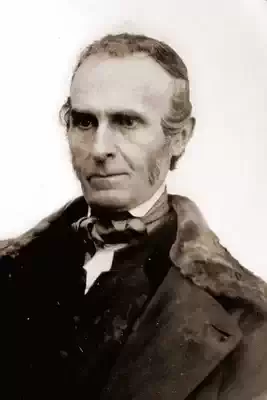
John Greenleaf Whittier
Proem
Proem
I LOVE the old melodious lays
Which softly melt the ages through,
The songs of Spenser’s golden days,
Arcadian Sidney’s silvery phrase,
Sprinkling our noon of time with freshest morning dew.
Yet, vainly in my quiet hours
To breathe their marvellous notes I try;
I feel them, as the leaves and flowers
In silence feel the dewy showers,
And drink with glad, still lips the blessing of the sky.
The rigor of a frozen clime,
The harshness of an untaught ear,
The jarring words of one whose rhyme
Beat often Labor’s hurried time,
Or Duty’s rugged march through storm and strife, are here.
Of mystic beauty, dreamy grace,
No rounded art the lack supplies;
Unskilled the subtle lines to trace,
Or softer shades of Nature’s face,
I view her common forms with unanointed eyes.
Nor mine the seer-like power to show
The secrets of the heart and mind;
To drop the plummet-line below
Our common world of joy and woe,
A more intense despair or brighter hope to find.
Yet here at least an earnest sense
Of human right and weal is shown;
A hate of tyranny intense,
And hearty in its vehemence,
As if my brother’s pain and sorrow were my own.
O Freedom! if to me belong
Nor mighty Milton’s gift divine,
Nor Marvell’s wit and graceful song,
Still with a love as deep and strong
As theirs, I lay, like them, my best gifts on thy shrine!
I LOVE the old melodious lays
Which softly melt the ages through,
The songs of Spenser’s golden days,
Arcadian Sidney’s silvery phrase,
Sprinkling our noon of time with freshest morning dew.
Yet, vainly in my quiet hours
To breathe their marvellous notes I try;
I feel them, as the leaves and flowers
In silence feel the dewy showers,
And drink with glad, still lips the blessing of the sky.
The rigor of a frozen clime,
The harshness of an untaught ear,
The jarring words of one whose rhyme
Beat often Labor’s hurried time,
Or Duty’s rugged march through storm and strife, are here.
Of mystic beauty, dreamy grace,
No rounded art the lack supplies;
Unskilled the subtle lines to trace,
Or softer shades of Nature’s face,
I view her common forms with unanointed eyes.
Nor mine the seer-like power to show
The secrets of the heart and mind;
To drop the plummet-line below
Our common world of joy and woe,
A more intense despair or brighter hope to find.
Yet here at least an earnest sense
Of human right and weal is shown;
A hate of tyranny intense,
And hearty in its vehemence,
As if my brother’s pain and sorrow were my own.
O Freedom! if to me belong
Nor mighty Milton’s gift divine,
Nor Marvell’s wit and graceful song,
Still with a love as deep and strong
As theirs, I lay, like them, my best gifts on thy shrine!
287
John Greenleaf Whittier
Our Country
Our Country
WE give thy natal day to hope,
O Country of our love and prayer!
Thy way is down no fatal slope,
But up to freer sun and air.
Tried as by furnace-fires, and yet
By God's grace only stronger made,
In future tasks before thee set
Thou shalt not lack the old-time aid.
The fathers sleep, but men remain
As wise, as true, and brave as they;
Why count the loss and not the gain?
The best is that we have to-day.
Whate'er of folly, shame, or crime,
Withhin thy mighty bounds transpires,
With speed defying space and time
Comes to us on the accusing wires;
While of thy wealth of noble deeds,
Thy homes of peace, thy votes unsold,
The love that pleads for human needs,
The wrong redressed, but half is told!
We read each felon's chronicle,
His acts, his words, his gallows-mood;
We know the single sinner well
And not the nine and ninety good.
Yet if, on daily scandals fed,
We seem at times to doubt thy worth,
We know thee still, when all is said,
The best and dearest spot on earth.
From the warm Mexic Gulf, or where
Belted with flowers Los Angeles
Basks in the semi-tropic air,
To where Katahdin's cedar trees
Are dwarfed and bent by Northern winds,
Thy plenty's horn is yearly filled;
Alone, the rounding century finds
Thy liberal soil by free hands tilled.
A refuge for the wronged and poor,
Thy generous heart has borne the blame
That, with them, through thy open door,
The old world's evil outcasts came.
But, with thy just and equal rule,
And labor's need and breadth of lands,
Free press and rostrum, church and school,
Thy sure, if slow, transforming hands
Shall mould even them to thy design,
Making a blessing of the ban;
And Freedom's chemistry combine
The alien elements of man.
The power that broke their prison bar
And set the dusky millions free,
And welded in the flame of war
The Union fast to Liberty,
Shall if not deal with other ills,
Redress the red man's grievance, break
The Circean cup which shames and kills
And Labor full requital make?
Alone to such as fitly bear
Thy civic honors bid them fall?
And call thy daughters forth to share
The rights and duties pledged to all?
Give every child his right of school,
Merge private greed in public good,
And spare a treasury overfull
The tax upon a poor man's food?
No lack was in thy primal stock,
No weakling founders builded here;
Thine were the men of Plymouth Rock,
The Huguenot and Cavalier;
And they whose firm endurance gained
The freedom of the souls of men,
Whose hands, unstained with blood, maintained
The swordless commonwealth of Penn.
And thine shall be the power of all
To do the work which duty bids,
And make the people's council hall
As lasting as the Pyramids!
Well have thy later years made good
Thy brave-said word a century back,
The pledge of human brotherhood,
The equal claim of white and black.
That word still echoes round the world,
And all who hear it turn to thee,
And read upon thy flag unfurled
The prophecies of destiny.
Thy great world-lesson all shall learn,
The nations in thy school shall sit,
Earth's farthest mountain-tops shall burn
With watch-fires from thy own uplit.
Great without seeking to be great
By fraud or conquest, rich in gold,
But richer in the large estate
Of virtue which thy children hold,
With peace that comes of purity
And strength to simple justice due,
So runs our loyal dream of thee;
God of our fathers! make it true.
O Land of lands! to thee we give
Our prayers, our hopes, our service free;
For thee thy sons shall nobly live,
And at thy need shall die for thee!
WE give thy natal day to hope,
O Country of our love and prayer!
Thy way is down no fatal slope,
But up to freer sun and air.
Tried as by furnace-fires, and yet
By God's grace only stronger made,
In future tasks before thee set
Thou shalt not lack the old-time aid.
The fathers sleep, but men remain
As wise, as true, and brave as they;
Why count the loss and not the gain?
The best is that we have to-day.
Whate'er of folly, shame, or crime,
Withhin thy mighty bounds transpires,
With speed defying space and time
Comes to us on the accusing wires;
While of thy wealth of noble deeds,
Thy homes of peace, thy votes unsold,
The love that pleads for human needs,
The wrong redressed, but half is told!
We read each felon's chronicle,
His acts, his words, his gallows-mood;
We know the single sinner well
And not the nine and ninety good.
Yet if, on daily scandals fed,
We seem at times to doubt thy worth,
We know thee still, when all is said,
The best and dearest spot on earth.
From the warm Mexic Gulf, or where
Belted with flowers Los Angeles
Basks in the semi-tropic air,
To where Katahdin's cedar trees
Are dwarfed and bent by Northern winds,
Thy plenty's horn is yearly filled;
Alone, the rounding century finds
Thy liberal soil by free hands tilled.
A refuge for the wronged and poor,
Thy generous heart has borne the blame
That, with them, through thy open door,
The old world's evil outcasts came.
But, with thy just and equal rule,
And labor's need and breadth of lands,
Free press and rostrum, church and school,
Thy sure, if slow, transforming hands
Shall mould even them to thy design,
Making a blessing of the ban;
And Freedom's chemistry combine
The alien elements of man.
The power that broke their prison bar
And set the dusky millions free,
And welded in the flame of war
The Union fast to Liberty,
Shall if not deal with other ills,
Redress the red man's grievance, break
The Circean cup which shames and kills
And Labor full requital make?
Alone to such as fitly bear
Thy civic honors bid them fall?
And call thy daughters forth to share
The rights and duties pledged to all?
Give every child his right of school,
Merge private greed in public good,
And spare a treasury overfull
The tax upon a poor man's food?
No lack was in thy primal stock,
No weakling founders builded here;
Thine were the men of Plymouth Rock,
The Huguenot and Cavalier;
And they whose firm endurance gained
The freedom of the souls of men,
Whose hands, unstained with blood, maintained
The swordless commonwealth of Penn.
And thine shall be the power of all
To do the work which duty bids,
And make the people's council hall
As lasting as the Pyramids!
Well have thy later years made good
Thy brave-said word a century back,
The pledge of human brotherhood,
The equal claim of white and black.
That word still echoes round the world,
And all who hear it turn to thee,
And read upon thy flag unfurled
The prophecies of destiny.
Thy great world-lesson all shall learn,
The nations in thy school shall sit,
Earth's farthest mountain-tops shall burn
With watch-fires from thy own uplit.
Great without seeking to be great
By fraud or conquest, rich in gold,
But richer in the large estate
Of virtue which thy children hold,
With peace that comes of purity
And strength to simple justice due,
So runs our loyal dream of thee;
God of our fathers! make it true.
O Land of lands! to thee we give
Our prayers, our hopes, our service free;
For thee thy sons shall nobly live,
And at thy need shall die for thee!
276
John Greenleaf Whittier
One Of The Signers
One Of The Signers
O storied vale of Merrimac
Rejoice through all thy shade and shine,
And from his century's sleep call back
A brave and honored son of thine.
Unveil his effigy between
The living and the dead to-day;
The fathers of the Old Thirteen
Shall witness bear as spirits may.
Unseen, unheard, his gray compeers
The shades of Lee and Jefferson,
Wise Franklin reverend with his years
And Carroll, lord of Carrollton!
Be thine henceforth a pride of place
Beyond thy namesake's over-sea,
Where scarce a stone is left to trace
The Holy House of Amesbury.
A prouder memory lingers round
The birthplace of thy true man here
Than that which haunts the refuge found
By Arthur's mythic Guinevere.
The plain deal table where he sat
And signed a nation's title-deed
Is dearer now to fame than that
Which bore the scroll of Runnymede.
Long as, on Freedom's natal morn,
Shall ring the Independence bells,
Give to thy dwellers yet unborn
The lesson which his image tells.
For in that hour of Destiny,
Which tried the men of bravest stock,
He knew the end alone must be
A free land or a traitor's block.
Among those picked and chosen men
Than his, who here first drew his breath,
No firmer fingers held the pen
Which wrote for liberty or death.
Not for their hearths and homes alone,
But for the world their work was done;
On all the winds their thought has flown
Through all the circuit of the sun.
We trace its flight by broken chains,
By songs of grateful Labor still;
To-day, in all her holy fanes,
It rings the bells of freed Brazil.
O hills that watched his boyhood's home,
O earth and air that nursed him, give,
In this memorial semblance, room
To him who shall its bronze outlive!
And thou, O Land he loved, rejoice
That in the countless years to come,
Whenever Freedom needs a voice,
These sculptured lips shall not be dumb!
O storied vale of Merrimac
Rejoice through all thy shade and shine,
And from his century's sleep call back
A brave and honored son of thine.
Unveil his effigy between
The living and the dead to-day;
The fathers of the Old Thirteen
Shall witness bear as spirits may.
Unseen, unheard, his gray compeers
The shades of Lee and Jefferson,
Wise Franklin reverend with his years
And Carroll, lord of Carrollton!
Be thine henceforth a pride of place
Beyond thy namesake's over-sea,
Where scarce a stone is left to trace
The Holy House of Amesbury.
A prouder memory lingers round
The birthplace of thy true man here
Than that which haunts the refuge found
By Arthur's mythic Guinevere.
The plain deal table where he sat
And signed a nation's title-deed
Is dearer now to fame than that
Which bore the scroll of Runnymede.
Long as, on Freedom's natal morn,
Shall ring the Independence bells,
Give to thy dwellers yet unborn
The lesson which his image tells.
For in that hour of Destiny,
Which tried the men of bravest stock,
He knew the end alone must be
A free land or a traitor's block.
Among those picked and chosen men
Than his, who here first drew his breath,
No firmer fingers held the pen
Which wrote for liberty or death.
Not for their hearths and homes alone,
But for the world their work was done;
On all the winds their thought has flown
Through all the circuit of the sun.
We trace its flight by broken chains,
By songs of grateful Labor still;
To-day, in all her holy fanes,
It rings the bells of freed Brazil.
O hills that watched his boyhood's home,
O earth and air that nursed him, give,
In this memorial semblance, room
To him who shall its bronze outlive!
And thou, O Land he loved, rejoice
That in the countless years to come,
Whenever Freedom needs a voice,
These sculptured lips shall not be dumb!
318
John Greenleaf Whittier
Naples – 1860
Naples – 1860
I GIVE thee joy!—I know to thee
The dearest spot on earth must be
Where sleeps thy loved one by the summer sea;
Where, near her sweetest poet’s tomb,
The land of Virgil gave thee room
To lay thy flower with her perpetual bloom.
I know that when the sky shut down
Behind thee on the gleaming town,
On Baiae’s baths and Posilippo’s crown;
And, through thy tears, the mocking day
Burned Ischia’s mountain lines away,
And Capri melted in its sunny bay;
Through thy great farewell sorrow shot
The sharp pang of a bitter thought
That slaves must tread around that holy spot.
Thou knewest not the land was blest
In giving thy beloved rest,
Holding the fond hope closer to her breast,
That every sweet and saintly grave
Was freedom’s prophecy, and gave
The pledge of Heaven to sanctify and save.
That pledge is answered. To thy ear
The unchained city sends its cheer,
And, tuned to joy, the muffled bells of fear
Ring Victor in. The land sits free
And happy by the summer sea,
And Bourbon Naples now is Italy!
She smiles above her broken chain
The languid smile that follows pain,
Stretching her cramped limbs to the sun again.
Oh, joy for all, who hear her call
From gray Camaldoli’s convent wall
And Elmo’s towers to freedom’s carnival!
A new life breathes among her vines
And olives, like the breath of pines
Blown downward from the breezy Apennines.
Lean, O my friend, to meet that breath,
Rejoice as one who witnesseth
Beauty from ashes rise, and life from death!
Thy sorrow shall no more be pain,
Its tears shall fall in sunlit rain,
Writing the grave with flowers: “Arisen again!”
I GIVE thee joy!—I know to thee
The dearest spot on earth must be
Where sleeps thy loved one by the summer sea;
Where, near her sweetest poet’s tomb,
The land of Virgil gave thee room
To lay thy flower with her perpetual bloom.
I know that when the sky shut down
Behind thee on the gleaming town,
On Baiae’s baths and Posilippo’s crown;
And, through thy tears, the mocking day
Burned Ischia’s mountain lines away,
And Capri melted in its sunny bay;
Through thy great farewell sorrow shot
The sharp pang of a bitter thought
That slaves must tread around that holy spot.
Thou knewest not the land was blest
In giving thy beloved rest,
Holding the fond hope closer to her breast,
That every sweet and saintly grave
Was freedom’s prophecy, and gave
The pledge of Heaven to sanctify and save.
That pledge is answered. To thy ear
The unchained city sends its cheer,
And, tuned to joy, the muffled bells of fear
Ring Victor in. The land sits free
And happy by the summer sea,
And Bourbon Naples now is Italy!
She smiles above her broken chain
The languid smile that follows pain,
Stretching her cramped limbs to the sun again.
Oh, joy for all, who hear her call
From gray Camaldoli’s convent wall
And Elmo’s towers to freedom’s carnival!
A new life breathes among her vines
And olives, like the breath of pines
Blown downward from the breezy Apennines.
Lean, O my friend, to meet that breath,
Rejoice as one who witnesseth
Beauty from ashes rise, and life from death!
Thy sorrow shall no more be pain,
Its tears shall fall in sunlit rain,
Writing the grave with flowers: “Arisen again!”
264
John Greenleaf Whittier
Moloch In State Street
Moloch In State Street
THE moon has set: while yet the dawn
Breaks cold and gray,
Between the midnight and the morn
Bear off your prey!
On, swift and still! the conscious street
Is panged and stirred;
Tread light! that fall of serried feet
The dead have heard!
The first drawn blood of Freedom's veins
Gushed where ye tread;
Lo! through the dusk the martyr-stains
Blush darkly red!
Beneath the slowly waning stars
And whitening day,
What stern and awful presence bars
That sacred way?
What faces frown upon ye, dark
With shame and pain?
Come these from Plymouth's Pilgrim bark?
Is that young Vane?
Who, dimly beckoning, speed ye on
With mocking cheer?
Lo! spectral Andros, Hutchinson,
And Gage are here!
For ready mart or favoring blast
Through Moloch's fire,
Flesh of his flesh, unsparing, passed
The Tyrian sire.
Ye make that ancient sacrifice
Of Man to Gain,
Your traffic thrives, where freedom dies,
Beneath the chain.
Ye sow to-day; your harvest, scorn
And hate, is near;
How think ye freemen, mountain-born,
The tale will hear?
Thank God! our mother State can yet
Her fame retrieve;
To you and to your children let
The scandal cleave.
Chain Hall and Pulpit, Court and Press,
Make gods of gold;
Let honor, truth, and manliness
Like wares be sold.
Your hoards are great, your walls are strong,
But God is just;
The gilded chambers built by wrong
Invite the rust.
What! know ye not the gains of Crime
Are dust and dross;
Its ventures on the waves of time
Foredoomed to loss!
And still the Pilgrim State remains
What she hath been;
Her inland hills, her seaward plains,
Still nurture men!
Nor wholly lost the fallen mart;
Her olden blood
Through many a free and generous heart
Still pours its flood.
That brave old blood, quick-flowing yet,
Shall know no check,
Till a free people's foot is set
On Slavery's neck.
Even now, the peal of bell and gun,
And hills aflame,
Tell of the first great triumph won
In Freedom's name.
The long night dies: the welcome gray
Of dawn we see;
Speed up the heavens thy perfect day,
God of the free!
THE moon has set: while yet the dawn
Breaks cold and gray,
Between the midnight and the morn
Bear off your prey!
On, swift and still! the conscious street
Is panged and stirred;
Tread light! that fall of serried feet
The dead have heard!
The first drawn blood of Freedom's veins
Gushed where ye tread;
Lo! through the dusk the martyr-stains
Blush darkly red!
Beneath the slowly waning stars
And whitening day,
What stern and awful presence bars
That sacred way?
What faces frown upon ye, dark
With shame and pain?
Come these from Plymouth's Pilgrim bark?
Is that young Vane?
Who, dimly beckoning, speed ye on
With mocking cheer?
Lo! spectral Andros, Hutchinson,
And Gage are here!
For ready mart or favoring blast
Through Moloch's fire,
Flesh of his flesh, unsparing, passed
The Tyrian sire.
Ye make that ancient sacrifice
Of Man to Gain,
Your traffic thrives, where freedom dies,
Beneath the chain.
Ye sow to-day; your harvest, scorn
And hate, is near;
How think ye freemen, mountain-born,
The tale will hear?
Thank God! our mother State can yet
Her fame retrieve;
To you and to your children let
The scandal cleave.
Chain Hall and Pulpit, Court and Press,
Make gods of gold;
Let honor, truth, and manliness
Like wares be sold.
Your hoards are great, your walls are strong,
But God is just;
The gilded chambers built by wrong
Invite the rust.
What! know ye not the gains of Crime
Are dust and dross;
Its ventures on the waves of time
Foredoomed to loss!
And still the Pilgrim State remains
What she hath been;
Her inland hills, her seaward plains,
Still nurture men!
Nor wholly lost the fallen mart;
Her olden blood
Through many a free and generous heart
Still pours its flood.
That brave old blood, quick-flowing yet,
Shall know no check,
Till a free people's foot is set
On Slavery's neck.
Even now, the peal of bell and gun,
And hills aflame,
Tell of the first great triumph won
In Freedom's name.
The long night dies: the welcome gray
Of dawn we see;
Speed up the heavens thy perfect day,
God of the free!
353
John Greenleaf Whittier
Mithridates At Chios
Mithridates At Chios
KNOW'ST thou, O slave-cursed land!
How, when the Chian's cup of guilt
Was full to overflow, there came
God's justice in the sword of flame
That, red with slaughter to its hilt,
Blazed in the Cappadocian victor's hand?
The heavens are still and far;
But, not unheard of awful Jove,
The sighing of the island slave
Was answered, when the Ægean wave
The keels of Mithridates clove,
And the vines shrivelled in the breath of war.
'Robbers of Chios! hark,'
The victor cried, 'to Heaven's decree!
Pluck your last cluster from the vine,
Drain your last cup of Chian wine;
Slaves of your slaves, your doom shall be,
In Colchian mines by Phasis rolling dark.'
Then rose the long lament
From the hoar sea-god's dusky caves:
The priestess rent her hair and cried,
'Woe! woe! The gods are sleepless-eyed!'
And, chained and scourged, the slaves of slaves,
The lords of Chios into exile went.
'The gods at last pay well,'
So Hellas sang her taunting song,
'The fisher in his net is caught,
The Chian hath his master bought;'
And isle from isle, with laughter long,
Took up and sped the mocking parable.
Once more the slow, dumb years
Bring their avenging cycle round,
And, more than Hellas taught of old,
Our wiser lesson shall be told,
Of slaves uprising, freedom-crowned,
To break, not wield, the scourge wet with their blood and tears.
KNOW'ST thou, O slave-cursed land!
How, when the Chian's cup of guilt
Was full to overflow, there came
God's justice in the sword of flame
That, red with slaughter to its hilt,
Blazed in the Cappadocian victor's hand?
The heavens are still and far;
But, not unheard of awful Jove,
The sighing of the island slave
Was answered, when the Ægean wave
The keels of Mithridates clove,
And the vines shrivelled in the breath of war.
'Robbers of Chios! hark,'
The victor cried, 'to Heaven's decree!
Pluck your last cluster from the vine,
Drain your last cup of Chian wine;
Slaves of your slaves, your doom shall be,
In Colchian mines by Phasis rolling dark.'
Then rose the long lament
From the hoar sea-god's dusky caves:
The priestess rent her hair and cried,
'Woe! woe! The gods are sleepless-eyed!'
And, chained and scourged, the slaves of slaves,
The lords of Chios into exile went.
'The gods at last pay well,'
So Hellas sang her taunting song,
'The fisher in his net is caught,
The Chian hath his master bought;'
And isle from isle, with laughter long,
Took up and sped the mocking parable.
Once more the slow, dumb years
Bring their avenging cycle round,
And, more than Hellas taught of old,
Our wiser lesson shall be told,
Of slaves uprising, freedom-crowned,
To break, not wield, the scourge wet with their blood and tears.
295
John Greenleaf Whittier
Massachusetts To Virginia
Massachusetts To Virginia
The blast from Freedom's Northern hills, upon its Southern way,
Bears greeting to Virginia from Massachusetts Bay:
No word of haughty challenging, nor battle bugle's peal,
Nor steady tread of marching files, nor clang of horsemen's steel,
No trains of deep-mouthed cannon along our highways go;
Around our silent arsenals untrodden lies the snow;
And to the land-breeze of our ports, upon their errands far,
A thousand sails of commerce swell, but none are spread for war.
We hear thy threats, Virginia! thy stormy words and high
Swell harshly on the Southern winds which melt along our sky;
Yet not one brown, hard hand foregoes its honest labor here,
No hewer of our mountain oaks suspends his axe in fear.
Wild are the waves which lash the reefs along St. George's bank;
Cold on the shores of Labrador the fog lies white and dank;
Through storm, and wave, and blinding mist, stout are the hearts which man
The fishing-smacks of Marblehead, the sea-boats of Cape Ann.
The cold north light and wintry sun glare on their icy forms,
Bent grimly o'er their straining lines or wrestling with the storms;
Free as the winds they drive before, rough as the waves they roam,
They laugh to scorn the slaver's threat against their rocky home.
What means the Old Dominion? Hath she forgot the day
When o'er her conquered valleys swept the Briton's steel array?
How, side by side with sons of hers, the Massachusetts men
Encountered Tarleton's charge of fire, and stout Cornwallis, then?
Forgets she how the Bay State, in answer to the call
Of her old House of Burgesses, spoke out from Faneuil Hall?
When, echoing back her Henry's cry, came pulsing on each breath
Of Northern winds the thrilling sounds of 'Liberty or Death!'
What asks the Old Dominion? If now her sons have proved
False to their fathers' memory, false to the faith they loved;
If she can scoff at Freedom, and its great charter spurn,
Must we of Massachusetts from truth and duty turn?
We hunt your bondmen, flying from Slavery's hateful hell;
Our voices, at your bidding, take up the bloodhound's yell;
We gather, at your summons, above our fathers' graves,
From Freedom's holy altar-horns to tear your wretched slaves!
Thank God! not yet so vilely can Massachusetts bow;
The spirit of her early time is with her even now;
Dream not because her Pilgrim blood moves slow and calm and cool,
She thus can stoop her chainless neck, a sister's slave and tool!
All that a sister State should do, all that a free State may,
Heart, hand, and purse we proffer, as in our early day;
But that one dark loathsome burden ye must stagger with alone,
And reap the bitter harvest which ye yourselves have sown!
Hold, while ye may, your struggling slaves, and burden God's free air
With woman's shriek beneath the lash, and manhood's wild despair;
Cling closer to the 'cleaving curse' that writes upon your plains
The blasting of Almighty wrath against a land of chains.
Still shame your gallant ancestry, the cavaliers of old,
By watching round the shambles where human flesh is sold;
Gloat o'er the new-born child, and count his market value, when
The maddened mother's cry of woe shall pierce the slaver's den!
Lower than plummet soundeth, sink the Virginia name;
Plant, if ye will, your fathers' graves with rankest weeds of shame;
Be, if ye will, the scandal of God's fair universe;
We wash our hands forever of your sin and shame and curse.
A voice from lips whereon the coal from Freedom's shrine hath been,
Thrilled, as but yesterday, the hearts of Berkshire's mountain men:
The echoes of that solemn voice are sadly lingering still
In all our sunny valleys, on every wind-swept hill.
And when the prowling man-thief came hunting for his prey
Beneath the very shadow of Bunker's shaft of gray,
How, through the free lips of the son, the father's warning spoke;
How, from its bonds of trade and sect, the Pilgrim city broke!
A hundred thousand right arms were lifted up on high,
A hundred thousand voices sent back their loud reply;
Through the thronged towns of Essex the startling summons rang,
And up from bench and loom and wheel her young mechanics sprang!
The voice of free, broad Middlesex, of thousands as of one,
The shaft of Bunker calling to that Lexington;
From Norfolk's ancient villages, from Plymouth's rocky bound
To where Nantucket feels the arms of ocean close to her round;
From rich and rural Worcester, where through the calm repose
Of cultured vales and fringing woods the gentle Nashua flows,
To where Wachuset's wintry blasts the mountain larches stir,
Swelled up to Heaven the thrilling cry of 'God save Latimer!'
And sandy Barnstable rose up, wet with the salt sea spray;
And Bristol sent her answering shout down Narragansett Bay!
Along the broad Connecticut old Hampden felt the thrill,
And the cheer of Hampshire's woodmen swept down from Holyoke Hill.
The voice of Massachusetts! Of her free sons and daughters,
Deep calling unto deep aloud, the sound of many waters!
Against the burden of that voice what tyrant power shall stand?
No fetters in the Bay State! No slave upon her land!
Look to it well, Virginians! In calmness we have borne,
In answer to our faith and trust, your insult and your scorn;
You've spurned our kindest counsels; you've hunted for our lives;
And shaken round our hearths and homes your manacles and gyves!
We wage no war, we lift no arm, we fling no torch within
The fire-damps of the quaking mine beneath your soil of sin;
We leave ye with your bondmen, to wrestle, while ye can,
With the strong upward tendencies and God-like soul of man!
But for us and for our children, the vow which we have given
For freedom and humanity is registered in heaven;
No slave-hunt in our borders, - no pirate on our strand!
No fetters in the Bay State, - no slave upon our land!
The blast from Freedom's Northern hills, upon its Southern way,
Bears greeting to Virginia from Massachusetts Bay:
No word of haughty challenging, nor battle bugle's peal,
Nor steady tread of marching files, nor clang of horsemen's steel,
No trains of deep-mouthed cannon along our highways go;
Around our silent arsenals untrodden lies the snow;
And to the land-breeze of our ports, upon their errands far,
A thousand sails of commerce swell, but none are spread for war.
We hear thy threats, Virginia! thy stormy words and high
Swell harshly on the Southern winds which melt along our sky;
Yet not one brown, hard hand foregoes its honest labor here,
No hewer of our mountain oaks suspends his axe in fear.
Wild are the waves which lash the reefs along St. George's bank;
Cold on the shores of Labrador the fog lies white and dank;
Through storm, and wave, and blinding mist, stout are the hearts which man
The fishing-smacks of Marblehead, the sea-boats of Cape Ann.
The cold north light and wintry sun glare on their icy forms,
Bent grimly o'er their straining lines or wrestling with the storms;
Free as the winds they drive before, rough as the waves they roam,
They laugh to scorn the slaver's threat against their rocky home.
What means the Old Dominion? Hath she forgot the day
When o'er her conquered valleys swept the Briton's steel array?
How, side by side with sons of hers, the Massachusetts men
Encountered Tarleton's charge of fire, and stout Cornwallis, then?
Forgets she how the Bay State, in answer to the call
Of her old House of Burgesses, spoke out from Faneuil Hall?
When, echoing back her Henry's cry, came pulsing on each breath
Of Northern winds the thrilling sounds of 'Liberty or Death!'
What asks the Old Dominion? If now her sons have proved
False to their fathers' memory, false to the faith they loved;
If she can scoff at Freedom, and its great charter spurn,
Must we of Massachusetts from truth and duty turn?
We hunt your bondmen, flying from Slavery's hateful hell;
Our voices, at your bidding, take up the bloodhound's yell;
We gather, at your summons, above our fathers' graves,
From Freedom's holy altar-horns to tear your wretched slaves!
Thank God! not yet so vilely can Massachusetts bow;
The spirit of her early time is with her even now;
Dream not because her Pilgrim blood moves slow and calm and cool,
She thus can stoop her chainless neck, a sister's slave and tool!
All that a sister State should do, all that a free State may,
Heart, hand, and purse we proffer, as in our early day;
But that one dark loathsome burden ye must stagger with alone,
And reap the bitter harvest which ye yourselves have sown!
Hold, while ye may, your struggling slaves, and burden God's free air
With woman's shriek beneath the lash, and manhood's wild despair;
Cling closer to the 'cleaving curse' that writes upon your plains
The blasting of Almighty wrath against a land of chains.
Still shame your gallant ancestry, the cavaliers of old,
By watching round the shambles where human flesh is sold;
Gloat o'er the new-born child, and count his market value, when
The maddened mother's cry of woe shall pierce the slaver's den!
Lower than plummet soundeth, sink the Virginia name;
Plant, if ye will, your fathers' graves with rankest weeds of shame;
Be, if ye will, the scandal of God's fair universe;
We wash our hands forever of your sin and shame and curse.
A voice from lips whereon the coal from Freedom's shrine hath been,
Thrilled, as but yesterday, the hearts of Berkshire's mountain men:
The echoes of that solemn voice are sadly lingering still
In all our sunny valleys, on every wind-swept hill.
And when the prowling man-thief came hunting for his prey
Beneath the very shadow of Bunker's shaft of gray,
How, through the free lips of the son, the father's warning spoke;
How, from its bonds of trade and sect, the Pilgrim city broke!
A hundred thousand right arms were lifted up on high,
A hundred thousand voices sent back their loud reply;
Through the thronged towns of Essex the startling summons rang,
And up from bench and loom and wheel her young mechanics sprang!
The voice of free, broad Middlesex, of thousands as of one,
The shaft of Bunker calling to that Lexington;
From Norfolk's ancient villages, from Plymouth's rocky bound
To where Nantucket feels the arms of ocean close to her round;
From rich and rural Worcester, where through the calm repose
Of cultured vales and fringing woods the gentle Nashua flows,
To where Wachuset's wintry blasts the mountain larches stir,
Swelled up to Heaven the thrilling cry of 'God save Latimer!'
And sandy Barnstable rose up, wet with the salt sea spray;
And Bristol sent her answering shout down Narragansett Bay!
Along the broad Connecticut old Hampden felt the thrill,
And the cheer of Hampshire's woodmen swept down from Holyoke Hill.
The voice of Massachusetts! Of her free sons and daughters,
Deep calling unto deep aloud, the sound of many waters!
Against the burden of that voice what tyrant power shall stand?
No fetters in the Bay State! No slave upon her land!
Look to it well, Virginians! In calmness we have borne,
In answer to our faith and trust, your insult and your scorn;
You've spurned our kindest counsels; you've hunted for our lives;
And shaken round our hearths and homes your manacles and gyves!
We wage no war, we lift no arm, we fling no torch within
The fire-damps of the quaking mine beneath your soil of sin;
We leave ye with your bondmen, to wrestle, while ye can,
With the strong upward tendencies and God-like soul of man!
But for us and for our children, the vow which we have given
For freedom and humanity is registered in heaven;
No slave-hunt in our borders, - no pirate on our strand!
No fetters in the Bay State, - no slave upon our land!
288
John Greenleaf Whittier
Lexington
Lexington
1775.
No Berserk thirst of blood had they,
No battle-joy was theirs, who set
Against the alien bayonet
Their homespun breasts in that old day.
Their feet had trodden peaceful, ways;
They loved not strife, they dreaded pain;
They saw not, what to us is plain,
That God would make man's wrath his praise.
No seers were they, but simple men;
Its vast results the future hid
The meaning of the work they did
Was strange and dark and doubtful then.
Swift as their summons came they left
The plough mid-furrow standing still,
The half-ground corn grist in the mill,
The spade in earth, the axe in cleft.
They went where duty seemed to call,
They scarcely asked the reason why;
They only knew they could but die,
And death was not the worst of all!
Of man for man the sacrifice,
All that was theirs to give, they gave.
The flowers that blossomed from their grave
Have sown themselves beneath all skies.
Their death-shot shook the feudal tower,
And shattered slavery's chain as well;
On the sky's dome, as on a bell,
Its echo struck the world's great hour.
That fateful echo is not dumb
The nations listening to its sound
Wait, from a century's vantage-ground,
The holier triumphs yet to come,-
The bridal time of Law and Love,
The gladness of the world's release,
When, war-sick, at the feet of Peace
The hawk shall nestle with the dove!-
The golden age of brotherhood
Unknown to other rivalries
Than of the mild humanities,
And gracious interchange of good,
When closer strand shall lean to strand,
Till meet, beneath saluting flags,
The eagle of our mountain-crags,
The lion of our Motherland!
1775.
No Berserk thirst of blood had they,
No battle-joy was theirs, who set
Against the alien bayonet
Their homespun breasts in that old day.
Their feet had trodden peaceful, ways;
They loved not strife, they dreaded pain;
They saw not, what to us is plain,
That God would make man's wrath his praise.
No seers were they, but simple men;
Its vast results the future hid
The meaning of the work they did
Was strange and dark and doubtful then.
Swift as their summons came they left
The plough mid-furrow standing still,
The half-ground corn grist in the mill,
The spade in earth, the axe in cleft.
They went where duty seemed to call,
They scarcely asked the reason why;
They only knew they could but die,
And death was not the worst of all!
Of man for man the sacrifice,
All that was theirs to give, they gave.
The flowers that blossomed from their grave
Have sown themselves beneath all skies.
Their death-shot shook the feudal tower,
And shattered slavery's chain as well;
On the sky's dome, as on a bell,
Its echo struck the world's great hour.
That fateful echo is not dumb
The nations listening to its sound
Wait, from a century's vantage-ground,
The holier triumphs yet to come,-
The bridal time of Law and Love,
The gladness of the world's release,
When, war-sick, at the feet of Peace
The hawk shall nestle with the dove!-
The golden age of brotherhood
Unknown to other rivalries
Than of the mild humanities,
And gracious interchange of good,
When closer strand shall lean to strand,
Till meet, beneath saluting flags,
The eagle of our mountain-crags,
The lion of our Motherland!
522
John Greenleaf Whittier
Kossuth
Kossuth
Type of two mighty continents!--combining
The strength of Europe with the warmth and glow
Of Asian song and prophecy,--the shining
Of Orient splendors over Northern snow!
Who shall receive him? Who, unblushing, speak
Welcome to him, who, while he strove to break
The Austrian yoke from Magyar necks, smote off
At the same blow the fetters of the serf,
Rearing the altar of his Fatherland
On the firm base of freedom, and thereby
Lifting to Heaven a patriot's stainless hand,
Mocked not the God of Justice with a lie!
Who shall be Freedom's mouthpiece? Who shall give
Her welcoming cheer to the great fugitive?
Not he who, all her sacred trusts betraying,
Is scourging back to slavery's hell of pain
The swarthy Kossuths of our land again!
Not he whose utterance now from lips designed
The bugle-march of Liberty to wind,
And call her hosts beneath the breaking light,
The keen reveille of her morn of fight,
Is but the hoarse note of the blood-hound's baying,
The wolf's long howl behind the bondman's flight!
Oh for the tongue of him who lies at rest
In Quincy's shade of patrimonial trees,
Last of the Puritan tribunes and the best,
To lend a voice to Freedom's sympathies,
And hail the coming of the noblest guest
The Old World's wrong has given the New World of the West!
Type of two mighty continents!--combining
The strength of Europe with the warmth and glow
Of Asian song and prophecy,--the shining
Of Orient splendors over Northern snow!
Who shall receive him? Who, unblushing, speak
Welcome to him, who, while he strove to break
The Austrian yoke from Magyar necks, smote off
At the same blow the fetters of the serf,
Rearing the altar of his Fatherland
On the firm base of freedom, and thereby
Lifting to Heaven a patriot's stainless hand,
Mocked not the God of Justice with a lie!
Who shall be Freedom's mouthpiece? Who shall give
Her welcoming cheer to the great fugitive?
Not he who, all her sacred trusts betraying,
Is scourging back to slavery's hell of pain
The swarthy Kossuths of our land again!
Not he whose utterance now from lips designed
The bugle-march of Liberty to wind,
And call her hosts beneath the breaking light,
The keen reveille of her morn of fight,
Is but the hoarse note of the blood-hound's baying,
The wolf's long howl behind the bondman's flight!
Oh for the tongue of him who lies at rest
In Quincy's shade of patrimonial trees,
Last of the Puritan tribunes and the best,
To lend a voice to Freedom's sympathies,
And hail the coming of the noblest guest
The Old World's wrong has given the New World of the West!
346
John Greenleaf Whittier
John Underhill
John Underhill
A score of years had come and gone
Since the Pilgrims landed on Plymouth stone,
When Captain Underhill, bearing scars
From Indian ambush and Flemish wars,
Left three-hilled Boston and wandered down,
East by north, to Cocheco town.
With Vane the younger, in counsel sweet,
He had sat at Anna Hutchinson's feet,
And, when the bolt of banishment fell
On the head of his saintly oracle,
He had shared her ill as her good report,
And braved the wrath of the General Court.
He shook from his feet as he rode away
The dust of the Massachusetts Bay.
The world might bless and the world might ban,
What did it matter the perfect man,
To whom the freedom of earth was given,
Proof against sin, and sure of heaven?
He cheered his heart as he rode along
With screed of Scripture and holy song,
Or thought how he rode with his lances free
By the Lower Rhine and the Zuyder-Zee,
Till his wood-path grew to a trodden road,
And Hilton Point in the distance showed.
He saw the church with the block-house nigh,
The two fair rivers, the flakes thereby,
And, tacking to windward, low and crank,
The little shallop from Strawberry Bank;
And he rose in his stirrups and looked abroad
Over land and water, and praised the Lord.
Goodly and stately and grave to see,
Into the clearing's space rode he,
With the sun on the hilt of his sword in sheath,
And his silver buckles and spurs beneath,
And the settlers welcomed him, one and all,
From swift Quampeagan to Gonic Fall.
And he said to the elders: 'Lo, I come
As the way seemed open to seek a home.
Somewhat the Lord hath wrought by my hands
In the Narragansett and Netherlands,
And if here ye have work for a Christian man,
I will tarry, and serve ye as best I can.
'I boast not of gifts, but fain would own
The wonderful favor God hath shown,
The special mercy vouchsafed one day
On the shore of Narragansett Bay,
As I sat, with my pipe, from the camp aside,
And mused like Isaac at eventide.
'A sudden sweetness of peace I found,
A garment of gladness wrapped me round;
I felt from the law of works released,
The strife of the flesh and spirit ceased,
My faith to a full assurance grew,
And all I had hoped for myself I knew.
'Now, as God appointeth, I keep my way,
I shall not stumble, I shall not stray;
He hath taken away my fig-leaf dress,
I wear the robe of His righteousness;
And the shafts of Satan no more avail
Than Pequot arrows on Christian mail.'
'Tarry with us,' the settlers cried,
'Thou man of God, as our ruler and guide.'
And Captain Underhill bowed his head.
'The will of the Lord be done!' he said.
And the morrow beheld him sitting down
In the ruler's seat in Cocheco town.
And he judged therein as a just man should;
His words were wise and his rule was good;
He coveted not his neighbor's land,
From the holding of bribes he shook his hand;
And through the camps of the heathen ran
A wholesome fear of the valiant man.
But the heart is deceitful, the good Book saith,
And life hath ever a savor of death.
Through hymns of triumph the tempter calls,
And whoso thinketh he standeth falls.
Alas! ere their round the seasons ran,
There was grief in the soul of the saintly man.
The tempter's arrows that rarely fail
Had found the joints of his spiritual mail;
And men took note of his gloomy air,
The shame in his eye, the halt in his prayer,
The signs of a battle lost within,
The pain of a soul in the coils of sin.
Then a whisper of scandal linked his name
With broken vows and a life of blame;
And the people looked askance on him
As he walked among them sullen and grim,
Ill at ease, and bitter of word,
And prompt of quarrel with hand or sword.
None knew how, with prayer and fasting still,
He strove in the bonds of his evil will;
But he shook himself like Samson at length,
And girded anew his loins of strength,
And bade the crier go up and down
And call together the wondering town.
Jeer and murmur and shaking of head
Ceased as he rose in his place and said
'Men, brethren, and fathers, well ye know
How I came among you a year ago,
Strong in the faith that my soul was freed
From sin of feeling, or thought, or deed.
'I have sinned, I own it with grief and shame,
But not with a lie on my lips I came.
In my blindness I verily thought my heart
Swept and garnished in every part.
He chargeth His angels with folly; He sees
The heavens unclean. Was I more than these?
'I urge no plea. At your feet I lay
The trust you gave me, and go my way.
Hate me or pity me, as you will,
The Lord will have mercy on sinners still;
And I, who am chiefest, say to all,
Watch and pray, lest ye also fall.'
No voice made answer: a sob so low
That only his quickened ear could know
Smote his heart with a bitter pain,
As into the forest he rode again,
And the veil of its oaken leaves shut down
On his latest glimpse of Cocheco town.
Crystal-clear on the man of sin
The streams flashed up, and the sky shone in;
On his cheek of fever the cool wind blew,
The leaves dropped on him their tears of dew,
And angels of God, in the pure, sweet guise
Of flowers, looked on him with sad surprise.
Was his ear at fault that brook and breeze
Sang in their saddest of minor keys?
What was it the mournful wood-thrush said?
What whispered the pine-trees overhead?
Did he hear the Voice on his lonely way
That Adam heard in the cool of day?
Into the desert alone rode he,
Alone with the Infinite Purity;
And, bowing his soul to its tender rebuke,
As Peter did to the Master's look,
He measured his path with prayers of pain
For peace with God and nature again.
And in after years to Cocheco came
The bruit of a once familiar name;
How among the Dutch of New Netherlands,
From wild Danskamer to Haarlem sands,
A penitent soldier preached the Word,
And smote the heathen with Gideon's sword!
And the heart of Boston was glad to hear
How he harried the foe on the long frontier,
And heaped on the land against him barred
The coals of his generous watch and ward.
Frailest and bravest! the Bay State still
Counts with her worthies John Underhill.
A score of years had come and gone
Since the Pilgrims landed on Plymouth stone,
When Captain Underhill, bearing scars
From Indian ambush and Flemish wars,
Left three-hilled Boston and wandered down,
East by north, to Cocheco town.
With Vane the younger, in counsel sweet,
He had sat at Anna Hutchinson's feet,
And, when the bolt of banishment fell
On the head of his saintly oracle,
He had shared her ill as her good report,
And braved the wrath of the General Court.
He shook from his feet as he rode away
The dust of the Massachusetts Bay.
The world might bless and the world might ban,
What did it matter the perfect man,
To whom the freedom of earth was given,
Proof against sin, and sure of heaven?
He cheered his heart as he rode along
With screed of Scripture and holy song,
Or thought how he rode with his lances free
By the Lower Rhine and the Zuyder-Zee,
Till his wood-path grew to a trodden road,
And Hilton Point in the distance showed.
He saw the church with the block-house nigh,
The two fair rivers, the flakes thereby,
And, tacking to windward, low and crank,
The little shallop from Strawberry Bank;
And he rose in his stirrups and looked abroad
Over land and water, and praised the Lord.
Goodly and stately and grave to see,
Into the clearing's space rode he,
With the sun on the hilt of his sword in sheath,
And his silver buckles and spurs beneath,
And the settlers welcomed him, one and all,
From swift Quampeagan to Gonic Fall.
And he said to the elders: 'Lo, I come
As the way seemed open to seek a home.
Somewhat the Lord hath wrought by my hands
In the Narragansett and Netherlands,
And if here ye have work for a Christian man,
I will tarry, and serve ye as best I can.
'I boast not of gifts, but fain would own
The wonderful favor God hath shown,
The special mercy vouchsafed one day
On the shore of Narragansett Bay,
As I sat, with my pipe, from the camp aside,
And mused like Isaac at eventide.
'A sudden sweetness of peace I found,
A garment of gladness wrapped me round;
I felt from the law of works released,
The strife of the flesh and spirit ceased,
My faith to a full assurance grew,
And all I had hoped for myself I knew.
'Now, as God appointeth, I keep my way,
I shall not stumble, I shall not stray;
He hath taken away my fig-leaf dress,
I wear the robe of His righteousness;
And the shafts of Satan no more avail
Than Pequot arrows on Christian mail.'
'Tarry with us,' the settlers cried,
'Thou man of God, as our ruler and guide.'
And Captain Underhill bowed his head.
'The will of the Lord be done!' he said.
And the morrow beheld him sitting down
In the ruler's seat in Cocheco town.
And he judged therein as a just man should;
His words were wise and his rule was good;
He coveted not his neighbor's land,
From the holding of bribes he shook his hand;
And through the camps of the heathen ran
A wholesome fear of the valiant man.
But the heart is deceitful, the good Book saith,
And life hath ever a savor of death.
Through hymns of triumph the tempter calls,
And whoso thinketh he standeth falls.
Alas! ere their round the seasons ran,
There was grief in the soul of the saintly man.
The tempter's arrows that rarely fail
Had found the joints of his spiritual mail;
And men took note of his gloomy air,
The shame in his eye, the halt in his prayer,
The signs of a battle lost within,
The pain of a soul in the coils of sin.
Then a whisper of scandal linked his name
With broken vows and a life of blame;
And the people looked askance on him
As he walked among them sullen and grim,
Ill at ease, and bitter of word,
And prompt of quarrel with hand or sword.
None knew how, with prayer and fasting still,
He strove in the bonds of his evil will;
But he shook himself like Samson at length,
And girded anew his loins of strength,
And bade the crier go up and down
And call together the wondering town.
Jeer and murmur and shaking of head
Ceased as he rose in his place and said
'Men, brethren, and fathers, well ye know
How I came among you a year ago,
Strong in the faith that my soul was freed
From sin of feeling, or thought, or deed.
'I have sinned, I own it with grief and shame,
But not with a lie on my lips I came.
In my blindness I verily thought my heart
Swept and garnished in every part.
He chargeth His angels with folly; He sees
The heavens unclean. Was I more than these?
'I urge no plea. At your feet I lay
The trust you gave me, and go my way.
Hate me or pity me, as you will,
The Lord will have mercy on sinners still;
And I, who am chiefest, say to all,
Watch and pray, lest ye also fall.'
No voice made answer: a sob so low
That only his quickened ear could know
Smote his heart with a bitter pain,
As into the forest he rode again,
And the veil of its oaken leaves shut down
On his latest glimpse of Cocheco town.
Crystal-clear on the man of sin
The streams flashed up, and the sky shone in;
On his cheek of fever the cool wind blew,
The leaves dropped on him their tears of dew,
And angels of God, in the pure, sweet guise
Of flowers, looked on him with sad surprise.
Was his ear at fault that brook and breeze
Sang in their saddest of minor keys?
What was it the mournful wood-thrush said?
What whispered the pine-trees overhead?
Did he hear the Voice on his lonely way
That Adam heard in the cool of day?
Into the desert alone rode he,
Alone with the Infinite Purity;
And, bowing his soul to its tender rebuke,
As Peter did to the Master's look,
He measured his path with prayers of pain
For peace with God and nature again.
And in after years to Cocheco came
The bruit of a once familiar name;
How among the Dutch of New Netherlands,
From wild Danskamer to Haarlem sands,
A penitent soldier preached the Word,
And smote the heathen with Gideon's sword!
And the heart of Boston was glad to hear
How he harried the foe on the long frontier,
And heaped on the land against him barred
The coals of his generous watch and ward.
Frailest and bravest! the Bay State still
Counts with her worthies John Underhill.
234
John Greenleaf Whittier
Hymn of The Dunkers
Hymn of The Dunkers
KLOSTER KEDAR, EPHRATA, PENNSYLVANIA (1738)
SISTER MARIA CHRISTINA sings
Wake, sisters, wake! the day-star shines;
Above Ephrata's eastern pines
The dawn is breaking, cool and calm.
Wake, sisters, wake to prayer and psalm!
Praised be the Lord for shade and light,
For toil by day, for rest by night!
Praised be His name who deigns to bless
Our Kedar of the wilderness!
Our refuge when the spoiler's hand
Was heavy on our native land;
And freedom, to her children due,
The wolf and vulture only knew.
We praised Him when to prison led,
We owned Him when the stake blazed red;
We knew, whatever might befall,
His love and power were over all.
He heard our prayers; with outstretched arm
He led us forth from cruel harm;
Still, wheresoe'er our steps were bent,
His cloud and fire before us went!
The watch of faith and prayer He set,
We kept it then, we keep it yet.
At midnight, crow of cock, or noon,
He cometh sure, He cometh soon.
He comes to chasten, not destroy,
To purge the earth from sin's alloy.
At last, at last shall all confess
His mercy as His righteousness.
The dead shall live, the sick be whole,
The scarlet sin be white as wool;
No discord mar below, above,
The music of eternal love!
Sound, welcome trump, the last alarm!
Lord God of hosts, make bare thine arm,
Fulfil this day our long desire,
Make sweet and clean the world with fire!
Sweep, flaming besom, sweep from sight
The lies of time; be swift to smite,
Sharp sword of God, all idols down,
Genevan creed and Roman crown.
Quake, earth, through all thy zones, till all
The fanes of pride and priesteraft fall;
And lift thou up in place of them
Thy gates of pearl, Jerusalem!
Lo! rising from baptismal flame,
Transfigured, glorious, yet the same,
Within the heavenly city's bound
Our Kloster Kedar shall be found.
He cometh soon! at dawn or noon
Or set of sun, He cometh soon.
Our prayers shall meet Him on His way;
Wake, sisters, wake! arise and pray!
KLOSTER KEDAR, EPHRATA, PENNSYLVANIA (1738)
SISTER MARIA CHRISTINA sings
Wake, sisters, wake! the day-star shines;
Above Ephrata's eastern pines
The dawn is breaking, cool and calm.
Wake, sisters, wake to prayer and psalm!
Praised be the Lord for shade and light,
For toil by day, for rest by night!
Praised be His name who deigns to bless
Our Kedar of the wilderness!
Our refuge when the spoiler's hand
Was heavy on our native land;
And freedom, to her children due,
The wolf and vulture only knew.
We praised Him when to prison led,
We owned Him when the stake blazed red;
We knew, whatever might befall,
His love and power were over all.
He heard our prayers; with outstretched arm
He led us forth from cruel harm;
Still, wheresoe'er our steps were bent,
His cloud and fire before us went!
The watch of faith and prayer He set,
We kept it then, we keep it yet.
At midnight, crow of cock, or noon,
He cometh sure, He cometh soon.
He comes to chasten, not destroy,
To purge the earth from sin's alloy.
At last, at last shall all confess
His mercy as His righteousness.
The dead shall live, the sick be whole,
The scarlet sin be white as wool;
No discord mar below, above,
The music of eternal love!
Sound, welcome trump, the last alarm!
Lord God of hosts, make bare thine arm,
Fulfil this day our long desire,
Make sweet and clean the world with fire!
Sweep, flaming besom, sweep from sight
The lies of time; be swift to smite,
Sharp sword of God, all idols down,
Genevan creed and Roman crown.
Quake, earth, through all thy zones, till all
The fanes of pride and priesteraft fall;
And lift thou up in place of them
Thy gates of pearl, Jerusalem!
Lo! rising from baptismal flame,
Transfigured, glorious, yet the same,
Within the heavenly city's bound
Our Kloster Kedar shall be found.
He cometh soon! at dawn or noon
Or set of sun, He cometh soon.
Our prayers shall meet Him on His way;
Wake, sisters, wake! arise and pray!
287
John Greenleaf Whittier
Hymn II
Hymn II
O HOLY FATHER! just and true
Are all Thy works and words and ways,
And unto Thee alone are due
Thanksgiving and eternal praise!
As children of Thy gracious care,
We veil the eye, we bend the knee,
With broken words of praise and prayer,
Father and God, we come to Thee.
For Thou hast heard, O God of Right,
The sighing of the island slave;
And stretched for him the arm of might,
Not shortened that it could not save.
The laborer sits beneath his vine,
The shackled soul and hand are free;
Thanksgiving! for the work is Thine!
Praise! for the blessing is of Thee!
And oh, we feel Thy presence here,
Thy awful arm in judgment bare!
Thine eye hath seen the bondman's tear;
Thine ear hath heard the bondman's prayer.
Praise! for the pride of man is low,
The counsels of the wise are naught,
The fountains of repentance flow;
What hath our God in mercy wrought?
Speed on Thy work, Lord God of Hosts!
And when the bondman's chain is riven,
And swells from all our guilty coasts
The anthem of the free to Heaven,
Oh, not to those whom Thou hast led,
As with Thy cloud and fire before,
But. unto Thee, in fear and dread,
Be praise and glory evermore.
O HOLY FATHER! just and true
Are all Thy works and words and ways,
And unto Thee alone are due
Thanksgiving and eternal praise!
As children of Thy gracious care,
We veil the eye, we bend the knee,
With broken words of praise and prayer,
Father and God, we come to Thee.
For Thou hast heard, O God of Right,
The sighing of the island slave;
And stretched for him the arm of might,
Not shortened that it could not save.
The laborer sits beneath his vine,
The shackled soul and hand are free;
Thanksgiving! for the work is Thine!
Praise! for the blessing is of Thee!
And oh, we feel Thy presence here,
Thy awful arm in judgment bare!
Thine eye hath seen the bondman's tear;
Thine ear hath heard the bondman's prayer.
Praise! for the pride of man is low,
The counsels of the wise are naught,
The fountains of repentance flow;
What hath our God in mercy wrought?
Speed on Thy work, Lord God of Hosts!
And when the bondman's chain is riven,
And swells from all our guilty coasts
The anthem of the free to Heaven,
Oh, not to those whom Thou hast led,
As with Thy cloud and fire before,
But. unto Thee, in fear and dread,
Be praise and glory evermore.
323
John Greenleaf Whittier
Howard At Atlanta
Howard At Atlanta
RIGHT in the track where Sherman
Ploughed his red furrow,
Out of the narrow cabin,
Up from the cellar's burrow,
Gathered the little black people,
With freedom newly dowered,
Where, beside their Northern teacher,
Stood the soldier, Howard.
He listened and heard the children
Of the poor and long-enslavëd
Reading the words of Jesus,
Singing the songs of David.
Behold! —the dumb lips speaking,
The blind eyes seeing!
Bones of the Prophet's vision
Warmed into being!
Transformed he saw them passing
Their new life's portal!
Almost it seemed the mortal
Put on the immortal.
No more with the beasts of burden,
No more with stone and clod,
But crowned with glory and honor
In the image of God!
There was the human chattel
Its manhood taking;
There, in each dark, brown statue,
A soul was waking!
The man of many battles,
With tears his eyelids pressing,
Stretched over those dusky foreheads
His one-armed blessing.
And he said: 'Who hears can never
Fear for or doubt you;
What shall I tell the children
Up North about you?'
Then ran round a whisper, a murmur,
Some answer devising;
And a little boy stood up: 'General,
Tell'em we're rising!'
O black boy of Atlanta!
But half was spoken:
The slave's chain and the master's
Alike are broken.
The one curse of the races
Held both in tether:
They are rising, — all are rising,
The black and white together!
O brave men and fair women!
Ill comes of hate and scorning:
Shall the dark faces only
Be turned to morning? —
Make Time your sole avenger,
All-healing, all-redressing;
Meet Fate half-way, and make it
A joy and blessing!
RIGHT in the track where Sherman
Ploughed his red furrow,
Out of the narrow cabin,
Up from the cellar's burrow,
Gathered the little black people,
With freedom newly dowered,
Where, beside their Northern teacher,
Stood the soldier, Howard.
He listened and heard the children
Of the poor and long-enslavëd
Reading the words of Jesus,
Singing the songs of David.
Behold! —the dumb lips speaking,
The blind eyes seeing!
Bones of the Prophet's vision
Warmed into being!
Transformed he saw them passing
Their new life's portal!
Almost it seemed the mortal
Put on the immortal.
No more with the beasts of burden,
No more with stone and clod,
But crowned with glory and honor
In the image of God!
There was the human chattel
Its manhood taking;
There, in each dark, brown statue,
A soul was waking!
The man of many battles,
With tears his eyelids pressing,
Stretched over those dusky foreheads
His one-armed blessing.
And he said: 'Who hears can never
Fear for or doubt you;
What shall I tell the children
Up North about you?'
Then ran round a whisper, a murmur,
Some answer devising;
And a little boy stood up: 'General,
Tell'em we're rising!'
O black boy of Atlanta!
But half was spoken:
The slave's chain and the master's
Alike are broken.
The one curse of the races
Held both in tether:
They are rising, — all are rising,
The black and white together!
O brave men and fair women!
Ill comes of hate and scorning:
Shall the dark faces only
Be turned to morning? —
Make Time your sole avenger,
All-healing, all-redressing;
Meet Fate half-way, and make it
A joy and blessing!
289
John Greenleaf Whittier
Garibaldi
Garibaldi
In trance and dream of old, God's prophet saw
The casting down of thrones. Thou, watching lone
The hot Sardinian coast-line, hazy-hilled,
Where, fringing round Caprera's rocky zone
With foam, the slow waves gather and withdraw,
Behold'st the vision of the seer fulfilled,
And hear'st the sea-winds burdened with a sound
Of falling chains, as, one by one, unbound,
The nations lift their right hands up and swear
Their oath of freedom. From the chalk-white wall
Of England, from the black Carpathian range,
Along the Danube and the Theiss, through all
The passes of the Spanish Pyrenees,
And from the Seine's thronged banks, a murmur strange
And glad floats to thee o'er thy summer seas
On the salt wind that stirs thy whitening hair,--
The song of freedom's bloodless victories!
Rejoice, O Garibaldi! Though thy sword
Failed at Rome's gates, and blood seemed vainly poured
Where, in Christ's name, the crowned infidel
Of France wrought murder with the arms of hell
On that sad mountain slope whose ghostly dead,
Unmindful of the gray exorcist's ban,
Walk, unappeased, the chambered Vatican,
And draw the curtains of Napoleon's bed!
God's providence is not blind, but, full of eyes,
It searches all the refuges of lies;
And in His time and way, the accursed things
Before whose evil feet thy battle-gage
Has clashed defiance from hot youth to age
Shall perish. All men shall be priests and kings,
One royal brotherhood, one church made free
By love, which is the law of liberty
In trance and dream of old, God's prophet saw
The casting down of thrones. Thou, watching lone
The hot Sardinian coast-line, hazy-hilled,
Where, fringing round Caprera's rocky zone
With foam, the slow waves gather and withdraw,
Behold'st the vision of the seer fulfilled,
And hear'st the sea-winds burdened with a sound
Of falling chains, as, one by one, unbound,
The nations lift their right hands up and swear
Their oath of freedom. From the chalk-white wall
Of England, from the black Carpathian range,
Along the Danube and the Theiss, through all
The passes of the Spanish Pyrenees,
And from the Seine's thronged banks, a murmur strange
And glad floats to thee o'er thy summer seas
On the salt wind that stirs thy whitening hair,--
The song of freedom's bloodless victories!
Rejoice, O Garibaldi! Though thy sword
Failed at Rome's gates, and blood seemed vainly poured
Where, in Christ's name, the crowned infidel
Of France wrought murder with the arms of hell
On that sad mountain slope whose ghostly dead,
Unmindful of the gray exorcist's ban,
Walk, unappeased, the chambered Vatican,
And draw the curtains of Napoleon's bed!
God's providence is not blind, but, full of eyes,
It searches all the refuges of lies;
And in His time and way, the accursed things
Before whose evil feet thy battle-gage
Has clashed defiance from hot youth to age
Shall perish. All men shall be priests and kings,
One royal brotherhood, one church made free
By love, which is the law of liberty
281
John Greenleaf Whittier
Expostulation
Expostulation
OUR fellow-countrymen in chains!
Slaves, in a land of light and law!
Slaves, crouching on the very plains
Where rolled the storm of Freedom's war!
A groan from Eutaw's haunted wood,
A. wail where Camden's martyrs fell,
By every shrine of patriot blood,
From Moultrie's wall and Jasper's well!
By storied hill and hallowed grot,
By mossy wood and marshy glen,
Whence rang of old the rifle-shot,
And hurrying shout of Marion's men!
The groan of breaking hearts is there,
The falling lash, the fetter's clank!
Slaves, slaves are breathing in that air
Which old De Kalb and Sumter drank!
What, ho! our countrymen in chains!
The whip on woman's shrinking flesh!
Our soil yet reddening with the stains
Caught from her scourging, warm and fresh!
What! mothers from their children riven!
What! God's own image bought and sold!
Americans to market driven,
And bartered as the brute for gold!
Speak! shall their agony of prayer
Come thrilling to our hearts in vain?
To us whose fathers scorned to bear
The paltry menace of a chain;
To us, whose boast is loud and long
Of holy Liberty and Light;
Say, shall these writhing slaves of Wrong
Plead vainly for their plundered Right?
What! shall we send, with lavish breath,
Our sympathies across the wave,
Where Manhood, on the field of death,
Strikes for his freedom or a grave?
Shall prayers go up, and hymns be sung
For Greece, the Moslem fetter spurning,
And millions hail with pen and tongue
Our light on all her altars burning?
Shall Belgium feel, and gallant France,
By Vendome's pile and Schoenbrun's wall,
And Poland, gasping on her lance,
The impulse of our cheering call?
And shall the slave, beneath our eye,
Clank o'er our fields his hateful chain?
And toss his fettered arms on high,
And groan for Freedom's gift, in vain?
Oh, say, shall Prussia's banner be
A refuge for the stricken slave?
And shall the Russian serf go free
By Baikal's lake and Neva's wave?
And shall the wintry-bosomed Dane
Relax the iron hand of pride,
And bid his bondmen cast the chain
From fettered soul and limb aside?
Shall every flap of England's flag
Proclaim that all around are free,
From farthest Ind to each blue crag
That beetles o'er the Western Sea?
And shall we scoff at Europe's kings,
When Freedom's fire is dim with us,
And round our country's altar clings
The damning shade of Slavery's curse?
Go, let us ask of Constantine
To loose his grasp on Poland's throat;
And beg the lord of Mahmoud's line
To spare the struggling Suliote;
Will not the scorching answer come
From turbaned Turk, and scornful Russ
'Go, loose your fettered slaves at home,
Then turn, and ask the like of us!'
Just God! and shall we calmly rest,
The Christian's scorn, the heathen's mirth,
Content to live the lingering jest
And by-word of a mocking Earth?
Shall our own glorious land retain
That curse which Europe scorns to bear?
Shall our own brethren drag the chain
Which not even Russia's menials wear?
Up, then, in Freedom's manly part,
From graybeard eld to fiery youth,
And on the nation's naked heart
Scatter the living coals of Truth!
Up! while ye slumber, deeper yet
The shadow of our fame is growing!
Up! while ye pause, our sun may set
In blood, around our altars flowing!
Oh! rouse ye, ere the storm comes forth,
The gathered wrath of God and man,
Like that which wasted Egypt's earth,
When hail and fire above it ran.
Hear ye no warnings in the air?
Feel ye no earthquake underneath?
Up, up! why will ye slumber where
The sleeper only wakes in death?
Rise now for Freedom! not in strife
Like that your sterner fathers saw,
The awful waste of human life,
The glory and the guilt of war:'
But break the chain, the yoke remove,
And smite to earth Oppression's rod,
With those mild arms of Truth and Love,
Made mighty through the living God!
Down let the shrine of Moloch sink,
And leave no traces where it stood;
Nor longer let its idol drink
His daily cup of human blood;
But rear another altar there,
To Truth and Love and Mercy given,
And Freedom's gift, and Freedom's prayer,
Shall call an answer down from Heaven!
OUR fellow-countrymen in chains!
Slaves, in a land of light and law!
Slaves, crouching on the very plains
Where rolled the storm of Freedom's war!
A groan from Eutaw's haunted wood,
A. wail where Camden's martyrs fell,
By every shrine of patriot blood,
From Moultrie's wall and Jasper's well!
By storied hill and hallowed grot,
By mossy wood and marshy glen,
Whence rang of old the rifle-shot,
And hurrying shout of Marion's men!
The groan of breaking hearts is there,
The falling lash, the fetter's clank!
Slaves, slaves are breathing in that air
Which old De Kalb and Sumter drank!
What, ho! our countrymen in chains!
The whip on woman's shrinking flesh!
Our soil yet reddening with the stains
Caught from her scourging, warm and fresh!
What! mothers from their children riven!
What! God's own image bought and sold!
Americans to market driven,
And bartered as the brute for gold!
Speak! shall their agony of prayer
Come thrilling to our hearts in vain?
To us whose fathers scorned to bear
The paltry menace of a chain;
To us, whose boast is loud and long
Of holy Liberty and Light;
Say, shall these writhing slaves of Wrong
Plead vainly for their plundered Right?
What! shall we send, with lavish breath,
Our sympathies across the wave,
Where Manhood, on the field of death,
Strikes for his freedom or a grave?
Shall prayers go up, and hymns be sung
For Greece, the Moslem fetter spurning,
And millions hail with pen and tongue
Our light on all her altars burning?
Shall Belgium feel, and gallant France,
By Vendome's pile and Schoenbrun's wall,
And Poland, gasping on her lance,
The impulse of our cheering call?
And shall the slave, beneath our eye,
Clank o'er our fields his hateful chain?
And toss his fettered arms on high,
And groan for Freedom's gift, in vain?
Oh, say, shall Prussia's banner be
A refuge for the stricken slave?
And shall the Russian serf go free
By Baikal's lake and Neva's wave?
And shall the wintry-bosomed Dane
Relax the iron hand of pride,
And bid his bondmen cast the chain
From fettered soul and limb aside?
Shall every flap of England's flag
Proclaim that all around are free,
From farthest Ind to each blue crag
That beetles o'er the Western Sea?
And shall we scoff at Europe's kings,
When Freedom's fire is dim with us,
And round our country's altar clings
The damning shade of Slavery's curse?
Go, let us ask of Constantine
To loose his grasp on Poland's throat;
And beg the lord of Mahmoud's line
To spare the struggling Suliote;
Will not the scorching answer come
From turbaned Turk, and scornful Russ
'Go, loose your fettered slaves at home,
Then turn, and ask the like of us!'
Just God! and shall we calmly rest,
The Christian's scorn, the heathen's mirth,
Content to live the lingering jest
And by-word of a mocking Earth?
Shall our own glorious land retain
That curse which Europe scorns to bear?
Shall our own brethren drag the chain
Which not even Russia's menials wear?
Up, then, in Freedom's manly part,
From graybeard eld to fiery youth,
And on the nation's naked heart
Scatter the living coals of Truth!
Up! while ye slumber, deeper yet
The shadow of our fame is growing!
Up! while ye pause, our sun may set
In blood, around our altars flowing!
Oh! rouse ye, ere the storm comes forth,
The gathered wrath of God and man,
Like that which wasted Egypt's earth,
When hail and fire above it ran.
Hear ye no warnings in the air?
Feel ye no earthquake underneath?
Up, up! why will ye slumber where
The sleeper only wakes in death?
Rise now for Freedom! not in strife
Like that your sterner fathers saw,
The awful waste of human life,
The glory and the guilt of war:'
But break the chain, the yoke remove,
And smite to earth Oppression's rod,
With those mild arms of Truth and Love,
Made mighty through the living God!
Down let the shrine of Moloch sink,
And leave no traces where it stood;
Nor longer let its idol drink
His daily cup of human blood;
But rear another altar there,
To Truth and Love and Mercy given,
And Freedom's gift, and Freedom's prayer,
Shall call an answer down from Heaven!
314
John Greenleaf Whittier
Derne
Derne
NIGHT on the city of the Moor!
On mosque and tomb, and white-walled shore,
On sea-waves, to whose ceaseless knock
The narrow harbor gates unlock,
On corsair's galley, carack tall,
And plundered Christian caraval!
The sounds of Moslem life are still;
No mule-bell tinkles down the hill;
Stretched in the broad court of the khan,
The dusty Bornou caravan
Lies heaped in slumber, beast and man;
The Sheik is dreaming in his tent,
His noisy Arab tongue o'erspent;
The kiosk's glimmering lights are gone,
The merchant with his wares withdrawn;
Rough pillowed on some pirate breast,
The dancing-girl has sunk to rest;
And, save where measured footsteps fall
Along the Bashaw's guarded wall,
Or where, like some bad dream, the Jew
Creeps stealthily his quarter through,
Or counts with fear his golden heaps,
The City of the Corsair sleeps!
But where yon prison long and low
Stands black against the pale star-glow,
Chafed by the ceaseless wash of waves,
There watch and pine the Christian slaves;
Rough-bearded men, whose far-off wives
Wear out with grief their lonely lives;
And youth, still flashing from his eyes
The clear blue of New England skies,
A treasured lock of whose soft hair
Now wakes some sorrowing mother's prayer;
Or, worn upon some maiden breast,
Stirs with the loving heart's unrest!
A bitter cup each life must drain,
The groaning earth is cursed with pain,
And, like the scroll the angel bore
The shuddering Hebrew seer before,
O'erwrit alike, without, within,
With all the woes which follow sin;
But, bitterest of the ills beneath
Whose load man totters down to death,
Is that which plucks the regal crown
Of Freedom from his forehead down,
And snatches from his powerless hand
The sceptred sign of self-command,
Effacing with the chain and rod
The image and the seal of God;
Till from his nature, day by day,
The manly virtues fall away,
And leave him naked, blind and mute,
The godlike merging in the brute!
Why mourn the quiet ones who die
Beneath affection's tender eye,
Unto their household and their kin
Like ripened corn-sheaves gathered in?
O weeper, from that tranquil sod,
That holy harvest-home of God,
Turn to the quick and suffering, shed
Thy tears upon the living dead!
Thank God above thy dear ones' graves,
They sleep with Him, they are not slaves.
What dark mass, down the mountain-sides
Swift-pouring, like a stream divides?
A long, loose, straggling caravan,
Camel and horse and armëd man.
The moon's low crescent, glimmering o'er
Its grave of waters to the shore,
Lights up that mountain cavalcade,
And gleams from gun and spear and blade
Near and more near! now o'er them falls
The shadow of the city walls.
Hark to the sentry's challenge, drowned
In the fierce trumpet's charging sound!
The rush of men, the musket's peal,
The short, sharp clang of meeting steel!
Vain, Moslem, vain thy lifeblood poured
So freely on thy foeman's sword!
Not to the swift nor to the strong
The battles of the right belong;
For he who strikes for Freedom wears
The armor of the captive's prayers,
And Nature proffers to his cause
The strength of her eternal laws;
While he whose arm essays to bind
And herd with common brutes his kind
Strives evermore at fearful odds
With Nature and the jealous gods,
And dares the dread recoil which late
Or soon their right shall vindicate.
'T is done, the hornëd crescent falls!
The star-flag flouts the broken walls!
Joy to the captive husband! joy
To thy sick heart, O brown-locked boy!
In sullen wrath the conquered Moor
Wide open flings your dungeon-door,
And leaves ye free from cell and chain,
The owners of yourselves again.
Dark as his allies desert-born,
Soiled with the battle's stain, and worn
With the long marches of his band
Through hottest wastes of rock and sand,
Scorched by the sun and furnace-breath
Of the red desert's wind of death,
With welcome words and grasping hands,
The victor and deliverer stands!
The tale is one of distant skies;
The dust of half a century lies
Upon it; yet its hero's name
Still lingers on the lips of Fame.
Men speak the praise of him who gave
Deliverance to the Moorman's slave,
Yet dare to brand with shame and crime
The heroes of our land and time, —
The self-forgetful ones, who stake
Home, name, and life for Freedom's sake.
God mend his heart who cannot feel
The impulse of a holy zeal,
And sees not, with his sordid eyes,
The beauty of self-sacrifice!
Though in the sacred place he stands,
Uplifting consecrated hands,
Unworthy are his lips to tell
Of Jesus' martyr-miracle,
Or name aright that dread embrace
Of suffering for a fallen race!
NIGHT on the city of the Moor!
On mosque and tomb, and white-walled shore,
On sea-waves, to whose ceaseless knock
The narrow harbor gates unlock,
On corsair's galley, carack tall,
And plundered Christian caraval!
The sounds of Moslem life are still;
No mule-bell tinkles down the hill;
Stretched in the broad court of the khan,
The dusty Bornou caravan
Lies heaped in slumber, beast and man;
The Sheik is dreaming in his tent,
His noisy Arab tongue o'erspent;
The kiosk's glimmering lights are gone,
The merchant with his wares withdrawn;
Rough pillowed on some pirate breast,
The dancing-girl has sunk to rest;
And, save where measured footsteps fall
Along the Bashaw's guarded wall,
Or where, like some bad dream, the Jew
Creeps stealthily his quarter through,
Or counts with fear his golden heaps,
The City of the Corsair sleeps!
But where yon prison long and low
Stands black against the pale star-glow,
Chafed by the ceaseless wash of waves,
There watch and pine the Christian slaves;
Rough-bearded men, whose far-off wives
Wear out with grief their lonely lives;
And youth, still flashing from his eyes
The clear blue of New England skies,
A treasured lock of whose soft hair
Now wakes some sorrowing mother's prayer;
Or, worn upon some maiden breast,
Stirs with the loving heart's unrest!
A bitter cup each life must drain,
The groaning earth is cursed with pain,
And, like the scroll the angel bore
The shuddering Hebrew seer before,
O'erwrit alike, without, within,
With all the woes which follow sin;
But, bitterest of the ills beneath
Whose load man totters down to death,
Is that which plucks the regal crown
Of Freedom from his forehead down,
And snatches from his powerless hand
The sceptred sign of self-command,
Effacing with the chain and rod
The image and the seal of God;
Till from his nature, day by day,
The manly virtues fall away,
And leave him naked, blind and mute,
The godlike merging in the brute!
Why mourn the quiet ones who die
Beneath affection's tender eye,
Unto their household and their kin
Like ripened corn-sheaves gathered in?
O weeper, from that tranquil sod,
That holy harvest-home of God,
Turn to the quick and suffering, shed
Thy tears upon the living dead!
Thank God above thy dear ones' graves,
They sleep with Him, they are not slaves.
What dark mass, down the mountain-sides
Swift-pouring, like a stream divides?
A long, loose, straggling caravan,
Camel and horse and armëd man.
The moon's low crescent, glimmering o'er
Its grave of waters to the shore,
Lights up that mountain cavalcade,
And gleams from gun and spear and blade
Near and more near! now o'er them falls
The shadow of the city walls.
Hark to the sentry's challenge, drowned
In the fierce trumpet's charging sound!
The rush of men, the musket's peal,
The short, sharp clang of meeting steel!
Vain, Moslem, vain thy lifeblood poured
So freely on thy foeman's sword!
Not to the swift nor to the strong
The battles of the right belong;
For he who strikes for Freedom wears
The armor of the captive's prayers,
And Nature proffers to his cause
The strength of her eternal laws;
While he whose arm essays to bind
And herd with common brutes his kind
Strives evermore at fearful odds
With Nature and the jealous gods,
And dares the dread recoil which late
Or soon their right shall vindicate.
'T is done, the hornëd crescent falls!
The star-flag flouts the broken walls!
Joy to the captive husband! joy
To thy sick heart, O brown-locked boy!
In sullen wrath the conquered Moor
Wide open flings your dungeon-door,
And leaves ye free from cell and chain,
The owners of yourselves again.
Dark as his allies desert-born,
Soiled with the battle's stain, and worn
With the long marches of his band
Through hottest wastes of rock and sand,
Scorched by the sun and furnace-breath
Of the red desert's wind of death,
With welcome words and grasping hands,
The victor and deliverer stands!
The tale is one of distant skies;
The dust of half a century lies
Upon it; yet its hero's name
Still lingers on the lips of Fame.
Men speak the praise of him who gave
Deliverance to the Moorman's slave,
Yet dare to brand with shame and crime
The heroes of our land and time, —
The self-forgetful ones, who stake
Home, name, and life for Freedom's sake.
God mend his heart who cannot feel
The impulse of a holy zeal,
And sees not, with his sordid eyes,
The beauty of self-sacrifice!
Though in the sacred place he stands,
Uplifting consecrated hands,
Unworthy are his lips to tell
Of Jesus' martyr-miracle,
Or name aright that dread embrace
Of suffering for a fallen race!
279
John Greenleaf Whittier
Banished from Massachusetts
Banished from Massachusetts
Over the threshold of his pleasant home
Set in green clearings passed the exiled Friend,
In simple trust, misdoubting not the end.
'Dear heart of mine!' he said, 'the time has come
To trust the Lord for shelter.' One long gaze
The goodwife turned on each familiar thing,The
lowing kine, the orchard blossoming,
The open door that showed the hearth-fire's blaze,And
calmly answered, 'Yes, He will provide.'
Silent and slow they crossed the homestead's bound,
Lingering the longest by their child's grave-mound.
'Move on, or stay and hang!' the sheriff cried.
They left behind them more than home or land,
And set sad faces to an alien strand.
Safer with winds and waves than human wrath,
With ravening wolves than those whose zeal for God
Was cruelty to man, the exiles trod
Drear leagues of forest without guide or path,
Or launching frail boats on the uncharted sea,
Round storm-vexed capes, whose teeth of granite ground
The waves to foam, their perilous way they wound,
Enduring all things so their souls were free.
Oh, true confessors, shaming them who did
Anew the wrong their Pilgrim Fathers bore
For you the Mayflower spread her sail once more,
Freighted with souls, to all that duty bid
Faithful as they who sought an unknown land,
O'er wintry seas, from Holland's Hook of Sand!
So from his lost home to the darkening main,
Bodeful of storm, stout Macy held his way,
And, when the green shore blended with the gray,
His poor wife moaned: 'Let us turn back again.'
'Nay, woman, weak of faith, kneel down,' said he,
And say thy prayers: the Lord himself will steer;
And led by Him, nor man nor devils I fear!
So the gray Southwicks, from a rainy sea,
Saw, far and faint, the loom of land, and gave
With feeble voices thanks for friendly ground
Whereon to rest their weary feet, and found
A peaceful death-bed and a quiet grave
Where, ocean-walled, and wiser than his age,
The lord of Shelter scorned the bigot's rage.
Aquidneck's isle, Nantucket's lonely shores,
And Indian-haunted Narragansett saw
The way-worn travellers round their camp-fire draw,
Or heard the plashing of their weary oars.
And every place whereon they rested grew
Happier for pure and gracious womanhood,
And men whose names for stainless honor stood,
Founders of States and rulers wise and true.
The Muse of history yet shall make amends
To those who freedom, peace, and justice taught,
Beyond their dark age led the van of thought,
And left unforfeited the name of Friends.
O mother State, how foiled was thy design
The gain was theirs, the loss alone was thine.
Over the threshold of his pleasant home
Set in green clearings passed the exiled Friend,
In simple trust, misdoubting not the end.
'Dear heart of mine!' he said, 'the time has come
To trust the Lord for shelter.' One long gaze
The goodwife turned on each familiar thing,The
lowing kine, the orchard blossoming,
The open door that showed the hearth-fire's blaze,And
calmly answered, 'Yes, He will provide.'
Silent and slow they crossed the homestead's bound,
Lingering the longest by their child's grave-mound.
'Move on, or stay and hang!' the sheriff cried.
They left behind them more than home or land,
And set sad faces to an alien strand.
Safer with winds and waves than human wrath,
With ravening wolves than those whose zeal for God
Was cruelty to man, the exiles trod
Drear leagues of forest without guide or path,
Or launching frail boats on the uncharted sea,
Round storm-vexed capes, whose teeth of granite ground
The waves to foam, their perilous way they wound,
Enduring all things so their souls were free.
Oh, true confessors, shaming them who did
Anew the wrong their Pilgrim Fathers bore
For you the Mayflower spread her sail once more,
Freighted with souls, to all that duty bid
Faithful as they who sought an unknown land,
O'er wintry seas, from Holland's Hook of Sand!
So from his lost home to the darkening main,
Bodeful of storm, stout Macy held his way,
And, when the green shore blended with the gray,
His poor wife moaned: 'Let us turn back again.'
'Nay, woman, weak of faith, kneel down,' said he,
And say thy prayers: the Lord himself will steer;
And led by Him, nor man nor devils I fear!
So the gray Southwicks, from a rainy sea,
Saw, far and faint, the loom of land, and gave
With feeble voices thanks for friendly ground
Whereon to rest their weary feet, and found
A peaceful death-bed and a quiet grave
Where, ocean-walled, and wiser than his age,
The lord of Shelter scorned the bigot's rage.
Aquidneck's isle, Nantucket's lonely shores,
And Indian-haunted Narragansett saw
The way-worn travellers round their camp-fire draw,
Or heard the plashing of their weary oars.
And every place whereon they rested grew
Happier for pure and gracious womanhood,
And men whose names for stainless honor stood,
Founders of States and rulers wise and true.
The Muse of history yet shall make amends
To those who freedom, peace, and justice taught,
Beyond their dark age led the van of thought,
And left unforfeited the name of Friends.
O mother State, how foiled was thy design
The gain was theirs, the loss alone was thine.
330
John Greenleaf Whittier
At Washington
At Washington
WITH a cold and wintry noon-light.
On its roofs and steeples shed,
Shadows weaving with t e sunlight
From the gray sky overhead,
Broadly, vaguely, all around me, lies the half-built town outspread.
Through this broad street, restless ever,
Ebbs and flows a human tide,
Wave on wave a living river;
Wealth and fashion side by side;
Toiler, idler, slave and master, in the same quick current glide.
Underneath yon dome, whose coping
Springs above them, vast and tall,
Grave men in the dust are groping.
For the largess, base and small,
Which the hand of Power is scattering, crumbs which from its table fall.
Base of heart! They vilely barter
Honor's wealth for party's place;
Step by step on Freedom's charter
Leaving footprints of disgrace;
For to-day's poor pittance turning from the great hope of their race.
Yet, where festal lamps are throwing
Glory round the dancer's hair,
Gold-tressed, like an angel's, flowing
Backward on the sunset air;
And the low quick pulse of music beats its measure sweet and rare:
There to-night shall woman's glances,
Star-like, welcome give to them;
Fawning fools with shy advances
Seek to touch their garments' hem,
With the tongue of flattery glozing deeds which God and Truth condemn.
From this glittering lie my vision
Takes a broader, sadder range,
Full before me have arisen
Other pictures dark and strange;
From the parlor to the prison must the scene and witness change.
Hark! the heavy gate is swinging
On its hinges, harsh and slow;
One pale prison lamp is flinging
On a fearful group below
Such a light as leaves to terror whatsoe'er it does not show.
Pitying God! Is that a woman
On whose wrist the shackles clash?
Is that shriek she utters human,
Underneath the stinging lash?
Are they men whose eyes of madness from that sad procession flash?
Still the dance goes gayly onward!
What is it to Wealth and Pride
That without the stars are looking
On a scene which earth should hide?
That the slave-ship lies in waiting, rocking on Potomac's tide!
Vainly to that mean Ambition
Which, upon a rival's fall,
Winds above its old condition,
With a reptile's slimy crawl,
Shall the pleading voice of sorrow, shall the slave in anguish call.
Vainly to the child of Fashion,
Giving to ideal woe
Graceful luxury of compassion,
Shall the stricken mourner go;
Hateful seems the earnest sorrow, beautiful the hollow show!
Nay, my words are all too sweeping:
In this crowded human mart,
Feeling is not dead, but sleeping;
Man's strong will and woman's heart,
In the coming strife for Freedom, yet shall bear their generous part.
And from yonder sunny valleys,
Southward in the distance lost,
Freedom yet shall summon allies
Worthier than the North can boast,
With the Evil by their hearth-stones grappling at severer cost.
Now, the soul alone is willing.
Faint the heart and weak the knee;
And as yet no lip is thrilling
With the mighty words, 'Be Free!'
Tarrieth long the land's Good Angel, but his advent is to be!
Meanwhile, turning from the revel
To the prison-cell my sight,
For intenser hate of evil,
For a keener sense of right,
Shaking off thy dust, I thank thee, City of the Slaves, to-night!
'To thy duty now and ever!
Dream no more of rest or stay:
Give to Freedom's great endeavor
All thou art and hast to-day:'
Thus, above the city's murmur, saith a Voice, or seems to say.
Ye with heart and vision gifted
To discern and love the right,
Whose worn faces have been lifted
To the slowly-growing light,
Where from Freedom's sunrise drifted slowly back the murk of night!
Ye who through long years of trial
Still have held your purpose fast,
While a lengthening shade the dial
From the westering sunshine cast,
And of hope each hour's denial seemed an echo of the last!
O my brothers! O my sisters!
Would to God that ye were near,
Gazing with me down the vistas
Of a sorrow strange and drear;
Would to God that ye were listeners to the Voice I seem to hear!
With the storm above us driving,
With the false earth mined below,
Who shall marvel if thus striving
We have counted friend as foe;
Unto one another giving in the darkness blow for blow.
Well it may be that our natures
Have grown sterner and more hard,
And the freshness of their features
Somewhat harsh and battle-scarred,
And their harmonies of feeling overtasked and rudely jarred.
Be it so. It should not swerve us
From a purpose true and brave;
Dearer Freedom's rugged service
Than the pastime of the slave;
Better is the storm above it than the quiet of the grave.
Let us then, uniting, bury
All our idle feuds in dust,
And to future conflicts carry
Mutual faith and common trust;
Always he who most forgiveth in his brother is most just.
From the eternal shadow rounding
All our sun and starlight here,
Voices of our lost ones sounding
Bid us be of heart and cheer,
Through the silence, down the spaces, falling on the inward ear.
Know we not our dead are looking
Downward with a sad surprise,
All our strife of words rebuking
With their mild and loving eyes?
Shall we grieve the holy angels? Shall we cloud their blessed skies?
Let us draw their mantles o'er us,
Which have fallen in our way;
Let us do the work before us,
Cheerly, bravely, while we may,
Ere the long night-silence cometh, and with us it is not day!
WITH a cold and wintry noon-light.
On its roofs and steeples shed,
Shadows weaving with t e sunlight
From the gray sky overhead,
Broadly, vaguely, all around me, lies the half-built town outspread.
Through this broad street, restless ever,
Ebbs and flows a human tide,
Wave on wave a living river;
Wealth and fashion side by side;
Toiler, idler, slave and master, in the same quick current glide.
Underneath yon dome, whose coping
Springs above them, vast and tall,
Grave men in the dust are groping.
For the largess, base and small,
Which the hand of Power is scattering, crumbs which from its table fall.
Base of heart! They vilely barter
Honor's wealth for party's place;
Step by step on Freedom's charter
Leaving footprints of disgrace;
For to-day's poor pittance turning from the great hope of their race.
Yet, where festal lamps are throwing
Glory round the dancer's hair,
Gold-tressed, like an angel's, flowing
Backward on the sunset air;
And the low quick pulse of music beats its measure sweet and rare:
There to-night shall woman's glances,
Star-like, welcome give to them;
Fawning fools with shy advances
Seek to touch their garments' hem,
With the tongue of flattery glozing deeds which God and Truth condemn.
From this glittering lie my vision
Takes a broader, sadder range,
Full before me have arisen
Other pictures dark and strange;
From the parlor to the prison must the scene and witness change.
Hark! the heavy gate is swinging
On its hinges, harsh and slow;
One pale prison lamp is flinging
On a fearful group below
Such a light as leaves to terror whatsoe'er it does not show.
Pitying God! Is that a woman
On whose wrist the shackles clash?
Is that shriek she utters human,
Underneath the stinging lash?
Are they men whose eyes of madness from that sad procession flash?
Still the dance goes gayly onward!
What is it to Wealth and Pride
That without the stars are looking
On a scene which earth should hide?
That the slave-ship lies in waiting, rocking on Potomac's tide!
Vainly to that mean Ambition
Which, upon a rival's fall,
Winds above its old condition,
With a reptile's slimy crawl,
Shall the pleading voice of sorrow, shall the slave in anguish call.
Vainly to the child of Fashion,
Giving to ideal woe
Graceful luxury of compassion,
Shall the stricken mourner go;
Hateful seems the earnest sorrow, beautiful the hollow show!
Nay, my words are all too sweeping:
In this crowded human mart,
Feeling is not dead, but sleeping;
Man's strong will and woman's heart,
In the coming strife for Freedom, yet shall bear their generous part.
And from yonder sunny valleys,
Southward in the distance lost,
Freedom yet shall summon allies
Worthier than the North can boast,
With the Evil by their hearth-stones grappling at severer cost.
Now, the soul alone is willing.
Faint the heart and weak the knee;
And as yet no lip is thrilling
With the mighty words, 'Be Free!'
Tarrieth long the land's Good Angel, but his advent is to be!
Meanwhile, turning from the revel
To the prison-cell my sight,
For intenser hate of evil,
For a keener sense of right,
Shaking off thy dust, I thank thee, City of the Slaves, to-night!
'To thy duty now and ever!
Dream no more of rest or stay:
Give to Freedom's great endeavor
All thou art and hast to-day:'
Thus, above the city's murmur, saith a Voice, or seems to say.
Ye with heart and vision gifted
To discern and love the right,
Whose worn faces have been lifted
To the slowly-growing light,
Where from Freedom's sunrise drifted slowly back the murk of night!
Ye who through long years of trial
Still have held your purpose fast,
While a lengthening shade the dial
From the westering sunshine cast,
And of hope each hour's denial seemed an echo of the last!
O my brothers! O my sisters!
Would to God that ye were near,
Gazing with me down the vistas
Of a sorrow strange and drear;
Would to God that ye were listeners to the Voice I seem to hear!
With the storm above us driving,
With the false earth mined below,
Who shall marvel if thus striving
We have counted friend as foe;
Unto one another giving in the darkness blow for blow.
Well it may be that our natures
Have grown sterner and more hard,
And the freshness of their features
Somewhat harsh and battle-scarred,
And their harmonies of feeling overtasked and rudely jarred.
Be it so. It should not swerve us
From a purpose true and brave;
Dearer Freedom's rugged service
Than the pastime of the slave;
Better is the storm above it than the quiet of the grave.
Let us then, uniting, bury
All our idle feuds in dust,
And to future conflicts carry
Mutual faith and common trust;
Always he who most forgiveth in his brother is most just.
From the eternal shadow rounding
All our sun and starlight here,
Voices of our lost ones sounding
Bid us be of heart and cheer,
Through the silence, down the spaces, falling on the inward ear.
Know we not our dead are looking
Downward with a sad surprise,
All our strife of words rebuking
With their mild and loving eyes?
Shall we grieve the holy angels? Shall we cloud their blessed skies?
Let us draw their mantles o'er us,
Which have fallen in our way;
Let us do the work before us,
Cheerly, bravely, while we may,
Ere the long night-silence cometh, and with us it is not day!
317
John Greenleaf Whittier
After Election
After Election
THE day's sharp strife is ended now,
Our work is done, God knoweth how!
As on the thronged, unrestful town
The patience of the moon looks down,
I wait to hear, beside the wire,
The voices of its tongues of fire.
Slow, doubtful, faint,they seem at first:
Be strong, my heart, to know the worst!
Hark! there the Alleghanies spoke;
That sound from lake and prairie broke,
That sunset-gun of triumph rent
The silence of a continent!
That signal from Nebraska sprung,
This, from Nevada's mountain tongue!
Is that thy answer, strong and free,
O loyal heart of Tennessee?
What strange, glad voice is that which calls
From Wagner's grave and Sumter's walls?
From Mississippi's fountain-head
A sound as of the hisoh's tread!
There rustled freedom's Charter Oak!
In that wild burst the Ozarks spoke!
Cheer answers cheer from rise to set
Of sun. We have a country yet!
The praise, O God, be thine alone!
Thou givest not for bread a stone;
Thou hast not led us through the night
To blind us with returning light;
Not through the furnace have we passed,
To perish at its mouth at last.
O night of peace, thy flight restrain!
November's moon, be slow to wane!
Shine on the freedman's cabin floor,
On brows of prayer a blessing pour;
And give, with full assurance blest,
The weary heart of Freedom rest!
THE day's sharp strife is ended now,
Our work is done, God knoweth how!
As on the thronged, unrestful town
The patience of the moon looks down,
I wait to hear, beside the wire,
The voices of its tongues of fire.
Slow, doubtful, faint,they seem at first:
Be strong, my heart, to know the worst!
Hark! there the Alleghanies spoke;
That sound from lake and prairie broke,
That sunset-gun of triumph rent
The silence of a continent!
That signal from Nebraska sprung,
This, from Nevada's mountain tongue!
Is that thy answer, strong and free,
O loyal heart of Tennessee?
What strange, glad voice is that which calls
From Wagner's grave and Sumter's walls?
From Mississippi's fountain-head
A sound as of the hisoh's tread!
There rustled freedom's Charter Oak!
In that wild burst the Ozarks spoke!
Cheer answers cheer from rise to set
Of sun. We have a country yet!
The praise, O God, be thine alone!
Thou givest not for bread a stone;
Thou hast not led us through the night
To blind us with returning light;
Not through the furnace have we passed,
To perish at its mouth at last.
O night of peace, thy flight restrain!
November's moon, be slow to wane!
Shine on the freedman's cabin floor,
On brows of prayer a blessing pour;
And give, with full assurance blest,
The weary heart of Freedom rest!
367
John Greenleaf Whittier
A Word for the Hour
A Word for the Hour
The firmament breaks up. In black eclipse
Light after light goes out. One evil star,
Luridly glaring through the smoke of war,
As in the dream of the Apocalypse,
Drags others down. Let us not weakly weep
Nor rashly threaten. Give us grace to keep
Our faith and patience; wherefore should we leap
On one hand into fratricidal fight,
Or, on the other, yield eternal right,
Frame lies of laws, and good and ill confound?
What fear we? Safe on freedom's vantage ground
Our feet are planted; let us there remain
In unrevengeful calm, no means untried
Which truth can sanction, no just claim denied,
The sad spectators of a suicide!
They break the lines of Union: shall we light
The fires of hell to weld anew the chain
On that red anvil where each blow is pain?
Draw we not even now a freer breath,
As from our shoulders falls a load of death
Loathsome as that the Tuscan's victim bore
When keen with life to a dead horror bound?
Why take we up the accursed thing again?
Pity, forgive, but urge them back no more
Who, drunk with passion, flaunt disunion's rag
With its vile reptile blazon. Let us press
The golden cluster on our brave old flag
In closer union, and, if numbering less,
Brighter shall shine the stars which still remain.
The firmament breaks up. In black eclipse
Light after light goes out. One evil star,
Luridly glaring through the smoke of war,
As in the dream of the Apocalypse,
Drags others down. Let us not weakly weep
Nor rashly threaten. Give us grace to keep
Our faith and patience; wherefore should we leap
On one hand into fratricidal fight,
Or, on the other, yield eternal right,
Frame lies of laws, and good and ill confound?
What fear we? Safe on freedom's vantage ground
Our feet are planted; let us there remain
In unrevengeful calm, no means untried
Which truth can sanction, no just claim denied,
The sad spectators of a suicide!
They break the lines of Union: shall we light
The fires of hell to weld anew the chain
On that red anvil where each blow is pain?
Draw we not even now a freer breath,
As from our shoulders falls a load of death
Loathsome as that the Tuscan's victim bore
When keen with life to a dead horror bound?
Why take we up the accursed thing again?
Pity, forgive, but urge them back no more
Who, drunk with passion, flaunt disunion's rag
With its vile reptile blazon. Let us press
The golden cluster on our brave old flag
In closer union, and, if numbering less,
Brighter shall shine the stars which still remain.
361
John Greenleaf Whittier
A Greeting
A Greeting
Thrice welcome from the Land of Flowers
And golden-fruited orange bowers
To this sweet, green-turfed June of ours!
To her who, in our evil time,
Dragged into light the nation's crime
With strength beyond the strength of men,
And, mightier than their swords, her pen!
To her who world-wide entrance gave
To the log-cabin of the slave;
Made all his wrongs and sorrows known,
And all earth's languages his own,-North,
South, and East and West, made all
The common air electrical,
Until the o'ercharged bolts of heaven
Blazed down, and every chain was riven!
Welcome from each and all to her
Whose Wooing of the Minister
Revealed the warm heart of the man
Beneath the creed-bound Puritan,
And taught the kinship of the love
Of man below and God above;
To her whose vigorous pencil-strokes
Sketched into life her Oldtown Folks;
Whose fireside stories, grave or gay,
In quaint Sam Lawson's vagrant way,
With old New England's flavor rife,
Waifs from her rude idyllic life,
Are racy as the legends old
By Chaucer or Boccaccio told;
To her who keeps, through change of place
And time, her native strength and grace,
Alike where warm Sorrento smiles,
Or where, by birchen-shaded isles,
Whose summer winds have shivered o'er
The icy drift of Labrador,
She lifts to light the priceless Pearl
Of Harpswell's angel-beckoned girl!
To her at threescore years and ten
Be tributes of the tongue and pen;
Be honor, praise, and heart-thanks given,
The loves of earth, the hopes of heaven!
Ah, dearer than the praise that stirs
The air to-day, our love is hers!
She needs no guaranty of fame
Whose own is linked with Freedom's name.
Long ages after ours shall keep
Her memory living while we sleep;
The waves that wash our gray coast lines,
The winds that rock the Southern pines,
Shall sing of her; the unending years
Shall tell her tale in unborn ears.
And when, with sins and follies past,
Are numbered color-hate and caste,
White, black, and red shall own as one
The noblest work by woman done.
Thrice welcome from the Land of Flowers
And golden-fruited orange bowers
To this sweet, green-turfed June of ours!
To her who, in our evil time,
Dragged into light the nation's crime
With strength beyond the strength of men,
And, mightier than their swords, her pen!
To her who world-wide entrance gave
To the log-cabin of the slave;
Made all his wrongs and sorrows known,
And all earth's languages his own,-North,
South, and East and West, made all
The common air electrical,
Until the o'ercharged bolts of heaven
Blazed down, and every chain was riven!
Welcome from each and all to her
Whose Wooing of the Minister
Revealed the warm heart of the man
Beneath the creed-bound Puritan,
And taught the kinship of the love
Of man below and God above;
To her whose vigorous pencil-strokes
Sketched into life her Oldtown Folks;
Whose fireside stories, grave or gay,
In quaint Sam Lawson's vagrant way,
With old New England's flavor rife,
Waifs from her rude idyllic life,
Are racy as the legends old
By Chaucer or Boccaccio told;
To her who keeps, through change of place
And time, her native strength and grace,
Alike where warm Sorrento smiles,
Or where, by birchen-shaded isles,
Whose summer winds have shivered o'er
The icy drift of Labrador,
She lifts to light the priceless Pearl
Of Harpswell's angel-beckoned girl!
To her at threescore years and ten
Be tributes of the tongue and pen;
Be honor, praise, and heart-thanks given,
The loves of earth, the hopes of heaven!
Ah, dearer than the praise that stirs
The air to-day, our love is hers!
She needs no guaranty of fame
Whose own is linked with Freedom's name.
Long ages after ours shall keep
Her memory living while we sleep;
The waves that wash our gray coast lines,
The winds that rock the Southern pines,
Shall sing of her; the unending years
Shall tell her tale in unborn ears.
And when, with sins and follies past,
Are numbered color-hate and caste,
White, black, and red shall own as one
The noblest work by woman done.
304
John Donne
Valediction to his Book
Valediction to his Book
I'LL tell thee now (dear love) what thou shalt do
To anger destiny, as she doth us ;
How I shall stay, though she eloign me thus,
And how posterity shall know it too ;
How thine may out-endure
Sibyl's glory, and obscure
Her who from Pindar could allure,
And her, through whose help Lucan is not lame,
And her, whose book (they say) Homer did find, and name.
Study our manuscripts, those myriads
Of letters, which have past 'twixt thee and me ;
Thence write our annals, and in them will be
To all whom love's subliming fire invades,
Rule and example found ;
There the faith of any ground
No schismatic will dare to wound,
That sees, how Love this grace to us affords,
To make, to keep, to use, to be these his records.
This book, as long-lived as the elements,
Or as the world's form, this all-gravèd tome
In cypher writ, or new made idiom ;
We for Love's clergy only are instruments ;
When this book is made thus,
Should again the ravenous
Vandals and Goths invade us,
Learning were safe ; in this our universe,
Schools might learn sciences, spheres music, angels verse.
Here Love's divines—since all divinity
Is love or wonder—may find all they seek,
Whether abstract spiritual love they like,
Their souls exhaled with what they do not see ;
Or, loth so to amuse
Faith's infirmity, they choose
Something which they may see and use ;
For, though mind be the heaven, where love doth sit,
Beauty a convenient type may be to figure it.
Here more than in their books may lawyers find,
Both by what titles mistresses are ours,
And how prerogative these states devours,
Transferr'd from Love himself, to womankind ;
Who, though from heart and eyes,
They exact great subsidies,
Forsake him who on them relies ;
And for the cause, honour, or conscience give ;
Chimeras vain as they or their prerogative.
Here statesmen—or of them, they which can read—
May of their occupation find the grounds ;
Love, and their art, alike it deadly wounds,
If to consider what 'tis, one proceed.
In both they do excel
Who the present govern well,
Whose weakness none doth, or dares tell ;
In this thy book, such will there something see,
As in the Bible some can find out alchemy.
Thus vent thy thoughts ; abroad I'll study thee,
As he removes far off, that great heights takes ;
How great love is, presence best trial makes,
But absence tries how long this love will be ;
To take a latitude
Sun, or stars, are fitliest view'd
At their brightest, but to conclude
Of longitudes, what other way have we,
But to mark when and where the dark eclipses be?
I'LL tell thee now (dear love) what thou shalt do
To anger destiny, as she doth us ;
How I shall stay, though she eloign me thus,
And how posterity shall know it too ;
How thine may out-endure
Sibyl's glory, and obscure
Her who from Pindar could allure,
And her, through whose help Lucan is not lame,
And her, whose book (they say) Homer did find, and name.
Study our manuscripts, those myriads
Of letters, which have past 'twixt thee and me ;
Thence write our annals, and in them will be
To all whom love's subliming fire invades,
Rule and example found ;
There the faith of any ground
No schismatic will dare to wound,
That sees, how Love this grace to us affords,
To make, to keep, to use, to be these his records.
This book, as long-lived as the elements,
Or as the world's form, this all-gravèd tome
In cypher writ, or new made idiom ;
We for Love's clergy only are instruments ;
When this book is made thus,
Should again the ravenous
Vandals and Goths invade us,
Learning were safe ; in this our universe,
Schools might learn sciences, spheres music, angels verse.
Here Love's divines—since all divinity
Is love or wonder—may find all they seek,
Whether abstract spiritual love they like,
Their souls exhaled with what they do not see ;
Or, loth so to amuse
Faith's infirmity, they choose
Something which they may see and use ;
For, though mind be the heaven, where love doth sit,
Beauty a convenient type may be to figure it.
Here more than in their books may lawyers find,
Both by what titles mistresses are ours,
And how prerogative these states devours,
Transferr'd from Love himself, to womankind ;
Who, though from heart and eyes,
They exact great subsidies,
Forsake him who on them relies ;
And for the cause, honour, or conscience give ;
Chimeras vain as they or their prerogative.
Here statesmen—or of them, they which can read—
May of their occupation find the grounds ;
Love, and their art, alike it deadly wounds,
If to consider what 'tis, one proceed.
In both they do excel
Who the present govern well,
Whose weakness none doth, or dares tell ;
In this thy book, such will there something see,
As in the Bible some can find out alchemy.
Thus vent thy thoughts ; abroad I'll study thee,
As he removes far off, that great heights takes ;
How great love is, presence best trial makes,
But absence tries how long this love will be ;
To take a latitude
Sun, or stars, are fitliest view'd
At their brightest, but to conclude
Of longitudes, what other way have we,
But to mark when and where the dark eclipses be?
340
John Donne
Holy Sonnet XIV: Batter my heart
Holy Sonnet XIV: Batter my heart
Batter my heart, three-personed God; for You
As yet but knock, breathe, shine, and seek to mend;
That I may rise and stand, o'erthrow me,'and bend
Your force to break, blow, burn, and make me new.
I, like an usurped town, to'another due,
Labor to'admit You, but O, to no end;
Reason, Your viceroy'in me, me should defend,
But is captived, and proves weak or untrue.
Yet dearly'I love You,'and would be loved fain,
But am betrothed unto Your enemy.
Divorce me,'untie or break that knot again;
Take me to You, imprison me, for I
Except You'enthrall me, never shall be free,
Nor ever chaste, except You ravish me.
Batter my heart, three-personed God; for You
As yet but knock, breathe, shine, and seek to mend;
That I may rise and stand, o'erthrow me,'and bend
Your force to break, blow, burn, and make me new.
I, like an usurped town, to'another due,
Labor to'admit You, but O, to no end;
Reason, Your viceroy'in me, me should defend,
But is captived, and proves weak or untrue.
Yet dearly'I love You,'and would be loved fain,
But am betrothed unto Your enemy.
Divorce me,'untie or break that knot again;
Take me to You, imprison me, for I
Except You'enthrall me, never shall be free,
Nor ever chaste, except You ravish me.
248
John Clare
The Sleep Of Spring
The Sleep Of Spring
O for that sweet, untroubled rest
That poets oft have sung!--
The babe upon its mother's breast,
The bird upon its young,
The heart asleep without a pain--
When shall I know that sleep again?
When shall I be as I have been
Upon my mother's breast
Sweet Nature's garb of verdant green
To woo to perfect rest--
Love in the meadow, field, and glen,
And in my native wilds again?
The sheep within the fallow field,
The herd upon the green,
The larks that in the thistle shield,
And pipe from morn to e'en--
O for the pasture, fields, and fen!
When shall I see such rest again?
I love the weeds along the fen,
More sweet than garden flowers,
For freedom haunts the humble glen
That blest my happiest hours.
Here prison injures health and me:
I love sweet freedom and the free.
The crows upon the swelling hills,
The cows upon the lea,
Sheep feeding by the pasture rills,
Are ever dear to me,
Because sweet freedom is their mate,
While I am lone and desolate.
I loved the winds when I was young,
When life was dear to me;
I loved the song which Nature sung,
Endearing liberty;
I loved the wood, the vale, the stream,
For there my boyhood used to dream.
There even toil itself was play;
Twas pleasure een to weep;
Twas joy to think of dreams by day,
The beautiful of sleep.
When shall I see the wood and plain,
And dream those happy dreams again?
O for that sweet, untroubled rest
That poets oft have sung!--
The babe upon its mother's breast,
The bird upon its young,
The heart asleep without a pain--
When shall I know that sleep again?
When shall I be as I have been
Upon my mother's breast
Sweet Nature's garb of verdant green
To woo to perfect rest--
Love in the meadow, field, and glen,
And in my native wilds again?
The sheep within the fallow field,
The herd upon the green,
The larks that in the thistle shield,
And pipe from morn to e'en--
O for the pasture, fields, and fen!
When shall I see such rest again?
I love the weeds along the fen,
More sweet than garden flowers,
For freedom haunts the humble glen
That blest my happiest hours.
Here prison injures health and me:
I love sweet freedom and the free.
The crows upon the swelling hills,
The cows upon the lea,
Sheep feeding by the pasture rills,
Are ever dear to me,
Because sweet freedom is their mate,
While I am lone and desolate.
I loved the winds when I was young,
When life was dear to me;
I loved the song which Nature sung,
Endearing liberty;
I loved the wood, the vale, the stream,
For there my boyhood used to dream.
There even toil itself was play;
Twas pleasure een to weep;
Twas joy to think of dreams by day,
The beautiful of sleep.
When shall I see the wood and plain,
And dream those happy dreams again?
387