

Poems in this theme
Freedom
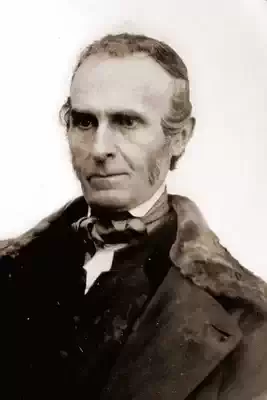
John Greenleaf Whittier
Voice Of New England
Voice Of New England
UP the hillside, down the glen,
Rouse the sleeping citizen;
Summon out the might of men!
Like a lion growling low,
Like a night-storm rising slow,
Like the tread of unseen foe;
It is coming, it is nigh!
Stand your homes and altars by;
On your own free thresholds die.
Clang the bells in all your spires;
On the gray hills of your sires
Fling to heaven your signal-fires.
From Wachuset, lone and bleak,
Unto Berkshire's tallest peak,
Let the flame-tougued heralds speak.
Oh, for God and duty stand,
Heart to heart and hand to hand,
Round the old graves of the land.
Whoso shrinks or falters now,
Whoso to the yoke would bow,
Brand the craven on his brow!
Freedom's soil hath only place
For a free and fearless race,
None for traitors false and base.
Perish party, perish clan;
Strike together while ye can,
Like the arm of one strong man.
Like that angel's voice sublime,
Heard above a world of crime,
Crying of the end of time;
With one heart and with one mouth,
Let the North unto the South
Speak the word befitting both:
'What though Issachar be strong!
Ye may load his back with wrong
Overmuch and over long:
'Patience with her cup o'errun,
With her weary thread outspun,
Murmurs that her work is done.
'Make our Union-bond a chain,
Weak as tow in Freedom's strain
Link by link shall snap in twain.
'Vainly shall your sand-wrought rope
Bind the starry cluster up,
Shattered over heaven's blue cope!
'Give us bright though broken rays,
Rather than eternal haze,
Clouding o'er the full-orbed blaze.
'Take your land of sun and bloom;
Only leave to Freedom room
For her plough, and forge, and loom;
'Take your slavery-blackened vales;
Leave us but our own free gales,
Blowing on our thousand sails.
'Boldly, or with treacherous art,
Strike the blood-wrought chain apart;
Break the Union's mighty heart;
'Work the ruin, if ye will;
Pluck upon your heads an ill
Which shall grow and deepen still.
'With your bondman's right arm bare,
With his heart of black despair,
Stand alone, if stand ye dare!
'Onward with your fell design;
Dig the gulf and draw the line:
Fire beneath your feet the mine:
'Deeply, when the wide abyss
Yawns between your land and this,
Shall ye feel your helplessness.
'By the hearth, and in the bed,
Shaken by a look or tread,
Ye shall own a guilty dread.
'And the curse of unpaid toil,
Downward through your generous soil
Like a fire shall burn and spoil.
'Our bleak hills shall bud and blow,
VInes our rocks shall overgrow,
Plenty in our valleys flow; —
'And when vengeance clouds your skies,
Hither shall ye turn your eyes,
As the lost on Paradise!
'We but ask our rocky strand,
Freedom's true and brother band,
Freedom's strong and honest hand;
'Valleys by the slave untrod,
And the Pilgrim's mountain sod,
Blessed of our fathers' God!'
UP the hillside, down the glen,
Rouse the sleeping citizen;
Summon out the might of men!
Like a lion growling low,
Like a night-storm rising slow,
Like the tread of unseen foe;
It is coming, it is nigh!
Stand your homes and altars by;
On your own free thresholds die.
Clang the bells in all your spires;
On the gray hills of your sires
Fling to heaven your signal-fires.
From Wachuset, lone and bleak,
Unto Berkshire's tallest peak,
Let the flame-tougued heralds speak.
Oh, for God and duty stand,
Heart to heart and hand to hand,
Round the old graves of the land.
Whoso shrinks or falters now,
Whoso to the yoke would bow,
Brand the craven on his brow!
Freedom's soil hath only place
For a free and fearless race,
None for traitors false and base.
Perish party, perish clan;
Strike together while ye can,
Like the arm of one strong man.
Like that angel's voice sublime,
Heard above a world of crime,
Crying of the end of time;
With one heart and with one mouth,
Let the North unto the South
Speak the word befitting both:
'What though Issachar be strong!
Ye may load his back with wrong
Overmuch and over long:
'Patience with her cup o'errun,
With her weary thread outspun,
Murmurs that her work is done.
'Make our Union-bond a chain,
Weak as tow in Freedom's strain
Link by link shall snap in twain.
'Vainly shall your sand-wrought rope
Bind the starry cluster up,
Shattered over heaven's blue cope!
'Give us bright though broken rays,
Rather than eternal haze,
Clouding o'er the full-orbed blaze.
'Take your land of sun and bloom;
Only leave to Freedom room
For her plough, and forge, and loom;
'Take your slavery-blackened vales;
Leave us but our own free gales,
Blowing on our thousand sails.
'Boldly, or with treacherous art,
Strike the blood-wrought chain apart;
Break the Union's mighty heart;
'Work the ruin, if ye will;
Pluck upon your heads an ill
Which shall grow and deepen still.
'With your bondman's right arm bare,
With his heart of black despair,
Stand alone, if stand ye dare!
'Onward with your fell design;
Dig the gulf and draw the line:
Fire beneath your feet the mine:
'Deeply, when the wide abyss
Yawns between your land and this,
Shall ye feel your helplessness.
'By the hearth, and in the bed,
Shaken by a look or tread,
Ye shall own a guilty dread.
'And the curse of unpaid toil,
Downward through your generous soil
Like a fire shall burn and spoil.
'Our bleak hills shall bud and blow,
VInes our rocks shall overgrow,
Plenty in our valleys flow; —
'And when vengeance clouds your skies,
Hither shall ye turn your eyes,
As the lost on Paradise!
'We but ask our rocky strand,
Freedom's true and brother band,
Freedom's strong and honest hand;
'Valleys by the slave untrod,
And the Pilgrim's mountain sod,
Blessed of our fathers' God!'
250
John Greenleaf Whittier
To The Reformers Of England
To The Reformers Of England
GOD bless ye, brothers! in the fight
Ye 're waging now, ye cannot fail,
For better is your sense of right
Than king-craft's triple mail.
Than tyrant's law, or bigot's ban,
More mighty is your simplest word;
The free heart of an honest man
Than crosier or the sword.
Go, let your blinded Church rehearse
The lesson it has learned so well;
It moves not with its prayer or curse
The gates of heaven or hell.
Let the State scaffold rise again;
Did Freedom die when Russell died?
Forget ye how the blood of Vane
From earth's green bosom cried?
The great hearts of your olden time
Are beating with you, full and strong;
All holy memories and sublime
And glorious round ye throng.
The bluff, bold men of Runnymede
Are with ye still in times like these;
The shades of England's mighty dead,
Your cloud of witnesses!
The truths ye urge are borne abroad
By every wind and every tide;
The voice of Nature and of God
Speaks out upon your side.
The weapons which your hands have found
Are those which Heaven itself has wrought,
Light, Truth, and Love; your battle-ground
The free, broad field of Thought.
No partial, selfish purpose breaks
The simple beauty of your plan,
Nor lie from throne or altar shakes
Your steady faith in man.
The languid pulse of England starts
And bounds beneath your words of power,
The beating of her million hearts
Is with you at this hour!
O ye who, with undoubting eyes,
Through present cloud and gathering storm,
Behold the span of Freedom's skies,
And sunshine soft and warm;
Press bravely onward! not in vain
Your generous trust in human-kind;
The good which bloodshed could not gain
Your peaceful zeal shall find.
Press on! the triumph shall be won
Of common rights and equal laws,
The glorious dream of Harrington,
And Sidney's good old cause.
Blessing the cotter and the crown,
Sweetening worn Labor's bitter cup;
And, plucking not the highest down,
Lifting the lowest up.
Press on! and we who may not share
The toil or glory of your fight
May ask, at least, in earnest prayer,
God's blessing on the right!
GOD bless ye, brothers! in the fight
Ye 're waging now, ye cannot fail,
For better is your sense of right
Than king-craft's triple mail.
Than tyrant's law, or bigot's ban,
More mighty is your simplest word;
The free heart of an honest man
Than crosier or the sword.
Go, let your blinded Church rehearse
The lesson it has learned so well;
It moves not with its prayer or curse
The gates of heaven or hell.
Let the State scaffold rise again;
Did Freedom die when Russell died?
Forget ye how the blood of Vane
From earth's green bosom cried?
The great hearts of your olden time
Are beating with you, full and strong;
All holy memories and sublime
And glorious round ye throng.
The bluff, bold men of Runnymede
Are with ye still in times like these;
The shades of England's mighty dead,
Your cloud of witnesses!
The truths ye urge are borne abroad
By every wind and every tide;
The voice of Nature and of God
Speaks out upon your side.
The weapons which your hands have found
Are those which Heaven itself has wrought,
Light, Truth, and Love; your battle-ground
The free, broad field of Thought.
No partial, selfish purpose breaks
The simple beauty of your plan,
Nor lie from throne or altar shakes
Your steady faith in man.
The languid pulse of England starts
And bounds beneath your words of power,
The beating of her million hearts
Is with you at this hour!
O ye who, with undoubting eyes,
Through present cloud and gathering storm,
Behold the span of Freedom's skies,
And sunshine soft and warm;
Press bravely onward! not in vain
Your generous trust in human-kind;
The good which bloodshed could not gain
Your peaceful zeal shall find.
Press on! the triumph shall be won
Of common rights and equal laws,
The glorious dream of Harrington,
And Sidney's good old cause.
Blessing the cotter and the crown,
Sweetening worn Labor's bitter cup;
And, plucking not the highest down,
Lifting the lowest up.
Press on! and we who may not share
The toil or glory of your fight
May ask, at least, in earnest prayer,
God's blessing on the right!
216
John Greenleaf Whittier
To Ronge
To Ronge
Strike home, strong-hearted man! Down to the root
Of old oppression sink the Saxon steel.
Thy work is to hew down. In God's name then
Put nerve into thy task. Let other men
Plant, as they may, that better tree whose fruit
The wounded bosom of the Church shall heal.
Be thou the image-breaker. Let thy blows
Fall heavy as the Suabian's iron hand,
On crown or crosier, which shall interpose
Between thee and the weal of Fatherland.
Leave creeds to closet idlers. First of all,
Shake thou all German dream-land with the fall
Of that accursed tree, whose evil trunk
Was spared of old by Erfurt's stalwart monk.
Fight not with ghosts and shadows. Let us hear
The snap of chain-links. Let our gladdened ear
Catch the pale prisoner's welcome, as the light
Follows thy axe-stroke, through his cell of night.
Be faithful to both worlds; nor think to feed
Earth's starving millions with the husks of creed.
Servant of Him whose mission high and holy
Was to the wronged, the sorrowing, and the lowly,
Thrust not his Eden promise from our sphere,
Distant and dim beyond the blue sky's span;
Like him of Patmos, see it, now and here,
The New Jerusalem comes down to man
Be warned by Luther's error. Nor like him,
When the roused Teuton dashes from his limb
The rusted chain of ages, help to bind
His hands for whom thou claim'st the freedom of
the mind
Strike home, strong-hearted man! Down to the root
Of old oppression sink the Saxon steel.
Thy work is to hew down. In God's name then
Put nerve into thy task. Let other men
Plant, as they may, that better tree whose fruit
The wounded bosom of the Church shall heal.
Be thou the image-breaker. Let thy blows
Fall heavy as the Suabian's iron hand,
On crown or crosier, which shall interpose
Between thee and the weal of Fatherland.
Leave creeds to closet idlers. First of all,
Shake thou all German dream-land with the fall
Of that accursed tree, whose evil trunk
Was spared of old by Erfurt's stalwart monk.
Fight not with ghosts and shadows. Let us hear
The snap of chain-links. Let our gladdened ear
Catch the pale prisoner's welcome, as the light
Follows thy axe-stroke, through his cell of night.
Be faithful to both worlds; nor think to feed
Earth's starving millions with the husks of creed.
Servant of Him whose mission high and holy
Was to the wronged, the sorrowing, and the lowly,
Thrust not his Eden promise from our sphere,
Distant and dim beyond the blue sky's span;
Like him of Patmos, see it, now and here,
The New Jerusalem comes down to man
Be warned by Luther's error. Nor like him,
When the roused Teuton dashes from his limb
The rusted chain of ages, help to bind
His hands for whom thou claim'st the freedom of
the mind
299
John Greenleaf Whittier
To The Memory Of Charles B. Storrs
To The Memory Of Charles B. Storrs
Thou hast fallen in thine armor,
Thou martyr of the Lord
With thy last breath crying 'Onward!'
And thy hand upon the sword.
The haughty heart derideth,
And the sinful lip reviles,
But the blessing of the perishing
Around thy pillow smiles!
When to our cup of trembling
The added drop is given,
And the long-suspended thunder
Falls terribly from Heaven,-When
a new and fearful freedom
Is proffered of the Lord
To the slow-consuming Famine,
The Pestilence and Sword!
When the refuges of Falsehood
Shall be swept away in wrath,
And the temple shall be shaken,
With its idol, to the earth,
Shall not thy words of warning
Be all remembered then?
And thy now unheeded message
Burn in the hearts of men?
Oppression's hand may scatter
Its nettles on thy tomb,
And even Christian bosoms
Deny thy memory room;
For lying lips shall torture
Thy mercy into crime,
And the slanderer shall flourish
As the bay-tree for a time.
But where the south-wind lingers
On Carolina's pines,
Or falls the careless sunbeam
Down Georgia's golden mines;
Where now beneath his burthen
The toiling slave is driven;
Where now a tyrant's mockery
Is offered unto Heaven;
Where Mammon hath its altars
Wet o'er with human blood,
And pride and lust debases
The workmanship of God,-There
shall thy praise be spoken,
Redeemed from Falsehood's ban,
When the fetters shall be broken,
And the slave shall be a man!
Joy to thy spirit, brother!
A thousand hearts are warm,
A thousand kindred bosoms
Are baring to the storm.
What though red-handed Violence
With secret Fraud combine?
The wall of fire is round us,
Our Present Help was thine.
Lo, the waking up of nations,
From Slavery's fatal sleep;
The murmur of a Universe,
Deep calling unto Deep!
Joy to thy spirit, brother!
On every wind of heaven
The onward cheer and summons
Of Freedom's voice is given!
Glory to God forever!
Beyond the despot's will
The soul of Freedom liveth
Imperishable still.
The words which thou hast uttered
Are of that soul a part,
And the good seed thou hast scattered
Is springing from the heart.
In the evil days before us,
And the trials yet to come,
In the shadow of the prison,
Or the cruel martyrdom,-We
will think of thee, O brother!
And thy sainted name shall be
In the blessing of the captive,
And the anthem of the free.
Thou hast fallen in thine armor,
Thou martyr of the Lord
With thy last breath crying 'Onward!'
And thy hand upon the sword.
The haughty heart derideth,
And the sinful lip reviles,
But the blessing of the perishing
Around thy pillow smiles!
When to our cup of trembling
The added drop is given,
And the long-suspended thunder
Falls terribly from Heaven,-When
a new and fearful freedom
Is proffered of the Lord
To the slow-consuming Famine,
The Pestilence and Sword!
When the refuges of Falsehood
Shall be swept away in wrath,
And the temple shall be shaken,
With its idol, to the earth,
Shall not thy words of warning
Be all remembered then?
And thy now unheeded message
Burn in the hearts of men?
Oppression's hand may scatter
Its nettles on thy tomb,
And even Christian bosoms
Deny thy memory room;
For lying lips shall torture
Thy mercy into crime,
And the slanderer shall flourish
As the bay-tree for a time.
But where the south-wind lingers
On Carolina's pines,
Or falls the careless sunbeam
Down Georgia's golden mines;
Where now beneath his burthen
The toiling slave is driven;
Where now a tyrant's mockery
Is offered unto Heaven;
Where Mammon hath its altars
Wet o'er with human blood,
And pride and lust debases
The workmanship of God,-There
shall thy praise be spoken,
Redeemed from Falsehood's ban,
When the fetters shall be broken,
And the slave shall be a man!
Joy to thy spirit, brother!
A thousand hearts are warm,
A thousand kindred bosoms
Are baring to the storm.
What though red-handed Violence
With secret Fraud combine?
The wall of fire is round us,
Our Present Help was thine.
Lo, the waking up of nations,
From Slavery's fatal sleep;
The murmur of a Universe,
Deep calling unto Deep!
Joy to thy spirit, brother!
On every wind of heaven
The onward cheer and summons
Of Freedom's voice is given!
Glory to God forever!
Beyond the despot's will
The soul of Freedom liveth
Imperishable still.
The words which thou hast uttered
Are of that soul a part,
And the good seed thou hast scattered
Is springing from the heart.
In the evil days before us,
And the trials yet to come,
In the shadow of the prison,
Or the cruel martyrdom,-We
will think of thee, O brother!
And thy sainted name shall be
In the blessing of the captive,
And the anthem of the free.
277
John Greenleaf Whittier
To Pennsylvania
To Pennsylvania
O STATE prayer-founded! never hung
Such choice upon a people's tongue,
Such power to bless or ban,
As that which makes thy whisper Fate,
For which on thee the centuries wait,
And destinies of man!
Across thy Alleghanian chain,
With groanings from a land in pain,
The west-wind finds its way:
Wild-wailing from Missouri's flood
The crying of thy children's blood
Is in thy ears to-day!
And unto thee in Freedom's hour
Of sorest need God gives the power
To ruin or to save;
To wound or heal, to blight or bless
With fertile field or wilderness,
A free home or a grave!
Then let thy virtue match the crime,
Rise to a level with the time;
And, if a son of thine
Betray or tempt thee, Brutus-like
For Fatherland and Freedom strike
As Justice gives the sign.
Wake, sleeper, from thy dream of ease,
The great occasion's forelock seize;
And let the north-wind strong,
And golden leaves of autumn, be
Thy coronal of Victory
And thy triumphal song.
O STATE prayer-founded! never hung
Such choice upon a people's tongue,
Such power to bless or ban,
As that which makes thy whisper Fate,
For which on thee the centuries wait,
And destinies of man!
Across thy Alleghanian chain,
With groanings from a land in pain,
The west-wind finds its way:
Wild-wailing from Missouri's flood
The crying of thy children's blood
Is in thy ears to-day!
And unto thee in Freedom's hour
Of sorest need God gives the power
To ruin or to save;
To wound or heal, to blight or bless
With fertile field or wilderness,
A free home or a grave!
Then let thy virtue match the crime,
Rise to a level with the time;
And, if a son of thine
Betray or tempt thee, Brutus-like
For Fatherland and Freedom strike
As Justice gives the sign.
Wake, sleeper, from thy dream of ease,
The great occasion's forelock seize;
And let the north-wind strong,
And golden leaves of autumn, be
Thy coronal of Victory
And thy triumphal song.
277
John Greenleaf Whittier
Theirs
Theirs
I.
Fate summoned, in gray-bearded age, to act
A history stranger than his written fact,
Him who portrayed the splendor and the gloom
Of that great hour when throne and altar fell
With long death-groan which still is audible.
He, when around the walls of Paris rung
The Prussian bugle like the blast of doom,
And every ill which follows unblest war
Maddened all France from Finistere to Var,
The weight of fourscore from his shoulders flung,
And guided Freedom in the path he saw
Lead out of chaos into light and law,
Peace, not imperial, but republican,
And order pledged to all the Rights of Man.
II.
Death called him from a need as imminent
As that from which the Silent William went
When powers of evil, like the smiting seas
On Holland's dikes, assailed her liberties.
Sadly, while yet in doubtful balance hung
The weal and woe of France, the bells were rung
For her lost leader. Paralyzed of will,
Above his bier the hearts of men stood still.
Then, as if set to his dead lips, the horn
Of Roland wound once more to rouse and warn,
The old voice filled the air! His last brave word
Not vainly France to all her boundaries stirred.
Strong as in life, he still for Freedom wrought,
As the dead Cid at red Toloso fought.
I.
Fate summoned, in gray-bearded age, to act
A history stranger than his written fact,
Him who portrayed the splendor and the gloom
Of that great hour when throne and altar fell
With long death-groan which still is audible.
He, when around the walls of Paris rung
The Prussian bugle like the blast of doom,
And every ill which follows unblest war
Maddened all France from Finistere to Var,
The weight of fourscore from his shoulders flung,
And guided Freedom in the path he saw
Lead out of chaos into light and law,
Peace, not imperial, but republican,
And order pledged to all the Rights of Man.
II.
Death called him from a need as imminent
As that from which the Silent William went
When powers of evil, like the smiting seas
On Holland's dikes, assailed her liberties.
Sadly, while yet in doubtful balance hung
The weal and woe of France, the bells were rung
For her lost leader. Paralyzed of will,
Above his bier the hearts of men stood still.
Then, as if set to his dead lips, the horn
Of Roland wound once more to rouse and warn,
The old voice filled the air! His last brave word
Not vainly France to all her boundaries stirred.
Strong as in life, he still for Freedom wrought,
As the dead Cid at red Toloso fought.
213
John Greenleaf Whittier
The World’s Convention Of The Friends Of Emancipation, Held In London In
The World’s Convention Of The Friends Of Emancipation, Held In London In
1840
YES, let them gather! Summon forth
The pledged philanthropy of Earth.
From every land, whose hills have heard
The bugle blast of Freedom waking;
Or shrieking of her symbol-bird
From out his cloudy eyrie breaking:
Where Justice hath one worshipper,
Or truth one altar built to her;
Where'er a human eye is weeping
O'er wrongs which Earth's sad children know;
Where'er a single heart is keeping
Its prayerful watch with human woe:
Thence let them come, and greet each other,
And know in each a friend and brother!
Yes, let them come! from each green vale
Where England's old baronial halls
Still bear upon their storied walls
The grim crusader's rusted mail,
Battered by Paynim spear and brand
On Malta's rock or Syria's sand.!
And mouldering pennon-staves once set
Within the soil of Palestine,
By Jordan and Gennesaret;
Or, borne with England's battle line,
O'er Acre's shattered turrets stooping,
Or, midst the camp their banners drooping,
With dews from hallowed Hermon wet,
A holier summons now is given
Than that gray herinit's voice of old,
Which unto all the winds of heaven
The banners of the Cross unrolled!
Not for the long-deserted shrine;
Not for the dull unconscious sod,
Which tells not by one lingering sign
That there the hope of Israel trod;
But for that truth, for which alone
In pilgrim eyes are sanctified
The garden moss, the mountain stone,
Whereon His holy sandals pressed, —
The fountain which His lip hath blessed, —
Whate'er hath touched His garment's hem
At Bethany or Bethlehem,
Or Jordan's river-side.
For Freedom in the name of Him
Who came to raise Earth's drooping poor,
To break the chain from every limb,
The bolt from every prison door!
For these, o'er all the earth hath passed
An ever-deepening trumpet blast,
As if an angel's breath had lent
Its vigor to the instrument.
And Wales, from Snowrich's mountain wall,
Shall startle at that thrilling call,
As if she heard her bards again;
And Erin's 'harp on Tara's wall'
Give out its ancient strain,
Mirthful and sweet, yet sad withal, —
The melody which Erin loves,
When o'er that harp, 'mid bursts of gladness
And slogan cries and lyke-wake sadness,
The hand of her O'Connell moves!
Scotland, from lake and tarn and rill,
And mountain hold, and heathery hill,
Shall catch and echo back the note,
As if she heard upon the air
Once more her Cameronian's prayer.
And song of Freedom float.
And cheering echoes shall reply
From each remote dependency,
Where Britain's mighty sway is known,
In tropic sea or frozen zone;
Where'er her sunset flag is furling,
Or morning gun-fire's smoke is curling;
From Indian Bengal's groves of palm
And rosy fields and gales of balm,
Where Eastern pomp and power are rolled
Through regal Ava's gates of gold;
And from the lakes and ancient woods
And dim Canadian solitudes,
Whence, sternly from her rocky throne,
Queen of the North, Quebec looks down;
And from those bright and ransomed Isles
Where all unwonted Freedom smiles,
And the dark laborer still retains
The scar of slavery's broken chains!
From the hoar Alps, which sentinel
The gateways of the land of Tell,
Where morning's keen and earliest glance
On Jura's rocky wall is thrown,
And from the olive bowers of France
And vine groves garlanding the Rhone, —
'Friends of the Blacks,' as true and tried
As those who stood by Oge's side,
And heard the Haytien's tale of wrong,
Shall gather at that summons strong;
Broglie, Passy, and he whose song
Breathed over Syria's holy sod,
And in the paths which Jesus trod,
And murmured midst the hills which hem
Crownless and sad Jerusalem,
Hath echoes whereso'er the tone
Of Israel's prophey-lyre is known.
Still let them come; from Quito's walls,
And from the Orinoco's tide,
From Lima's Inca-haunted halls,
From Santa Fe and Yucatan, —
Men who by swart Guerrero's side
Proclaimed the deathless rights of man,
Broke every bond and fetter off,
And hailed in every sable serf
A free and brother Mexican!
Chiefs who across the Andes' chain
Have followed Freedom's flowing pennon,
And seen on Junin's fearful plain,
Glare o'er the broken ranks of Spain
The fire-burst of Bolivar's cannon!
And Hayti, from her mountain land,
Shall send the sons of those who hurled
Defiance from her blazing strand,
The war-gage from her Petition's hand,
Alone against a hostile world.
Nor all unmindful, thou, the while,
Land of the dark and mystic Nile!
Thy Moslem mercy yet may shame
All tyrants of a Christian name,
When in the shade of Gizeh's pile,
Or, where, from Abyssinian hills
El Gerek's upper fountain fills,
Or where from Mountains of the Moon
El Abiad bears his watery boon,
Where'er thy lotus blossoms swim
Within their ancient hallowed waters;
Where'er is heard the Coptic hymn,
Or song of Nubia's sable daughters;
The curse of slavery and the crime,
Thy bequest from remotest time,
At thy dark Mehemet's decree
Forevermore shall pass from thee;
And chains forsake each captive's limb
Of all those tribes, whose hills around
Have echoed back the cymbal sound
And victor horn of Ibrahim.
And thou whose glory and whose crime
To earth's remotest bound and clime,
In mingled tones of awe and scorn,
The echoes of a world have borne,
My country! glorious at thy birth,
A day-star flashing brightly forth,
The herald-sign of Freedom's dawn!
Oh, who could dream that saw thee then,
And watched thy rising from afar,
That vapors from oppression's fen
Would cloud the upward tending star?
Or, that earth's tyrant powers, which heard,
Awe-struck, the shout which hailed thy dawning,
Would rise so soon, prince, peer, and king,
To mock thee with their welcoming,
Like Hades when her thrones were stirred
To greet the down-east Star of Morning!
'Aha! and art thou fallen thus?
Art thou become as one of us?'
Land of my fathers! there will stand,
Amidst that world-assembled band,
Those owning thy maternal claim
Unweakened by thy crime and shame;
The sad reprovers of thy wrong;
The children thou hast spurned so long.
Still with affection's fondest yearning
To their unnatural mother turning.
No traitors they! but tried and leal,
Whose own is but thy general weal,
Still blending with the patriot's zeal
The Christian's love for human kind,
To caste and climate unconfined.
A holy gathering! peaceful all:
No threat of war, no savage call
For vengeance on an erring brother!
But in their stead the godlike plan
To teach the brotherhood of man
To love and reverence one another,
As sharers of a common blood,
The children of a common God!
Yet, even at its lightest word,
Shall Slavery's darkest depths be stirred:
Spain, watching from her Moro's keep
Her slave-ships traversing the deep,
And Rio, in her strength and pride,
Lifting, along her mountain-side,
Her snowy battlements and towers,
Her lemon-groves and tropic bowers,
With bitter hate and sullen fear
Its freedom-giving voice shall hear;
And where my country's flag is flowing,
On breezes from Mount Vernon blowing,
Above the Nation's council halls,
Where Freedom's praise is loud and long,
While close beneath the outward walls
The driver plies his reeking thong;
The hammer of the man-thief falls,
O'er hypocritic cheek and brow
The crimson flush of shame shall glow
And all who for their native land
Are pledging life and heart and hand,
Worn watchers o'er her changing weal,
Who for her tarnished honor feel,
Through cottage door and council-hall
Shall thunder an awakening call.
The pen along its page shall burn
With all intolerable scorn;
An eloquent rebuke shall go
On all the winds that Southward blow;
From priestly lips, now sealed and dumb,
Warning and dread appeal shall come,
Like those which Israel heard from him,
The Prophet of the Cherubim;
Or those which sad Esaias hurled
Against a sin-accursed world!
Its wizard leaves the Press shall fling
Unceasing from its iron wing,
With characters inscribed thereon,
As fearful in the despot's hall
As to the pomp of Babylon
The fire-sign on the palace wall!
And, from her dark iniquities,
Methinks I see my country rise:
Not challenging the nations round
To note her tardy justice done;
Her captives from their chains unbound,
Her prisons opening to the sun:
But tearfully her arms extending
Over the poor and unoffending;
Her regal emblem now no longer
A bird of prey with talons reeking,
Above the dying captive shrieking,
But, spreading out her ample wing,
A broad, impartial covering,
The weaker sheltered by the stronger!
Oh, then to Faith's anointed eyes
The promised token shall be given;
And on a nation's sacrifice,
Atoning for the sin of years,
And wet with penitential tears,
The fire shall fall from Heaven!
1840
YES, let them gather! Summon forth
The pledged philanthropy of Earth.
From every land, whose hills have heard
The bugle blast of Freedom waking;
Or shrieking of her symbol-bird
From out his cloudy eyrie breaking:
Where Justice hath one worshipper,
Or truth one altar built to her;
Where'er a human eye is weeping
O'er wrongs which Earth's sad children know;
Where'er a single heart is keeping
Its prayerful watch with human woe:
Thence let them come, and greet each other,
And know in each a friend and brother!
Yes, let them come! from each green vale
Where England's old baronial halls
Still bear upon their storied walls
The grim crusader's rusted mail,
Battered by Paynim spear and brand
On Malta's rock or Syria's sand.!
And mouldering pennon-staves once set
Within the soil of Palestine,
By Jordan and Gennesaret;
Or, borne with England's battle line,
O'er Acre's shattered turrets stooping,
Or, midst the camp their banners drooping,
With dews from hallowed Hermon wet,
A holier summons now is given
Than that gray herinit's voice of old,
Which unto all the winds of heaven
The banners of the Cross unrolled!
Not for the long-deserted shrine;
Not for the dull unconscious sod,
Which tells not by one lingering sign
That there the hope of Israel trod;
But for that truth, for which alone
In pilgrim eyes are sanctified
The garden moss, the mountain stone,
Whereon His holy sandals pressed, —
The fountain which His lip hath blessed, —
Whate'er hath touched His garment's hem
At Bethany or Bethlehem,
Or Jordan's river-side.
For Freedom in the name of Him
Who came to raise Earth's drooping poor,
To break the chain from every limb,
The bolt from every prison door!
For these, o'er all the earth hath passed
An ever-deepening trumpet blast,
As if an angel's breath had lent
Its vigor to the instrument.
And Wales, from Snowrich's mountain wall,
Shall startle at that thrilling call,
As if she heard her bards again;
And Erin's 'harp on Tara's wall'
Give out its ancient strain,
Mirthful and sweet, yet sad withal, —
The melody which Erin loves,
When o'er that harp, 'mid bursts of gladness
And slogan cries and lyke-wake sadness,
The hand of her O'Connell moves!
Scotland, from lake and tarn and rill,
And mountain hold, and heathery hill,
Shall catch and echo back the note,
As if she heard upon the air
Once more her Cameronian's prayer.
And song of Freedom float.
And cheering echoes shall reply
From each remote dependency,
Where Britain's mighty sway is known,
In tropic sea or frozen zone;
Where'er her sunset flag is furling,
Or morning gun-fire's smoke is curling;
From Indian Bengal's groves of palm
And rosy fields and gales of balm,
Where Eastern pomp and power are rolled
Through regal Ava's gates of gold;
And from the lakes and ancient woods
And dim Canadian solitudes,
Whence, sternly from her rocky throne,
Queen of the North, Quebec looks down;
And from those bright and ransomed Isles
Where all unwonted Freedom smiles,
And the dark laborer still retains
The scar of slavery's broken chains!
From the hoar Alps, which sentinel
The gateways of the land of Tell,
Where morning's keen and earliest glance
On Jura's rocky wall is thrown,
And from the olive bowers of France
And vine groves garlanding the Rhone, —
'Friends of the Blacks,' as true and tried
As those who stood by Oge's side,
And heard the Haytien's tale of wrong,
Shall gather at that summons strong;
Broglie, Passy, and he whose song
Breathed over Syria's holy sod,
And in the paths which Jesus trod,
And murmured midst the hills which hem
Crownless and sad Jerusalem,
Hath echoes whereso'er the tone
Of Israel's prophey-lyre is known.
Still let them come; from Quito's walls,
And from the Orinoco's tide,
From Lima's Inca-haunted halls,
From Santa Fe and Yucatan, —
Men who by swart Guerrero's side
Proclaimed the deathless rights of man,
Broke every bond and fetter off,
And hailed in every sable serf
A free and brother Mexican!
Chiefs who across the Andes' chain
Have followed Freedom's flowing pennon,
And seen on Junin's fearful plain,
Glare o'er the broken ranks of Spain
The fire-burst of Bolivar's cannon!
And Hayti, from her mountain land,
Shall send the sons of those who hurled
Defiance from her blazing strand,
The war-gage from her Petition's hand,
Alone against a hostile world.
Nor all unmindful, thou, the while,
Land of the dark and mystic Nile!
Thy Moslem mercy yet may shame
All tyrants of a Christian name,
When in the shade of Gizeh's pile,
Or, where, from Abyssinian hills
El Gerek's upper fountain fills,
Or where from Mountains of the Moon
El Abiad bears his watery boon,
Where'er thy lotus blossoms swim
Within their ancient hallowed waters;
Where'er is heard the Coptic hymn,
Or song of Nubia's sable daughters;
The curse of slavery and the crime,
Thy bequest from remotest time,
At thy dark Mehemet's decree
Forevermore shall pass from thee;
And chains forsake each captive's limb
Of all those tribes, whose hills around
Have echoed back the cymbal sound
And victor horn of Ibrahim.
And thou whose glory and whose crime
To earth's remotest bound and clime,
In mingled tones of awe and scorn,
The echoes of a world have borne,
My country! glorious at thy birth,
A day-star flashing brightly forth,
The herald-sign of Freedom's dawn!
Oh, who could dream that saw thee then,
And watched thy rising from afar,
That vapors from oppression's fen
Would cloud the upward tending star?
Or, that earth's tyrant powers, which heard,
Awe-struck, the shout which hailed thy dawning,
Would rise so soon, prince, peer, and king,
To mock thee with their welcoming,
Like Hades when her thrones were stirred
To greet the down-east Star of Morning!
'Aha! and art thou fallen thus?
Art thou become as one of us?'
Land of my fathers! there will stand,
Amidst that world-assembled band,
Those owning thy maternal claim
Unweakened by thy crime and shame;
The sad reprovers of thy wrong;
The children thou hast spurned so long.
Still with affection's fondest yearning
To their unnatural mother turning.
No traitors they! but tried and leal,
Whose own is but thy general weal,
Still blending with the patriot's zeal
The Christian's love for human kind,
To caste and climate unconfined.
A holy gathering! peaceful all:
No threat of war, no savage call
For vengeance on an erring brother!
But in their stead the godlike plan
To teach the brotherhood of man
To love and reverence one another,
As sharers of a common blood,
The children of a common God!
Yet, even at its lightest word,
Shall Slavery's darkest depths be stirred:
Spain, watching from her Moro's keep
Her slave-ships traversing the deep,
And Rio, in her strength and pride,
Lifting, along her mountain-side,
Her snowy battlements and towers,
Her lemon-groves and tropic bowers,
With bitter hate and sullen fear
Its freedom-giving voice shall hear;
And where my country's flag is flowing,
On breezes from Mount Vernon blowing,
Above the Nation's council halls,
Where Freedom's praise is loud and long,
While close beneath the outward walls
The driver plies his reeking thong;
The hammer of the man-thief falls,
O'er hypocritic cheek and brow
The crimson flush of shame shall glow
And all who for their native land
Are pledging life and heart and hand,
Worn watchers o'er her changing weal,
Who for her tarnished honor feel,
Through cottage door and council-hall
Shall thunder an awakening call.
The pen along its page shall burn
With all intolerable scorn;
An eloquent rebuke shall go
On all the winds that Southward blow;
From priestly lips, now sealed and dumb,
Warning and dread appeal shall come,
Like those which Israel heard from him,
The Prophet of the Cherubim;
Or those which sad Esaias hurled
Against a sin-accursed world!
Its wizard leaves the Press shall fling
Unceasing from its iron wing,
With characters inscribed thereon,
As fearful in the despot's hall
As to the pomp of Babylon
The fire-sign on the palace wall!
And, from her dark iniquities,
Methinks I see my country rise:
Not challenging the nations round
To note her tardy justice done;
Her captives from their chains unbound,
Her prisons opening to the sun:
But tearfully her arms extending
Over the poor and unoffending;
Her regal emblem now no longer
A bird of prey with talons reeking,
Above the dying captive shrieking,
But, spreading out her ample wing,
A broad, impartial covering,
The weaker sheltered by the stronger!
Oh, then to Faith's anointed eyes
The promised token shall be given;
And on a nation's sacrifice,
Atoning for the sin of years,
And wet with penitential tears,
The fire shall fall from Heaven!
190
John Greenleaf Whittier
The Watchers
The Watchers
BESIDE a stricken field I stood;
On the torn turf, on grass and wood,
Hung heavily the dew of blood.
Still in their fresh mounds lay the slain,
But all the air was quick with pain
And gusty sighs and tearful rain.
Two angels, each with drooping head
And folded wings and noiseless tread,
Watched by that valley of the dead.
The one, with forehead saintly bland
And lips of blessing, not command,
Leaned, weeping, on her olive wand.
The other's brows were scarred and knit,
His restless eyes were watch-fires lit,
His hands for battle-gauntlets fit.
'How long!' — I knew the voice of Peace, —
'Is there no respite? no release?
When shall the hopeless quarrel cease?
'O Lord, how long! One human soul
Is more than any parchment scroll,
Or any flag thy winds unroll.
'What price was Ellsworth's, young and brave?
How weigh the gift that Lyon gave,
Or count the cost of Winthrop's grave?
'O brother! if thine eye can see,
Tell how and when the end shall be,
What hope remains for thee and me.'
Then Freedom sternly said: 'I shun
No strife nor pang beneath the sun,
When human rights are staked and won.
'I knelt with Ziska's hunted flock,
I watched in Toussaint's cell of rock,
I walked with Sidney to the block.
'The moor of Marston felt my tread,
Through Jersey snows the march I led,
My voice Magenta's charges sped.
'But now, through weary day and night,
I watch a vague and aimless fight
For leave to strike one blow aright.
'On either side my foe they own:
One guards through love his ghastly throne,
And one through fear to reverence grown.
'Why wait we longer, mocked, betrayed,
By open foes, or those afraid
To speed thy coming through my aid?
'Why watch to see who win or fall?
I shake the dust against them all,
I leave them to their senseless brawl.'
'Nay,' Peace implored: 'yet longer wait;
The doom is near, the stake is great:
God knoweth if it be too late.
'Still wait and watch; the way prepare
Where I with folded wings of prayer
May follow, weaponless and bare.'
'Too late!' the stern, sad voice replied,
'Too late!' its mournful echo sighed,
In low lament the answer died.
A rustling as of wings in flight,
An upward gleam of lessening white,
So passed the vision, sound and sight.
But round me, like a silver bell
Rung down the listening sky to tell
Of holy help, a sweet voice fell.
'Still hope and trust,' it sang; 'the rod
Must fall, the wine-press must be trod,
But all is possible with God!'
BESIDE a stricken field I stood;
On the torn turf, on grass and wood,
Hung heavily the dew of blood.
Still in their fresh mounds lay the slain,
But all the air was quick with pain
And gusty sighs and tearful rain.
Two angels, each with drooping head
And folded wings and noiseless tread,
Watched by that valley of the dead.
The one, with forehead saintly bland
And lips of blessing, not command,
Leaned, weeping, on her olive wand.
The other's brows were scarred and knit,
His restless eyes were watch-fires lit,
His hands for battle-gauntlets fit.
'How long!' — I knew the voice of Peace, —
'Is there no respite? no release?
When shall the hopeless quarrel cease?
'O Lord, how long! One human soul
Is more than any parchment scroll,
Or any flag thy winds unroll.
'What price was Ellsworth's, young and brave?
How weigh the gift that Lyon gave,
Or count the cost of Winthrop's grave?
'O brother! if thine eye can see,
Tell how and when the end shall be,
What hope remains for thee and me.'
Then Freedom sternly said: 'I shun
No strife nor pang beneath the sun,
When human rights are staked and won.
'I knelt with Ziska's hunted flock,
I watched in Toussaint's cell of rock,
I walked with Sidney to the block.
'The moor of Marston felt my tread,
Through Jersey snows the march I led,
My voice Magenta's charges sped.
'But now, through weary day and night,
I watch a vague and aimless fight
For leave to strike one blow aright.
'On either side my foe they own:
One guards through love his ghastly throne,
And one through fear to reverence grown.
'Why wait we longer, mocked, betrayed,
By open foes, or those afraid
To speed thy coming through my aid?
'Why watch to see who win or fall?
I shake the dust against them all,
I leave them to their senseless brawl.'
'Nay,' Peace implored: 'yet longer wait;
The doom is near, the stake is great:
God knoweth if it be too late.
'Still wait and watch; the way prepare
Where I with folded wings of prayer
May follow, weaponless and bare.'
'Too late!' the stern, sad voice replied,
'Too late!' its mournful echo sighed,
In low lament the answer died.
A rustling as of wings in flight,
An upward gleam of lessening white,
So passed the vision, sound and sight.
But round me, like a silver bell
Rung down the listening sky to tell
Of holy help, a sweet voice fell.
'Still hope and trust,' it sang; 'the rod
Must fall, the wine-press must be trod,
But all is possible with God!'
199
John Greenleaf Whittier
The Shoemakers
The Shoemakers
Ho! workers of the old time styled
The Gentle Craft of Leather!
Young brothers of the ancient guild,
Stand forth once more together!
Call out again your long array,
In the olden merry manner!
Once more, on gay St. Crispin's day,
Fling out your blazoned banner!
Rap, rap! upon the well-worn stone
How falls the polished hammer!
Rap, rap! the measured sound has grown
A quick and merry clamor.
Now shape the sole! now deftly curl
The glossy vamp around it,
And bless the while the bright-eyed girl
Whose gentle fingers bound it!
For you, along the Spanish main
A hundred keels are ploughing;
For you, the Indian on the plain
His lasso-coil is throwing;
For you, deep glens with hemlock dark
The woodman's fire is lighting;
For you, upon the oak's gray bark,
The woodman's axe is smiting.
For you, from Carolina's pine
The rosin-gum is stealing;
For you, the dark-eyed Florentine
Her silken skein is reeling;
For you, the dizzy goatherd roams
His rugged Alpine ledges;
For you, round all her shepherd homes,
Bloom England's thorny hedges.
The foremost still, by day or night,
On moated mound or heather,
Whete'er the need of trampled right
Brought toiling men together;
Where the free burghers from the wall
Defied the mail-clad master,
Than yours, at Freedom's trumpet-call,
No craftsmen rallied faster.
Let foplings sneer, let fools deride,
Ye heed no idle scorner;
Free hands and hearts are still your pride,
And duty done, your honor.
Ye dare to trust, for honest fame,
The jury Time empanels,
And leave to truth each noble name
Which glorifies your annals.
Thy songs, Han Sachs, are living yet,
In strong and hearty German;
And Bloomfield's lay, and Gifford's wit,
And patriot fame of Sherman;
Still from his book, a mystic seer,
The soul of Behmen teaches,
And England's priestcraft shakes to hear
Of Fox's leathern breeches.
The foot is yours; where'er it falls,
It treads your well-wrought leather,
On earthen floor, in marble halls,
On carpet, or on heather.
Still there the sweetest charm is found
Of matron grace or vestal's,
As Hebe's foot bore nectar round
Among the old celestials!
Rap, rap! — your stout and bluff brogan,
With footsteps slow and weary,
May wander where the sky's blue span
Shuts down upon the prairie.
On Beauty's foot your slippers glance,
By Saratoga's fountains,
Or twinkle down the summer dance
Beneath the Crystal Mountains!
The red brick to the mason's hand,
The brown earth to the tiller's,
The shoe in yours shall wealth command,
Like fairy Cinderella's!
As they who shunned the household maid
Beheld the crown upon her,
So all shall see your toil repaid
With hearth and home and honor.
Then let the toast be freely quaffed,
In water cool and brimming,
'All honor to the good old Craft,
Its merry men and women!'
Call out again your long array,
In the old time's pleasant manner:
Once more, on gay St. Crispin's day,
Fling out his blazoned banner!
Ho! workers of the old time styled
The Gentle Craft of Leather!
Young brothers of the ancient guild,
Stand forth once more together!
Call out again your long array,
In the olden merry manner!
Once more, on gay St. Crispin's day,
Fling out your blazoned banner!
Rap, rap! upon the well-worn stone
How falls the polished hammer!
Rap, rap! the measured sound has grown
A quick and merry clamor.
Now shape the sole! now deftly curl
The glossy vamp around it,
And bless the while the bright-eyed girl
Whose gentle fingers bound it!
For you, along the Spanish main
A hundred keels are ploughing;
For you, the Indian on the plain
His lasso-coil is throwing;
For you, deep glens with hemlock dark
The woodman's fire is lighting;
For you, upon the oak's gray bark,
The woodman's axe is smiting.
For you, from Carolina's pine
The rosin-gum is stealing;
For you, the dark-eyed Florentine
Her silken skein is reeling;
For you, the dizzy goatherd roams
His rugged Alpine ledges;
For you, round all her shepherd homes,
Bloom England's thorny hedges.
The foremost still, by day or night,
On moated mound or heather,
Whete'er the need of trampled right
Brought toiling men together;
Where the free burghers from the wall
Defied the mail-clad master,
Than yours, at Freedom's trumpet-call,
No craftsmen rallied faster.
Let foplings sneer, let fools deride,
Ye heed no idle scorner;
Free hands and hearts are still your pride,
And duty done, your honor.
Ye dare to trust, for honest fame,
The jury Time empanels,
And leave to truth each noble name
Which glorifies your annals.
Thy songs, Han Sachs, are living yet,
In strong and hearty German;
And Bloomfield's lay, and Gifford's wit,
And patriot fame of Sherman;
Still from his book, a mystic seer,
The soul of Behmen teaches,
And England's priestcraft shakes to hear
Of Fox's leathern breeches.
The foot is yours; where'er it falls,
It treads your well-wrought leather,
On earthen floor, in marble halls,
On carpet, or on heather.
Still there the sweetest charm is found
Of matron grace or vestal's,
As Hebe's foot bore nectar round
Among the old celestials!
Rap, rap! — your stout and bluff brogan,
With footsteps slow and weary,
May wander where the sky's blue span
Shuts down upon the prairie.
On Beauty's foot your slippers glance,
By Saratoga's fountains,
Or twinkle down the summer dance
Beneath the Crystal Mountains!
The red brick to the mason's hand,
The brown earth to the tiller's,
The shoe in yours shall wealth command,
Like fairy Cinderella's!
As they who shunned the household maid
Beheld the crown upon her,
So all shall see your toil repaid
With hearth and home and honor.
Then let the toast be freely quaffed,
In water cool and brimming,
'All honor to the good old Craft,
Its merry men and women!'
Call out again your long array,
In the old time's pleasant manner:
Once more, on gay St. Crispin's day,
Fling out his blazoned banner!
331
John Greenleaf Whittier
The Relic
The Relic
TOKEN Of friendship true and tried,
From one whose fiery heart of youth
With mine has beaten, side by side,
For Liberty and Truth;
With honest pride the gift I take,
And prize it for the giver's sake.
But not alone because it tells
Of generous hand and heart sincere;
Around that gift of friendship dwells
A memory doubly dear;
Earth's noblest aim, man's holiest thought,
With that memorial frail inwrought!
Pure thoughts and sweet like flowers unfold,
And precious memories round it cling,
Even as the Prophet's rod of old
In beauty blossoming:
And buds of feeling, pure and good,
Spring from its cold unconscious wood.
Relic of Freedom's shrine! a brand
Plucked from its burning! let it be
Dear as a jewel from the hand
Of a lost friend to me!
Flower of a perished garland left,
Of life and beauty unbereft!
Oh, if the young enthusiast bears,
O'er weary waste and sea, the stone
Which crumbled from the Forum's stairs,
Or round the Parthenon;
Or olive-bough from some wild tree
Hung over old Thermopylæ:
If leaflets from some hero's tomb,
Or moss-wreath torn from ruins hoary;
Or faded flowers whose sisters bloom
On fields renowned in story;
Or fragment from the Alhambra's crest,
Or the gray rock by Druids blessed;
Sad Erin's shamrock greenly growing
Where Freedom led her stalwart kern,
Or Scotia's 'rough bur thistle' blowing
On Bruce's Bannockburn;
Or Runnymede's wild English rose,
Or lichen plucked from Sempach's snows!
If it be true that things like these
To heart and eye bright visions bring,
Shall not far holier memories
To this memorial cling?
Which needs no mellowing mist of time
To hide the crimson stains of crime!
Wreck of a temple, unprofaned;
Of courts where Peace with Freedom trod,
Lifting on high, with hands unstained,
Thanksgiving unto God;
Where Mercy's voice of love was pleading
For human hearts in bondage bleeding!
Where, midst the sound of rushing feet
And curses on the night-air flung,
That pleading voice rose calm and sweet
From woman's earnest tongue;
And Riot turned his scowling glance,
Awed, from her tranquil countenance!
That temple now in ruin lies!
The fire-stain on its shattered wall,
And open to the changing skies
Its black and roofless hall,
It stands before a nation's sight
A gravestone over buried Right!
But from that ruin, as of old,
The fire-scorched stones themselves are crying,
And from their ashes white and cold
Its timbers are replying!
A voice which slavery cannot kill
Speaks from the crumbling arches still!
And even this relic from thy shrine,
O holy Freedom! hath to me
A potent power, a voice and sign
To testify of thee;
And, grasping it, methinks I feel
A deeper faith, a stronger zeal.
And not unlike that mystic rod,
Of old stretched o'er the Egyptian wave,
Which opened, in the strength of God,
A pathway for the slave,
It yet may point the bondman's way,
And turn the spoiler from his prey.
TOKEN Of friendship true and tried,
From one whose fiery heart of youth
With mine has beaten, side by side,
For Liberty and Truth;
With honest pride the gift I take,
And prize it for the giver's sake.
But not alone because it tells
Of generous hand and heart sincere;
Around that gift of friendship dwells
A memory doubly dear;
Earth's noblest aim, man's holiest thought,
With that memorial frail inwrought!
Pure thoughts and sweet like flowers unfold,
And precious memories round it cling,
Even as the Prophet's rod of old
In beauty blossoming:
And buds of feeling, pure and good,
Spring from its cold unconscious wood.
Relic of Freedom's shrine! a brand
Plucked from its burning! let it be
Dear as a jewel from the hand
Of a lost friend to me!
Flower of a perished garland left,
Of life and beauty unbereft!
Oh, if the young enthusiast bears,
O'er weary waste and sea, the stone
Which crumbled from the Forum's stairs,
Or round the Parthenon;
Or olive-bough from some wild tree
Hung over old Thermopylæ:
If leaflets from some hero's tomb,
Or moss-wreath torn from ruins hoary;
Or faded flowers whose sisters bloom
On fields renowned in story;
Or fragment from the Alhambra's crest,
Or the gray rock by Druids blessed;
Sad Erin's shamrock greenly growing
Where Freedom led her stalwart kern,
Or Scotia's 'rough bur thistle' blowing
On Bruce's Bannockburn;
Or Runnymede's wild English rose,
Or lichen plucked from Sempach's snows!
If it be true that things like these
To heart and eye bright visions bring,
Shall not far holier memories
To this memorial cling?
Which needs no mellowing mist of time
To hide the crimson stains of crime!
Wreck of a temple, unprofaned;
Of courts where Peace with Freedom trod,
Lifting on high, with hands unstained,
Thanksgiving unto God;
Where Mercy's voice of love was pleading
For human hearts in bondage bleeding!
Where, midst the sound of rushing feet
And curses on the night-air flung,
That pleading voice rose calm and sweet
From woman's earnest tongue;
And Riot turned his scowling glance,
Awed, from her tranquil countenance!
That temple now in ruin lies!
The fire-stain on its shattered wall,
And open to the changing skies
Its black and roofless hall,
It stands before a nation's sight
A gravestone over buried Right!
But from that ruin, as of old,
The fire-scorched stones themselves are crying,
And from their ashes white and cold
Its timbers are replying!
A voice which slavery cannot kill
Speaks from the crumbling arches still!
And even this relic from thy shrine,
O holy Freedom! hath to me
A potent power, a voice and sign
To testify of thee;
And, grasping it, methinks I feel
A deeper faith, a stronger zeal.
And not unlike that mystic rod,
Of old stretched o'er the Egyptian wave,
Which opened, in the strength of God,
A pathway for the slave,
It yet may point the bondman's way,
And turn the spoiler from his prey.
235
John Greenleaf Whittier
The Prisoners Of Naples
The Prisoners Of Naples
I HAVE been thinking of the victims bound
In Naples, dying for the lack of air
And sunshine, in their close, damp cells of pain,
Where hope is not, and innocence in vain
Appeals against the torture and the chain!
Unfortunates! whose crime it was to share
Our common love of freedom, and to dare,
In its behalf, Rome's harlot triple-crowned,
And her base pander, the most hateful thing
Who upon Christian or on Pagan ground
Makes vile the old heroic name of king.
O God most merciful! Father just and kind!
Whom man hath bound let thy right hand unbind.
Or, if thy purposes of good behind
Their ills lie hidden, let the sufferers find
Strong consolations; leave them not to doubt
Thy providential care, nor yet without
The hope which all thy attributes inspire,
That not in vain the martyr's robe of fire
Is worn, nor the sad prisoner's fretting chain;
Since all who suffer for thy truth send forth,
Electrical, with every throb of pain,
Unquenchable sparks, thy own baptismal rain
Of fire and spirit over all the earth,
Making the dead in slavery live again.
Let this great hope be with them, as they lie
Shut from the light, the greenness, and the sky;
From the cool waters and the pleasant breeze,
The smell of flowers, and shade of summer trees;
Bound with the felon lepers, whom disease
And sins abhorred make loathsome; let them share
Pellico's faith, Foresti's strength to bear
Years of unutterable torment, stern and still,
As the chained Titan victor through his will!
Comfort them with thy future; let them see
The day-dawn of Italian liberty;
For that, with all good things, is hid with Thee,
And, perfect in thy thought, awaits its time to be!
I, who have spoken for freedom at the cost
Of some weak friendships, or some paltry prize
Of name or place, and more than I have lost
Have gained in wider reach of sympathies,
And free communion with the good and wise;
May God forbid that I should ever boast
Such easy self-denial, or repine
That the strong pulse of health no more is mine;
That, overworn at noonday, I must yield
To other hands the gleaning of the field;
A tired on-looker through the day's decline.
For blest beyond deserving still, and knowing
That kindly Providence its care is showing
In the withdrawal as in the bestowing,
Scarcely I dare for more or less to pray.
Beautiful yet for me this autumn day
Melts on its sunset hills; and, far away,
For me the Ocean lifts its solemn psalm,
To me the pine-woods whisper; and for me
Yon river, winding through its vales of calm,
By greenest banks, with asters purple-starred,
And gentian bloom and golden-rod made gay,
Flows down in silent gladness to the sea,
Like a pure spirit to its great reward!
Nor lack I friends, long-tried and near and dear,
Whose love is round me like this atmosphere,
Warm, soft, and golden. For such gifts to me
What shall I render, O my God, to thee?
Let me not dwell upon my lighter share
Of pain and ill that human life must bear;
Save me from selfish pining; let my heart,
Drawn from itself in sympathy, forget
The bitter longings of a vain regret,
The anguish of its own peculiar smart.
Remembering others, as I have to-day,
In their great sorrows, let me live alway
Not for myself alone, but have a part,
Such as a frail and erring spirit may,
In love which is of Thee, and which indeed Thou art!
I HAVE been thinking of the victims bound
In Naples, dying for the lack of air
And sunshine, in their close, damp cells of pain,
Where hope is not, and innocence in vain
Appeals against the torture and the chain!
Unfortunates! whose crime it was to share
Our common love of freedom, and to dare,
In its behalf, Rome's harlot triple-crowned,
And her base pander, the most hateful thing
Who upon Christian or on Pagan ground
Makes vile the old heroic name of king.
O God most merciful! Father just and kind!
Whom man hath bound let thy right hand unbind.
Or, if thy purposes of good behind
Their ills lie hidden, let the sufferers find
Strong consolations; leave them not to doubt
Thy providential care, nor yet without
The hope which all thy attributes inspire,
That not in vain the martyr's robe of fire
Is worn, nor the sad prisoner's fretting chain;
Since all who suffer for thy truth send forth,
Electrical, with every throb of pain,
Unquenchable sparks, thy own baptismal rain
Of fire and spirit over all the earth,
Making the dead in slavery live again.
Let this great hope be with them, as they lie
Shut from the light, the greenness, and the sky;
From the cool waters and the pleasant breeze,
The smell of flowers, and shade of summer trees;
Bound with the felon lepers, whom disease
And sins abhorred make loathsome; let them share
Pellico's faith, Foresti's strength to bear
Years of unutterable torment, stern and still,
As the chained Titan victor through his will!
Comfort them with thy future; let them see
The day-dawn of Italian liberty;
For that, with all good things, is hid with Thee,
And, perfect in thy thought, awaits its time to be!
I, who have spoken for freedom at the cost
Of some weak friendships, or some paltry prize
Of name or place, and more than I have lost
Have gained in wider reach of sympathies,
And free communion with the good and wise;
May God forbid that I should ever boast
Such easy self-denial, or repine
That the strong pulse of health no more is mine;
That, overworn at noonday, I must yield
To other hands the gleaning of the field;
A tired on-looker through the day's decline.
For blest beyond deserving still, and knowing
That kindly Providence its care is showing
In the withdrawal as in the bestowing,
Scarcely I dare for more or less to pray.
Beautiful yet for me this autumn day
Melts on its sunset hills; and, far away,
For me the Ocean lifts its solemn psalm,
To me the pine-woods whisper; and for me
Yon river, winding through its vales of calm,
By greenest banks, with asters purple-starred,
And gentian bloom and golden-rod made gay,
Flows down in silent gladness to the sea,
Like a pure spirit to its great reward!
Nor lack I friends, long-tried and near and dear,
Whose love is round me like this atmosphere,
Warm, soft, and golden. For such gifts to me
What shall I render, O my God, to thee?
Let me not dwell upon my lighter share
Of pain and ill that human life must bear;
Save me from selfish pining; let my heart,
Drawn from itself in sympathy, forget
The bitter longings of a vain regret,
The anguish of its own peculiar smart.
Remembering others, as I have to-day,
In their great sorrows, let me live alway
Not for myself alone, but have a part,
Such as a frail and erring spirit may,
In love which is of Thee, and which indeed Thou art!
320
John Greenleaf Whittier
The Proclamation
The Proclamation
SAINT PATRICK, slave to Milcho of the herds
Of Ballymena, wakened with these words:
'Arise, and flee
Out from the land of bondage, and be free!'
Glad as a soul in pain, who hears from heaven
The angels singing of his sins forgiven,
And, wondering, sees
His prison opening to their golden keys,
He rose a man who laid him down a slave,
Shook from his locks the ashes of the grave,
And outward trod
Into the glorious liberty of God.
He east the symbols of his shame away;
And, passing where the sleeping Milcho lay,
Though back and limb
Smarted with wrong, he prayed, 'God pardon him!'
So went he forth; but in God's time he came
To light on Uilline's hills a holy flame;
And, dying, gave
The land a saint that lost him as a slave.
O dark, sad millions, patiently and dumb
Waiting for God, your hour at last has come,
And freedom's song
Breaks the long silence of your night of wrong!
Arise and flee! shake off the vile restraint
Of ages; but, like Ballymena's saint,
The oppressor spare,
Heap only on his head the coals of prayer.
Go forth, like him! like him return again,
To bless the land whereon in bitter pain
Ye toiled at first,
And heal with freedom what your slavery cursed.
SAINT PATRICK, slave to Milcho of the herds
Of Ballymena, wakened with these words:
'Arise, and flee
Out from the land of bondage, and be free!'
Glad as a soul in pain, who hears from heaven
The angels singing of his sins forgiven,
And, wondering, sees
His prison opening to their golden keys,
He rose a man who laid him down a slave,
Shook from his locks the ashes of the grave,
And outward trod
Into the glorious liberty of God.
He east the symbols of his shame away;
And, passing where the sleeping Milcho lay,
Though back and limb
Smarted with wrong, he prayed, 'God pardon him!'
So went he forth; but in God's time he came
To light on Uilline's hills a holy flame;
And, dying, gave
The land a saint that lost him as a slave.
O dark, sad millions, patiently and dumb
Waiting for God, your hour at last has come,
And freedom's song
Breaks the long silence of your night of wrong!
Arise and flee! shake off the vile restraint
Of ages; but, like Ballymena's saint,
The oppressor spare,
Heap only on his head the coals of prayer.
Go forth, like him! like him return again,
To bless the land whereon in bitter pain
Ye toiled at first,
And heal with freedom what your slavery cursed.
274
John Greenleaf Whittier
The Pastoral Letter
The Pastoral Letter
So, this is all, — the utmost reach
Of priestly power the mind to fetter!
When laymen think, when women preach,
A war of words, a 'Pastoral Letter!'
Now, shame upon ye, parish Popes!
Was it thus with those, your predecessors,
Who sealed with racks, and fire, and ropes
Their loving-kindness to transgressors?
A 'Pastoral Letter,' grave and dull;
Alas! in hoof and horns and features,
How different is your Brookfield bull
From him who bellows from St. Peter's!
Your pastoral rights and powers from harm,
Think ye, can words alone preserve them?
Your wiser fathers taught the arm
And sword of temporal power to serve them.
Oh, glorious days, when Church and State
Were wedded by your spiritual fathers!
And on submissive shoulders sat
Your Wilsons and your Cotton Mathers,
No vile 'itinerant' then could mar
The beauty of your tranquil Zion,
But at his peril of the scar
Of hangman's whip and branding-iron.
Then, wholesome laws relieved the Church
Of heretic and mischief-maker,
And priest and bailiff joined in search,
By turns, of Papist, witch, and Quaker!
The stocks were at each church's door,
The gallows stood on Boston Common,
A Papist's ears the pillory bore, —
The gallows-rope, a Quaker woman!
Your fathers dealt not as ye deal
With 'non-professing' frantic teachers;
They bored the tongue with red-hot steel,
And flayed the backs of 'female preachers.'
Old Hampton, had her fields a tongue,
And Salem's streets could tell their story,
Of fainting woman dragged along,
Gashed by the whip accursed and gory!
And will ye ask me, why this taunt
Of memories sacred from the scorner?
And why with reckless hand I plant
A nettle on the graves ye honor?
Not to reproach New England's dead
This record from the past I summon,
Of manhood to the scaffold led,
And suffering and heroic woman.
No, for yourselves alone, I turn
The pages of intolerance over,
That, in their spirit, dark and stern,
Ye haply may your own discover!
For, if ye claim the 'pastoral right'
To silence Freedom's voice of warning,
And from your precincts shut the light
Of Freedom's day around ye dawning;
If when an earthquake voice of power
And signs in earth and heaven are showing
That forth, in its appointed hour,
The Spirit of the Lord is going!
And, with that Spirit, Freedom's light
On kindred, tongue, and people breaking,
Whose slumbering millions, at the sight,
In glory and in strength are waking!
When for the sighing of the poor,
And for the needy, God hath risen,
And chains are breaking, and a door
Is opening for the souls in prison!
If then ye would, with puny hands,
Arrest the very work of Heaven,
And bind anew the evil bands
Which God's right arm of power hath riven;
What marvel that, in many a mind,
Those darker deeds of bigot madness
Are closely with your own combined,
Yet 'less in anger than in sadness '?
What marvel, if the people learn
To claim the right of free opinion?
What marvel, if at times they spurn
The ancient yoke of your dominion?
A glorious remnant linger yet,
Whose lips are wet at Freedom's fountains,
The coming of whose welcome feet
Is beautiful upon our mountains!
Men, who the gospel tidings bring
Of Liberty and Love forever,
Whose joy is an abiding spring,
Whose peace is as a gentle river!
But ye, who scorn the thrilling tale
Of Carolina's high-souled daughters,
Which echoes here the mournful wail
Of sorrow from Edisto's waters,
Close while ye may the public ear,
With malice vex, with slander wound them,
The pure and good shall throng to hear,
And tried and manly hearts surround them.
Oh, ever may the power which led
Their way to such a fiery trial,
And strengthened womanhood to tread
The wine-press of such self-denial,
Be round them in an evil land,
With wisdom and with strength from Heaven,
With Miriam's voice, and Judith's hand,
And Deborah's song, for triumph given!
And what are ye who strive with God
Against the ark of His salvation,
Moved by the breath of prayer abroad,
With blessings for a dying nation?
What, but the stubble and the hay
To perish, even as flax consuming,
With all that bars His glorious way,
Before the brightness of His coming?
And thou, sad Angel, who so long
Hast waited for the glorious token,
That Earth from all her bonds of wrong
To liberty and light has broken, —
Angel of Freedom! soon to thee
The sounding trumpet shall be given,
And over Earth's full jubilee
Shall deeper joy be felt in Heaven!
So, this is all, — the utmost reach
Of priestly power the mind to fetter!
When laymen think, when women preach,
A war of words, a 'Pastoral Letter!'
Now, shame upon ye, parish Popes!
Was it thus with those, your predecessors,
Who sealed with racks, and fire, and ropes
Their loving-kindness to transgressors?
A 'Pastoral Letter,' grave and dull;
Alas! in hoof and horns and features,
How different is your Brookfield bull
From him who bellows from St. Peter's!
Your pastoral rights and powers from harm,
Think ye, can words alone preserve them?
Your wiser fathers taught the arm
And sword of temporal power to serve them.
Oh, glorious days, when Church and State
Were wedded by your spiritual fathers!
And on submissive shoulders sat
Your Wilsons and your Cotton Mathers,
No vile 'itinerant' then could mar
The beauty of your tranquil Zion,
But at his peril of the scar
Of hangman's whip and branding-iron.
Then, wholesome laws relieved the Church
Of heretic and mischief-maker,
And priest and bailiff joined in search,
By turns, of Papist, witch, and Quaker!
The stocks were at each church's door,
The gallows stood on Boston Common,
A Papist's ears the pillory bore, —
The gallows-rope, a Quaker woman!
Your fathers dealt not as ye deal
With 'non-professing' frantic teachers;
They bored the tongue with red-hot steel,
And flayed the backs of 'female preachers.'
Old Hampton, had her fields a tongue,
And Salem's streets could tell their story,
Of fainting woman dragged along,
Gashed by the whip accursed and gory!
And will ye ask me, why this taunt
Of memories sacred from the scorner?
And why with reckless hand I plant
A nettle on the graves ye honor?
Not to reproach New England's dead
This record from the past I summon,
Of manhood to the scaffold led,
And suffering and heroic woman.
No, for yourselves alone, I turn
The pages of intolerance over,
That, in their spirit, dark and stern,
Ye haply may your own discover!
For, if ye claim the 'pastoral right'
To silence Freedom's voice of warning,
And from your precincts shut the light
Of Freedom's day around ye dawning;
If when an earthquake voice of power
And signs in earth and heaven are showing
That forth, in its appointed hour,
The Spirit of the Lord is going!
And, with that Spirit, Freedom's light
On kindred, tongue, and people breaking,
Whose slumbering millions, at the sight,
In glory and in strength are waking!
When for the sighing of the poor,
And for the needy, God hath risen,
And chains are breaking, and a door
Is opening for the souls in prison!
If then ye would, with puny hands,
Arrest the very work of Heaven,
And bind anew the evil bands
Which God's right arm of power hath riven;
What marvel that, in many a mind,
Those darker deeds of bigot madness
Are closely with your own combined,
Yet 'less in anger than in sadness '?
What marvel, if the people learn
To claim the right of free opinion?
What marvel, if at times they spurn
The ancient yoke of your dominion?
A glorious remnant linger yet,
Whose lips are wet at Freedom's fountains,
The coming of whose welcome feet
Is beautiful upon our mountains!
Men, who the gospel tidings bring
Of Liberty and Love forever,
Whose joy is an abiding spring,
Whose peace is as a gentle river!
But ye, who scorn the thrilling tale
Of Carolina's high-souled daughters,
Which echoes here the mournful wail
Of sorrow from Edisto's waters,
Close while ye may the public ear,
With malice vex, with slander wound them,
The pure and good shall throng to hear,
And tried and manly hearts surround them.
Oh, ever may the power which led
Their way to such a fiery trial,
And strengthened womanhood to tread
The wine-press of such self-denial,
Be round them in an evil land,
With wisdom and with strength from Heaven,
With Miriam's voice, and Judith's hand,
And Deborah's song, for triumph given!
And what are ye who strive with God
Against the ark of His salvation,
Moved by the breath of prayer abroad,
With blessings for a dying nation?
What, but the stubble and the hay
To perish, even as flax consuming,
With all that bars His glorious way,
Before the brightness of His coming?
And thou, sad Angel, who so long
Hast waited for the glorious token,
That Earth from all her bonds of wrong
To liberty and light has broken, —
Angel of Freedom! soon to thee
The sounding trumpet shall be given,
And over Earth's full jubilee
Shall deeper joy be felt in Heaven!
322
John Greenleaf Whittier
The Panorama
The Panorama
' A! fredome is a nobill thing!
Fredome mayse man to haif liking.
Fredome all solace to man giffis;
He levys at ese that frely levys!
A nobil hart may haif nane ese
Na ellys nocht that may him plese
Gyff Fredome failythe.'
' A! fredome is a nobill thing!
Fredome mayse man to haif liking.
Fredome all solace to man giffis;
He levys at ese that frely levys!
A nobil hart may haif nane ese
Na ellys nocht that may him plese
Gyff Fredome failythe.'
231
John Greenleaf Whittier
The Mantle Of St. John De Matha. A Legend Of
The Mantle Of St. John De Matha. A Legend Of
A STRONG and mighty Angel,
Calm, terrible, and bright,
The cross in blended red and blue
Upon his mantle white!
Two captives by him kneeling,
Each on his broken chain,
Sang praise to God who raiseth
The dead to life again!
Dropping his cross-wrought mantle,
'Wear this,' the Angel said;
'Take thou, O Freedom's priest, its sign, —
The white, the blue, and red.'
Then rose up John de Matha
In the strength the Lord Christ gave,
And begged through all the land of France
The ransom of the slave.
The gates of tower and castle
Before him open flew,
The drawbridge at his coming fell,
The door-bolt backward drew.
For all men owned his errand,
And paid his righteous tax;
And the hearts of lord and peasant
Were in his hands as wax.
At last, outbound from Tunis,
His bark her anchor weighed,
Freighted with seven-score Christian souls
Whose ransom he had paid.
But, torn by Paynim hatred,
Her sails in tatters hung;
And on the wild waves, rudderless,
A shattered hulk she swung.
'God save us!' cried the captain,
'For naught can man avail;
Oh, woe betide the ship that lacks
Her rudder and her sail!
'Behind us are the Moormen;
At sea we sink or strand:
There's death upon the water,
There's death upon the land!'
Then up spake John de Matha:
'God's errands never fail!
Take thou the mantle which I wear,
And make of it a sail.'
They raised the cross-wrought mantle,
The blue, the white, the red;
And straight before the wind off-shore
The ship of Freedom sped.
'God help us!' cried the seamen,
'For vain is mortal skill:
The good ship on a stormy sea
Is drifting at its will.'
Then up spake John de Matha:
'My mariners, never fear!
The Lord whose breath has filled her sail
May well our vessel steer!'
So on through storm and darkness
They drove for weary hours;
And lo! the third gray morning shone
On Ostia's friendly towers.
And on the walls the watchers
The ship of mercy knew, —
They knew far off its holy cross,
The red, the white, and blue.
And the bells in all the steeples
Rang out in glad accord,
To welcome home to Christian soil
The ransomed of the Lord.
So runs the ancient legend
By bard and painter told;
And lo! the cycle rounds again,
The new is as the old!
With rudder foully broken,
And sails by traitors torn,
Our country on a midnight sea
Is waiting for the morn.
Before her, nameless terror;
Behind, the pirate foe;
The clouds are black above her,
The sea is white below.
The hope of all who suffer,
The dread of all who wrong,
She drifts in darkness and in storm,
How long, O Lord! how long?
But courage, O my mariners!
Ye shall not suffer wreck,
While up to God the freedman's prayers
Are rising from your deck.
Is not your sail the banner
Which God hath blest anew,
The mantle that De Matha wore,
The red, the white, the blue?
Its hues are all of heaven, —
The red of sunset's dye,
The whiteness of the moon-lit cloud,
The blue of morning's sky.
Wait cheerily, then, O mariners,
For daylight and for land;
The breath of God is in your sail,
Your rudder is His hand.
Sail on, sail on, deep-freighted
With blessings and with hopes;
The saints of old with shadowy hands
Are pulling at your ropes.
Behind ye holy martyrs
Uplift the palm and crown;
Before ye unborn ages send
Their benedictions down.
Take heart from John de Matha! —
God's errands never fail!
Sweep on through storm and darkness,
The thunder and the hail!
Sail on! The morning cometh,
The port ye yet shall win;
And all the bells of God shall ring
The good ship bravely in!
A STRONG and mighty Angel,
Calm, terrible, and bright,
The cross in blended red and blue
Upon his mantle white!
Two captives by him kneeling,
Each on his broken chain,
Sang praise to God who raiseth
The dead to life again!
Dropping his cross-wrought mantle,
'Wear this,' the Angel said;
'Take thou, O Freedom's priest, its sign, —
The white, the blue, and red.'
Then rose up John de Matha
In the strength the Lord Christ gave,
And begged through all the land of France
The ransom of the slave.
The gates of tower and castle
Before him open flew,
The drawbridge at his coming fell,
The door-bolt backward drew.
For all men owned his errand,
And paid his righteous tax;
And the hearts of lord and peasant
Were in his hands as wax.
At last, outbound from Tunis,
His bark her anchor weighed,
Freighted with seven-score Christian souls
Whose ransom he had paid.
But, torn by Paynim hatred,
Her sails in tatters hung;
And on the wild waves, rudderless,
A shattered hulk she swung.
'God save us!' cried the captain,
'For naught can man avail;
Oh, woe betide the ship that lacks
Her rudder and her sail!
'Behind us are the Moormen;
At sea we sink or strand:
There's death upon the water,
There's death upon the land!'
Then up spake John de Matha:
'God's errands never fail!
Take thou the mantle which I wear,
And make of it a sail.'
They raised the cross-wrought mantle,
The blue, the white, the red;
And straight before the wind off-shore
The ship of Freedom sped.
'God help us!' cried the seamen,
'For vain is mortal skill:
The good ship on a stormy sea
Is drifting at its will.'
Then up spake John de Matha:
'My mariners, never fear!
The Lord whose breath has filled her sail
May well our vessel steer!'
So on through storm and darkness
They drove for weary hours;
And lo! the third gray morning shone
On Ostia's friendly towers.
And on the walls the watchers
The ship of mercy knew, —
They knew far off its holy cross,
The red, the white, and blue.
And the bells in all the steeples
Rang out in glad accord,
To welcome home to Christian soil
The ransomed of the Lord.
So runs the ancient legend
By bard and painter told;
And lo! the cycle rounds again,
The new is as the old!
With rudder foully broken,
And sails by traitors torn,
Our country on a midnight sea
Is waiting for the morn.
Before her, nameless terror;
Behind, the pirate foe;
The clouds are black above her,
The sea is white below.
The hope of all who suffer,
The dread of all who wrong,
She drifts in darkness and in storm,
How long, O Lord! how long?
But courage, O my mariners!
Ye shall not suffer wreck,
While up to God the freedman's prayers
Are rising from your deck.
Is not your sail the banner
Which God hath blest anew,
The mantle that De Matha wore,
The red, the white, the blue?
Its hues are all of heaven, —
The red of sunset's dye,
The whiteness of the moon-lit cloud,
The blue of morning's sky.
Wait cheerily, then, O mariners,
For daylight and for land;
The breath of God is in your sail,
Your rudder is His hand.
Sail on, sail on, deep-freighted
With blessings and with hopes;
The saints of old with shadowy hands
Are pulling at your ropes.
Behind ye holy martyrs
Uplift the palm and crown;
Before ye unborn ages send
Their benedictions down.
Take heart from John de Matha! —
God's errands never fail!
Sweep on through storm and darkness,
The thunder and the hail!
Sail on! The morning cometh,
The port ye yet shall win;
And all the bells of God shall ring
The good ship bravely in!
269
John Greenleaf Whittier
The Kansas Emigrants
The Kansas Emigrants
THE KANSAS EMIGRANTS.
WE cross the prairie as of old
The pilgrims crossed the sea,
To make the West, as they the East,
The homestead of the free!
We go to rear a wall of men
On Freedom's southern line,
And plant beside the cotton-tree
The rugged Northern pine!
We're flowing from our native hills
As our free rivers flow;
The blessing of our Mother-land
Is on us as we go.
We go to plant her common schools,
On distant prairie swells,
And give the Sabbaths of the wild
The music of her bells.
Upbearing, like the Ark of old,
The Bible in our van,
We go to test the truth of God
Against the fraud of man.
No pause, nor rest, save where the streams
That feed the Kansas run,
Save where our Pilgrim gonfalon
Shall flout the setting sun!
We'll tread the prairie as of old
Our fathers sailed the sea,
And make the West, as they the East,
The homestead of the free!
THE KANSAS EMIGRANTS.
WE cross the prairie as of old
The pilgrims crossed the sea,
To make the West, as they the East,
The homestead of the free!
We go to rear a wall of men
On Freedom's southern line,
And plant beside the cotton-tree
The rugged Northern pine!
We're flowing from our native hills
As our free rivers flow;
The blessing of our Mother-land
Is on us as we go.
We go to plant her common schools,
On distant prairie swells,
And give the Sabbaths of the wild
The music of her bells.
Upbearing, like the Ark of old,
The Bible in our van,
We go to test the truth of God
Against the fraud of man.
No pause, nor rest, save where the streams
That feed the Kansas run,
Save where our Pilgrim gonfalon
Shall flout the setting sun!
We'll tread the prairie as of old
Our fathers sailed the sea,
And make the West, as they the East,
The homestead of the free!
278
John Greenleaf Whittier
The Hive At Gettysburg
The Hive At Gettysburg
IN the old Hebrew myth the lion's frame,
So terrible alive,
Bleached by the desert's sun and wind, became
The wandering wild bees' hive;
And he who, lone and naked-handed, tore
Those jaws of death apart,
In after time drew forth their honeyed store
To strengthen his strong heart.
Dead seemed the legend: but it only slept
To wake beneath our sky;
Just on the spot whence ravening Treason crept
Back to its lair to die,
Bleeding and torn from Freedom's mountain bounds,
A stained and shattered drum
Is now the hive where, on their flowery rounds,
The wild bees go and come.
Unchallenged by a ghostly sentinel,
They wander wide and far,
Along green hillsides, sown with shot and shell,
Through vales once choked with war.
The low reveille of their battle-drum
Disturbs no morning prayer;
With deeper peace in summer noons their hum
Fills all the drowsy air.
And Samson's riddle is our own to-day,
Of sweetness from the strong,
Of union, peace, and freedom plucked away
From the rent jaws of wrong.
From Treason's death we draw a purer life,
As, from the beast he slew,
A sweetness sweeter for his bitter strife
The old-time athlete drew!
IN the old Hebrew myth the lion's frame,
So terrible alive,
Bleached by the desert's sun and wind, became
The wandering wild bees' hive;
And he who, lone and naked-handed, tore
Those jaws of death apart,
In after time drew forth their honeyed store
To strengthen his strong heart.
Dead seemed the legend: but it only slept
To wake beneath our sky;
Just on the spot whence ravening Treason crept
Back to its lair to die,
Bleeding and torn from Freedom's mountain bounds,
A stained and shattered drum
Is now the hive where, on their flowery rounds,
The wild bees go and come.
Unchallenged by a ghostly sentinel,
They wander wide and far,
Along green hillsides, sown with shot and shell,
Through vales once choked with war.
The low reveille of their battle-drum
Disturbs no morning prayer;
With deeper peace in summer noons their hum
Fills all the drowsy air.
And Samson's riddle is our own to-day,
Of sweetness from the strong,
Of union, peace, and freedom plucked away
From the rent jaws of wrong.
From Treason's death we draw a purer life,
As, from the beast he slew,
A sweetness sweeter for his bitter strife
The old-time athlete drew!
257
John Greenleaf Whittier
The Freed Islands
The Freed Islands
A FEW brief years have passed away
Since Britain drove her million slaves
Beneath the tropic's fiery ray:
God willed their freedom; and to-day
Life blooms above those island graves!
He spoke! across the Carib Sea,
We heard the clash of breaking chains,
And felt the heart-throb of the free,
The first, strong pulse of liberty
Which thrilled along the bondman's veins.
Though long delayed, and far, and slow,
The Briton's triumph shall be ours:
Wears slavery here a prouder brow
Than that which twelve short years ago
Scowled darkly from her island bowers?
Mighty alike for good or ill
With mother-land, we fully share
The Saxon strength, the nerve of steel,
The tireless energy of will,
The power to do, the pride to dare.
What she has done can we not do?
Our hour and men are both at hand;
The blast which Freedom's angel blew
O'er her green islands, echoes through
Each valley of our forest land.
Hear it, old Europe! we have sworn
The death of slavery. When it falls,
Look to your vassals in their turn,
Your poor dumb millions, crushed and worn,
Your prisons and your palace walls!
O kingly mockers! scoffing show
What deeds in Freedom's name we do;
Yet know that every taunt ye throw
Across the waters, goads our slow
Progression towards the right and true.
Not always shall your outraged poor,
Appalled by democratic crime,
Grind as their fathers ground before;
The hour which sees our prison door
Swing wide shall be their triumph time.
On then, my brothers! every blow
Ye deal is felt the wide earth through;
Whatever here uplifts the low
Or humbles Freedom's hateful foe,
Blesses the Old World through the New.
Take heart! The promised hour draws near;
I hear the downward beat of wings,
And Freedom's trumpet sounding clear:
'Joy to the people! woe and fear
To new-world tyrants, old-world kings!'
A FEW brief years have passed away
Since Britain drove her million slaves
Beneath the tropic's fiery ray:
God willed their freedom; and to-day
Life blooms above those island graves!
He spoke! across the Carib Sea,
We heard the clash of breaking chains,
And felt the heart-throb of the free,
The first, strong pulse of liberty
Which thrilled along the bondman's veins.
Though long delayed, and far, and slow,
The Briton's triumph shall be ours:
Wears slavery here a prouder brow
Than that which twelve short years ago
Scowled darkly from her island bowers?
Mighty alike for good or ill
With mother-land, we fully share
The Saxon strength, the nerve of steel,
The tireless energy of will,
The power to do, the pride to dare.
What she has done can we not do?
Our hour and men are both at hand;
The blast which Freedom's angel blew
O'er her green islands, echoes through
Each valley of our forest land.
Hear it, old Europe! we have sworn
The death of slavery. When it falls,
Look to your vassals in their turn,
Your poor dumb millions, crushed and worn,
Your prisons and your palace walls!
O kingly mockers! scoffing show
What deeds in Freedom's name we do;
Yet know that every taunt ye throw
Across the waters, goads our slow
Progression towards the right and true.
Not always shall your outraged poor,
Appalled by democratic crime,
Grind as their fathers ground before;
The hour which sees our prison door
Swing wide shall be their triumph time.
On then, my brothers! every blow
Ye deal is felt the wide earth through;
Whatever here uplifts the low
Or humbles Freedom's hateful foe,
Blesses the Old World through the New.
Take heart! The promised hour draws near;
I hear the downward beat of wings,
And Freedom's trumpet sounding clear:
'Joy to the people! woe and fear
To new-world tyrants, old-world kings!'
323
John Greenleaf Whittier
The Birthday Wreath
The Birthday Wreath
Blossom and greenness, making all
The winter birthday tropical,
And the plain Quaker parlors gay,
Have gone from bracket, stand, and wall;
We saw them fade, and droop, and fall,
And laid them tenderly away.
White virgin lilies, mignonette,
Blown rose, and pink, and violet,
A breath of fragrance passing by;
Visions of beauty and decay,
Colors and shapes that could not stay,
The fairest, sweetest, first to die.
But still this rustic wreath of mine,
Of acorned oak and needled pine,
And lighter growths of forest lands,
Woven and wound with careful pains,
And tender thoughts, and prayers, remains,
As when it dropped from love's dear hands.
And not unfitly garlanded,
Is he, who, country-born and bred,
Welcomes the sylvan ring which gives
A feeling of old summer days,
The wild delight of woodland ways,
The glory of the autumn leaves.
And, if the flowery meed of song
To other bards may well belong,
Be his, who from the farm-field spoke
A word for Freedom when her need
Was not of dulcimer and reed.
This Isthmian wreath of pine and oak.
Blossom and greenness, making all
The winter birthday tropical,
And the plain Quaker parlors gay,
Have gone from bracket, stand, and wall;
We saw them fade, and droop, and fall,
And laid them tenderly away.
White virgin lilies, mignonette,
Blown rose, and pink, and violet,
A breath of fragrance passing by;
Visions of beauty and decay,
Colors and shapes that could not stay,
The fairest, sweetest, first to die.
But still this rustic wreath of mine,
Of acorned oak and needled pine,
And lighter growths of forest lands,
Woven and wound with careful pains,
And tender thoughts, and prayers, remains,
As when it dropped from love's dear hands.
And not unfitly garlanded,
Is he, who, country-born and bred,
Welcomes the sylvan ring which gives
A feeling of old summer days,
The wild delight of woodland ways,
The glory of the autumn leaves.
And, if the flowery meed of song
To other bards may well belong,
Be his, who from the farm-field spoke
A word for Freedom when her need
Was not of dulcimer and reed.
This Isthmian wreath of pine and oak.
266
John Greenleaf Whittier
The Branded Hand
The Branded Hand
WELCOME home again, brave seaman! with thy thoughtful brow and gray,
And the old heroic spirit of our earlier, better day;
With that front of calm endurance, on whose steady nerve in vain
Pressed the iron of the prison, smote the fiery shafts of pain!
Is the tyrant's brand upon thee? Did the brutal cravens aim
To make God's truth thy falsehood, His holiest work thy shame?
When, all blood-quenched, from the torture the iron was withdrawn,
How laughed their evil angel the baffled fools to scorn!
They change to wrong the duty which God hath written out
On the great heart of humanity, too legible for doubt!
They, the loathsome moral lepers, blotched from footsole up to crown,
Give to shame what God hath given unto honor and renown!
Why, that brand is highest honor! than its traces never yet
Upon old armorial hatchments was a prouder blazon set;
And thy unborn generations, as they tread our rocky strand,
Shall tell with pride the story of their father's branded hand!
As the Templar home was welcome, bearing back from Syrian wars
The scars of Arab lances and of Paynim scimitars,
The pallor of the prison, and the shackle's crimson span,
So we meet thee, so we greet thee, truest friend of God and man.
He suffered for the ransom of the dear Redeemer's grave,
Thou for His living presence in the bound and bleeding slave;
He for a soil no longer by the feet of angels trod,
Thou for the true Shechinah, the present home of God!
For, while the jurist, sitting with the slave-whip o'er him swung,
From the tortured truths of freedom the lie of slavery wrung,
And the solemn priest to Moloch, on each God-deserted shrine,
Broke the bondman's heart for bread, poured the bondman's blood for wine;
While the multitude in blindness to a far-off Saviour knelt
And spurned, the while, the temple where a present Saviour dwelt;
Thou beheld'st Him in the task-field, in the prison shadows dim,
And thy mercy to the bondman, it was mercy unto Him!
In thy lone and long night-watches, sky above and wave below,
Thou didst learn a higher wisdom than the babbling schoolmen know;
God's stars and silence taught thee, as His angels only can,
That the one sole sacred thing beneath the cope of heaven is Man!
That he who treads profanely on the scrolls of law and creed,
In the depth of God's great goodness may find mercy in his need;
But woe to him who crushes the soul with chain and rod,
And herds with lower natures the awful form of God!.
Then lift that manly right-hand, bold ploughman of the wave!
Its branded palm shall prophesy, 'Salvation to the Slave!'
Hold up its fire-wrought language, that whoso reads may feel
His heart swell strong within him, his sinews change to steel.
Hold it up before our sunshine, up against our Northern air;
Ho! men of Massachusetts, for the love of God, look there!
Take it henceforth for your standard, like the Bruce's heart of yore,
In the dark strife closing round ye, let that hand be seen before!
And the masters of the slave-land shall tremble at that sign,
When it points its finger Southward along the Puritan line
Can the craft of State avail them? Can a Christless church withstand,
In the van of Freedom's onset, the coming of that hand?
WELCOME home again, brave seaman! with thy thoughtful brow and gray,
And the old heroic spirit of our earlier, better day;
With that front of calm endurance, on whose steady nerve in vain
Pressed the iron of the prison, smote the fiery shafts of pain!
Is the tyrant's brand upon thee? Did the brutal cravens aim
To make God's truth thy falsehood, His holiest work thy shame?
When, all blood-quenched, from the torture the iron was withdrawn,
How laughed their evil angel the baffled fools to scorn!
They change to wrong the duty which God hath written out
On the great heart of humanity, too legible for doubt!
They, the loathsome moral lepers, blotched from footsole up to crown,
Give to shame what God hath given unto honor and renown!
Why, that brand is highest honor! than its traces never yet
Upon old armorial hatchments was a prouder blazon set;
And thy unborn generations, as they tread our rocky strand,
Shall tell with pride the story of their father's branded hand!
As the Templar home was welcome, bearing back from Syrian wars
The scars of Arab lances and of Paynim scimitars,
The pallor of the prison, and the shackle's crimson span,
So we meet thee, so we greet thee, truest friend of God and man.
He suffered for the ransom of the dear Redeemer's grave,
Thou for His living presence in the bound and bleeding slave;
He for a soil no longer by the feet of angels trod,
Thou for the true Shechinah, the present home of God!
For, while the jurist, sitting with the slave-whip o'er him swung,
From the tortured truths of freedom the lie of slavery wrung,
And the solemn priest to Moloch, on each God-deserted shrine,
Broke the bondman's heart for bread, poured the bondman's blood for wine;
While the multitude in blindness to a far-off Saviour knelt
And spurned, the while, the temple where a present Saviour dwelt;
Thou beheld'st Him in the task-field, in the prison shadows dim,
And thy mercy to the bondman, it was mercy unto Him!
In thy lone and long night-watches, sky above and wave below,
Thou didst learn a higher wisdom than the babbling schoolmen know;
God's stars and silence taught thee, as His angels only can,
That the one sole sacred thing beneath the cope of heaven is Man!
That he who treads profanely on the scrolls of law and creed,
In the depth of God's great goodness may find mercy in his need;
But woe to him who crushes the soul with chain and rod,
And herds with lower natures the awful form of God!.
Then lift that manly right-hand, bold ploughman of the wave!
Its branded palm shall prophesy, 'Salvation to the Slave!'
Hold up its fire-wrought language, that whoso reads may feel
His heart swell strong within him, his sinews change to steel.
Hold it up before our sunshine, up against our Northern air;
Ho! men of Massachusetts, for the love of God, look there!
Take it henceforth for your standard, like the Bruce's heart of yore,
In the dark strife closing round ye, let that hand be seen before!
And the masters of the slave-land shall tremble at that sign,
When it points its finger Southward along the Puritan line
Can the craft of State avail them? Can a Christless church withstand,
In the van of Freedom's onset, the coming of that hand?
197
John Greenleaf Whittier
Stanzas for the Times
Stanzas for the Times
Is this the land our fathers loved,
The freedom which they toiled to win?
Is this the soil whereon they moved?
Are these the graves they slumber in?
Are we the sons by whom are borne
The mantles which the dead have worn?
And shall we crouch above these graves,
With craven soul and fettered lip?
Yoke in with marked and branded slaves,
And tremble at the driver's whip?
Bend to the earth our pliant knees,
And speak but as our masters please?
Shall outraged Nature cease to feel?
Shall Mercy's tears no longer flow?
Shall ruffian threats of cord and steel,
The dungeon's gloom, the assassin's blow,
Turn back the spirit roused to save
The Truth, our Country, and the slave?
Of human skulls that shrine was made,
Round which the priests of Mexico
Before their loathsome idol prayed;
Is Freedom's altar fashioned so?
And must we yield to Freedom's God,
As offering meet, the negro's blood?
Shall tongue be mute, when deeds are wrought
Which well might shame extremest hell?
Shall freemem lock the indignant thought?
Shall Pity's bosom cease to swell?
Shall Honor bleed?- shall Truth succumb?
Shall pen, and press, and soul be dumb?
No; by each spot of haunted ground,
Where Freedom weeps her children's fall;
By Plymouth's rock, and Bunker's mound;
By Griswold's stained and shattered wall;
By Warren's ghost, by Langdon's shade;
By all the memories of our dead!
By their enlarging souls, which burst
The bands and fetters round them set;
By the free Pilgrim spirit nursed
Within our inmost bosoms, yet,
By all above, around, below,
Be ours the indignant answer,- No!
No; guided by our country's laws,
For truth, and right, and suffering man,
Be ours to strive in Freedom's cause,
As Christians may, as freemen can!
Still pouring on unwilling ears
That truth oppression only fears.
What! shall we guard our neighbor still,
While woman shrieks beneath his rod,
And while he trampels down at will
The image of a common God?
Shall watch and ward be round him set,
Of Northern nerve and bayonet?
And shall we know and share with him
The danger and the growing shame?
And see our Freedom's light grow dim,
Which should have filled the world with flame?
And, writhing, feel, where'er we turn,
A world's reproach around us burn?
Is't not enough that this is borne?
And asks our haughty neighbor more?
Must fetters which his slaves have worn
Clank round the Yankee farmer's door?
Must he be told, beside his plough,
What he must speak, and when, and how?
Must he be told his freedom stands
On Slavery's dark foundations strong;
On breaking hearts and fettered hands,
On robbery, and crime, and wrong?
That all his fathers taught is vain,That
Freedom's emblem is the chain?
Its life, its soul, from slavery drawn!
False, foul, profane! Go, teach as well
Of holy Truth from Falsehood born!
Of Heaven refreshed by airs from Hell!
Of Virtue in the arms of Vice!
Of Demons planting Paradise!
Rail on, then, brethren of the South,
Ye shall not hear the truth the less;
No seal is on the Yankee's mouth,
No fetter on the Yankee's press!
From our Green Mountains to the sea,
One voice shall thunder, We are free!
Is this the land our fathers loved,
The freedom which they toiled to win?
Is this the soil whereon they moved?
Are these the graves they slumber in?
Are we the sons by whom are borne
The mantles which the dead have worn?
And shall we crouch above these graves,
With craven soul and fettered lip?
Yoke in with marked and branded slaves,
And tremble at the driver's whip?
Bend to the earth our pliant knees,
And speak but as our masters please?
Shall outraged Nature cease to feel?
Shall Mercy's tears no longer flow?
Shall ruffian threats of cord and steel,
The dungeon's gloom, the assassin's blow,
Turn back the spirit roused to save
The Truth, our Country, and the slave?
Of human skulls that shrine was made,
Round which the priests of Mexico
Before their loathsome idol prayed;
Is Freedom's altar fashioned so?
And must we yield to Freedom's God,
As offering meet, the negro's blood?
Shall tongue be mute, when deeds are wrought
Which well might shame extremest hell?
Shall freemem lock the indignant thought?
Shall Pity's bosom cease to swell?
Shall Honor bleed?- shall Truth succumb?
Shall pen, and press, and soul be dumb?
No; by each spot of haunted ground,
Where Freedom weeps her children's fall;
By Plymouth's rock, and Bunker's mound;
By Griswold's stained and shattered wall;
By Warren's ghost, by Langdon's shade;
By all the memories of our dead!
By their enlarging souls, which burst
The bands and fetters round them set;
By the free Pilgrim spirit nursed
Within our inmost bosoms, yet,
By all above, around, below,
Be ours the indignant answer,- No!
No; guided by our country's laws,
For truth, and right, and suffering man,
Be ours to strive in Freedom's cause,
As Christians may, as freemen can!
Still pouring on unwilling ears
That truth oppression only fears.
What! shall we guard our neighbor still,
While woman shrieks beneath his rod,
And while he trampels down at will
The image of a common God?
Shall watch and ward be round him set,
Of Northern nerve and bayonet?
And shall we know and share with him
The danger and the growing shame?
And see our Freedom's light grow dim,
Which should have filled the world with flame?
And, writhing, feel, where'er we turn,
A world's reproach around us burn?
Is't not enough that this is borne?
And asks our haughty neighbor more?
Must fetters which his slaves have worn
Clank round the Yankee farmer's door?
Must he be told, beside his plough,
What he must speak, and when, and how?
Must he be told his freedom stands
On Slavery's dark foundations strong;
On breaking hearts and fettered hands,
On robbery, and crime, and wrong?
That all his fathers taught is vain,That
Freedom's emblem is the chain?
Its life, its soul, from slavery drawn!
False, foul, profane! Go, teach as well
Of holy Truth from Falsehood born!
Of Heaven refreshed by airs from Hell!
Of Virtue in the arms of Vice!
Of Demons planting Paradise!
Rail on, then, brethren of the South,
Ye shall not hear the truth the less;
No seal is on the Yankee's mouth,
No fetter on the Yankee's press!
From our Green Mountains to the sea,
One voice shall thunder, We are free!
323
John Greenleaf Whittier
Song Of The Negro Boatman
Song Of The Negro Boatman
Oh, praise an' tanks! De Lord he come
To set de people free;
An' massa tink it day ob doom,
An' we ob jubilee.
De Lord dat heap de Red Sea waves
He jus' as 'trong as den;
He say de word: we las' night slaves;
To-day, de Lord's freemen.
De yam will grow, de cotton blow,
We'll hab de rice an' corn;
Oh nebber you fear, if nebber you hear
De driver blow his horn!
Ole massa on he trabbels gone;
He leaf de land behind:
De Lord's breff blow him furder on,
Like corn-shuck in de wind.
We own de hoe, we own de plough,
We own de hands dat hold;
We sell de pig, we sell de cow,
But nebber chile be sold.
De yam will grow, de cotton blow,
We'll hab de rice an' corn;
Oh nebber you fear, if nebber you hear
De driver blow his horn!
We pray de Lord: he gib us signs
Dat some clay we be free;
De norf-wind tell it to de pines,
De wild-duck to de sea;
We tink it when de church-bell ring,
We dream it in de dream;
De rice-bird mean it when he sing,
De eagle when he scream.
De yam will grow, de cotton blow,
We'll hab de rice an' corn:
Oh nebber you fear, if nebber you hear
De driver blow his horn!
We know de promise nebber fail,
An' nebber lie de word;
So like de 'postles in de jail,
We waited for de Lord
An' now he open ebery door,
An' trow away de key;
He tink we lub him so before,
We lub him better free.
De yam will grow, de cotton blow,
He'll gib de rice an' corn;
Oh nebber you fear, if nebber you hear
De driver blow his horn!
So sing our dusky gondoliers;
And with a secret pain,
And smiles that seem akin to tears,
We hear the wild refrain.
We dare not share the negro's trust,
Nor yet his hope deny;
We only know that God is just,
And every wrong shall die.
Rude seems the song; each swarthy face,
Flame-lighted, ruder still:
We start to think that hapless race
Must shape our good or ill;
That laws of changeless justice bind
Oppressor with oppressed;
And, close as sin and suffering joined,
We march to Fate abreast.
Sing on, poor hearts! your chant shall be
Our sign of blight or bloom,
The Vala-song of Liberty,
Or death-rune of our doom!
Oh, praise an' tanks! De Lord he come
To set de people free;
An' massa tink it day ob doom,
An' we ob jubilee.
De Lord dat heap de Red Sea waves
He jus' as 'trong as den;
He say de word: we las' night slaves;
To-day, de Lord's freemen.
De yam will grow, de cotton blow,
We'll hab de rice an' corn;
Oh nebber you fear, if nebber you hear
De driver blow his horn!
Ole massa on he trabbels gone;
He leaf de land behind:
De Lord's breff blow him furder on,
Like corn-shuck in de wind.
We own de hoe, we own de plough,
We own de hands dat hold;
We sell de pig, we sell de cow,
But nebber chile be sold.
De yam will grow, de cotton blow,
We'll hab de rice an' corn;
Oh nebber you fear, if nebber you hear
De driver blow his horn!
We pray de Lord: he gib us signs
Dat some clay we be free;
De norf-wind tell it to de pines,
De wild-duck to de sea;
We tink it when de church-bell ring,
We dream it in de dream;
De rice-bird mean it when he sing,
De eagle when he scream.
De yam will grow, de cotton blow,
We'll hab de rice an' corn:
Oh nebber you fear, if nebber you hear
De driver blow his horn!
We know de promise nebber fail,
An' nebber lie de word;
So like de 'postles in de jail,
We waited for de Lord
An' now he open ebery door,
An' trow away de key;
He tink we lub him so before,
We lub him better free.
De yam will grow, de cotton blow,
He'll gib de rice an' corn;
Oh nebber you fear, if nebber you hear
De driver blow his horn!
So sing our dusky gondoliers;
And with a secret pain,
And smiles that seem akin to tears,
We hear the wild refrain.
We dare not share the negro's trust,
Nor yet his hope deny;
We only know that God is just,
And every wrong shall die.
Rude seems the song; each swarthy face,
Flame-lighted, ruder still:
We start to think that hapless race
Must shape our good or ill;
That laws of changeless justice bind
Oppressor with oppressed;
And, close as sin and suffering joined,
We march to Fate abreast.
Sing on, poor hearts! your chant shall be
Our sign of blight or bloom,
The Vala-song of Liberty,
Or death-rune of our doom!
311
John Greenleaf Whittier
Ritner
Ritner
THANK God for the token! one lip is still free,
One spirit untrammelled, unbending one knee!
Like the oak of the mountain, deep-rooted and firm,
Erect, when the multitude bends to the storm;
When traitors to Freedom, and Honor, and God,
Are bowed at an Idol polluted with blood;
When the recreant North has forgotten her trust,
And the lip of her honor is low in the dust, —
Thank God, that one arm from the shackle has broken!
Thank God, that one man as a freeman has spoken!
O'er thy crags, Alleghany, a blast has been blown!
Down thy tide, Susquehanna, the murmur has gone!
To the land of the South, of the charter and chain,
Of Liberty sweetened with Slavery's pain;
Where the cant of Democracy dwells on the lips
Of the forgers of fetters, and wielders of whips!
Where 'chivalric' honor means really no more
Than scourging of women, and robbing the poor!
Where the Moloch of Slavery sitteth on high,
And the words which he utters, are — Worship, or die!
Right onward, oh, speed it! Wherever the blood
Of the wronged and the guiltless is crying to God;
Wherever a slave in his fetters is pining;
Wherever the lash of the driver is twining;
Wherever from kindred, torn rudely apart,
Comes the sorrowful wail of the broken of heart;
Wherever the shackles of tyranny bind,
In silence and darkness, the God-given mind;
There, God speed it onward! its truth will be felt,
The bonds shall be loosened, the iron shall melt!
And oh, will the land where the free soul of Penn
Still lingers and breathes over mountain and glen;
Will the land where a Benezet's spirit went forth
To the peeled and the meted, and outcast of Earth;
Where the words of the Charter of Liberty first
From the soul of the sage and the patriot burst;
Where first for the wronged and the weak of their kind,
The Christian and statesman their efforts combined;
Will that land of the free and the good wear a chain?
Will the call to the rescue of Freedom be vain?
No, Ritner! her 'Friends' at thy warning shall stand
Erect for the truth, like their ancestral band;
Forgetting the feuds and the strife of past time,
Counting coldness injustice, and silence a crime;
Turning back from the cavil of creeds, to unite
Once again for the poor in defence of the Right;
Breasting calmly, but firmly, the full tide of Wrong,
Overwhelmed, but not borne on its surges along;
Unappalled by the danger, the shame, and the pain,
And counting each trial for Truth as their gain!
And that bold-hearted yeomanry, honest and true,
Who, haters of fraud, give to labor its due;
Whose fathers, of old, sang in concert with thine,
On the banks of Swetara, the songs of the Rhine, —
The German-born pilgrims, who first dared to brave
The scorn of the proud in the cause of the slave;
Will the sons of such men yield the lords of the South
One brow for the brand, for the padlock one mouth?
They cater to tyrants? They rivet the chain,
Which their fathers smote off, on the negro again?
No, never! one voice, like the sound in the cloud,
When the roar of the storm waxes loud and more loud,
Wherever the foot of the freeman hath pressed
From the Delaware's marge to the Lake of the West,
On the South-going breezes shall deepen and grow
Till the land it sweeps over shall tremble below!
The voice of a people, uprisen, awake,
Pennsylvania's watchword, with Freedom at stake,
Thrilling up from each valley, flung down from each height,
'Our Country and Liberty! God for the Right!'
THANK God for the token! one lip is still free,
One spirit untrammelled, unbending one knee!
Like the oak of the mountain, deep-rooted and firm,
Erect, when the multitude bends to the storm;
When traitors to Freedom, and Honor, and God,
Are bowed at an Idol polluted with blood;
When the recreant North has forgotten her trust,
And the lip of her honor is low in the dust, —
Thank God, that one arm from the shackle has broken!
Thank God, that one man as a freeman has spoken!
O'er thy crags, Alleghany, a blast has been blown!
Down thy tide, Susquehanna, the murmur has gone!
To the land of the South, of the charter and chain,
Of Liberty sweetened with Slavery's pain;
Where the cant of Democracy dwells on the lips
Of the forgers of fetters, and wielders of whips!
Where 'chivalric' honor means really no more
Than scourging of women, and robbing the poor!
Where the Moloch of Slavery sitteth on high,
And the words which he utters, are — Worship, or die!
Right onward, oh, speed it! Wherever the blood
Of the wronged and the guiltless is crying to God;
Wherever a slave in his fetters is pining;
Wherever the lash of the driver is twining;
Wherever from kindred, torn rudely apart,
Comes the sorrowful wail of the broken of heart;
Wherever the shackles of tyranny bind,
In silence and darkness, the God-given mind;
There, God speed it onward! its truth will be felt,
The bonds shall be loosened, the iron shall melt!
And oh, will the land where the free soul of Penn
Still lingers and breathes over mountain and glen;
Will the land where a Benezet's spirit went forth
To the peeled and the meted, and outcast of Earth;
Where the words of the Charter of Liberty first
From the soul of the sage and the patriot burst;
Where first for the wronged and the weak of their kind,
The Christian and statesman their efforts combined;
Will that land of the free and the good wear a chain?
Will the call to the rescue of Freedom be vain?
No, Ritner! her 'Friends' at thy warning shall stand
Erect for the truth, like their ancestral band;
Forgetting the feuds and the strife of past time,
Counting coldness injustice, and silence a crime;
Turning back from the cavil of creeds, to unite
Once again for the poor in defence of the Right;
Breasting calmly, but firmly, the full tide of Wrong,
Overwhelmed, but not borne on its surges along;
Unappalled by the danger, the shame, and the pain,
And counting each trial for Truth as their gain!
And that bold-hearted yeomanry, honest and true,
Who, haters of fraud, give to labor its due;
Whose fathers, of old, sang in concert with thine,
On the banks of Swetara, the songs of the Rhine, —
The German-born pilgrims, who first dared to brave
The scorn of the proud in the cause of the slave;
Will the sons of such men yield the lords of the South
One brow for the brand, for the padlock one mouth?
They cater to tyrants? They rivet the chain,
Which their fathers smote off, on the negro again?
No, never! one voice, like the sound in the cloud,
When the roar of the storm waxes loud and more loud,
Wherever the foot of the freeman hath pressed
From the Delaware's marge to the Lake of the West,
On the South-going breezes shall deepen and grow
Till the land it sweeps over shall tremble below!
The voice of a people, uprisen, awake,
Pennsylvania's watchword, with Freedom at stake,
Thrilling up from each valley, flung down from each height,
'Our Country and Liberty! God for the Right!'
348
John Greenleaf Whittier
Randolph Of Roanoke
Randolph Of Roanoke
O Mother Earth! upon thy lap
Thy weary ones receiving,
And o'er them, silent as a dream,
Thy grassy mantle weaving,
Fold softly in thy long embrace
That heart so worn and broken,
And cool its pulse of fire beneath
Thy shadows old and oaken.
Shut out from him the bitter word
And serpent hiss of scorning;
Nor let the storms of yesterday
Disturb his quiet morning.
Breathe over him forgetfulness
Of all save deeds of kindness,
And, save to smiles of grateful eyes,
Press down his lids in blindness.
There, where with living ear and eye
He heard Potomac's flowing,
And, through his tall ancestral trees,
Saw autumn's sunset glowing,
He sleeps, still looking to the west,
Beneath the dark wood shadow,
As if he still would see the sun
Sink down on wave and meadow.
Bard, Sage, and Tribune! in himself
All moods of mind contrasting, The
tenderest wail of human woe,
The scorn like lightning blasting;
The pathos which from rival eyes
Unwilling tears could summon,
The stinging taunt, the fiery burst
Of hatred scarcely human!
Mirth, sparkling like a diamond shower,
From lips of life-long sadness;
Clear picturings of majestic thought
Upon a ground of madness;
And over all Romance and Song
A classic beauty throwing,
And laurelled Clio at his side
Her storied pages showing.
All parties feared him: each in turn
Beheld its schemes disjointed,
As right or left his fatal glance
And spectral finger pointed.
Sworn foe of Cant, he smote it down
With trenchant wit unsparing,
And, mocking, rent with ruthless hand
The robe Pretence was wearing.
Too honest or too proud to feign
A love he never cherished,
Beyond Virginia's border line
His patriotism perished.
While others hailed in distant skies
Our eagle's dusky pinion,
He only saw the mountain bird
Stoop o'er his Old Dominion!
Still through each change of fortune strange
Racked nerve, and brain all burning,
His loving faith in Mother-land
Knew never shade of turning;
By Britain's lakes, by Neva's tide,
Whatever sky was o'er him,
He heard her rivers' rushing sound,
Her blue peaks rose before him.
He held his slaves, yet made withal
No false and vain pretences,
Nor paid a lying priest to seek
For Scriptural defences.
His harshest words of proud rebuke,
His bitterest taunt and scorning,
Fell fire-like on the Northern brow
That bent to him in fawning.
He held his slaves; yet kept the while
His reverence for the Human;
In the dark vassals of his will
He saw but Man and Woman!
No hunter of God's outraged poor
His Roanoke valley entered;
No trader in the souls of men
Across his threshold ventured.
And when the old and wearied man
Lay down for his last sleeping,
And at his side, a slave no more,
His brother-man stood weeping,
His latest thought, his latest breath,
To Freedom's duty giving,
With failing tongue and trembling hand
The dying blest the living.
Oh, never bore his ancient State
A truer son or braver!
None trampling with a calmer scorn
On foreign hate or favor.
He knew her faults, yet never stooped
His proud and manly feeling
To poor excuses of the wrong
Or meanness of concealing.
But none beheld with clearer eye
The plague-spot o'er her spreading
None heard more sure the steps of Doom
Along her future treading.
For her as for himself he spake,
When, his gaunt frame upbracing,
He traced with dying hand 'Remorse!'
And perished in the tracing.
As from the grave where Henry sleeps,
From Vernon's weeping willow,
And from the grassy pall which hides
The Sage of Monticello,
So from the leaf-strewn burial-stone
Of Randolph's lowly dwelling,
Virginia! o'er thy land of slaves
A warning voice is swelling!
And hark! from thy deserted fields
Are sadder warnings spoken,
From quenched hearths, where thy exiled sons
Their household gods have broken.
The curse is on thee, - wolves for men,
And briers for corn-sheaves giving!
Oh, more than all thy dead renown
Were now one hero living!
O Mother Earth! upon thy lap
Thy weary ones receiving,
And o'er them, silent as a dream,
Thy grassy mantle weaving,
Fold softly in thy long embrace
That heart so worn and broken,
And cool its pulse of fire beneath
Thy shadows old and oaken.
Shut out from him the bitter word
And serpent hiss of scorning;
Nor let the storms of yesterday
Disturb his quiet morning.
Breathe over him forgetfulness
Of all save deeds of kindness,
And, save to smiles of grateful eyes,
Press down his lids in blindness.
There, where with living ear and eye
He heard Potomac's flowing,
And, through his tall ancestral trees,
Saw autumn's sunset glowing,
He sleeps, still looking to the west,
Beneath the dark wood shadow,
As if he still would see the sun
Sink down on wave and meadow.
Bard, Sage, and Tribune! in himself
All moods of mind contrasting, The
tenderest wail of human woe,
The scorn like lightning blasting;
The pathos which from rival eyes
Unwilling tears could summon,
The stinging taunt, the fiery burst
Of hatred scarcely human!
Mirth, sparkling like a diamond shower,
From lips of life-long sadness;
Clear picturings of majestic thought
Upon a ground of madness;
And over all Romance and Song
A classic beauty throwing,
And laurelled Clio at his side
Her storied pages showing.
All parties feared him: each in turn
Beheld its schemes disjointed,
As right or left his fatal glance
And spectral finger pointed.
Sworn foe of Cant, he smote it down
With trenchant wit unsparing,
And, mocking, rent with ruthless hand
The robe Pretence was wearing.
Too honest or too proud to feign
A love he never cherished,
Beyond Virginia's border line
His patriotism perished.
While others hailed in distant skies
Our eagle's dusky pinion,
He only saw the mountain bird
Stoop o'er his Old Dominion!
Still through each change of fortune strange
Racked nerve, and brain all burning,
His loving faith in Mother-land
Knew never shade of turning;
By Britain's lakes, by Neva's tide,
Whatever sky was o'er him,
He heard her rivers' rushing sound,
Her blue peaks rose before him.
He held his slaves, yet made withal
No false and vain pretences,
Nor paid a lying priest to seek
For Scriptural defences.
His harshest words of proud rebuke,
His bitterest taunt and scorning,
Fell fire-like on the Northern brow
That bent to him in fawning.
He held his slaves; yet kept the while
His reverence for the Human;
In the dark vassals of his will
He saw but Man and Woman!
No hunter of God's outraged poor
His Roanoke valley entered;
No trader in the souls of men
Across his threshold ventured.
And when the old and wearied man
Lay down for his last sleeping,
And at his side, a slave no more,
His brother-man stood weeping,
His latest thought, his latest breath,
To Freedom's duty giving,
With failing tongue and trembling hand
The dying blest the living.
Oh, never bore his ancient State
A truer son or braver!
None trampling with a calmer scorn
On foreign hate or favor.
He knew her faults, yet never stooped
His proud and manly feeling
To poor excuses of the wrong
Or meanness of concealing.
But none beheld with clearer eye
The plague-spot o'er her spreading
None heard more sure the steps of Doom
Along her future treading.
For her as for himself he spake,
When, his gaunt frame upbracing,
He traced with dying hand 'Remorse!'
And perished in the tracing.
As from the grave where Henry sleeps,
From Vernon's weeping willow,
And from the grassy pall which hides
The Sage of Monticello,
So from the leaf-strewn burial-stone
Of Randolph's lowly dwelling,
Virginia! o'er thy land of slaves
A warning voice is swelling!
And hark! from thy deserted fields
Are sadder warnings spoken,
From quenched hearths, where thy exiled sons
Their household gods have broken.
The curse is on thee, - wolves for men,
And briers for corn-sheaves giving!
Oh, more than all thy dead renown
Were now one hero living!
284