

Poems in this theme
Freedom

Henry Lawson
Shadows Before
Shadows Before
"Like clouds o'er the South are the nations who reign
On fair islands that we would command;
But clouds that are darker and denser than these
Have sailed from an Isle in the Northern Seas
And rest on our Southern Land.
Low in dust is our Goddess of Liberty hurled
At our feet, and the time is at hand,
When we, the proud sons of the southern world,
Beneath a proud banner of freedom unfurled
And true to each other shall stand.
If e'er in the ranks of the Right we advance;
Though our enemies come like a flood,
We'll meet them like lions, aroused from our trance,
And show that a streak of the Olden Romance
Still runs in our commonplace blood.
"Like clouds o'er the South are the nations who reign
On fair islands that we would command;
But clouds that are darker and denser than these
Have sailed from an Isle in the Northern Seas
And rest on our Southern Land.
Low in dust is our Goddess of Liberty hurled
At our feet, and the time is at hand,
When we, the proud sons of the southern world,
Beneath a proud banner of freedom unfurled
And true to each other shall stand.
If e'er in the ranks of the Right we advance;
Though our enemies come like a flood,
We'll meet them like lions, aroused from our trance,
And show that a streak of the Olden Romance
Still runs in our commonplace blood.
279
Henry Lawson
Outside
Outside
I want to be lighting my pipe on deck,
With my baggage safe below—
I want to be free of the crowded quay,
While the steamer’s swinging slow.
I want to be free of treachery,
And of sordid joys and griefs—
To be out of sight of the faces white,
And the waving of handkerchiefs.
I want to be making my ship-board friends,
I want to be free of the past—
I want to be laughing with kindred souls,
While the Heads are opening fast.
I want to be sailing far to-day,
On the tracks where the rovers go,
To feel the heave of the deck, and draw
The breath that the rovers know.
I want to be lighting my pipe on deck,
With my baggage safe below—
I want to be free of the crowded quay,
While the steamer’s swinging slow.
I want to be free of treachery,
And of sordid joys and griefs—
To be out of sight of the faces white,
And the waving of handkerchiefs.
I want to be making my ship-board friends,
I want to be free of the past—
I want to be laughing with kindred souls,
While the Heads are opening fast.
I want to be sailing far to-day,
On the tracks where the rovers go,
To feel the heave of the deck, and draw
The breath that the rovers know.
259
Henry Lawson
Otherside
Otherside
Somewhere in the mystic future, on the road to Paradise,
There’s a very pleasant country that I’ve dreamed of once or twice,
It has inland towns, and cities by the ocean’s rocky shelves,
But the people of the country differ somewhat from ourselves;
It is many leagues beyond us, and they call it Otherside.
And there is among its people more Humanity than Pride.
Now, a social system never was complete, without a flaw,
And among the Othersiders there is love and gold and war.
But if one is fairly beaten he can turn upon the track,
For in such a case there isn’t any shame in going back;
And a broken-hearted mortal never thinks of suicide,
For he finds amongst his brothers more Humanity than Pride.
And the lords of that creation never scoff at simple things,
Never scorn the lad who’s tethered to his mother’s apron-strings.
He will speak of “home” and “mother” without shame when he’s inclined,
Yet the blow he strikes in battle mostly leaves a mark behind.
They are brave against invasion; they can die in Otherside,
Though there is among the people more Humanity than Pride.
Poets sing in simple language that a child might understand,
Yet their songs are sung for ages by the elders of the land;
And the people know that Freedom never shall be wanting guards,
For the foremost in the vanguard waves the banner of the Bards.
O the poets march together, and at home in peace abide,
For there is amongst the people more Humanity than Pride.
And when I am very weary, ’neath a load of “worldly care”,
There are times when I’ve a longing just to hump my bluey there;
But alone I could not reach it, for the track is barred to one—
I must take the nations with me—all mankind must go, or none—
And we’d trample one another on the way to Otherside,
For I find among my brothers less Humanity than Pride.
Somewhere in the mystic future, on the road to Paradise,
There’s a very pleasant country that I’ve dreamed of once or twice,
It has inland towns, and cities by the ocean’s rocky shelves,
But the people of the country differ somewhat from ourselves;
It is many leagues beyond us, and they call it Otherside.
And there is among its people more Humanity than Pride.
Now, a social system never was complete, without a flaw,
And among the Othersiders there is love and gold and war.
But if one is fairly beaten he can turn upon the track,
For in such a case there isn’t any shame in going back;
And a broken-hearted mortal never thinks of suicide,
For he finds amongst his brothers more Humanity than Pride.
And the lords of that creation never scoff at simple things,
Never scorn the lad who’s tethered to his mother’s apron-strings.
He will speak of “home” and “mother” without shame when he’s inclined,
Yet the blow he strikes in battle mostly leaves a mark behind.
They are brave against invasion; they can die in Otherside,
Though there is among the people more Humanity than Pride.
Poets sing in simple language that a child might understand,
Yet their songs are sung for ages by the elders of the land;
And the people know that Freedom never shall be wanting guards,
For the foremost in the vanguard waves the banner of the Bards.
O the poets march together, and at home in peace abide,
For there is amongst the people more Humanity than Pride.
And when I am very weary, ’neath a load of “worldly care”,
There are times when I’ve a longing just to hump my bluey there;
But alone I could not reach it, for the track is barred to one—
I must take the nations with me—all mankind must go, or none—
And we’d trample one another on the way to Otherside,
For I find among my brothers less Humanity than Pride.
259
Henry Lawson
Freedom on the Wallaby
Freedom on the Wallaby
Australia's a big country
An' Freedom's humping bluey,
An' Freedom's on the wallaby
Oh! don't you hear 'er cooey?
She's just begun to boomerang,
She'll knock the tyrants silly,
She's goin' to light another fire
And boil another billy.
Our fathers toiled for bitter bread
While loafers thrived beside 'em,
But food to eat and clothes to wear,
Their native land denied 'em.
An' so they left their native land
In spite of their devotion,
An' so they came, or if they stole,
Were sent across the ocean.
Then Freedom couldn't stand the glare
O' Royalty's regalia,
She left the loafers where they were,
An' came out to Australia.
But now across the mighty main
The chains have come ter bind her –
She little thought to see again
The wrongs she left behind her.
Our parents toil'd to make a home –
Hard grubbin 'twas an' clearin' –
They wasn't crowded much with lords
When they was pioneering.
But now that we have made the land
A garden full of promise,
Old Greed must crook 'is dirty hand
And come ter take it from us.
So we must fly a rebel flag,
As others did before us,
And we must sing a rebel song
And join in rebel chorus.
We'll make the tyrants feel the sting
O' those that they would throttle;
They needn't say the fault is ours
If blood should stain the wattle!
Australia's a big country
An' Freedom's humping bluey,
An' Freedom's on the wallaby
Oh! don't you hear 'er cooey?
She's just begun to boomerang,
She'll knock the tyrants silly,
She's goin' to light another fire
And boil another billy.
Our fathers toiled for bitter bread
While loafers thrived beside 'em,
But food to eat and clothes to wear,
Their native land denied 'em.
An' so they left their native land
In spite of their devotion,
An' so they came, or if they stole,
Were sent across the ocean.
Then Freedom couldn't stand the glare
O' Royalty's regalia,
She left the loafers where they were,
An' came out to Australia.
But now across the mighty main
The chains have come ter bind her –
She little thought to see again
The wrongs she left behind her.
Our parents toil'd to make a home –
Hard grubbin 'twas an' clearin' –
They wasn't crowded much with lords
When they was pioneering.
But now that we have made the land
A garden full of promise,
Old Greed must crook 'is dirty hand
And come ter take it from us.
So we must fly a rebel flag,
As others did before us,
And we must sing a rebel song
And join in rebel chorus.
We'll make the tyrants feel the sting
O' those that they would throttle;
They needn't say the fault is ours
If blood should stain the wattle!
260
Henry Lawson
Bound for the Lord-Knows-Where
Bound for the Lord-Knows-Where
'Where are you going with your horse and bike,
And the townsfolk still at rest?
Where are you going, with your swag and pack,
And the night still in the West?
Your clothes are worn, and your cheques are gone,
But your eyes are free from care?”
“We’re bushmen down for a spree in town,
And we’re bound for the Lord-knows-where,
Old chap—we’re bound for the Lord-knows-where.”
(There are great dark scrubs in the Lord-knows-where,
Where they fight it out alone,
There are wide wide plains in the Lord-knows-where,
Where a man’s soul is his own.
There is healthy work, there is healthy rest,
There is peace from self-torture there,
And the glorious freedom from paltriness!
And they’re bound for the Lord-knows-where.)
“Now, where are you going in your Sunday suit,
And a bag for your second best?
Now where are you going with your chest of tools,
And the old togs in the chest?
With your six clean shirts and a pound of ‘weed’,
And enough for a third-class fare?”
“Oh! I’ll be afloat by the very next boat,
And I’m bound for the Lord-knows-where,
Old chap—I’m bound for the Lord-knows-where.”
(There are wide wide seas to the Lord-knows-where,
Where a man might have a spell,
The things turn up in the Lord-knows-where that
We waited for too well.
There’s a stranger land in the Lord-knows-where,
And a show for the stranger there.
There is war and quake more work to make,
And he’s bound for the Lord-knows-where.)
“Now where are you going with your Gladstone bag,
With your shirt-case and valise?
Now where are you going with your cap and shoes,
And your looks of joyful peace?
Now where are you going with your money belts,
And your drafts on the first bank there?”
“’We have made a hit,’ or ‘we’ve made a bit,’
And we’re bound for the Lord-knows-where,
Old chap—we’re bound for the Lord-knows-where.”
(There are sinful ports in the Lord-knows-where,
There are marvellous sights to see,
There are high old games in the Lord-knows-where,
That were known to you and me.
There is love and music, and life and light from
The Heads to “Lester” Square,
There is more than space for their high young hearts
There is safety or danger there,
And they’ll come back wild, or they’ll come back tamed
When they’ve been to the Lord-knows-where.)
“Now where am I going with my whisky flask,
And with little else beside?
Now where am I going with my second shirt,
To wear while the first is dried?
I have marred my name, and I’ve lost my fame,
But my hope’s in good repair.
There are lies about, there are warrants out—
And I’m bound for the Lord-knows-where,
Old Chap—and I’m bound for the Lord-knows-where.”
(There’s a rise and fall of the sloping decks,
That is good for a soul in pain;
There’s the drowsy rest on the sunlight sea
Till your strength comes back again.
Oh, the wild mad spirit is hypnotized,
And nerves are tranquil there,
And the past is hushed in forgetfulness,
On the road to the Lord-knows-where.)
'Where are you going with your horse and bike,
And the townsfolk still at rest?
Where are you going, with your swag and pack,
And the night still in the West?
Your clothes are worn, and your cheques are gone,
But your eyes are free from care?”
“We’re bushmen down for a spree in town,
And we’re bound for the Lord-knows-where,
Old chap—we’re bound for the Lord-knows-where.”
(There are great dark scrubs in the Lord-knows-where,
Where they fight it out alone,
There are wide wide plains in the Lord-knows-where,
Where a man’s soul is his own.
There is healthy work, there is healthy rest,
There is peace from self-torture there,
And the glorious freedom from paltriness!
And they’re bound for the Lord-knows-where.)
“Now, where are you going in your Sunday suit,
And a bag for your second best?
Now where are you going with your chest of tools,
And the old togs in the chest?
With your six clean shirts and a pound of ‘weed’,
And enough for a third-class fare?”
“Oh! I’ll be afloat by the very next boat,
And I’m bound for the Lord-knows-where,
Old chap—I’m bound for the Lord-knows-where.”
(There are wide wide seas to the Lord-knows-where,
Where a man might have a spell,
The things turn up in the Lord-knows-where that
We waited for too well.
There’s a stranger land in the Lord-knows-where,
And a show for the stranger there.
There is war and quake more work to make,
And he’s bound for the Lord-knows-where.)
“Now where are you going with your Gladstone bag,
With your shirt-case and valise?
Now where are you going with your cap and shoes,
And your looks of joyful peace?
Now where are you going with your money belts,
And your drafts on the first bank there?”
“’We have made a hit,’ or ‘we’ve made a bit,’
And we’re bound for the Lord-knows-where,
Old chap—we’re bound for the Lord-knows-where.”
(There are sinful ports in the Lord-knows-where,
There are marvellous sights to see,
There are high old games in the Lord-knows-where,
That were known to you and me.
There is love and music, and life and light from
The Heads to “Lester” Square,
There is more than space for their high young hearts
There is safety or danger there,
And they’ll come back wild, or they’ll come back tamed
When they’ve been to the Lord-knows-where.)
“Now where am I going with my whisky flask,
And with little else beside?
Now where am I going with my second shirt,
To wear while the first is dried?
I have marred my name, and I’ve lost my fame,
But my hope’s in good repair.
There are lies about, there are warrants out—
And I’m bound for the Lord-knows-where,
Old Chap—and I’m bound for the Lord-knows-where.”
(There’s a rise and fall of the sloping decks,
That is good for a soul in pain;
There’s the drowsy rest on the sunlight sea
Till your strength comes back again.
Oh, the wild mad spirit is hypnotized,
And nerves are tranquil there,
And the past is hushed in forgetfulness,
On the road to the Lord-knows-where.)
216
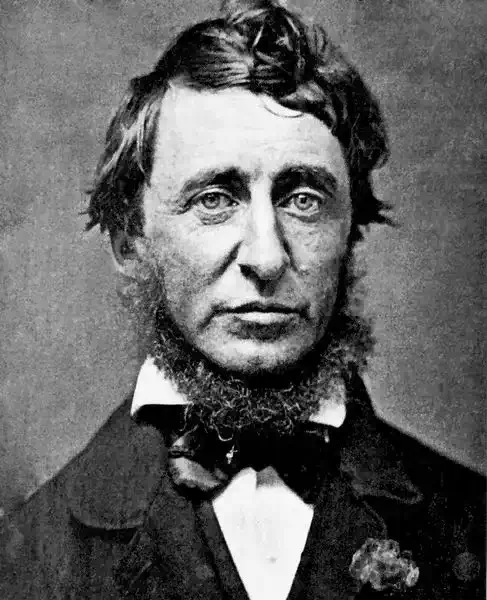
Henry David Thoreau
Away! Away! Away! Away!
Away! Away! Away! Away!
Away! away! away! away!
Ye have not kept your secret well,
I will abide that other day,
Those other lands ye tell.
Has time no leisure left for these,
The acts that ye rehearse?
Is not eternity a lease
For better deeds than verse?
‘Tis sweet to hear of heroes dead,
To know them still alive,
But sweeter if we earn their bread,
And in us they survive.
Our life should feed the springs of fame
With a perennial wave,
As ocean feeds the babbling founts
Which find it in their grave.
Ye skies dropp gently round my breast,
And be my corselet blue,
Ye earth receive my lance in rest,
My faithful charger you;
Ye stars my spear-heads in the sky,
My arrow-tips ye are;
I see the routed foemen fly,
My bright spears fixed are.
Give me an angel for a foe,
Fix now the place and time,
And straight to meet him I will go
Above the starry chime.
And with our clashing bucklers’ clang
The heavenly spears shall ring,
While bright the northern lights shall hang
Beside our tourneying.
And if she lose her champion true,
Tell Heaven not despair,
For I will be her champion new,
Her fame I will repair.
Away! away! away! away!
Ye have not kept your secret well,
I will abide that other day,
Those other lands ye tell.
Has time no leisure left for these,
The acts that ye rehearse?
Is not eternity a lease
For better deeds than verse?
‘Tis sweet to hear of heroes dead,
To know them still alive,
But sweeter if we earn their bread,
And in us they survive.
Our life should feed the springs of fame
With a perennial wave,
As ocean feeds the babbling founts
Which find it in their grave.
Ye skies dropp gently round my breast,
And be my corselet blue,
Ye earth receive my lance in rest,
My faithful charger you;
Ye stars my spear-heads in the sky,
My arrow-tips ye are;
I see the routed foemen fly,
My bright spears fixed are.
Give me an angel for a foe,
Fix now the place and time,
And straight to meet him I will go
Above the starry chime.
And with our clashing bucklers’ clang
The heavenly spears shall ring,
While bright the northern lights shall hang
Beside our tourneying.
And if she lose her champion true,
Tell Heaven not despair,
For I will be her champion new,
Her fame I will repair.
223
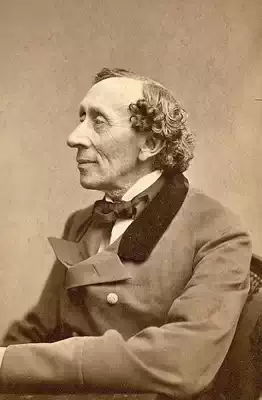
Hans Christian Andersen
April
April
'- Frihed, synger Du, April!
med nyfødt Grønt og Sommer-Smiil.'
*
(Strandveien).
En ung Herre (til Hest).
O, April! en deilig Maaned!
En Champagne-Maaned er Du!
Gjennem Snee og Vinterkulde
Du fremsprudler Liv og Varme.
Sommersol og Vinterhagel,
Marken Grøn, og dog lidt Snee!
Mig i Sind og Skind Du ligner,
Som en Draabe ligner Draaben.
Ungdomsglad jeg slynger Armen
Om hver buttet deilig Pige,
Trykker Kys paa Barm og Læbe;
Sværmer nu hos Pleisch og Minni, 1
Siger Vittighed, par Diable!
-Andre Tider Regn og Taage,
Slemme Breve uden Penge;
Creditorer slaae paa Døren. -
Det er nu en Hagelbyge!
Solen skinner! - bort med Griller!
Du April, min egen Maaned!
En Champagne-Maaned er du!
(han jager afsted).
Elskeren (under Træet).
Høit paa Grenen Fuglen gynger;
Hører dog, hvor smukt den synger!
Qviddrer lystigt, hvad den veed,
Synger om min Kjærlighed;
Nævner over tusind' Gange
Hendes Navn i sine Sange.
Hjertet finder atter Ro,
Thi jeg veed, hun er mig tro!
Fuglen.
Vinter-Kulden mig bortskræmmed'.
Bryllup er der nu i Hjemmet;
Bruden var Din Hjertenskjær,
-Du forstaaer ei Sangen her - !
Elskeren.
Budskab den fra hende bringer,
O, saa saligt , sødt det klinger!
Mig hun seer paa Tankens Strøm
Og i hendes bedste Drøm.
Fuglen.
-Brud og Brudgom sad nu sammen,
Der var Lystighed og Gammen,
Smukt om Troskab blev der talt,
Men, - ak! Dig ei Talen gjaldt.
Elskeren.
Gud! til Dig jeg Tak vil sende;
Fader, ja Du gav mig hende!
Hun, min første Kjærlighed
Min i Tid og Evighed!
Lille Fugl! løft glad Din Vinge,
Hilsen Du til hende bringe;
Du om Troskab synge maa,
Ogsaa hun vil Dig forstaae!
*
Chor af de Kjørende.
Med Graad i Øie, med Smiil paa Kind,
I Elskovs Drømme, i Sind og Skind,
Hvor ligner Du - o, Pigelil!
-April.
See Haabet med sin Blomsterkrands,
Dets hele Liv er kun en Dands!
Hvad fandt Du i dets Graad og Smiil?
-April!
For Laurbærkrandsen paa sin Grav
Saa mangen Helt sit Liv hengav;
Maaskee han løb mod Dødens Piil
April!
Fortuna med sit Hersker-Blik,
Og Brittens Tro 2 i Politik,
Hvor ligne I og Eders Smiil
April!
Den hele Jord, det hele Liv,
Med Kjærlighed, med Sorg og Kiv,
Er med sin Stræben, Kamp og Smiil
April!
*
Vandringsmanden.
Nei, Frihed synger Du, April,
Med nyfødt Grønt og Sommer-Smiil!
Stolt svulmer frem hver Aae, hver Bæk,
Alt grønnes her den brune Hæk,
Og Sneen smelter bort paa Vang,
Mens Fuglen synger Friheds Sang!
En lille Fugl (paa Grenen).
Hen over Sø og salten Vand
Jeg kommer fra et fremmed Land;
Nær Polens Grændse Landet laae,
I Byen jeg en Galge saae,
Der var saa mange Navne paa.
Men Heltenavne man kun skrev,
Og Hædersstøtte Galgen blev,
Thi bøiede sig hver en Fri
Ærbødigt, mens han gik forbi,
Og aarle, alt ved Lærkens Slag,
Den stod bekrandset næste Dag.*
Jeg satte mig paa Støtten lidt,
Og sang mit Friheds Qvirrevit!
*Historisk Sandhed.
Eccho.
'Qvirrevit!'
Fuglen.
Ak! er min Friheds Sang ei meer?
Eccho.
'Ei meer!'
En skikkelig Mand.
Hvad behager? Her er allerede saadan en Qvinkeleren og Qviddren med Spurve og
Lærker! Alt det Fugle-Rak, vor Herre lader skabe, kommer strax og giver deres Besyv!
-Nu kan de da snart faae lidt i Skrotten igjen, nu Sommeren kommer! Hvor det ellers
er et deiligt Veir.
En Kritiker.
Hr. Forfatter! Gud bevare os! hvad tænker De paa? At lade saadan en Person komme
ind her? Er det Orden? Er det Logik? Hvad skal denne skikkelige Mand i Friheds
Maaneden?
Forfatteren.
Det er just en poetisk Frihed.
Kritikeren .
Vil De bare see at faae ham ud! eller jeg skal lære Dem [rettet fra 'dem'] begge to! ['!'
rettet fra '?']
Den skikkelige Mand.
Hvad? Faae mig ud! - Har jeg ikke Lov at spadsere i April Maaned? - Jeg fornærmer
ingen, og jeg skylder, Gud skee Lov, heller ingen Noget.
Kritikeren.
Jeg skal rive ham ned 3 i Kritikkerne!
Den skikkelige Mand.
Kom han mig ikke saa! for jeg har en Søstersøn, der skal op til første Examen næste
Aar, og han har allerede længe skrevet den Ene og den Anden en X for et U 4 i
Bladene; - men uden Navn - det er en Fandens Dreng, tag han sig i Agt for ham. -
Forfatteren.
O Gud, mine Herrer, De sætte mig i den største Forskrækkelse! Kom dog ikke op at
slaaes. -
Kritikeren.
Vil De forbyde os det! Hvad vil De med Deres skikkelige Mand her? Er De ikke selv
Skyld i det Hele. Nu vil jeg banke ham -
Forfatteren.
Ja Gud bevare os! det er jo Frihedens Maaned.
(trækker sig tilbage).
En ung Maler.
(kommer med sin Mappe og sine Tegne-Redskaber).
Den friske grønne Eng med sine Damme,
Den knopped' brune Skov, den aabne Sø,
Og Skyerne ved Firmamentets Ramme,
Der i en violetblaa Taage døe,
Dem maler jeg, de blive skal mit Eie.
(Han sætter sig paa en Steen under Træet).
Smukt hæver sig det lille Fiskerleie!
See, Garnet hænger udspændt høit ved Strand!
Her ligger Baaden trukket op paa Land,
Og Græsset under den, for Solen skjult,
Staaer høit og tykt, men med et grønligt Guult.
To Smaa-Børn lege foran Huset hist
Med tørre Pinde og en Bøgeqvist. ['.' indsat her]
De plante dem en Have smukt i Solen,
Mens Bedstemoder her i Lænestolen
Maa tage Plads og lege med de Smaae.
De [',' slettet] som to muntre Vaarens [',' slettet] Alfer staae
Ved Vintrens Snee, hvor mangt et Minde hviler.
Ømt til de kjære Smaae den Gamle smiler!
Vandringsmanden.
Hvor festligt klinger over Bondens Vang
Fra Kirketaarnet Klokkens dybe Klang,
Mens Havets Bølger synge med fra Stranden;
Hør, det er Paaske, Christus er opstanden!
Bølgerne.
Sæt Dig her paa Stenen, ved det brune Tang,
Vi skal Dig fortælle mangen Havfrue-Sang.
Dybt, saa dybt dernede, paa den vaade Grund,
Bygge Havets Piger, under Øresund.
Der er' [',' slettet] smukke Blomster, Tangen er saa grøn,
Og - som Søens Lillier er den Havfrue skjøn!
Tidt i Sommer-Natten hun fra Dybet gaaer,
Leger da heroppe med sit lange Haar.
Hver April hun bringer, under Bølge-Sang,
Danmark Friheds-Krandsen af sit grønne Tang;
Og mens Vinter-Kysten blomstrer smukt igjen,
Synger Danmarks frelse ved Niels Ebbesen;*
Synger Brittens Skjændsel og hans fule 5 Smiil,
Mens hun skjænker Danmark Krandsen for April!**
'- Frihed, synger Du, April!
med nyfødt Grønt og Sommer-Smiil.'
*
(Strandveien).
En ung Herre (til Hest).
O, April! en deilig Maaned!
En Champagne-Maaned er Du!
Gjennem Snee og Vinterkulde
Du fremsprudler Liv og Varme.
Sommersol og Vinterhagel,
Marken Grøn, og dog lidt Snee!
Mig i Sind og Skind Du ligner,
Som en Draabe ligner Draaben.
Ungdomsglad jeg slynger Armen
Om hver buttet deilig Pige,
Trykker Kys paa Barm og Læbe;
Sværmer nu hos Pleisch og Minni, 1
Siger Vittighed, par Diable!
-Andre Tider Regn og Taage,
Slemme Breve uden Penge;
Creditorer slaae paa Døren. -
Det er nu en Hagelbyge!
Solen skinner! - bort med Griller!
Du April, min egen Maaned!
En Champagne-Maaned er du!
(han jager afsted).
Elskeren (under Træet).
Høit paa Grenen Fuglen gynger;
Hører dog, hvor smukt den synger!
Qviddrer lystigt, hvad den veed,
Synger om min Kjærlighed;
Nævner over tusind' Gange
Hendes Navn i sine Sange.
Hjertet finder atter Ro,
Thi jeg veed, hun er mig tro!
Fuglen.
Vinter-Kulden mig bortskræmmed'.
Bryllup er der nu i Hjemmet;
Bruden var Din Hjertenskjær,
-Du forstaaer ei Sangen her - !
Elskeren.
Budskab den fra hende bringer,
O, saa saligt , sødt det klinger!
Mig hun seer paa Tankens Strøm
Og i hendes bedste Drøm.
Fuglen.
-Brud og Brudgom sad nu sammen,
Der var Lystighed og Gammen,
Smukt om Troskab blev der talt,
Men, - ak! Dig ei Talen gjaldt.
Elskeren.
Gud! til Dig jeg Tak vil sende;
Fader, ja Du gav mig hende!
Hun, min første Kjærlighed
Min i Tid og Evighed!
Lille Fugl! løft glad Din Vinge,
Hilsen Du til hende bringe;
Du om Troskab synge maa,
Ogsaa hun vil Dig forstaae!
*
Chor af de Kjørende.
Med Graad i Øie, med Smiil paa Kind,
I Elskovs Drømme, i Sind og Skind,
Hvor ligner Du - o, Pigelil!
-April.
See Haabet med sin Blomsterkrands,
Dets hele Liv er kun en Dands!
Hvad fandt Du i dets Graad og Smiil?
-April!
For Laurbærkrandsen paa sin Grav
Saa mangen Helt sit Liv hengav;
Maaskee han løb mod Dødens Piil
April!
Fortuna med sit Hersker-Blik,
Og Brittens Tro 2 i Politik,
Hvor ligne I og Eders Smiil
April!
Den hele Jord, det hele Liv,
Med Kjærlighed, med Sorg og Kiv,
Er med sin Stræben, Kamp og Smiil
April!
*
Vandringsmanden.
Nei, Frihed synger Du, April,
Med nyfødt Grønt og Sommer-Smiil!
Stolt svulmer frem hver Aae, hver Bæk,
Alt grønnes her den brune Hæk,
Og Sneen smelter bort paa Vang,
Mens Fuglen synger Friheds Sang!
En lille Fugl (paa Grenen).
Hen over Sø og salten Vand
Jeg kommer fra et fremmed Land;
Nær Polens Grændse Landet laae,
I Byen jeg en Galge saae,
Der var saa mange Navne paa.
Men Heltenavne man kun skrev,
Og Hædersstøtte Galgen blev,
Thi bøiede sig hver en Fri
Ærbødigt, mens han gik forbi,
Og aarle, alt ved Lærkens Slag,
Den stod bekrandset næste Dag.*
Jeg satte mig paa Støtten lidt,
Og sang mit Friheds Qvirrevit!
*Historisk Sandhed.
Eccho.
'Qvirrevit!'
Fuglen.
Ak! er min Friheds Sang ei meer?
Eccho.
'Ei meer!'
En skikkelig Mand.
Hvad behager? Her er allerede saadan en Qvinkeleren og Qviddren med Spurve og
Lærker! Alt det Fugle-Rak, vor Herre lader skabe, kommer strax og giver deres Besyv!
-Nu kan de da snart faae lidt i Skrotten igjen, nu Sommeren kommer! Hvor det ellers
er et deiligt Veir.
En Kritiker.
Hr. Forfatter! Gud bevare os! hvad tænker De paa? At lade saadan en Person komme
ind her? Er det Orden? Er det Logik? Hvad skal denne skikkelige Mand i Friheds
Maaneden?
Forfatteren.
Det er just en poetisk Frihed.
Kritikeren .
Vil De bare see at faae ham ud! eller jeg skal lære Dem [rettet fra 'dem'] begge to! ['!'
rettet fra '?']
Den skikkelige Mand.
Hvad? Faae mig ud! - Har jeg ikke Lov at spadsere i April Maaned? - Jeg fornærmer
ingen, og jeg skylder, Gud skee Lov, heller ingen Noget.
Kritikeren.
Jeg skal rive ham ned 3 i Kritikkerne!
Den skikkelige Mand.
Kom han mig ikke saa! for jeg har en Søstersøn, der skal op til første Examen næste
Aar, og han har allerede længe skrevet den Ene og den Anden en X for et U 4 i
Bladene; - men uden Navn - det er en Fandens Dreng, tag han sig i Agt for ham. -
Forfatteren.
O Gud, mine Herrer, De sætte mig i den største Forskrækkelse! Kom dog ikke op at
slaaes. -
Kritikeren.
Vil De forbyde os det! Hvad vil De med Deres skikkelige Mand her? Er De ikke selv
Skyld i det Hele. Nu vil jeg banke ham -
Forfatteren.
Ja Gud bevare os! det er jo Frihedens Maaned.
(trækker sig tilbage).
En ung Maler.
(kommer med sin Mappe og sine Tegne-Redskaber).
Den friske grønne Eng med sine Damme,
Den knopped' brune Skov, den aabne Sø,
Og Skyerne ved Firmamentets Ramme,
Der i en violetblaa Taage døe,
Dem maler jeg, de blive skal mit Eie.
(Han sætter sig paa en Steen under Træet).
Smukt hæver sig det lille Fiskerleie!
See, Garnet hænger udspændt høit ved Strand!
Her ligger Baaden trukket op paa Land,
Og Græsset under den, for Solen skjult,
Staaer høit og tykt, men med et grønligt Guult.
To Smaa-Børn lege foran Huset hist
Med tørre Pinde og en Bøgeqvist. ['.' indsat her]
De plante dem en Have smukt i Solen,
Mens Bedstemoder her i Lænestolen
Maa tage Plads og lege med de Smaae.
De [',' slettet] som to muntre Vaarens [',' slettet] Alfer staae
Ved Vintrens Snee, hvor mangt et Minde hviler.
Ømt til de kjære Smaae den Gamle smiler!
Vandringsmanden.
Hvor festligt klinger over Bondens Vang
Fra Kirketaarnet Klokkens dybe Klang,
Mens Havets Bølger synge med fra Stranden;
Hør, det er Paaske, Christus er opstanden!
Bølgerne.
Sæt Dig her paa Stenen, ved det brune Tang,
Vi skal Dig fortælle mangen Havfrue-Sang.
Dybt, saa dybt dernede, paa den vaade Grund,
Bygge Havets Piger, under Øresund.
Der er' [',' slettet] smukke Blomster, Tangen er saa grøn,
Og - som Søens Lillier er den Havfrue skjøn!
Tidt i Sommer-Natten hun fra Dybet gaaer,
Leger da heroppe med sit lange Haar.
Hver April hun bringer, under Bølge-Sang,
Danmark Friheds-Krandsen af sit grønne Tang;
Og mens Vinter-Kysten blomstrer smukt igjen,
Synger Danmarks frelse ved Niels Ebbesen;*
Synger Brittens Skjændsel og hans fule 5 Smiil,
Mens hun skjænker Danmark Krandsen for April!**
354

Gwendolyn Brooks
The Independent Man
The Independent Man
Now who could take you off to tiny life
In one room or in two rooms or in three
And cork you smartly, like the flask of wine
You are? Not any woman. Not a wife.
You'd let her twirl you, give her a good glee
Showing your leaping ruby to a friend.
Though twirling would be meek. Since not a cork
Could you allow, for being made so free.
A woman would be wise to think it well
If once a week you only rang the bell.
Now who could take you off to tiny life
In one room or in two rooms or in three
And cork you smartly, like the flask of wine
You are? Not any woman. Not a wife.
You'd let her twirl you, give her a good glee
Showing your leaping ruby to a friend.
Though twirling would be meek. Since not a cork
Could you allow, for being made so free.
A woman would be wise to think it well
If once a week you only rang the bell.
275
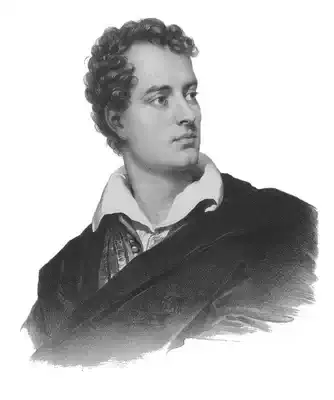
Lord Byron
The Island: Canto III.
The Island: Canto III.
I.
The fight was o'er; the flashing through the gloom,
Which robes the cannon as he wings a tomb,
Had ceased; and sulphury vapours upward driven
Had left the Earth, and but polluted Heaven:
The rattling roar which rung in every volley
Had left the echoes to their melancholy;
No more they shrieked their horror, boom for boom;
The strife was done, the vanquished had their doom;
The mutineers were crushed, dispersed, or ta'en,
Or lived to deem the happiest were the slain.
Few, few escaped, and these were hunted o'er
The isle they loved beyond their native shore.
No further home was theirs, it seemed, on earth,
Once renegades to that which gave them birth;
Tracked like wild beasts, like them they sought the wild,
As to a Mother's bosom flies the child;
But vainly wolves and lions seek their den,
And still more vainly men escape from men,
II.
Beneath a rock whose jutting base protrudes
Far over Ocean in its fiercest moods,
When scaling his enormous crag the wave
Is hurled down headlong, like the foremost brave,
And falls back on the foaming crowd behind,
Which fight beneath the banners of the wind,
But now at rest, a little remnant drew
Together, bleeding, thirsty, faint, and few;
But still their weapons in their hands, and still
With something of the pride of former will,
As men not all unused to meditate,
And strive much more than wonder at their fate.
Their present lot was what they had foreseen,
And dared as what was likely to have been;
Yet still the lingering hope, which deemed their lot
Not pardoned, but unsought for or forgot,
Or trusted that, if sought, their distant caves
Might still be missed amidst the world of waves,
Had weaned their thoughts in part from what they saw
And felt, the vengeance of their country's law.
Their seagreen
isle, their guiltwon
Paradise,
No more could shield their Virtue or their Vice:
Their better feelings, if such were, were thrown
Back on themselves,their
sins remained alone.
Proscribed even in their second country, they
Were lost; in vain the World before them lay;
All outlets seemed secured. Their new allies
Had fought and bled in mutual sacrifice;
But what availed the club and spear, and arm
Of Hercules, against the sulphury charm,
The magic of the thunder, which destroyed
The warrior ere his strength could be employed?
Dug, like a spreading pestilence, the grave
No less of human bravery than the brave!
Their own scant numbers acted all the few
Against the many oft will dare and do;
But though the choice seems native to die free,
Even Greece can boast but one Thermopylae,
Till now, when she has forged her broken chain
Back to a sword, and dies and lives again!
III.
Beside the jutting rock the few appeared,
Like the last remnant of the reddeer's
herd;
Their eyes were feverish, and their aspect worn,
But still the hunter's blood was on their horn.
A little stream came tumbling from the height,
And straggling into ocean as it might,
Its bounding crystal frolicked in the ray,
And gushed from cliff to crag with saltless spray;
Close on the wild, wide ocean, yet as pure
And fresh as Innocettce, and more secure,
Its silver torrent glittered o'er the deep,
As the shy chamois' eye o'erlooks the steep,
While far below the vast and sullen swell
Of Ocean's alpine azure rose and fell.
To this young spring they rushed,all
feelings first
Absorbed in Passion's and in Nature's thirst,Drank
as they do who drink their last, and threw
Their arms aside to revel in its dew;
Cooled their scorched throats, and washed the gory stains
From wounds whose only bandage might be chains;
Then,when their drought was quenched, looked sadly round,
As wondering how so many still were found
Alive and fetterless:but
silent all,
Each sought his fellow's eyes, as if to call
On him for language which his lips denied,
As though their voices with their cause had died.
IV.
Stern, and aloof a little from the rest,
Stood Christian, with his arms across his chest.
The ruddy, reckless, dauntless hue once spread
Along his cheek was livid now as lead;
His lightbrown
locks, so graceful in their flow,
Now rose like startled vipers o'er his brow.
Still as a statue, with his lips coinprest
To stifle even the breath within his breast,
Fast by the rock, all menacing, but mute,
He stood; and, save a slight beat of his foot,
Which deepened now and then the sandy dint
Beneath his heel, his form seemed turned to flint.
Some paces further Torquil leaned his head
Against a bank, and spoke not, but he bled,Not
mortally:his
worst wound was within;
His brow was pale, his blue eyes sunken in,too
And blooddrops,
sprinkled o'er his yellow hair,
Showed that his faintness came not from despair,
But Nature's ebb. Beside him was another,
Rough as a bear, but willing as a brother,Ben
Bunting, who essayed to wash, and wipe,
And bind his woundthen
calmly lit his pipe,
A trophy which survived a hundred fights,
A beacon which had cheered ten thousand nights.
The fourth and last of this deserted group
Walked up and downat
times would stand, then stoop
To pick a pebble upthen
let it dropThen
hurry as in hastethen
quickly stopThen
cast his eyes on his companionsthen
Half whistle half a tune, and pause againAnd
then his former movements would redouble,
With something between carelessness and trouble.
This is a long description, but applies
To scarce five minutes passed before the eyes;
But yet what minutes! Moments like to these
Rend men's lives into immortalities.
V.
At length Jack Skyscrape, a mercurial man,
Who fluttered over all things like a fan,
More brave than firm, and more disposed to dare
And die at once than wrestle with despair,
Exclaimed, 'Gd
damn I'those
syllables intense,Nucleus
of England's native eloquence,
As the Turk's 'Allah!' or the Roman's more
Pagan 'Proh Jupiter!' was wont of yore
To give their first impressions such a vent,
By way of echo to embarrassment.
Jack was embarrassed,never
hero more,
Till on the surf their skimming paddles play,
Buoyant as wings, and flitting through the spray;Now
perching on the wave's high curl, and now
Dashed downward in the thundering foam below,
Which flings it broad and boiling sheet on sheet,
And slings its high flakes, shivered into sleet:
But floating still through surf and swell, drew nigh
The barks, like small birds through a lowering sky.
Their art seemed naturesuch
the skill to sweep
The wave of these born playmates of the deep.
VIII.
And who the first that, springing on the strand,
Leaped like a Nereid from her shell to land,
With dark but brilliant skin, and dewy eye
Shining with love, and, hope, and constancy?
Neuhathe
fond, the faithful, the adoredHer
heart on Torquil's like a torrent poured;
And smiled, and wept, and near, and nearer clasped,
As if to be assured 'twas him she grasped;
Shuddered to see his yet warm wound, and then,
To find it trivial, smiled and wept again.
She was a warrior's daughter, and could bear
Such sights, and feel, and mourn, but not despair.
Her lover lived,nor
foes nor fears could blight
That fullblown
moment in its all delight:
Joy trickled in her tears, joy filled the sob
That rocked her heart till almost HEARD to throb;
And Paradise was breathing in the sigh
Of Nature's child in Nature's ecstasy.
IX.
The sterner spirits who beheld that meeting
Were not unmoved; who are, when hearts are greeting?
Even Christian gazed upon the maid and boy
With tearless eye, but yet a gloomy joy
Mixed with those bitter thoughts the soul arrays
In hopeless visions of our better days,
When all 's goneto
the rainbow's latest ray.
'And but for me!' he said, and turned away;
Then gazed upon the pair, as in his den
A lion looks upon his cubs again;
And then relapsed into his sullen guise,
As heedless of his further destinies.
X.
But brief their time for good or evil thought;
The billows round the promontory brought
The plash of hostile oars.Alas!
who made
That sound a dread? All around them seemed arrayed
Against them, save the bride of Toobonai
She, as she caught the first glimpse o'er the bay
Of the armed boats, which hurried to complete
The remnant's ruin with their flying feet,
Beckoned the natives round her to their prows,
Embarked their guests and launched their light canoes;
In one placed Christian and his comrades twainBut
she and Torquil must not part again.
She fixed him in her own.Away!
away!
They cleared the breakers, dart along the bay,
And towards a group of islets, such as bear
The seabird's
nest and seal's surfhollowed
lair,
They skim the blue tops of the billows; fast
They flew, and fast their fierce pursuers chased.
They gain upon themnow
they lose again,Again
make way and menace o'er the main;
And now the two canoes in chase divide,
Arid follow different courses o'er the tide,
To baffle the pursuit.Away!
away!
As Life is on each paddle's flight today,
And more than Life or lives to Neuha: Love
Freights the frail bark and urges to the cove;
And now the refuge and the foe are nighYet,
yet a moment! Fly, thou light ark, fly!
I.
The fight was o'er; the flashing through the gloom,
Which robes the cannon as he wings a tomb,
Had ceased; and sulphury vapours upward driven
Had left the Earth, and but polluted Heaven:
The rattling roar which rung in every volley
Had left the echoes to their melancholy;
No more they shrieked their horror, boom for boom;
The strife was done, the vanquished had their doom;
The mutineers were crushed, dispersed, or ta'en,
Or lived to deem the happiest were the slain.
Few, few escaped, and these were hunted o'er
The isle they loved beyond their native shore.
No further home was theirs, it seemed, on earth,
Once renegades to that which gave them birth;
Tracked like wild beasts, like them they sought the wild,
As to a Mother's bosom flies the child;
But vainly wolves and lions seek their den,
And still more vainly men escape from men,
II.
Beneath a rock whose jutting base protrudes
Far over Ocean in its fiercest moods,
When scaling his enormous crag the wave
Is hurled down headlong, like the foremost brave,
And falls back on the foaming crowd behind,
Which fight beneath the banners of the wind,
But now at rest, a little remnant drew
Together, bleeding, thirsty, faint, and few;
But still their weapons in their hands, and still
With something of the pride of former will,
As men not all unused to meditate,
And strive much more than wonder at their fate.
Their present lot was what they had foreseen,
And dared as what was likely to have been;
Yet still the lingering hope, which deemed their lot
Not pardoned, but unsought for or forgot,
Or trusted that, if sought, their distant caves
Might still be missed amidst the world of waves,
Had weaned their thoughts in part from what they saw
And felt, the vengeance of their country's law.
Their seagreen
isle, their guiltwon
Paradise,
No more could shield their Virtue or their Vice:
Their better feelings, if such were, were thrown
Back on themselves,their
sins remained alone.
Proscribed even in their second country, they
Were lost; in vain the World before them lay;
All outlets seemed secured. Their new allies
Had fought and bled in mutual sacrifice;
But what availed the club and spear, and arm
Of Hercules, against the sulphury charm,
The magic of the thunder, which destroyed
The warrior ere his strength could be employed?
Dug, like a spreading pestilence, the grave
No less of human bravery than the brave!
Their own scant numbers acted all the few
Against the many oft will dare and do;
But though the choice seems native to die free,
Even Greece can boast but one Thermopylae,
Till now, when she has forged her broken chain
Back to a sword, and dies and lives again!
III.
Beside the jutting rock the few appeared,
Like the last remnant of the reddeer's
herd;
Their eyes were feverish, and their aspect worn,
But still the hunter's blood was on their horn.
A little stream came tumbling from the height,
And straggling into ocean as it might,
Its bounding crystal frolicked in the ray,
And gushed from cliff to crag with saltless spray;
Close on the wild, wide ocean, yet as pure
And fresh as Innocettce, and more secure,
Its silver torrent glittered o'er the deep,
As the shy chamois' eye o'erlooks the steep,
While far below the vast and sullen swell
Of Ocean's alpine azure rose and fell.
To this young spring they rushed,all
feelings first
Absorbed in Passion's and in Nature's thirst,Drank
as they do who drink their last, and threw
Their arms aside to revel in its dew;
Cooled their scorched throats, and washed the gory stains
From wounds whose only bandage might be chains;
Then,when their drought was quenched, looked sadly round,
As wondering how so many still were found
Alive and fetterless:but
silent all,
Each sought his fellow's eyes, as if to call
On him for language which his lips denied,
As though their voices with their cause had died.
IV.
Stern, and aloof a little from the rest,
Stood Christian, with his arms across his chest.
The ruddy, reckless, dauntless hue once spread
Along his cheek was livid now as lead;
His lightbrown
locks, so graceful in their flow,
Now rose like startled vipers o'er his brow.
Still as a statue, with his lips coinprest
To stifle even the breath within his breast,
Fast by the rock, all menacing, but mute,
He stood; and, save a slight beat of his foot,
Which deepened now and then the sandy dint
Beneath his heel, his form seemed turned to flint.
Some paces further Torquil leaned his head
Against a bank, and spoke not, but he bled,Not
mortally:his
worst wound was within;
His brow was pale, his blue eyes sunken in,too
And blooddrops,
sprinkled o'er his yellow hair,
Showed that his faintness came not from despair,
But Nature's ebb. Beside him was another,
Rough as a bear, but willing as a brother,Ben
Bunting, who essayed to wash, and wipe,
And bind his woundthen
calmly lit his pipe,
A trophy which survived a hundred fights,
A beacon which had cheered ten thousand nights.
The fourth and last of this deserted group
Walked up and downat
times would stand, then stoop
To pick a pebble upthen
let it dropThen
hurry as in hastethen
quickly stopThen
cast his eyes on his companionsthen
Half whistle half a tune, and pause againAnd
then his former movements would redouble,
With something between carelessness and trouble.
This is a long description, but applies
To scarce five minutes passed before the eyes;
But yet what minutes! Moments like to these
Rend men's lives into immortalities.
V.
At length Jack Skyscrape, a mercurial man,
Who fluttered over all things like a fan,
More brave than firm, and more disposed to dare
And die at once than wrestle with despair,
Exclaimed, 'Gd
damn I'those
syllables intense,Nucleus
of England's native eloquence,
As the Turk's 'Allah!' or the Roman's more
Pagan 'Proh Jupiter!' was wont of yore
To give their first impressions such a vent,
By way of echo to embarrassment.
Jack was embarrassed,never
hero more,
Till on the surf their skimming paddles play,
Buoyant as wings, and flitting through the spray;Now
perching on the wave's high curl, and now
Dashed downward in the thundering foam below,
Which flings it broad and boiling sheet on sheet,
And slings its high flakes, shivered into sleet:
But floating still through surf and swell, drew nigh
The barks, like small birds through a lowering sky.
Their art seemed naturesuch
the skill to sweep
The wave of these born playmates of the deep.
VIII.
And who the first that, springing on the strand,
Leaped like a Nereid from her shell to land,
With dark but brilliant skin, and dewy eye
Shining with love, and, hope, and constancy?
Neuhathe
fond, the faithful, the adoredHer
heart on Torquil's like a torrent poured;
And smiled, and wept, and near, and nearer clasped,
As if to be assured 'twas him she grasped;
Shuddered to see his yet warm wound, and then,
To find it trivial, smiled and wept again.
She was a warrior's daughter, and could bear
Such sights, and feel, and mourn, but not despair.
Her lover lived,nor
foes nor fears could blight
That fullblown
moment in its all delight:
Joy trickled in her tears, joy filled the sob
That rocked her heart till almost HEARD to throb;
And Paradise was breathing in the sigh
Of Nature's child in Nature's ecstasy.
IX.
The sterner spirits who beheld that meeting
Were not unmoved; who are, when hearts are greeting?
Even Christian gazed upon the maid and boy
With tearless eye, but yet a gloomy joy
Mixed with those bitter thoughts the soul arrays
In hopeless visions of our better days,
When all 's goneto
the rainbow's latest ray.
'And but for me!' he said, and turned away;
Then gazed upon the pair, as in his den
A lion looks upon his cubs again;
And then relapsed into his sullen guise,
As heedless of his further destinies.
X.
But brief their time for good or evil thought;
The billows round the promontory brought
The plash of hostile oars.Alas!
who made
That sound a dread? All around them seemed arrayed
Against them, save the bride of Toobonai
She, as she caught the first glimpse o'er the bay
Of the armed boats, which hurried to complete
The remnant's ruin with their flying feet,
Beckoned the natives round her to their prows,
Embarked their guests and launched their light canoes;
In one placed Christian and his comrades twainBut
she and Torquil must not part again.
She fixed him in her own.Away!
away!
They cleared the breakers, dart along the bay,
And towards a group of islets, such as bear
The seabird's
nest and seal's surfhollowed
lair,
They skim the blue tops of the billows; fast
They flew, and fast their fierce pursuers chased.
They gain upon themnow
they lose again,Again
make way and menace o'er the main;
And now the two canoes in chase divide,
Arid follow different courses o'er the tide,
To baffle the pursuit.Away!
away!
As Life is on each paddle's flight today,
And more than Life or lives to Neuha: Love
Freights the frail bark and urges to the cove;
And now the refuge and the foe are nighYet,
yet a moment! Fly, thou light ark, fly!
530
Lord Byron
The Island: Canto I.
The Island: Canto I.
I.
The morning watch was come; the vessel lay
Her course, and gently made her liquid way;
The cloven billow flashed from off her prow
In furrows formed by that majestic plough;
The waters with their world were all before;
Behind, the South Sea's many an islet shore.
The quiet night, now dappling, 'gan to wane,
Dividing darkness from the dawning main;
The dolphins, not unconscious of the day,
Swam high, as eager of the coming ray;
The stars from broader beams began to creep,
And lift their shining eyelids from the deep;
The sail resumed its lately shadowed white,
And the wind fluttered with a freshening flight;
The purpling Ocean owns the coming Sun,
But ere he breaka
deed is to be done.
e
II.
The gallant Chief within his cabin slept,
Secure in those by whom the watch was kept:
His dreams were of Old England's welcome shore,
Of toils rewarded, and of dangers o'er;
His name was added to the glorious roll
Of those who search the stormsurrounded
Pole.
The worst was over, and the rest seemed sure,
And why should not his slumber be secure?
Alas! his deck was trod by unwilling feet,
And wilder hands would hold the vessel's sheet;
Young hearts, which languished for some sunny isle,
Where summer years and summer women smile;
Men without country, who, too long estranged,
Had found no native home, or found it changed,
And, half uncivilised, preferred the cave
Of some soft savage to the uncertain waveThe
gushing fruits that nature gave untilled;
The wood without a pathbut
where they willed;
The field o'er which promiscuous Plenty poured
Her horn; the equal land without a lord;
The wishwhich
ages have not yet subdued
In manto
have no master save his mood
The earth, whose mine was on its face, unsold,
The glowing sun and produce all its gold;
The Freedom which can call each grot a home;
The general garden, where all steps may roam,
Where Nature owns a nation as her child,
Exulting in the enjoyment of the wild
Their shells, their fruits, the only wealth they know,
Their unexploring navy, the canoe
Their sport, the dashing breakers and the chase;
Their strangest sight, an European face
Such was the country which these strangers yearned
To see againa
sight they dearly earned.
III.
Awake, bold Bligh! the foe is at the gate!
Awake! awake!Alas!
it is too late!
Fiercely beside thy cot the mutineer
Stands, and proclaims the reign of rage and fear.
Thy limbs are bound, the bayonet at thy breast;
The hands, which trembled at thy voice, arrest;
Dragged o'er the deck, no more at thy command
The obedient helm shall veer, the sail expand;
That savage Spirit, which would lull by wrath
Its desperate escape from Duty's path,
Glares round thee, in the scarce believing eyes
Of those who fear the Chief they sacrifice:
For ne'er can Man his conscience all assuage,
Unless he drain the wine of PassionRage.
IV.
In vain, not silenced by the eye of Death,
Thou call'st the loyal with thy menaced breath
They come not; they are few, and, overawed,
Must acquiesce, while sterner hearts applaud.
In vain thou dost demand the cause: a curse
Is all the answer, with the threat of worse.
Full in thine eyes is waved the glittering blade,
Close to thy throat the pointed bayonet laid.
The levelled muskets circle round thy breast
In hands as steeled to do the deadly rest.
Thou dar'st them to their worst, exclaiming'
Fire!'
But they who pitied not could yet admire;
Some lurking remnant of their former awe
Restrained them longer than their broken law;
They would not dip their souls at once in blood,
But left thee to the mercies of the flood.
V.
'Hoist out the boat!' was now the leader's cry;
And who dare answer 'No!' to Mutiny,
In the first dawning of the drunken hour,
The Saturnalia of unhopedfor
power?
The boat is lowered with all the haste of hate,
With its slight plank between thee and thy fate;
Her only cargo such a scant supply
As promises the death their hands deny;
And just enough of water and of bread
To keep, some days, the dying from the dead:
Some cordage, canvass, sails, and lines, and twine,
But treasures all to hermits of the brine,
Were added after, to the earnest prayer
Of those who saw no hope, save sea and air;
And last, that trembling vassal of the Polewww.
PoemHunter.com The
World's Poetry Archive
The feeling compassNavigation's
soul.
VI.
And now the selfelected
Chief finds time
To stun the first sensation of his crime,
And raise it in his followers'
Ho! the bowl!'
Lest passion should return to reason's shoal.
'Brandy for heroes!' Burke could once exclaimNo
doubt a liquid path to Epic fame;
And such the newborn
heroes found it here,
And drained the draught with an applauding cheer,
'Huzza! for Otaheite!' was the cry.
How strange such shouts from sons of Mutiny!
The gentle island, and the genial soil,
The friendly hearts, the feasts without a toil,
The courteous manners but from nature caught,
The wealth unhoarded, and the love unbought; sic
Could these have charms for rudest seaboys,
driven
Before the mast by every wind of heaven?
And now, even now prepared with others' woes
To earn mild Virtue's vain desire, repose?
Alas! such is our nature! all but aim
At the same end by pathways not the same;
Our meansour
birthour
nation, and our name,
Our fortunetempereven
our outward frame,
Are far more potent o'er our yielding clay
Than aught we know beyond our little day.
Yet still there whispers the small voice within,
Heard through Gain's silence, and o'er Glory's din:
Whatever creed be taught, or land be trod,
Man's conscience is the Oracle of God.
VII.
The launch is crowded with the faithful few
Who wait their Chief, a melancholy crew:
But some remained reluctant on the deck
Of that proud vesselnow
a moral wreckAnd
viewed their Captain's fate with piteous eyes;
While others scoffed his augured miseries,
Sneered at the prospect of his pigmy sail,
And the slight bark so laden and so frail.
The tender nautilus, who steers his prow,
The seaborn
sailor of his shell canoe,
The ocean Mab, the fairy of the sea,
Seems far less fragile, and, alas! more free.
He, when the lightningwinged
Tornados sweep
The surge, is safehis
port is in the deepAnd
triumphs o'er the armadas of Mankind,
Which shake the World, yet crumble in the wind.
VIII.
When all was now prepared, the vessel clear
Which hailed her master in the mutineer,
A seaman, less obdurate than his mates,
Showed the vain pity which but irritates;
Watched his late Chieftain with exploring eye,
And told, in signs, repentant sympathy;
Held the moist shaddock to his parchéd mouth,
Which felt Exhaustion's deep and bitter drouth.
But soon observed, this guardian was withdrawn,
Nor further Mercy clouds Rebellion's dawn.
Then forward stepped the bold and froward boy
His Chief had cherished only to destroy,
And, pointing to the helpless prow beneath,
Exclaimed, 'Depart at once! delay is death!'
Yet then, even then, his feelings ceased not all:
In that last moment could a word recall
Remorse for the black deed as yet half done,
And what he hid from many showed to one:
When Bligh in stern reproach demanded where
Was now his grateful sense of former care?
Where all his hopes to see his name aspire,
And blazon Britain's thousand glories higher?
His feverish lips thus broke their gloomy spell,
''Tis that! 'Tis that! I am in hell! in hell!'
No more he said; but urging to the bark
His Chief, commits him to his fragile ark;
These the sole accents from his tongue that fell,
But volumes lurked below his fierce farewell.
IX.
The arctic Sun rose broad above the wave;
The breeze now sank, now whispered from his cave;
As on the Aeolian harp, his fitful wings
Now swelled, now fluttered o'er his Ocean strings.
With slow, despairing oar, the abandoned skiff
Ploughs its drear progress to the scarce seen cliff,
Which lifts its peak a cloud above the main:
That boat and ship shall never meet again!
But 'tis not mine to tell their tale of grief,
Their constant peril, and their scant relief;
Their days of danger, and their nights of pain;
Their manly courage even when deemed in vain;
The sapping famine, rendering scarce a son
Known to his mother in the skeleton;
The ills that lessened still their little store,
And starved even Hunger till he wrung no more;
The varying frowns and favours of the deep,
That now almost ingulfs, then leaves to creep
With crazy oar and shattered strength along
The tide that yields reluctant to the strong;
The incessant fever of that arid thirst
Which welcomes, as a well, the clouds that burst
Above their naked bones, and feels delight
In the cold drenching of the stormy night,
And from the outspread canvass gladly wrings
A drop to moisten Life's allgasping
springs;
The savage foe escaped, to seek again
More hospitable shelter from the main;
The ghastly Spectres which were doomed at last
To tell as true a tale of dangers past,
As ever the dark annals of the deep
Disclosed for man to dread or woman weep.
X.
We leave them to their fate, but not unknown
Nor unredressed. Revenge may have her own:
Roused Discipline aloud proclaims their cause,
And injured Navies urge their broken laws.
Pursue we on his track the mutineer,
Whom distant vengeance had not taught to fear.
Wide o'er the waveaway!
away! away!
Once more his eyes shall hail the welcome bay;
Once more the happy shores without a law
Receive the outlaws whom they lately saw;
Nature, and Nature's goddessWomanwoos
To lands where, save their conscience, none accuse;
Where all partake the earth without dispute,
And bread itself is gathered as a fruit;
Where none contest the fields, the woods, the streams
The goldless Age, where Gold disturbs no dreams,
Inhabits or inhabited the shore,
Till Europe taught them better than before;
Bestowed her customs, and amended theirs,
But left her vices also to their heirs.
Away with this! behold them as they were,
Do good with Nature, or with Nature err.
'Huzza! for Otaheite!' was the cry,
As stately swept the gallant vessel by.
The breeze springs up; the lately flapping sail
Extends its arch before the growing gale;
In swifter ripples stream aside the seas,
Which her bold bow flings off with dashing ease.
Thus Argo ploughed the Euxine's virgin foam,
But those she wafted still looked back to home;
These spurn their country with their rebel bark,
And fly her as the raven fled the Ark;
And yet they seek to nestle with the dove,
And tame their fiery spirits down to Love.
I.
The morning watch was come; the vessel lay
Her course, and gently made her liquid way;
The cloven billow flashed from off her prow
In furrows formed by that majestic plough;
The waters with their world were all before;
Behind, the South Sea's many an islet shore.
The quiet night, now dappling, 'gan to wane,
Dividing darkness from the dawning main;
The dolphins, not unconscious of the day,
Swam high, as eager of the coming ray;
The stars from broader beams began to creep,
And lift their shining eyelids from the deep;
The sail resumed its lately shadowed white,
And the wind fluttered with a freshening flight;
The purpling Ocean owns the coming Sun,
But ere he breaka
deed is to be done.
e
II.
The gallant Chief within his cabin slept,
Secure in those by whom the watch was kept:
His dreams were of Old England's welcome shore,
Of toils rewarded, and of dangers o'er;
His name was added to the glorious roll
Of those who search the stormsurrounded
Pole.
The worst was over, and the rest seemed sure,
And why should not his slumber be secure?
Alas! his deck was trod by unwilling feet,
And wilder hands would hold the vessel's sheet;
Young hearts, which languished for some sunny isle,
Where summer years and summer women smile;
Men without country, who, too long estranged,
Had found no native home, or found it changed,
And, half uncivilised, preferred the cave
Of some soft savage to the uncertain waveThe
gushing fruits that nature gave untilled;
The wood without a pathbut
where they willed;
The field o'er which promiscuous Plenty poured
Her horn; the equal land without a lord;
The wishwhich
ages have not yet subdued
In manto
have no master save his mood
The earth, whose mine was on its face, unsold,
The glowing sun and produce all its gold;
The Freedom which can call each grot a home;
The general garden, where all steps may roam,
Where Nature owns a nation as her child,
Exulting in the enjoyment of the wild
Their shells, their fruits, the only wealth they know,
Their unexploring navy, the canoe
Their sport, the dashing breakers and the chase;
Their strangest sight, an European face
Such was the country which these strangers yearned
To see againa
sight they dearly earned.
III.
Awake, bold Bligh! the foe is at the gate!
Awake! awake!Alas!
it is too late!
Fiercely beside thy cot the mutineer
Stands, and proclaims the reign of rage and fear.
Thy limbs are bound, the bayonet at thy breast;
The hands, which trembled at thy voice, arrest;
Dragged o'er the deck, no more at thy command
The obedient helm shall veer, the sail expand;
That savage Spirit, which would lull by wrath
Its desperate escape from Duty's path,
Glares round thee, in the scarce believing eyes
Of those who fear the Chief they sacrifice:
For ne'er can Man his conscience all assuage,
Unless he drain the wine of PassionRage.
IV.
In vain, not silenced by the eye of Death,
Thou call'st the loyal with thy menaced breath
They come not; they are few, and, overawed,
Must acquiesce, while sterner hearts applaud.
In vain thou dost demand the cause: a curse
Is all the answer, with the threat of worse.
Full in thine eyes is waved the glittering blade,
Close to thy throat the pointed bayonet laid.
The levelled muskets circle round thy breast
In hands as steeled to do the deadly rest.
Thou dar'st them to their worst, exclaiming'
Fire!'
But they who pitied not could yet admire;
Some lurking remnant of their former awe
Restrained them longer than their broken law;
They would not dip their souls at once in blood,
But left thee to the mercies of the flood.
V.
'Hoist out the boat!' was now the leader's cry;
And who dare answer 'No!' to Mutiny,
In the first dawning of the drunken hour,
The Saturnalia of unhopedfor
power?
The boat is lowered with all the haste of hate,
With its slight plank between thee and thy fate;
Her only cargo such a scant supply
As promises the death their hands deny;
And just enough of water and of bread
To keep, some days, the dying from the dead:
Some cordage, canvass, sails, and lines, and twine,
But treasures all to hermits of the brine,
Were added after, to the earnest prayer
Of those who saw no hope, save sea and air;
And last, that trembling vassal of the Polewww.
PoemHunter.com The
World's Poetry Archive
The feeling compassNavigation's
soul.
VI.
And now the selfelected
Chief finds time
To stun the first sensation of his crime,
And raise it in his followers'
Ho! the bowl!'
Lest passion should return to reason's shoal.
'Brandy for heroes!' Burke could once exclaimNo
doubt a liquid path to Epic fame;
And such the newborn
heroes found it here,
And drained the draught with an applauding cheer,
'Huzza! for Otaheite!' was the cry.
How strange such shouts from sons of Mutiny!
The gentle island, and the genial soil,
The friendly hearts, the feasts without a toil,
The courteous manners but from nature caught,
The wealth unhoarded, and the love unbought; sic
Could these have charms for rudest seaboys,
driven
Before the mast by every wind of heaven?
And now, even now prepared with others' woes
To earn mild Virtue's vain desire, repose?
Alas! such is our nature! all but aim
At the same end by pathways not the same;
Our meansour
birthour
nation, and our name,
Our fortunetempereven
our outward frame,
Are far more potent o'er our yielding clay
Than aught we know beyond our little day.
Yet still there whispers the small voice within,
Heard through Gain's silence, and o'er Glory's din:
Whatever creed be taught, or land be trod,
Man's conscience is the Oracle of God.
VII.
The launch is crowded with the faithful few
Who wait their Chief, a melancholy crew:
But some remained reluctant on the deck
Of that proud vesselnow
a moral wreckAnd
viewed their Captain's fate with piteous eyes;
While others scoffed his augured miseries,
Sneered at the prospect of his pigmy sail,
And the slight bark so laden and so frail.
The tender nautilus, who steers his prow,
The seaborn
sailor of his shell canoe,
The ocean Mab, the fairy of the sea,
Seems far less fragile, and, alas! more free.
He, when the lightningwinged
Tornados sweep
The surge, is safehis
port is in the deepAnd
triumphs o'er the armadas of Mankind,
Which shake the World, yet crumble in the wind.
VIII.
When all was now prepared, the vessel clear
Which hailed her master in the mutineer,
A seaman, less obdurate than his mates,
Showed the vain pity which but irritates;
Watched his late Chieftain with exploring eye,
And told, in signs, repentant sympathy;
Held the moist shaddock to his parchéd mouth,
Which felt Exhaustion's deep and bitter drouth.
But soon observed, this guardian was withdrawn,
Nor further Mercy clouds Rebellion's dawn.
Then forward stepped the bold and froward boy
His Chief had cherished only to destroy,
And, pointing to the helpless prow beneath,
Exclaimed, 'Depart at once! delay is death!'
Yet then, even then, his feelings ceased not all:
In that last moment could a word recall
Remorse for the black deed as yet half done,
And what he hid from many showed to one:
When Bligh in stern reproach demanded where
Was now his grateful sense of former care?
Where all his hopes to see his name aspire,
And blazon Britain's thousand glories higher?
His feverish lips thus broke their gloomy spell,
''Tis that! 'Tis that! I am in hell! in hell!'
No more he said; but urging to the bark
His Chief, commits him to his fragile ark;
These the sole accents from his tongue that fell,
But volumes lurked below his fierce farewell.
IX.
The arctic Sun rose broad above the wave;
The breeze now sank, now whispered from his cave;
As on the Aeolian harp, his fitful wings
Now swelled, now fluttered o'er his Ocean strings.
With slow, despairing oar, the abandoned skiff
Ploughs its drear progress to the scarce seen cliff,
Which lifts its peak a cloud above the main:
That boat and ship shall never meet again!
But 'tis not mine to tell their tale of grief,
Their constant peril, and their scant relief;
Their days of danger, and their nights of pain;
Their manly courage even when deemed in vain;
The sapping famine, rendering scarce a son
Known to his mother in the skeleton;
The ills that lessened still their little store,
And starved even Hunger till he wrung no more;
The varying frowns and favours of the deep,
That now almost ingulfs, then leaves to creep
With crazy oar and shattered strength along
The tide that yields reluctant to the strong;
The incessant fever of that arid thirst
Which welcomes, as a well, the clouds that burst
Above their naked bones, and feels delight
In the cold drenching of the stormy night,
And from the outspread canvass gladly wrings
A drop to moisten Life's allgasping
springs;
The savage foe escaped, to seek again
More hospitable shelter from the main;
The ghastly Spectres which were doomed at last
To tell as true a tale of dangers past,
As ever the dark annals of the deep
Disclosed for man to dread or woman weep.
X.
We leave them to their fate, but not unknown
Nor unredressed. Revenge may have her own:
Roused Discipline aloud proclaims their cause,
And injured Navies urge their broken laws.
Pursue we on his track the mutineer,
Whom distant vengeance had not taught to fear.
Wide o'er the waveaway!
away! away!
Once more his eyes shall hail the welcome bay;
Once more the happy shores without a law
Receive the outlaws whom they lately saw;
Nature, and Nature's goddessWomanwoos
To lands where, save their conscience, none accuse;
Where all partake the earth without dispute,
And bread itself is gathered as a fruit;
Where none contest the fields, the woods, the streams
The goldless Age, where Gold disturbs no dreams,
Inhabits or inhabited the shore,
Till Europe taught them better than before;
Bestowed her customs, and amended theirs,
But left her vices also to their heirs.
Away with this! behold them as they were,
Do good with Nature, or with Nature err.
'Huzza! for Otaheite!' was the cry,
As stately swept the gallant vessel by.
The breeze springs up; the lately flapping sail
Extends its arch before the growing gale;
In swifter ripples stream aside the seas,
Which her bold bow flings off with dashing ease.
Thus Argo ploughed the Euxine's virgin foam,
But those she wafted still looked back to home;
These spurn their country with their rebel bark,
And fly her as the raven fled the Ark;
And yet they seek to nestle with the dove,
And tame their fiery spirits down to Love.
538
Lord Byron
The Corsair
The Corsair
'O'er the glad waters of the dark blue sea,
Our thoughts as boundless, and our soul's as free
Far as the breeze can bear, the billows foam,
Survey our empire, and behold our home!
These are our realms, no limits to their swayOur
flag the sceptre all who meet obey.
Ours the wild life in tumult still to range
From toil to rest, and joy in every change.
Oh, who can tell? not thou, luxurious slave!
Whose soul would sicken o'er the heaving wave;
Not thou, vain lord of wantonness and ease!
whom slumber soothes not pleasure
cannot please Oh,
who can tell, save he whose heart hath tried,
And danced in triumph o'er the waters wide,
The exulting sense the
pulse's maddening play,
That thrills the wanderer of that trackless way?
That for itself can woo the approaching fight,
And turn what some deem danger to delight;
That seeks what cravens shun with more than zeal,
And where the feebler faint can only feel Feel
to
the rising bosom's inmost core,
Its hope awaken and Its spirit soar?
No dread of death if with us die our foes Save
that it seems even duller than repose:
Come when it will we
snatch the life of life When
lost what
recks it but disease or strife?
Let him who crawls enamour'd of decay,
Cling to his couch, and sicken years away:
Heave his thick breath, and shake his palsied head;
Ours the
fresh turf; and not the feverish bed.
While gasp by gasp he falters forth his soul,
Ours with one pang one
bound escapes
control.
His corse may boast its urn and narrow cave,
And they who loath'd his life may gild his grave:
Ours are the tears, though few, sincerely shed,
When Ocean shrouds and sepulchres our dead.
For us, even banquets fond regret supply
In the red cup that crowns our memory;
And the brief epitaph in danger's day,
When those who win at length divide the prey,
And cry, Remembrance saddening o'er each brow,
How had the brave who fell exulted now!'
II.
Such were the notes that from the Pirate's isle
Around the kindling watchfire
rang the while:
Such were the sounds that thrill'd the rocks along,
And unto ears as rugged seem'd a song!
In scatter'd groups upon the golden sand,
They gamecarouseconverseor
whet the brand:
Select the armsto
each his blade assign,
And careless eye the blood that dims its shine.
Repair the boat, replace the helm or oar,
While others straggling muse along the shore:
For the wild bird the busy springes set,
Or spread beneath the sun the dripping net:
Gaze where some distant sail a speck supplies
With all the 'thirsting eve of Enterprise:
Tell o'er the tales of many a night of toil,
And marvel where they next shall seize a spoil:
No matter wheretheir
chief's allotment this;
Theirs, to believe no prey nor plan amiss.
But who that CHIEF? his name on every shore
Is famed and fear'd they
ask and know no more.
With these he mingles not but to command;
Few are his words, but keen his eye and hand.
Ne'er seasons he with mirth their jovial mess
But they forgive his silence for success.
Ne'er for his lip the purpling cup they fill,
That goblet passes him untasted still And
for his fare the
rudest of his crew
Would that, in turn, have pass'd untasted too;
Earth's coarsest bread, the garden's homeliest roots,
And scarce the summer luxury of fruits,
His short repast in humbleness supply
With all a hermit's board would scarce deny.
But while he shuns the grosser joys of sense,
His mind seems nourish'd by that abstinence.
'Steer to that shore! ' they
sail. 'Do this!' '
tis done:
'Now form and follow me!' the
spoil is won.
Thus prompt his accents and his actions still,
And all obey and few inquire his will;
So To such, brief answer and contemptuous eye
Convey reproof, nor further deign reply.
III.
'A sail! sail!
' a
promised prize to Hope!
Her nation flag
how
speaks the telescope?
No prize, alas! but yet a welcome sail:
The bloodred
signal glitters in the gale.
Yes she
is ours a
home returning
bark Blow
fair thou breeze! she
anchors ere the dark.
Already doubled is the cape our
bay
Receives that prow which proudly spurns the spray.
How gloriously her gallant course she goes!
Her white wings flying never
from her foesShe
walks the waters like a thing of life,
And seems to dare the elements to strife.
Who would not brave the battlefire,
the wreck,
To move the monarch of her peopled deck?
IV.
Hoarse o'er her side the rustling cable rings;
The sails are furl'd; and anchoring round she swings;
And gathering loiterers on the land discern
Her boat descending from the latticed stem.
'Tis mann'dthe
oars keep concert to the strand,
Till grates her keel upon the shallow sand.
Hail to the welcome shout! the
friendly speech!
When hand grasps hand uniting on the beach;
The smile, the question, and the quick reply,
And the heart's promise of festivity!
V.
The tidings spread, and gathering grows the crowd;
The hum of voices, and the laughter loud,
And woman's gentler anxious tone is heard Friends',
husbands', lovers' names in each dear word:
'Oh! are they safe? we ask not of success But
shall we see them? will their accents bless?
From where the battle roars, the billows chafe
They doubtless boldly did but
who are safe?
Here let them haste to gladden and surprise,
And kiss the doubt from these delighted eyes!'
VI.
'Where is our chief? for him we bear report And
doubt that joy which
hails our coming short;
Yet thus sincere, 'tis cheering, though so brief;
But, Juan! instant guide us to our chief:
Our greeting paid, we'll feast on our return,
And all shall hear what each may wish to learn.'
Ascending slowly by the rockhewn
way,
To where his watchtower
beetles o'er the bay,
By bushy brake, and wild flowers blossoming,
And freshness breathing from each silver spring,
Whose scatter'd streams from granite basins burst,
Leap into life, and sparkling woo your thirst;
From crag to cliff they mount Near
yonder cave,
What lonely straggler looks along the wave?
In pensive posture leaning on the brand,
Not oft a restingstaff
to that red hand?
'Tis he 'tis Conrad here,
as wont, alone;
On Juan!
on
and
make our purpose known.
The bark he views and
tell him we would greet
His ear with tidings he must quickly meet:
We dare not yet approachthou
know'st his mood
When strange or uninvited steps intrude.'
VII.
Him Juan sought, and told of their intent;He
spake not, but a sign express'd assent.
These Juan calls they
come to
their salute
He bends him slightly, but his lips are mute.
'These letters, Chief, are from the Greek the
spy,
Who still proclaims our spoil or peril nigh:
Whate'er his tidings, we can well report,
Much that' '
Peace, peace! ' he
cuts their prating short.
Wondering they turn, abash'd, while each to each
Conjecture whispers in his muttering speech:
They watch his glance with many a stealing look
To gather how that eye the tidings took;
But, this as if he guess'd, with head aside,
Perchance from some emotion, doubt, or pride,
He read the scroll '
My tablets, Juan' hark Where
is Gonsalvo?'
'In the anchor'd bark'
'There let him stay to
him this order bear Back
to your duty for
my course prepare:
Myself this enterprise tonight
will share.'
'Tonight,
Lord Conrad!'
'Ay! at set of sun:
The breeze will freshen when the day is done.
My corslet, cloak one
hour and we are gone.
Sling on thy bugle see
that free from rust
My carbinelock
springs worthy of my trust.
Be the edge sharpen'd of my boardingbrand,
And give its guard more room to fit my hand.
This let the armourer with speed dispose
Last time, it more fatigued my arm than foes:
Mark that the signalgun
be duly fired,
To tell us when the hour of stay's expired.'
VIII.
They make obeisance, and retire in haste,
Too soon to seek again the watery waste:
Yet they repine not so
that Conrad guides;
And who dare question aught that he decides?
That man of loneliness and mystery
Scarce seen to smile, and seldom heard to sigh;
Whose name appals the fiercest of his crew,
And tints each swarthy cheek with sallower hue;
Still sways their souls with that commanding art
That dazzles, leads, yet chills the vulgar heart.
What is that spell, that thus his lawless train
Confess and envy, yet oppose in vain?
What should it be, that thus their faith can bind?
The power of Thought the
magic of the Mind!
Link'd with success, assumed and kept with skill,
That moulds another's weakness to its will;
Wields with their hands, but, still to these unknown,
Makes even their mightiest deeds appear his own
Such hath it been shall be beneath
the sun
The many still must labour for the one!
'Tis Nature's doom but
let the wretch who toils
Accuse not, hate not him who wears the spoils.
Oh! if he knew the weight of splendid chains,
How light the balance of his humbler pains!
IX.
Unlike the heroes of each ancient race,
Demons in act, but Gods at least in face,
In Conrad's form seems little to admire,
Though his dark eyebrow shades a glance of fire:
Robust but not Herculean to
the sight
No giant frame sets forth his common height;
Yet, in the whole, who paused to look again,
Saw more than marks the crowd of vulgar men;
They gaze and marvel how and
still confess
That thus it is, but why they cannot guess.
Sunbumt
his cheek, his forehead high and pale
The sable curls in wild profusion veil;
And oft perforce his rising lip reveals
The haughtier thought it curbs, but scarce conceals
Though smooth his voice, and calm his general mien'
Still seems there something he would not have seen
His features' deepening lines and varying hue
At times attracted, yet perplex'd the view,
As if within that murkiness of mind
Work'd feelings fearful, and yet undefined
Such might it be that
none could truly tell Too
close inquiry his stern glance would quell.
There breathe but few whose aspect might defy
The full encounter of his searching eye;
He had the skill, when Cunning's gaze would seek
To probe his heart and watch his changing cheek
At once the observer's purpose to espy,
And on himself roll back his scrutiny,
Lest he to Conrad rather should betray
Some secret thought, than drag that chief's to day.
There was a laughing Devil in his sneer,
That raised emotions both of rage and fear;
And where his frown of hatred darkly fell,
Hope withering fled, and Mercy sigh'd farewell!
X.
Slight are the outward signs of evil thought,
Withinwithin'
twas there the spirit wrought!
Love shows all changesHate,
Ambition, Guile,
Betray no further than the bitter smile;
The lip's least curl, the lightest paleness thrown
Along the govern'd aspect, speak alone
Of deeper passions; and to judge their mien,
He, who would see, must be himself unseen.
Thenwith
the hurried tread, the upward eye,
The clenched hand, the pause of agony,
That listens, starting, lest the step too near
Approach intrusive on that mood of fear;
Thenwith
each feature working from the heart,
With feelings, loosed to strengthennot
depart,
That rise, convulse, contendthat
freeze, or glow
Flush in the' cheek, or damp upon the brow;
Then, Stranger! if thou canst, and tremblest not
Behold his soulthe
rest that soothes his lot!
Mark how that lone and blighted bosom sears
The scathing thought of execrated years!
Beholdbut
who hath seen, or e'er shall see,
Man as himselfthe
secret spirit free?
XI.
Yet was not Conrad thus by Nature sent
To lead the guiltyguilt's
worse instrumentHis
soul was changed, before his deeds had driven
Him forth to war with man and forfeit heaven
Warp'd by the world in Disappointment's school,
In words too wise, in conduct there a fool;
Too firm to yield, and far too proud to stoop,
Doom'd by his very virtues for a dupe,
He cursed those virtues as the cause of ill,
And not the traitors who betray'd him still;
Nor deem'd that gifts bestow'd on better men
Had left him joy, and means to give again
Fear'd, shunn'd, belied, ere youth had lost her force,
He hated man too much to feel remorse,
And thought the voice of wrath a sacred call,
To pay the injuries of some on all.
He knew himself a villainbut
he deem'd
The rest no better than the thing he seem'd
And scorn'd'the best as hypocrites who hid
Those deeds the bolder spirit plainly did.
He knew himself detested, but he knew
The hearts that loath'd him, crouch'd and dreaded too.
Lone, wild, and strange, he stood alike exempt
From all affection and from all contempt;
His name could sadden, and his acts surprise;
But they that fear'd him dared not to despise;
Man spurns the worm, but pauses ere he wake
The slumbering venom of the folded snake:
The first may turn, but not avenge the blow;
The last expires, but leaves no living foe;
Fast to the doom'd offender's form it clings,
And he may crushnot
conquerstill
it stings!
XII.
None are all evilquickening
round his heart
One softer feeling would not yet depart
Oft could he sneer at others as beguiled
By passions worthy of a fool or child;
Yet 'gainst that passion vainly still he strove,
And even in him it asks the name of Love!
Yes, it was loveunchangeableunchanged,
Felt but for one from whom he never ranged;
Though fairest captives daily met his eye,
He shunn'd, nor sought, but coldly pass'd them by;
Though many a beauty droop'd in prison'd bower,
None ever sooth'd his most unguarded hour.
Yesit
was Loveif
thoughts of tenderness
Tried in temptation, strengthen'd by distress
Unmoved by absence, firm in every clime,
And yetoh
more than all! untired by time;
Which nor defeated hope, nor baffled wile,
Could render sullen were she near to smile,
Nor rage could fire, nor sickness fret to vent
On her one murmur of his discontent;
Which still would meet with joy, with calmness part,
Lest that his look of grief should reach her heart;
Which nought removed, nor menaced to removeIf
there be love in mortalsthis
was love!
He was a villainay,
reproaches shower
On himbut
not the passion, nor its power,
Which only proved, all other virtues gone,
Not guilt itself could quench this loveliest one!
XIII.
He paused a momenttill
his hastening men
Pass'd the first winding downward to the glen.
'Strange tidings!many
a peril have I pass'd
Nor know I why this next appears the last!
Yet so my heart forebodes, but must not fear
Nor shall my followers find me falter here.
'Tis rash to meet, but surer death to wait
Till here they hunt us to undoubted fate;
And, if my plan but hold, and Fortune smile,
We'll furnish mourners for our funeral pile.
Ay, let them slumberpeaceful
be their dreams!
Morn ne'er awoke them with such brilliant beams
As kindle high toflight
(but blow, thou breeze!)
To warm these slow avengers of the sea
Now to MedoraOh!
my sinking heart,
Long may her own be lighter than thou art!
Yet was I bravemean
boast where all are brave!
Ev'n insects sting for aught they seek to save.
This common courage which with brutes we share
That owes its' deadliest efforts to despair,
Small merit claimsbut
'twas my nobler hope
To teach my few with numbers still to cope;
Long have I led themnot
to vainly bleed:
No medium nowwe
perish or succeed;
So let it beit
irks not me to die;
But thus to urge them whence they cannot fly.
My lot hath long had little of my care,
But chafes my pride thus baffled in the snare:
Is this my skill? my craft? to set at last
Hope, power, and life upon a single cast?
Oh' Fate!accuse
thy folly, not thy fate!
She may redeem thee still, not yet too late.'
XIV.
Thus with himself communion held he, till
He reach'd the summit of his towercrown'd hill:
There at the portal pausedor
wild and soft
He heard those accents never heard too oft
Through the high lattice far yet sweet they rung,
And these the notes his bird of beauty sung:
1.
'Deep in my soul that tender secret dwells,
Lonely and lost to light for evermore,
Save when to thine my heart responsive swells,
Then trembles into silence as before
2.
'There, in its centre' a sepulchral lamp
Burns the slow flame, eternal, but unseen;
Which not the darkness of despair can damp,
Though vain its ray as it had never been.
3.
'Remember meOh!
pass not thou my grave
Without one thought whose relics there recline
The only pang my bosom dare not brave
Must be to find forgetfulness in thine.
4.
'My fondest, faintest, latest accents hearGrief
for the dead not virtue can reprove;
Then give me all I ever ask'da
tear,
The firstlastsole
reward of so much love!'
He pass'd the portal, cross'd the corridor,
And reach'd the chamber as the strain gave o'er:
'My own Medora! sure thy song is sad'
'In Conrad's absence wouldst thou have it glad?
Without thine ear to listen to my lay,
Still must my song my thoughts, my soul betray:
Still must each action to my bosom suit,
My heart unhush'd, although my lips were mute!
Oh! many a night on this lone couch reclined,
My dreaming fear with storms hath wing'd the wind,
And deem'd the breath that faintly fann'd thy sail
The murmuring prelude of the ruder gale;
Though soft, it seem'd the low prophetic dirge,
That mourn'd thee floating on the savage surge;
Still would I rise to rouse the beacon fire,
Lest spies less true should let the blaze expire;
And many a restless hour outwatch'd each star,
And morning cameand
still thou wert afar.
Oh! how the chill blast on my bosom blew,
And day broke dreary on my troubled view,
And still I gazed and gazedand
not a prow
Was granted to my tears, my truth, my vow!
At length 'twas noonI
hail'd and blest the mast
That met my sightit
near'dAlas!
it pass'd!
Another cameOh
God! 'twas thine at last!
Would that those days were over! wilt thou ne'er,
My Conrad! learn the joys of peace to share?
Sure thou hast more than wealth, and many a home
As bright as this invites us not to roam:
Thou know'st it is not peril that I fear,
I only tremble when thou art not here;
Then not for mine, but that far dearer life,
Which flies from love and languishes for strifeHow
strange that heart, to me so tender still,
Should war with nature and its better will!'
'Yea, strange indeedthat
heart hath long been changed;
Wormlike
'twas trampled, adderlike
avenged,
Without one hope on earth beyond thy love,
And scarce a glimpse of mercy from above.
Yet the same feeling which thou dost condemn,
My very love to thee is hate to them,
So closely mingling here, that disentwined,
I cease to love thee when I love mankind:
Yet dread not this the
proof of all the past
Assures the future that my love will last;
But oh,
Medora! nerve thy gentler heart;
This hour againbut
not for longwe
part.'
'This hour we partmy
heart foreboded this:
Thus ever fade my fairy dreams of bliss.
This hourit
cannot bethis
hour away!
Yon bark hath hardly anchor'd in the bay:
Her consort still is absent, and her crew
Have need of rest before they toil anew:
My love! thou mock'st my weakness; and wouldst steel
My breast before the time when it must feel;
But trifle now no more with my distress,
Such mirth hath less of play than bitterness.
Be silent, Conrad! dearest!
come and share
The feast these hands delighted to prepare;
Light toil! to cull and dress thy frugal fare!
See, I have pluck'd the fruit that promised best,
And where not sure, perplex'd, but pleased, I guess'd
At such as seem'd the fairest; thrice the hill
My steps have wound to try the coolest rill;
Yes! thy sherbet tonight will sweetly flow,
See how it sparkles in its vase of snow!
The grapes' gay juice thy bosom never cheers;
Thou more than Moslem when the cup appears:
Think not I mean to chidefor
I rejoice
What others deem a penance is thy choice.
But come, the board is spread; our silver lamp
Is trimm'd, and heeds not the sirocco's damp:
Then shall my handmaids while the time along,
And join with me the dance, or wake the song;
Or my guitar, which still thou lov'st to hear'
Shall soothe or lullor,
should it vex thine ear
We'll turn the' tale, by Ariosto told,
Of fair Olympia loved and left of old.
Why, thou wert worse than he who broke his vow
To that lost damsel, shouldst thou leave me now;
Or even that traitor chiefI've
seen thee smile,
When the dear sky show'd Ariadne's Isle,
Which I have pointed from these cliffs the while:
And thus half sportive, half in fear, I said,
Lest time should rake that doubt to more than dread,
Thus Conrad, too, win quit me for the main;
And he deceived mefor
he came again!'
'Again, againand
oft againmy
love!
If there be life below, and hope above,
He will returnbut
now, the moments bring
The time of parting with redoubled wing:
The why, the where what
boots it now to tell?
Since all must end in that wild word farewell!
Yet would I faindid
time allow discloseFear
notthese
are no formidable foes
And here shall watch a more than wonted guard,
For sudden siege and long defence prepared:
Nor be thou lonely, though thy lord 's away,
Our matrons and thy handmaids with thee stay;
And this thy comfortthat,
when next we meet,
Security shall make repose more sweet.
List!'
tis the bugle! 'Juan
shrilly blew'
One kissone
moreanotherOh!
Adieu!'
She roseshe
sprungshe
clung to his embrace,
Till his heart heaved beneath her hidden face:
He dared not raise to his that deepblue
eye,
Which downcast droop'd in tearless agony.
Her long fair hair lay floating o'er his arms,
In all the wildness of dishevell'd charms;
Scarce beat that bosom where his image dwelt
So fullthat
feeling seem'd almost Unfelt!
Harkpeals
the thunder of the signalgun
It told 'twas sunset, and he cursed that sun.
Againagainthat
form he madly press'd,
Which mutely clasp'd, imploringly caress'd!
And tottering to the couch his bride he bore,
One moment gazed, as if to gaze no more;
Felt that for him earth held but her alone,
Kiss'd her cold foreheadturn'dis
Conrad gone?
XV.
'And is he gone?' on sudden solitude
How oft that fearful question will intrude
'Twas but an instant past, and here he stood!
And now 'without
the portal's porch she rush'd,
And then at length her tears in freedom gush'd;
Big, bright, and fast, unknown to her they fell;
But still her lips refused to send'
Farewell!'
For in that wordthat
fatal wordhowe'er
We promise, hope, believe, there breathes despair.
O'er every feature of that still, pale face,
Had sorrow fix'd what time can ne'er erase:
The tender blue of that large loving eye
Grew frozen with its gaze on vacancy,
TillOh?
how far!it
caught a glimpse of him,
And then it flow'd, and phrensied seem'd to swim
Through those' long, dark, and glistening lashes dew'd
With drops of sadness oft to be renew'd.
'He's gone! 'against
her heart that hand is driven,
Convulsed and quickthen
gently raised to heaven:
She look'd and saw the heaving of the main;
The white sail set she dared not look again;
But turn'd with sickening soul within the gate
'It is no dream and
I am desolate!'
XVI.
From crag to crag descending, swiftly sped
Stern Conrad down, nor once he turn'd his head;
But shrunk whene'er the windings of his way
Forced on his eye what he would not survey,
His lone but lovely dwelling on the steep,
That hail'd him first when homeward from the deep
And shethe
dim and melancholy star,
Whose ray of beauty reach'd him from afar
On her he must not gaze, he must not think,
There he might restbut
on Destruction's brink:
Yet once almost he stopp'd, and nearly gave
His fate to chance, his projects to the wave:
But noit
must not bea
worthy chief
May melt, but not betray to woman's grief.
He sees his bark, he notes how fair the wind,
And sternly gathers all his might of mind:
Again he hurries onand
as he hears
The dang of tumult vibrate on his ears,
The busy sounds, the bustle of the shore,
The shout, the signal, and the dashing oar;
As marks his eye the seaboy on the mast,
The anchors rise, the sails unfurling fast,
The waving kerchiefs of the crowd that urge
That mute adieu to those who stem the surge;
And more than all, his bloodred
flag aloft,
He marvell'd how his heart could seem so soft.
Fire in his glance, and wildness in his breast
He feels of all his former self possest;
He bounds he
fliesuntil
his footsteps reach
The verge where ends the cliff, begins the beach,
There checks his speed; but pauses less to breathe
The breezy freshness of the deep beneath,
Than there his wonted statelier step renew;
Nor rush, disturb'd by haste, to vulgar view:
For well had Conrad learn'd to curb the crowd,
By arts that veil and oft preserve the proud;
His was the lofty port, the distant mien,
That seems to shun the sightand
awes if seen:
The solemn aspect, and the highborn
eye,
That checks low mirth, but lacks not courtesy;
All these he wielded to command assent:
But where he wish'd to win, so well unbent
That kindness cancell'd fear in those who heard,
And others' gifts show'd mean beside his word,
When echo'd to the heart as from his own
His deep yet tender melody of tone:
But such was foreign to his wonted mood,
He cared not what he soften'd, but subdued:
The evil passions of his youth had made
Him value less who lovedthan
what obey'd.
XVII.
Around him mustering ranged his ready guard,
Before him Juan stands '
Are all prepared?'
They are nay
more embark'd:
the boats
Waits but my Chief'
My sword, and my capote.'
Soon firmly girded on, and lightly slung,
His belt and cloak were o'er his shoulders flung:
'Call Pedro here!' He comes and
Conrad bends,
With all the courtesy he deign'd his friends;
'Receive these tablets, and peruse with care,
Words of high trust and truth are graven there;
Double the guard, and when Anselmo's bark
Arrives, let him alike these orders mark:
In three days (serve the breeze) the sun shall shine
On our return till
then all peace be thine!'
This said, his brother Pirate's hand he wrung,
Then to his boat with haughty gesture sprung.
Flash'd the dipt oars, and sparkling with the stroke,
Around the waves' phosphoric brightness broke;
They gain the vessel on
the deck he stands, Shrieks
the shrill whistle, ply the busy hands He
marks how well the ship her helm obeys,
How gallant all her crew, and deigns to praise.
His eyes of pride to young Gonsalvo turn Why
doth he start, and inly seem to mourn?
Alas! those eyes beheld his rocky tower
And live a moment o'er the parting hour;
She his
Medora did
she mark the prow?
Ah! never loved he half so much as now!
But much must yet be done ere dawn of day Again
he mans himself and turns away;
Down to the cabin with Gonsalvo bends,
And there unfolds his plan, his means, and ends;
Before them burns the lamp, and spreads the chart,
And all that speaks and aids the naval art;
They to the midnight watch protract debate;
To anxious eyes what hour is ever late?
Meantime, the steady breeze serenely blew,
And fast and falconlike
the vessel flew;
Pass'd the high headlands of each clustering isle,
To gain their port long
long
ere morning smile:
And soon the nightglass
through the narrow bay
Discovers where the Pacha's galleys lay.
Count they each sail, and mark how there supine
The lights in vain o'er heedless Moslem shine.
Secure, unnoted, Conrad's prow pass'd by,
And anchor'd where his ambush meant to lie;
Screen'd from espial by the jutting cape,
That rears on high its rude fantastic shape.
Then rose his band to duty not
from sleep Equipp'd
for deeds alike on land or deep;
While lean'd their leader o'er the fretting flood,
And calmly talk'dand
yet he talk'd of blood!
CANTO THE SECOND
'Conoscestci dubiosi desiri?'~Dante
I.
IN Coron's bay floats many a galley light,
Through Coron's lattices the lamps are bright
For Seyd, the Pacha, makes a feast tonight:
A feast for promised triumph yet to come,
When he shall drag the fetter'd Rovers home;
This hath he sworn by Allah and his sword,
And faithful to his firman and his word,
His summon'd prows collect along the coast,
And great the gathering crews, and loud the boast;
Already shared the captives and the prize,
Though far the distant foe they thus despise
'Tis but to sail no
doubt tomorrow's
Sun
Will see the Pirates bound, their haven won!
Meantime the watch may slumber, if they will,
Nor only wake to war, but dreaming kill.
Though all, who can, disperse on shore and seek
To flesh their glowing valour on the Greek;
How well such deed becomes the turban'd brave To
bare the sabre's edge before a slave!
Infest his dwelling but
forbear to slay,
Their arms are strong, yet merciful today,
And do not deign to smite because they may!
Unless some gay caprice suggests the blow,
To keep in practice for the coming foe.
Revel and rout the evening hours beguile,
And they who wish to wear a head must smile
For Moslem mouths produce their choicest cheer,
And hoard their curses, till the coast is clear.
II.
High in his hall reclines the turban'd Seyd;
Aroundthe
bearded chiefs he came to lead.
Removed the banquet, and the last pilaff Forbidden
draughts, 'tis said, he dared to quaff,
Though to the rest the sober berry's juice
The slaves bear round for rigid Moslems' use;
The long chibouque's dissolving cloud supply,
While dance the Almas to wild minstrelsy.
The rising morn will view the chiefs embark;
But waves are somewhat treacherous in the dark:
And revellers may more securely sleep
On silken couch than o'er the rugged deep:
Feast there who can nor
combat till they must,
And less to conquest than to Korans trust:
And yet the numbers crowded in his host
Might warrant more than even the Pacha's boast.
III.
With cautious reverence from the outer gate
Slow stalks the slave, whose office there to wait,
Bows his bent head, his hand salutes the floor,
Ere yet his tongue the trusted tidings bore:
'A captive Dervise, from the Pirate's nest
Escaped, is here himself
would tell the rest.'
He took the sign from Seyd's assenting eye,
And led the holy man in silence nigh.
His arms were folded on his darkgreen
vest,
His step was feeble, and his look deprest;
Yet worn he seem'd of hardship more than years,
And pale his cheek with penance, not from fears.
Vow'd to his God his
sable locks he wore,
And these his lofty cap rose proudly o'er:
Around his form his loose long robe was thrown
And wrapt 'a breast bestow'd on heaven alone;
Submissive, yet with selfpossession
mann'd,
He calmly, met the curious eyes that scann d;
And question of his coming fain would seek,
Before the Pacha's will allow'd to speak.
IV.
Whence com'st thou, Dervise?'
'From the outlaw's den,
A fugitive '
'Thy capture where and when?'
From Scalanova's port to Scio's isle,
The Saick was bound; but Allah did not smile
Upon our course the
Moslem merchant's gains
The Rovers won; our limbs have worn their chains.
I had no death to fear, nor wealth to boast
Beyond the wandering freedom which I lost;
At length a fisher's humble boat by night
Afforded hope, and offer'd chance of flight;
I seized the hour, and find my safety here With
thee most
mighty Pacha! who can fear?'
'How speed the outlaws? stand they well prepared,
Their plunder'd wealth, and robber's rock, to guard?
Dream they of this our preparation, doom'd
To view with fire their scorpion nest consumed?'
'Pacha! the fetter'd captive's mourning eye,
That weeps for flight, but ill can play the spy;
I only heard the reckless waters roar
Those waves that would not bear me from the shore;
I only mark'd the glorious sun and sky,
Too bright, too blue, or my captivity;
And felt that all which Freedom's bosom cheers
Must break my chain before it dried my tears.
This may'st thou judge, at least, from my escape,
They little deem of aught in peril's shape;
Else vainly had I pray'd or sought the chance
That leads me here if
eyed with vigilance
The careless guard that did not see me fly
May watch as idly when thy power is nigh.
Pacha! my limbs are faint and
nature craves
Food for my hunger, rest from tossing waves:
Permit my absence peace
be with thee! Peace
With all around! now
grant repose release.'
'Stay, Dervise! I have more to question stay,
I do command thee sit
dost
hear? obey!
More I must ask, and food the slaves shall bring
Thou shalt not pine where all are banqueting:
The supper done prepare
thee to reply,
Clearly and full I
love not mystery.'
'Twere vain to guess what shook the pious man,
Who look'd not lovingly on that Divan;
Nor show'd high relish for the banquet prest,
And less respect for every fellow guest.
'Twas but a moment's peevish hectic pass'd
Along his cheek, and tranquillised as fast:
He sate him down in silence, and his look
Resumed the calmness which before forsook:
This feast was usher'd in, but sumptuous fare
He shunn'd as if some poison mingled there.
For one so long condemn'd to toil and fast,
Methinks he strangely spares the rich repast.
'What ails thee, Dervise? eat dost
thou suppose
This feast a Christian's? or my friends thy foes?
Why dost thou shun the salt? that sacred pledge,
Which once partaken, blunts the sabre's edge,
Makes ev'n contending tribes in peace unite,
And hated hosts seem brethren to the sight!'
'Salt seasons daintiesand
my food is still
The humblest root, my drink the simplest rill;
And my stern vow and order's laws oppose
To break or mingle bread with friends or foes;
It may seem strange if
there be aught to dread,
That peril rests upon my single head;
But for thy sway nay
more thy
Sultan's throne,
I taste nor bread nor banquet save
alone;
Infringed our order's rule, the Prophet's rage
To Mecca's dome might bar my pilgrimage.'
'Well as
thou wilt ascetic
as thou art One
question answer; then in peace depart.
How many ? Ha!
it cannot sure be day?
What star what
sun is bursting on the bay?
It shines a lake of fire ! away
away!
Ho! treachery! my guards! my scimitar!
The galleys feed the flames and
I afar!
Accursed Dervise! these
thy tidings thou
Some villain spyseize
cleave him slay
him now!'
Up rose the Dervise with that burst of light,
Nor less his change of form appall'd the sight:
Up rose that Dervise not
in saintly garb,
But like a warrior bounding on his barb,
Dash'd his high cap, and tore his robe away Shone
his mail'd breast, and flash'd his sabre's ray!
His dose but glittering casque, and sable plume,
More glittering eye, and black brow's sabler gloom,
Glared on the Moslems' eyes some Afrit sprite,
Whose demon deathblow
left no hope for fight.
The wild confusion, and the swarthy glow
Of flames on high, and torches from below;
The shriek of terror, and the mingling yell For
swords began to dash' and shouts to swell
Flung o'er that spot of earth the air of hell!
Distracted, to and fro, the flying slaves
Behold but bloody shore and fiery waves;
Nought heeded they the Pacha's angry cry,
They seize that Dervise!seize
on Zatanai!
He saw their terrorcheck'd
the first dispair
That urged him but to stand and perish there,
Since far too early and too well obey'd,
The flame was kindled ere the signal made;
He saw their terror from
his baldric drew
His
buglebrief
the blastbut
shrilly blew;
'Tis answered'
Well ye speed, my gallant crew!
Why did I doubt their quickness of career?
And deem design had left me single here?'
Sweeps his long armthat
sabre's whirling sway
Sheds fast atonement for its first delay;
Completes his fury what their fear begun,
And makes the many basely quail to one.
The cloven turbans o'er the chamber spread,
And scarce an arm dare rise to guard its head:
Even Seyd, convulsed, o'erwhelm'd, with rage surprise,
Retreats before him, though he still defies.
No craven he and
yet he dreads the blow,
So much Confusion magnifies his foe!
His blazing galleys still distract his sight,
He tore his beard, and foaming fled the fight;
For now the pirates pass'd the Haram gate,
And burst within and
it were death to wait
Where wild Amazement shrieking kneeling
throws
The sword aside in
vain the blood o'erflows!
The Corsairs pouring, haste to where within
Invited Conrad's bugle, and the din
Of groaning victims, and wild cries for life,
Proclaim'd how well he did the work of strife.
They shout to find him grim and lonely there,
A glutted tiger mangling in his lair!
But short their greeting, shorter his reply
'Tis well but Seyd escapes, and he must dieMuch
hath been done, but more remains to do Their
galleys blaze why
not their city too?'
V.
Quick at the word they seized him each a torch'
And fire the dome from minaret to porch.
A stern delight was fix'd in Conrad's eye,
But sudden sunk for
on his ear the cry
Of women struck, and like a deadly knell
Knock'd at that heart unmoved by battle's yell.
'Oh! burst the Haram wrong
not on your lives
One female form remember we
have wives.
On them such outrage Vengeance will repay;
Man is our foe, and such 'tis ours to slay:
But still we spared must
spare the weaker prey.
Oh! I forgot but
Heaven will not forgive
If at my word the helpless cease to live;
Follow who will I
go we
yet have time
Our souls to lighten of at least a crime.'
He climbs the crackling stair, he bursts the door,
Nor feels his feet glow scorching with the floor;
His breath choked gasping with the volumed smoke,
But still from room to room his way he broke.
They search they
find they
save: with lusty arms
Each bears a prize of unregarded charms;
Calm their loud fears; sustain their sinking frames
With all the care defenceless beauty claims
So well could Conrad tame their fiercest mood,
And check the very hands with gore imbrued.
But who is she? whom Conrad's arms convey
From reeking pile and combat's wreck away Who
but the love of him he dooms to bleed?
The Haram queen but
still the slave of Seyd!
VI.
Brief time had Conrad now to greet Gulnare,
Few words to reassure
the trembling fair
For in that pause compassion snatch'd from war,
The foe before retiring, fast and far,
With wonder saw their footsteps unpursued,
First slowlier fled then
rallied then
withstood.
This Seyd perceives, then first perceives how few?
Compared with his, the Corsair's roving crew,
And blushes o'er his error, as he eyes
The ruin wrought by panic and surprise.
Alla il Alla! Vengeance swells the cry Shame
mounts to rage that must atone or die!
And flame for flame and blood for blood must tell,
The tide of triumph ebbs that flow'd too well When
wrath returns to renovated strife,
And those who fought for conquest strike for life
Conrad beheld the danger he
beheld
His followers faint by freshening foes repell'd:
'One effort one
to
break the circling host!'
They form unite
charge
waver
all
is lost!
Within a narrower ring compress'd, beset,
Hopeless, not heartless, strive and struggle yet Ah!
now they fight in firmest file no more,
Hemm'd in, cut off, cleft down, and trampled o'er,
But each strikes singly, silently, and home,
And sinks outwearied rather than o'ercome,
His last faint quittance rendering with his breath,
Till the blade glimmers in the grasp of death!
VII.
But first, ere came the rallying host to blows,
And rank to rank, and hand to hand oppose,
Gulnare and all her Haram handmaids freed,
Safe in the dome of one who held their creed,
By Conrad's mandate safely were bestow'd
And dried those tears for life and fame that flow'd:
And when that darkeyed
lady, young Gulnare
Recall'd those thoughts late wandering in despair
Much did she marvel o'er the courtesy
That smooth'd his accents, soften'd in his eye:
'Twas strangethat
robber thus with gore bedew'd
Seem'd gentler then than Seyd in fondest mood.
The Pacha woo'd as if he deem'd the slave
Must seem delighted with the heart he gave
The Corsair vow'd protection, soothed affright
As if his homage were a woman's right.
'The wish is wrongnay,
worse for female vain:
Yet much I long to view that chief again;
If but to thank for, what my fear forget,
The life my loving lord remember'd not!'
VIII.
And him she saw, where thickest carnage spread,
But gather'd breathing from the happier dead;
Far from his band, and battling with a host
That deem right dearly won the field he lost,
Fell'd bleeding
baffled
of the death he sought,
And snatch'd to expiate all the ills he wrought;
Preserved to linger and to live in vain,
While Vengeance ponder'd o'er new plans of pain,
And stanch'd the blood she saves to shed again But
drop for drop, for Seyd's unglutted eye
Would doom him ever dying ne'er
to die!
Can this be he? triumphant late she saw
When his red hand's wild gesture waved a law!
'Tis he indeed disarm'd
but undeprest,
His sole regret the life he still possest;
His wounds too slight, though taken with that will,
Which would have kiss'd the hand that then could kill.
Oh were there none, of all the many given,
To send his soul he
scarcely ask'd to heaven?
Must he alone of all retain his breath,
Who more than all had striven and struck for death?
He deeply felt what
mortal hearts must feel,
When thus reversed on faithless fortune's wheel,
For crimes committed, and the victor's threat
Of lingering tortures to repay the debt He
deeply, darkly felt; but evil pride
That led to perpetrate, now serves to hide.
Still in his stern and selfcollected
mien
A conqueror's more than captive's air is seen
Though faint with wasting toil and stiffening wound,
But few that saw so
calmly gazed around:
Though the far shouting of the distant crowd,
Their tremors o'er, rose insolently loud,
The better warriors who beheld him near,
Insulted not the foe who taught them fear;
And the grim guards that to his durance led,
In silence eyed him with a secret dread
IX.
The Leech was sentbut
not in mercy there,
To note how much the life yet left could bear;
He found enough to load with heaviest chain,
And promise feeling for the wrench of pain;
Tomorrow
yea
tomorrow's
evening gun
Will sinking see impalement's pangs begun'
And rising with the wonted blush of morn
Behold how well or ill those pangs are borne.
Of torments this the longest and the worst,
Which adds all other agony to thirst,
That day by day death still forbears to slake,
While famish'd vultures flit around the stake.
'Oh! Water water!
' smiling Hate denies
The victim's prayer, for if he drinks he dies.
This was his doom; the
Leech, the guard were gone,
And left proud Conrad fetter'd and alone.
X.
'Twere vain to paint to what his feelings grew It
even were doubtful if their victim knew.
There is a war, a chaos of the mind,
When all its elements convulsed, combined,
Lie dark and jarring with perturbed force,
And gnashing with impenitent Remorse That
juggling fiend, who never spake before
But cries 'I warn'd thee!' when the deed is o'er.
Vain voice! the spirit burning but unbent
May writhe, rebel the
weak alone repent!
Even in that lonely hour when most it feels,
And, to itself; all, all that self reveals,No
single passion, and no ruling thought
That leaves the rest, as once, unseen, unsought,
But the wild prospect when the soul reviews,
All rushing through their thousand avenues Ambition's
dreams expiring, love's regret,
Endanger'd glory, life itself beset;
The joy untasted, the contempt or hate
'Gainst those who fain would triumph in our fate
The hopeless' past, the hasting future driven
Too quickly on to guess of hell or heaven;
Deeds, thoughts, and words, perhaps remember'd not
So keenly till that hour, but ne'er forgot;
Things light or lovely in their acted time,
But now to stern reflection each a crime;
The withering sense of evil unreveal'd,
Not cankering less because the more con ceal'd All,
in a word, from which all eyes must start,
That opening sepulchre the
naked heart
Bares with its buried woes, till Pride awake,
To snatch the mirror from the souland
break.
Ay, Pride can veil, and Courage brave it all All
all
before
beyond
the
deadliest fall.
Each hath some fear, and he who least betrays,
The only hypocrite deserving praise:
Not the loud recreant wretch who boasts and flies;
But he who looks on deathand
silent dies.
So steel'd by pondering o'er his far career,
He halfway
meets him should he menace near!
XI.
In the high chamber of his highest tower
Sate Conrad, fetter'd in the Pacha's power.
His palace perish'd in the flame this
fort
Contain'd at once his captive and his court.
Not much could Conrad of his sentence blame,
His foe, if vanquish'd, had but shared the same:Alone
he satein
solitude had scann'd
His guilty bosom, but that breast he mann'd:
One thought alone he could not dared
not meet '
Oh, how these tidings will Medora greet?'
Then only
then his
clanking hands he raised,
And strain'd with rage the chain on which he gazed
But soon he found, or feign'd, or dream'd relief,
And smiled in selfderision
of his grief,
'And now come torture when it will or
may,
More need of rest to nerve me for the day!'
This said, with languor to his mat he crept,
And, whatsoe'er his visions, quickly slept
'Twas hardly midnight when that fray begun,
For Conrad's plans matured, at once were done:
And Havoc loathes so much the waste of time,
She scarce had left an uncommitted crime.
One hour beheld him since the tide he stemm'd Disguised,
discover'd, conquering, ta'en, condemn'd A
chief on land, an outlaw on the deep
Destroying, saving, prison'd, and asleep!
XII.
He slept in calmest seeming, for his breath
Was hush'd so deep Ah!
happy if in death!
He slept Who
o'er his placid slumber bends?
His foes are gone, and here he hath no friends;
Is it some seraph sent to grant him grace?
No, 'tis an earthly form with heavenly face!
Its white arm raised a lamp yet
gently hid,
Lest the ray flash abruptly on the lid
Of that closed eye, which opens but to pain,
And once unclosed but
once may close again
That form, with eye so dark, and cheek so fair,
And auburn waves of gemm'd and braided hair;
With shape of fairy lightness naked
foot,
That shines like snow, and falls on earth as mute Through
guards and dunnest night how came it there?
Ah! rather ask what will not woman dare?
Whom youth and pity lead like thee, Gulnare!
She could not sleep and
while the Pacha's rest
In muttering dreams yet saw his pirateguest
She left his side his
signetring
she bore
Which oft in sport adorn'd her hand before And
with it, scarcely question'd, won her way
Through drowsy guards that must that sign obey.
Worn out with toil, and tired with changing blows
Their eyes had' envied Conrad his repose;
And chill and nodding at the turret door,
They stretch their listless limbs, and watch no more;
Just raised their heads to hail the signetring,
Nor ask or what or who the sign may bring.
XIII.
She gazed in wonder, 'Can he calmly sleep,
While other eyes his fall or ravage weep?
And mine in restlessness are wandering here What
sudden spell hath made this man so dear?
True'
tis to him my life, and more, I owe,
And me and mine he spared from worse than woe:
'Tis late to think but
soft, his slumber breaks How
heavily he sighs! he
starts awakes!'
He raised his head, and dazzled with the light,
His eye seem'd dubious if it saw aright:
He moved his hand the
grating of his chain
Too harshly told him that he lived again.
'What is that form? if not a shape of air,
Methinks, my jailor's face shows wondrous fair!'
'Pirate! thou know'st me notbut
I am one,
Grateful for deeds thou hast too rarely done;
Look on me and
remember her, thy hand
Snatch'd from the flames, and thy more fearful band.
I come through darkness and I scarce know why Yet
not to hurt I
would not see thee die'
'If so, kind lady! thine the only eye
That would not here in that gay hope delight:
Theirs is the chance and
let them use their right.
But still I thank their courtesy or thine,
That would confess me at so fair a shrine!'
Strange though it seem yet
with extremest grief
Is link'd a mirth it
doth not bring relief That
playfulness of Sorrow ne'er beguiles,
And smiles in bitterness but
still it smiles;
And sometimes with the wisest and the best,
Till even the scaffold echoes with their jest!
Yet not the joy to which it seems akin It
may deceive all hearts, save that within.
Whate'er it was that flash'd on Conrad, now
A laughing wildness half unbent his brow
And these his accents had a sound of mirth,
As if the last he could enjoy on earth;
Yet 'gainst his nature for
through that short life,
Few thoughts had he to spare from gloom and strife.
XIV.
'Corsair! thy doom is named but
I have power
To soothe the Pacha in his weaker hour.
Thee would I spare nay
more would
save thee now,
But this time
hope
nor
even thy strength allow;
But all I can, I will: at least, delay
The sentence that remits thee scarce a day.
More now were ruin even
thyself were loth
The vain attempt should bring but doom to both.'
'Yes! loth indeed:my
soul is nerved to all,
Or fall'n too low to fear a further fall:
Tempt not thyself with peril me
with hope
Of flight from foes with whom I could not cope:
Unfit to vanquish, shall I meanly fly,
The one of all my band that would not die?
Yet there is one to whom my memory clings,
Till to these eyes her own wild softness springs.
My sole resources in the path I trod
Were these my
bark, my sword, my love, my God!
The last I left in youth! he
leaves me now And
Man but works his will to lay me low.
I have no thought to mock his throne with prayer
Wrung from the coward crouching of despair;
It is enough I
breathe, and I can bear.
My sword is shaken from the worthless hand
That might have better kept so true a brand;
My bark is sunk or captive but
my love For
her in sooth my voice would mount above:
Oh! she is all that still to earth can bind And
this will break a heart so more than kind,
And blight a form till
thine appear'd, Gulnare!
Mine eye ne'er ask'd if others were as fair.'
'Thou lov'st another then? but
what to me
Is this '
tis nothing nothing
e'er can be:
But yet thou
lov'st and
Oh!
I envy those
Whose hearts on hearts as faithful can repose,
Who never feel the voidthe
wandering thought
That sighs o'er vision~such as mine hath wrought.'
'Lady methought thy love was his, for whom
This arm redeem'd thee from a fiery tomb.
'My love stern Seyd's! Oh No
No
not
my love Yet
much this heart, that strives no more, once strove
To meet his passion but it would not be.
I felt I
feel love
dwells with with
the free.
I am a slave, a favour'd slave at best,
To share his splendour, and seem very blest!
Oft must my soul the question undergo,
Of '
Dost thou love?' and burn to answer, 'No!'
Oh! hard it is that fondness to sustain,
And struggle not to feel averse in vain;
But harder still the heart's recoil to bear,
And hide from one perhaps
another there.
He takes the hand I give not, nor withhold Its
pulse nor check'd, nor quicken'dcalmly
cold:
And when resign'd, it drops a lifeless weight
From one I never loved enough to hate.
No warmth these lips return by his imprest,
And chill'd remembrance shudders o'er the rest.
Yes had
lever proved that passion's zeal,
The change to hatred were at least to feel:
But still he goes unmourn'd, returns unsought,
And oft when present absent
from my thought.
Or when reflection comes and
come it must I
fear that henceforth 'twill but bring disgust;
I am his slave but,
in despite of pride,
'Twere worse than bondage to become his bride.
Oh! that this dotage of his breast would cease:
Or seek another and give mine release,
But yesterday I
could have said, to peace!
Yes, if unwonted fondness now I feign,
Remember captive! 'tis to break thy chain;
Repay the life that to thy hand I owe
To give thee back to all endear'd below,
Who share such love as I can never know.
Farewell, morn breaks, and I must now away:
'Twill cost me dear but
dread no death today!'
XV.
She press'd his fetter'd fingers to her heart,
And bow'd her head, and turn'd her to de part,
And noiseless as a lovely dream is gone.
And was she here? and is he now alone?
What gem hath dropp'd and sparkles o'er his chain?
The tear most sacred, shed for others' pain,
That starts at once bright
pure
from
Pity's mine
Already polish'd by the hand divine!
Oh! too convincing deangerously
dear In
woman's eye the unanswerable tear
That weapon of her weakness she can wield,
To save, subdue at once her spear and shield:
Avoid it Virtue
ebbs and Wisdom errs,
Too fondly gazing on that grief of hers!
What lost a world, and bade a hero fly?
The timid tear in Cleopatra's eye.
Yet be the soft triumvir's fault forgiven;
By this how
many lose not earth but
heaven!
Consign their souls to man's eternal foe,
And seal their own to spare some wanton's woe!
XVI.
'Tis morn, and o'er his alter'd features play
The beams without
the hope of yesterday.
What shall he be ere night? perchance a thing
O'er which the raven flaps her funeral wing
By his closed eye unheeded and unfelt;
While sets that sun, and dews of evening melt,
Chin wet, and misty round each stiffen'd limb,
Refreshing earth reviving
all but him!
CANTO THE THIRD
'Come vedi ancor
non m'abbandona'~Dante
I.
Slow sinks, more lovely ere his race be run,
Along Morea's hills the setting sun;
Not, as in Northern climes, obscurely bright,
But one unclouded blaze of living light!
O'er the hush'd deep the yellow beam he throws,
Gilds the green wave, that trembles as it glows.
On old Ægina's rock and Idra's isle,
The god of gladness sheds his parting smile;
O'er his own regions lingering, loves to shine,
Though there his altars are no more divine.
Descending fast the mountain shadows kiss
Thy glorious gulf; unconquer'd Salamis!
Their azure arches through the long expanse
More deeply purpled meet his mellowing glance,
And tenderest tints, along their summits driven,
Mark his gay course, and own the hues of heaven;
Tm, darkly shaded from the land and deep,
Behind his Delphian cliff he sinks to sleep.
On such an eve, his palest beam he cast,
When Athens!
here thy Wisest look'd his last.
How watch'd thy better sons his farewell ray,
That closed their murder'd sage's latest day!
Not yet not
yet Sol
pauses on the hill
The precious hour of parting lingers still;
But sad his light to agonising eyes,
And dark the mountain's once delightful dyes:
Gloom o'er the lovely land he seem'd to pour,
The land, where Phoebus never frown'd before;
But ere he sank below Cithæron's head,
The cup of woe was quaff'd the
spirit fled
The soul of him who scorn'd to fear or fly Who
lived and died, as none can live or die!
But lo! from high Hymettus to the plain,
The queen of night asserts her silent reign.
No murky vapour, herald of the storm,
Hides her fair face, nor girds her glowing form:
With cornice glimmering as the moonbeams
play,
There the white column greets her grateful ray,
And, bright around with quivering beams beset,
Her emblem sparkles o'er the minaret:
The groves of olive scatter'd dark and wide
Where meek Cephisus pours his scanty tide,
The cypress saddening by the sacred mosque,
The gleaming turret of the gay kiosk,
And, dun and sombre 'mid the holy calm,
Near Theseus' fane yon solitary palm,
All tinged with varied hues arrest the eye And
dull were his that pass'd them heedless by.
Again the Ægean, heard no more afar,
Lulls his chafed breast from elemental war;
Again his waves in milder tints unfold
Their long array of sapphire and of gold,
Mix'd with the shades of many a distant isle,
That frown where
gentler ocean seems to smile.
II.
Not now my themewhy
turn my thoughts to thee?
Oh! who can look along thy native sea.
Nor dwell upon thy name, whate'er the tale
So much its magic must o'er all prevail?
Who that beheld that Sun upon thee set,
Fair Athens! could thine evening face for get?
Not he whose
heart nor time nor distance frees,
Spellbound
within the clustering Cyclades!
Nor seems this homage foreign to its strain,
His Corsair's isle was once thine own domain Would
that with freedom it were thine again!
III.
The Sun hath sunk and,
darker than the night,
Sinks with its beam upon the beacon height
Medora's heart the
third day's come and gone With
it he comes not sends
not faithless
one!
The wind was fair though light; and storms were none. 70
Last eve Anselmo's bark return'd, and yet
His only tidings that they had not met!
Though wild, as now, far different were the tale
Had Conrad waited for that single sail.
The nightbreeze
freshens she
that day had pass'd
In watching all that Hope proclaim'd a mast;
Sadly she sate on high Impatience
bore
At last her footsteps to the midnight shore,
And there she wander'd, heedless of the spray
That dash'd her garments oft, and warn'd away:
She saw not, felt not this nor
dared depart,
Nor deem'd it cold her
chill was at her heart;
Till grew such certainty from that suspense
His very sight had shock'd from life or sense!
It came at last a
sad and shatter'd boat,
Whose inmates first beheld whom first they sought;
Some bleeding all
most wretched these
the few Scarce
knew they how escaped this
all they knew.
In silence, darkling, each appear'd to wait
His fellow's mournful guess at Conrad's fate:
Something they would have said; but seem'd to fear
To trust their accents to Medora's ear.
She saw at once, yet sunk not trembled
not Beneath
that grief, that loneliness of lot;
Within that meek fair form were feelings high,
That deem'd not, till they found, their energy
While yet was Hope they soften'd, flutter'd wept All
lost that
softness died not but
it slept;
And o'er its slumber rose that Strength which said,
'With nothing left to love, there's nought to dread.'
'Tis more than nature's; like the burning 'night
Delirium gathers from the fever's height.
'Silent you stand nor
would I hear you tell
What speak
not breathe
not for
I know it well Yet
would I ask almost
my lip denies
The quick
your answer tell
me where he lies.'
'Lady! we know not scarce
with life we fled
But here is one denies that he is dead:
He saw him bound: and bleeding but
alive.'
She heard no further '
twas in vain to strive So
throbb'd each vein each
thought till
then withstood;
Her own dark soul these
words at once subdued:
She totters falls
and
senseless had the wave
Perchance but snatched her from another grave,
But that with hands though rude, yet weeping eyes,
They yield such aid as Pity's haste supplies:
Dash o'er her deathlike cheek the ocean dew,
Raise, fan, sustaintill
life returns anew;
Awake her handmaids, with the matrons leave
That fainting form o'er which they gaze and grieve;
Then seek Anselmo's cavern, to report
The tale too tedious when
the triumph short.
IV.
In that wild council words wax'd warm and strange
With thoughts of ransom, rescue, and revenge;
All, save repose or flight: still lingering there
Breathed Conrad's spirit, and forbade despair
Whate'er his fate the
breasts he form'd and led
Will save him living, or appease him dead
Woe to his foes! there yet survive a few
Whose deeds are daring, as their hearts are true.
V.
Within the Haram's Secret chamber sate
Stern Seyd, still pondering o'er his Captive's fate;
His thoughts on love and hate alternate dwell,
Now with Gulnare, and now in Conrad's cell;
Here at his feet the lovely slave reclined
Surveys his brow would
soothe his gloom of mind;
While many an anxious glance her large dark eye
Sends in its idle search for sympathy,
His only bends in seeming o'er his beads,
But inly views his victim as he bleeds.
'Pacha! the day is time; and on thy crest
Sits Triumph Conrad
taken fall'n
the rest!
His doom is fix'd he
dies; and well his fate
Was earn'd yet
much too worthless for thy hate:
Methinks, a short release, for ransom told
With all his treasure, not unwisely sold;
Report speaks largely of his piratehoard
Would
that of this my Pacha were the lord!
While baffled, weaken'd by this fatal fray Watch'd
follow'd
he
were then an easier prey;
But once cut off the
remnant of his band
Embark their wealth, and seek a safer strand.'
'Gulnare! if
for each drop of blood a gem
Were offer'd rich as Stamboul's diadem;
If for each hair of his a massy mine
Of virgin ore should supplicating shine;
If all our Arab tales divulge or dream
Of wealth were here that
gold should not redeem!
It had not now redeem'd a single hour,
But that I know him fetter'd, in my power;
And, thirsting for revenge, I ponder still
On pangs that longest rack, and latest kill.'
'Nay, Seyd! I seek not to restrain thy rage,
Too justly moved for mercy to assuage;
My thoughts were only to secure for thee
His riches thus
released, he were not free:
Disabled, shorn of half his might and band,
His capture could but wait thy first command.'
His capture could! shall I then resign
One day to him the
wretch already mine?
Release my foe!at
whose remonstrance? thine!
Fair suitor! to
thy virtuous gratitude,
That thus repays this Giaour's relenting mood,
Which thee and thine alone of all could spare,
No doubt regardless
if the prize were fair,
My thanks and praise alike are due now
hear!
I have a counsel for thy gentler ear:
I do mistrust thee, woman! and each word
Of thine stamps truth on all Suspicion heard.
Borne in his arms through fire from yon Serai Say,
wert thou lingering there with him to fly?
Thou need'st not answer thy
confession speaks
Already reddening on thy guilty cheeks;
Then, lovely dame, bethink thee! and beware:
'Tis not his: life alone may claim such care!
Another word and nay
I
need no more.
Accursed was the moment when he bore
Thee from the flames, which better far but
no I
then had mourn'd thee with a lover's woe Now
'tis thy lord that warns deceitful
thing!
Know'st thou that I can clip thy wanton wing?
In words alone I am not wont to chafe:
Look to thyself nor
deem thy falsehood safe!'
He rose and
slowly, sternly thence withdrew,
Rage in his eye and threats in his adieu:
Ah! little reck'd that chief of womanhood Which
frowns ne'er quell'd, nor menaces subdued
And little deem'd he what thy heart, Gulnare!
When soft could feel, and when incensed could dare.
His doubts appear'd to wrong nor
yet she knew
How deep the root from whence compassion grew She
was a slave from
such may captives claim
A fellowfeeling,
differing but in name;
Still half unconscious heedless
of his wrath,
Again she ventured on the dangerous path,
Again his rage repell'd until
arose
That strife of thought, the source of woman's woes!
VI.
Meanwhile, long, anxious, weary, still the same
Roll'd day and night: his soul could terror tame This
fearful interval of doubt and dread,
When every hour might doom him worse than dead,
When every step that echo'd by the gate,
Might entering lead where axe and stake await;
When every voice that grated on his ear
Might be the last that he could ever hear;
Could terror tame that
spirit stern and high
Had proved unwilling as unfit to die;
'Twas worn perhaps
decay'd yet
silent bore
That conflict, deadlier far than all before:
The heat of fight, the hurry of the gale,
Leave scarce one thought inert enough to quail;
But bound and fix'd in fetter'd solitude,
To pine, the prey of every changing mood;
To gaze on thine own heart; and meditate
Irrevocable faults, and coming fate Too
late the last to shun the
first to mend To
count the hours that struggle to thine end,
With not a friend to animate, and tell
To other ears that death became thee well;
Around thee foes to forge the ready lie,
And blot life's latest scene with calumny;
Before thee tortures, which the soul can dare,
Yet doubts how well the shrinking flesh may bear
But deeply feels' a single cry would shame To
valour's praise thy last and dearest claim;
The life thou leav'st below, denied above
By kind monopolists of heavenly love;
And more than doubtful paradise thy
heaven
Of earthly hope thy
loved one from thee riven.
Such were the thoughts that outlaw must sustain,
And govern pangs surpassing mortal pain:
And those sustain'd he boots
it well or ill?
Since not to sink beneath, is something still!
VII.
The first day pass'd he
saw not her Gulnare
The
second, thirdand
still she came not there;
But what her words avouch'd, her charms had done,
Or else he had not seen another sun.
The fourth day roll'd along, and with the night
Came storm and darkness in their mingling might.
Oh! how he listen'd to the rushing deep,
That ne'er till now so broke upon his sleep;
And his wild spirit wilder wishes sent,
Roused by the roar of his own element!
Oft had he ridden on that winged wave,
And loved its roughness for the speed it gave;
And now its dashing echo'd on his ear,
Along known voice alas!
too vainly near!
Loud sung the wind above; and, doubly
Shook o'er his turret cell the thundercloud;
And flash'd the lightning by the latticed bar,
To him more genial thanthe midnight star:
Close to the glimmering grate he dragg'd his chain
And hoped that peril might not prove in vain.
He raised his iron hand to Heaven, and pray'd
One pitying flash to mar the form it made:
His steel and impious prayer attract alike The
storm roll'd onward, and disdain'd to strike;
Its peal wax'd fainter eased
he
felt alone,
As if some faithless friend had spurn'd his groan!
VIII.
The midnight pass'd, and to the massy door
A light step came it
paused it
moved once more;
Slow turns the grating bolt and sullen key:
'Tis as his heart foreboded that
fair she!
Whate'er her sins, to him a guardian saint,
And beauteous still as hermit's hope can paint;
Yet changed since last within that cell she came,
More pale her cheek, more tremulous her frame:
On him she cast her dark and hurried eye,
Which spoke before her accents '
Thou must die!
Yes, thou must die there
is but one resource
The last the
worst if
torture were not worse.'
'Lady! I look to none; my lips proclaim
What last proclaim'd they Conrad
still the same:
Why shouldst thou seek an outlaw's life to spare,
And change the sentence I deserve to bear?
Well have I earn'd nor
here alone the
meed
of Seyd's revenge, by many a lawless deed.'
'Why should I seek? Because Oh!
didst thou not
Redeem my life from worse than slavery's lot?
Why should I seek? hath
misery made thee blind
To the fond workings of a woman's mind?
And must I say? albeit
my heart rebel
With all that woman feels, but should not tell Because,
despite thy crimes, that heart is moved:
It fear'd thee, thank'd thee, pitied, madden'd, loved.
Reply not, tell not now thy tale again,
Thou lov'st another, and I love in vain:
Though fond as mine her bosom, form more fair,
I rush through peril which she would not dare.
If that thy heart to hers were truly dear,
Were I thine own thou wert not lonely here:
An outlaw's spouse and leave her lord to roam!
What hath such gentle dame to do with home?
But speak not now o'er
thine and o'er my head
Hangs the keen sabre by a single thread;
If thou hast courage still, and wouldst be free,
Receive this poniard rise
and follow me!'
Ay in
my chains! my steps will gently tread,
With these adornments, o'er each slumbering head!
Thou hast forgot is
this a garb for flight?
Or is that instrument more fit for fight?'
'Misdoubting Corsair! I have gain'd the guard,
Ripe for revolt, and greedy for reward.
A single word of mine removes that chain:
Without some aid how here could I remain?
Well, since we met, hath sped my busy time,
If in aught evil, for thy sake the crime:
The crime '
tis none to punish those of Seyd.
That hated tyrant, Conrad he
must bleed!
I see thee shudder, but my soul is changed Wrong'd,
spurn'd, reviled, and it shall be avenged Accused
of what till now my heart ' disdain'd Too
faithful, though to bitter bondage chain'd.
Yes, smile! but
he had little cause to sneer,
I was not treacherous then, nor thou too dear:
But he has said it and
the jealous well Those
tyrants, teasing, tempting to rebel Deserve
the fate their fretting lips foretell.
I never loved he
bought me somewhat
high Since
with me came a heart he could not buy.
I was a slave unmurmuring; he hath said,
But for his rescue I with thee had fled.
'Twas false thou know'st but
let such augurs rue,
Their words are omens insult renders true.
Nor was thy respite granted to my prayer;
This fleeting grace was only to prepare
New torments for thy life, and my despair.
Mine too he threatens; but his dotage still
Would fain reserve me for his lordly will:
When wearier of these fleeting charms and me,
There yawns the sack, and yonder rolls the sea!
What, am I then a toy for dotard's play,
To wear but till the gilding frets away?
I saw thee loved
thee owe
thee all would
save,
If but to show how grateful is a slave.
But had he not thus menaced fame and life (
And well he keeps his oaths pronounced in strife) I
still had saved thee, but the Pacha spared.
Now I am all thine own, for all prepared:
Thou lov'st me not, nor know'st or
but the worst.
Alas! this love that
hatred are
the first Oh!
couldst thou prove my truth, thou wouldst not start,
Nor fear the fire that lights an Eastern heart;
'Tis now the beacon of thy safety now
It points within the port a Mainote prow:
But in one chamber, where our path must lead,
There sleeps he
must not wake the
oppressor Seyd!'
'Gulnar~GulnareI
never felt till now
My abject fortune, wither'd fame so low:
Seyd is mine enemy; had swept my band
From earth with ruthless but with open hand,
And therefore came I, in my bark of war,
To smite the smiter with the scimitar;
Such is my weapon not
the secret knife;
Who spares a woman's seeks not slumber's life.
Thine saved I gladly, Lady not
for this;
Let me not deem that mercy shown amiss.
Now fare thee well more
peace be with thy breast!
Night wears apace, my last of earthly rest!'
'Rest! rest! by sunrise must thy sinews shake,
And thy limbs writhe around the ready stake.
I heard the order saw
I
will not see If
thou wilt perish, I will fall with thee.
My life, my love, my hatred all
below
Are on this cast Corsair!
'tis but a blow!
Without it flight were idle how
evade
His sure pursuit? my
wrongs too unrepaid,
My youth disgraced, the long, long wasted years,
One blow shall cancel with our future fears;
But since the dagger suits thee less than brand,
I'll try the firmness of a female hand.
The guards, are gain'd one
moment all were o'er Corsair!
we meet in safety or no more;
If errs my feeble hand, the morning cloud
Will hover o'er thy scaffold, and my shroud
IX.
She turn'd, and vanish'd ere he could reply,
But his glance follow'd far with eager eye;
And gathering, as he could, the links that bound
His form, to curl their length, and curb their sound,
Since bar and bolt no more his steps preclude,
He, fast as fetter'd limbs allow, pursued.
'Twas dark and winding, and he knew not where
That passage led; nor lamp nor guard was there:
He sees a dusky glimmeringshall
he seek
Or shun that ray so indistinct and weak?
Chance guides his steps a
freshness seems to bear
Full on his brow, as if from morning air;
He reach'd an open gallery on
his eye
Gleam'd the last star of night, the clearing sky:
Yet scarcely heeded these another
light
From a lone chamber struck upon his sight.
Towards it he moved; a scarcely closing door
Reveal'd the ray within, but nothing more.
With hasty step a figure outward pass'd,
Then paused, and turn'd and
paused '
tis she at last!
No poniard in that hand, nor sign of ill '
Thanks to that softening heart she
could not kill!'
Again he look'd, the wildness of her eye
Starts from the day abrupt and fearfully.
She stopp'd threw
back her dark farfloating
hair,
That nearly veil'd her face and bosom fair,
As if she late had bent her leaning head
Above some object of her doubt or dread.
They meet upon
her brow unknown,
forgot Her
hurrying hand had left '
twas but a spot
Its hue was all he saw, and scarce withstood Oh!
slight but certain pledge of crime '
tis blood!
X.
He had seen battle he
had brooded lone
O'er promised pangs to sentenced guilt foreshown;
He had been tempted, chasten'd, and the chain
Yet on his arms might ever there remain:
But ne'er from strife, captivity, remorse From
all his feelings in their inmost force So
thrill'd, so shudder'd every creeping vein
As now they froze before that purple stain.
That spot of blood, that light but guilty streak,
Had banish'd all the beauty from her cheek!
Blood he had view'd, could view unmoved but
then
It flow'd in combat, or was shed by men!
XI.
'Tis donehe
nearly waked but
it is done.
Corsair! he perish'd thou
art dearly won.
All words would now be vain away
away!
Our bark is tossing '
tis already day.
The few gain'd over, now are wholly mine
And these thy yet surviving band shall join:
Anon my voice shall vindicate my hand,
When once our sail forsakes this hated strand.'
XII.
She clapp'd her hands, and through the gallery pour,
Equipp'd for flight, her vassa1s Greek
and Moor;
Silent but quick they stoop, his chains un bind;
Once more his limbs are free as mountain wind!
But on his heavy heart such sadness sate,
As if they there transfer'd that iron weight.
No words are utter'd at
her sign, a door
Reveals the secret passage to the shore:
The city lies behind they
speed, they reach
The glad waves dancing on the yellow beach;
And Conrad following, at her beck , obey'd,
Nor cared he now if rescued or betray'd;
Resistance were as useless as if Seyd
Yet lived to view the doom his ire decreed.
XIII.
Embark'd, the sail unfurl'd, the light breeze blew www.
PoemHunter.com The
World's Poetry Archive
How much had Conrad's memory to review!
Sunk be in contemplation, till the cape
Where last he anchor'd rear'd its giant shape.
Ah! since that fatal night, though brief the time,
Had swept an age of terror, grief, and crime.
As its far shadow frown'd above the mast,
He veil'd his face, and sorrow'd as he pass'd;
He thought of all Gonsalvo
and his band,
His fleeting triumph and his failing hand;
He thought on her afar, his lonely bride:
He turn'd and saw Gulnare,
the homicide!
XIV.
Sbe watch'd his features till she could not bear
Their freezing aspect and averted air;
And that strange fierceness, foreign to her eye,
Fell quench'd in tears, too late to shed or dry.
She knelt beside him and his hand she press'd,
'Thou may'st forgive, though Allah's self detest;
But for that deed of darkness what wert thou?
Reproach me but
not yet Oh!
spare me now!
I am not what I seem this
fearful night
My brain bewilder'd do
not madden quite
If I had never loved though less my guilt,
Thou hadst not lived to hate
me if
thou wilt.'
XV.
She wrongs his thoughts, they more himself upbraid
Than her, though undesign'd' the wretch be made;
But speechless all, deep, dark, and unexprest,
They bleed within that silent cell his
breast
Still onward, fair the breeze, nor rough the surge,
The blue waves sport around the stern they urge;
Far on the horizon's verge appears a speck
A spot a
mast a
sail an
armed deck!
Their little bark her men of watch descry,
And ampler canvas woos the wind from high;
She bears her down majestically near,
Speed on her prow, and terror in her tier;
A flash is seen the
ball beyond their bow
Booms harmless, hissing to the deep below.
Uprose keen Conrad from his silent trance,
A long, long absent gladness in his glance;
'Tis minemy
bloodred
flag! Again again
I
am not all deserted on the main!'
They own the signal, answer to the ball,
Hoist out the boat at once, and slacken sail.
'Tis Conrad! Conrad!' shouting from the deck,
Command nor duty could their transport check!
With light alacrity and gaze of pride,
They view him mount once more his vessel's side;
A smile relaxing in each rugged face,
Their arms can scarce for bear a rough embrace.
He, half forgetting danger and defeat,
Returns their greeting as a chief may greet,
Wrings with a cordial grasp Anselmo's hand,
And feels he yet can conquer and command!
XVI.
These greetings o'er, the feelings that o'erflow,
Yet grieve to win him back without a blow;
They sail'd prepared for vengeance had
they known
A woman's hand secured that deed her own,
She were their queen less
scrupulous are they
Than haughty Conrad how they win their way.
With many an asking smile, and wondering stare,
They whisper round, and gaze upon Gulnare;
And her at
once above beneath
her sex
Whom blood appall'd not, their regards perplex.
To Conrad turns her faint imploring eye,
She drops her veil, and stands in silence by;
Her arms are meekly folded on that breast,
Which Conrad
safe to
fate resign'd the rest.
Though worse than frenzy could that bosom fill,
Extreme in love or hate, in good or ill,
The worst of crimes had left her woman still!
XVII.
This Conrad mark'd, and felt ah!
could he less? Hate
of that deed, but grief for her distress;
What she has done no tears can wash away,
And Heaven must punish on its angry day:
But it
was done: he knew, whate'er her guilt,
For him that poniard smote, that blood was spilt;
And he was free! and she for him had given
Her all on earth, and more than all in heaven!
And now he turn'd him to that darkeyed
slave
Whose brow was bow'd beneath the glance he gave,
Who now seem'd changed and humbled, faint and meek,
But varying oft the colour of her cheek
To deeper shades of paleness all
its red
That fearful spot which stain'd it from the dead!
He took that hand it
trembled now
too late So
soft in love, so wildly nerved in hate;
He clasp'd that hand it
trembled and
his own
Had lost its firmness, and his voice its tone. 540
'Gulnare! ' but
she replied not '
dear Gulnare!'
She raised her eye her
only answer there At
once she sought and sunk in his embrace:
If he had driven her from that restingplace,
His had been more or less than mortal heart,
But good
or ill it
bade her not depart.
Perchance, but for the bodings of his breast,
His latest virtue then had join'd the rest.
Yet even Medora might forgive the kiss
That ask'd from form so fair no more than this,
The first, the last that Frailty stole from Faith To
lips where Love had lavish'd all his breath
To lips whose
broken sighs such fragrance fling,
As he had fann'd them freshly with his wing!
XVIII.
They gain by twilight's hour their lonely isle
To them the very rocks appear to smile;
The haven hums with many a cheering sound,
The beacons him their wonted stations round,
The boats are darting o'er the curly bay,
And sportive dolphins bend them through the spray;
Even the hoarse seabird's
shrill, discordant shriek
Greets like the welcome of his tuneless beak!
Beneath each lamp that through its lattice gleams,
Their fancy paints the friends that trim the beams
Oh! what can sanctify the joys of home,
Like Hope's gay glance from Ocean's troubled foam?
XIX.
The lights are high on beacon and from bower,
And 'midst them Conrad seeks Medora's tower:
He looks in vain '
tis strange and
all remark,
Amid so many, hers alone is dark
'Tis strange of yore its welcome never fall'd,
Nor now, perchance, extinguish'd, only veil'd.
With the first boat descends he for the shore, 573
And looks impatient on the lingering oar.
Oh! for a wing beyond the falcon's flight,
To bear him like an arrow to that height!
With the first pause the resting rowers gave,
He waits not, looks not leaps
into the wave,
Strives through the surge, bestrides the beach, and high
Ascends the path familiar to his eye.
He reach'd his turret door he
paused no
sound
Broke from within; and all was night around
He knock'd, and loudly footstep
nor reply
Announced that any heard or deem'd him nigh;
He knock'd, but faintly for
his trembling hand
Refused to aid his heavy heart's demand.
The portal opens tis
a wellknown
face,
But not the form he panted to embrace.
Its lips are silent twice
his own essay'd,
And fail'd to frame the question they delay'd;
It quits his grasp expiring in the fall.
He would not wait for that reviving ray As
soon could he have linger'd there for day;
But, glimmering through the dusky corridor,
Another chequers o'er the shadow'd floor.
His steps the chamber gain his
eyes behold
All that his heart believed not yet
fortold!
XX.
He turn'd not spoke
not sunk
not fix'd
his look,
And set the anxious frame that lately shook:
He gazed how
long we gaze despite of pain,
And know, but dare not own, we gaze in vain!
In life it self she was so still and fair,
That death with gender aspect wither'd there;
And the cold flowers her colder hand contain'd,
In that last grasp as tenderly were strain'd
As if she scarcely felt, but feign'd asleep,
And made it almost mockery yet to weep:
The long dark lashes fringed her lids of snow
And veil'd thought
shrinks from all that lurk'd below Oh!
o'er the eye Death most exerts his might,
And hurls the spirit from her throne of light;
Sinks those blue orbs in that long last eclipse,
But spares, as yet, the charm around her lips Yet,
yet they seem as they forbore to smile,
And wish'd repose, but
only for awhile;
But the white shroud, and each extended tress?
Long, fairbut
spread in utter lifelessness,
Which, late the sport of every summer wind,
Escaped the baffled wreath that strove to bind;
These and
the pale pure cheek, became the bier But
she is nothing wherefore
is he here?
XXI.
He ask'd no questionall
were answer'd now
By the first glance on that still, marble brow.
It was enough she
died what
reck'd it how?
The love of youth, the hope of better years,
The source of softest wishes, tenderest fears,
The only living thing he could not hate,
Was reft at once and
he deserved his fate,
But did not feel it less;the
good explore,
For peace, those realms where guilt can never soar:
The proud, the wayward who
have fix'd below
Their joy, and find this earth enough for woe,
Lose in that one their all perchance
a mite But
who in patience parts with all delight?
Full many a stoic eye and aspect stern
Mask hearts where grief hath little left to learn;
And many a withering thought lies hid, not lost
In smiles tha't least befit who wear them most.
XXII.
By those, that deepest feel, Is ill exprest
The indistinctness of the suffering breast;
Where thousand thoughts begin to end in one,
Which seeks from all the refuge found in none;
No words suffice the secret soul to show,
For Truth denies all eloquence to Woe.
On Conrad's stricken soul exhaustion prest,
And stupor almost lull'd it into rest;
So feeble now his
mother's softness crept
To those wild eyes, which like an infant's wept:
It was the very weakness of his brain,
Which thus confess'd without relieving pain.
None saw his trickling tears perchance
if seen,
That useless flood of grief had never been:
Nor long they flow'd he
dried them to
In helpless hopeless
brokenness
of heart:
The sun goes forth, but Conrad's day is dim;
And the night cometh ne'er
to pass from him.
There is no darkness like the cloud of mind,
On Grief's vain eye the
blindest of the blind!
Which may not dare
not see but turns aside
To blackest shade nor
will endure a guide!
XXIII.
His heart was form'd for softness warp'd
to wrong;
Betray'd too early, and beguiled too long;
Each feeling pure as
falls the dropping dew
Within the grot like
that had harden'd too;
Less clear perchance, its earthly trials pass'd,
But sunk, and chill'd, and petrified at last.
Yet tempests wear, and lightning cleaves the rock;
If such his heart, so shatter'd it the shock.
There grew one flower beneath its rugged brow,
Though dark the shade it
shelter'd saved
till now.
The thunder came that
bolt hath blasted both,
The Granite's firmness, and the Lily' growth:
The gentle plant hath left no leaf to tell
Its tale, but shrunk and wither'd where it fell
And of its cold protector, blacken round
But shiver'd fragments on the barren ground!
XXIV.
'Tis morn to
venture on his lonely hour
Few dare; though now Anselmo sought his tower.
He was not there, nor seen along the shore;
Ere night, alarm'd, their isle is traversed o'er:
Another morn another
bids them seek,
And shout his name till echo waxeth weak;
Mount: grotto, cavern, valley search'd in vain,
They find on shore a seaboat's
broken chain:
Their hope revivesthey
follow o'er the main.
'Tis idle all moons
roll on moons away,
And Conrad comes not, came not since that day:
Nor trace, nor tidings of his doom declare
Where lives his grief, or perish'd his despair!
Long mourn'd his band whom none could mourn beside;
And fair the monument they gave his bride:
For him they raise not the recording stone His
death yet dubious, deeds too widely known;
He left a Corsair's name to other times,
Link'd with one virtue, and a thousand crimes.
'O'er the glad waters of the dark blue sea,
Our thoughts as boundless, and our soul's as free
Far as the breeze can bear, the billows foam,
Survey our empire, and behold our home!
These are our realms, no limits to their swayOur
flag the sceptre all who meet obey.
Ours the wild life in tumult still to range
From toil to rest, and joy in every change.
Oh, who can tell? not thou, luxurious slave!
Whose soul would sicken o'er the heaving wave;
Not thou, vain lord of wantonness and ease!
whom slumber soothes not pleasure
cannot please Oh,
who can tell, save he whose heart hath tried,
And danced in triumph o'er the waters wide,
The exulting sense the
pulse's maddening play,
That thrills the wanderer of that trackless way?
That for itself can woo the approaching fight,
And turn what some deem danger to delight;
That seeks what cravens shun with more than zeal,
And where the feebler faint can only feel Feel
to
the rising bosom's inmost core,
Its hope awaken and Its spirit soar?
No dread of death if with us die our foes Save
that it seems even duller than repose:
Come when it will we
snatch the life of life When
lost what
recks it but disease or strife?
Let him who crawls enamour'd of decay,
Cling to his couch, and sicken years away:
Heave his thick breath, and shake his palsied head;
Ours the
fresh turf; and not the feverish bed.
While gasp by gasp he falters forth his soul,
Ours with one pang one
bound escapes
control.
His corse may boast its urn and narrow cave,
And they who loath'd his life may gild his grave:
Ours are the tears, though few, sincerely shed,
When Ocean shrouds and sepulchres our dead.
For us, even banquets fond regret supply
In the red cup that crowns our memory;
And the brief epitaph in danger's day,
When those who win at length divide the prey,
And cry, Remembrance saddening o'er each brow,
How had the brave who fell exulted now!'
II.
Such were the notes that from the Pirate's isle
Around the kindling watchfire
rang the while:
Such were the sounds that thrill'd the rocks along,
And unto ears as rugged seem'd a song!
In scatter'd groups upon the golden sand,
They gamecarouseconverseor
whet the brand:
Select the armsto
each his blade assign,
And careless eye the blood that dims its shine.
Repair the boat, replace the helm or oar,
While others straggling muse along the shore:
For the wild bird the busy springes set,
Or spread beneath the sun the dripping net:
Gaze where some distant sail a speck supplies
With all the 'thirsting eve of Enterprise:
Tell o'er the tales of many a night of toil,
And marvel where they next shall seize a spoil:
No matter wheretheir
chief's allotment this;
Theirs, to believe no prey nor plan amiss.
But who that CHIEF? his name on every shore
Is famed and fear'd they
ask and know no more.
With these he mingles not but to command;
Few are his words, but keen his eye and hand.
Ne'er seasons he with mirth their jovial mess
But they forgive his silence for success.
Ne'er for his lip the purpling cup they fill,
That goblet passes him untasted still And
for his fare the
rudest of his crew
Would that, in turn, have pass'd untasted too;
Earth's coarsest bread, the garden's homeliest roots,
And scarce the summer luxury of fruits,
His short repast in humbleness supply
With all a hermit's board would scarce deny.
But while he shuns the grosser joys of sense,
His mind seems nourish'd by that abstinence.
'Steer to that shore! ' they
sail. 'Do this!' '
tis done:
'Now form and follow me!' the
spoil is won.
Thus prompt his accents and his actions still,
And all obey and few inquire his will;
So To such, brief answer and contemptuous eye
Convey reproof, nor further deign reply.
III.
'A sail! sail!
' a
promised prize to Hope!
Her nation flag
how
speaks the telescope?
No prize, alas! but yet a welcome sail:
The bloodred
signal glitters in the gale.
Yes she
is ours a
home returning
bark Blow
fair thou breeze! she
anchors ere the dark.
Already doubled is the cape our
bay
Receives that prow which proudly spurns the spray.
How gloriously her gallant course she goes!
Her white wings flying never
from her foesShe
walks the waters like a thing of life,
And seems to dare the elements to strife.
Who would not brave the battlefire,
the wreck,
To move the monarch of her peopled deck?
IV.
Hoarse o'er her side the rustling cable rings;
The sails are furl'd; and anchoring round she swings;
And gathering loiterers on the land discern
Her boat descending from the latticed stem.
'Tis mann'dthe
oars keep concert to the strand,
Till grates her keel upon the shallow sand.
Hail to the welcome shout! the
friendly speech!
When hand grasps hand uniting on the beach;
The smile, the question, and the quick reply,
And the heart's promise of festivity!
V.
The tidings spread, and gathering grows the crowd;
The hum of voices, and the laughter loud,
And woman's gentler anxious tone is heard Friends',
husbands', lovers' names in each dear word:
'Oh! are they safe? we ask not of success But
shall we see them? will their accents bless?
From where the battle roars, the billows chafe
They doubtless boldly did but
who are safe?
Here let them haste to gladden and surprise,
And kiss the doubt from these delighted eyes!'
VI.
'Where is our chief? for him we bear report And
doubt that joy which
hails our coming short;
Yet thus sincere, 'tis cheering, though so brief;
But, Juan! instant guide us to our chief:
Our greeting paid, we'll feast on our return,
And all shall hear what each may wish to learn.'
Ascending slowly by the rockhewn
way,
To where his watchtower
beetles o'er the bay,
By bushy brake, and wild flowers blossoming,
And freshness breathing from each silver spring,
Whose scatter'd streams from granite basins burst,
Leap into life, and sparkling woo your thirst;
From crag to cliff they mount Near
yonder cave,
What lonely straggler looks along the wave?
In pensive posture leaning on the brand,
Not oft a restingstaff
to that red hand?
'Tis he 'tis Conrad here,
as wont, alone;
On Juan!
on
and
make our purpose known.
The bark he views and
tell him we would greet
His ear with tidings he must quickly meet:
We dare not yet approachthou
know'st his mood
When strange or uninvited steps intrude.'
VII.
Him Juan sought, and told of their intent;He
spake not, but a sign express'd assent.
These Juan calls they
come to
their salute
He bends him slightly, but his lips are mute.
'These letters, Chief, are from the Greek the
spy,
Who still proclaims our spoil or peril nigh:
Whate'er his tidings, we can well report,
Much that' '
Peace, peace! ' he
cuts their prating short.
Wondering they turn, abash'd, while each to each
Conjecture whispers in his muttering speech:
They watch his glance with many a stealing look
To gather how that eye the tidings took;
But, this as if he guess'd, with head aside,
Perchance from some emotion, doubt, or pride,
He read the scroll '
My tablets, Juan' hark Where
is Gonsalvo?'
'In the anchor'd bark'
'There let him stay to
him this order bear Back
to your duty for
my course prepare:
Myself this enterprise tonight
will share.'
'Tonight,
Lord Conrad!'
'Ay! at set of sun:
The breeze will freshen when the day is done.
My corslet, cloak one
hour and we are gone.
Sling on thy bugle see
that free from rust
My carbinelock
springs worthy of my trust.
Be the edge sharpen'd of my boardingbrand,
And give its guard more room to fit my hand.
This let the armourer with speed dispose
Last time, it more fatigued my arm than foes:
Mark that the signalgun
be duly fired,
To tell us when the hour of stay's expired.'
VIII.
They make obeisance, and retire in haste,
Too soon to seek again the watery waste:
Yet they repine not so
that Conrad guides;
And who dare question aught that he decides?
That man of loneliness and mystery
Scarce seen to smile, and seldom heard to sigh;
Whose name appals the fiercest of his crew,
And tints each swarthy cheek with sallower hue;
Still sways their souls with that commanding art
That dazzles, leads, yet chills the vulgar heart.
What is that spell, that thus his lawless train
Confess and envy, yet oppose in vain?
What should it be, that thus their faith can bind?
The power of Thought the
magic of the Mind!
Link'd with success, assumed and kept with skill,
That moulds another's weakness to its will;
Wields with their hands, but, still to these unknown,
Makes even their mightiest deeds appear his own
Such hath it been shall be beneath
the sun
The many still must labour for the one!
'Tis Nature's doom but
let the wretch who toils
Accuse not, hate not him who wears the spoils.
Oh! if he knew the weight of splendid chains,
How light the balance of his humbler pains!
IX.
Unlike the heroes of each ancient race,
Demons in act, but Gods at least in face,
In Conrad's form seems little to admire,
Though his dark eyebrow shades a glance of fire:
Robust but not Herculean to
the sight
No giant frame sets forth his common height;
Yet, in the whole, who paused to look again,
Saw more than marks the crowd of vulgar men;
They gaze and marvel how and
still confess
That thus it is, but why they cannot guess.
Sunbumt
his cheek, his forehead high and pale
The sable curls in wild profusion veil;
And oft perforce his rising lip reveals
The haughtier thought it curbs, but scarce conceals
Though smooth his voice, and calm his general mien'
Still seems there something he would not have seen
His features' deepening lines and varying hue
At times attracted, yet perplex'd the view,
As if within that murkiness of mind
Work'd feelings fearful, and yet undefined
Such might it be that
none could truly tell Too
close inquiry his stern glance would quell.
There breathe but few whose aspect might defy
The full encounter of his searching eye;
He had the skill, when Cunning's gaze would seek
To probe his heart and watch his changing cheek
At once the observer's purpose to espy,
And on himself roll back his scrutiny,
Lest he to Conrad rather should betray
Some secret thought, than drag that chief's to day.
There was a laughing Devil in his sneer,
That raised emotions both of rage and fear;
And where his frown of hatred darkly fell,
Hope withering fled, and Mercy sigh'd farewell!
X.
Slight are the outward signs of evil thought,
Withinwithin'
twas there the spirit wrought!
Love shows all changesHate,
Ambition, Guile,
Betray no further than the bitter smile;
The lip's least curl, the lightest paleness thrown
Along the govern'd aspect, speak alone
Of deeper passions; and to judge their mien,
He, who would see, must be himself unseen.
Thenwith
the hurried tread, the upward eye,
The clenched hand, the pause of agony,
That listens, starting, lest the step too near
Approach intrusive on that mood of fear;
Thenwith
each feature working from the heart,
With feelings, loosed to strengthennot
depart,
That rise, convulse, contendthat
freeze, or glow
Flush in the' cheek, or damp upon the brow;
Then, Stranger! if thou canst, and tremblest not
Behold his soulthe
rest that soothes his lot!
Mark how that lone and blighted bosom sears
The scathing thought of execrated years!
Beholdbut
who hath seen, or e'er shall see,
Man as himselfthe
secret spirit free?
XI.
Yet was not Conrad thus by Nature sent
To lead the guiltyguilt's
worse instrumentHis
soul was changed, before his deeds had driven
Him forth to war with man and forfeit heaven
Warp'd by the world in Disappointment's school,
In words too wise, in conduct there a fool;
Too firm to yield, and far too proud to stoop,
Doom'd by his very virtues for a dupe,
He cursed those virtues as the cause of ill,
And not the traitors who betray'd him still;
Nor deem'd that gifts bestow'd on better men
Had left him joy, and means to give again
Fear'd, shunn'd, belied, ere youth had lost her force,
He hated man too much to feel remorse,
And thought the voice of wrath a sacred call,
To pay the injuries of some on all.
He knew himself a villainbut
he deem'd
The rest no better than the thing he seem'd
And scorn'd'the best as hypocrites who hid
Those deeds the bolder spirit plainly did.
He knew himself detested, but he knew
The hearts that loath'd him, crouch'd and dreaded too.
Lone, wild, and strange, he stood alike exempt
From all affection and from all contempt;
His name could sadden, and his acts surprise;
But they that fear'd him dared not to despise;
Man spurns the worm, but pauses ere he wake
The slumbering venom of the folded snake:
The first may turn, but not avenge the blow;
The last expires, but leaves no living foe;
Fast to the doom'd offender's form it clings,
And he may crushnot
conquerstill
it stings!
XII.
None are all evilquickening
round his heart
One softer feeling would not yet depart
Oft could he sneer at others as beguiled
By passions worthy of a fool or child;
Yet 'gainst that passion vainly still he strove,
And even in him it asks the name of Love!
Yes, it was loveunchangeableunchanged,
Felt but for one from whom he never ranged;
Though fairest captives daily met his eye,
He shunn'd, nor sought, but coldly pass'd them by;
Though many a beauty droop'd in prison'd bower,
None ever sooth'd his most unguarded hour.
Yesit
was Loveif
thoughts of tenderness
Tried in temptation, strengthen'd by distress
Unmoved by absence, firm in every clime,
And yetoh
more than all! untired by time;
Which nor defeated hope, nor baffled wile,
Could render sullen were she near to smile,
Nor rage could fire, nor sickness fret to vent
On her one murmur of his discontent;
Which still would meet with joy, with calmness part,
Lest that his look of grief should reach her heart;
Which nought removed, nor menaced to removeIf
there be love in mortalsthis
was love!
He was a villainay,
reproaches shower
On himbut
not the passion, nor its power,
Which only proved, all other virtues gone,
Not guilt itself could quench this loveliest one!
XIII.
He paused a momenttill
his hastening men
Pass'd the first winding downward to the glen.
'Strange tidings!many
a peril have I pass'd
Nor know I why this next appears the last!
Yet so my heart forebodes, but must not fear
Nor shall my followers find me falter here.
'Tis rash to meet, but surer death to wait
Till here they hunt us to undoubted fate;
And, if my plan but hold, and Fortune smile,
We'll furnish mourners for our funeral pile.
Ay, let them slumberpeaceful
be their dreams!
Morn ne'er awoke them with such brilliant beams
As kindle high toflight
(but blow, thou breeze!)
To warm these slow avengers of the sea
Now to MedoraOh!
my sinking heart,
Long may her own be lighter than thou art!
Yet was I bravemean
boast where all are brave!
Ev'n insects sting for aught they seek to save.
This common courage which with brutes we share
That owes its' deadliest efforts to despair,
Small merit claimsbut
'twas my nobler hope
To teach my few with numbers still to cope;
Long have I led themnot
to vainly bleed:
No medium nowwe
perish or succeed;
So let it beit
irks not me to die;
But thus to urge them whence they cannot fly.
My lot hath long had little of my care,
But chafes my pride thus baffled in the snare:
Is this my skill? my craft? to set at last
Hope, power, and life upon a single cast?
Oh' Fate!accuse
thy folly, not thy fate!
She may redeem thee still, not yet too late.'
XIV.
Thus with himself communion held he, till
He reach'd the summit of his towercrown'd hill:
There at the portal pausedor
wild and soft
He heard those accents never heard too oft
Through the high lattice far yet sweet they rung,
And these the notes his bird of beauty sung:
1.
'Deep in my soul that tender secret dwells,
Lonely and lost to light for evermore,
Save when to thine my heart responsive swells,
Then trembles into silence as before
2.
'There, in its centre' a sepulchral lamp
Burns the slow flame, eternal, but unseen;
Which not the darkness of despair can damp,
Though vain its ray as it had never been.
3.
'Remember meOh!
pass not thou my grave
Without one thought whose relics there recline
The only pang my bosom dare not brave
Must be to find forgetfulness in thine.
4.
'My fondest, faintest, latest accents hearGrief
for the dead not virtue can reprove;
Then give me all I ever ask'da
tear,
The firstlastsole
reward of so much love!'
He pass'd the portal, cross'd the corridor,
And reach'd the chamber as the strain gave o'er:
'My own Medora! sure thy song is sad'
'In Conrad's absence wouldst thou have it glad?
Without thine ear to listen to my lay,
Still must my song my thoughts, my soul betray:
Still must each action to my bosom suit,
My heart unhush'd, although my lips were mute!
Oh! many a night on this lone couch reclined,
My dreaming fear with storms hath wing'd the wind,
And deem'd the breath that faintly fann'd thy sail
The murmuring prelude of the ruder gale;
Though soft, it seem'd the low prophetic dirge,
That mourn'd thee floating on the savage surge;
Still would I rise to rouse the beacon fire,
Lest spies less true should let the blaze expire;
And many a restless hour outwatch'd each star,
And morning cameand
still thou wert afar.
Oh! how the chill blast on my bosom blew,
And day broke dreary on my troubled view,
And still I gazed and gazedand
not a prow
Was granted to my tears, my truth, my vow!
At length 'twas noonI
hail'd and blest the mast
That met my sightit
near'dAlas!
it pass'd!
Another cameOh
God! 'twas thine at last!
Would that those days were over! wilt thou ne'er,
My Conrad! learn the joys of peace to share?
Sure thou hast more than wealth, and many a home
As bright as this invites us not to roam:
Thou know'st it is not peril that I fear,
I only tremble when thou art not here;
Then not for mine, but that far dearer life,
Which flies from love and languishes for strifeHow
strange that heart, to me so tender still,
Should war with nature and its better will!'
'Yea, strange indeedthat
heart hath long been changed;
Wormlike
'twas trampled, adderlike
avenged,
Without one hope on earth beyond thy love,
And scarce a glimpse of mercy from above.
Yet the same feeling which thou dost condemn,
My very love to thee is hate to them,
So closely mingling here, that disentwined,
I cease to love thee when I love mankind:
Yet dread not this the
proof of all the past
Assures the future that my love will last;
But oh,
Medora! nerve thy gentler heart;
This hour againbut
not for longwe
part.'
'This hour we partmy
heart foreboded this:
Thus ever fade my fairy dreams of bliss.
This hourit
cannot bethis
hour away!
Yon bark hath hardly anchor'd in the bay:
Her consort still is absent, and her crew
Have need of rest before they toil anew:
My love! thou mock'st my weakness; and wouldst steel
My breast before the time when it must feel;
But trifle now no more with my distress,
Such mirth hath less of play than bitterness.
Be silent, Conrad! dearest!
come and share
The feast these hands delighted to prepare;
Light toil! to cull and dress thy frugal fare!
See, I have pluck'd the fruit that promised best,
And where not sure, perplex'd, but pleased, I guess'd
At such as seem'd the fairest; thrice the hill
My steps have wound to try the coolest rill;
Yes! thy sherbet tonight will sweetly flow,
See how it sparkles in its vase of snow!
The grapes' gay juice thy bosom never cheers;
Thou more than Moslem when the cup appears:
Think not I mean to chidefor
I rejoice
What others deem a penance is thy choice.
But come, the board is spread; our silver lamp
Is trimm'd, and heeds not the sirocco's damp:
Then shall my handmaids while the time along,
And join with me the dance, or wake the song;
Or my guitar, which still thou lov'st to hear'
Shall soothe or lullor,
should it vex thine ear
We'll turn the' tale, by Ariosto told,
Of fair Olympia loved and left of old.
Why, thou wert worse than he who broke his vow
To that lost damsel, shouldst thou leave me now;
Or even that traitor chiefI've
seen thee smile,
When the dear sky show'd Ariadne's Isle,
Which I have pointed from these cliffs the while:
And thus half sportive, half in fear, I said,
Lest time should rake that doubt to more than dread,
Thus Conrad, too, win quit me for the main;
And he deceived mefor
he came again!'
'Again, againand
oft againmy
love!
If there be life below, and hope above,
He will returnbut
now, the moments bring
The time of parting with redoubled wing:
The why, the where what
boots it now to tell?
Since all must end in that wild word farewell!
Yet would I faindid
time allow discloseFear
notthese
are no formidable foes
And here shall watch a more than wonted guard,
For sudden siege and long defence prepared:
Nor be thou lonely, though thy lord 's away,
Our matrons and thy handmaids with thee stay;
And this thy comfortthat,
when next we meet,
Security shall make repose more sweet.
List!'
tis the bugle! 'Juan
shrilly blew'
One kissone
moreanotherOh!
Adieu!'
She roseshe
sprungshe
clung to his embrace,
Till his heart heaved beneath her hidden face:
He dared not raise to his that deepblue
eye,
Which downcast droop'd in tearless agony.
Her long fair hair lay floating o'er his arms,
In all the wildness of dishevell'd charms;
Scarce beat that bosom where his image dwelt
So fullthat
feeling seem'd almost Unfelt!
Harkpeals
the thunder of the signalgun
It told 'twas sunset, and he cursed that sun.
Againagainthat
form he madly press'd,
Which mutely clasp'd, imploringly caress'd!
And tottering to the couch his bride he bore,
One moment gazed, as if to gaze no more;
Felt that for him earth held but her alone,
Kiss'd her cold foreheadturn'dis
Conrad gone?
XV.
'And is he gone?' on sudden solitude
How oft that fearful question will intrude
'Twas but an instant past, and here he stood!
And now 'without
the portal's porch she rush'd,
And then at length her tears in freedom gush'd;
Big, bright, and fast, unknown to her they fell;
But still her lips refused to send'
Farewell!'
For in that wordthat
fatal wordhowe'er
We promise, hope, believe, there breathes despair.
O'er every feature of that still, pale face,
Had sorrow fix'd what time can ne'er erase:
The tender blue of that large loving eye
Grew frozen with its gaze on vacancy,
TillOh?
how far!it
caught a glimpse of him,
And then it flow'd, and phrensied seem'd to swim
Through those' long, dark, and glistening lashes dew'd
With drops of sadness oft to be renew'd.
'He's gone! 'against
her heart that hand is driven,
Convulsed and quickthen
gently raised to heaven:
She look'd and saw the heaving of the main;
The white sail set she dared not look again;
But turn'd with sickening soul within the gate
'It is no dream and
I am desolate!'
XVI.
From crag to crag descending, swiftly sped
Stern Conrad down, nor once he turn'd his head;
But shrunk whene'er the windings of his way
Forced on his eye what he would not survey,
His lone but lovely dwelling on the steep,
That hail'd him first when homeward from the deep
And shethe
dim and melancholy star,
Whose ray of beauty reach'd him from afar
On her he must not gaze, he must not think,
There he might restbut
on Destruction's brink:
Yet once almost he stopp'd, and nearly gave
His fate to chance, his projects to the wave:
But noit
must not bea
worthy chief
May melt, but not betray to woman's grief.
He sees his bark, he notes how fair the wind,
And sternly gathers all his might of mind:
Again he hurries onand
as he hears
The dang of tumult vibrate on his ears,
The busy sounds, the bustle of the shore,
The shout, the signal, and the dashing oar;
As marks his eye the seaboy on the mast,
The anchors rise, the sails unfurling fast,
The waving kerchiefs of the crowd that urge
That mute adieu to those who stem the surge;
And more than all, his bloodred
flag aloft,
He marvell'd how his heart could seem so soft.
Fire in his glance, and wildness in his breast
He feels of all his former self possest;
He bounds he
fliesuntil
his footsteps reach
The verge where ends the cliff, begins the beach,
There checks his speed; but pauses less to breathe
The breezy freshness of the deep beneath,
Than there his wonted statelier step renew;
Nor rush, disturb'd by haste, to vulgar view:
For well had Conrad learn'd to curb the crowd,
By arts that veil and oft preserve the proud;
His was the lofty port, the distant mien,
That seems to shun the sightand
awes if seen:
The solemn aspect, and the highborn
eye,
That checks low mirth, but lacks not courtesy;
All these he wielded to command assent:
But where he wish'd to win, so well unbent
That kindness cancell'd fear in those who heard,
And others' gifts show'd mean beside his word,
When echo'd to the heart as from his own
His deep yet tender melody of tone:
But such was foreign to his wonted mood,
He cared not what he soften'd, but subdued:
The evil passions of his youth had made
Him value less who lovedthan
what obey'd.
XVII.
Around him mustering ranged his ready guard,
Before him Juan stands '
Are all prepared?'
They are nay
more embark'd:
the boats
Waits but my Chief'
My sword, and my capote.'
Soon firmly girded on, and lightly slung,
His belt and cloak were o'er his shoulders flung:
'Call Pedro here!' He comes and
Conrad bends,
With all the courtesy he deign'd his friends;
'Receive these tablets, and peruse with care,
Words of high trust and truth are graven there;
Double the guard, and when Anselmo's bark
Arrives, let him alike these orders mark:
In three days (serve the breeze) the sun shall shine
On our return till
then all peace be thine!'
This said, his brother Pirate's hand he wrung,
Then to his boat with haughty gesture sprung.
Flash'd the dipt oars, and sparkling with the stroke,
Around the waves' phosphoric brightness broke;
They gain the vessel on
the deck he stands, Shrieks
the shrill whistle, ply the busy hands He
marks how well the ship her helm obeys,
How gallant all her crew, and deigns to praise.
His eyes of pride to young Gonsalvo turn Why
doth he start, and inly seem to mourn?
Alas! those eyes beheld his rocky tower
And live a moment o'er the parting hour;
She his
Medora did
she mark the prow?
Ah! never loved he half so much as now!
But much must yet be done ere dawn of day Again
he mans himself and turns away;
Down to the cabin with Gonsalvo bends,
And there unfolds his plan, his means, and ends;
Before them burns the lamp, and spreads the chart,
And all that speaks and aids the naval art;
They to the midnight watch protract debate;
To anxious eyes what hour is ever late?
Meantime, the steady breeze serenely blew,
And fast and falconlike
the vessel flew;
Pass'd the high headlands of each clustering isle,
To gain their port long
long
ere morning smile:
And soon the nightglass
through the narrow bay
Discovers where the Pacha's galleys lay.
Count they each sail, and mark how there supine
The lights in vain o'er heedless Moslem shine.
Secure, unnoted, Conrad's prow pass'd by,
And anchor'd where his ambush meant to lie;
Screen'd from espial by the jutting cape,
That rears on high its rude fantastic shape.
Then rose his band to duty not
from sleep Equipp'd
for deeds alike on land or deep;
While lean'd their leader o'er the fretting flood,
And calmly talk'dand
yet he talk'd of blood!
CANTO THE SECOND
'Conoscestci dubiosi desiri?'~Dante
I.
IN Coron's bay floats many a galley light,
Through Coron's lattices the lamps are bright
For Seyd, the Pacha, makes a feast tonight:
A feast for promised triumph yet to come,
When he shall drag the fetter'd Rovers home;
This hath he sworn by Allah and his sword,
And faithful to his firman and his word,
His summon'd prows collect along the coast,
And great the gathering crews, and loud the boast;
Already shared the captives and the prize,
Though far the distant foe they thus despise
'Tis but to sail no
doubt tomorrow's
Sun
Will see the Pirates bound, their haven won!
Meantime the watch may slumber, if they will,
Nor only wake to war, but dreaming kill.
Though all, who can, disperse on shore and seek
To flesh their glowing valour on the Greek;
How well such deed becomes the turban'd brave To
bare the sabre's edge before a slave!
Infest his dwelling but
forbear to slay,
Their arms are strong, yet merciful today,
And do not deign to smite because they may!
Unless some gay caprice suggests the blow,
To keep in practice for the coming foe.
Revel and rout the evening hours beguile,
And they who wish to wear a head must smile
For Moslem mouths produce their choicest cheer,
And hoard their curses, till the coast is clear.
II.
High in his hall reclines the turban'd Seyd;
Aroundthe
bearded chiefs he came to lead.
Removed the banquet, and the last pilaff Forbidden
draughts, 'tis said, he dared to quaff,
Though to the rest the sober berry's juice
The slaves bear round for rigid Moslems' use;
The long chibouque's dissolving cloud supply,
While dance the Almas to wild minstrelsy.
The rising morn will view the chiefs embark;
But waves are somewhat treacherous in the dark:
And revellers may more securely sleep
On silken couch than o'er the rugged deep:
Feast there who can nor
combat till they must,
And less to conquest than to Korans trust:
And yet the numbers crowded in his host
Might warrant more than even the Pacha's boast.
III.
With cautious reverence from the outer gate
Slow stalks the slave, whose office there to wait,
Bows his bent head, his hand salutes the floor,
Ere yet his tongue the trusted tidings bore:
'A captive Dervise, from the Pirate's nest
Escaped, is here himself
would tell the rest.'
He took the sign from Seyd's assenting eye,
And led the holy man in silence nigh.
His arms were folded on his darkgreen
vest,
His step was feeble, and his look deprest;
Yet worn he seem'd of hardship more than years,
And pale his cheek with penance, not from fears.
Vow'd to his God his
sable locks he wore,
And these his lofty cap rose proudly o'er:
Around his form his loose long robe was thrown
And wrapt 'a breast bestow'd on heaven alone;
Submissive, yet with selfpossession
mann'd,
He calmly, met the curious eyes that scann d;
And question of his coming fain would seek,
Before the Pacha's will allow'd to speak.
IV.
Whence com'st thou, Dervise?'
'From the outlaw's den,
A fugitive '
'Thy capture where and when?'
From Scalanova's port to Scio's isle,
The Saick was bound; but Allah did not smile
Upon our course the
Moslem merchant's gains
The Rovers won; our limbs have worn their chains.
I had no death to fear, nor wealth to boast
Beyond the wandering freedom which I lost;
At length a fisher's humble boat by night
Afforded hope, and offer'd chance of flight;
I seized the hour, and find my safety here With
thee most
mighty Pacha! who can fear?'
'How speed the outlaws? stand they well prepared,
Their plunder'd wealth, and robber's rock, to guard?
Dream they of this our preparation, doom'd
To view with fire their scorpion nest consumed?'
'Pacha! the fetter'd captive's mourning eye,
That weeps for flight, but ill can play the spy;
I only heard the reckless waters roar
Those waves that would not bear me from the shore;
I only mark'd the glorious sun and sky,
Too bright, too blue, or my captivity;
And felt that all which Freedom's bosom cheers
Must break my chain before it dried my tears.
This may'st thou judge, at least, from my escape,
They little deem of aught in peril's shape;
Else vainly had I pray'd or sought the chance
That leads me here if
eyed with vigilance
The careless guard that did not see me fly
May watch as idly when thy power is nigh.
Pacha! my limbs are faint and
nature craves
Food for my hunger, rest from tossing waves:
Permit my absence peace
be with thee! Peace
With all around! now
grant repose release.'
'Stay, Dervise! I have more to question stay,
I do command thee sit
dost
hear? obey!
More I must ask, and food the slaves shall bring
Thou shalt not pine where all are banqueting:
The supper done prepare
thee to reply,
Clearly and full I
love not mystery.'
'Twere vain to guess what shook the pious man,
Who look'd not lovingly on that Divan;
Nor show'd high relish for the banquet prest,
And less respect for every fellow guest.
'Twas but a moment's peevish hectic pass'd
Along his cheek, and tranquillised as fast:
He sate him down in silence, and his look
Resumed the calmness which before forsook:
This feast was usher'd in, but sumptuous fare
He shunn'd as if some poison mingled there.
For one so long condemn'd to toil and fast,
Methinks he strangely spares the rich repast.
'What ails thee, Dervise? eat dost
thou suppose
This feast a Christian's? or my friends thy foes?
Why dost thou shun the salt? that sacred pledge,
Which once partaken, blunts the sabre's edge,
Makes ev'n contending tribes in peace unite,
And hated hosts seem brethren to the sight!'
'Salt seasons daintiesand
my food is still
The humblest root, my drink the simplest rill;
And my stern vow and order's laws oppose
To break or mingle bread with friends or foes;
It may seem strange if
there be aught to dread,
That peril rests upon my single head;
But for thy sway nay
more thy
Sultan's throne,
I taste nor bread nor banquet save
alone;
Infringed our order's rule, the Prophet's rage
To Mecca's dome might bar my pilgrimage.'
'Well as
thou wilt ascetic
as thou art One
question answer; then in peace depart.
How many ? Ha!
it cannot sure be day?
What star what
sun is bursting on the bay?
It shines a lake of fire ! away
away!
Ho! treachery! my guards! my scimitar!
The galleys feed the flames and
I afar!
Accursed Dervise! these
thy tidings thou
Some villain spyseize
cleave him slay
him now!'
Up rose the Dervise with that burst of light,
Nor less his change of form appall'd the sight:
Up rose that Dervise not
in saintly garb,
But like a warrior bounding on his barb,
Dash'd his high cap, and tore his robe away Shone
his mail'd breast, and flash'd his sabre's ray!
His dose but glittering casque, and sable plume,
More glittering eye, and black brow's sabler gloom,
Glared on the Moslems' eyes some Afrit sprite,
Whose demon deathblow
left no hope for fight.
The wild confusion, and the swarthy glow
Of flames on high, and torches from below;
The shriek of terror, and the mingling yell For
swords began to dash' and shouts to swell
Flung o'er that spot of earth the air of hell!
Distracted, to and fro, the flying slaves
Behold but bloody shore and fiery waves;
Nought heeded they the Pacha's angry cry,
They seize that Dervise!seize
on Zatanai!
He saw their terrorcheck'd
the first dispair
That urged him but to stand and perish there,
Since far too early and too well obey'd,
The flame was kindled ere the signal made;
He saw their terror from
his baldric drew
His
buglebrief
the blastbut
shrilly blew;
'Tis answered'
Well ye speed, my gallant crew!
Why did I doubt their quickness of career?
And deem design had left me single here?'
Sweeps his long armthat
sabre's whirling sway
Sheds fast atonement for its first delay;
Completes his fury what their fear begun,
And makes the many basely quail to one.
The cloven turbans o'er the chamber spread,
And scarce an arm dare rise to guard its head:
Even Seyd, convulsed, o'erwhelm'd, with rage surprise,
Retreats before him, though he still defies.
No craven he and
yet he dreads the blow,
So much Confusion magnifies his foe!
His blazing galleys still distract his sight,
He tore his beard, and foaming fled the fight;
For now the pirates pass'd the Haram gate,
And burst within and
it were death to wait
Where wild Amazement shrieking kneeling
throws
The sword aside in
vain the blood o'erflows!
The Corsairs pouring, haste to where within
Invited Conrad's bugle, and the din
Of groaning victims, and wild cries for life,
Proclaim'd how well he did the work of strife.
They shout to find him grim and lonely there,
A glutted tiger mangling in his lair!
But short their greeting, shorter his reply
'Tis well but Seyd escapes, and he must dieMuch
hath been done, but more remains to do Their
galleys blaze why
not their city too?'
V.
Quick at the word they seized him each a torch'
And fire the dome from minaret to porch.
A stern delight was fix'd in Conrad's eye,
But sudden sunk for
on his ear the cry
Of women struck, and like a deadly knell
Knock'd at that heart unmoved by battle's yell.
'Oh! burst the Haram wrong
not on your lives
One female form remember we
have wives.
On them such outrage Vengeance will repay;
Man is our foe, and such 'tis ours to slay:
But still we spared must
spare the weaker prey.
Oh! I forgot but
Heaven will not forgive
If at my word the helpless cease to live;
Follow who will I
go we
yet have time
Our souls to lighten of at least a crime.'
He climbs the crackling stair, he bursts the door,
Nor feels his feet glow scorching with the floor;
His breath choked gasping with the volumed smoke,
But still from room to room his way he broke.
They search they
find they
save: with lusty arms
Each bears a prize of unregarded charms;
Calm their loud fears; sustain their sinking frames
With all the care defenceless beauty claims
So well could Conrad tame their fiercest mood,
And check the very hands with gore imbrued.
But who is she? whom Conrad's arms convey
From reeking pile and combat's wreck away Who
but the love of him he dooms to bleed?
The Haram queen but
still the slave of Seyd!
VI.
Brief time had Conrad now to greet Gulnare,
Few words to reassure
the trembling fair
For in that pause compassion snatch'd from war,
The foe before retiring, fast and far,
With wonder saw their footsteps unpursued,
First slowlier fled then
rallied then
withstood.
This Seyd perceives, then first perceives how few?
Compared with his, the Corsair's roving crew,
And blushes o'er his error, as he eyes
The ruin wrought by panic and surprise.
Alla il Alla! Vengeance swells the cry Shame
mounts to rage that must atone or die!
And flame for flame and blood for blood must tell,
The tide of triumph ebbs that flow'd too well When
wrath returns to renovated strife,
And those who fought for conquest strike for life
Conrad beheld the danger he
beheld
His followers faint by freshening foes repell'd:
'One effort one
to
break the circling host!'
They form unite
charge
waver
all
is lost!
Within a narrower ring compress'd, beset,
Hopeless, not heartless, strive and struggle yet Ah!
now they fight in firmest file no more,
Hemm'd in, cut off, cleft down, and trampled o'er,
But each strikes singly, silently, and home,
And sinks outwearied rather than o'ercome,
His last faint quittance rendering with his breath,
Till the blade glimmers in the grasp of death!
VII.
But first, ere came the rallying host to blows,
And rank to rank, and hand to hand oppose,
Gulnare and all her Haram handmaids freed,
Safe in the dome of one who held their creed,
By Conrad's mandate safely were bestow'd
And dried those tears for life and fame that flow'd:
And when that darkeyed
lady, young Gulnare
Recall'd those thoughts late wandering in despair
Much did she marvel o'er the courtesy
That smooth'd his accents, soften'd in his eye:
'Twas strangethat
robber thus with gore bedew'd
Seem'd gentler then than Seyd in fondest mood.
The Pacha woo'd as if he deem'd the slave
Must seem delighted with the heart he gave
The Corsair vow'd protection, soothed affright
As if his homage were a woman's right.
'The wish is wrongnay,
worse for female vain:
Yet much I long to view that chief again;
If but to thank for, what my fear forget,
The life my loving lord remember'd not!'
VIII.
And him she saw, where thickest carnage spread,
But gather'd breathing from the happier dead;
Far from his band, and battling with a host
That deem right dearly won the field he lost,
Fell'd bleeding
baffled
of the death he sought,
And snatch'd to expiate all the ills he wrought;
Preserved to linger and to live in vain,
While Vengeance ponder'd o'er new plans of pain,
And stanch'd the blood she saves to shed again But
drop for drop, for Seyd's unglutted eye
Would doom him ever dying ne'er
to die!
Can this be he? triumphant late she saw
When his red hand's wild gesture waved a law!
'Tis he indeed disarm'd
but undeprest,
His sole regret the life he still possest;
His wounds too slight, though taken with that will,
Which would have kiss'd the hand that then could kill.
Oh were there none, of all the many given,
To send his soul he
scarcely ask'd to heaven?
Must he alone of all retain his breath,
Who more than all had striven and struck for death?
He deeply felt what
mortal hearts must feel,
When thus reversed on faithless fortune's wheel,
For crimes committed, and the victor's threat
Of lingering tortures to repay the debt He
deeply, darkly felt; but evil pride
That led to perpetrate, now serves to hide.
Still in his stern and selfcollected
mien
A conqueror's more than captive's air is seen
Though faint with wasting toil and stiffening wound,
But few that saw so
calmly gazed around:
Though the far shouting of the distant crowd,
Their tremors o'er, rose insolently loud,
The better warriors who beheld him near,
Insulted not the foe who taught them fear;
And the grim guards that to his durance led,
In silence eyed him with a secret dread
IX.
The Leech was sentbut
not in mercy there,
To note how much the life yet left could bear;
He found enough to load with heaviest chain,
And promise feeling for the wrench of pain;
Tomorrow
yea
tomorrow's
evening gun
Will sinking see impalement's pangs begun'
And rising with the wonted blush of morn
Behold how well or ill those pangs are borne.
Of torments this the longest and the worst,
Which adds all other agony to thirst,
That day by day death still forbears to slake,
While famish'd vultures flit around the stake.
'Oh! Water water!
' smiling Hate denies
The victim's prayer, for if he drinks he dies.
This was his doom; the
Leech, the guard were gone,
And left proud Conrad fetter'd and alone.
X.
'Twere vain to paint to what his feelings grew It
even were doubtful if their victim knew.
There is a war, a chaos of the mind,
When all its elements convulsed, combined,
Lie dark and jarring with perturbed force,
And gnashing with impenitent Remorse That
juggling fiend, who never spake before
But cries 'I warn'd thee!' when the deed is o'er.
Vain voice! the spirit burning but unbent
May writhe, rebel the
weak alone repent!
Even in that lonely hour when most it feels,
And, to itself; all, all that self reveals,No
single passion, and no ruling thought
That leaves the rest, as once, unseen, unsought,
But the wild prospect when the soul reviews,
All rushing through their thousand avenues Ambition's
dreams expiring, love's regret,
Endanger'd glory, life itself beset;
The joy untasted, the contempt or hate
'Gainst those who fain would triumph in our fate
The hopeless' past, the hasting future driven
Too quickly on to guess of hell or heaven;
Deeds, thoughts, and words, perhaps remember'd not
So keenly till that hour, but ne'er forgot;
Things light or lovely in their acted time,
But now to stern reflection each a crime;
The withering sense of evil unreveal'd,
Not cankering less because the more con ceal'd All,
in a word, from which all eyes must start,
That opening sepulchre the
naked heart
Bares with its buried woes, till Pride awake,
To snatch the mirror from the souland
break.
Ay, Pride can veil, and Courage brave it all All
all
before
beyond
the
deadliest fall.
Each hath some fear, and he who least betrays,
The only hypocrite deserving praise:
Not the loud recreant wretch who boasts and flies;
But he who looks on deathand
silent dies.
So steel'd by pondering o'er his far career,
He halfway
meets him should he menace near!
XI.
In the high chamber of his highest tower
Sate Conrad, fetter'd in the Pacha's power.
His palace perish'd in the flame this
fort
Contain'd at once his captive and his court.
Not much could Conrad of his sentence blame,
His foe, if vanquish'd, had but shared the same:Alone
he satein
solitude had scann'd
His guilty bosom, but that breast he mann'd:
One thought alone he could not dared
not meet '
Oh, how these tidings will Medora greet?'
Then only
then his
clanking hands he raised,
And strain'd with rage the chain on which he gazed
But soon he found, or feign'd, or dream'd relief,
And smiled in selfderision
of his grief,
'And now come torture when it will or
may,
More need of rest to nerve me for the day!'
This said, with languor to his mat he crept,
And, whatsoe'er his visions, quickly slept
'Twas hardly midnight when that fray begun,
For Conrad's plans matured, at once were done:
And Havoc loathes so much the waste of time,
She scarce had left an uncommitted crime.
One hour beheld him since the tide he stemm'd Disguised,
discover'd, conquering, ta'en, condemn'd A
chief on land, an outlaw on the deep
Destroying, saving, prison'd, and asleep!
XII.
He slept in calmest seeming, for his breath
Was hush'd so deep Ah!
happy if in death!
He slept Who
o'er his placid slumber bends?
His foes are gone, and here he hath no friends;
Is it some seraph sent to grant him grace?
No, 'tis an earthly form with heavenly face!
Its white arm raised a lamp yet
gently hid,
Lest the ray flash abruptly on the lid
Of that closed eye, which opens but to pain,
And once unclosed but
once may close again
That form, with eye so dark, and cheek so fair,
And auburn waves of gemm'd and braided hair;
With shape of fairy lightness naked
foot,
That shines like snow, and falls on earth as mute Through
guards and dunnest night how came it there?
Ah! rather ask what will not woman dare?
Whom youth and pity lead like thee, Gulnare!
She could not sleep and
while the Pacha's rest
In muttering dreams yet saw his pirateguest
She left his side his
signetring
she bore
Which oft in sport adorn'd her hand before And
with it, scarcely question'd, won her way
Through drowsy guards that must that sign obey.
Worn out with toil, and tired with changing blows
Their eyes had' envied Conrad his repose;
And chill and nodding at the turret door,
They stretch their listless limbs, and watch no more;
Just raised their heads to hail the signetring,
Nor ask or what or who the sign may bring.
XIII.
She gazed in wonder, 'Can he calmly sleep,
While other eyes his fall or ravage weep?
And mine in restlessness are wandering here What
sudden spell hath made this man so dear?
True'
tis to him my life, and more, I owe,
And me and mine he spared from worse than woe:
'Tis late to think but
soft, his slumber breaks How
heavily he sighs! he
starts awakes!'
He raised his head, and dazzled with the light,
His eye seem'd dubious if it saw aright:
He moved his hand the
grating of his chain
Too harshly told him that he lived again.
'What is that form? if not a shape of air,
Methinks, my jailor's face shows wondrous fair!'
'Pirate! thou know'st me notbut
I am one,
Grateful for deeds thou hast too rarely done;
Look on me and
remember her, thy hand
Snatch'd from the flames, and thy more fearful band.
I come through darkness and I scarce know why Yet
not to hurt I
would not see thee die'
'If so, kind lady! thine the only eye
That would not here in that gay hope delight:
Theirs is the chance and
let them use their right.
But still I thank their courtesy or thine,
That would confess me at so fair a shrine!'
Strange though it seem yet
with extremest grief
Is link'd a mirth it
doth not bring relief That
playfulness of Sorrow ne'er beguiles,
And smiles in bitterness but
still it smiles;
And sometimes with the wisest and the best,
Till even the scaffold echoes with their jest!
Yet not the joy to which it seems akin It
may deceive all hearts, save that within.
Whate'er it was that flash'd on Conrad, now
A laughing wildness half unbent his brow
And these his accents had a sound of mirth,
As if the last he could enjoy on earth;
Yet 'gainst his nature for
through that short life,
Few thoughts had he to spare from gloom and strife.
XIV.
'Corsair! thy doom is named but
I have power
To soothe the Pacha in his weaker hour.
Thee would I spare nay
more would
save thee now,
But this time
hope
nor
even thy strength allow;
But all I can, I will: at least, delay
The sentence that remits thee scarce a day.
More now were ruin even
thyself were loth
The vain attempt should bring but doom to both.'
'Yes! loth indeed:my
soul is nerved to all,
Or fall'n too low to fear a further fall:
Tempt not thyself with peril me
with hope
Of flight from foes with whom I could not cope:
Unfit to vanquish, shall I meanly fly,
The one of all my band that would not die?
Yet there is one to whom my memory clings,
Till to these eyes her own wild softness springs.
My sole resources in the path I trod
Were these my
bark, my sword, my love, my God!
The last I left in youth! he
leaves me now And
Man but works his will to lay me low.
I have no thought to mock his throne with prayer
Wrung from the coward crouching of despair;
It is enough I
breathe, and I can bear.
My sword is shaken from the worthless hand
That might have better kept so true a brand;
My bark is sunk or captive but
my love For
her in sooth my voice would mount above:
Oh! she is all that still to earth can bind And
this will break a heart so more than kind,
And blight a form till
thine appear'd, Gulnare!
Mine eye ne'er ask'd if others were as fair.'
'Thou lov'st another then? but
what to me
Is this '
tis nothing nothing
e'er can be:
But yet thou
lov'st and
Oh!
I envy those
Whose hearts on hearts as faithful can repose,
Who never feel the voidthe
wandering thought
That sighs o'er vision~such as mine hath wrought.'
'Lady methought thy love was his, for whom
This arm redeem'd thee from a fiery tomb.
'My love stern Seyd's! Oh No
No
not
my love Yet
much this heart, that strives no more, once strove
To meet his passion but it would not be.
I felt I
feel love
dwells with with
the free.
I am a slave, a favour'd slave at best,
To share his splendour, and seem very blest!
Oft must my soul the question undergo,
Of '
Dost thou love?' and burn to answer, 'No!'
Oh! hard it is that fondness to sustain,
And struggle not to feel averse in vain;
But harder still the heart's recoil to bear,
And hide from one perhaps
another there.
He takes the hand I give not, nor withhold Its
pulse nor check'd, nor quicken'dcalmly
cold:
And when resign'd, it drops a lifeless weight
From one I never loved enough to hate.
No warmth these lips return by his imprest,
And chill'd remembrance shudders o'er the rest.
Yes had
lever proved that passion's zeal,
The change to hatred were at least to feel:
But still he goes unmourn'd, returns unsought,
And oft when present absent
from my thought.
Or when reflection comes and
come it must I
fear that henceforth 'twill but bring disgust;
I am his slave but,
in despite of pride,
'Twere worse than bondage to become his bride.
Oh! that this dotage of his breast would cease:
Or seek another and give mine release,
But yesterday I
could have said, to peace!
Yes, if unwonted fondness now I feign,
Remember captive! 'tis to break thy chain;
Repay the life that to thy hand I owe
To give thee back to all endear'd below,
Who share such love as I can never know.
Farewell, morn breaks, and I must now away:
'Twill cost me dear but
dread no death today!'
XV.
She press'd his fetter'd fingers to her heart,
And bow'd her head, and turn'd her to de part,
And noiseless as a lovely dream is gone.
And was she here? and is he now alone?
What gem hath dropp'd and sparkles o'er his chain?
The tear most sacred, shed for others' pain,
That starts at once bright
pure
from
Pity's mine
Already polish'd by the hand divine!
Oh! too convincing deangerously
dear In
woman's eye the unanswerable tear
That weapon of her weakness she can wield,
To save, subdue at once her spear and shield:
Avoid it Virtue
ebbs and Wisdom errs,
Too fondly gazing on that grief of hers!
What lost a world, and bade a hero fly?
The timid tear in Cleopatra's eye.
Yet be the soft triumvir's fault forgiven;
By this how
many lose not earth but
heaven!
Consign their souls to man's eternal foe,
And seal their own to spare some wanton's woe!
XVI.
'Tis morn, and o'er his alter'd features play
The beams without
the hope of yesterday.
What shall he be ere night? perchance a thing
O'er which the raven flaps her funeral wing
By his closed eye unheeded and unfelt;
While sets that sun, and dews of evening melt,
Chin wet, and misty round each stiffen'd limb,
Refreshing earth reviving
all but him!
CANTO THE THIRD
'Come vedi ancor
non m'abbandona'~Dante
I.
Slow sinks, more lovely ere his race be run,
Along Morea's hills the setting sun;
Not, as in Northern climes, obscurely bright,
But one unclouded blaze of living light!
O'er the hush'd deep the yellow beam he throws,
Gilds the green wave, that trembles as it glows.
On old Ægina's rock and Idra's isle,
The god of gladness sheds his parting smile;
O'er his own regions lingering, loves to shine,
Though there his altars are no more divine.
Descending fast the mountain shadows kiss
Thy glorious gulf; unconquer'd Salamis!
Their azure arches through the long expanse
More deeply purpled meet his mellowing glance,
And tenderest tints, along their summits driven,
Mark his gay course, and own the hues of heaven;
Tm, darkly shaded from the land and deep,
Behind his Delphian cliff he sinks to sleep.
On such an eve, his palest beam he cast,
When Athens!
here thy Wisest look'd his last.
How watch'd thy better sons his farewell ray,
That closed their murder'd sage's latest day!
Not yet not
yet Sol
pauses on the hill
The precious hour of parting lingers still;
But sad his light to agonising eyes,
And dark the mountain's once delightful dyes:
Gloom o'er the lovely land he seem'd to pour,
The land, where Phoebus never frown'd before;
But ere he sank below Cithæron's head,
The cup of woe was quaff'd the
spirit fled
The soul of him who scorn'd to fear or fly Who
lived and died, as none can live or die!
But lo! from high Hymettus to the plain,
The queen of night asserts her silent reign.
No murky vapour, herald of the storm,
Hides her fair face, nor girds her glowing form:
With cornice glimmering as the moonbeams
play,
There the white column greets her grateful ray,
And, bright around with quivering beams beset,
Her emblem sparkles o'er the minaret:
The groves of olive scatter'd dark and wide
Where meek Cephisus pours his scanty tide,
The cypress saddening by the sacred mosque,
The gleaming turret of the gay kiosk,
And, dun and sombre 'mid the holy calm,
Near Theseus' fane yon solitary palm,
All tinged with varied hues arrest the eye And
dull were his that pass'd them heedless by.
Again the Ægean, heard no more afar,
Lulls his chafed breast from elemental war;
Again his waves in milder tints unfold
Their long array of sapphire and of gold,
Mix'd with the shades of many a distant isle,
That frown where
gentler ocean seems to smile.
II.
Not now my themewhy
turn my thoughts to thee?
Oh! who can look along thy native sea.
Nor dwell upon thy name, whate'er the tale
So much its magic must o'er all prevail?
Who that beheld that Sun upon thee set,
Fair Athens! could thine evening face for get?
Not he whose
heart nor time nor distance frees,
Spellbound
within the clustering Cyclades!
Nor seems this homage foreign to its strain,
His Corsair's isle was once thine own domain Would
that with freedom it were thine again!
III.
The Sun hath sunk and,
darker than the night,
Sinks with its beam upon the beacon height
Medora's heart the
third day's come and gone With
it he comes not sends
not faithless
one!
The wind was fair though light; and storms were none. 70
Last eve Anselmo's bark return'd, and yet
His only tidings that they had not met!
Though wild, as now, far different were the tale
Had Conrad waited for that single sail.
The nightbreeze
freshens she
that day had pass'd
In watching all that Hope proclaim'd a mast;
Sadly she sate on high Impatience
bore
At last her footsteps to the midnight shore,
And there she wander'd, heedless of the spray
That dash'd her garments oft, and warn'd away:
She saw not, felt not this nor
dared depart,
Nor deem'd it cold her
chill was at her heart;
Till grew such certainty from that suspense
His very sight had shock'd from life or sense!
It came at last a
sad and shatter'd boat,
Whose inmates first beheld whom first they sought;
Some bleeding all
most wretched these
the few Scarce
knew they how escaped this
all they knew.
In silence, darkling, each appear'd to wait
His fellow's mournful guess at Conrad's fate:
Something they would have said; but seem'd to fear
To trust their accents to Medora's ear.
She saw at once, yet sunk not trembled
not Beneath
that grief, that loneliness of lot;
Within that meek fair form were feelings high,
That deem'd not, till they found, their energy
While yet was Hope they soften'd, flutter'd wept All
lost that
softness died not but
it slept;
And o'er its slumber rose that Strength which said,
'With nothing left to love, there's nought to dread.'
'Tis more than nature's; like the burning 'night
Delirium gathers from the fever's height.
'Silent you stand nor
would I hear you tell
What speak
not breathe
not for
I know it well Yet
would I ask almost
my lip denies
The quick
your answer tell
me where he lies.'
'Lady! we know not scarce
with life we fled
But here is one denies that he is dead:
He saw him bound: and bleeding but
alive.'
She heard no further '
twas in vain to strive So
throbb'd each vein each
thought till
then withstood;
Her own dark soul these
words at once subdued:
She totters falls
and
senseless had the wave
Perchance but snatched her from another grave,
But that with hands though rude, yet weeping eyes,
They yield such aid as Pity's haste supplies:
Dash o'er her deathlike cheek the ocean dew,
Raise, fan, sustaintill
life returns anew;
Awake her handmaids, with the matrons leave
That fainting form o'er which they gaze and grieve;
Then seek Anselmo's cavern, to report
The tale too tedious when
the triumph short.
IV.
In that wild council words wax'd warm and strange
With thoughts of ransom, rescue, and revenge;
All, save repose or flight: still lingering there
Breathed Conrad's spirit, and forbade despair
Whate'er his fate the
breasts he form'd and led
Will save him living, or appease him dead
Woe to his foes! there yet survive a few
Whose deeds are daring, as their hearts are true.
V.
Within the Haram's Secret chamber sate
Stern Seyd, still pondering o'er his Captive's fate;
His thoughts on love and hate alternate dwell,
Now with Gulnare, and now in Conrad's cell;
Here at his feet the lovely slave reclined
Surveys his brow would
soothe his gloom of mind;
While many an anxious glance her large dark eye
Sends in its idle search for sympathy,
His only bends in seeming o'er his beads,
But inly views his victim as he bleeds.
'Pacha! the day is time; and on thy crest
Sits Triumph Conrad
taken fall'n
the rest!
His doom is fix'd he
dies; and well his fate
Was earn'd yet
much too worthless for thy hate:
Methinks, a short release, for ransom told
With all his treasure, not unwisely sold;
Report speaks largely of his piratehoard
Would
that of this my Pacha were the lord!
While baffled, weaken'd by this fatal fray Watch'd
follow'd
he
were then an easier prey;
But once cut off the
remnant of his band
Embark their wealth, and seek a safer strand.'
'Gulnare! if
for each drop of blood a gem
Were offer'd rich as Stamboul's diadem;
If for each hair of his a massy mine
Of virgin ore should supplicating shine;
If all our Arab tales divulge or dream
Of wealth were here that
gold should not redeem!
It had not now redeem'd a single hour,
But that I know him fetter'd, in my power;
And, thirsting for revenge, I ponder still
On pangs that longest rack, and latest kill.'
'Nay, Seyd! I seek not to restrain thy rage,
Too justly moved for mercy to assuage;
My thoughts were only to secure for thee
His riches thus
released, he were not free:
Disabled, shorn of half his might and band,
His capture could but wait thy first command.'
His capture could! shall I then resign
One day to him the
wretch already mine?
Release my foe!at
whose remonstrance? thine!
Fair suitor! to
thy virtuous gratitude,
That thus repays this Giaour's relenting mood,
Which thee and thine alone of all could spare,
No doubt regardless
if the prize were fair,
My thanks and praise alike are due now
hear!
I have a counsel for thy gentler ear:
I do mistrust thee, woman! and each word
Of thine stamps truth on all Suspicion heard.
Borne in his arms through fire from yon Serai Say,
wert thou lingering there with him to fly?
Thou need'st not answer thy
confession speaks
Already reddening on thy guilty cheeks;
Then, lovely dame, bethink thee! and beware:
'Tis not his: life alone may claim such care!
Another word and nay
I
need no more.
Accursed was the moment when he bore
Thee from the flames, which better far but
no I
then had mourn'd thee with a lover's woe Now
'tis thy lord that warns deceitful
thing!
Know'st thou that I can clip thy wanton wing?
In words alone I am not wont to chafe:
Look to thyself nor
deem thy falsehood safe!'
He rose and
slowly, sternly thence withdrew,
Rage in his eye and threats in his adieu:
Ah! little reck'd that chief of womanhood Which
frowns ne'er quell'd, nor menaces subdued
And little deem'd he what thy heart, Gulnare!
When soft could feel, and when incensed could dare.
His doubts appear'd to wrong nor
yet she knew
How deep the root from whence compassion grew She
was a slave from
such may captives claim
A fellowfeeling,
differing but in name;
Still half unconscious heedless
of his wrath,
Again she ventured on the dangerous path,
Again his rage repell'd until
arose
That strife of thought, the source of woman's woes!
VI.
Meanwhile, long, anxious, weary, still the same
Roll'd day and night: his soul could terror tame This
fearful interval of doubt and dread,
When every hour might doom him worse than dead,
When every step that echo'd by the gate,
Might entering lead where axe and stake await;
When every voice that grated on his ear
Might be the last that he could ever hear;
Could terror tame that
spirit stern and high
Had proved unwilling as unfit to die;
'Twas worn perhaps
decay'd yet
silent bore
That conflict, deadlier far than all before:
The heat of fight, the hurry of the gale,
Leave scarce one thought inert enough to quail;
But bound and fix'd in fetter'd solitude,
To pine, the prey of every changing mood;
To gaze on thine own heart; and meditate
Irrevocable faults, and coming fate Too
late the last to shun the
first to mend To
count the hours that struggle to thine end,
With not a friend to animate, and tell
To other ears that death became thee well;
Around thee foes to forge the ready lie,
And blot life's latest scene with calumny;
Before thee tortures, which the soul can dare,
Yet doubts how well the shrinking flesh may bear
But deeply feels' a single cry would shame To
valour's praise thy last and dearest claim;
The life thou leav'st below, denied above
By kind monopolists of heavenly love;
And more than doubtful paradise thy
heaven
Of earthly hope thy
loved one from thee riven.
Such were the thoughts that outlaw must sustain,
And govern pangs surpassing mortal pain:
And those sustain'd he boots
it well or ill?
Since not to sink beneath, is something still!
VII.
The first day pass'd he
saw not her Gulnare
The
second, thirdand
still she came not there;
But what her words avouch'd, her charms had done,
Or else he had not seen another sun.
The fourth day roll'd along, and with the night
Came storm and darkness in their mingling might.
Oh! how he listen'd to the rushing deep,
That ne'er till now so broke upon his sleep;
And his wild spirit wilder wishes sent,
Roused by the roar of his own element!
Oft had he ridden on that winged wave,
And loved its roughness for the speed it gave;
And now its dashing echo'd on his ear,
Along known voice alas!
too vainly near!
Loud sung the wind above; and, doubly
Shook o'er his turret cell the thundercloud;
And flash'd the lightning by the latticed bar,
To him more genial thanthe midnight star:
Close to the glimmering grate he dragg'd his chain
And hoped that peril might not prove in vain.
He raised his iron hand to Heaven, and pray'd
One pitying flash to mar the form it made:
His steel and impious prayer attract alike The
storm roll'd onward, and disdain'd to strike;
Its peal wax'd fainter eased
he
felt alone,
As if some faithless friend had spurn'd his groan!
VIII.
The midnight pass'd, and to the massy door
A light step came it
paused it
moved once more;
Slow turns the grating bolt and sullen key:
'Tis as his heart foreboded that
fair she!
Whate'er her sins, to him a guardian saint,
And beauteous still as hermit's hope can paint;
Yet changed since last within that cell she came,
More pale her cheek, more tremulous her frame:
On him she cast her dark and hurried eye,
Which spoke before her accents '
Thou must die!
Yes, thou must die there
is but one resource
The last the
worst if
torture were not worse.'
'Lady! I look to none; my lips proclaim
What last proclaim'd they Conrad
still the same:
Why shouldst thou seek an outlaw's life to spare,
And change the sentence I deserve to bear?
Well have I earn'd nor
here alone the
meed
of Seyd's revenge, by many a lawless deed.'
'Why should I seek? Because Oh!
didst thou not
Redeem my life from worse than slavery's lot?
Why should I seek? hath
misery made thee blind
To the fond workings of a woman's mind?
And must I say? albeit
my heart rebel
With all that woman feels, but should not tell Because,
despite thy crimes, that heart is moved:
It fear'd thee, thank'd thee, pitied, madden'd, loved.
Reply not, tell not now thy tale again,
Thou lov'st another, and I love in vain:
Though fond as mine her bosom, form more fair,
I rush through peril which she would not dare.
If that thy heart to hers were truly dear,
Were I thine own thou wert not lonely here:
An outlaw's spouse and leave her lord to roam!
What hath such gentle dame to do with home?
But speak not now o'er
thine and o'er my head
Hangs the keen sabre by a single thread;
If thou hast courage still, and wouldst be free,
Receive this poniard rise
and follow me!'
Ay in
my chains! my steps will gently tread,
With these adornments, o'er each slumbering head!
Thou hast forgot is
this a garb for flight?
Or is that instrument more fit for fight?'
'Misdoubting Corsair! I have gain'd the guard,
Ripe for revolt, and greedy for reward.
A single word of mine removes that chain:
Without some aid how here could I remain?
Well, since we met, hath sped my busy time,
If in aught evil, for thy sake the crime:
The crime '
tis none to punish those of Seyd.
That hated tyrant, Conrad he
must bleed!
I see thee shudder, but my soul is changed Wrong'd,
spurn'd, reviled, and it shall be avenged Accused
of what till now my heart ' disdain'd Too
faithful, though to bitter bondage chain'd.
Yes, smile! but
he had little cause to sneer,
I was not treacherous then, nor thou too dear:
But he has said it and
the jealous well Those
tyrants, teasing, tempting to rebel Deserve
the fate their fretting lips foretell.
I never loved he
bought me somewhat
high Since
with me came a heart he could not buy.
I was a slave unmurmuring; he hath said,
But for his rescue I with thee had fled.
'Twas false thou know'st but
let such augurs rue,
Their words are omens insult renders true.
Nor was thy respite granted to my prayer;
This fleeting grace was only to prepare
New torments for thy life, and my despair.
Mine too he threatens; but his dotage still
Would fain reserve me for his lordly will:
When wearier of these fleeting charms and me,
There yawns the sack, and yonder rolls the sea!
What, am I then a toy for dotard's play,
To wear but till the gilding frets away?
I saw thee loved
thee owe
thee all would
save,
If but to show how grateful is a slave.
But had he not thus menaced fame and life (
And well he keeps his oaths pronounced in strife) I
still had saved thee, but the Pacha spared.
Now I am all thine own, for all prepared:
Thou lov'st me not, nor know'st or
but the worst.
Alas! this love that
hatred are
the first Oh!
couldst thou prove my truth, thou wouldst not start,
Nor fear the fire that lights an Eastern heart;
'Tis now the beacon of thy safety now
It points within the port a Mainote prow:
But in one chamber, where our path must lead,
There sleeps he
must not wake the
oppressor Seyd!'
'Gulnar~GulnareI
never felt till now
My abject fortune, wither'd fame so low:
Seyd is mine enemy; had swept my band
From earth with ruthless but with open hand,
And therefore came I, in my bark of war,
To smite the smiter with the scimitar;
Such is my weapon not
the secret knife;
Who spares a woman's seeks not slumber's life.
Thine saved I gladly, Lady not
for this;
Let me not deem that mercy shown amiss.
Now fare thee well more
peace be with thy breast!
Night wears apace, my last of earthly rest!'
'Rest! rest! by sunrise must thy sinews shake,
And thy limbs writhe around the ready stake.
I heard the order saw
I
will not see If
thou wilt perish, I will fall with thee.
My life, my love, my hatred all
below
Are on this cast Corsair!
'tis but a blow!
Without it flight were idle how
evade
His sure pursuit? my
wrongs too unrepaid,
My youth disgraced, the long, long wasted years,
One blow shall cancel with our future fears;
But since the dagger suits thee less than brand,
I'll try the firmness of a female hand.
The guards, are gain'd one
moment all were o'er Corsair!
we meet in safety or no more;
If errs my feeble hand, the morning cloud
Will hover o'er thy scaffold, and my shroud
IX.
She turn'd, and vanish'd ere he could reply,
But his glance follow'd far with eager eye;
And gathering, as he could, the links that bound
His form, to curl their length, and curb their sound,
Since bar and bolt no more his steps preclude,
He, fast as fetter'd limbs allow, pursued.
'Twas dark and winding, and he knew not where
That passage led; nor lamp nor guard was there:
He sees a dusky glimmeringshall
he seek
Or shun that ray so indistinct and weak?
Chance guides his steps a
freshness seems to bear
Full on his brow, as if from morning air;
He reach'd an open gallery on
his eye
Gleam'd the last star of night, the clearing sky:
Yet scarcely heeded these another
light
From a lone chamber struck upon his sight.
Towards it he moved; a scarcely closing door
Reveal'd the ray within, but nothing more.
With hasty step a figure outward pass'd,
Then paused, and turn'd and
paused '
tis she at last!
No poniard in that hand, nor sign of ill '
Thanks to that softening heart she
could not kill!'
Again he look'd, the wildness of her eye
Starts from the day abrupt and fearfully.
She stopp'd threw
back her dark farfloating
hair,
That nearly veil'd her face and bosom fair,
As if she late had bent her leaning head
Above some object of her doubt or dread.
They meet upon
her brow unknown,
forgot Her
hurrying hand had left '
twas but a spot
Its hue was all he saw, and scarce withstood Oh!
slight but certain pledge of crime '
tis blood!
X.
He had seen battle he
had brooded lone
O'er promised pangs to sentenced guilt foreshown;
He had been tempted, chasten'd, and the chain
Yet on his arms might ever there remain:
But ne'er from strife, captivity, remorse From
all his feelings in their inmost force So
thrill'd, so shudder'd every creeping vein
As now they froze before that purple stain.
That spot of blood, that light but guilty streak,
Had banish'd all the beauty from her cheek!
Blood he had view'd, could view unmoved but
then
It flow'd in combat, or was shed by men!
XI.
'Tis donehe
nearly waked but
it is done.
Corsair! he perish'd thou
art dearly won.
All words would now be vain away
away!
Our bark is tossing '
tis already day.
The few gain'd over, now are wholly mine
And these thy yet surviving band shall join:
Anon my voice shall vindicate my hand,
When once our sail forsakes this hated strand.'
XII.
She clapp'd her hands, and through the gallery pour,
Equipp'd for flight, her vassa1s Greek
and Moor;
Silent but quick they stoop, his chains un bind;
Once more his limbs are free as mountain wind!
But on his heavy heart such sadness sate,
As if they there transfer'd that iron weight.
No words are utter'd at
her sign, a door
Reveals the secret passage to the shore:
The city lies behind they
speed, they reach
The glad waves dancing on the yellow beach;
And Conrad following, at her beck , obey'd,
Nor cared he now if rescued or betray'd;
Resistance were as useless as if Seyd
Yet lived to view the doom his ire decreed.
XIII.
Embark'd, the sail unfurl'd, the light breeze blew www.
PoemHunter.com The
World's Poetry Archive
How much had Conrad's memory to review!
Sunk be in contemplation, till the cape
Where last he anchor'd rear'd its giant shape.
Ah! since that fatal night, though brief the time,
Had swept an age of terror, grief, and crime.
As its far shadow frown'd above the mast,
He veil'd his face, and sorrow'd as he pass'd;
He thought of all Gonsalvo
and his band,
His fleeting triumph and his failing hand;
He thought on her afar, his lonely bride:
He turn'd and saw Gulnare,
the homicide!
XIV.
Sbe watch'd his features till she could not bear
Their freezing aspect and averted air;
And that strange fierceness, foreign to her eye,
Fell quench'd in tears, too late to shed or dry.
She knelt beside him and his hand she press'd,
'Thou may'st forgive, though Allah's self detest;
But for that deed of darkness what wert thou?
Reproach me but
not yet Oh!
spare me now!
I am not what I seem this
fearful night
My brain bewilder'd do
not madden quite
If I had never loved though less my guilt,
Thou hadst not lived to hate
me if
thou wilt.'
XV.
She wrongs his thoughts, they more himself upbraid
Than her, though undesign'd' the wretch be made;
But speechless all, deep, dark, and unexprest,
They bleed within that silent cell his
breast
Still onward, fair the breeze, nor rough the surge,
The blue waves sport around the stern they urge;
Far on the horizon's verge appears a speck
A spot a
mast a
sail an
armed deck!
Their little bark her men of watch descry,
And ampler canvas woos the wind from high;
She bears her down majestically near,
Speed on her prow, and terror in her tier;
A flash is seen the
ball beyond their bow
Booms harmless, hissing to the deep below.
Uprose keen Conrad from his silent trance,
A long, long absent gladness in his glance;
'Tis minemy
bloodred
flag! Again again
I
am not all deserted on the main!'
They own the signal, answer to the ball,
Hoist out the boat at once, and slacken sail.
'Tis Conrad! Conrad!' shouting from the deck,
Command nor duty could their transport check!
With light alacrity and gaze of pride,
They view him mount once more his vessel's side;
A smile relaxing in each rugged face,
Their arms can scarce for bear a rough embrace.
He, half forgetting danger and defeat,
Returns their greeting as a chief may greet,
Wrings with a cordial grasp Anselmo's hand,
And feels he yet can conquer and command!
XVI.
These greetings o'er, the feelings that o'erflow,
Yet grieve to win him back without a blow;
They sail'd prepared for vengeance had
they known
A woman's hand secured that deed her own,
She were their queen less
scrupulous are they
Than haughty Conrad how they win their way.
With many an asking smile, and wondering stare,
They whisper round, and gaze upon Gulnare;
And her at
once above beneath
her sex
Whom blood appall'd not, their regards perplex.
To Conrad turns her faint imploring eye,
She drops her veil, and stands in silence by;
Her arms are meekly folded on that breast,
Which Conrad
safe to
fate resign'd the rest.
Though worse than frenzy could that bosom fill,
Extreme in love or hate, in good or ill,
The worst of crimes had left her woman still!
XVII.
This Conrad mark'd, and felt ah!
could he less? Hate
of that deed, but grief for her distress;
What she has done no tears can wash away,
And Heaven must punish on its angry day:
But it
was done: he knew, whate'er her guilt,
For him that poniard smote, that blood was spilt;
And he was free! and she for him had given
Her all on earth, and more than all in heaven!
And now he turn'd him to that darkeyed
slave
Whose brow was bow'd beneath the glance he gave,
Who now seem'd changed and humbled, faint and meek,
But varying oft the colour of her cheek
To deeper shades of paleness all
its red
That fearful spot which stain'd it from the dead!
He took that hand it
trembled now
too late So
soft in love, so wildly nerved in hate;
He clasp'd that hand it
trembled and
his own
Had lost its firmness, and his voice its tone. 540
'Gulnare! ' but
she replied not '
dear Gulnare!'
She raised her eye her
only answer there At
once she sought and sunk in his embrace:
If he had driven her from that restingplace,
His had been more or less than mortal heart,
But good
or ill it
bade her not depart.
Perchance, but for the bodings of his breast,
His latest virtue then had join'd the rest.
Yet even Medora might forgive the kiss
That ask'd from form so fair no more than this,
The first, the last that Frailty stole from Faith To
lips where Love had lavish'd all his breath
To lips whose
broken sighs such fragrance fling,
As he had fann'd them freshly with his wing!
XVIII.
They gain by twilight's hour their lonely isle
To them the very rocks appear to smile;
The haven hums with many a cheering sound,
The beacons him their wonted stations round,
The boats are darting o'er the curly bay,
And sportive dolphins bend them through the spray;
Even the hoarse seabird's
shrill, discordant shriek
Greets like the welcome of his tuneless beak!
Beneath each lamp that through its lattice gleams,
Their fancy paints the friends that trim the beams
Oh! what can sanctify the joys of home,
Like Hope's gay glance from Ocean's troubled foam?
XIX.
The lights are high on beacon and from bower,
And 'midst them Conrad seeks Medora's tower:
He looks in vain '
tis strange and
all remark,
Amid so many, hers alone is dark
'Tis strange of yore its welcome never fall'd,
Nor now, perchance, extinguish'd, only veil'd.
With the first boat descends he for the shore, 573
And looks impatient on the lingering oar.
Oh! for a wing beyond the falcon's flight,
To bear him like an arrow to that height!
With the first pause the resting rowers gave,
He waits not, looks not leaps
into the wave,
Strives through the surge, bestrides the beach, and high
Ascends the path familiar to his eye.
He reach'd his turret door he
paused no
sound
Broke from within; and all was night around
He knock'd, and loudly footstep
nor reply
Announced that any heard or deem'd him nigh;
He knock'd, but faintly for
his trembling hand
Refused to aid his heavy heart's demand.
The portal opens tis
a wellknown
face,
But not the form he panted to embrace.
Its lips are silent twice
his own essay'd,
And fail'd to frame the question they delay'd;
It quits his grasp expiring in the fall.
He would not wait for that reviving ray As
soon could he have linger'd there for day;
But, glimmering through the dusky corridor,
Another chequers o'er the shadow'd floor.
His steps the chamber gain his
eyes behold
All that his heart believed not yet
fortold!
XX.
He turn'd not spoke
not sunk
not fix'd
his look,
And set the anxious frame that lately shook:
He gazed how
long we gaze despite of pain,
And know, but dare not own, we gaze in vain!
In life it self she was so still and fair,
That death with gender aspect wither'd there;
And the cold flowers her colder hand contain'd,
In that last grasp as tenderly were strain'd
As if she scarcely felt, but feign'd asleep,
And made it almost mockery yet to weep:
The long dark lashes fringed her lids of snow
And veil'd thought
shrinks from all that lurk'd below Oh!
o'er the eye Death most exerts his might,
And hurls the spirit from her throne of light;
Sinks those blue orbs in that long last eclipse,
But spares, as yet, the charm around her lips Yet,
yet they seem as they forbore to smile,
And wish'd repose, but
only for awhile;
But the white shroud, and each extended tress?
Long, fairbut
spread in utter lifelessness,
Which, late the sport of every summer wind,
Escaped the baffled wreath that strove to bind;
These and
the pale pure cheek, became the bier But
she is nothing wherefore
is he here?
XXI.
He ask'd no questionall
were answer'd now
By the first glance on that still, marble brow.
It was enough she
died what
reck'd it how?
The love of youth, the hope of better years,
The source of softest wishes, tenderest fears,
The only living thing he could not hate,
Was reft at once and
he deserved his fate,
But did not feel it less;the
good explore,
For peace, those realms where guilt can never soar:
The proud, the wayward who
have fix'd below
Their joy, and find this earth enough for woe,
Lose in that one their all perchance
a mite But
who in patience parts with all delight?
Full many a stoic eye and aspect stern
Mask hearts where grief hath little left to learn;
And many a withering thought lies hid, not lost
In smiles tha't least befit who wear them most.
XXII.
By those, that deepest feel, Is ill exprest
The indistinctness of the suffering breast;
Where thousand thoughts begin to end in one,
Which seeks from all the refuge found in none;
No words suffice the secret soul to show,
For Truth denies all eloquence to Woe.
On Conrad's stricken soul exhaustion prest,
And stupor almost lull'd it into rest;
So feeble now his
mother's softness crept
To those wild eyes, which like an infant's wept:
It was the very weakness of his brain,
Which thus confess'd without relieving pain.
None saw his trickling tears perchance
if seen,
That useless flood of grief had never been:
Nor long they flow'd he
dried them to
In helpless hopeless
brokenness
of heart:
The sun goes forth, but Conrad's day is dim;
And the night cometh ne'er
to pass from him.
There is no darkness like the cloud of mind,
On Grief's vain eye the
blindest of the blind!
Which may not dare
not see but turns aside
To blackest shade nor
will endure a guide!
XXIII.
His heart was form'd for softness warp'd
to wrong;
Betray'd too early, and beguiled too long;
Each feeling pure as
falls the dropping dew
Within the grot like
that had harden'd too;
Less clear perchance, its earthly trials pass'd,
But sunk, and chill'd, and petrified at last.
Yet tempests wear, and lightning cleaves the rock;
If such his heart, so shatter'd it the shock.
There grew one flower beneath its rugged brow,
Though dark the shade it
shelter'd saved
till now.
The thunder came that
bolt hath blasted both,
The Granite's firmness, and the Lily' growth:
The gentle plant hath left no leaf to tell
Its tale, but shrunk and wither'd where it fell
And of its cold protector, blacken round
But shiver'd fragments on the barren ground!
XXIV.
'Tis morn to
venture on his lonely hour
Few dare; though now Anselmo sought his tower.
He was not there, nor seen along the shore;
Ere night, alarm'd, their isle is traversed o'er:
Another morn another
bids them seek,
And shout his name till echo waxeth weak;
Mount: grotto, cavern, valley search'd in vain,
They find on shore a seaboat's
broken chain:
Their hope revivesthey
follow o'er the main.
'Tis idle all moons
roll on moons away,
And Conrad comes not, came not since that day:
Nor trace, nor tidings of his doom declare
Where lives his grief, or perish'd his despair!
Long mourn'd his band whom none could mourn beside;
And fair the monument they gave his bride:
For him they raise not the recording stone His
death yet dubious, deeds too widely known;
He left a Corsair's name to other times,
Link'd with one virtue, and a thousand crimes.
679
Lord Byron
Song For The Luddites
Song For The Luddites
I.
As the Liberty lads o'er the sea
Bought their freedom, and cheaply, with blood,
So we, boys, we
Will die fighting, or live free,
And down with all kings but King Ludd!
II.
When the web that we weave is complete,
And the shuttle exchanged for the sword,
We will fling the winding sheet
O'er the despot at our feet,
And dye it deep in the gore he has pour'd.
III.
Though black as his heart its hue,
Since his veins are corrupted to mud,
Yet this is the dew
Which the tree shall renew
Of Liberty, planted by Ludd!
I.
As the Liberty lads o'er the sea
Bought their freedom, and cheaply, with blood,
So we, boys, we
Will die fighting, or live free,
And down with all kings but King Ludd!
II.
When the web that we weave is complete,
And the shuttle exchanged for the sword,
We will fling the winding sheet
O'er the despot at our feet,
And dye it deep in the gore he has pour'd.
III.
Though black as his heart its hue,
Since his veins are corrupted to mud,
Yet this is the dew
Which the tree shall renew
Of Liberty, planted by Ludd!
673
Lord Byron
On Chillon
On Chillon
Eternal Spirit of the chainless Mind!
Brightest in dungeons, Liberty, thou art;
For there thy habitation is the heart—
The heart which love of thee alone can bind;
And when thy sons to fetters are consigned,
To
fetters, and the damp vault's dayless gloom—
Their country conquers with their martyrdom,
And Freedom's fame finds wings on every wind.
Chillon! thy prison is a holy place,
And thy sad floor and altar, for 'twas trod,
Until his very steps have left a trace,
Worn, as if thy cold pavement were a sod,
By Bonnivard.—May none those marks efface!
For they appeal from tyranny to God.
Eternal Spirit of the chainless Mind!
Brightest in dungeons, Liberty, thou art;
For there thy habitation is the heart—
The heart which love of thee alone can bind;
And when thy sons to fetters are consigned,
To
fetters, and the damp vault's dayless gloom—
Their country conquers with their martyrdom,
And Freedom's fame finds wings on every wind.
Chillon! thy prison is a holy place,
And thy sad floor and altar, for 'twas trod,
Until his very steps have left a trace,
Worn, as if thy cold pavement were a sod,
By Bonnivard.—May none those marks efface!
For they appeal from tyranny to God.
560
Lord Byron
Ode To Napoleon Buonaparte
Ode To Napoleon Buonaparte
'Expends Annibalem:quot
libras in duce summo
Invenies?~JUVENAL., Sat. X.
I.
Tis donebut
yesterday a King!
And arm'd with Kings to striveAnd
now thou art a nameless thing:
So abjectyet
alive!
Is this the man of thousand thrones,
Who strew'd our earth with hostile bones,
And can he thus survive?
Since he, miscall'd the Morning Star,
Nor man nor fiend bath fallen so far.
II.
Illminded
man! why scourge thy kind
Who bow'd so low the knee?
By gazing on thyself grown blind,
Thou taught'st the rest to see.
With might unquestion'd,power
to save,Thine
only gift hath been the grave
To those that worshipp'd thee;
Nor till thy fall could mortals guess
Ambition's less than littleness!
III.
Thanks for that lessonIt
will teach
To afterwarriors
more
Than high Philosophy can preach,
And vainly preach 'd before.
That spell upon the minds of men
Breaks never to unite again,
That led them to adore
Those Pagod things of sabre sway
With fronts of brass, and feet of clay.
IV.
The triumph and the vanity,
The rapture of the strifeThe
earthquake voice of Victory,
To thee the breath of life;
The sword, the sceptre, and that sway
Which man seem'd made but to obey,
Wherewith renown was rifeAll
quell'd!Dark
Spirit! what must be
The madness of thy memory!
V.
The Desolator desolate!
The Victor overthrown!
The Arbiter of others' fate
A Suppliant for his own!
Is it some yet imperial hope
That with such change can calmly cope?
Or dread of death alone?
To die a princeor
live a slaveThy
choice is most ignobly brave!
VI.
He who of old would rend the oak,
Dream'd not of the rebound:
Chain'd by the trunk he vainly brokeAlonehow
look'd he round?
Thou, in the sternness of thy strength,
An equal deed halt done at length,
And darker fate hast found:
He fell, the forest prowlers' prey;
But thou must eat thy heart away!
VII.
The Roman, when his burning heart
Was slaked with blood of Rome,
Threw down the daggerdared
depart,
In savage grandeur, homeHe
dared depart in utter scorn
Of men that such a yoke had borne,
Yet left him such a doom!
His only glory was that hour
Of selfupheld
abandon'd power.
VIII.
The Spaniard, when the lust of sway
Had lost its quickening spell,
Cast crowns for rosaries away,
An empire for a cell;
A strict accountant of his beads,
A subtle disputant on creeds,
His dotage trifled well:
Yet better had he neither known
A bigot's shrine, nor despot's throne.
IX.
But thoufrom
thy reluctant hand
The thunderbolt is wrungToo
late thou leav'st the high command
To which thy weakness clung;
All Evil Spirit as thou art,
It is enough to grieve the heart
To see thine own unstrung;
To think that God's fair world hath been
The footstool of a thing so mean;
X.
And Earth hath spilt her blood for him,
Who thus can hoard his own!
And Monarchs bow'd the trembling limb,
And thank'd him for a throne!
Fair Freedom! we may hold thee dear,
When thus thy mightiest foes their fear
In humblest guise have shown.
Oh! ne'er may tyrant leave behind
A brighter name to lure mankind!
XI.
Thine evil deeds are writ in gore,
Nor written thus in vainThy
triumphs tell of fame no more,
Or deepen every stain:
If thou hadst died as honour dies,
Some new Napoleon might arise,
To shame the world againBut
who would soar the solar height,
To set in such a starless night?
XII.
Weigh'd in the balance, hero dust
Is vile as vulgar clay;
Thy scales, Mortality! are just
To all that pass away:
But yet methought the living great
Some higher sparks should animate,
To dazzle and dismay:
Nor deem'd Contempt could thus make mirth
Of these, the Conquerors of the earth.
XIII.
And she, proud Austria's mournful flower,
Thy still imperial bride;
How bears her breast the torturing hour?
Still clings she to thy side?
Must she too bend, must she too share
Thy late repentance, long despair,
Thou throneless Homicide?
If still she loves thee, hoard that gem,'
Tisworth thy vanish'd diadem!
XIV.
Then haste thee to thy sullen Isle,
And gaze upon the sea;
That element may meet thy smileIt
ne'er was ruled by thee!
Or trace with thine all idle hand
In loitering mood upon the sand
That Earth is now as free!
That Corinth's pedagogue hath now
Transferr'd his byword
to thy brow.
XV.
Thou Timour! in his captive's cage
What thoughts will there be thine,
While brooding in thy prison'd rage?
But one'
The world was mine!'
Unless, like he of Babylon,
All sense is with thy sceptre gone,
Life will not long confine
That spirit pour'd so widely forthSo
long obey'dso
little worth!
XVI.
Or, like the thief of fire from heaven,
Wilt thou withstand the shock?
And share with him the unforgiven,
His vulture and his rock!
Foredoom'd by Godby
man accurst,
And that last act, though not thy worst,
The very Fiend's arch mock
He in his fall preserved his pride,
And, if a mortal, had as proudly died!
XVII.
There was a daythere
was an hour,
While earth was Gaul'sGaul
thineWhen
that immeasurable power
Unsated to resign
Had been an act of purer fame
Than gathers round Marengo's name,
And gilded thy decline,
Through the long twilight of all time,
Despite some passing clouds of crime.
XVIII.
But thou forsooth must be a king,
And don the purple vest,
As !f that foolish robe could wring
Remembrance from thy breast.
Where is that faded garment? where
The gewgaws thou Overt fond to wear,
The star, the string the crest?
Vain froward child of empire! say,
Are all thy playthings snatched away?
XIX.
Where may the wearied eye repose
When gazing on the Great;
Where neither guilty glory glows,
Nor despicable state?
Yesonethe
firstthe
lastthe
bestThe
Cincinnatus of the West,
Whom envy dared not hate,
Bequeath'd the name of Washington,
To make man blush there was but one!
'Expends Annibalem:quot
libras in duce summo
Invenies?~JUVENAL., Sat. X.
I.
Tis donebut
yesterday a King!
And arm'd with Kings to striveAnd
now thou art a nameless thing:
So abjectyet
alive!
Is this the man of thousand thrones,
Who strew'd our earth with hostile bones,
And can he thus survive?
Since he, miscall'd the Morning Star,
Nor man nor fiend bath fallen so far.
II.
Illminded
man! why scourge thy kind
Who bow'd so low the knee?
By gazing on thyself grown blind,
Thou taught'st the rest to see.
With might unquestion'd,power
to save,Thine
only gift hath been the grave
To those that worshipp'd thee;
Nor till thy fall could mortals guess
Ambition's less than littleness!
III.
Thanks for that lessonIt
will teach
To afterwarriors
more
Than high Philosophy can preach,
And vainly preach 'd before.
That spell upon the minds of men
Breaks never to unite again,
That led them to adore
Those Pagod things of sabre sway
With fronts of brass, and feet of clay.
IV.
The triumph and the vanity,
The rapture of the strifeThe
earthquake voice of Victory,
To thee the breath of life;
The sword, the sceptre, and that sway
Which man seem'd made but to obey,
Wherewith renown was rifeAll
quell'd!Dark
Spirit! what must be
The madness of thy memory!
V.
The Desolator desolate!
The Victor overthrown!
The Arbiter of others' fate
A Suppliant for his own!
Is it some yet imperial hope
That with such change can calmly cope?
Or dread of death alone?
To die a princeor
live a slaveThy
choice is most ignobly brave!
VI.
He who of old would rend the oak,
Dream'd not of the rebound:
Chain'd by the trunk he vainly brokeAlonehow
look'd he round?
Thou, in the sternness of thy strength,
An equal deed halt done at length,
And darker fate hast found:
He fell, the forest prowlers' prey;
But thou must eat thy heart away!
VII.
The Roman, when his burning heart
Was slaked with blood of Rome,
Threw down the daggerdared
depart,
In savage grandeur, homeHe
dared depart in utter scorn
Of men that such a yoke had borne,
Yet left him such a doom!
His only glory was that hour
Of selfupheld
abandon'd power.
VIII.
The Spaniard, when the lust of sway
Had lost its quickening spell,
Cast crowns for rosaries away,
An empire for a cell;
A strict accountant of his beads,
A subtle disputant on creeds,
His dotage trifled well:
Yet better had he neither known
A bigot's shrine, nor despot's throne.
IX.
But thoufrom
thy reluctant hand
The thunderbolt is wrungToo
late thou leav'st the high command
To which thy weakness clung;
All Evil Spirit as thou art,
It is enough to grieve the heart
To see thine own unstrung;
To think that God's fair world hath been
The footstool of a thing so mean;
X.
And Earth hath spilt her blood for him,
Who thus can hoard his own!
And Monarchs bow'd the trembling limb,
And thank'd him for a throne!
Fair Freedom! we may hold thee dear,
When thus thy mightiest foes their fear
In humblest guise have shown.
Oh! ne'er may tyrant leave behind
A brighter name to lure mankind!
XI.
Thine evil deeds are writ in gore,
Nor written thus in vainThy
triumphs tell of fame no more,
Or deepen every stain:
If thou hadst died as honour dies,
Some new Napoleon might arise,
To shame the world againBut
who would soar the solar height,
To set in such a starless night?
XII.
Weigh'd in the balance, hero dust
Is vile as vulgar clay;
Thy scales, Mortality! are just
To all that pass away:
But yet methought the living great
Some higher sparks should animate,
To dazzle and dismay:
Nor deem'd Contempt could thus make mirth
Of these, the Conquerors of the earth.
XIII.
And she, proud Austria's mournful flower,
Thy still imperial bride;
How bears her breast the torturing hour?
Still clings she to thy side?
Must she too bend, must she too share
Thy late repentance, long despair,
Thou throneless Homicide?
If still she loves thee, hoard that gem,'
Tisworth thy vanish'd diadem!
XIV.
Then haste thee to thy sullen Isle,
And gaze upon the sea;
That element may meet thy smileIt
ne'er was ruled by thee!
Or trace with thine all idle hand
In loitering mood upon the sand
That Earth is now as free!
That Corinth's pedagogue hath now
Transferr'd his byword
to thy brow.
XV.
Thou Timour! in his captive's cage
What thoughts will there be thine,
While brooding in thy prison'd rage?
But one'
The world was mine!'
Unless, like he of Babylon,
All sense is with thy sceptre gone,
Life will not long confine
That spirit pour'd so widely forthSo
long obey'dso
little worth!
XVI.
Or, like the thief of fire from heaven,
Wilt thou withstand the shock?
And share with him the unforgiven,
His vulture and his rock!
Foredoom'd by Godby
man accurst,
And that last act, though not thy worst,
The very Fiend's arch mock
He in his fall preserved his pride,
And, if a mortal, had as proudly died!
XVII.
There was a daythere
was an hour,
While earth was Gaul'sGaul
thineWhen
that immeasurable power
Unsated to resign
Had been an act of purer fame
Than gathers round Marengo's name,
And gilded thy decline,
Through the long twilight of all time,
Despite some passing clouds of crime.
XVIII.
But thou forsooth must be a king,
And don the purple vest,
As !f that foolish robe could wring
Remembrance from thy breast.
Where is that faded garment? where
The gewgaws thou Overt fond to wear,
The star, the string the crest?
Vain froward child of empire! say,
Are all thy playthings snatched away?
XIX.
Where may the wearied eye repose
When gazing on the Great;
Where neither guilty glory glows,
Nor despicable state?
Yesonethe
firstthe
lastthe
bestThe
Cincinnatus of the West,
Whom envy dared not hate,
Bequeath'd the name of Washington,
To make man blush there was but one!
513
Lord Byron
Ode (From The French)
Ode (From The French)
I.
We do not curse thee, Waterloo!
Though Freedom's blood thy plain bedew;
There 'twas shed, but is not sunkRising
from each gory trunk,
Like the waterspout
from ocean,
With a strong and growing motionIt
soars, and mingles in the air,
With that of lost LabedoyèreWith
that of him whose honour'd grave
Contains the 'bravest of the brave.
A crimson cloud it spreads and glows,
But shall return to whence it rose;
When 'tis full 'twill burst asunderNever
yet was heard such thunder
As then shall shake the world with wonder
Never yet was seen such lightning
As o'er heaven shall then be bright'ning!
Like the Wormwood Star foretold
By the sainted Seer of old,
Show'ring down a fiery flood,
Turning rivers into blood.
II.
The Chief has fallen, but not by you,
Vanquishers of Waterloo!
When the soldier citizen
Sway'd not o'er his fellowmenSave
in deeds that led them on
Where Glory smiled on Freedom's sonWho,
of all the despots banded,
With that youthful chief competed?
Who could boast o'er France defeated,
Till lone Tyranny commanded?
Till, goaded by ambition's sting,
The Hero sunk into the King?
Then he fell:so
perish all,
Who would men by man enthral!
III.
And thou, too, of the snowwhite
plume!
Whose realm refused thee ev'n a tomb;
Better hadst thou still been leading
France o'er hosts of hirelings bleeding,
Than sold thyself to death and shame
For a meanly royal name;
Such as he of Naples wears,
Who thy bloodbought
title bears.
Little didst thou deem, when dashing
On thy warhorse
through the ranks,
Like a stream which burst its banks,
While helmets cleft, and sabres clashing,
Shone and shiver'd fast around theeOf
the fate at last which found thee:
Was that haughty plume laid low
By a slave's dishonest blow?
Once as
the moon sways o'er the tide;
It roll'd in air, the warrior's guide;
Through the smokecreated
night
Of the black and sulphurous fight,
The soldier raised his seeking eye
To catch that crest's ascendancy,And,
as it onward rolling rose
So moved his heart upon our foes.
There, where death's brief pang was quickest,
And the battle's wreck lay thickest,
Strew 'd beneath the advancing banner
Of the eagles burning crest(
There thunderclouds
to fan her,
Who could then her wing arrestVictory
beaming from her breast?)
While the broken line enlarging
Fell, or fled along the plain;
There be sure was Murat charging!
There he ne'er shall charge again!
IV.
O'er glories gone the invaders march,
Weeps Triumph o'er each levell'd archBut
let Freedom rejoice,
With her heart in her voice
But, her hand on her sword,
Doubly shall she be adored
France hath twice too well been taught
The 'moral lesson' dearly boughtHer
safety sits not on a throne,
With Capet or Napoleon!
But in equal rights and laws,
Hearts and hands in one great causeFreedom,
such as God hath given
Unto all beneath his heaven,
With their breath, and from their birth,
Though guilt would sweep it from the earth;
With a fierce and lavish hand
Scattering nations' wealth like sand;
Pouring nations' blood like water,
In imperial seas of slaughter!
V.
But the heart and the mind,
And the voice of mankind,
Shall arise in communionAnd
who shall resist that proud union?
The time is past when swords subduedwww.
PoemHunter.com The
World's Poetry Archive
Man may die the
soul's renew'd:
Even in this low world of care
Freedom ne'er shall want an heir;
Millions breathe but to inherit
Her for ever bounding spiritWhen
once more her hosts assemble,
Tyrants shall believe and trembleSmile
they at this idle threat?
Crimson tears will follow yet.
I.
We do not curse thee, Waterloo!
Though Freedom's blood thy plain bedew;
There 'twas shed, but is not sunkRising
from each gory trunk,
Like the waterspout
from ocean,
With a strong and growing motionIt
soars, and mingles in the air,
With that of lost LabedoyèreWith
that of him whose honour'd grave
Contains the 'bravest of the brave.
A crimson cloud it spreads and glows,
But shall return to whence it rose;
When 'tis full 'twill burst asunderNever
yet was heard such thunder
As then shall shake the world with wonder
Never yet was seen such lightning
As o'er heaven shall then be bright'ning!
Like the Wormwood Star foretold
By the sainted Seer of old,
Show'ring down a fiery flood,
Turning rivers into blood.
II.
The Chief has fallen, but not by you,
Vanquishers of Waterloo!
When the soldier citizen
Sway'd not o'er his fellowmenSave
in deeds that led them on
Where Glory smiled on Freedom's sonWho,
of all the despots banded,
With that youthful chief competed?
Who could boast o'er France defeated,
Till lone Tyranny commanded?
Till, goaded by ambition's sting,
The Hero sunk into the King?
Then he fell:so
perish all,
Who would men by man enthral!
III.
And thou, too, of the snowwhite
plume!
Whose realm refused thee ev'n a tomb;
Better hadst thou still been leading
France o'er hosts of hirelings bleeding,
Than sold thyself to death and shame
For a meanly royal name;
Such as he of Naples wears,
Who thy bloodbought
title bears.
Little didst thou deem, when dashing
On thy warhorse
through the ranks,
Like a stream which burst its banks,
While helmets cleft, and sabres clashing,
Shone and shiver'd fast around theeOf
the fate at last which found thee:
Was that haughty plume laid low
By a slave's dishonest blow?
Once as
the moon sways o'er the tide;
It roll'd in air, the warrior's guide;
Through the smokecreated
night
Of the black and sulphurous fight,
The soldier raised his seeking eye
To catch that crest's ascendancy,And,
as it onward rolling rose
So moved his heart upon our foes.
There, where death's brief pang was quickest,
And the battle's wreck lay thickest,
Strew 'd beneath the advancing banner
Of the eagles burning crest(
There thunderclouds
to fan her,
Who could then her wing arrestVictory
beaming from her breast?)
While the broken line enlarging
Fell, or fled along the plain;
There be sure was Murat charging!
There he ne'er shall charge again!
IV.
O'er glories gone the invaders march,
Weeps Triumph o'er each levell'd archBut
let Freedom rejoice,
With her heart in her voice
But, her hand on her sword,
Doubly shall she be adored
France hath twice too well been taught
The 'moral lesson' dearly boughtHer
safety sits not on a throne,
With Capet or Napoleon!
But in equal rights and laws,
Hearts and hands in one great causeFreedom,
such as God hath given
Unto all beneath his heaven,
With their breath, and from their birth,
Though guilt would sweep it from the earth;
With a fierce and lavish hand
Scattering nations' wealth like sand;
Pouring nations' blood like water,
In imperial seas of slaughter!
V.
But the heart and the mind,
And the voice of mankind,
Shall arise in communionAnd
who shall resist that proud union?
The time is past when swords subduedwww.
PoemHunter.com The
World's Poetry Archive
Man may die the
soul's renew'd:
Even in this low world of care
Freedom ne'er shall want an heir;
Millions breathe but to inherit
Her for ever bounding spiritWhen
once more her hosts assemble,
Tyrants shall believe and trembleSmile
they at this idle threat?
Crimson tears will follow yet.
612

Ezra Pound
The Flame
The Flame
‘Tis not a game that plays at mates and mating,
Provençe knew;
'Tis not a game of barter, lands and houses,
Provençe knew.
We who are wise beyond your dream of wisdom,
Drink our immortal moments; we 'pass through'.
We have gone forth beyond your bonds and borders,
Provençe knew;
And all the tales of Oisin say but this:
That man doth pass the net of days and hours.
Where time is shrivelled down to time's seed corn
We of the Ever-living, in that light
Meet through our veils and whisper, and of love.
O smoke and shadow of a darkling world,
These, and the rest, and all the rest we knew.
'Tis not a game that plays at mates and mating,
'Tis not a game of barter, lands and houses,
'Tis not 4of days and nights' and troubling years,
Of cheeks grown sunken and glad hair gone gray;
There is the subtler music, the clear light
Where time burns back about th' eternal embers.
We are not shut from all the thousand heavens:
Lo, there are many gods whom we have seen,
Folk of unearthly fashion, places splendid,
Bulwarks of beryl and of chrysoprase.
Sapphire Benacus, in thy mists and thee
Nature herself's turned metaphysical,
Who can look on that blue and not believe?
Thou hooded opal, thou eternal pearl,
O thou dark secret with a shimmering floor,
Through all thy various mood I know thee mine;
If I have merged my soul, or utterly
Am solved and bound in, through aught here on earth,
There canst thou find me, O thou anxious thou,
Who call’st about my gates for some lost me;
I say my soul flowed back, became translucent.
Search not my lips, O Love, let go my hands,
This thing that moves as man is no more mortal.
If thou hast seen my shade sans character,
If thou hast seen that mirror of all moments,
That glass to all things that o'ershadow it,
Call not that mirror me, for I have slipped
Your grasp, I have eluded.
‘Tis not a game that plays at mates and mating,
Provençe knew;
'Tis not a game of barter, lands and houses,
Provençe knew.
We who are wise beyond your dream of wisdom,
Drink our immortal moments; we 'pass through'.
We have gone forth beyond your bonds and borders,
Provençe knew;
And all the tales of Oisin say but this:
That man doth pass the net of days and hours.
Where time is shrivelled down to time's seed corn
We of the Ever-living, in that light
Meet through our veils and whisper, and of love.
O smoke and shadow of a darkling world,
These, and the rest, and all the rest we knew.
'Tis not a game that plays at mates and mating,
'Tis not a game of barter, lands and houses,
'Tis not 4of days and nights' and troubling years,
Of cheeks grown sunken and glad hair gone gray;
There is the subtler music, the clear light
Where time burns back about th' eternal embers.
We are not shut from all the thousand heavens:
Lo, there are many gods whom we have seen,
Folk of unearthly fashion, places splendid,
Bulwarks of beryl and of chrysoprase.
Sapphire Benacus, in thy mists and thee
Nature herself's turned metaphysical,
Who can look on that blue and not believe?
Thou hooded opal, thou eternal pearl,
O thou dark secret with a shimmering floor,
Through all thy various mood I know thee mine;
If I have merged my soul, or utterly
Am solved and bound in, through aught here on earth,
There canst thou find me, O thou anxious thou,
Who call’st about my gates for some lost me;
I say my soul flowed back, became translucent.
Search not my lips, O Love, let go my hands,
This thing that moves as man is no more mortal.
If thou hast seen my shade sans character,
If thou hast seen that mirror of all moments,
That glass to all things that o'ershadow it,
Call not that mirror me, for I have slipped
Your grasp, I have eluded.
474
Ezra Pound
Tenzone
Tenzone
Will people accept them?
(i.e. these songs).
As a timorous wench from a centaur
(or a centurion),
Already they flee, howling in terror.
Will they be touched with the verisimilitudes?
Their virgin stupidity is untemptable.
I beg you, my friendly critics,
Do not set about to procure me an audience.
I mate with my free kind upon the crags;
the hidden recesses
Have heard the echo ofmy heels,
in the cool light,
in the darkness.
Will people accept them?
(i.e. these songs).
As a timorous wench from a centaur
(or a centurion),
Already they flee, howling in terror.
Will they be touched with the verisimilitudes?
Their virgin stupidity is untemptable.
I beg you, my friendly critics,
Do not set about to procure me an audience.
I mate with my free kind upon the crags;
the hidden recesses
Have heard the echo ofmy heels,
in the cool light,
in the darkness.
542
Ezra Pound
De Ægypto
De Ægypto
I even I, am he who knoweth the roads
Through the sky, and the wind thereof is my body.
I have beheld the Lady of Life,
I, even I, who fly with the swallows.
Green and gray is her raiment,
Trailing along the wind.
I, even I, am he who knoweth the roads
Through the sky, and the wind thereof is my body.
Manus animam pinxit,
My pen is in my hand
To write the acceptable word. . . .
My mouth to chant the pure singing!
Who hath the mouth to receive it,
The song of the Lotus of Kumi?
I, even I, am he who knoweth the roads
Through the sky, and the wind thereof is my body.
I am flame that riseth in the sun,
I, even I, who fly with the swallows.
The moon is upon my forehead,
The winds are under my lips.
The moon is a great pearl in the waters of sapphire,
Cool to my fingers the flowing waters.
I, even I, am he who knoweth the roads
Through the sky, and the wind thereof is my body.
I even I, am he who knoweth the roads
Through the sky, and the wind thereof is my body.
I have beheld the Lady of Life,
I, even I, who fly with the swallows.
Green and gray is her raiment,
Trailing along the wind.
I, even I, am he who knoweth the roads
Through the sky, and the wind thereof is my body.
Manus animam pinxit,
My pen is in my hand
To write the acceptable word. . . .
My mouth to chant the pure singing!
Who hath the mouth to receive it,
The song of the Lotus of Kumi?
I, even I, am he who knoweth the roads
Through the sky, and the wind thereof is my body.
I am flame that riseth in the sun,
I, even I, who fly with the swallows.
The moon is upon my forehead,
The winds are under my lips.
The moon is a great pearl in the waters of sapphire,
Cool to my fingers the flowing waters.
I, even I, am he who knoweth the roads
Through the sky, and the wind thereof is my body.
963
Ezra Pound
Come To My Cantilations
Come To My Cantilations
Come my cantilations,
Let us dump our hatreds into one bunch and be done with them,
Hot sun, clear water, fresh wind,
Let me be free of pavements,
Let me be free of the printers.
Let come beautiful people
Wearing raw silk of good colour,
Let come the graceful speakers,
Let come the ready of wit,
Let come the gay of manner, the insolent and the exulting.
We speak of burnished lakes,
Of dry air, as clear as metal.
Come my cantilations,
Let us dump our hatreds into one bunch and be done with them,
Hot sun, clear water, fresh wind,
Let me be free of pavements,
Let me be free of the printers.
Let come beautiful people
Wearing raw silk of good colour,
Let come the graceful speakers,
Let come the ready of wit,
Let come the gay of manner, the insolent and the exulting.
We speak of burnished lakes,
Of dry air, as clear as metal.
431

Emily Jane Brontë
The Prisoner
The Prisoner
Still let my tyrants know, I am not doomed to wear
Year after year in gloom and desolate despair;
A messenger of Hope comes every night to me,
And offers for short life, eternal liberty.
He comes with western winds, with evening's wandering airs,
With that clear dusk of heaven that brings the thickest stars:
Winds take a pensive tone, and stars a tender fire,
And visions rise, and change, that kill me with desire.
Desire for nothing known in my maturer years,
When Joy grew mad with awe, at counting future tears:
When, if my spirit's sky was full of flashes warm,
I knew not whence they came, from sun or thunderstorm.
But first, a hush of peace -a soundless calm descends;
The struggle of distress and fierce impatience ends;
Mute music soothes my breast -unuttered harmony
That I could never dream, till Earth was lost to me.
Then dawns the Invisible; the Unseen its truth reveals;
My outward sense is gone, my inward essence feels;
Its wings are almost free -its home, its harbour found;
Measuring the gulf, it stoops, and dares the final bound.
O dreadful is the check -intense the agony -
When the ear begins to hear, and the eye begins to see;
When the pulse begins to throb, the brain to think again,
The soul to feel the flesh, and the flesh to feel the chain.
Yet I would lose no sting, would wish no torture less;
The more that anguish racks, the earlier it will bless;
And robed in fires of hell, or bright with heavenly shine,
If it but herald Death, the vision is divine.
Still let my tyrants know, I am not doomed to wear
Year after year in gloom and desolate despair;
A messenger of Hope comes every night to me,
And offers for short life, eternal liberty.
He comes with western winds, with evening's wandering airs,
With that clear dusk of heaven that brings the thickest stars:
Winds take a pensive tone, and stars a tender fire,
And visions rise, and change, that kill me with desire.
Desire for nothing known in my maturer years,
When Joy grew mad with awe, at counting future tears:
When, if my spirit's sky was full of flashes warm,
I knew not whence they came, from sun or thunderstorm.
But first, a hush of peace -a soundless calm descends;
The struggle of distress and fierce impatience ends;
Mute music soothes my breast -unuttered harmony
That I could never dream, till Earth was lost to me.
Then dawns the Invisible; the Unseen its truth reveals;
My outward sense is gone, my inward essence feels;
Its wings are almost free -its home, its harbour found;
Measuring the gulf, it stoops, and dares the final bound.
O dreadful is the check -intense the agony -
When the ear begins to hear, and the eye begins to see;
When the pulse begins to throb, the brain to think again,
The soul to feel the flesh, and the flesh to feel the chain.
Yet I would lose no sting, would wish no torture less;
The more that anguish racks, the earlier it will bless;
And robed in fires of hell, or bright with heavenly shine,
If it but herald Death, the vision is divine.
346
Emily Jane Brontë
The Old Stoic
The Old Stoic
Riches I hold in light esteem;
And Love I laugh to scorn;
And lust of fame was but a dream
That vanished with the morn:
And if I pray, the only prayer
That moves my lips for me
Is, 'Leave the heart that now I bear,
And give me liberty!'
Yes, as my swift days near their goal,
'Tis all that I implore;
In life and death, a chainless soul,
With courage to endure.
Riches I hold in light esteem;
And Love I laugh to scorn;
And lust of fame was but a dream
That vanished with the morn:
And if I pray, the only prayer
That moves my lips for me
Is, 'Leave the heart that now I bear,
And give me liberty!'
Yes, as my swift days near their goal,
'Tis all that I implore;
In life and death, a chainless soul,
With courage to endure.
181
Emily Jane Brontë
Riches I hold in light esteem
Riches I hold in light esteem
Riches I hold in light esteem
And Love I laugh to scorn
And lust of Fame was but a dream
That vanished with the morn–
And if I pray, the only prayer
That moves my lips for me
Is–'Leave the heart that now I bear
And give me liberty.'
Yes, as my swift days near their goal
'Tis all that I implore
Through life and death, a chainless soul
With courage to endure!
(March 1, 1841)
Riches I hold in light esteem
And Love I laugh to scorn
And lust of Fame was but a dream
That vanished with the morn–
And if I pray, the only prayer
That moves my lips for me
Is–'Leave the heart that now I bear
And give me liberty.'
Yes, as my swift days near their goal
'Tis all that I implore
Through life and death, a chainless soul
With courage to endure!
(March 1, 1841)
178
Emily Jane Brontë
No Coward Soul Is Mine
No Coward Soul Is Mine
No coward soul is mine,
No trembler in the world,s storm-troubled sphere:
I see Heaven's glories shine,
And Faith shines equal arming me from Fear.
O God within my breast.
Almighty ever-present Deity!
Life , that in me has rest,
As I Undying Life, have power in thee!
Vain are the thousand creeds
That move men's hearts, unutterably vain;
Worthless as withered weeds,
Or idlest froth amid the boundless main,
To waken doubt in one
Holding so fast by Thy infinity;
So surely anchored on
The steadfast rock of Immortality.
With wide-embracing love
Thy Spirit animates eternal years,
Pervades and broods above,
Changes, sustains, dissolves, creates, and rears.
Though Earth and moon were gone,
And suns and universes ceased to be,
And Thou wert left alone,
Every Existence would exist in thee.
There is not room for Death,
Nor atom that his might could render void:
Since thou art Being and Breath,
And what thou art may never be destroyed.
No coward soul is mine,
No trembler in the world,s storm-troubled sphere:
I see Heaven's glories shine,
And Faith shines equal arming me from Fear.
O God within my breast.
Almighty ever-present Deity!
Life , that in me has rest,
As I Undying Life, have power in thee!
Vain are the thousand creeds
That move men's hearts, unutterably vain;
Worthless as withered weeds,
Or idlest froth amid the boundless main,
To waken doubt in one
Holding so fast by Thy infinity;
So surely anchored on
The steadfast rock of Immortality.
With wide-embracing love
Thy Spirit animates eternal years,
Pervades and broods above,
Changes, sustains, dissolves, creates, and rears.
Though Earth and moon were gone,
And suns and universes ceased to be,
And Thou wert left alone,
Every Existence would exist in thee.
There is not room for Death,
Nor atom that his might could render void:
Since thou art Being and Breath,
And what thou art may never be destroyed.
492

Emily Dickinson
What if I say I shall not wait!
What if I say I shall not wait!
277
What if I say I shall not wait!
What if I burst the fleshly Gate-
And pass escaped-to thee!
What if I file this Mortal-off-
See where it hurt me-That's enough-
And wade in Liberty!
They cannot take me-any more!
Dungeons can call-and Guns implore
Unmeaning-now-to me-
As laughter-was-an hour ago-
Or Laces-or a Travelling Show-
Or who died-yesterday!
277
What if I say I shall not wait!
What if I burst the fleshly Gate-
And pass escaped-to thee!
What if I file this Mortal-off-
See where it hurt me-That's enough-
And wade in Liberty!
They cannot take me-any more!
Dungeons can call-and Guns implore
Unmeaning-now-to me-
As laughter-was-an hour ago-
Or Laces-or a Travelling Show-
Or who died-yesterday!
220