

Poems in this theme
Platonic Love
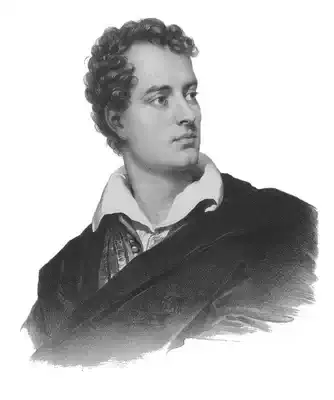
Lord Byron
The Dream
The Dream
I
Our life is twofold; Sleep hath its own world,
A boundary between the things misnamed
Death and existence: Sleep hath its own world,
And a wide realm of wild reality,
And dreams in their development have breath,
And tears, and tortures, and the touch of joy;
They leave a weight upon our waking thoughts,
They take a weight from off waking toils,
They do divide our being; they become
A portion of ourselves as of our time,
And look like heralds of eternity;
They pass like spirits of the past they
speak
Like sibyls of the future; they have power The
tyranny of pleasure and of pain;
They make us what we were not what
they will,
And shake us with the vision that's gone by,
The dread of vanished shadows Are
they so?
Is not the past all shadow? What
are they?
Creations of the mind? The
mind can make
Substances, and people planets of its own
With beings brighter than have been, and give
A breath to forms which can outlive all flesh.
I would recall a vision which I dreamed
Perchance in sleep for
in itself a thought,
A slumbering thought, is capable of years,
And curdles a long life into one hour.
II
I saw two beings in the hues of youth
Standing upon a hill, a gentle hill,
Green and of mild declivity, the last
As 'twere the cape of a long ridge of such,
Save that there was no sea to lave its base,
But a most living landscape, and the wave
Of woods and cornfields,
and the abodes of men
Scattered at intervals, and wreathing smoke
Arising from such rustic roofs: the hill
Was crowned with a peculiar diadem
Of trees, in circular array, so fixed,
Not by the sport of nature, but of man:
These two, a maiden and a youth, were there
Gazing the
one on all that was beneath
Fair as herself but
the boy gazed on her;
And both were young, and one was beautiful:
And both were young yet
not alike in youth.
As the sweet moon on the horizon's verge,
The maid was on the eve of womanhood;
The boy had fewer summers, but his heart
Had far outgrown his years, and to his eye
There was but one beloved face on earth,
And that was shining on him; he had looked
Upon it till it could not pass away;
He had no breath, no being, but in hers:
She was his voice; he did not speak to her,
But trembled on her words; she was his sight,
For his eye followed hers, and saw with hers,
Which coloured all his objects; he
had ceased
To live within himself: she was his life,
The ocean to the river of his thoughts,
Which terminated all; upon a tone,
A touch of hers, his blood would ebb and flow,
And his cheek change tempestuously his
heart
Unknowing of its cause of agony.
But she in these fond feelings had no share:
Her sighs were not for him; to her he was
Even as a brother but
no more; 'twas much,
For brotherless she was, save in the name
Her infant friendship had bestowed on him;
Herself the solitary scion left
Of a timehonoured
race. It
was a name
Which pleased him, and yet pleased him not and
why?
Time taught him a deep answer when
she loved
Another; even now she loved another,
And on the summit of that hill she stood
Looking afar if yet her lover's steed
Kept pace with her expectancy, and flew.
III
A change came o'er the spirit of my dream.
There was an ancient mansion, and before
Its walls there was a steed caparisoned:
Within an antique Oratory stood
The Boy of whom I spake; he
was alone,
And pale, and pacing to and fro: anon
He sate him down, and seized a pen, and traced
Words which I could not guess of; then he leaned
His bowed head on his hands and shook, as 'twere
With a convulsion then
rose again,
And with his teeth and quivering hands did tear
What he had written, but he shed no tears.
And he did calm himself, and fix his brow
Into a kind of quiet: as he paused,
The Lady of his love reentered
there;
She was serene and smiling then, and yet
She knew she was by him beloved; she knew For
quickly comes such knowledge that
his heart
Was darkened with her shadow, and she saw
That he was wretched, but she saw not all.
He rose, and with a cold and gentle grasp
He took her hand; a moment o'er his face
A tablet of unutterable thoughts
Was traced, and then it faded, as it came;
He dropped the hand he held, and with slow steps
Retired, but not as bidding her adieu,
For they did part with mutual smiles; he passed
From out the massy gate of that old Hall,
And mounting on his steed he went his way;
And ne'er repassed that hoary threshold more.
IV
A change came o'er the spirit of my dream.
The Boy was sprung to manhood: in the wilds
Of fiery climes he made himself a home,
And his Soul drank their sunbeams; he was girt
With strange and dusky aspects; he was not
Himself like what he had been; on the sea
And on the shore he was a wanderer;
There was a mass of many images
Crowded like waves upon me, but he was
A part of all; and in the last he lay
Reposing from the noontide sultriness,
Couched among fallen columns, in the shade
Of ruined walls that had survived the names
Of those who reared them; by his sleeping side
Stood camels grazing, and some goodly steeds
Were fastened near a fountain; and a man,
Glad in a flowing garb, did watch the while,
While many of his tribe slumbered around:
And they were canopied by the blue sky,
So cloudless, clear, and purely beautiful,
That God alone was to be seen in heaven.
V
A change came o'er the spirit of my dream.
The Lady of his love was wed with One
Who did not love her better: in her home,
A thousand leagues from his, her
native home,
She dwelt, begirt with growing Infancy,
Daughters and sons of Beauty, but
behold!
Upon her face there was a tint of grief,
The settled shadow of an inward strife,
And an unquiet drooping of the eye,
As if its lid were charged with unshed tears.
What could her grief be? she
had all she loved,
And he who had so loved her was not there
To trouble with bad hopes, or evil wish,
Or illrepressed
affliction, her pure thoughts.
What could her grief be? she
had loved him not,
Nor given him cause to deem himself beloved,
Nor could he be a part of that which preyed
Upon her mind a
spectre of the past.
VI
A change came o'er the spirit of my dream.
The Wanderer was returned. I
saw him stand
Before an altar with
a gentle bride;
Her face was fair, but was not that which made
The Starlight of his Boyhood; as
he stood
Even at the altar, o'er his brow there came
The selfsame aspect and the quivering shock
That in the antique Oratory shook
His bosom in its solitude; and then As
in that hour a
moment o'er his face
The tablet of unutterable thoughts
Was traced and
then it faded as it came,
And he stood calm and quiet, and he spoke
The fitting vows, but heard not his own words,
And all things reeled around him; he could see
Not that which was, nor that which should have been But
the old mansion, and the accustomed hall,
And the remembered chambers, and the place,
The day, the hour, the sunshine, and the shade,
All things pertaining to that place and hour,
And her who was his destiny, came back
And thrust themselves between him and the light;
What business had they there at such a time?
VII
A change came o'er the spirit of my dream.
The Lady of his love; Oh!
she was changed,
As by the sickness of the soul; her mind
Had wandered from its dwelling, and her eyes,
They had not their own lustre, but the look
Which is not of the earth; she was become
The queen of a fantastic realm; her thoughts
Were combinations of disjointed things;
And forms impalpable and unperceived
Of others' sight familiar were to hers.
And this the world calls frenzy; but the wise
Have a far deeper madness, and the glance
Of melancholy is a fearful gift;
What is it but the telescope of truth?
Which strips the distance of its fantasies,
And brings life near in utter nakedness,
Making the cold reality too real!
VIII
A change came o'er the spirit of my dream.
The Wanderer was alone as heretofore,
The beings which surrounded him were gone,
Or were at war with him; he was a mark
For blight and desolation, compassed round
With Hatred and Contention; Pain was mixed
In all which was served up to him, until,
Like to the Pontic monarch of old days,
He fed on poisons, and they had no power,
But were a kind of nutriment; he lived
Through that which had been death to many men,
And made him friends of mountains; with the stars
And the quick Spirit of the Universe
He held his dialogues: and they did teach
To him the magic of their mysteries;
To him the book of Night was opened wide,
And voices from the deep abyss revealed
A marvel and a secret. Be
it so.
IX
My dream is past; it had no further change.
It was of a strange order, that the doom
Of these two creatures should be thus traced out
Almost like a reality the
one
To end in madness both
in misery.
I
Our life is twofold; Sleep hath its own world,
A boundary between the things misnamed
Death and existence: Sleep hath its own world,
And a wide realm of wild reality,
And dreams in their development have breath,
And tears, and tortures, and the touch of joy;
They leave a weight upon our waking thoughts,
They take a weight from off waking toils,
They do divide our being; they become
A portion of ourselves as of our time,
And look like heralds of eternity;
They pass like spirits of the past they
speak
Like sibyls of the future; they have power The
tyranny of pleasure and of pain;
They make us what we were not what
they will,
And shake us with the vision that's gone by,
The dread of vanished shadows Are
they so?
Is not the past all shadow? What
are they?
Creations of the mind? The
mind can make
Substances, and people planets of its own
With beings brighter than have been, and give
A breath to forms which can outlive all flesh.
I would recall a vision which I dreamed
Perchance in sleep for
in itself a thought,
A slumbering thought, is capable of years,
And curdles a long life into one hour.
II
I saw two beings in the hues of youth
Standing upon a hill, a gentle hill,
Green and of mild declivity, the last
As 'twere the cape of a long ridge of such,
Save that there was no sea to lave its base,
But a most living landscape, and the wave
Of woods and cornfields,
and the abodes of men
Scattered at intervals, and wreathing smoke
Arising from such rustic roofs: the hill
Was crowned with a peculiar diadem
Of trees, in circular array, so fixed,
Not by the sport of nature, but of man:
These two, a maiden and a youth, were there
Gazing the
one on all that was beneath
Fair as herself but
the boy gazed on her;
And both were young, and one was beautiful:
And both were young yet
not alike in youth.
As the sweet moon on the horizon's verge,
The maid was on the eve of womanhood;
The boy had fewer summers, but his heart
Had far outgrown his years, and to his eye
There was but one beloved face on earth,
And that was shining on him; he had looked
Upon it till it could not pass away;
He had no breath, no being, but in hers:
She was his voice; he did not speak to her,
But trembled on her words; she was his sight,
For his eye followed hers, and saw with hers,
Which coloured all his objects; he
had ceased
To live within himself: she was his life,
The ocean to the river of his thoughts,
Which terminated all; upon a tone,
A touch of hers, his blood would ebb and flow,
And his cheek change tempestuously his
heart
Unknowing of its cause of agony.
But she in these fond feelings had no share:
Her sighs were not for him; to her he was
Even as a brother but
no more; 'twas much,
For brotherless she was, save in the name
Her infant friendship had bestowed on him;
Herself the solitary scion left
Of a timehonoured
race. It
was a name
Which pleased him, and yet pleased him not and
why?
Time taught him a deep answer when
she loved
Another; even now she loved another,
And on the summit of that hill she stood
Looking afar if yet her lover's steed
Kept pace with her expectancy, and flew.
III
A change came o'er the spirit of my dream.
There was an ancient mansion, and before
Its walls there was a steed caparisoned:
Within an antique Oratory stood
The Boy of whom I spake; he
was alone,
And pale, and pacing to and fro: anon
He sate him down, and seized a pen, and traced
Words which I could not guess of; then he leaned
His bowed head on his hands and shook, as 'twere
With a convulsion then
rose again,
And with his teeth and quivering hands did tear
What he had written, but he shed no tears.
And he did calm himself, and fix his brow
Into a kind of quiet: as he paused,
The Lady of his love reentered
there;
She was serene and smiling then, and yet
She knew she was by him beloved; she knew For
quickly comes such knowledge that
his heart
Was darkened with her shadow, and she saw
That he was wretched, but she saw not all.
He rose, and with a cold and gentle grasp
He took her hand; a moment o'er his face
A tablet of unutterable thoughts
Was traced, and then it faded, as it came;
He dropped the hand he held, and with slow steps
Retired, but not as bidding her adieu,
For they did part with mutual smiles; he passed
From out the massy gate of that old Hall,
And mounting on his steed he went his way;
And ne'er repassed that hoary threshold more.
IV
A change came o'er the spirit of my dream.
The Boy was sprung to manhood: in the wilds
Of fiery climes he made himself a home,
And his Soul drank their sunbeams; he was girt
With strange and dusky aspects; he was not
Himself like what he had been; on the sea
And on the shore he was a wanderer;
There was a mass of many images
Crowded like waves upon me, but he was
A part of all; and in the last he lay
Reposing from the noontide sultriness,
Couched among fallen columns, in the shade
Of ruined walls that had survived the names
Of those who reared them; by his sleeping side
Stood camels grazing, and some goodly steeds
Were fastened near a fountain; and a man,
Glad in a flowing garb, did watch the while,
While many of his tribe slumbered around:
And they were canopied by the blue sky,
So cloudless, clear, and purely beautiful,
That God alone was to be seen in heaven.
V
A change came o'er the spirit of my dream.
The Lady of his love was wed with One
Who did not love her better: in her home,
A thousand leagues from his, her
native home,
She dwelt, begirt with growing Infancy,
Daughters and sons of Beauty, but
behold!
Upon her face there was a tint of grief,
The settled shadow of an inward strife,
And an unquiet drooping of the eye,
As if its lid were charged with unshed tears.
What could her grief be? she
had all she loved,
And he who had so loved her was not there
To trouble with bad hopes, or evil wish,
Or illrepressed
affliction, her pure thoughts.
What could her grief be? she
had loved him not,
Nor given him cause to deem himself beloved,
Nor could he be a part of that which preyed
Upon her mind a
spectre of the past.
VI
A change came o'er the spirit of my dream.
The Wanderer was returned. I
saw him stand
Before an altar with
a gentle bride;
Her face was fair, but was not that which made
The Starlight of his Boyhood; as
he stood
Even at the altar, o'er his brow there came
The selfsame aspect and the quivering shock
That in the antique Oratory shook
His bosom in its solitude; and then As
in that hour a
moment o'er his face
The tablet of unutterable thoughts
Was traced and
then it faded as it came,
And he stood calm and quiet, and he spoke
The fitting vows, but heard not his own words,
And all things reeled around him; he could see
Not that which was, nor that which should have been But
the old mansion, and the accustomed hall,
And the remembered chambers, and the place,
The day, the hour, the sunshine, and the shade,
All things pertaining to that place and hour,
And her who was his destiny, came back
And thrust themselves between him and the light;
What business had they there at such a time?
VII
A change came o'er the spirit of my dream.
The Lady of his love; Oh!
she was changed,
As by the sickness of the soul; her mind
Had wandered from its dwelling, and her eyes,
They had not their own lustre, but the look
Which is not of the earth; she was become
The queen of a fantastic realm; her thoughts
Were combinations of disjointed things;
And forms impalpable and unperceived
Of others' sight familiar were to hers.
And this the world calls frenzy; but the wise
Have a far deeper madness, and the glance
Of melancholy is a fearful gift;
What is it but the telescope of truth?
Which strips the distance of its fantasies,
And brings life near in utter nakedness,
Making the cold reality too real!
VIII
A change came o'er the spirit of my dream.
The Wanderer was alone as heretofore,
The beings which surrounded him were gone,
Or were at war with him; he was a mark
For blight and desolation, compassed round
With Hatred and Contention; Pain was mixed
In all which was served up to him, until,
Like to the Pontic monarch of old days,
He fed on poisons, and they had no power,
But were a kind of nutriment; he lived
Through that which had been death to many men,
And made him friends of mountains; with the stars
And the quick Spirit of the Universe
He held his dialogues: and they did teach
To him the magic of their mysteries;
To him the book of Night was opened wide,
And voices from the deep abyss revealed
A marvel and a secret. Be
it so.
IX
My dream is past; it had no further change.
It was of a strange order, that the doom
Of these two creatures should be thus traced out
Almost like a reality the
one
To end in madness both
in misery.
688
Lord Byron
Stanzas To The Po
Stanzas To The Po
River, that rollest by the ancient walls,
Where dwells the Lady of my love, when she
Walks by thy brink, and there perchance recalls
A faint and fleeting memory of me:
What if thy deep and ample stream should be
A mirror of my heart, where she may read
The thousand thoughts I now betray to thee,
Wild as thy wave, and headlong as thy speed!
What do I saya
mirror of my heart?
Are not thy waters sweeping, dark, and strong?
Such as my feelings were and are, thou art;
And such as thou art were my passions long.
Time may have somewhat tamed them,not
for ever
Thou overflow'st thy banks, and not for aye
Thy bosom overboils, congenial river!
Thy floods subside, and mine have sunk away:
But left long wrecks behind, and now again,
Borne in our old unchanged career, we move:
Thou tendest wildly onwards to the main,
And Ito
loving one I should not love.
The current I behold will sweep beneath
Her native walls, and murmur at her feet;
Her eyes will look on thee, when she shall breathe
The twilight air, unharmed by summer's heat.
She will look on thee,I
have looked on thee,
Full of that thought: and, from that moment, ne'er
Thy waters could I dream of, name, or see,
Without the inseparable sigh for her!
Her bright eyes will be imaged in thy stream,Yes!
they will meet the wave I gaze on now:
Mine cannot witness, even in a dream,
That happy wave repass me in its flow!
The wave that bears my tears returns no more:
Will she return by whom that wave shall sweep?Both
tread thy banks, both wander on thy shore,
I by thy source, she by the darkblue
deep.
But that which keepeth us apart is not
Distance, nor depth of wave, nor space of earth,
But the distraction of a various lot,
As various as the climates of our birth.
A stranger loves the Lady of the land;
Born far beyond the mountains, but his blood
Is all meridian, as if never fanned
By the black wind that chills the polar flood.
My blood is all meridian; were it not
I had not left my clime, nor should I be,
In spite of tortures, ne'er to be forgot
A slave again of love,at
least of thee.
'Tis vain to strugglelet
me perish youngLive
as I lived, and love as I have loved;
To dust if I return, from dust I sprung,
And then, at least, my heart can ne'er be moved.
River, that rollest by the ancient walls,
Where dwells the Lady of my love, when she
Walks by thy brink, and there perchance recalls
A faint and fleeting memory of me:
What if thy deep and ample stream should be
A mirror of my heart, where she may read
The thousand thoughts I now betray to thee,
Wild as thy wave, and headlong as thy speed!
What do I saya
mirror of my heart?
Are not thy waters sweeping, dark, and strong?
Such as my feelings were and are, thou art;
And such as thou art were my passions long.
Time may have somewhat tamed them,not
for ever
Thou overflow'st thy banks, and not for aye
Thy bosom overboils, congenial river!
Thy floods subside, and mine have sunk away:
But left long wrecks behind, and now again,
Borne in our old unchanged career, we move:
Thou tendest wildly onwards to the main,
And Ito
loving one I should not love.
The current I behold will sweep beneath
Her native walls, and murmur at her feet;
Her eyes will look on thee, when she shall breathe
The twilight air, unharmed by summer's heat.
She will look on thee,I
have looked on thee,
Full of that thought: and, from that moment, ne'er
Thy waters could I dream of, name, or see,
Without the inseparable sigh for her!
Her bright eyes will be imaged in thy stream,Yes!
they will meet the wave I gaze on now:
Mine cannot witness, even in a dream,
That happy wave repass me in its flow!
The wave that bears my tears returns no more:
Will she return by whom that wave shall sweep?Both
tread thy banks, both wander on thy shore,
I by thy source, she by the darkblue
deep.
But that which keepeth us apart is not
Distance, nor depth of wave, nor space of earth,
But the distraction of a various lot,
As various as the climates of our birth.
A stranger loves the Lady of the land;
Born far beyond the mountains, but his blood
Is all meridian, as if never fanned
By the black wind that chills the polar flood.
My blood is all meridian; were it not
I had not left my clime, nor should I be,
In spite of tortures, ne'er to be forgot
A slave again of love,at
least of thee.
'Tis vain to strugglelet
me perish youngLive
as I lived, and love as I have loved;
To dust if I return, from dust I sprung,
And then, at least, my heart can ne'er be moved.
582
Lord Byron
Stanzas To A Lady, With The Poems Of Camoëns
Stanzas To A Lady, With The Poems Of Camoëns
This votive pledge of fond esteem,
Perhaps, dear girl! for me thou'lt prize;
It sings of Love's enchanting dream,
A theme we never can despise.
Who blames it but the envious fool,
The old and disappointed maid;
Or pupil of the prudish school,
In single sorrow doom'd to fade?
Then read, dear girl! with feeling read,
For thou wilt ne'er be one of those;
To thee in vain I shall not plead
In pity for the poet's woes.
He was in sooth a genuine bard;
His was no faint, fictitious flame.
Like his, may love be thy reward,
But not thy hapless fate the same.
This votive pledge of fond esteem,
Perhaps, dear girl! for me thou'lt prize;
It sings of Love's enchanting dream,
A theme we never can despise.
Who blames it but the envious fool,
The old and disappointed maid;
Or pupil of the prudish school,
In single sorrow doom'd to fade?
Then read, dear girl! with feeling read,
For thou wilt ne'er be one of those;
To thee in vain I shall not plead
In pity for the poet's woes.
He was in sooth a genuine bard;
His was no faint, fictitious flame.
Like his, may love be thy reward,
But not thy hapless fate the same.
412
Lord Byron
Sonnet, To The Same (Genevra)
Sonnet, To The Same (Genevra)
Thy cheek is pale with thought, but not from woe,
And yet so lovely, that if Mirth could flush
Its rose of whiteness with the brightest blush,
My heart would wish away that ruder glow:
And dazzle not thy deepblue
eyesbut,
oh!
While gazing on them sterner eyes will gush,
And into mine my mother's weakness rush,
Soft as the last drops round heaven's airy bow.
For, through thy long dark lashes low depending,
The soul of melancholy Gentleness
Gleams like a seraph from the sky descending,
Above all pain, yet pitying all distress;
At once such majesty with sweetness blending,
I worship more, but cannot love thee less.
Thy cheek is pale with thought, but not from woe,
And yet so lovely, that if Mirth could flush
Its rose of whiteness with the brightest blush,
My heart would wish away that ruder glow:
And dazzle not thy deepblue
eyesbut,
oh!
While gazing on them sterner eyes will gush,
And into mine my mother's weakness rush,
Soft as the last drops round heaven's airy bow.
For, through thy long dark lashes low depending,
The soul of melancholy Gentleness
Gleams like a seraph from the sky descending,
Above all pain, yet pitying all distress;
At once such majesty with sweetness blending,
I worship more, but cannot love thee less.
501
Lord Byron
Sonnet - to Genevra
Sonnet - to Genevra
Thy cheek is pale with thought, but not from woe,
And yet so lovely, that if Mirth could flush
Its rose of whiteness with the brightest blush,
My heart would wish away that ruder glow:
And dazzle not thy deepblue
eyesbut,
oh!
While gazing on them sterner eyes will gush,
And into mine my mother's weakness rush,
Soft as the last drops round Heaven's airy bow.
For, though thy long dark lashes low depending,
The soul of melancholy Gentleness
Gleams like a Seraph from the sky descending,
Above all pain, yet pitying all distress;
At once such majesty with sweetness blending,
I worship more, but cannot love thee less.
Thy cheek is pale with thought, but not from woe,
And yet so lovely, that if Mirth could flush
Its rose of whiteness with the brightest blush,
My heart would wish away that ruder glow:
And dazzle not thy deepblue
eyesbut,
oh!
While gazing on them sterner eyes will gush,
And into mine my mother's weakness rush,
Soft as the last drops round Heaven's airy bow.
For, though thy long dark lashes low depending,
The soul of melancholy Gentleness
Gleams like a Seraph from the sky descending,
Above all pain, yet pitying all distress;
At once such majesty with sweetness blending,
I worship more, but cannot love thee less.
650
Lord Byron
And Wilt Thou Weep When I Am Low?
And Wilt Thou Weep When I Am Low?
And wilt thou weep when I am low?
Sweet lady! speak those words again:
Yet if they grieve thee, say not soI
would not give that bosom pain.
My heart is sad, my hopes are gone,
My blood runs coldly through my breast;
And when I perish, thou alone
Wilt sigh above my place of rest.
And yet, methinks, a gleam of peace
Doth through my cloud of anguish shine:
And for a while my sorrows cease,
To know thy heart hath felt for mine.
Oh lady! blessd be that tearIt
falls for one who cannot weep;
Such precious drops are doubly dear
To those whose eyes no tear may steep.
Sweet lady! once my heart was warm
With every feeling soft as thine;
But Beauty's self hath ceased to charm
A wretch created to repine.
Yet wilt thou weep when I am low?
Sweet lady! speak those words again:
Yet if they grieve thee, say not soI
would not give that bosom pain.
And wilt thou weep when I am low?
Sweet lady! speak those words again:
Yet if they grieve thee, say not soI
would not give that bosom pain.
My heart is sad, my hopes are gone,
My blood runs coldly through my breast;
And when I perish, thou alone
Wilt sigh above my place of rest.
And yet, methinks, a gleam of peace
Doth through my cloud of anguish shine:
And for a while my sorrows cease,
To know thy heart hath felt for mine.
Oh lady! blessd be that tearIt
falls for one who cannot weep;
Such precious drops are doubly dear
To those whose eyes no tear may steep.
Sweet lady! once my heart was warm
With every feeling soft as thine;
But Beauty's self hath ceased to charm
A wretch created to repine.
Yet wilt thou weep when I am low?
Sweet lady! speak those words again:
Yet if they grieve thee, say not soI
would not give that bosom pain.
469
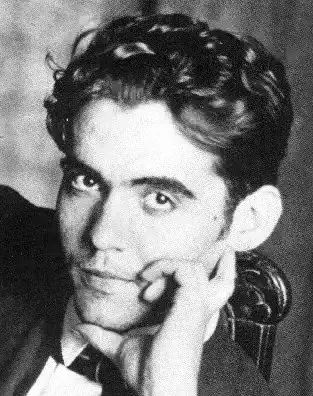
Federico García Lorca
Weeping
Weeping
Weeping,
I go down the street
Grotesque, without solution
With the sadness of Cyrano
And Quixote.
Redeeming
Infinite impossiblities
With the rhythm of the clock.
Weeping,
I go down the street
Grotesque, without solution
With the sadness of Cyrano
And Quixote.
Redeeming
Infinite impossiblities
With the rhythm of the clock.
539

Ezra Pound
Speech For Psyche In The Golden Book Of Apuleius
Speech For Psyche In The Golden Book Of Apuleius
All night, and as the wind lieth among
The cypress trees, he lay,
Nor held me save as air that brusheth by one
Close, and as the petals of flowers in falling
Waver and seem not drawn to earth, so he
Seemed over me to hover light as leaves
And closer me than air,
And music flowing through me seemed to open
Mine eyes upon new colours.
O winds, what wind can match the weight of him!
All night, and as the wind lieth among
The cypress trees, he lay,
Nor held me save as air that brusheth by one
Close, and as the petals of flowers in falling
Waver and seem not drawn to earth, so he
Seemed over me to hover light as leaves
And closer me than air,
And music flowing through me seemed to open
Mine eyes upon new colours.
O winds, what wind can match the weight of him!
406
Ezra Pound
Of Jacopo Del Sellaio
Of Jacopo Del Sellaio
This man knew out the secret ways of love,
No man could paint such things who did not know.
And now she's gone, who was his Cyprian,
And you are here, who are ‘The Isles’ to me.
And here's the thing that lasts the whole thing out:
The eyes of this dead lady speak to me.
This man knew out the secret ways of love,
No man could paint such things who did not know.
And now she's gone, who was his Cyprian,
And you are here, who are ‘The Isles’ to me.
And here's the thing that lasts the whole thing out:
The eyes of this dead lady speak to me.
455
Ezra Pound
Na Audiart
Na Audiart
Though thou well dost wish me ill
Audiart, Audiart,
Where thy bodice laces start
As ivy fingers clutching through
Its crevices,
Audiart, Audiart,
Stately, tall and lovely tender
Who shall render
Audiart, Audiart,
Praises meet unto thy fashion?
Here a word kiss !
Pass I on
Unto Lady ‘Miels-de-Ben’,
Having praised thy girdle's scope
How the stays ply back from it;
I breath no hope
That thou shouldst . . .
Nay no whit
Bespeak thyself for anything.
Just a word in thy praise, girl,
Just for the swirl
Thy satins make upon the stair,
'Cause never a flaw was there
Where thy torse and limbs are met
Though thou hate me, read it set
In rose and gold.
Or when the minstrel, tale half told,
Shall burst to lilting at the praise
'Audiart, Audiart' . .
Bertrans, master of his lays,
Bertrans of Aultaforte thy praise
Sets forth, and though thou hate me well,
Yea though thou wish me ill,
Audiart, Audiart.
Thy loveliness is here writ till,
Audiart,
Oh, till thou come again.
And being bent and wrinkled, in a form
That hath no perfect limning, when the warm
Youth dew is cold
Upon thy hands, and thy old soul
Scorning a new, wry'd casement,
Churlish at seemed misplacement,
Finds the earth as bitter
As now seems it sweet,
Being so young and fair
As then only in dreams,
Being then young and wry'd,
Broken of ancient pride,
Thou shalt then soften,
Knowing, I know not how,
Thou wert once she
Audiart, Audiart
For whose fairness one forgave
Audiart,
Audiart
Que be-m vols mal.
Though thou well dost wish me ill
Audiart, Audiart,
Where thy bodice laces start
As ivy fingers clutching through
Its crevices,
Audiart, Audiart,
Stately, tall and lovely tender
Who shall render
Audiart, Audiart,
Praises meet unto thy fashion?
Here a word kiss !
Pass I on
Unto Lady ‘Miels-de-Ben’,
Having praised thy girdle's scope
How the stays ply back from it;
I breath no hope
That thou shouldst . . .
Nay no whit
Bespeak thyself for anything.
Just a word in thy praise, girl,
Just for the swirl
Thy satins make upon the stair,
'Cause never a flaw was there
Where thy torse and limbs are met
Though thou hate me, read it set
In rose and gold.
Or when the minstrel, tale half told,
Shall burst to lilting at the praise
'Audiart, Audiart' . .
Bertrans, master of his lays,
Bertrans of Aultaforte thy praise
Sets forth, and though thou hate me well,
Yea though thou wish me ill,
Audiart, Audiart.
Thy loveliness is here writ till,
Audiart,
Oh, till thou come again.
And being bent and wrinkled, in a form
That hath no perfect limning, when the warm
Youth dew is cold
Upon thy hands, and thy old soul
Scorning a new, wry'd casement,
Churlish at seemed misplacement,
Finds the earth as bitter
As now seems it sweet,
Being so young and fair
As then only in dreams,
Being then young and wry'd,
Broken of ancient pride,
Thou shalt then soften,
Knowing, I know not how,
Thou wert once she
Audiart, Audiart
For whose fairness one forgave
Audiart,
Audiart
Que be-m vols mal.
528
Ezra Pound
IN DURANCE
IN DURANCE
(1907)
1 am homesick after mine own kind,
Oh I know that there are folk about me, friendly faces,
But I am homesick after mine own kind.
'These sell our pictures'! Oh well,
They reach me not, touch me some edge or that,
But reach me not and all my life's become
One flame, that reaches not beyond
My heart's own hearth,
Or hides among the ashes there for thee.
Thee'? Oh, 'Thee' is who cometh first
Out of mine own soul-kin,
For I am homesick after mine own kind
And ordinary people touch me not.
And I am homesick
After mine own kind that know, and feel
And have some breath for beauty and the arts.
Aye, I am wistful for my kin of the spirit
And have none about me save in the shadows
When come they, surging of power, 'DAEMON,'
'Quasi KALOUN.' S.T. says Beauty is most that, a
'calling to the soul'.
Well then, so call they, the swirlers out of the mist of my soul,
They that come mewards, bearing old magic.
But for all that, I am homesick after mine own kind
And would meet kindred even as I am,
Flesh-shrouded bearing the secret.
'All they that with strange sadness'
Have the earth in mockery, and are kind to all,
My fellows, aye I know the glory
Of th' unbounded ones, but ye, that hide
As I hide most the while
And burst forth to the windows only whiles or whiles
For love, or hope or beauty or for power,
Then smoulder, with the lids half closed
And are untouched by echoes of the world.
Oh ye, my fellows: with the seas between us some be,
Purple and sapphire for the silver shafts
Of sun and spray all shattered at the bows;
And some the hills hold off,
The little hills to east of us, though here we
Have damp and plain to be our shutting in.
And yet my soul sings ‘Up!' and we are one.
Yea thou, and Thou, and THOU, and all my kin
To whom my breast and arms are ever warm,
For that I love ye as the wind the trees
That holds their blossoms and their leaves in cure
And calls the utmost singing from the boughs
That Hhout him, save the aspen, were as dumb
Still shade, and bade no whisper speak the birds of how
'Beyond, beyond, beyond, there lies . . .'
(1907)
1 am homesick after mine own kind,
Oh I know that there are folk about me, friendly faces,
But I am homesick after mine own kind.
'These sell our pictures'! Oh well,
They reach me not, touch me some edge or that,
But reach me not and all my life's become
One flame, that reaches not beyond
My heart's own hearth,
Or hides among the ashes there for thee.
Thee'? Oh, 'Thee' is who cometh first
Out of mine own soul-kin,
For I am homesick after mine own kind
And ordinary people touch me not.
And I am homesick
After mine own kind that know, and feel
And have some breath for beauty and the arts.
Aye, I am wistful for my kin of the spirit
And have none about me save in the shadows
When come they, surging of power, 'DAEMON,'
'Quasi KALOUN.' S.T. says Beauty is most that, a
'calling to the soul'.
Well then, so call they, the swirlers out of the mist of my soul,
They that come mewards, bearing old magic.
But for all that, I am homesick after mine own kind
And would meet kindred even as I am,
Flesh-shrouded bearing the secret.
'All they that with strange sadness'
Have the earth in mockery, and are kind to all,
My fellows, aye I know the glory
Of th' unbounded ones, but ye, that hide
As I hide most the while
And burst forth to the windows only whiles or whiles
For love, or hope or beauty or for power,
Then smoulder, with the lids half closed
And are untouched by echoes of the world.
Oh ye, my fellows: with the seas between us some be,
Purple and sapphire for the silver shafts
Of sun and spray all shattered at the bows;
And some the hills hold off,
The little hills to east of us, though here we
Have damp and plain to be our shutting in.
And yet my soul sings ‘Up!' and we are one.
Yea thou, and Thou, and THOU, and all my kin
To whom my breast and arms are ever warm,
For that I love ye as the wind the trees
That holds their blossoms and their leaves in cure
And calls the utmost singing from the boughs
That Hhout him, save the aspen, were as dumb
Still shade, and bade no whisper speak the birds of how
'Beyond, beyond, beyond, there lies . . .'
481
Ezra Pound
Ballatetta
Ballatetta
The light became her grace and dwelt among
Blind eyes and shadows that are formed as men;
Lo, how the light doth melt us into song:
The broken sunlight for a healm she beareth
Who hath my heart in jurisdiction.
In wild-wood never fawn nor fallow fareth
So silent light; no gossamer is spun
So delicate as she is, when the sun
Drives the clear emeralds from the bended grasses
Lest they should parch too swiftly, where she passes.
The light became her grace and dwelt among
Blind eyes and shadows that are formed as men;
Lo, how the light doth melt us into song:
The broken sunlight for a healm she beareth
Who hath my heart in jurisdiction.
In wild-wood never fawn nor fallow fareth
So silent light; no gossamer is spun
So delicate as she is, when the sun
Drives the clear emeralds from the bended grasses
Lest they should parch too swiftly, where she passes.
455
Ezra Pound
Albatre
Albatre
This lady in the white bath-robe which she calls a
peignoir,
Is, for the time being, the mistress of my friend,
And the delicate white feet of her little white dog
Are not more delicate than she is,
Nor would Gautier himself have despised their contrasts
in whiteness
As she sits in the great chair
Between the two indolent candles.
This lady in the white bath-robe which she calls a
peignoir,
Is, for the time being, the mistress of my friend,
And the delicate white feet of her little white dog
Are not more delicate than she is,
Nor would Gautier himself have despised their contrasts
in whiteness
As she sits in the great chair
Between the two indolent candles.
360

Emily Jane Brontë
The Visionary
The Visionary
Silent is the house: all are laid asleep:
One alone looks out o’er the snow-wreaths deep,
Watching every cloud, dreading every breeze
That whirls the wildering drift, and bends the groaning trees.
Cheerful is the hearth, soft the matted floor;
Not one shivering gust creeps through pane or door;
The little lamp burns straight, its rays shoot strong and far:
I trim it well, to be the wanderer’s guiding-star.
Frown, my haughty sire! chide, my angry dame!
Set your slaves to spy; threaten me with shame:
But neither sire nor dame nor prying serf shall know,
What angel nightly tracks that waste of frozen snow.
What I love shall come like visitant of air,
Safe in secret power from lurking human snare;
What loves me, no word of mine shall e’er betray,
Though for faith unstained my life must forfeit pay.
Burn, then, little lamp; glimmer straight and clear—
Hush! a rustling wing stirs, methinks, the air:
He for whom I wait, thus ever comes to me;
Strange Power! I trust thy might; trust thou my constancy.
Silent is the house: all are laid asleep:
One alone looks out o’er the snow-wreaths deep,
Watching every cloud, dreading every breeze
That whirls the wildering drift, and bends the groaning trees.
Cheerful is the hearth, soft the matted floor;
Not one shivering gust creeps through pane or door;
The little lamp burns straight, its rays shoot strong and far:
I trim it well, to be the wanderer’s guiding-star.
Frown, my haughty sire! chide, my angry dame!
Set your slaves to spy; threaten me with shame:
But neither sire nor dame nor prying serf shall know,
What angel nightly tracks that waste of frozen snow.
What I love shall come like visitant of air,
Safe in secret power from lurking human snare;
What loves me, no word of mine shall e’er betray,
Though for faith unstained my life must forfeit pay.
Burn, then, little lamp; glimmer straight and clear—
Hush! a rustling wing stirs, methinks, the air:
He for whom I wait, thus ever comes to me;
Strange Power! I trust thy might; trust thou my constancy.
212

Emily Dickinson
Why do I love You, Sir?
Why do I love You, Sir?
"Why do I love" You, Sir?
Because—
The Wind does not require the Grass
To answer—Wherefore when He pass
She cannot keep Her place.
Because He knows—and
Do not You—
And We know not—
Enough for Us
The Wisdom it be so—
The Lightning—never asked an Eye
Wherefore it shut—when He was by—
Because He knows it cannot speak—
And reasons not contained—
—Of Talk—
There be—preferred by Daintier Folk—
The Sunrise—Sire—compelleth Me—
Because He's Sunrise—and I see—
Therefore—Then—
I love Thee—
"Why do I love" You, Sir?
Because—
The Wind does not require the Grass
To answer—Wherefore when He pass
She cannot keep Her place.
Because He knows—and
Do not You—
And We know not—
Enough for Us
The Wisdom it be so—
The Lightning—never asked an Eye
Wherefore it shut—when He was by—
Because He knows it cannot speak—
And reasons not contained—
—Of Talk—
There be—preferred by Daintier Folk—
The Sunrise—Sire—compelleth Me—
Because He's Sunrise—and I see—
Therefore—Then—
I love Thee—
360
Emily Dickinson
Wert Thou but ill—that I might show thee
Wert Thou but ill—that I might show thee
961
Wert Thou but ill—that I might show thee
How long a Day I could endure
Though thine attention stop not on me
Nor the least signal, Me assure—
Wert Thou but Stranger in ungracious country—
And Mine—the Door
Thou paused at, for a passing bounty—
No More—
Accused—wert Thou—and Myself—Tribunal—
Convicted—Sentenced—Ermine—not to Me
Half the Condition, thy Reverse—to follow—
Just to partake—the infamy—
The Tenant of the Narrow Cottage, wert Thou—
Permit to be
The Housewife in thy low attendance
Contenteth Me—
No Service hast Thou, I would not achieve it—
To die—or live—
The first—Sweet, proved I, ere I saw thee—
For Life—be Love—
961
Wert Thou but ill—that I might show thee
How long a Day I could endure
Though thine attention stop not on me
Nor the least signal, Me assure—
Wert Thou but Stranger in ungracious country—
And Mine—the Door
Thou paused at, for a passing bounty—
No More—
Accused—wert Thou—and Myself—Tribunal—
Convicted—Sentenced—Ermine—not to Me
Half the Condition, thy Reverse—to follow—
Just to partake—the infamy—
The Tenant of the Narrow Cottage, wert Thou—
Permit to be
The Housewife in thy low attendance
Contenteth Me—
No Service hast Thou, I would not achieve it—
To die—or live—
The first—Sweet, proved I, ere I saw thee—
For Life—be Love—
294
Emily Dickinson
Not in this world to see his face
Not in this world to see his face
Not in this world to see his face
Sounds long, until I read the place
Where this is said to be
But just the primer to a life
Unopened, rare, upon the shelf,
Clasped yet to him and me.
And yet, my primer suits me so
I would not choose a book to know
Than that, be sweeter wise;
Might some one else so learned be.
And leave me just my A B C,
Himself could have the skies.
Not in this world to see his face
Sounds long, until I read the place
Where this is said to be
But just the primer to a life
Unopened, rare, upon the shelf,
Clasped yet to him and me.
And yet, my primer suits me so
I would not choose a book to know
Than that, be sweeter wise;
Might some one else so learned be.
And leave me just my A B C,
Himself could have the skies.
198
Emily Dickinson
I went to heaven,--
I went to heaven,--
I went to heaven,-'
T was a small town,
Lit with a ruby,
Lathed with down.
Stiller than the fields
At the full dew,
Beautiful as pictures
No man drew.
People like the moth,
Of mechlin, frames,
Duties of gossamer,
And eider names.
Almost contented
I could be
'Mong such unique
Society.
I went to heaven,-'
T was a small town,
Lit with a ruby,
Lathed with down.
Stiller than the fields
At the full dew,
Beautiful as pictures
No man drew.
People like the moth,
Of mechlin, frames,
Duties of gossamer,
And eider names.
Almost contented
I could be
'Mong such unique
Society.
288
Emily Dickinson
I know where Wells grow—Droughtless Wells
I know where Wells grow—Droughtless Wells
460
I know where Wells grow—Droughtless Wells—
Deep dug—for Summer days—
Where Mosses go no more away—
And Pebble—safely plays—
It's made of Fathoms—and a Belt—
A Belt of jagged Stone—
Inlaid with Emerald—half way down—
And Diamonds—jumbled on—
It has no Bucket—Were I rich
A Bucket I would buy—
I'm often thirsty—but my lips
Are so high up—You see—
I read in an Old fashioned Book
That People "thirst no more"—
The Wells have Buckets to them there—
It must mean that—I'm sure—
Shall We remember Parching—then?
Those Waters sound so grand—
I think a little Well—like Mine—
Dearer to understand—
460
I know where Wells grow—Droughtless Wells—
Deep dug—for Summer days—
Where Mosses go no more away—
And Pebble—safely plays—
It's made of Fathoms—and a Belt—
A Belt of jagged Stone—
Inlaid with Emerald—half way down—
And Diamonds—jumbled on—
It has no Bucket—Were I rich
A Bucket I would buy—
I'm often thirsty—but my lips
Are so high up—You see—
I read in an Old fashioned Book
That People "thirst no more"—
The Wells have Buckets to them there—
It must mean that—I'm sure—
Shall We remember Parching—then?
Those Waters sound so grand—
I think a little Well—like Mine—
Dearer to understand—
302
Emily Dickinson
I envy Seas, whereon He rides
I envy Seas, whereon He rides
498
I envy Seas, whereon He rides-
I envy Spokes of Wheels
Of Chariots, that Him convey-
I envy Crooked Hills
That gaze upon His journey-
How easy All can see
What is forbidden utterly
As Heaven-unto me!
I envy Nests of Sparrows-
That dot His distant Eaves-
The wealthy Fly, upon His Pane-
The happy-happy Leaves-
That just abroad His Window
Have Summer's leave to play-
The Ear Rings of Pizarro
Could not obtain for me-
I envy Light-that wakes Him-
And Bells-that boldly ring
To tell Him it is Noon, abroadMyself-
be Noon to Him-
Yet interdict-my Blossom-
And abrogate-my Bee-
Lest Noon in Everlasting Night-
Drop Gabriel-and Me-
498
I envy Seas, whereon He rides-
I envy Spokes of Wheels
Of Chariots, that Him convey-
I envy Crooked Hills
That gaze upon His journey-
How easy All can see
What is forbidden utterly
As Heaven-unto me!
I envy Nests of Sparrows-
That dot His distant Eaves-
The wealthy Fly, upon His Pane-
The happy-happy Leaves-
That just abroad His Window
Have Summer's leave to play-
The Ear Rings of Pizarro
Could not obtain for me-
I envy Light-that wakes Him-
And Bells-that boldly ring
To tell Him it is Noon, abroadMyself-
be Noon to Him-
Yet interdict-my Blossom-
And abrogate-my Bee-
Lest Noon in Everlasting Night-
Drop Gabriel-and Me-
413
Emily Dickinson
Good night! which put the candle out?
Good night! which put the candle out?
Good night! which put the candle out?
A jealous zephyr, not a doubt.
Ah! friend, you little knew
How long at that celestial wick
The angels labored diligent;
Extinguished, now, for you!
It might have been the lighthouse spark
Some sailor, rowing in the dark,
Had importuned to see!
It might have been the waning lamp
That lit the drummer from the camp
To purer reveille!
Good night! which put the candle out?
A jealous zephyr, not a doubt.
Ah! friend, you little knew
How long at that celestial wick
The angels labored diligent;
Extinguished, now, for you!
It might have been the lighthouse spark
Some sailor, rowing in the dark,
Had importuned to see!
It might have been the waning lamp
That lit the drummer from the camp
To purer reveille!
274
Emily Dickinson
For largest Woman's Hearth I knew
For largest Woman's Hearth I knew
309
For largest Woman's Hearth I knew'
Tis little I can do-
And yet the largest Woman's Heart
Could hold an Arrow-too-
And so, instructed by my own,
I tenderer, turn Me to.
309
For largest Woman's Hearth I knew'
Tis little I can do-
And yet the largest Woman's Heart
Could hold an Arrow-too-
And so, instructed by my own,
I tenderer, turn Me to.
283
Emily Dickinson
Come slowly—Eden!
Come slowly—Eden!
Come slowly—Eden!
Lips unused to Thee—
Bashful—sip thy Jessamines—
As the fainting Bee—
Reaching late his flower,
Round her chamber hums—
Counts his nectars—
Enters—and is lost in Balms.
Come slowly—Eden!
Lips unused to Thee—
Bashful—sip thy Jessamines—
As the fainting Bee—
Reaching late his flower,
Round her chamber hums—
Counts his nectars—
Enters—and is lost in Balms.
255
Emily Dickinson
Because the Bee may blameless hum
Because the Bee may blameless hum
869
Because the Bee may blameless hum
For Thee a Bee do I become
List even unto Me.
Because the Flowers unafraid
May lift a look on thine, a Maid
Alway a Flower would be.
Nor Robins, Robins need not hide
When Thou upon their Crypts intrude
So Wings bestow on Me
Or Petals, or a Dower of Buzz
That Bee to ride, or Flower of Furze
I that way worship Thee.
869
Because the Bee may blameless hum
For Thee a Bee do I become
List even unto Me.
Because the Flowers unafraid
May lift a look on thine, a Maid
Alway a Flower would be.
Nor Robins, Robins need not hide
When Thou upon their Crypts intrude
So Wings bestow on Me
Or Petals, or a Dower of Buzz
That Bee to ride, or Flower of Furze
I that way worship Thee.
235